Paramount laying off another 15 percent of its US workforce

Paramount is laying off 15 percent of its US workforce, according to reporting by Deadline. This follows a lean second quarter earnings report in which total revenue fell short from an expected $7.21 billion to $6.81 billion. The layoffs will impact around 3,000 people.

“The industry continues to evolve, and Paramount is at an inflection point where changes must be made to strengthen our business,” company CEOs wrote in a staff memo.

Paramount representatives say these cuts will happen in three stages, with layoffs beginning today and 90 percent of all cuts being completed by the end of September. The layoffs will primarily impact employees involved in marketing and communications, though the company’s legal and finance arms will also face cuts.

Paramount already laid off three percent of its workforce back in February, and this was after a three percent increase in revenue growth that was largely credited to its streaming and film businesses. So, a three percent increase of revenue translated to a three percent reduction of Paramount’s workforce and missing revenue expectations by around four percent is leading to layoffs accounting for 15 percent of company employees. Workers can’t catch a break.

All of these layoffs are likely being used to clear the runway, so to speak, for the forthcoming merger with Skydance. The merger was announced back in June and will soon head to the regulatory review process. Paramount has also been raising prices for its streaming service and, of course, deleting whole libraries of content for reasons that make a lot of sense to corporate executives but not so much to regular people.

This article originally appeared on Engadget at https://www.engadget.com/entertainment/streaming/paramount-laying-off-another-15-percent-of-its-us-workforce-153119425.html?src=rss

Largest floating wind platform sets on voyage to offshore destination

The past few decades we’ve seen a lot of countries look for more sustainable (and safer) sources of energy as large parts of their respective populations continue to use a lot of power for various purposes. Wind energy have been an option for some and so we continue to see a lot of companies developing various types of wind turbines to help power their respective places.

Designer: Mingyang Smart Energy

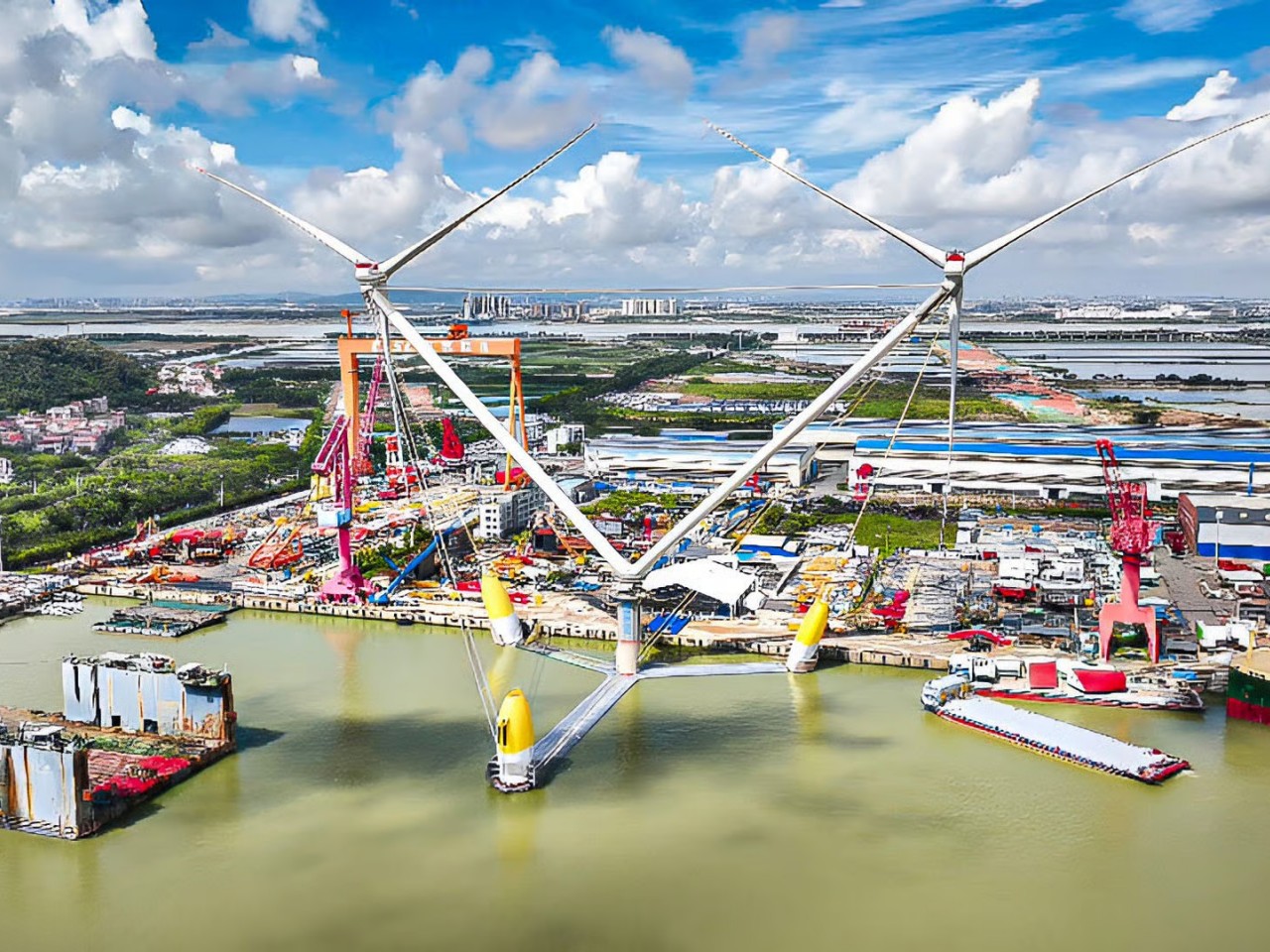
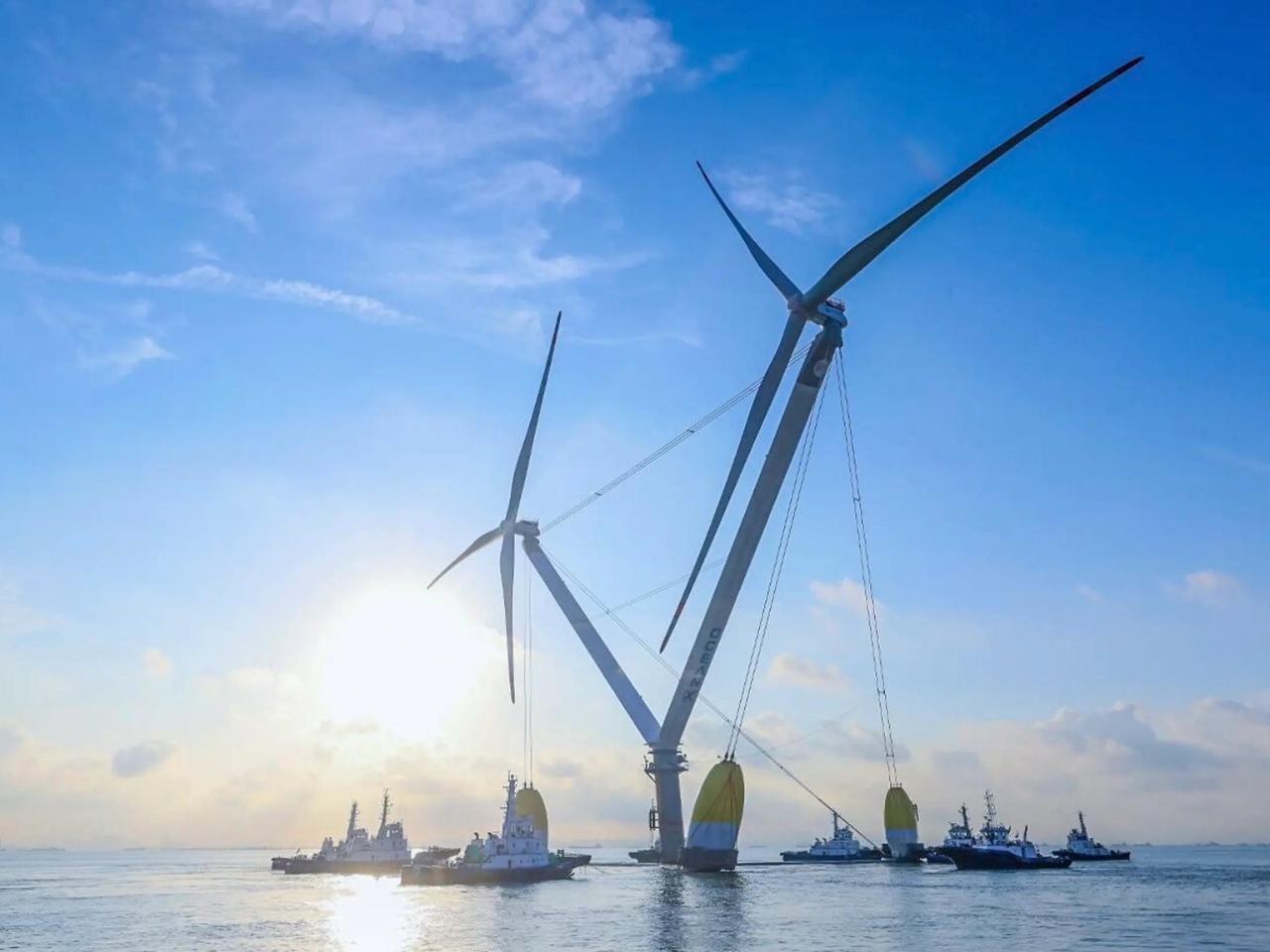
OceanX is one of the wind turbines that has been making a lot of noise lately as it is now the world’s largest single-capacity floating wind platform. It has finally started its voyage from Guangzhou, China and is expected to reach its final destination of the Qingzhou IV Offshore Wind Farm in Yangjiang, Gangdong by August 14, traveling at 191 nautical miles. Aside from its sheer size, the dual-rotor design and its other technological powers has been catching the attention of those interested in sustainable energy.

The Y-shaped floating platform is made up of two MySE16.6 wind turbines on its upper V-shaped structure, with the entire thing weighing 15,000 tonnes. The blade diameters of the wind turbines are at 597 feet and it can withstand wind of up to 161 mph. Since it has a downward poster and a single-point mooring, the rotors can bend without damaging the supporting structure so it can stand up against extreme conditions like harsh winds and heavy waves.

While there are some reports saying that the OceanX will be able to generate power even in a hurricane, that remains to be seen as formulas of wind turbines in general would say otherwise. The company says that it is expected to generate 54 million kWh annually which would be enough to power 30,000 families (those with 3 members each) for an entire year.

The post Largest floating wind platform sets on voyage to offshore destination first appeared on Yanko Design.

Hackers may have leaked the Social Security Numbers of every American

Several months after a hacking group claimed to be selling nearly 3 billion records stolen from a prominent data broker, much of the information appears to have been leaked on a forum. According to Bleeping Computer, the data dump includes 2.7 billion records of personal info for people in the US, such as names, Social Security Numbers, potential aliases and all physical addresses they are known to have lived at.

The data, which is unencrypted, is believed to have been obtained from a broker called National Public Data. It's said that the business assembles profiles for individuals by scraping information from public sources and then sells the data for the likes of background checks and looking up criminal records. (A proposed class-action suit was filed against National Public Data over the breach earlier this month.)

In April, hacking collective USDoD attempted to sell 2.9 billion records it claimed was stolen from the company and included personal data on everyone in the US, UK and Canada. The group was looking for $3.5 million for the whole 4TB database, but since then chunks of the data have been leaked by various entities.

Previous leaks included phone numbers and email addresses, but those reportedly weren't included in the latest and most comprehensive dump. As such, you won't be able to check whether your information has been included in this particular leak by punching your email address into Have I Been Pwned?

The data includes multiple records for many people, with one for each address they are known to have lived at. The dump comprises two text files that amount to a total of 277GB. It's not really possible for any independent body to confirm that the data includes records for every person in the US, but as Bleeping Computer points out, the breach is likely to include information on anyone who is living in the country.

The publication states that several people confirmed the information that the dump has on them and their family members (including some dead relatives) is accurate, but in other cases some SSNs were associated with the wrong individuals. Bleeping Computer posits that the information may have been stolen from an old backup as it doesn't include the current home address for the people whose details its reporters checked against the data.

In any case, it's worth taking some steps to protect yourself against any negative repercussions from the leak, such as fraud and identity theft. Be extra vigilant against scammers and phishing attacks that look to obtain access to your online accounts. 

Keep an eye on credit reports to see if there has been any fraudulent activity on your accounts and inform credit bureaus Experian, Equifax and TransUnion if so. You can ask the bureaus to put a freeze on your credit files to stop anyone else opening a bank account, taking out a loan or obtaining a credit card under your name.

You can sign up for services that offer identity fraud protection and remove your personal information from the public web to reduce the chances that you'll be negatively impacted. However, such services often charge a fee.

Be sure to use two-factor authentication wherever possible (preferably with you obtaining codes from an authenticator app rather than SMS). And, as always, we highly recommend having a password manager, never reusing the same login credentials for different services and regularly changing the password on your most sensitive accounts.

This article originally appeared on Engadget at https://www.engadget.com/cybersecurity/hackers-may-have-leaked-the-social-security-numbers-of-every-american-150834276.html?src=rss

Apple Releases macOS Sequoia 15.1 Beta 2: What’s New

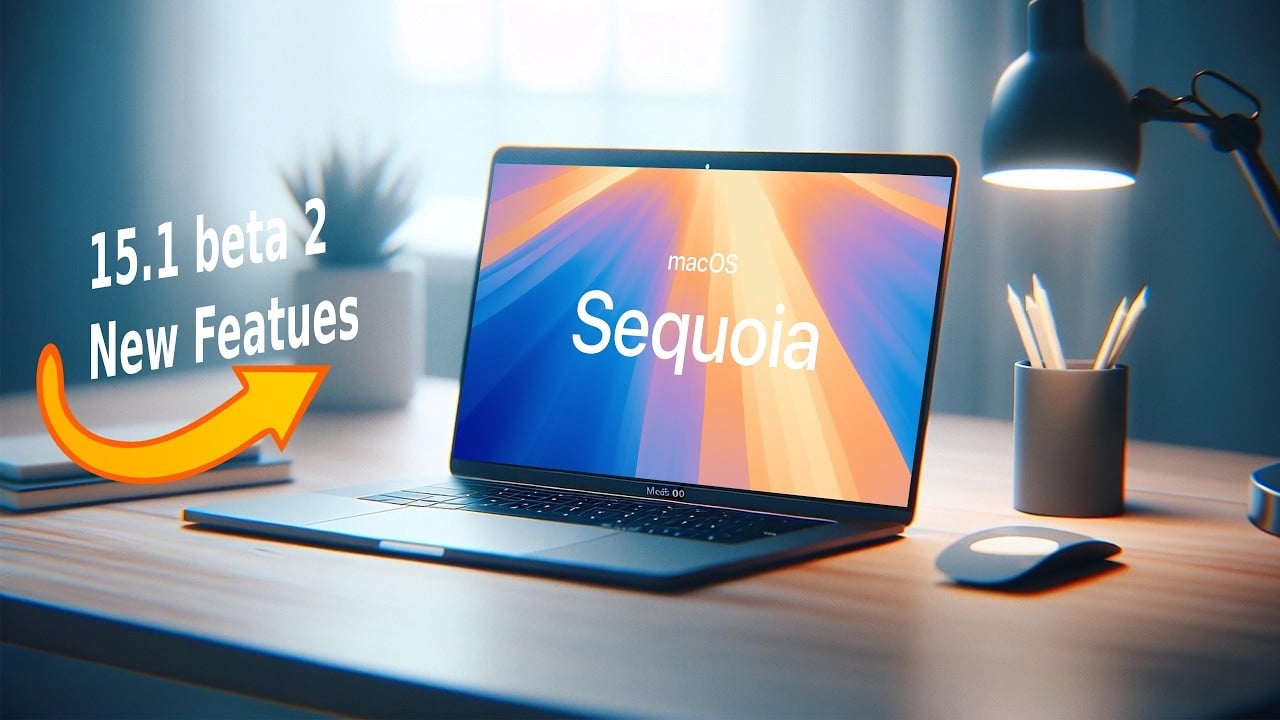
macOS Seqouia 15.1 Beta 2

Apple has surprised users by releasing the macOS Sequoia 15.1 Beta 2 This unexpected update introduces a range of new features and enhancements, including notable changes to system settings, wallpapers, and several key applications. In addition to the MacOS update, Apple has simultaneously released updates for its entire ecosystem of operating systems, including iOS, iPadOS, […]

The post Apple Releases macOS Sequoia 15.1 Beta 2: What’s New appeared first on Geeky Gadgets.

BMW Testing Humanoid Robots In Car Production

BMW Humanoid Robots

The BMW Group is pioneering the use of humanoid robots in car production, marking a significant milestone in automotive manufacturing. The latest humanoid robot, Figure 02, developed by California-based company Figure, has successfully completed a trial run at BMW Group Plant Spartanburg. This innovative robot demonstrated its ability to insert sheet metal parts into specific […]

The post BMW Testing Humanoid Robots In Car Production appeared first on Geeky Gadgets.

Meta’s new ‘Affordable’ Quest 3s Headset leaks online, hinting at strong Spatial rivalry with Apple

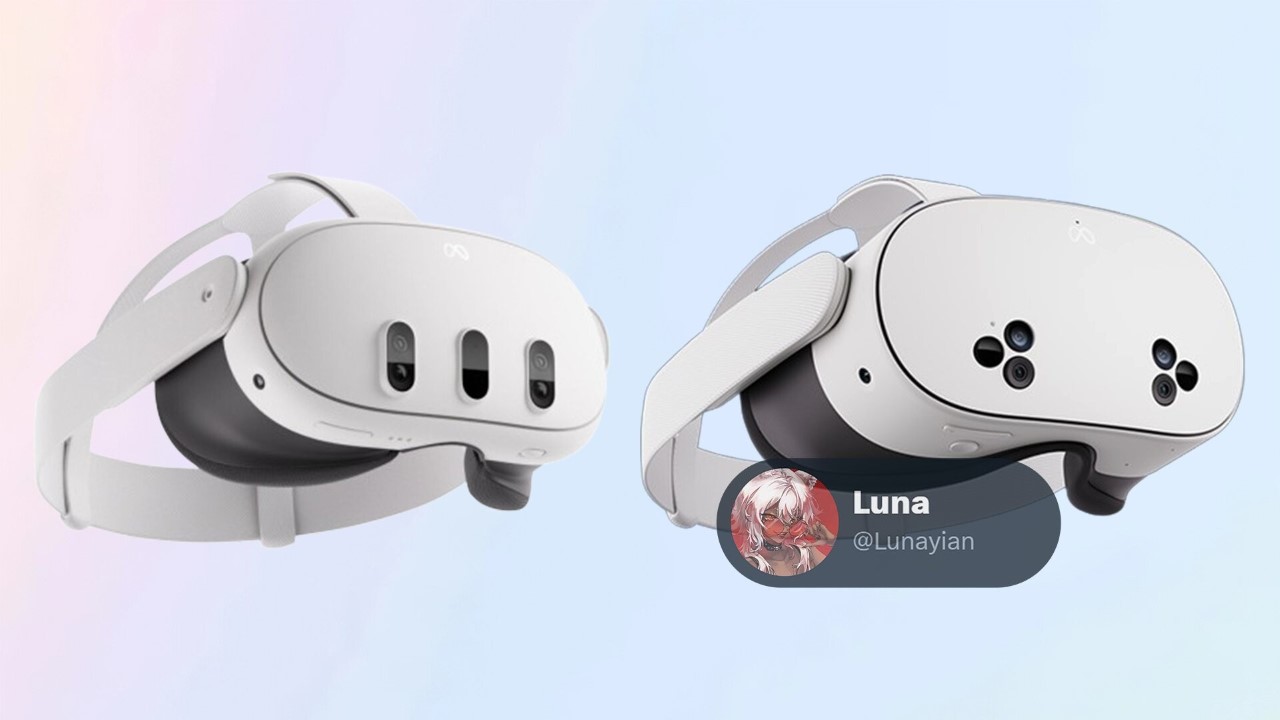
With multiple rumors floating around that Apple is dead set on building an affordable version of its Vision Pro headsets (probably named the Vision Air), it seems like Meta is doubling down on the affordable headset space too, with the upcoming Meta Quest 3s – a budget alternative to the Quest 3 from just last year.

Images of the Quest 3s leaked around March this year, but new details are finally emerging as Meta is getting ready to launch the affordable headset, both to pre-empt Apple as well ByteDance (the TikTok company) that’s also rumored to be debuting a headset as soon as August 20th.

Designer: Meta

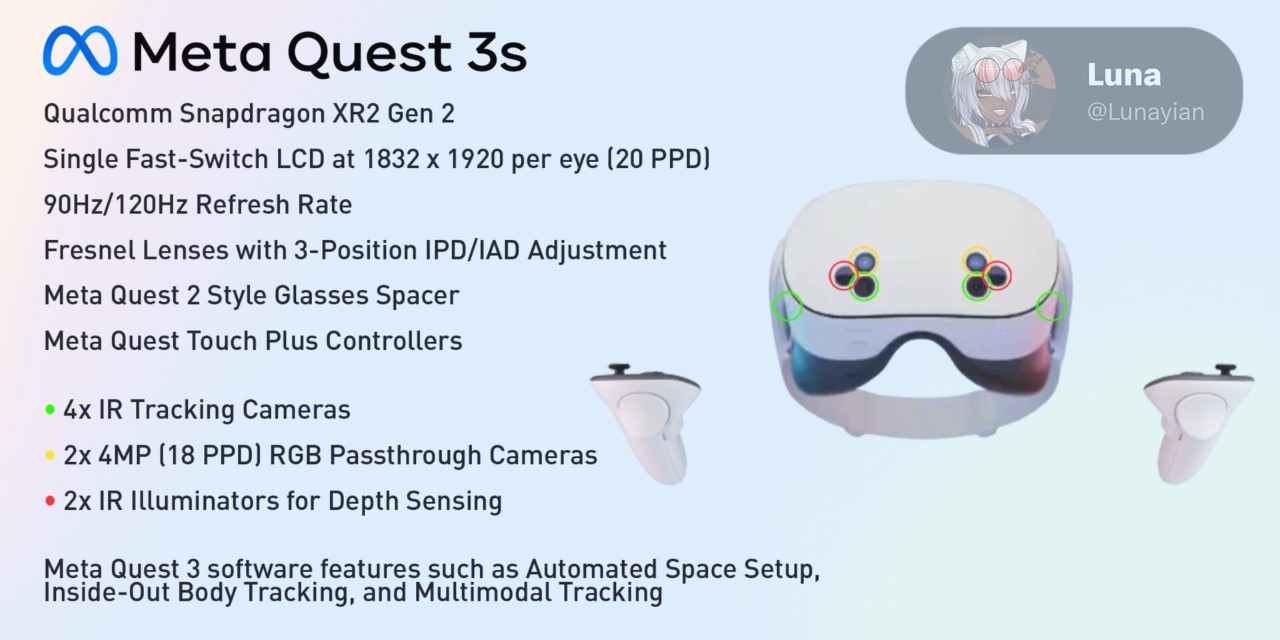
The Quest 3S will reportedly house the same Snapdragon XR2 Gen 2 processor found in its predecessor, ensuring it maintains robust performance capabilities. This processor is specifically designed for XR devices, providing the necessary computational power to handle complex VR and AR applications seamlessly. The inclusion of this processor suggests that Meta isn’t compromising on core performance, which is crucial for maintaining the immersive experience users expect from their devices.

The Quest 3S will feature 1832 x 1920 fast-switching LCD panels. While this might not be as high-end as some OLED displays, it still offers a refresh rate of 90/120 Hz, which should be more than adequate for most users. This choice helps keep costs down while still providing clear, fluid visuals. For users who might be new to VR, the slightly reduced specs in the display won’t be a dealbreaker, especially when considering the price.

The headset will come equipped with Fresnel lenses, which are known for being lightweight while offering a wide field of view. This design helps make the Quest 3S comfortable to wear, even during extended sessions. Additionally, the headset will feature a three-position inter-pupillary distance (IPD) adjustment, so users can adjust the lens spacing to get the sharpest possible view based on their eye spacing. These kinds of thoughtful features show that Meta is keeping the user experience front and center, even with a more budget-friendly model.

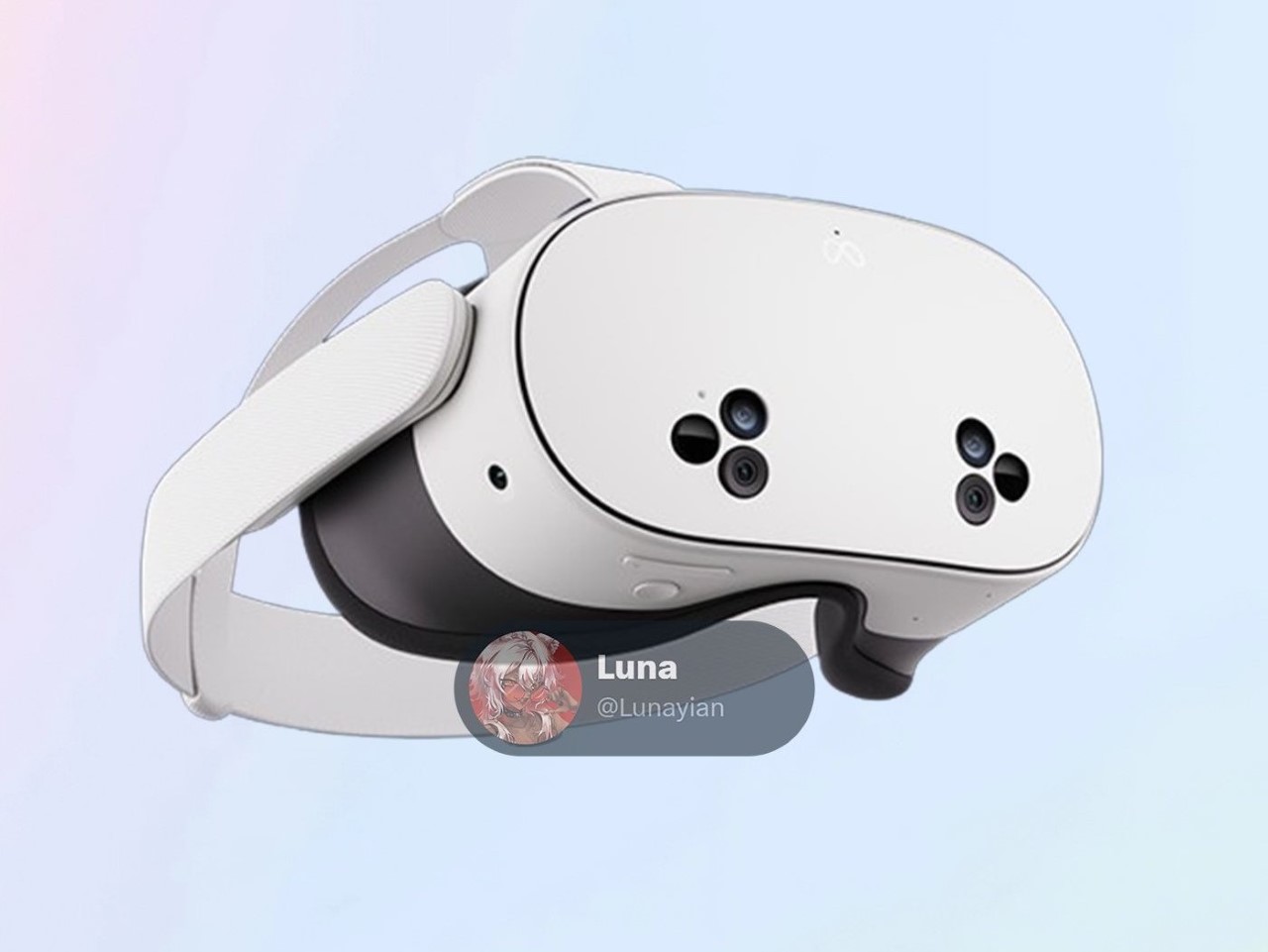
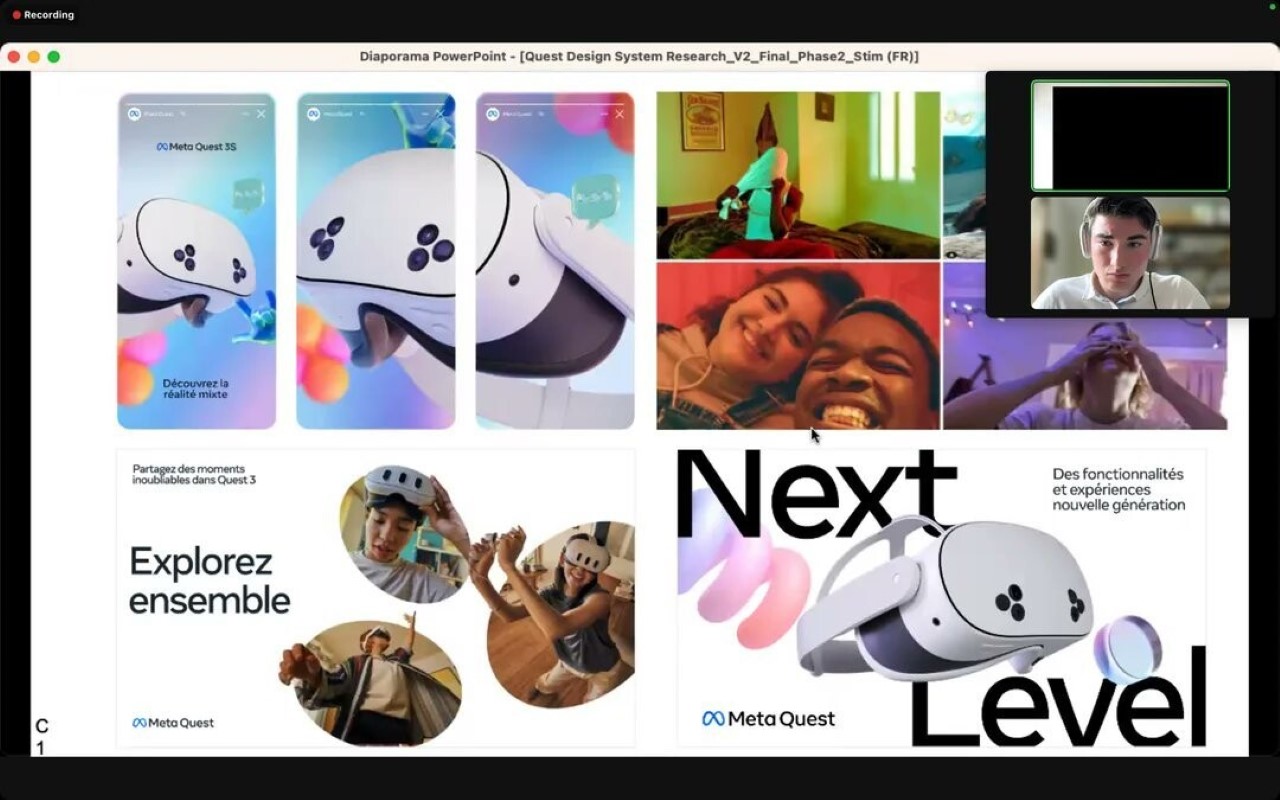
The design of the Quest 3S has also been a topic of conversation, particularly due to its unique triangular camera clusters that have surfaced in leaked images. These clusters are expected to house two 4 MP RGB passthrough cameras, four infrared (IR) tracking cameras, and two IR illuminators for depth sensing. This array of sensors is designed to ensure that the headset can accurately track movements and provide a realistic sense of depth, essential for an immersive experience. There’s also an action button, which is rumored to be customizable, allowing users to tweak the functionality to suit their preferences.

Meta’s decision to maintain the Quest Touch Plus controllers in the 3S suggests a commitment to a consistent user experience across its XR ecosystem. These controllers have been praised for their ergonomic design and precision, making them a valuable asset for both VR newcomers and veterans. The use of these familiar controllers will also likely reduce production costs, allowing Meta to pass savings on to consumers.

As for pricing, although nothing has been officially confirmed, it’s expected that the Quest 3S will come in at under $300. This makes it a highly competitive option in the XR market, especially as other companies like ByteDance prepare to launch their own budget-friendly headsets. With the XR space getting more crowded, Meta’s move to introduce a more affordable yet capable device could be a game-changer, opening up mixed reality to a much wider audience. The Quest 3S seems poised to offer a well-rounded experience without breaking the bank, making it a promising choice for those looking to dip their toes into the world of VR and AR.

The post Meta’s new ‘Affordable’ Quest 3s Headset leaks online, hinting at strong Spatial rivalry with Apple first appeared on Yanko Design.

Opera’s AI-focused web browser One is now on iOS

Opera One, the browser with a focus on generative AI features that Opera launched for desktop last year, is now available for iOS devices. It retains its desktop counterpart's cleaner look, but it comes with a full screen interface and features specifically designed for mobile use. The company said it experienced a 63 percent growth in new users across the European Union after the Digital Markets Act was implemented, and now it has "embraced the opportunities presented by the new regulatory landscape."

Users will be able to move their search bar to the bottom of the screen if that will make it easier to type in queries on the go, especially if they're only using one hand. They can also activate the search bar simply by swiping down in the same way they'd swipe down to look for apps on their phone, as well. In addition, the browser's updated search function can make it faster to look up information: As soon as they start typing, a set of predictive chips will show up right above their keyboard with several possible options, including complete URLs for websites they may want to visit. The colors of the browser's top bar and bottom search bar change to blend in with the website the user is visiting, and both bars disappear when the user starts browsing.

And since Opera One has a focus on generative AI features, it comes with the company's Aria built-in browser assistant. Aria now has voice input, so users can speak queries out loud. Plus, users will be able to ask Aria to generate images using Google’s Imagen2 image generation model. Finally, since Opera puts a focus on security, the One iOS browser comes with a built-in ad blocker and free VPN.

This article originally appeared on Engadget at https://www.engadget.com/apps/operas-ai-focused-web-browser-one-is-now-on-ios-130013697.html?src=rss

Is Google’s ImageFX the Best AI Image Generator?

Google ImageFX

Google has recently unveiled its latest breakthrough in artificial intelligence: the ImageFX image generation model. This innovative tool has quickly garnered attention for its remarkable ability to generate high-quality, intricate images with unparalleled precision. However, access to ImageFX is currently restricted, requiring interested individuals to join a waiting list through Google Labs. The video below […]

The post Is Google’s ImageFX the Best AI Image Generator? appeared first on Geeky Gadgets.

Another Look at iOS 18.1 Beta 2

iOS 18.1 beta 2

Apple has recently released iOS 18.1 Beta 2 for registered developers, bringing it in line with the concurrently released iOS 18.0 Beta 6. This update comes packed with an array of new features, bug fixes, and performance improvements, with a particular emphasis on enhancing the capabilities of Apple Intelligence and Siri. The video below from […]

The post Another Look at iOS 18.1 Beta 2 appeared first on Geeky Gadgets.

Scientists find evidence of liquid water deep underneath the Martian surface

Water exists on Mars, according to a team of geophysicists, and not just as ice on its poles or as vapor in its atmosphere. The scientists have found evidence of liquid water deep in its outer crust, based on their analysis of data provided by NASA's Mars Insight Lander. Specifically, they analyzed four years' worth of ground motions recorded by the lander's seismometer. By looking at seismic velocities, or how fast seismic waves travel on the planet, they were able to determine the materials that the waves moved through. What they found was that Mars' mid-crust has fractured igneous rocks saturated with liquid water. 

One of the scientists involved in the study, Prof Michael Manga from the University of California, Berkeley, told the BBC that they implemented the same techniques used "to prospect for water on Earth, or to look for oil and gas." He said his group's findings can answer the question of where all the water on Mars had gone, because features on the planet's surface showed that it had lakes and rivers around three billion years ago. While there's a theory that most of that water was lost to space, scientists have challenged that idea in recent years. One study by Caltech and NASA JPL published in 2021 found data that most of that water is still trapped in the planet's crust. 

The scientists involved in this newer study, published in PNAS, were only able to analyze seismic velocity data taken from underneath the lander. However, they believe that similar underground water reservoirs exist all over the planet, and they estimate that there's enough liquid water under the surface to form a layer across Mars that's half a mile deep. Manga told the the BBC that "much of our water is underground and there's no reason for that not to be the case on Mars too."

While the team's findings could be taken as good news for space agencies and private companies looking to visit and even form human colonies on the planet, it won't be easy reaching Mars' water reservoirs. They're located around 7 to 12.5 miles below the surface, which won't be easy to reach even on our planet. "Drilling a hole 10km (6 miles) deep on Mars — even for [Elon] Musk — would be difficult," Manga said, adding that "without liquid water, you don't have life."

This article originally appeared on Engadget at https://www.engadget.com/science/space/scientists-find-evidence-of-liquid-water-deep-underneath-the-martian-surface-120054729.html?src=rss