Google Earth will show historical imagery dating back to World War II

Google has just made the history and geography nerd in me very happy. The company has announced that Google Earth is getting historical imagery of areas through satellite and aerial captures dating back 80 years. Google previously released a Timelapse tool that shows satellite images from 1984 to 2022. 

The new shots will include everything from changes in a California reservoir over five years to images of cities like London, Berlin and Warsaw at the start of World War II. There are also photos of American cities like San Francisco in 1938 and images of the city in 2022. It reminds me of another site I've spent much too much time on, 1940s.nyc, which uses the NYC Municipal archives to show photographs of buildings from 1939 to 1941.

In addition to letting me nerd out about changes in water lines and cityscapes, Google is introducing new Street View images across nearly 80 countries. These photos show places such as Logstor, Denmark (pictured above), Oaxaca, Mexico and Tasman, New Zealand. According to Google, its newest camera weighs 15 pounds and can be mounted onto any car, allowing the company to expand Street View even further. Currently, Street View has over 280 billion images. 

Then, of course, it wouldn't be a tech update in 2024 without mentioning AI. Google has trained its AI model Cloud Score+ to recognize and get rid of things such as mist, cloud shadows and haze while creating brighter, sharper images on Google Earth and Maps. 

This article originally appeared on Engadget at https://www.engadget.com/google-earth-will-show-historical-imagery-dating-back-to-world-war-ii-140028597.html?src=rss


iPhone 16 vs iPhone 15: The Upgrades You NEED to Know About

iPhone 16

The iPhone 16 introduces a range of notable upgrades over its predecessor, the iPhone 15, offering enhanced design, improved performance, and a more user-friendly experience. These key improvements make the iPhone 16 a compelling choice for those looking to upgrade their device or invest in a new iPhone. The video below gives us a detailed […]

The post iPhone 16 vs iPhone 15: The Upgrades You NEED to Know About appeared first on Geeky Gadgets.

Mozilla faces a privacy complaint over Firefox’s tracking

Mozilla is the latest company to get in trouble with the EU. Austrian advocacy group Noyb has filed a complaint against Mozilla for setting a Privacy Preserving Attribution (PPA) feature to default without informing its users. Noyb claims the setting impacts millions of Europeans.

According to Mozilla, PPA involves websites asking Firefox to remember ads they show and to potentially generate an interest report. Firefox creates the data but then submits it to an aggregation service, where the report is combined with similar ones. The company claims individual's browsing activity isn't shared with any third-parties, making it a safer system.

Noyb's complaint alleges that this still interferes with EU users' GDPR-confirmed rights — while taking a dig at widespread tracking being the "norm" in the US. "Mozilla has just bought into the narrative that the advertising industry has a right to track users by turning Firefox into an ad measurement tool," said Felix Mikolasch, a data protection lawyer at Noyb, in a statement. "While Mozilla may have had good intentions, it is very unlikely that 'privacy preserving attribution' will replace cookies and other tracking tools. It is just a new, additional means of tracking users." Users wanting to turn PPA off must navigate to the browser's settings and click opt-out in a sub-menu. 

The complaint ends with Noyb requesting that the Austrian data protection authority investigates Mozilla's privacy settings. It also states that Mozilla should alert users about its data processing steps, use an opt-in system and delete "unlawfully" processed data. Noyb has previously lodged complaints against tech companies such as Microsoft, Meta and OpenAI.  

This article originally appeared on Engadget at https://www.engadget.com/big-tech/mozilla-faces-a-privacy-complaint-over-firefoxs-tracking-134047980.html?src=rss

The Legacy of Kain: Soul Reaver games have been remastered and will arrive on December 10

Back in July, comic publisher Dark Horse leaked plans for a remaster of the two Legacy of Kain: Soul Reaver games at San Diego Comic-Con. Now, the games' original developer Crystal Dynamics, along with Aspyr, have revealed that the remastered versions of the games are real and that the collection will be available on December 10. Further, while they announced the remastered bundle at a PlayStation State of Play event, it won't be coming out just for the PS4 and the PS5, but also for the Nintendo Switch, Xbox Series X|S, Xbox One and PC via Steam and Epic Games

The Soul Reaver titles are single-player action-adventure games, wherein the players control an "ex-vampire" named Raziel in the fictional land of Nosgoth. They were remastered by Aspyr, which recently released Star Wars: Bounty Hunter and which players may know as the developer behind the remastered versions of Tomb Raider I-III. The new remastered visuals feature enhanced textures, new models and visual effects, but players can switch to the original graphics if they want to play the games in the state that they were originally released in back in 1999 and 2001. They can also play with classic controls or switch to a new control scheme that suits modern controllers more. 

In addition to the improved graphics and controls, Legacy of Kain: Soul Reaver 1-2 Remastered comes with a brand new map and compass, as well as a photo mode that will let players easily take screencaps. It's now available for pre-order on PC and PlayStation with a 10 percent discount until launch day. Xbox players can now also pre-order the collection, but Switch owners will have to wait a bit more before they can purchase it. 

This article originally appeared on Engadget at https://www.engadget.com/gaming/the-legacy-of-kain-soul-reaver-games-have-been-remastered-and-will-arrive-on-december-10-133039552.html?src=rss

Loog x Duolingo portable piano teaches you the language of music, the fun way

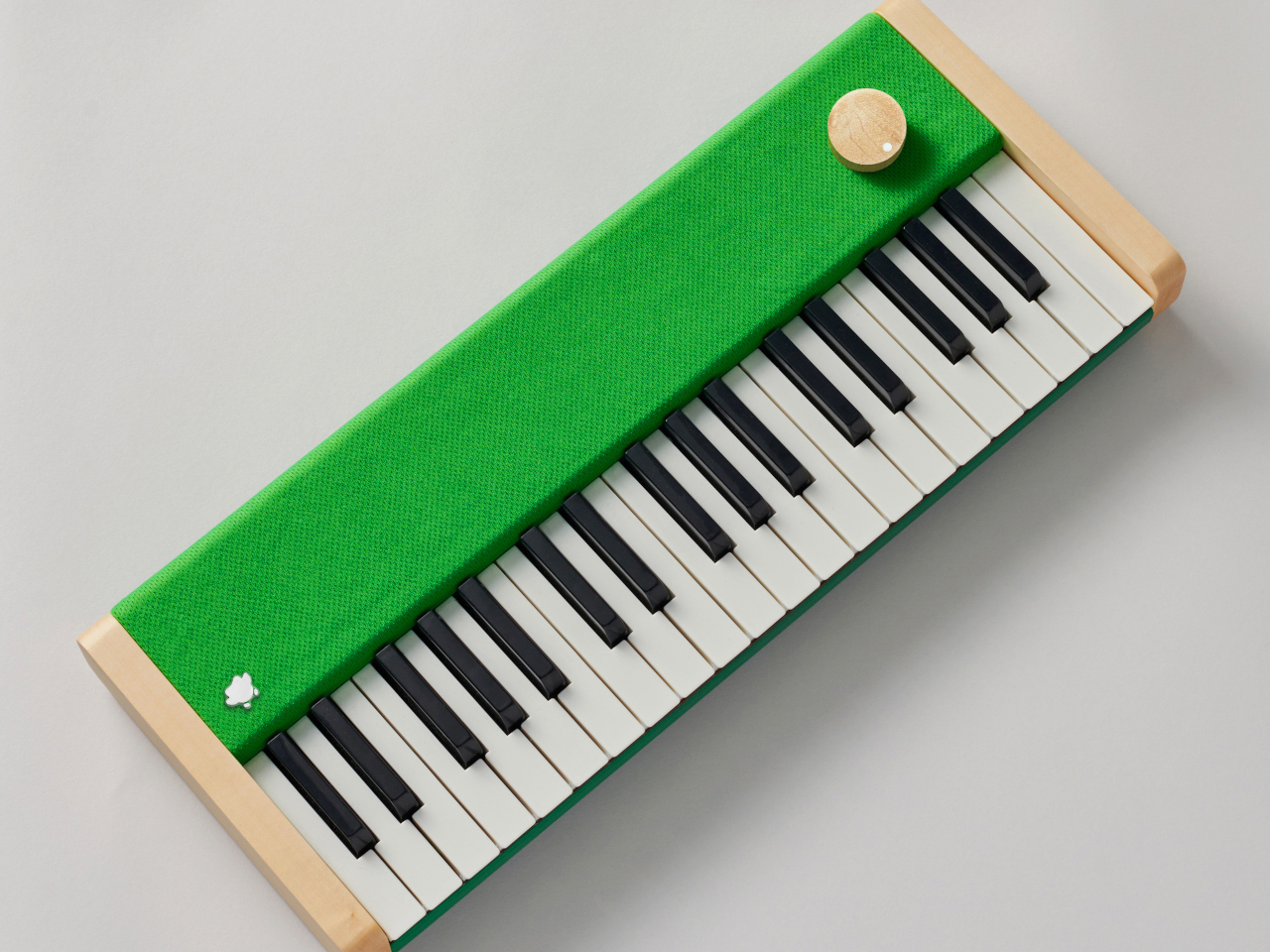
Learning a new language is never easy, whether it’s human language, programming language, or harmonic language. It takes time, effort, and more importantly, drive to go through the process, but it doesn’t have to a be painful and dreadful experience all the time. Of the many strategies that make learning languages both fun and effective, Duolingo is perhaps the best-known service. What few people realize, however, is that the green owl has been teaching music for over a year now, applying the same principles it uses in teaching Spanish or Mandarin to do-re-mi’s. Unlike smartphones and spoken languages, however, music has to be played to really be learned, which is why Duolingo has come out with a small digital piano so that you can do that anywhere you are.

Designer: Loog x Duolingo

A piano isn’t the only instrument you can use to learn music, but it’s one of the most convenient and can be designed into an electric and portable form that doesn’t require minding strings that could break. You don’t even need a full-sized piano to get started, but you do need one that’s small enough to be carried around yet has a decent size and a decent sound as well. Rather than relying on a smartphone piano app that doesn’t give the same tactile experience, Duolingo teamed up with Loog, a popular brand of musical instruments for kids and beginners, to make one.

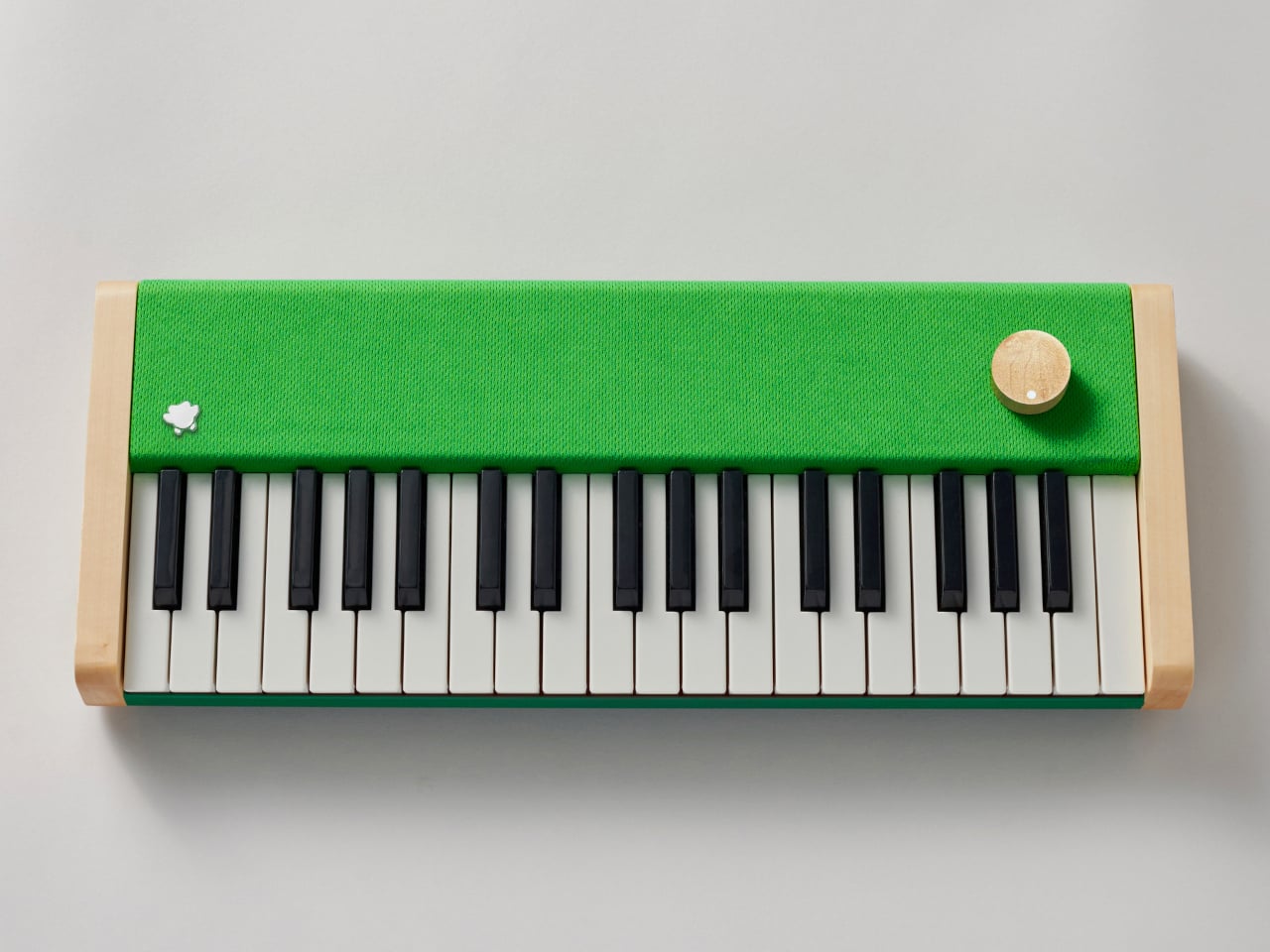
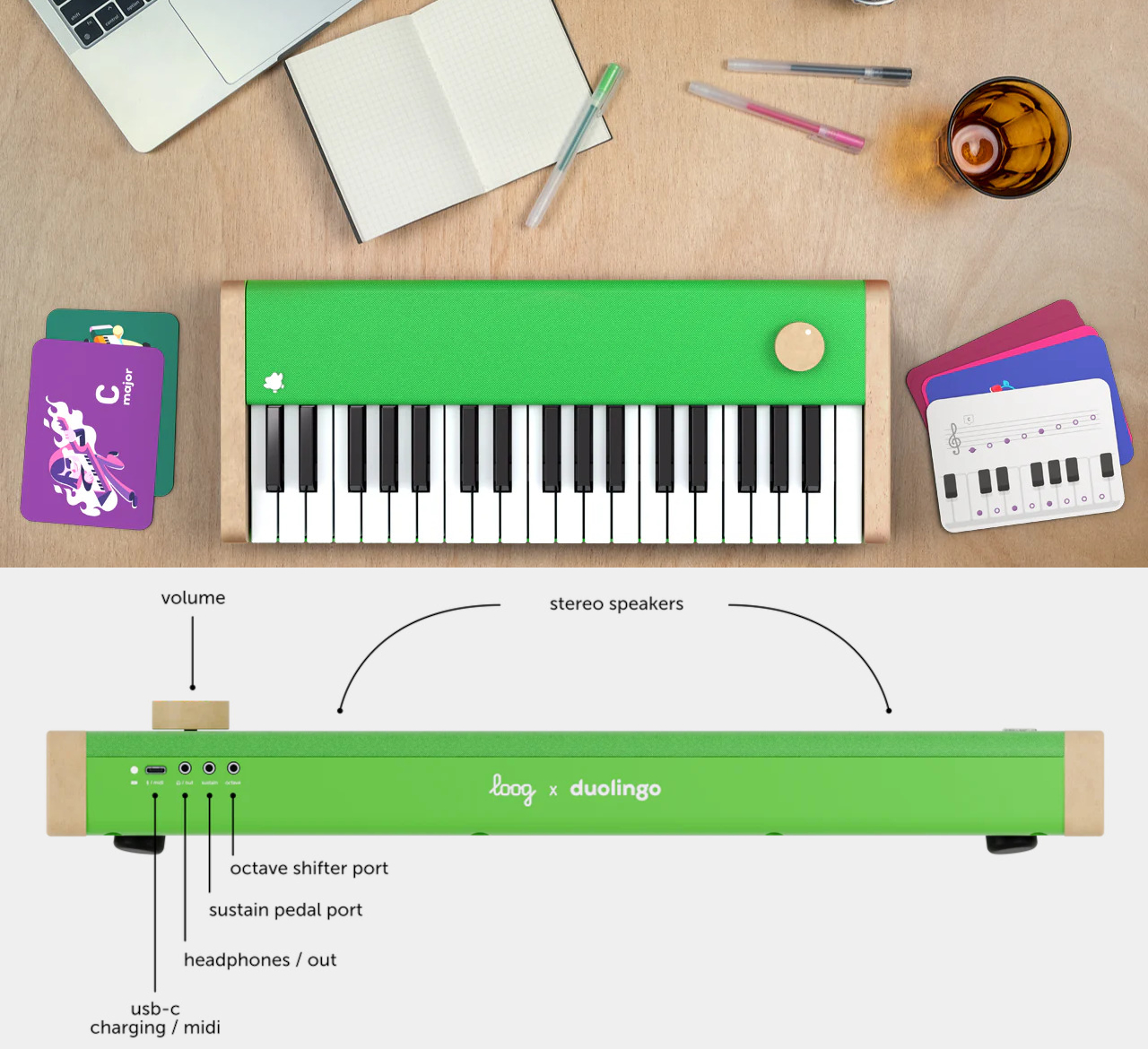
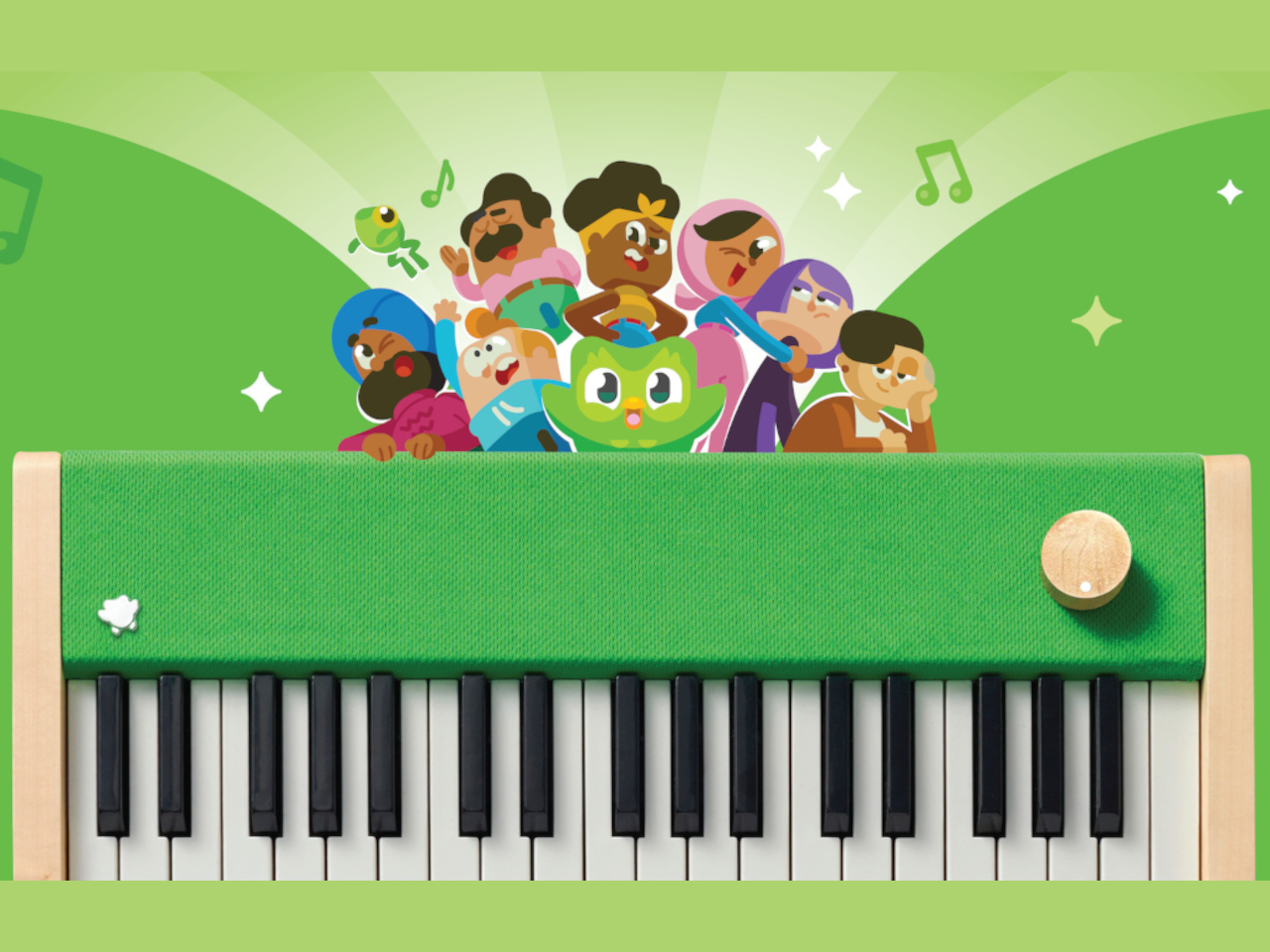
That’s what the Loog x Duolingo Piano brings to the table, figuratively and literally. It’s basically a special version of the Loog piano themed with Duolingo’s iconic green hue. It’s still the same piano made with solid wood panels that enhance the acoustics, making it sound almost like a real classical piano. It also has the same velocity-sensitive keys that implement proper dynamics, meaning that you can hit the keys harder to make the note sound louder, just like a real piano.

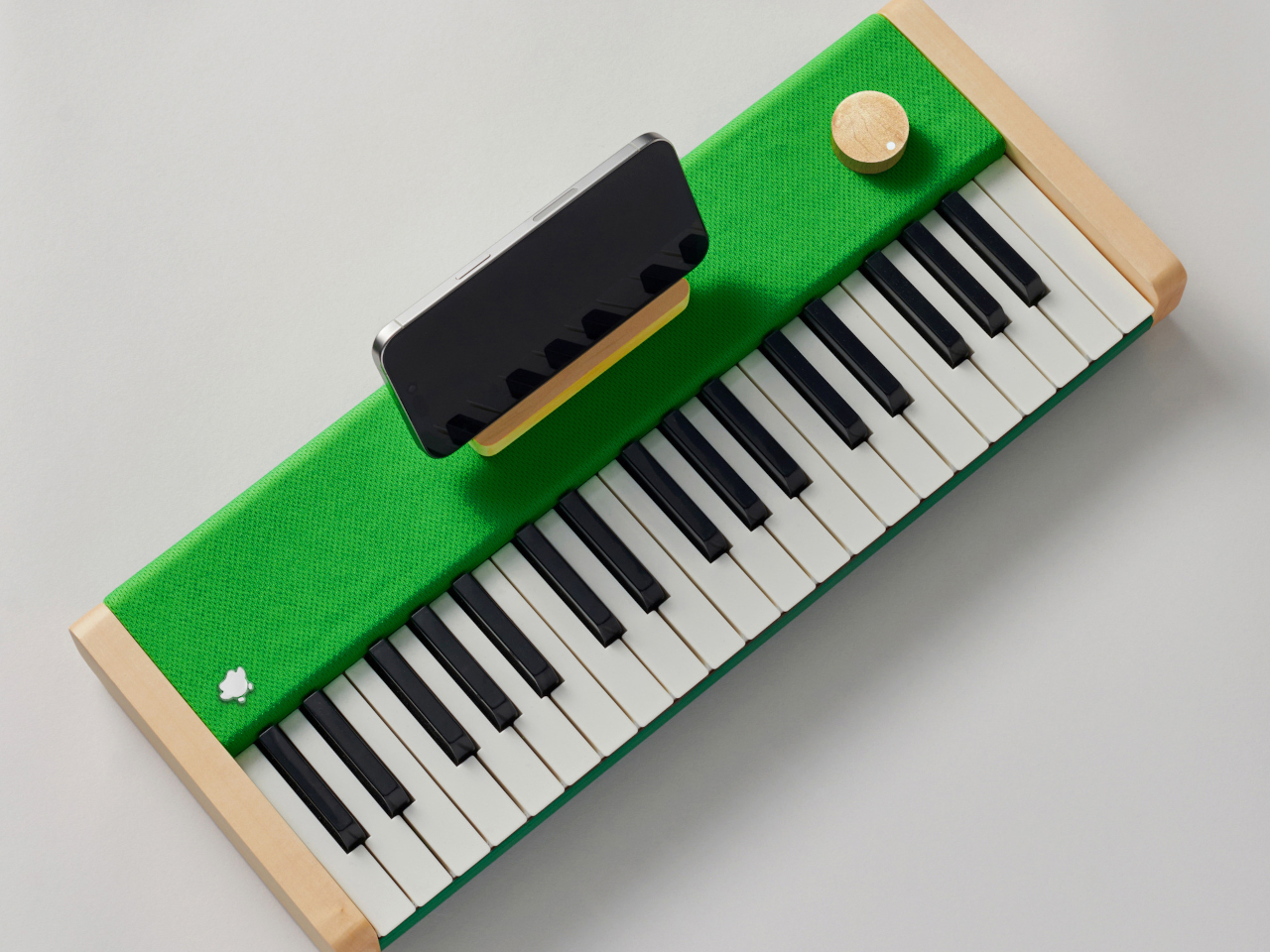
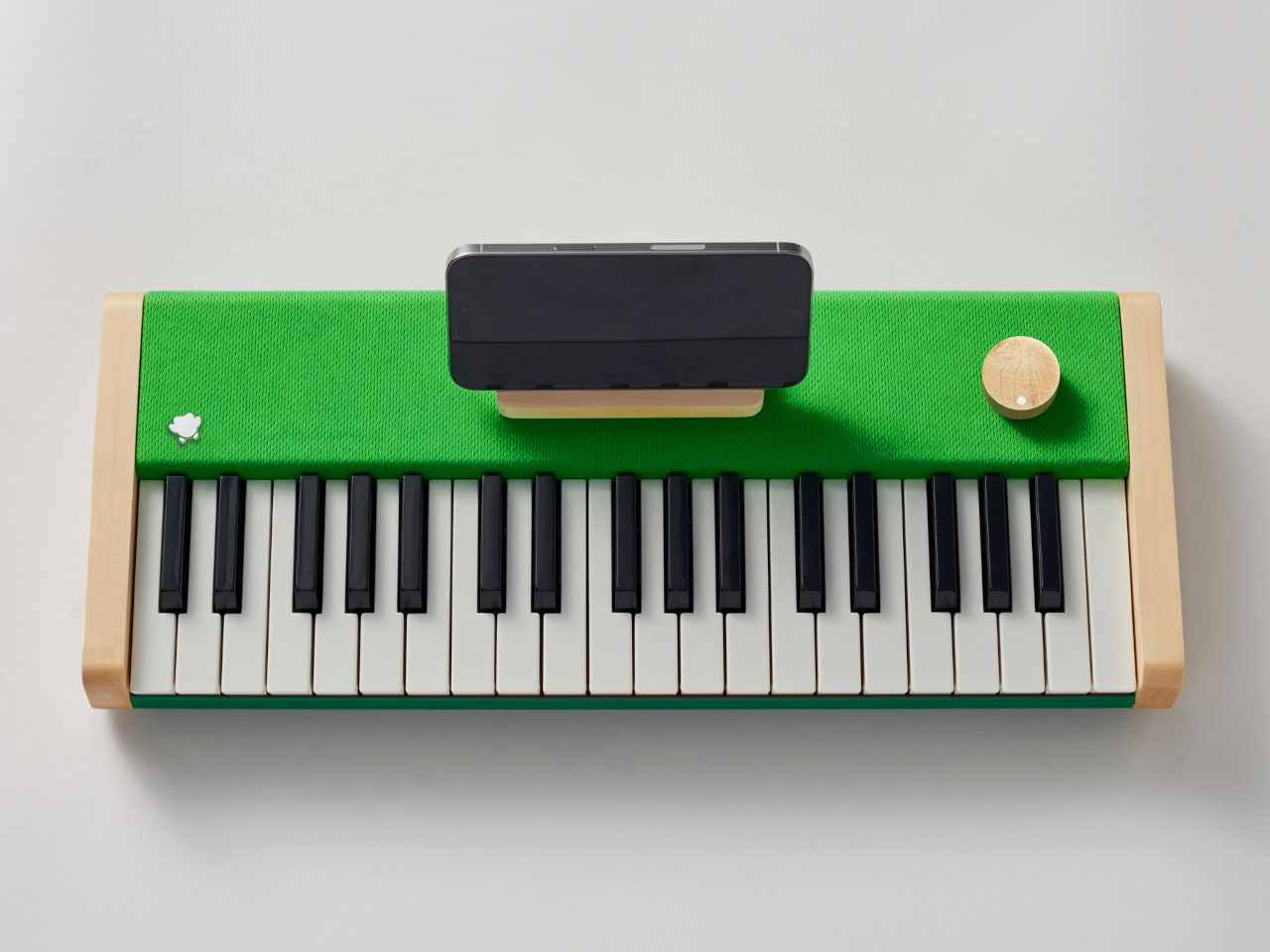
It’s not just a Duolingo-branded Loog piano, though, as this particular kit is designed with the easy-to-use and fun learning service in mind. There’s a wooden phone stand that matches the aesthetics of the piano, perfect for holding up the phone while you learn and play. And for a more offline learning experience, the package includes Piano Flashcards as well.

The Loog x Duolingo Piano is more than just a simple digital piano. It can be used as a MIDI controller when connected to an instrument via its USB-C port, and there are also ports not just for headphones but also for pedals and octave shifters. It might look like a kid’s toy, but this piano definitely has the guts to stand proudly as a proper musical instrument so that its use doesn’t stop after you’ve already mastered everything Duolingo has to teach.

The post Loog x Duolingo portable piano teaches you the language of music, the fun way first appeared on Yanko Design.

Unlock the Hidden Potential of Your Samsung Phone: 20 Mind-Blowing Tricks

Samsung Phone

Samsung phones are packed with a wealth of features that many users might not be aware of. The video below from Sam Beckman will help you discover and use these hidden functionalities, focusing on lock screen customization, AI-powered tools, camera enhancements, and more. By exploring these lesser-known features, you can take your Samsung experience to […]

The post Unlock the Hidden Potential of Your Samsung Phone: 20 Mind-Blowing Tricks appeared first on Geeky Gadgets.

Strava makes it easier to keep your activity data private

Workout tracker app Strava has a history of being used to stalk people, identifying where they live or their typical running paths (take a look at this Reddit thread of people commiserating, for instance). While the platform has some safety features, a new tool should make it easier to confirm your privacy settings immediately following an activity. Strava is launching Quick Edit, which provides all users with immediate access to edit and privacy settings in the app after syncing an activity. 

Quick Edit lets you modify a few aspects of your activity, such as who can see your its details. It also gives you the option to hide certain information quickly, such as your start time, pace, or heart rate. You can even opt to hide your entire route and map. These features already exist in Strava, but Quick Edit could be helpful if you're running in a new place and forgot to change your settings or leaving from home and want to keep your address private. Basically, it can be that one extra reminder to check your privacy settings are as secure as you want. If you skip the Quick Edit screen, then Strava will apply your default settings.

The new feature also has a few non-safety options to explore. Quick Edit will prompt you to customize your activity title and upload photos and videos you took while out exploring. Just remember, if you make your map private, don't counteract that by sharing anything that could identify exactly where you are. You can also access advanced edits like gear and specific workout types through the Quick Edit screen.

This article originally appeared on Engadget at https://www.engadget.com/apps/strava-makes-it-easier-to-keep-your-activity-data-private-130024746.html?src=rss

Strava makes it easier to keep your activity data private

Workout tracker app Strava has a history of being used to stalk people, identifying where they live or their typical running paths (take a look at this Reddit thread of people commiserating, for instance). While the platform has some safety features, a new tool should make it easier to confirm your privacy settings immediately following an activity. Strava is launching Quick Edit, which provides all users with immediate access to edit and privacy settings in the app after syncing an activity. 

Quick Edit lets you modify a few aspects of your activity, such as who can see your its details. It also gives you the option to hide certain information quickly, such as your start time, pace, or heart rate. You can even opt to hide your entire route and map. These features already exist in Strava, but Quick Edit could be helpful if you're running in a new place and forgot to change your settings or leaving from home and want to keep your address private. Basically, it can be that one extra reminder to check your privacy settings are as secure as you want. If you skip the Quick Edit screen, then Strava will apply your default settings.

The new feature also has a few non-safety options to explore. Quick Edit will prompt you to customize your activity title and upload photos and videos you took while out exploring. Just remember, if you make your map private, don't counteract that by sharing anything that could identify exactly where you are. You can also access advanced edits like gear and specific workout types through the Quick Edit screen.

This article originally appeared on Engadget at https://www.engadget.com/apps/strava-makes-it-easier-to-keep-your-activity-data-private-130024746.html?src=rss

SIFMOUSE Intelligent Ring Air Mouse $39 For Intuitive Control

SIFMOUSE Ring Air Mouse Kickstarter

Did you know that the average person spends over 10 hours a day interacting with various electronic devices? With so much time spent navigating screens, wouldn’t it be amazing to have a single, versatile tool to streamline these interactions? Introducing SIFMOUSE, the world’s smallest intelligent ring air mouse. This compact device not only fits comfortably […]

The post SIFMOUSE Intelligent Ring Air Mouse $39 For Intuitive Control appeared first on Geeky Gadgets.

California’s ‘click to cancel’ subscription bill is signed into law

Governor Gavin Newsom has signed California's "click to cancel" Assembly Bill 286 into law to make it easier for consumers to opt out of subscriptions. The bill, introduced in April 2024, forces companies that permit online or in-app sign-ups to allow for online or in-app unsubscribing as well.

"AB 2863 is the most comprehensive ‘Click to Cancel’ legislation in the nation, ensuring Californians can cancel unwanted automatic subscription renewals just as easily as they signed up — with just a click or two,” said California Assemblymember Pilar Schiavo.

Like many, you may have signed up for a thing online and when you go to cancel it, are presented with a phone number. You then have to spend an hour on hold before being allowed to convince the person on the other end of a line that you can cancel a subscription that took five seconds to sign up for. California's new bill is designed to kibosh that sort of behavior, though companies have until mid-2025 to comply. 

Adobe is one of the more notable examples of this behavior, particularly since its subscriptions can cost $60 per month. Earlier this year, the FTC sued the company over early termination fees and roadblocks to unsubscribing, calling the practices "illegal." 

The FTC has proposed a similar law last year that would apply across the US, but the finalized rule is still to come. Meanwhile, if you're having trouble cancelling a subscription Engadget created a guide on how to do so with commonly used plans.

This article originally appeared on Engadget at https://www.engadget.com/general/californias-click-to-cancel-subscription-bill-is-signed-into-law-123058770.html?src=rss