Spotify’s beta AI Playlist feature is now rolling out for Premium users in the US, Canada, Ireland and New Zealand. It lets you create and refine custom playlists using text prompts. It initially arrived in April in the UK and Australia.
The company describes it as a tool “to effortlessly turn your most creative ideas into playlists.” Spotify provided several examples, including “Upbeat folk music for a scenic fall road trip” and “2000 era hype jams for the tailgate.” If its initial results don’t quite hit the mark, you can refine the playlist with further prompts, such as “less peppy” or “hold the Nickelback.”
Spotify
Spotify says the feature leans on personalization, choosing tracks it thinks you’ll like based on your listening habits. The company says the AI produces the best results with prompts about genre, mood or artists. But you can try topics like animals, activities, movie characters, colors and emojis, too.
Premium subscribers will find AI Playlists in the Spotify mobile app. (Spotify appears to be rolling out the feature gradually, so you may need to wait for it to arrive.) Navigate to Your Library, tap the + button and choose “AI Playlist.” Then, use the pop-up chat tool to start generating your custom tracklists.
Update, September 24, 2024, 4:05PM ET: This story has been updated to clarify that the feature is rolling out gradually and may not appear yet for all Premium subscribers.
This article originally appeared on Engadget at https://www.engadget.com/ai/spotifys-ai-playlists-are-now-available-for-premium-users-in-the-us-130008423.html?src=rss
Samsung Electronics, a global leader in memory technology, has once again set a new standard in the industry with the unveiling of its latest automotive solid-state drive (SSD), the AM9C1. This groundbreaking product is the first PCIe 4.0 automotive SSD based on Samsung’s innovative eighth-generation vertical NAND (V-NAND) technology, offering unprecedented speed and reliability. Designed […]
Bose has expanded its acclaimed QuietComfort line with the introduction of the new QuietComfort Earbuds. Designed for everyday use, these earbuds offer powerful audio, renowned noise cancellation, customizable tap controls, and seamless voice commands. With a wireless charging case and up to 8.5 hours of battery life, these earbuds are a compact, powerful, and durable […]
No, it isn’t Phone (3), but to be honest, haven’t we had enough phone launches already?!
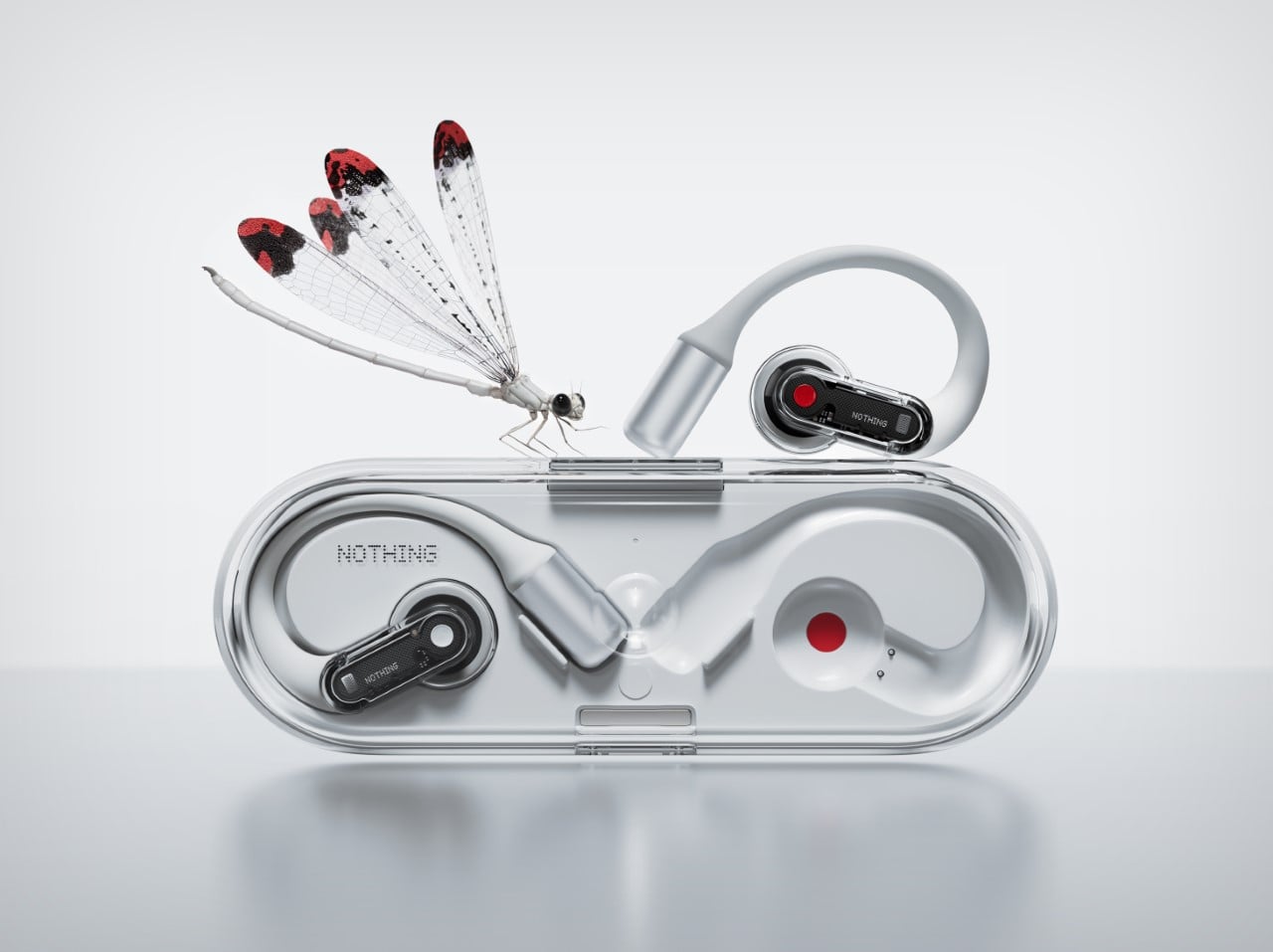
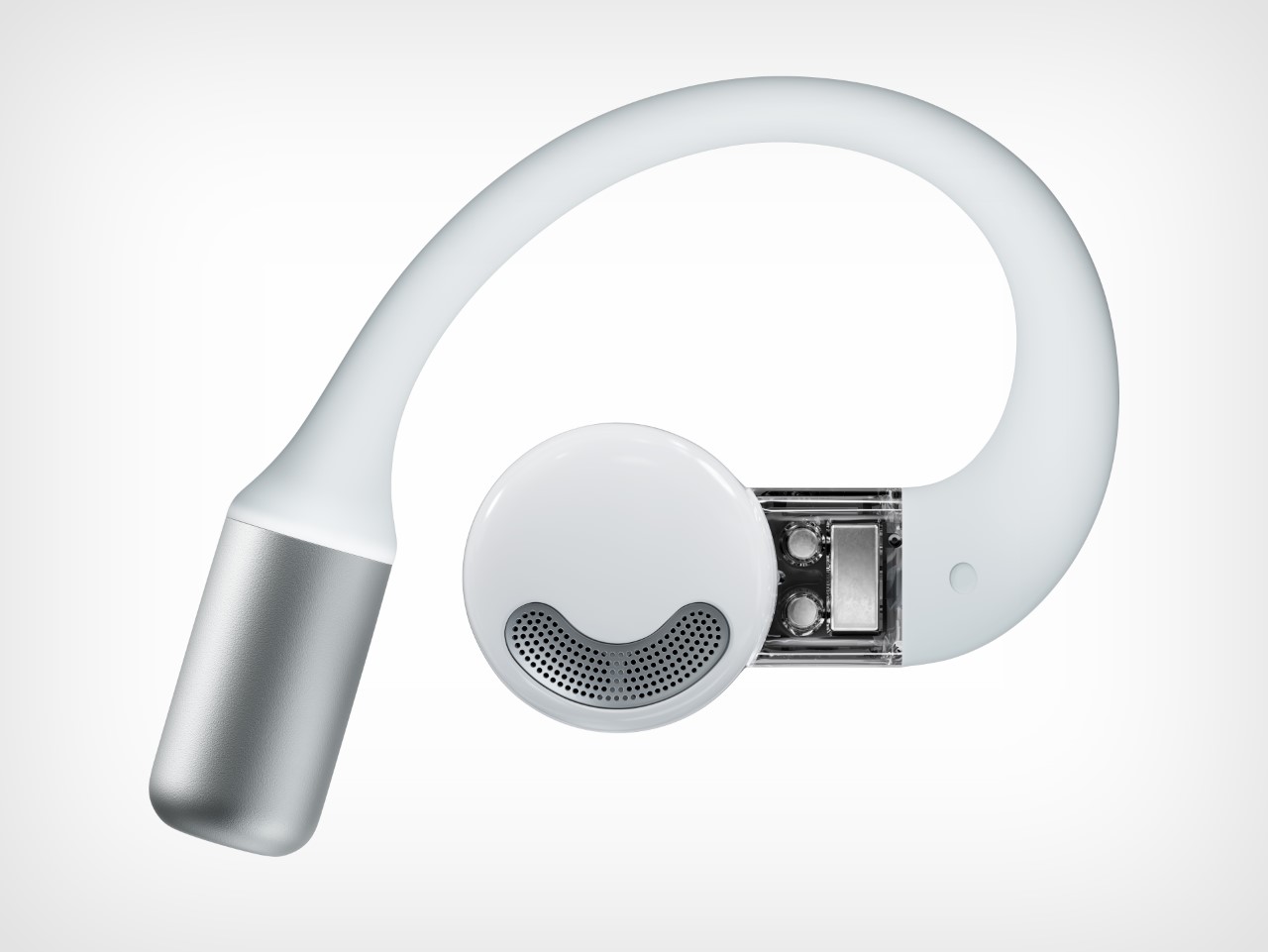
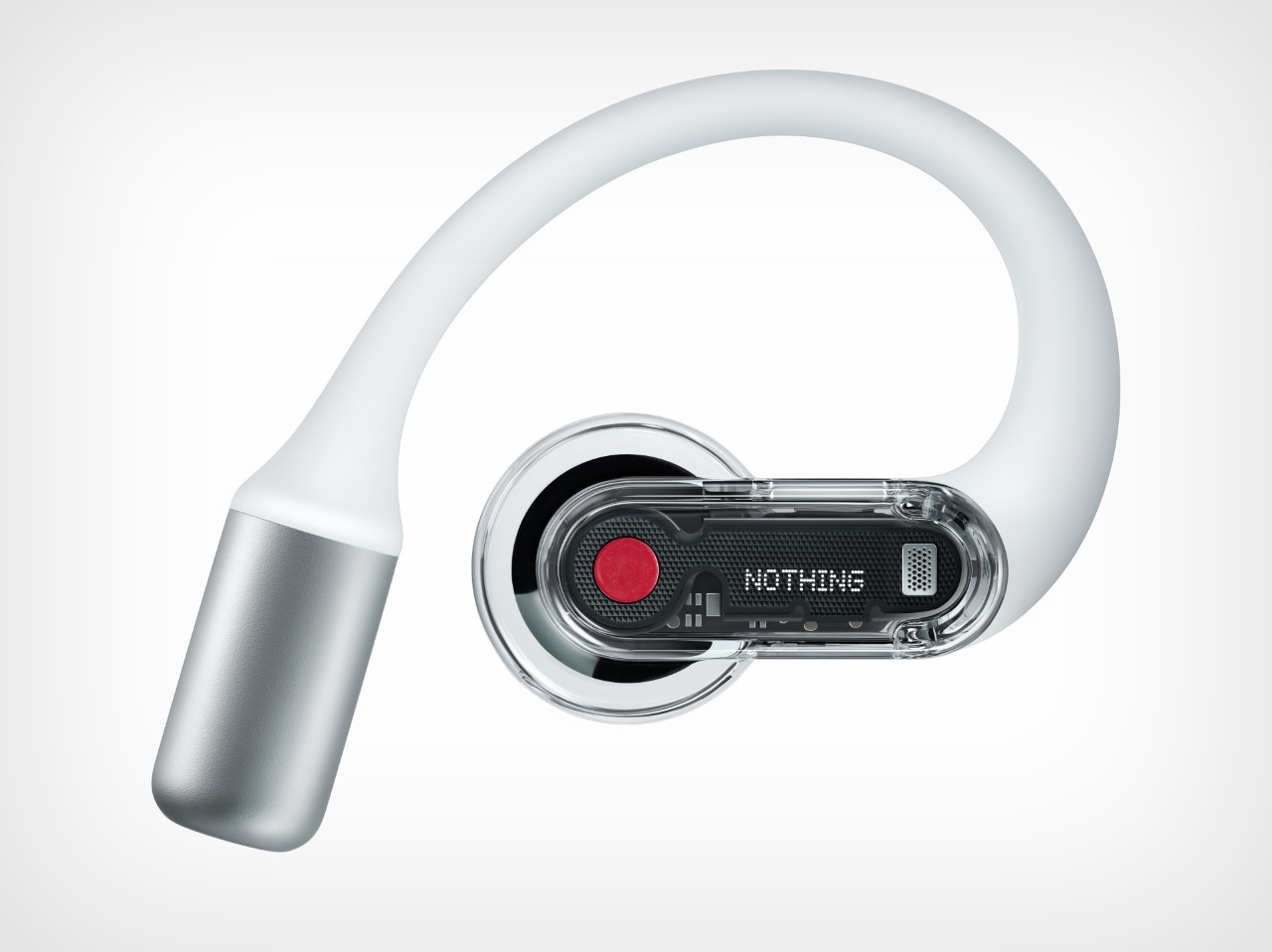
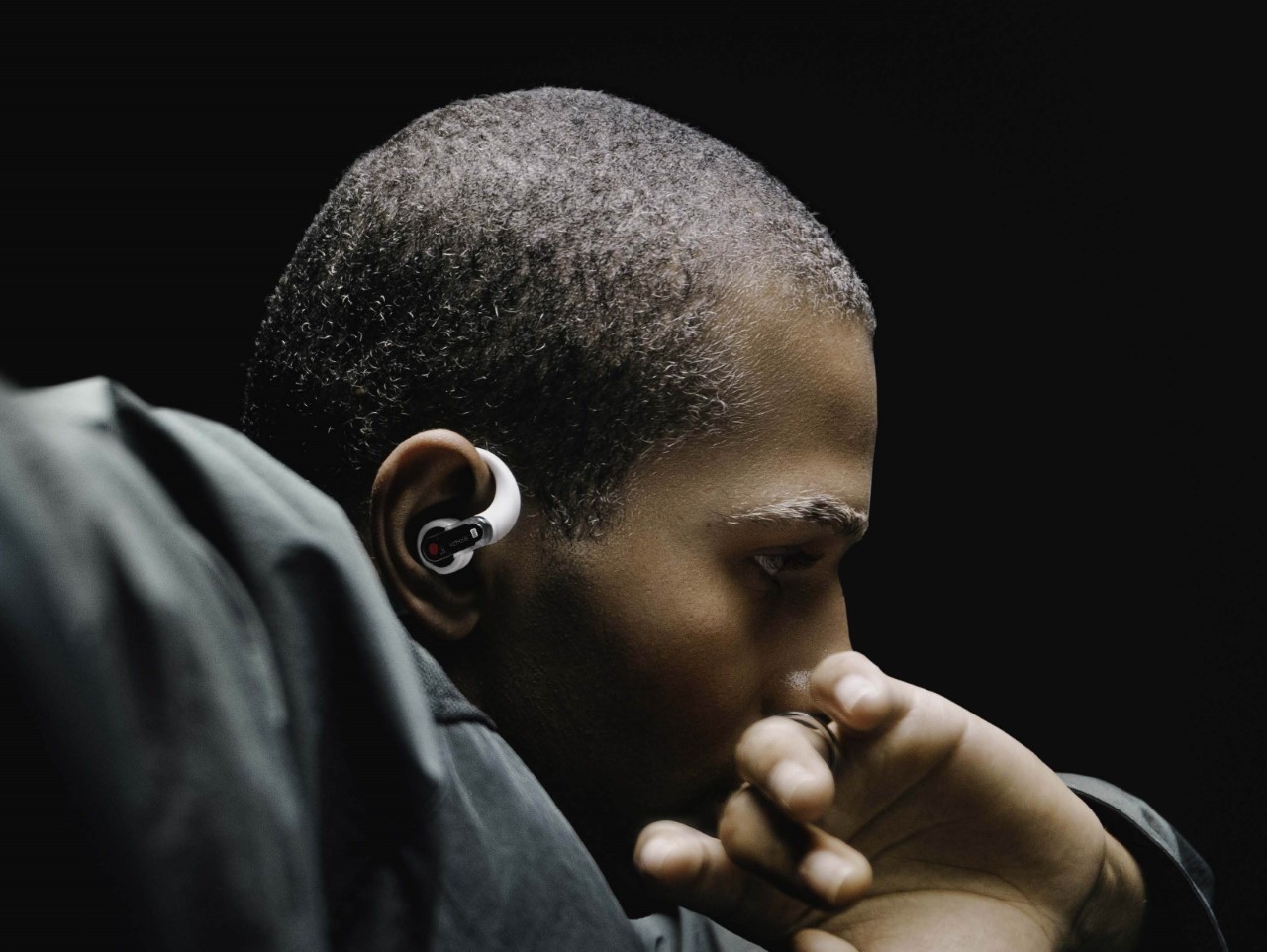
Say hello to the Nothing Ear (open), the latest ‘hearable’ from London-based tech-brand Nothing. Designed in vein with their existing Nothing Ear series, the Ear (open), as its name suggests, is an open-ear wearable and the first of its kind from the company. The newly launched device introduces a distinctive open-ear design that prioritizes comfort, situational awareness, and superior sound quality. This marks the company’s fourth mainline set of earbuds, not counting special editions (like the Nothing Ear (stick)) and their CMF budget line. Known for pushing the boundaries of audio tech with a bold design, Nothing seems intent on revolutionizing the way we experience audio on the move.
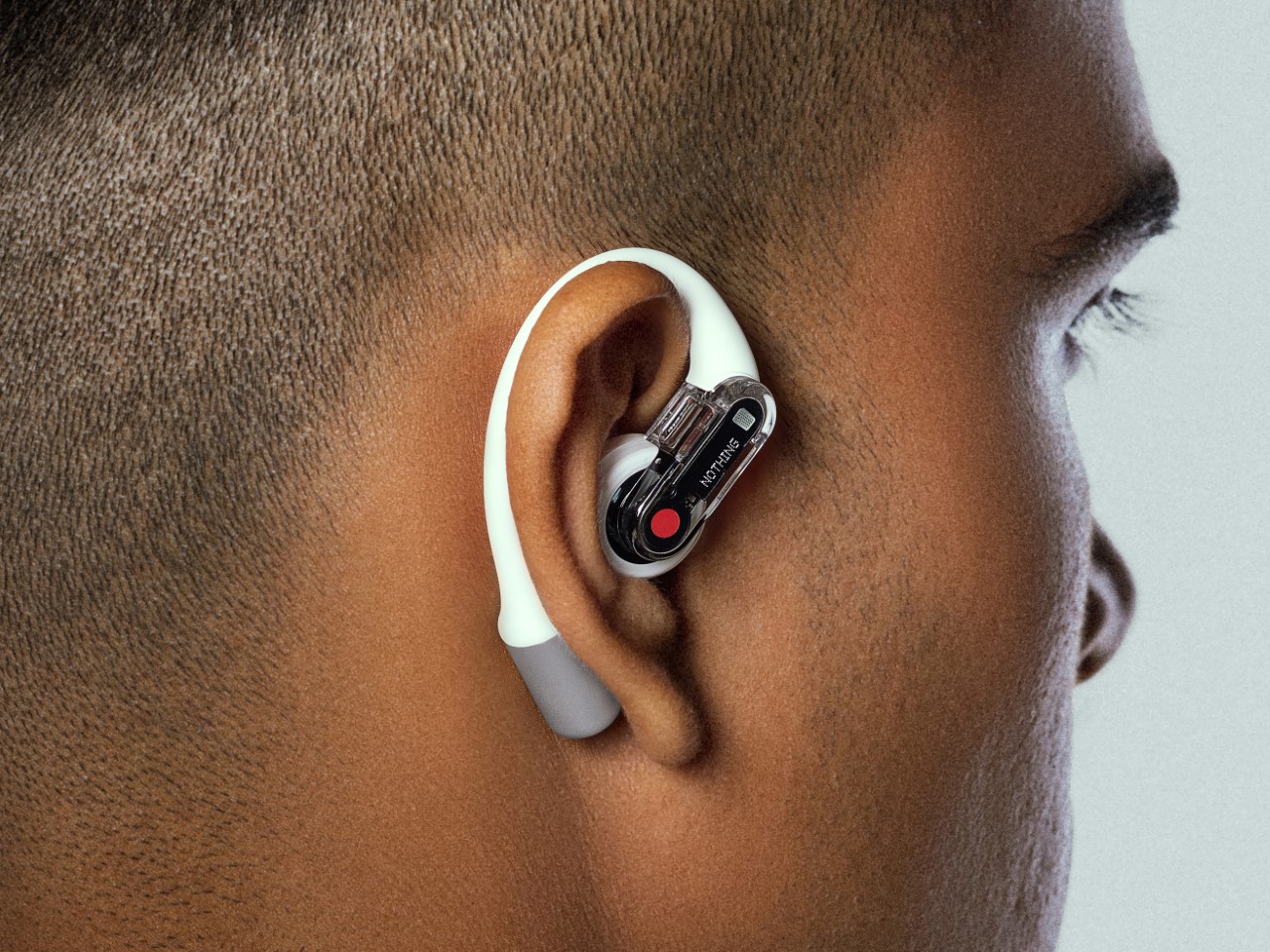
One glance at the Nothing Ear (open), and you immediately notice the company’s signature minimalist aesthetic. Transparency is the name of the game here. Rather than having earpieces with silicone tips that create an airtight seal to lock in sound and minimize audio leakage, these open-ear wearables rest against your ear canal, firing audio directly in without compromising your ability to hear the world around you. Sort of like how holding your phone up to your ear lets you hear calls but also lets environmental sounds to make it to your ear so you’re aware of your surroundings. “A lot of people were skeptical internally, but I was really bullish on this form factor because you see people wearing regular earbuds these days, and sometimes they only wear earbuds with one bud in the ear and the other one out… because they want to what’s, you know, happening all around them”, says Nothing founder Carl Pei. “But this form factor opens up, so that you can hear all your surroundings without having to do that.”
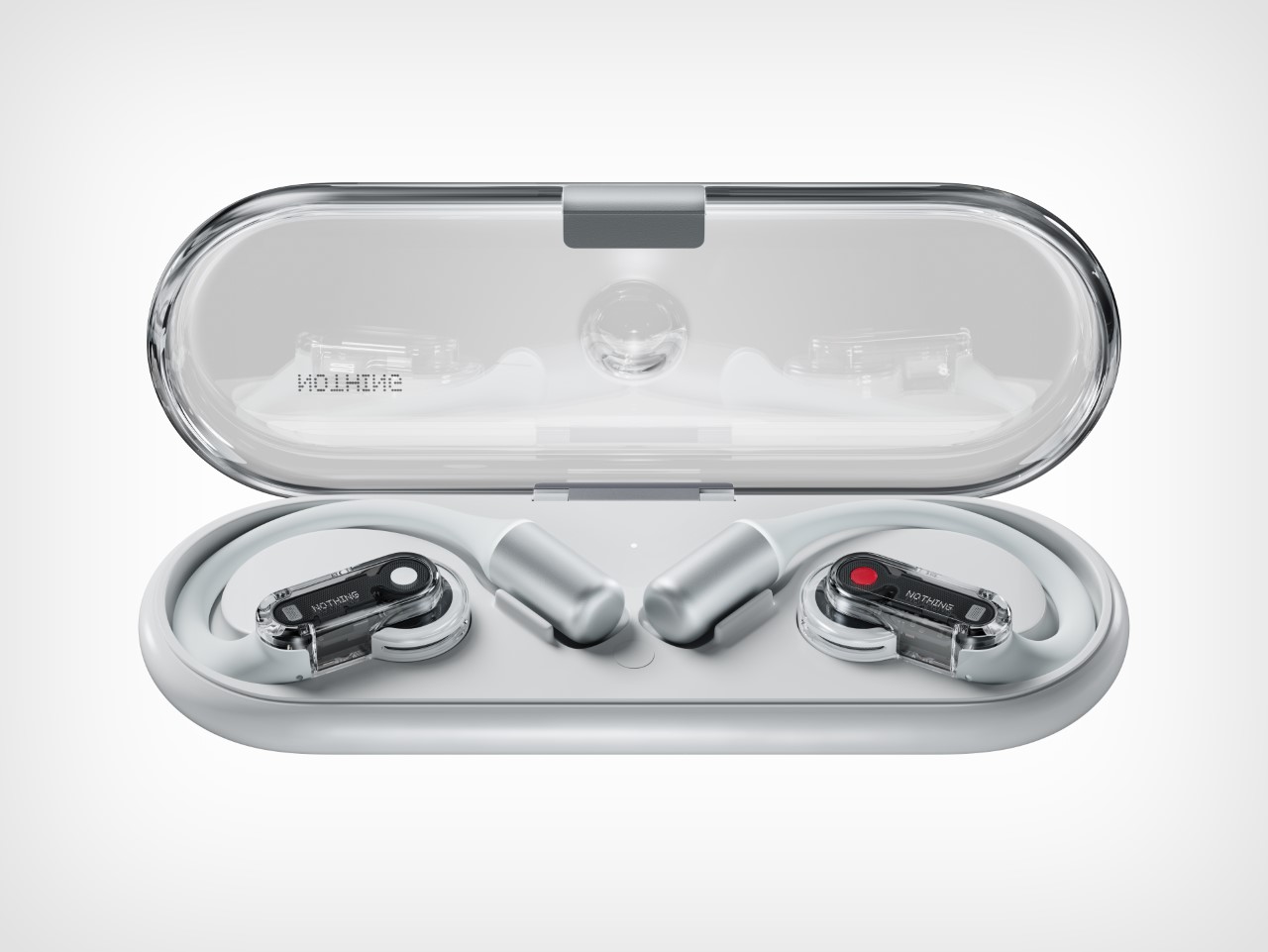
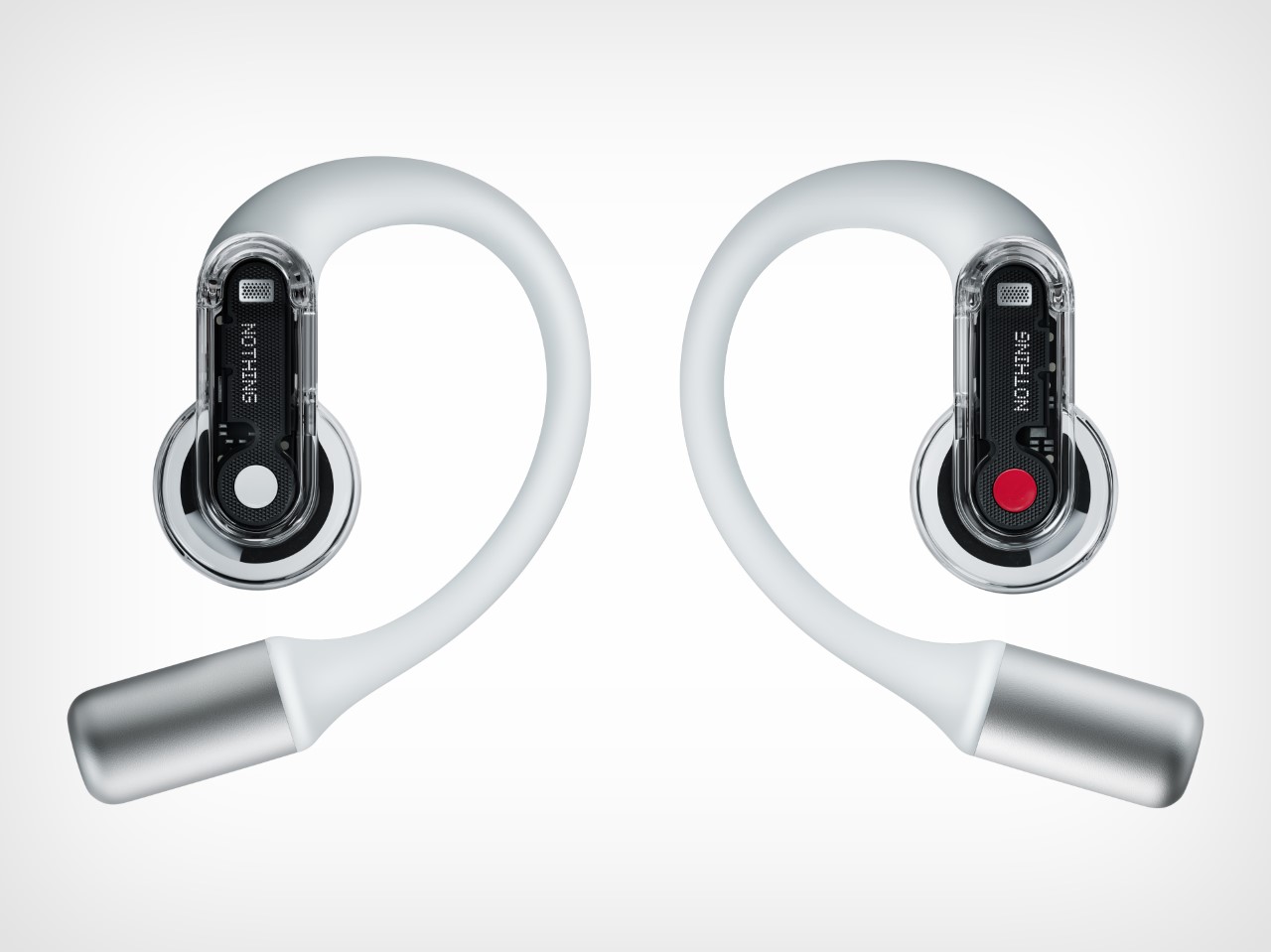
Staying true to their design philosophy, the Ear (open) showcases a slim, see-through form factor that emphasizes the craftsmanship behind its sleek exterior. Weighing just 8.1 grams per earbud, these are designed to be lightweight and portable, and with the case measuring a mere 19 mm in thickness, you can easily slip them into your pocket. The buds also come equipped with a smart case that mirrors the same transparency-focused design the company has come to be known for, along with a dimple in the center of the lid for fidgeting purposes. Obviously, the case acts as a charging dock for the earphones when not in use.
The Ear (open) shines with its Open Sound Technology, a software feature that aims to let users enjoy immersive sound while staying connected to their environment. Whether you’re on a busy city street or in a park, these earbuds let ambient sounds like traffic or birdsong through, without drowning out your music or calls. This makes them ideal for those who want to stay aware of their surroundings—whether for safety reasons or just to feel more present.
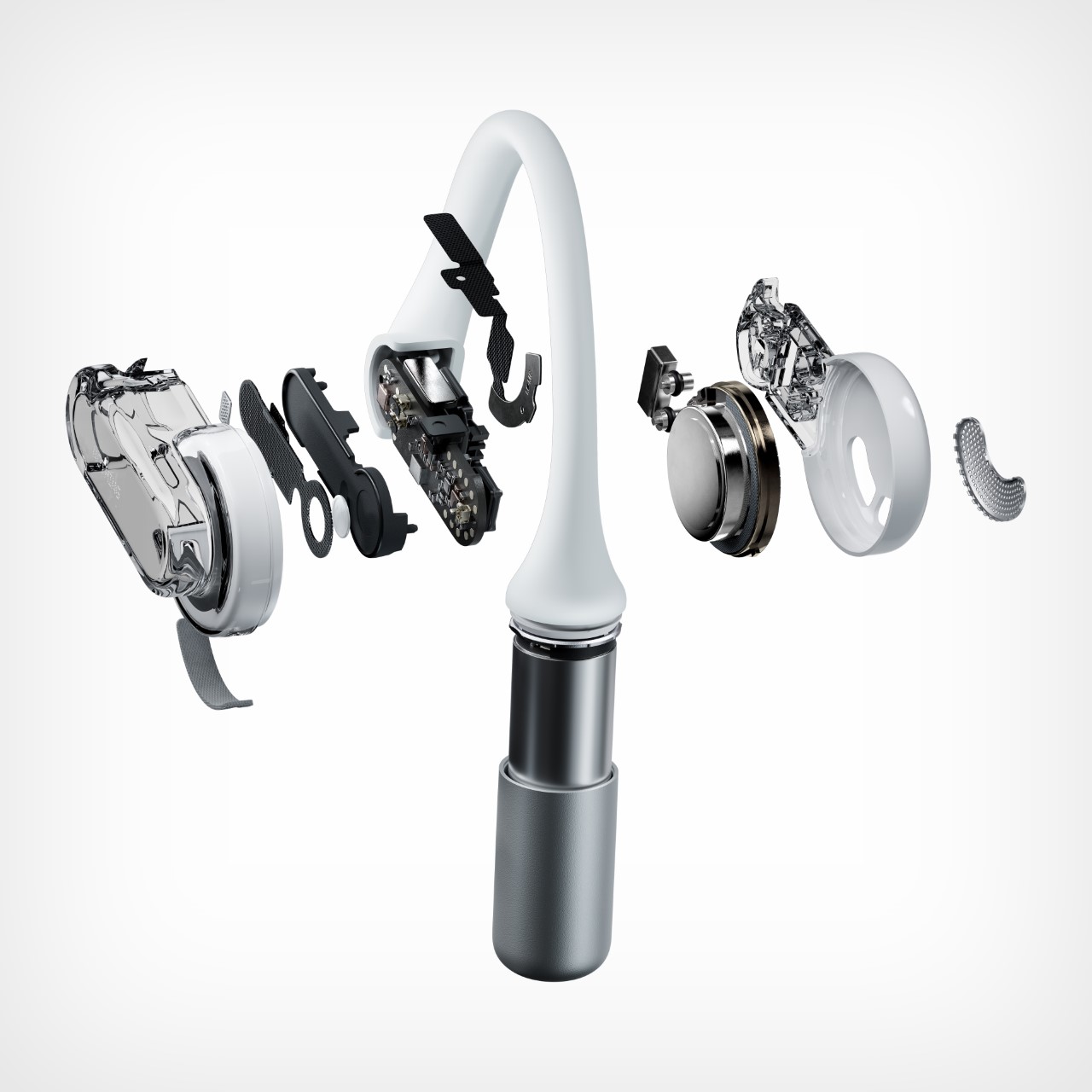
Supplementing the open-ear design is the Sound Seal System and directional speakers. These features work together to minimize sound leakage, ensuring that you get a rich, personal listening experience without disturbing those around you. This system’s privacy-oriented design addresses one of the common pain points with open-ear earbuds, giving you the best of both worlds—situational awareness and high-quality sound.
The earbuds feature a three-point balance system that, alongside flexible silicone ear hooks, ensures the earbuds sit securely in your ears. Designed with the intent of being worn while running, exercising, cycling, or just walking through the city, the Ear (open) promises a secure fit that won’t fall out during your activities. Combined with their feather-light weight, these earbuds are designed to make you forget you’re even wearing them.
On the performance front, the Ear (open) delivers with its custom patent-pending diaphragm, titanium coating, and ultra-light driver setup. These earbuds are built to handle both the deep lows and the crisp highs, offering a balanced soundstage that’s sort of rare for open-ear designs (although we intend to verify this when we get our review unit!) The bass is further enhanced by an automatic Bass Enhance algorithm, giving the low frequencies an extra punch without distorting the sound quality… something we’ll definitely confirm once we try these bad-boys on.
You’ll get 8 hours of continuous playback on a single charge, with the total extending to 30 hours when factoring in the charging case. And if you’re pressed for time, a quick 10-minute charge provides an additional 2 hours of playback. For those who take a lot of calls on the go, the Clear Voice Technology uses AI-enhanced processing to deliver crystal-clear call quality, even in noisy environments. Trained on over 28 million noise scenarios, this tech ensures that your voice comes through loud and clear, regardless of your surroundings. Additionally, Dual Connection allows seamless switching between devices, and a Low Lag Mode is designed specifically for gaming, ensuring minimal audio delay during gameplay.
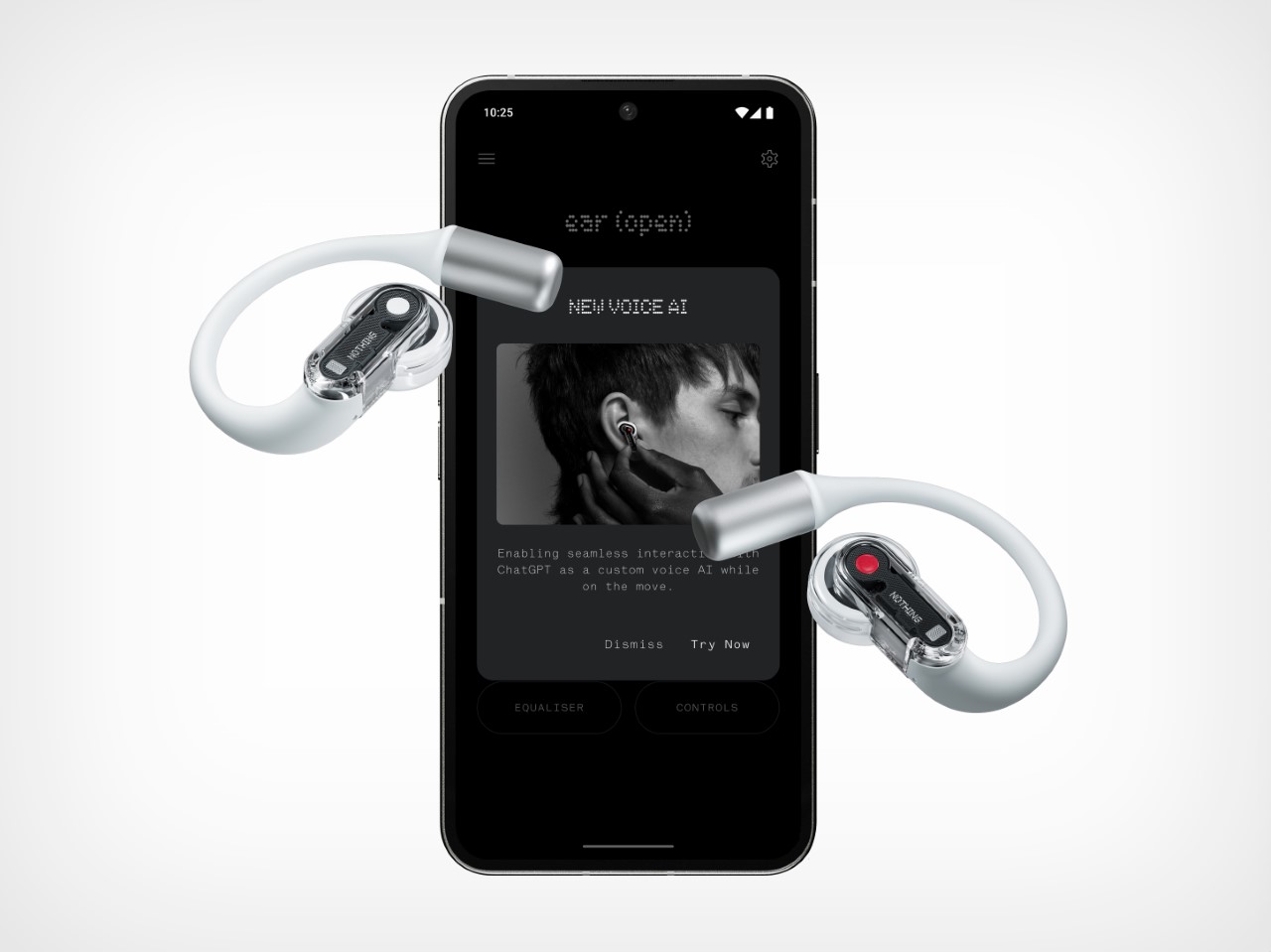
Earlier in the year, Nothing announced it was bringing ChatGPT to all its earphones, and the Ear (open) gets this feature too, allowing you to tap into GPT instead of your phone’s assistant for a more intuitive, intelligent conversation. Need to check the weather before heading out or quickly look up an answer to that random question nagging at you? Just ask—no need to fumble for your phone. The ChatGPT feature is accessible directly from your earbuds via the Nothing X app, making real-time information just a voice command away. Whether it’s getting directions, solving a debate, or grabbing quick updates on the go, ChatGPT turns your earbuds into more than just audio devices. That’s more than you can say for a pair of AirPods that are still yet to get Apple Intelligence.
The Nothing Ear (open) will be available for pre-order starting September 24th, with the official launch on October 1st. Priced at $149 USD (£129/€149), these earbuds are positioned to offer great value for those who want cutting-edge technology and user-friendly design without breaking the bank. If you’re the kind who needs music while exercising or training, these open-ear wearables might just be perfect to give a try. Especially at that affordable price point.
The advent of AI-driven film directing is transforming the filmmaking industry, empowering creators to craft visually stunning and emotionally captivating cinematic shots. With the power of Runway Gen 3, filmmakers can now harness the potential of artificial intelligence to elevate their storytelling to new heights. This fantastic guide created by Toby Pointer will walk you […]
Microsoft Copilot is a powerful productivity tool designed to enhance your experience within Microsoft 365 applications. Whether you choose the paid or free version, Copilot offers a range of features to streamline your workflows and boost efficiency. Let’s explore the key differences between the paid and free versions of Copilot and how they can benefit […]
Portable monitors have been around for years, but their importance skyrocketed during the pandemic. And with the continuation of remote and hybrid work positions, they’re going to be staples for the foreseeable future. But picking one isn’t as simple as it seems. At this point, almost every major PC maker has its own take on travel-friendly displays, with prices ranging from as little as $100 to nearly $1,000. So to help sort through the confusion, I tested out a bunch of options to put together a short list of the best portable monitors on sale today.
Things to consider before buying a portable monitor
Before you start looking at specific products, it’s super important to think about how and where you plan on using a portable display. Larger panels are great for home use where you may only need to move it or put it away when you have company over. Meanwhile, smaller screens are great for travel and whipping out at a coffee shop or shared workspace. But if you go too small, you may be adding extra weight to your bag without providing a ton of extra utility, especially if it lacks a good USB-C cable or mini HDMI for connectivity.
It’s also important to consider your typical workload, as artists may get extra value out of monitors with higher maximum brightness and wider color gamuts. Those who spend all day looking at spreadsheets won’t get as much value from more vibrant displays, but they may still benefit from having a basic second display for multitasking.
What to look for in a portable monitor
Aside from price and the size of the screen, some of the most important specs in a portable monitor include panel type, pixels per inch, brightness, refresh rate and connectivity. Most portable monitors use IPS LCD displays, which generally offer good viewing angles, strong brightness and good power efficiency. However, there are a few models sporting OLED screens that support wider color gamuts, which can be a major benefit for artists and content creators. Some budget models may use TN panels, as that can help cut costs and reduce energy consumption. That said, we generally try to stay away from those as they often have worse image quality compared to IPS screens.
For brightness, 300 nits is the lowest we recommend — anything less can make the monitor hard to use even in some indoor environments. Ideally, we look for screens that are closer to 350 or 400 nits and above for better accuracy and visibility.
Connectivity is also important because if you can’t easily hook your phone, gaming console, or laptop to a monitor, it becomes an oversized paperweight. Most travel displays include an HDMI port or USB Type-C port(or both), which cover the large majority of devices. It’s rare to find a portable monitor these days with only USB-A, since the majority of devices have moved over to USB-C. However, we also like models that support passthrough power over USB-C, which reduces the complexity of your setup and decreases the number of cords and adapters you have to carry around.
Finally, most portable monitors feature 60Hz refresh rates, which is fine for most use cases. However, there are a handful of models that go up to 120Hz or even 240Hz. Panels that fast are especially good for gaming, especially for those planning to bring a gaming console or gaming PC on the go.
Best portable monitors for 2024
This article originally appeared on Engadget at https://www.engadget.com/computing/accessories/best-portable-monitor-120050851.html?src=rss
When you unbox your new Apple Watch Series 10, you will find the watch itself, a comfortable and stylish band, and a convenient USB-C charger. Apple’s decision to include USB-C charging in the Series 10 allows for faster charging times, ensuring your watch is ready to go when you need it, without lengthy wait times. The […]
“It’s the most powerful wearable tracking the most important organ in your body.”
Dr. Ramses Alcaide is explaining the electroencephalography (EEG) technology that his company Neurable uses to track activity with its brain-computer interface (BCI). Alcaide is the CEO and co-founder, and notes that a huge problem with EEG sensors is that they are often affixed to bulky, awkward-looking headsets — not exactly something you want to wear out in public. And to him, that’s why the technology hasn’t yet “created the type of impact that they could [on] the world.” Sure, we’ve seen a variety of headbands over the last decade, but those add an additional device to your bag. Alcaide argues there’s a better way to use EEG tech that’s even less intrusive.
Neurable began at the University of Michigan in 2011 where its technology was initially created. The overall platform is an AI system that combines filtering to increase and boost the signal of brain data. The company spun out in 2015 and has been working to bring its EEG-powered tech to “smaller everyday devices,” as Alcaide describes them.
“[It] took a lot of time, but what we’ve been able to do is take what was traditionally these large systems and bring it down to everyday devices using AI,” he says.
Devices like headphones, earbuds, helmets, AR glasses and more can be equipped with EEG sensors so that they can track neurodegenerative diseases and neurodivergence based on brain activity. For example, the ability to track Alzheimer's or ADHD before a person knows they even have it is part of the plan for Neurable. Right now though, the company’s first step is one of those “everyday wearables” that can track decreases in focus to create what Alcaide calls “good wellness hygiene.”
Billy Steele for Engadget
The company’s first device is the MW75 Neuro: a set of headphones built in collaboration with Master & Dynamic. Based on the existing MW75, this version has dry fabric EEG sensors in the ear pads, sending 12 EEG channels to the Neurable app for the software to do its AI analysis and signal processing. The app then interprets the data “with high confidence” and “lab-level accuracy,” according to the company.
The Neurable app is where all the data is displayed for the MW75 Neuro. First, it essentially gamifies mental hygiene with focus tracking. You earn points for high (2), medium (2) and low (1) focus levels, accumulating points throughout the day. You’re then able to view comparisons week-to-week as well as individual session summaries with attention span graphs. During these periods, the system can prompt you to take a break when focus decreases, which Neurable says this should help with burnout to some degree. Of course, “burnout” isn’t something that’s easy to quantify, or even tangibly measure, since there’s more than your focus or attention at play.
The MW75 Neuro isn’t just meant to keep you working. The company says monitoring your focus levels can assist you with gaming, meditation, reading and even decision-making. Noise cancellation can block out distractions during periods when you need to be locked in, which doesn’t only apply to the office. Neurable says no matter the activity, its app provides the data necessary to recognize your performance over time and identity when you need to take breaks or maybe find a different environment in order to be productive.
“This is just scratching the iceberg,” Alcaide explains. “We're not claiming or diagnosing everything, [but] it really shows you a glimpse of the future that these everyday wearables can deliver on.”
Billy Steele for Engadget
Of course, the MW75 Neuro is a set of noise-canceling headphones, which means you’ll get a host of audio features on top of the fancy brain tech. Master & Dynamic CEO Jonathan Levine told me that this version of the headphones has an identical industrial design to the regular MW75. 40mm Beryllium drivers carry M&D’s trademark warm sound profile and four microphones are employed for active noise cancellation (ANC) and calls. There are still a host of sound modes and you can customize the EQ and more inside the M&D Connect app.
Besides the ear pads, there are some other changes on the MW75 Neuro. Neurable’s version supports Adaptive Transparency mode for starters, but the key difference is inside. The electronics were completely redesigned to add EEG processors that power the AI tech, including an ARM Cortex chip. Since the sensor-packed cushions on this model are fabric instead of leather, Levine says the variation does change the sound profile slightly. And during my testing I noticed that they aren’t quite as comfortable as those on the original model either. If you pre-order from Master & Dynamic, the company will throw in non-EEG leather ear pads for free.
There’s a big hit to battery life, too. Neurable says the MW75 Neuro offers 10 hours of EEG tracking on a charge (8 hours with ANC on), compared to up to 28 hours with ANC on the regular version. I don’t think you’re going to use Neurable’s features for more than a few hours at a time, but you should know they do impact longevity.
Once you start a focus session, a timer begins in the app and continues until you turn it off. There’s a button up top if you need to take a break, otherwise the headphones continue tracking your brainwaves until you tell them to stop. There’s also an indicator on the timer screen to let you know if the sensors are properly connected. A reliable connection ensures optimal EEG signal quality during the session.
Neurable
During my tests, I used the MW75 Neuro to track short focus sessions. It’s nice that the whole system runs in the background without any distractions – other than the break suggestions. Of course, you’ll have to think back to remember if any dips lined up when you look at the graph, but I felt like the app’s prompts to take a break were well-timed and probably overdue. The software can give you voice or push notifications (or both), and the app provides a separate 10-minute timer for the so-called Brain Breaks.
I don’t have any lab-grade tech to thoroughly evaluate what Neurable is doing on these headphones from a tracking standpoint. And I’ll admit that my short time with the MW75 Neuro isn’t enough time to fully evaluate their utility. But, I can begin to see how they could help over time, especially for those of us who are incentivized by streaks and daily scores. I found it interesting to see how much time I spent in high and medium focus, as well as trying to recall if a text or Slack message may have caused me to stumble during a session.
Neurable is actually working to help with that common distraction. The company is allowing developers to build apps for the MW75 Neuro, including one in the works that will automatically pause Spotify when you lose focus. To help with messages, the company is working on a chat integration that allows you to respond with head movements while remaining in the productivity zone. Alcaide argues that 90 percent of text messages can be responded to in a simple manner with a response created by ChatGPT, so the headphones’ accelerometer can be used to detect a nod or shake for automatic replies. This goes beyond what Apple is doing with Siri Interactions on AirPods since it helps facilitate an appropriate response.
“When the iPhone came out, a touchscreen was the interface,” he continues. “For [Neurable], it’s going to be the neural interface and the accelerometer. It’s going to enable us to do a lot of the same things we do with our phone with our everyday wearable.”
The MW75 Neuro is available for pre-order today in the US in silver, onyx, navy and olive color options for $699. Neurable plans to make the headphones available in Europe and the UK in 2025 for €729 / ₤629. That’s a lot for a set of headphones, but the regular MW75 is $599, so there’s only a $100 premium for Neurable’s tech.
This article originally appeared on Engadget at https://www.engadget.com/audio/headphones/neurables-brainwave-tracking-master--dynamic-headphones-tell-you-when-to-take-a-break-120004736.html?src=rss
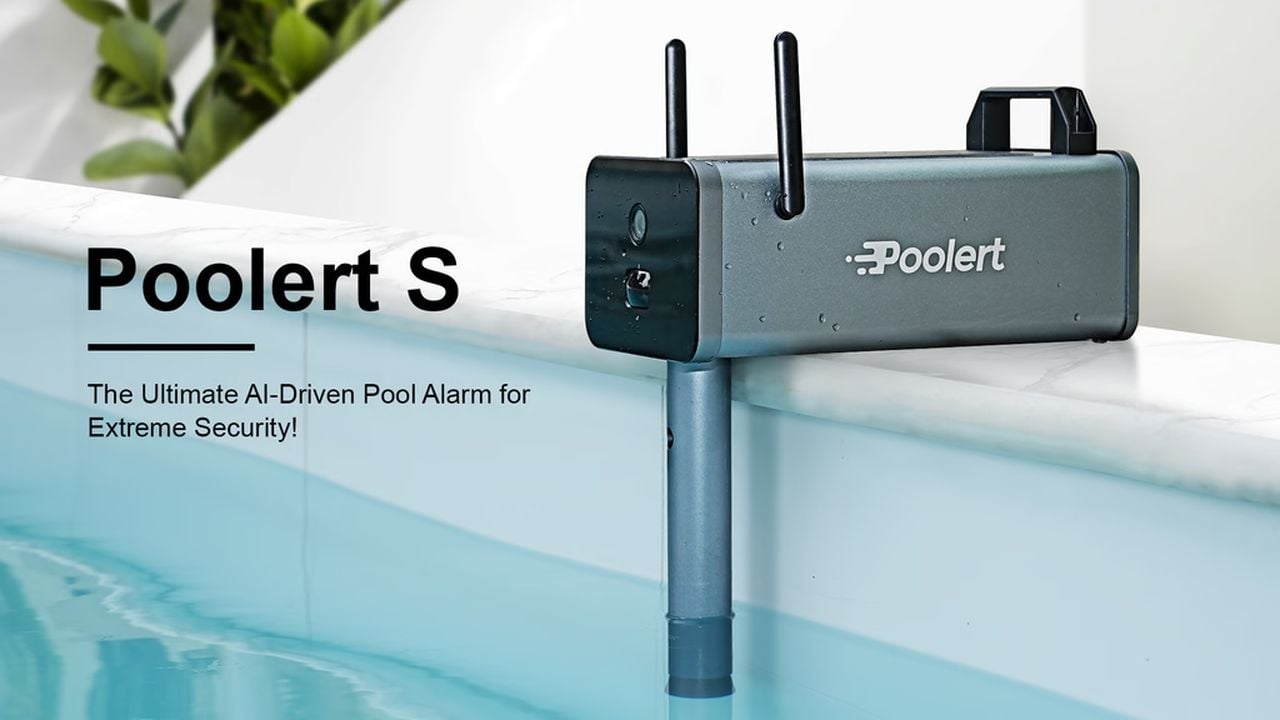
When it comes to ensuring the safety of your loved ones around the pool, you need a system that offers more than just basic alerts. Enter the Poolert S, an AI-driven pool alarm system designed to provide comprehensive surveillance and real-time monitoring, making your pool area safer than ever before. Poolert S Key Takeaways Quadruple […]