Apple has determined that "a very small percentage" of iPhone 14 Plus models are having rear camera issues, and it has launched a service program to repair them for free. If your phone isn't showing a preview when you use its rear camera, then you may be eligible to get your phone fixed at no cost — you can also contact Apple to get a refund if you'd already paid for a repair. The affected devices were manufactured between April 10, 2023 and April 28, 2024, around half a year after the model started shipping in 2022.
You can check your device's serial number on the official repair program page to know if your device is included. To get it fixed, you can bring your phone to an Apple Authorized Service Provider or to an Apple retail store after making an appointment. You can also contact Apple Support if you want to mail your device to a repair center. The program covers repairs for all eligible phones for three years after the original date of purchase, so you may want to keep it in mind in case your unit starts exhibiting the issue in the future. Apple says it may "restrict or limit repair" to the unit's original region of purchase, though, so you'll have to check with the company if you bought your iPhone while traveling outside your country.
This article originally appeared on Engadget at https://www.engadget.com/mobile/smartphones/new-apple-repair-program-will-fix-iphone-14-plus-rear-camera-issue-for-free-110051988.html?src=rss
Apple’s iOS 18.2 update marks a significant milestone in the company’s software evolution, introducing a suite of innovative AI features designed to transform user experience and personalization. This transformative update seamlessly integrates artificial intelligence into various aspects of the iOS ecosystem, empowering users with enhanced capabilities and intuitive interactions. At the forefront of this update […]
Artificial intelligence is advancing rapidly, yet improving its reasoning capabilities remains a significant challenge. Researchers from the University of Pennsylvania, Microsoft Research, AMD, and Arizona State University have developed “ReasonAgain,” an innovative methodology designed to evaluate and improve the reasoning abilities of AI models, particularly large language models (LLMs). This approach uses symbolic programs to […]
Bose’s SoundLink Home Bluetooth Speaker—a compact, stylish device delivering rich sound, versatile connectivity, and nine hours of battery life for any room.
iOS 18.1 introduces a range of advanced AI features aimed at boosting your productivity and interaction across various applications. This update prioritizes user experience by integrating intelligent automation and seamless AI technologies, making your daily tasks more efficient and enjoyable. The video below from MacRumors gives us a look at the new Apple Intelligence and […]
Samantha, an advanced chatbot inspired by the film “Her,” has bee n built by Jesús Copado showing the power of the OpenAI’s Realtime API. Designed for real-time task execution, Samantha demonstrates the immense potential of agentic applications in today’s digital landscape. By seamlessly integrating multiple technologies, she interacts with users in a dynamic and responsive manner, […]
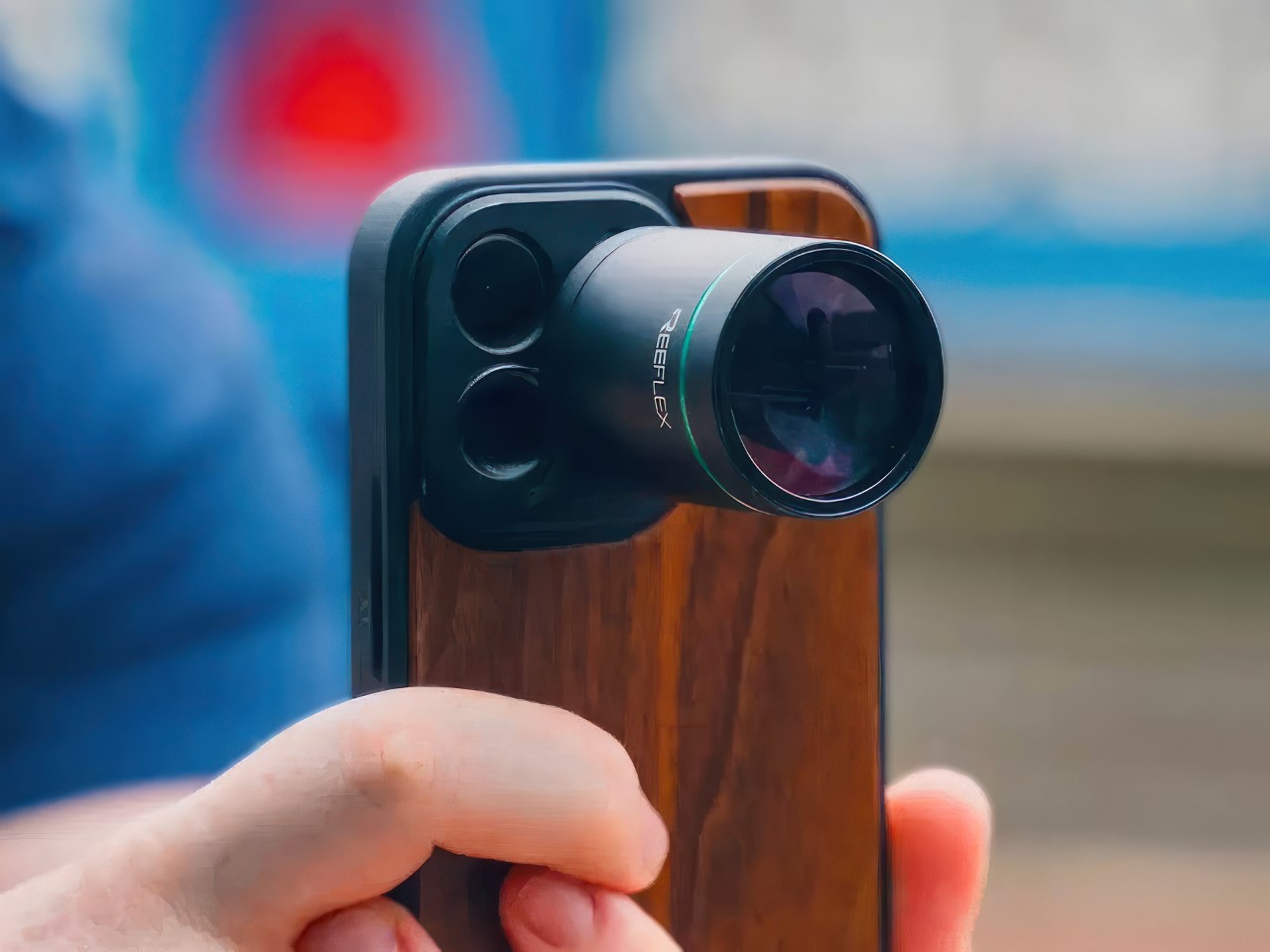
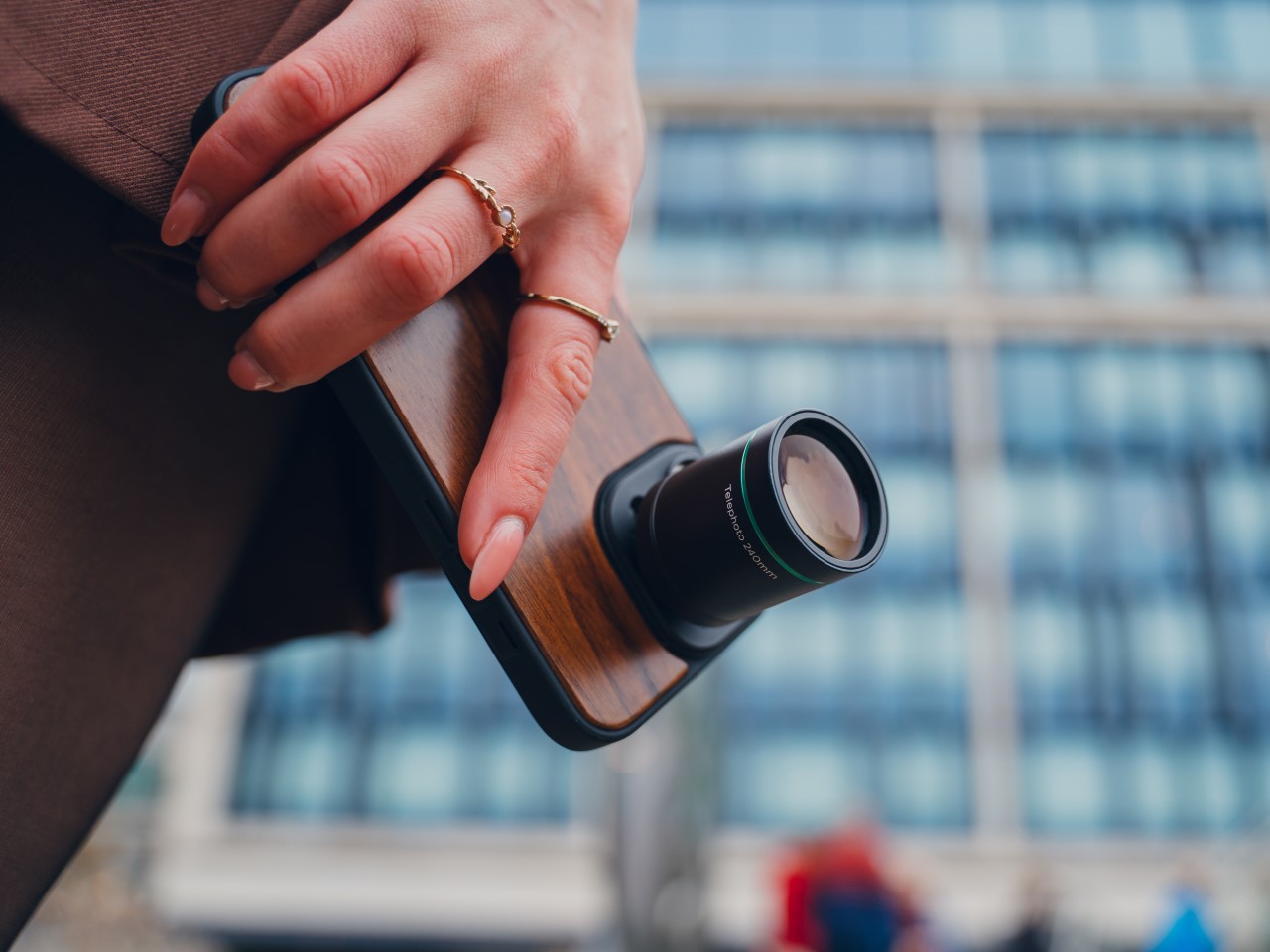
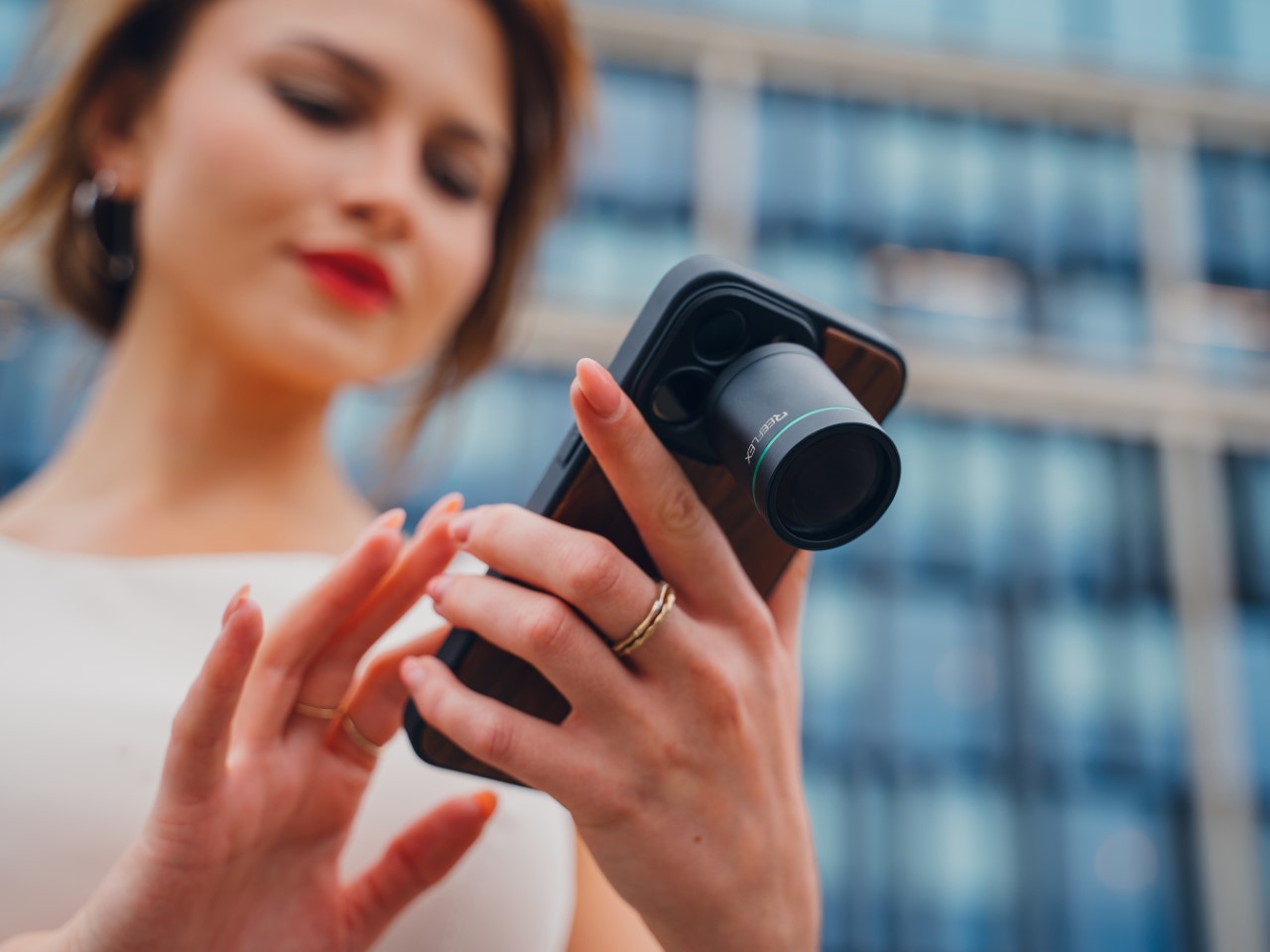
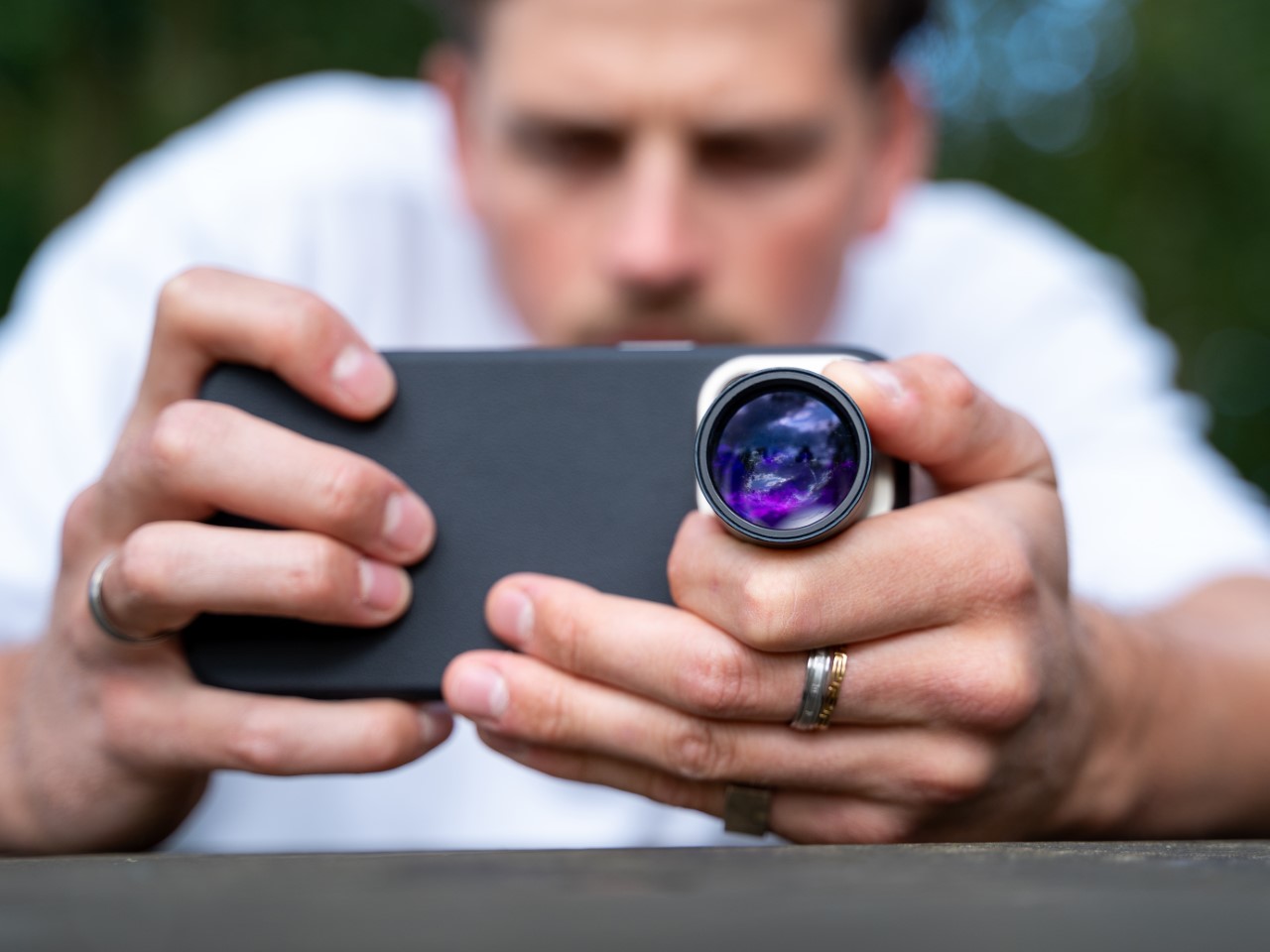
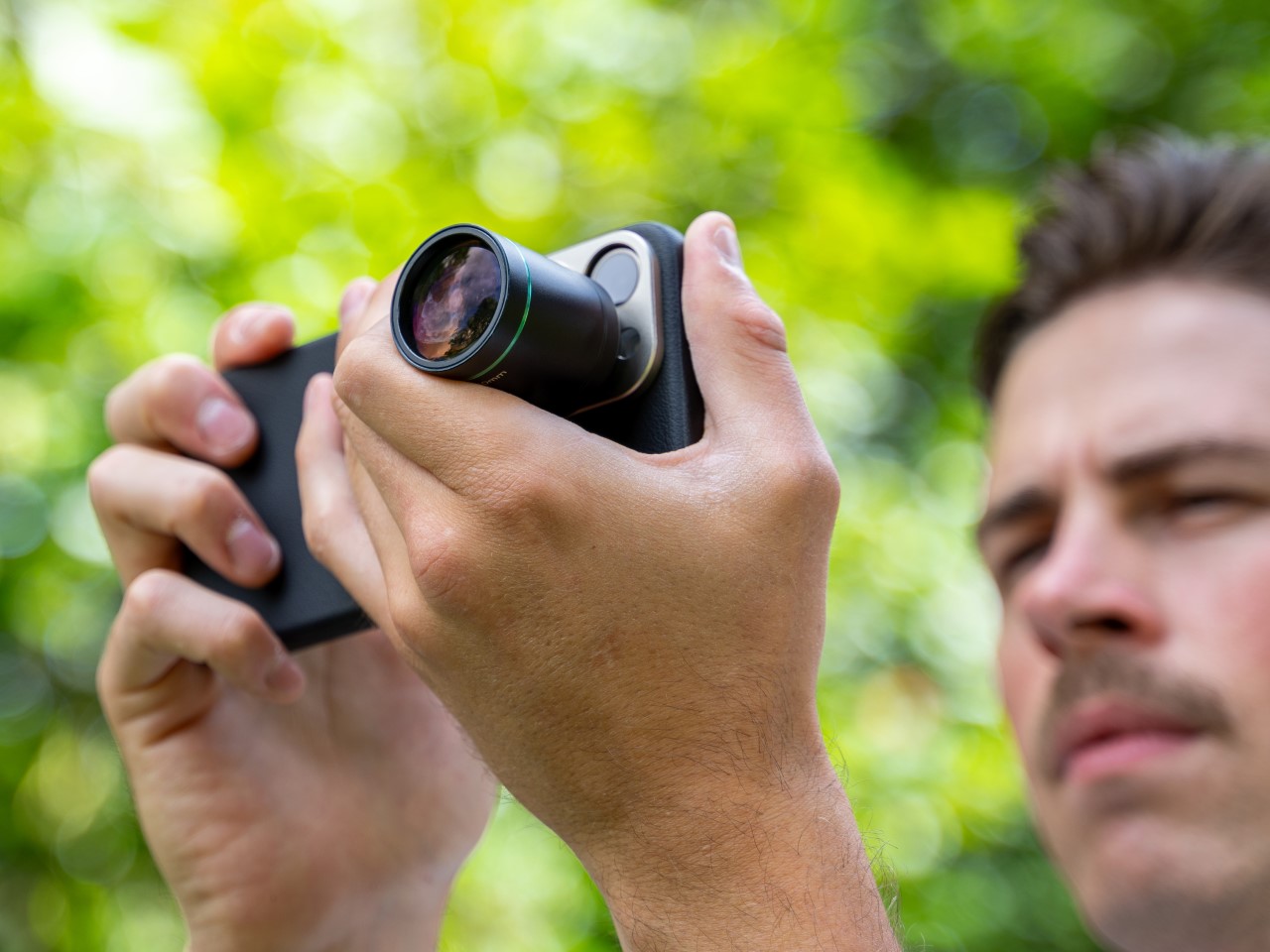
Imagine adding a whopping 10x optical zoom to your iPhone 16 Pro or Samsung Galaxy S24 Ultra. Forget the moon, you could take pictures of a moon base with it! Jokes aside, the cameras on our phones are growing more and more powerful each day – but the only thing really changing is the algorithm that processes photos. The key differences between a DSLR and a phone camera still remain – the size of the sensor (which lets more light in), and the size of the lens (which enables a camera to see wider, closer, or farther). While phone sensors have been growing larger and larger, the camera bump has limited the lens’ capabilities… but this snap-on 240mm telephoto + macro lens is upgrading the smartphone photography game.
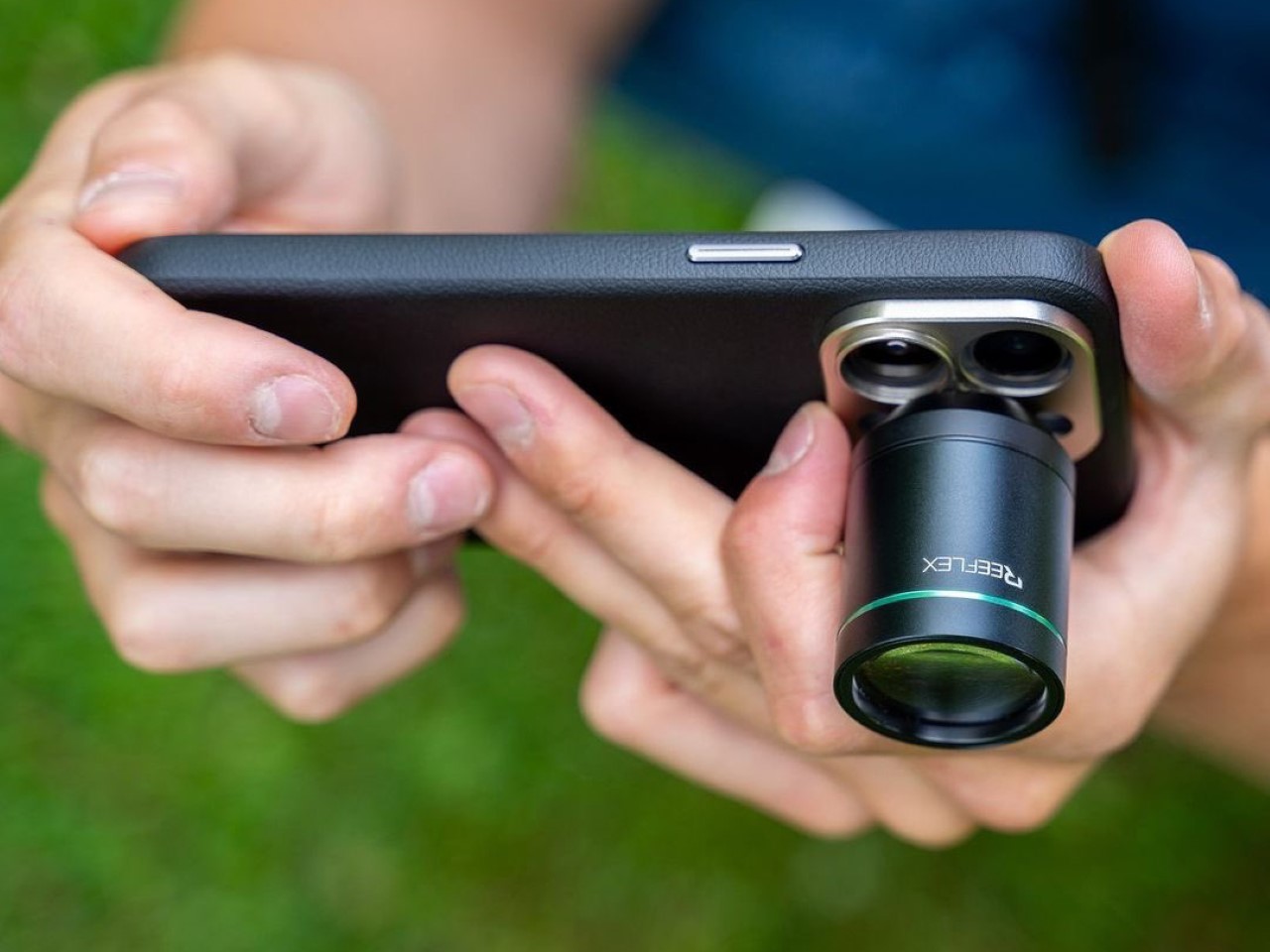
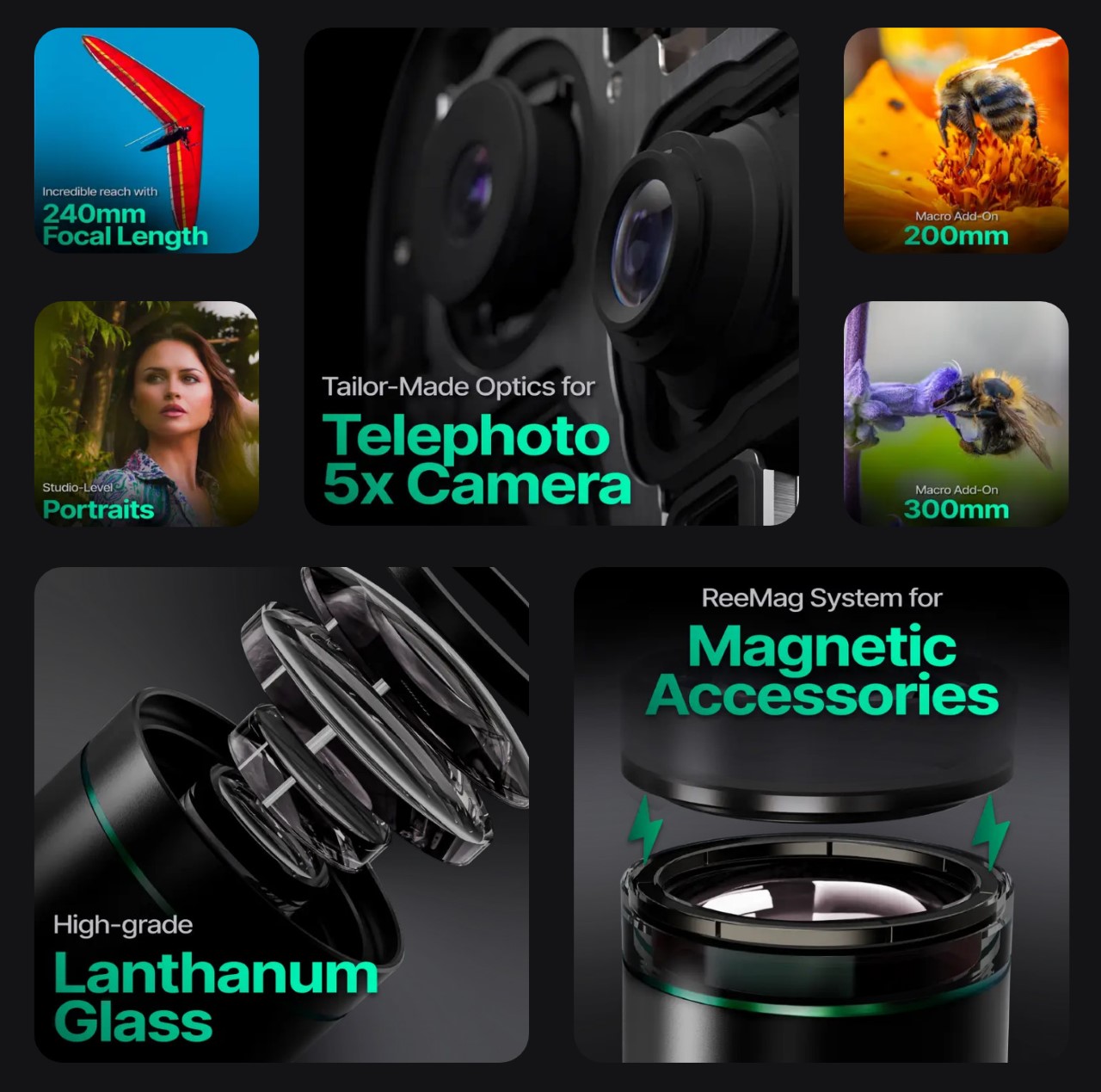
If you’re wondering how much further smartphone photography can go, the Super Telephoto 240mm Lens designed for the iPhone 16 Pro and Samsung S24 Ultra might be your answer. This lens promises to revolutionize how we capture everything from sweeping landscapes to intricate macro details. With a striking 240mm focal length, it offers a 10x optical zoom that pushes beyond the limits of the typical smartphone camera, bringing distant scenes into sharp, professional-quality focus. It’s built specifically for flagship devices like the iPhone 16 Pro’s 5x telephoto camera, which means it’s engineered to align seamlessly with Apple’s Tetraprism camera system, allowing for a reach and clarity that’s previously been out of reach for mobile users.
The magic starts with the 10x magnification, which practically doubles the reach of standard 5x smartphone telephoto lenses. Imagine this: you’re at a concert or a sports event, seated far from the stage or field, but thanks to this lens, you can capture close-up, high-definition shots of your favorite band or the action on the field. The 240mm focal length offers a staggering zoom but it also brings sharpness and detail that might make you forget you’re using a smartphone at all. Even from the back of the venue, this lens can bring subjects into crisp focus, giving users the freedom to take professional-grade shots with ease.
Having a natural telephoto lens also means benefitting from natural bokeh rather than that computational AI-powered portrait mode with the inconsistent edges. The Super Telephoto 240mm lens is also designed to enhance portrait shots with natural depth, compression, and creamy bokeh effects, all from three to five meters away. The 10x optical zoom gives portrait shots a beautiful subject isolation that you usually only get from traditional telephoto DSLR lenses. This feature is perfect for portrait photographers who want to create striking, professional-quality photos directly from their smartphone.
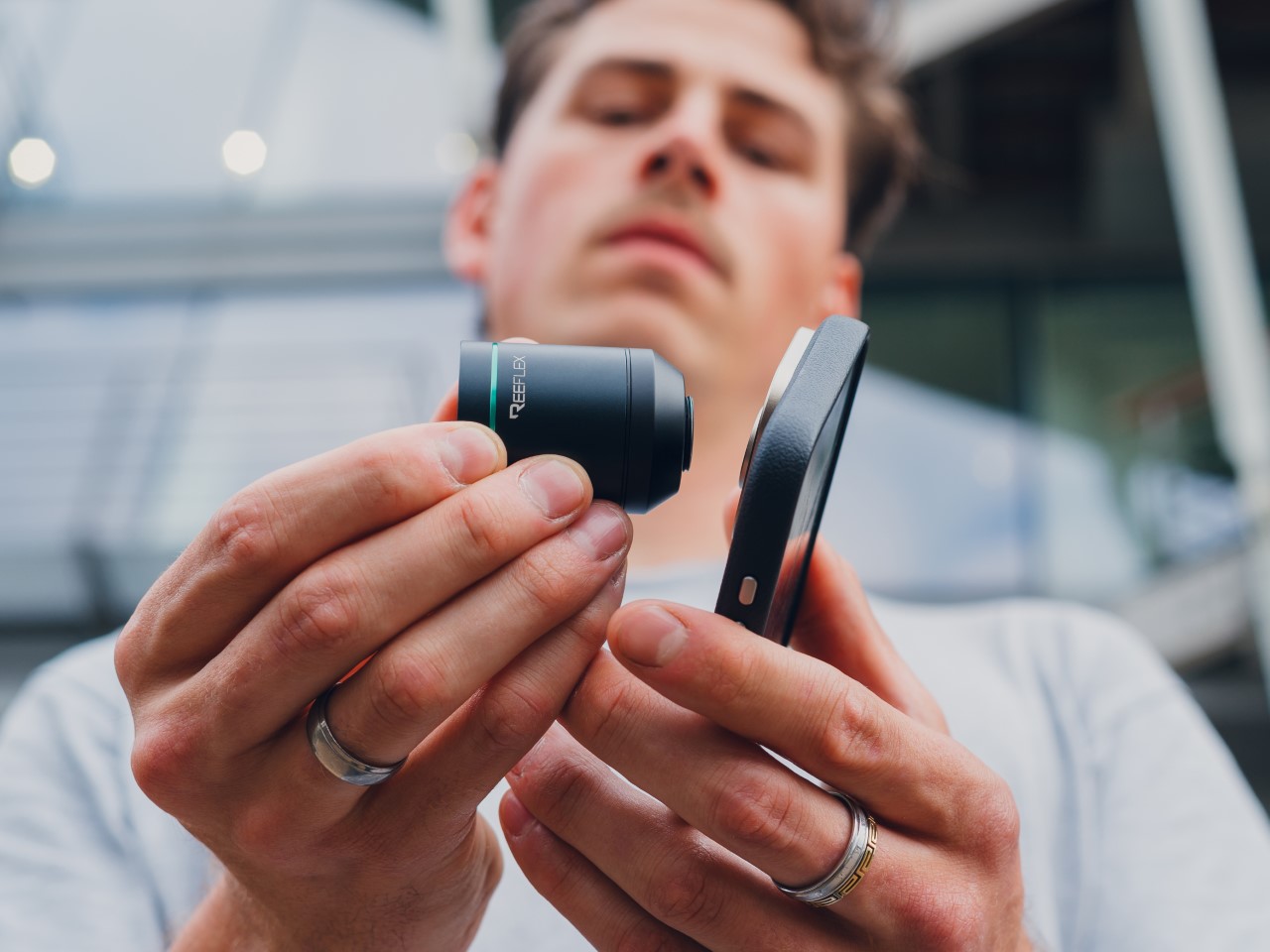
Want to switch from telephoto to macro? Well, that’s when the ReeMag System comes handy. This magnetic attachment setup allows users to easily switch between telephoto and macro photography modes with a simple snap. Using magnetic add-ons, you can instantly transform this lens into a macro powerhouse. It’s as simple as snapping on the add-ons, no complex adjustments required. For macro photography enthusiasts, this lens setup is a game-changer. The 200mm and 300mm magnetic macro add-ons allow you to get detailed close-ups of subjects at comfortable distances. This means you can capture intricate textures like the delicate veins of a leaf or the patterns in an insect’s wings, all without having to get uncomfortably close.
The ReeMag system also applies to all of Reeflex’s earlier award-winning lenses from its G-series, like the Anamorphic 1.3x lens, the 110° Wide Angle lens, the Long Range Macro lens, or even the 220° Fisheye lens. Alternatively, Reeflex also lets you use the ReeMag system to snap on filters like its Variable ND filters, and CPL or polarizer filters that help you further fine-tune your shot for that DSLR-like feel. It’s a nifty ecosystem that Reeflex has developed that lets you explore different accessories and shooting styles with your existing flagship smartphone.
Designed with high-end smartphones in mind, this lens integrates particularly well with the latest Apple and Samsung flagships. For iPhone 16 Pro users, the 240mm lens aligns with the 5x telephoto camera, meaning that it takes advantage of the Tetraprism system for optimal results. On the Samsung S24 Ultra, the lens offers similar enhancements, working seamlessly with Samsung’s top-notch camera specs to elevate mobile photography standards. Users of these devices can expect a noticeable upgrade in quality, even when pushing the lens to its maximum zoom capabilities. This focus on compatibility highlights the thoughtful design of the lens, which makes it one of the few add-ons crafted to meet the demands of flagship smartphones’ advanced hardware.
Reeflex isn’t new in the smartphone camera game. Aside from its award-winning G-series smartphone camera lenses, the company has also developed dedicated smartphone apps for capturing and recording media. These apps let you access pro features as well as capture in unique formats such as long-exposure or even time-lapse. With over 300,000 downloads on the App Store, Reeflex’s hardware + software handshake makes it perfect for serious photographers who want to push smartphone photography to its maximum.
Depending on the bundle you buy, the Reeflex Super Telephoto 240mm lens kit starts at $270, which includes the telephoto lens, along with a set of 300mm Macro and 200mm Macro add-on lenses. You also get a smartphone case (iPhone or Samsung) to help you easily mount the lenses onto your phone. You can upgrade to include some of Reeflex’s original G-series lenses with your bundle too (there are bundles for Macro or Portrait photographers), or just splurge on the $1,158 Ultra Kit which includes all of Reeflex’s previous lenses and filters compatible with the ReeMag system. The lenses ship globally starting January 2025, so if photography is your passion (or your new year resolution), grab your kit now!
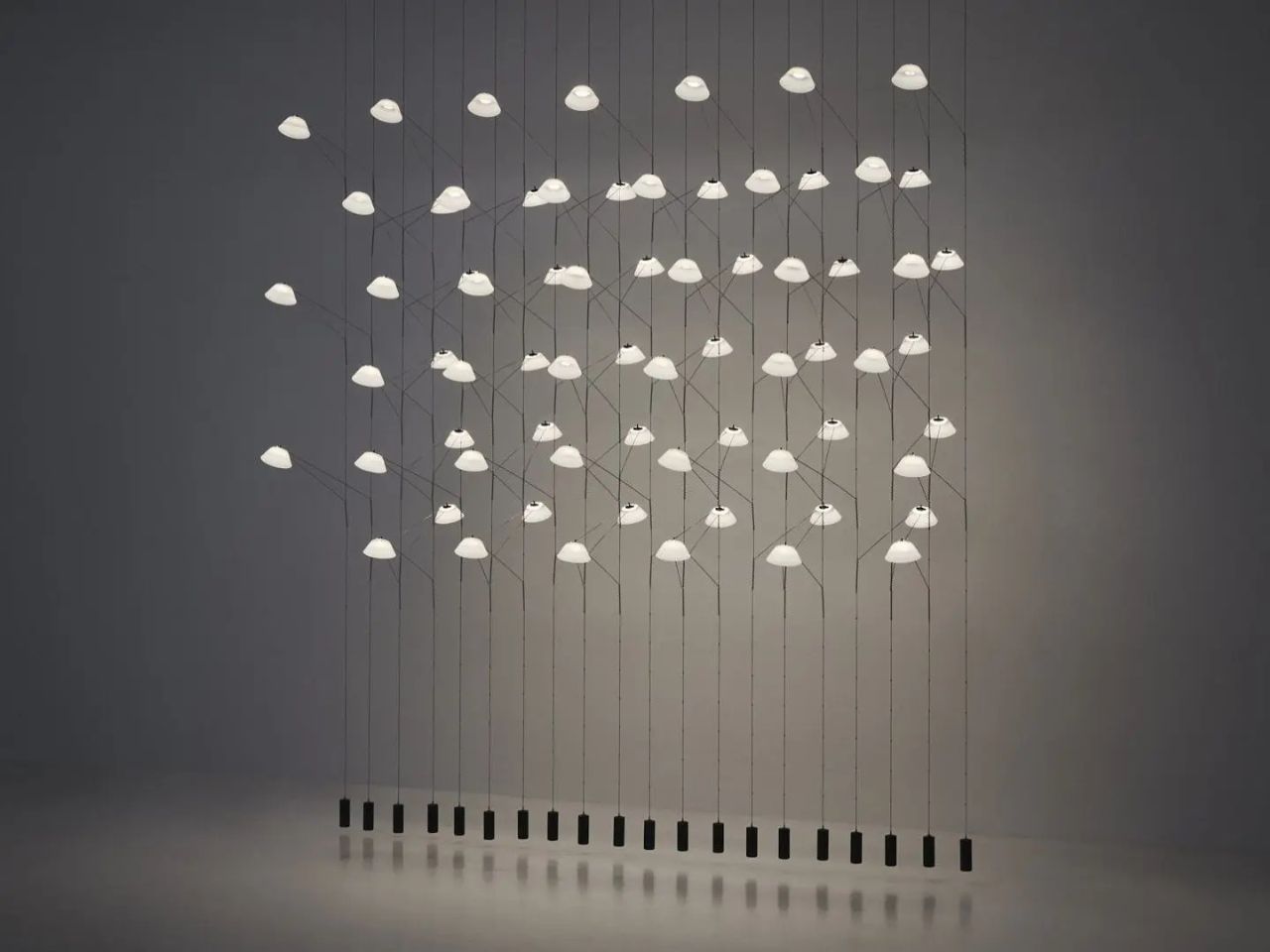
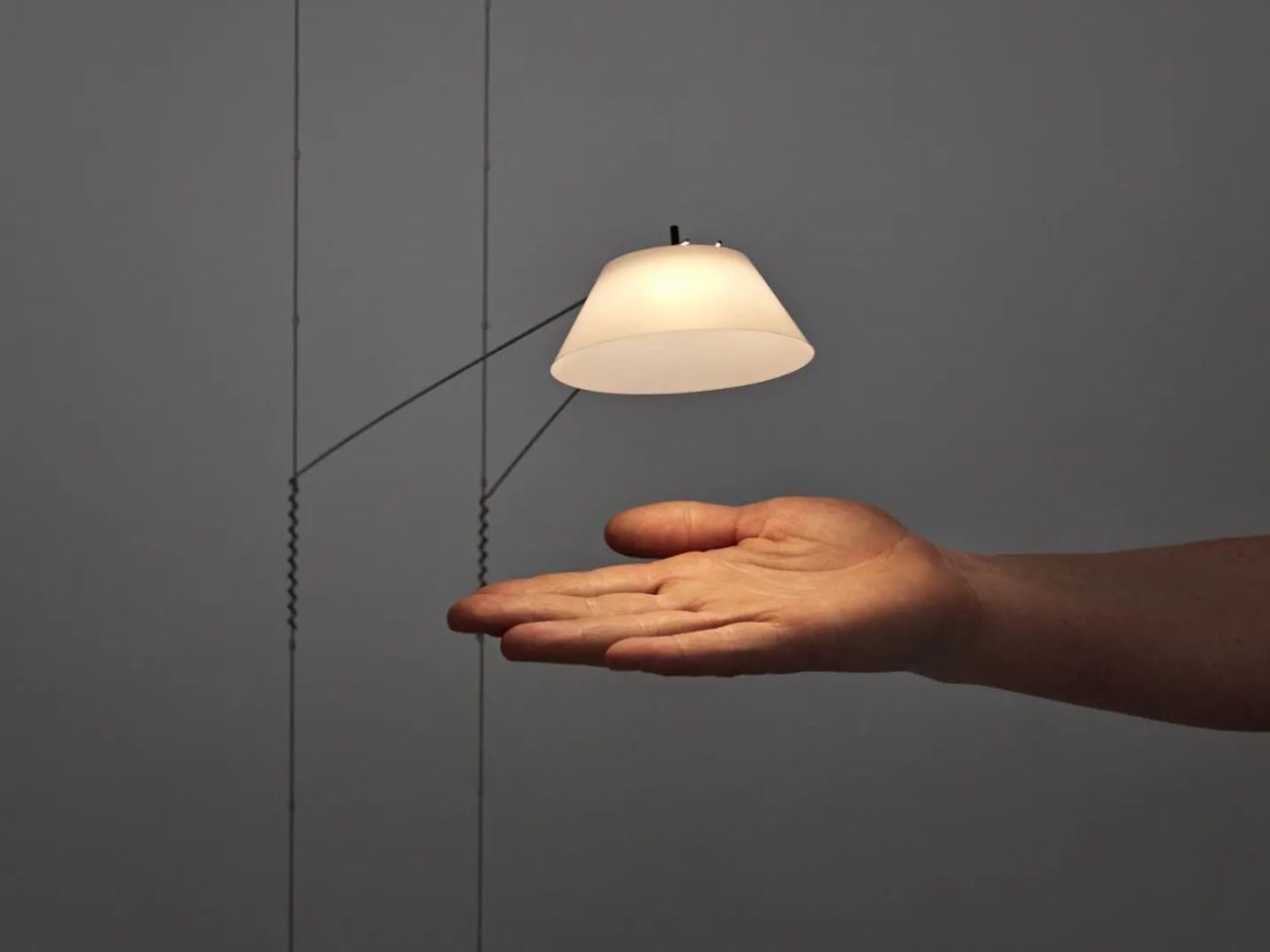
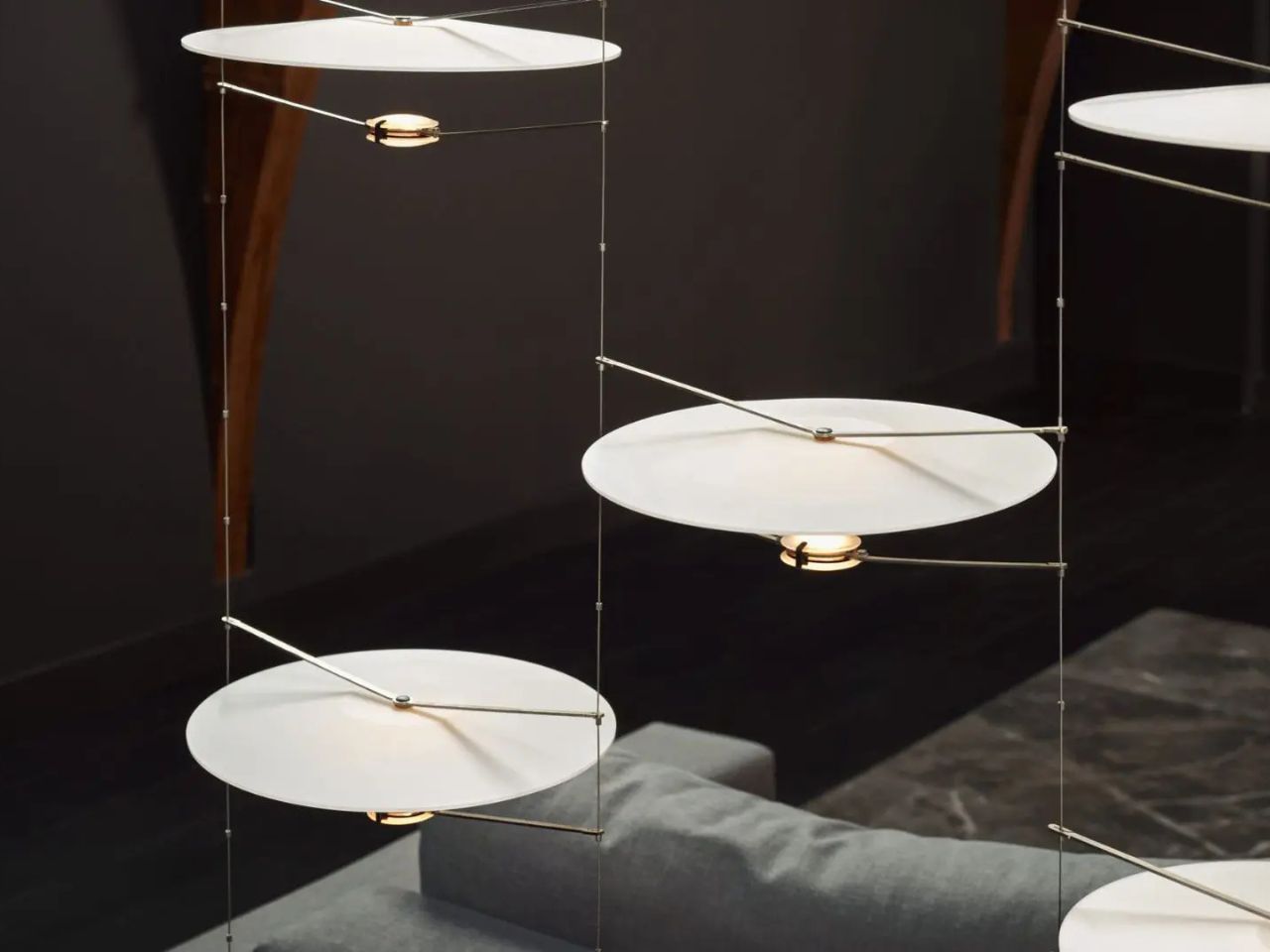
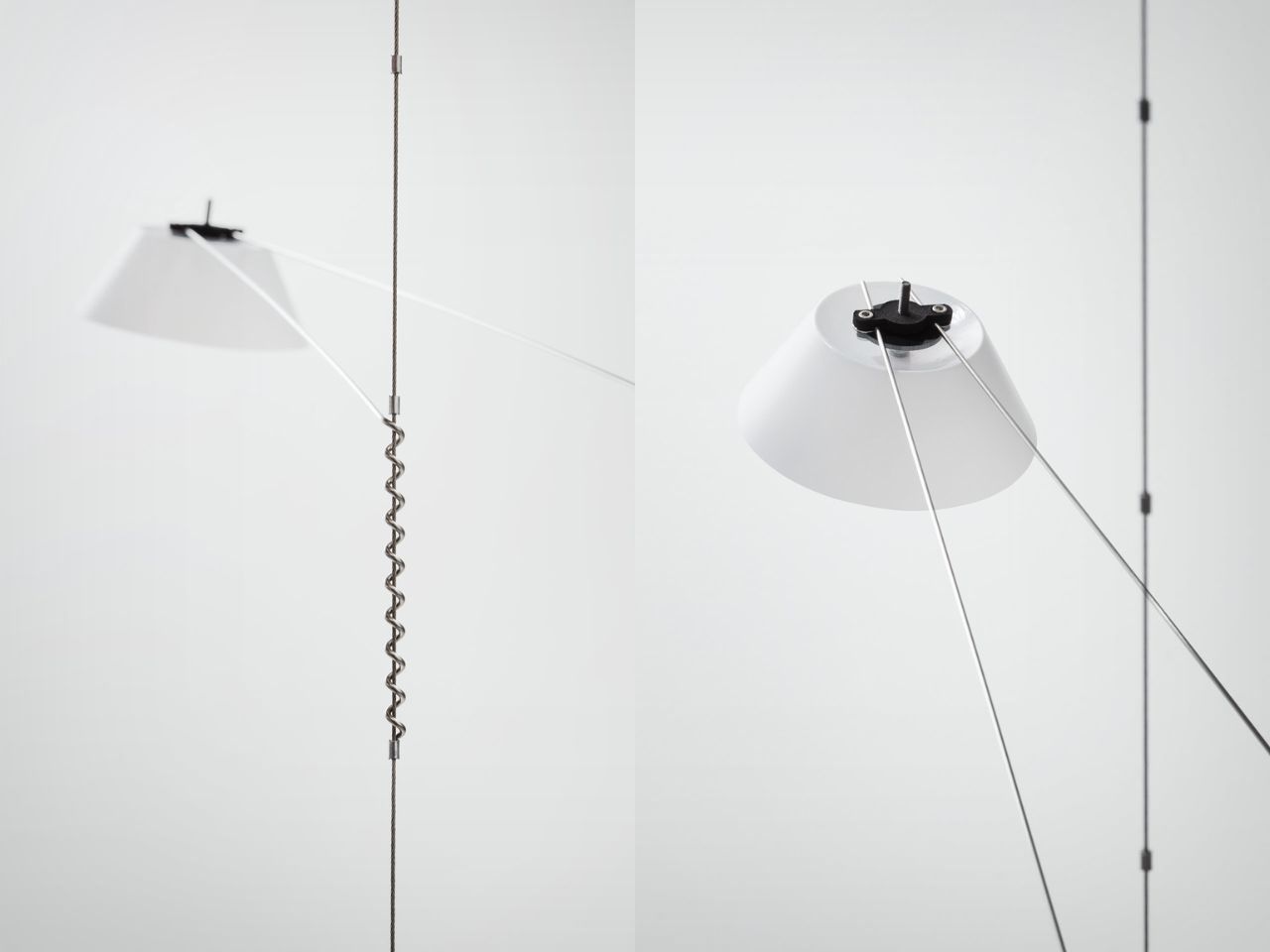
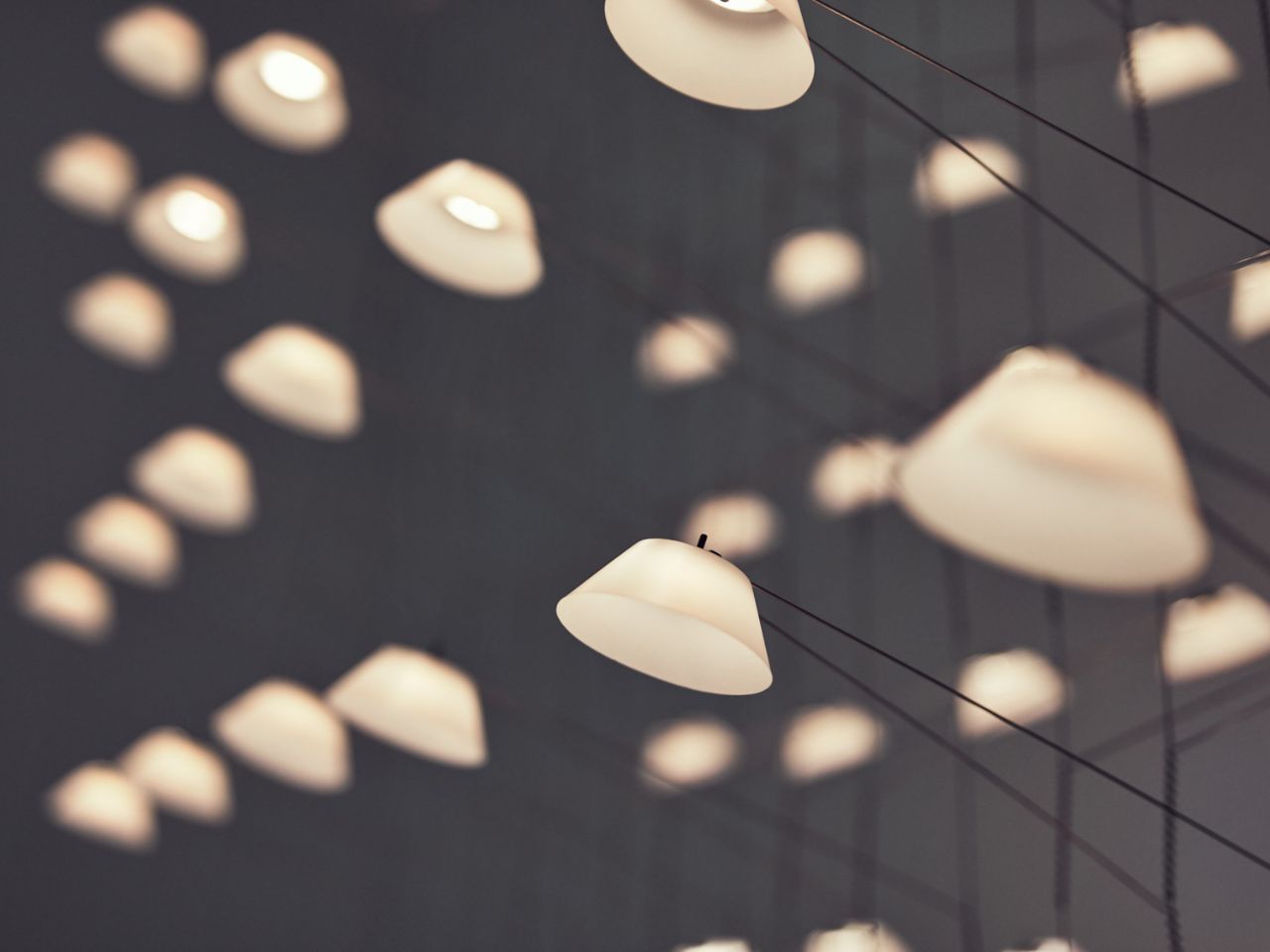
At the last Euroluce show in Milan, the Liiu lamp by Vantot, edited by Luceplan, captured attention for its striking design. Liiu is a suspended structure with thin conductive wires that support small LED lamps. These lamps are held in place by springs that adjust their height, giving the entire piece a clean, minimalist appearance. It has since been recognized as an iconic piece, praised for its distinctive and innovative design.
Creating an iconic lamp is no small feat in the saturated market, and Liiu has managed to achieve this status by balancing aesthetics with functionality. Its design is both decorative and functional, drawing interest with its unique form and construction. The lamp’s instantly recognizable structure, coupled with its innovative use of conductive materials, sets it apart from more traditional lighting designs.
Vantot, known for its boundary-pushing approach to lighting design, avoids conventional methods in favor of more experimental techniques. The studio’s portfolio reflects this innovative spirit, with each lamp designed around the way light behaves and interacts with its environment, rather than merely focusing on creating a beautiful lampshade. The complexity of lighting design goes beyond what is typically considered in other design objects, requiring careful attention to both the construction and the behavior of light.
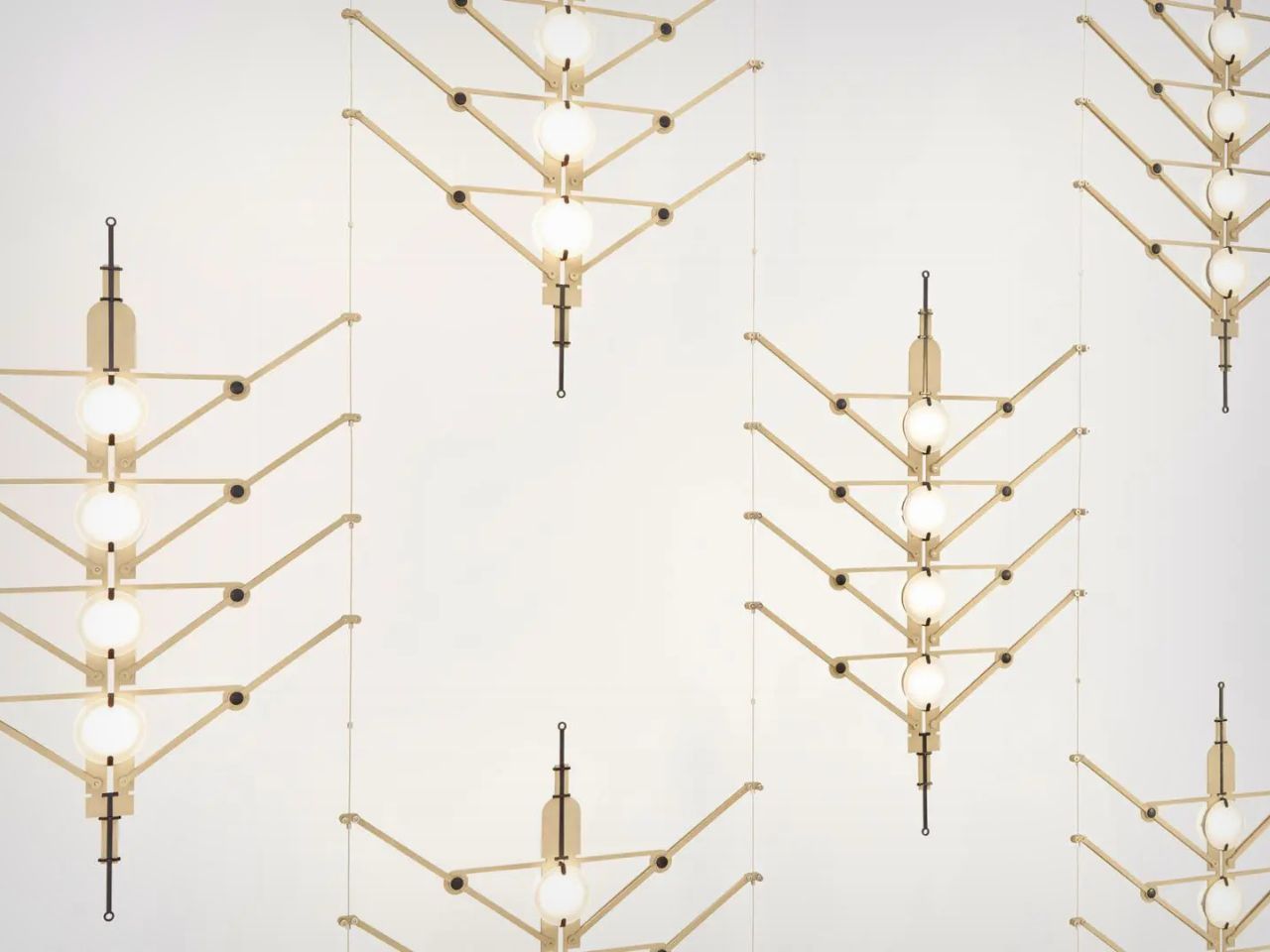
Two of Vantot’s other notable designs, the V-V-V and O-O-O lamps, exemplify the studio’s approach. The V-V-V lamp features a thin metal structure suspended by wires that also conduct electricity. This eliminates the need for traditional power cords, creating a sleek and modern design that serves both decorative and functional purposes. Its fishbone-shaped metal frame holds three LED lights, which diffuse light horizontally, making it an art piece as much as a lighting fixture.
On the other hand, the O-O-O lamp provides a different kind of lighting experience. While it uses similar conductive materials, its design is intended to provide subtle, ambient lighting. The glass lampshade directs light vertically, diffusing it gently throughout the room. The modular construction allows for customization in both the size and frequency of the lighting elements, making it adaptable to various spaces and user preferences.
Both lamps, along with Liiu, illustrate how Vantot explores new possibilities in lighting design, leveraging contemporary LED technology. LEDs operate at much lower voltages than traditional lighting, allowing for more creative flexibility in how electricity is conducted through the structure. This opens up new ways of integrating lighting into interior spaces safely, without the need for bulky or dangerous power cords.
The Liiu lamp, in particular, stands out for its elegant simplicity, combining function and form in a seamless design. Vantot’s attention to detail ensures that every element of the lamp, from its height-adjusting springs to the conductive wires, is carefully considered and tested. The studio’s approach to research and development means that each product undergoes extensive testing and refinement before reaching the market, ensuring that both aesthetics and performance are optimized.
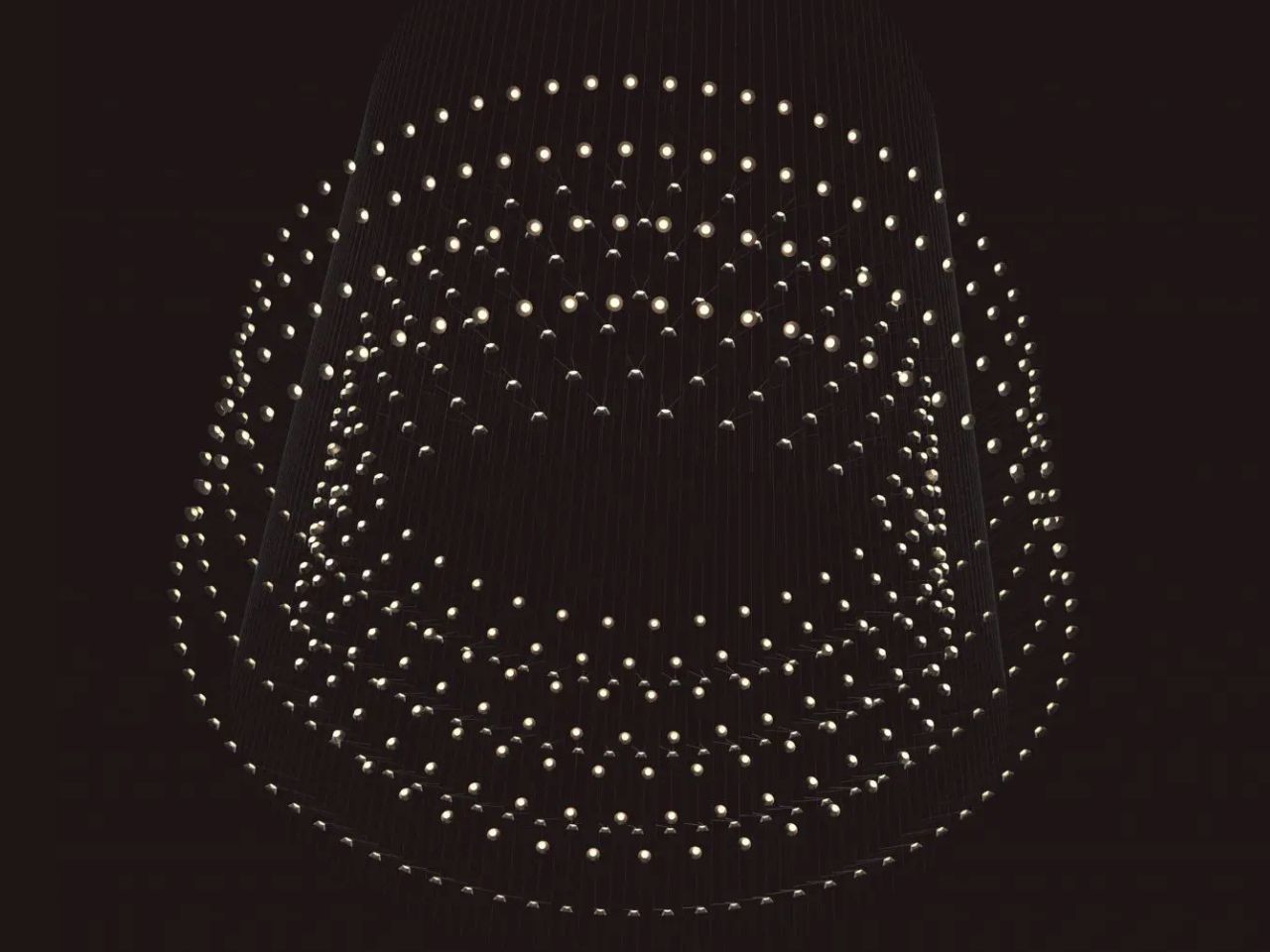
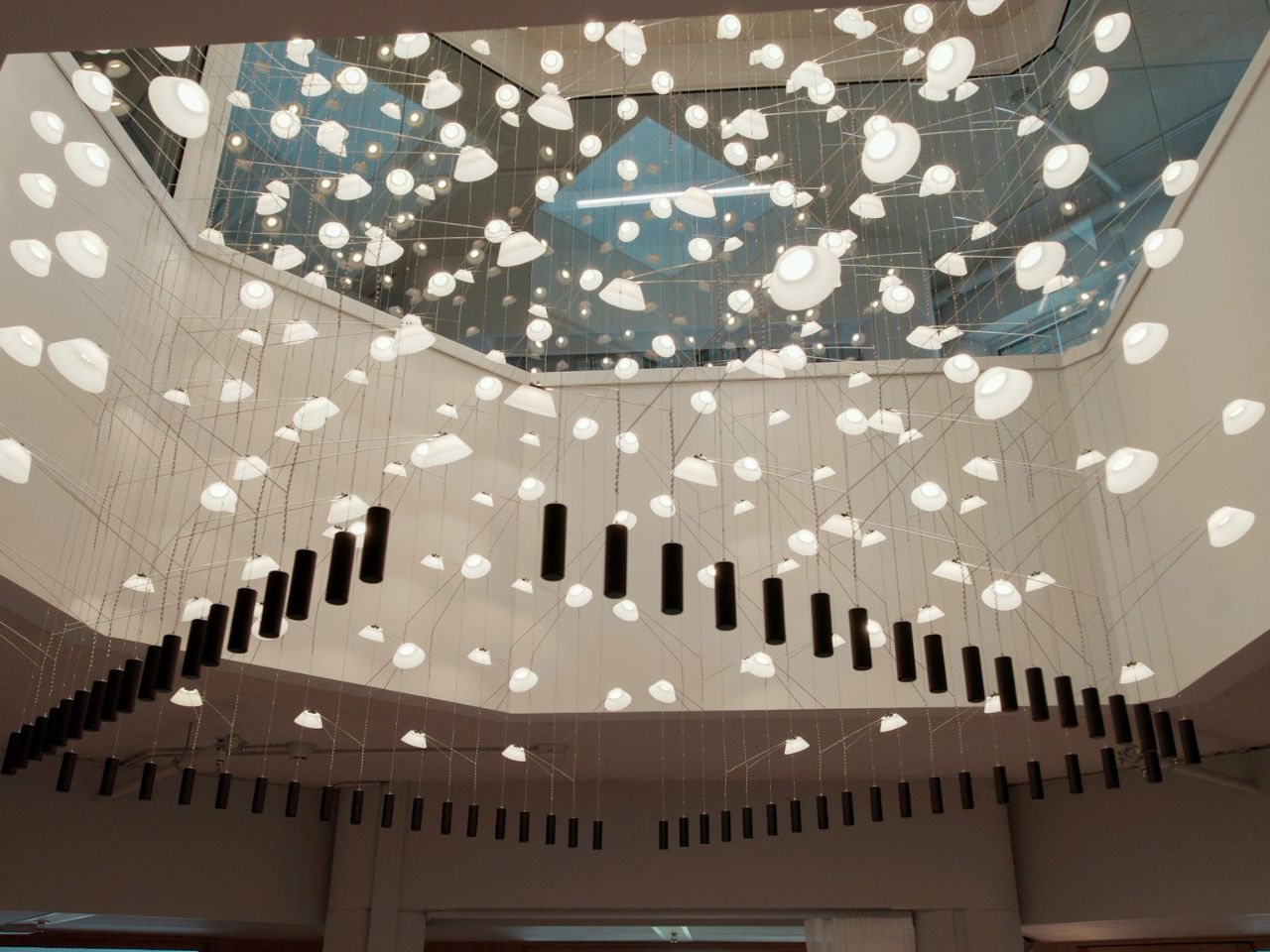
In addition to their individual products, Vantot also creates large-scale lighting installations that showcase the full potential of their designs. These installations are often sculptural in nature, blending art with functional lighting in a way that enhances the surrounding environment. The Liiu lamp itself originated as one such installation before being adapted for commercial production.
Vantot’s work highlights the importance of innovation in lighting design, focusing on how light is emitted and managed rather than simply how the lamp looks. With Liiu, V-V-V, O-O-O, and other designs, the studio demonstrates that lighting can be more than just a source of illumination—it can be an emotional and immersive experience, pushing the boundaries of what is possible in contemporary design.
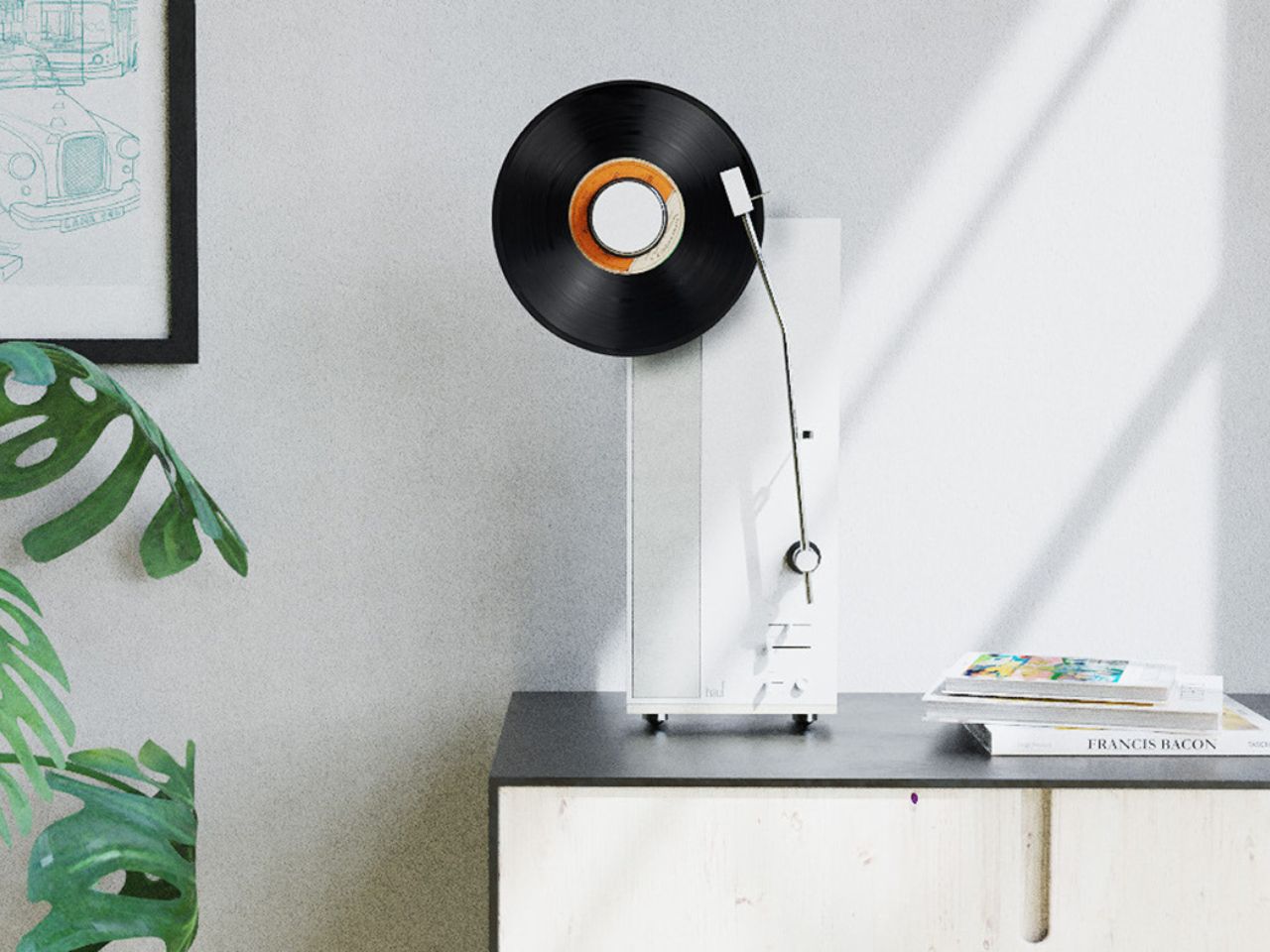
The vinyl record player, once an iconic symbol of music’s golden age, has evolved into a nostalgic artifact. Yet, in a world where retro trends keep resurfacing, bringing back the record player in an exciting new way would be a perfect blend of past and present. Enter the Hauf Vertical Record Player, a modern twist on this timeless piece of technology that reimagines how we experience both music and design.
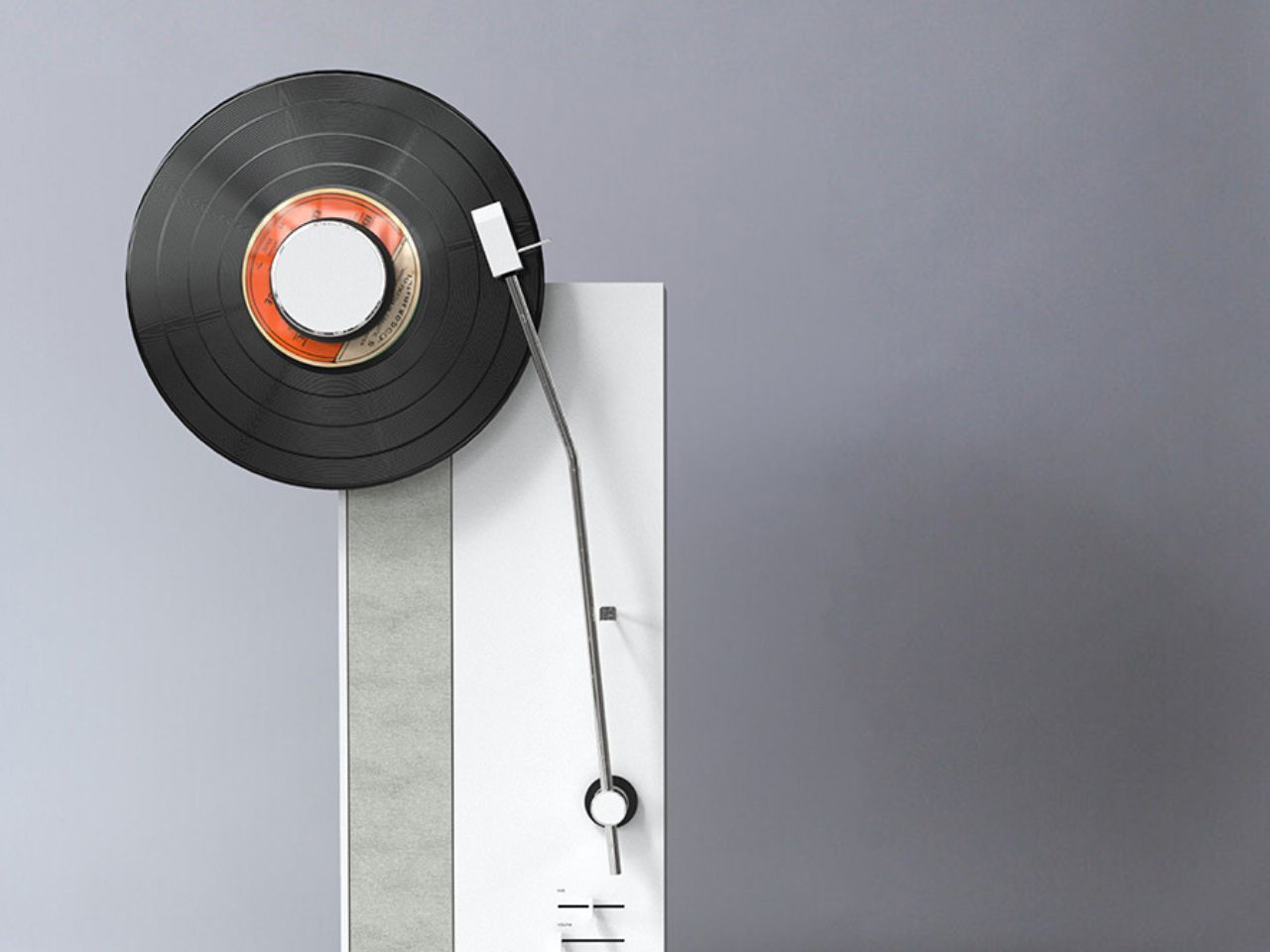
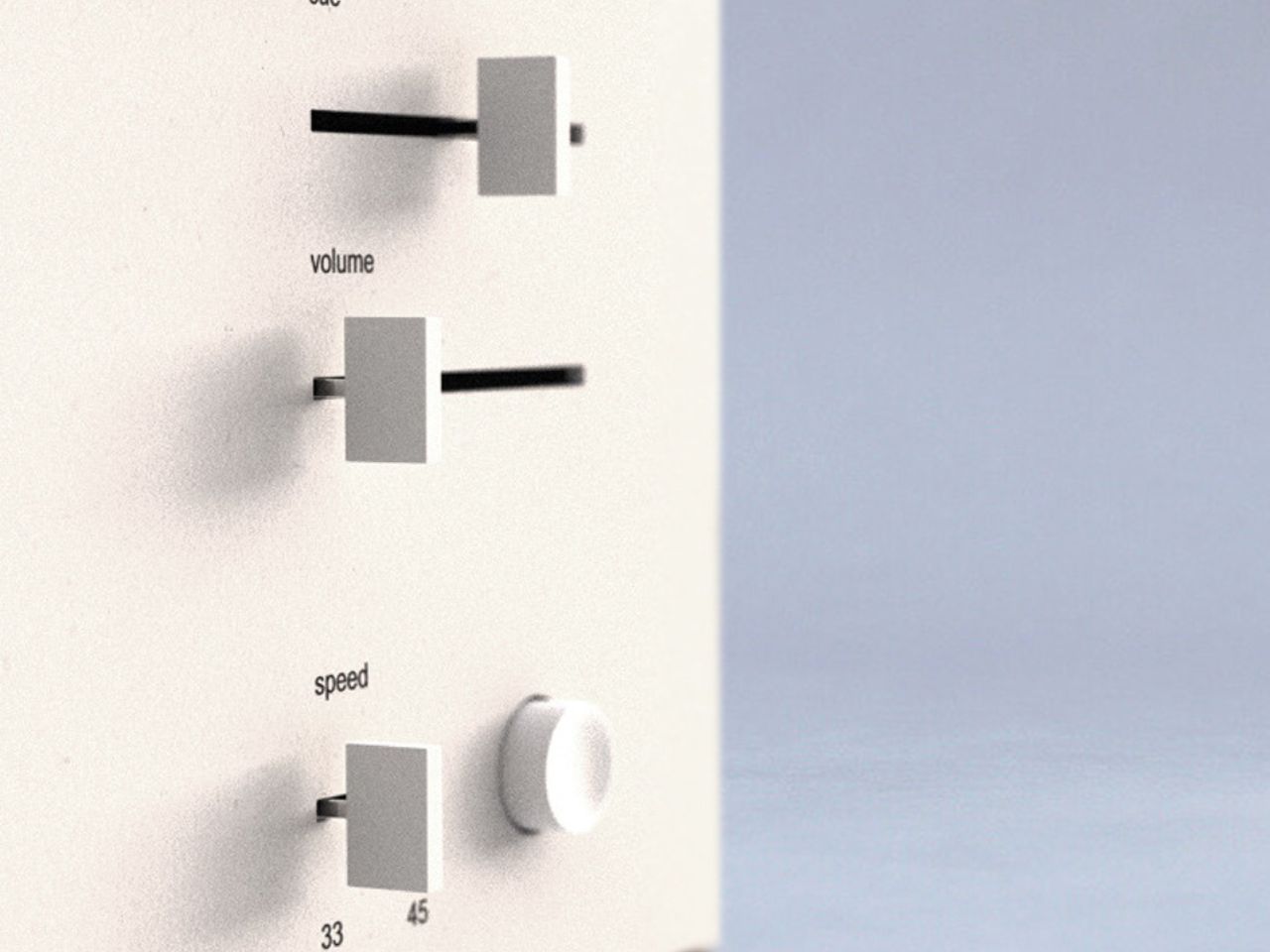
At first glance, the Hauf Vertical Record Player captures attention with its unique vertical orientation. Gone are the days of flat, table-top turntables. Hauf redefines the way we interact with vinyl records by turning this traditional medium into a visual experience. Watching the record spin vertically becomes an engaging spectacle, adding a new dynamic to how we connect with our music. For any audiophile or design enthusiast, it’s a captivating way to merge sound and sight, transforming the act of listening into something both audible and aesthetic.
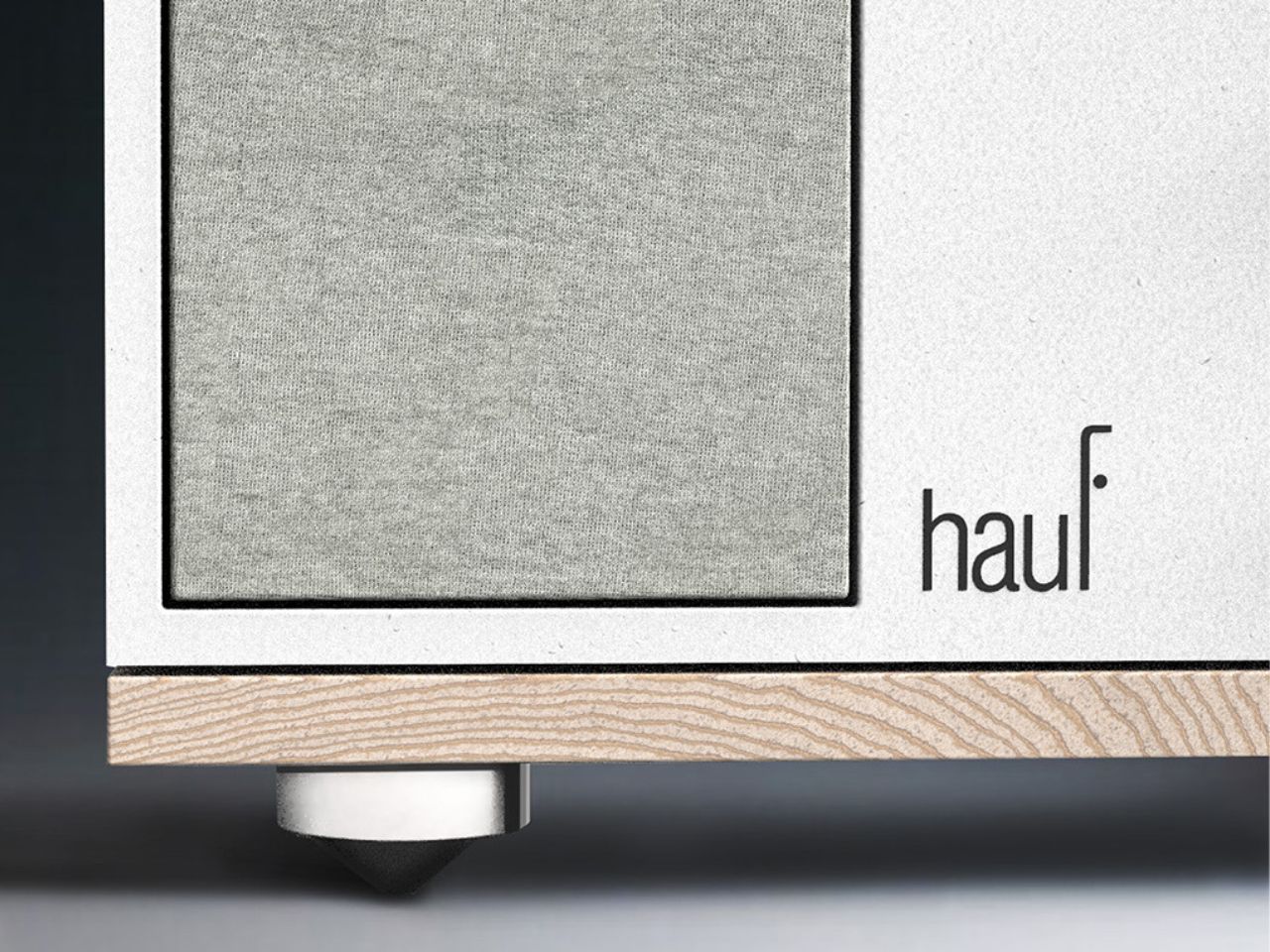
The design of the Hauf Vertical Record Player is a celebration of vintage charm married with modern minimalism. Its sleek, space-saving form doesn’t just sit in the corner of the room unnoticed. Rather, it becomes a focal point, a piece of functional art. By elevating the record player vertically, Hauf not only maximizes space but also enhances the appeal of vinyl collections, putting them on display like gallery pieces.
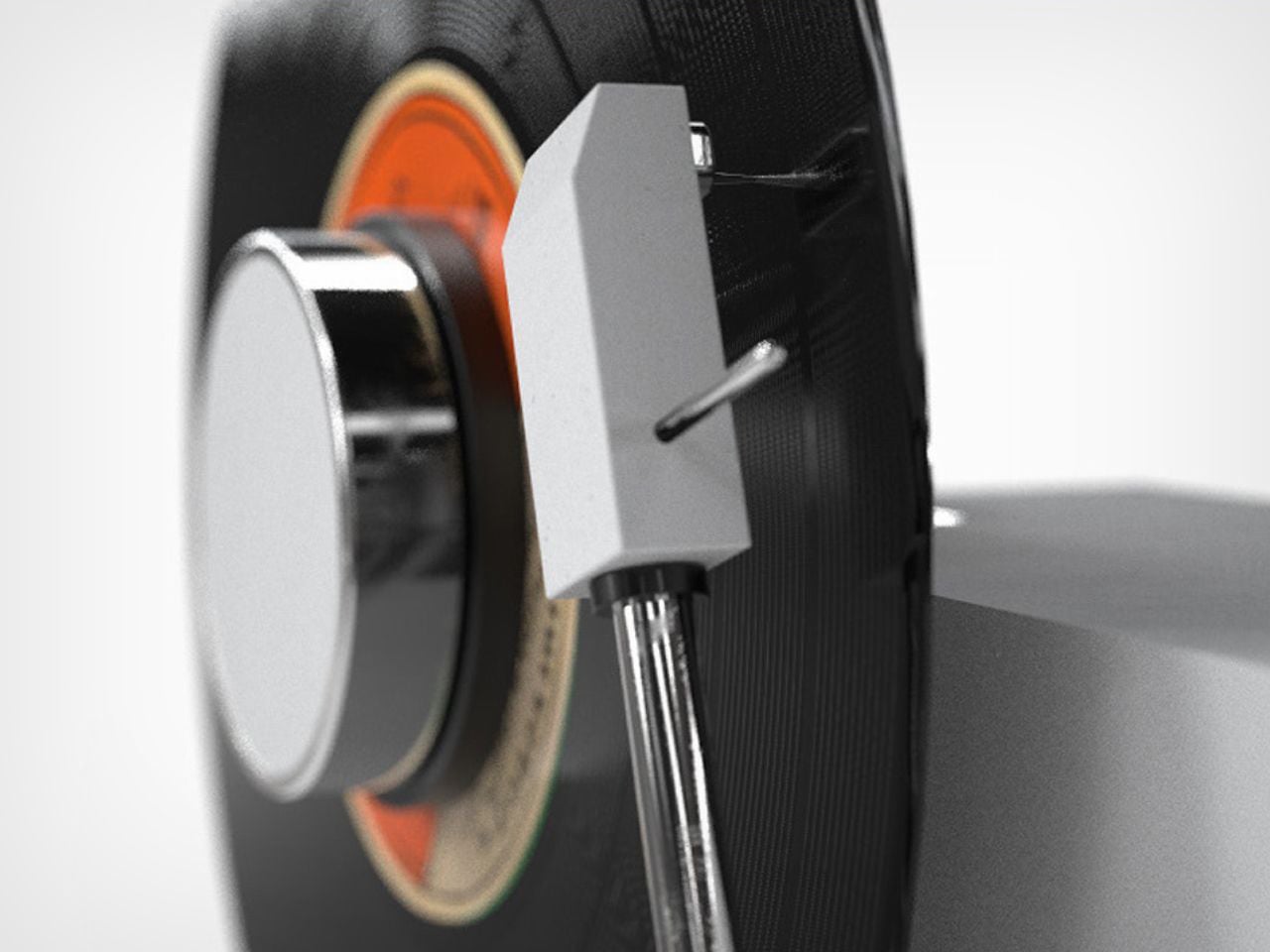
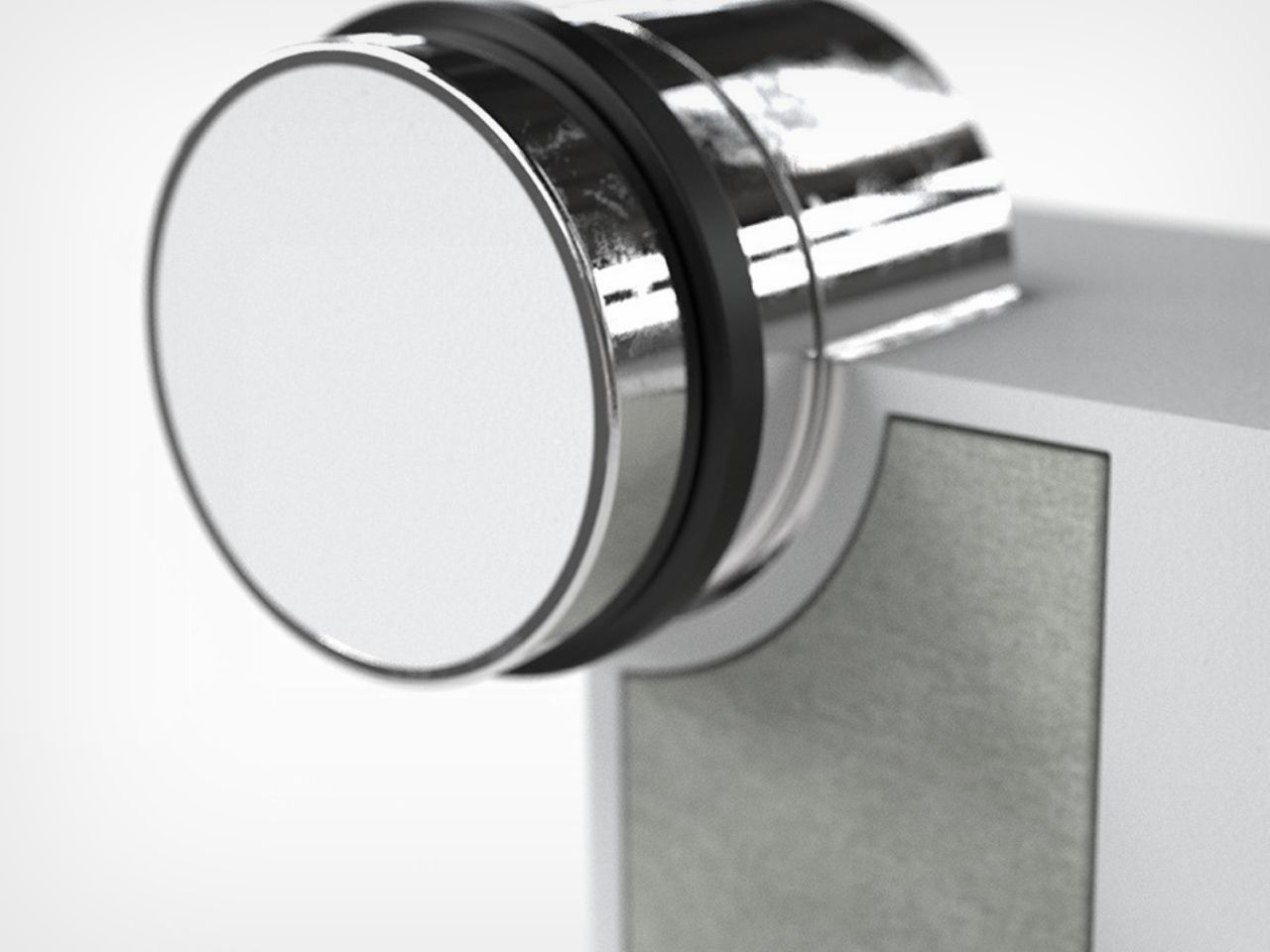
A key element of the player’s design is the clever use of materials that blend strength with elegance. The juxtaposition of industrial steel arms and smooth, white textured plastic creates a striking contrast. The steel arms provide an edgy, robust quality that speaks to durability, while the soft, white textured plastic adds a contemporary, clean look. Together, these materials form a balanced composition that complements modern interiors without sacrificing the vintage charm of vinyl culture.
Hauf’s Vertical Record Player reimagines what a record player can be, offering not only a nod to the past but also a futuristic approach to home audio systems. It embodies a fusion of function and form, a perfect centerpiece for music lovers and design aficionados alike. As vinyl continues to make its resurgence in today’s digital age, the Hauf Vertical Record Player stands as a bold reminder that some things never go out of style, they just evolve.