The Samsung Galaxy S26 Ultra is set to redefine expectations in the smartphone industry. With a focus on privacy, display innovation, and satellite communication, this flagship device addresses critical user needs while showcasing Samsung’s commitment to technological advancement. The official teaser reveals a smartphone designed to combine innovative performance with practical solutions, making sure […]
Grammy winner Bad Bunny, seen here accepting his award for Best Música Urbana Album for “Un Verano Sin Ti” in 2023, is nominated again this year. (Timothy Norris/FilmMagic)
Timothy Norris via Getty Images
The 2026 Grammy Awards honor music's biggest achievements of the year, and some of the biggest stars on the planet are nominated this year. Kendrick Lamar leads the way with nine nominations, including for Record and Song of the Year for "luther," his collaboration with SZA. Other top nominees this year include Lady Gaga, Jack Antonoff, and Cirkut with seven nominations apiece, and Bad Bunny, Sabrina Carpenter, and Leon Thomas, who have six. The 2026 Grammy Awards will be hosted by comedian Trevor Noah, who also happens to be a nominee this year in the Best Audio Book, Narration & Storytelling category.
The 2026 Grammys will take place at Crypto.com Arena in Los Angeles, and the broadcast will air this Sunday, Feb. 1, at 8PM ET/5PM PT on CBS, streaming live on Paramount+ (for Premium subscribers only). The 2026 Grammy Awards Premiere Ceremony — where the majority of the Grammys are actually awarded — will take place earlier that same day, from 3:30PM ET/12:30PM PT, and streams live free on YouTube.
Here’s how to watch the 2026 Grammy Awards live this Sunday.
When are the 2026 Grammy Awards?
The 68th Grammy Awards will be held this Sunday, Feb. 1, 2026.
Grammys start time
The Grammy Awards live TV broadcast begins at 8PM ET/5PM PT. It's scheduled to run until 11:30PM ET.
Prior to the main broadcast, the 2026 Grammy Awards Premiere Ceremony (this is where you can watch the awards for categories like Musical Theater, Americana, Reggae, Metal, Gospel and more) will take place from 3:30PM ET/12:30PM PT. The Grammys Premiere Ceremony will stream live for free at live.GRAMMY.com and on YouTube.
Grammy Awards TV channel
The 68th Grammy Awards will air on CBS and stream live on Paramount+ for Premium subscribers. The awards show will also be available the following day on demand for Paramount+ Essential subscribers.
How to watch the Grammys without cable
How to watch the 2026 Grammys free
Who is performing at the 2026 Grammy Awards?
Among this year's Grammy's performers are Justin Bieber, Sabrina Carpenter, Album of the Year nominees Clipse and Pharrell Williams, and every Best New Artist nominee, including Addison Rae, Alex Warren, KATSEYE, Leon Thomas, Lola Young, Olivia Dean, SOMBR, and The Marías.
This year's In Memorium honoring artists we've lost this year will include a musical tribute from Reba McEntire, Brandy Clark and Lukas Nelson, a performance from Ms. Lauryn Hill in honor of D'Angelo and Roberta Flack, and an Ozzy Osbourne tribute from artists like Post Malone, Andrew Watt, Chad Smith, Duff McKagan, and Slash.
Who is hosting the Grammys this year?
Trevor Noah will return to host the Grammys for the sixth and final year.
Who is presenting at the 2026 Grammys?
While the full list of Grammys presenters has yet to be released, we do know that Harry Styles and Doechii will be presenting.
Grammy Awards new categories
This year’s Grammys will see the return of the award for Best Album Cover (after 53 years!). This year, the category of Best Country Album will now be split into two awards: Best Contemporary Country Album and Best Traditional Country Album.
Grammys eligibility window
The 2026 Grammy Awards will recognize music released from August 31, 2024 to August 30, 2025.
2026 Grammy nominations
Here are the nominees for the 68th Grammy Awards.
Album of the Year
Bad Bunny — Debí Tirar Más Fotos
Justin Bieber — Swag
Sabrina Carpenter — Man’s Best Friend
Clipse, Pusha T & Malice — Let God Sort Em Out
Lady Gaga — Mayhem
Kendrick Lamar — GNX
Leon Thomas — Mutt
Tyler, the Creator — Chromakopia
Record of the Year
Bad Bunny — “DtMF”
Sabrina Carpenter — “Manchild”
Doechii — “Anxiety”
Billie Eilish — “Wildflower”
Lady Gaga — “Abracadabra”
Kendrick Lamar feat. SZA — “Luther”
Chappell Roan — “The Subway”
Song of the Year
Lady Gaga — “Abracadabra”
Doechii — “Anxiety”
ROSÉ & Bruno Mars — “APT.”
Bad Bunny — “DtMF”
HUNTR/X (EJAE, Audrey Nuna, REI AMI) — “Golden”
Kendrick Lamar feat. SZA — “Luther”
Sabrina Carpenter — “Manchild”
Billie Eilish — “Wildflower”
Best New Artist
Olivia Dean
KATSEYE
The Marías
Addison Rae
sombr
Leon Thomas
Alex Warren
Lola Young
Best Pop Solo Performance
Justin Bieber — “Daisies”
Sabrina Carpenter — “Manchild”
Lady Gaga — “Disease”
Chappell Roan — “The Subway”
Lola Young — “Messy”
Best Pop Vocal Album
Justin Bieber — Swag
Sabrina Carpenter — Man’s Best Friend
Miley Cyrus — Something Beautiful
Lady Gaga — Mayhem
Teddy Swims — I’ve Tried Everything But Therapy (Part 2)
Best Alternative Music Album
Bon Iver — Sable, Fable
The Cure — Songs of a Lost World
Tyler, the Creator — Don’t Tap the Glass
Wet Leg — Moisturizer
Hayley Williams — Ego Death at a Bachelorette Party
This article originally appeared on Engadget at https://www.engadget.com/entertainment/streaming/how-to-watch-the-2026-grammy-awards-tv-channel-start-time-where-to-stream-nominations-list-and-more-150015179.html?src=rss
Somehow, we live in a world where people can bet on practically anything using sites like Polymarket and Kalshi. In this episode, Devindra and Engadget Senior Reporter Karissa Bell dive into the world of prediction markets. How did we get here? And is endless betting having an effect on the real world? Also, we chat about the new American version of TikTok, which stumbled during its first weekend with a litany of errors and reported censorship.
Who’s going to buy the Samsung Galaxy Z Tri-fold for $2900? – 1:18
Tesla is killing off the Model X and S lines to focus on its Optimus robot moonshot – 6:46
Amazon plans to cut 16,000 jobs and close its grocery stores in another round of restructuring – 10:45
Most of the UK will lose access to Pornhub in a fight over age verification and privacy – 21:16
Internal messages from Meta about Instagram being ‘a drug’ for teens could be bombshell evidence at trial – 26:59
What are prediction markets and why are they suddenly so popular? – 32:11
As TikTok US stumbles, users ask ‘is it server problems or censorship?’ – 46:55
Around Engadget – 59:11
Pop culture picks – 1:01:23
Credits
Hosts: Devindra Hardawar and Karissa Bell Producer: Ben Ellman Music: Dale North and Terrence O’Brien
This article originally appeared on Engadget at https://www.engadget.com/general/engadget-podcast-what-do-prediction-markets-like-kalshi-cost-us-143113799.html?src=rss
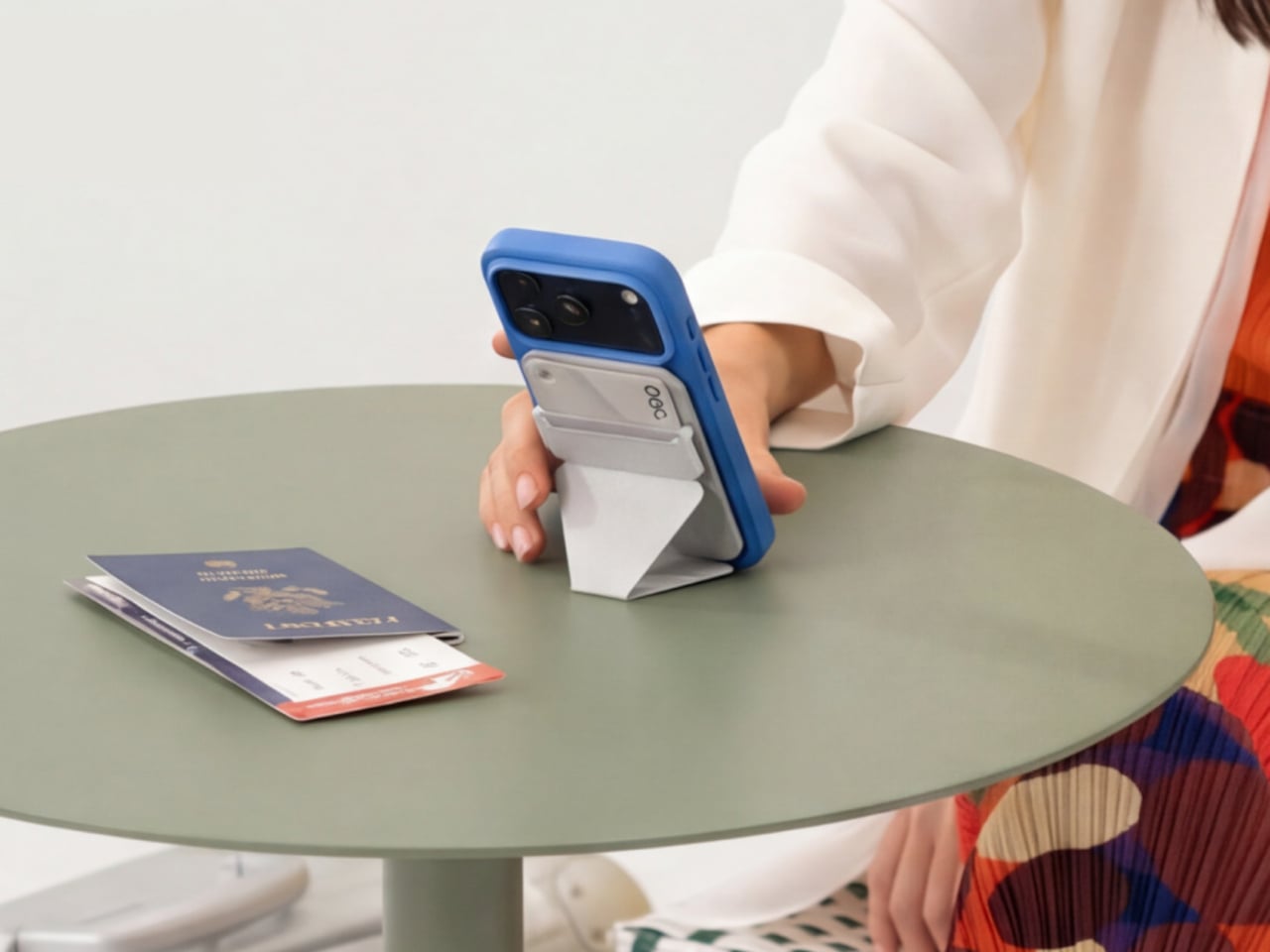
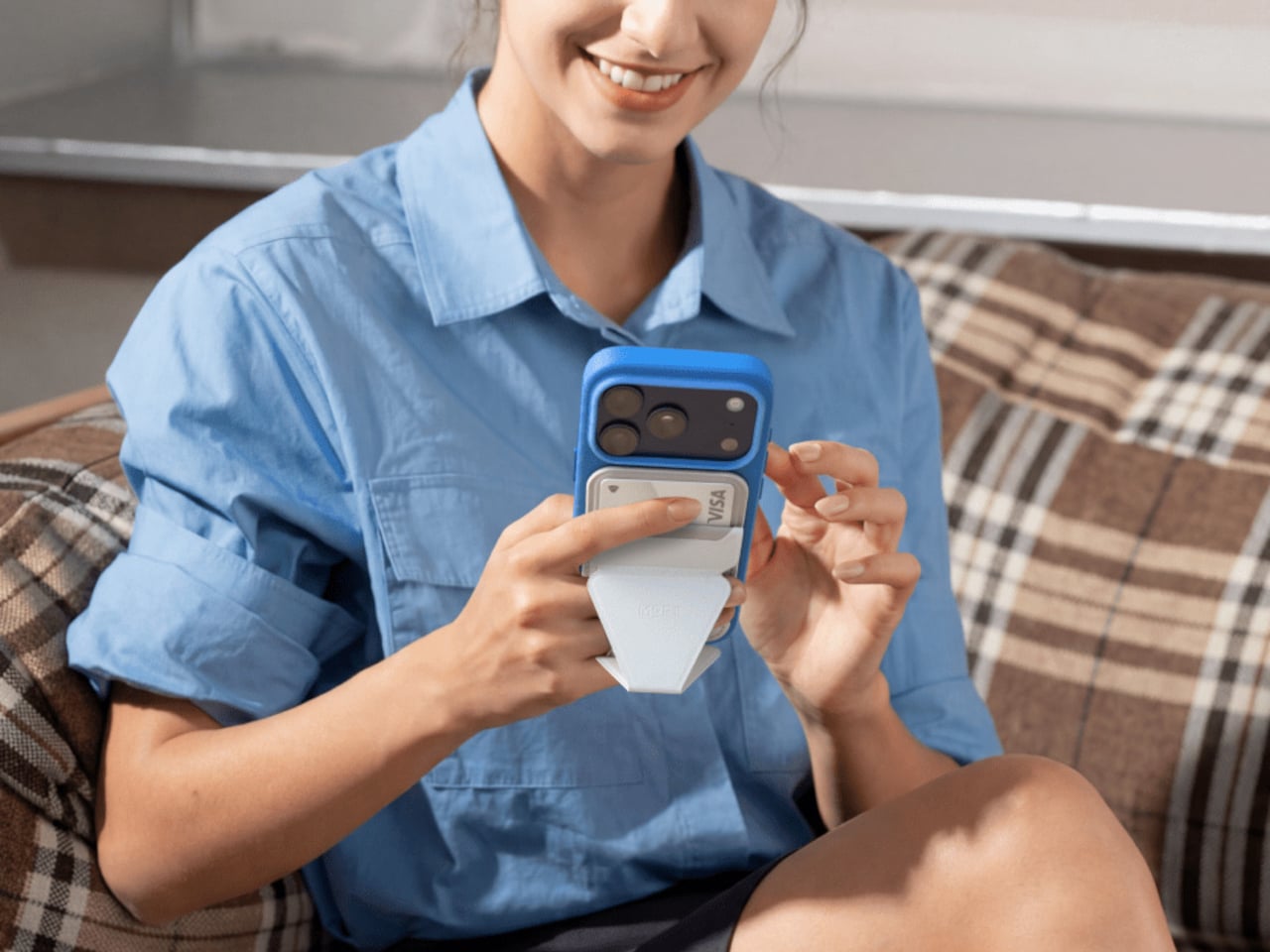
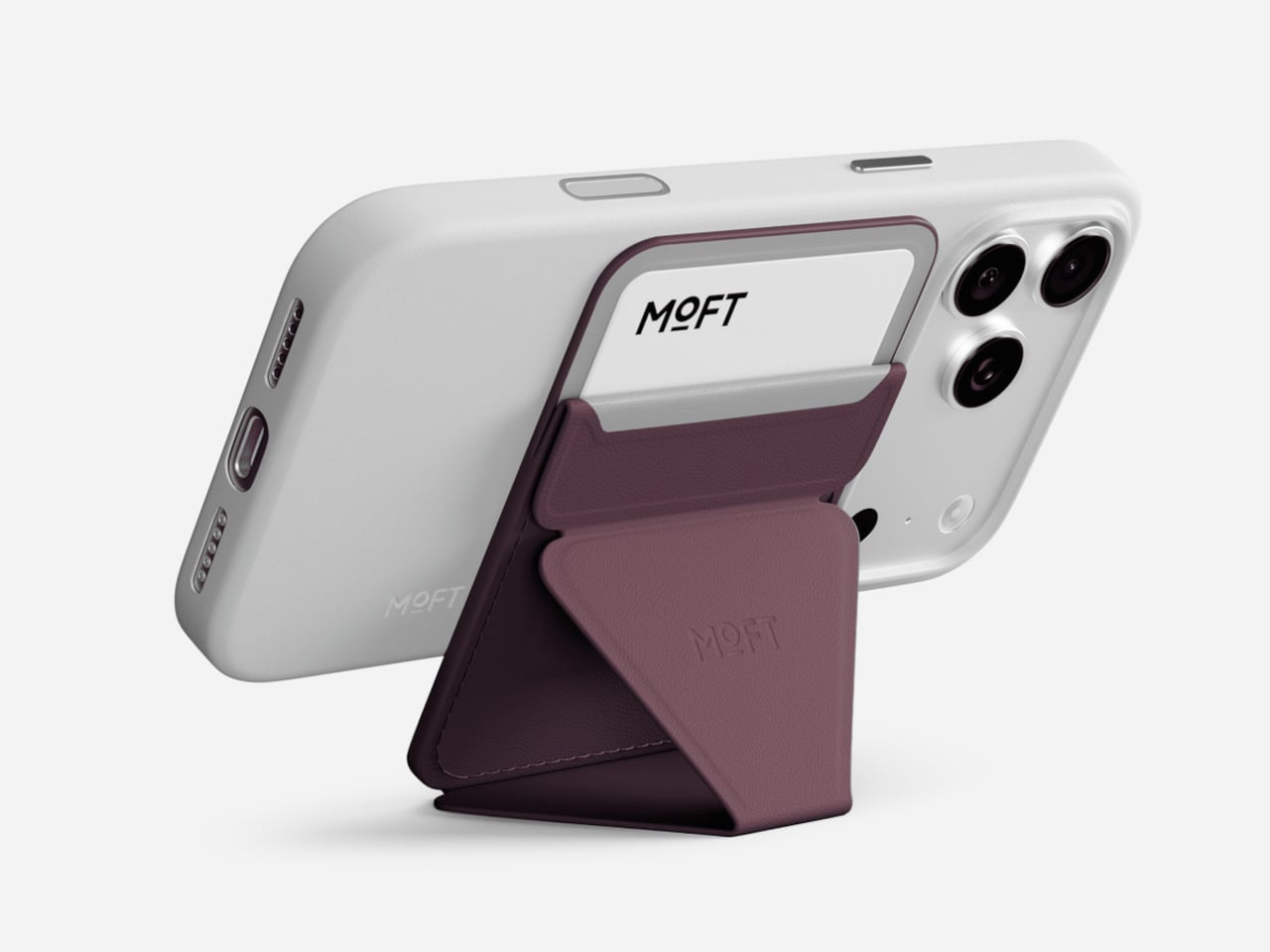
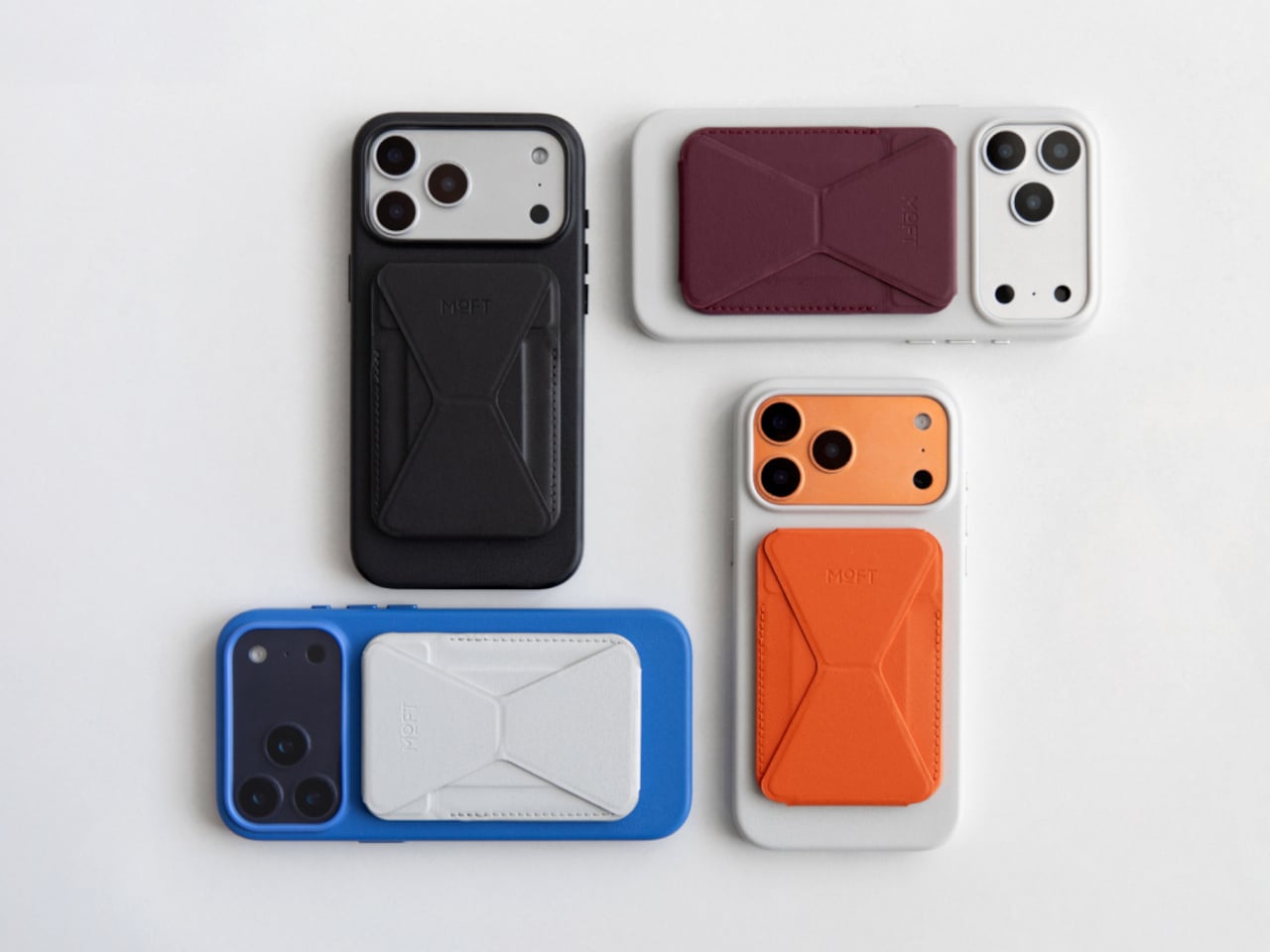
Leaving the house with just a phone and a slim MagSafe wallet is convenient until the jolt of realizing you have no idea where you left that combo. Most wallets and stands solve carry and comfort, but do nothing for the “where did I put it” problem. Moft’s trackable stand-wallet is a small tweak to that daily stack, adding a Find My brain without bulking up the back of your phone.
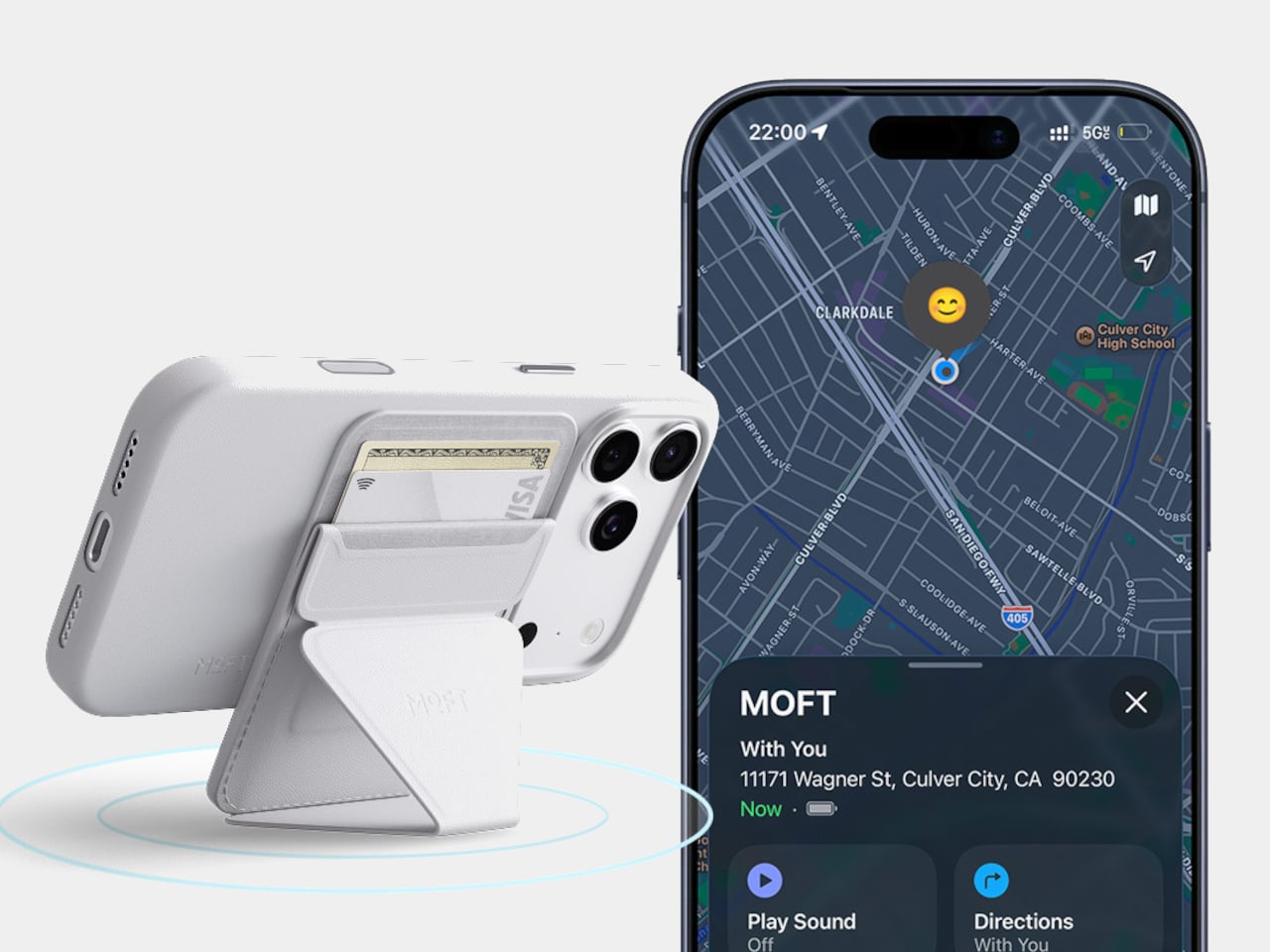
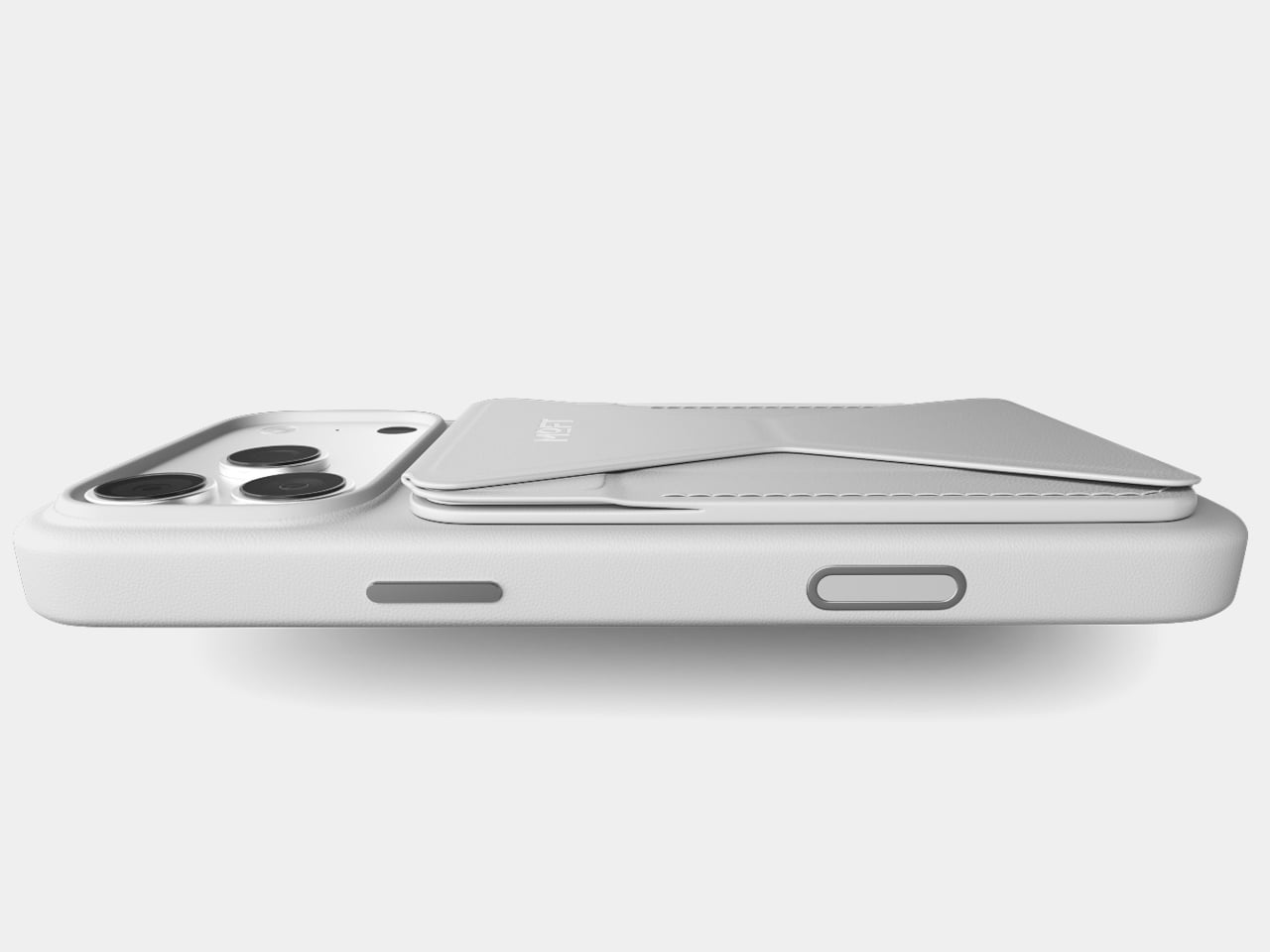
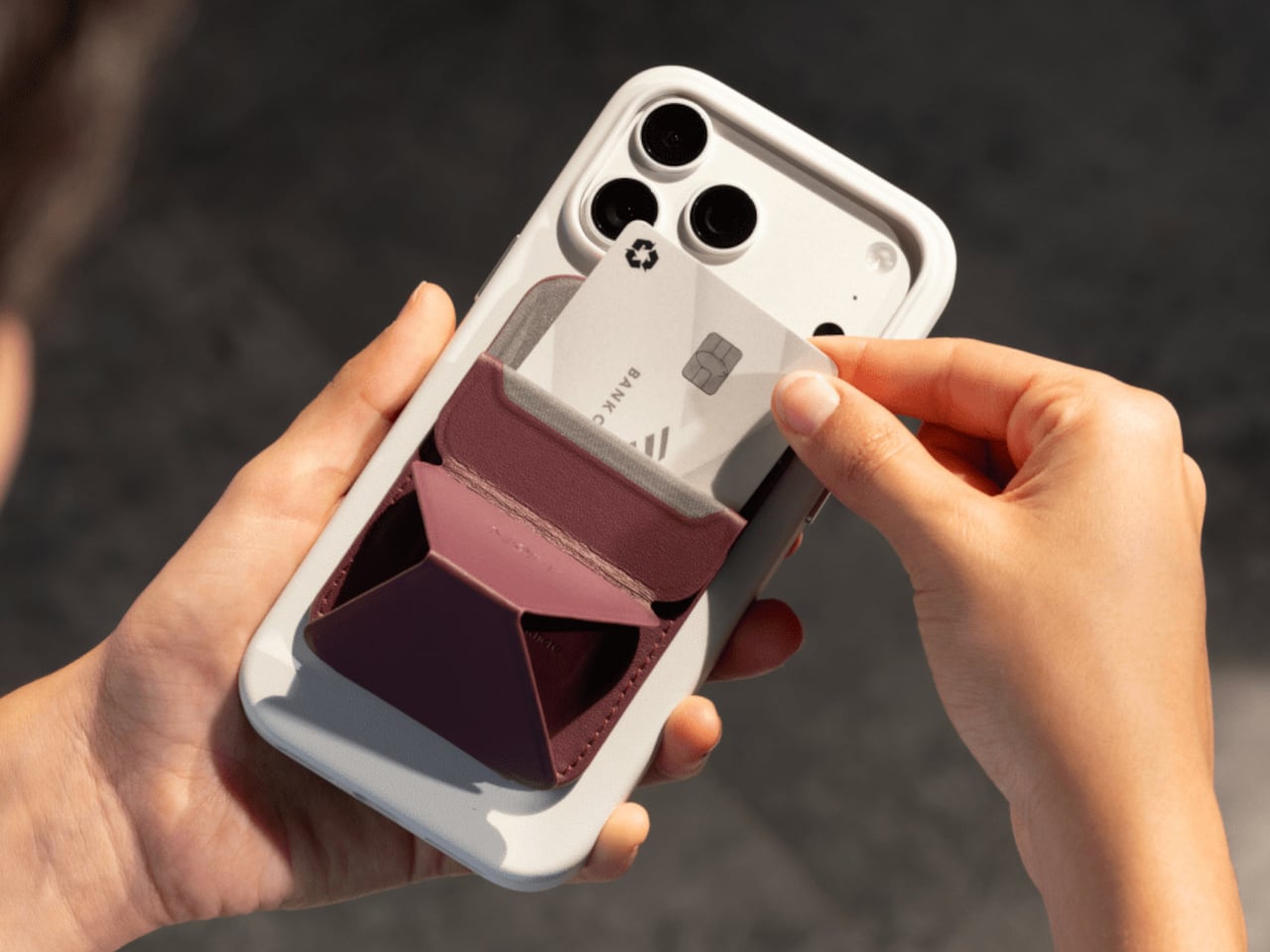
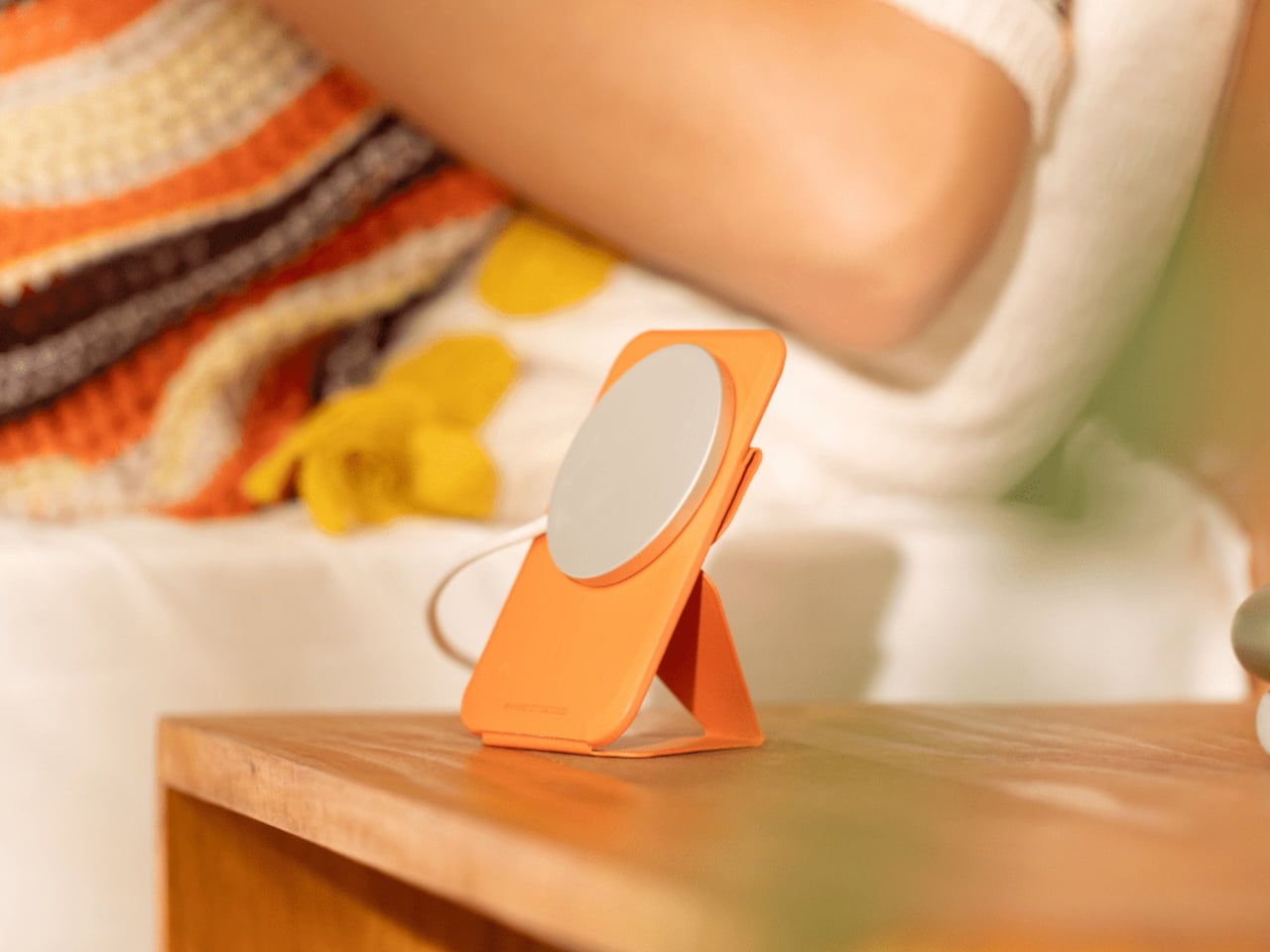
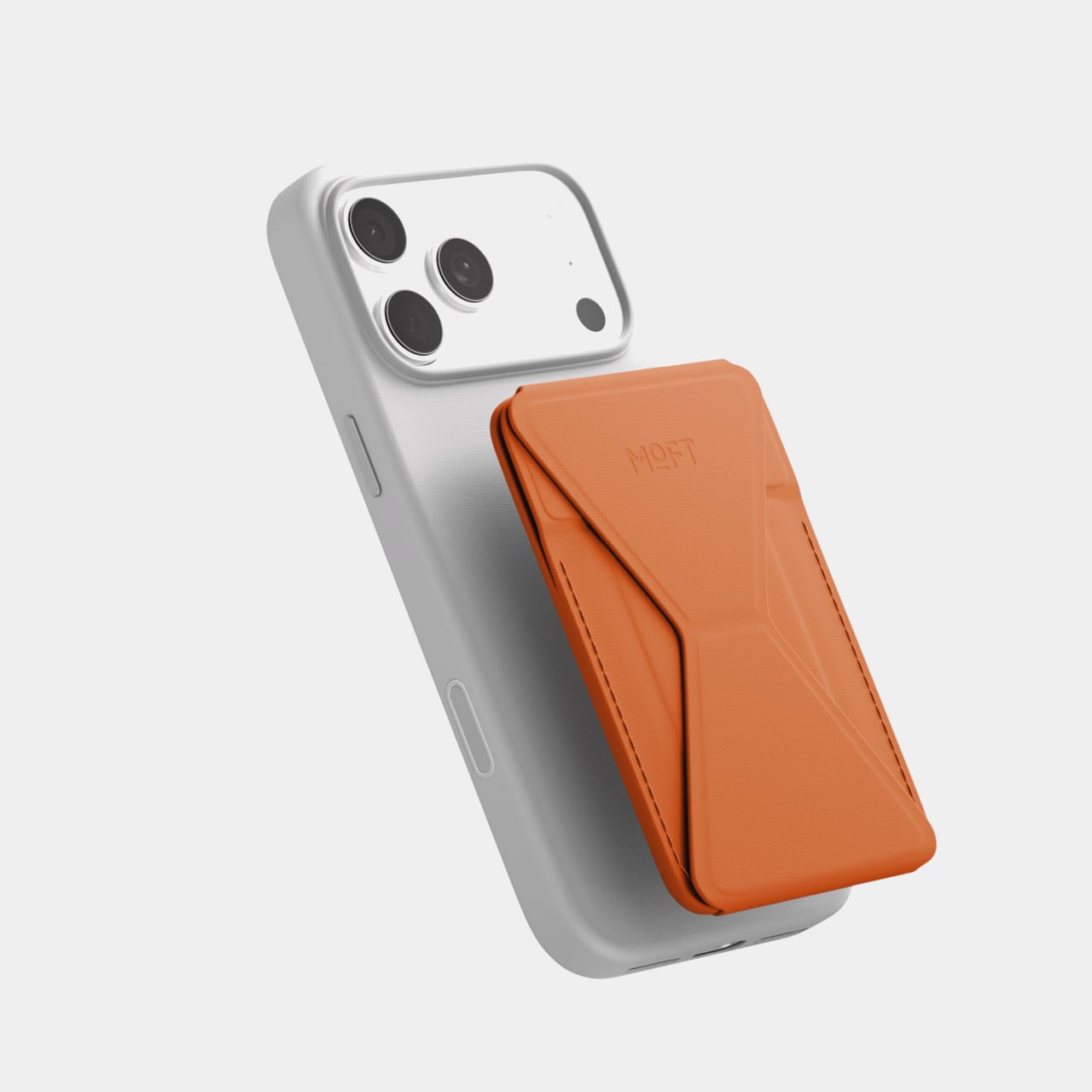
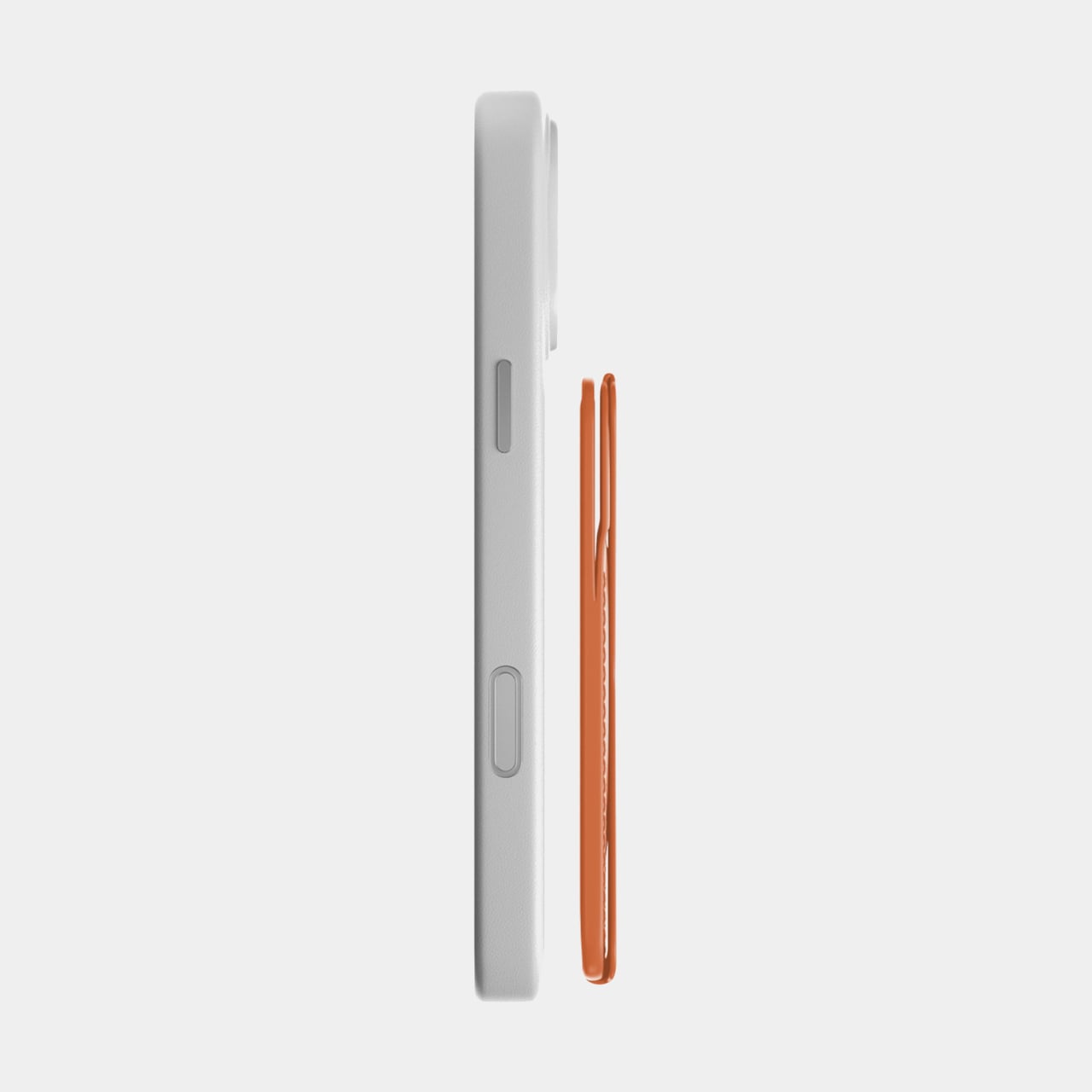
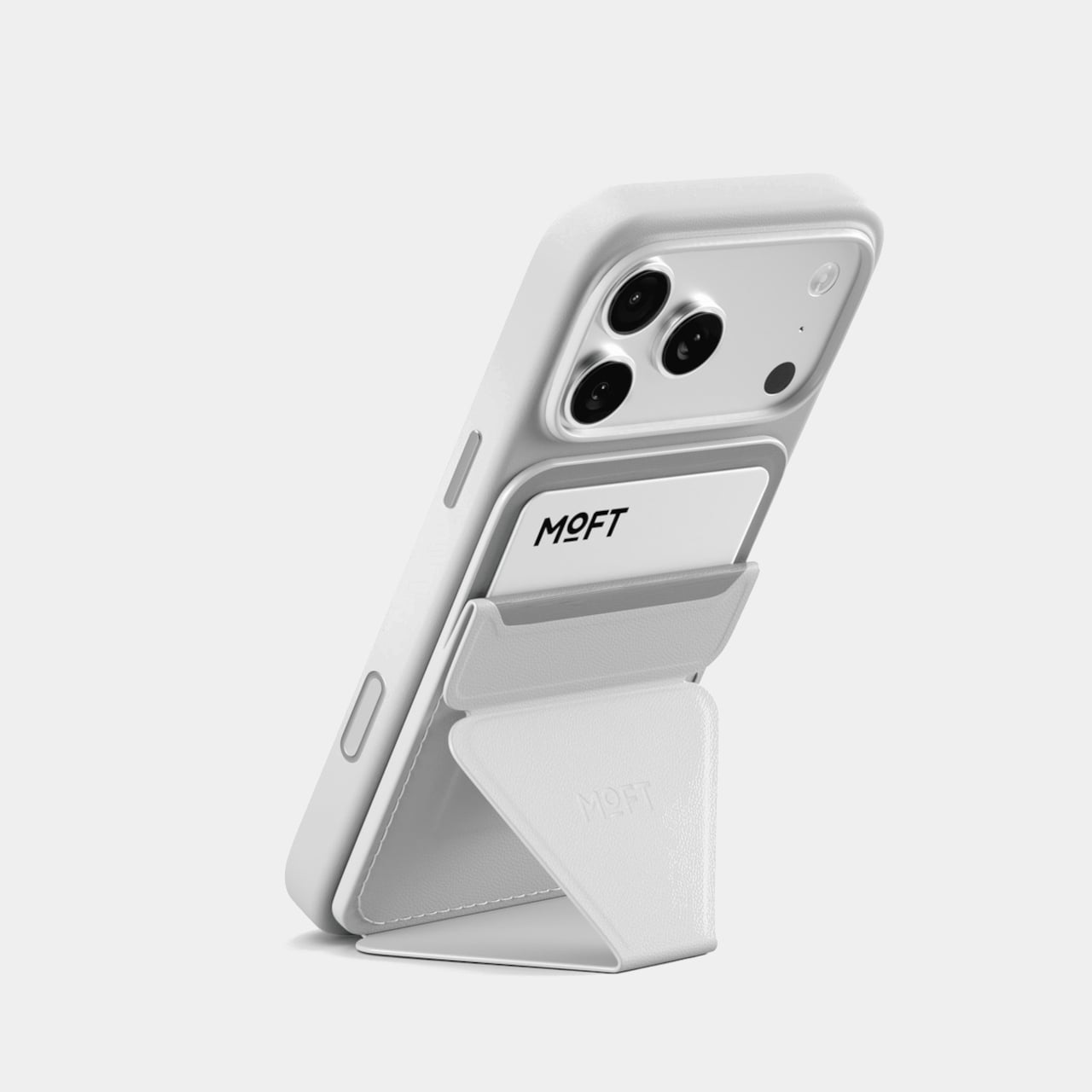
The Trackable Snap-on Phone Stand & Wallet is Moft’s thinnest design yet, just 0.25 inches thick and about the size of a credit card, managing to be a wallet, stand, and grip in one. It snaps onto a MagSafe-compatible iPhone, holds up to two cards, folds into three viewing modes, and quietly adds Apple Find My support so it shows up in the same app as your AirPods and trackers.
On a commute or a day at a café, the wallet is just there on the back of the phone. On the train, you flip it into portrait mode to read, at a desk you switch to landscape for a video, and during a call you use floating mode to prop the screen higher. Walking, the folded panel becomes a comfortable grip, making the phone feel more secure without adding a bulky case.
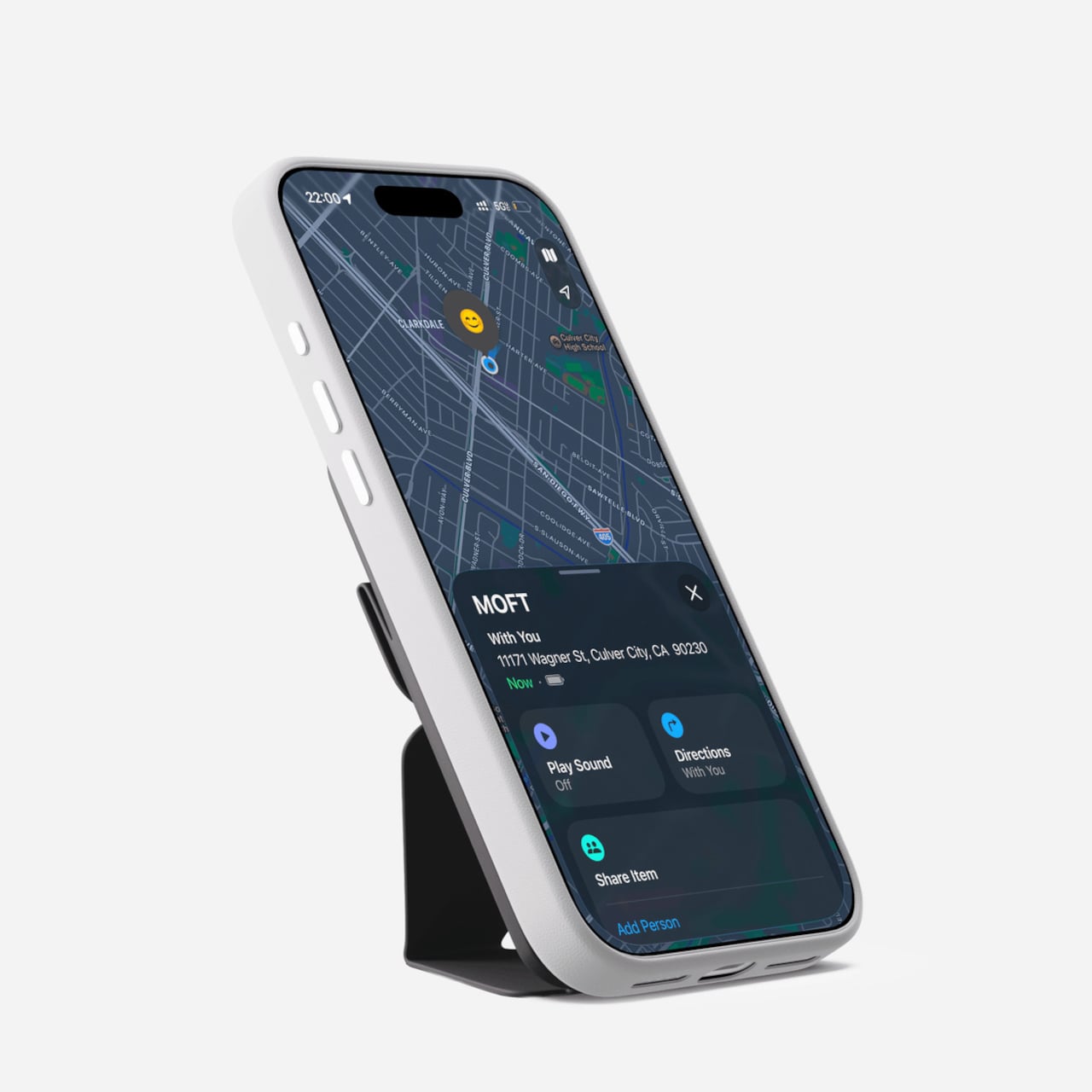
Realizing the phone-wallet stack is not where you thought it was means opening the Find My app to see its last location, triggering a 70dB alert to find it in a messy room, or relying on the Find My network if it is truly out in the world. The tracker runs for about six months on a wireless charge, and the app shows battery level, so it does not quietly die.
The magnets are tuned to around 15N of snap force, strong enough to trust when using it as a stand or grip. Because it is MagSafe-ready, you can snap a charger onto the back without dismantling your setup. The 0.25-inch profile and 62g weight mean it does not turn the phone into a brick, which matters if you are sliding it into a pocket or small bag.
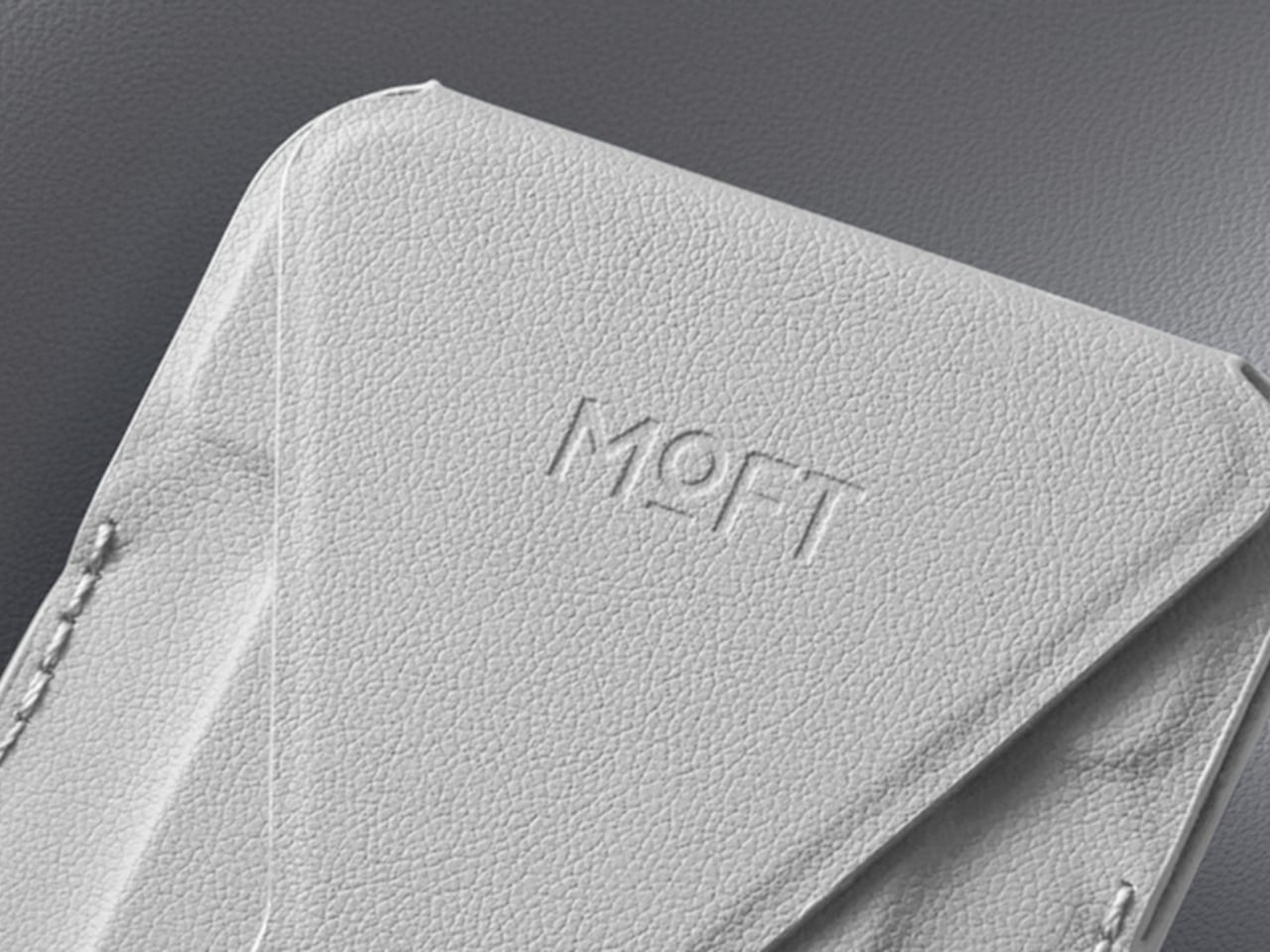
The outer shell uses Moft’s MOVAS vegan leather with high stain resistance and color retention, handling coffee tables and travel without looking tired. Underneath are fiberglass, magnets, metal sheets, and a compact PCB. It comes in four colors that pair with Moft’s Snap Case line, so you can build a coordinated stack or mix tones for contrast without losing the clean geometry.
This is not a brand-new category. It’s a quiet upgrade to something many people already use. By folding a tracker into a stand-wallet that was already thin and useful, Moft makes the everyday phone-back accessory into a little piece of insurance. It does not ask you to carry more, just to expect a bit more from what you are already carrying every time you walk out the door.
Is building a Steam Machine in 2026 a forward-thinking move for gamers or a nostalgic revival of a concept left behind? MW Technology explores how advancements in Linux gaming, paired with the latest hardware innovations, are breathing new life into the idea of these custom gaming systems. With Proton allowing smoother compatibility between Windows and […]
Apple is reportedly working on its first foldable iPhone, potentially named the iPhone Fold, marking a significant step in the evolution of the foldable smartphone market. Unlike many existing foldable devices that emphasize larger, square-like displays, Apple’s design is expected to feature a wider, rectangular screen. This approach could transform how users interact with foldable […]
What if you could build an AI system that not only retrieves information with pinpoint accuracy but also adapts dynamically to complex tasks? Below, The AI Automators breaks down how to create a full-stack Retrieval-Augmented Generation (RAG) application in a detailed YouTube video, offering a step-by-step approach to mastering this innovative technology. With eight carefully […]
What if there were a way to customize your keyboard that surpasses even the most popular options available today? Below, Better Stack takes you through how Kanata, an open source software, reshapes the landscape of keyboard remapping and personalization. Unlike hardware-reliant systems like QMK firmware or macOS-specific solutions such as Karabiner Elements, Kanata operates entirely […]
Apple has released the new Apple Creator Studio, a comprehensive suite of creative tools aimed at empowering independent creators. This bundle, available exclusively for Mac and iPad users, integrates enhanced versions of Final Cut Pro, Logic Pro, and other Apple apps, alongside the inclusion of Pixelmator Pro. With its competitive pricing and features tailored for […]
Apple still hasn’t confirmed a foldable iPhone, and the company’s latest round of product announcements didn’t change that. Apple launched several new devices last week, but there was still no mention of a folding iPhone. Even so, the steady stream of leaks and analyst reports hasn’t slowed. Over the past few months, supply-chain sources and leakers have continued to sketch out Apple’s possible plans, with most signs still pointing to a launch in the second half of 2026.
As with any unannounced Apple hardware, plenty could shift before anything ships. Features can be revised, timelines can move and some ideas may never make it beyond internal testing. Even so, the growing consistency across recent reports offers a clearer picture of how the so-called iPhone Fold might take shape and where it could land in Apple’s lineup.
Below, we’ve rounded up the most credible rumors so far, and we’ll keep this guide updated as new details emerge.
When could the iPhone Fold launch?
Rumors of a foldable iPhone date back as far as 2017, but more recent reporting suggests Apple has finally locked onto a realistic window. Most sources now point to fall 2026, likely alongside the iPhone 18 lineup, with some supply-chain hints suggesting mass production could begin in mid-2026 if development stays on track.
Some reports still claim the project could slip into 2027 if Apple runs into manufacturing or durability issues, particularly around the hinge or display. Given Apple’s history of delaying products that it feels aren’t ready, that remains a real possibility.
What will the iPhone Fold look like?
Current consensus suggests Apple has settled on a book-style foldable design, similar to Samsung’s Galaxy Z Fold series, rather than a clamshell flip phone.
When unfolded, the iPhone Fold is expected to resemble a small tablet like the iPad mini (8.3 inches). Based on the rumor mill, though, the iPhone Fold may be a touch smaller, with an internal display measuring around 7.7 to 7.8 inches. When closed, it should function like a conventional smartphone, with an outer display in the 5.5-inch range.
CAD leaks and alleged case-maker molds suggest the device may be shorter and wider than a standard iPhone when folded, creating a squarer footprint that better matches the aspect ratio of the inner display. New images shared by leaker Sonny Dickson appear to back up that general design direction. The CAD files show what looks like a book-style foldable with a camera plateau similar to the iPhone Air, though with two rear cameras instead of one. The renders also suggest a layout with a punch-hole front camera on the inner display and squared-off edges near the hinge, which would be consistent with earlier reports about the device’s overall form factor.
If that theory holds, it could help explain the Fold’s rumored dimensions. Thickness is expected to land around 4.5 to 4.8mm when unfolded, according to analyst Ming-Chi Kuo, putting it in a similar range to the iPhone Air, and roughly 9 to 9.5mm when folded, depending on the final hinge design and internal layering.
iPhone 17 Pro, iPhone Air
Engadget
Display and the crease question
The display is arguably the biggest challenge for any foldable phone, and it’s an area where Apple appears to have invested years of development.
According to these reports, the panel combines a flexible OLED with a laser-drilled metal support plate that disperses stress when folding. The goal is a display with a nearly invisible crease, something Apple reportedly considers essential before entering the foldable market.
If Apple does use this panel, it would mark a notable improvement over current foldables, which still show visible creasing under certain lighting conditions.
Cameras and biometrics
Camera rumors suggest Apple is planning a four-camera setup. That may include:
Two rear cameras (main and ultra-wide, both rumored at 48MP)
One punch-hole camera on the outer display
One under-display camera on the inner screen
Several sources claim Apple will avoid Face ID entirely on the iPhone Fold. Instead, it’s expected to rely on Touch ID built into the power button, similar to recent iPad models. This would allow Apple to keep both displays free of notches or Dynamic Island cutouts.
Under-display camera technology has historically produced lower image quality, but a rumored 24MP sensor would be a significant step up compared to existing foldables, which typically use much lower-resolution sensors.
iPhone Fold’s hinge and materials
The hinge is another area where Apple may diverge from competitors. Multiple reports claim Apple will use Liquidmetal, which is a long-standing trade name for a metallic glass alloy the company has previously used in smaller components. While often referred to as “liquid metal” or “Liquid Metal” in reports, Liquidmetal is the branding Apple has historically associated with the material.
Liquidmetal is said to be stronger and more resistant to deformation than titanium, while remaining relatively lightweight. If accurate, this could help improve long-term durability and reduce wear on the foldable display.
Leaks from Jon Prosser also reference a metal plate beneath the display that works in tandem with the hinge to minimize creasing — a claim that aligns with reporting from Korean and Chinese supply-chain sources.
Battery and other components
Battery life is another potential differentiator. According to Ming-Chi Kuo and multiple Asian supply-chain reports, Apple is testing high-density battery cells in the 5,000 to 5,800mAh range.
That would make it the largest battery ever used in an iPhone, and competitive with (or larger than) batteries in current Android foldables. The device is also expected to use a future A-series chip and Apple’s in-house modem, with some reports pointing specifically to a next-generation C2 modem as part of Apple’s broader push to reduce reliance on Qualcomm.
Pixel 10 Pro Fold
Sam Rutherford for Engadget
Interface
With the extra screen real estate the iPhone Fold could have while open, software will naturally need to adapt. Bloomberg reports Apple will do that (and encourage developers to do the same) by offering a software interface that’s similar to iPadOS. Apps on the iPhone Fold will offer “iPad-like layouts” with “sidebars along the left edge of the screen,” allowing them to display more information and controls at once.
Despite borrowing interface elements from the iPad, however, Apple’s foldable reportedly won’t run iPadOS or offer the windowed multitasking of the company’s tablets. Instead the iPhone Fold will display apps in splitscreen, in a similar way to foldables like Google’s Pixel 10 Pro Fold.
Estimates currently place the price between $2,000 and $2,500 in the US. Bloomberg has said the price will be “at least $2,000,” while other analysts have narrowed the likely range to around $2,100 and $2,300. That positions the iPhone Fold well above the iPhone Pro Max and closer to Apple’s high-end Macs and iPads.
Despite years of rumors, there’s still plenty that remains unclear. Apple hasn’t confirmed the name “iPhone Fold,” final dimensions, software features or how iOS would adapt to a folding form factor. Durability, repairability and long-term reliability are also open questions. For now, the safest assumption is that Apple is taking its time and that many of these details could still change before launch.
Update, March 11, 5:34PM ET: Added details about the iPhone Fold’s software interface.
This article originally appeared on Engadget at https://www.engadget.com/mobile/smartphones/iphone-fold-rumors-everything-we-know-right-now-including-the-leaked-design-upgrades-price-and-more-130000733.html?src=rss