AI-powered smart glasses have been “almost ready” for years. With the launch of Rokid Ai Glasses Style, Rokid has finally pushed it further into something consumers can realistically use every day. After debuting at CES 2026, Rokid AI Glasses Style is now officially on sale, starting at $299, through Rokid’s website and Amazon. Rather than […]
Theon Design has elevated the art of bespoke automotive restoration with its latest Porsche 911 commission. This reimagined 911 (964) seamlessly combines the timeless appeal of classic design with the precision of modern engineering. The result is a vehicle that embodies a harmonious blend of heritage, performance, and personalized luxury. Designed for a British client, […]
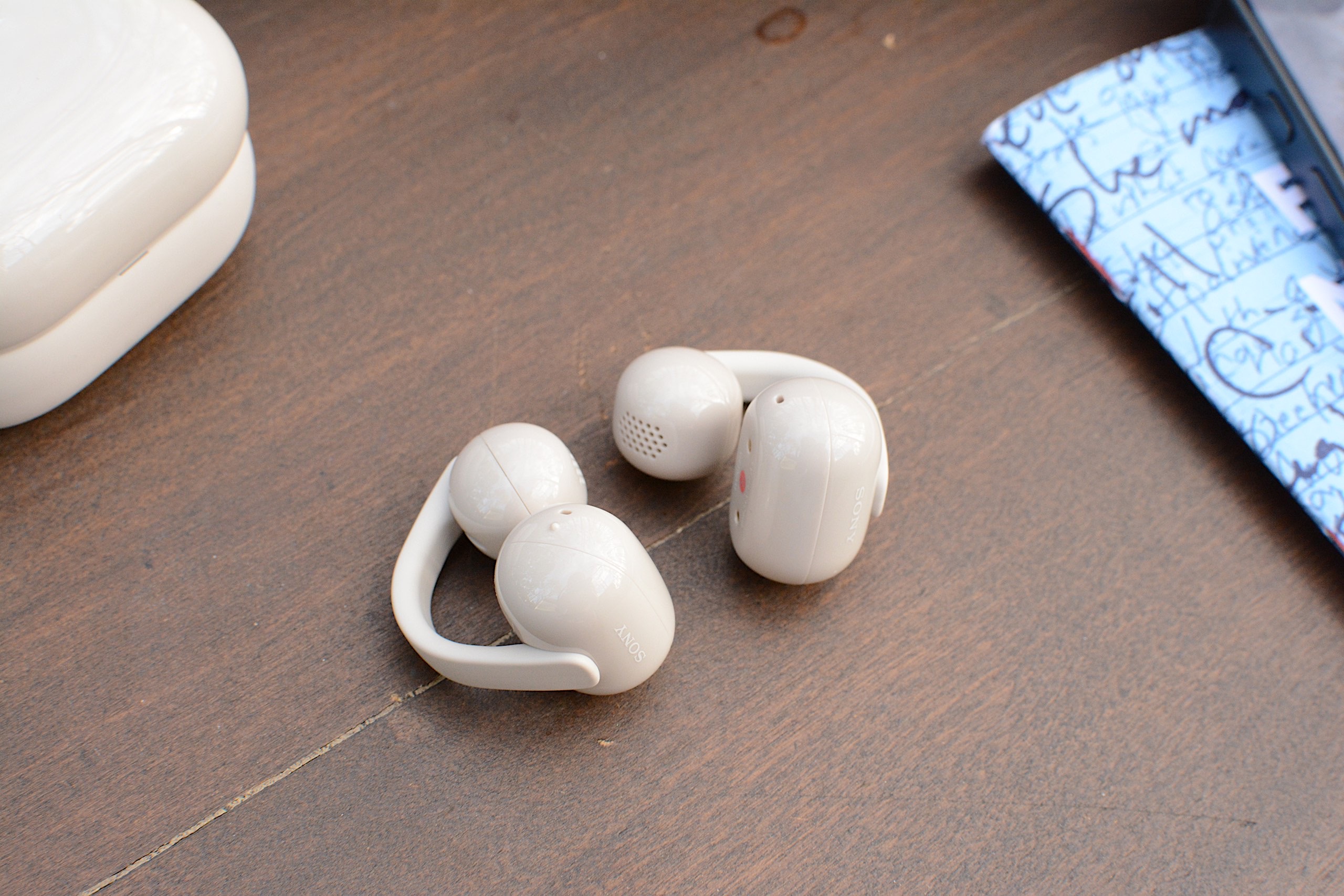
I vividly remember when Bose announced the Ultra Open Earbuds. While I applauded the company for trying something different, I wasn’t sure if the clip-on design would take hold. Well, here we are almost two years later and most earbud makers now have something akin to Bose’s fashion experiment. You can now count Sony among those as the company revealed its LinkBuds Clip ($230) open-fit earbuds today.
These aren’t the first open-wear earbuds in Sony’s LinkBuds lineup. The company has two generations of the LinkBuds Open (originally called just LinkBuds) under its belt, giving users a more traditional earbud fit with donut-shaped drivers that let ambient sounds in. Now Sony is taking a cue from Bose and others with a clip-on design that attaches securely and comfortably to the ear while leaving the ear canal unobstructed. It’s clear companies believe customers like this type of earbuds, but Sony’s challenge is to make the LinkBuds Clip unique among the growing list of alternatives.
Design and fit
Sony isn’t offering anything distinctive in terms of design here, but that’s okay. To be fair, I haven’t seen too much innovation in terms of aesthetics in these clip-on-style earbuds. For the most part, they all have similar shapes: two cylindrical cases connected by short, flexible cable. True to its predecessors, Sony put the drivers in a squatty housing while the bulk of the components are in a larger one that sits behind your ear lobe.
Sony kept the weight of the LinkBuds Clip low, and it avoided the bulk of the Ultra Open Earbuds. Both of these factors contribute to a very comfortable fit, so the IPX4-rated earbuds can be easily worn all day without becoming a burden. And while I didn’t need them, Sony includes a pair of flexible silicone “fitting cushions” in the box. These clip on to the short, flat cable of the newest LinkBuds for a more secure fit. During my tests, the LinkBuds Clip stayed in place just fine without them, but there also wasn’t any decreased comfort when I did install them.
The last design-related item I’ll mention is the touch controls. On the LinkBuds Clip, the flat connector between the two housings accepts taps for playback controls, volume changes, cycling through sound modes and more. You can tap along this area to make an adjustment, and you don’t have to do so right in the center. The LinkBuds Clip were pleasantly responsive during this review, quickly completing the task without delay or repeated taps. That is, except for volume, because you have to keep tapping for that change to happen.
LinkBuds Clip features
Controls are situated along the connector between the two cylindrical housings
Billy Steele for Engadget
Sony typically throws a whole host of features at its earbuds. Even though they’re technically the company’s midrange line, the LinkBuds family has a robust set of conveniences that make them well suited for both productivity and leisure. Unfortunately, the LinkBuds Clip doesn’t have as much to offer here. The company gives you the basics, like the ability to fine-tune the tap controls or customize the EQ, and there’s even the Adaptive Audio tool that lets you customize settings based on activity or location (Sony calls them “scenes”). But there are some handy features I’ve come to expect from Sony that are notably absent.
The LinkBuds Clip doesn’t support speak-to-chat, Sony’s voice recognition feature that pauses audio and activates ambient sound when you start talking. Quick attention mode, the tool that lowers the volume and lets in ambient sound for brief chats, isn’t here either. These earbuds don’t even have wear detection, and you have to settle for regular ol’ DSEE audio upscaling instead of an enhanced version of that tech.
Sony did equip the LinkBuds Clip with unique listening modes meant to enhance the audio performance in two scenarios. First, Voice Boost increases the volume of voices when you’re on a call or listening to podcasts or audiobooks. The company says this is designed for noisy environments where the ambient sound is overly raucous. During my testing, I found the setting to be an extreme treble boost and volume increase — something that’s definitely not well-suited for music.
Next, Sound Leakage Reduction dials back high-pitched tones to avoid annoying your neighbors in the office or coffee shop. To me, this is the opposite of Voice Boost, removing the highs for a more mid- and bass-heavy tuning, but it doesn’t sound very good compared to the default setting. Plus, my family wasn’t really able to hear any leakage on the LinkBuds Clip anyway, unless I had the volume cranked uncomfortably high. I’ll also note that any EQ customization/presets and DSEE upscaling are only available in Standard (default) listening mode.
Sound and call quality
The LinkBuds Clip have both noise reduction and bone conduction tech for calls
Billy Steele for Engadget
Open-fit earbuds typically struggle to muster adequate low-end tone, and the LinkBuds Clip meets the same fate. However, it’s not all bad in the audio department as these earbuds have great clarity and provide a solid soundstage so overall quality doesn’t suffer to the point of being unpleasant. The lack of bass is most apparent in booming genres, like hip-hop and synth-heavy electronic tunes.
The LinkBuds Clip doesn’t fare much better with more chaotic music styles like rock and metal. Spiritbox’s “Holy Roller” doesn’t have the depth that it does on closed-fit earbuds like the AirPods Pro 3 or over-ear headphones like Sony’s WH-1000XM6. As such, the band’s songs aren’t nearly as immersive or impactful without adequate amounts of bass. So if pristine, enveloping sound quality is your primary aim, you’ll want to look elsewhere, and you’ll want to tread carefully with any other open-type earbuds.
The open nature of the LinkBuds Clip makes them well-suited for calls. Since your ears aren’t plugged, you can clearly hear your own voice so you never feel like you need to shout. Sony says these earbuds have AI noise reduction and a bone conduction sensor for voice pickup, both of which are supposed to keep you sounding good. During the course of this review, I found the background noise reduction worked well without making me sound overly processed. However, the overall voice quality is average at best, which means you can get by with using these for calls, but there are better options if you really value clarity here.
Battery life on the LinkBuds Clip
When it comes to battery life, Sony says you can expect up to nine hours of use on a charge with up to 37 hours when you factor in the case. That means the LinkBuds Clip alone is enough to get you through a full workday, especially if you’re pausing for the occasional office chat or in-person meeting. And you’ll get more if you’re docking the earbuds in their case once or twice a day. If you do find yourself with a depleted battery though, a three-minute charge will give you an hour of play time.
In multiple attempts at a full, nine-hour run down, I wasn’t able to hit Sony’s stated figure. In Standard mode with DSEE upscaling set to automatic and volume at about 60-70 percent, the LinkBuds Clip lasted just over six hours. This timeframe included a mix of music, podcasts and calls — typical work day activities.
The competition
The including "fitting cushion" (left) can help with a secure fit
Billy Steele for Engadget
Based on my testing, the Bose Ultra Open Earbuds are still the best in this emerging clip-on category. However, they’re the bulkiest and the most expensive at $299. While they offer all the perks of open wear, sound quality can vary based on how they fit your ears and the lack of multipoint Bluetooth could be a deal breaker for some.
If you’re hoping to pay less than either Bose or Sony, Anker’s Soundcore line offers the AeroClip for $170. Or if you’re truly ballin’ on a budget, JLab has the Flex Open Earbuds that are now just $40. JBL just announced a new $150 set during CES too, but those won’t be available until March. I’ve only given these two a casual listen without any in-depth testing, so I won’t make a definitive call on which one stacks up best against the LinkBuds Clip. But they’re also just three of currently available options, and there are many more if none of these seem compelling.
Wrap-up
The LinkBuds Clip expands Sony’s midrange lineup with a completely different design that comes with inherent perks. They’re plenty comfortable and exploit the benefits of open-type designs while doing basic earbud functionality well. Subpar bass performance and the omission of some of Sony’s more attractive features (and even some basic ones) mean the company hasn’t done enough to distinguish the Clip from the competition in an obvious way. Sure, these earbuds work as intended without being flashy or overly complicated, but there are plenty of other options that do that too.
Update, January 21 2026, 4:45PM ET: After conducting additional battery testing, I still wasn’t able to meet the nine hour figure Sony promises. Due to this, I’ve adjusted the score from a 72 to a 70 to reflect the performance in this area. I’ve also updated the battery life section with more detailed impressions.
This article originally appeared on Engadget at https://www.engadget.com/audio/headphones/sony-linkbuds-clip-review-open-fit-benefits-arent-enough-to-stand-out-160000140.html?src=rss
There’s a particular kind of quiet that settles after a wildfire. Not peaceful, not comfortable, just a heavy stillness where something used to be. In January 2025, the Eaton Fire burned through Altadena in the foothills of Los Angeles for twenty-five days, taking nineteen lives and destroying more than 9,000 structures. It became the second most destructive wildfire in California history, leaving behind charred earth and the skeletal remains of trees that once shaded neighborhoods and backyards.
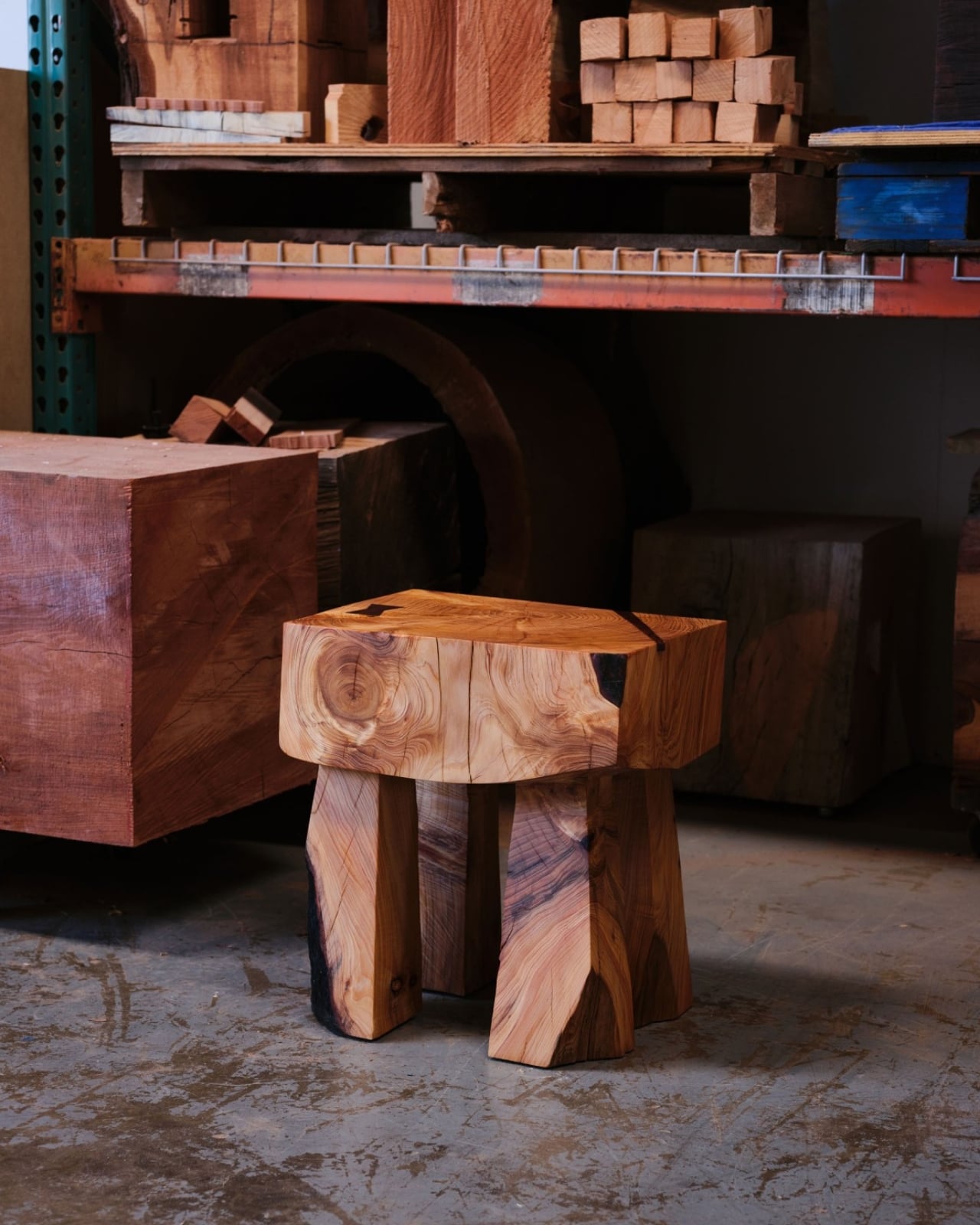
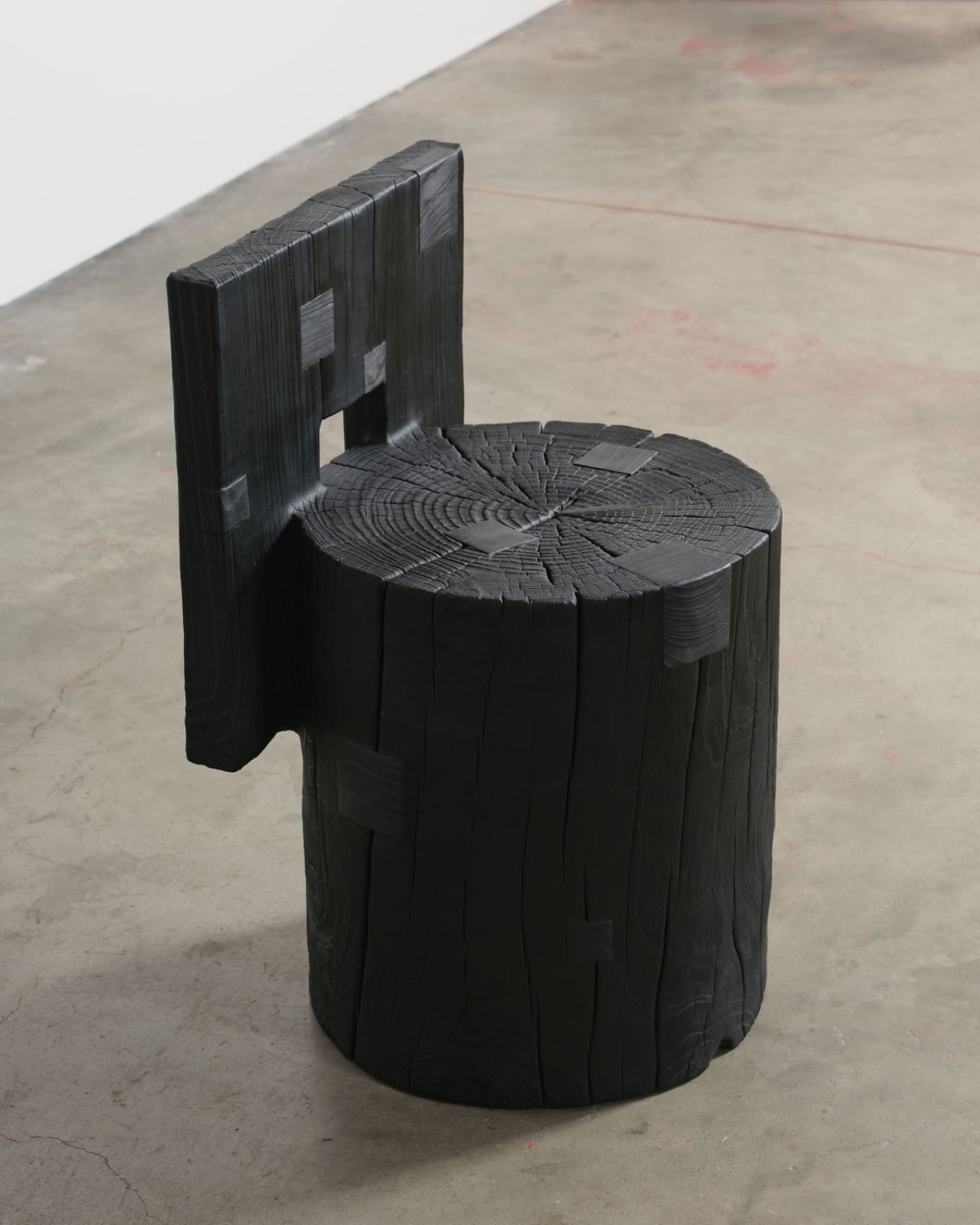
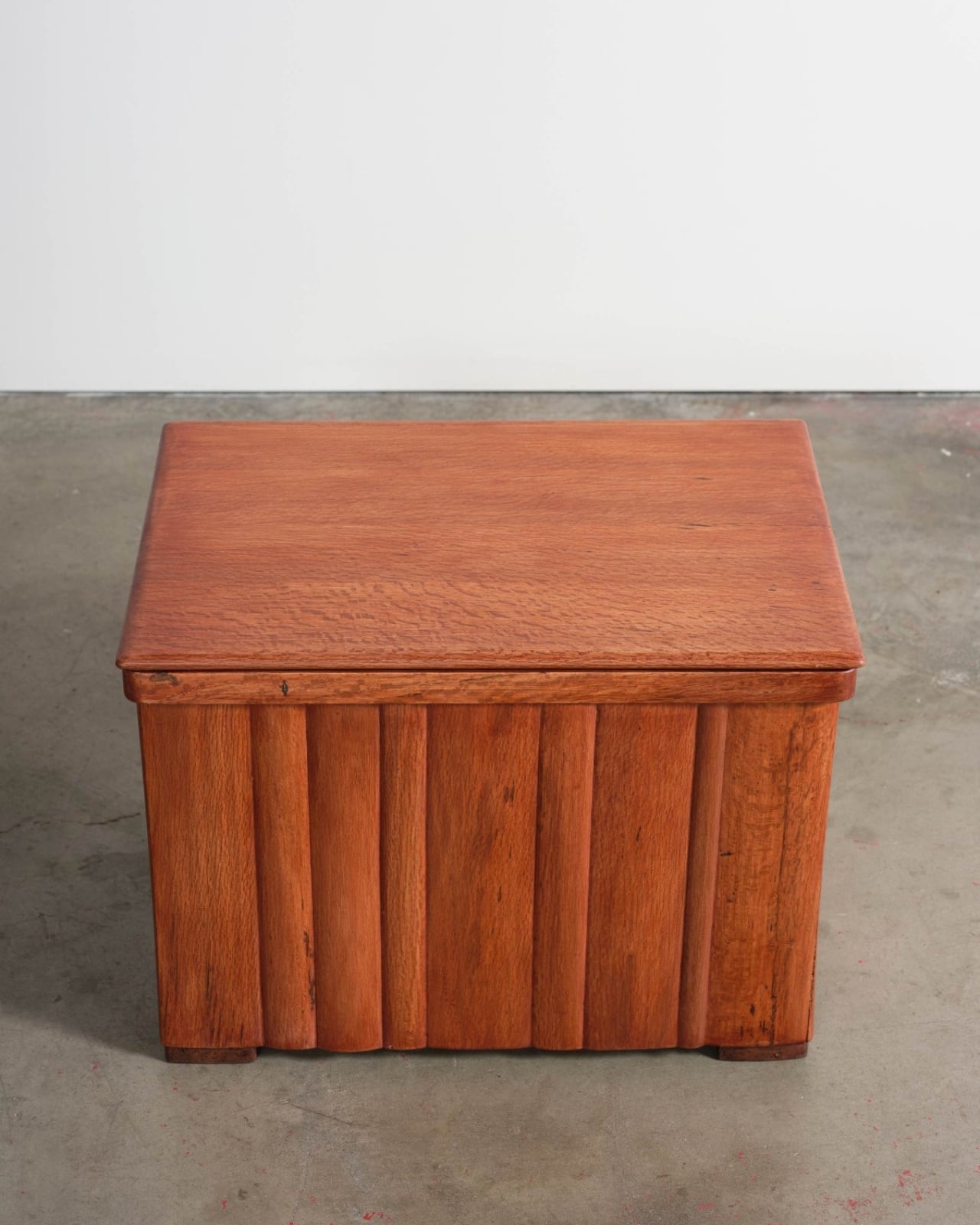
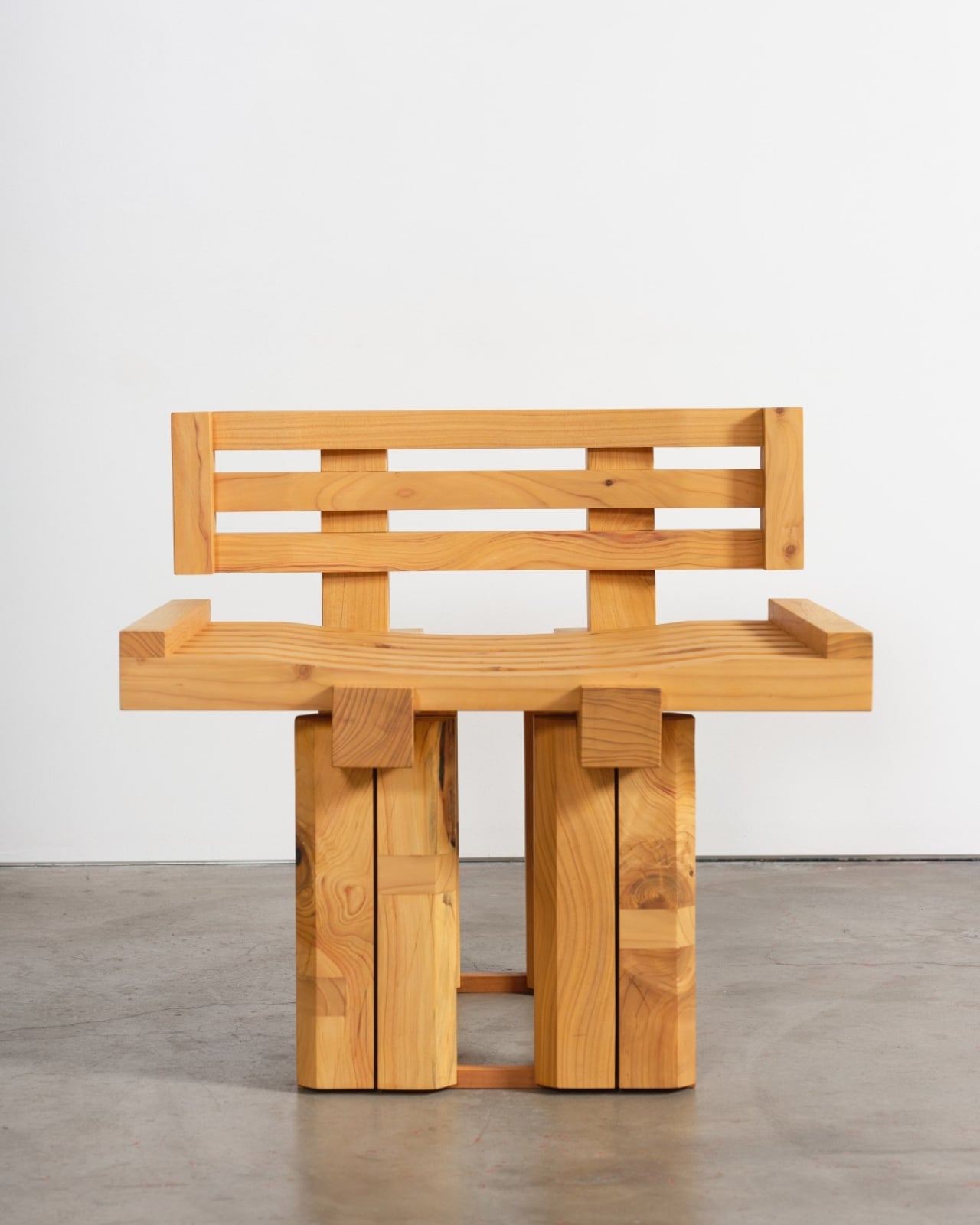
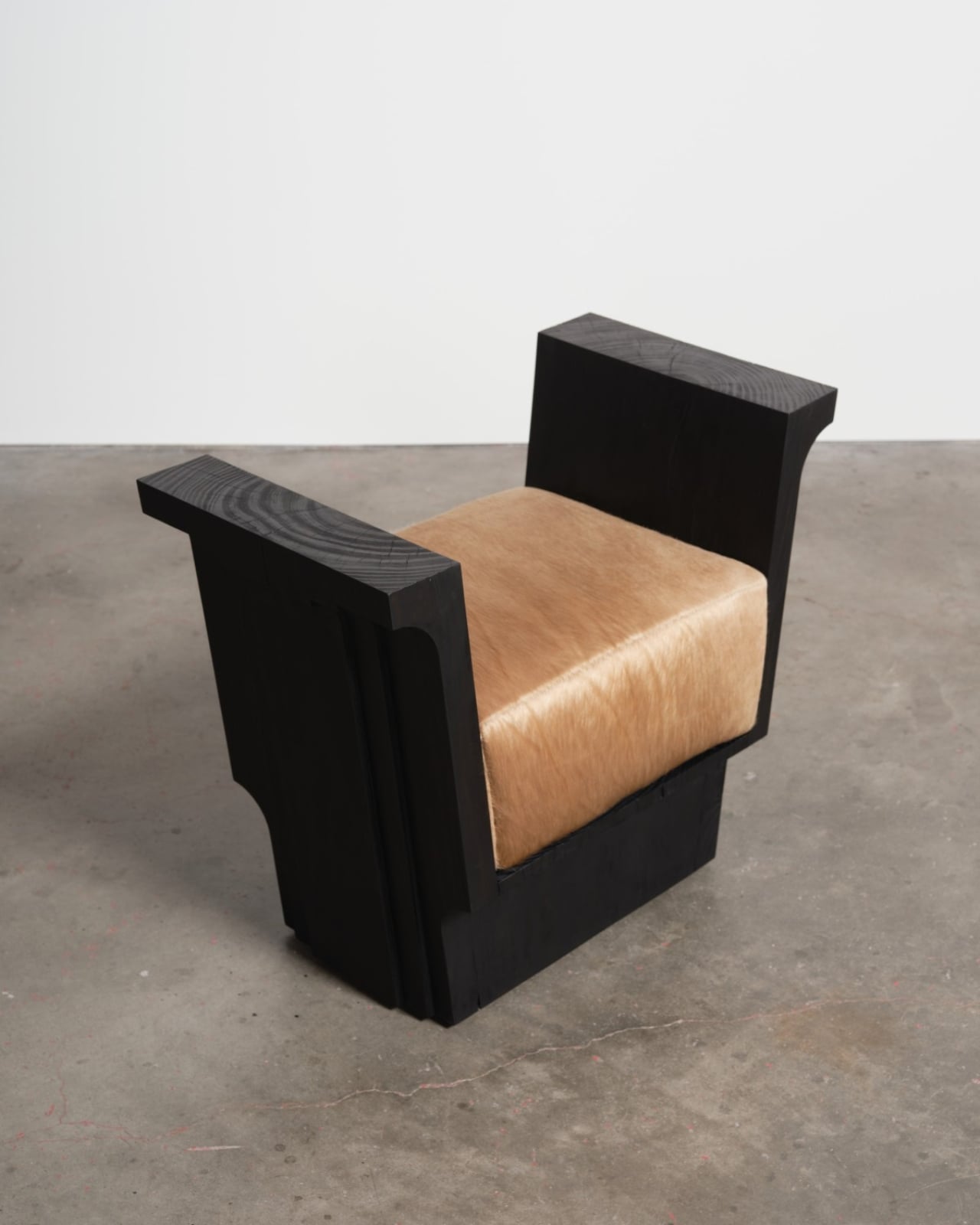
A year later, at Marta gallery in Los Angeles, 22 local artists and designers are doing something quietly radical with what’s left. The exhibition “From the Upper Valley in the Foothills” transforms salvaged wood from those burned Altadena trees into chairs, stools, benches, bowls, and other functional objects. Curated by sculptor Vince Skelly with material support from Angel City Lumber, the show runs through January 31st and offers a different kind of memorial.
This isn’t your typical tribute. There are no plaques, no somber photographs, no distance between you and the disaster. Instead, you’re invited to sit on it, hold it, contemplate it. The wood itself, sourced from species like Aleppo pine, cedar, coastal live oak, and shamel ash, carries visible traces of fire damage, smoke marks, and irregular grain patterns. Each piece holds a kind of double existence: both the tree it was and the home it might have shaded.
Skelly wanted the exhibition to feel like a true community response, so he focused on local designers and artists who each had their own experiences with the fires. The resulting collection is remarkably varied. Some pieces lean sculptural and contemplative, others embrace pure functionality. There’s Doug McCollough’s decorative bowl, Tristan Louis Marsh’s floral stool, and Base 10’s Watari bench, each handling the material’s history differently.
What makes this work compelling is the tension between destruction and creation. Angel City Lumber, a local mill that sources downed trees for community projects, collected the wood cleared from Altadena after the fire. By transforming debris into design objects, the exhibition reframes devastation not as an ending but as an uncomfortable, complicated beginning. The burned wood becomes a vessel for memory, loss, and whatever regeneration might look like.
Function here isn’t just practical. It’s conceptual. These chairs and benches aren’t simply places to rest, they’re propositions about how devastated spaces might once again support everyday life. The act of sitting on a stool made from fire-damaged oak becomes a small gesture of reclamation, a way of saying that what was lost can still hold weight, still serve a purpose, still matter.
The exhibition also raises quieter questions about the role of artists and designers during climate instability. Is it enough to make beautiful objects from catastrophe? Does craft honor the loss or aestheticize it? The show doesn’t offer easy answers, but it does suggest that making something useful from what remains is its own kind of resistance. There’s dignity in refusing to let devastation be the final word.
Marta’s presentation feels particularly resonant because it acknowledges that these objects are meant to be touched and experienced, just like the forests they come from. In an era when wildfires are becoming annual events and California’s landscape is increasingly defined by cycles of burning and rebuilding, this direct engagement feels necessary. The wood doesn’t let you forget what happened, but it also doesn’t let you look away.
What stays with you after visiting “From the Upper Valley in the Foothills” isn’t any single piece but the cumulative effect of seeing 22 different responses to the same material. Each designer grappled with the same scarred wood and found their own way through it. Some leaned into the damage, others smoothed it away. Some made monuments, others made chairs. Together, they create a portrait of a community trying to process an event that reshaped not just the landscape but the psyche of an entire city.
The exhibition is both memorial and workshop, grief and pragmatism sitting side by side. It suggests that sometimes the best way to honor what’s lost is to build something from the wreckage, to take what the fire left behind and give it a second life. Not as a replacement for what was, but as a reminder that even in the aftermath, there’s still wood to work with, still hands to shape it, still a future that needs furniture.
The Samsung Galaxy S26 Ultra is poised to be one of the most highly anticipated smartphones of 2026. Recent leaks have provided a glimpse into its potential features, showcasing a blend of innovative technology and practical enhancements. From a privacy-focused display to AI-driven functionality and significant hardware upgrades, the Galaxy S26 Ultra appears to be […]
The Samsung Galaxy S26 Ultra is poised to be one of the most highly anticipated smartphones of 2026. Recent leaks have provided a glimpse into its potential features, showcasing a blend of innovative technology and practical enhancements. From a privacy-focused display to AI-driven functionality and significant hardware upgrades, the Galaxy S26 Ultra appears to be […]
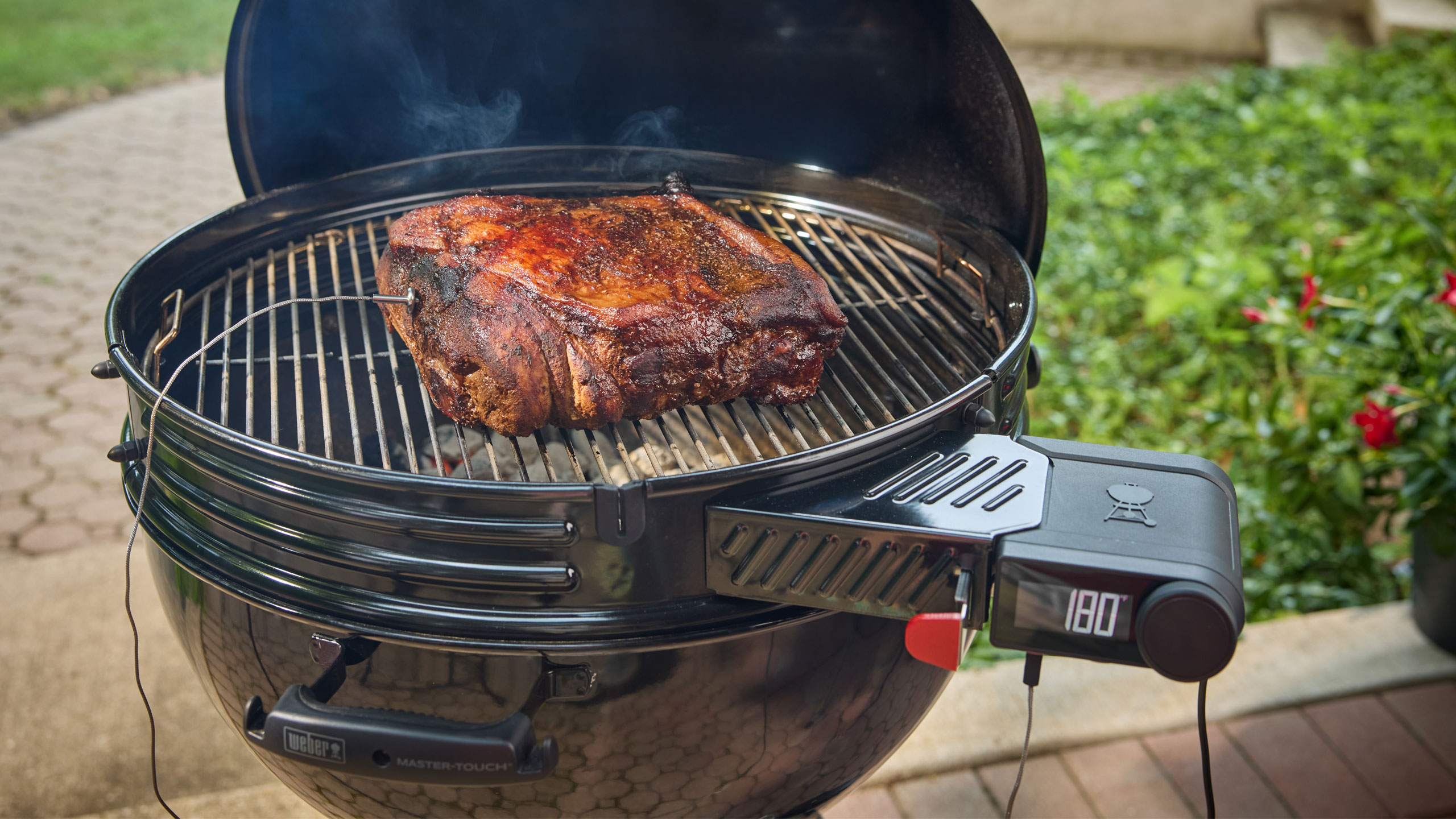
Weber has been in the smart grilling game since 2020, dabbling in Wi-Fi connectivity for gas and pellet grills. It has also offered grillers a standalone option for its Weber Connect platform. For 2026, the company is expanding its smart grilling lineup to its original fuel source: charcoal. Today, Weber announced the Performer Smart Charcoal Grill and Kettle Smart Ring, both of which bring Weber Connect control and cooking guidance to charcoal grilling in a more integrated way.
The 22-inch Performer Smart Charcoal Grill has a Wi-Fi-enabled LCD controller that regulates grill temperature by adjusting the airflow to lit charcoal. Weber says this grill is well-suited for overnight smoking and longer cooks thanks to this bit of automation. The new Performer also has a so-called Rapidfire Assist mode to get those coals lit faster. The grill can be controlled remotely with the Weber Connect app, which can also keep tabs on any connected food probes.
The new Performer is essentially an upgraded version of the Performer Premium, Deluxe and base options that currently exist. You still get the porcelain-enamel finish, adjustable dampers for manual temperature controls and the One-Touch cleaning system for ash removal. The other upgrade is a Weber Works side table and side rail that accommodate the company’s line of accessories. A premium version comes with a cart with storage shelves for $799 while an option with a more basic cart will be $599. Weber also plans to sell non-smart versions for $649 and $449, respectively. The company says the base models will arrive this spring while the premium trims will be available this summer.
Weber Kettle Smart Ring
Weber Blackstone
If you already have a Weber Kettle and are looking to add a bit of automation to your setup, the Kettle Smart Ring brings temperature control and smart connectivity for $280 this spring. This accessory fits the company’s 22-inch grills and is equipped with an LCD display and knob-based controls. Of course, it also syncs with the Weber Connect app and offers two slots for wired food probes.
Another key smart grilling area Weber lags behind its competition is wireless temperature probes, but that changes this spring. The company will debut a $70 Smart Wireless Probe and a $115 version with range booster and charger. These new probes sync with any Weber smart grill, the Weber Connect app or the new Smart Hub Display and Booster ($90) that works on any grill. Weber also built a retractable wired Smart Probe ($40) that can be used to monitor the temperature at the grates.
And if you’re loyal to propane, Weber has new options for you too. Updated Genesis Smart Gas Grills have a Sear Zone that can hit temperatures of up to 750 degrees Fahrenheit and a side table that now accommodates Weber Works accessories. It will be available in both propane and natural gas versions — in both three- and four-burner configurations — this spring starting at $999. More affordable Spirit Smart Gas Grills will start at $599 and will also come in three- and four-burner options. Both the Genesis and Spirit smart models work with the Weber Connect app like the rest of the company’s Wi-Fi grills and accessories.
This article originally appeared on Engadget at https://www.engadget.com/home/kitchen-tech/webers-2026-smart-grill-lineup-includes-the-companys-first-wi-fi-equipped-charcoal-grill-150000097.html?src=rss
If you're looking to expand the storage on your Switch 2, the 512GB Samsung P9 microSD Express card is on sale right now for 33 percent off, marked down to $80 from $120. With component prices skyrocketing these days, it's getting increasingly rare to see good storage on sale, and 512GB for $80 is a much better deal than you'll currently find directly from Nintendo.
The P9 boasts transfer speeds of up to 800MB/s, making moving games to the card that much faster. As for load times, in our testing we found that any microSD Express, the standard the Switch 2 requires, will offer roughly the same performance. This format is pretty new, so there aren't a ton of cards on the market. As such, the P9 makes our list of best microSD cards for the Nintendo Switch 2.
The P9 microSD Express is also compatible with the Steam Deck or any other gaming console that accepts the format, as well as cameras and more.
This article originally appeared on Engadget at https://www.engadget.com/deals/the-512gb-samsung-p9-microsd-express-card-is-33-percent-off-143849572.html?src=rss
The moments when you need a tool but only have a wallet happen more often than they should. A loose bolt on a bike, a box that refuses to open cleanly, a bottle cap mocking you at a picnic. Most multi-tools either live in drawers at home or look like mini weapons, which is not always the vibe you want in a pocket, especially when all you need is something to tighten a screw or slice through packing tape.
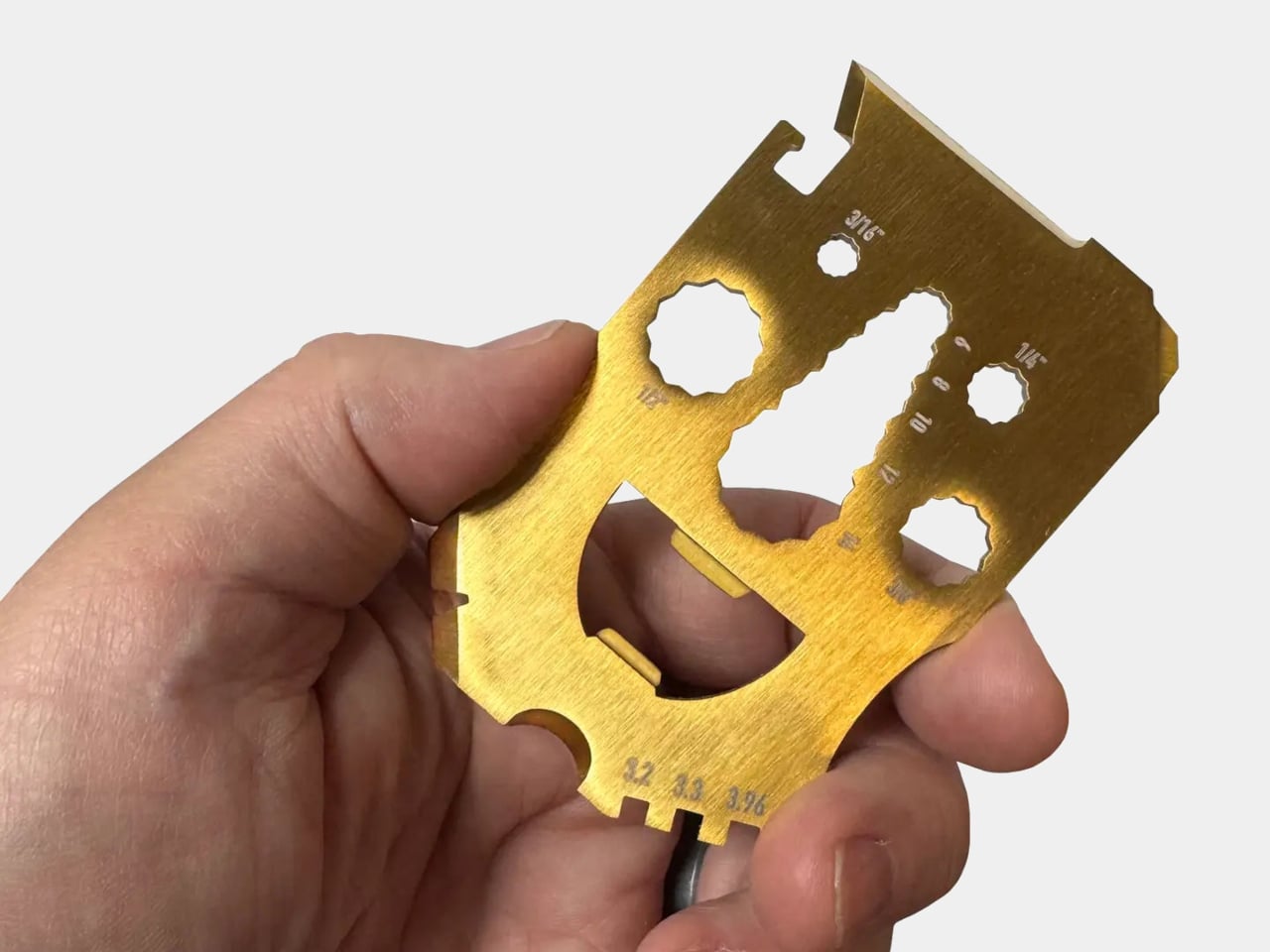
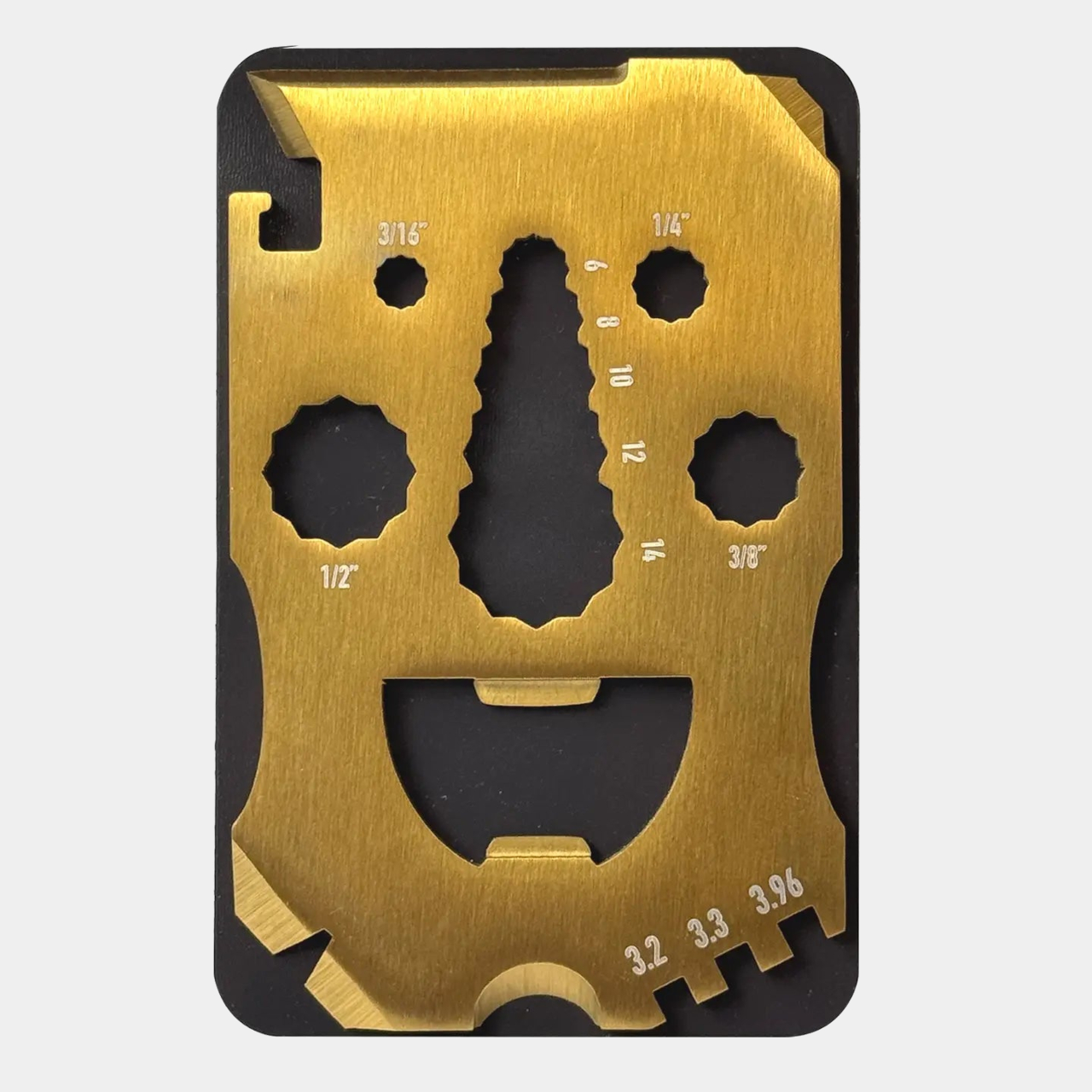
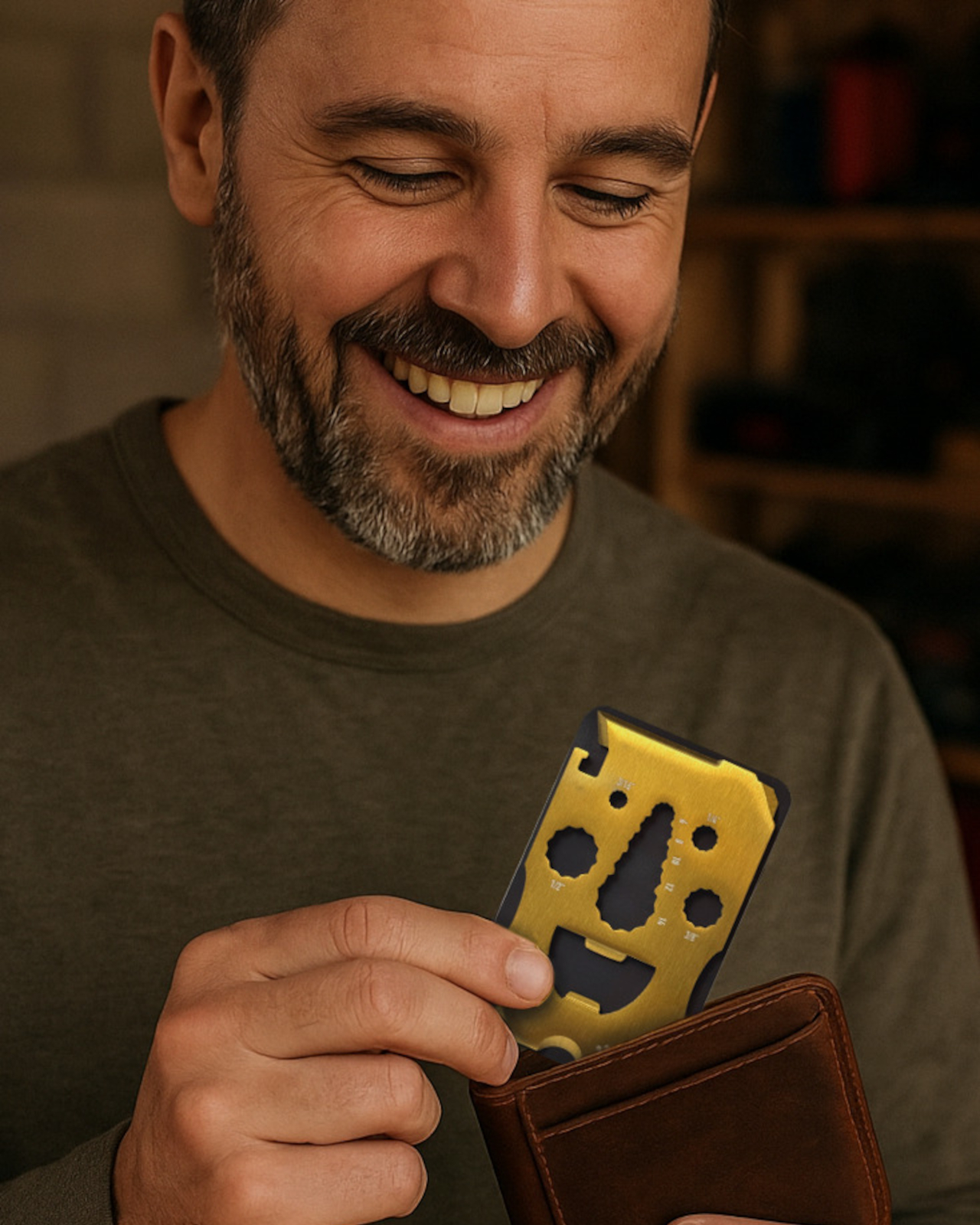
Lucky Jack’s Happy Guy card is a flat, credit-card-sized multi-tool that lives in your wallet until something needs fixing, opening, or prying. It is part of the Adventure Card series, USA-designed for everyday adventure, and the cutouts form a smiling face that makes the whole thing feel more like a friendly sidekick than a piece of tactical gear. The grin is not just decorative since it is where all the tools hide.
The face is not just for show. The eyes and nose double as nine different hex wrenches in both metric and imperial sizes, ready for furniture bolts or gear adjustments. Along the edges, you get a box cutter and line cutter for tape and cord, a flat screwdriver tip, a pry edge, a nail puller for small jobs, plus a can opener and a bottle-friendly mouth for when the work is done and the drinks come out.
The toothed section along one edge earns its keep for cyclists. It is sized for common spoke nipples, so if a wheel goes slightly out of true mid-ride, you can nudge it back without carrying a full tool roll. It is not a replacement for a proper workshop truing stand, but it is a lot better than limping home on a wobbly rim or calling someone to pick you up because three spokes are loose.
Happy Guy is thin enough to slip into a standard wallet slot, but also ships with a magnetic backing so you can park it on a toolbox lid, fridge, or van wall. That means it can live wherever you are most likely to need a quick fix, from a workshop corner to a camp kitchen, without rattling around loose or disappearing under a pile of gear you forgot existed.
A flat card is never going to be as comfortable as a full-size wrench or screwdriver for heavy torque, and the exposed cutting edges mean you should store it with the backing or in a sleeve. It is a light-duty, emergency-friendly tool rather than something you rebuild an engine with, but that is exactly why it can afford to be this small and this cheerful without pretending to do jobs it was never designed for.
Happy Guy sneaks real utility into a piece of metal that looks like it is just there for laughs. By turning hex wrenches, cutters, and openers into a smiling face, it lowers the barrier to carrying a tool every day. It is hard to be grumpy about a loose screw or stubborn bottle cap when the thing you pull out to fix it is literally grinning back at you from your wallet.
What if you could amplify your AI’s capabilities by 100x, unlocking a world where intelligent systems adapt seamlessly to complex tasks and deliver professional-grade results? World of AI explores how Google’s Antigravity AgentKit is redefining the boundaries of AI-driven development in their latest video. This new update introduces a dynamic agent skills system that enables […]