Airline Meal Trays Are Broken: This Korean Design Fixes Them

There’s something deeply satisfying about opening a Korean meal to find those little side dishes, each in their own small bowl, arranged just so. The banchan tradition turns eating into a kind of visual feast before you even take a bite. Now, imagine bringing that same thoughtful, modular approach to one of the most notoriously cramped dining experiences: airplane meals.

That’s exactly what BKID co has done with their System Tray design, and honestly, it’s one of those ideas that makes you wonder why we didn’t think of this sooner. The project takes the organizational genius behind Korean side dish service and reimagines it for the narrow, tray-table constrained world of in-flight dining.

Designer: BKID co
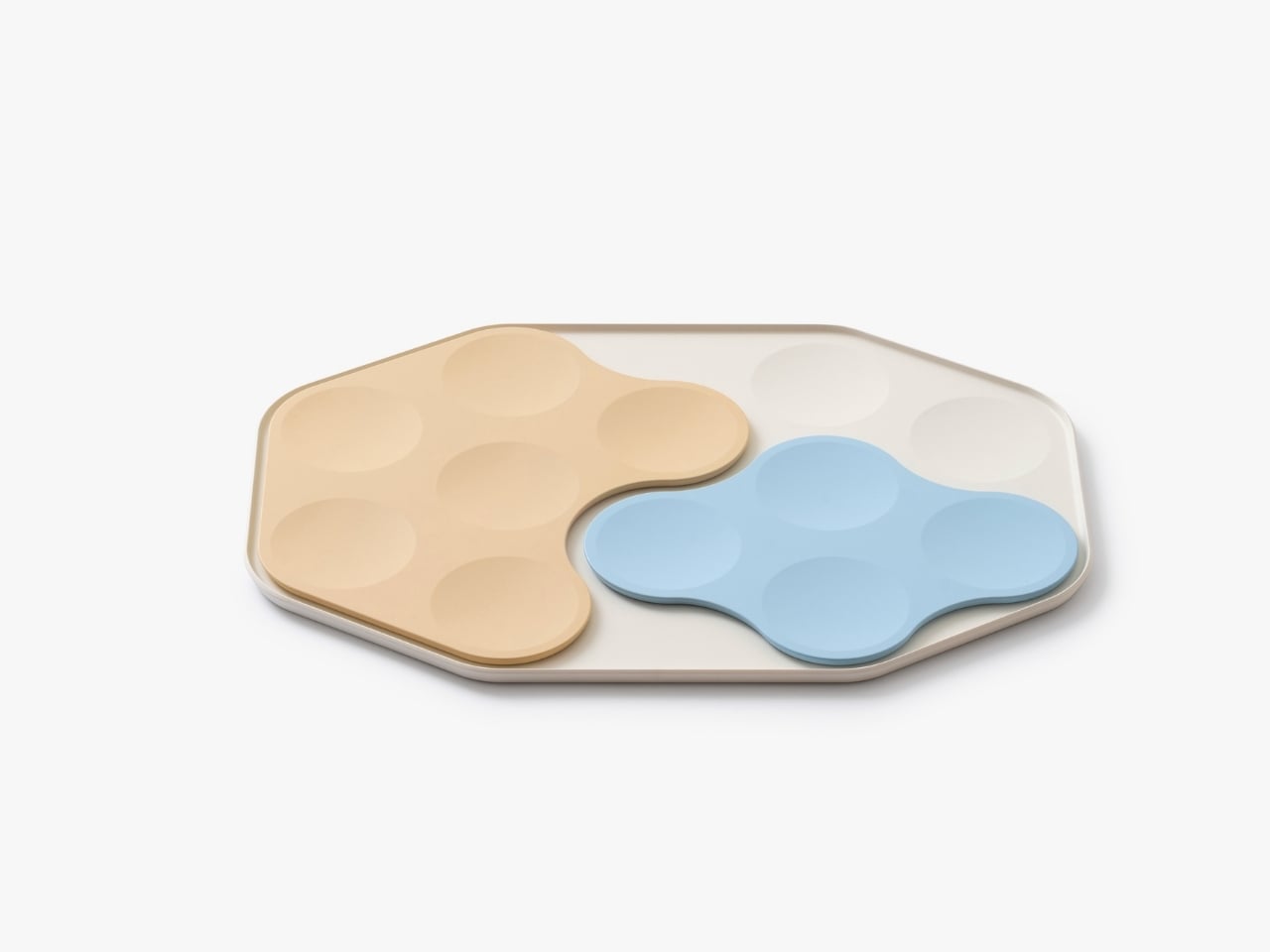
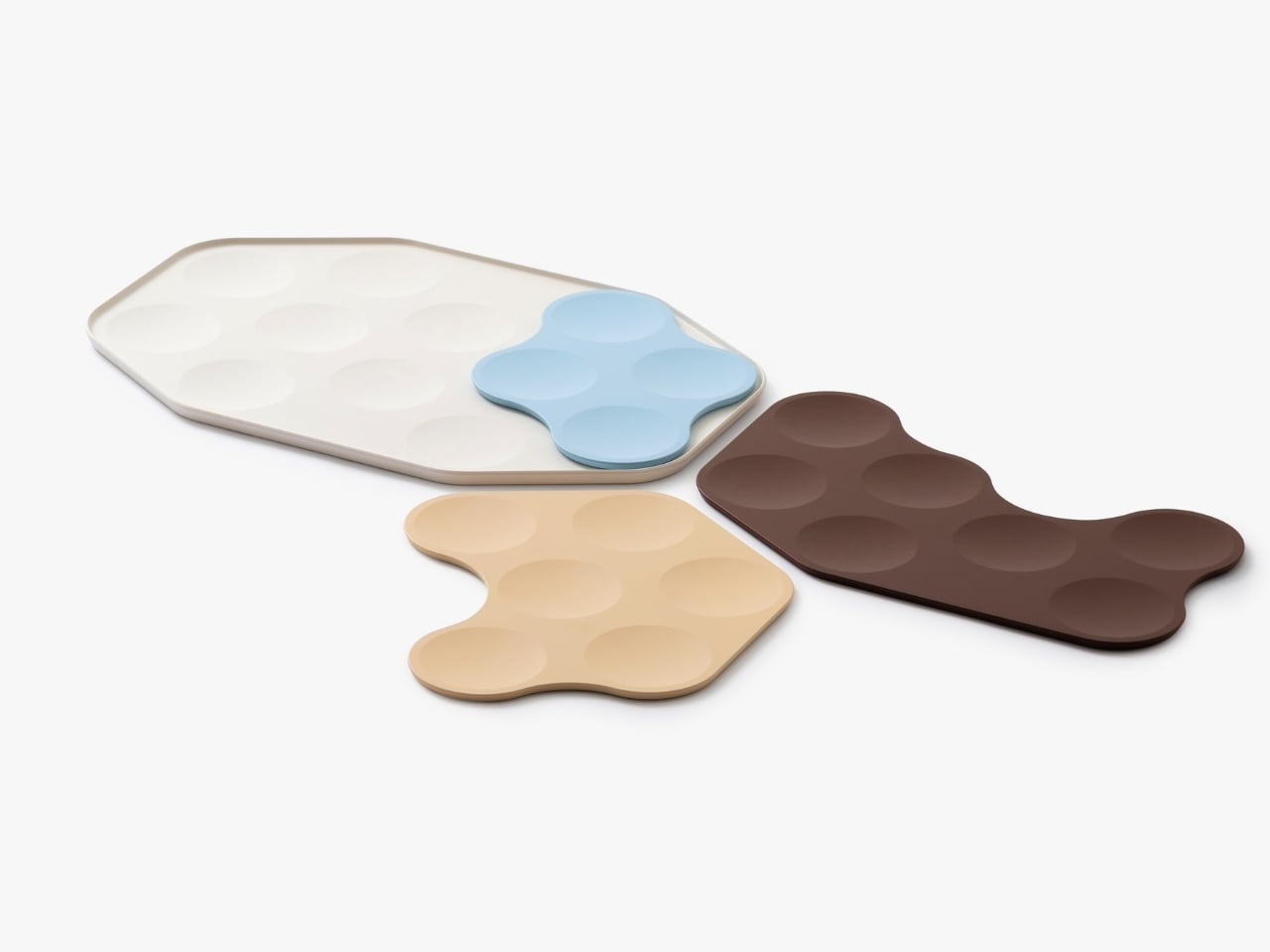
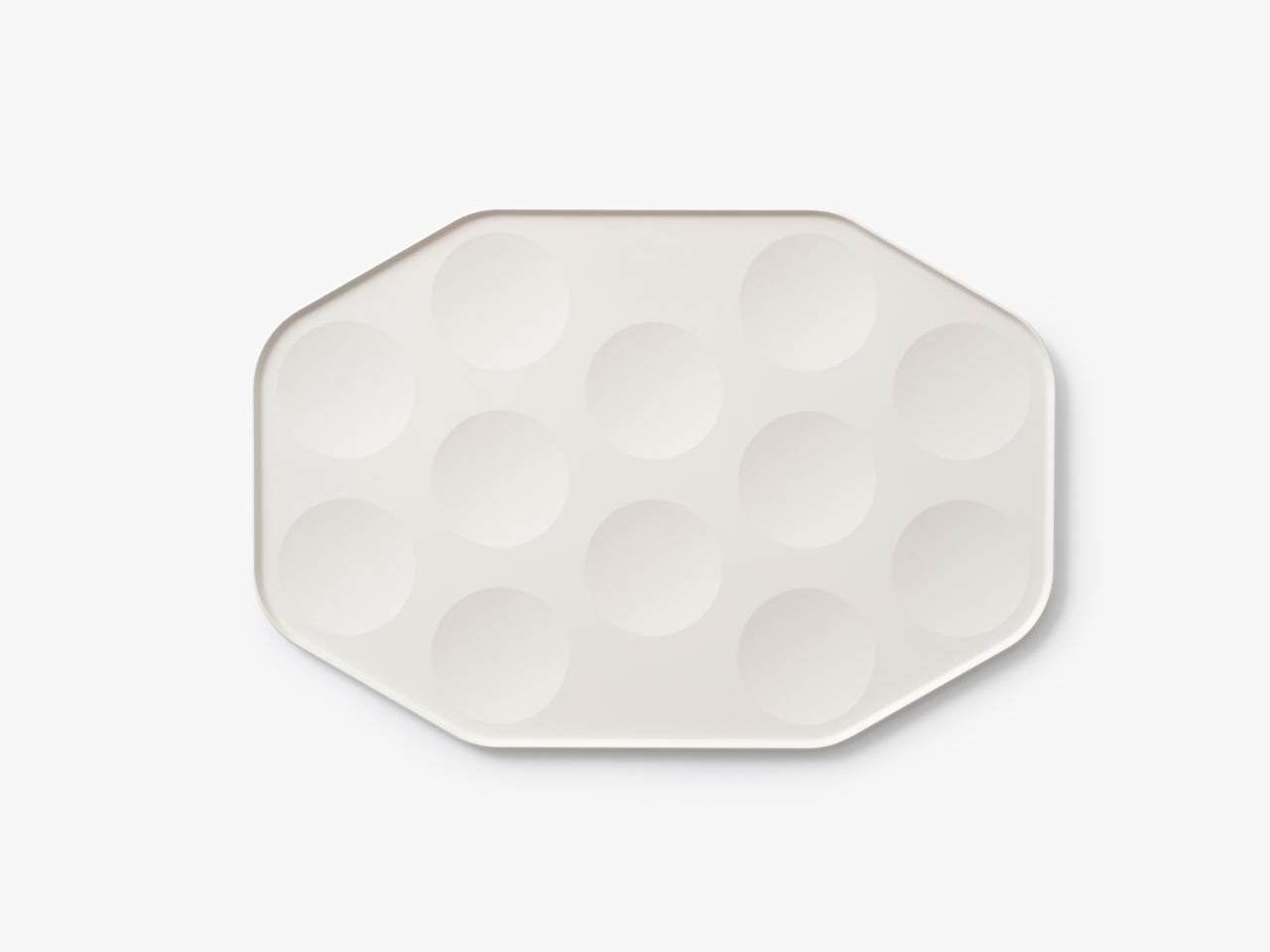
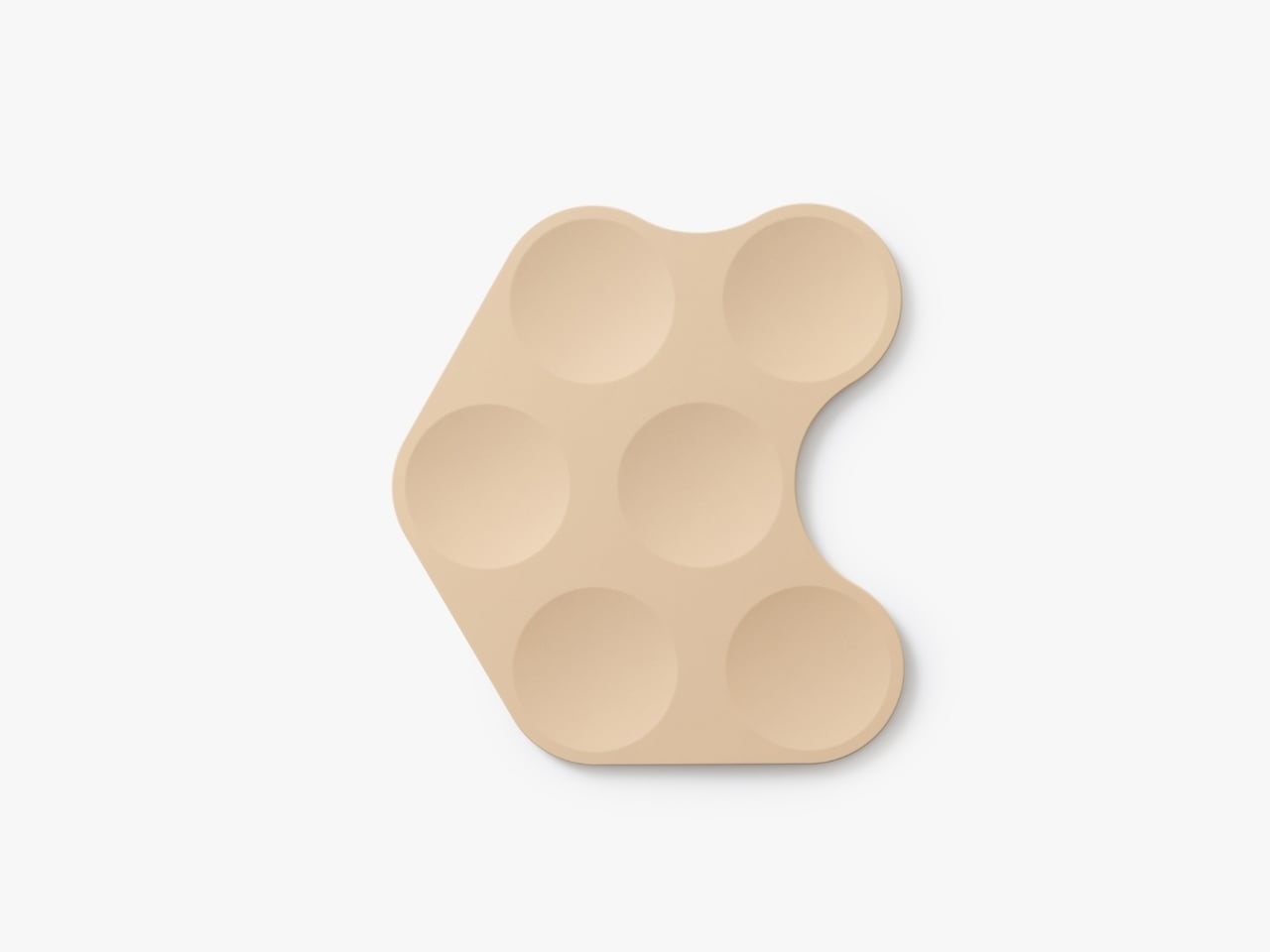
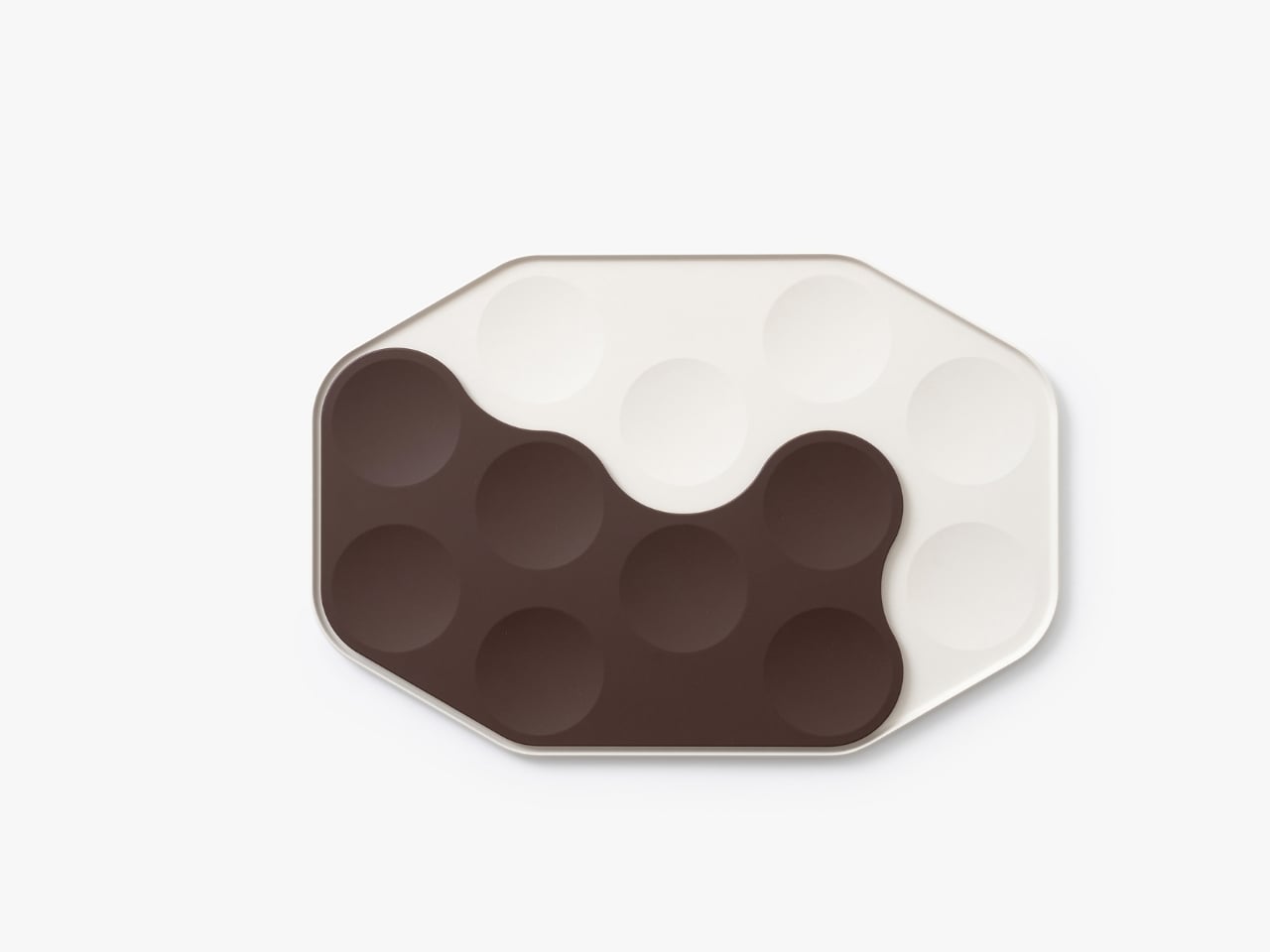
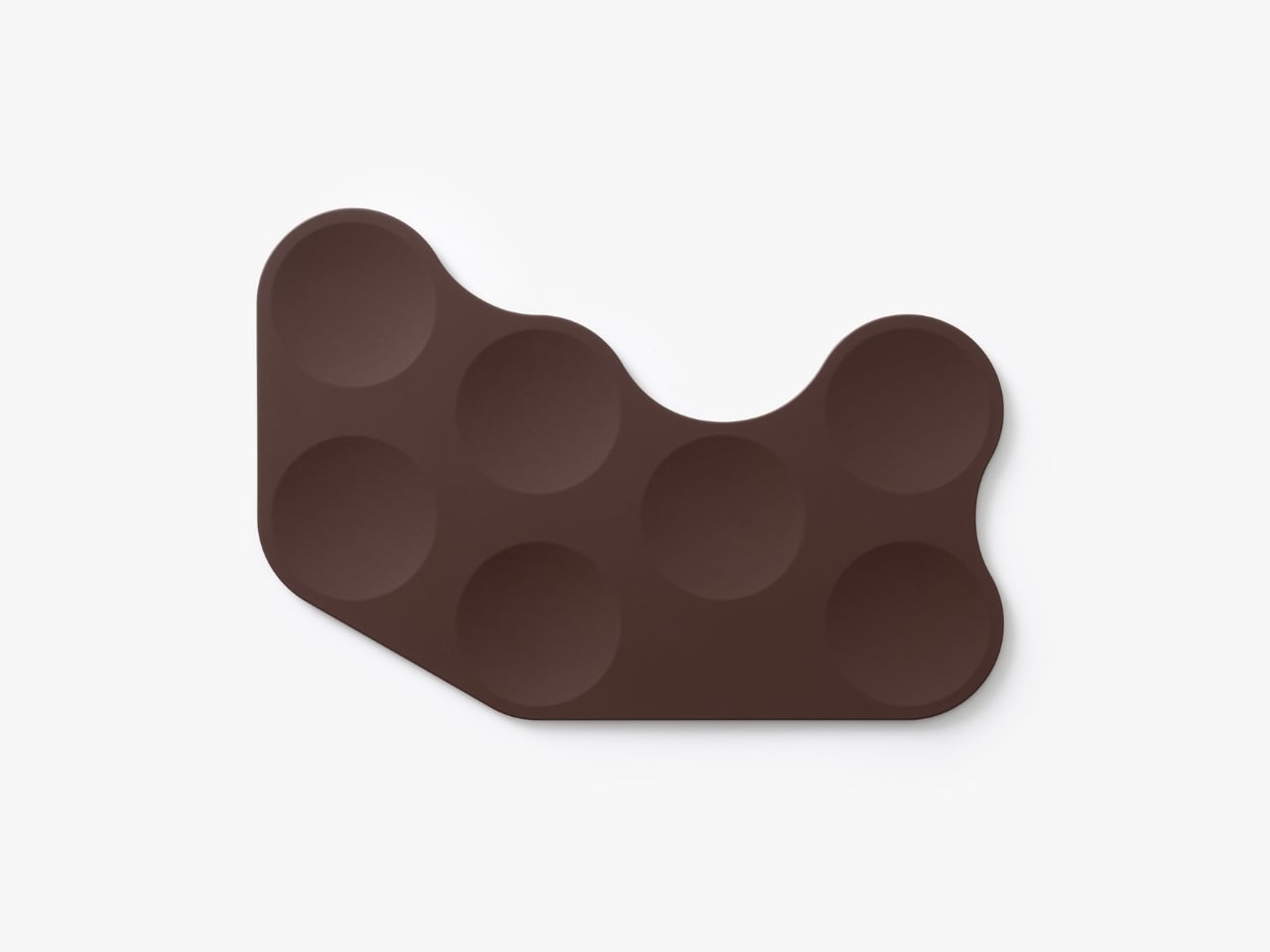
Anyone who’s flown recently knows the struggle. You get your meal tray, and it’s this precarious balancing act of overlapping plastic containers, a wobbly cup threatening to spill, and utensils that somehow always end up on the floor. There’s no elegance to it, no sense that anyone actually thought about the experience beyond “how do we get food from point A to point B?” The System Tray flips that script entirely. Drawing inspiration from traditional Korean wooden trays that hold multiple small dishes, the design creates a modular system where individual plates nest together like a puzzle. Each piece has those beautiful organic, flowing shapes that lock into each other or fit perfectly within the main tray. It’s functional geometry that doesn’t look robotic or cold.

What makes this particularly clever is how it addresses real constraints. Airlines aren’t going to adopt anything that doesn’t meet strict safety standards or adds significant weight. So BKID co worked with lightweight materials like durable plastics and lightweight ceramics, keeping things practical while maintaining that elevated aesthetic. The pieces can stack when not in use, which means they take up less storage space in the galley. For airlines constantly trying to maximize every square inch of cabin space, that’s a huge selling point.
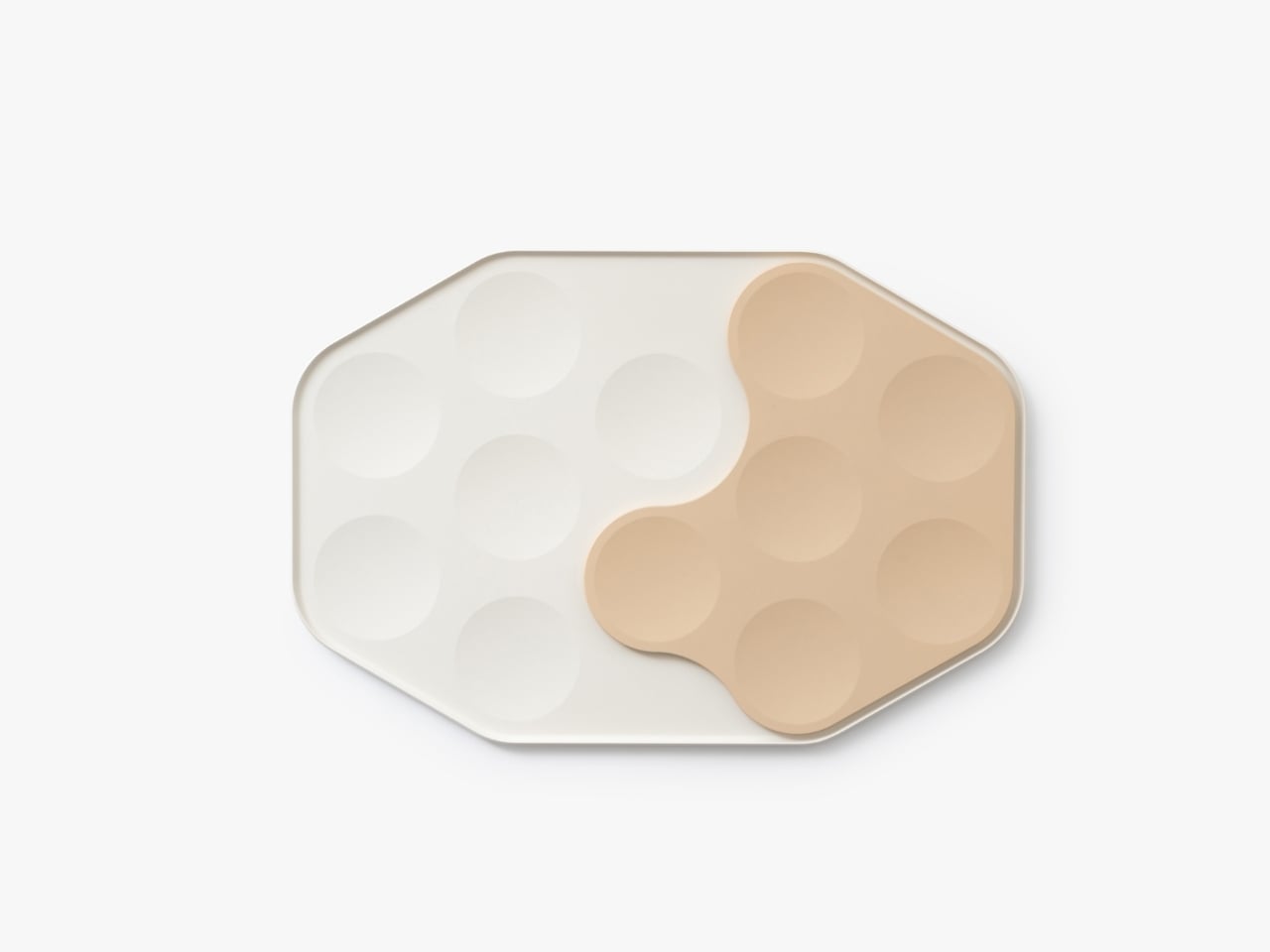
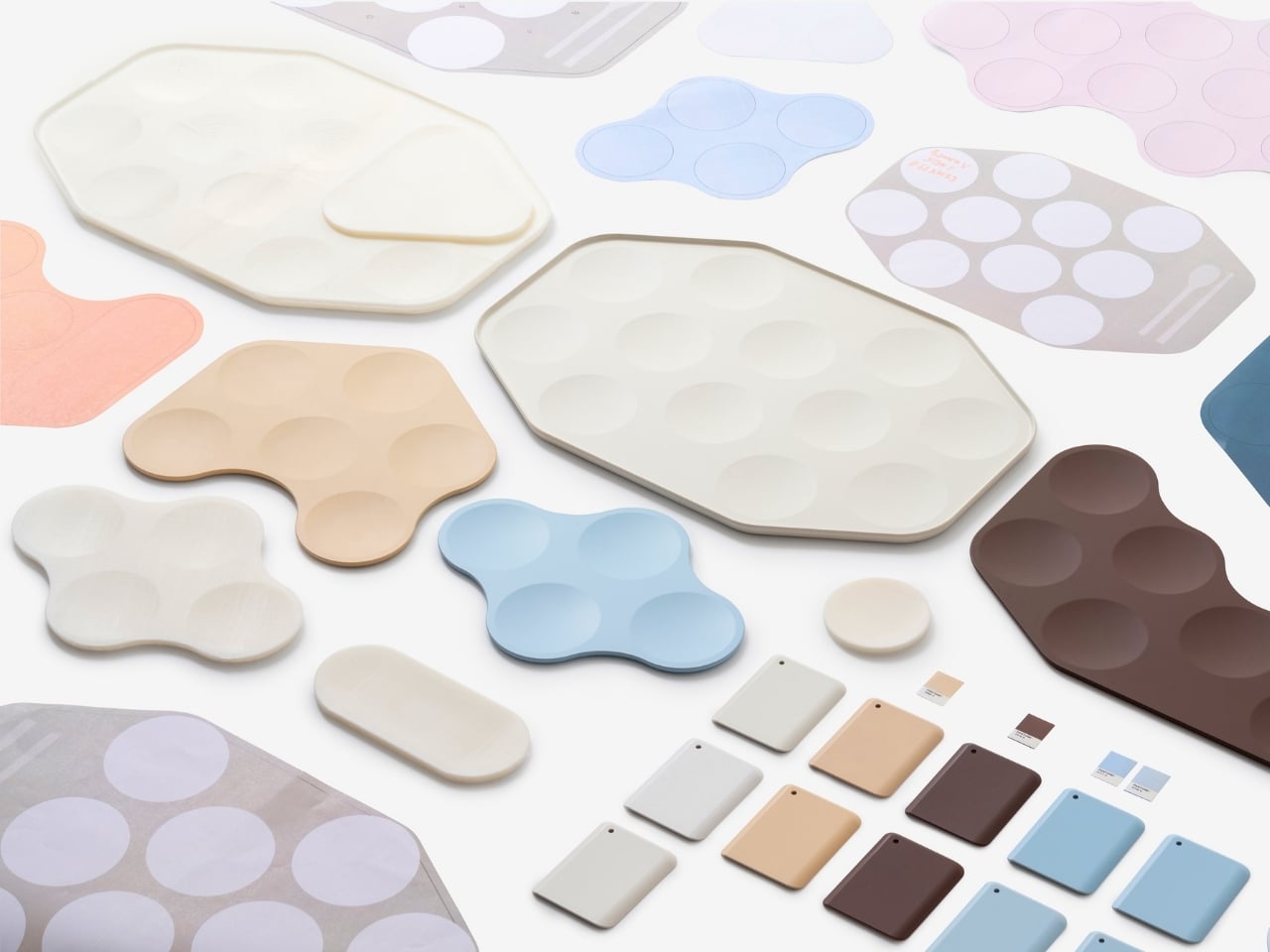
But let’s talk about the visual appeal, because this is where the design really shines. The color palette is subtle and sophisticated: soft creams, muted blues, warm beiges, and earthy browns. These aren’t the harsh primary colors or industrial grays we’re used to seeing on planes. The shapes themselves are organic and almost playful, with curved edges that interlock in unexpected ways. Laid out, they look more like modern art than airline serviceware.

There’s something almost meditative about the way the pieces fit together. You can configure them in different arrangements depending on the meal, whether it’s a full dinner service with multiple courses or a lighter snack. That flexibility is key because not every flight or passenger needs the same setup. The modular approach means the system can adapt rather than forcing one rigid solution.
This design also taps into a broader trend we’re seeing in travel and hospitality: the push to make utilitarian experiences feel special. We’ve watched airport lounges transform into design showcases. We’ve seen hotel rooms become Instagram-worthy destinations. Even train stations are getting architectural makeovers. Why should airplane meals be any different? The banchan tradition isn’t just about having multiple dishes. It’s about balance, variety, and presentation. It turns a meal into something communal and considered, where each element has its place and purpose. That philosophy translates surprisingly well to the challenge of airline food service, where space is limited but the desire for a pleasant dining experience remains.
What BKID co has created here isn’t just a better tray. It’s a rethinking of how we approach one of travel’s most mundane moments. It suggests that even in a space as constrained as an airplane cabin, there’s room for thoughtfulness and beauty. The design proves that solving practical problems doesn’t mean sacrificing aesthetics.
Will we see these trays on flights anytime soon? That’s the real question. Airlines move slowly, and switching out serviceware across an entire fleet isn’t a small undertaking. But as more carriers compete on experience rather than just price, innovations like this become more attractive. Passengers increasingly expect more, even in economy. A meal served on a thoughtfully designed tray system could become a differentiator.
For now, the System Tray stands as a brilliant example of cross-cultural design thinking, where a traditional dining practice inspires a modern solution to a very contemporary problem. It reminds us that good design often comes from looking at how people have solved similar challenges in different contexts, then adapting those insights with fresh eyes.

The post Airline Meal Trays Are Broken: This Korean Design Fixes Them first appeared on Yanko Design.
Samsung Just Beat Apple to a Crease-Free Display With the Galaxy Z Fold 8

Samsung Just Beat Apple to a Crease-Free Display With the Galaxy Z Fold 8

Samsung is expected to launch the new Galaxy Z Fold 8 this year. It is rumored to be a device that addresses one of the most persistent challenges in foldable phone technology: the visible crease on foldable displays. By unveiling a creaseless foldable OLED screen, Samsung has set a new industry standard, enhancing the user […]

The post Samsung Just Beat Apple to a Crease-Free Display With the Galaxy Z Fold 8 appeared first on Geeky Gadgets.

Posted in Uncategorized

Engadget Podcast: Why did Apple choose Gemini for next-gen Siri?

Apple's next-gen Siri is still far off, but this week the company announced that it'll be using Google's Gemini AI for its new foundation models. In this episode, Devindra and Engadget's Igor Bonifacic discuss why Apple teamed up with Google again, instead of OpenAI or Anthropic. Also, they chat about Meta's Reality Lab layoffs, which is refocusing the company on AI hardware like its smart glasses.

  • Meta announces 1000+ layoffs, closes 3 VR studios as it shifts focus to AI hardware – 2:12

  • Gemini can now pull context from the rest of your Google apps including photos and Youtube history – 12:31

  • Framework raises the price of its desktop by $460 because of the global RAM shortage – 18:36

  • NVIDIA may revive the RTX 3060 and kill off 5070 Ti due to its VRAM demands – 21:57

  • Apple creates a subscription bundle for Pro creative apps like Final Cut Pro, Logic, and others – 23:00

  • Tesla’s Full Self Driving is also going subscription only, a year costs $999 – 29:15

  • Matthew McConaughey trademarks himself to fight unauthorized AI likenesses – 33:27

  • Apple announces that its long delayed ’smarter Siri’ will be powered by Google Gemini – 35:15

  • X finally responds to Grok’s CSAM and nudity generation with limits – 51:46

  • Cursor claims their AI agents wrote 1M+ lines of code to make a web browser from scratch, are developers cooked? – 57:52   

Host: Devindra Hardawar
Guest: Igor Bonafacic
Producer: Ben Ellman
Music: Dale North and Terrence O’Brien

This article originally appeared on Engadget at https://www.engadget.com/computing/engadget-podcast-why-did-apple-choose-gemini-for-next-gen-siri-150000993.html?src=rss

Google’s Gemini AI is Coming to Siri – Here’s What It Means for You

Google’s Gemini AI is Coming to Siri – Here’s What It Means for You

Apple has officially announced a significant collaboration with Google to integrate its Gemini AI models into the next generation of Siri. This partnership represents a major milestone in Apple’s ongoing efforts to advance artificial intelligence (AI) capabilities, aiming to deliver a more intelligent, intuitive, and responsive Siri. The enhanced Siri, set to debut with iOS […]

The post Google’s Gemini AI is Coming to Siri – Here’s What It Means for You appeared first on Geeky Gadgets.

Posted in Uncategorized

This Modular Webcam Lets You Physically Disconnect for Privacy

You know that little piece of tape covering your laptop camera? Or that awkward moment when you frantically check if your microphone is really muted before talking about your coworker? We’ve all been there. The problem is that webcams have become permanent fixtures in our lives, but trusting whether they’re actually off means squinting at tiny icons buried in software menus. Designer Bhavesh Sharma thinks there’s a better way, and honestly, it’s kind of brilliant.

NODE is a conceptual modular webcam system that tackles privacy by making it physical instead of digital. The core idea is refreshingly simple: if you want your camera or microphone truly off, you just remove it. Like, actually detach it from the device. No more wondering if that green light really means what you think it means.

Designer: Bhavesh Sharma

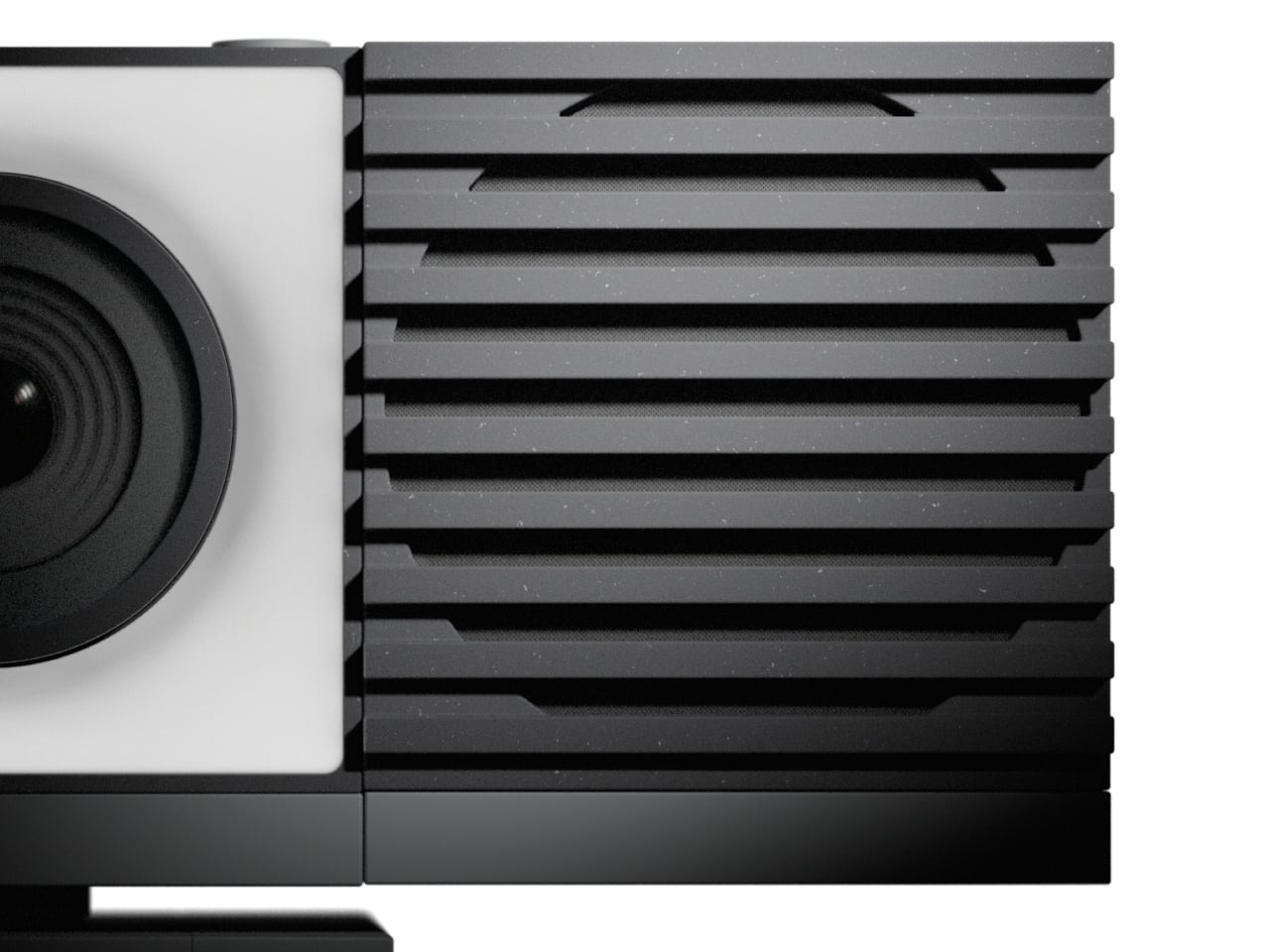
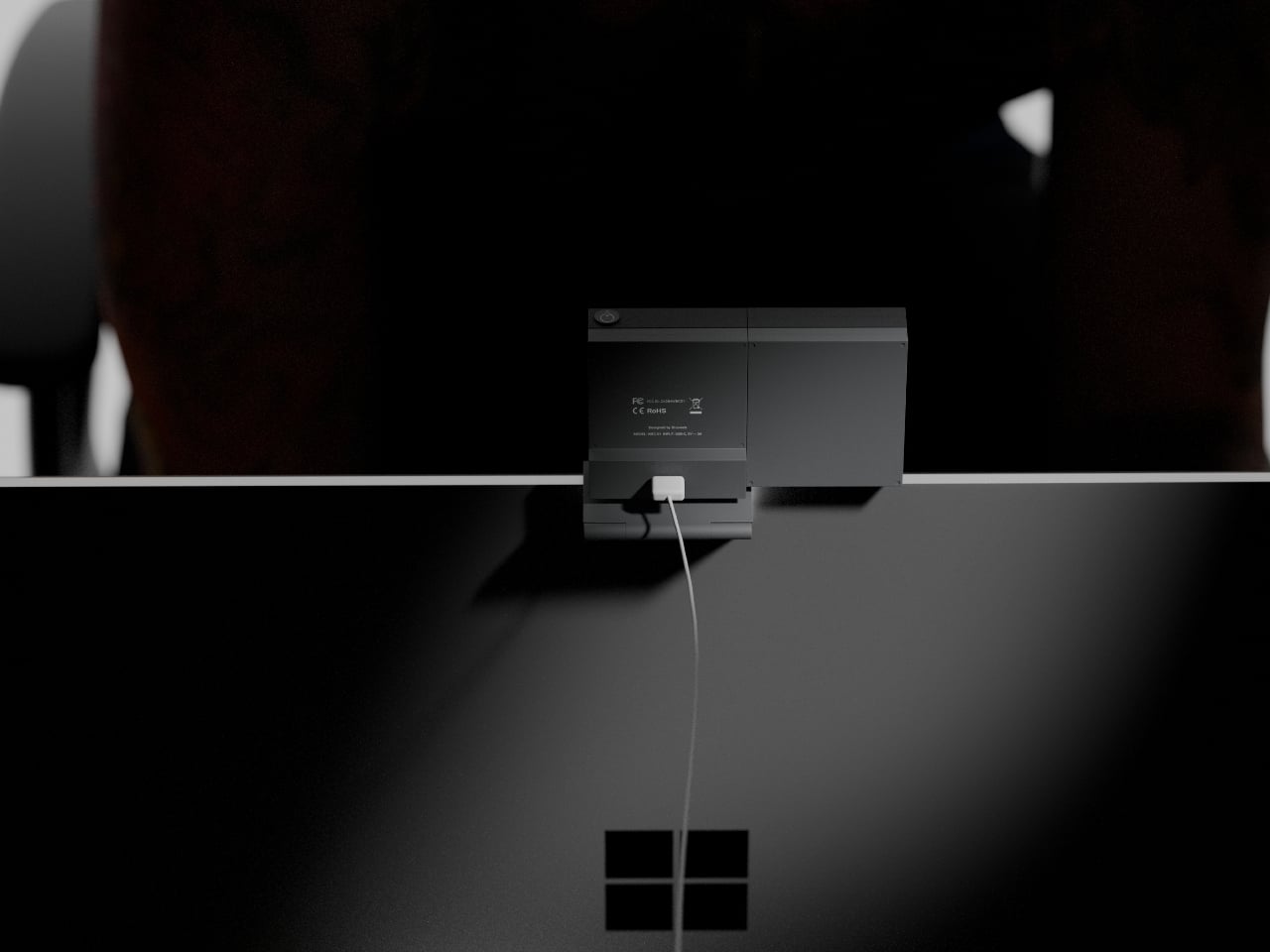
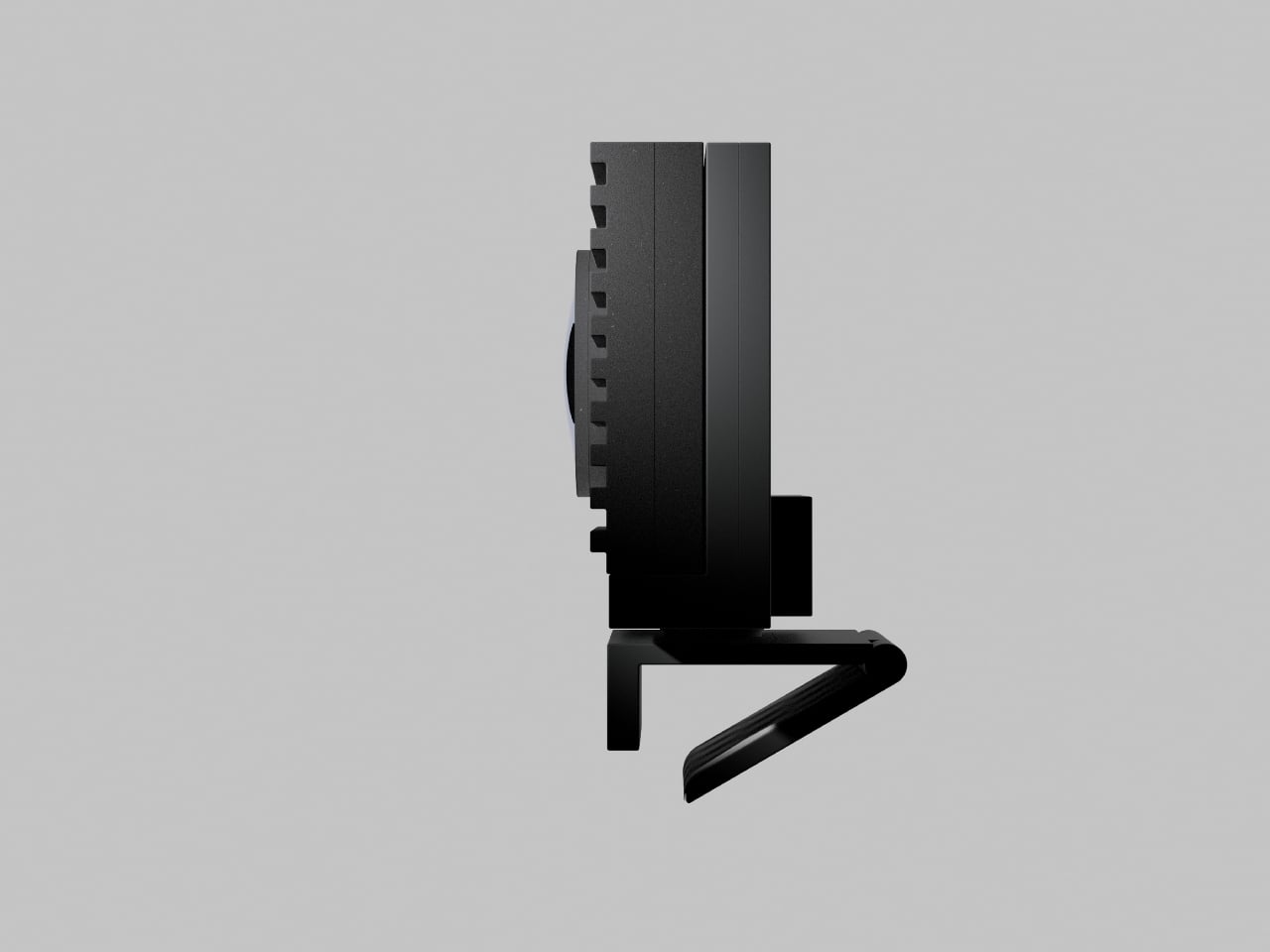
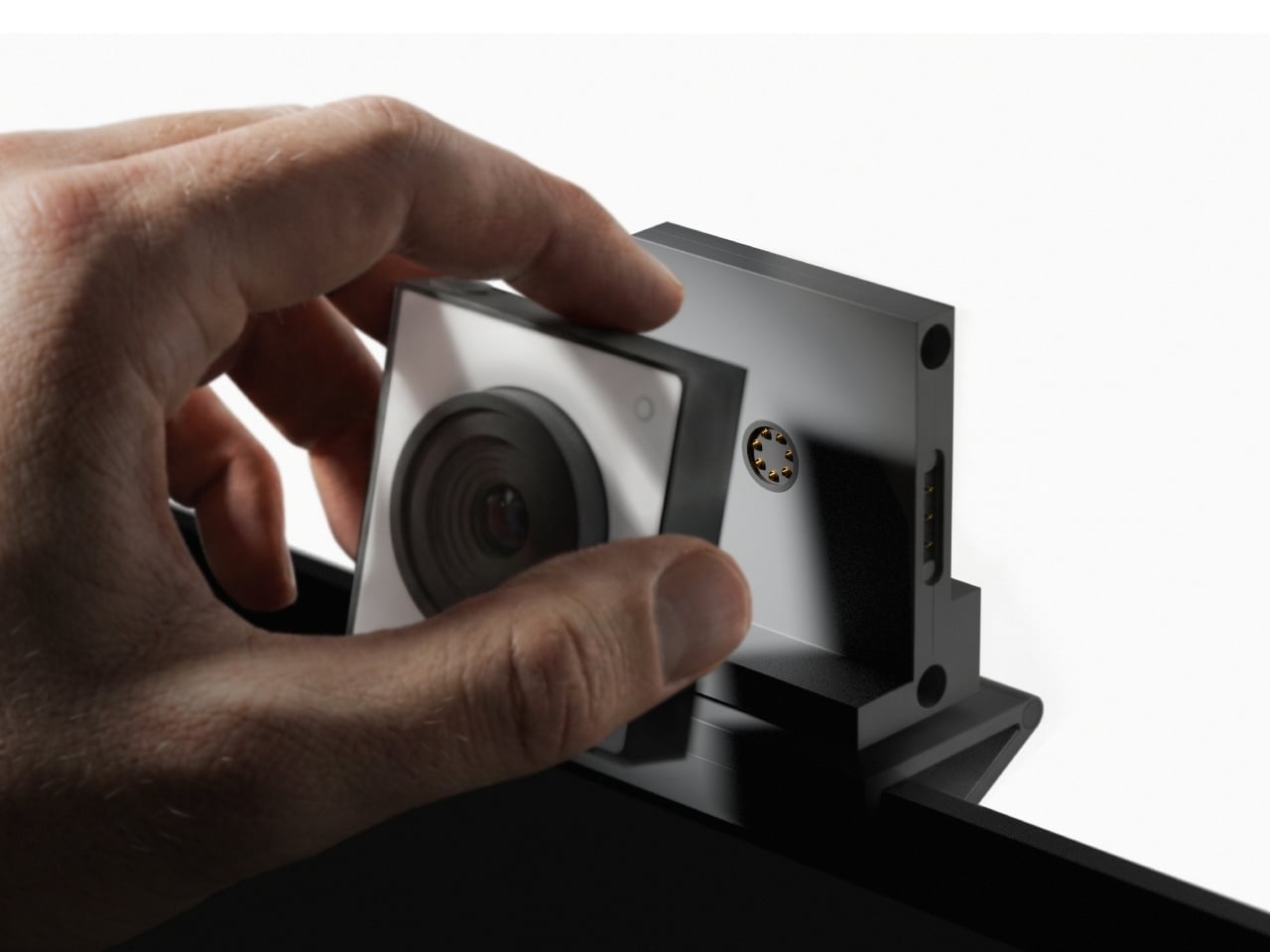
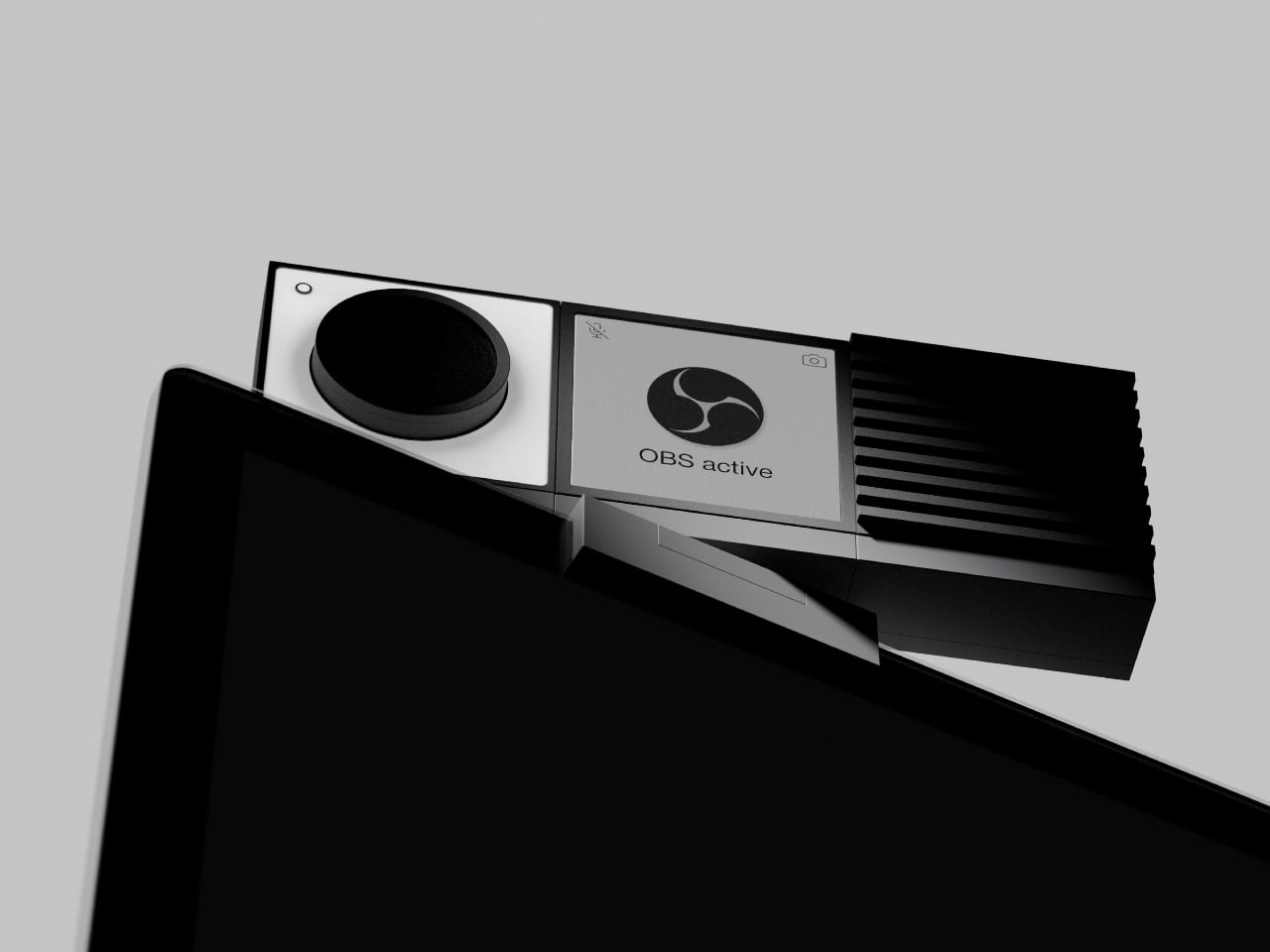
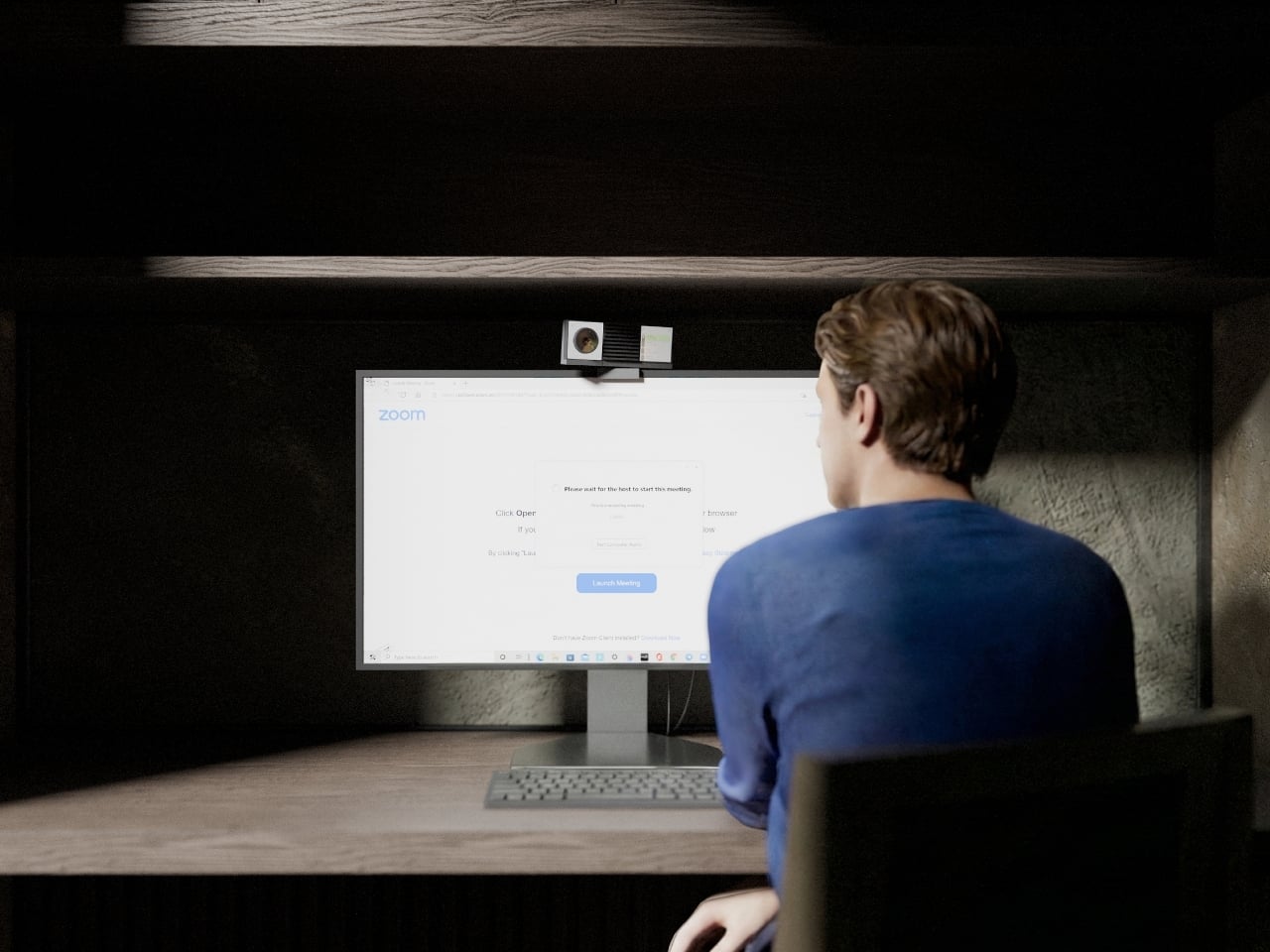
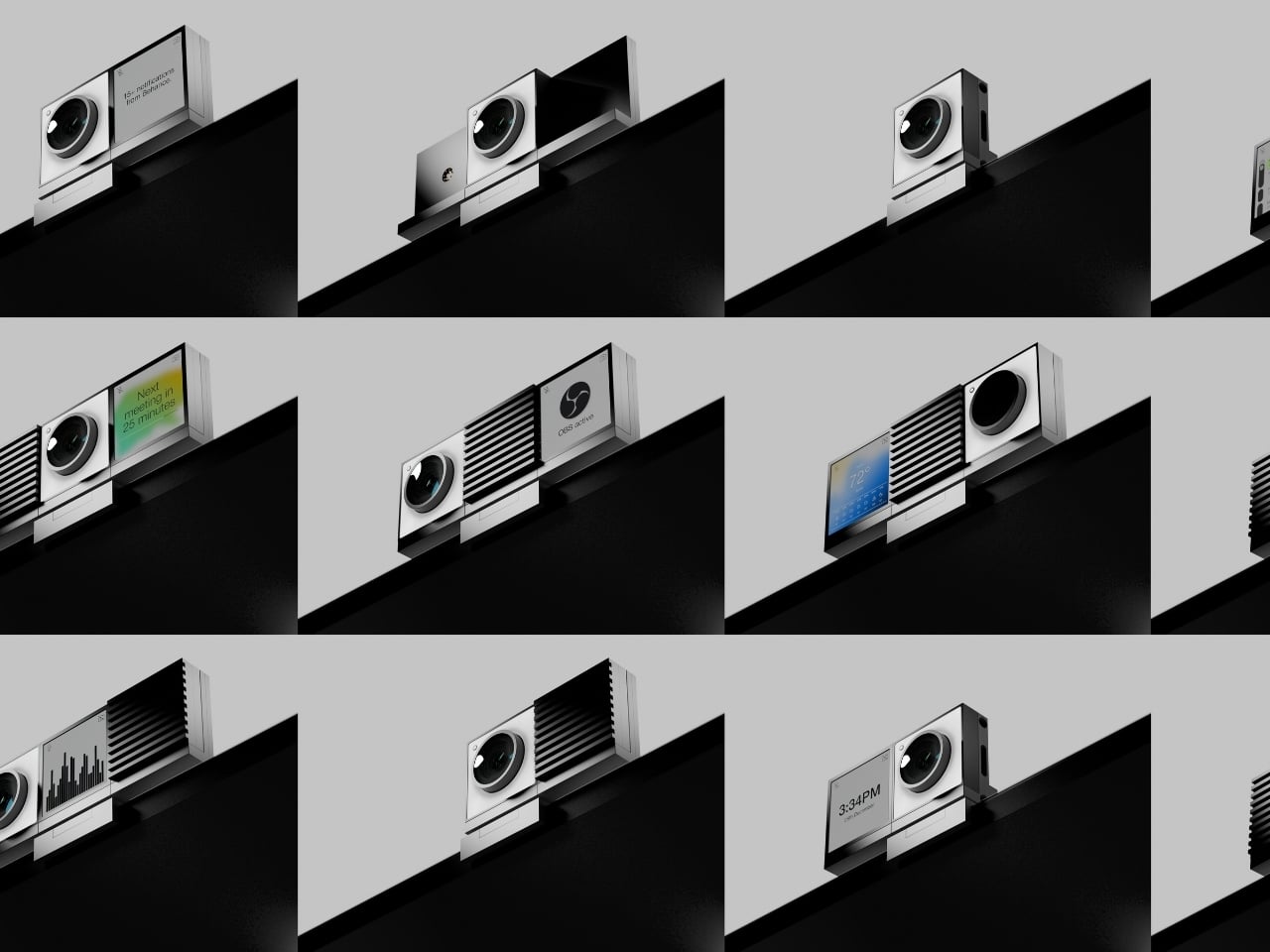
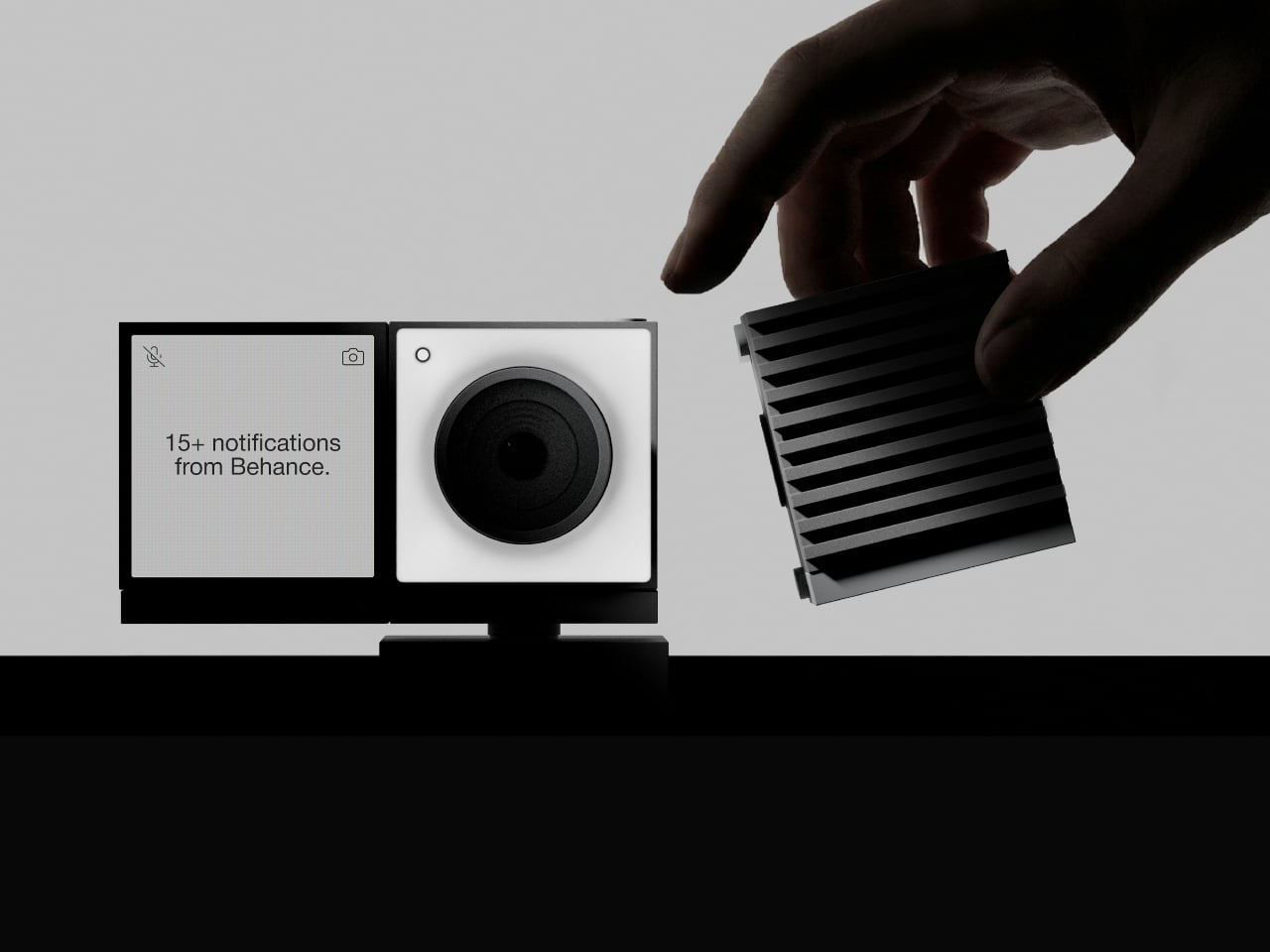
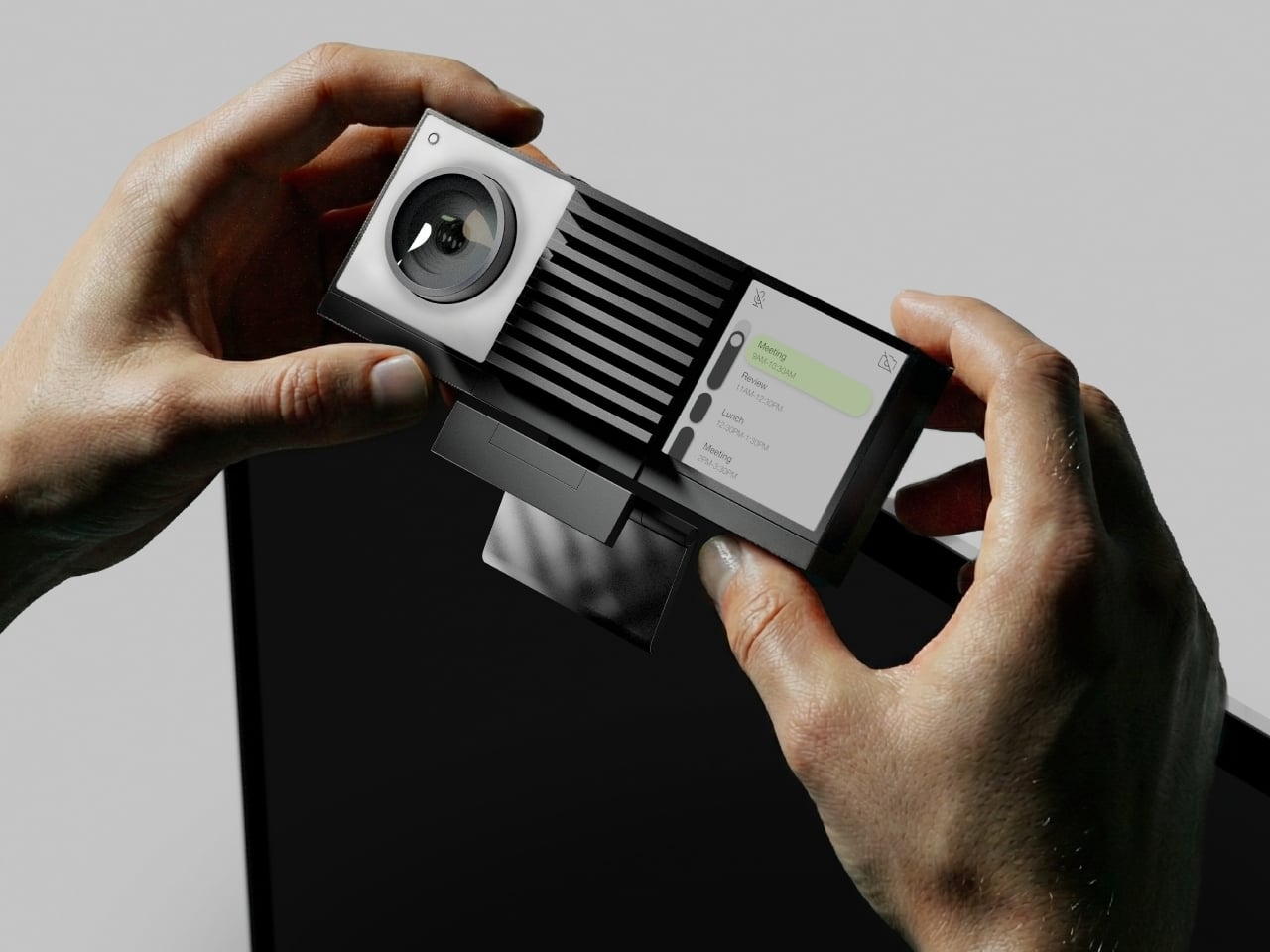
The system centers around a clean, minimal camera module that attaches to a shared backplate along with other components. Think of it like building blocks for your workspace. Need just a camera for quick video calls? Done. Want to add a microphone module for podcasting? Snap it on. Curious about that optional screen module? Add it to the mix. The beauty is that you’re not locked into one bulky all-in-one device that does everything poorly.

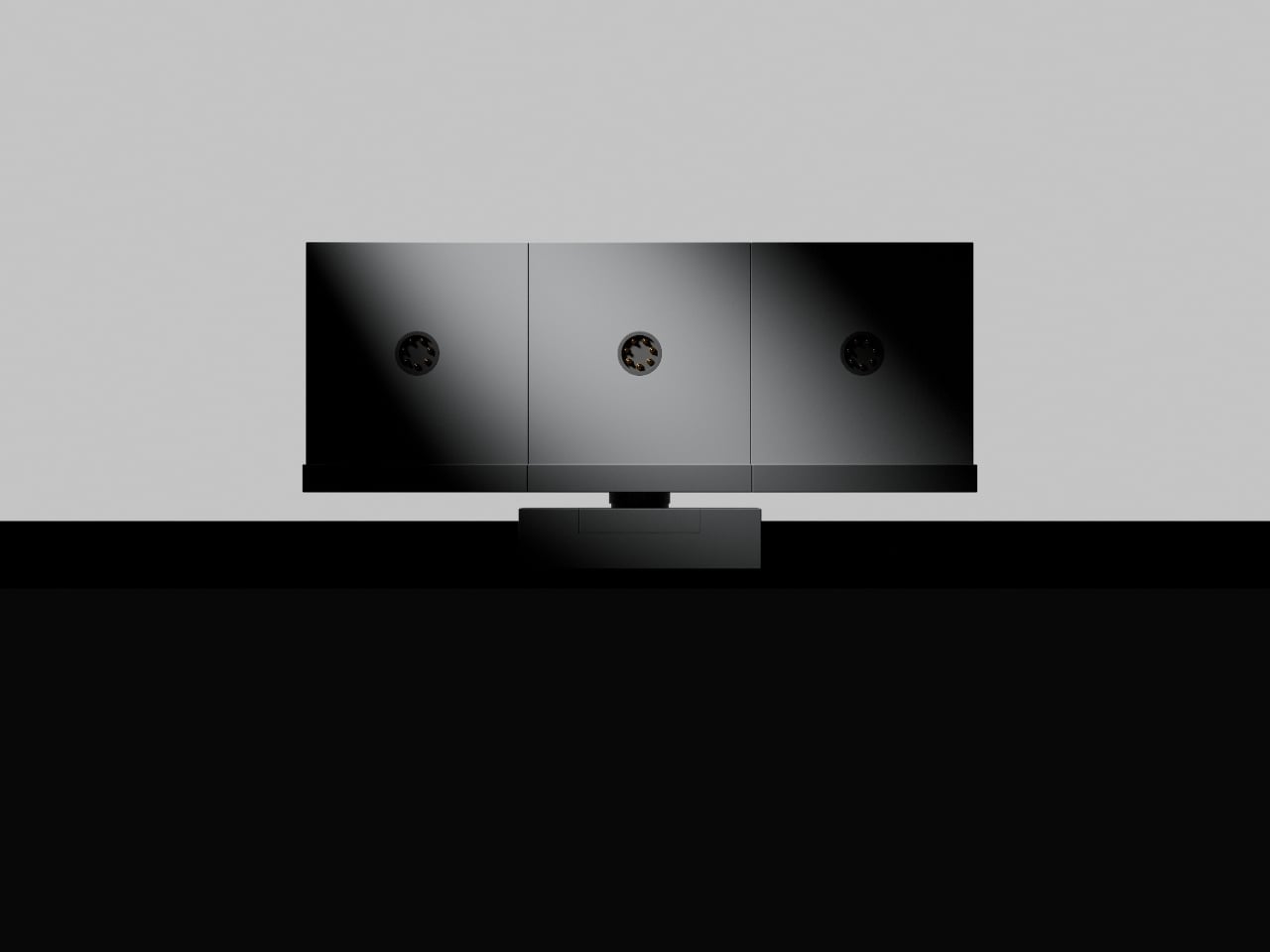
Here’s where it gets really interesting. Each module connects magnetically with pogo-pin contacts, so everything feels seamless and looks clean. But when you pop a module off the backplate, it’s completely disconnected from power and data. Not “software off” or “privacy mode enabled.” Actually off. Privacy becomes something you can feel in your hands rather than a setting you hope is working correctly.

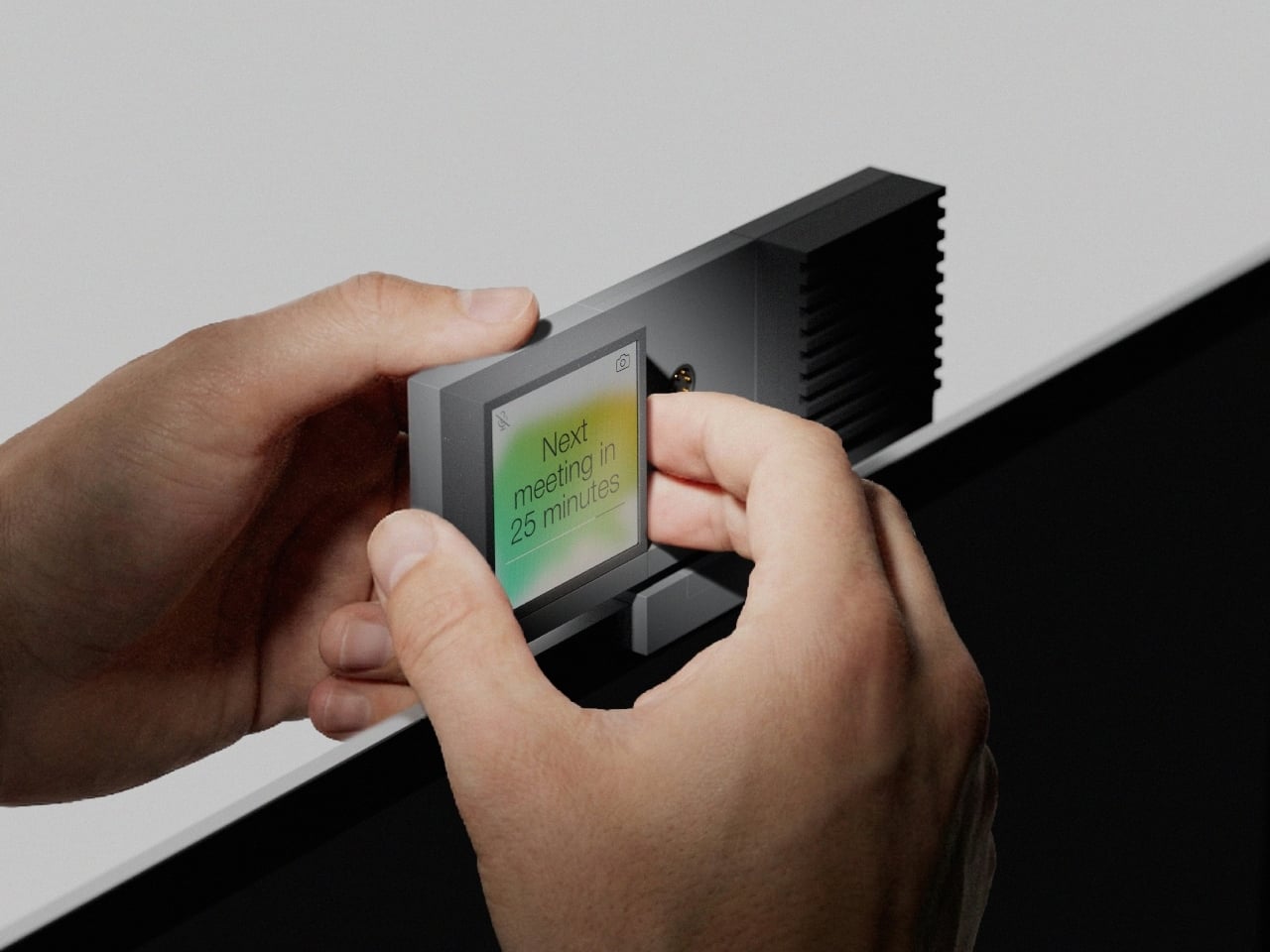
That optional screen module deserves its own moment. Instead of cramming in yet another interface demanding your attention, it acts as what Sharma calls a “confidence display.” It surfaces only the essentials: camera status, microphone status, whether you’re recording, upcoming meetings, weather, select notifications. The whole point is to read it at a glance without pulling your focus from your actual work. In a world where every device screams for attention, this kind of restraint feels almost radical.

The design language communicates all of this beautifully. NODE keeps a restrained rectangular geometry that blends into your workspace rather than trying to be the star of your desk setup. The backplate uses smooth matte plastic as a neutral foundation, while the modules themselves feature a subtly textured matte finish. That contrast isn’t just aesthetic; it helps you visually and tactilely understand what’s fixed and what’s removable. The system comes in black as the default, with blue, orange, and white options if you want a bit more personality.

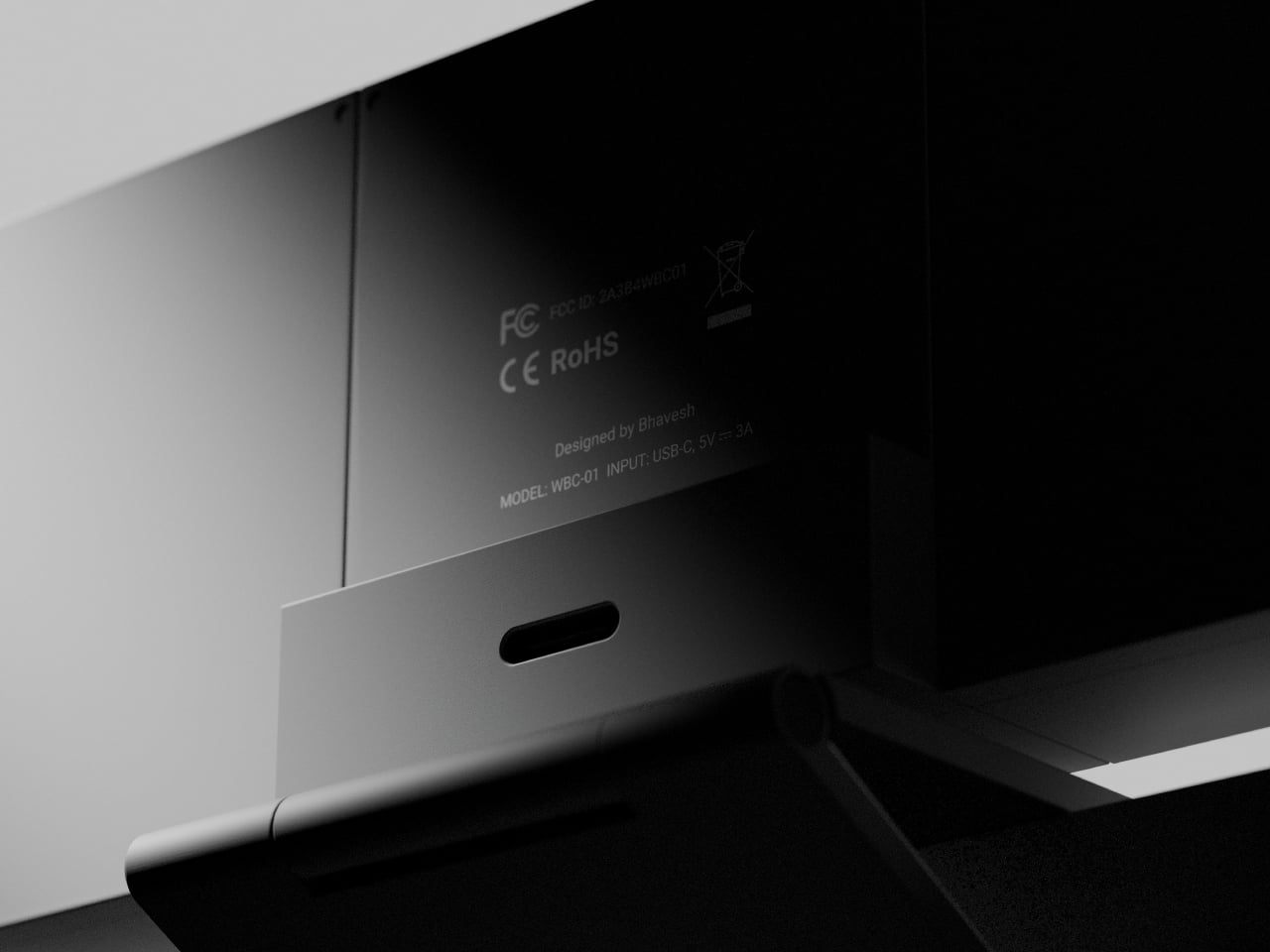
Setup is mercifully simple. Everything runs through a single USB-C connection, so you’re not drowning in cables. The magnetic alignment means modules snap into place without fussing, and the whole thing just works.

Now, let’s be clear about what NODE isn’t trying to do. This isn’t about revolutionizing image quality or replacing all your software controls. Sharma isn’t promising the crispest 4K video or AI-powered background removal. Instead, NODE focuses on something we’ve lost in our rush toward smarter, more connected devices: trust, awareness, and physical agency.

We’ve become so accustomed to abstract digital interfaces that we’ve forgotten how reassuring it is to actually control something with our hands. To see a component sitting on your desk and know, without doubt, that it’s not active. To build a workspace setup that matches how you actually work instead of adapting to what some company decided you need.

NODE is still a concept, which means you can’t buy it yet. But as a design exploration, it asks important questions about how we interact with the technology that’s constantly watching and listening. In a landscape where privacy feels increasingly theoretical, NODE offers something wonderfully tangible. It suggests that maybe the solution to our complicated relationship with always-on devices isn’t more software or better encryption. Maybe it’s just letting us unplug the parts we’re not using.

The post This Modular Webcam Lets You Physically Disconnect for Privacy first appeared on Yanko Design.
Claude Code Gets a 10x Speed Boost with New Tool Search

Claude Code Gets a 10x Speed Boost with New Tool Search

What if you could make your workflows not just faster, but ten times faster? Better Stack outlines how Claude Code’s latest update has transformed Model-Connected Plugin (MCP) functionality, delivering a staggering boost in speed and efficiency. By tackling long-standing challenges like token inefficiency and operational errors, this breakthrough introduces a smarter, leaner way to handle […]

The post Claude Code Gets a 10x Speed Boost with New Tool Search appeared first on Geeky Gadgets.

Posted in Uncategorized

Netflix will give WBD movies 45-day theater exclusivity if deal goes through

The fate of Warner Bros. Discovery remains the biggest story in Hollywood, with Paramount Skydance refusing to back down from its rival bid to the proposed Netflix acquisition of the company. If the Netflix deal does go through, the company’s co-chief executive, Ted Sarandos, has attempted to ease concerns around what that could mean for theaters.

In an interview with The New York Times, Sarandos responded to a question about his company’s commitment to the theatrical business by insisting that he has no interest in bringing a swift end to it. "We will run that business largely like it is today, with 45-day windows," he said. "I’m giving you a hard number. If we’re going to be in the theatrical business, and we are, we’re competitive people — we want to win. I want to win opening weekend. I want to win box office."

Prior to this new NYT interview’s publication, Deadline reported that it had been told by sources that Netflix was supportive of a 17-day window, which would obviously be far more damaging to theaters. This came after the Stranger Things finale reportedly banked north of $25m during its brief theatrical run over New Year’s Eve and New Year’s Day.

Sarandos was also asked if he regretted saying the theatrical business as we know it today is an "outmoded" idea. He told the NYT: "You have to listen to that quote again. I said 'outmoded for some.' I mean, like the town that 'Sinners' is supposed to be set in does not have a movie theater there. For those folks, it’s certainly outmoded. You’re not going to get in the car and go to the next town to go see a movie." (Movies are actually nascent technology in Sinners, which is set in the 1930s. Bad example, Ted!) He went on to explain that for someone like his daughter, who lives in Manhattan and has a number of theaters within walking distance of her home, the term does not apply in the same way.

The Netflix co-chief exec’s latest comments seem to be designed to appease theater owners as much as the movie-going public, after a number of chains opposed the proposed WBD sale. "Such an acquisition will further consolidate control over production and distribution of motion pictures in the hands of a single, dominant, global streaming platform in a market that is already highly concentrated," said trade organization Cinema United in a statement to Congress.

This article originally appeared on Engadget at https://www.engadget.com/entertainment/tv-movies/netflix-will-give-wbd-movies-45-day-theater-exclusivity-if-deal-goes-through-141223786.html?src=rss

iPhone Fold Leak: Specs, Features, and Release Date Details

iPhone Fold Leak: Specs, Features, and Release Date Details

Apple is reportedly preparing to unveil its first foldable iPhone, a device that could redefine the foldable smartphone market. With a design that emphasizes portability, usability, and seamless integration into Apple’s ecosystem, the iPhone Fold reflects the company’s dedication to innovation and user-focused design. This device is expected to set new benchmarks for functionality and […]

The post iPhone Fold Leak: Specs, Features, and Release Date Details appeared first on Geeky Gadgets.

Posted in Uncategorized

Meta is closing down its VR meeting rooms as part of its wider cull

Meta is killing the standalone Workrooms app on February 16, 2026. The company presented Workrooms as a virtual reality space where teams can meet and collaborate in an immersive environment when it launched the product. Now Meta says its Horizon platform has evolved enough to support “a wide range of productivity apps and tools,” so it “made the decision to discontinue Workrooms as a standalone app.”

The company recently slashed its spending on the metaverse and started the process to lay off more than 1,000 employees from its Reality Labs division. Due to those layoffs and organizational changes, it closed three of its VR studios. Reality Labs had lost more than $70 billion since 2021, and Meta told Engadget that it had decided to shift some of its investments from the metaverse towards wearables, such as its AI-powered Ray-Ban smart glasses. The company is also discontinuing Horizon managed services, its subscription service that helps organizations manage their Quest headsets, in February.

Users will no longer be able to access the Workrooms app or any of their data in it starting on February 16. Meta is allowing people to download their data if they need it until that date.

This article originally appeared on Engadget at https://www.engadget.com/big-tech/meta-is-closing-down-its-vr-meeting-rooms-as-part-of-its-wider-cull-140000422.html?src=rss