Control is one of my favorite adventure games of the last decade or so, a mind-bending trip through an ever-changing building where you get to use telekinesis to battle some pretty freaky enemies. It was a graphically-demanding game when it was released in 2019, but a lot can change in less than six years: Control: Ultimate Edition is now available on the iPhone and iPad for a mere $5, following its announcement last October. It’s a universal purchase, which means if you buy it it’ll work on the iPad, iPhone and Mac as well.
Developer Remedy promises that it’s the full Control experience, with the DLC episodes included. Remedy rebuilt the UI and controls to make it work on touchscreen devices; the company says that it has tweaked aiming and the various puzzles to make them work better for the iPad and iPhone. But naturally, the game also works with controllers. If you’re serious about having the best experience with the game, finding a way to play with physical controls is probably a good idea.
The game will run on iPhones with at least an A17 Pro chip. That includes the iPhone 15 Pro and Pro Max, as well all of the iPhone 16 and iPhone 17 series. Plenty of iPad models can run the game, as well — any iPad with an M-series chip or the A17 Pro will work. That means the current basic iPad, with its A16 processor, is left out of the fun. But any iPad Air or Pro from the last four years or so should be good to go.
I tried a test version of Control when I reviewed the new iPad Air recently and, unsurprisingly, the tablet’s M4 chip was more than powerful enough to make for a smooth experience. My main gripe is that when sprinting, you have to hold down the L3 button the entire time you’re running rather than just click it once, which is how it works on other platforms. Otherwise it looks and plays smoothly, though I can’t vouch for how it’ll perform on hardware older than the M4 from 2024.
Control marks the latest “AAA” title to hit the iPad and iPhone. Apple has aggressively courted developers for its platforms in recent years, and while most games don’t hit the Mac or iOS when they launch, more and more are showing up eventually. There are multiple recent Resident Evil titles for the iPad, and other games like Death Stranding and Assassin’s Creed Mirage have been ported recently as well. There are others on the Mac as well, including demanding titles like Cyberpunk 2077 and Lies of P. Apple’s platforms aren’t going to be an avid gamer’s first stop still, but having high-profile games to supplement the many indie titles available helps round out the options for Apple users.
This article originally appeared on Engadget at https://www.engadget.com/gaming/control-ultimate-edition-is-out-for-the-iphone-and-ipad-150532940.html?src=rss
Tim Cook’s tenure as Apple CEO ends September 1 when he takes the role of executive chair. He will be replaced by John Ternus, a 25-year Apple veteran and head of its hardware engineering division. I get the sense Cook’s professional obituaries will focus on his steady hand, execution success and lack of intra-company drama. All of those are virtues but I suspect the media, ever in love with a narrative of its own concoction, will use them as cudgels. Consider this an attempt to balance the record ahead of Cook’s damning with the faintest of praise.
Cook is quiet and private, making it easy to paint him as a bland managerialist who coasted on the success of the iPhone. In Ternus, Apple once again has a “product guy” at its helm, a term loaded with enough subtext to sink a battleship. You can feel the implication that it’s only “product guys” who have the vision, taste and knowledge to innovate. By extension, Cook was never "a real nerd," but an empty finance guy that never understood what makes Apple tick.
If there’s one thing Silicon Valley loves more than money, it’s a mercurial genius upon whom they can rest their dreams. Figures with a capital-V vision who invent new product categories with a flick of a wrist, captains of industry who inspire awe and devotion. And making enough money that even a Rockefeller would start thinking "gosh, that’s a bit much."
The Jobsian myth-making obscures his talents and minimizes the number of misses he had along the way. Jobs’ first tenure at Apple ended in failure and NeXT, for all its innovation, didn’t survive as a standalone hardware maker. Many of his ideas were too big and ambitious to succeed and his refusal to compromise made them sink. His time in the wilderness made him a better manager, and a far better storyteller. But to suggest Jobs was gifted with Midas’ touch is wrong, since for all his vision and taste, he needed strong execution.
Kimberly White via Getty Images
It doesn’t help that Jobs is the ur-example of Silicon Valley’s tech genius founder which means so many there have never stopped looking for his successor. The title of “the next Steve Jobs” has been diluted to the point of meaninglessness at this point given the list of nominees. Those include Elizabeth Holmes, Elon Musk, Adam Neumann, Trevor Milton, Sam Altman and Travis Kalanick. Given that sort of company, I’m sure Cook is delighted when people say he’s no Steve Jobs.
I suspect, in part, Cook was seen as a mere employee (derogatory) rather than a startup founder who built something himself. That obscures his success, first at IBM and Intelligent Electronics where he took up a COO role at 34. Even in an industry that treasures youth, I doubt these companies would elevate someone as young as Cook unless he was damn good. And when he got to Apple in 1998, his role was to make the wheels of the company turn. We may laud Jobs and Ive for dreaming up the products but, to quote Jobs himself, “real artists ship.” By that metric, Cook was the real artist.
When Cook took over as Apple CEO, it was just weeks before Jobs passed away, in what must have been a very hard time. Holding the company together after such a shock while grieving for your own loss must have been an enormous challenge. And while Cook had Jobs’ army of lieutenants around him, it was upon Cook to actually lead that team. That he then took Apple to the outrageous success it is today is proof of his ability to actually make things happen. Think about how it was Cook that used Apple’s initial success to make good deals with manufacturers that wound up boxing out so many of its rivals.
I’m sure Cook lacks the taste and vision of a Jobs or an Ive, and instead relies upon the skill of his team. I’m not sure why that would be painted as a bad thing given the roster of people Apple pays to have such taste. If Cook is lacking in taste, he’s not lacking in humility, and clearly knows well enough to not meddle in things. Friends, that’s not the sign of a bad leader, it’s the sign of a good one, who makes his team feel trusted, respected, and listened to. Think about how rapidly Cook democratized the Apple keynotes, making stars of many of its senior executives, rather than trying to put on a Steve Jobs tribute act.
His tenure as CEO wasn’t flawless: Hiring John Browett to replace Ron Johnson at Retail was an early error — but one that Cook was smart enough to correct just six months later. The power struggles with Scott Forstall could be a miss given Ive’s instincts around user interface design. On the product front, we had the embarrassment of AirPower, the stop-start work on the Mac Pro and the muted rollout of the Vision Pro. The lack of proactive management of the App Store and the opacity of its workings counts as a big strike, too. I’m sure we’ll get some chatter about the Apple Car project from people who thought that was ever a good idea.
As for the Trump Stuff(™), I have some sympathy for Cook, who probably didn’t expect to play diplomat when he took the job. His ties to the current administration have tainted his reputation, even if his engagement seems finely calibrated. As CEO of Apple, he’s responsible for around 170,000 people and has legal obligations as the head of a public company. As much as he may wish to flick the bird at the Commander in Chief, he has to tread a fine line. And it will be for him to wrestle with his own conscience to decide if he did the right thing down the line.
One of the pitfalls of a sustained period of success is that people lose sight of how things were in the bad old days. You can anticipate the editorials saying Cook “failed” on AI because he wisely avoided not launching head-first into a boondoggle. “Failed” on launching a new product category in the post-Jobs world, even though the Apple Watch and AirPods are, on their own, a bigger business than some major corporations. “Failed” by building a subscription and services business despite every single hardware company in the world doing the same thing.
I'd say Cook's judgment was far better than anyone has given him credit for, and he's made plenty of earth-shattering changes of his own. Think about Apple Silicon and how it has upended the order of things in the chip world, almost inadvertently taking a wrecking ball to Intel's dominance. A technology transition that was so seamless, so undramatic, and yet with so many dividends, that the idea of Apple using other people's chips in its hardware feels like ancient history.
To all of those people, I’d say look — look! — with your own stupid eyes at the MacBook Neo. Look at a company that found a way to produce hardware like that, with performance like that, for that sort of price! The MacBook Neo is so good and so cheap that it’s made the rest of the consumer electronics industry look like incompetents. It may not be a shiny new gadget you can show off to the envy of your early adopter friends, but it’s going to make a meaningful difference for countless people.
We can all agree that no kid is going to hang a poster of Tim Cook on their bedroom wall in the same way they might with Jobs, or even Musk. I don’t think that’s a bad thing, because Cook’s legacy isn’t in headlines or fawning biopics, it’s in a legacy of actually getting things done.
This article originally appeared on Engadget at https://www.engadget.com/big-tech/heres-to-the-stable-ones-in-praise-of-tim-cook-144850435.html?src=rss
Tim Cook’s tenure as Apple CEO ends September 1 when he takes the role of executive chair. He will be replaced by John Ternus, a 25-year Apple veteran and head of its hardware engineering division. I get the sense Cook’s professional obituaries will focus on his steady hand, execution success and lack of intra-company drama. All of those are virtues but I suspect the media, ever in love with a narrative of its own concoction, will use them as cudgels. Consider this an attempt to balance the record ahead of Cook’s damning with the faintest of praise.
Cook is quiet and private, making it easy to paint him as a bland managerialist who coasted on the success of the iPhone. In Ternus, Apple once again has a “product guy” at its helm, a term loaded with enough subtext to sink a battleship. You can feel the implication that it’s only “product guys” who have the vision, taste and knowledge to innovate. By extension, Cook was never "a real nerd," but an empty finance guy that never understood what makes Apple tick.
If there’s one thing Silicon Valley loves more than money, it’s a mercurial genius upon whom they can rest their dreams. Figures with a capital-V vision who invent new product categories with a flick of a wrist, captains of industry who inspire awe and devotion. And making enough money that even a Rockefeller would start thinking "gosh, that’s a bit much."
The Jobsian myth-making obscures his talents and minimizes the number of misses he had along the way. Jobs’ first tenure at Apple ended in failure and NeXT, for all its innovation, didn’t survive as a standalone hardware maker. Many of his ideas were too big and ambitious to succeed and his refusal to compromise made them sink. His time in the wilderness made him a better manager, and a far better storyteller. But to suggest Jobs was gifted with Midas’ touch is wrong, since for all his vision and taste, he needed strong execution.
Kimberly White via Getty Images
It doesn’t help that Jobs is the ur-example of Silicon Valley’s tech genius founder which means so many there have never stopped looking for his successor. The title of “the next Steve Jobs” has been diluted to the point of meaninglessness at this point given the list of nominees. Those include Elizabeth Holmes, Elon Musk, Adam Neumann, Trevor Milton, Sam Altman and Travis Kalanick. Given that sort of company, I’m sure Cook is delighted when people say he’s no Steve Jobs.
I suspect, in part, Cook was seen as a mere employee (derogatory) rather than a startup founder who built something himself. That obscures his success, first at IBM and Intelligent Electronics where he took up a COO role at 34. Even in an industry that treasures youth, I doubt these companies would elevate someone as young as Cook unless he was damn good. And when he got to Apple in 1998, his role was to make the wheels of the company turn. We may laud Jobs and Ive for dreaming up the products but, to quote Jobs himself, “real artists ship.” By that metric, Cook was the real artist.
When Cook took over as Apple CEO, it was just weeks before Jobs passed away, in what must have been a very hard time. Holding the company together after such a shock while grieving for your own loss must have been an enormous challenge. And while Cook had Jobs’ army of lieutenants around him, it was upon Cook to actually lead that team. That he then took Apple to the outrageous success it is today is proof of his ability to actually make things happen. Think about how it was Cook that used Apple’s initial success to make good deals with manufacturers that wound up boxing out so many of its rivals.
I’m sure Cook lacks the taste and vision of a Jobs or an Ive, and instead relies upon the skill of his team. I’m not sure why that would be painted as a bad thing given the roster of people Apple pays to have such taste. If Cook is lacking in taste, he’s not lacking in humility, and clearly knows well enough to not meddle in things. Friends, that’s not the sign of a bad leader, it’s the sign of a good one, who makes his team feel trusted, respected, and listened to. Think about how rapidly Cook democratized the Apple keynotes, making stars of many of its senior executives, rather than trying to put on a Steve Jobs tribute act.
His tenure as CEO wasn’t flawless: Hiring John Browett to replace Ron Johnson at Retail was an early error — but one that Cook was smart enough to correct just six months later. The power struggles with Scott Forstall could be a miss given Ive’s instincts around user interface design. On the product front, we had the embarrassment of AirPower, the stop-start work on the Mac Pro and the muted rollout of the Vision Pro. The lack of proactive management of the App Store and the opacity of its workings counts as a big strike, too. I’m sure we’ll get some chatter about the Apple Car project from people who thought that was ever a good idea.
As for the Trump Stuff(™), I have some sympathy for Cook, who probably didn’t expect to play diplomat when he took the job. His ties to the current administration have tainted his reputation, even if his engagement seems finely calibrated. As CEO of Apple, he’s responsible for around 170,000 people and has legal obligations as the head of a public company. As much as he may wish to flick the bird at the Commander in Chief, he has to tread a fine line. And it will be for him to wrestle with his own conscience to decide if he did the right thing down the line.
One of the pitfalls of a sustained period of success is that people lose sight of how things were in the bad old days. You can anticipate the editorials saying Cook “failed” on AI because he wisely avoided not launching head-first into a boondoggle. “Failed” on launching a new product category in the post-Jobs world, even though the Apple Watch and AirPods are, on their own, a bigger business than some major corporations. “Failed” by building a subscription and services business despite every single hardware company in the world doing the same thing.
I'd say Cook's judgment was far better than anyone has given him credit for, and he's made plenty of earth-shattering changes of his own. Think about Apple Silicon and how it has upended the order of things in the chip world, almost inadvertently taking a wrecking ball to Intel's dominance. A technology transition that was so seamless, so undramatic, and yet with so many dividends, that the idea of Apple using other people's chips in its hardware feels like ancient history.
To all of those people, I’d say look — look! — with your own stupid eyes at the MacBook Neo. Look at a company that found a way to produce hardware like that, with performance like that, for that sort of price! The MacBook Neo is so good and so cheap that it’s made the rest of the consumer electronics industry look like incompetents. It may not be a shiny new gadget you can show off to the envy of your early adopter friends, but it’s going to make a meaningful difference for countless people.
We can all agree that no kid is going to hang a poster of Tim Cook on their bedroom wall in the same way they might with Jobs, or even Musk. I don’t think that’s a bad thing, because Cook’s legacy isn’t in headlines or fawning biopics, it’s in a legacy of actually getting things done.
This article originally appeared on Engadget at https://www.engadget.com/big-tech/heres-to-the-stable-ones-in-praise-of-tim-cook-144850435.html?src=rss
Tim Cook’s tenure as Apple CEO ends September 1 when he takes the role of executive chair. He will be replaced by John Ternus, a 25-year Apple veteran and head of its hardware engineering division. I get the sense Cook’s professional obituaries will focus on his steady hand, execution success and lack of intra-company drama. All of those are virtues but I suspect the media, ever in love with a narrative of its own concoction, will use them as cudgels. Consider this an attempt to balance the record ahead of Cook’s damning with the faintest of praise.
Cook is quiet and private, making it easy to paint him as a bland managerialist who coasted on the success of the iPhone. In Ternus, Apple once again has a “product guy” at its helm, a term loaded with enough subtext to sink a battleship. You can feel the implication that it’s only “product guys” who have the vision, taste and knowledge to innovate. By extension, Cook was never "a real nerd," but an empty finance guy that never understood what makes Apple tick.
If there’s one thing Silicon Valley loves more than money, it’s a mercurial genius upon whom they can rest their dreams. Figures with a capital-V vision who invent new product categories with a flick of a wrist, captains of industry who inspire awe and devotion. And making enough money that even a Rockefeller would start thinking "gosh, that’s a bit much."
The Jobsian myth-making obscures his talents and minimizes the number of misses he had along the way. Jobs’ first tenure at Apple ended in failure and NeXT, for all its innovation, didn’t survive as a standalone hardware maker. Many of his ideas were too big and ambitious to succeed and his refusal to compromise made them sink. His time in the wilderness made him a better manager, and a far better storyteller. But to suggest Jobs was gifted with Midas’ touch is wrong, since for all his vision and taste, he needed strong execution.
Kimberly White via Getty Images
It doesn’t help that Jobs is the ur-example of Silicon Valley’s tech genius founder which means so many there have never stopped looking for his successor. The title of “the next Steve Jobs” has been diluted to the point of meaninglessness at this point given the list of nominees. Those include Elizabeth Holmes, Elon Musk, Adam Neumann, Trevor Milton, Sam Altman and Travis Kalanick. Given that sort of company, I’m sure Cook is delighted when people say he’s no Steve Jobs.
I suspect, in part, Cook was seen as a mere employee (derogatory) rather than a startup founder who built something himself. That obscures his success, first at IBM and Intelligent Electronics where he took up a COO role at 34. Even in an industry that treasures youth, I doubt these companies would elevate someone as young as Cook unless he was damn good. And when he got to Apple in 1998, his role was to make the wheels of the company turn. We may laud Jobs and Ive for dreaming up the products but, to quote Jobs himself, “real artists ship.” By that metric, Cook was the real artist.
When Cook took over as Apple CEO, it was just weeks before Jobs passed away, in what must have been a very hard time. Holding the company together after such a shock while grieving for your own loss must have been an enormous challenge. And while Cook had Jobs’ army of lieutenants around him, it was upon Cook to actually lead that team. That he then took Apple to the outrageous success it is today is proof of his ability to actually make things happen. Think about how it was Cook that used Apple’s initial success to make good deals with manufacturers that wound up boxing out so many of its rivals.
I’m sure Cook lacks the taste and vision of a Jobs or an Ive, and instead relies upon the skill of his team. I’m not sure why that would be painted as a bad thing given the roster of people Apple pays to have such taste. If Cook is lacking in taste, he’s not lacking in humility, and clearly knows well enough to not meddle in things. Friends, that’s not the sign of a bad leader, it’s the sign of a good one, who makes his team feel trusted, respected, and listened to. Think about how rapidly Cook democratized the Apple keynotes, making stars of many of its senior executives, rather than trying to put on a Steve Jobs tribute act.
His tenure as CEO wasn’t flawless: Hiring John Browett to replace Ron Johnson at Retail was an early error — but one that Cook was smart enough to correct just six months later. The power struggles with Scott Forstall could be a miss given Ive’s instincts around user interface design. On the product front, we had the embarrassment of AirPower, the stop-start work on the Mac Pro and the muted rollout of the Vision Pro. The lack of proactive management of the App Store and the opacity of its workings counts as a big strike, too. I’m sure we’ll get some chatter about the Apple Car project from people who thought that was ever a good idea.
As for the Trump Stuff(™), I have some sympathy for Cook, who probably didn’t expect to play diplomat when he took the job. His ties to the current administration have tainted his reputation, even if his engagement seems finely calibrated. As CEO of Apple, he’s responsible for around 170,000 people and has legal obligations as the head of a public company. As much as he may wish to flick the bird at the Commander in Chief, he has to tread a fine line. And it will be for him to wrestle with his own conscience to decide if he did the right thing down the line.
One of the pitfalls of a sustained period of success is that people lose sight of how things were in the bad old days. You can anticipate the editorials saying Cook “failed” on AI because he wisely avoided not launching head-first into a boondoggle. “Failed” on launching a new product category in the post-Jobs world, even though the Apple Watch and AirPods are, on their own, a bigger business than some major corporations. “Failed” by building a subscription and services business despite every single hardware company in the world doing the same thing.
I'd say Cook's judgment was far better than anyone has given him credit for, and he's made plenty of earth-shattering changes of his own. Think about Apple Silicon and how it has upended the order of things in the chip world, almost inadvertently taking a wrecking ball to Intel's dominance. A technology transition that was so seamless, so undramatic, and yet with so many dividends, that the idea of Apple using other people's chips in its hardware feels like ancient history.
To all of those people, I’d say look — look! — with your own stupid eyes at the MacBook Neo. Look at a company that found a way to produce hardware like that, with performance like that, for that sort of price! The MacBook Neo is so good and so cheap that it’s made the rest of the consumer electronics industry look like incompetents. It may not be a shiny new gadget you can show off to the envy of your early adopter friends, but it’s going to make a meaningful difference for countless people.
We can all agree that no kid is going to hang a poster of Tim Cook on their bedroom wall in the same way they might with Jobs, or even Musk. I don’t think that’s a bad thing, because Cook’s legacy isn’t in headlines or fawning biopics, it’s in a legacy of actually getting things done.
This article originally appeared on Engadget at https://www.engadget.com/big-tech/heres-to-the-stable-ones-in-praise-of-tim-cook-144850435.html?src=rss
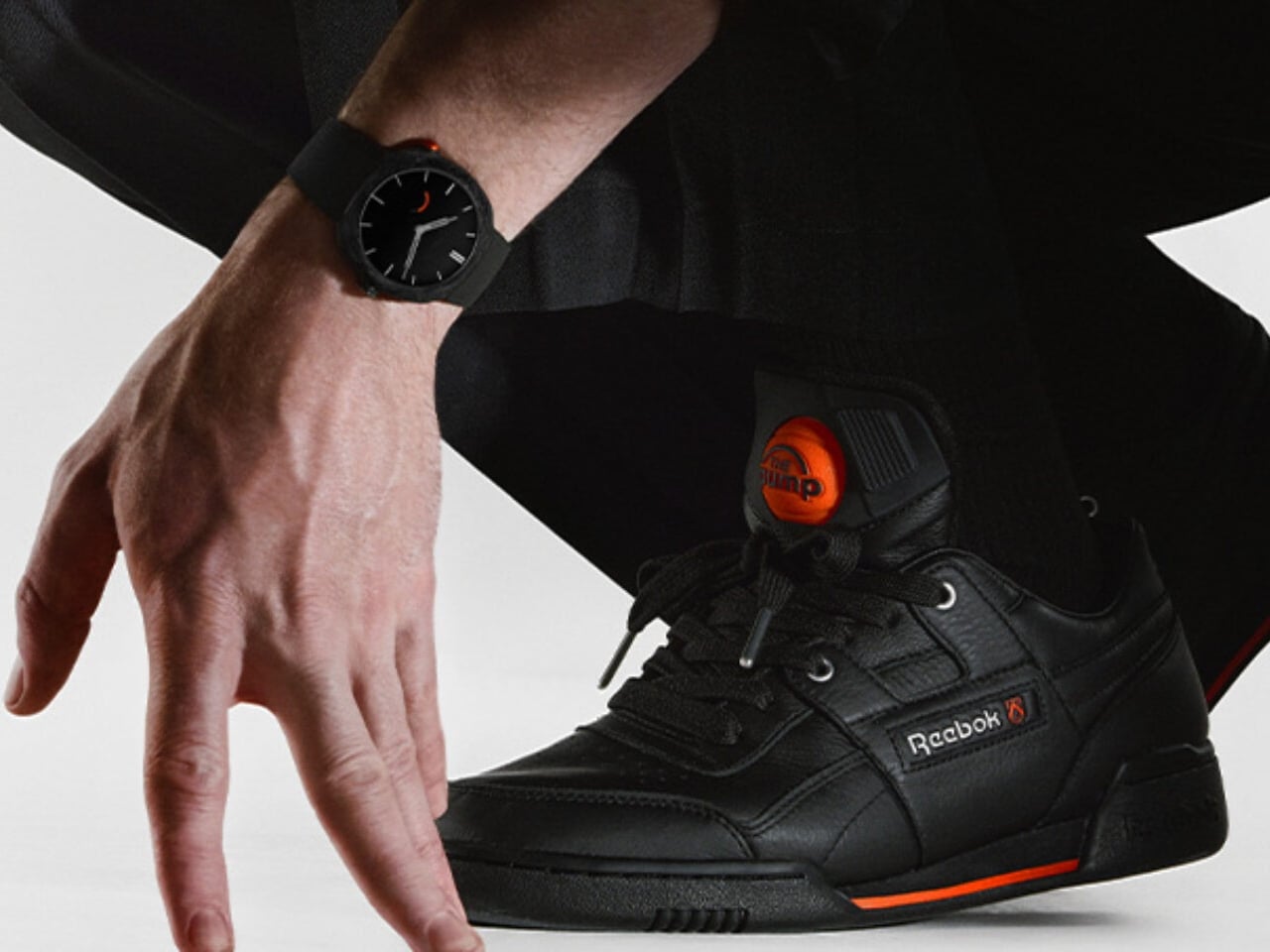
If you grew up in the ’90s, the Reebok Pump holds a very specific kind of real estate in your memory. Not just a sneaker, but a ritual. You pressed that little orange basketball on the tongue, felt the shoe hug tighter around your foot, and somehow convinced yourself you were faster because of it. It was tactile, interactive, and deeply, almost irrationally satisfying. For a generation of kids, it was also the coolest piece of technology they had ever touched.
So when I heard that H. Moser & Cie. had collaborated with Reebok to translate that exact gesture into a Swiss watch complication, I had two immediate and simultaneous reactions: that’s absurd, and I need to know everything about it.
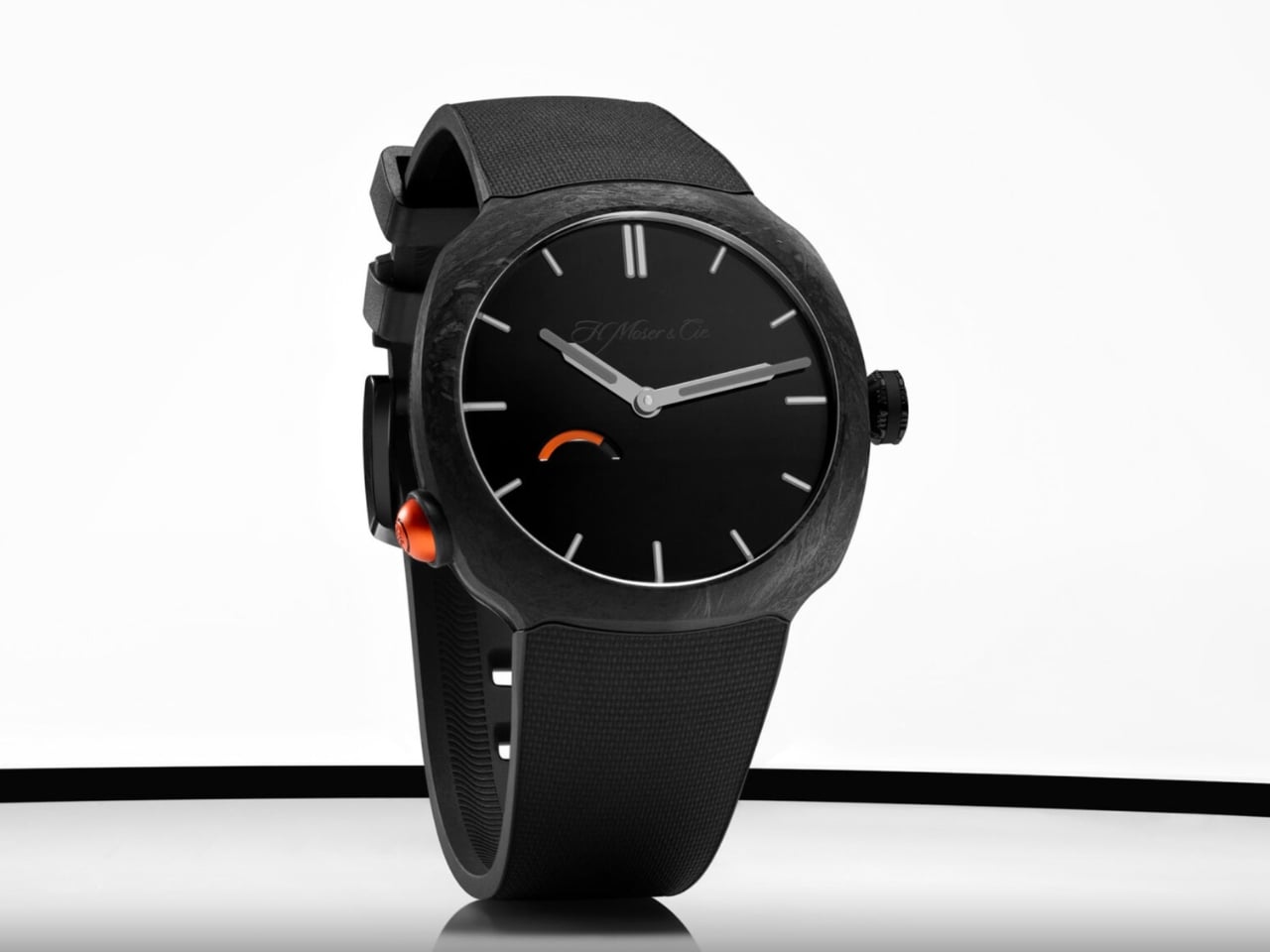
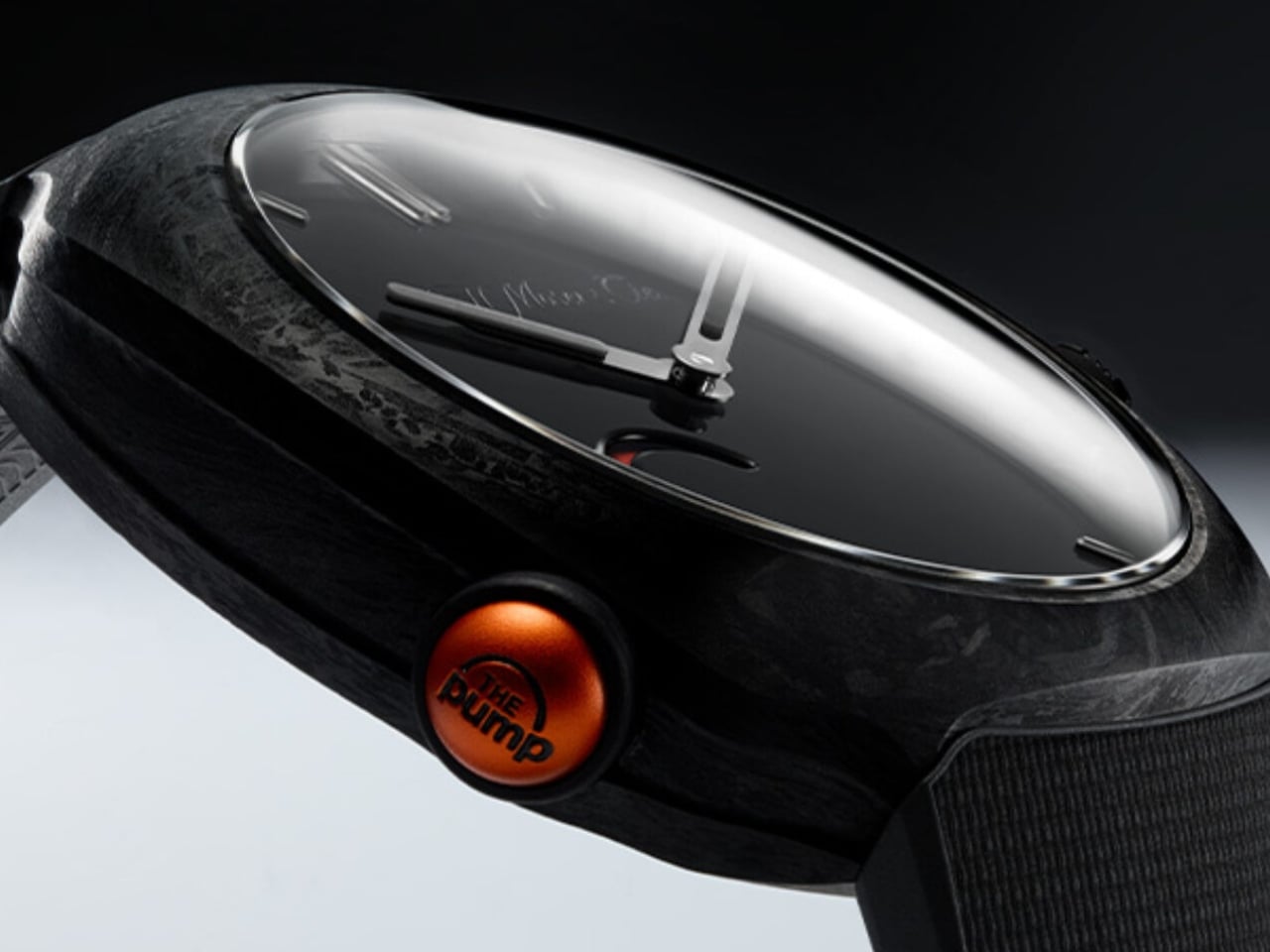
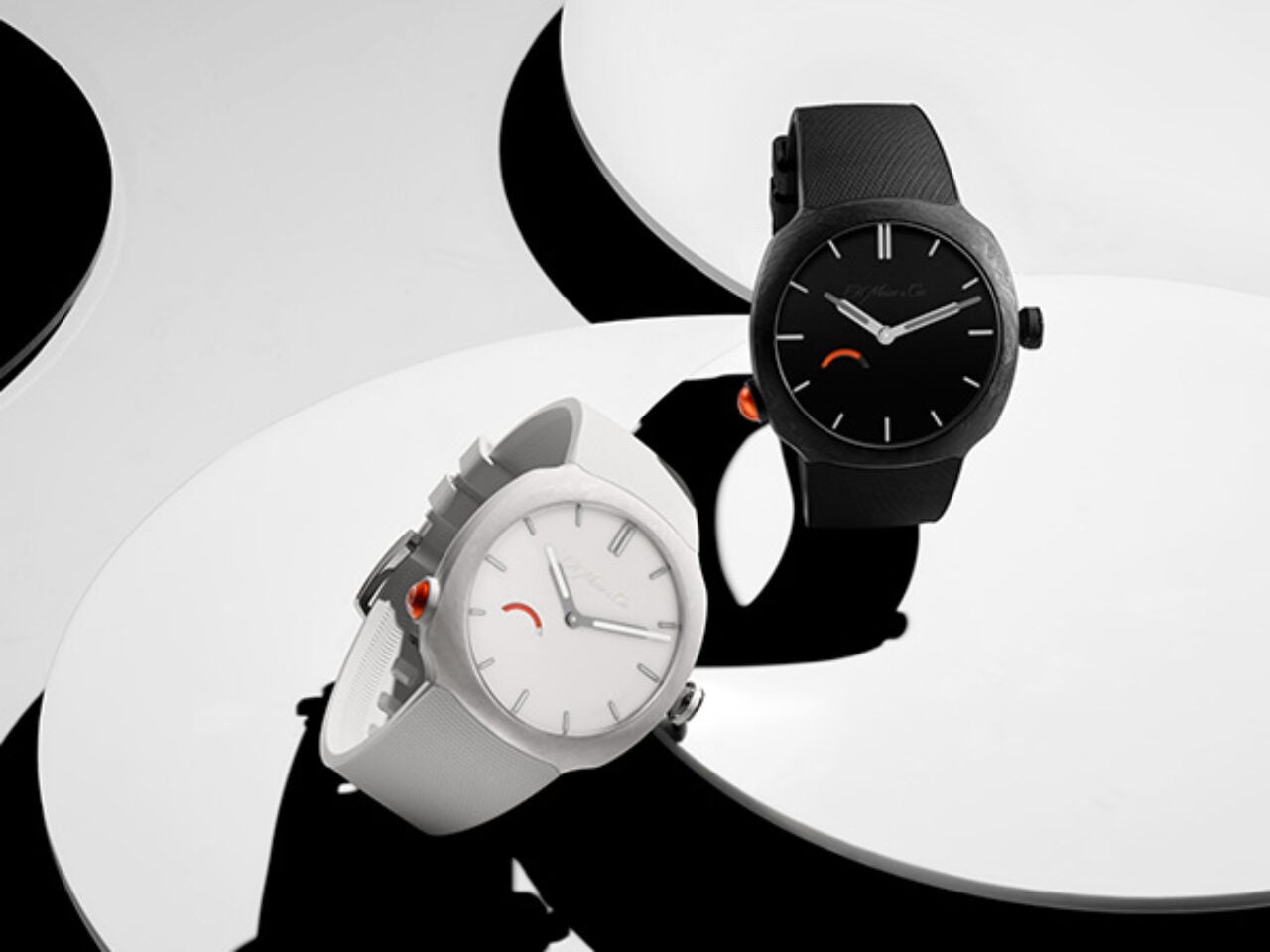
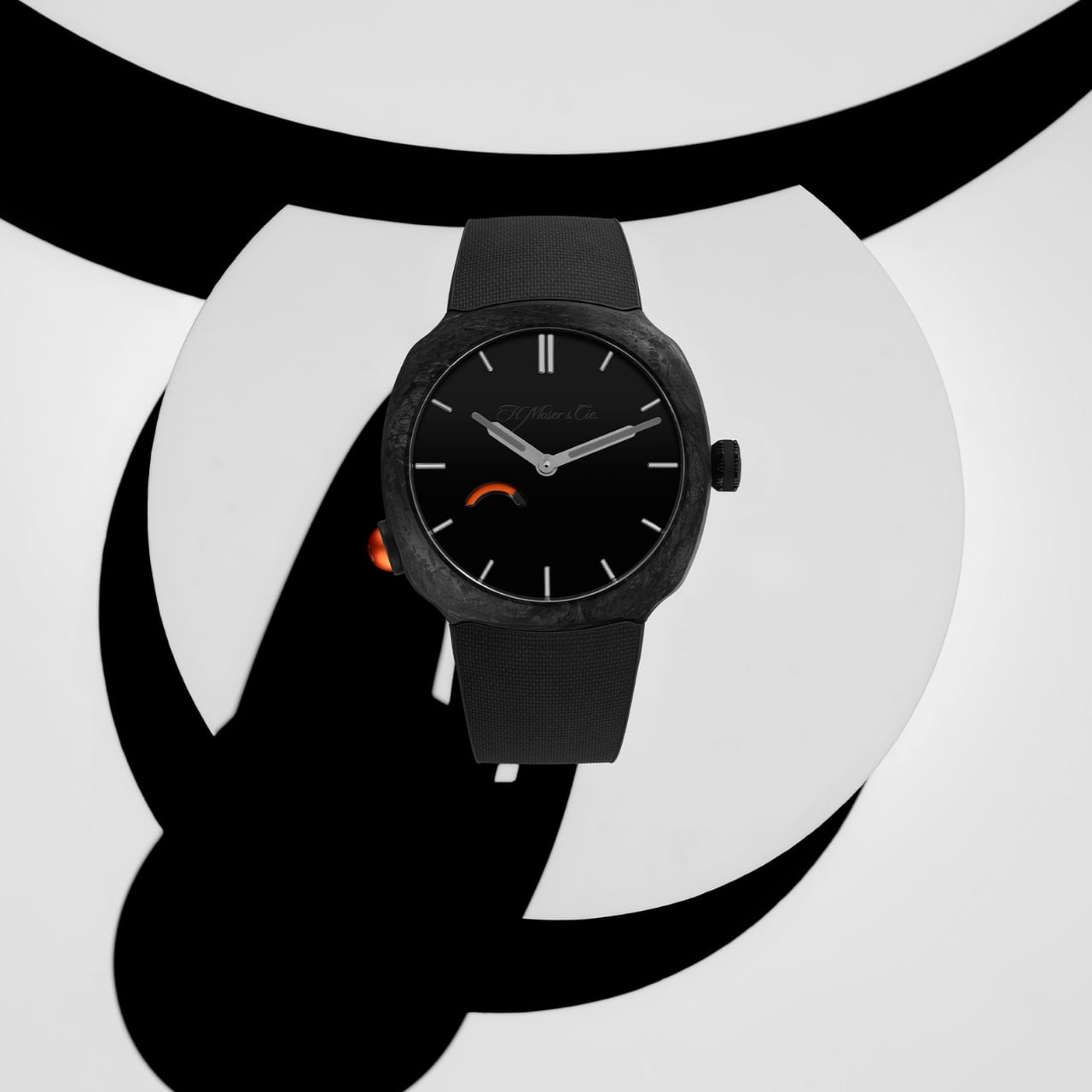
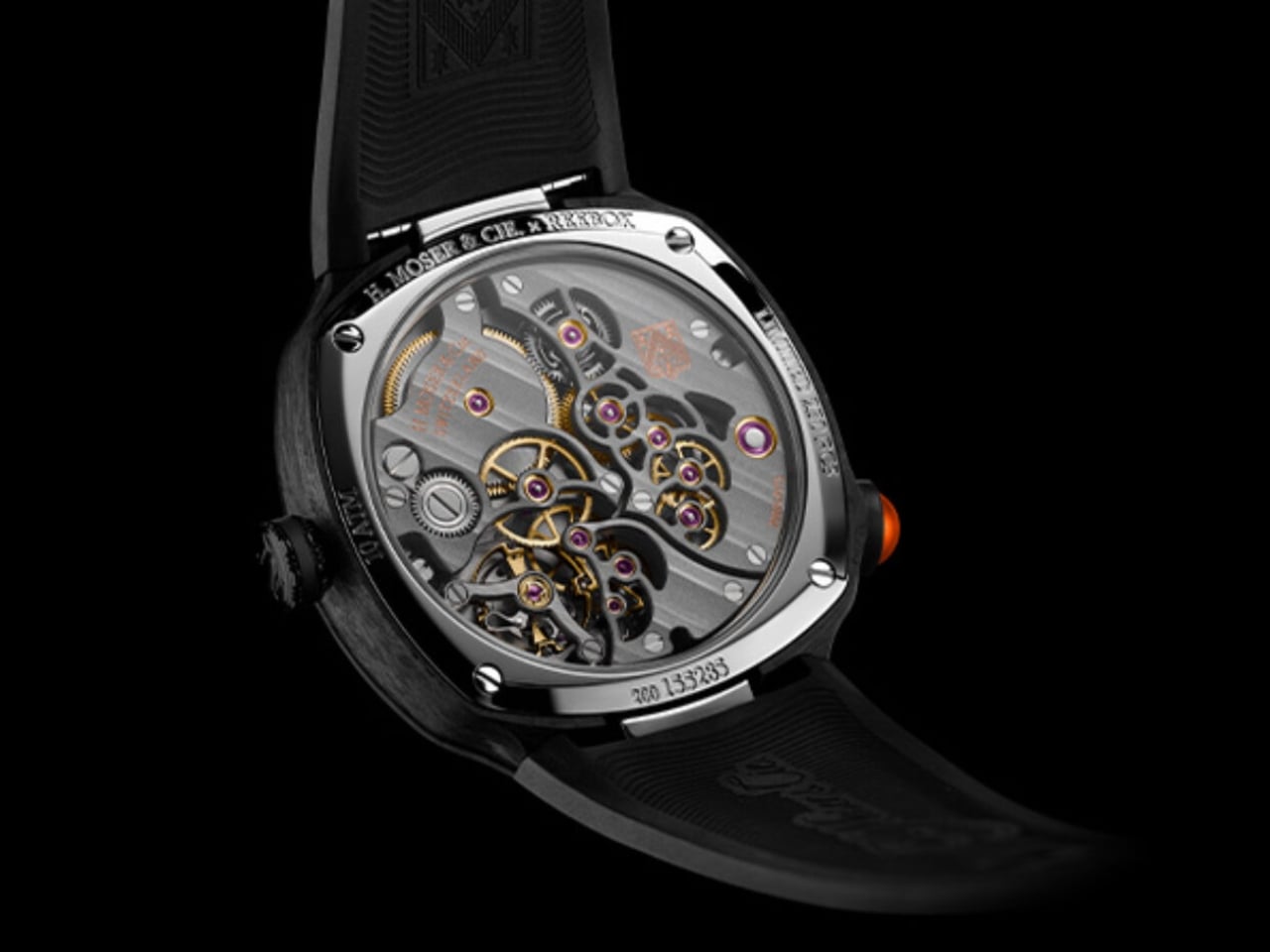
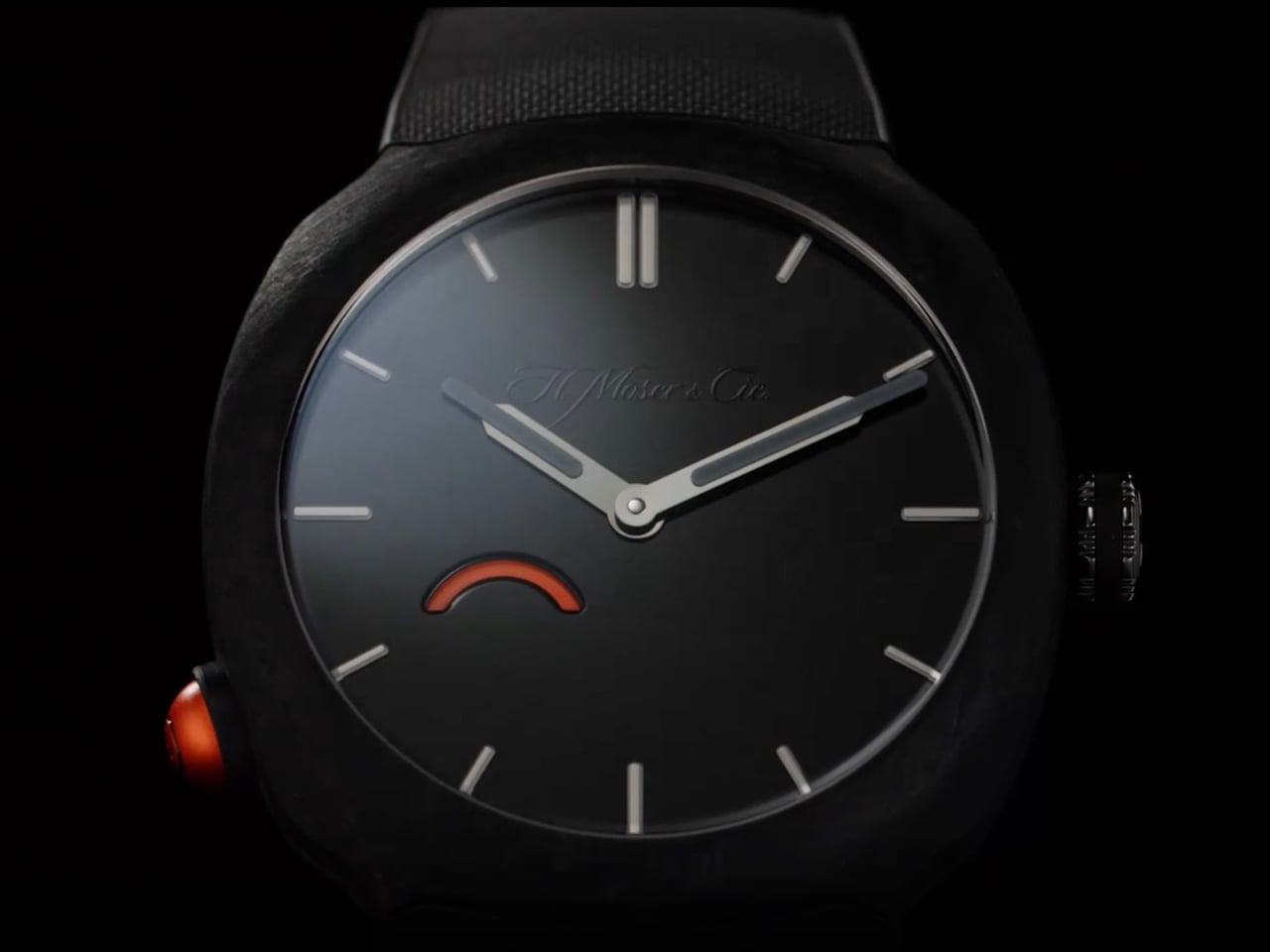
The Streamliner Pump is exactly what it sounds like. A luxury mechanical watch with a built-in pump mechanism. On the left side of the 40mm forged quartz fiber case sits an orange anodized aluminum button. Press it, and instead of inflating your shoe, you wind the movement. That’s it. That’s the complication. And somehow, in practice, it works on every level.
H. Moser has always leaned into a kind of mischievous genius. This is the brand that once made a watch dial out of Swiss cheese and has built a reputation around being the luxury house most willing to poke fun at the luxury house format. The Streamliner Pump feels like a natural extension of that spirit, except it isn’t just a joke. The engineering behind it is genuinely impressive, and that distinction matters a great deal.
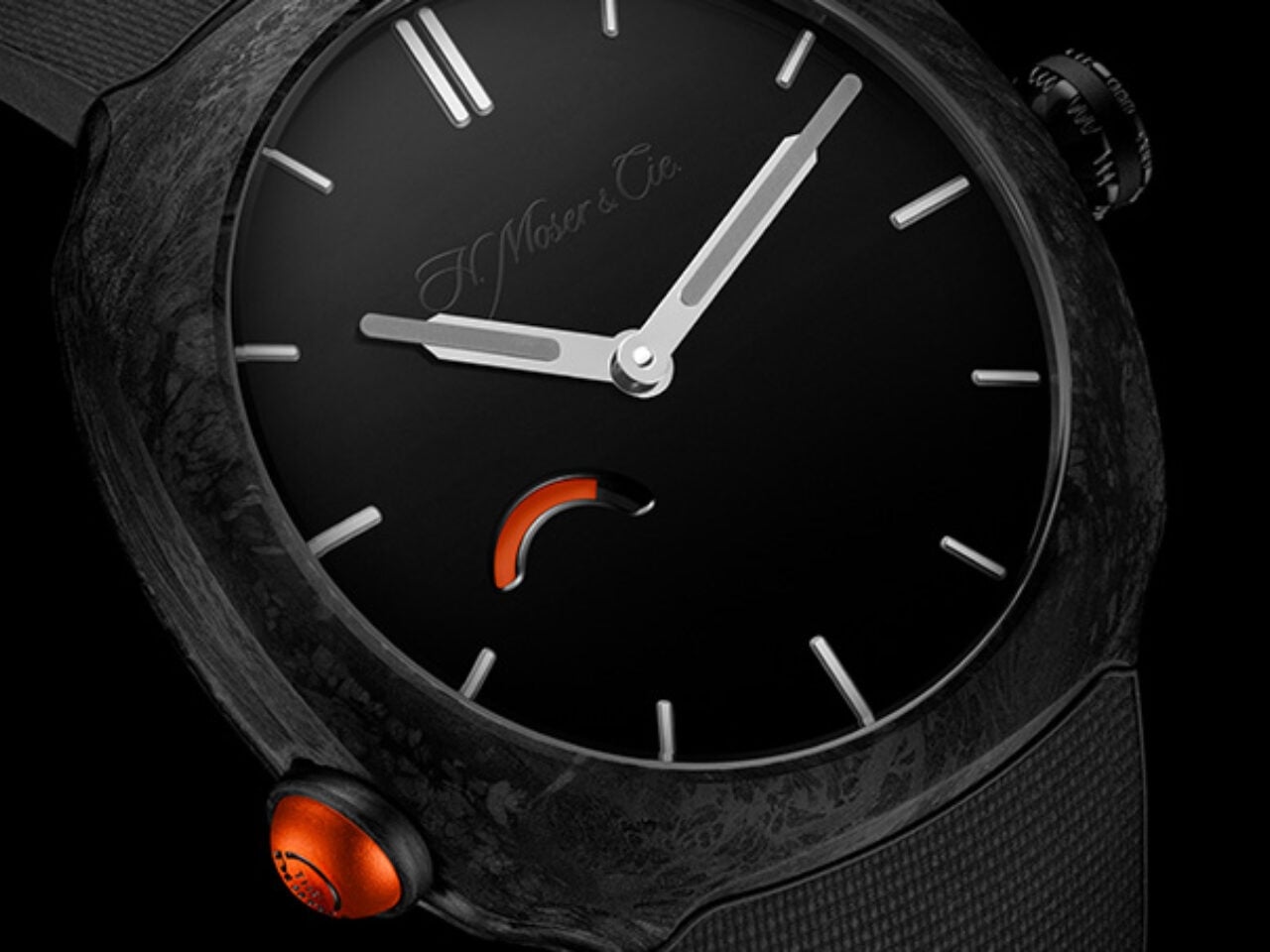
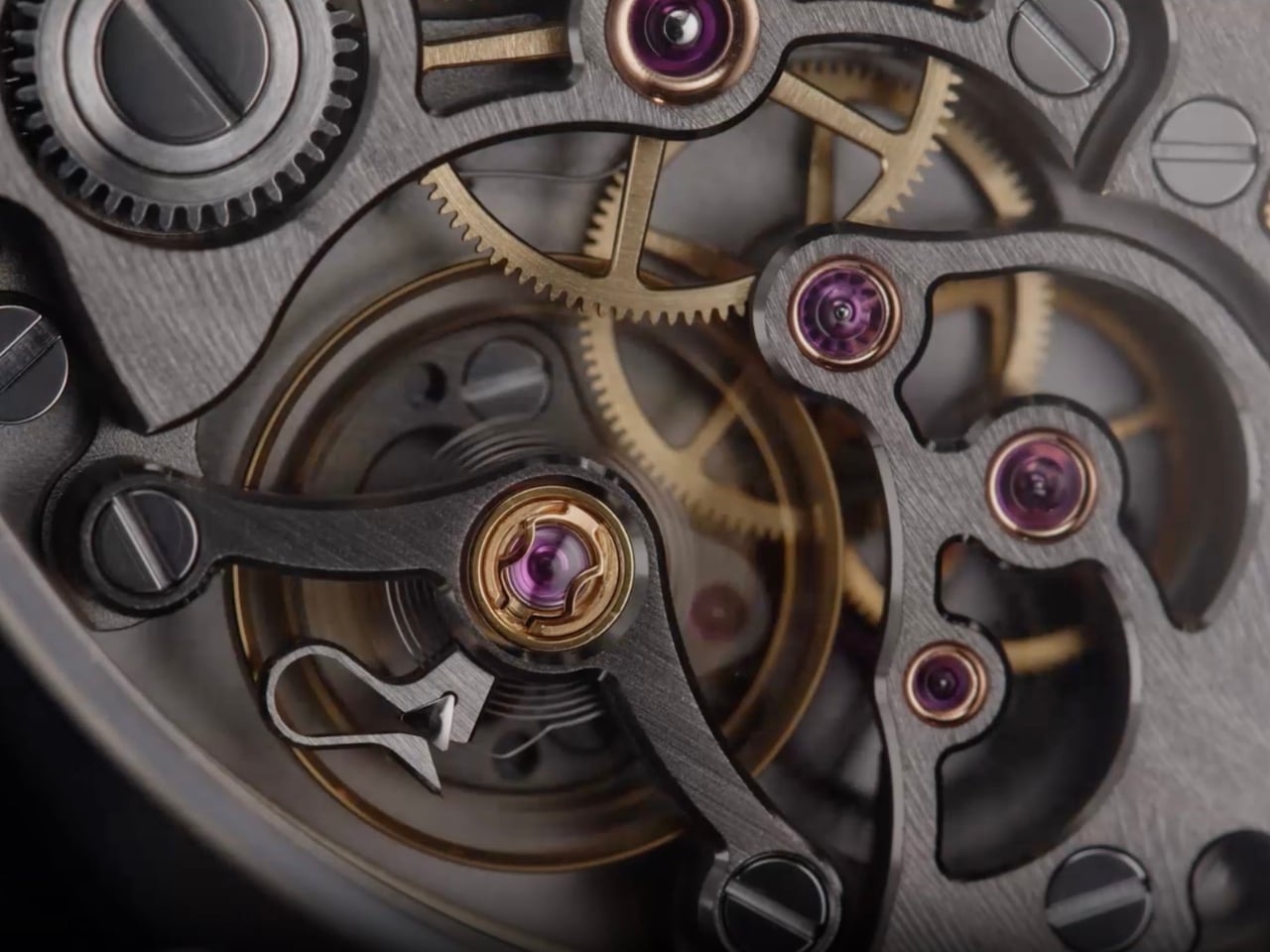
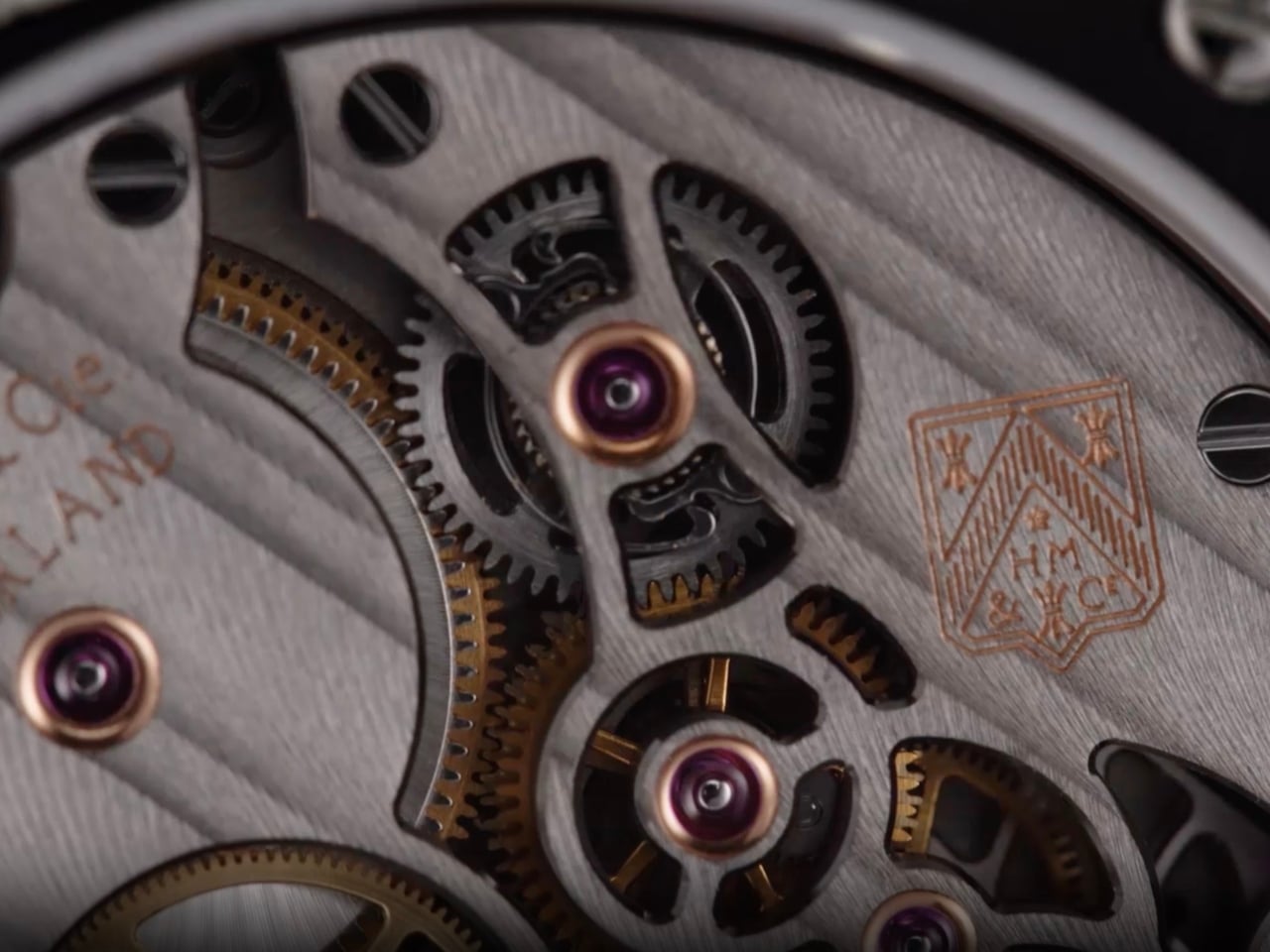
Inside the case is the HMC 103, an in-house hand-wound caliber running at 21,600 vibrations per hour with 131 components, 31 jewels, and a Straumann hairspring. The movement has been specifically re-engineered from Moser’s HMC 500, removing the micro-rotor in favor of the pump mechanism for winding. It delivers a 74-hour minimum power reserve, and a small arched power reserve indicator at 8 o’clock with an orange disc makes sure you always know how much life is left in the tank.
The case material deserves its own moment. Forged quartz fiber is rarer in fine watchmaking than carbon fiber, and for good reason. It’s more UV-stable, more colorable, and the compression and curing process it undergoes creates a subtle moiré pattern on the surface. No two cases are identical, which is exactly the kind of detail that makes a limited edition feel genuinely special rather than just numbered. A titanium inner structure, what Moser calls a “sarcophagus,” sits inside to protect the movement, enable 100 meters of water resistance, and anchor the integrated rubber strap.
The watch comes in two versions: black with a DLC coating, and white with a polished dial. Both are limited to 250 pieces per colorway, 500 in total. And perhaps the most charming detail of the entire package: every watch comes with an exclusive pair of Reebok Pump sneakers. Because of course it does.
The timing of this release is not accidental. Reebok is bringing the Pump back in 2026, reviving the sneaker that defined a particular cultural moment in athletic history. The original Pump wasn’t just a shoe; it was among the first pieces of consumer tech designed to feel personal, a product that literally adapted to you. Pairing that comeback with a $39,900 Swiss watch is a very specific kind of crossover, one that asks you to set aside the normal logic of luxury and just appreciate the playfulness of a very well-made thing.
Whether or not this is a watch you could ever justify owning is almost beside the point. The Streamliner Pump exists at the intersection of nostalgia, craft, and genuine design wit, and it makes a compelling case that luxury doesn’t always have to take itself seriously. Sometimes the best thing a watchmaker can do is build something that makes you smile before it makes you impressed. This one does both, in that order, and that’s worth more than any spec sheet.
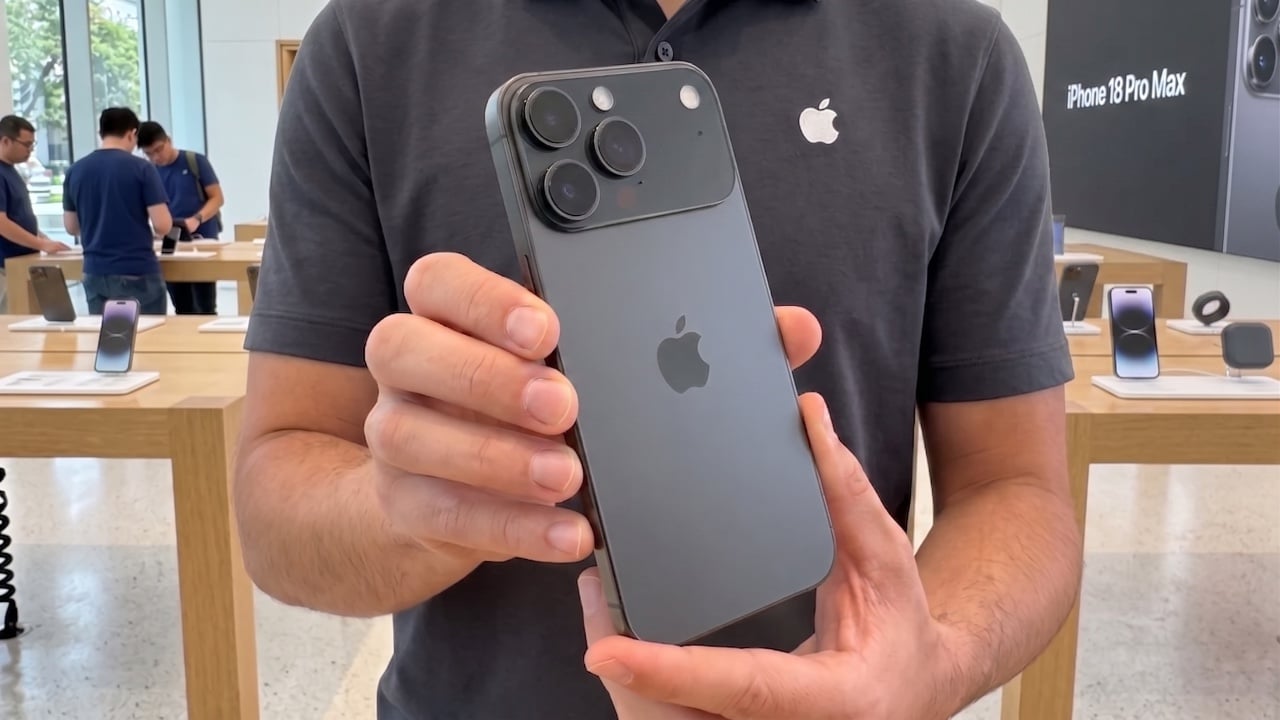
The iPhone 18 Pro Max is rumored to mark a significant evolution in smartphone aesthetics, introducing a refined color palette that could set a new standard for premium design. Leaks suggest four distinct finishes: light blue, dark cherry, silver, and a striking dark gray. Among these, the dark gray option is generating the most excitement […]
Cell phone plans can get exceedingly complicated, so Comcast’s pitch for Xfinity Mobile’s simplicity is rather appealing — particularly at a time when everything is more expensive than ever. Today, the company is announcing two simple plans priced at $30 and $45 a month that have some serious perks for their prices.
The $30 Mobile Select plan covers the main basics, including 50GB of “premium” full-speed data; Global Travel Pass to cover yourself when traveling in 215 different countries; and Xfinity’s Wi-Fi PowerBoost. That latter feature takes advantage of Xfinity’s wide network of Wi-Fi hotspots around the country. Your phone will automatically connect to those when you’re out and about, and you’ll get priority speeds of up to 1 gigabit on those networks as well as at home.
The $45 Mobile Plus plan adds some pretty significant perks. For starters, you’ll get unlimited premium data and 4K video streaming (the Select plan limits you to 720p). But more significantly, the Plus plan promises device upgrades at literally any time. At this point, most carriers offer ways to upgrade before the typical three-year device payment plan is up, but as someone who did that late last year, I can confirm that the constantly changing promotions around phone upgrades make it hard to know exactly what you’ll be eligible for.
Comcast, however, says that Mobile Plus subscribers can literally upgrade their phone at any time. I asked how it would work if I was crazy enough to switch to a Galaxy S26 six months after getting an iPhone 17 Pro, and they said it would be no issue, regardless of how much I had beat up my iPhone. I’m trying to figure out if there’s a catch, but the company’s representatives were very adamant about “anytime upgrades” being as uncomplicated as they said.
Similarly, the Plus plan also includes lifetime device protection, another thing that most carriers charge separately for. This extends to any connected device on your plan like smartwatches or iPads in addition to your phone. If you need a replacement, just bring it in.
Xfinity Mobile is still limited to people who subscribe to an Xfinity internet plan. But given Xfinity promises five-year price guarantees and even lets customers try a year of the Mobile Select plan for free (or the Plus plan for $15/month) so there’s very little risk involved here.
This article originally appeared on Engadget at https://www.engadget.com/mobile/xfinity-mobile-now-includes-device-protection-and-anytime-phone-upgrades-133511715.html?src=rss
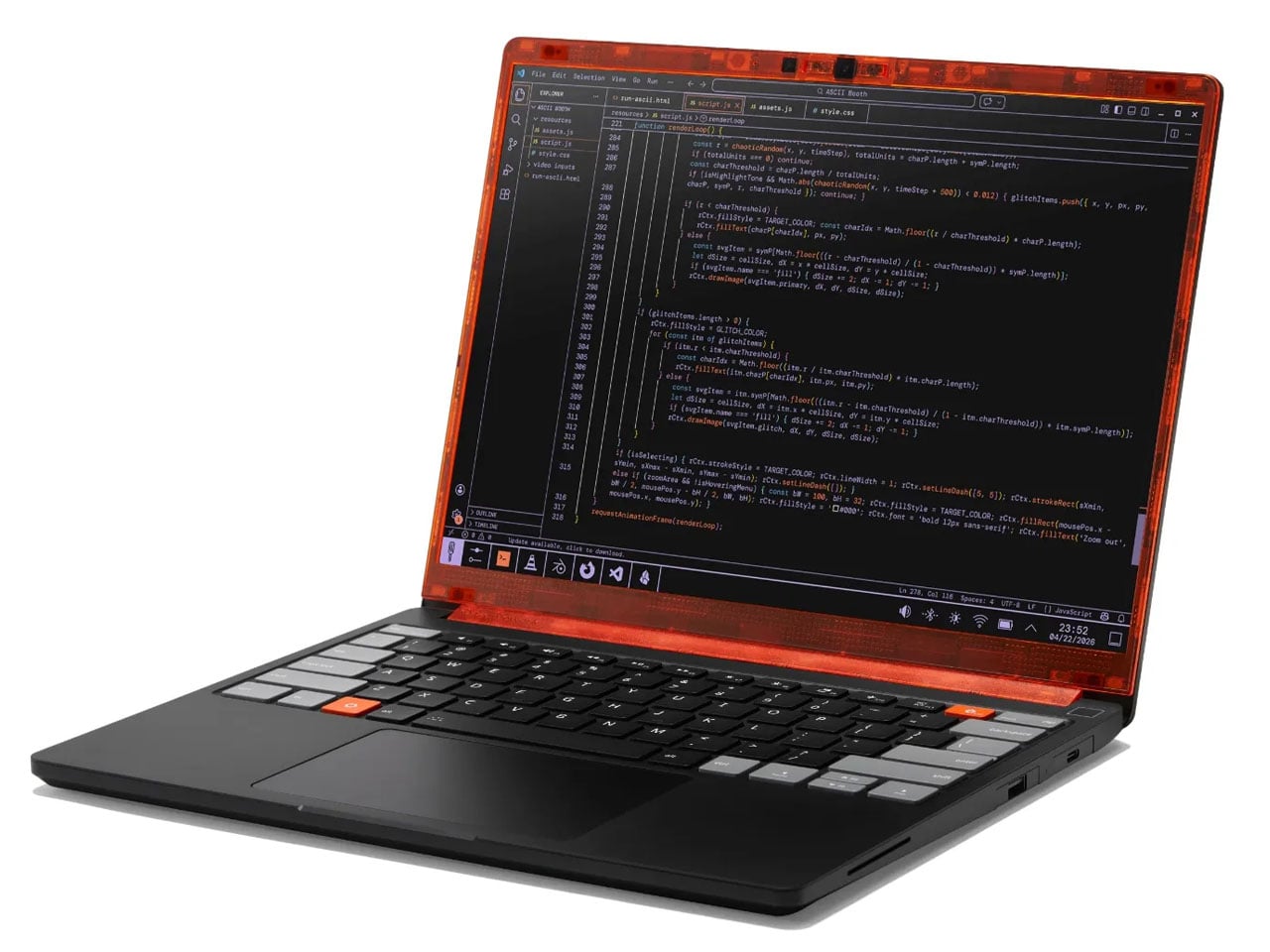
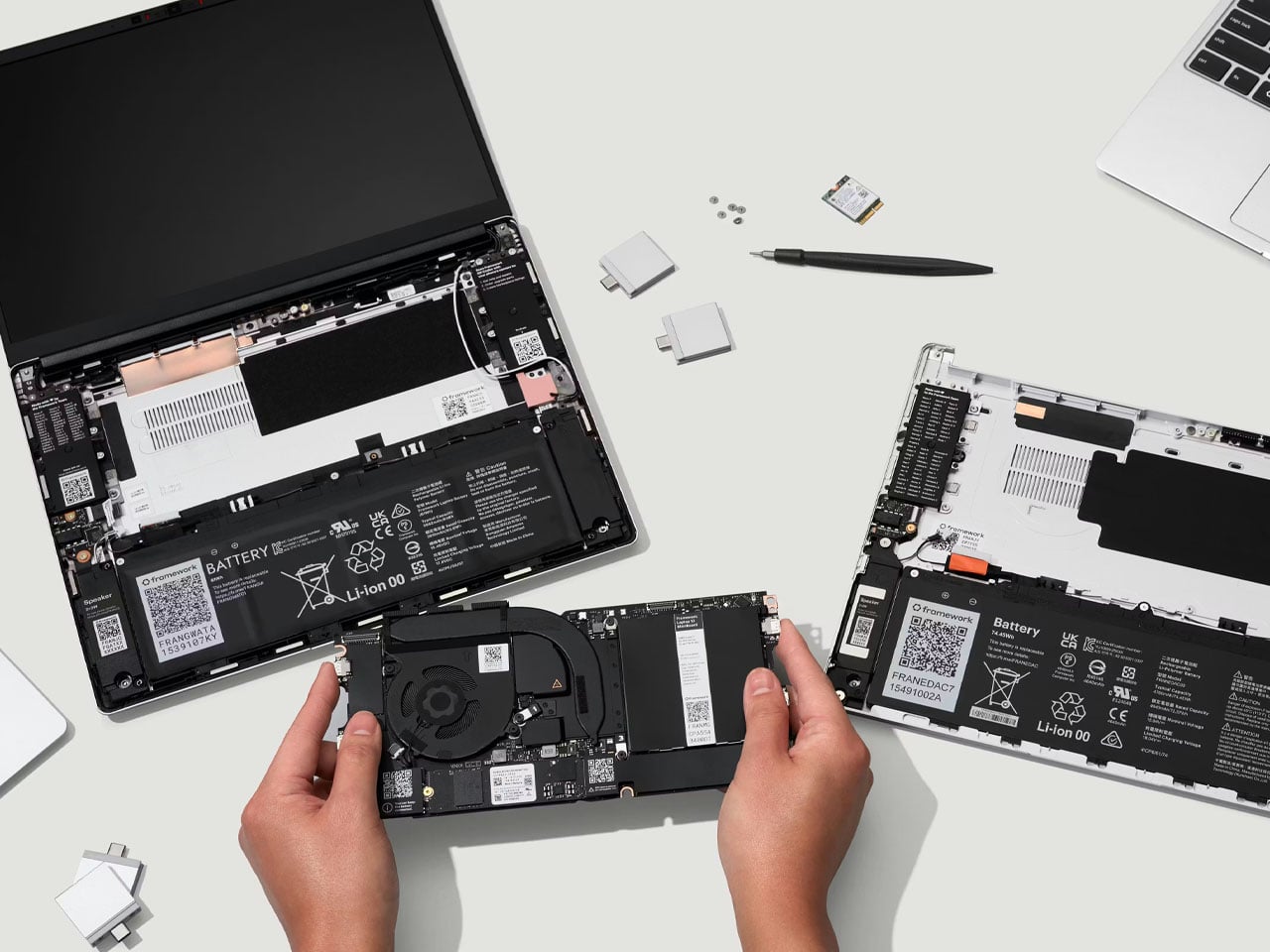
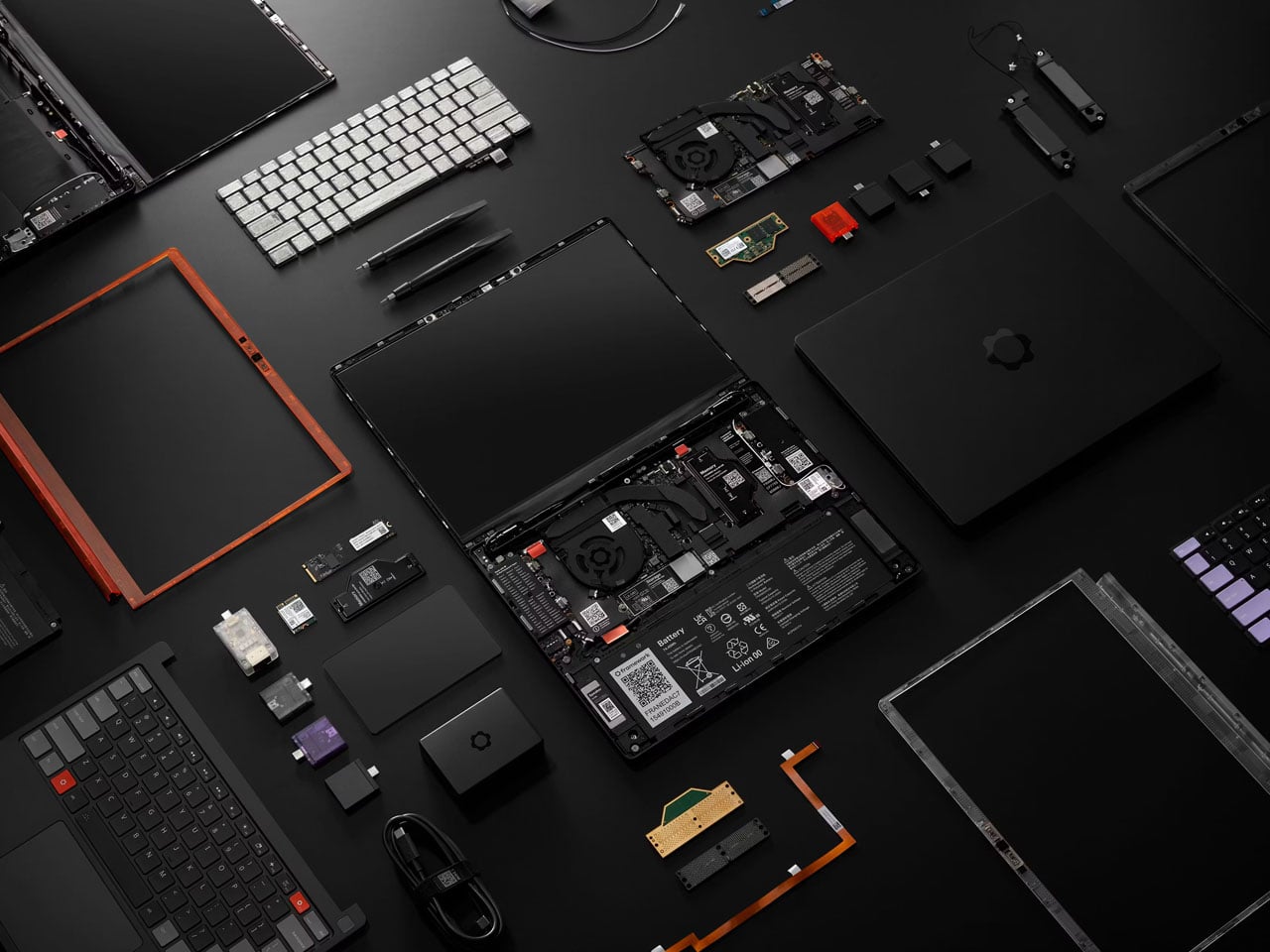
Framework is known for a league of laptops that other manufacturers dare not. Six years in, and the company is pushing its boundaries, building laptops that are robust, high on performance, yet respect the consumers’ right, allowing them the option to repair, upgrade, and run the software of their choice.
For 2026, the modular computing company returns with Framework Laptop 13 Pro, a new and upgraded version of its current favorite repairable laptop – Laptop 13. “Framework Laptop 13 Pro is a complete ground-up redesign,” the company informs. Before we get into the details, this new laptop and wireless touchpad keyboard coming our way via the Framework [Next Gen] Event 2026 are, according to the company, built based on the direct feedback received from its fans.
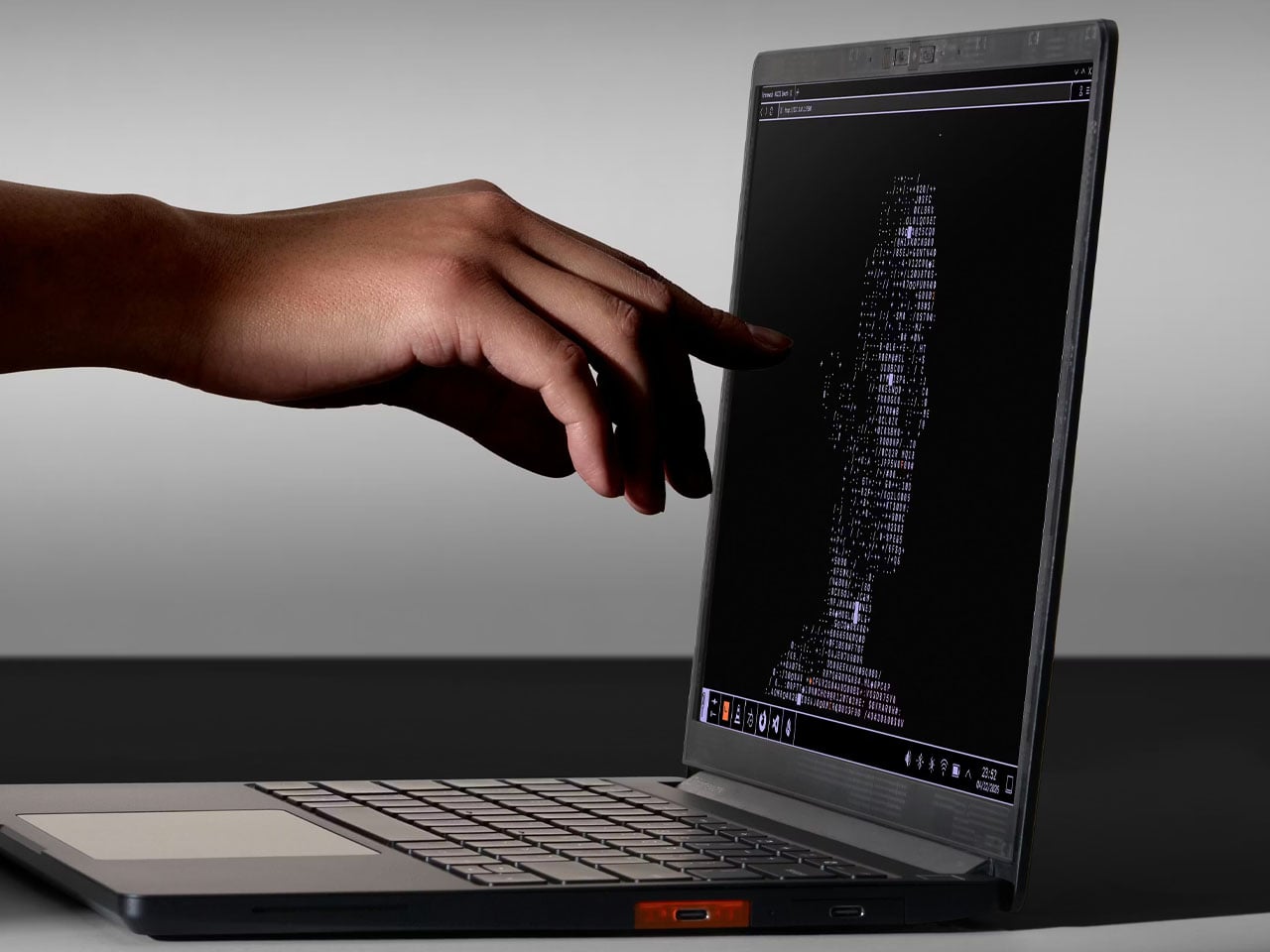
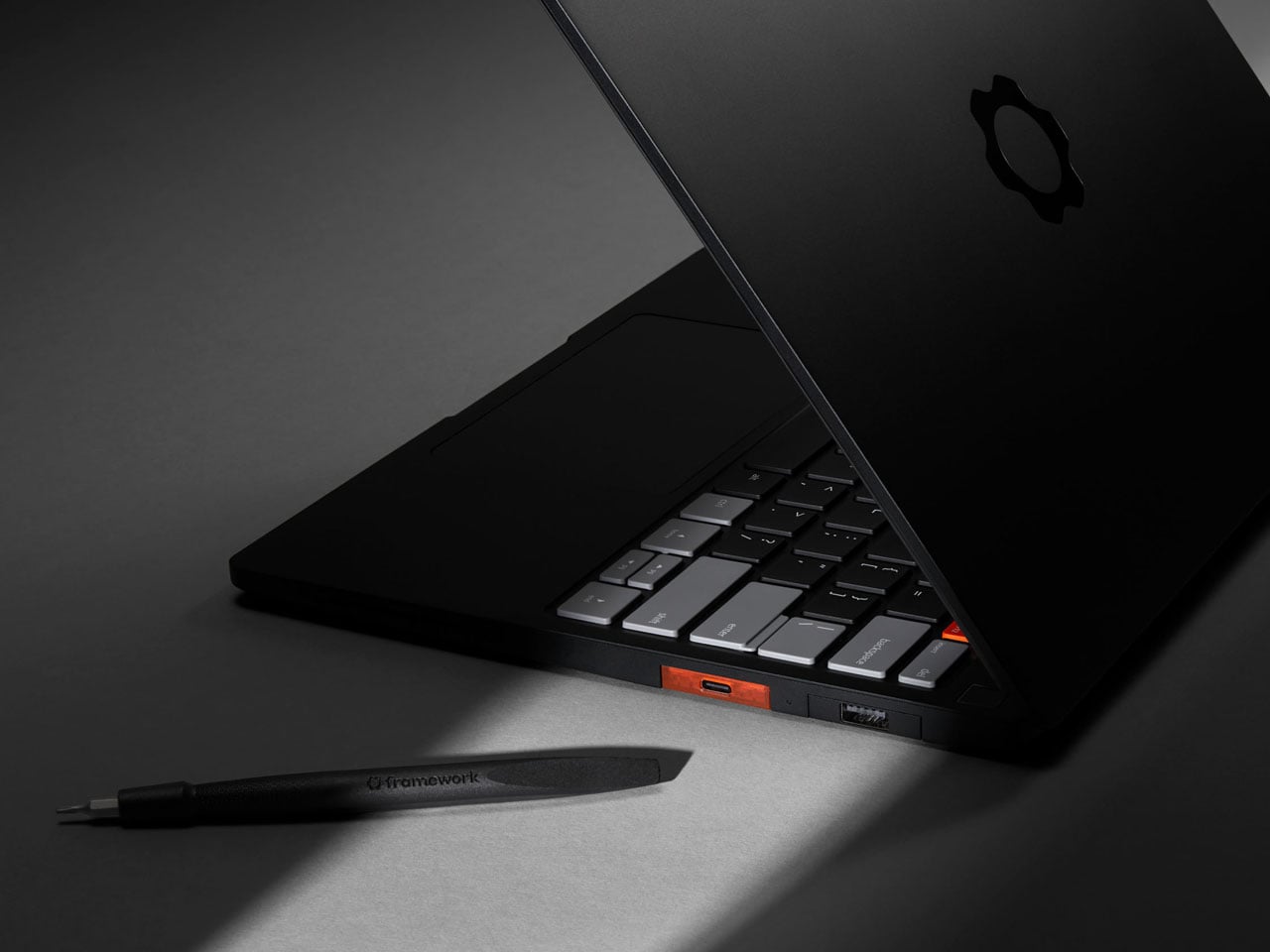
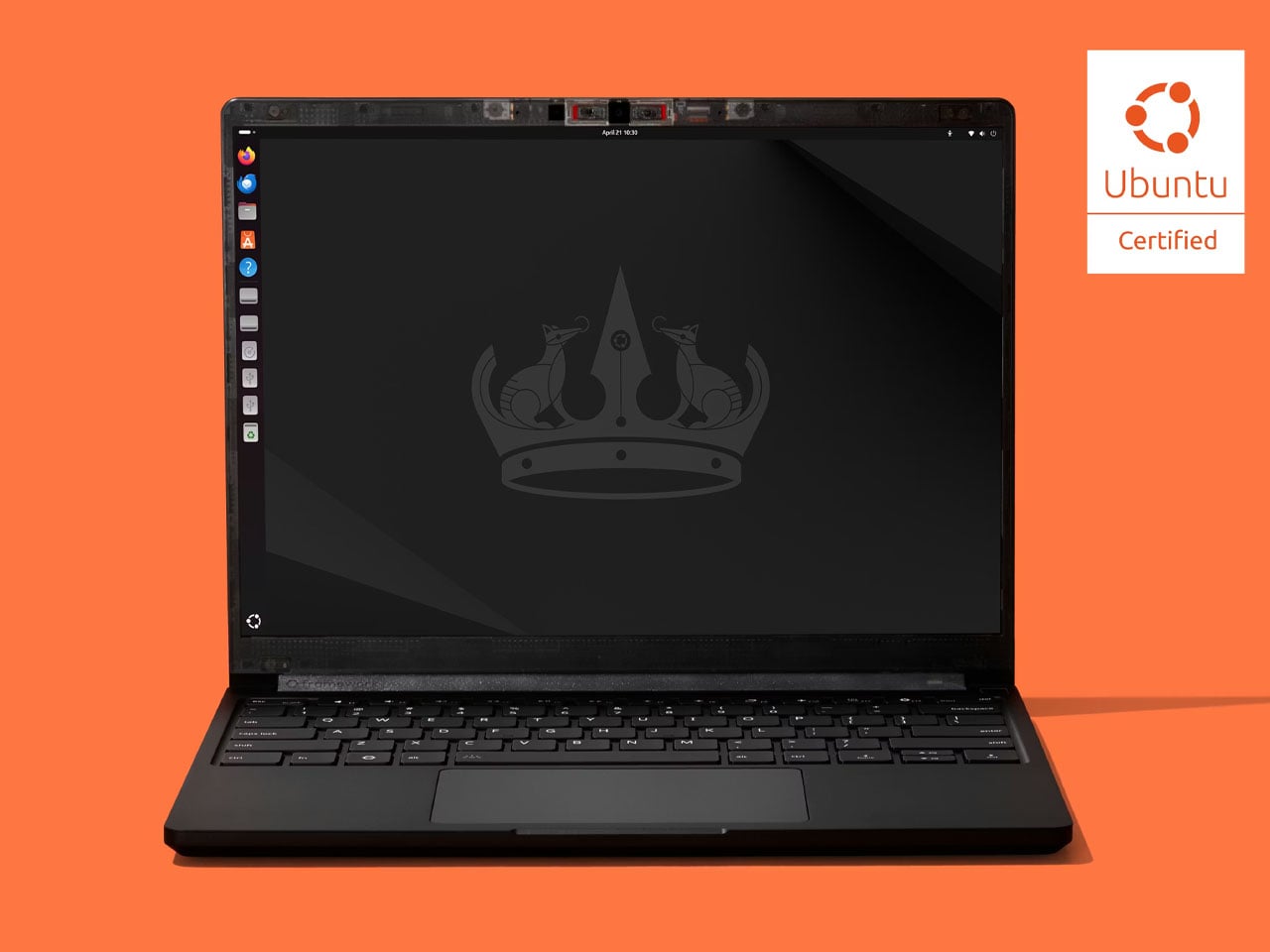
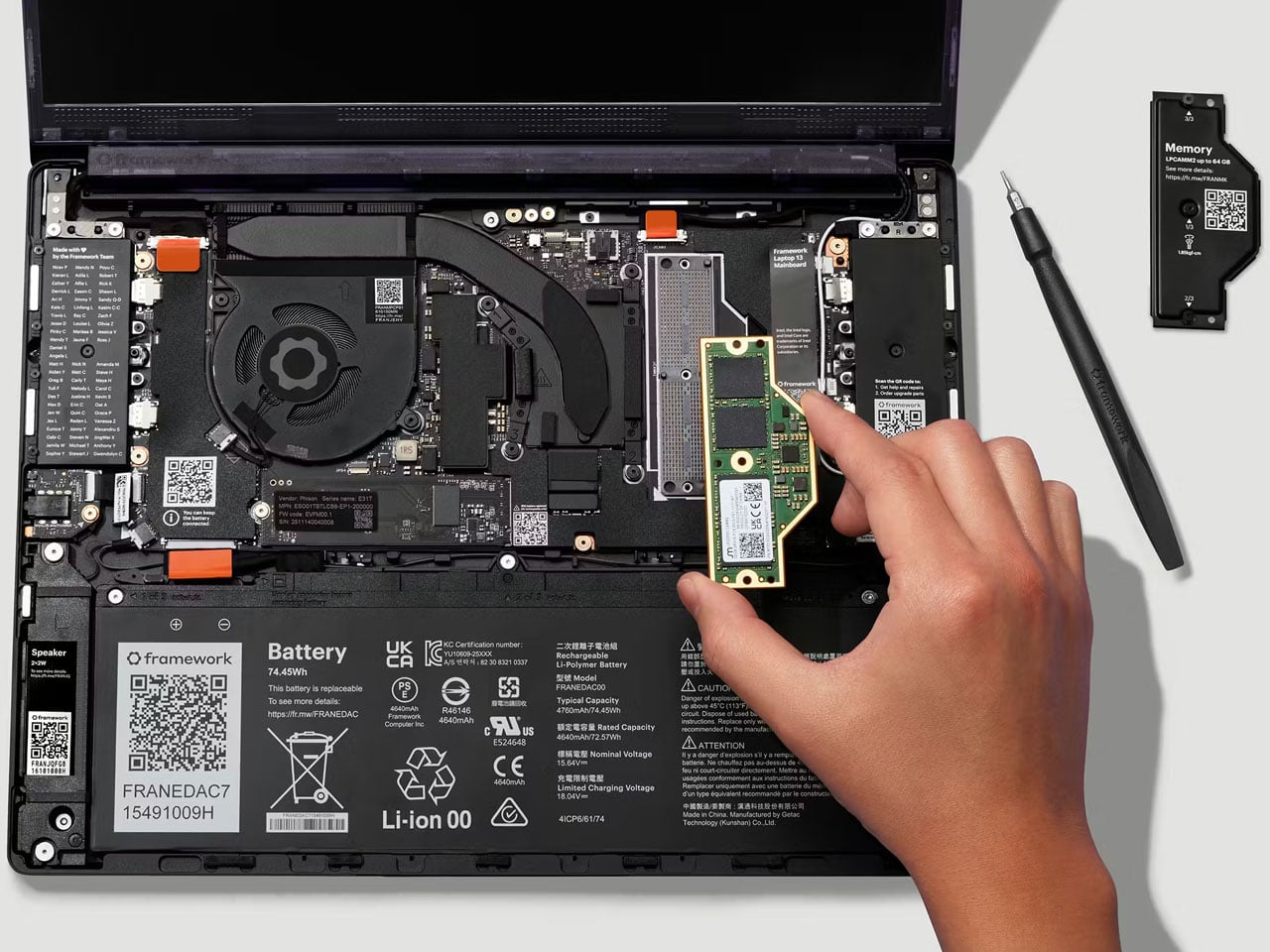
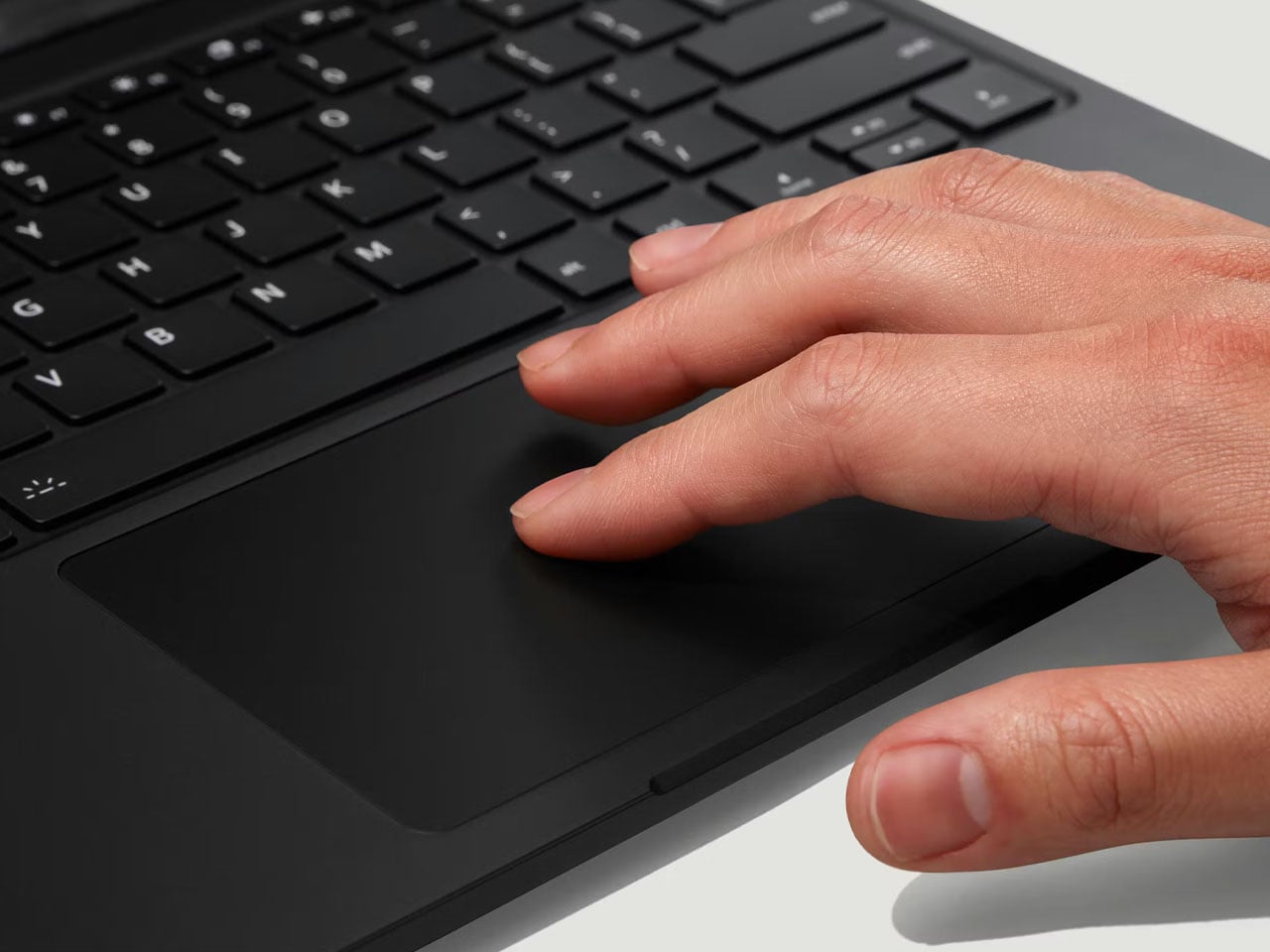
Laptop 13 Pro comes pre-loaded with Ubuntu. Its major highlight is the massive leap in battery life and the new full CNC aluminum chassis, which is first for any Framework laptop. Like the Laptop 13, however, the new model is repairable, upgradable, and fully customizable. It comes with an Intel Core Ultra series processor paired with LPCAMM2 memory, a haptic touchpad, and a purpose-built power-optimized touchscreen display.
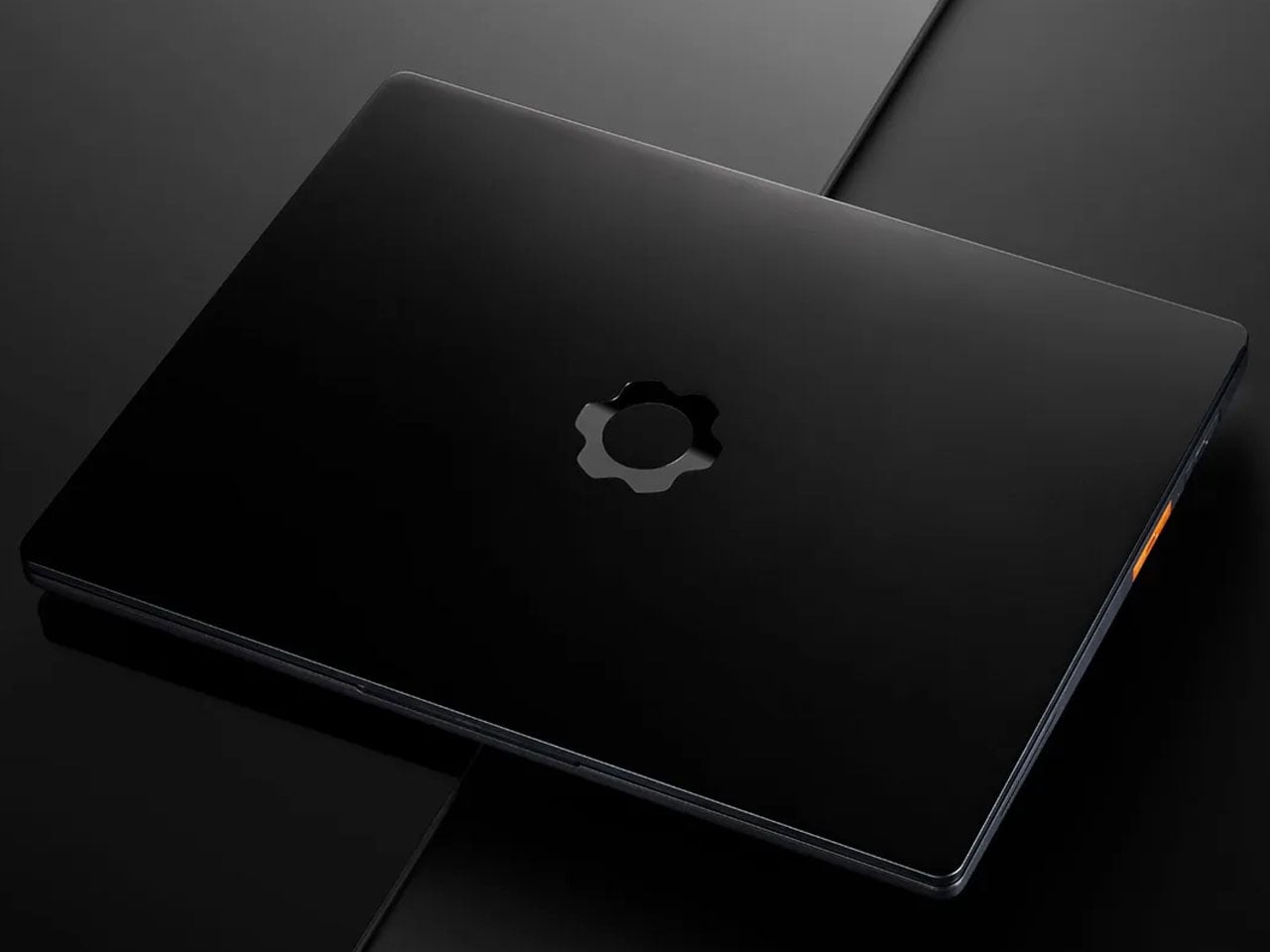
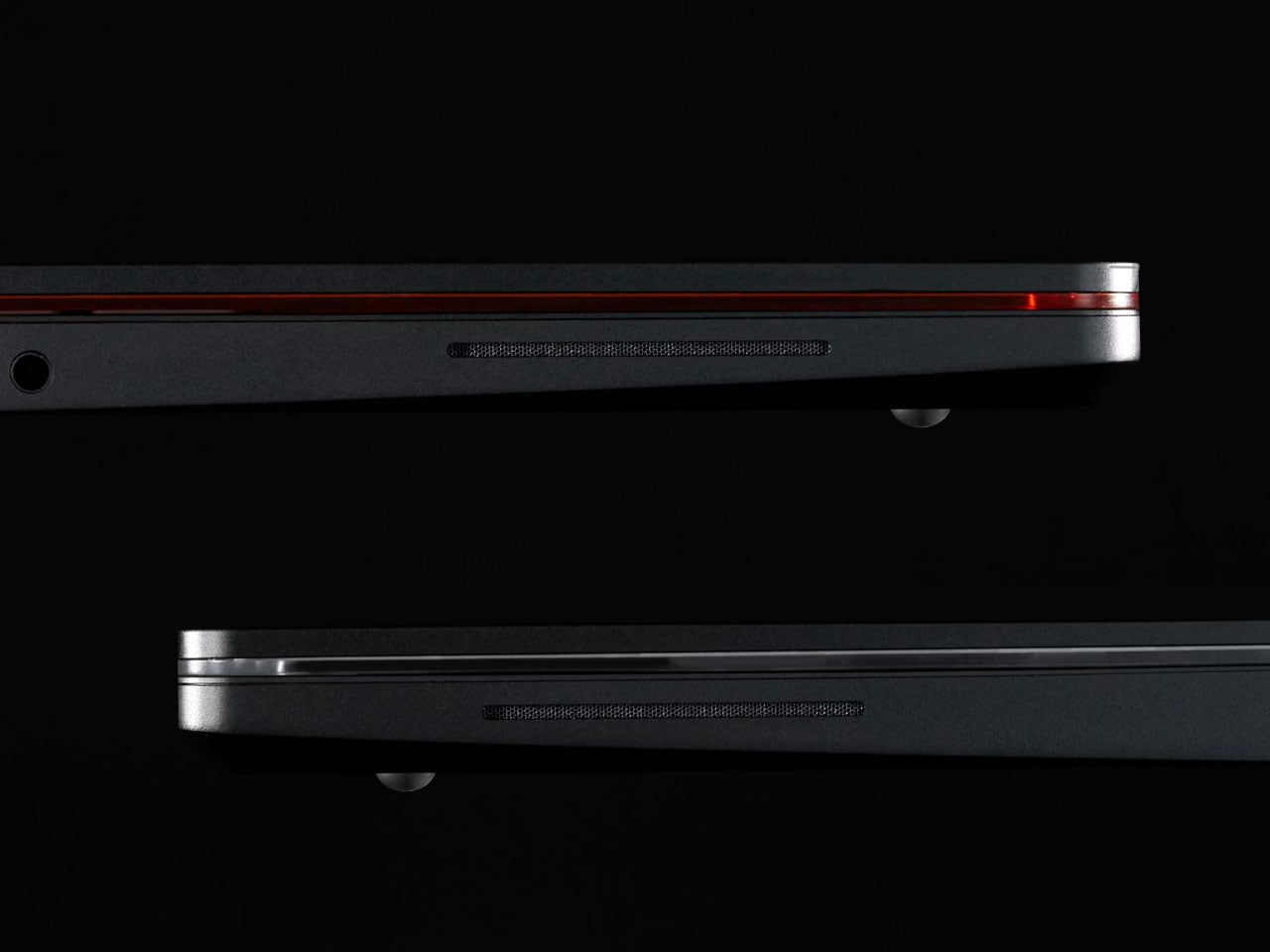
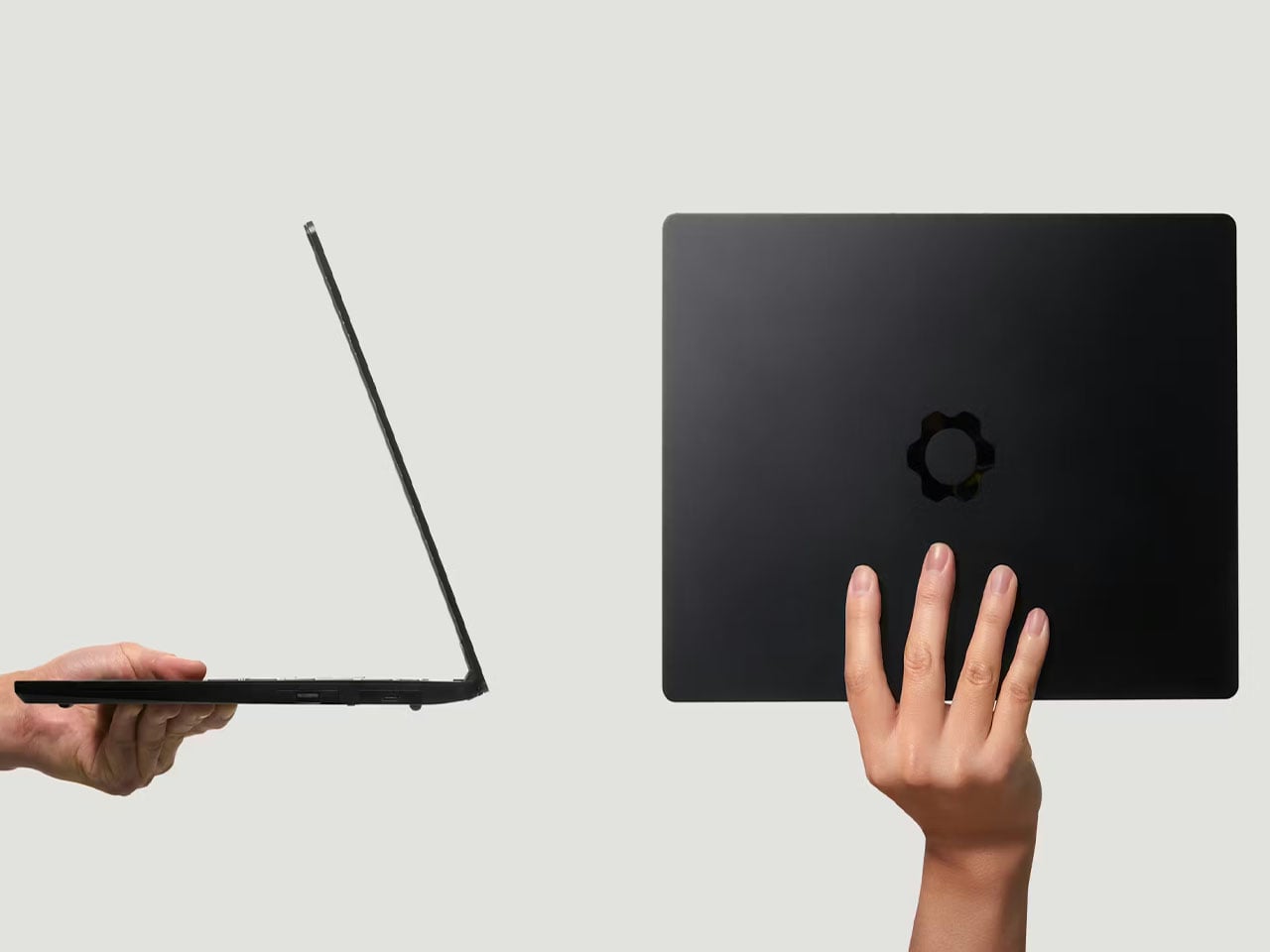
Framework says that the Laptop 13 Pro is its first system featuring a chassis machined from a single block of 6063 aluminum. The construction makes it robust yet ensures its lightweight. The 15.85 mm thick laptop only weighs 1.4 kg. It is currently available for preorder starting at $1,199 for the DIY edition. The pre-built device with complete configuration will set you back $1,499. The shipping is expected to start in June 2026.
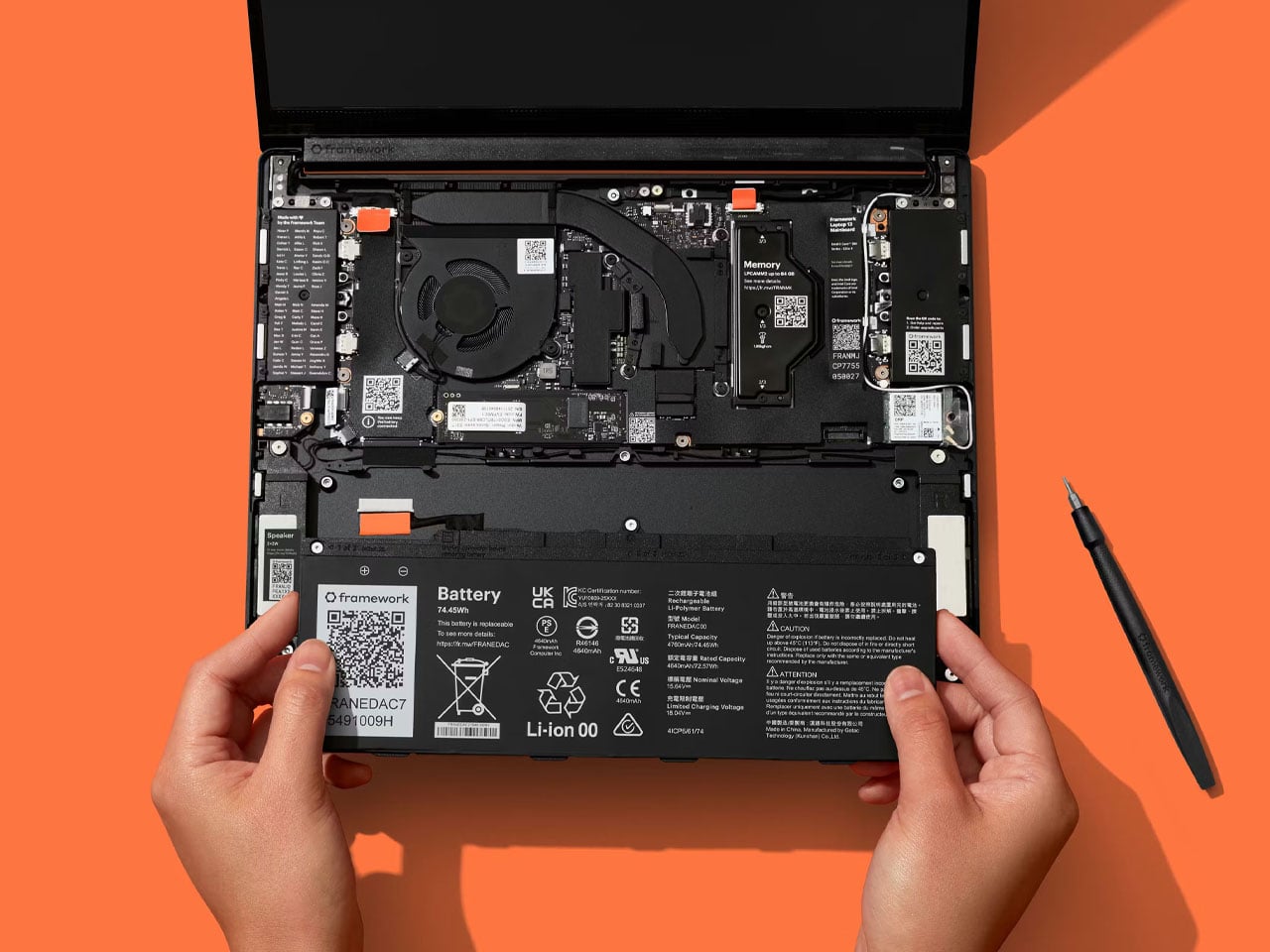
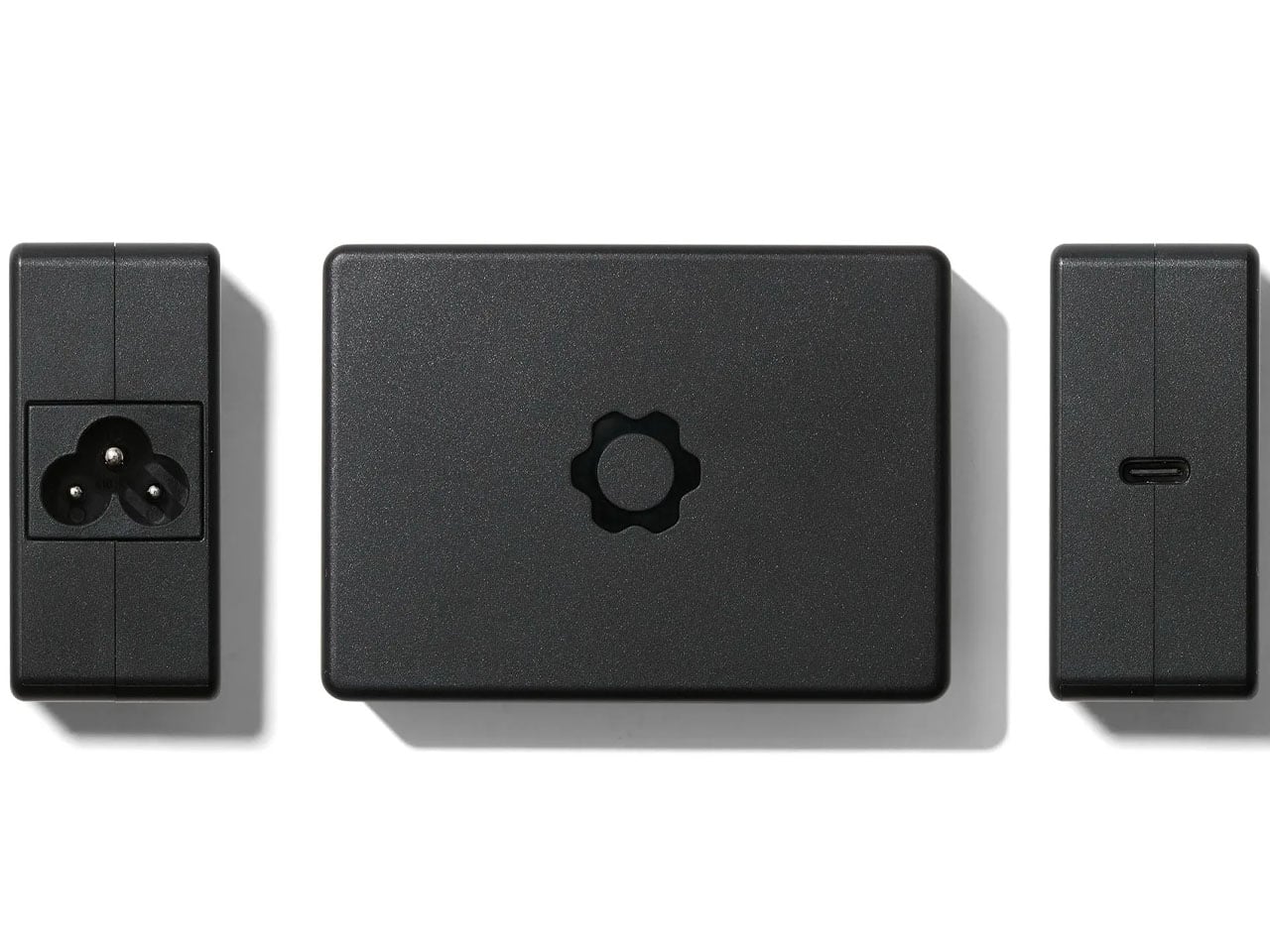
Framework has really worked on the battery life of Laptop 13 Pro, particularly because battery life was the primary concern that came up in the feedback received from fans. The system has an enhanced battery to 74Wh (rated for up to 1000 cycles), which is 22% better than that of the predecessor. Powered by a 100W GaN Power Adapter, the fast-charging battery can last for up to 20 hours while streaming Netflix in 4K, Framework’s test reveals.
A major update here is the inclusion of Intel’s latest Core Ultra Series processors. Laptop 13 Pro is available in Core Ultra 5, Core Ultra X7, and Core Ultra X9 variants, which makes the device “insanely efficient,” with up to 16 cores of processing prowess. This processing power is paired with equally capable LPCAMM2 memory, which is a modular LPDDR5x RAM format that runs at speeds up to 7467 MT/s. Available in 16GB, 32GB, and 64GB capacities, it is replaceable and upgradable. For storage, the laptop features a PCIe Gen5 M.2 2280 slot. It supports up to 2TB Gen5 SSDs or larger Gen4 drives.
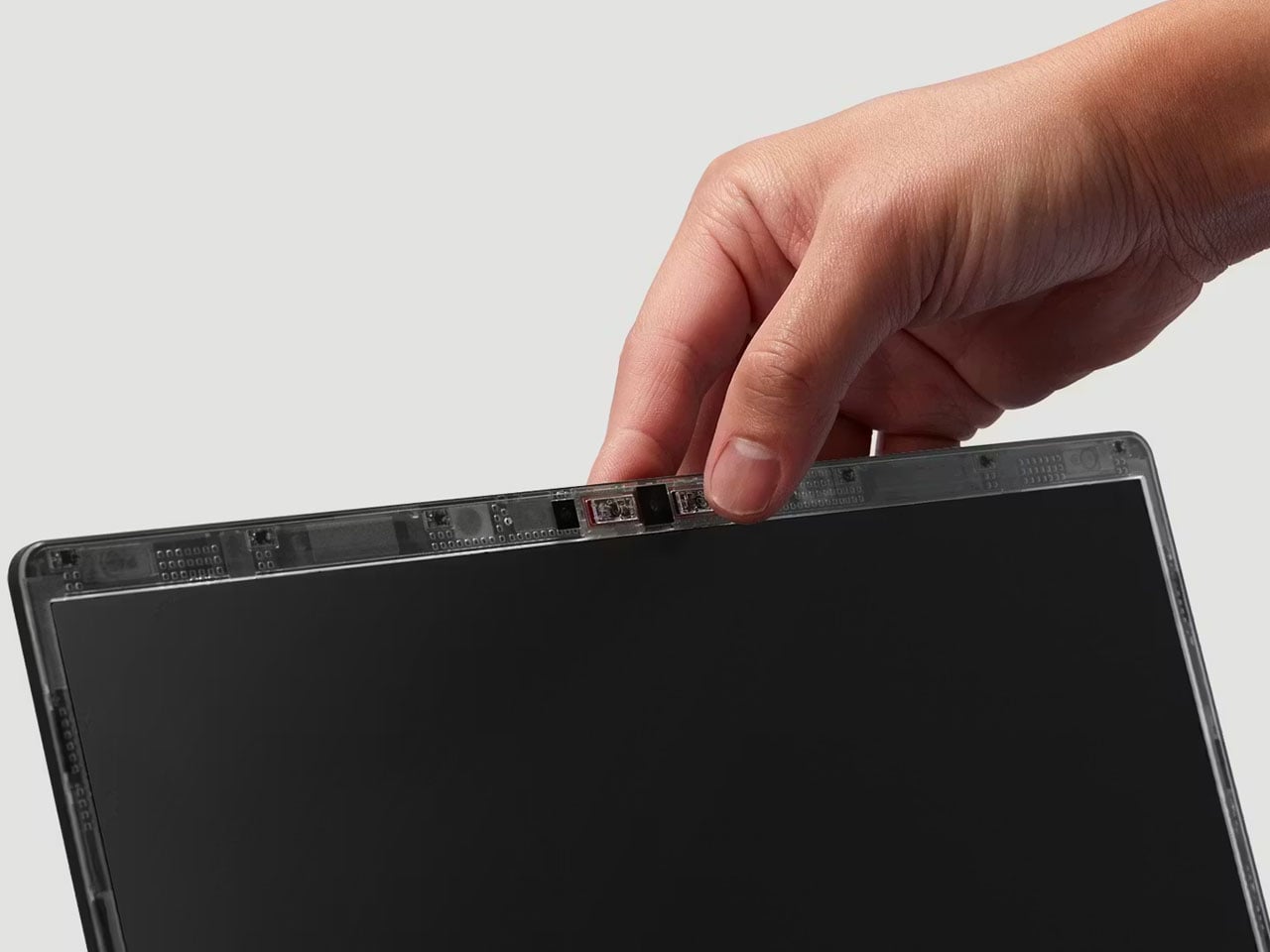
A great leap from the predecessor, the 13.5-inch touchscreen 2880×1920 resolution display of Laptop 13 Pro is also particularly interesting. It now packs within a redesigned bezel, which arrives sans the rounded corners. Provided with a 30-120Hz variable refresh rate, up to 700 nits brightness, and an anti-glare matte polarizer for better visibility in bright light, the display is paired– for the first time in a Framework laptop – with a Dolby Atmos-enabled audio system.
Framework Laptop 13 Pro with a haptic touchpad that uses piezo electric feedback, is backward compatible. Laptop 13 users can replace the innards (or even the chassis) without having to replace the system entirely. For connectivity, the new laptop features Wi-Fi 7 and the BE211 radio. It also has four Thunderbolt 4 ports.
A report in Reutersalleged that the keystrokes, mouse movements and clicks of Meta's workforce are to be captured for the purposes of training AI — something the company's communications department was happy to confirm as accurate! In a cheery missive, a company spokesperson told Engadget that "If we're building agents to help people complete everyday tasks using computers, our models need real examples of how people actually use them [...] we’re launching an internal tool that will capture these kinds of inputs on certain applications to help us train our models."
All this leads one to ask the obvious question: hey, what the fuck?
The nature of at-will employment in the United States is such that your boss basically never needs to explain why your job duties change, but it's rarely so sweeping, so brazen or so unavoidably tied to the reminder that you are being surveilled at a frighteningly granular level. Gross!
Installing keyloggers on someone else's computer in a non-work setting can often constitute a criminal offense (hello CFAA!) and it's frankly weird we allow this sort of thing to happen in the workplace at all. But in this case, there's at least some possibility this data may eventually be used to replace the exact people currently strongarmed into making those clicks and clacking those keys — or as a thin excuse to lay a lot of them off.
It's not as though the data underpinning large language models is worthless. Ill-gotten information has been the subject of exorbitant settlements and many pendingcourtcases with considerable sums riding on their eventual judgements. If Meta thought it could obtain this sort of data from its estimated 3.5 billion combined users instead of its comparably paltry body of employees without it immediately reading as the single most invasive chapterin a laughably long history of move fast, break things, and never admit to the mess, wouldn't it just... do that? Technology has progressed so far, yet people continue to really hate feeling taken advantage of. And that sort of thing is still bad for business.
In a fragile economy floated by rampant self-dealing and the shifting moods of a few very rich weirdos, even the mere mention of AI's relentless forward march to annihilate its own creators can make a shoe company's stock pop, however briefly.
Maybe that's why Meta was delighted to confirm the broad details of the Reuters story, yet declined multiple requests to comment on if workers can opt out of this surveillance, or if they are being compensated in any way for their data. I, for one, would still love to know!
Do you work at Meta and want to talk confidentially? I'm @amarae.60 on Signal.
This article originally appeared on Engadget at https://www.engadget.com/general/hey-meta-workers-are-you-getting-paid-for-those-keystrokes-131934881.html?src=rss
BMW just announced its 7-series lineup for 2027 promising "the most extensive model update ever undertaken" by the Bavarian automaker. The series includes a pair of i7 EVs, a plug-in hybrid, two ICE models and a V8-powered M model — all running on BMW's "Neue Klasse" technology and flaunting all-new design language.
BMW describes its updated luxury segment design language as "monolithic," touting the minimalist crystal headlights and (divisive) light-up kidney Iconic Glow grille. The body form includes a new "character line" that lends an almost "boat-tail-like" aesthetic to the three-quarter view, according to the company. BMW also hyped its new "Individual Dual-Finish" paint that pairs a matte finish in the lower area of the vehicle with a manually-applied metallic finish in the upper section for a "discrete but supremely elegant look."
The 7-series offers some shiny new interior tech as well, with an extensive upgrade for its 31.3-inch 8K BMW Theater Screen that gives back seat passengers 8K streaming, gaming and Zoom calls. If you get BMW's Digital Premium package (which includes 5G data), you'll also gain access to a TiVo powered video app, select games and the BMW Drive Recorder that gathers exterior footage in case of an accident. Naturally, it includes Apple CarPlay and Android Auto integration as standard.
The new lineup also offers special welcome and goodbye animations for when you approach and walk away from the vehicles, in Relaxed, Balanced and Excited modes. Part of that animation is the "Ceremonial Light Carpet" that projects a dynamic graphic light pattern onto the ground near the door.
With two new i7 electric sedans — the i7 50 xDrive and i7 60 xDrive — BMW has far from given up on EVs. Both promise reduced sound levels thanks to their sound-isolated electric motors, along with "instantaneous" power delivery, passenger comfort and a luxurious ambience.
BMW's new 7 series (the gas powered version) at Grand Central. The electric version were not allowed inside the terminal,.
Sam Rutherford
Both come with all-new cylindrical battery packs with 20 percent higher energy density and capacities up to 112.5 kWh. Combined with increased drive system efficiency, they'll power the BMW i7 60 xDrive up to an EPA-estimated 350 miles on a charge. You'll also be able to charge them quicker thanks to the higher 250 kW charging rate. The company claims they'll go from 10 to 80 percent in just 28 minutes with a compatible charger.
The i7 50 xDrive's dual motors offer up to 449 hp and 487 lb-ft of torque, allowing acceleration from 0 to 60 mph in 5.3 seconds with a 130 mph top speed. The i7 60 xDrive, meanwhile, packs 536 hp and 549 lb-ft of torque for a 0 to 60 mph time of just 4.6 seconds and a top speed (electronically limited) of 149 mph.
They'll also feature a new "adaptive recuperation" system that takes traffic lights into account and can automatically brake. Drivers can choose from high, medium or low brake energy recuperation, with the "high" setting offering a one-pedal feeling. BMW also introduced AI-powered "charging optimized route planning" to include charging stops if a destination is outside the vehicle's range. It can even precondition the battery to an ideal temperature to increase the charging rate as soon as the vehicle is plugged in.
The i7 50 xDrive and i7 60 xDrive are debuting today at Auto China 2026 in Beijing and at a special New York City event at Grand Central Terminal. Production begins in July 2026 and they'll be priced starting at $106,200 and $124,700 (plus $1,550 destination and handling) respectively.
BMW is also introducing the 750e xDrive PHEV arriving in 2027, which pairs a 308 hp six cylinder inline engine with a 194 hp electric motor for a combined peak 483 hp and 516 lb-ft of torque. No electric-only range was specified, but the top speed on all-electric power will be limited to 87 mph. That model will start production in Q4 2026, with no price yet announced.
Finally, BMW's 740 and 740 xDrive ICE vehicles will offer up to 394 hp and 398 lb-ft of torque, offering sub-five second 0 to 60 mph sprint times and 155 mph top speeds. They'll arrive later this year at $99,800 and $102,800 respectively. All of the new 7-series models and drivetrain variants, including EVs, will be built on a single production line at BMW's Group Plant in Dingolfing.
This article originally appeared on Engadget at https://www.engadget.com/transportation/evs/bmws-new-i7-xdrive-evs-will-offer-longer-range-and-faster-charging-131059423.html?src=rss