Apple has secured a major victory for its redesigned smartwatches as per the latest decision from the US International Trade Commission. The federal agency ruled against reinstating an import ban on Apple Watches, allowing the tech giant to continue selling its devices with a reworked blood-oxygen monitoring technology.
The ITC decided to terminate the case and refer to a preliminary ruling from one of its judges in March that claimed that Apple's redesigned smartwatches don't infringe on patents held by Masimo, the medical tech company that has long been embroiled in lawsuits surrounding the Apple Watch. Apple thanked the ITC in a statement, adding that "Masimo has waged a relentless legal campaign against Apple and nearly all of its claims have been rejected." We reached out to Masimo for comment and will update the story when we hear back.
The latest decision could offer some closure to the longstanding legal feud between Masimo and Apple. The patent battle dates back to 2021 with Masimo's first filing against Apple that requested an import ban on Apple Watches. The ITC ended up ruling that Apple violated Masimo's patents, resulting in the previous import ban and the Apple Watch maker redesigning the blood-oxygen reading feature in certain models. However, Masimo wasn't satisfied with this conclusion and sought another import ban on the updated Apple Watch models. Now that the ITC has ruled against that, Masimo is left with the option to appeal the decision with the US Court of Appeals for the Federal Circuit.
While Masimo may currently be on the losing side of this legal battle, it's confronting Apple on multiple fronts. In November, a federal jury sided with Masimo and ruled that Apple has to pay $634 million in a separate patent infringement case.
This article originally appeared on Engadget at https://www.engadget.com/wearables/apple-avoids-a-second-import-ban-for-its-redesigned-smartwatches-in-latest-court-ruling-175600668.html?src=rss
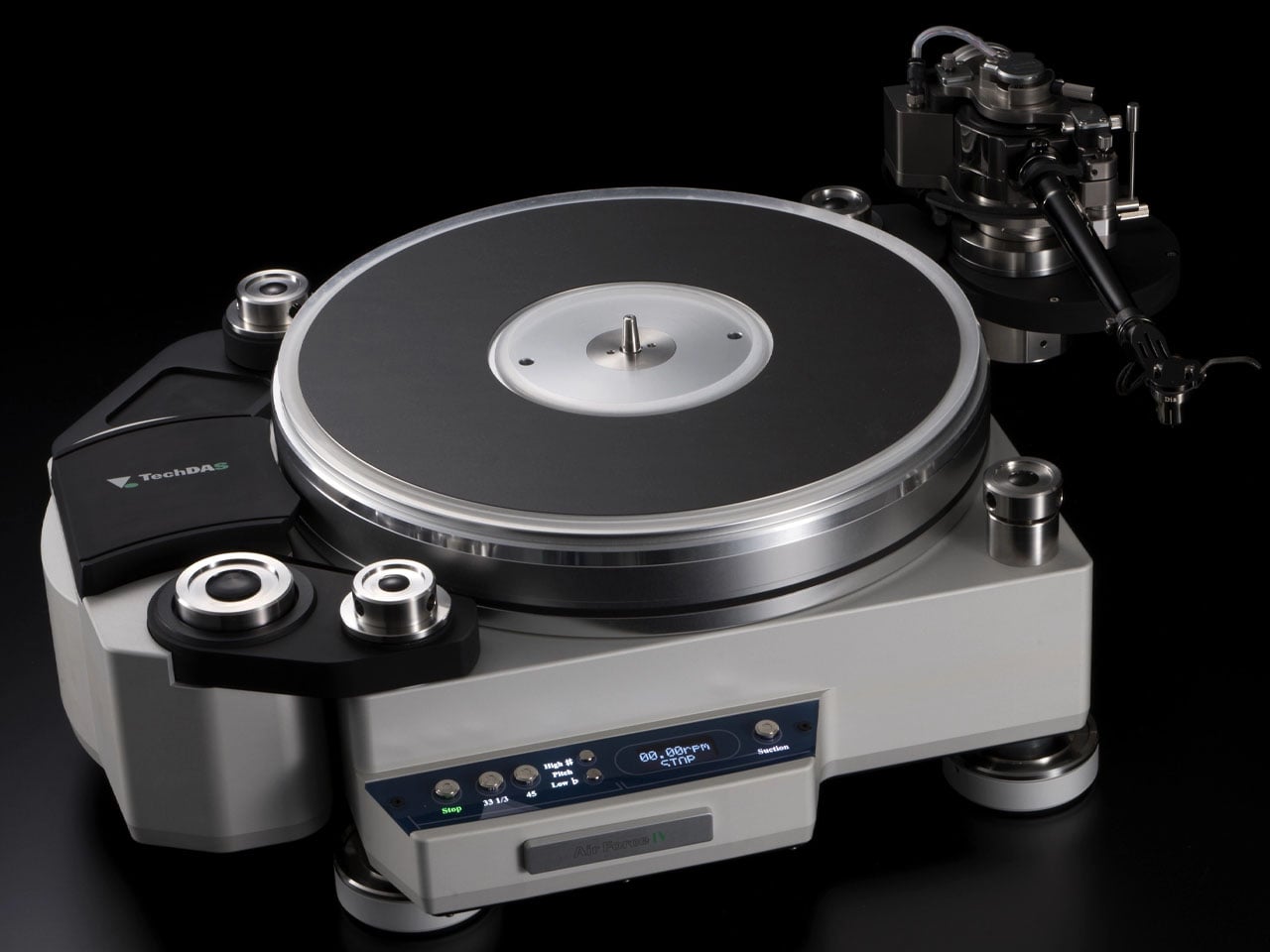
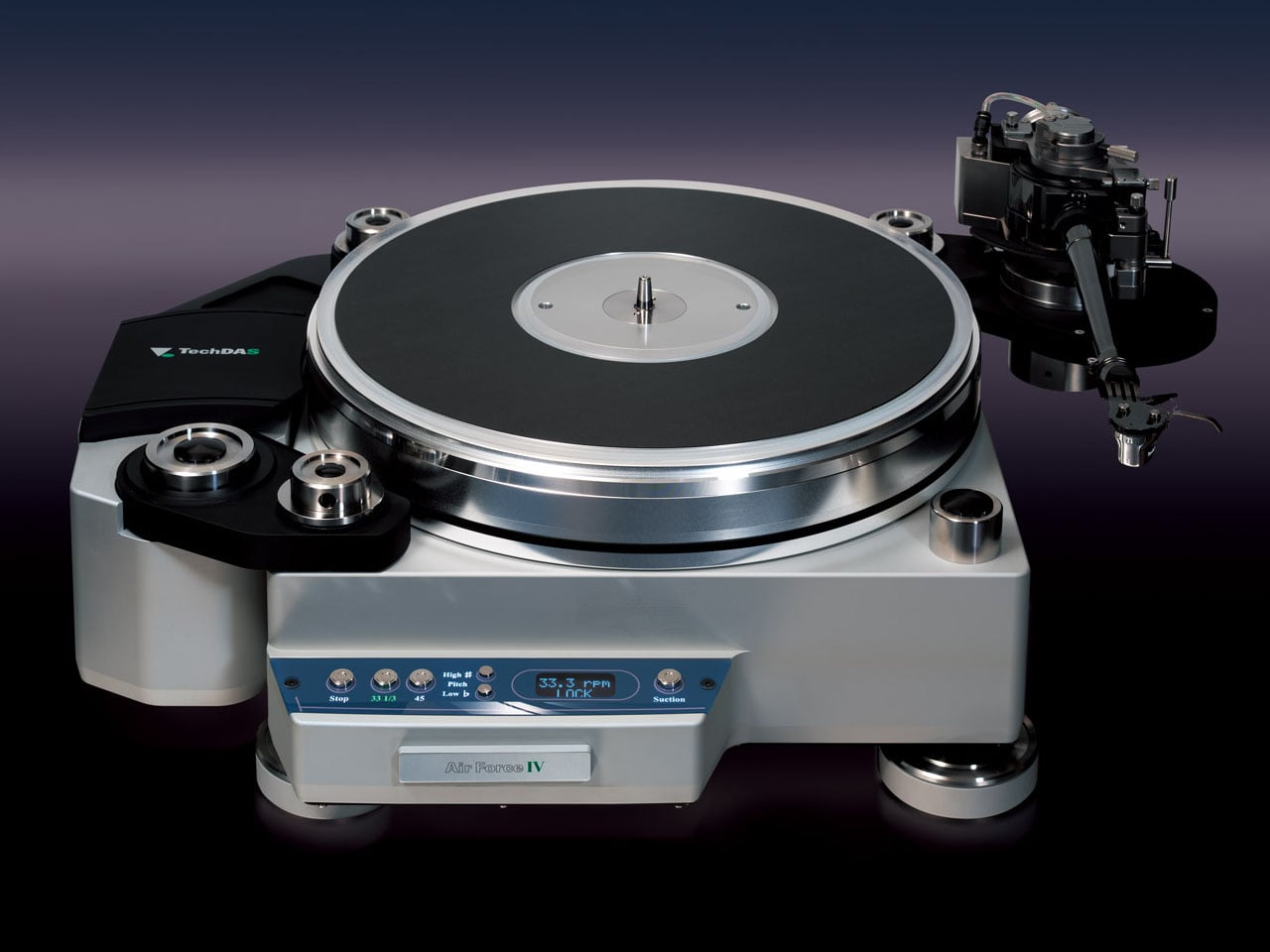
In modern times, where digital convenience dominates listening habits, the persistence of ultra-high-end analog engineering feels almost rebellious. The TechDAS Air Force IV turntable leans fully into that defiance, emerging not merely as a playback device but as a precision instrument designed to push vinyl reproduction beyond its traditional limits.
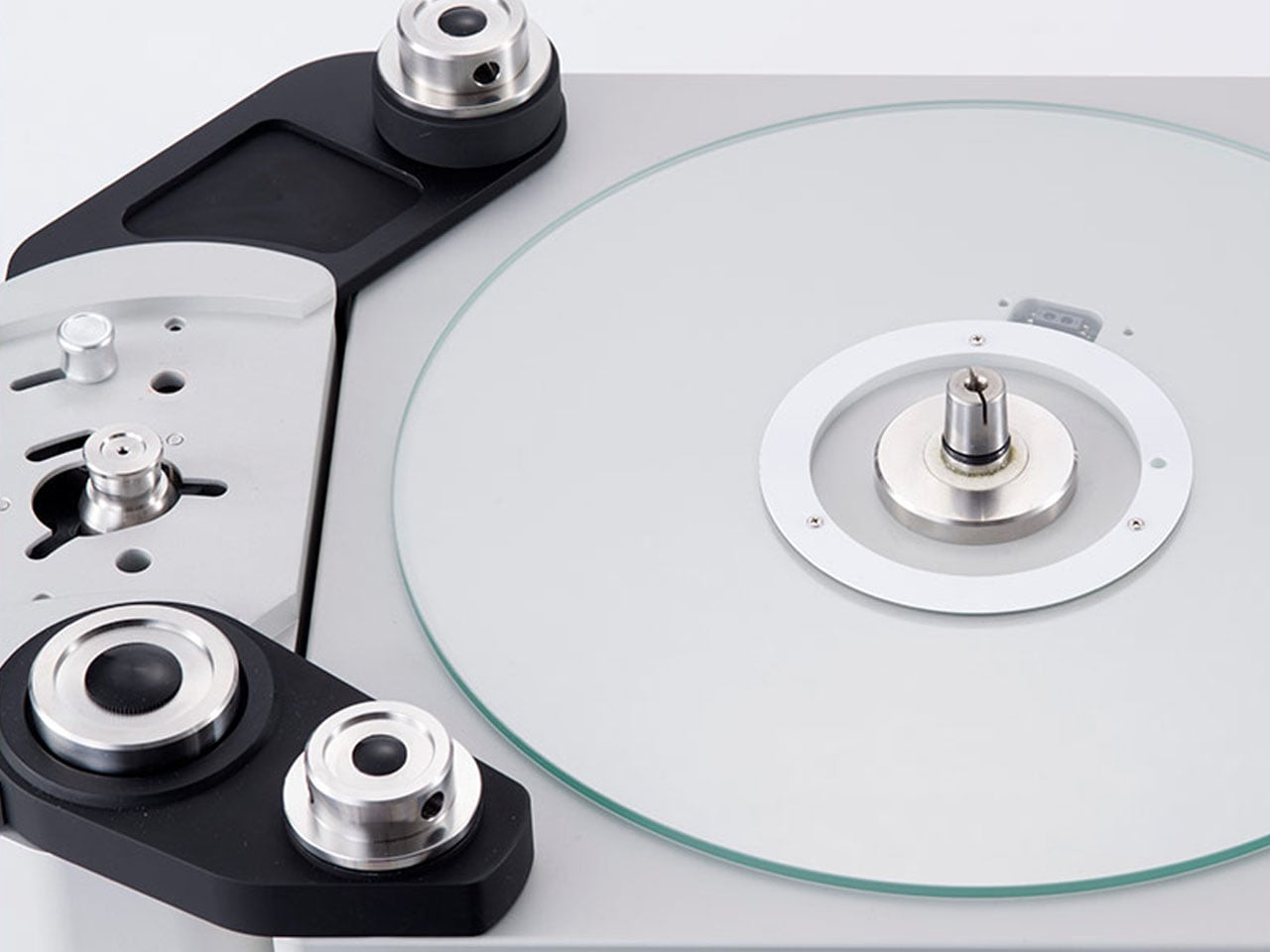
At the core of the future-forward vinyl player’s signature pneumatic architecture is a system that fundamentally rethinks how a turntable handles vibration and resonance. Instead of relying on conventional mechanical isolation, the design uses an air-bearing mechanism that effectively floats the platter, eliminating friction and drastically reducing unwanted noise.
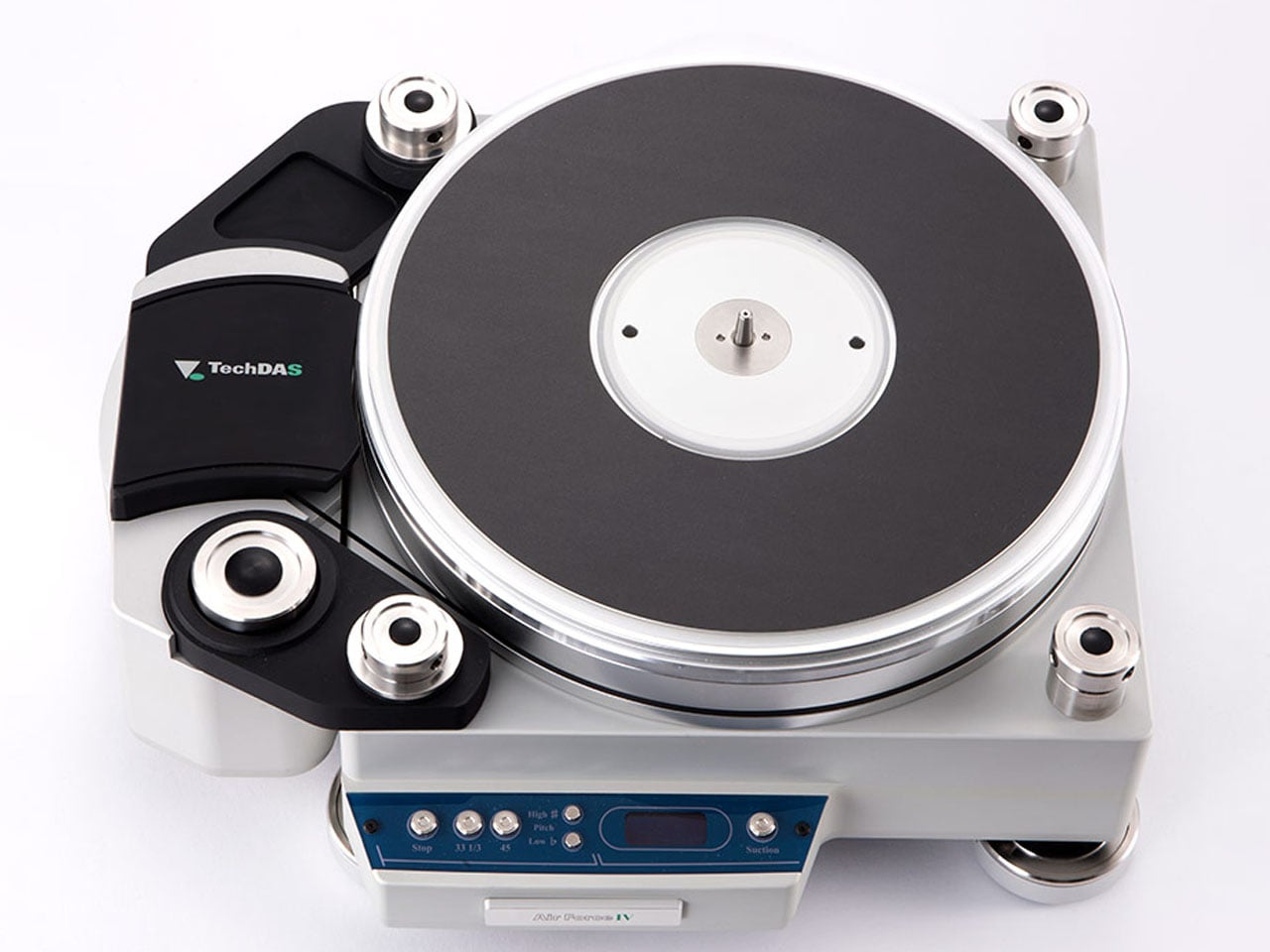
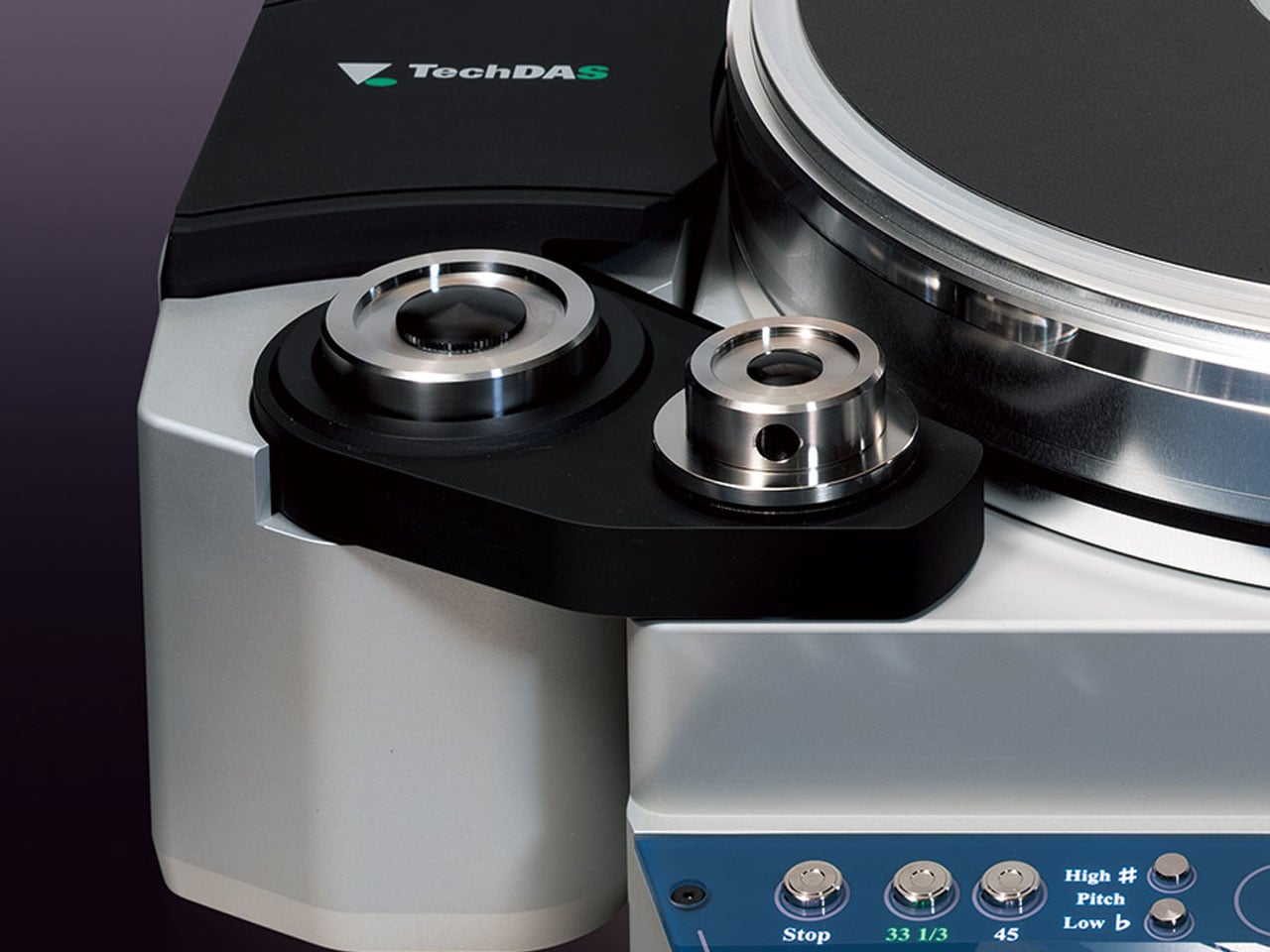
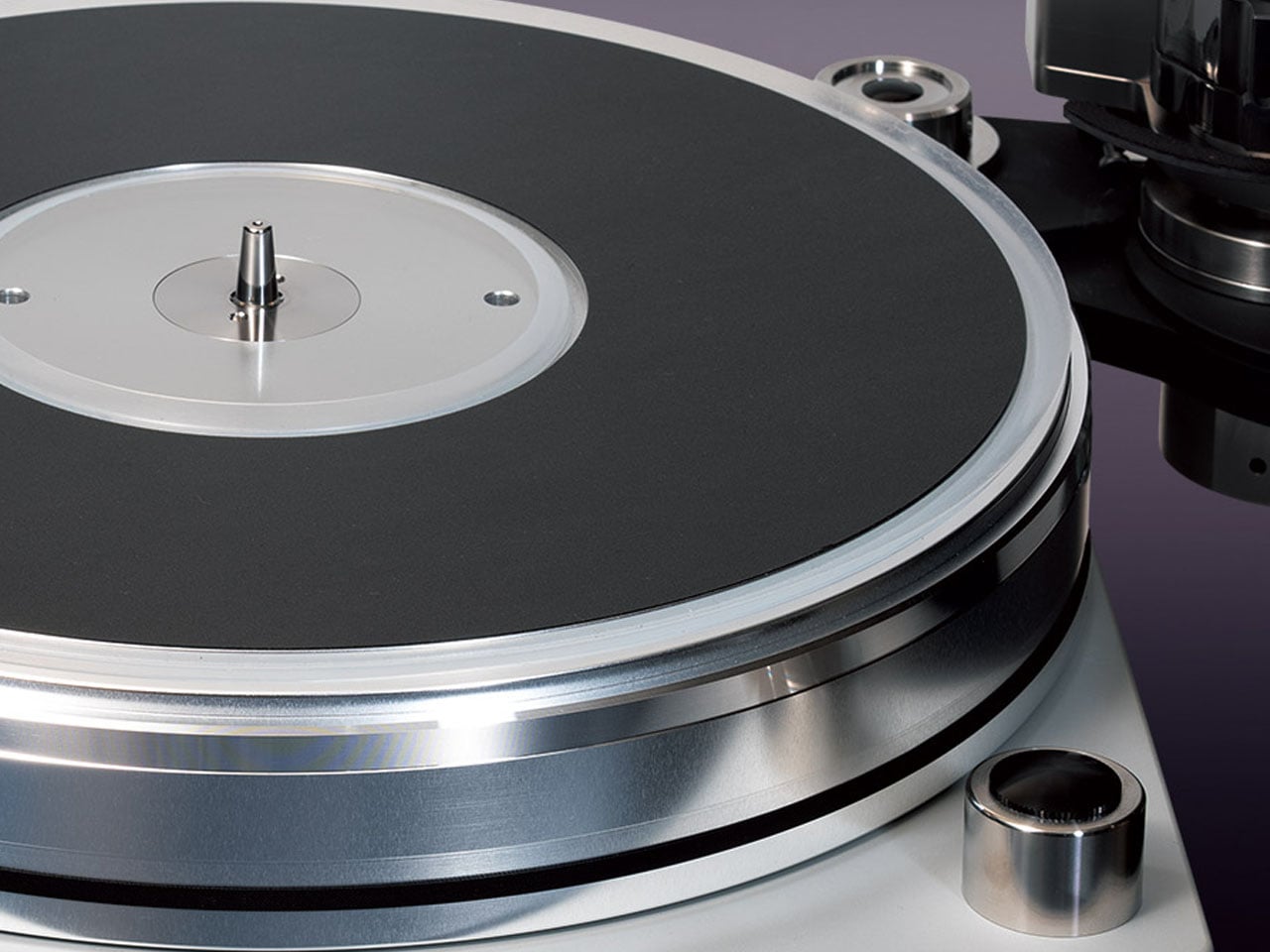
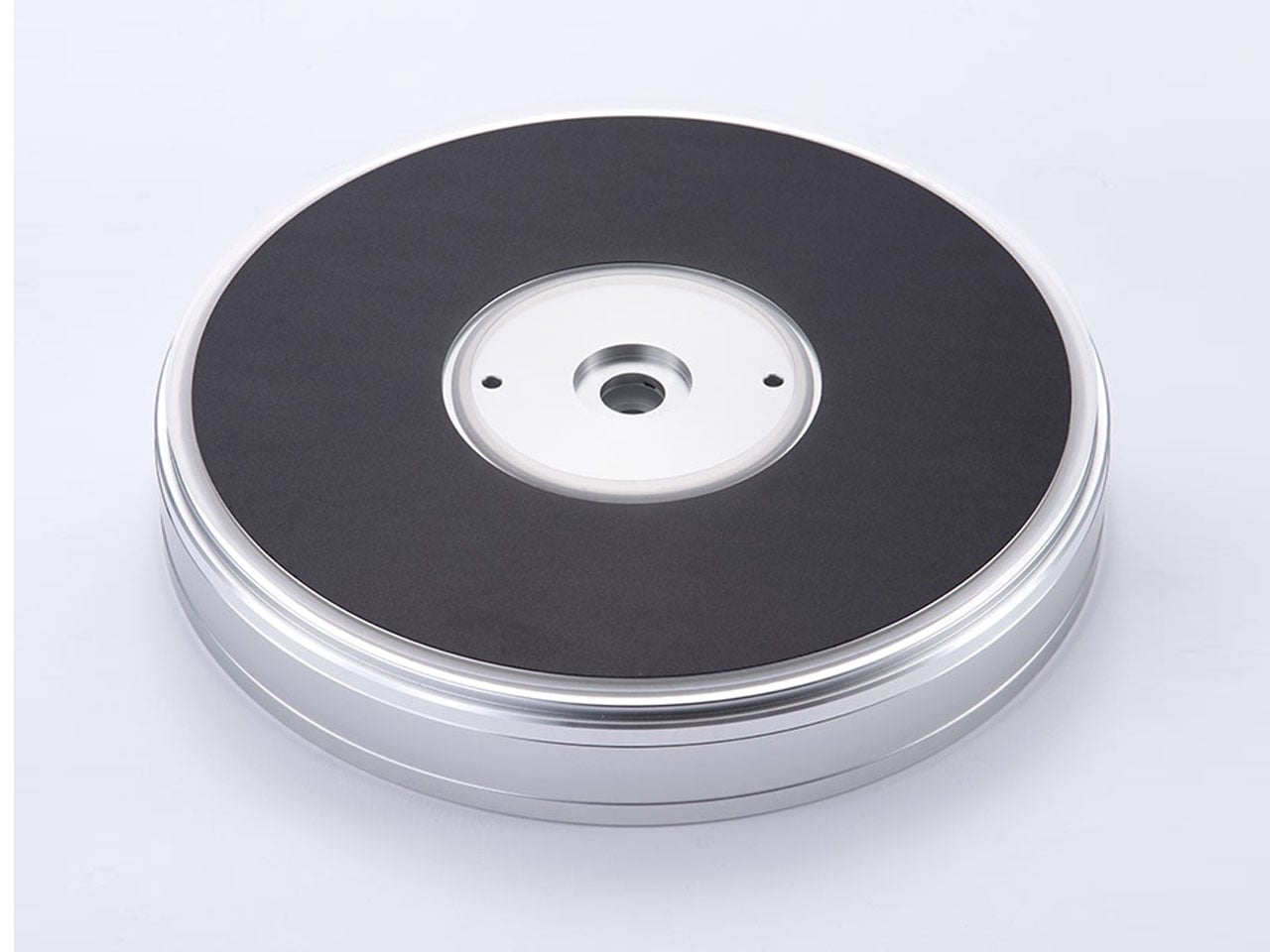
Complementing this is a vacuum LP hold-down system that secures the record firmly against the platter surface, ensuring stable playback and minimizing distortions caused by warping or micro-vibrations. Together, these “air” technologies aim to deliver a sound profile that is both exceptionally clean and dynamically expressive, setting a new benchmark for analog playback. The engineering emphasis continues with a precision-machined one-piece platter carved from solid A5056 aluminum alloy. Weighing close to 9kg, this heavy platter plays a crucial role in enhancing rotational stability while extending frequency response and improving overall dynamics.
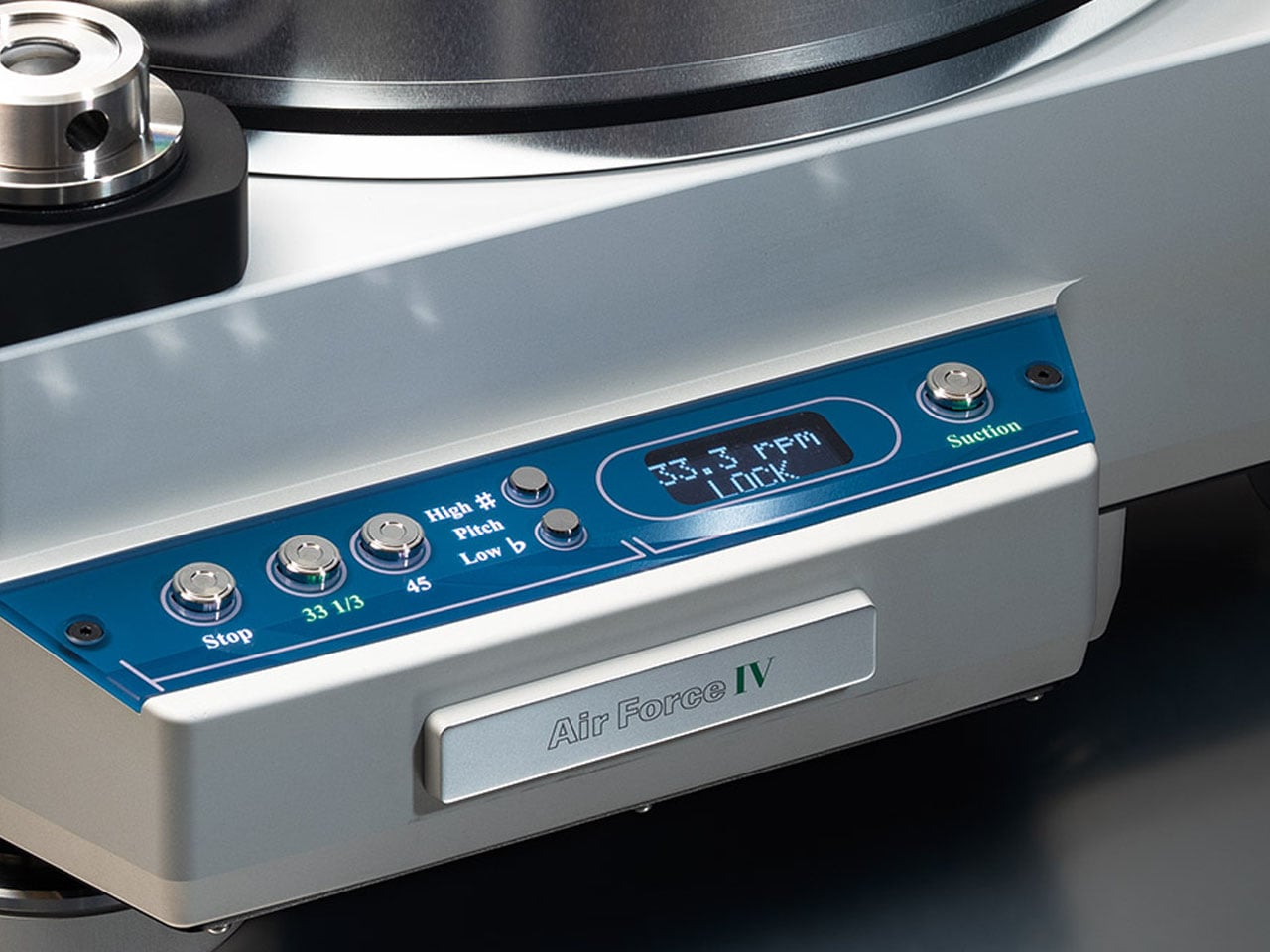
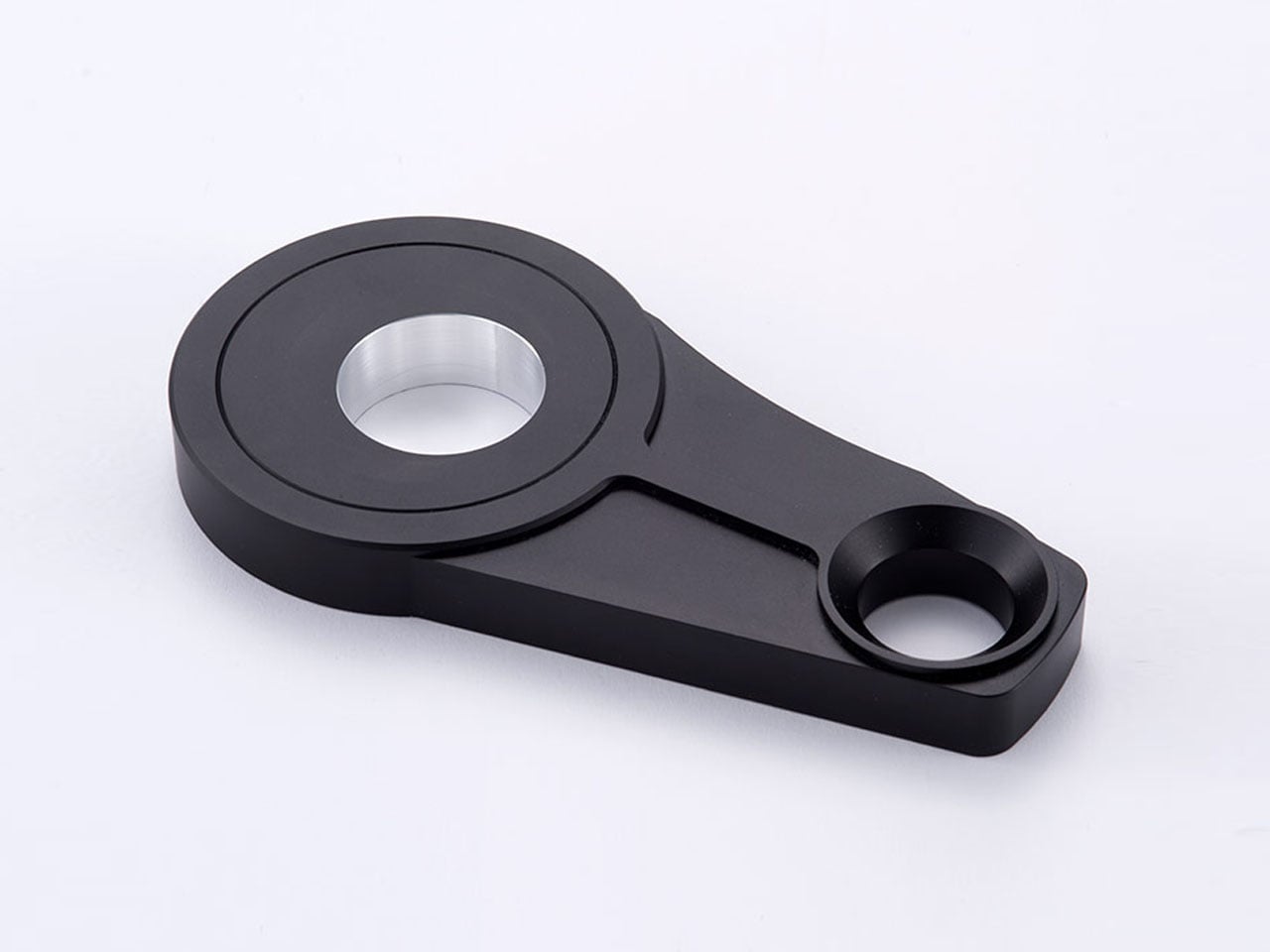
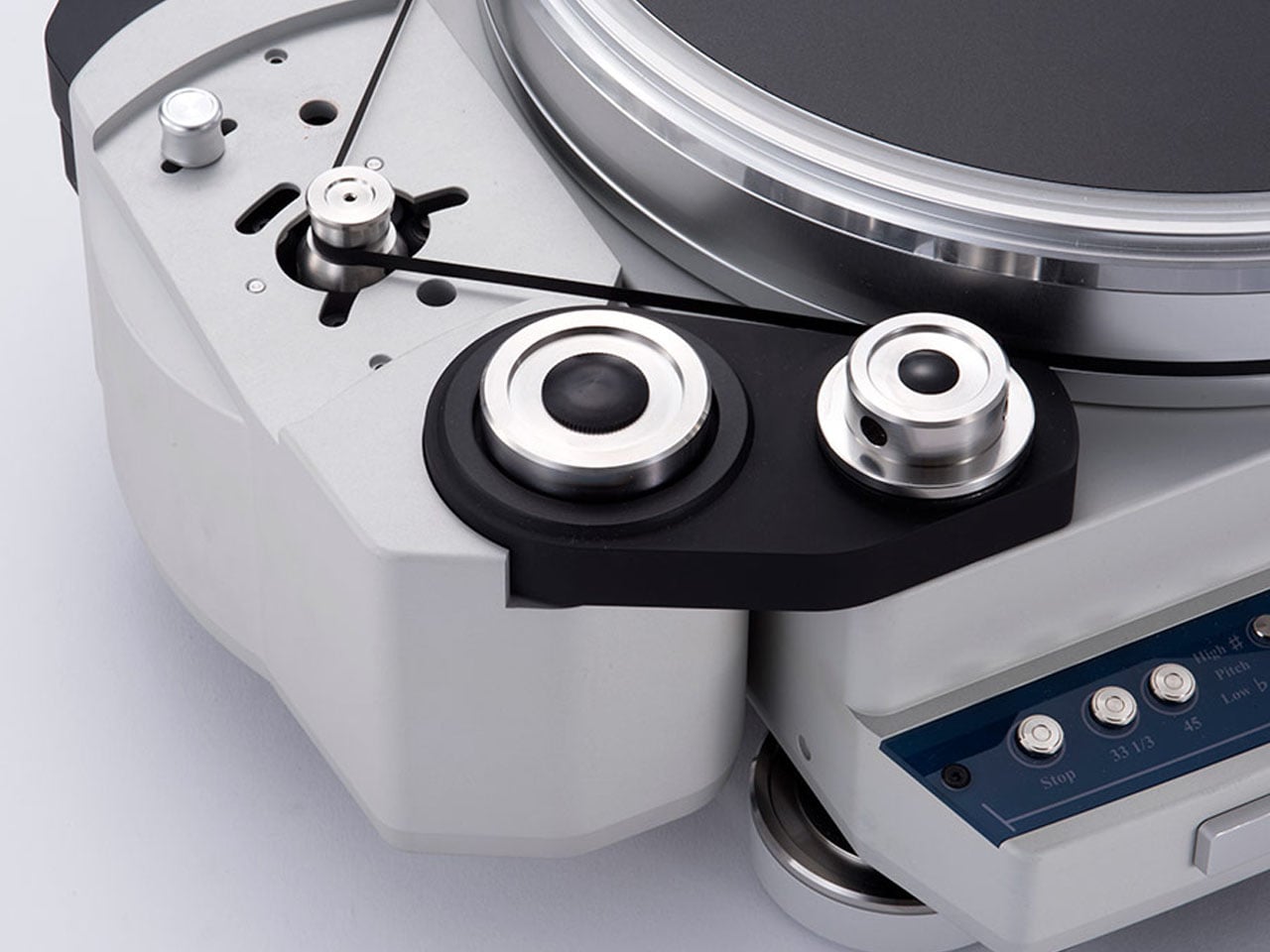
The addition of a specialized damping and anti-static surface further protects records while contributing to a quieter sonic background. The result is an audio presentation marked by a notably low noise floor and refined detail retrieval. Unlike many turntables that integrate all components into a single structure, the Air Force IV separates its motor unit from the main chassis. This external 2-phase, 4-pole AC synchronous motor reduces vibration transfer, allowing the belt-driven system to maintain highly stable rotation. A polished polyester flat belt (borrowed from higher-end models) ensures consistent speed performance, reaching standard playback speeds of 33.3 and 45 RPM with minimal wow and flutter.
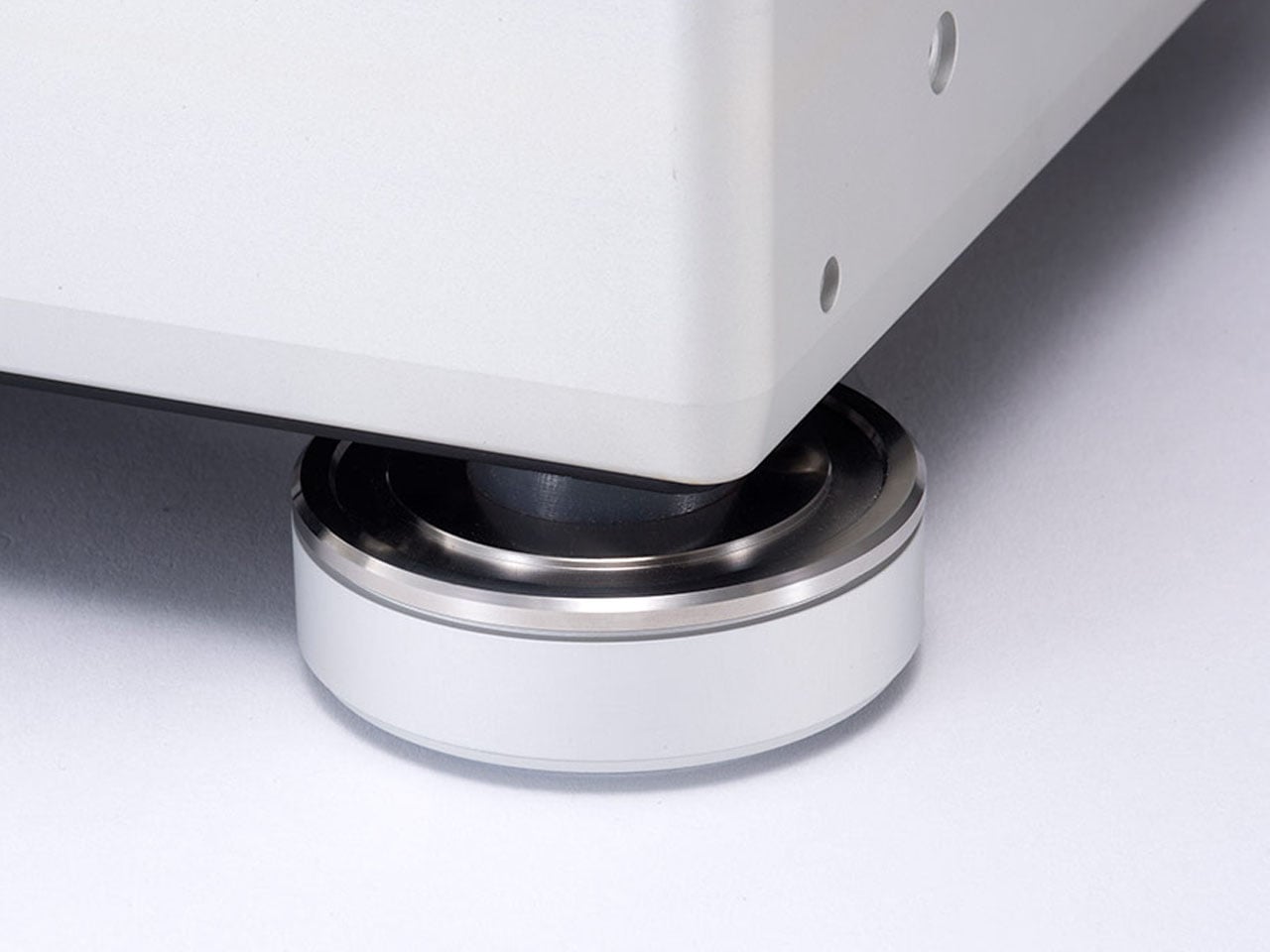
Despite its compact footprint compared to other models in the Air Force lineup, the IV incorporates technologies derived from its more expensive siblings, positioning it between the Air Force III and V in the range. The chassis itself is precision-machined from solid aluminum, supported by four specialized suspension feet designed to block external vibrations. Impressively, the design also allows for up to three tonearms, offering flexibility for audiophiles who demand multiple cartridge setups.
The Air Force IV reflects TechDAS’ broader philosophy that analog sound still has room to evolve even after decades of digital dominance. That level of tonal precision by the high-end Japanese audio manufacturer comes at a steep price of £19,998 (approximately $27,140). Obviously, it is only targeted towards audiophiles with fat pockets!
The US Department of Justice is siding with X, as the social media platform owned by Elon Musk navigates a criminal investigation unfolding in France. As first reported by The Wall Street Journal, the Justice Department characterized the French probe as "an effort to entangle the United States in a politically charged criminal proceeding aimed at wrongfully regulating through prosecution the business activities of a social media platform.”
France launched its investigation into X in July, accusing the platform of manipulating its algorithm and "fraudulent data extraction." Months later, French authorities raided X's office in Paris and issued summonses to Musk and Linda Yaccarino, the former CEO of X, to appear for interviews on April 20 as part of the probe. According to WSJ, French officials are also investigating X for other charges, including disseminating CSAM and Holocaust denial. However, France's latest move to ask the Department of Justice for assistance has been stonewalled.
“This investigation seeks to use the criminal legal system in France to regulate a public square for the free expression of ideas and opinions in a manner contrary to the First Amendment of the United States Constitution," the DOJ wrote in letter, as seen by WSJ.
An xAI official told WSJ that it's "grateful to the Justice Department for rejecting this effort by a prosecutor in Paris to compel our CEO and several employees to sit for interviews." The company spokesperson also said there was "no wrongdoing" and that it was a "baseless investigation."
This article originally appeared on Engadget at https://www.engadget.com/social-media/doj-refuses-to-help-french-authorities-in-criminal-probe-of-x-162654518.html?src=rss
The Artemis II astronauts are settling back into life on Earth, but we're not quite tired yet of hearing about their amazing journey. There's a new PBS documentary now streaming on YouTube that dives into the Artemis program and the latest efforts to send humans to the moon again. Also this week, NASA shared some awesome images of a comet flying into the sun, the nonprofit American Rivers released its annual report on the most endangered rivers in the US and ESA posted a throwback image of Mars to highlight some interesting changes down on the surface. Here are the science stories that caught our attention this week.
A comet grazes too close to the sun
Earlier this month, a recently discovered comet made a close approach to the sun — but it couldn't handle the heat. NASA has shared incredible images of the encounter that took place on April 4, showing the comet exploding into dust as it swings around our star. As NASA notes in a social media post, this was "its first and last observed flyby of the Sun."
The comet, C/2026 A1 (also known as MAPS) was first spotted on January 13 of this year. As it neared the sun, it was observed by a slew of instruments: NASA and ESA's SOHO (Solar and Heliospheric Observatory) spacecraft, NASA's STEREO (Solar Terrestrial Relations Observatory) and NASA's PUNCH (Polarimeter to Unify the Corona and Heliosphere). This allowed for views of its passage from multiple angles. Seen in a narrow-field coronagraph view captured by SOHO, the comet appears to plunge directly into the sun. But, the wide view from NASA's STEREO shows it actually swinging closely around the sun before breaking apart.
🧵2/4
This close-up coronagraph view from NASA/ESA’s SOHO spacecraft shows comet C/2026 A1 (MAPS) approaching the Sun on April 4.
MAPS was one of a family of comets aptly called Kreutz sungrazing comets, and according to Karl Battams, the principal investigator for SOHO’s coronagraph, its destruction occurred likely several hours before what would have been its closest approach.
Potomac named most endangered river in the US
The nonprofit conservation organization American Rivers has released its 2026 report on the most endangered rivers in the country, and data centers play a major role in the status of its top pick. According to American Rivers, the Potomac River is the most endangered in the US due both to the threat of sewage pollution from aging pipe systems and the "unprecedented surge in data center development" in its vicinity.
The Potomac River basin spans parts of Pennsylvania, Maryland, Virginia, West Virginia and Washington, DC. In January, the catastrophic failure of the Potomac Interceptor wastewater pipe in Montgomery County, Maryland dumped hundreds of millions of gallons of untreated sewage into the Potomac River and the Chesapeake and Ohio (C&O) Canal, causing bacteria levels to hit over 4,000 times the safe recreational limit at sites closest to the incident, according to the report. The Potomac Interceptor is over 60 years old, and is just one of many in the region that is at or past the 50-year service life, American Rivers notes.
On top of that, data center development in places like Virginia and Maryland has skyrocketed, which could put a strain on local water and energy sources. Data centers also have potential to cause further pollution to the river.
"The region currently has over 300 data centers and is on track to have a total of about 1,000 centers occupying roughly 200 million square feet of buildings — enough to cover 3,472 football fields — on an estimated 20,000 acres of land," the report explains. "These facilities pose a significant and growing threat to both water quality and water quantity, yet are being approved without meaningful transparency, regulatory review, and assessment of cumulative impacts."
The organization is calling for Congress to reauthorize infrastructure funding bills so aging systems can be upgraded, and for regulators in these states to require transparency about data centers' resource use, along with comprehensive environmental assessments before development plans are approved.
Mars ash: then vs now
ESA/DLR/FU Berlin
The European Space Agency this week shared a look at how a region on Mars has changed since it was observed by NASA’s Viking orbiters way back in 1976. New images captured by ESA's Mars Express spacecraft show how dark volcanic ash has encroached upon a swath of land in an area known as the Utopia Planitia basin. If you visit the blog post, you'll find a side by side comparison of images from the two time periods.
It's a rare example of an observable change on the surface of the red planet that's occurred over such a short period of time, ESA notes. The agency explains, "The spread of the ash over the last 50 years has two possible explanations: either it has been picked up and moved about by martian winds, or the ochre dust that previously covered the dark ash has been blown away."
Before you go, be sure to check these stories out too:
This article originally appeared on Engadget at https://www.engadget.com/science/a-comet-gets-destroyed-by-the-sun-data-centers-endanger-the-potomac-river-and-more-science-news-160000714.html?src=rss
The name says two. The building delivers three. Tucked behind a 1912 home in Fairfax, California, Two-Fold Studio is the latest project from San Francisco-based practice ONO, founded in 2020 by Max Obata and Tyler Noblin, and it might be one of the most quietly considered small structures the firm has produced yet.
The client, a general contractor and a ceramic artist who also teaches Pilates, came to ONO with a precise brief: build a pavilion that could hold a Pilates studio, a ceramics workshop complete with kiln, storage, and kitchenette, and, when the occasion calls for it, a guesthouse. Three programmes, one 800-square-foot structure, and a yard full of trees that weren’t going anywhere. The architects delivered on all counts.
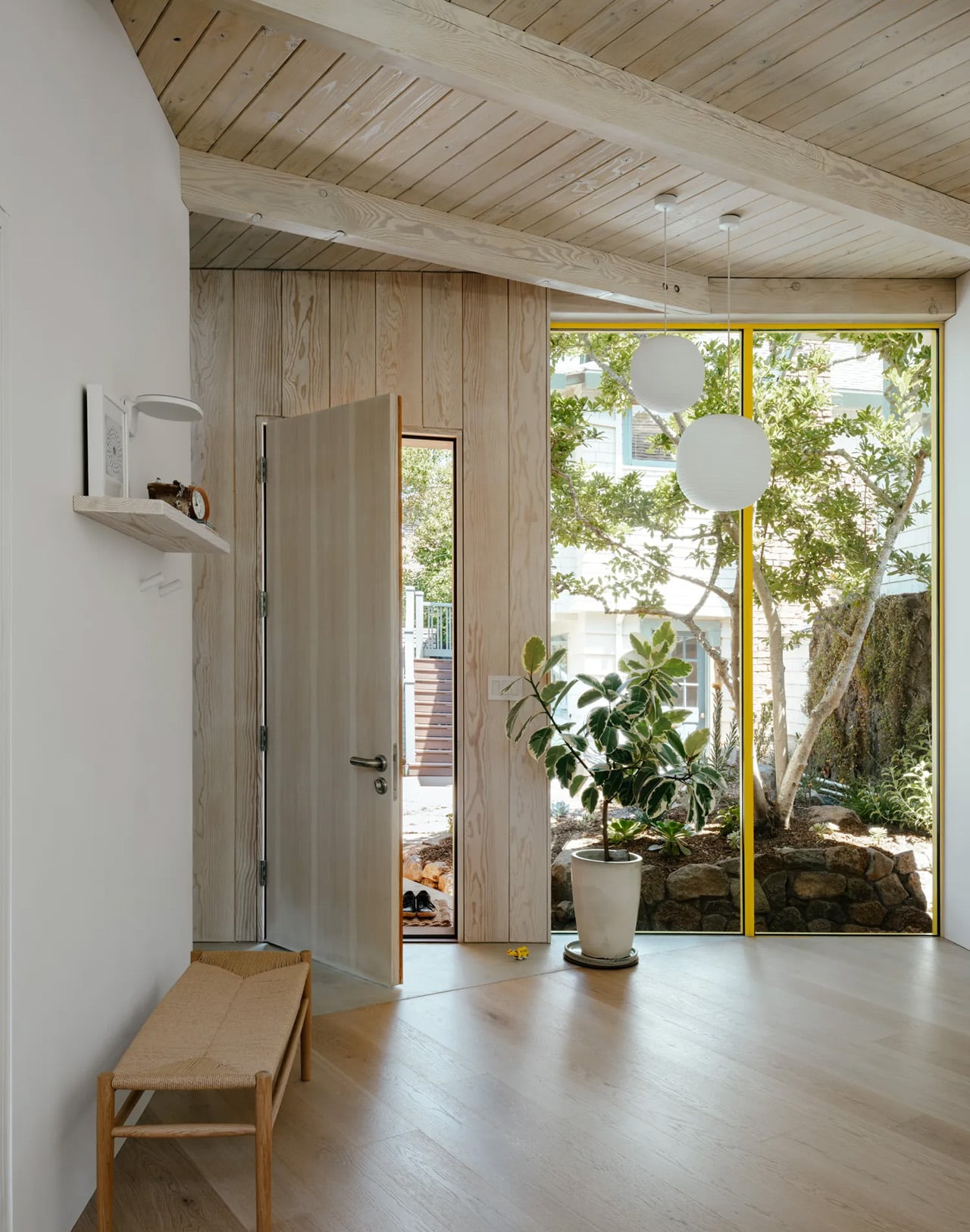
Rather than bulldoze the site into submission, ONO bent the building around it. The structure contorts into an L-shape, folding around the pre-existing trees to maintain the yard’s existing character. The form then becomes a kind of frame, a viewing pavilion, in ONO’s words, taking direct reference from the Ryoan-ji Rock Garden in Kyoto. The relationship between building and landscape isn’t incidental here; it’s the whole point.
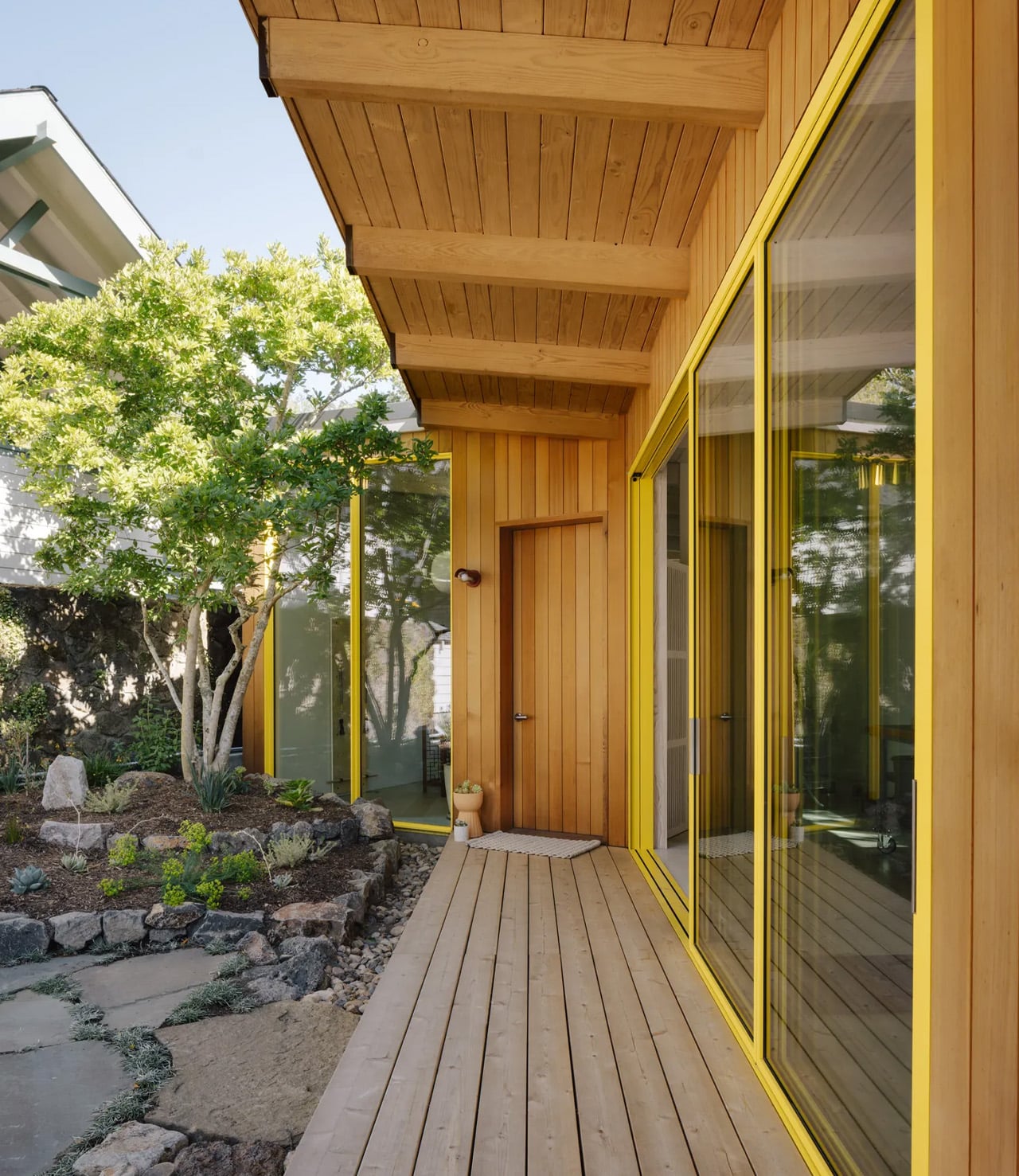
On the outside, the building reads modestly. Cedar shingles tie it back to the original home, keeping the new structure from announcing itself too loudly against the surrounding hills. Sliding glass doors, cheerfully framed in yellow powder-coated aluminum, open one side of the building entirely to the outdoors, creating a small patio underlined by the roof’s generous overhang. The yellow wasn’t arbitrary. Obata has noted that the client works in bold colour in her ceramics, so the palette needed to hold its own.
Step inside, and the two halves of the studio read distinctly but feel continuous. The Pilates side is warm and spare, finished in wood that flows through to a bathroom lined in plaster, a softer material that adds texture without breaking the natural language of the space. The ceramics side opens wider, with blue cabinets, exposed ceiling beams, and zinc countertops chosen specifically for the way they’ll patina into a silvery blue over time. A long work desk doubles as a kitchen counter, adjacent to a kiln neatly tucked into a wall niche.
Clerestory windows flood the ceramics studio with light while maintaining privacy from the street. In summer, with the sliding doors thrown open, afternoon light comes in late and high, ideal, as Obata puts it, for working well into the evening. Two-Fold is small, specific, and built entirely around the person who uses it. That’s what makes it memorable.
The Apple Watch Ultra 4 is poised to deliver a series of meaningful advancements in wearable technology. While it may not introduce a new redesign, its focus on internal enhancements, ranging from improved health tracking to better performance and power efficiency, marks a significant step forward for the Ultra lineup. These updates aim to refine […]
The Apple Watch Ultra 4 is poised to deliver a series of meaningful advancements in wearable technology. While it may not introduce a new redesign, its focus on internal enhancements, ranging from improved health tracking to better performance and power efficiency, marks a significant step forward for the Ultra lineup. These updates aim to refine […]
The Meta 124.0 update introduces a series of modest changes to the Meta app and its smart glasses, as outlined by Phones & Drones. Among the updates is the addition of AI-powered photo editing features, allowing users to animate still images and apply creative effects directly within the app. While these enhancements improve certain aspects […]
The Meta 124.0 update introduces a series of modest changes to the Meta app and its smart glasses, as outlined by Phones & Drones. Among the updates is the addition of AI-powered photo editing features, allowing users to animate still images and apply creative effects directly within the app. While these enhancements improve certain aspects […]
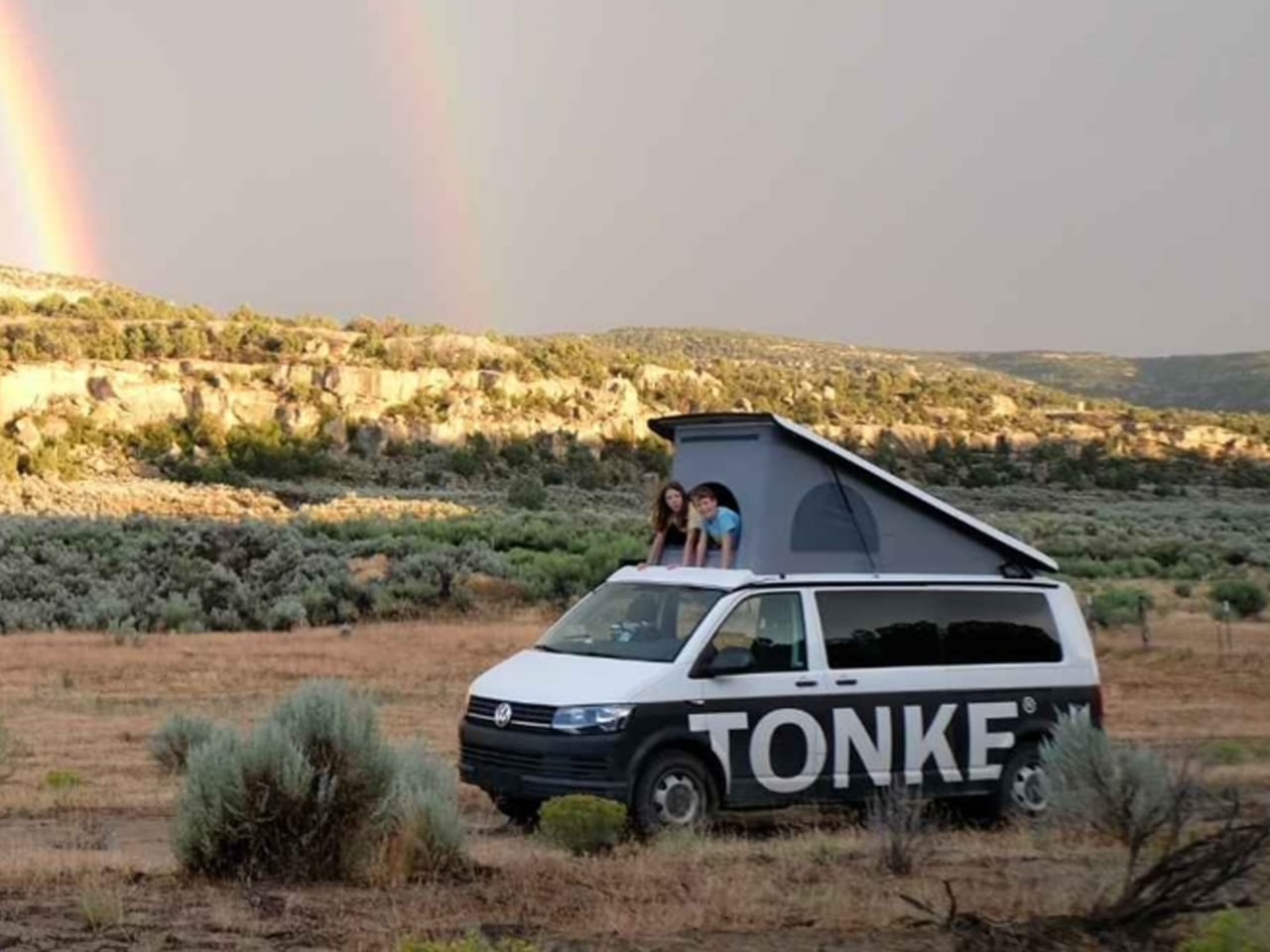
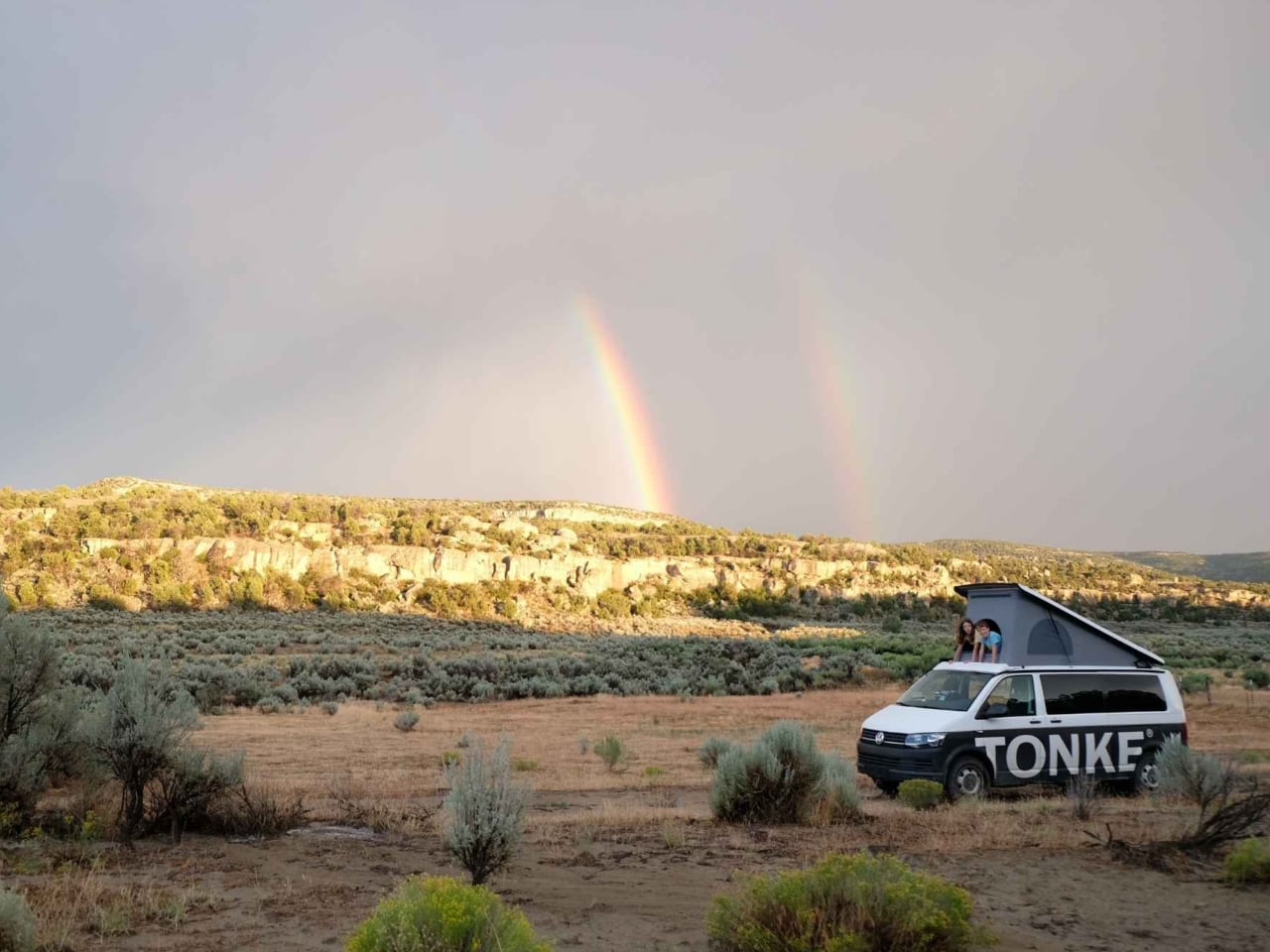
It hasn’t even been 24 hours since I reported on the new Sprinter 144 AWD–based, highly versatile Vanspeed Album camper van, and already another high-quality Volkswagen camper van is knocking at the door. This one is being transformed in the workshops of Dutch converter Tonke and is aptly called the Basecamp, which should be with us any time next month, if the camper van’s webpage on Tonke’s website is anything to go by.
If all goes as planned, Tonke is likely to launch the Basecamp, its most robust, self-sufficient, and luxurious camper van, in May 2026. The adventure vehicle perceived will be based on the latest generation Volkswagen Transporter with a well-thought-out interior, enhanced by underfloor insulation, off-grid power systems, and the structural integrity to go where life takes you.
Basecamp will be a pop-top camper van, the Tonke notes on its website. With sleeping and daytime sitting accommodation for four people, the camper van will be equipped with a spacious kitchen, toilet, shower, and storage for longer trips. Of course, being based on the VW Transporter, the van will be offered with a choice of three powertrains, depending on buyers’ travel needs and carbon footprint preferences.
“Tonke Basecamp will be available as a hybrid camper, an electric camper, and as a traditional diesel variant. In addition, there will be a powerful 4×4 version.” Buyers can go with an all-electric Basecamp camper van version for the zero-emissions adventure, or the hybrid variant would allow “smooth and quiet electric drive,” with the assurance of extended range as compared to a combustion engine. The regular diesel powertrain will provide maximum towing capacity and endurance for longer journeys.
Irrespective of the powertrain you choose, Basecamp will provide a customized Volkswagen Transporter “hand-built to Tonke’s quality standards.” The pop-up roof Basecamp is confirmed as a four-person sleeper, with a 91 x 47-inch bed in the pop-out and a convertible 79 x 39-inch bed in the lower section. The cabin will function as a lounge area during the day with an extendable dining table and a lounge area for four people.
A smartly designed Volkswagen Transporter Basecamp camper van will, Tonke notes, “comfort level of a large Mercedes Sprinter camper.” To that accord, it will embed a spacious kitchen with a 60L water tank, a 16L boiler for hot water supply, and an 80L refrigerator. There are no other details about the kitchen setup at the time of writing. But we learn that the van will have a wet both complete with a shower and a toilet.
What’s really interesting is the fact that the Basecamp will be provided with an underfloor heating system, preparing the camper van for all-season comfort. The entire package is likely to arrive in May for a starting price of €50,668 (approximately $60,000).