Dozie Kanu Just Turned His Life Story Into Tables for Knoll

A table is just a table until it isn’t. That’s the kind of thinking that gets lost in a lot of design conversations, where we spend so much time talking about materiality and silhouette that we forget to ask what an object is actually carrying. The Dozie Kanu Table Collection for Knoll, debuting at Salone del Mobile 2026, makes that question impossible to ignore.

Kanu is an American artist who grew up in Texas with Nigerian immigrant parents. That detail matters enormously here, because it shaped a perspective that doesn’t fit neatly into any one cultural box. He’s spoken openly about the displacement that came with that upbringing, about not being fully accepted by the Black community, about existing in-between. “Growing up in Texas with Nigerian immigrant parents, I was not fully accepted by the Black community… it created a feeling of displacement. And that feeling is everywhere in my practice.” And that sense of in-between-ness is exactly what makes his design language so compelling to look at.

Designer: Dozie Kanu for Knoll

The collection itself is three pieces: a console, a coffee table, and a side table. All three are built with taut leather surfaces and rounded steel rod edges, and all three trail floor-length leather tassels that move with a life of their own. The tassels are the thing that catch your eye first, and they’re meant to. They pull from African drums, from African ceremonial dress, and from the fringed leather jackets of Texas cowboy culture. That last reference might seem like an odd pairing, but that’s kind of the point. Kanu isn’t choosing between his influences. He’s letting them coexist.

Available in two colorways, bronze and a dark grey manganese, the pieces have a quiet formality that makes the tassels even more striking. The restraint of the forms makes the ornamentation feel intentional rather than decorative. You don’t look at these tables and think “maximalism.” You think “precision.” The tassels earn their place because everything else is so considered.

Knoll, for the record, is not a brand that takes collaborations lightly. Their roster has historically included Eero Saarinen and Mies van der Rohe, which means choosing Kanu for this moment says something. It says they’re paying attention to who’s shaping the conversation around contemporary design. Kanu, who has built a practice across sculpture and installation, is exactly the kind of artist who brings a point of view that doesn’t get diluted in the translation to mass production. His own framing of the work says it perfectly: “It’s not screaming ‘identity’ or ‘autobiography.’ But the best thing I can do is make what I know.”

That line is worth sitting with. We’re living through a design moment where cultural narrative has become something of a selling point, and there’s a real risk of it becoming performative. What Kanu is doing feels different. It’s not a press release in object form. It’s more like a very personal shrug that happens to be beautiful. The tassels don’t announce themselves as symbols. They just exist, and they carry the weight of a story without demanding that you read it.

Running alongside the Knoll launch, Kanu also has an installation at ICA Milano in collaboration with the Nicoletta Fiorucci Foundation, featuring a structure built from reinforced cardboard. It’s a reminder that his practice spans a lot of registers, that the tables and the gallery work are part of the same ongoing conversation he’s having with himself. I appreciate that kind of consistency in an artist. You can feel the through-line even when the mediums are completely different.

If I’m being honest about what this collection does to the broader design conversation, I think it’s a useful reminder that furniture doesn’t have to be neutral to be functional. A table can have a perspective. It can come from somewhere very specific without being inaccessible. And when a brand like Knoll gives that kind of work the platform it deserves, the results are worth paying attention to far beyond the walls of Milan Design Week. Dozie Kanu’s tables are at Salone del Mobile 2026. They move when you walk past them. And they’ve got a lot to say.

The post Dozie Kanu Just Turned His Life Story Into Tables for Knoll first appeared on Yanko Design.

Anna’s Archive told to pay Spotify and record labels $322 million over unprecedented music scraping

The open-source library and search engine Anna’s Archive has been ordered to pay Spotify and the three of the world’s largest music labels $322 million in damages after it claimed to have scraped the entirety of the streaming platform’s library of music.

Spotify, Universal Music Group, Warner Music Group and Sony Music Entertainment, sued Anna’s Archive in January for a slightly comical $13 trillion. They alleged Anna's Archive had illegally scraped 86 million songs — a significant chunk of all the music on the planet — and intended to make them available for download via BitTorrent. At the time, Spotify called the scraping a "brazen theft of millions of files containing nearly all of the world’s commercial sound recordings."

In a since-deleted blog post, Anna's Archive stated the scraping was an act of preservation. Still, a New York federal judge sided with the plaintiffs after the archive's anonymous operator failed to respond to the lawsuit.

The court order finding Anna's Archive guilty of direct copyright infringement, breach of contract and violation of the Defense Contract Management Agency (DCMA) was filed on April 14. A further claim of violation of the Computer Fraud and Abuse Act (CFAA) was dismissed by the judge.

The total breakdown of damages includes $7.5 million to each of Sony and Universal Music and $7.2 million to Warner Music, with the remaining $300 million going to Spotify. The latter figure amounts to $2,500 for each of the 120,000 scraped music files already made available by Anna’s Archive. The remainder of the 86 million files were due to be released to the public at a later date.

The court also ordered Anna’s Archive to "immediately destroy all copies and phonorecords of any work ‘scraped,’ downloaded, copied or otherwise extracted from Spotify," but whether it actually does this, or indeed hands over a penny of the damages, remains to be seen. The bizarre reality of this case is that the person (or people) behind Anna’s Archive remains a mystery.

This article originally appeared on Engadget at https://www.engadget.com/big-tech/annas-archive-told-to-pay-spotify-and-record-labels-322-million-over-unprecedented-music-scraping-151034032.html?src=rss

Bluesky blames DDoS attack for server outages

Bluesky is once again having a wobble. The platform said some of its systems are down and that it’s “investigating an incident with service in one of our reginos” (that’s Bluesky’s typo, not mine). The issue appears to have started at 1:42AM ET and was still persisting as of 11AM when this story was originally published. Since then, the site has been experiencing intermitent interuptions, including at times to its status page where users should be able to monitor outages.

At 7:47PM ET, the platform explained that it’s been attempting to mitigate “a sophisticated Distributed Denial-of-Service (DDoS) attack, which intensified throughout the day.” It said the attack had caused interruptions to users’ feeds, notifications, threads and search, all of which the Engadget team experienced first-hand at various points through the day. While DDoS attacks are frequently used as virtual smokescreens for hacks, Bluesky says it has “not seen any evidence of unauthorized access to private user data.” The social media service had another brief outage earlier this month.

In a later update on April 17, Bluesky noted that the DDoS attacks are “ongoing” but that the service has been stable since about 9PM PT last night. The company also reaffirmed that it hasn’t seen any evidence of access to user data. The next update is set to arrive by end of day Friday.

Update, April 17, 12:47PM ET: This story was updated with Bluesky’s latest outage update.

Update, April 16, 8PM ET: This story was updated after publish with an of the outage from Bluesky.

This article originally appeared on Engadget at https://www.engadget.com/social-media/bluesky-blames-ddos-attack-for-server-outages-150515882.html?src=rss

Samsung Galaxy Z Fold 8: July 22 Unpacked Date and London Venue

Samsung Galaxy Z Fold 8: July 22 Unpacked Date and London Venue A stylus resting near a foldable display, illustrating the rumored S Pen comeback on Galaxy Z Fold 8.

Samsung has officially announced its next Unpacked event, set to take place on July 22 in London. This highly anticipated event will showcase the latest additions to Samsung’s foldable lineup, including the Galaxy Z Fold 8, Galaxy Z Wide Fold, and Galaxy Z Flip 8. These devices promise to deliver substantial improvements in design, performance, […]

The post Samsung Galaxy Z Fold 8: July 22 Unpacked Date and London Venue appeared first on Geeky Gadgets.

Posted in Uncategorized

Meta Quest headset prices are going up on April 19

The RAM crisis has prompted another company to jack up hardware prices. Meta says it will be increasing the price of Quest headsets on April 19. The Meta Quest 3 will get a $100 hike to $599, while the Quest 3S will be $50 more expensive at $350 (for a version with 128GB of storage) and $450 (256GB).

Meta is blaming the increases on the rising costs of RAM, which has skyrocketed in price due to a shortage of chips as AI companies gobble up as much memory as they can for their data centers. Sony recently bumped up the prices of PS5 consoles and the PlayStation Portal handheld for similar reasons. Microsoft made its Surface PCs more expensive this week too.

Meta Quest accessories are staying at the same prices, but refurbished Quest units are somehow getting more expensive as well. Refurbished Quest 3S units will be also be $50 more at $320 (128GB) and $410 (256GB). Meta is increasing the price of a refurbished Quest 3 by $100 to $550. I’m not exactly sure how the company can pin those changes on increased manufacturing costs. Meanwhile, Meta told The Verge that it doesn’t expect to increase the prices of its smart glasses anytime soon.

Correction April 16, 2026, 11:28AM ET: This story initially stated that the price of a refurbished Quest 3 is increasing by $170. It’s going up by $100. We regret the error.

This article originally appeared on Engadget at https://www.engadget.com/ar-vr/meta-quest-headset-prices-are-going-up-on-april-19-143259031.html?src=rss

Desire Paths, Plywood, and a Stool That Gets It

Have you ever noticed the worn-down patches of grass in a park where people have chosen to walk instead of staying on the designated path? That’s a desire path, and urban planners have a complicated relationship with them. Some see them as a nuisance, proof that people refuse to follow the plan. Others see them as data, clear evidence that the original design missed something. Fabrício Reguelin Auler falls firmly in the second camp, and his Shortcut Stool is one of the more thoughtful pieces of furniture I’ve come across in a while.

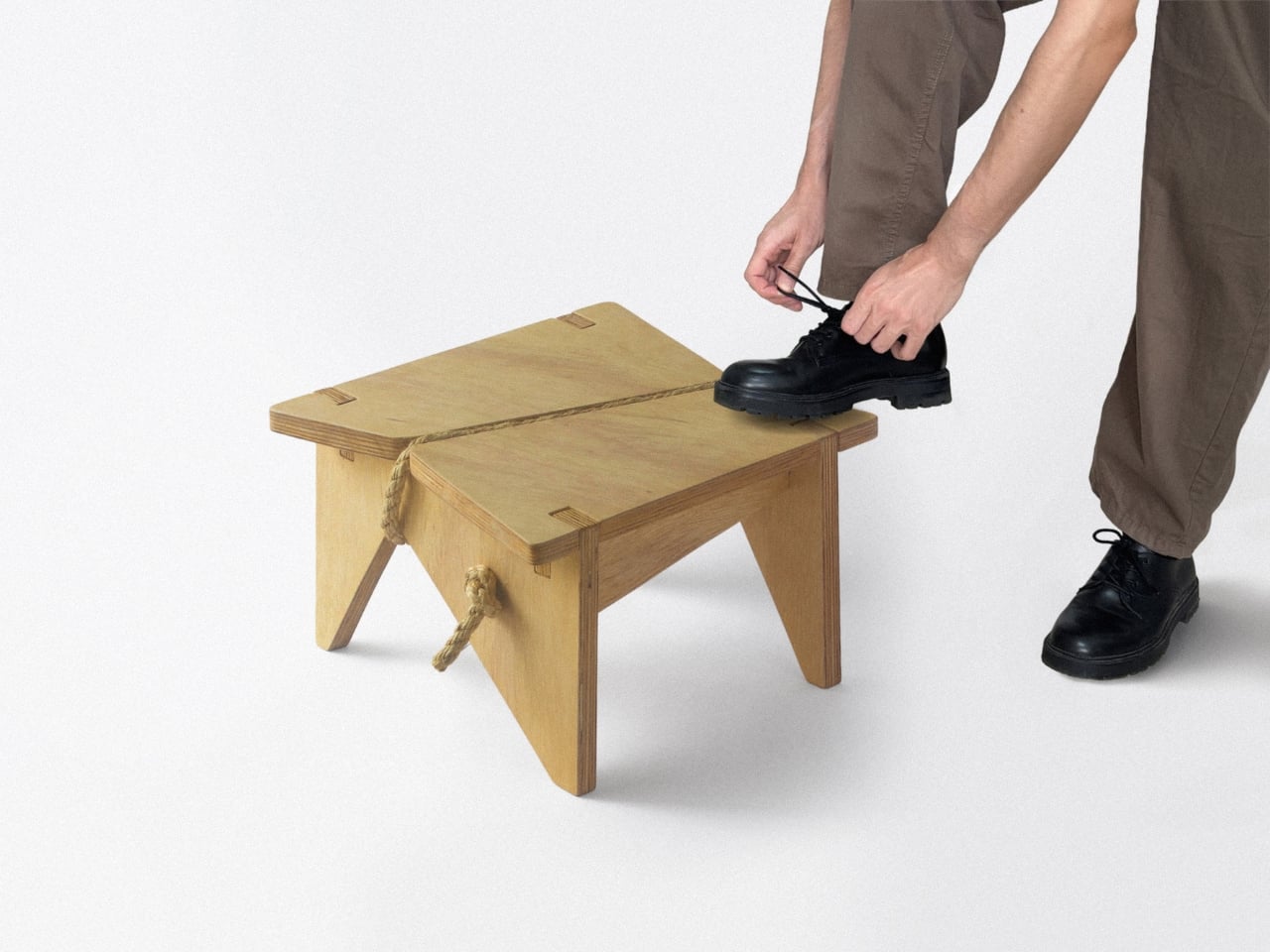
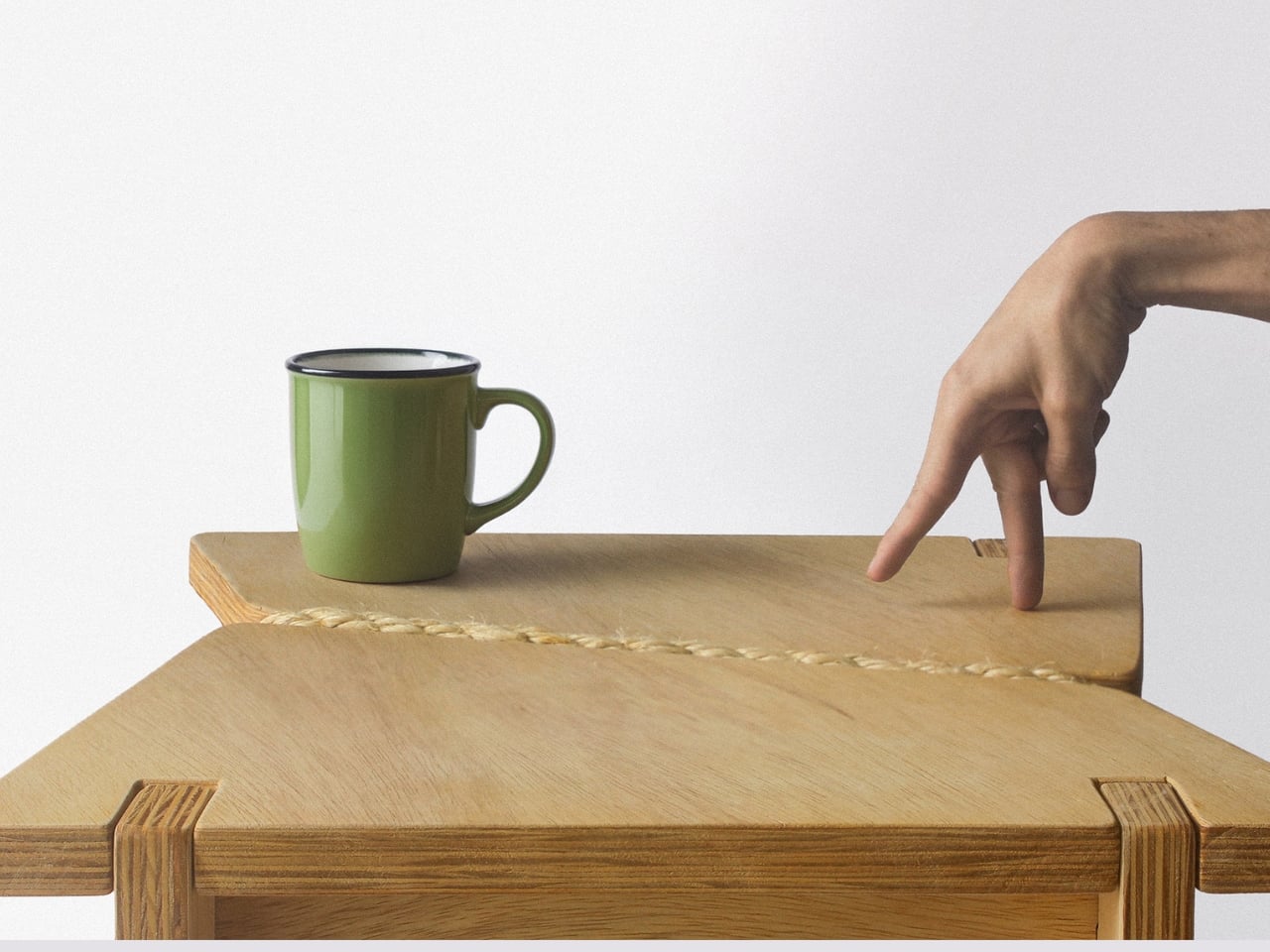
The concept behind the Shortcut Stool (or Atalho Bench, as it’s also known) is deceptively simple: what if furniture was designed around the way people actually use it, rather than the way designers intended? That means acknowledging all the small, unconscious behaviors we exhibit at home. Sitting on the very edge of a stool instead of the center. Resting a bag on it before finding somewhere better. Perching on it for thirty seconds while tying a shoe. Using it as a surface for a glass of water when every other surface is occupied. None of this is “correct” use. And yet, all of it is completely normal.

Designer: Fabrício Reguelin Auler

This is where I think a lot of furniture falls short. Design, especially at the higher end of the market, tends to be prescriptive. There’s an implied right way to use a piece, and deviating from it can feel almost disrespectful. Reguelin Auler flips that thinking entirely. The Shortcut Stool doesn’t pretend that people will interact with it perfectly. It welcomes the imperfection, and that’s genuinely refreshing.

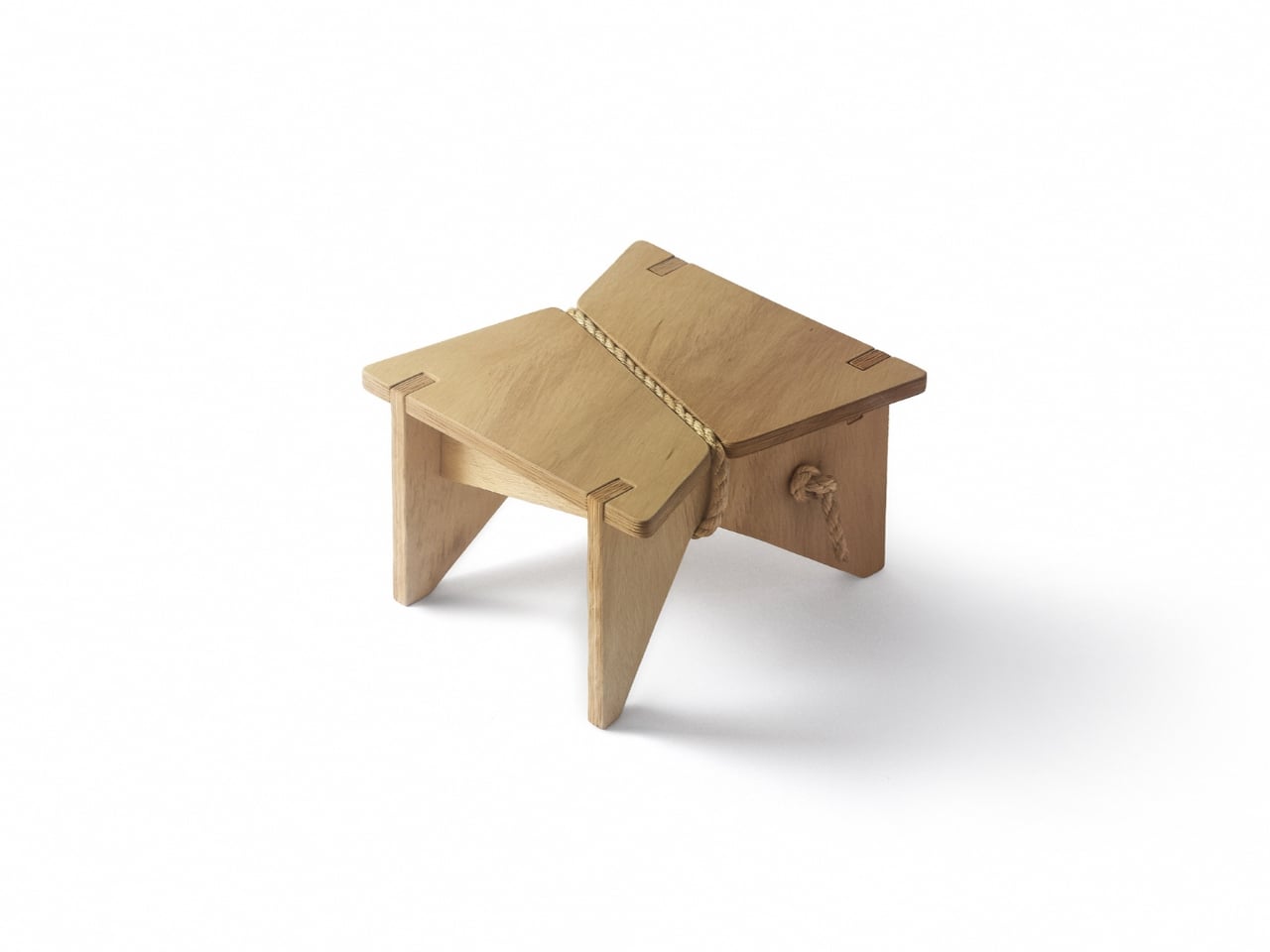
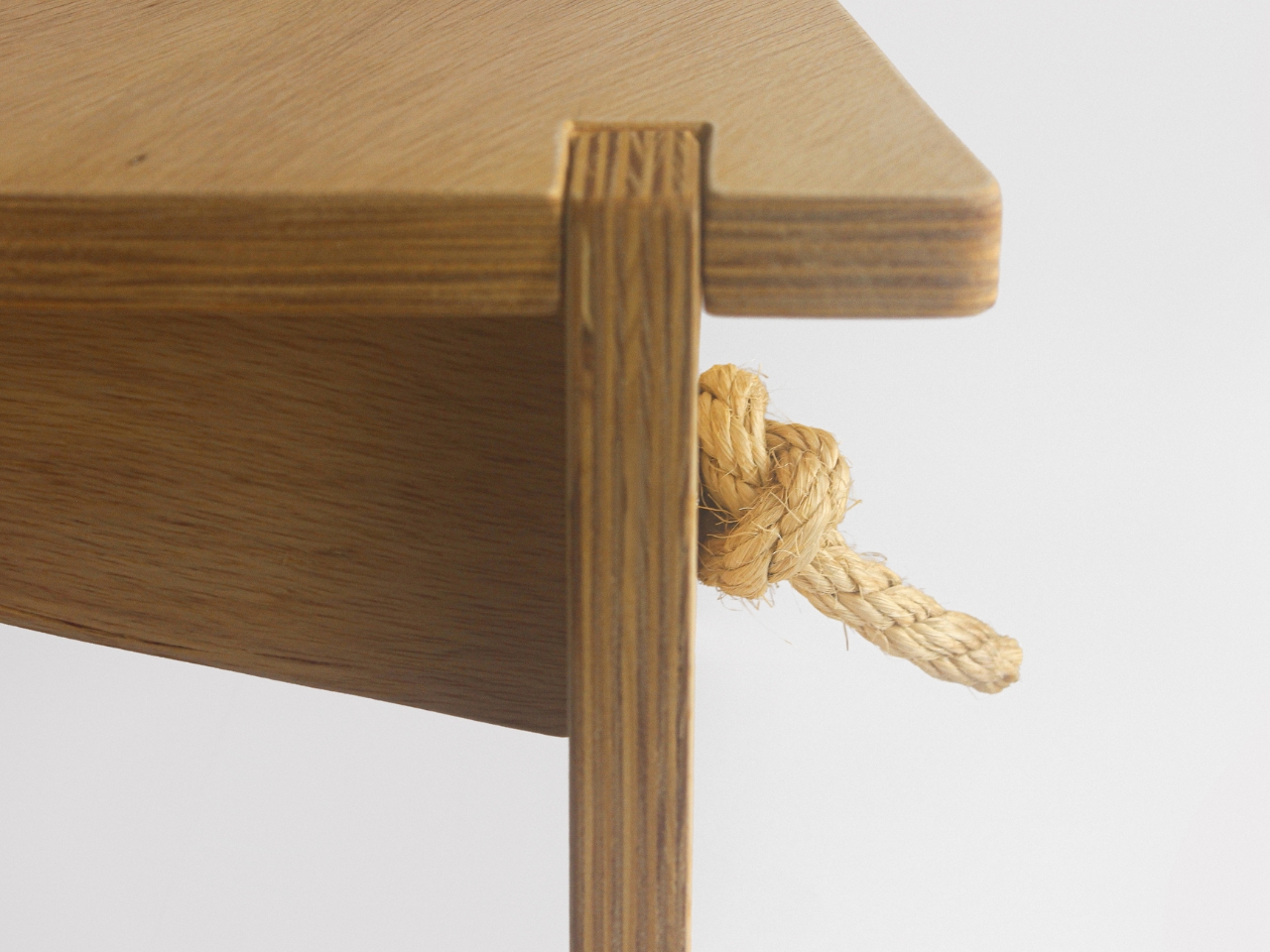
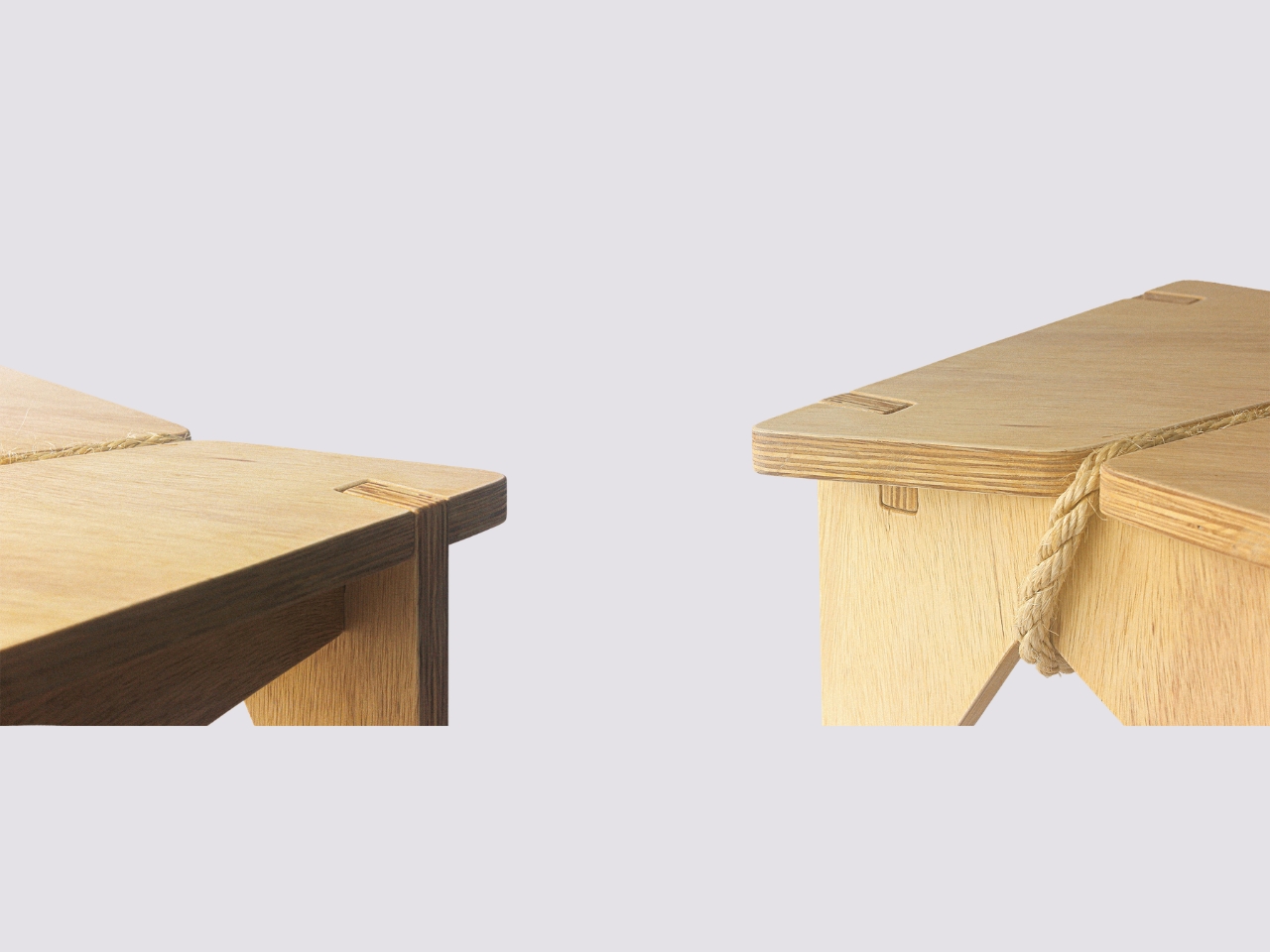
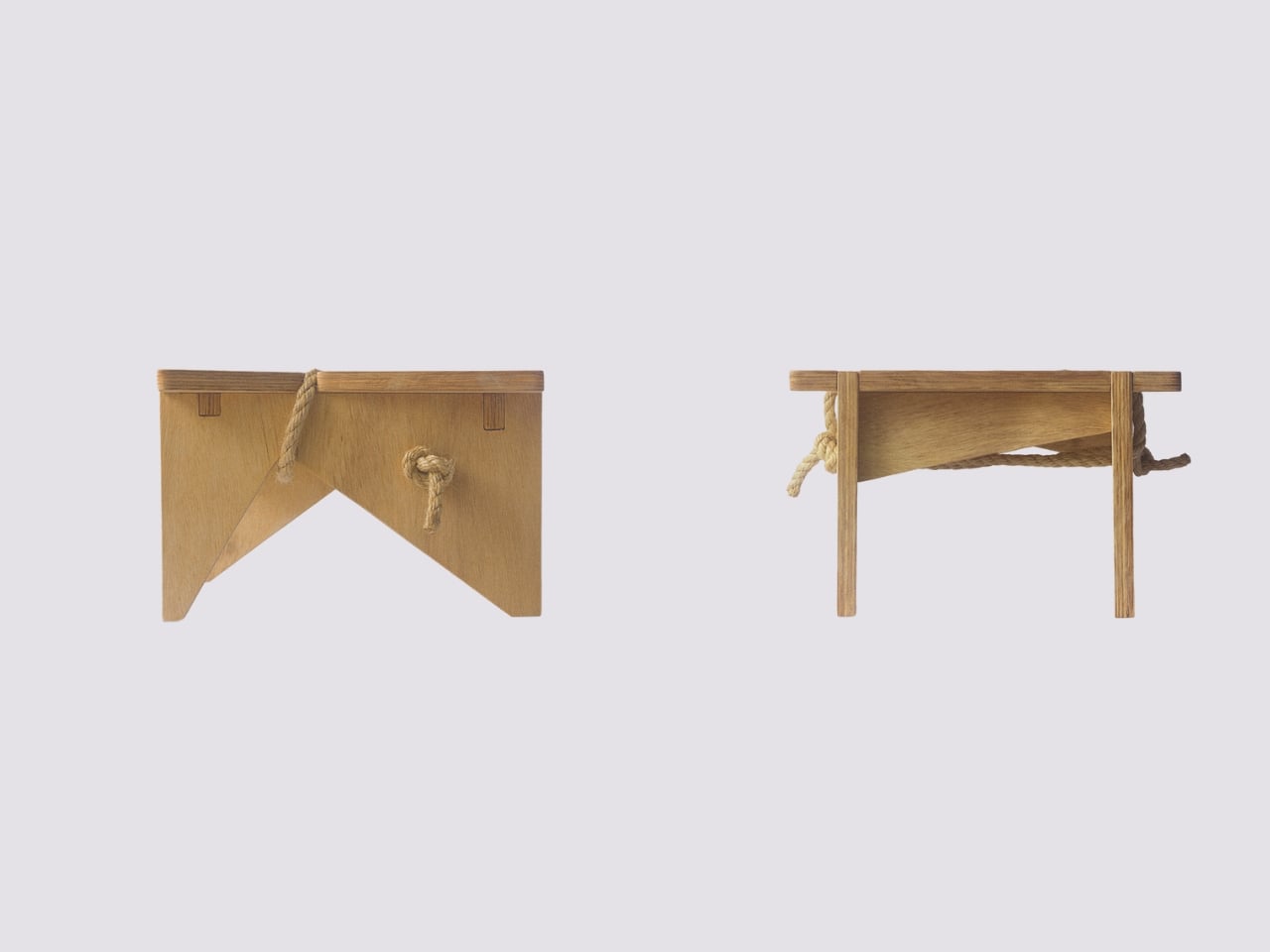
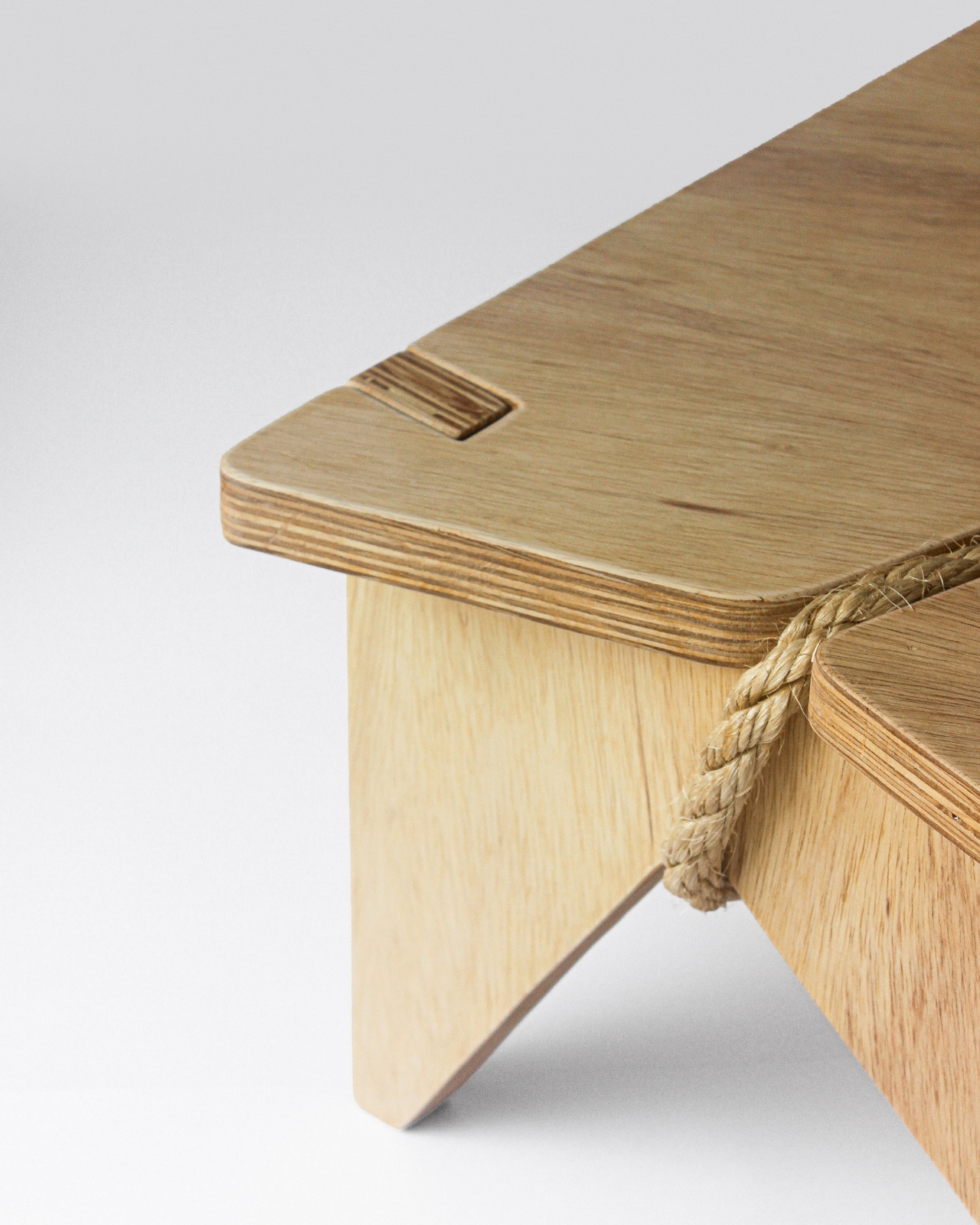
Materially, the piece holds its own. It’s made from marine pine plywood, assembled through a system of interlocking joints that require no screws, bolts, or complicated hardware. What holds it all together is tensioned sisal rope, and this is the detail that makes the whole thing click, visually and structurally. The rope isn’t decorative in the way that so many “natural element” additions can feel forced. It’s actually doing the work, reinforcing the structure while giving the stool a texture that you want to reach out and touch. It makes the design feel honest, which is appropriate given what the piece is trying to say.

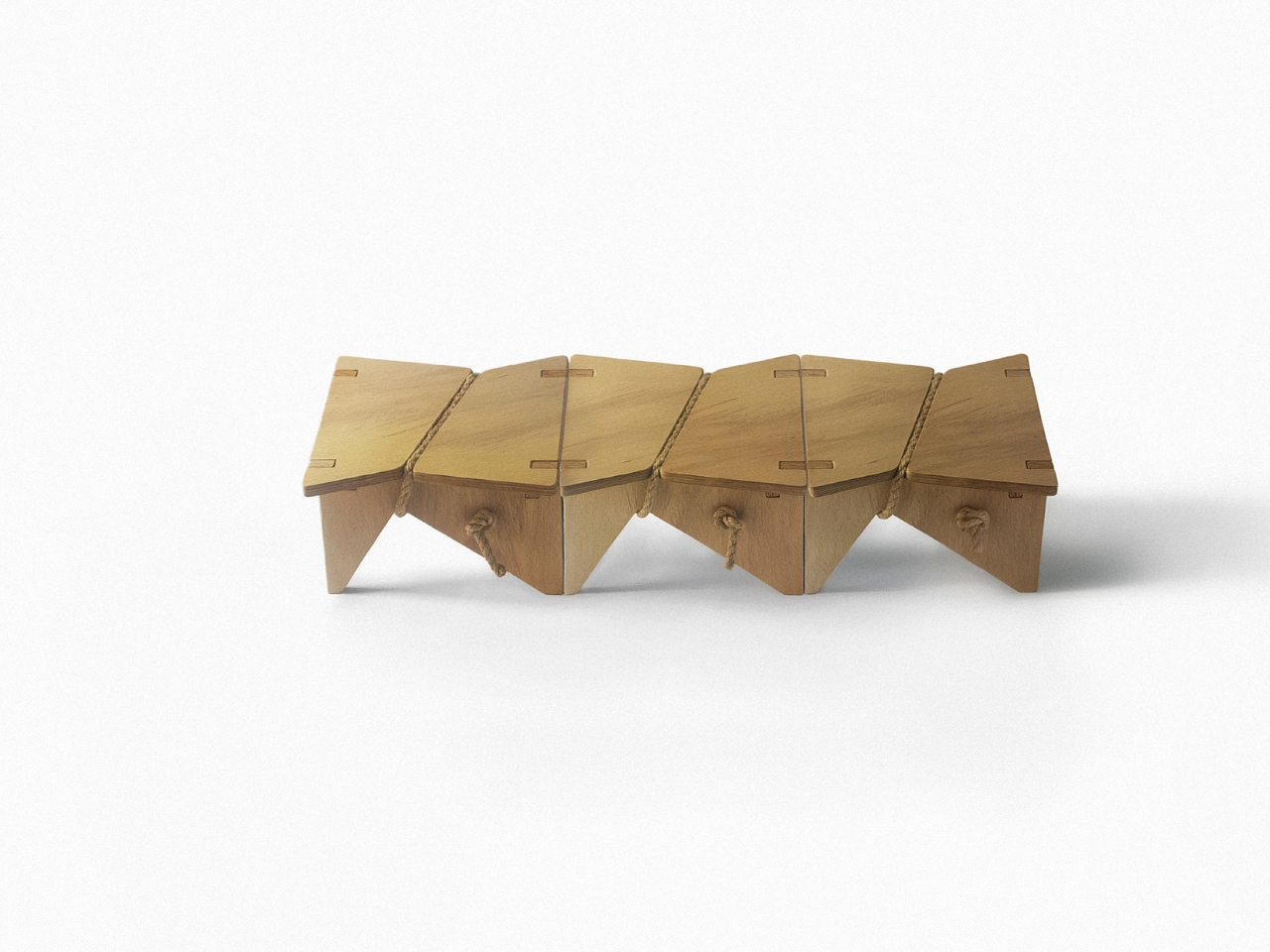
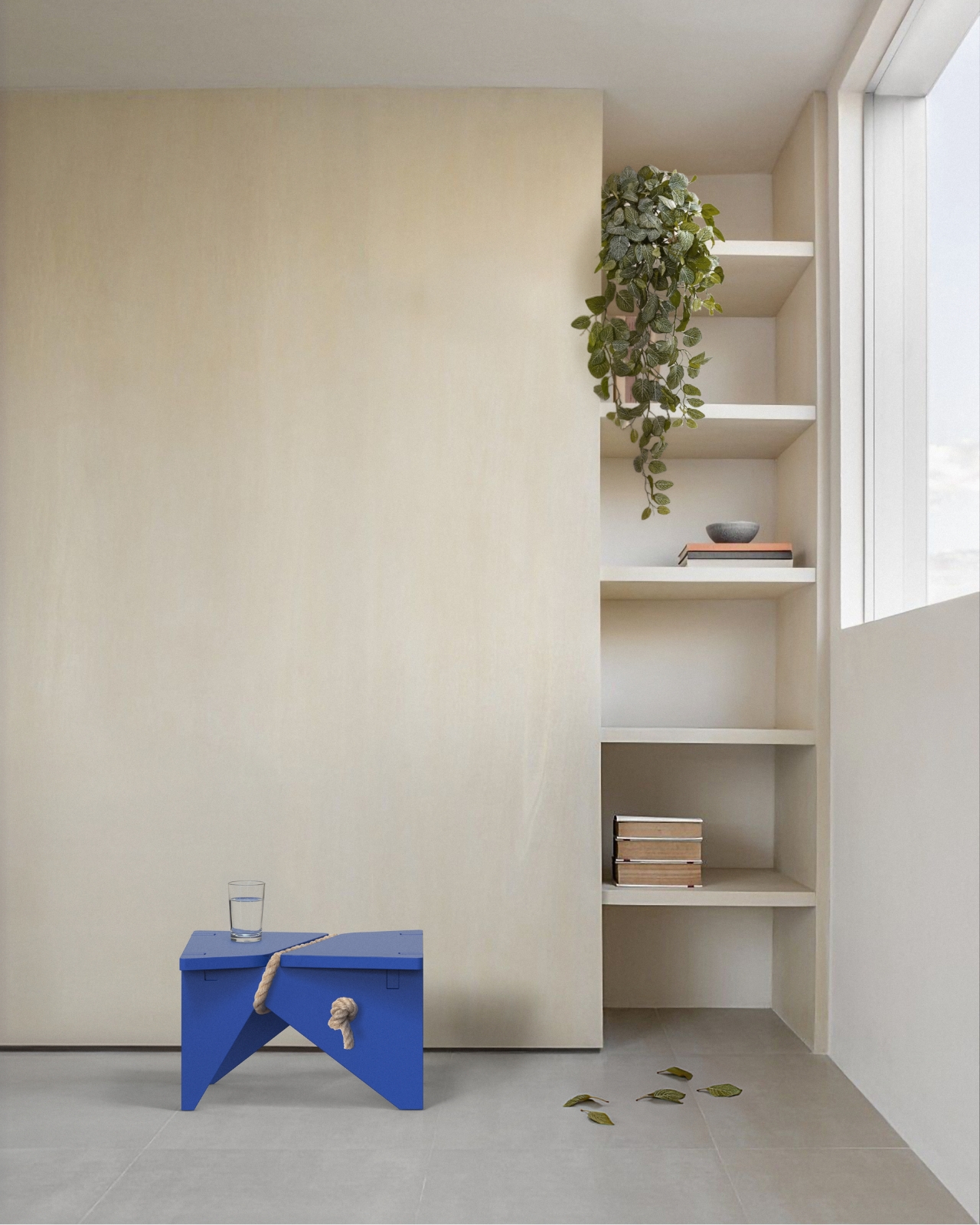
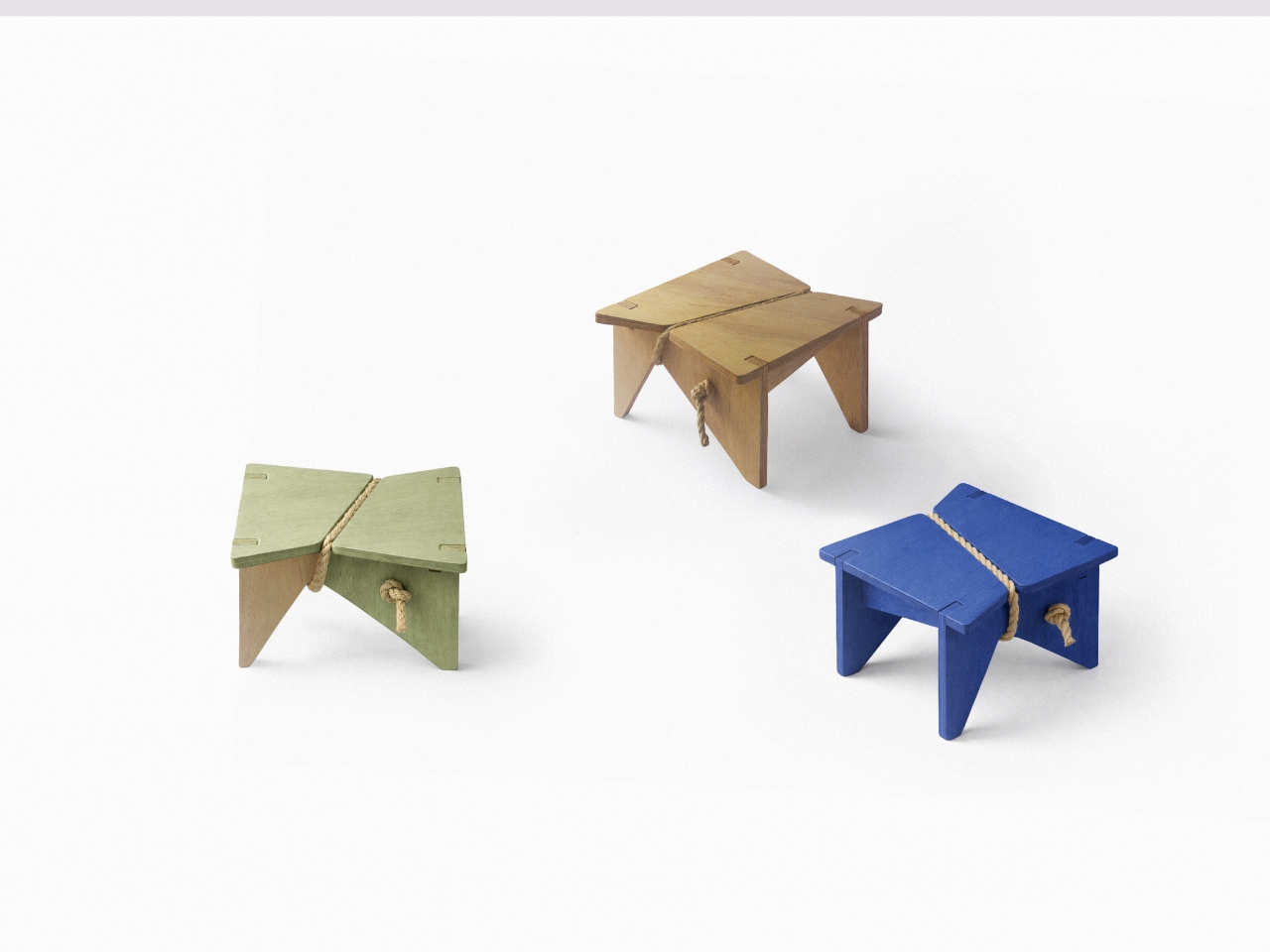
The modular nature of it is worth mentioning too. Single units can be connected to form a longer bench configuration, which means the Shortcut Stool scales with need rather than requiring you to commit to one fixed form. The flat-pack assembly and disassembly is straightforward, making it easy to move, store, or reconfigure. It comes in natural pine as well as painted versions in a deep cobalt blue and a muted sage green, both of which look sharp in context. The blue one especially has a kind of confident visual energy that punches well above the stool’s modest size, which is something I didn’t expect from a plywood bench.

What strikes me most is how the Shortcut Stool manages to make a philosophical argument without being heavy-handed about it. It’s not a design that comes with a manifesto attached. You can simply look at it, use it, and decide it works. But if you sit with the concept for a moment, there’s a bigger idea underneath: that the gap between how objects are designed and how they’re actually lived with is rarely addressed honestly in product design. Most things are built for ideal conditions. This stool was built for real ones.

It also raises a question I keep returning to: how many products in our homes are quietly working against us because they were designed without accounting for how people actually behave in real time? The Shortcut Stool is a small answer to a larger problem, and I appreciate that it arrives without fanfare, just plywood, rope, and a clear point of view. Fabrício Reguelin Auler has made something that earns its place in a home not by demanding attention, but by already understanding you. That’s a rare quality in any object.

The post Desire Paths, Plywood, and a Stool That Gets It first appeared on Yanko Design.

iPhone Ultra Leak: Apple’s First Foldable is Only 4.5mm Thick

iPhone Ultra Leak: Apple’s First Foldable is Only 4.5mm Thick Market chart illustration showing foldable design trends, with Apple iPhone Ultra rumor compared against Samsung models.

Apple is reportedly preparing to make a significant impact on the foldable smartphone market with the highly anticipated iPhone Ultra. This device is rumored to introduce a fresh perspective on foldable design, moving away from the tall, narrow configurations that currently dominate the market. Instead, the iPhone Ultra is expected to feature a shorter, wider […]

The post iPhone Ultra Leak: Apple’s First Foldable is Only 4.5mm Thick appeared first on Geeky Gadgets.

Posted in Uncategorized

This air-powered desk clock with stopwatch function is a work of genius

Something is intriguing about novelty clocks that refreshes the age-old timekeeping approach. The unique mechanism at the heart of these timepieces makes them desirable, especially for those who value time above all else. YouTuber soiboi soft from Germany loves working with pneumatic principles, creating some really interesting things never seen before.

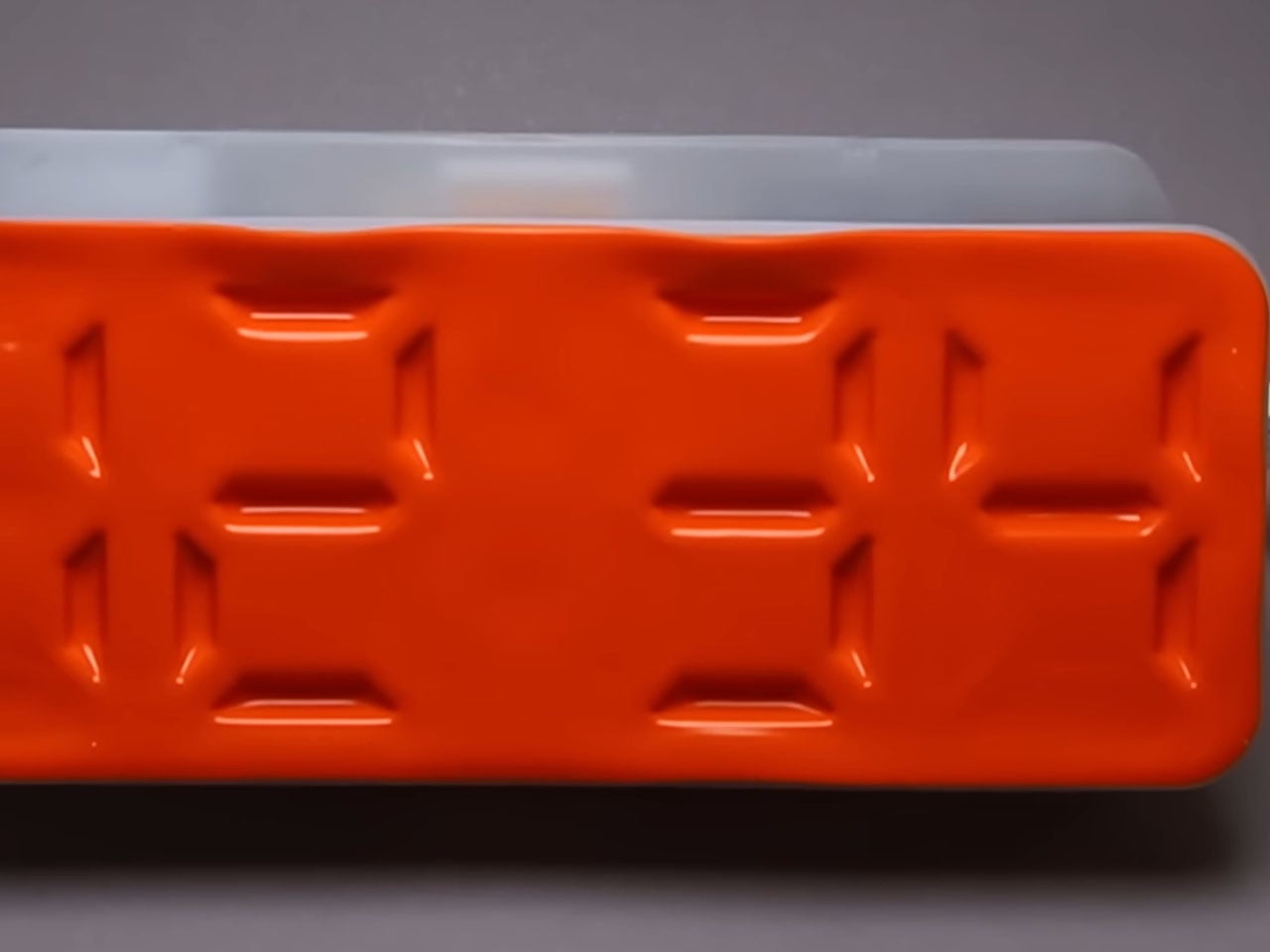
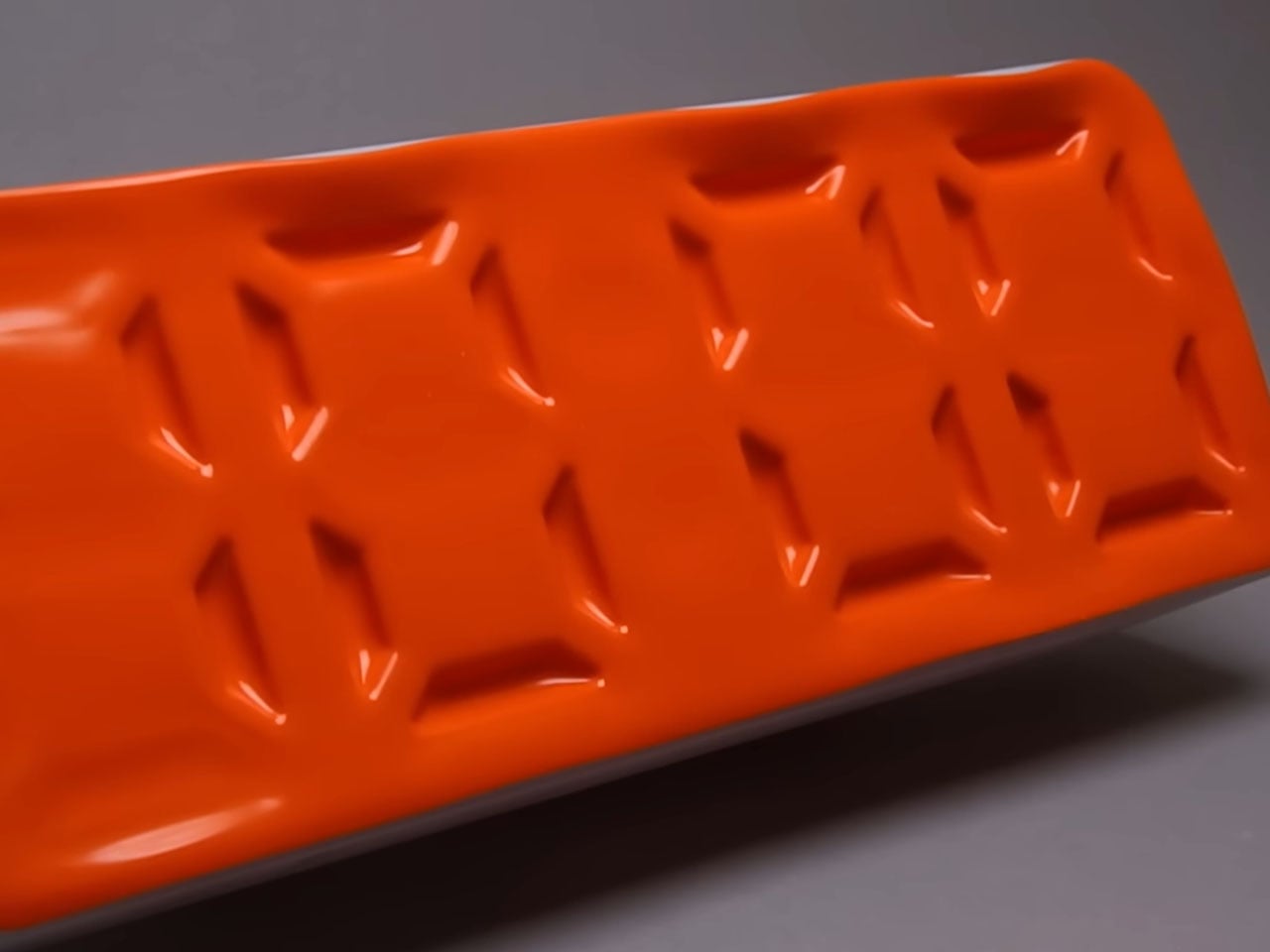
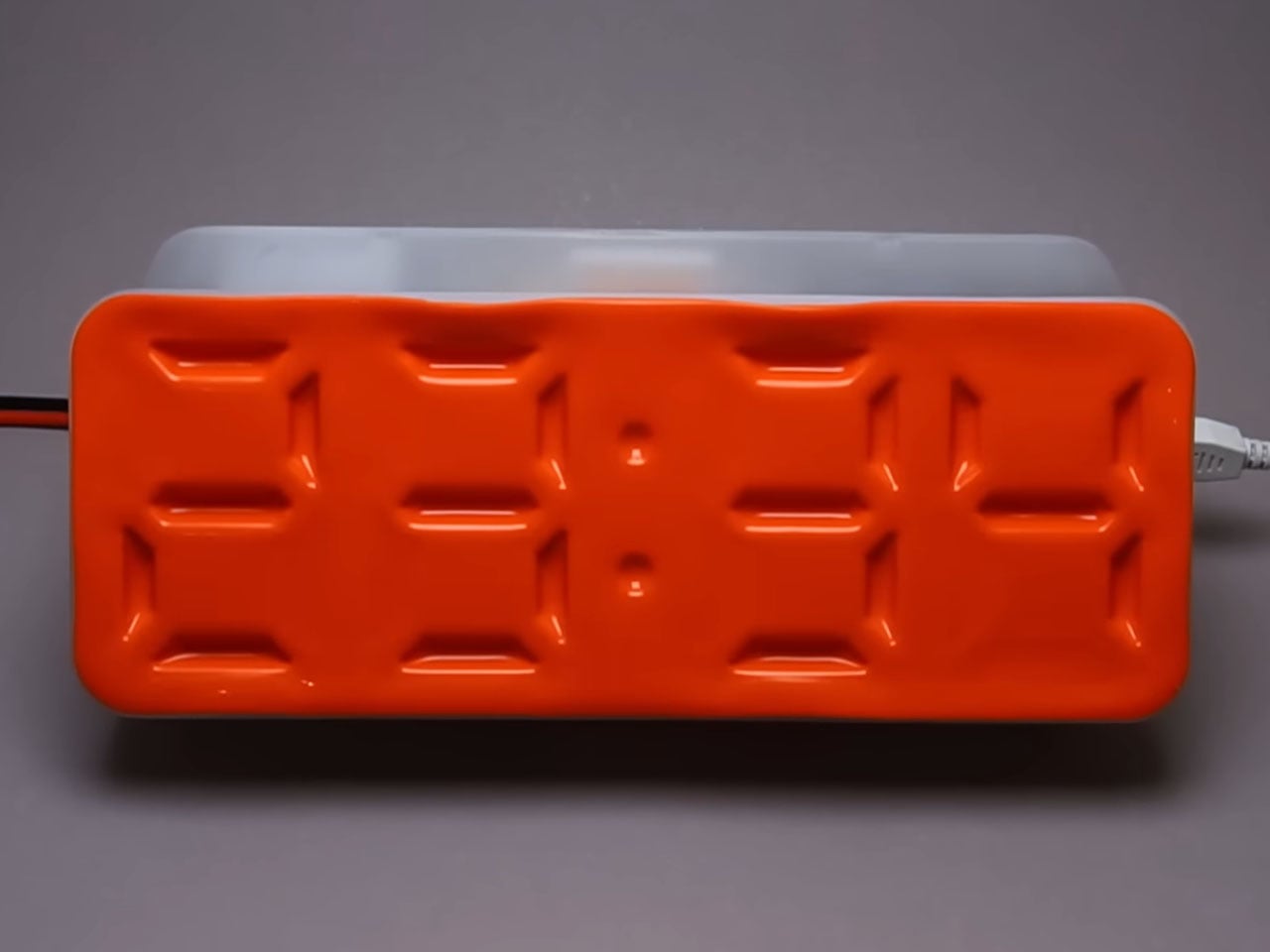
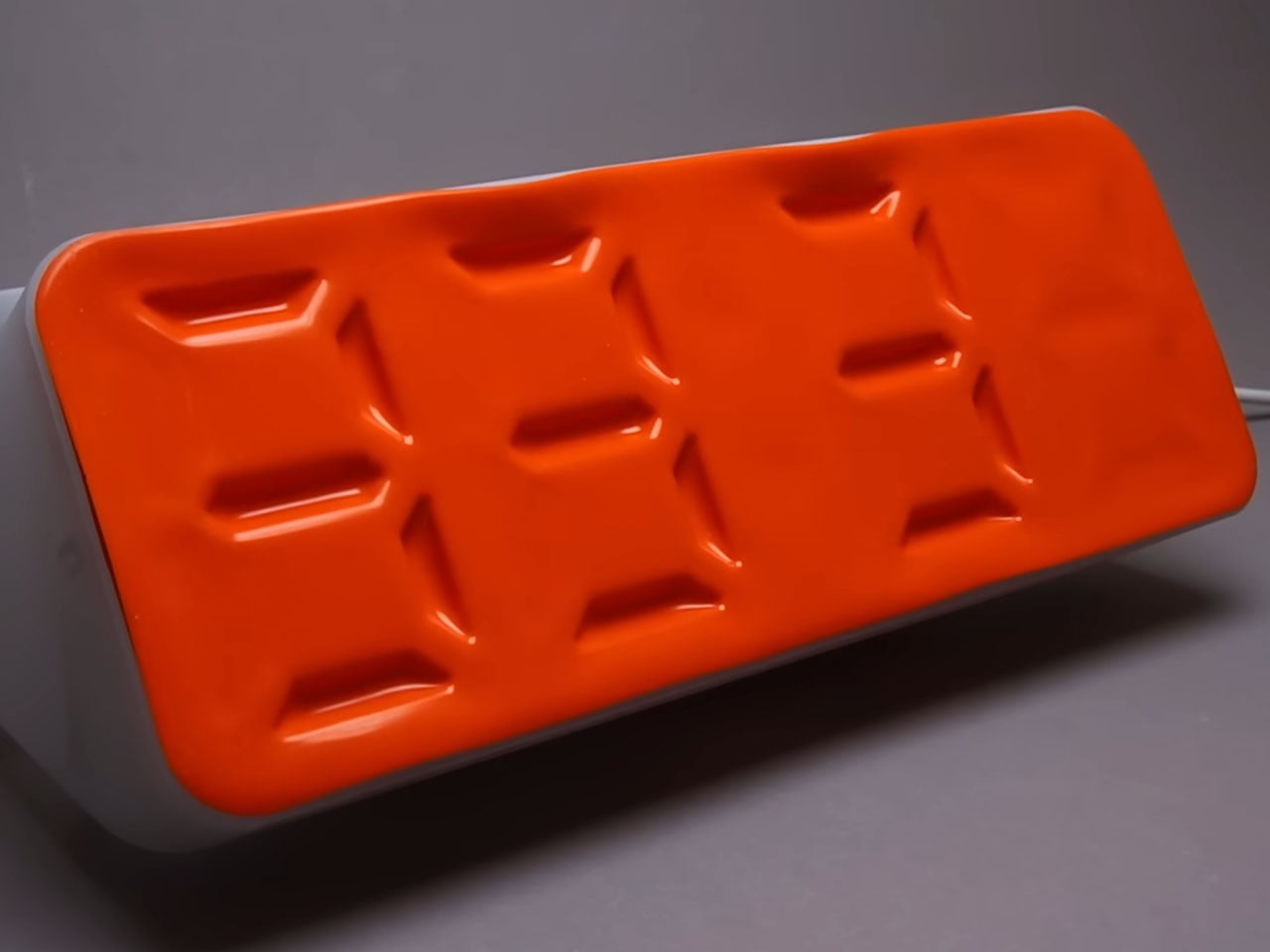
This time around, the ingenious inventor has crafted an air-powered desk clock that works on the same principles of compressing air to control the display membrane. While that might sound a little too technical for some, the idea is to change the appearance on the surface of the flexible clock membrane to display the current time. That is simply cool, and who wouldn’t want to have this desk clock grace their geeky setup?

Designer: soiboi soft

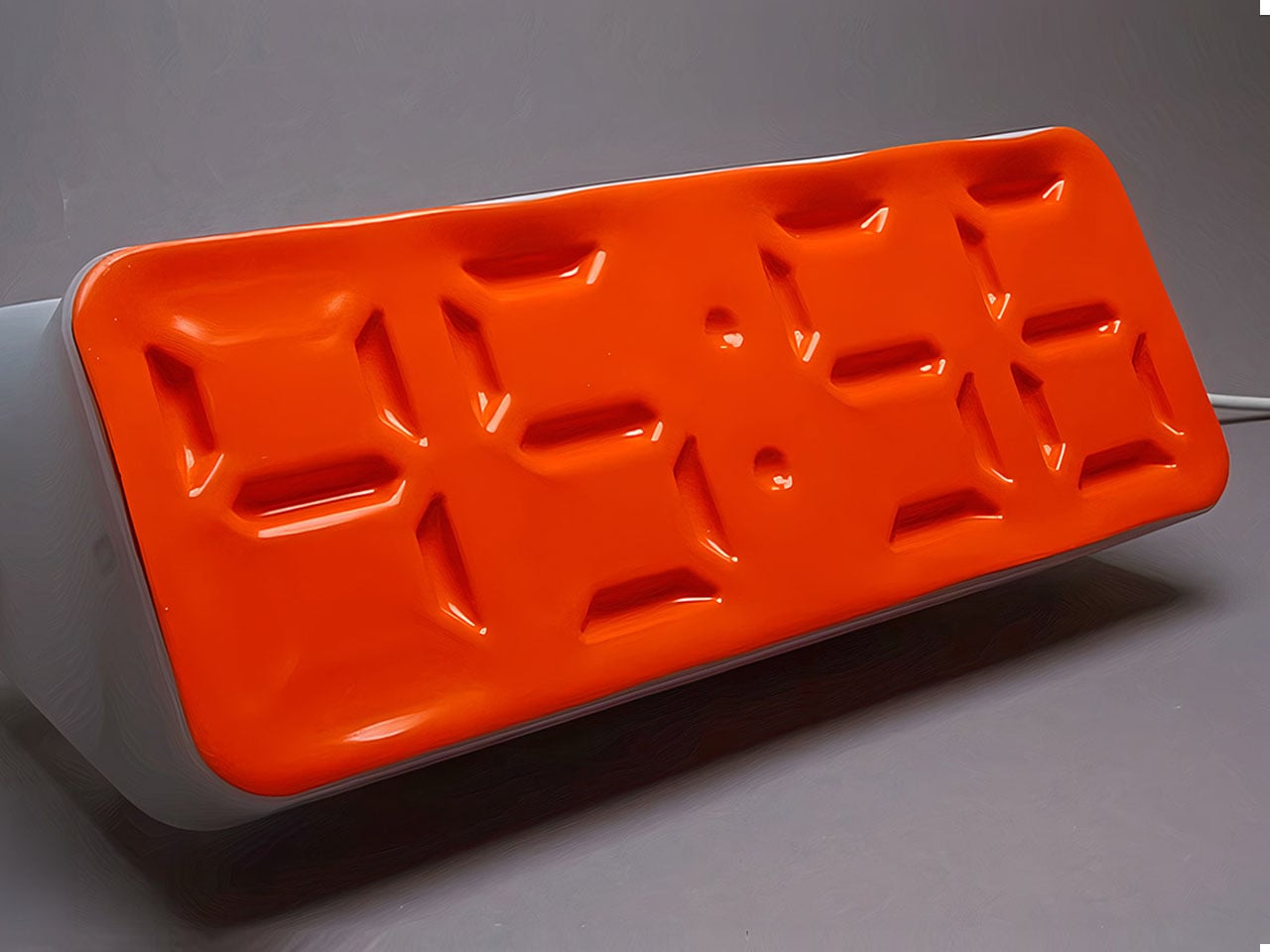
Building the four-digit display of the Air Powered Segment Clock begins by crafting the custom parts using 3D printing. The next task is to carefully connect the vacuum lines to the complex mechanism so that it can pull the flexible membrane to create the dent representing the luminous bars, just like a digital clock. Even when the signal is turned off from the backend, the shape holds still until the next command to turn it off is initiated. As soon as the command to release the vacuum pressure is initiated, the membrane returns to its flat position.

The combination of these seven memory cells (as he calls them) forms a single digit representation. Based on the digit to be displayed, the memory cells are in an on or off position, thereby displaying the whole digit. This whole display array is a combination of four such digits, and based on the microcontroller programming and the complex software input, they magically suck-in to create the digit on the membrane. Dots in the middle appear every time a number is changed to represent the seconds, minutes, and hours.

The basic architecture of the Air Powered Segment Clock is similar to how a RAM functions, storing values in specific locations courtesy of the data and address lines.  When the hardware and software trickery to display the time come into unison, the DIY desk clock comes alive. Going a step further, the DIYer adds a stopwatch function to the clock, because why not? Frankly, this is one of the best DIY creations I’ve seen in a long time. I bet every one of you out there is wishing this project turns into a buyable novelty clock someday. Imagine adding this to your workstation, gaming setup, or simply sporting on the living room shelf!

The post This air-powered desk clock with stopwatch function is a work of genius first appeared on Yanko Design.
This air-powered desk clock with stopwatch function is a work of genius

Something is intriguing about novelty clocks that refreshes the age-old timekeeping approach. The unique mechanism at the heart of these timepieces makes them desirable, especially for those who value time above all else. YouTuber soiboi soft from Germany loves working with pneumatic principles, creating some really interesting things never seen before.

This time around, the ingenious inventor has crafted an air-powered desk clock that works on the same principles of compressing air to control the display membrane. While that might sound a little too technical for some, the idea is to change the appearance on the surface of the flexible clock membrane to display the current time. That is simply cool, and who wouldn’t want to have this desk clock grace their geeky setup?

Designer: soiboi soft

Building the four-digit display of the Air Powered Segment Clock begins by crafting the custom parts using 3D printing. The next task is to carefully connect the vacuum lines to the complex mechanism so that it can pull the flexible membrane to create the dent representing the luminous bars, just like a digital clock. Even when the signal is turned off from the backend, the shape holds still until the next command to turn it off is initiated. As soon as the command to release the vacuum pressure is initiated, the membrane returns to its flat position.

The combination of these seven memory cells (as he calls them) forms a single digit representation. Based on the digit to be displayed, the memory cells are in an on or off position, thereby displaying the whole digit. This whole display array is a combination of four such digits, and based on the microcontroller programming and the complex software input, they magically suck-in to create the digit on the membrane. Dots in the middle appear every time a number is changed to represent the seconds, minutes, and hours.

The basic architecture of the Air Powered Segment Clock is similar to how a RAM functions, storing values in specific locations courtesy of the data and address lines.  When the hardware and software trickery to display the time come into unison, the DIY desk clock comes alive. Going a step further, the DIYer adds a stopwatch function to the clock, because why not? Frankly, this is one of the best DIY creations I’ve seen in a long time. I bet every one of you out there is wishing this project turns into a buyable novelty clock someday. Imagine adding this to your workstation, gaming setup, or simply sporting on the living room shelf!

The post This air-powered desk clock with stopwatch function is a work of genius first appeared on Yanko Design.
Are Xbox Exclusives Finally Making a Comeback?

Are Xbox Exclusives Finally Making a Comeback? Xbox CEO Asha Sharma presenting Microsoft gaming strategy on stage

Xbox appears to be considering a significant shift in its gaming strategy, with discussions surrounding the potential revival of exclusive titles and adjustments to the pricing of Xbox Game Pass. As highlighted by RGT 85, this move could mark a departure from Microsoft’s recent focus on cross-platform accessibility, which has defined its approach in recent […]

The post Are Xbox Exclusives Finally Making a Comeback? appeared first on Geeky Gadgets.

Posted in Uncategorized