MB&F’s Alien-Inspired Desk Clock Ships as 222 Loose Parts You Assemble Yourself Over 10 Hours

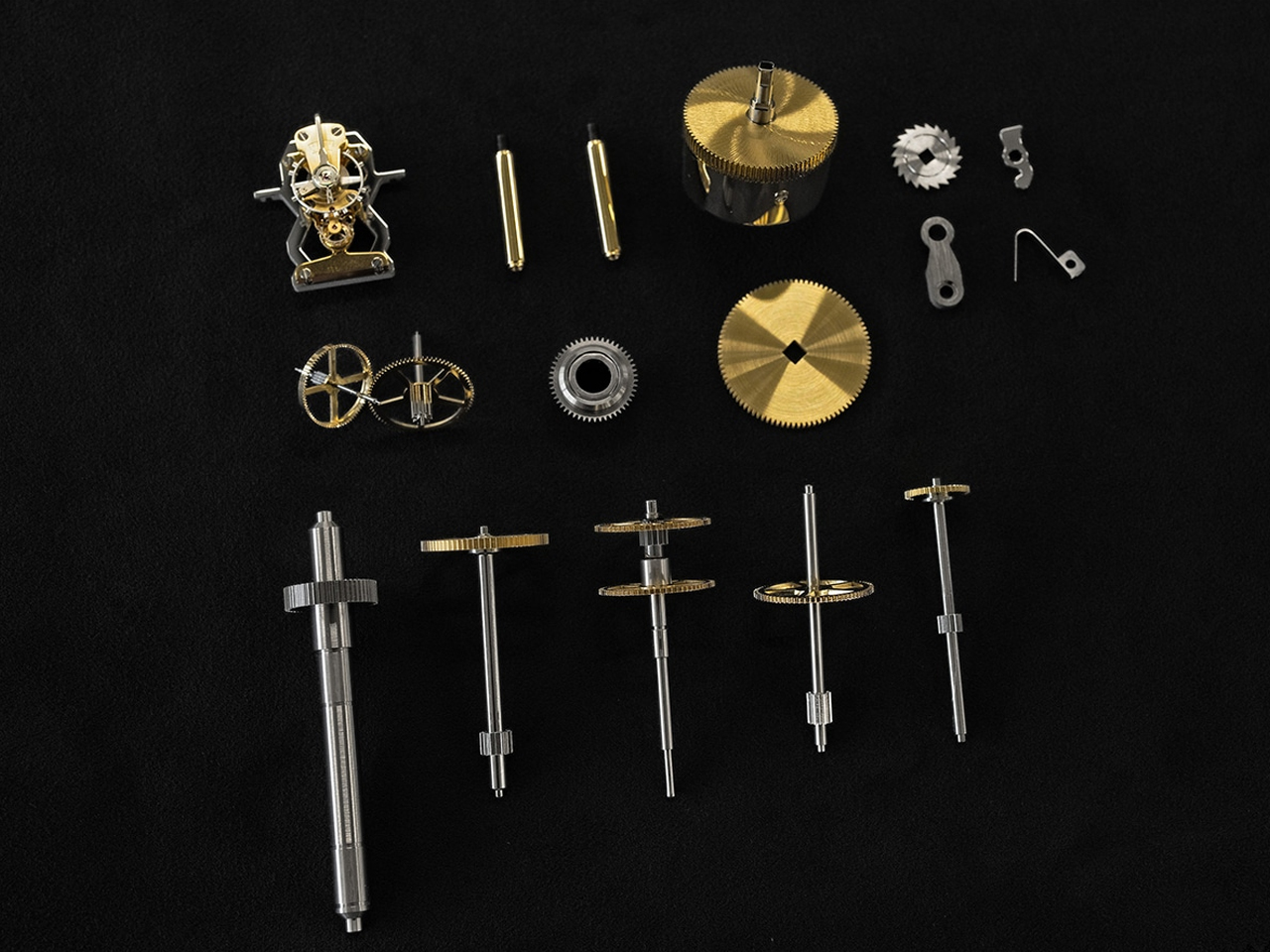
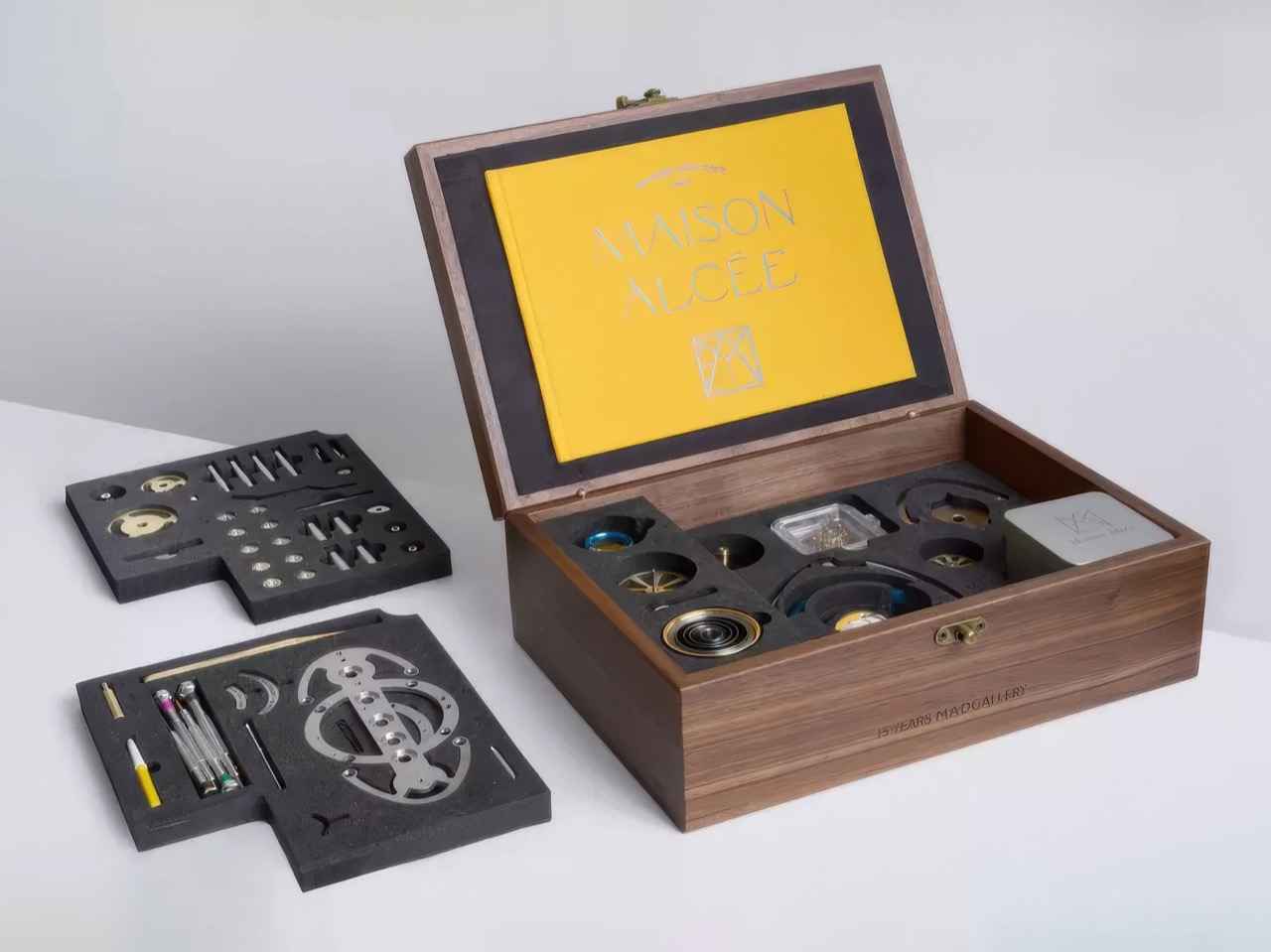
There is a term in behavioral economics called the IKEA effect, which says we value things more when we build them ourselves. It explains why you defend that wobbly BILLY bookcase like it’s family. MB&F and French clockmaker Maison Alcée have taken that idea, put it in a suit, and charged CHF 12,000 for it. Their new desk clock arrives at your door as 222 loose components in a wooden box, along with a set of watchmaking tools and a 250-page book. You are the assembly line, and the clock does not tell time until you make it.

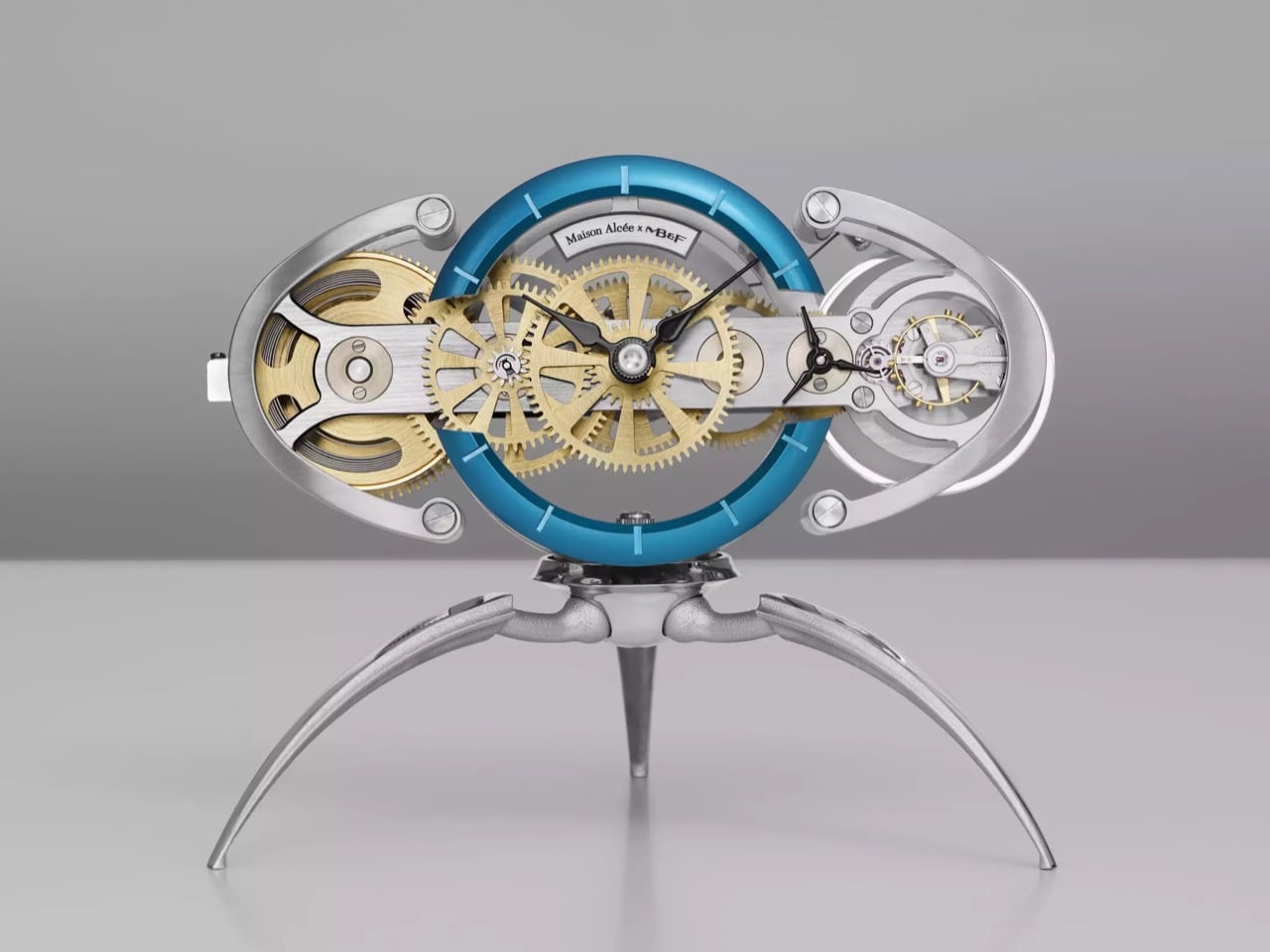
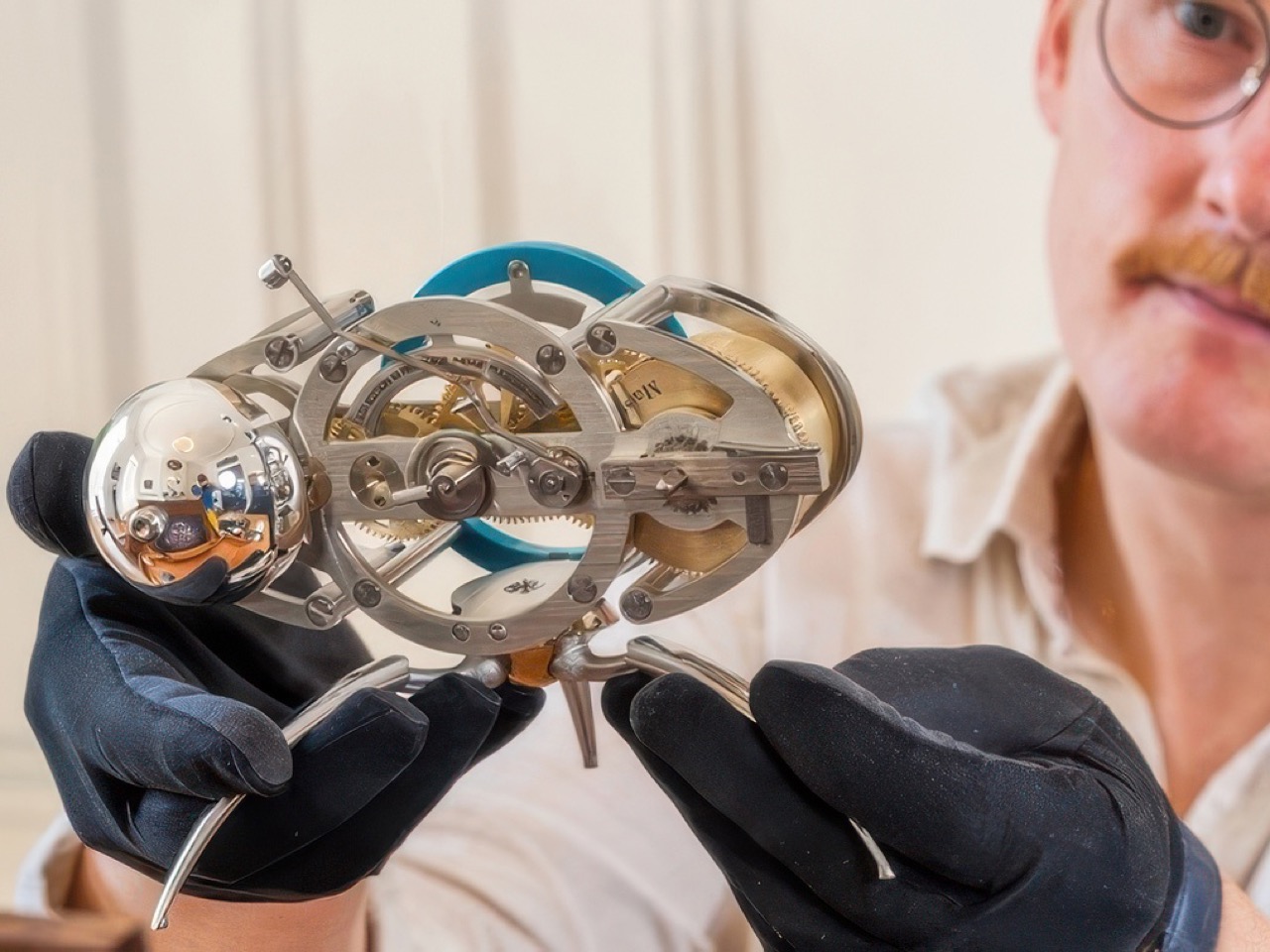
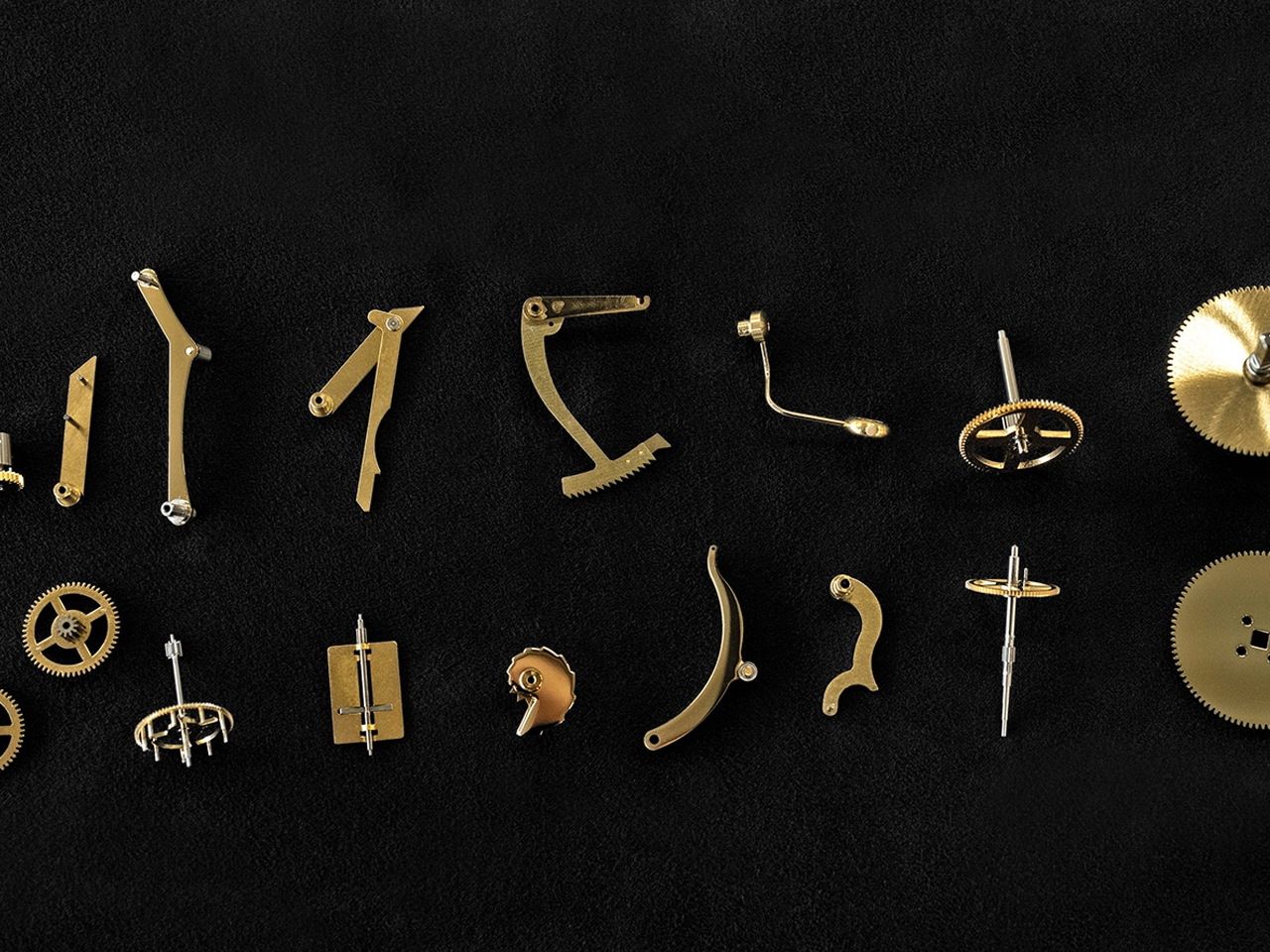
It’s called the Nostromo, and it looks like a chrome beetle crouching on your desk. Maximilian Maertens, MB&F’s creative designer and Max Büsser’s anointed successor, designed it to celebrate 15 years of the M.A.D.Gallery. Maison Alcée manufactures the parts in the French and Swiss Jura, then hands the fun part to you. Roughly ten hours of tweezer work stand between the box and a running mechanical clock with a 14-day power reserve and a switchable hour chime. Only the regulating organ arrives pre-built, because some things are best left to people who do this for a living. Fifty pieces exist.

Designer: Maximilian Maertens for MB&F, crafted by Maison Alcée
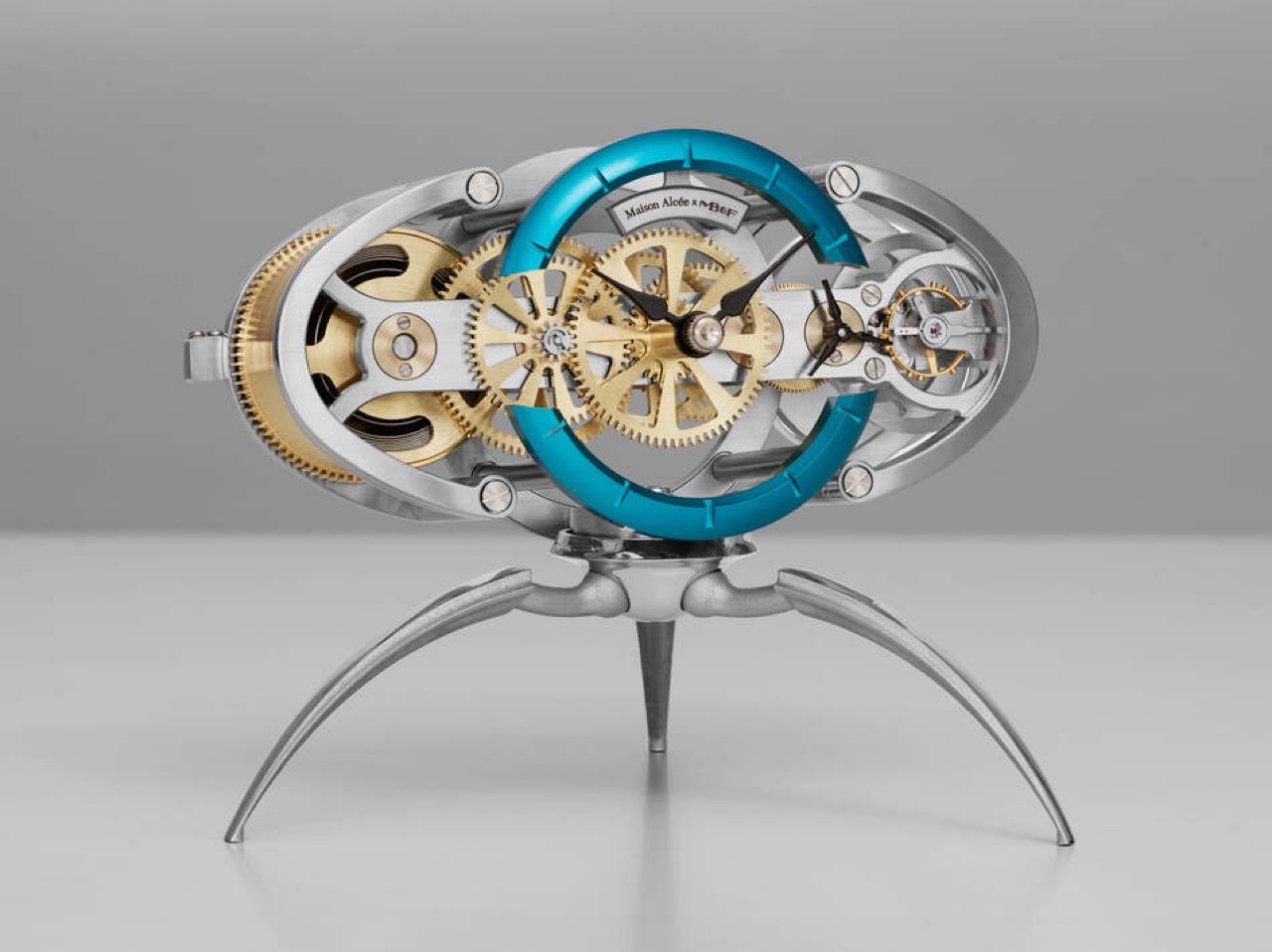
The body is a symmetrical steel ovoid, two brushed arcs meeting top and bottom, wrapped around brass wheels and a saturated peacock blue dial ring floating dead center. That silhouette reads as carapace rather than xenomorph, closer to a scarab than anything H.R. Giger ever airbrushed. Every ounce of creature in this object lives in the three tapered legs below, which sweep outward in compound curves and end in points. Maertens had to leave the movement architecture assemblable by amateurs, so the sculpture went where the freedom was.
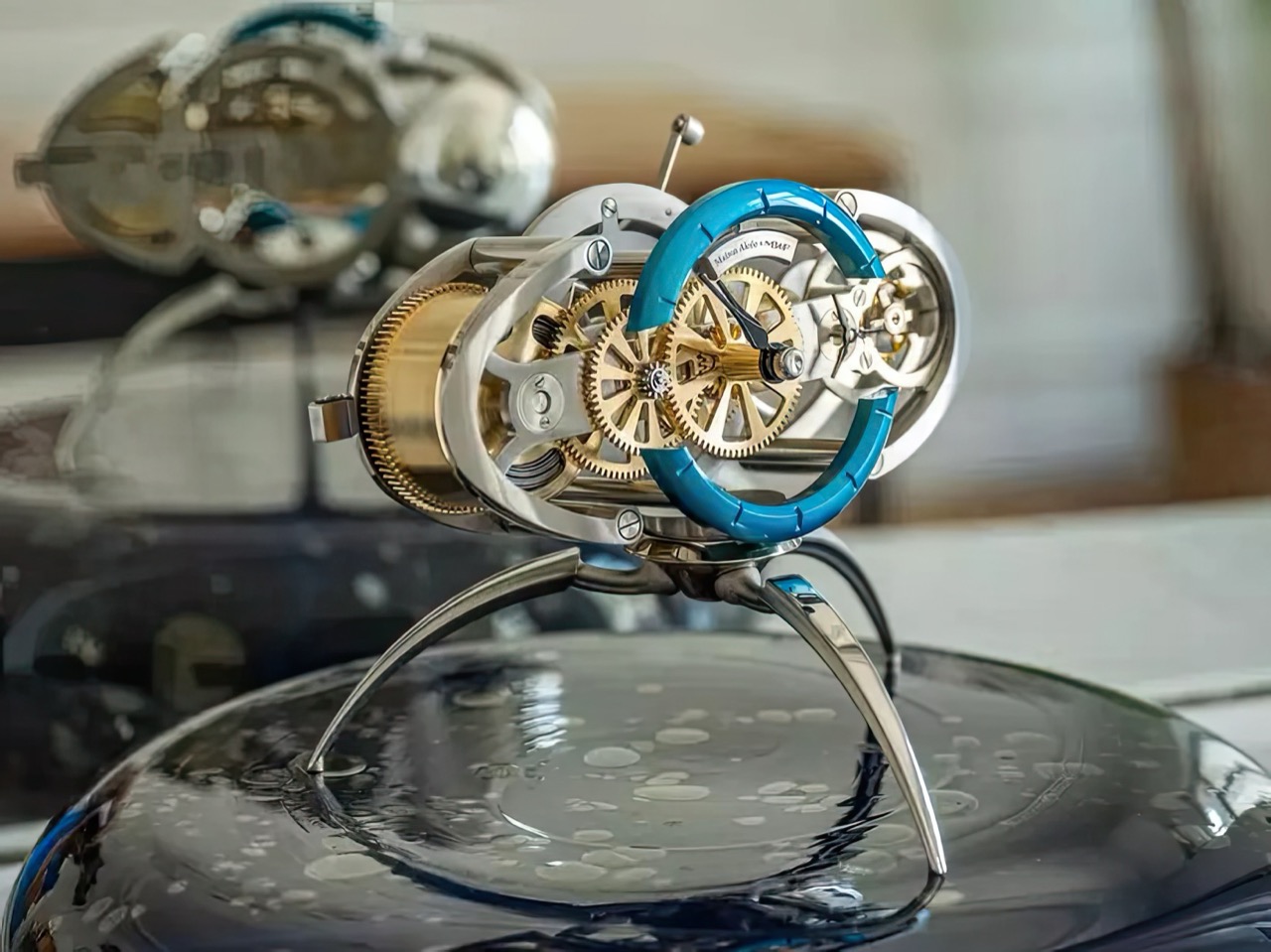
That movement comes from the Persée, Maison Alcée’s first clock, launched in 2022 and built on wristwatch architecture scaled up to desk size. Maertens turned the whole thing on its side, angled the display upward for easier reading, and split the Persée’s continuous dial ring into segments so the gear train shows through the gaps. The finished clock rotates on its feet, which sounds like a gimmick until you remember three-point support never rocks on an uneven desk. Black hands replace the originals for contrast against all that brass. The changes are small in engineering terms and enormous in posture.
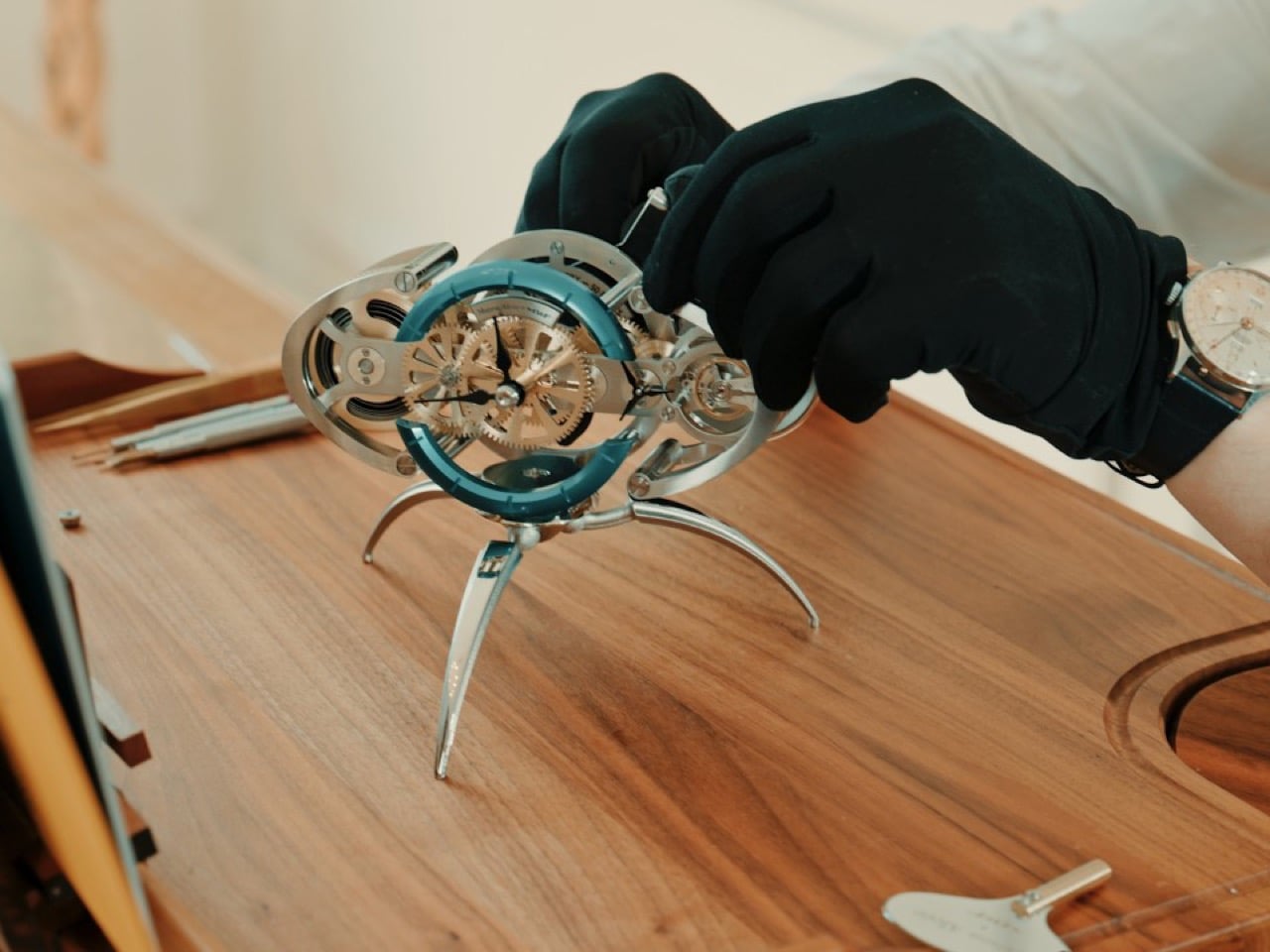
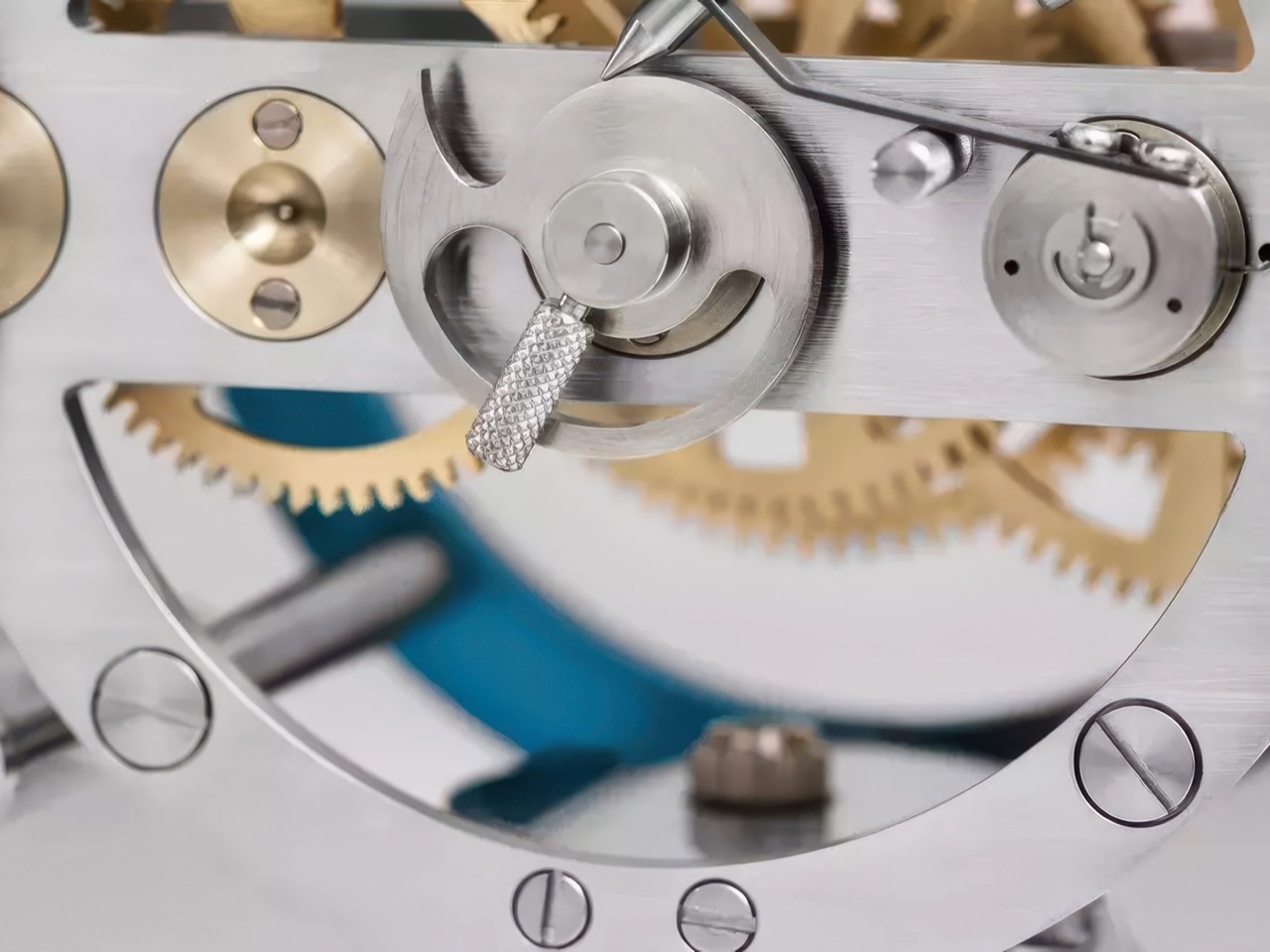
Slotted screws sit visible across every plate, the steel is brushed instead of polished, and the brass wheels carry plain spokes with no anglage anywhere. That reads as a deliberate call rather than a cost saving, because every one of those surfaces will be handled by someone in cotton gloves who has never held tweezers. Maison Alcée even had its screwdriver blades made in a copper-beryllium alloy, softening them specifically to reduce the risk of scratching your own clock. The kit includes seventeen tools, several adapted for beginners. The pedagogy runs all the way down to the hardware.
Ridley Scott borrowed the name Nostromo from a Joseph Conrad novel, and Ron Cobb designed the ship as a grimy commercial tugboat crewed by people arguing about bonuses. Giger got the monster and the derelict. Most of us have merged the two in memory, which is why the word now sounds biomechanical. Maertens, a self-declared Giger obsessive, has effectively put Cobb’s name on a Giger-adjacent body, and I doubt anyone at MB&F loses sleep over it. The brand has been mining outer space since HM1 in 2007.
CHF 12,000 ($14,840 USD) excluding VAT, sold through the M.A.D.Galleries in Geneva and Dubai and MB&F LABs worldwide, with deliveries landing October to November. A base Persée runs closer to EUR 5,500 ($6,379 USD), so the premium buys the Maertens design and the 50-piece cap rather than more mechanism. Here’s the catch, though. A company whose entire philosophy is teaching horology through your own hands has capped this particular lesson at fifty units for fifty eager students. The clock is wonderful. The classroom is very small.

The post MB&F’s Alien-Inspired Desk Clock Ships as 222 Loose Parts You Assemble Yourself Over 10 Hours first appeared on Yanko Design.
Chopard’s Beehive Table Clock is a masterpiece of horological art with L’Épée 1839

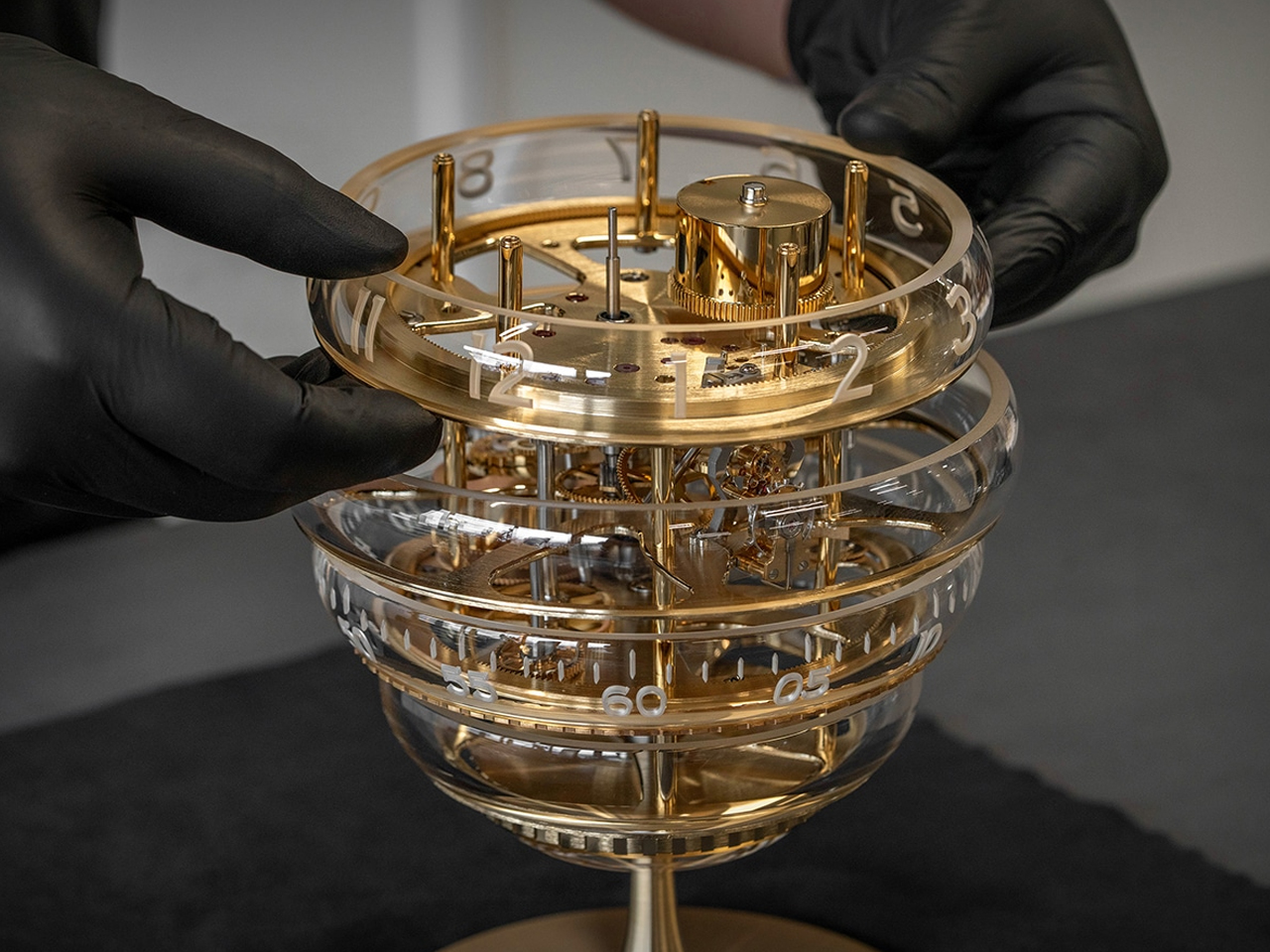
Brilliance usually comes in limited quantities. In fact, it is embodied by the new limited edition Chopard Table Clock, which stands apart from anything the horologist has created in the past three decades. To celebrate the 30th anniversary of the Chopard Manufacture in Fleurier, the company has teamed up with L’Épée 1839 – the masters of complex watches – to create the Beehive Table Clock.

After reimaging a legendary car and a colorful hand grenade as clocks, L’Épée 1839 is now giving a new horological dimension to the desk clock. Easily, one of the most complex and finely decorated Objet d’Art – spare a thought for the MB&F – the clock revives Chopard’s own iconic beehive motive originally used by the founder Louis-Ulysse Chopard in the 19th century. The bee was later adopted as the emblem of the Manufacture in Fleurier by Karl-Friedrich Scheufele back in 1996 to represent “labor, precision, and collective skill.”

Designer: Chopard

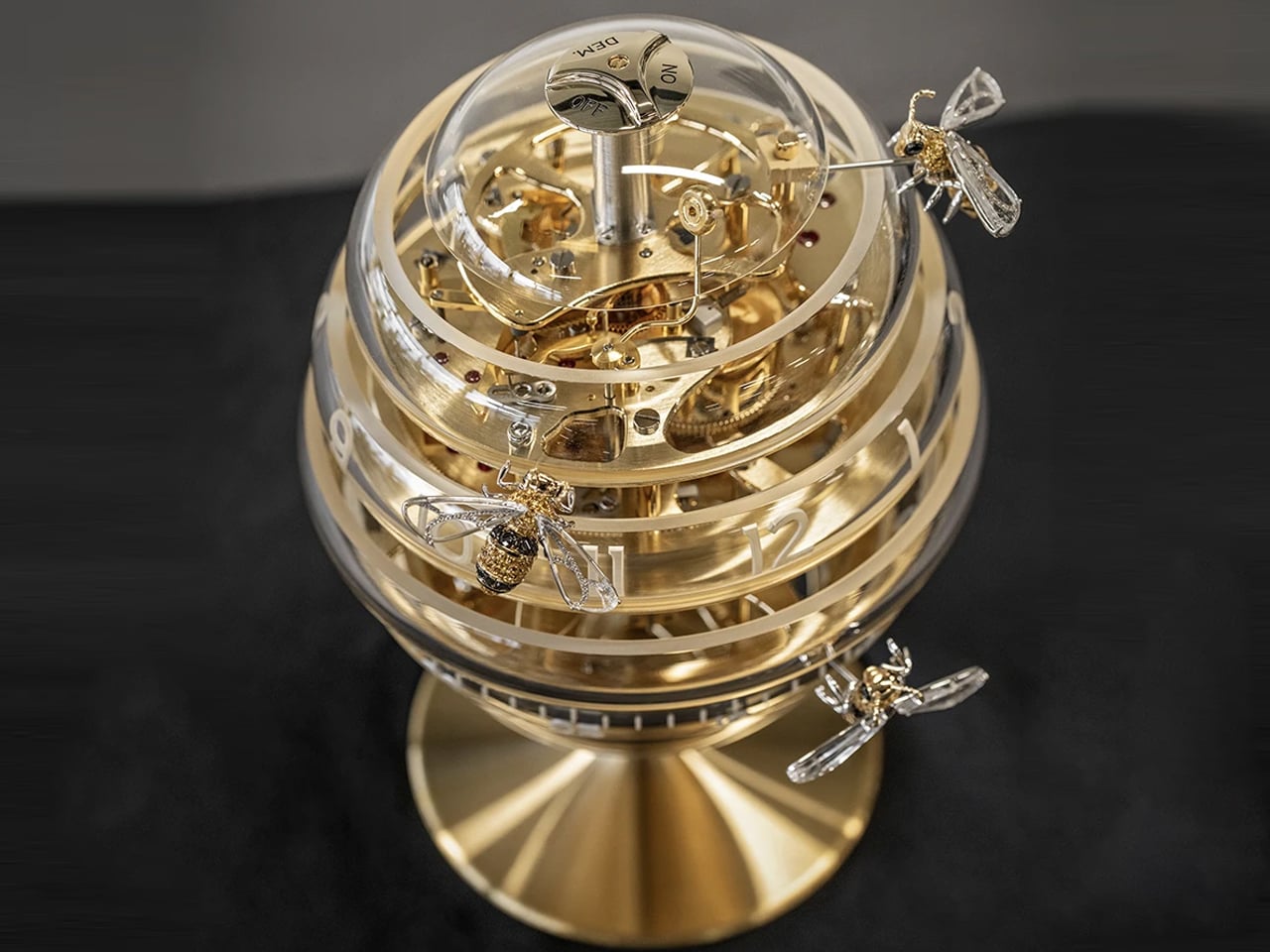
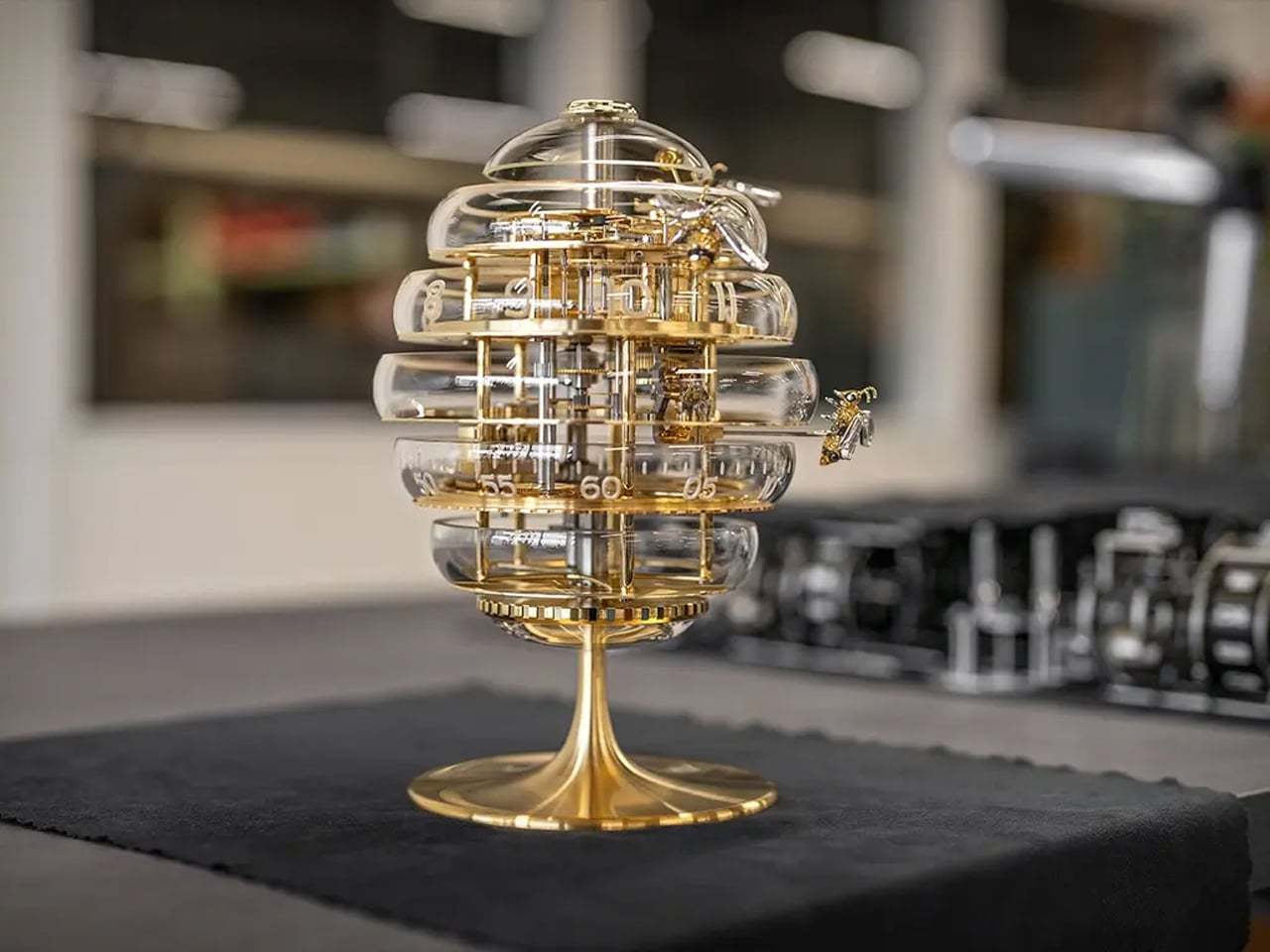
Chopard timepieces are generally an embodiment of precision and strength highlighted by timeless style. Each of its creations reflects Swiss mastery with the use of dancing gems, fine artworks, and sustainable innovation. All of this is presented well in the Beehive Table Clock, which is made of steel and brass in 18K ethical yellow gold to mimic the color of an original beehive.

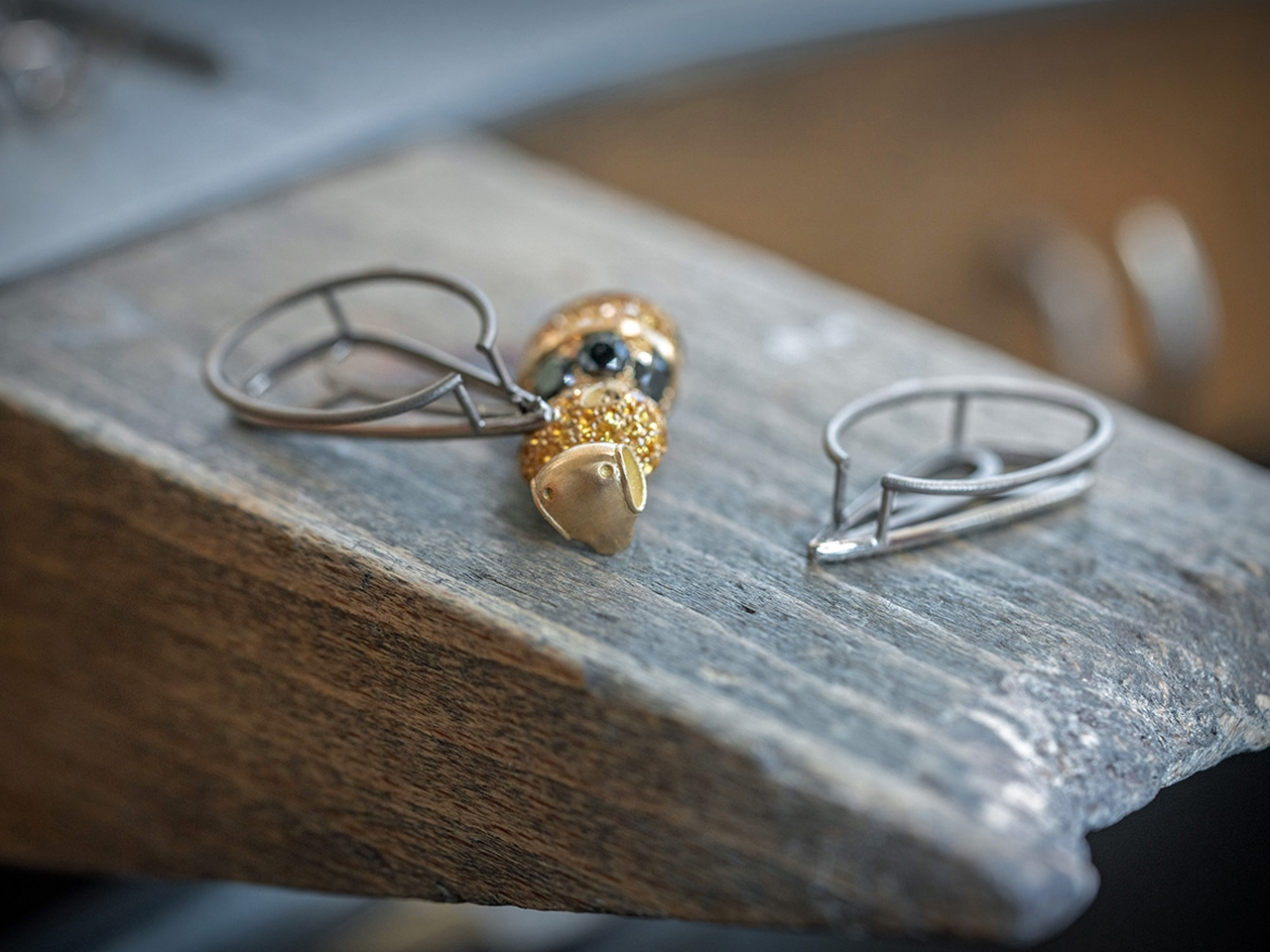
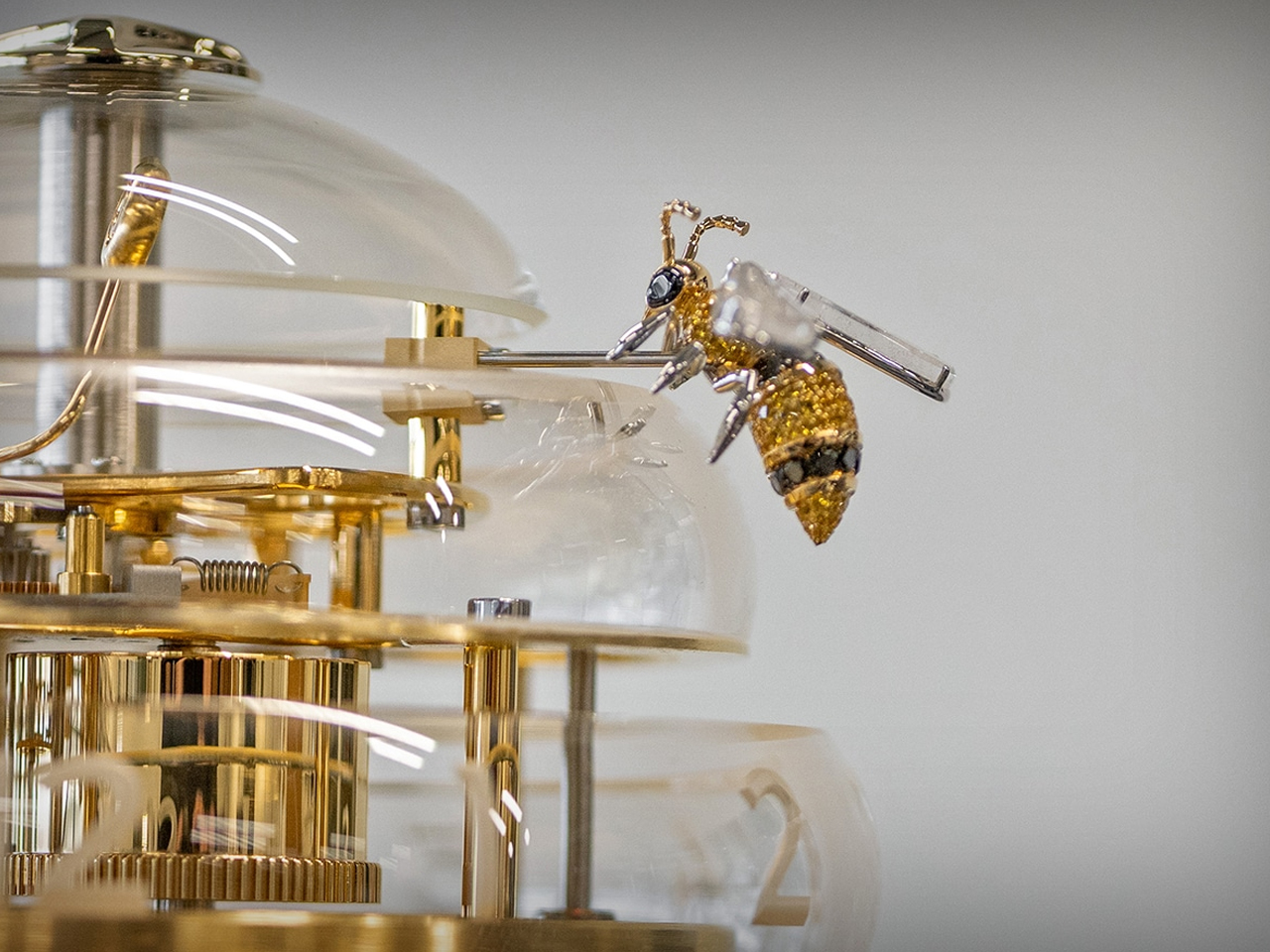
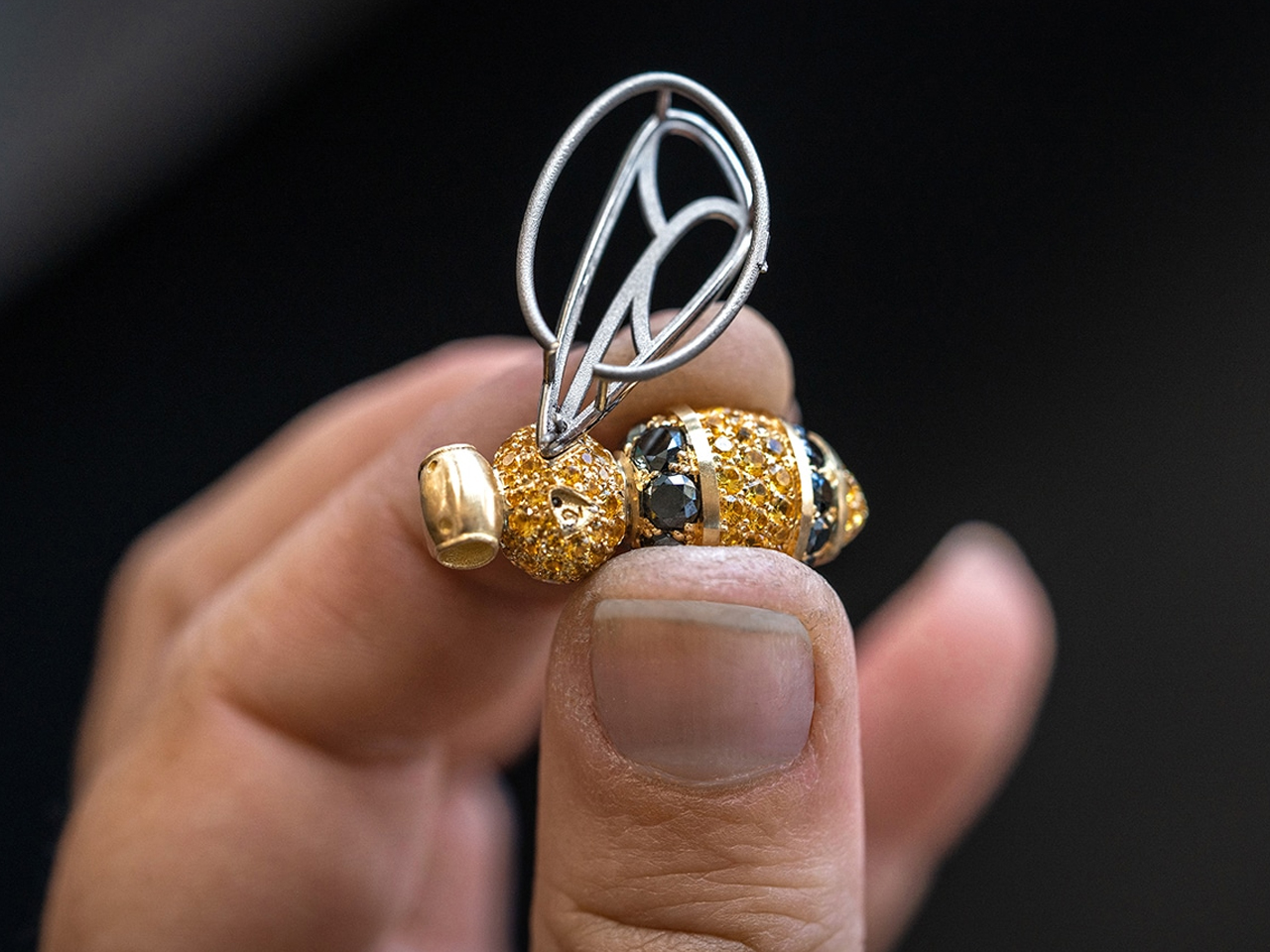
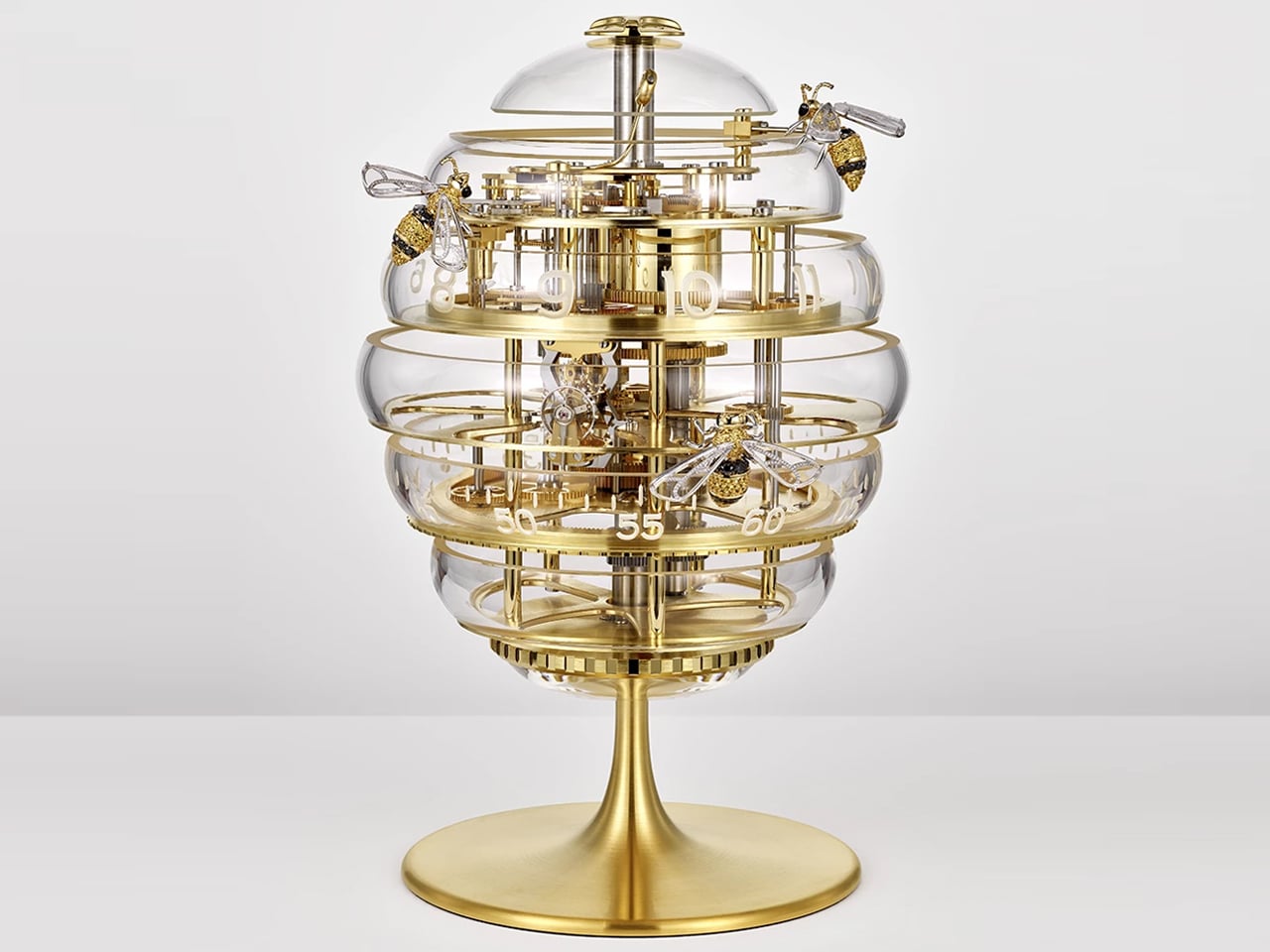
The clock, measuring 25.8 cm high and with a diameter of 16.5 cm, features three jeweled bees made in Chopard’s jewelry atelier in Geneva. The bees feature a body made using 18-carat ethical yellow gold, which is studded with gemstones, yellow sapphires, and black diamonds, and have rock crystal for wings. While the bees may feel like the most distinctive part of the clock, which comprises seven rounded tiers of borosilicate glass, two of which have the hour and minute numerals. It’s the chime mechanism of the Chopard Beehive Table Clock that’s, in fact, its best highlight.

The clock’s movement plate is brass, and the base is steel, but both are finished in gold to match the beehive theme. Its chime mechanism is located at the top, where the glass dome is used as the bell struck by a small gold hammer to announce the time. There are three – Active, Silent, and On-Demand – chime modes to choose from, which can be changed by rotating the top part. In the active mode, the clock sounds the time automatically, in Silent mode, it doesn’t chime at all, and in On-Demand mode, you can manually set the clock to sound the current time.

The Beehive Clock is powered by a twin-barreled, hand-wound movement, which can be conveniently wound with a crown located at the bottom. When full-wound, the clock has a power reserve of up to 8 days. With its impressive shape, sophisticated chiming mechanism, and a legacy to live up to, the Chopard Beehive Table Clock is limited to just 10 pieces worldwide. The elusive timepiece will be sold exclusively at Chopard boutiques for an estimated $330,000.

The post Chopard’s Beehive Table Clock is a masterpiece of horological art with L’Épée 1839 first appeared on Yanko Design.

This air-powered desk clock with stopwatch function is a work of genius

Something is intriguing about novelty clocks that refreshes the age-old timekeeping approach. The unique mechanism at the heart of these timepieces makes them desirable, especially for those who value time above all else. YouTuber soiboi soft from Germany loves working with pneumatic principles, creating some really interesting things never seen before.

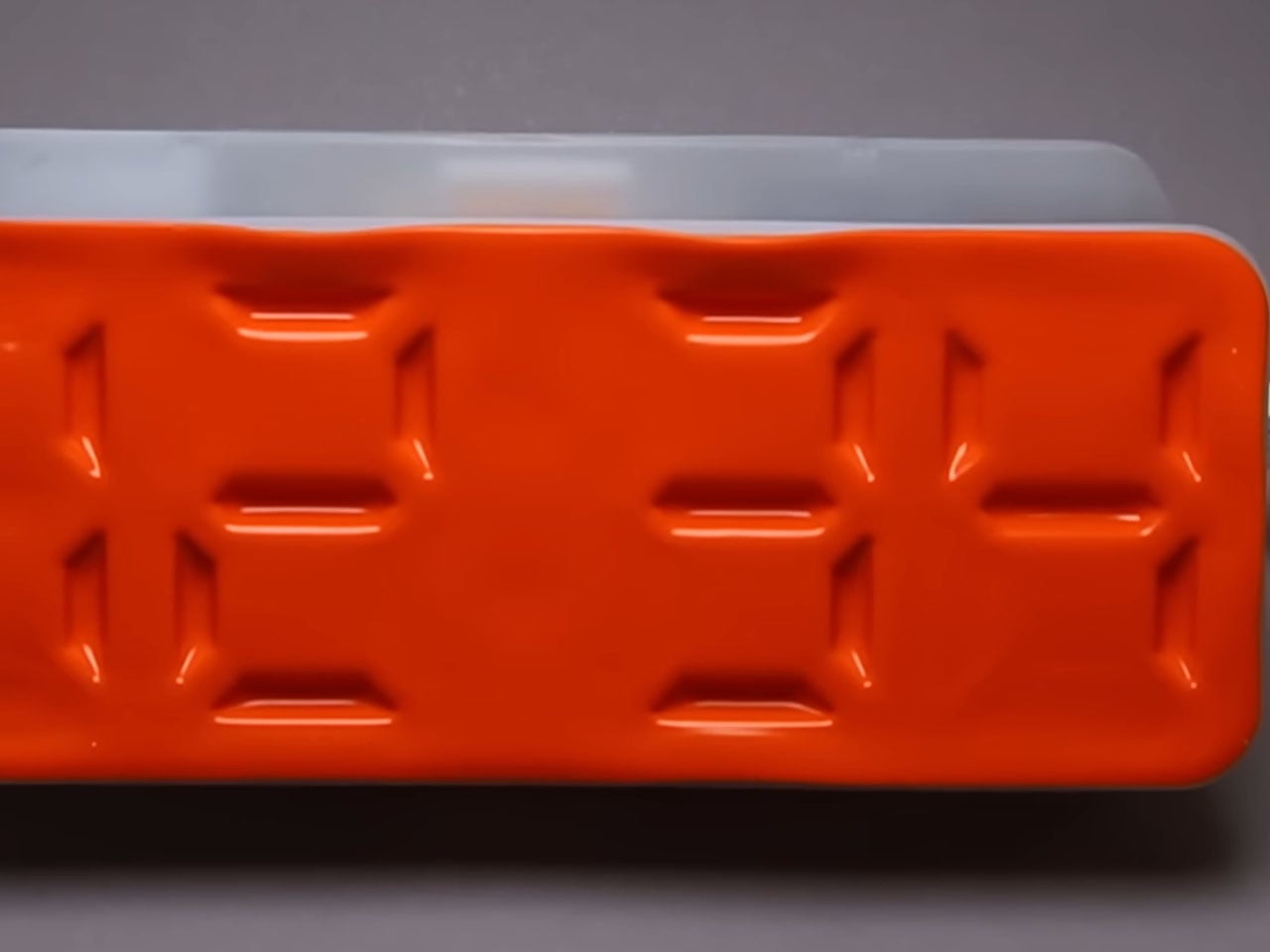
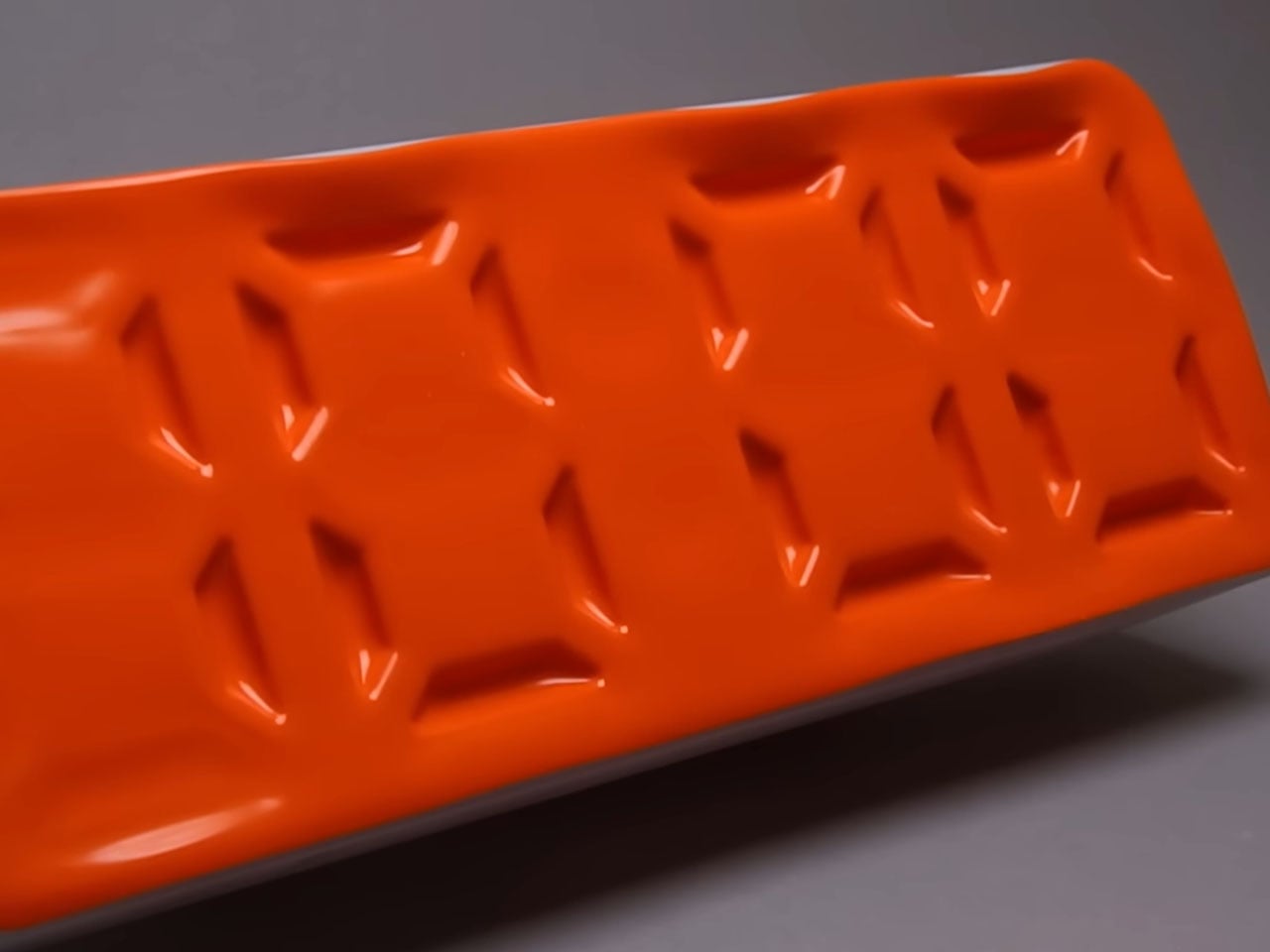
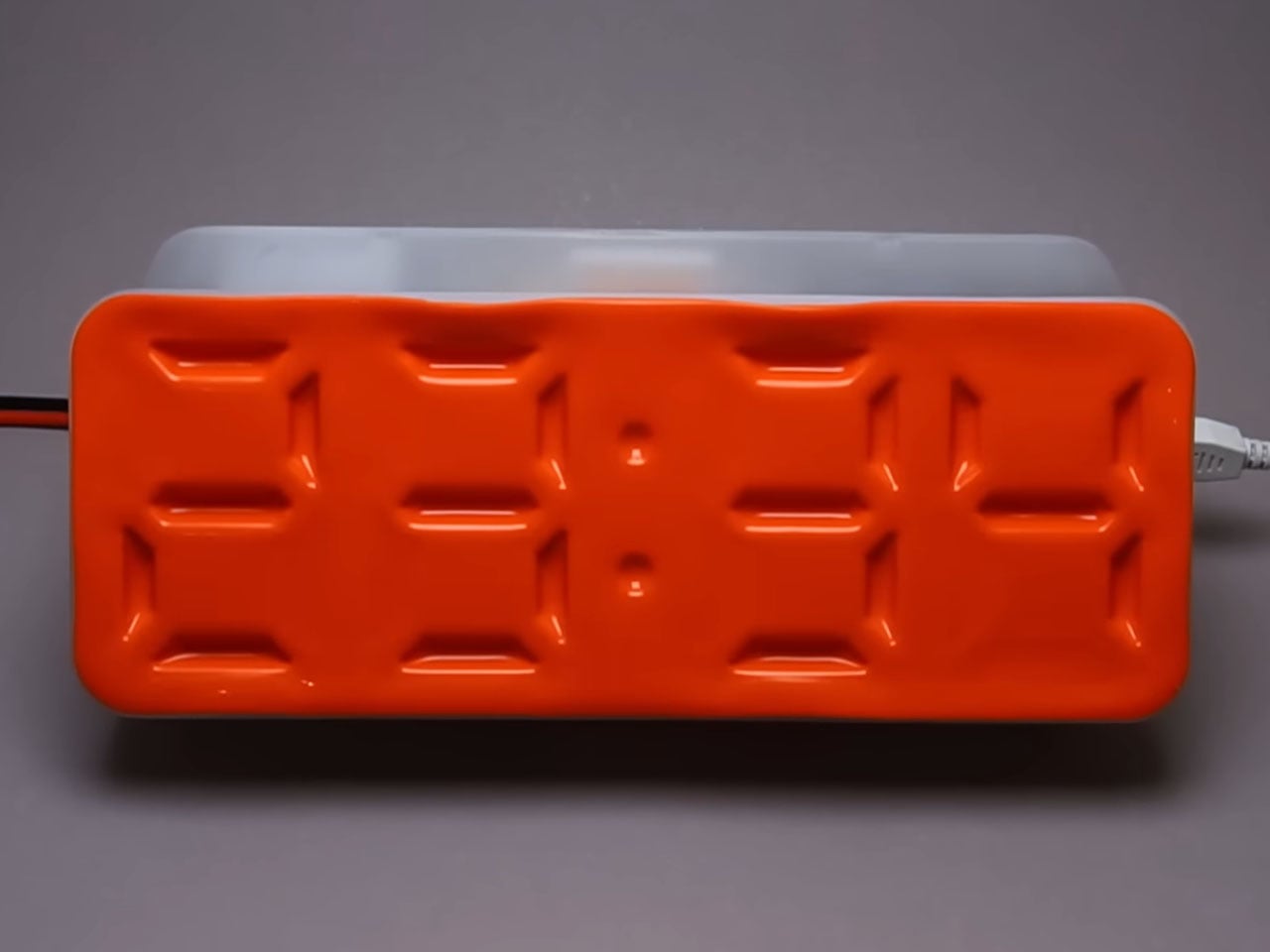
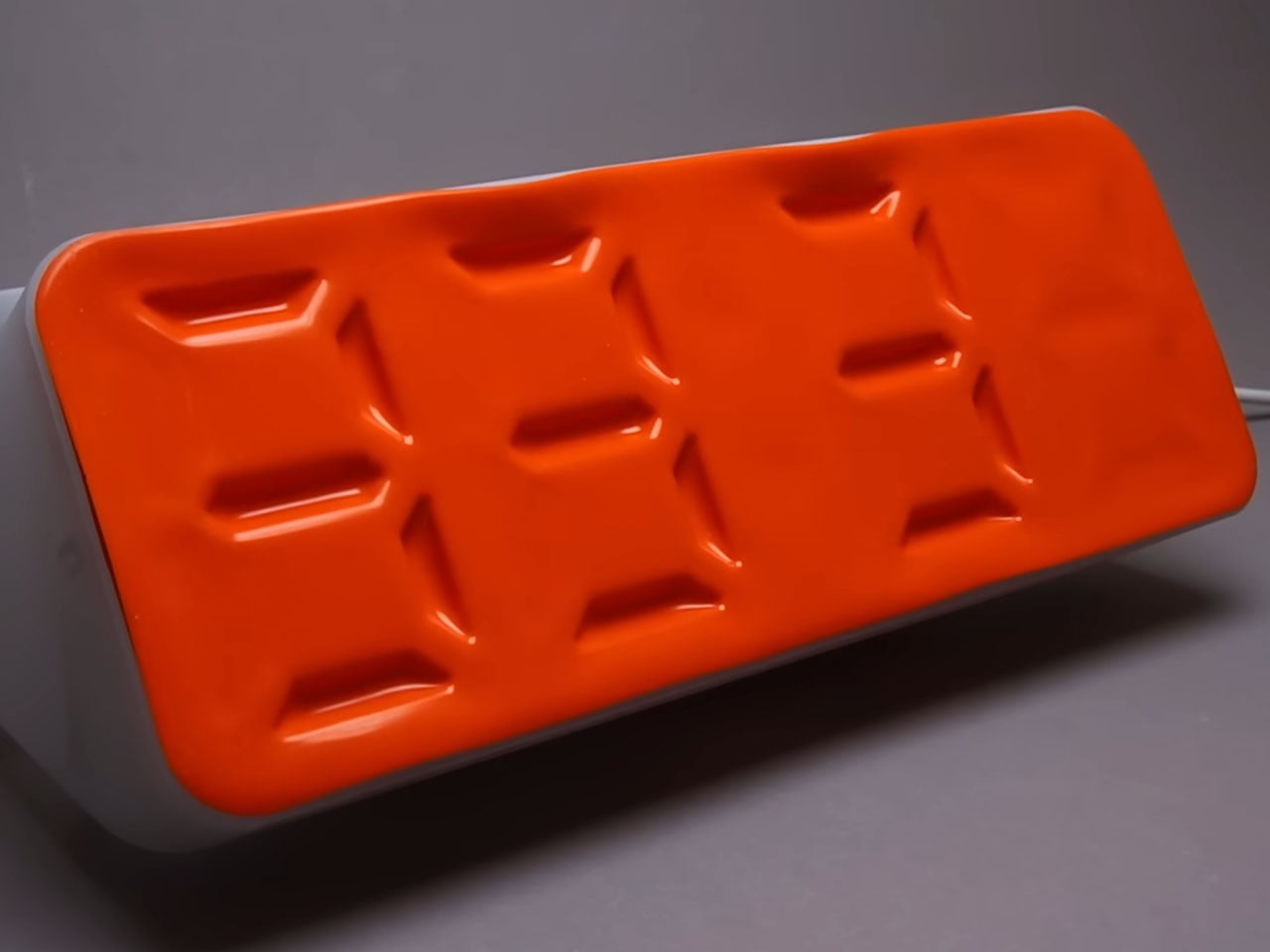
This time around, the ingenious inventor has crafted an air-powered desk clock that works on the same principles of compressing air to control the display membrane. While that might sound a little too technical for some, the idea is to change the appearance on the surface of the flexible clock membrane to display the current time. That is simply cool, and who wouldn’t want to have this desk clock grace their geeky setup?

Designer: soiboi soft

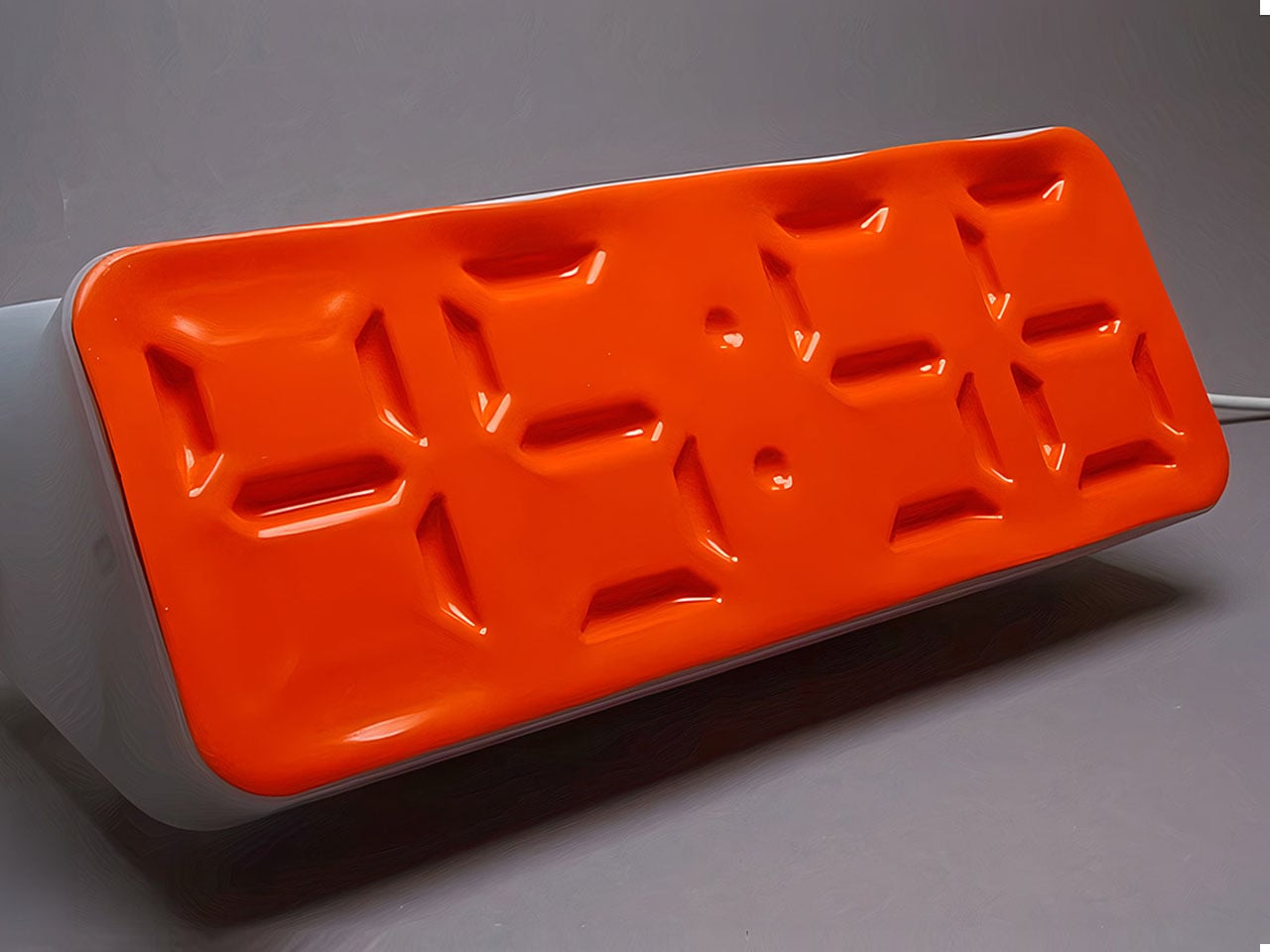
Building the four-digit display of the Air Powered Segment Clock begins by crafting the custom parts using 3D printing. The next task is to carefully connect the vacuum lines to the complex mechanism so that it can pull the flexible membrane to create the dent representing the luminous bars, just like a digital clock. Even when the signal is turned off from the backend, the shape holds still until the next command to turn it off is initiated. As soon as the command to release the vacuum pressure is initiated, the membrane returns to its flat position.

The combination of these seven memory cells (as he calls them) forms a single digit representation. Based on the digit to be displayed, the memory cells are in an on or off position, thereby displaying the whole digit. This whole display array is a combination of four such digits, and based on the microcontroller programming and the complex software input, they magically suck-in to create the digit on the membrane. Dots in the middle appear every time a number is changed to represent the seconds, minutes, and hours.

The basic architecture of the Air Powered Segment Clock is similar to how a RAM functions, storing values in specific locations courtesy of the data and address lines.  When the hardware and software trickery to display the time come into unison, the DIY desk clock comes alive. Going a step further, the DIYer adds a stopwatch function to the clock, because why not? Frankly, this is one of the best DIY creations I’ve seen in a long time. I bet every one of you out there is wishing this project turns into a buyable novelty clock someday. Imagine adding this to your workstation, gaming setup, or simply sporting on the living room shelf!

The post This air-powered desk clock with stopwatch function is a work of genius first appeared on Yanko Design.

This air-powered desk clock with stopwatch function is a work of genius

Something is intriguing about novelty clocks that refreshes the age-old timekeeping approach. The unique mechanism at the heart of these timepieces makes them desirable, especially for those who value time above all else. YouTuber soiboi soft from Germany loves working with pneumatic principles, creating some really interesting things never seen before.

This time around, the ingenious inventor has crafted an air-powered desk clock that works on the same principles of compressing air to control the display membrane. While that might sound a little too technical for some, the idea is to change the appearance on the surface of the flexible clock membrane to display the current time. That is simply cool, and who wouldn’t want to have this desk clock grace their geeky setup?

Designer: soiboi soft

Building the four-digit display of the Air Powered Segment Clock begins by crafting the custom parts using 3D printing. The next task is to carefully connect the vacuum lines to the complex mechanism so that it can pull the flexible membrane to create the dent representing the luminous bars, just like a digital clock. Even when the signal is turned off from the backend, the shape holds still until the next command to turn it off is initiated. As soon as the command to release the vacuum pressure is initiated, the membrane returns to its flat position.

The combination of these seven memory cells (as he calls them) forms a single digit representation. Based on the digit to be displayed, the memory cells are in an on or off position, thereby displaying the whole digit. This whole display array is a combination of four such digits, and based on the microcontroller programming and the complex software input, they magically suck-in to create the digit on the membrane. Dots in the middle appear every time a number is changed to represent the seconds, minutes, and hours.

The basic architecture of the Air Powered Segment Clock is similar to how a RAM functions, storing values in specific locations courtesy of the data and address lines.  When the hardware and software trickery to display the time come into unison, the DIY desk clock comes alive. Going a step further, the DIYer adds a stopwatch function to the clock, because why not? Frankly, this is one of the best DIY creations I’ve seen in a long time. I bet every one of you out there is wishing this project turns into a buyable novelty clock someday. Imagine adding this to your workstation, gaming setup, or simply sporting on the living room shelf!

The post This air-powered desk clock with stopwatch function is a work of genius first appeared on Yanko Design.

This Concrete Desk Clock Looks Like a 1980s CRT TV

There’s a particular kind of design intelligence that knows when to slow down. The Crydal Phantom Clock, designed by Daniel van der Liet, is one of those rare objects that rejects the frantic pace of modern consumer tech in favor of something more deliberate. It’s a desk clock, yes, but calling it just a clock misses the point entirely.

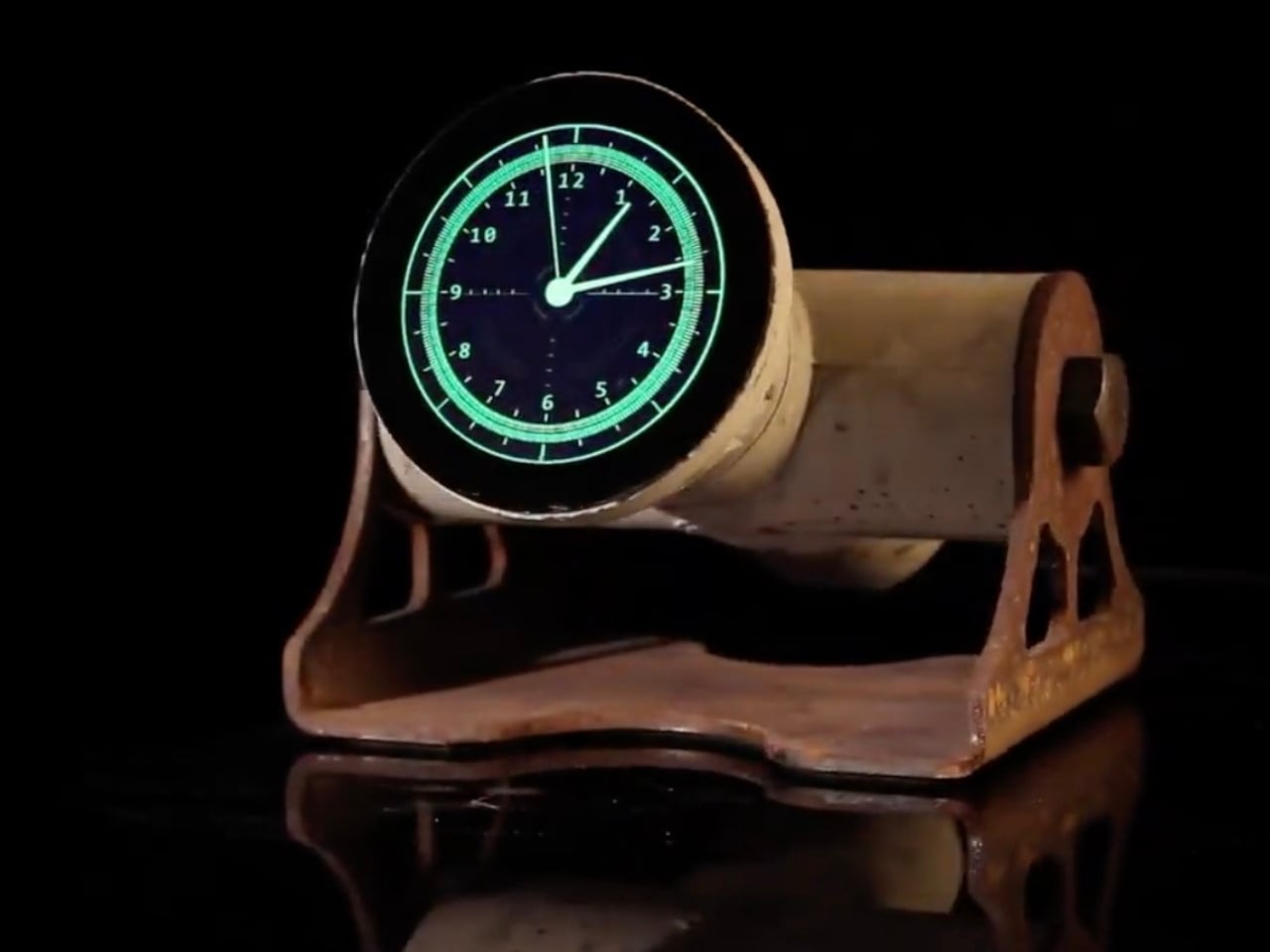
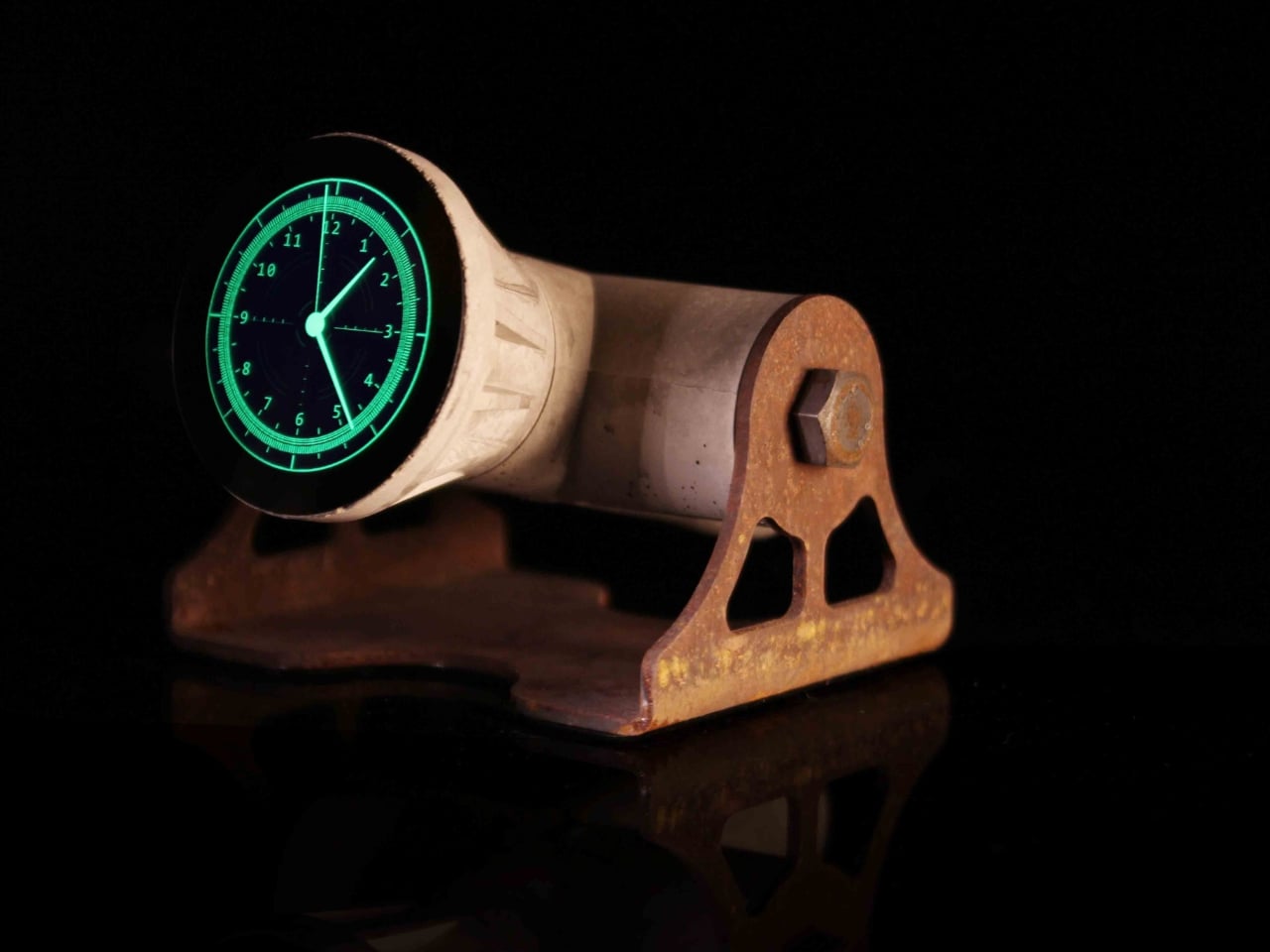
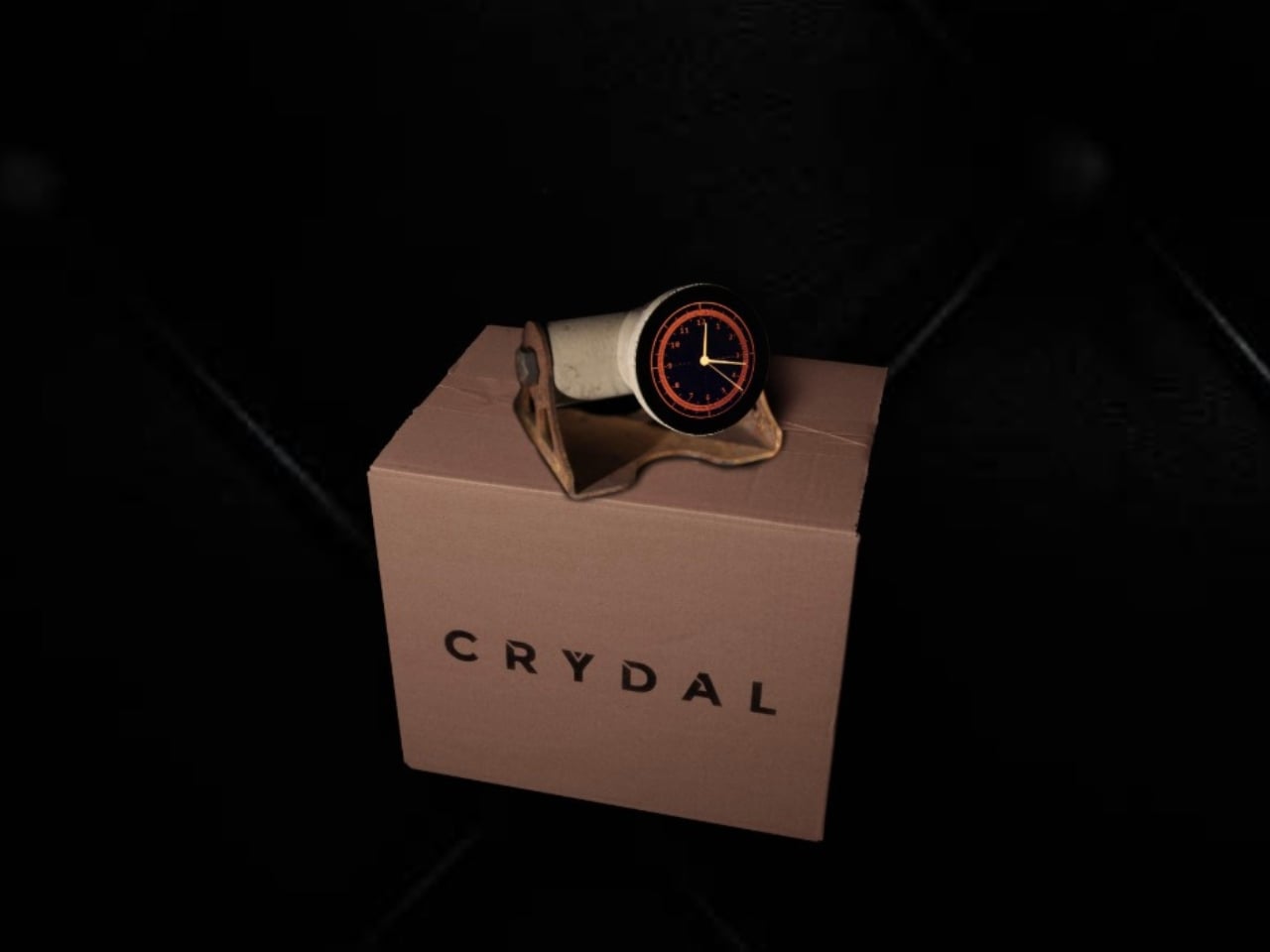
The Phantom reinterprets the visual language of cathode-ray tube displays from early computing. Not in a nostalgic way, but as a translation exercise. Van der Liet took the geometry, the mass, and the physical presence of those old CRT monitors and rebuilt them using cast concrete and raw steel. The result is something that feels both familiar and completely new, a dense, tactile object that sits on your desk with real weight and intention.

Designer: Daniel van der Liet

The form itself is immediately recognizable if you grew up around boxy computer monitors or chunky television sets. That characteristic curved screen, the cylindrical body, the industrial mounting stand. But instead of plastic housing and glass tubes, you get solid concrete and raw steel. The materials transform the reference from tech artifact into something closer to sculpture. This isn’t a replica or a throwback design. It’s a contemporary object that happens to speak the formal language of vintage electronics.

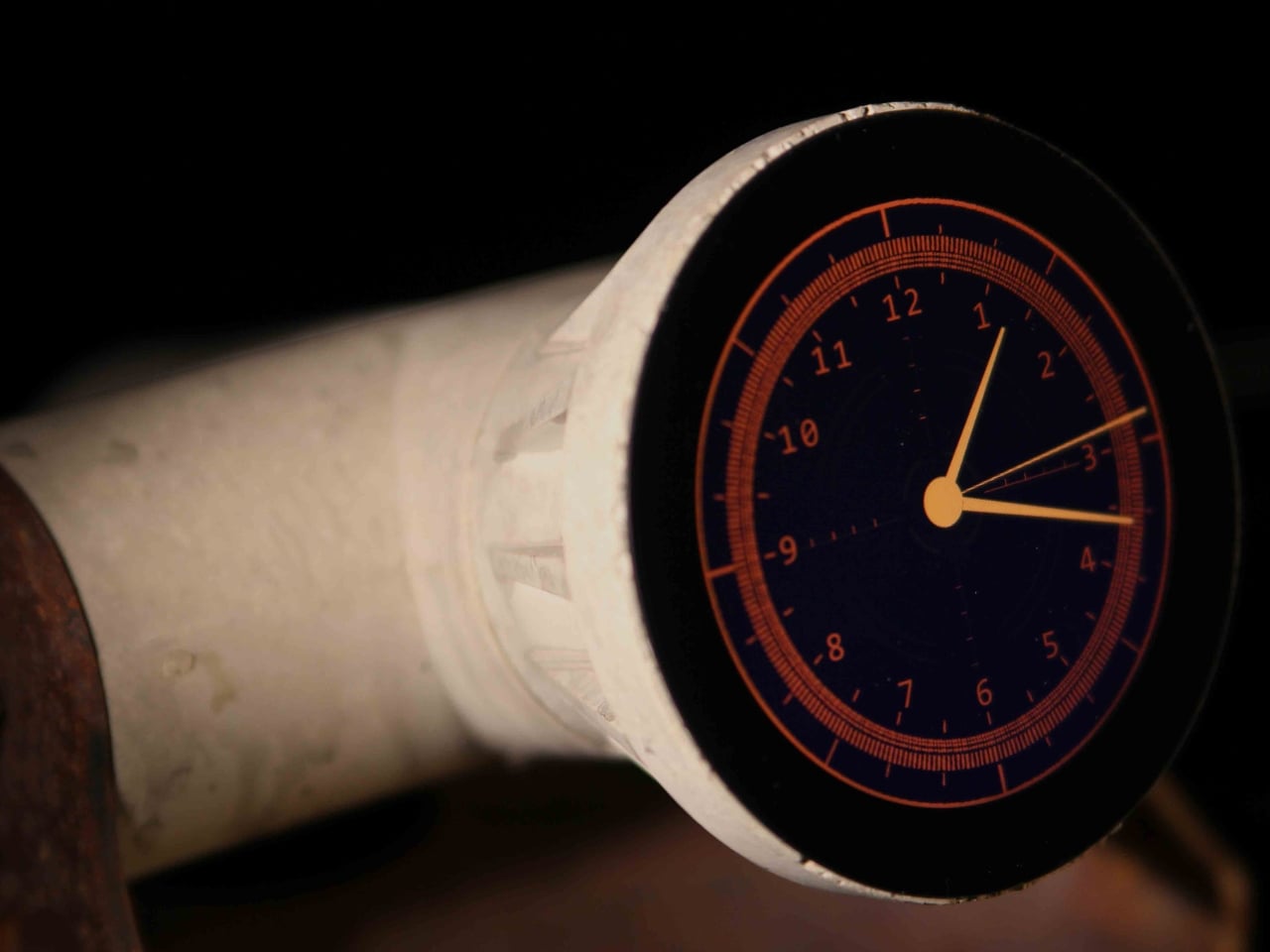
What makes the Phantom genuinely interesting is how it handles the intersection of analog and digital. The clock displays time through a traditional analog dial, the kind with actual hour and minute hands moving around a circular face. But here’s where it gets clever: that dial appears on a round capacitive display integrated flush with the concrete surface. You can switch between three chromatic modes, green, orange, or red, each one shifting the character of the clock without altering its physical form. It’s like having three different moods available depending on your space or preference.

The interface is handled entirely through that circular touchscreen. You adjust the time, you control the color mode, you modify the brightness. No buttons interrupt the surface, no dials break the material integrity. When you’re not actively using it, the clock just sits there, visually calm and minimal. It doesn’t demand attention or try to become the focal point of your desk. It exists quietly, doing its single job with focus and restraint.

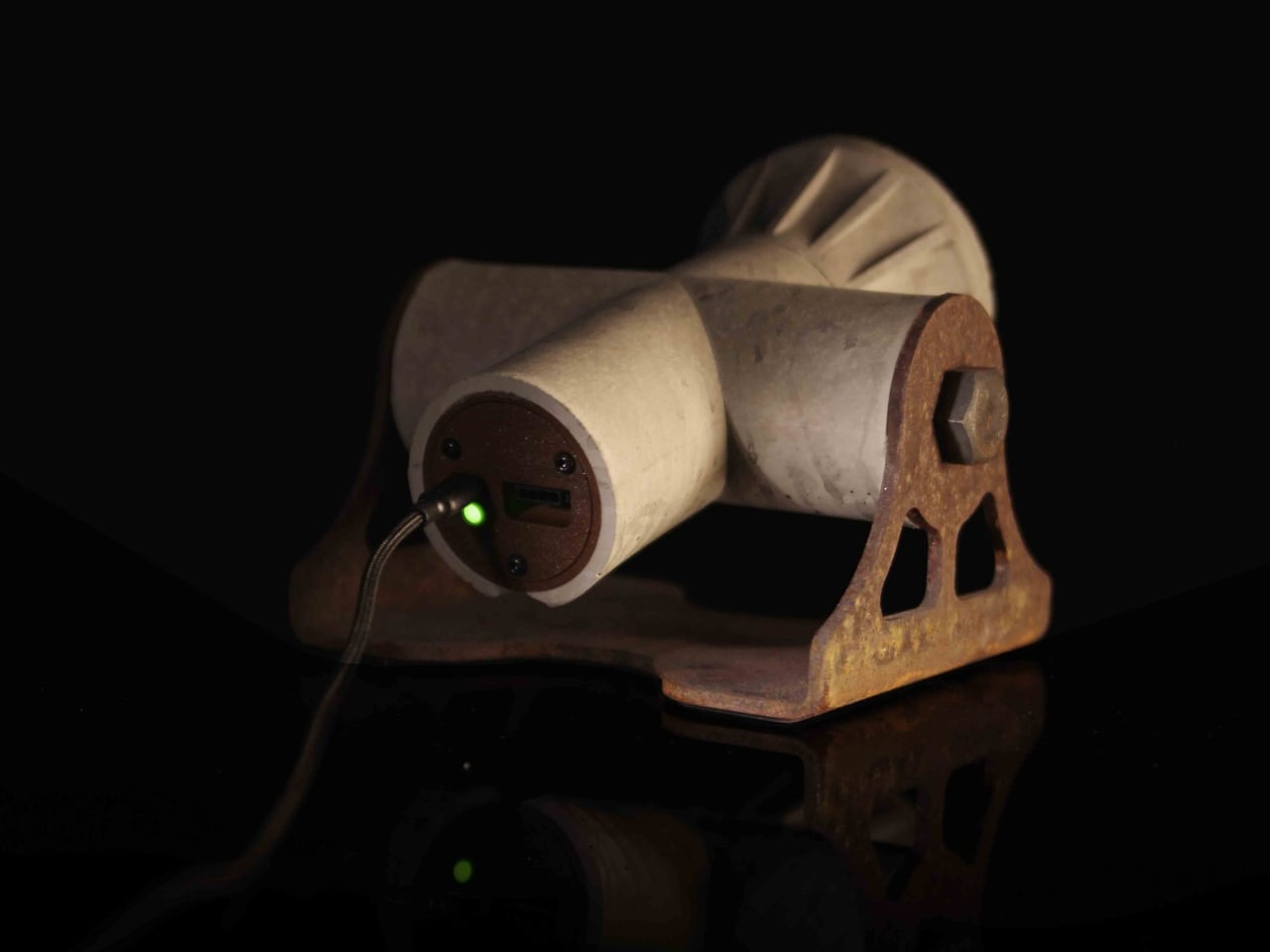
This is explicitly not a smart device. The Phantom won’t sync with your phone, won’t display notifications, won’t connect to your calendar or remind you about meetings. It plugs in via USB-C for power and that’s the extent of its connectivity. In an era when every object wants to be a node in your personal network, this kind of focused simplicity feels almost defiant. The clock tells time. That’s what it does. That’s all it does.

Each Phantom is handcrafted in limited quantities, and the production process ensures that no two are exactly identical. Concrete doesn’t cast uniformly. Steel doesn’t patina predictably. These natural variations aren’t flaws to be corrected but characteristics that make each piece unique. Your clock will have its own texture, its own finish, its own subtle imperfections that come from being made by hand rather than stamped out on an assembly line.

The limited edition nature matters because it positions the Phantom somewhere between functional object and collectible. You could absolutely use this as your primary desk clock. But you could just as easily display it on a shelf in your studio or living space as a sculptural object that happens to tell time. Both approaches are valid. The design supports either use case without compromising. What appeals most about the Phantom is its refusal to be categorized easily. It’s not retro tech, though it references old technology. It’s not pure art, though it has sculptural qualities. It’s not a gadget, though it uses modern display technology. It exists in this productive tension between categories, which is exactly where the most interesting design tends to live.

We live in a market saturated with objects that prioritize convenience and connectivity above all else but the Phantom Clock offers something different. It’s heavy where things are light, analog where things are digital, focused where things are multifunctional. It’s a time instrument designed to exist quietly in your space, asking nothing from you except the occasional glance to check the hour. Sometimes that’s exactly what you need.

The post This Concrete Desk Clock Looks Like a 1980s CRT TV first appeared on Yanko Design.

Mid-Century Clock and Watch Tell Time With Shapes, Not Numbers

Most clocks and watches fade into the background, quietly marking the hours without much personality or visual presence on your desk or wrist throughout the day. But what if timekeeping could be playful, sculptural, and as expressive as the rest of your space or personal style choices? What if checking the time felt less like a utilitarian glance and more like appreciating a piece of functional art?

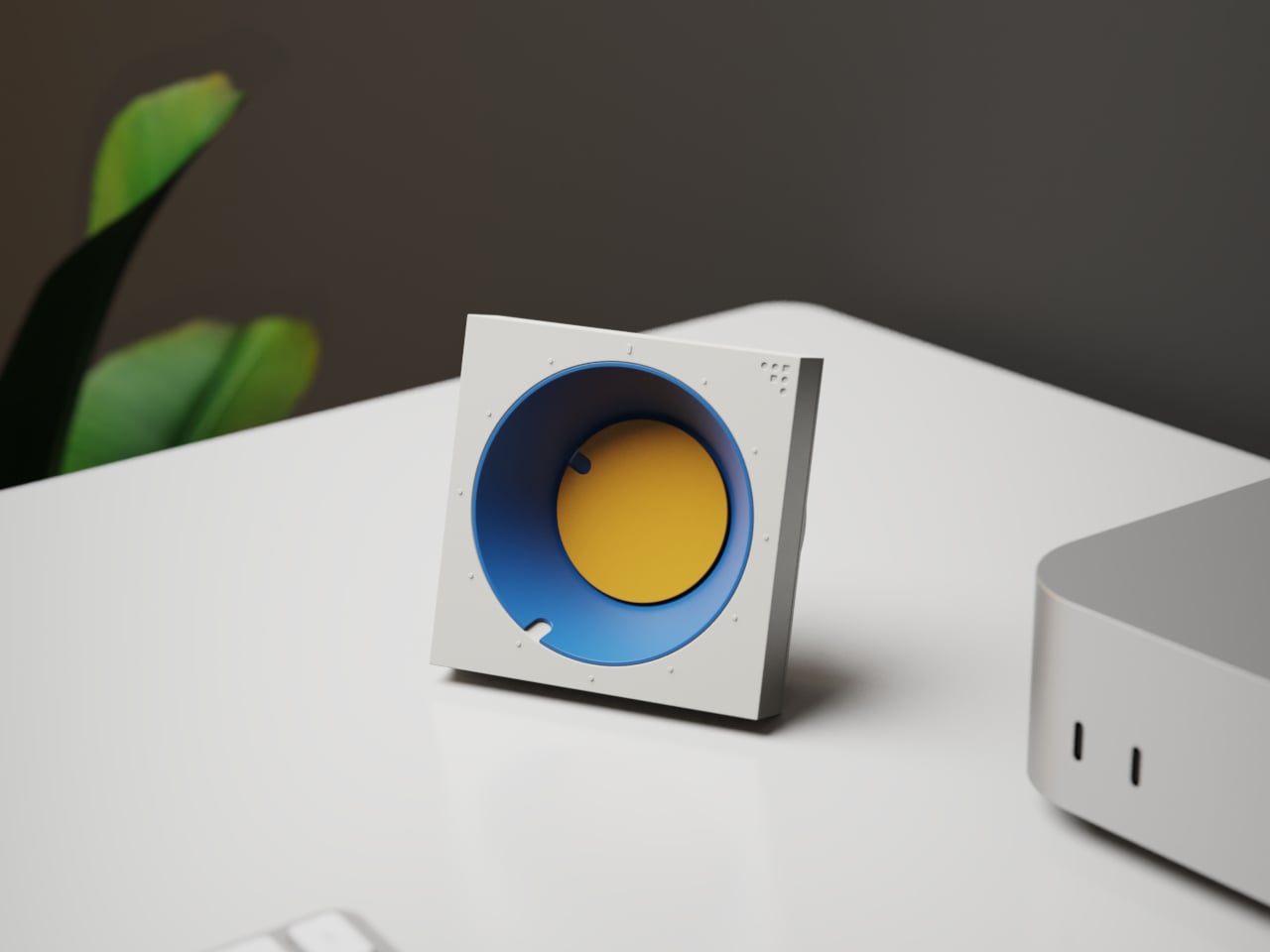
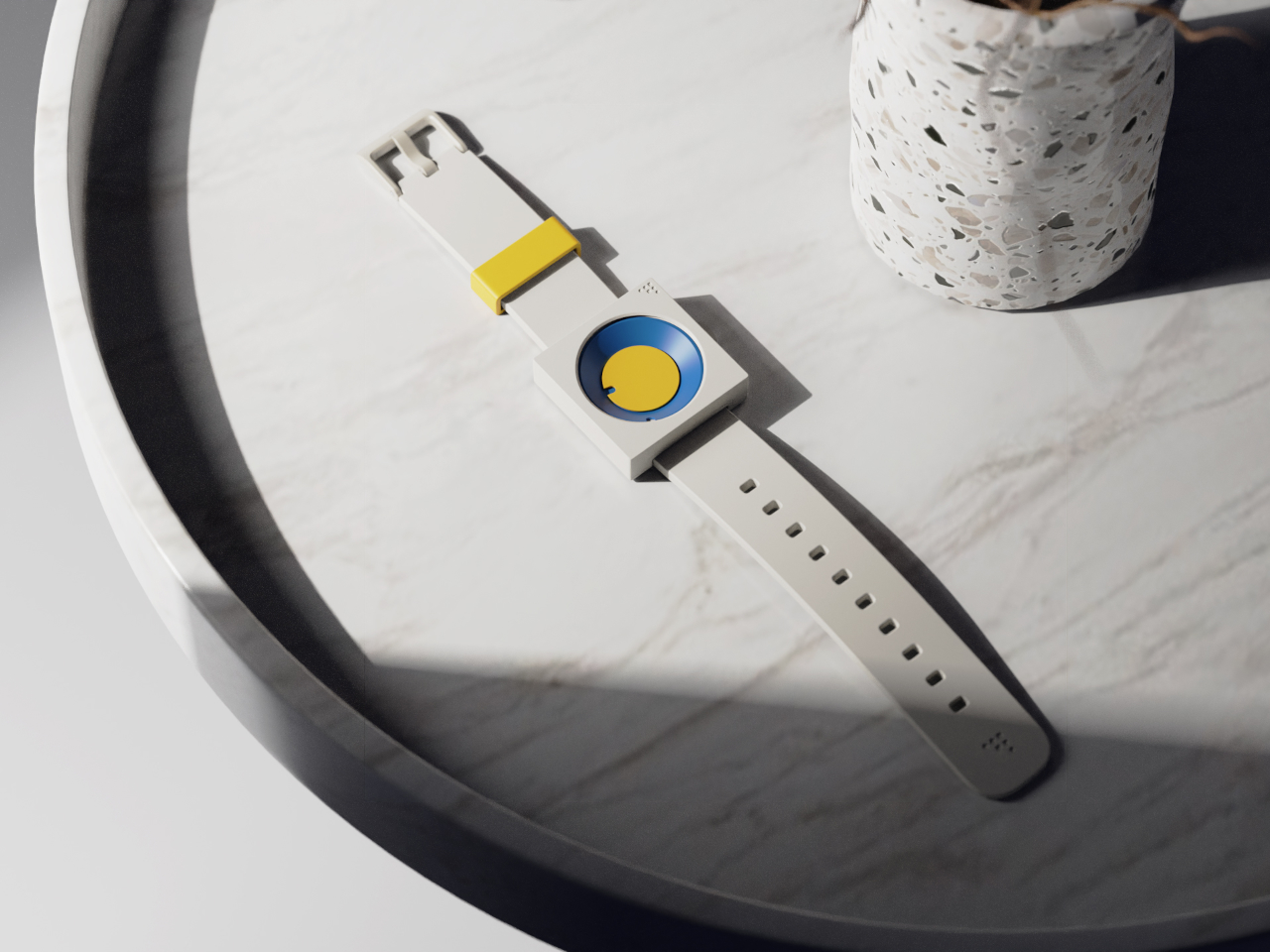
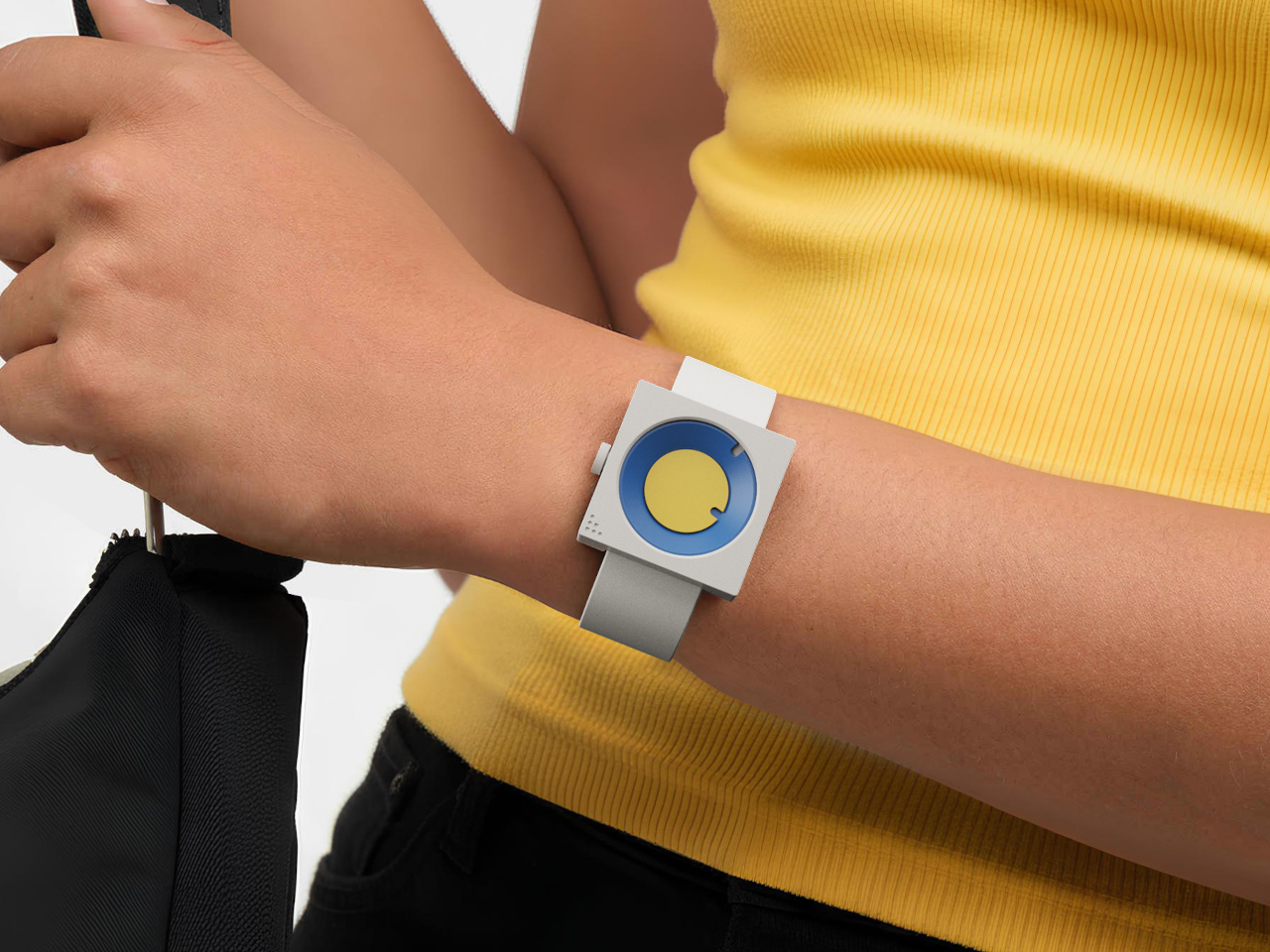
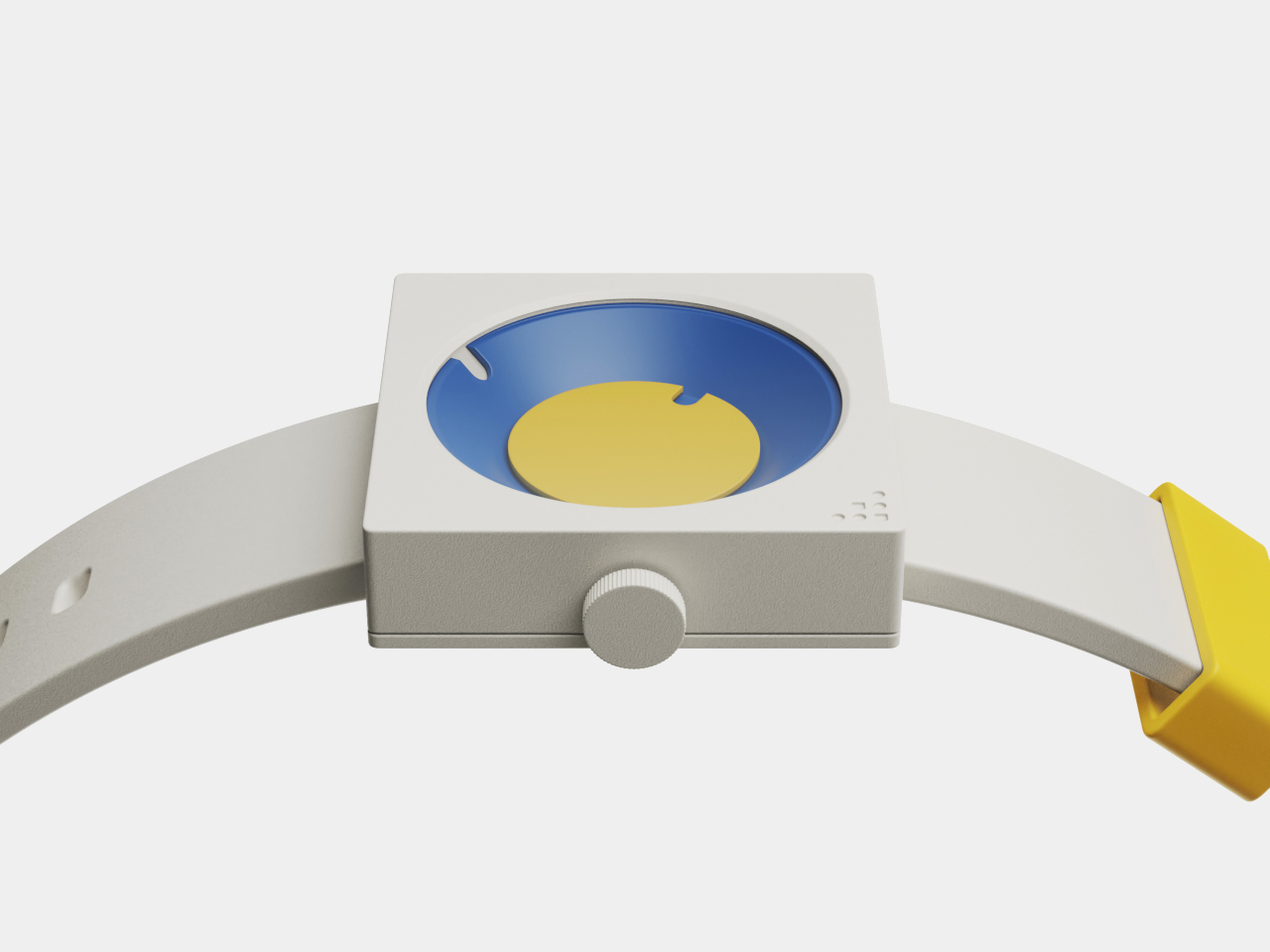
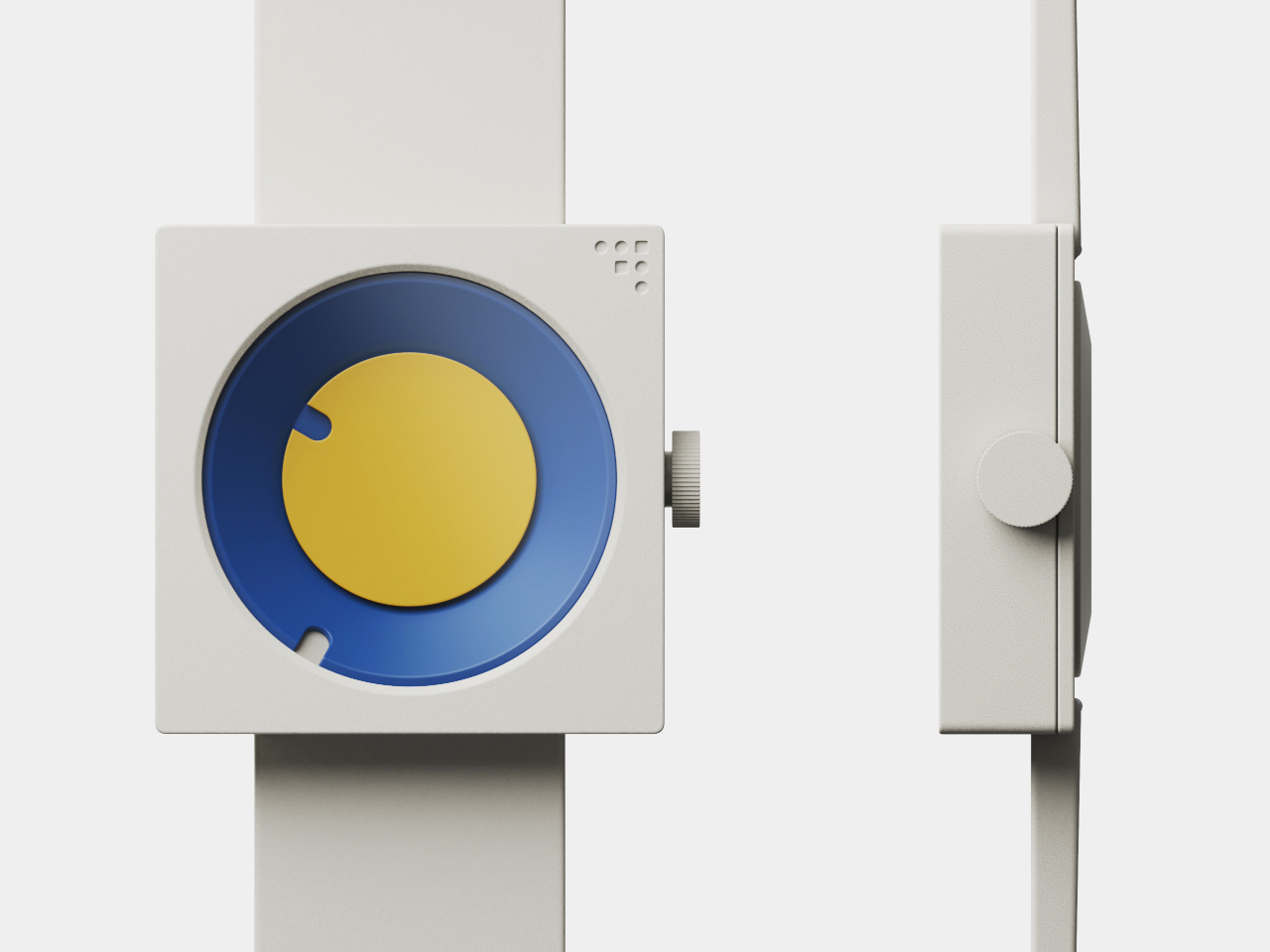
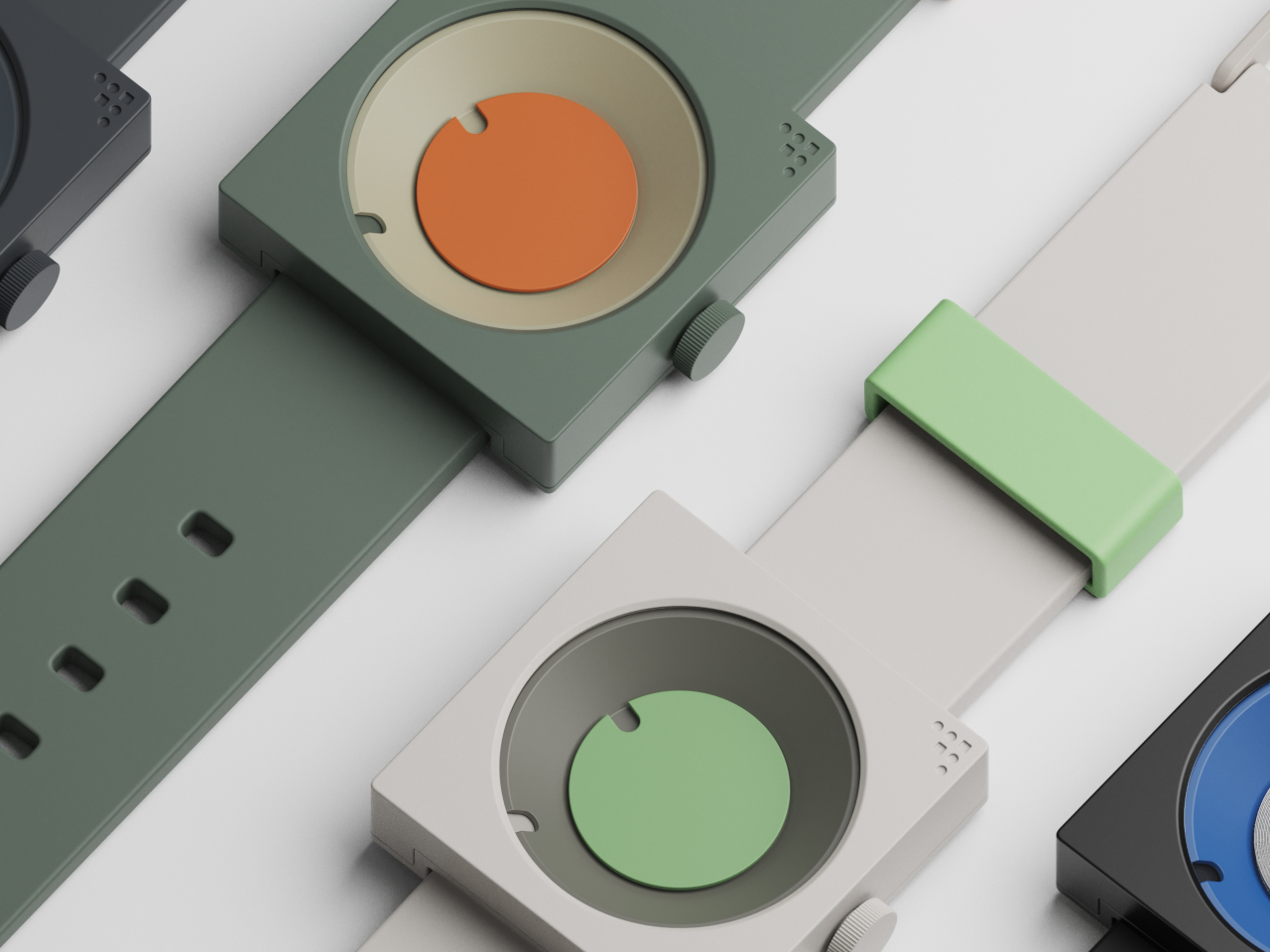
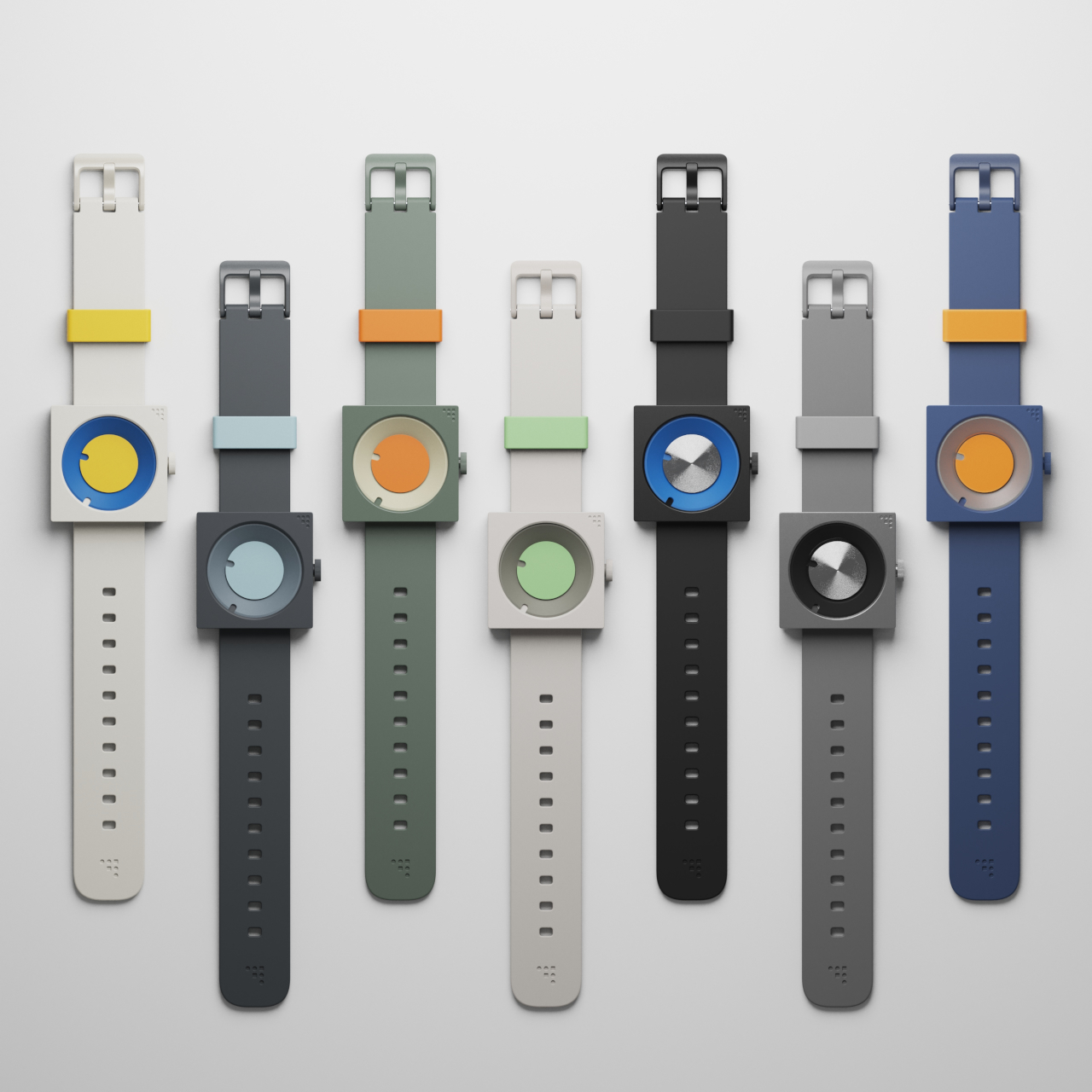
The FC-30 Desk Clock and FW-50 Wrist Watch concepts flip the script on conventional timekeeping, using bold geometry, vibrant color, and tactile design to turn telling time into a daily ritual worth savoring. Inspired by mid-century modern design principles from the 1950s and 60s, both pieces are as much about art as they are about function, bringing sculptural presence to everyday moments throughout your routine.

Designer: Sidhant Patnaik

Create your own Aesthetic Render: Download KeyShot Studio Right Now!

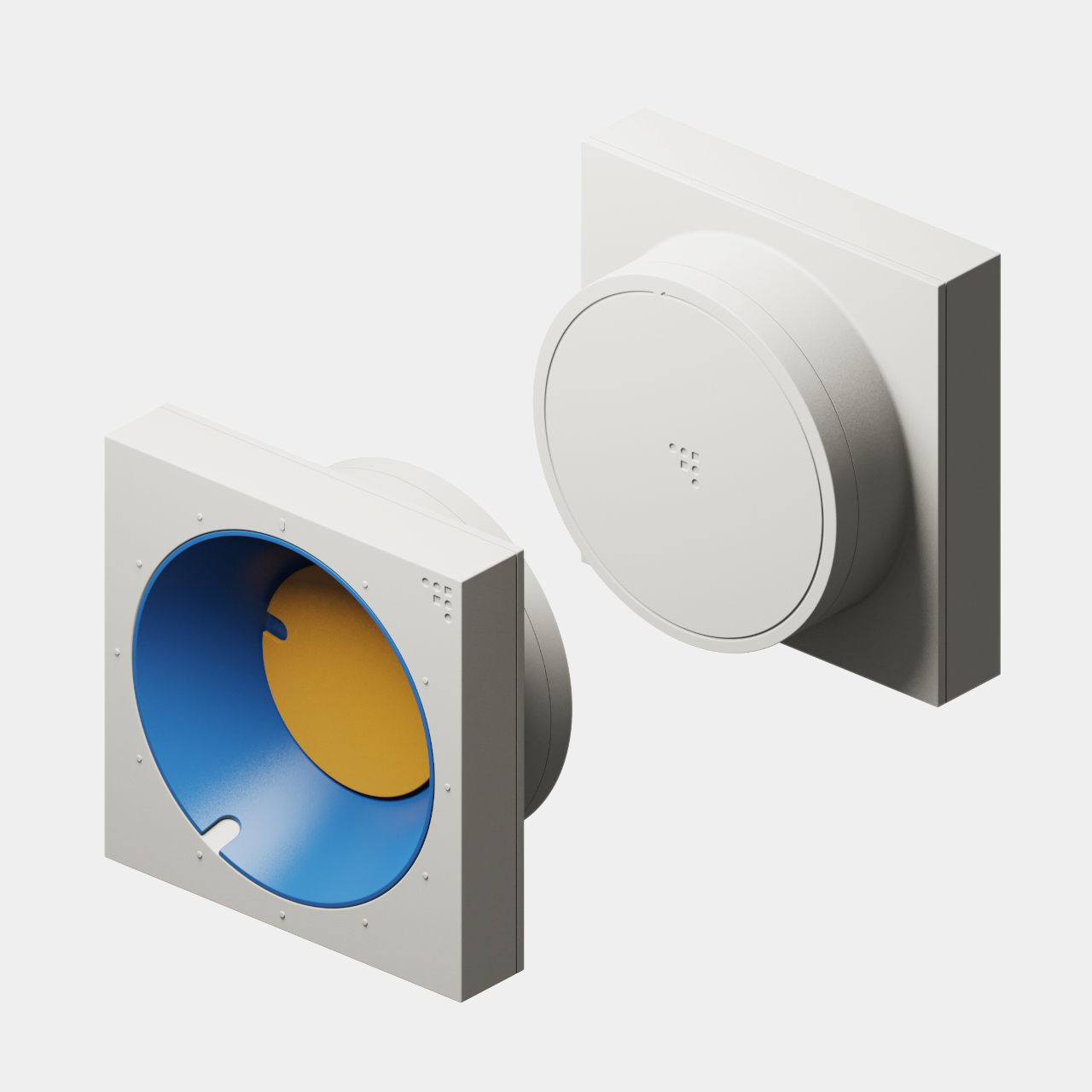
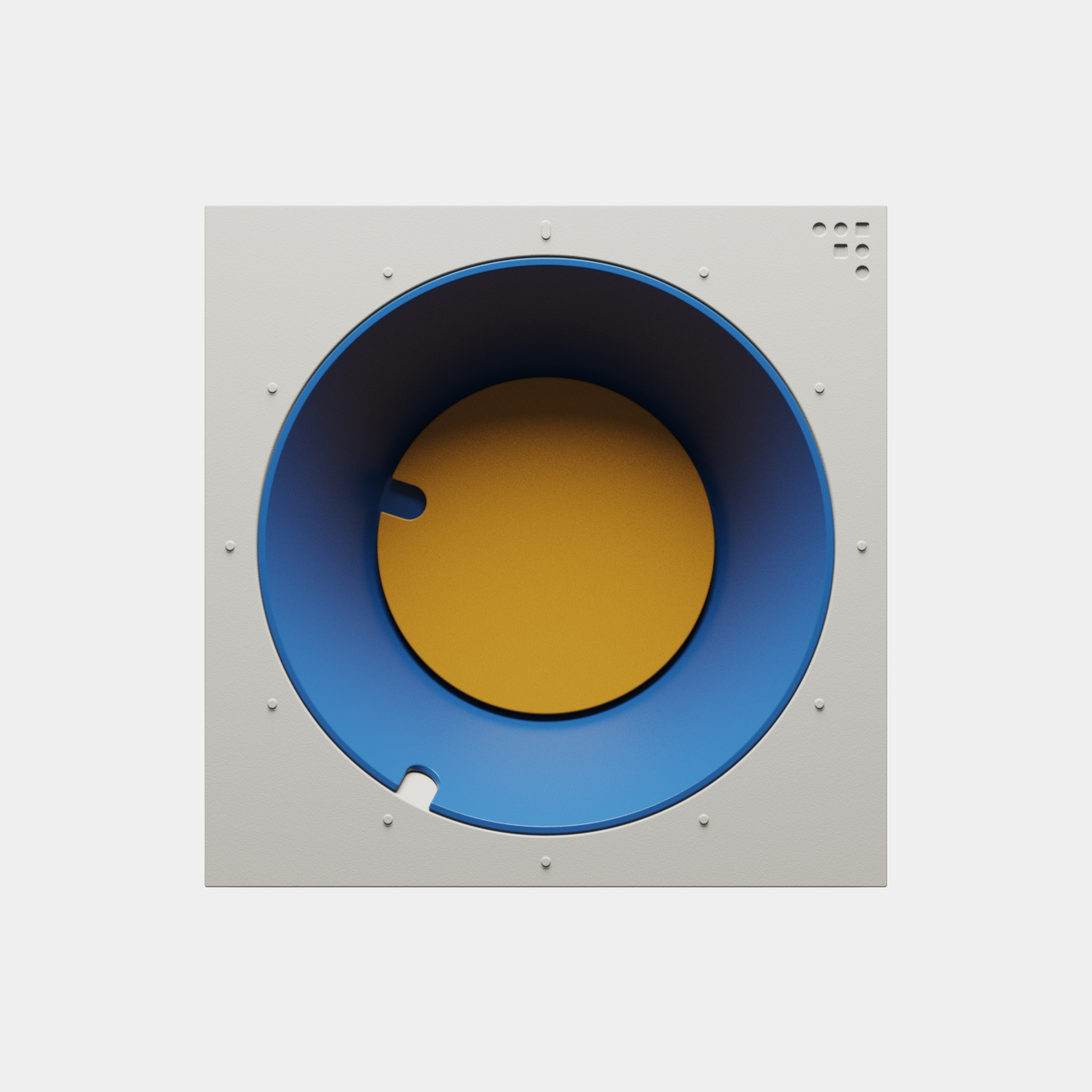
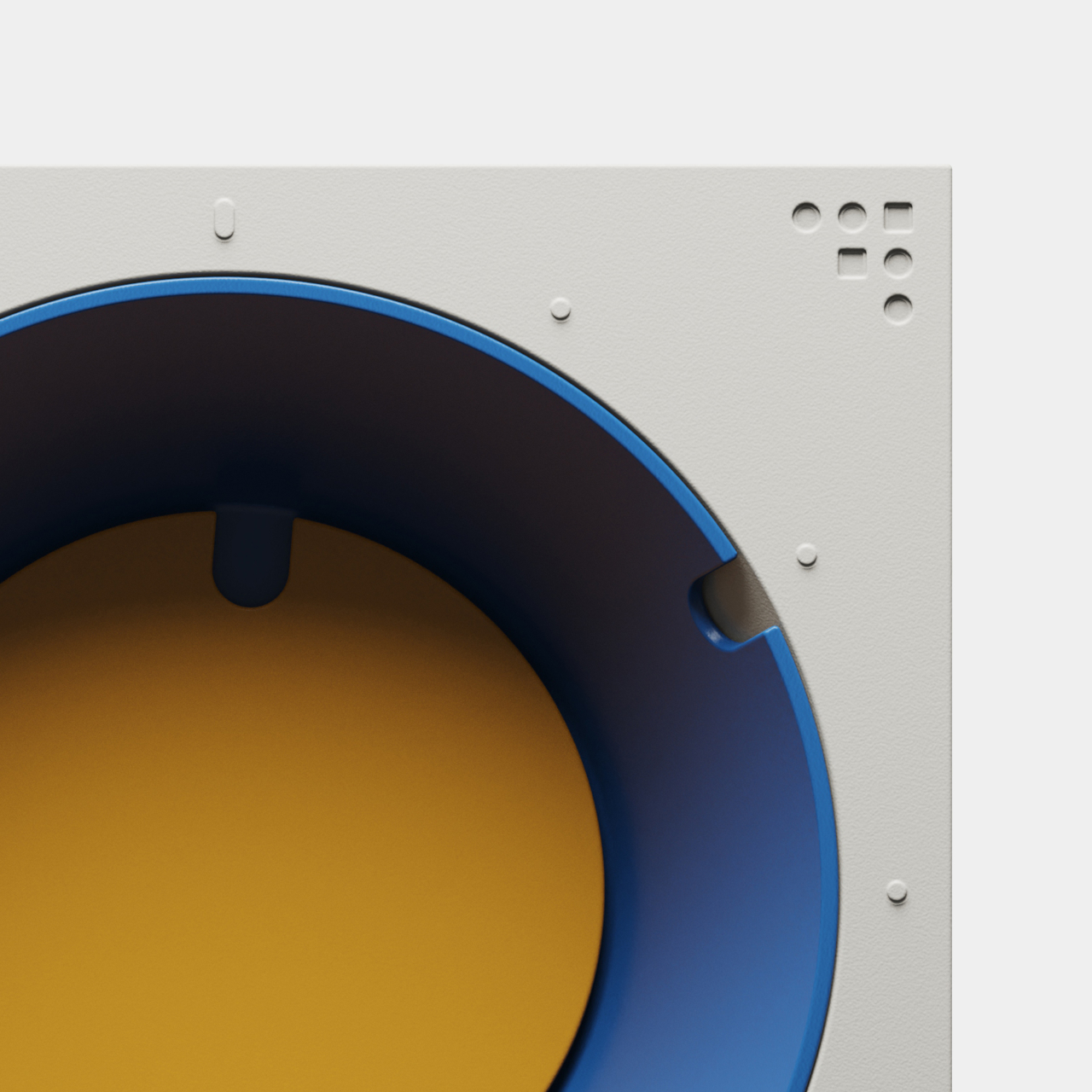
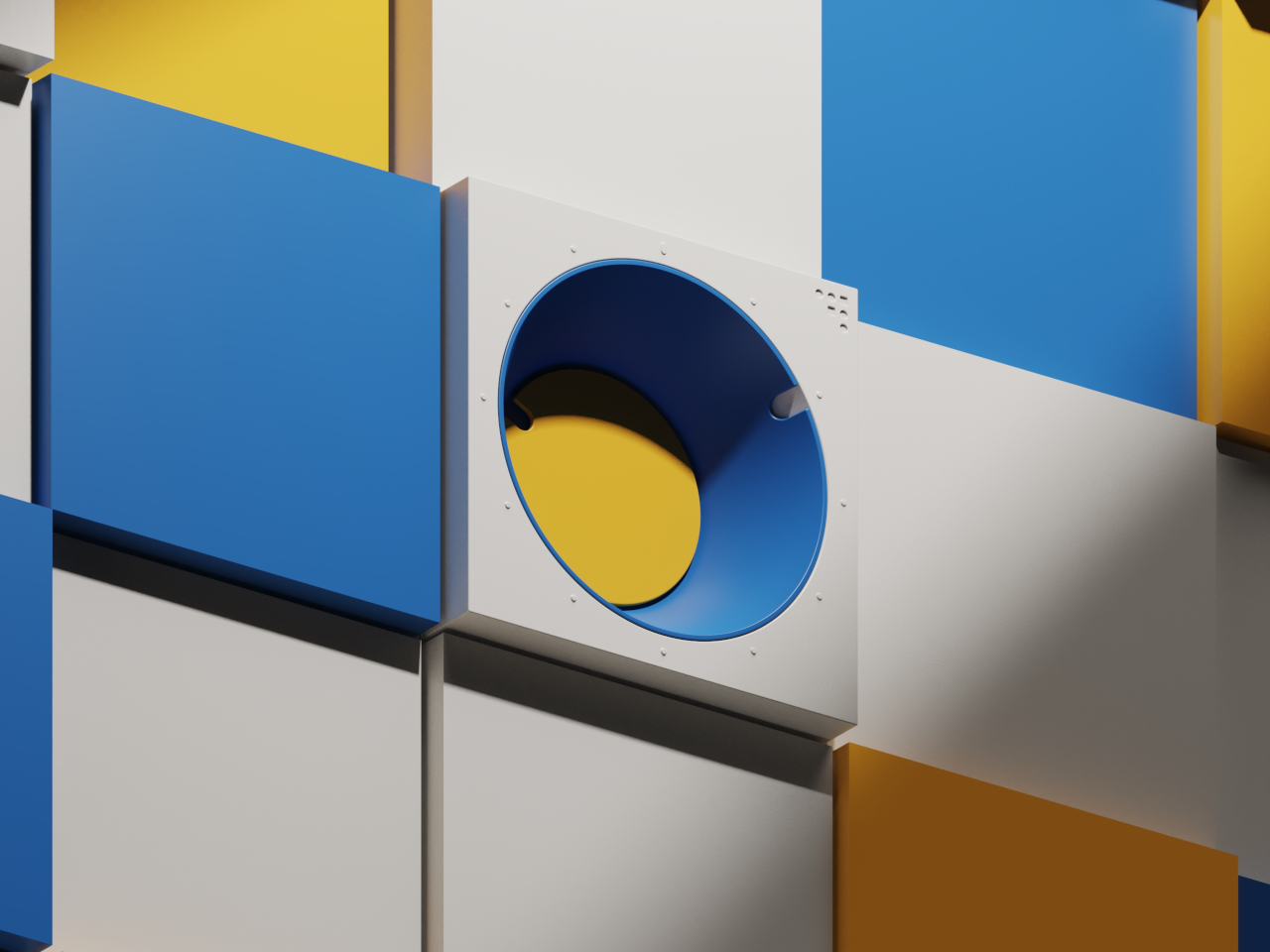
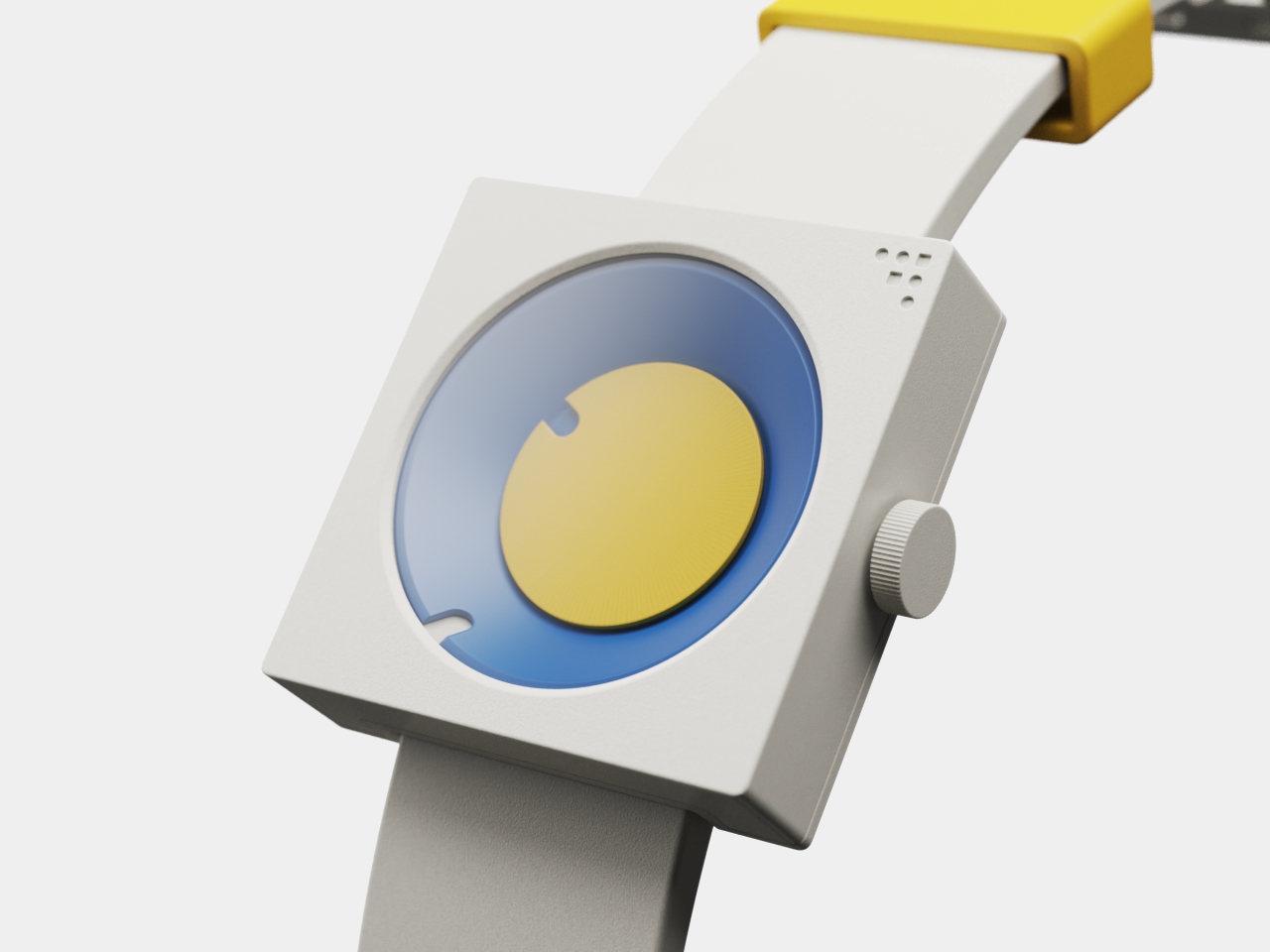
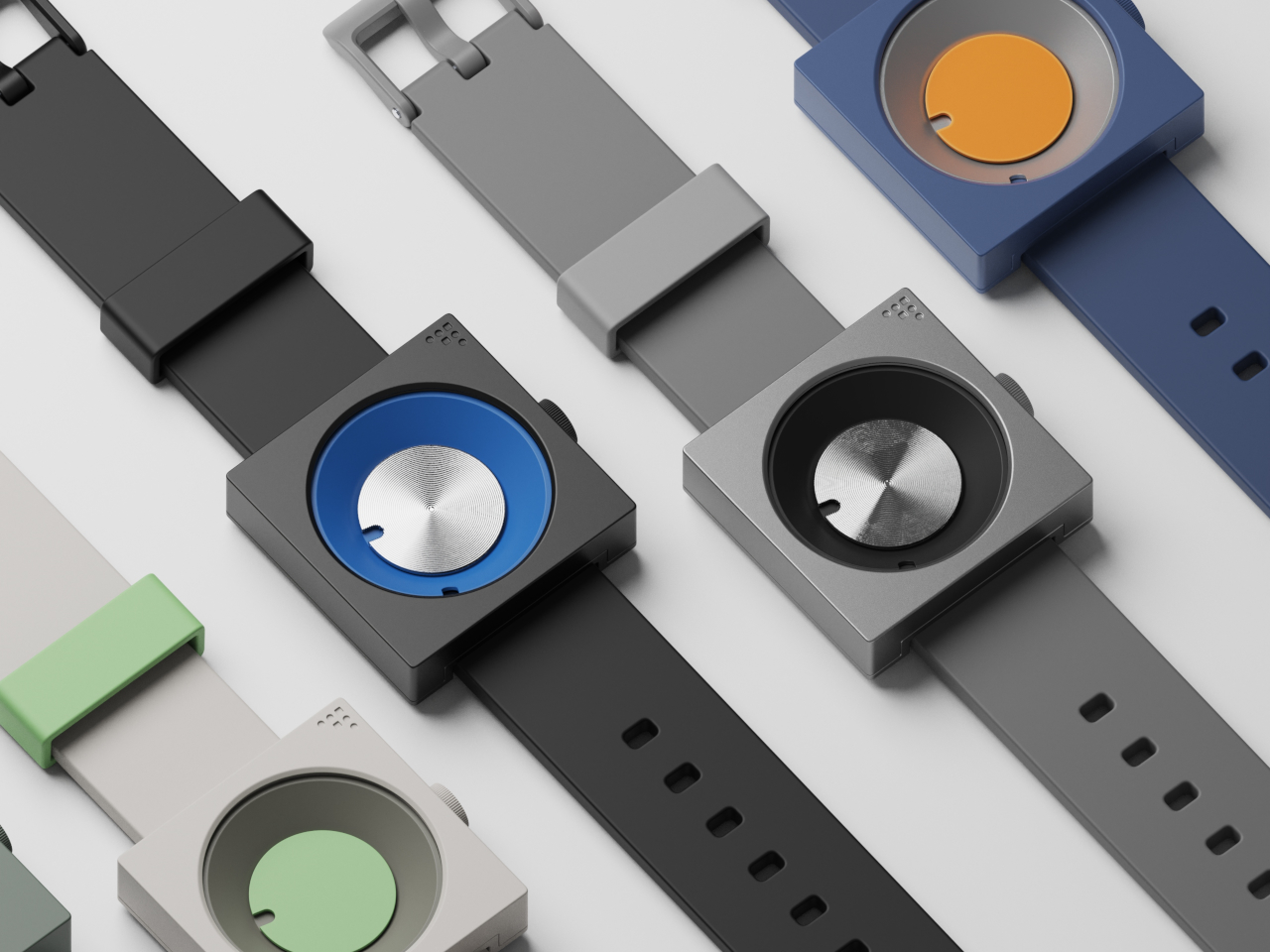
Both pieces are built around the frustum, a geometric form with an angled face that creates visual interest and dynamic readability throughout the day. The FC-30 uses a 30-degree incline for the minute indication, while the FW-50 adapts the idea to a 50-degree angle optimized for wrist wear and comfort. The hour is shown by a colored disc housed inside the frustum, while the sloped edge indicates minutes.

The result is a visual experience that feels fresh and interactive, inviting you to engage with the object every time you check the hour rather than passively glancing at digits. The unconventional layout is intuitive once you spend a moment with it, turning time-telling into something more tactile and memorable than reading digital numbers or traditional clock hands that blend into the background of modern life.

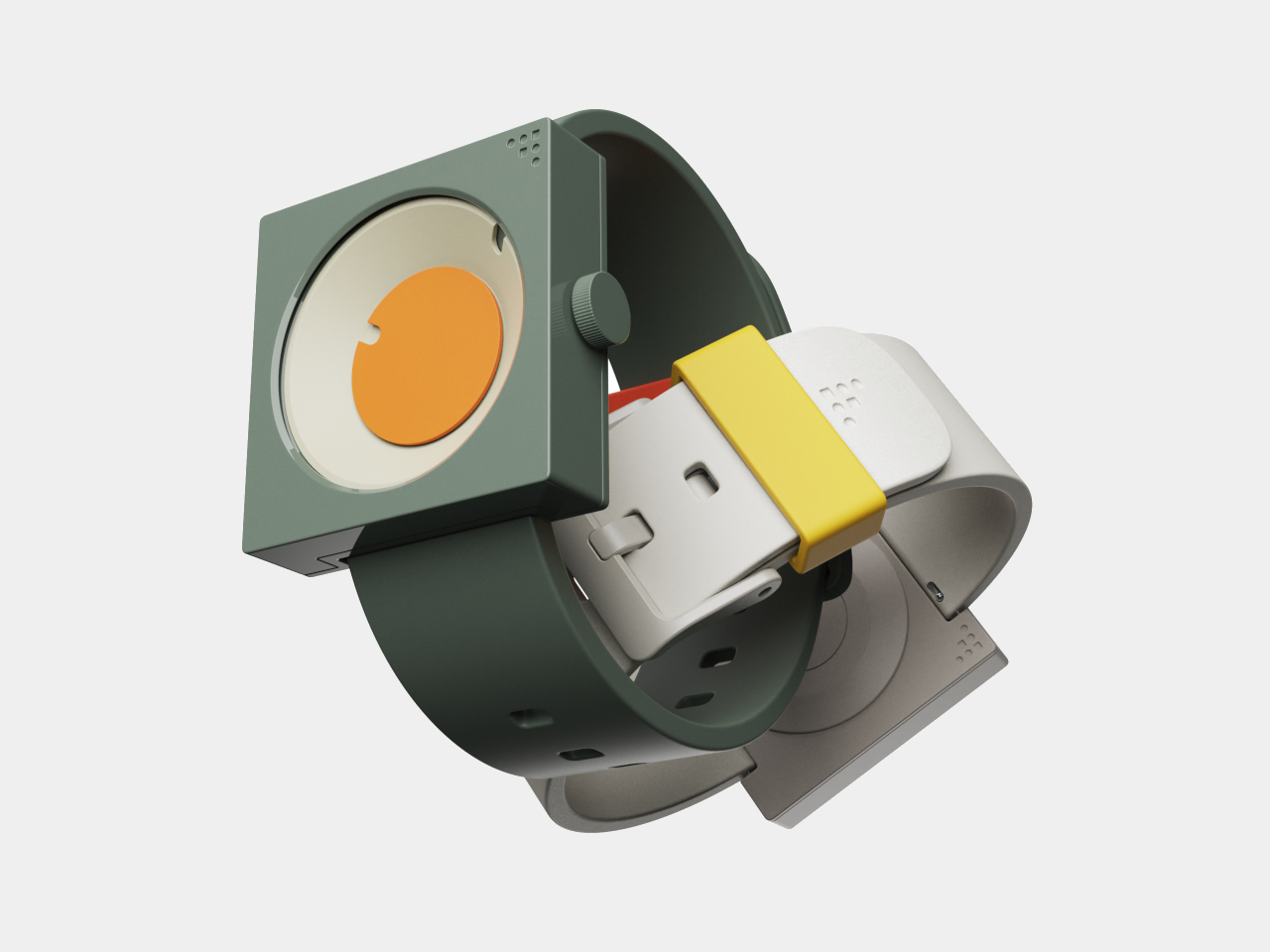
Inspired by mid-century modern classics from the golden age of product design, both the clock and watch feature a palette of bold blues, yellows, greens, and oranges, set against matte white or gray cases with clean edges and visible fasteners. The color blocking and clean lines make each piece stand out visually, whether positioned on a desk, mounted on a wall, or worn on the wrist.

The FC-30’s sculptural form with its angled frustum is as much a statement piece as a practical timekeeper for workspace organization and visual interest. The FW-50’s playful colorways, ranging from sage green to vibrant orange, and tactile crown turn a daily accessory into a personal expression of style and taste. Both designs celebrate the visual language of functional design from classic mid-century product eras.

The absence of numerals and reliance on form and color encourage users to interact with the pieces differently from conventional timepieces. The disc hour and sloped minute readout are learnable at a glance, but different enough to spark curiosity and conversation with visitors or colleagues. Both designs can be oriented or worn in multiple ways for varied visual effects, depending on mood.

The FC-30 and FW-50 concepts bring a little more art into daily routines and personal environments for those who appreciate design. For anyone curating a workspace or searching for a unique statement piece, these timepieces offer a compelling vision where timekeeping becomes an opportunity for visual and tactile delight rather than just a practical necessity.

The post Mid-Century Clock and Watch Tell Time With Shapes, Not Numbers first appeared on Yanko Design.
Wooden desk clock lets you tell time in an analog, elegant way

Where I’m from, some private schools have reportedly started removing clocks from their classrooms and halls since kids don’t know anymore how to tell time the analog way. But for us who grew up actually knowing how to use these clocks to know what time it is, it’s still useful to have them around. In fact, they add a certain nostalgic aesthetic to our space.

Designer: Lautaro Lucero

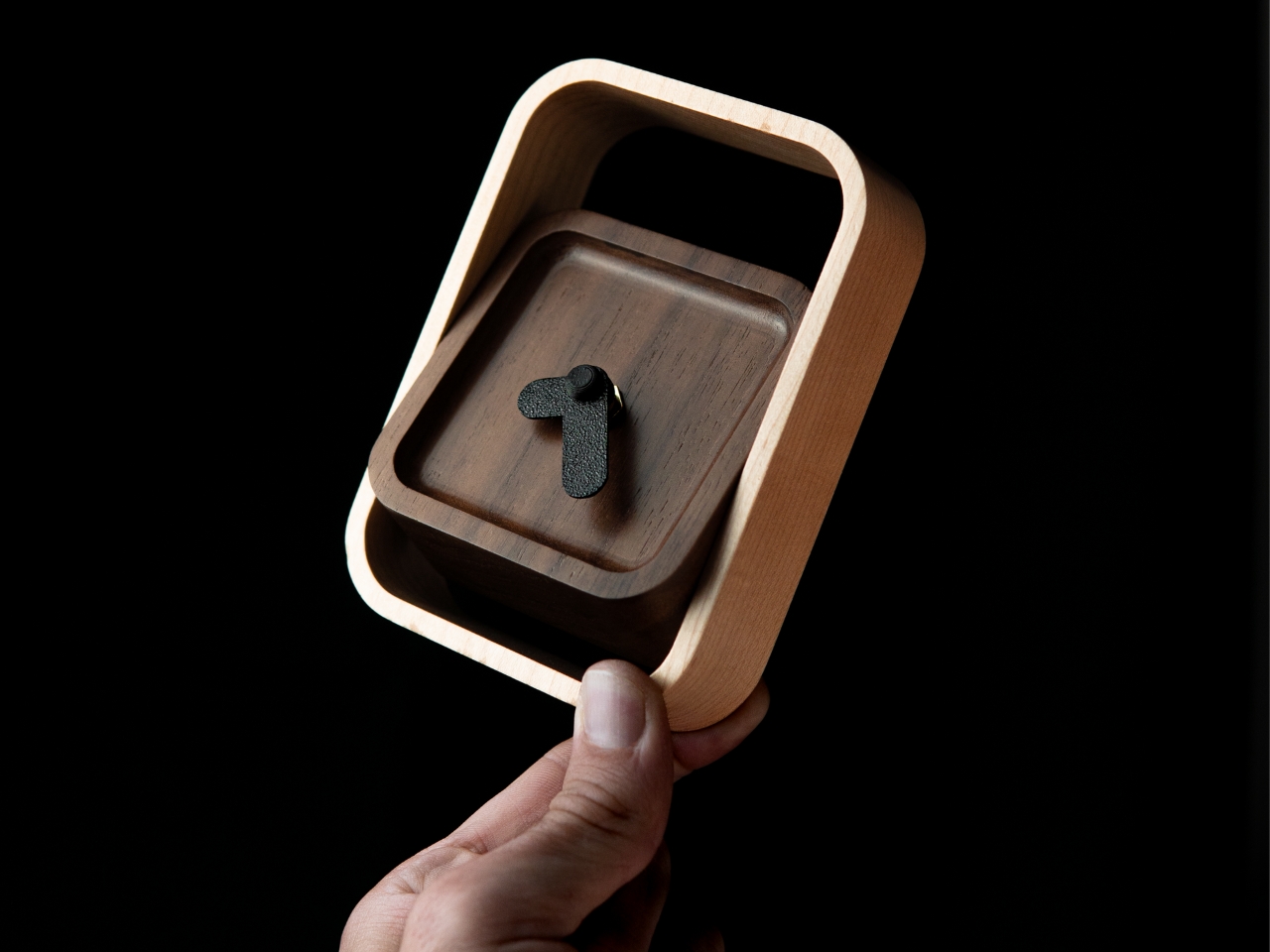
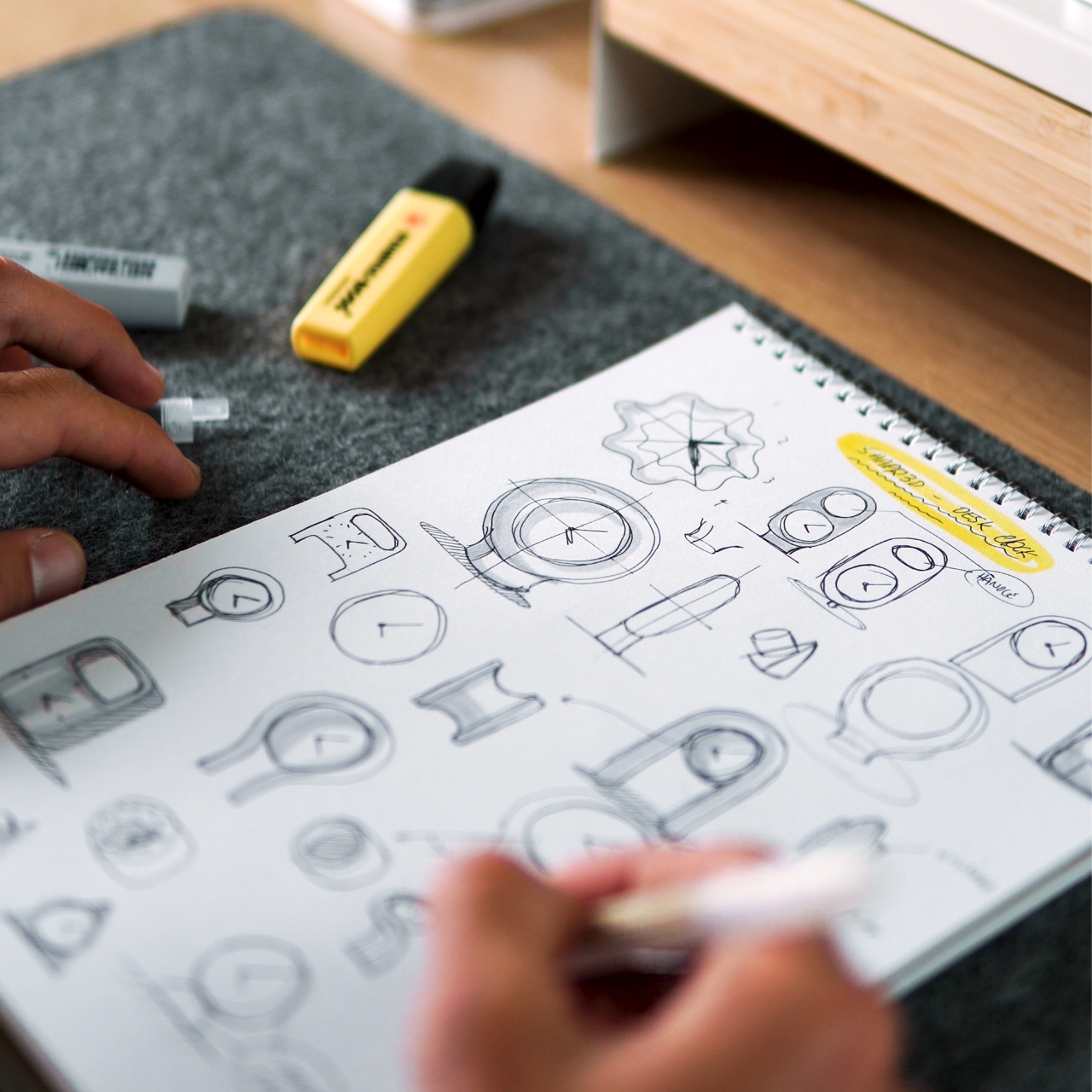
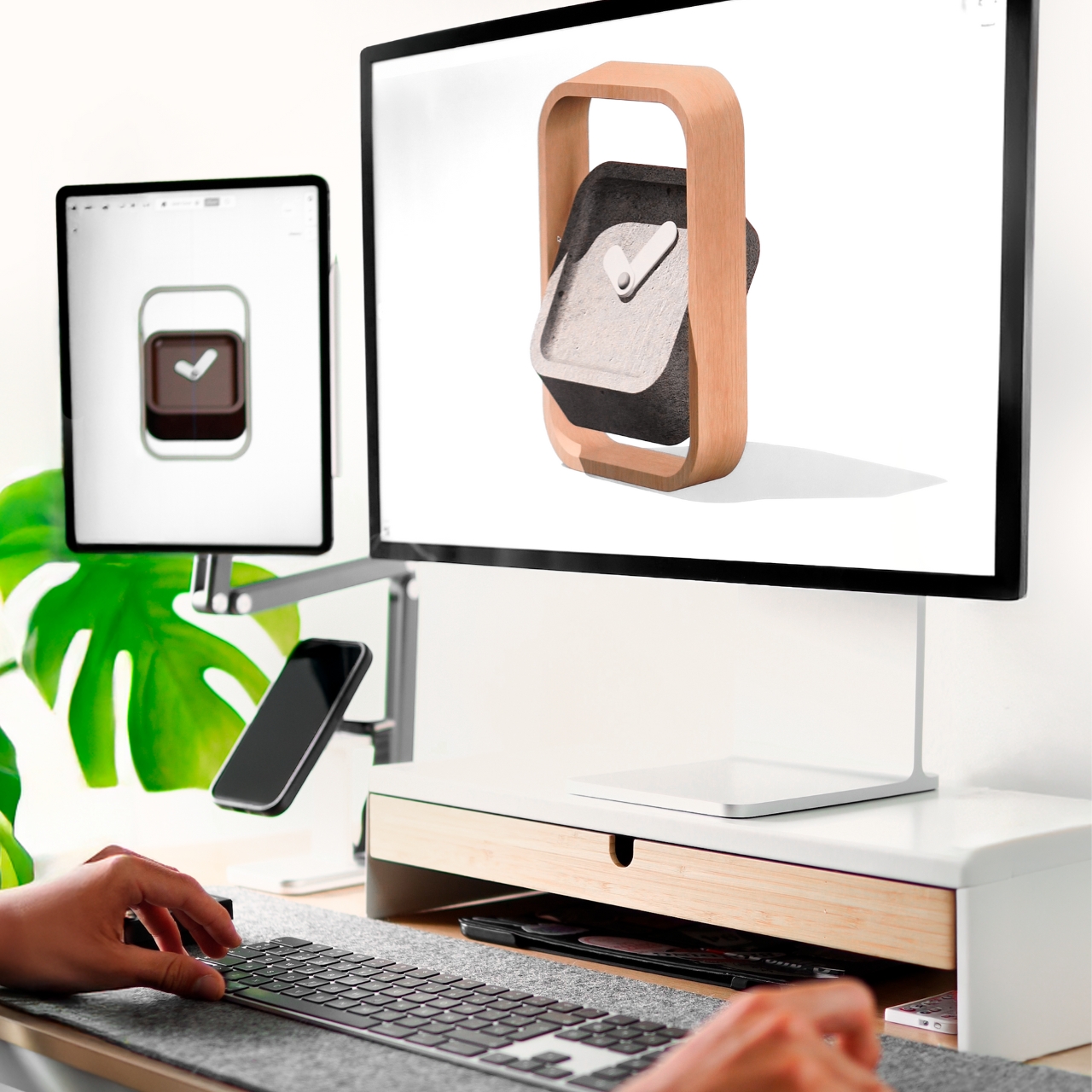
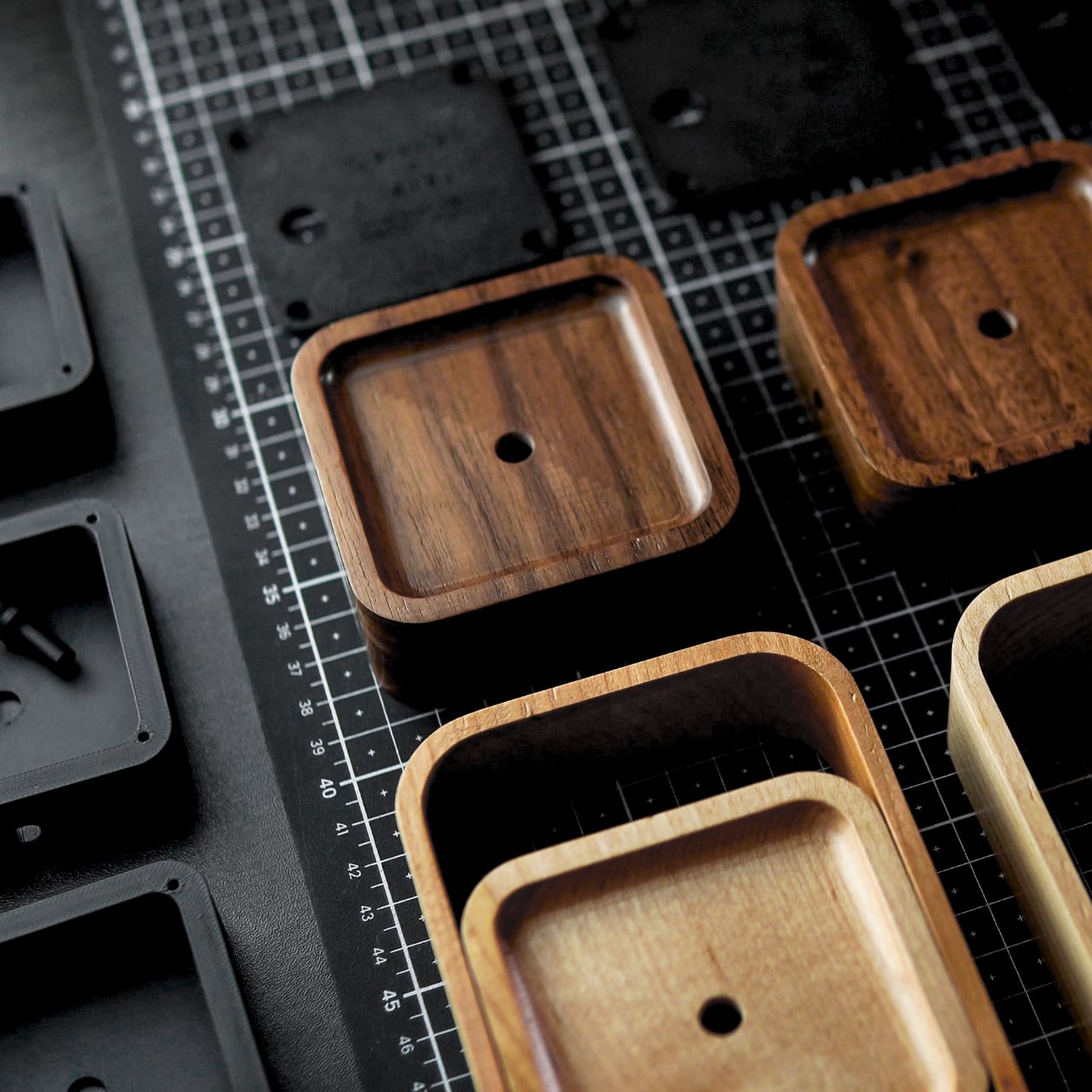
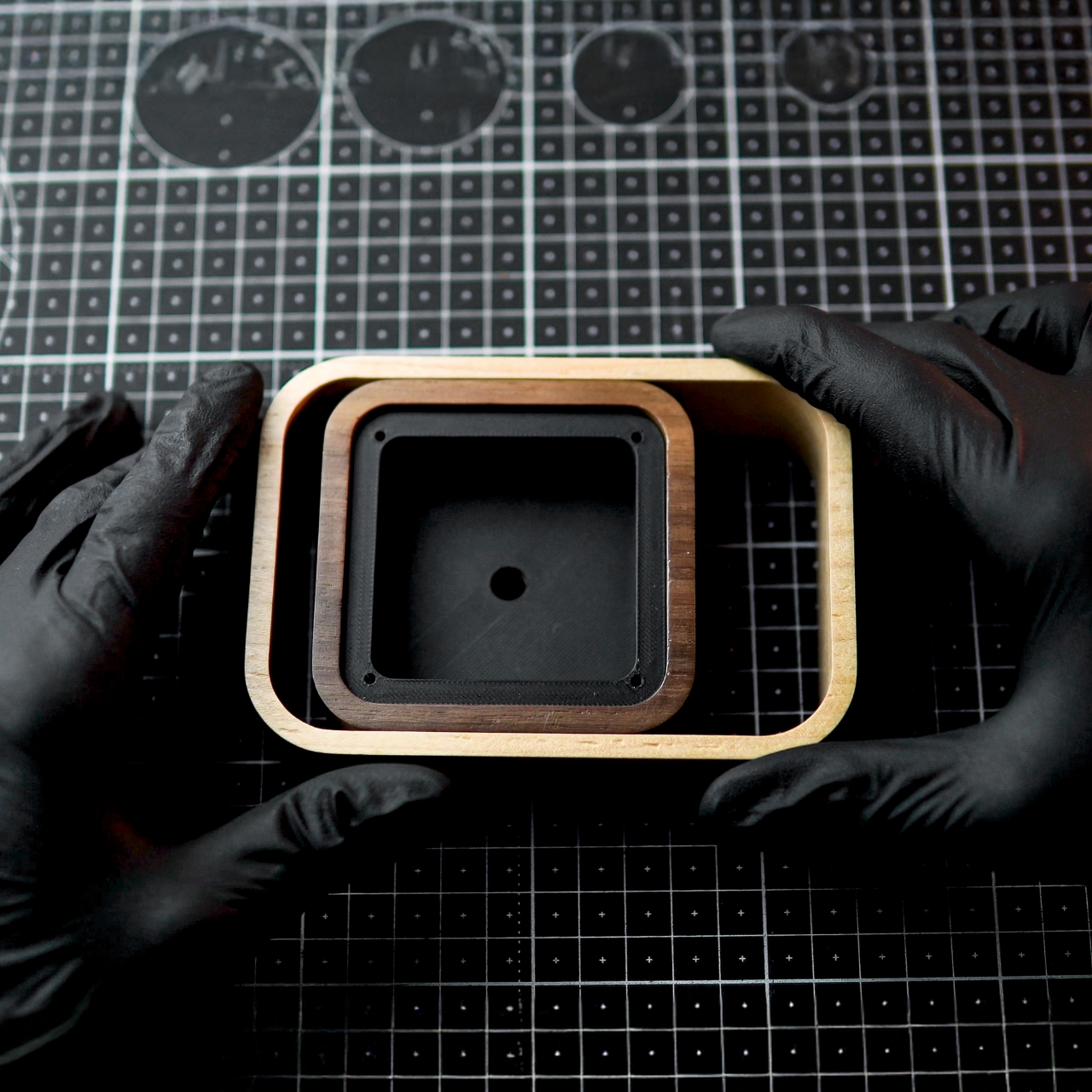
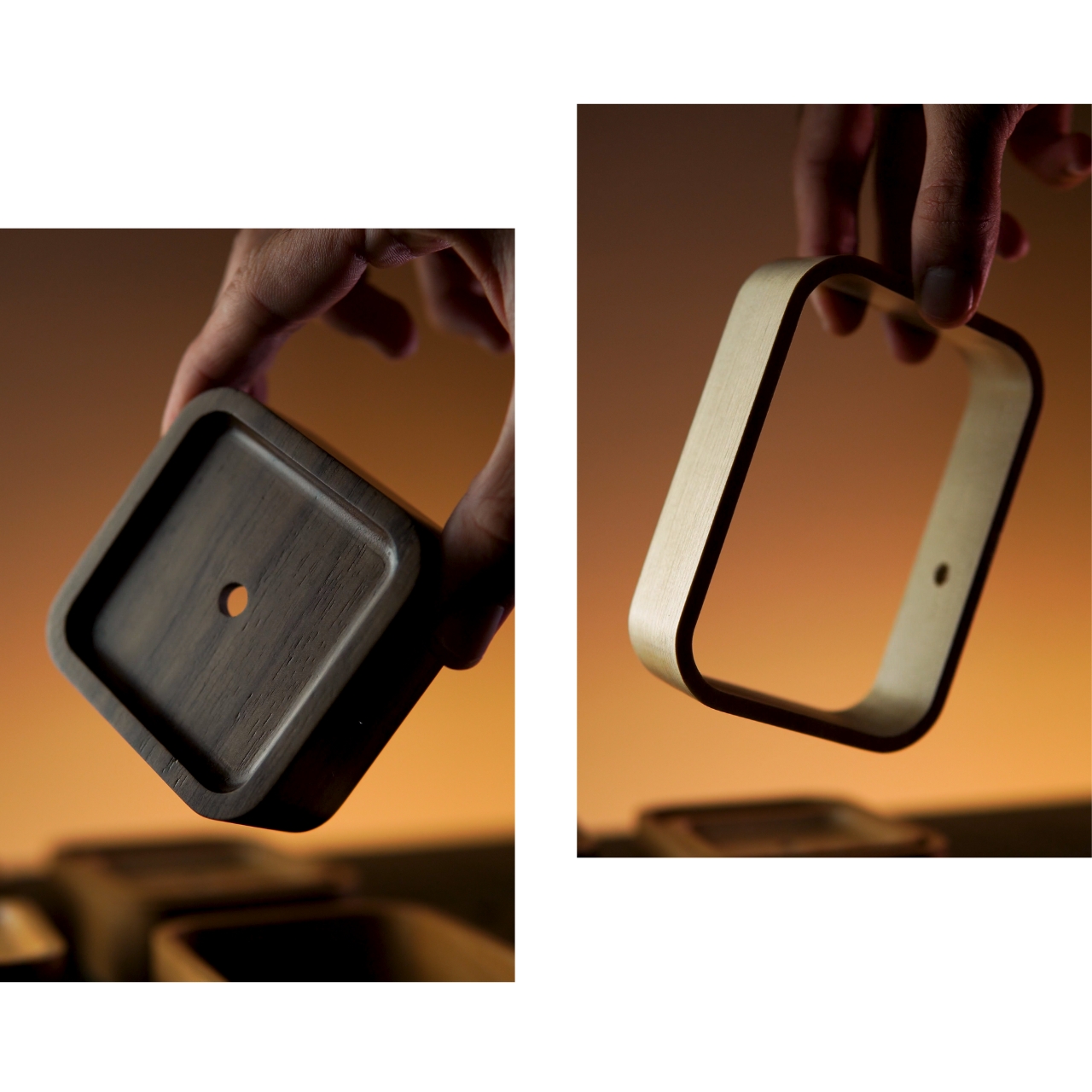
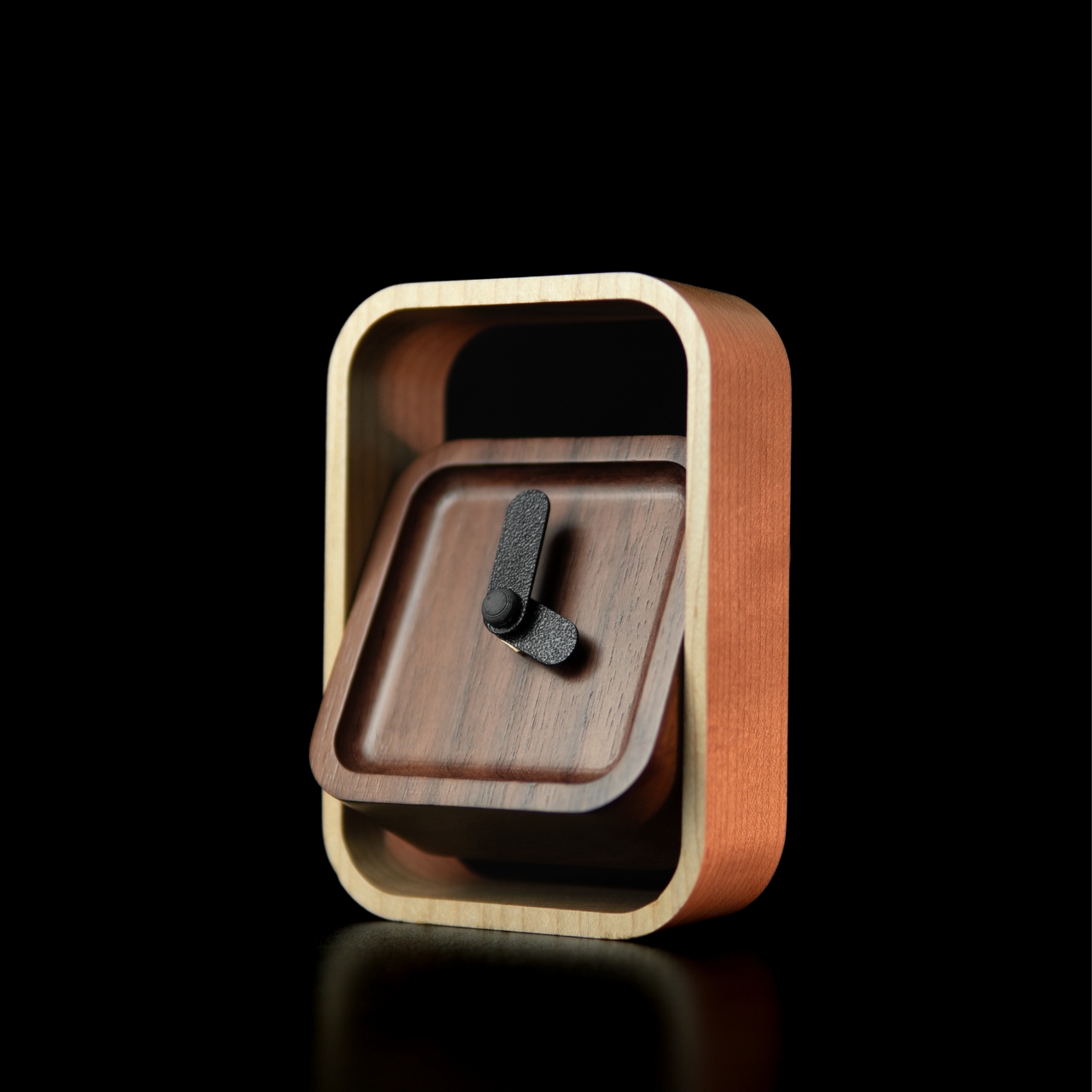
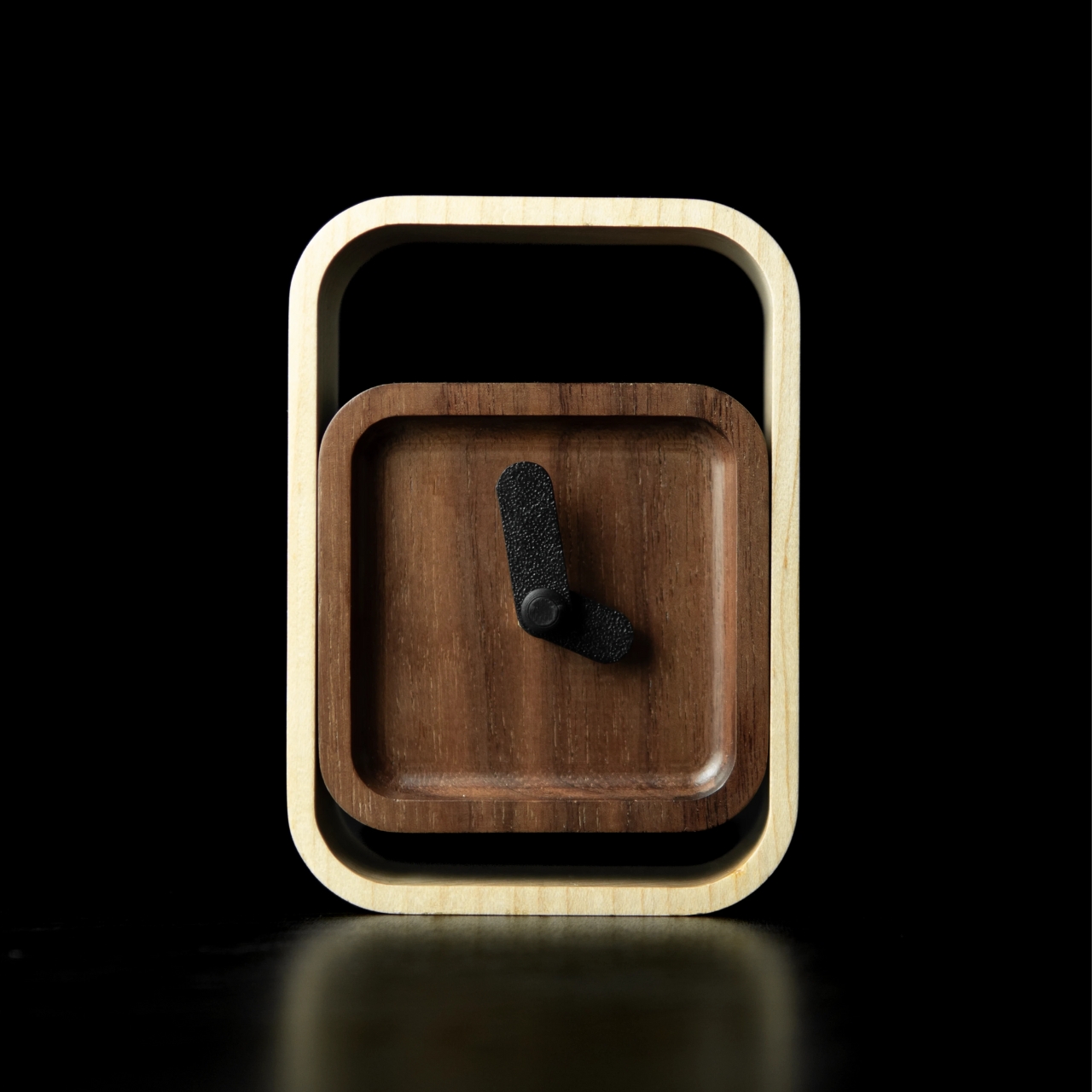
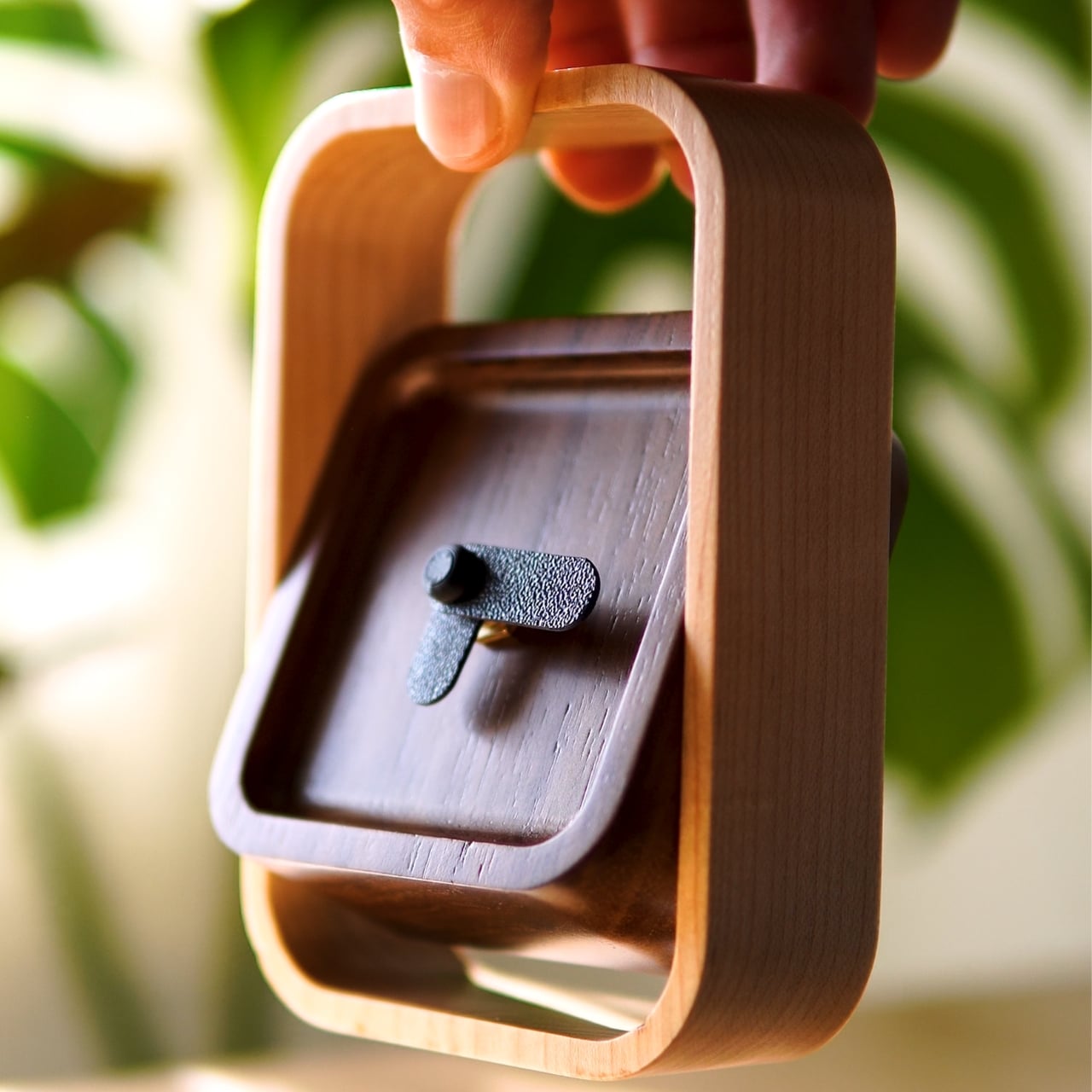
A concept for an aesthetic Wooden Desk Clock was developed by the designer in collaboration with Shapr3D. It is a minimalist clock that you can place on your bedside table or your working desk so you can still use the old school method to know what time it is, instead of just looking at your phone or computer. It is crafted from different wood types that were CNC-machined: walnut, cherry, or maple wood.

The clock is made up of two parts: the clock head where you can tell the actual time in an analog way and a supportive frame. The latter serves as both the base and also functional handle where you can adjust the angle, at least vertically. The different wood types used give the clock a minimalist but elegant look because of the contrast of the different warm tones of the wood and the smooth, curved surfaces.

If ever you have kids around you, then it would still be nice if they could tell time using the short and long hand. This wooden desk clock would probably be even more of a challenge since there are no numbers so you need to be familiar with the general direction of the time.

The post Wooden desk clock lets you tell time in an analog, elegant way first appeared on Yanko Design.
Nintendo’s attractive little smart alarm clock gamifies your waking up routine

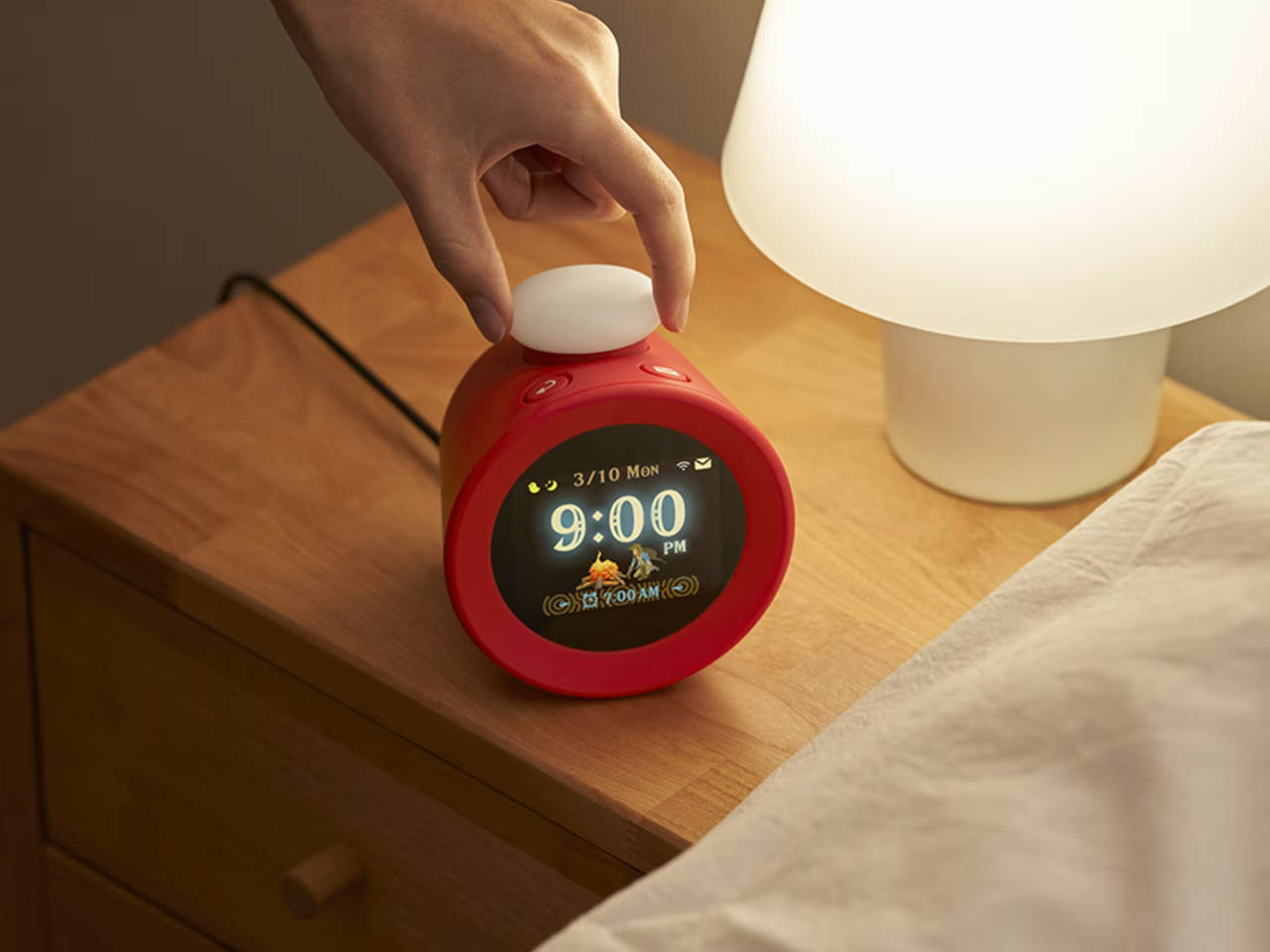
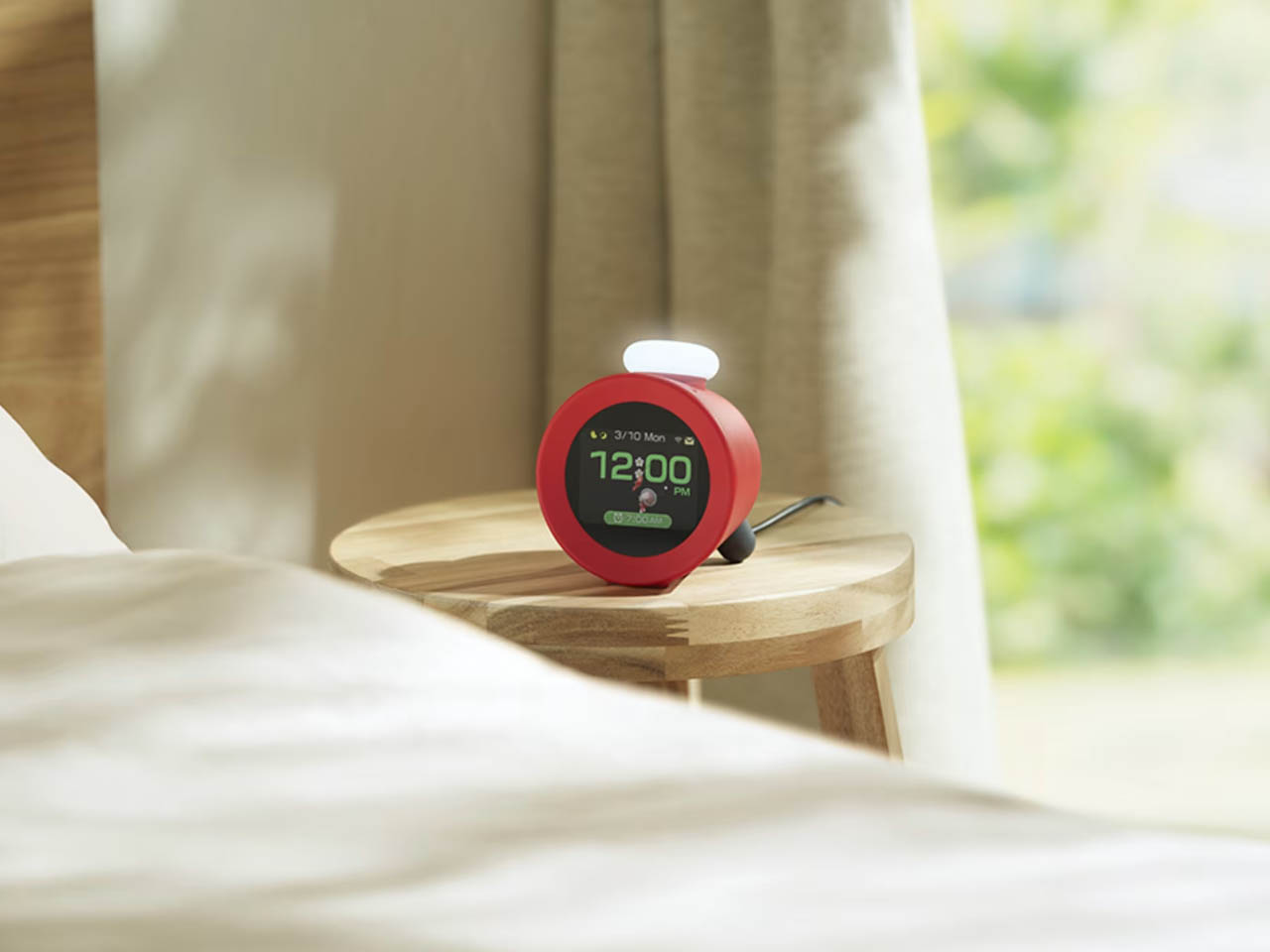
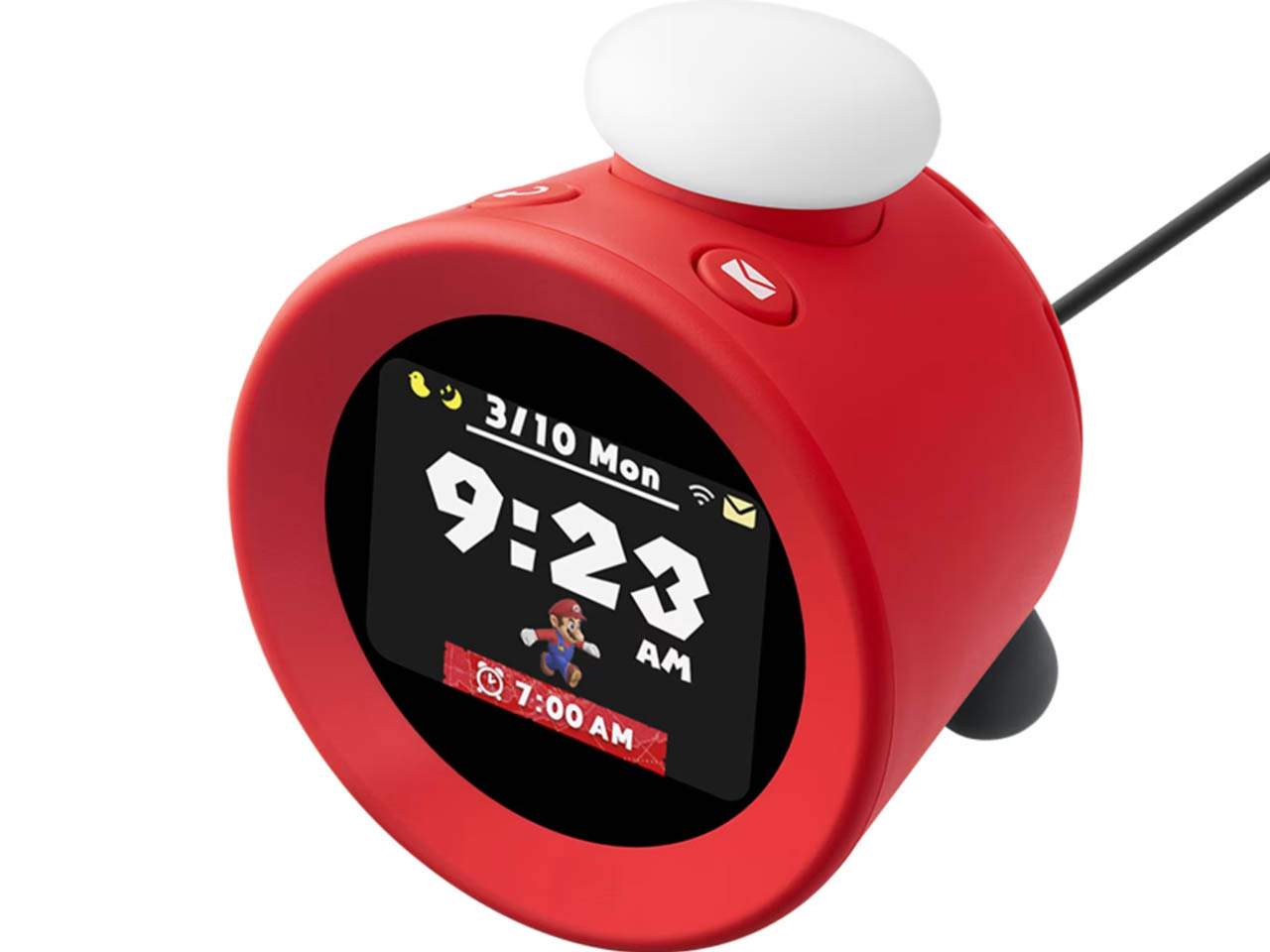
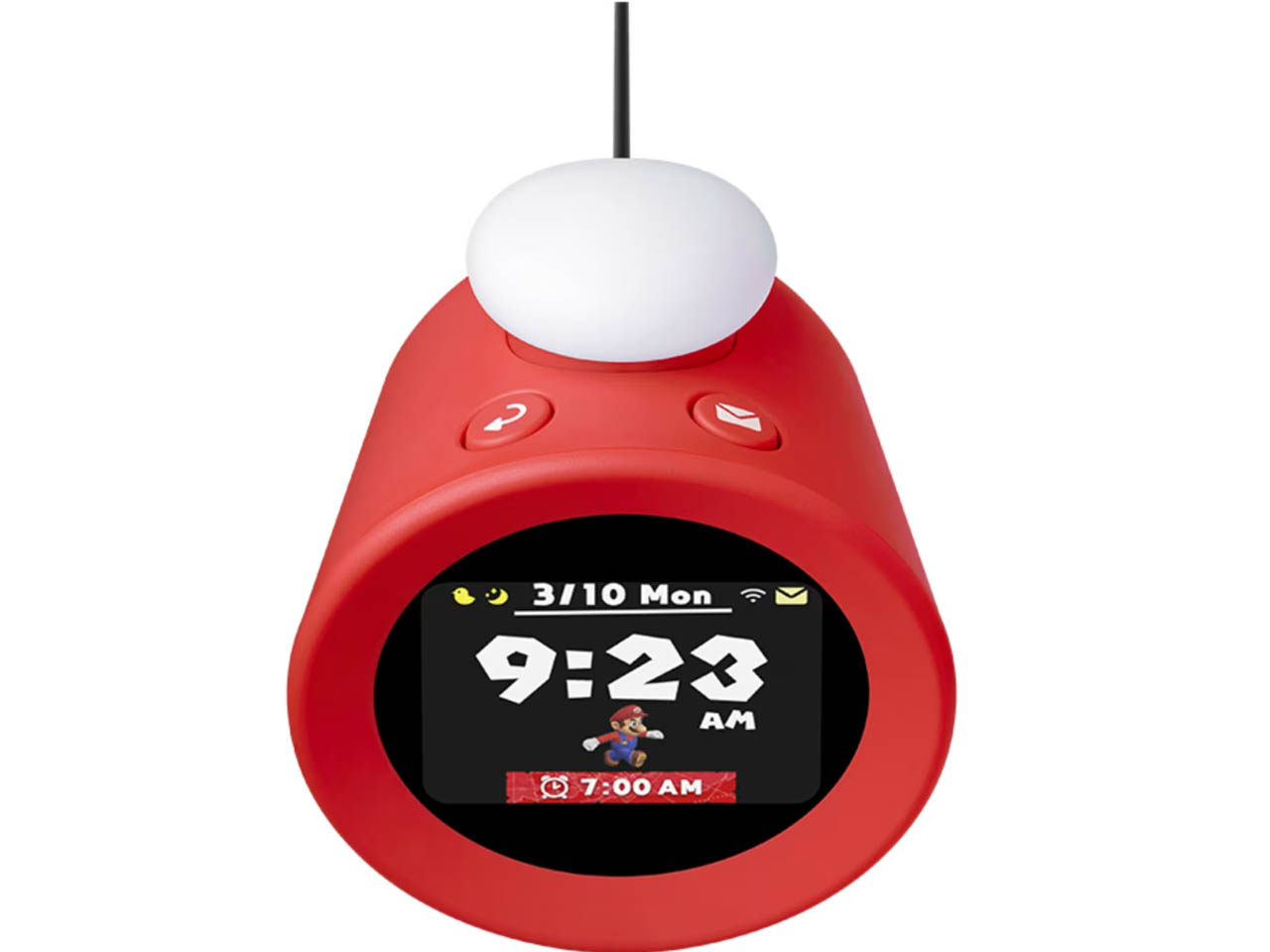
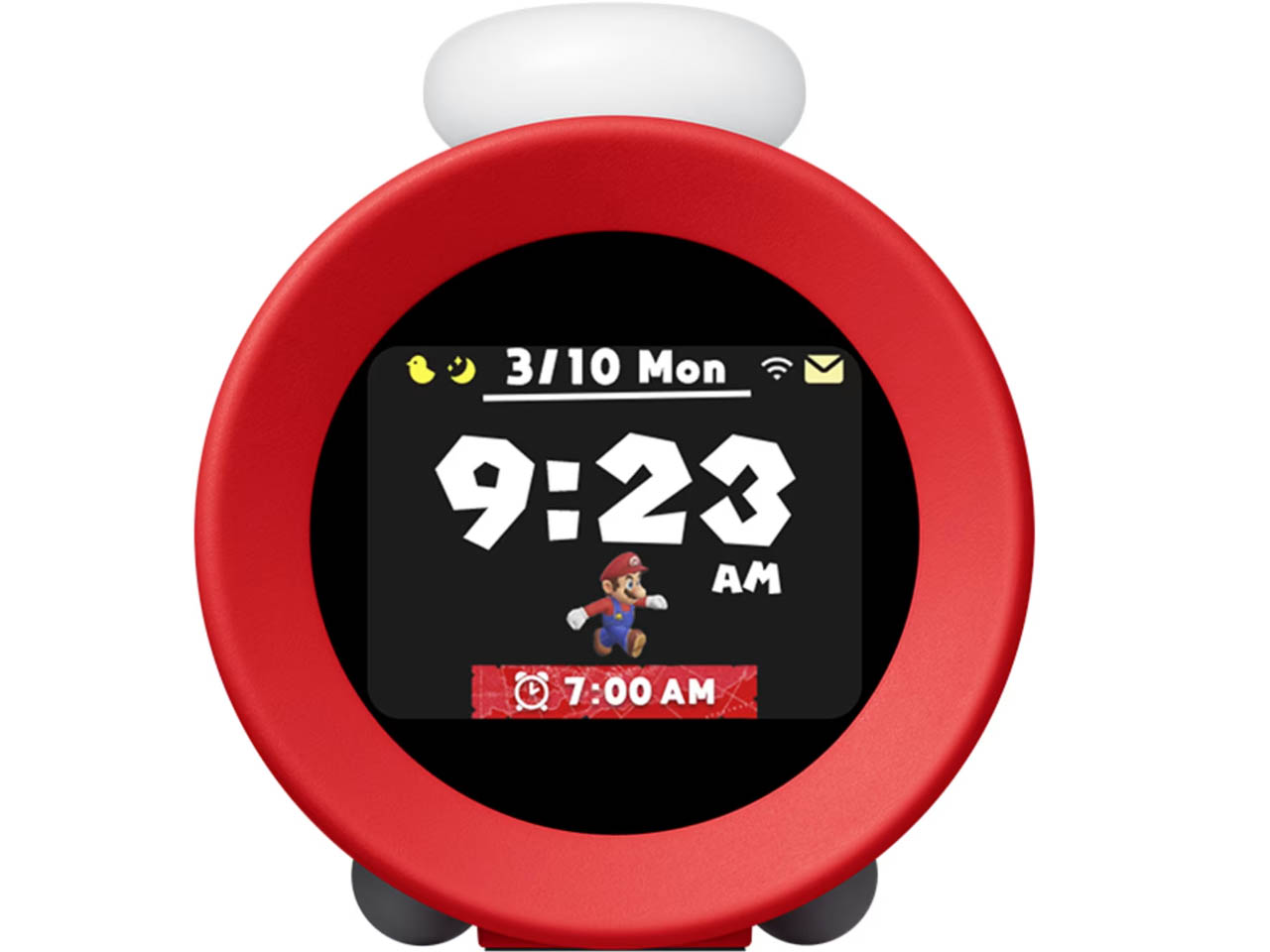
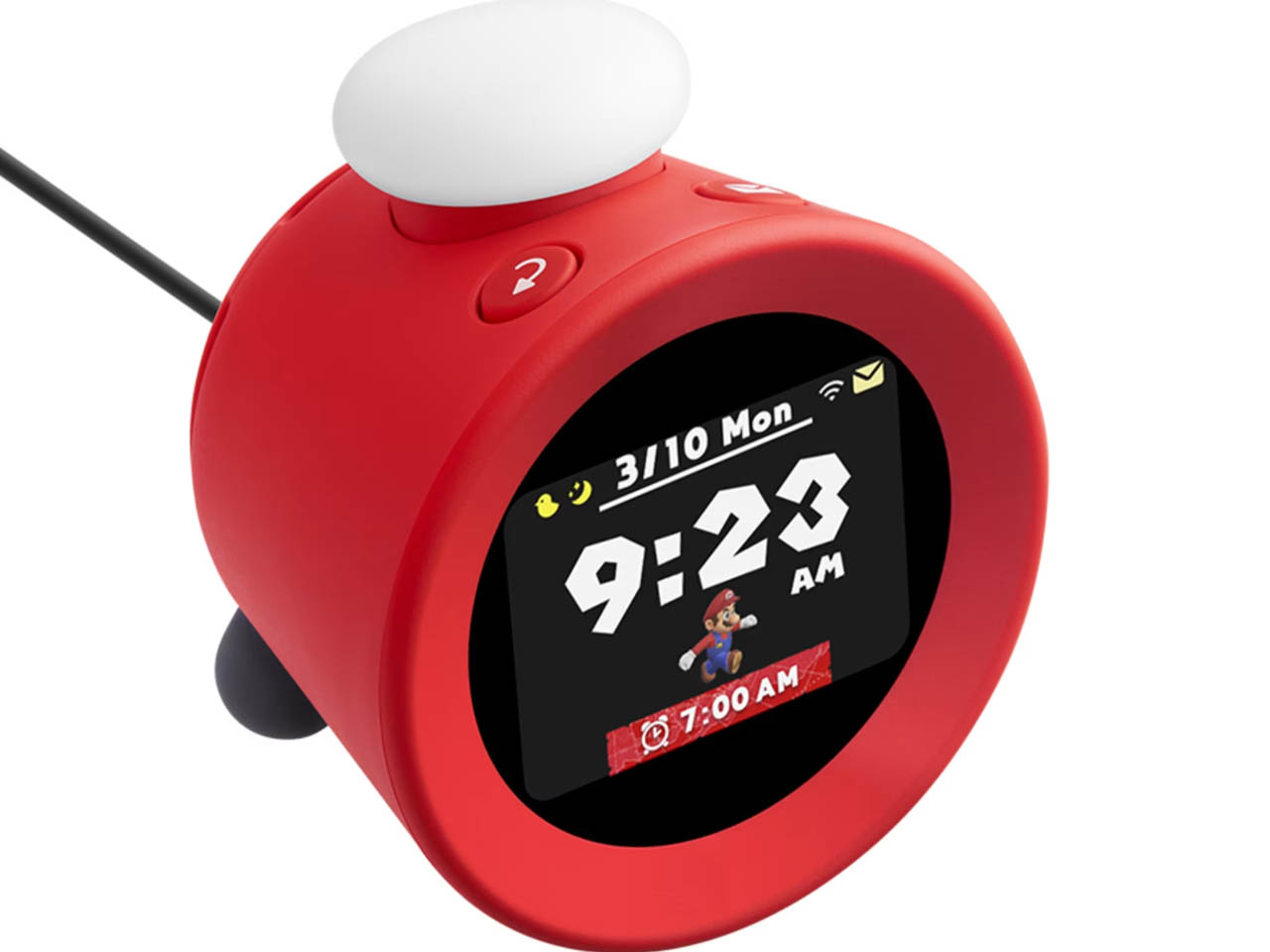
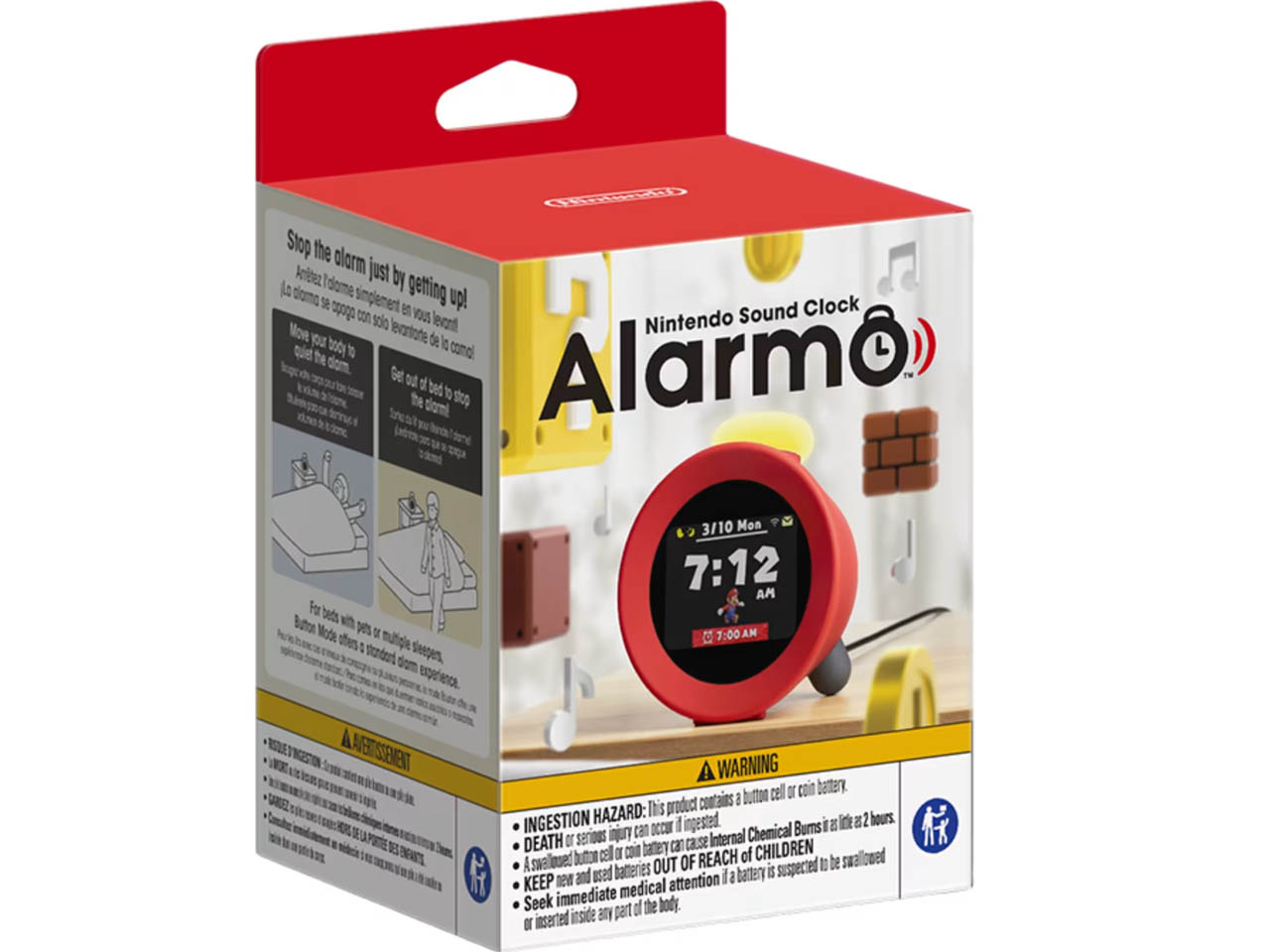
Nintendo has just dropped a surprise product for fans and it has nothing to do with the anticipated Switch successor. Meet the Alarmo desk clock which is initially going to be available to Switch Online customers in the US and Canada later this week, and from Nintendo Store, you can buy it right now for $100. If you ever imagined what an alarm clock from Mario’s nightstand would look like, this would be it.

The in-house project is a result of collaborative work between hardware developer Tetsuya Akama and games developer Yosuke Tamori. This special alarm clock is not a result of random design iteration, but rather a product of numerous trials and errors after building many prototypes.

Designer: Nintendo

Dubbed Nintendo Sound Clock: Alarmo, the desk alarm clock is built with a major focus on motion sensor technology courtesy of a camera. Keeping privacy at the forefront, the sensor tracks user movement during sleep to wake them up smoothly out of the slumber in the morning. The clock will not simply beep or ring bells like a regular alarm clock, as it’ll smartly wake you up (with adaptable snoozes) depending on whether you have been turning and tossing in bed or slept like a dog. If you do sleep with a partner or a pet, the thing won’t work, so the accessory is intended mainly for loners.

The red-themed clock uses classic game sound to wake you up with the option to set the display theme to one of the 35 options including scenes from popular titles like Super Mario Odyssey, The Legend of Zelda: Breath of the Wild, Splatoon 3, Pikmin 4 and Ring Fit Adventure. Linking your existing Nintendo account expands that library to scenes from the Mario Kart 8 Deluxe and Animal Crossing: New Horizons games. The $100 is justifiable with other features including hourly chimes during the day for focus sessions, playing chill music to doze off during nighttime, and recorded data of your sleep patterns over time.

According to Nintendo, the smart clock rewards you for getting up with a “victory fanfare” for your efforts. This is more like gamifying your getting up routine to feel a sense of achievement first thing in the morning. They are going to add more titles to the library in the coming days with Mario Kart 8 Deluxe and Animal Crossing: New Horizons already in the works. Nintendo has promised availability to a greater audience in the future, so gamers can look forward to adding another gaming-themed accessory to their den.

The post Nintendo’s attractive little smart alarm clock gamifies your waking up routine first appeared on Yanko Design.
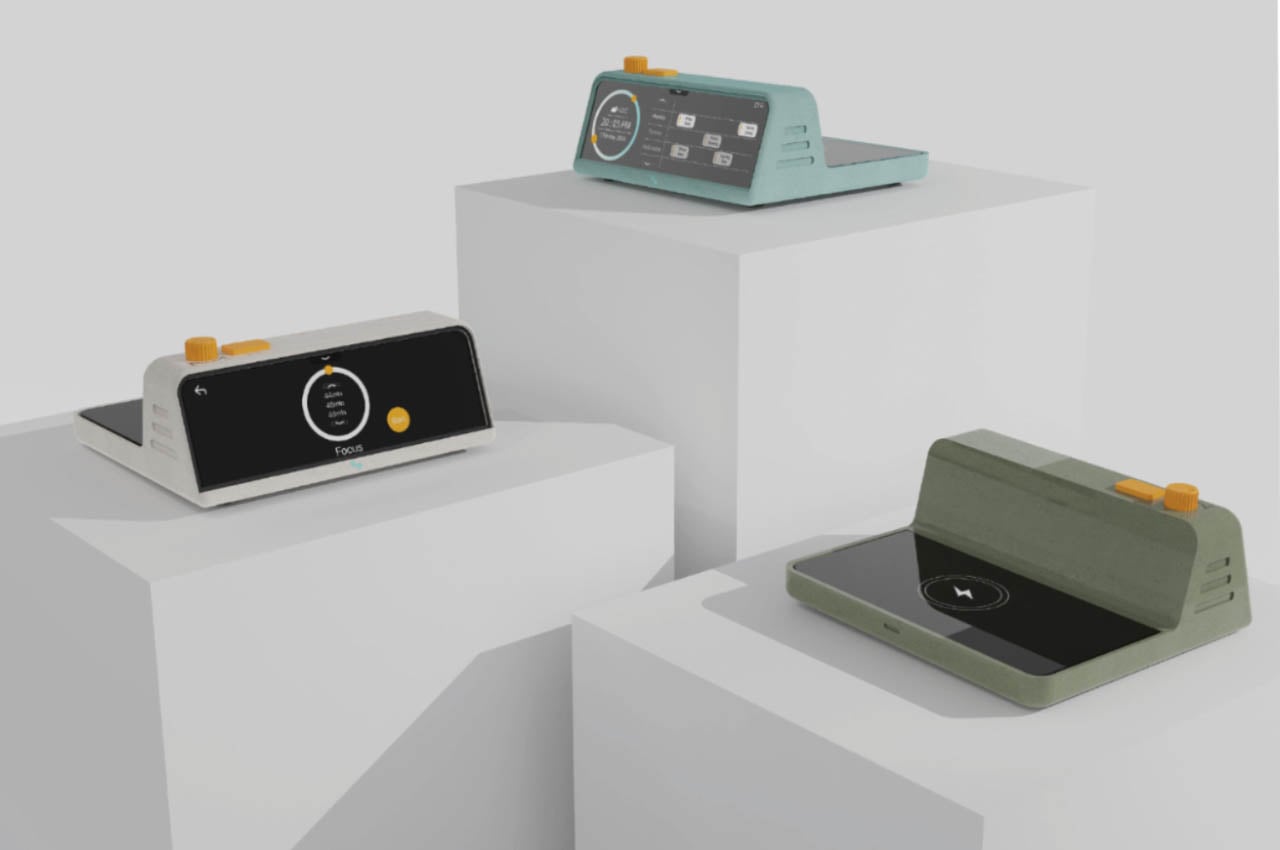
This smart desk clock boosts productivity, curbing your phone addiction for good

Distancing from your smartphone is not that easy when you are barraged with constant notifications from apps. Productivity takes a major hit as you lose focus and the best antidote I staying connected without constantly looking at smart devices. A smart desk clock is the way to go as it helps in time management without going off the course.

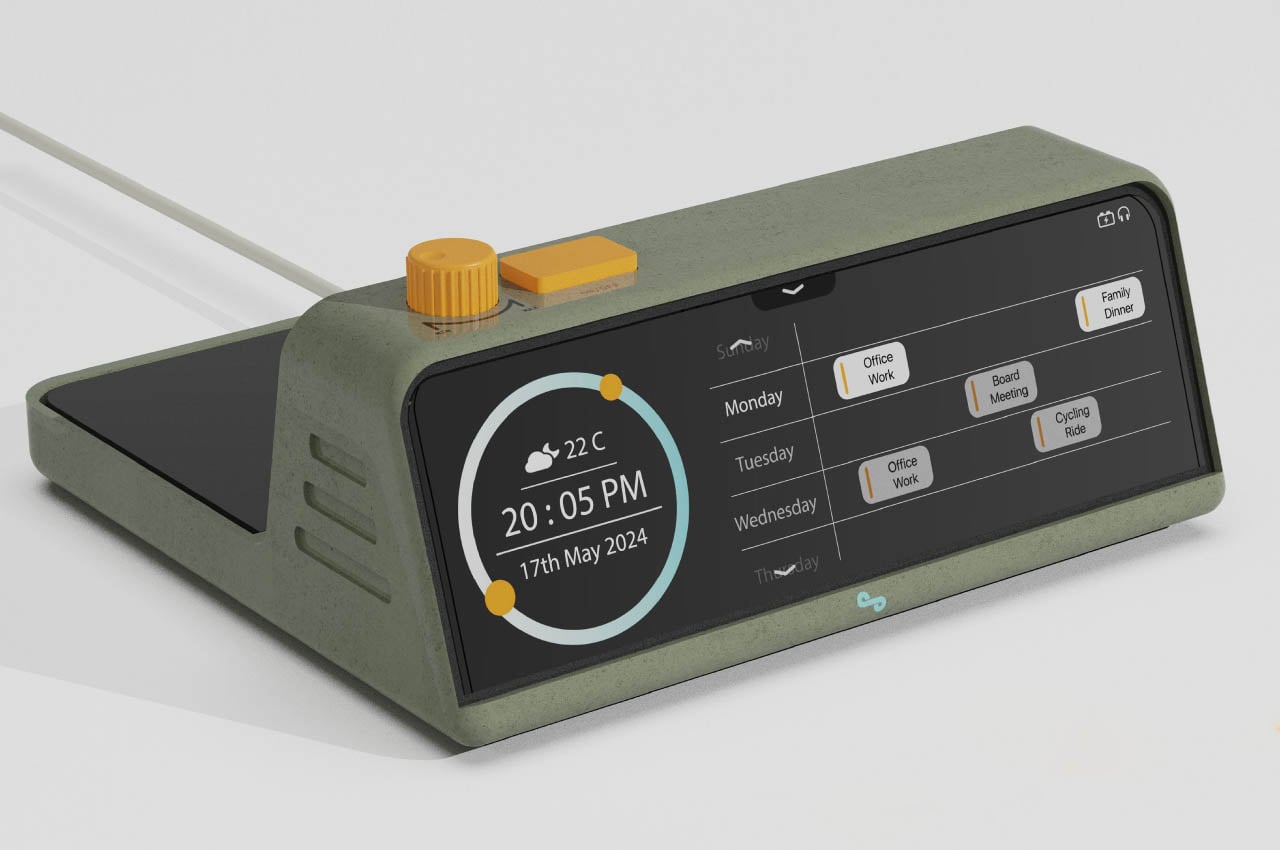
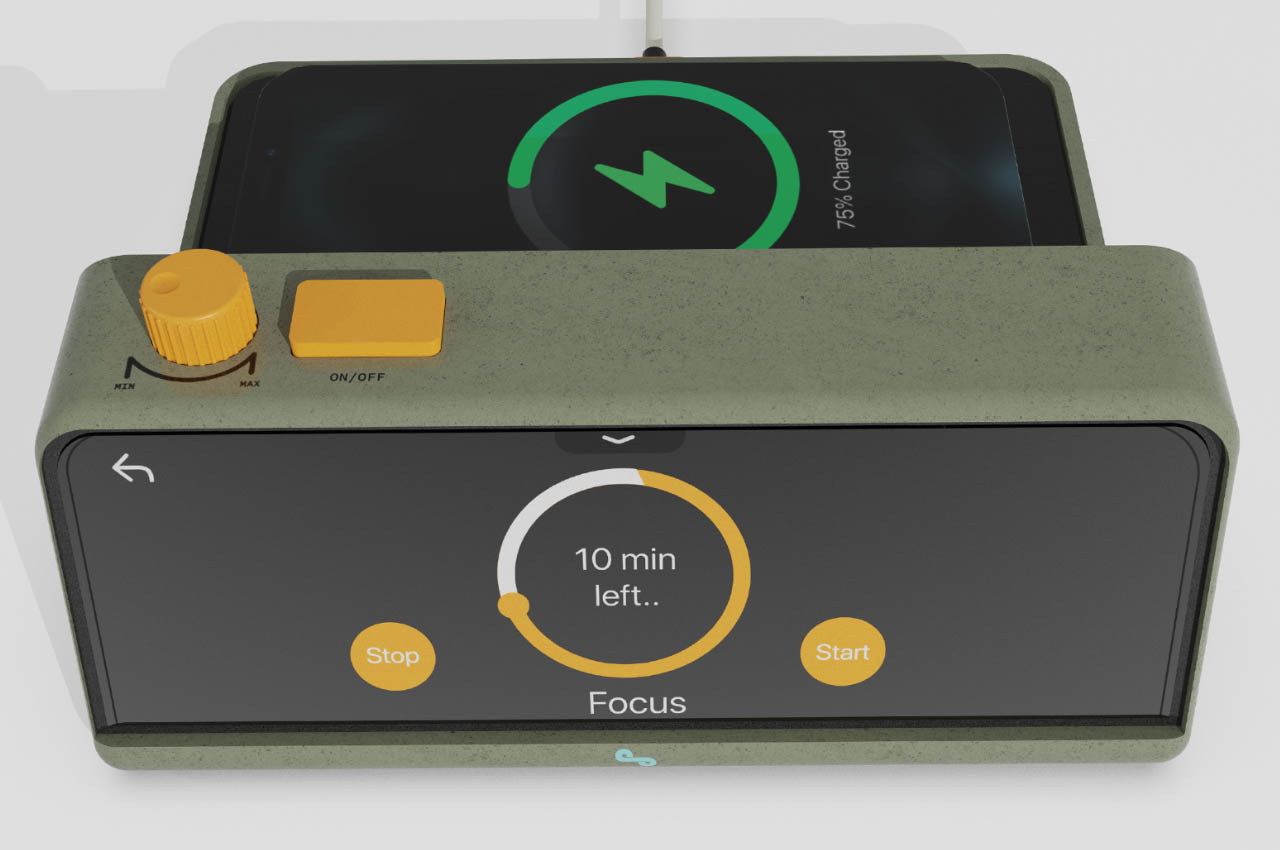
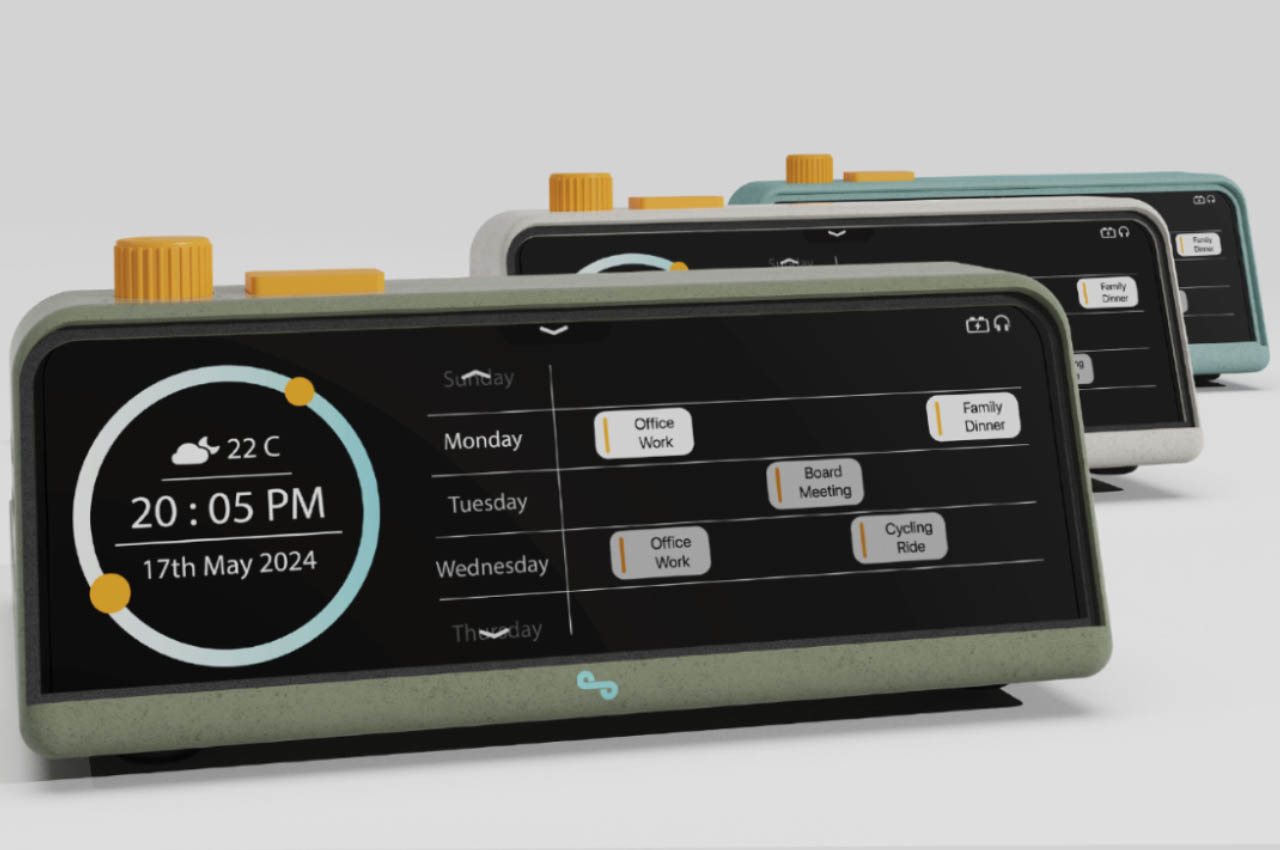
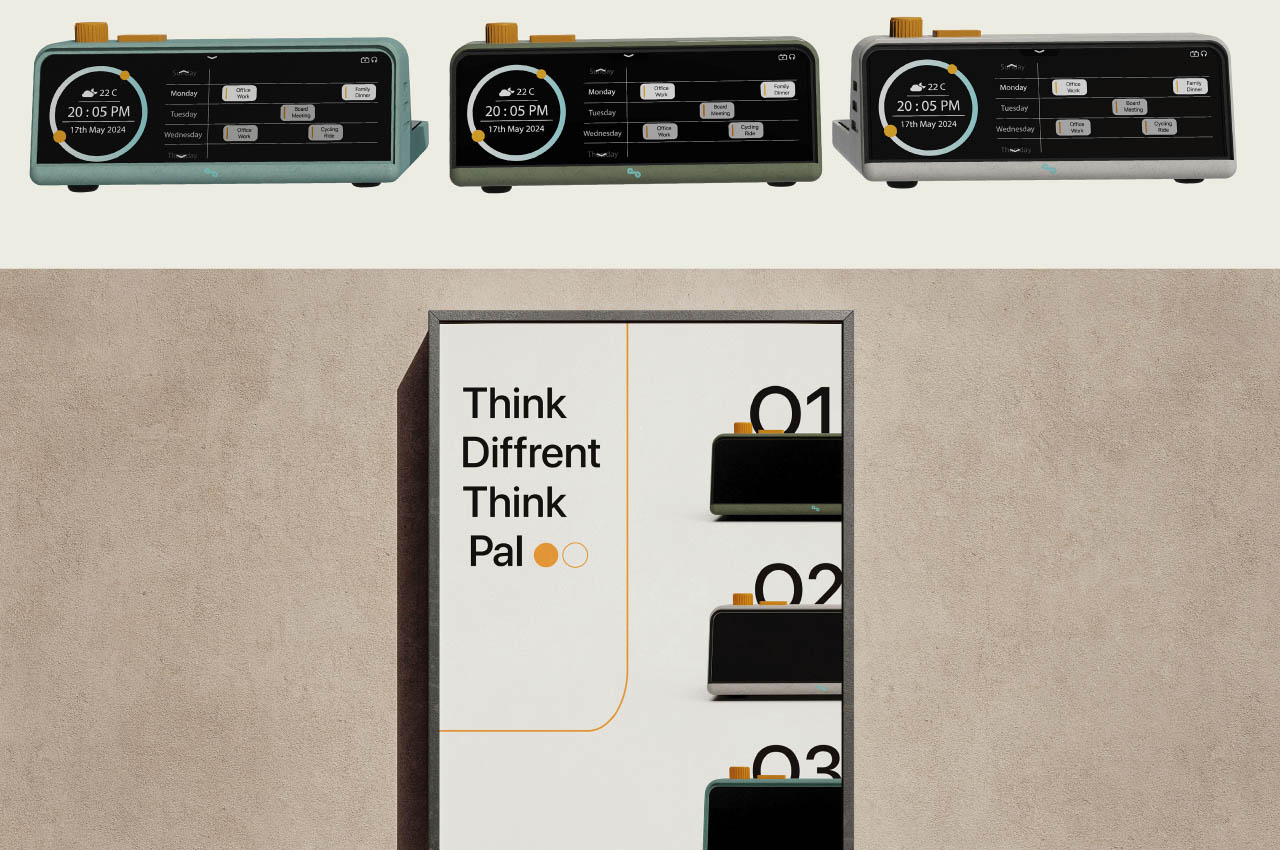
According to independent research, people prefer working on their desktops and if they have a utilitarian gadget that prevents unwanted distractions while keeping you updated with the needed notifications, there’s nothing better. The PAL Desk Clock with added features like a dedicated widget space for the most needed apps is what’s going to keep you interested.

Designer: Mohit Joshi

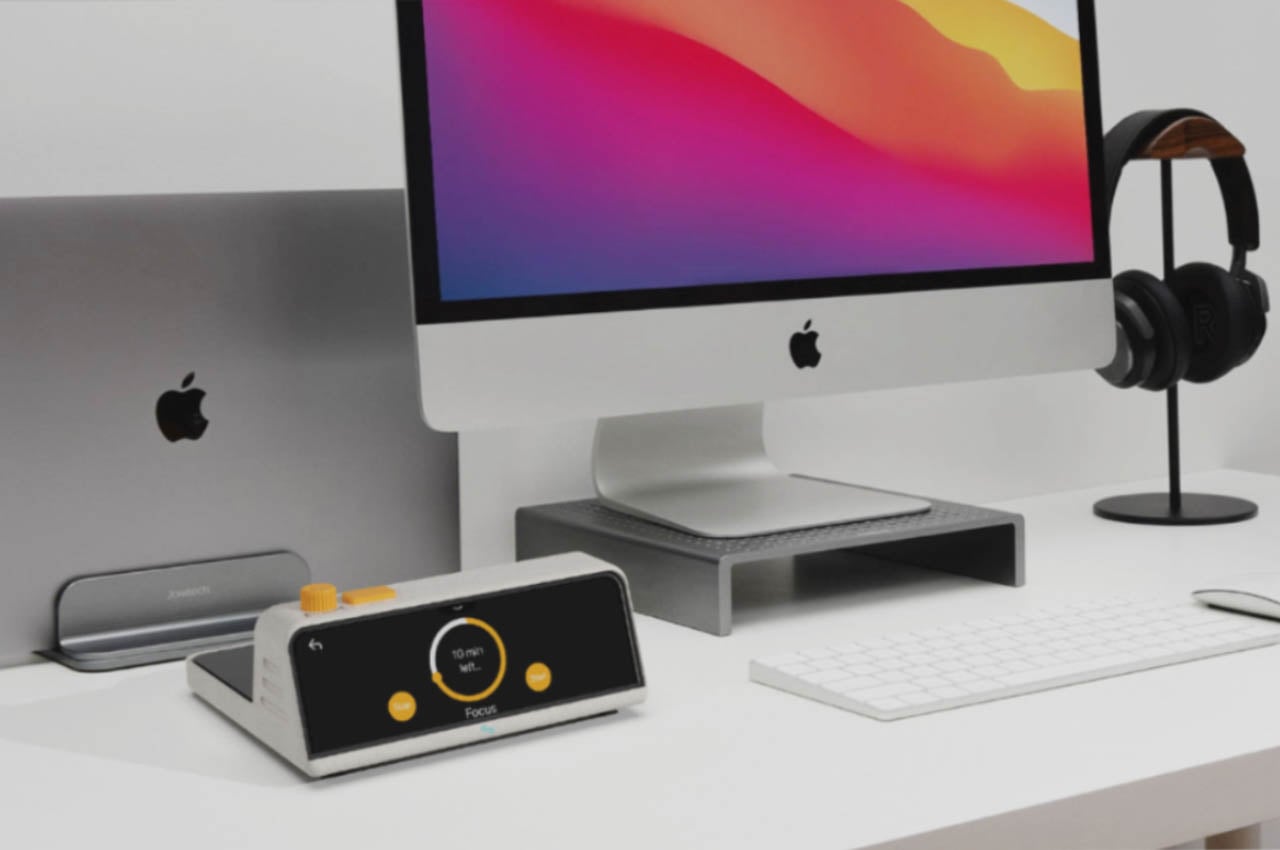
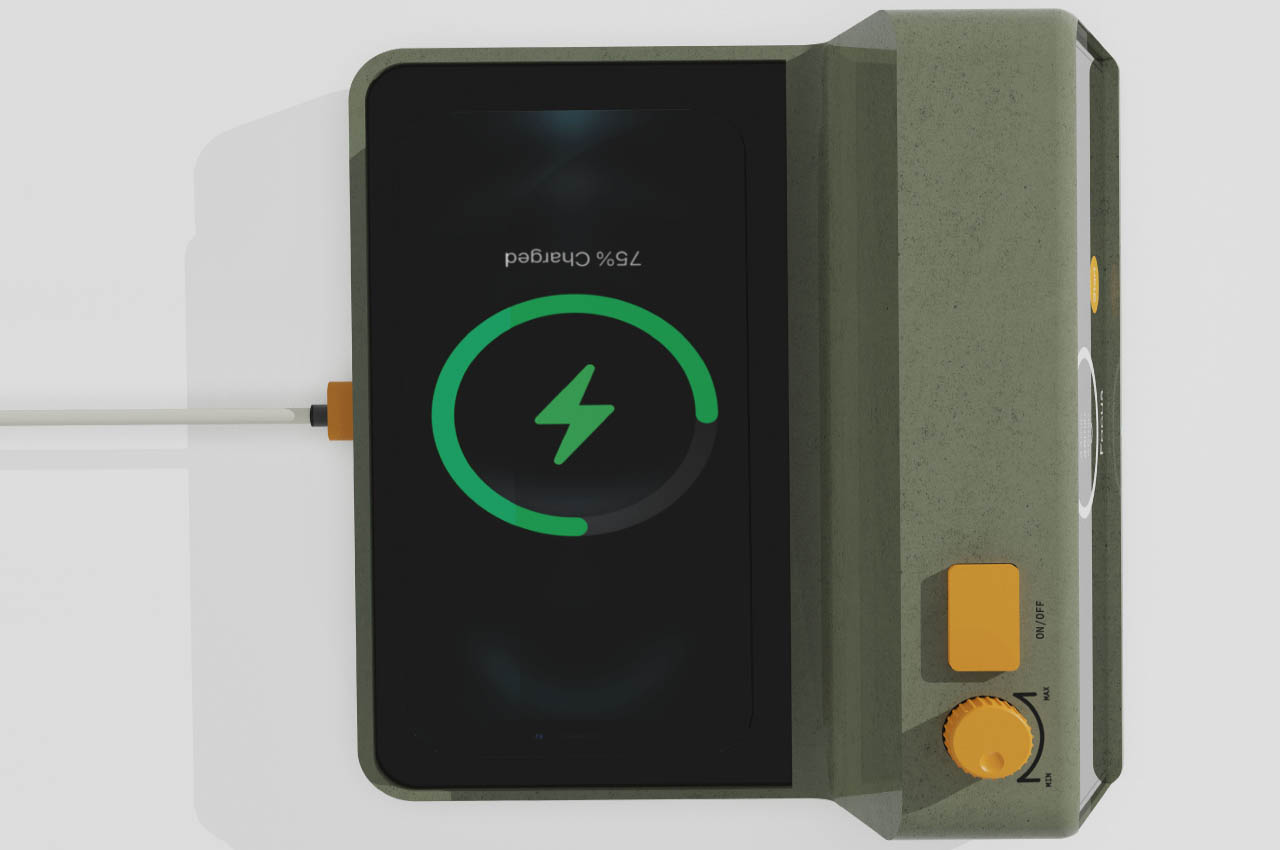
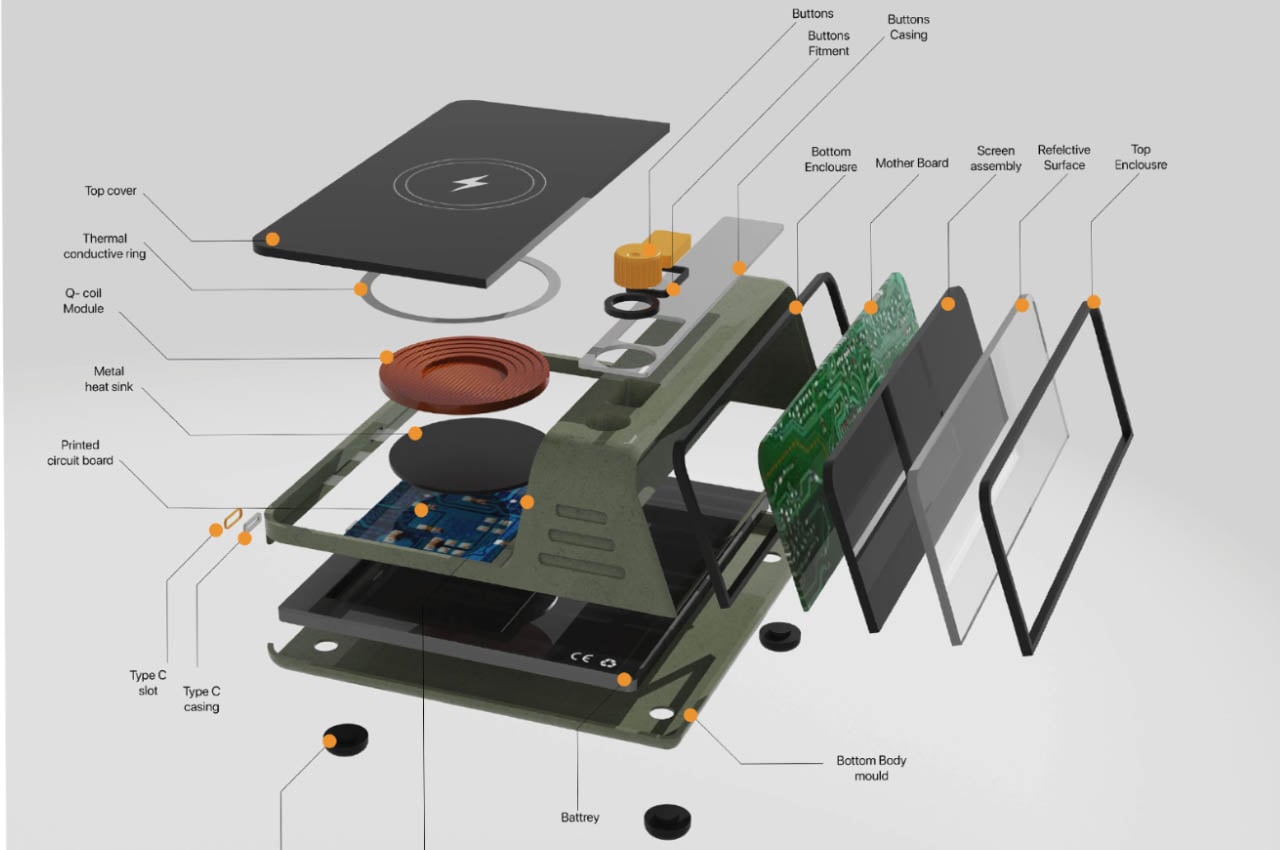
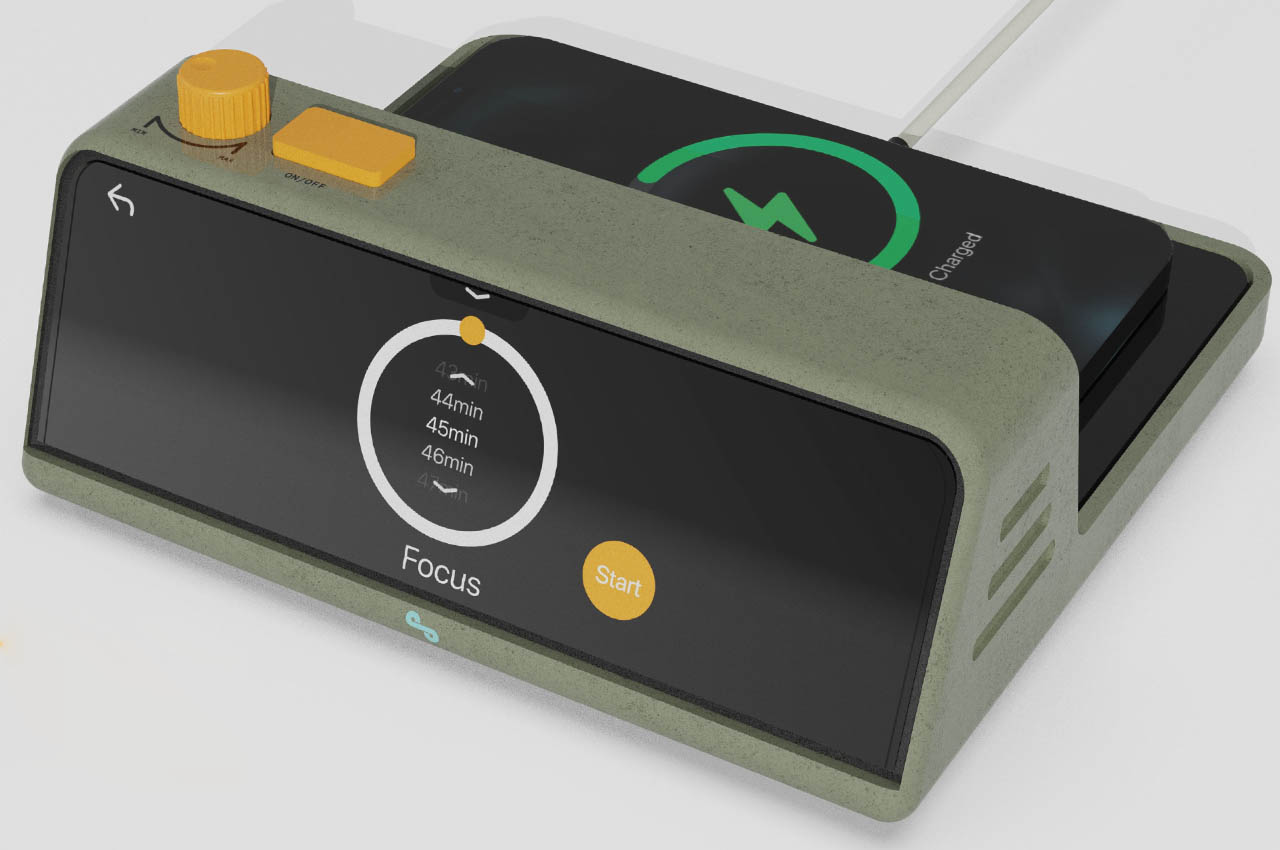
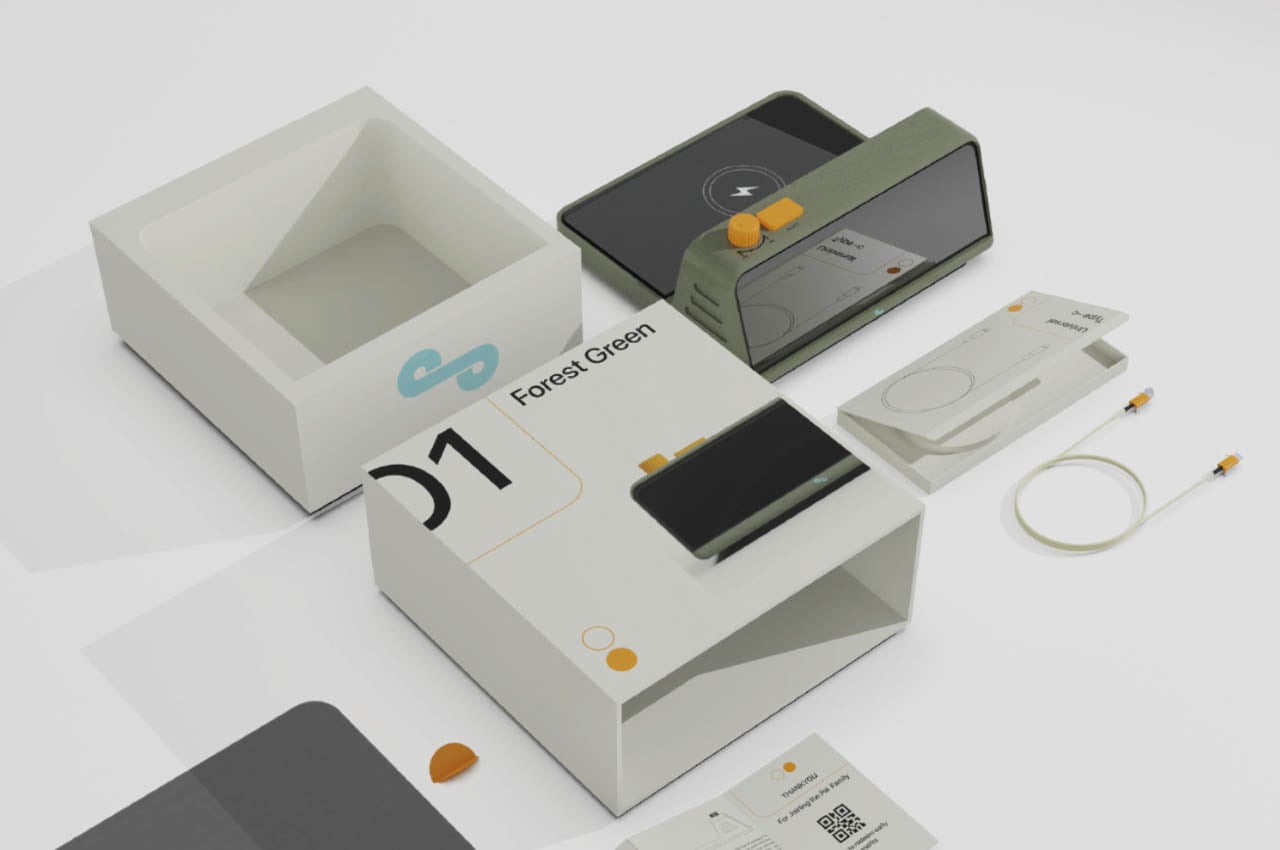
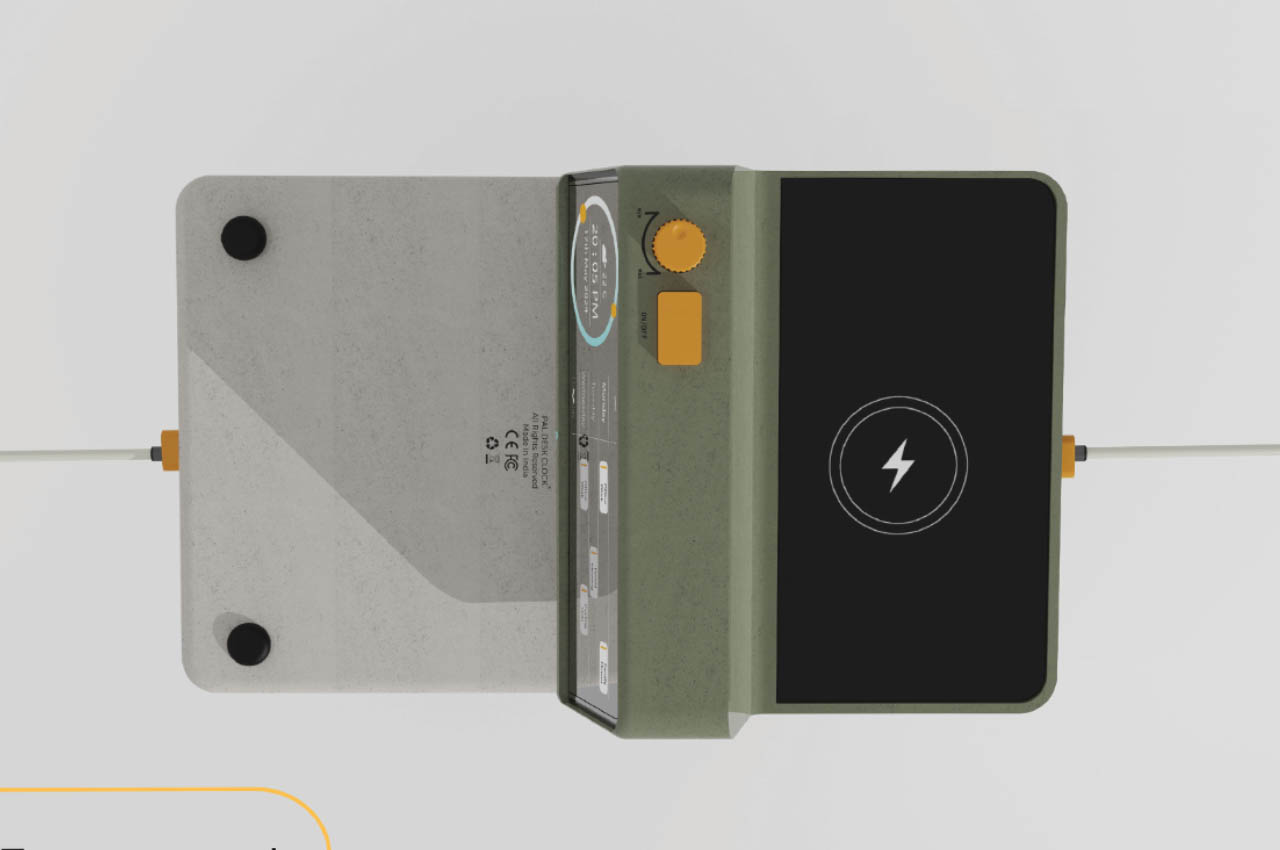
This nifty gadget concept wants to take the heat to the likes of the Amazon Echo Show 5, Google Nest Hub, Lenovo Smart Clock and Loftie Alarm Clock. There are five main functions – time keeping, focus sessions, music playback and wireless charging. In addition to these, the desk clock has a calendar and temperature sensor. With the wide display, you can customize the widgets like weather, music playback and calendar schedules as desired. The desk clock has a wireless charging pad intentionally positioned on the back where your smartphone is out of the peripheral view.

With the dedicated focus button and the accompanying app, the phone goes into DND mode, so that the task at hand can be completed. The design of the smart desk clock is such that it goes with any kind of setup or other desk accessories. When you need some relaxing time, the music app can play audio directly with all the interface elements you would find on a music player app. This prevents you from opening the phone and going down the rabbit hole of unproductive social media apps.

The post This smart desk clock boosts productivity, curbing your phone addiction for good first appeared on Yanko Design.
Vintage-looking desk clock is handmade with brass and copper materials

Time-telling has become one of those things we take for granted since we only have to look at our computer or our smartphones or our smartwatches to find out the current time. Sure there are still some places that have actual wall clocks or desk clocks but even those have become few and far between. It’s also rare now for people to collect unique-looking clocks but for those who actually do it, there is a “rare find” clock that you can find on Etsy if you can spare around $900.
Designer: Sergey

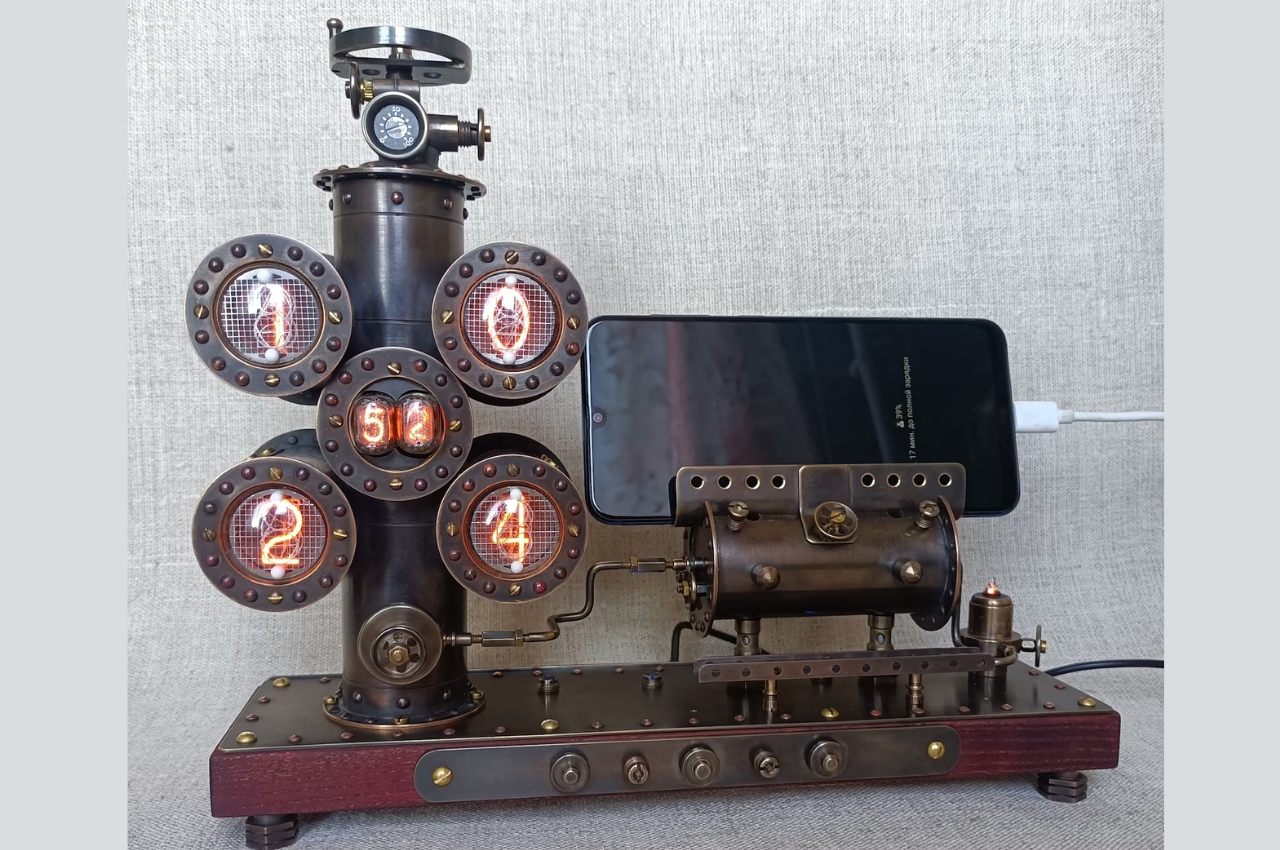
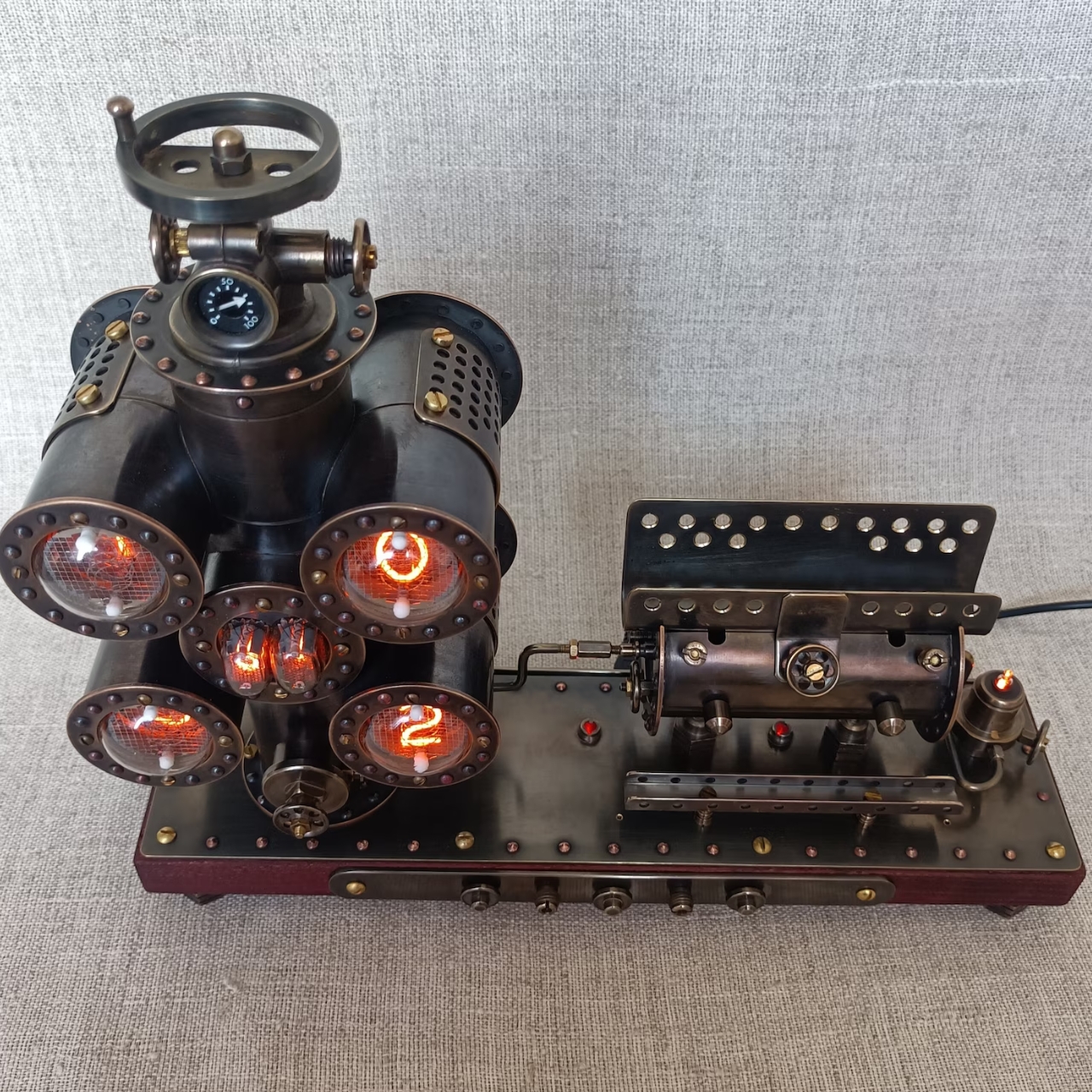
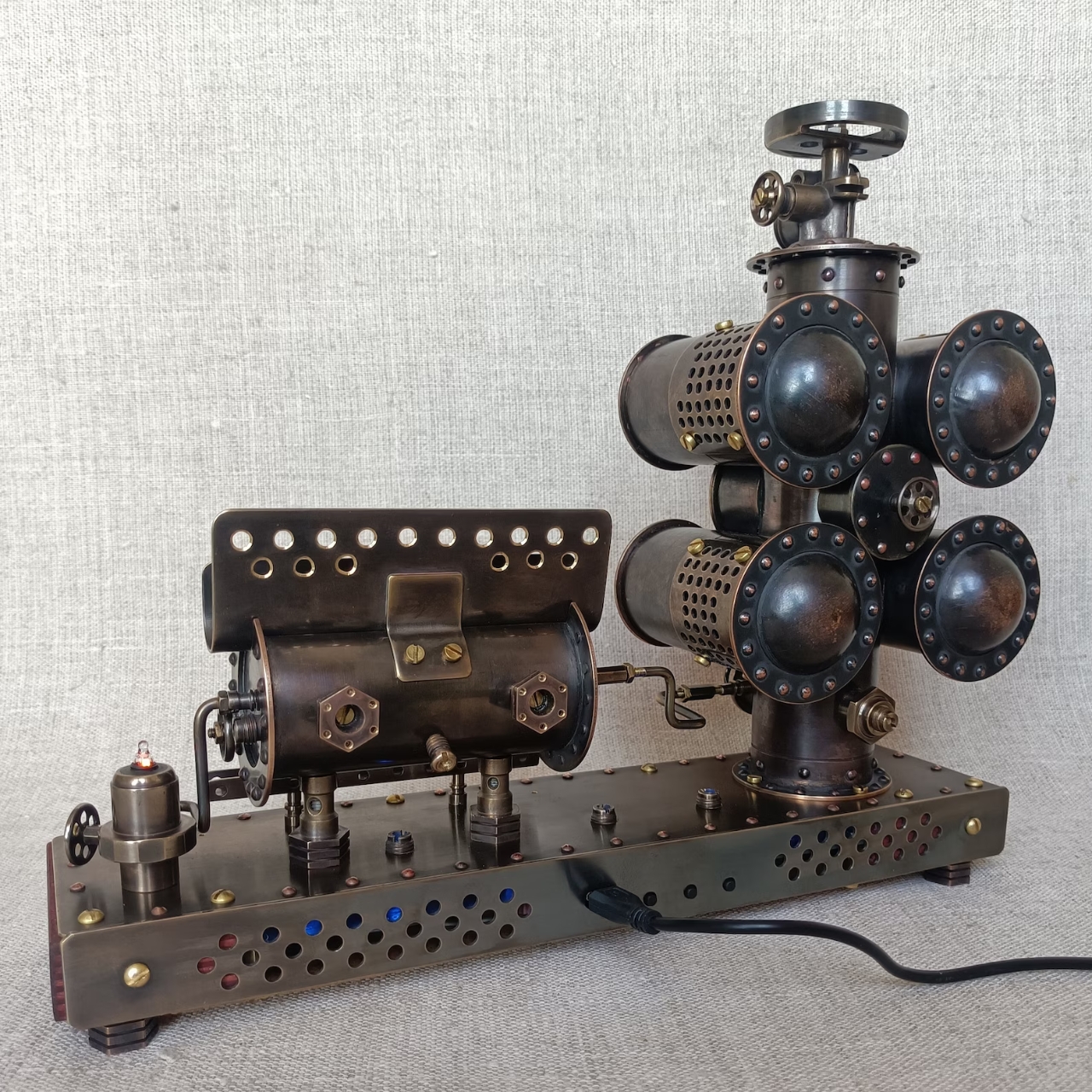
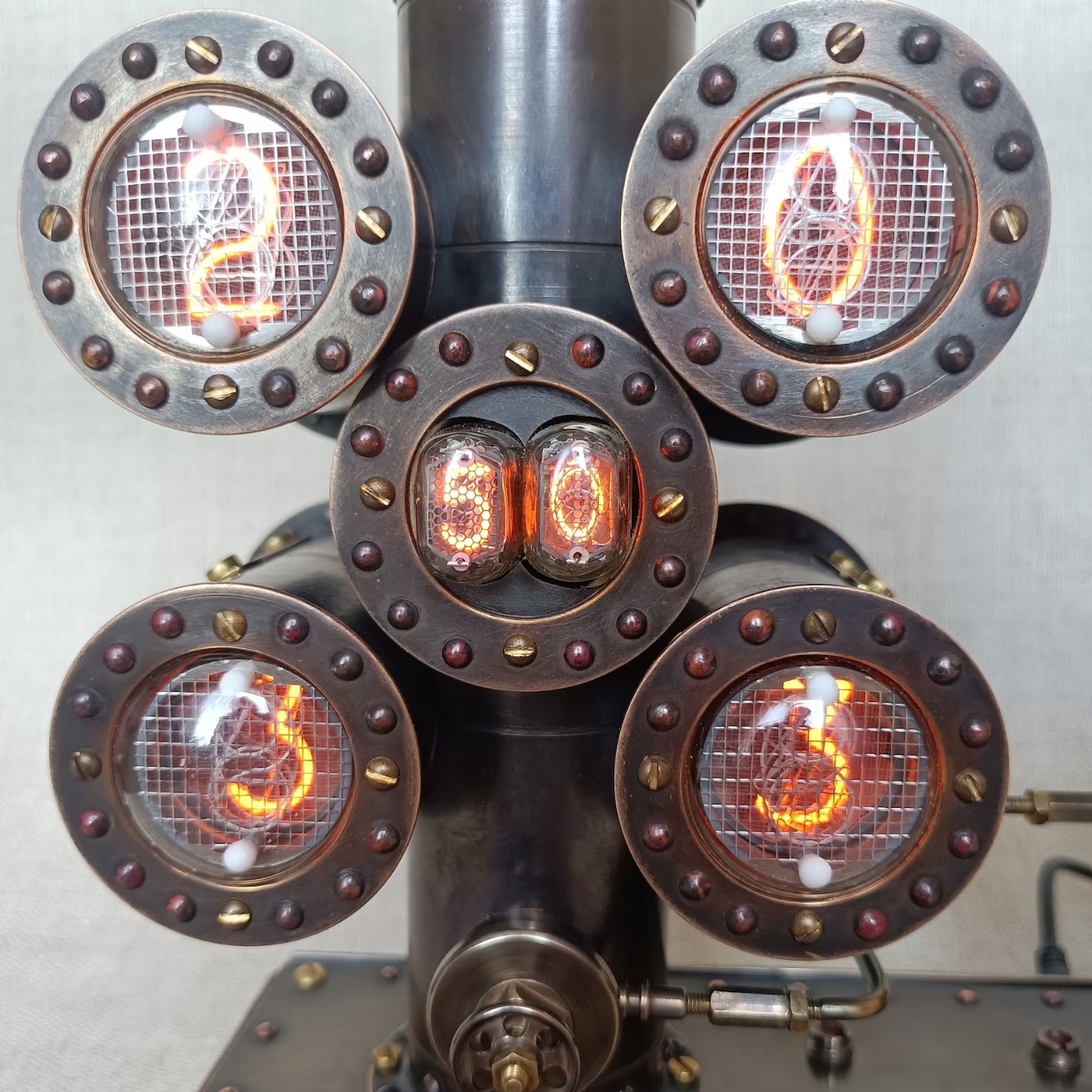
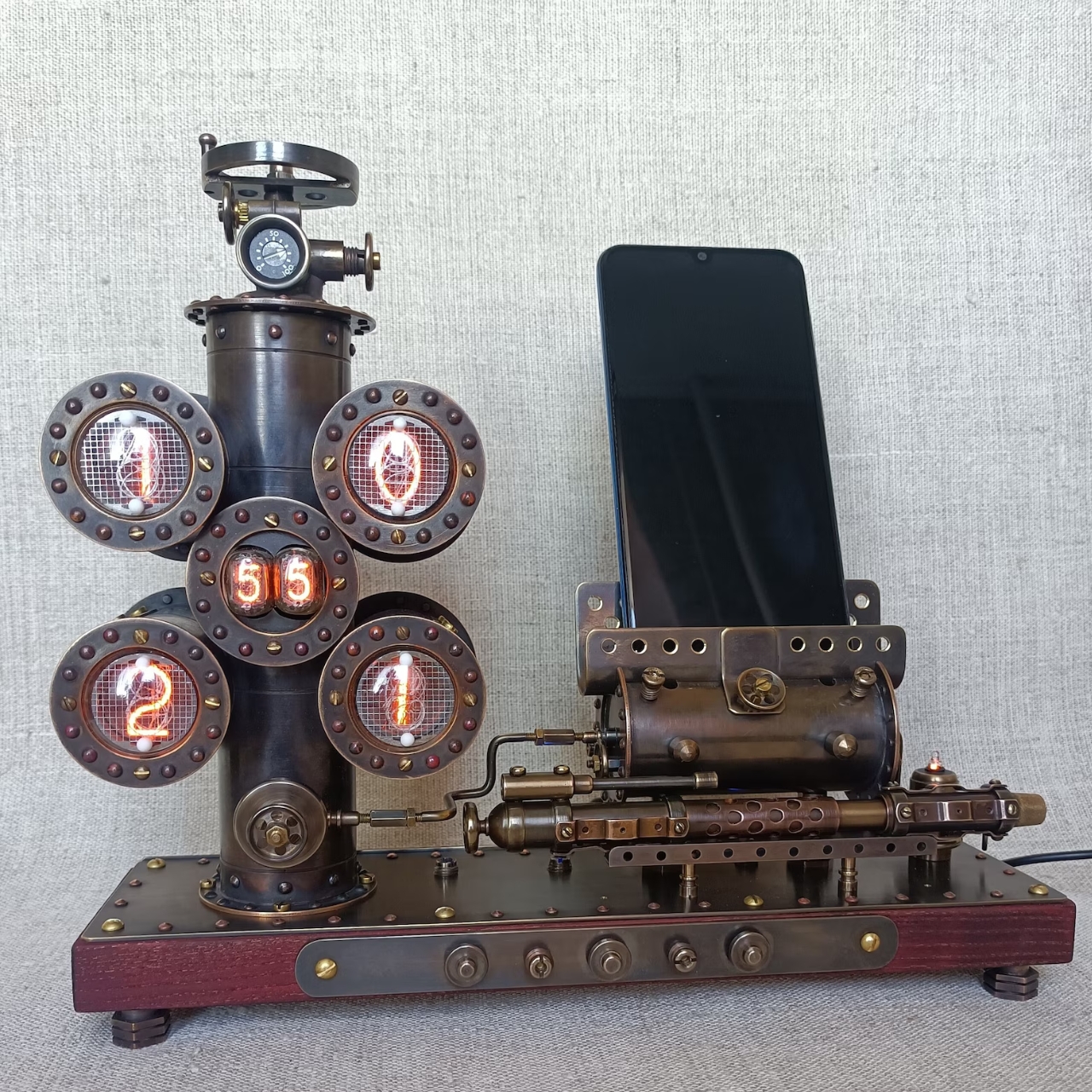
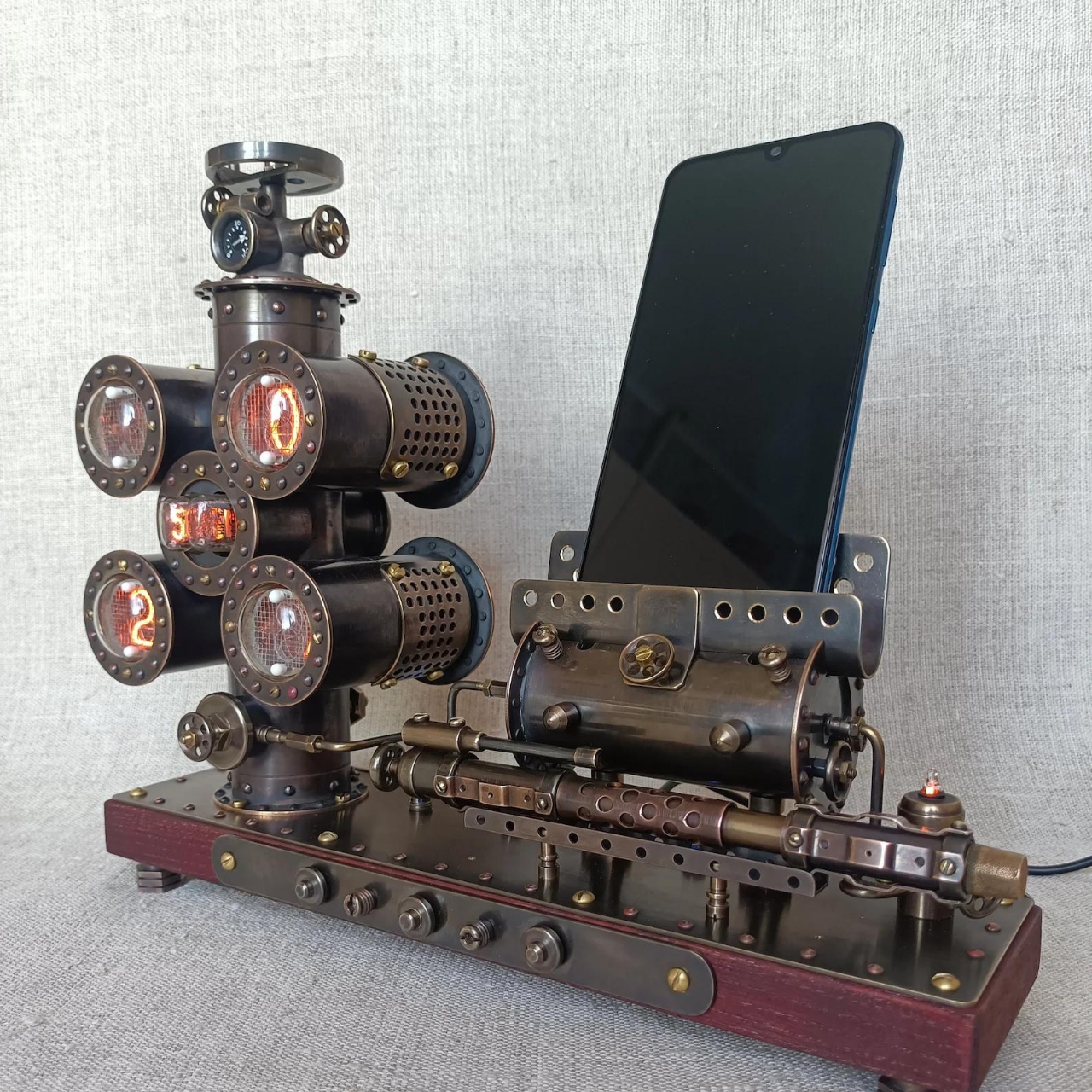
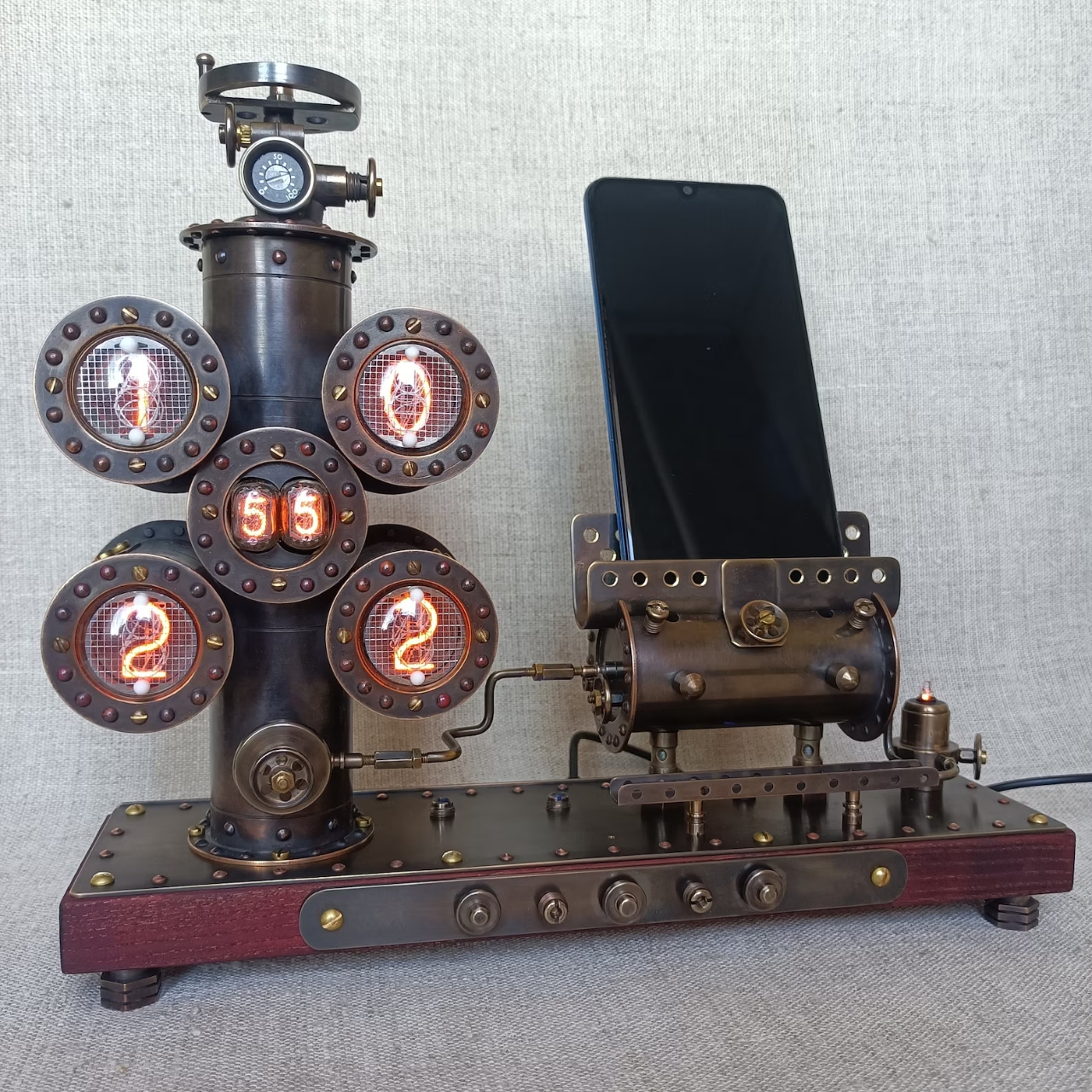
If you’re very much into hand crafted stuff that looks pretty unique and classic, the Nixei tube vintage clock may interest you. It looks like something that would have fit in during the Victorian era in a 19th century home. Its design is basically a hydro-mechanical column with manual drive and is made from brass, copper, bronze, and glass. They are soldered and threaded together and all these parts are connected by hand.

It can tell time in either the 12 and 24 hour format and has seven different colors as indicators. You can turn off the glow of these indicators if it proves to be too distracting at night. There are three buttons to control the different functions of the clock and you don’t need to be connected to a network to make it function. It is powered by a 5V adaptor and has a 24 x 29 x 11 cm dimension.

Oh and aside from telling time, it can also serve as a phone stand as there’s a cylinder shape on the side of the clock that can hold your smartphone. Of course it destroys the illusion of being a vintage piece if you put a modern device there but if you’re going for a contrast, then that’s the perfect thing to add to this desk clock.

The post Vintage-looking desk clock is handmade with brass and copper materials first appeared on Yanko Design.