Engadget Podcast: Recapping Apple’s Siri AI WWDC 2026 keynote
Will Siri AI actually be useful, or is it more AI marketing fluff? We chat about that, and everything else Apple announced at its WWDC 2026 keynote, on the Engadget Podcast.
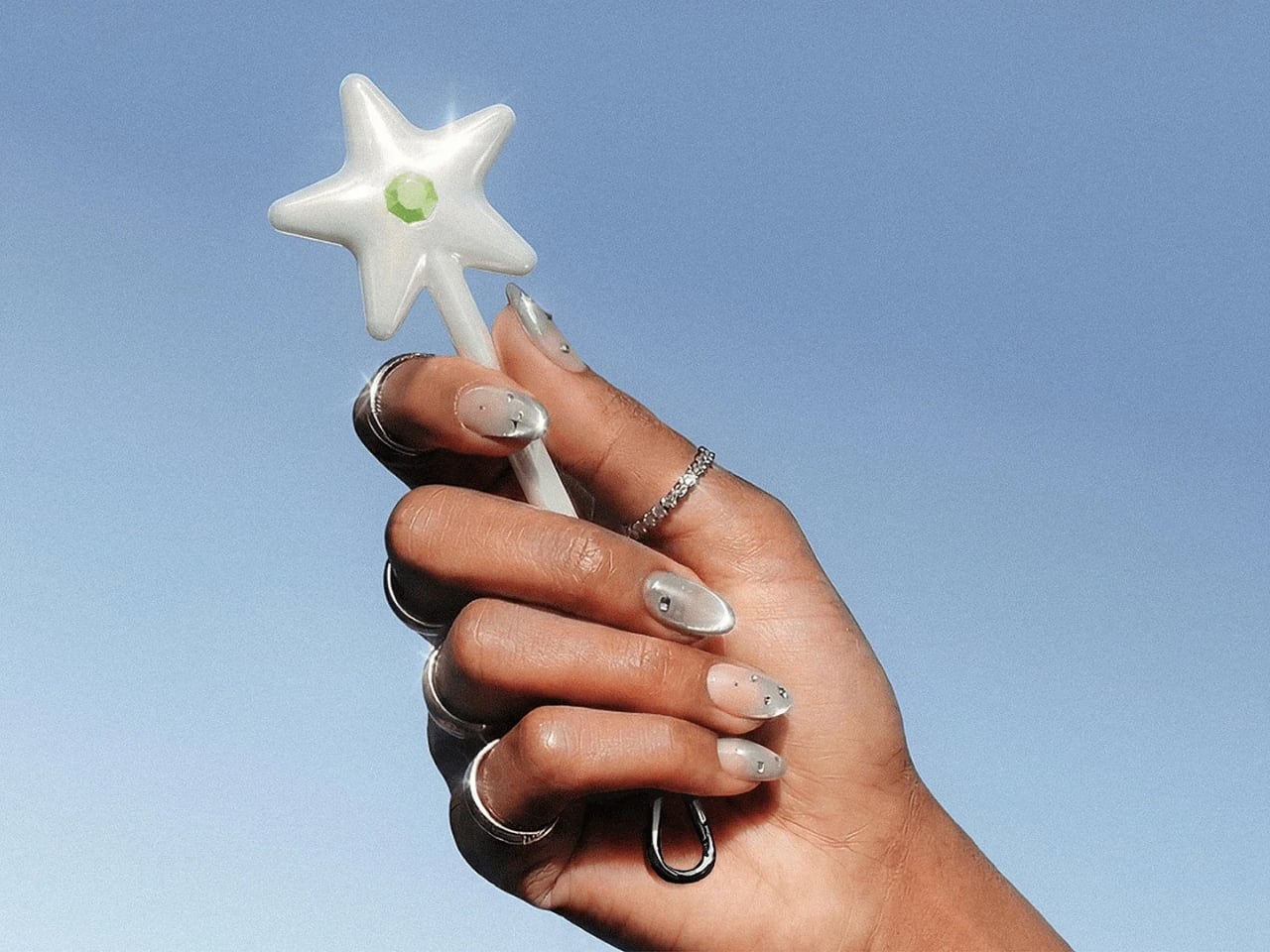
Payment technology has largely been invisible work. Tap your phone, swipe your card, wave your watch, done. The entire industry spent years making transactions faster and more frictionless, which mostly means less noticeable and decidedly less fun. So when Cash App announces a pearlescent, star-tipped wand that you wave at a payment terminal to buy your morning coffee, the question isn’t whether it’s practical. The question is why nobody thought of this sooner.
Launched on June 4, 2026, the Cash App Wand is the first in a new line of NFC-enabled payment accessories called Cash App Tags. It links directly to your Cash App Visa Card, works wherever Visa tap-to-pay is accepted, and costs $25. It clips onto a keychain, comes in a shimmery pearlescent finish, and has a light green faux gemstone set into its star-shaped tip. It looks like something you’d find halfway between a tech startup and a fairy godmother’s toolbox, and that combination is entirely the point.
Designer: Cash App
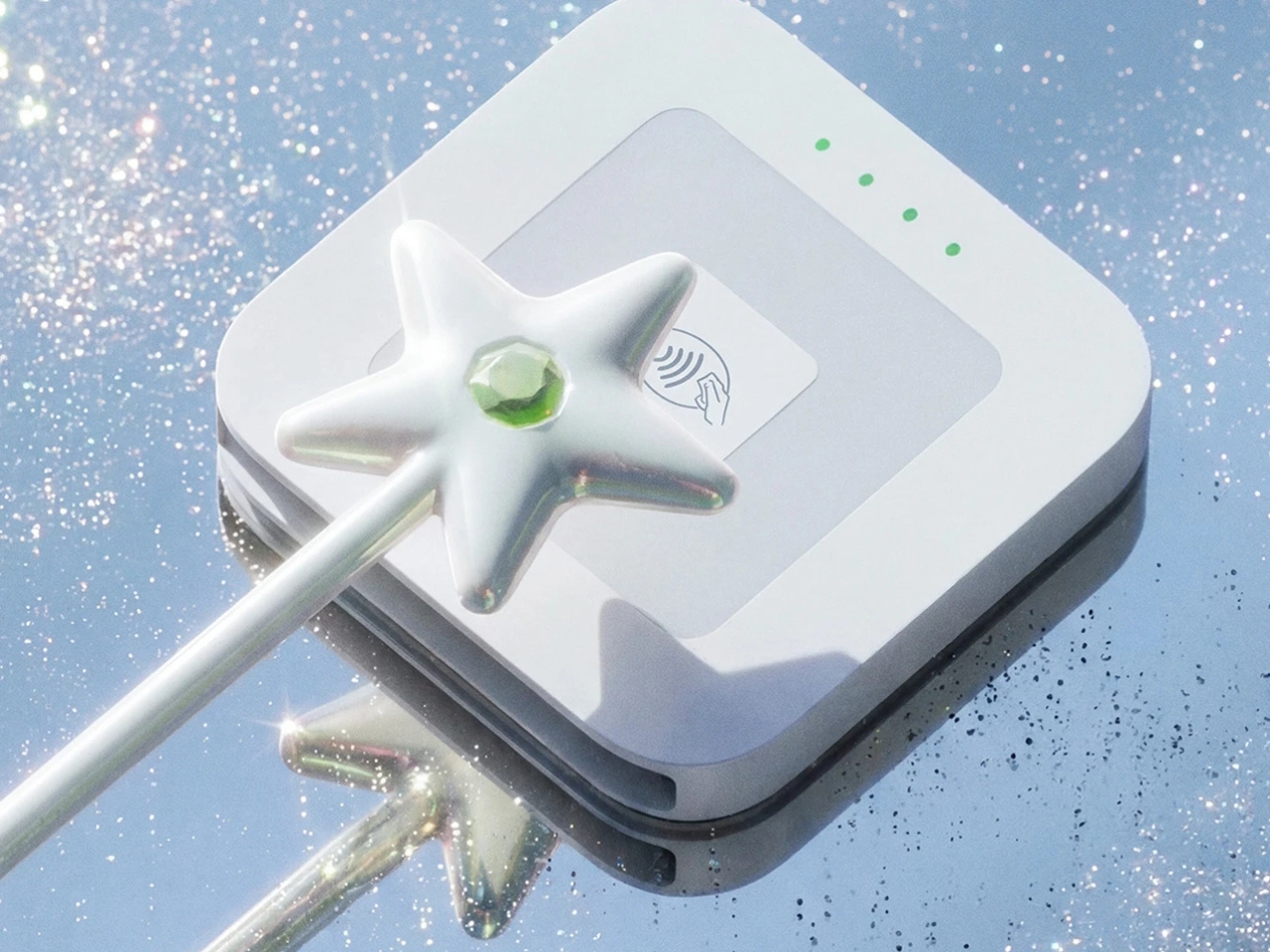
The official pitch targets Gen Z, a generation that, according to a Cash App survey, purchases collectibles, accessories, or limited-edition items at least monthly more than any other generation. It’s a cohort that treats personal style as a form of currency in itself, which makes the Wand feel less like a tech release and more like a fashion drop. The Wand isn’t really trying to replace your wallet. It’s trying to become something you actually want to wear. That shift in thinking, from payment as utility to payment as personal accessory, is genuinely significant and not just a marketing exercise.

I’ll be honest: my first reaction was mild skepticism. A wand feels gimmicky, and a $25 accessory that does exactly what your phone already does doesn’t automatically justify its existence. But the more I sat with it, the more I think that skepticism is beside the point. Technology rarely wins on function alone. The Apple Watch wasn’t the first smartwatch. AirPods weren’t the first wireless earbuds. Neither succeeded purely because they worked. They succeeded because people wanted to own them and be seen with them. The Wand is operating from the same playbook, and it knows it.
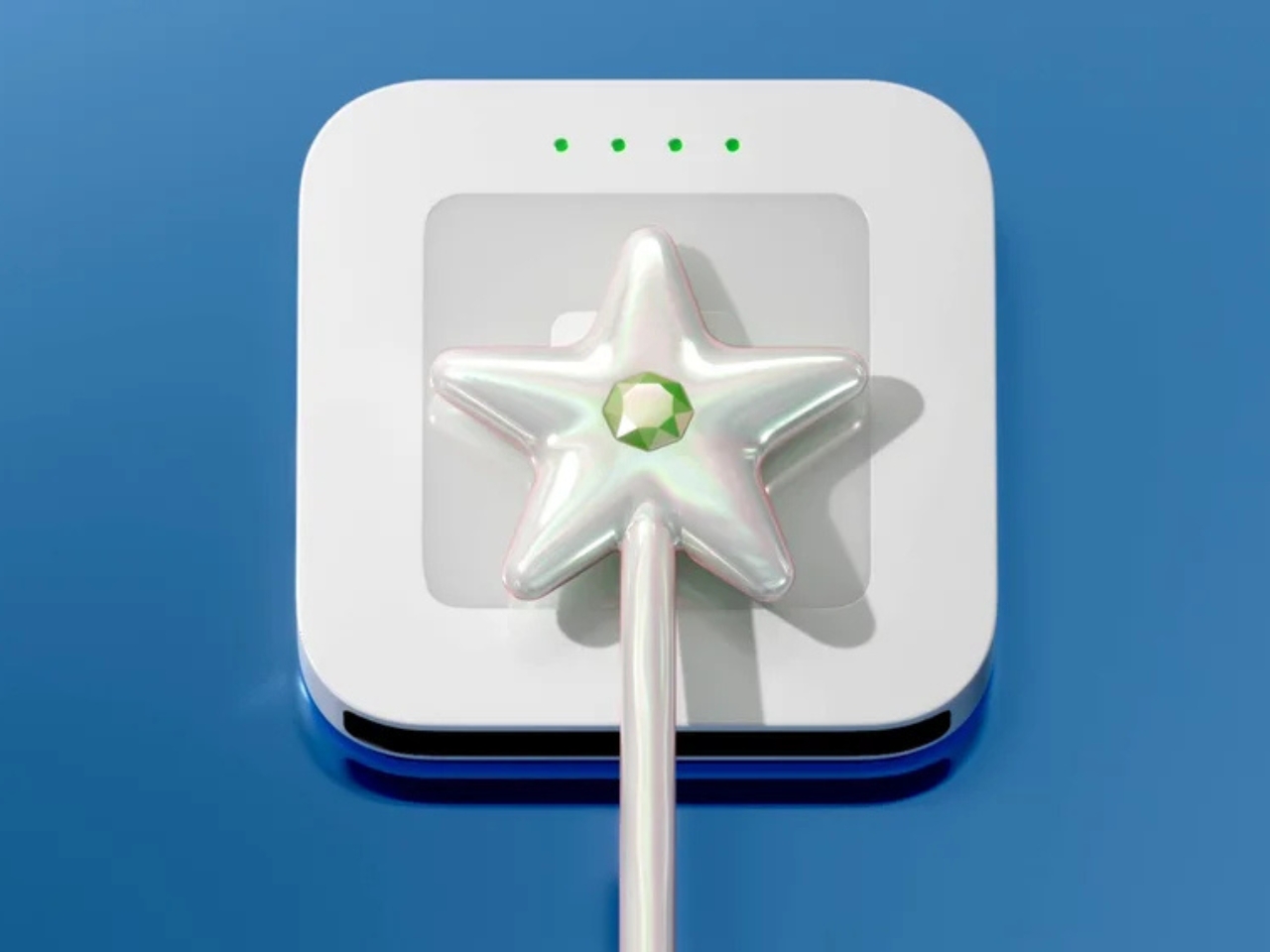
There’s also a practical case buried underneath all the whimsy. Venues where phones are restricted, packed music festivals, gym bags without pockets. Situations where digging for a card or unlocking a screen takes just a beat longer than the moment allows. Cash App highlights the Wand as a solution for ordering merch at festivals or grabbing food at phone-free events. A small, lightweight accessory that lives on your keys and taps to pay solves a real friction point, even if the star shape isn’t strictly necessary for solving it. The magic is optional. The convenience is not.
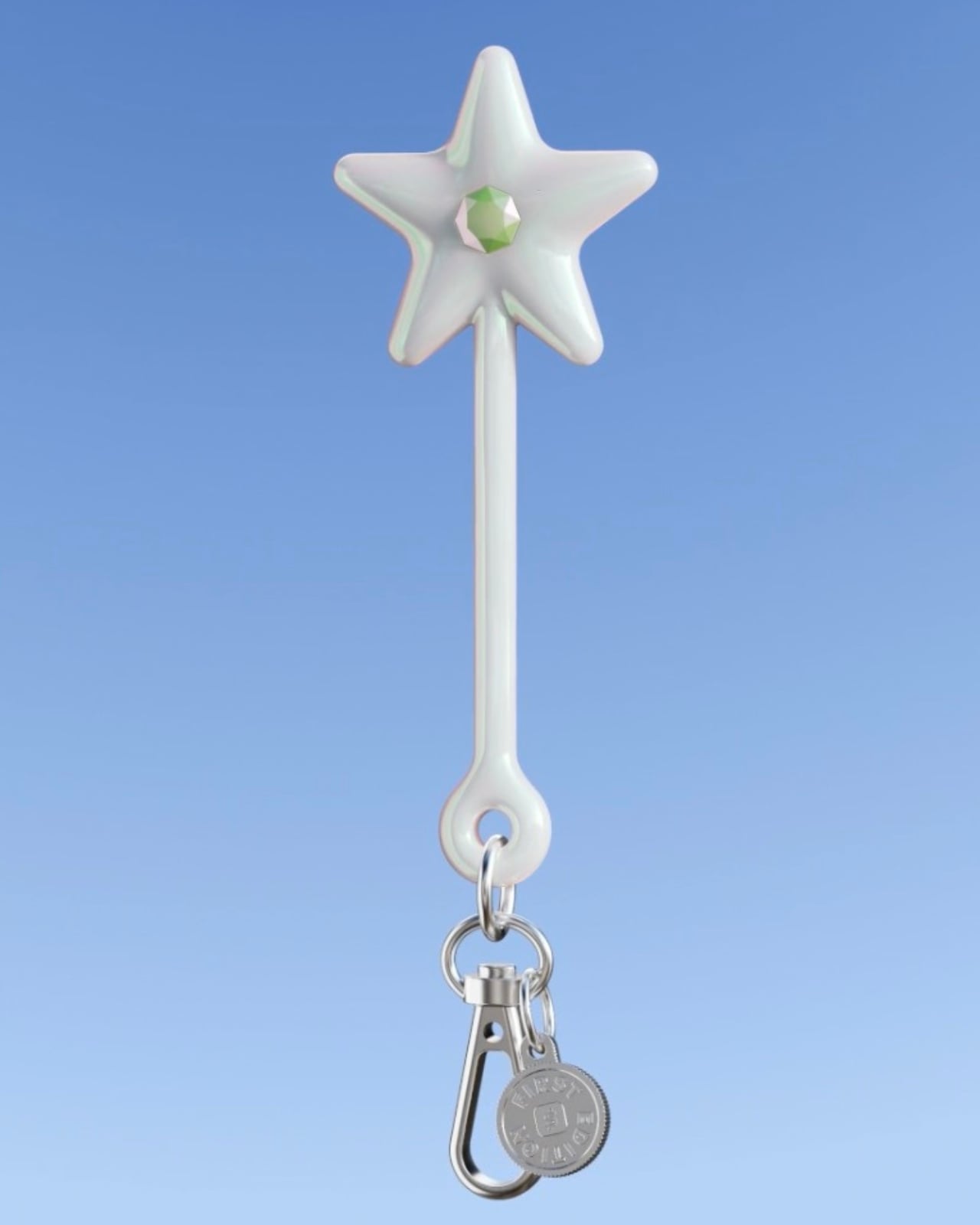
Cash App says the Wand is just the beginning. The hardware lead at Block, Cash App’s parent company, described the form factor possibilities as “nearly limitless,” citing everything from clothing to jewelry as potential future payment vehicles. That’s a bold statement, but not an unreasonable one. The underlying NFC technology is the same tech already living in your phone and card. The design is the only real variable, which means the ceiling here is limited only by imagination and production ambition.
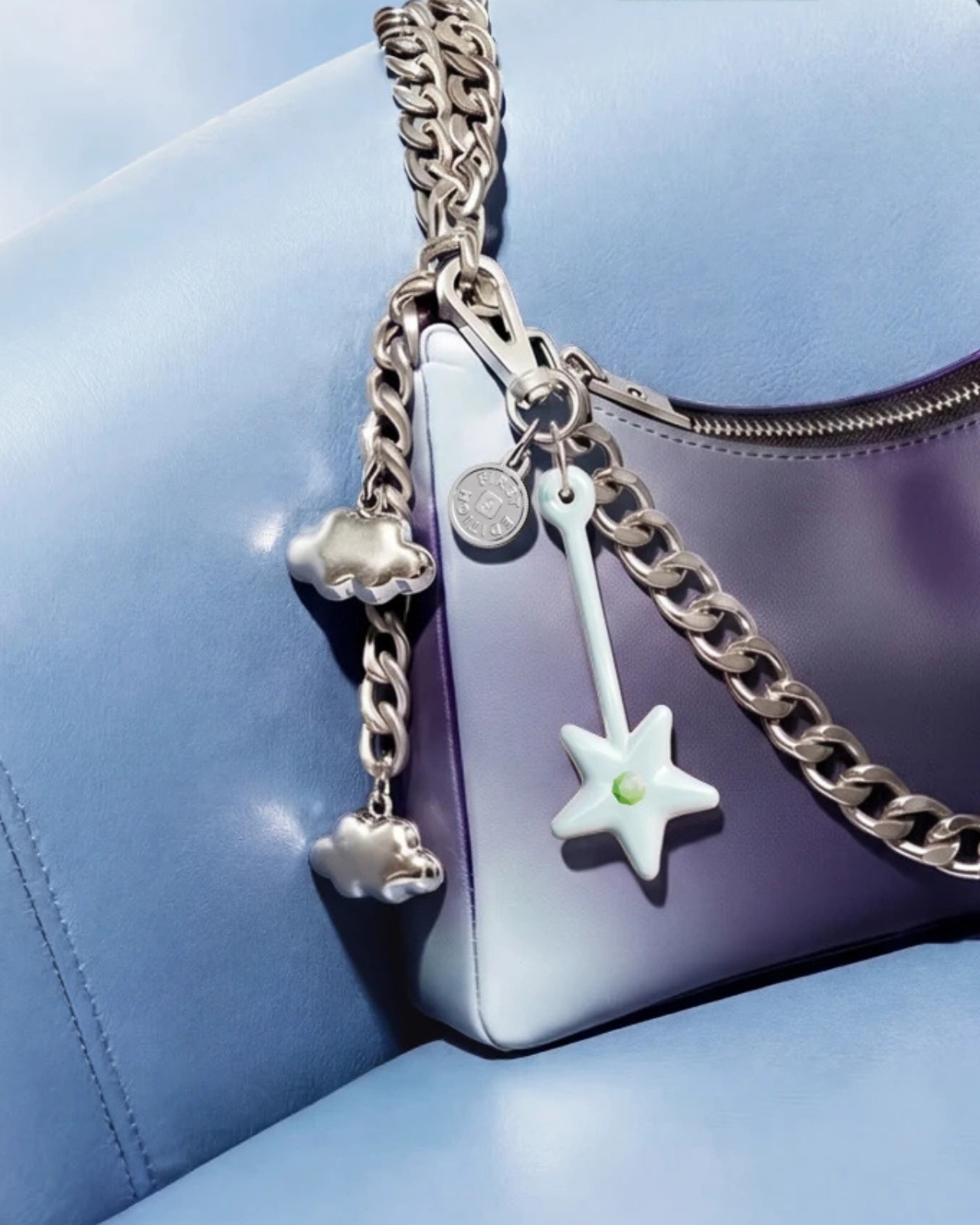
The limited-edition framing is smart, too. By releasing the Wand in small batches to Cash App Card holders before a wider summer rollout, they’ve created a sense of scarcity that turns a payment device into something closer to a drop culture moment. Whether that reads as cynical or clever probably depends on your relationship with limited releases, but it works. People are already talking about it.
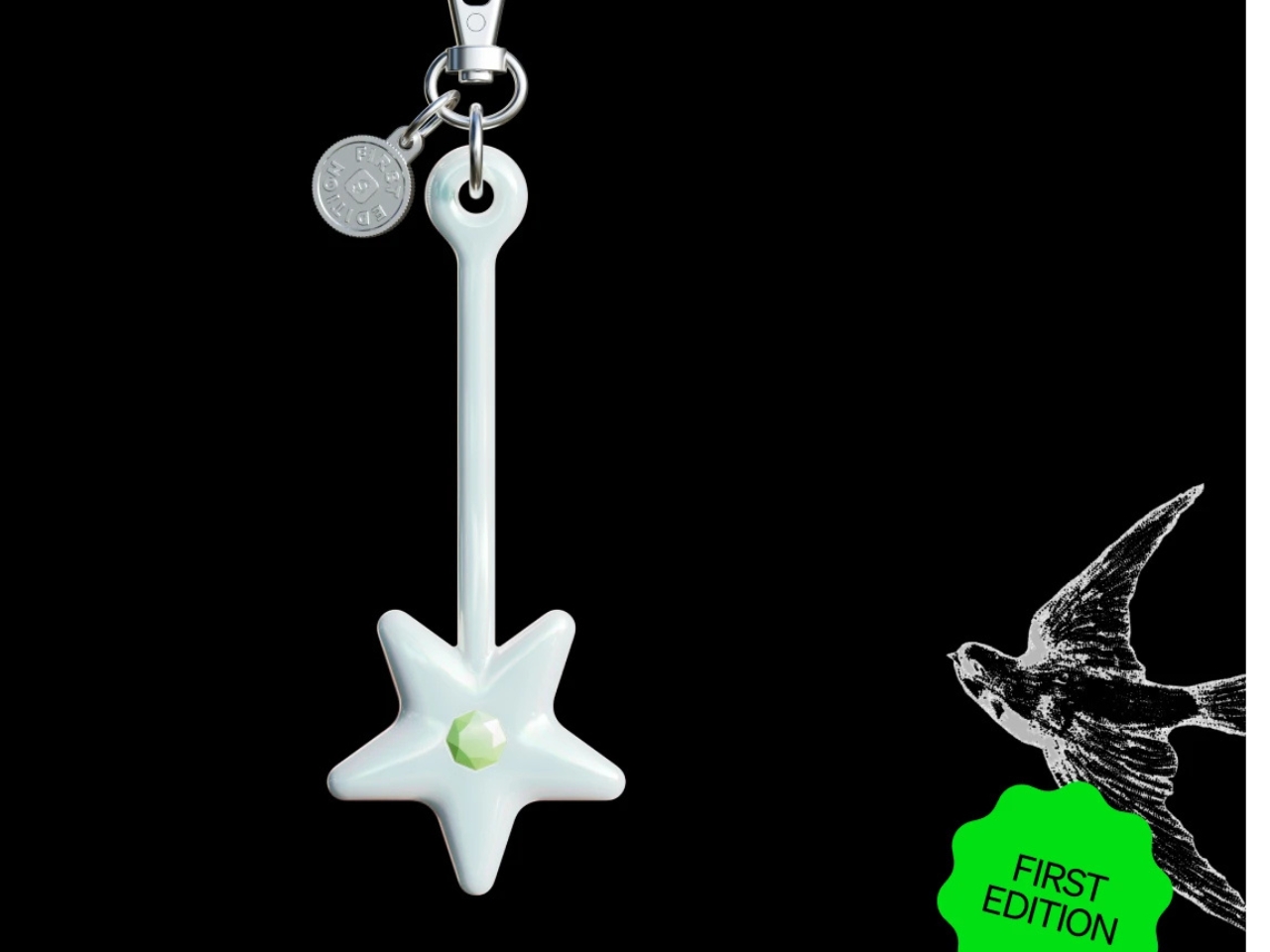
What the Wand really represents is a quiet but pointed argument: that the objects we interact with every day, even purely functional ones, deserve more thought about how they look and feel. Fintech has spent so long optimizing for speed that it forgot to optimize for delight. Cash App just remembered. The Wand is available now for $25 through the Cash App, while supplies last, for eligible customers aged 13 and up.

The post Cash App Just Made a $25 Magic Wand You Pay With first appeared on Yanko Design.

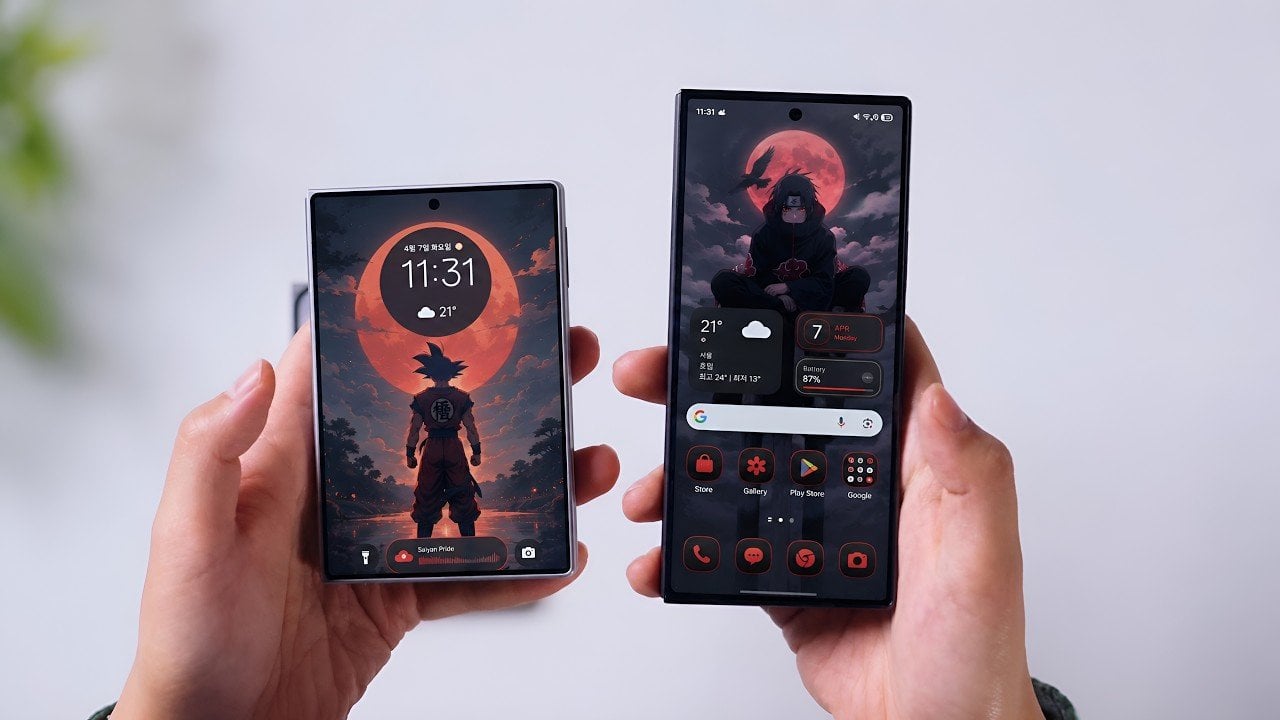
Samsung continues to lead the charge in foldable smartphone innovation with its latest flagship models, the Galaxy Z Fold 8 Ultra and Fold 8 Wide. These devices aim to address user concerns while advancing the foldable market through thoughtful design, enhanced usability, and innovative engineering. As foldable smartphones gain mainstream traction, Samsung’s newest offerings are […]
The post The Galaxy Z Fold 8 Lineup is Splitting in Two: Ultra vs. Wide Compared appeared first on Geeky Gadgets.

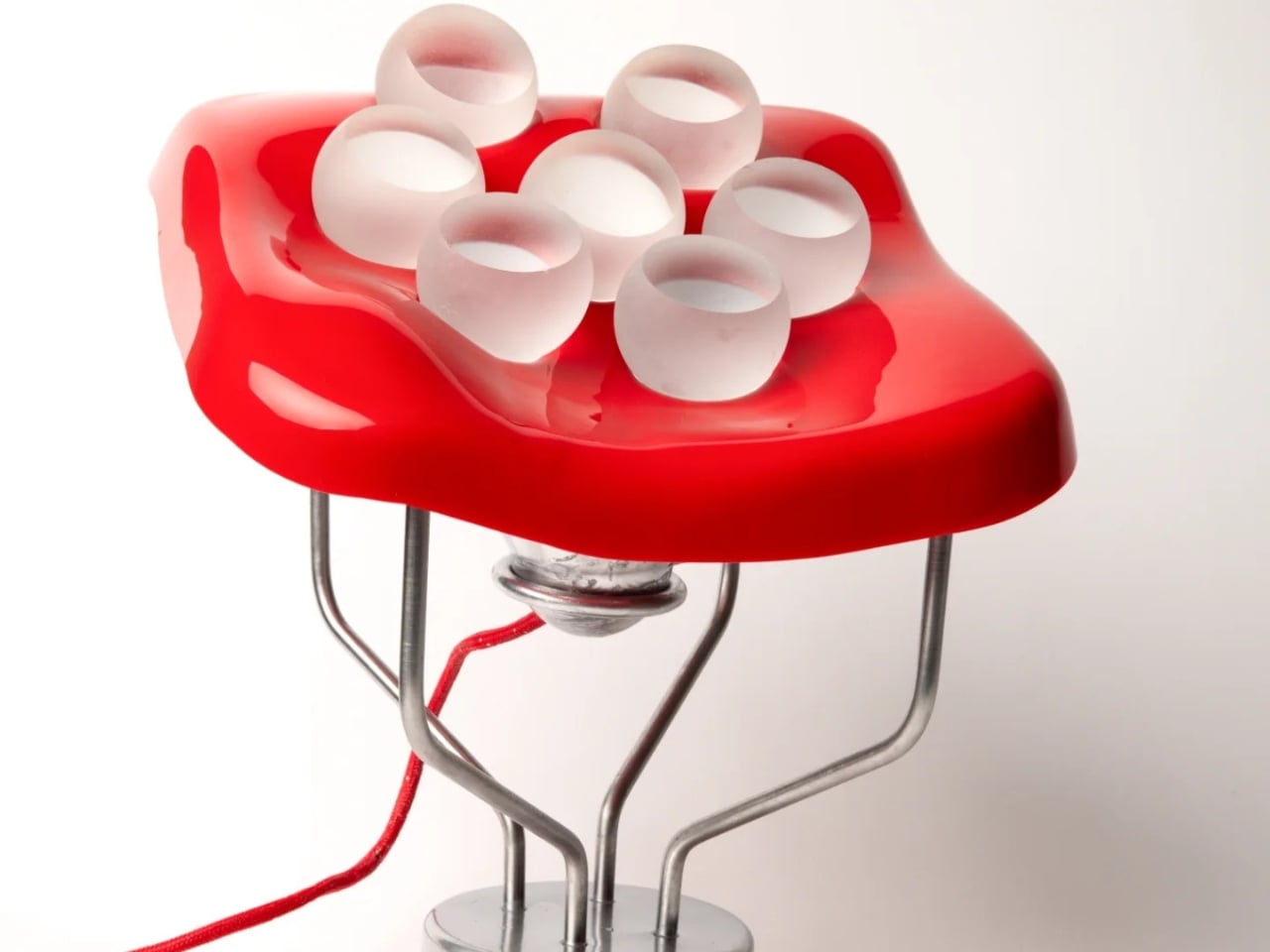
The first time you look at Gustav Friebel’s Hands On Light, you might do a double-take. Is it a lamp? A science experiment? An art installation that somehow found its way onto a side table? The answer, satisfyingly, is all three, and that is exactly the point.
Hands On Light is Friebel’s contribution to the exhibition of the same name, a master’s cooperation between ERCO, one of Germany’s most storied lighting manufacturers, and UDK Berlin (Universität der Künste). Fifteen prototypes were shown at Berlin Design Week 2026, each one exploring what the project called the “Alchemy of Light.” Friebel’s piece stood out immediately, not just for its color (that urgent, almost aggressive red) but for what it asks you to think about when you look at it.
Designer: Gustav Friebel
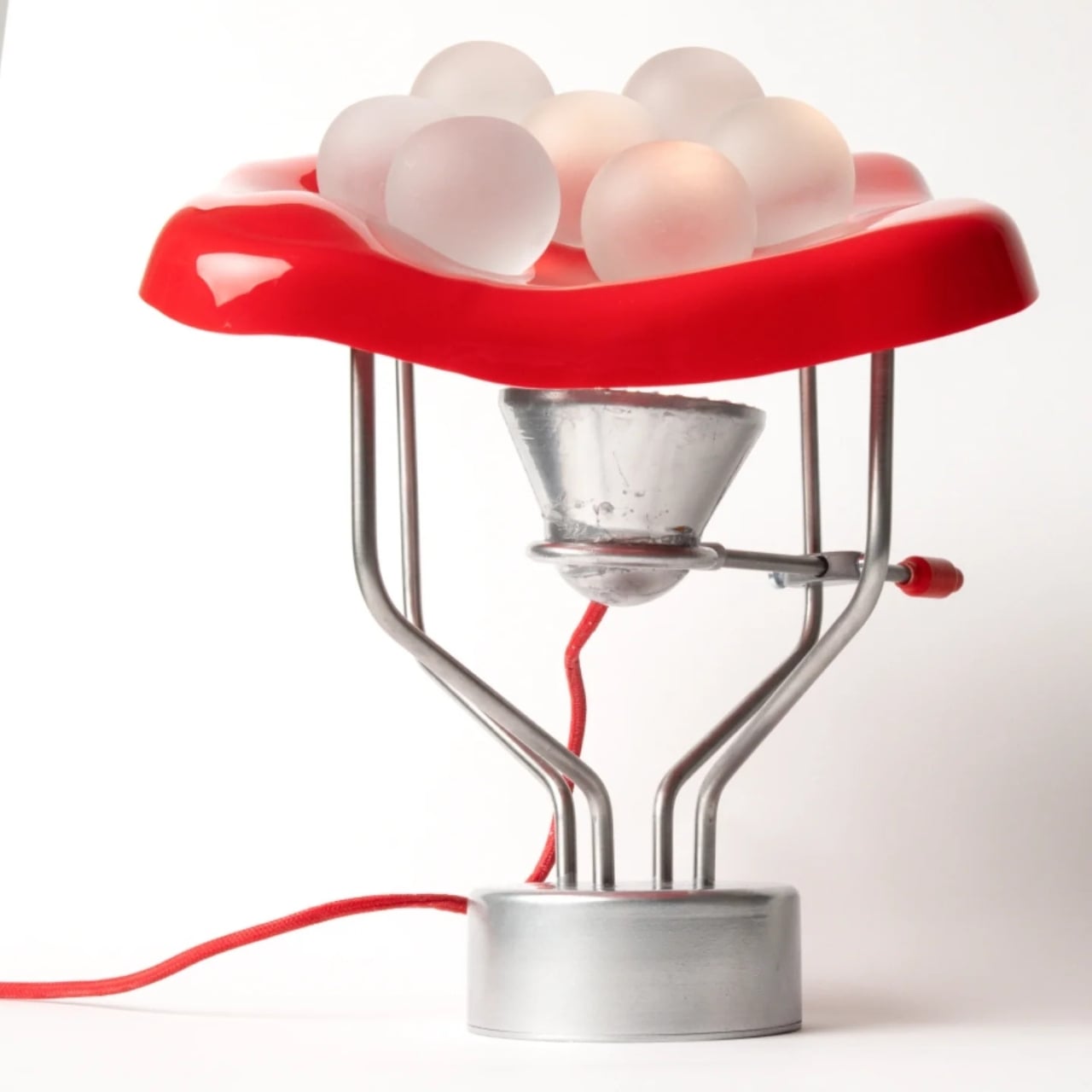
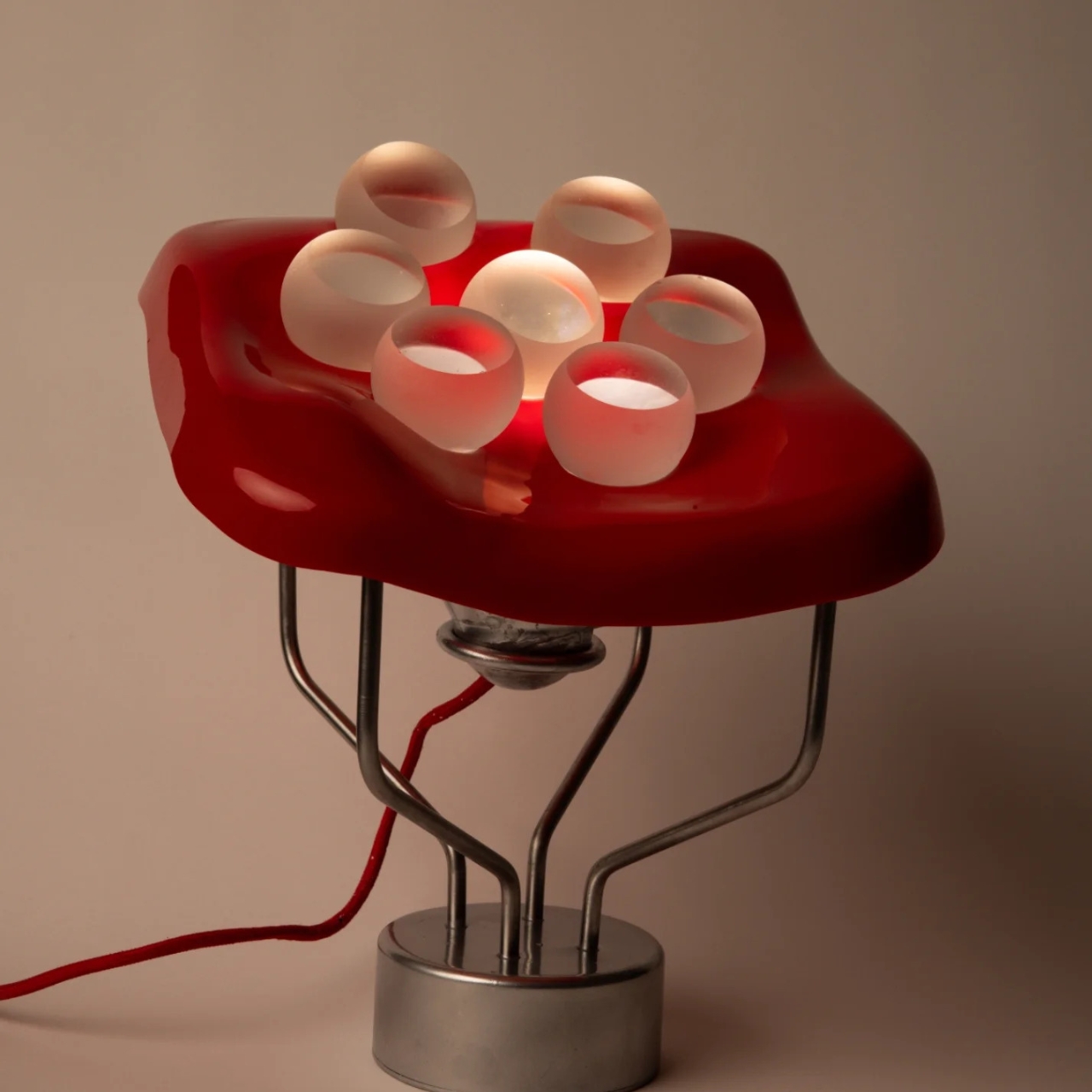
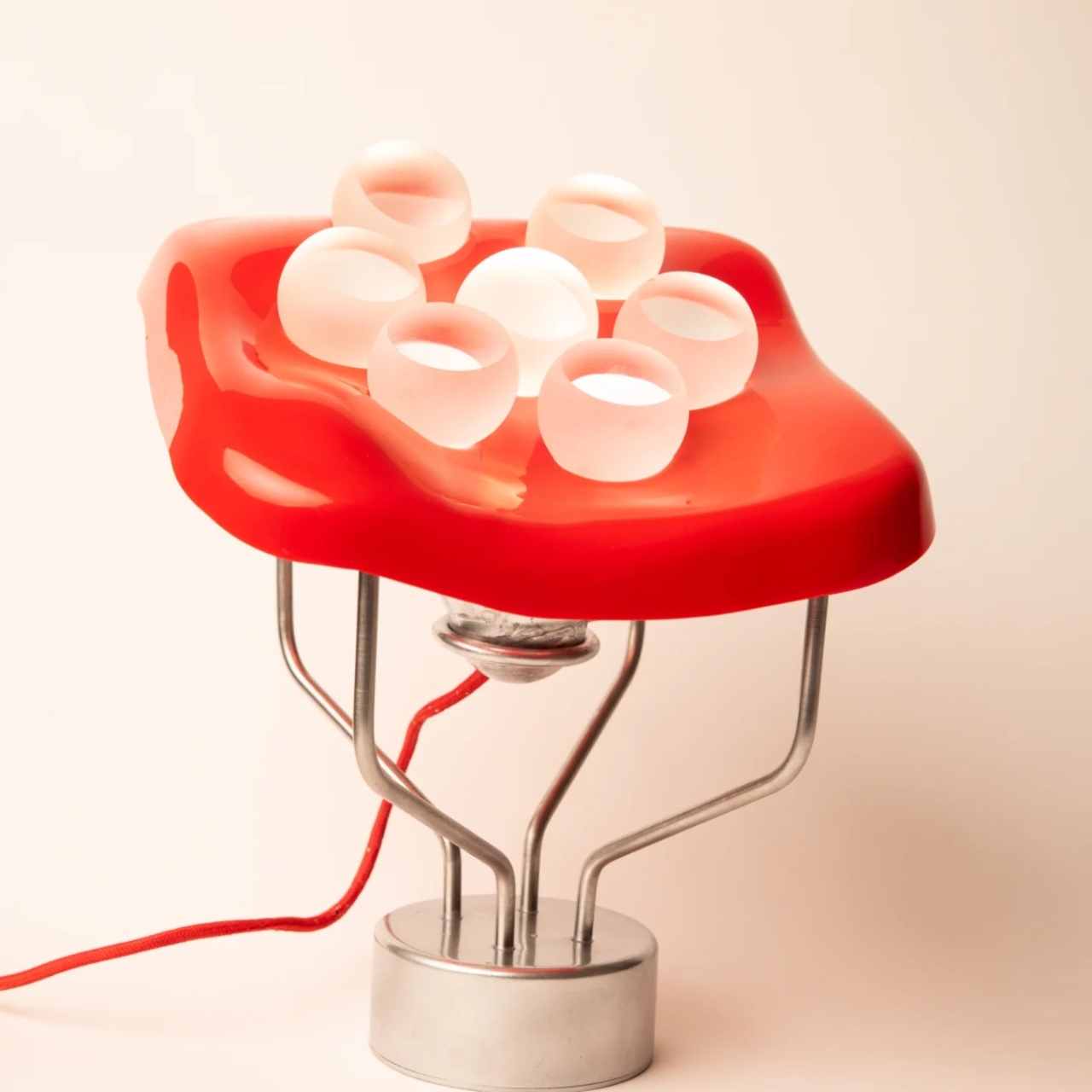
The concept is grounded in natural light segmentation. Think of the way sunlight hits a cluster of bubbles on water, or how dappled light falls through a canopy of leaves. Each point of light is distinct, separated, alive. Friebel took that idea and made it structural. Seven frosted glass spheres, each with polished sides, sit inside the holes of a deep-drawn PMMA sheet. That sheet, the red one that catches your eye first, is not a simple tray. It is a sculptural form in itself, its organic rounded edges suggesting something molten, like a material caught mid-transformation.
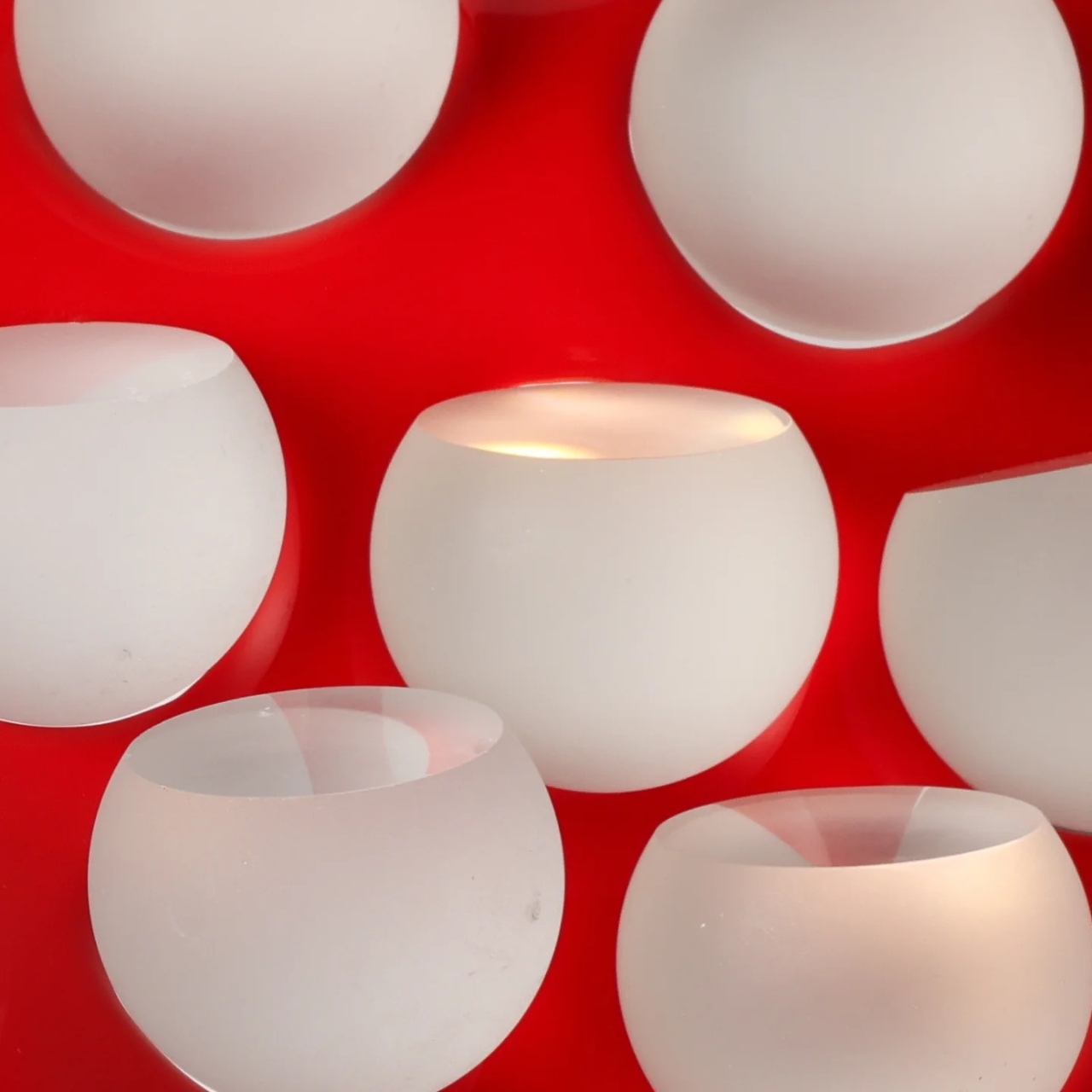
The glass spheres do something genuinely clever. The frosting diffuses the light, softening it into a gentle glow, but the polished sides of each sphere allow light and color to interact in a way that feels less like engineering and more like physics made beautiful. When the lamp is on, the red of the PMMA bleeds into the milky glass, and the whole thing pulses with warmth. Lit or unlit, it reads differently. That duality is not an accident.
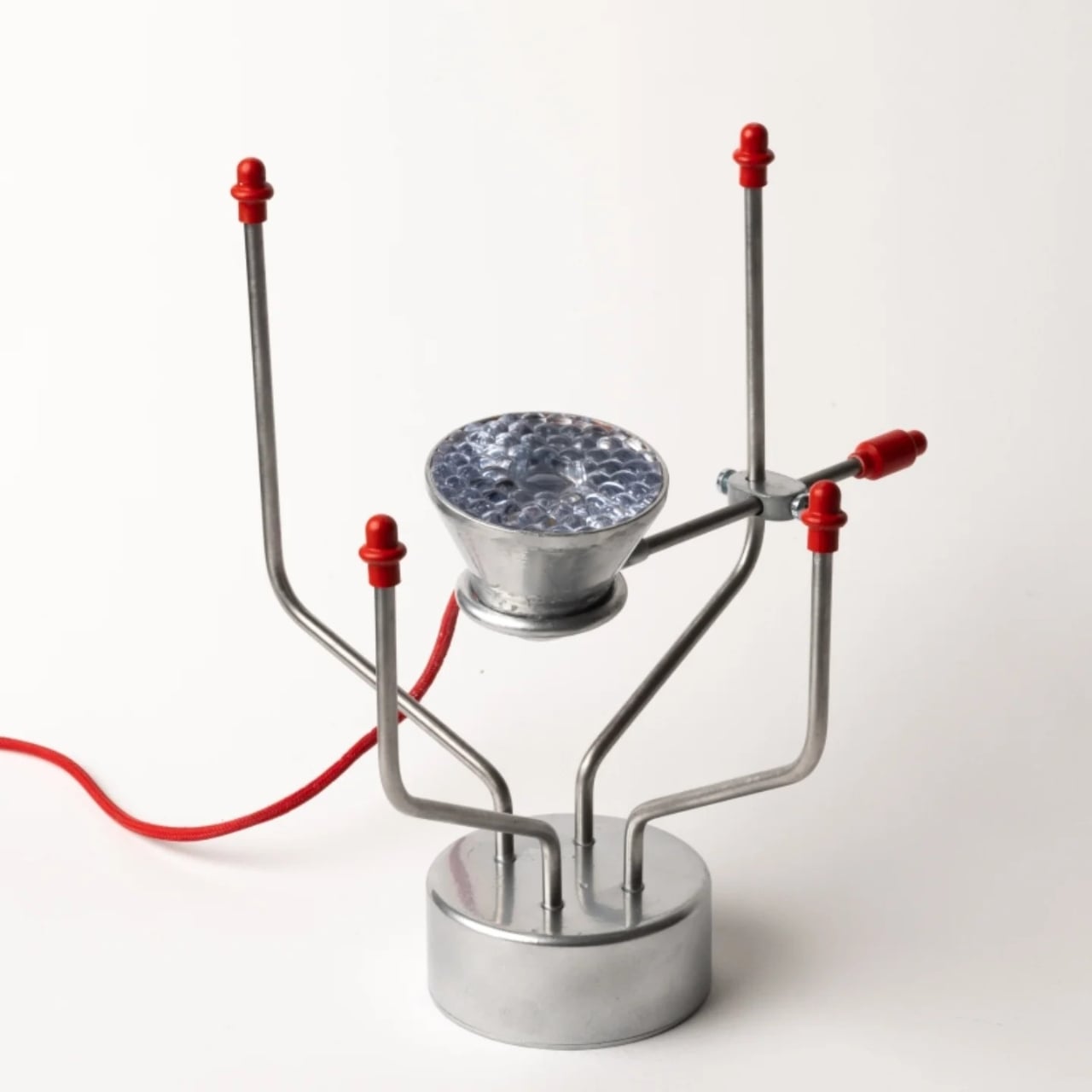
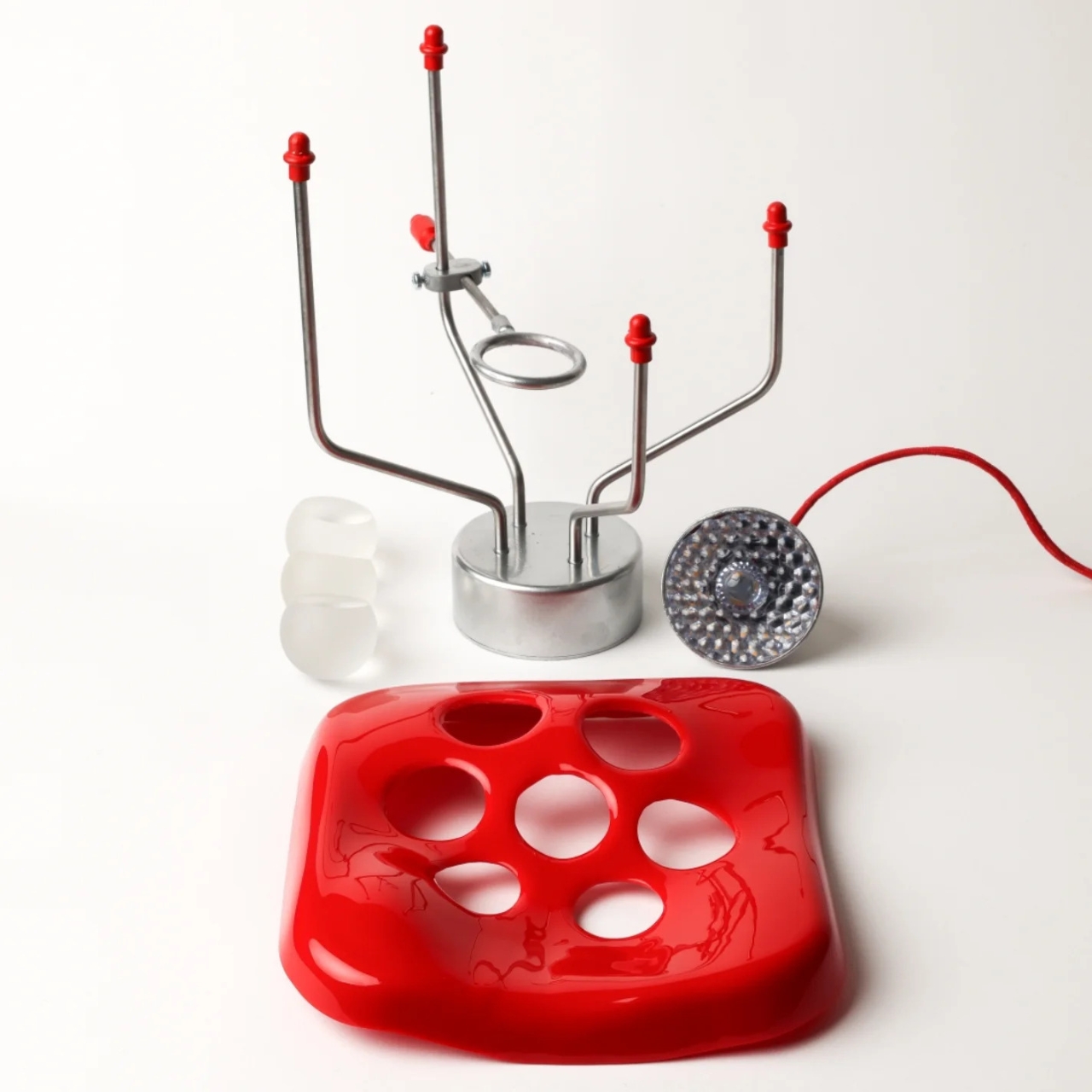
What sits beneath all of this is also worth paying attention to. The base is a chrome metal armature with a sculptural quality of its own. The supports branch out from a cylindrical foot, holding the whole assembly with a kind of studied asymmetry, like a model of an atom or something lifted from a lab. A red braided cord runs through it all, tying the color story together from bottom to top. Disassembled and laid out flat, as the photographs show, the components look like they belong to three different design languages. Assembled, they resolve into something surprisingly unified.
The collaboration context matters here. ERCO brings with it a serious design heritage. Otl Aicher, one of the most influential visual designers of the 20th century, is among those connected to the company’s tradition. That background gives the brief real weight, and you can feel it in the work the students produced. This was not a decorative exercise. The project pushed students to engage with light as a raw material, not a byproduct. Friebel clearly took that seriously.
My honest read on this is that Hands On Light sits in a genuinely interesting space between functional object and conceptual statement. The lamp works. It lights a room. But it also asks you to reconsider what a lamp is supposed to do, and whether utility and spectacle have to be in tension with each other. I do not think they do, and this piece makes a strong case for that position.
Lamps tend to be the most overlooked objects in interior design, bought last and thought about least. Friebel’s piece argues, quietly and colorfully, that they deserve better than that. Light is not just a utility. It is a mood, a texture, a quality of space. When a designer approaches it that way from the very start of the process, you end up with something that earns a second glance, a third, and eventually a permanent spot on your wishlist.
The post Gustav Friebel’s Red Lamp and the Art of Breaking Light Apart first appeared on Yanko Design.
Malva AI explores how Claude, an advanced AI model, can now operate a fully functional AI video studio, using platforms like Higgsfield’s AI supercomputer to streamline complex workflows. By integrating features such as automated video editing, branding consistency and performance analytics, Claude enables creators and businesses to produce high-quality video content efficiently. For instance, the […]
The post Why Creators Are Letting Claude Run Their Entire Video Workflow appeared first on Geeky Gadgets.
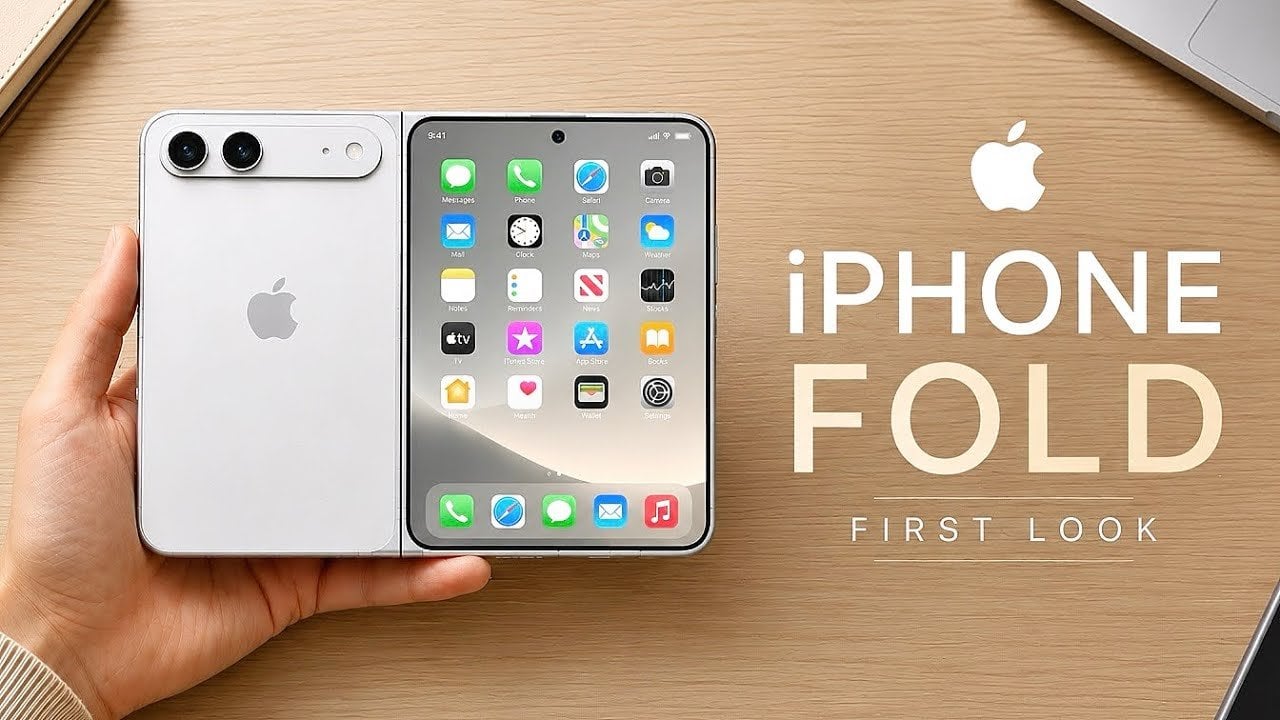
Apple is poised to redefine the foldable smartphone landscape with its highly anticipated iPhone Ultra Fold, expected to debut in September 2026. This device marks Apple’s first foray into foldable technology and is positioned as a premium addition to the iPhone lineup. Combining innovative innovation, luxurious design, and advanced features, the Ultra Fold aims to […]
The post What to Expect from Apple’s First Foldable iPhone appeared first on Geeky Gadgets.