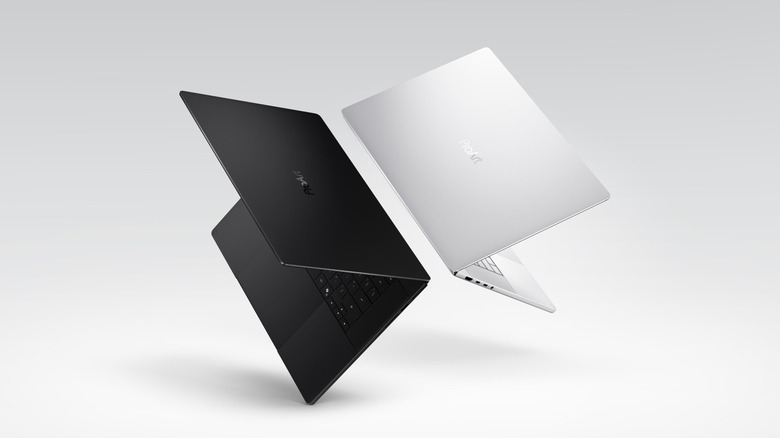
ASUS’s NVIDIA RTX Spark laptops could give the MacBook Pro some competition
ASUS was one of the launch customers for NVIDIA's new RTX Spark ARM "superchip" and it's laptops look like the most interesting ones for creators.

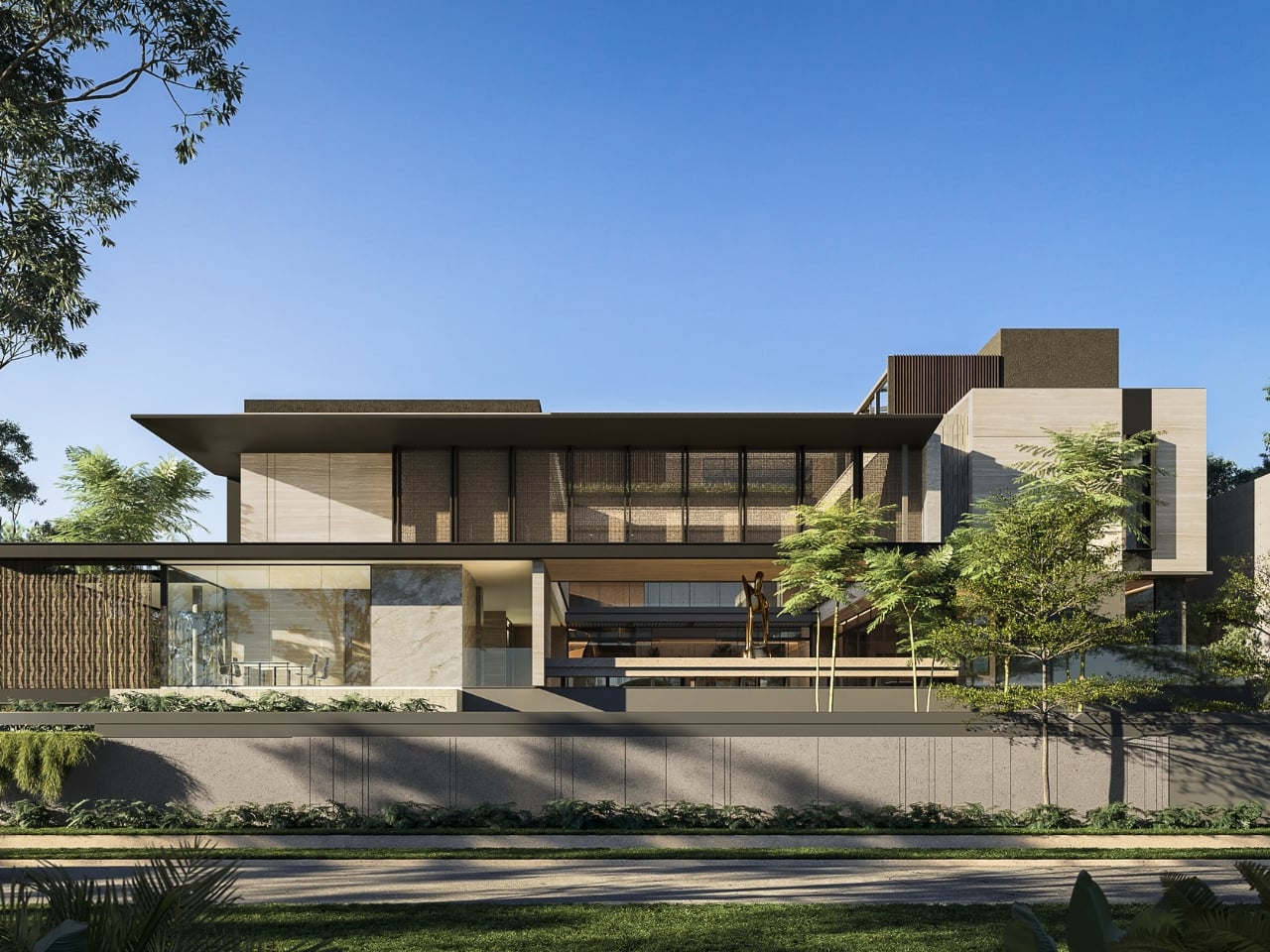
Most tropical homes try to open up. Floor-to-ceiling glass, wraparound terraces, the constant push-pull between inside and outside air. It’s practically a formula at this point. So when a house comes along that deliberately turns away from that instinct, you stop and pay attention.
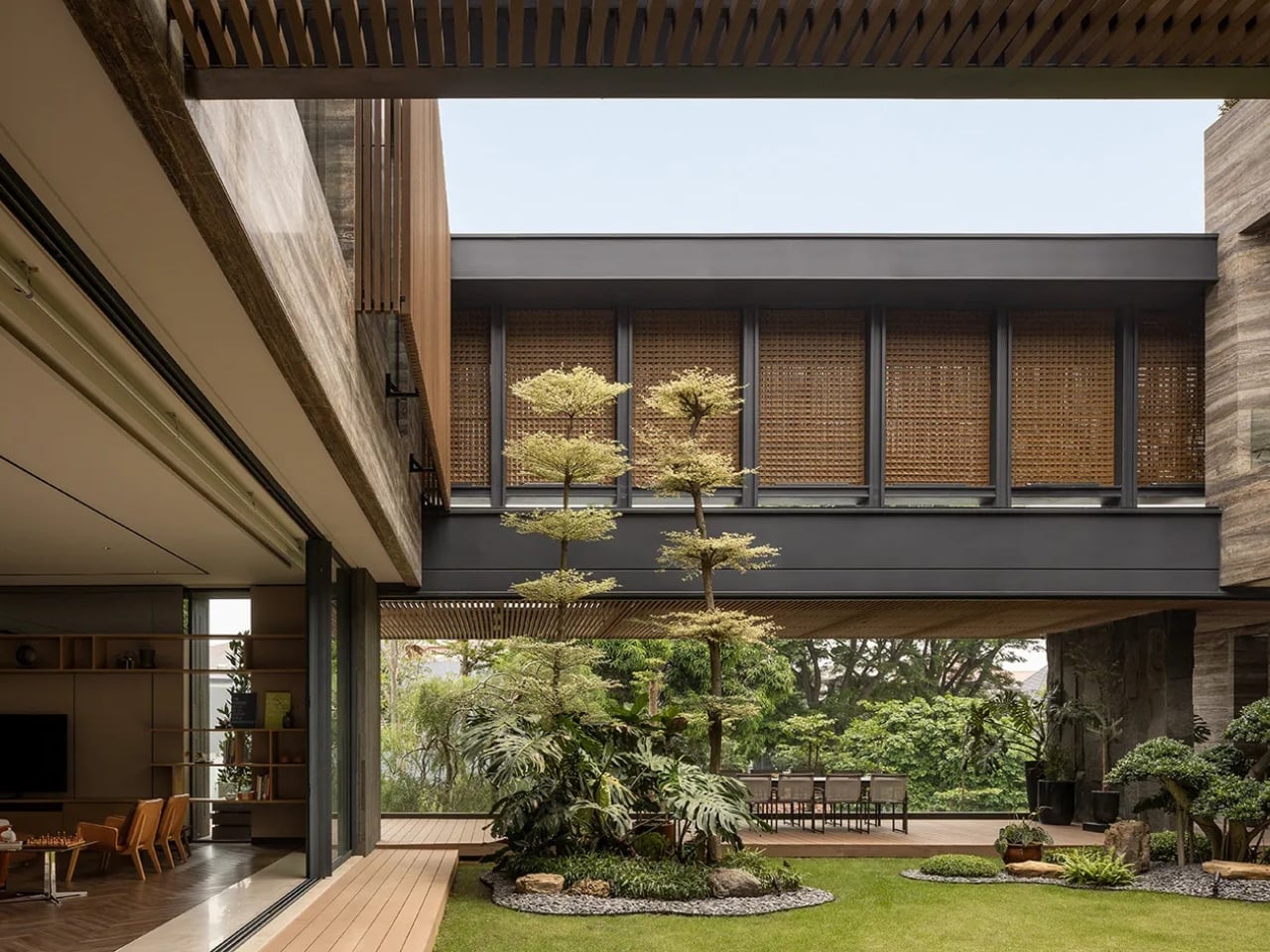
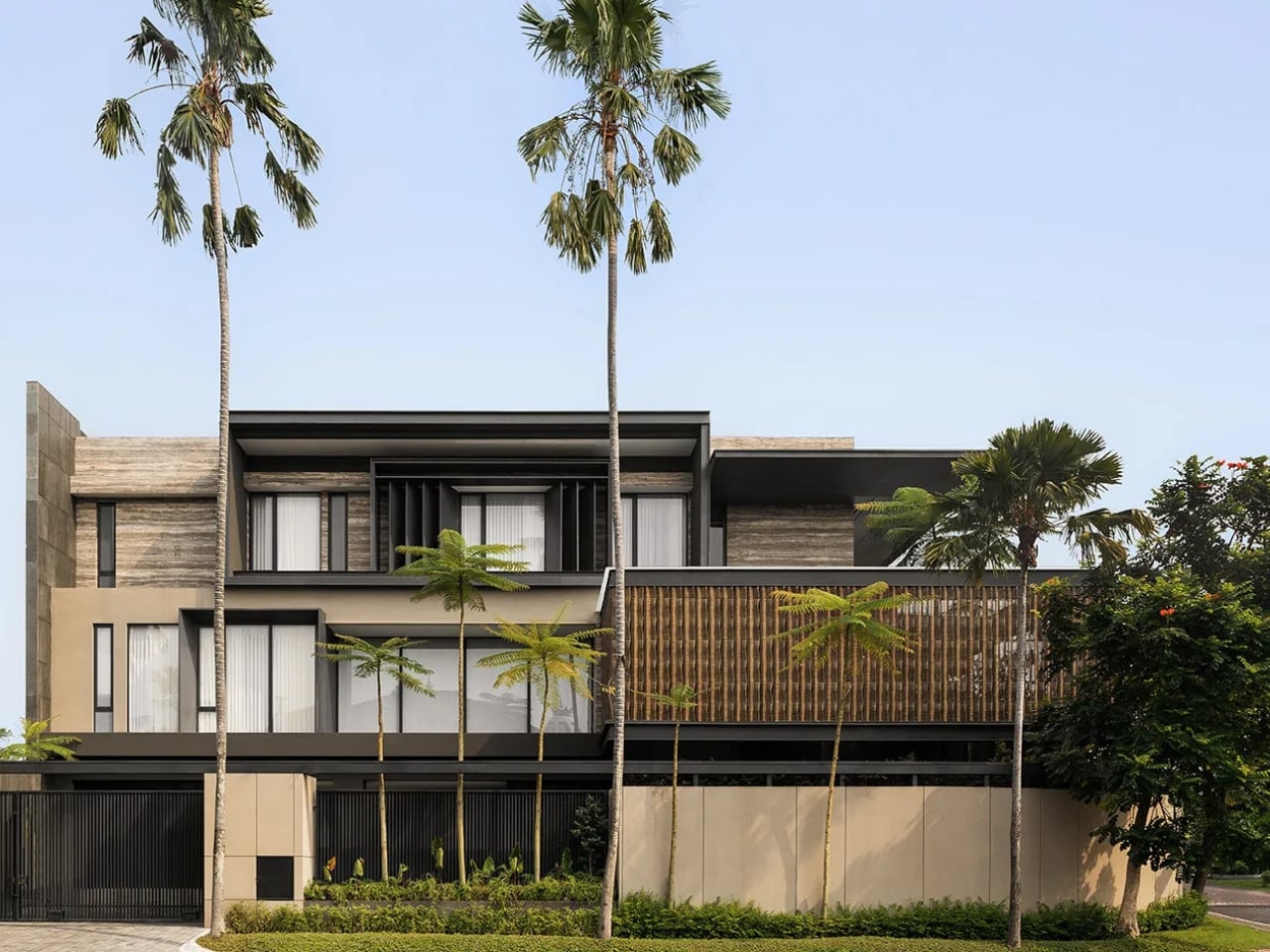
SE House, designed by Giovanni Gunawan of Surabaya-based studio KantorGG, sits at one of the city’s most recognizable residential corners and does something quietly radical: it pulls inward. Not to close off or shut the world out, but to create a kind of depth that most houses spend their entire floor plan actively avoiding.
Designer: Giovanni Gunawan for KantorGG (photos by Tristan Salim)
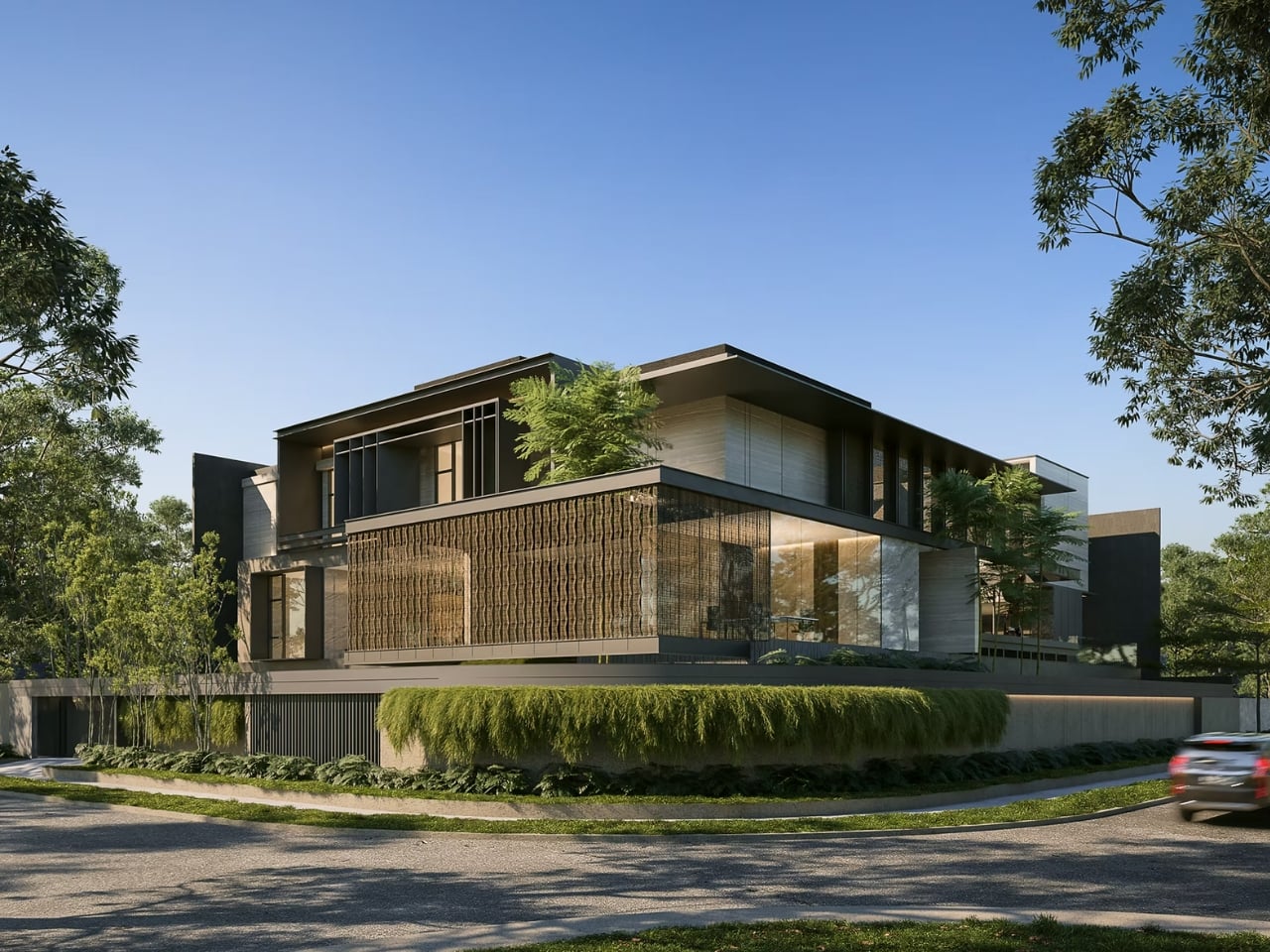
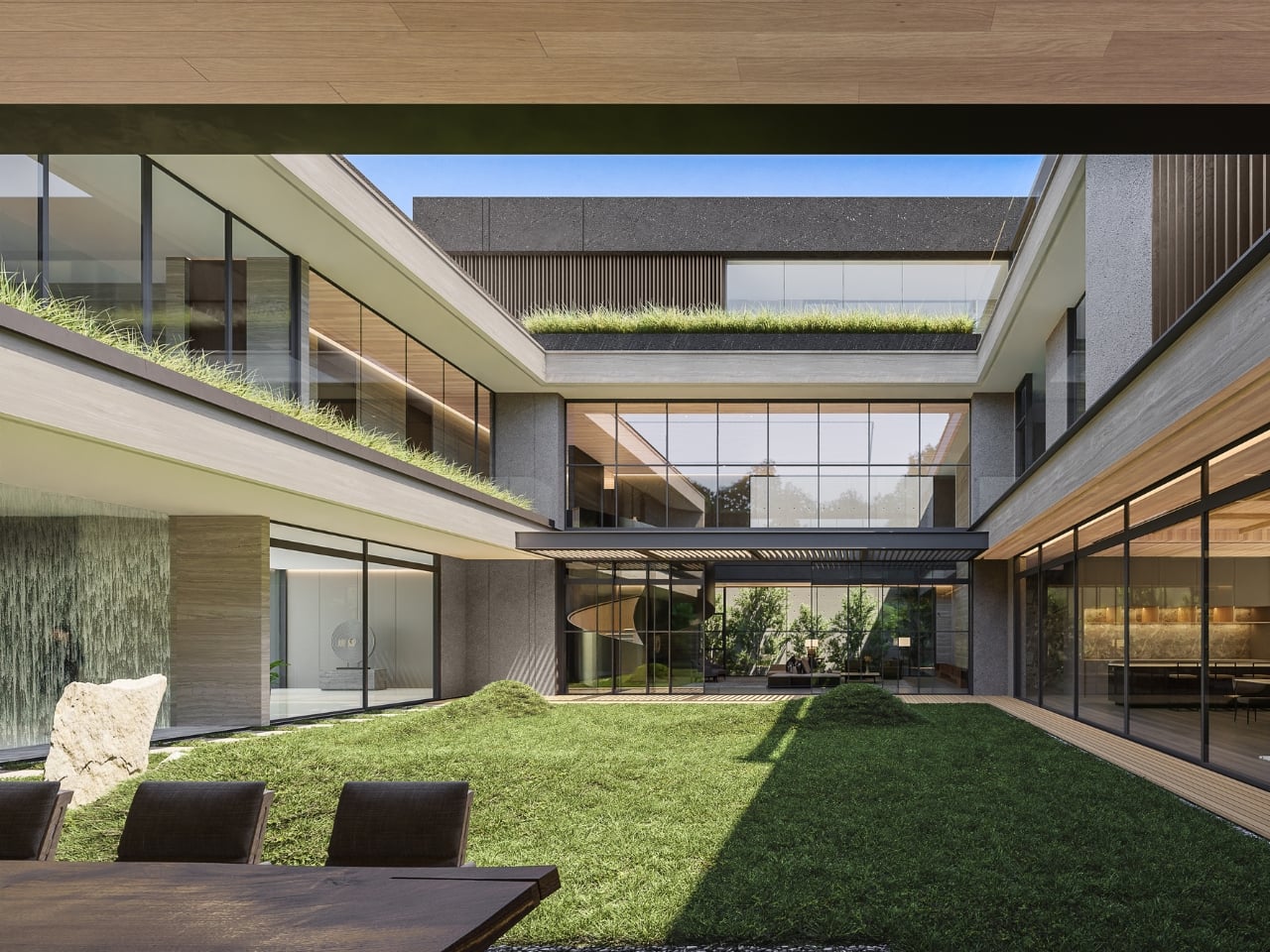
The concept is organized around a central courtyard, natural airflow, dry gardens, and the kind of deliberate voids that make space feel intentional rather than accidental. Gunawan placed dry gardens between the masses and the voids so residents experience the outdoors without sacrificing the comfort of being inside. It sounds simple enough. The execution is anything but. This is Gunawan’s stated interpretation of what tropical living can actually become, and I think he’s asking a question the design world has been skating past for years. We’ve gotten very good at making tropical homes look beautiful in photographs. We are considerably less practiced at making them feel like somewhere genuinely worth inhabiting on an ordinary Tuesday.
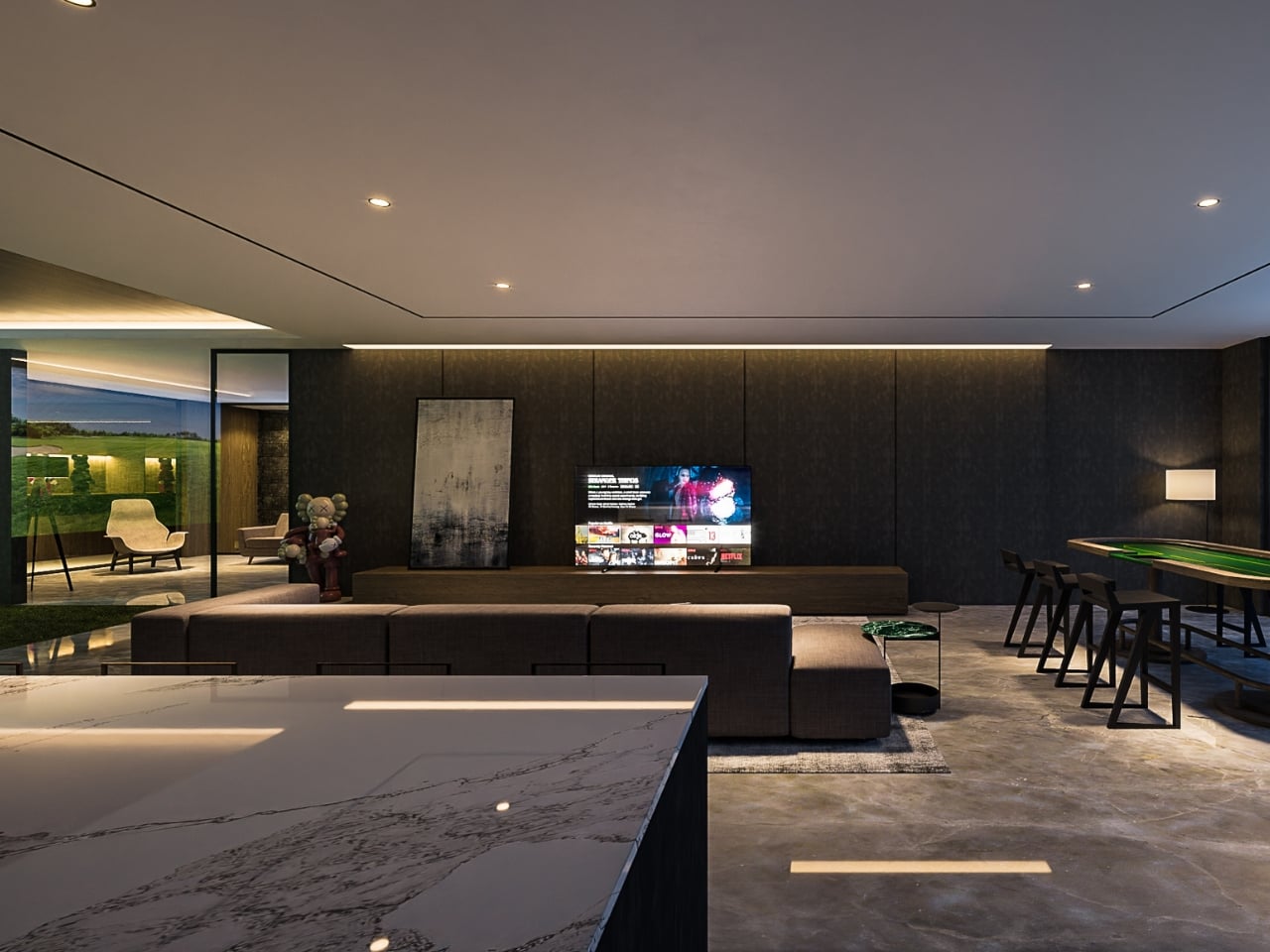
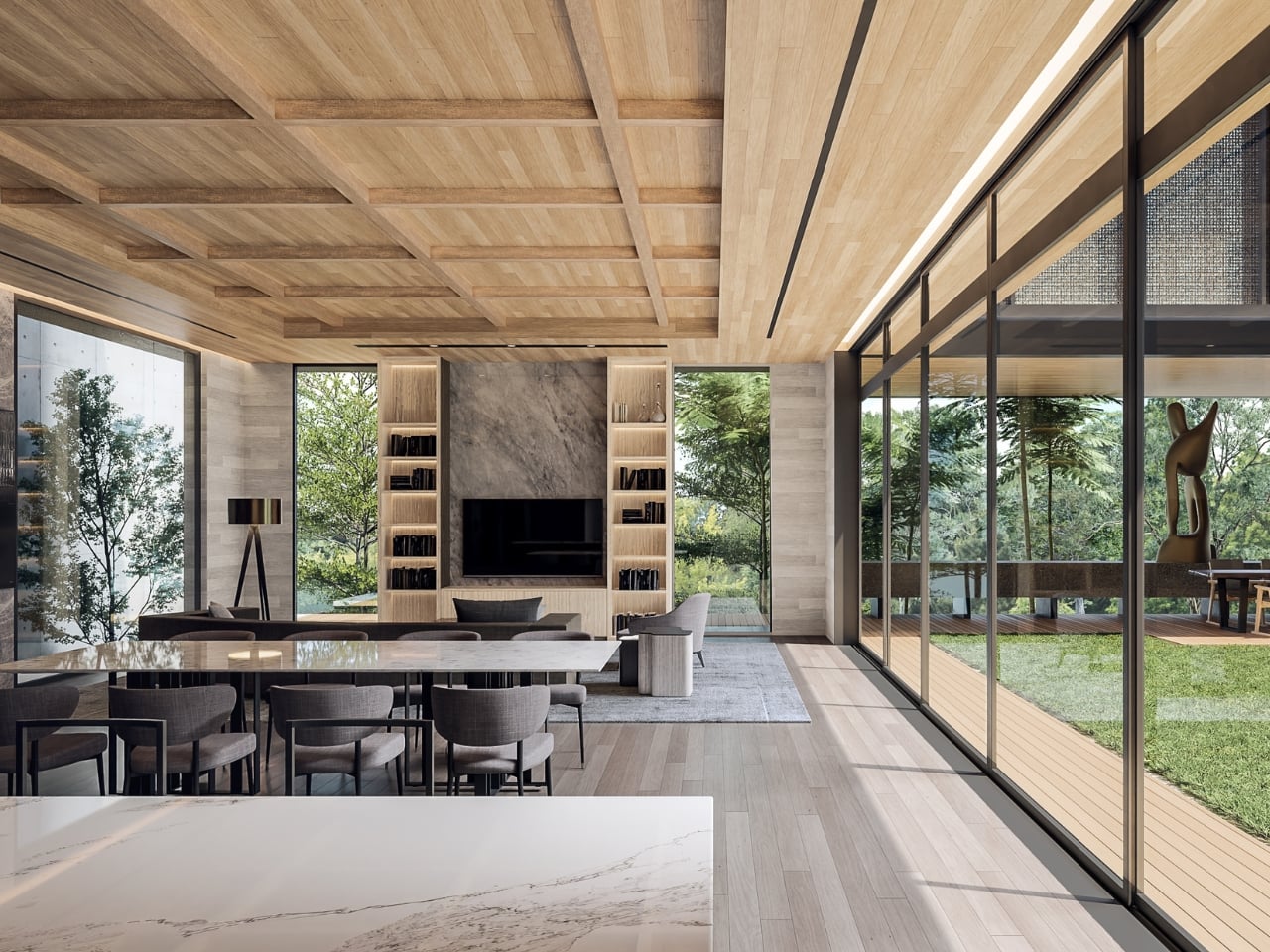
KantorGG’s design ethos centers on “living with nature, inside and out,” and SE House is probably the clearest expression of that philosophy yet. The existing mature trees on the site weren’t cleared to make room for clean lines. They were preserved as spatial anchors, the kind of decision that takes real confidence because it limits what you can do architecturally, and then rewards you generously in return. Shaded seating under dappled light, shifting reflections, the particular quality of sitting beneath something old and rooted. That’s not something you can manufacture after the fact.
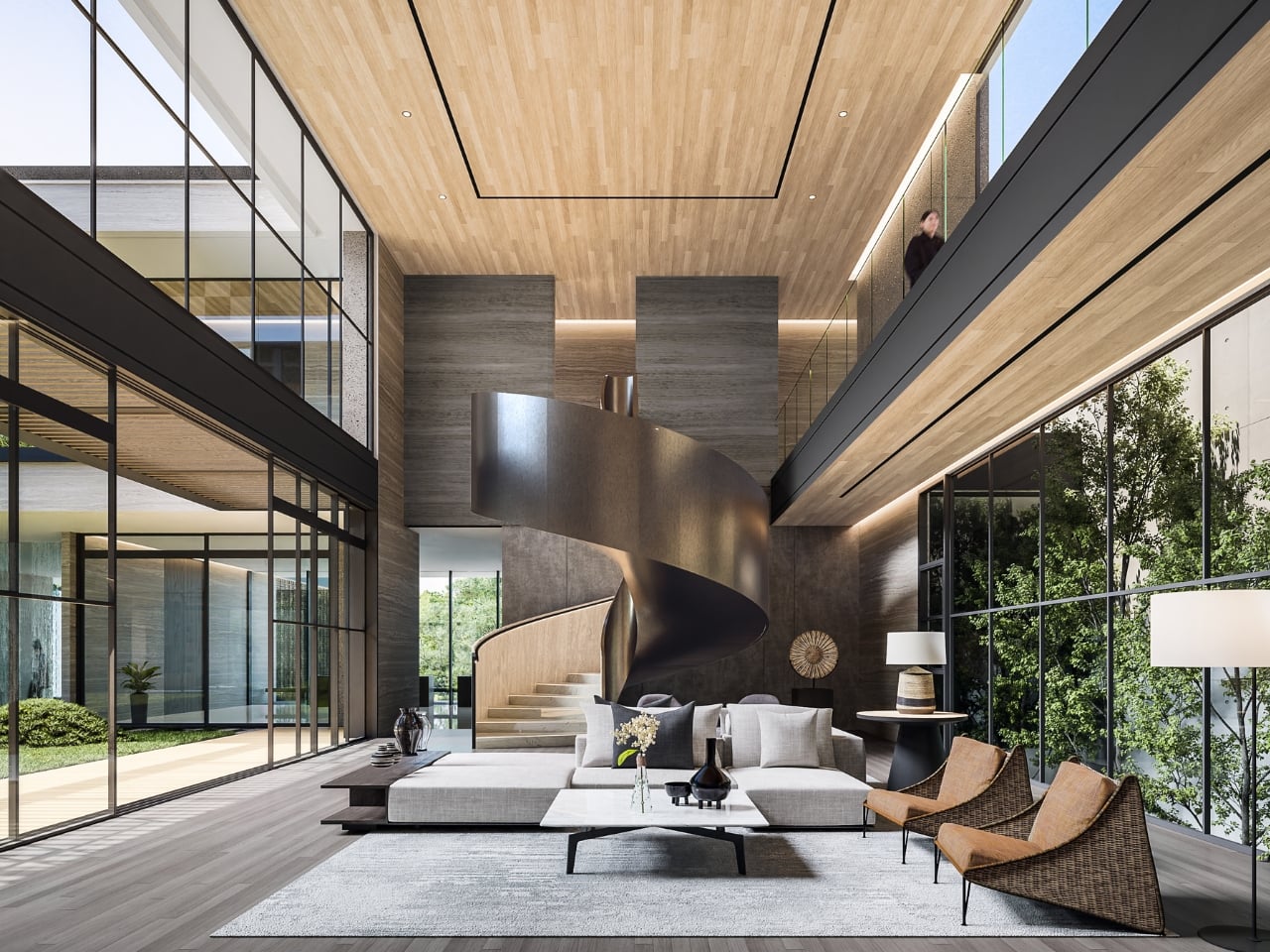
The Australian-inflected sensibility woven through the design deserves a closer look. Gunawan studied abroad, and that cross-pollination shows up in SE House’s structure without being heavy-handed about it. The house doesn’t read as imported or imitated. It reads as absorbed and reissued through a sensibility that is distinctly Indonesian. That tension between influences, when handled well, produces architecture that belongs nowhere else and everywhere at once.
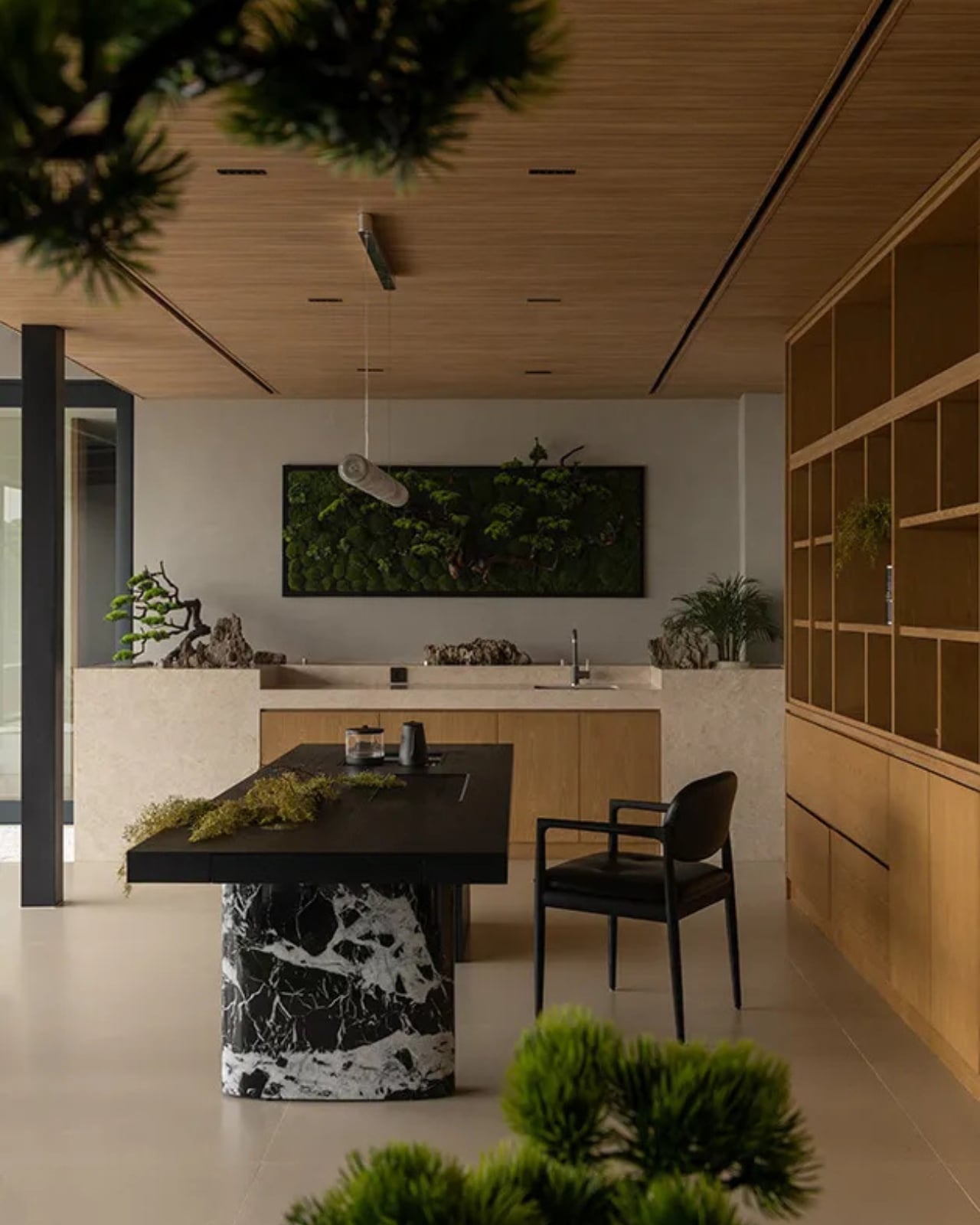
The 360-degree courtyard layout is worth sitting with on its own terms. It means the house has no single dominant view, no privileged front-row seat. Every room must negotiate with the central space, which keeps the architecture from becoming a spectacle and makes it a place to actually live inside. I find that rare, and more genuinely considered than most high-concept residential projects that pass through design media these days.
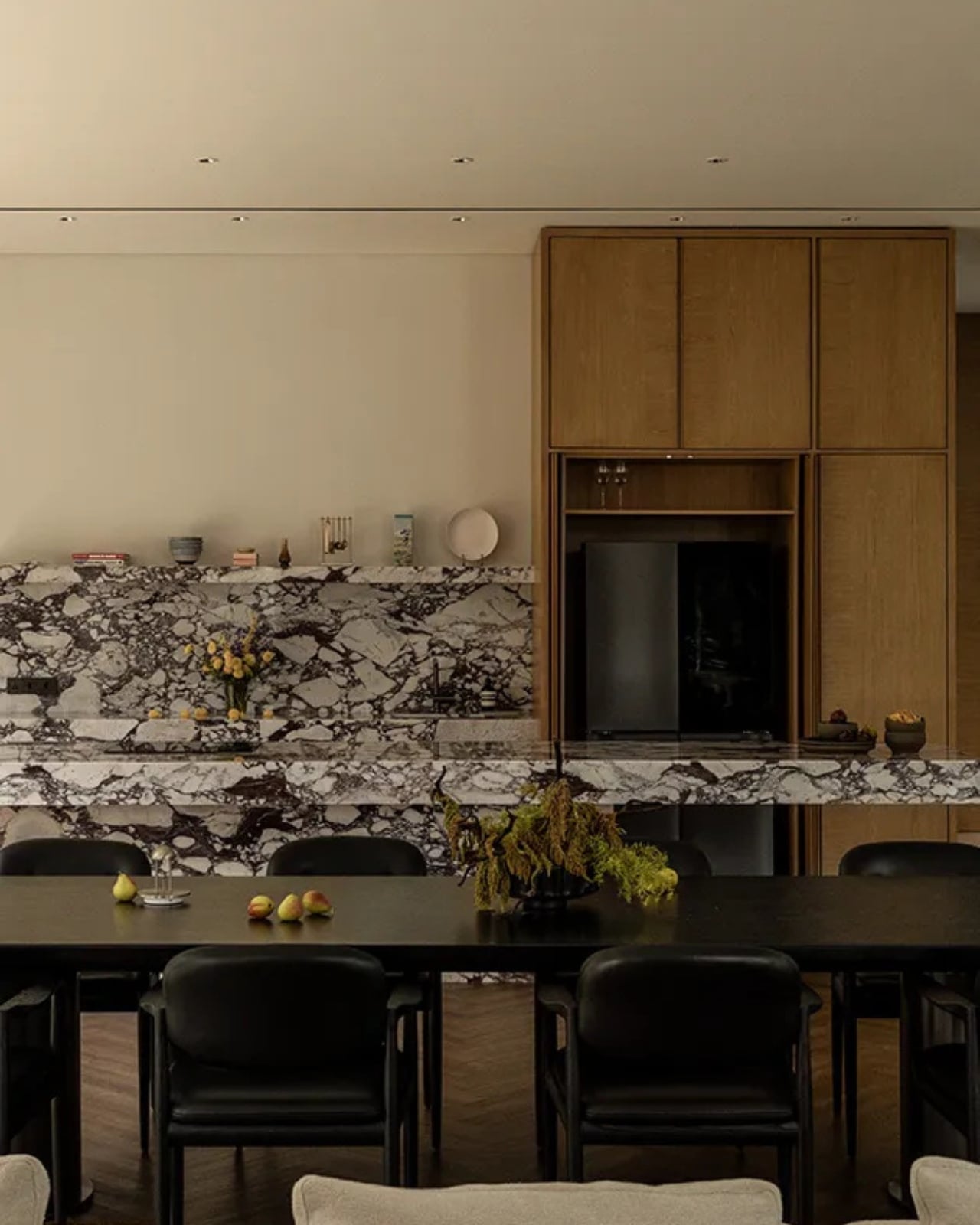
SE House has attracted the kind of attention that usually gravitates toward buildings with louder ambition. The buildings that announce themselves as you walk in. This one whispers, and that’s precisely why people are listening. Gunawan described it as a quiet manifesto for tropical living, and the word choice matters. A manifesto doesn’t have to be loud to carry weight.
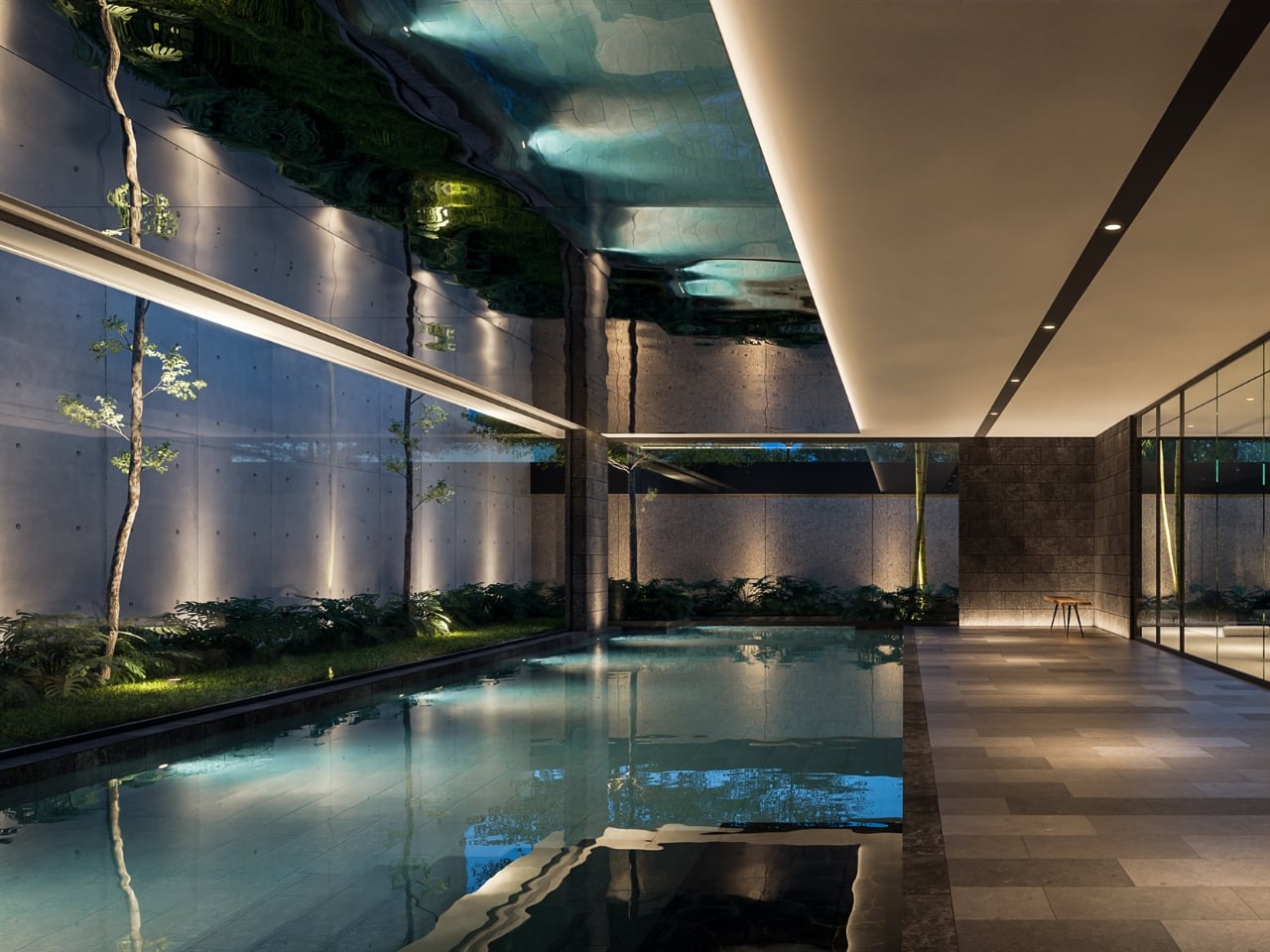
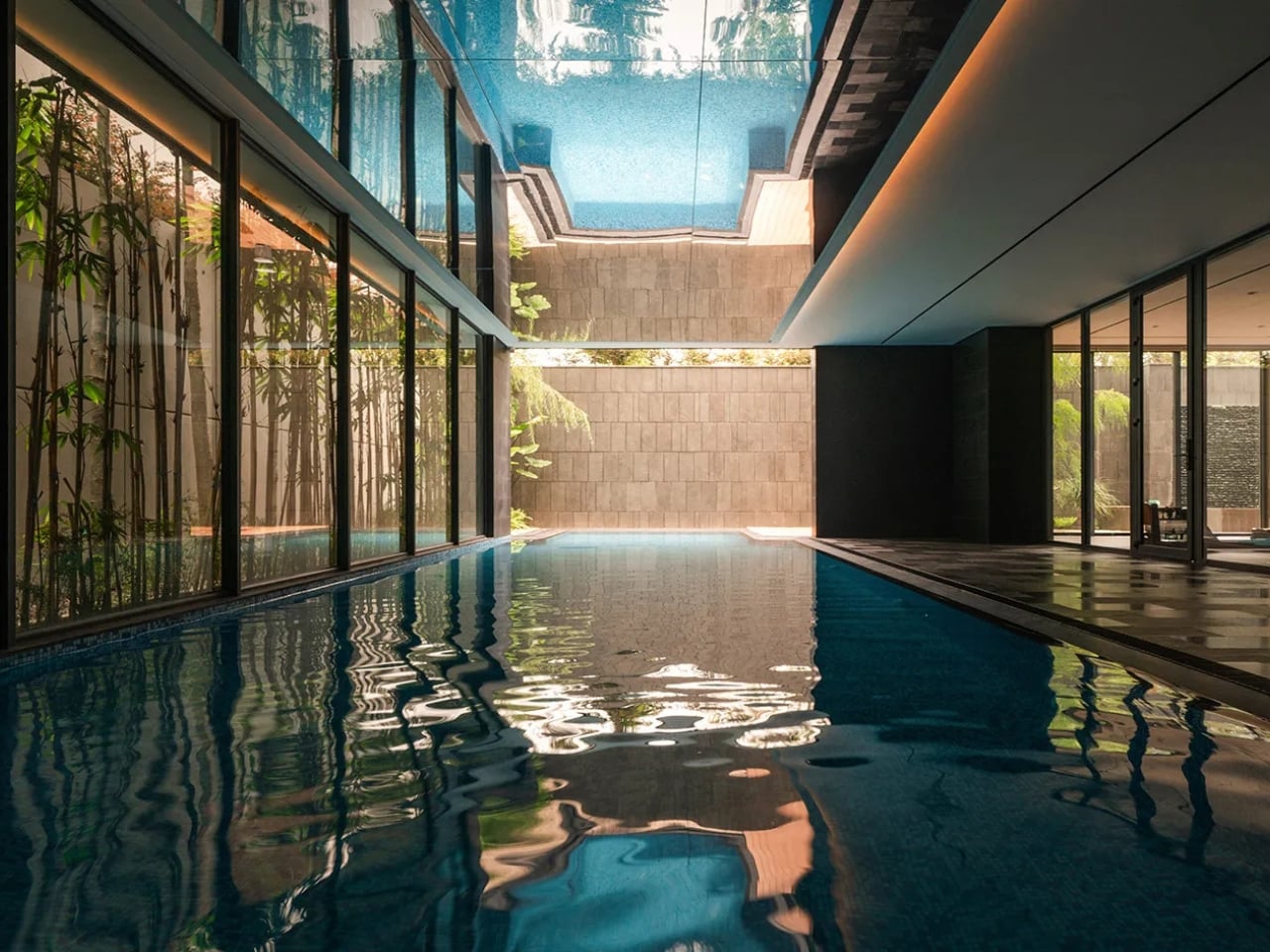
The broader argument SE House seems to be making is that restraint isn’t the enemy of richness. The absence of visual noise isn’t emptiness. The voids aren’t what’s missing from the design. They are the design, or at least a fundamental part of what makes the rest of it land. That’s an architectural lesson, but it also translates well into how we think about design at every scale, from the objects we choose to live with to the spaces we build up around ourselves over time.
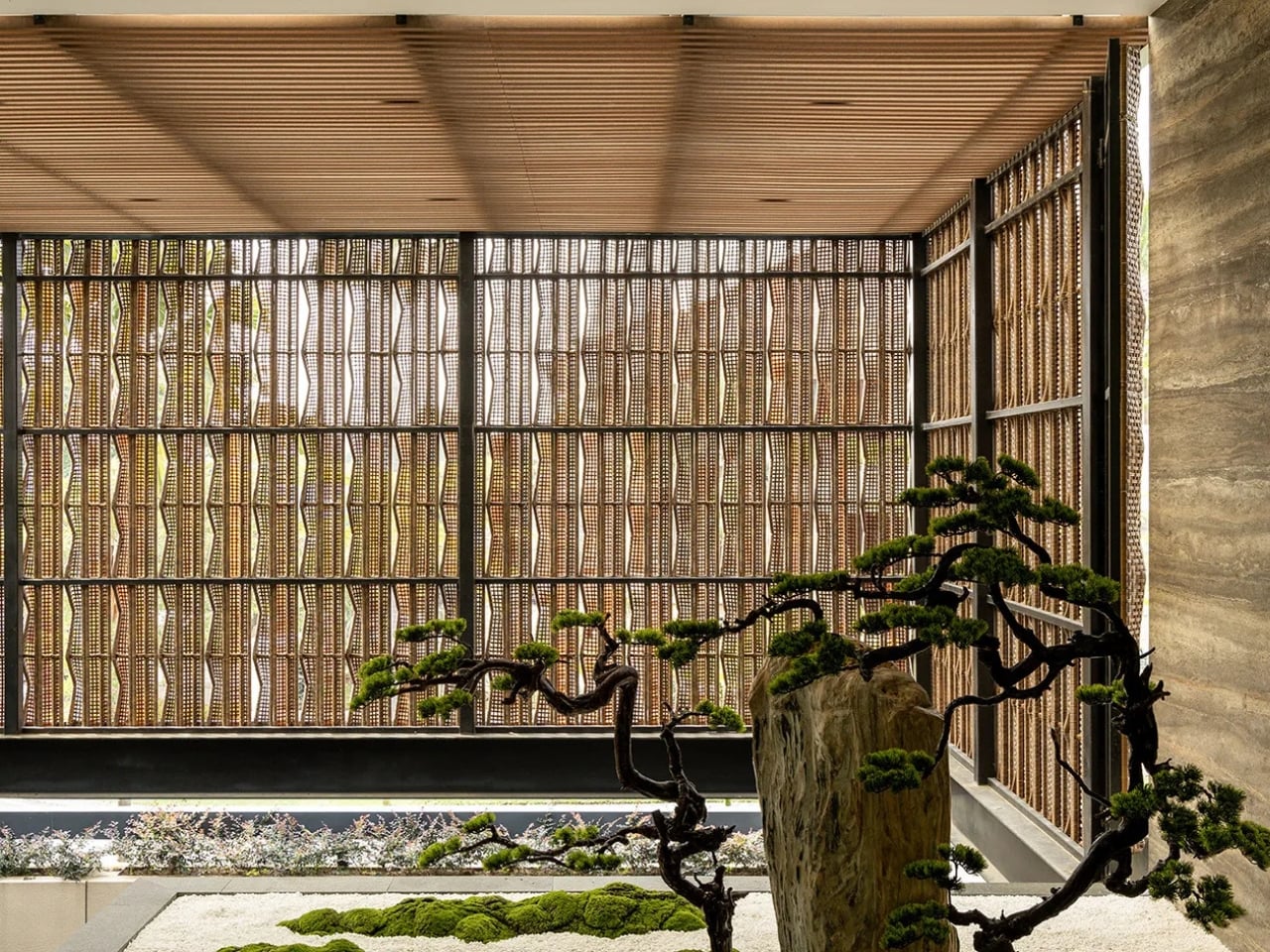
SE House is the kind of project that stays with you not because of one striking image but because of the underlying logic. It makes you want to look at your own spaces differently, and ask whether you’ve been opening up when you should have been pulling inward the whole time.
The post KantorGG Just Built a Tropical Home That Faces the Wrong Way first appeared on Yanko Design.
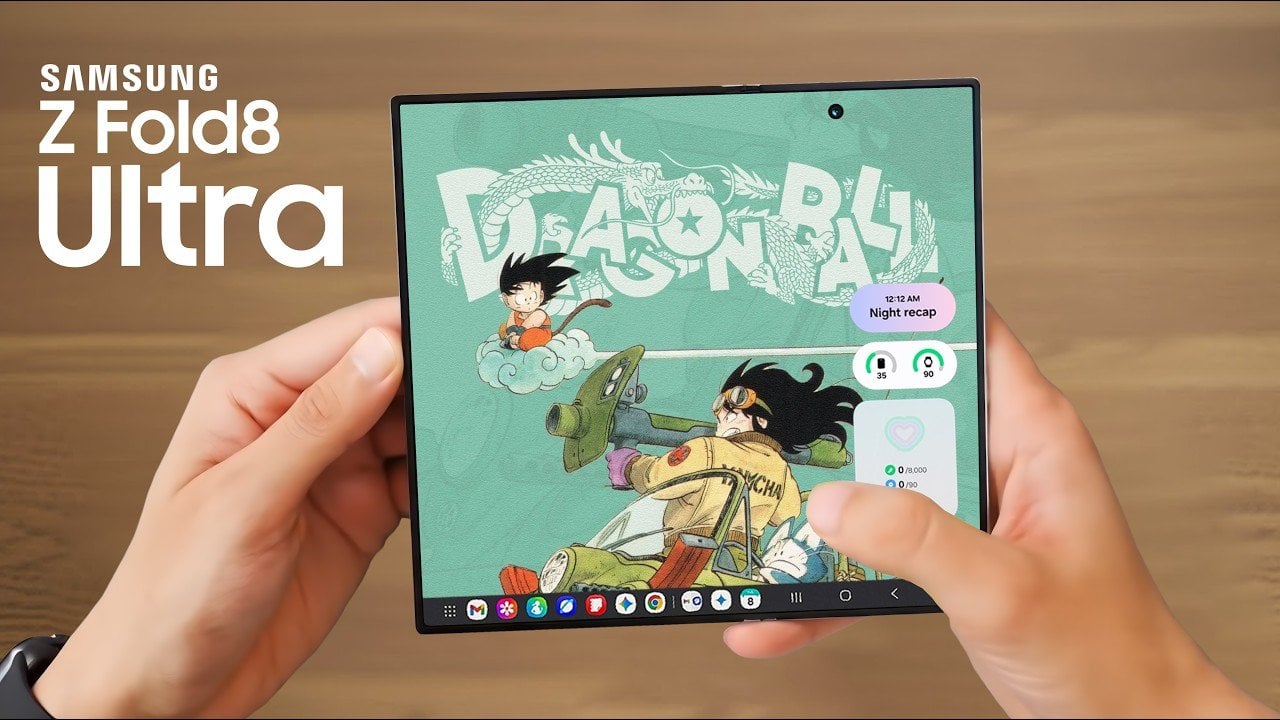
The Samsung Galaxy Z Fold 8 Ultra represents a pivotal advancement in foldable smartphone technology, surpassing expectations and addressing long-standing challenges in the industry. With significant improvements in areas such as crease design, battery performance, and camera capabilities, Samsung continues to solidify its position as a leader in the foldable market. As details about the […]
The post Everything We Thought About the Galaxy Z Fold 8 Ultra Was Wrong appeared first on Geeky Gadgets.

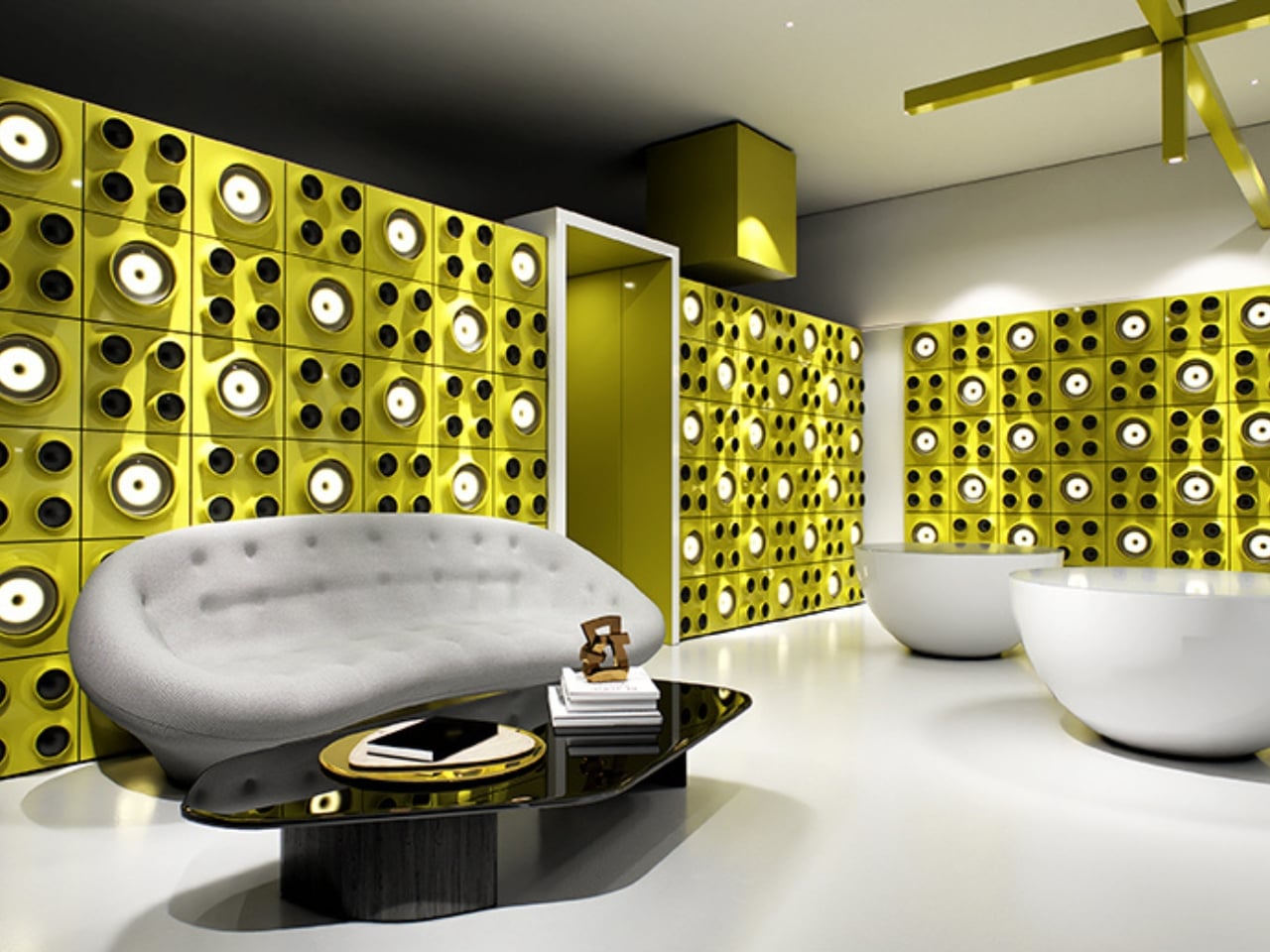
Every few years, design circles get swept up in nostalgia for a very specific era: the 1960s vision of the future. The curved furniture, the orbital shapes, the warm glow of a lamp that feels both alien and oddly cozy. We keep returning to it because, as futures go, it was a beautiful one to imagine, full of optimism and clean lines and a belief that living beautifully was something everyone deserved.
RETROCORE, the latest project from the team behind WOLOLOW, understands that pull completely. Designed by Arthur Koshatahyan and Kostya Trunov, it’s a modular wall and ceiling lighting system that borrows the visual language of Space Age design and reframes it as something you can actually build into your home, your studio, or anywhere light and personality intersect.
Designers: Arthur Koshatahyan and Kostya Trunov
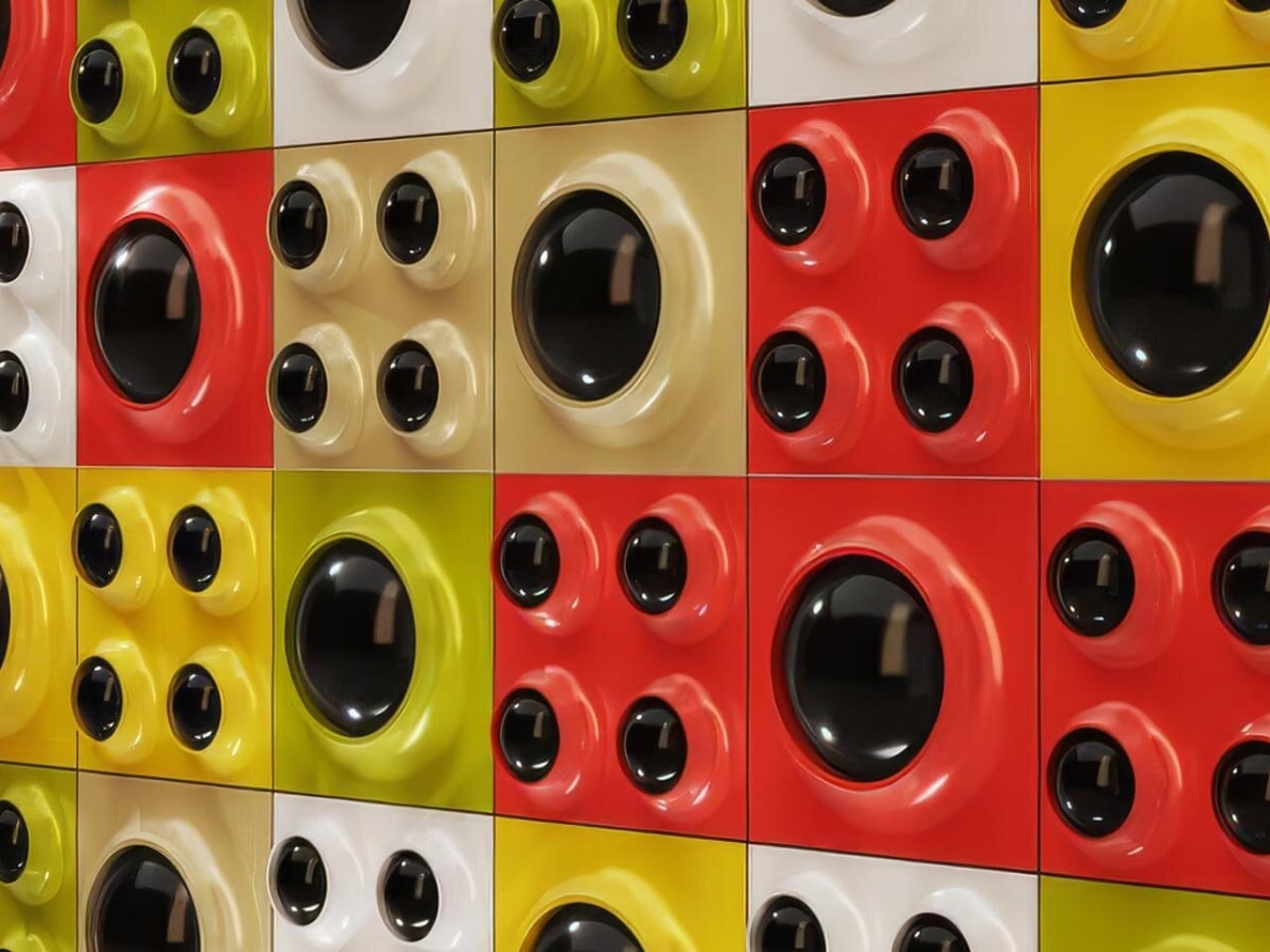
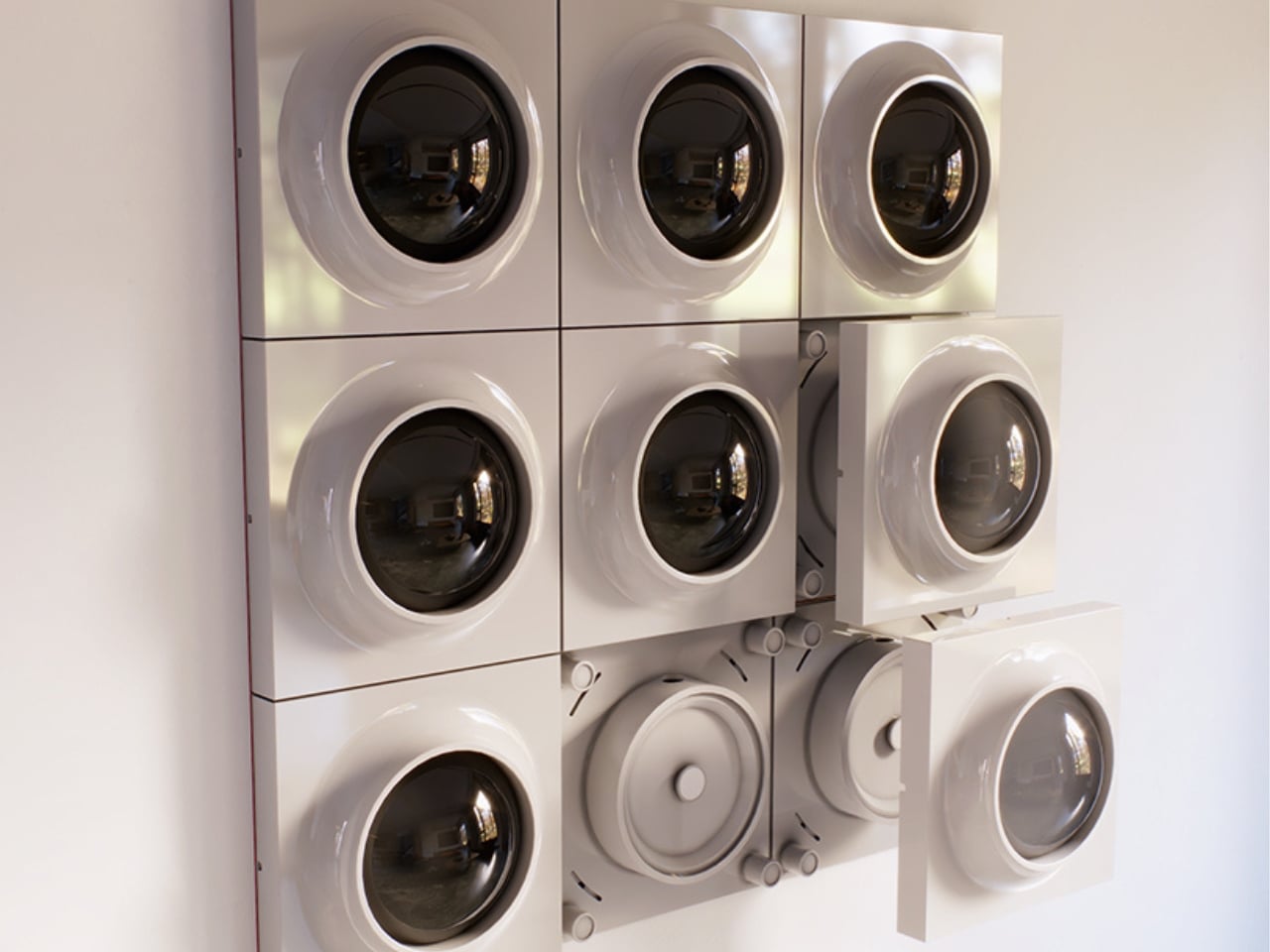
The concept is deceptively simple. At its core, RETROCORE is made up of individual light panels that combine into custom configurations, scaling up from a single accent piece to a full architectural installation. Two panel types do the heavy lifting: MONO, which features a single illuminated aperture, and QUATRO, which carries four within the same square format. Snap them together in different arrangements and you’re essentially composing with light, the way someone might arrange art on a wall or tiles across a floor. The configurations can stay small and subtle or grow into something that commands the room entirely.
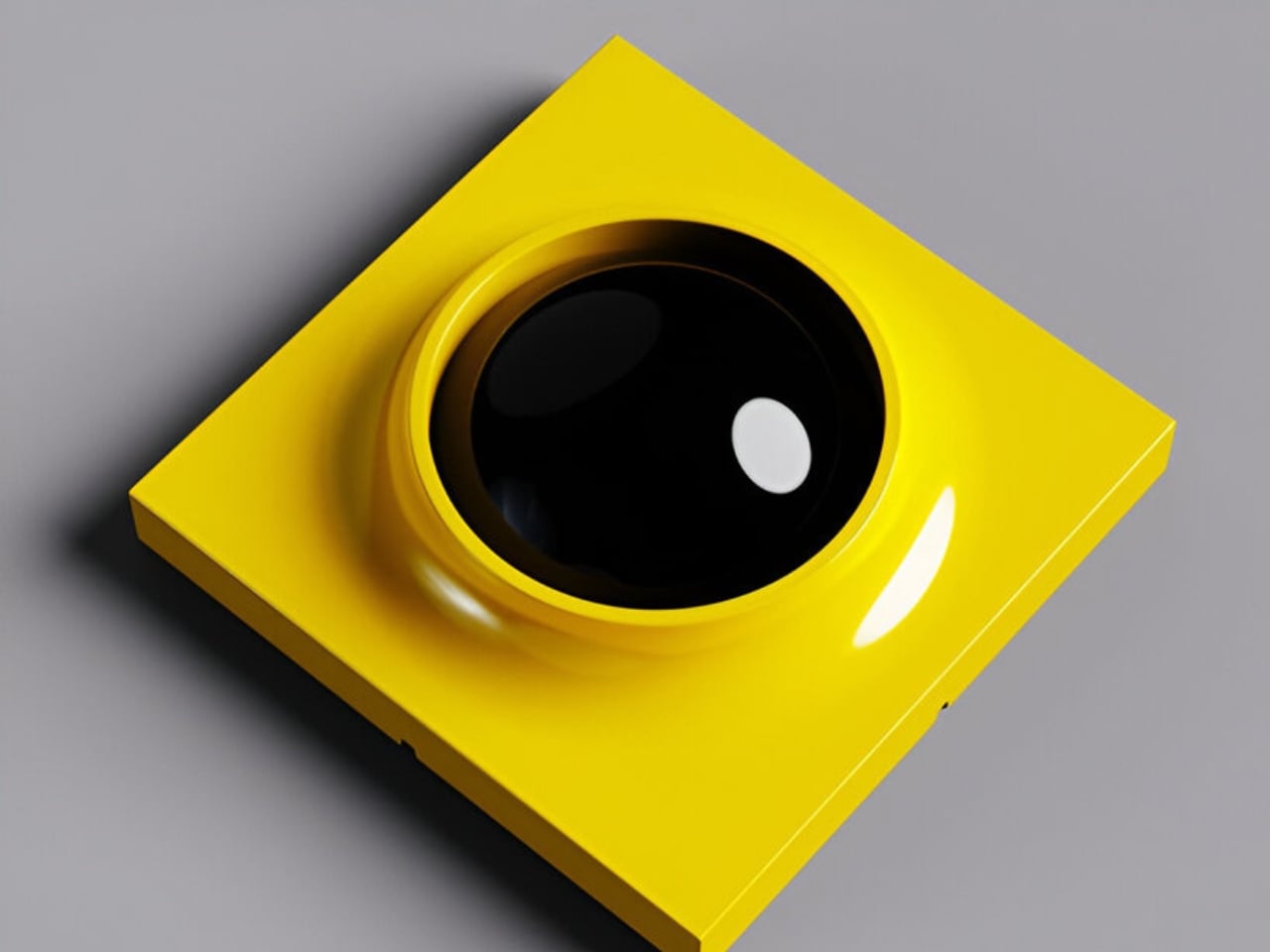
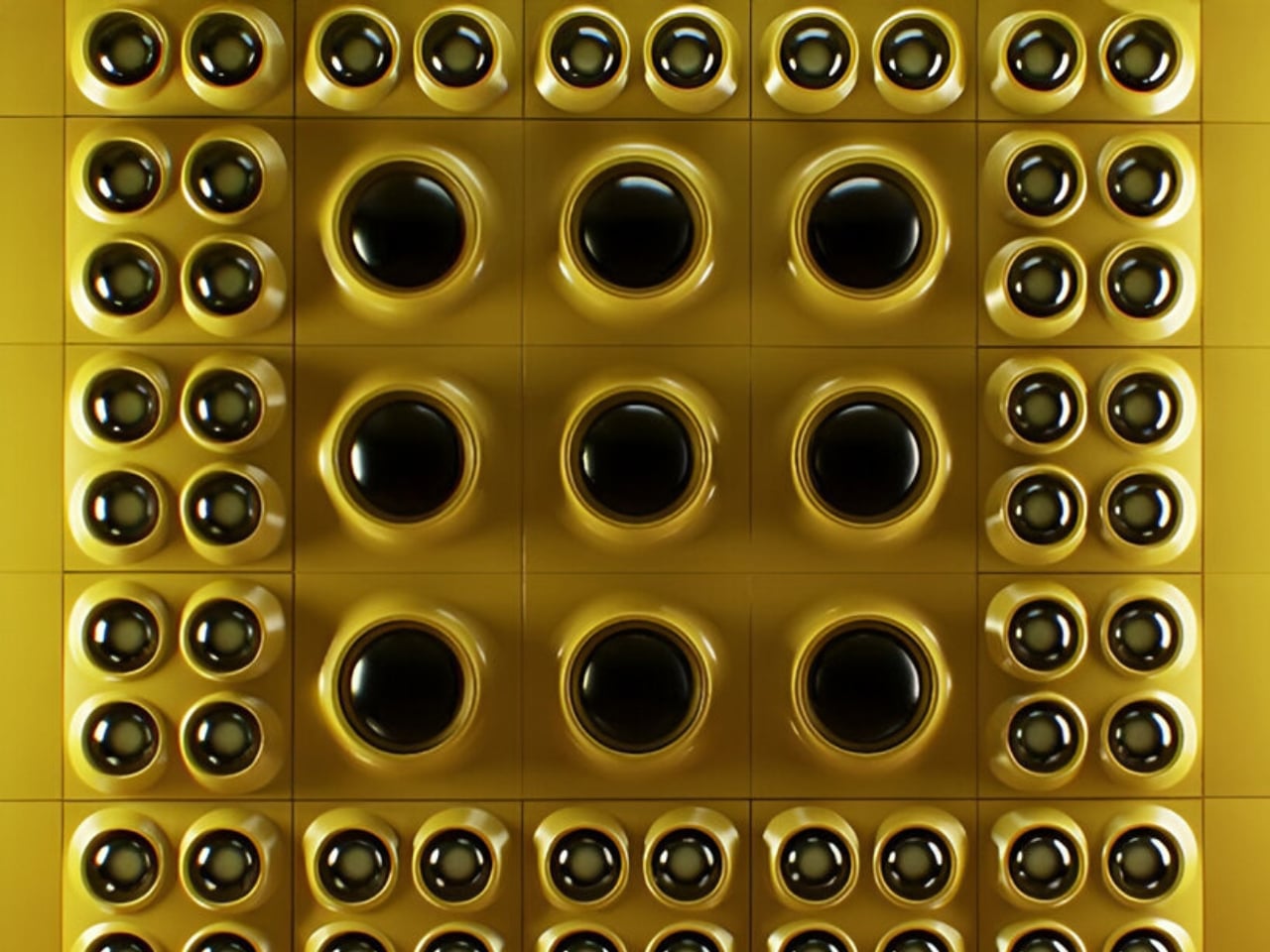
That modularity is the whole point, and it’s where RETROCORE separates itself from the usual retro-inspired lighting piece that looks great in a showroom and then sits stubbornly in one corner forever. Koshatahyan and Trunov describe it as “a new way to bring Space Age design into modern interiors, not only as a lamp, but as a modular building block of light.” And that framing matters. It positions RETROCORE not as decor, but as infrastructure, something that can grow, change, and adapt alongside the spaces it inhabits.
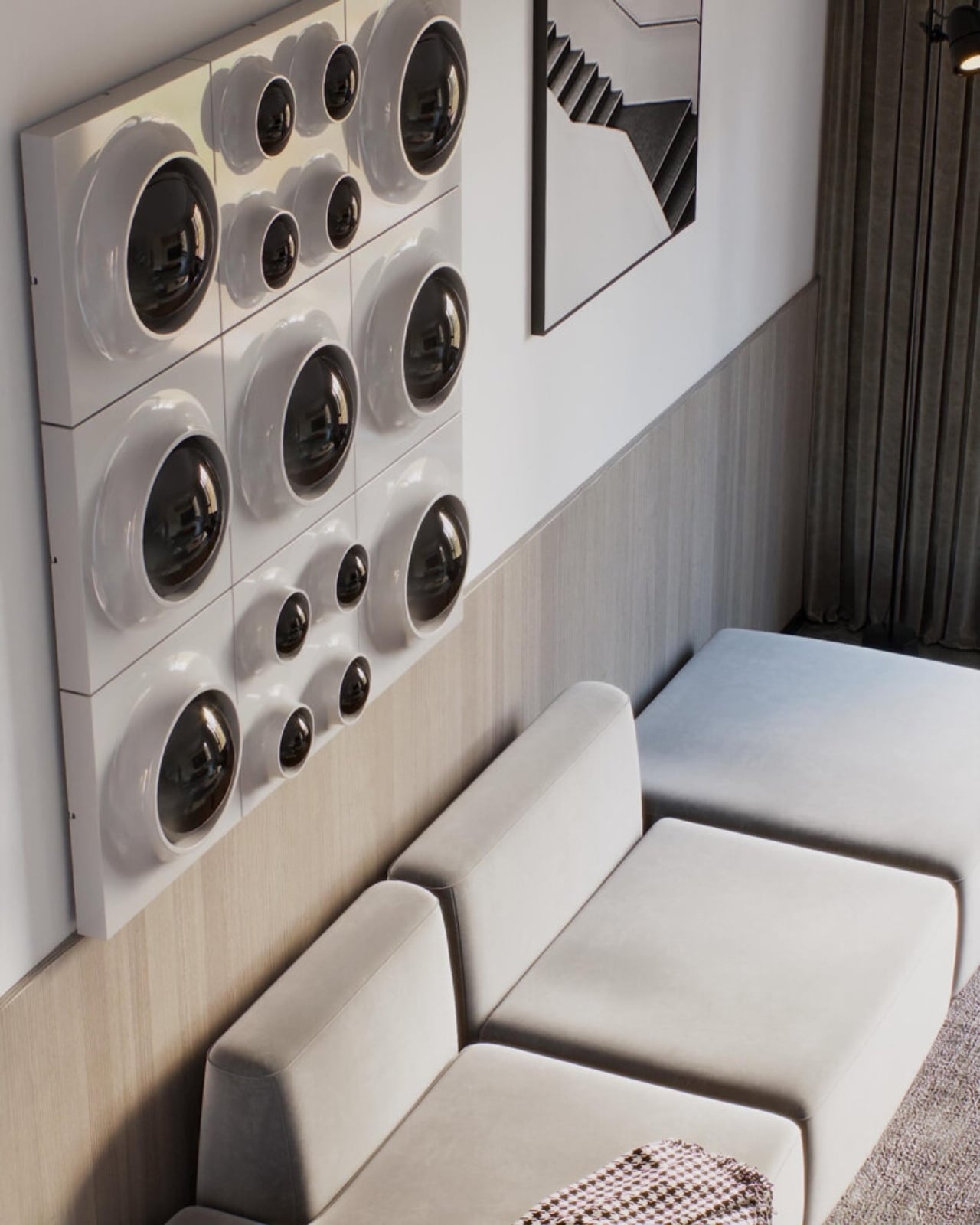
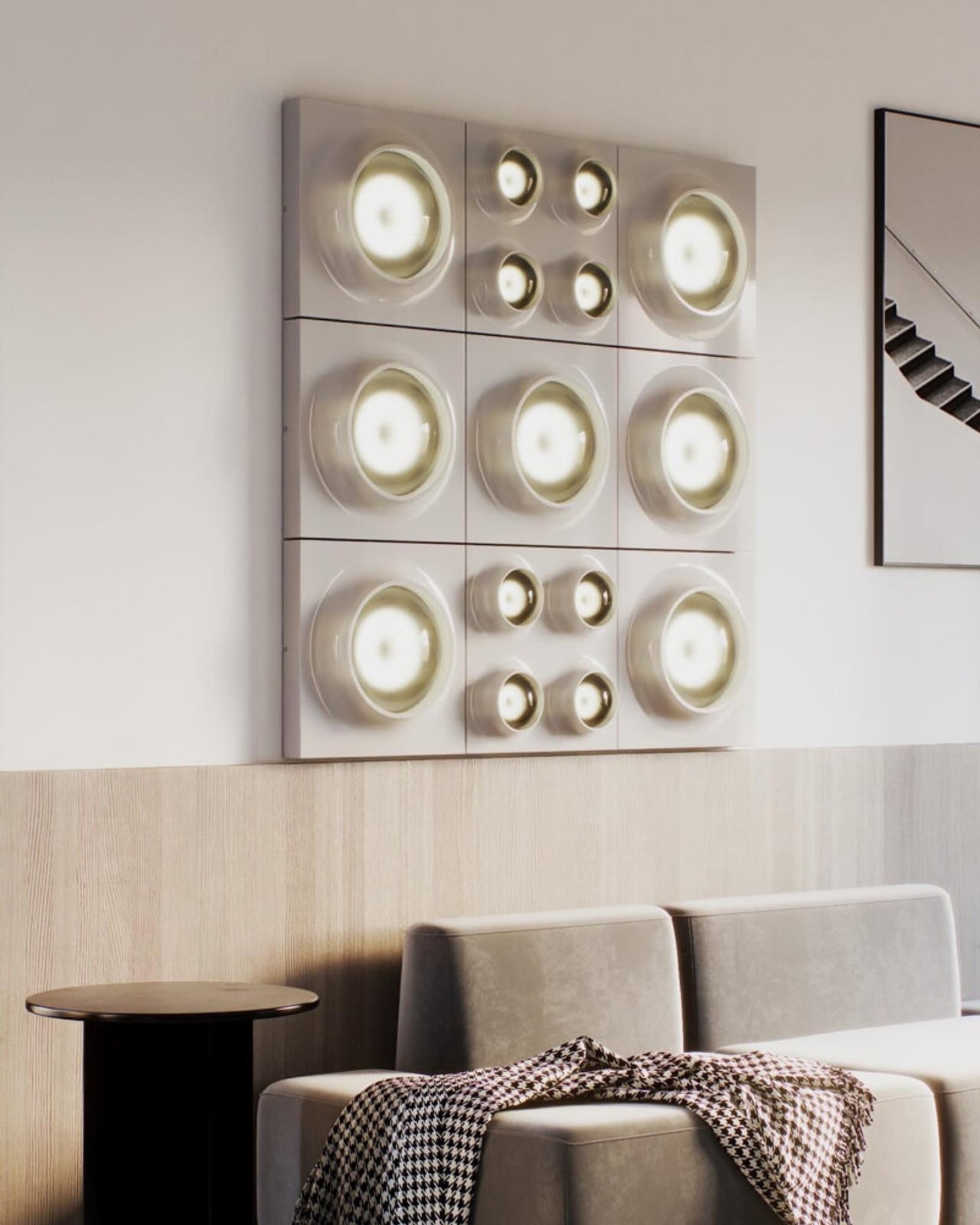
The backstory is worth knowing. WOLOLOW began as a UFO-shaped night light, a miniature riff on the iconic Futuro House, that tiny flying-saucer dwelling designed by Finnish architect Matti Suuronen in the late 1960s. That first product found an audience, went through the full crowdfunding process, and the lessons from building, manufacturing, and shipping a physical design object directly shaped what came next. RETROCORE isn’t a pivot so much as an evolution, a deeper commitment to the same aesthetic universe but with far more ambition built in.
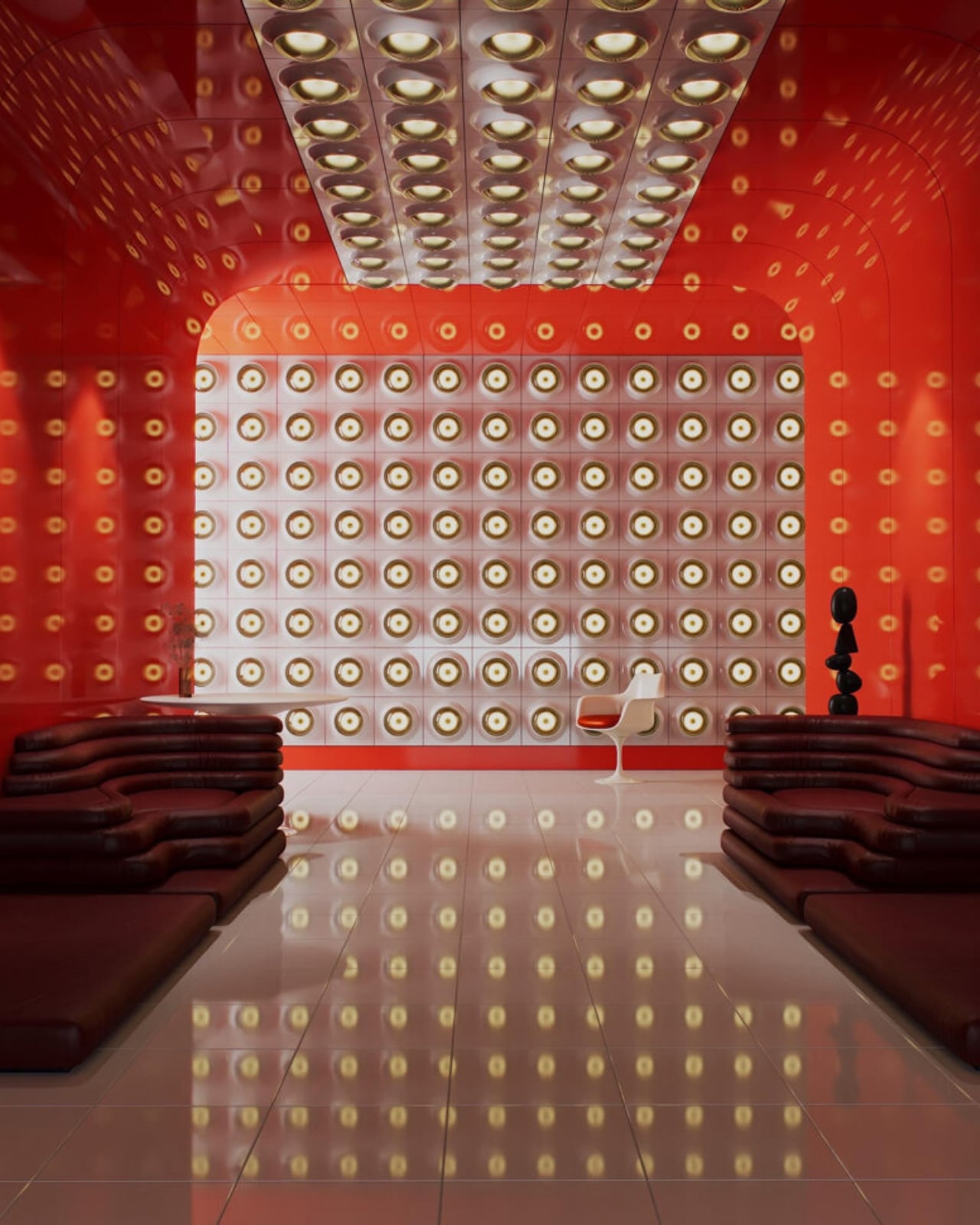
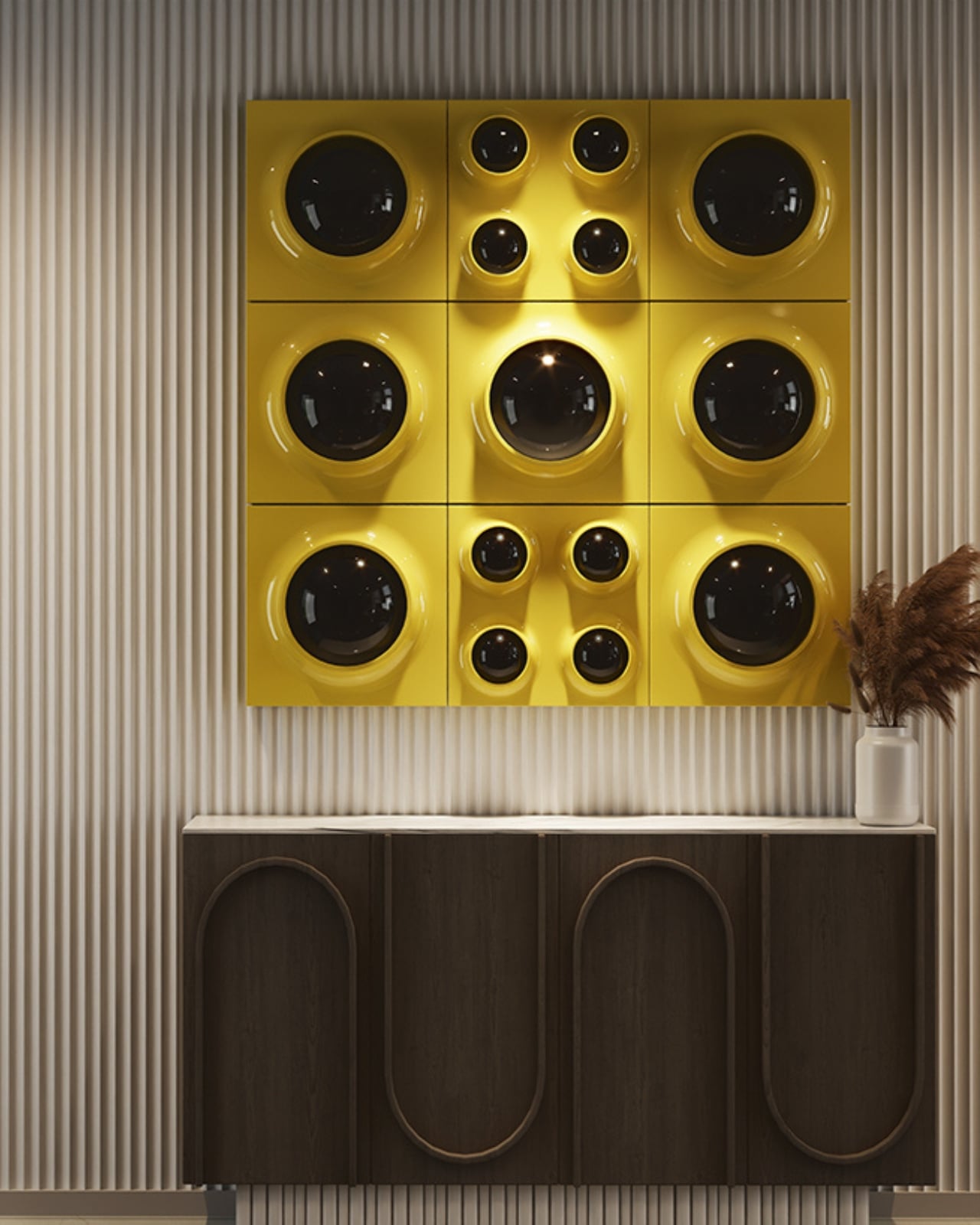
One quietly clever detail: the white version of the panels can be repainted after installation. That means the lighting can blend seamlessly into a surface, disappearing into the ceiling or wall and leaving only the glowing apertures visible, or it can be deliberately contrasted against a painted background. It’s a small thing, but it shows the kind of considered thinking that separates a product designed to be sold from one designed to be lived with over time.
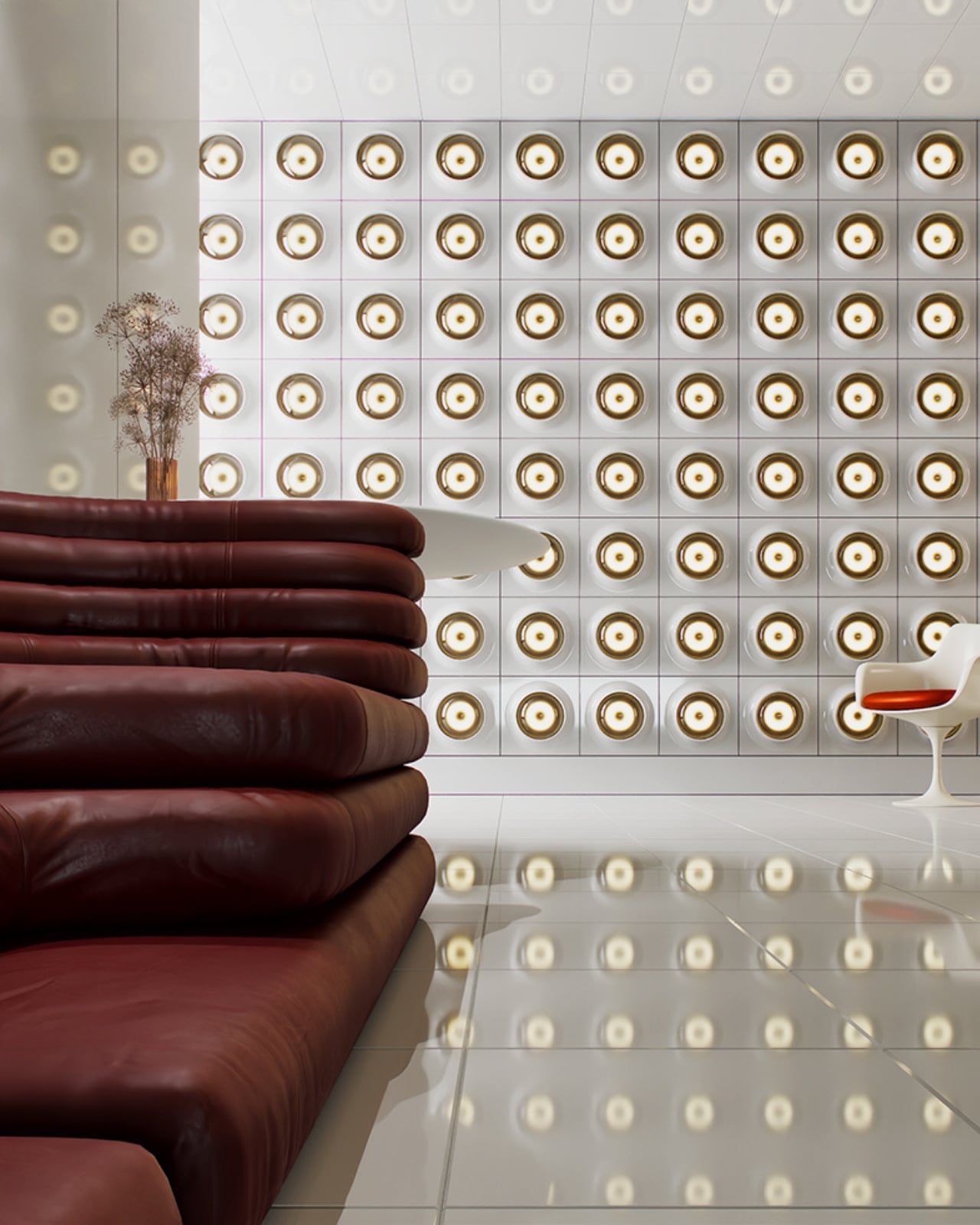
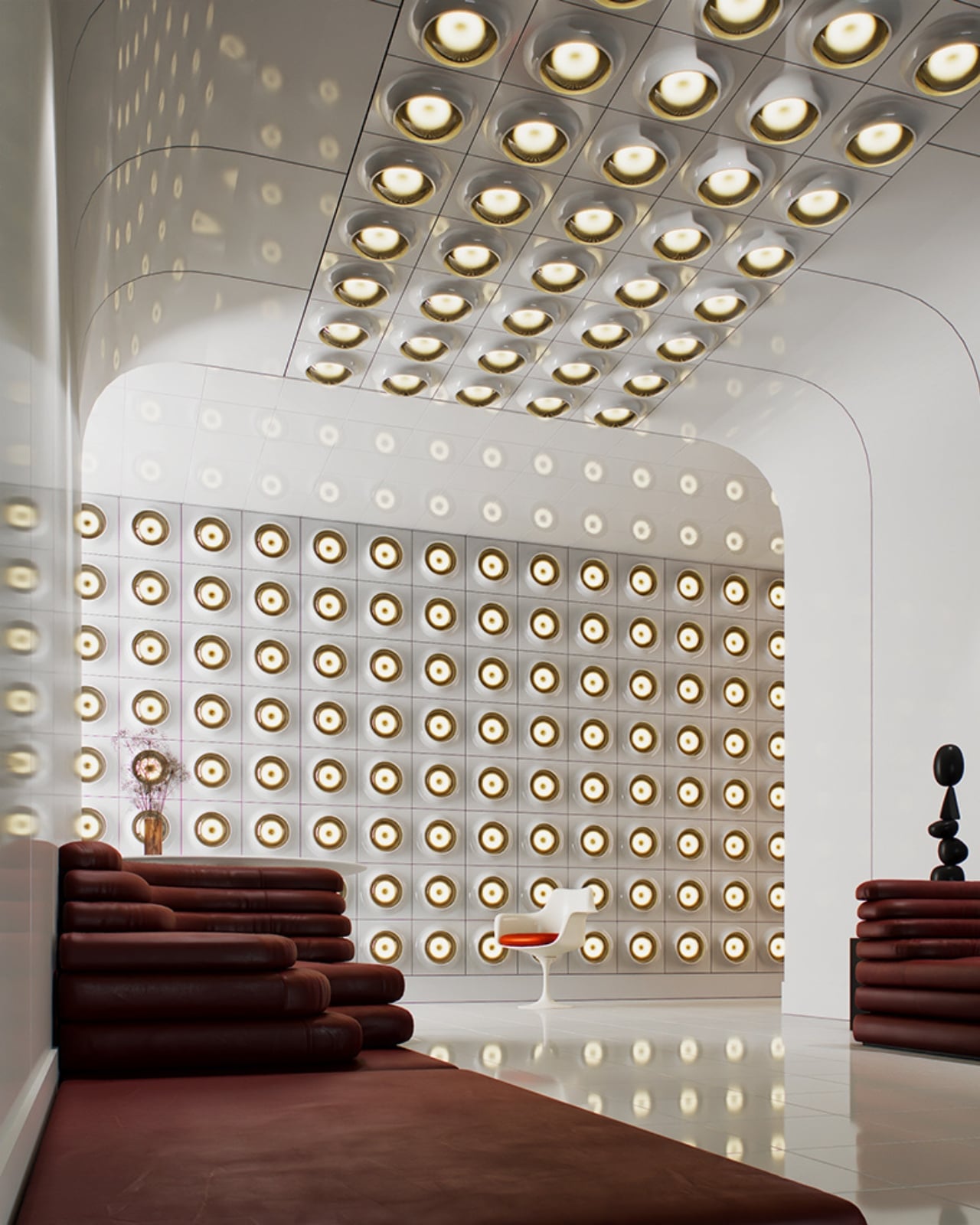
Retro-futurism as an aesthetic tends to get treated as a costume. You slap some Jetsons curves on a lamp, call it Space Age, and move on. RETROCORE doesn’t quite fall into that trap. The modular logic behind it feels genuinely contemporary, even as the visual references are firmly rooted in mid-century optimism. It’s the difference between wearing a vintage look and actually understanding why it worked in the first place, and why it still does.
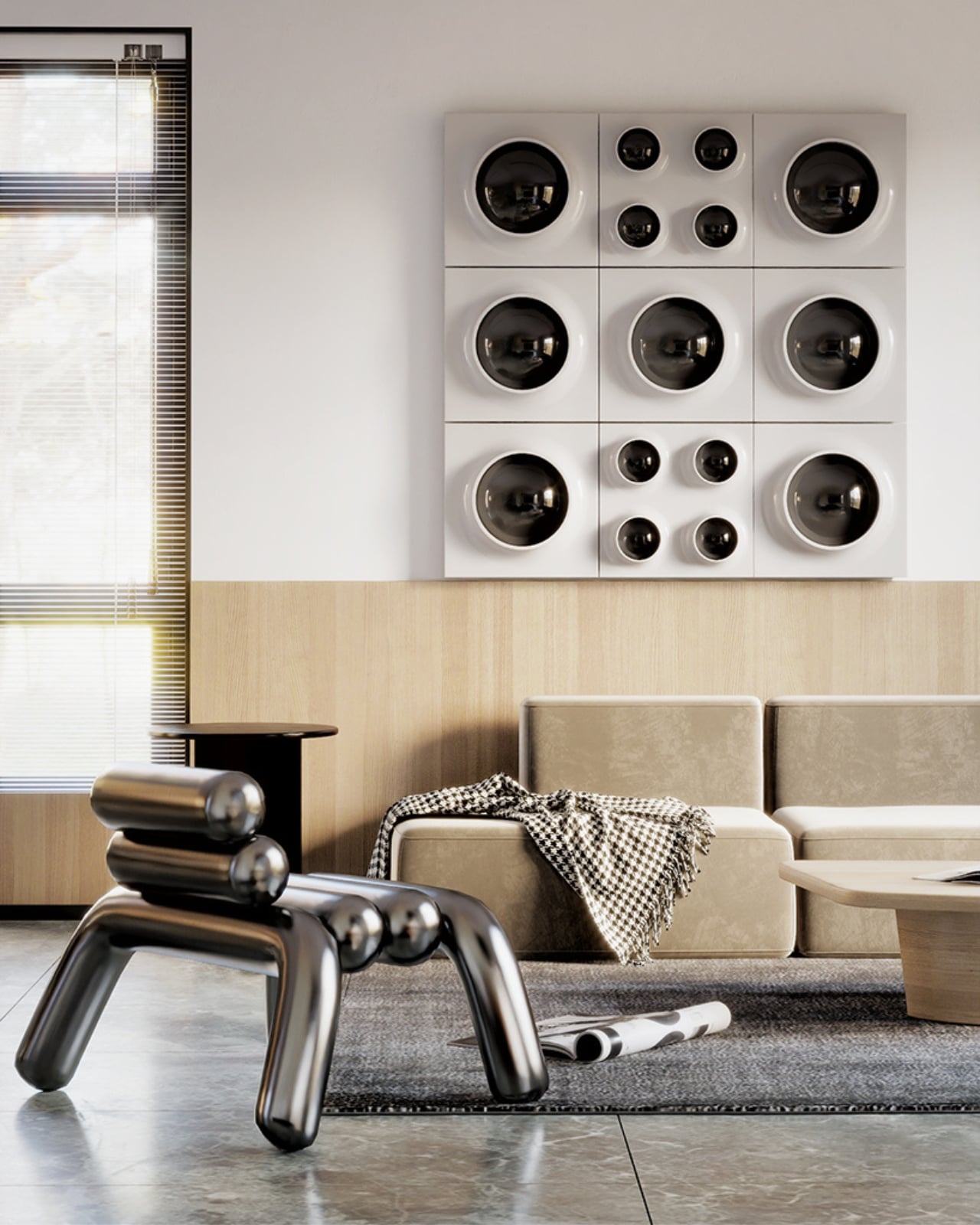
Whether you install one panel as a quiet nod to the era or map out an entire ceiling composition, RETROCORE offers what a lot of statement lighting simply can’t: the ability to keep editing. Your room changes, your taste shifts, your wall gets repainted, and the system accommodates all of it without you having to start over.
For a design moment that often prizes the singular, precious object, there’s real appeal in something built to be rearranged. RETROCORE is currently on Kickstarter, and if it delivers on what the images promise, it could work just as well in a minimalist apartment as it does in a maximalist creative studio. That flexibility, more than the retro aesthetics, is the actual sell.
The post The Space Age Never Left, RETROCORE Just Made It Official first appeared on Yanko Design.

NVIDIA’s RTX Spark represents a significant step in laptop hardware, merging high-performance components with a focus on portability. As detailed by Dave2D, this chip includes a 20-core ARM-based CPU, the RTX 5070 GPU and up to 128GB of unified RAM, making it capable of handling tasks like real-time ray tracing and AI-driven workflows. Despite these […]
The post How NVIDIA Packed an RTX 5070 and 128GB of RAM Into a 14Mm Laptop appeared first on Geeky Gadgets.
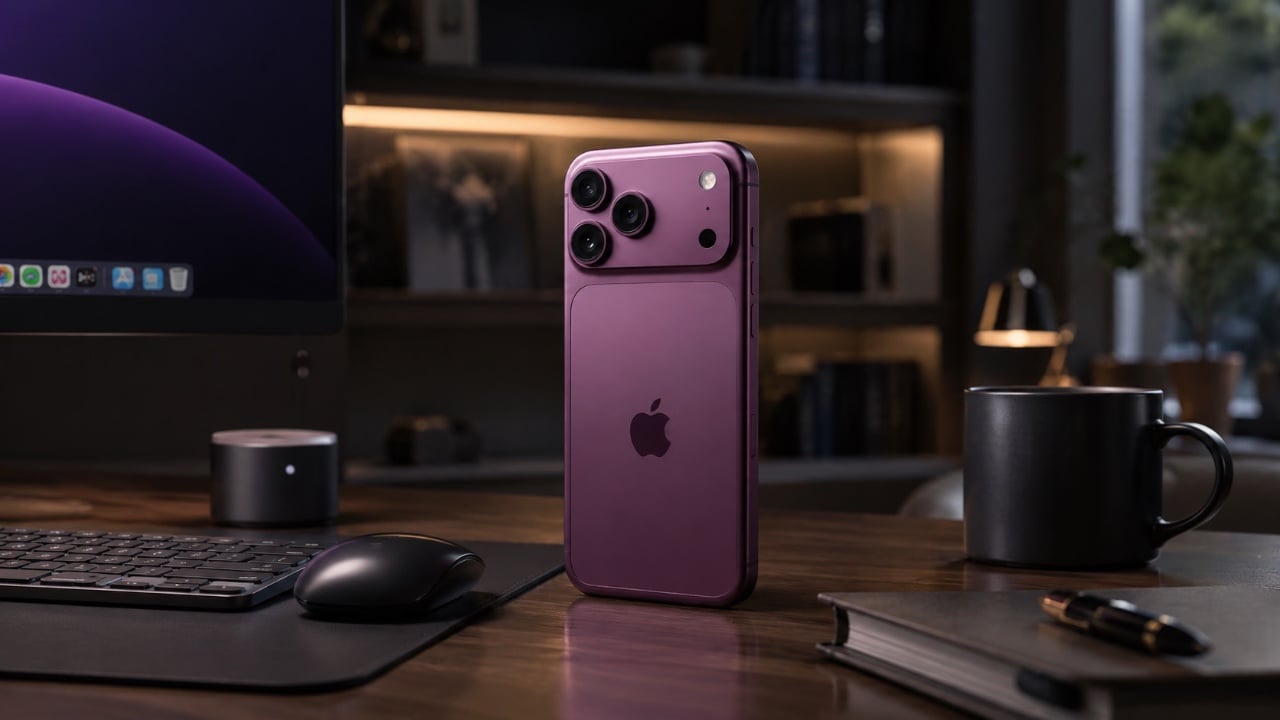
Apple is poised to redefine its flagship lineup with the highly anticipated iPhone 18 Pro and its first-ever foldable device, the iPhone Fold, potentially branded as the iPhone Ultra. These devices represent Apple’s dual strategy: refining traditional smartphone features while venturing into bold, innovative territory. The iPhone 18 Pro focuses on delivering polished performance […]
The post First Look at the Leaked iPhone 18 Pro and Fold Features appeared first on Geeky Gadgets.