McLaren F1 Team celebrates 1,000th race start, as Oscar and Lando sport LEGO helmets at the iconic Monaco GP

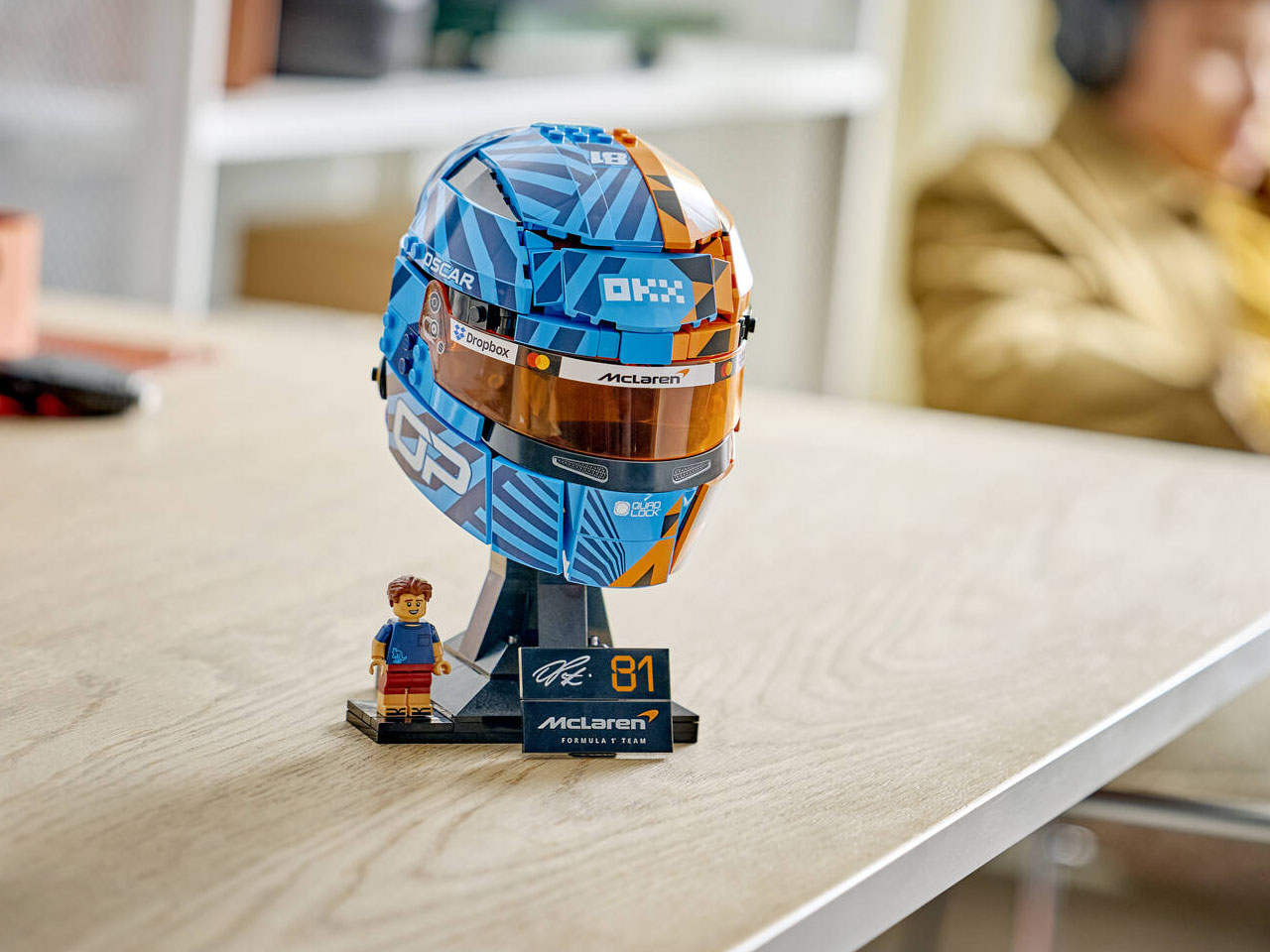
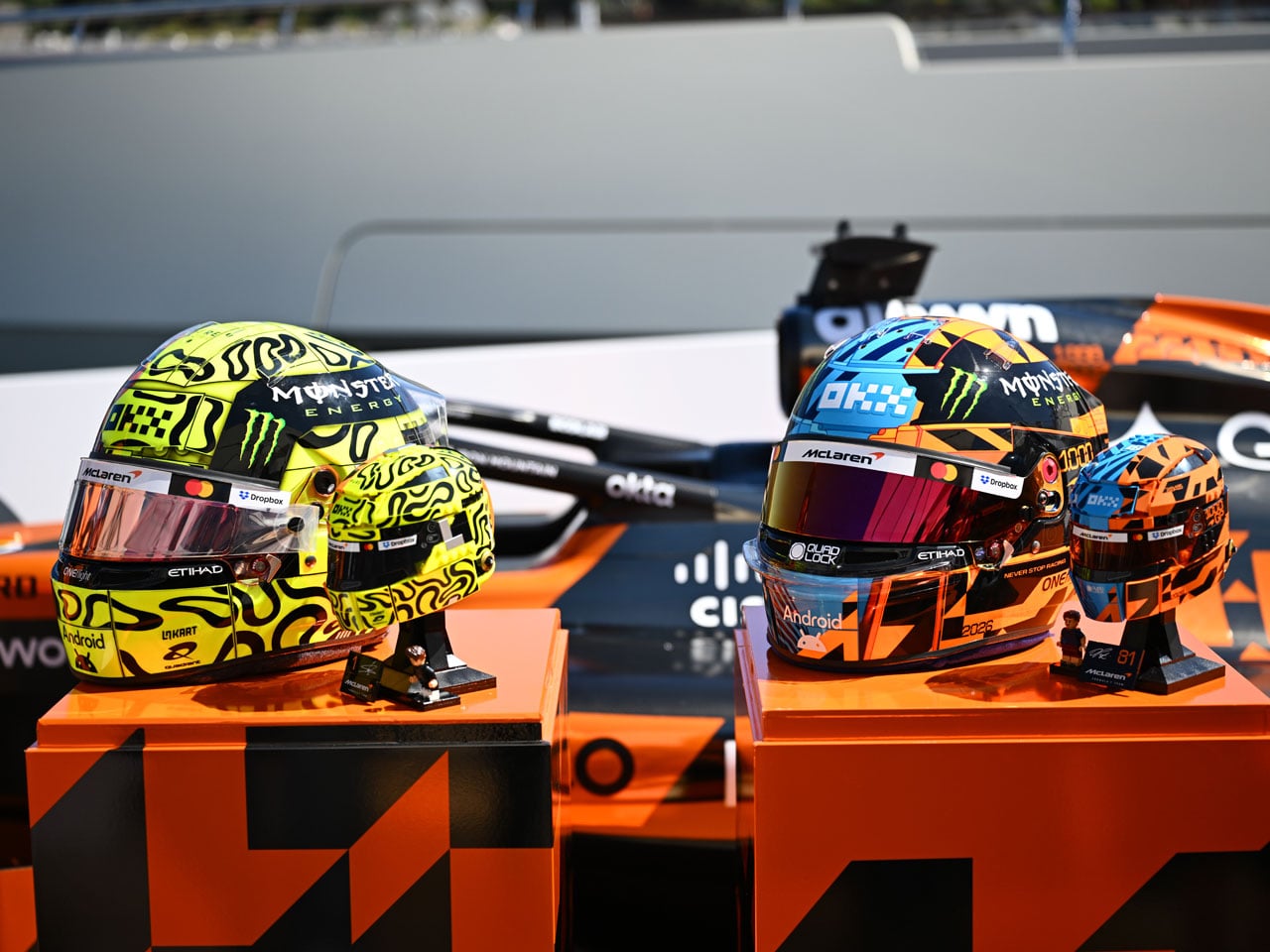
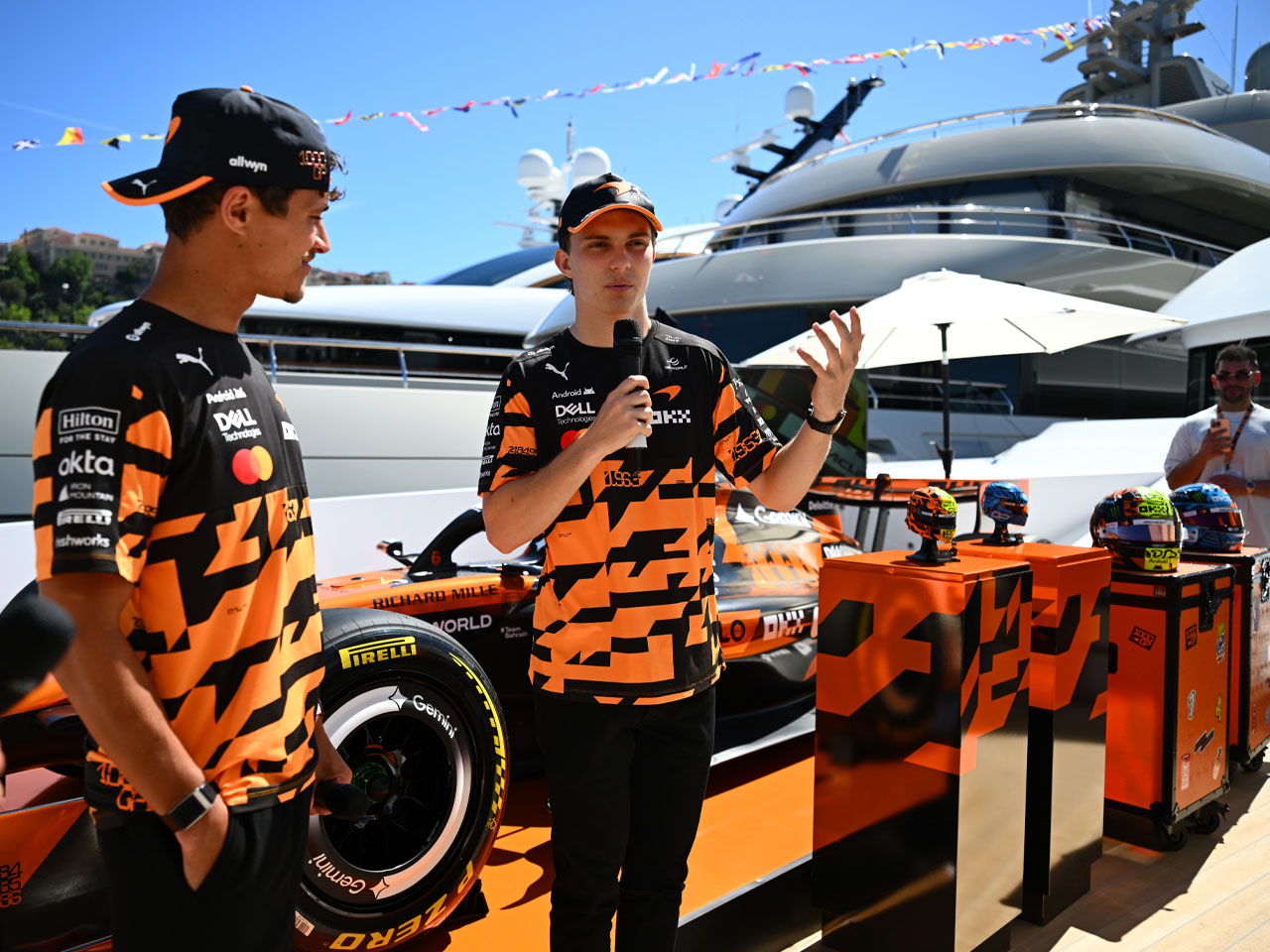
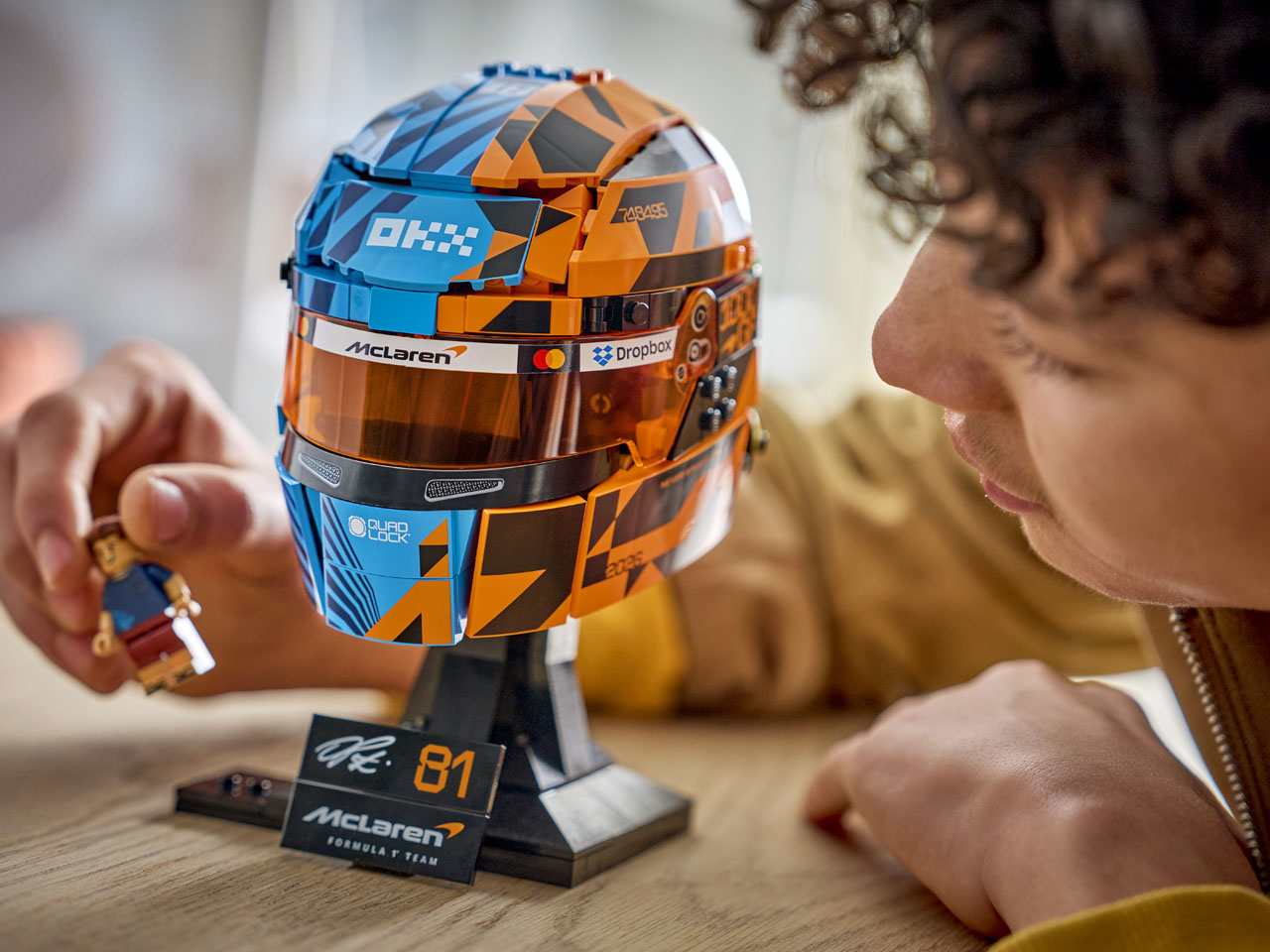
McLaren is coming to the Monaco GP weekend, celebrating their 1,000th race start, and wants to do it in a special way, both on and off the track. The most iconic race in the Formula 1 calendar will see Lando Norris and Oscar Piastri sport the LEGO helmets for the length of the racing weekend at the Circuit de Monaco, which is exciting for F1 fans like me.

That celebration is going to reciprocate for McLaren and LEGO fanatics as they can own either of the two drivers’ brick version of the LEGO Edition helmet, of course, in a smaller scale. To top it off, the protective gear will come with the complementary minifigures of the chosen driver’s helmet. This is not the first time the two brands have collaborated, as we’ve already been petrified by the Life-sized LEGO McLaren P1 being driven around the Silverstone track, and the complementing scaled-down LEGO version for die-hard fans.
Designer: LEGO and McLaren

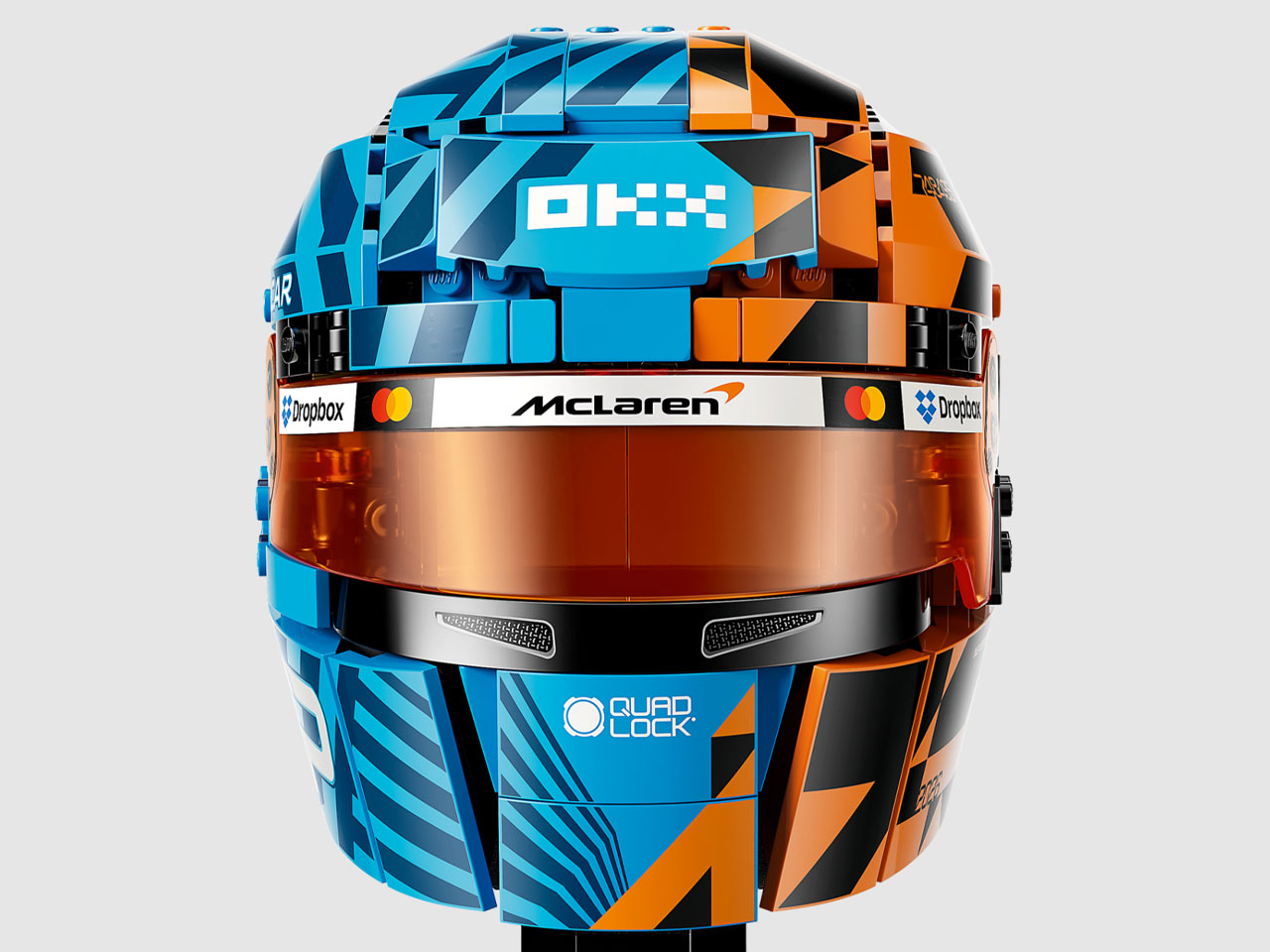
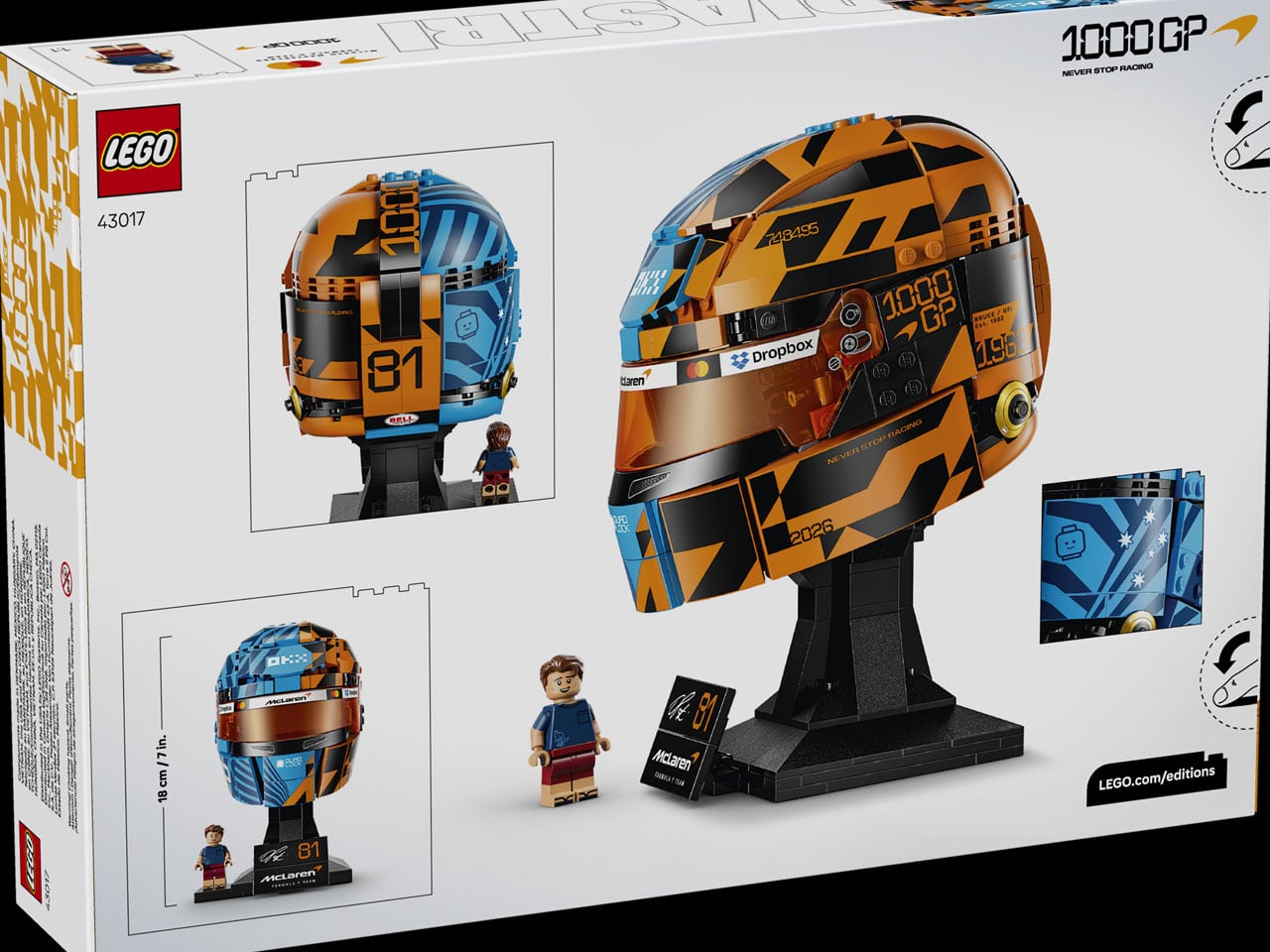
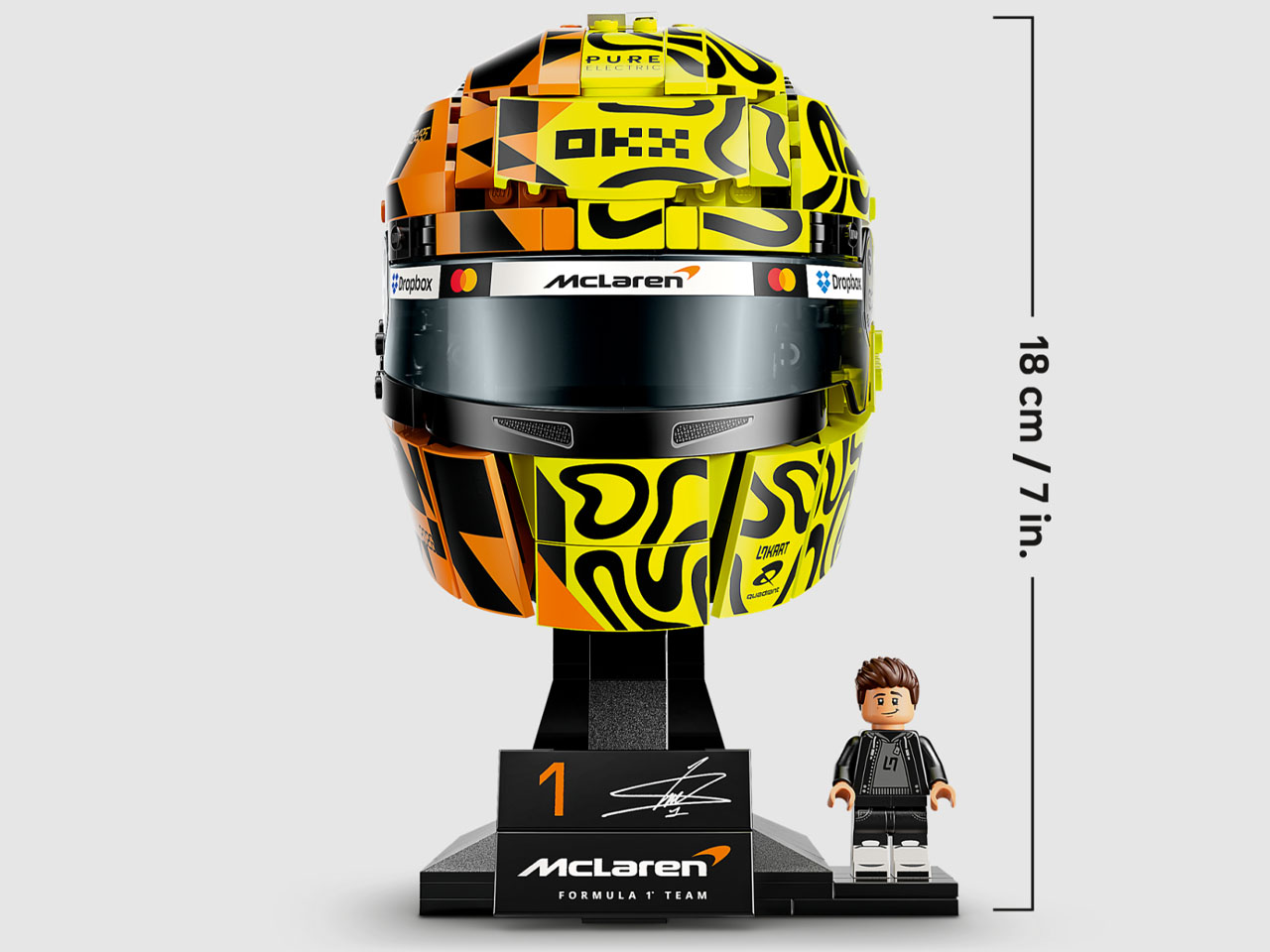
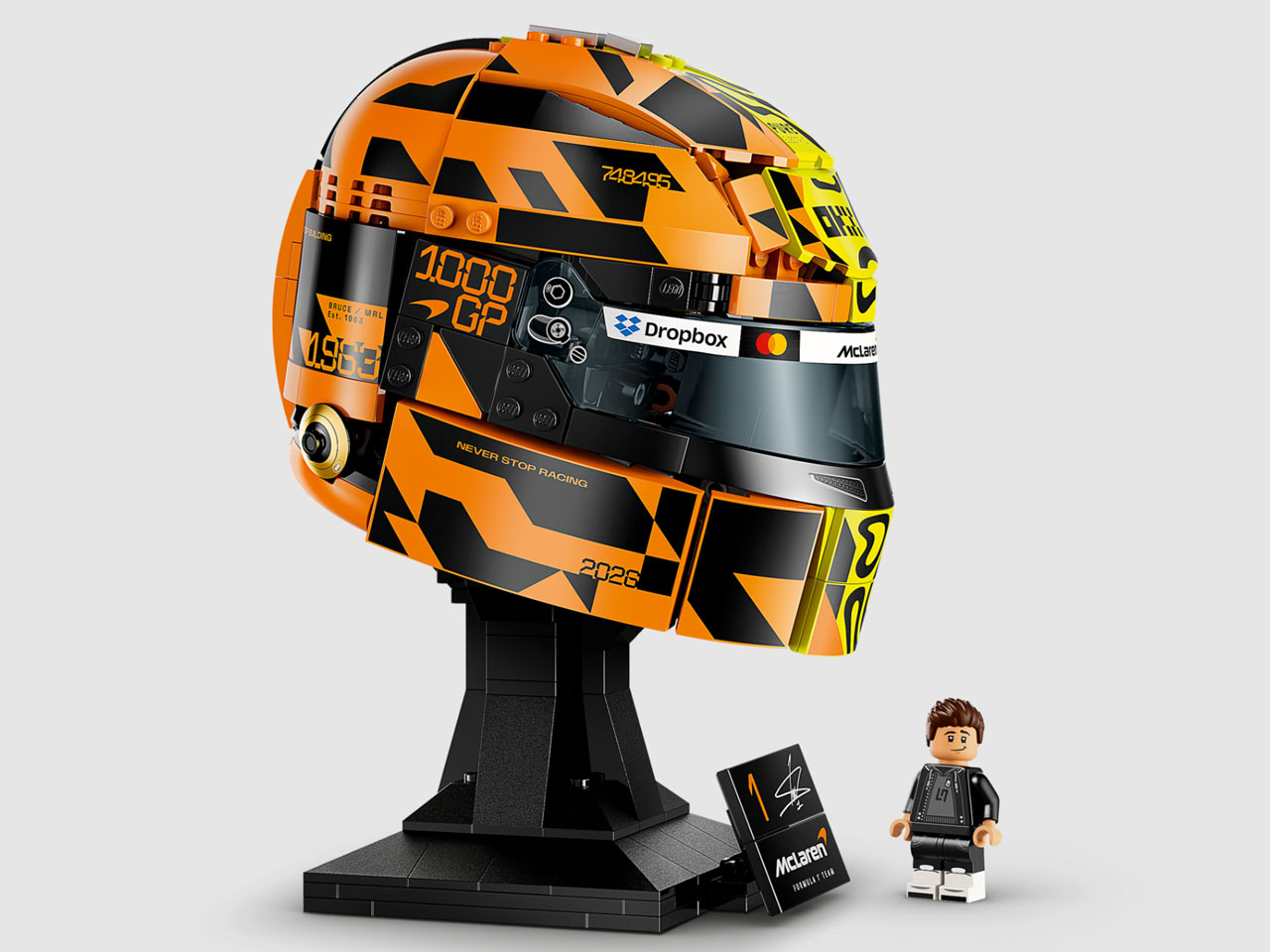
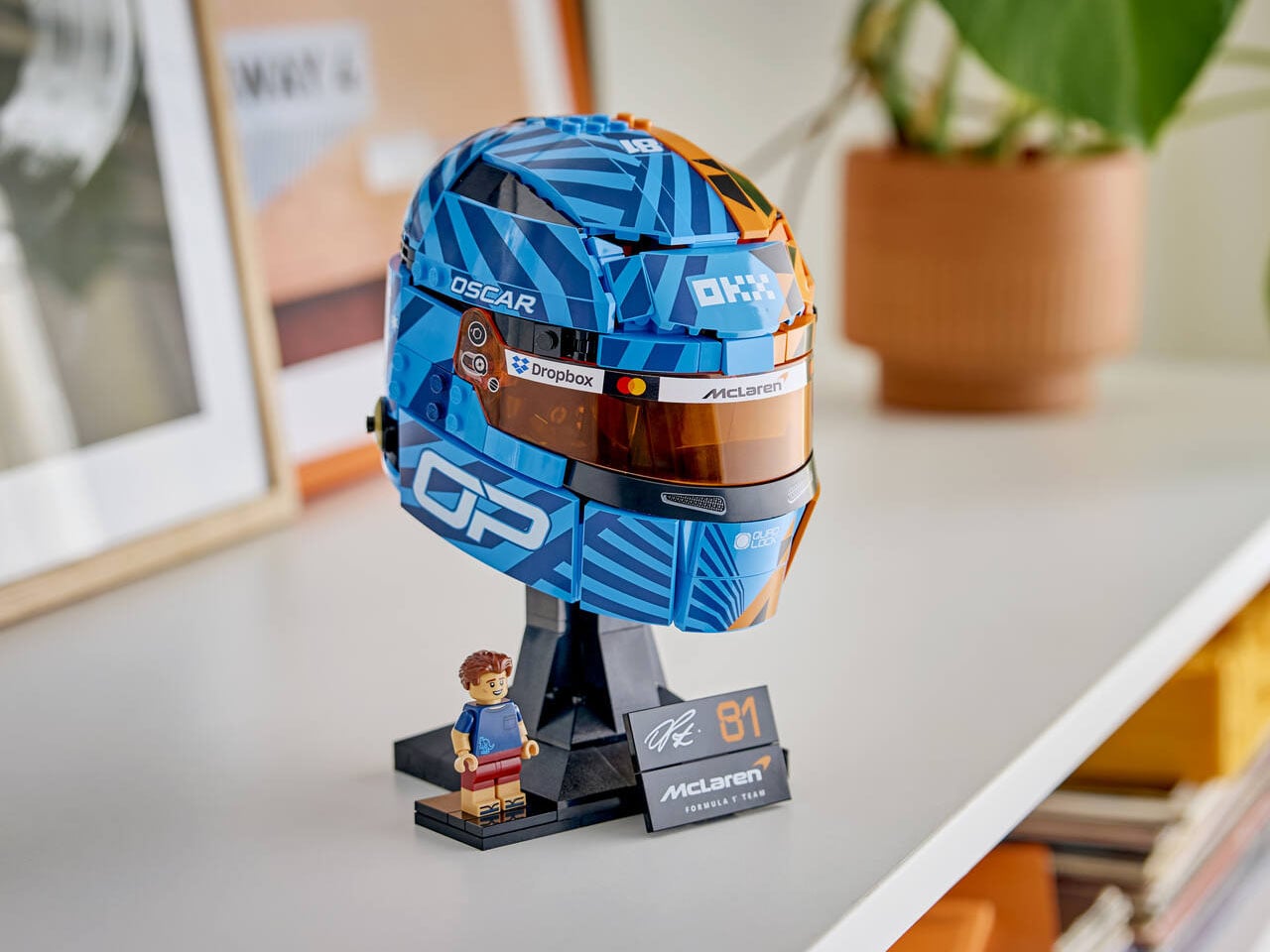
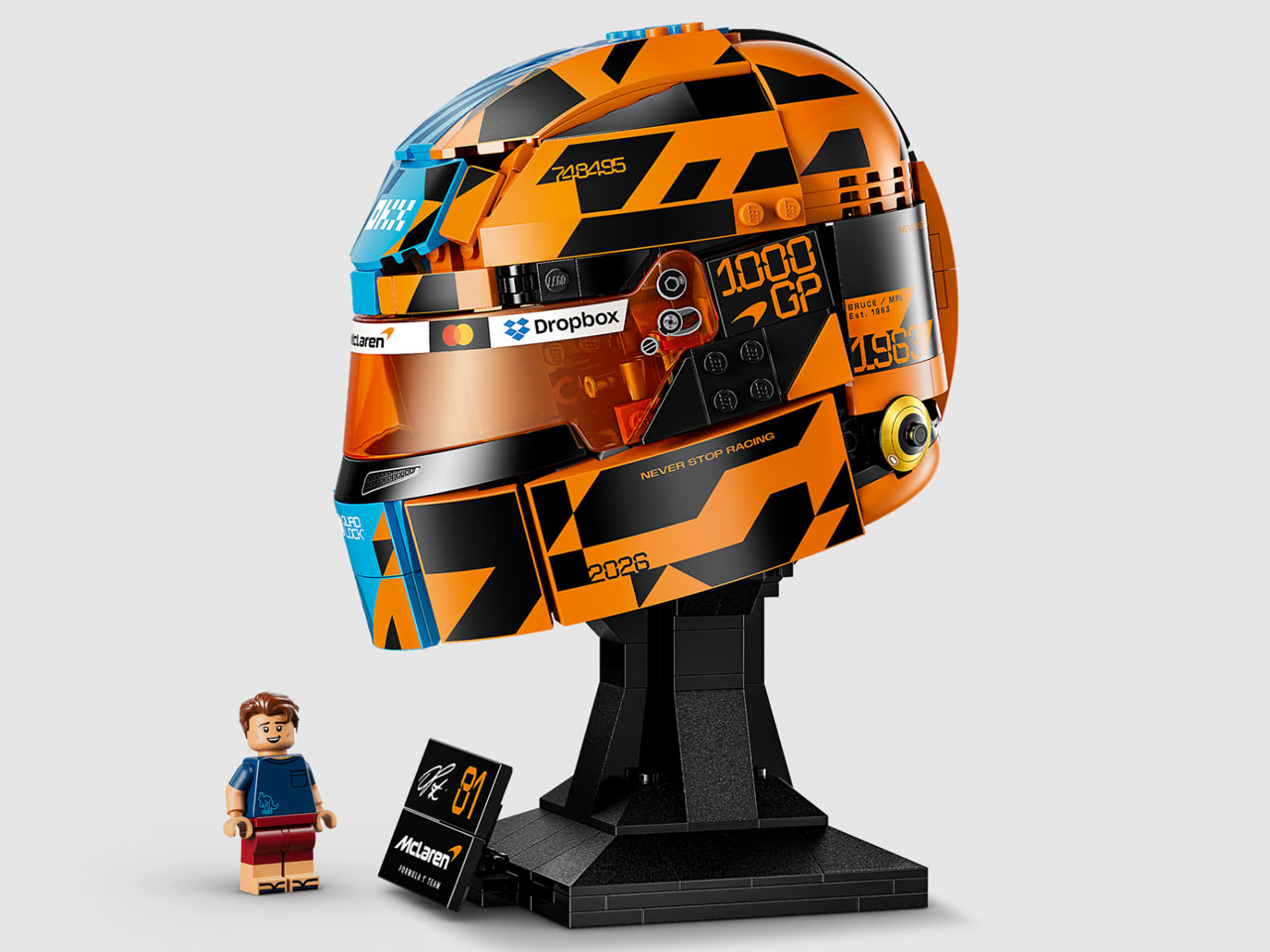
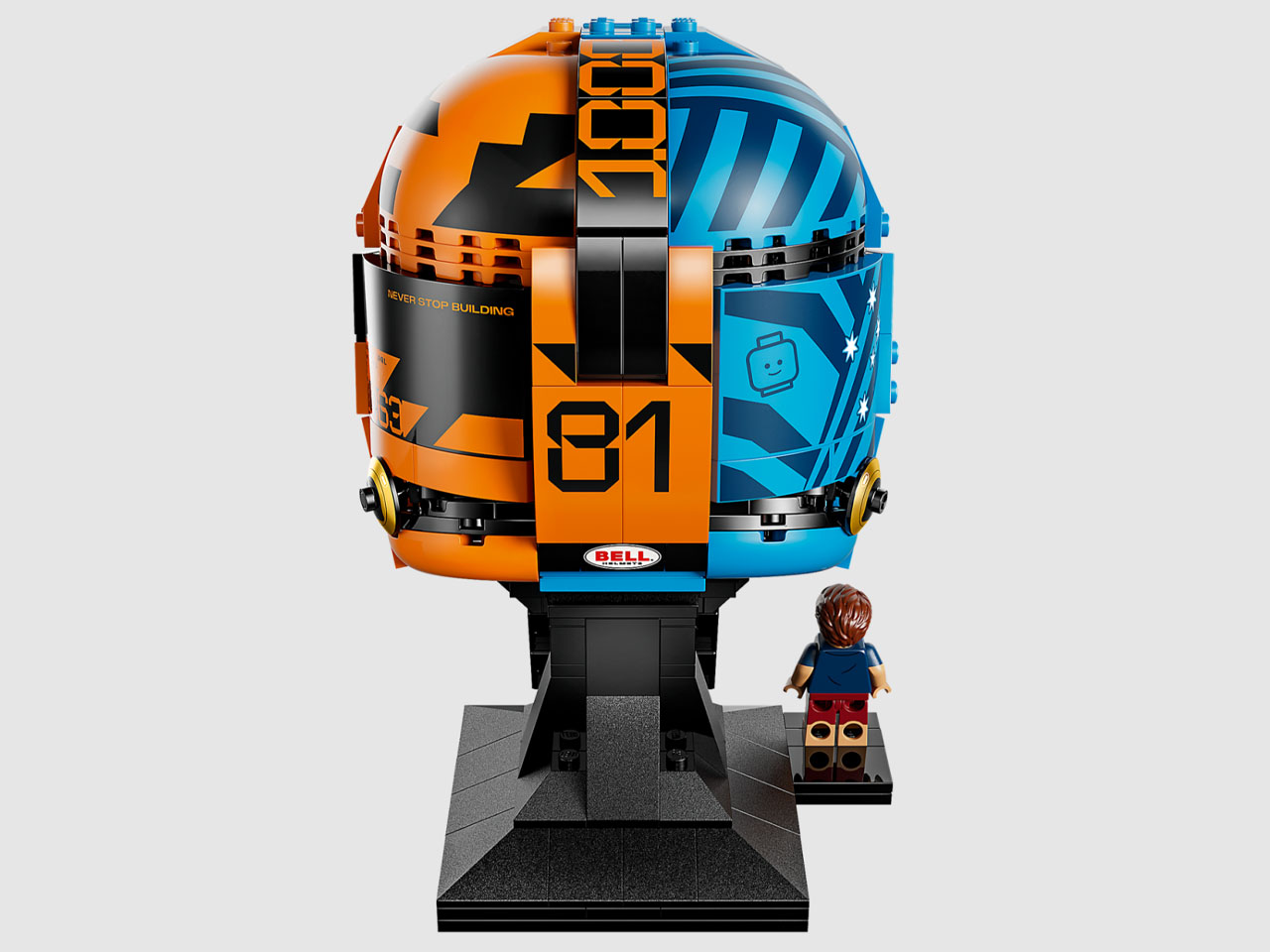
The collectible LEGO sets immortalize both the papaya team drivers in brick form, mirroring the details of the special edition helmets that’ll be worn at this weekend’s practice session, qualifying stint, and the final race at the winding street circuit by the duo of young drivers. Both of the LEGO helmets measure seven inches high, five inches deep, and 4.5 inches wide. Those dimensions remind me of the Ferrari drivers Lewis Hamilton and Charles Leclerc LEGO helmets that had a similar buildable format and shape.


Both these LEGO sets are priced at $90 each and consist of 793 pieces. You, as a fan, can sport them on the standalone black display pedestal with the printed signature plaque. However, they are distinct in their look and feel, as both the McLaren drivers sport different aesthetics. That said, the special edition livery will be sported at the Barcelona-Catalunya Grand Prix, as well.

According to the LEGO Group’s Chief Product & Marketing Officer, Julia Goldin, “Our LEGO design team worked closely with the drivers and McLaren Racing to develop these special 1000th race LEGO helmet products.” He added by saying that “fans will be able to build the sets at home, creating a cool memento of racing history for display.”

43017 McLaren Mastercard F1 Team Oscar Piastri Helmet

For Oscar Piastri, the brand’s signature papaya is mixed with the Aussie F1 driver’s favorite blue. The helmet has intricate details such as his driving number “81” and the printed patterns that look absolutely stunning. The accompanying Oscar minifigure is handprinted in the hand-picked casual outfit by the talented F1 driver.
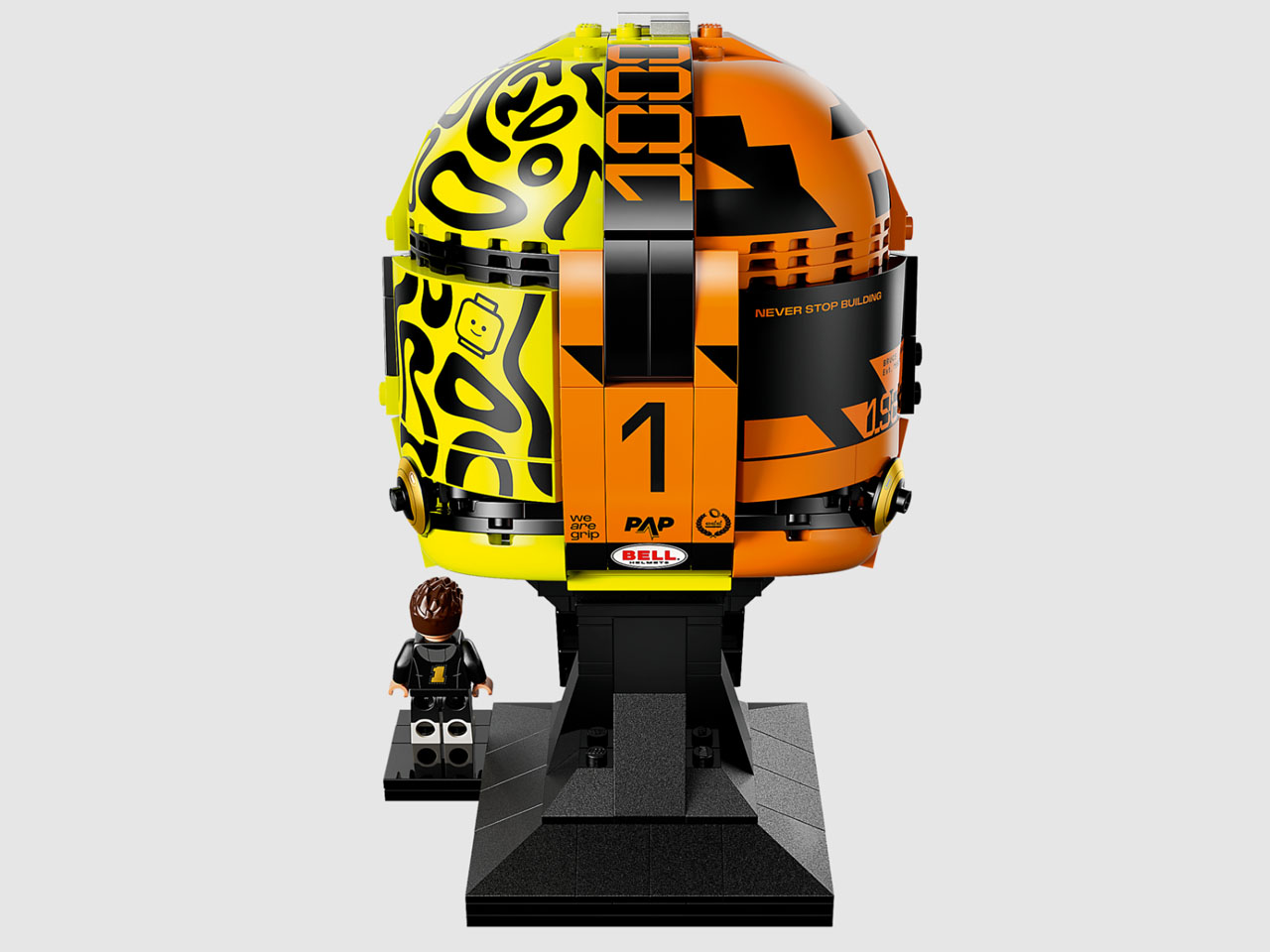
43023 McLaren Mastercard F1 Team Lando Norris Helmet

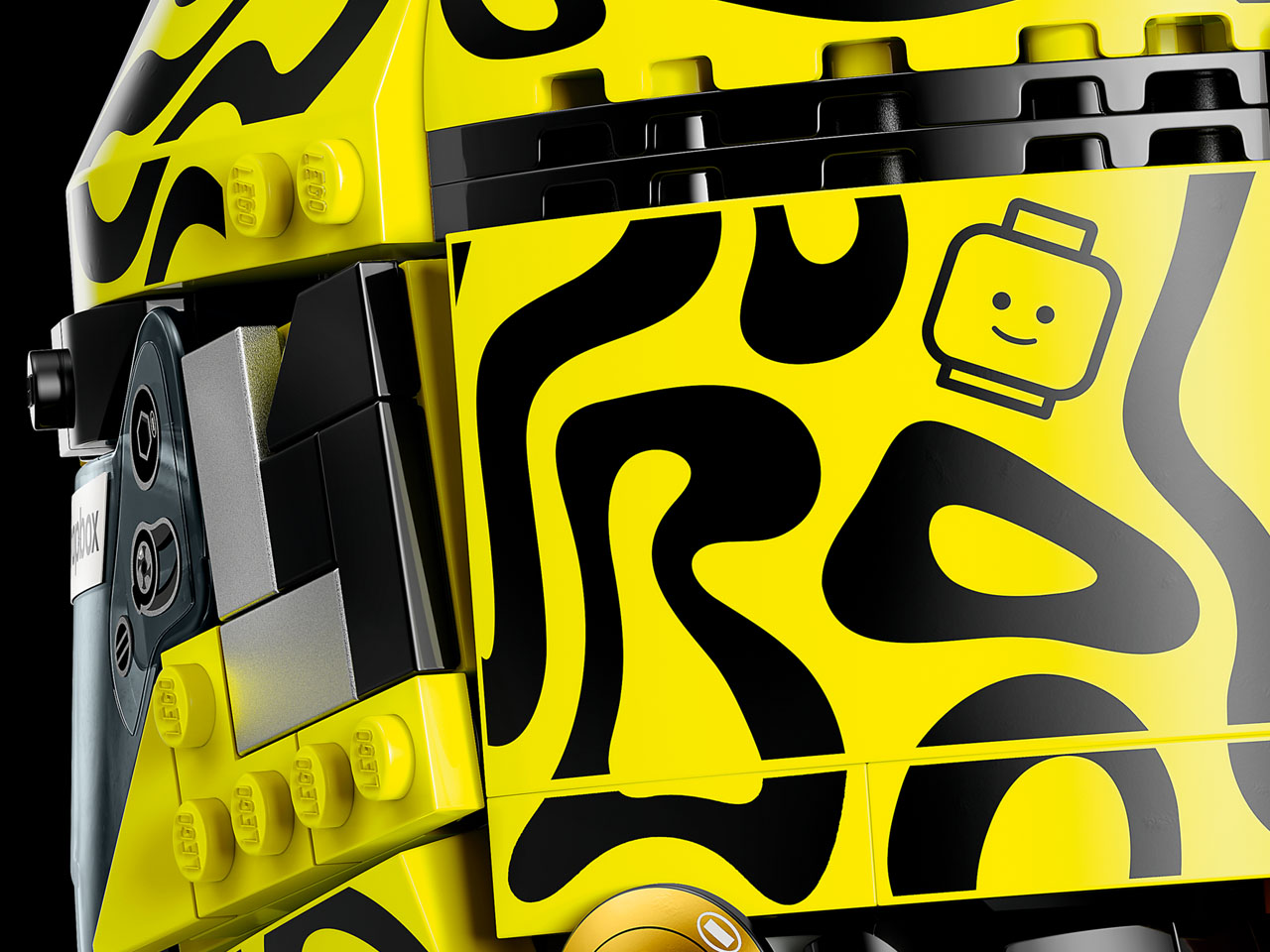
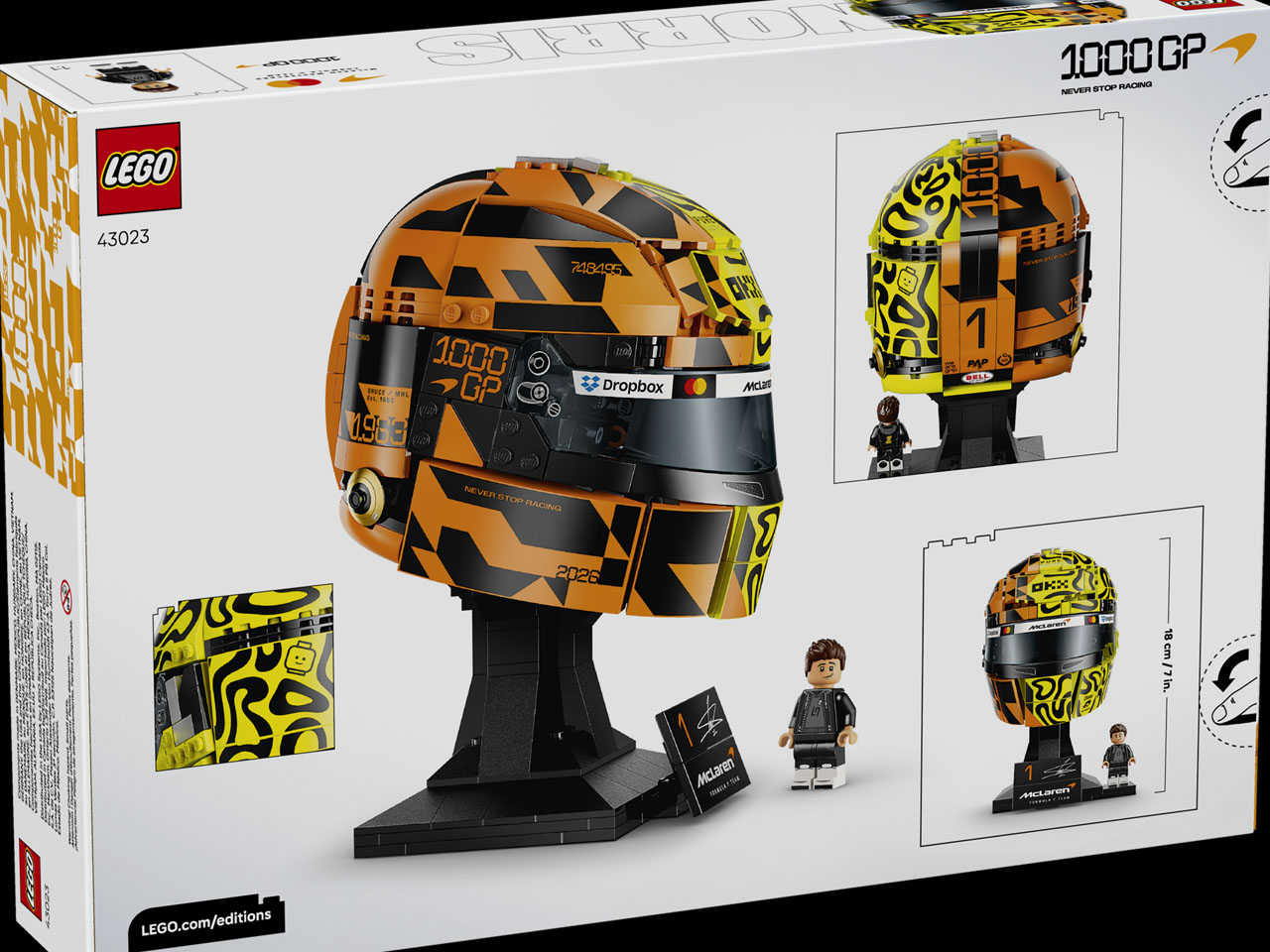
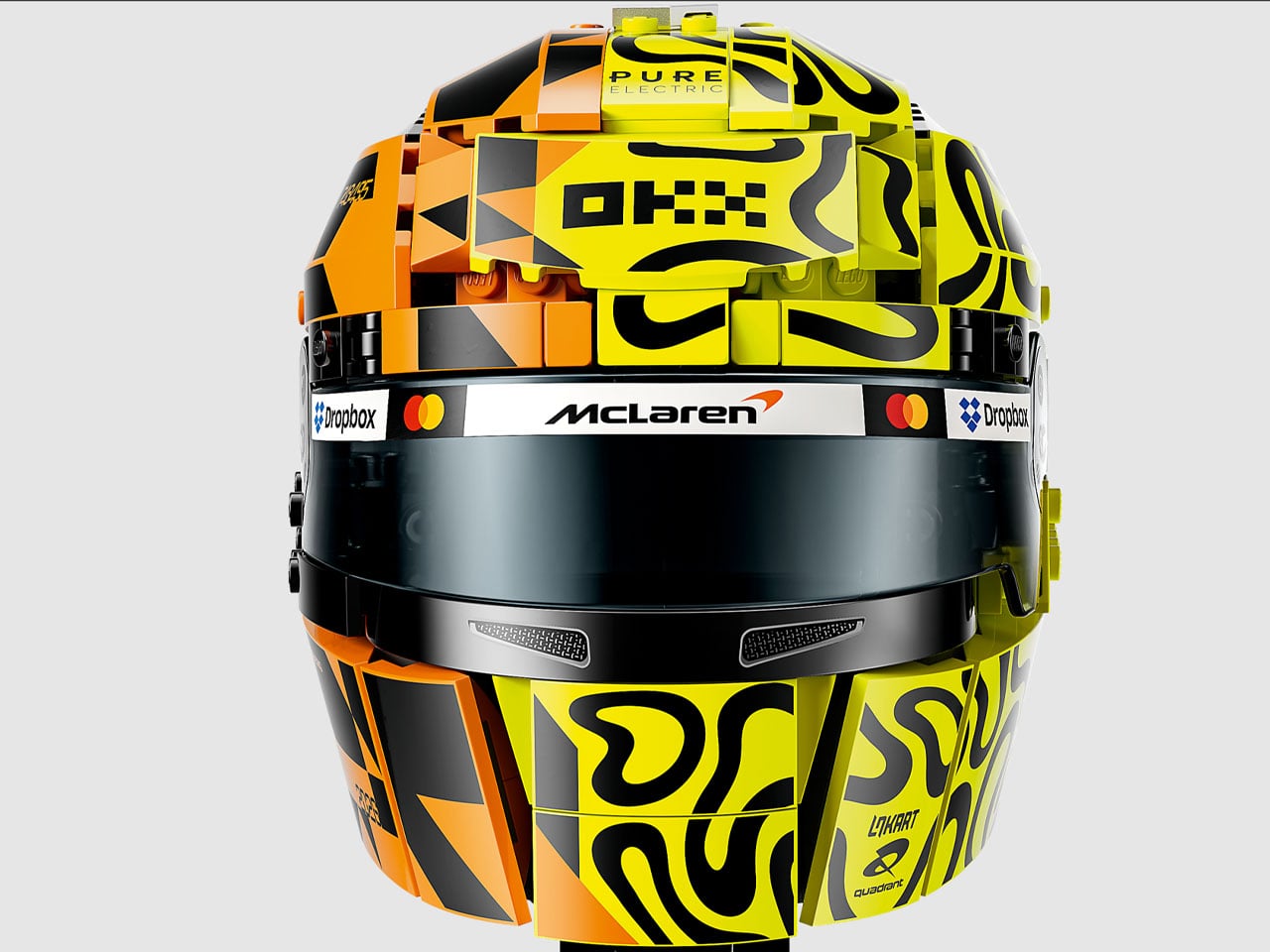
Last year’s world champion now has the number one driver number, and that is etched proudly on this peppy helmet design. It carries Lando’s iconic fluorescent blob design and the unique design elements of the 1000th Grand Prix livery on the real one. The design is co-created with the prodigy himself, and it looks absolutely stunning. Lando’s minifigure sports the handpicked look as well.


The post McLaren F1 Team celebrates 1,000th race start, as Oscar and Lando sport LEGO helmets at the iconic Monaco GP first appeared on Yanko Design.
Floating City by Freedom Ship is destined to be a comprehensive habitat on international waters

Spending a week or a month at length on an expansive Cruise ship is on many people’s wish list. The Royal Caribbean’s Icon of the Seas, having a maximum capacity of 7,600 passengers, is right up there. It is currently the largest cruise you can book for a very long time, if you’ve got money to spare, of course. If you cannot fathom the size of that cruise ship, wait till you hear what this upcoming cruise ship is capable of.

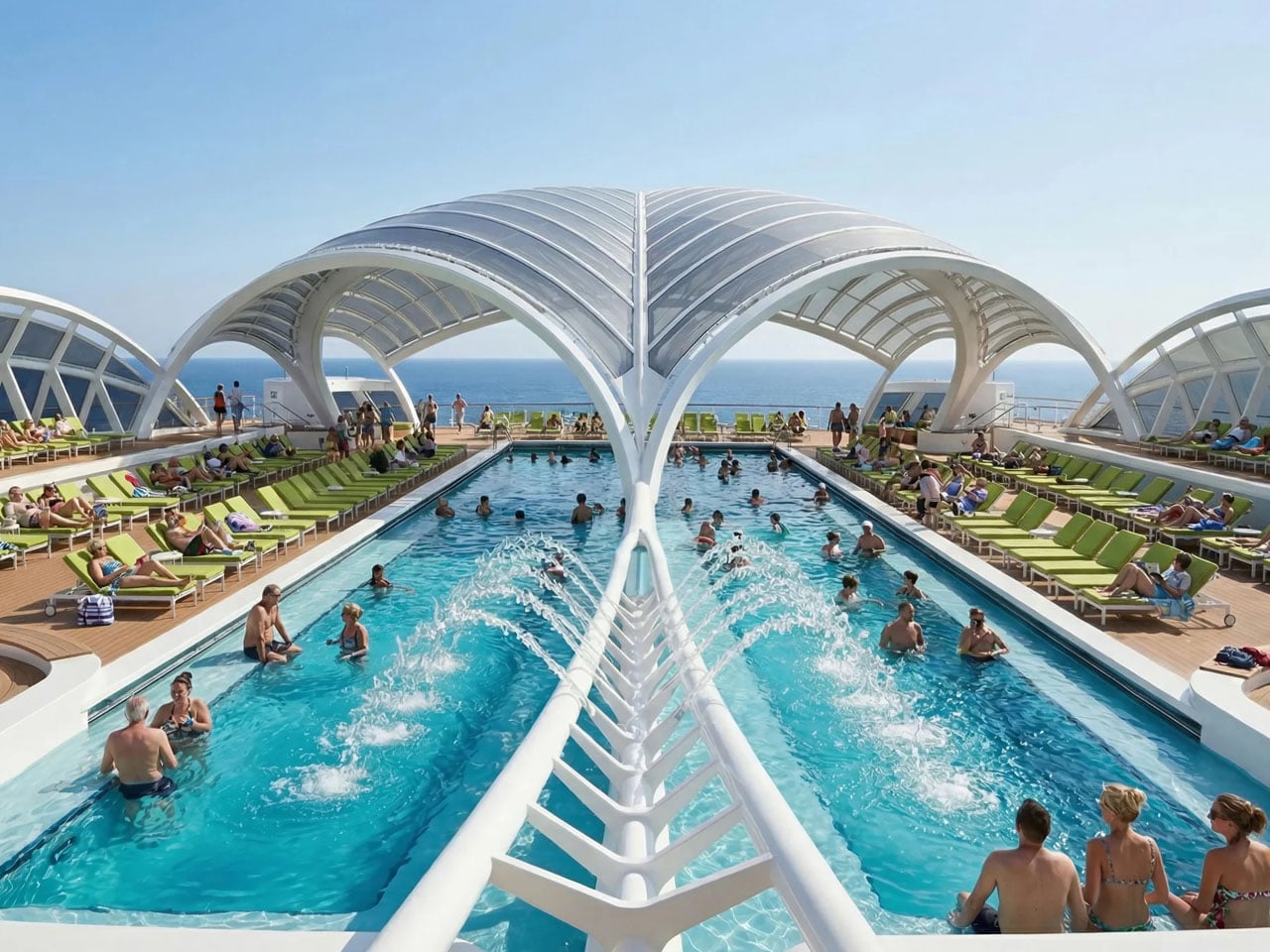
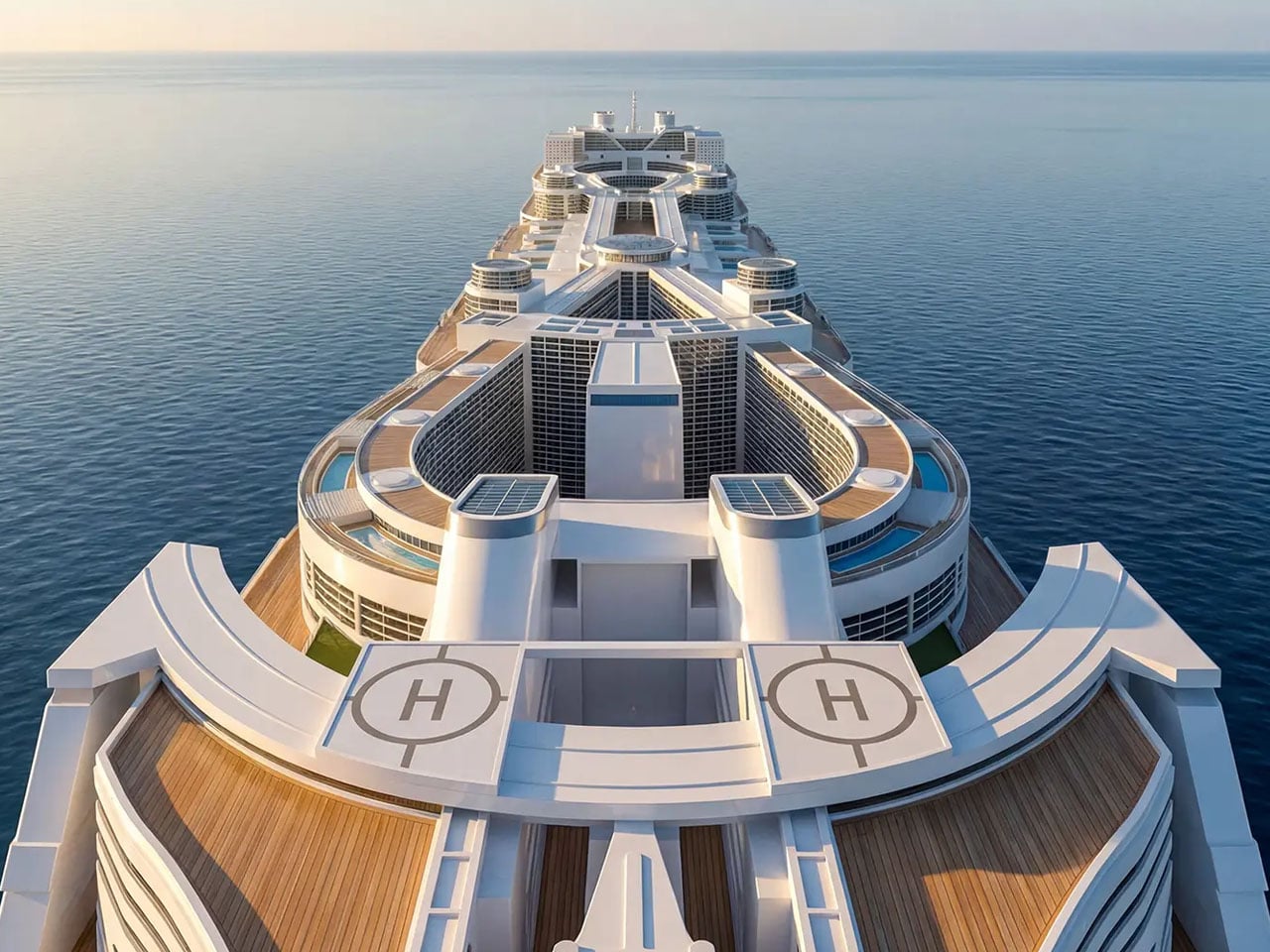
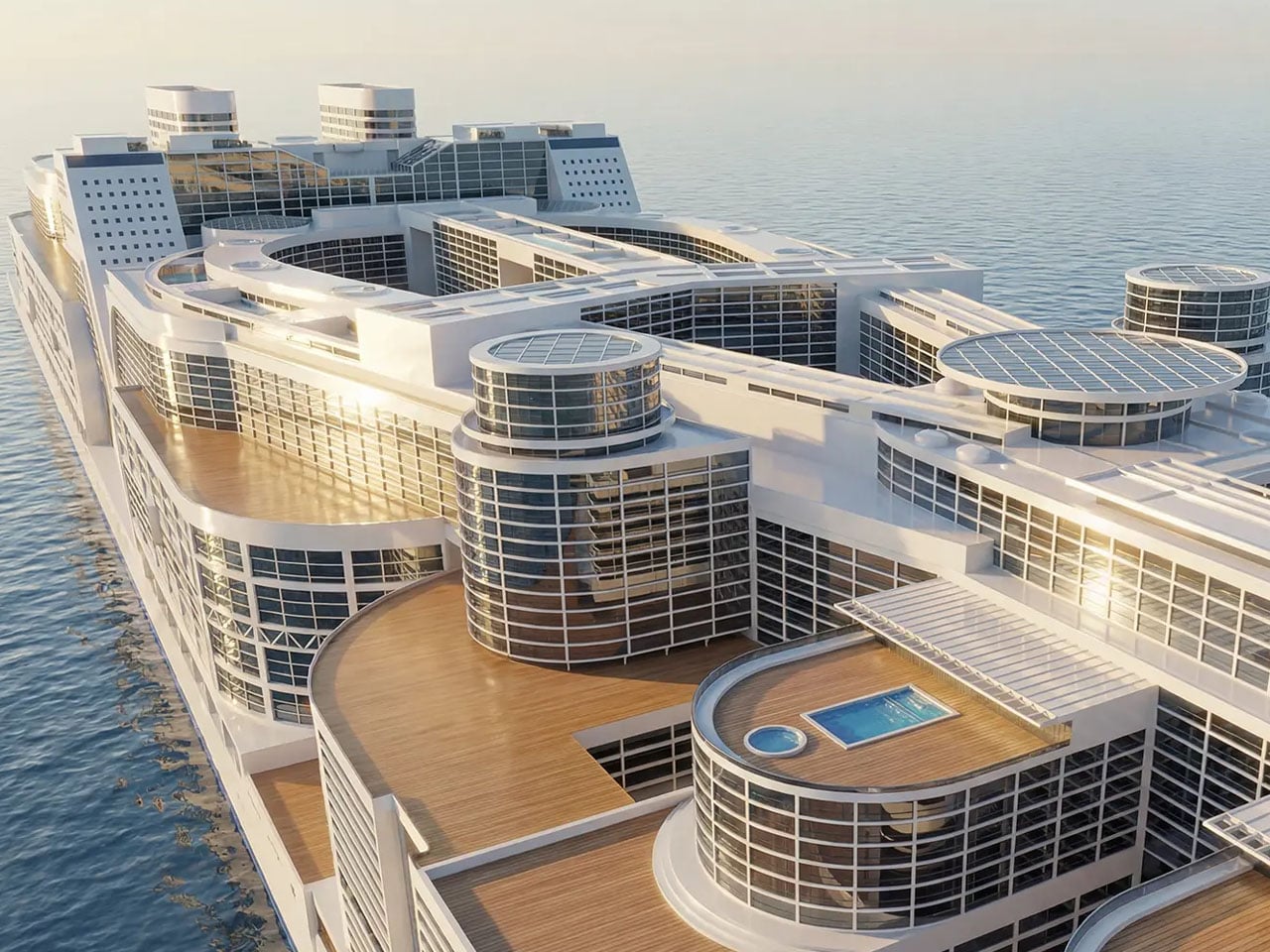
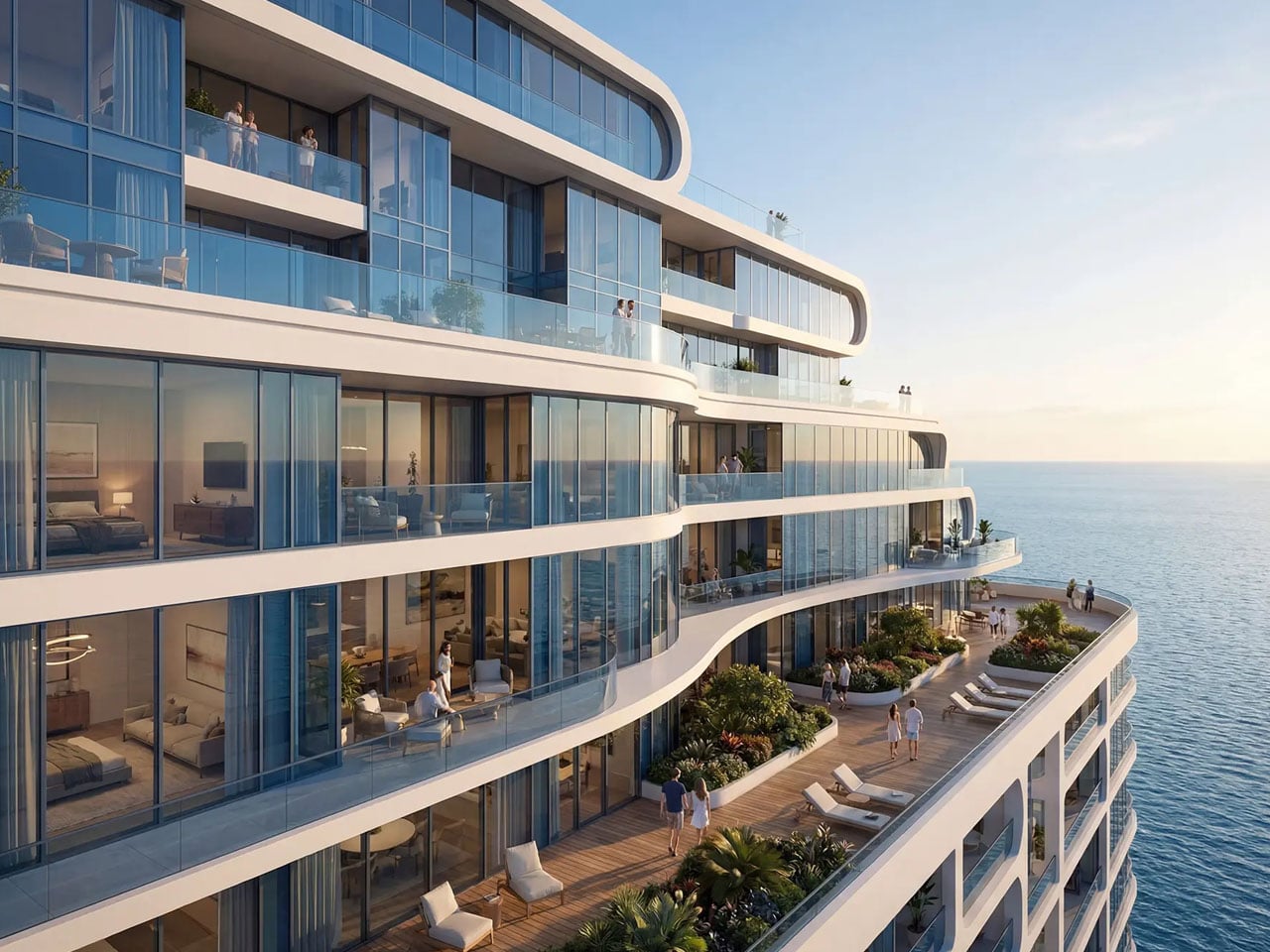
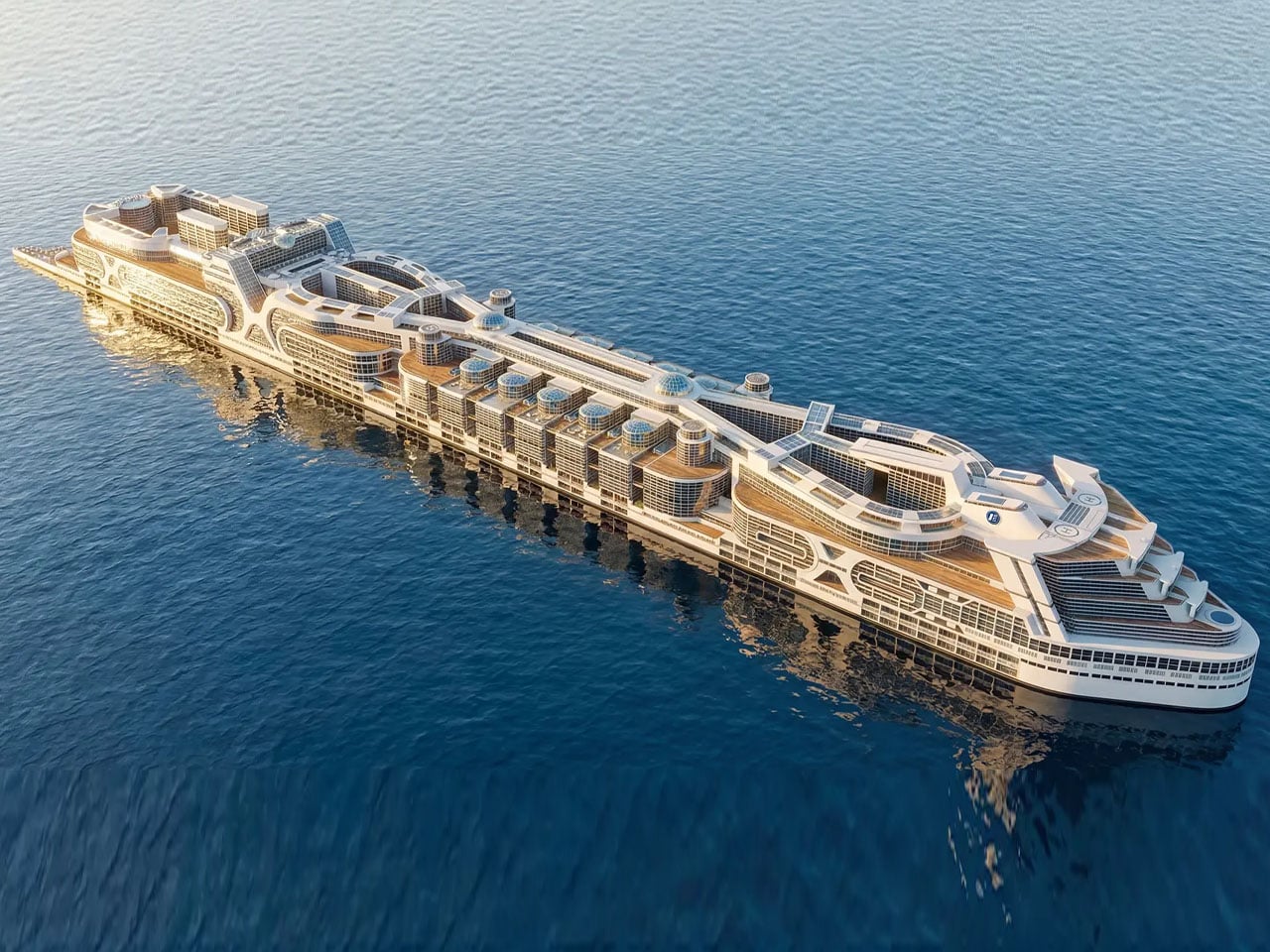
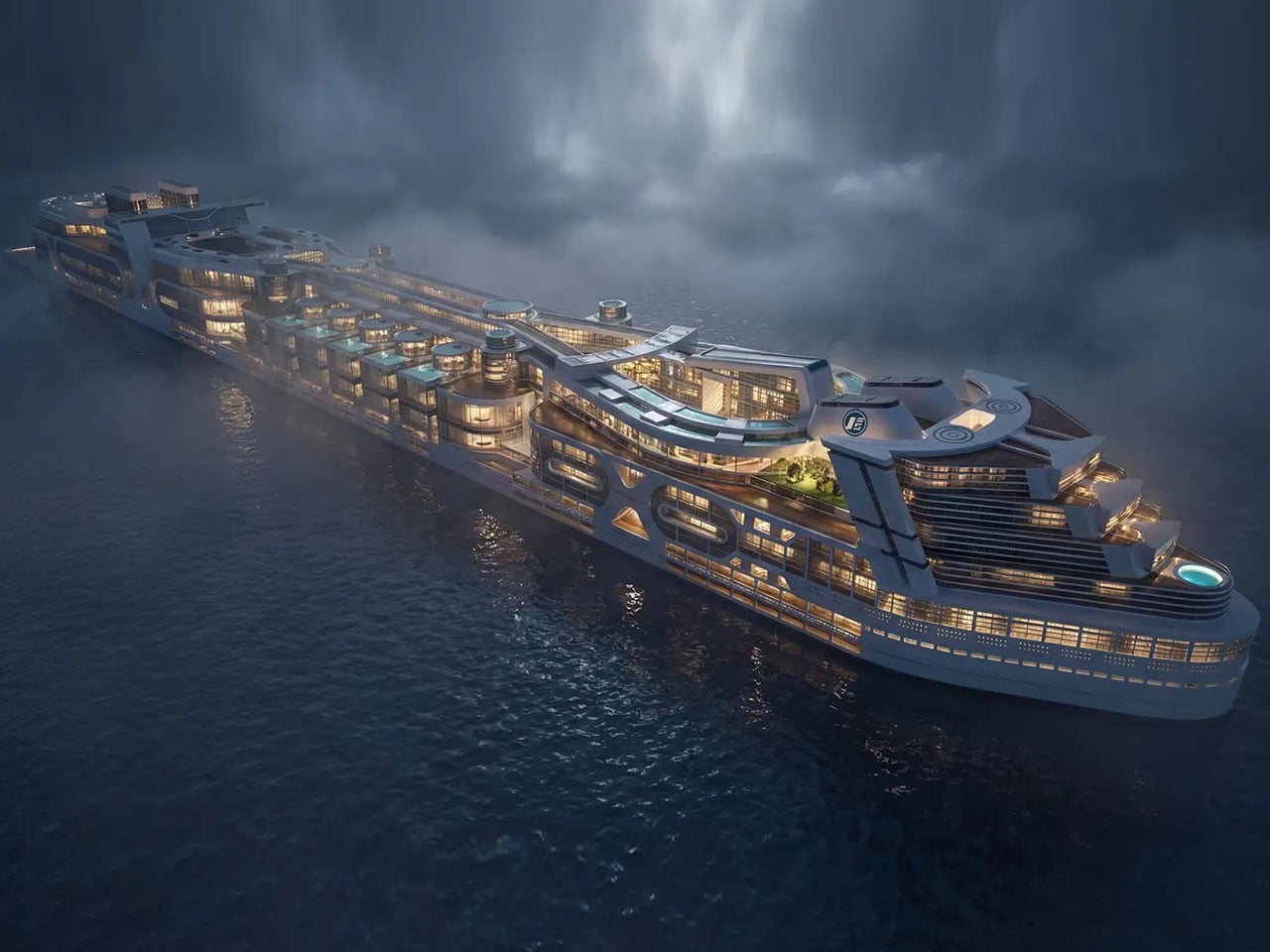
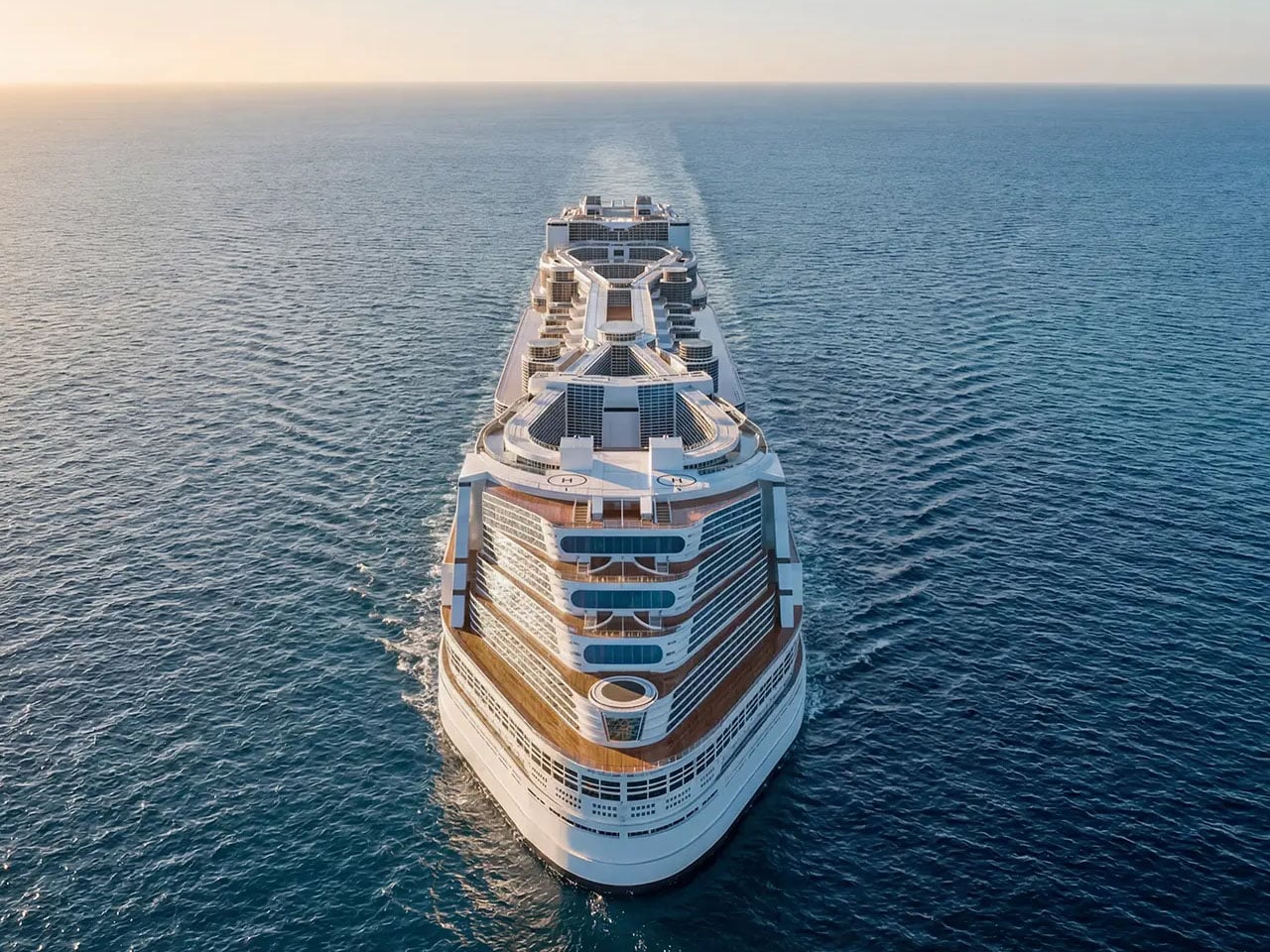
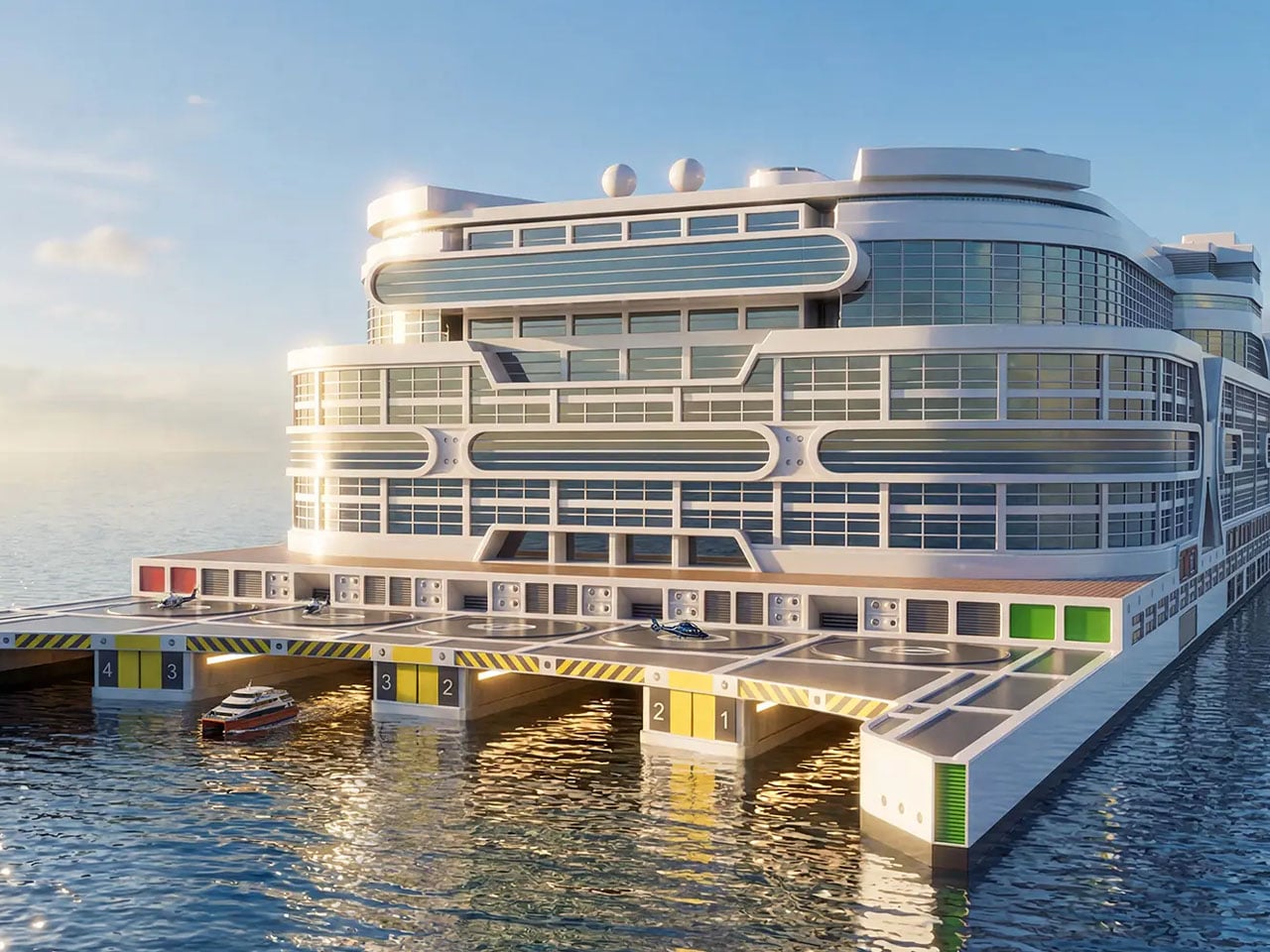
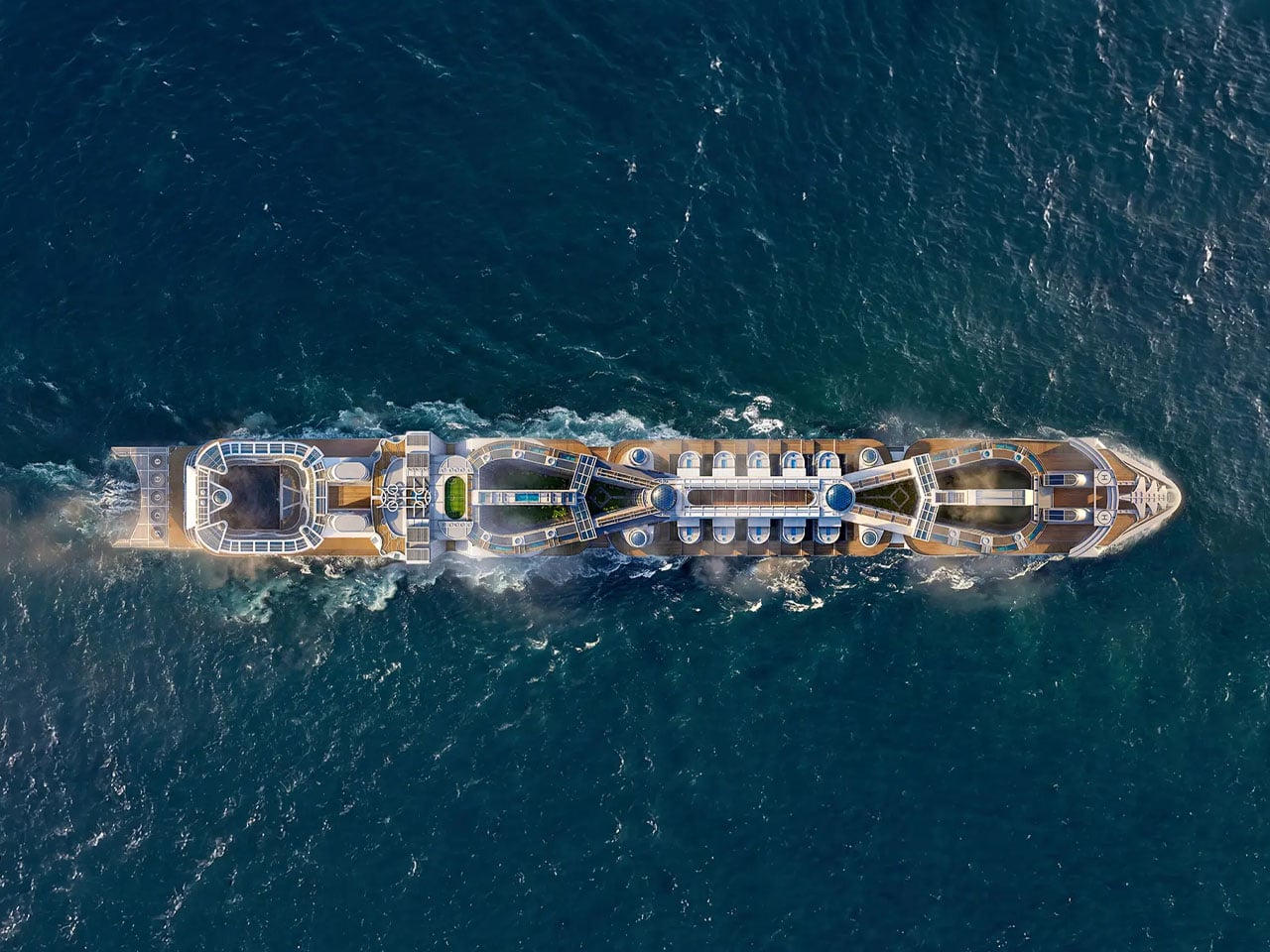
Dubbed the Floating City, the ambitious project by Freedom Ship is destined to haul 80,000 people in total. It’ll be home to 50,000 permanent passengers, 10,000 day visitors, and 20,000 crew members taking care of everything on board. It’ll be powered by nuclear energy and given the colossal size, it will remain in international waters. For now, the Floating City is proposed to circumnavigate the globe every couple of years at a cruise speed of seven knots.

Designer: Freedom Ship

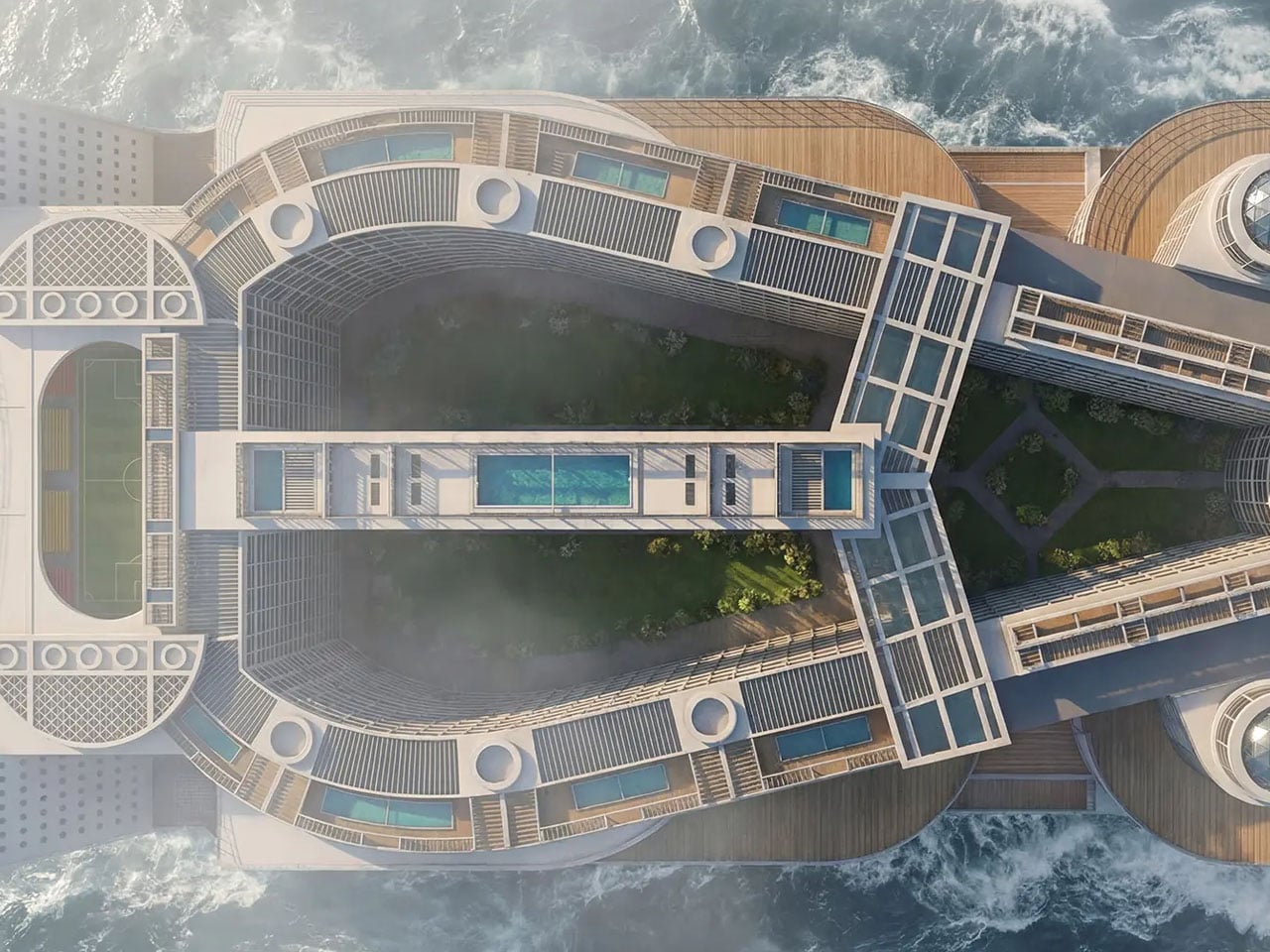
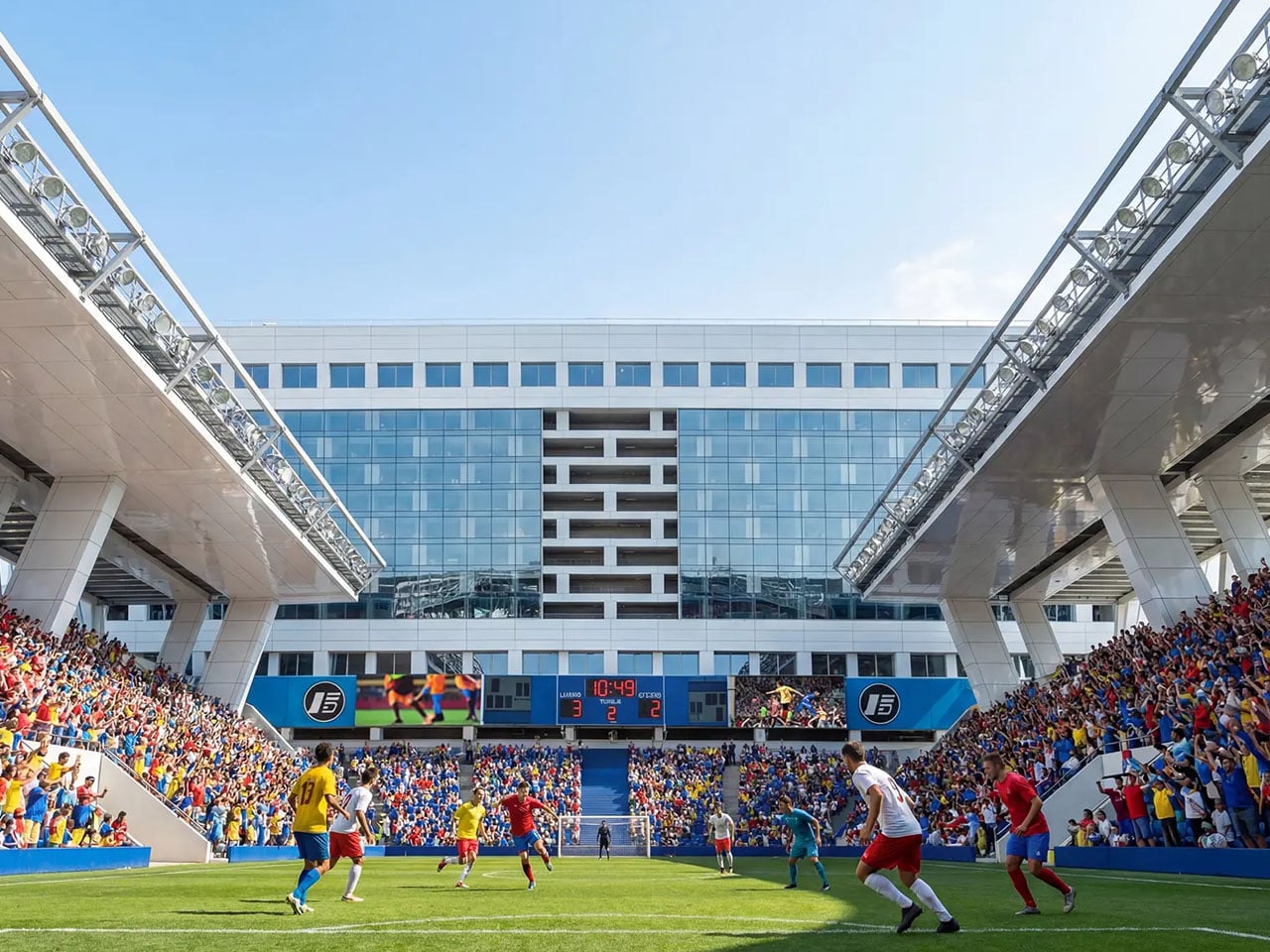
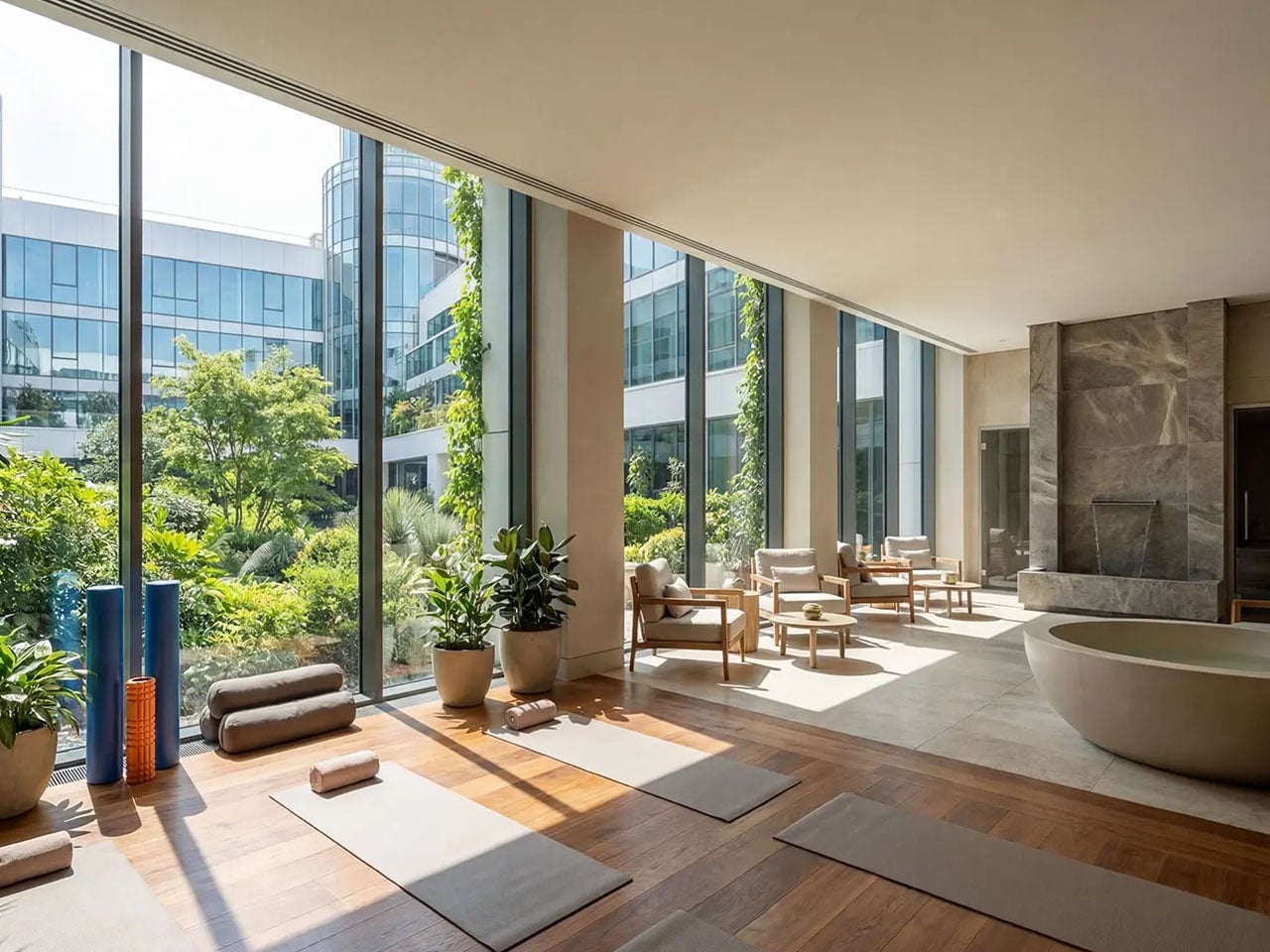
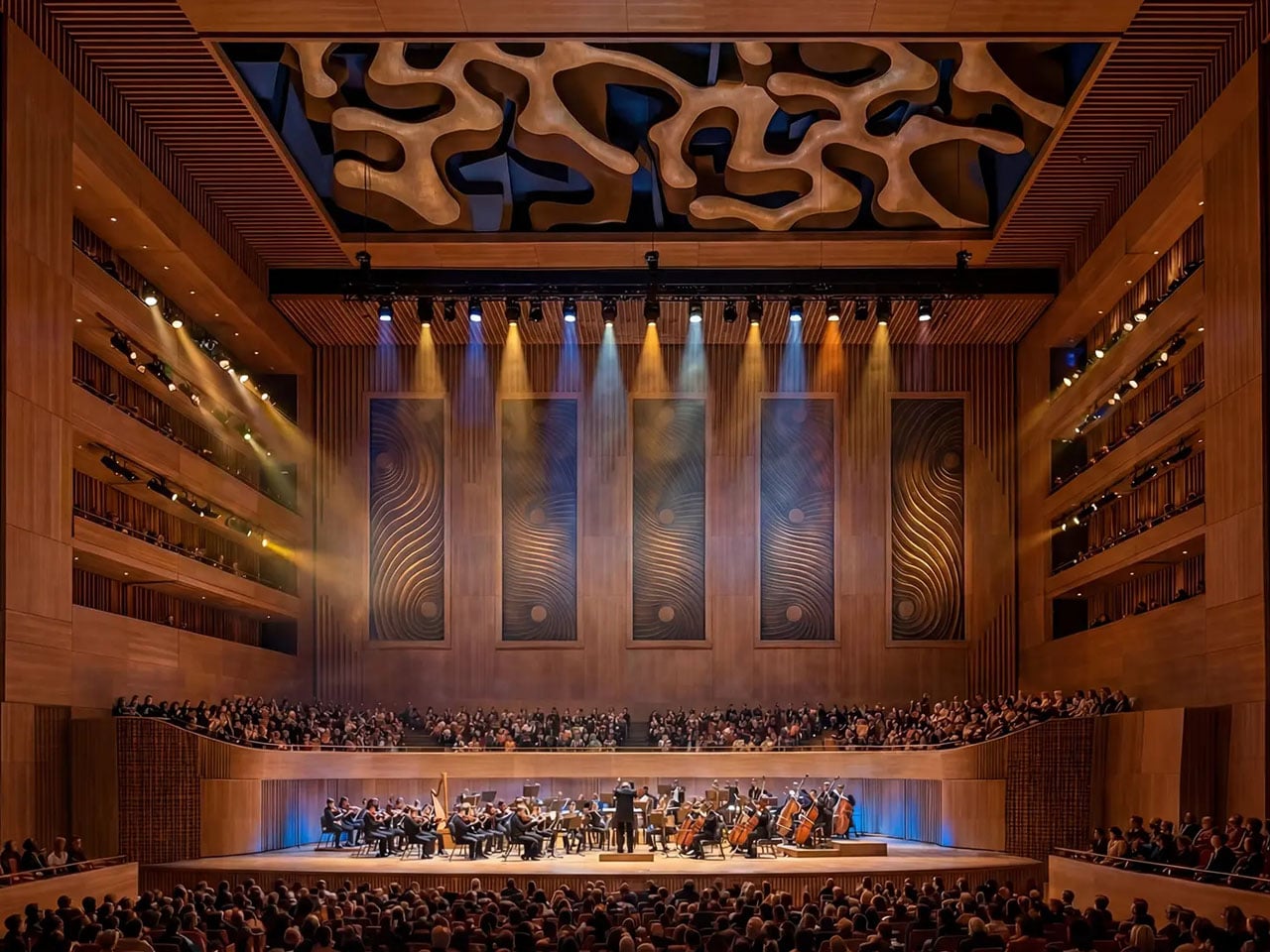
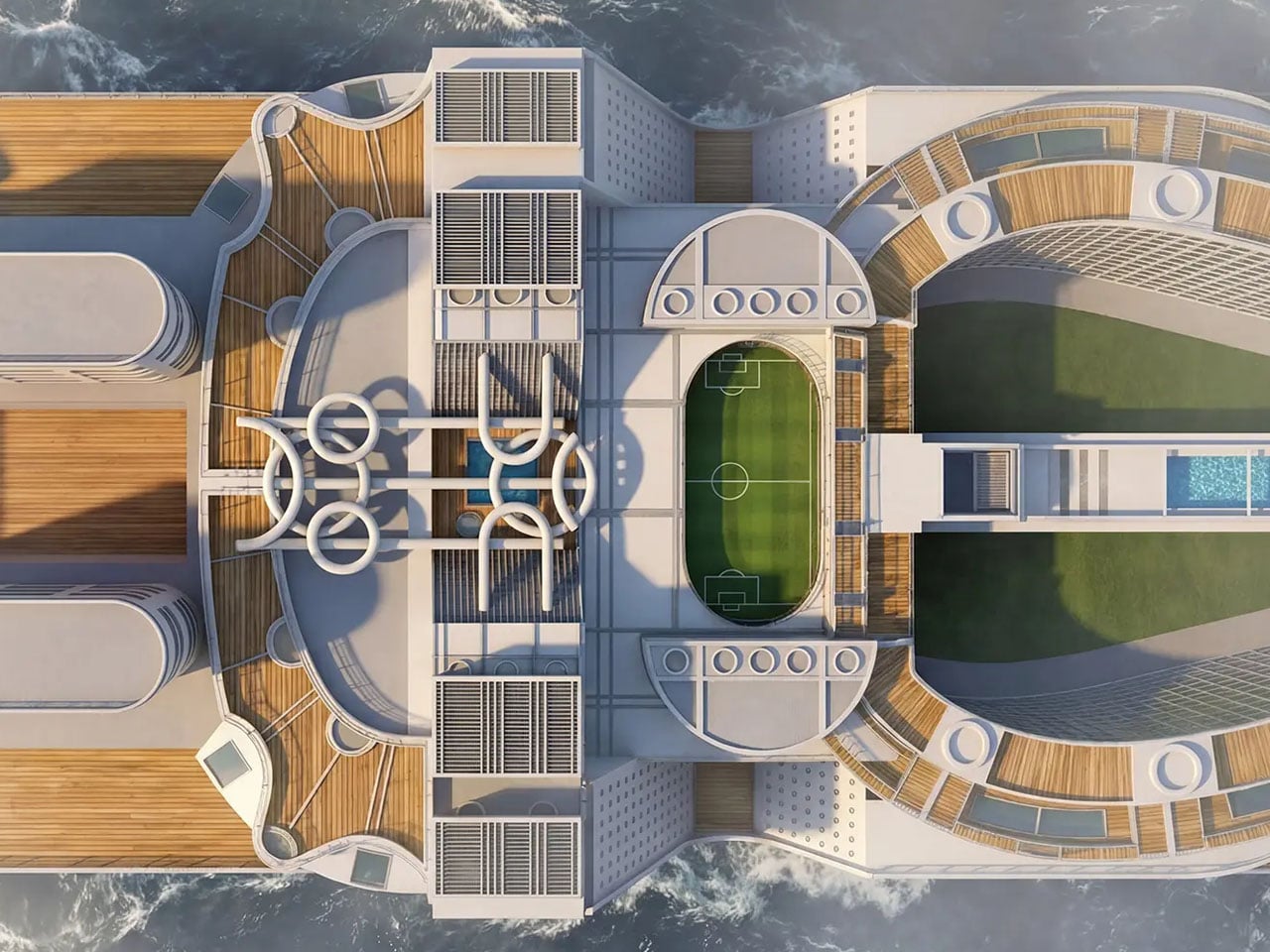
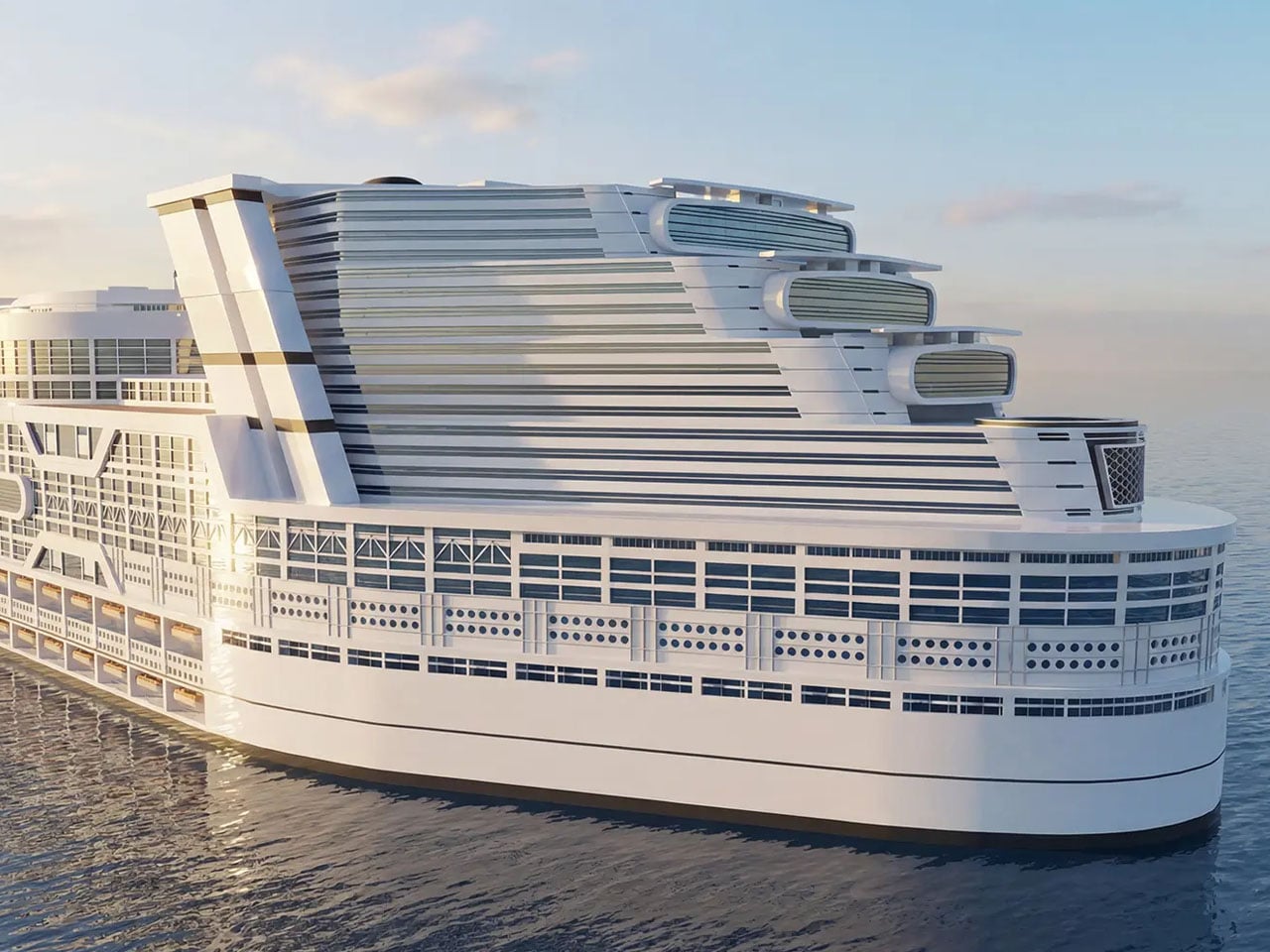
The seed for this nuclear-powered vessel came from American engineer Norman Nixon in 1990. Still, unfortunately, after his demise in 2012, the project was paused for a long period, until it again propped up under the new leadership led by Roger M. Gooch. Measuring almost a mile wide and tall enough to have 30 decks, the cruise ship will be one of the biggest vessels on the open waters by a long stretch. Apart from the living spaces, the ship will have a 15,000-capacity sports stadium, a water park, and two museums. To prevent residents from getting seasick, the vessel will have all the basic amenities, including shops, restaurants, a convention centre, and a symphony hall.

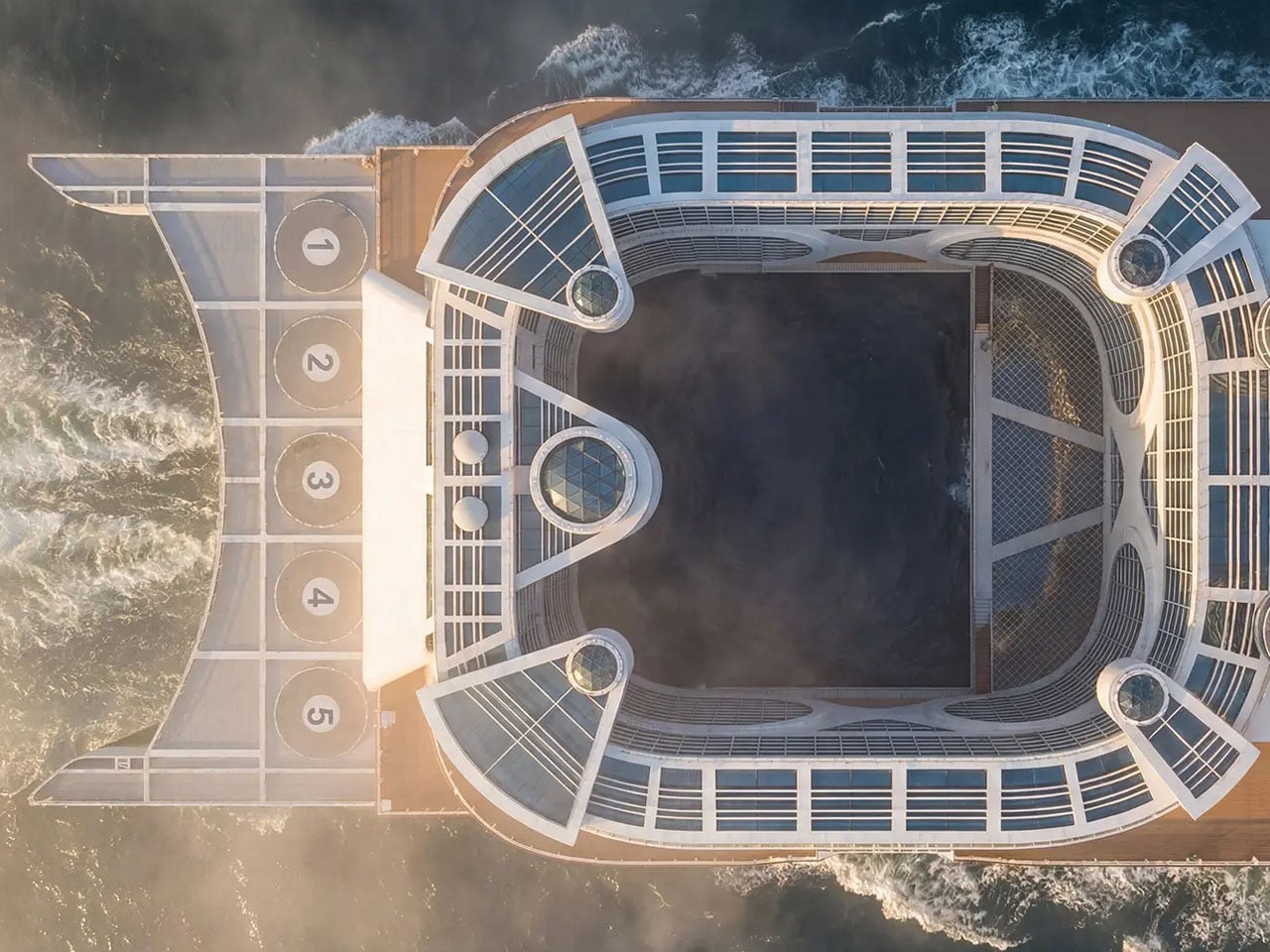
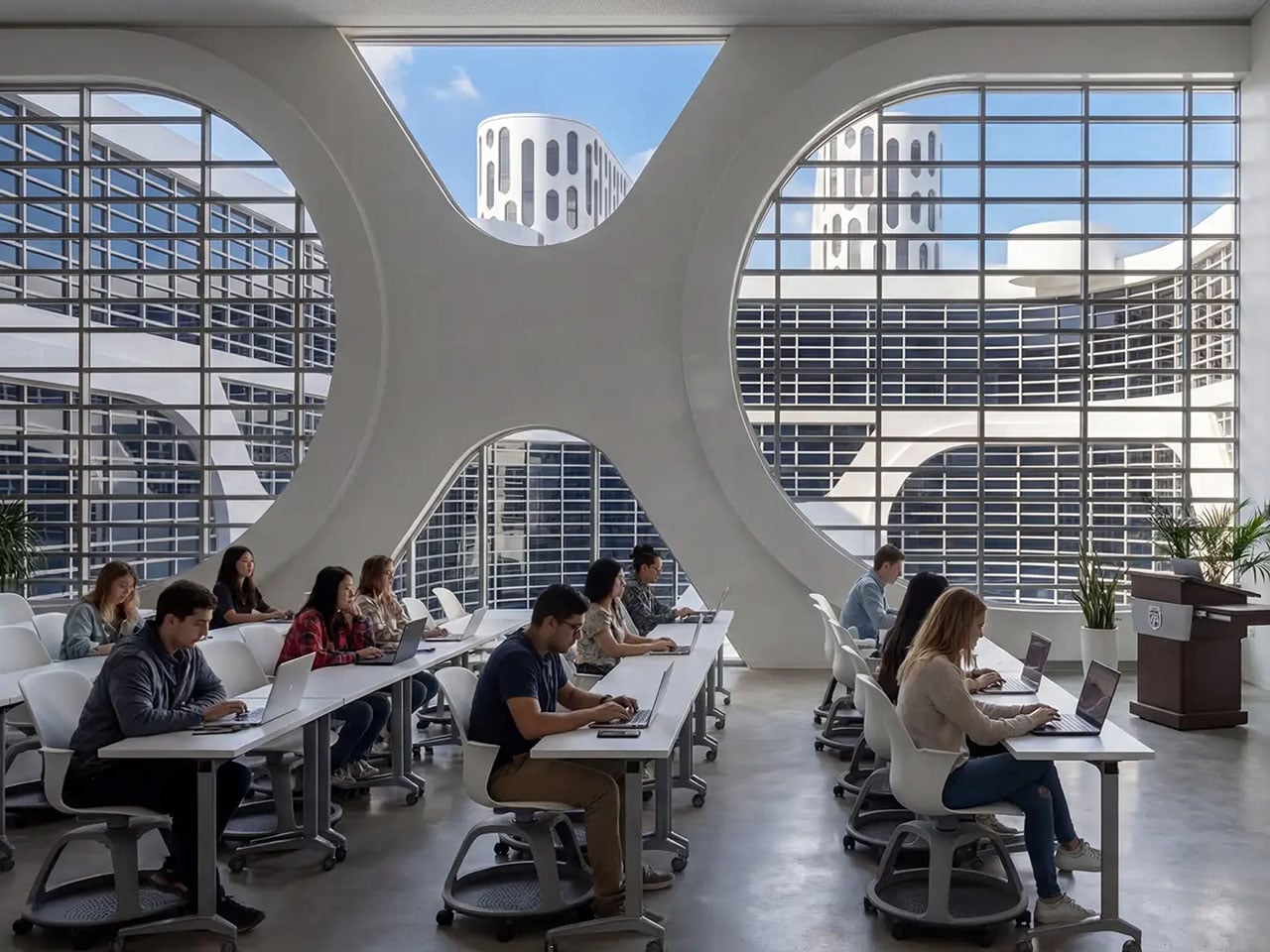
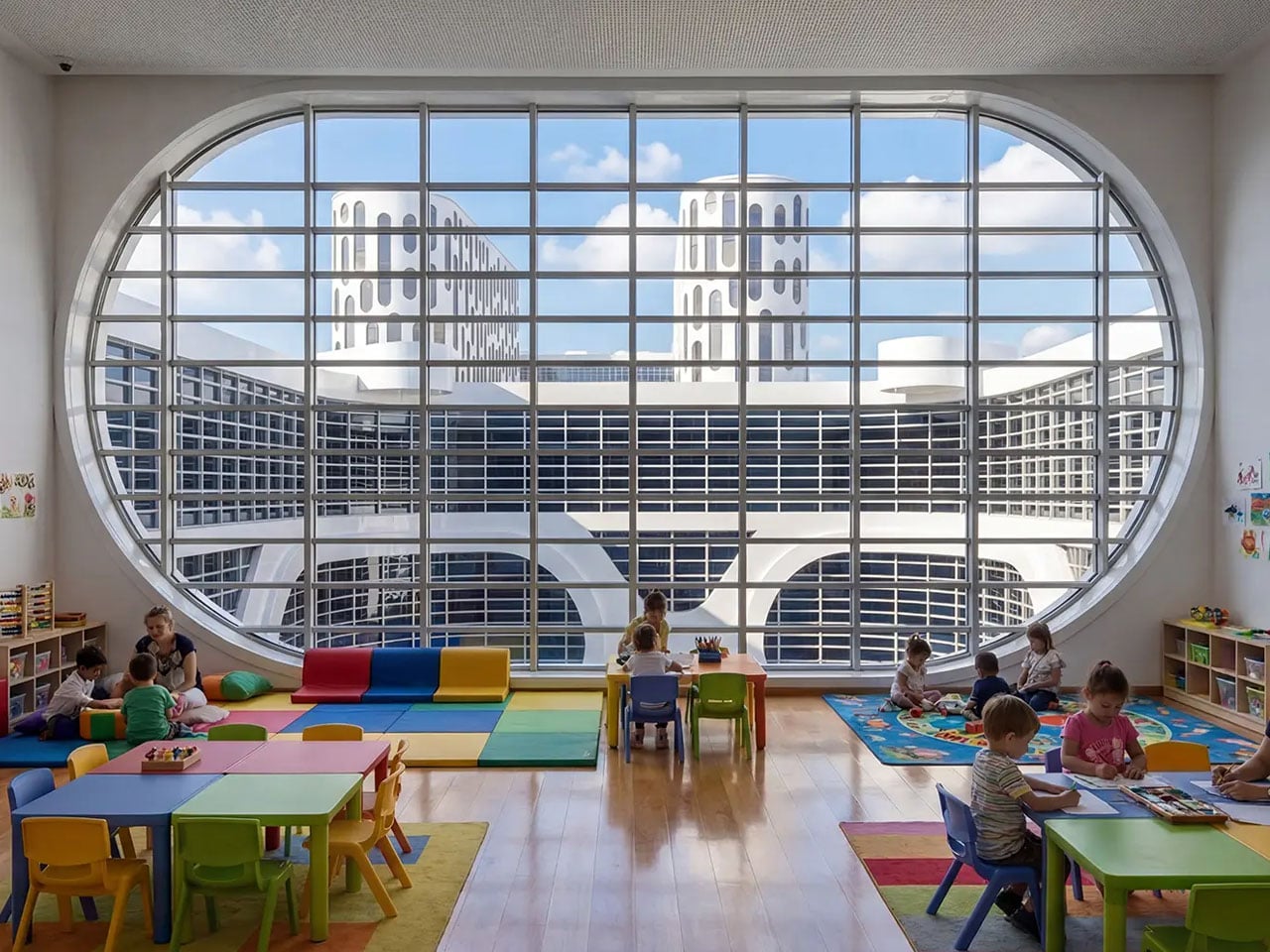
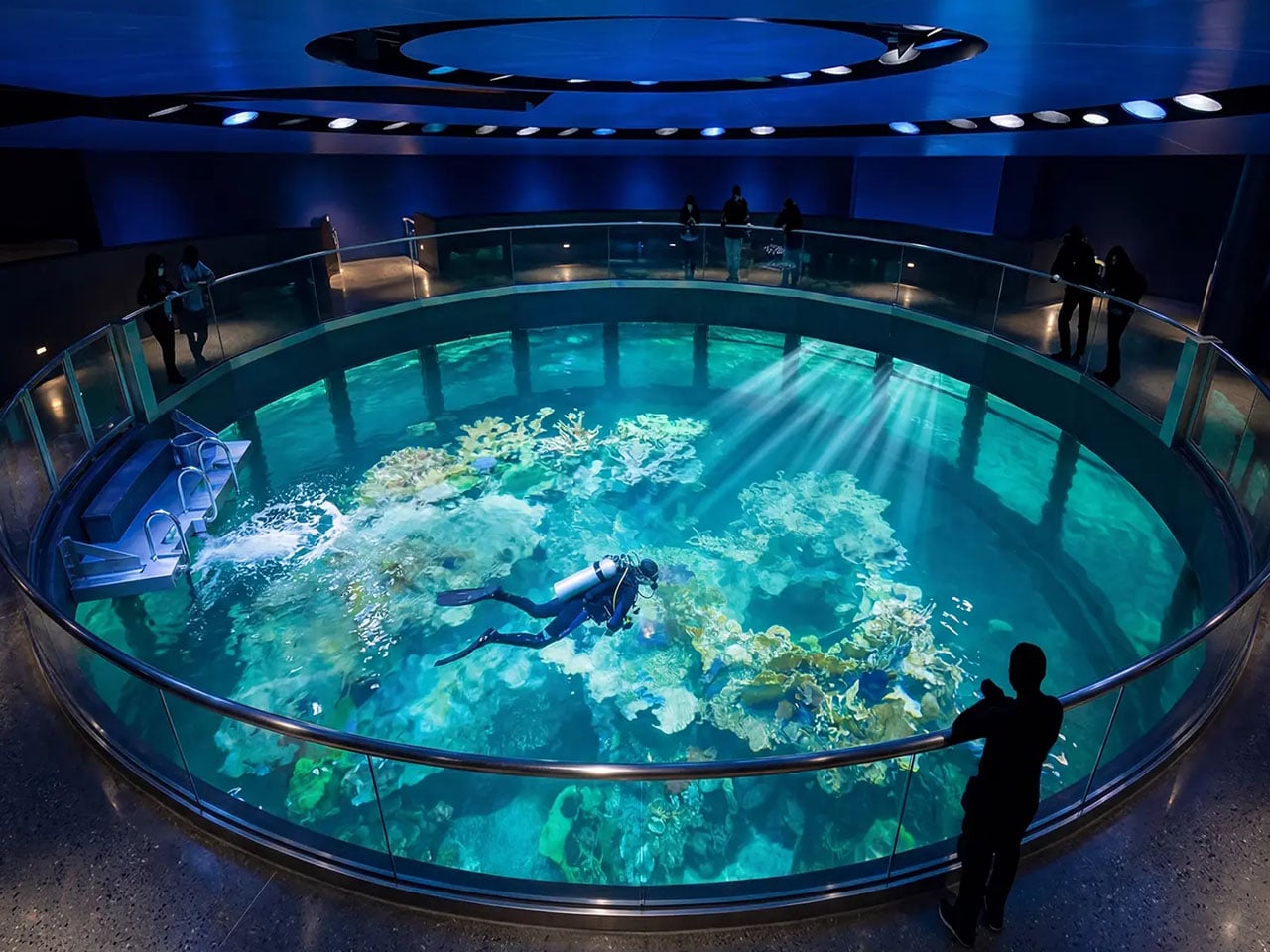
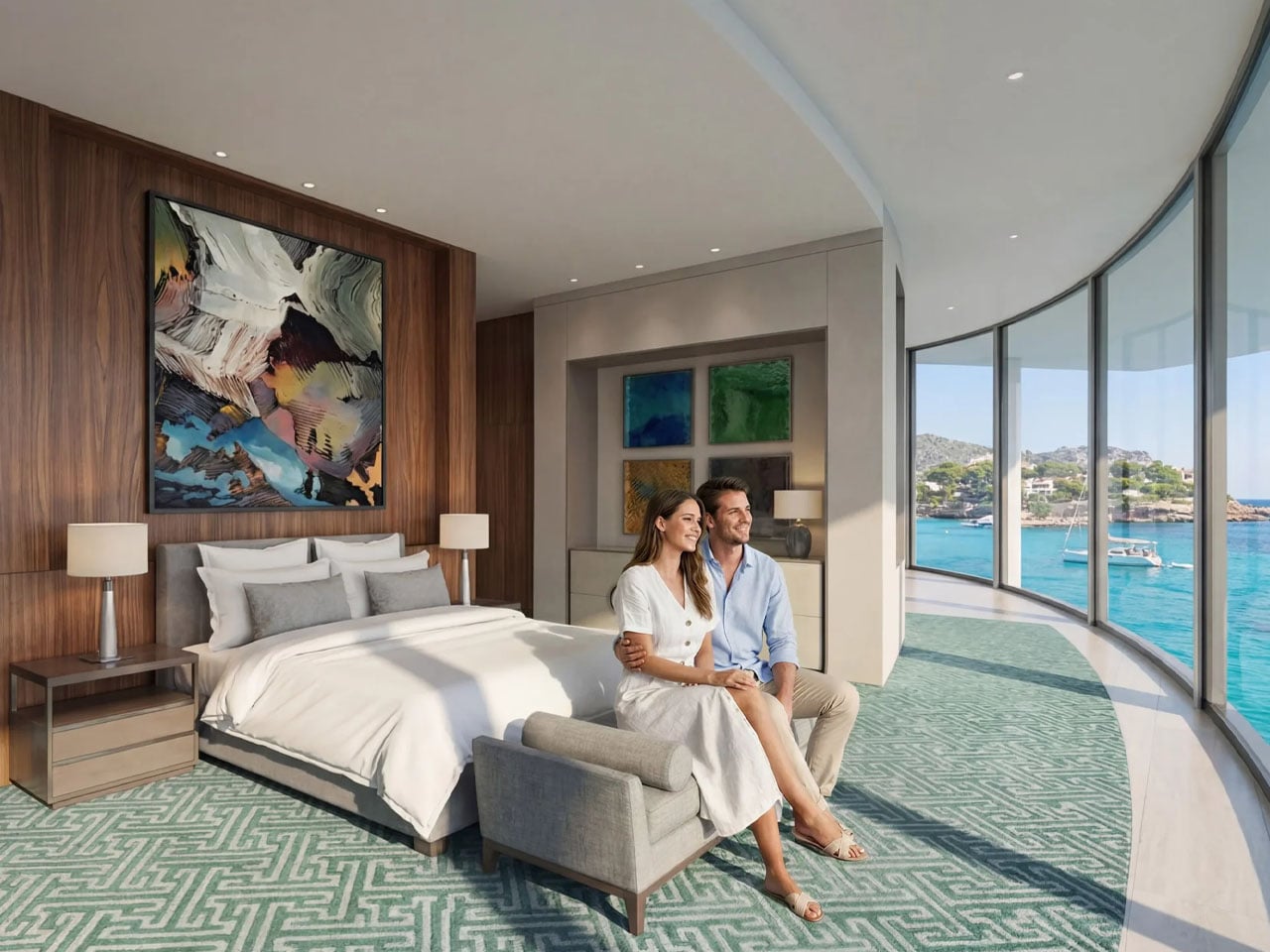
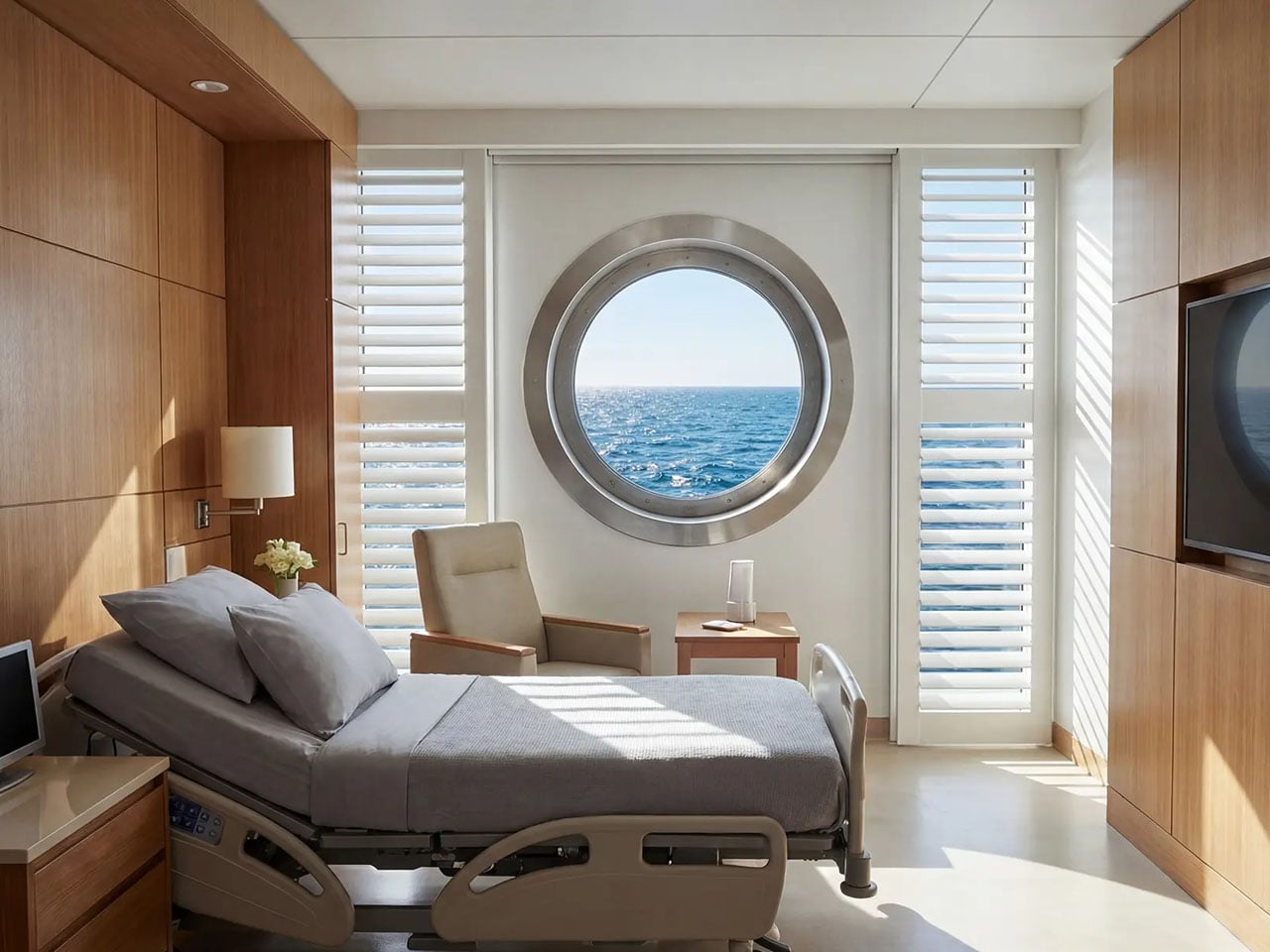
Out of those 30 decks, four will be used for financial branches, retail, banks, and commercial services. Two decks will be designated for a food hall, a shopping mall, a casino, a nightclub, and even a large aquarium. After all, this ship has to feel like a city on its own, which is why it has a 15-mile-long walkway, along with three acres of parks for all onboard to explore. Everything on the decks and the neighbourhoods will be connected in a web of trams and pathways. For emergencies, the city will have eight helipads for quick transfer to land. Basic amenities, including hospital and educational hubs, will facilitate residents in seeing their children pass high school and then opt for further studies in the Floating City bounds.

Given the magnanimity of this larger-than-life project, Gooch has commissioned a 12-person leadership team of designers, architects, and project managers to bring the Floating City to life. Once the required funds are amassed, the vessel is slated to take shape in Indonesia over a period of three to four years. According to Gooch, permanent residents can start living on board mid-way through construction, once the basics are in place. Visionaries can even lease or buy the real estate space on board for a cohesive, self-sustaining economy. As per Kevin Schopfer, the project’s lead, the massive stadium can be used for one-of-a-kind events or concerts. He jokingly said, Taylor Swift was a part of passing discussions, but he wasn’t sure if we could handle that yet!

No matter the scale of the ship, residents are bound to get bored at some point in time. That’s why Floating City will give residents and long-term guests the option to explore various onshore destinations via ferry services, every week or so. Floating City is estimated to be constructed for a total cost of $16 Billion, and construction will commence once the funds are ready at the disposal of the leadership. Till that time, this will remain a visionary concept that’ll have a lot at stake.

The post Floating City by Freedom Ship is destined to be a comprehensive habitat on international waters first appeared on Yanko Design.
Encore RV includes full shower and toilet on 12-foot camper trailer without compromising living space

Smaller camper trailers are sprouting one after the other, and we are in awe of each one of them. Special mention: Campinawe Crossover Solo we saw the other day. Now that seems like a story of the past, as we have a new entrant from Encore RV. This is not something especially new. So wasn’t the Crossover Solo really? It’s an enhancement of one of Encore’s more interesting ROG models, which despite everything else, lacked an onboard wet bath.

Encore RV boasts of producing trailers designed to last. In fact, the company based out of Elkhart, Indiana, did something extraordinary to prove its point. It hung a ROG 12RK-SS model “upside down from a crane, … supported by its rear kitchen cabinet for five days and five nights…” The experiment proved the tough, durable, corrosion-proof abilities of the trailer and substantiated the company’s claim.

Designer: Encore RV

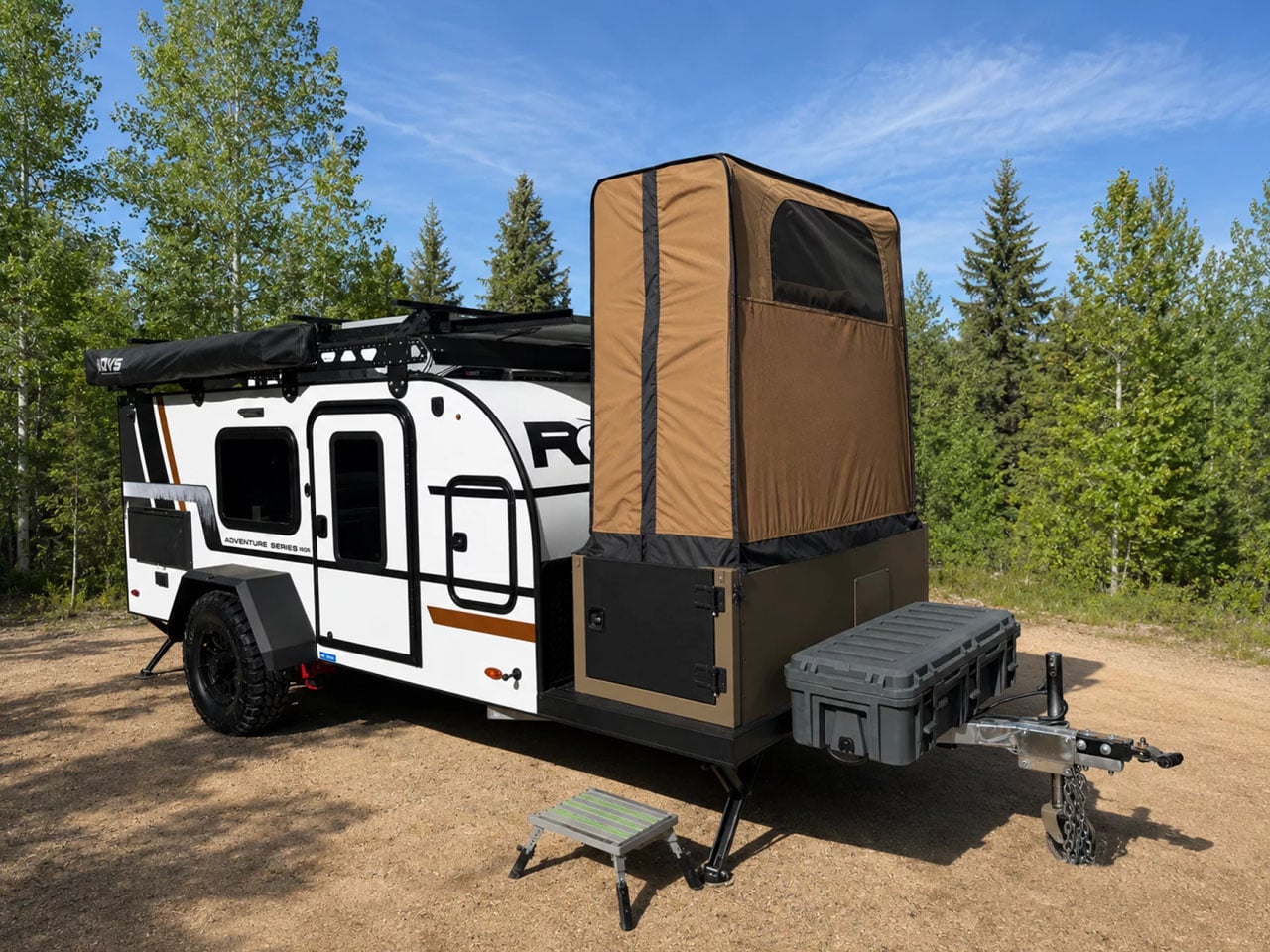
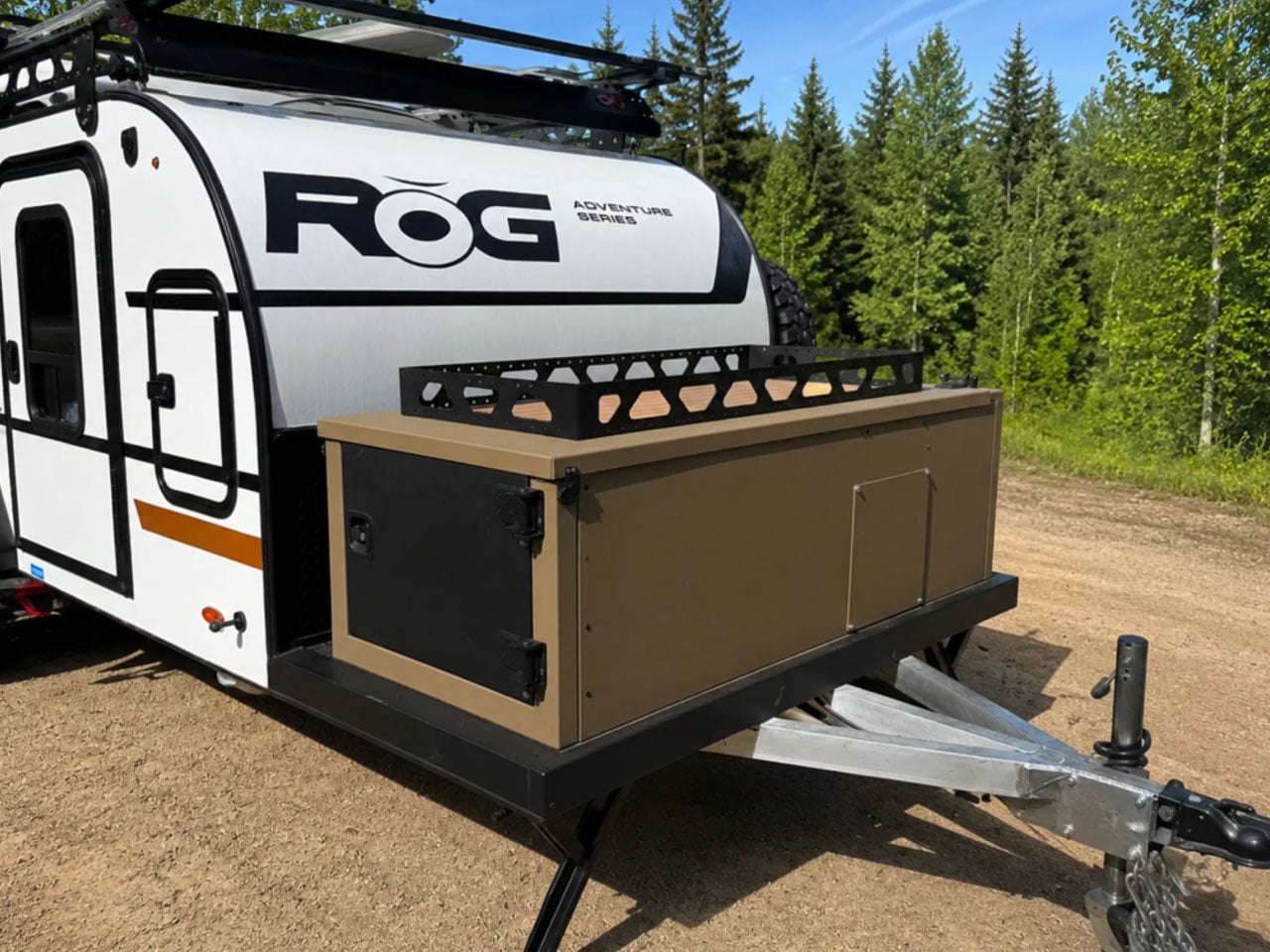
Now for 2026, Encore is aiming to solve the critical dearth of bathrooms on smaller trailers. For this, the company has chosen a rather awkward spot (it’s not on the inside of the trailer nor sliding out in any direction), yet it is fully connected to the trailer. It’s built atop the ROG 12RK, one of the cheaper models in the manufacturer’s ROG lineup of trailers, and the new creation we get is called the ROG 12RK-FB, which was unveiled publicly at the recently concluded Overland Expo West in Arizona.

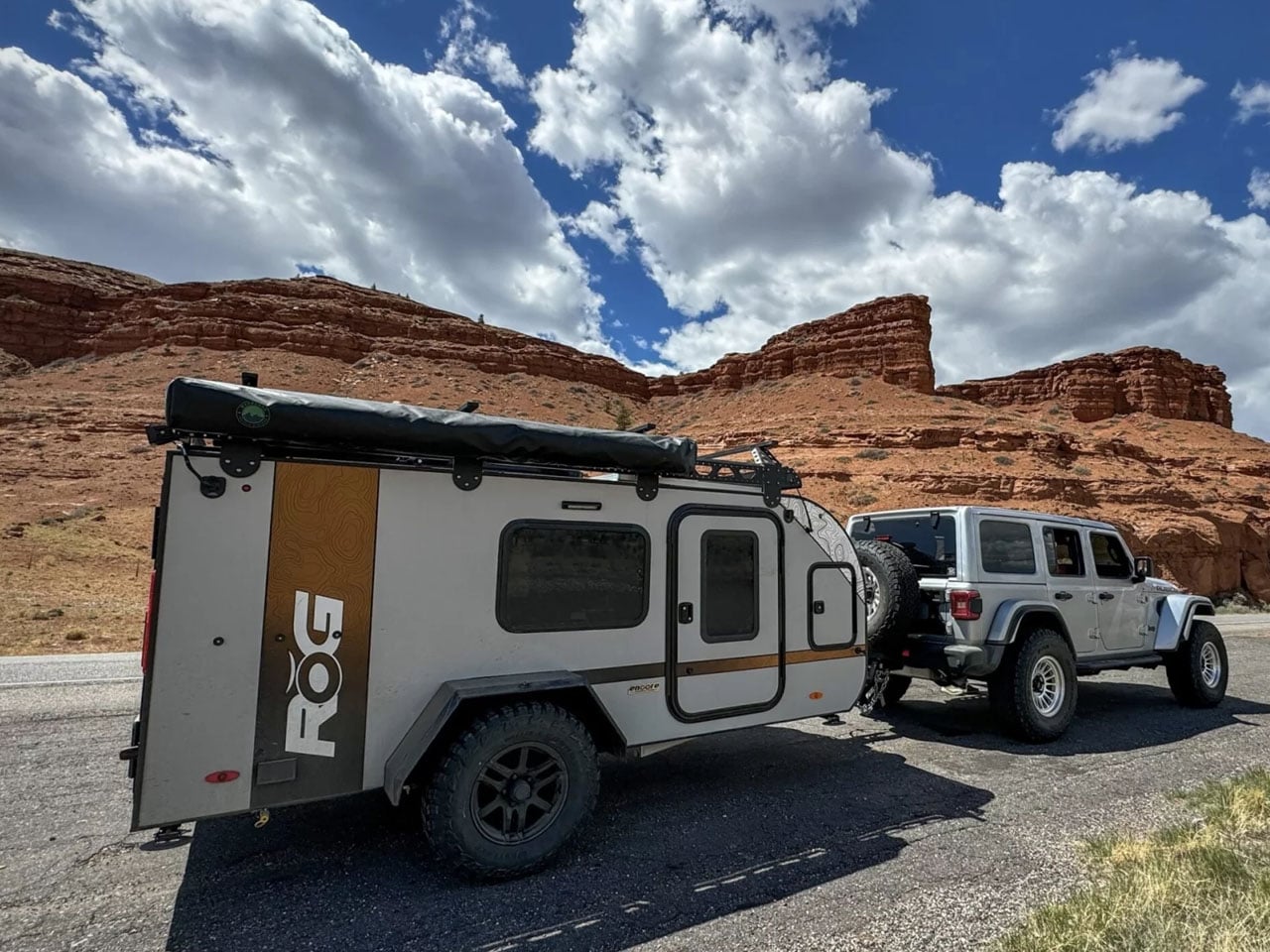
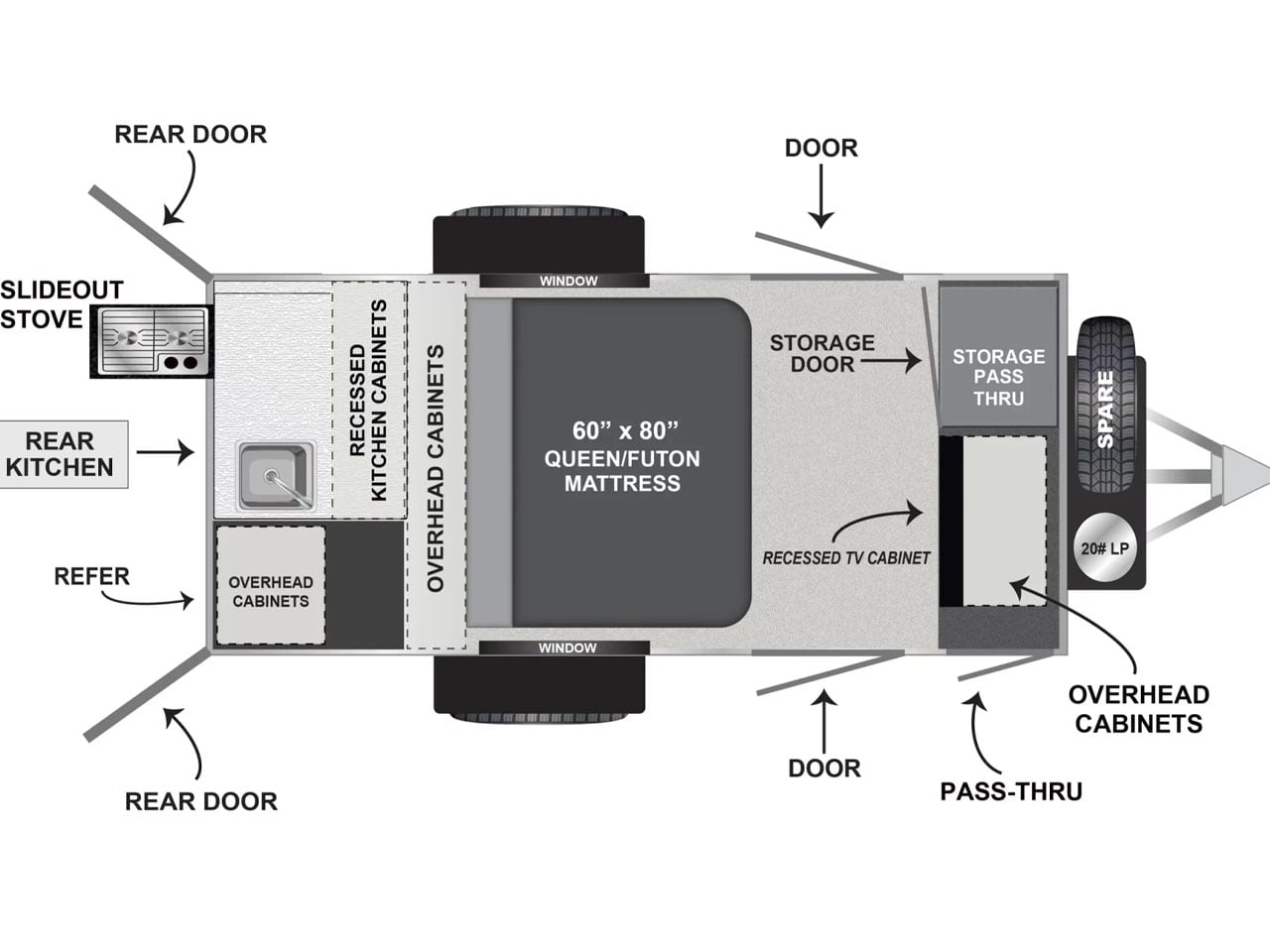
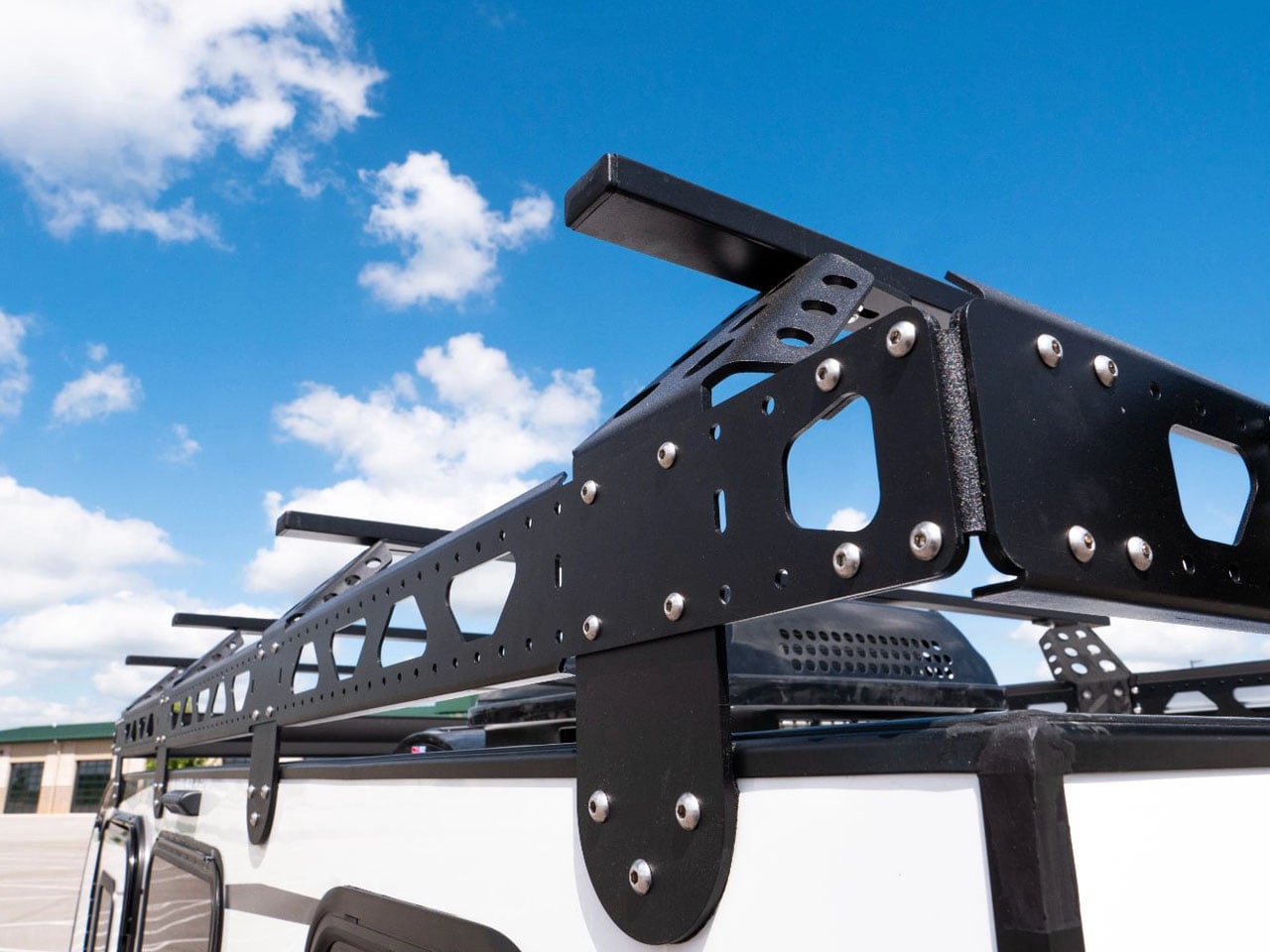
The 12RK is based on the same signature style of construction that the Encore follows for its more expensive offerings. The trailer has a completely wood-free construction. It features an aluminum frame, composite panels form the sides, while the roof is constructed from a single piece of fiberglass. The trailer measures 15 feet long from the tow bar to the rear, while the cabin itself is only 12-foot long.

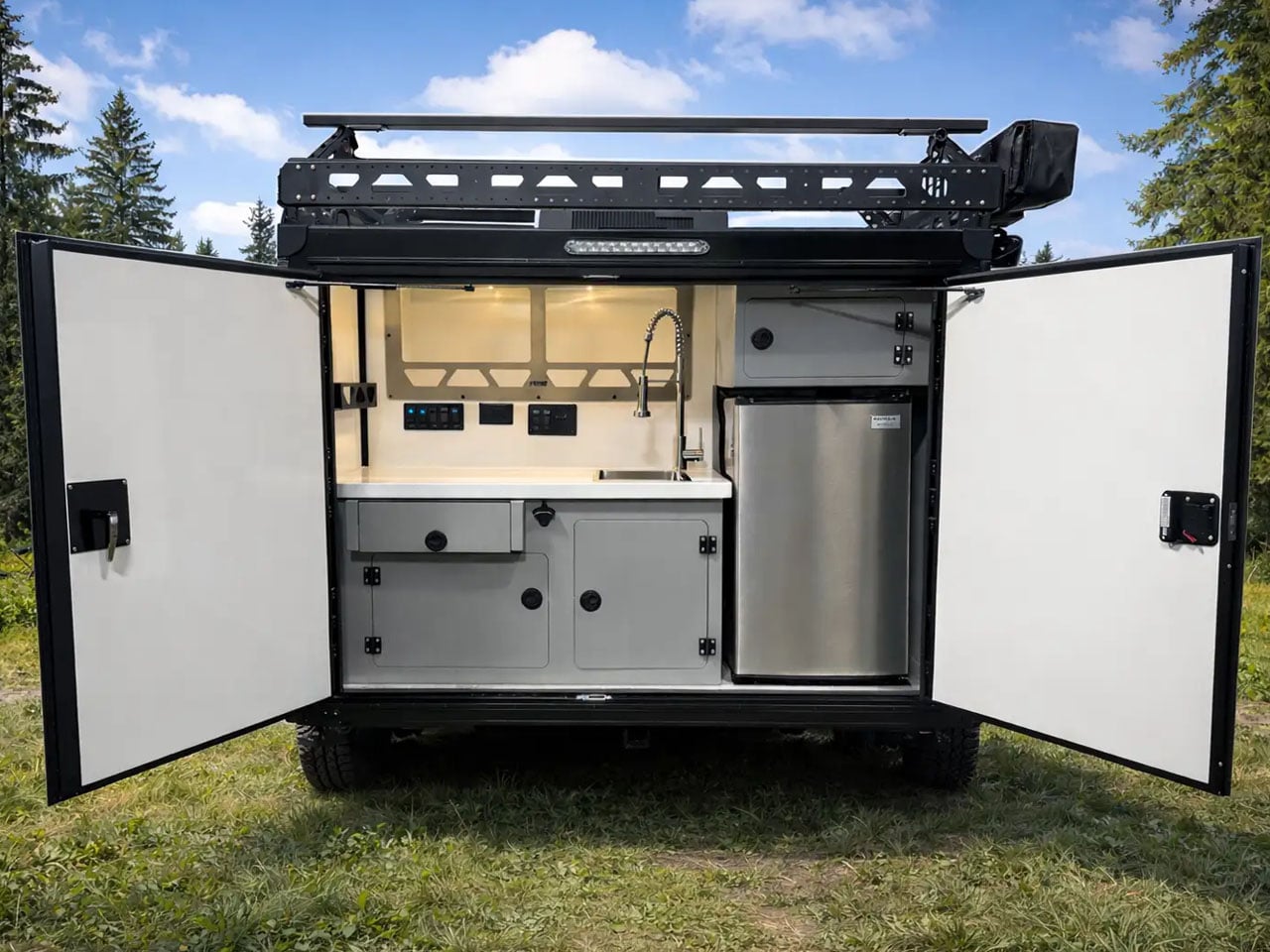
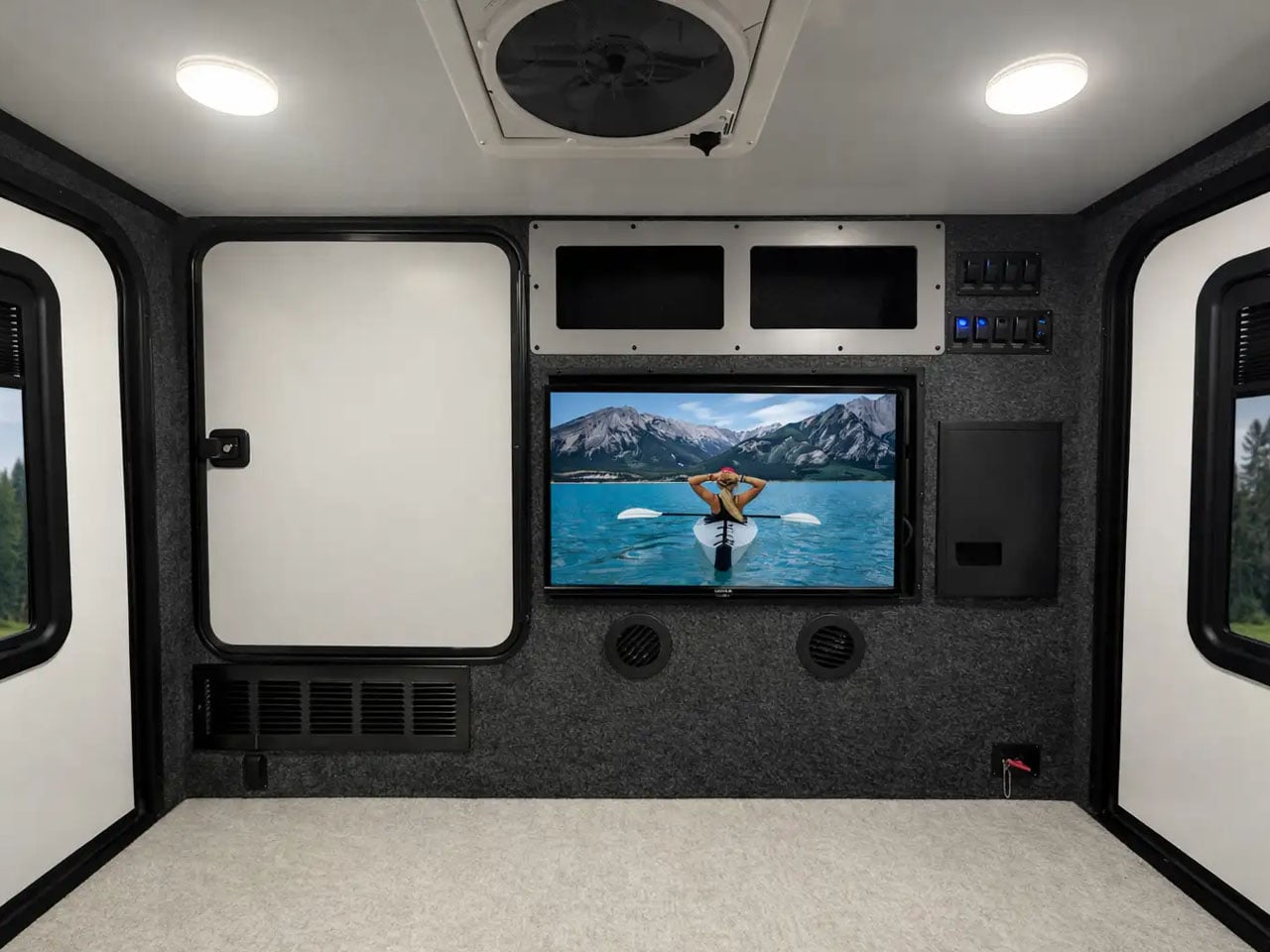
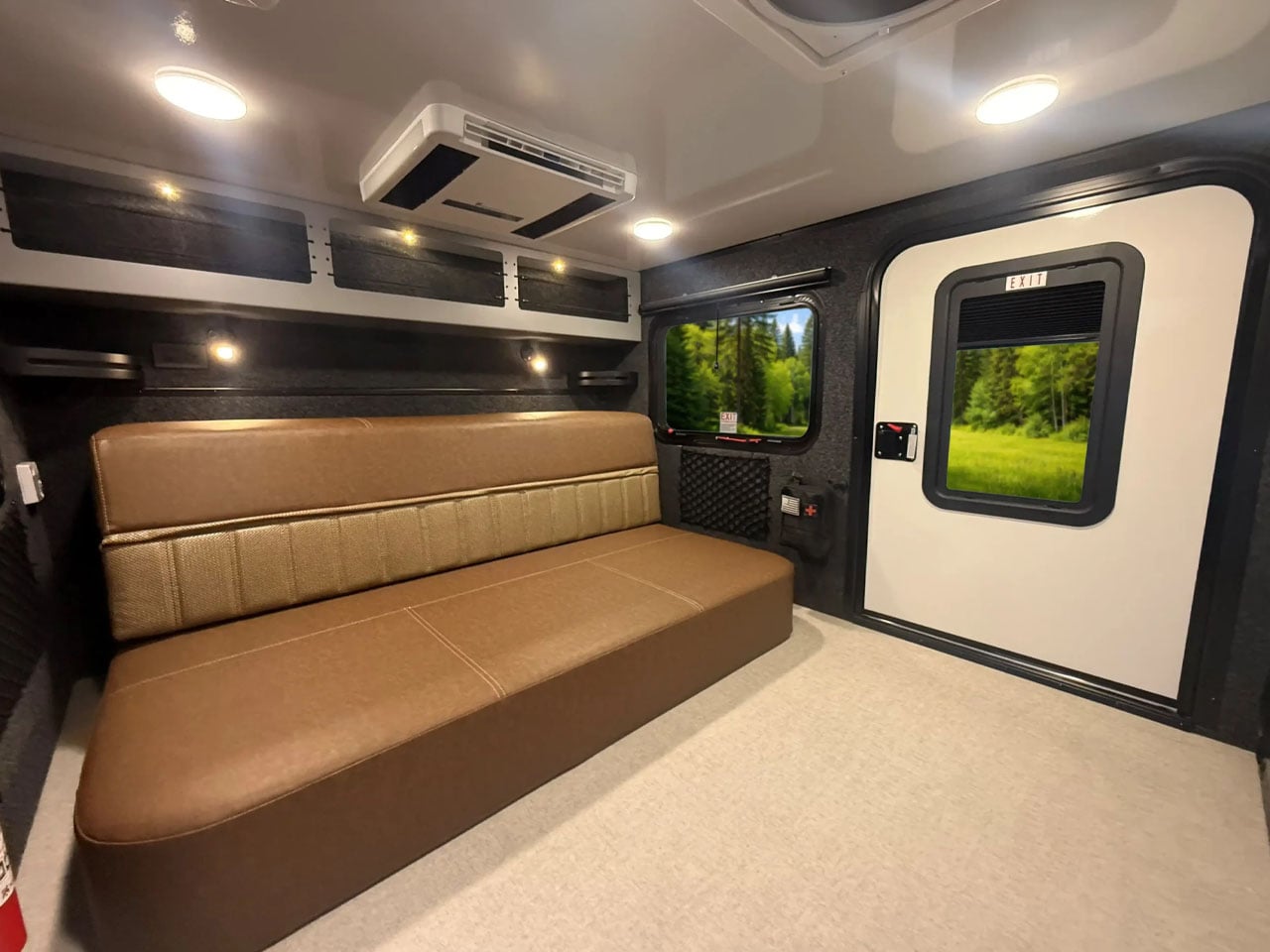
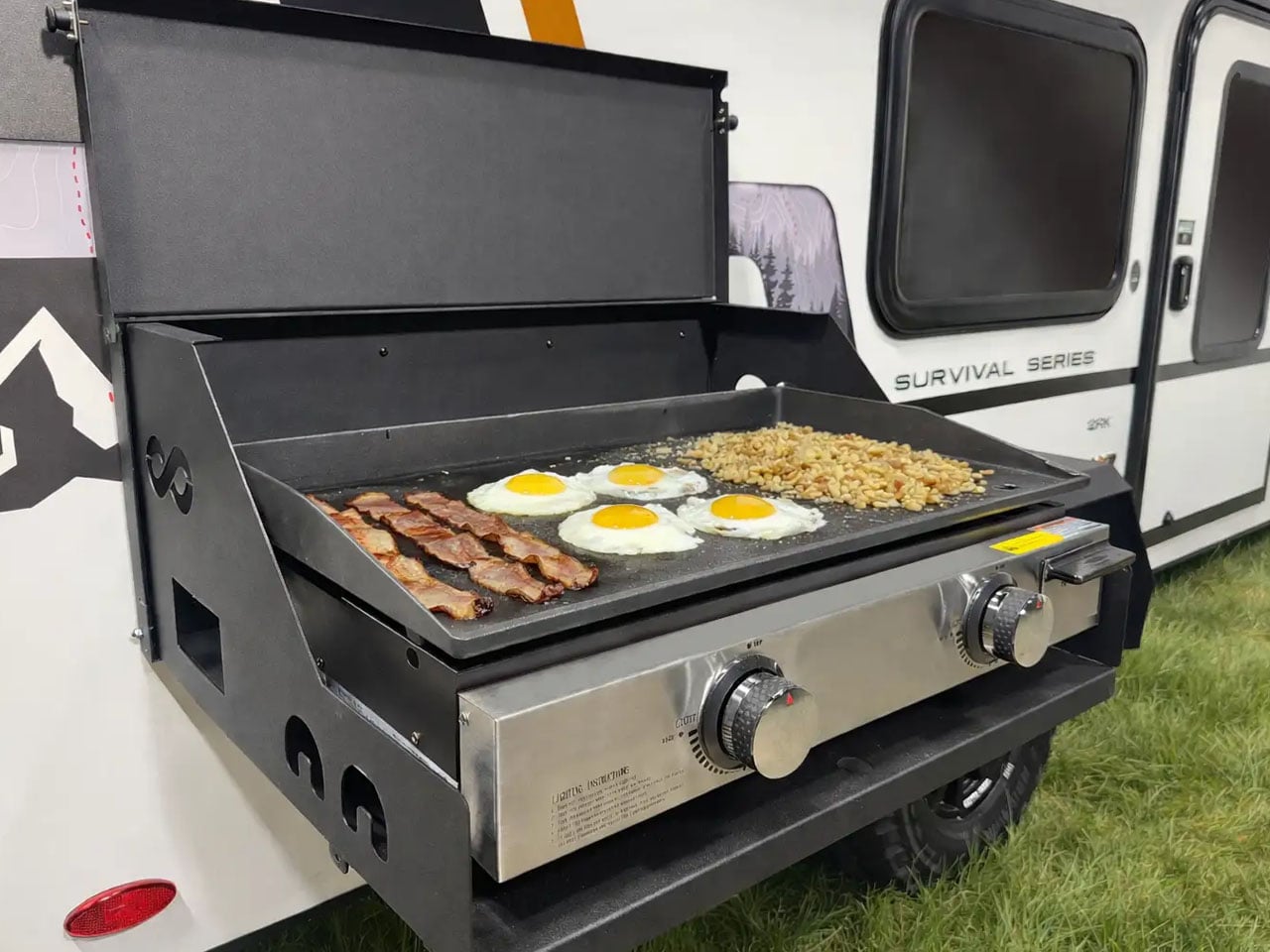
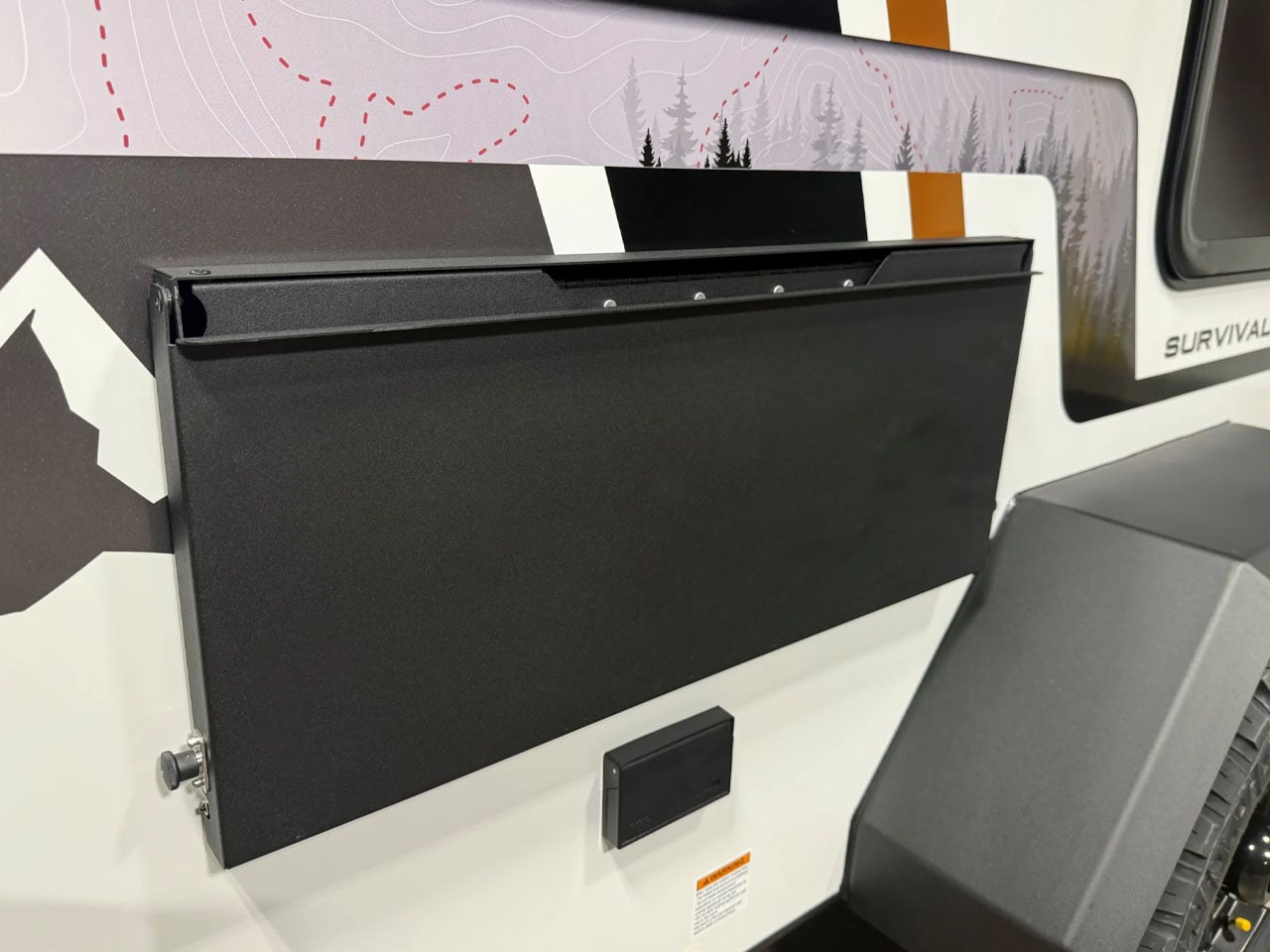
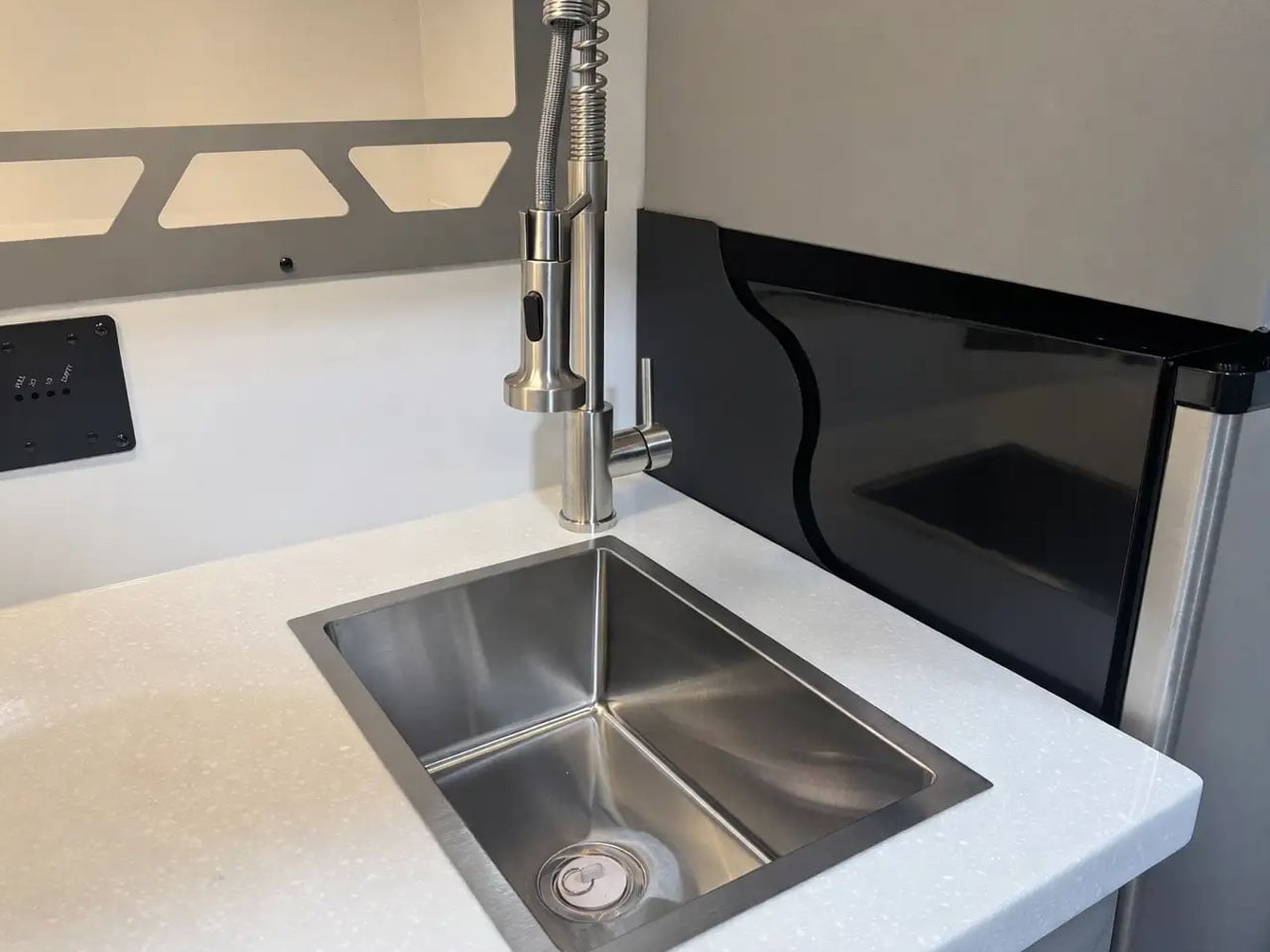
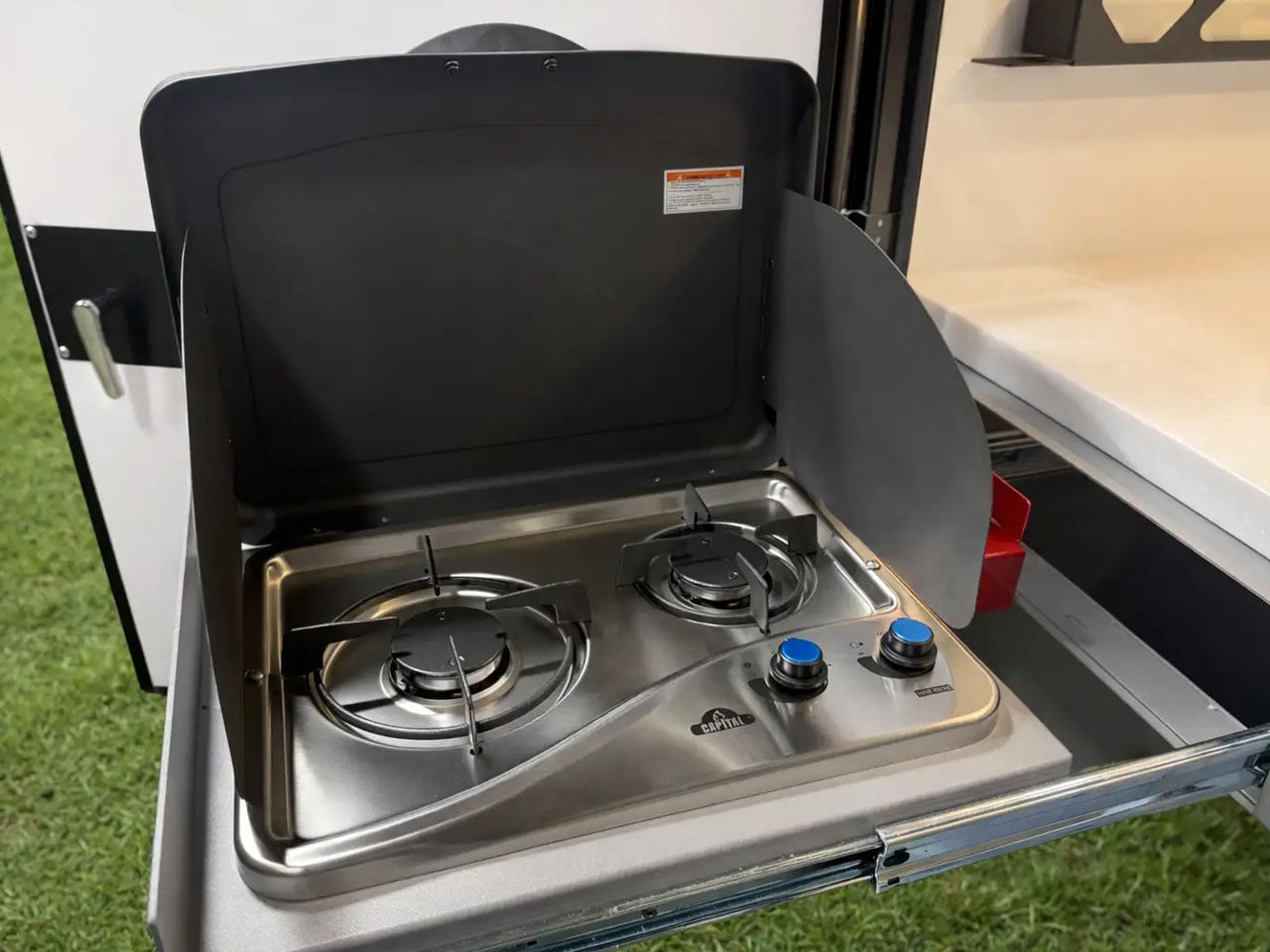
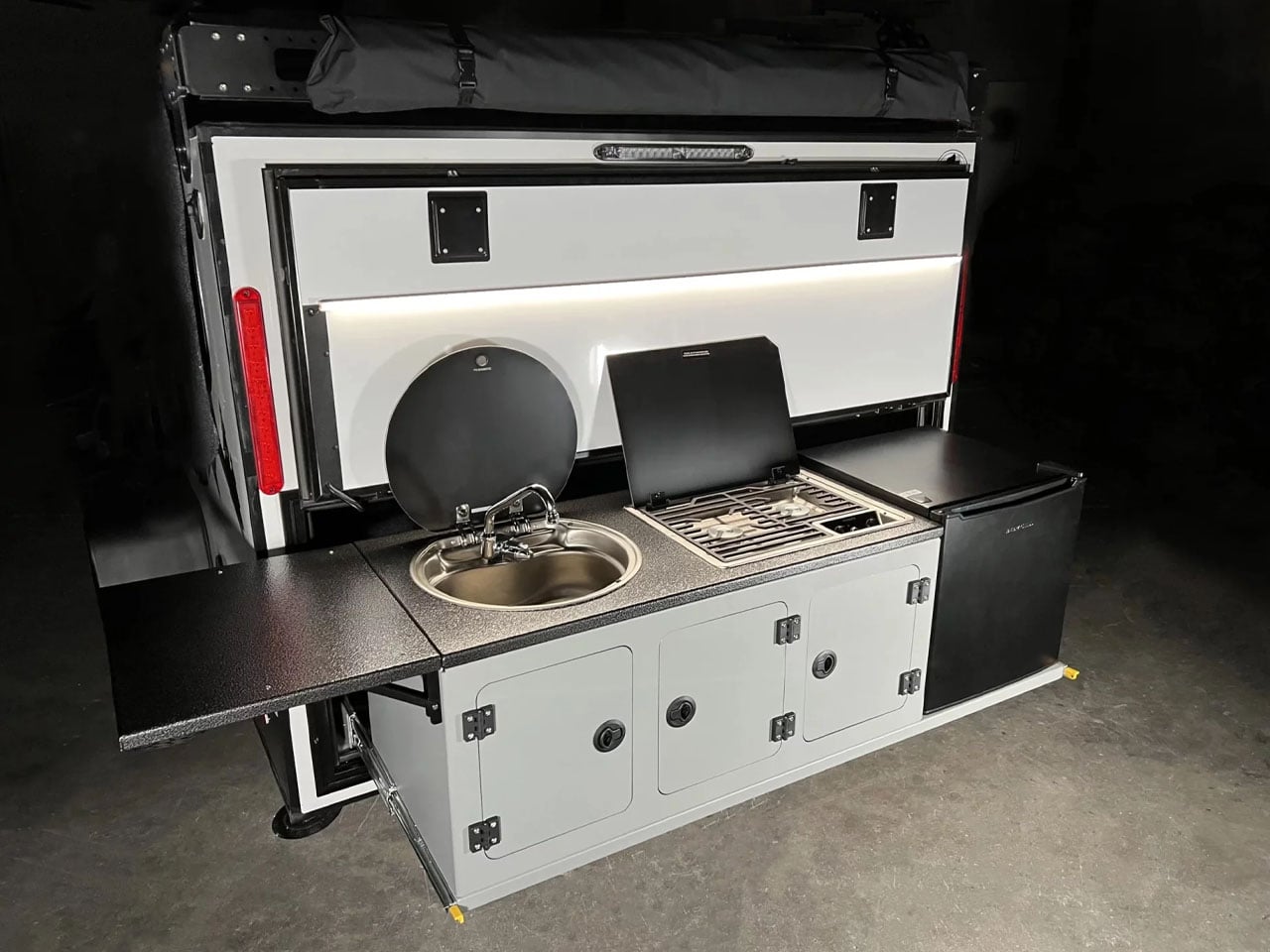
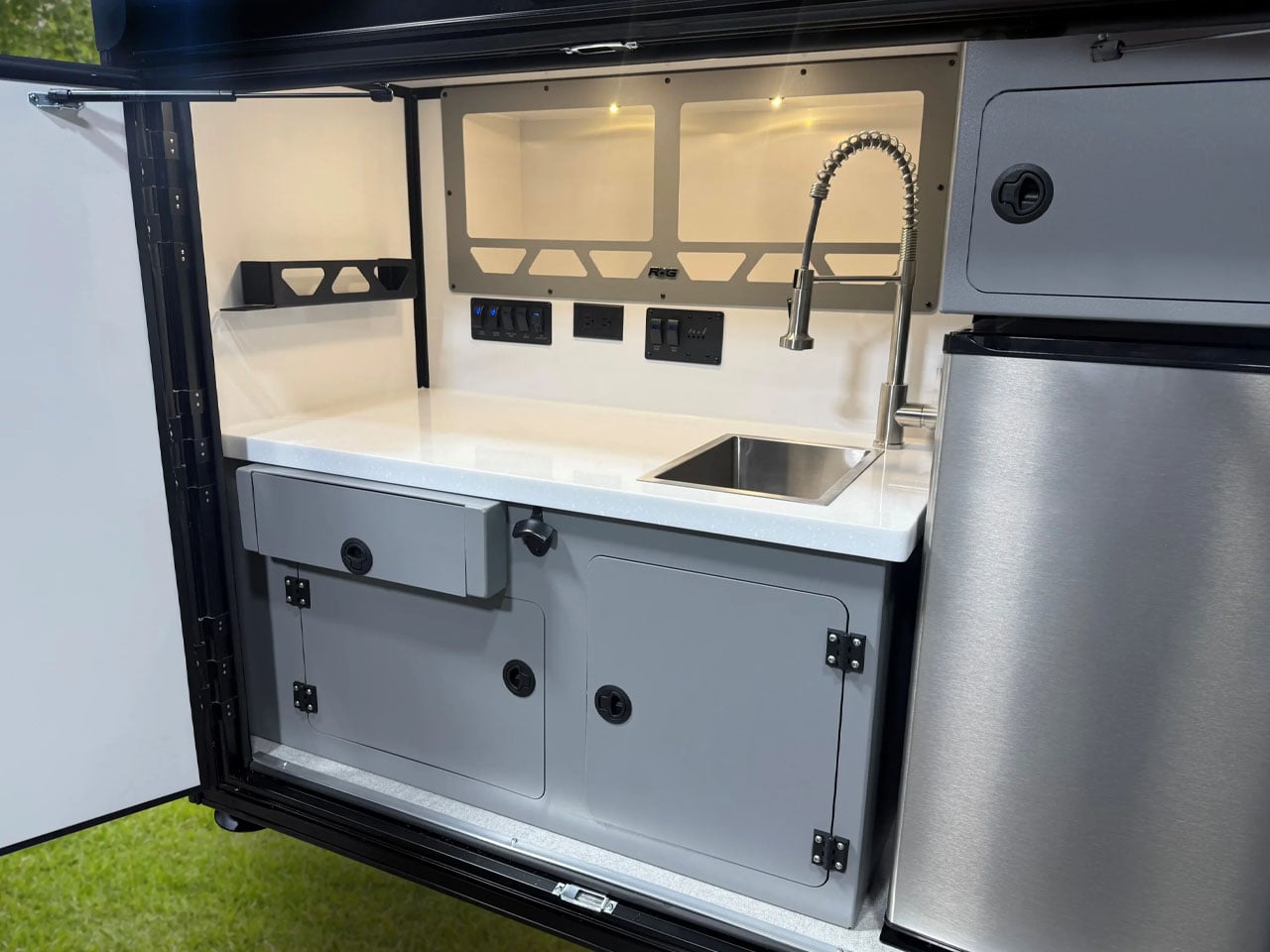
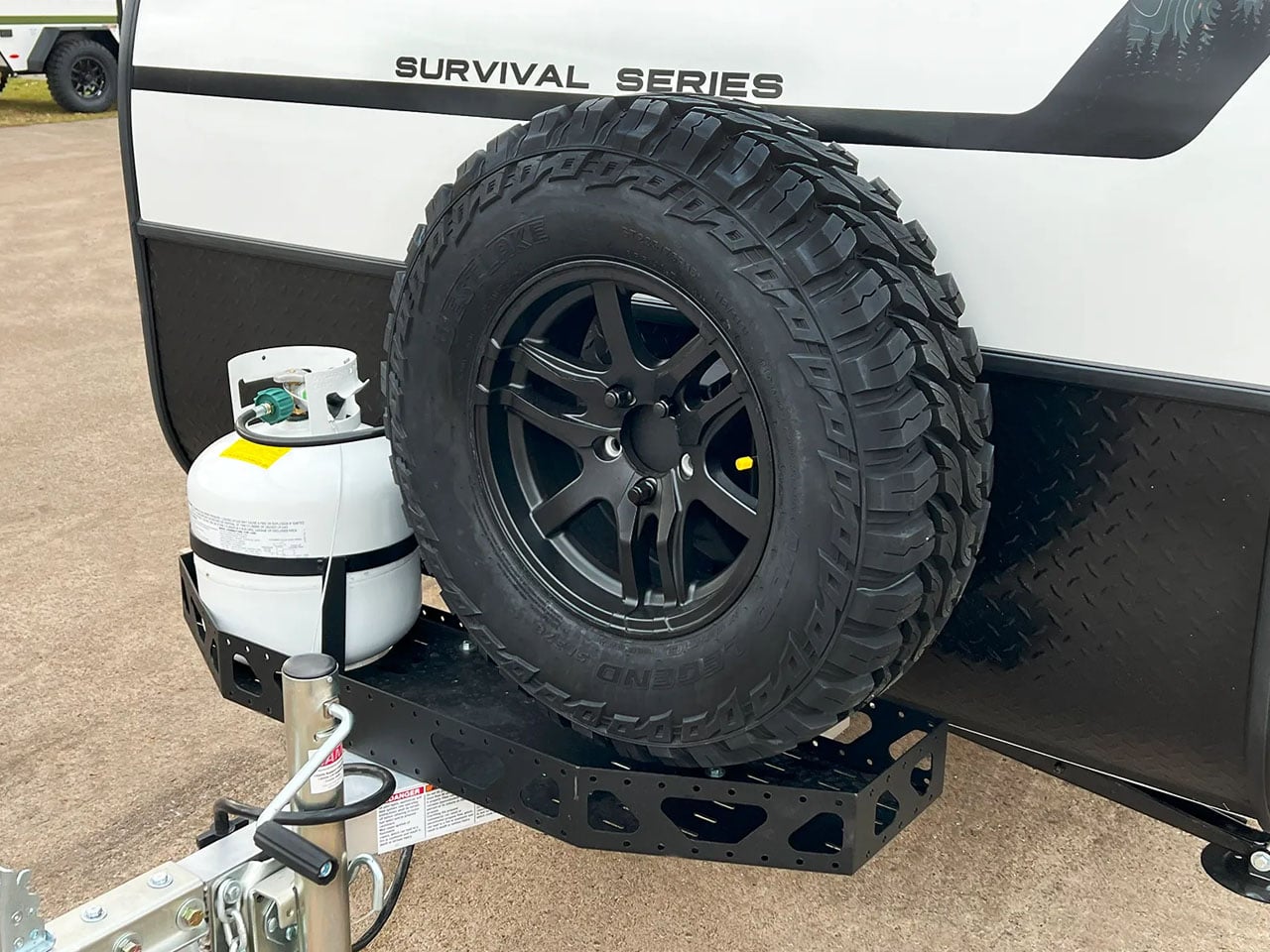
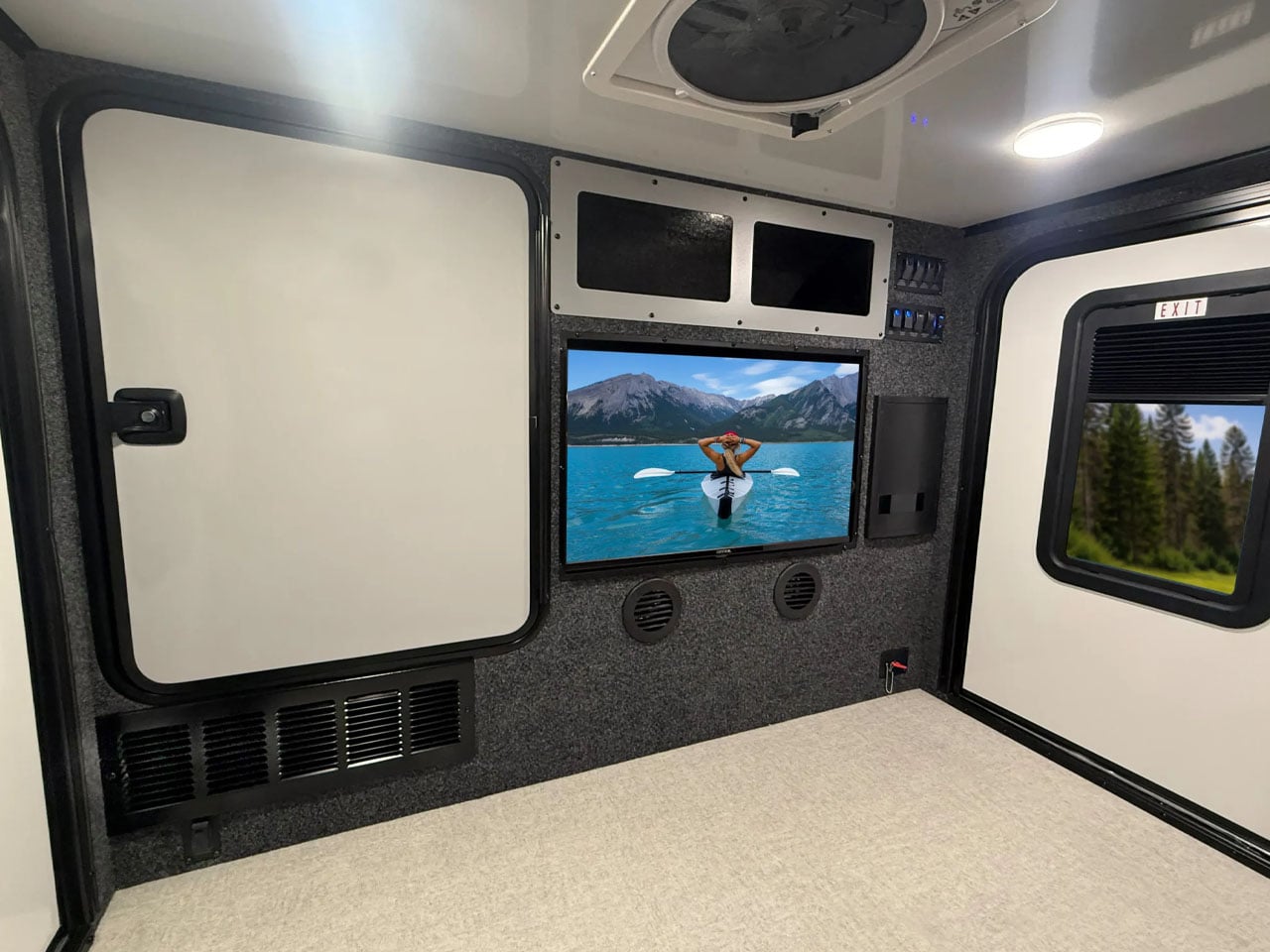
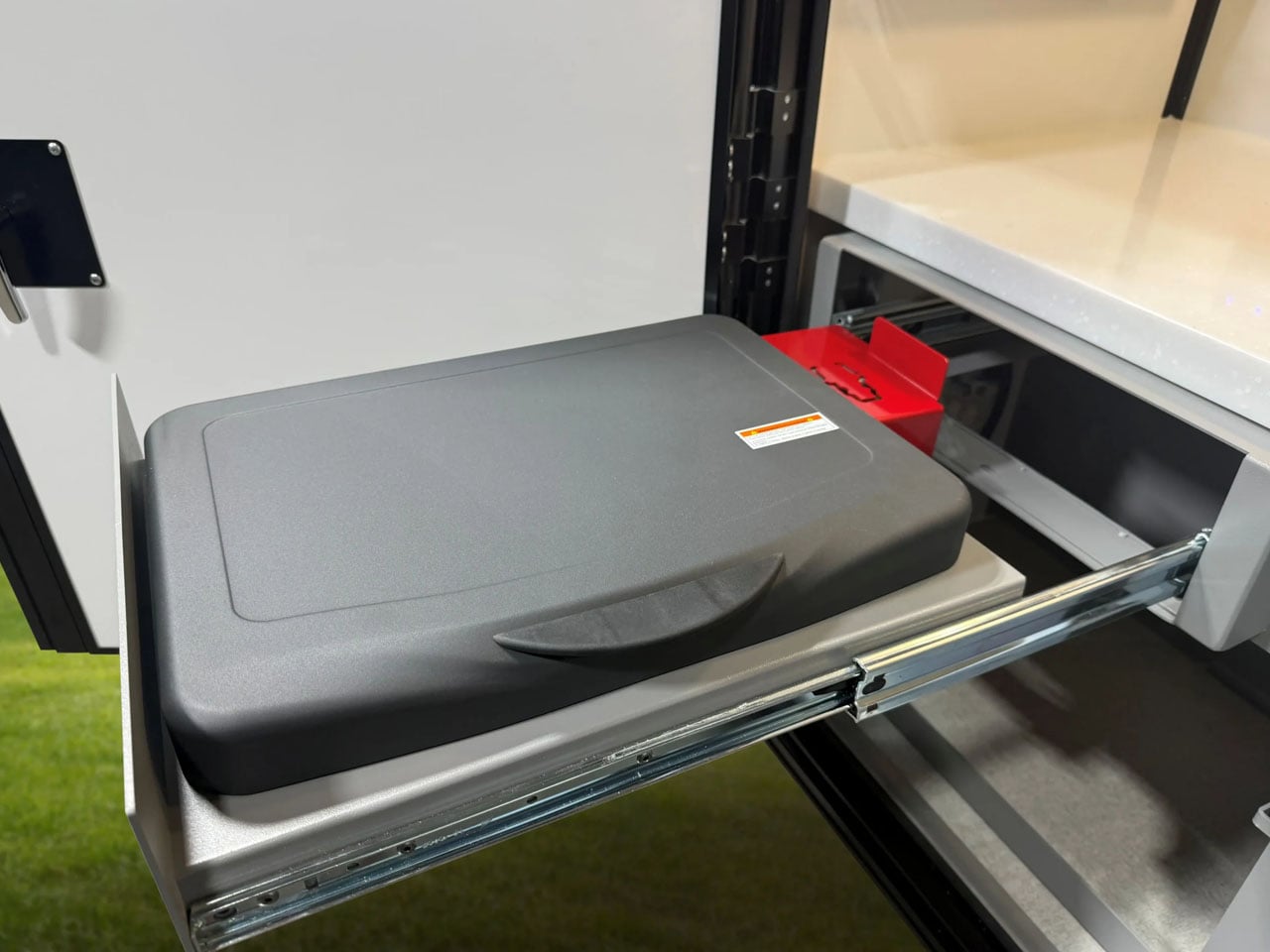
The adventure-ready trailer features a futon that converts into a sizable 60 x 80-inch bed inside the cabin. During the day, the futon resides in front of a 32-in TV, which is connected to an installed setup of speakers. The kitchen of the trailer is placed in the tailgate. It features a dual-burner slide-out stove and a 93L fridge. A spare tire finds a place on the trailer tongue, but there is no room for the toilet or shower.

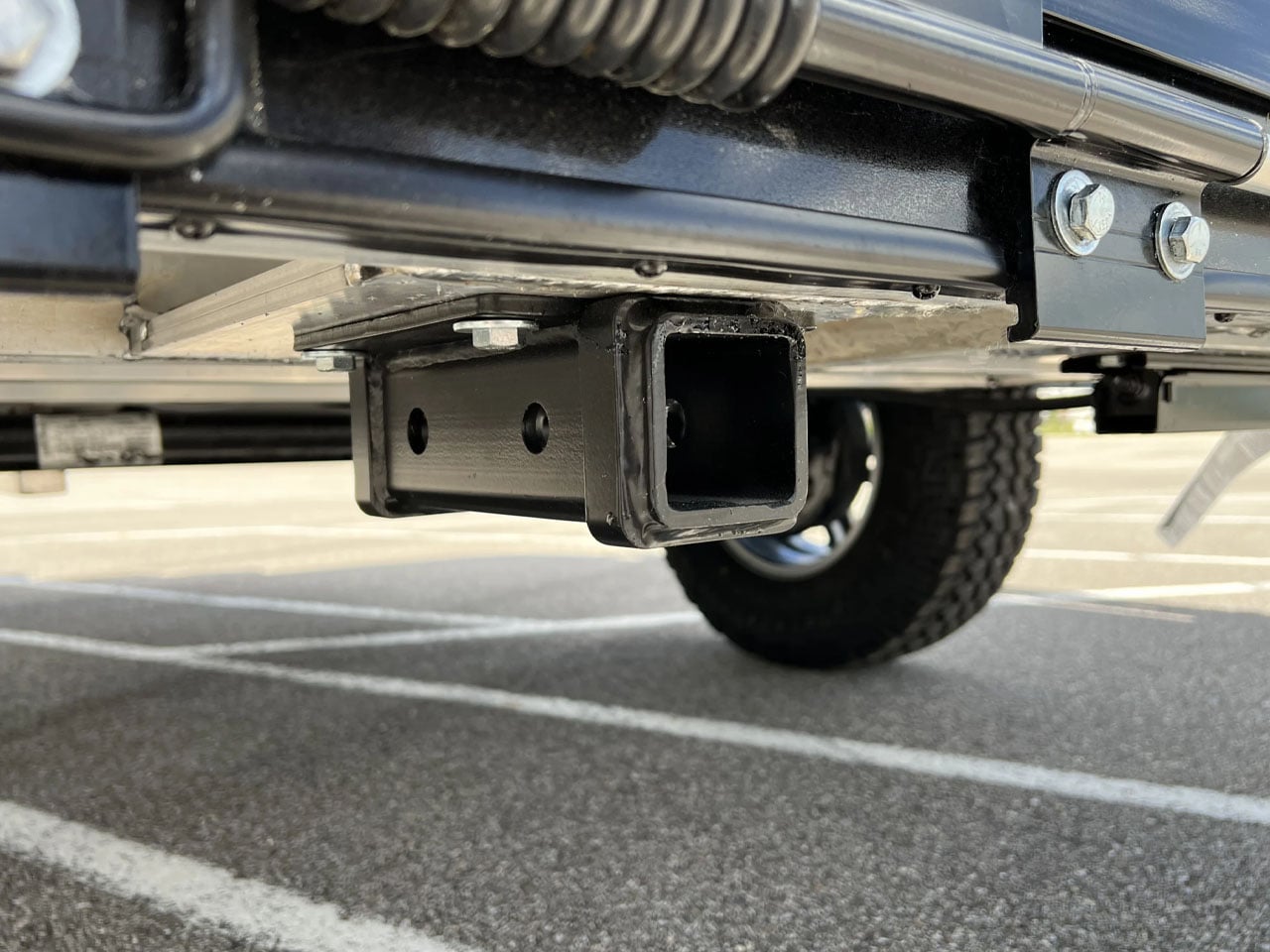
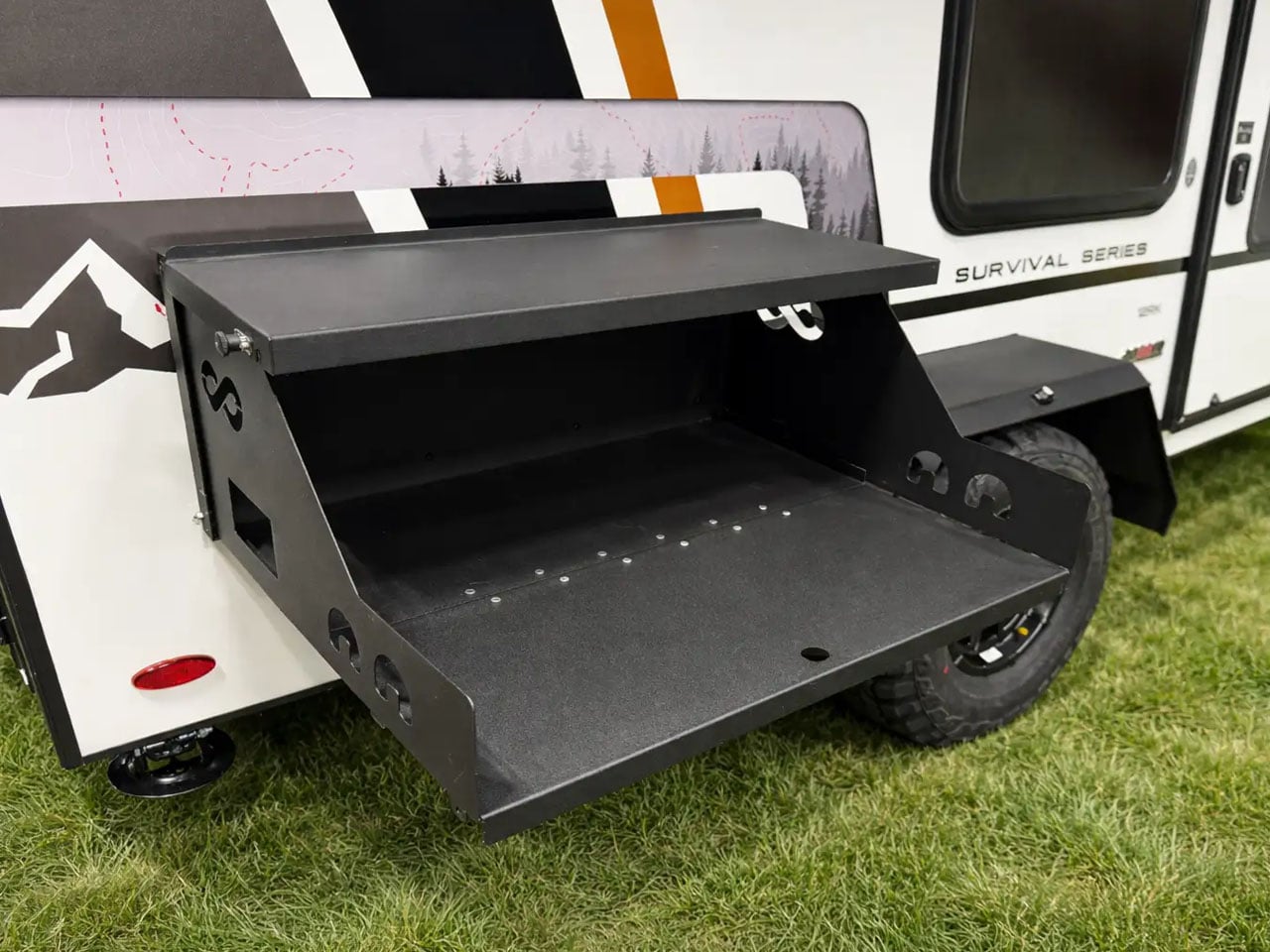
Enter the new ROG 12RK-FB with a very quirky but effective solution to the bathroom. It takes the spare tire from the trailer tongue and places it on the side, while a rugged pop-up box, comprising a full standing height wet bath, takes place instead. The tent-style bathroom pops out of the box and pitches in minutes, giving you a full height shower space, and features an integrated Thetford cassette toilet. The flooring is an EVA foam mat with anti-skid properties, while the side features mesh windows.

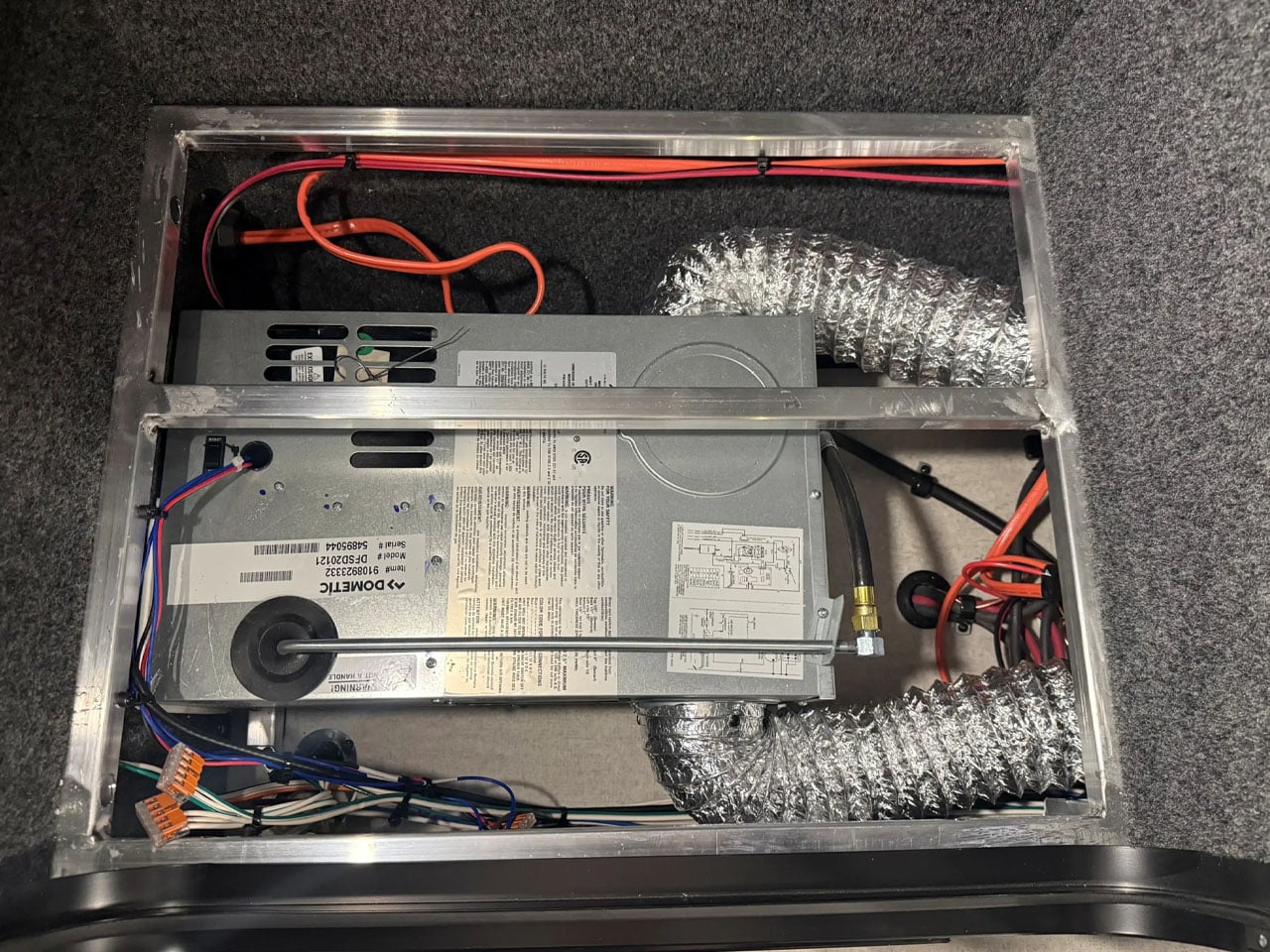
You can adjust the privacy and ventilation from the windows using the attached zip-down mesh screens. The fabric door has a magnetic closure for convenience. The boxy bathroom has a complete plumbing system installed, and is also provided by Encore with an 18,000-BTU propane furnace throwing in heat through a specially created duct to keep the bathroom heated on colder days.

The post Encore RV includes full shower and toilet on 12-foot camper trailer without compromising living space first appeared on Yanko Design.
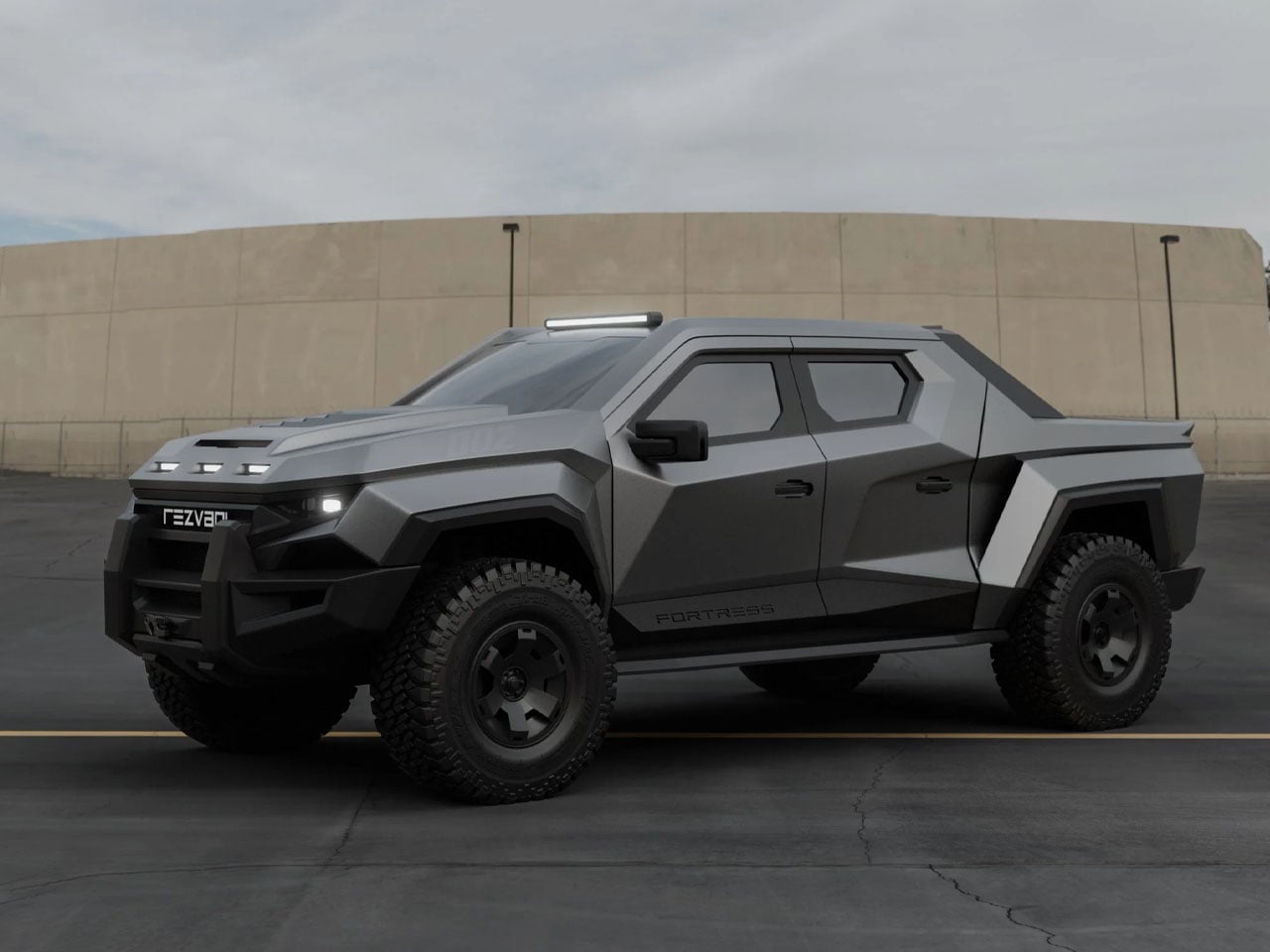
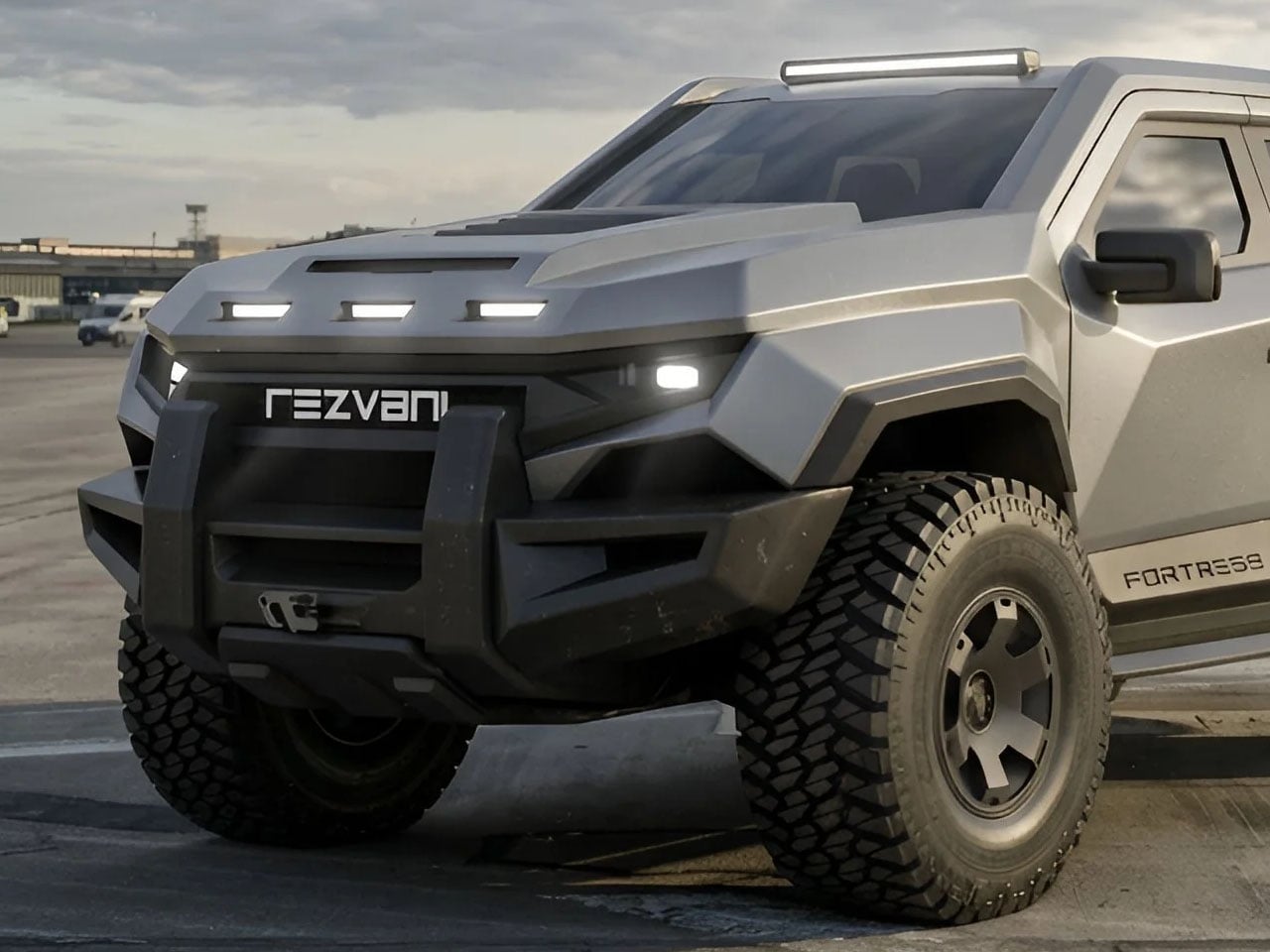
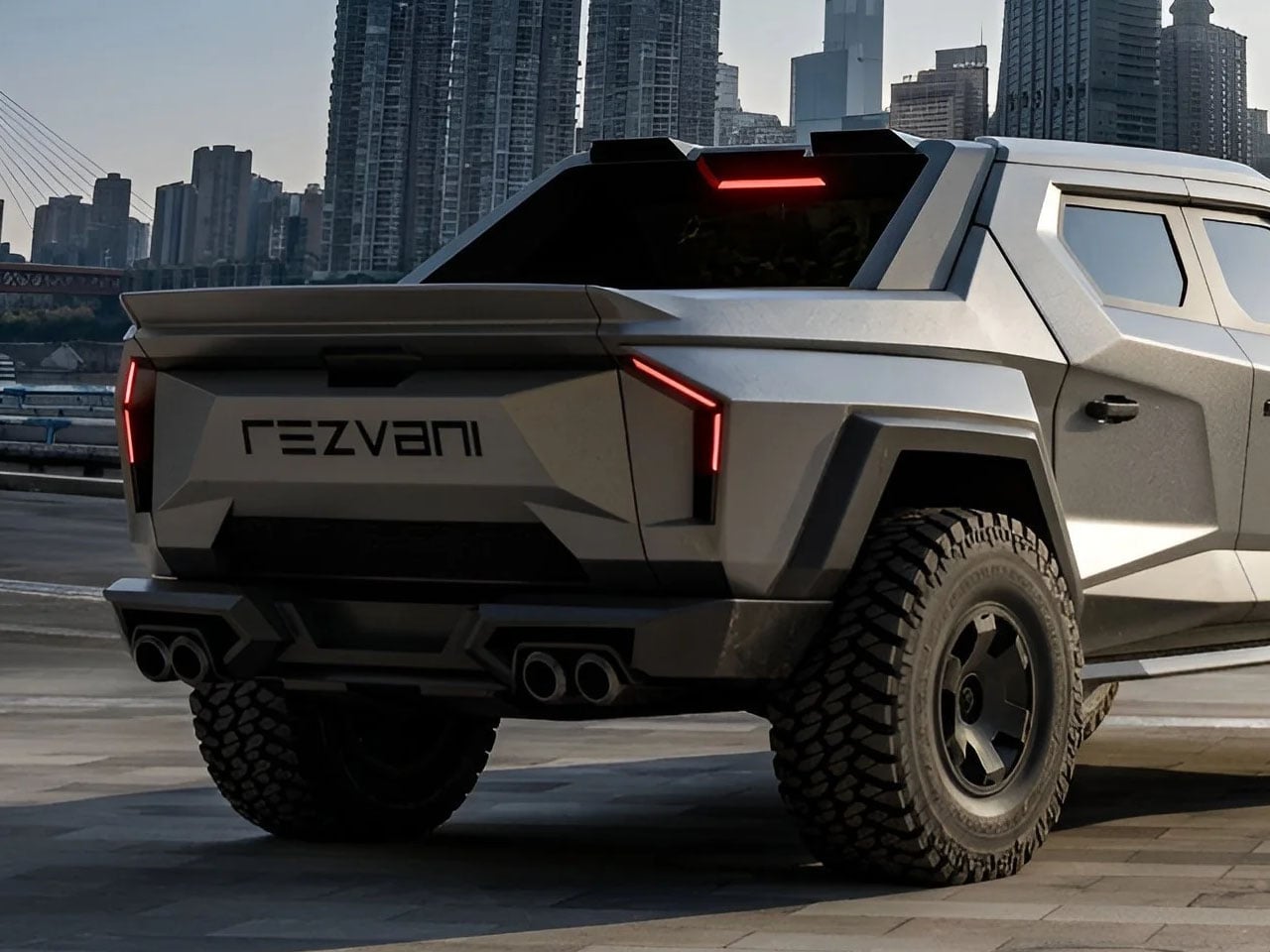
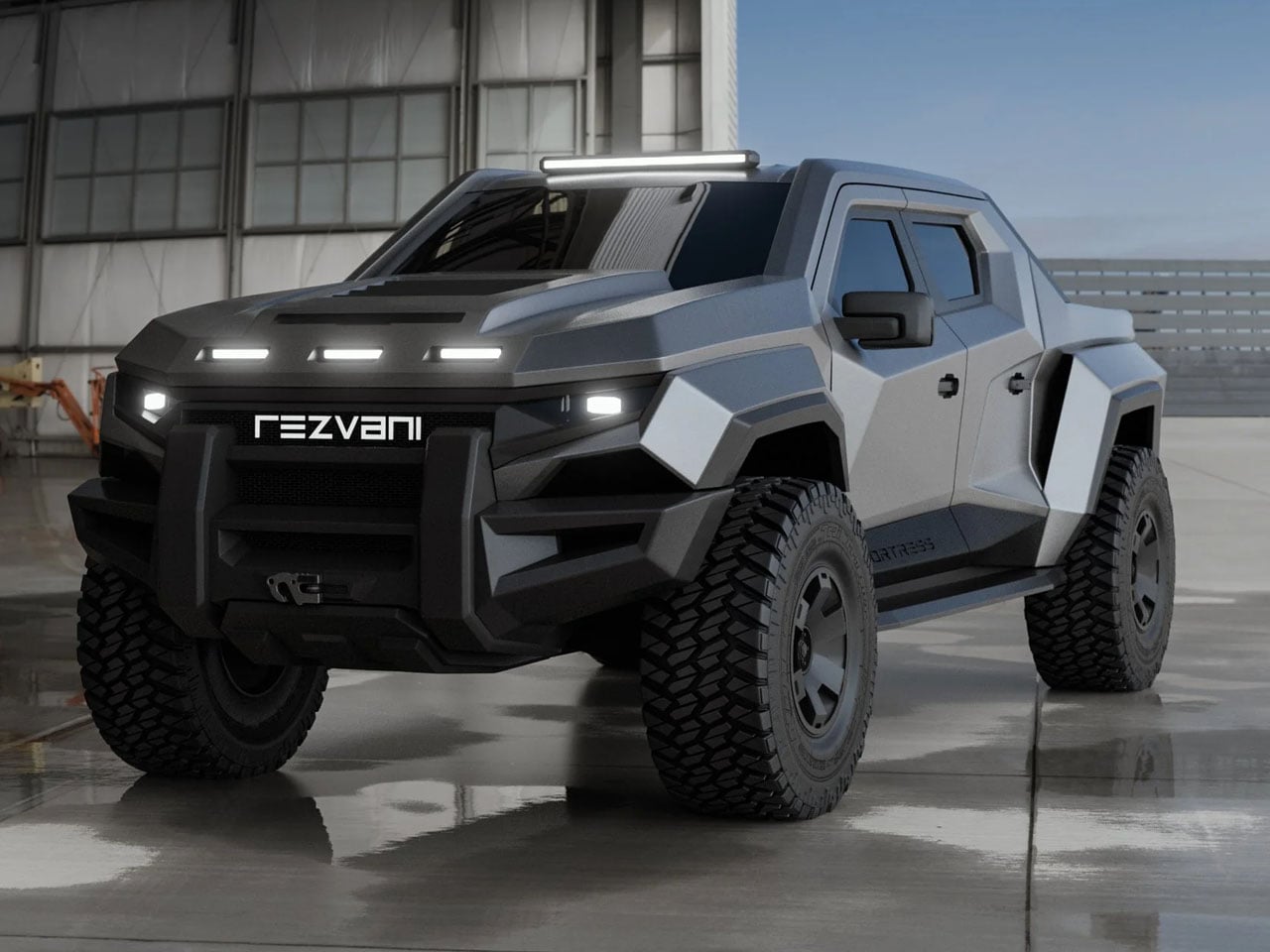
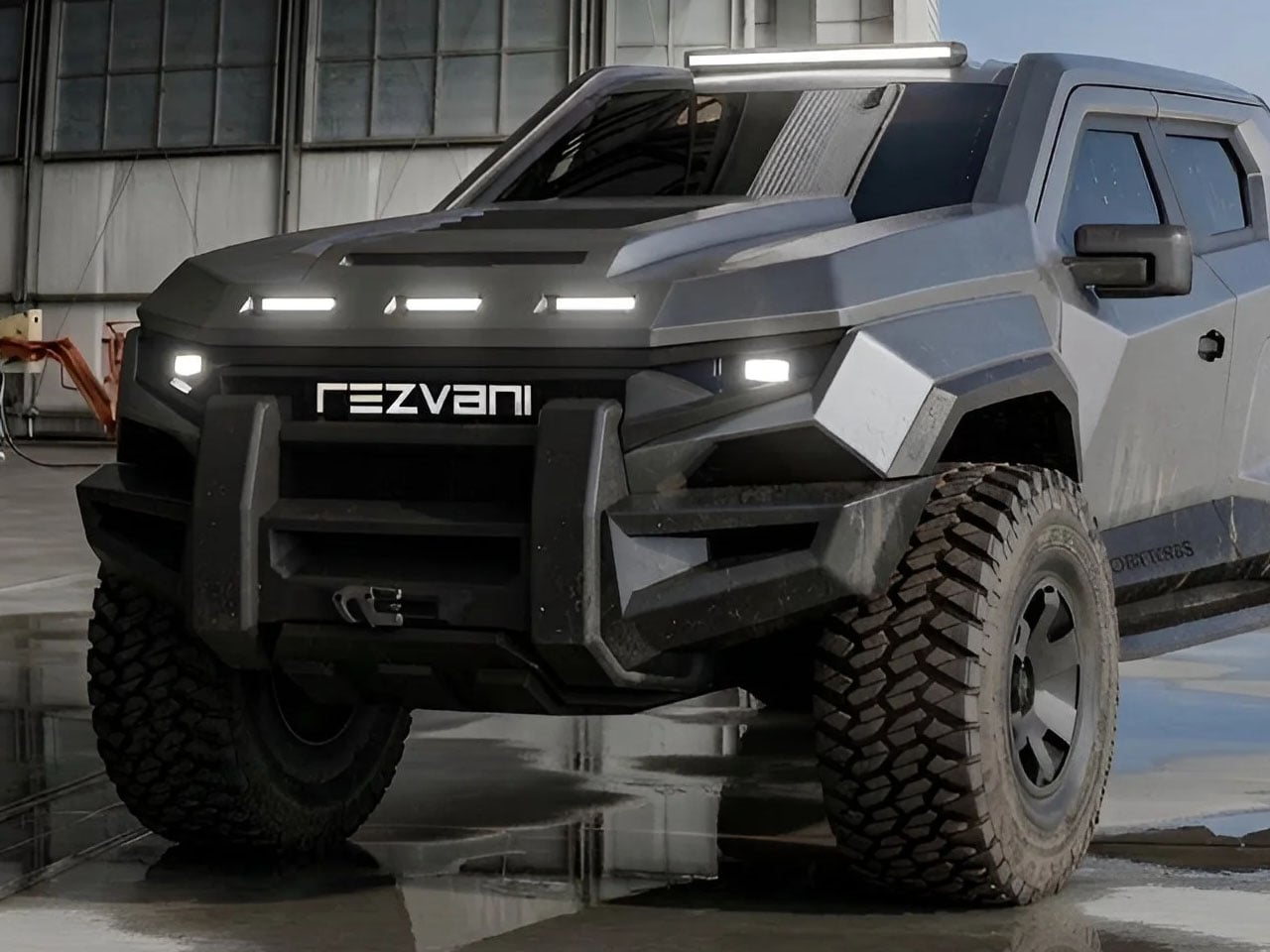
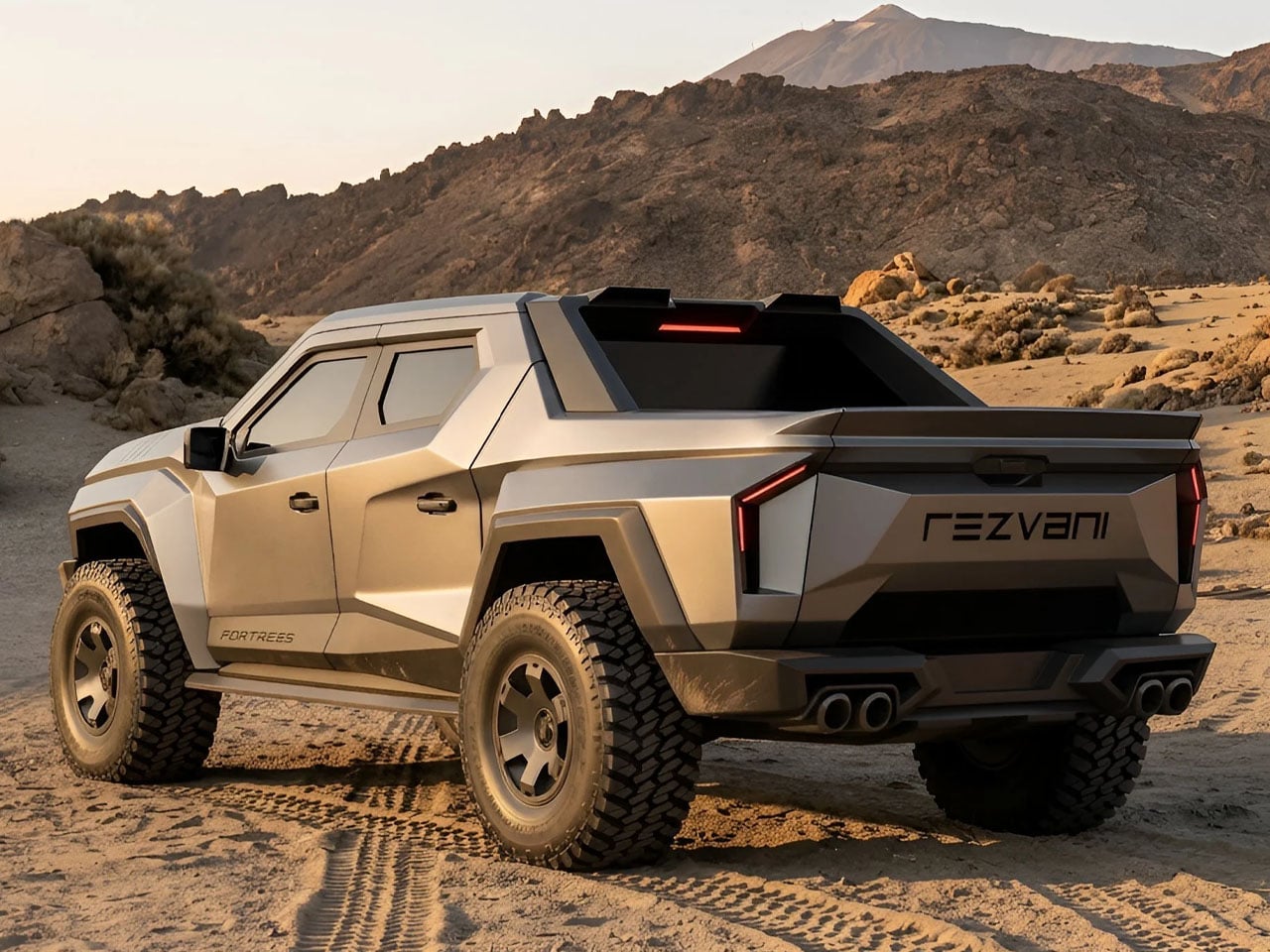
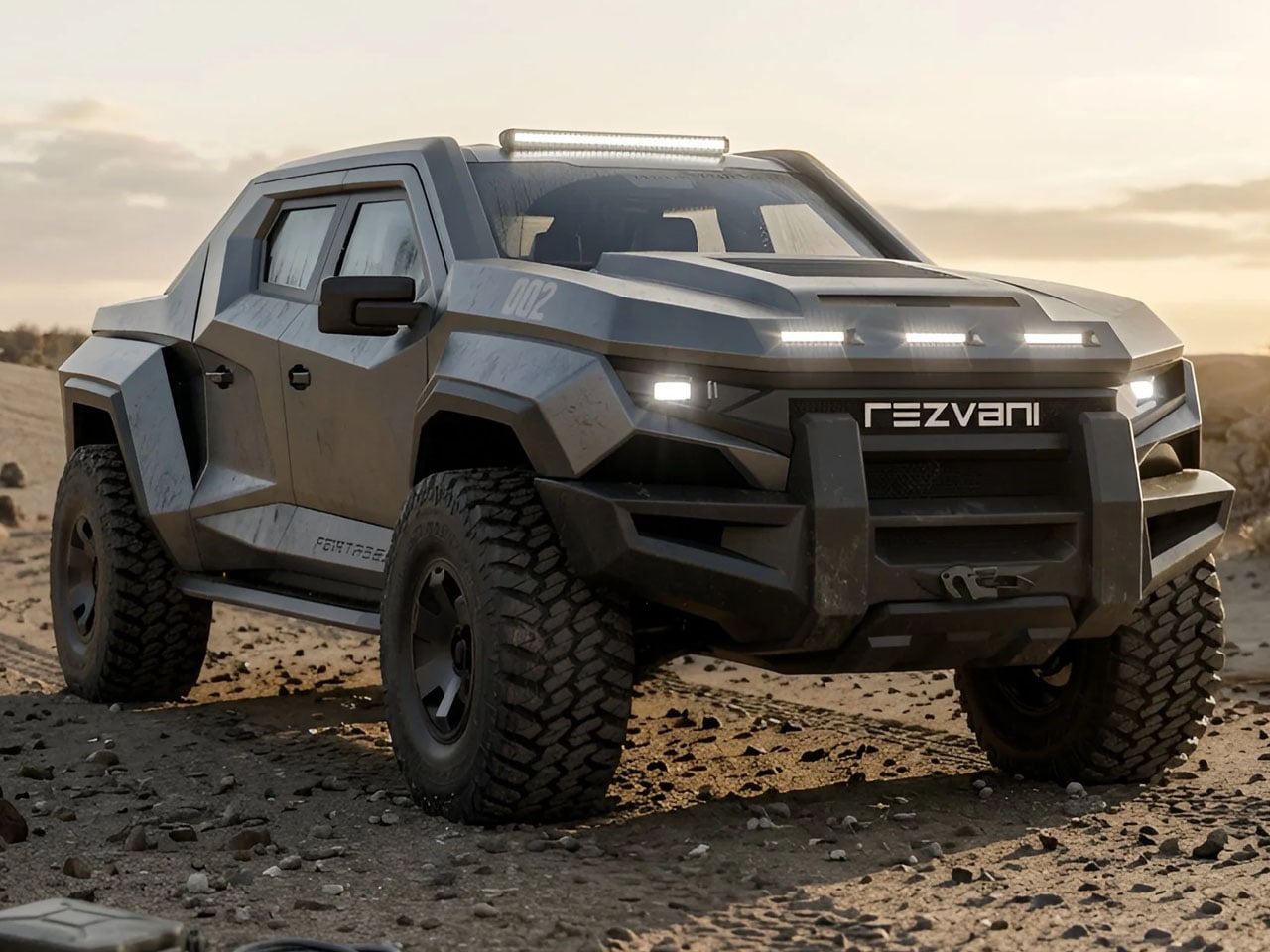
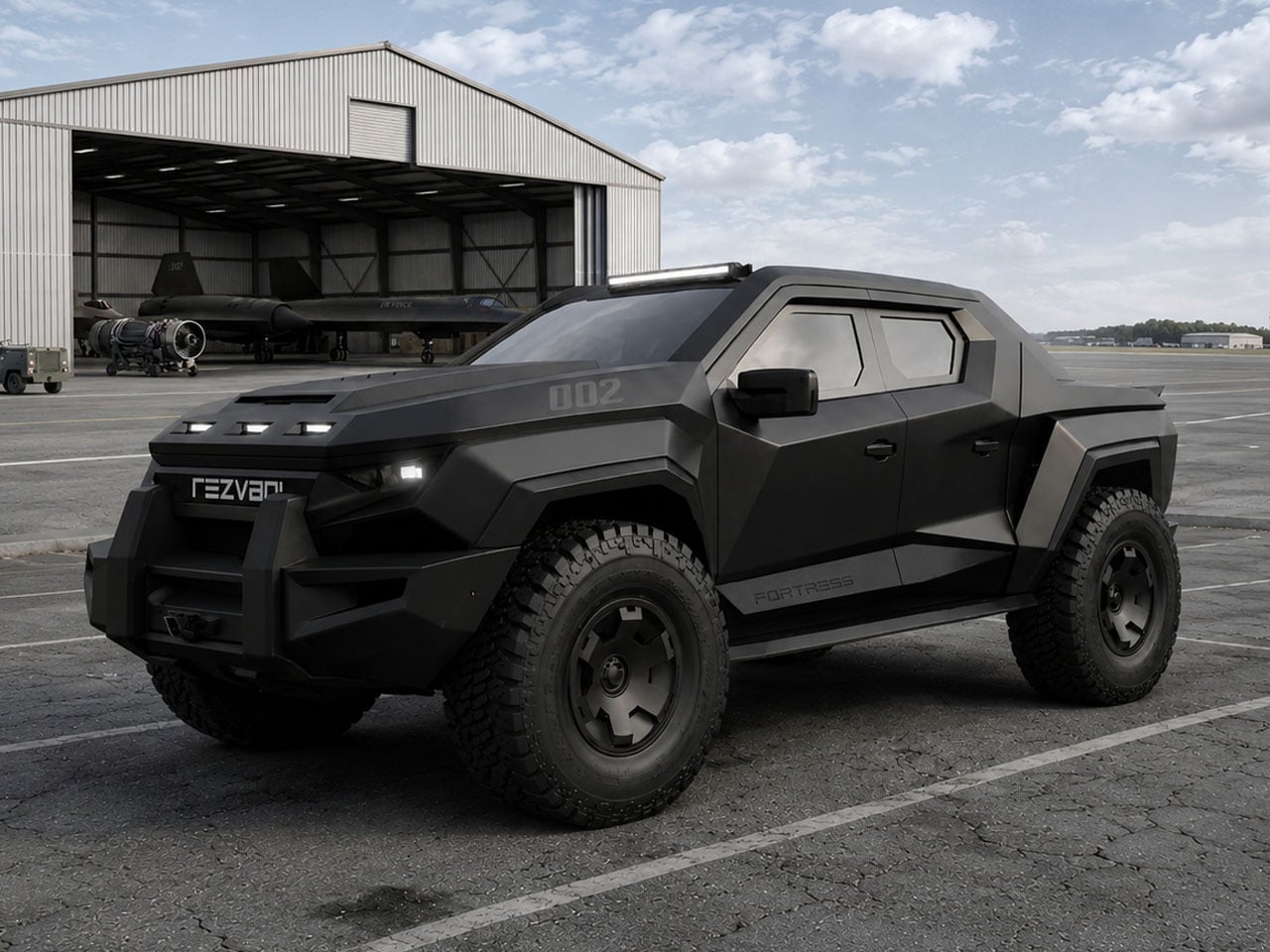
Rezvani Fortress is a F-150 Raptor on steroids loaded with military-grade security equipment

Rezvani Motors is second to none when it comes to transforming already beastly 4×4 SUVs into armored vehicles fit for an apocalyptic world. The California-based automotive designer has already stamped its authority here at Yanko design with military-inspired vehicles like the Vengeance, Tank, and even the V8-powered Urus. Now, it’s the turn of the mighty Ford F-150 Raptor to get the Rezvani treatment for good.

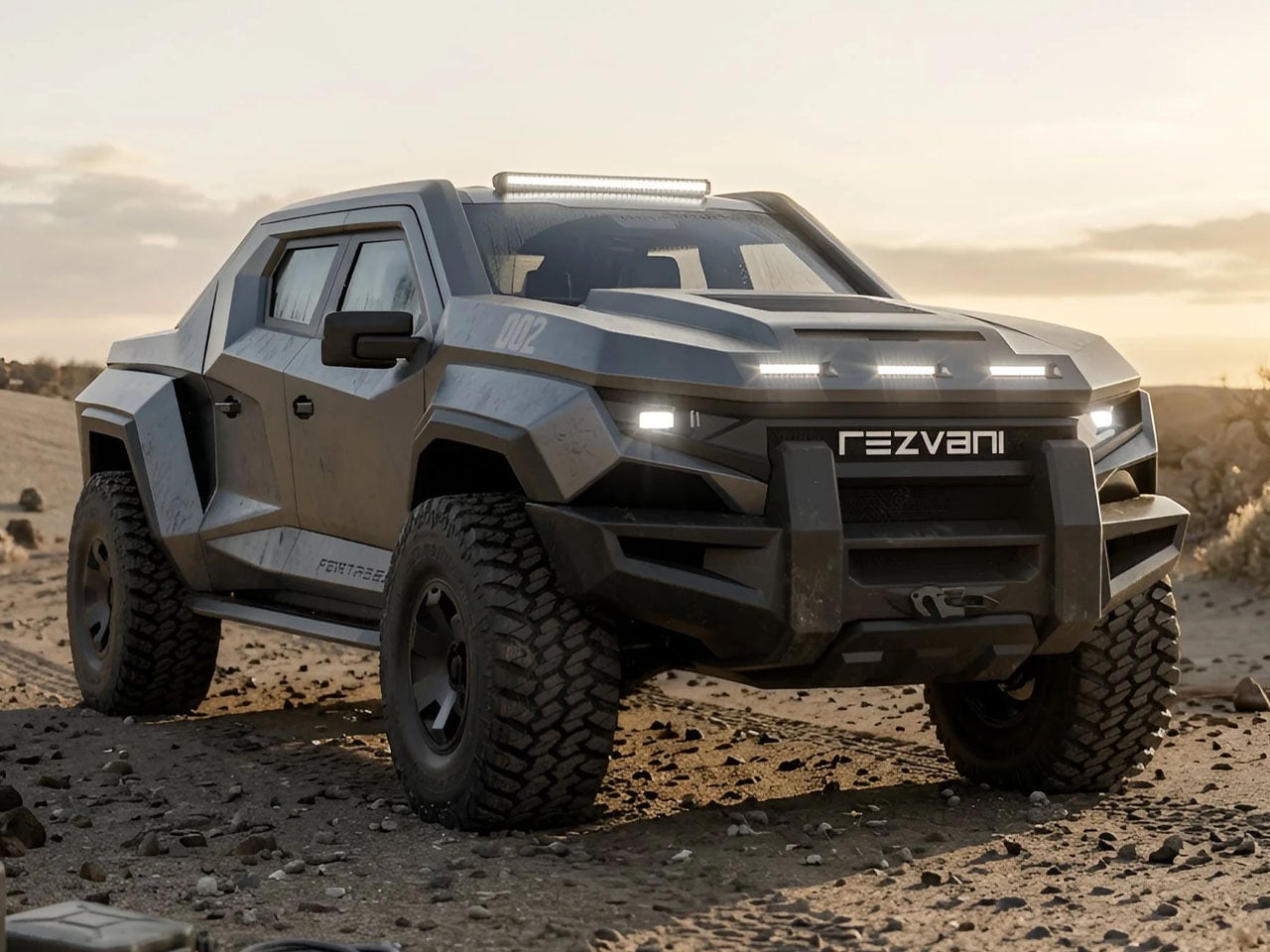
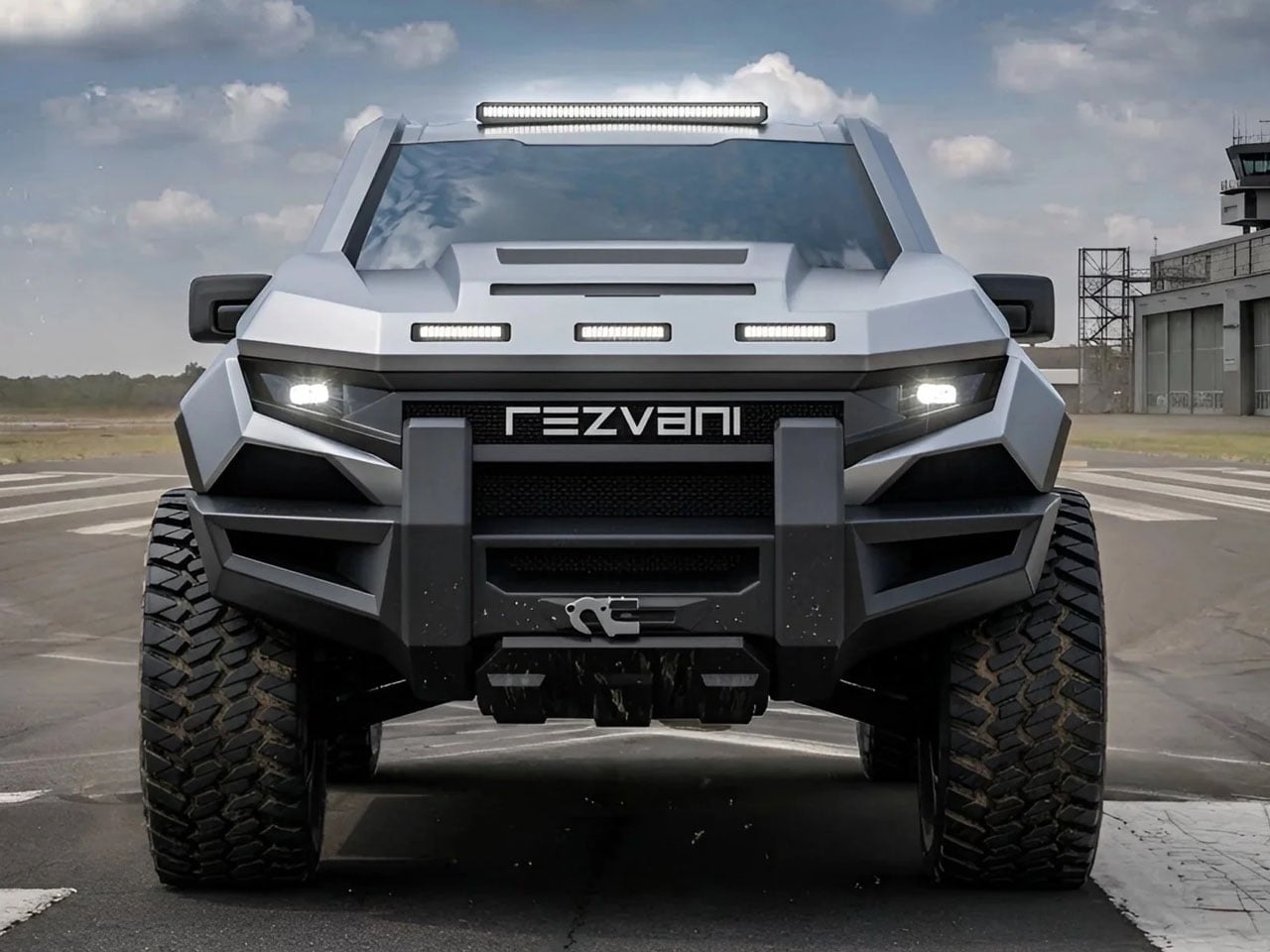
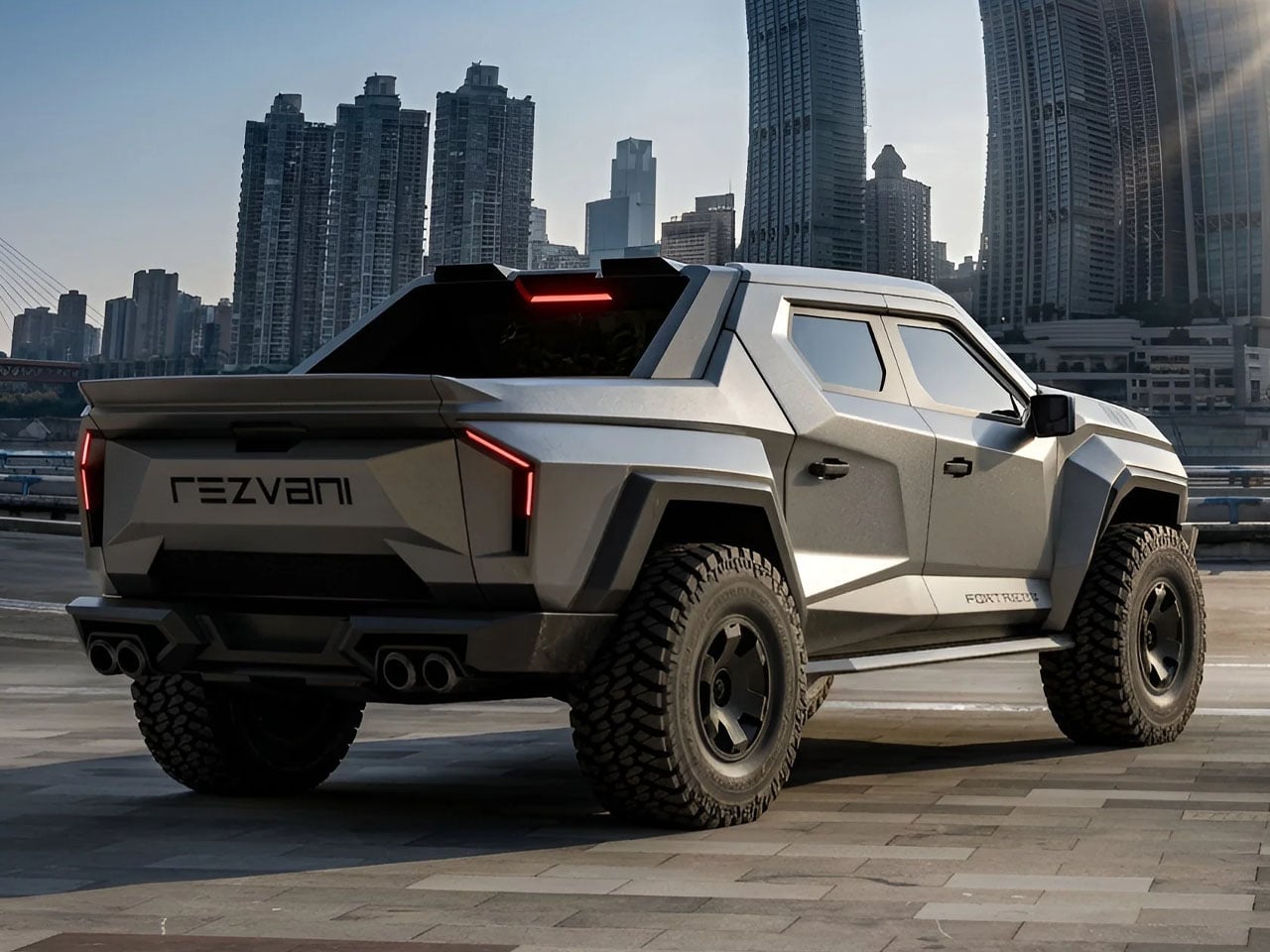
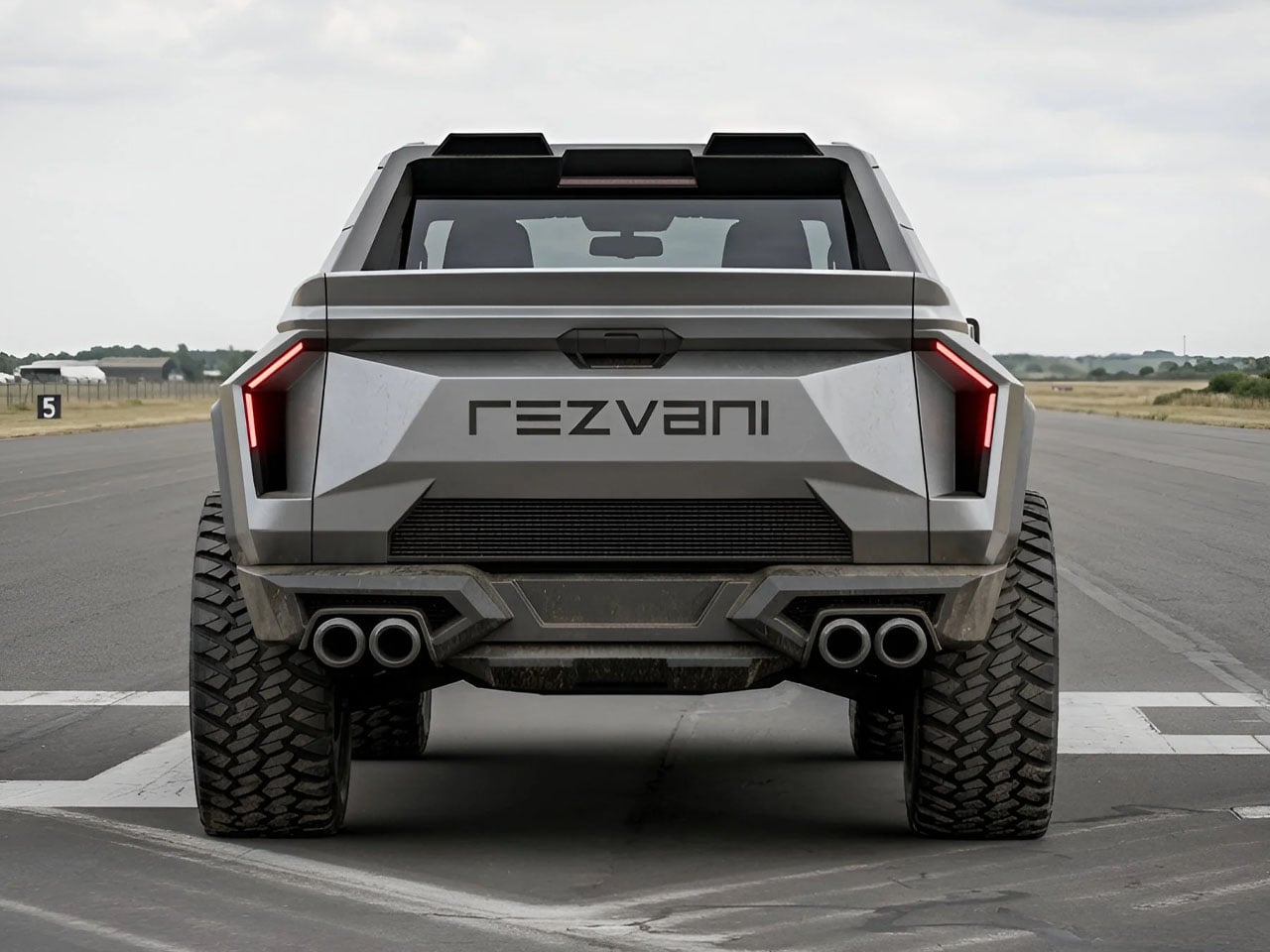
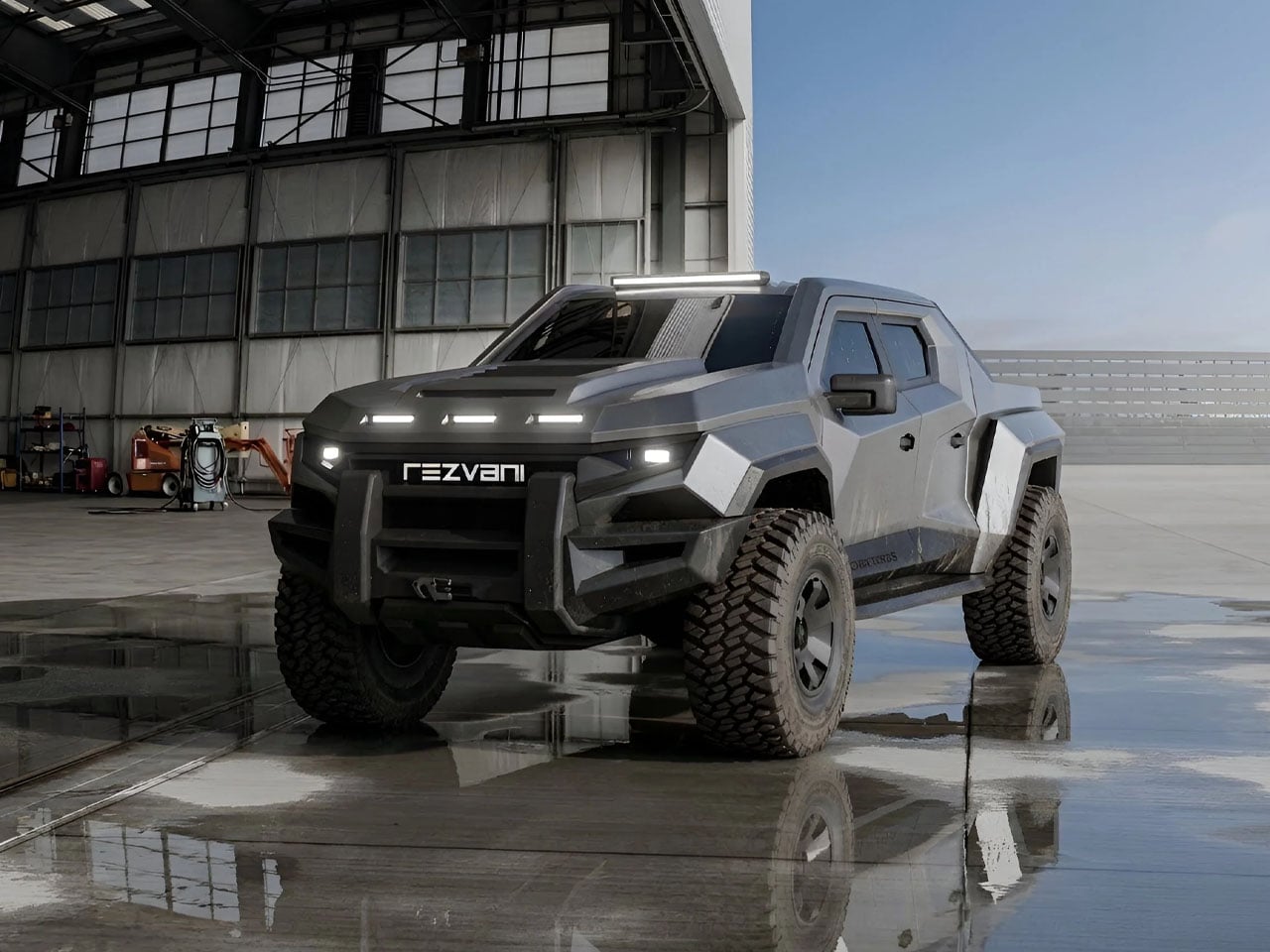
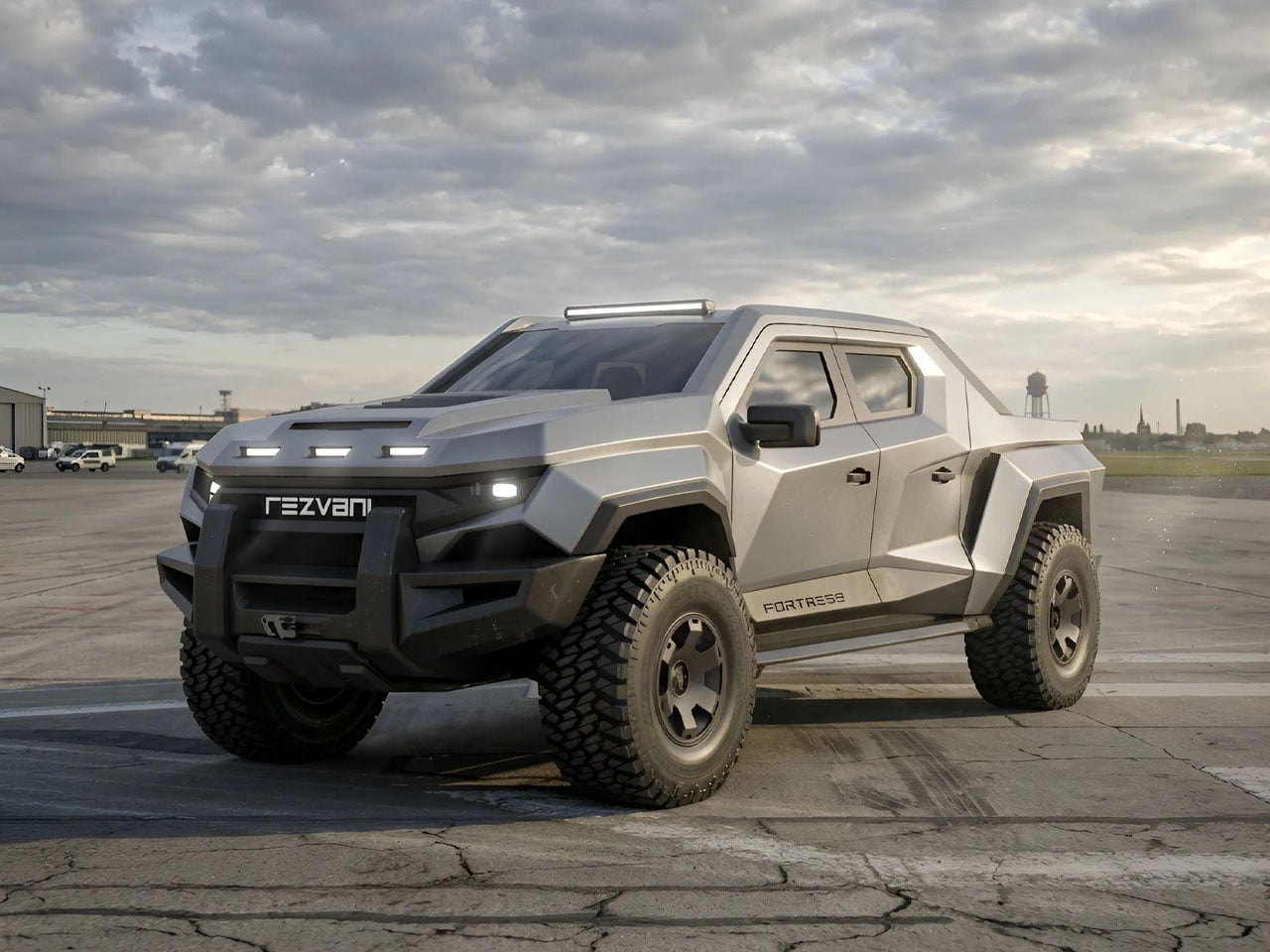
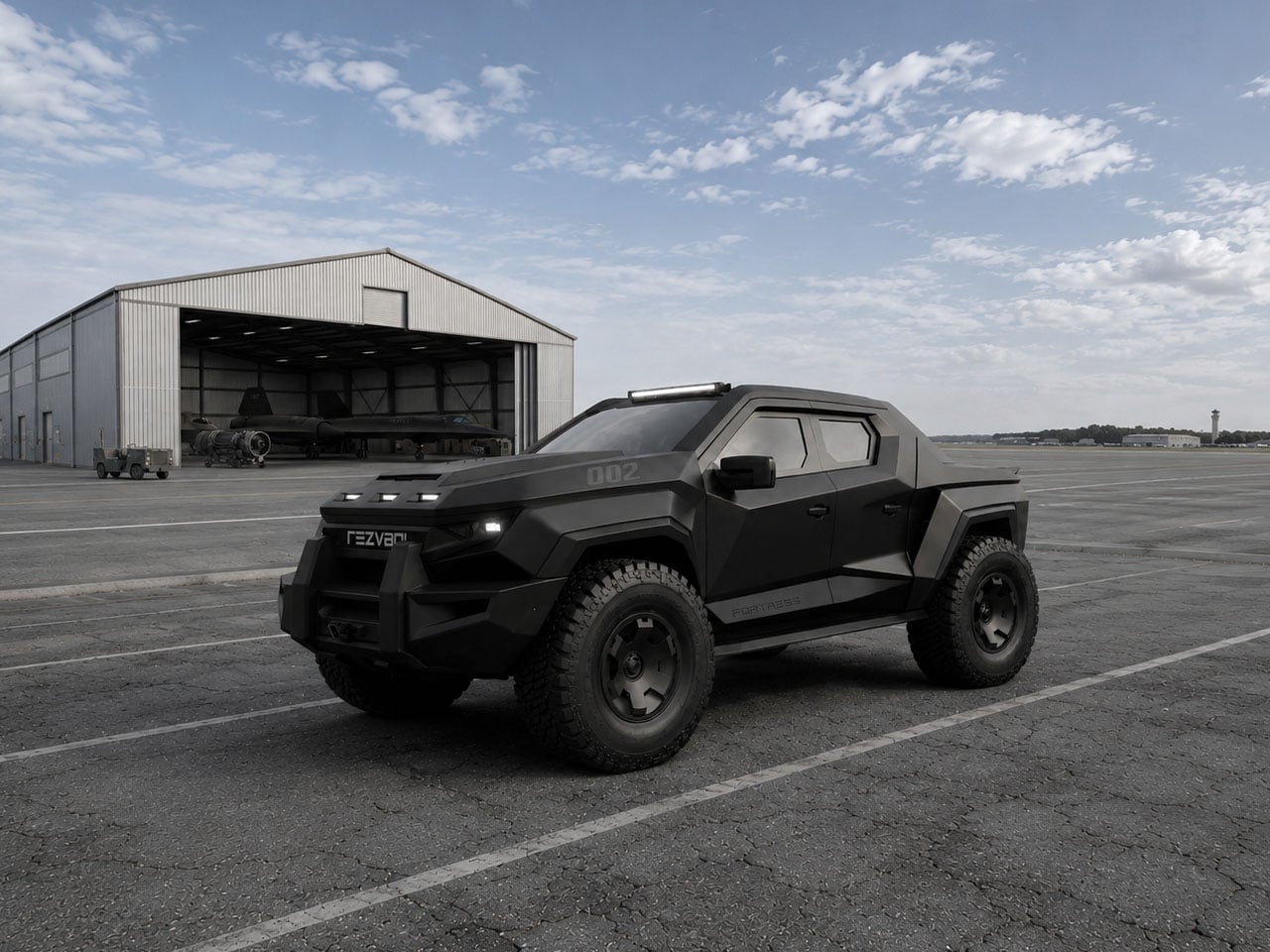
They call it the 2027 Fortress and for good reason. The Doomsday-proof vehicle is hailed to be the “ultimate tactical off-road super truck,” making any F-150 look underwhelming. By no means is the original F-150 Raptor off-roader incapable of taking on any terrain, but this beast is a hyper-muscular version on steroids. It’s a heavily modified pickup truck inside out with a starting price tag of $285,000 to match the exploits. Like all times, this one too is a Limited-Edition creation restricted to 100 units, and booked for a refundable $500 deposit.

Designer: Rezvani Motors

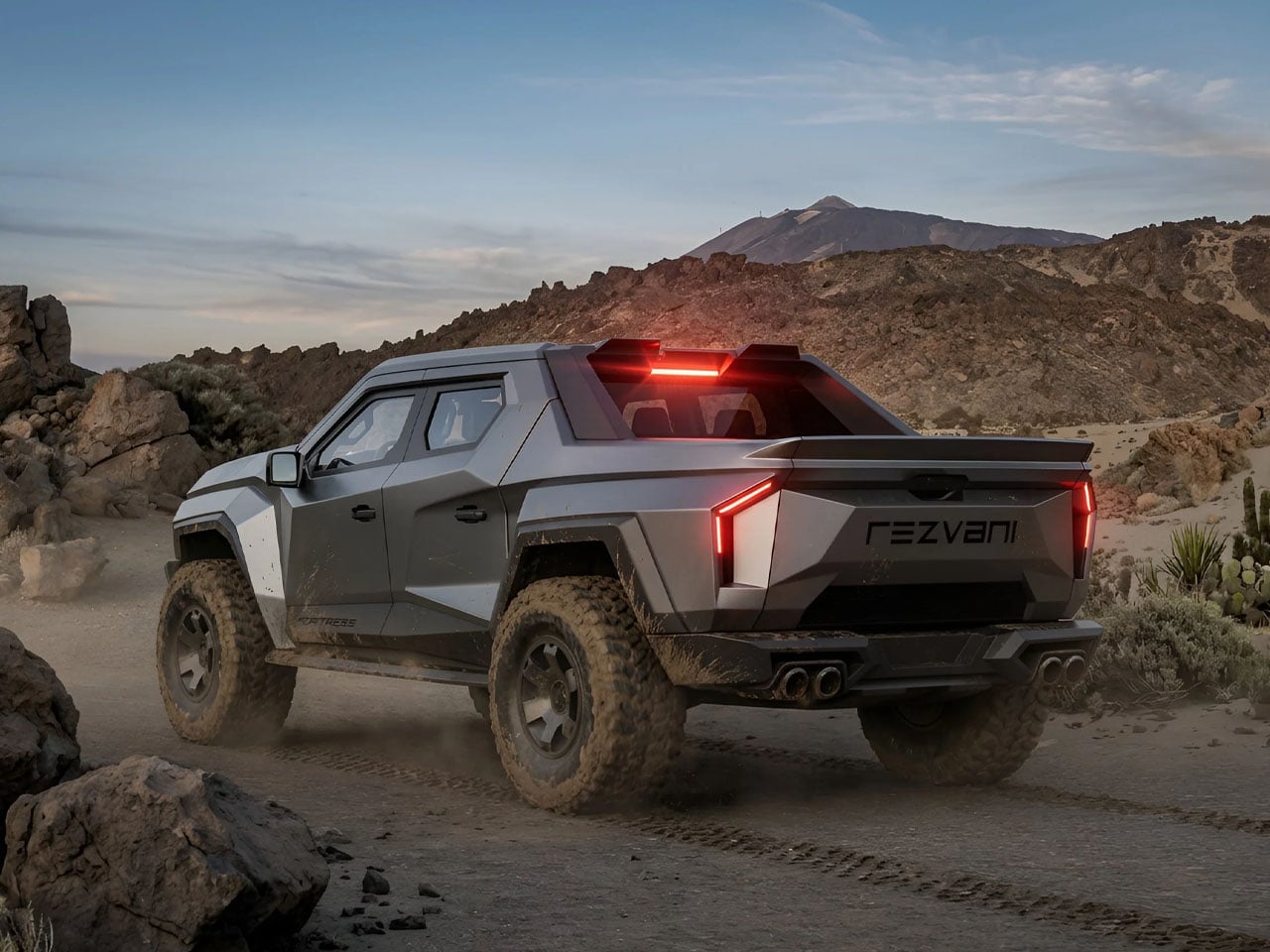
According to Rezvani, the tactical off-road truck can easily handle city streets and, pretty obviously, the terrain that no other truck will ever dread going on. The beast comes in two options: the standard Raptor R with the twin-turbocharged 3.5-liter V-6 churning out 450 horsepower or the Raptor R’s supercharged 5.2-liter V-8 producing an impressive 850 horsepower. It’s not about traversing the terrain; it’s more about going there with authority as the Fortress gets the Ford’s Fox Live Valve internal bypass shocks, adaptive damping, and long-travel suspension. Just imagine it has a ground clearance of 15 inches, an approach angle of 38 degrees, and a departure angle of 29 degrees, which makes it capable of riding 45 inches of water without much fuss.

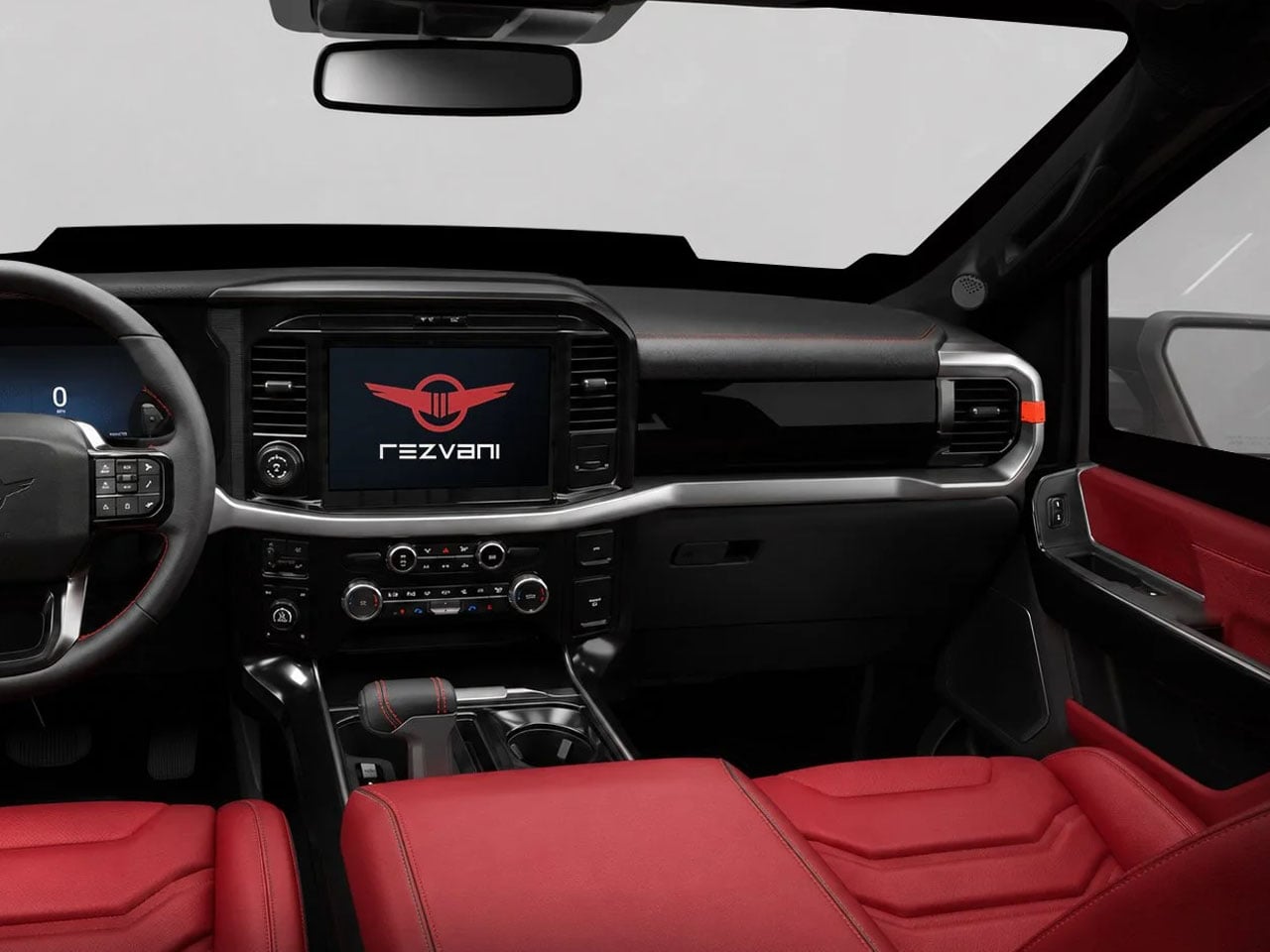
It is a top-tier military grade vehicle with reinforced steel bumpers, hood heat extractors, wide body fender extensions, roof-mounted auxiliary lighting and 20inch beadlock capable wheels topped up with oversize 40-inch all-terrain tires. You can go a step further, as the rugged SUV can be optioned with extra military-certified equipment, including electrified door handles, smokescreen, on-board thermal night-vision system, and electromagnetic pulse protection. If that doesn’t impress you much, then getting the full ballistic armor, bullet-resistant glass, blast-resistant underbody protection, run-flat military tires, and reinforced suspension system to manage all this weight is also an option.

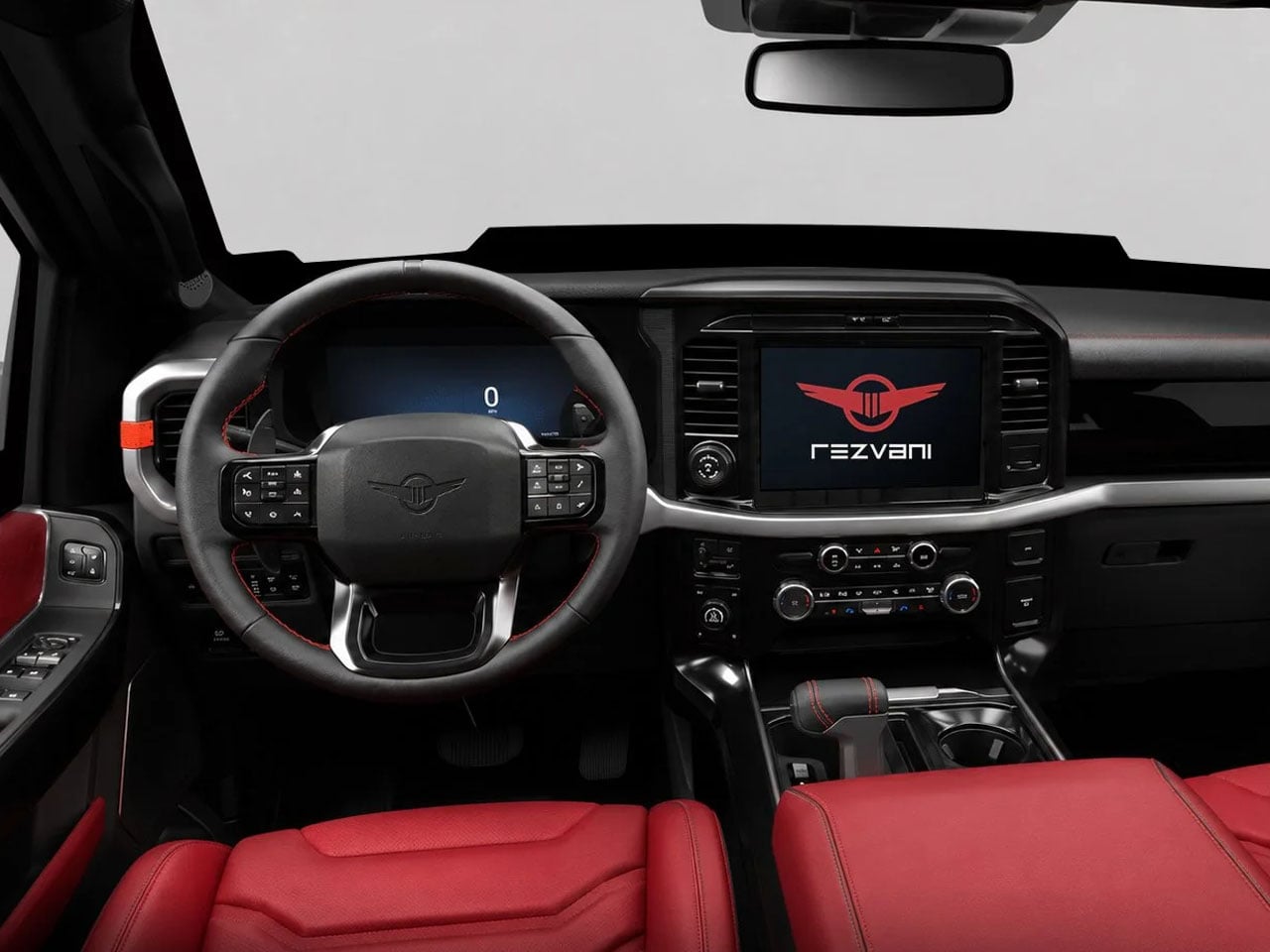
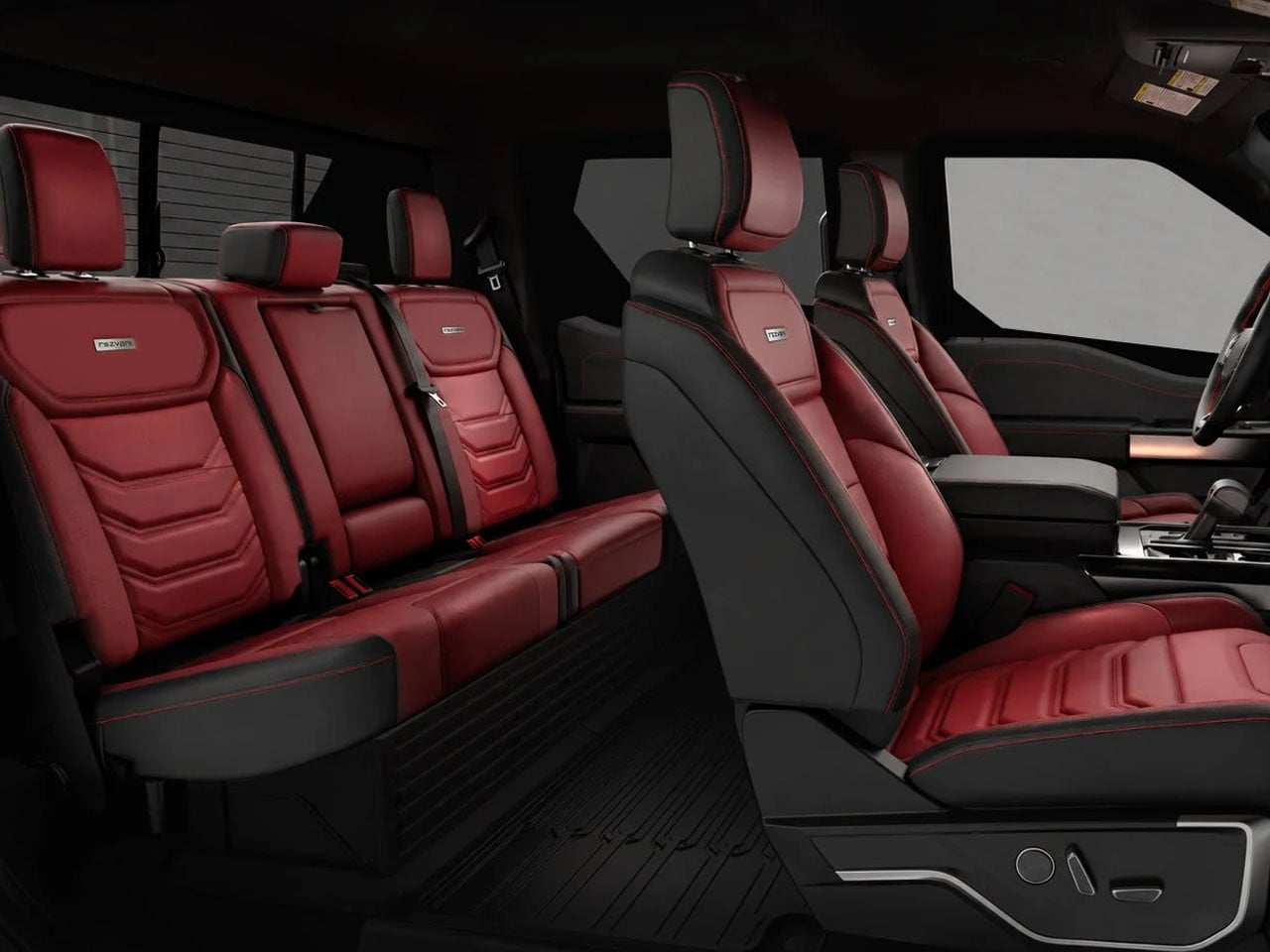
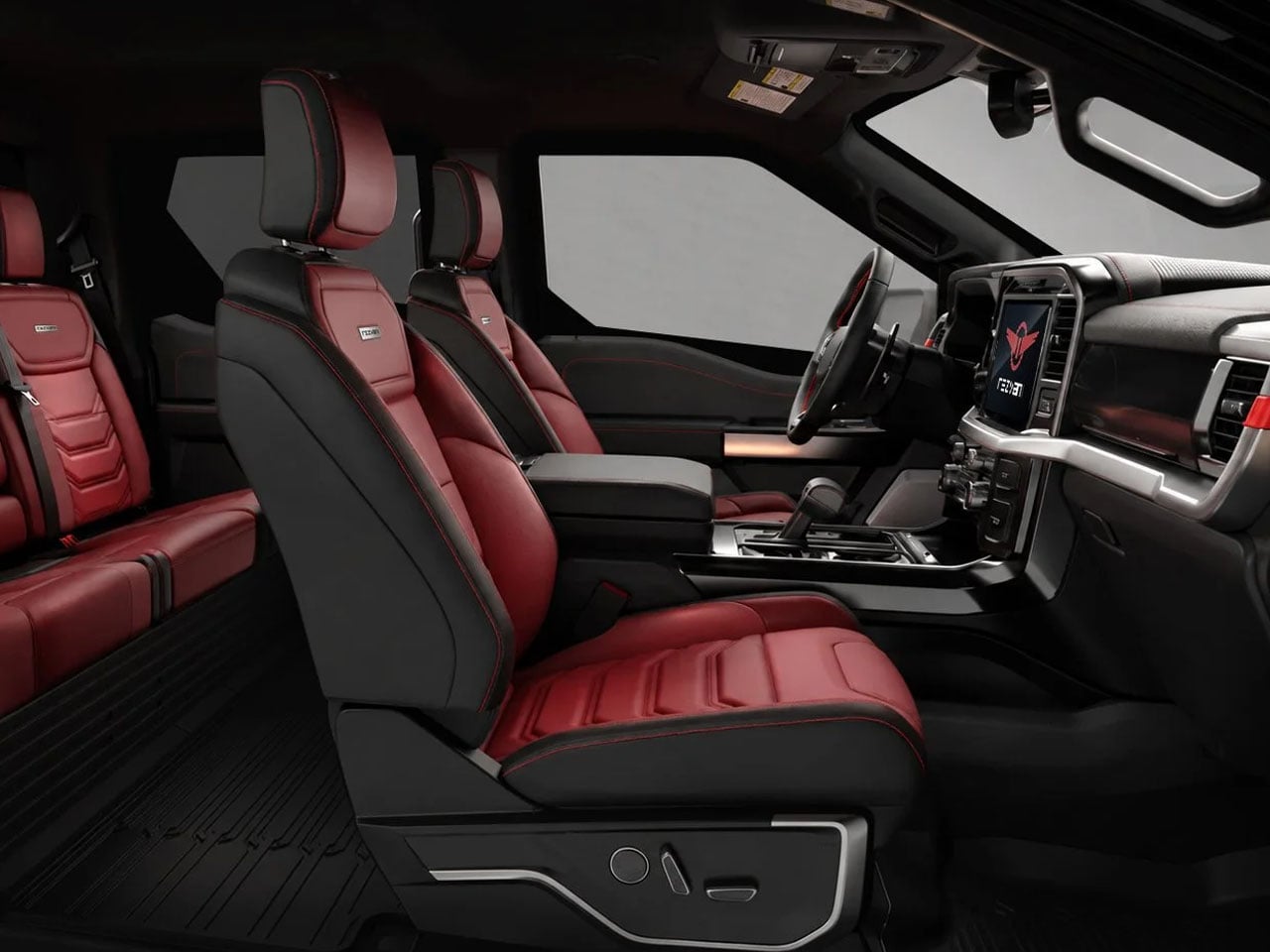
Things don’t stop here as the truck can be beefed up with off-grid options like sports solar panels, auxiliary fuel systems, satellite internet connectivity, portable power station, and a dedicated water storage system if the world turns out into a Mad Max-like battleground. Those perks, however, come at an extra cost of around $150,000, which I’m sure a billionaire tycoon won’t mind sparing. On the inside, things get as cozy as they could, cocooning the riders in luxury. The thing is done in full-leather upholstery, with moody ambient lighting and an infotainment system that can be upgraded to Focal speakers paired with a JL subwoofer to make you go crazy.

The post Rezvani Fortress is a F-150 Raptor on steroids loaded with military-grade security equipment first appeared on Yanko Design.
Campinawe’s solo camping trailer hides its bed to create a mobile office

There is, for some reason, an increasing demand for rigs that satiate solo camper requirements. I am still catching up with the idea, but the demand is already evident. The camping industry is adapting to it. Just recently, the Daihatsu Wake arrived in a layout designed for campers who do not prefer humans along on their mobile adventures. Keeping up with the idea, Campinawe – recognized for its obscurely shaped camping trailers – is defining the concept with its streamlined layout for solo campers.

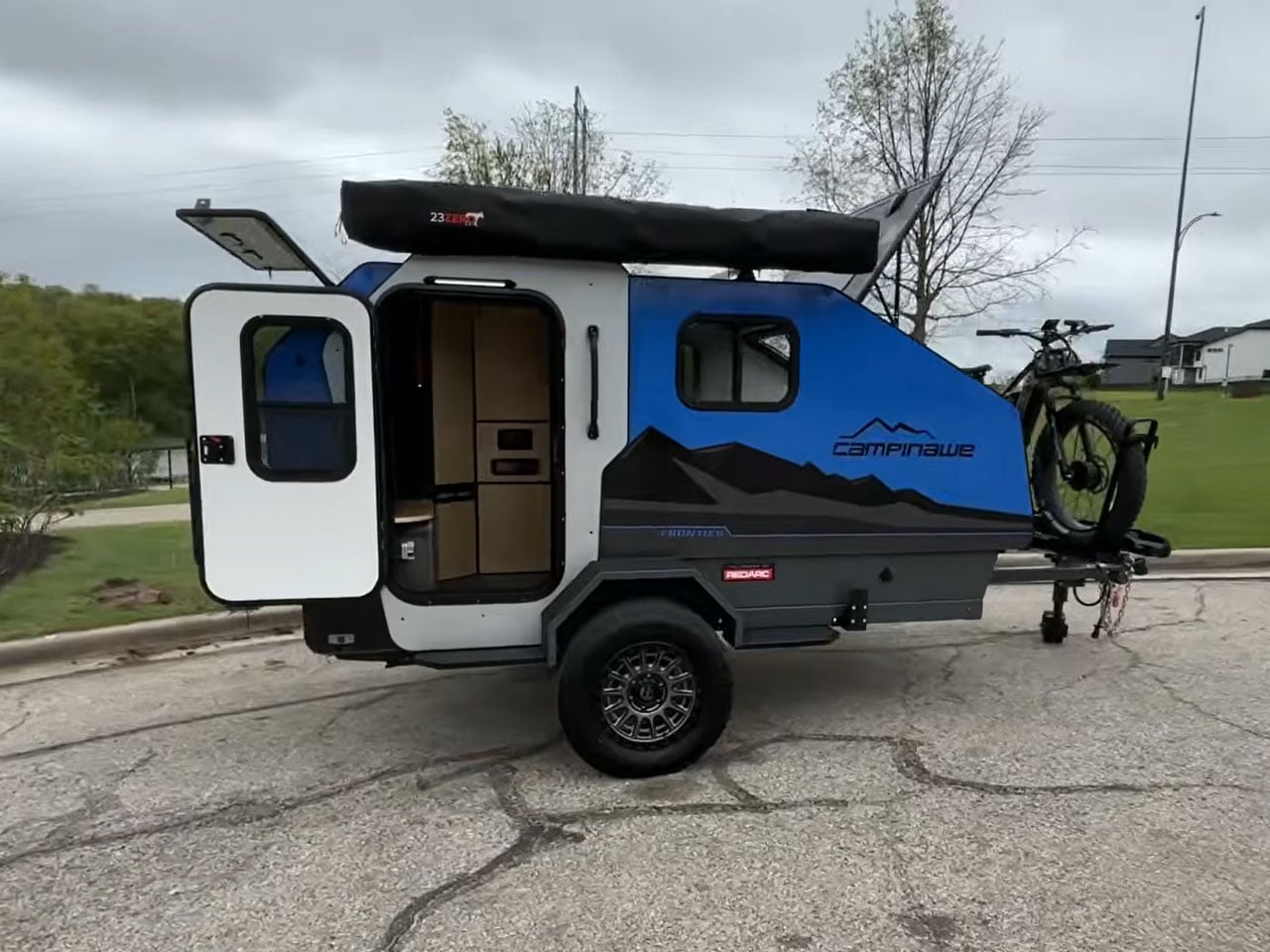
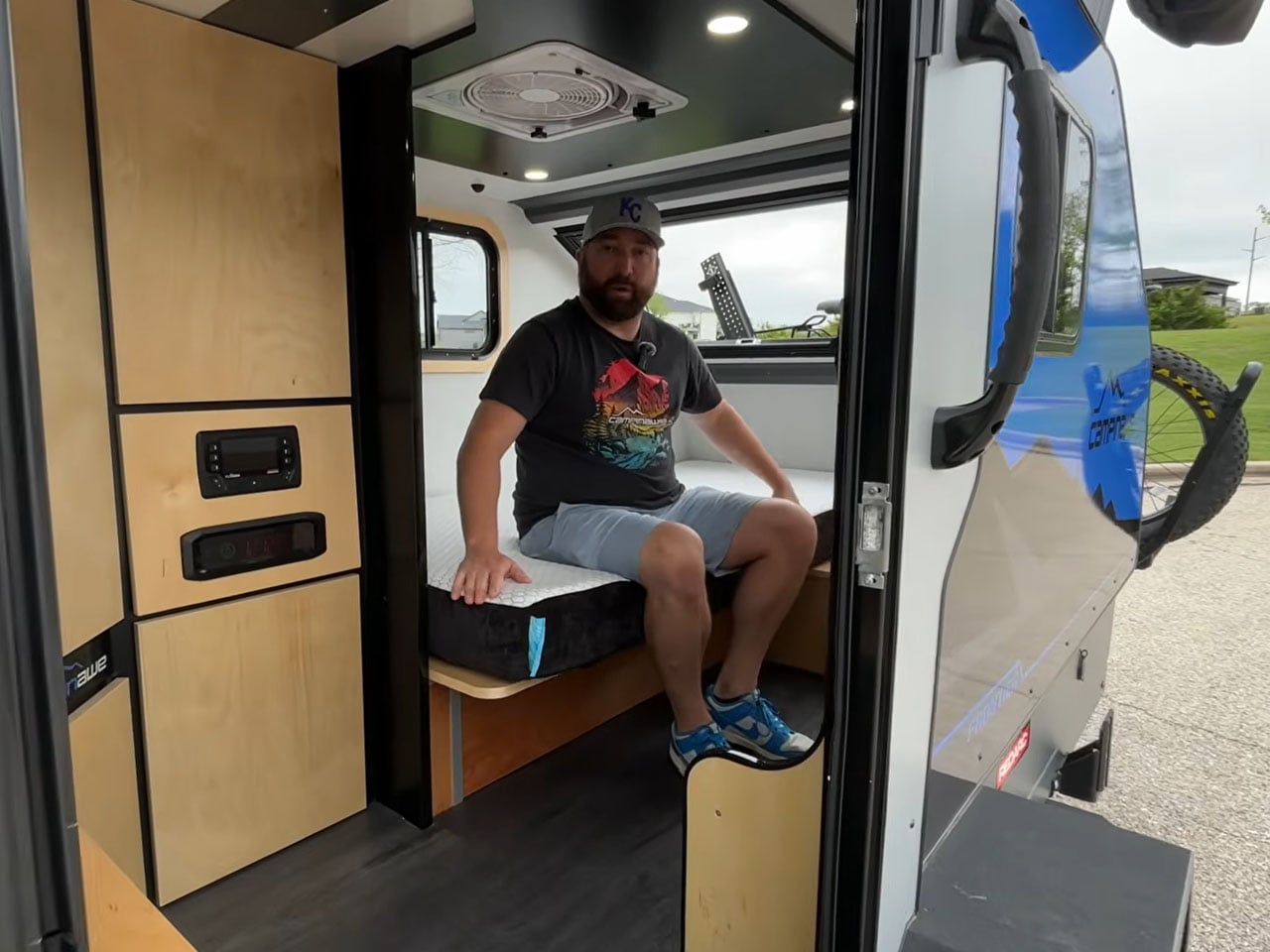
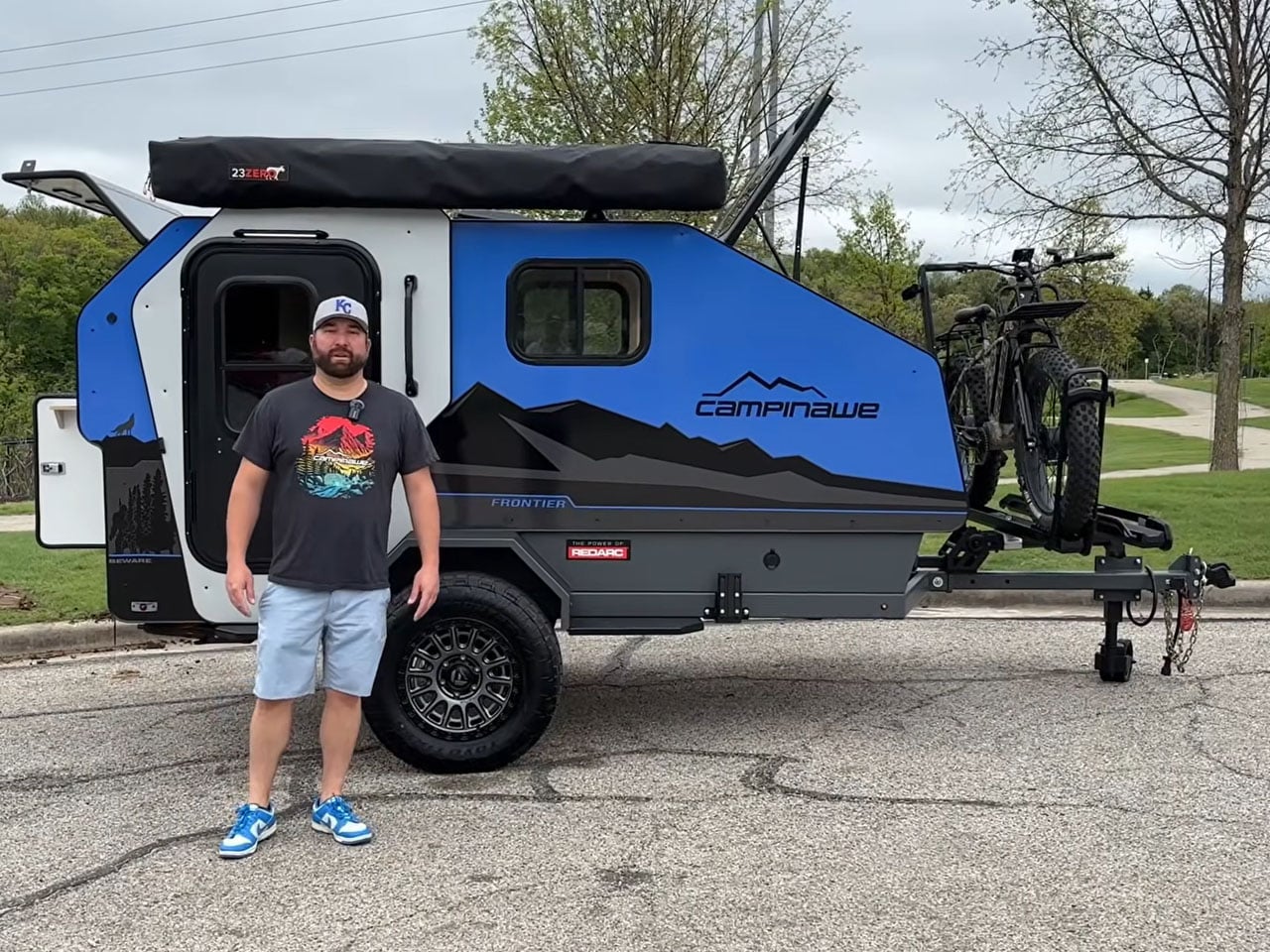
Solo camping is definitely the idea behind the new Crossover Solo layout released by Campinawe. It’s available for the existing Frontier and Adventure trailers from the company, starting at $39,995. The highlighting feature here is a foldable bed that opens up the space inside for an office, exercise, or simply living and dining.

Designer: Campinawe

Campinawe debuted its first trailer about five years back in 2021. Since then, there has been some strangeness about its camping trailers. The irregular shape and forms have looked odd and piqued curiosity, but the unconventional trailers have the most functional layouts in small 15-foot form factors. These functional layouts have been centered around queen beds, sufficing the sleeping, living requirements of at least two people conveniently.

The company is now adding more space to their trailer interiors with the new floor plan that centers around a single-person removable bed and frees up the floor space for a range of activities. The new Crossover Solo layout is, therefore, designed specifically for solo travelers. It is ideally provided for someone who likes to travel alone but prefers to carry their work along.

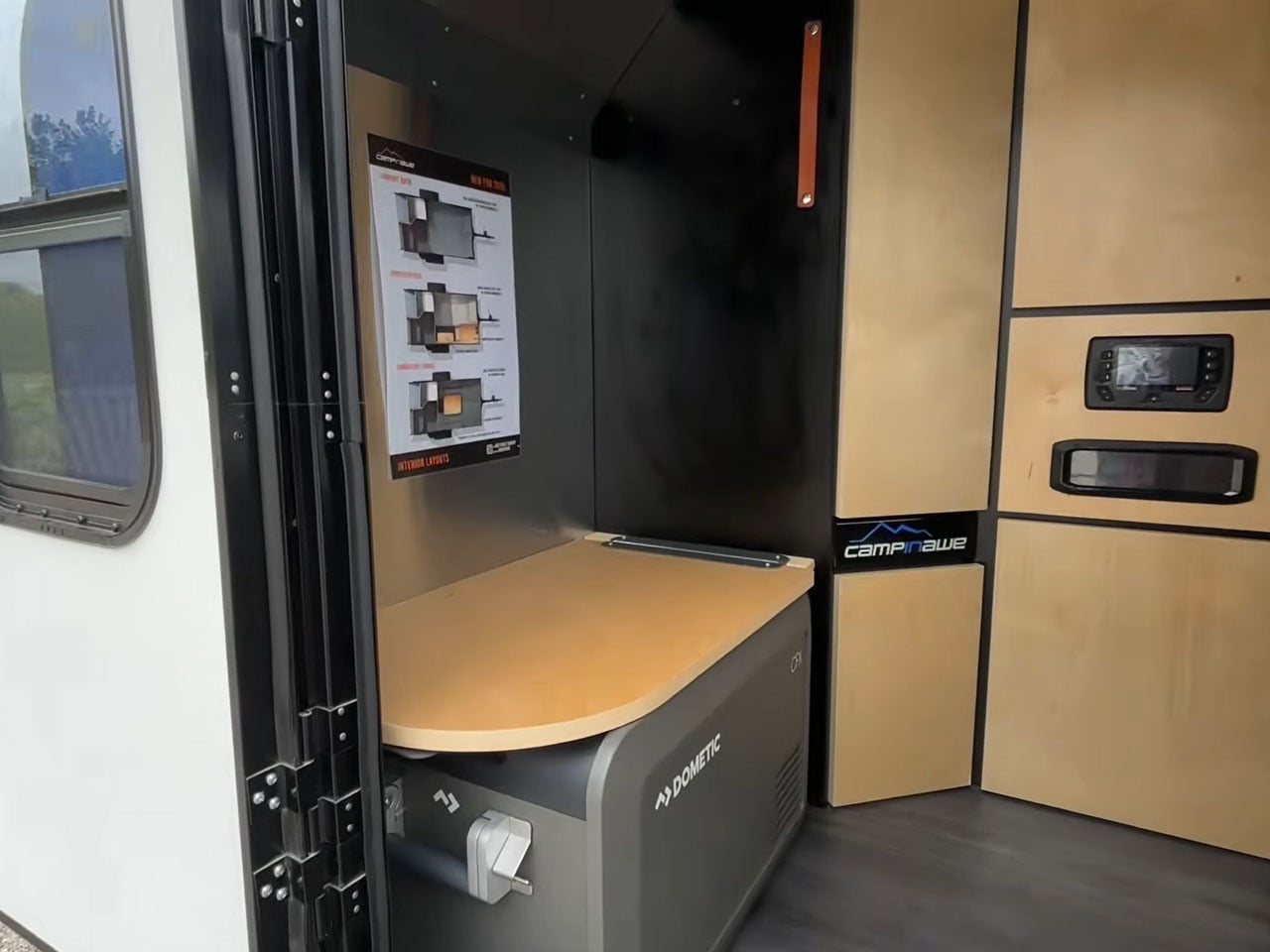
Since the layout is provided for two of the existing three trailers from the company, it is based on the usual multi-gauge steel tub chassis that is popularized by the Campinawe Trailers. The layout also carries the company’s step-in foyer signature design that has allowed Camoinawe to allow people to keep their living space organized, while the cooling off area bears the brunt of the mud, sweat, and negativity you bring along from the outdoors.

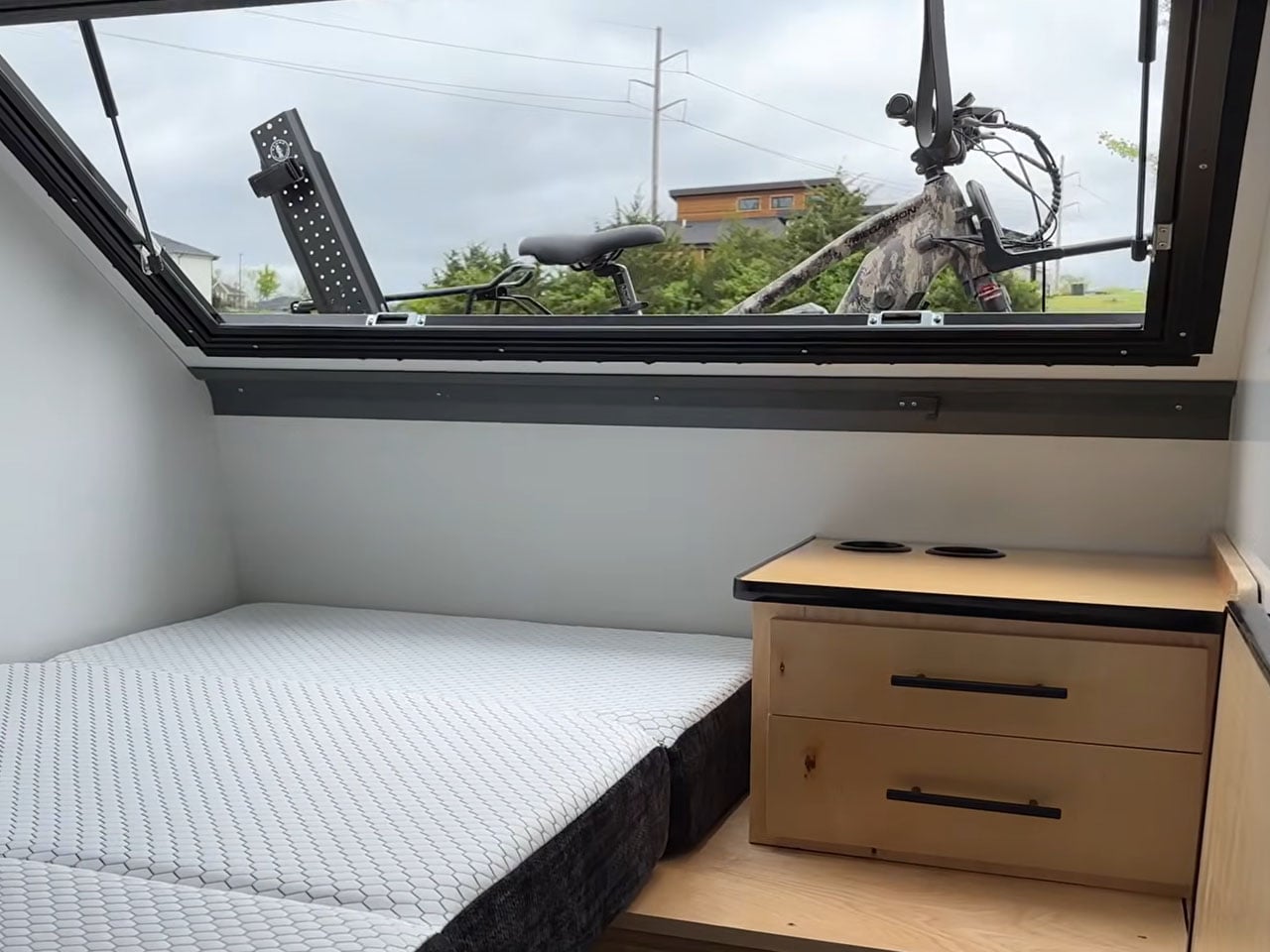
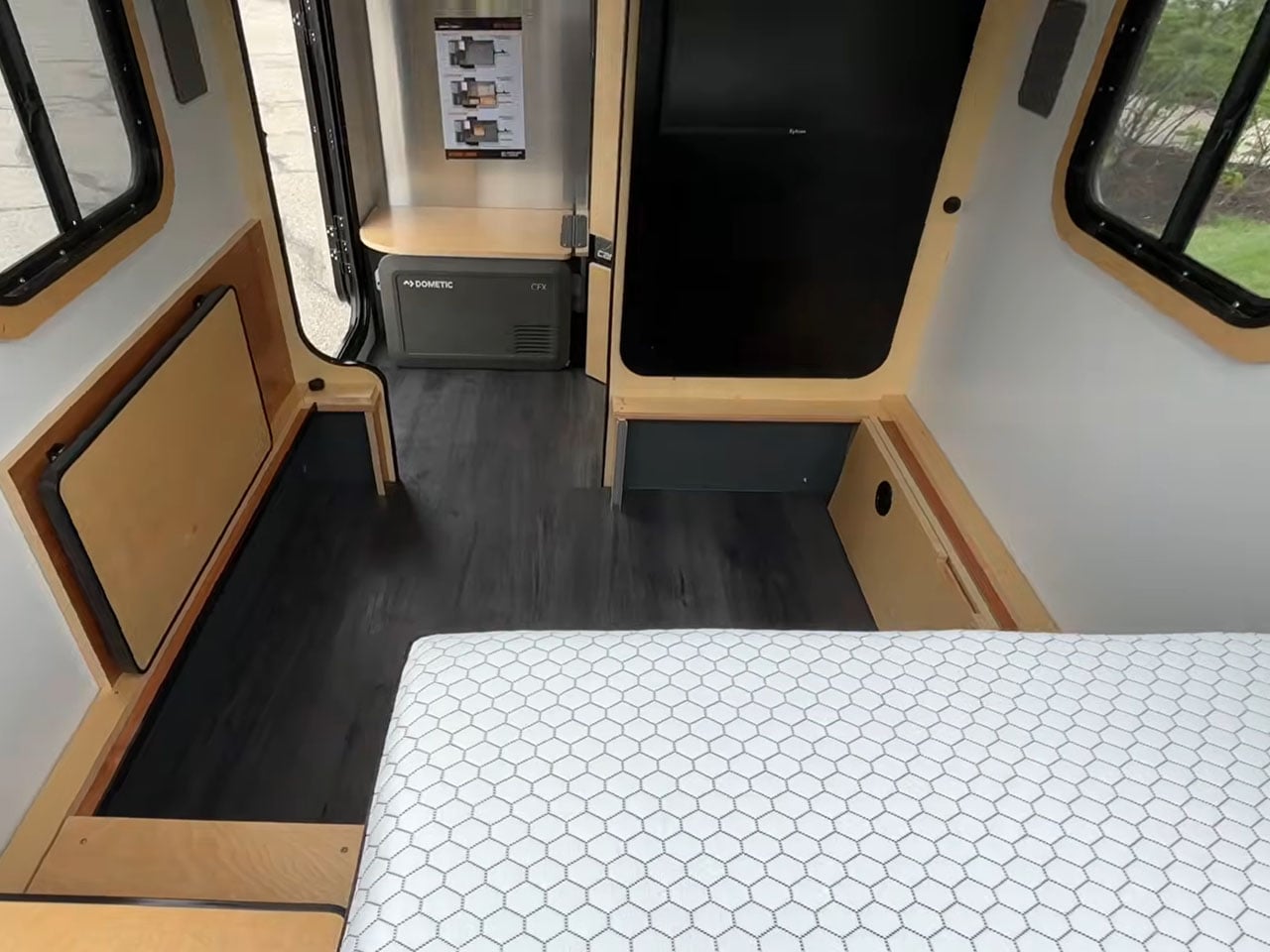
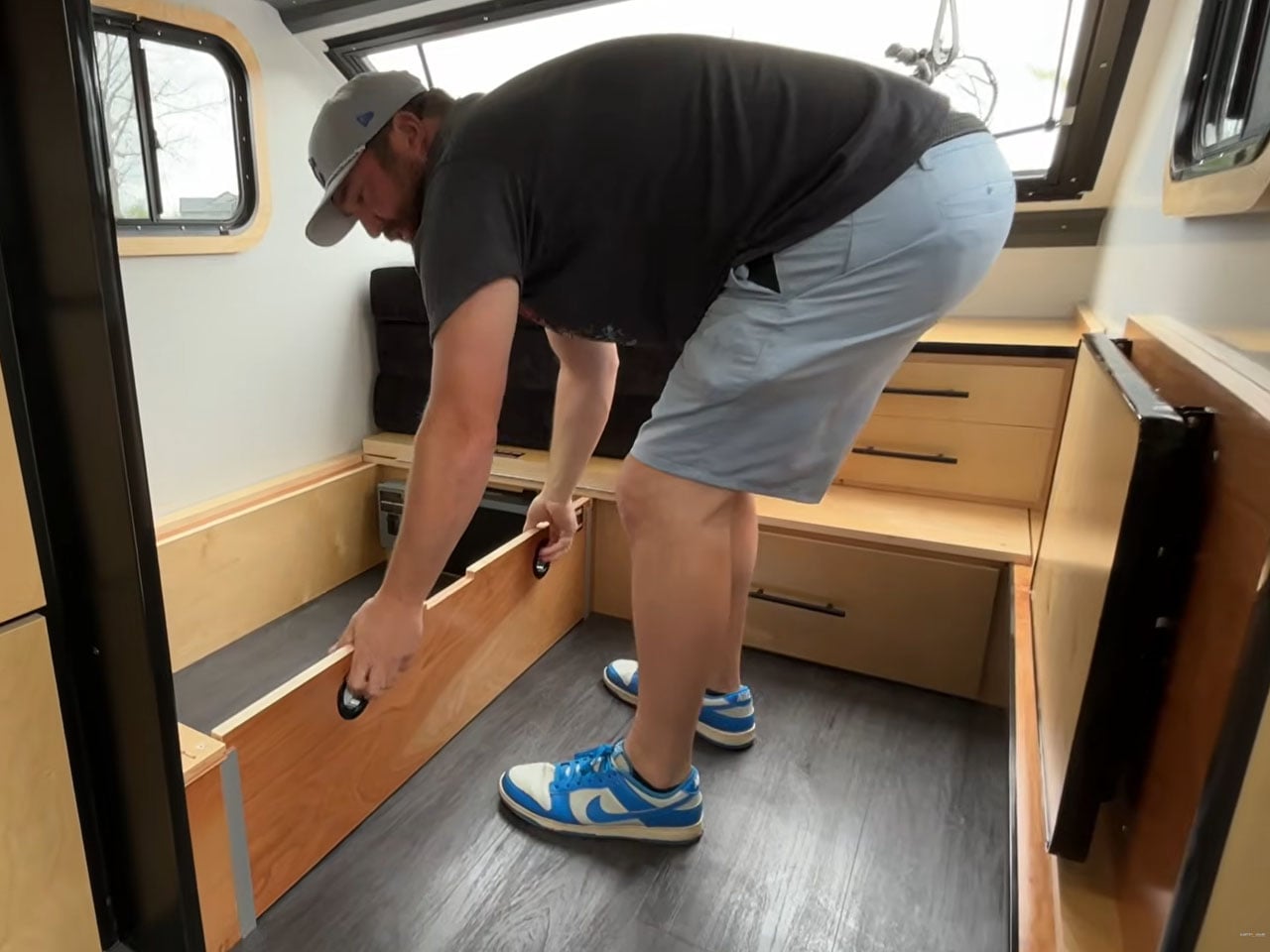
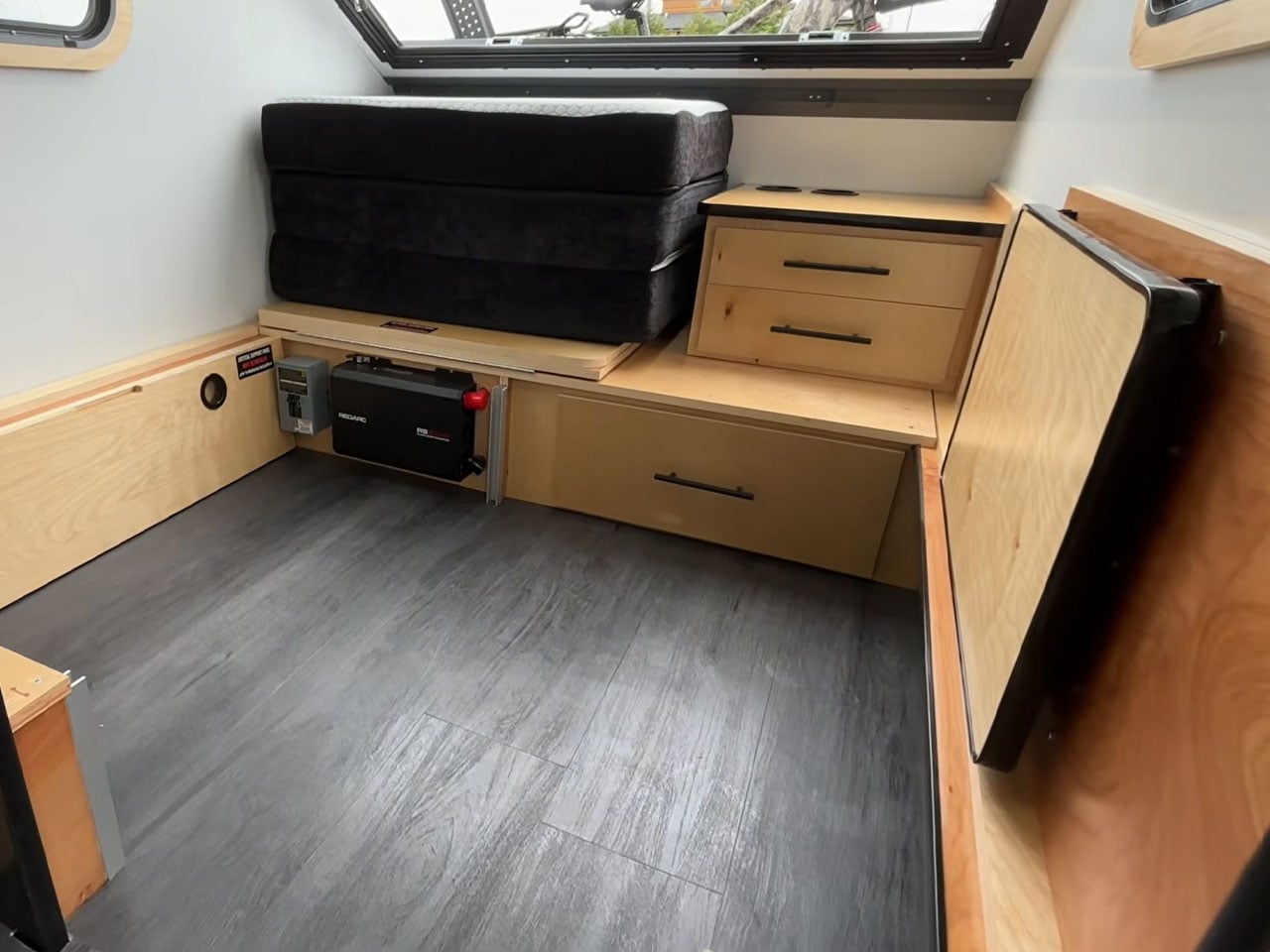
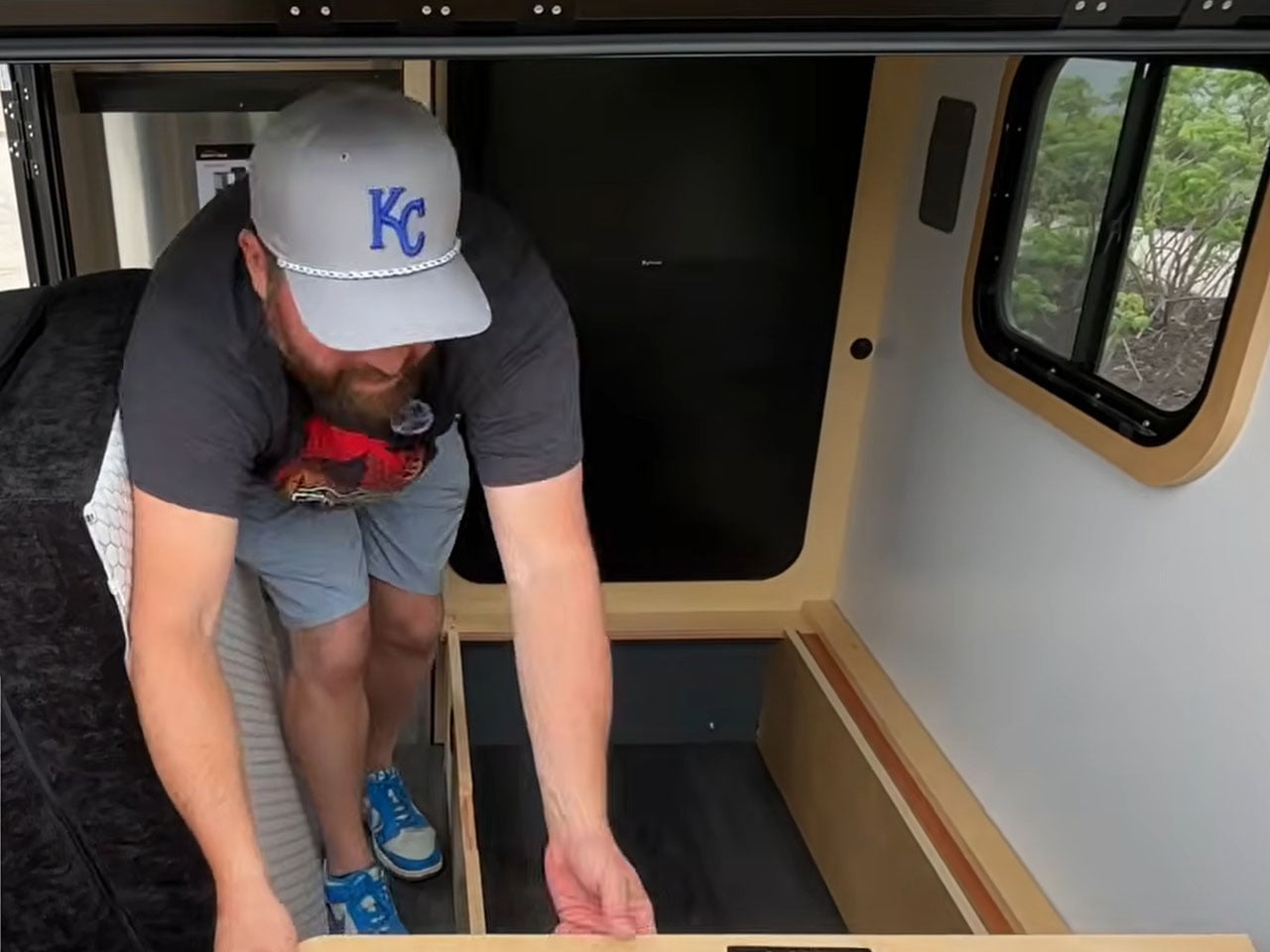
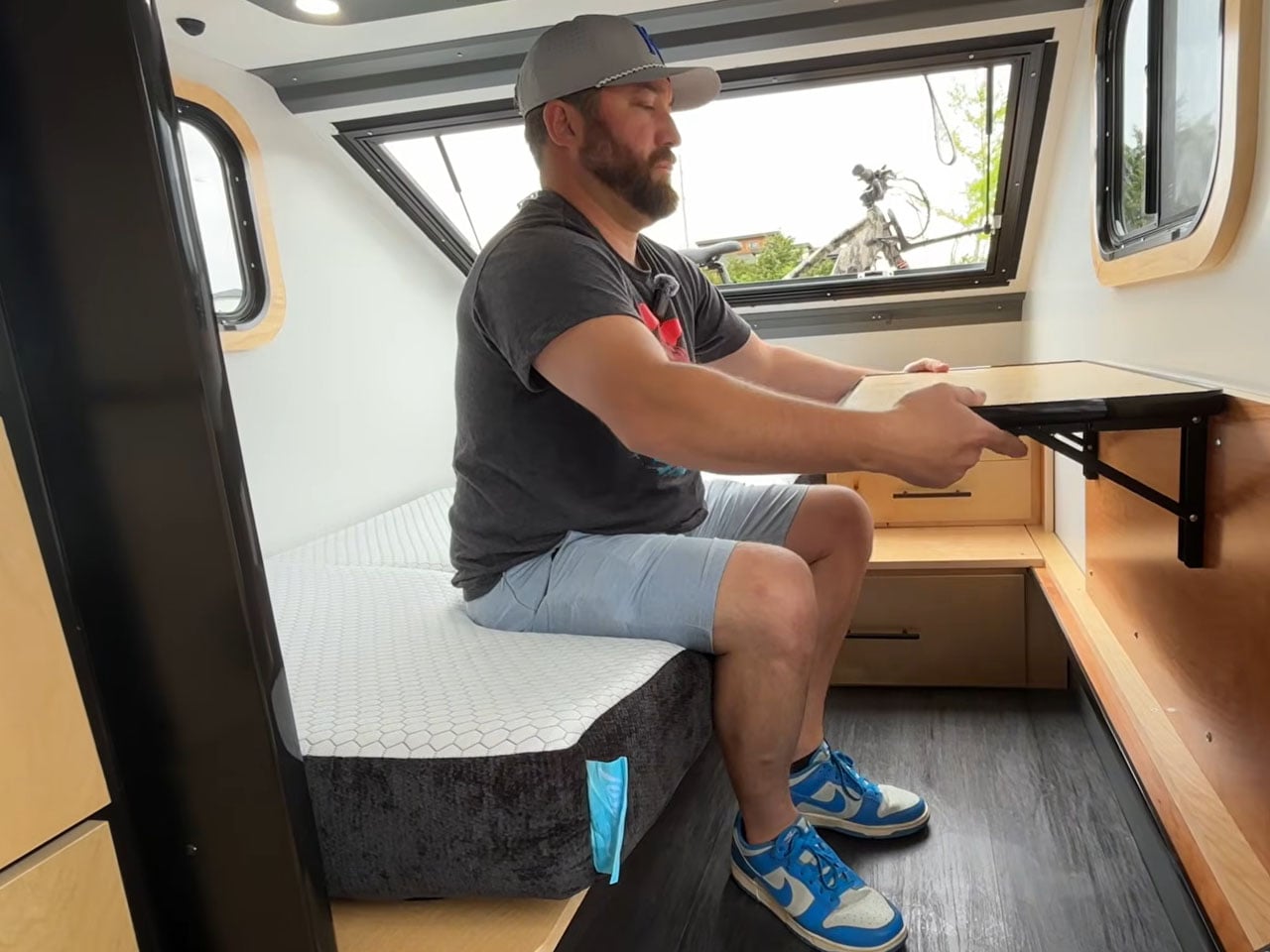
Beyond the walk-in foyer and the wardrobes in the rear side door lies the ultimate distinction of the Crossover Solo. It’s here that you have a single, stowaway bed, and open space next to it, which features a nightstand and a dropdown work desk that can double as a dining table can be used with the edge of the bed as a seat. The twin XL mattress is ideal for a single person, but I am not too sure if another person can be accommodated. I don’t take up much space to sleep but my wife is a star fish, so I’m sure, even if I wanted, I couldn’t take her along in this layout. You can do your own ideation.

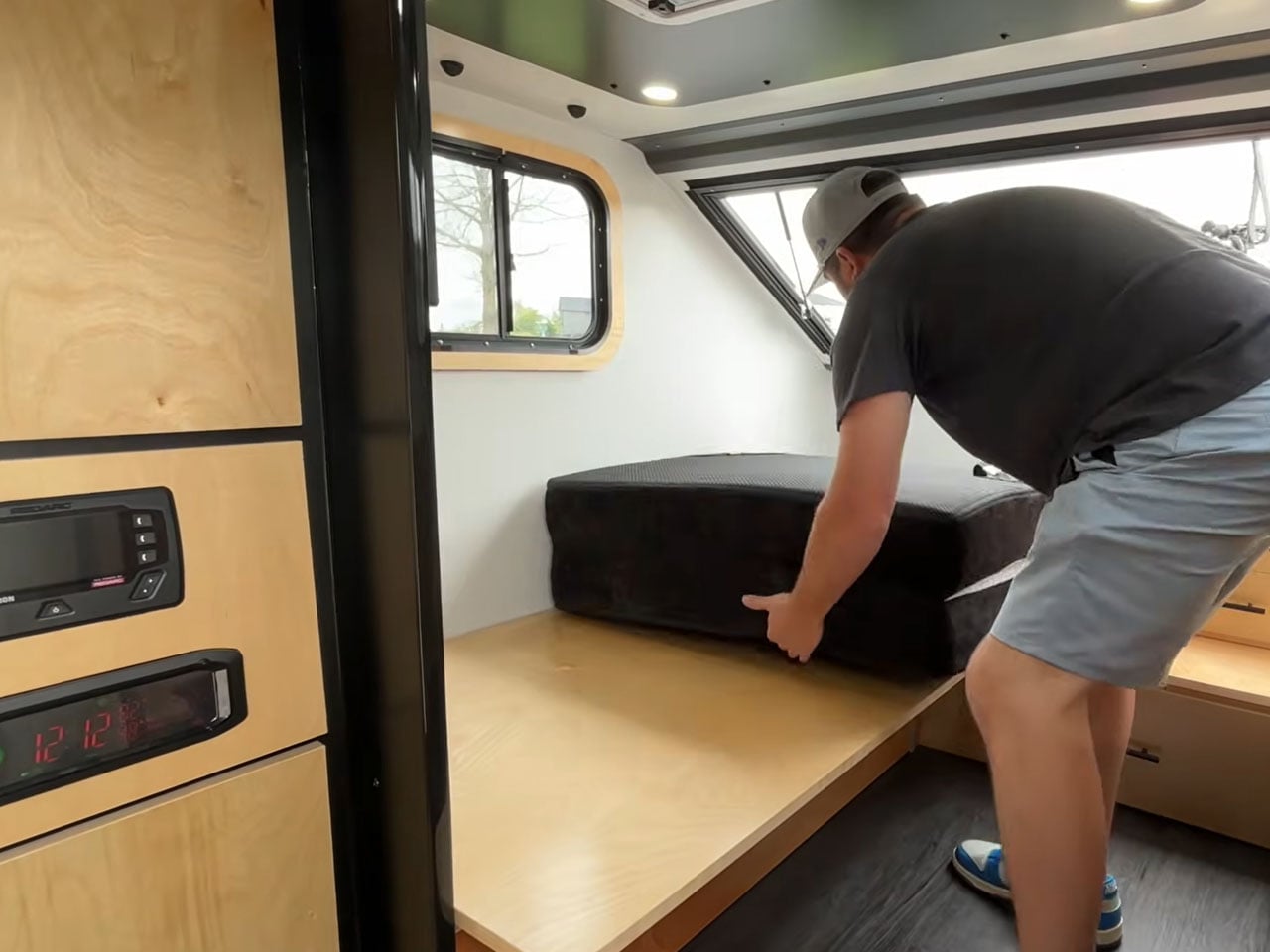
While at it, you should know that even if the sleeping space is less, the floor space is massive in here. This is made possible by the interesting foldable design of the bed. The mattress, along with the bed platform, can fold in half and be stored on one side of the camper. This opens up the space for folding chairs to be installed for dining and working. The space can also be used for exercising, or just sitting around at daytime.

The post Campinawe’s solo camping trailer hides its bed to create a mobile office first appeared on Yanko Design.

Wellhouse puts most efficient micro-camping layout inside of the Kei Toyota/Daihatsu camper van

Micro camper vans are having a day in the sun. The delightful concept from Kia is already registered as a must-have in my memory, but the mind is also clouded by what Ovrland Campers did with the Mini 95. The most interesting option, it seems, is still waiting on the sidelines, and I must reconsider. This is Wellhouse Leisure’s take on a small but highly efficient and feature-packed camper van for those who like to travel solo or at max with their partners, willing to adjust with some comfort.

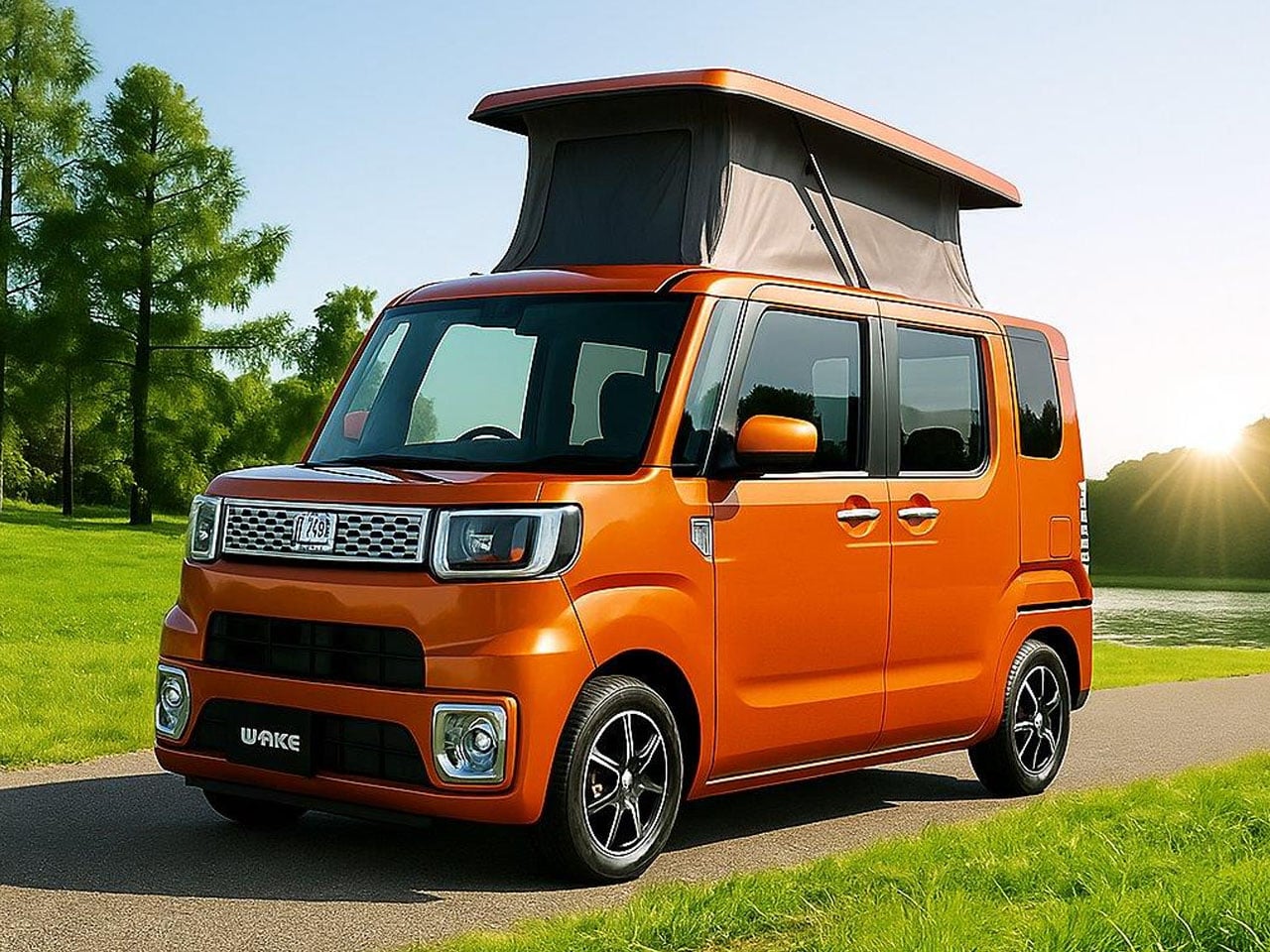
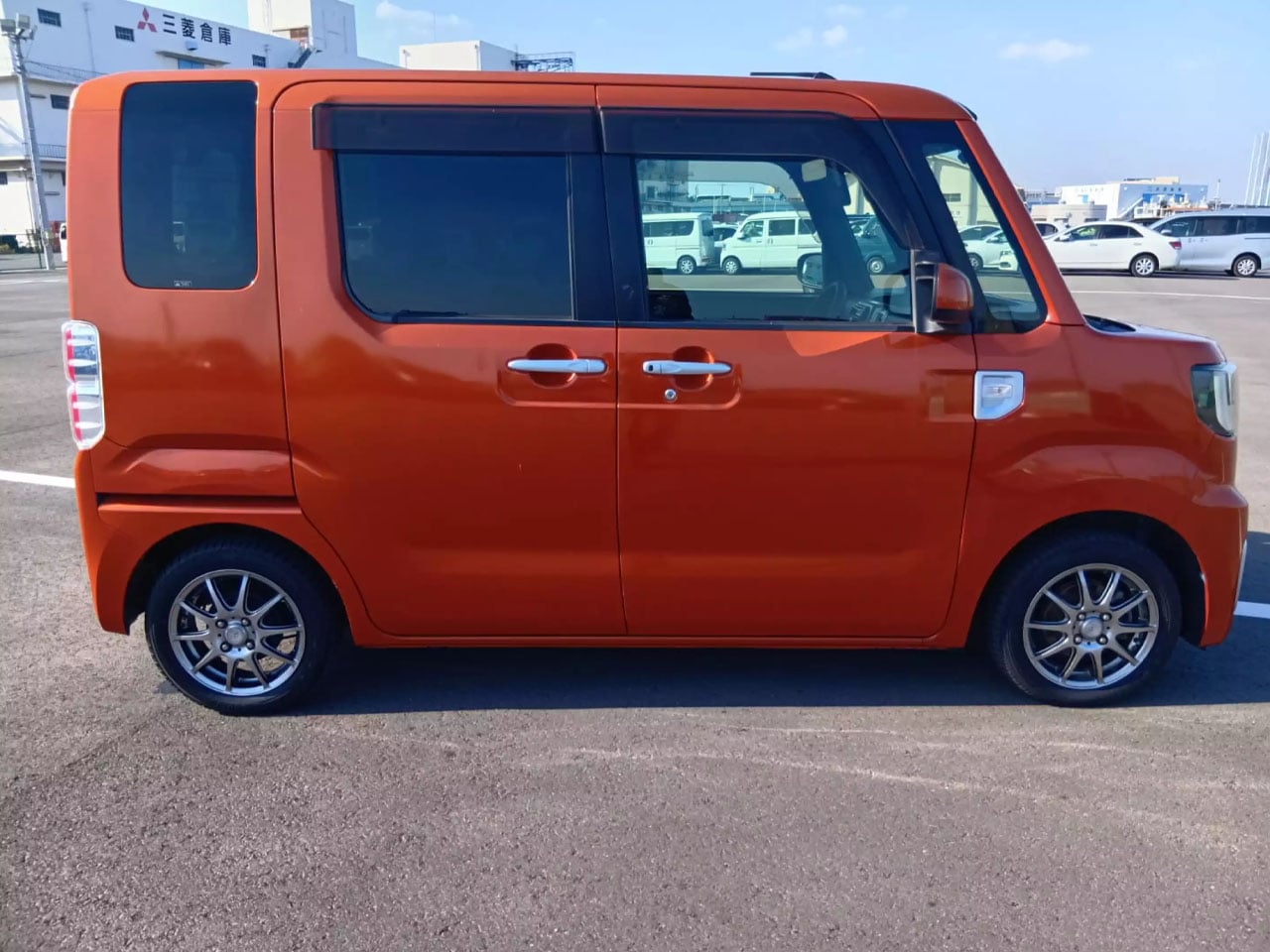
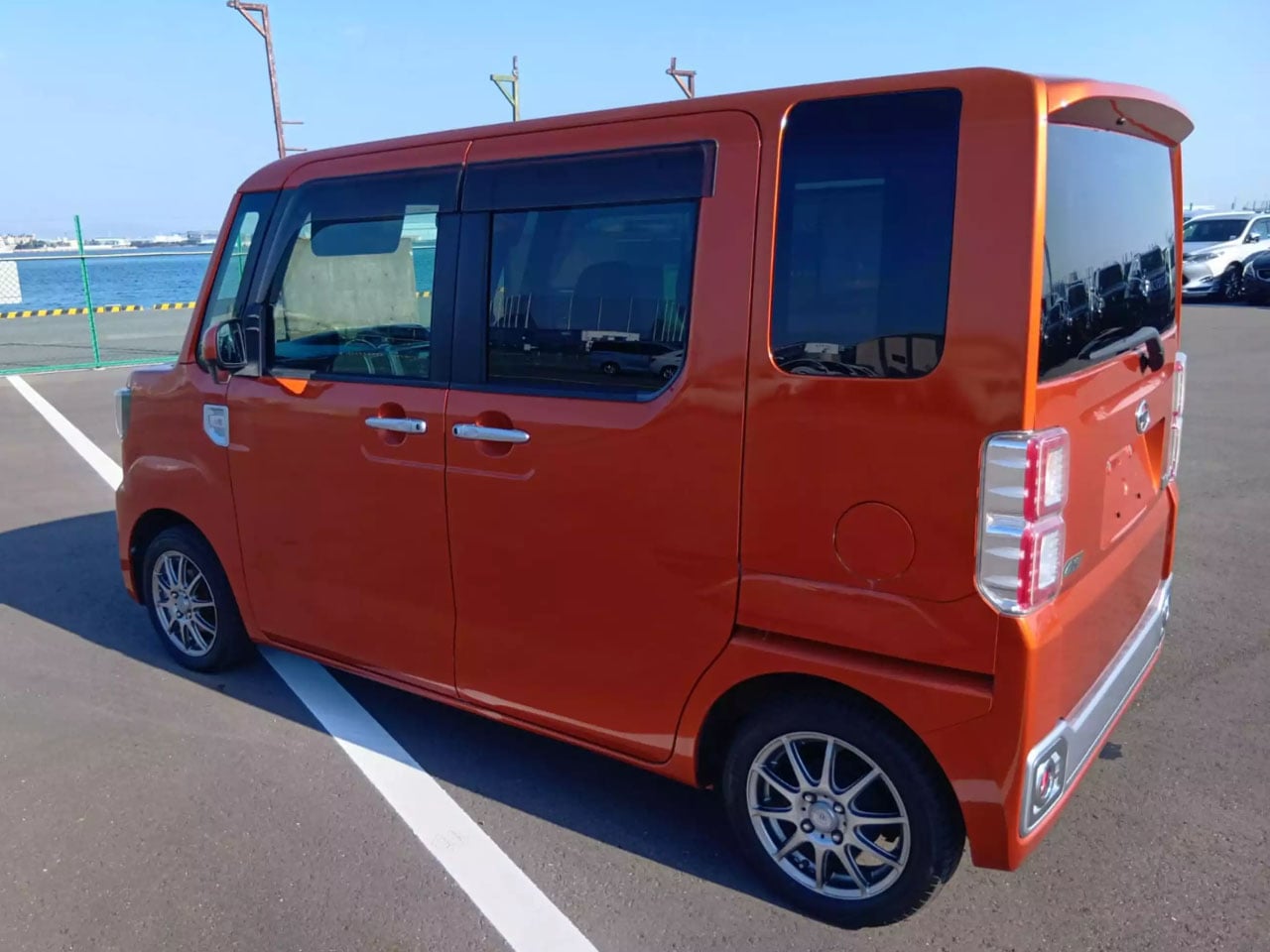
The new micro-camper – slated to debut in the UK first (because of the obvious import convenience) – would be based on the Kei van from Toyota/Daihatsu and will be dubbed Daihatsu Wake & Toyota Pixis Mega Microcamper. Wellhouse explains, “The Daihatsu Wake and Toyota Pixie are the same vehicle and are built by Daihatsu in Japan and the Toyota version is just a rebadged Daihatsu.” Wellhouse continues to inform that it has received the first Daihatsu Wake microvan for conversion, and what we see in the images for now is an adaptation of what the eventual camper van would look like. Let’s understand how well it will be furnished in the article below.

Designer:  Wellhouse Leisure

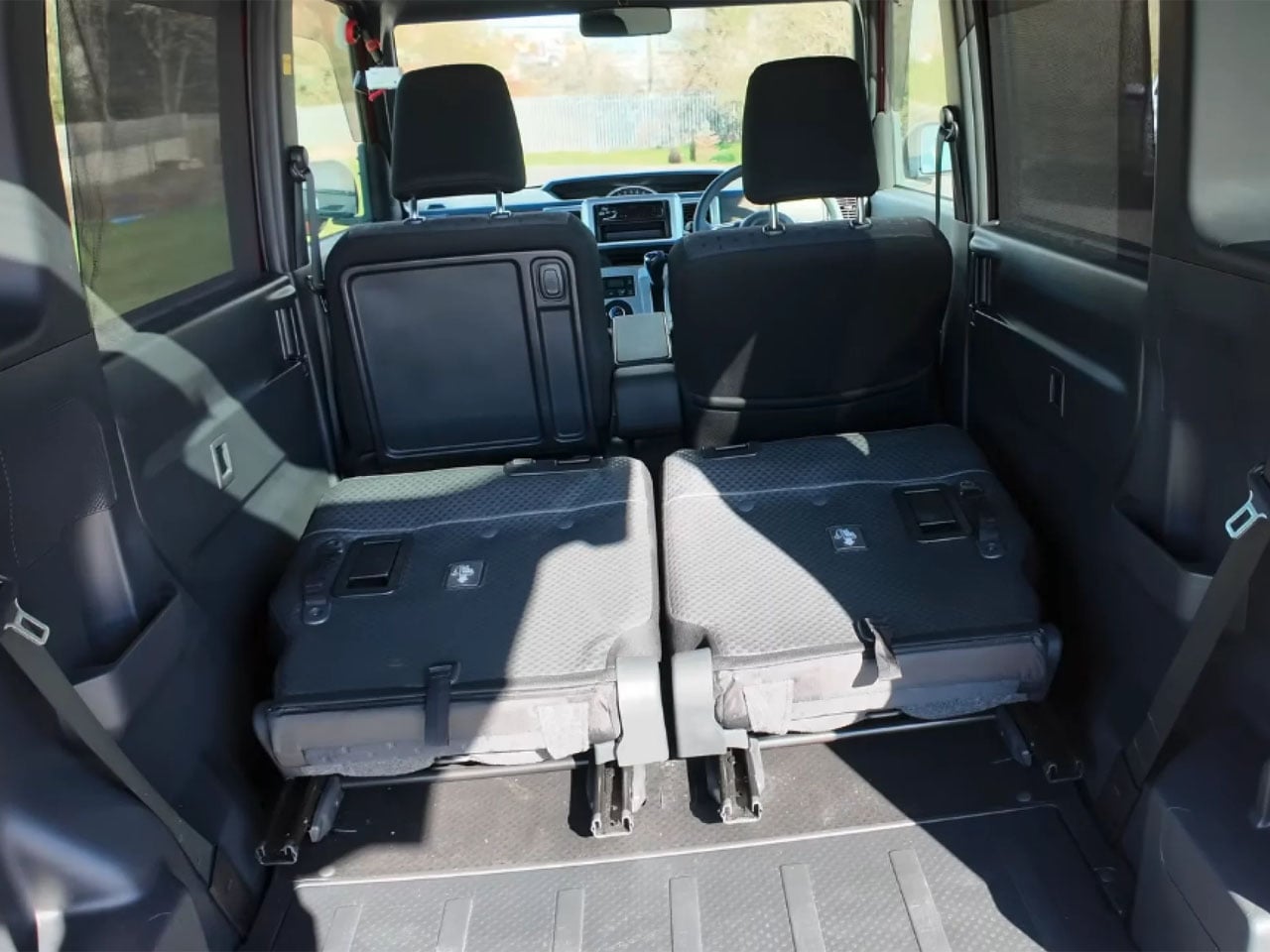
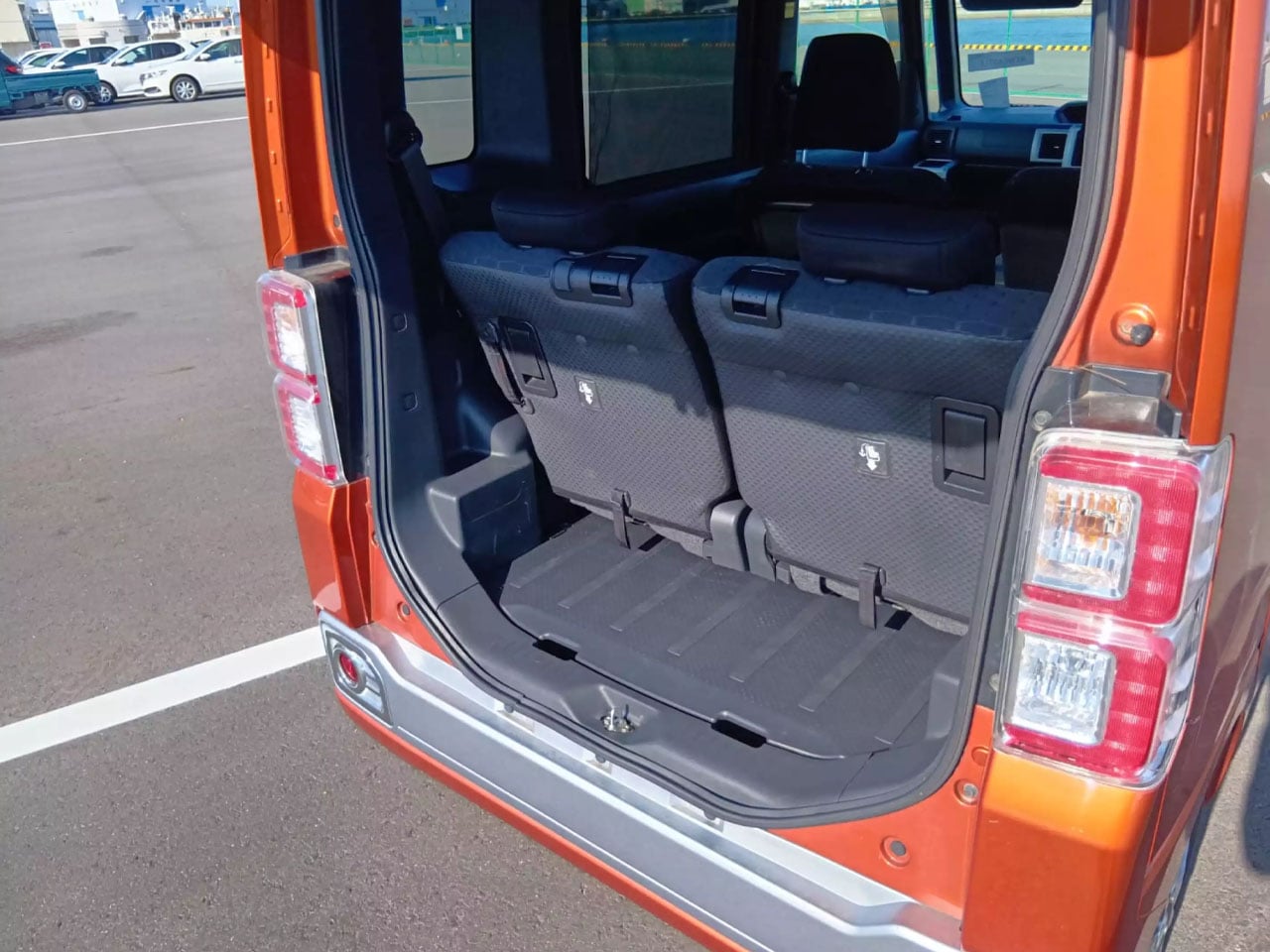
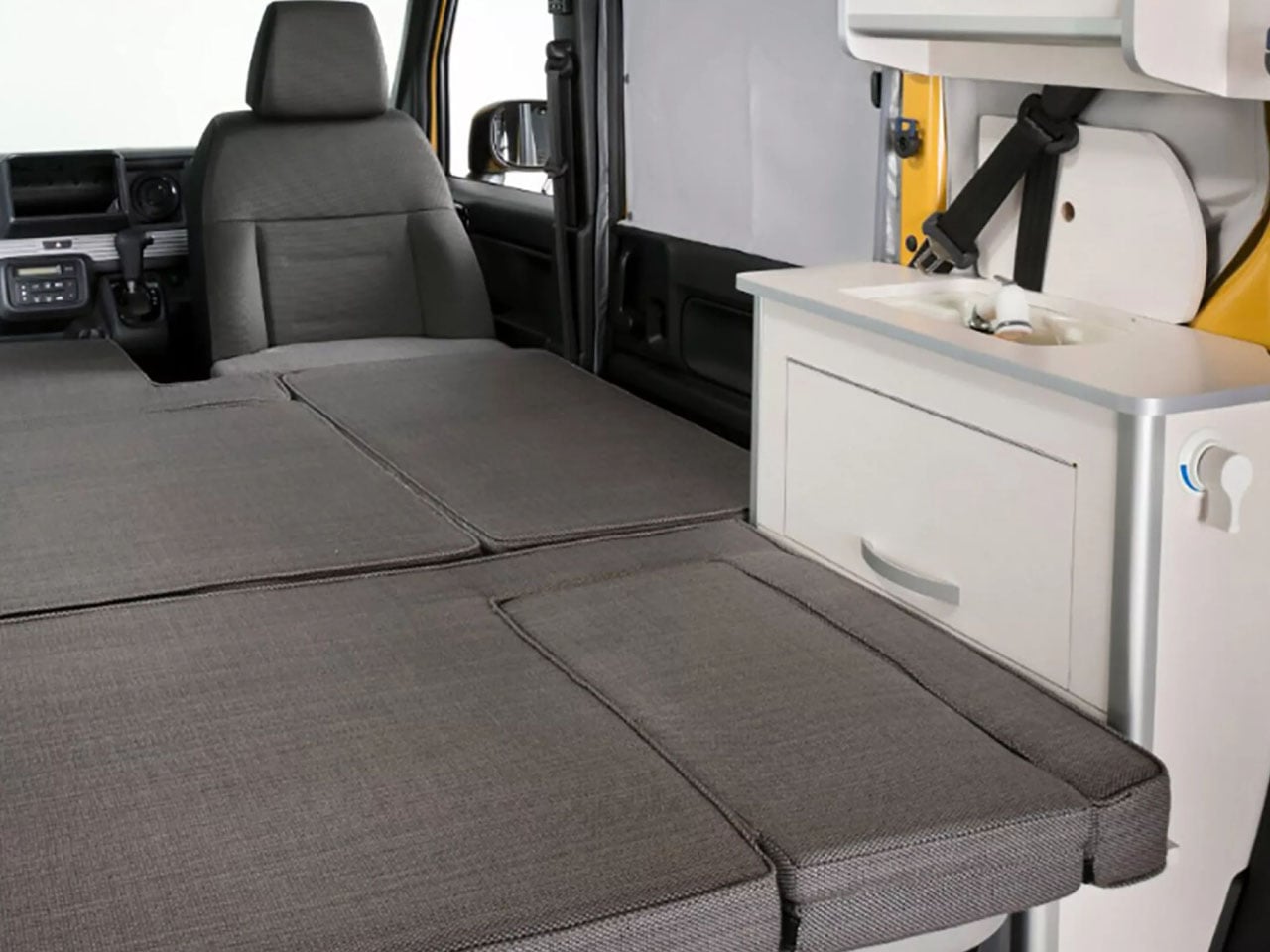
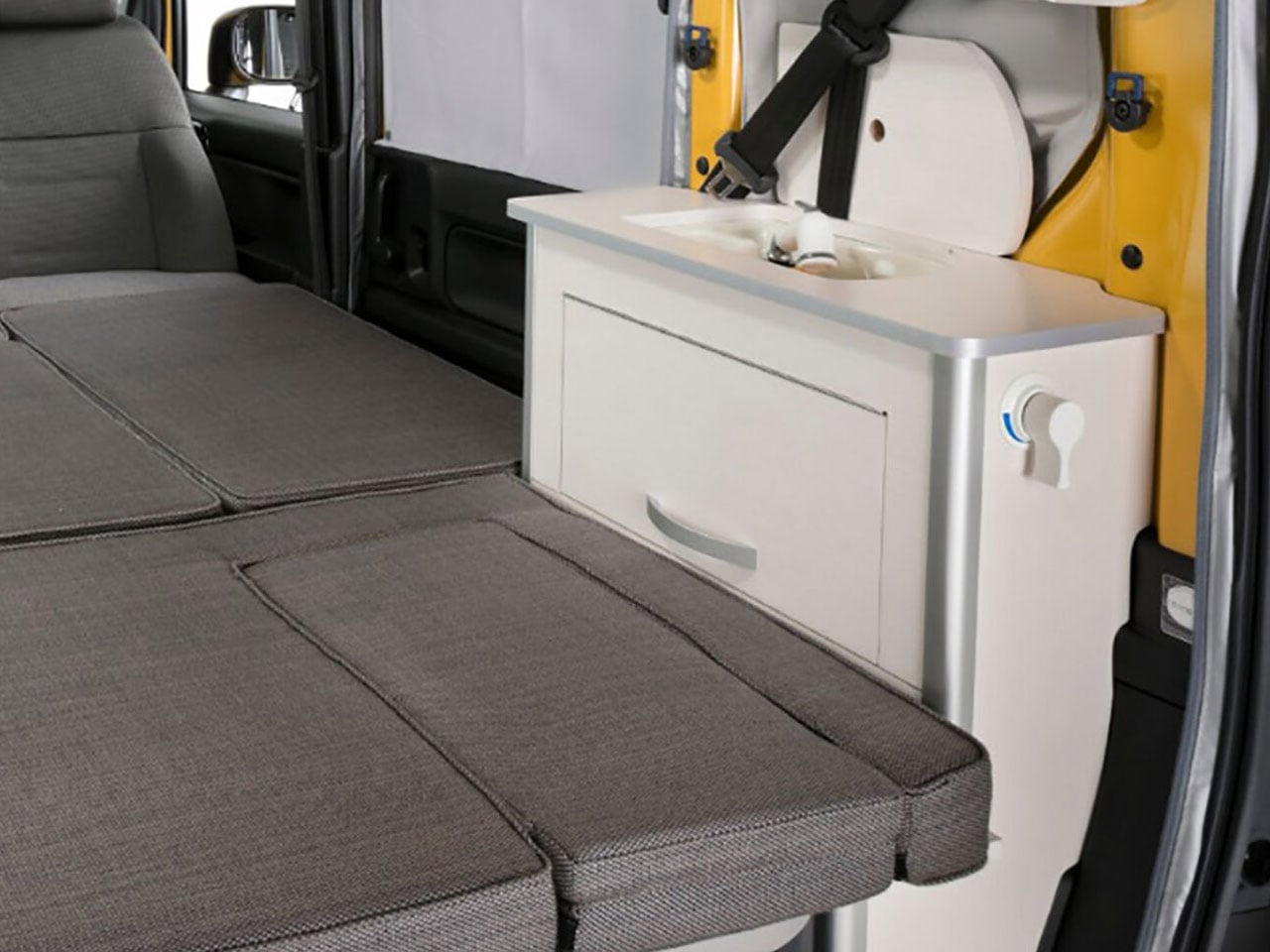
Solo camping is definitely the idea behind how the Daihatsu Wake’s layout is planned. But the final layout is still in the works. Presumably, Wellhouse would make provisions to sneak in another person. How it is visioned for the moment shows the camper with a unique three-seat solo-sleeper layout. The floor plan shows that the front passenger seat can transform into a single bed while the area behind the driver’s seat remains reserved for utilities, such as the kitchen and some storage.

The Daihatsu Wake received for conversion is powered by a 660cc Turbo 64ps engine. The van can provide a range of up to 45 miles per gallon, and is available in the choice of 2WD or 4WD. If you’re the more adventurous type, you know the drivetrain to go with, and for you, Wellhouse has a lot of convenience provided on the house. The camper floor plan provides for an equipped kitchen with a stove, sink, and an electric pump supplying fresh water to ensure you are well-fed on the road.

The Daihatsu Wake will come with a portable (porta-potty) toilet, and feature some off-grid readiness with a leisure battery and solar panels on the rooftop. Correct specifications are not available, but the images do suggest that a version of the camper van would feature a pop-up roof. We cannot sight a bed in the increased space overhead, but it should definitely increase the headroom inside, that’s a given.

With all the mentioned features onboard, Daihatsu Wake or Toyota Pixie, if you may, will be a highly efficient, micro-camper van with a compelling layout in a vehicle of its size. If you are interested, a Wellhouse Daihatsu camper van model is already available for preorder at £17,995 (roughly $25,000).


The post Wellhouse puts most efficient micro-camping layout inside of the Kei Toyota/Daihatsu camper van first appeared on Yanko Design.
37-Inch Tires, Body-On-Frame, No Touchscreen: Hyundai’s Boulder Concept Should Make Jeep Nervous

The midsize truck and off-road SUV segment is the most brand-loyal territory in the American automotive market. Bronco buyers bleed blue oval. Wrangler owners have a hand wave. Fourth-generation 4Runner devotees treat the truck’s stubborn resistance to modernity as a feature. Breaking into that world requires something that goes beyond competitive specs, because specs are table stakes and loyalty is emotional. Hyundai has spent forty years earning American trust one rational purchase at a time, and with the Boulder Concept, the brand is making its first bet on something less rational: the idea that a Korean automaker can build an object with genuine off-road soul.

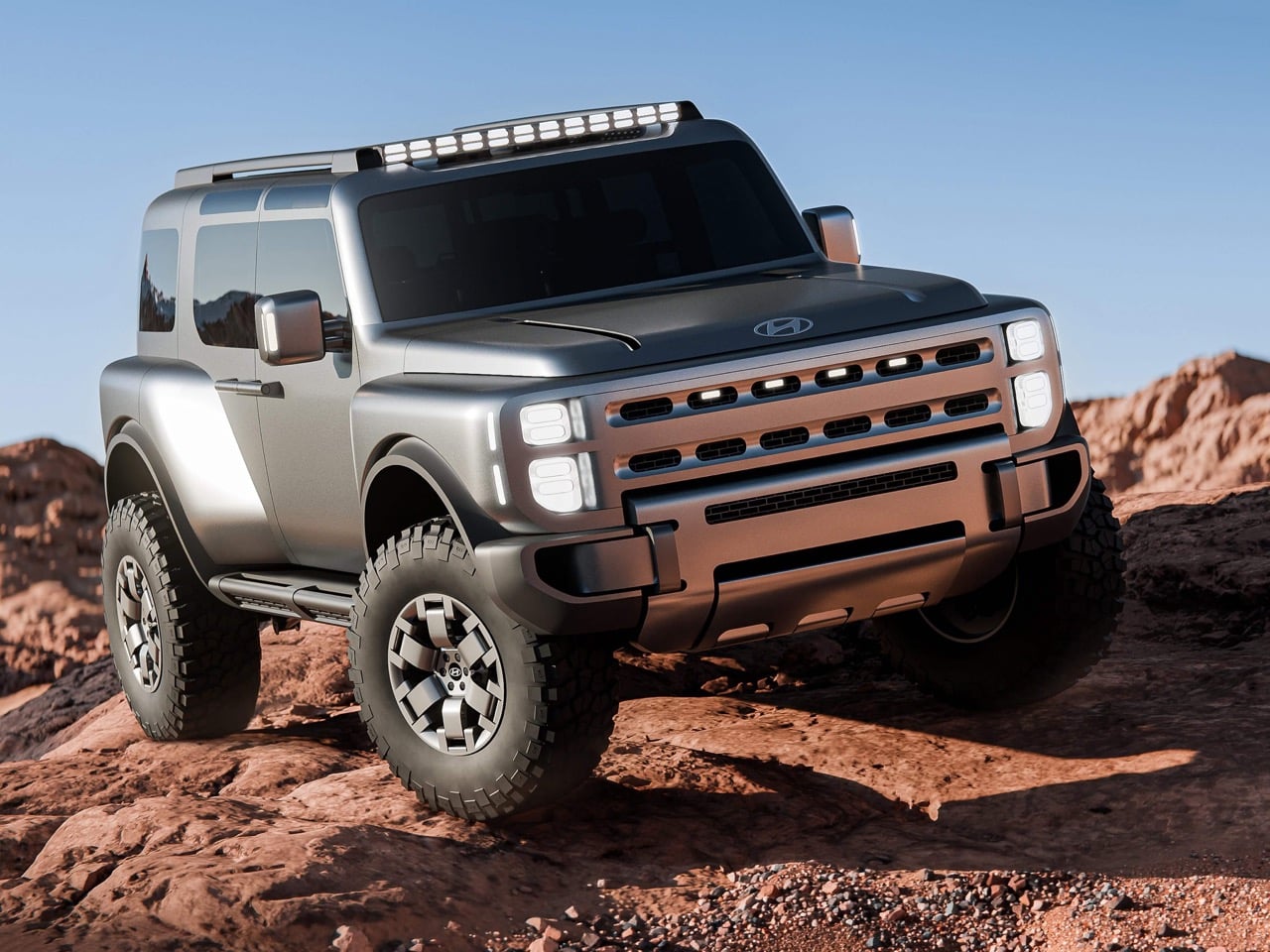
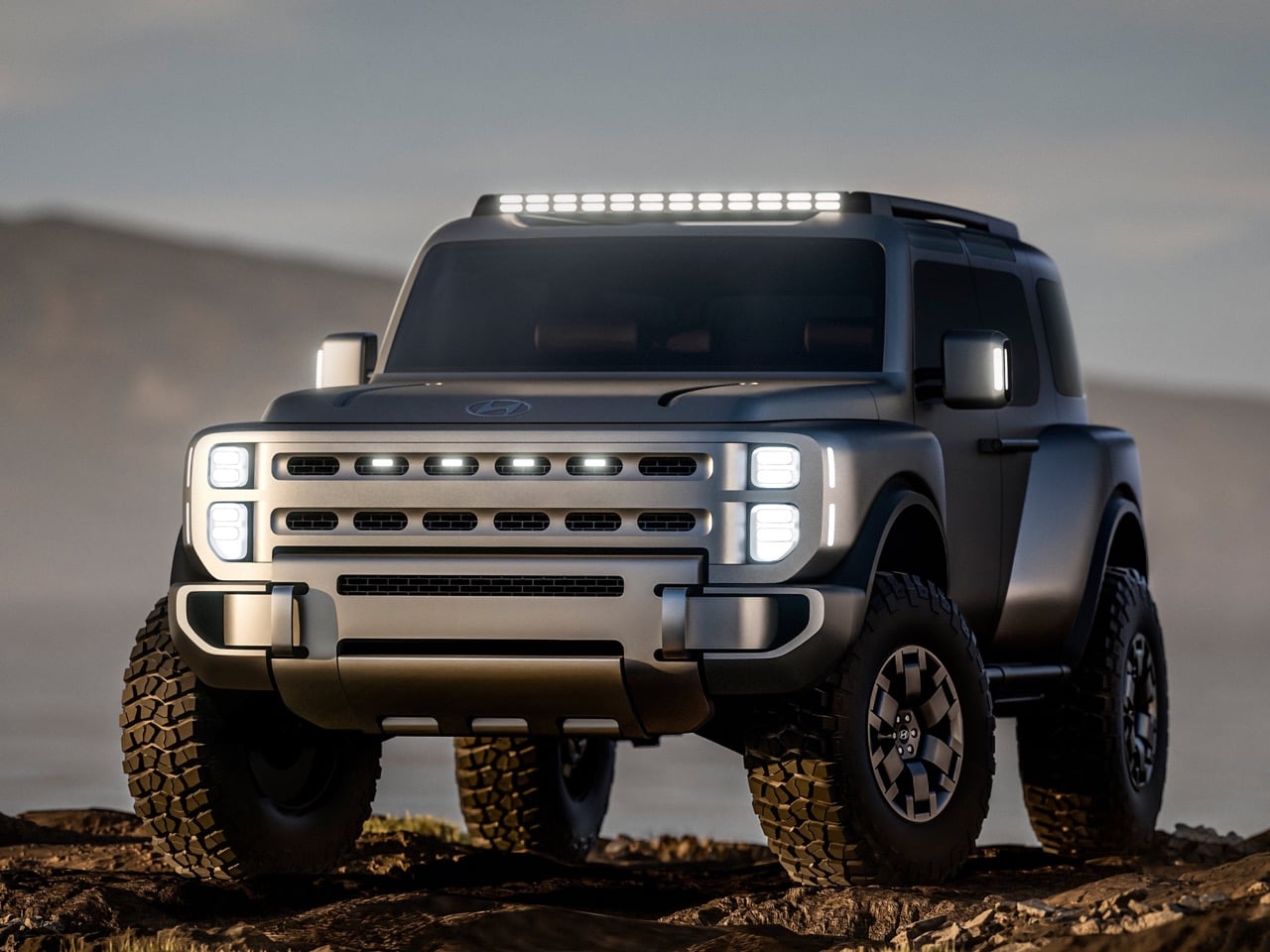
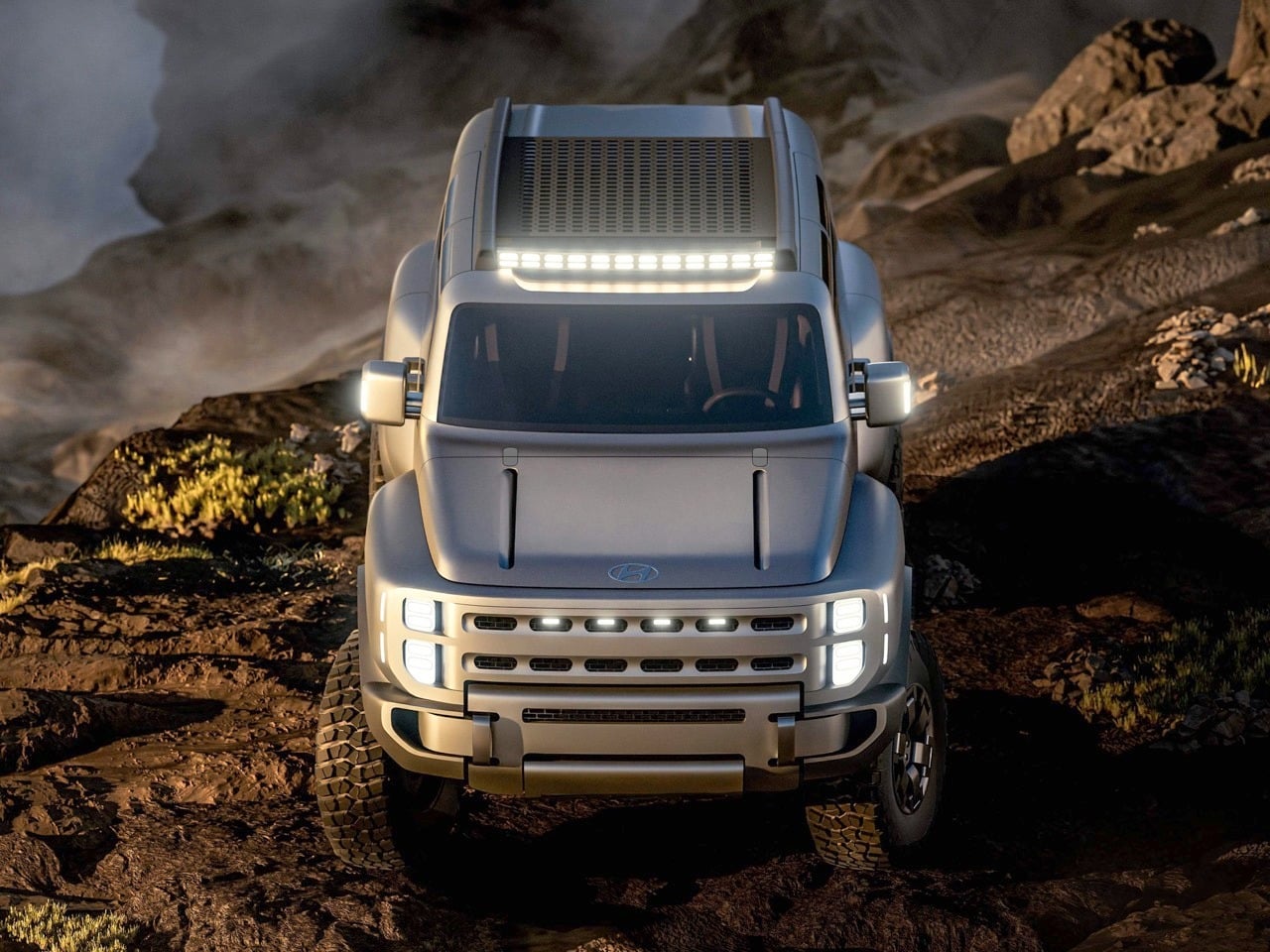
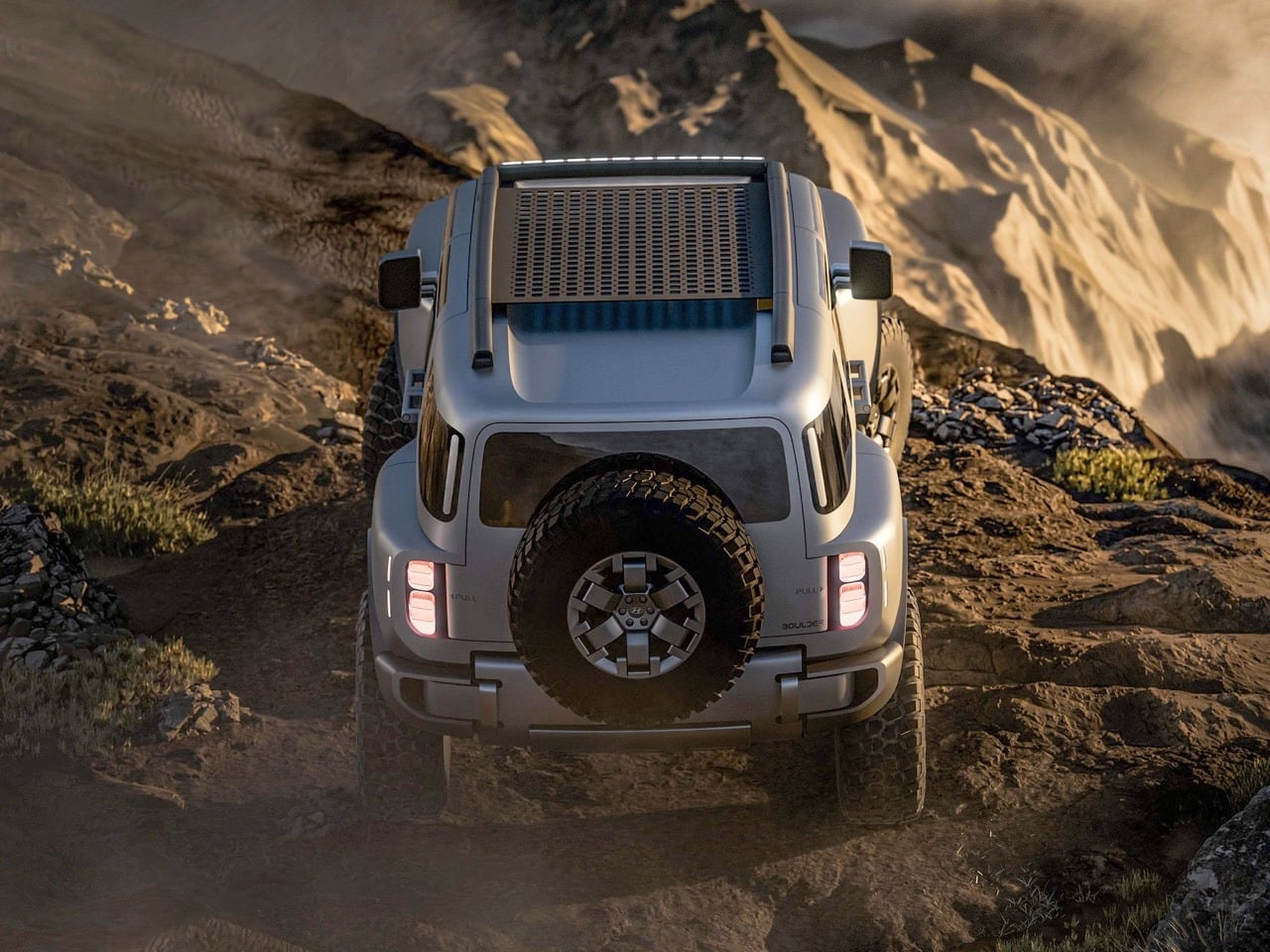
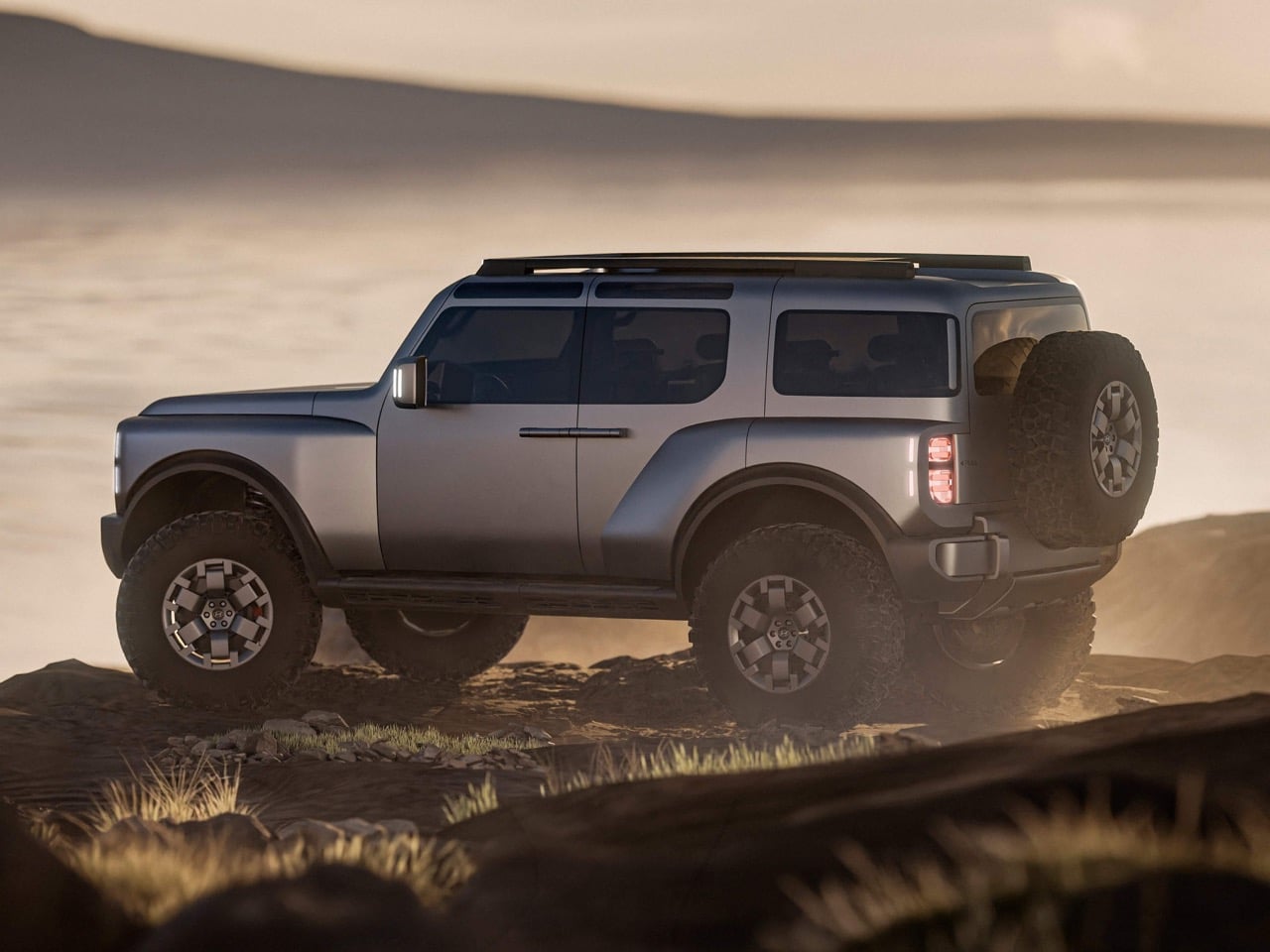
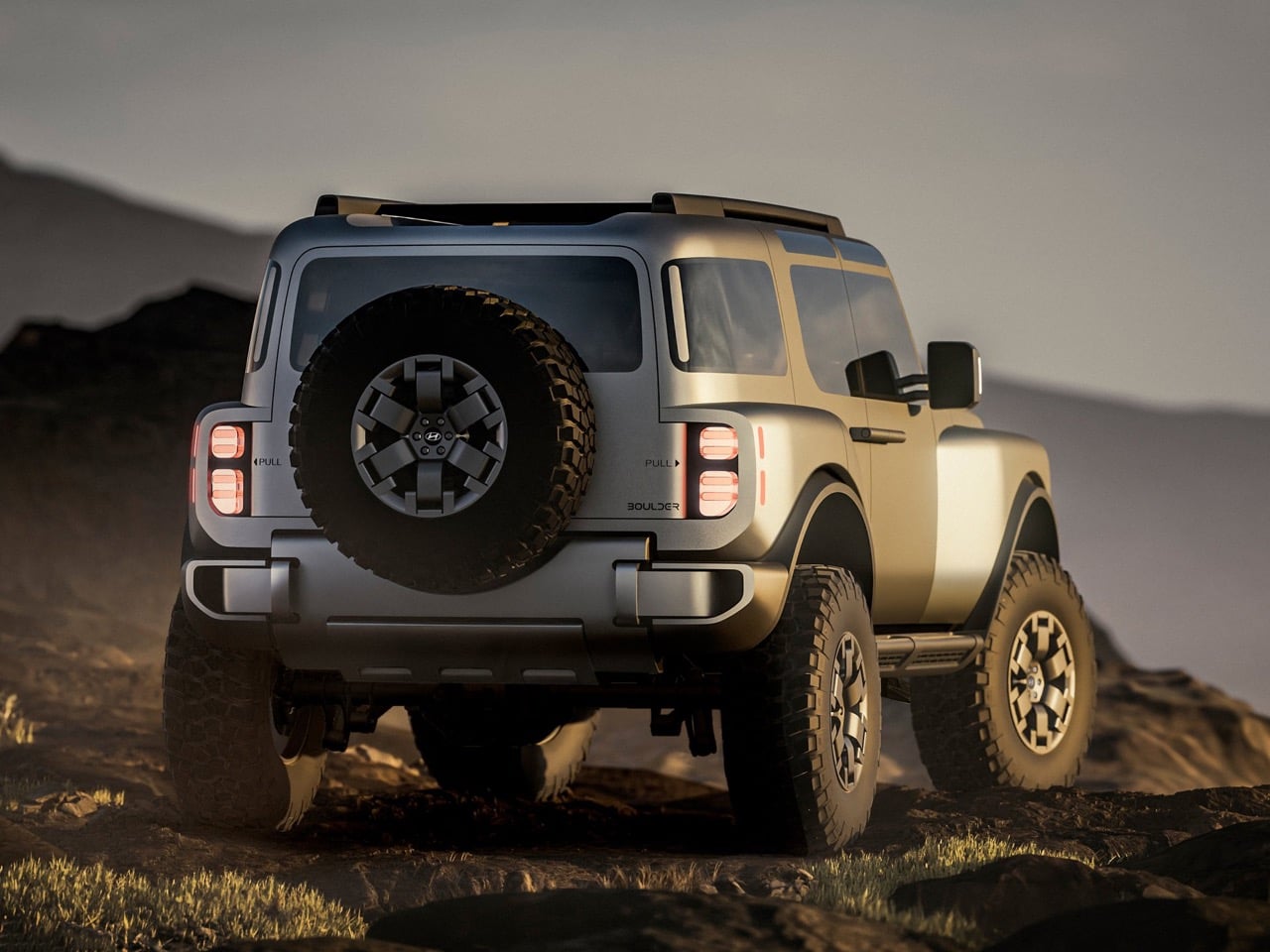
The Boulder debuted as a surprise at the 2026 New York International Auto Show, carrying Hyundai’s first fully-boxed ladder-frame platform and a confirmed production midsize pickup by 2030 as its subtext. The design language is “Art of Steel,” a philosophy connecting the Southern California design team’s decisions directly to the material science of Hyundai’s own steel division. The concept wears 37-inch mud-terrain tires, coach-style rear doors, dual safari windows, and a double-hinged tailgate across a Liquid Titanium body that looks less like a design study and more like a declaration of intent.

Designer: Hyundai Design North America

From the front, the Boulder looks like it was designed by someone who spent more time on trails than in trend reports. The headlights are stacked in two rectangular modules, recessed deep into the bodywork so the surrounding steel reads as structure first and styling second. That bronze-toned horizontal slat grille sits between them like the face of something that has already decided it doesn’t need your approval. The hood carries a pronounced power dome, and the roof-mounted light bar integrates into the low-profile rack with steel webbing between the rails rather than getting bolted on as an afterthought. Design chief SangYup Lee described the approach as one that “celebrates the gaps,” treating the deliberate negative space between panels as a feature that exposes the construction logic rather than disguising it beneath flowing bodywork. Every recess, every shadow line, every recessed lamp housing is doing exactly that.

The side profile is where the Boulder’s proportions really land. The roofline is ruler-flat, the greenhouse is upright and nearly square, and the body sides are almost completely clean of character lines. Hyundai is generating all the visual mass through wheel arch geometry alone, with those flared cutouts punching hard against the otherwise minimal sheetmetal. Brad Arnold, Head of Hyundai Design North America, framed the whole project around restraint: “It’s a tool for getting to that sunset, to have that experience, not for distracting you from that moment.” That philosophy reads clearly in the silhouette. The short-wheelbase four-door proportion feels closer to a Defender 90 than anything in Hyundai’s current lineup, which is either a coincidence or the most confident piece of product positioning the brand has ever attempted.

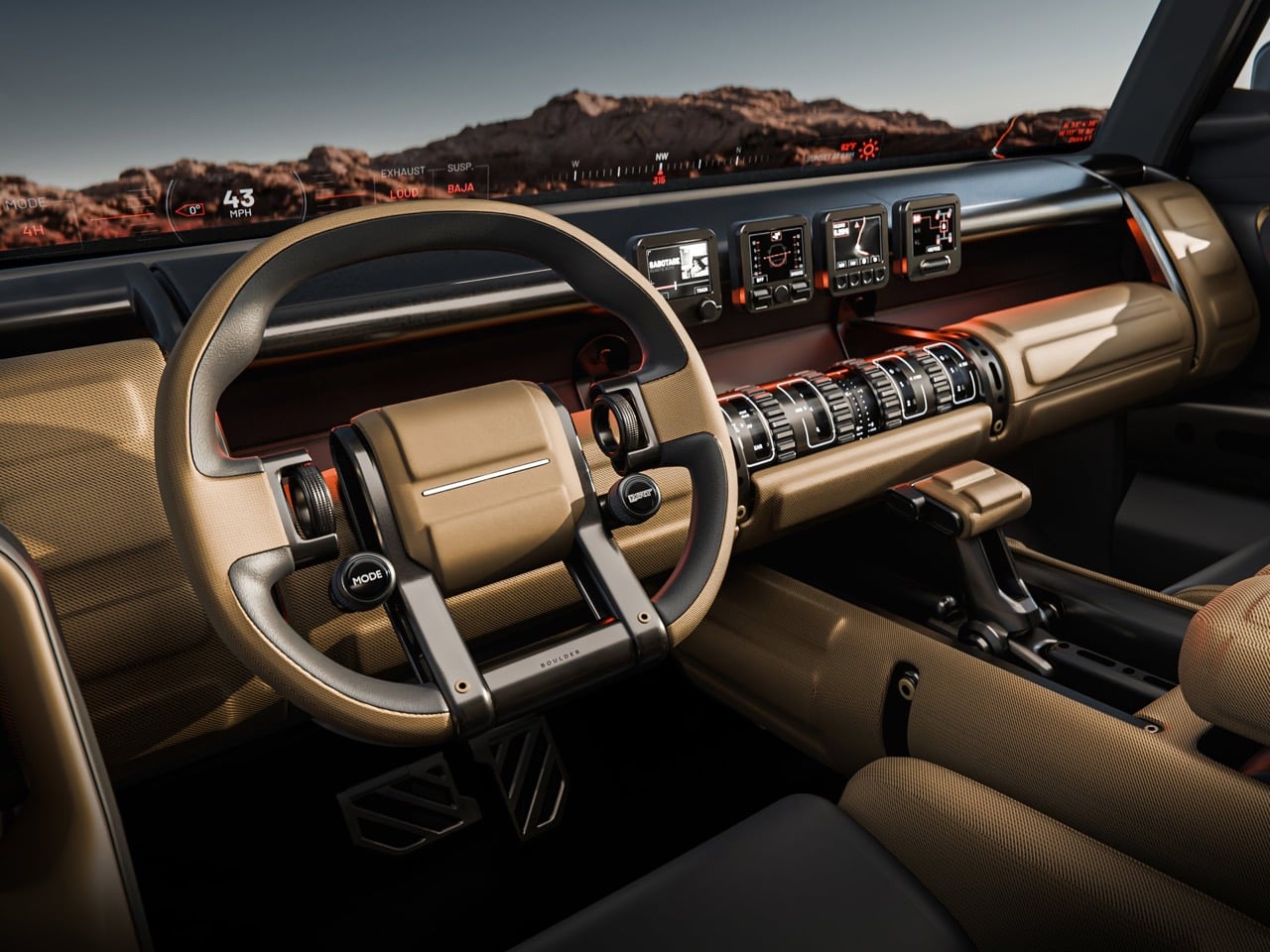
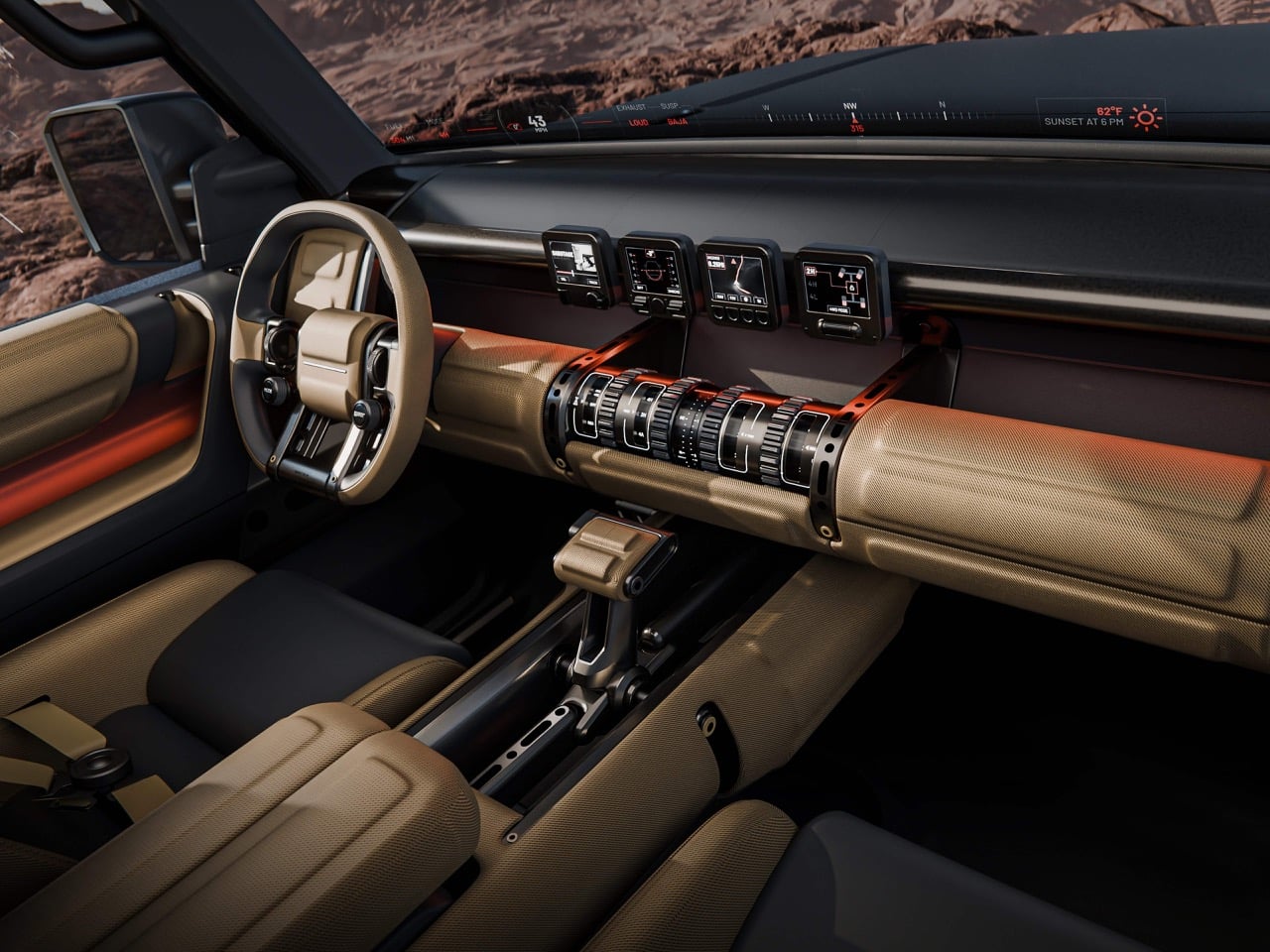
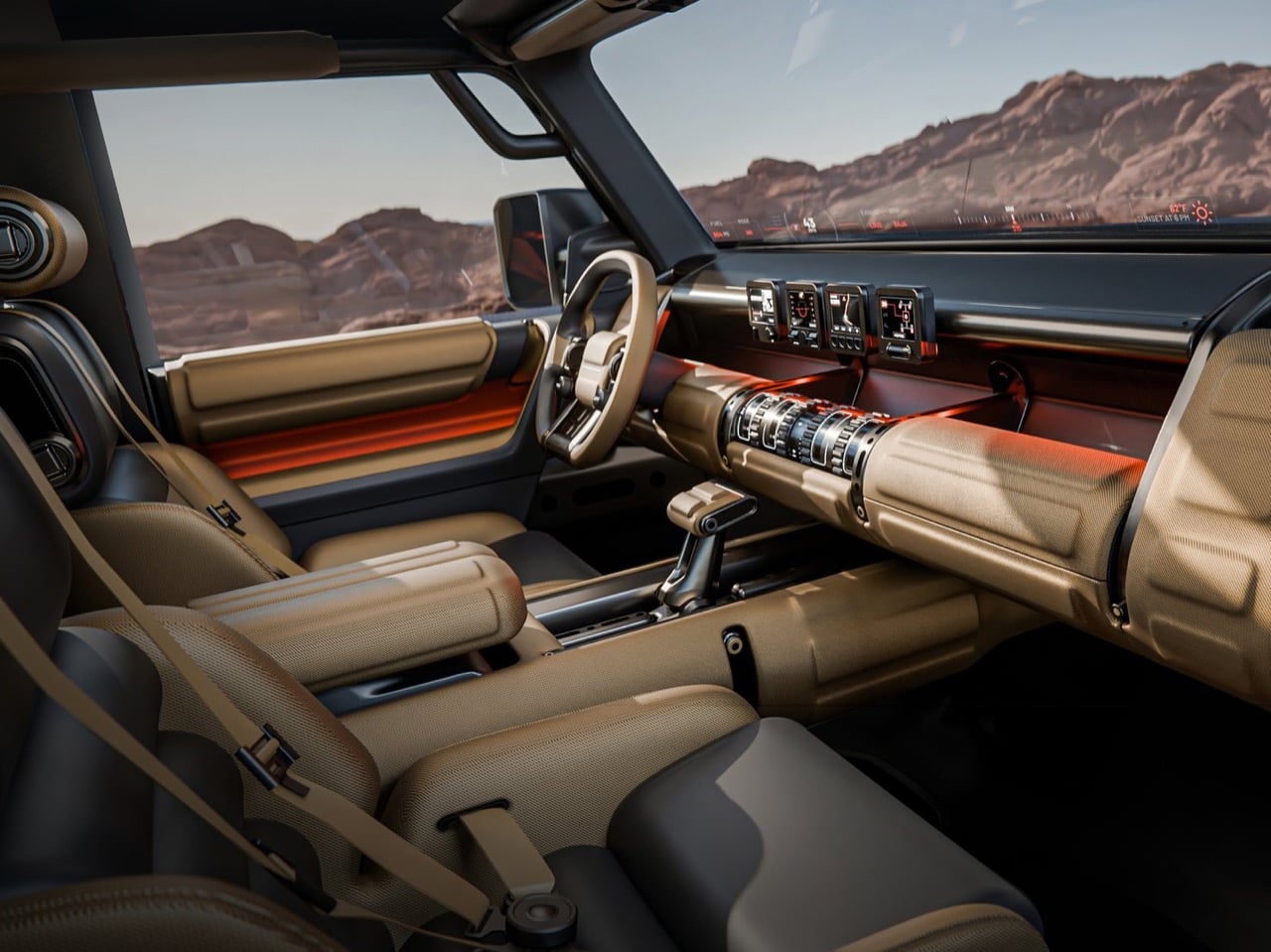
Inside, Hyundai eliminated the conventional instrument cluster and center touchscreen entirely, replacing them with a pillar-to-pillar head-up display integrated across the base of the windshield, complemented by smaller dashboard-mounted screens and a modular “Bring Your Own Device” rail system for customizable digital interfaces. Physical knobs and grab bars handle the high-frequency controls, fold-out tray tables serve field lunches and laptop sessions equally, and a software-driven off-road guidance system acts as what Hyundai calls a digital spotter riding shotgun. The cabin avoids the trap of over-digitization without tipping into retro nostalgia theater. That balance is harder to strike than it looks.

The body-on-frame platform is engineered to accept pure electric, internal combustion, and hybrid configurations, giving Hyundai maximum flexibility to match market conditions when production begins. Industry signals point toward an extended-range electric setup pairing electric drive with a gasoline generator, a configuration that Scout Motors and Ram are both pursuing for similar reasons: EV torque on the rocks, combustion range in the backcountry. No horsepower figures, no confirmed engine lineup, no price. Hyundai is keeping the powertrain conversation deliberately vague, and given that production is four years out, that restraint is as strategic as it is honest.

The Boulder arrives backed by an $18.4 billion US manufacturing commitment, with the production truck confirmed to be designed and built in America. That context matters for a brand entering a segment where provenance and identity carry weight that no press release can manufacture. The Wrangler’s tribal loyalty was built over decades and through genuine capability. Hyundai knows the Boulder has to earn that the same way, one trail at a time. If the production truck keeps even half of this concept’s architectural confidence and design clarity, that process has a very credible starting point.

The post 37-Inch Tires, Body-On-Frame, No Touchscreen: Hyundai’s Boulder Concept Should Make Jeep Nervous first appeared on Yanko Design.
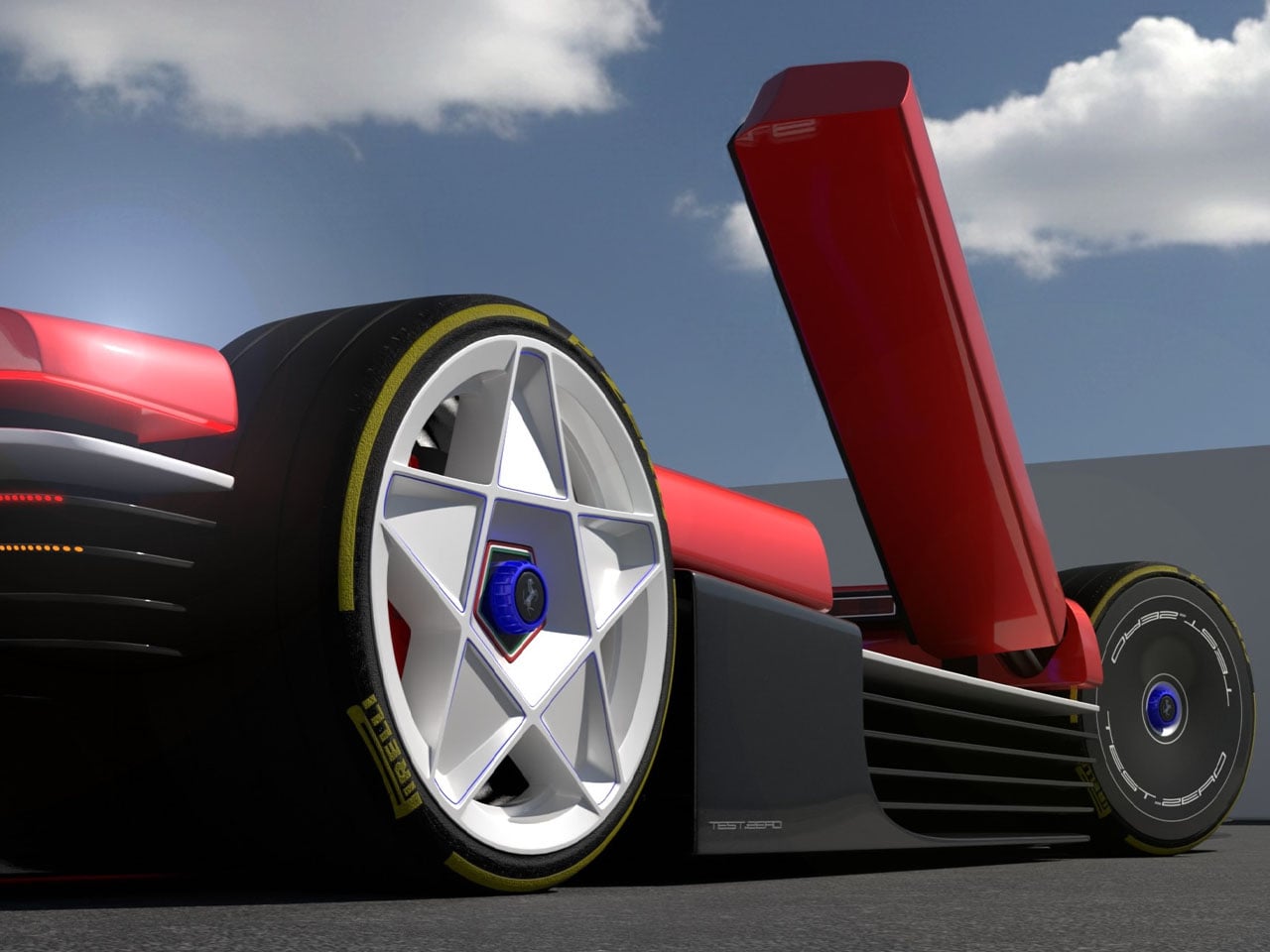
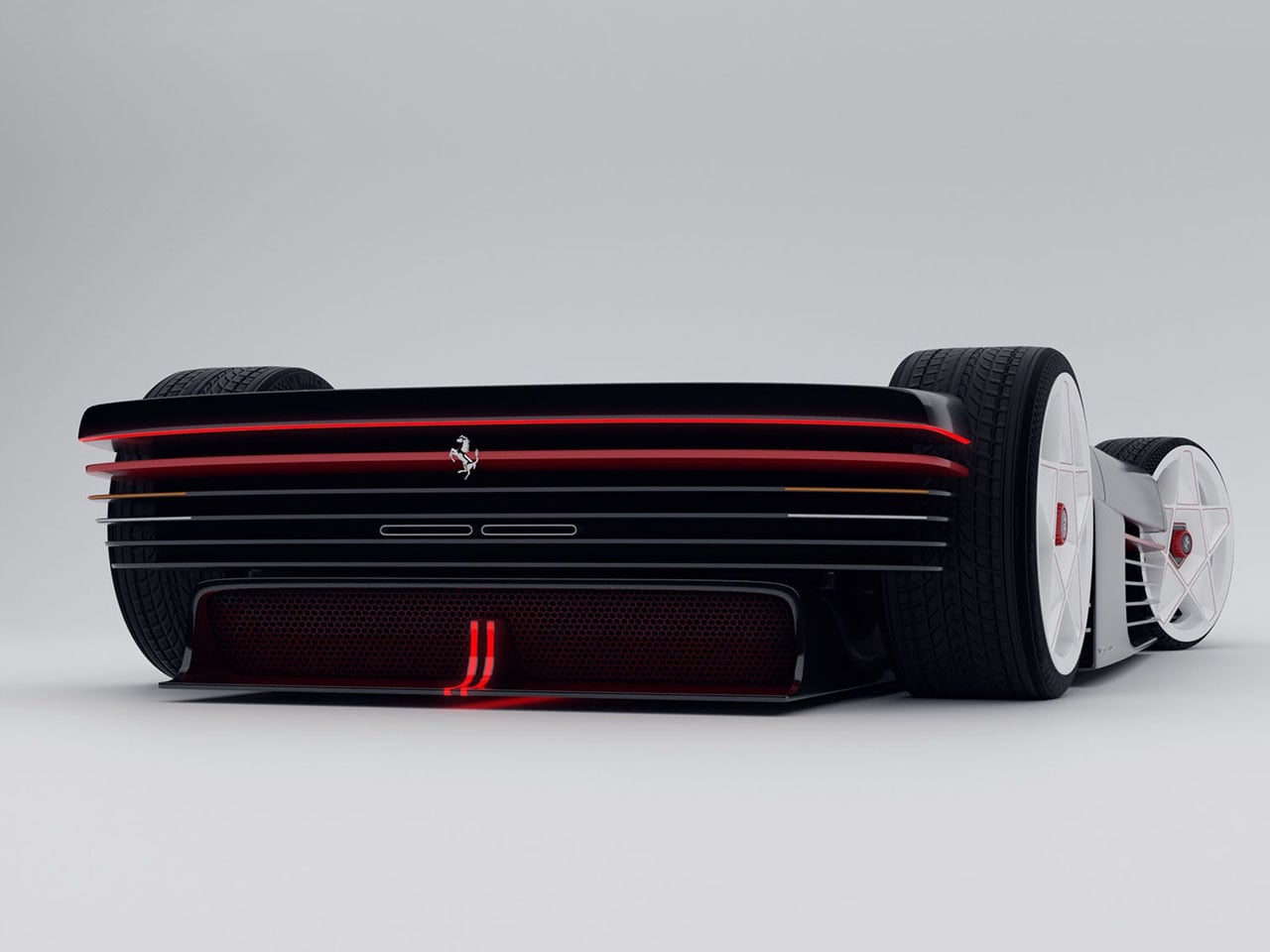
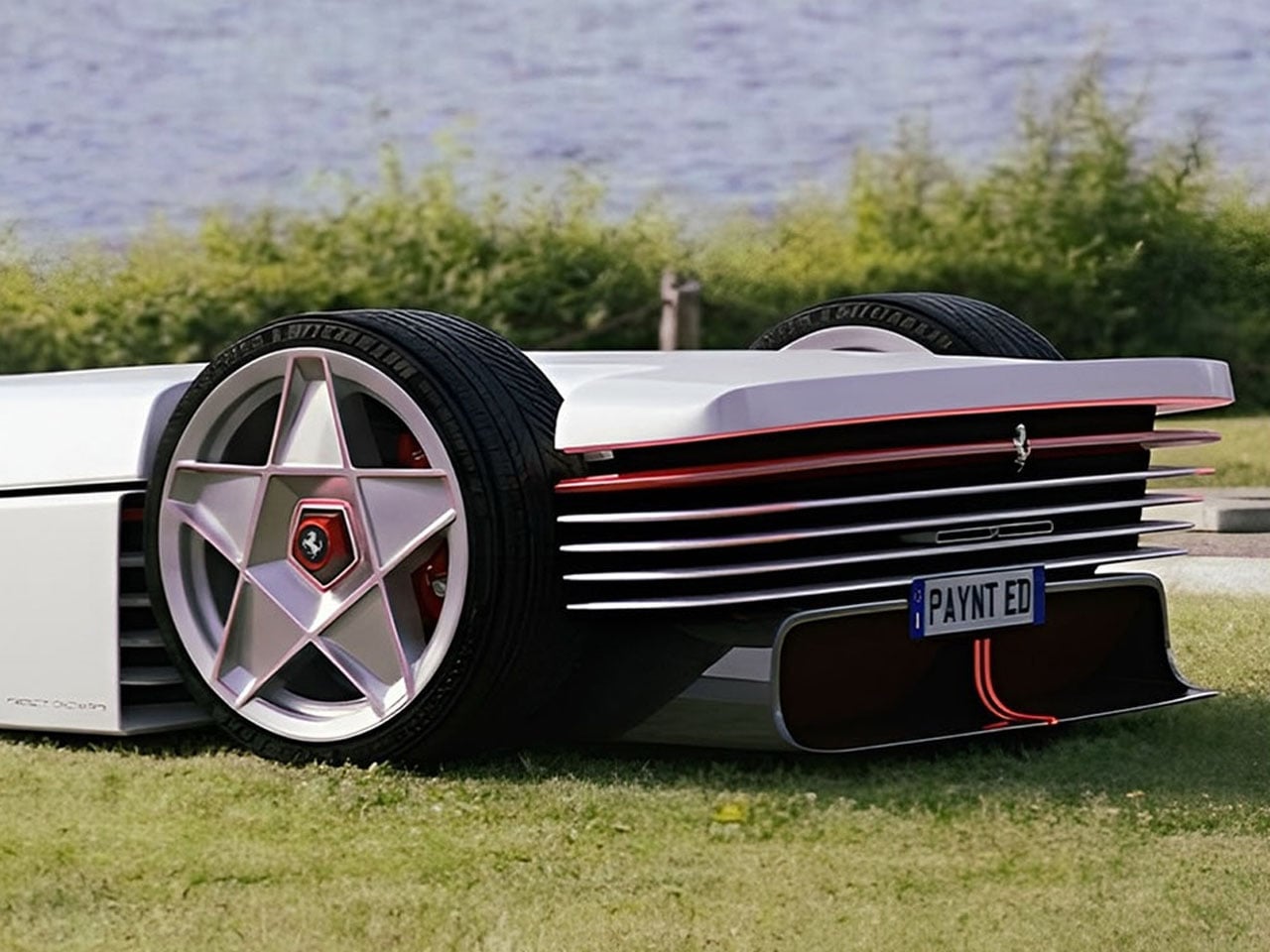
Ferrari-inspired TESTaZERO is a flamboyant speedster for open air adventures, all-electric Luce better watch out

Ferrari has finally entered the electric-powertrain domain with its Luce sports car, which some adore while others absolutely hate. The controversial performance car is the Italian marque’s maiden venture into clean, responsible transition, designed in collaboration with Johnny Ive. While the names involved are larger than life, I hope they have some vehicle planned for the near future that lands everyone on the same page.

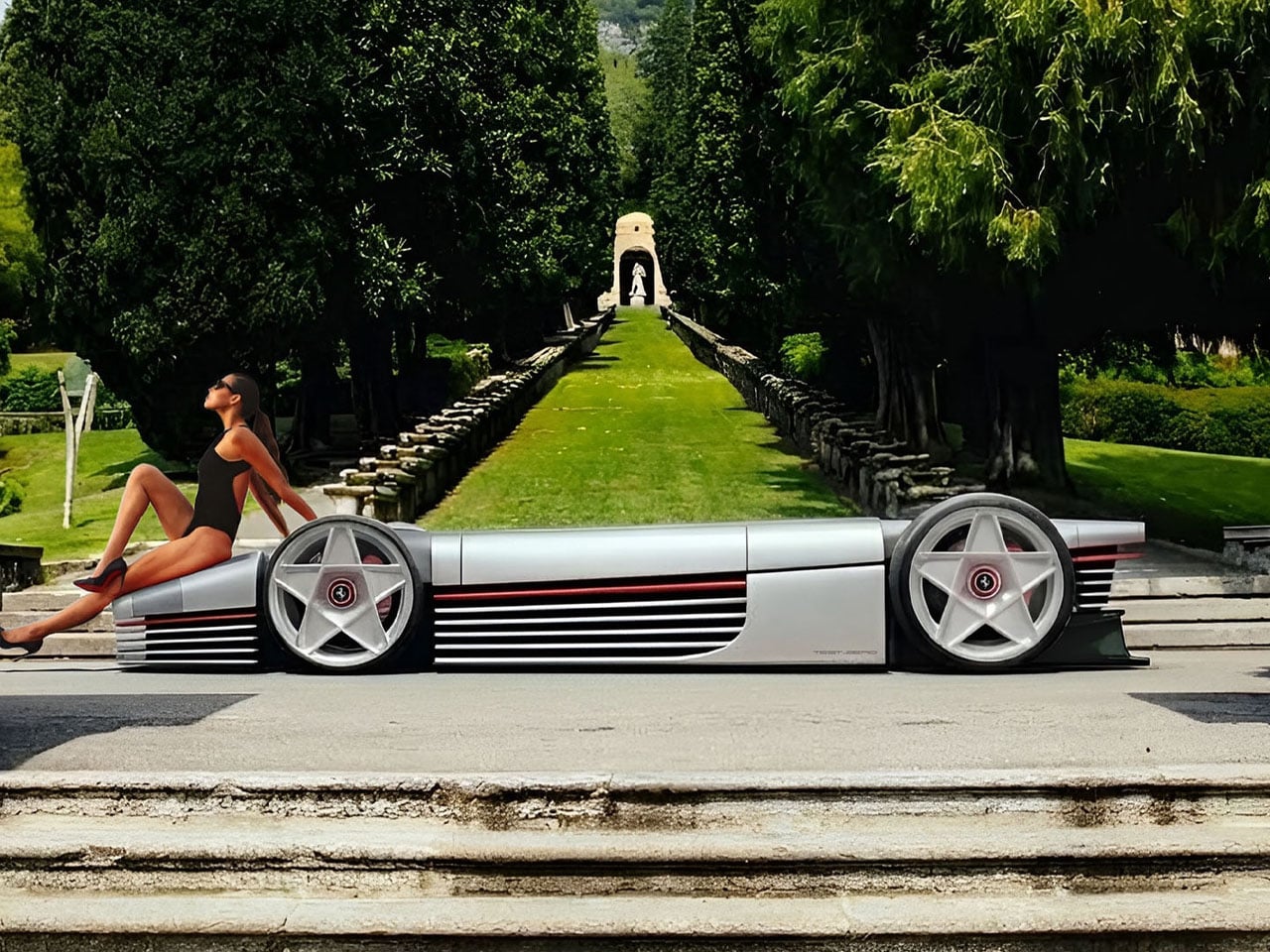
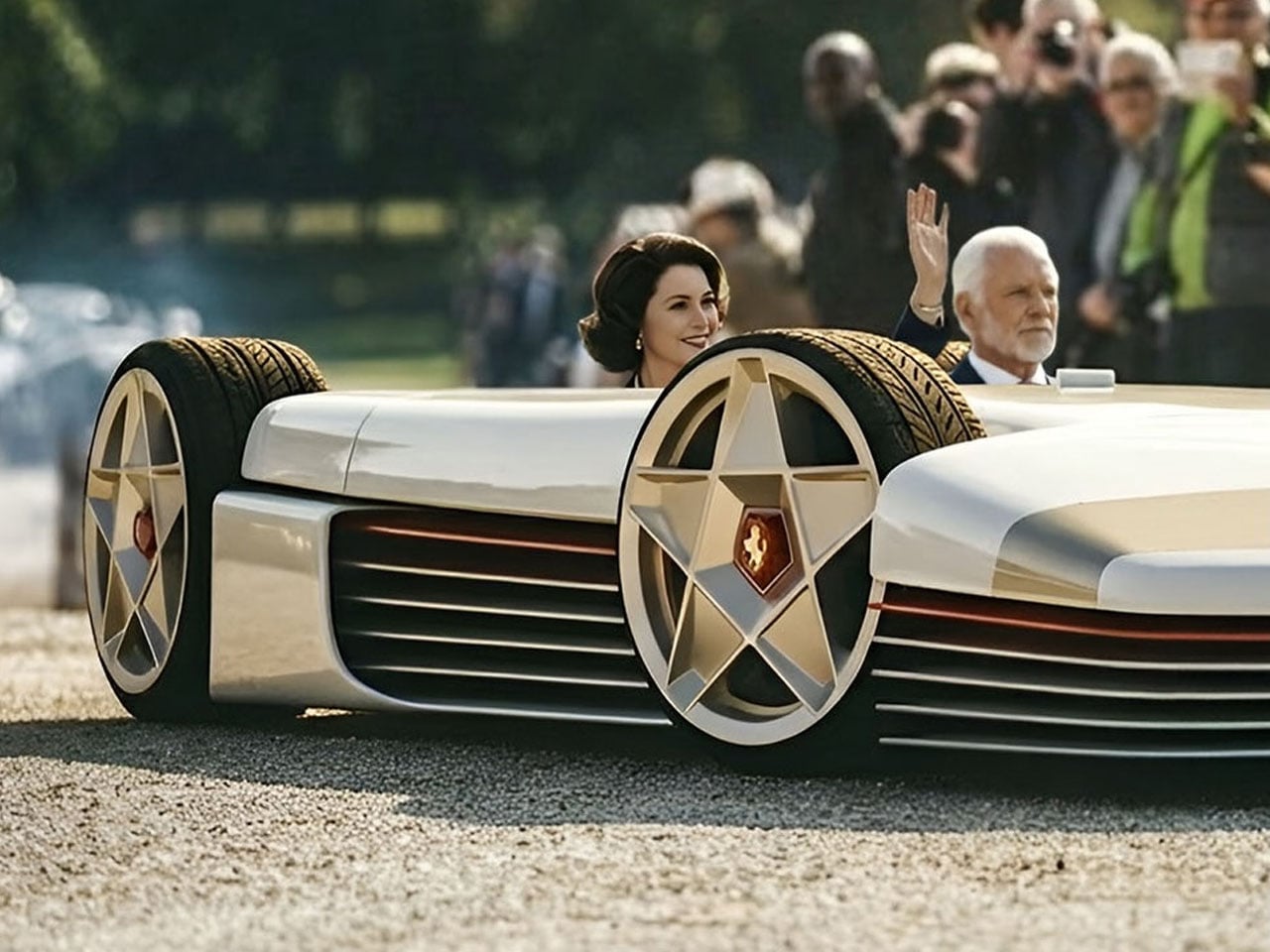
While the world is busy dissecting what’s right and what’s sheerly comical about the new prancing horse on the block, a retro-futuristic Ferrari concept takes us away from all the noise and into a realm where performance cars are minimalist and purely revealing. Meet the Ferrari TESTaZERO, which feels more Ferrari than the Luce for good measure!

Designer: Antonio Pavento

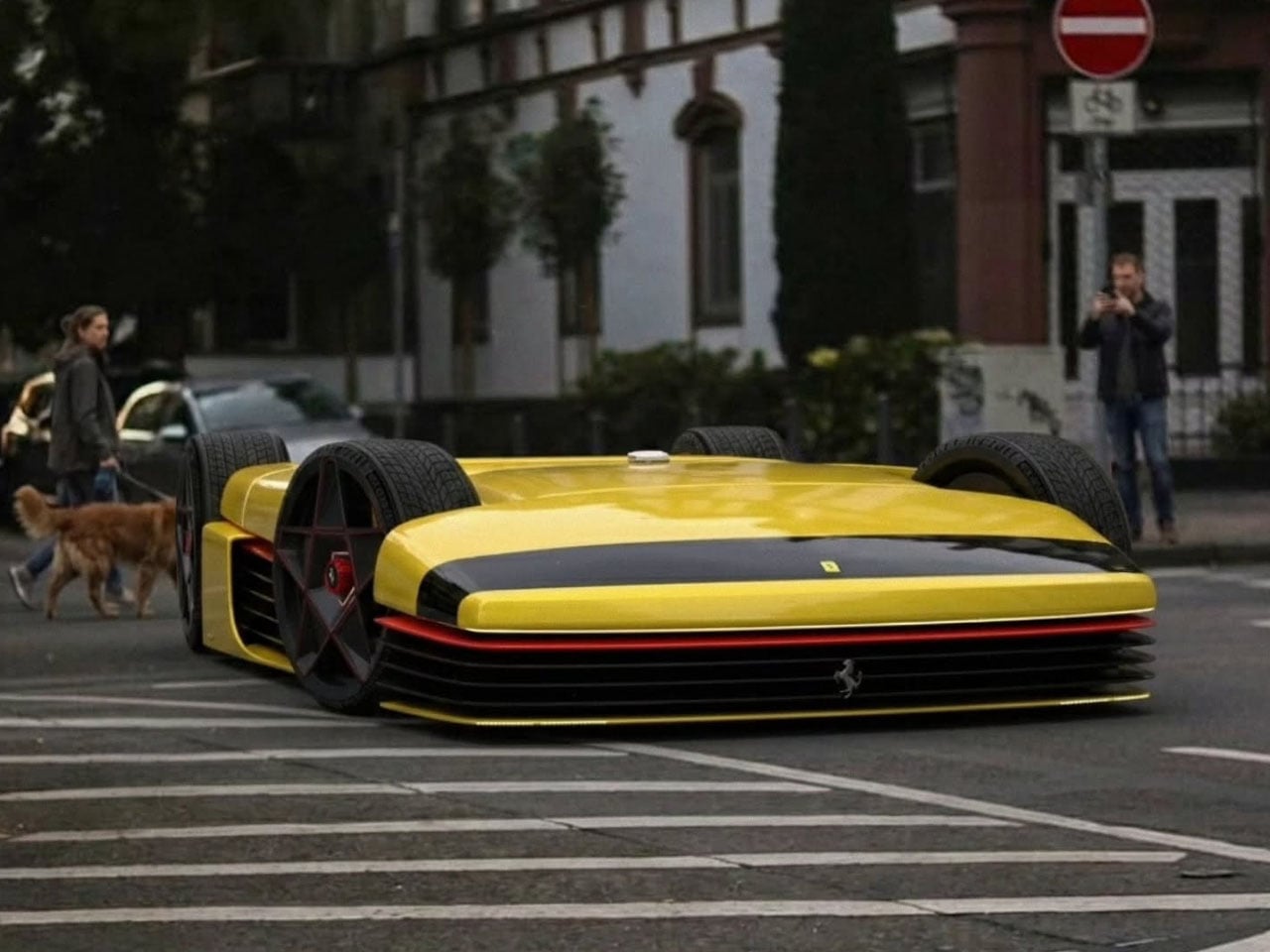
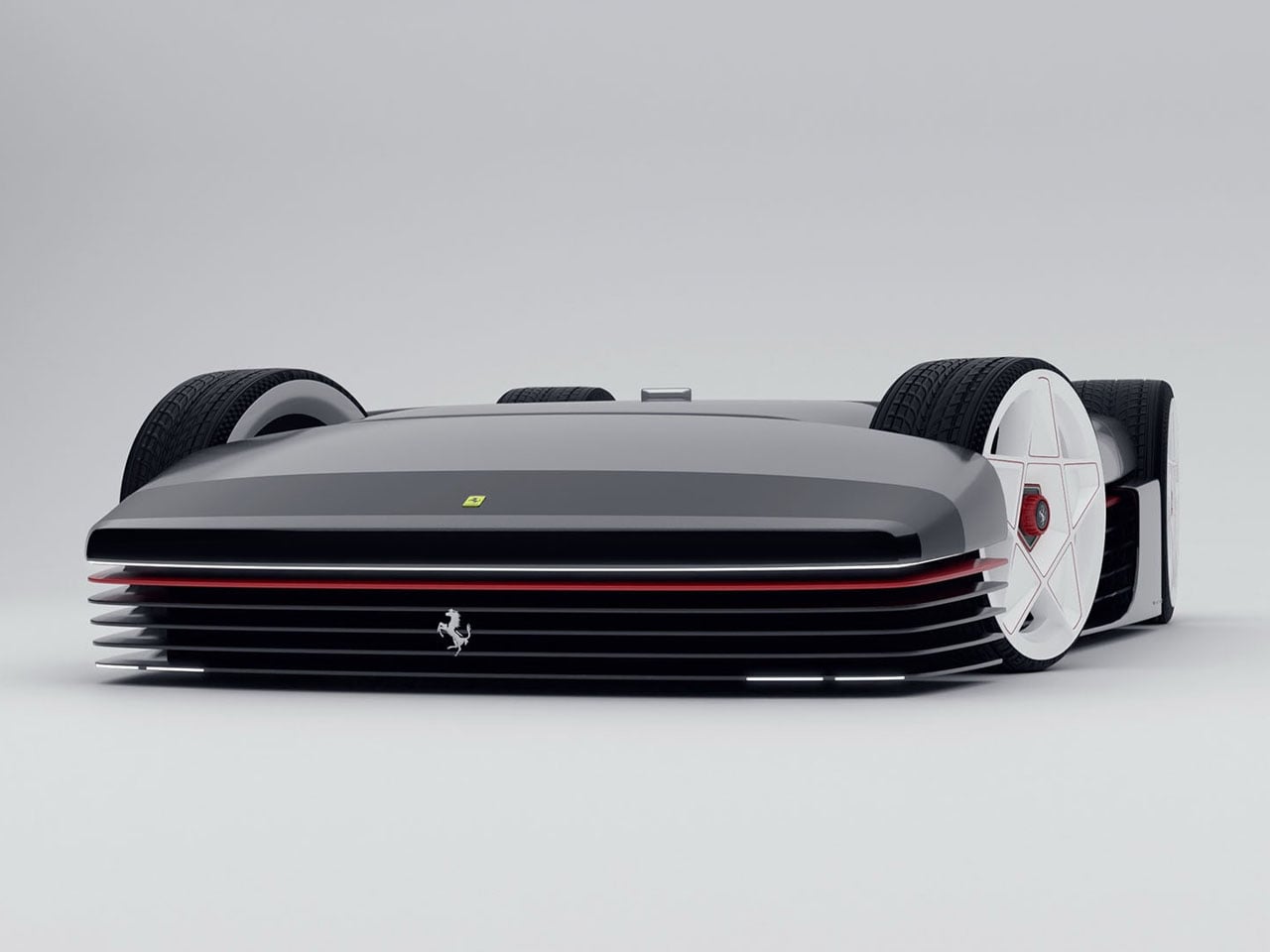
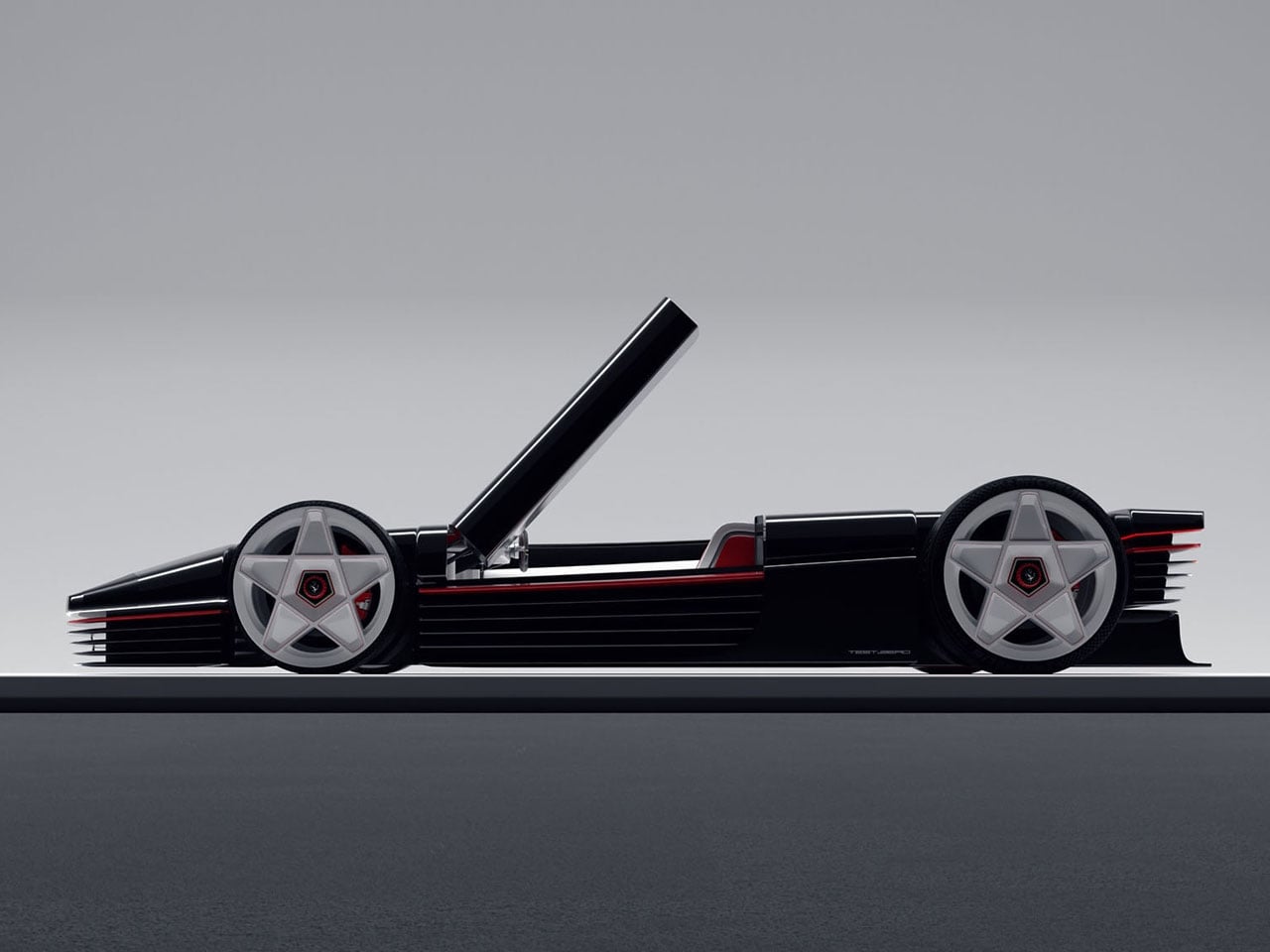
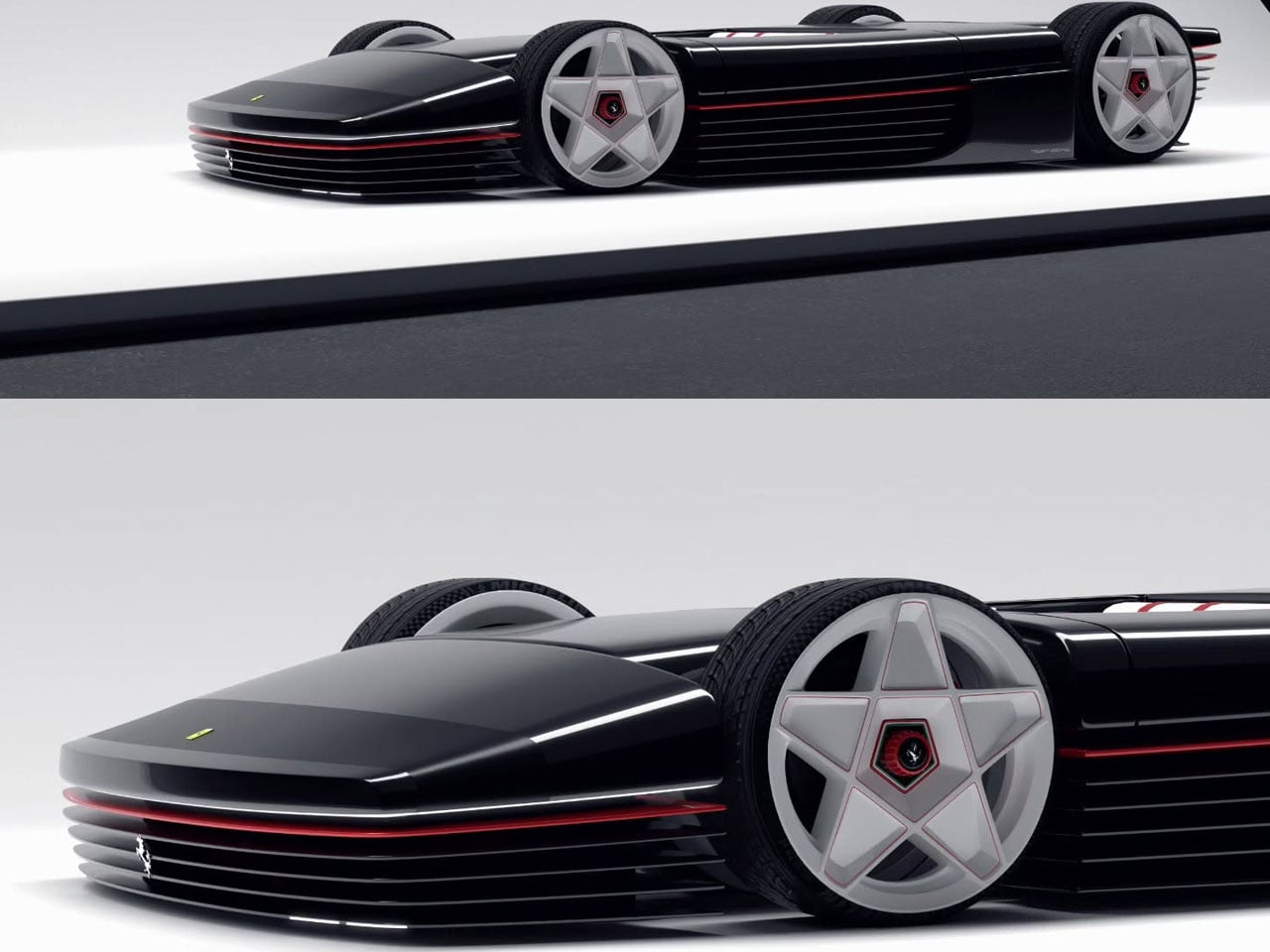
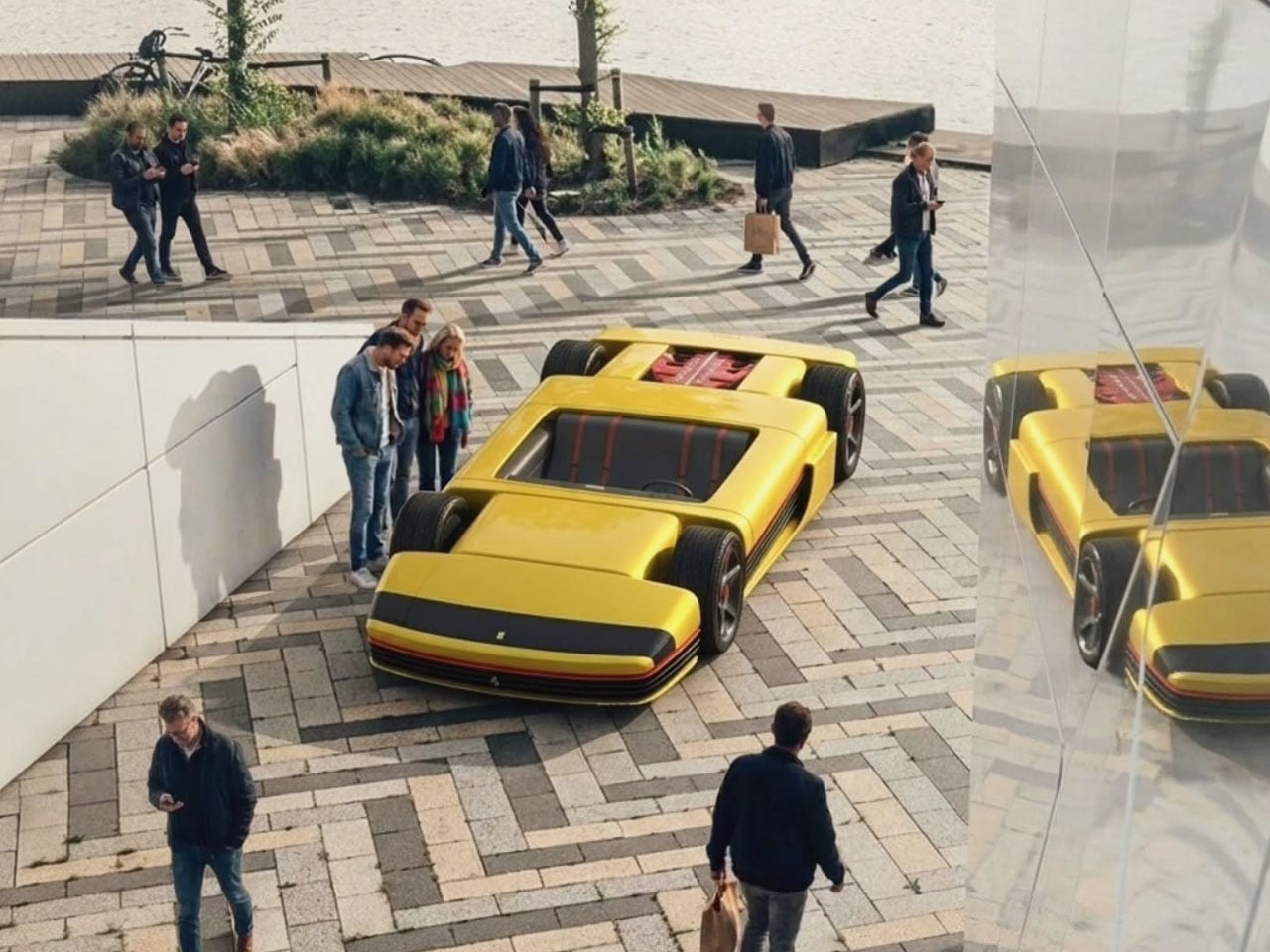
What defines the concept is its pure geometric design language, which cliches the usual Ferrari territory, yet it manages to adapt the core Ferrari DNA in a very unassuming manner. That DNA comes from the Pininfarina-designed Testarossa, preserving the 12-cylinder mid-engine sports car’s skeletal. The side stakes and width are more synthetic in their adaptation, while the side profile and the front and rear sections of the body give off PlayStation vibes.

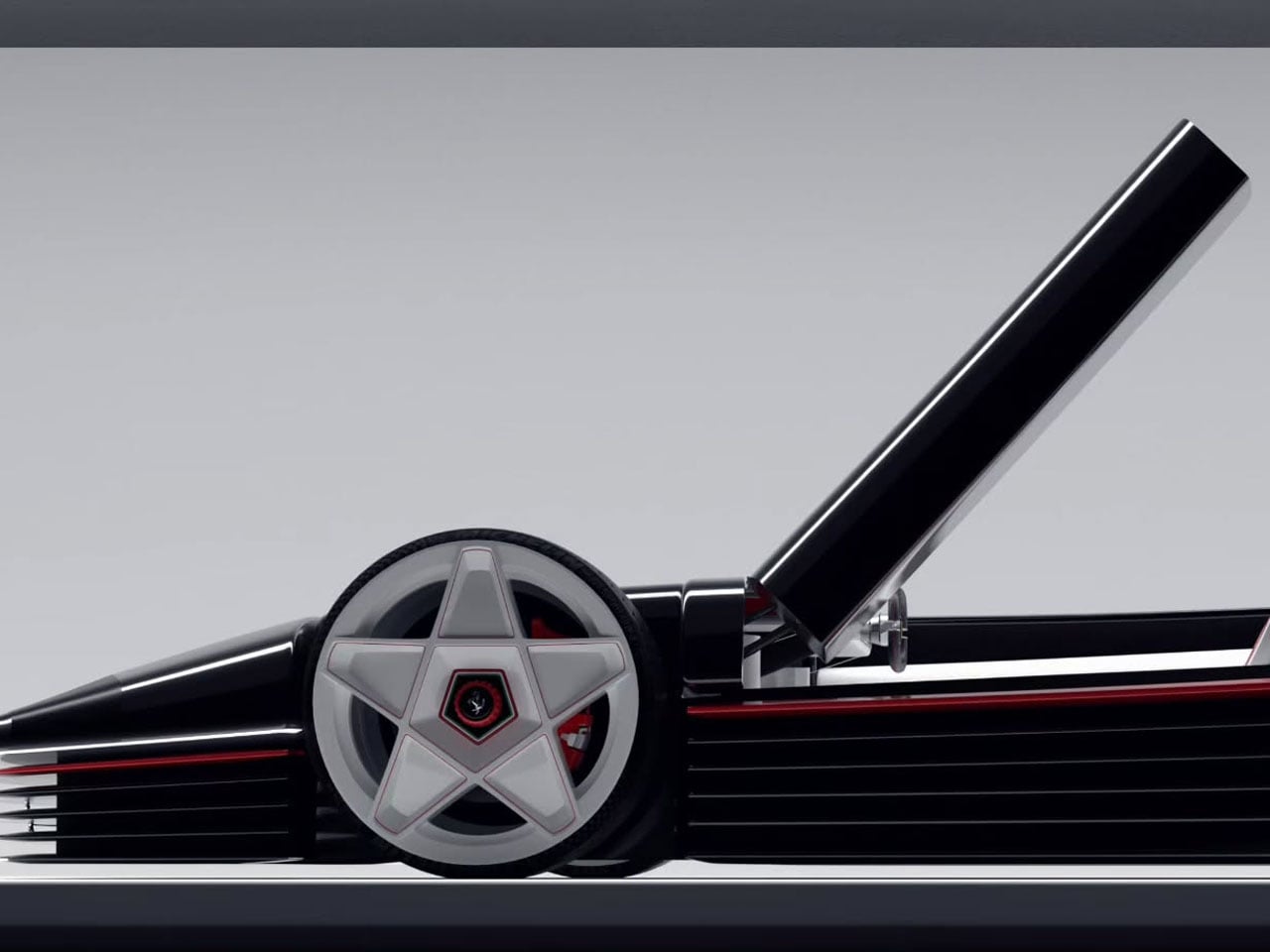
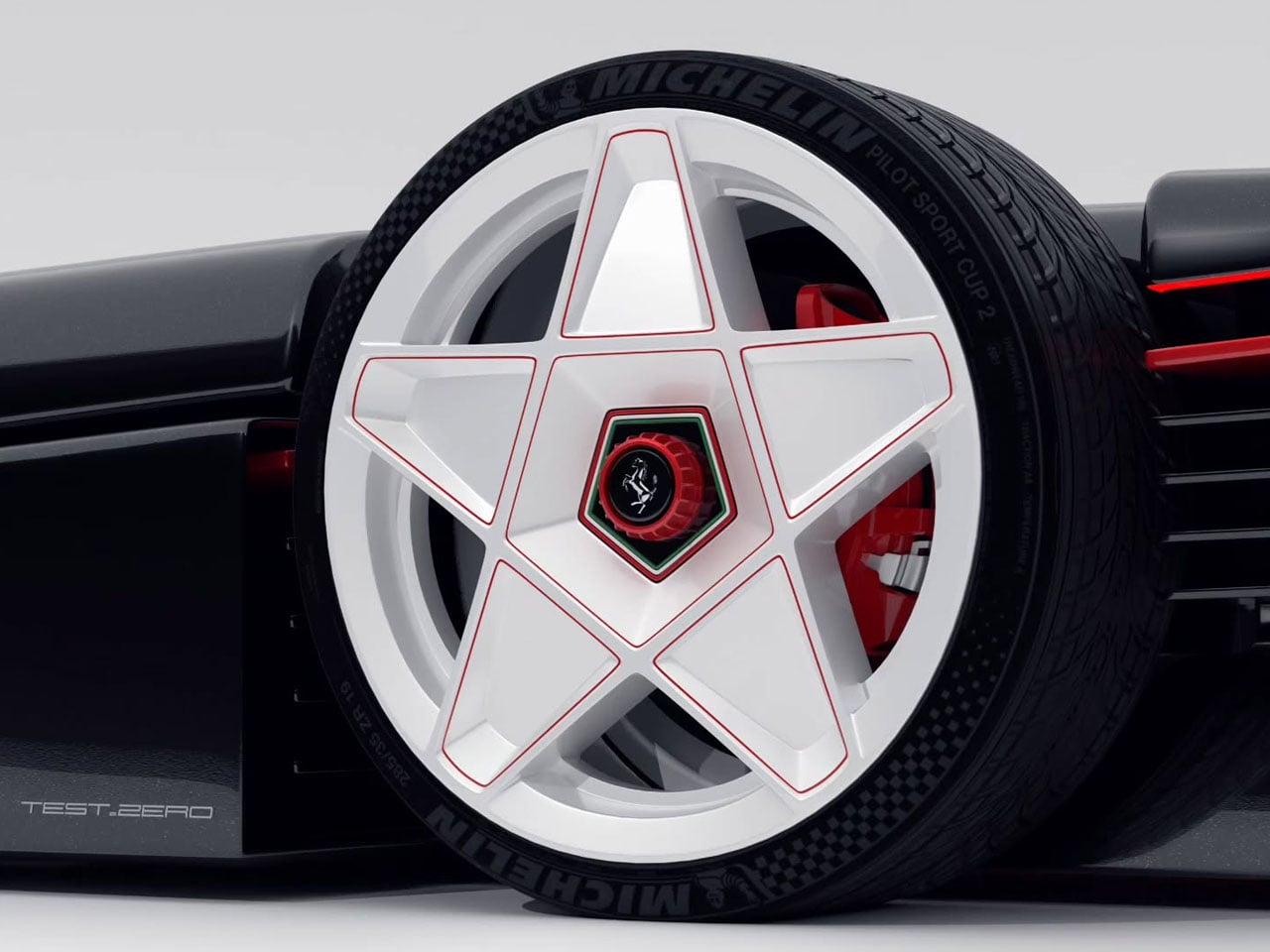
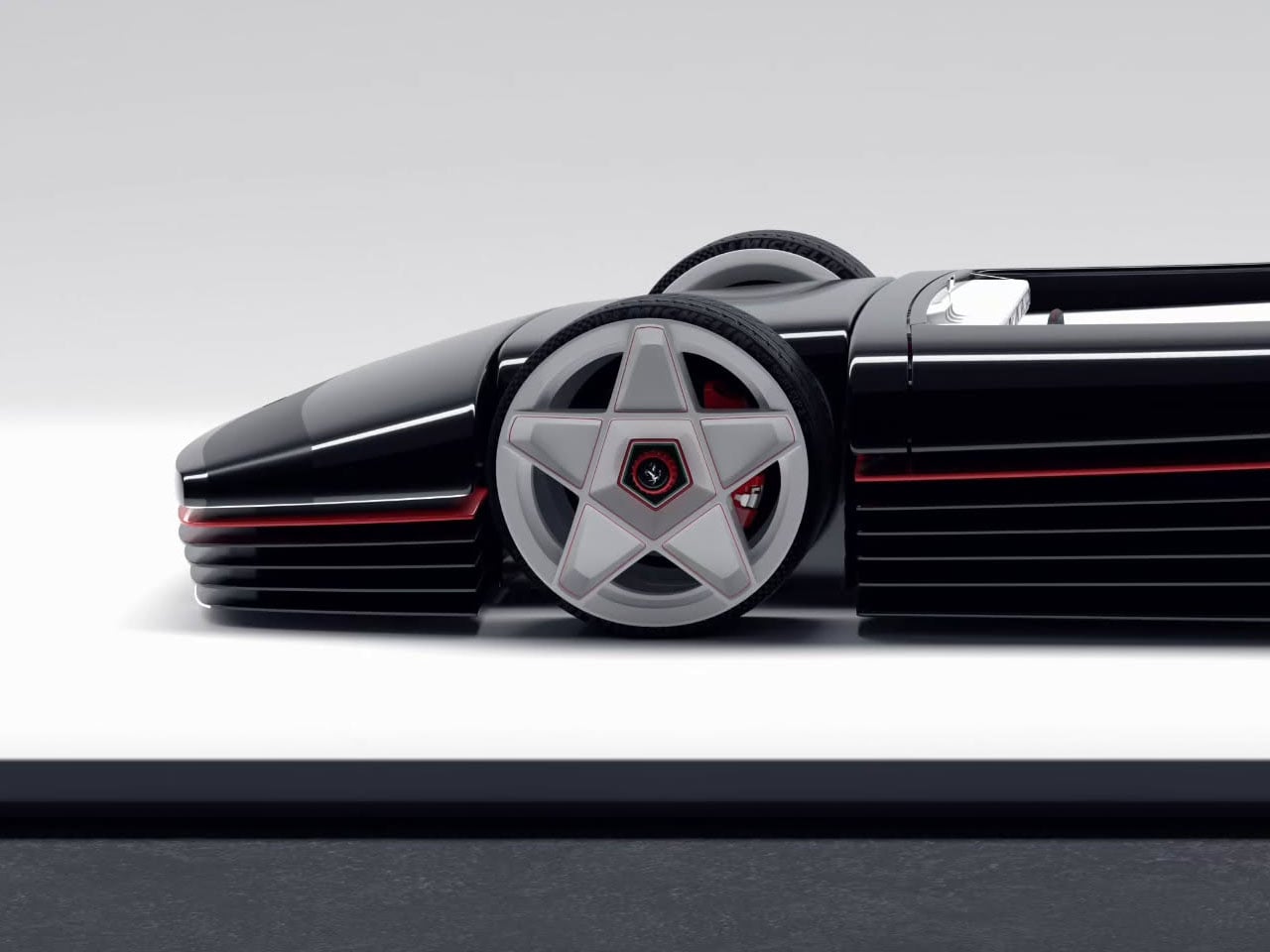
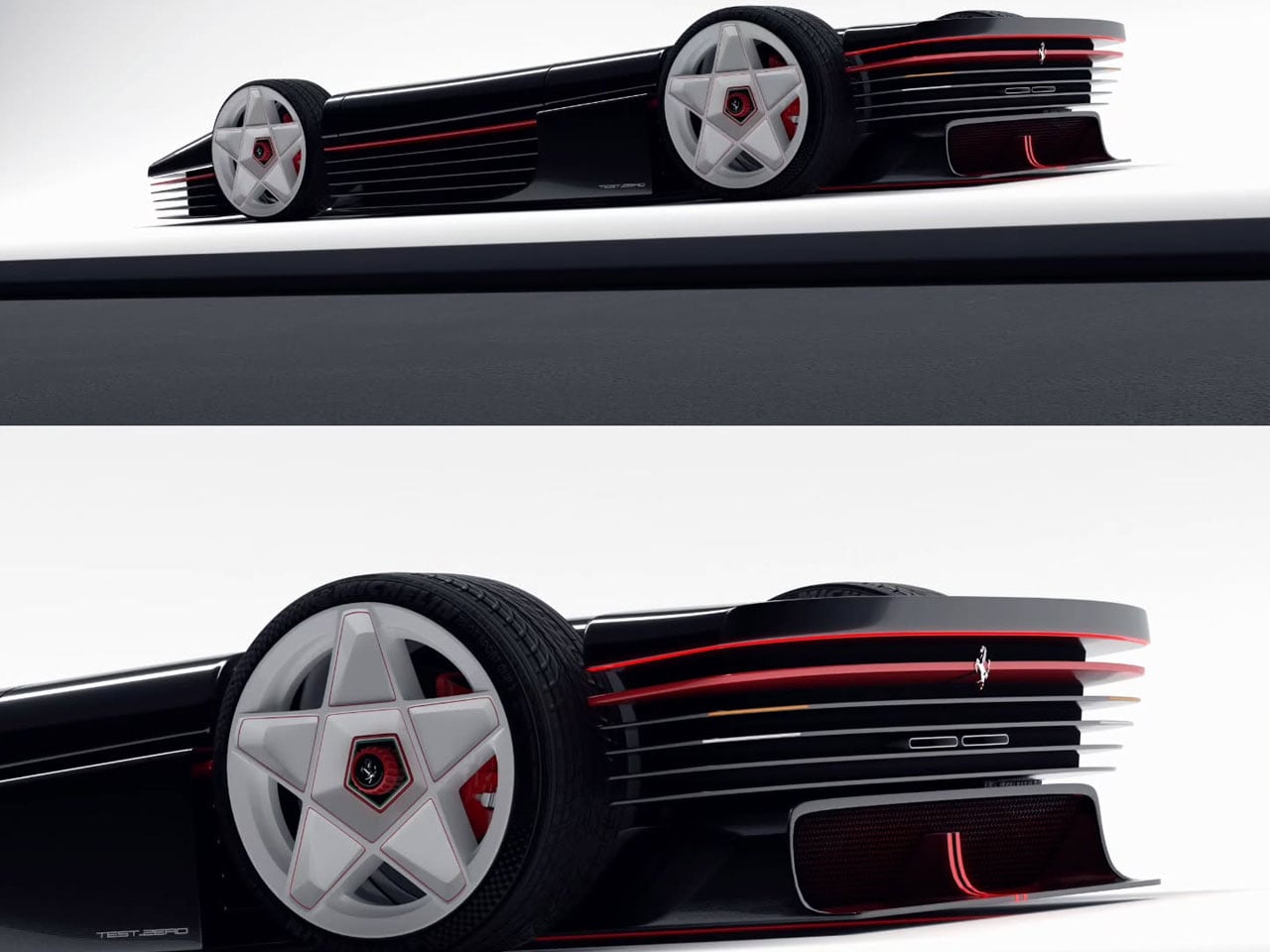
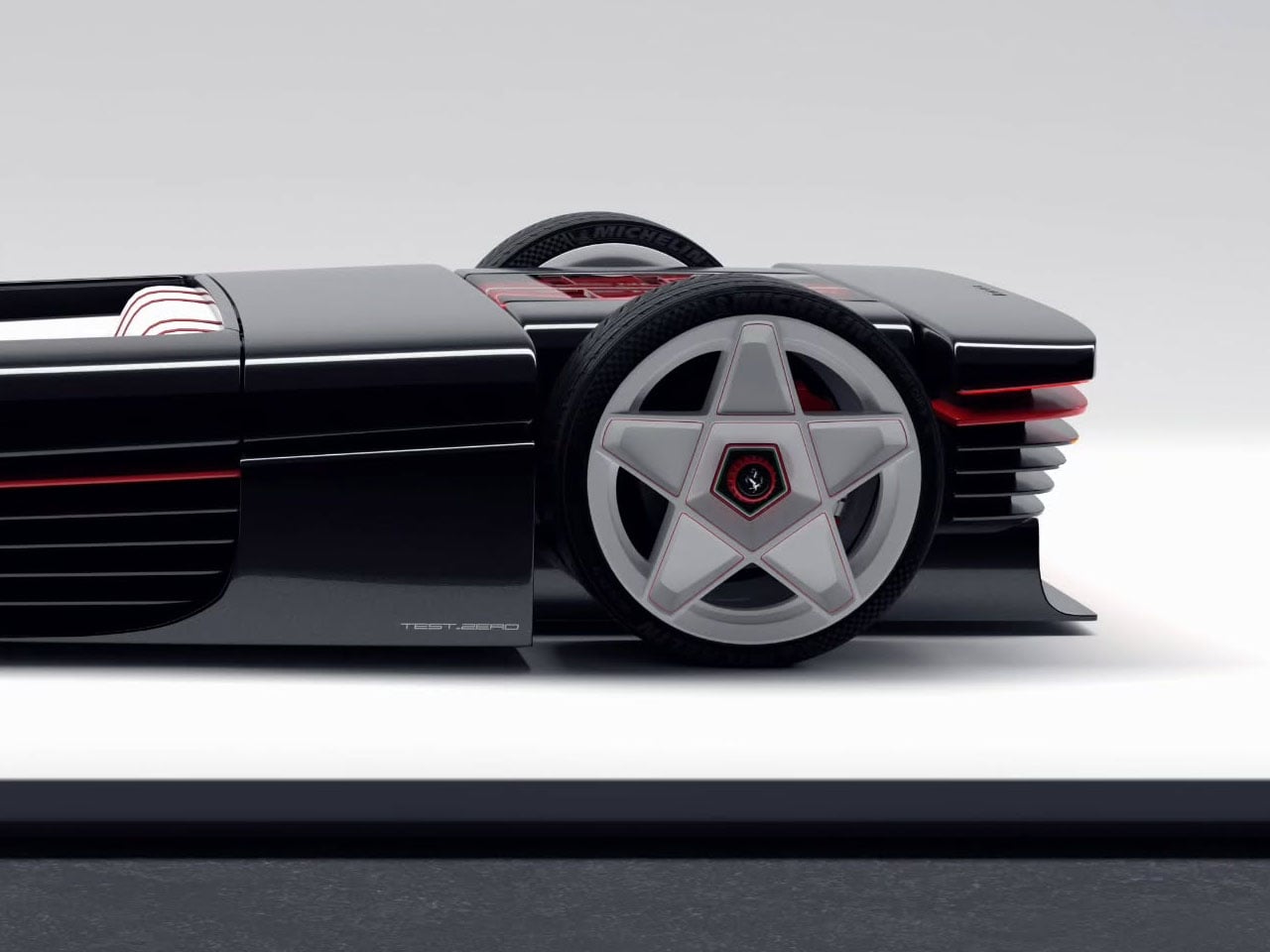
The body has a very low-slung presence with the skirtings hugging the tarmac, barely having a paper-thin distance between. Knee up, and you have everything chopped off literally. The body above the wheels, forged by Spanish firm Llagos Design, simply doesn’t exist, giving new meaning to open-air roadster fun on a cozy tropical evening drive. Those five-spoke wheels are inspired by the Maranello Sport Prototypes of the late 1960s, and they matter ever so much more in this concept as they are the focal point.

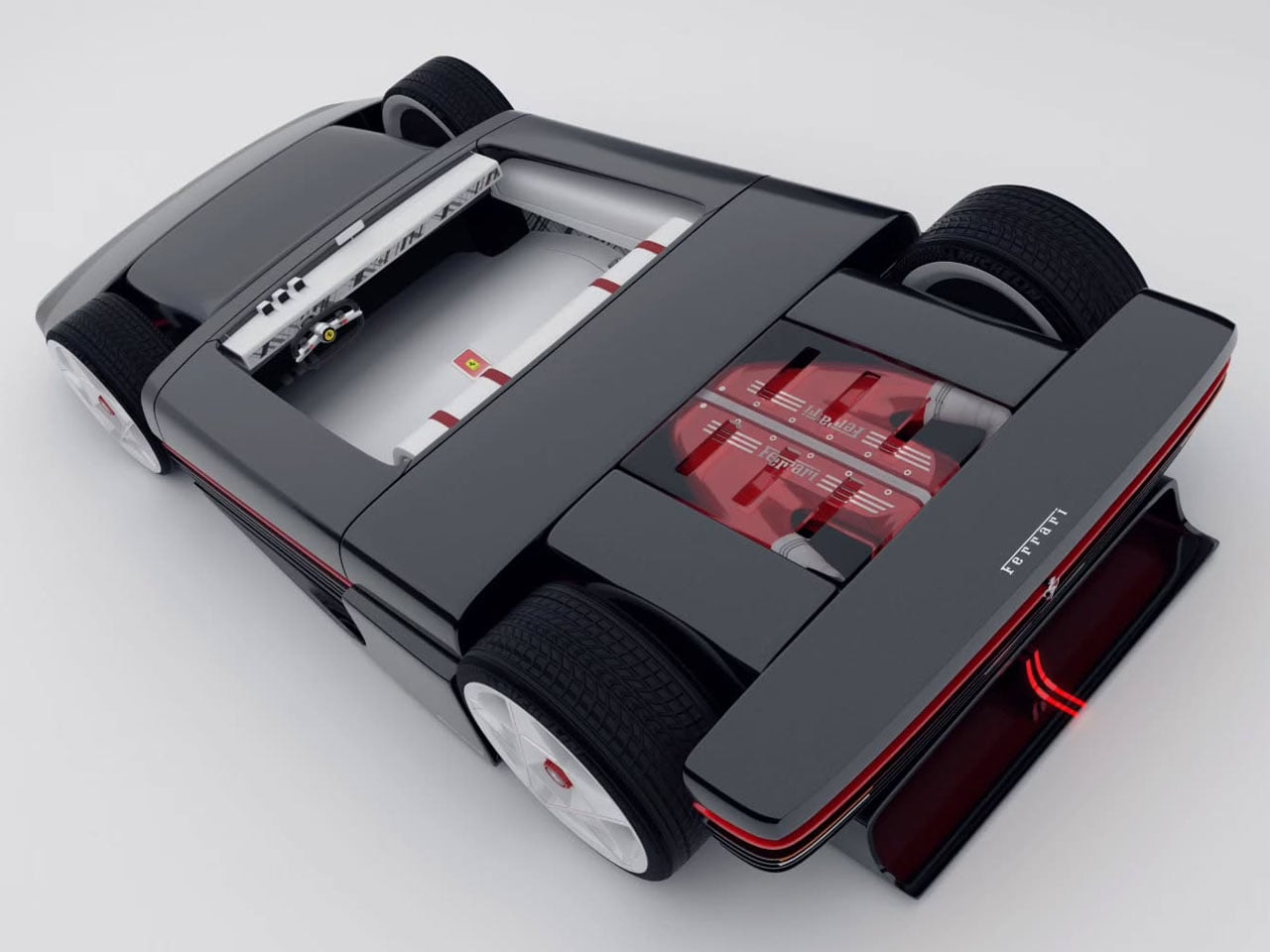
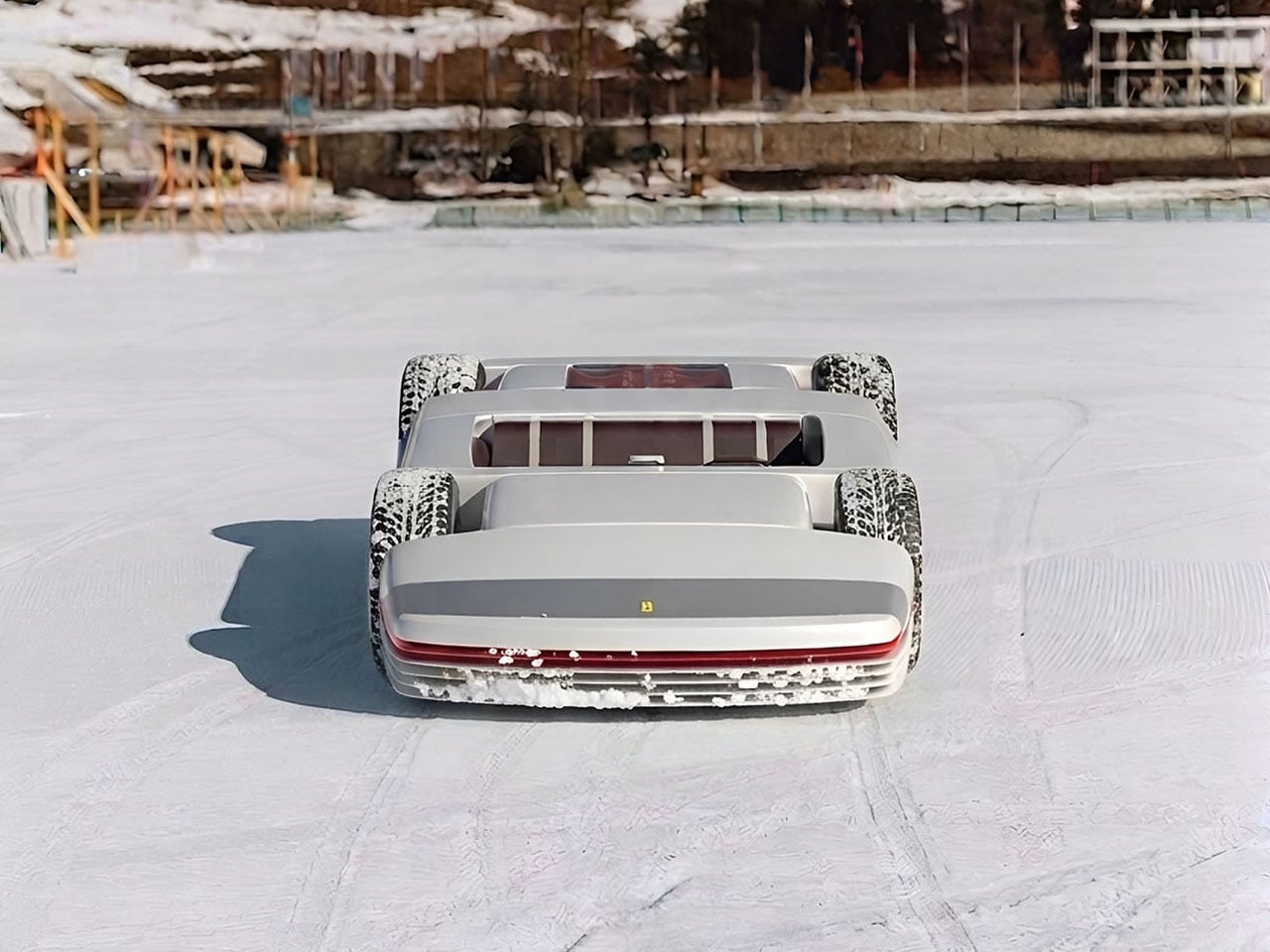
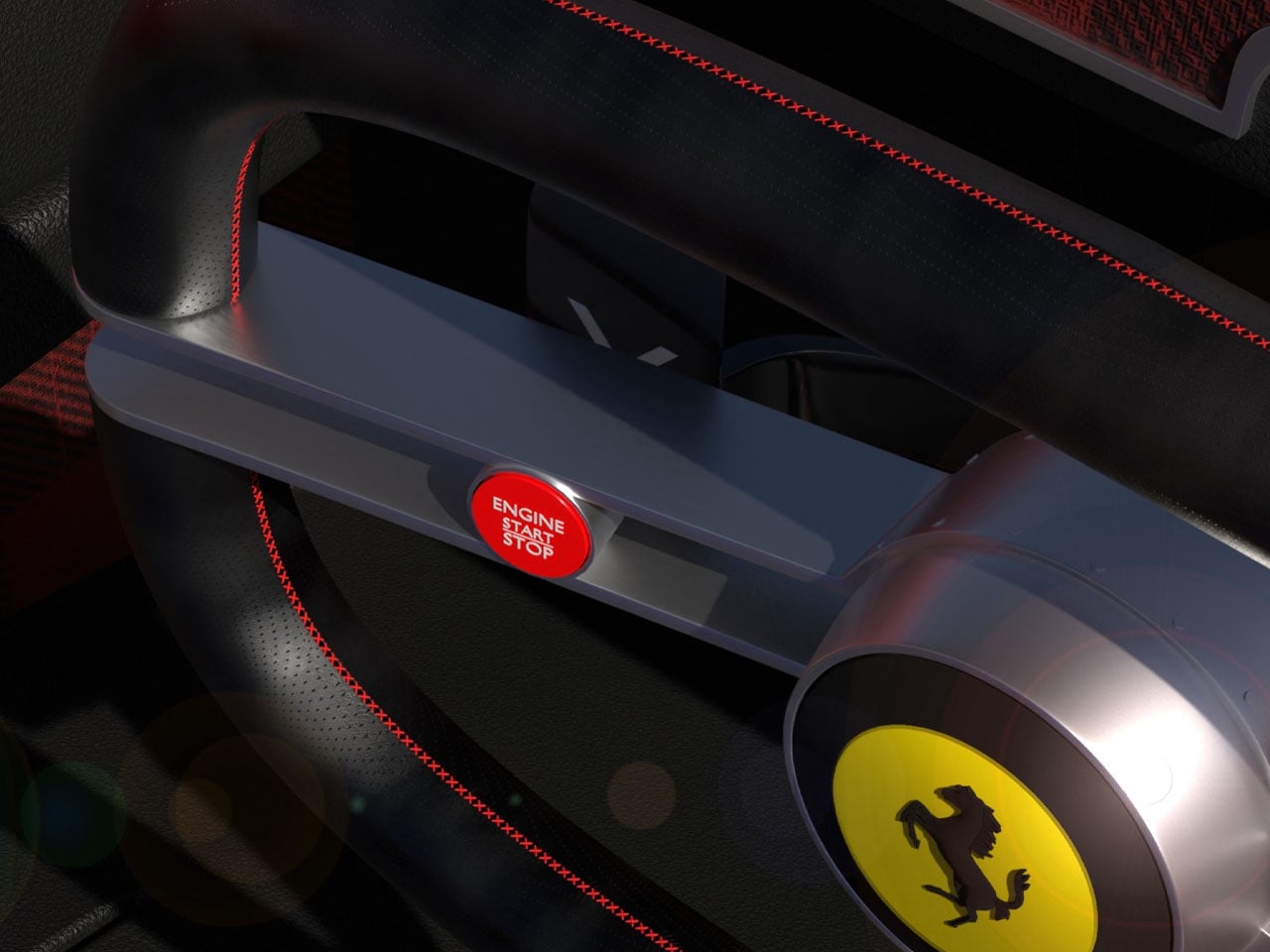
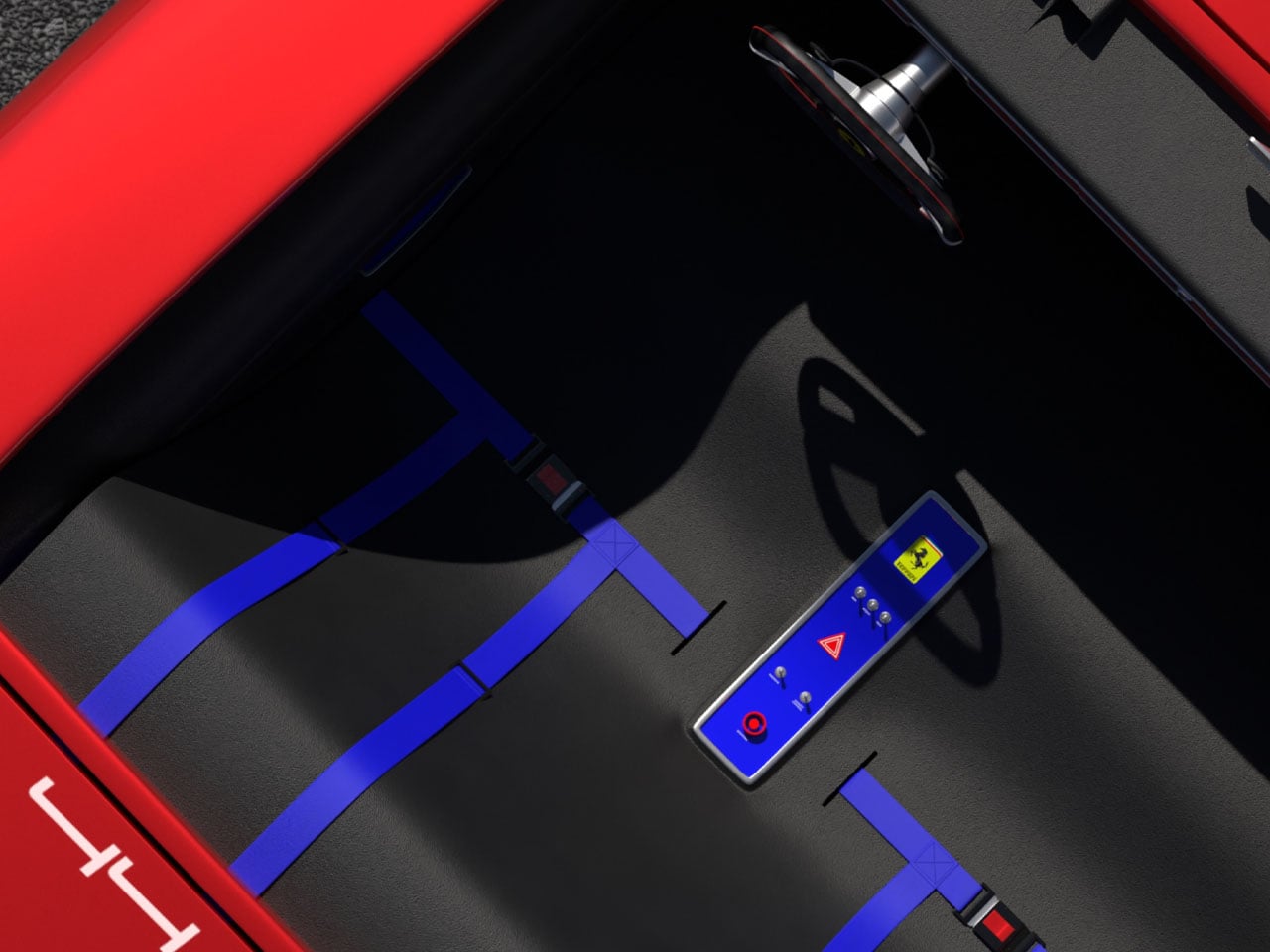
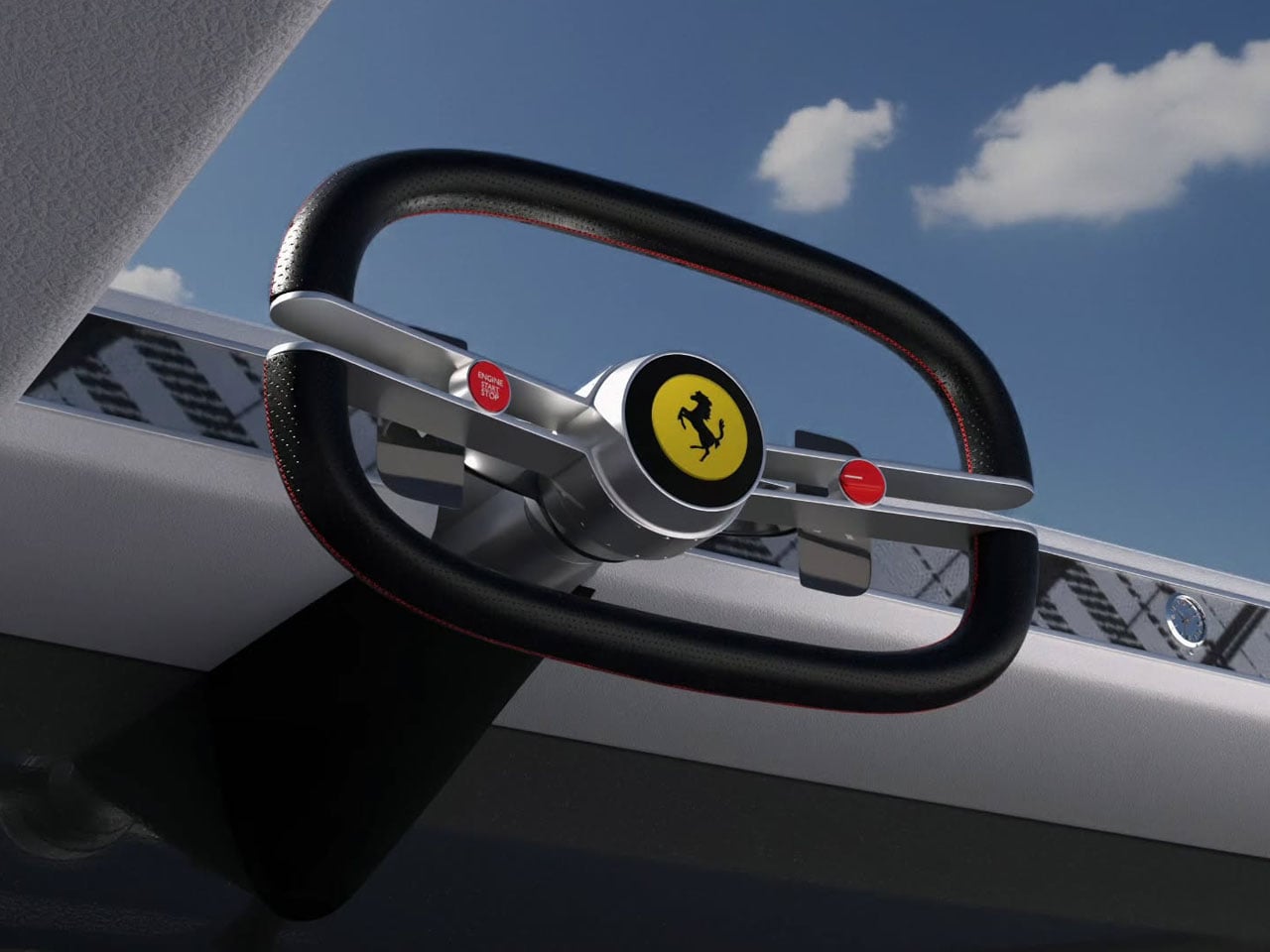
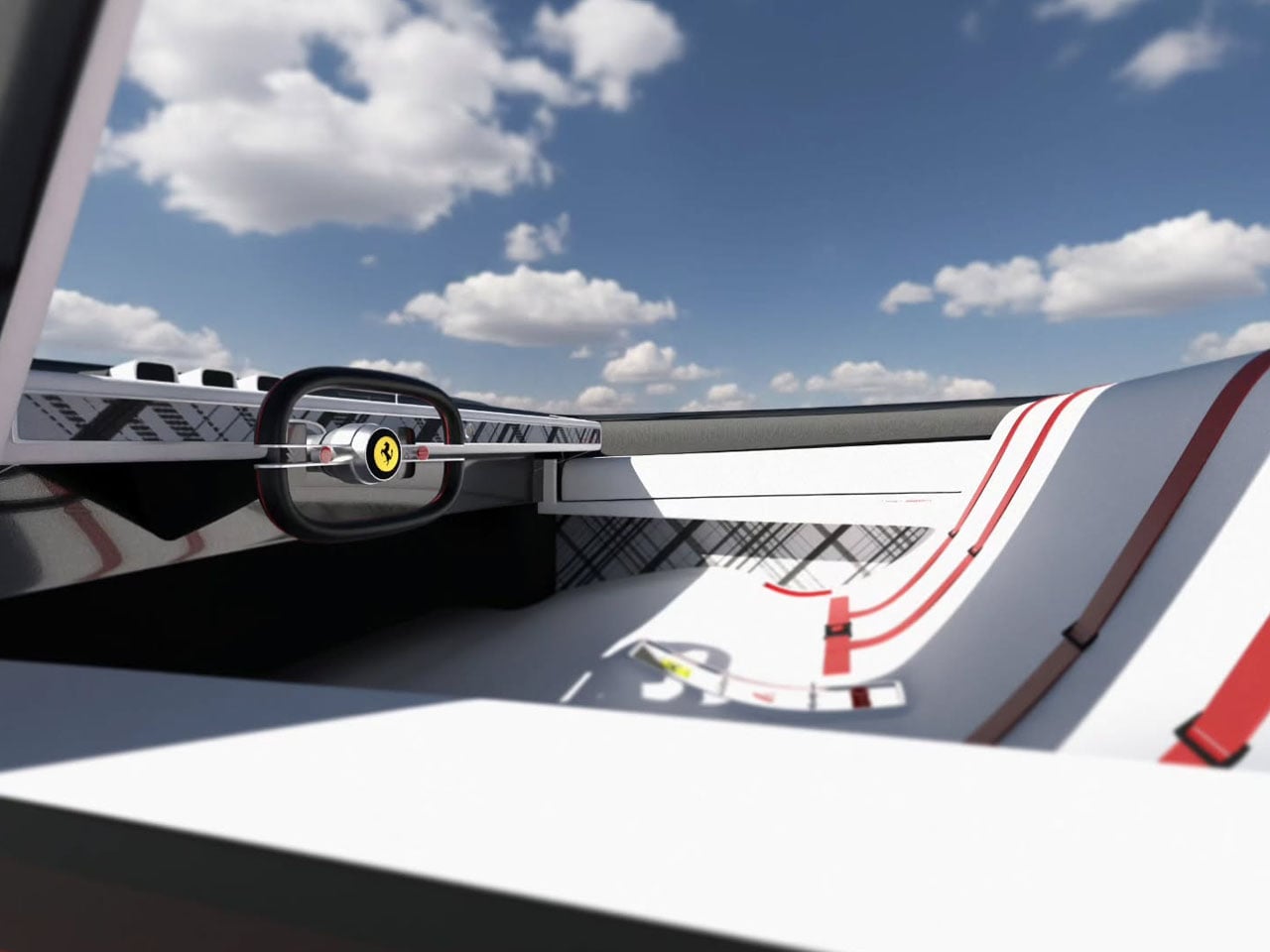
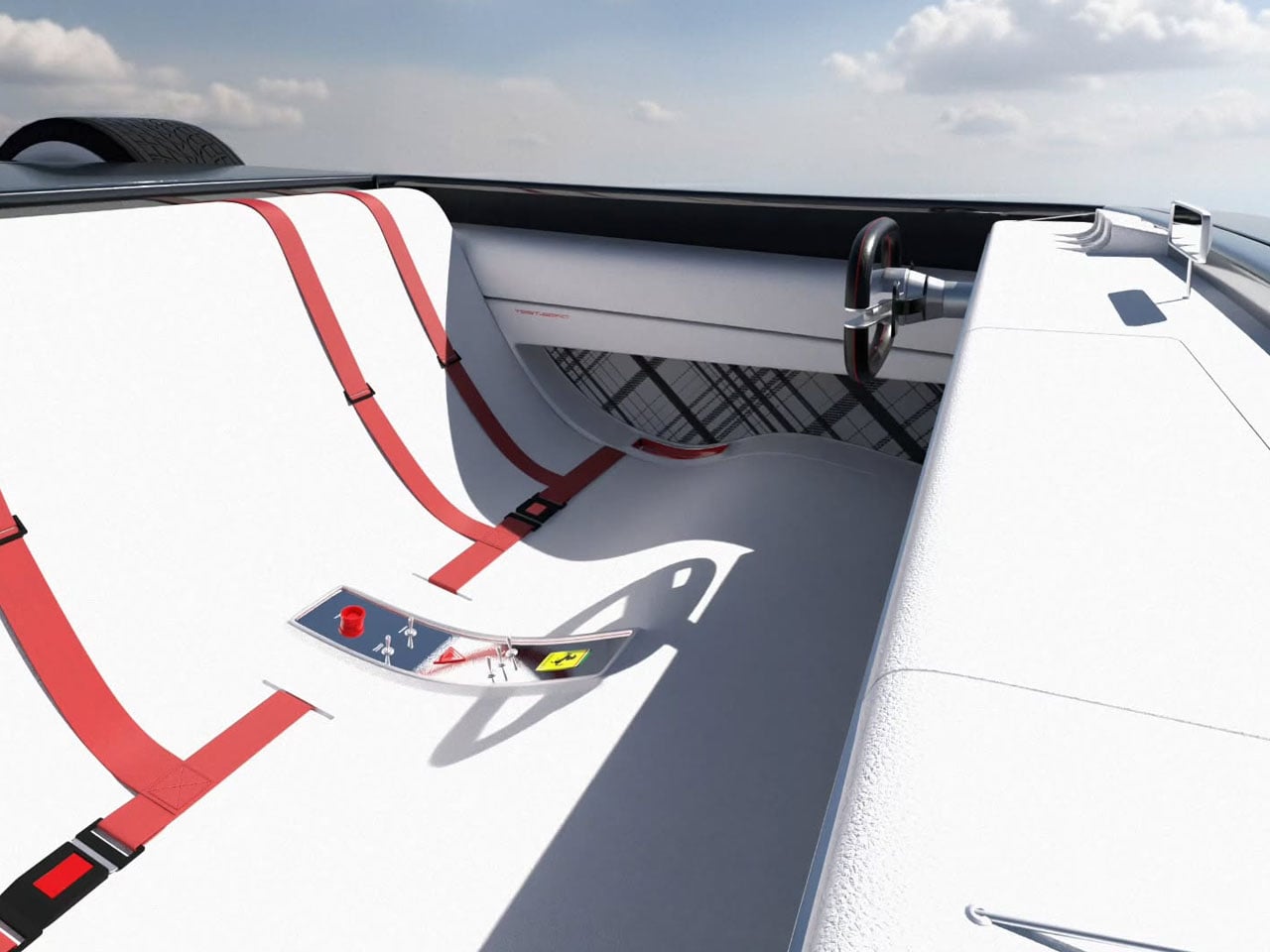
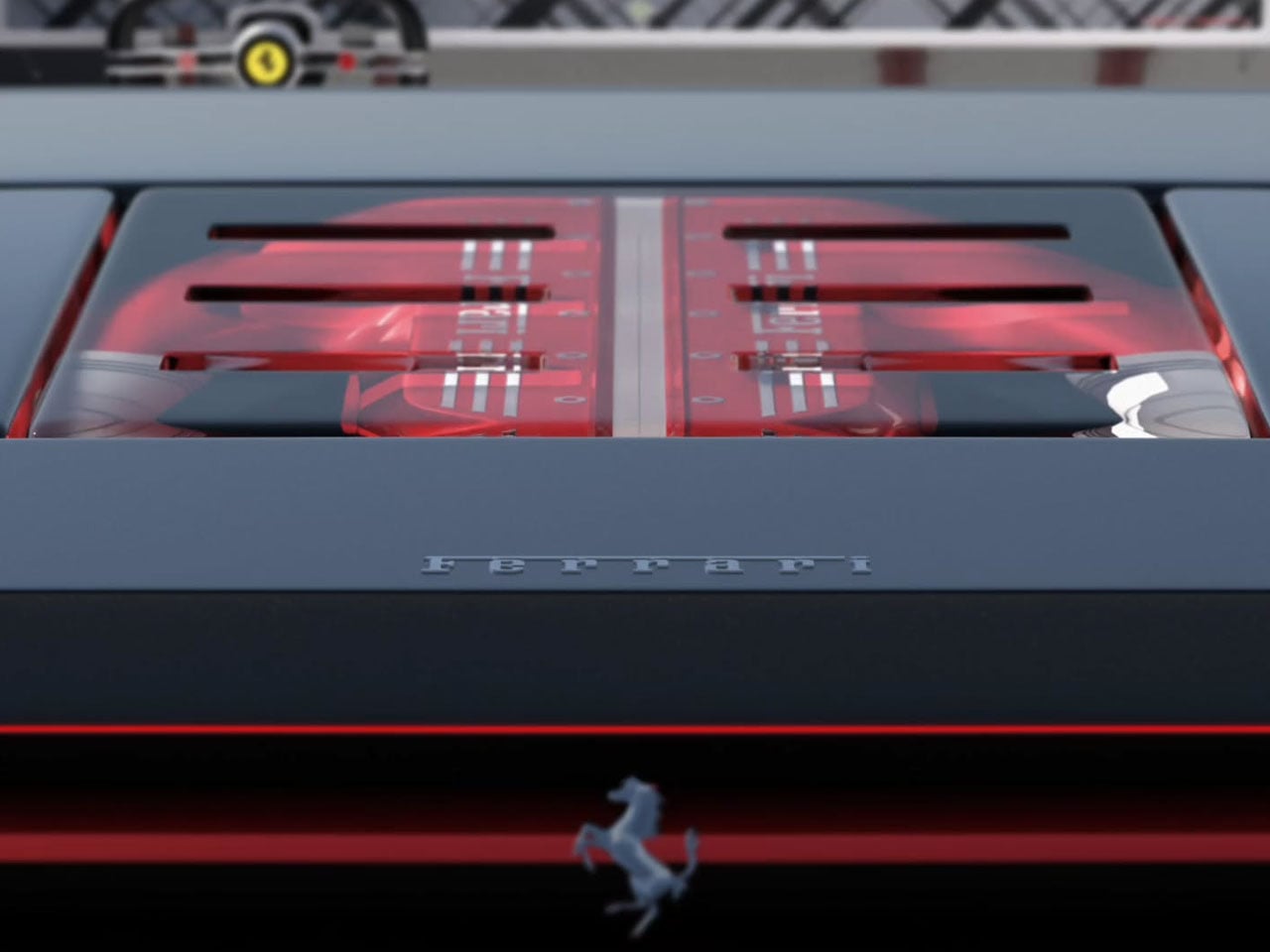
The rear-wheel-drive TESTaZERO accommodates the V6 engine in a see-through compartment on the flat rear. Flush in the middle is the space for the two riders who nestle in the minimalist interior of the vehicle. The contoured shape of the unified cabin section is ergonomically designed for comfort as one takes this radical Ferrari on a spin. There are no unnecessary dashboard elements or dials, just the ones necessary for the thrill of driving. The yoke-style steering wheel carries the same minimalist design language.

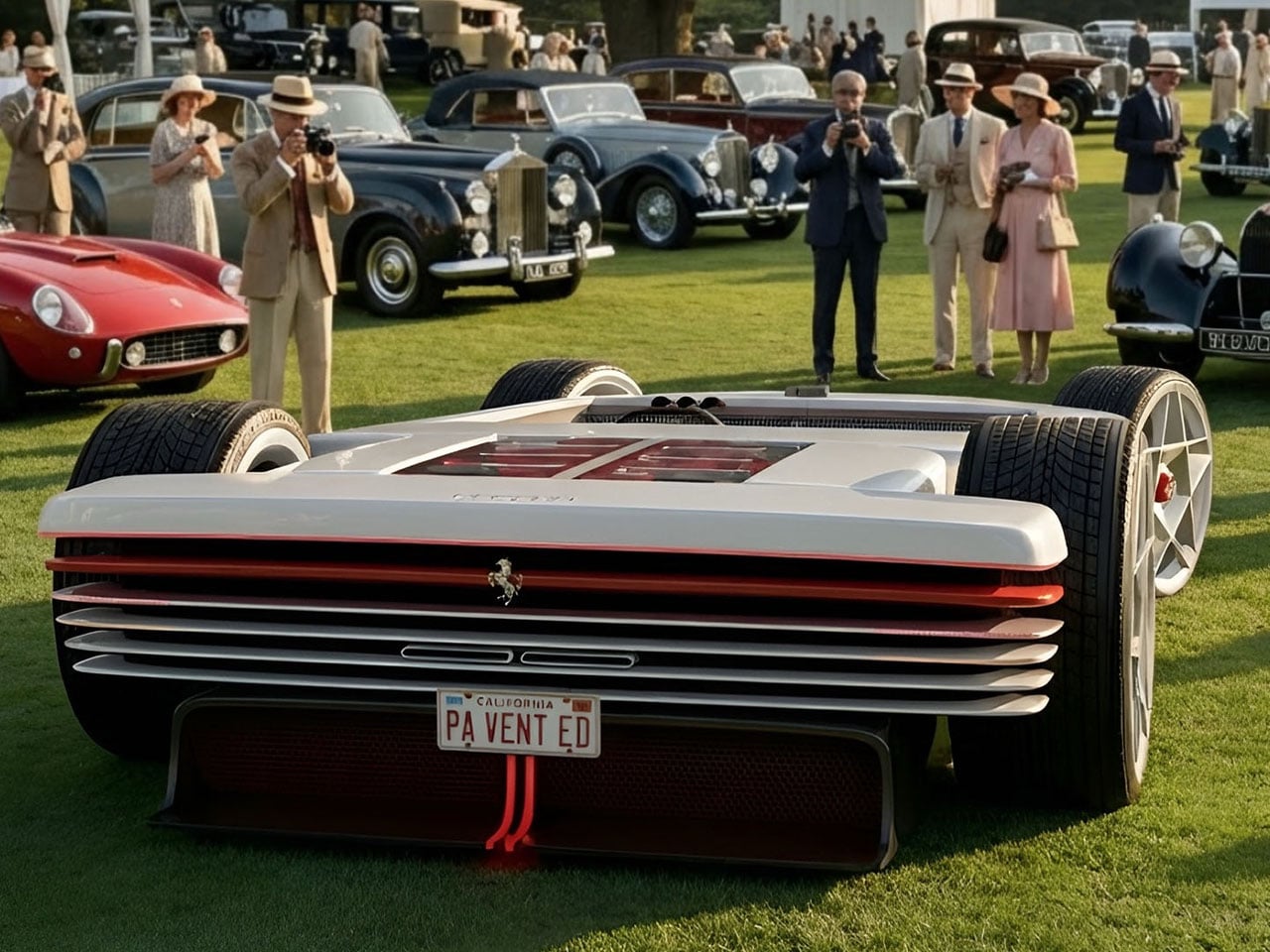
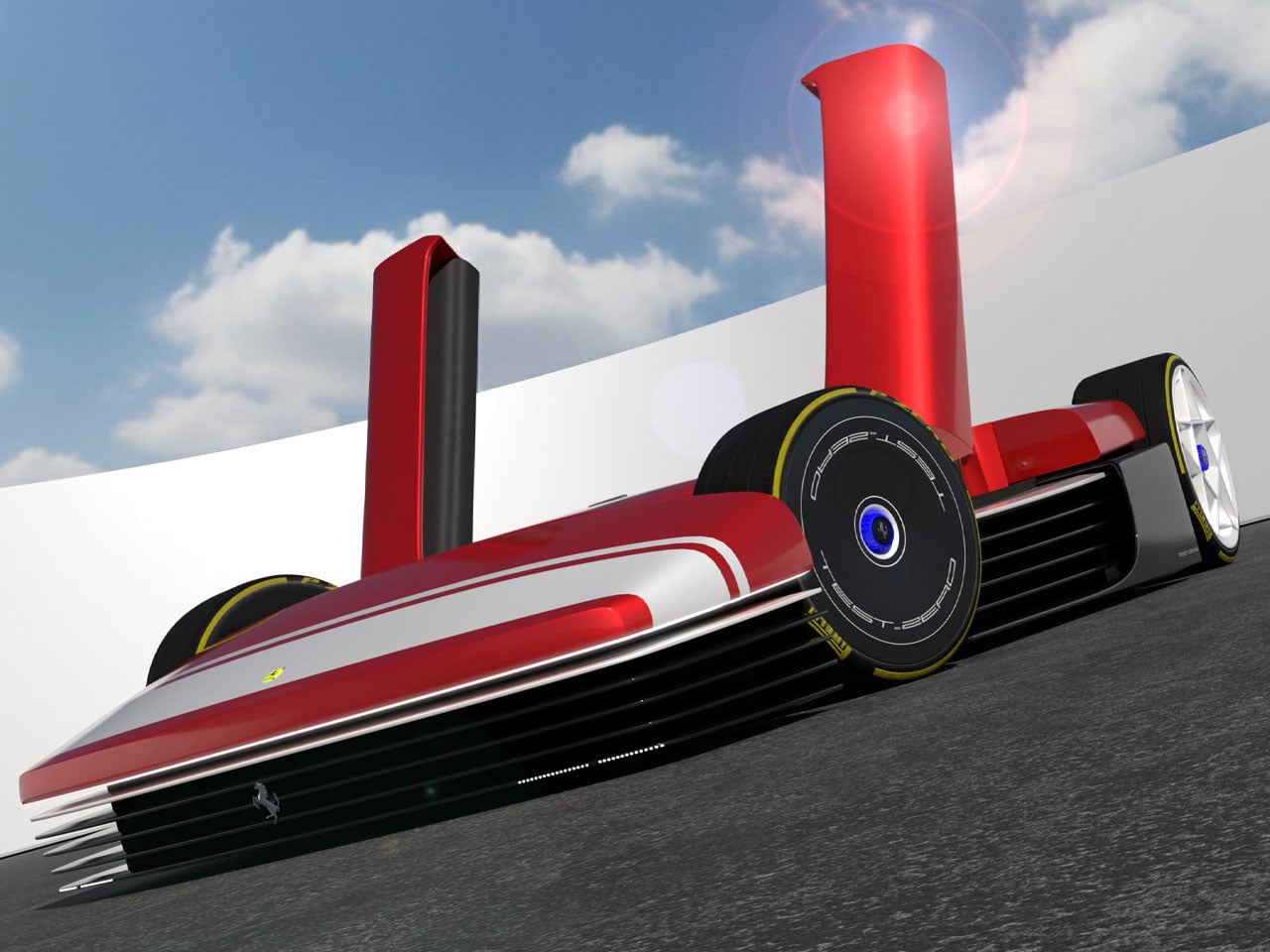
On the whole, the sports car is designed for the thrill of driving, although the aerodynamics might take a backseat due to the open shell configuration and the layered design of the front grille and the sidepods. The headlights and the tail lights are neatly fused into this layered architecture, which also conceals the rear diffusers, which could have done with a more full-bodied approach. In customary Ferrari style, the scissor doors add flair to the whole experience. I just hope the riders don’t take it out when the weather is unforgiving!

The post Ferrari-inspired TESTaZERO is a flamboyant speedster for open air adventures, all-electric Luce better watch out first appeared on Yanko Design.
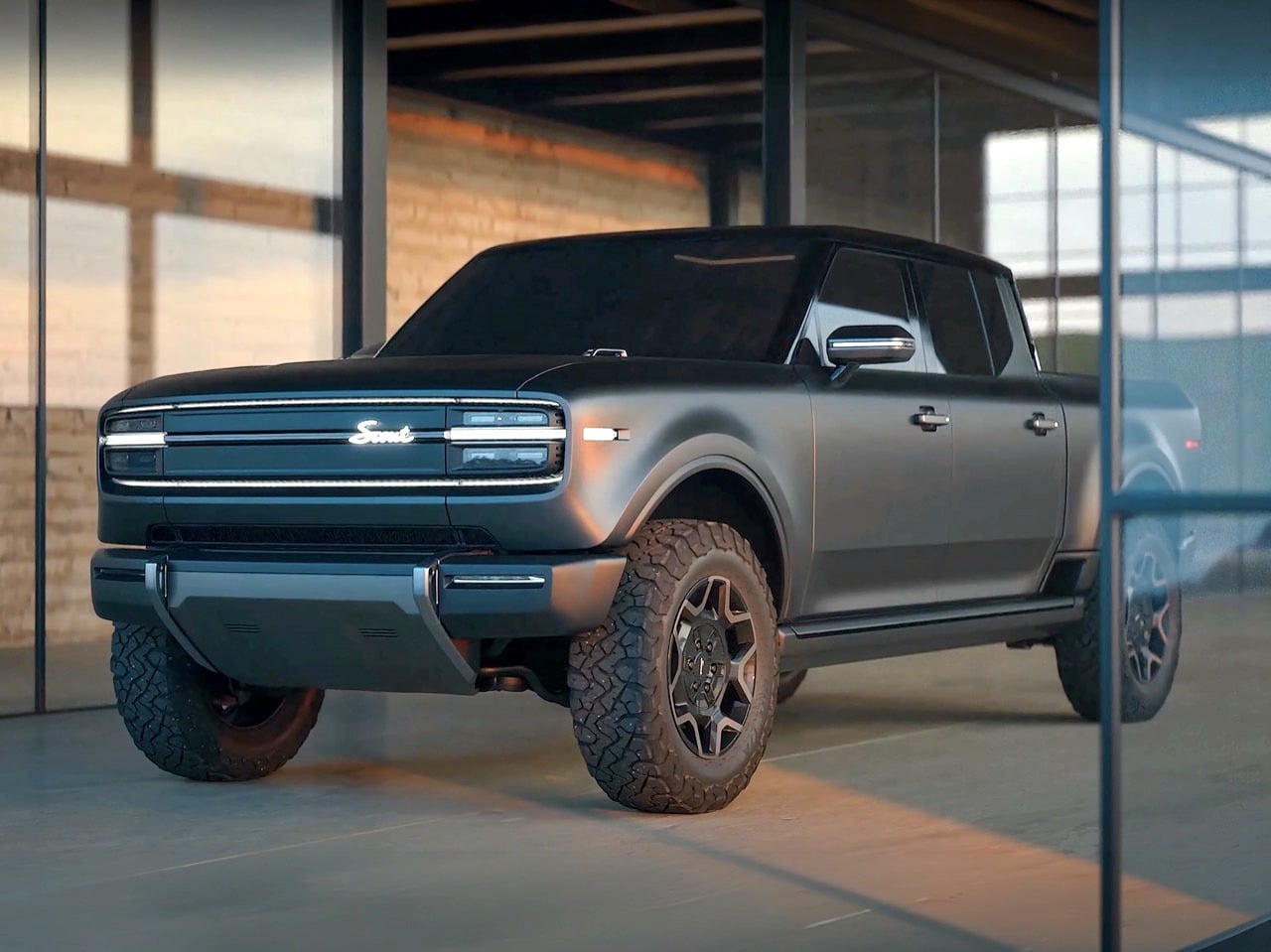
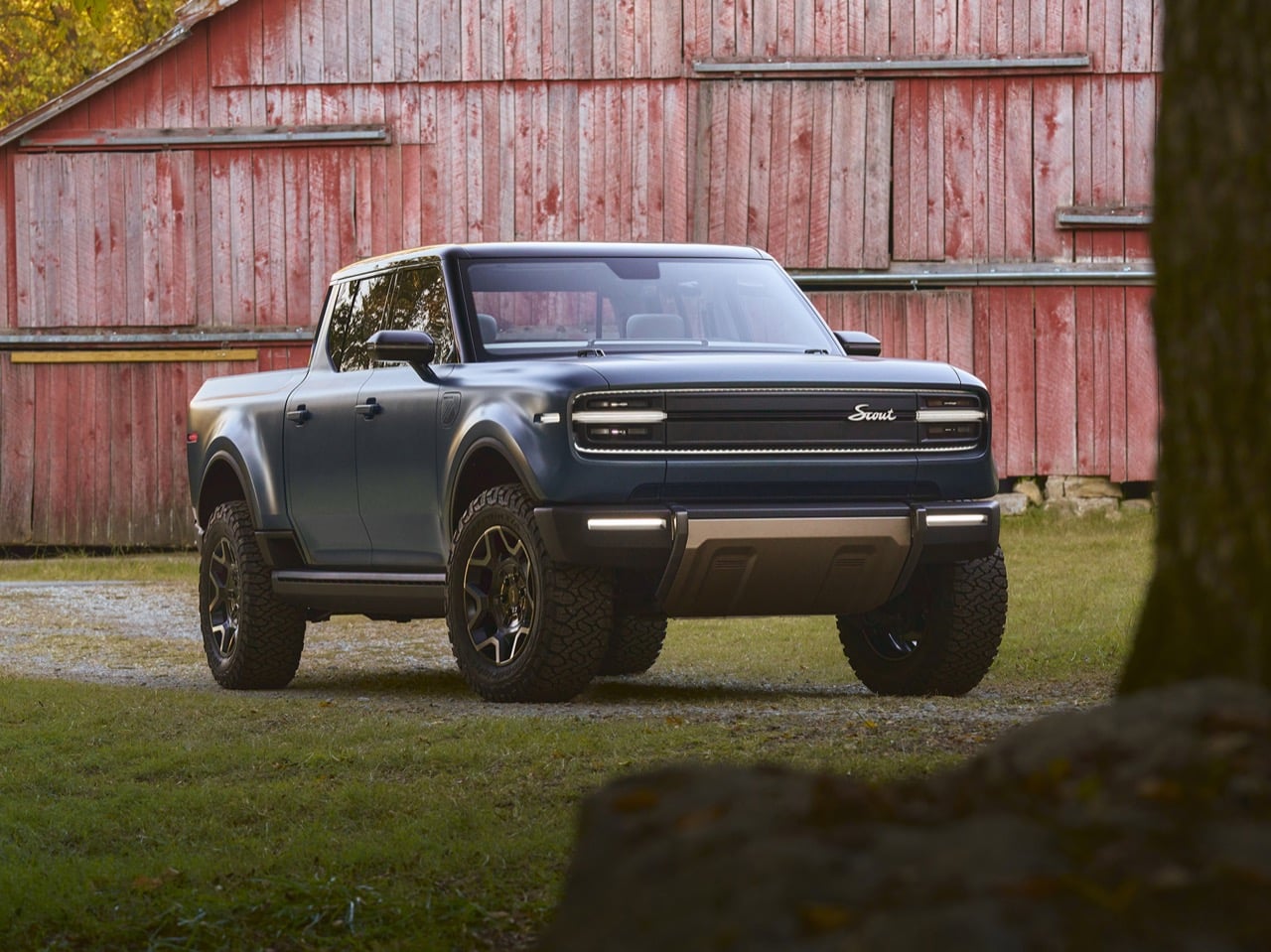
The Scout Terra Costs Under $60k and Tows 10,000 Pounds With a Solid Rear Axle

Why does every electric truck feel like it was designed by someone who wanted to leave the truck category as quickly as possible? The Rivian R1T is an adventure vehicle. The Tesla Cybertruck is a stainless steel provocation. The Ford F-150 Lightning is a suburban driveway proposition with a frunk. Each of these vehicles is genuinely impressive in specific ways, and each of them has, in various degrees, moved away from the mechanical foundations that made the pickup truck the best-selling vehicle category in America for 47 consecutive years. That foundation is body-on-frame construction, a solid rear axle, and mechanical locking differentials, the kind of hardware that lets a working truck go places a smart suspension system simply cannot follow.

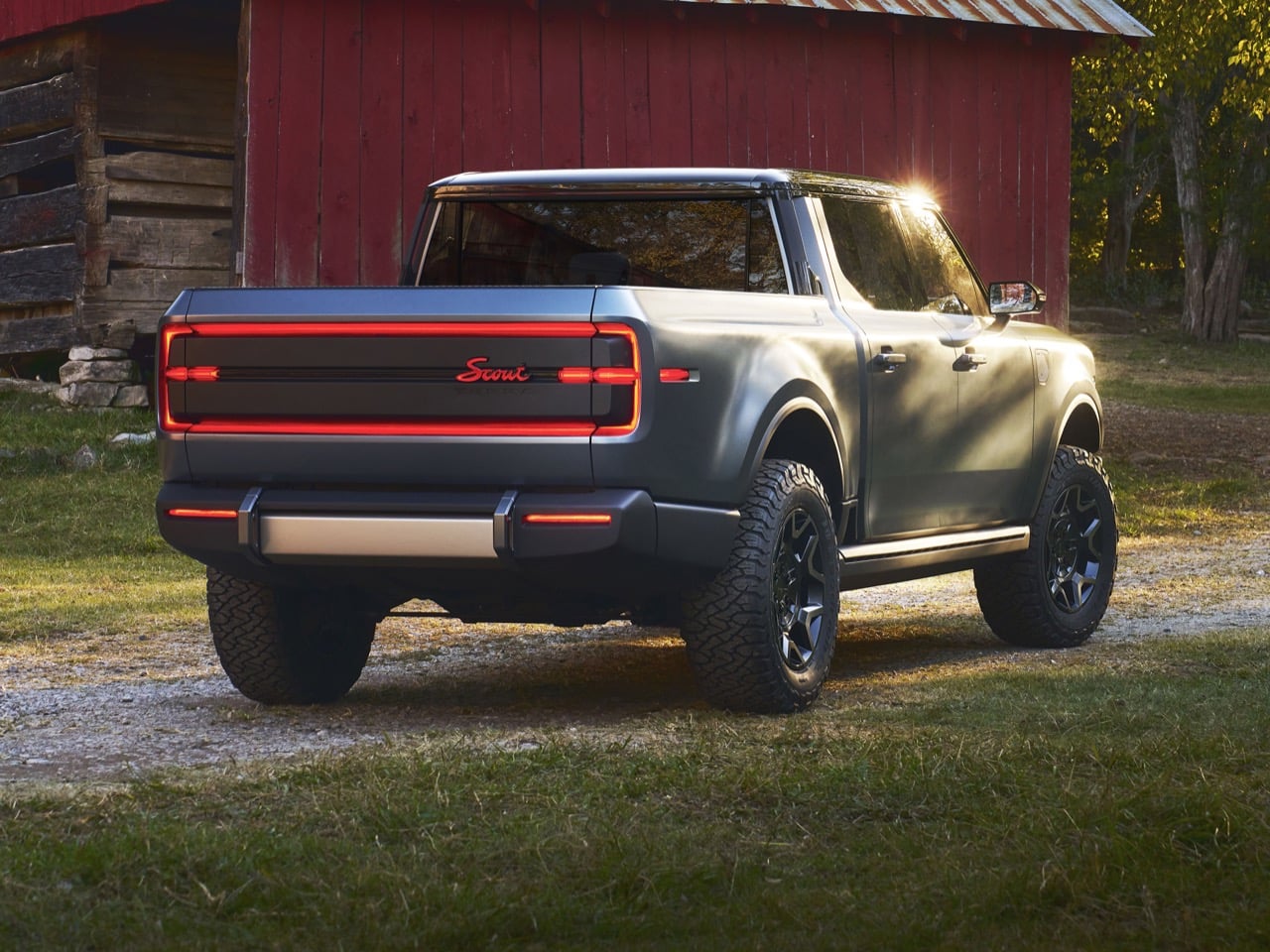
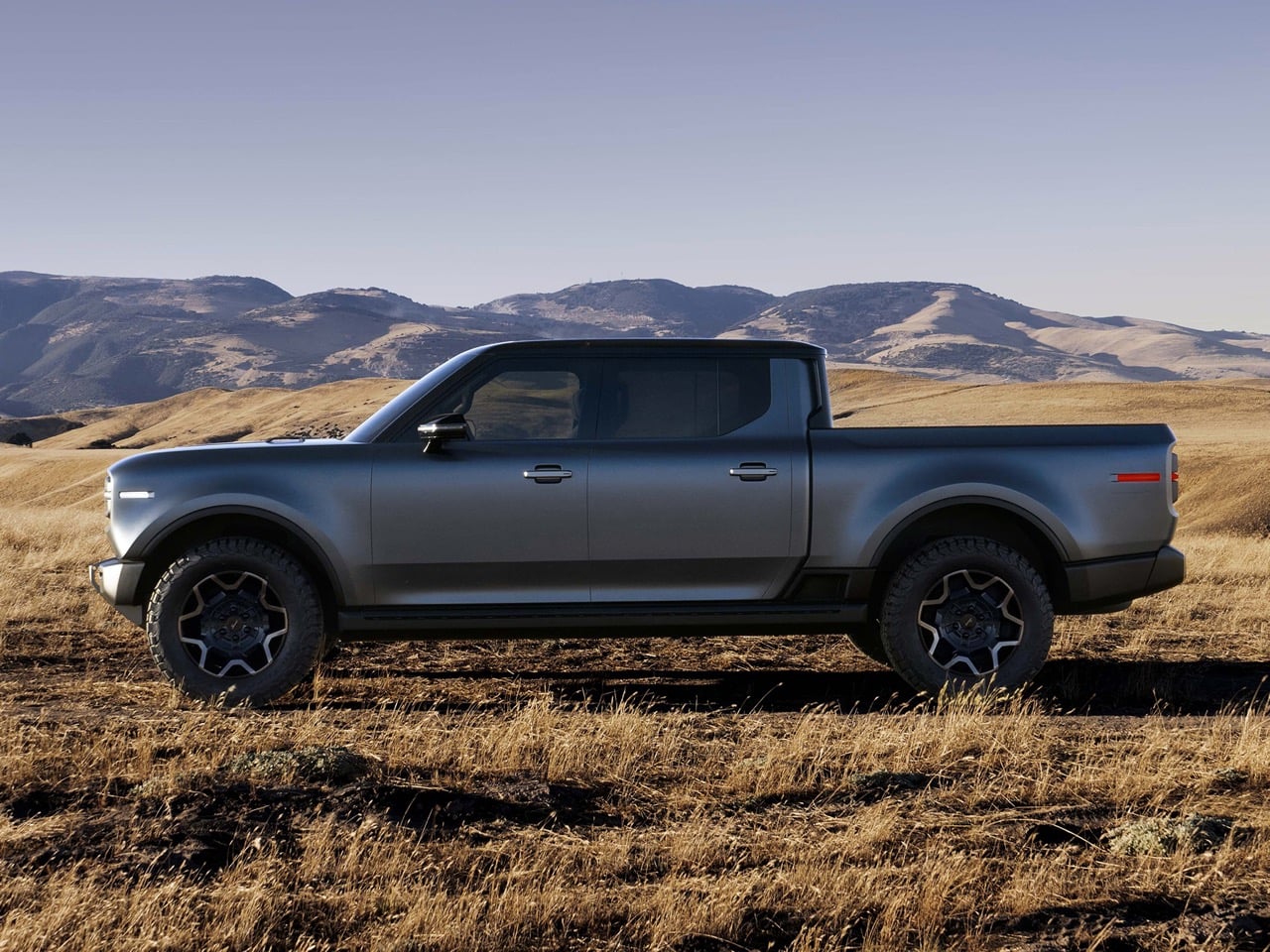
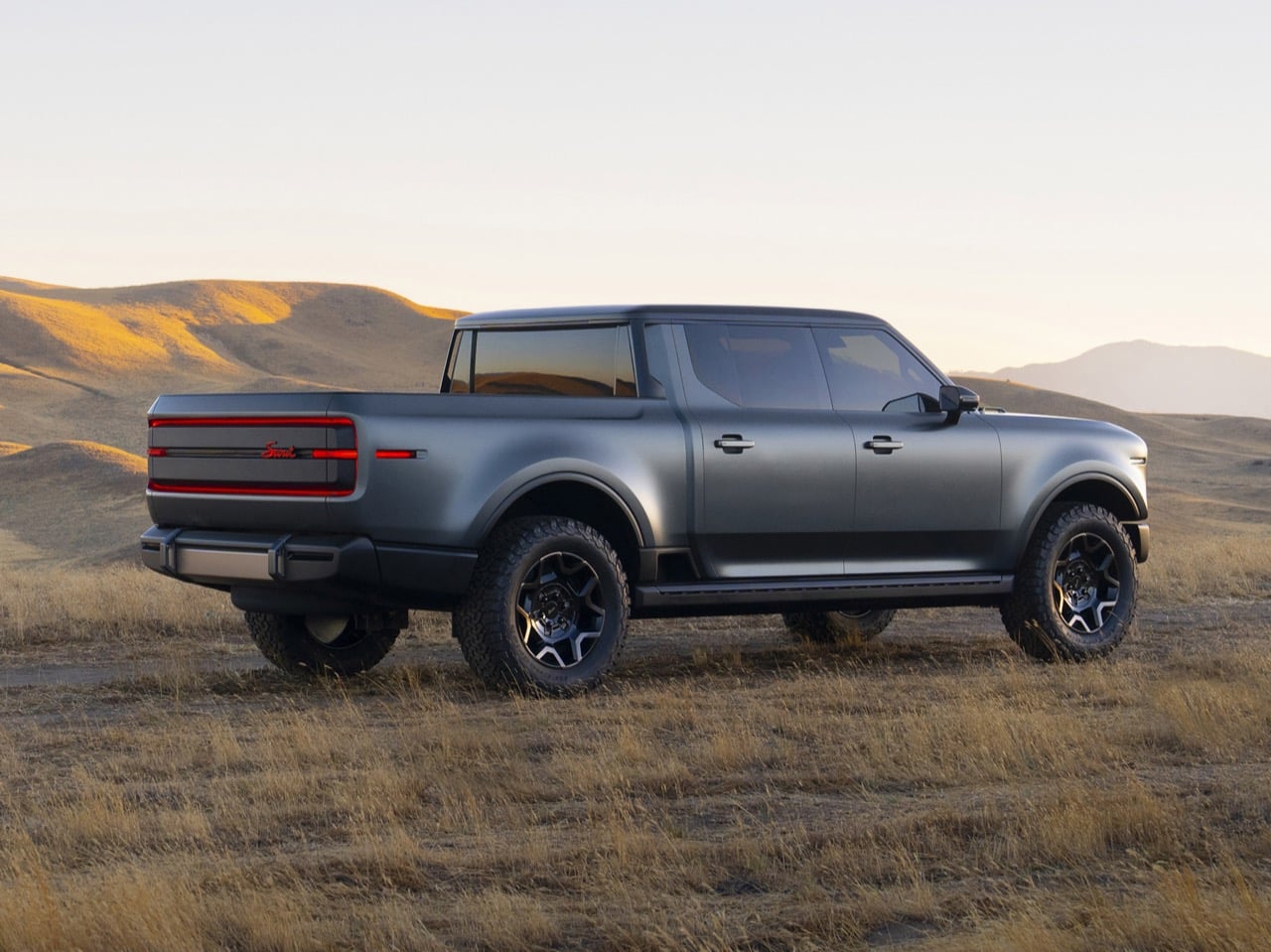
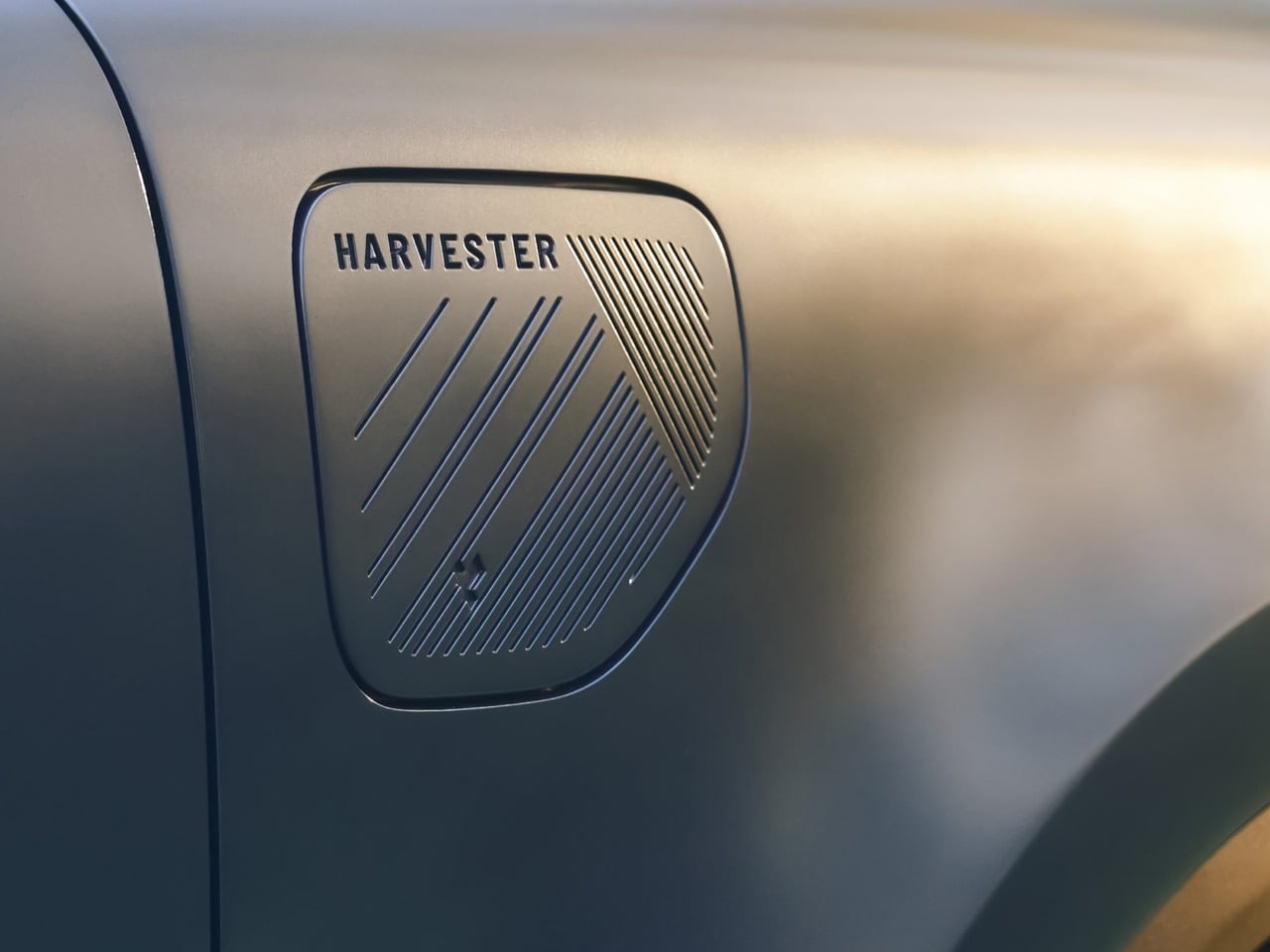
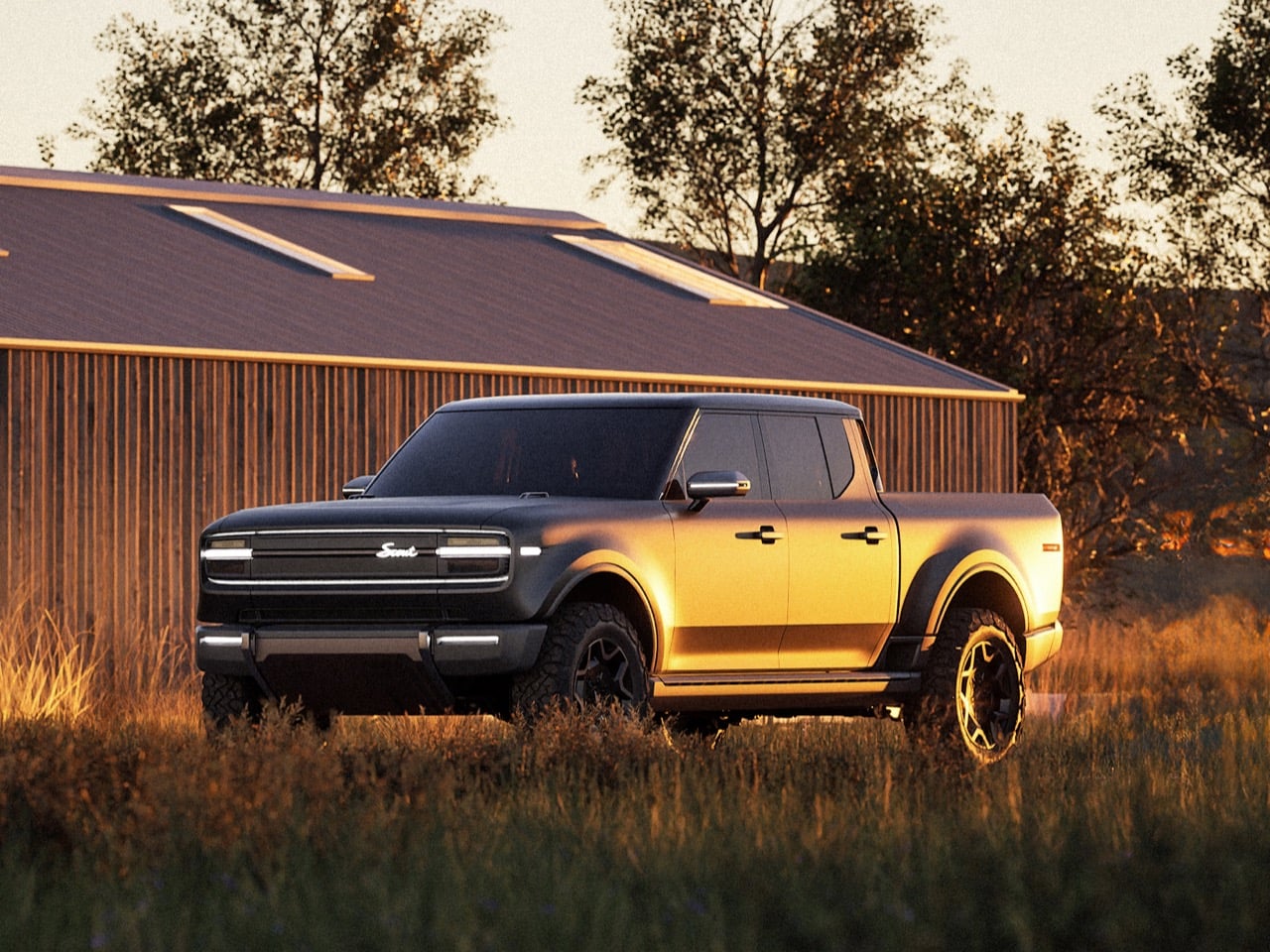
Scout Motors, the Volkswagen-backed revival of the old International Harvester Scout, showed journalists the production-intent Terra pickup on May 15 and delivered something the EV truck segment has been conspicuously missing. Body-on-frame ladder chassis. Solid rear axle. Mechanical lockers front and rear. A 5.5-foot bed with a retractable rear window and an in-bed overlanding kit. The Harvester EREV variant tucks a rear-mounted naturally aspirated VW four-cylinder just ahead of the axle, running purely as a generator against a 63 kWh battery, for a combined range north of 500 miles. The pure-electric variant manages 350. Both variants tow over 10,000 pounds, carry around 2,000 pounds of payload, and price out under $60,000, landing near $51,500 after federal and state incentives clear.

Designer: Scout Motors

Short overhangs, a boxy greenhouse, and an upright stance give the Terra a deliberately rugged silhouette that refuses the aero-optimized wedge profile every other EV truck chases. The downward-sloping C-pillar and angled cargo area window reference the original 1960s Scout’s proportions directly, and the whole thing reads like it was designed by people who actually wanted it to look like a truck, not a concept car that compromised its way into a bed. Against the Rivian R1T’s smooth, tech-forward surfacing and prominent body-colored C-pillar, the Terra feels more worksite than weekend warrior content, which is precisely the positioning Scout is betting on.

The Harvester range extender runs at a constant optimized speed as a pure generator, never driving the wheels directly, with propulsion staying fully electric throughout. Mounting the engine just ahead of the rear axle keeps the front end clean and preserves frunk space identical to the pure-EV variant. There are still open questions around how that rear weight placement affects off-road departure angles and payload capacity at the limit, and Scout hasn’t fully detailed those tradeoffs yet. What the market has already signaled is unambiguous: over 80% of Scout’s reservations are for the Harvester EREV, which tells you everything about how much range anxiety still drives purchase decisions for truck buyers who actually use their trucks.

Where Rivian’s independent rear suspension delivers a more comfortable highway ride, it compromises wheel articulation on uneven terrain compared to a proper solid axle. Scout’s approach pairs independent front suspension for on-road ride quality with a solid rear axle for trail articulation, then adds a disconnecting front sway bar and factory availability of 35-inch all-terrain tires to complete the picture. It’s a hardware spec that would send a Rivian’s air suspension into a fault state on terrain the Terra would walk through without a second thought.

Production was originally slated for 2026, slipped to 2027, and now targets 2028 for the Traveler SUV, with the Terra potentially pushed to 2030 according to recent reporting. By then, the F-150 Lightning will be a generation older, Rivian will have the more affordable R2 on sale, and Scout will be arriving into a market that has had years to harden its habits. The Terra is making exactly the right arguments about what an electric truck should be. Whether those arguments land in 2028 or 2030 matters enormously.

The post The Scout Terra Costs Under $60k and Tows 10,000 Pounds With a Solid Rear Axle first appeared on Yanko Design.
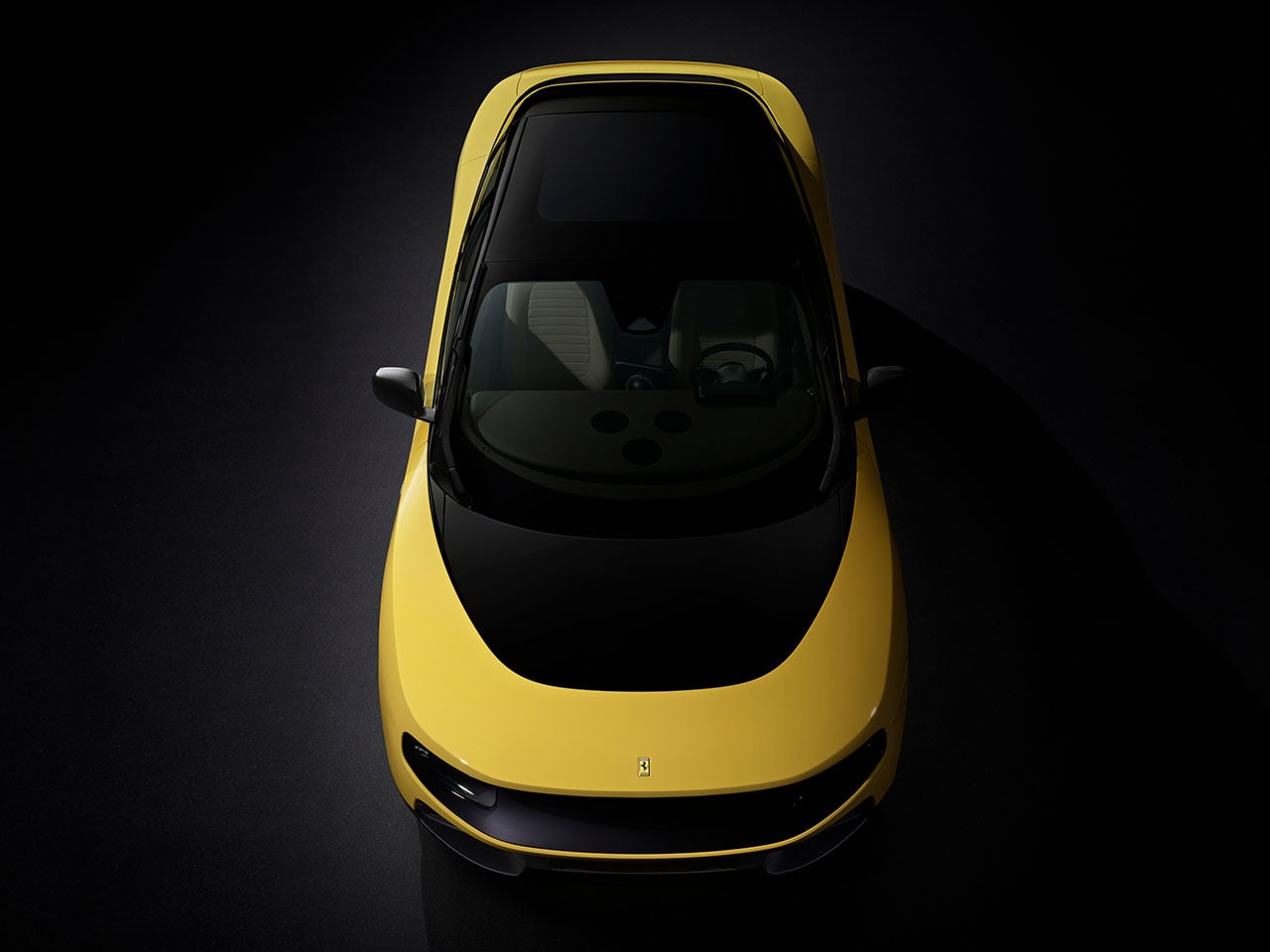
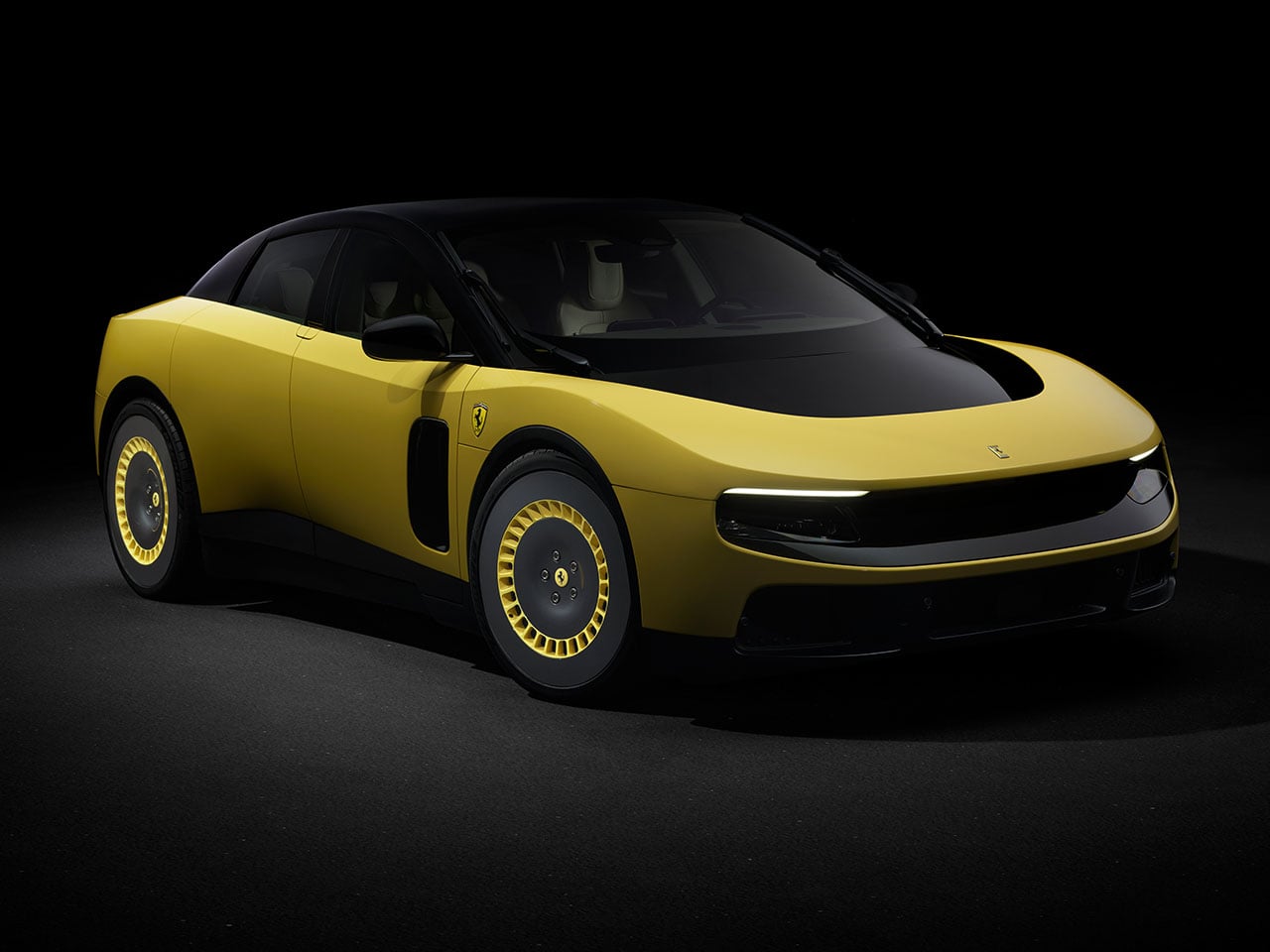
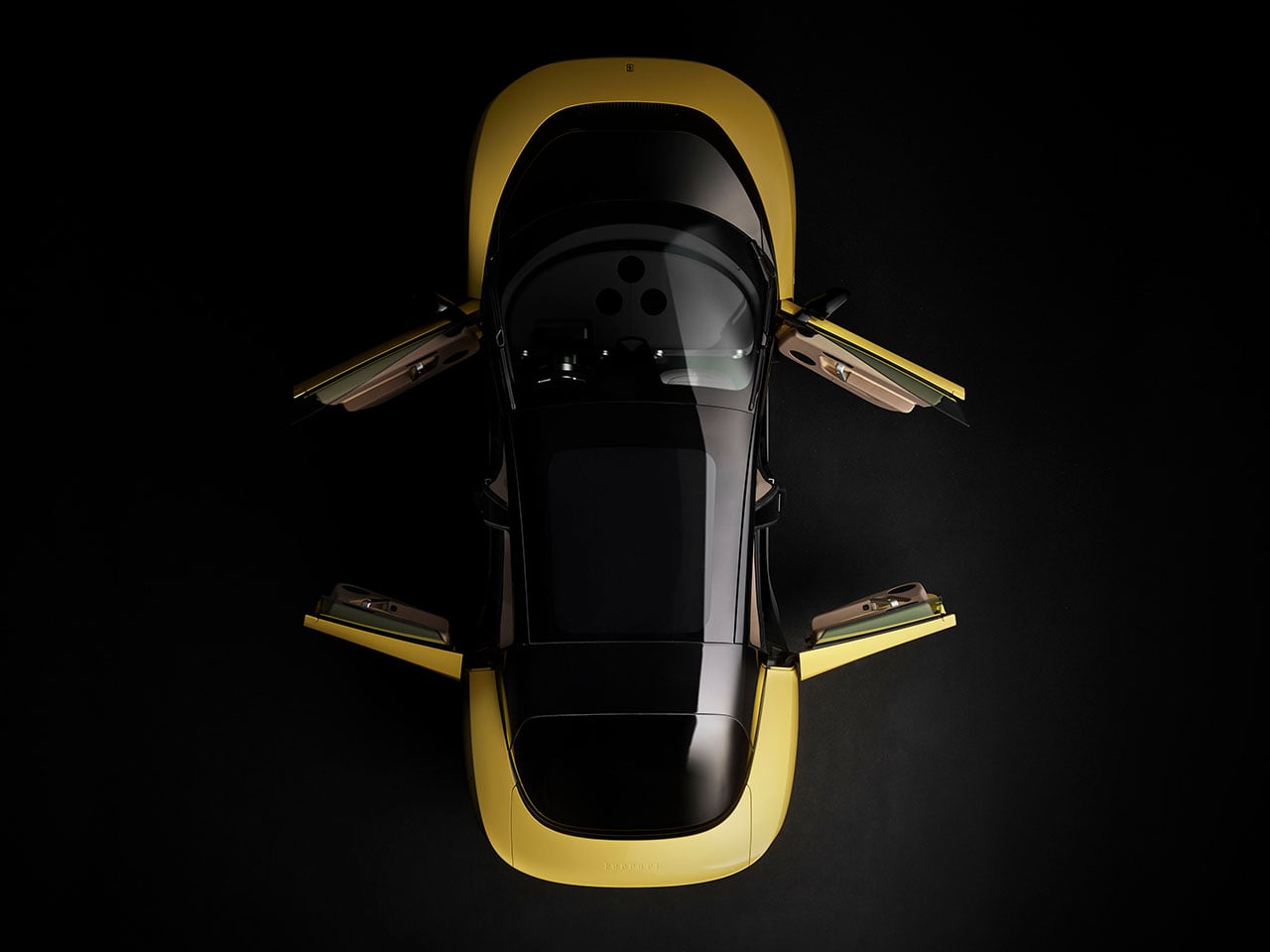
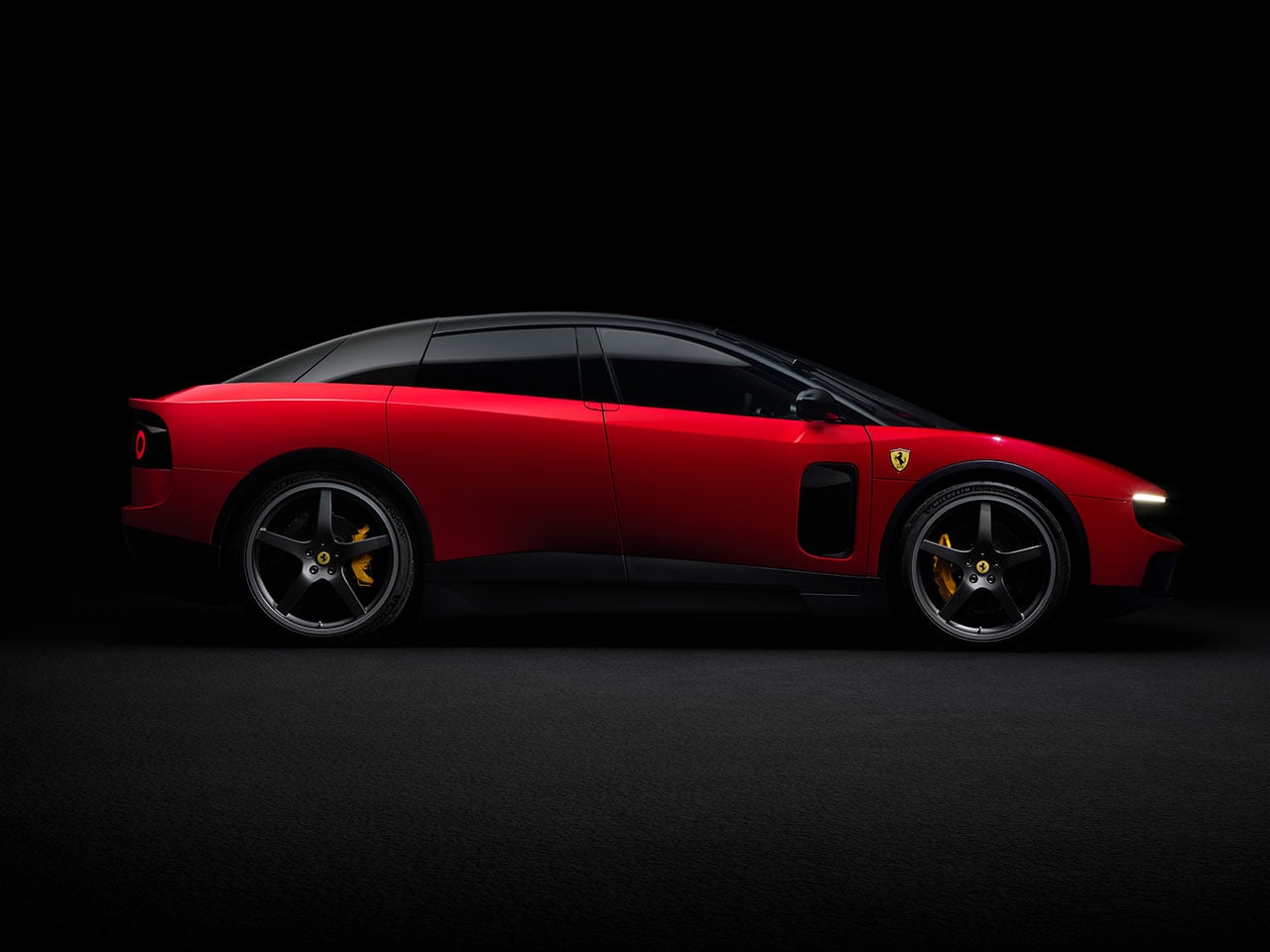
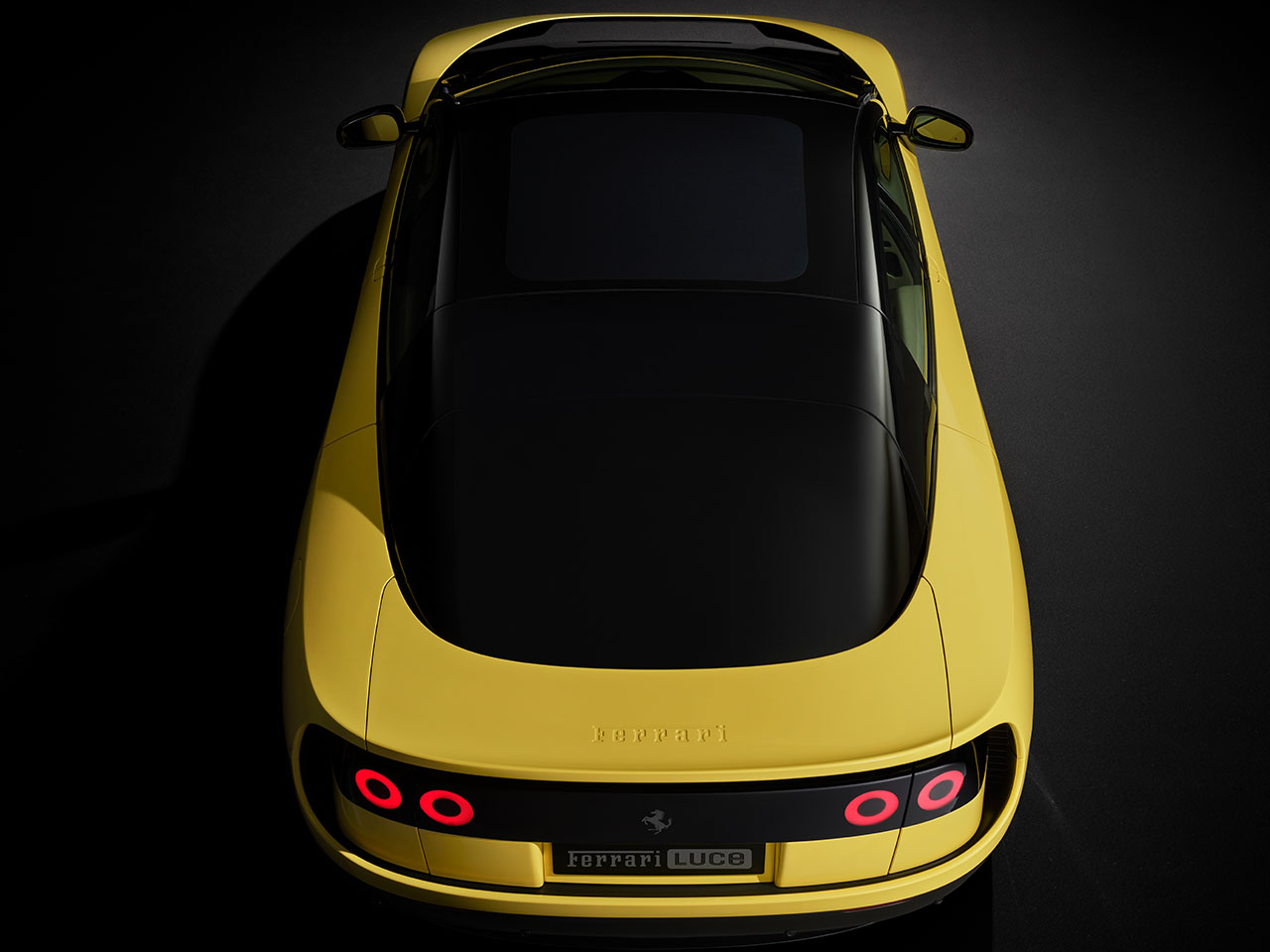
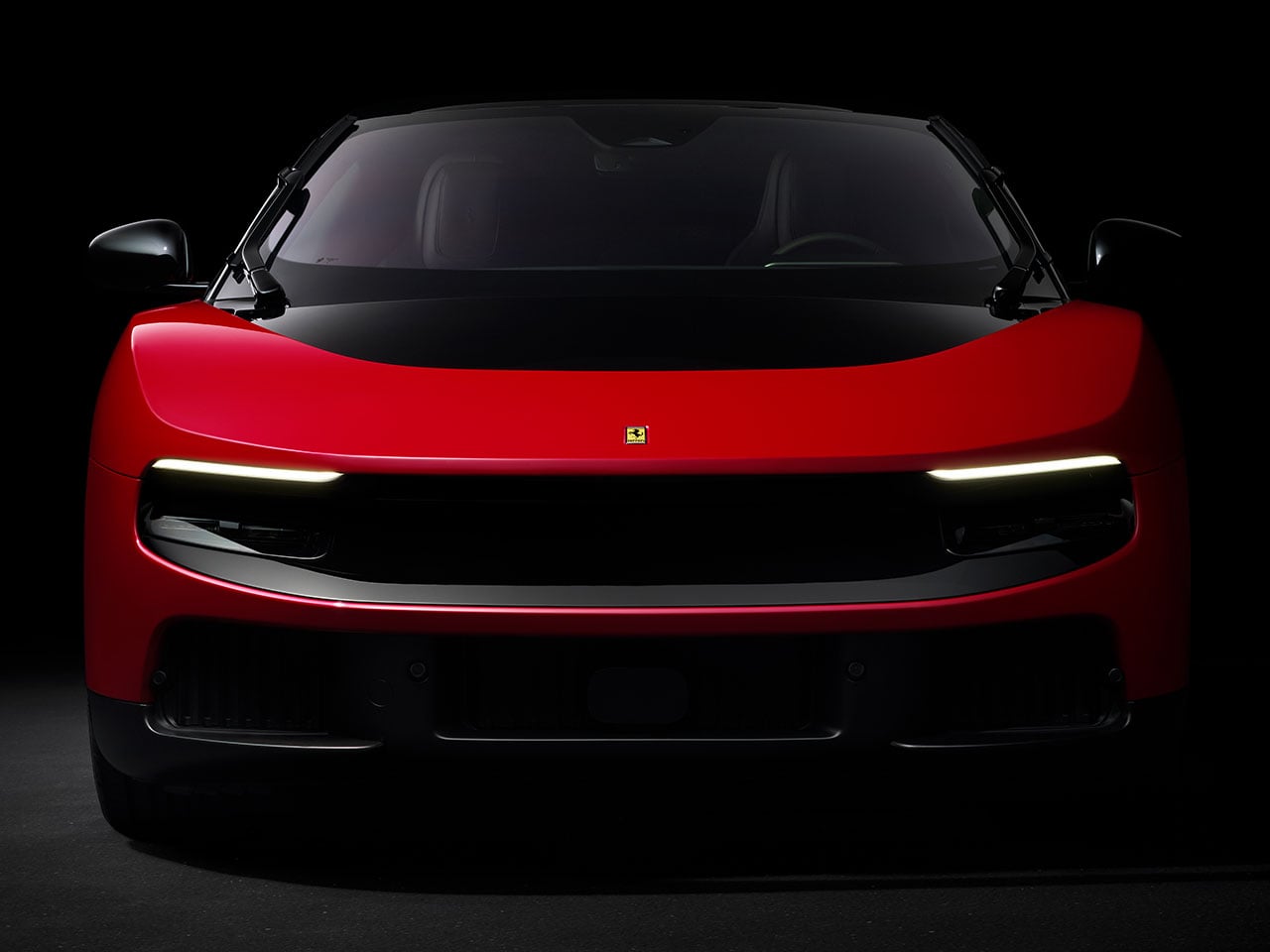
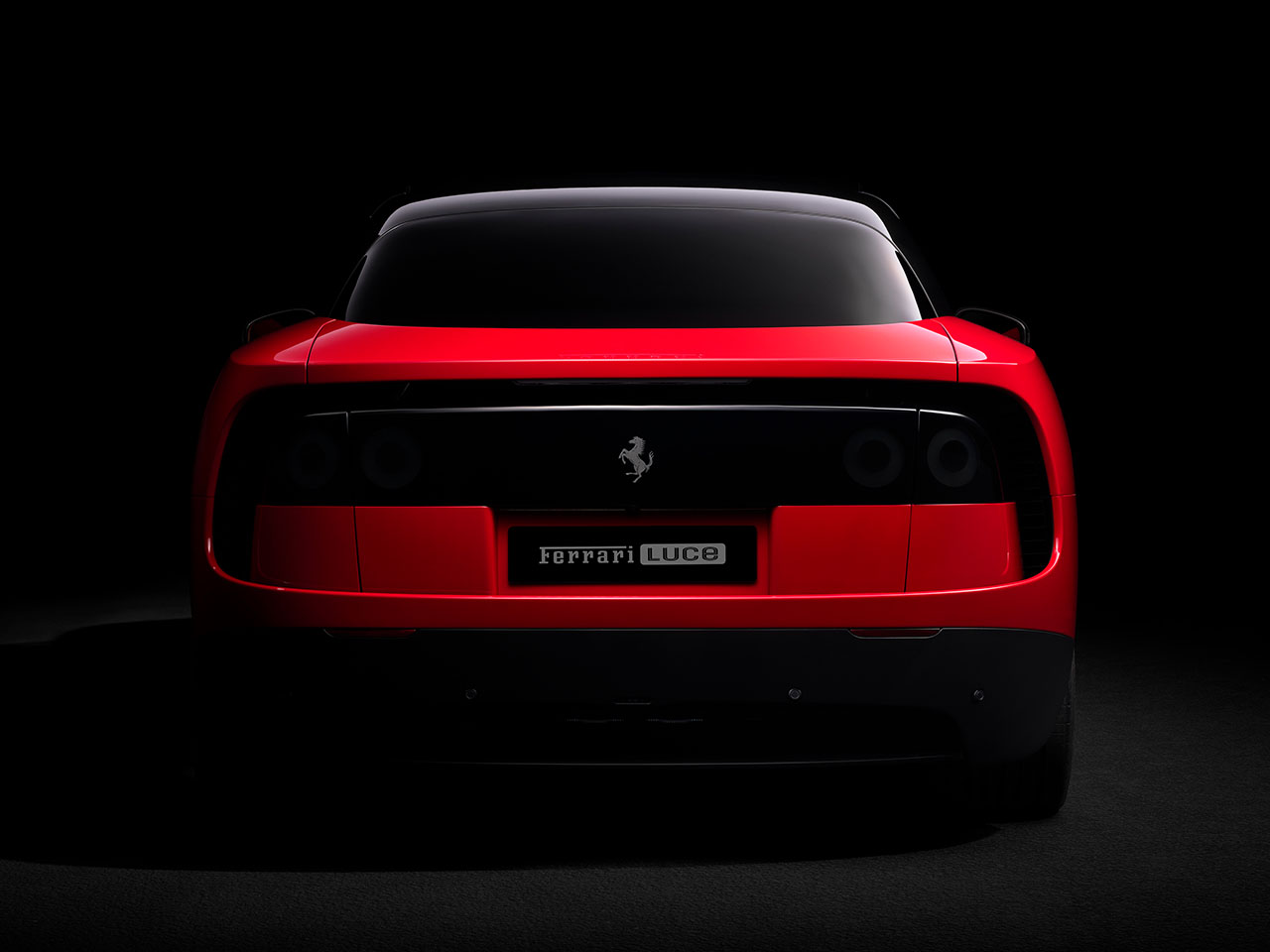
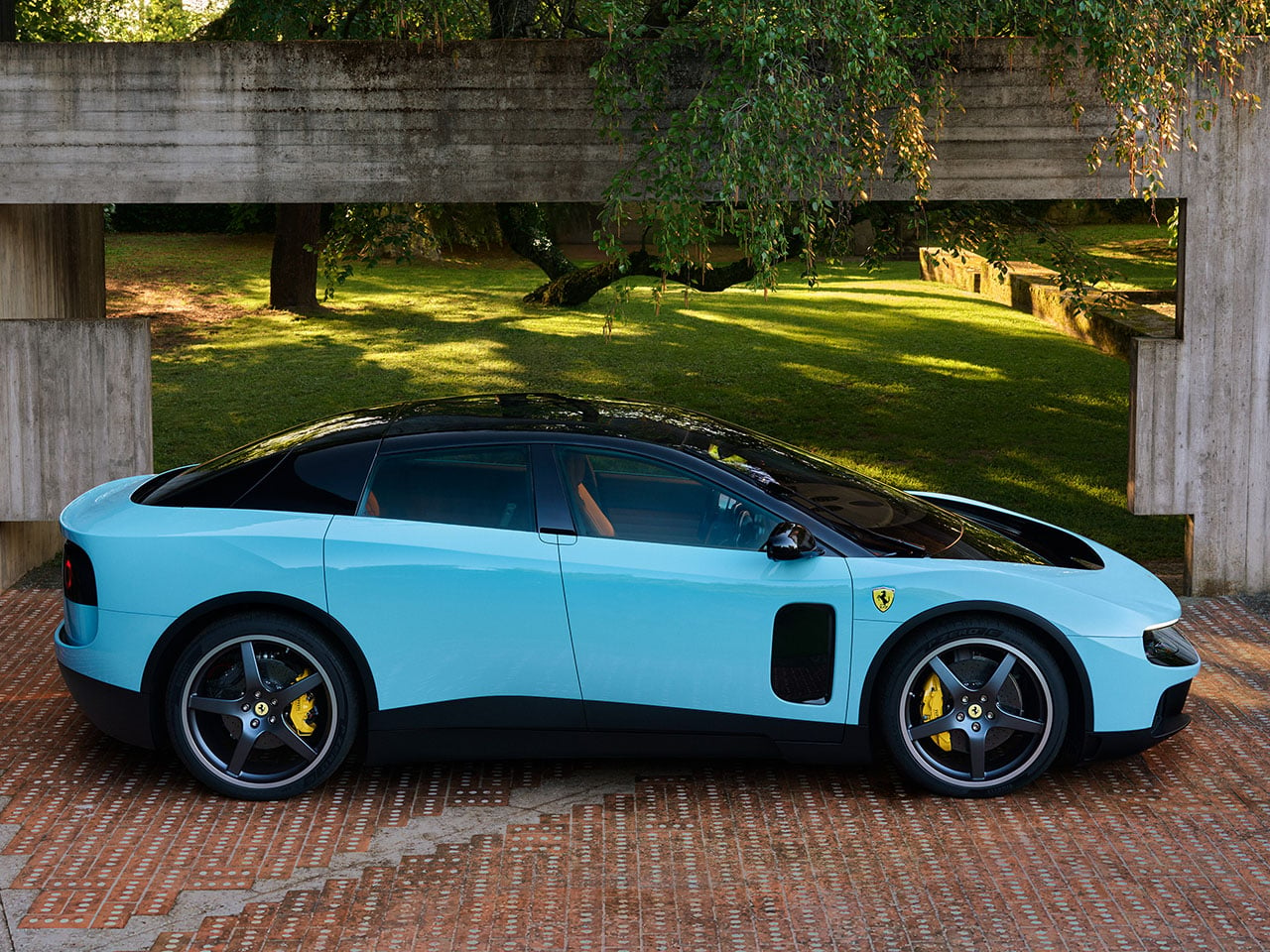
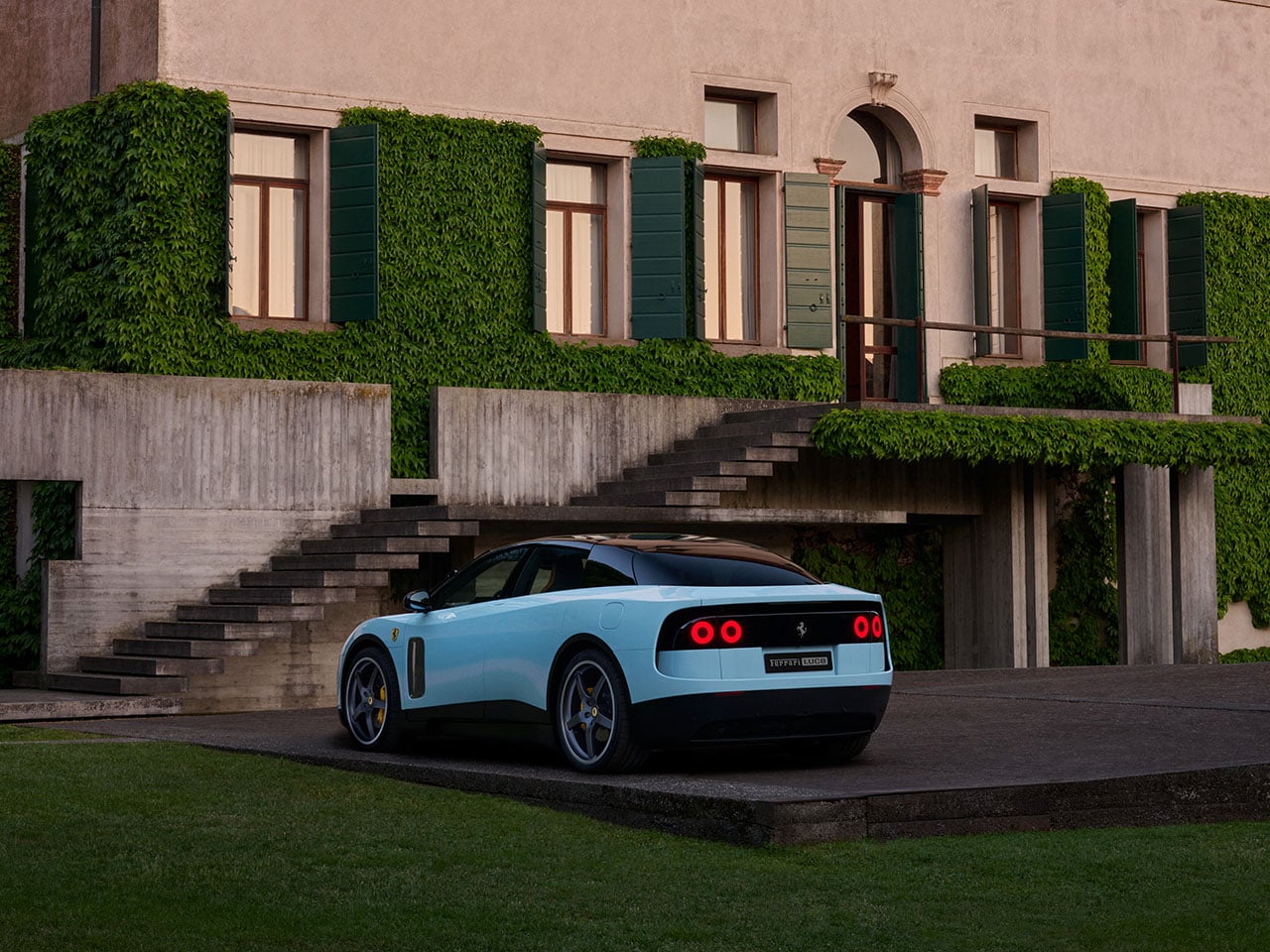
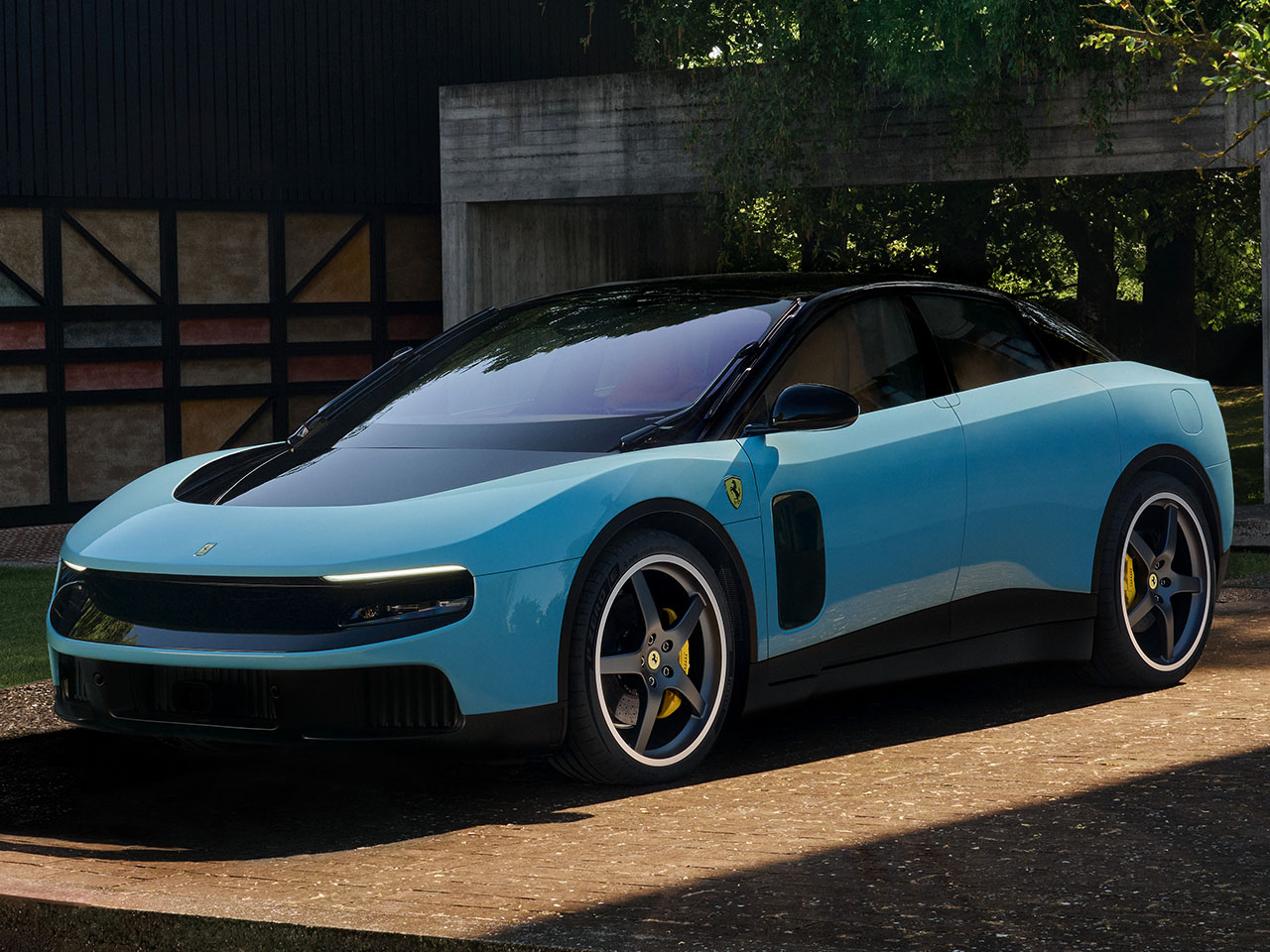
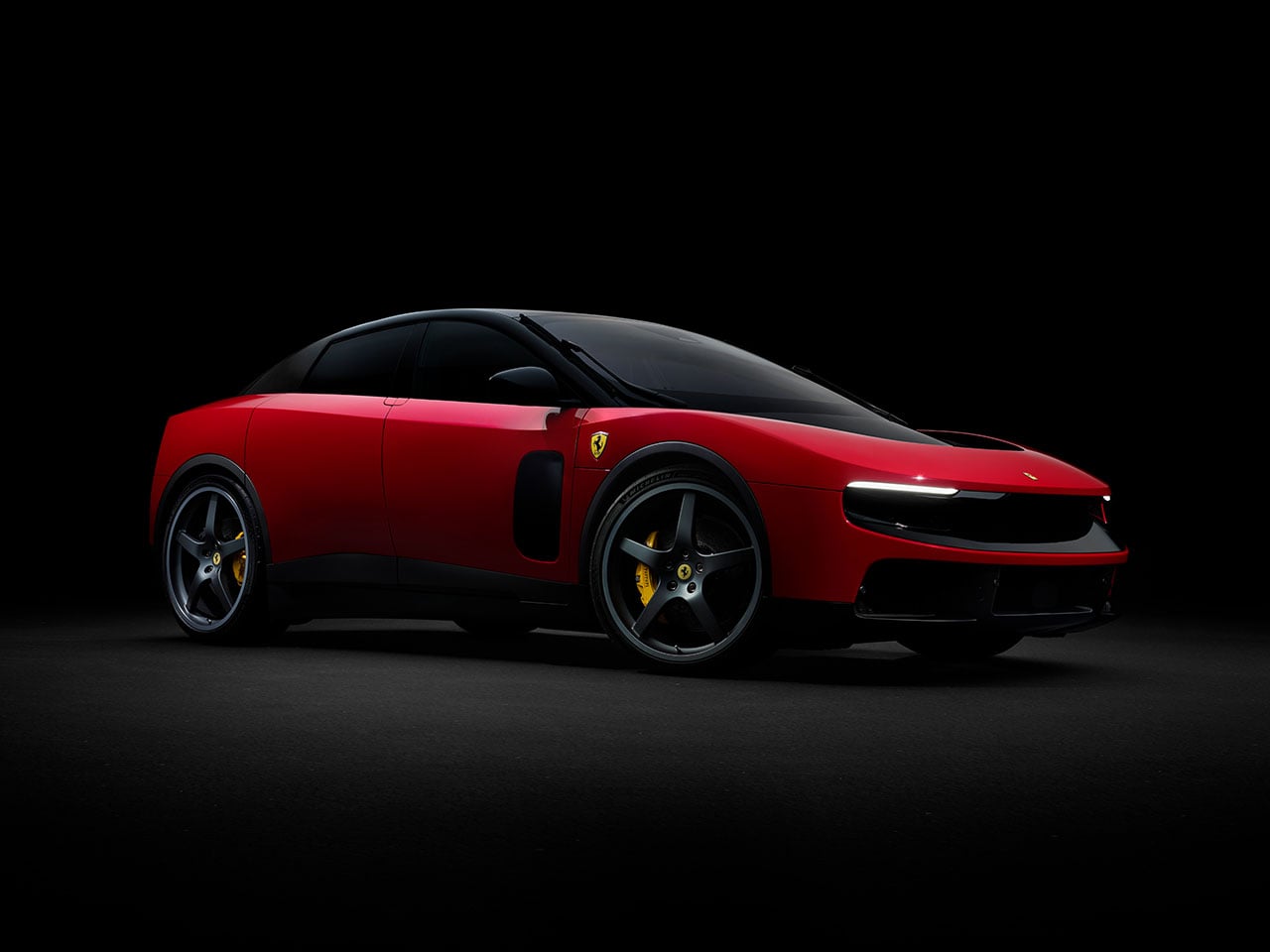
Ferrari Luce brings Jony Ive’s clean design philosophy to electric sports car built for pure driving emotion

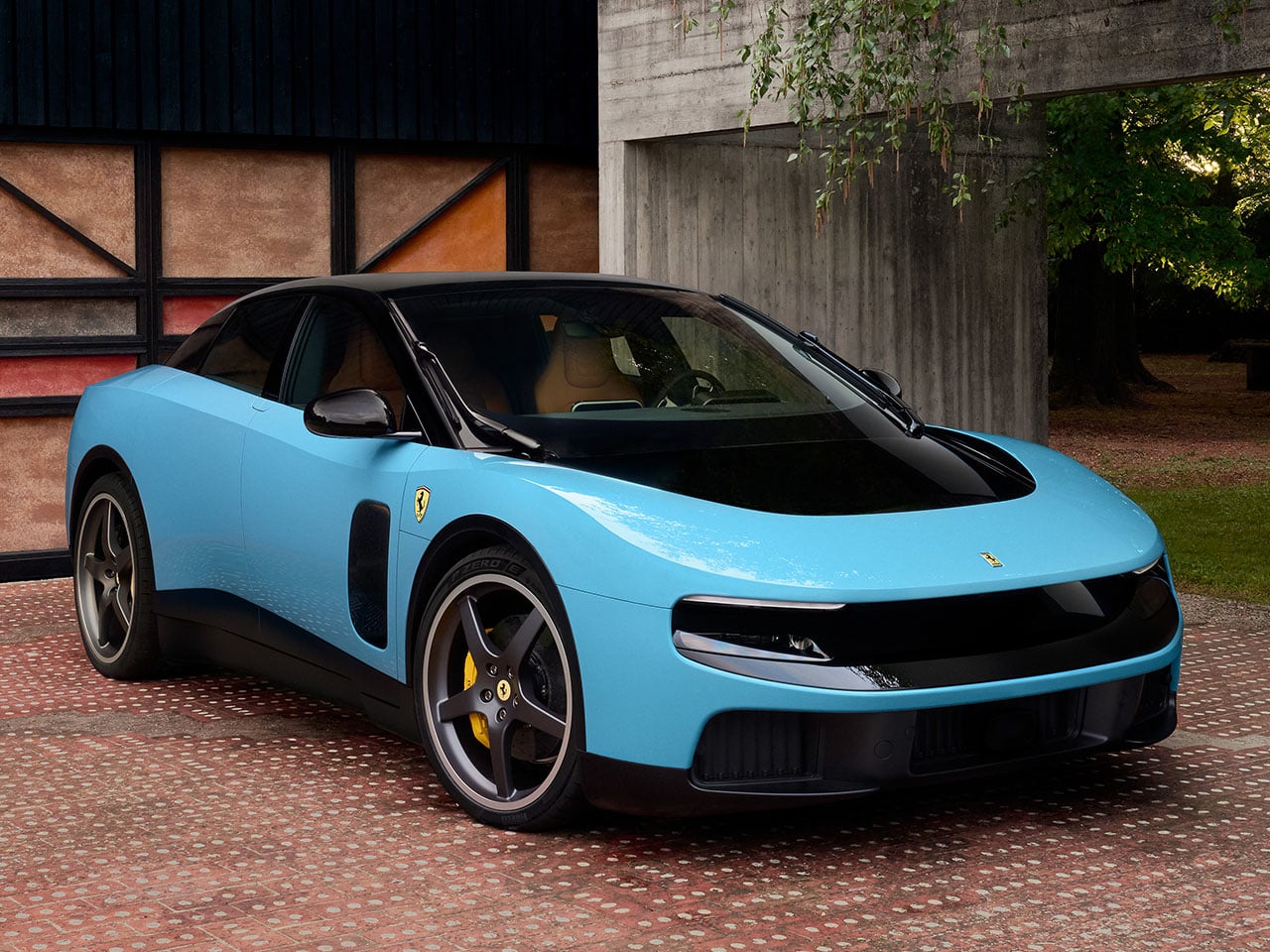
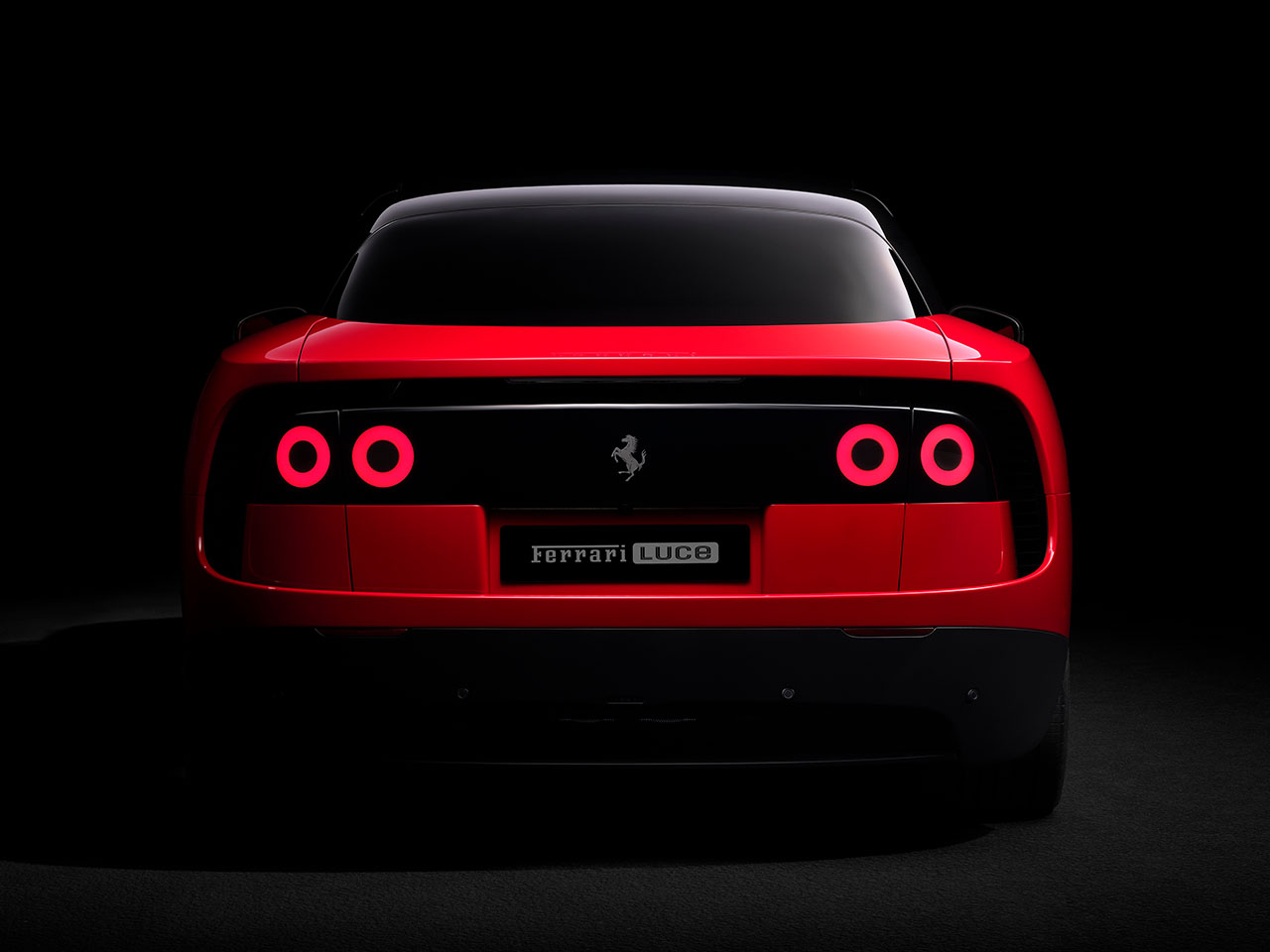
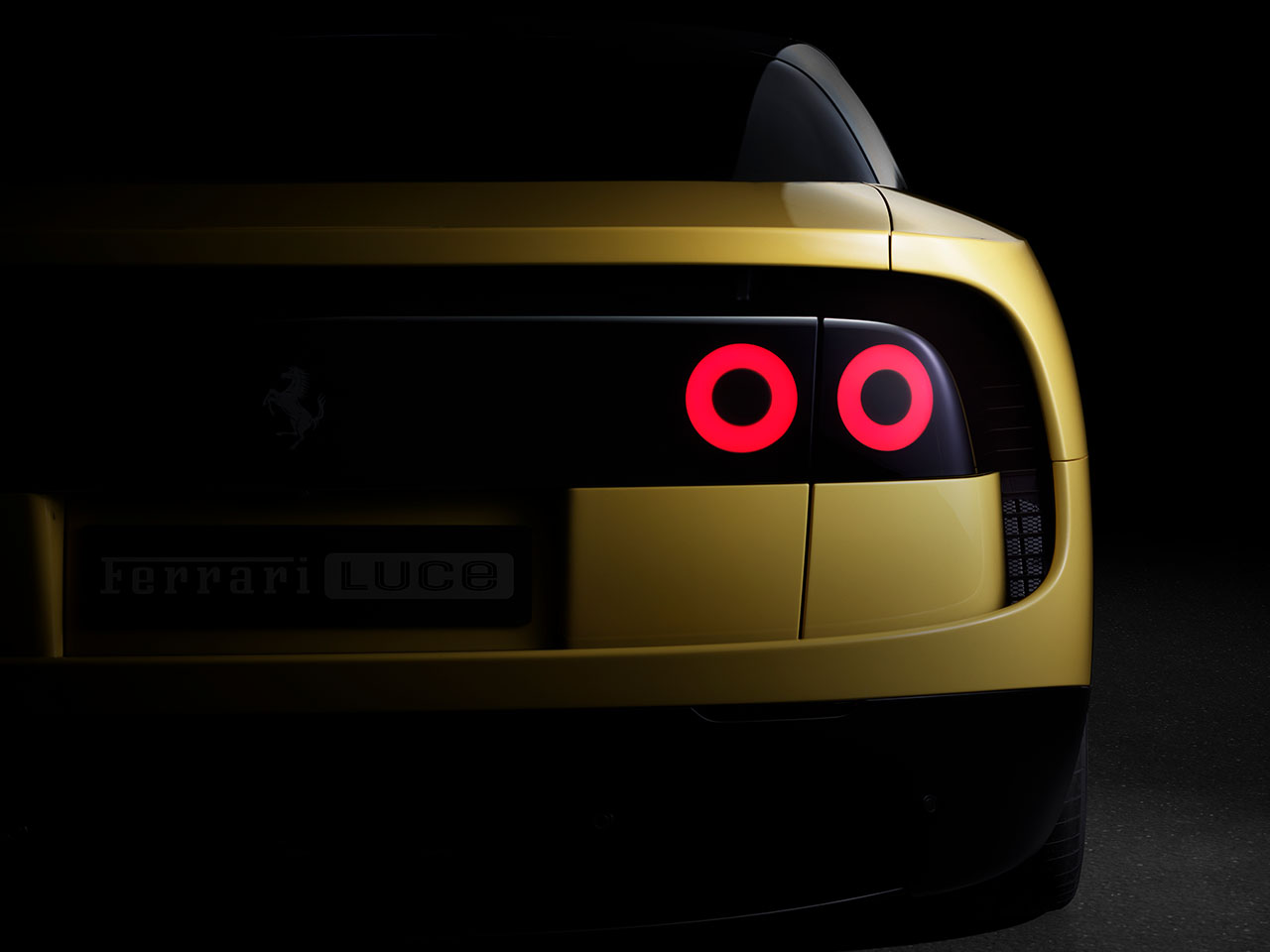
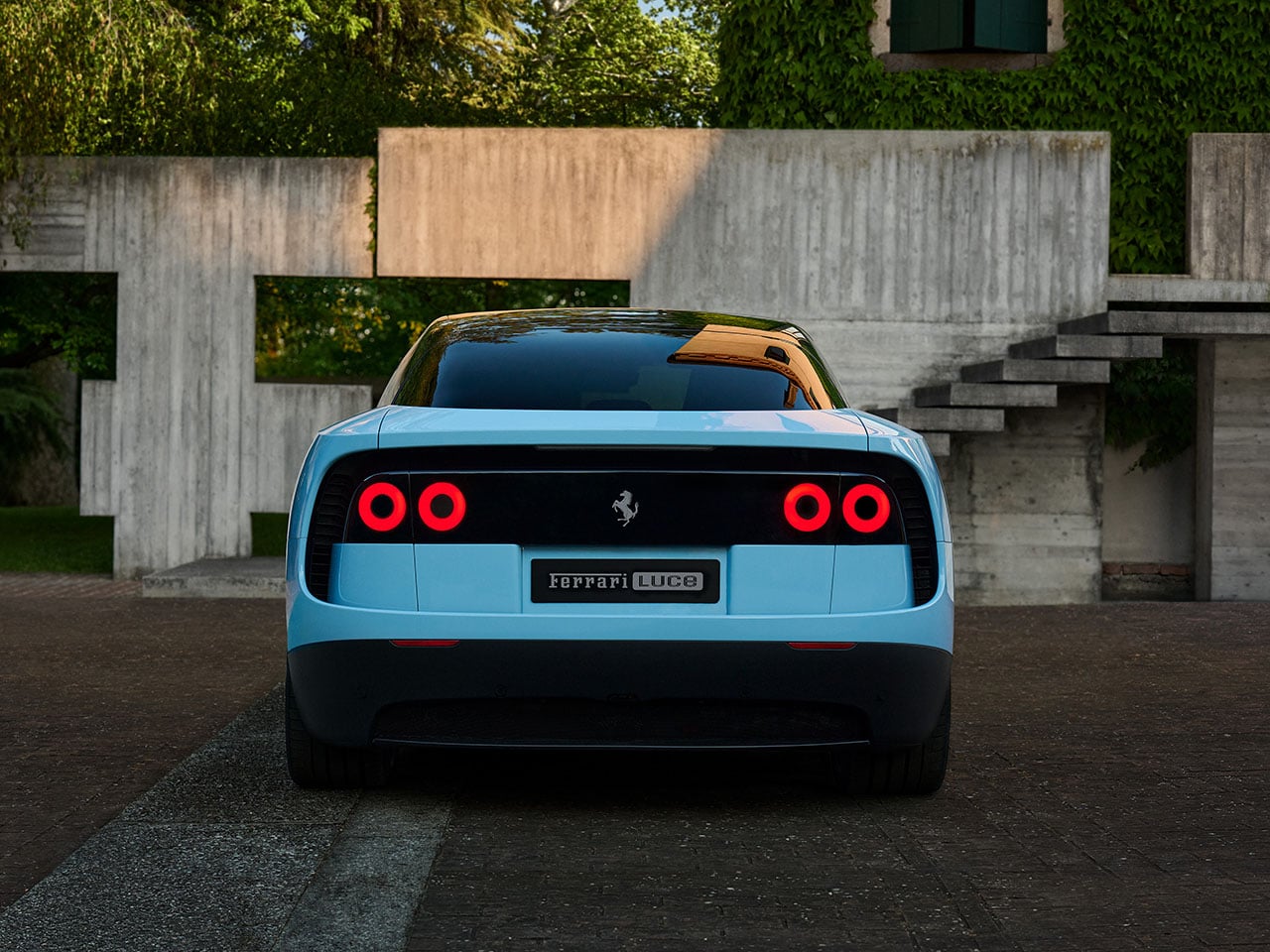
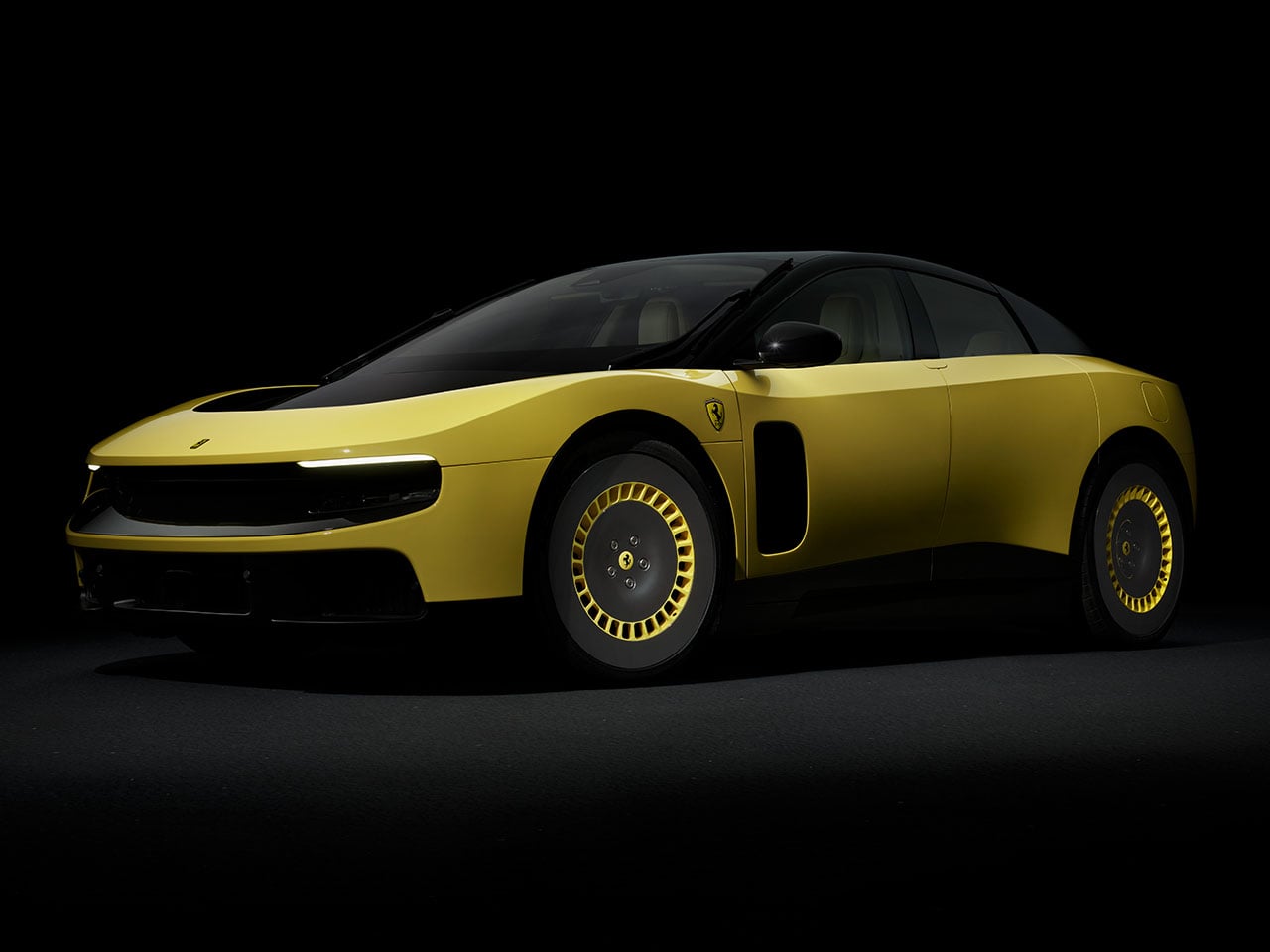
Ferrari has been quietly working under the wraps to design an electric sports car in collaboration with LoveFrom, led by Jony Ive and Marc Newson. After much speculation and a run of rumors for quite some time, the Maranello-based car maker has finally revealed Luce, its first-ever electric sports car, to the world, which, quite frankly, looks unlike the prancing horse we are accustomed to seeing. The four-door EV is all set to arrive in the USA by spring 2027 for around $430,000, and we hope the performance will mute critics like us, who have been used to the sculpted form of the Ferrari for decades.
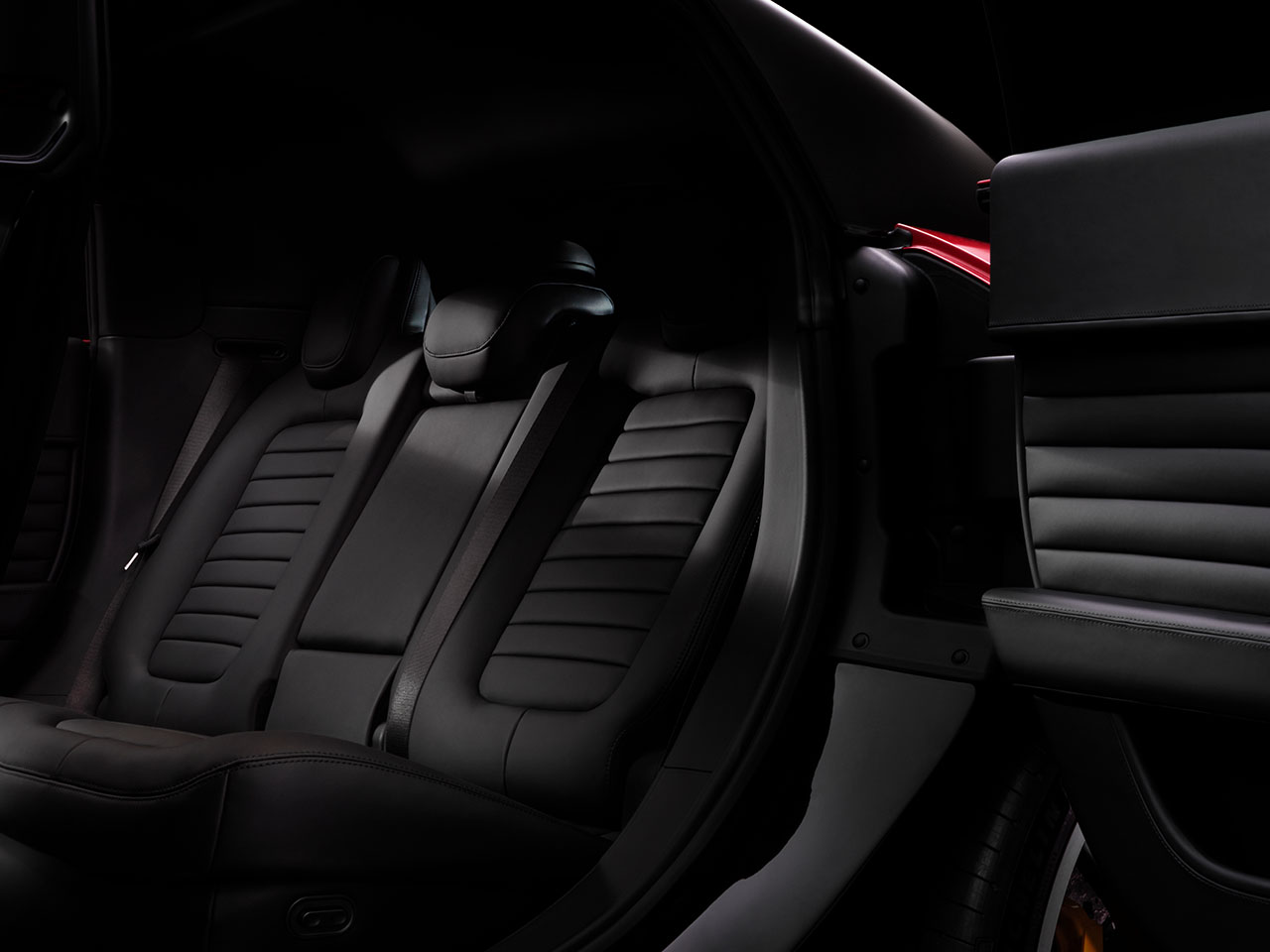
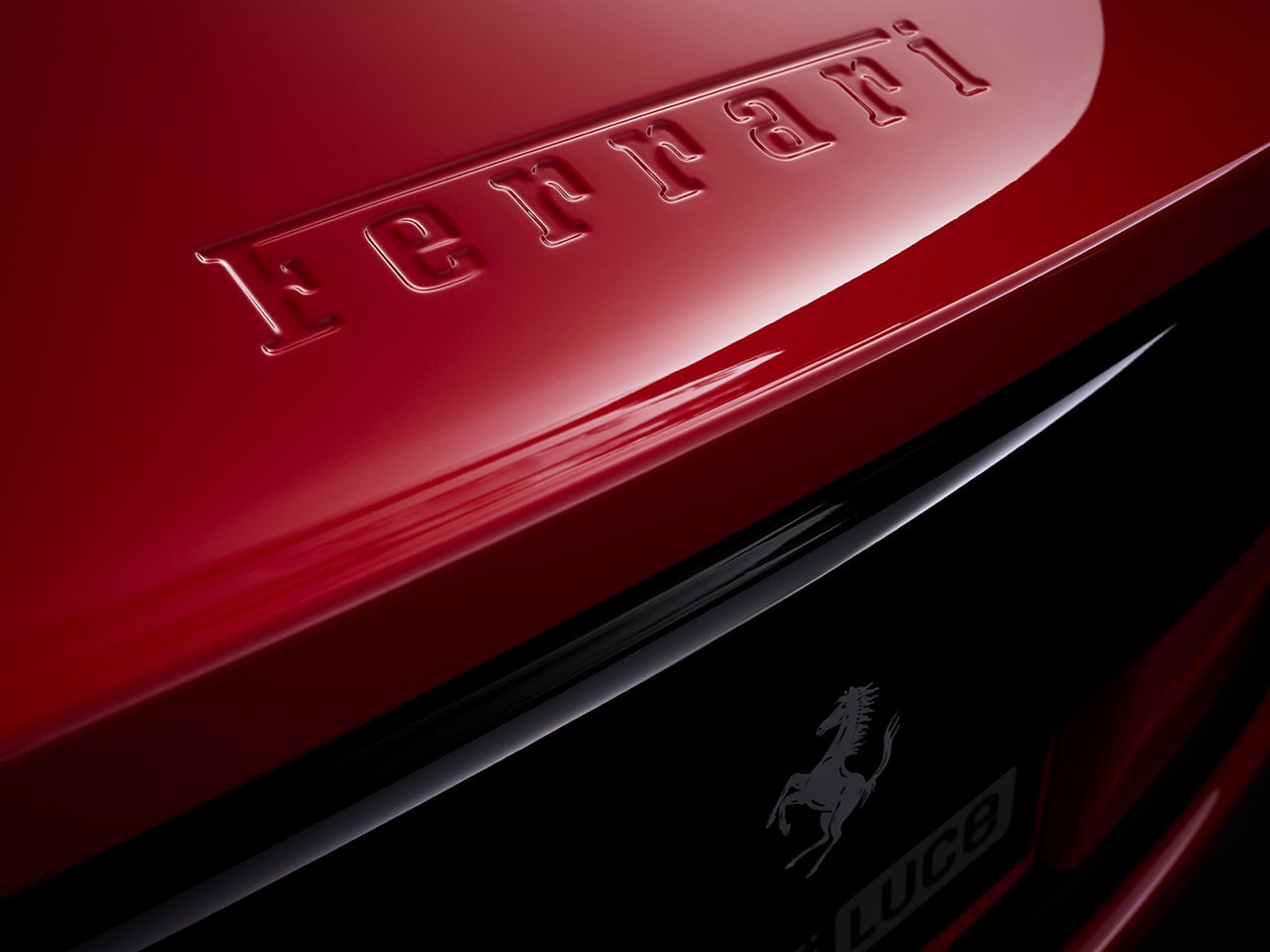
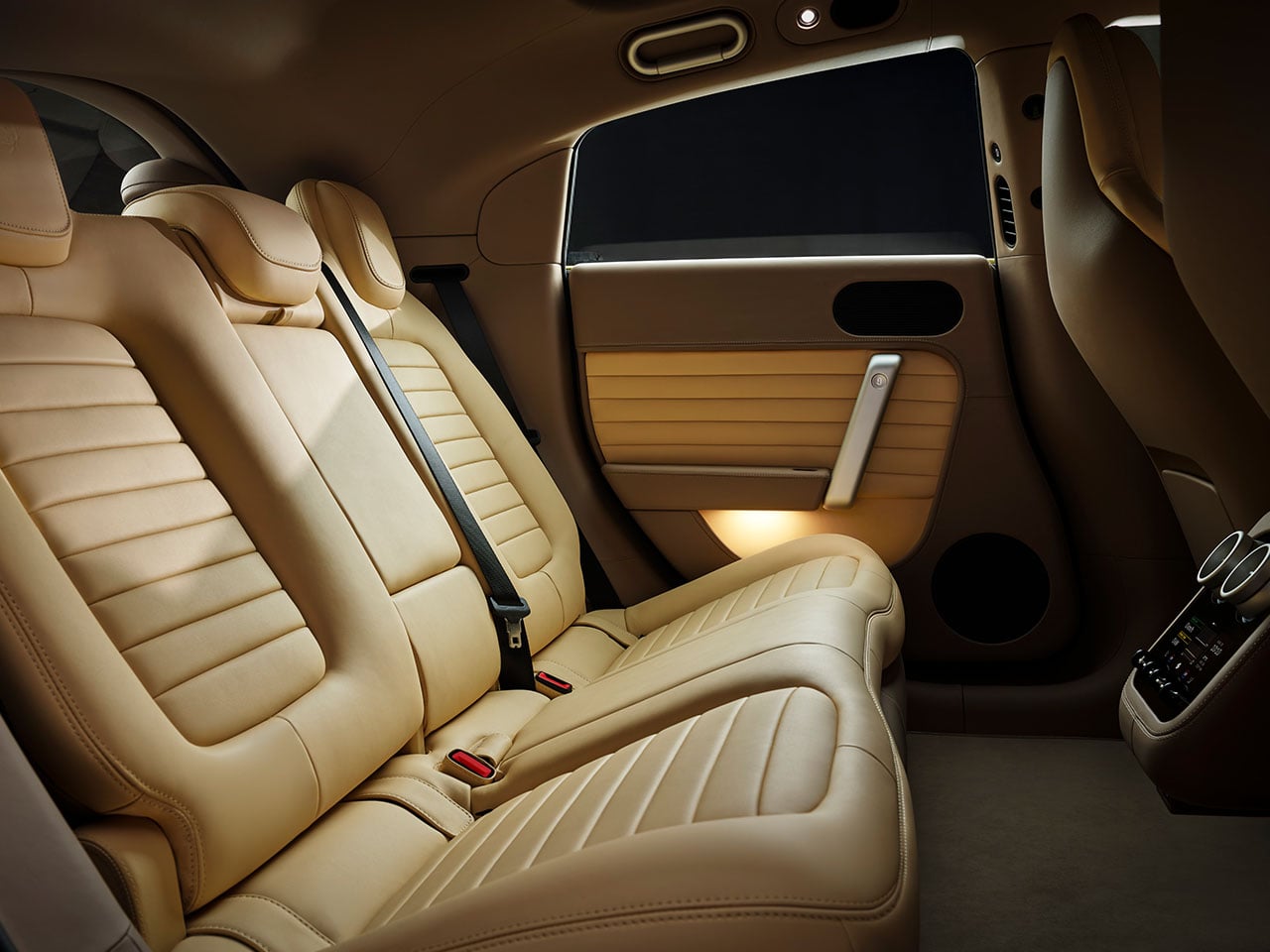
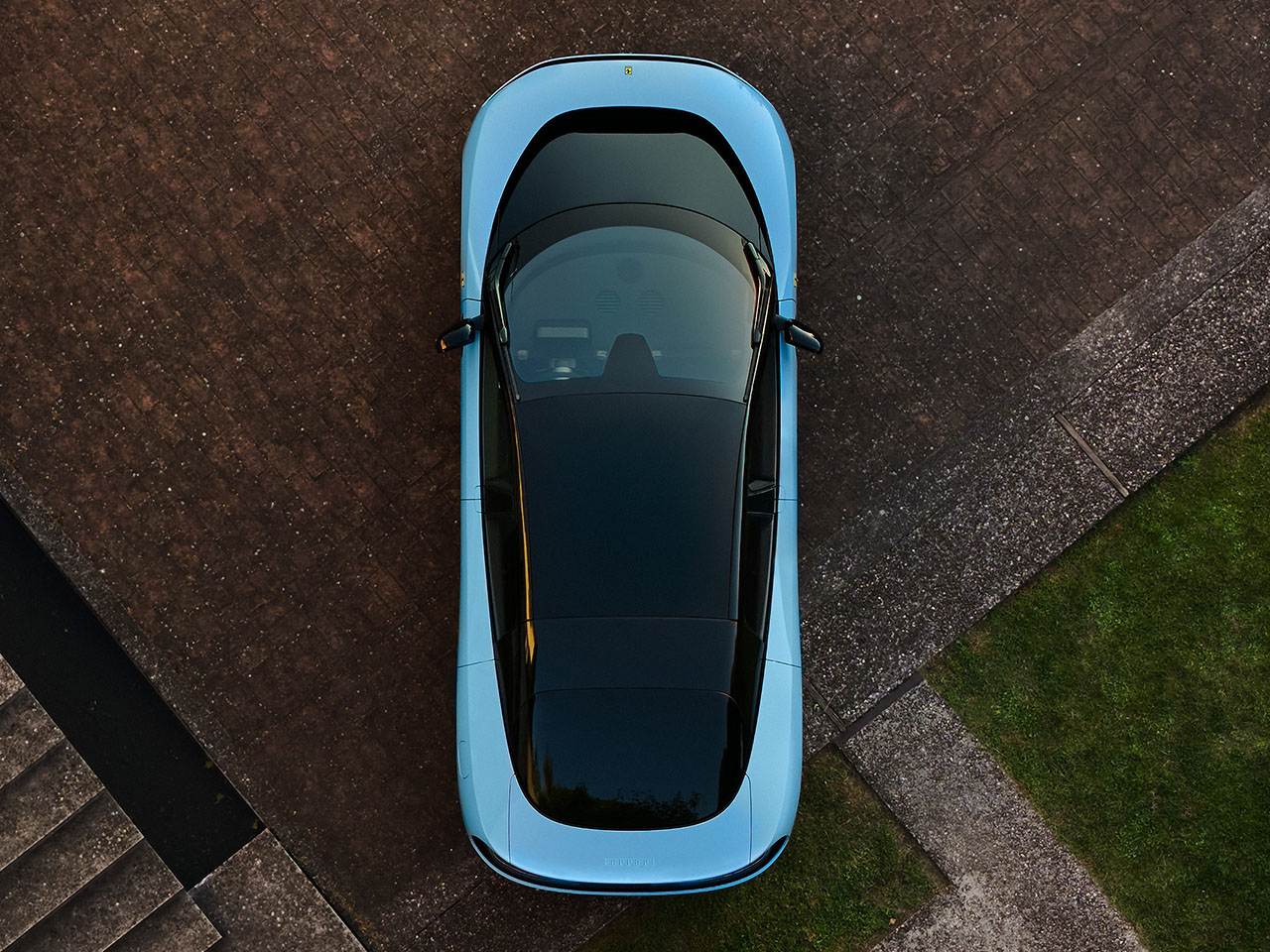
Love it or hate it, the exterior and interior done by Jhony’s design house is a radical shift from what the Italian marque is known for. The car is shaped more like a performance SUV that can safely carry around five people inside. Yes, that’s right, as the Purosangue SUV held that honor before this reveal. Under the hood, the muted prancing horse is built around a completely new all-electric architecture.

Designer: Ferrari

Ferrari Luce gets its combined 1,050 horsepower thrust from the four independent electric motors that hurl it from a standstill to 200 km/h in mere 2.5 seconds. Top speed can go in excess of 310 km/h, which is right there in the Ferrari territory. The electric motors feeding four of the wheels independently derive their power from the 122kWh battery pack developed on the 800V architecture. Driving range on this performance vehicle is claimed to be 530km, but I’m sure in the high-octane driving modes, it’ll drop quite significantly. Ferrari has confirmed that the EV supports 350kW charging speed, with more than half the battery juiced up in just 20 minutes.

The all-electric architecture and the futuristic looks are not the only big changes. Luce comes loaded with technologies never before seen on a road-legal Ferrari. Things like active aerodynamic grilles, active suspension (used in the F80 hypercar), Torque Shift Engagement system to simulate progressive acceleration, and the four-wheel independent torque vectoring we talked about earlier. The Italian marque has also been able to achieve the lowest drag coefficient ever on a road car thanks to the aerodynamic all-aluminum bodywork and the adaptive ride height system, which lowers the front section by 10mm at high speeds.

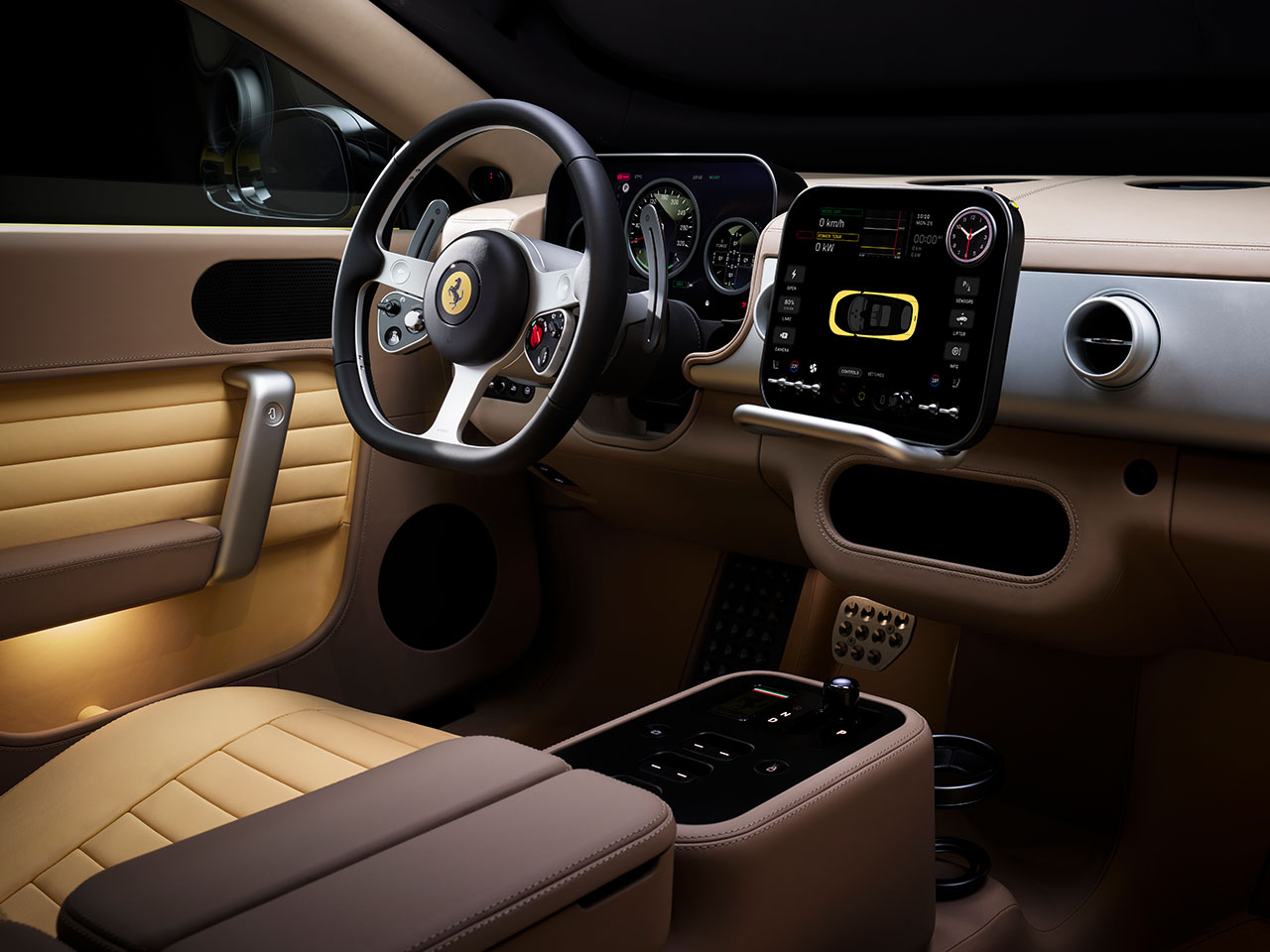
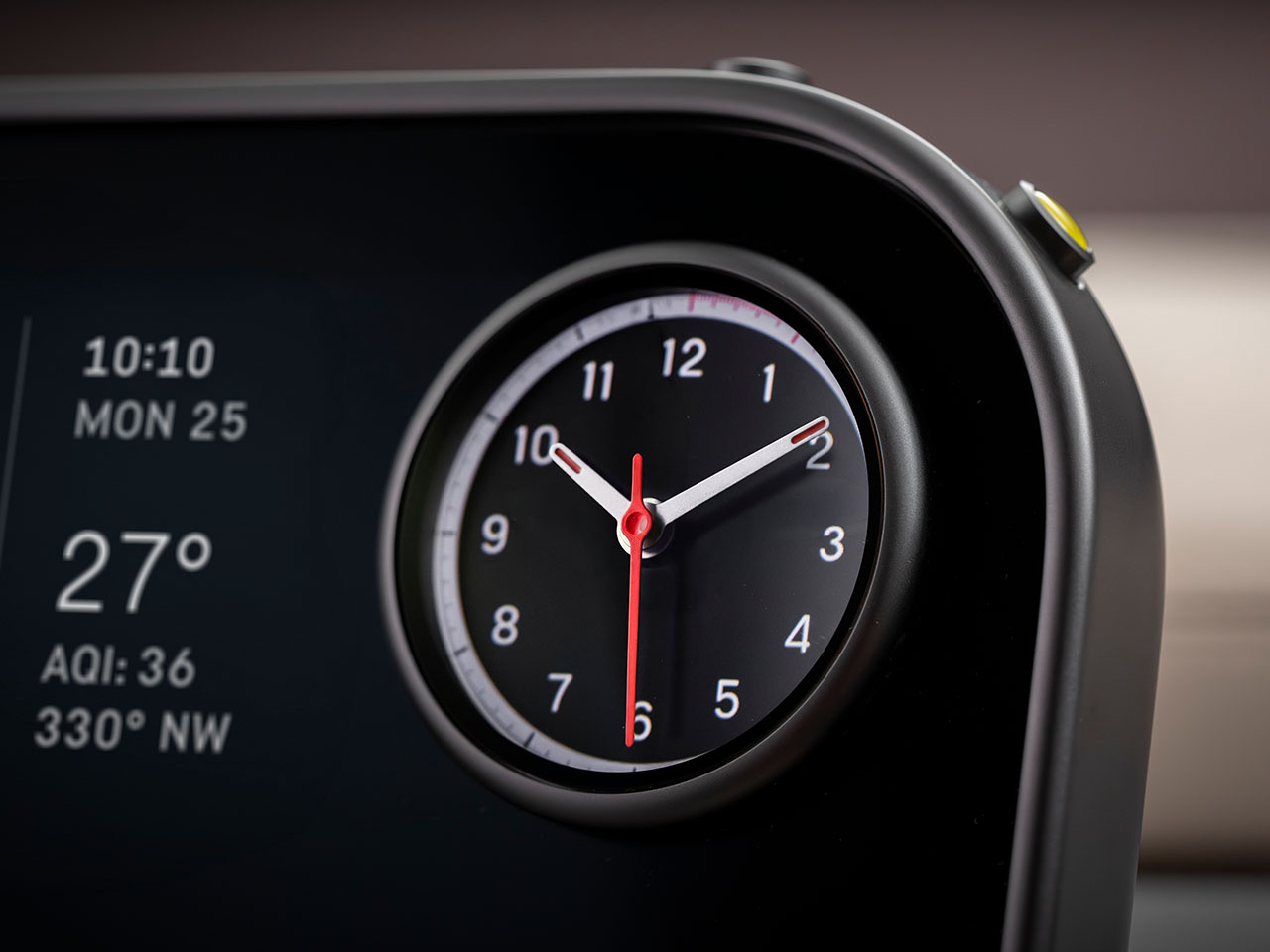
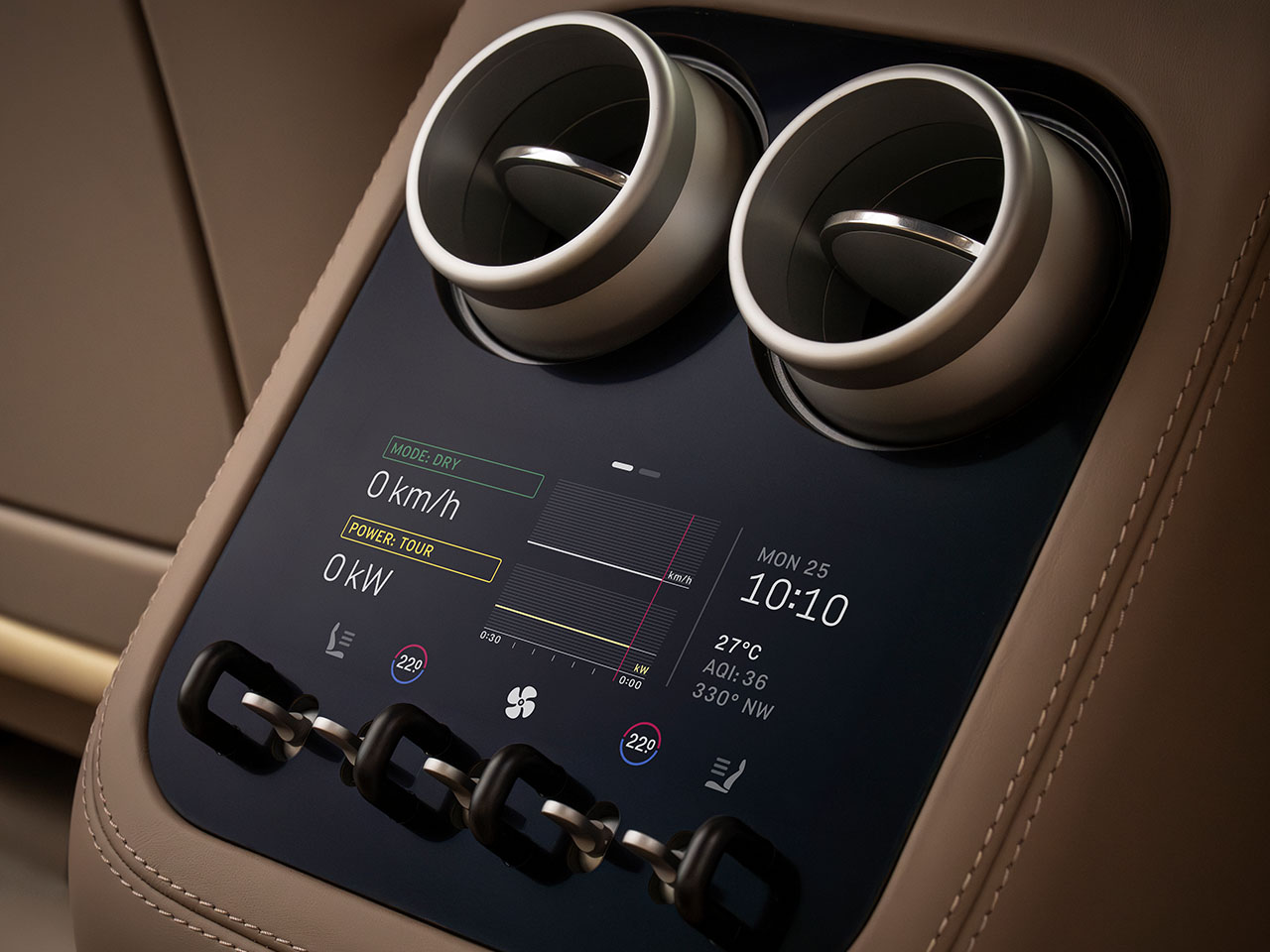
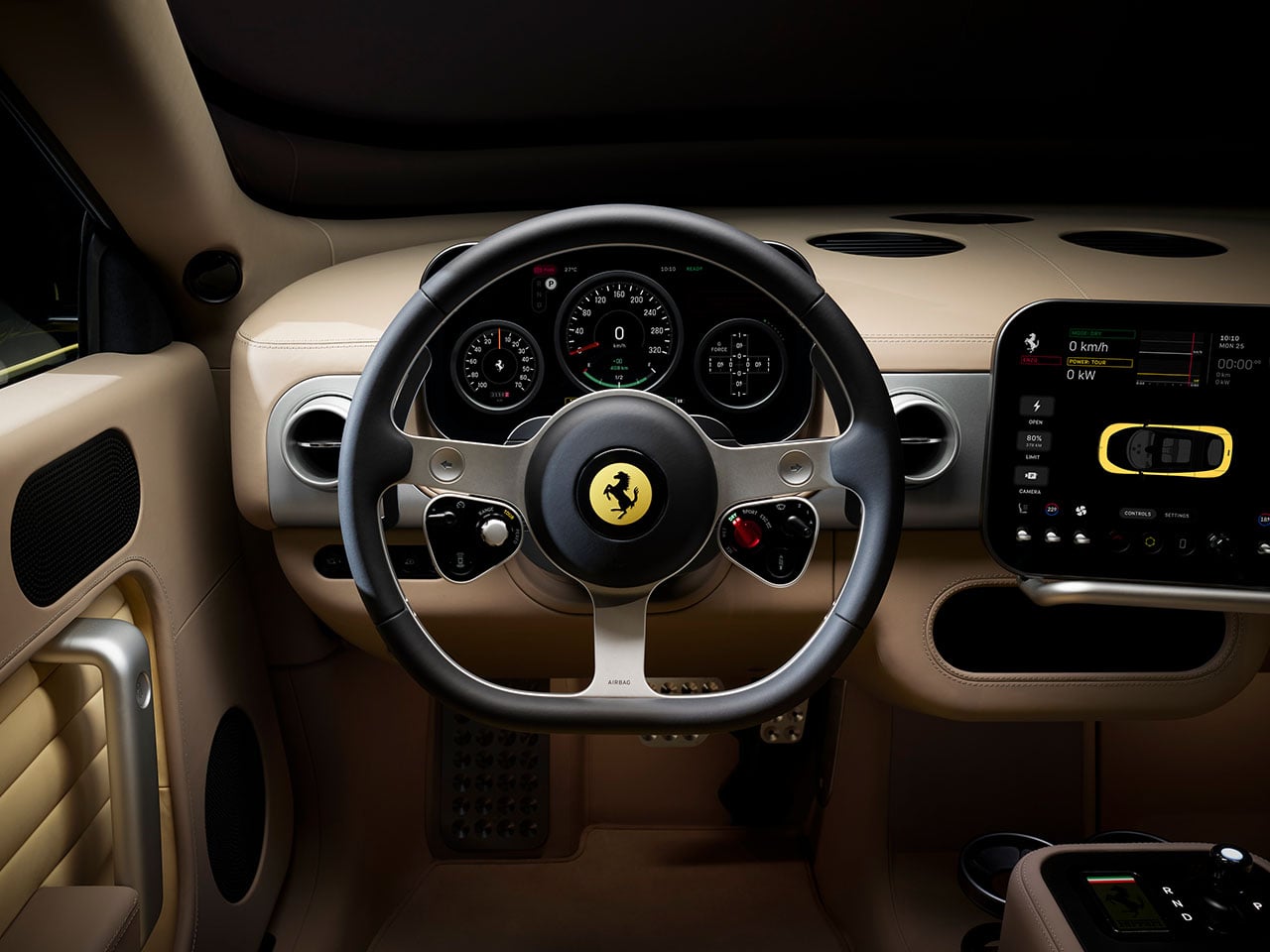
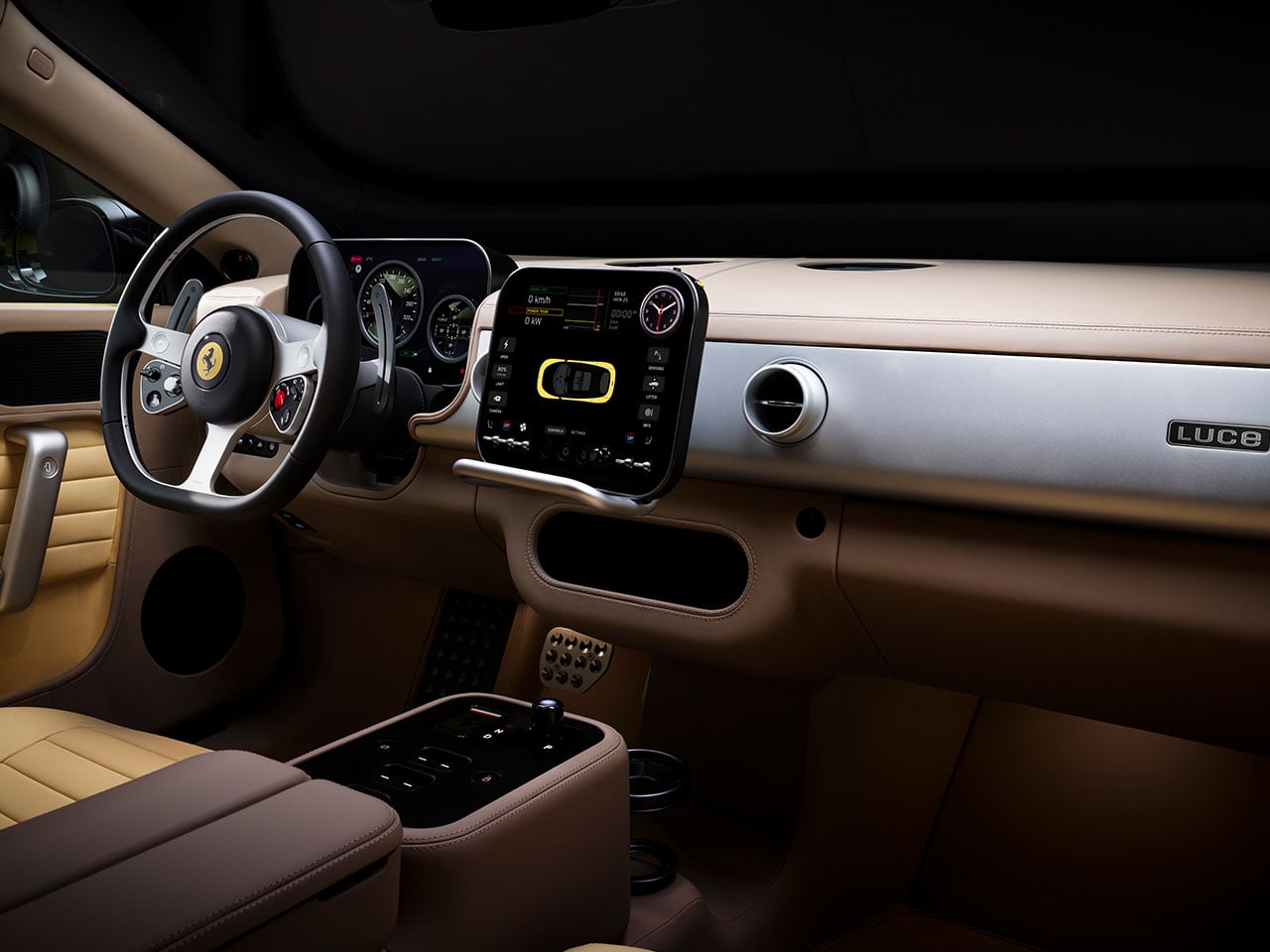
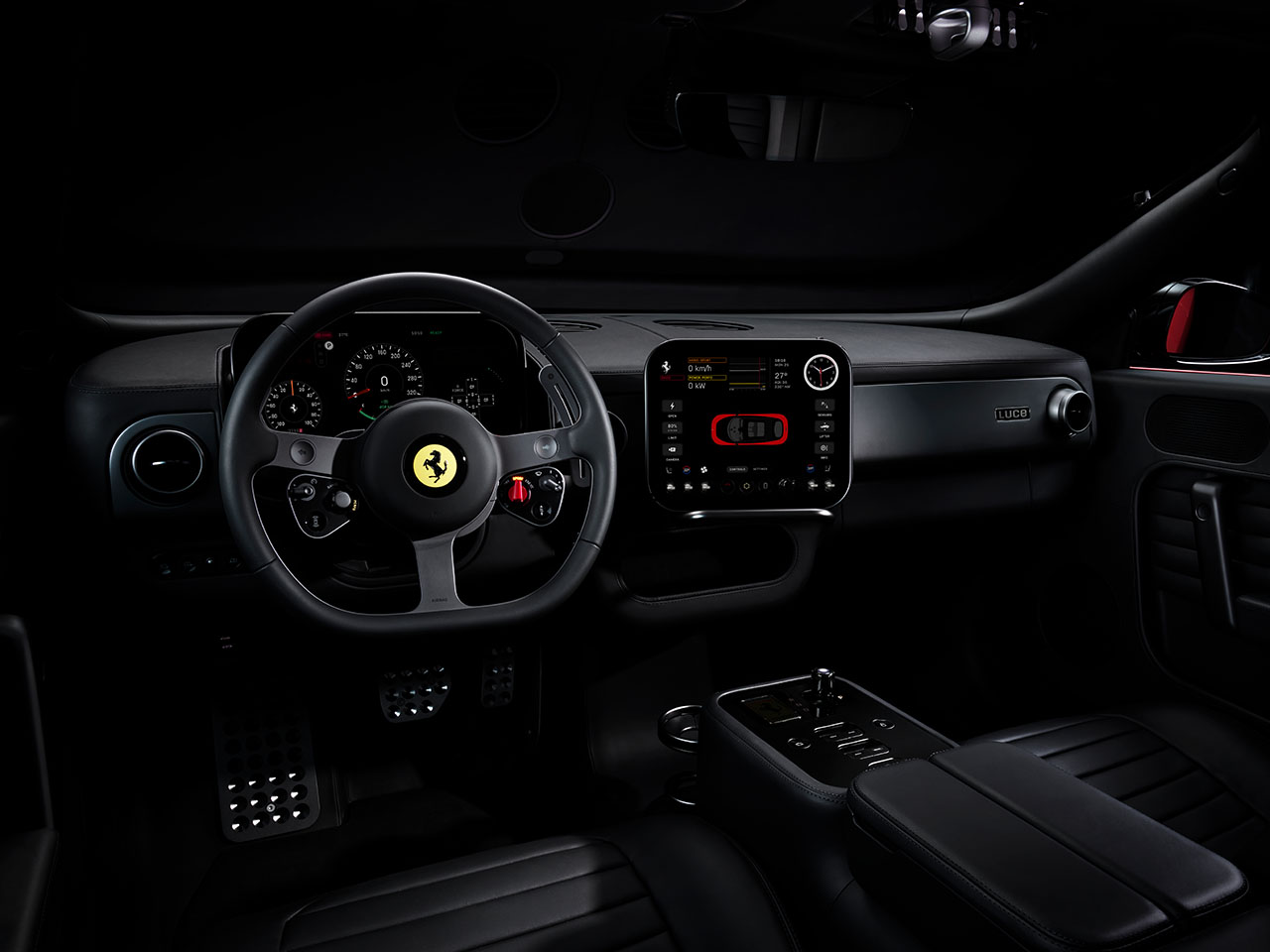
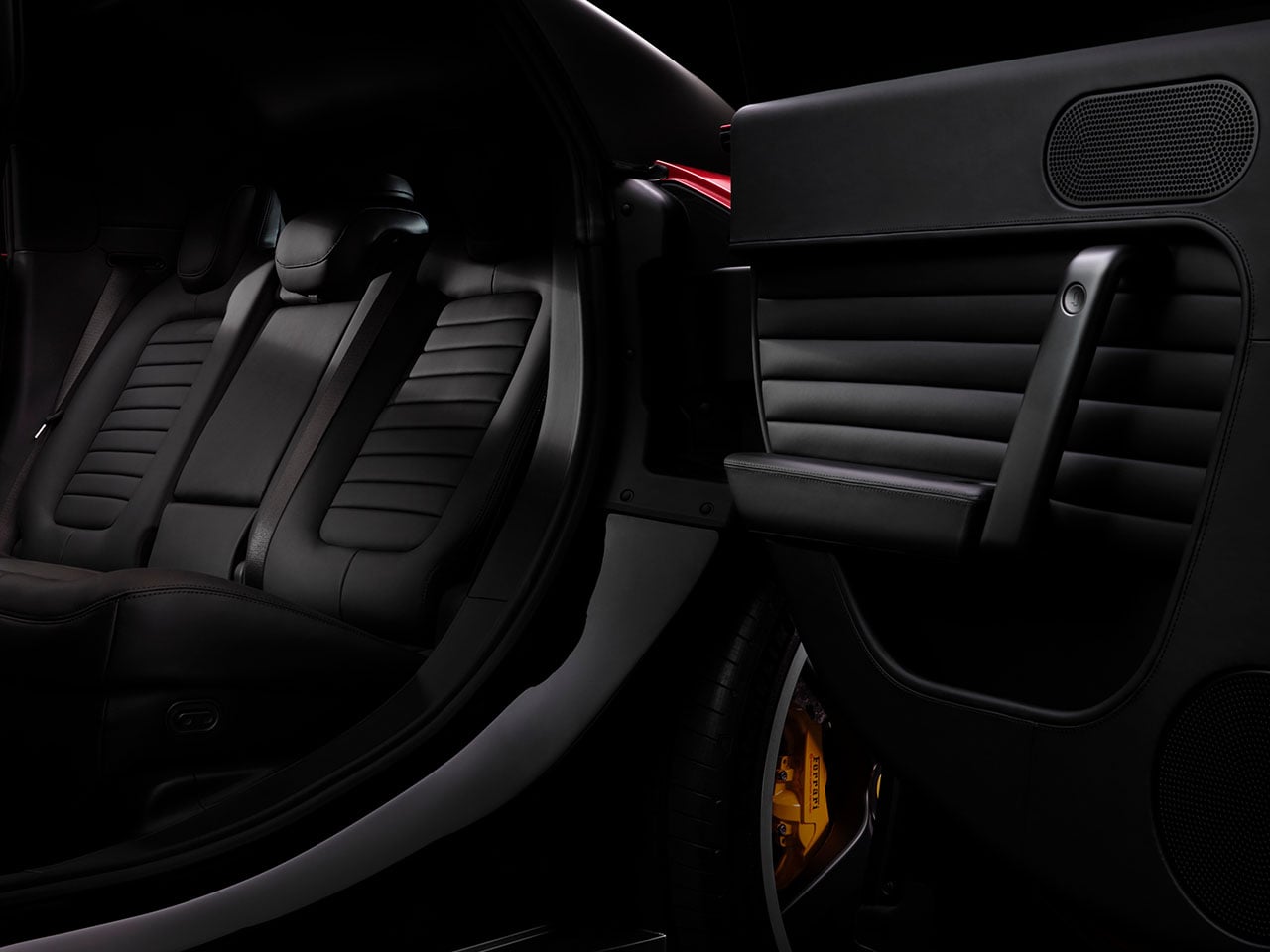
Cabin on this one is far forward than any other Ferrari we’ve seen, and the center-opening side doors demonstrate what influence LoveFrom has had on the EV sports car. The futuristic front seems floating, while the rear has a more Ferrari sports car vibe to it. Nonetheless, the overall exterior design is “smooth, continuous, and uninterrupted.” The interior carries the same futuristic design inspiration with a Samsung Display developed OLED layered dashboard that employs Samsung’s HIAA tech, natively used in Galaxy phones. The layered layout of the instrument cluster is first ever seen on a production car, as the two OLED panels stacked on top of each other have mechanical hands sandwiched between them. There’s a central pivoting touchscreen with physical switches on the Luce, and another screen on the rear for the passengers. The aluminum steering wheel has a couple of manettino dials, an e-manettino dial to control the powertrain, and a standard five-position unit.

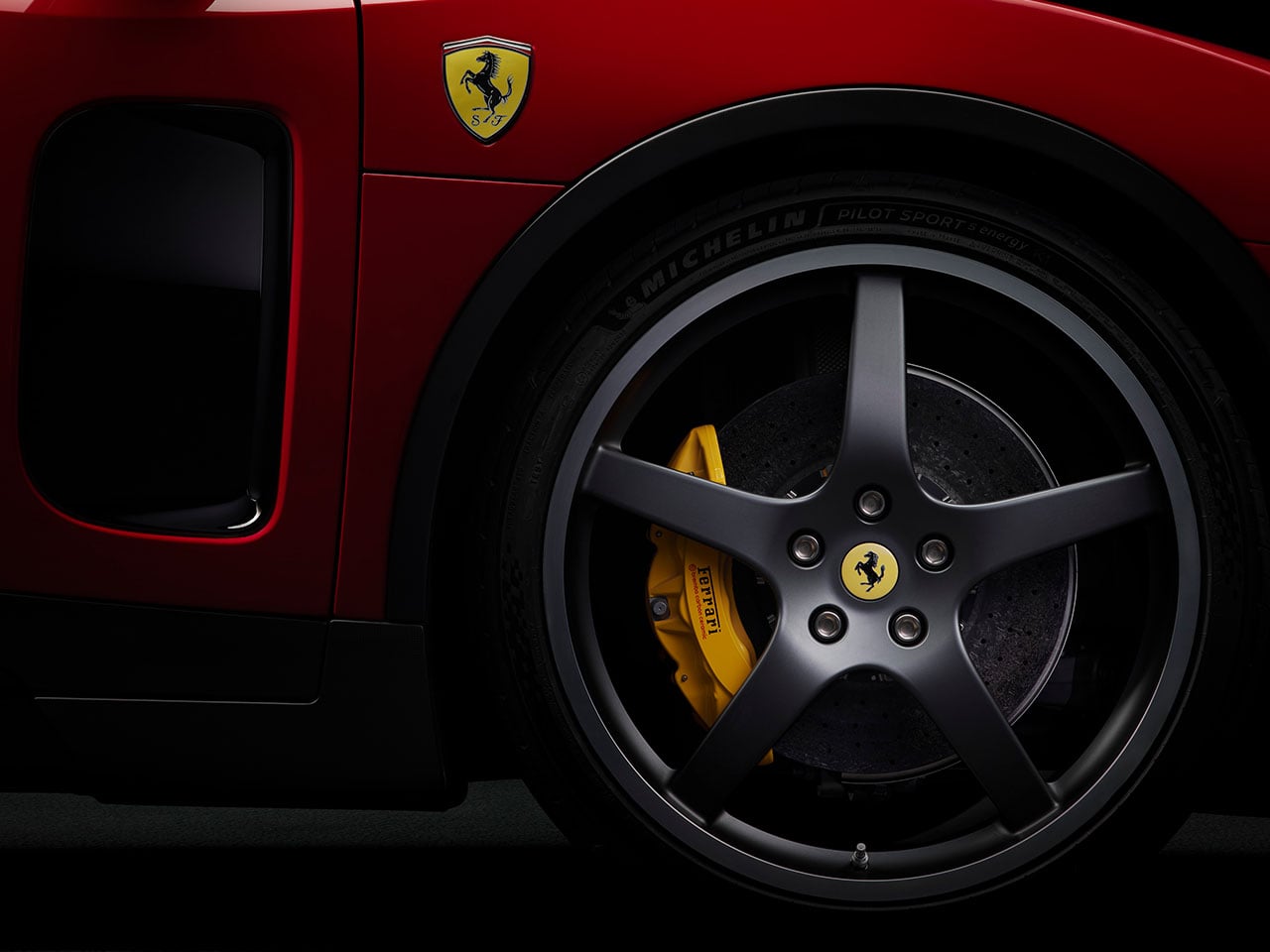
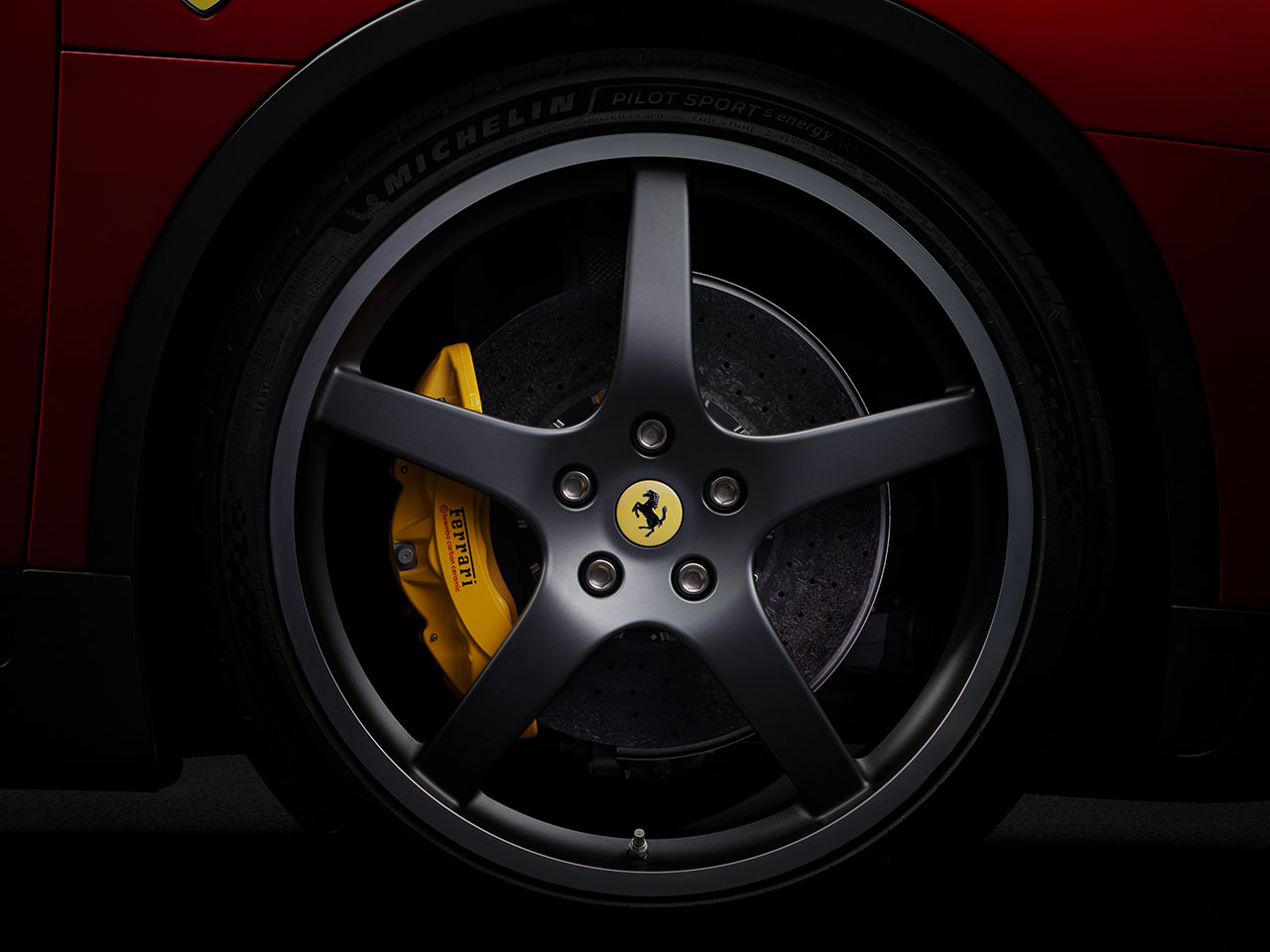
Ferrari Luce has a total curb weight of 4,982 pounds, measures 197.9 inches long, and 60.8 inches high. This gives the maker freedom to set the center of gravity quite low for superior handling and minimum body roll, as the weight distribution is done quite well for sharper handling characteristics. Being one of the biggest road-going Ferraris ever made, the performance EV rides on 23-inch front and 24-inch rear wheels to complement the proportions.

The post Ferrari Luce brings Jony Ive’s clean design philosophy to electric sports car built for pure driving emotion first appeared on Yanko Design.