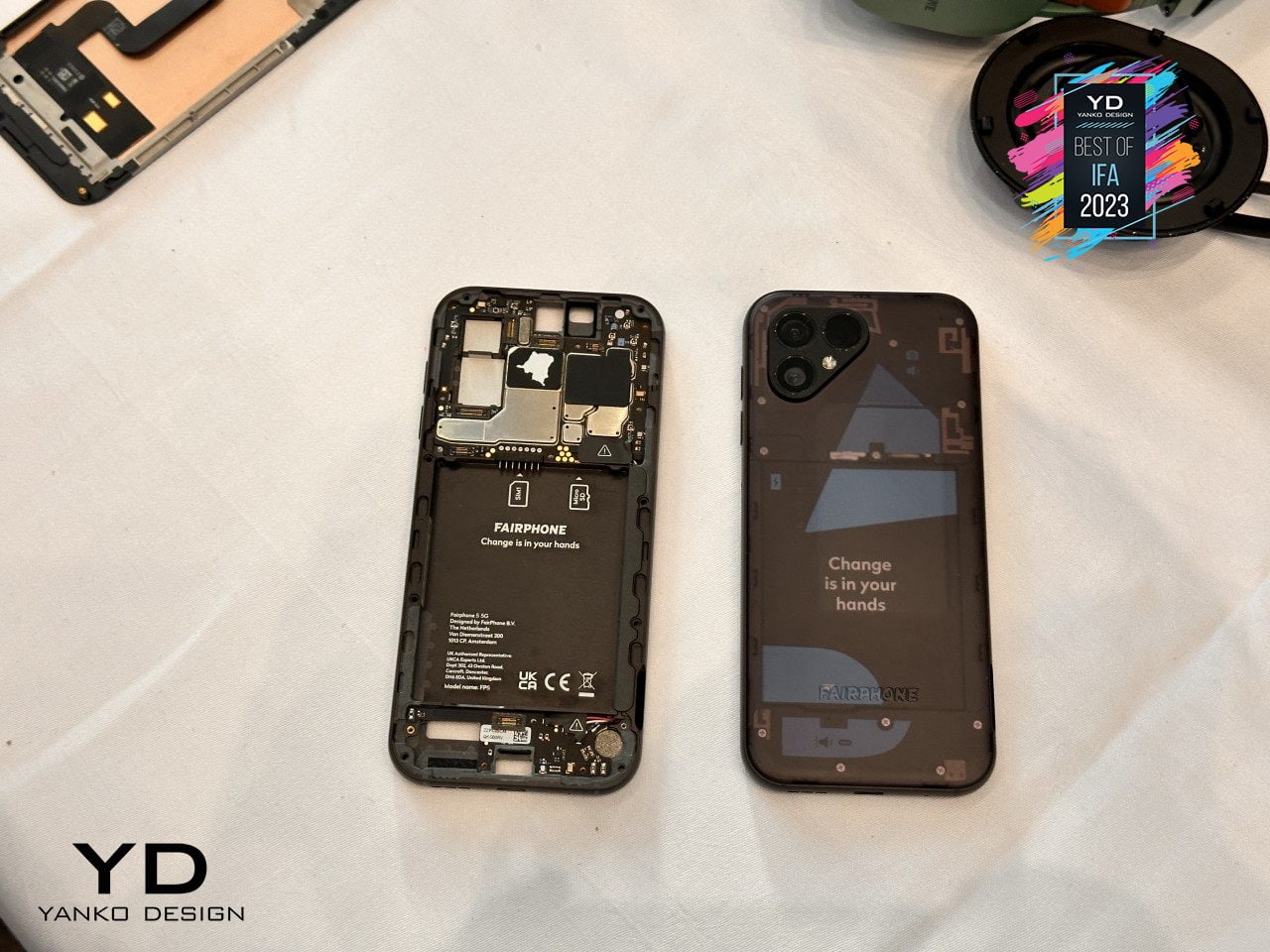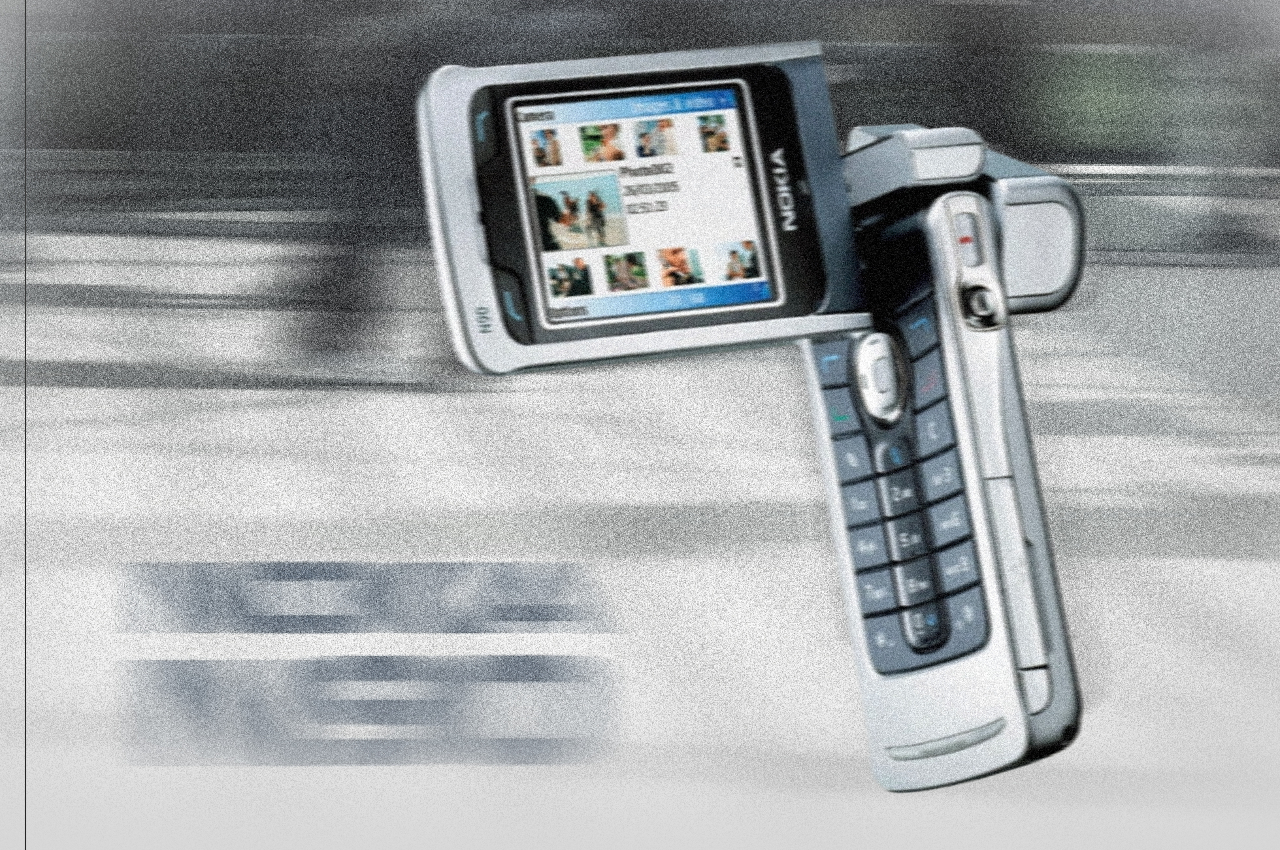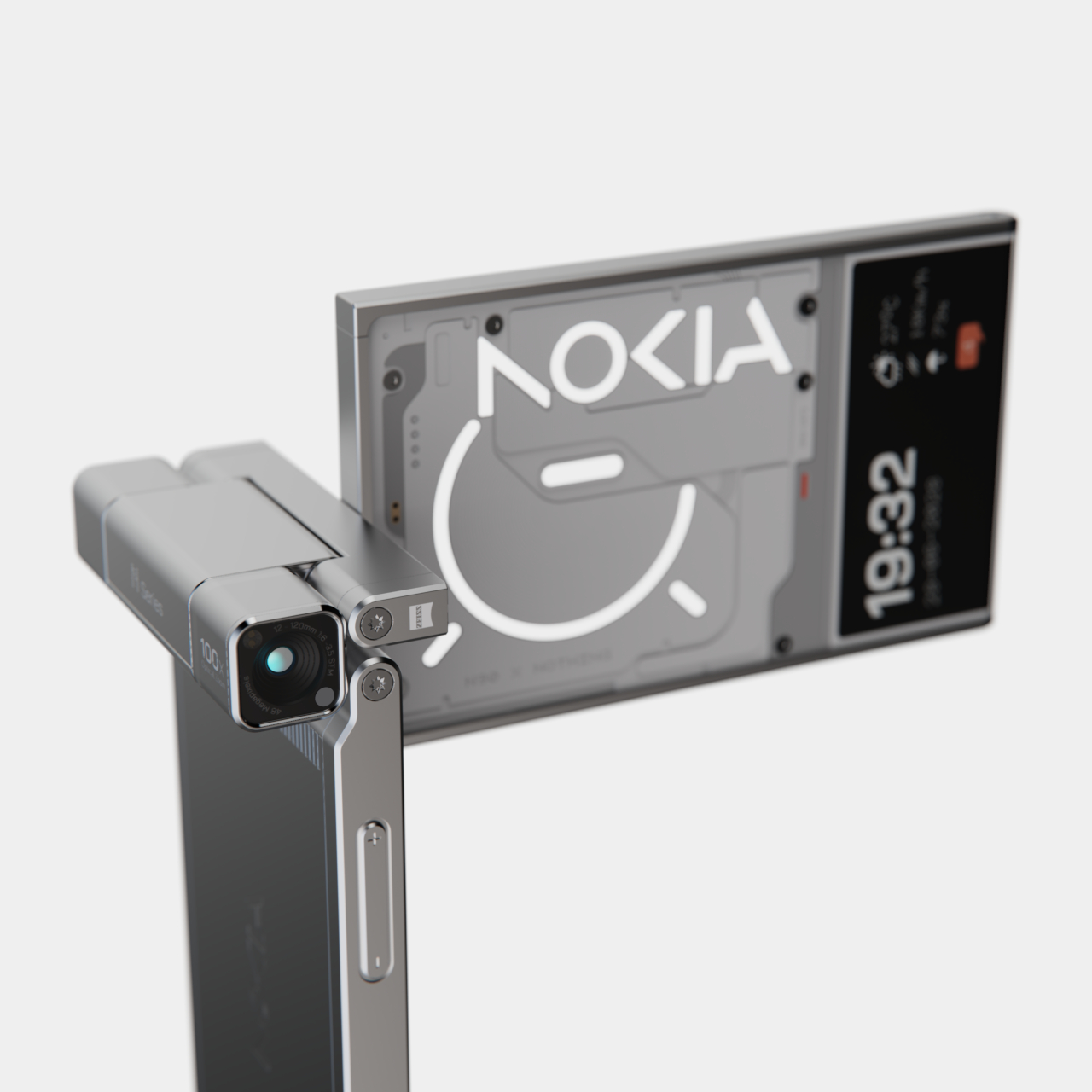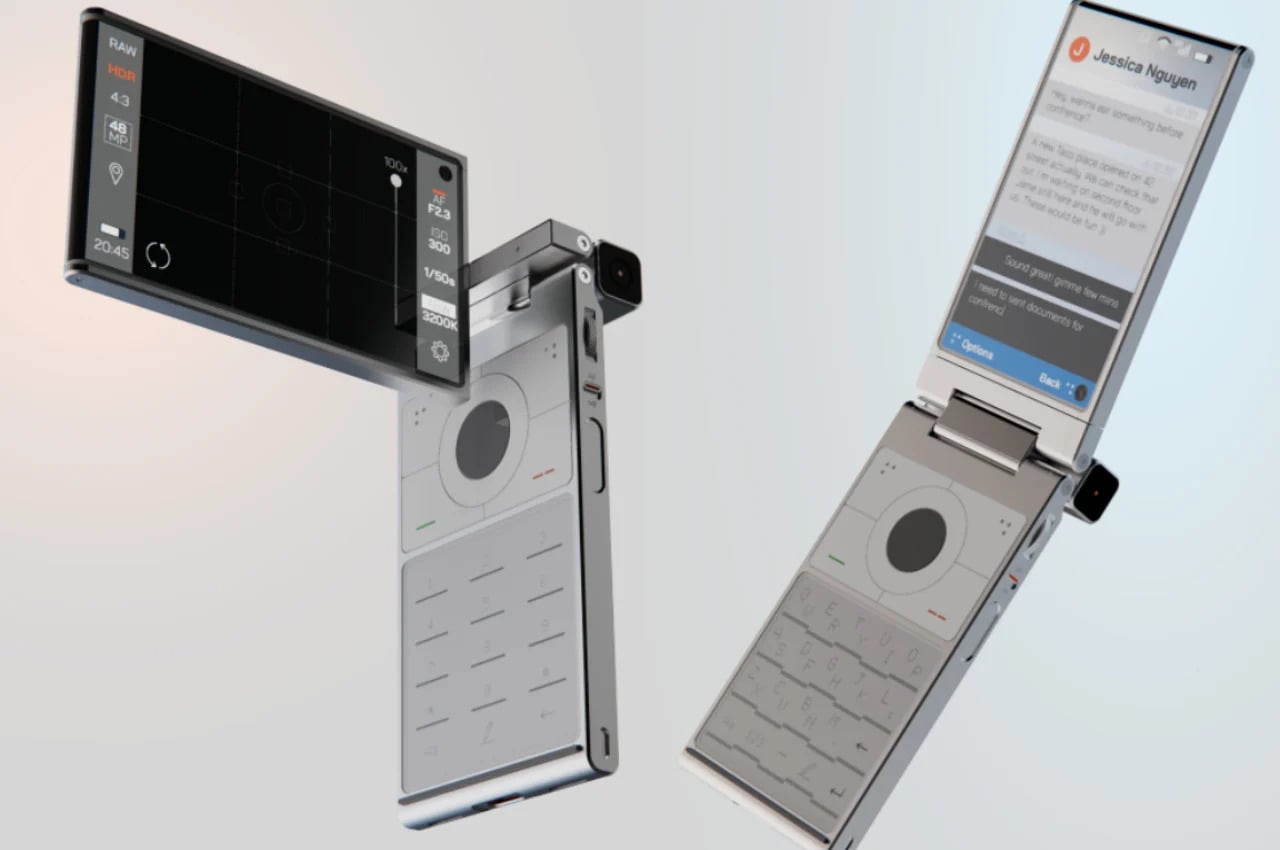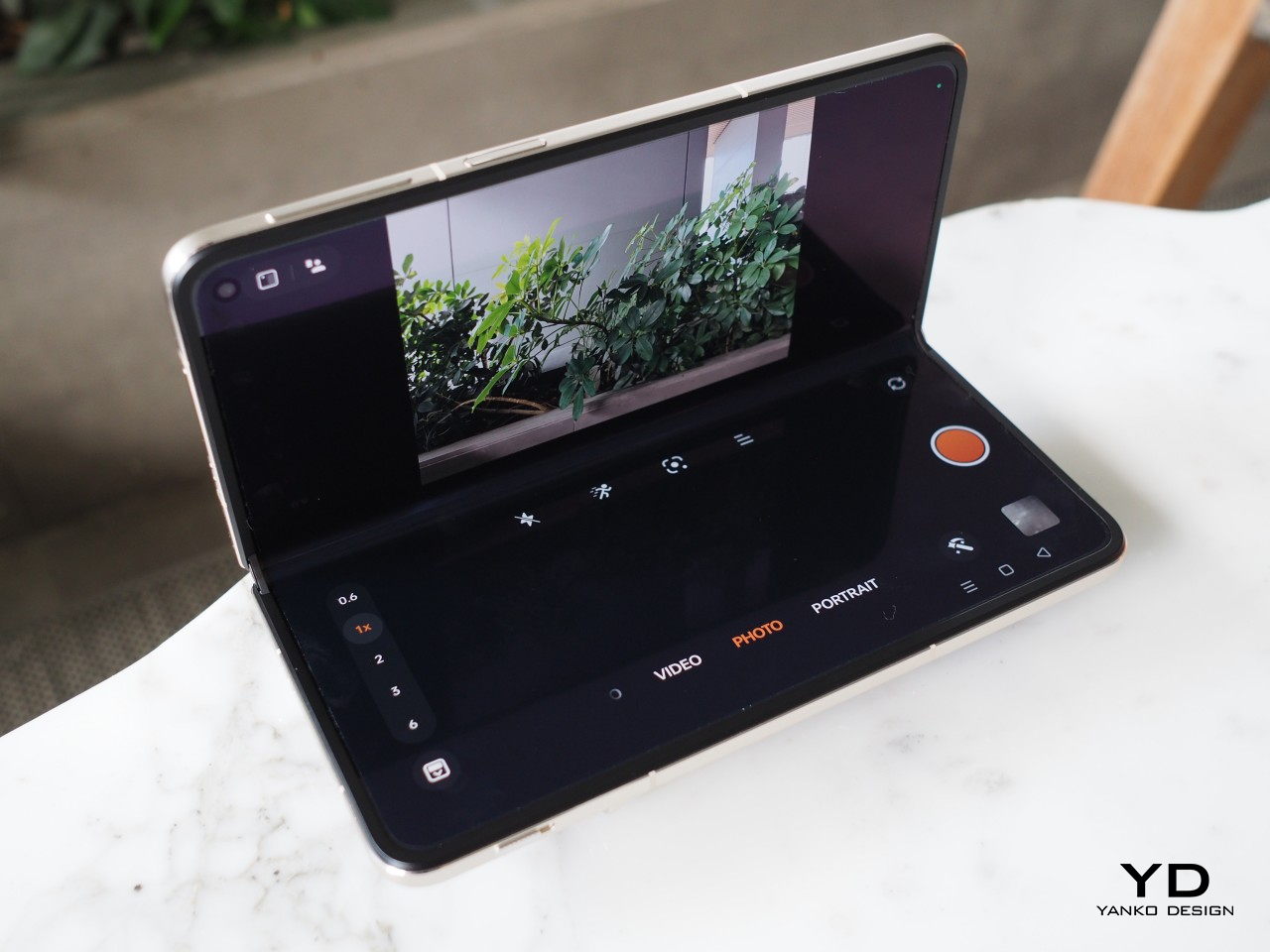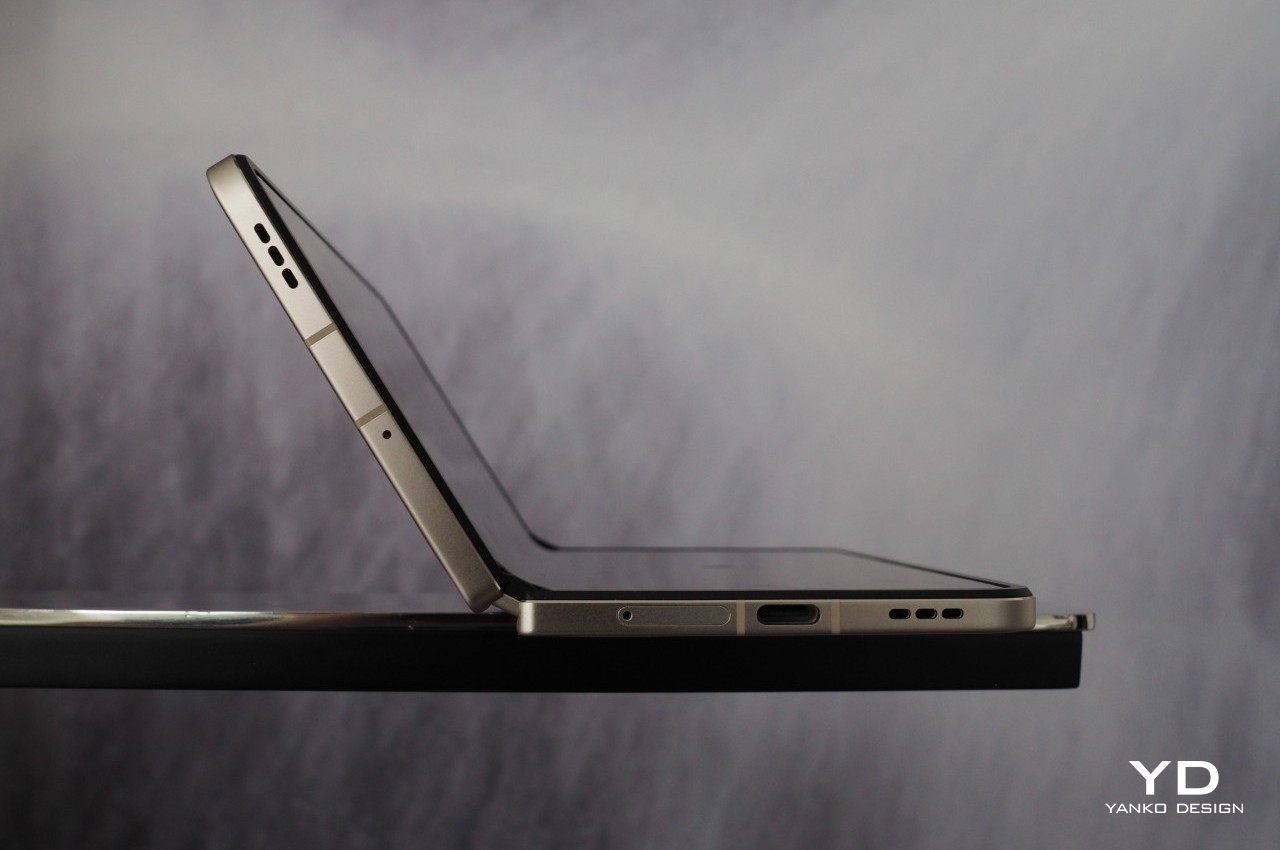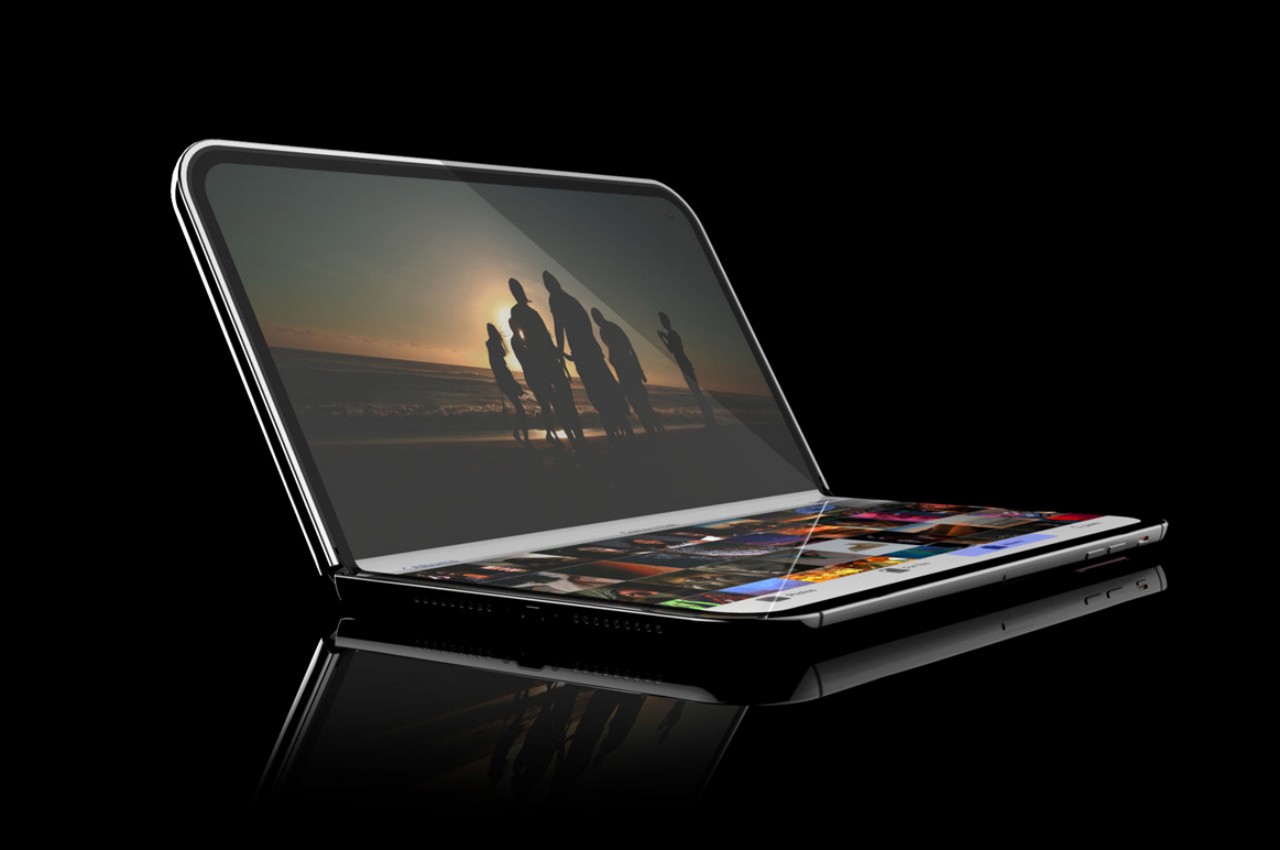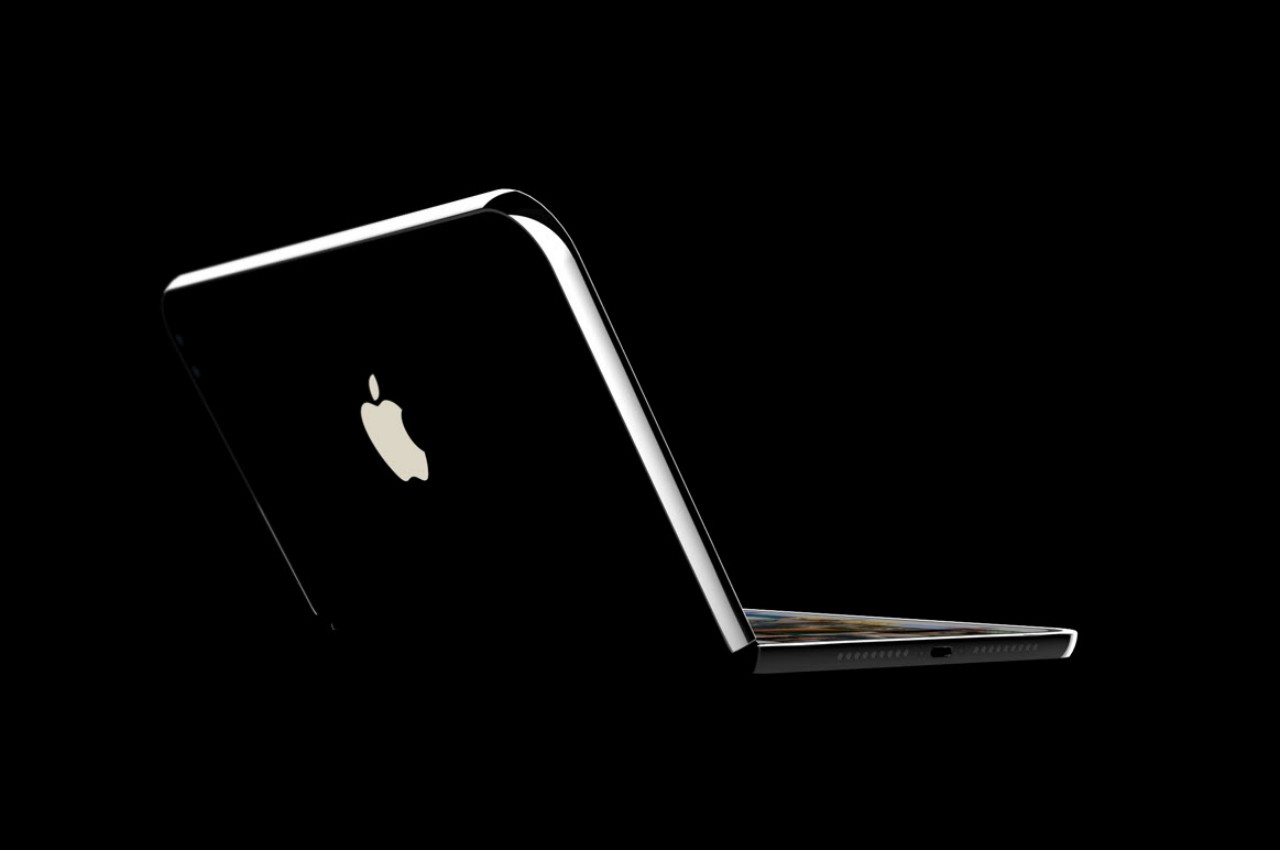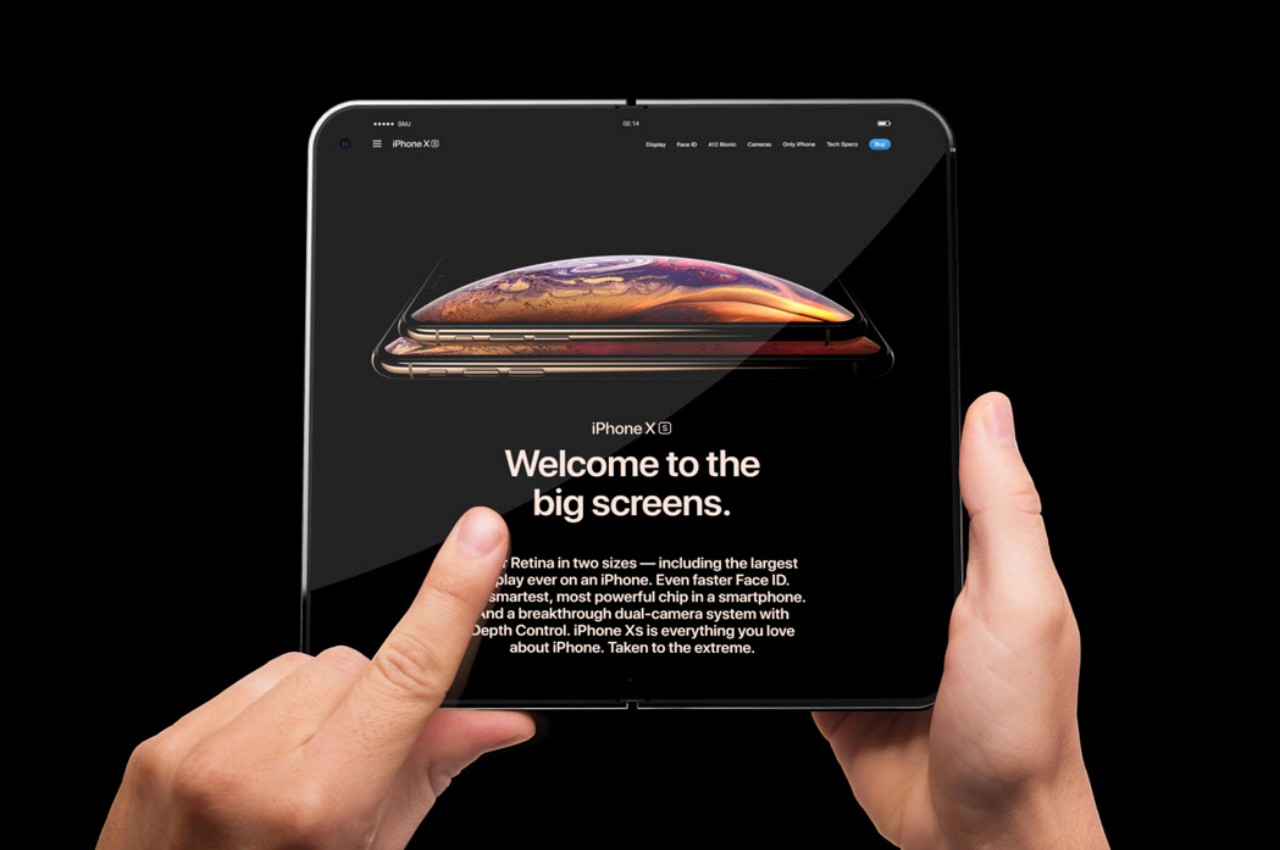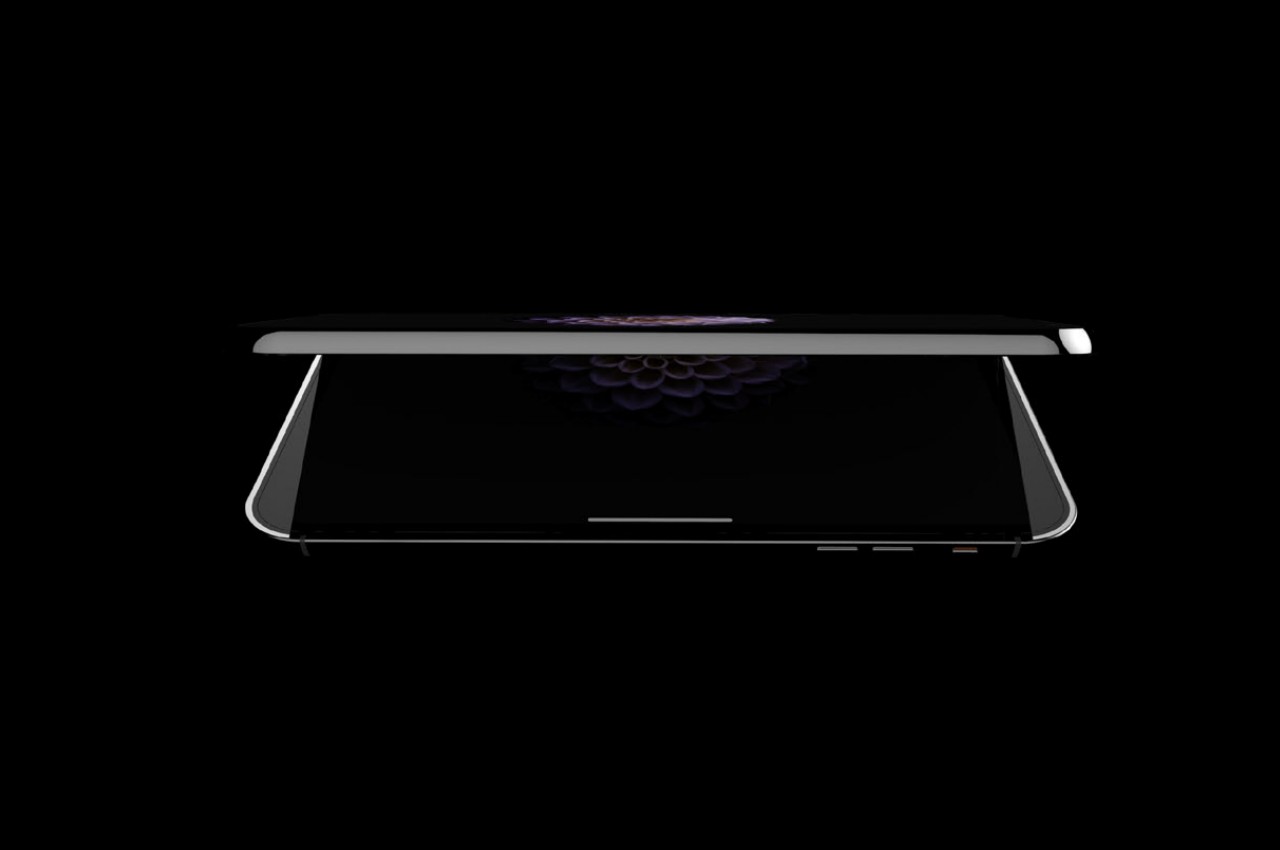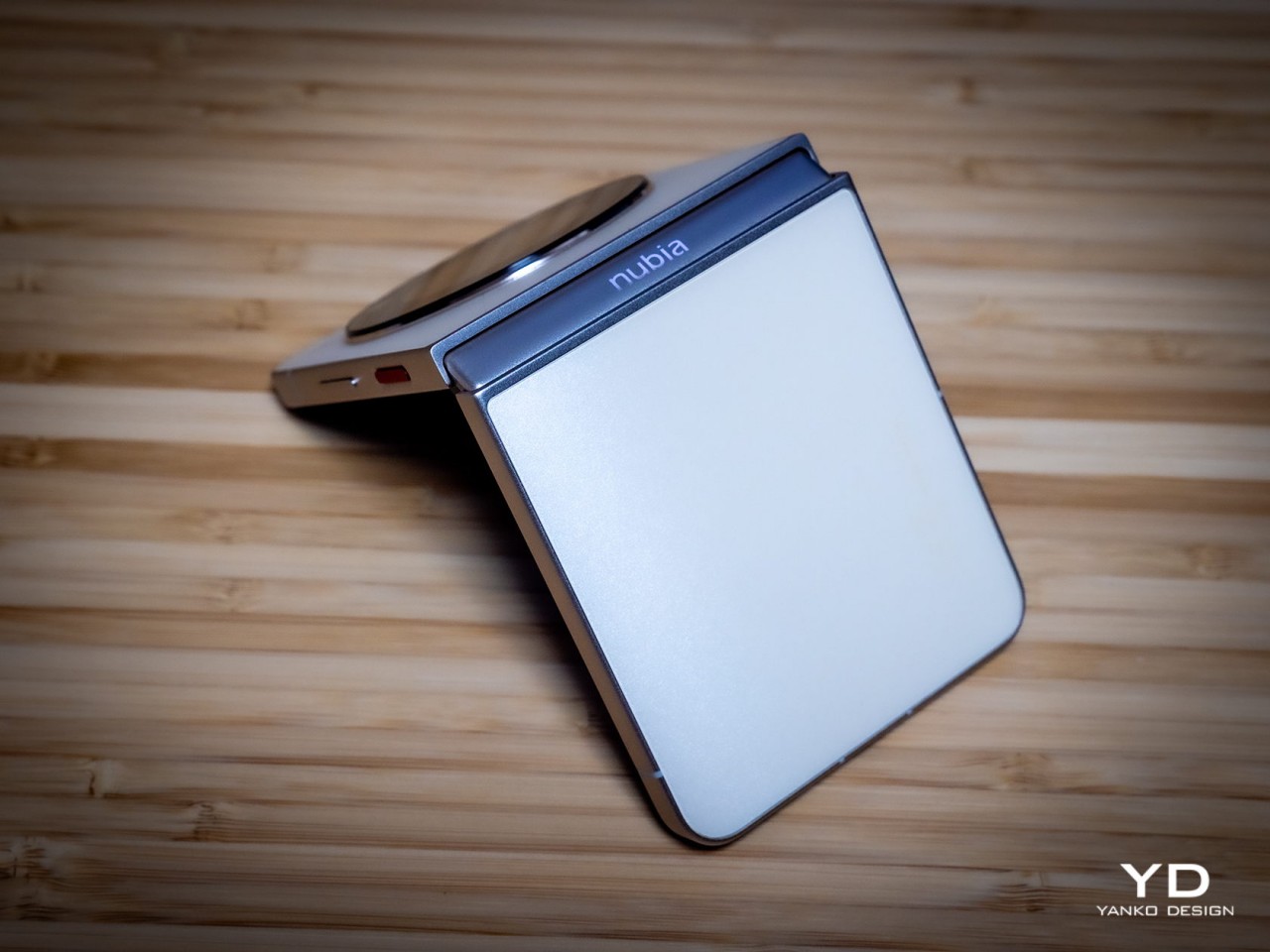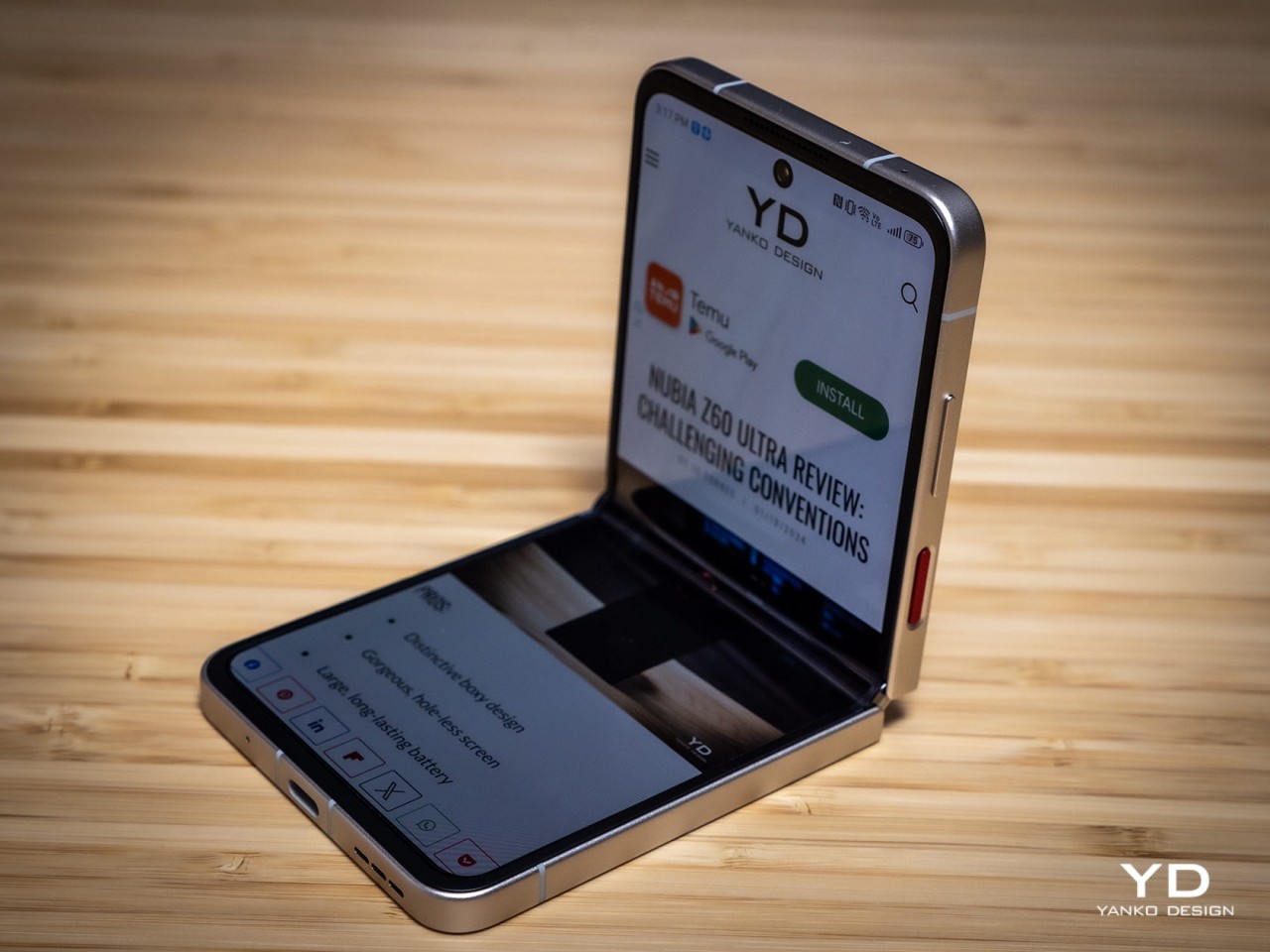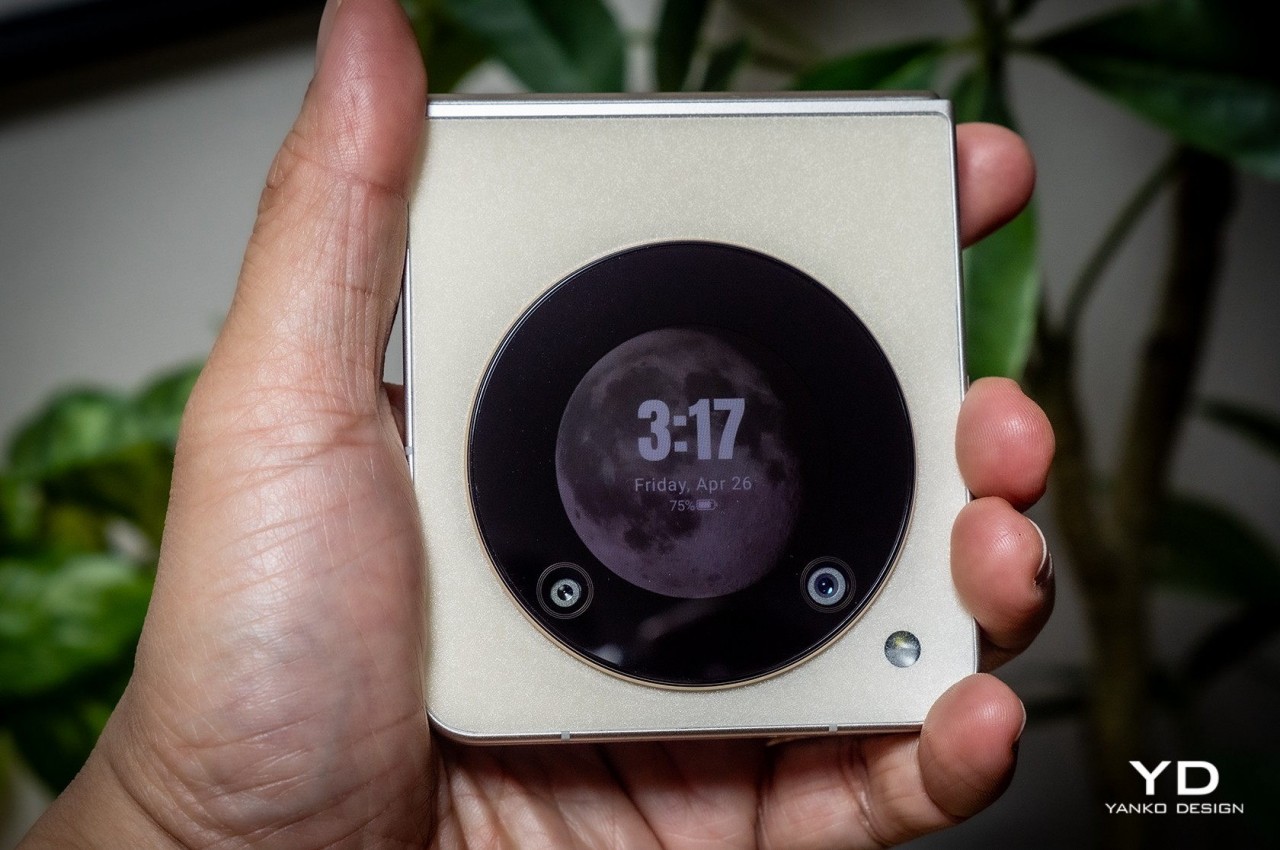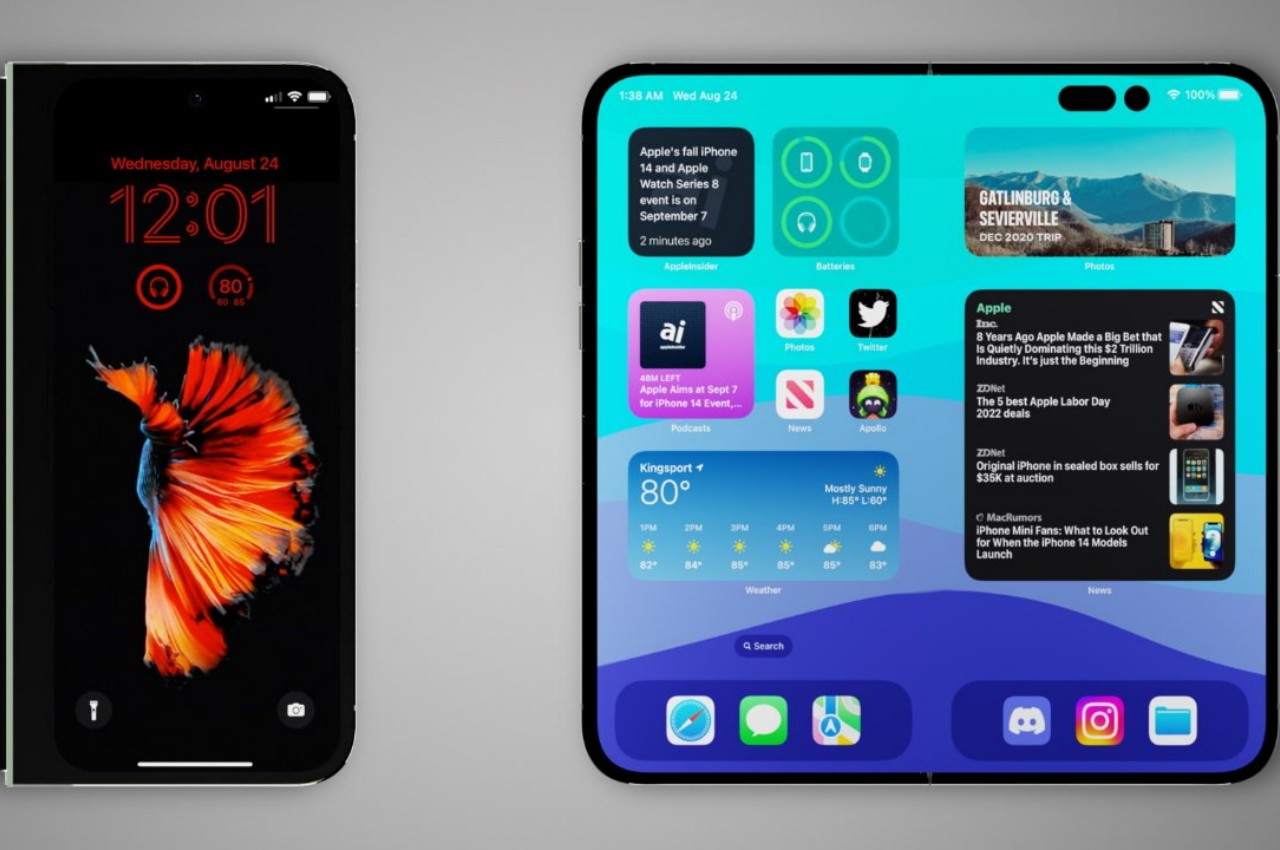
Foldable Phone Designs are about to get more interesting but also less diverse

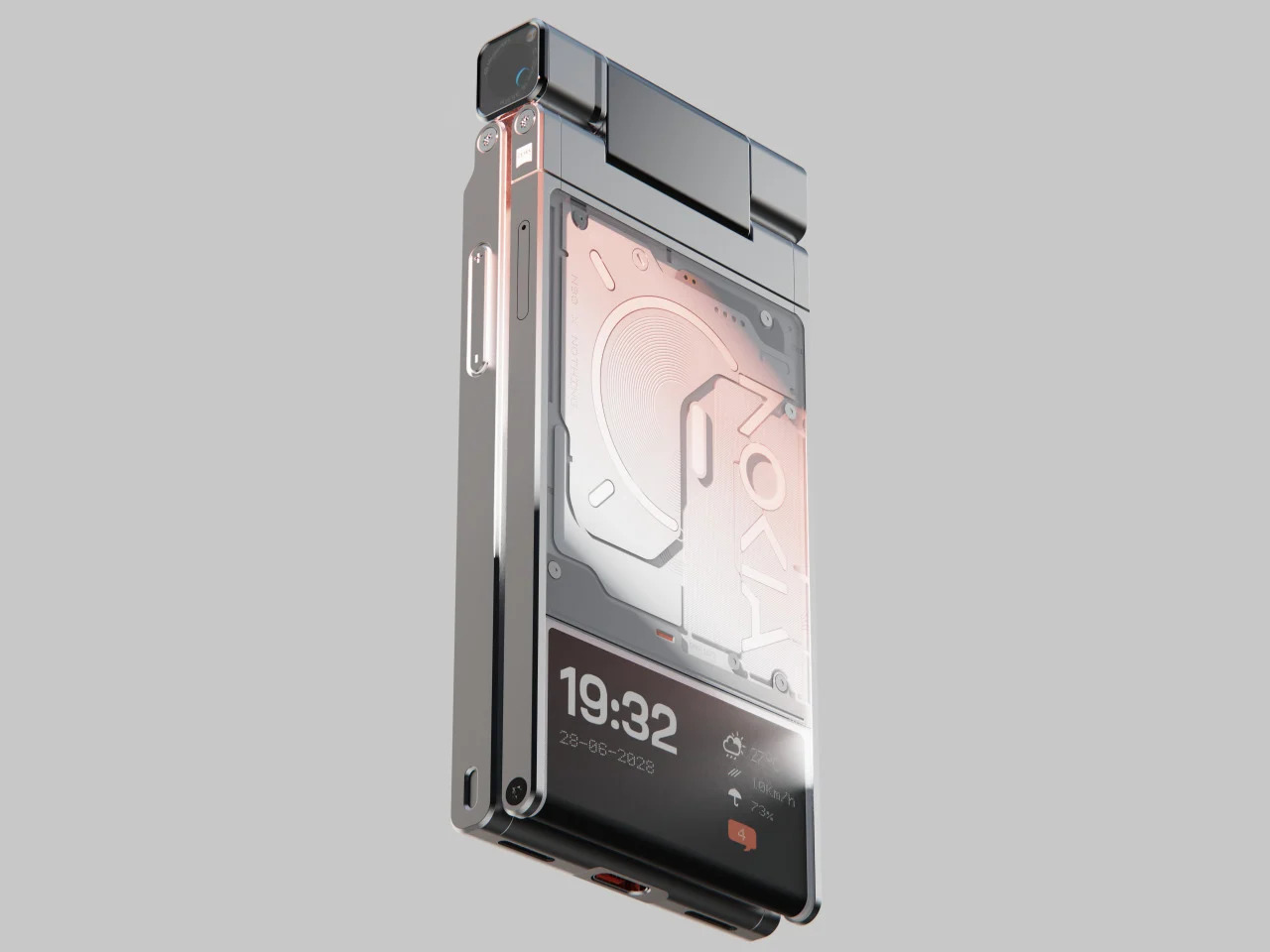
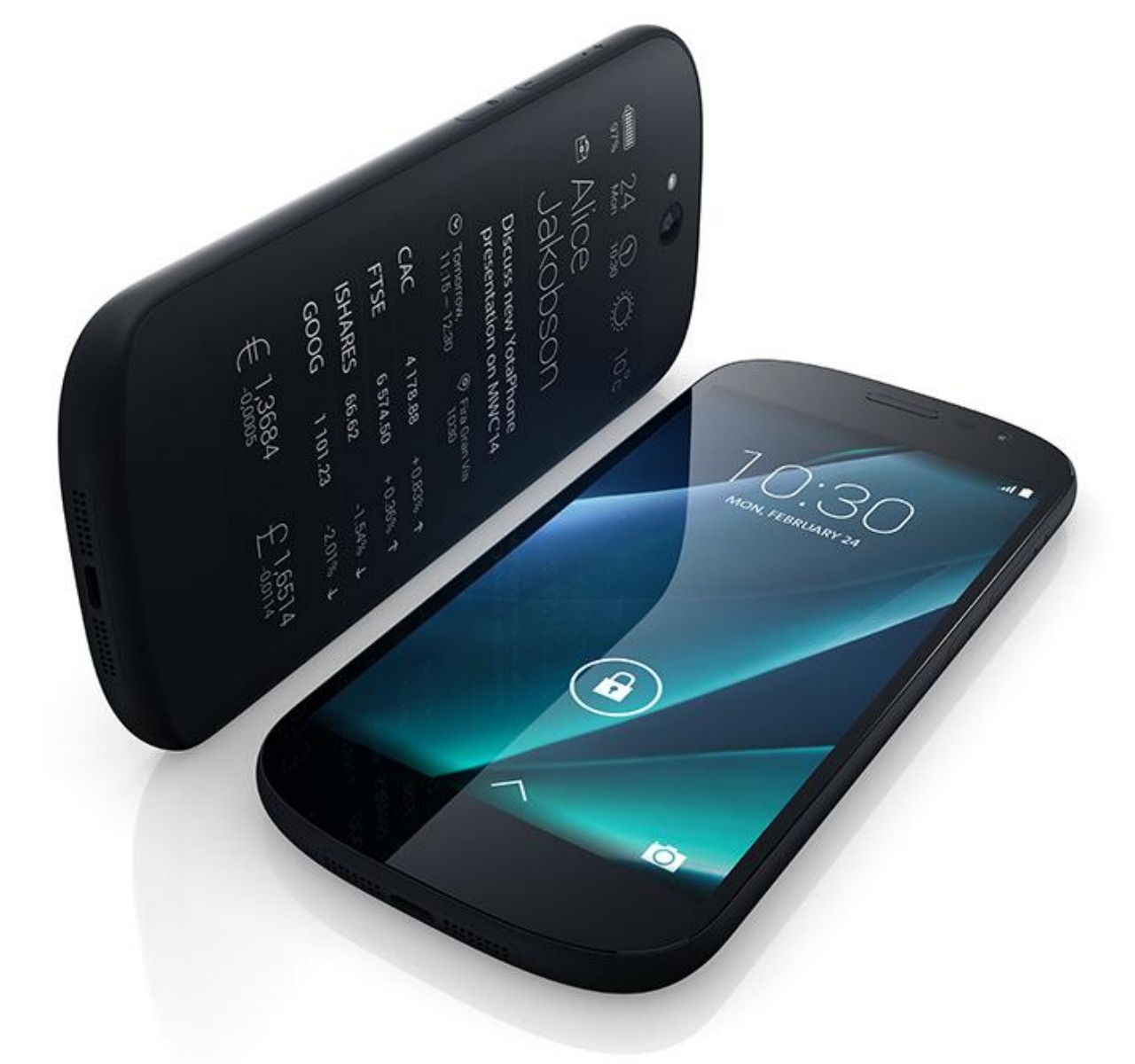
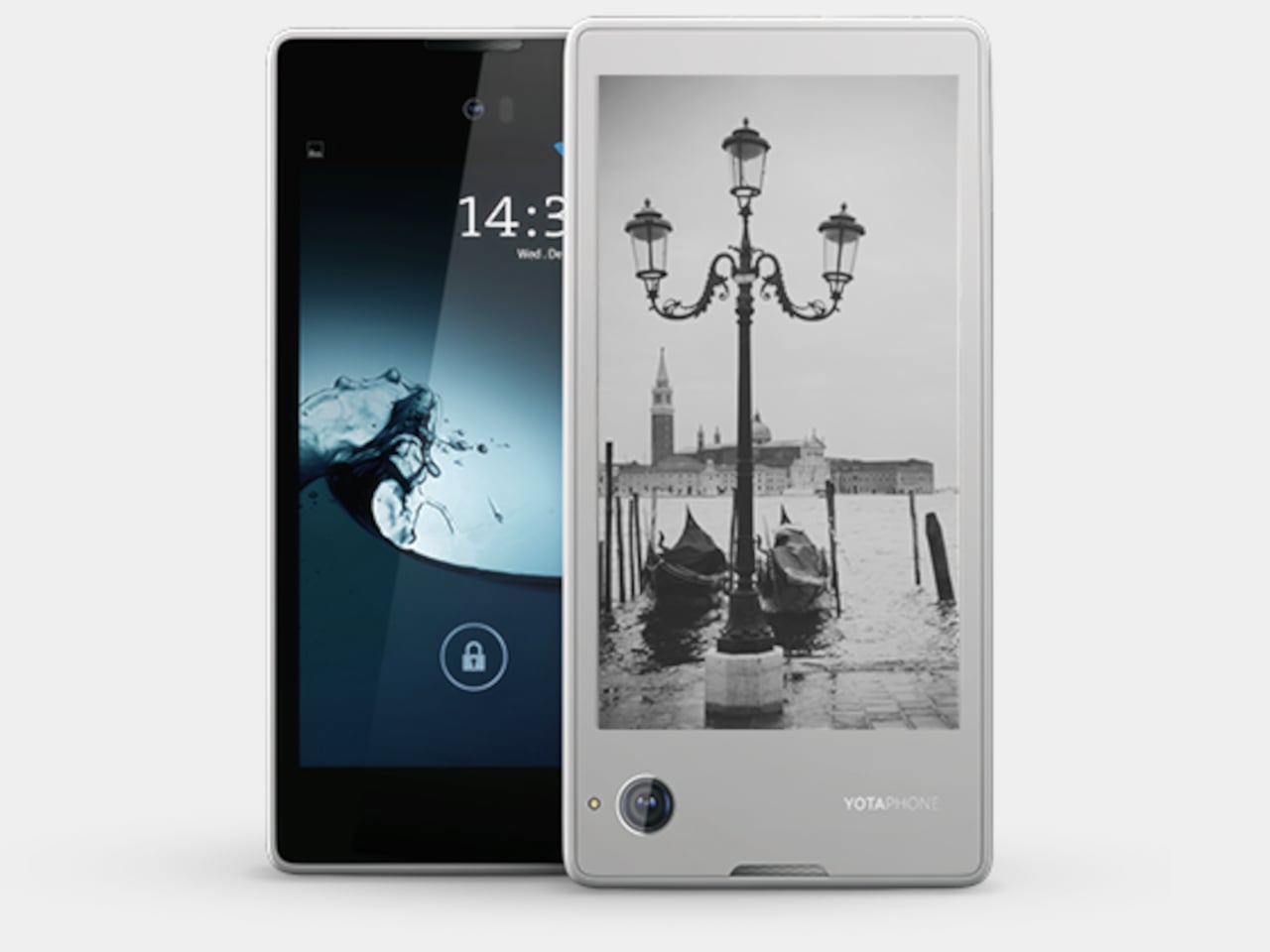
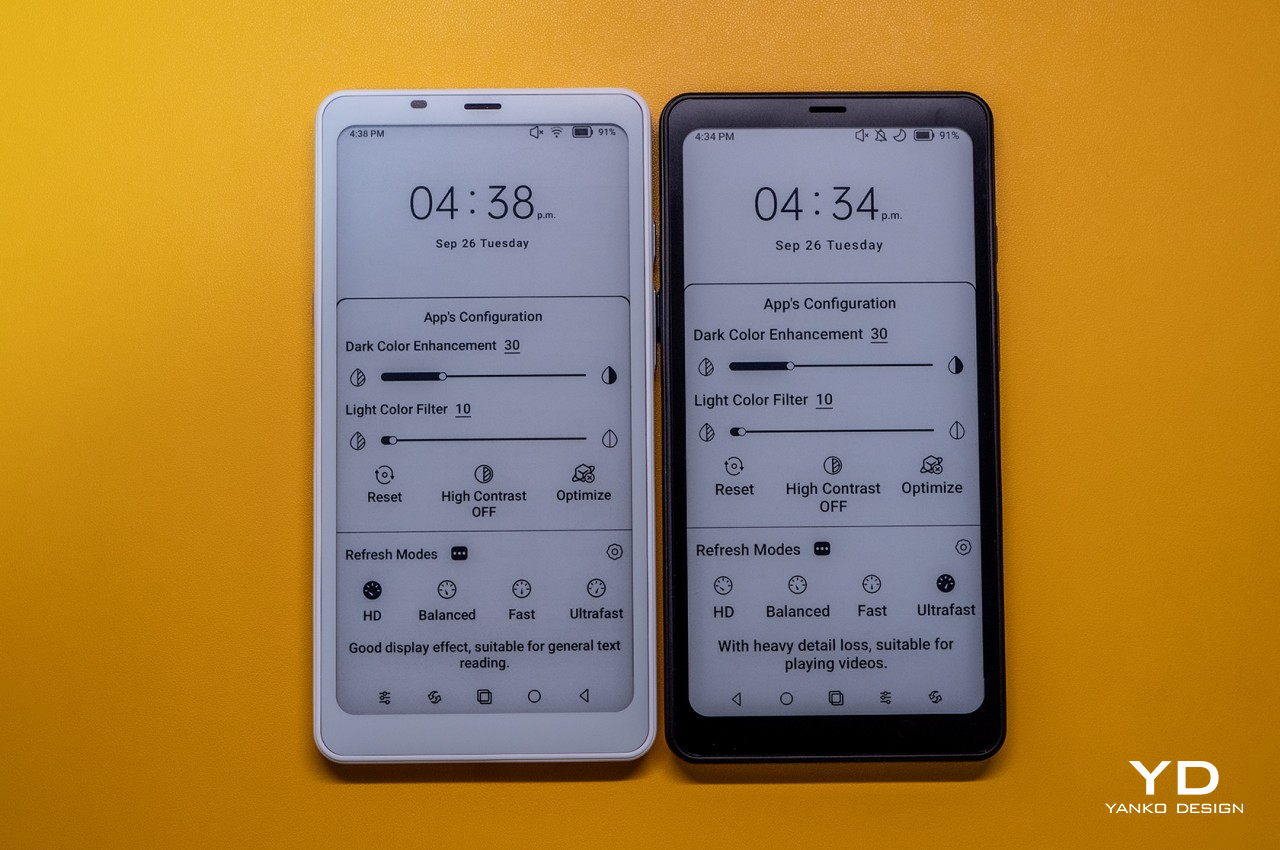
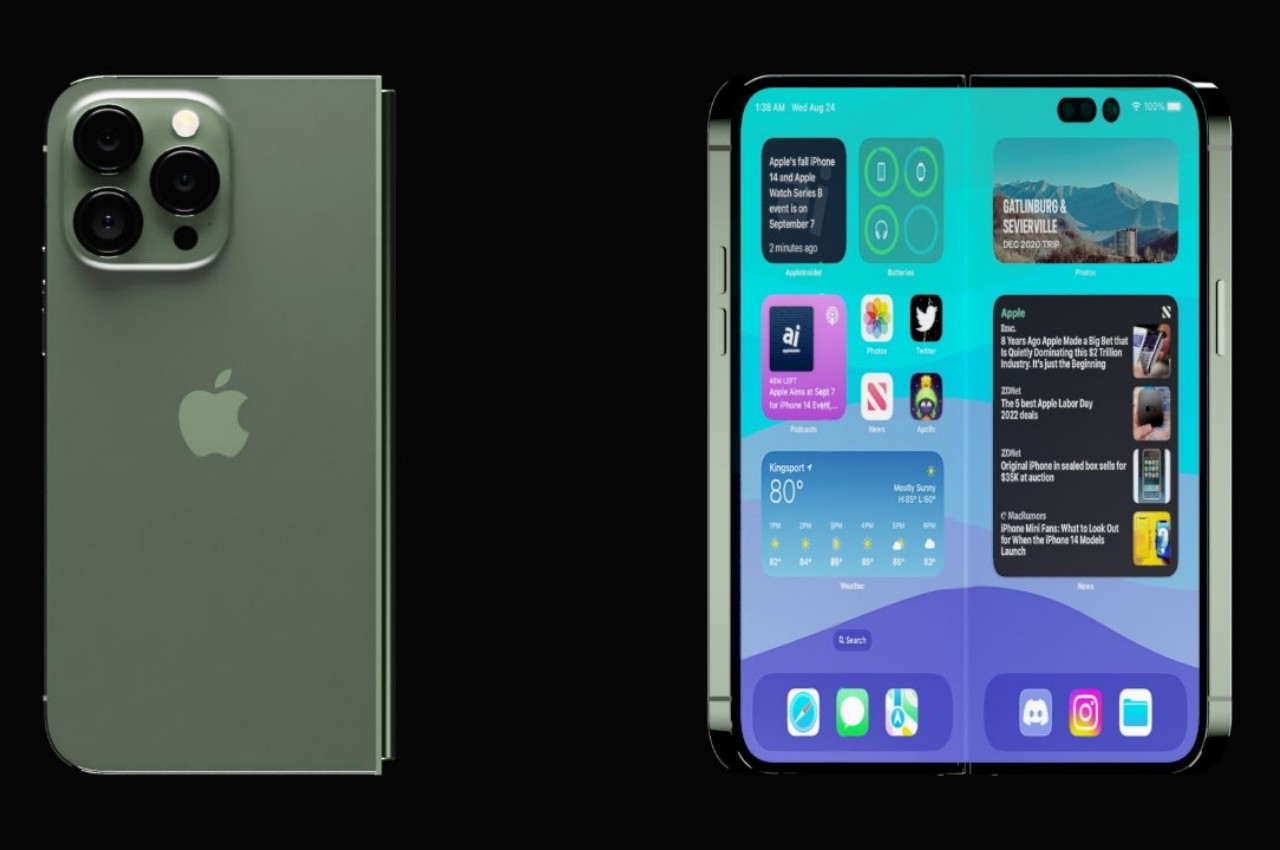
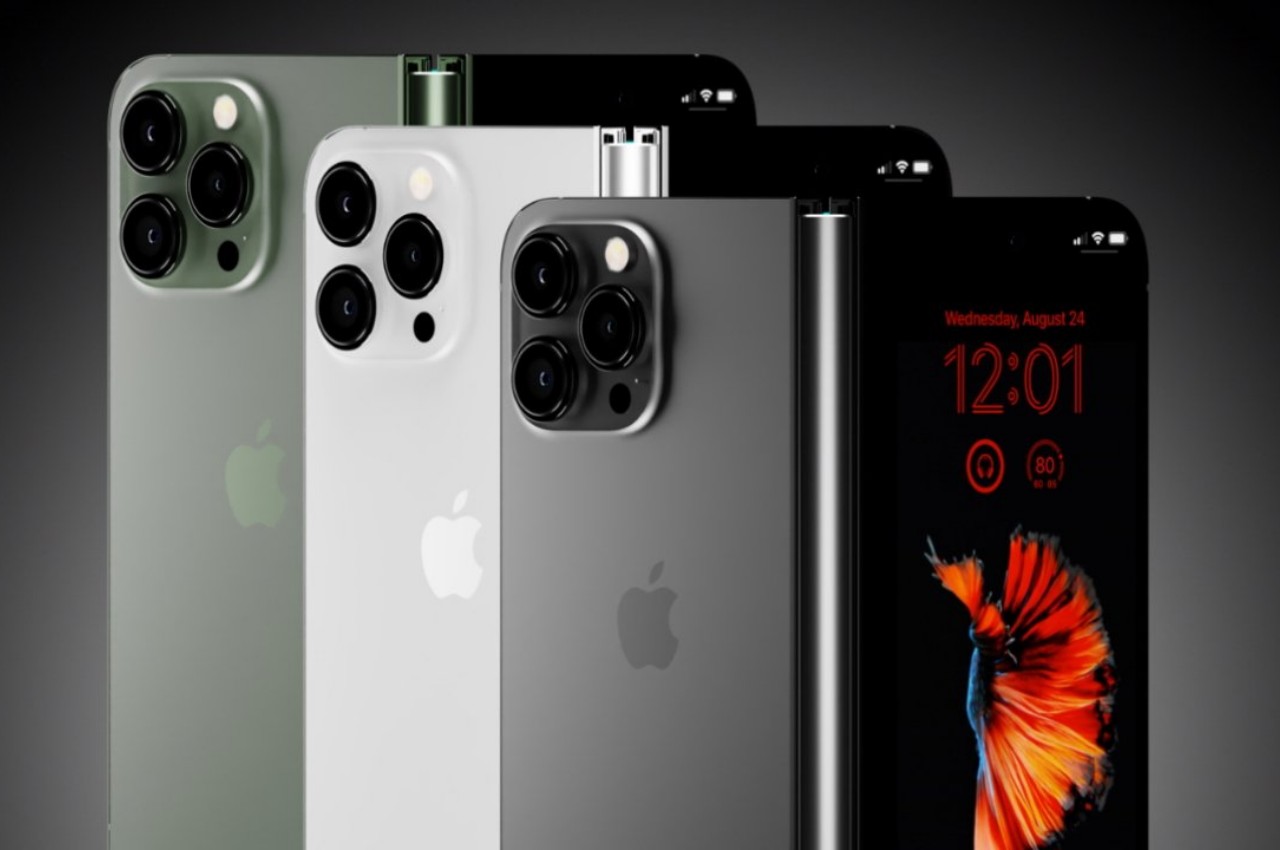
The number of foldable phones launching each year is slowly rising, suggesting that these former novelty items are here to stay. To manufacturers’ credit, the phones are getting more reliable and attractive, even if their prices are still prohibitive for most people. With more players in the market, it’s bound to become a somewhat livelier place, with brands putting their own spins or changing designs to match or challenge their rivals. It now seems, however, that the still niche foldable phone category is about to enter another tumultuous phase with new designs that could shake up the market and some companies throwing in the towel, leaving only a few designs to stick and stagnate.

Triple Folding Phones

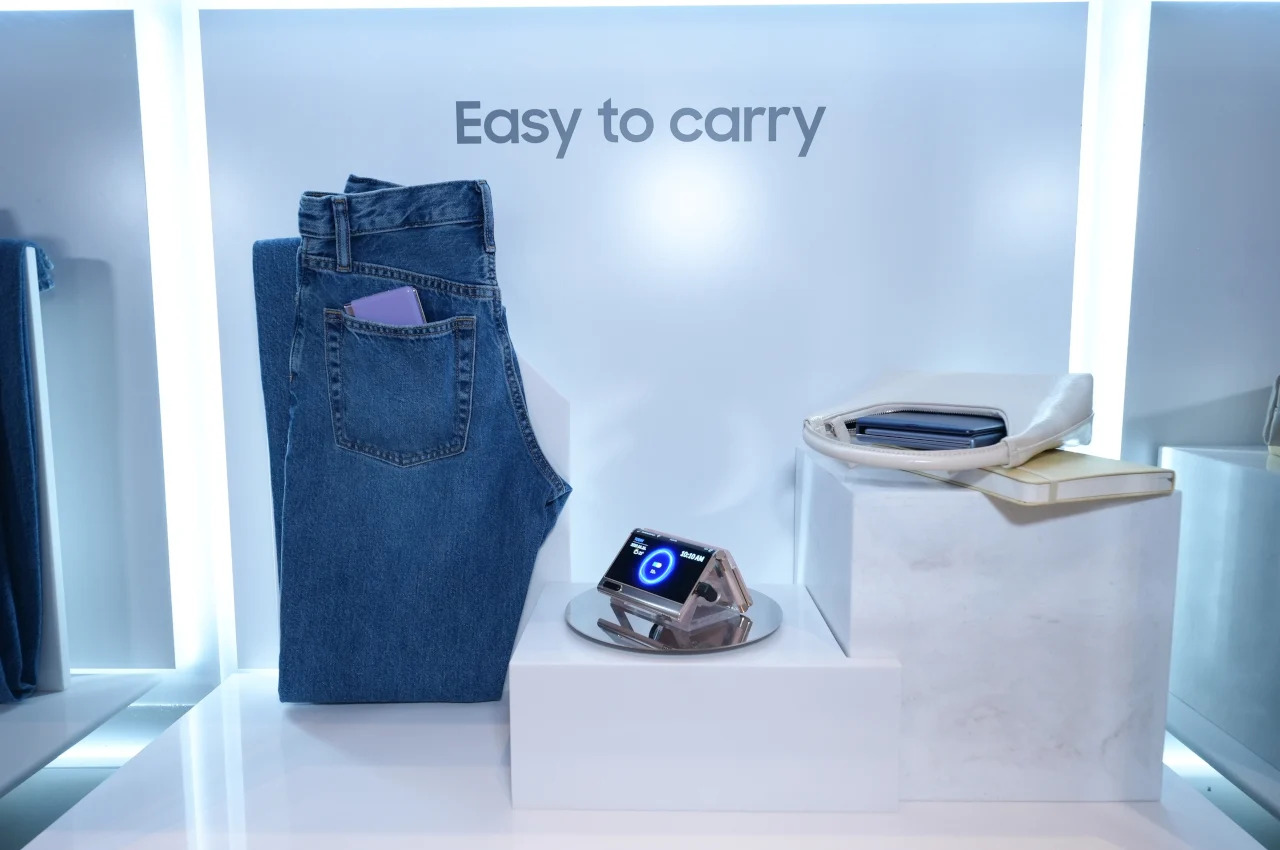
The biggest and perhaps only reason for a foldable phone would be to provide a device that can be used as a regular phone when wanted but can transform into a tablet when you want more screen real estate. The current crop of foldable phones does meet those requirements, though almost barely. As tablets, they’re painfully tiny even compared to the already small iPad mini and some 7-inch slates. As phones, some designs make them awkward to use because of their narrow and tall external screens.

One possible solution would be to have a large screen that can fold in three parts, turning into a phone-sized slab, albeit probably a bit thicker than even today’s foldable phones. Samsung has, in fact, been working on such a design for years and it finally showed off a prototype two years ago. It turns out that it might even launch its first tri-fold phone slash tablet later this year.

Designer: Samsung

This timeline is reportedly due to one of Samsung’s biggest rivals trying to make a move first. Huawei, who is rebuilding its empire in some markets, is rumored to be launching a foldable phone that transforms into a 10-inch tablet. Just for the title of being the “world’s first,” Samsung could be taking a big risk and making a leap of faith to get that triple foldable phone out the door quickly, even if it means repeating the mistakes of the first Galaxy Fold.

Stylus Support Inside and Out

One of the biggest draws of foldable phones is, of course, their big screens. They’re not just perfect for showing more content, but they’re also great for actually creating content. With tablets now being seen as productivity and creativity tools thanks to the iPad Pro, these foldable phones are truly powerful laptops you can fit in your pocket, at least in theory. Ironically, very few of the brands actually support such a use case with the right accessories. Even Samsung forces you to buy the S Pen Fold Edition if you want to scribble and doodle on your foldable phone like a notebook.

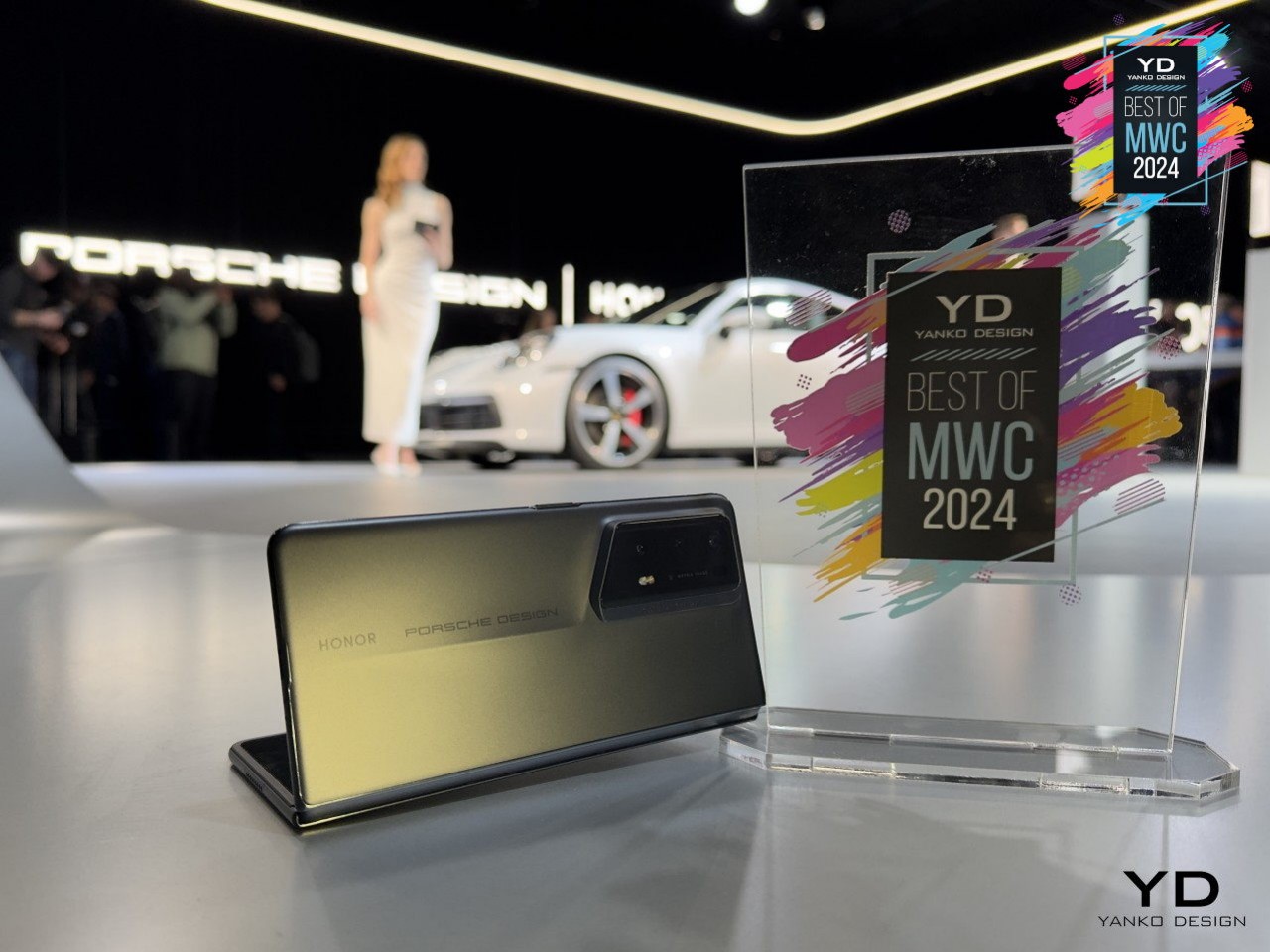
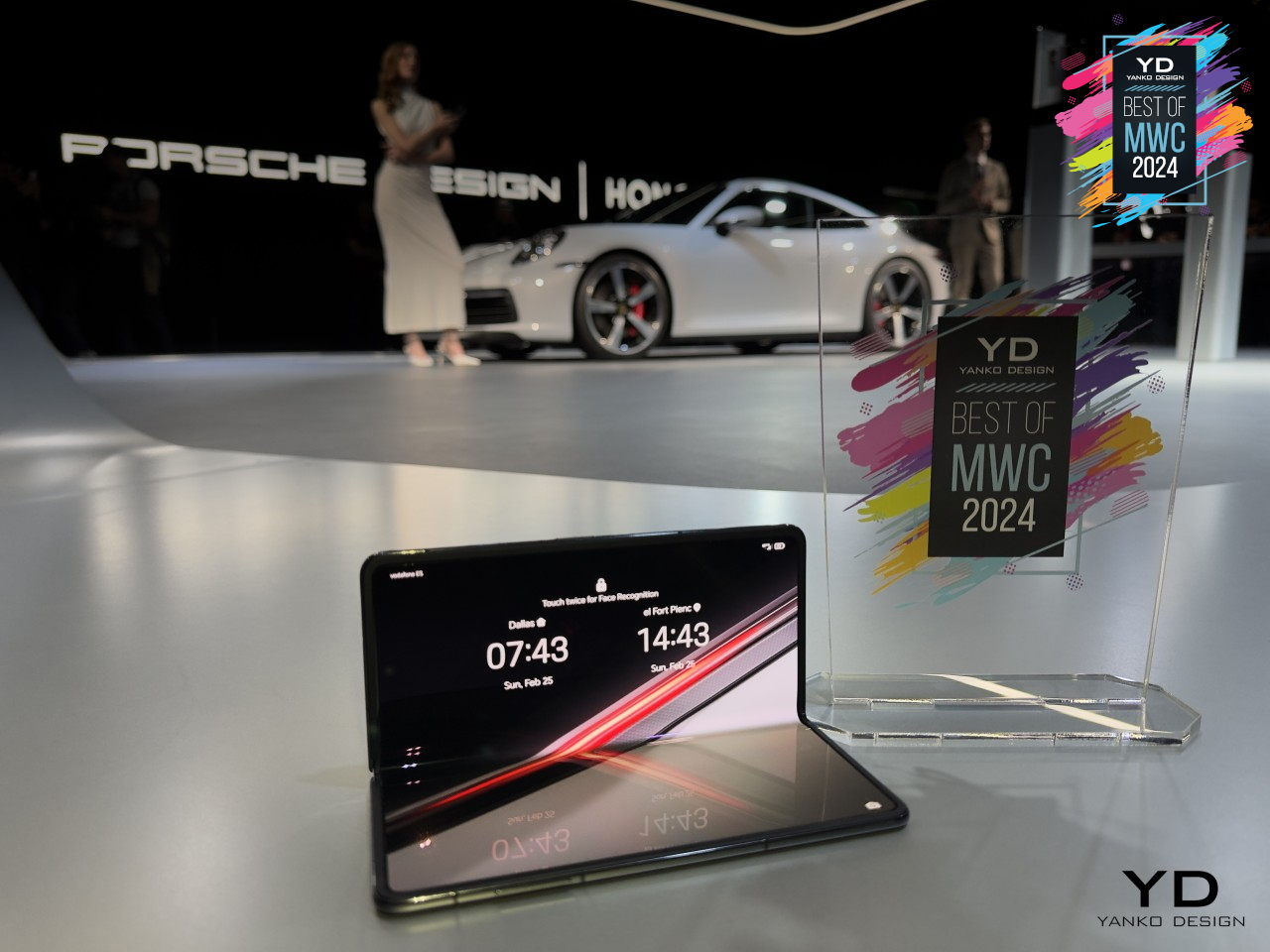
The newly launched mouthful that is the Honor Magic V2 RSR Porsche Design bucks the trend by actually including a stylus inside the box. Granted, the price of this limited edition would make you think it should include such an item, but you’re also paying for other luxuries at the same time. For example, you get two charging bricks instead of one. Some foldable phones other than Samsung don’t even advertise support for a stylus even if they’re capable of supporting one.

Designer: Honor

More interesting, however, is how the Honor Magic V2 RSR Porsche Design actually supports that active stylus not only on the large internal screen but also on the smaller cover screen. That one-ups even Samsung who is famed for its stylus-enabled Galaxy Note phablets, now sold under the Galaxy S Ultra brand. Honor is showing that such a set of features is possible, and it could lead to a long-overdue trend in the foldable smartphone market, presuming there’s still one in the next few years.

Design Monoculture

One of the reasons why the foldable phone market seems to have stabilized a bit is because of the number of players now in the ring. Of course, you have Samsung and Huawei leading the charge, but now you also have Xiaomi, OPPO, Vivo, Tecno, OnePlus, and Honor in the running. Unfortunately, there are whispers that two of these are bowing out of the race, and their absence could actually have an indirect though significant negative impact on foldable phones as a whole.

Those rumors claim that both OPPO and vivo are calling it quits in the foldable market. The cited reason is not exactly surprising, with both brands suffering significant losses in foldable phone sales last year and they don’t believe they can throw in more resources to recover. It’s unknown at this point whether OnePlus will also be following its cousins, though there’s a real possibility that these manufacturers will pull out sooner rather than later.

Designer: OPPO

While that indeed sounds like a win for Samsung and Huawei (and Honor), it might not actually be good for the entire market in the long run. Competition often breeds innovation, with these brands pushing each other to develop new designs and features at every turn. With only two contenders, each with their own separate kingdoms, there might not be enough incentive to push the boundaries, leading to stagnation and eventual death of the market.

Designer: Vivo

Uncertain Tomorrow

Of course, there’s still no confirmation that OPPO and Vivo are indeed making an exit strategy, but it does paint a picture that isn’t as rosy as these brands try to paint. Even with the popularity of clamshell-style foldables and with new models coming out year after year, actual sales might actually reveal a very different and less encouraging situation. Given the way technology is developing, foldable and rollable displays will eventually be a staple of tomorrow’s devices, but that doesn’t mean the market won’t experience a few flops first along the way.

The post Foldable Phone Designs are about to get more interesting but also less diverse first appeared on Yanko Design.

Top 10 Game-Changing Materials that are shaping the Design and Technology World in 2024

Imagine a world where buildings heal their own cracks, mushrooms become furniture, and fashion can help regulate your body temperature to keep you comfortable no matter the weather. This isn’t a chapter from a science fiction novel; it’s the near future of design materials that are set to revolutionize our lives in 2024. From self-healing concrete to bioengineered plastics, innovators across the globe are pushing boundaries to create materials that not only challenge our traditional understanding of functionality but also promise sustainability and efficiency like never before. A lot of these materials may not seem incredibly new to you, but advancements in their production (and rapid deployment) earn them a spot on this list. These aren’t ‘unheard of’ materials, but rather, are materials that are slowly and surely becoming more and more accessible to companies looking to innovate and bring the latest advancements to the world. Be prepared to hear more and more about these materials going forward, because of how radically powerful they are, and how much potential they hold to make lives easier, processes more efficient, and the world hopefully greener and better.

10. Gallium Nitride (GaN)

This unassuming compound, often overshadowed by its silicon cousins in years past, is poised to claim center stage as one of the top ten game-changing materials for technology. Imagine a substance so versatile that it could simultaneously shrink your bulky laptop charger into an almost weightless accessory and at the same time propel electric vehicles towards unprecedented efficiencies. GaN does just that, thanks to its remarkable ability to handle higher voltages and dissipate less heat than silicon—traits that are propelling us headlong into an era of energy efficiency that once seemed like science fiction. In laboratories around the globe, GaN is already flexing its muscles; showing off not only in power electronics but also making waves in radio frequency applications where speed is king. With 5G networks unfurling their potential across cities worldwide, GaN stands ready as a key player in amplifying signals with clarity and precision unheard of before. But don’t let these technical feats overshadow GaN’s environmental bravado—it operates cooler and wastes less power, which means smaller cooling systems and greener solutions all around.

9. Graphene

This marvel, just one atom thick and yet stronger than steel, is poised to redefine our approach to everything from electronics to architecture. Picture a world where your smartphone bends like paper without breaking or buildings that withstand earthquakes with ease; this isn’t a fanciful daydream but the tangible future promised by graphene. Revered for its exceptional conductivity, it’s set to revolutionize solar panels, turning them into ultra-efficient light sponges that could make clean energy more accessible than ever before. Imagine textiles imbued with this wonder material – clothing that can monitor health or even charge your devices on-the-go (we already know of thermoregulating fabrics that rely on the properties of Graphene)… but what truly sets graphene apart is its versatility – it’s not merely enhancing existing products but paving the path for innovations we haven’t even dreamed of yet.

8. Quantum Dots

You’ve probably heard of quantum dots in one of Samsung, LG, or Sony’s press releases about their latest televisions… but what exactly are these quantum dots, and what about them made them enter this list? Well, quantum dots (QDs) are nanocrystals with unique optical properties, making them ideal for next-gen display technologies. These tiny semiconductor particles are small enough to exhibit quantum mechanical properties, which allow them to emit light at specific wavelengths when energized. The result? Vibrant colors and improved energy efficiency in displays ranging from TVs to smartphones. While the world is coalescing around quantum dot displays (moving away from traditional LCDs and OLEDs) because of how incredibly vivid and lifelike they are, the potential for these dots extends way beyond just displays, with their ability to help make solar panels MUCH more efficient, as well as revolutionize (and democratize) quantum computing.

7. Liquid Metal Alloys

If the term ‘Liquid Metal Alloys’ instantly got you thinking of T-1000 from Terminator 2, you’re bang on the money. Imagine a metallic substance as malleable as playdough yet capable of conducting electricity better than copper and withstanding extreme temperatures without breaking a sweat. Liquid metal alloys, composed primarily of gallium mixed with other metals like indium and tin, challenge our very notions of solidity and permanence. These wonder materials can be poured into molds to create seamless parts for complex machinery or used in flexible electronics (think wearable tech or soft robotics) that bend without breaking – think foldable smartphones taken to an entirely new level. Moreover, their self-healing properties ensure longevity in products that would otherwise succumb to wear and tear. Researchers across global high-tech sectors are buzzing about how liquid metal alloys could revolutionize everything from medical devices—enabling more responsive prosthetics—to aerospace components that can endure volatile space conditions unscathed. The transformative potential is immense: energy storage systems becoming more efficient, soft robotics gaining unprecedented flexibility and sensitivity, and even consumer gadgets getting sleeker upgrades while enhancing durability.

6. Advanced Ceramics

Envision a world where engines run cooler and last longer because of ceramic components impervious to heat and wear or where our smartphones are virtually indestructible thanks to scratch-resistant ceramic screens (Apple’s already experimenting with their CeramicShield technology). This alchemy of silicon nitride, zirconium oxide, and alumina stands poised to shatter expectations—without shattering itself—with its unparalleled strength-to-weight ratio and thermal stability. The brilliance lies not just in what these materials can endure but also in their uncanny ability to conduct electricity or resist it entirely depending on the need—a trait that makes them indispensable in electronic devices and solar panels alike. As environmental considerations take center stage globally, advanced ceramics offer an eco-friendly beacon for sustainable development with their durability reducing waste over time.

5. Nanocellulose

Derived from cellulose, the most abundant polymer on earth, nanocellulose is an absolute eco-friendly wonder-material. At just a nanometer scale in width, nanocellulose fibers are invisible to the naked eye but hold the future of sustainable technology firmly within their minuscule grasp. Why is nanocellulose turning heads this year? Picture a material lighter than plastic yet robust enough to challenge steel’s dominance in tensile strength—a true David amidst industrial Goliaths. Manufactured through methods that break down plant matter into its cellular level, nanocellulose transcends its humble origins by boasting properties like biodegradability and low toxicity—all while maintaining remarkable thermal stability and barrier qualities against gases. It’s no surprise then that industries from packaging to aerospace are scrambling to integrate it into their products for an edge in environmentally conscious innovation.

4. Mycelium

Try to picture the word ‘mushroom’ in your head and I’m sure your brain conjures the archetypical button or oyster mushroom that most of us know and love. However, that tiny umbrella-shaped organism is just a tiny fraction of what a mushroom actually is. The part that emerges from the ground is merely the ‘fruit’, which contains spores to help the organism propagate further… but look underneath the surface and you’ll stumble across the mycelium, often considered the true ‘body’ of the mushroom. Often tens or hundreds of times larger than the tiny button-shaped fruits themselves, mycelium has some incredible benefits. It possesses leather-like properties, making it an incredibly suitable vegan alternative to animal-based leather, but more importantly, its fleshy, spongy mass has the ability to grow at a rapid pace, making it a great replacement for styrofoam and a bunch of other moldable materials. The fungus-based material grows by decomposing and ingesting natural waste (which is a win in its own regard), has the ability to self-heal and regrow at rapid speeds, and the best part, is entirely natural, making it eco-friendly and inherently biodegradable. This mycelium single-use biodegradable grill is a perfect example of how the material could revolutionize 2024.

3. Bioplastics & Biocomposites

While mycelium won’t completely replace moldable materials like plastics, petroleum-based plastics are seeing some stiff competition from naturally derived polymers or even polymers that integrate natural composites into them. Traditional plastics are derived from crude oil and have a notorious inability to degrade into soil, causing pretty much every conceivable problem in modern history from landfills to ocean trash and those pesky microplastics that are now finding their way into humans and pretty much every part of nature. Bioplastics are derived from naturally occurring materials (like corn or hemp), allowing them to be molded and manufactured just like regular plastic, but with the added benefit of being biocompatible and degradable. Biocomposites, on the other hand, use natural filler materials and natural binders to create a plastic alternative that’s stiff, durable, and resistant to external elements. The most common biocomposites we’ve seen make use of waste like coffee grounds or grain husks, binding them with natural binding agents to create new materials with properties that mimic different forms of plastic… but with the added benefit of being nature-friendly, and waste-reducing. This no-compromise approach to material sciences make bioplastics and biocomposites a truly game-changing choice for 2024… and perhaps the most easily accessible too!

2. Transparent Solar Panels

Imagine if your home windows could collect energy from the sun and supply your house with power. Or even more impressively, if your smartphone’s glass front could help charge your phone when kept out in the sun. The advent of transparent solar panels are slowly making this dream a reality. These panels offer advantages over traditional panels by being less visible and space-efficient. Despite being relatively new and pricey, ongoing technological advancements suggest future cost reductions, making them more accessible. The panels work by utilizing a special solar cell that absorbs light without darkening, enabling integration into windows and other transparent surfaces. This technology, although in its early stages, holds immense potential to transform solar energy utilization, effectively turning any glass surface into an energy source. The panels operate by letting visible light pass through while capturing ultraviolet and near-infrared energy, enabling power generation without relying solely on visible light. Their thinness and efficiency make them versatile for various applications, from powering devices to entire buildings, without compromising aesthetics. Think about how incredible it would be if you could park your car out in the open and return to a fully charged EV battery?!

1. Self-healing materials

Perhaps the most exciting material type in this entire list, self-healing materials represent a category of materials that can ‘mend’ themselves over time, reversing any damage caused to them. The most obvious application is self-healing concrete, which allows cracks and signs of weathering in buildings to magically disappear, increasing the longevity of structures (done by incorporating specific elements such as fibers or capsules into a concrete mix that contains repairing solutions)… however, the applications in technology are incredible too. Self-healing paints/coatings could allow scratches on cars to automatically disappear when exposed to light or UV, and there have been significant advancements in self-healing polymers and glasses that could make tech damage less of a hassle. Imagine dropping your phone only to see the crack or scratch heal and disappear over time. That would make for a rather fun JerryRigEverything YouTube video!

(Bonus) Titanium

Although Titanium has been one of the go-to materials for EDC tool design and medical use, the fact that Apple and Samsung both launched titanium smartphones last year has massive implications for the world’s strongest metal. Sure, outside those few consumer electronics uses, Titanium has been around for decades… so why does it feature on this list? Well, Titanium sits at a unique crossroads – it’s lightweight, ridiculously durable, and it’s biocompatible (and therefore hypoallergenic). It doesn’t hurt that Apple and Samsung have done wonders for the material’s popularity too… so expect titanium to make more appearances in high-end wearables, bordering on even bionic products like BCIs (brain-computer interfaces) and other exciting products we haven’t seen yet!

The post Top 10 Game-Changing Materials that are shaping the Design and Technology World in 2024 first appeared on Yanko Design.

The Real Reason behind those Black Dots on your Car’s Windshield

Do you ever wonder about those mysterious black dots and bands on your car’s windshield? You know, the ones around the edges, where the glass meets the metal frame of your car. I spent all my life assuming they were just a nifty graphic pattern that helped hide the glue marks of the glass being joined to the car frame, but turns out, they play a much larger and more important role than just being eye-candy. The black edges themselves and the dotted halftone pattern emerging from them both serve an incredibly technical purpose that helps prevent your windshield from coming apart or shattering under the wrong circumstances.

The Birth of the Frit

The frit, a term that might sound more at home in a sci-fi novel than in automotive jargon, refers to a black enamel band you’ve likely noticed lining the edges of your windshield The band surrounds the windshield on all sides, and comes with that signature halftone-inspired dotted gradient, disappearing gradually into the windshield. This particular element, which came into common use in the 1950s and 1960s, replaced the metal trim previously used to secure windshields. The purpose of this seemingly decorative feature is far more significant than meets the eye.

Why is it called a “Frit”?

The term “frit” in the context of windshields and glass production has a fascinating origin, rooted in the broader field of glass and ceramics manufacturing. The word “frit” historically refers to a type of fused, granulated glass that was used as a starting material for making glass, porcelain, and ceramic products. This material was created by melting a mixture of raw materials, such as sand and fluxes, which would then be rapidly cooled to form a granular substance.

When it comes to automotive glass, the term “frit” has been adopted to describe the enamel band applied to the periphery of the windshield. This enamel, which is essentially a type of glass that has been ground into a fine powder and mixed with various pigments and additives, is silk-screened onto the glass in a paste form. The glass is then heated in a furnace, causing the frit to fuse to the surface, forming a permanent bond. The name “frit” for this band on windshields likely stems from the similarity of this process to the traditional method of making glass frit for other purposes. In both cases, the material is initially in a granular or powdered form and is then fused onto a glass surface through a heating process.

What does the Frit do?

1. Enhancing Adhesion

The primary role of the frit is to provide a rough surface that enhances the adhesion of the windshield to the car’s frame. This is essential for keeping the windshield securely in place, particularly in the event of a collision.

2. Protection from UV Rays

Another critical function is protecting the urethane sealant, which bonds the windshield to the car, from ultraviolet rays. UV exposure can weaken this sealant over time, leading to potential safety hazards. The frit acts as a shield, absorbing and blocking these harmful rays.

3. Aesthetic Transition

Beyond its functional roles, the frit also plays a cosmetic part. It smoothly transitions from the black border to the transparent glass, thanks to the dot-matrix pattern. This not only creates a more visually appealing look but also serves to conceal the adhesive used in installing the windshield​.

4. Preventing Distortion

During the windshield manufacturing process, the glass is heated to be molded into a curved shape. The frit plays a role here too. The black band heats up faster than the clear glass, potentially leading to distortion. The gradual transition of the dot pattern from black to clear helps mitigate this risk by ensuring more even heating​.

The Third Visor Frit

Modern cars often feature a “third visor frit.” These dots, typically denser at the top and gradually fading out, extend downwards between the two main sun visors. This design helps to reduce sun glare, particularly during sunrise and sunset when the sun tends to be directly in drivers’ eyes. The third visor frit is especially useful in situations where the regular sun visors can’t block the sun effectively, like when it’s at a lower angle. In modern times, it also helps cut direct glare to your dashcam, which can often be mounted near the rear-view mirror in the extended frit zone. This feature demonstrates an innovative use of windshield real estate, turning what was once purely a structural component into a functional element that enhances the driving experience.

Contrary to popular belief, those seemingly inconspicuous black dots and bands on your car’s windshield play a much more crucial role than one might think. They enhance bond strength, protect against UV radiation, maintain temperature equilibrium, and contribute to the aesthetics of your vehicle. Additionally, the choice of adhesive, with hybrid polymer-based options being the superior choice, further influences the longevity and reliability of your windshield… So, the next time you gaze through your windshield, you’ll have a deeper appreciation for the science and functionality behind those tiny black dots.

The post The Real Reason behind those Black Dots on your Car’s Windshield first appeared on Yanko Design.

How much is the Galaxy S24: Is it worth the price

Although it didn’t do so at the recently concluded CES 2024 in Las Vegas, Samsung is still starting the year with a bang with its own Unpacked event. To no one’s surprise, the stars of the show are, of course, the new Galaxy S24 trio, though the much-rumored Galaxy Ring also made a very brief appearance as an unambiguous teaser. Samsung’s early 2024 flagships are bringing the expected upgrades in terms of hardware, but they’re also riding on the AI train in their own, unique way. But with every new Samsung phone also comes the question of whether its price is worth its weight in gold. We take a cursory look at what the Galaxy S24, S24+, and S24 Ultra have to offer to bring you that answer.

Designer: Samsung

What’s New

Of course, there are the customary hardware upgrades you’ll see every year, but there are a few surprise twists here and there. All three, for example, are powered by a new Snapdragon 8 Gen 3 “for Galaxy” chipset that’s marketed as a special flavor designed just for Samsung’s newest darlings. It’s presented as being optimized for hard AI work that we’ll get to later, but the exact performance differences between this and a vanilla Snapdragon 8 Gen 3 are probably going to be subtle.

Also subtle are the slightly larger displays on this year’s generation of Galaxy phones, at least for the Galaxy S24 and Galaxy S24+, and only by 0.1 inches. The Galaxy S24 Ultra’s screen remains the same large 6.8 inches, but the design change is actually greater in some other areas, as we’ll soon see. All three get brighter panels, though, so reading under the sun shouldn’t be a problem if it was before.

While most of the features are similar across the three models, differing mostly in screen size, things take a very different turn when it comes to the cameras. Suffice it to say, the Galaxy S24 and S24+ do not get any meaningful upgrade in terms of camera hardware, while the Galaxy S24 Ultra seems to take one step forward and one step back with at least one of four cameras. One of the two telephoto cameras gets a denser 50MP sensor but halves the optical zoom from 10x to 5x. Samsung assures, however, that the quality of a 10x “hybrid” zoom from that new sensor will just be as good, thanks to some AI tricks, of course.

Bold Direction towards Flat Design

The Galaxy S24 series looks nearly identical to its predecessor at first glance, but once you take a closer look, you will notice some subtle yet important differences. The Galaxy S24 and S24+ now adopt a completely flat design on its front, back, and sides, except for the rounded corners that help it avoid a completely boxy appearance. This refinement, though small, does put it in the same boat as many notable premium smartphones these days, particularly the latest iPhones.

The Galaxy S24 Ultra only changes its screen design, but that actually has the biggest repercussion in this generation. Gone are the curved edges that used to mark high-end flagships, with a screen that’s completely flat across the surface. It gives it a more modern look, at least as far as current design trends go, but the more important consequence is that owners now have full access to the entire screen using the included S Pen. No more avoiding or accidentally sliding off the edges because you can now utilize every single inch and pixel on that large screen.

AI for a Price

With AI still reigning as the buzzword in consumer electronics, it was really only a matter of time before Samsung joined the bandwagon in this industry as well. There are plenty of AI-powered features being advertised on the Galaxy S24 and, to Samsung’s credit, they really do show what the technology can do and how we can harness it for our benefit.

Real-time translations are one of the best examples of this artificial intelligence, and both two-way Live Translate and split-screen Interpreter help break down language barriers when communicating with people around the globe. Samsung Notes also gets an AI-assisted Notes Assist for summaries and template creation, while Voice Recorder gets Transcript Assist for transcribing audio recordings. And, of course, there are also tons of AI-powered image editing features in the Camera and Gallery apps.

There is one particular application of AI that also demonstrates the continued cooperation between Samsung and Google, former frenemies on the Android platform. As the name clearly states, Circle to Search lets you simply draw a circle around an image or even a block of text on your screen to initiate a Google Search.

As useful as these may sound, it seems that Samsung will be taking a rather controversial approach to providing AI features on its gallery phones. Samsung’s suite of Galaxy AI features will apparently be available for free on these devices only until 2025, after which it could charge a subscription fee for using them. It doesn’t exactly state how much that will be or which features will be covered by this limitation, though Google’s Circle to Search and other third-party AI features are most likely going to be exempt. Nothing’s set in stone yet, but this will surely lessen the appeal of relying on these features heavily.

Should you buy it or upgrade?

And now for the most critical part of the decision-making process: the price tags. The Galaxy S24 starts at $799.99 for 8GB of RAM and 128GB of storage, while the Galaxy S24+ will go for $999.99 for 12GB RAM and either 256GB or 512GB of storage. These are pretty much the same launch prices as the Galaxy S23 and S23+, which isn’t surprising considering very little has changed.

The Galaxy S24 Ultra, however, is a chunky $100 higher than last year’s model, now starting at $1,299.99 for 12GB of RAM and 256GB of storage. It’s a considerable price jump, especially when you consider you might be asked to pay for those trendy Galaxy AI features in two years. That new telephoto camera might be partly to blame, among other things.

If you’re looking to jump into the Samsung ecosystem for the first time, then it’s really only a choice between the smaller and more affordable Galaxy S24 and the larger, fully-featured Galaxy S24 Ultra. The Galaxy S24+ might sound like it has the best of both worlds, but it’s actually the opposite. Its only winning grace is the larger screen and battery, both of which will set you back $100 more than the Galaxy S24 but still won’t have the better cameras of the Galaxy S24 Ultra at the very least.

Considering all these, it’s going to be tough to recommend upgrading to any of the three models if you still have a perfectly fine Galaxy 23 or even a Galaxy 22. Even the Galaxy S24 Ultra, with a creator-friendlier flat display, is going to be a hard sell considering it’s also more expensive. The jury is still out on the camera improvements, though it’s probably not going to be too mind-blowing compared to the already decent quartet on the Galaxy S23 Ultra. Of course, if you have a Galaxy S21 series or older, then there’s almost no more doubt about making the jump or not.

The post How much is the Galaxy S24: Is it worth the price first appeared on Yanko Design.

Apple’s ENTIRE October MacBook Event was Shot On the iPhone 15 Pro Max

The company may have announced new MacBooks and iMacs at its latest event yesterday… but what it secretly was doing all along was creating an advertisement for their smartphones. In a rare video uploaded to Apple’s YouTube channel, the tech giant revealed that their entire October 30th Keynote was filmed on the iPhone 15 Pro. The video lifts the curtain on how Apple pulled it off, while being perhaps the greatest act of ‘putting their money where their mouth is’ in terms of proving the iPhone’s top-notch video capabilities.

While it’s easy to think that the true star of the event was Apple’s new M3 chip, in reality it was the USB-C port on its newest iPhone 15 Pro. Unveiled just fifty days ago, the new iPhone 15 Pro’s USB-C port is capable of 10Gb/s transfer speeds, allowing you to move ProRes videos in a snap, and even connect external storage, 4K displays, microphones, among other accessories to augment the iPhone 15 Pro’s overall output.

The entire event was quite different from any of Apple’s events, and that seems to be by design. For starters, it premiered in the evening (or at night depending on which coast you live on), marking a massive departure from all of Apple’s morning events. We heard Tim Cook say the words “Good Evening” for the first time, but just before, we got a tour of the Apple Park at night. The camera flew in from up above, battling not just the tricky conditions of flight and navigation, but also incredibly low-light videography.  The Apple Park was practically drenched in the Halloween spirit, with bats flying, ominous music, smoky/foggy pathways, and dimly lit scenes…  all of which were captured brilliantly on the iPhone 15 Pro Max’s massive sensor.


The pre-Halloween keynote, the evening announcement, all seemed like a brilliant setup for the fact that Apple was planning on shooting the entire event on its latest phone. Sure, Apple could have had the event during the day and still boasted a “Shot On iPhone” disclaimer… but to shoot the entire thing in low-light – there’s no way Apple could resist that massive a flex. The event was also entirely edited on a Mac, as Apple’s way of showing how powerful the two devices are on their own as well as put together.

Anyone deeply familiar with Apple’s Shot On iPhone campaign knows that there’s more than just an iPhone involved. Those massive billboards with beautifully composed and edited photos look great, but a regular user holding an iPhone in their hand could never pull off the same visual mastery. The words ‘Shot On iPhone’ are often followed by ‘with a lot of expensive accessories’, but not many people know that. For Apple’s keynote, the company is at least a little more forthcoming by showing exactly what their rigs looked like… and no, it isn’t just a dude holding an iPhone in front of Tim Cook.

Verge reports that the entire Scary Fast event setup would have probably cost tens of thousands of dollars. The iPhone itself is mounted on a massive hand-carried rig that stabilizes the footage. For more consistent camera paths, the team used a dolly cam setup with trolleys and rails, and for the aerial shots, the Apple team literally built their own drones that held the iPhone 15 Pro Max. There are expensive microphones, monitors, battery units, lights, and a tonne of other equipment used in the picture. To be fair, Apple would still use all that extraneous equipment with a high-end camera… so just the fact that the iPhone could replace that camera does count for quite a lot.

The entire video dump was easily transferred out of the phone using the USB-C connector. Company 3, an American post-production company that handled the filming of the event, mentioned how buttery smooth the entire process was to shoot 4K ProRes with all those accessories and have all that raw footage simultaneously transferred onto an external hard disk without any hiccups. The A17 Bionic’s heavy lifting would then be complemented by Apple’s M2 chips, which were used by the Macs that edited the footage.

A quick glimpse at the hand-made drone used by Apple’s team to shoot all the aerial shots of the Scary Fast keynote.

This isn’t the first time the iPhone was used to shoot professional content. In 2015, a film named Tangerine was highlighted at the Sundance Film Festival for being shot entirely on iPhones. Notably, Olivia Rodrigo shot one of her music videos on an iPhone too, and Indian film director Vishal Bharadwaj collaborated with Apple to shoot a short film, Fursat, entirely on an iPhone. This is the first time Apple’s taken that plunge, and it seems to have paid off rather well. If only they had migrated to USB-C sooner…


The post Apple’s ENTIRE October MacBook Event was Shot On the iPhone 15 Pro Max first appeared on Yanko Design.