Samsung’s slower version of the 990 Pro SSD costs way more than the original
Because it's 2026, Samsung's new 990 Pro SSD is both more expensive and slower than the original.
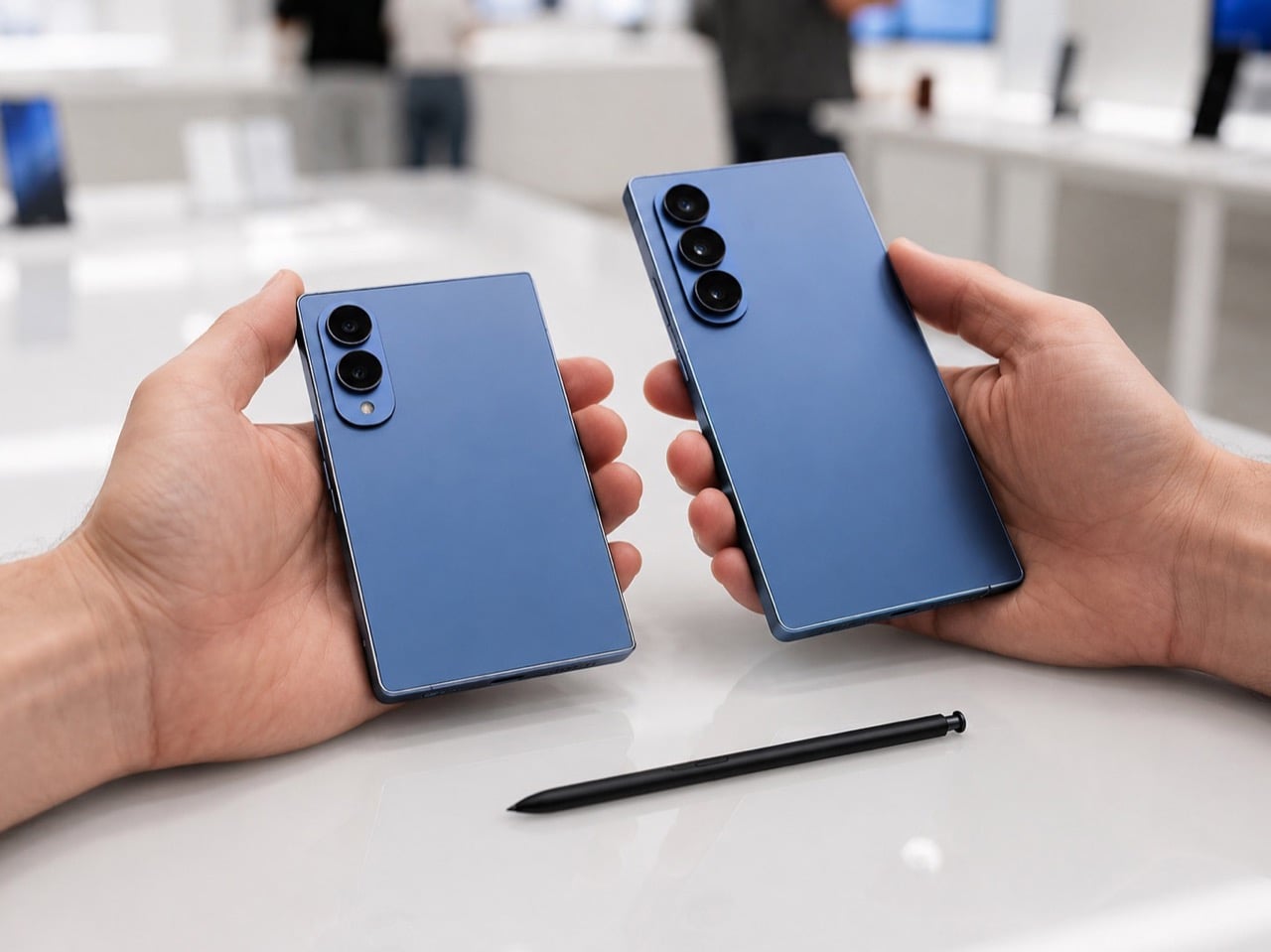
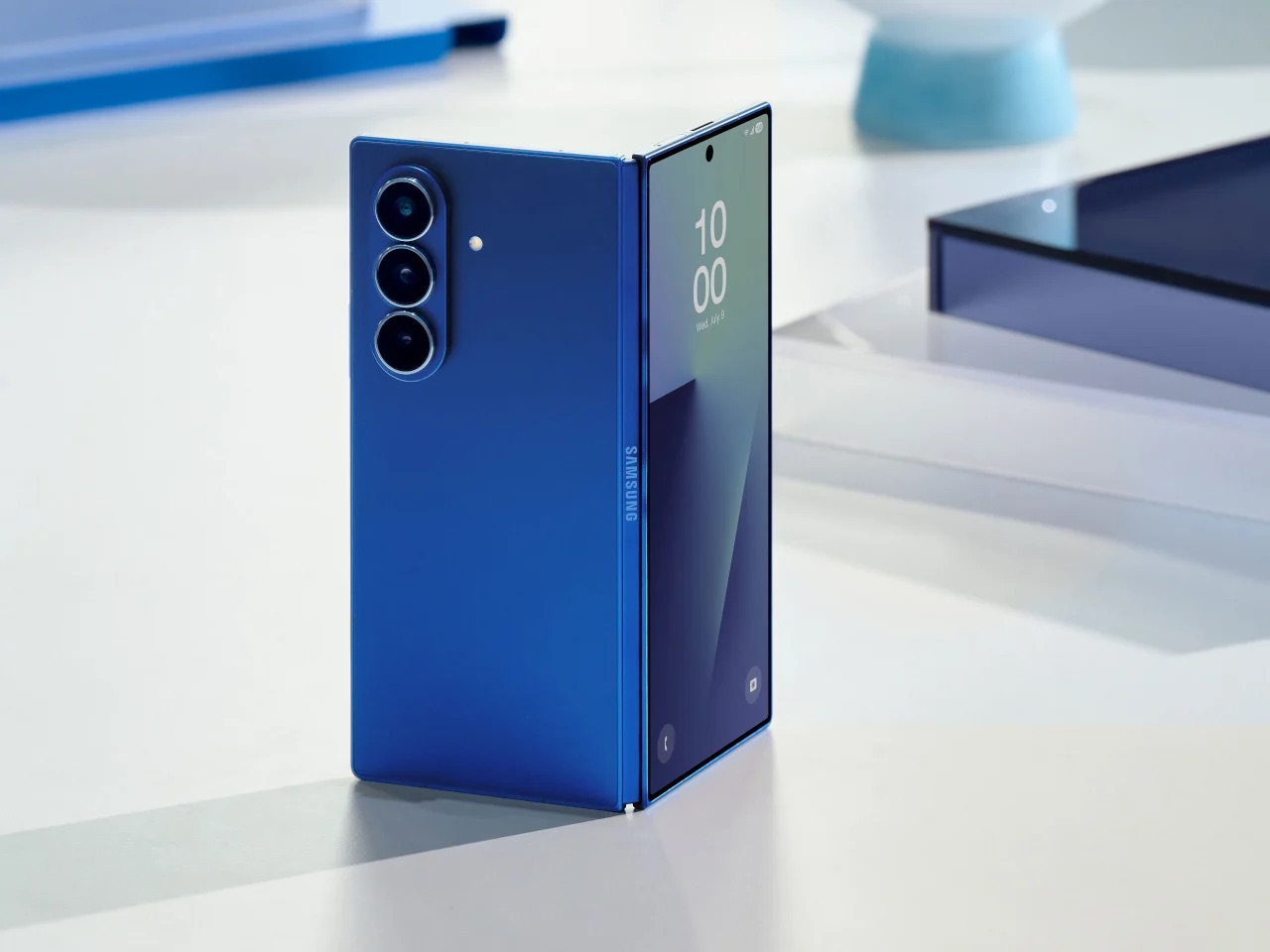
Samsung has spent years pushing the Galaxy Z Fold toward a cleaner, slimmer silhouette, treating thinness like the ultimate expression of foldable progress. That approach gave the Fold 7 a sharper visual identity, but it also stripped away one of the features that helped define the device as a serious productivity tool. Now, with the Galaxy Z Fold 8 expected to bring back S Pen support, Samsung seems ready to revisit the balance between elegance and utility.
That shift could make the Fold 8 one of the most revealing foldables the company has made yet. A fractionally thicker body may sound minor on paper, yet in design terms it signals a broader change in priorities. The next Fold may show that maturity in foldable design comes from restoring capability, refining ergonomics, and building a device people want to live with every day.
Designer: Samsung
The Fold 7 was a genuinely impressive piece of engineering, arriving at 4.2mm when unfolded and claiming the title of the thinnest book-style foldable on the market at the time. That number made headlines and performed well in comparison videos. What it cost, though, was the S Pen digitizer layer, a piece of hardware Samsung had to physically remove to achieve that profile. For users who bought into the Fold precisely because of its large-screen, stylus-ready workflow, that tradeoff landed hard.
The S Pen on earlier Galaxy Z Fold devices was never a casual accessory. It turned the inner display into a note-taking canvas, a sketching board, and a precision annotation tool, especially useful for professionals bouncing between documents and apps on the go. Removing it reduced the Fold 7 to a premium hardware story without the software depth to back it up for power users. Thinner, yes. More complete, arguably not.
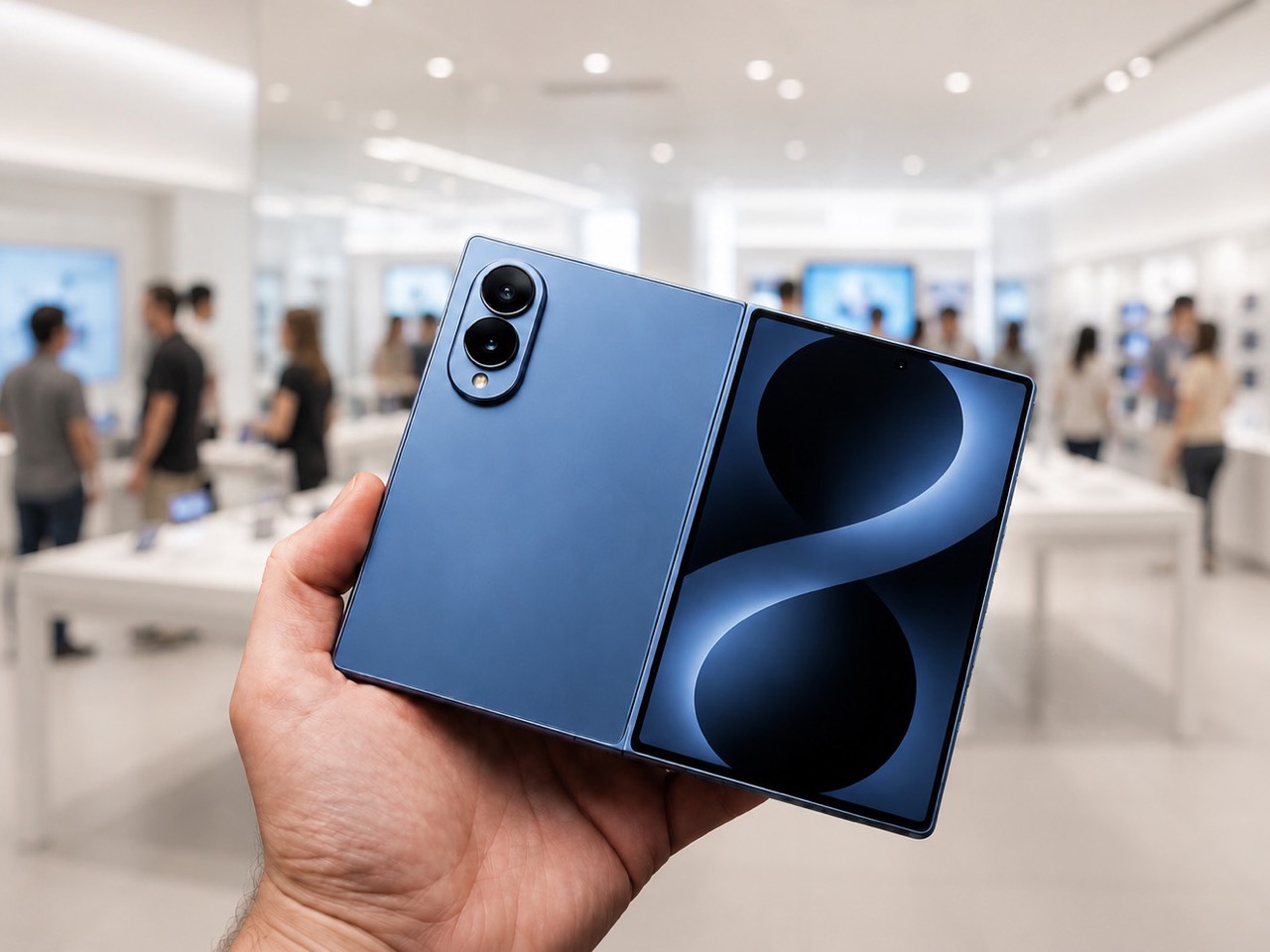
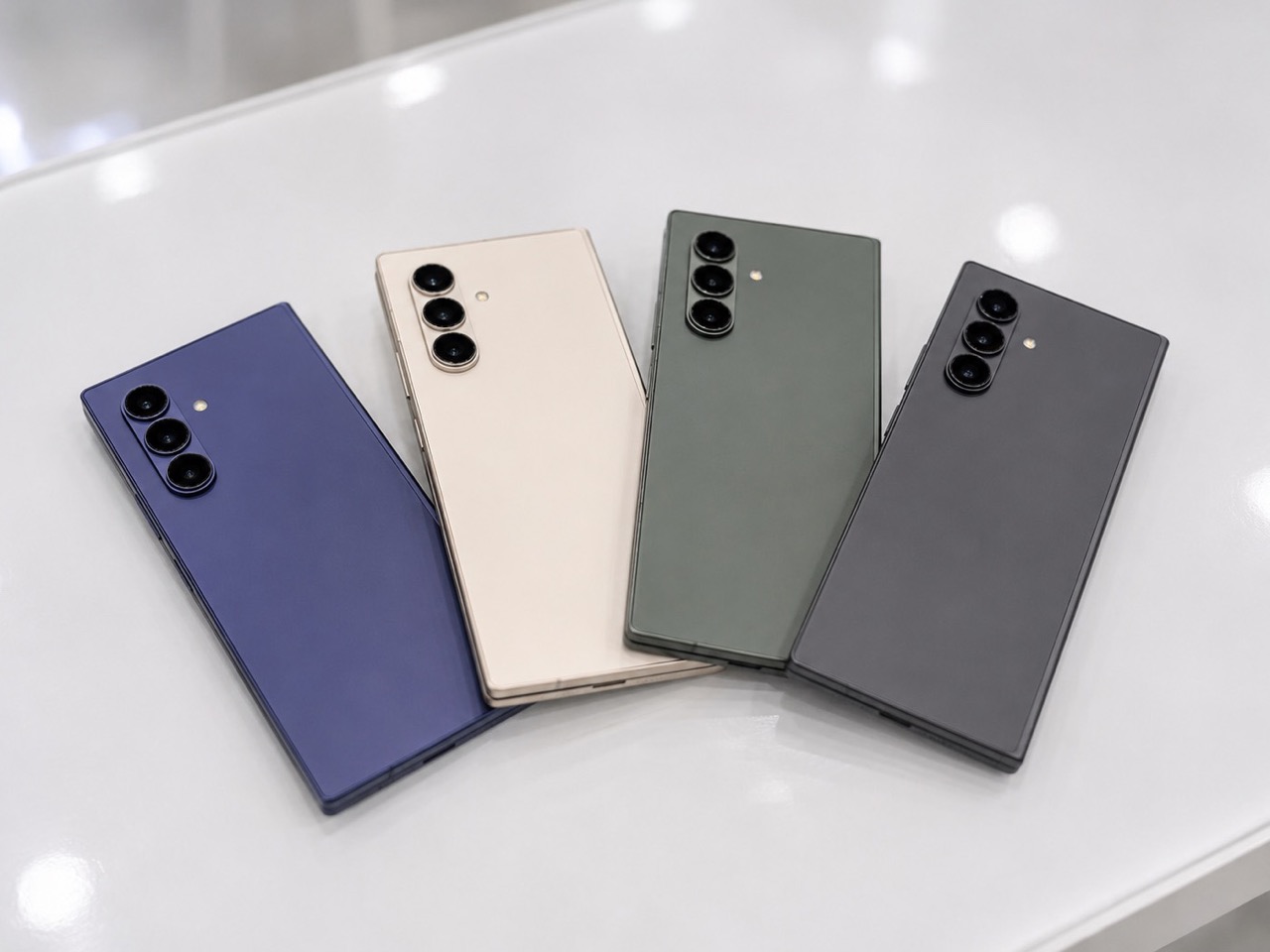
What makes the lead-up to July 22 particularly interesting is how complicated the S Pen picture has become. According to multiple leaked spec sheets and tipster reports, the standard Galaxy Z Fold 8 and the new Fold 8 Wide variant may both launch without S Pen support, with Samsung reportedly continuing its thinness-first approach for those models. The standard Fold 8 could come in at 4.1mm unfolded, the Wide at an even leaner 3.9mm (pre-empting Apple’s own wide iPhone Ultra), numbers that suggest Samsung has no intention of walking back the Fold 7 philosophy across the board. The S Pen story, if it holds, belongs to a third model entirely. A Fold 8 Ultra appears to be where Samsung is routing the stylus comeback, alongside a wider display orientation and a 5,000mAh battery that would represent the first meaningful capacity upgrade for the Fold line since the Fold 3.
The Fold 7 used a titanium backplate, a strong and lightweight choice that also happens to be poorly suited to the digitizer layer S Pen functionality requires. Reports have suggested Samsung may shift the Fold 8 Ultra to a combination of titanium and carbon fiber reinforced plastic, a material used in earlier Fold models that works far more naturally with stylus hardware. The material choice, in other words, may be less about aesthetics and more about what the device is structurally allowed to do.
Samsung is also reportedly researching a digitizer-free stylus solution that would remove the hardware dependency altogether, potentially allowing S Pen-style input on ultra-thin builds in future generations. That research, if it eventually ships in a product, would be one of the more significant industrial design developments in the foldable category, because it decouples a core productivity feature from physical bulk entirely.
What Samsung appears to be attempting with the Fold 8 lineup is something more architecturally ambitious than a single model update. A tiered approach, with the standard Fold chasing thinness, the Wide offering a tablet-like aspect ratio, and the Ultra absorbing the S Pen and flagship camera system, is a bet that different foldable buyers want fundamentally different things from the same category. Whether that structure serves users better than one well-resolved device is a question worth raising, because fragmentation across three models can dilute the identity of each one. Ask Apple how they felt about launching 3 iPhone SKUs in the same September launch. Rumor has it Ternus is changing that, and only announcing the Pro iPhones this September.
Still, the design direction Samsung is pointing toward with the Ultra is the more honest one. A foldable that accepts a few extra millimeters in exchange for a stylus, a bigger battery, and a wider display is a device making peace with what the form factor actually needs to be useful. Thinness is a compelling engineering goal. Usability is a more durable design ambition, and the Fold 8 Ultra, if the leaks hold, may finally be the version of this phone that stops apologizing for being a productivity tool.
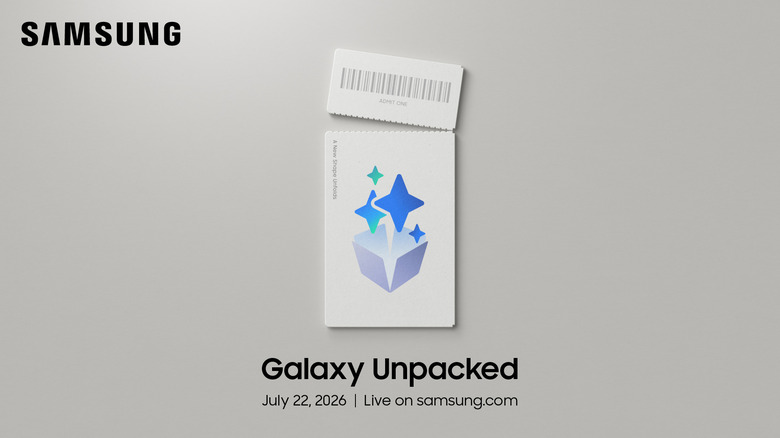
The July 22 Unpacked event in London will confirm how much of this actually ships. But the shape of what Samsung is building already says something worth paying attention to.
The post Galaxy Z Fold 8: July 22 date confirmed, S Pen returns first appeared on Yanko Design.
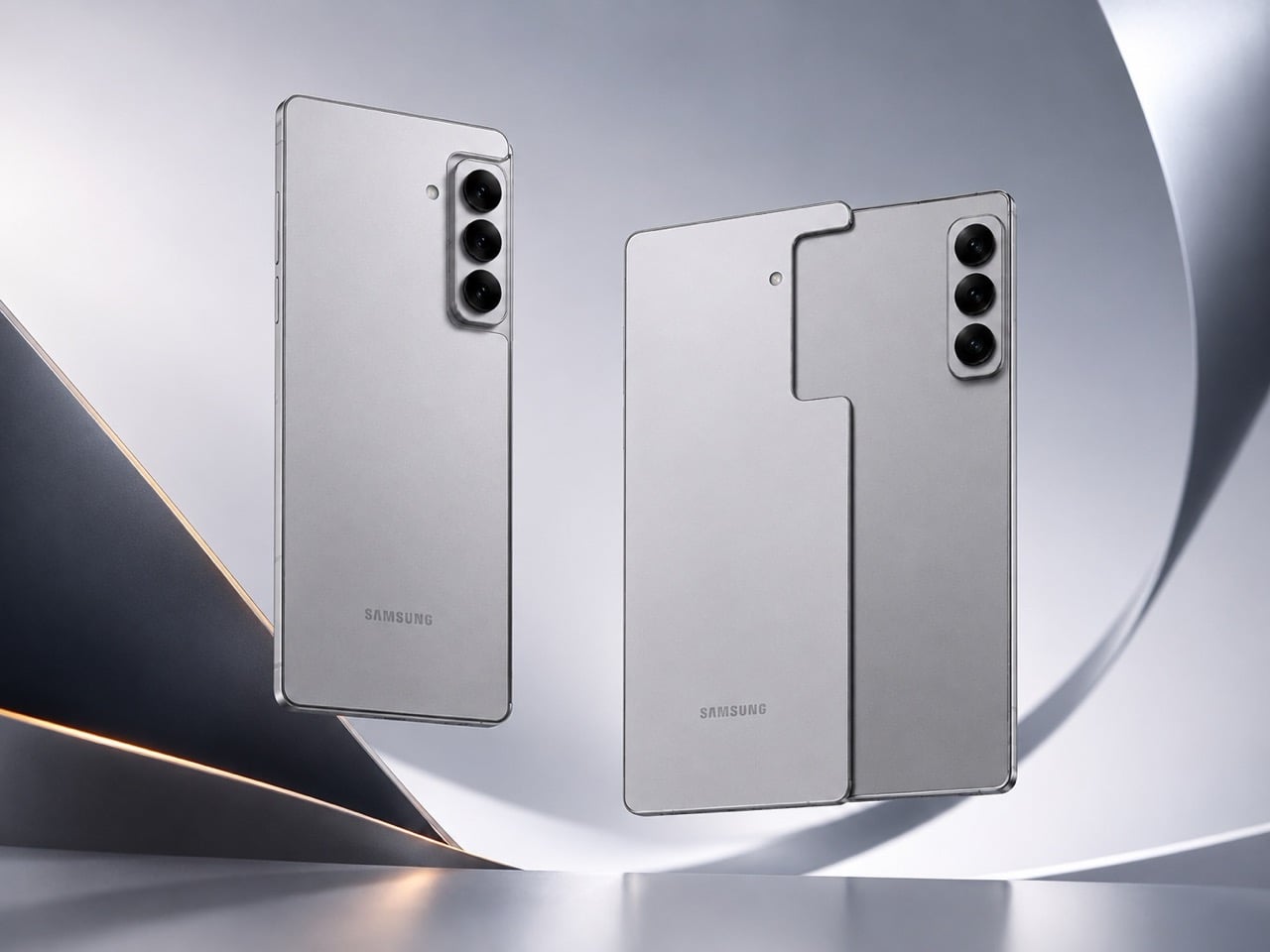
Render based on schematic
Samsung’s product roadmap for this year lists the TriFold and the Galaxy S26, with no rollable phone anywhere on it. A patent the company filed in May (uncovered by WearView) tells a different story about where its engineers are looking. The filing describes a Galaxy that slides open sideways, expanding from an S26-sized slab into a Fold-class canvas without a hinge or a crease. Its sharpest idea sits on the back, where the rear camera module rides the moving half of the chassis and travels outward as the screen grows, then slots into a frame cutout when the phone retracts. That keeps the body thin, solving the bulk that usually plagues rollable hardware.
The gap between that patent and a shipping phone runs through Samsung’s own walls. Samsung Display keeps demoing slidable and rollable panels at CES and MWC, while Samsung’s phone division quietly ships foldables and leaves the concepts on the show floor. The patent matters because it hints at the two tracks finally converging. It also lands at a pointed moment, with Apple about to release its first folding iPhone this September after a decade of chasing the perfect crease. Samsung appears to be drawing up the shape that makes that crease irrelevant.
Designers: xLeaks7 & WearView
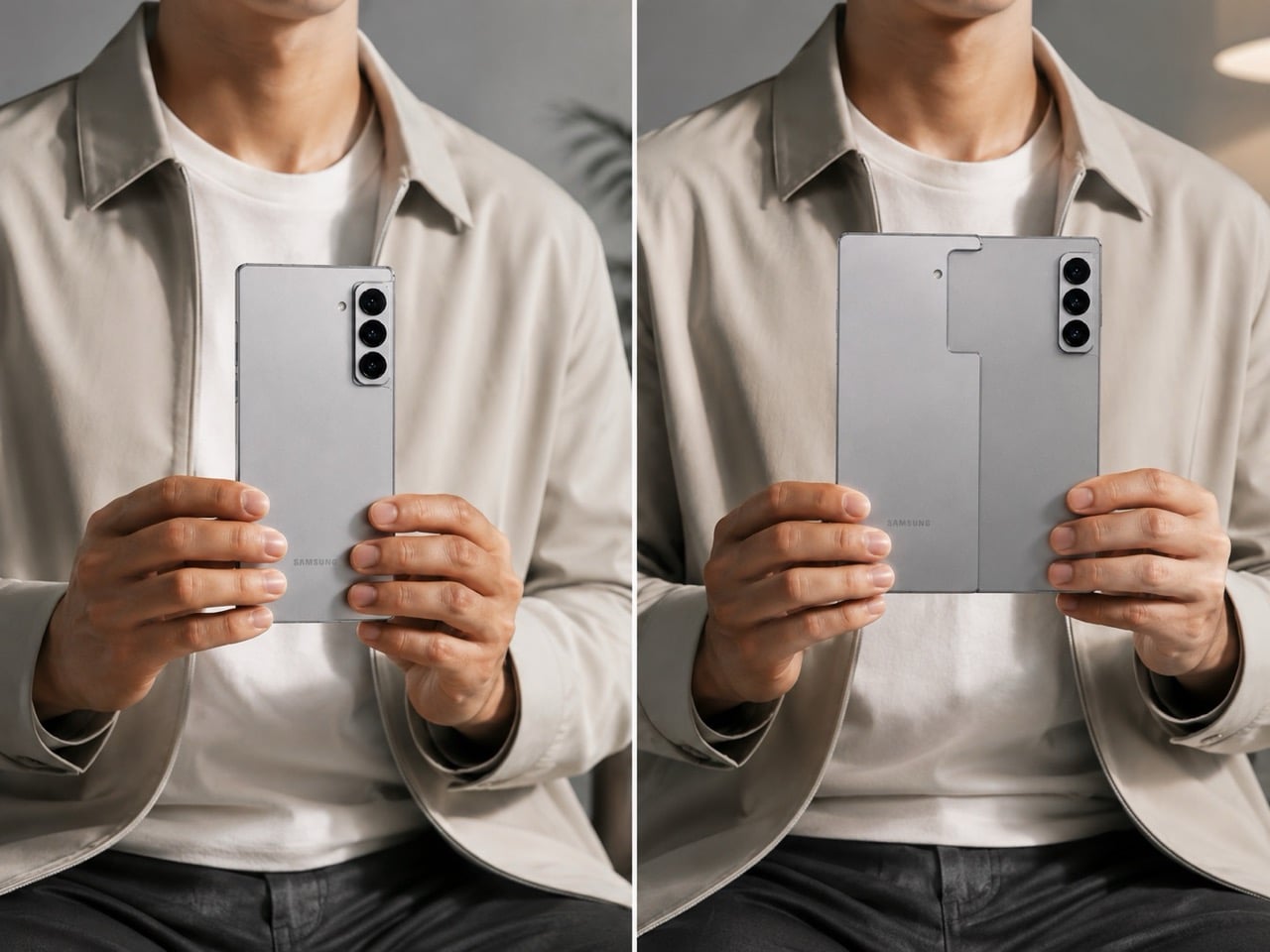
AI Render based on schematic
Mounting the camera on the sliding section answers a packaging problem that has no clean solution otherwise. Rollables grow by pulling a flexible screen out of the chassis, which leaves the camera array nowhere comfortable to sit. Park it on the stationary side and the phone thickens, ride it on the moving side and it stays slim across both states. Samsung pairs the moving module with sensors that track how the housing shifts, keeping the lenses aligned and AR tracking accurate as the geometry changes mid-use. The compact form reads like a Galaxy S26, the expanded version approaches Z Fold 7 width, and the camera quietly travels the whole distance.
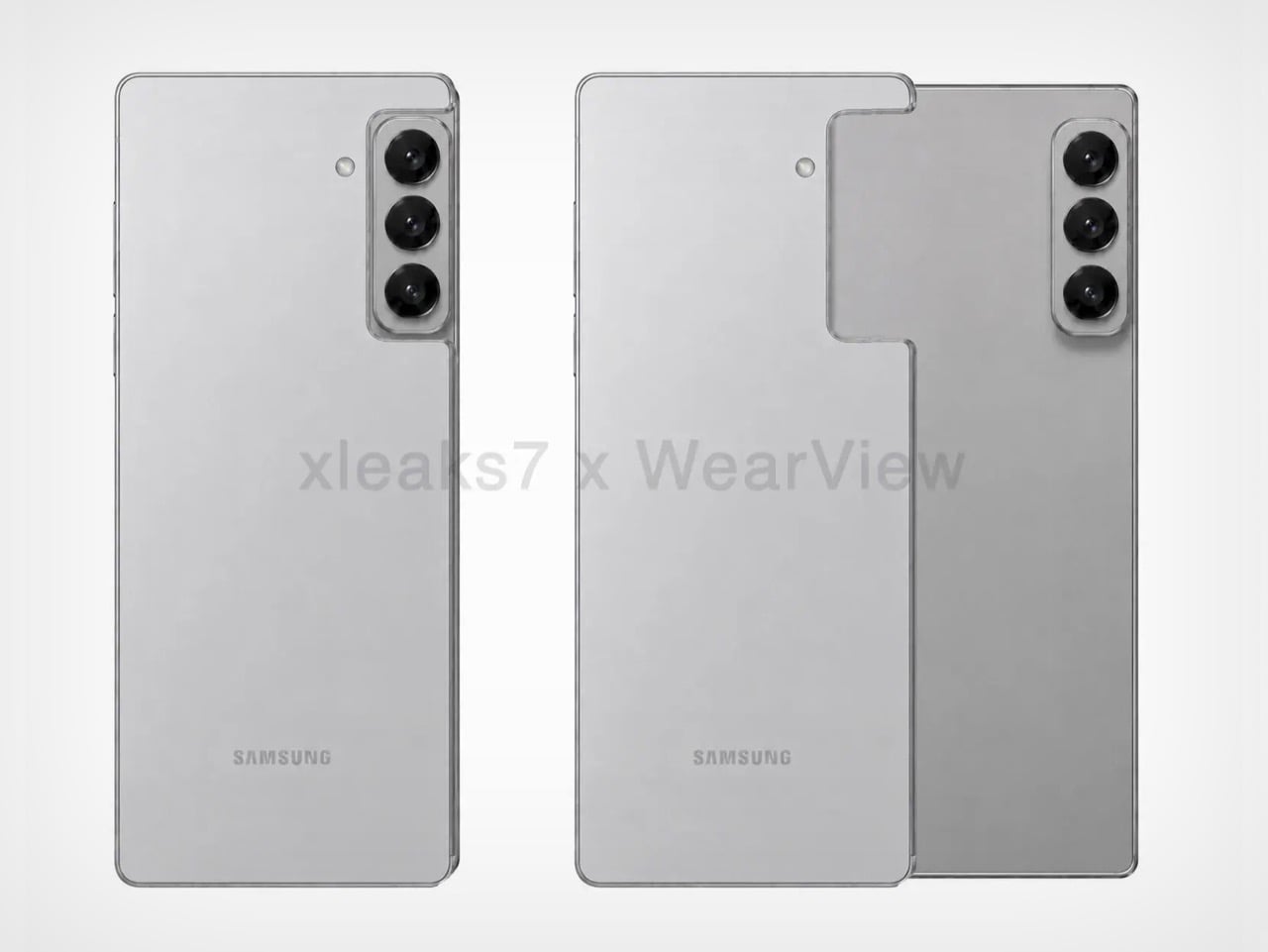
Rollables promise to erase the two things people complain about most on foldables, the crease down the middle and the doubled thickness when shut. They pay for that promise with motors, geared rails, and moving internal trays, a fresh set of failure points that hinges avoid. LG built a working rollable, showed it at CES 2021, then shelved it when it abandoned phones, and a teardown that went viral this spring exposed dual motors and spring-loaded arms looping a screen around the back. Oppo, Motorola, and Tecno each ran the same play and shipped nothing, the ghost hanging over Samsung’s filing. We flagged TCL’s Fold ‘n’ Roll as one of the rollable concepts still worth chasing earlier this year, so the appetite clearly exists even when the hardware refuses to leave the booth.
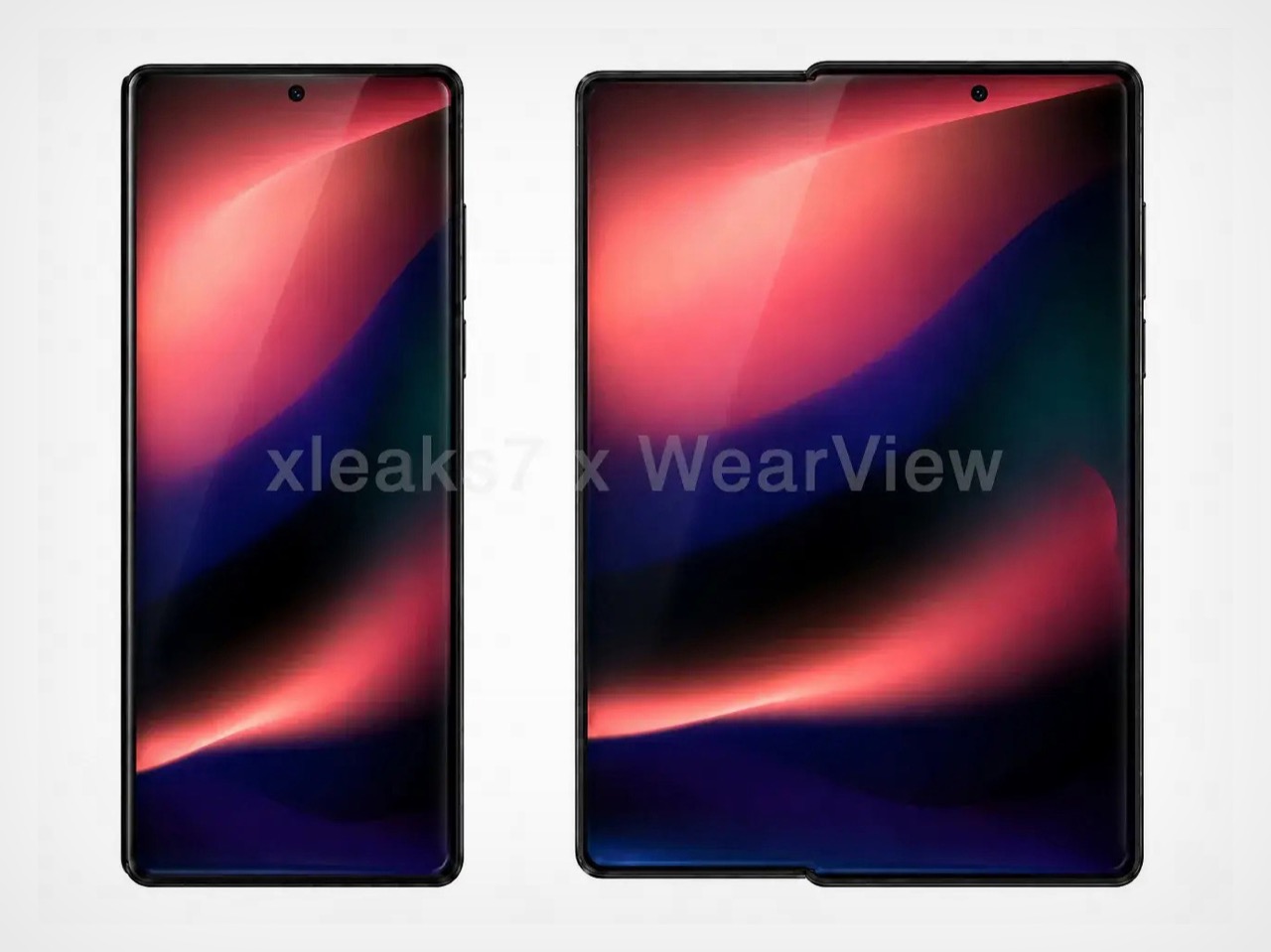
Samsung Display has been rehearsing this in public for years, which separates the patent from pure fantasy. The division showed the Slidable Flex Duet at CES 2025, a panel stretching from 8.1 inches to 12.4, and brought a vertical Mobile Slidable to MWC 2026 that grew from 5.1 inches to 6.7. One of those rollable panels already ships inside Lenovo’s ThinkBook Plus, proving the mechanism survives a real product when the price target allows. The patent’s specifics stay slippery, with the filing describing a modest side-slide while WearView’s renders imagine a far wider Fold-class spread. Apple, for its part, sources the inner display of its incoming foldable from Samsung, so Cupertino’s first fold literally runs on the glass of the rival now sketching past the fold.
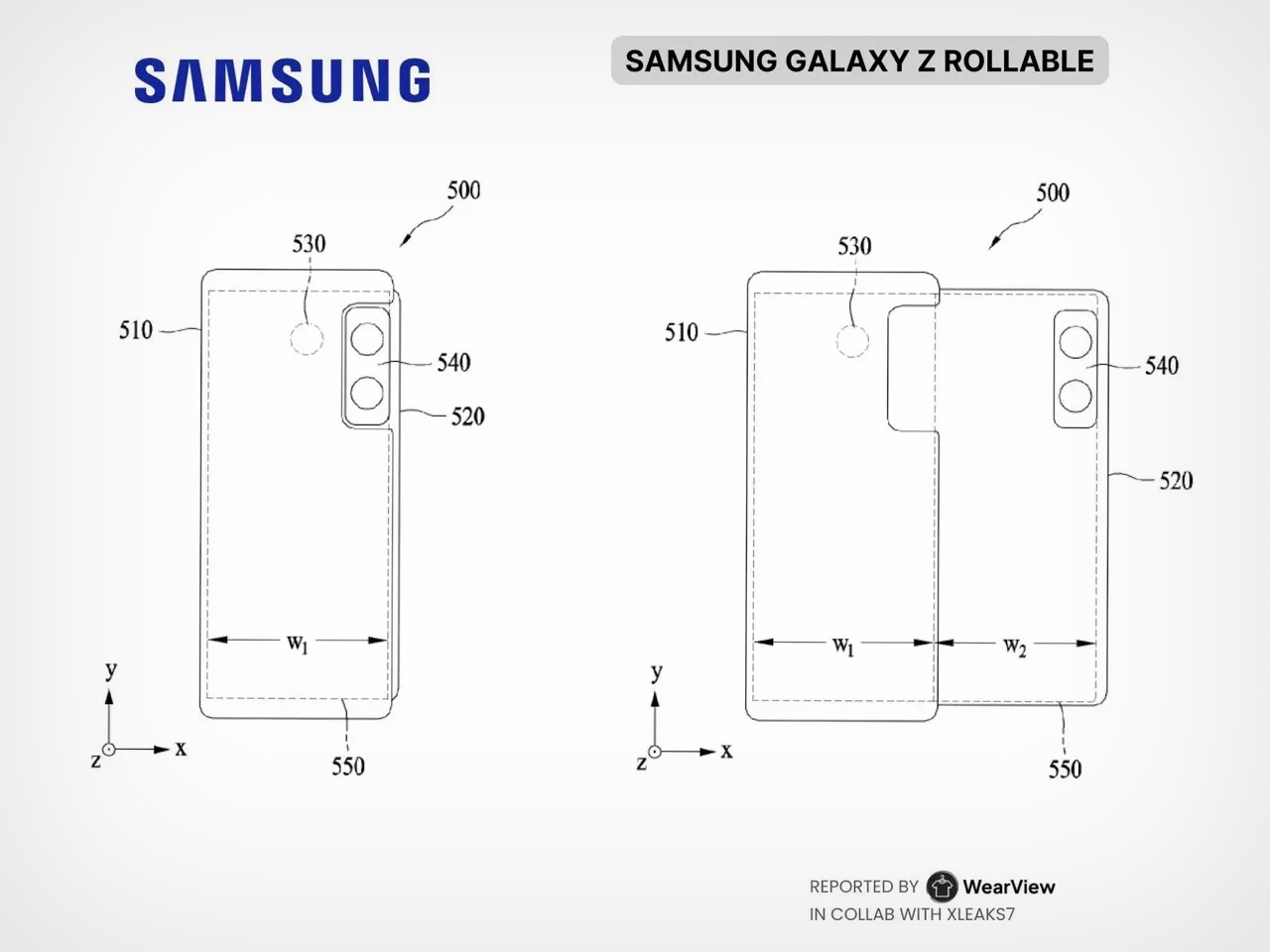
What turns this from a filing into a product would show up in the signals, and none of them have flipped yet. Samsung’s phone division still sells hinges, the TriFold remains the stated frontier, and rollables live on a research track that hasn’t crossed onto the roadmap. The day patents start specifying durability ratings instead of clever geometry, and the day Samsung MX teases a rollable instead of Samsung Display demoing one, the math will have changed. For now this is a sketch, an elegant one, of where the company thinks the phone goes once everyone finishes copying the fold. I want Samsung to build it, if only because a camera that moves with the screen is the rare hardware flourish that earns its own complexity.
The post Samsung’s Rolling Display Phone begins taking shape just as Apple preps the iPhone Fold first appeared on Yanko Design.
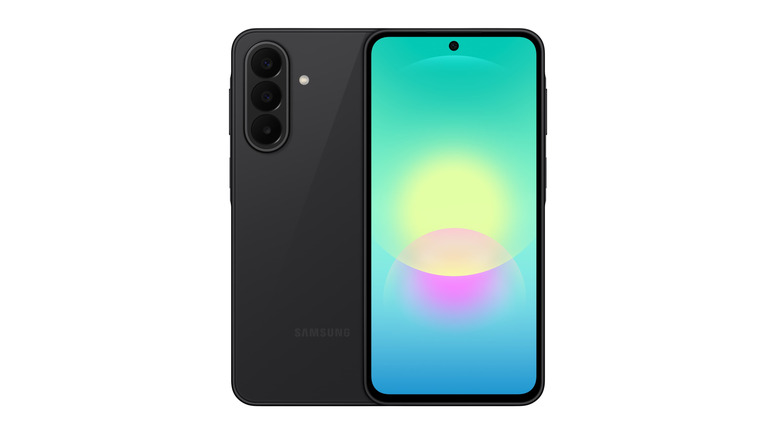
Budget smartphones have always existed in a sort of software slow lane. Manufacturers have typically prioritized their flagship and upper-midrange lines when rolling out major updates, leaving the cheaper devices to wait months, sometimes longer, before seeing the same software features. That pecking order has been so consistent for so long that it’s practically become an unspoken rule of the Android ecosystem, especially within Samsung’s own Galaxy lineup.
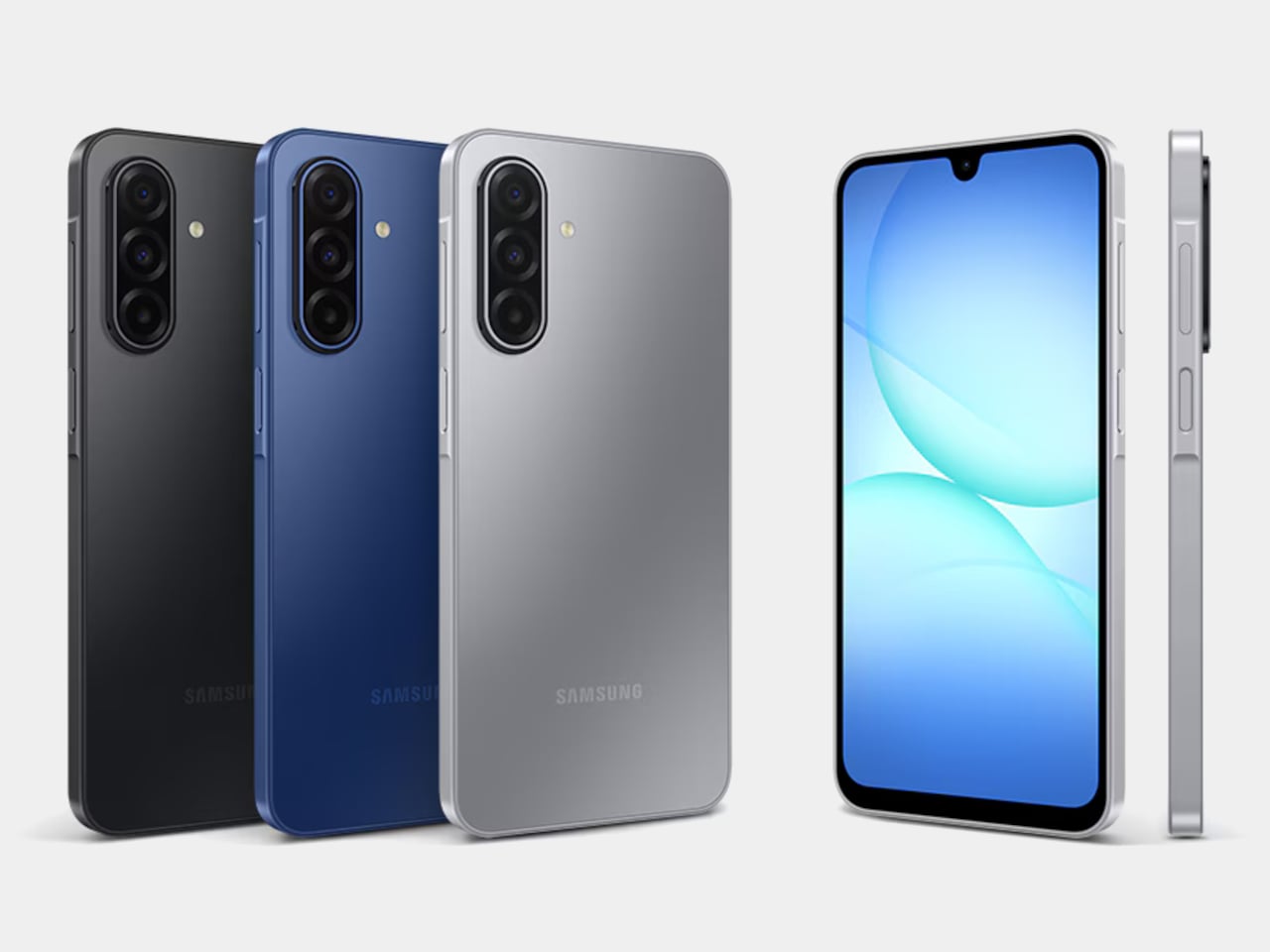
Samsung’s Galaxy A17 5G is changing that, at least for now. The $199 phone, which only made its way to US store shelves earlier this year, began receiving One UI 8.5 before several pricier Galaxy models, including the Galaxy S22, the A55, and the A35. That makes it not only the cheapest Galaxy phone on the new software, but also a very unexpected one to lead the charge.
Designer: Samsung

The rollout began in South Korea on May 26, 2026, with firmware version A175NKSU5CZE9, before expanding to other regions. Samsung releases updates to multiple devices at a time, so getting new software the same week as other phones isn’t remarkable. The order, however, tells a different story. The Galaxy S22 was once a top-tier flagship, and both the A55 and A35 sit comfortably above the A17 in Samsung’s current lineup.
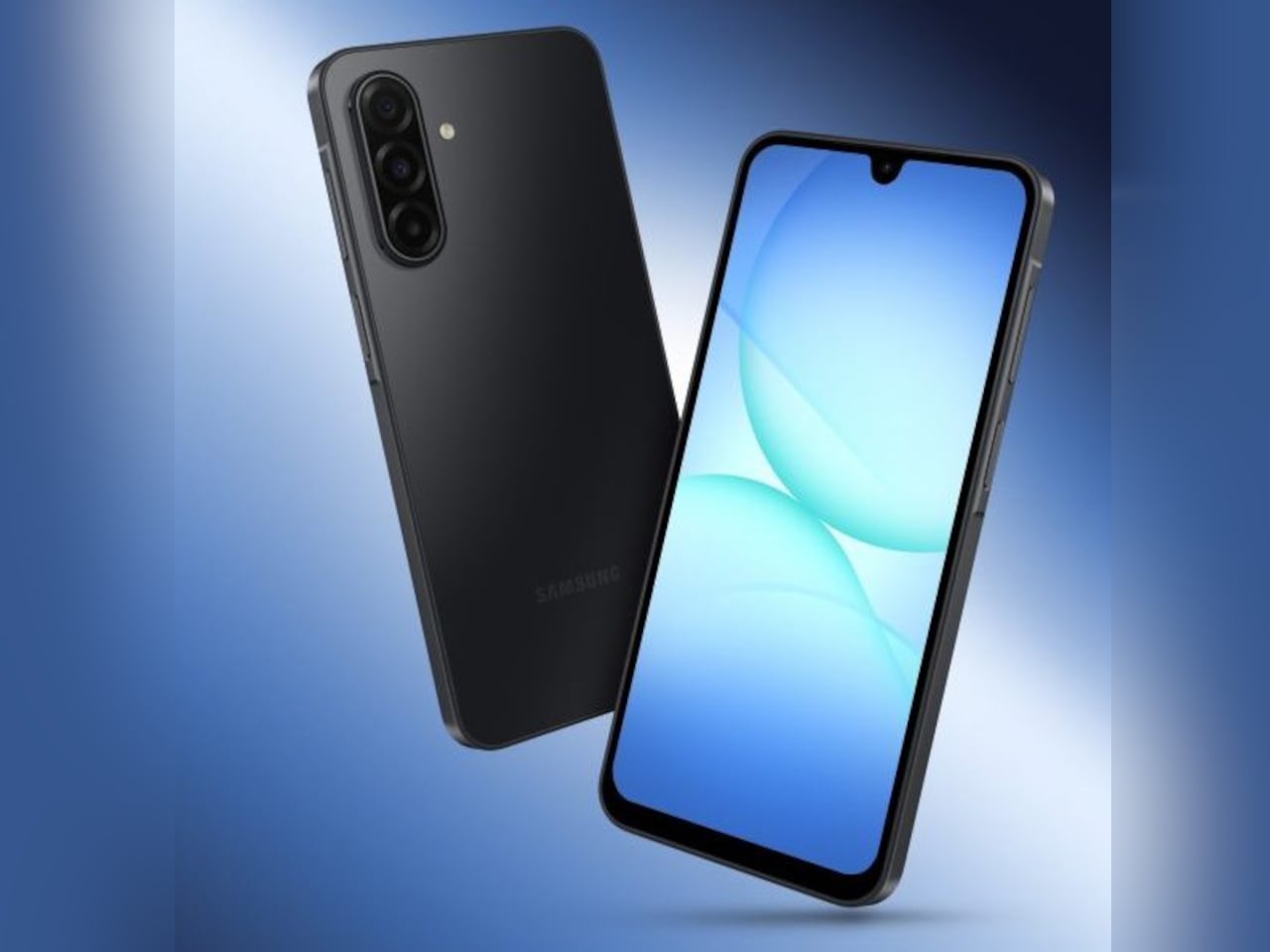
On paper, the Galaxy A17 5G doesn’t have much to shout about. It runs on Samsung’s Exynos 1330 chip, pairs that with a 6.7-inch display, and backs everything up with a 5,000 mAh battery. Those are solidly mid-tier numbers, and at $199.99, the phone was never going to compete with the Galaxy S25 or even the A55 on raw performance. That was never really the point, though.
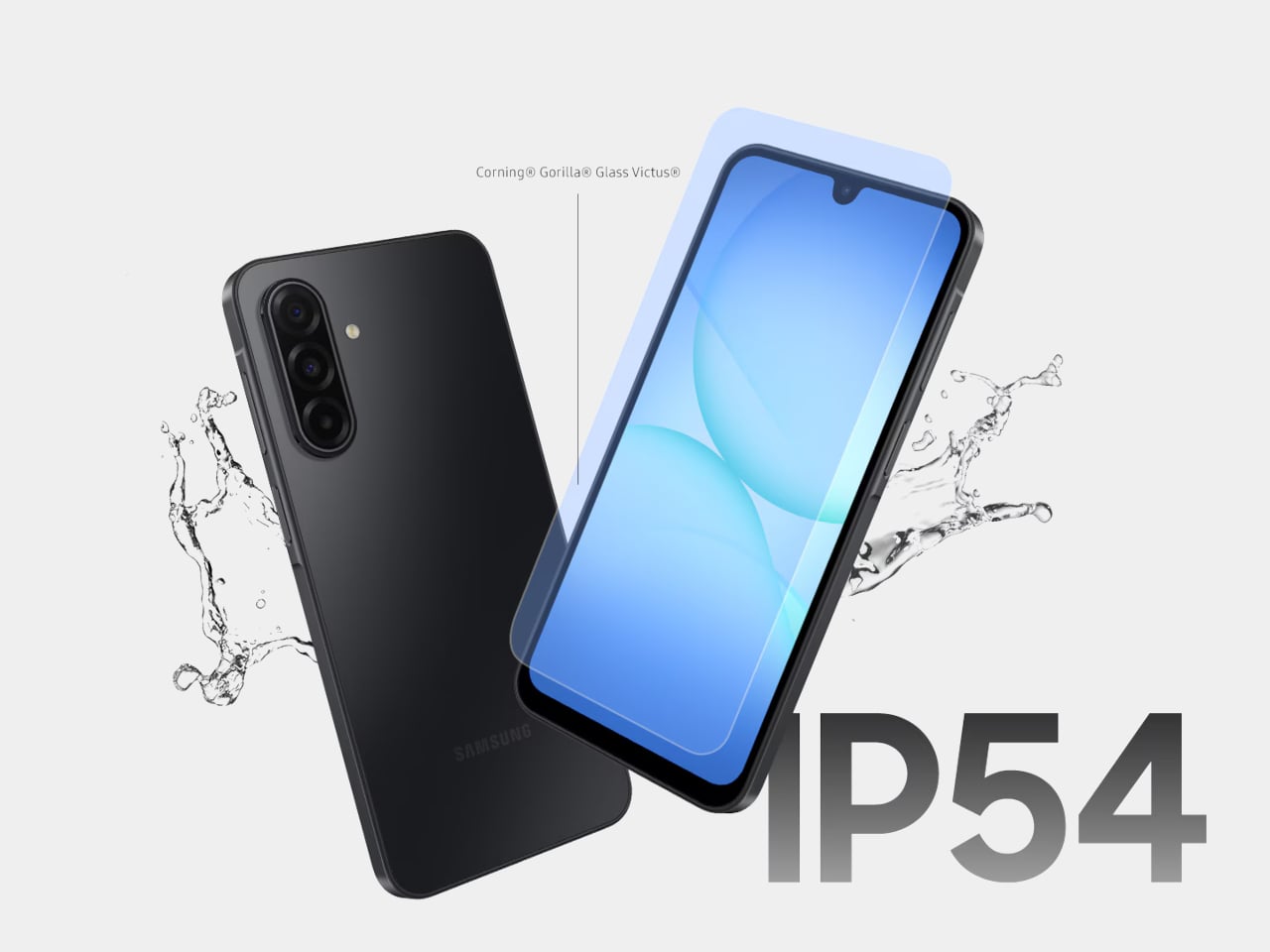
Samsung promises six years of OS and security updates for the Galaxy A17 5G, which is genuinely compelling at this price. Google’s Pixel 9a offers seven years of support but costs $499 to start. At $199, the A17 gets surprisingly close to that coverage level, putting it in a different conversation entirely, one that’s less about what the hardware can do today and more about how long it’ll stay relevant.

One UI 8.5 brings a range of new features and interface improvements, including enhancements to Gemini AI. Not everything will run at full capacity on the A17’s Exynos 1330, since some of the more demanding AI tools favor higher-end chipsets. But for someone who bought a $199 phone expecting years of use, getting a meaningful software update rather than just a security patch is the kind of thing that counts.
Android 17 is also expected to hit stable release in the coming weeks, based on where Google’s release notes currently stand, which means Samsung will soon have to decide which phones get One UI 9. The A17 just showed it’s on the list for timely updates, and with six years of committed support on the books, there’s good reason to think it’ll be there when that time comes.
The post $199 Galaxy A17 Beat the Galaxy S22 to One UI 8.5 first appeared on Yanko Design.