The Secret to Creating the Viral iPhone Lock Screen Everyone Loves

The Secret to Creating the Viral iPhone Lock Screen Everyone Loves

The release of iOS 26 has introduced a new level of lock screen customization, captivating users with its innovative features. Among these, the depth effect and underwater clock design have gained significant popularity, creating a visually striking and dynamic lock screen experience. The video below from iReviews will walk you through the steps to recreate […]

The post The Secret to Creating the Viral iPhone Lock Screen Everyone Loves appeared first on Geeky Gadgets.

Posted in Uncategorized

Our favorite books we read in 2025

This was the kind of year that felt 100 years long, so who could blame us for leaning into a bit of escapism? Some of us buried our noses in books in 2025, and thankfully, there were plenty of good reads to get lost in. Here are some of the Engadget team’s top picks from the year.

Wild Dark Shore by Charlotte McConaghy

Wild Dark Shore pulls off a magnificent balancing act of telling an intimate, personal story coupled with the backdrop of impending climate disaster. A father and three children are living on a remote island near Antarctica, taking care of a vast seed bank that was part of an abandoned research facility. They’re literally trying to stay above water for a few months until they get bailed out from the island along with as much of the seed bank as they can save before it goes under when a woman named Rowan washes up on shore. She survives, is nursed back to health, and starts forming bonds with her rescuers and their mission — but at the same time, she has some unexpected connections to the island and the former research team that lived there that she keeps to herself.

The magic of this book is in the way Charlotte McConaghy builds tensions from many sources throughout the book; you feel a lingering sense of discomfort through, waiting for the other shoe to fall even as Rowan gets closer and closer to the family. It’s a small-scale story at its heart, but with the backdrop of disaster looming the stakes feel extremely high. And McConaghy is a master at putting these feelings on the page in gorgeous prose. As she showed in her previous work Migrations, she has a real talent for realistically describing near-future climate disasters, but Wild Dark Shore raises the personal stakes in a visceral way. — Nathan Ingraham, Deputy Editor

Moonflow by Bitter Karella 

This book is a chaotic and deeply weird rollercoaster ride that repeatedly gave me whiplash, and I loved it. Fair warning, it's not for the weak-stomached. It is horrifying, hilarious, nauseating and somehow a very good time and a very bad time simultaneously. Moonflow is told through dual narratives, one following Sarah, a trans woman and mushroom dealer who has found herself in a desperate situation, and the other following the henchwomen of a deranged cult that's made its home in a cursed forest. After Sarah ventures into these woods in search of the King's Breakfast, a rare mushroom said to grant divine understanding to those who consume it, all hell breaks loose.

Karella's writing is immersive, and this is the kind of book you can see, feel, hear and smell, for better and worse. Every person in this book is like a caricature of someone I've crossed paths with at some point in life, and the names of the cult members are just… chef's kiss. Some of them had me howling. It is completely unpredictable — except in those few moments where it seems the author wants you to know exactly where things are going just to make you dread the inevitable. Reading Moonflow was a visceral, unforgettable experience. — Cheyenne MacDonald, Weekend Editor

Simplicity by Mattie Lubchansky

Another one about a cult, except this cult rules. I picked up Simplicity knowing nothing about it except that everyone cool on the internet seemed to be praising it, and was excited to discover that it's set near where I live in New York's Hudson Valley, in a future version of the Catskills. And here in the Hudson Valley, it often feels like I'm one or two innocuous decisions away from accidentally joining a cult, so there was an immediate connection. In Simplicity, it's the year 2081 and New York City is a high-tech dystopia run by a billionaire. North of the city, though, various communities have settled off-grid, including a group called The Spiritual Association of Peers.

Lucius Pasternak, a trans man, is sent on an anthropological assignment from the mayor to SAP's compound, Simplicity, and it doesn't take long for their uninhibited way of life to start growing on him. But Lucius soon begins to have strange dreams, and a series of violent attacks shakes up the community. Through his mission to understand the people of SAP and later to find and stop the entity that's targeting them, a beautiful story about queerness and identity and belonging and fighting for what's important unfolds. This feels like the kind of book that should be passed around between friends who just get it, and I imagine many readers will feel incredibly seen by it like I did. — C.M. 

The Buffalo Hunter Hunter by Stephen Graham Jones

Or Stephen Graham Jones' Interview with the Vampire. The Buffalo Hunter Hunter blends historical fiction and horror to give us one of the most impactful vampire novels of our time — one that serves as an uncomfortable but necessary reminder of the atrocities committed against indigenous people in the US by white settlers. It begins with the discovery of a crumbling journal that claims to contain the confession of a Blackfeet man-turned-vampire named Good Stab, as told to Lutheran pastor Arthur Beaucarne. What follows is a gutting chronicle of slaughter, heartbreak and revenge. It's a classic in the making. — C.M.

Isola by Allegra Goodman

Historical fiction is how I trick my brain into possibly learning something. And because the endings are set, the author has to hook you into the drama with more than just the peril of an unknown outcome. I fell deep into Wolf Hall even though I knew which heads Henry VIII chopped off. I thought Isola might be similarly gratifying.  

It tells the story of Marguerite de la Rocque de Roberval, a young noblewoman from France who was intentionally marooned on an island off the coast of Canada in 1542. The story is based on historical records so you know the plot won’t adhere to safe formulas, but mon dieu, I was not prepared for how rough things would be for Marguerite. 

Her troubles began long before she found herself fighting for survival on a wild uninhabited island with brutal winters. From birth, nearly every happiness was undercut by more dominant forces, yet the woman never stopped moving forward. Thankfully, Goodman draws Marguerite’s character not as some tired brand of plucky heroine with grit and a wink, but as a perceptive, pragmatic being who also gives in to impulse and doesn’t have everything figured out. 

Isola is beautifully rendered, from the stone chateaus to creaking ships and rough abundance of the island. Despite being set over 400 years ago, nothing feels dated. Human versus universe is an unfair battle, but I rooted for Marguerite on every page — and those pages turned quickly. — Amy Skorheim, Senior Reporter, Buying Advice

Old Soul by Susan Barker

This was one of the first books I read this year, and it's really stuck with me. Old Soul travels through time and all over the world, across multiple storylines to trace the devastating impact of one mysterious woman who seems to defy the rules of mortality and always leave tragedy in her wake. Barker's writing in Old Soul pulls the reader in and doesn't let go. It's an unsettling slow burn that did a great job of getting under my skin.  — C.M.

Meet Me at the Crossroads by Megan Giddings

If a door appeared out of nowhere, would you go through it not knowing what lies beyond or if you'd be able to return? In Meet Me at the Crossroads, seven doors pop up one day around the world, and people are unsurprisingly captivated by them. Regular people tempt fate, the ultra-wealthy plan exclusive excursions through them, religions form around their mystique. Ayanna is a teenager who was brought up in one of these religions. She's also a twin, with a sister named Olivia who she's been separated from after their parents' split. When it comes time for Ayanna to go through one of the doors as part of a ceremony, Olivia makes a last-second decision to go with her. What follows is the aftermath of that decision. Meet Me at the Crossroads is a haunting and emotional journey.  — C.M.

Woodworking by Emily St. James

I am a cisgender, white middle-aged man, so the experience of learning and accepting a different gender identity is something I will never fully understand. But Woodworking, the debut novel by Emily St. James, is a hilarious, tragic and ultimately hopeful look at two trans women navigating different moments of acceptance in their lives. Erica is a mid-30s high school teacher who is recently divorced and just figuring out that she’s trans, something no one else knows about her at the start. Her student, 17-year-old Abigail, is her opposite: proudly out about her identity in a way that’s uncommon and dangerous in her small, conversative town in South Dakota.

Their paths intersect, and Abigail ends up in the uncomfortable and somewhat unethical role of helping Erica find herself. After all she’s confident and not afraid of who she is — but she’s also still a teenager, one dealing with massive trauma of her own. The dual look into these two protagonists, each with sections of the book narrated from their own points of view, gave me a vivid picture of the different challenges, emotions and dangers trans people face. But the unexpected community that develops around both characters plainly shows the value of living as your true self in a way that (hopefully) anyone should be able to relate to. — N.I.

This article originally appeared on Engadget at https://www.engadget.com/entertainment/our-favorite-books-we-read-in-2025-160000704.html?src=rss

Ultimate Midjourney Style Creator Guide : New Workflows Built for Play, Not Pressure

Ultimate Midjourney Style Creator Guide : New Workflows Built for Play, Not Pressure

What if the secret to unlocking your most creative self wasn’t about perfecting a single vision, but embracing the unexpected? Below, Future Tech Pilot breaks down the Midjourney Style Creator’s latest updates, and they’re anything but ordinary. This isn’t just another feature release, it’s a reimagining of how we approach artistic discovery. By shifting the […]

The post Ultimate Midjourney Style Creator Guide : New Workflows Built for Play, Not Pressure appeared first on Geeky Gadgets.

Posted in Uncategorized

LG will show off a humanoid robot for household chores at CES 2026

LG will present a home robot named CLOiD at CES 2026 in Las Vegas. With humanoid robotics sure to feature heavily at this year's tech conference, LG has teased its home assistant before a full unveiling in January.

The company says CLOiD's two articulated arms with five individually actuated fingers are designed to help with a variety of household tasks. However, LG has not yet given a specific example of a task CLOiD can handle. We're also not sure what it looks like, because aside from a couple of very close-up images of CLOiD's hands, LG is keeping what the robot looks like under wraps until the show. 

LG said CLOiD is part of the company's vision that “Zero Labor Home, Makes Quality Time.” It said its robot is a step toward a company goal of "freeing customers from the time-consuming demands of housework." 

CLOiD's chipset is housed in its head, which also sports a display, speaker, camera and a bevy of sensors meant to enable expressive communication. LG says its new robot is powered by its "Affectionate Intelligence" technology and is designed to interact in a neutral, user-friendly way. It's also designed to refine its responses through repeated interactions with a user.

CES often plays host to proof-of-concept products that offer a window into the future but may not make it to market. It remains to be seen if CLOiD is simply a booth-side attention-getter or something with real potential. Visitors can see CLOiD handle some real-life scenarios at LG's booth in the Las Vegas Convention Center.

This article originally appeared on Engadget at https://www.engadget.com/home/smart-home/lg-will-show-off-a-humanoid-robot-for-household-chores-at-ces-2026-145411218.html?src=rss

OnePlus Pad Go 2 Battery Lasts From Morning Coffee to Bedtime

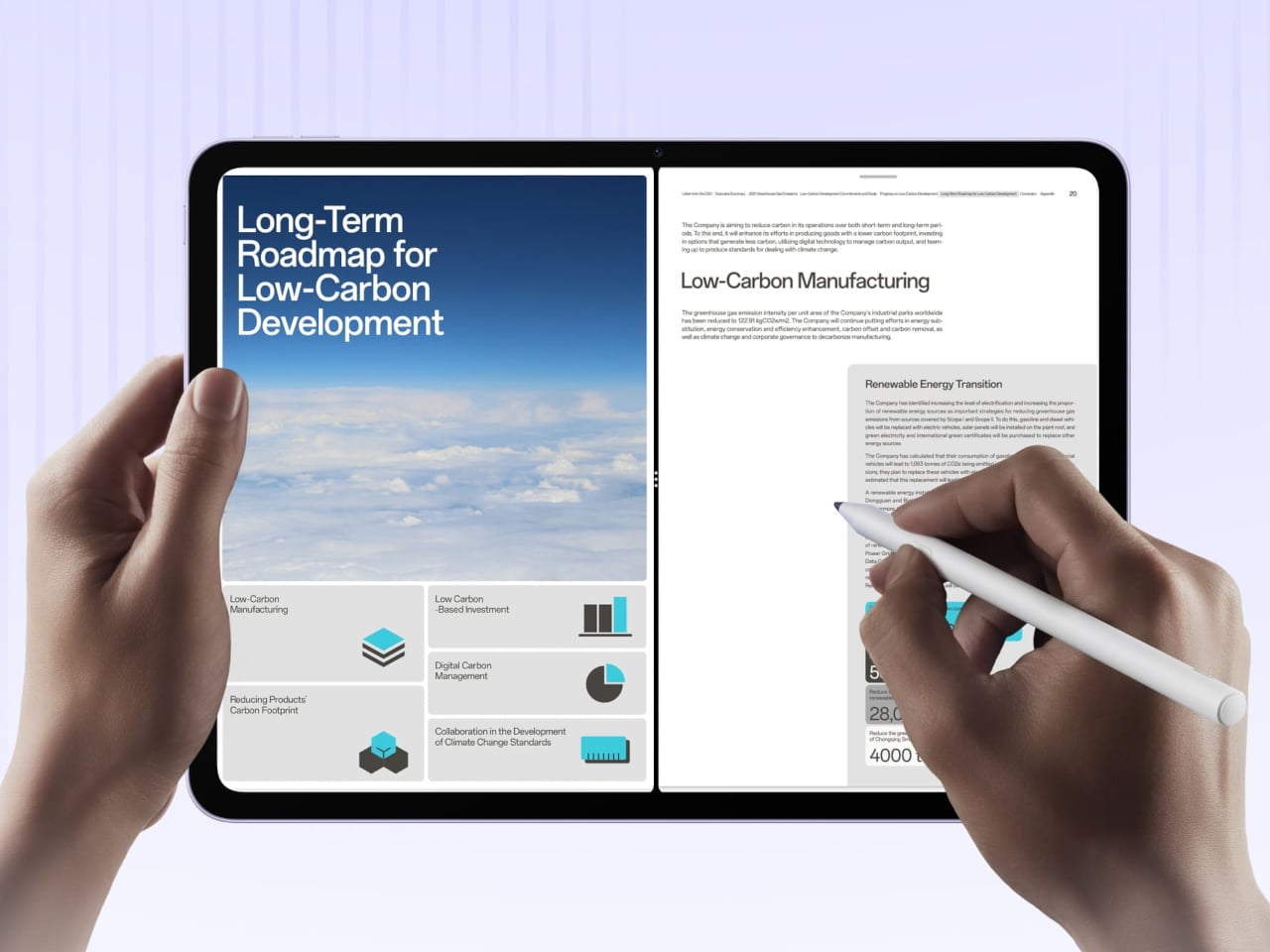
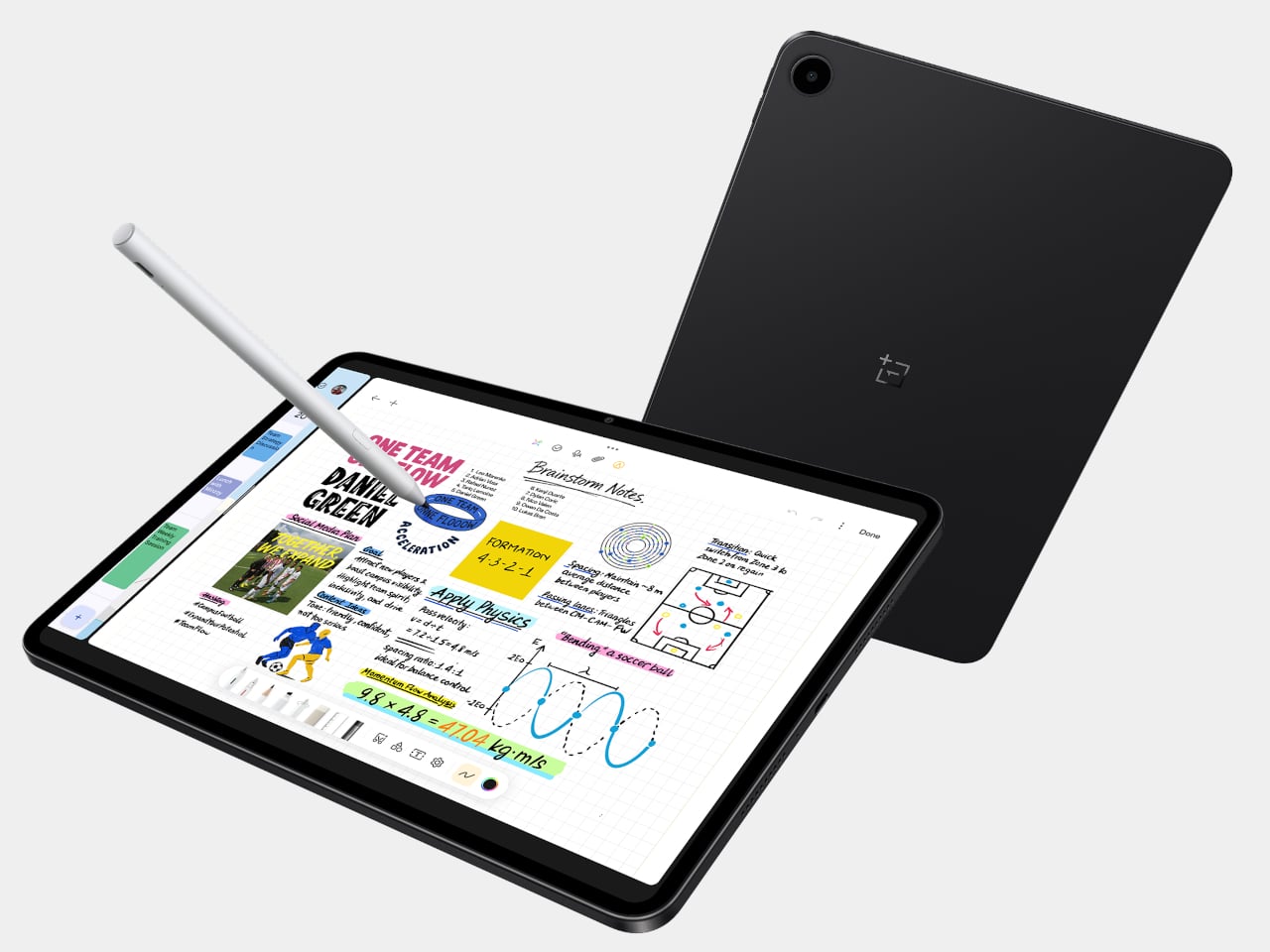
Tablets have settled into a role somewhere between couch companion and light laptop stand-in, mostly used for streaming, reading, browsing, and occasional work. Android tablets have been uneven for years, with some brands throwing hardware at the problem while others barely try. OnePlus has been quietly building a more coherent story, and the Pad Go 2 is its latest attempt to make a large screen feel natural.

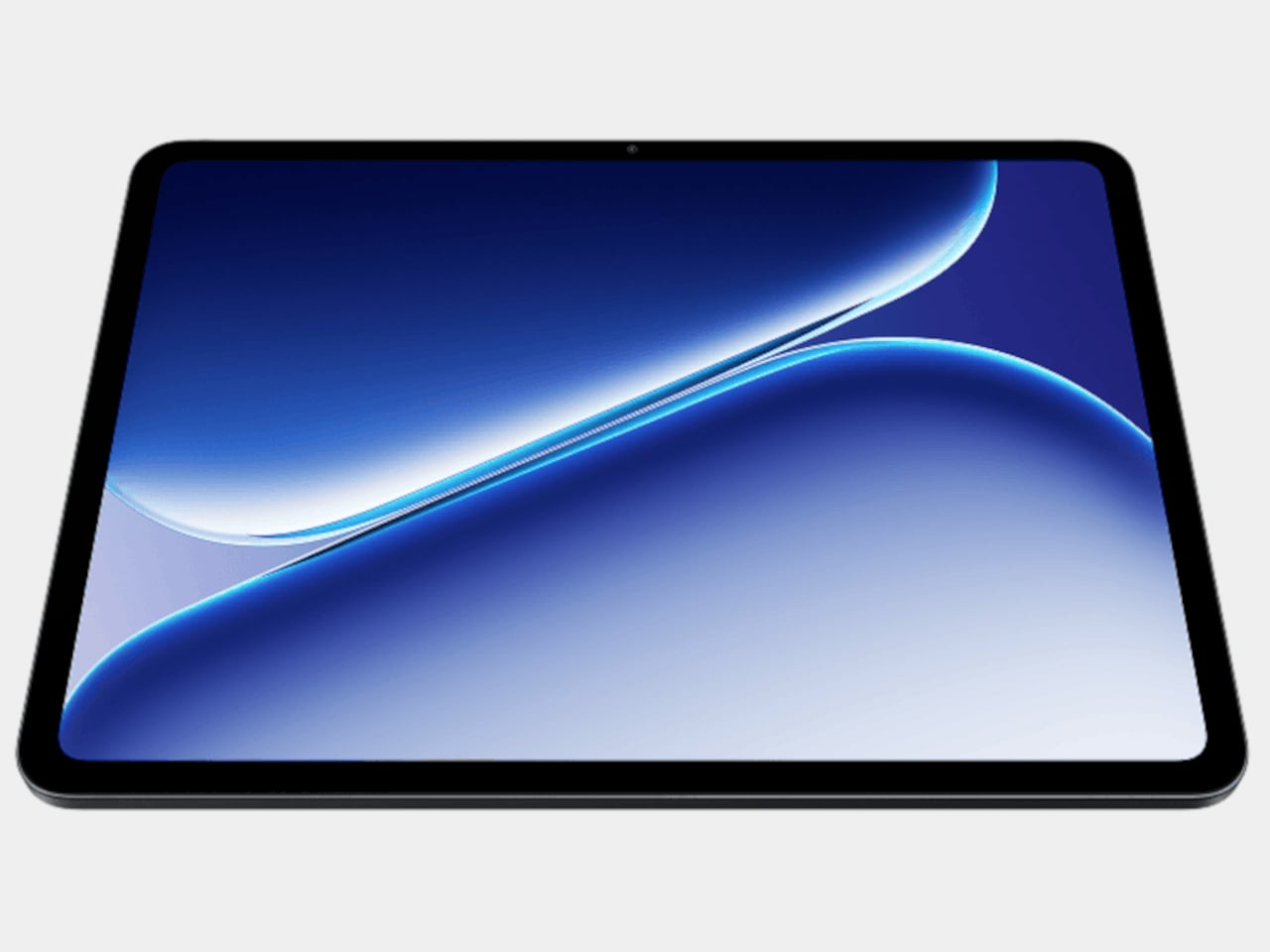
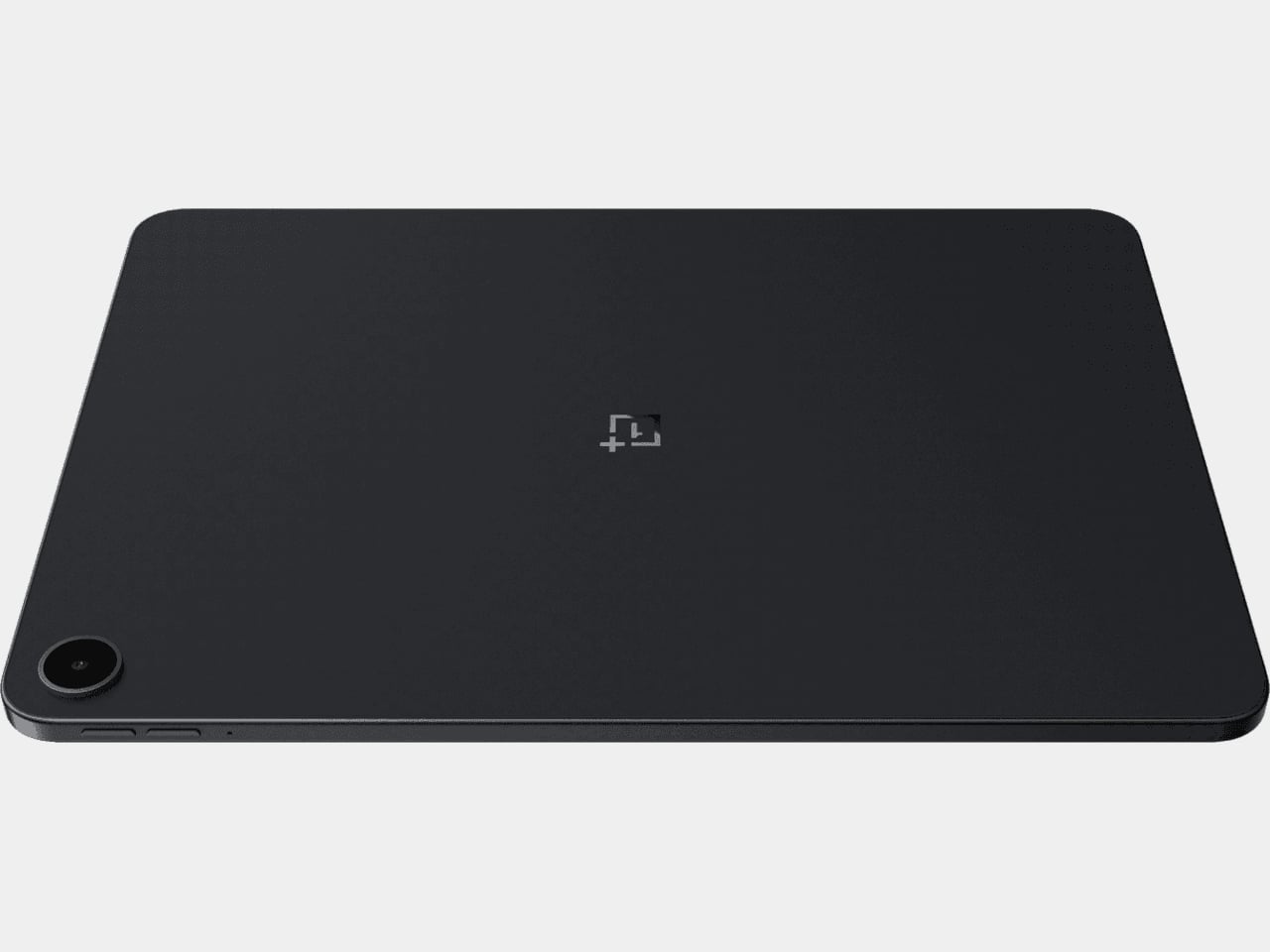
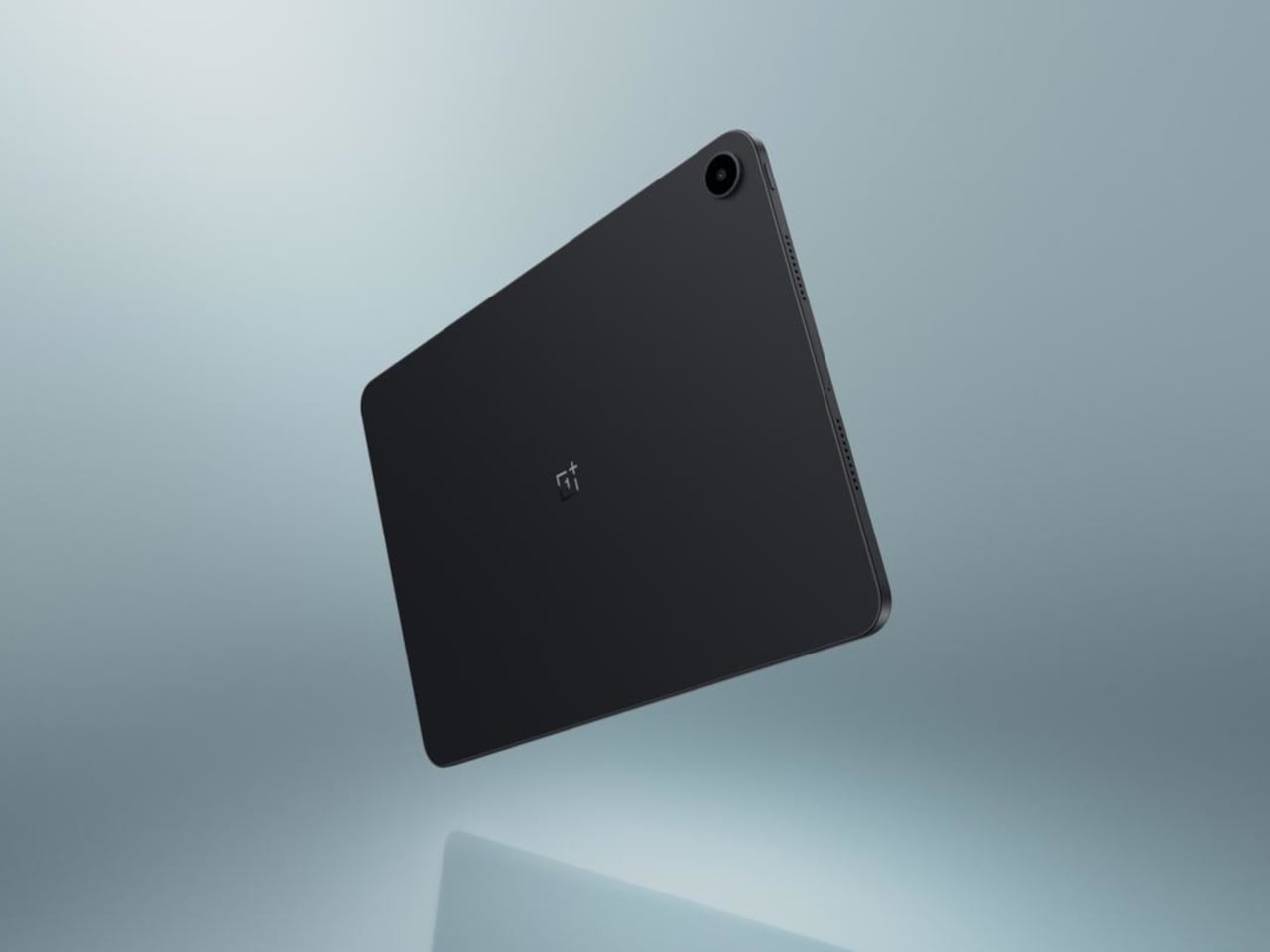
The OnePlus Pad Go 2 is a 12.1-inch Android tablet with a tall 7:5 display, a MediaTek Dimensity 7300-Ultra chip, and OxygenOS 16. It is not trying to be a halo device. Instead, it’s aiming for the sweet spot where a big, sharp screen, smooth performance, and long battery life matter more than headline-grabbing specs or ultra-thin bezels that sacrifice durability and comfort for millimeters.

Designer: OnePlus

The 12.1-inch LCD runs 2,800 × 1,980 resolution at 120 Hz, with 98 percent DCI-P3 coverage and up to 900 nits in high-brightness mode. The 7:5 aspect ratio gives more vertical space for web pages, documents, and split-screen apps than a 16:10 panel while still feeling natural for video. The extra vertical real estate makes reading and scrolling more comfortable, and the 120 Hz refresh means UI animations feel smooth without jitter.

The Dimensity 7300-Ultra, 8 GB of LPDDR5X RAM, and 128 GB of UFS 3.1 storage make the tablet feel snappy for streaming, browsing, and light gaming. The 4 nm SoC and fast memory mean apps open quickly, multitasking feels smooth, and OxygenOS animations take advantage of the 120 Hz panel without stutter. This is not a flagship chip, but it is over-specced enough for a mid-range tablet that the experience feels polished.

The 10,050 mAh battery handles long streaming sessions, reading, and mixed use without needing a charger nearby. The 33 W SUPERVOOC charging means topping up during a break is useful, rather than the slow trickle many budget tablets deliver. The goal is a tablet you can pick up in the morning and still be using on the couch at night, without babysitting the battery percentage or planning your day around outlets.

The quad-speaker setup, Bluetooth codec support from SBC through aptX HD and LDAC, and Wi-Fi 6 with Bluetooth 5.4 handle the supporting roles. The 8 MP front and rear cameras are there for video calls and quick scans rather than photography, and face unlock handles biometric login without a fingerprint reader cluttering the frame or adding cost to the bill of materials.

OxygenOS 16 is more than a phone skin stretched out, with split-screen multitasking, floating windows, and better scaling for the 7:5 display. It plays nicely with OnePlus phones for clipboard sharing, where supported, and the overall feel is closer to a lightweight desktop than a blown-up phone UI when you dock a keyboard or prop it on a stand for a few hours.

The OnePlus Pad Go 2 sits as a large-screen Android option that prioritizes display quality, smoothness, and battery over chasing ultra-high-end features. It makes the most sense for people who want a comfortable reading and streaming device that can also handle some work, and who like the idea of OxygenOS bringing OnePlus phone polish to a bigger canvas without flagship pricing or complexity they do not need for watching shows and scrolling feeds.

The post OnePlus Pad Go 2 Battery Lasts From Morning Coffee to Bedtime first appeared on Yanko Design.

iPhone 18 Pro Max: Goodbye, Dynamic Island?

iPhone 18 Pro Max: Goodbye, Dynamic Island?

Apple is preparing to unveil the iPhone 18 Pro Max in September 2026, marking a pivotal moment in its flagship smartphone lineup. This eagerly awaited device represents a bold step forward, introducing a seamless display, new camera advancements, and a next-generation chip. With these features, Apple aims to redefine user expectations and set new benchmarks […]

The post iPhone 18 Pro Max: Goodbye, Dynamic Island? appeared first on Geeky Gadgets.

Posted in Uncategorized

Apple will allow third-party app stores and payment processing in Brazil

Brazilian regulators have reached a settlement with Apple after a yearslong investigation into the company's App Store fee practices as well as its policies against third-party app stores. As first reported by Brazilian tech site tecnoblog, the nation's Administrative Council of Economic Defense (CADE) said it has accepted Apple's proposed agreement that will address claims of anticompetitive practices.

The agreement will allow for third-party payment processing methods for in-app purchases and reins in Apple's anti-steering efforts by allowing links to external websites for transactions. The settlement requires that these payment options be shown next to Apple's own. Apple must also allow third-party app stores to be installed on its devices, though the company is allowed to display warnings to users if they are written in a neutral and objective way.

A new fee structure has also been agreed to, with Apple applying no fee if users are directed to outside payment methods in a text-only way. The use of a clickable link or button for an external payment option will incur a 15 percent fee. Purchases made within Apple's App Store will still be subject to a 10 percent or 20 percent commission. Developers using Apple’s payment system would also be subject to a 5 percent transaction fee.

Additionally a 5 percent "Core Technology Fee" would be levied against all app downloads from third-party app stores. This new structure bears similarities to policy and fee changes made after the EU passed its Digital Markets Act, with Apple allowing third-party app stores and external purchases subject to varying fees.

Apple will have 105 days to comply under the new agreement and could face fines of up to $27 million for failure to implement the changes. The iPhone maker has been facing mounting pressure from regulators worldwide over its anti-steering practices and was recently handed a $587 million fine by the EU for violating its Digital Markets Act. Apple is appealing the fine. In the US, Apple has been embroiled in a court battle with Fortnite maker Epic Games over commissions on purchases that take place on third-party payment platforms.

This article originally appeared on Engadget at https://www.engadget.com/big-tech/apple-will-allow-third-party-app-stores-and-payment-processing-in-brazil-135114824.html?src=rss

NVIDIA Buys Groq for $20B : Licensing Pact, Faster Inference Chips & CUDA Support Ahead

NVIDIA Buys Groq for $20B : Licensing Pact, Faster Inference Chips & CUDA Support Ahead

What does a $20 billion acquisition mean for the future of AI hardware? That’s the question on everyone’s mind as NVIDIA, a titan in the tech world, officially acquires Groq, a rising star in AI inference technology. Matthew Berman breaks down how this deal could reshape the competitive landscape, diving into the strategic reasons behind […]

The post NVIDIA Buys Groq for $20B : Licensing Pact, Faster Inference Chips & CUDA Support Ahead appeared first on Geeky Gadgets.

Posted in Uncategorized

Best Tiny Homes of 2025: 10 Projects You Need to See

The tiny home movement reached a remarkable milestone this year. What began as a fringe experiment in minimalist living has evolved into a sophisticated design discipline, producing dwellings that rival conventional homes in terms of comfort and style. The projects emerging from 2025 showcase an evolved understanding of spatial efficiency, where every square inch serves multiple purposes without sacrificing aesthetics or livability.

This year’s standout designs push boundaries in unexpected directions. Vertical expansion challenges the horizontal norm, mirrored layouts maximize utility on impossibly compact footprints, and single-level configurations prove that accessibility and tiny living aren’t mutually exclusive. These ten homes represent the pinnacle of what compact architecture can achieve, blending innovation with practicality in ways that make you reconsider what “home” really means.

1. Gunyah – The Australian Marvel That Redefines Compact Living
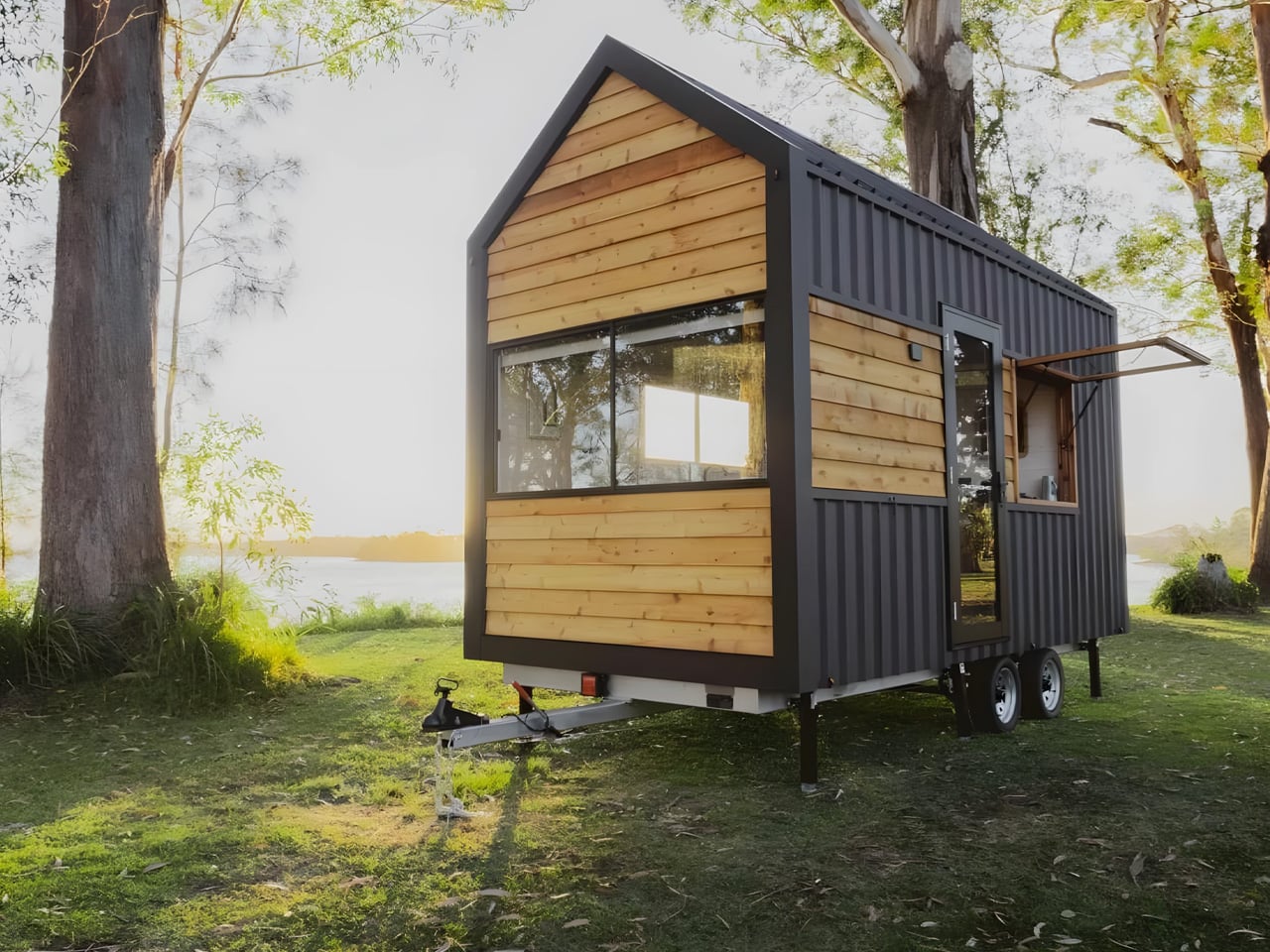
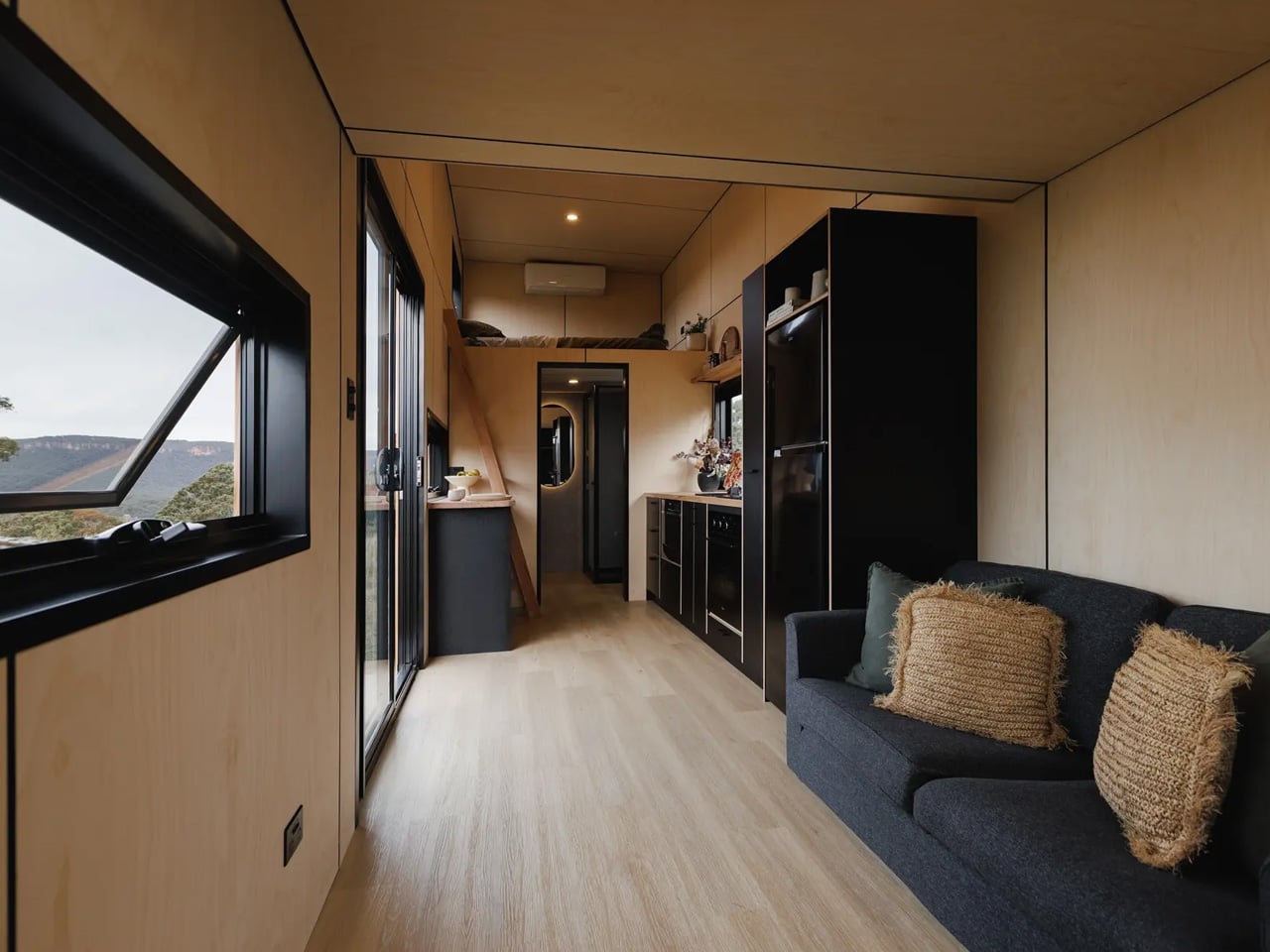
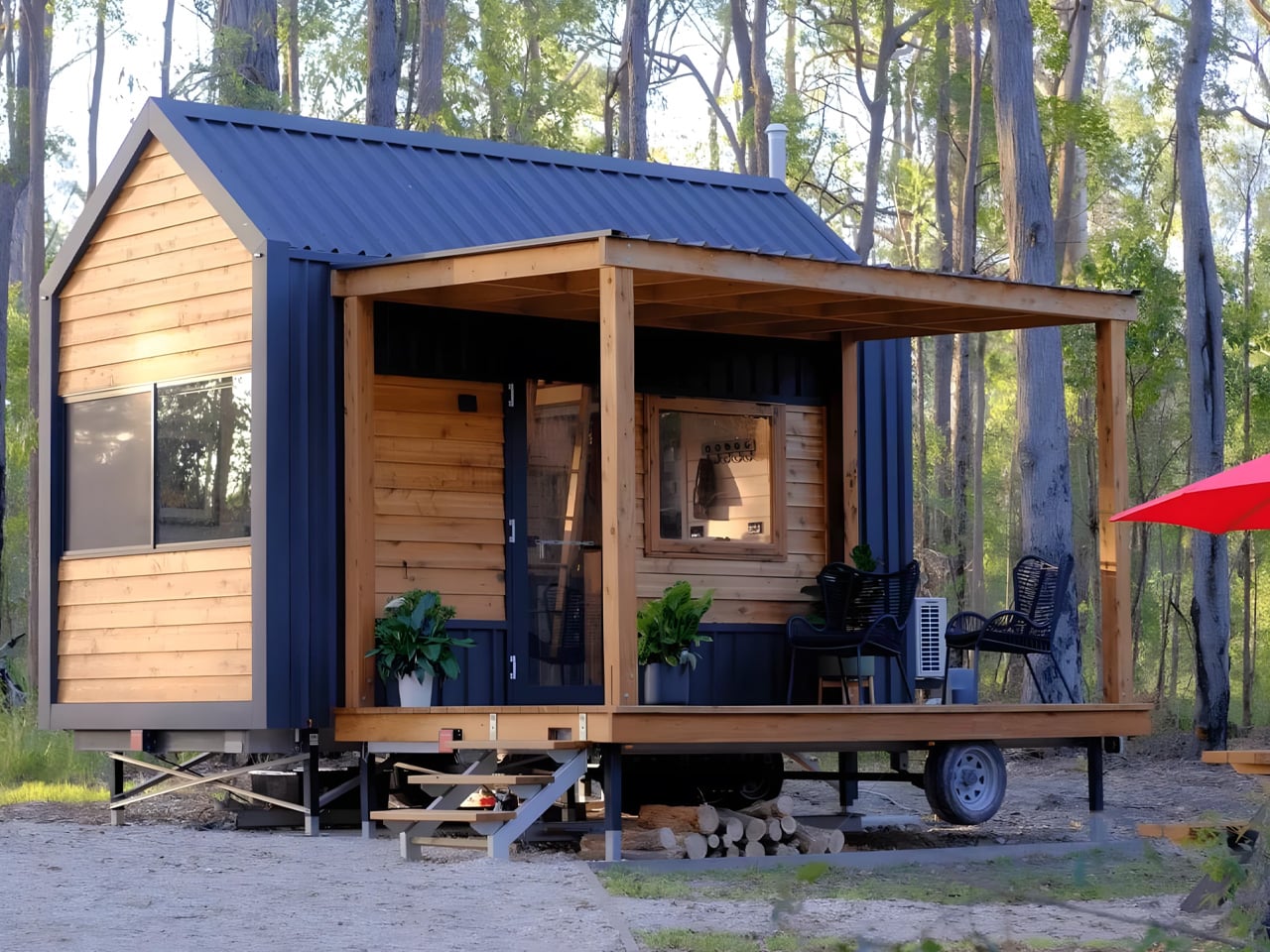
Häuslein Tiny House Co. has crafted something genuinely special with the Gunyah, a 16.5-foot wonder from Australia that shatters preconceptions about what’s possible in compact spaces. This home accommodates up to four people within a footprint that seems impossibly small, yet never feels cramped or compromised. The birch ply interior radiates warmth, creating an inviting atmosphere that stands in sharp contrast to the sterile, industrial vibe plaguing many micro-dwellings.

The exterior combines engineered wood with metal cladding, presenting clean lines that capture attention without trying too hard. Weighing just 2.85 tonnes, the Gunyah maintains genuine mobility rather than theoretical portability, making it viable for those who actually want to travel with their home. The spatial choreography inside demonstrates masterful planning, with a living room that anchors the design around a comfortable sofa and wall-mounted television, transforming into sleeping quarters when needed, while a loft bedroom above provides primary quarters.

What we like

  • The transformable living space converts from a gathering area to a double bed accommodation.
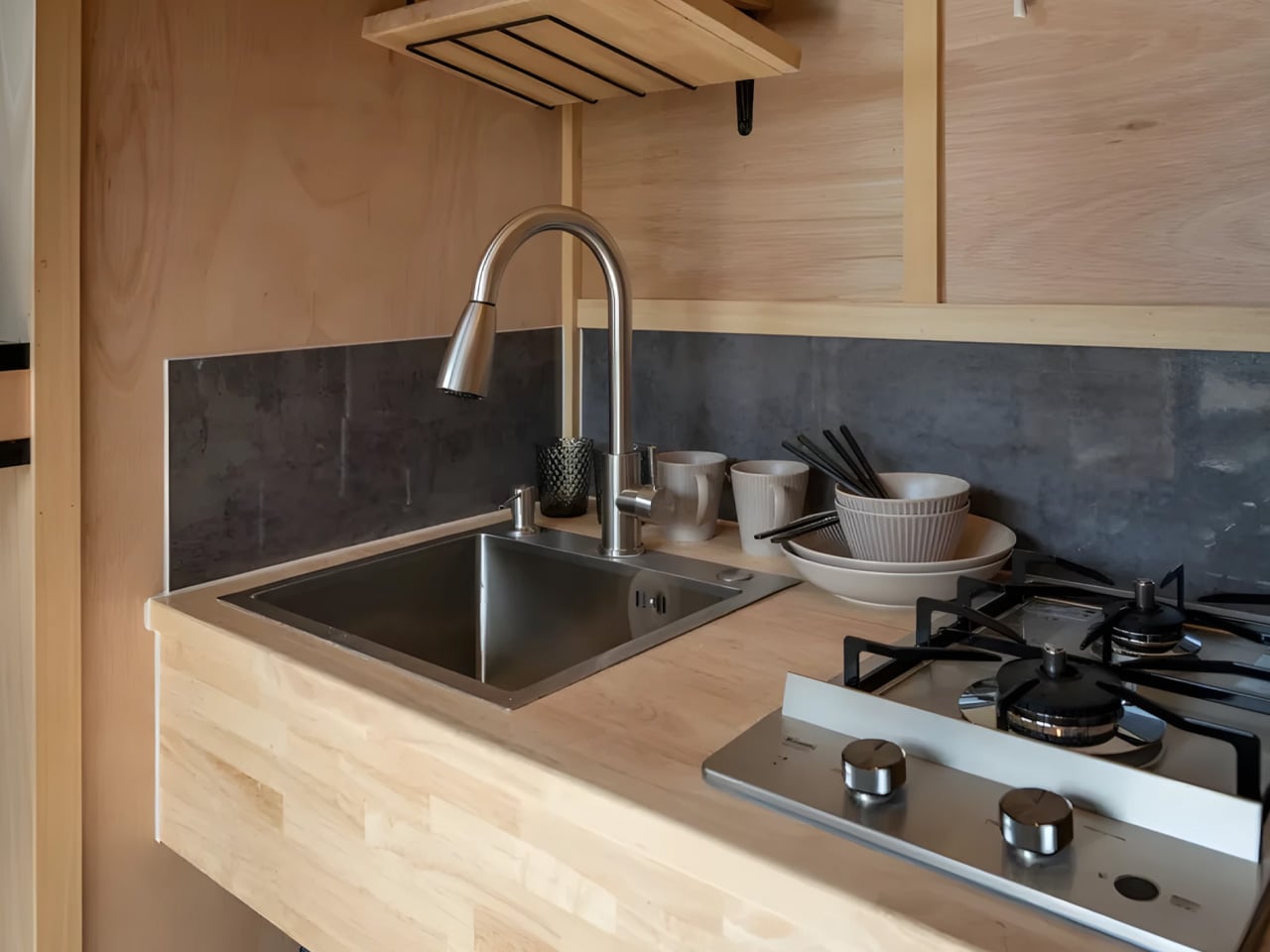
  • Full kitchen functionality includes a dishwasher, induction cooktop, refrigerator, and adequate counter space.
  • Lightweight design at 2.85 tonnes allows towing with mid-size trucks.
  • Birch ply interior creates natural warmth and character.

What we dislike

  • Limited storage capacity in a 16.5-foot length struggles with four people’s belongings.
  • Removable ladder access to the loft bedroom creates inconvenience and accessibility issues.

2. DQ Tower – When Tiny Homes Grow Up Instead of Out
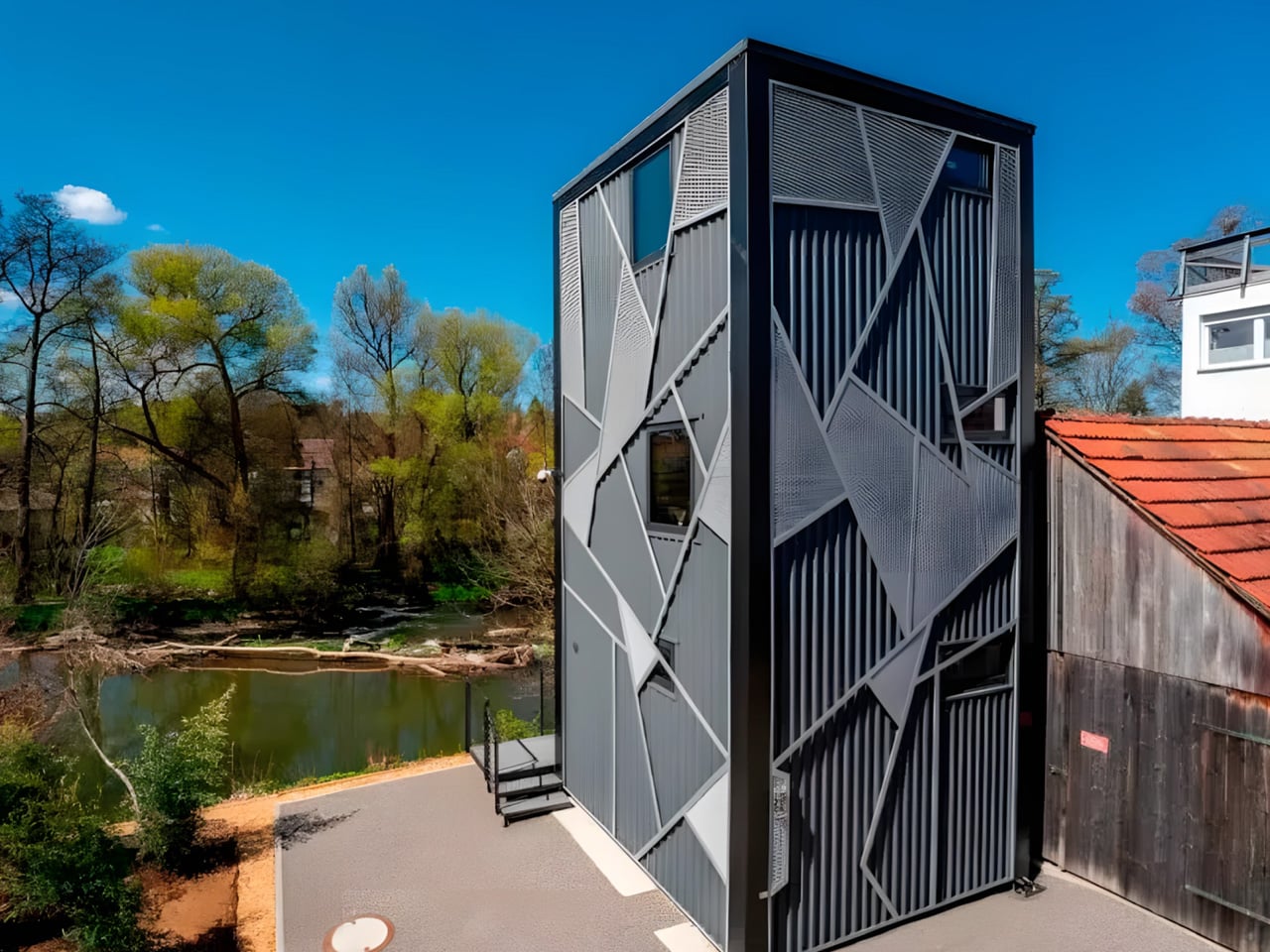
Moduleform’s DQ Tower takes a radically different approach to compact living by building upward rather than outward. This three-story prefab unit occupies a mere 4 by 4.2-meter footprint while delivering spatial experiences rarely encountered in micro-dwellings. The vertical philosophy creates distinct zones for different activities, mimicking the floor-by-floor separation of conventional homes rather than the open-plan scramble defining most tiny houses.

The crisp geometry and glass-lined façade announce clear intentions from the exterior. Moduleform designed this to maximize natural light, privacy, and functionality even on the smallest urban plots where horizontal expansion isn’t possible. The first floor blends living, dining, and kitchen functions into a sunlit space where every corner receives careful attention. Built-in storage and custom cabinetry eliminate clutter without sacrificing daily utility, while a secondary bathroom on this level accommodates guests or families needing simultaneous access.

What we like

  • Three-floor vertical layout establishes distinct zones mimicking conventional homes.
  • Floor-to-ceiling windows flood the interior with natural light and prevent a claustrophobic feeling.
  • Tiny 4 by 4.2-meter footprint makes unusable urban plots viable for development.
  • Secondary bathroom on first floor eliminates stair navigation for basic facilities.

What we dislike

  • Constant stair climbing between three floors creates physical exhaustion.
  • Narrow footprint limits furniture options and requires custom pieces.

3. Yamabiko – The Japanese Innovation That Fits Two Homes in One Shell
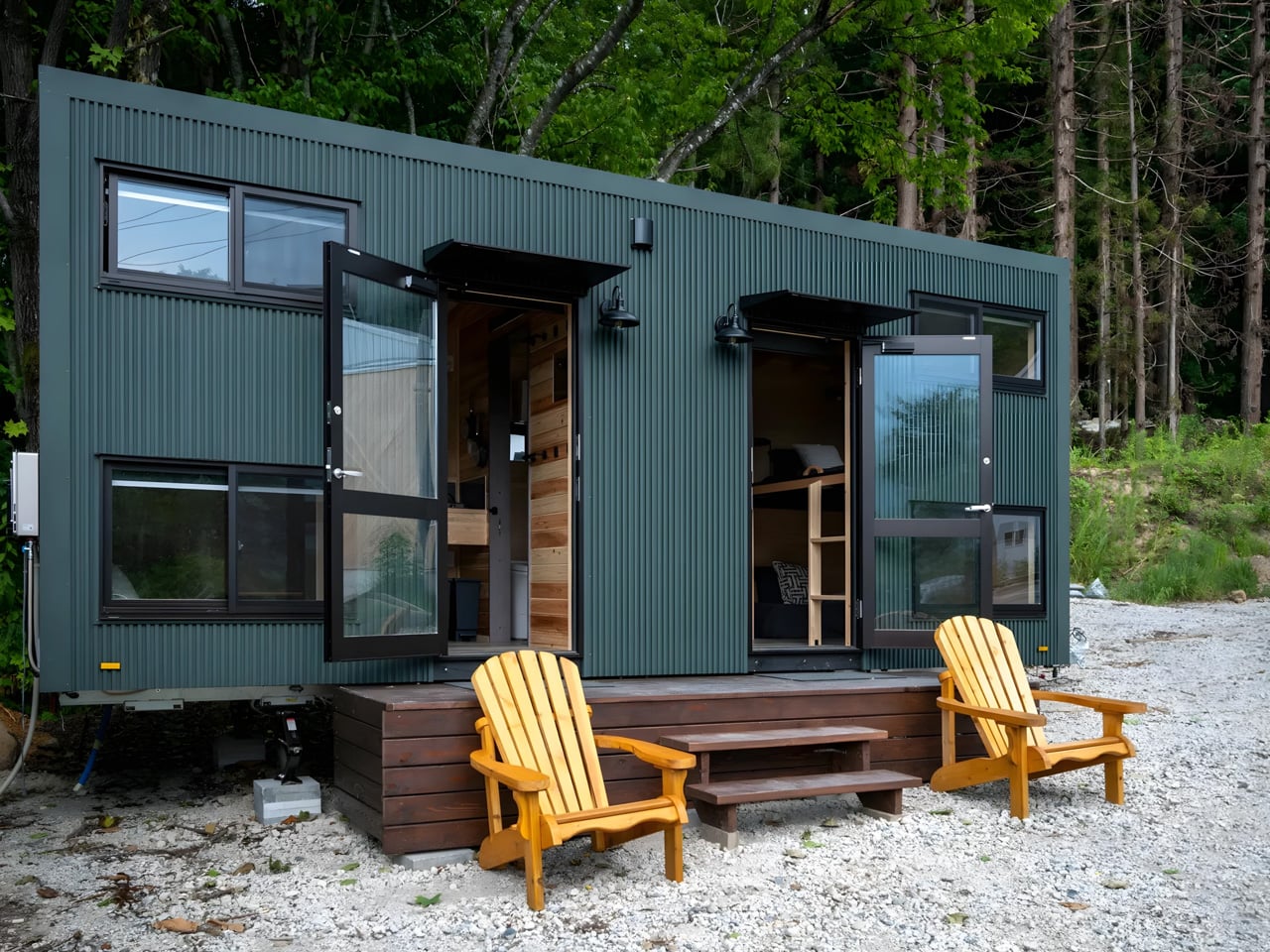
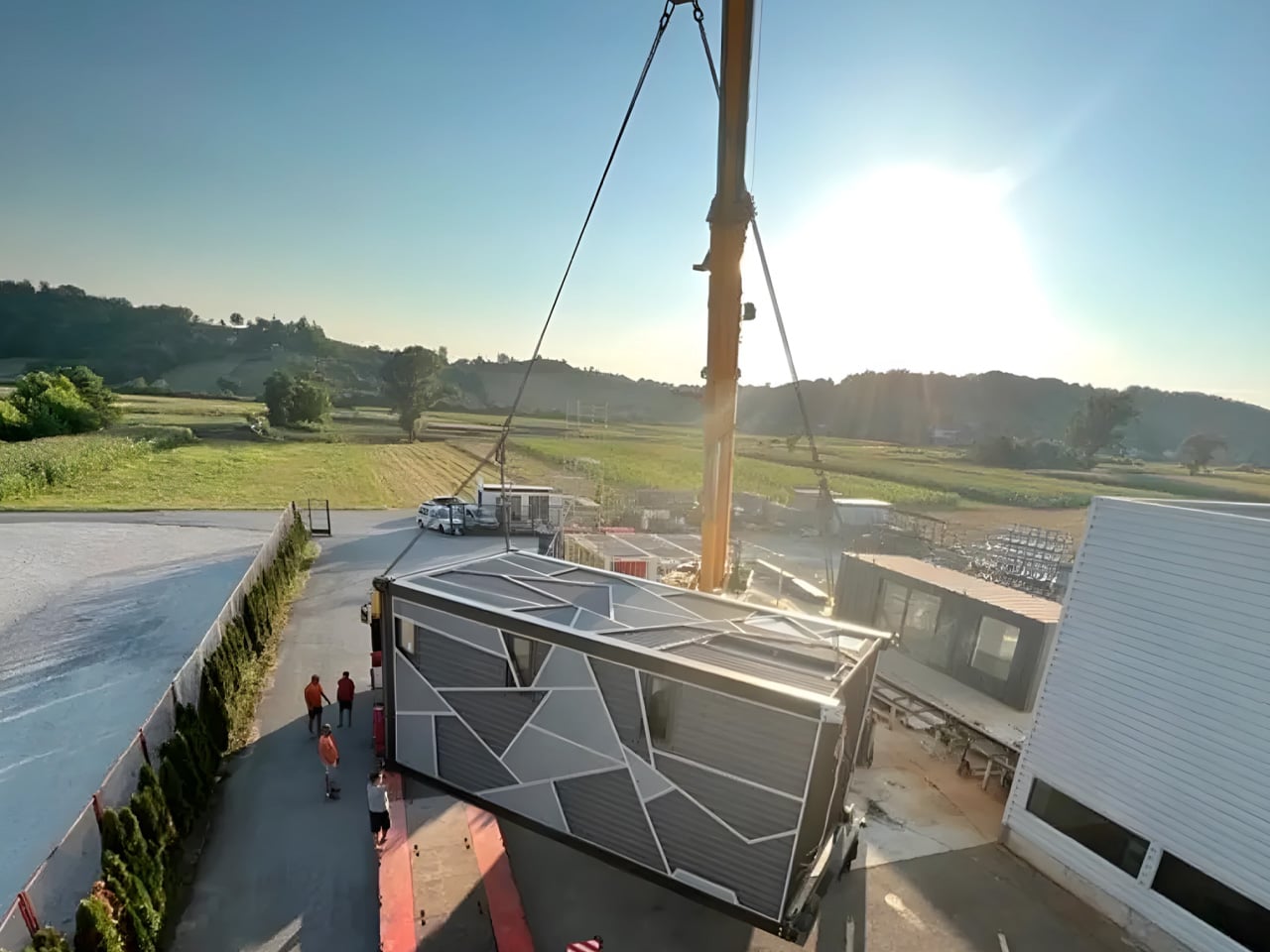
Ikigai Collective has created something remarkable with the Yamabiko, a 6.6-meter dwelling nestled in Nozawaonsen, Nagano, that challenges everything we assume about tiny house layouts. This home doesn’t squeeze one living space into its metal frame – it fits two complete, mirrored residences under a single roof. Two front doors hint at the clever secret: a perfectly mirrored layout splitting the home down the middle, where each side offers identical living spaces with lofted bedrooms, compact kitchens, and cozy lounges.

The design specifically targets staff accommodation in Japan’s seasonal resort towns, where ski instructors, hospitality workers, and summer camp employees need housing that balances privacy with efficiency. Two people live independently under one roof, each with personal kitchens and sleeping lofts, while sharing a single bathroom positioned between the two halves. The Galvalume steel cladding speaks to Japanese minimalism through its utilitarian aesthetic, handling heavy mountain snow and coastal humidity while aging gracefully and maintaining its modern edge.

What we like

  • Mirrored layout provides complete independent living spaces with separate kitchens and lofts.
  • Galvalume steel cladding requires minimal maintenance in extreme weather conditions.
  • Compact 6.6-meter length makes towing simple with standard vehicles.
  • Dual-occupancy design maximizes land efficiency and rental income potential.

What we dislike

  • A single shared bathroom creates access conflicts between two residents.
  • Extremely limited individual space within each 6.6-meter half.

4. Casuarina – Single-Level Living Without Compromise
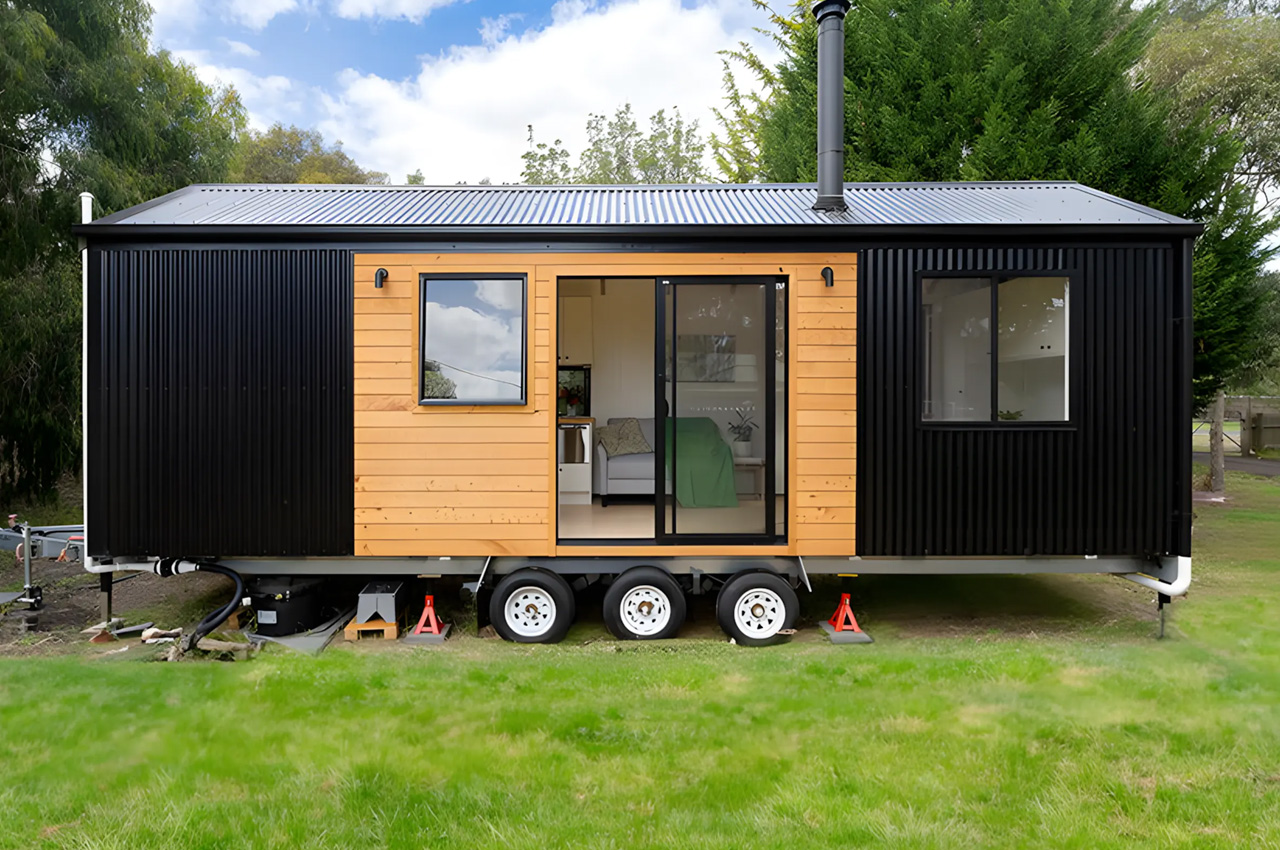
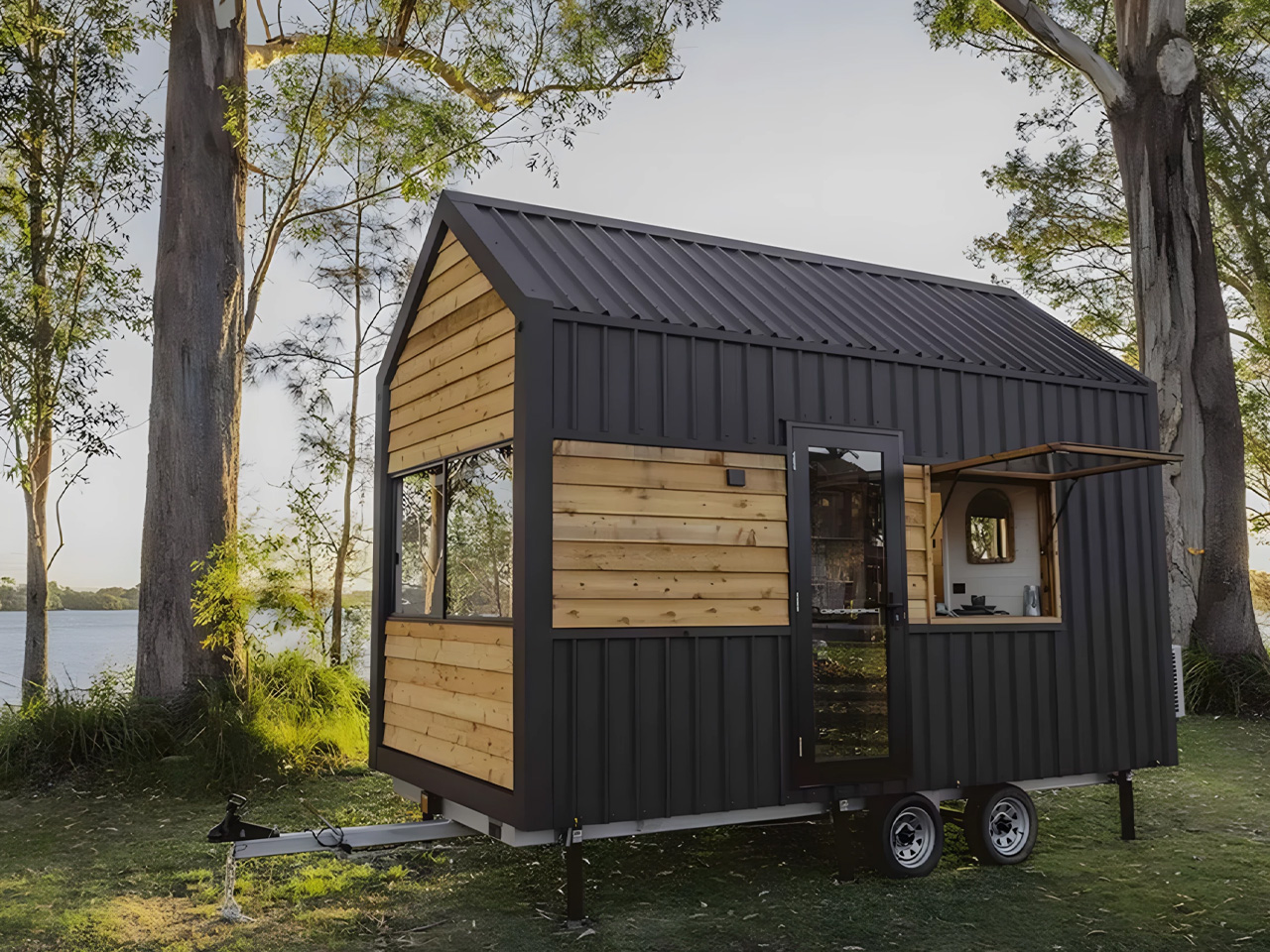
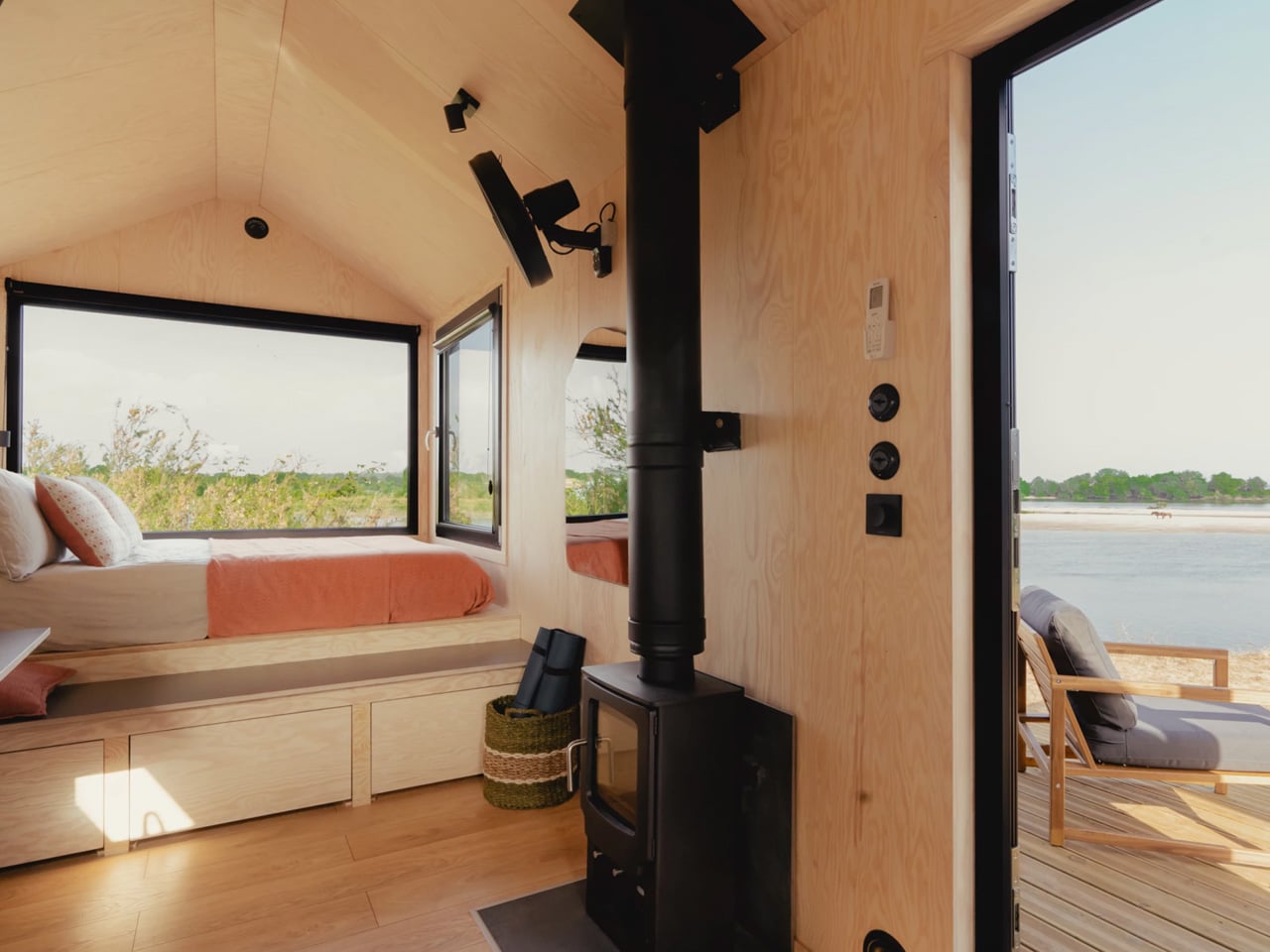
Evergreen Homes Australia designed the Casuarina specifically for people who’ve hesitated to embrace tiny living due to mobility concerns or ladder-climbing reluctance. This 8.4-meter home sits entirely on one level, creating a comfortable and cozy space for two people plus occasional guests. The black metal exterior receives timber accenting that softens the industrial edge, while the triple-axle trailer base provides stability during transport and stationary periods.

The interior occupies 18 square meters with an airy, free-flowing layout that maximizes the limited footprint. A sliding glass door leads to the living room, which includes a sofa bed functioning as guest sleeping quarters when needed. The wood-burning stove provides warmth and ambiance, while a ceiling fan circulates air during warmer months. The kitchen impresses with its completeness, featuring a breakfast bar with stool seating, dishwasher, fridge/freezer, electric oven, two-burner propane-powered stove, sink, and ample cabinetry for storage.

What we like

  • Single-level design eliminates ladder climbing and improves accessibility for mobility-limited occupants.
  • Well-equipped kitchen includes dishwasher and breakfast bar, rare in compact homes.
  • Wood-burning stove creates a cozy ambiance beyond its simple heating function.
  • Triple-axle trailer provides superior stability during towing and when parked.

What we dislike

  • The 8.4-meter length limits the interior space to 18 square meters.
  • Two-person capacity feels restrictive for families or frequent entertaining.

5. Hartley – The Black Beauty Built for Families
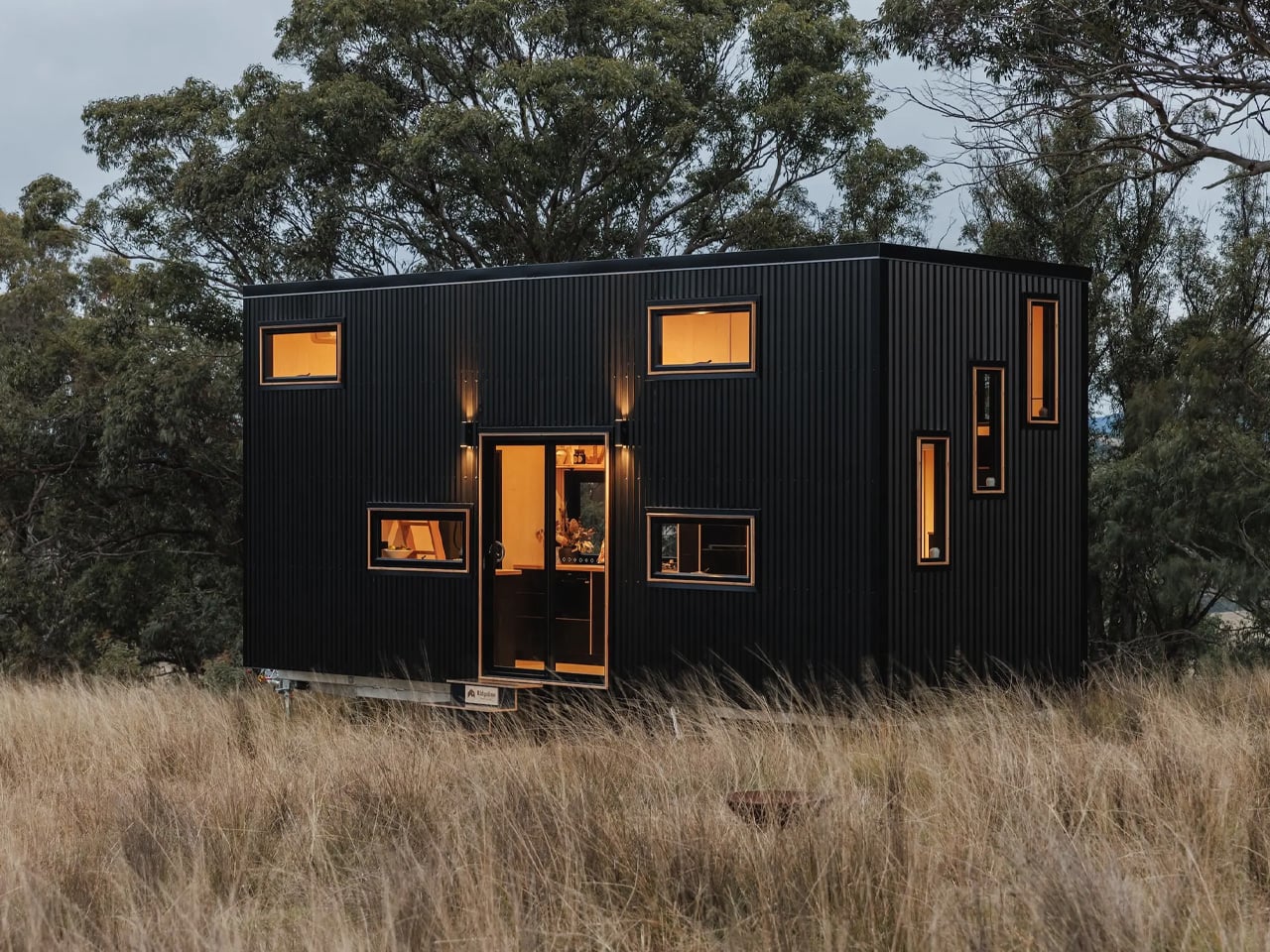
Ridgeline Tiny Homes created the Hartley with families in mind, stretching 27.6 feet to provide space rarely seen in tiny dwellings. This home accommodates a family of four comfortably through clever space-saving layouts that make every square inch count. Built on a double-axle trailer, the black metal cladding combines with generous glazing that floods the interior with natural light throughout the day, creating an environment that never feels dark or cramped despite the compact dimensions.

You enter through double glass doors into a 290-square-foot floor space finished in warm plywood. The kitchen sits near the entrance, equipped with an oven featuring a four-burner propane-powered stove, sink, dishwasher, fridge/freezer, custom cabinetry, and a pull-out pantry that maximizes storage capacity. A two-person breakfast bar provides casual dining space, while the connected living room includes a sofa, small deck, and storage-integrated staircase that serves dual purposes. The home runs on standard RV-style hookup, making campground and established tiny home community connections straightforward.

What we like

  • 27.6-foot length provides genuine family accommodation for four people.
  • Generous glazing creates a naturally bright interior throughout the day.
  • Storage-integrated staircase serves a dual function efficiently.
  • Standard RV-style hookup simplifies connection at campgrounds and communities.

What we dislike

  • An extended length requires heavy-duty towing equipment and limits mobility.
  • 290 square feet still feels tight when all four family members occupy simultaneously.

6. Vagabond Haven’s Tiny Home – The Off-Grid Champion That Compromises Nothing
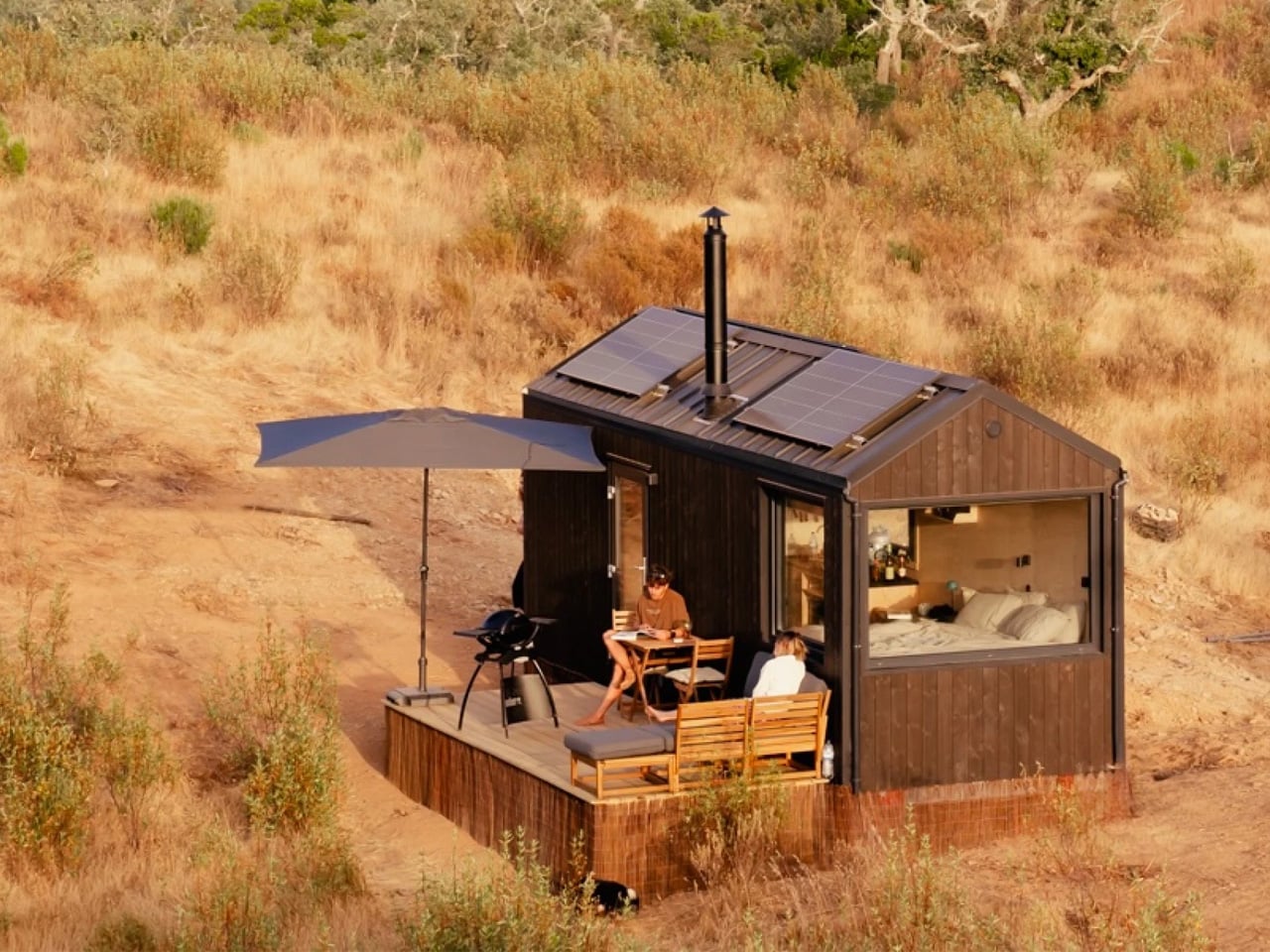
Vagabond Haven has unveiled a 7.2-meter tiny house proving that off-grid living doesn’t require sacrificing modern comforts. This recently completed dwelling demonstrates how thoughtful design delivers genuine self-sufficiency within a modest footprint, functioning equally well as a vacation retreat or income-generating rental property. Solar panels crown the black-painted spruce siding exterior, working with battery arrays to provide consistent power regardless of weather conditions while maintaining a contemporary aesthetic appeal.

The comprehensive approach to self-sufficiency includes solar panels, a gas water heater, a gas cooktop, a refrigerator, a composting toilet, and optional water tanks, creating a genuinely independent system. Occupants can disconnect from municipal services while maintaining modern conveniences, making this ideal for remote locations or environmentally conscious owners seeking to minimize utility dependence. Though this model can be permanently installed on a plot, its trailer-based construction allows relocation whenever desired. The pictured rental includes an optional deck that effectively extends the living area outdoors, creating a seamless transition between interior and exterior spaces.

What we like

  • Complete off-grid capability with solar panels and battery storage eliminates utility bills.
  • The composting toilet removes the need for septic systems or sewer connections.
  • The optional deck extends the functional living space with a seamless indoor-outdoor transition.
  • Rental income potential turns a dwelling into an investment property.

What we dislike

  • Significant upfront investment is required for solar power systems and batteries.
  • Limited to two-person comfortable occupancy in a 7.2-meter length.

7. Hidden Mountain Tiny Villa – Rustic Charm Meets Modern Function
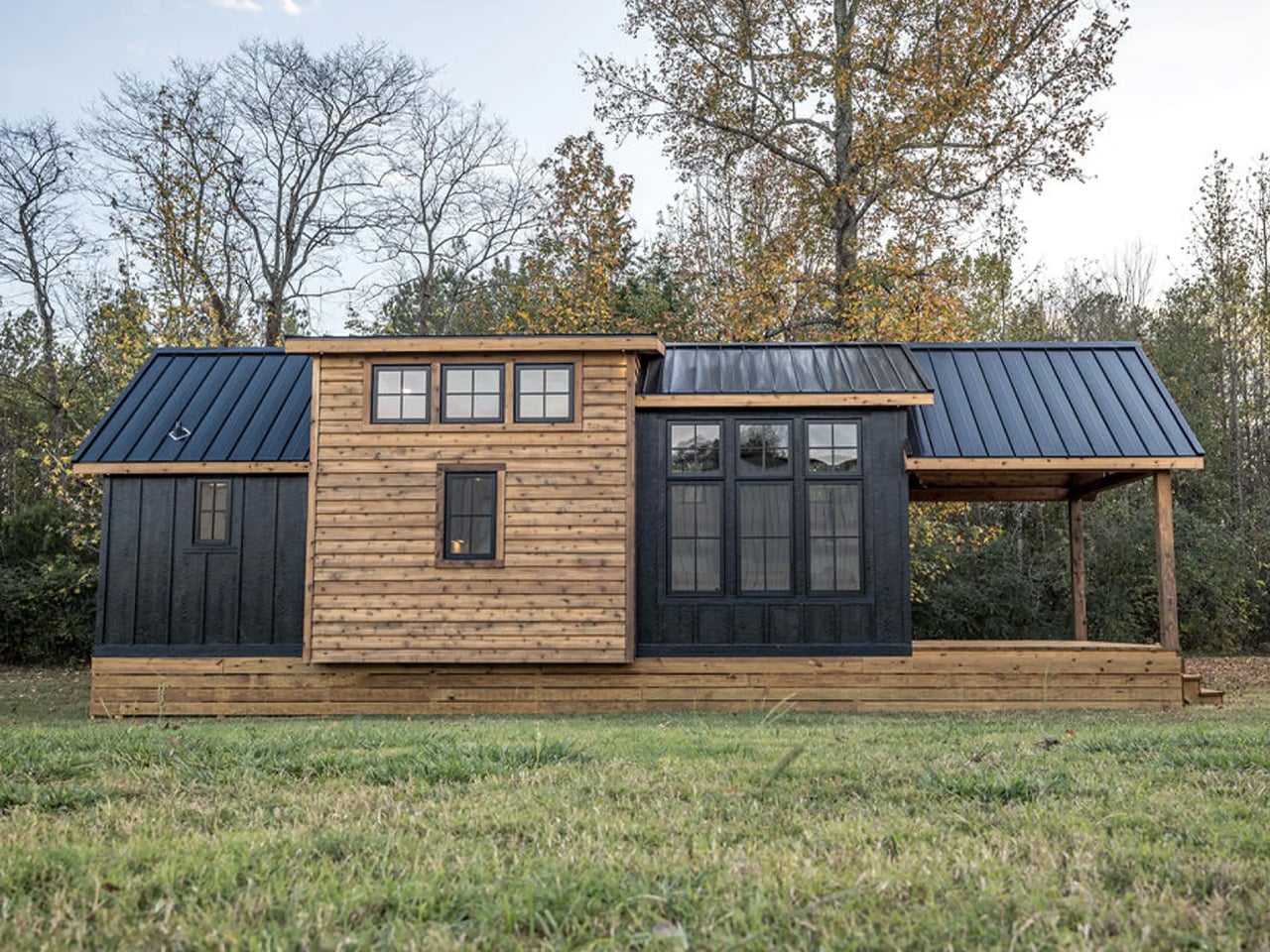
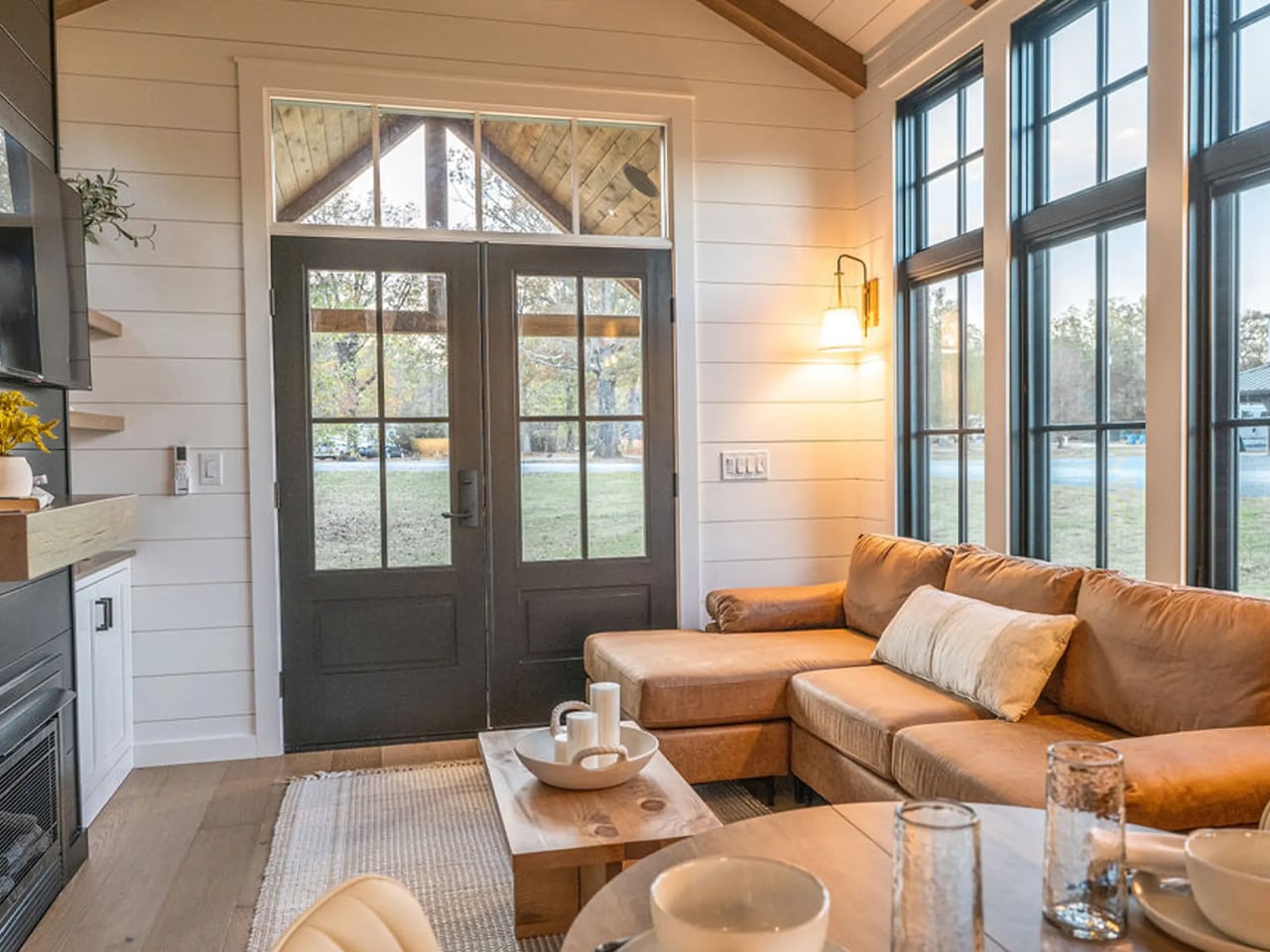
This charming tiny home bridges classic and modern design elements to create a living space that feels like stepping into a storybook cottage. The exterior showcases elegant shiplap cladding that provides timeless rustic appeal, while the sturdy metal roof ensures durability and adds contemporary contrast. A spacious porch welcomes visitors and residents alike, offering an ideal spot for morning coffee or evening relaxation while blending seamlessly with the interior aesthetic.

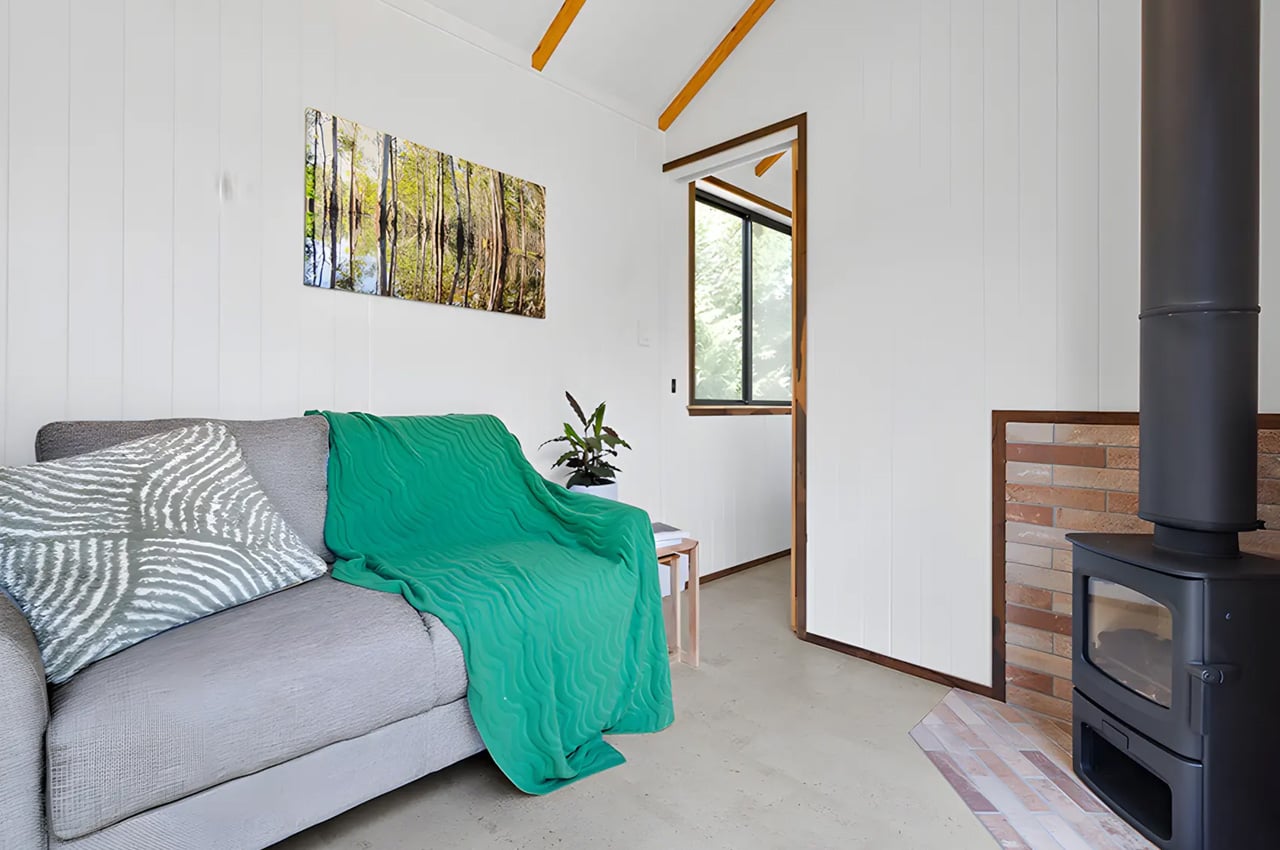
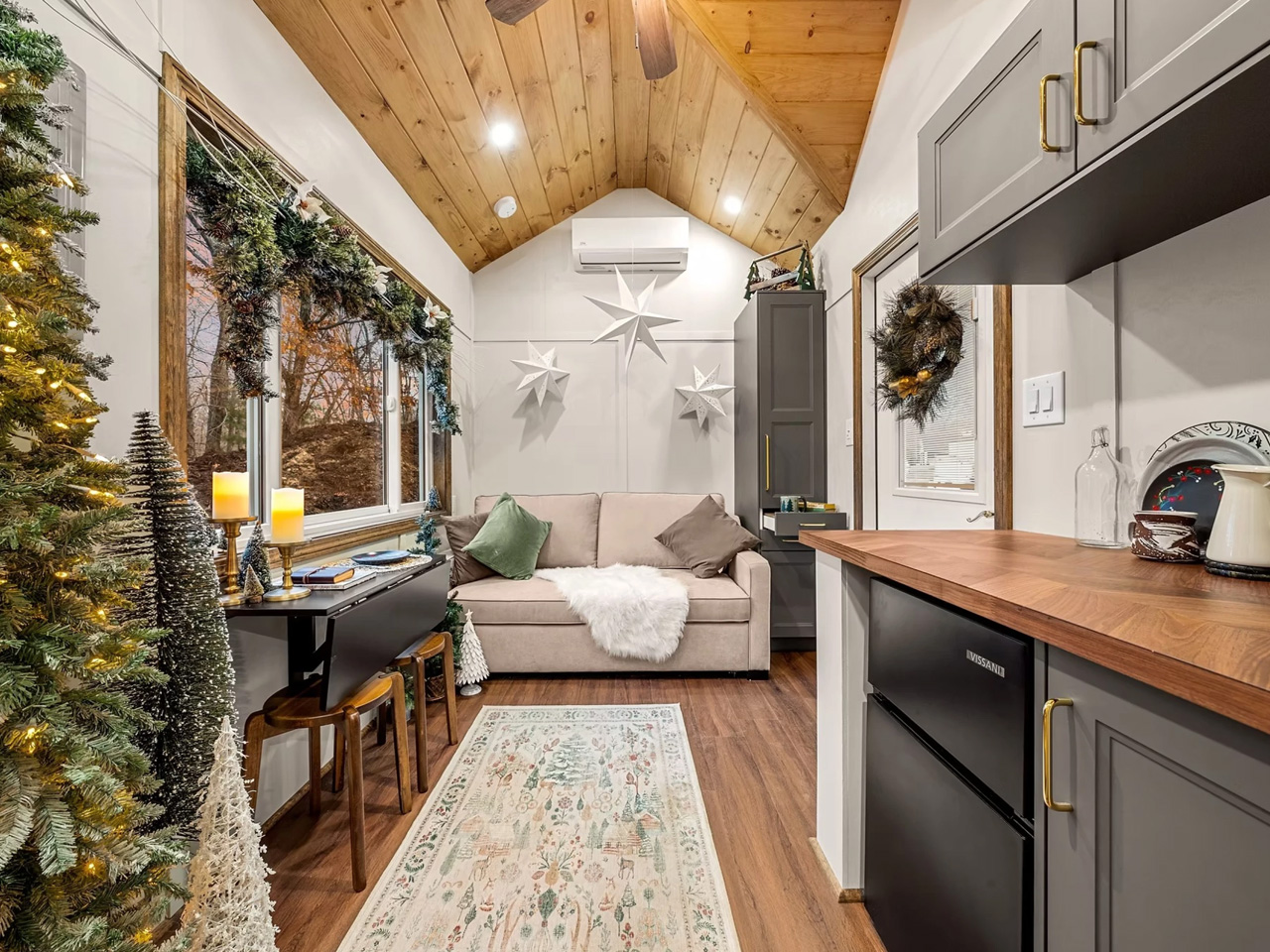
Entering the home reveals a spacious and free-flowing living area bathed in natural light from well-placed windows. The L-shaped sofa provides ample seating that makes hosting guests or family movie nights genuinely comfortable rather than cramped. A coffee table and entertainment center complete the living setup, while integrated storage solutions keep clutter controlled. The fireplace adds warmth and ambiance that transforms the space from merely functional to genuinely cozy, creating an atmosphere that makes you want to curl up with a book and forget the outside world exists.

What we like

  • Shiplap exterior creates an authentic rustic aesthetic with timeless appeal.
  • Spacious porch extends usable living area outdoors.
  • The L-shaped sofa provides generous seating, rare in compact homes.
  • Fireplace adds genuine warmth and creates a cozy ambiance.

What we dislike

  • Wood shiplap exterior requires regular maintenance and weatherproofing.
  • Larger footprint reduces mobility compared to more compact designs.

8. eONE XL – Japanese-Inspired Living Perfected
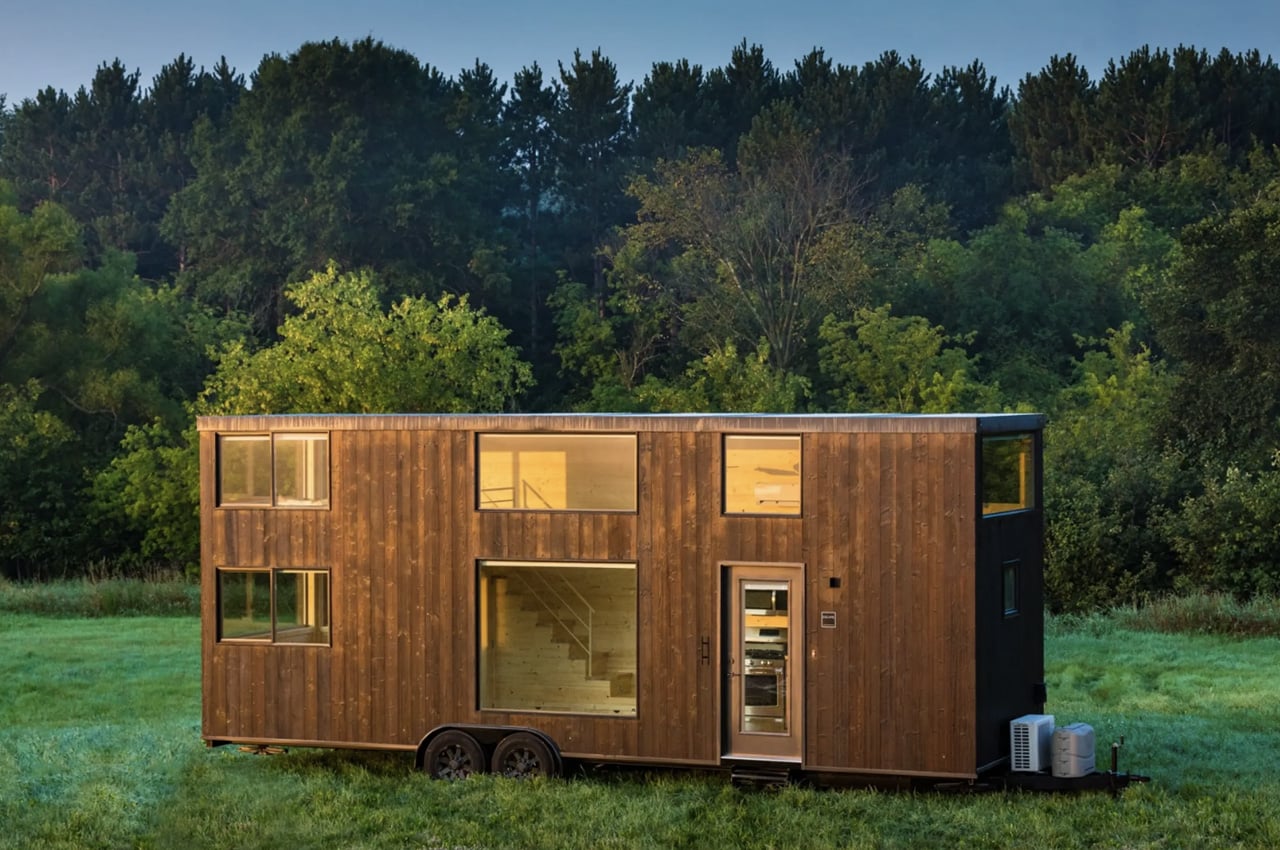
Escape has reimagined its popular One and One XL models with the eONE XL, creating a more spacious, light-filled home that elevates the micro-living experience. Based on a double-axle trailer, this 30-foot home features an 8.6-foot width and a distinguished Japanese-style charred wood exterior that protects against decay and bugs naturally. The charring technique, known as shou sugi ban, creates a striking black finish that requires minimal maintenance while providing superior weather resistance.

Large windows define the eONE XL experience, allowing natural light to stream freely throughout the day and creating an interior that feels warm and inviting. The ‘e’ in its name signifies all-electric appliances, reflecting modern efficiency standards and eliminating propane dependence. As you enter, a spacious and well-designed kitchen welcomes you with pantry storage, fridge/freezer, microwave, induction cooktop, electric oven, sink, generous cabinetry, and a washer/dryer. This level of kitchen functionality rivals conventional homes, while the additional storage and floor space throughout the home address common tiny living complaints about insufficient room for belongings.

What we like

  • Japanese charred wood exterior provides natural protection against decay and insects.
  • All-electric appliances eliminate propane tanks and refilling hassles.
  • Large windows create an exceptionally light-filled interior.
  • Full-size washer/dryer eliminates laundromat trips.

What we dislike

  • The 30-foot length makes frequent relocation impractical.
  • All-electric design requires consistent power access or substantial solar investment.

9. Spruce – The 20-Footer That Gets Everything Right
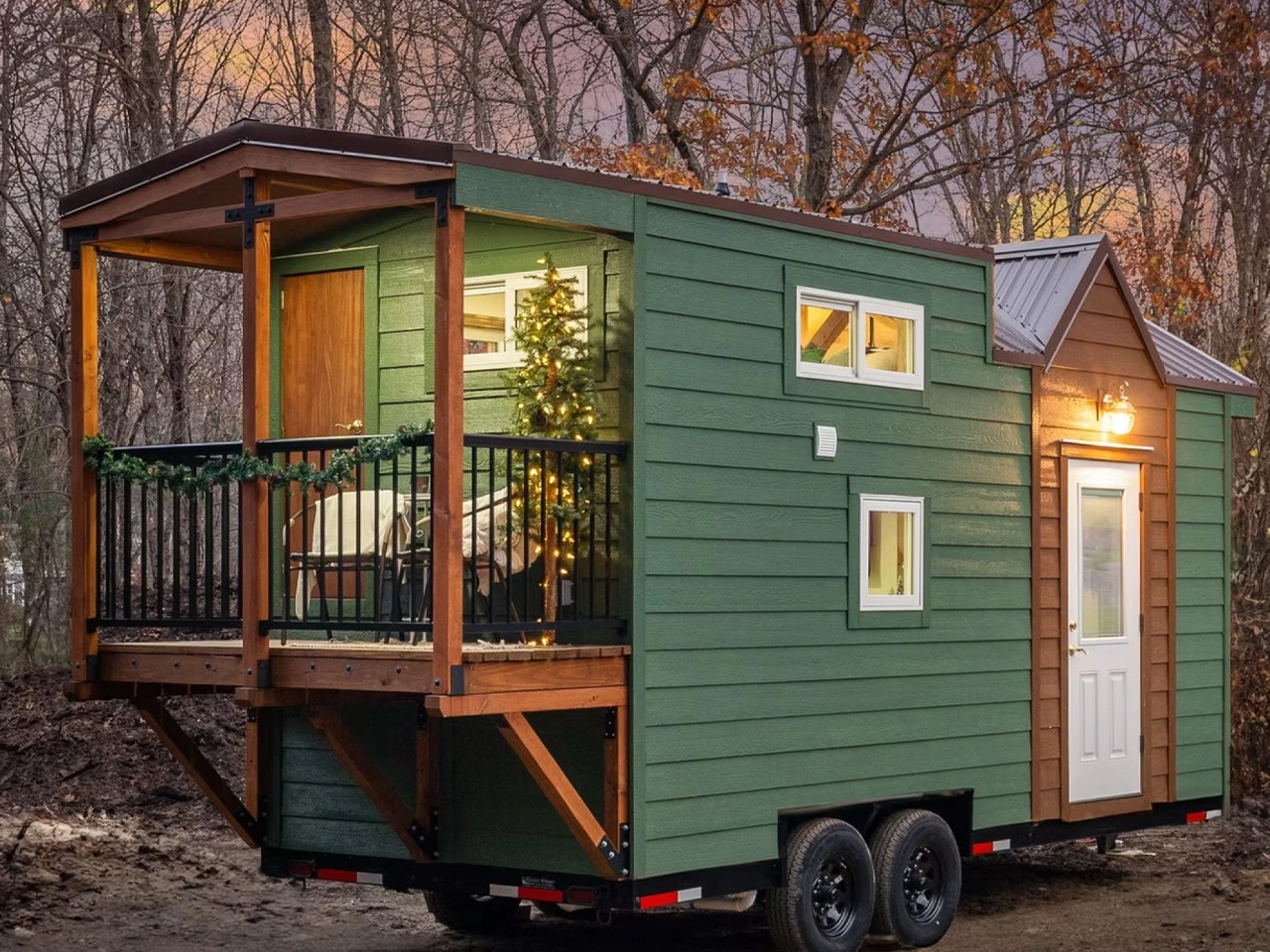
Backcountry Tiny Homes cuts through the noise with the Spruce, a 20-foot home that prioritizes smart design over unnecessary frills. Built on a double-axle trailer, it extends to 24 feet thanks to a covered balcony, transforming outdoor space into a genuine living area extension. At 8.5 feet wide, it maintains road-legal dimensions while feeling surprisingly spacious inside, proving that thoughtful planning matters more than sheer square footage.

The living room punches above its weight with floor-to-ceiling windows bringing serious natural light that makes the space feel twice its actual size. A sleeper sofa serves double duty as comfortable seating and a guest bed when friends visit, while smart built-ins keep clutter controlled. The loft bedroom shows why Backcountry understands tiny living, with a lowered platform providing actual headroom for getting dressed. Under-bed storage swallows seasonal clothes and extra bedding without creating visual chaos, while two people sleep comfortably with enough room for nightstands and personal touches, making it feel like home rather than a hotel room.

What we like

  • Covered balcony extends usable space by 4 feet and functions in most weather.
  • Floor-to-ceiling windows eliminate a cave-like atmosphere with abundant natural light.
  • Lowered loft platform provides genuine headroom for comfortable dressing.
  • The drop-leaf table expands for dining, then folds for floor space flexibility.

What we dislike

  • The 24-foot total length requires substantial trucks beyond standard vehicle capacity.
  • Base kitchen offers limited counter space and basic appliances for serious cooking.

10. Fujitsubo – The 3D-Printed Future of Affordable Housing

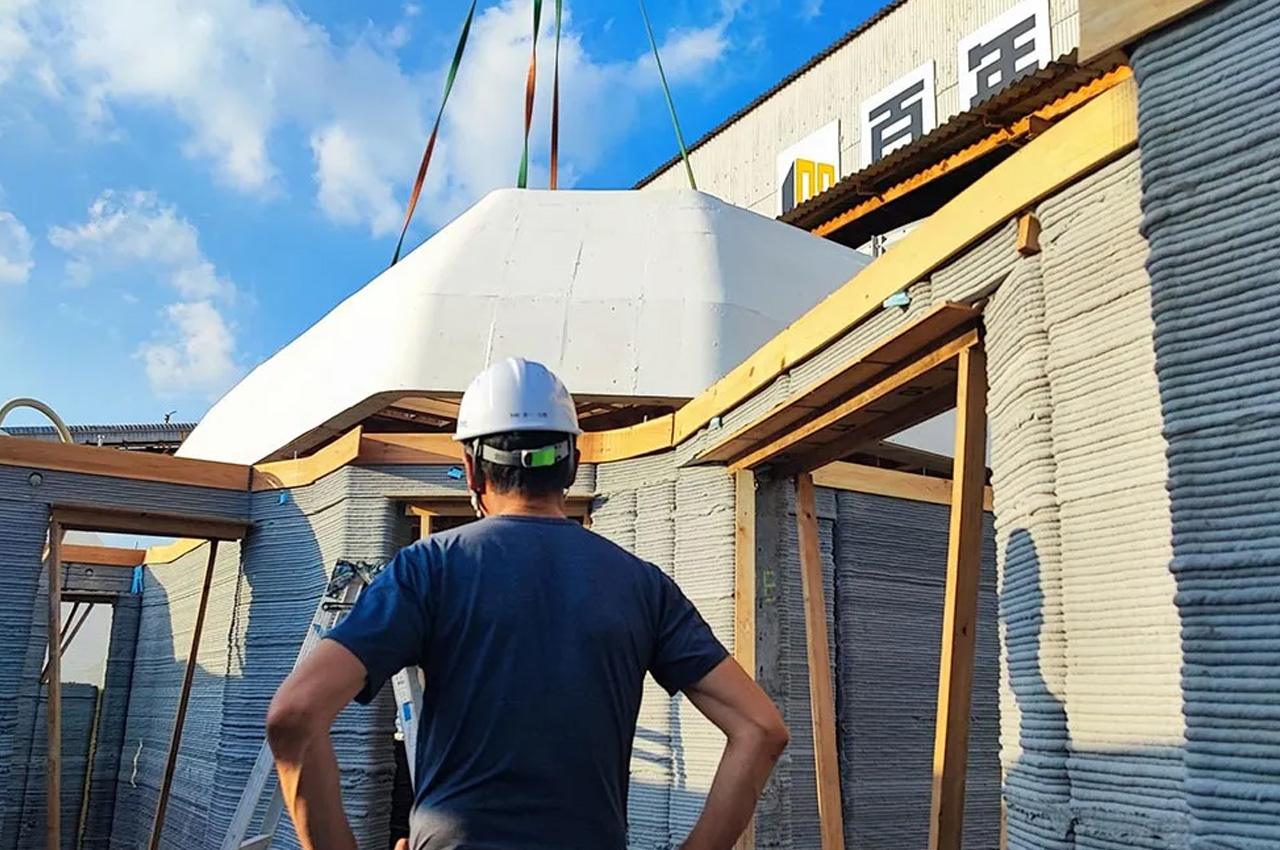
Japanese construction startup Serendix has unveiled the Fujitsubo, a 3D-printed home that costs approximately $37,600 – about the same as a car. This small dwelling occupies 538 square feet, dramatically smaller than the average American home but perfectly sized for couples or solo occupants seeking affordable housing solutions. The compact footprint contributes directly to the economical price tag, making homeownership accessible to people priced out of conventional real estate markets.

The 3D printing construction method offers multiple advantages beyond cost savings. This technique reduces construction errors, saves significant time compared to traditional building methods, and simplifies the entire process by eliminating tedious steps. The Fujitsubo meets Japanese earthquake codes and European insulation standards, proving that innovative construction doesn’t mean compromising safety or comfort. The home features one bedroom, one bathroom, and an open living room connected to a kitchen, providing all essential spaces within its efficient layout. This proof-of-concept demonstrates how technology can address housing affordability crises while maintaining quality and livability.

What we like

  • $37,600 price point makes homeownership accessible at car-level costs.
  • 3D printing reduces construction time and eliminates many traditional building errors.
  • Meets Japanese earthquake codes and European insulation standards.
  • 538 square feet provides a comfortable space for couples or individuals.

What we dislike

  • Limited availability outside Japan restricts access to this affordable option.
  • Single bedroom and bathroom configuration limits family or roommate arrangements.

Final Thoughts

The tiny home projects showcased this year demonstrate how far the movement has evolved from its experimental origins. These aren’t compromise dwellings or temporary solutions – they’re thoughtfully designed homes that address real housing needs while pushing architectural boundaries. From the Gunyah’s transformable Australian charm to the Fujitsubo’s 3D-printed affordability, each project solves specific challenges with intelligence and creativity that deserve recognition.

What stands out most is the diversity of approaches. Vertical towers maximize urban plots, mirrored layouts double occupancy efficiency, single-level designs prioritize accessibility, and off-grid systems enable true independence. These ten homes prove that tiny living has matured into a legitimate housing category offering solutions for families, remote workers, seasonal employees, and anyone seeking sustainable living without sacrificing modern comforts. The future looks exceptionally bright.

The post Best Tiny Homes of 2025: 10 Projects You Need to See first appeared on Yanko Design.
Effortlessly Transfer Data from Windows to Mac with Migration Assistant

Effortlessly Transfer Data from Windows to Mac with Migration Assistant

Switching from a Windows PC to a Mac can seem like a daunting task, but Apple’s Migration Assistant simplifies the process significantly. This tool enables you to transfer essential data such as files, browser bookmarks, contacts, calendars, and photos, making sure a seamless transition between platforms. By following a structured, step-by-step approach, you can migrate […]

The post Effortlessly Transfer Data from Windows to Mac with Migration Assistant appeared first on Geeky Gadgets.

Posted in Uncategorized