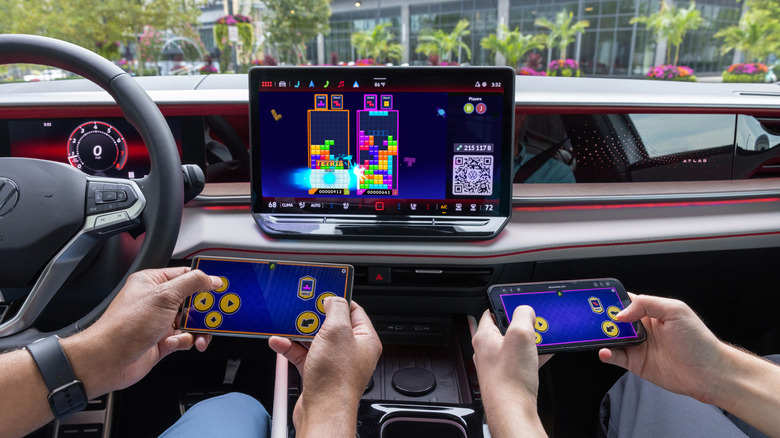
Volkswagen brings Tetris and other games to its infotainment displays
Pac-Man is doing sponcon... look how they've massacred my boy.

Running DeepSeek V4.1 Flash locally offers a unique combination of privacy, independence and offline functionality, but it also demands significant hardware investments and careful consideration of performance trade-offs. As detailed by The Stack, the model’s 552 billion parameters and mixture-of-experts architecture enable efficient operation by activating only 8 to 16 billion parameters per token. However, […]
The post How to Run DeepSeek V4.1 Flash on Local Mac Hardware appeared first on Geeky Gadgets.
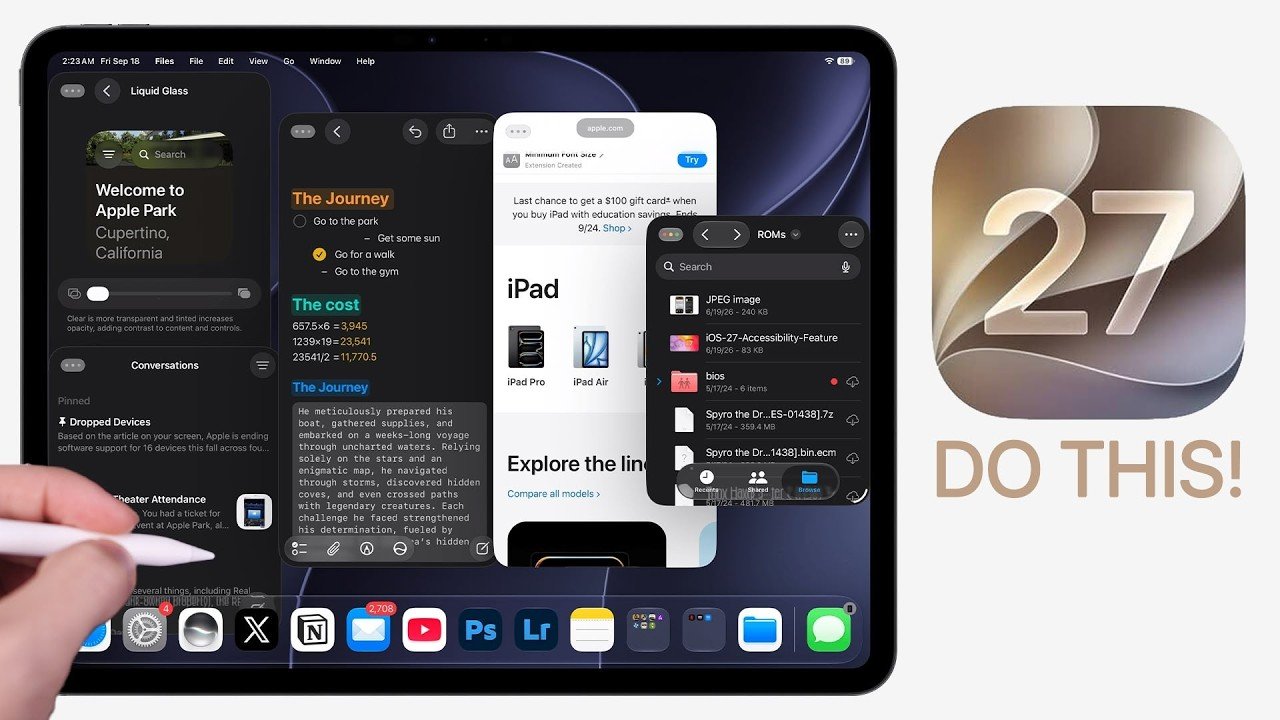
iPadOS 27 brings a host of thoughtful updates designed to enhance productivity, customization, and overall performance. While it builds upon the foundation of iPadOS 26, this version focuses on refining existing features and introducing practical improvements that streamline workflows. Below is a detailed video from Brandon Butch that gives us a look at the most […]
The post Just Upgraded? the First Things to Do in iPadOS 27 appeared first on Geeky Gadgets.
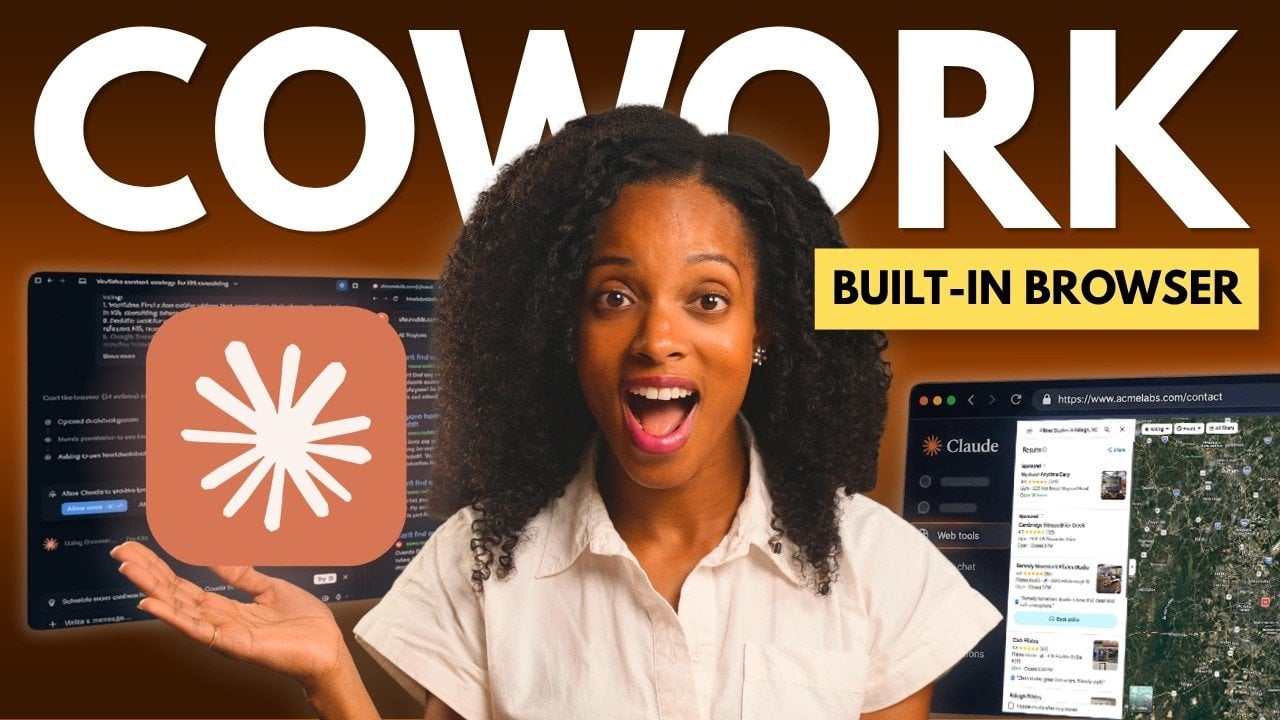
Enovair’s latest analysis explores how professionals can use Claude Cowork’s built-in browser to streamline specific workflows and improve task efficiency. Available through the Claude Desktop app, this feature allows users to conduct targeted research without switching between multiple applications. For example, HR teams might analyze job postings to craft detailed descriptions, while marketers could organize […]
The post Claude Desktop App Adds Built-in Browser for Pro Users appeared first on Geeky Gadgets.

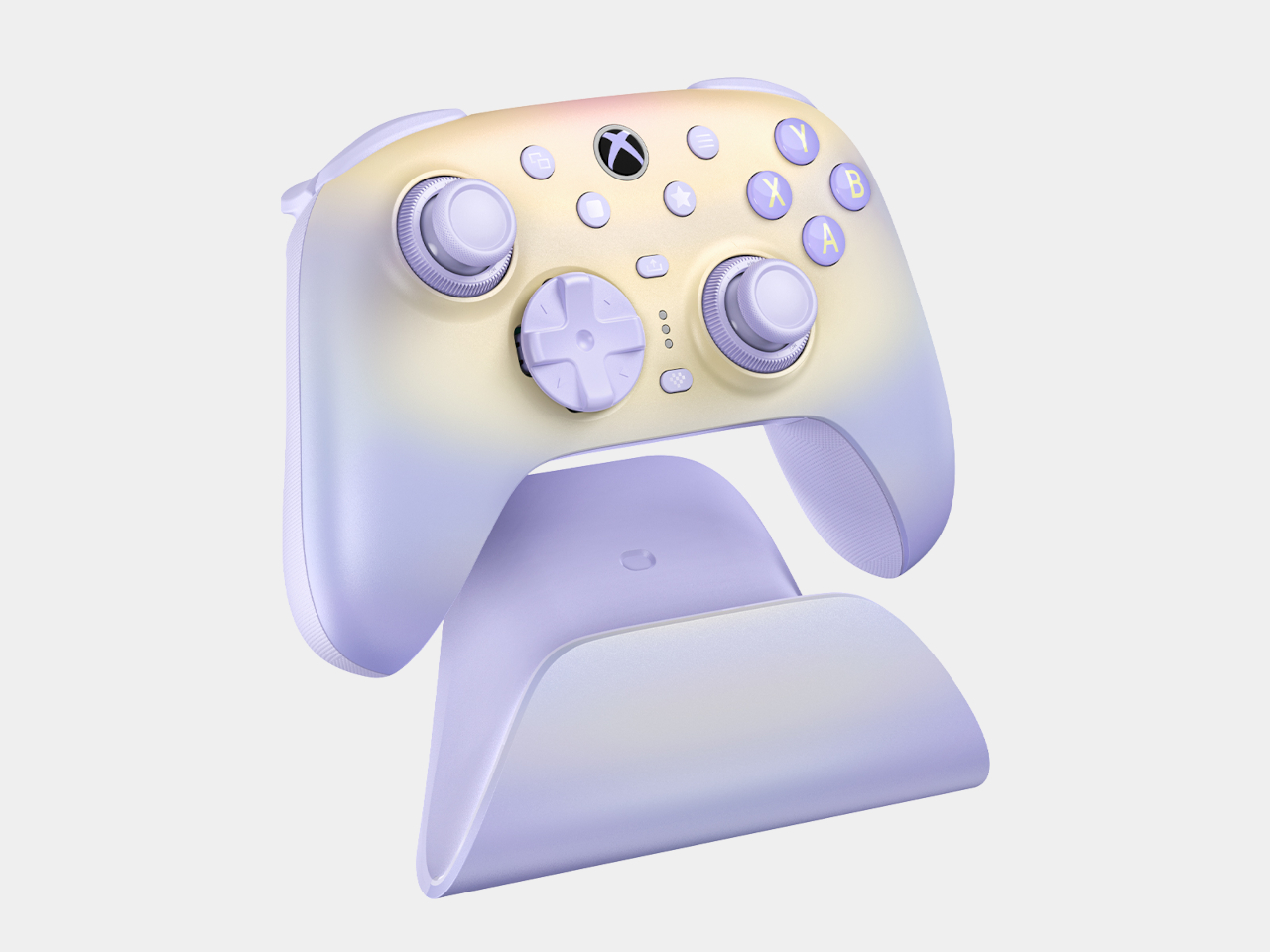
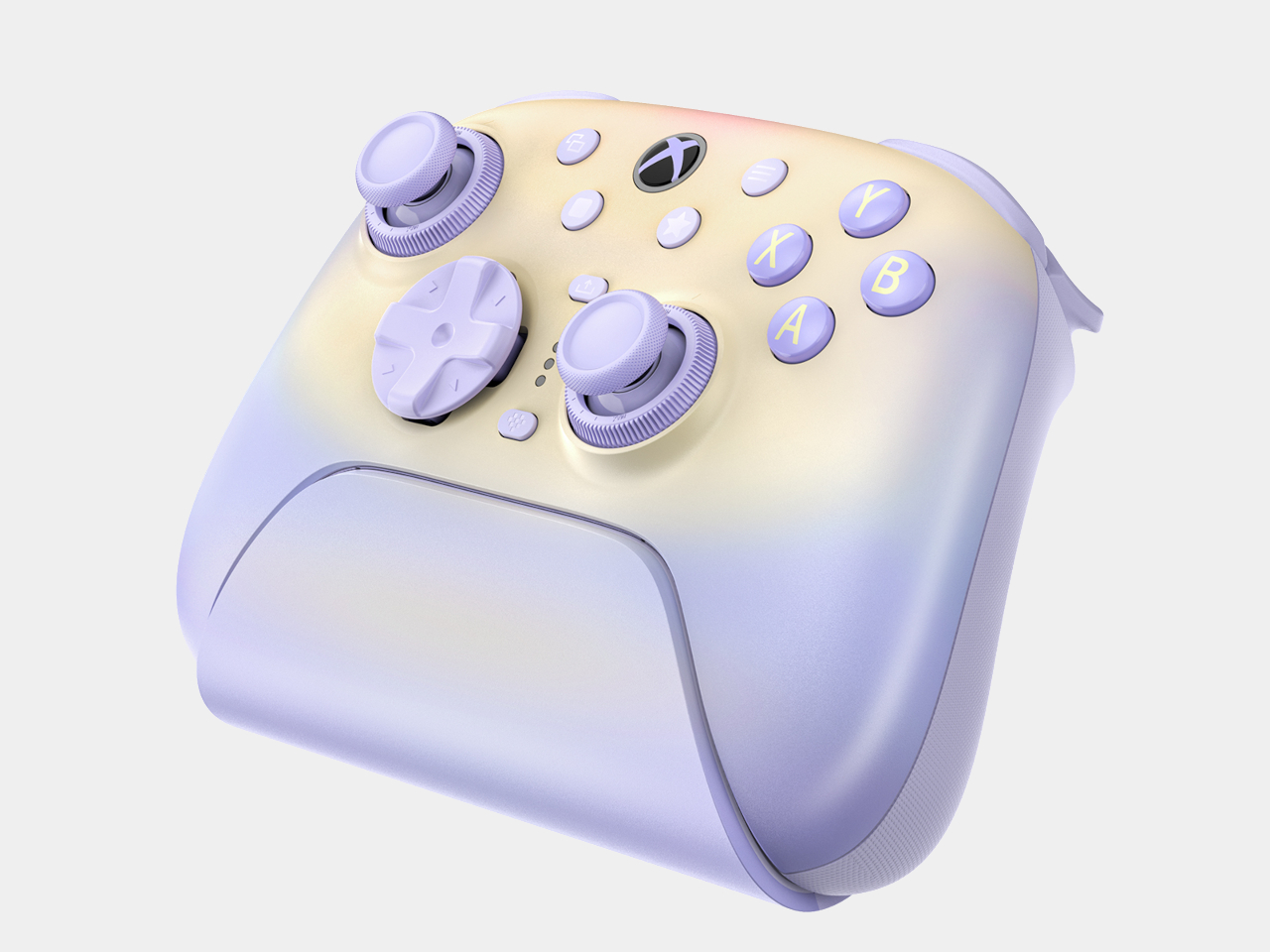
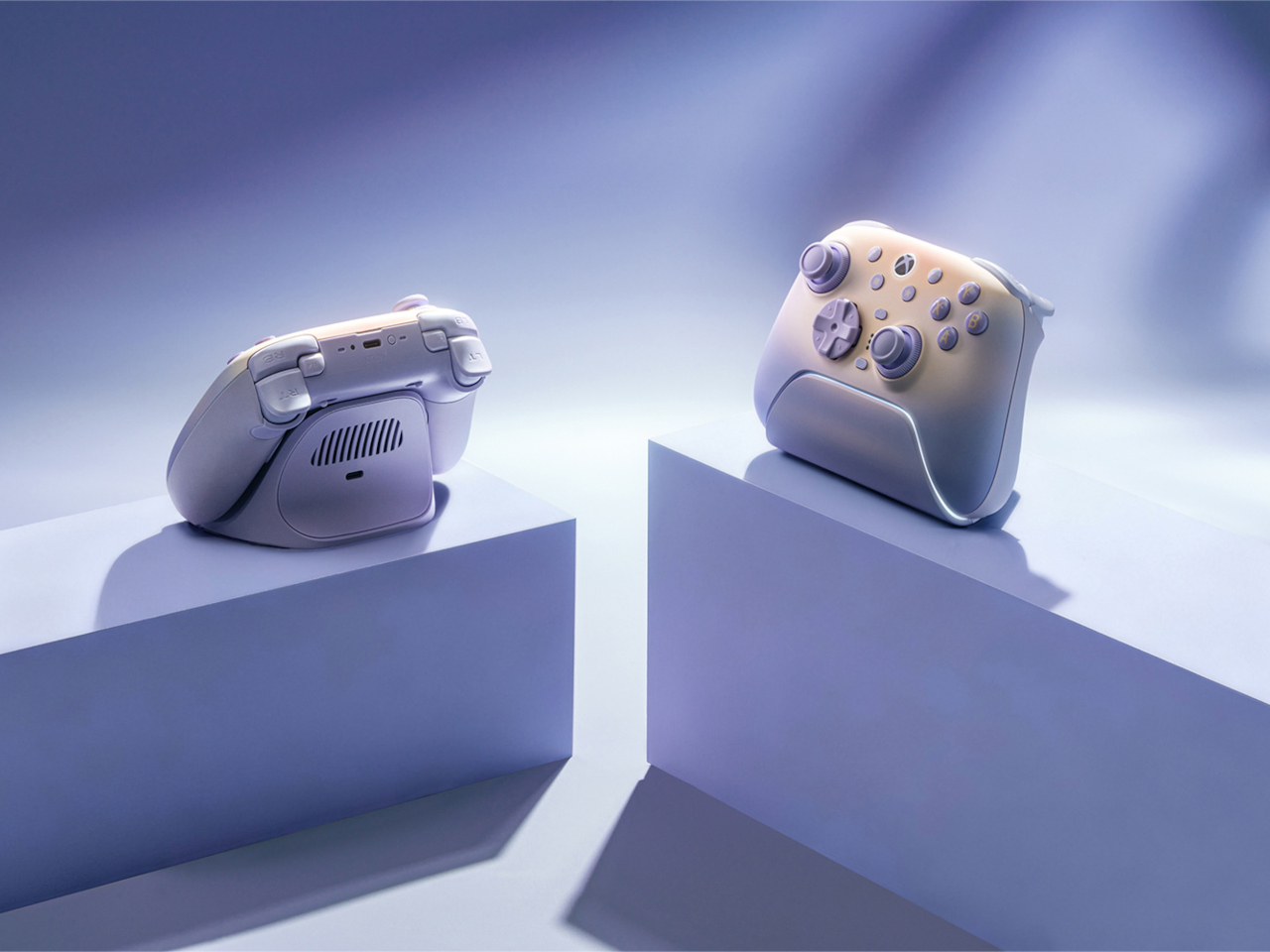
Gaming peripherals rarely get described as gentle, calm, or romantic, words that belong more to a paint swatch than a controller aisle. The 8BitDo Ultimate 3 in Lavender Dusk earns that description anyway, wrapping a genuinely serious piece of hardware in a color story pulled from Rococo pastels rather than the usual black plastic and red accent lines every other controller seems to default toward.
That lavender isn’t static either. The shell shifts tone depending on the light hitting it, reading cooler under daylight and warming slightly as dusk sets in, a small detail that turns a static object into something that responds to its surroundings throughout the day. It’s a softer visual language built for everyday rooms, not just gaming setups lit entirely by RGB strips and monitor glow.
Designer: 8BitDo
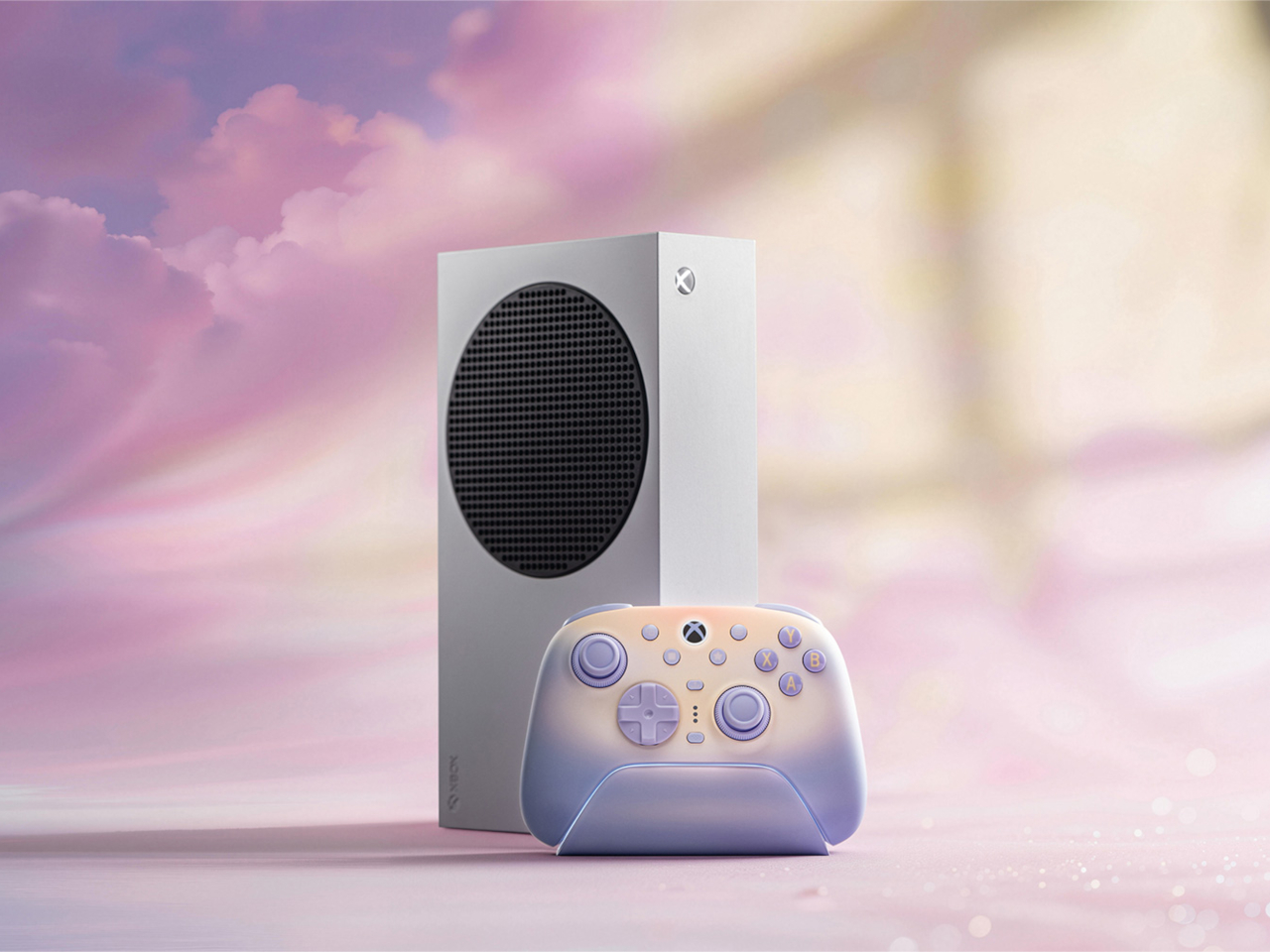
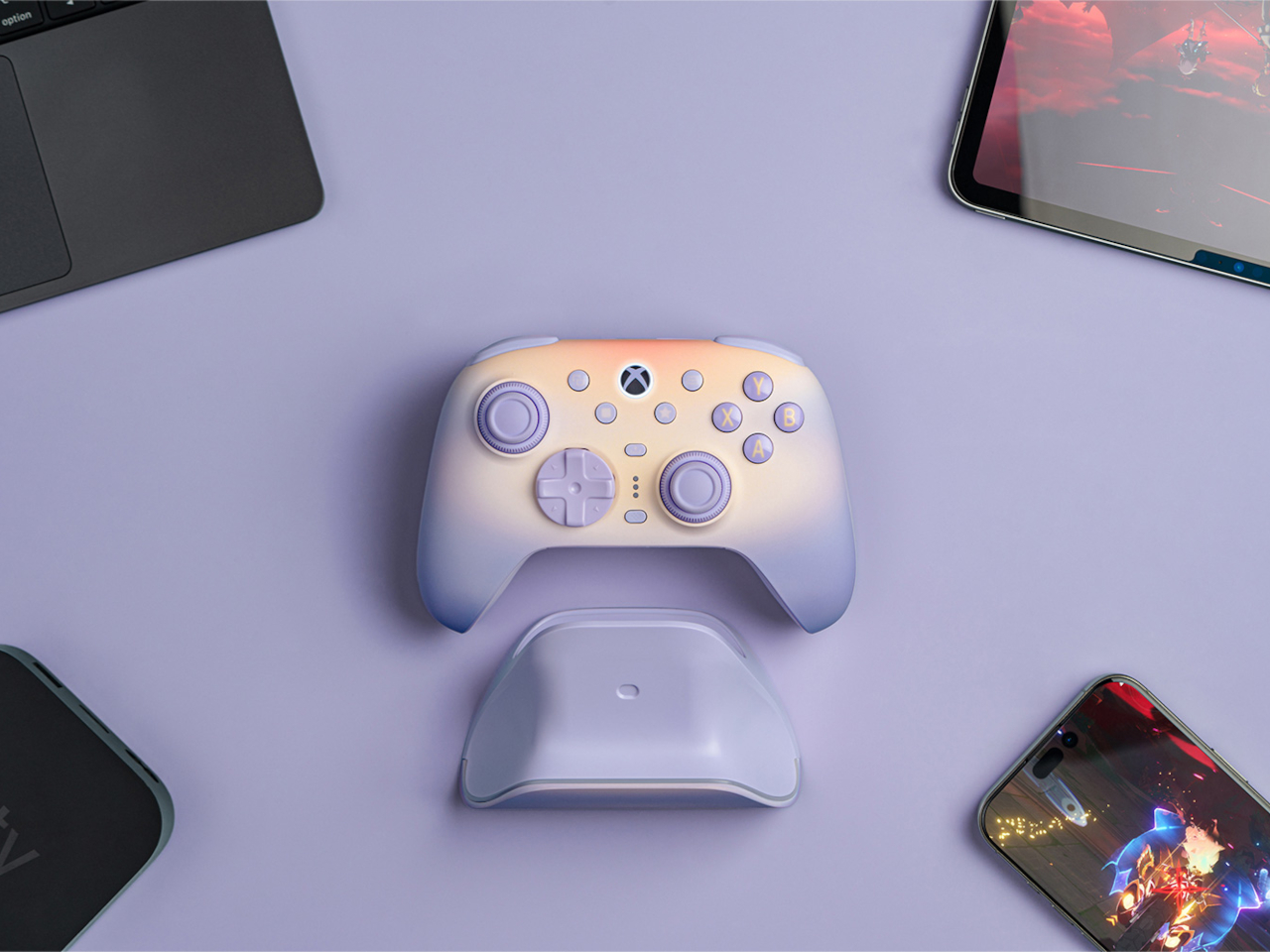
Connectivity stretches across more platforms than the pastel finish might suggest. The same controller pairs over 2.4G or wired USB with Xbox and Windows PC, then switches to Bluetooth for Android and Apple devices, covering a console session, a PC match, and a mobile game on the same commute without swapping hardware. That range matters more than it sounds, since most gamers now bounce between at least two of those platforms weekly.
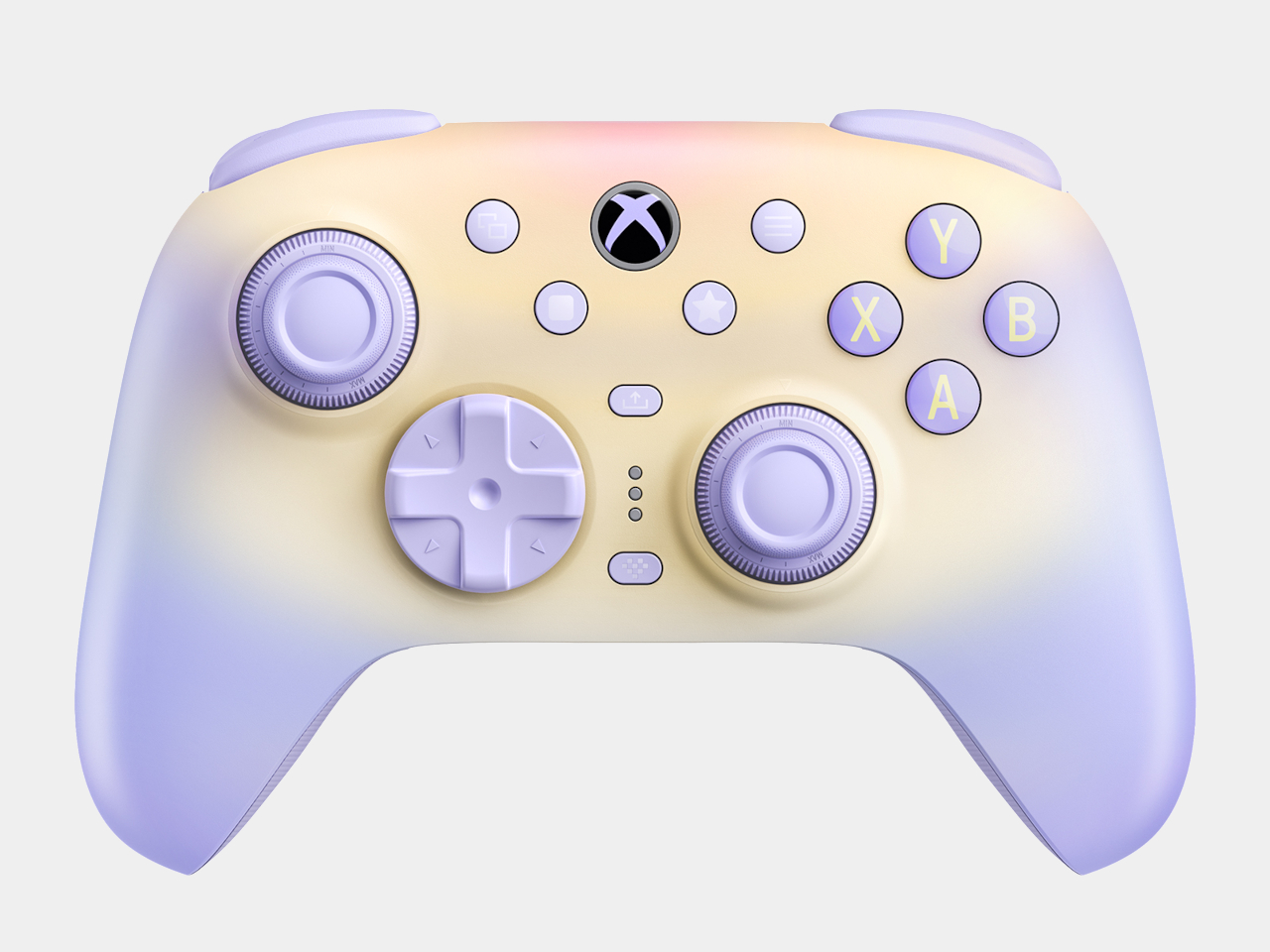
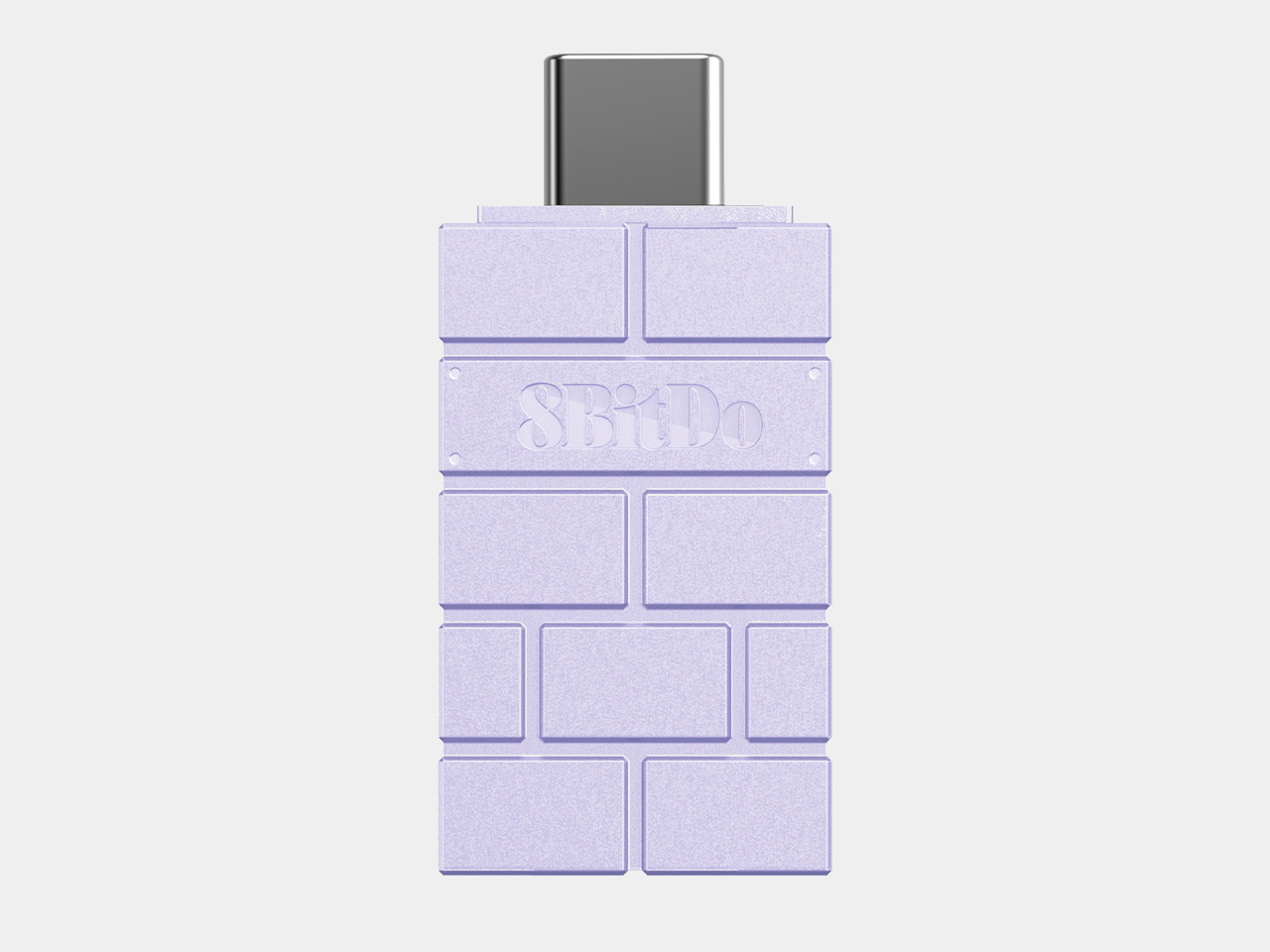
Underneath that finish sits hardware built for players who actually care about input precision. TMR joysticks pair with a Force Ring system that lets someone dial in exactly how much resistance a stick pushes back with, useful for anyone who’s ever complained that factory tension feels either too loose or unnaturally stiff. Hall-effect triggers add two selectable stop depths, letting a shooter’s hair-trigger reflex and a racing game’s full pull sit on the same controller without compromise.
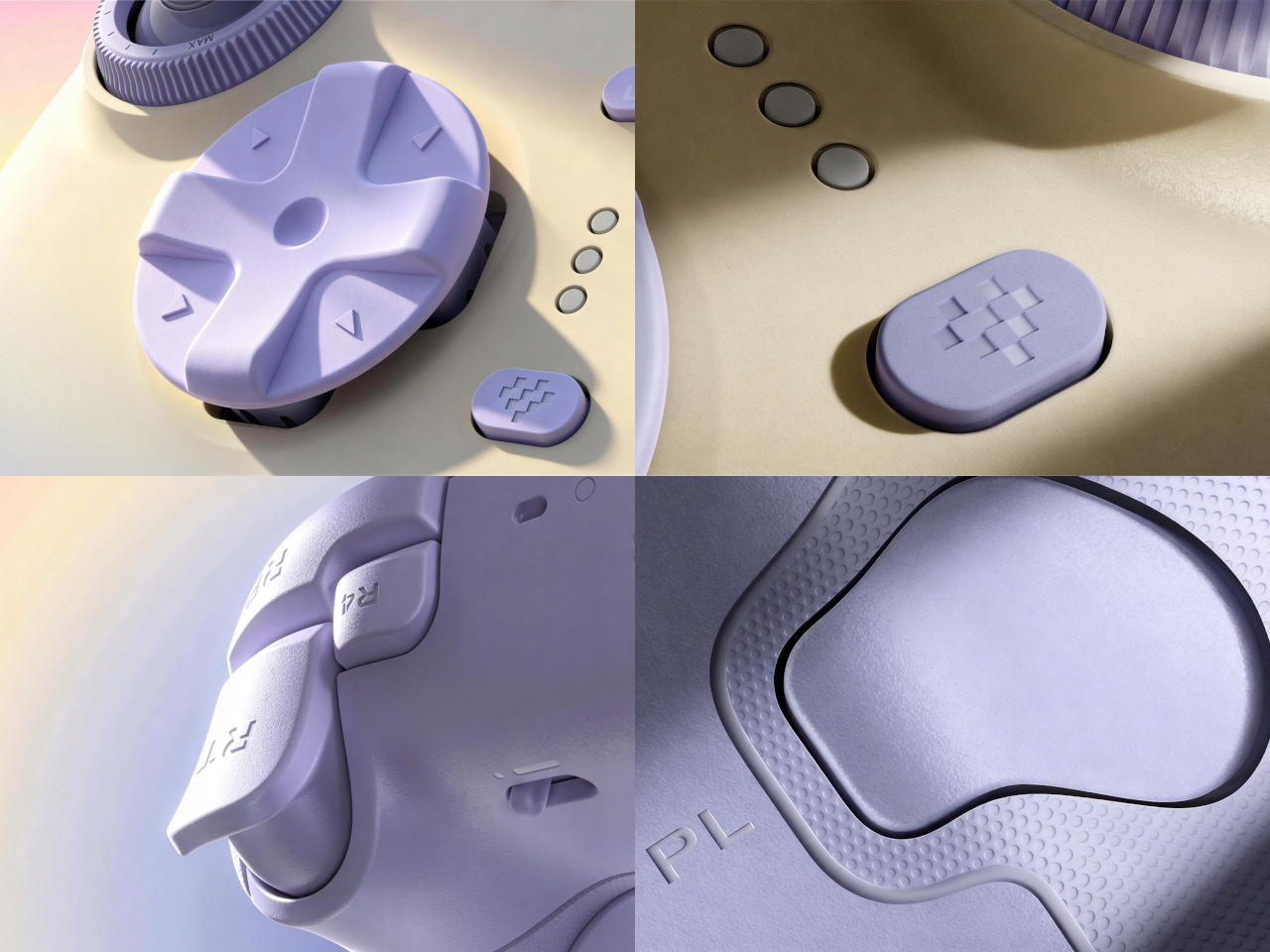
Extra input options multiply what a single thumb or finger can do mid-match. Two back buttons plus a pair of remappable fast bumpers sit within reach without requiring any software to configure on the fly, while a redesigned disc-shaped D-pad aims to make diagonal inputs land cleanly instead of catching on a seam between quadrants. None of these additions crowd the layout; they simply give a practiced hand more to work with.
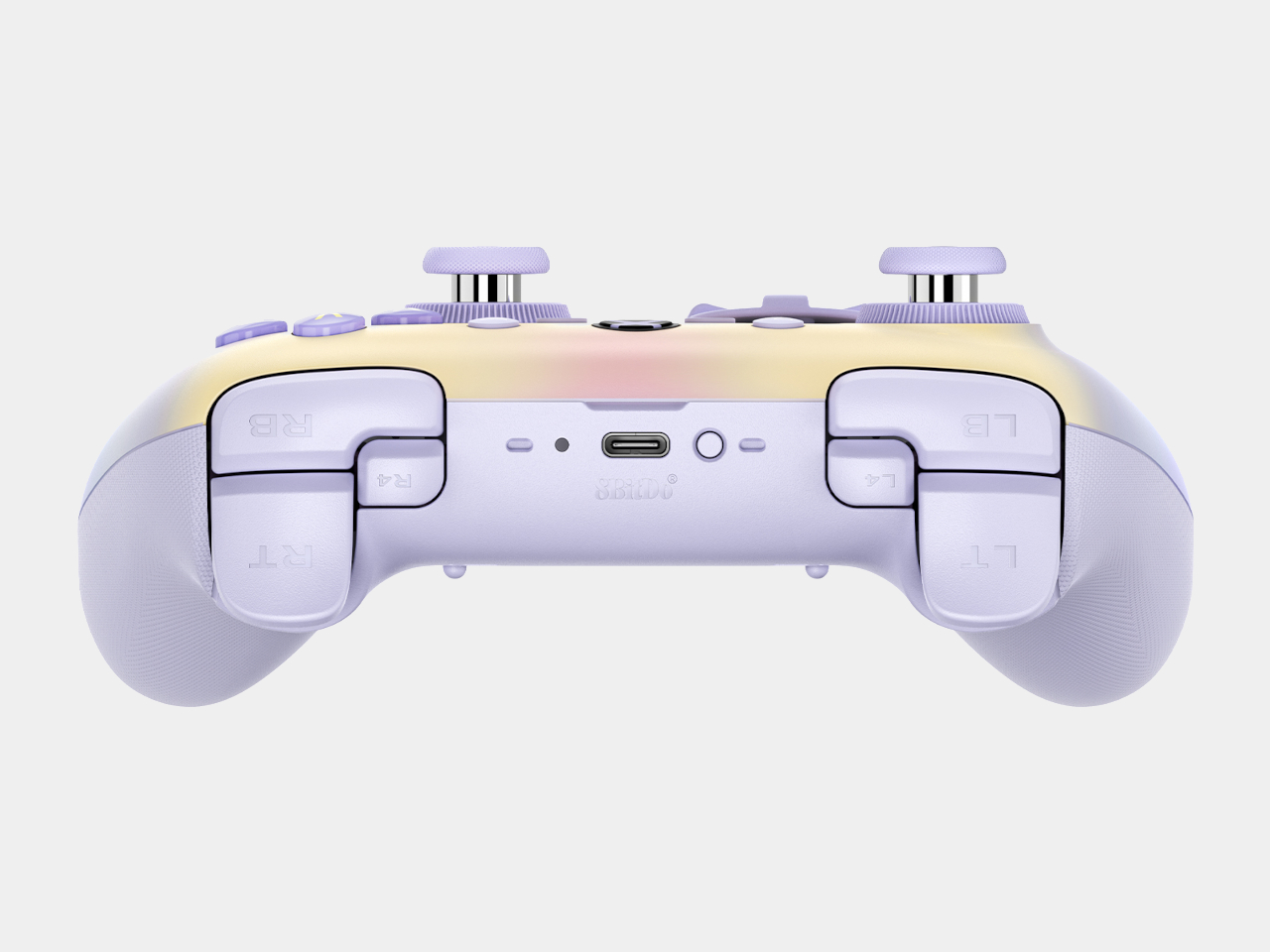
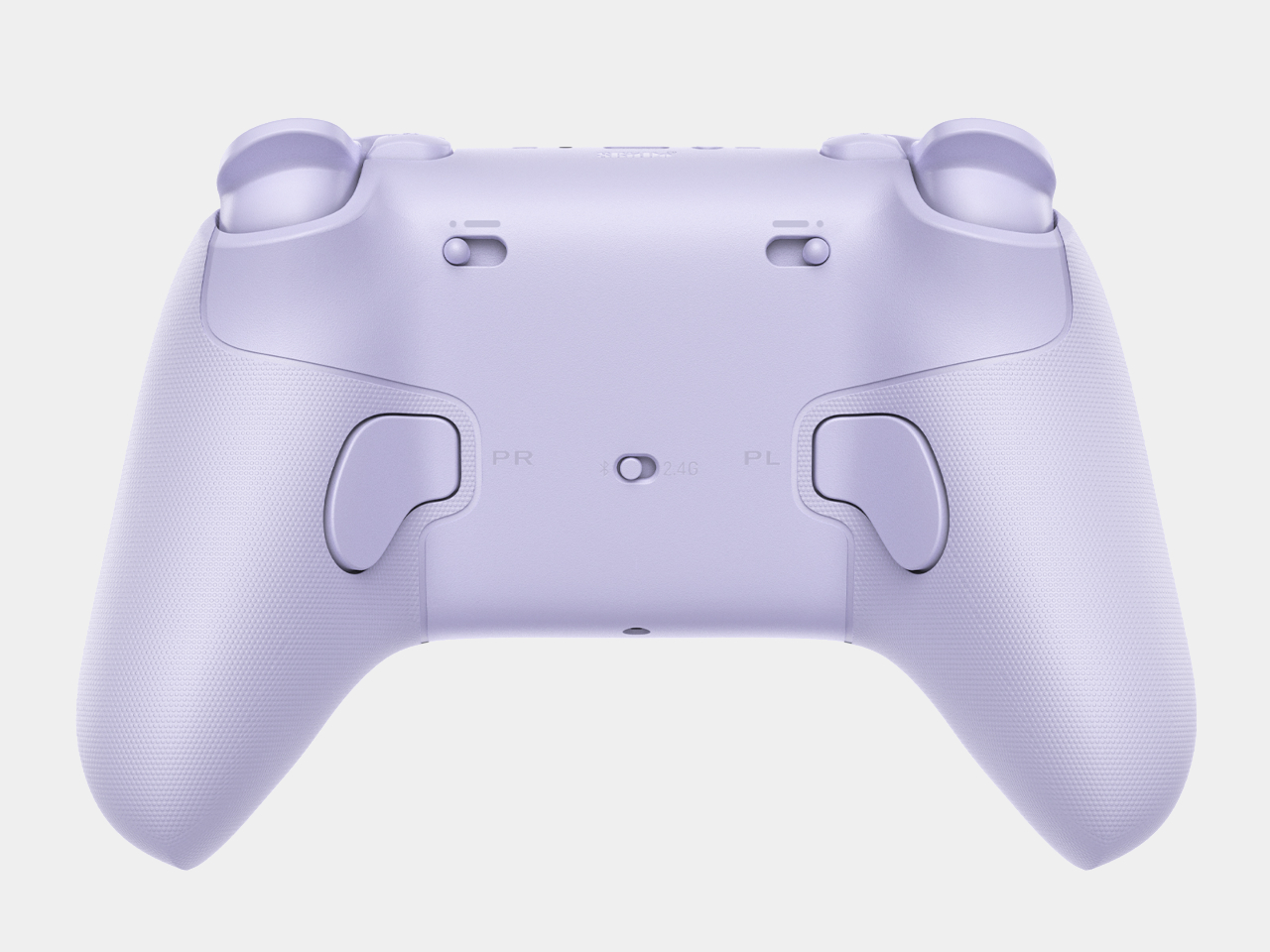
Comfort gets equal attention through a reshaped grip mold with a wider angle, designed to sit more naturally in hand during marathon sessions rather than fighting a player’s wrist after an hour. That redesign matters most in the moments a spec sheet can’t capture: the third hour of a long weekend session when a controller either disappears into the background or starts making itself known through soreness.
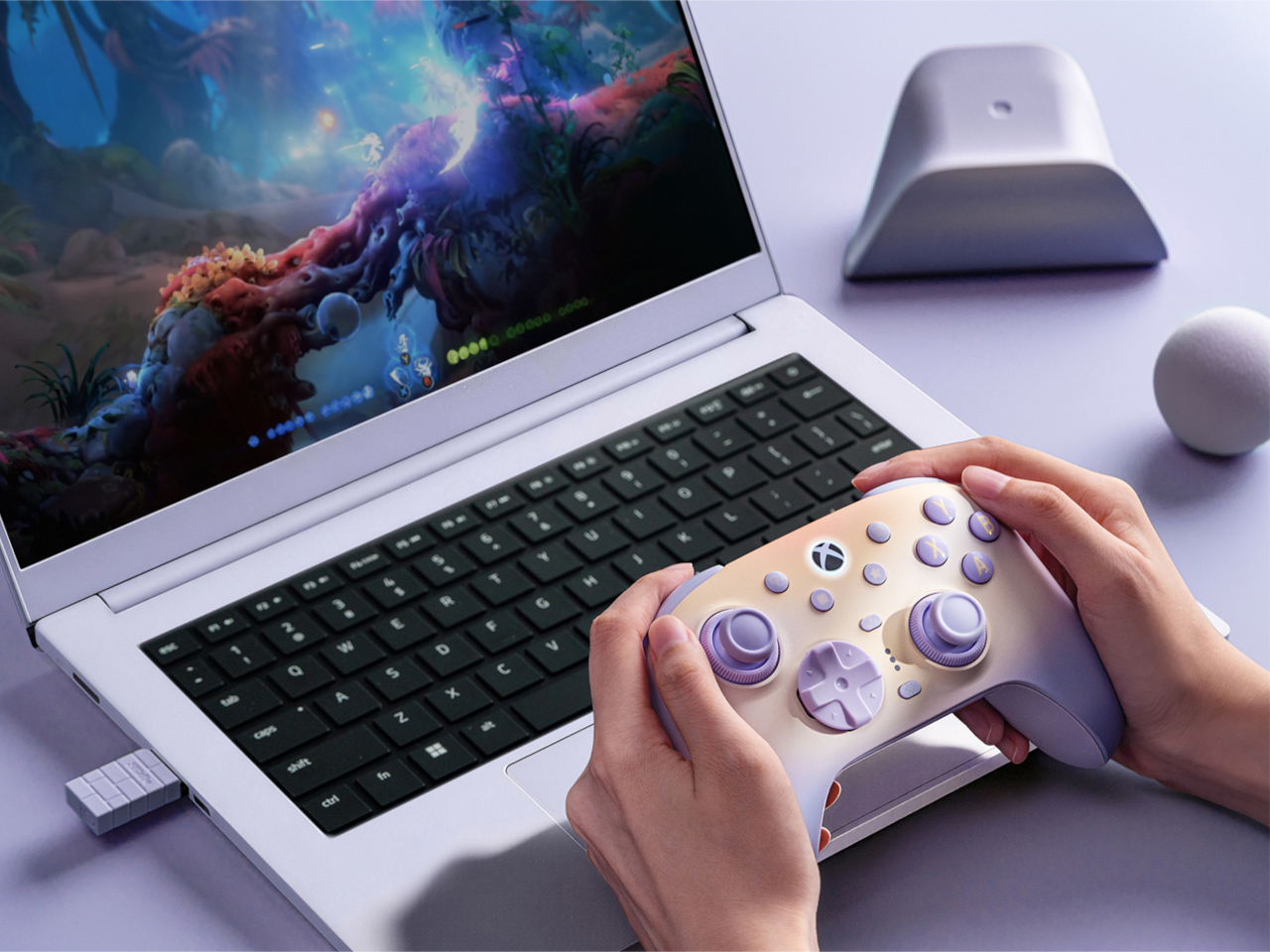
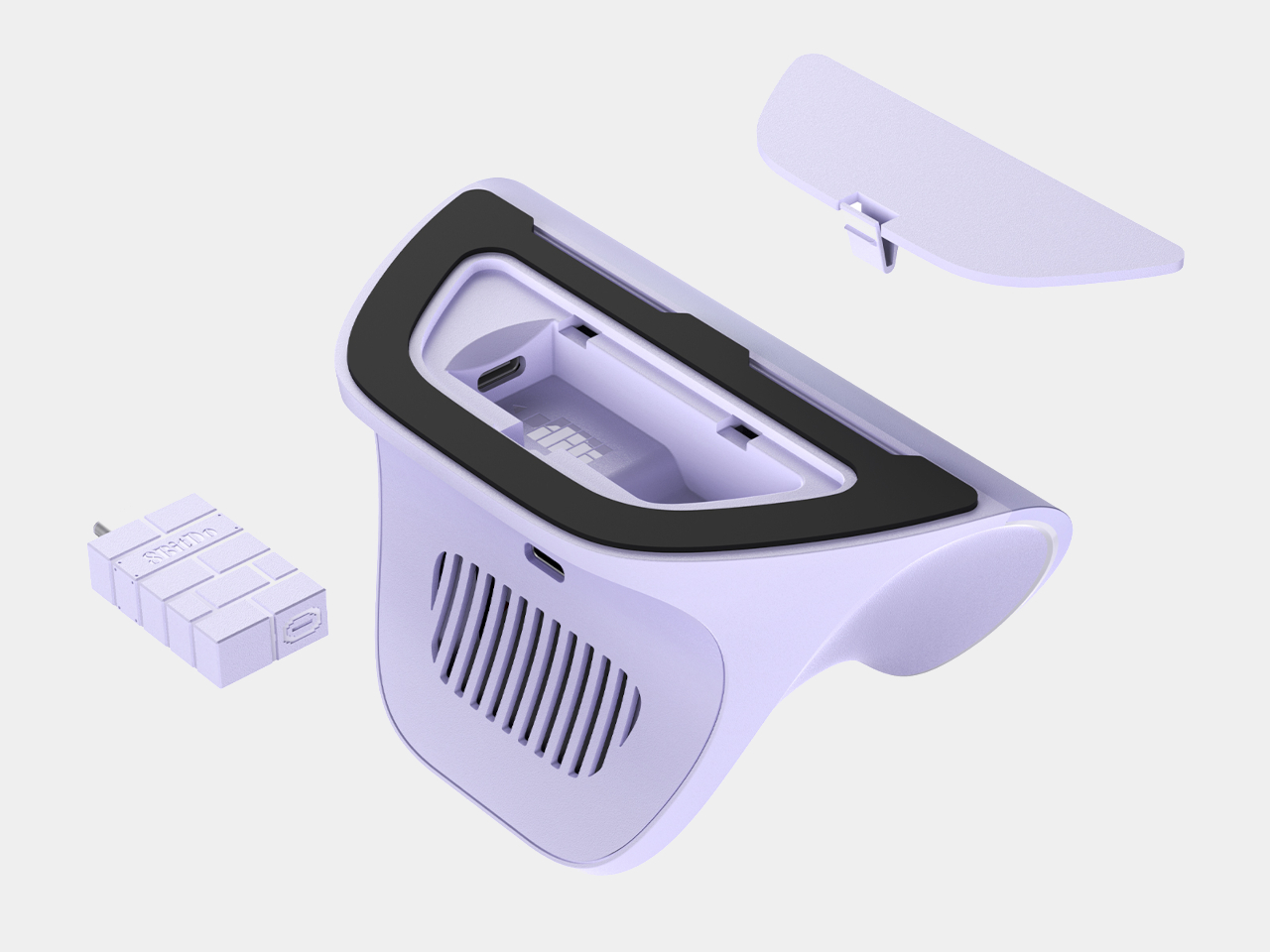
Charging avoids the usual tangle of cables entirely. A zero-contact dock uses magnetic alignment to seat the controller precisely, then reconnects automatically the moment it’s lifted off, skipping the small delay of re-pairing that plagues cheaper wireless setups. That same dock houses the 2.4G adapter and can extend the wireless signal further when connected directly to a console or PC.
Software support through 8BitDo’s Ultimate Software X rounds out the package, letting players fine-tune trigger ranges, vibration intensity, and button mapping well beyond what the physical controls alone allow. Paired with a color and finish built to feel warm rather than clinical, the Lavender Dusk edition treats a gaming peripheral as something worth caring about on a shelf, not just during a match.
The post Most Controllers Are Black and Angry, 8BitDo Ultimate 3 Lavender Dusk Isn’t first appeared on Yanko Design.
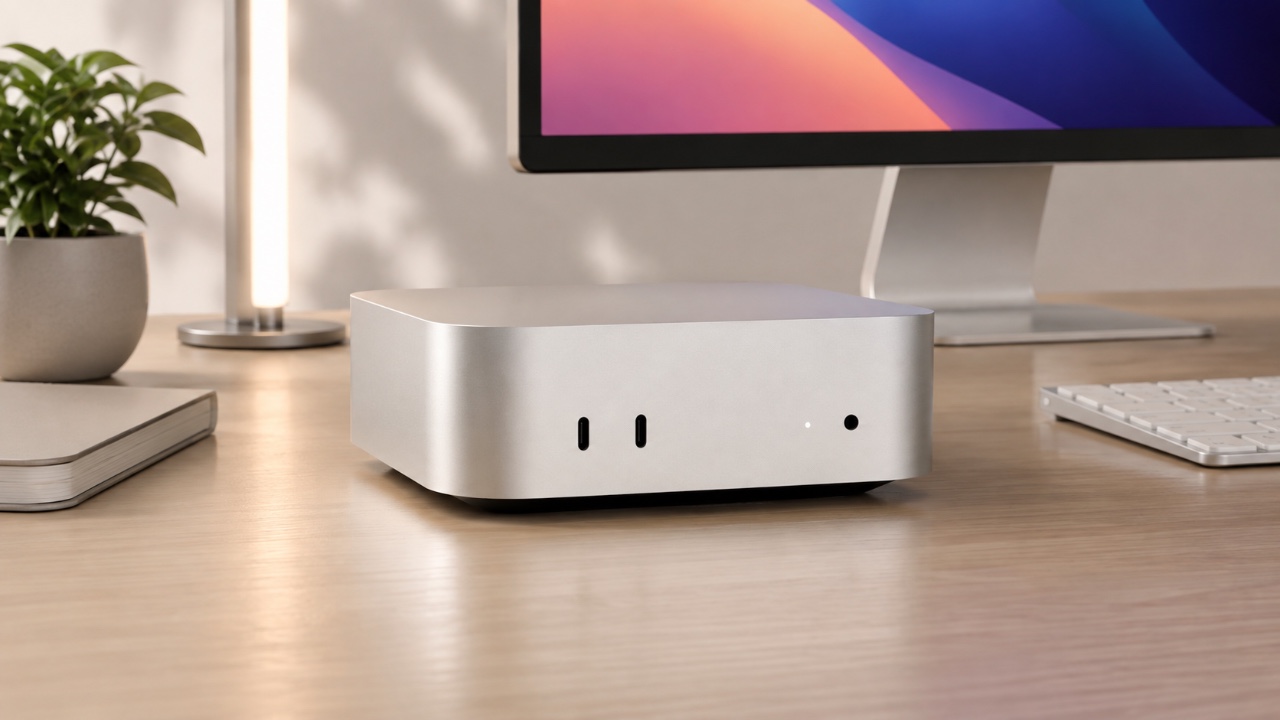
The M6 Mac Mini, powered by Apple’s new 2-nanometer chip, represents a significant leap forward in desktop computing. This compact device combines advanced performance capabilities with affordability, making it a standout choice for a wide range of users. Featuring dual 16-core neural engines and enhanced memory bandwidth, the M6 Mac Mini excels in handling AI, […]
The post The M6 Mac Mini Changes Everything for Pro Buyers appeared first on Geeky Gadgets.
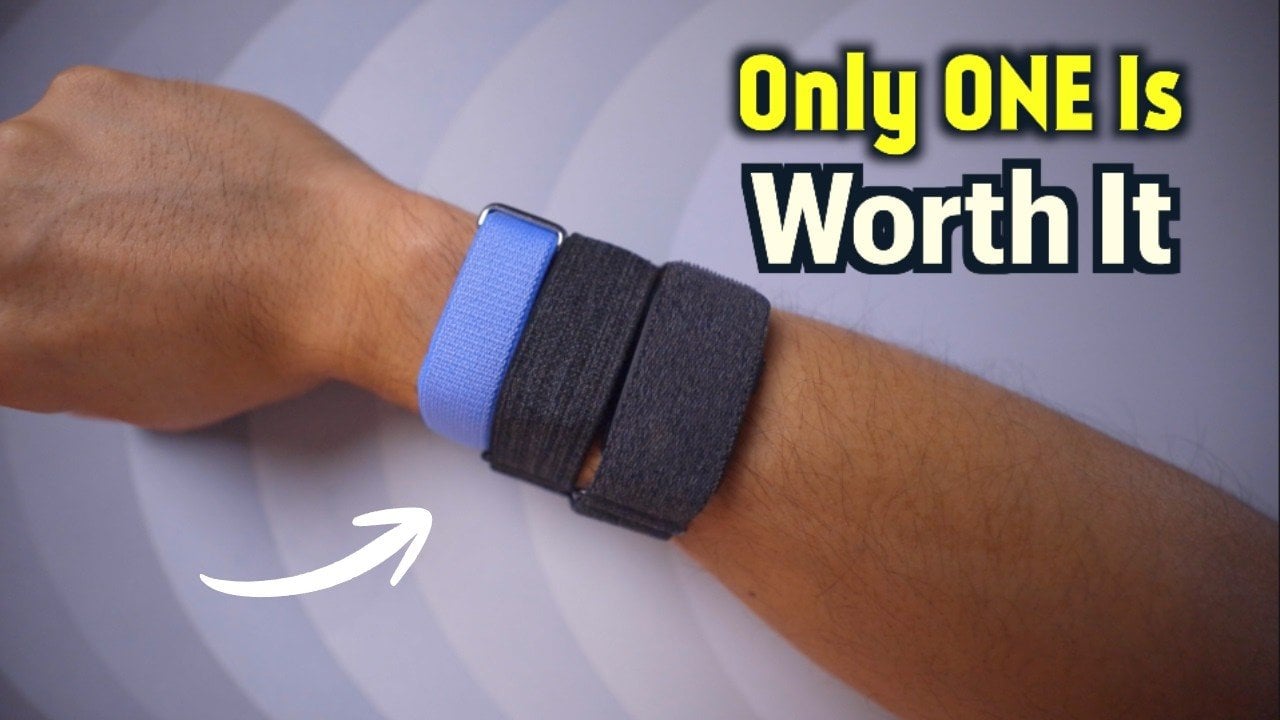
Fitness trackers have become essential companions for monitoring health and achieving fitness goals, but finding the right one can be a challenge. In this Q&A, HelloChen explores three popular screenless options, Fitbit Air, Garmin Circa and Hume Band 2.0, breaking down their design, features and overall usability. For instance, the Fitbit Air stands out with […]
The post Fitbit Air vs Garmin Cirqa vs Hume Band 2.0: Which One’s for You? appeared first on Geeky Gadgets.
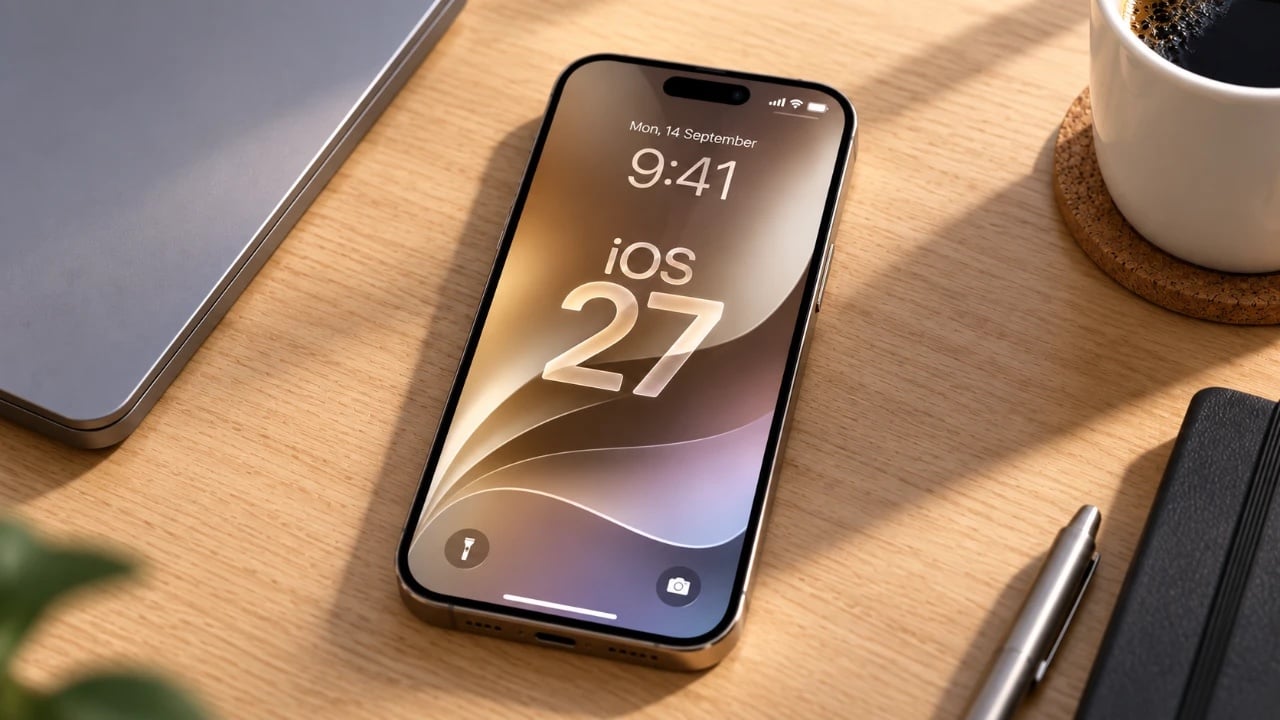
Apple’s iOS 27 introduces a range of refined features designed to improve the iPhone’s usability and functionality. These updates focus on enhancing everyday tasks, optimizing core apps, and delivering a smoother user experience. Importantly, these improvements are accessible across a wide range of devices, making sure users don’t need the latest hardware to benefit. […]
The post Apple’s Secret New iOS 27 iPhone Features Revealed appeared first on Geeky Gadgets.
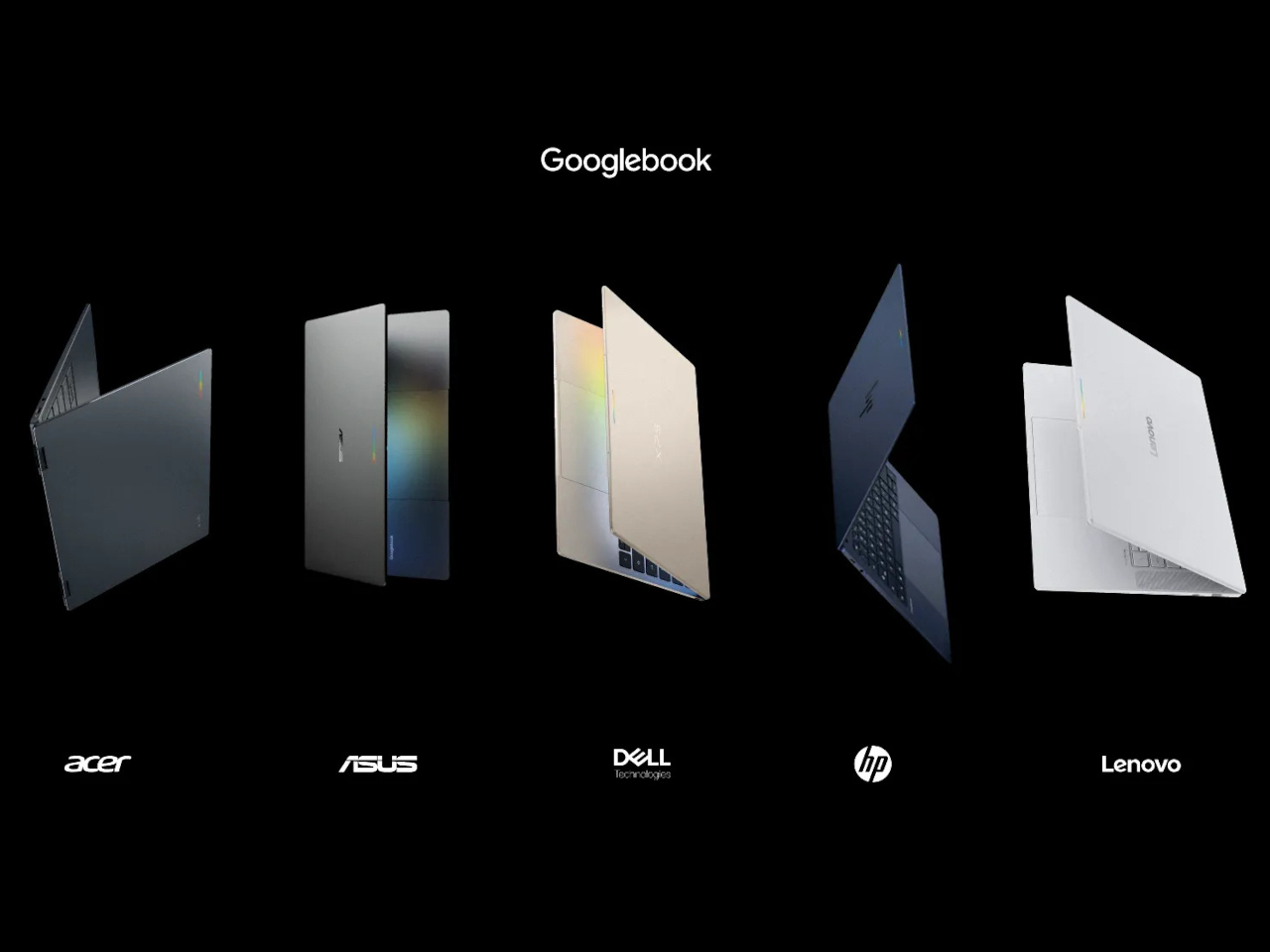
A laptop announced in May with no price, no ship date, and no way to actually buy one is easy to forget by September. Googlebook just stopped being that kind of announcement. Pre-orders opened today across five hardware partners, Acer, ASUS, Dell, HP, and Lenovo, turning a concept built around Gemini Intelligence into something arriving on shelves within two weeks, starting at $899.
That timing matters because it answers the question a spec sheet alone can’t: what does an Android phone actually gain by having a matching laptop nearby? Continue On reopens a task straight from the phone onto the laptop’s taskbar, while a feature called Files reaches into the connected phone’s storage to pull up a photo or document without any manual transfer step in between.
Designers: Google, Acer, ASUS, Dell, HP, Lenovo
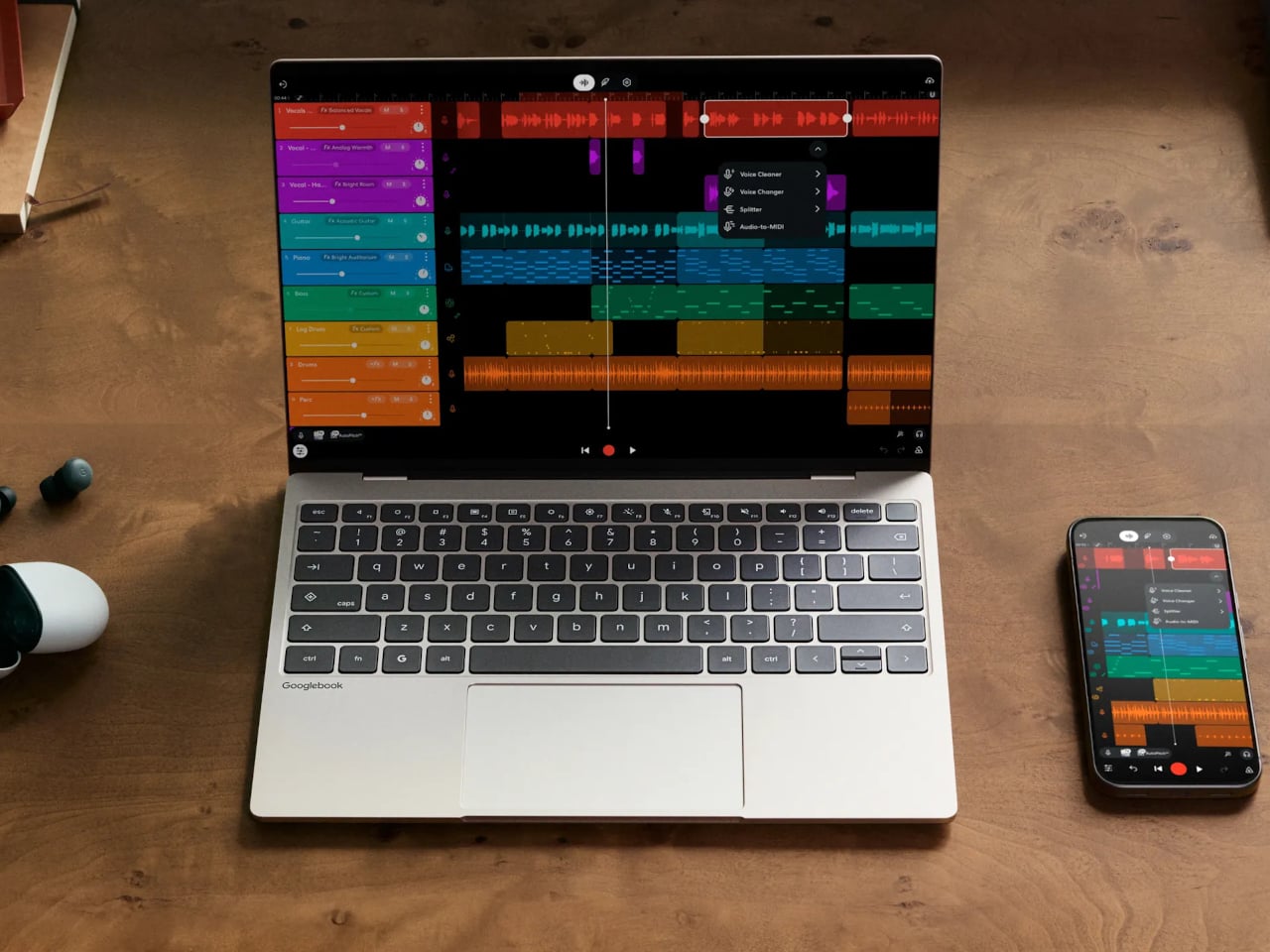
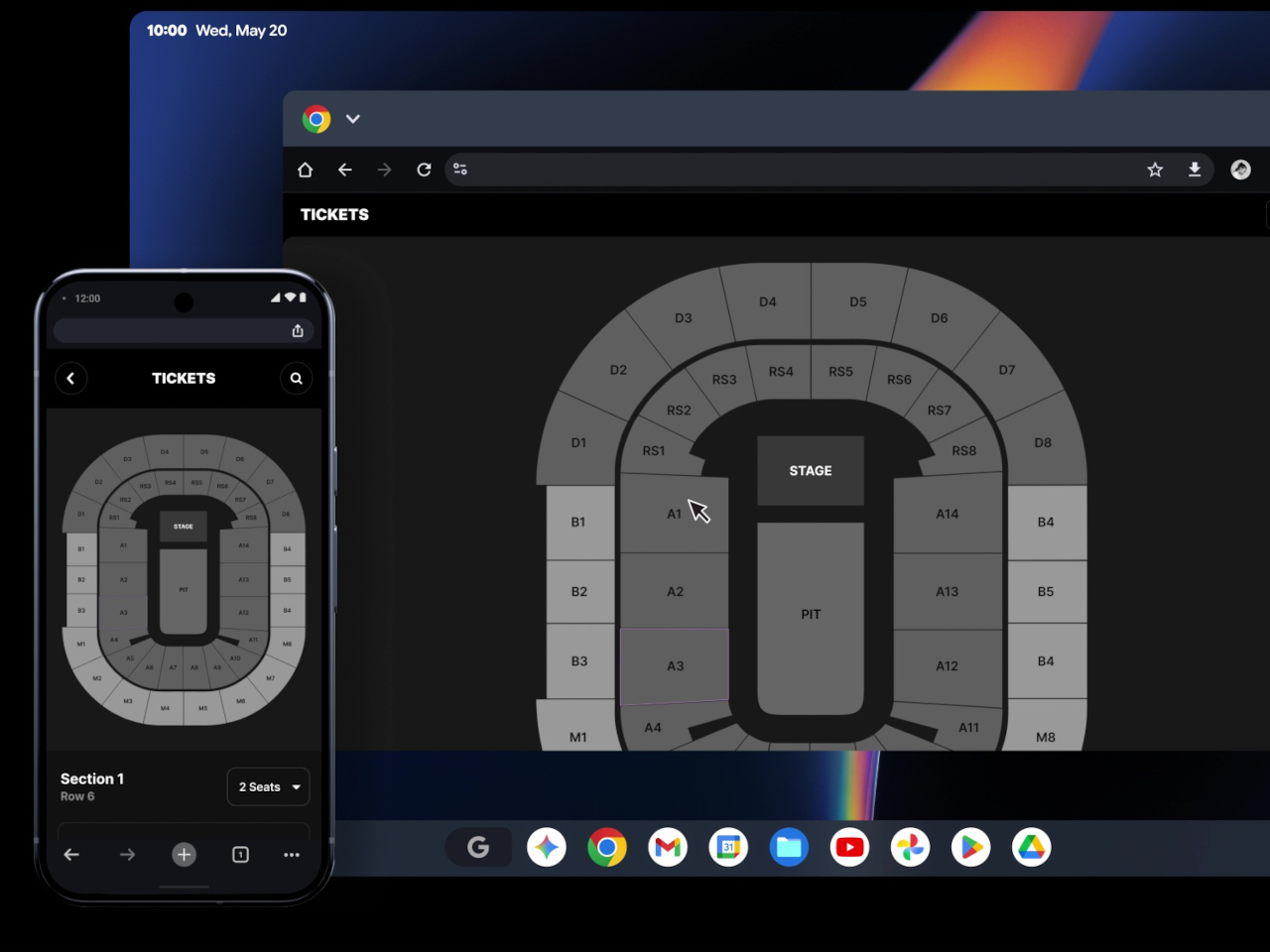
Cast My Apps pushes that further, streaming Android phone apps directly into desktop windows alongside the Chrome browser itself. An app built for a 6-inch screen suddenly runs in a resizable window next to a spreadsheet, treated as a native piece of the desktop instead of a screen mirror bolted on as an afterthought. Passwords, Wi-Fi credentials, and messages move over encrypted, without a manual re-login on either end.
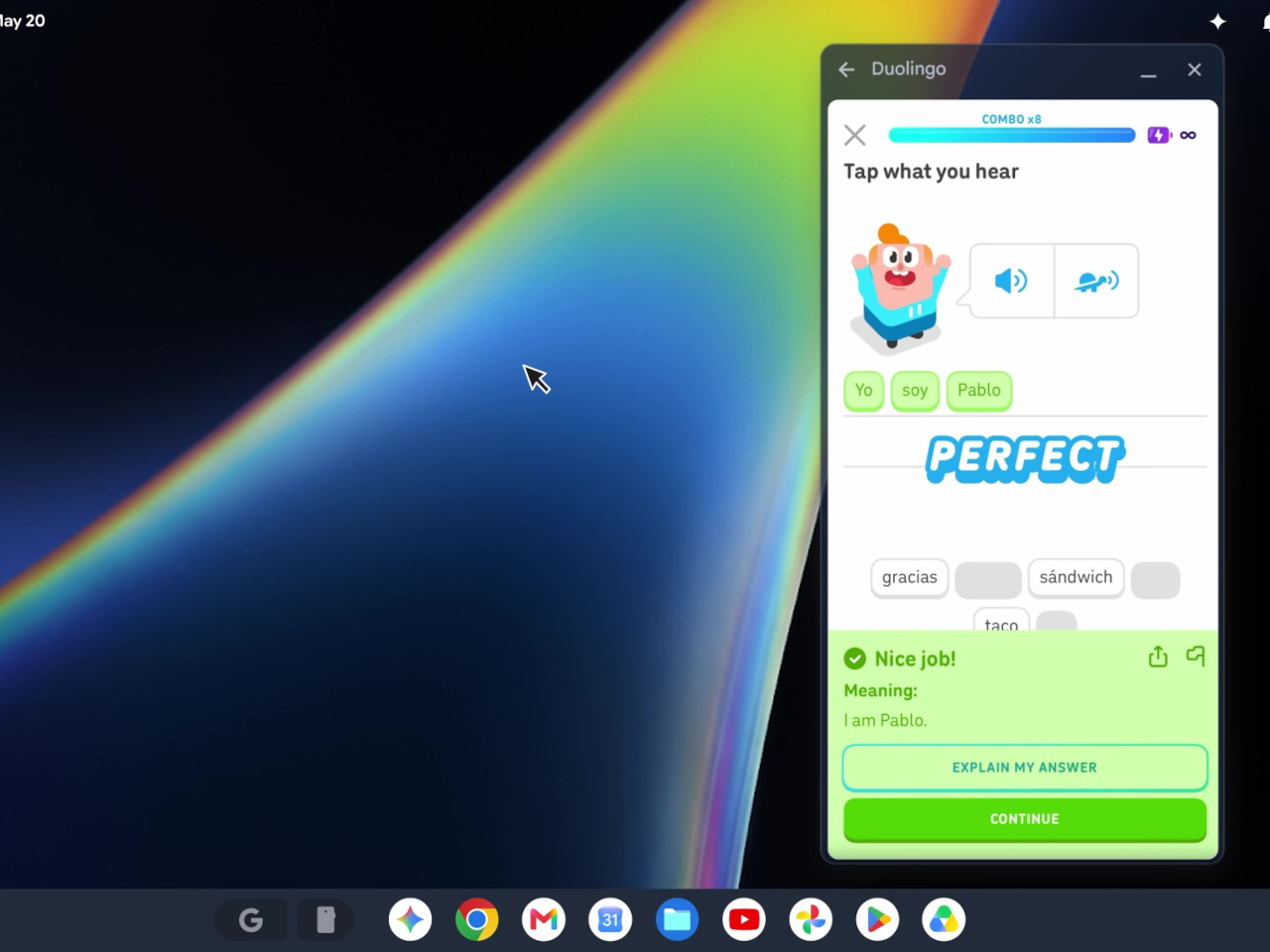
Gemini sits underneath all of it as the connective layer rather than a separate app to open. Magic Pointer turns a cursor into a contextual assistant, summoned to check an email, schedule something, or touch up an image based on whatever it’s hovering over at the moment. Rambler takes a different angle entirely, converting messy spoken notes into text organized enough to hand off without a rewrite.
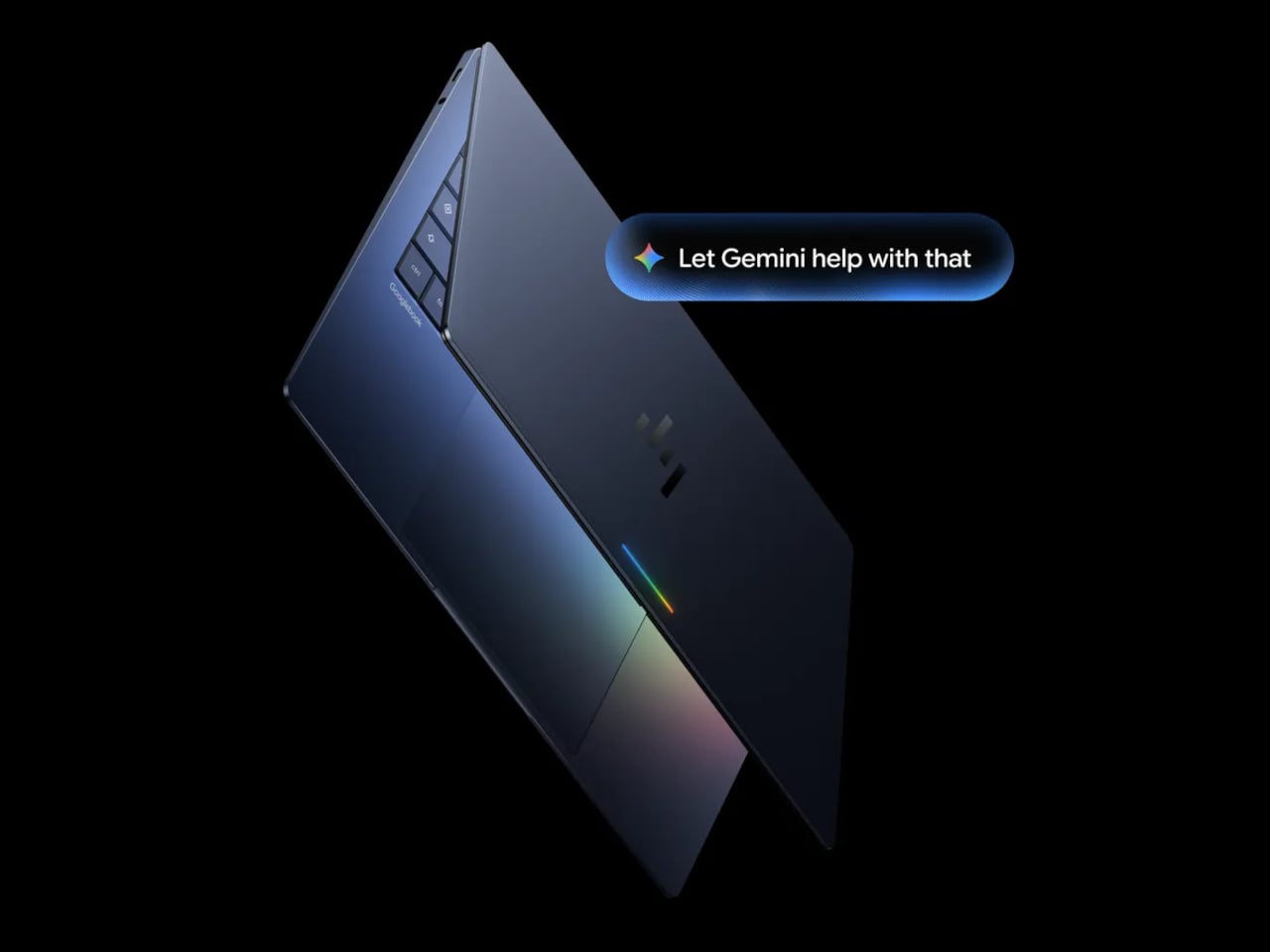
Create My Widget pushes personalization somewhere most laptops never bother going. Describing a tool in plain language builds a working desktop widget on the spot, no coding background required, no template to hunt down first. It’s a small feature with a large implication: customizing a laptop’s actual function, not just its wallpaper, becomes as easy as typing a sentence.
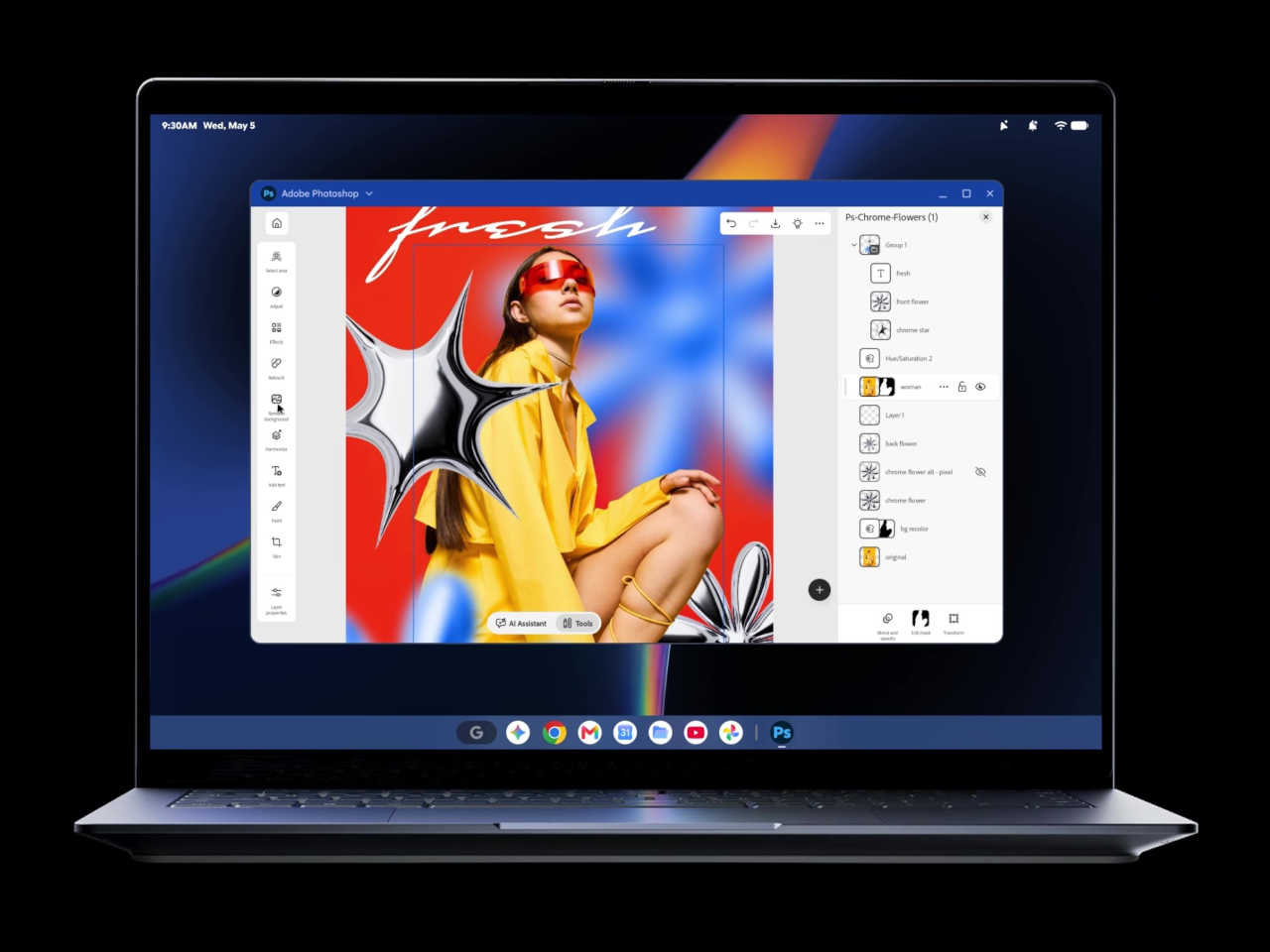
Developers get an unexpectedly serious toolkit bundled in as well. Google Antigravity ships standard, letting anyone write an app and deploy it directly onto the device without extra setup. A full Linux terminal sits underneath that, running tools like Claude Code for genuine agentic coding sessions, a level of openness rarely handed to a mainstream consumer laptop straight out of the box.
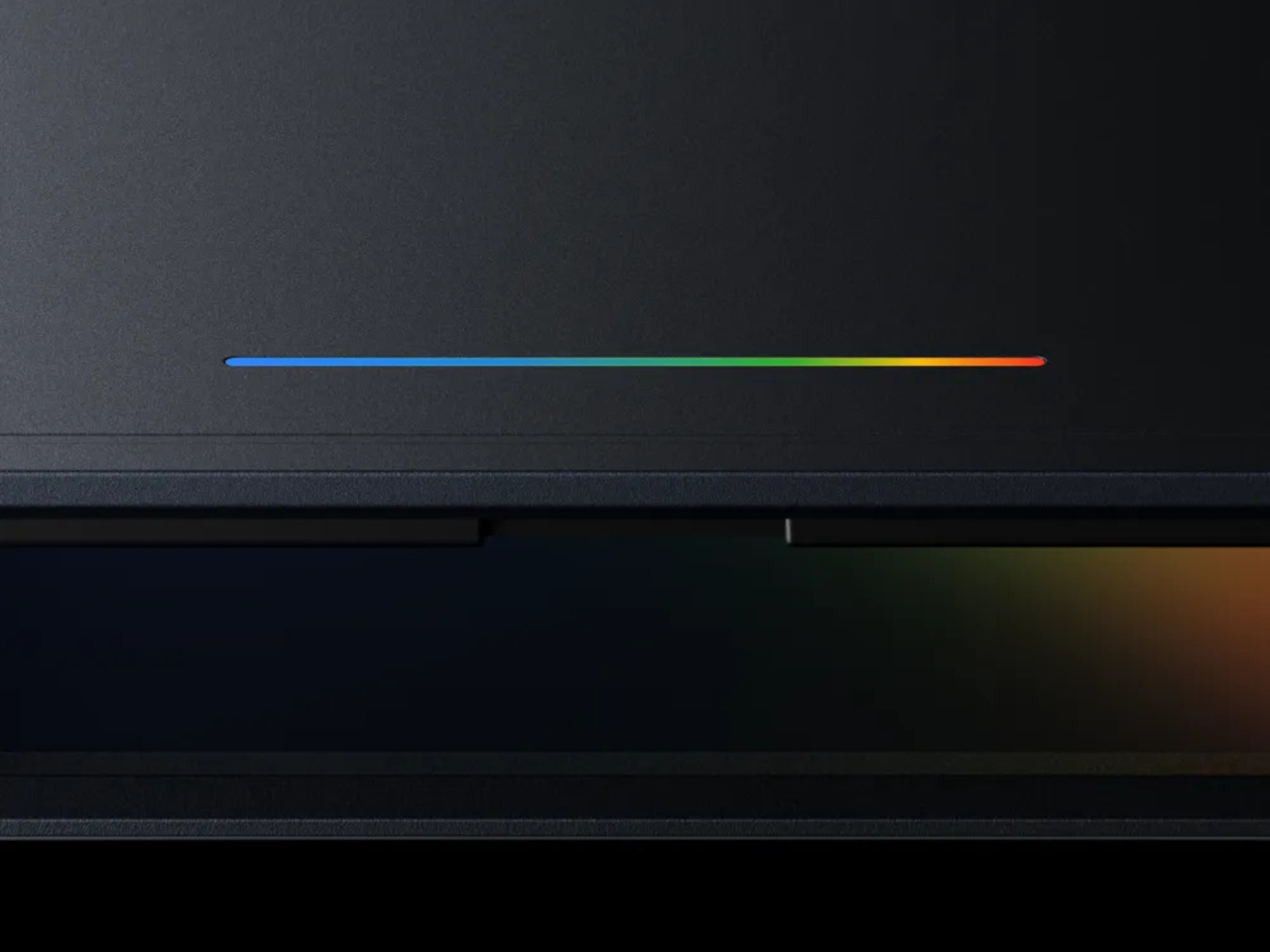
Design stays consistent across all five brands through a single shared signal: the Glowbar, a strip of light Google requires on every Googlebook regardless of who builds it. Acer, ASUS, Dell, HP, and Lenovo each bring their own chassis language and price point, yet that glowing strip functions like a shared handshake, letting someone recognize the platform before ever checking a spec sheet.
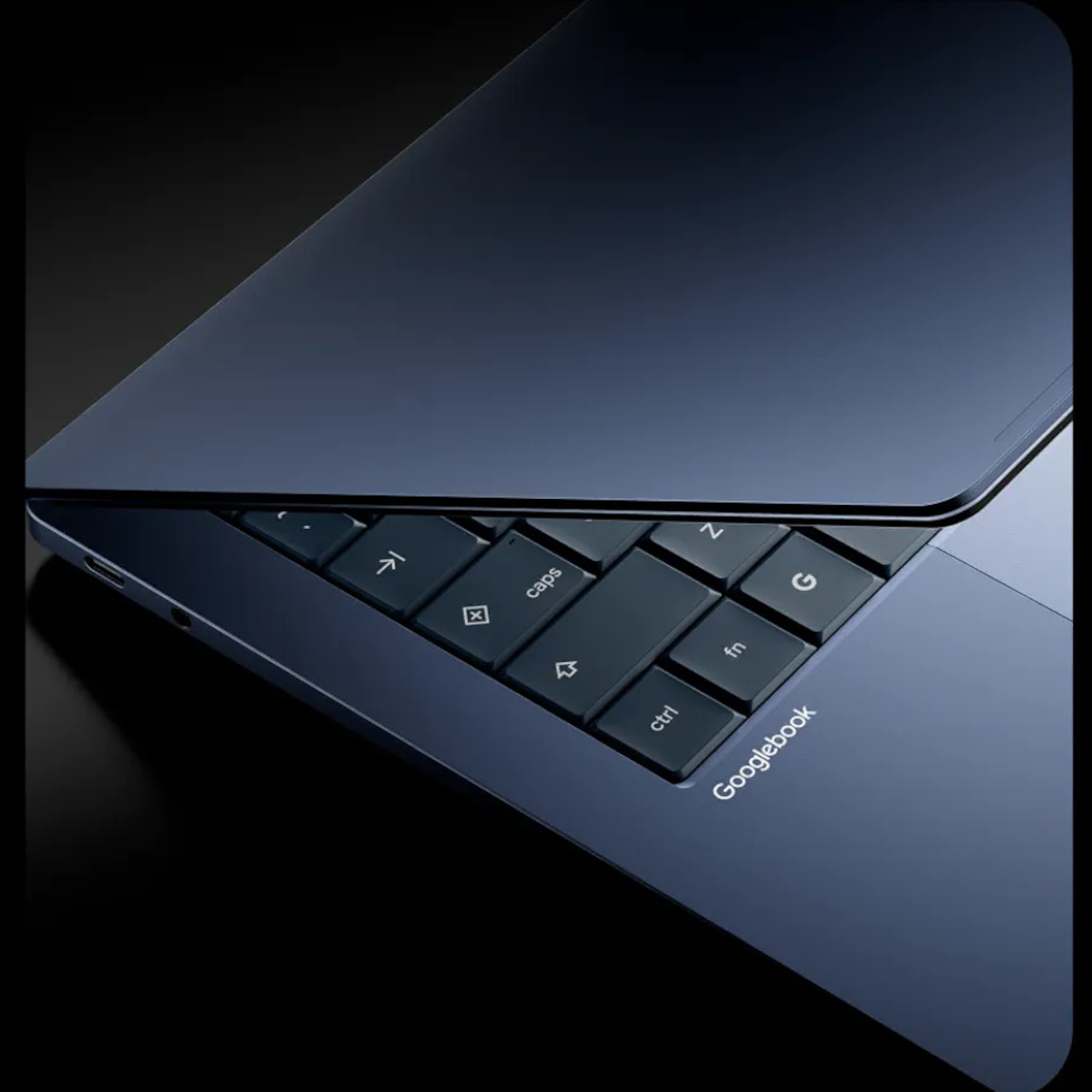
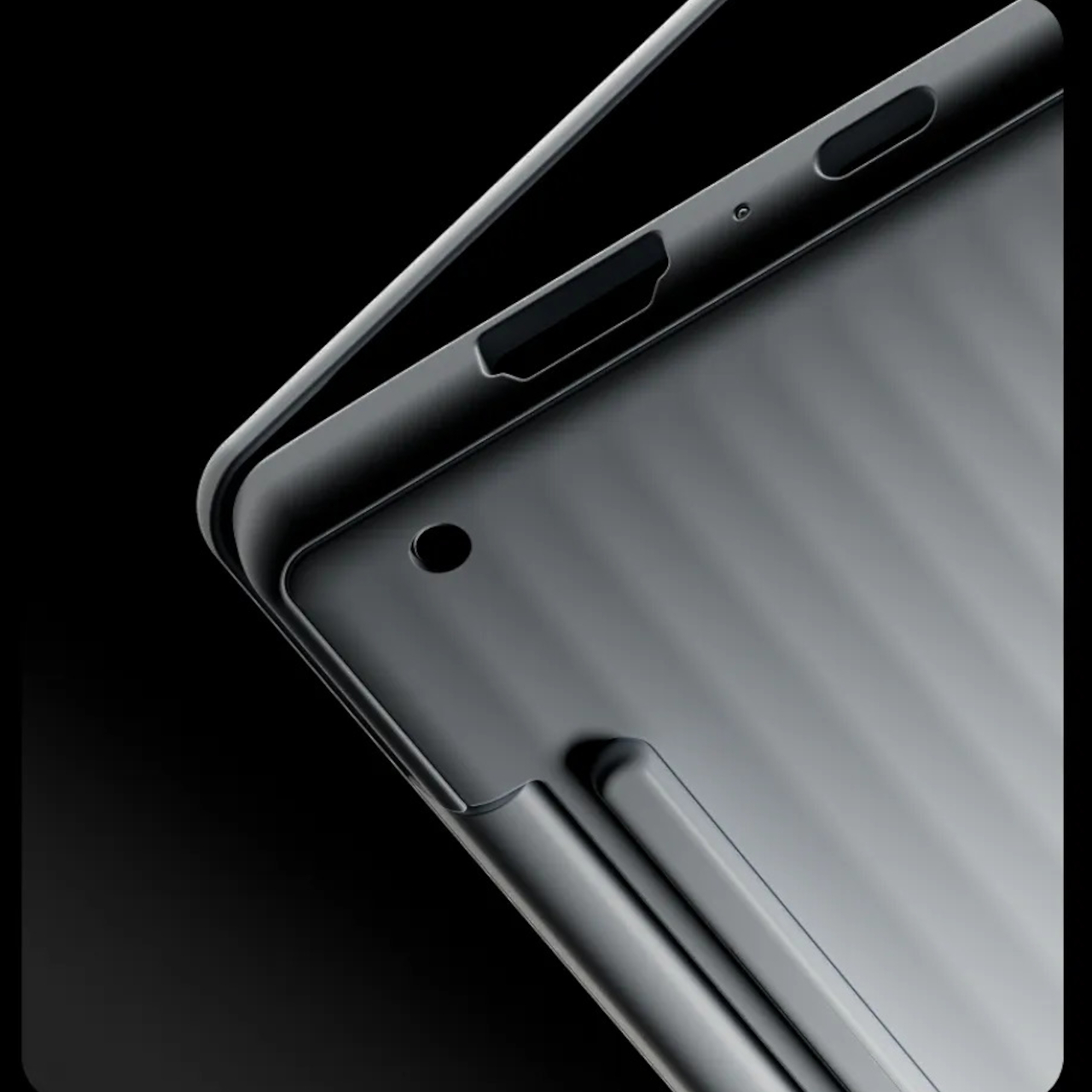
Every Googlebook also ships with 12 months of Google AI Pro, unlocking 5 TB of cloud storage and Gemini’s advanced tools alongside three months each of YouTube Premium and Adobe Photoshop. Google backed that with a commitment to feature drops and software updates for up to 10 years, treating a laptop purchase as a decade-long relationship rather than a two-year cycle before the next upgrade feels necessary.

The post You Can Finally Pre-Order a Googlebook, Starting at $899 first appeared on Yanko Design.