This Designer Made the Screwdriver EDC Nerds Didn’t Know They Needed

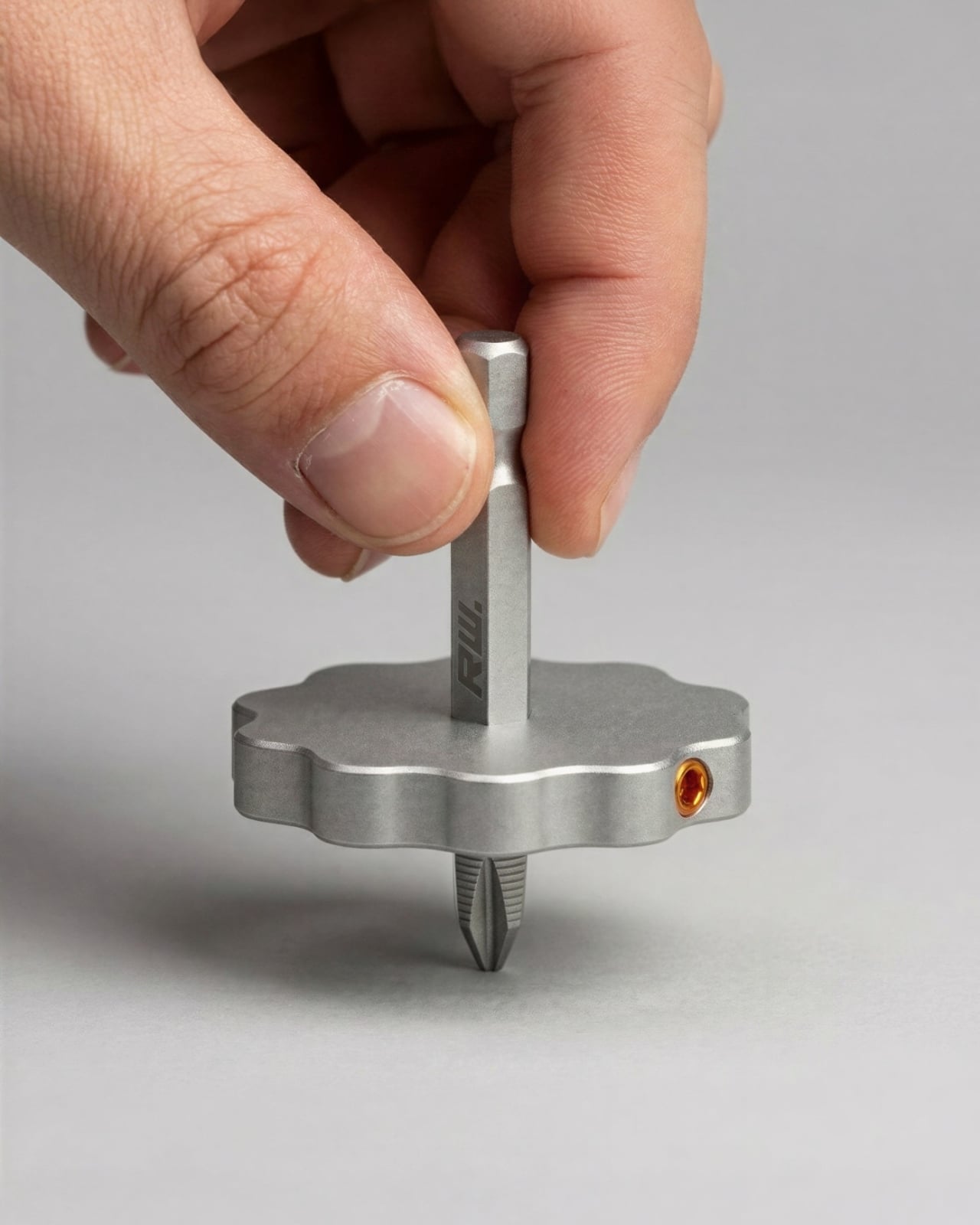
There’s something deeply satisfying about an object that refuses to take itself too seriously. The Drillbit Gyro, a concept design by Berlin-based designer Julius Works, is exactly that kind of object. It’s a spinning top. It’s a screwdriver. It’s the kind of thing you pick up off your desk when you’re on a phone call, and five minutes later you’ve forgotten what the conversation was about because you’re watching a Phillips bit twirl on your kitchen counter.

Let me back up. The EDC (everyday carry) space has a particular aesthetic, and if you’ve spent any time browsing it, you know exactly what I mean. Everything is titanium. Everything is milled from a single billet. Everything looks like it was designed for a spec ops mission in a mountain range you’ve never heard of. And look, there’s nothing wrong with that. Some of those tools are beautifully made and genuinely useful. But the culture around EDC gear has calcified into something predictable. Rugged. Tactical. Masculine in a very specific, unimaginative way.

Designer: Julius Works

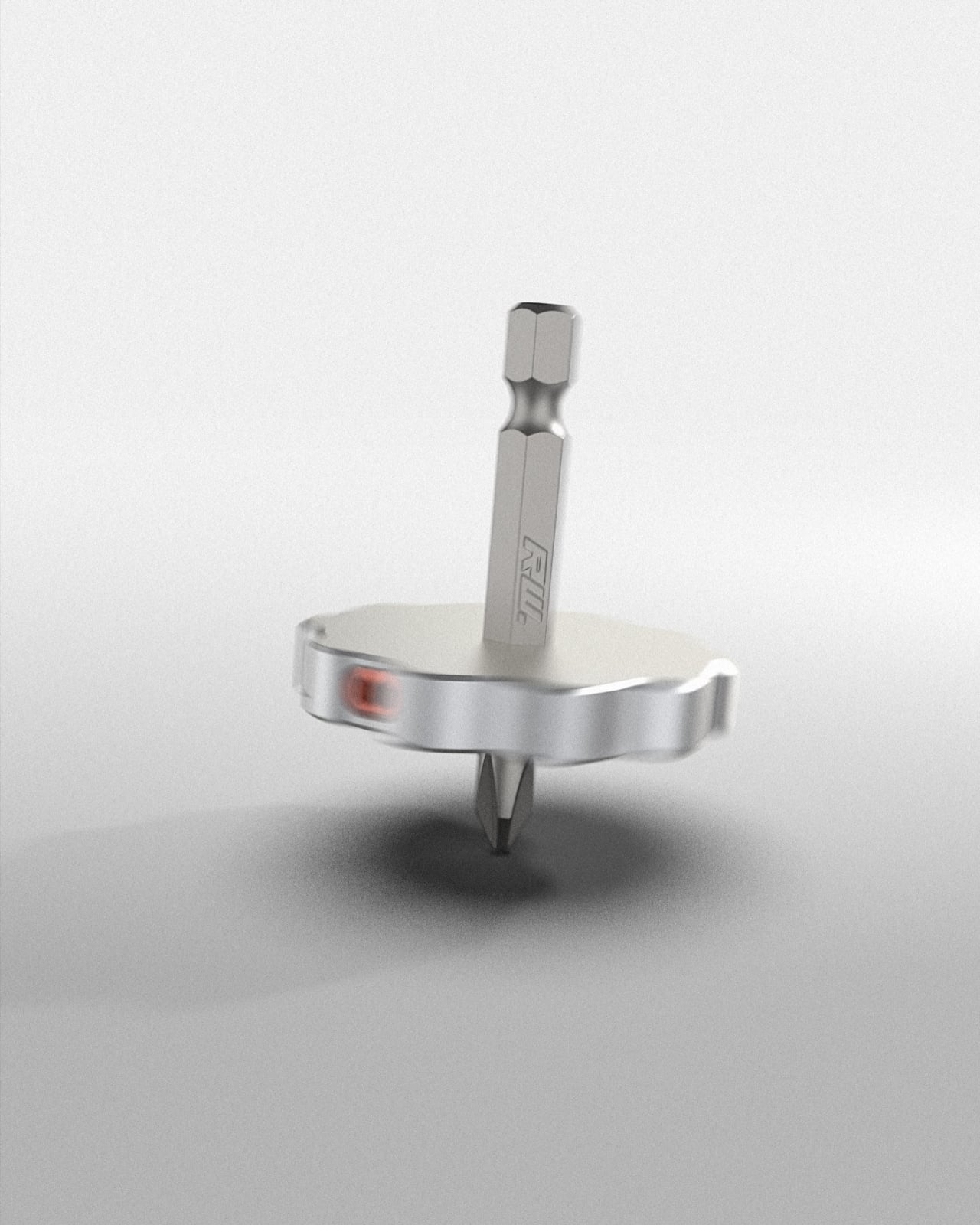
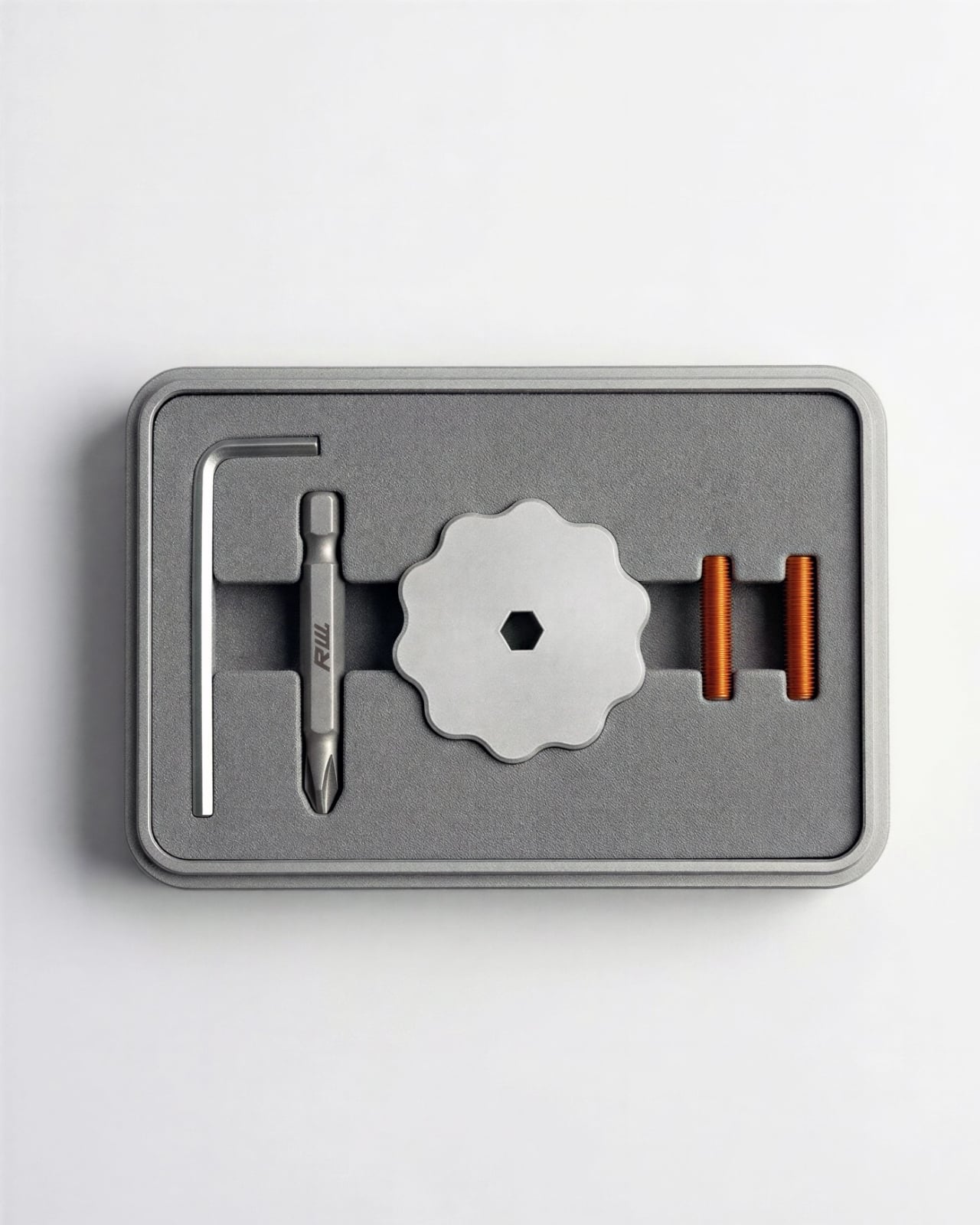
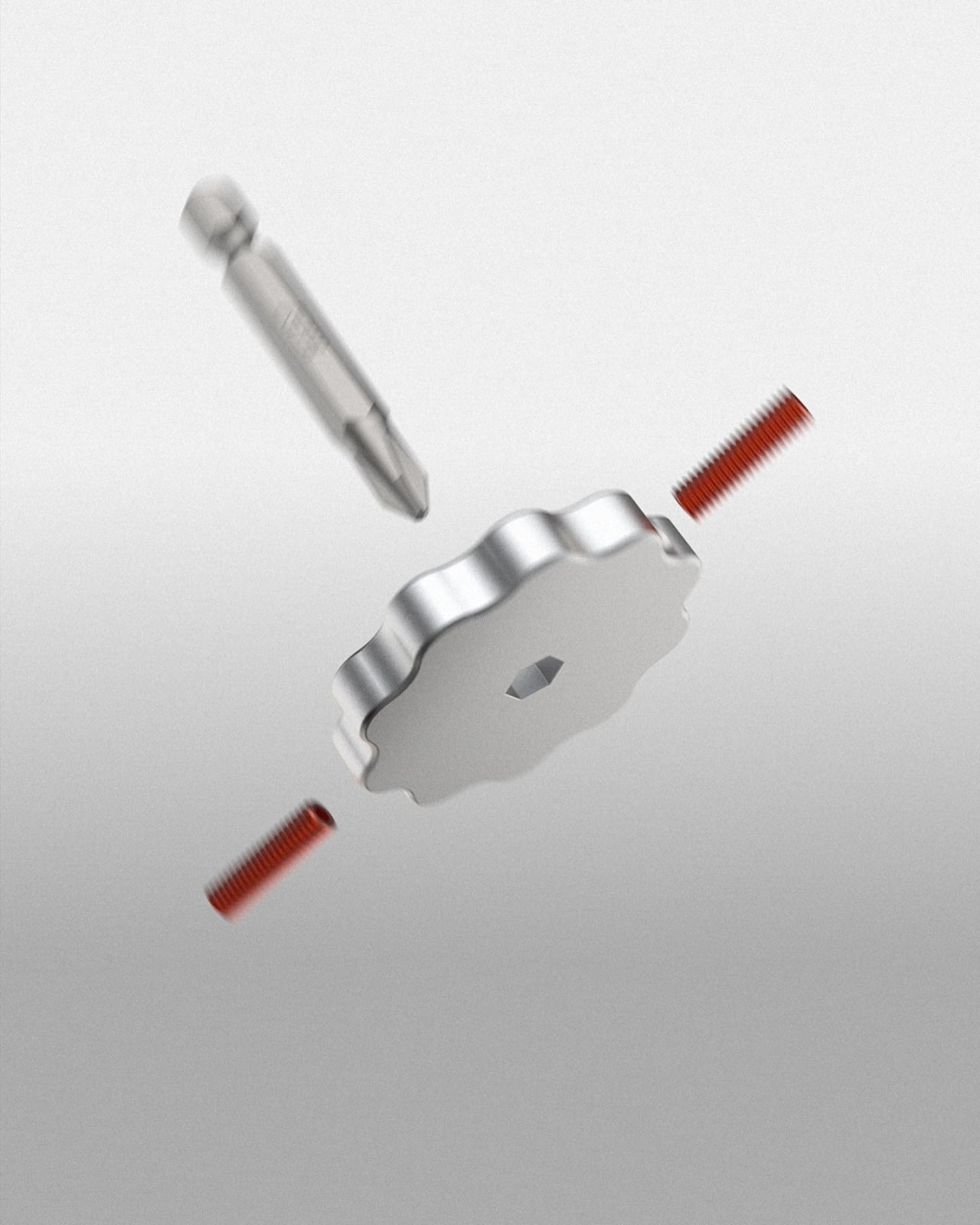
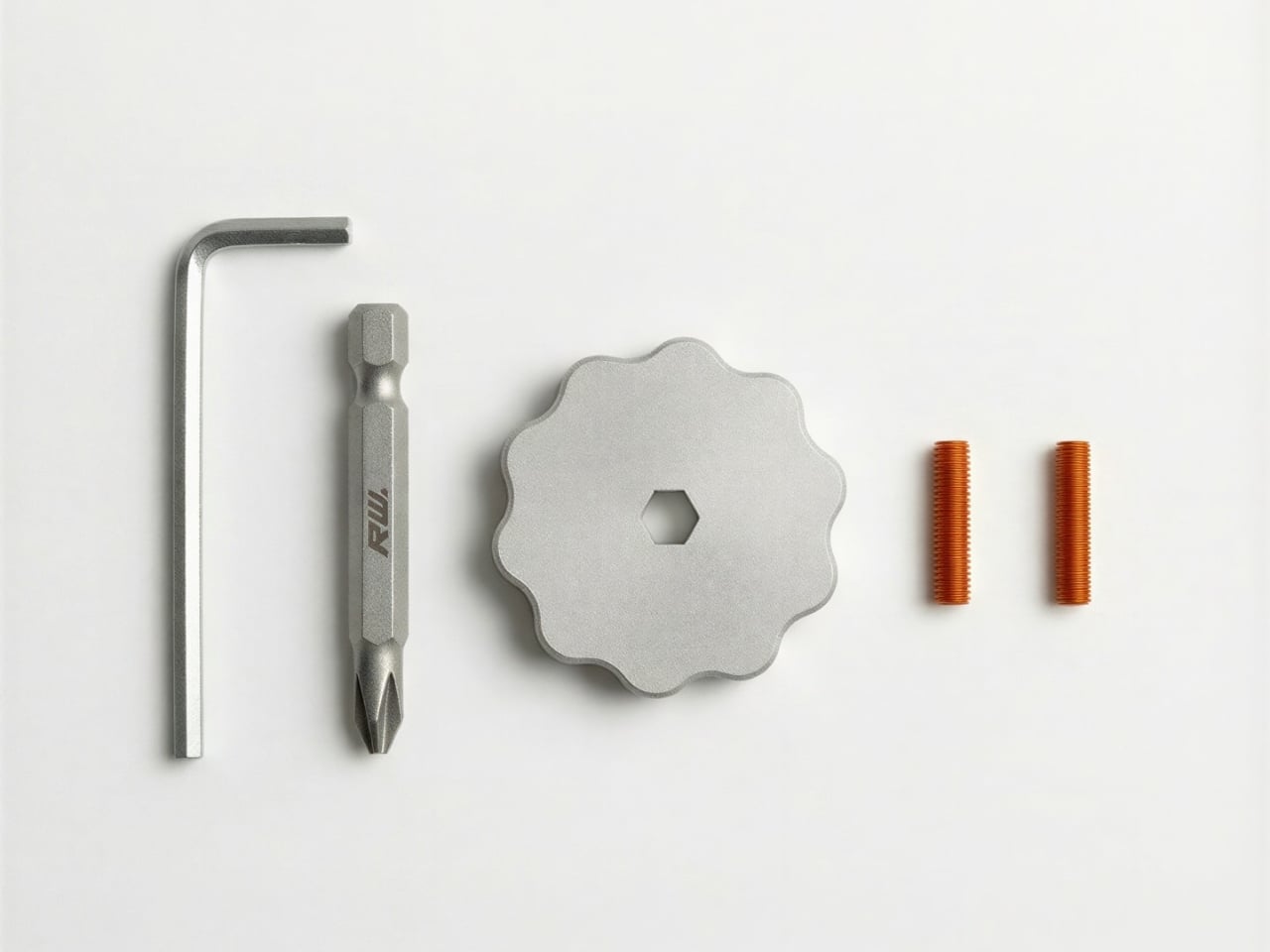
The Drillbit Gyro walks into that room and does something different. It takes a standard 1/4-inch hex bit, a flower-shaped body machined from what appears to be stainless steel, and two small orange threaded grub screws that lock the bit in place. An Allen key is included to tighten everything down. That’s it. The bit slides through the center of the body, with the Phillips head poking out the bottom and the hex shank rising up top, and what you get is a perfectly weighted little top that also happens to be a functional screwdriver. You grip the hex shank between your fingers, give it a spin, and it goes.

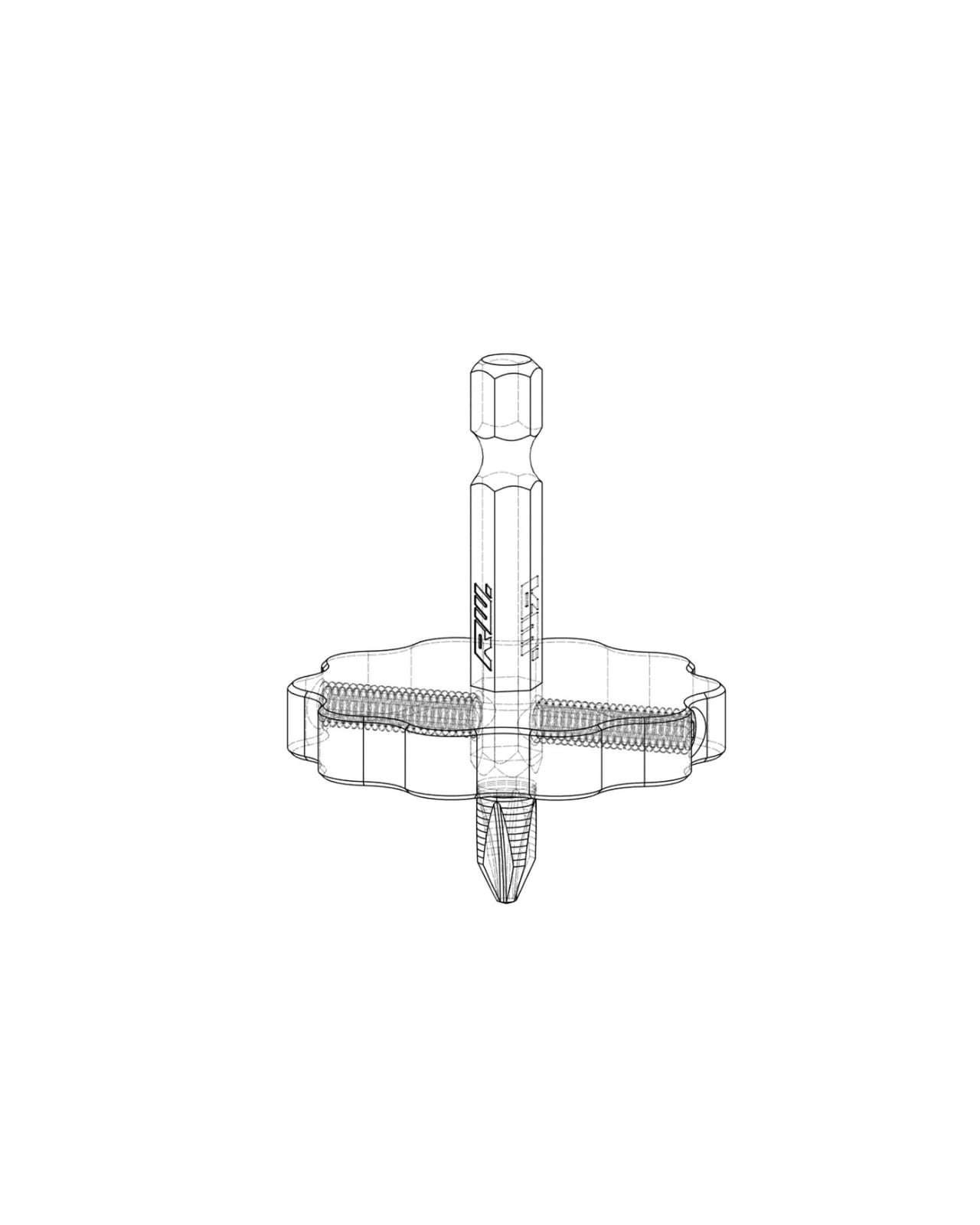
The wireframe drawing included in the concept images reveals how clean the internal assembly is. The two grub screws thread in from opposite sides of the body, clamping against the bit shaft to hold it securely. It’s a simple, elegant solution. Swap in a flathead, a Torx, whatever you need. The modularity is baked right in.

But here’s what I think makes this concept worth paying attention to: it doesn’t apologize for being playful. So much of product design right now, especially in the tool and gadget space, is obsessed with justifying its existence through sheer utility. Every feature needs a purpose. Every gram needs to be accounted for. The Drillbit Gyro says, sure, I can tighten a loose screw on your cabinet hinge, but also, wouldn’t you rather watch me spin for a minute first?

That playfulness is a design statement. The scalloped edges of the body aren’t just decorative. They give you grip when you’re actually using the thing as a driver, and they create a beautiful profile when the top is in motion. The orange grub screws add a pop of color that feels intentional and confident against the brushed silver body. Even the packaging, shown in a foam-lined tray with each component nestled in its own cutout, suggests that this is something you’re meant to enjoy unwrapping. It’s gift-worthy. It’s the kind of thing you’d keep on your desk not because you need a screwdriver within arm’s reach, but because it looks good sitting there.

Julius Works, who operates out of Berlin and specializes in 3D and product design, clearly understands that objects carry emotional weight beyond their function. The Drillbit Gyro is a concept for now, but it feels ready for production. The component count is low, the machining is straightforward, and the market for clever desktop objects that blur the line between tool and toy is only growing.

Will it replace a proper multi-bit driver in your toolkit? No. Is it going to be the thing you reach for when you’re assembling a bookshelf? Probably not. But that’s not the point. The point is that not every tool needs to look like it was forged in a bunker. Sometimes the best everyday carry is the thing that makes you smile when you pick it up. The Drillbit Gyro gets that, and the EDC world could use a lot more of it.

The post This Designer Made the Screwdriver EDC Nerds Didn’t Know They Needed first appeared on Yanko Design.
The First Screwdriver With an Open-Source Handle You Redesign Yourself

There’s a quiet arrogance built into most tools. Someone in a design studio somewhere decided how your hand should hold a screwdriver, how long the shaft should be, how thick the grip ought to feel. They tested it on a handful of people, ran the ergonomic studies, picked a shape, and shipped it to millions. The assumption is always the same: one form, optimized for an average that doesn’t actually exist, should work for everyone.

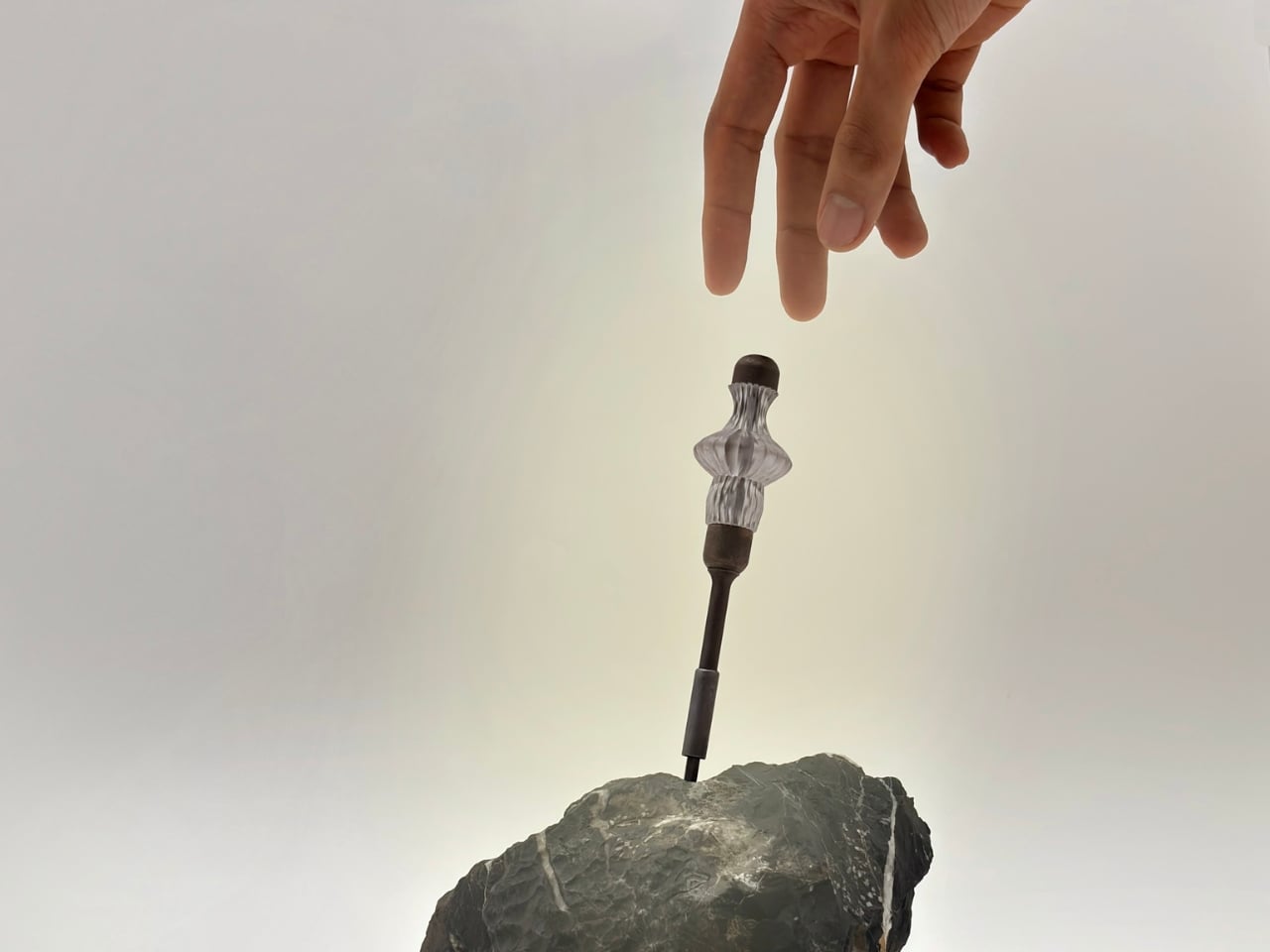
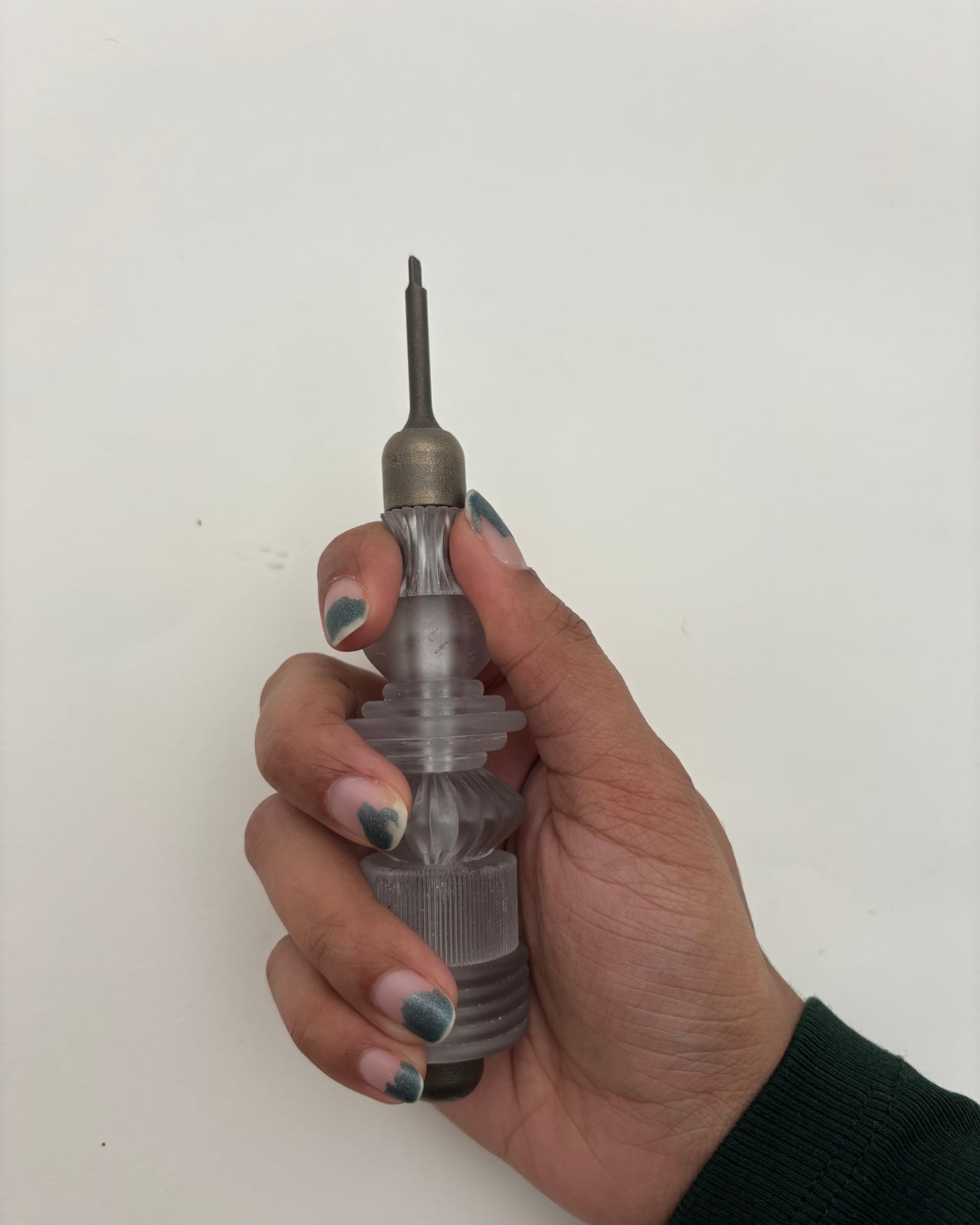
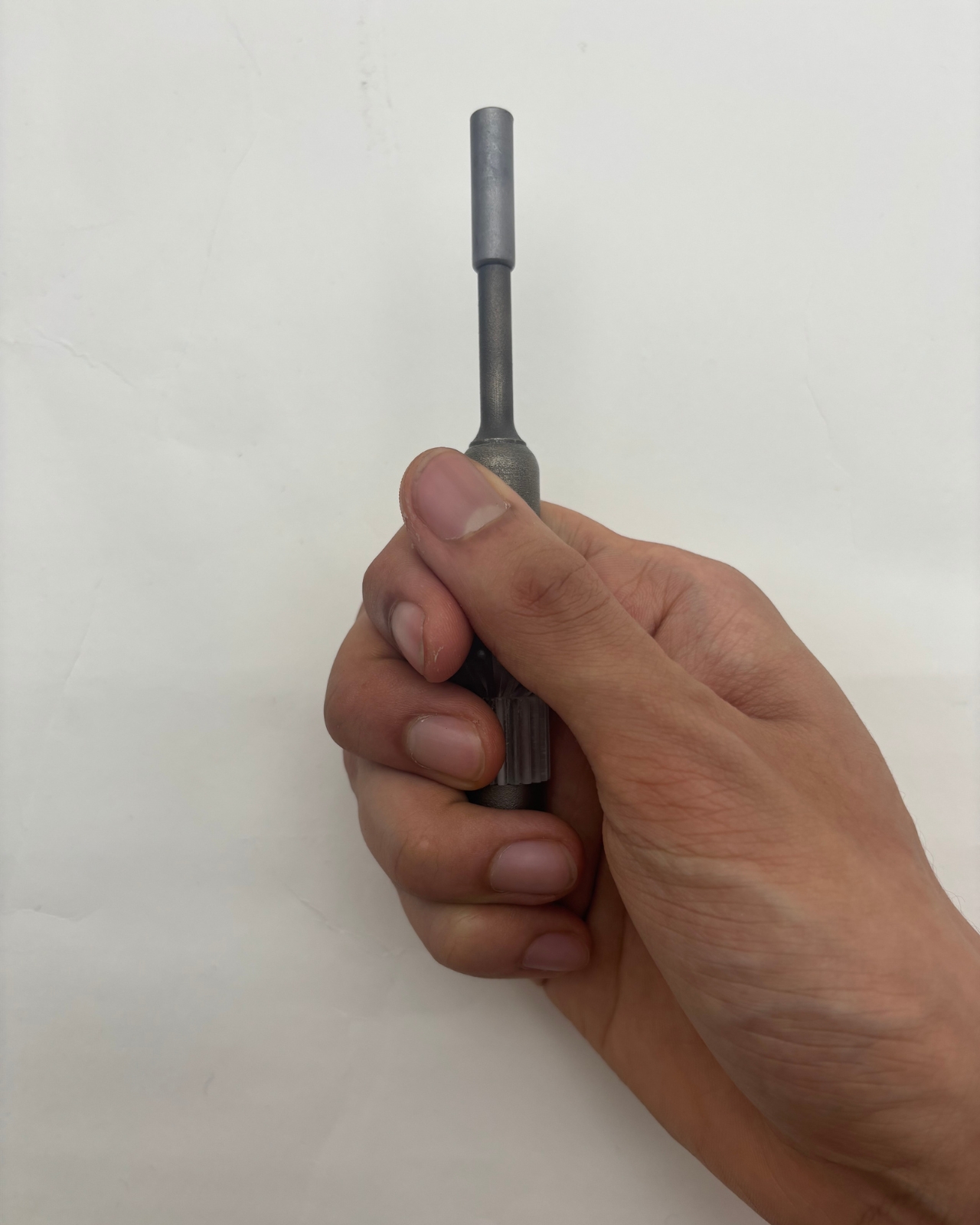
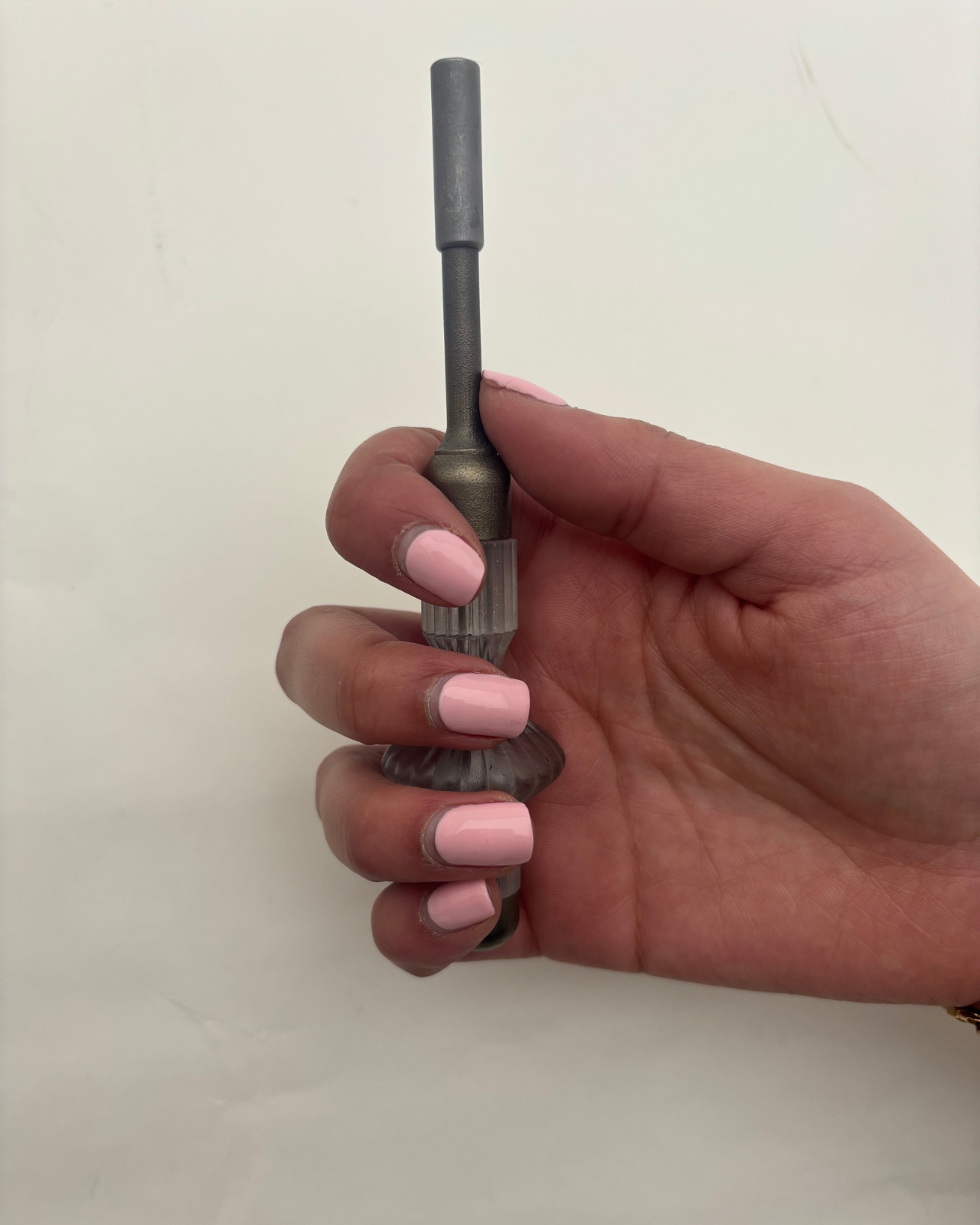
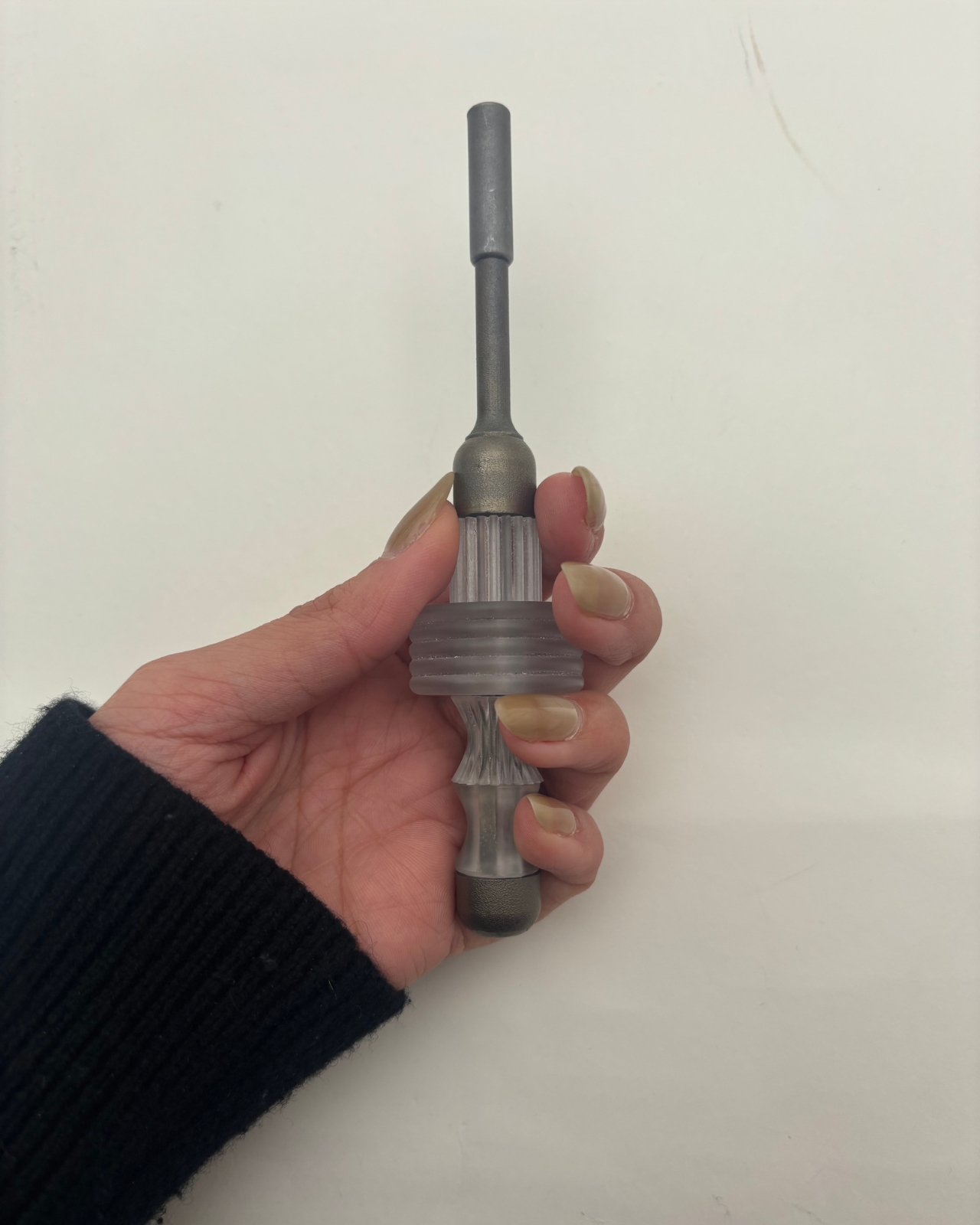
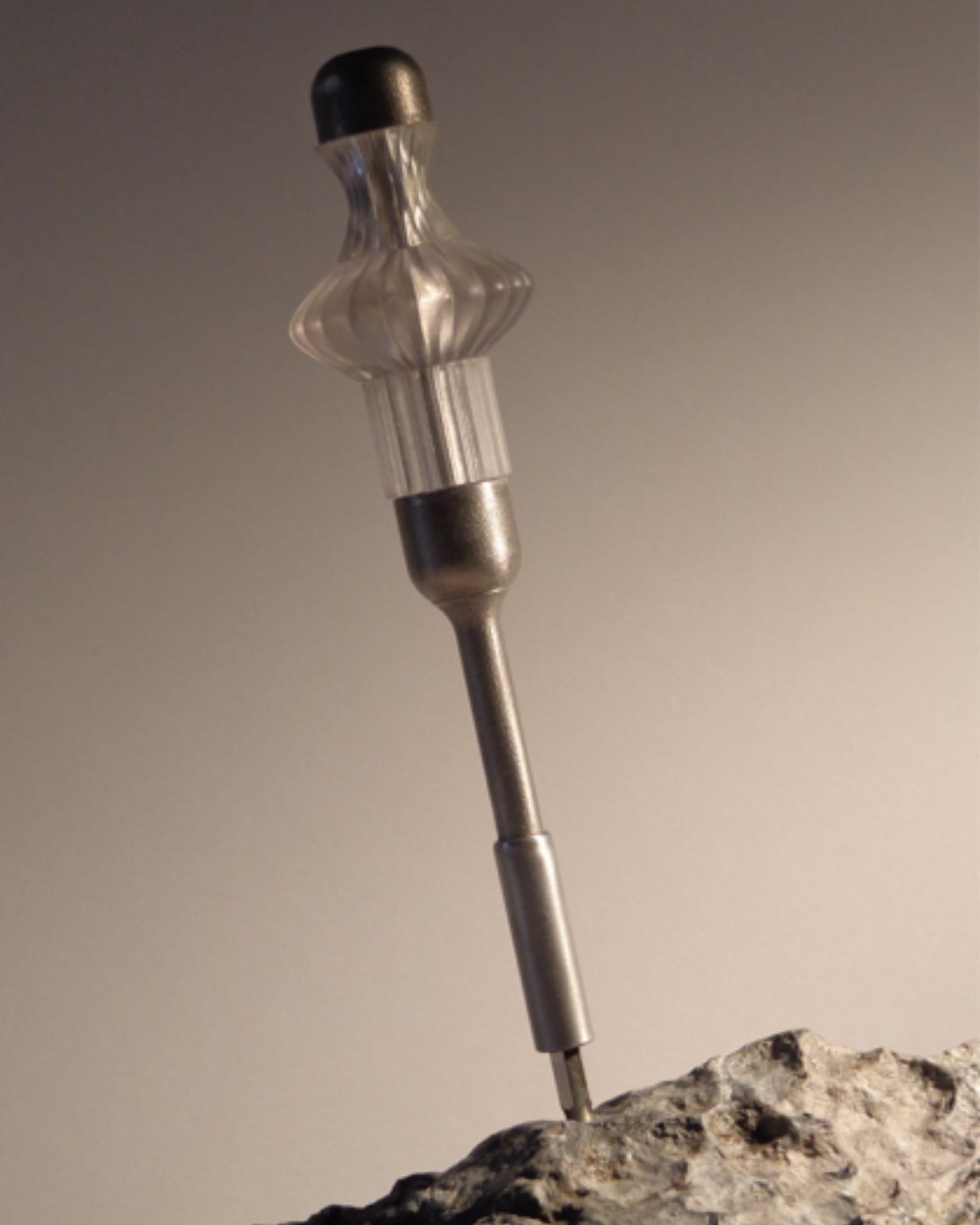
Siddhant Rai Garg’s final-year project at Central Saint Martins, titled Not Just Another Screwdriver, starts from a different place entirely. It asks a question that most product designers avoid because the answer is inconvenient: what if the person holding the tool is actually the best person to decide what it should feel like?

Designer: Siddhant Rai Garg

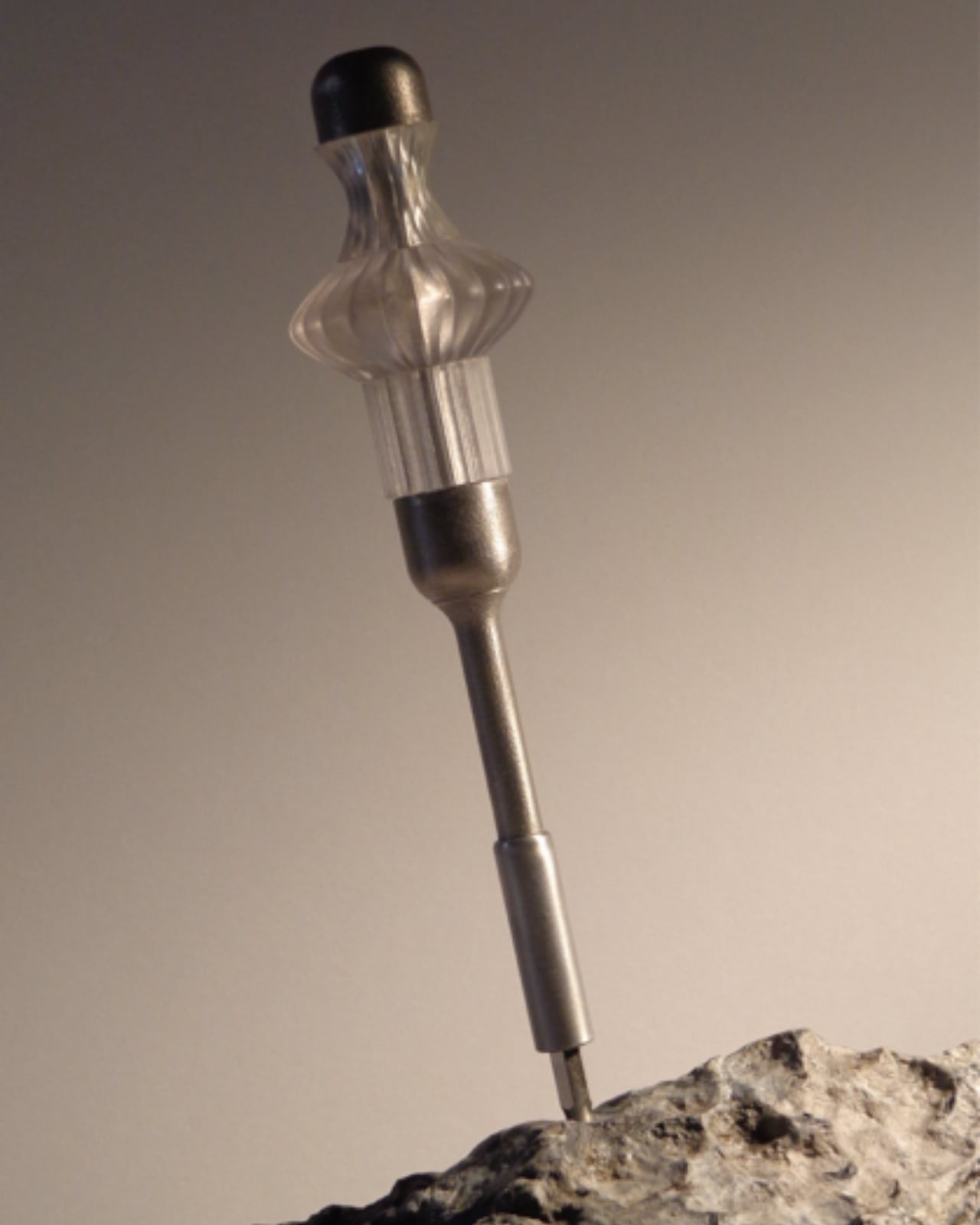
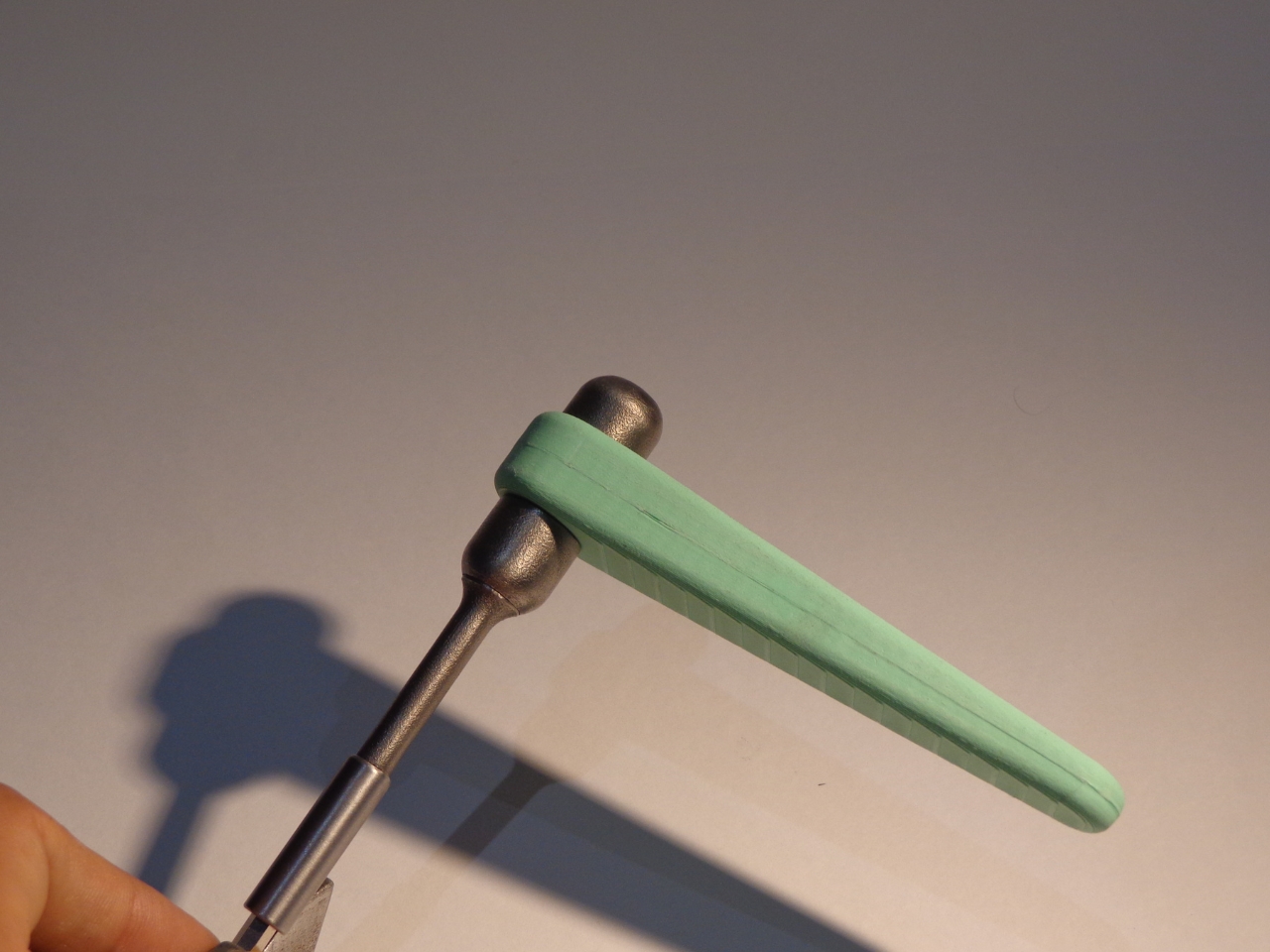
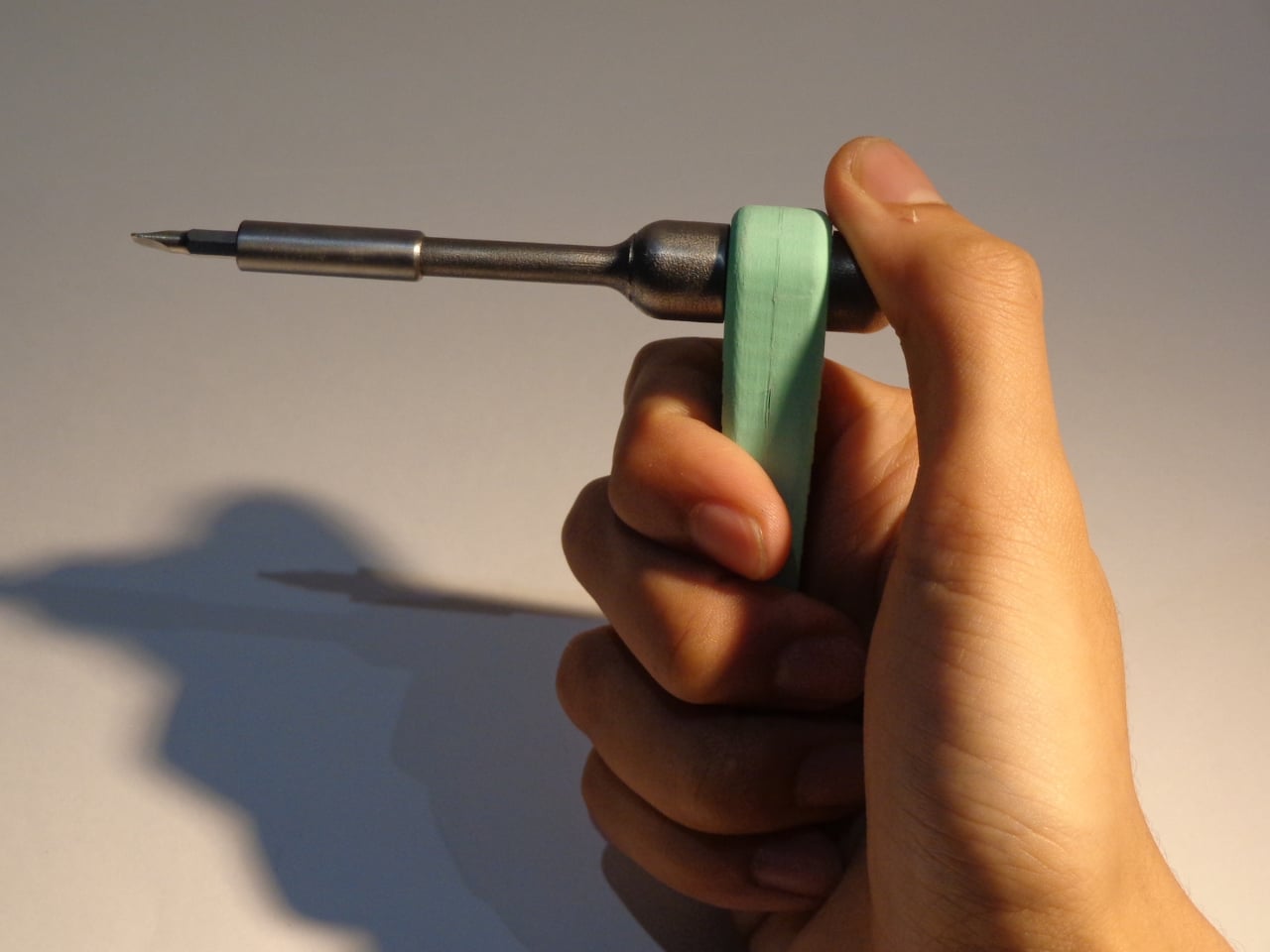
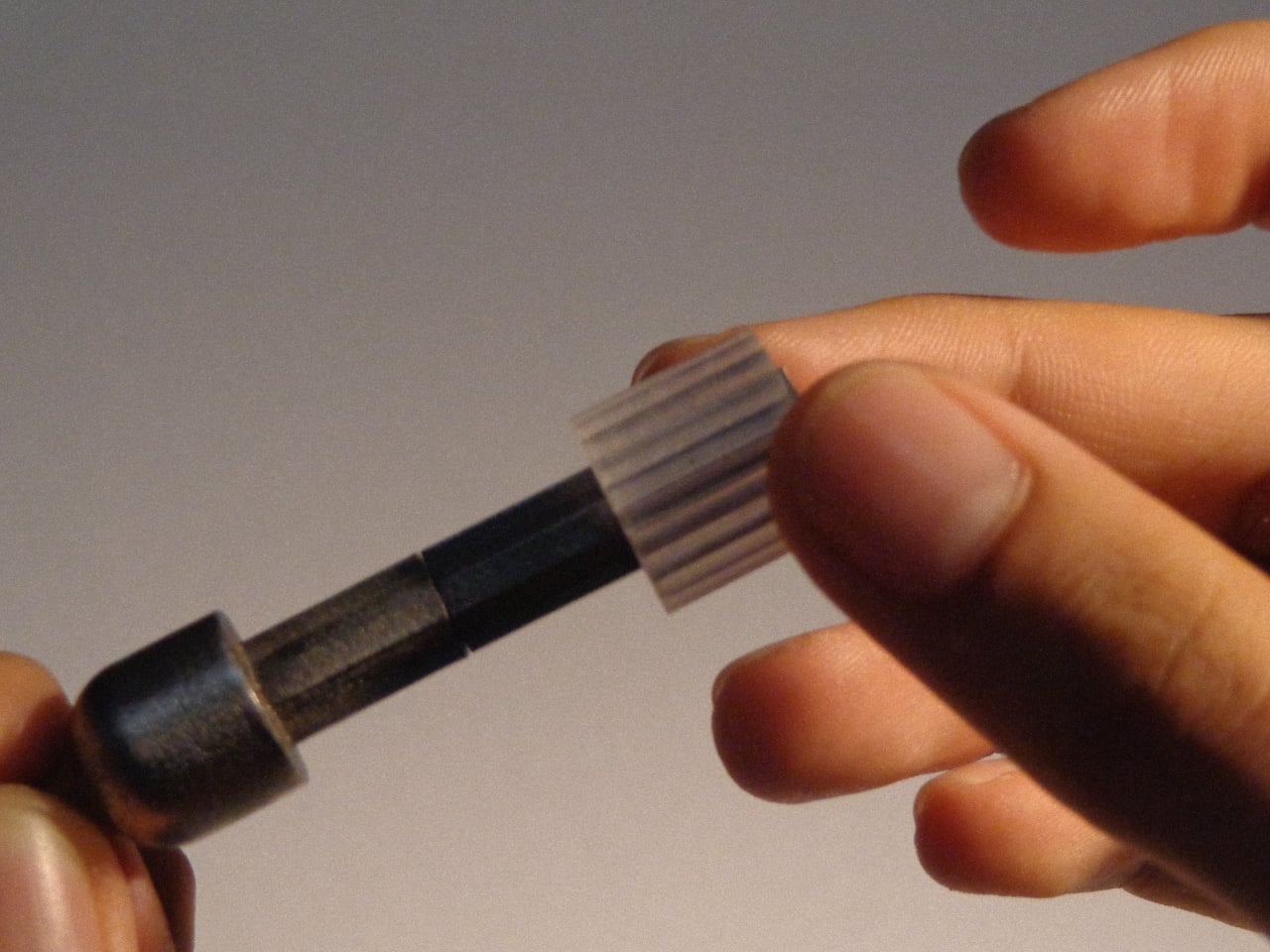
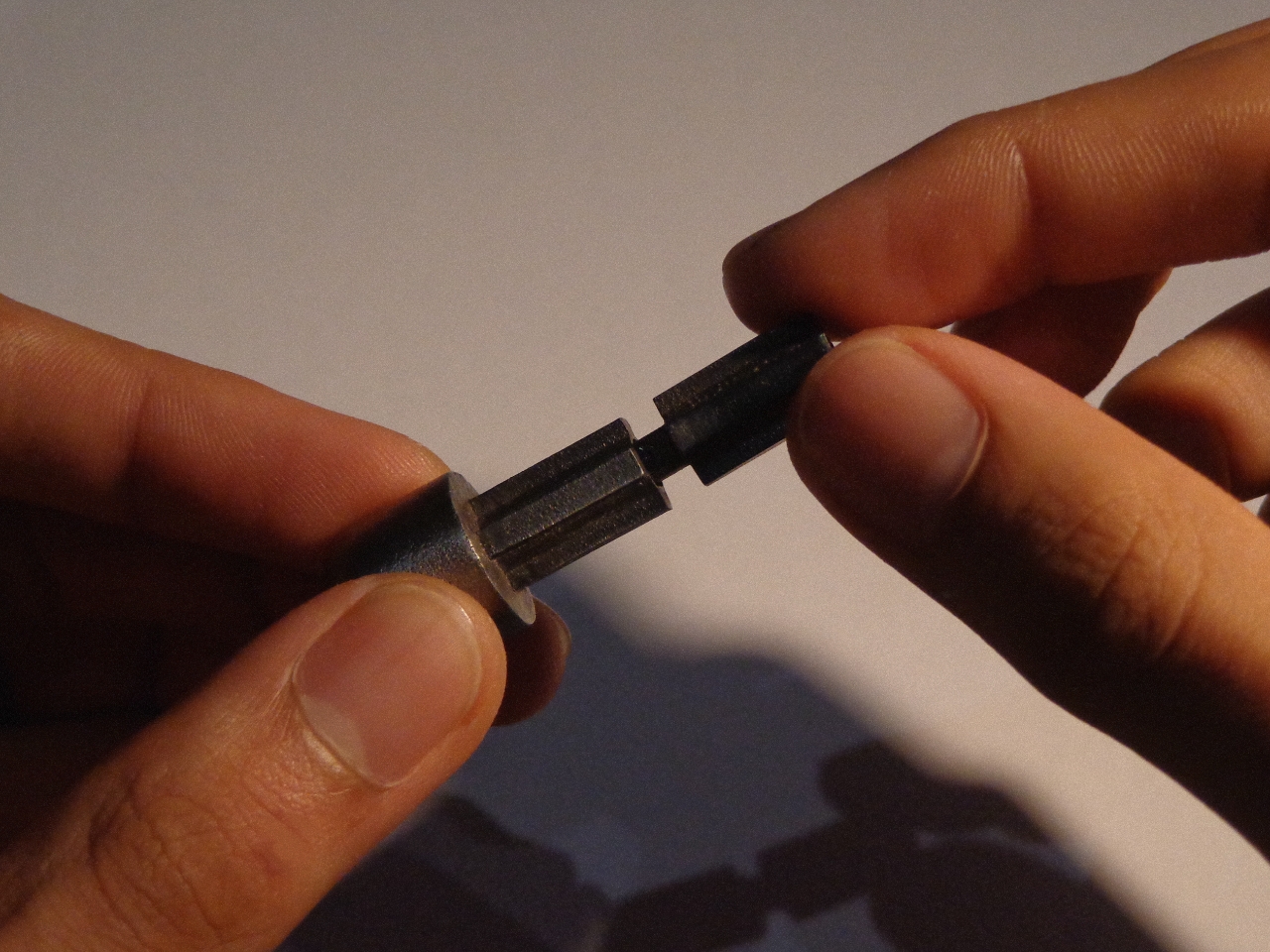
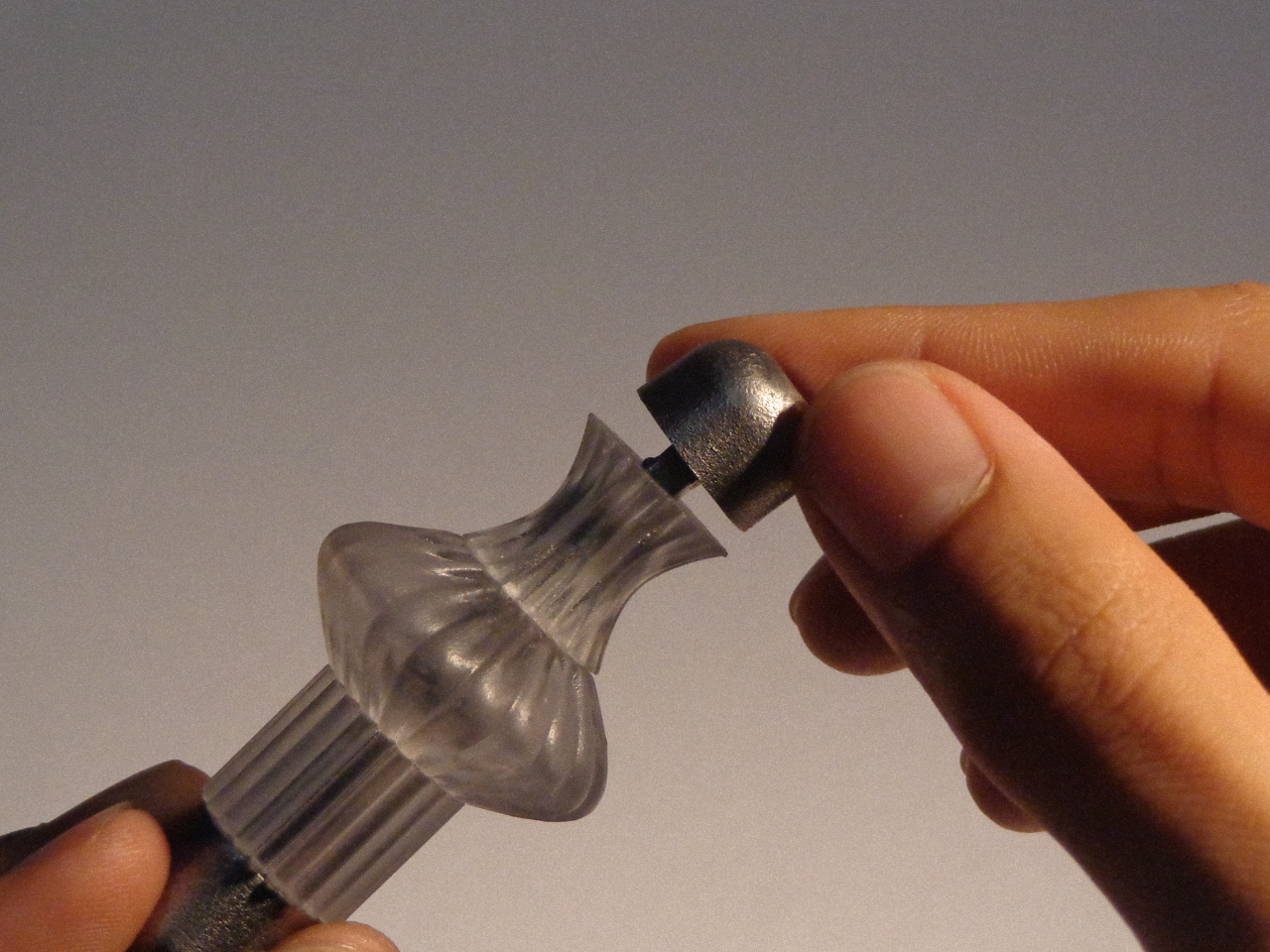
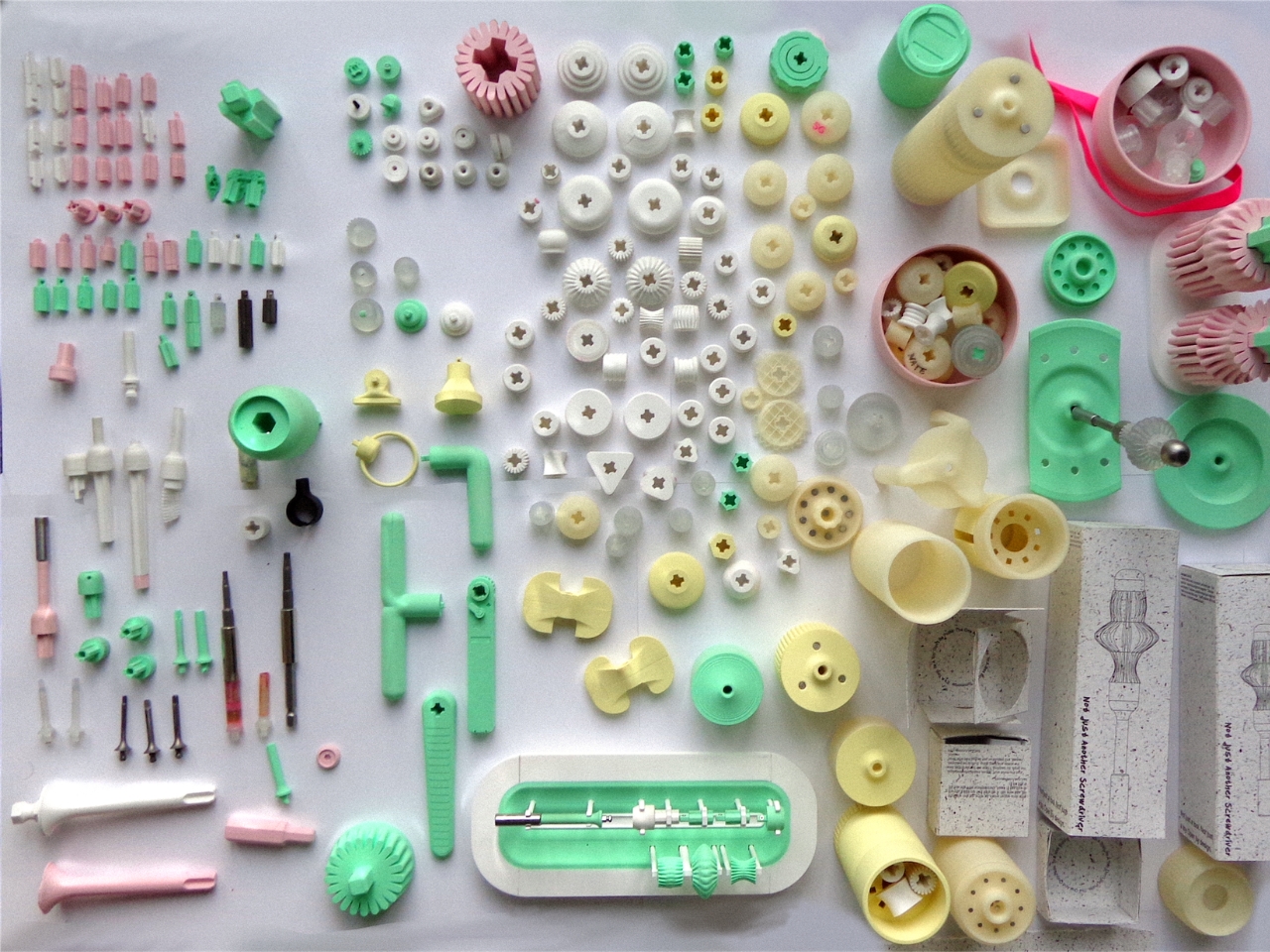
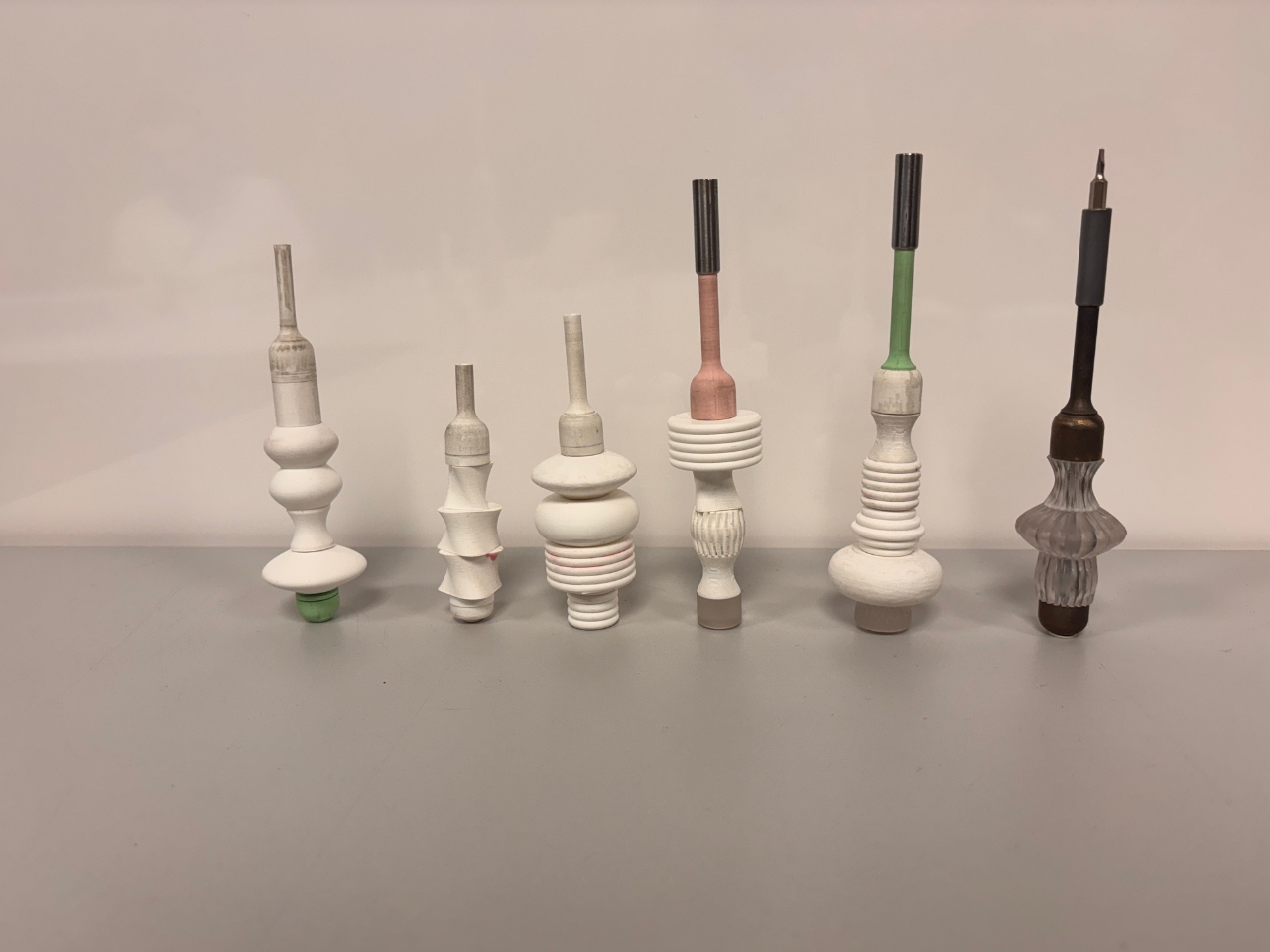
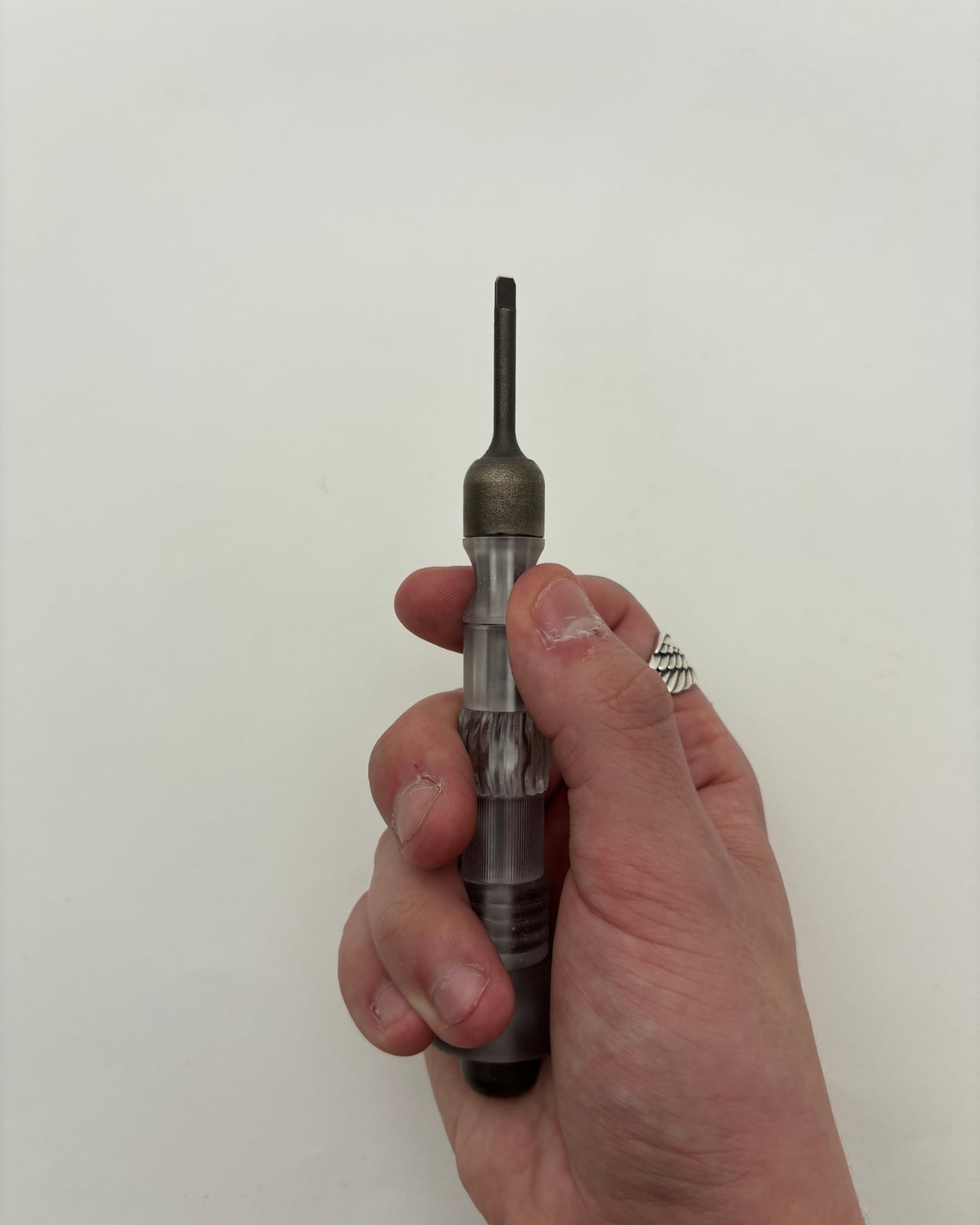
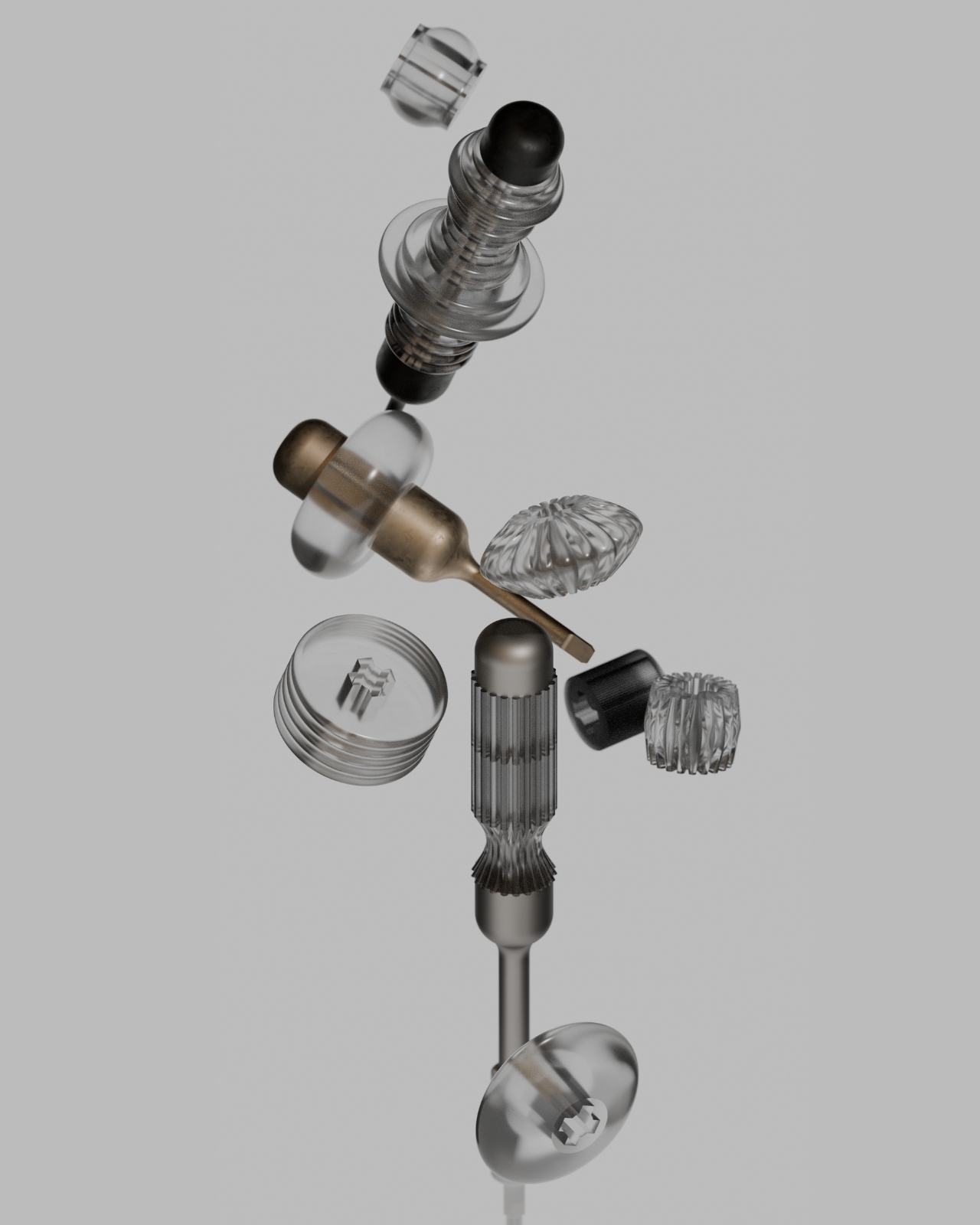
The system is deceptively simple in concept. A permanent titanium spine handles all the structural work, the torque, the load, the mechanical reality of driving a screw. Everything else around it, the grip, the length, the feel, is modular and replaceable. Segments can be added or removed to change the tool’s reach. Grip files are open-source, meaning anyone with access to a 3D printer or a block of wood and some patience can shape their own handle. The titanium core stays. Everything around it is yours to define.

What makes this interesting isn’t really the engineering, though the material separation between structural and non-structural components is genuinely clever. It’s the philosophical shift. Most product design operates on a model of authority: the designer knows best, the user receives the finished object, and any modification is either warranty-voiding or just plain weird. Garg’s project flips that relationship. The designer provides a skeleton and a set of rules. The user provides the identity.

I find this compelling because it confronts something the design world talks about constantly but rarely acts on: sustainability through longevity. We’ve all heard the pitch about buying fewer, better things. But “better” almost always means “more expensive and more permanent,” which assumes the first version of a product will remain the right version forever. That’s not how people work. Our hands change, our tasks change, our preferences change. A tool that can’t change with us eventually becomes waste, no matter how well it was made.

Not Just Another Screwdriver sidesteps this by making the most resource-intensive part, the titanium spine, the permanent element, while letting the lightweight, low-cost components around it evolve freely. It’s not asking you to commit to one perfect screwdriver for life. It’s asking you to keep the bones and swap the skin whenever you need to.

There’s also something worth noting about the open-source dimension. Releasing grip designs as downloadable, modifiable files is a deliberate act of giving up control. In an industry that guards intellectual property fiercely, choosing to let users become co-designers is a statement about where value actually lives. It suggests that a tool’s worth isn’t locked into its factory finish but grows through use and adaptation.

Of course, a final-year project isn’t a product on shelves. There are real questions about whether most people want this level of involvement with their screwdriver, whether the modularity holds up under years of heavy use, and whether open-source grip files would actually build a community or just sit on a server somewhere. These are fair challenges.

But the idea itself feels like it belongs to a larger shift happening across design, one that treats users less like consumers of finished objects and more like participants in an ongoing process. We’re seeing it in modular electronics, in open-source furniture, in customizable prosthetics. Garg’s contribution is taking that thinking and applying it to something so ordinary, so taken-for-granted, that most of us never think to question it.

A screwdriver is a solved problem. Except it isn’t, not if you believe that the person using it deserves a say in how it feels in their hand. That’s what makes this project worth paying attention to. Not because it reinvents the screwdriver, but because it reconsiders who gets to decide what a screwdriver is.

The post The First Screwdriver With an Open-Source Handle You Redesign Yourself first appeared on Yanko Design.
The Joystick-shaped Screwdriver That Makes Repairing/DIY Projects Fun and Intuitive

Repair and assembly are usually framed as chores, tasks to be completed as quickly as possible, so we can move on to something more enjoyable. The bi:ts tool challenges this perception by transforming the act of tightening a screw into something closer to play. Instead of feeling like labor, the experience becomes tactile, intuitive, and surprisingly satisfying.

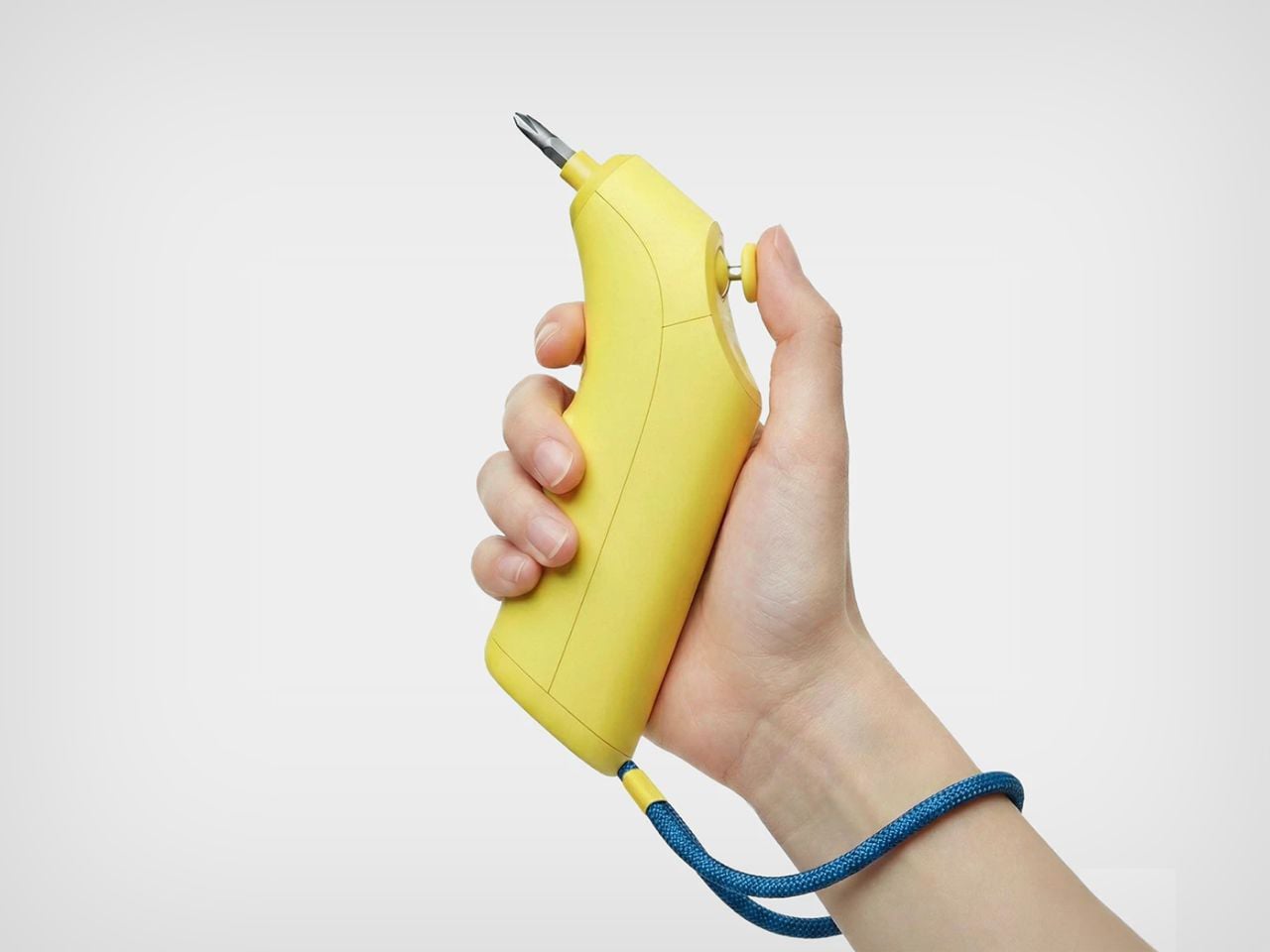
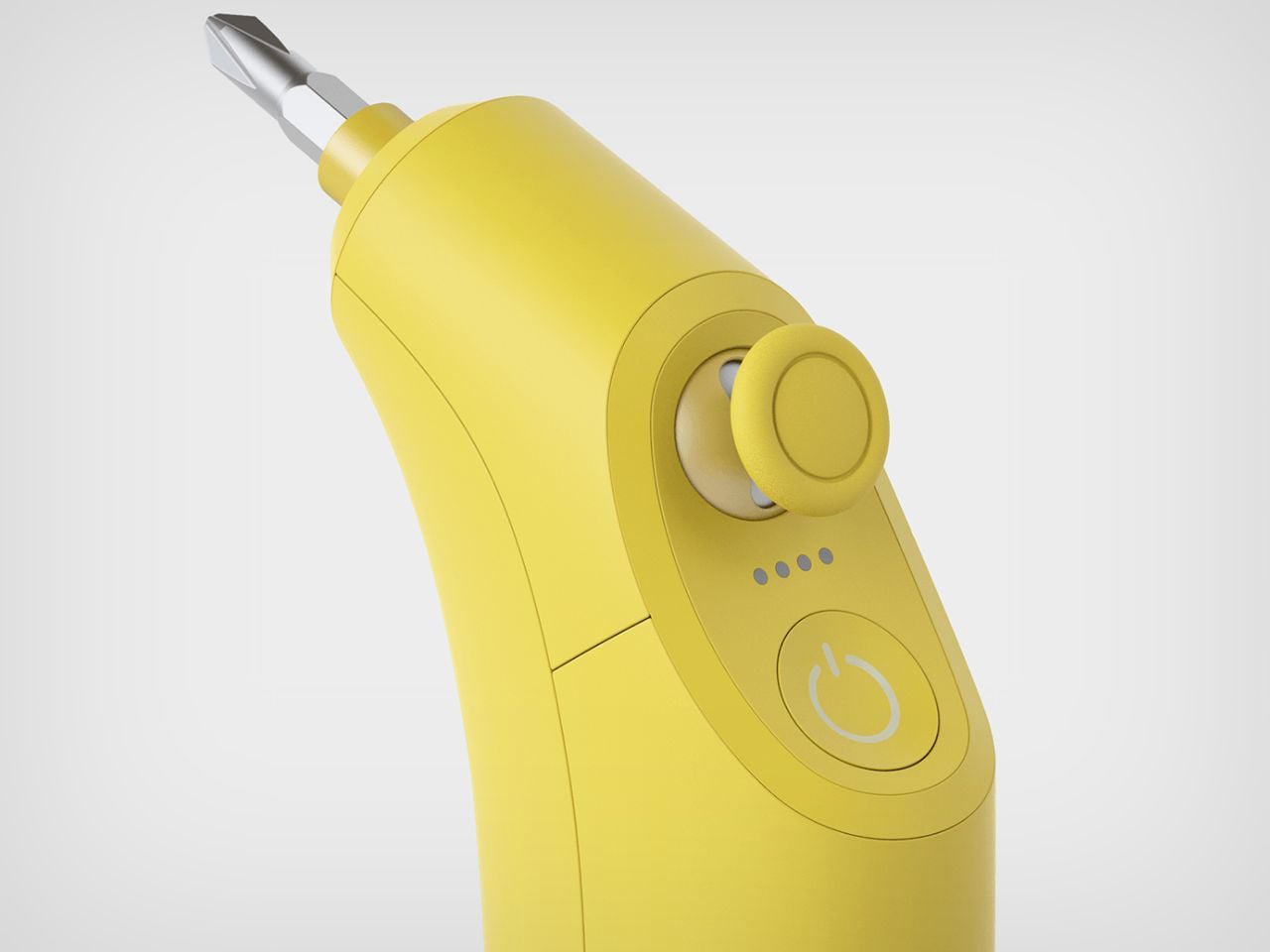
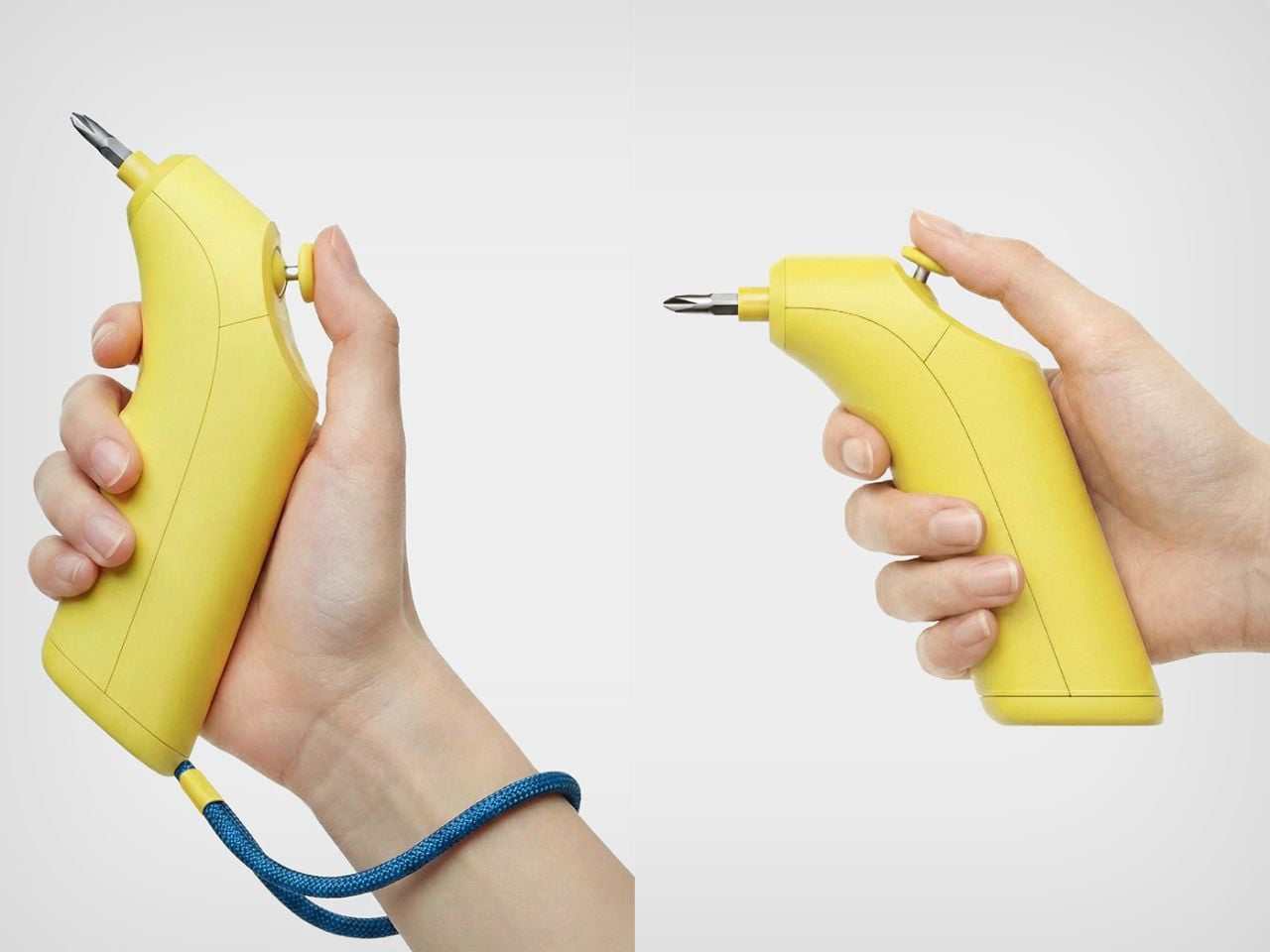
At the heart of the product is a joystick-inspired interface, borrowed from the language of game controllers. Rather than twisting your wrist repeatedly or navigating complicated buttons, you control the rotation using just your thumb. Push the joystick forward to rotate right and tighten, pull it back to rotate left and loosen. The mapping is so natural that it removes the hesitation many novices feel when they pick up a tool. There is no overthinking, no remembering instructions, just instinctive movement.

Designer: Changhwi Kim

Somewhere between the words “bit” and “beat,” the product invites you to find your own working rhythm. The motion feels less like a mechanical task and more like interacting with a game, where each rotation becomes a small, satisfying action. For someone new to DIY, even figuring out which direction to turn a screw can feel like a mission. The intuitive joystick mapping eliminates that friction, allowing the user to focus on the activity itself rather than the instructions.

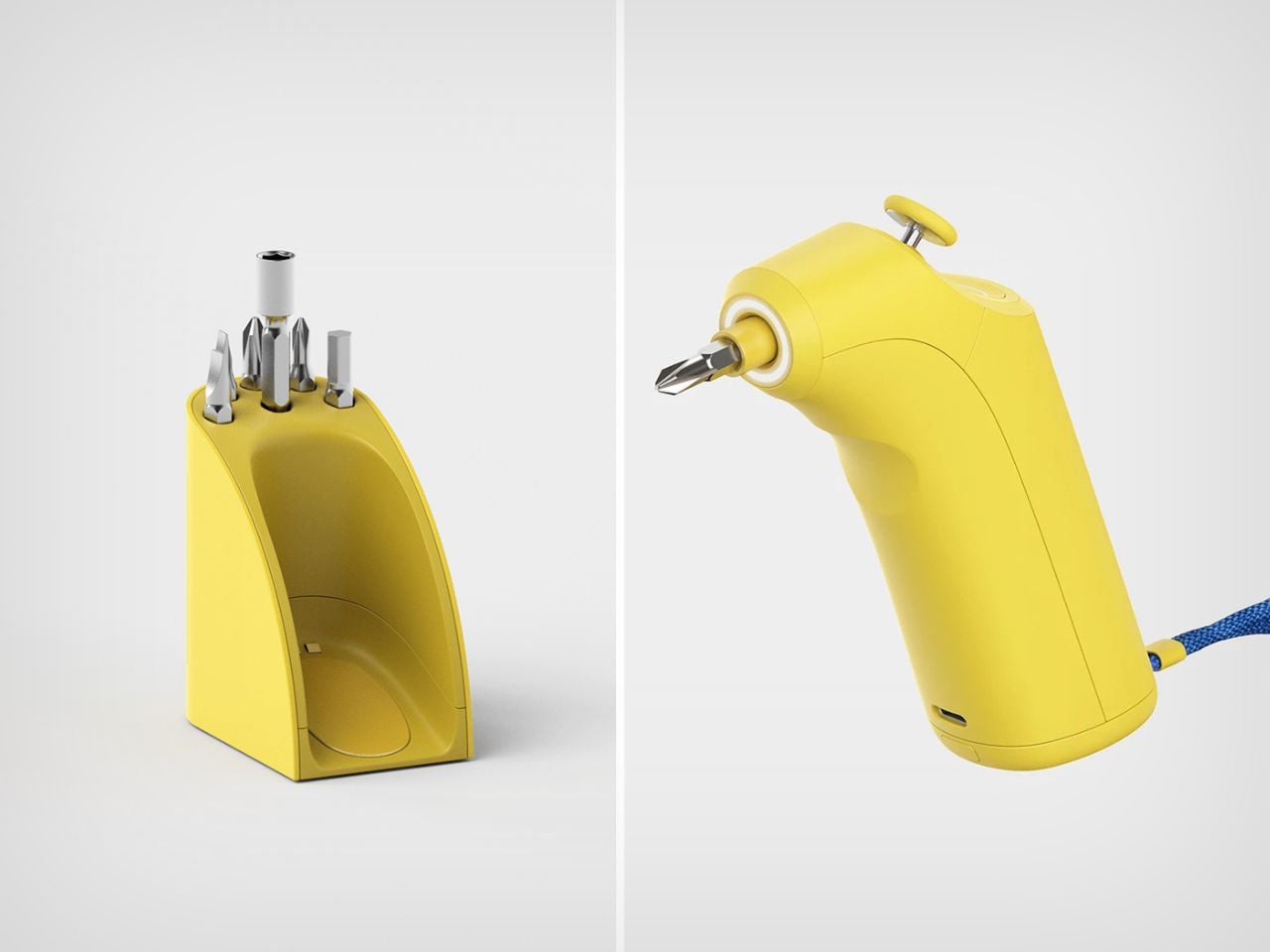
This approach also reduces the learning curve often associated with automatic drilling machines. Power tools can be intimidating, especially for first-time users, but bi:ts lowers that barrier. Its lightweight build and ergonomic grip make it comfortable to hold, while the rounded edges soften the traditional perception of tools as harsh, industrial objects. Instead, the device feels friendly and approachable, more like a gadget than a piece of heavy hardware.

The design language reinforces this sense of playfulness. Bright, cheerful colors add a pop of personality, whether the tool is in use or simply hanging in the corner of a room. It is the kind of object that does not need to be hidden away in a toolbox. In fact, its aesthetic presence encourages visibility, almost like a design accessory rather than a purely functional item.

Practical details are thoughtfully integrated into the form. A loop at the top allows you to slip your hand through it, preventing accidental drops and keeping the tool within easy reach when you need both hands for something else. When you are done, the same loop makes it easy to hang the device for storage.

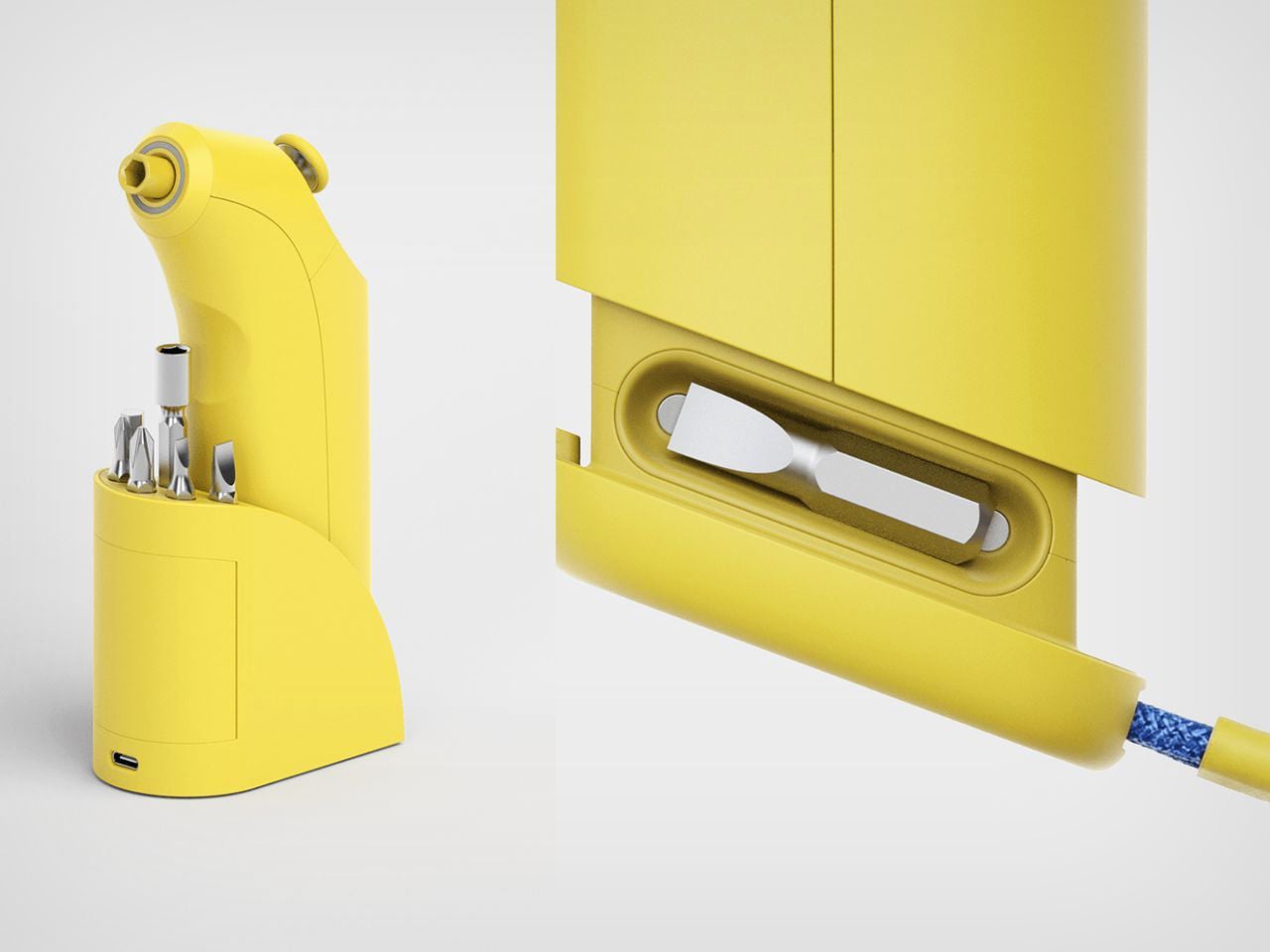
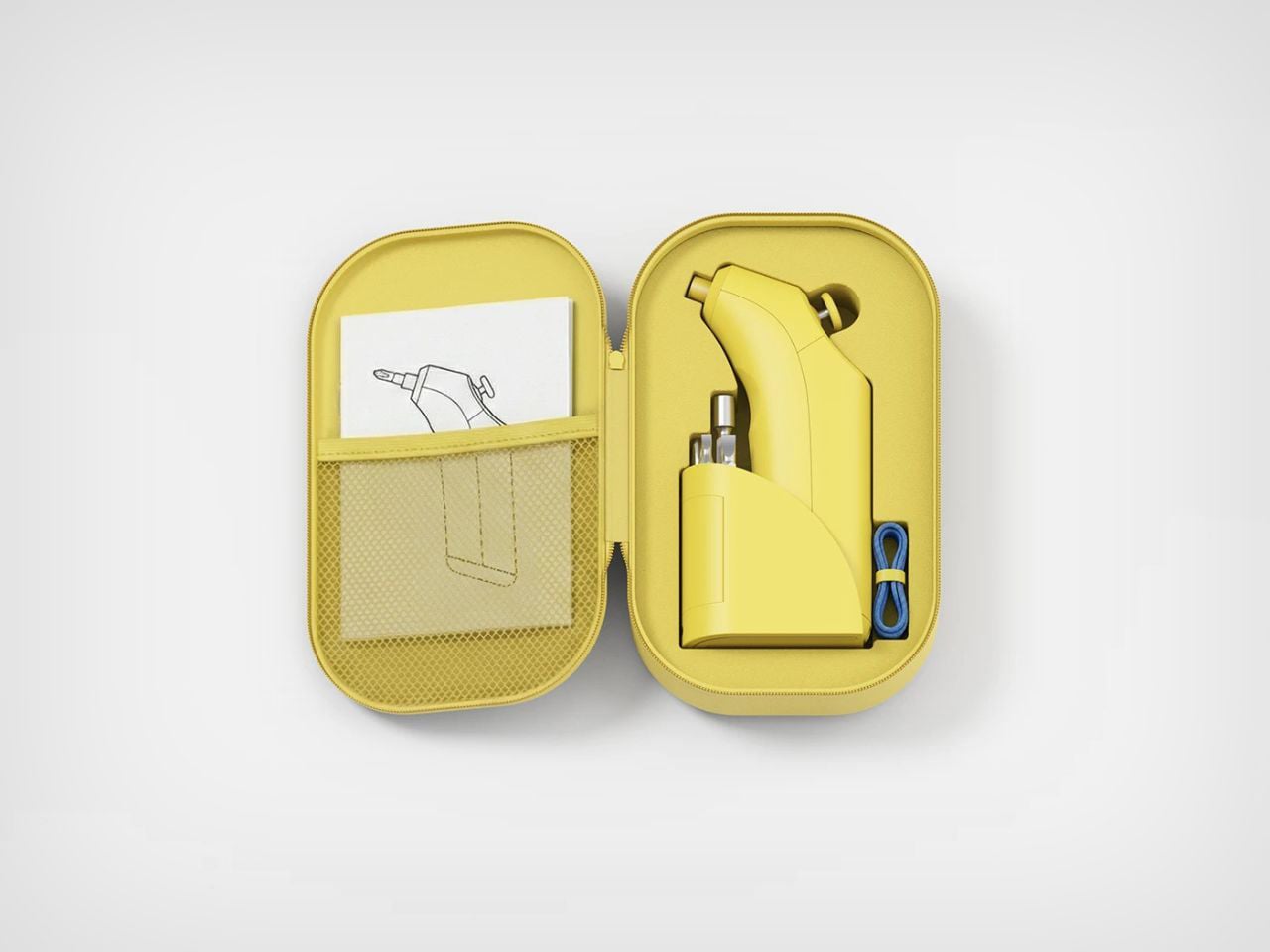
At the bottom, a smartly integrated niche stores different drill heads. This eliminates the need to search for separate parts or risk losing them. Everything fits neatly into the base, keeping the system sleek, compact, and ready for the next task.

bi:ts ultimately reframes what a tool can be. Instead of something intimidating or tedious, it becomes something engaging, almost playful. It suggests a future where DIY assembly, even something as routine as putting together IKEA furniture, can feel less like a chore and more like a small, satisfying game.

The post The Joystick-shaped Screwdriver That Makes Repairing/DIY Projects Fun and Intuitive first appeared on Yanko Design.
This CNC Titanium Screwdriver Has a Spinner Top You Can’t Stop Touching

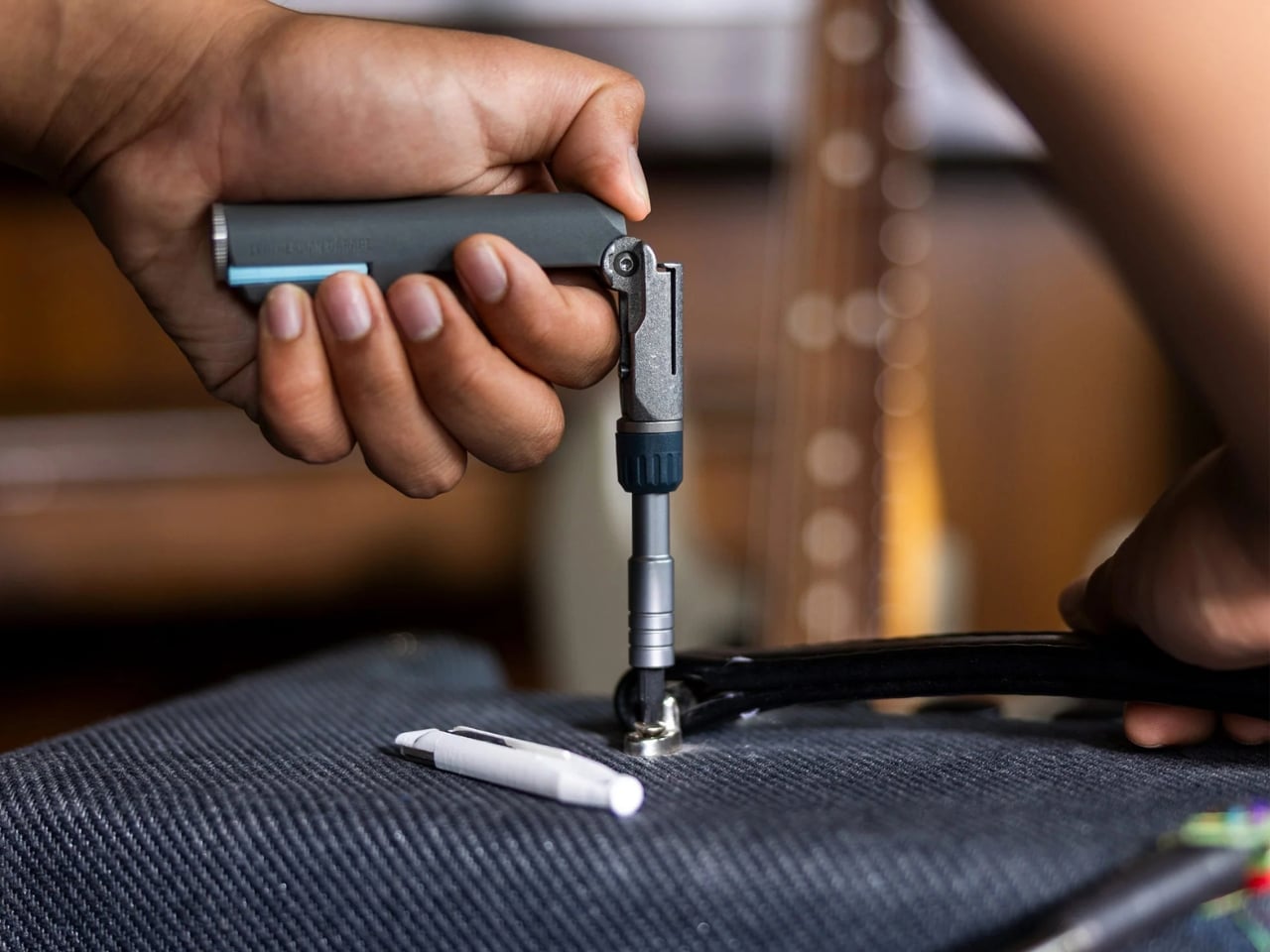
Most screwdrivers and multi-tools do their job but feel generic, with rubbery handles, loud colors, stamped metal, and no reason to carry them unless you have to. Modern life involves low-level tension, loose screws on glasses, small repairs, idle hands in long meetings, and the constant search for something to occupy fingers without annoying everyone nearby. MAGICDRIVE is aimed at people who want a tool that matches their EDC mindset rather than just filling a slot in a toolbox they rarely open.

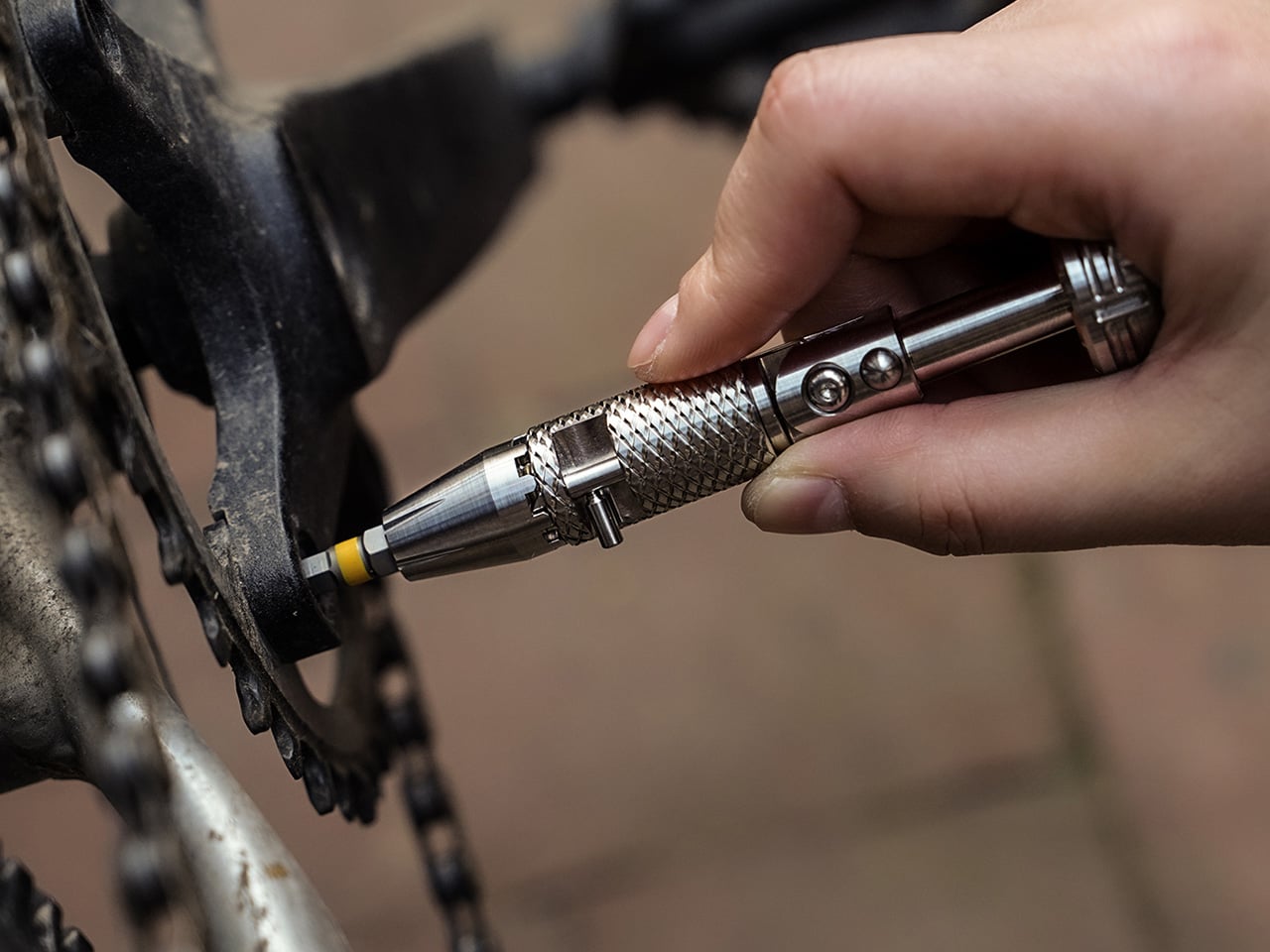
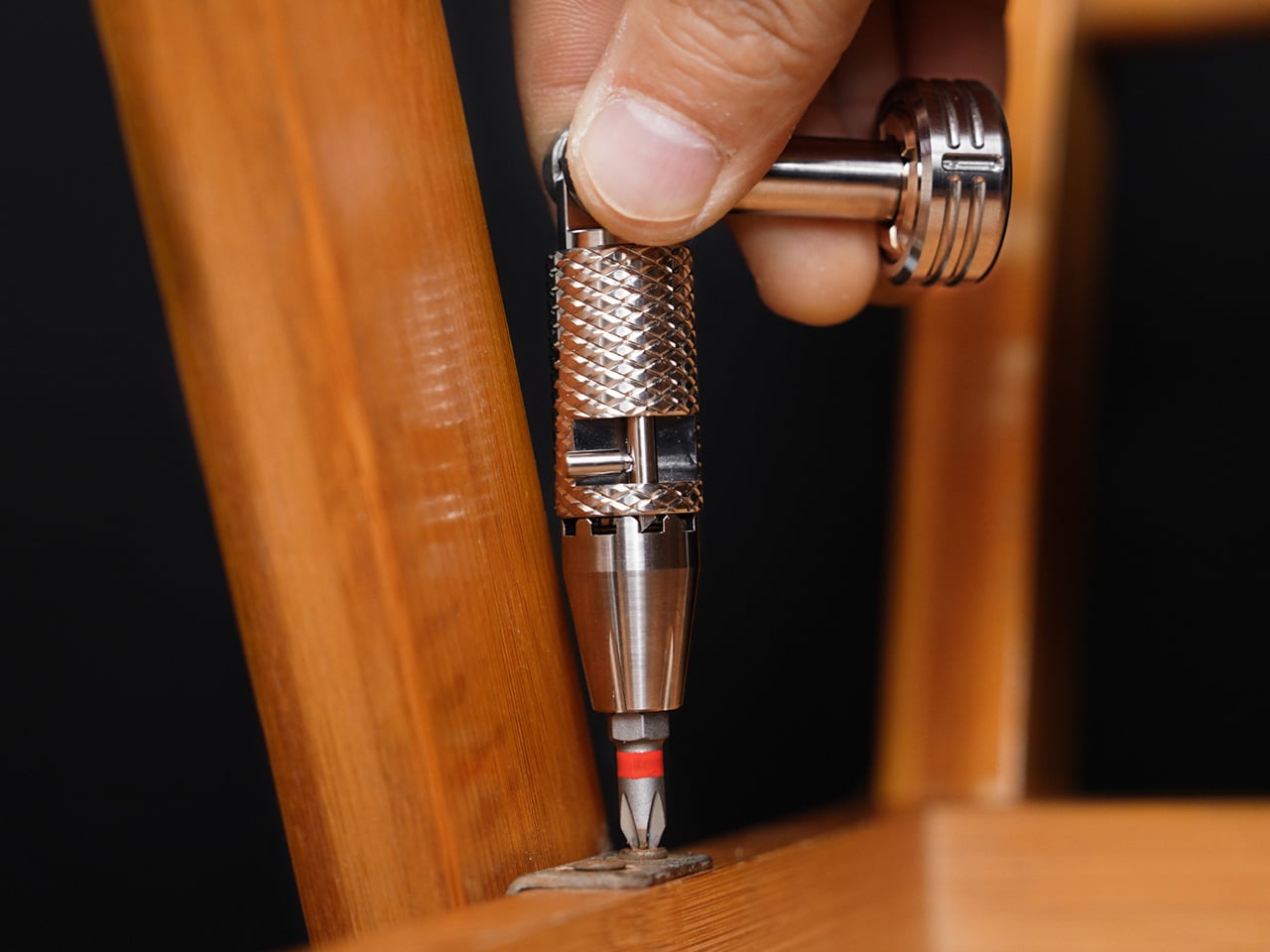
MAGICDRIVE is a precision-machined titanium ratchet screwdriver that tries to be a tool, a toy, and a small piece of mechanical art in one body. It is engineered for real performance, with a CNC-machined ratchet, foldable angles, and modular bit holders, but also designed for lifelong delight, something you might leave on a desk or carry in a pocket organizer because you enjoy using it, not just because you need it when something breaks.

Designer: Thomas Lee

Click Here to Buy Now: $149 $199 (25% off). Hurry, only 48/100 left! Raised over $128,000.

The ratchet mechanism is a fully CNC-machined assembly in titanium, brass, and ceramic bearings, with no injection-molded or stamped parts, built around a classic mechanical design. Every component is individually machined and mechanically interlocked, delivering smooth, solid clicks, strong torque transfer, and the promise of zero wobble and long-term reliability. The knurling is also CNC-machined, grooves cut rather than pressed, giving a confident grip that feels secure without being abrasive during longer sessions or repeated use.

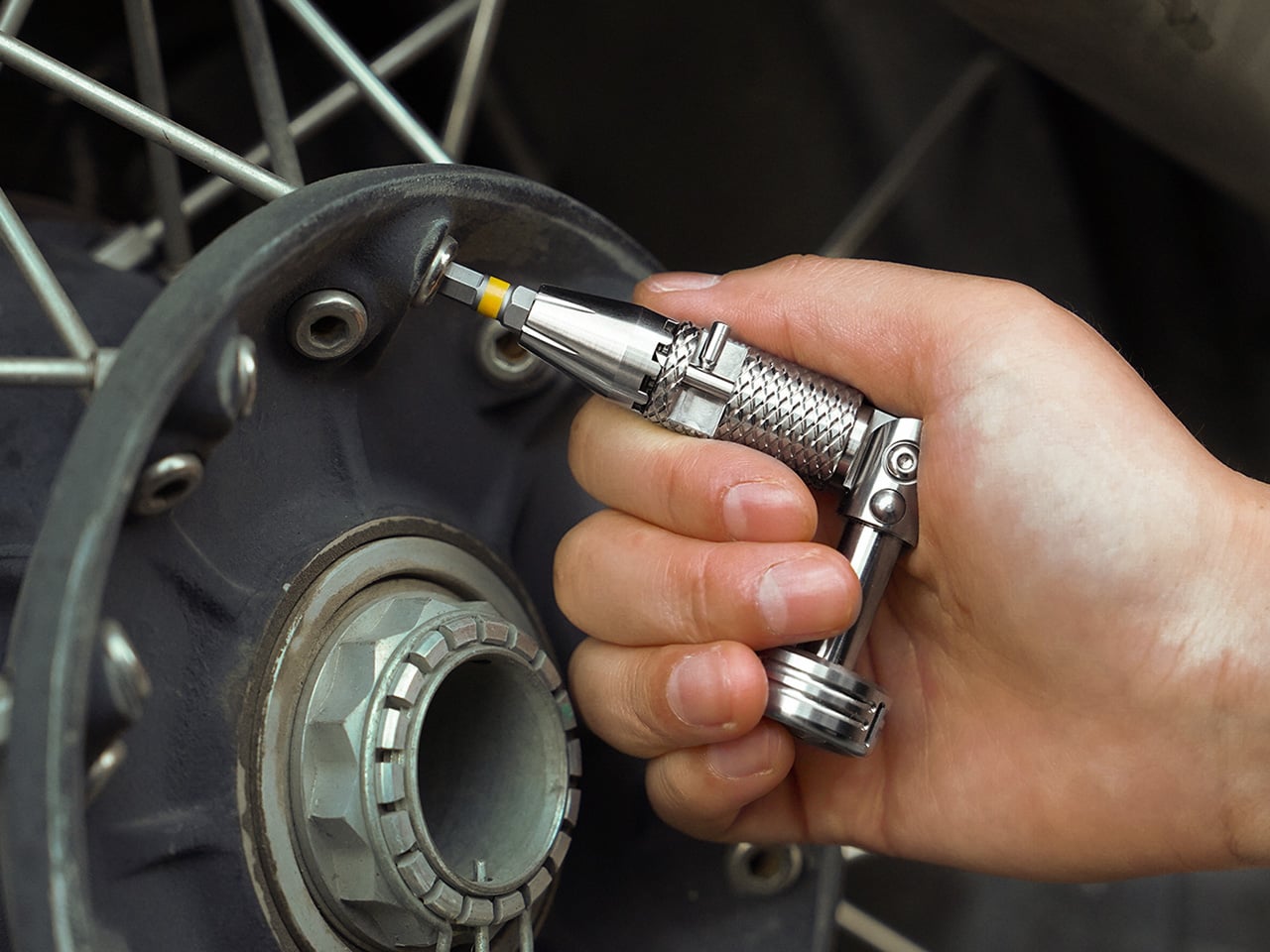
The foldable body locks into 0°, 45°, and 90° positions with a push-button system. Straight-line mode is for rapid spinning and quick turns, 45° mode adds control and comfort, and 90° mode turns the compact driver into a small lever for stubborn screws and awkward angles. Torque testing measured up to 7.9 N·m in 90-degree mode with the 1/4-inch holder installed, which is more than most screws can take before they strip or fail.

The modular bit system lets you swap between a standard 6.35mm (1/4-inch) bit holder and a 4mm precision bit holder using a magnetic quick-swap interface. The 1/4-inch mode is the workhorse, fully compatible with common bits, extension bars, and socket adapters, likely the configuration you use most for everyday screws, small repairs, and workshop tasks where full ratchet engagement and smooth mechanical feedback matter during tightening or loosening.

The 4mm module is for micro jobs and delicate hardware, eyeglasses, small electronics, cameras, watches, keyboards, and calibration tasks where control is more important than torque. This mode intentionally skips the ratchet to give fingertip finesse, and MAGICDRIVE’s compact form makes it feel closer to a surgical instrument than a bulky driver when you are working on tiny fasteners that need gentle, precise turns without stripping delicate threads.

The quick-swap bit holder is held by a strong magnetic interface designed to avoid accidental separation or rattling during carry. The magnets are mechanically sealed by CNC-machined caps instead of just glued, preventing glue fatigue and loose parts over time. This reinforces the theme that the tool is built for long-term reliability, not just initial impressions or the first few months of use before parts start failing.

The balanced spinner top with a brass core is designed for silent, satisfying spins when there is nothing to fix. It offers a moment of focus without clicks or noise, and three tritium slots in the top make the driver easy to find in low light while adding a subtle glow when it spins. It is a small piece of kinetic art that turns idle moments into something more intentional, quieter than clicking a pen and more deliberate than scrolling through a phone.

The Grade 5 titanium body, brass spinner core, and N56 magnets avoid coatings pretending to be metal. Three finishes are available: satin silver, beadblast matte grey, and PVD black, and the brass develops patina over time. The hex-based modular ecosystem includes pen and knife modules and an aluminum bit-holder magazine with a ruler and storage, framing MAGICDRIVE as a platform that can grow with an EDC setup rather than a single-purpose tool that sits in a drawer.

MAGICDRIVE is meant to live beside a favorite knife, pen, or watch, not buried in a drawer. Sometimes you pick it up to fix something, sometimes just to feel the machining under your thumb or spin the top during a long call. It is a screwdriver that treats function and feeling as equally important, turning small interruptions and small repairs into chances to enjoy a beautifully made object. For people who care about the tools they carry and the rituals that fill the gaps between bigger tasks, MAGICDRIVE reads less like a gadget and more like a small, well-resolved piece of everyday gear that earns its place in a pocket or on a desk.

Click Here to Buy Now: $149 $199 (25% off). Hurry, only 48/100 left! Raised over $128,000.

The post This CNC Titanium Screwdriver Has a Spinner Top You Can’t Stop Touching first appeared on Yanko Design.
Upgrade Your DIY Game with this Ultimate Magnetic Multi-Bit Titanium Screwdriver

In every toolkit, some basic toolsets and an assortment of independent screwdriver attachments are available in case you want handy at any time because you cannot help but notice a loose screw or an awkwardly struck nail. If you’re one such individual; a versatile, compact, and durable screwdriver with multiple bits in the body should be your go-to option.
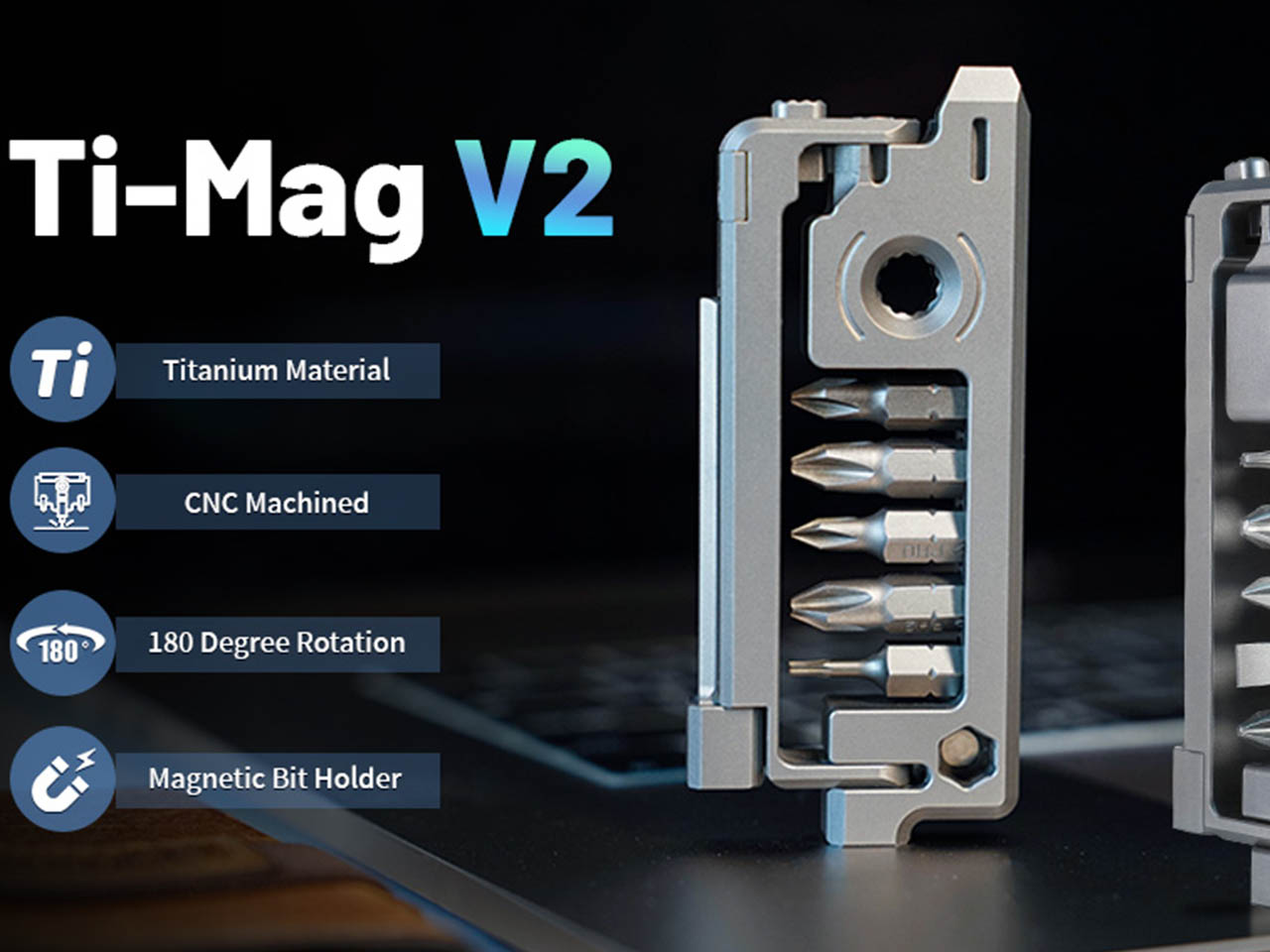
It all started with the original Ti-Mag project. No wonder, it was successfully funded on Kickstarter before it was delivered to the backers in January earlier this year. Now, after adopter feedback, the makers have upgraded the original Ti-Mag as the Ti Mag V2 with a foldable titanium body. Hence, it’s the perfect companion to tackling DIY projects at home or wherever the need to repair a situation arises.

Designer: Logical Carry

Click Here to Buy Now: $89 $108 (18.5% off). Hurry, only a few left!

Gif 1

For the enthusiastic DIYer in you, who at any particular time has his/her tiny workspace overcrowded with screwdrivers, pliers, and other tools – some inside, other overflowing – from the toolbox; you know the significance of a toolkit that you can carry along in the EDC pack or in the pocket with comfort, and unfurl it show what you can do!

gif 2

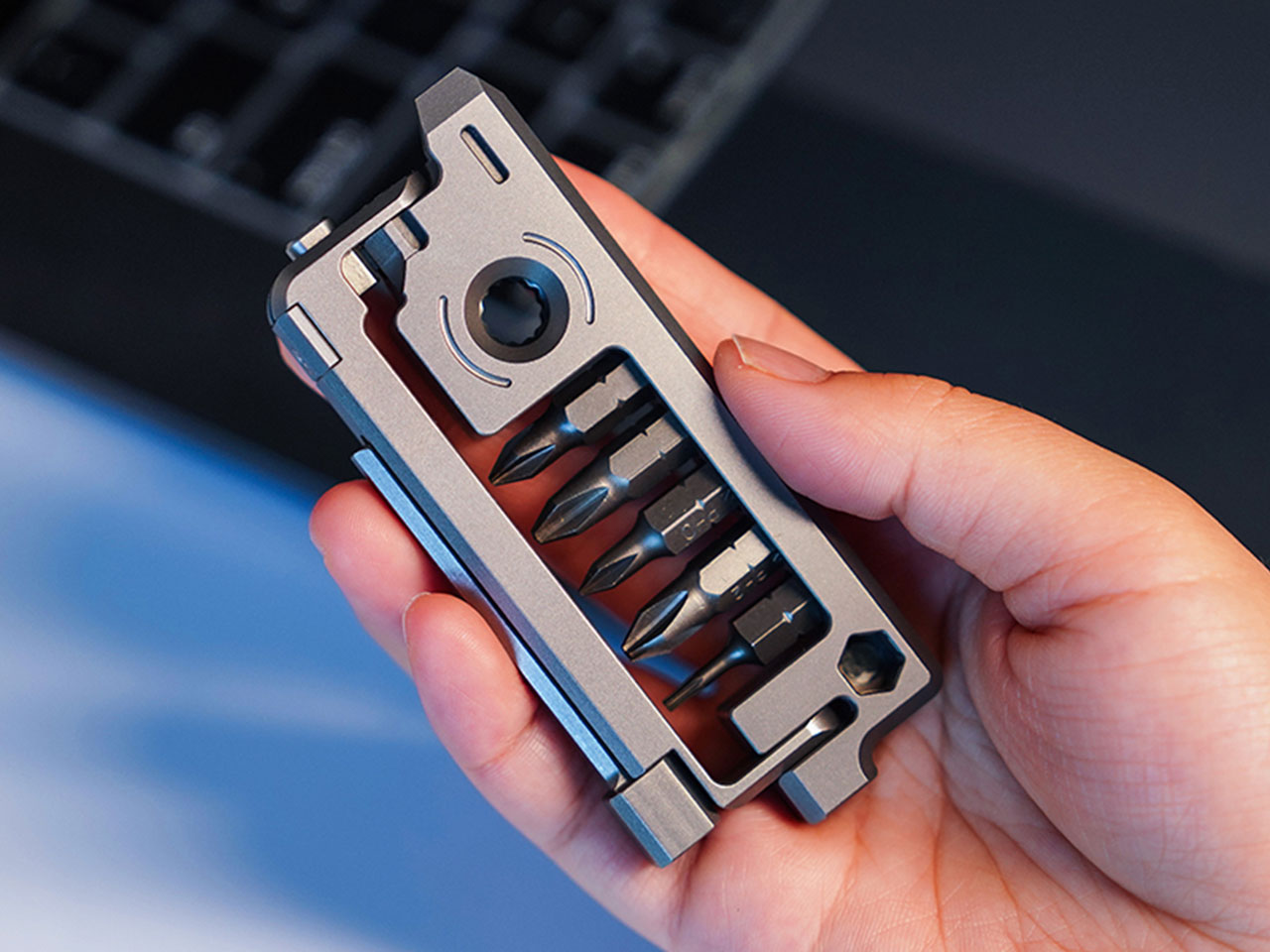
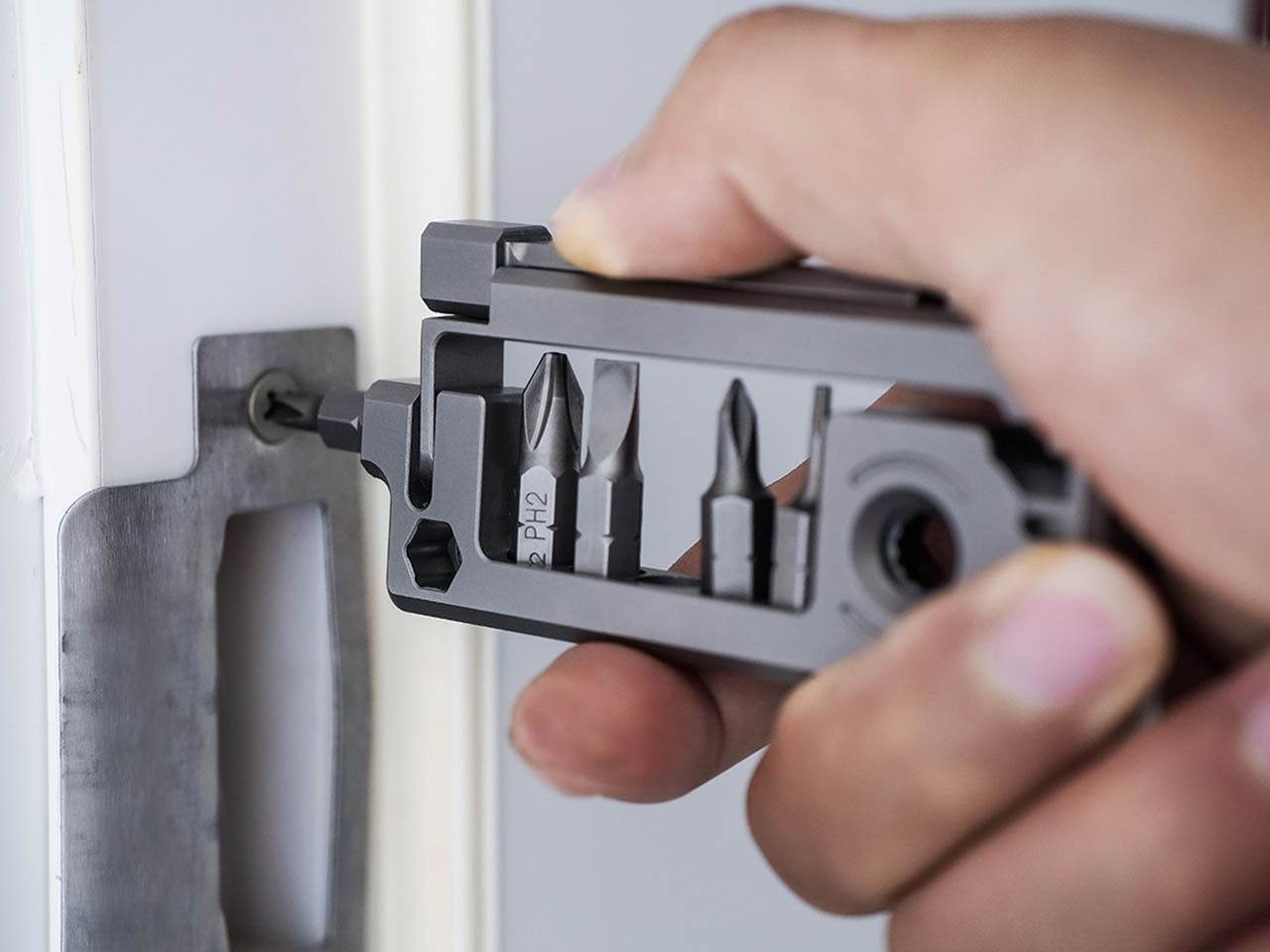
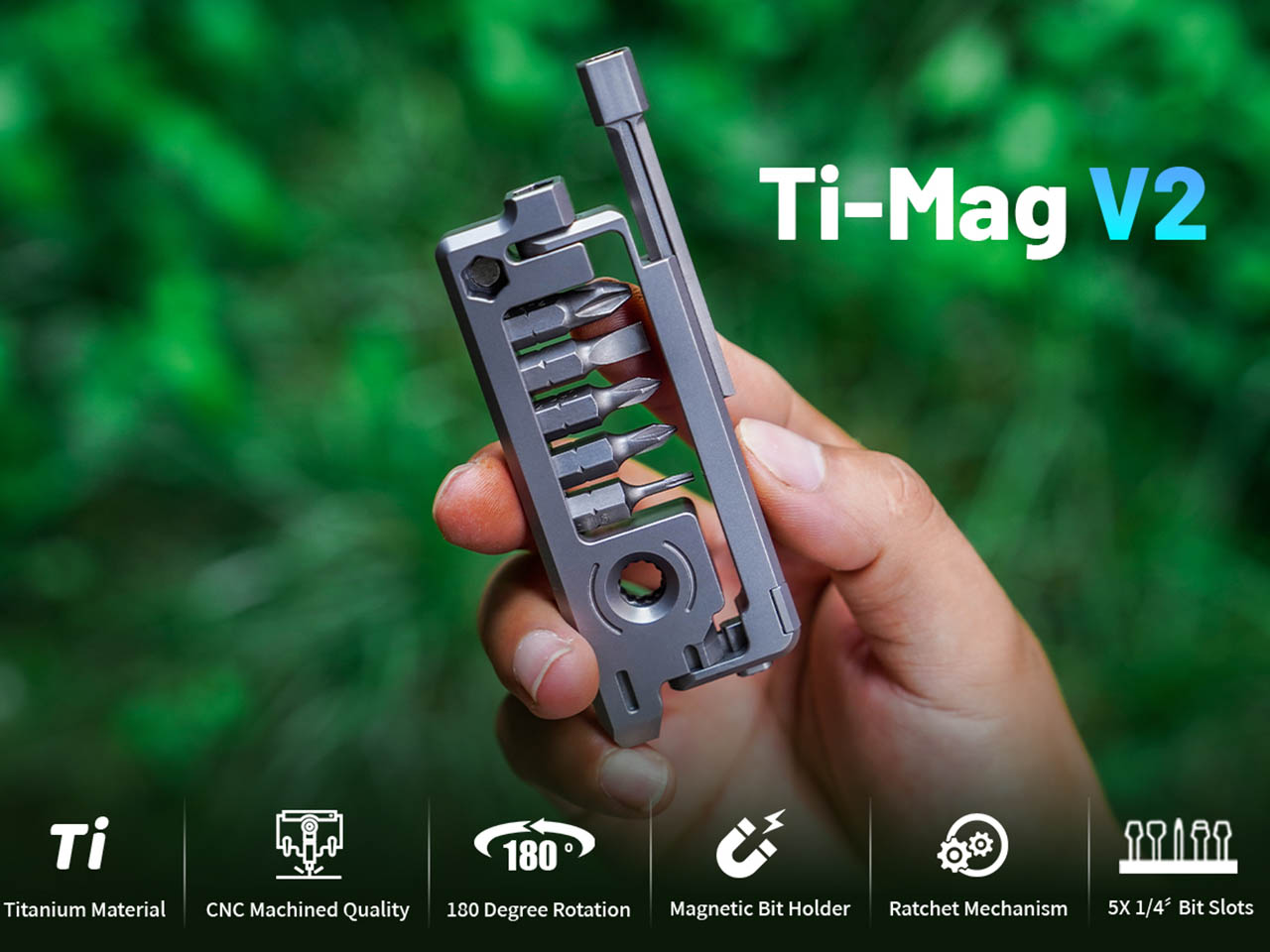
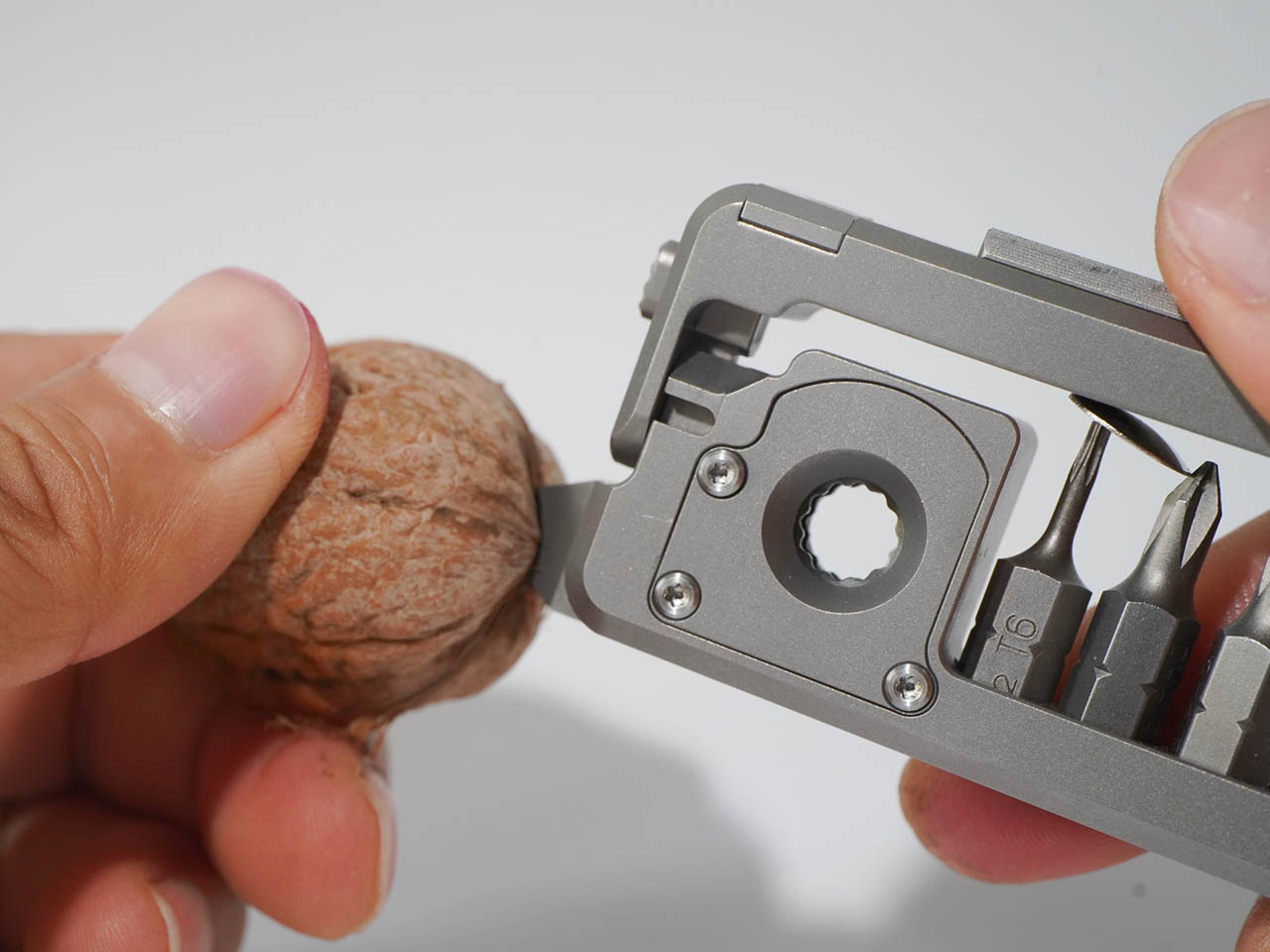
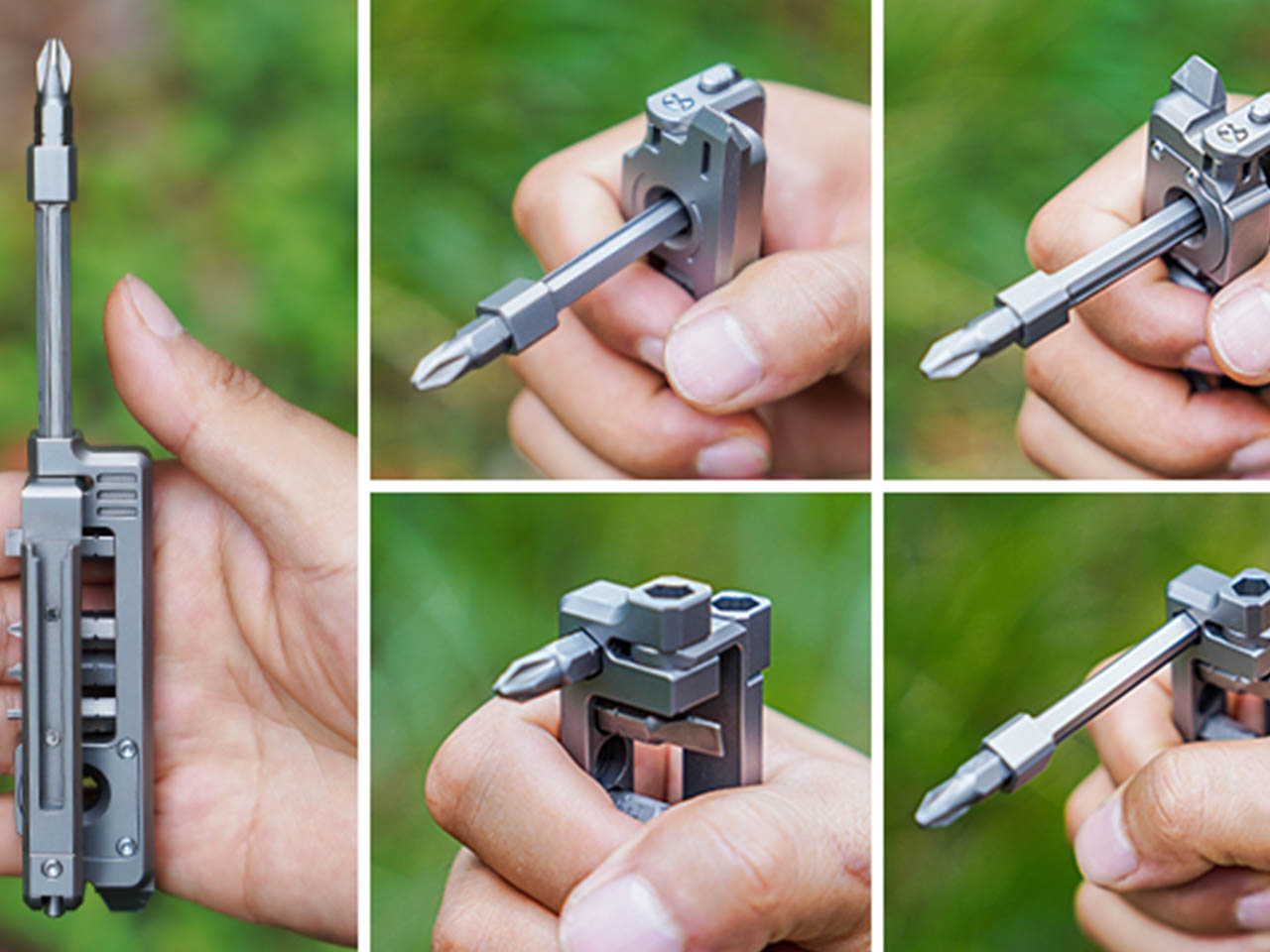
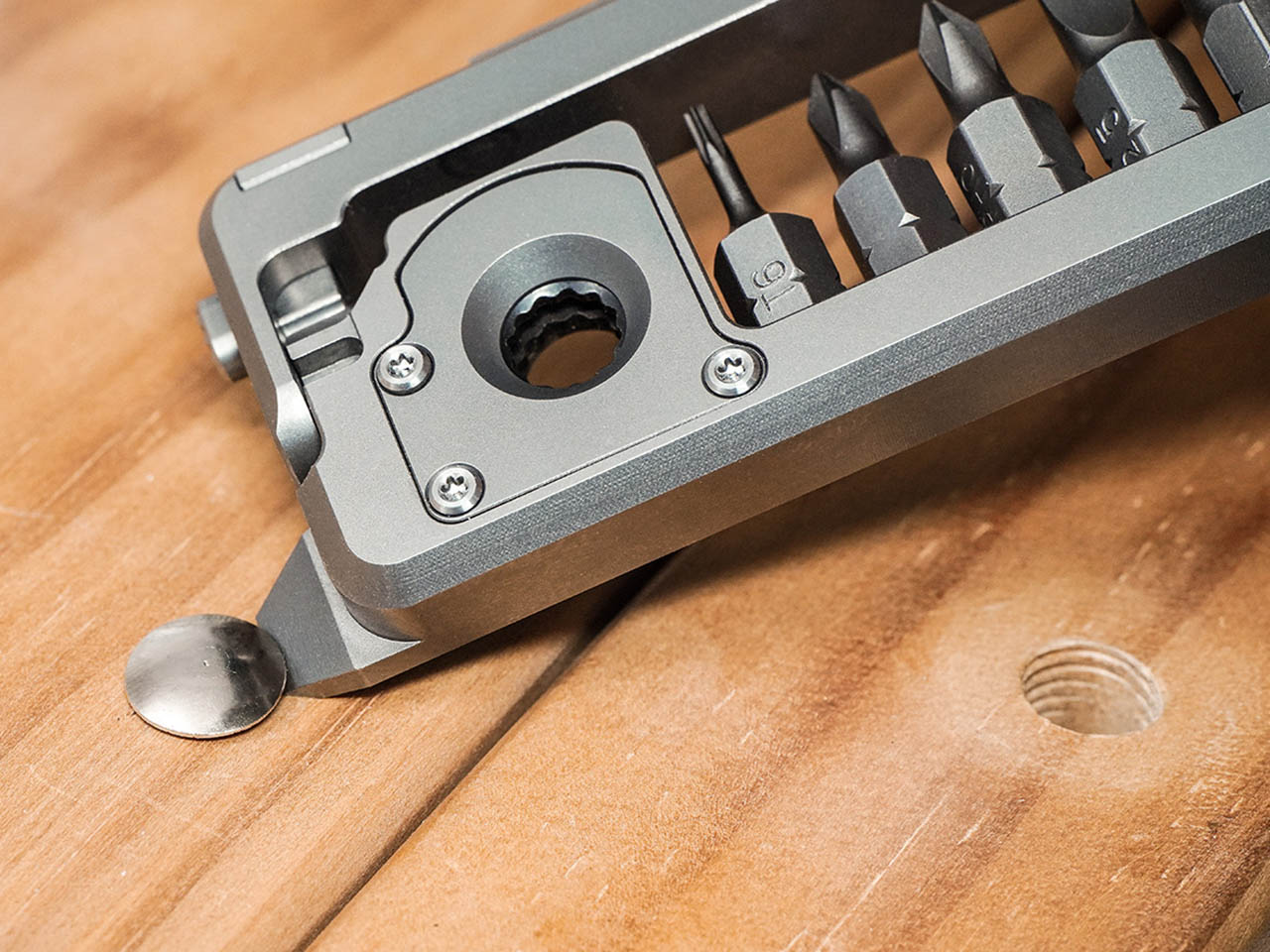
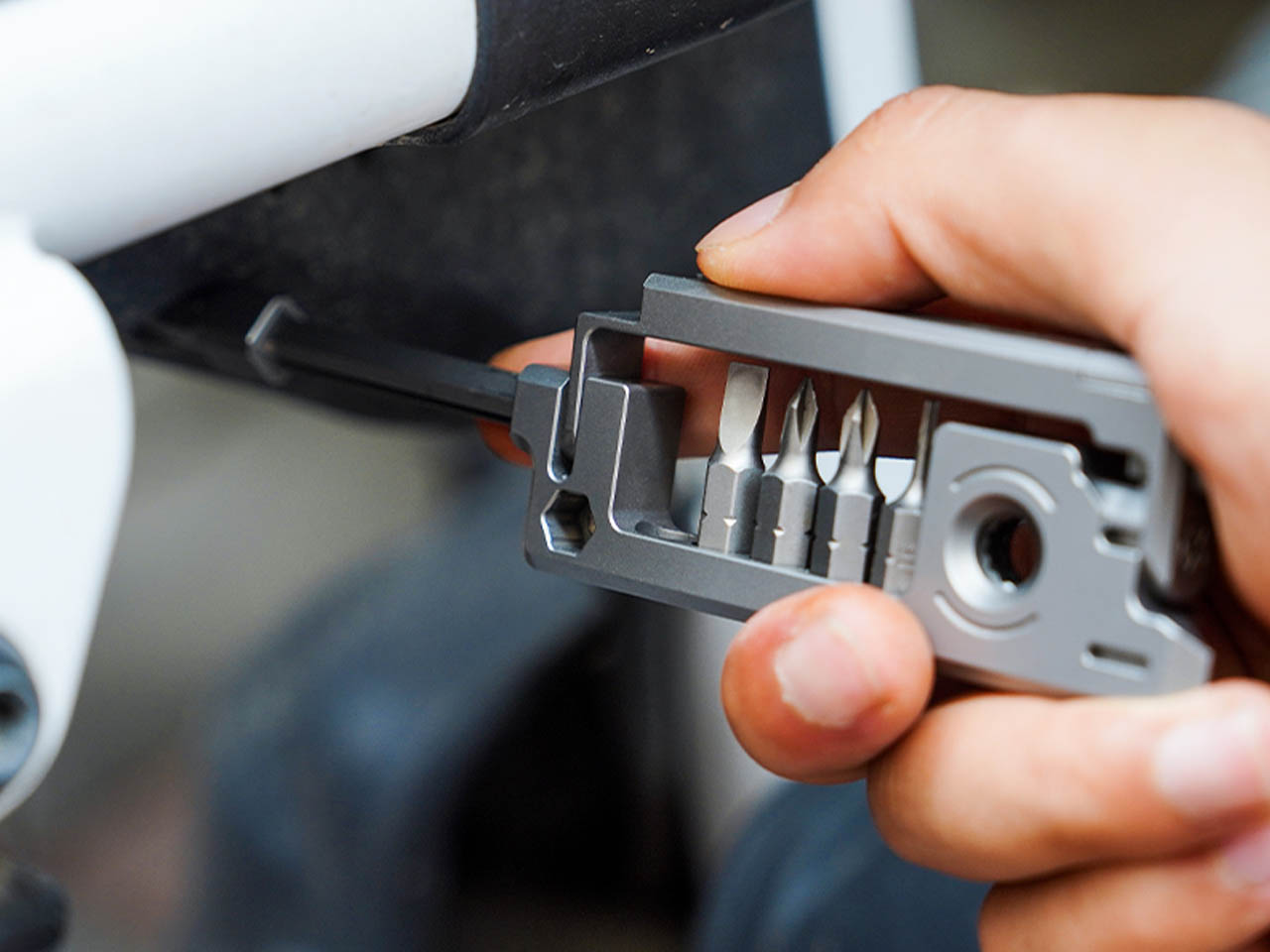
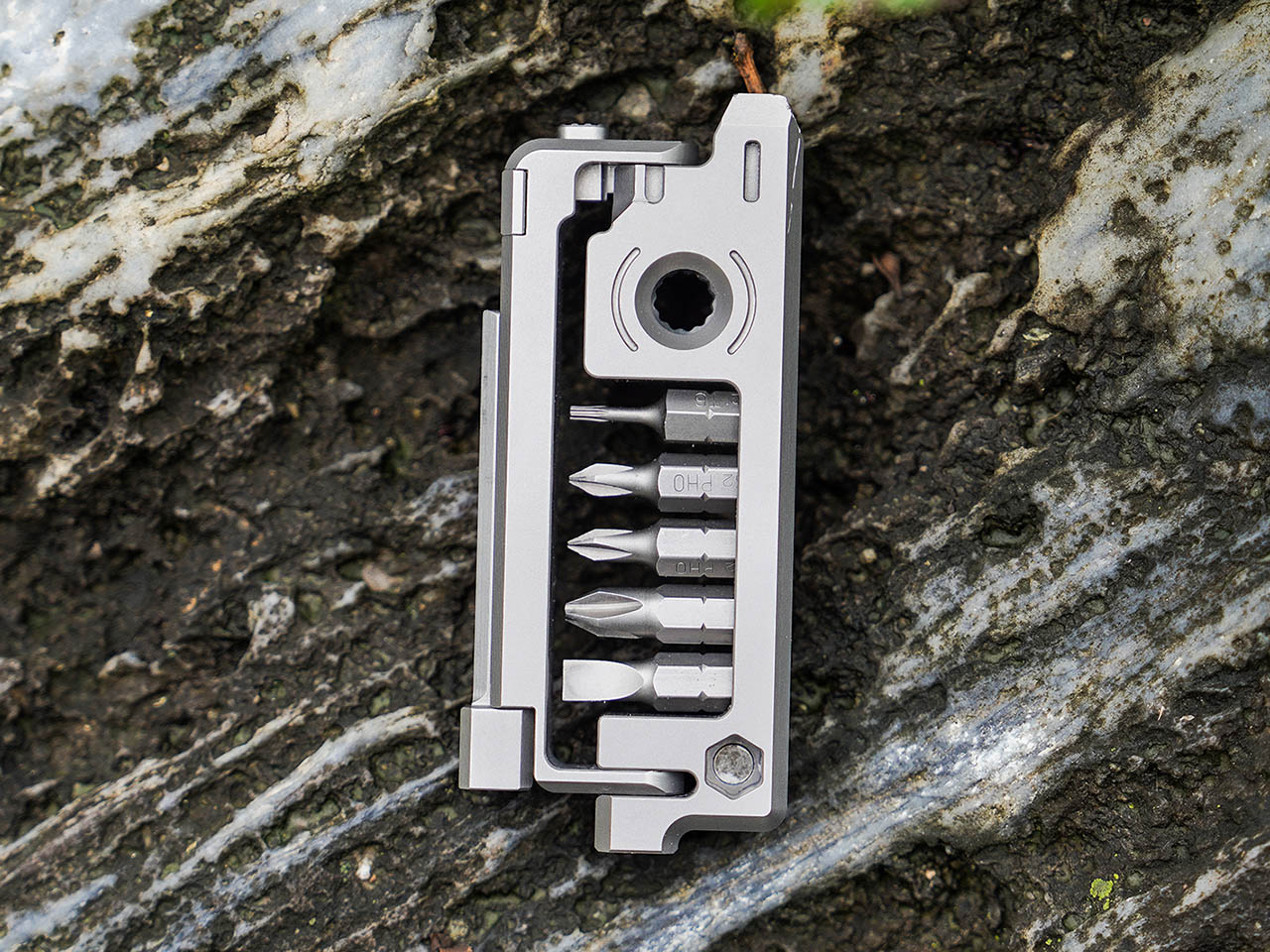
Take a bow Ti-Mag V2! The ultimate titanium EDC screwdriver with multi-bits and a pry bar is completely scratch-resistant and designed to reach the narrowest of points you’d want to negotiate. The everyday carry screwdriver combines five interchangeable bits made in different designs and sizes. The screwdriver, in addition to magnetically holding these bits in the womb – within its 180-degree foldable design – also features a box cutter and functions as an incredibly cool fidget toy.

gif 3

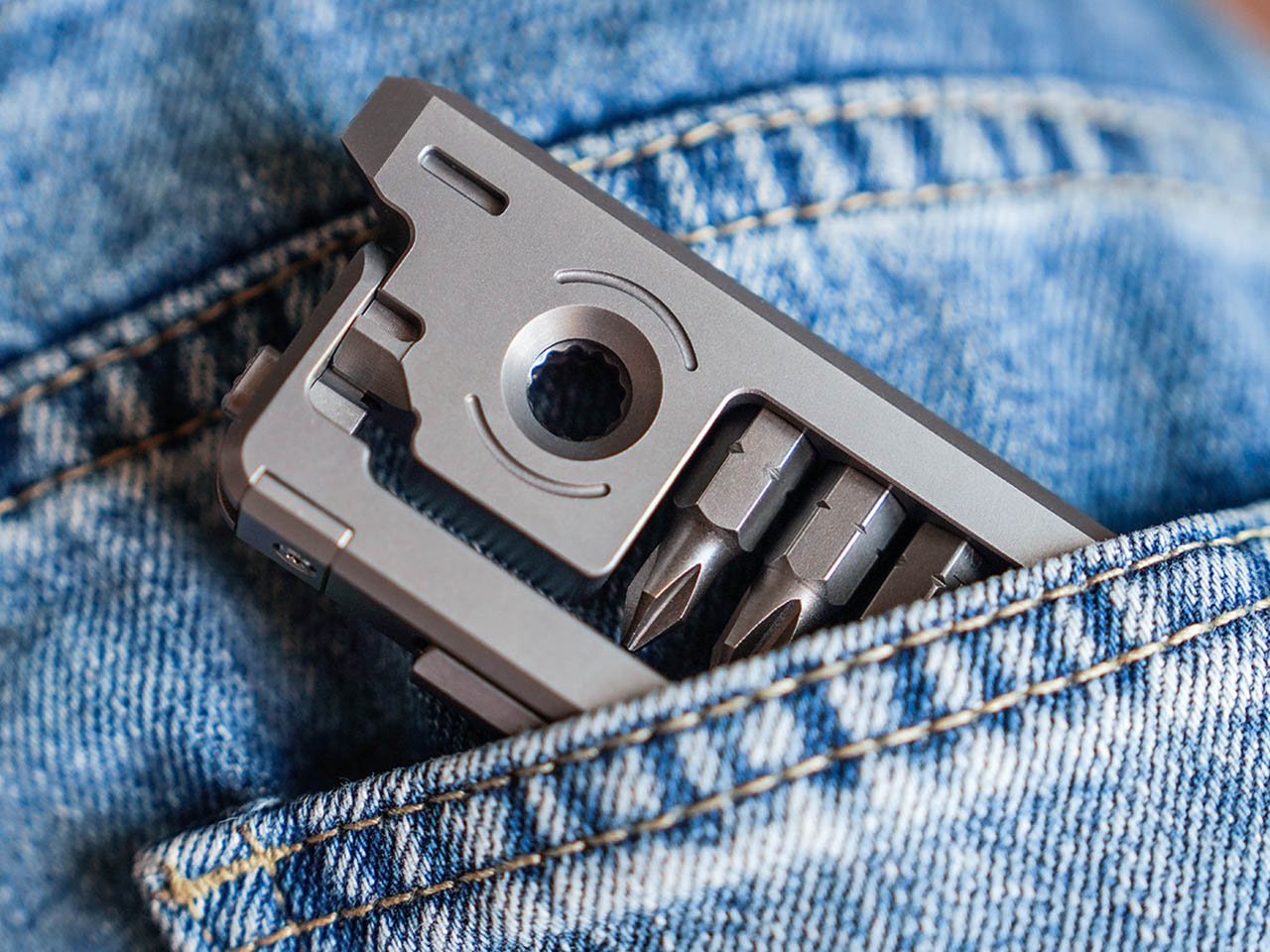
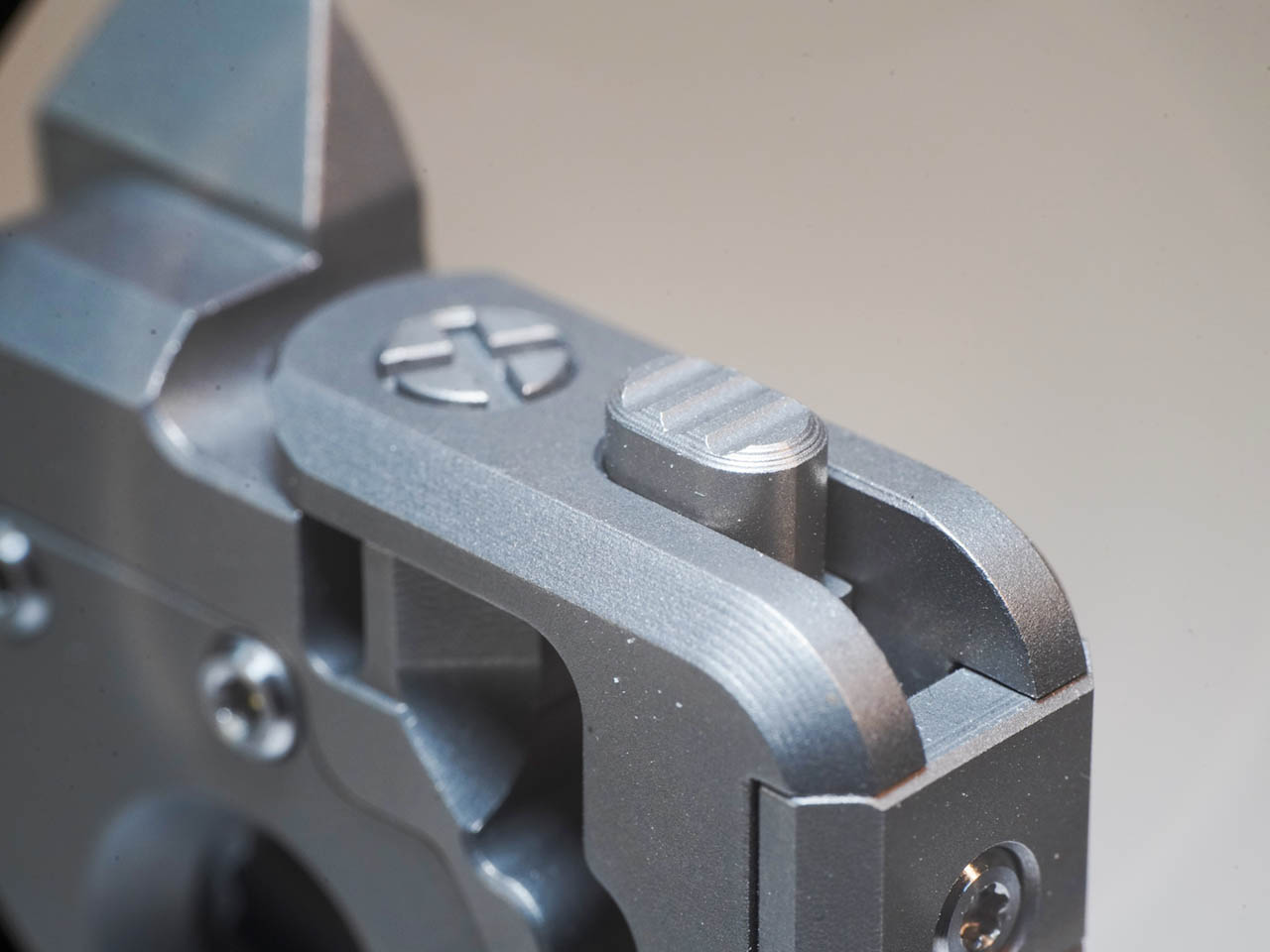
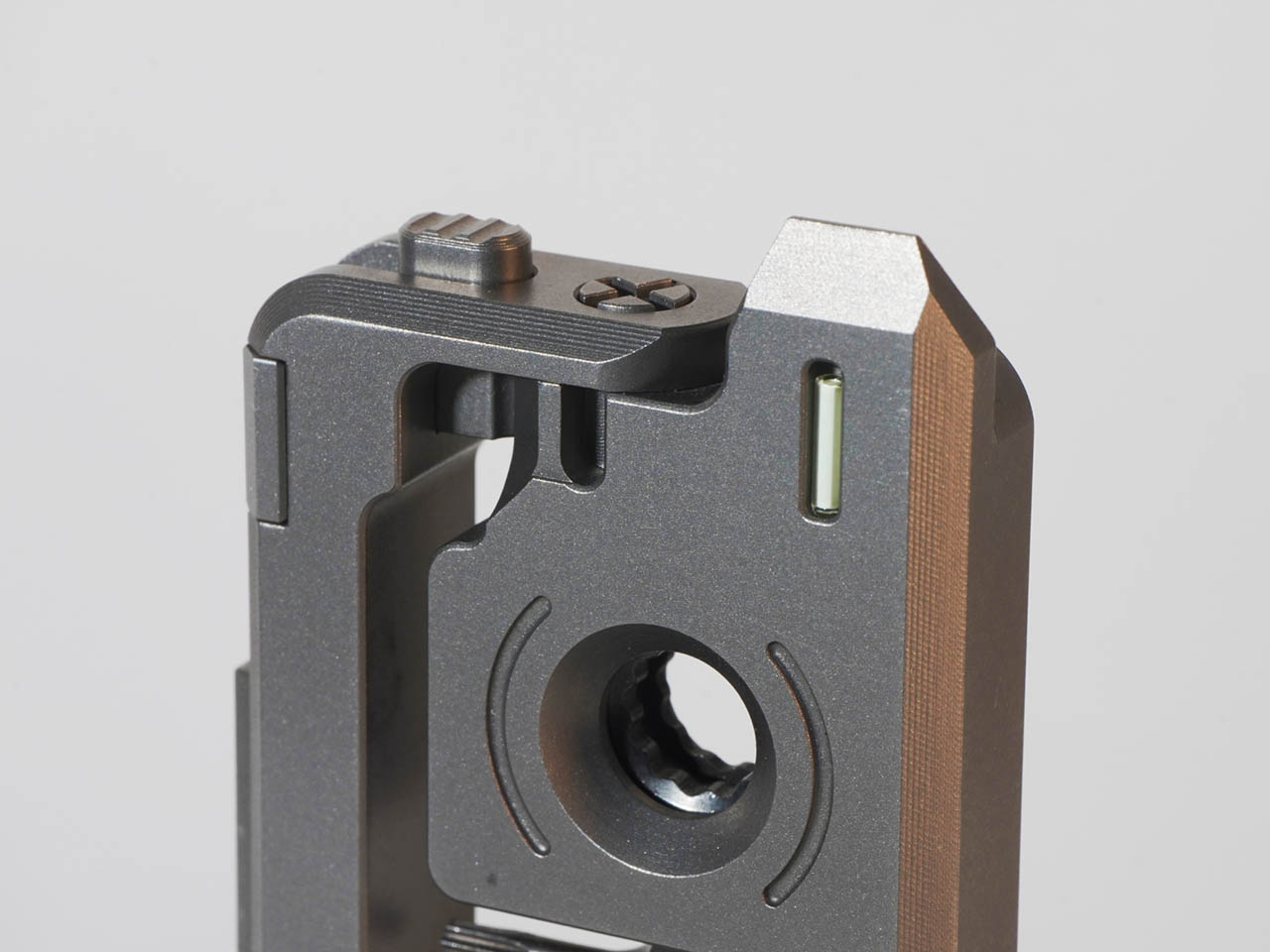
The versatile new Ti-Mag V2 weighs a fraction over 100 grams (106 to be precise). It is incredibly pocket friendly, and comes with a five-bit compartment in a screwdriver CNC-machined from grade 5 titanium. Designed to address shortcomings of the debut model, the version 2 of the Ti Mag has a folding, 180-degree two-way design, which allows the top handle to wiggle half-way on either side providing an opening to access the assortment of screws residing within.

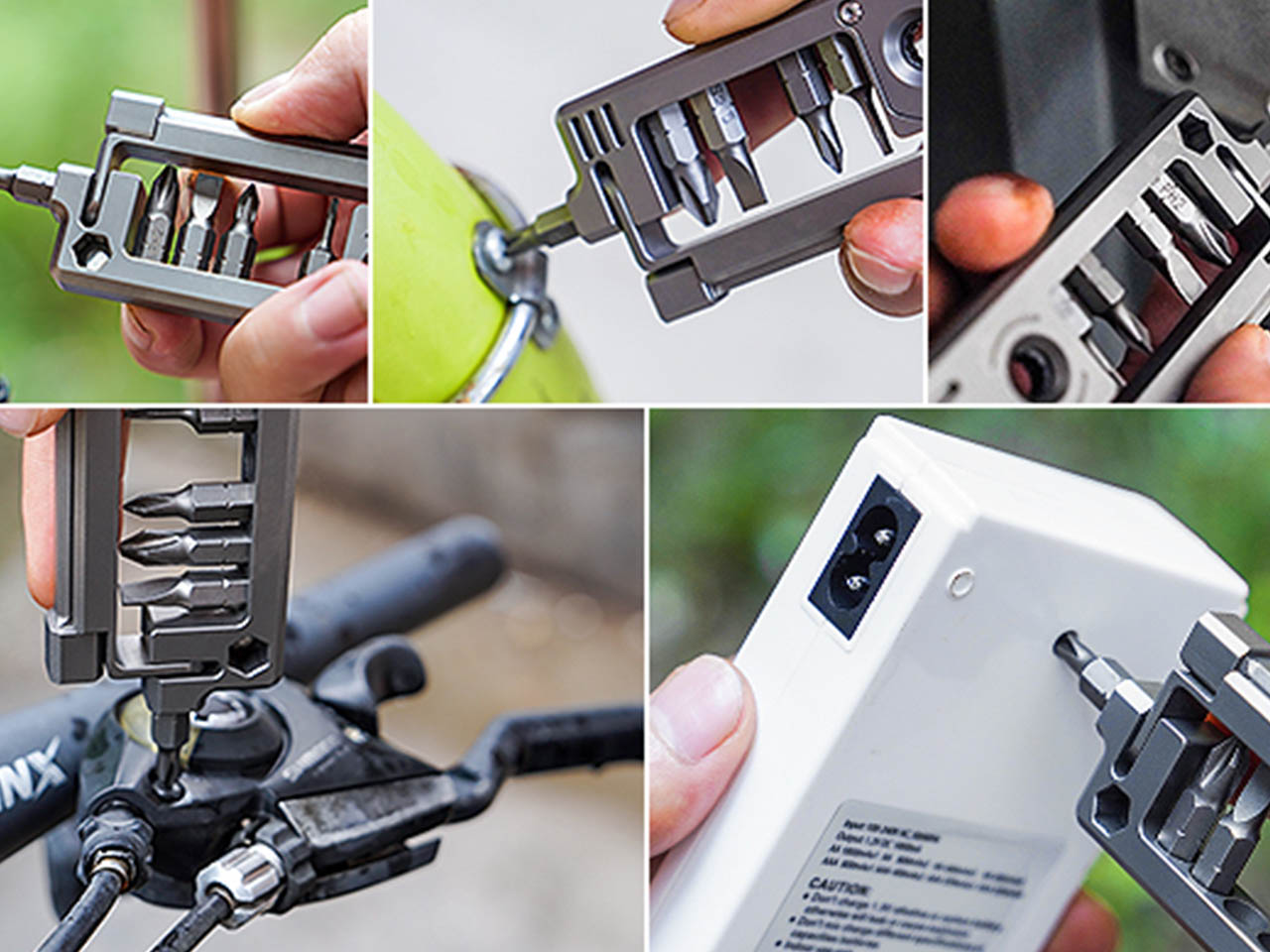
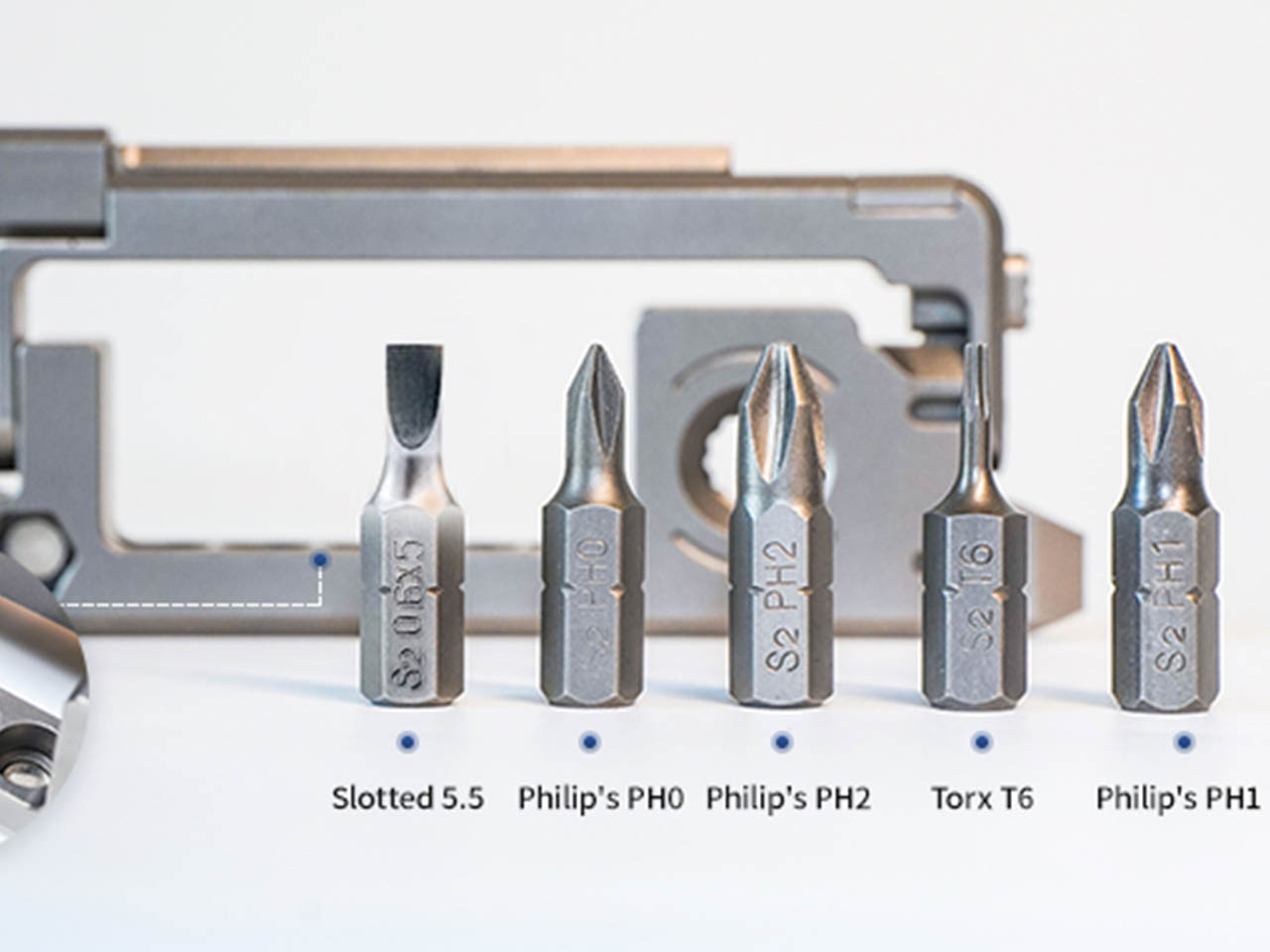
Pull out any of the five bits – depending on the screw size and type – you want to address. You can choose between Slotted 5.5, Philip’s PHO, Philip’s PH1, Philip’s PH2, or Trox T6, which attaches magnetically to the extending bar that looks in place when the action is in progress. When not in use, the bar remains firmly in place so you can even work in hard-to-reach and narrow work spaces.

With the Ti-Mag V2, you can feel the satisfaction that you have the screwdriver comprising different screw sizes and shapes that can take care of all possible scopes of work it is designed for. Obviously, made for carrying out various tasks, this conversation-starting magnetic bit screwdriver allows its pry bar to be used for removing nails and open boxes. And when all are covered and you don’t have any work; entertain yourself with the fidget toy it can be courtesy of four magnets.

Click Here to Buy Now: $89 $108 (18.5% off). Hurry, only a few left!

The post Upgrade Your DIY Game with this Ultimate Magnetic Multi-Bit Titanium Screwdriver first appeared on Yanko Design.