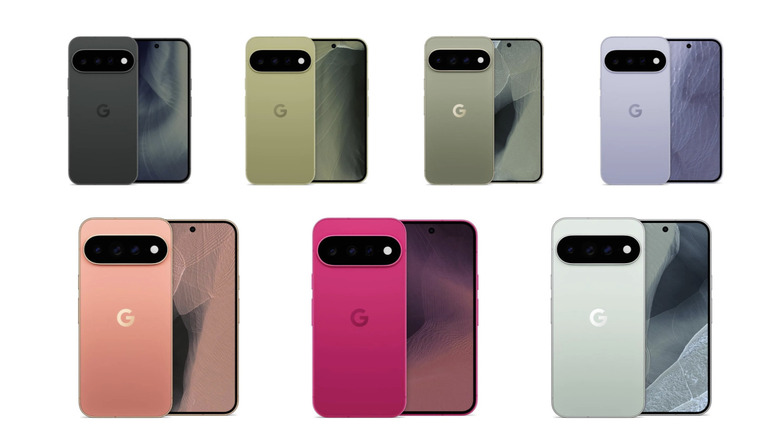
Please let this hot pink Pixel 11 leak be real
Bring on the magenta and peach.
The back of a smartphone has historically been the least interesting real estate on the device. A logo, some camera lenses, and a flat slab of glass or metal. Nothing phones started to change that conversation a few years ago by threading LED strips through their transparent backs to indicate calls, charges, and timers with light patterns. The question since then has been whether anyone else would take the idea further.
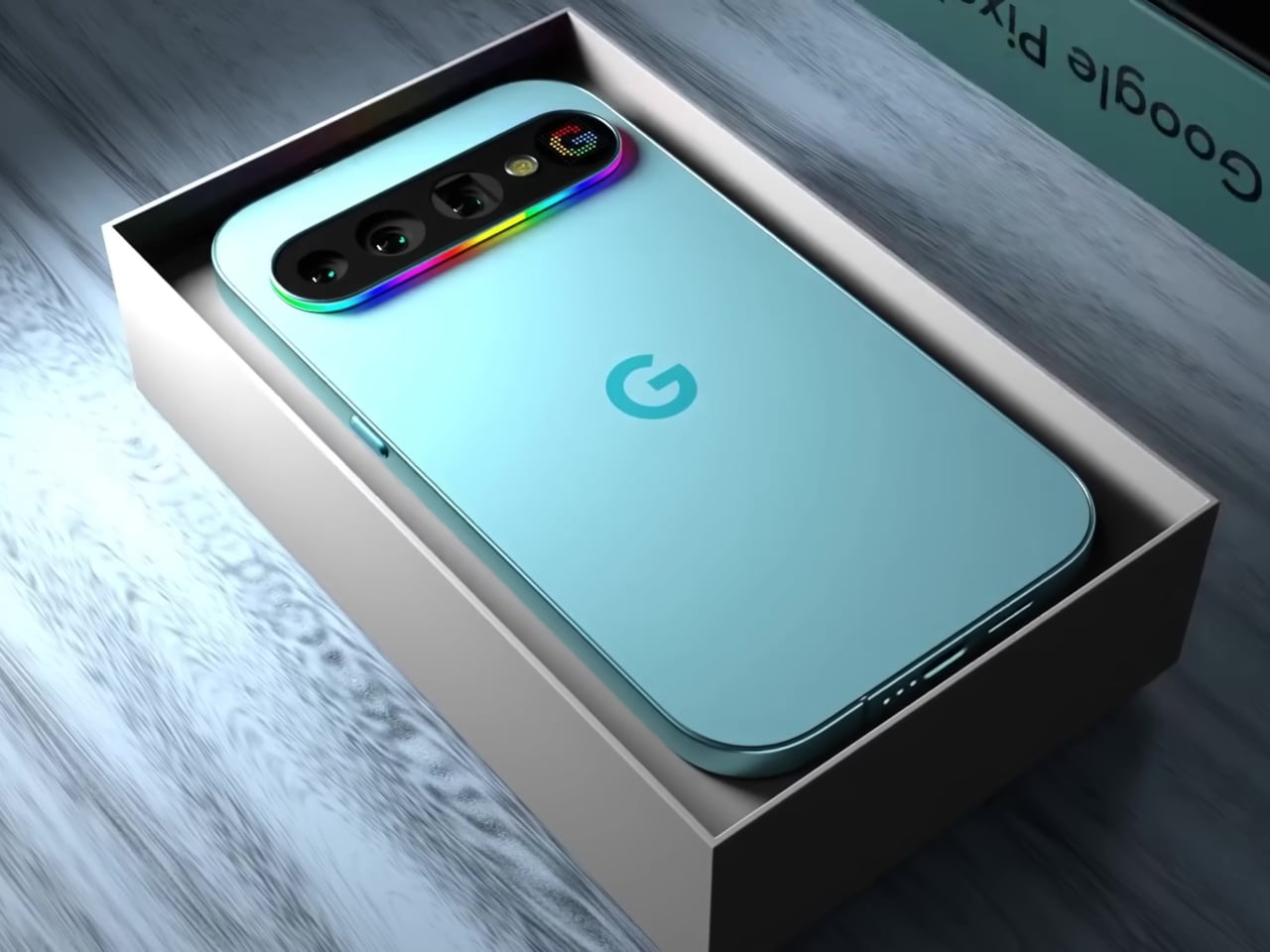
This concept for the Google Pixel 11 Pro imagines exactly that. Built around the Pixel’s signature horizontal pill-shaped camera module, it proposes two distinct types of back-panel feedback: a full-spectrum RGB light strip running around the entire perimeter of the camera bump, and a small dot-matrix display embedded at its right end that can render icons and text in pixel-art style.
Designer: AndroidLeo
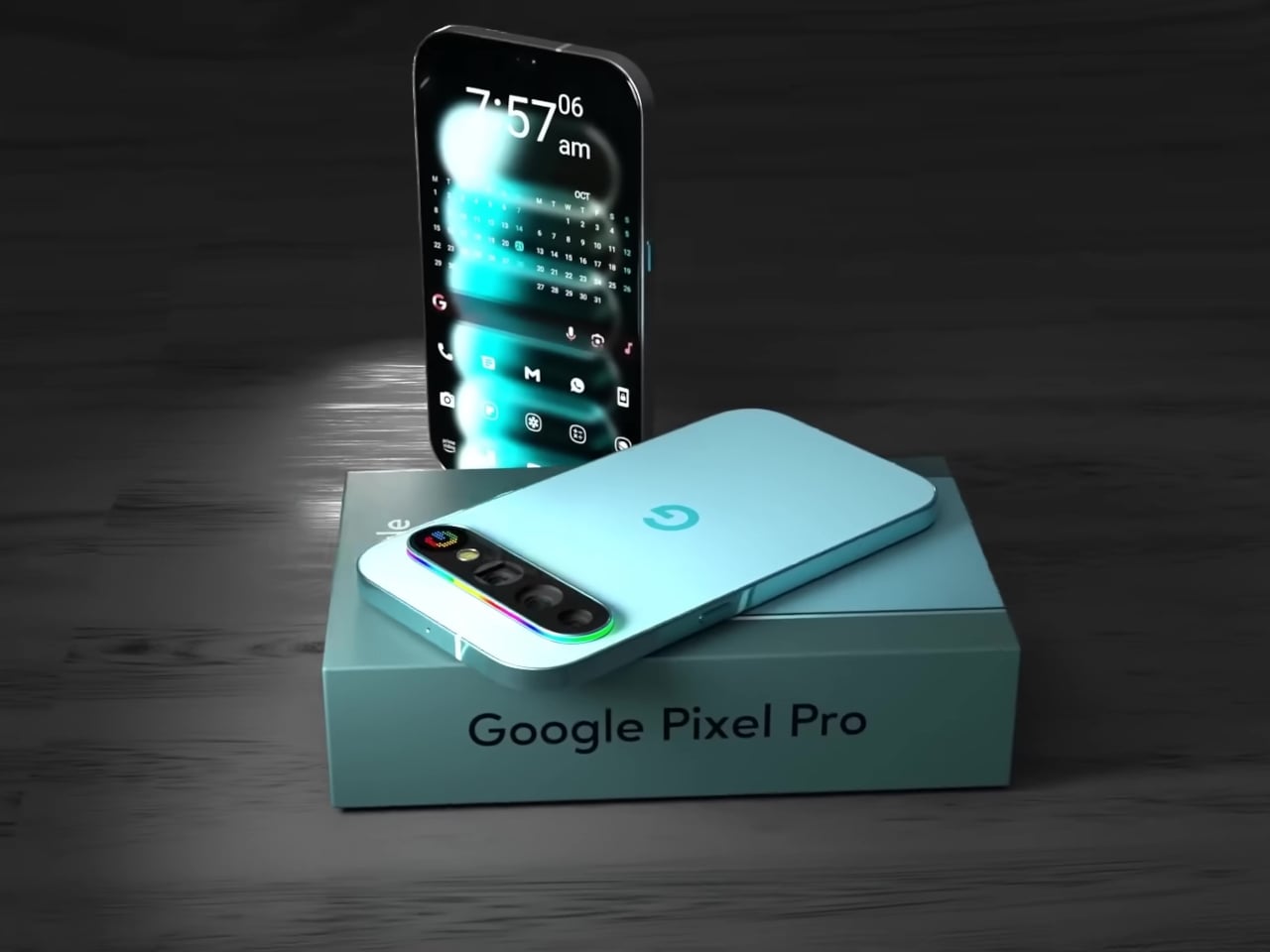
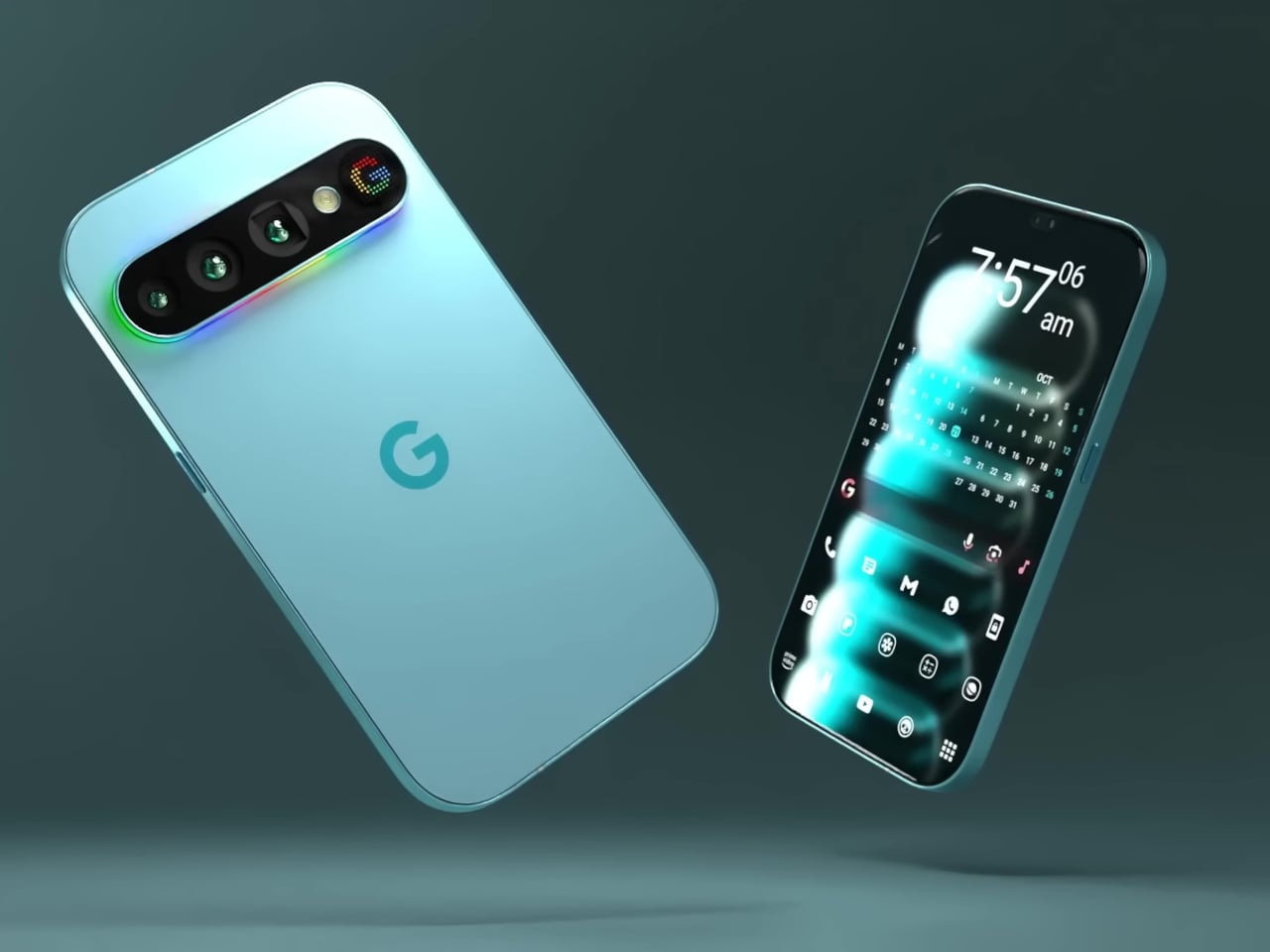
The light strip is the more immediately readable of the two. A continuous loop of addressable LEDs traces the full outline of the pill module, capable of cycling through any color and pattern the software dictates. A missed call could glow one color, a new message another, and a timer nearing its end could pulse differently again, all communicable from across the room without touching the phone.
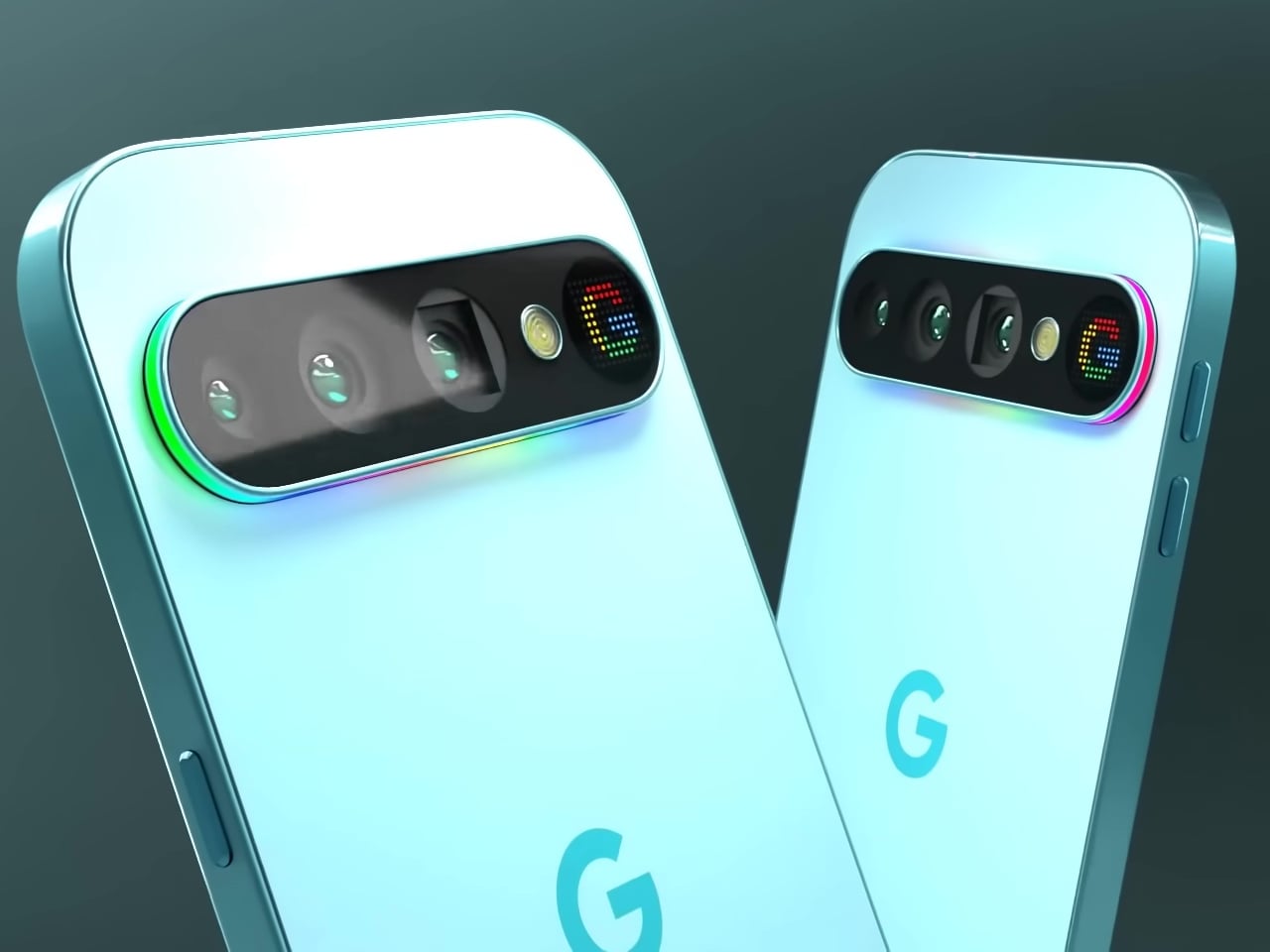
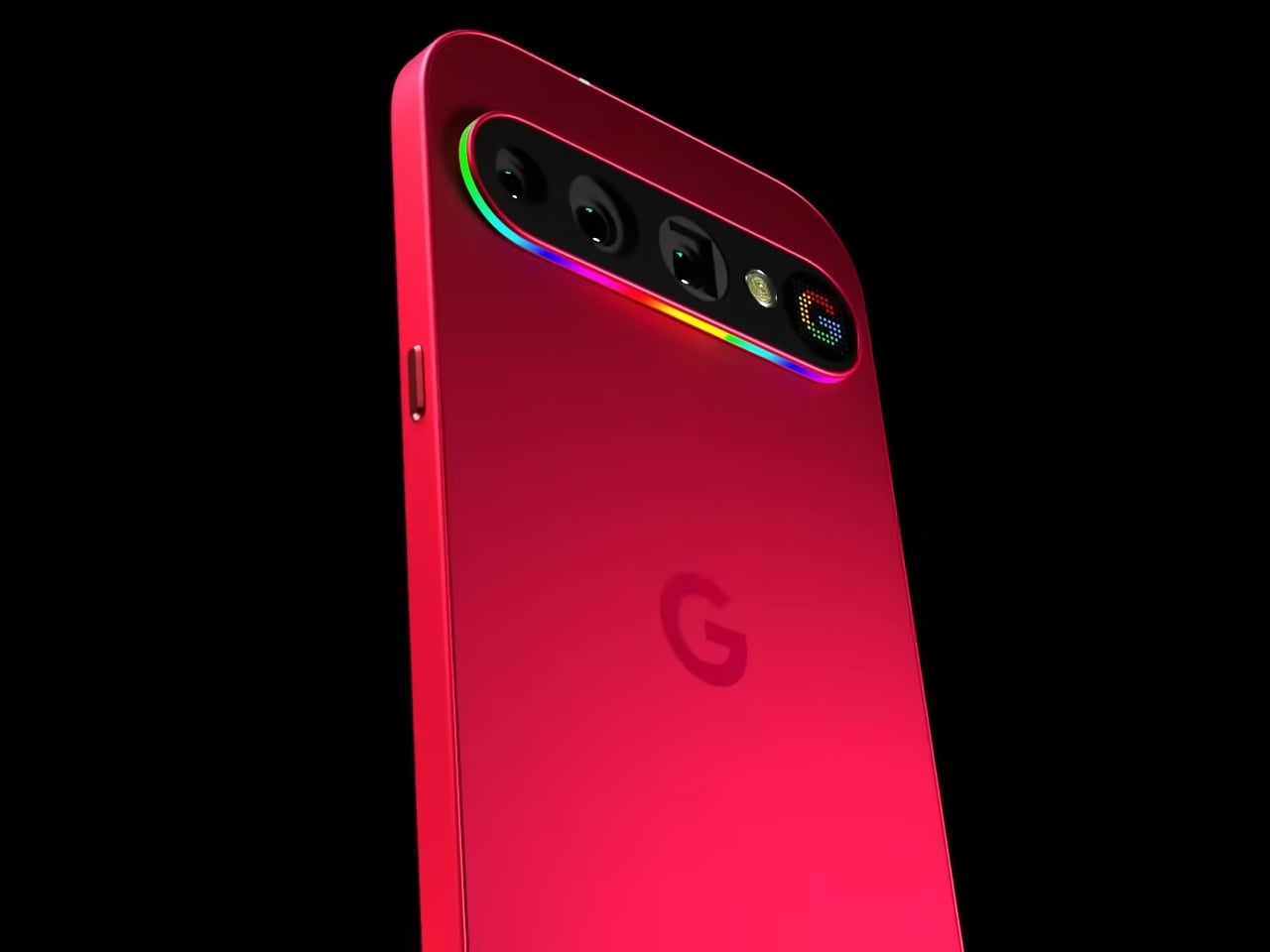
The dot-matrix panel, which the concept labels the “Pixel Display,” takes things a step further. Rather than a single color conveying a signal type, this small grid of colored LEDs can render simple graphics, caller ID icons, app logos, or even short scrolling text. It’s the difference between a traffic light and a small sign, and for a platform with as much software integration as Google’s, the implications are hard to ignore.
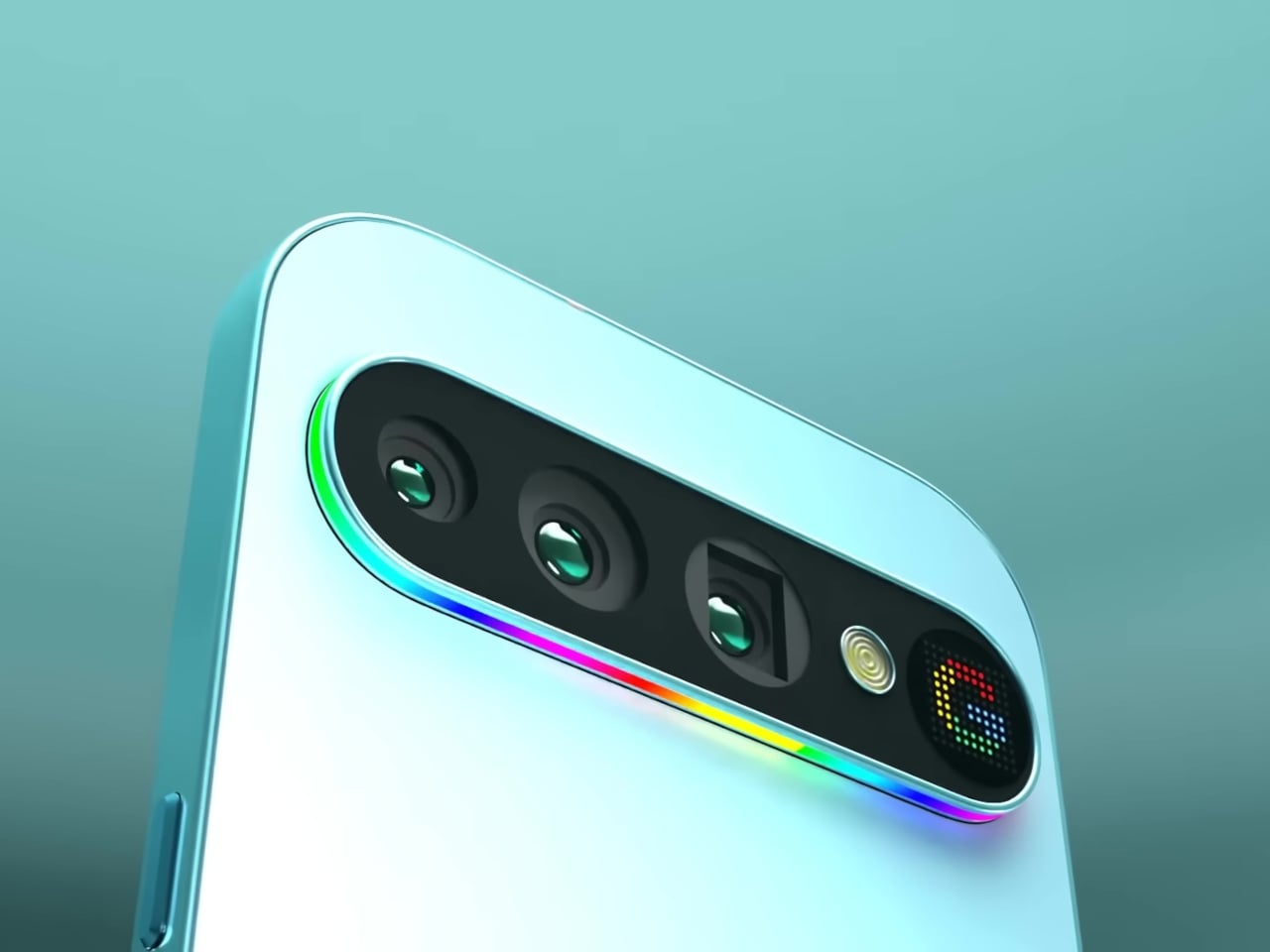
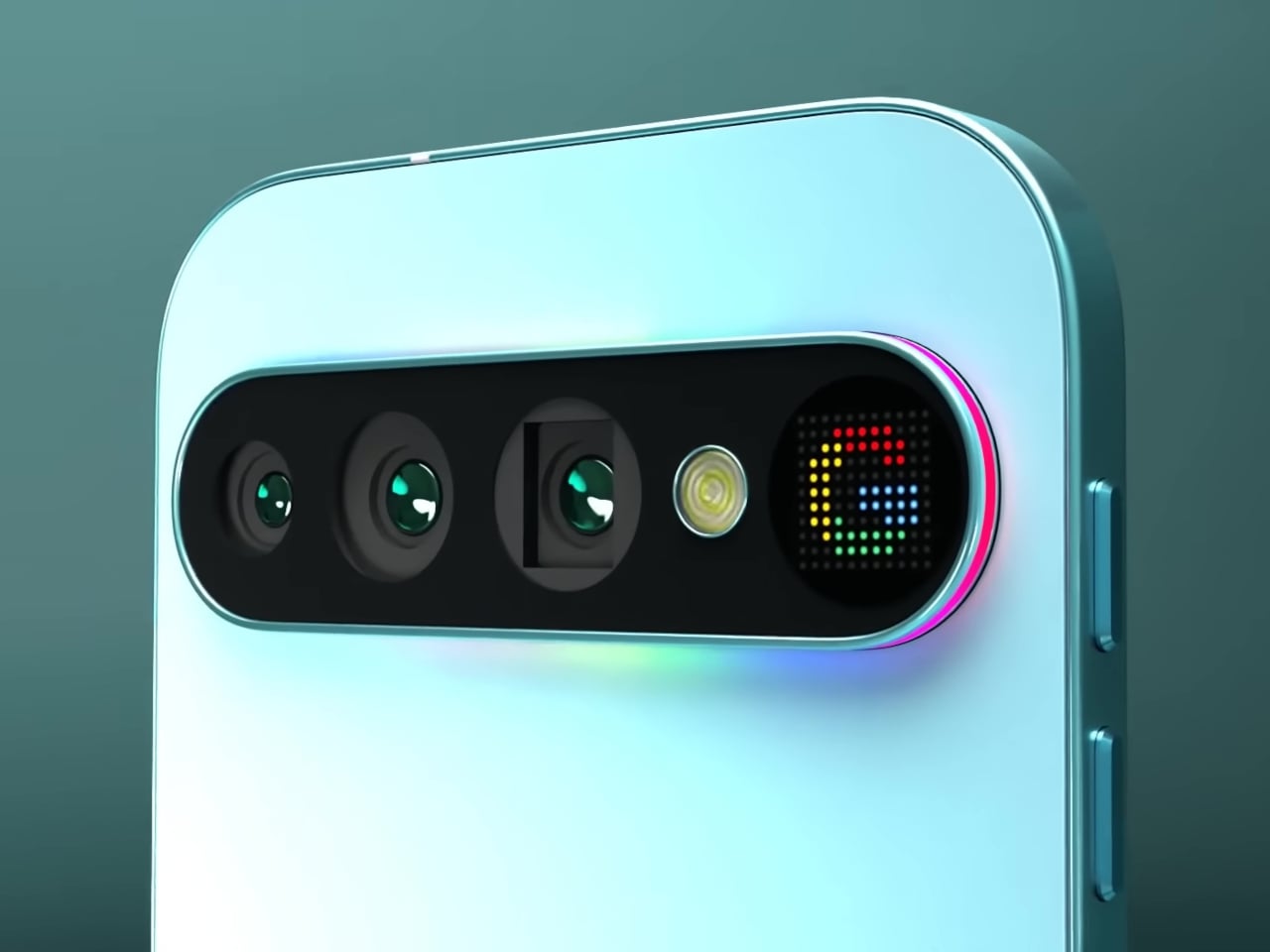
There’s an obvious precedent in Nothing’s Glyph Matrix, which brought a similar dot-matrix concept to Phone (3). That system already lets users assign custom animations to specific contacts and apps, turning the back of the phone into a secondary notification surface. What this Pixel concept adds is the light strip as a companion layer, the two systems working together rather than choosing between ambient mood and readable icon.
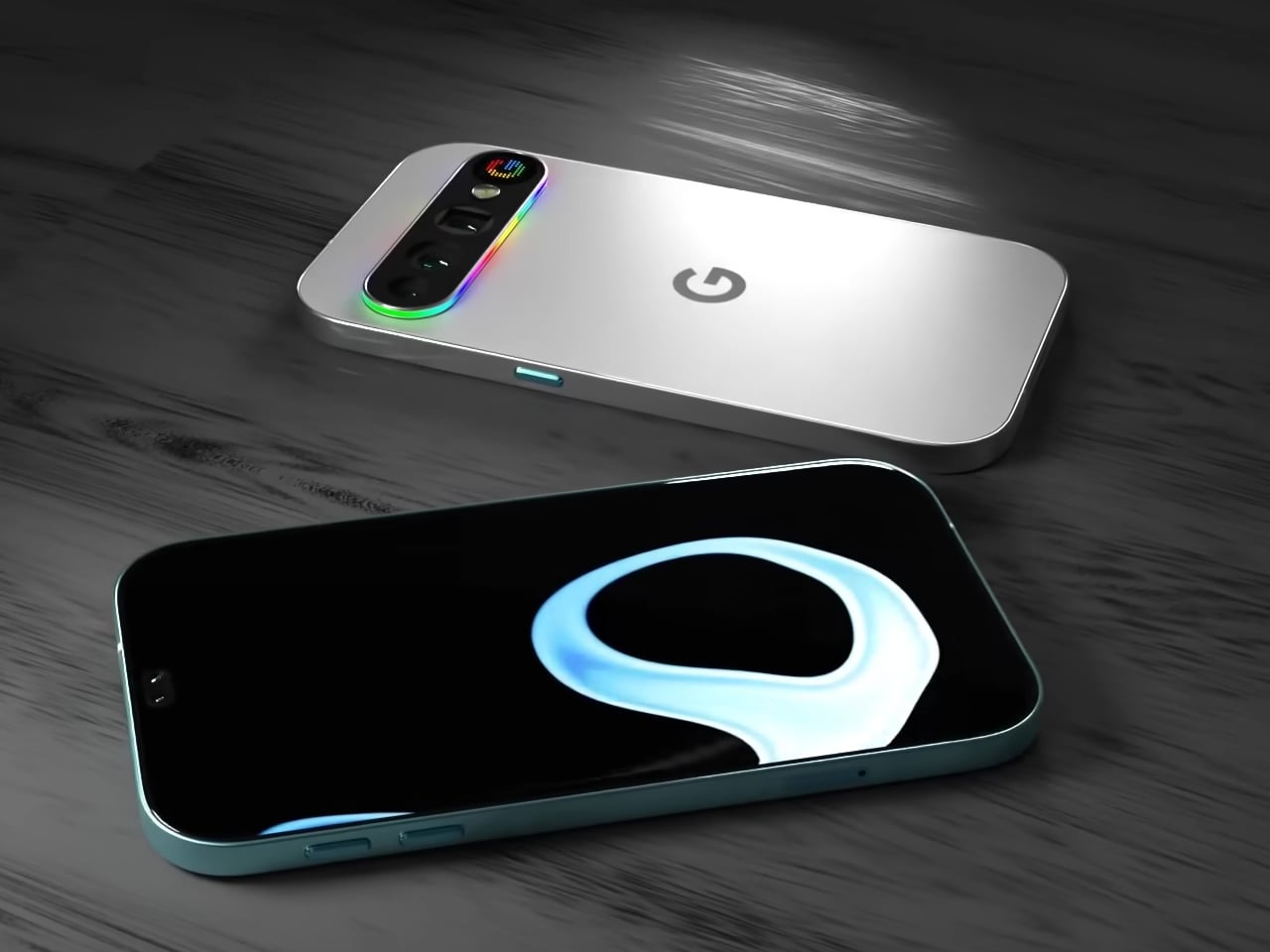
The practical case for this kind of design doesn’t require much imagination. Leave your phone face down on a table, and you will lose all notification awareness. Flip it over, and you get the full attention-grabbing brightness of the main display. A customizable light strip and a small icon panel would let the phone communicate at a much lower intensity, at a glance, rather than a full distraction.
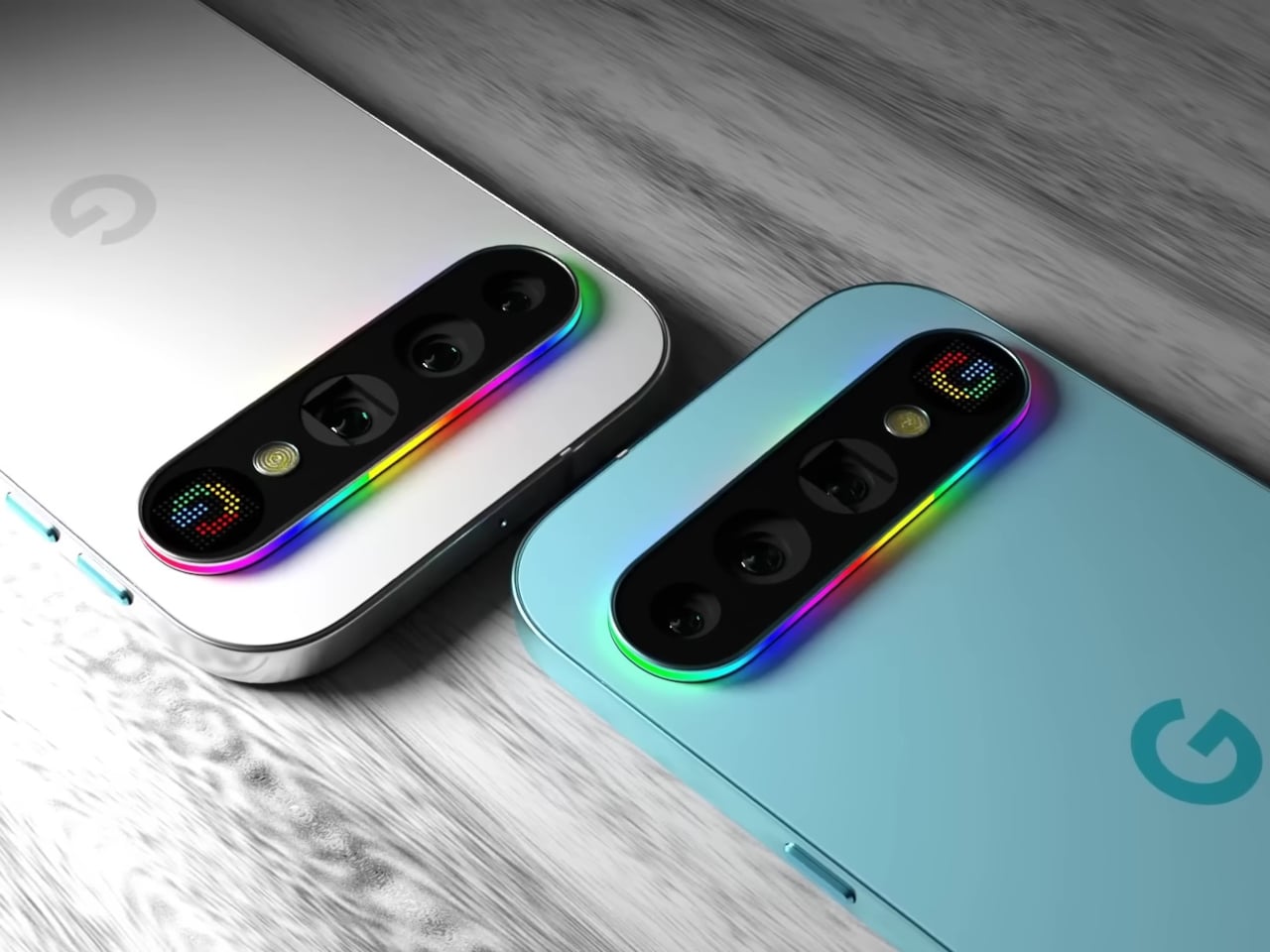
The concept renders the phone in both a pale aqua colorway and Parchment white, giving the full-spectrum strip a different quality in each: cool and vivid against the teal, soft and almost art deco against the white. Either way, the camera bump, typically the most criticized part of Pixel’s evolving design language, becomes something that actually earns its presence.
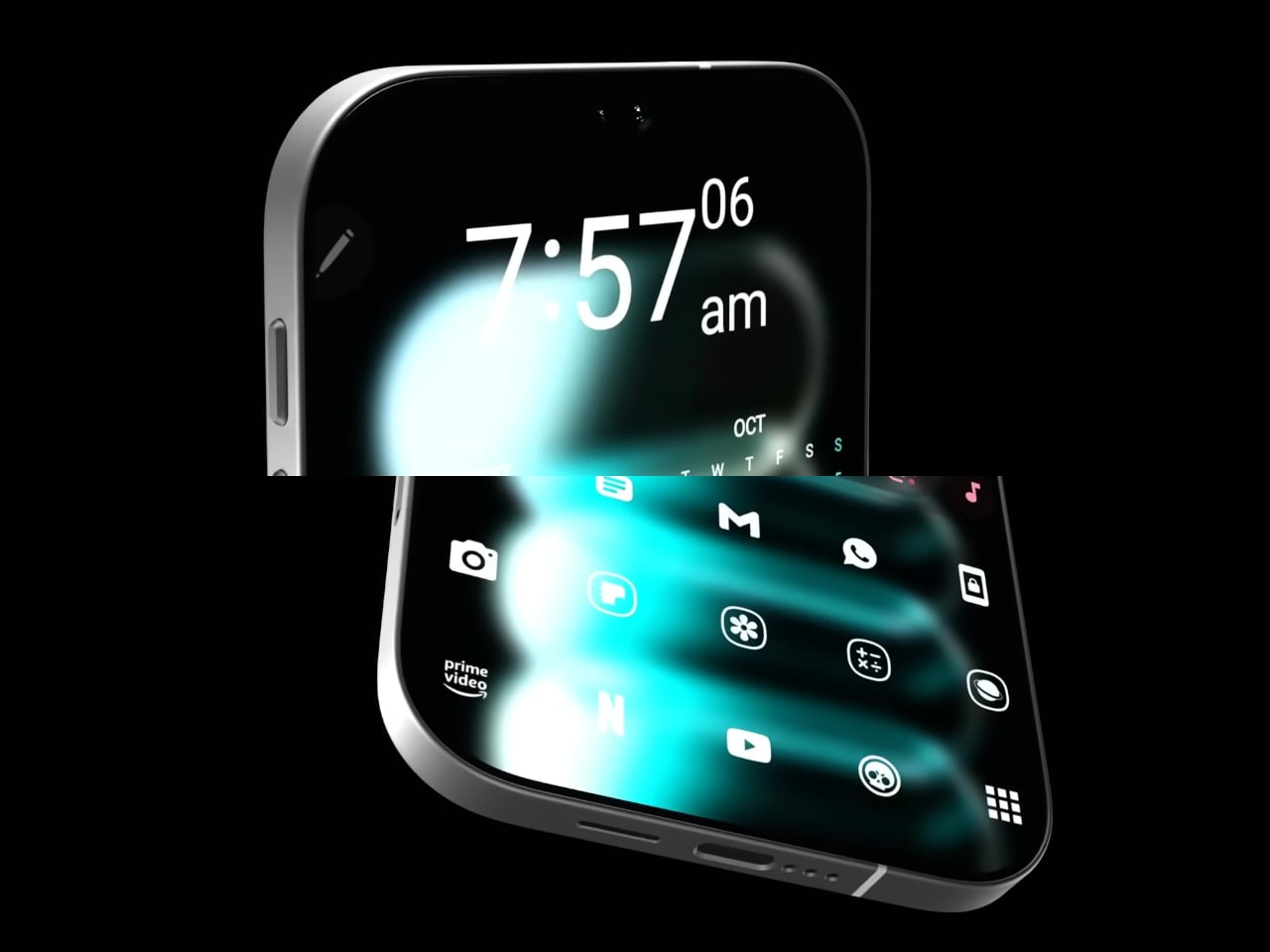
This is, of course, a fan concept rather than a leaked render or confirmed direction. The real Pixel 11 Pro hasn’t arrived yet, and nothing official confirms either the Pixel Display or the RGB strip. But the appetite for this kind of back-panel intelligence is clearly there, and if Nothing can build a devoted following around light strips alone, the version with two complementary systems and Google’s ecosystem behind it would be something worth watching for.
The post This Pixel 11 Pro Concept Makes the Camera Bump Its Best Feature first appeared on Yanko Design.
E Ink phones have built a devoted following among people who’ve grown tired of the toll a conventional smartphone screen takes on their eyes. The technology’s reflective nature means less eye strain over long sessions, better outdoor readability, and dramatically lower battery drain. The problem has always been what happens when you need your phone for something that an E Ink display simply can’t handle well.
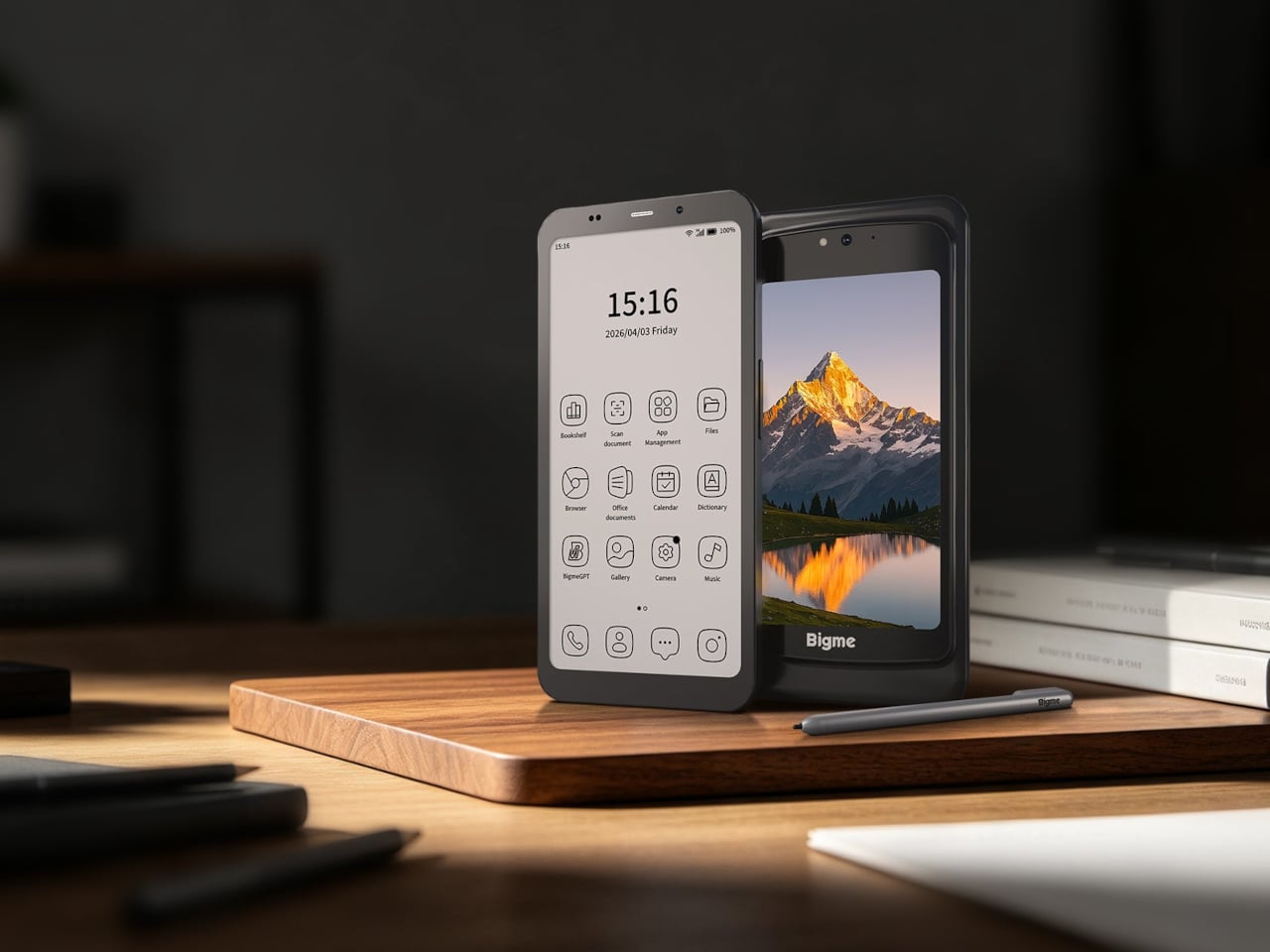
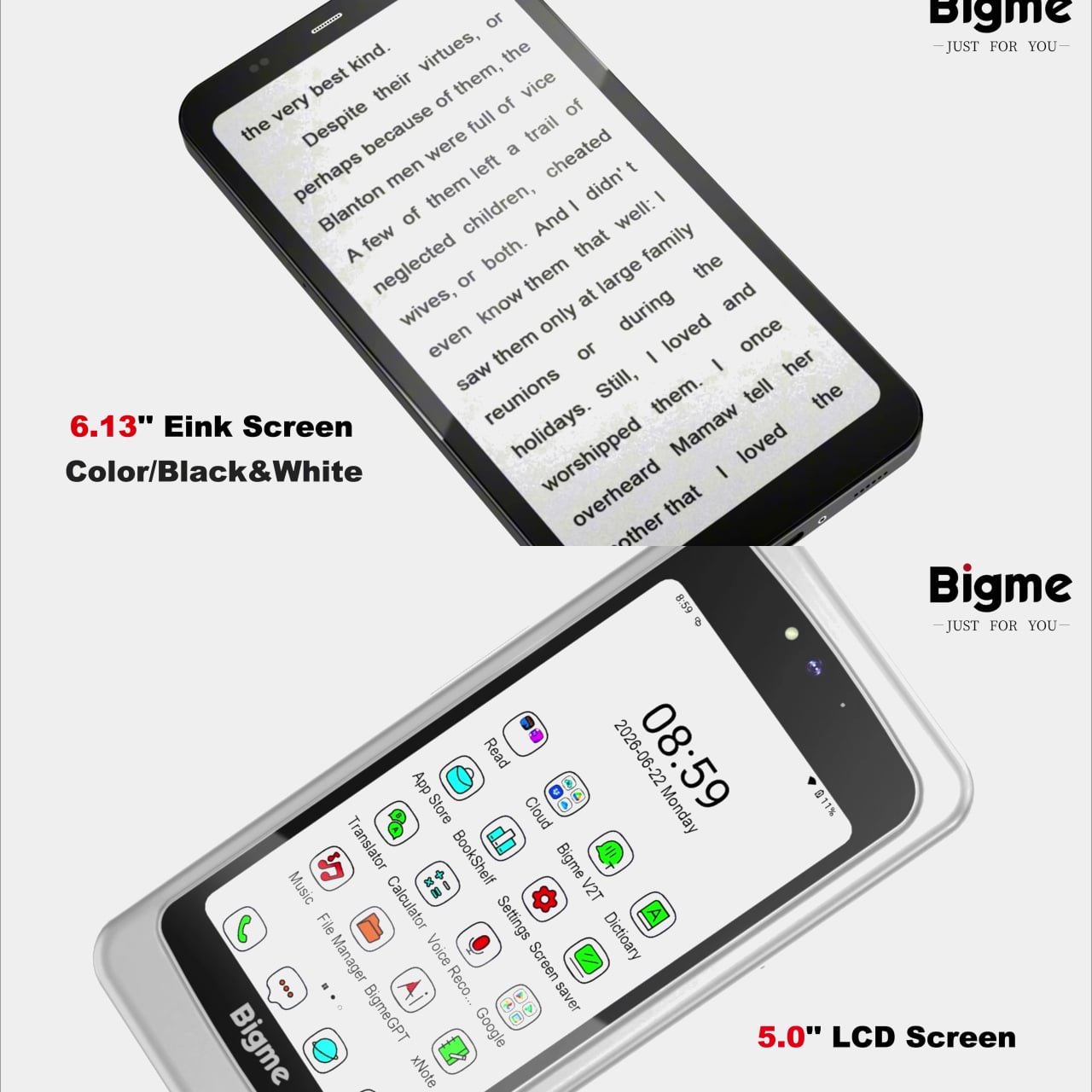
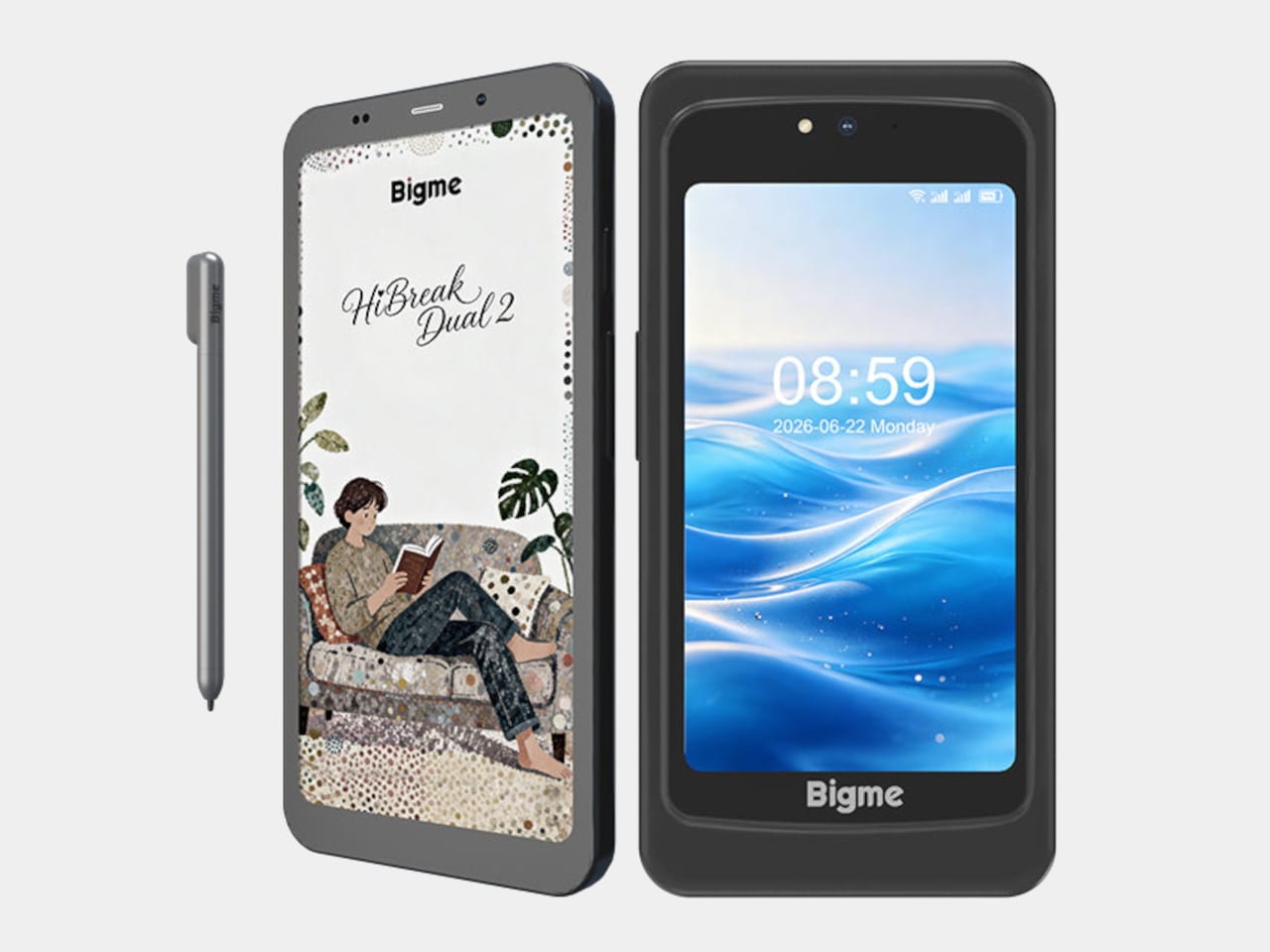
Watching a video, navigating an unfamiliar city, or glancing at a notification with any urgency are all tasks that remind E Ink phone owners of what they gave up. The Bigme HiBreak Dual 2 takes a different approach to this trade-off by not asking you to make it at all. It carries both a 6.13-inch color E Ink display and a 5-inch LCD in the same device.
Designer: Bigme
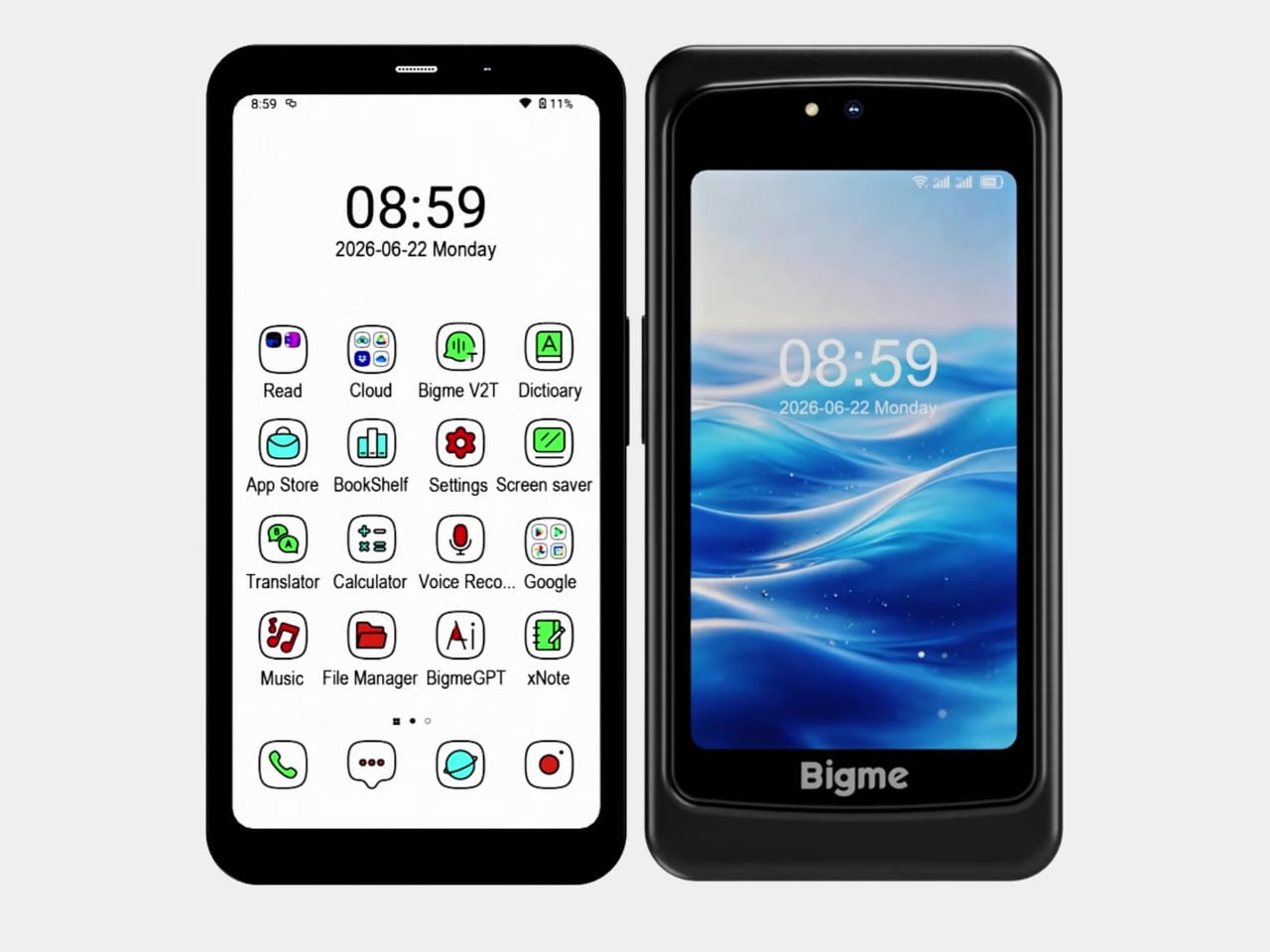
The E Ink side refreshes at up to 80 frames per second, considerably faster than earlier E Ink phones, and addresses the ghosting and sluggishness that made scrolling a timeline or navigating menus feel like wading through mud. The display supports both color and black-and-white content, and stays readable under direct sunlight without the glare that makes most LCD and OLED screens unusable outdoors.

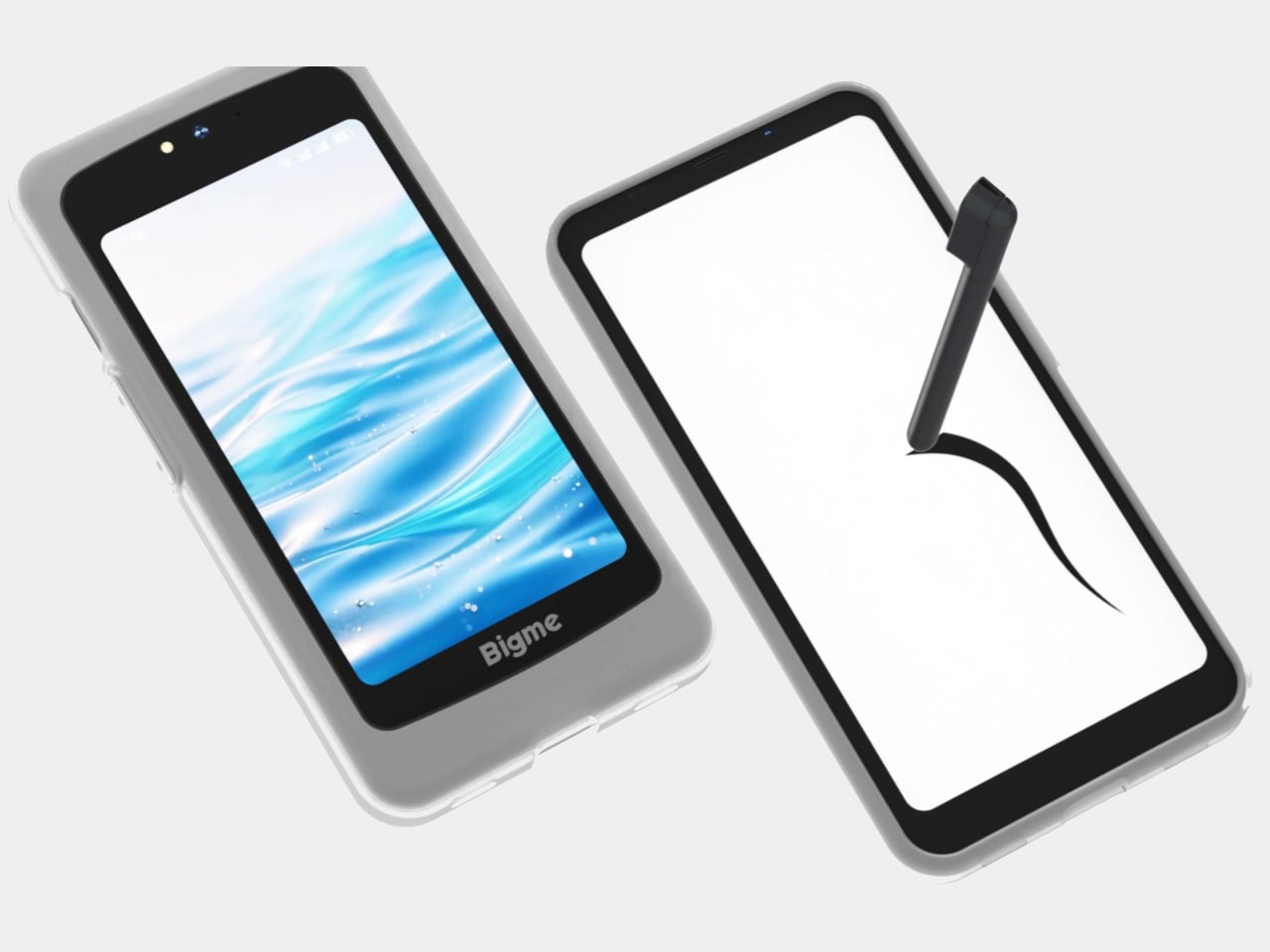
The 5-inch LCD handles the tasks that E Ink screens aren’t built for. A video call, a color-accurate map, a quick stream of something while you’re waiting; these situations don’t work well on E Ink, and the Dual 2 doesn’t pretend otherwise. Flip the phone, and the LCD takes over without sacrificing the primary display that makes reading and messaging so much easier on the eyes.
What makes the Dual 2 a real step forward from its predecessor is the size of that LCD. The original HiBreak Dual had a token sub-screen, small enough to overlook and hard to take seriously as a second display. At 5 inches, the Dual 2’s LCD is actually large enough to be useful, bringing both displays into rough parity rather than a clear main-and-minor arrangement.
The stylus support adds another layer that typical smartphones don’t offer. A dedicated note-taking app with pressure sensitivity and variable pen thickness lets you annotate directly on the E Ink screen with familiar paper-like resistance. For anyone who prefers handwritten notes over typed ones, or who marks up documents throughout the day, this combination of a large E Ink screen and stylus input is the entire value.
The hardware isn’t a compromise, either. A MediaTek Dimensity 8300 processor, 12GB of RAM, 256GB of storage, a 50MP rear camera, and Android 16 with Google Play already installed make it a fully capable phone rather than a reading device that also makes calls. Dual 5G SIM support and NFC round out a spec sheet that doesn’t ask the buyer to excuse anything on the technical side.
The Bigme HiBreak Dual 2 has a super early bird pricing starting at $574 for the black-and-white E Ink configuration and around $699 for the color version. That’s the going rate for a phone that takes eye comfort seriously enough to build an entirely separate display around it, and supplies enough everyday capability alongside to not feel like a specialist tool with a serious drawback.

The post Bigme Finally Made an E Ink Phone Without the Usual Trade-Off first appeared on Yanko Design.