World’s First AR Glasses that correct Partial Retinal Blindness: Hands-on with Eyecane AR at MWC 2024

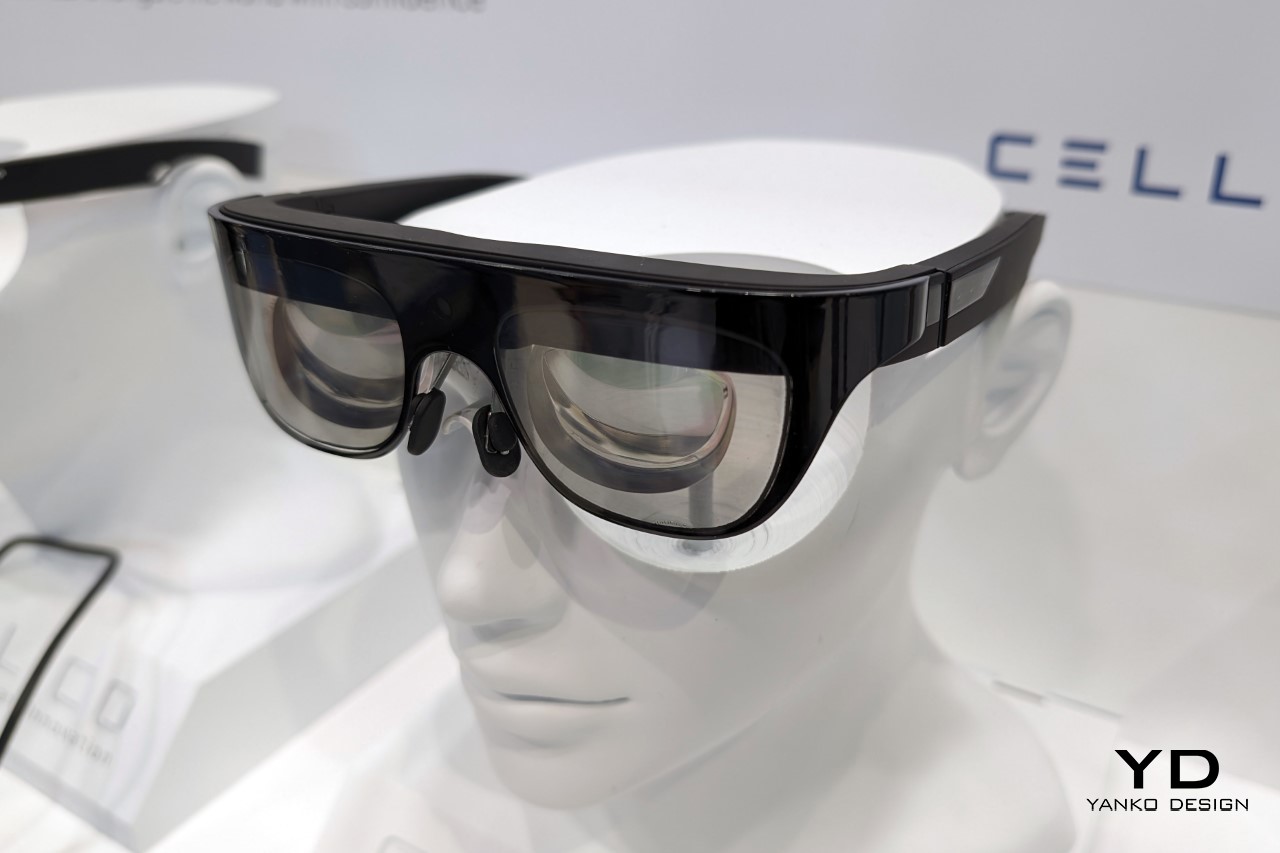
I’ve always said that great technology doesn’t cater only to the needs of the dominant 95%, it also factors in the needs of the often neglected 5%. To that end, AR technology is great, but it hasn’t been applied in a way that benefits the 5th percentile – and Cellico wants to change that. The medical-tech company unveiled the Eyecane AR glasses at MWC, the world’s first augmented reality device designed to correct age-related macular degeneration (AMD).

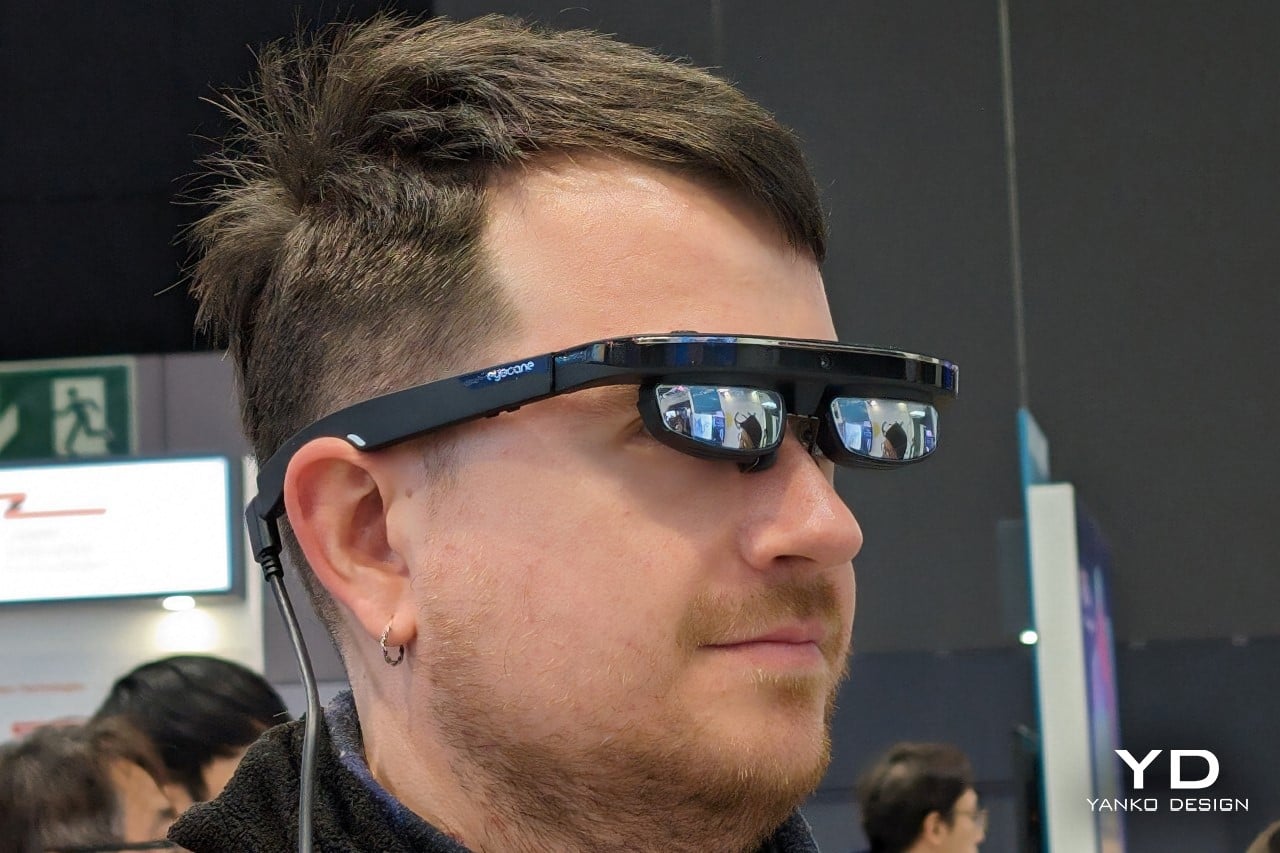
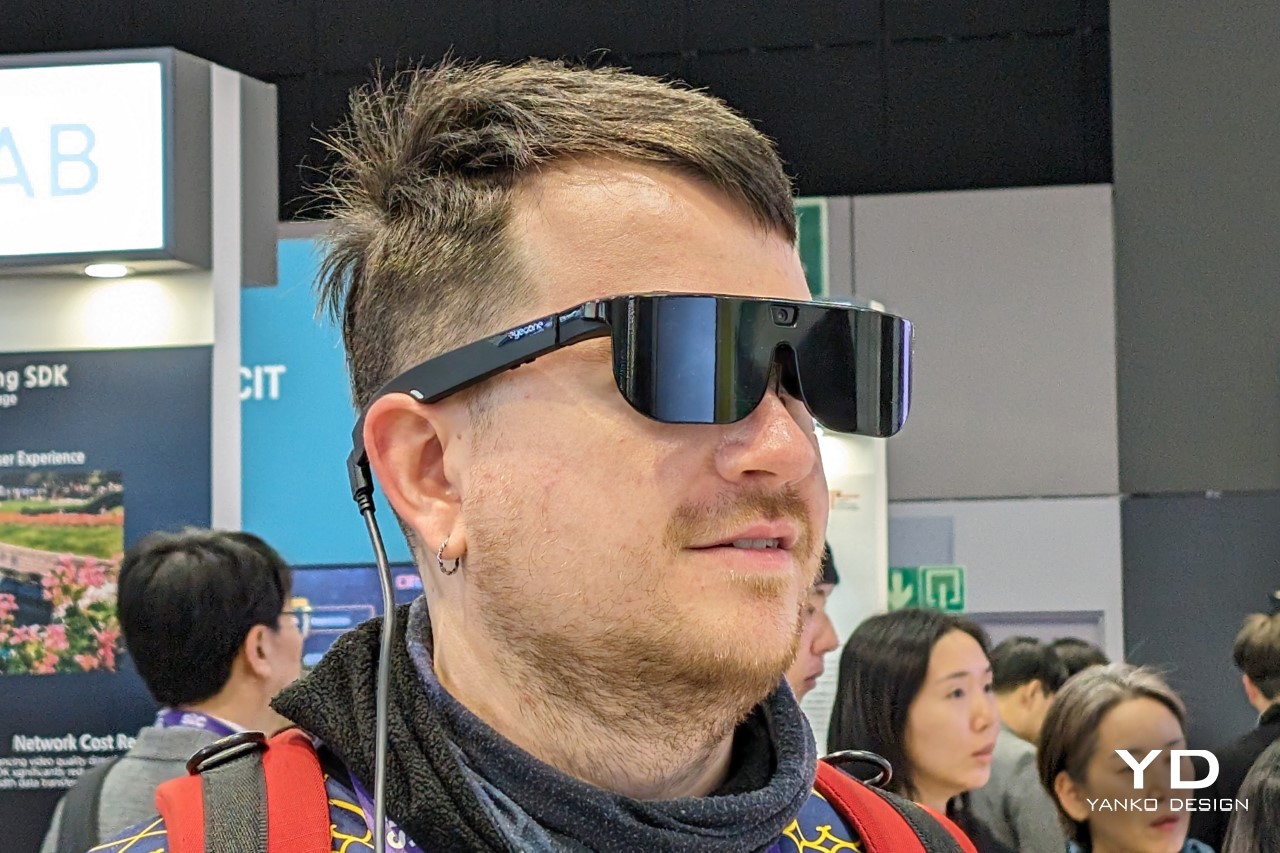
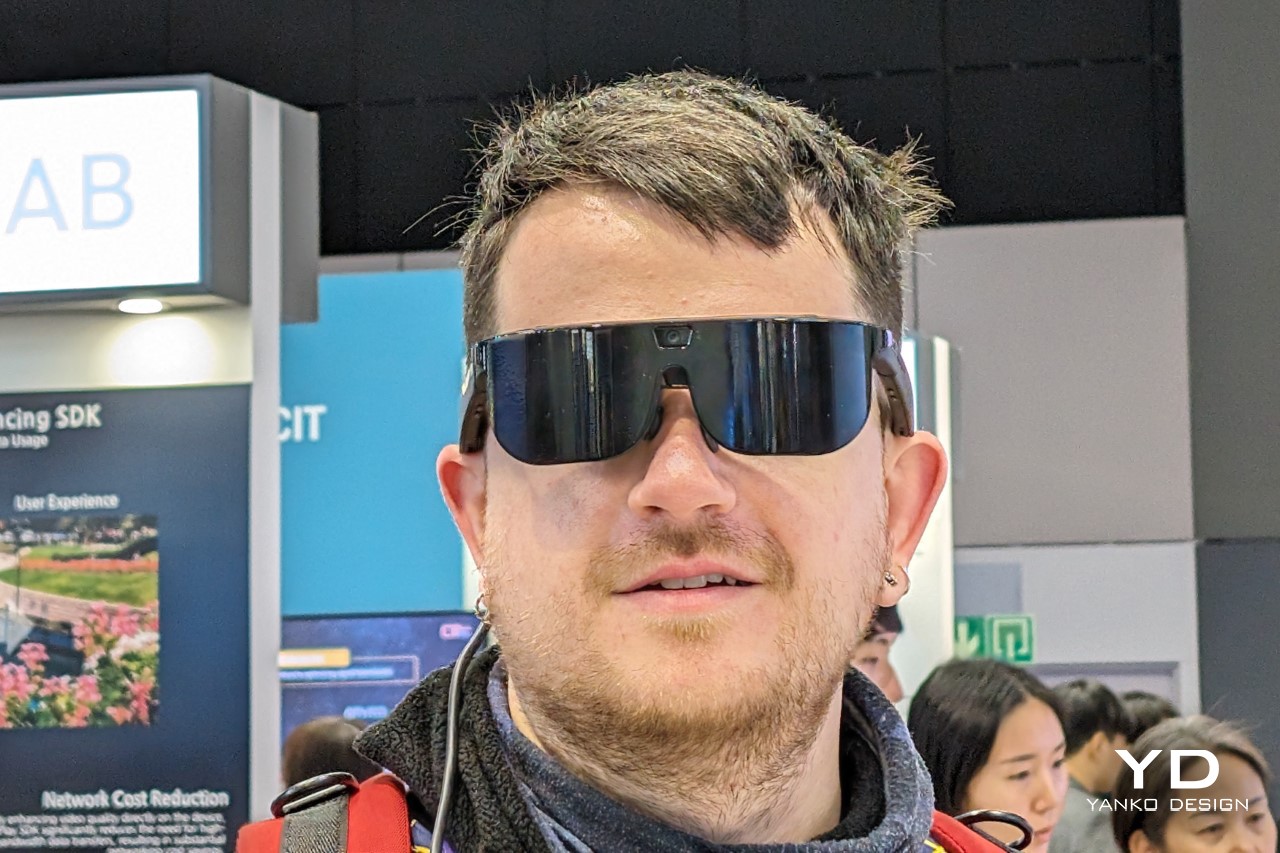
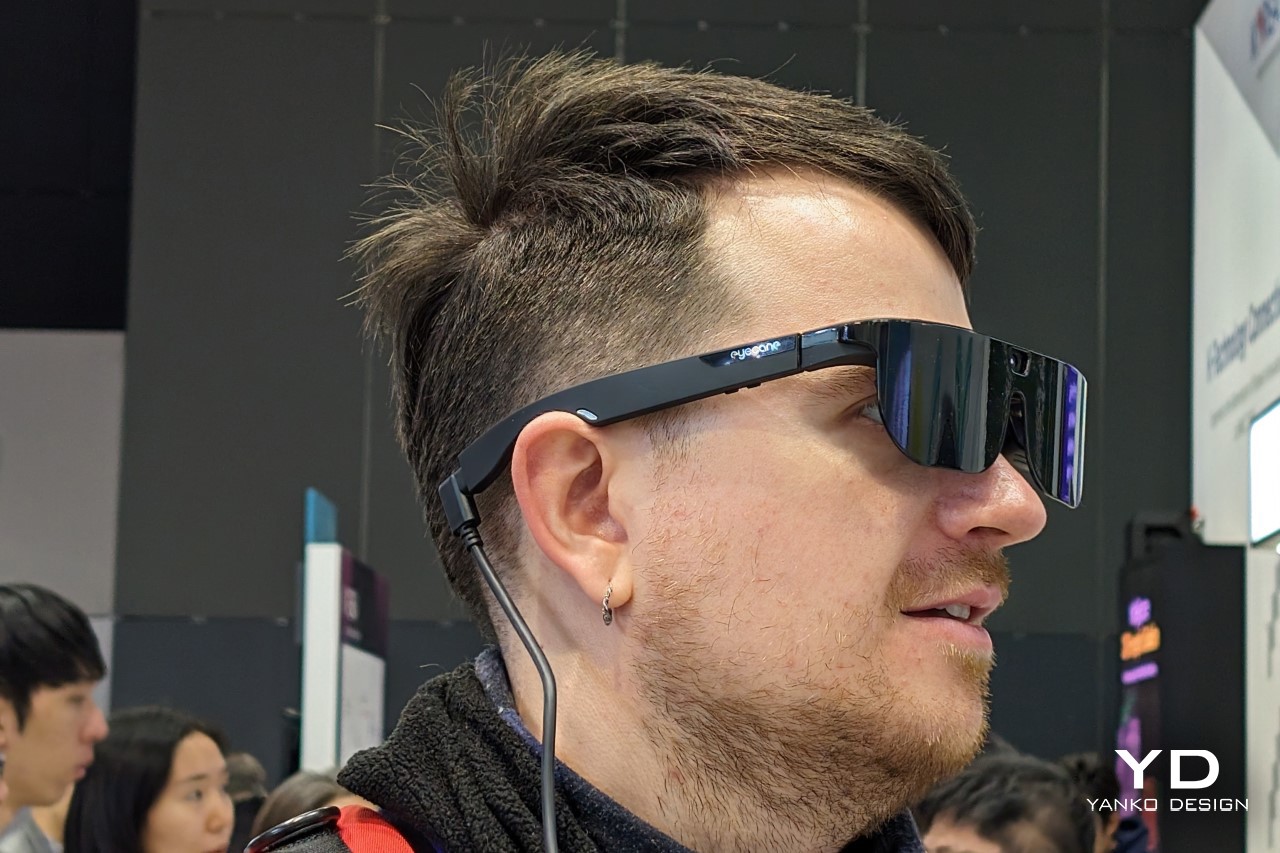
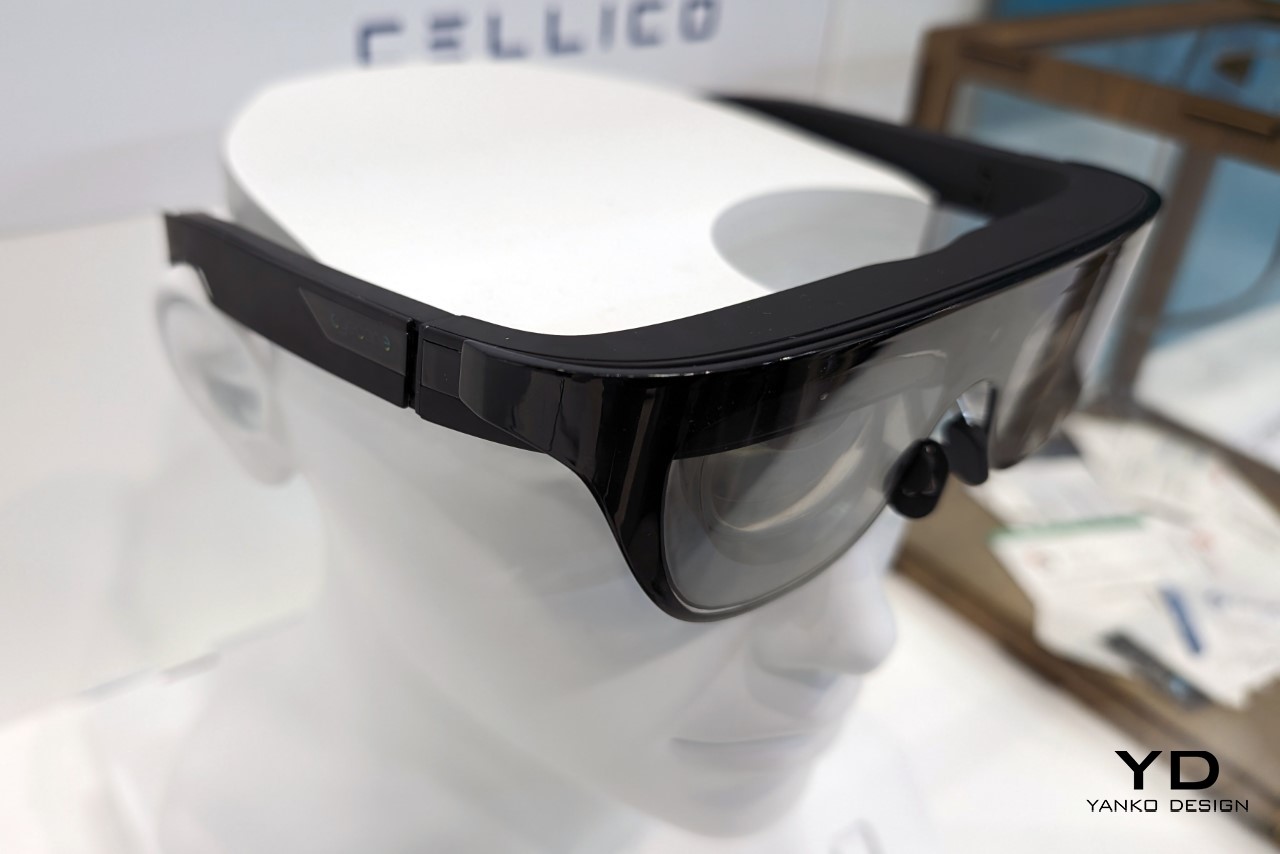
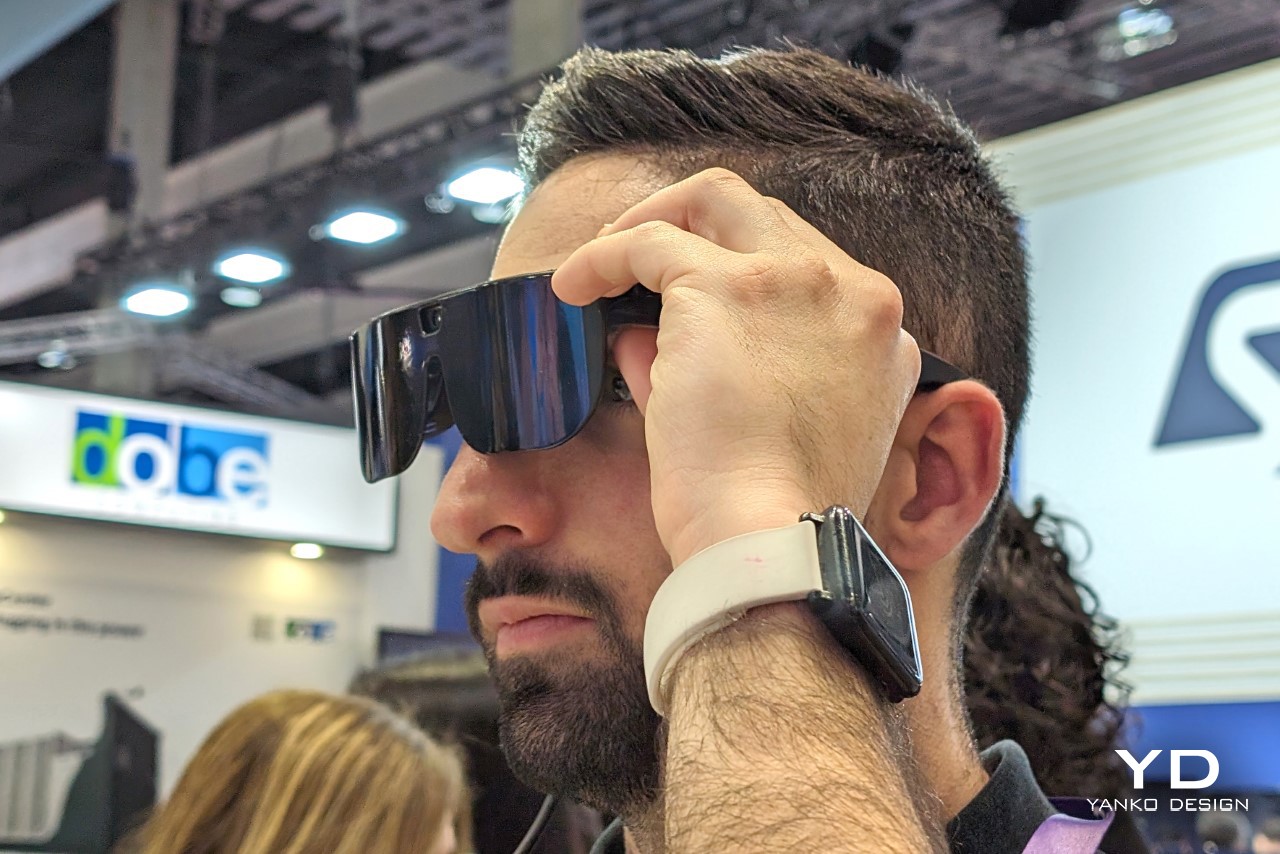
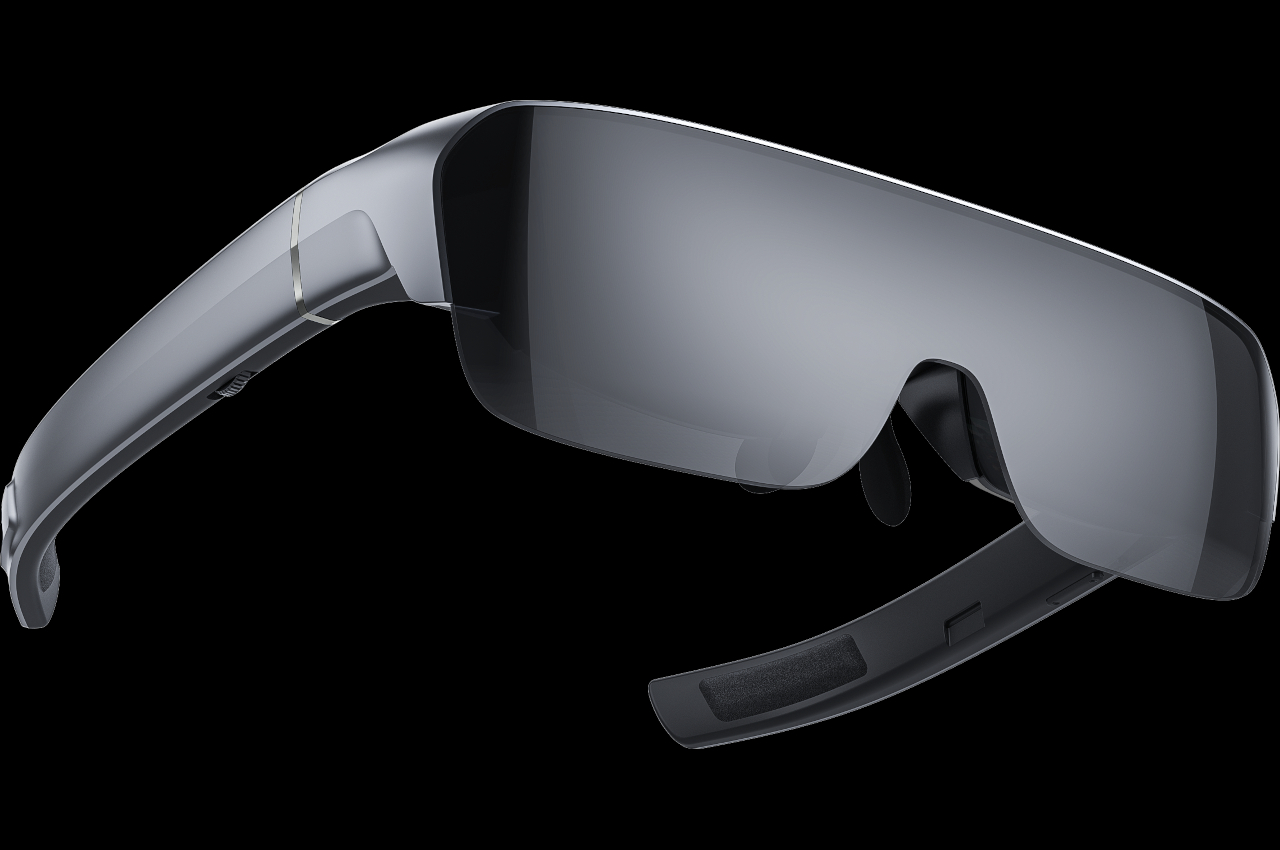
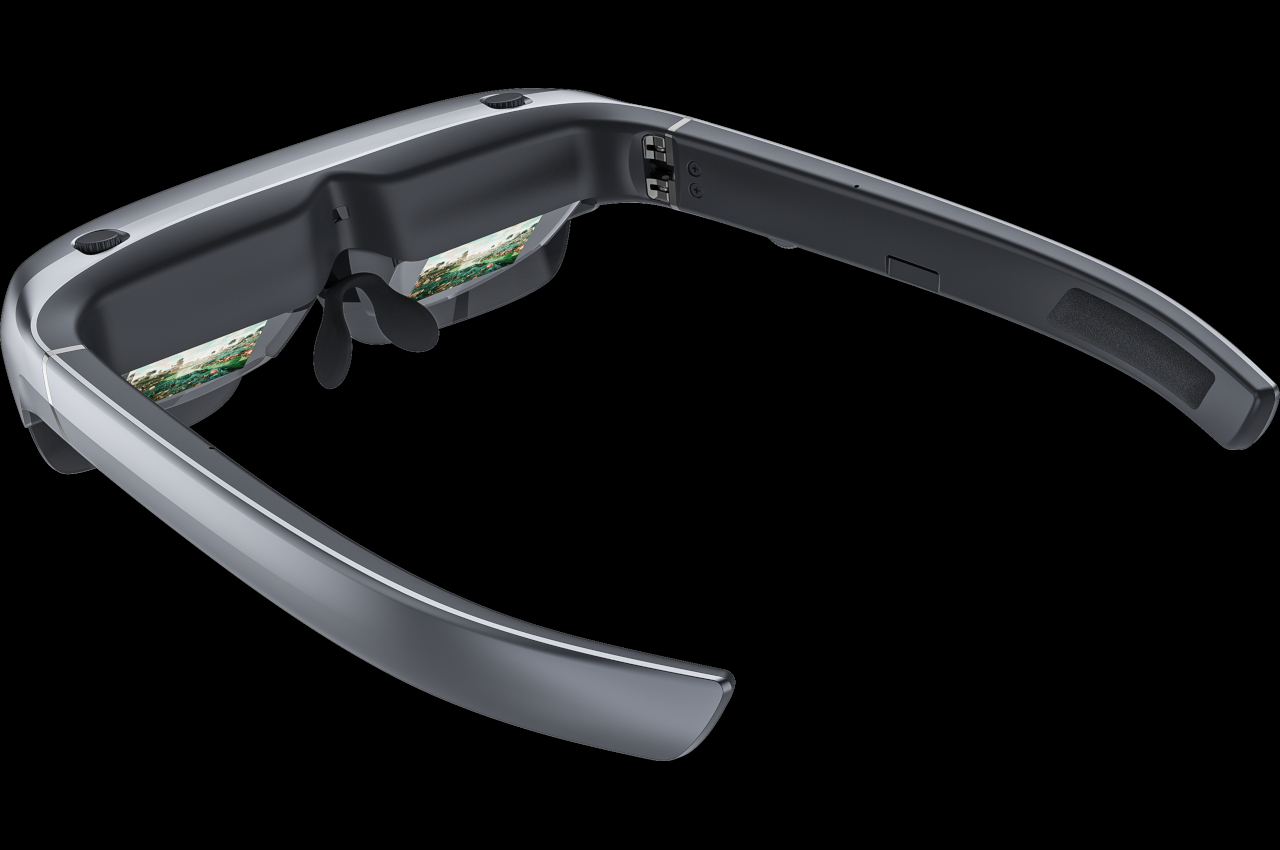
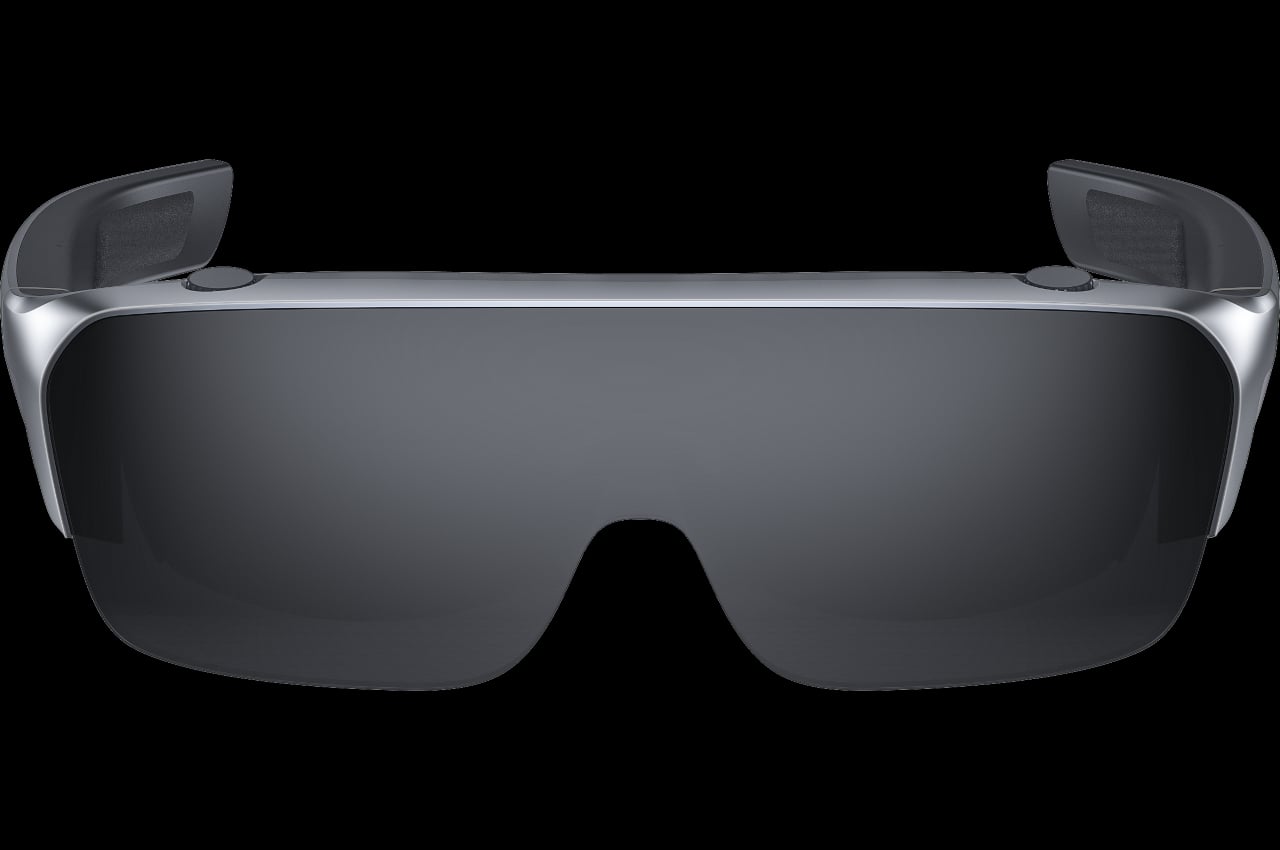
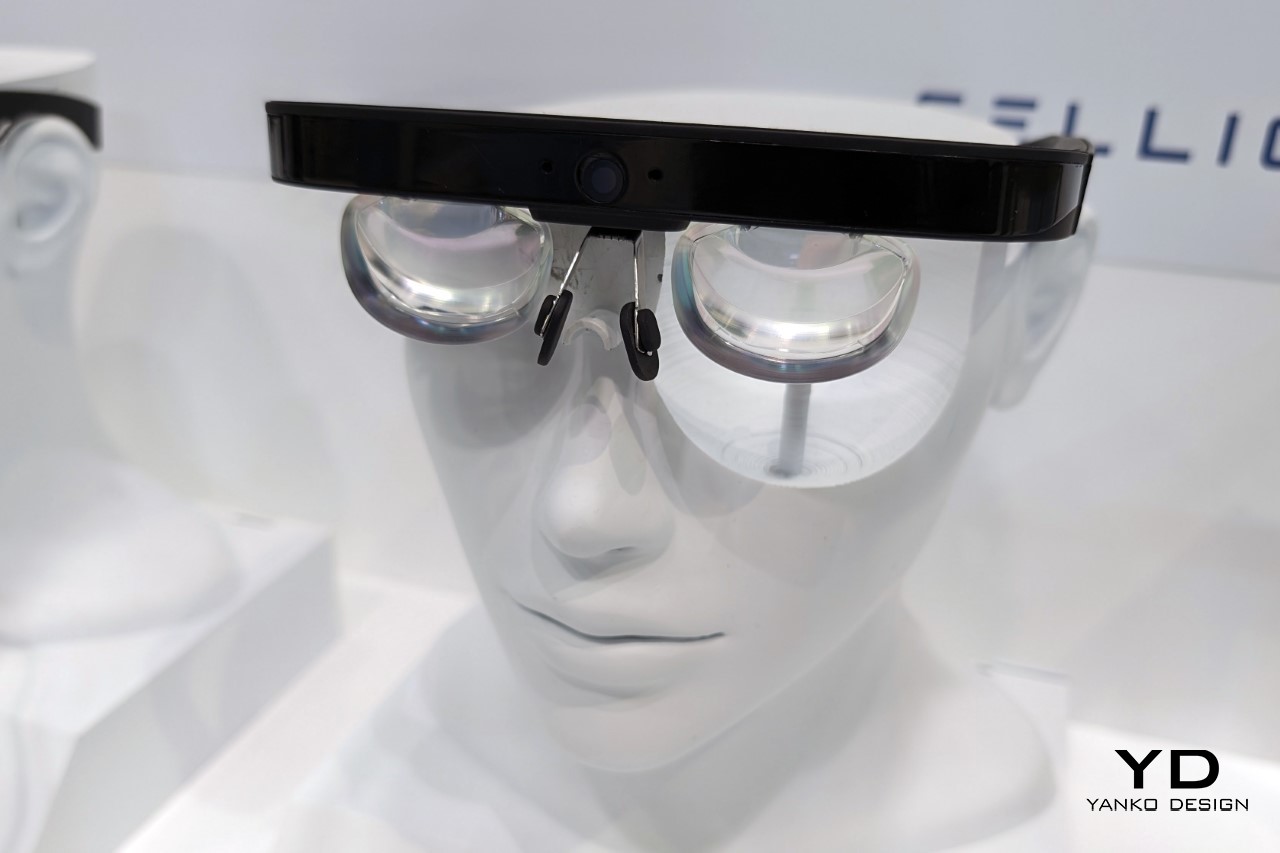
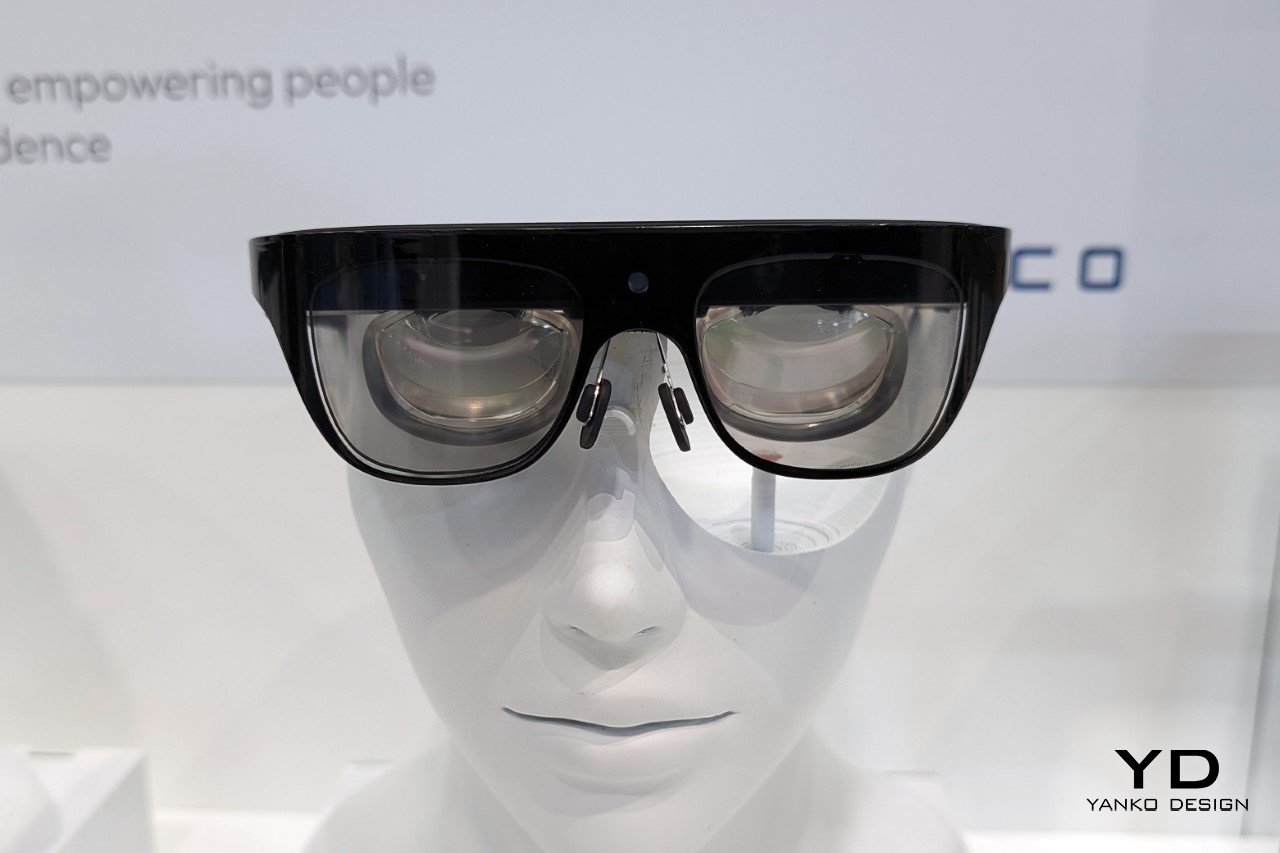
Designed to look and feel like your standard sunglasses, the Eyecane AR helps people with retinal disease see clearly. A 4K camera at the center of the glasses records the world, feeding media into a tiny projected display within the Eyecane AR’s lenses. AMD causes blind spots within people’s vision, but the Eyecane AR’s cameras help fill in those blind spots with digitally captured imagery in real time, helping people see fully and clearly again.

Designer: Cellico

A disease that affects as many as 1 in 200 people by the time they reach 60, going up as high as 1 in 5 people by the time they hit their 90s. The affliction, caused by the degeneration of the macula (the central part of the retina) results in blurry or sometimes even no vision in the center of your eye. Think of a large black dot in otherwise relatively clear vision. Given that a lot of the important things we see find themselves in this central zone, people with AMD can have a tough time looking at objects, identifying people, and navigating scenarios. Cellico’s solution is incredibly simple – have a camera capture whatever is in that gap, and display it in the corner of your eye, where you can still see things relatively clearly. Creating somewhat of a picture-in-picture effect, Eyecane AR allows people with AMD to regain vision in their macular region simply by having a camera capture it and display it in another part of their field of view.

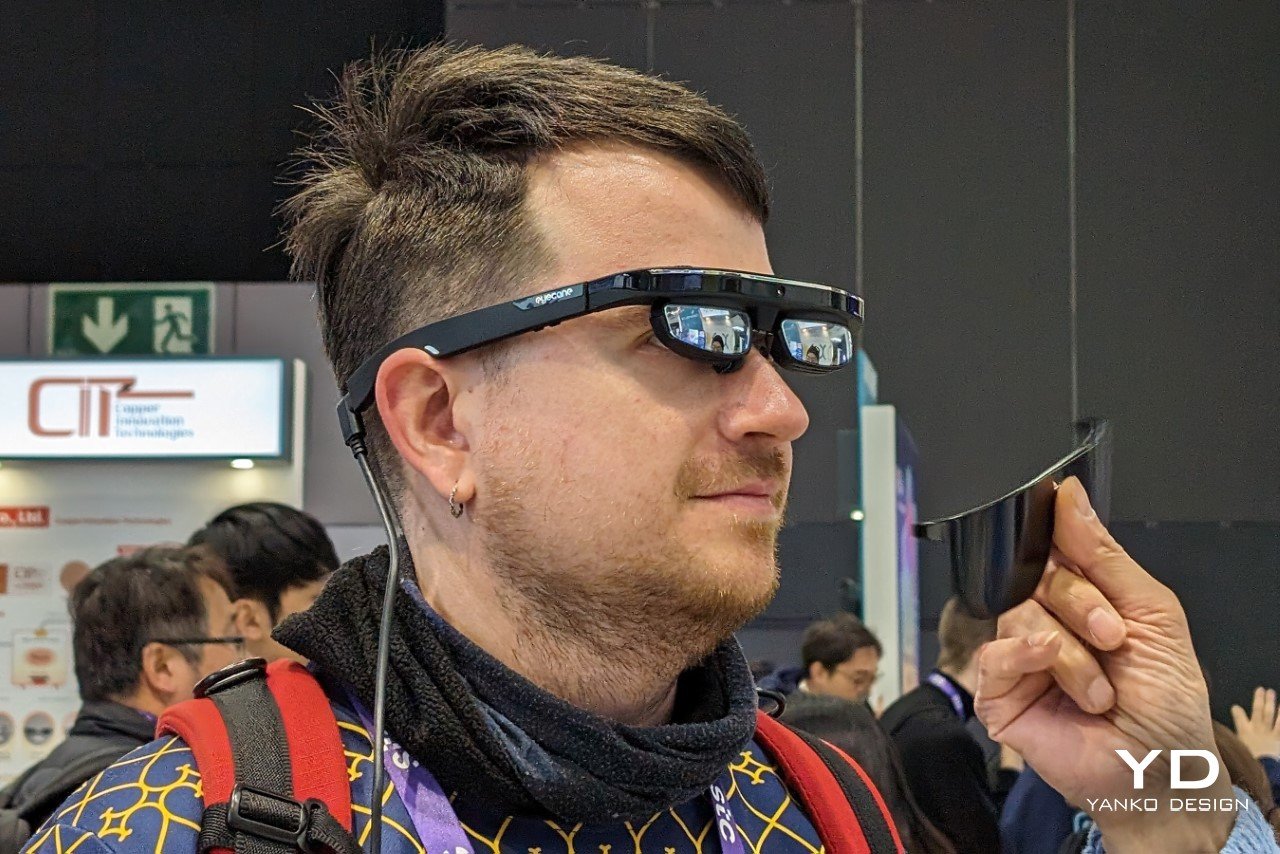
A snap-on sunshade helps people see clearly in bright settings too

By harnessing the power of a compact 4K 20MP camera seamlessly integrated into smart glasses and complemented by an intuitive mobile app, Eyecane AR captures and processes real-time images with precision, even applying optical image stabilization. These images are then projected onto an augmented reality display in Full-HD, effectively shifting central vision to the peripheral field of view. This groundbreaking approach not only restores clarity but also rekindles independence for those navigating the challenges of AMD.

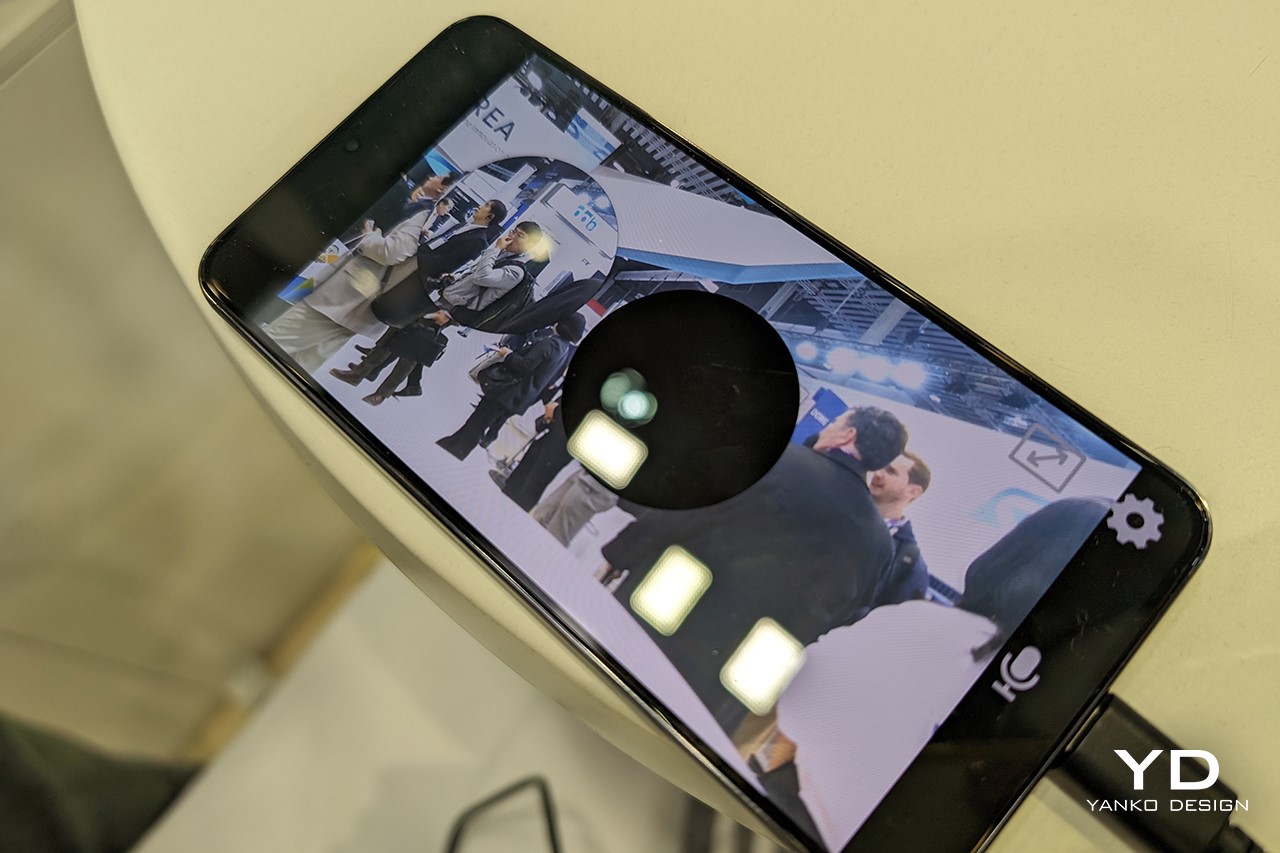
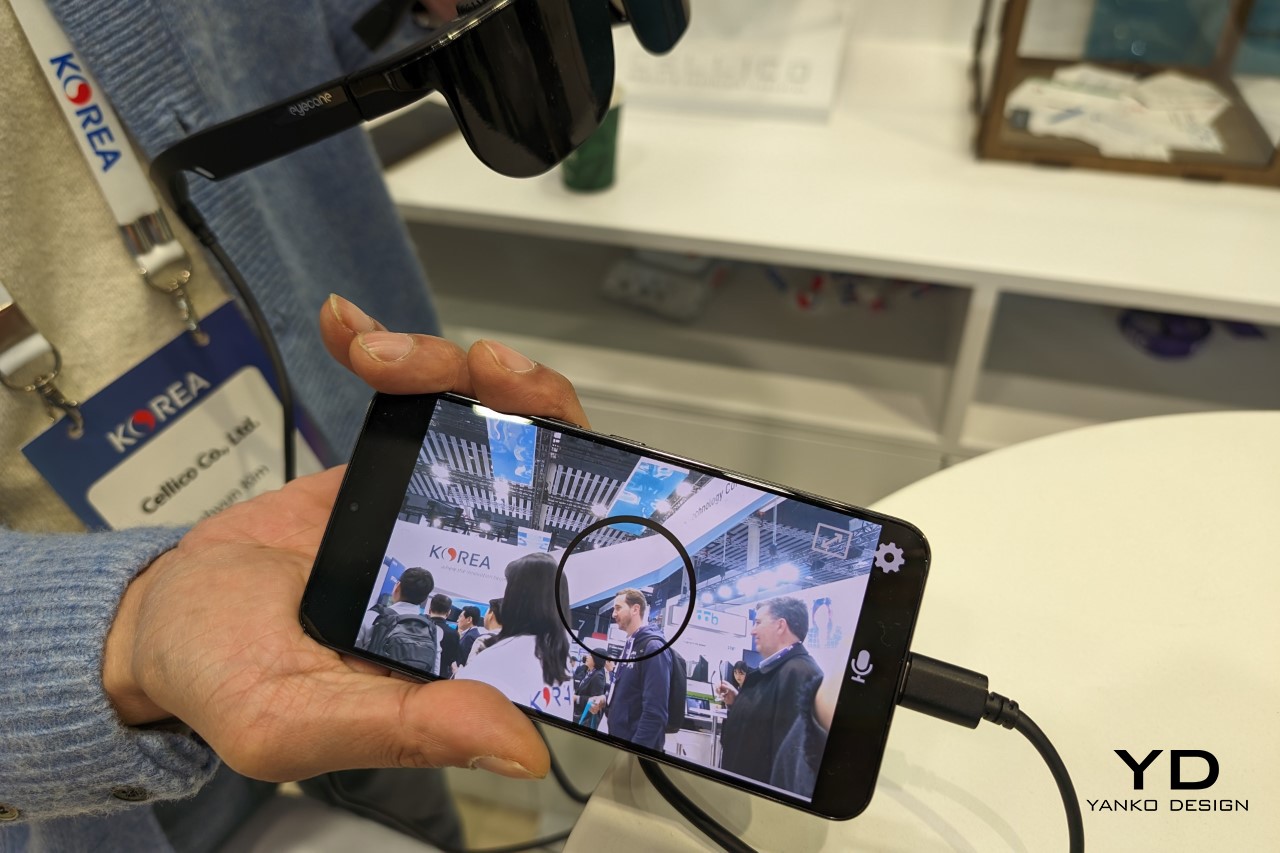
simulates how people with AMD perceive the world, and how the Eyecane AR can help fill in the gap with a PIP on the left side.

Moving the PIP to the center of the screen shows what images would look like for people with regular vision.

The beauty of the Eyecane AR lies in the fact that it can be used right out of the box without a hospital visit. The Eyecane app has a built-in scotometry program that analyzes your vision for you, pinpointing the blind spot or the problematic area in your vision. The app then helps the AR glasses’ camera calibrate and focus on that region, capturing the image and displaying it in a corner of your peripheral vision. The entire process takes mere minutes, and helps quickly restore macular vision simply by relying on the inherent properties of augmented reality displays!

Key Features of Eyecane AR:

  • 4K camera with Optical Image Stabilization (OIS) embedded in AR glasses
  • Mobile app featuring a customized image-processing engine
  • Full HD Reflective Freeform crystal Lens offering a Field of View (FoV) of 40°
  • Voice control functionality for seamless user interaction
  • Electric Auto Sunshade coated with an LC film, ensuring optimal visual comfort in diverse lighting conditions
  • Lightweight construction, crafted from Titanium and Ultem materials, prioritizing comfort and wearability

The post World’s First AR Glasses that correct Partial Retinal Blindness: Hands-on with Eyecane AR at MWC 2024 first appeared on Yanko Design.
If the Apple Vision Pro and the Google Glass had a baby, these AR glasses would be it…

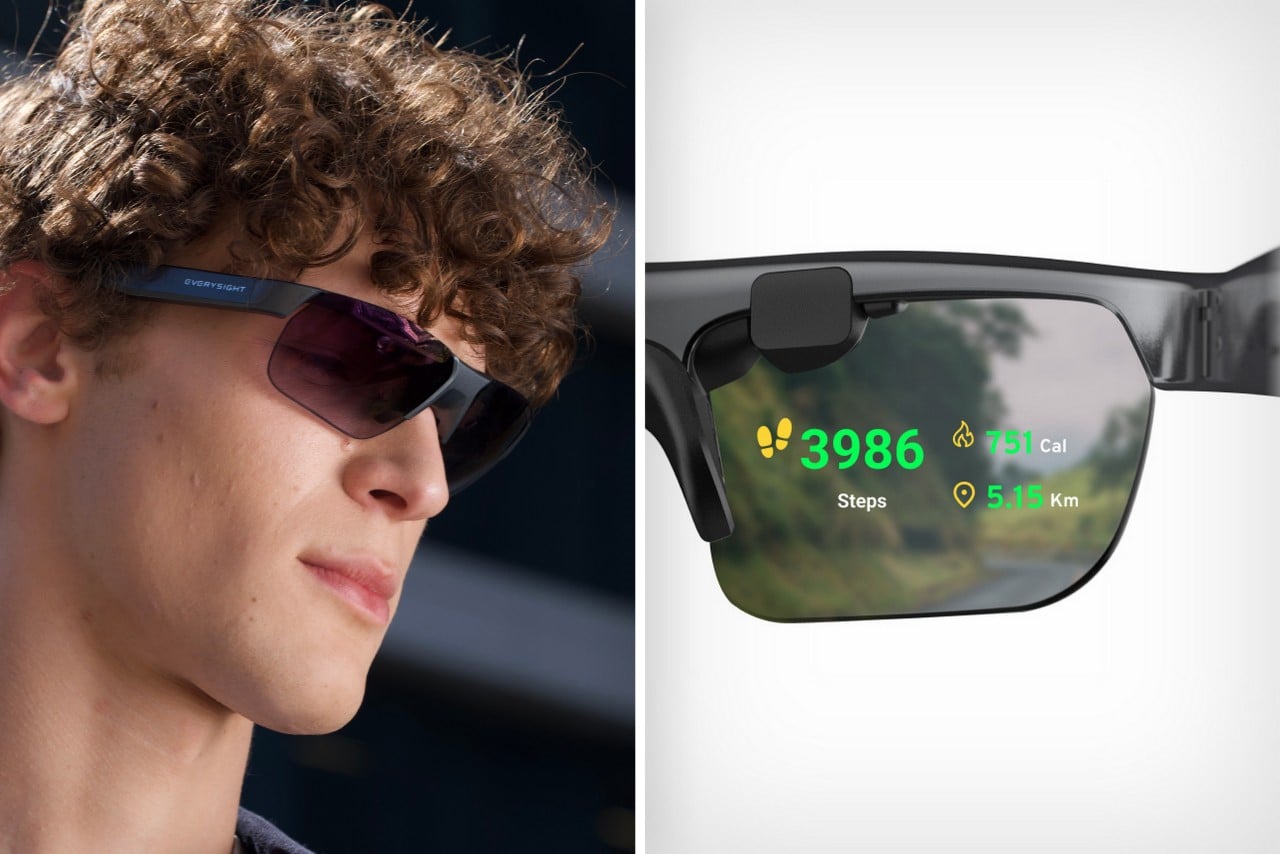
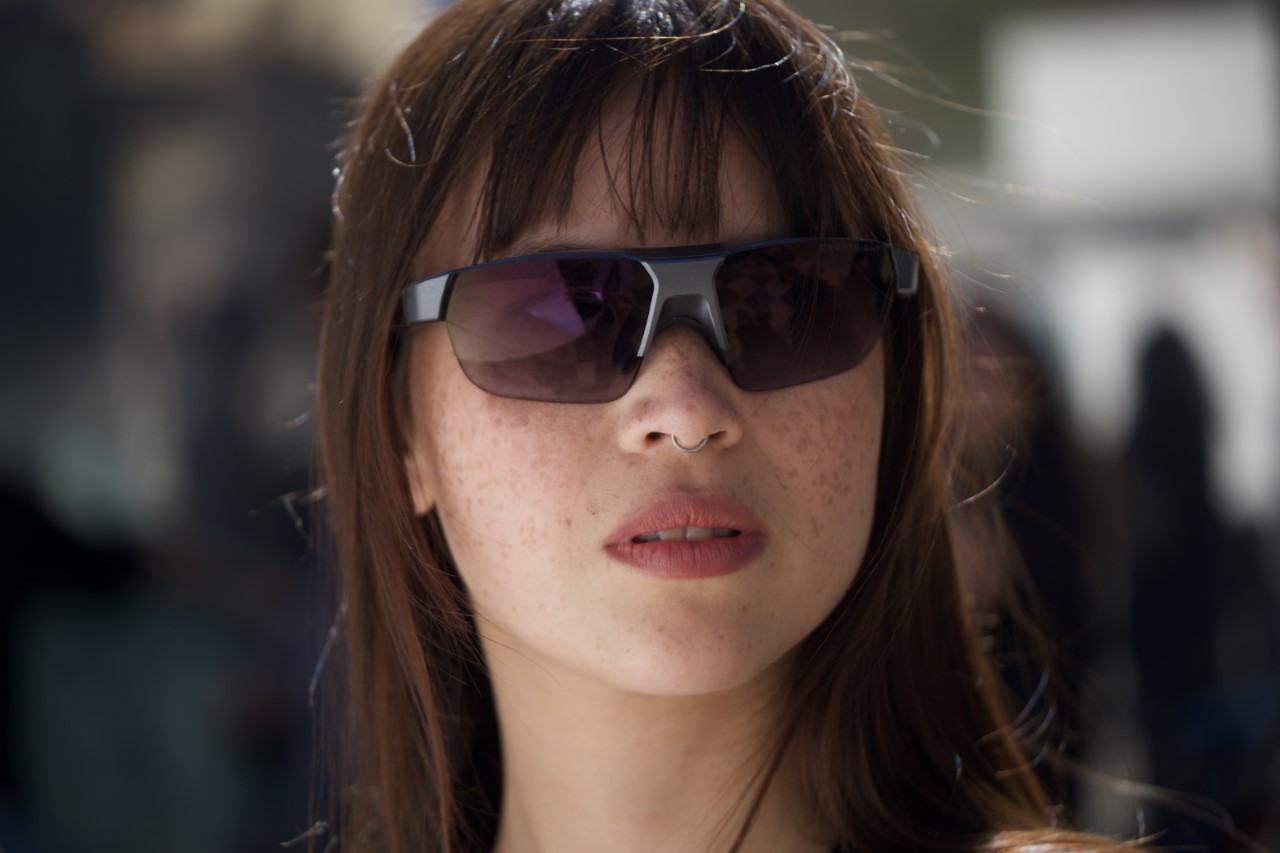
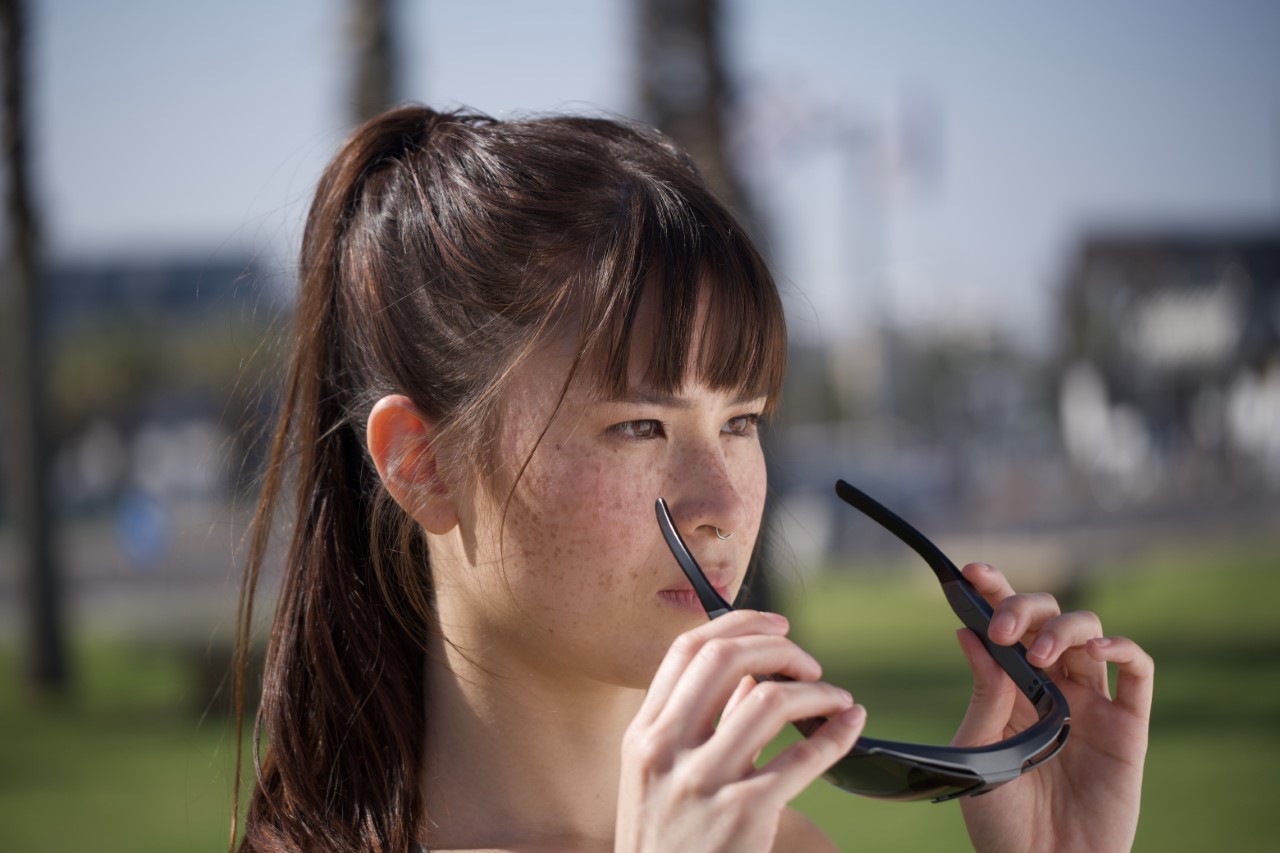
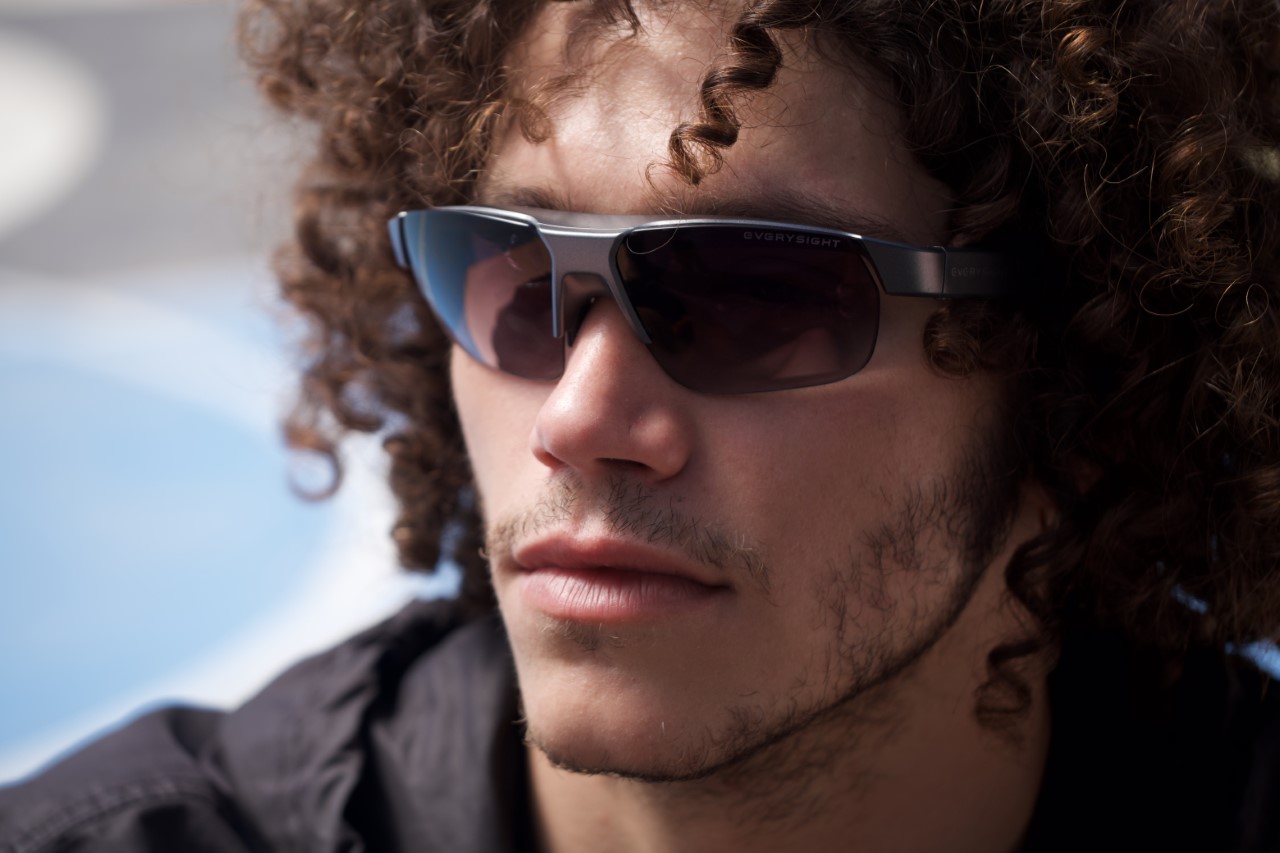
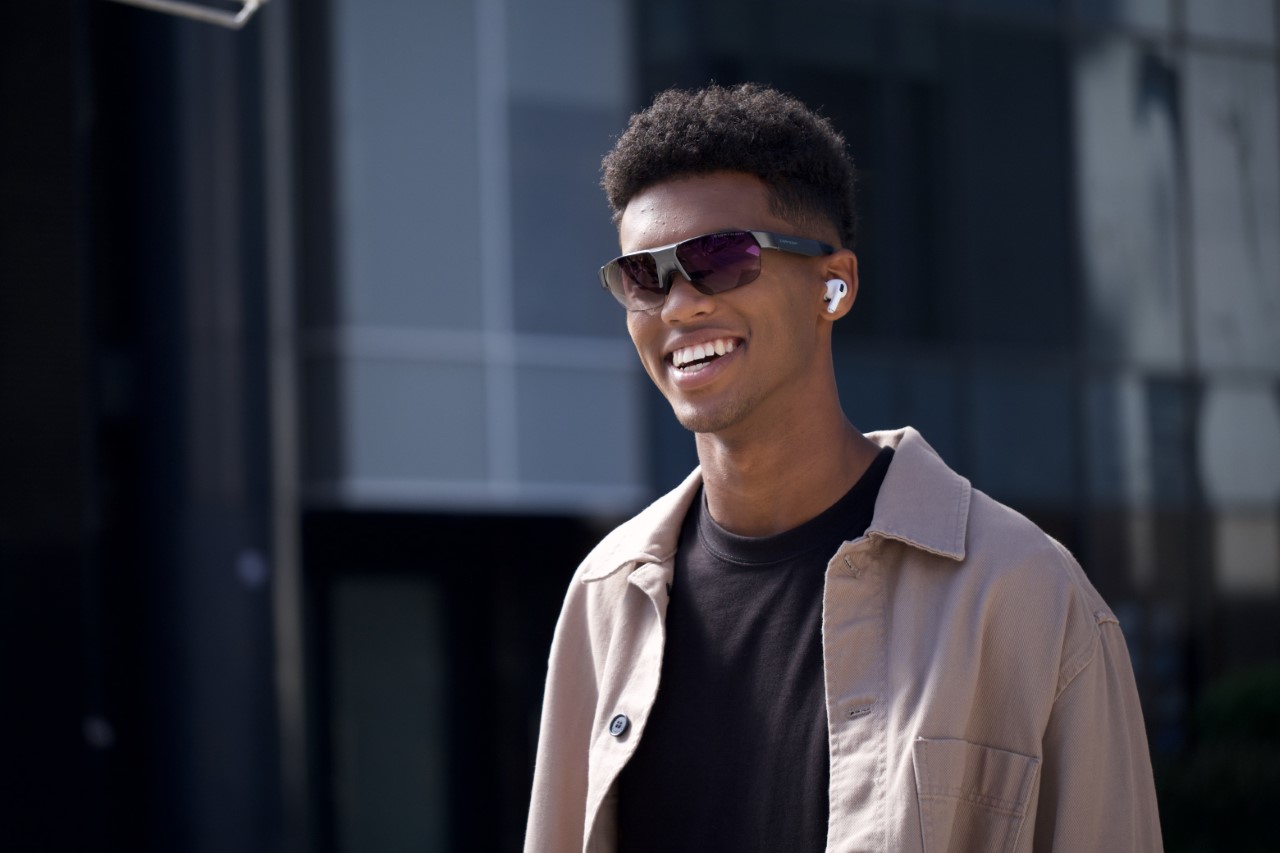
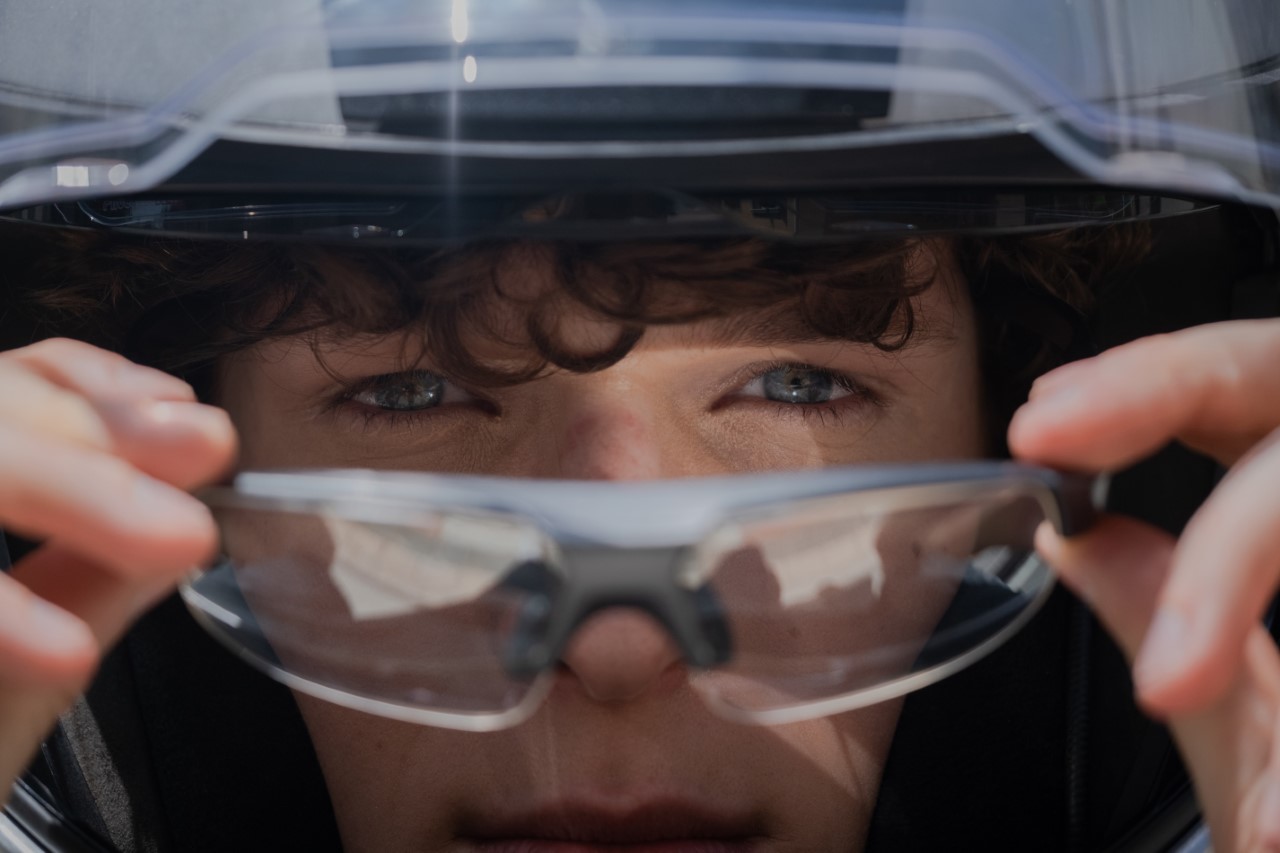
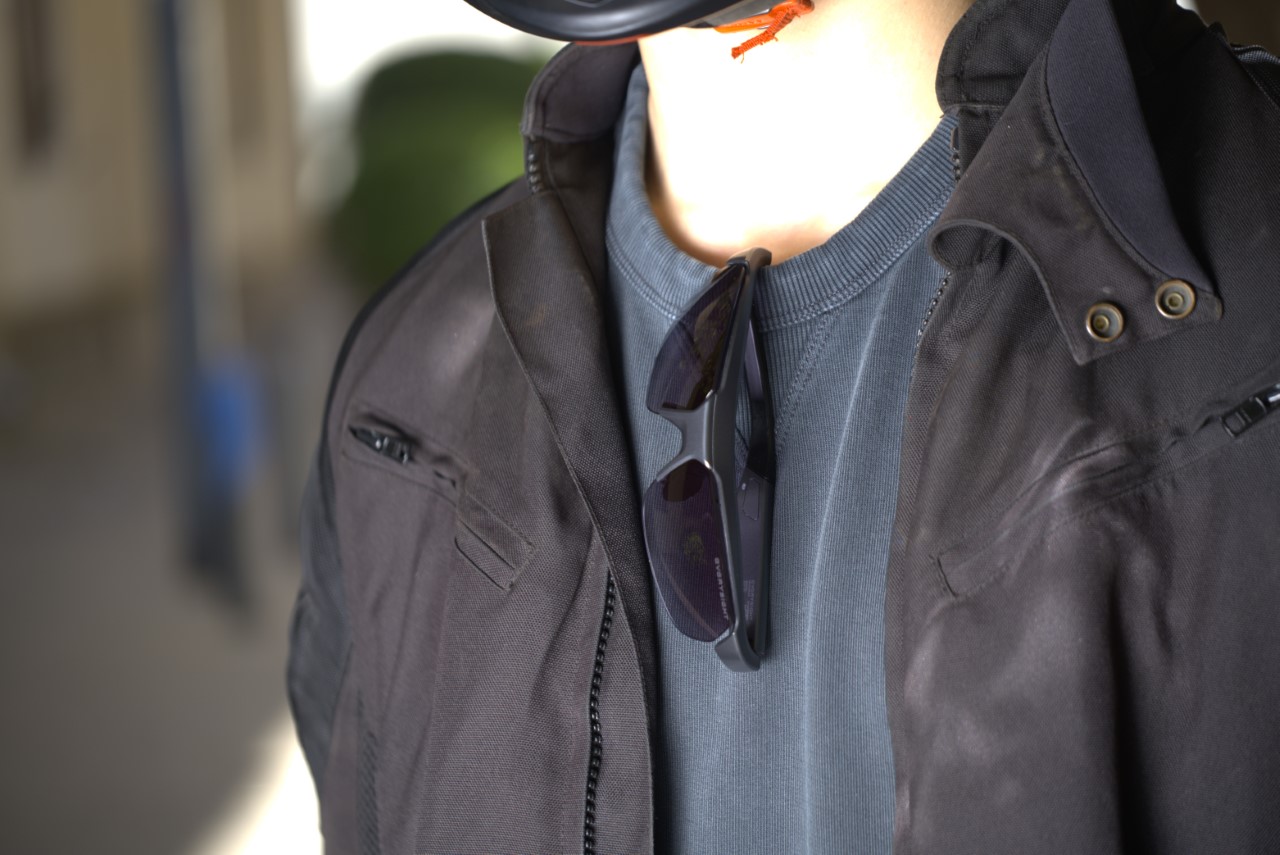
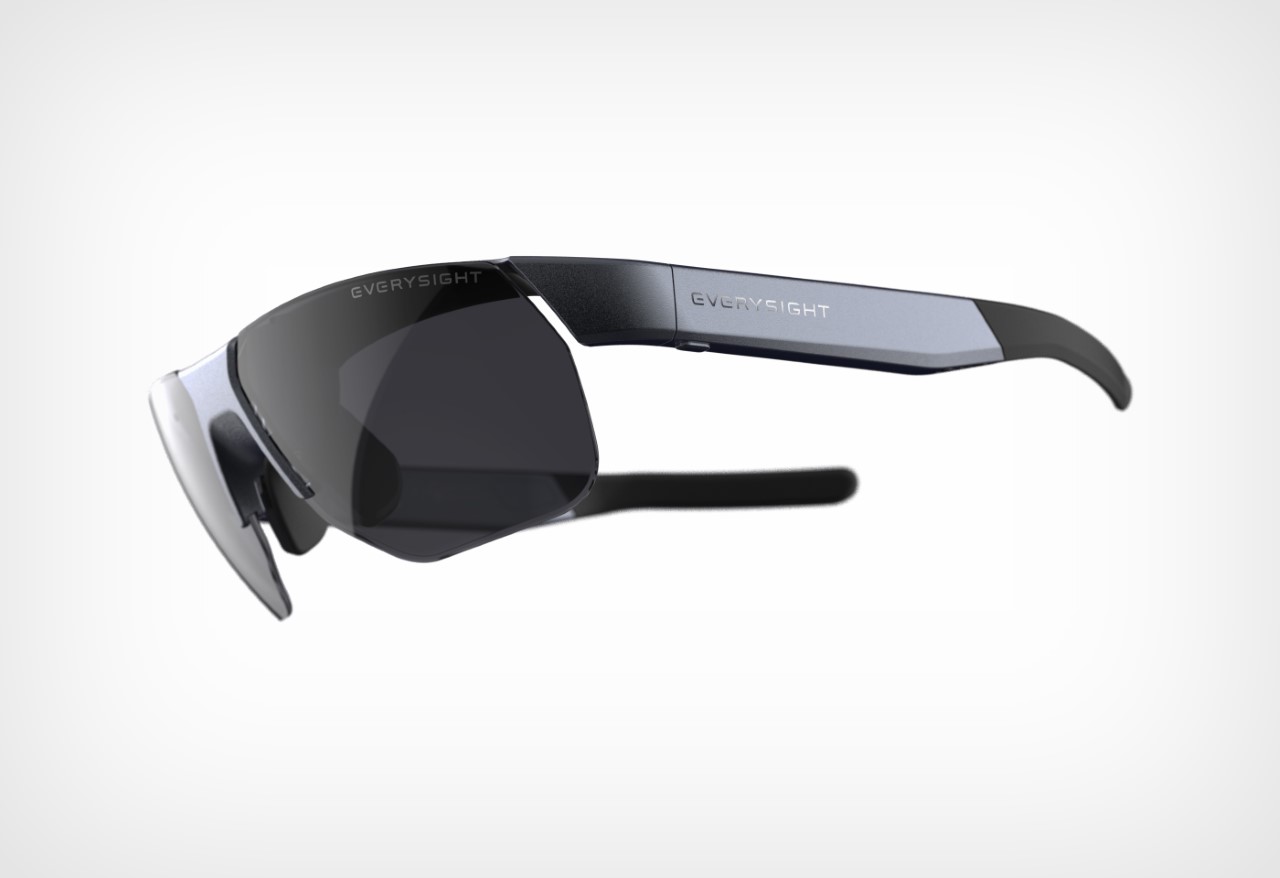
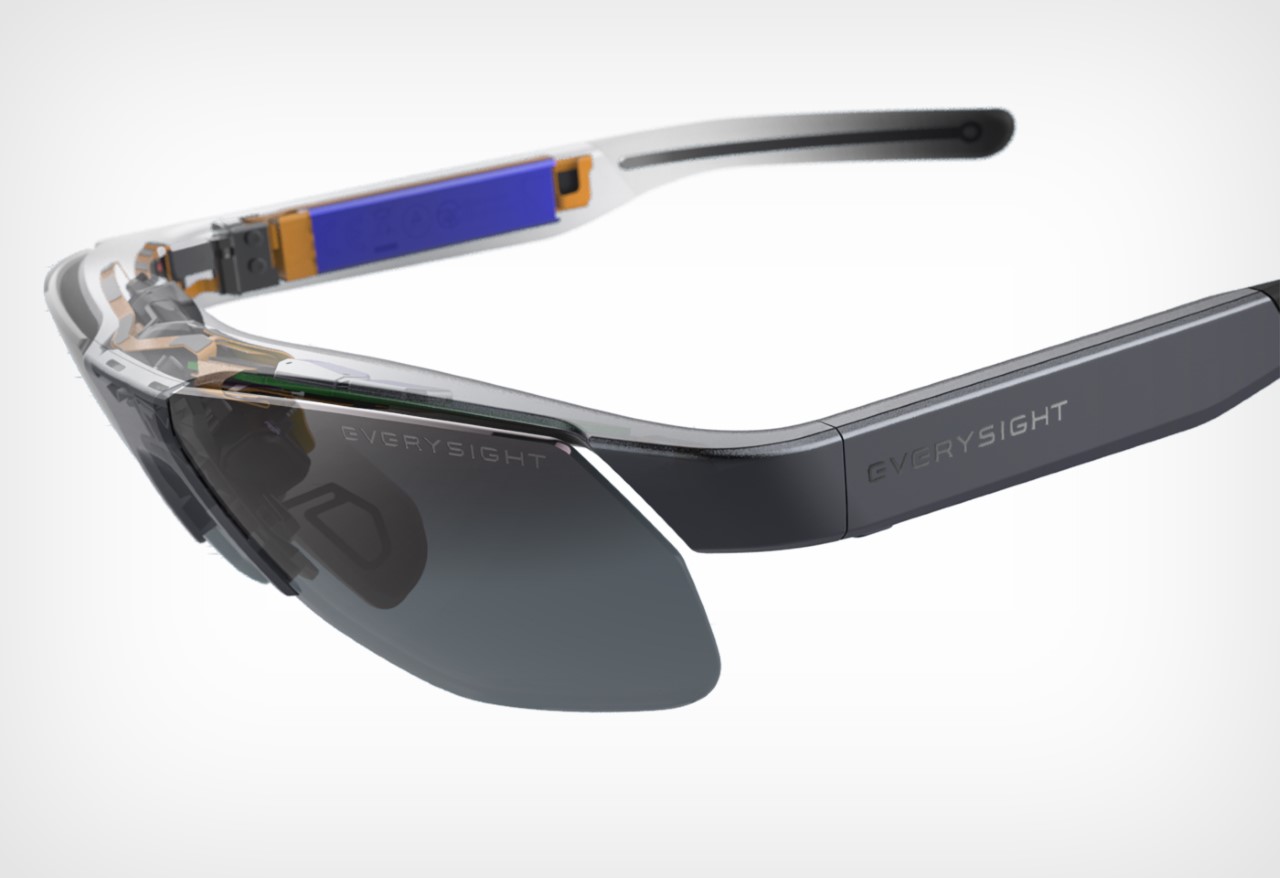
Showcasing their tech at the Mobile World Congress, Everysight is riding the new AR (or should we call it Spatial) wave with the Maverick, their small, sleek, and stylish glasses that challenge the bulky mixed reality glasses and headsets we see today with something so close to regular glasses, you wouldn’t be able to tell the difference. Designed with a projected display that lets you see data and metric overlaid on the existing world, the Maverick uses an entire slew of sensors to track position, orientation, and head-tilt to ensure that digital elements remain in your line of sight (LOS) and correctly oriented. In fact, the Maverick even bagged multiple awards last year, including the iF Design Award and the Red Dot Award.

Designer: Everysight

Unlike most AR headsets that can make you look a little dystopian when walking down the streets or sitting in a subway (we’re looking at you, Vision Pro wearers), the Maverick stands at the intersection of great tech and fashion. Weighing in at under 47 grams, these glasses boast a sporty, ergonomic frame that promises comfort for all-day wear, a crucial consideration for devices intended to be part of our daily lives. This comfort does not come at the expense of durability or style, making them a versatile accessory suitable for any occasion.

AR glasses are only as good as their displays (something that most Vision Pro users will swiftly point out – which is why the Maverick impresses with its crisp, high-contrast visuals despite its tiny package. Utilizing a Sony Color microOLED display, it delivers stunning visuals characterized by vibrant colors and sharp details. The high-brightness display guarantees an optimal viewing experience in both indoor and outdoor settings, a testament to the glasses’ adaptability and user-centric design.

Ease of use is at the forefront of the Maverick design, with an intuitive interface that allows users to navigate and control features through simple gestures. This user-friendly approach is further enhanced by advanced sensors like a 3D accelerometer, gyro, and magnetometer, which provide accurate line-of-sight tracking for an immersive augmented reality experience.

Battery life is a perennial concern for wearable technologies, and here, Maverick impresses with over 8 hours of continuous operation. This endurance is complemented by efficient power management, ensuring that the glasses support a day’s worth of activities without needing a recharge. Such longevity is essential for users who demand reliability from their smart devices.

User interface and interaction are streamlined for ease of use. Maverick features an intuitive interface that allows for effortless navigation and control through simple gestures. This ease of use is further enhanced by the inclusion of a 3D accelerometer, gyro, and magnetometer, providing accurate line-of-sight tracking that enriches the augmented reality experience by aligning virtual objects with the real world seamlessly. Moreover, the Maverick glasses are designed with inclusivity in mind. They offer an RX solution with personalized lenses tailored to individual prescriptions, ensuring that users with varying visual needs can enjoy the benefits of smart eyewear without compromise.

Connectivity is robust, with Bluetooth 5.2 ensuring seamless pairing with a wide range of devices, including iOS and Android smartphones, as well as Apple Watch and Android Wear. This connectivity underpins the Maverick’s versatility, making it a central hub for notifications and digital interactions on the go.

In the box, users will find everything needed to start their journey with Maverick: tinted removable visors, a charging cable, a carrying case, a pouch, a cleaning cloth, and interchangeable nose pieces. Everysight is selling a developer edition of the Maverick for $399, although it’s unclear when the public rollout will begin, and what the price will be for regular consumers.

Everysight’s Maverick glasses represent a significant advancement in smart eyewear, proving that it’s possible to stay stylish while benefiting from the latest in wearable technology. They set a new benchmark for combining practicality with elegance, ensuring users can stay connected in a visually compelling, productive, and convenient manner. If these glasses could brew coffee, we might never find a reason to take them off.

The post If the Apple Vision Pro and the Google Glass had a baby, these AR glasses would be it… first appeared on Yanko Design.
TECNO combines AR Glasses and a Windows handheld PC into a new gaming experience

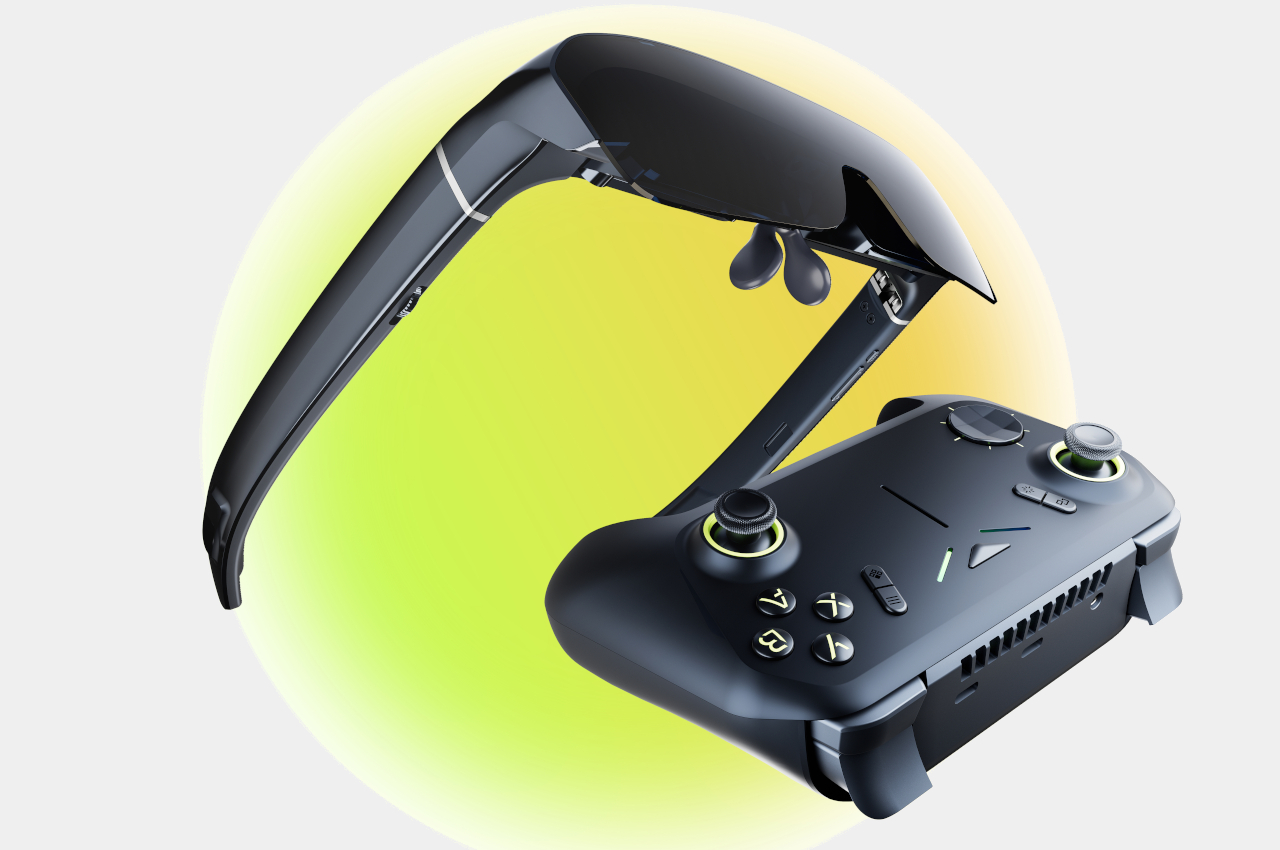
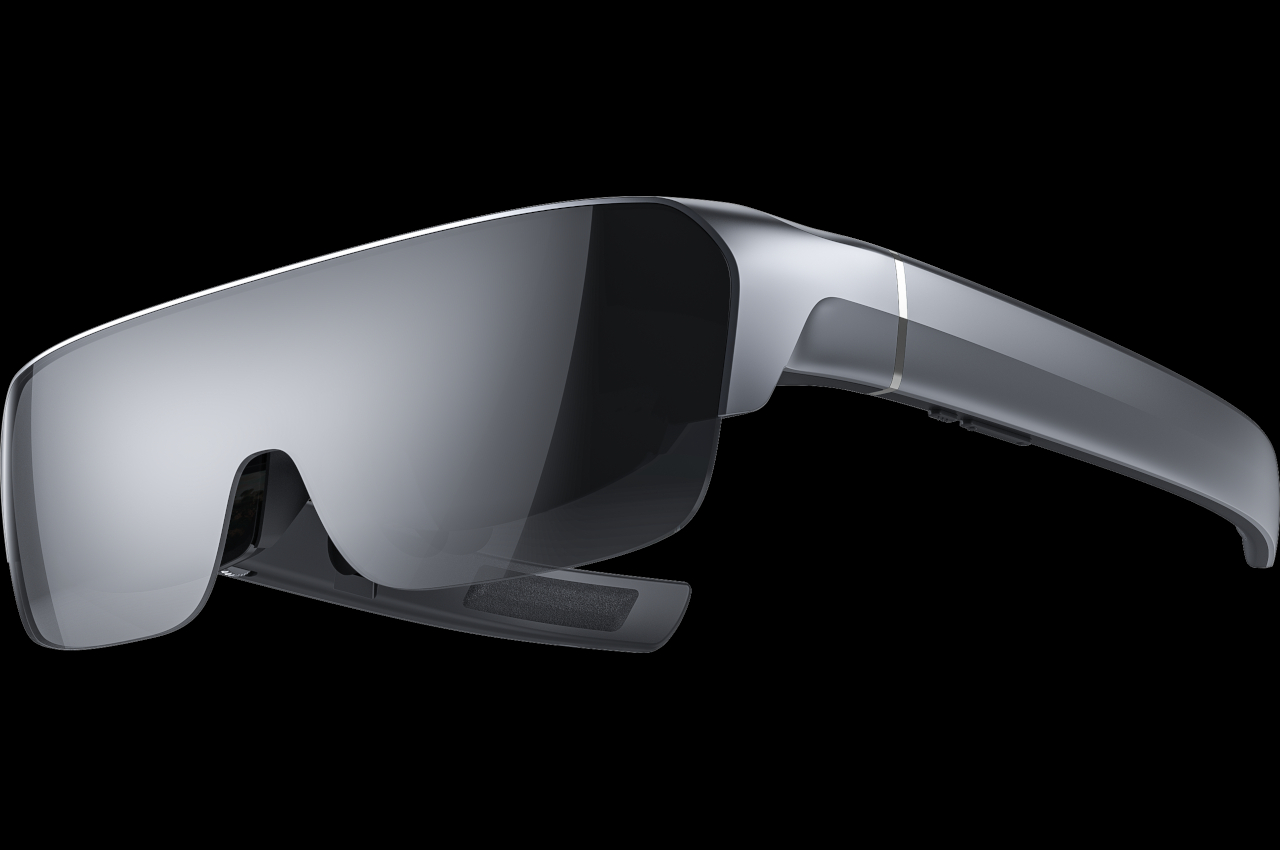
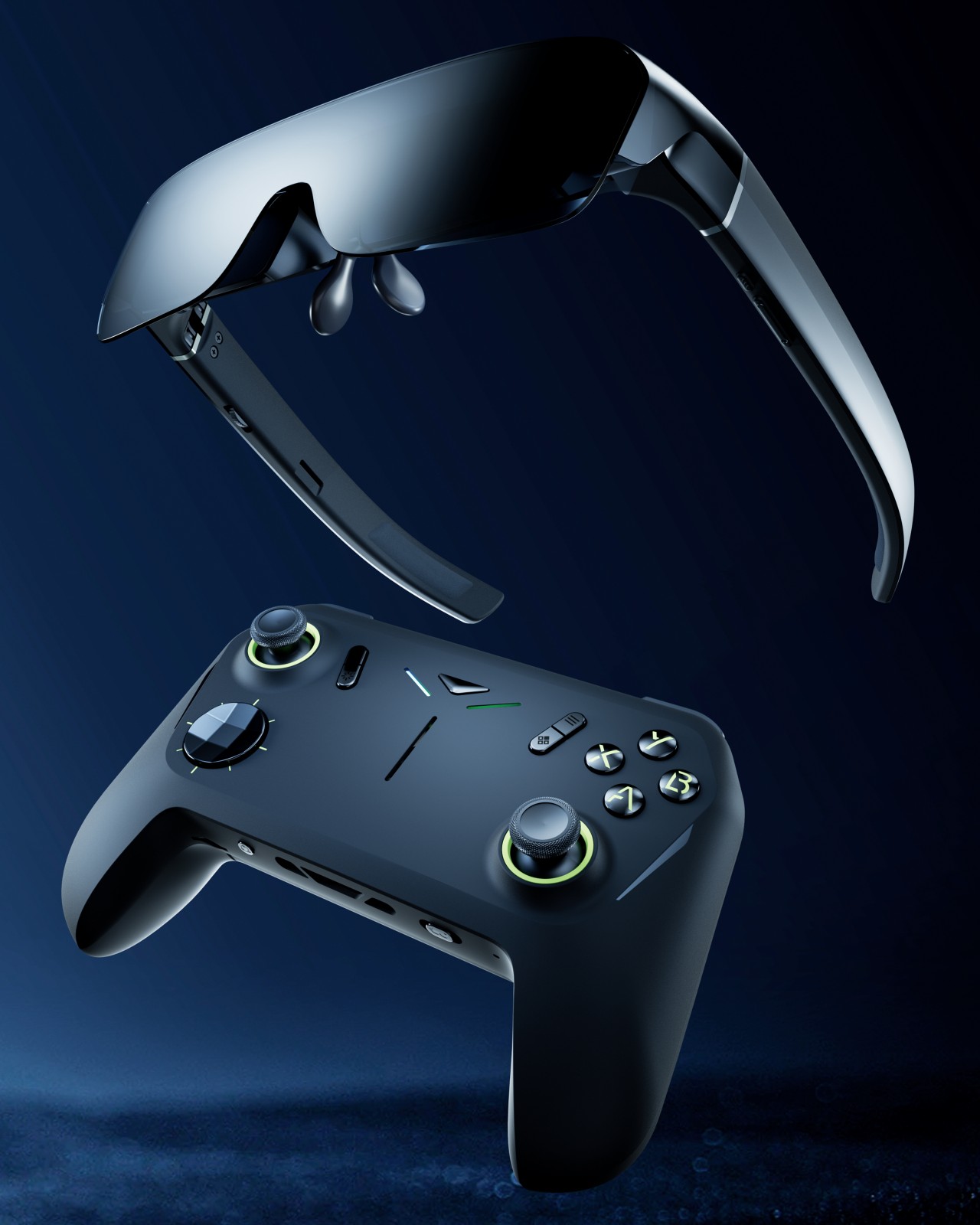
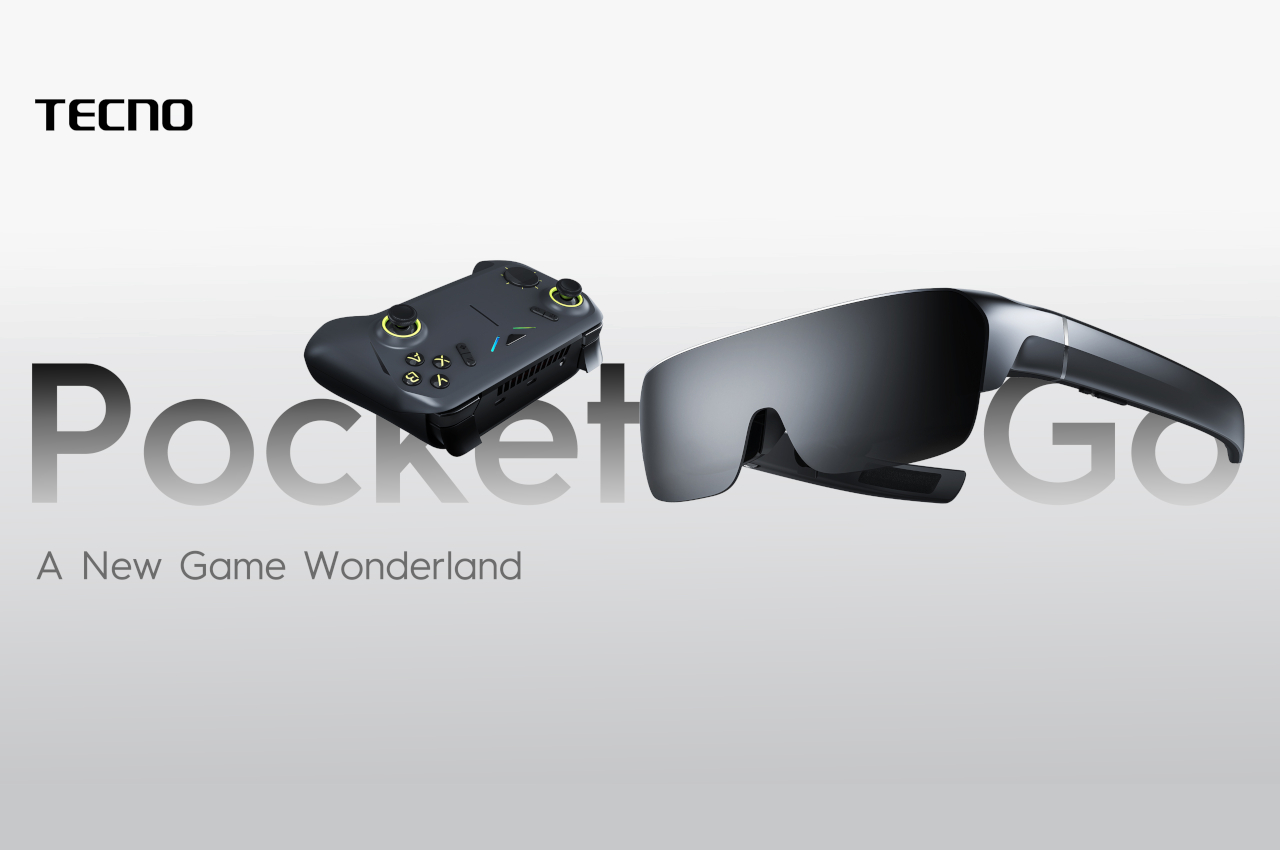
Thanks to a certain fruity company, AR glasses and headsets are back in the news. We’re still at an exciting exploration stage where we are trying to discover what works and what doesn’t as far as user experiences go, at least based on the limitations of current technology. AR glasses and their headset cousins often come in two basic designs. One packs all the necessary computing hardware to drive AR experiences, which is great for independence but not so much for comfort. On the opposite side of the spectrum lies headsets that need to connect to a desktop or laptop, removing performance limits but tying users down to a heavy or immovable computer. Leveraging the recent trend in gaming PCs, the TECNO Pocket Go is an all-in-one solution that combines the best of worlds by pairing lightweight AR glasses with a powerful gaming computer that you can hold in your hands.

Designer: TECNO

As much as might dream of hi-tech Ray-Bans like Tony Stark’s, we still can’t fit that much hardware inside regular spectacles given our current level of technology. To make augmented or mixed reality glasses lightweight and relatively comfortable to wear for long periods of time, they need to have only the bare minimum to display high-quality images for both eyes. At the same time, however, it will need an external computer that does all the heavy work of processing what needs to be displayed, but it also has to be portable enough not to get in the way of your mobility.

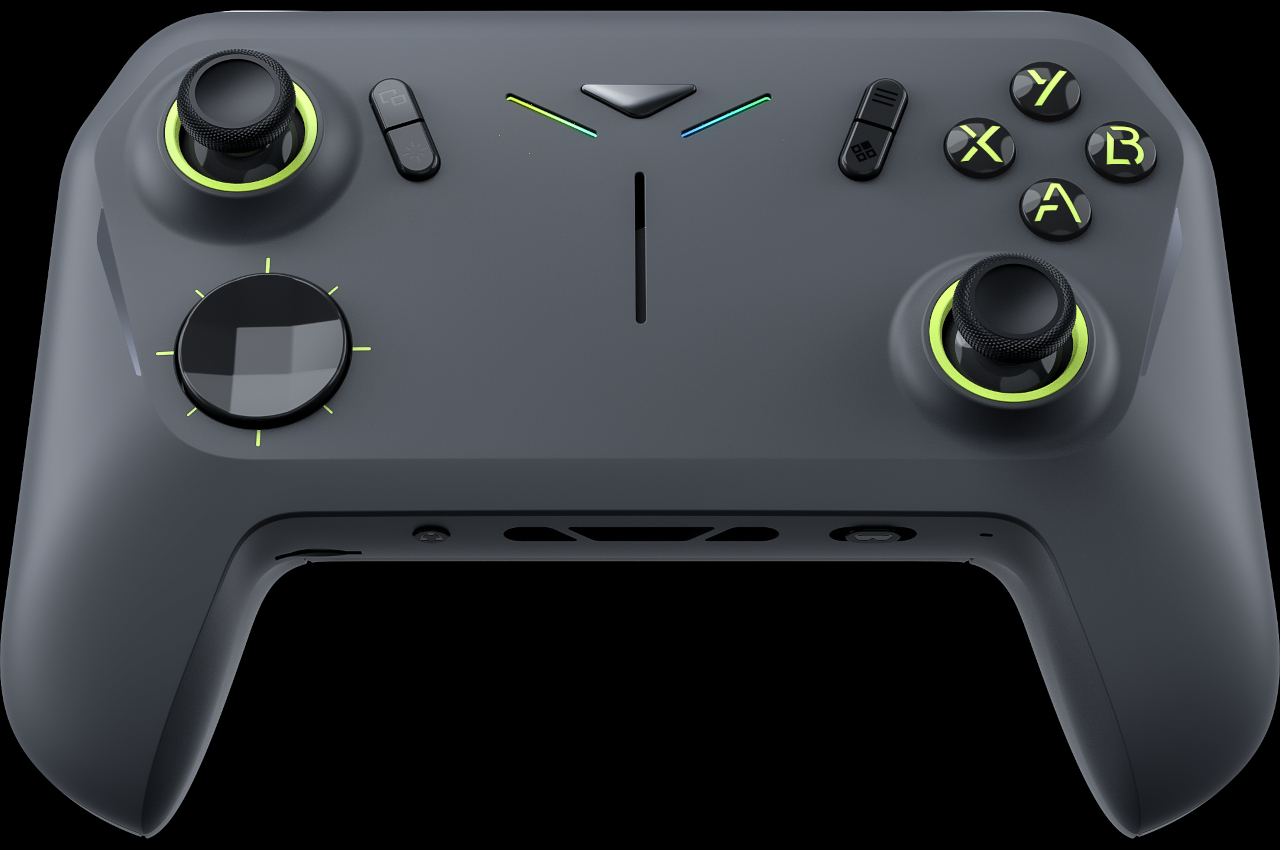
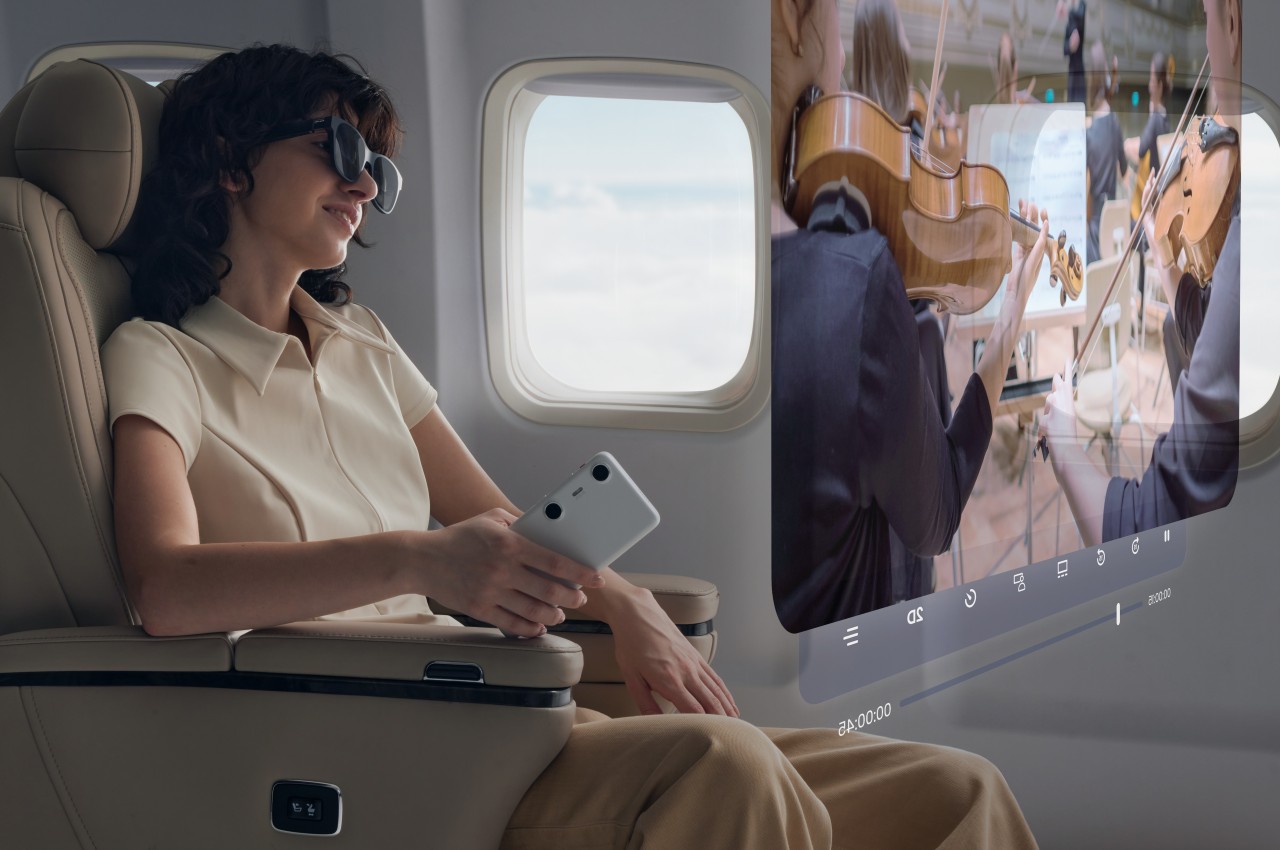
That’s the perfect combination that the TECNO Pocket Go tries to offer, a system that’s made up of the TECNO AR Pocket Vision glasses and the TECNO AR Pocket Windows Handheld computer that comes in the form of a large game controller. The AR Pocket Vision boasts a 0.71-inch Micro-OLED display that can emulate a gigantic 215-inch screen, at least if you want something of that size. It has a 6-axis gyroscope that can accurately detect your head movements and translate that into data that the AR software can use. Despite the name, the AR Pocket Vision also pays close attention to sound, delivering an immersive audio experience thanks to N’BASS nano-structured acoustic materials and TECNO’s own unique vibration enhancement algorithms that turn in-game audio into vibrations.

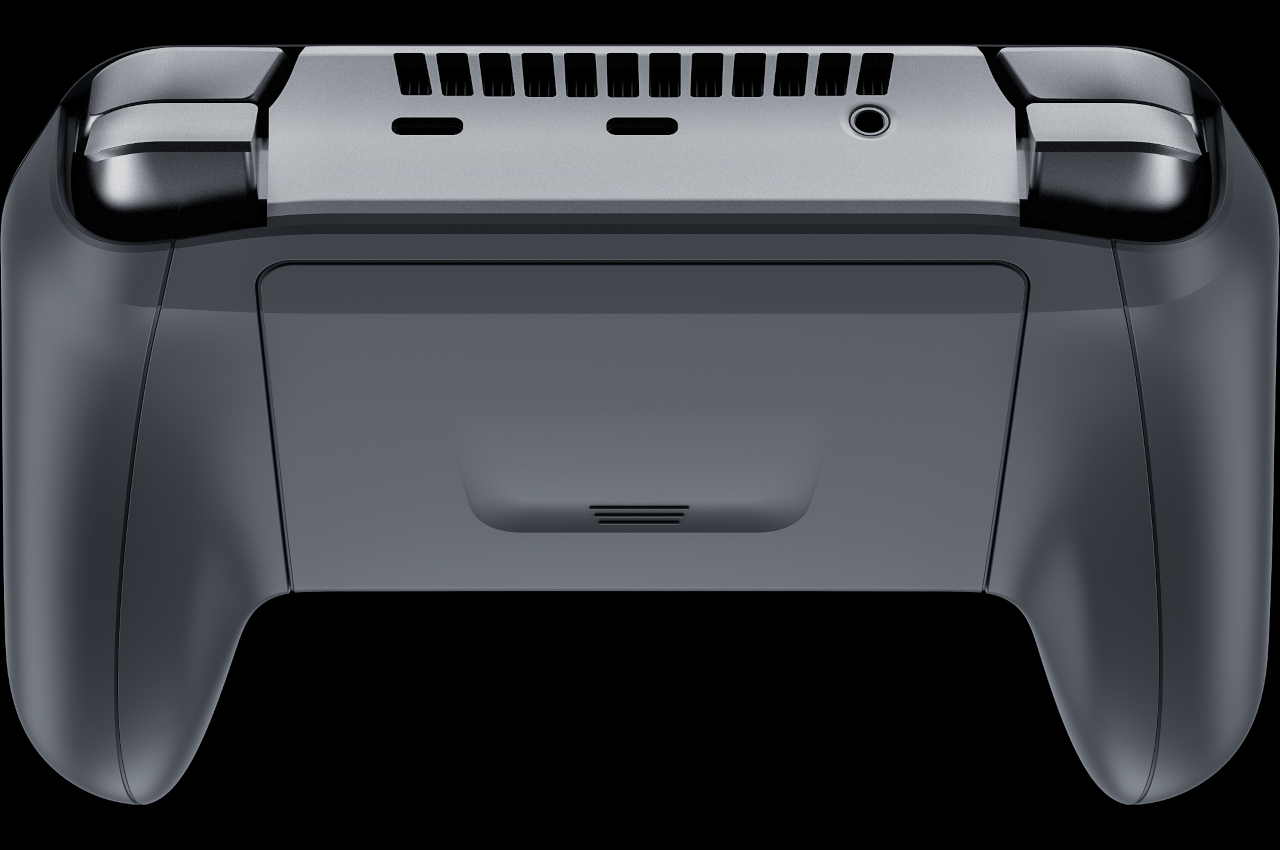
The AR Pocket Windows Handheld delivers an even more portable experience that is 50% smaller and 30% lighter than your average handheld gaming PC today. Of course, it accomplishes that by taking the screen out of the equation since it will be connected to the AR Pocket Vision glasses anyway. That means the design can focus on performance and cooling while also improving the overall ergonomics of the handheld computer. It even has a replaceable battery so users can enjoy uninterrupted gaming and entertainment on the go.

Having an AR headset and a handheld computer working together is a very potent combination, and having both under a single brand and a single system significantly simplifies the overall user experience. And while the TECNO Pocket Go is primarily aimed at immersive gaming, such a power and portable system can also open the doors to other experiences, provided you’re fine with using a gamepad to control it all. TECNO hasn’t given word on when this pair will launch, but it will definitely spark the interest of gamers who want to take their handheld gaming experience to the next level.

The post TECNO combines AR Glasses and a Windows handheld PC into a new gaming experience first appeared on Yanko Design.