8BitDo SN30 Pro Gold and Silver controllers are as heavy as they look

It seems that we’re seeing a rather curious design trend in the gaming market. Once filled with plastic-encrusted designs, there are a few coming out with more stylish cases, be it for the device itself or for its accessories. Analogue just recently launched its CNC aluminum limited edition Pocket, but 8BitDo was actually a few steps ahead of it. Although one’s eleventh anniversary isn’t actually associated with metal (it’s Turquoise, by the way), the famed maker of throwback controllers released metal versions of its widely popular SN30 Pro, giving fans of the brand a collectible they can actually use and, in case of an emergency, even throw like a deadly weapon.

Designer: 8BitDo
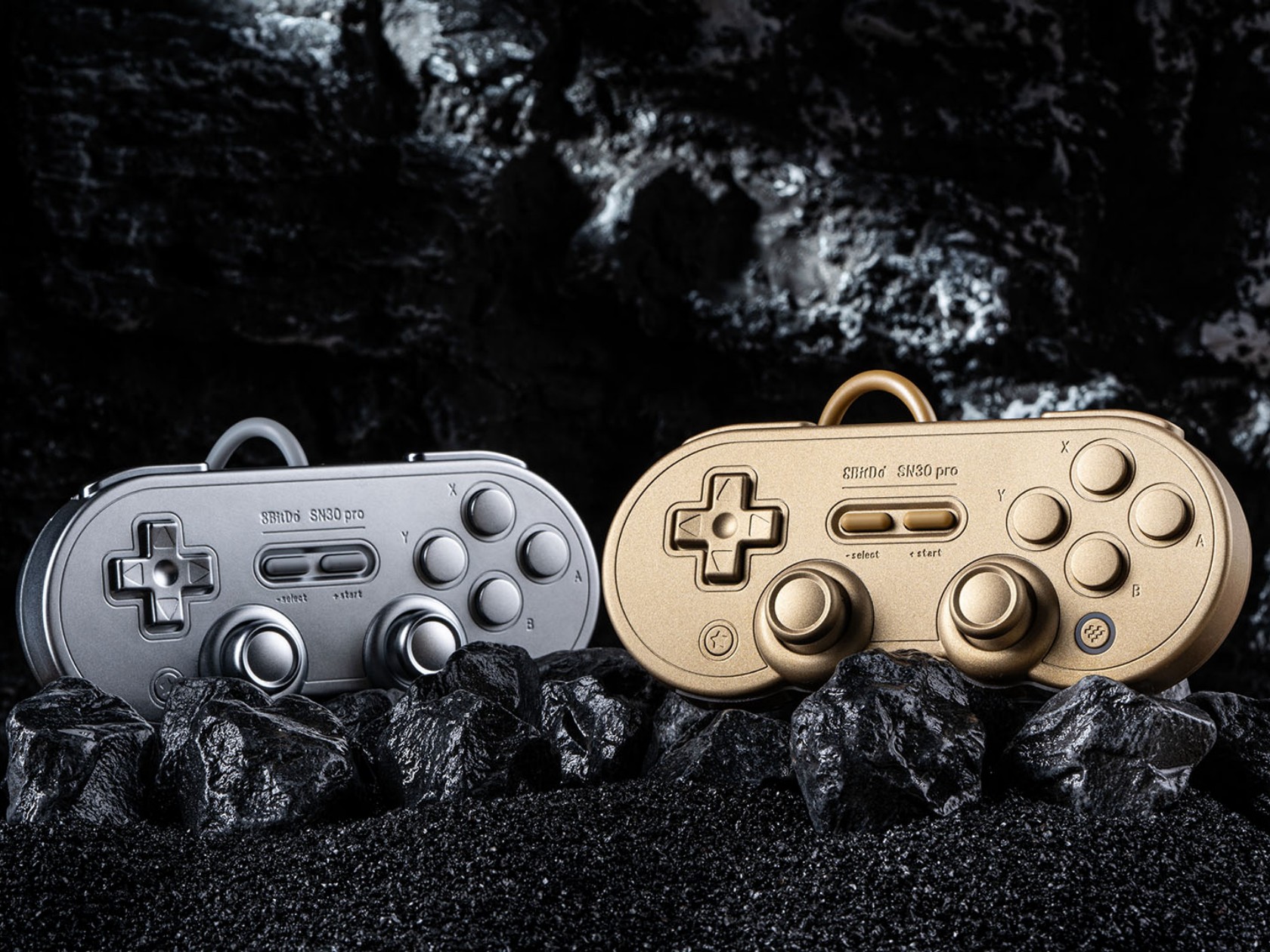
Game controllers are made to be light enough not to cause hand strain but still have enough weight to feel substantial and improve gameplay. Gamers have come to expect that bulkier controllers that follow the Xbox and PlayStation designs would be heavier than most, especially controllers that are patterned after the designs of yesteryears. Not so this variant of the SN30 Pro, itself designed after the super lightweight Super Nintendo gamepad, mostly because most of its body is made of metal.
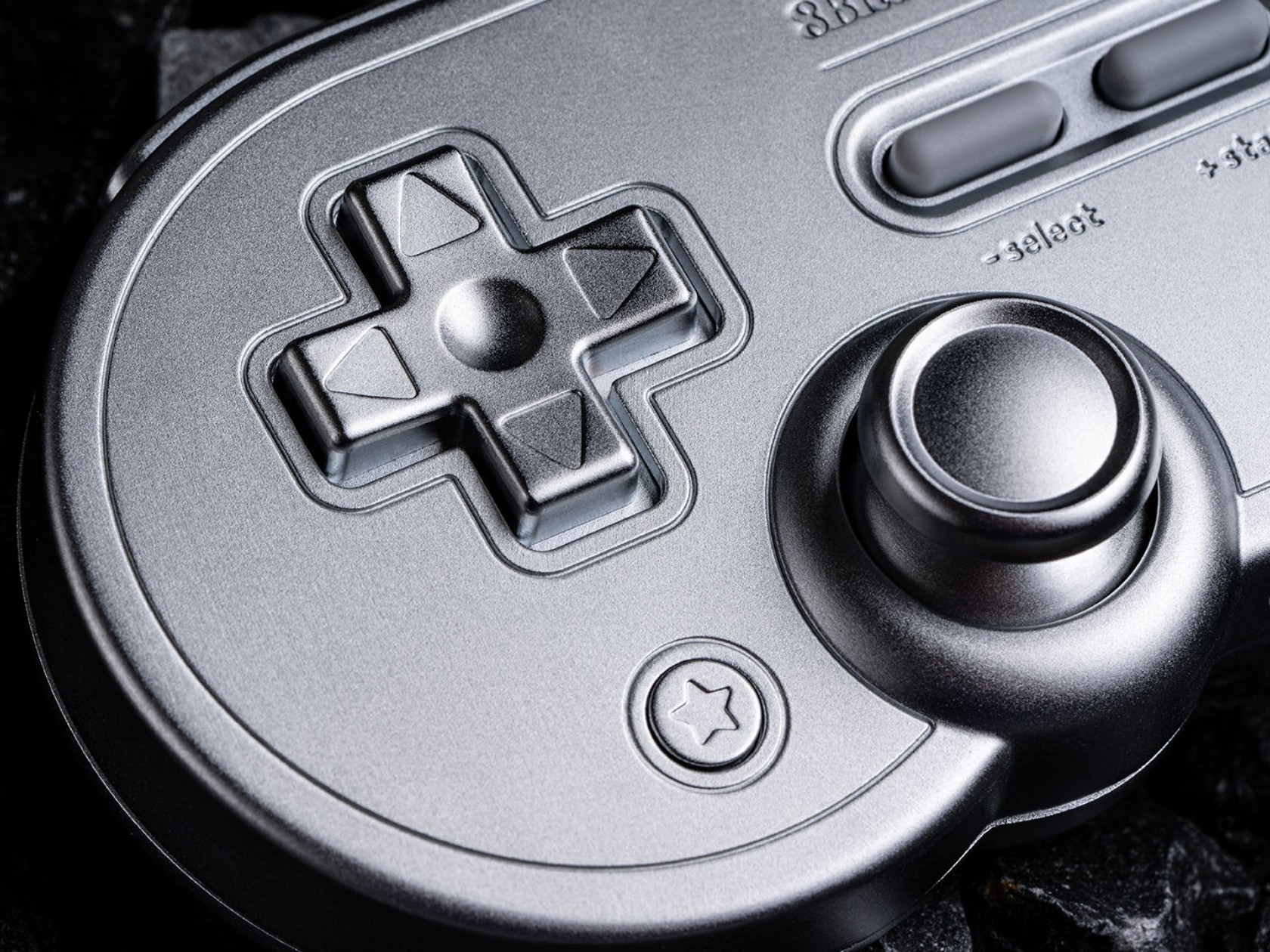
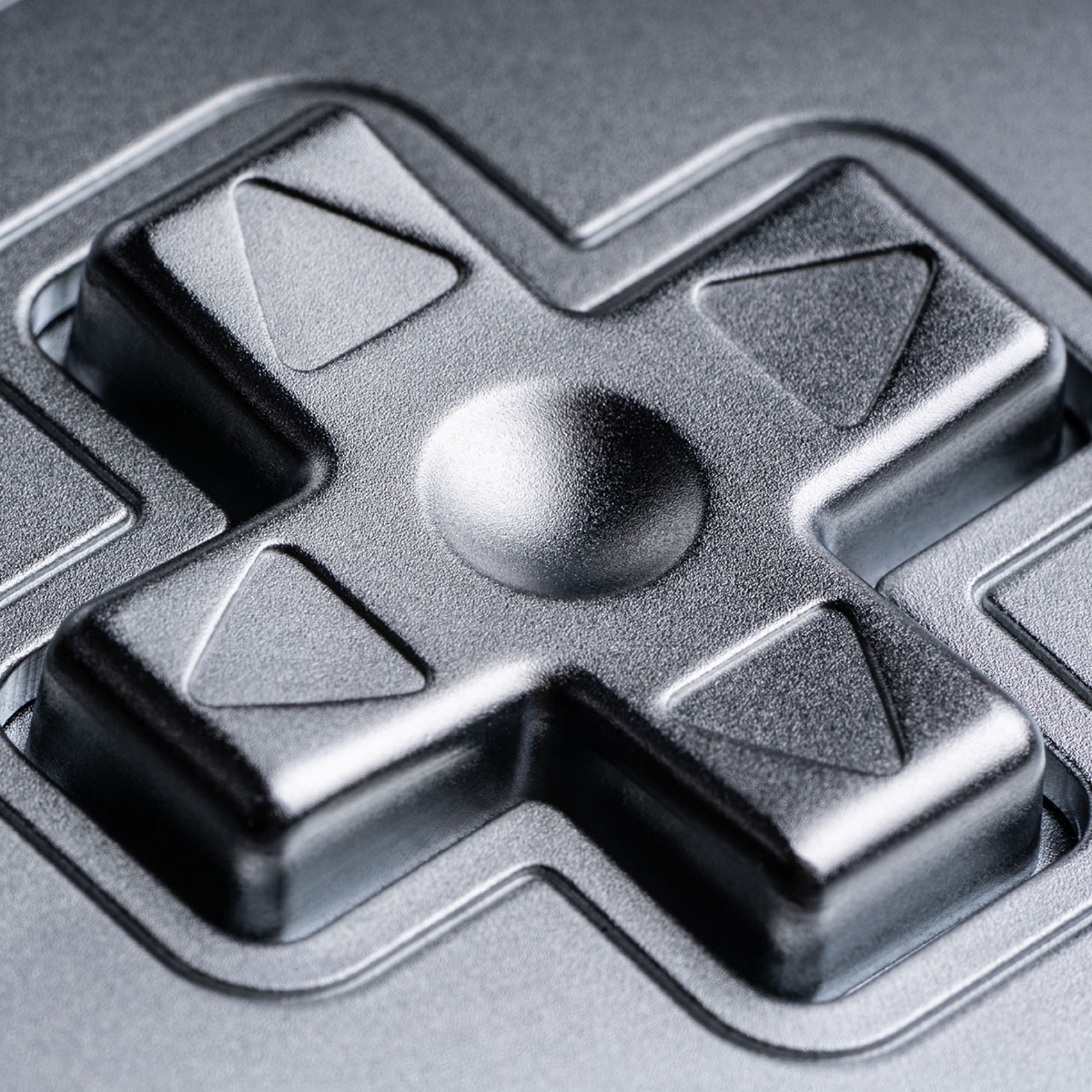
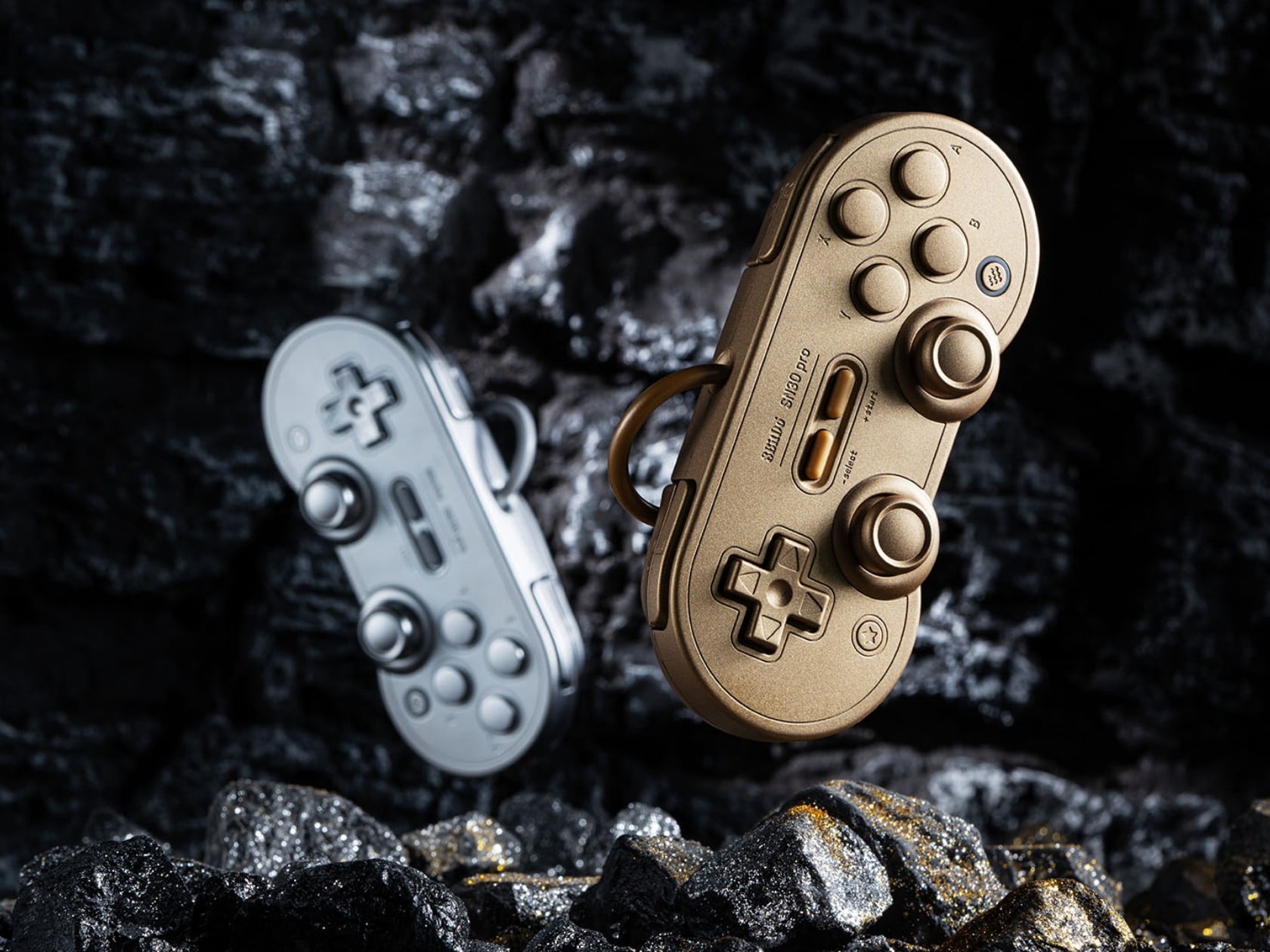
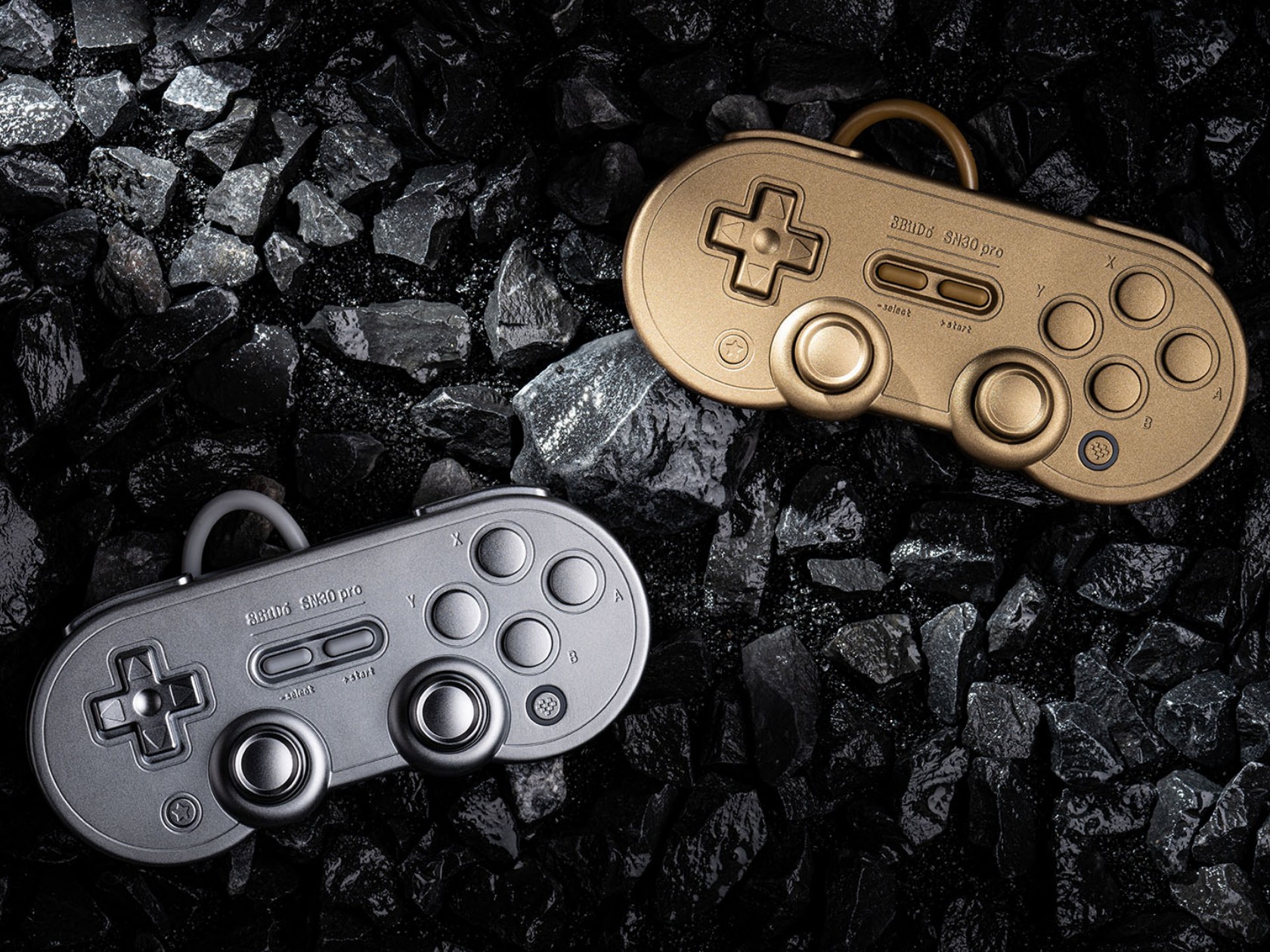
The Gold and Silver editions of the SN30 Pro aren’t just cheap paint jobs, though you might be forgiven for making that presumption given the resemblance to powder-coated metallic paint. It’s true metal, or as 8BitDo calls it, metal zinc alloy, and it’s used not just for the main body but for almost every part visible to the eyes. That includes buttons, triggers, and, yes, even the joysticks. The gold edition gets a matte paint finish while the silver version undergoes electroplating. The cables aren’t metal, though, which is probably for the best.
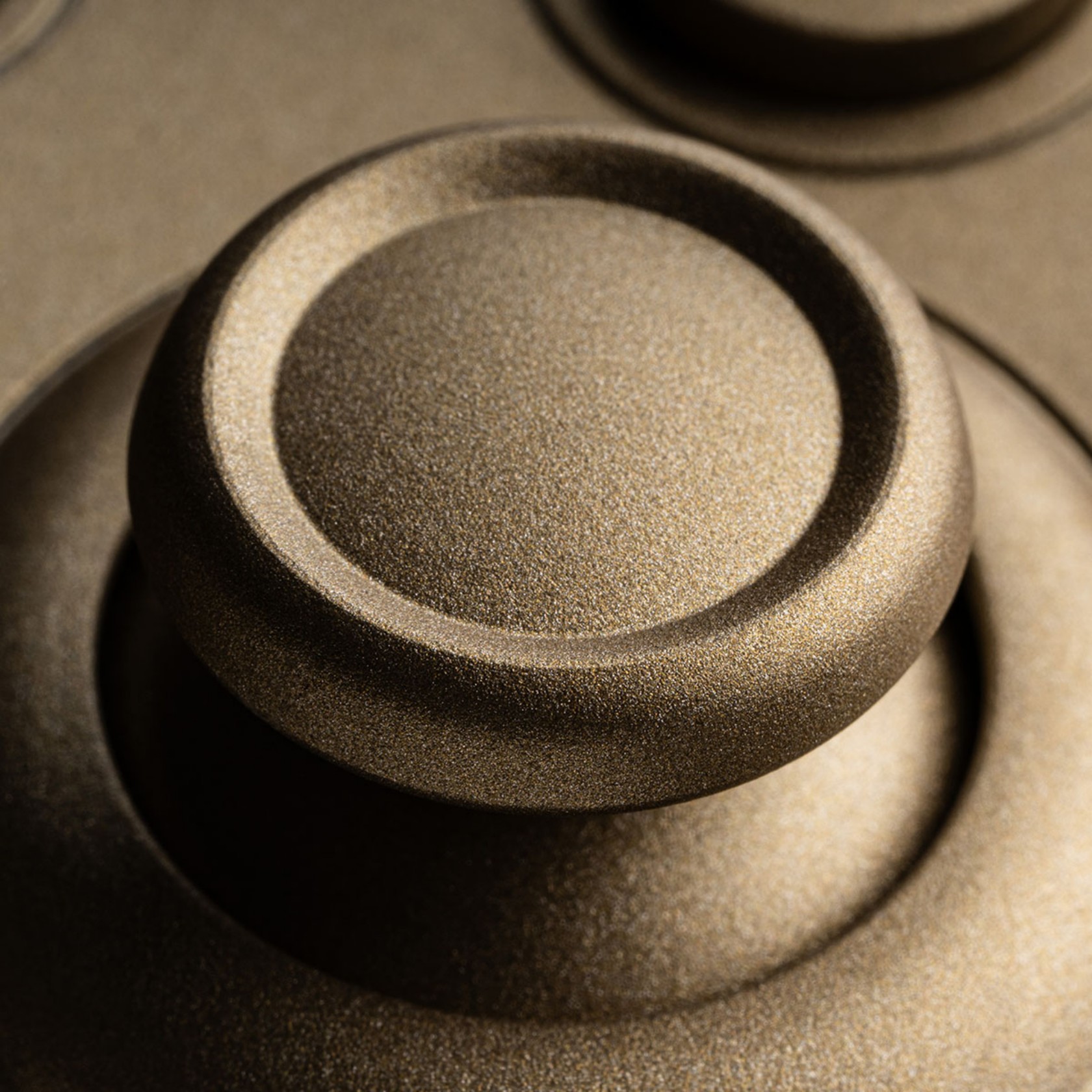
More than just visual oddities, the SN30 Pro Gold/Silver Edition controllers also have one other advantage over their plasticky older siblings. They’re built to last, at least more than the common controller, as metal will not warp or deform over time. It’s also less likely to crack when accidentally dropped, though you might dent this here and there. And drop it you might indeed, given how heavy it is 381g. For comparison, the normal SN30 Pro weighs a mere 114g and even the Xbox Wireless Controller is just around 287g.
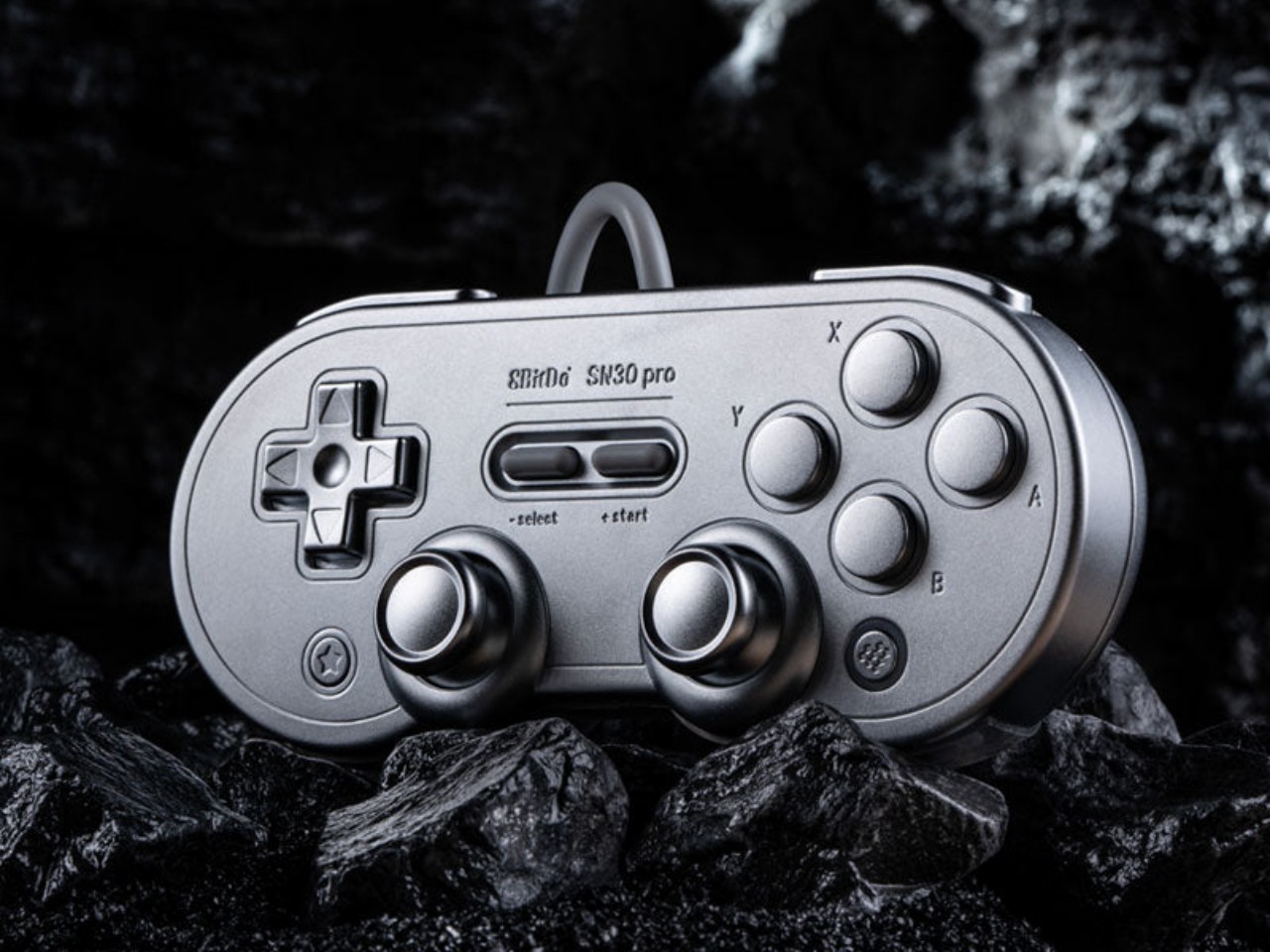
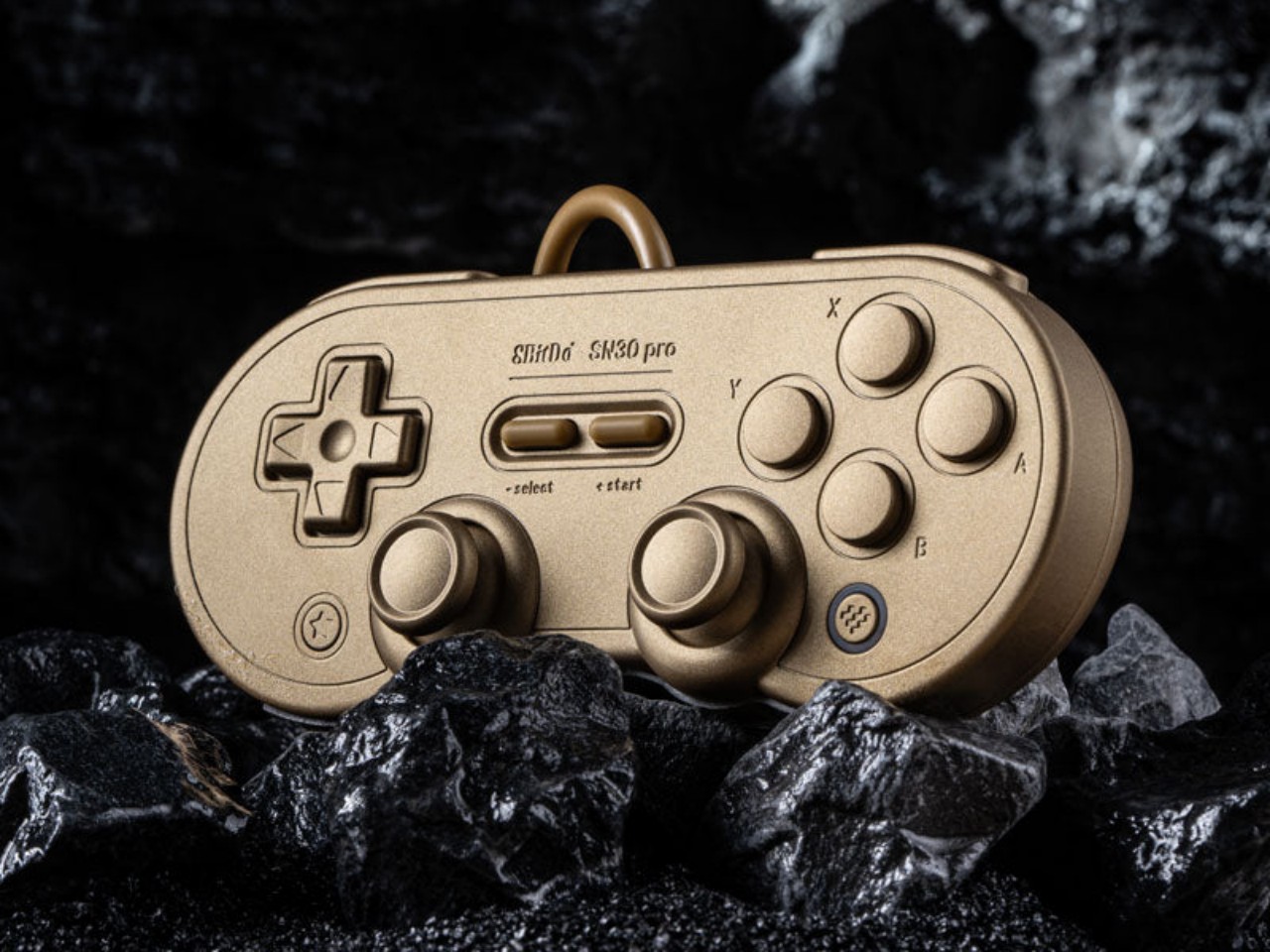
Not all that glitters is gold, as they say, and despite the luster and heft of these limited edition controllers, their feature set might leave gamers sorely disappointed. They’re definitely more like functional collectors’ editions rather than serious gaming weapons (unless you throw it like one), and the $99.99 price tag definitely cements, or rather forges, that image.
The post 8BitDo SN30 Pro Gold and Silver controllers are as heavy as they look first appeared on Yanko Design.
Foldable game controller concept solves portability in a different way

Gaming on the go is quite popular these days, whether it’s on a mobile phone, a handheld device, or even a laptop temporarily parked at a cafe. While video games have traditionally been divided into PC and console camps, this latest trend has made many gamers reach for controllers or devices with built-in controllers, regardless of their platform of choice. Wireless game controllers have become quite numerous because of this, ranging from typical designs to telescopic mechanisms that stretch to grip smartphones or even tablets. Of course, these two aren’t the only designs possible for portable gamepads, and this concept tries to approach the problem from a different angle, one that takes a page out of one of the trendiest smartphone designs of late: foldable phones.

Designer: Przemysław Wolnicki

The basic problem with game controllers is their innate bulk. You can’t really shrink them without sacrificing comfort and ergonomics. This makes them less appealing to quickly stow in bags, much less pockets, as you dash out the door in the hopes of being able to play later on. Even those who prefer to game at home might find the permanent presence of a large chunk of plastic to be visually distracting and might look for ways to minimize their footprint when not in use.

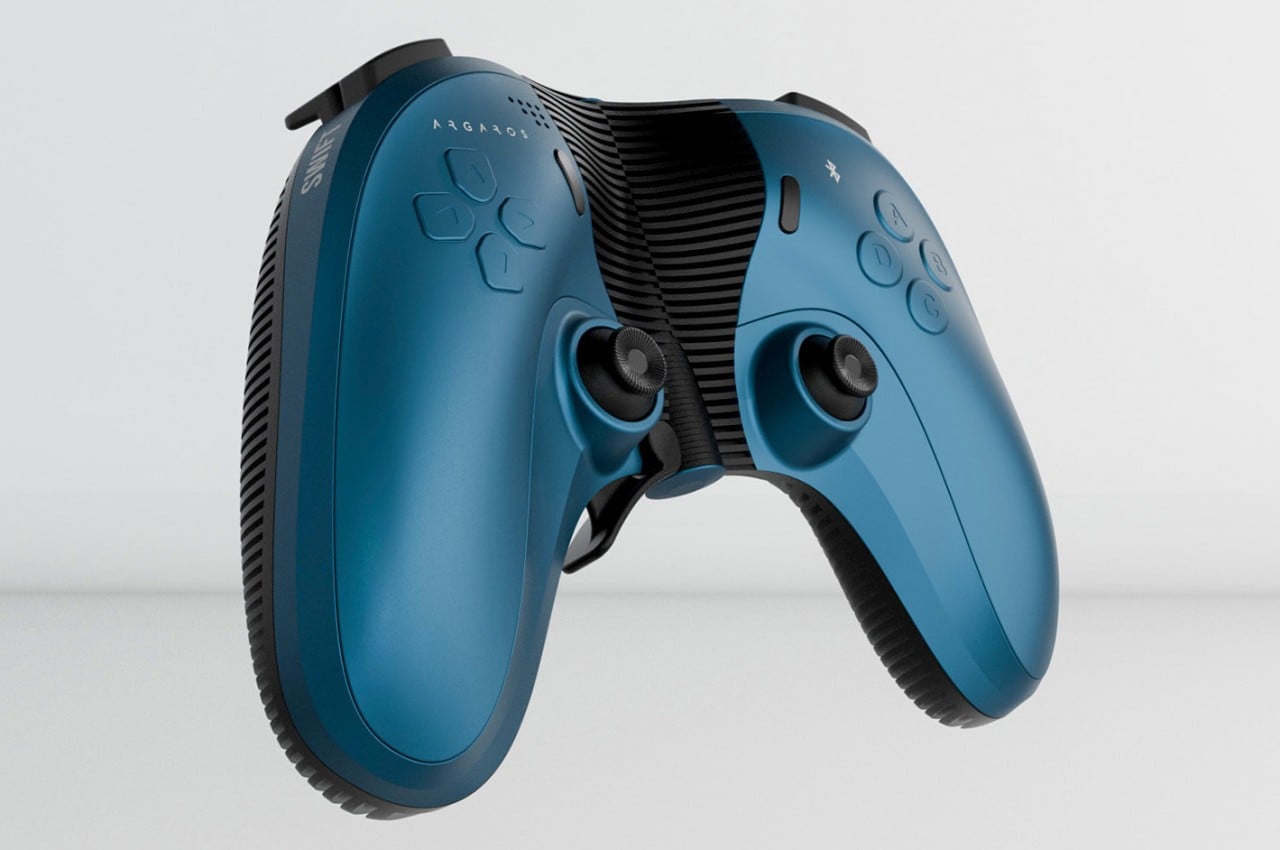
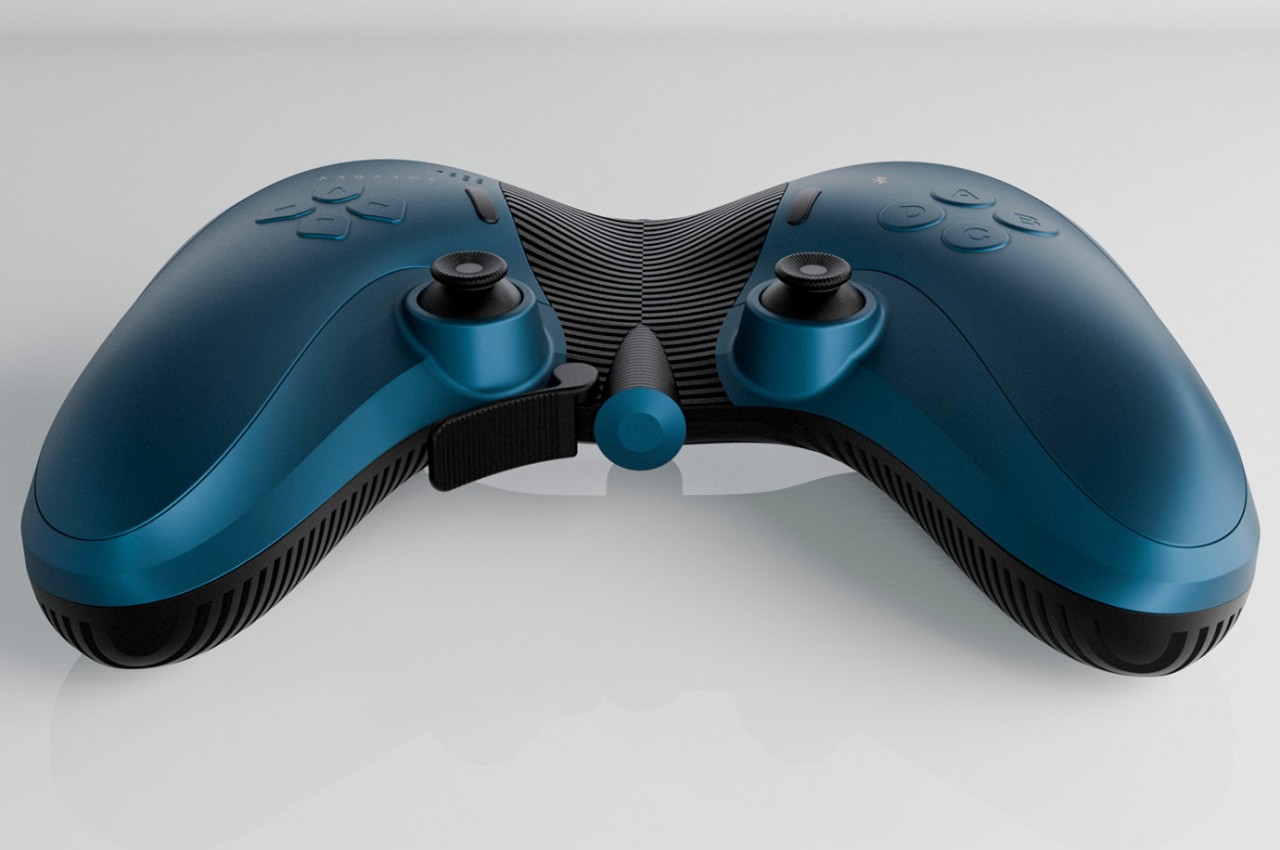
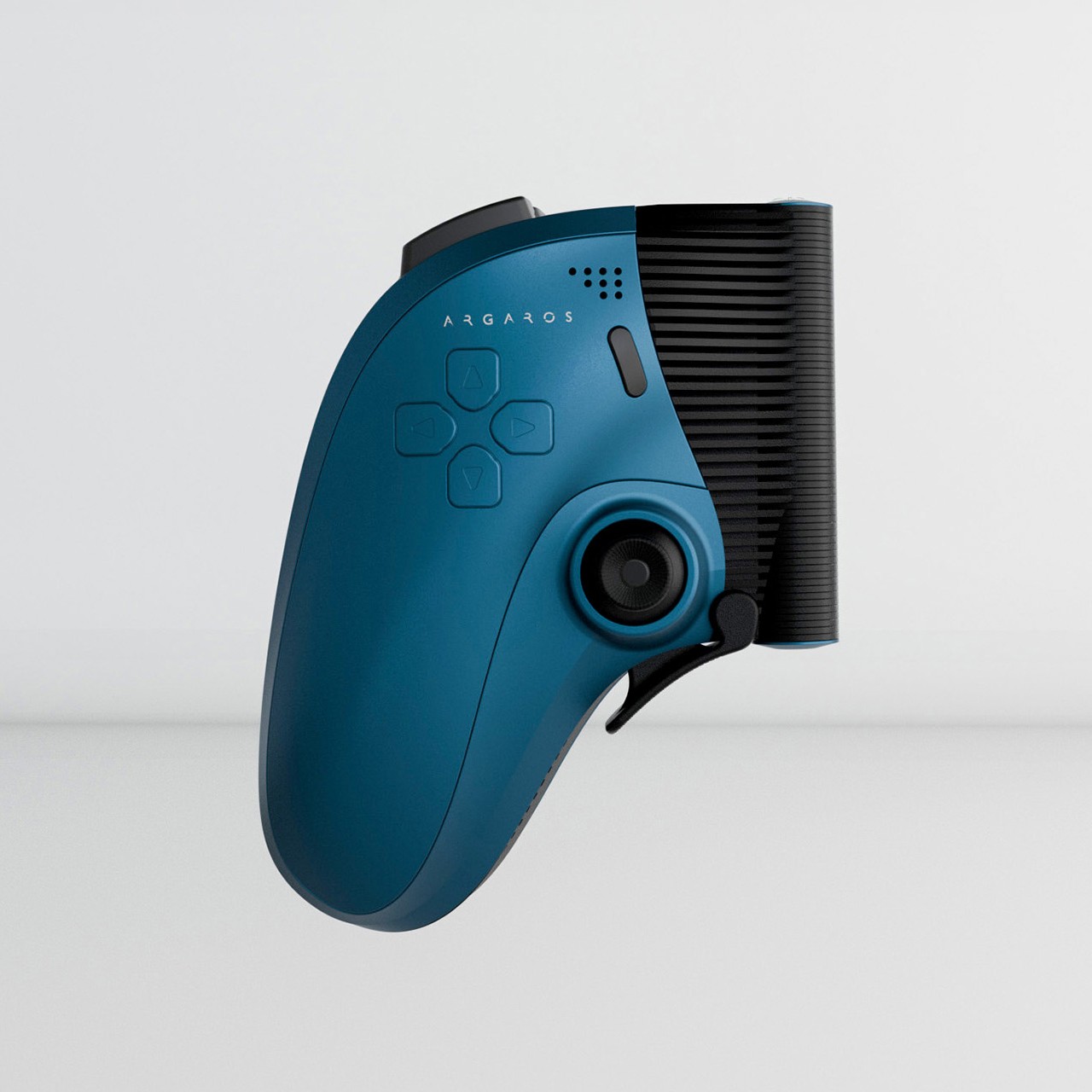
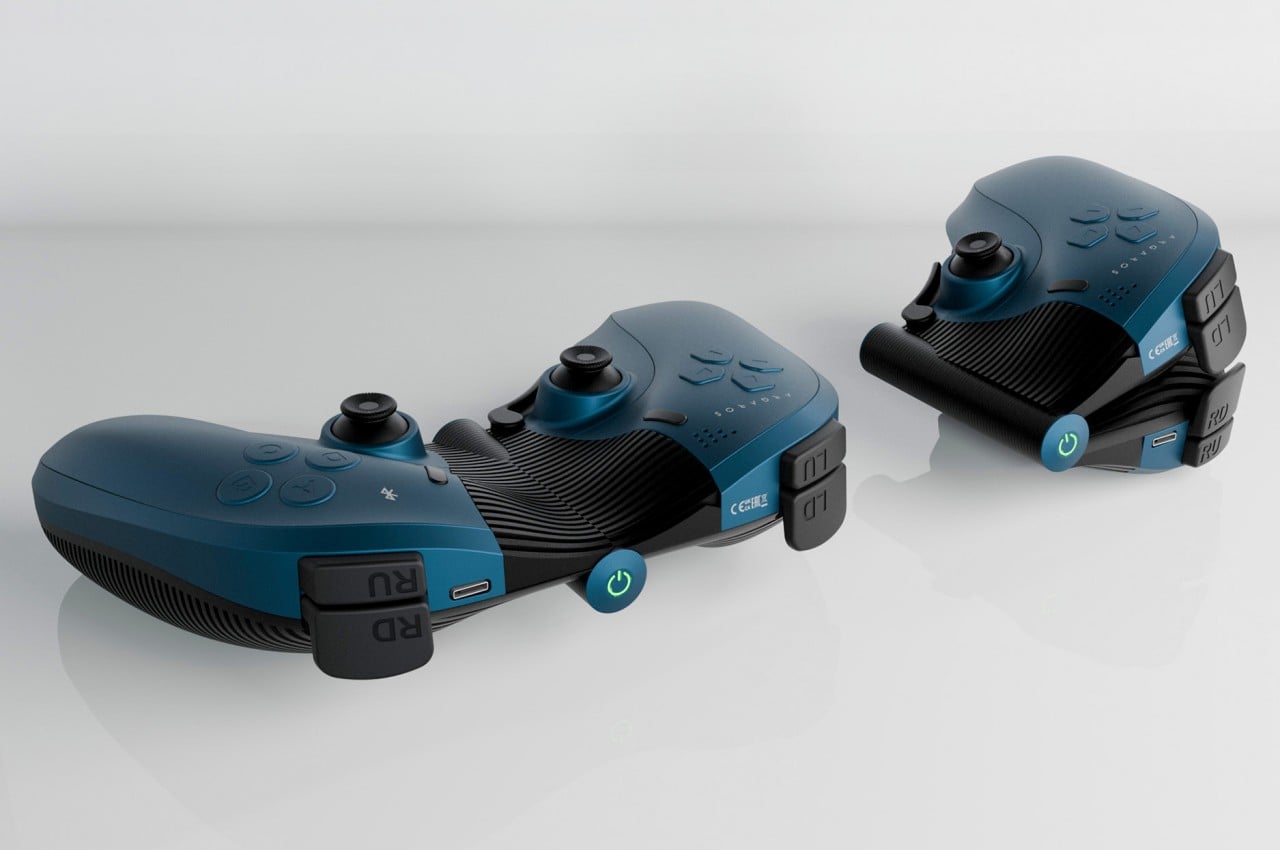
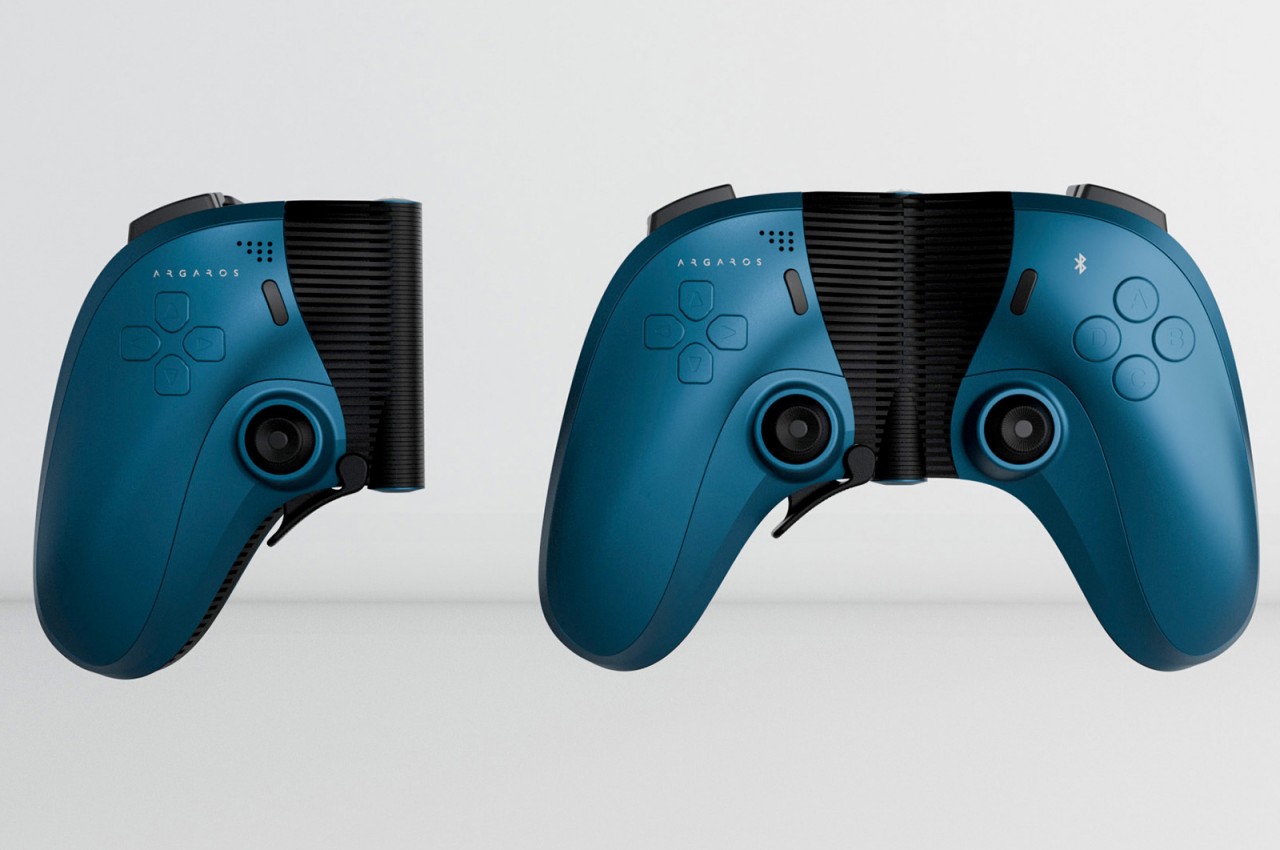
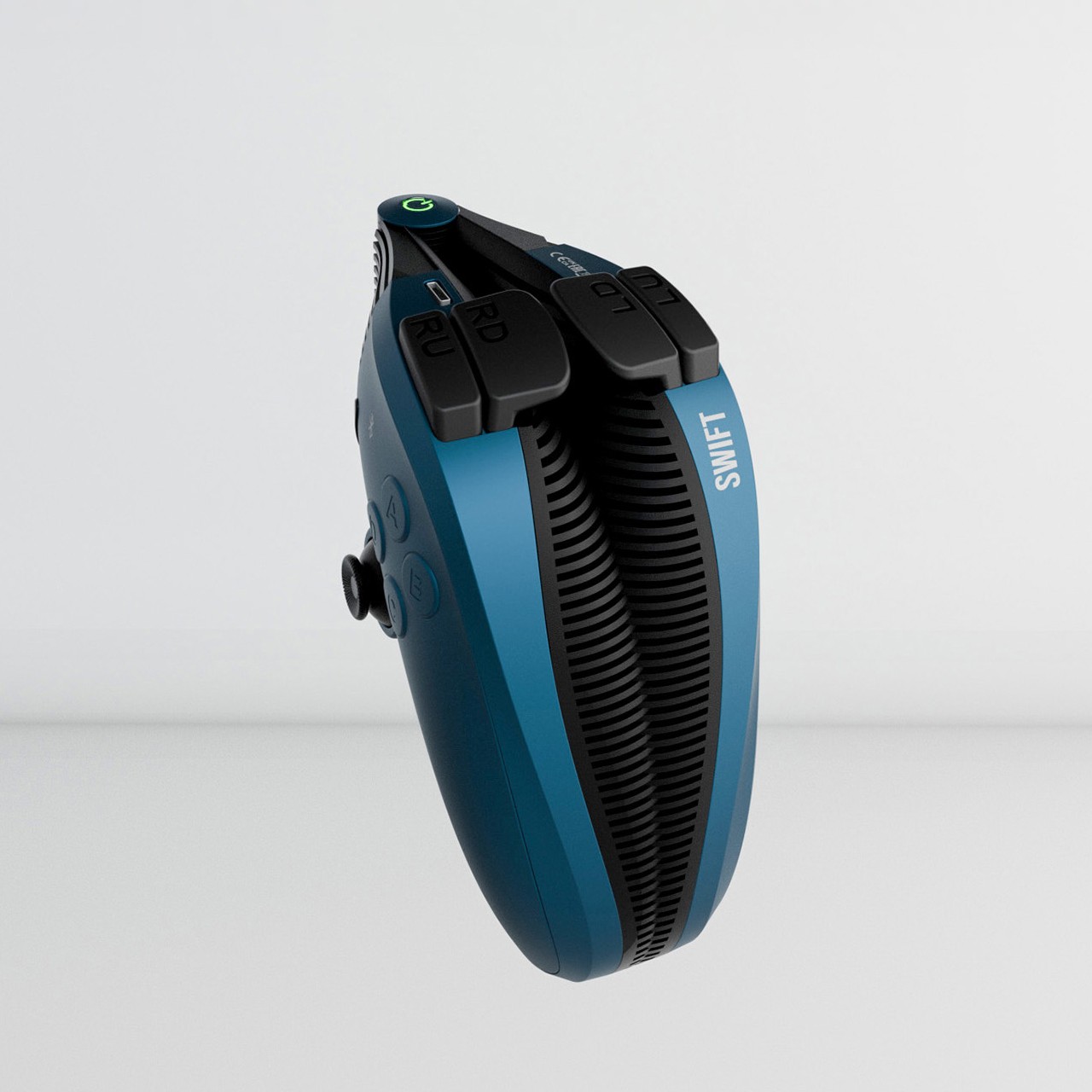
Swift is a game controller design concept that adopts a folding mechanism to make the device more compact in transit. Despite the fact that foldables aren’t new, it’s curious that this design hasn’t been adapted for game controllers at all. There are, of course, advantages and disadvantages to such a design, but those can hardly be verified unless tested in the real world.

1

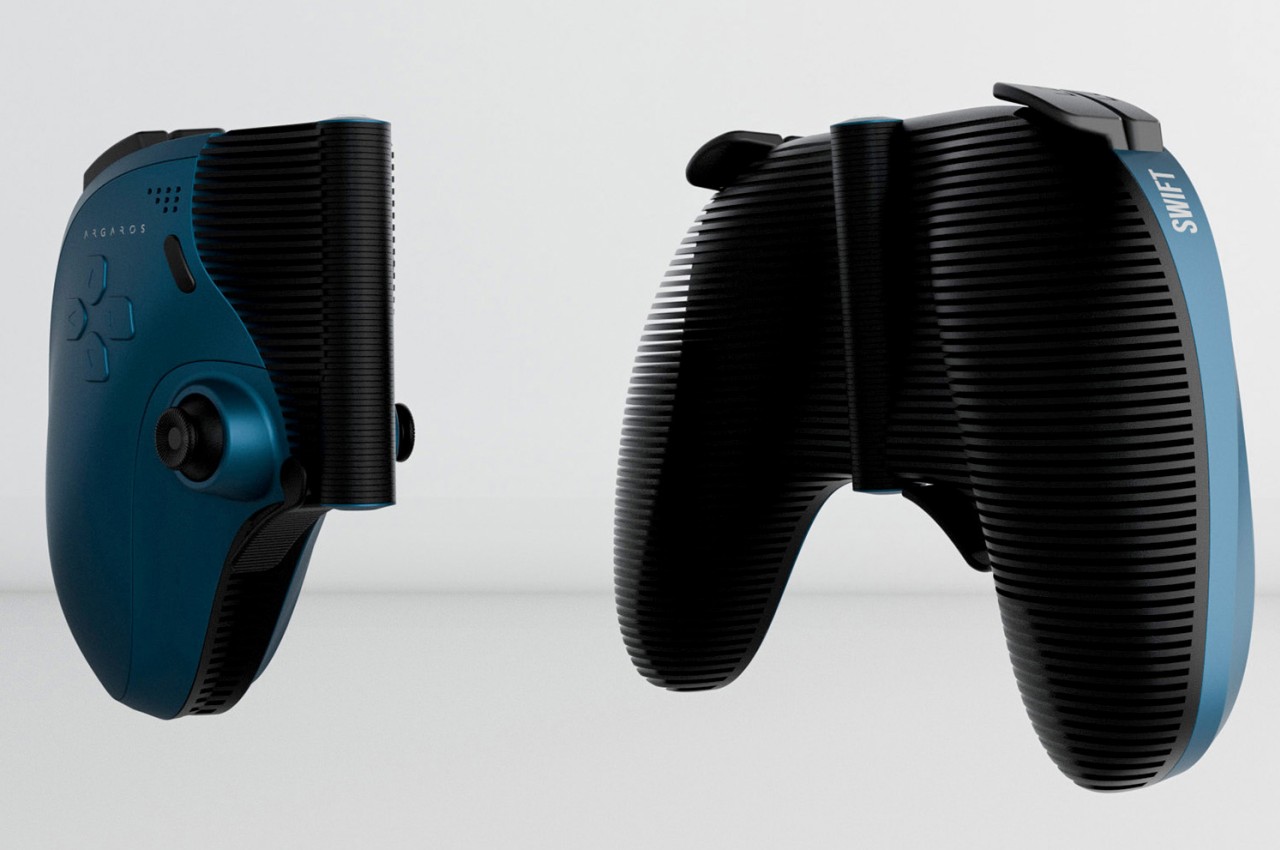
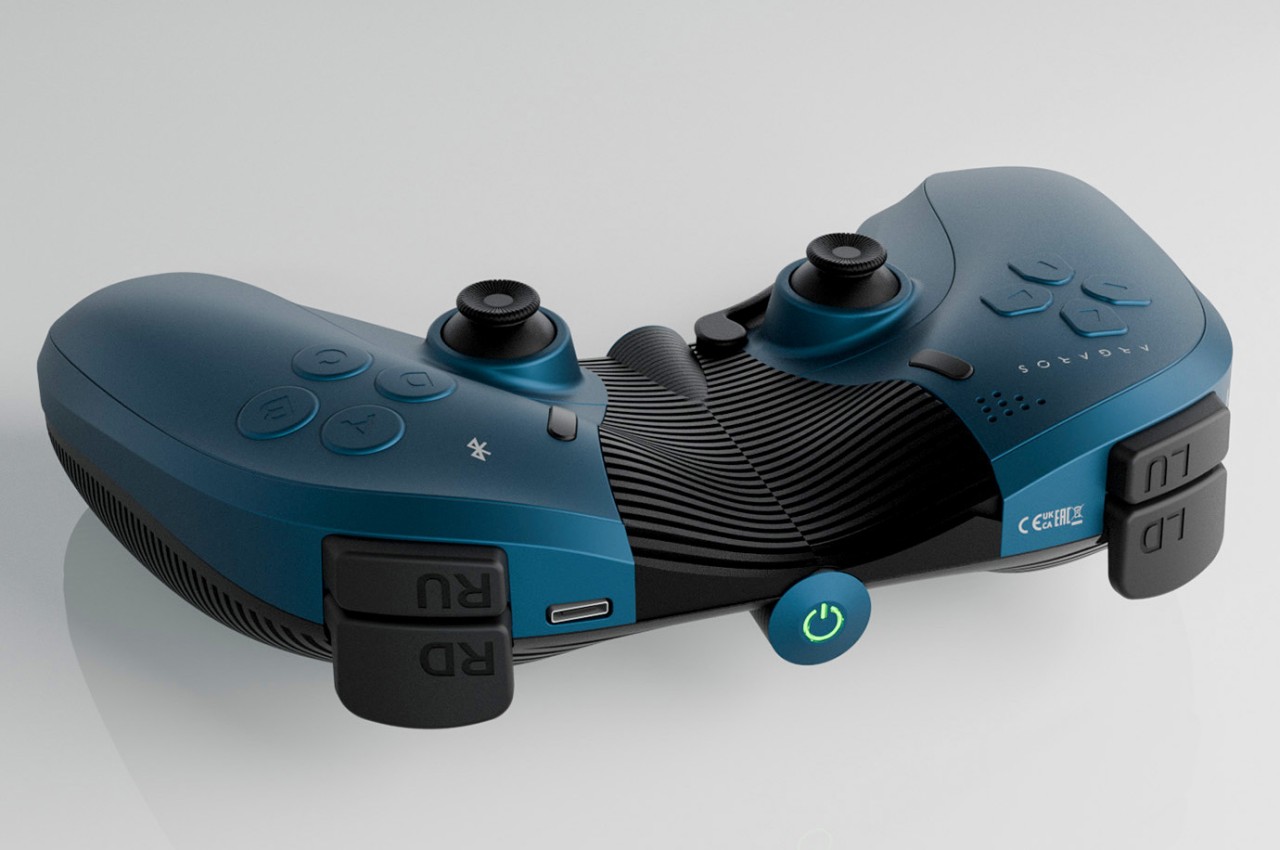
This controller concept adopts the more symmetrical button arrangement of a PlayStation controller, which would make the folded form also more balanced when folded. One curious detail about the design is the ribbed surface covering the middle and back of the controller. It’s not clear whether the choice of material is simply aesthetic, but it will definitely have an effect on the texture of the controller, which in turn affects comfort and ergonomics.

While a foldable controller design is definitely interesting and curious, it also raises a few questions as well. While the design does halve the width of the device, it doubles its thickness in turn. There might also be some concerns about the wear and tear this mechanism will incur over time, especially given the wires that have to run through the middle to connect the two halves. Perhaps that is the reason why a foldable design hasn’t been adopted for controllers, but this concept at least tries to encourage pushing the boundaries instead of just adopting the status quo.

The post Foldable game controller concept solves portability in a different way first appeared on Yanko Design.
VR controller concept for artists and designers offer a more intuitive design

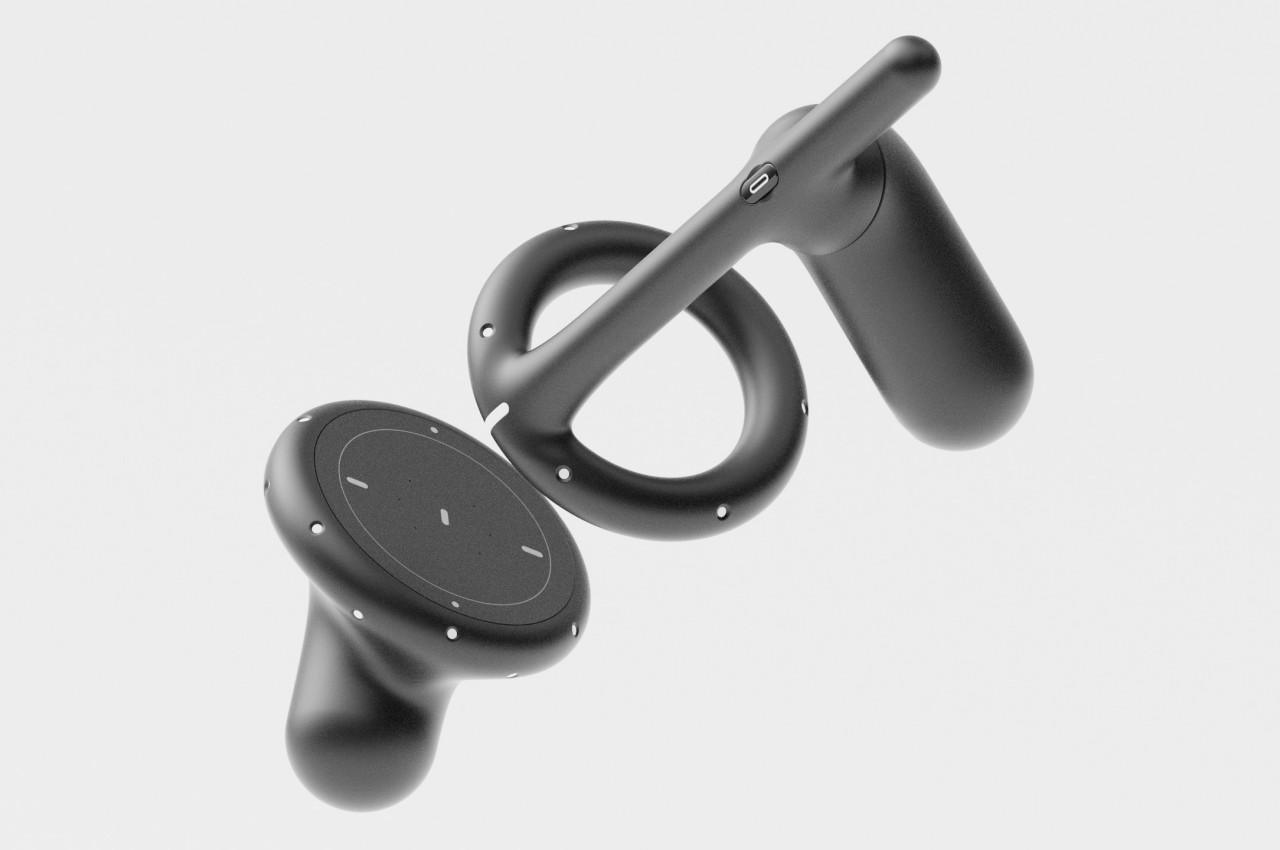
The Apple Vision Pro’s take on spatial computing would have us imagine a seamless integration of the physical and digital worlds. That dream of the future is shared by virtual, augmented, and mixed reality technologies, and they almost deliver that promise when it comes to the visual aspect. The illusion, however, breaks when you start interacting with and manipulating those virtual entities, an experience that quickly becomes less natural compared to how we do it with physical objects. The problem lies in the tools we use for this, which are often a game controller or two sticks that function in the same way. This concept for a virtual reality controller tries to reshape that standard design into something that, while still technically the same, offers a more familiar form for artists and designers.

Designer: Jiwoong Yan

When you think about it, it’s almost amazing how digital creatives are able to make do with the input tools available to use in the present. At the very least, a stylus approximates the experience of drawing with a pen on paper, though some people are even able to create mind-blowing art using a keyboard and a mouse. On the one hand, it’s pretty convenient that we don’t have to deal with a dozen different pens, brushes, and other tools when creating digital art, but, at the same time, the disconnect between the tool and the desired outcome is often jarring.

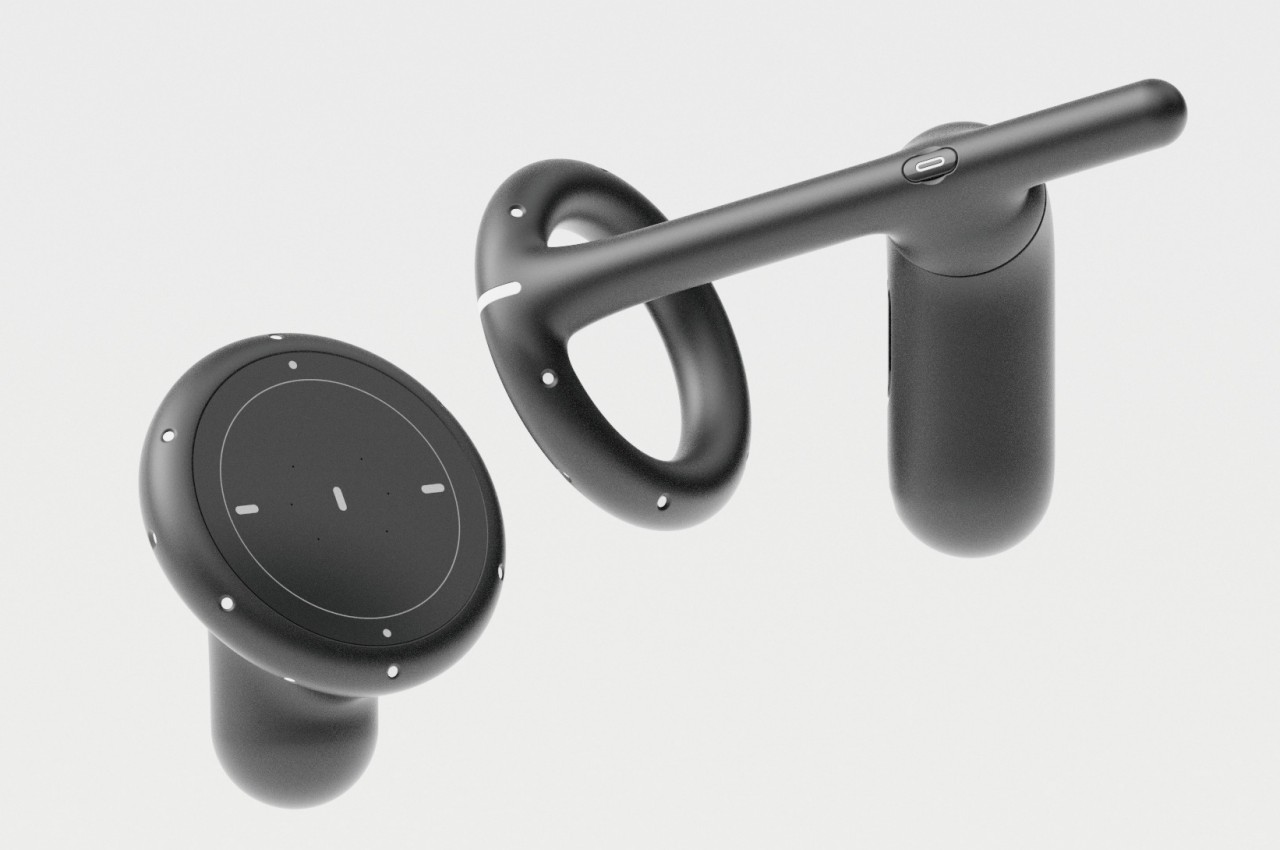
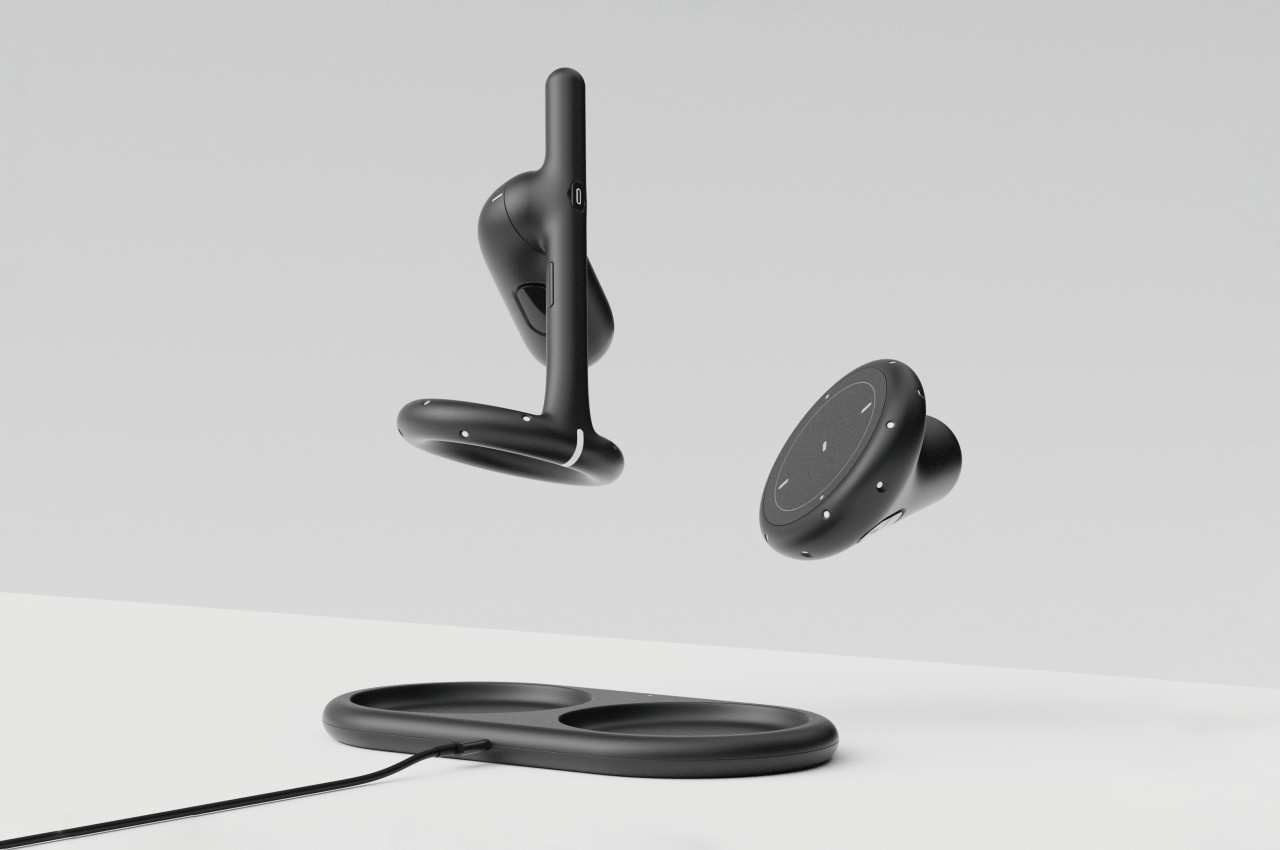
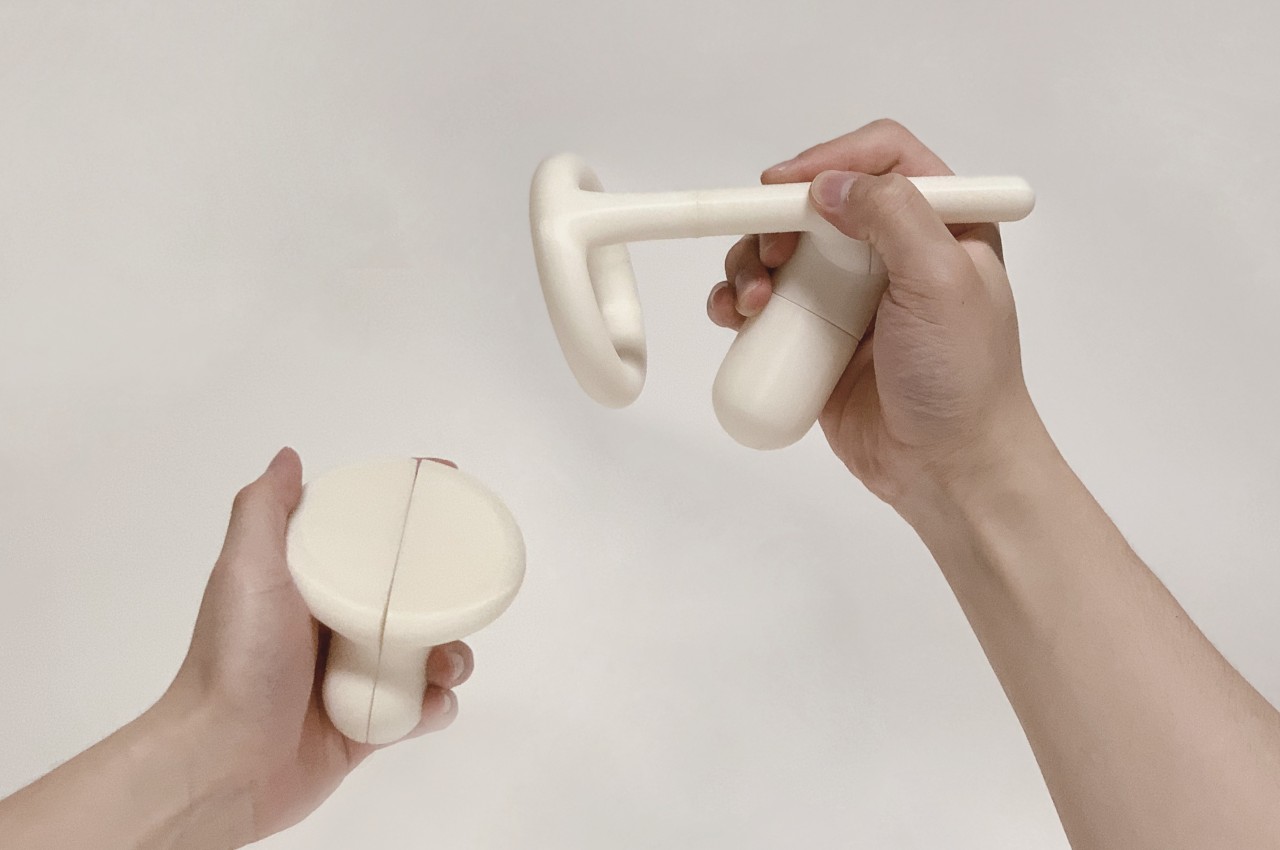
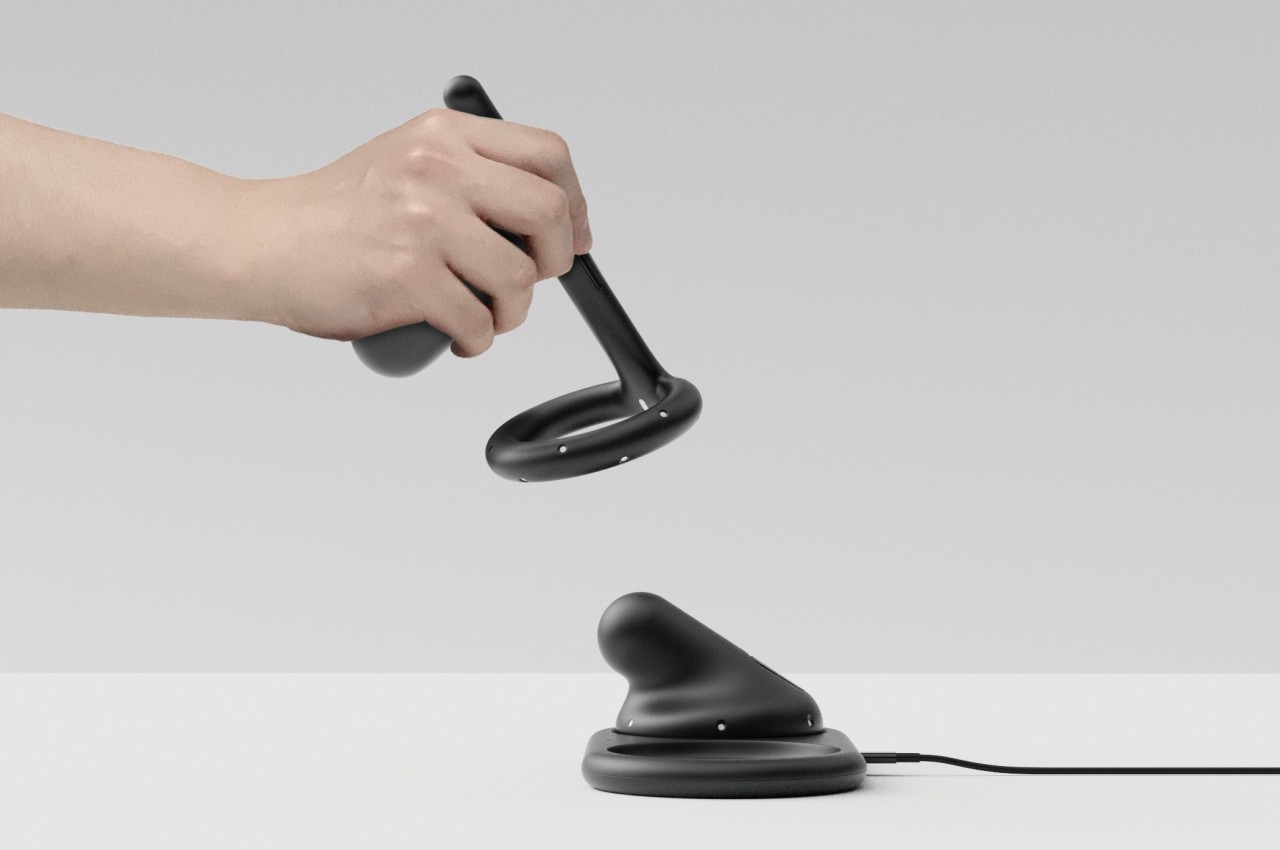
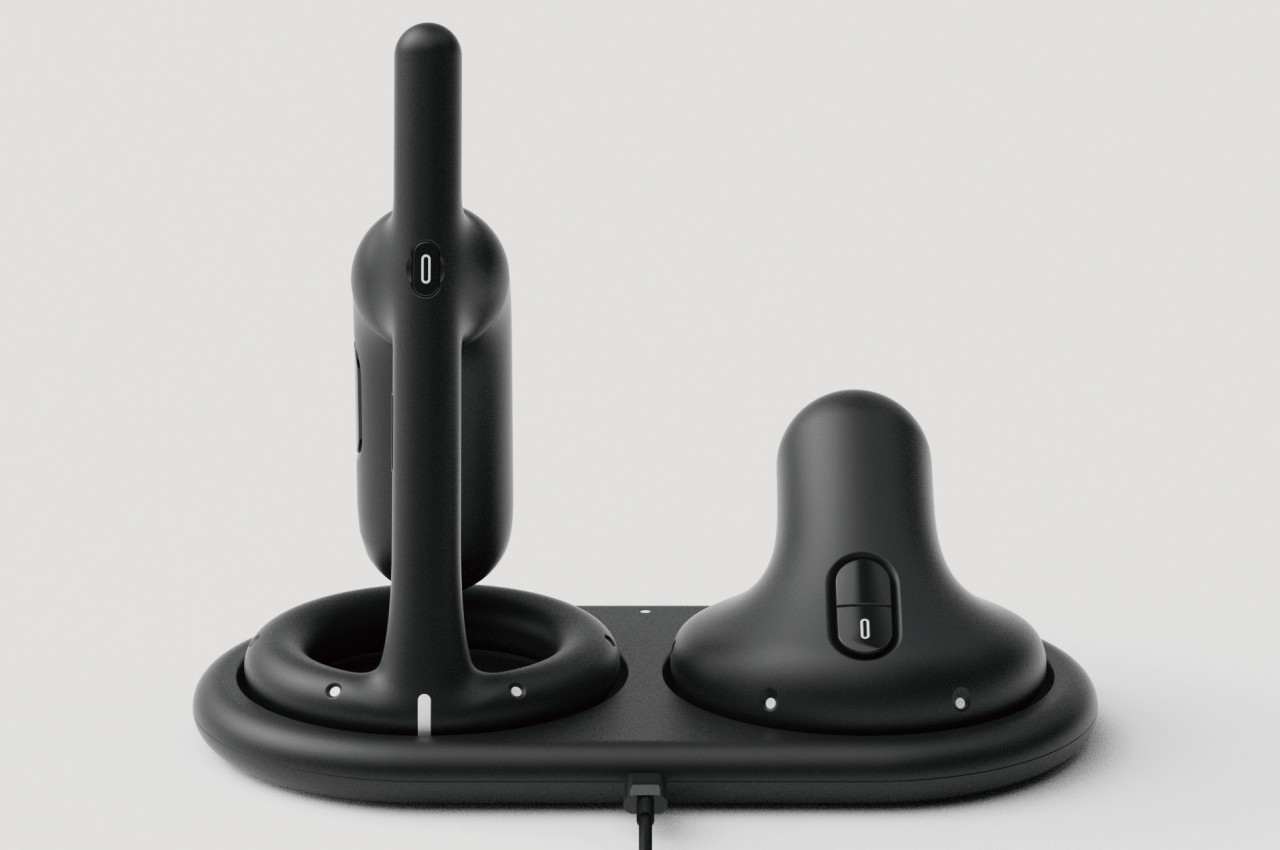
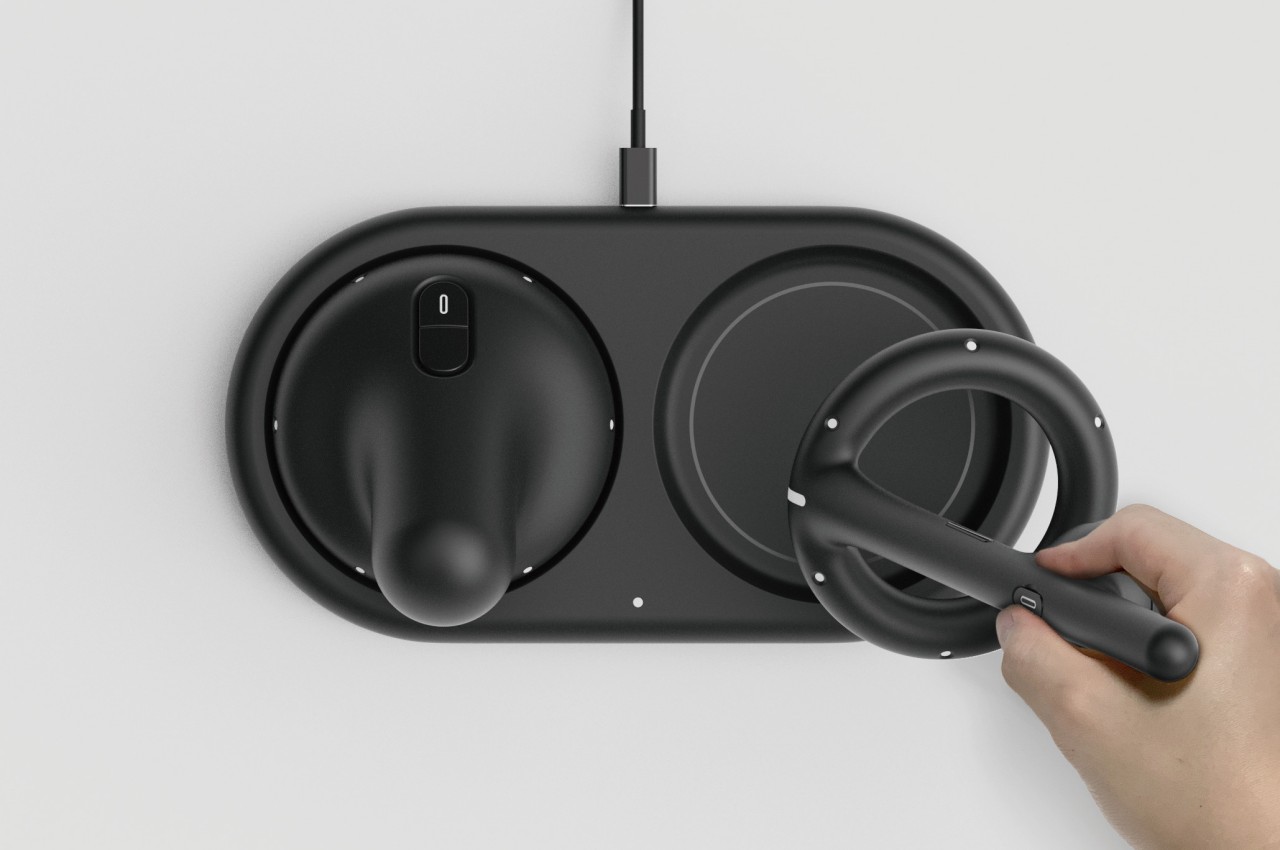
This is especially true in a world that tries to have some fidelity with reality like VR. It’s even worse because it makes us believe we’re seeing virtual objects we can touch, but we can never really touch them and have to be satisfied with pointing and clicking with both hands. Medium is a concept design that offers a compelling compromise for artists and designers. It still has that same two-piece approach that puts a controller in each hand, but ones that are designed to actually mimic the tools that artists would be familiar with.

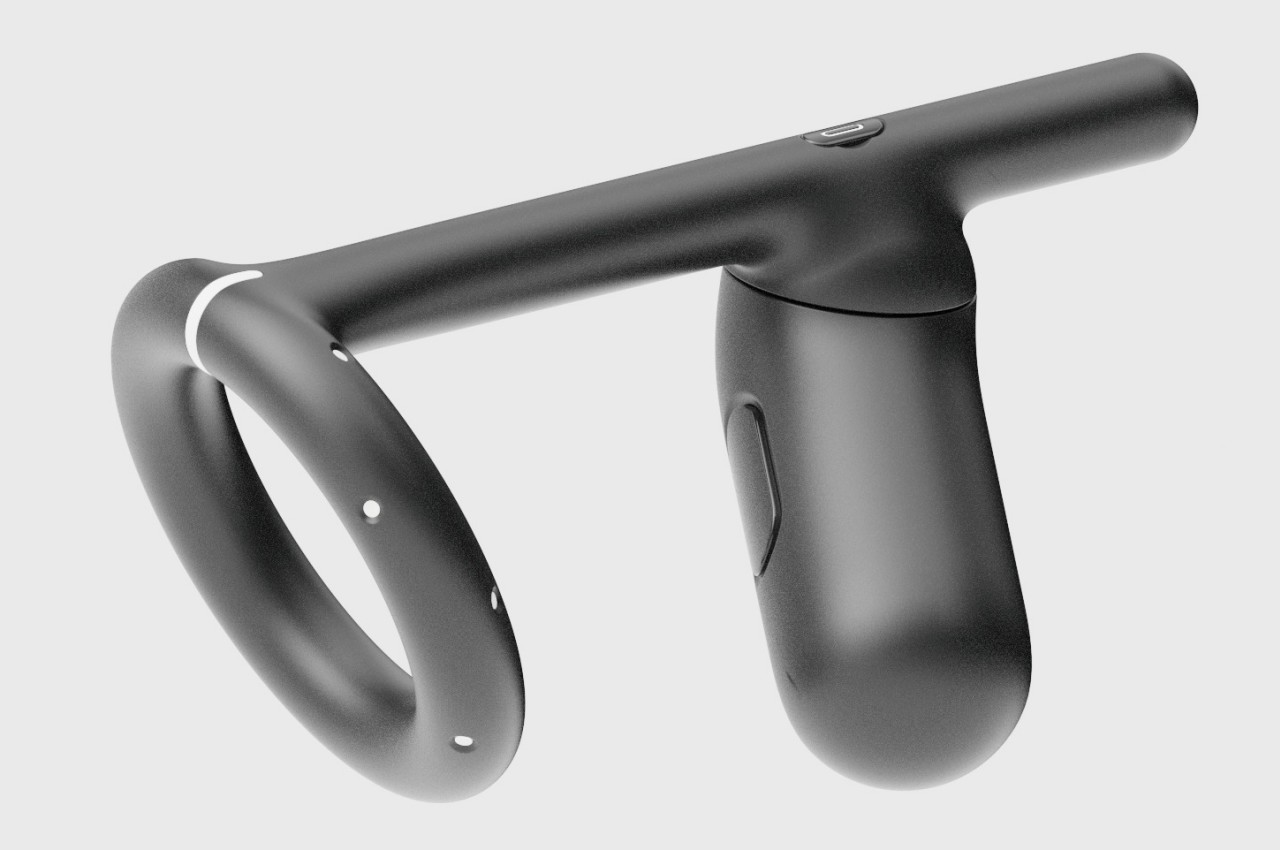
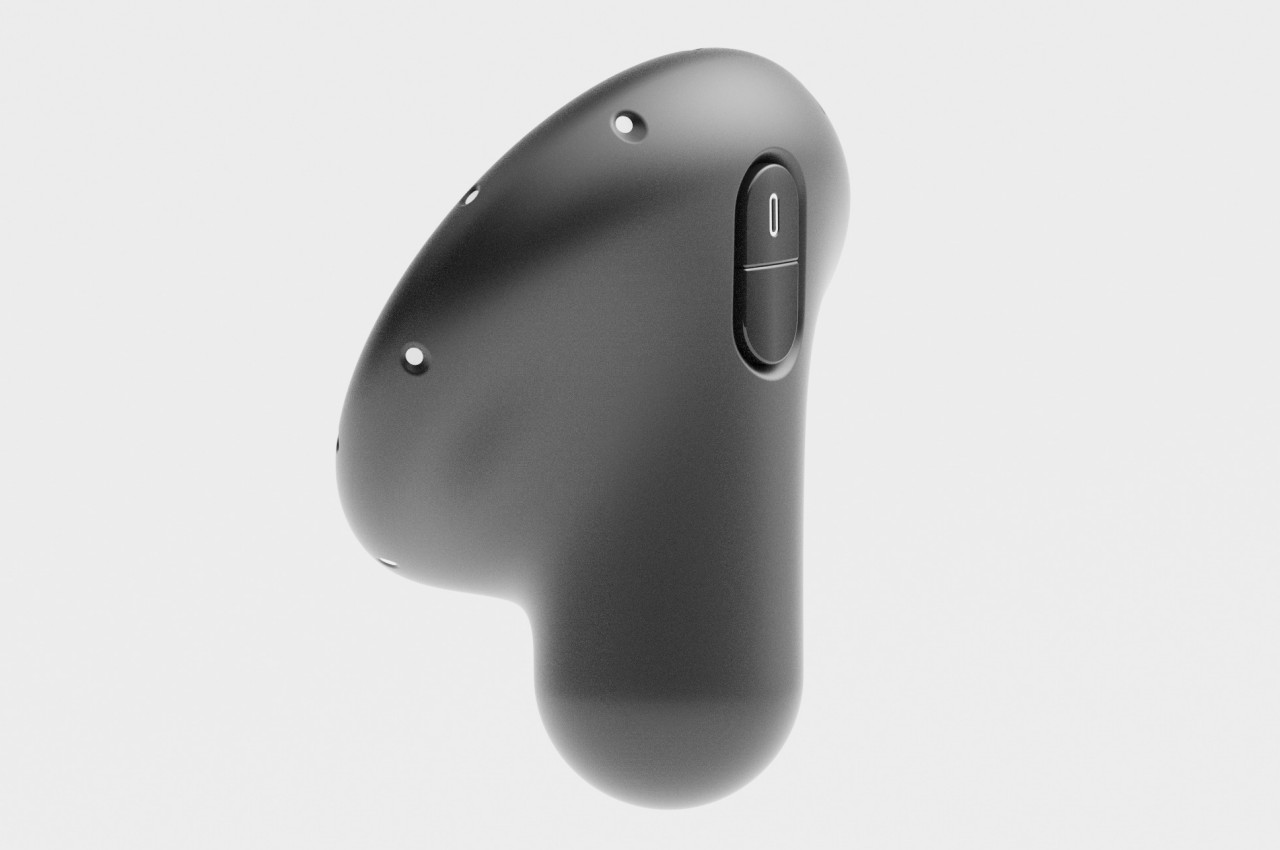
The right hand, for example, can be held either like a paintbrush or a can of spray paint, and the handle can be rotated to accommodate different ways people hold these tools. The left-hand controller, on the other hand (no pun intended), is like a painter’s palette, though it will probably show more than just colors in the virtual representation that you’ll see through VR glasses. Using these two pieces might feel intuitive for some artists familiar with painting, with the “palette” providing tools and options for the “brush” that you draw with.

Such a design is theoretically already possible with today’s technologies, but it requires a manufacturer to take the risk of actually producing a device that might appeal only to a small segment of VR users. But with these companies trying to push mixed reality and spatial computing harder, it might only be a matter of time before more specialized variants of controllers become available, at least as a stopgap measure until we can directly manipulate those virtual worlds with nothing but our hands.

The post VR controller concept for artists and designers offer a more intuitive design first appeared on Yanko Design.