A GameCube Controller on the Nintendo Switch 2? Meet Abxylute’s Deck-style Joy-Con Alternatives

When the Nintendo Switch 2 arrived in June 2025 at $449.99, it came with a 7.9-inch display, a faster processor, and a Joy-Con that doubles as a mouse. What it didn’t come with was a comfortable way to hold it for long sessions. The handheld form factor has always been a compromise between portability and ergonomics, and for players who log serious hours, that compromise starts showing up as wrist fatigue, awkward thumb angles, and a nagging wish for something with a proper grip. The accessory market has tried to fill that space for years, with results ranging from decent to deeply uninspiring.

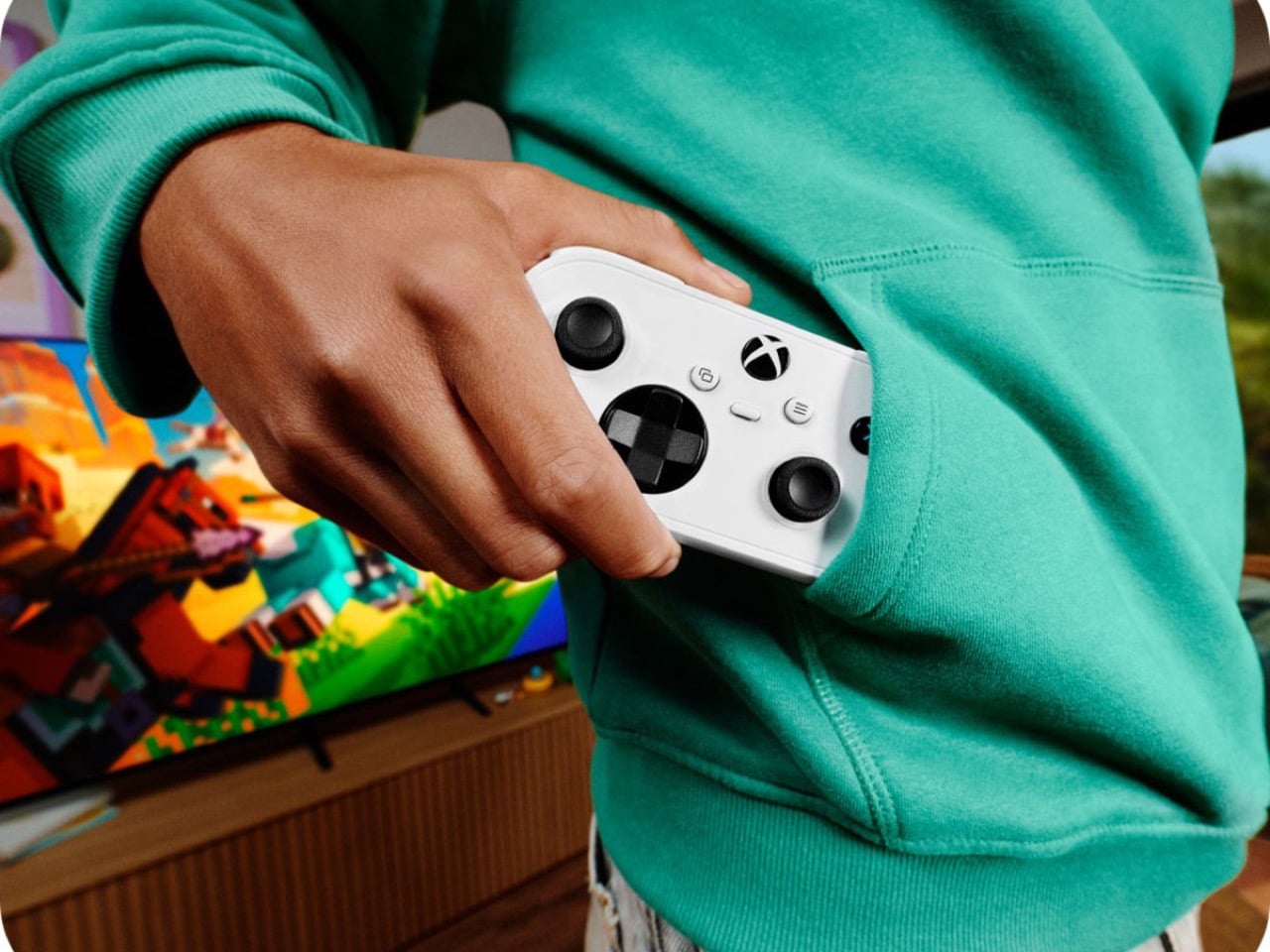
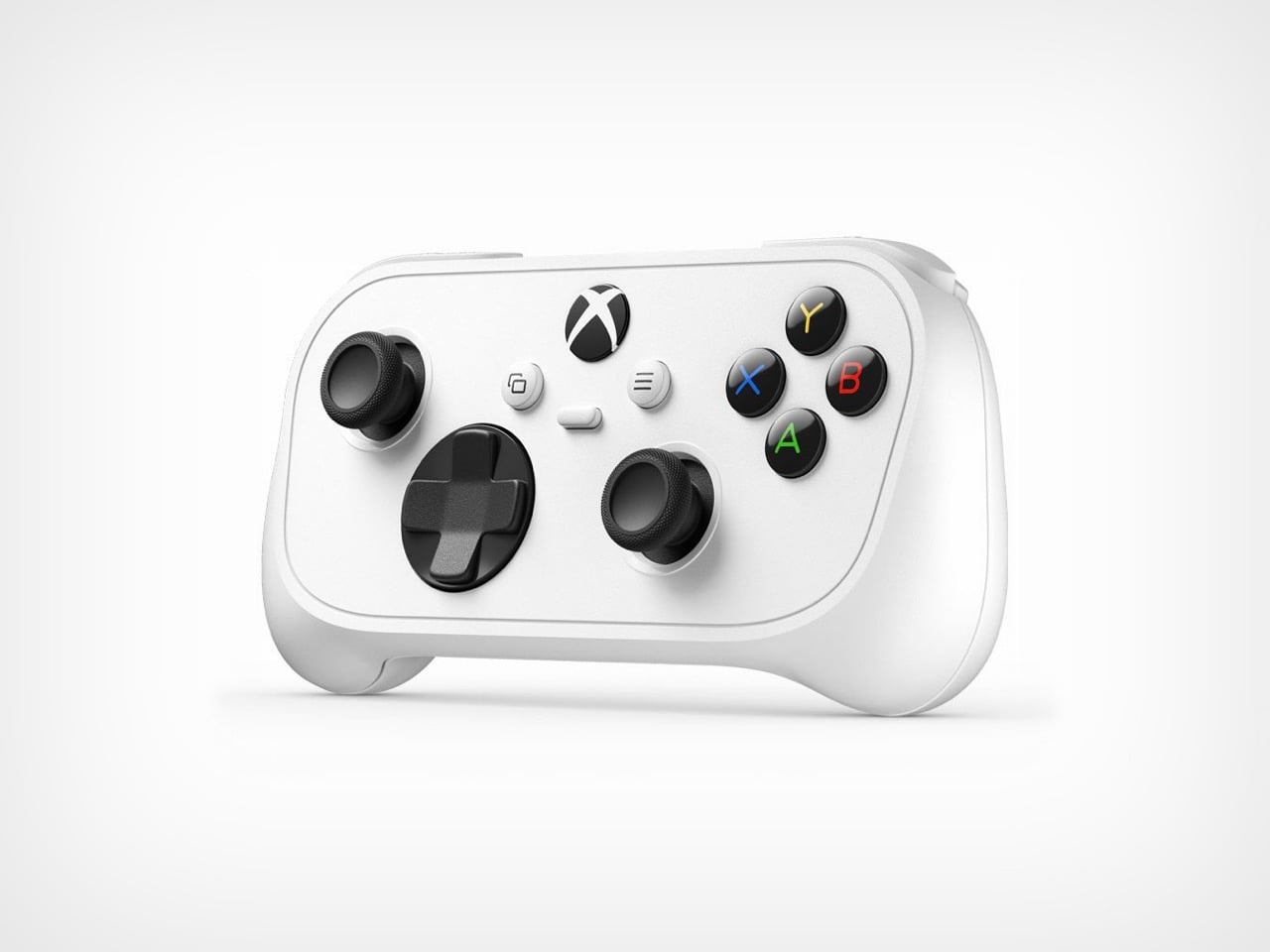
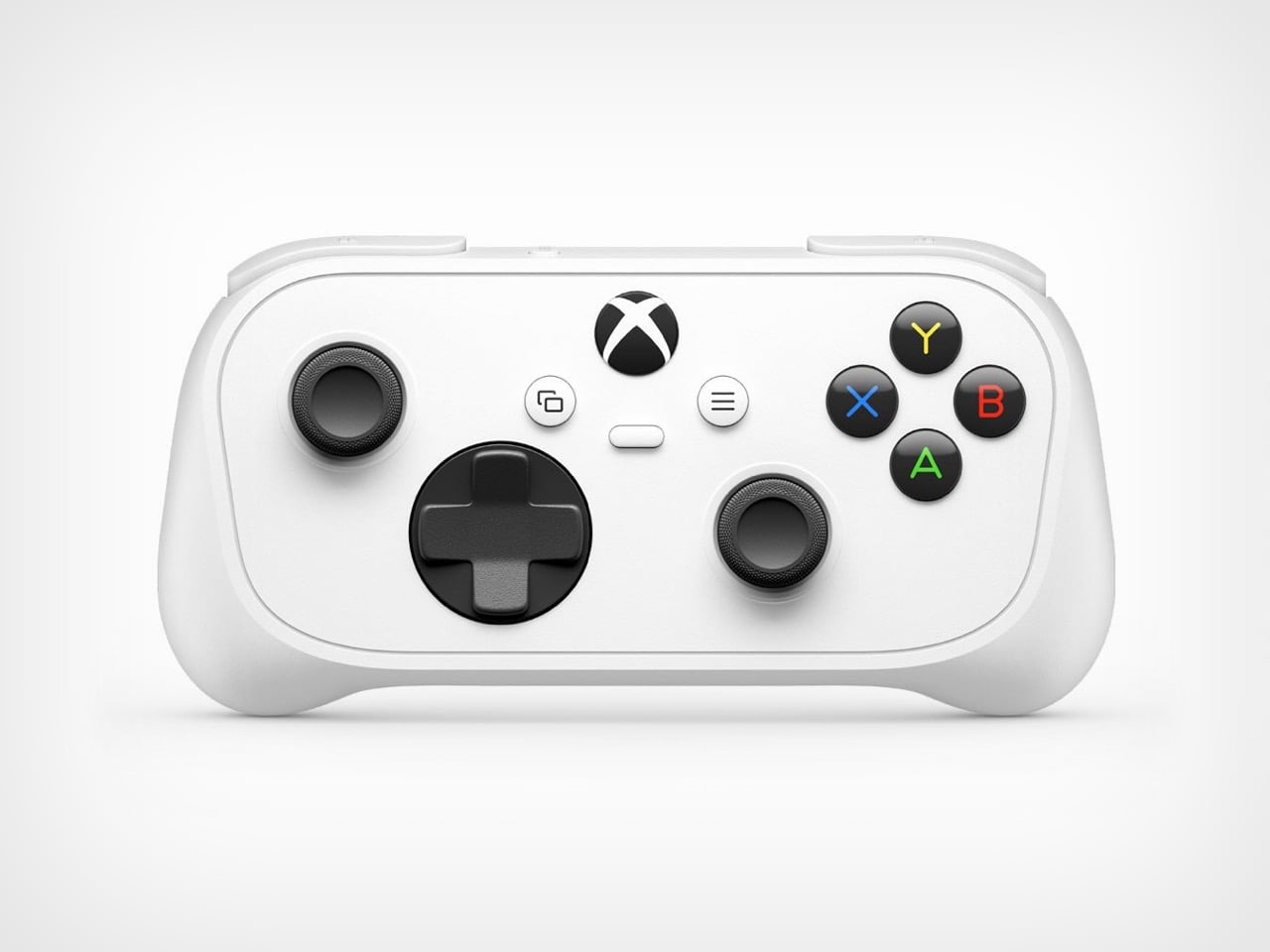
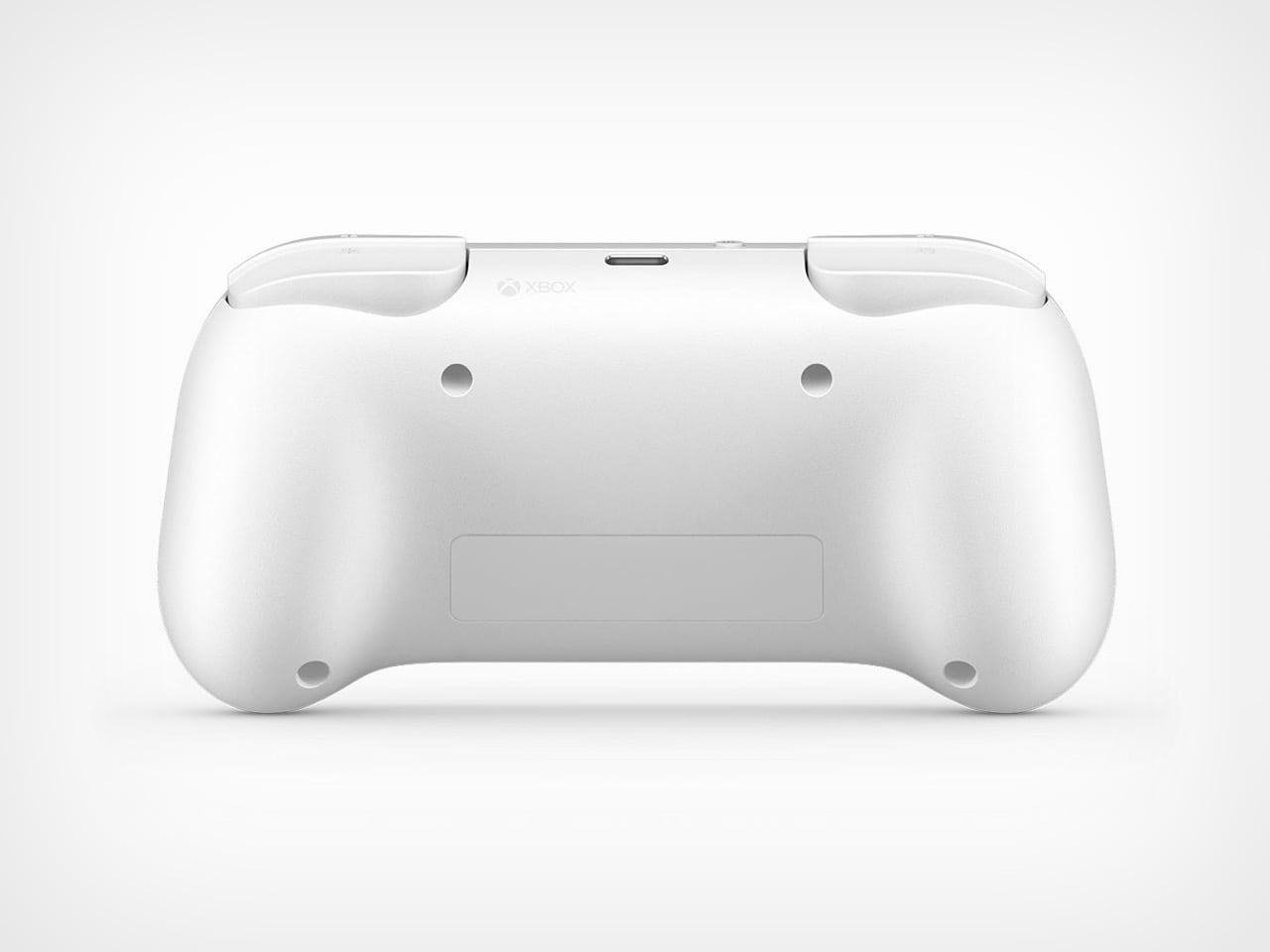
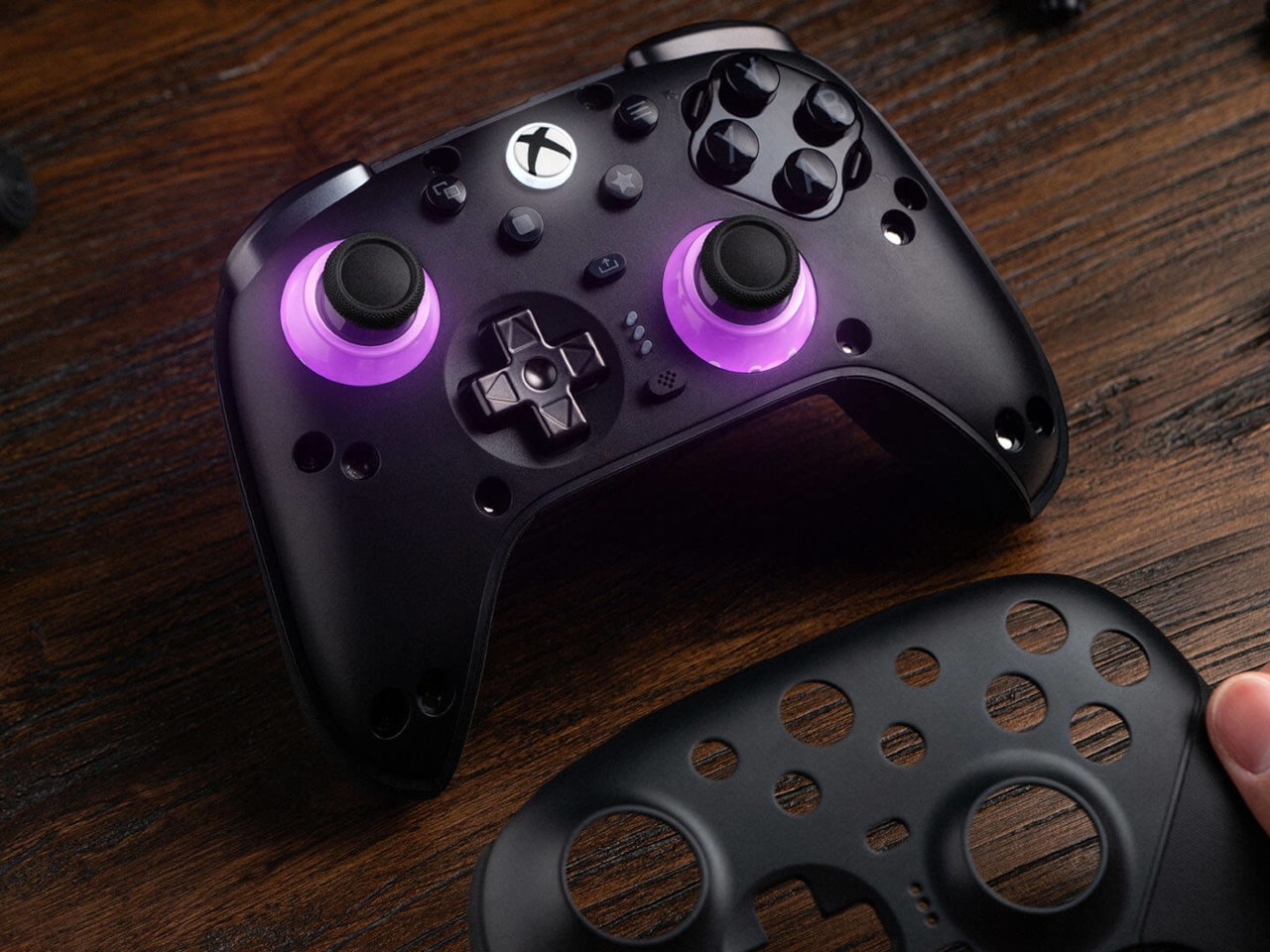
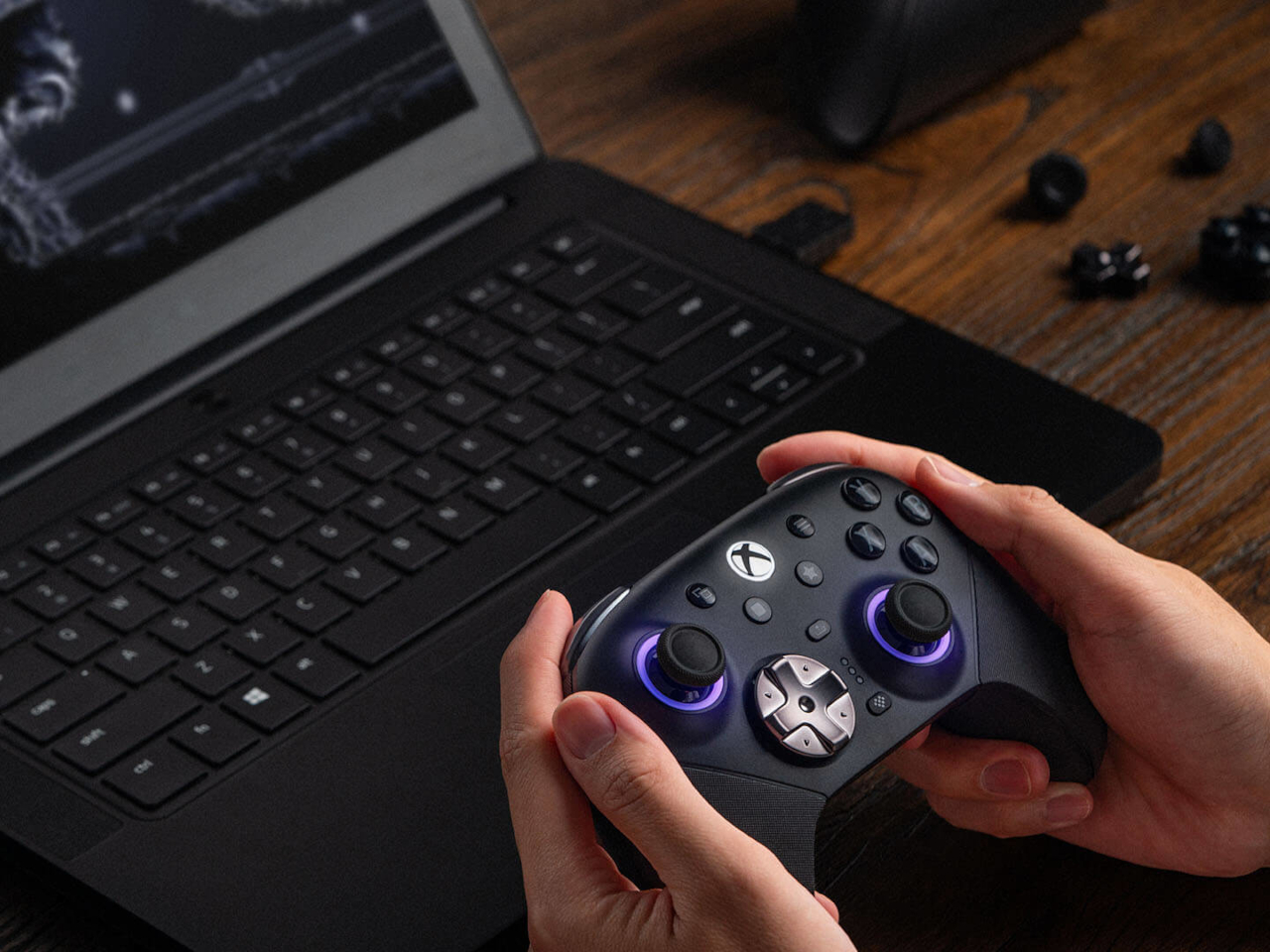
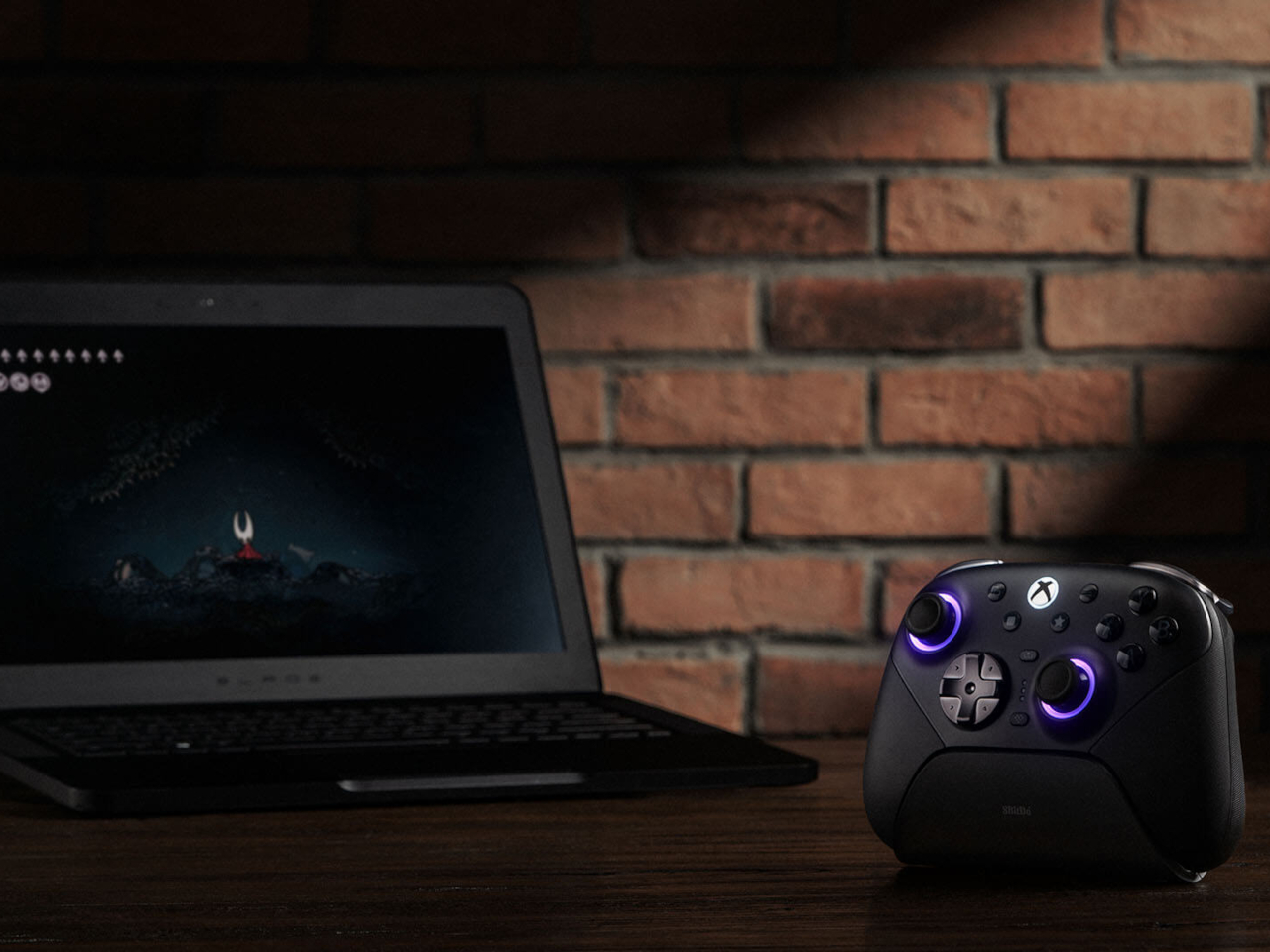
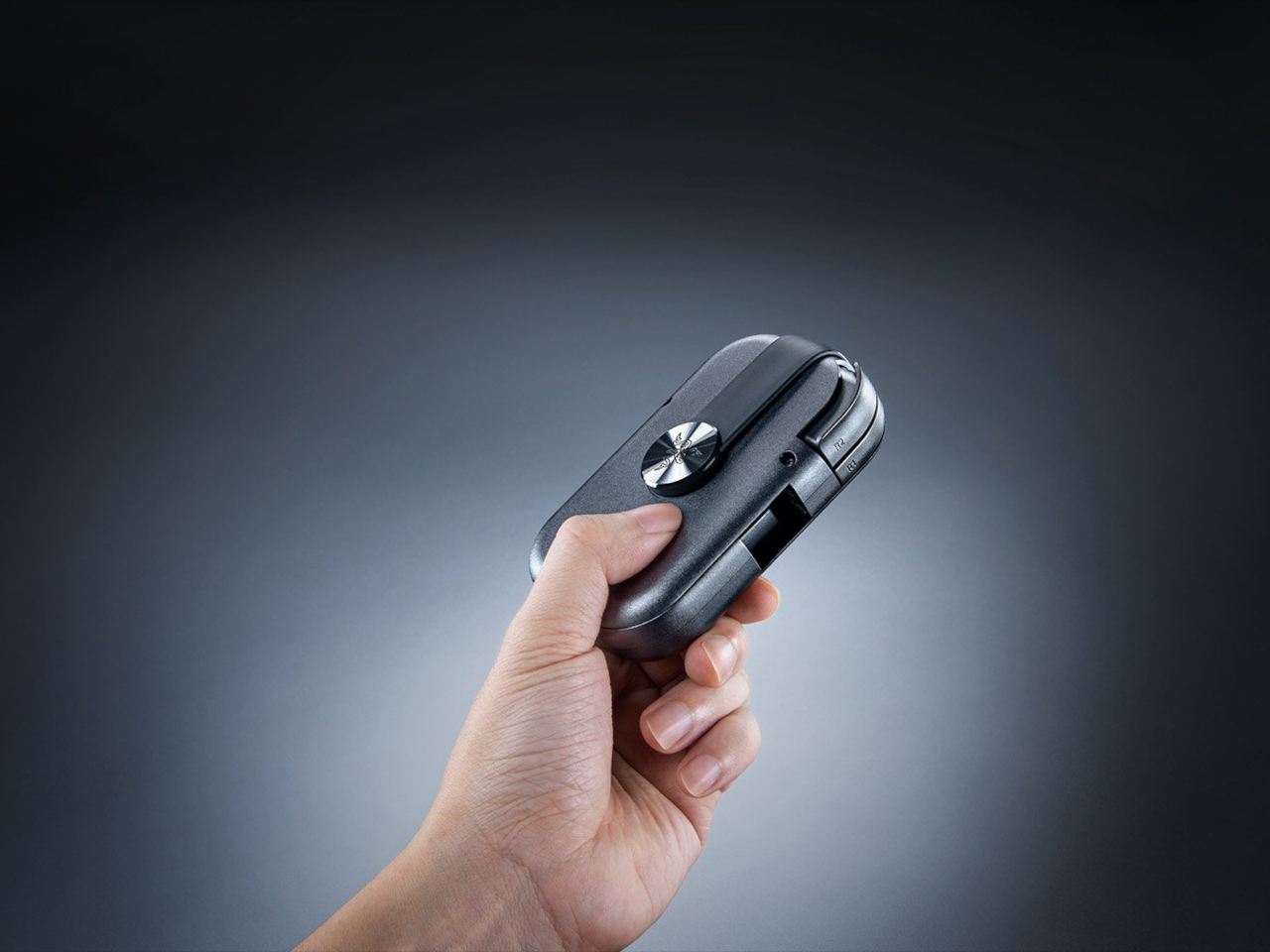
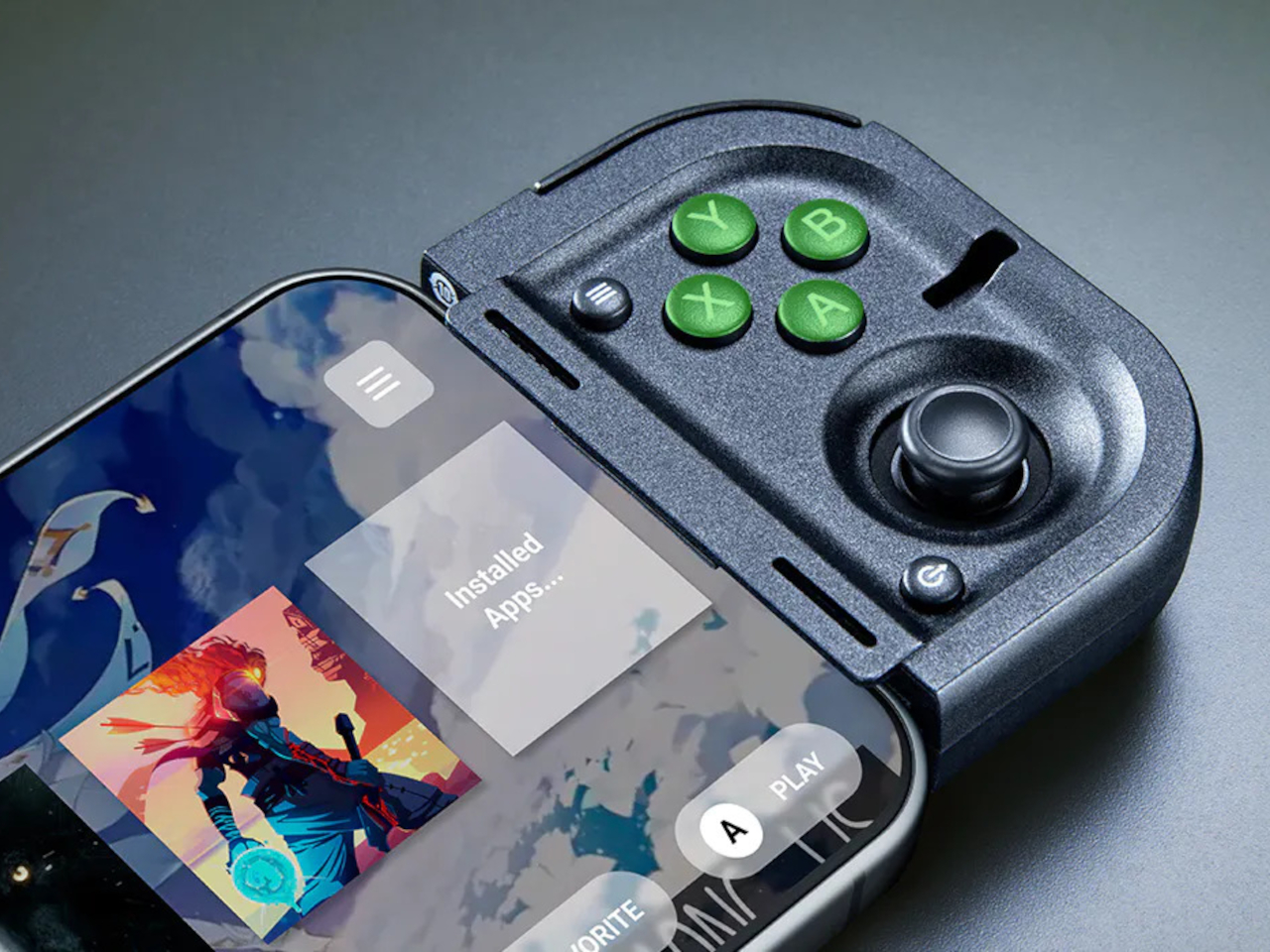
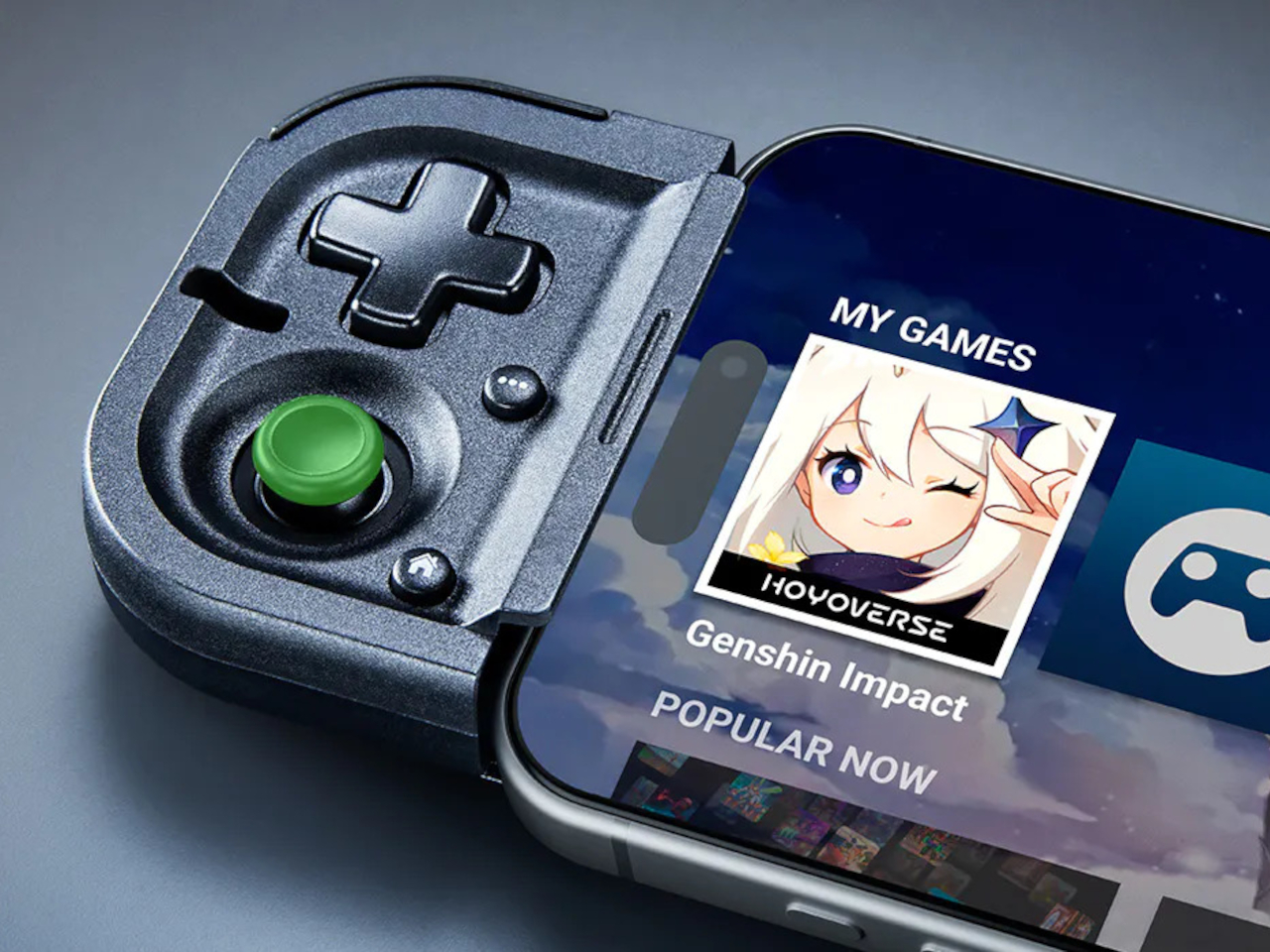
Abxylute’s answer comes in two forms: the N6 and the N9C, both deck-style controllers purpose-built for Switch 2 play. The N6 wraps the console in a full-size ergonomic grip with Hall-effect joysticks, native 9-axis motion control, a dedicated C Button for GameChat, and adjustable vibration levels the player can cycle through without leaving a session. The N9C leans into personality, drawing from GameCube design DNA with mechanical buttons, trigger switches, and a capacitive joystick system paired with swappable gates.

Designer: Abxylute

Click Here to Buy Now: $79 $110 (28% off) Hurry! Only 10 days left.

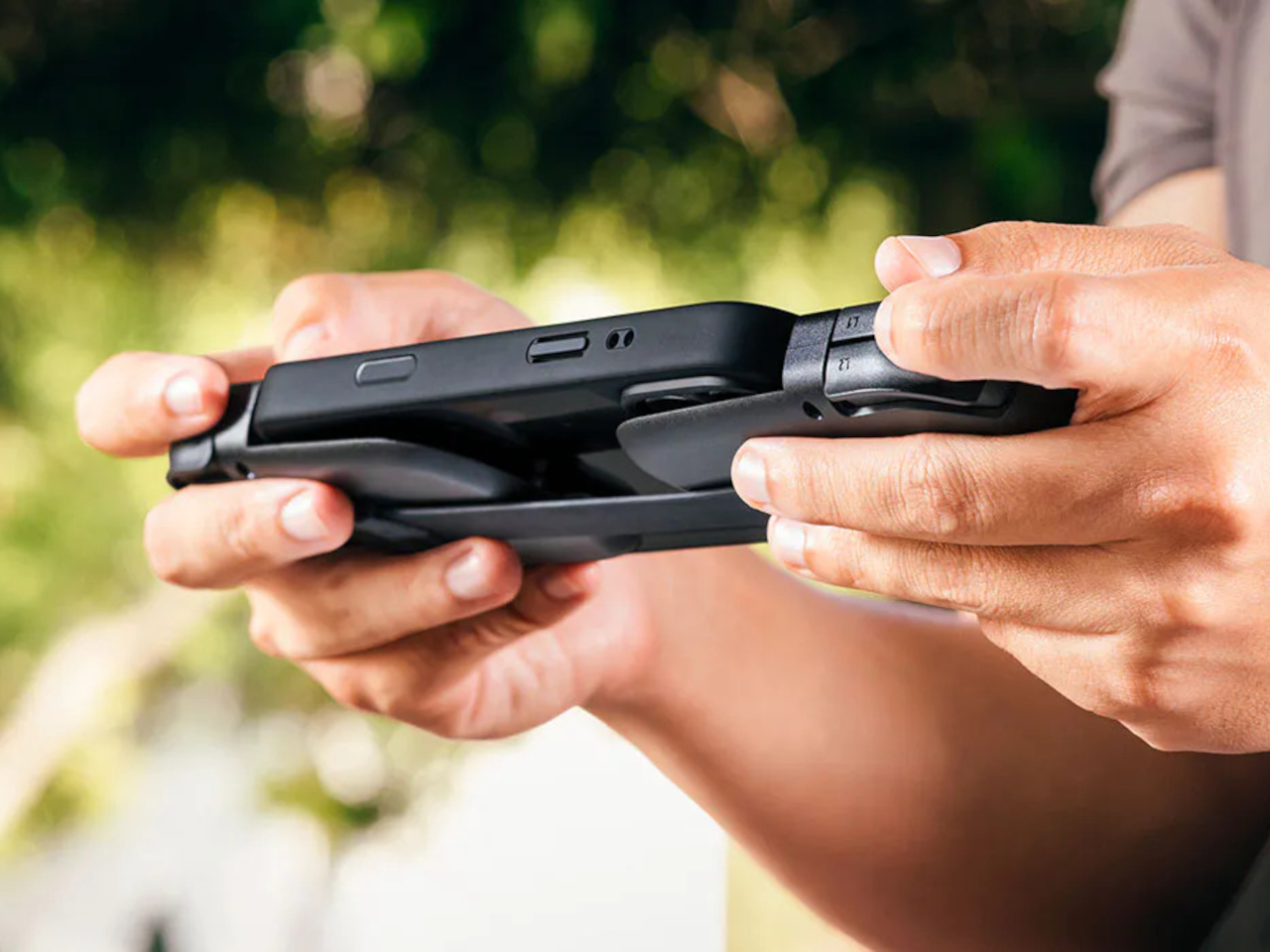
Joy-Cons were engineered for flexibility: detachable, shareable, usable solo or in pairs, functional as individual controllers for two-player sessions on a single console. That versatility comes at the cost of ergonomics, because a controller small enough to slide into a rail and function independently will never offer the grip depth, trigger travel, or palm support of something purpose-built for extended solo play. The N6 and N9C abandon that modularity entirely in favor of doing one thing exceptionally well, which is making handheld Switch 2 sessions feel like you’re holding a full-size controller instead of a tablet with thumbsticks glued to the sides. The tactile feedback is immediate and familiar, the kind of responsiveness you get from hardware designed around sustained single-player sessions rather than multi-function compromise. Both controllers connect via wired USB-C, skipping wireless pairing lag entirely, because when the target is solo handheld performance, eliminating variables takes priority over flexibility.

The N6’s open-top design is the first thing people will argue about online, and they’ll mostly be wrong. The Switch 2 stands over 11 cm tall, and a fully enclosed grip pushes that height further, putting your palms in the kind of awkward hover position that builds exactly the fatigue you were trying to avoid. Abxylute held the grip height at 8.5 cm, matching full-size controller proportions, so your palms have something to rest against rather than squeeze. The 7-inch grip width sits narrower than the console body deliberately, keeping your hands at a natural, relaxed spread instead of forcing them wide across a bulky frame. The physics of holding something for two hours straight are pretty straightforward, and this design reads those physics correctly.

Hall-effect joysticks solve a specific, measurable problem that standard potentiometer sticks fundamentally cannot. Potentiometer sticks use resistive contact that physically degrades over repeated use, which is why drift rates climb after a year or two of regular play. Hall-effect reads joystick position magnetically, with zero physical contact between moving components, and the N6 bumps the stick travel angle to 23 degrees compared to 18 degrees on Joy-Con, giving your thumbs more range for fine-grained inputs. A POM anti-wear ring around each stick handles mechanical stability without adding stiffness or noise to the movement. It’s a small detail, but the kind that separates purpose-built hardware from a generic controller with a different shell. On a device you use daily, that engineering choice compounds in your favor in a way that contact-based sticks simply never will.

Inputs across the N6 break down by material type, and the distinctions matter. ABXY buttons use conductive rubber for cushioned presses that reduce finger fatigue; the D-pad uses tactile switches for sharper directional accuracy; shoulder buttons deliver tactile clicks for faster responses in action-heavy play; and the linear digital triggers provide a genuine 0-100% input range rather than binary on/off clicks. That trigger range matters considerably in racing games and anything relying on gradual pressure inputs. Vibration adjusts at four levels, 0%, 40%, 70%, and 100%, switchable via button combo directly on the controller, bypassing the game-by-game settings adjustment that the Pro Controller requires. The grip’s internal structure forms a resonance chamber that redirects the Switch 2’s speakers forward and reinforces bass by around 10%, which you’ll register in a quiet room as fuller, punchier audio than bare Joy-Cons produce.

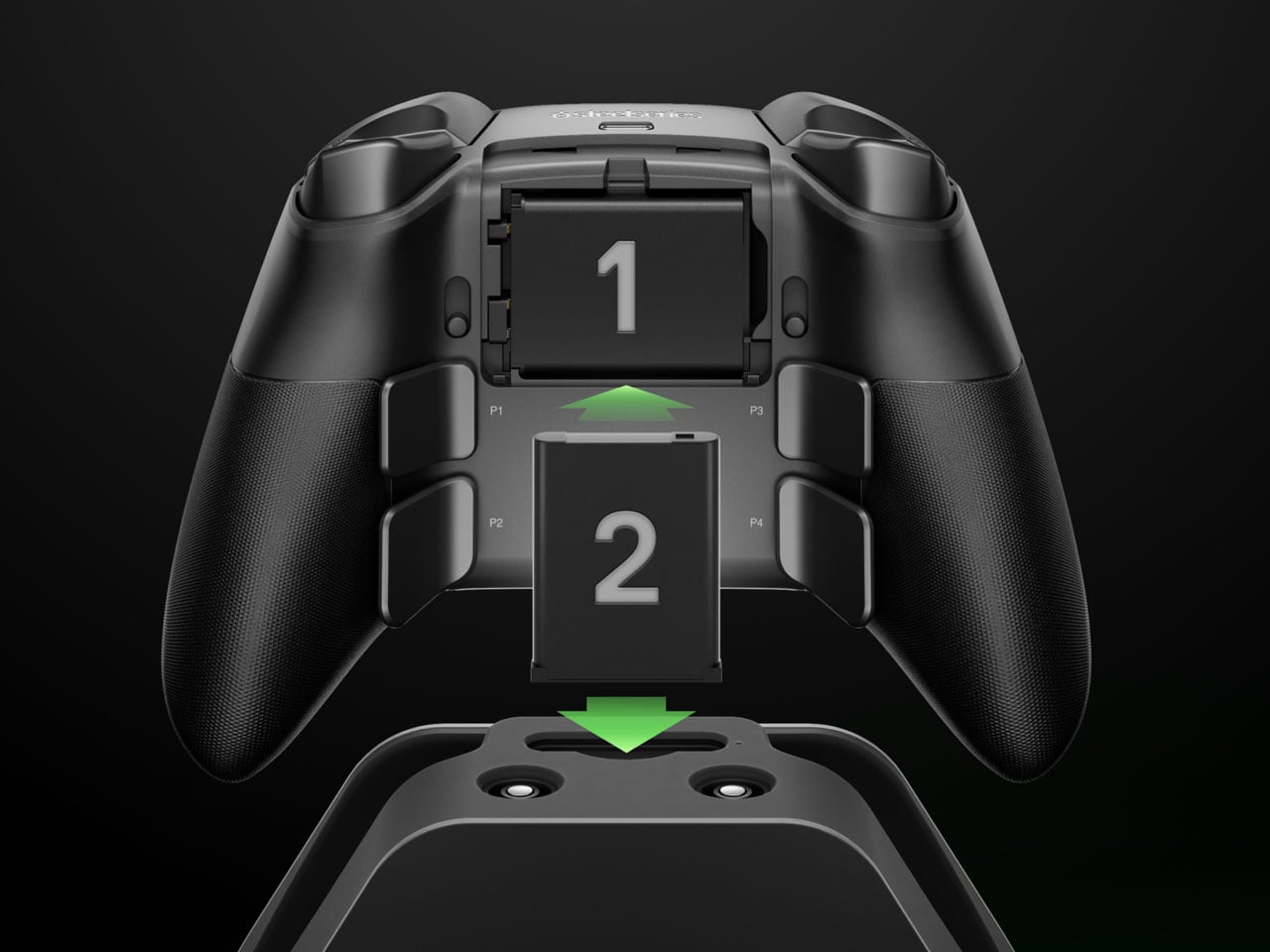
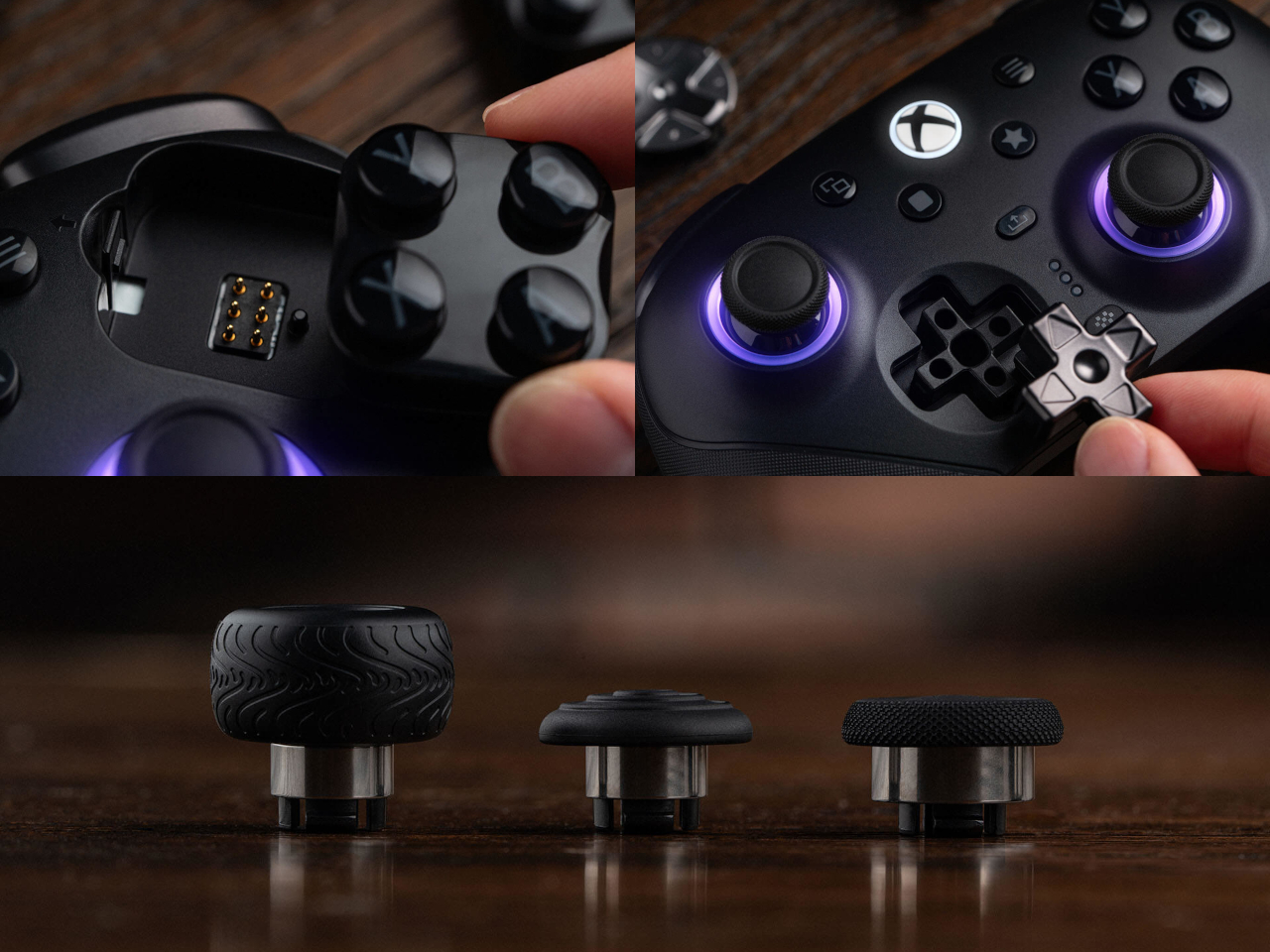
The N9C is doing something more niche and, honestly, more interesting. Where the N6 chases Pro Controller parity, the N9C chases the GameCube controller’s specific feel, complete with a centered A button and asymmetric face layout, rebuilt for a modern console using mechanical micro-switches and ALPS tactile shoulder buttons. Capacitive joysticks sidestep magnetic interference entirely, and the swappable 8-way and circular gate rings mean you can dial in a tight directional gate for fighters and swap to a smooth circular gate for platformers. A built-in battery hatch holds two replaceable batteries that reverse-charge the Switch 2 directly during play. Most grips on the market ignore battery life almost entirely, and a reverse charge system that powers the Switch 2 directly from the controller is a differentiator almost nothing else in this category offers.

The N9C carries four programmable rear buttons, two per side compared to the N6’s one per side, and each supports the same macro-recording system that chains directional inputs and actions into a single trigger. Switch 2 system-level button remapping works natively, requiring no third-party software, so a custom layout travels across every game without reconfiguring anything. An integrated rear stand sets the N9C apart from virtually every grip in this category, giving the Switch 2 a propped tabletop angle without relying on the console’s own kickstand. The primary connection is wired USB-C for ultra-low latency, with BLE available for configuration only, keeping the input chain clean during actual play. Every N9C ships with both C-stick and ring-style joystick caps in the box, so players can dial in the stick feel before the packaging hits the trash.

Mass production kicked off in March 2026, with shipping expected between April and June. Super Early Bird pricing runs $79 for the N6 (retail $110) and $89 for the N9C (retail $120), with a bundle sitting at $159. Nintendo’s own Pro Controller for Switch 2 retails at $79.99 and carries none of the Hall-effect sticks, programmable back buttons, or turbo functionality. Abxylute has shipped over 120,000 units across more than 20 projects to 100,000-plus customers, so the production infrastructure exists. What they’re solving for is specific: handheld Switch 2 play that performs at Pro Controller level without forcing players to accept the Joy-Con’s ergonomic ceiling as permanent.

Click Here to Buy Now: $79 $110 (28% off) Hurry! Only 10 days left.

The post A GameCube Controller on the Nintendo Switch 2? Meet Abxylute’s Deck-style Joy-Con Alternatives first appeared on Yanko Design.
Xbox Sky Cipher Transparent Controller brings a touch of sustainability

Some might think of gamepads and game controllers simply as accessories, but just like keyboards and mice, their design can greatly affect the user’s enjoyment. It isn’t just about ergonomics and features, though those are definitely definitely critical elements to such a device. A controller’s appearance can also bring delight to the user, especially when it comes in a form that appeals to their aesthetic tastes or interests. That’s why there’s no shortage of controllers sporting designs from popular video game franchises, official or otherwise, or why Microsoft opened up an Xbox Design Lab to let gamers mix and match designs to their heart’s content. This new special edition Xbox Controller offers a more futuristic flavor that also cares for our planet’s future in its own small way.

Designer: Microsoft

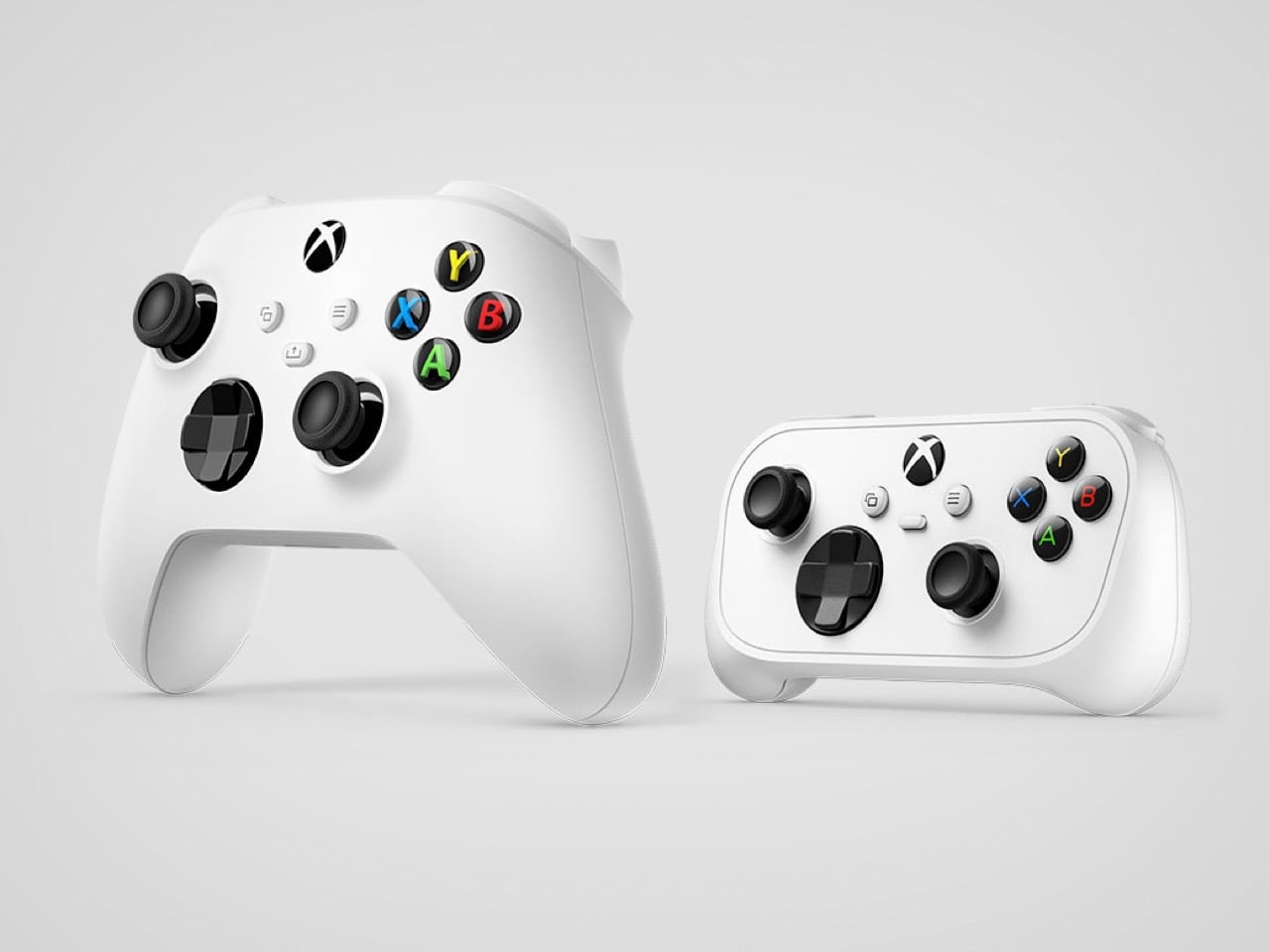
There is no small amount of fascination with devices that have transparent shells. Although it only shows contemporary hardware and designs, it gives a window into those technological mysteries that make them feel a little futuristic. No group of people loves this aesthetic more than gamers, and the new Xbox Wireless Controller – Sky Cipher Special Edition gives that feeling many will enjoy, at least if they’re fans of azure hues.

The controller might be blue, but it is far from looking sad. Unlike previous transparent Xbox controllers, Sky Cipher gives a complete and clear view of the device’s innards, at least from the front. Many of those internal parts are given a metallic silver sheen to make them really pop out and add to that futuristic flair. Unfortunately, the back of the controller is completely opaque, which is probably for the best since it has rubberized grips that would look unattractive on a transparent surface.

There are, of course, opaque parts in front as well, but this special edition manages to make them a bit more visually interesting. The triggers and D-Pad, in particular, have a metallic quality to them, which, alongside the silver internals, give the controller a more mechanical personality. It’s like a prop from some sci-fi show that would be used to control giant robots, ships, or drones. Presuming those machines of the future would have such a primitive mode of control, of course.

The Xbox Wireless Controller – Sky Cipher Special Edition is forward-looking in more ways than one. It is the first of its kind to use more environment-friendly packaging, one that completely removes single-use plastics from the box. It even saves paper by ditching the manual for a QR code, since gamers are more likely to go for electronic and online documentation anyway. The controller itself is, of course, still made from plastic anyway, but Xbox is hopefully inching slowly towards a more sustainable design for the true futuristic vision.

The post Xbox Sky Cipher Transparent Controller brings a touch of sustainability first appeared on Yanko Design.
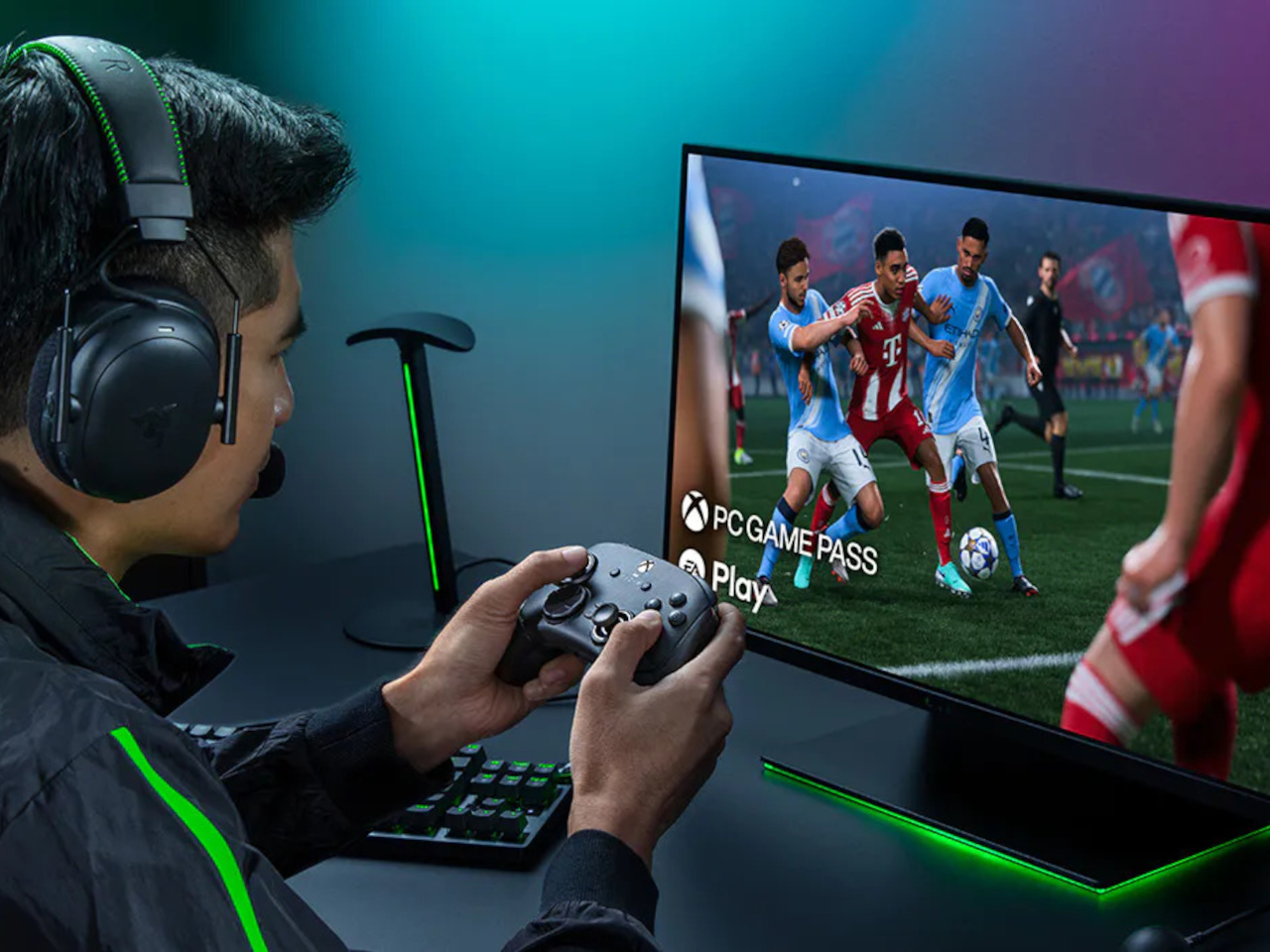
8BitDo SN30 Pro Gold and Silver controllers are as heavy as they look

It seems that we’re seeing a rather curious design trend in the gaming market. Once filled with plastic-encrusted designs, there are a few coming out with more stylish cases, be it for the device itself or for its accessories. Analogue just recently launched its CNC aluminum limited edition Pocket, but 8BitDo was actually a few steps ahead of it. Although one’s eleventh anniversary isn’t actually associated with metal (it’s Turquoise, by the way), the famed maker of throwback controllers released metal versions of its widely popular SN30 Pro, giving fans of the brand a collectible they can actually use and, in case of an emergency, even throw like a deadly weapon.

Designer: 8BitDo

Game controllers are made to be light enough not to cause hand strain but still have enough weight to feel substantial and improve gameplay. Gamers have come to expect that bulkier controllers that follow the Xbox and PlayStation designs would be heavier than most, especially controllers that are patterned after the designs of yesteryears. Not so this variant of the SN30 Pro, itself designed after the super lightweight Super Nintendo gamepad, mostly because most of its body is made of metal.

The Gold and Silver editions of the SN30 Pro aren’t just cheap paint jobs, though you might be forgiven for making that presumption given the resemblance to powder-coated metallic paint. It’s true metal, or as 8BitDo calls it, metal zinc alloy, and it’s used not just for the main body but for almost every part visible to the eyes. That includes buttons, triggers, and, yes, even the joysticks. The gold edition gets a matte paint finish while the silver version undergoes electroplating. The cables aren’t metal, though, which is probably for the best.

More than just visual oddities, the SN30 Pro Gold/Silver Edition controllers also have one other advantage over their plasticky older siblings. They’re built to last, at least more than the common controller, as metal will not warp or deform over time. It’s also less likely to crack when accidentally dropped, though you might dent this here and there. And drop it you might indeed, given how heavy it is 381g. For comparison, the normal SN30 Pro weighs a mere 114g and even the Xbox Wireless Controller is just around 287g.

Not all that glitters is gold, as they say, and despite the luster and heft of these limited edition controllers, their feature set might leave gamers sorely disappointed. They’re definitely more like functional collectors’ editions rather than serious gaming weapons (unless you throw it like one), and the $99.99 price tag definitely cements, or rather forges, that image.

The post 8BitDo SN30 Pro Gold and Silver controllers are as heavy as they look first appeared on Yanko Design.
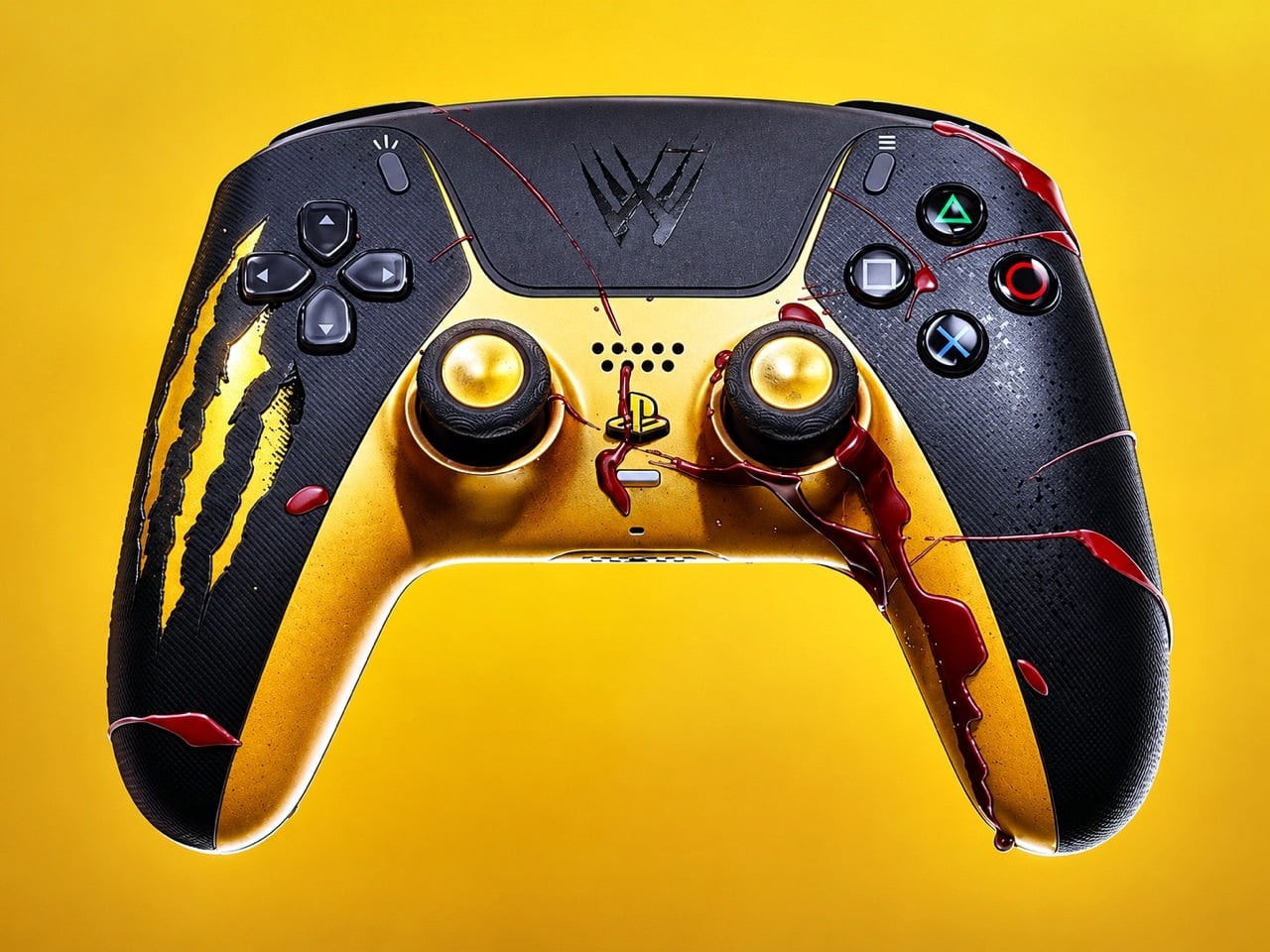
Sleek futuristic game controller concept removes almost all buttons

The recent years have put gaming under the spotlight, from the hit mobile games like Pokemon GO to innovative consoles like the Nintendo Switch, to the messy adaption of iconic video games into films or TV shows. Of course, this has also given rise to interesting new product designs, especially those riding on the retro trend that’s bringing aesthetics from the past to the present. That said, we can’t always be looking backward trying to relive a so-called “golden age” of design. In order to move forward, we sometimes have to break away from standards and tradition to pave the way for the future. That may sometimes result in unusual designs that may or may not work as intended. This futuristic-looking game controller, for example, aims to simplify the user experience and give the product a more aesthetic flair, but it also raises questions about the usability of the redesign.

Designers: Sami Azfar, Salekin Piash

The basic design of game controllers has changed little over the decades. Yes, they vary depending on the platform or generation, but the existence of buttons, directional pads (D-pads), joysticks, and triggers has always been a standard. For now, it’s the only way you can express a multitude of actions with a limited number of controls, but it’s hardly the most effective or convenient. Unfortunately, we will have to stick with such conventions for the foreseeable future, but that doesn’t mean we can change how they are implemented.

Moenix is a design concept that tries to simplify the form of the controller, thereby allowing it to take on a completely different aesthetic. It specifically takes inspiration from the design of steering wheels and gearshift which are examples of simple yet powerful user interfaces. Unsurprisingly, the Moenix takes on a shape that’s not unlike the steering wheel of a vehicle but utilizes more organic shapes to give it a less mechanical appearance.

The most striking aspect of the controller’s design, however, is the lack of any visible interfaces. There are only two explicitly mentioned in the design, and both come under your thumb. These are touch-sensitive buttons whose actions can change depending on the game being played. One could act as a trigger in a shooter or as the gas pedal in a racing game, while the other can be mapped to movement or camera controls. Given the shape of the controller, it wouldn’t be surprising if it had motion controls so that you can turn your character or your car just by turning the controller itself.

This concept allows the game controller to take on a simpler and more approachable design, but it seems to come at the price of actually providing enough controls to the player. The dynamic buttons can be changed, but unless it can provide more than 2 or four actions, it will definitely be insufficient for most modern games. Alternatively, it might be possible to include buttons behind each handle, providing the same amount of expressiveness but in a more ergonomic position.

The post Sleek futuristic game controller concept removes almost all buttons first appeared on Yanko Design.
World’s smallest smartphone turns into a gaming handheld with this case

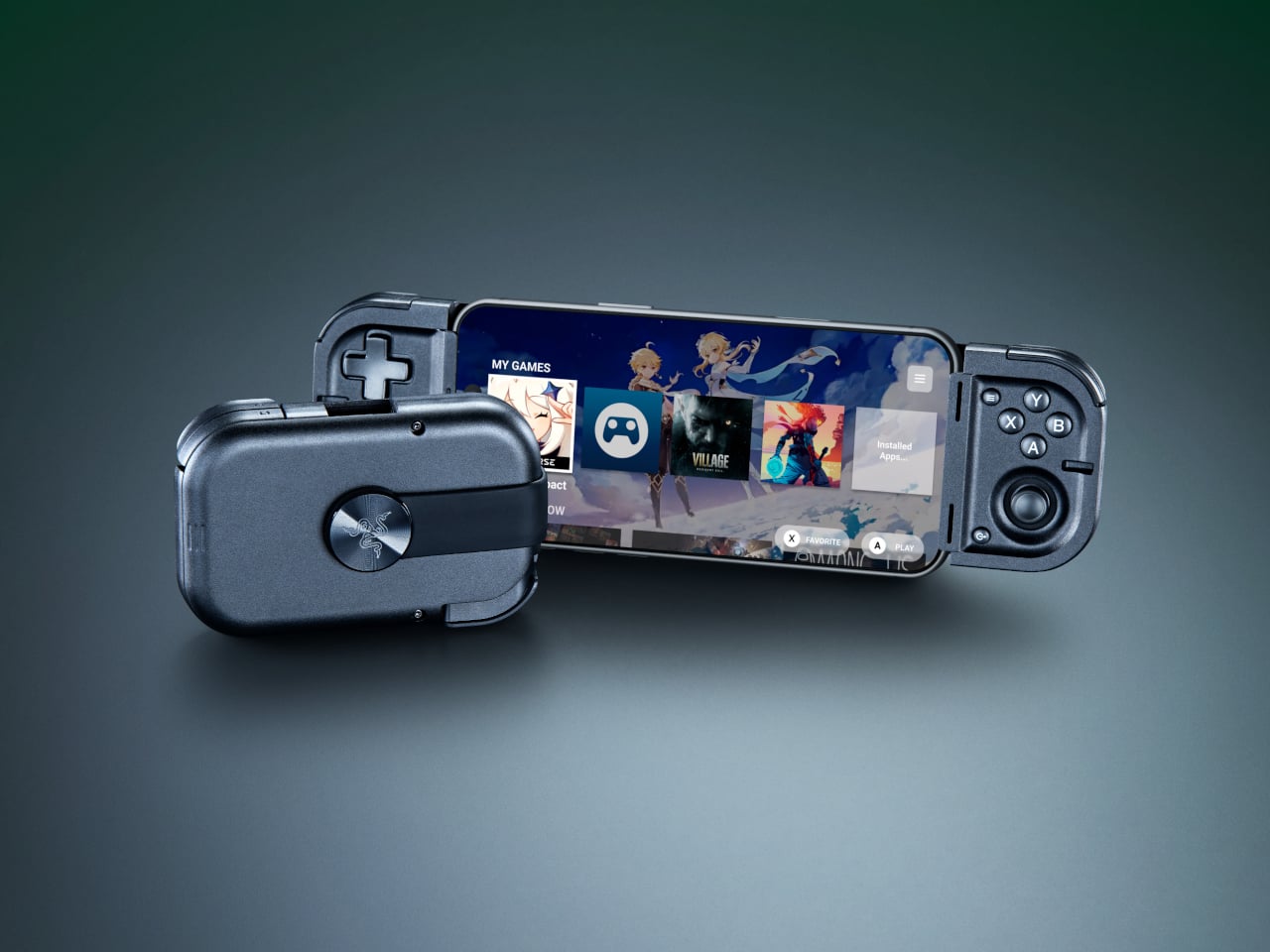
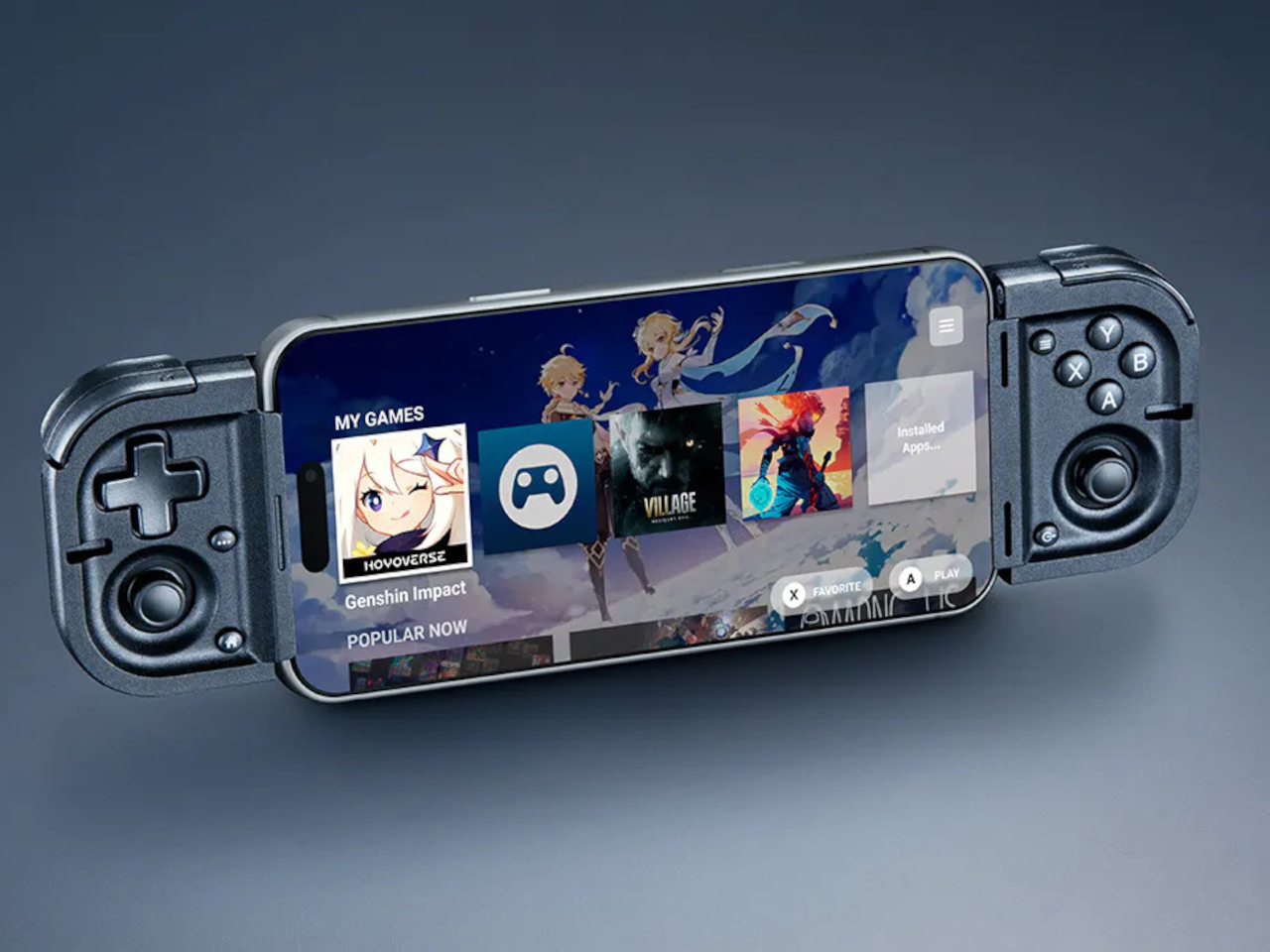
Gaming smartphones are quite the novelty in the mobile world, but despite their advertised or actual gaming chops, they often lack the necessary controls that would put them on par with consoles. Conversely, most of these gaming smartphones have designs that make them a little less appropriate for more formal environments with their flashy RGB lighting and distinctive motifs. A middle ground between these two extremes would be to slap on some controllers on “normal” but premium handsets, effective but also a little too mundane these days. This rather unusual phone case, however, tries to add a new flavor to mobile gaming by introducing not only an unusual controller design but also by making it exclusive to one of the weirdest and cutest smartphones in the market.

Designer: Sugar Cubes (via Retro Dodo)

The Unihertz Jelly Star is obviously not your typical smartphone. With a size that’s no larger than a credit card, the tiny device is advertised as the world’s smallest Android 13 smartphone, a title no one will probably try to wrest away from it anyway. With a 3-inch screen, a transparent colored back, and some rather reasonable specs for its size, the Jelly Star is probably also the world’s cutest smartphone.

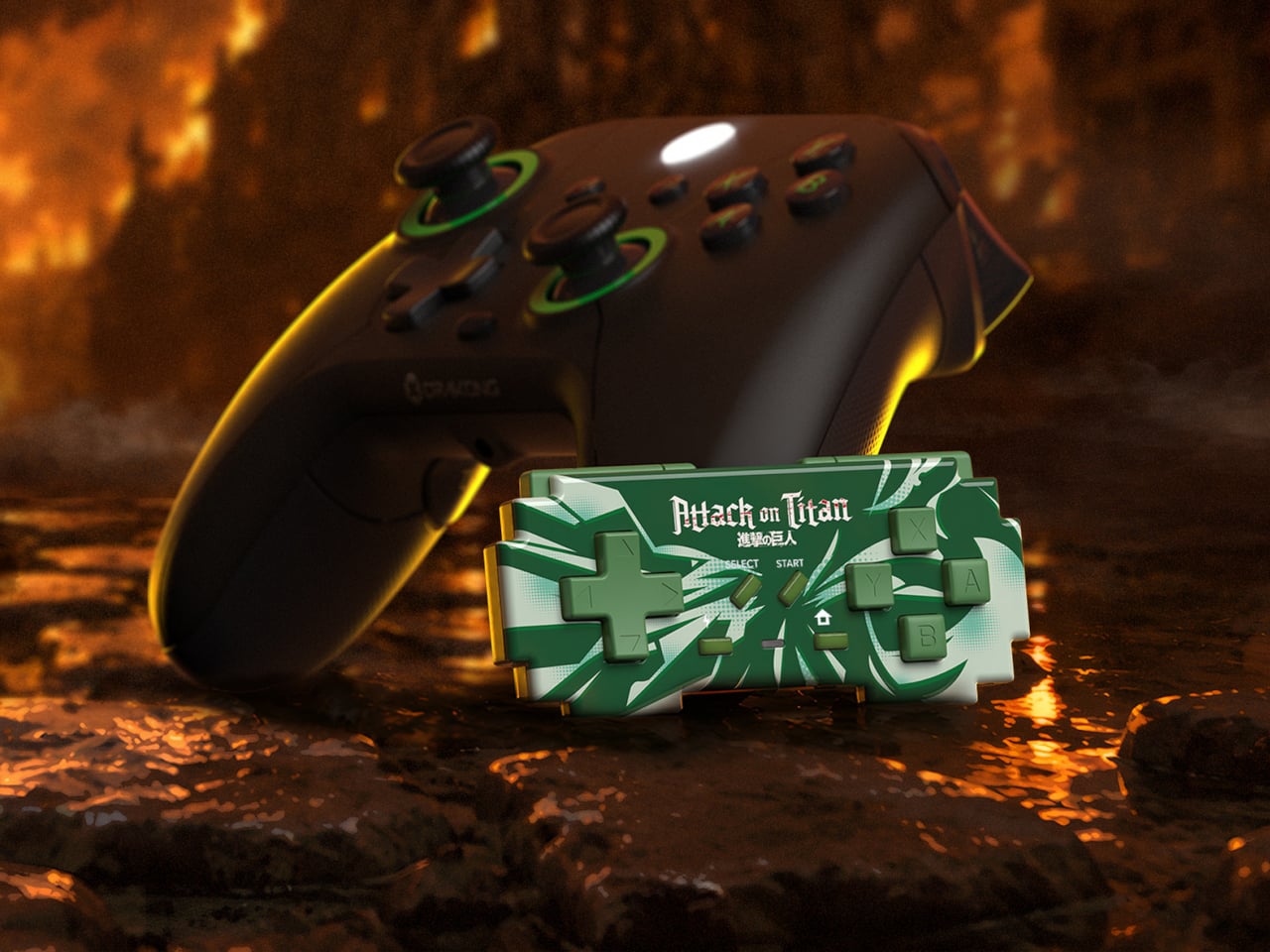
A Chinese accessory maker by the name of Sugar Cubes is taking that cuteness and turning it into something that even gamers will find alluring. Rather than simply attaching controllers, which would be gigantic compared to the Jelly Star, you will instead insert the tiny phone into a large, boxy case that transforms it into a rather unusual gaming handheld that is more reminiscent of the “Game & Watch” devices of old than any modern handheld console. Even the controls themselves are in non-standard locations, even though they provide most of the standard buttons, including a joystick.

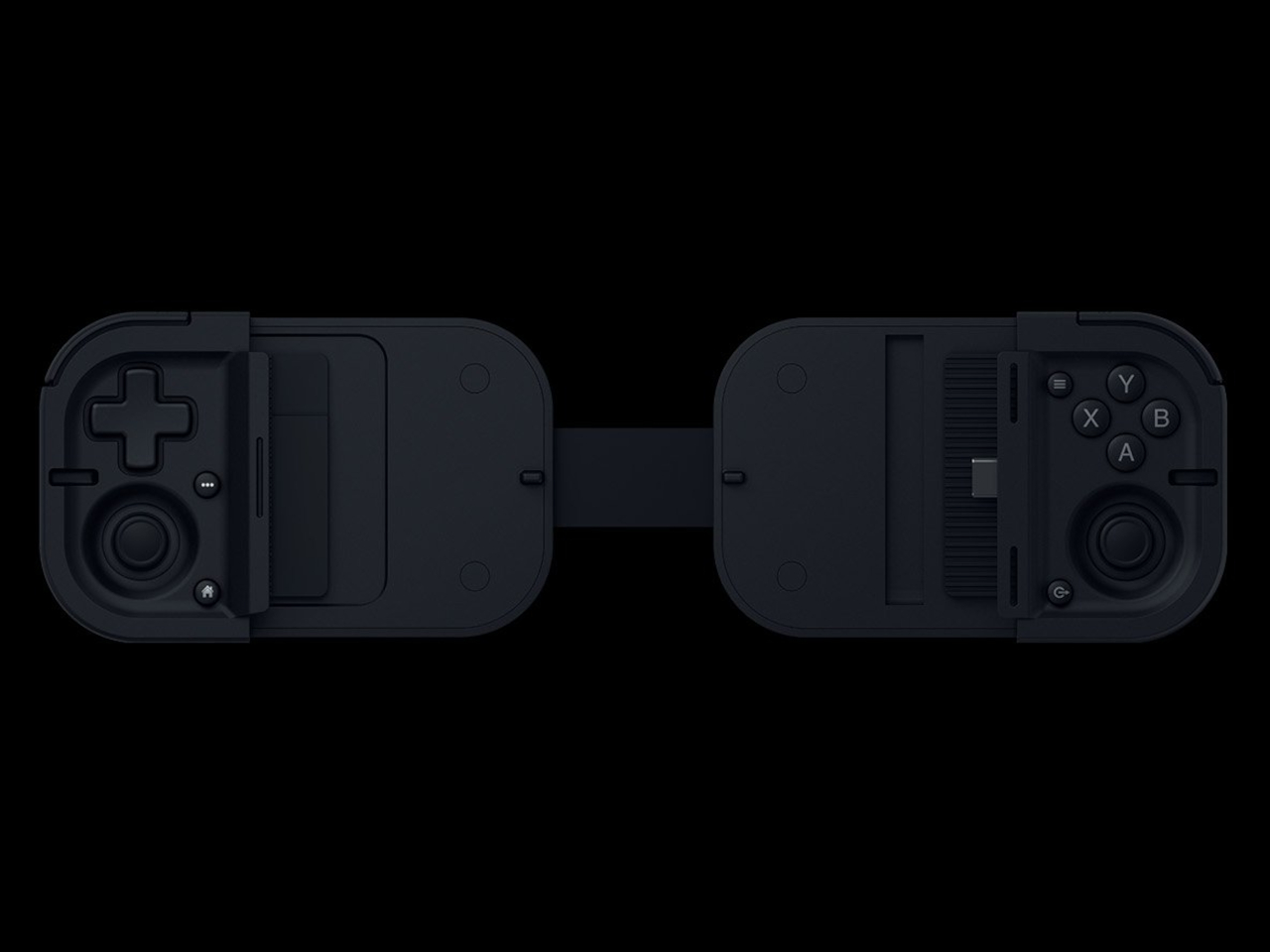
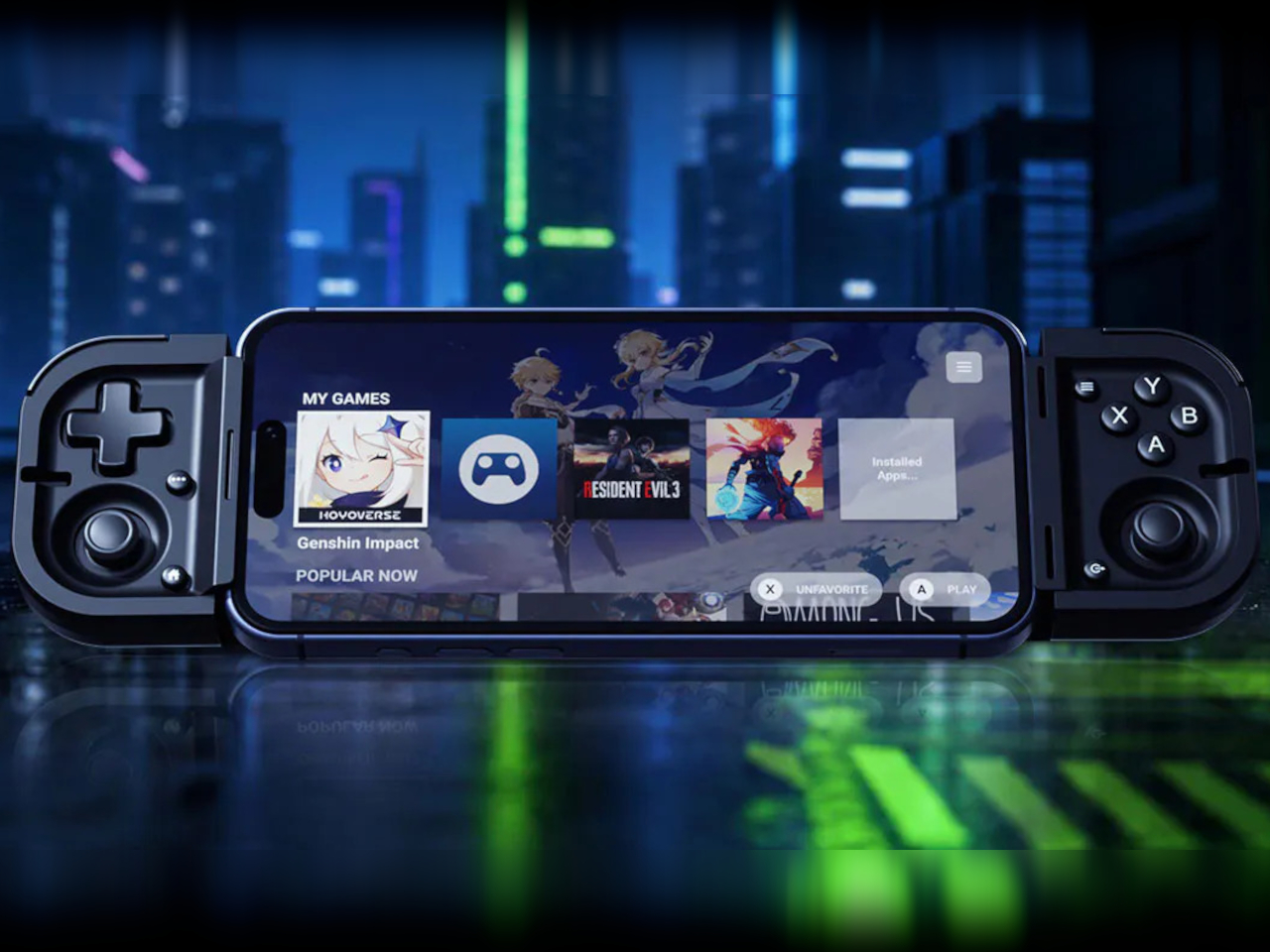
There seem to be two designs for the Sugar Cube Jelly. One has the Unihertz Jelly Star lying horizontally and near the top, giving the device a more Game Boy-like appearance, though short in stature. The other has the phone standing vertically in the middle, flanked by two sets of controls, a design closer to the Nintendo Switch by some stretch of the imagination. Details on how the small phone will be inserted into the case are still slim, though it seems that the vertical design will simply have the Jelly Star slip into the case from the side, with one of the controllers swinging open like a flap.

The unconventional and eye-catching design of the Sugar Cube Jelly makes it perfect for branded merchandise, theming the colors and decals accordingly. That said, there’s still no word on when this product will actually hit the market, or if it will even be made available outside of China. Even then, the Unihertz Jelly Star isn’t exactly oozing with power, so while you might be able to comfortably run some retro games via emulation, forget about boasting your odd contraption while playing Genshin Impact.

The post World’s smallest smartphone turns into a gaming handheld with this case first appeared on Yanko Design.
This smart game controller has a screen for phone notifications

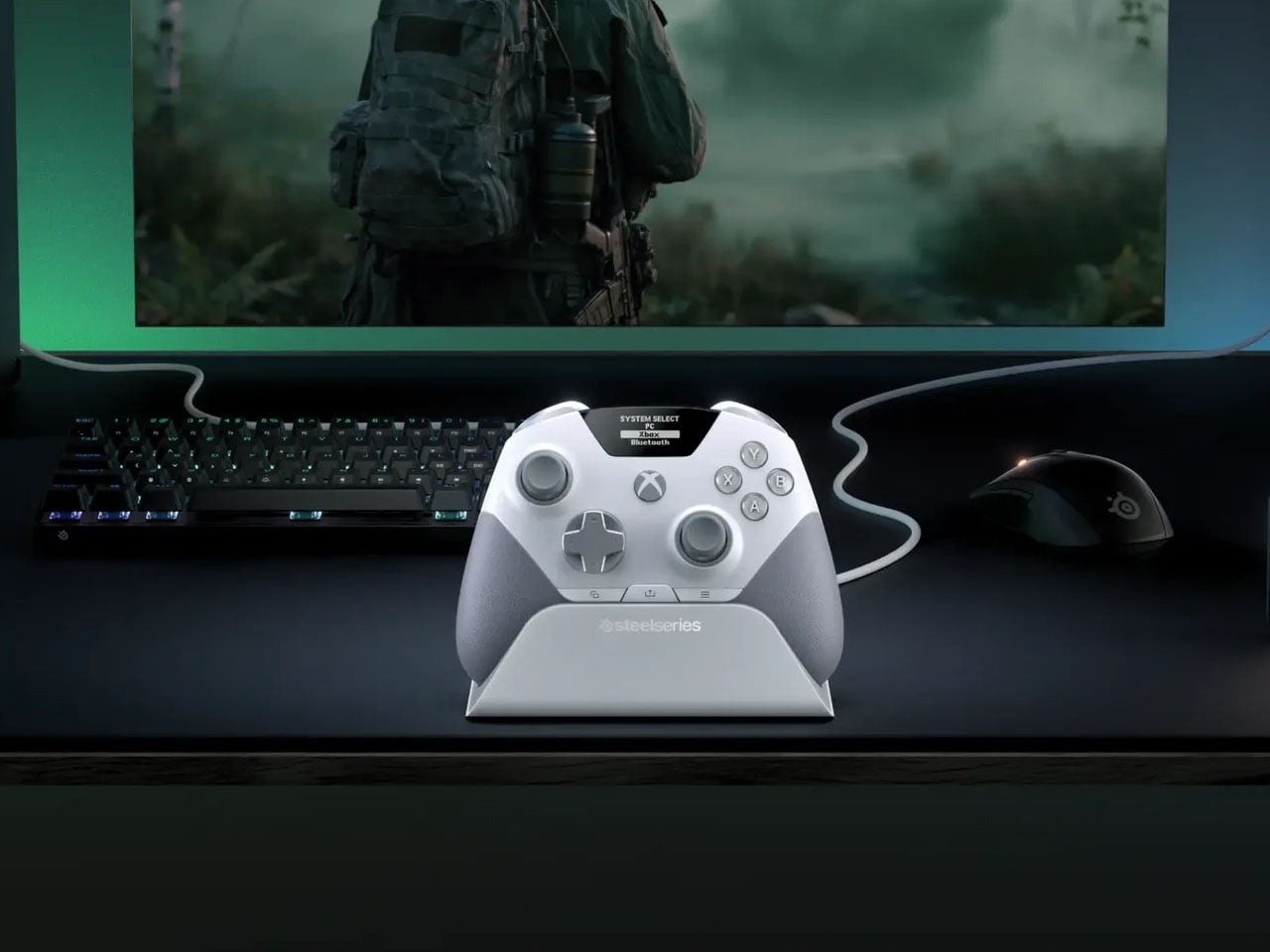
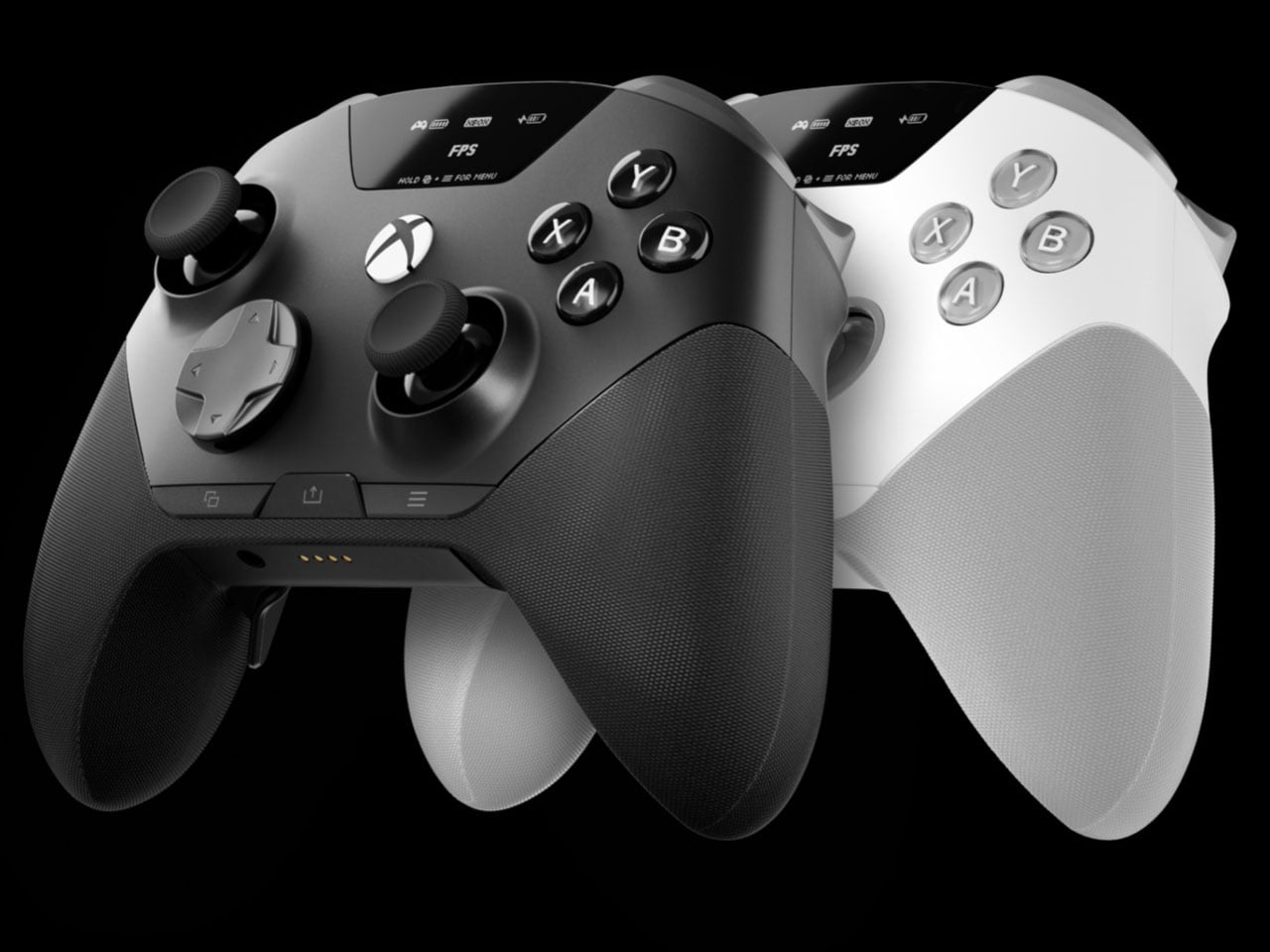
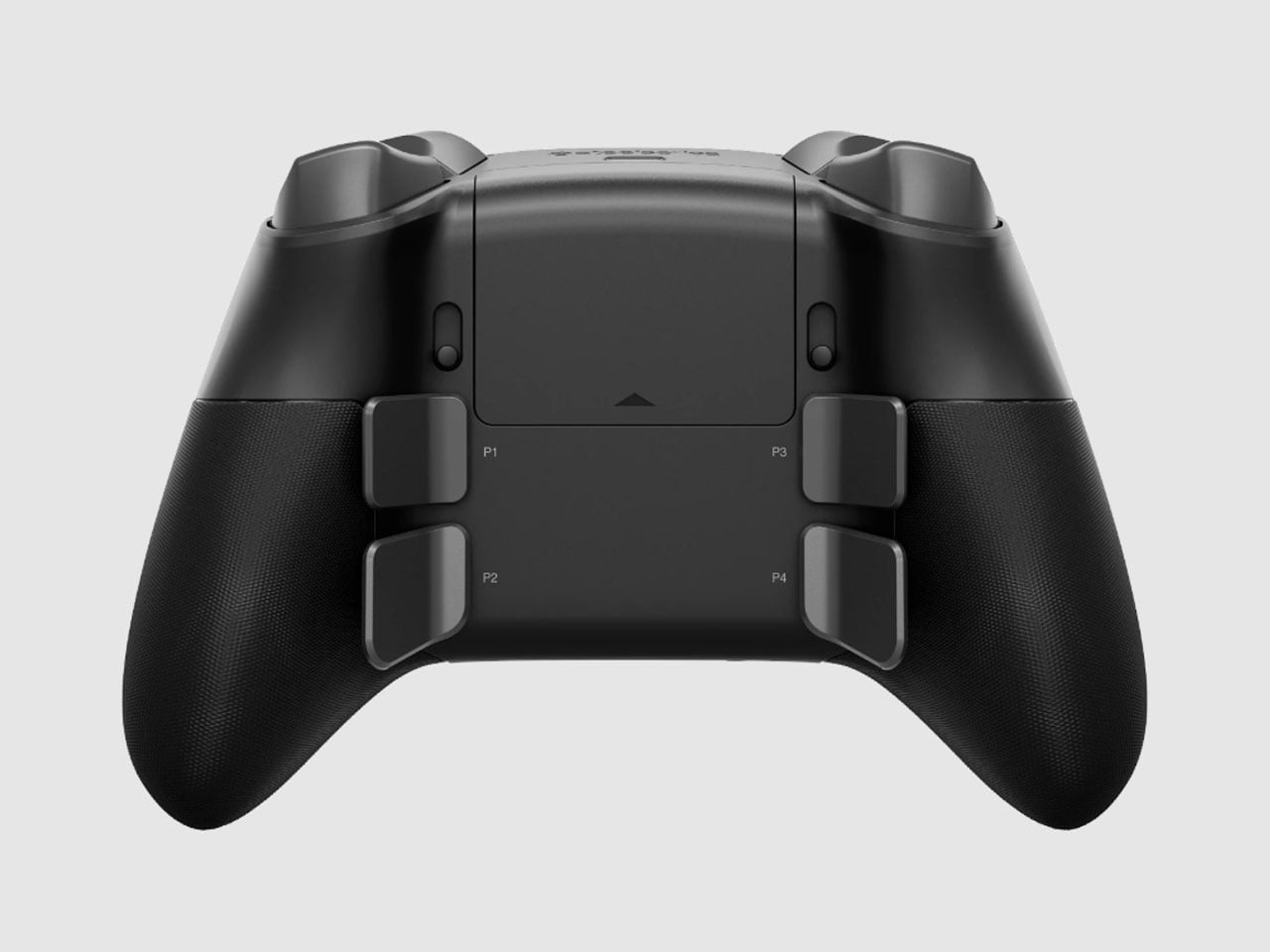
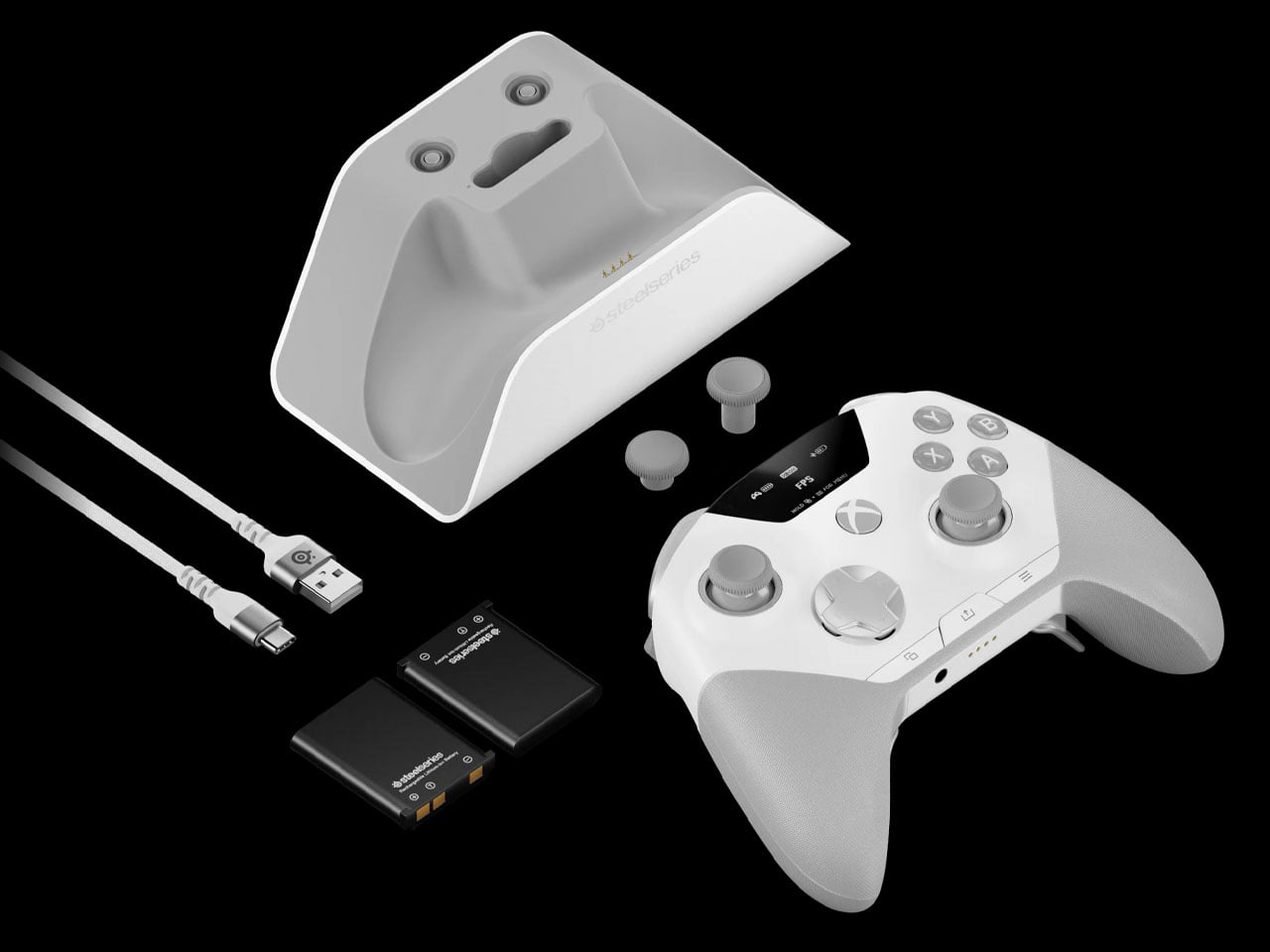
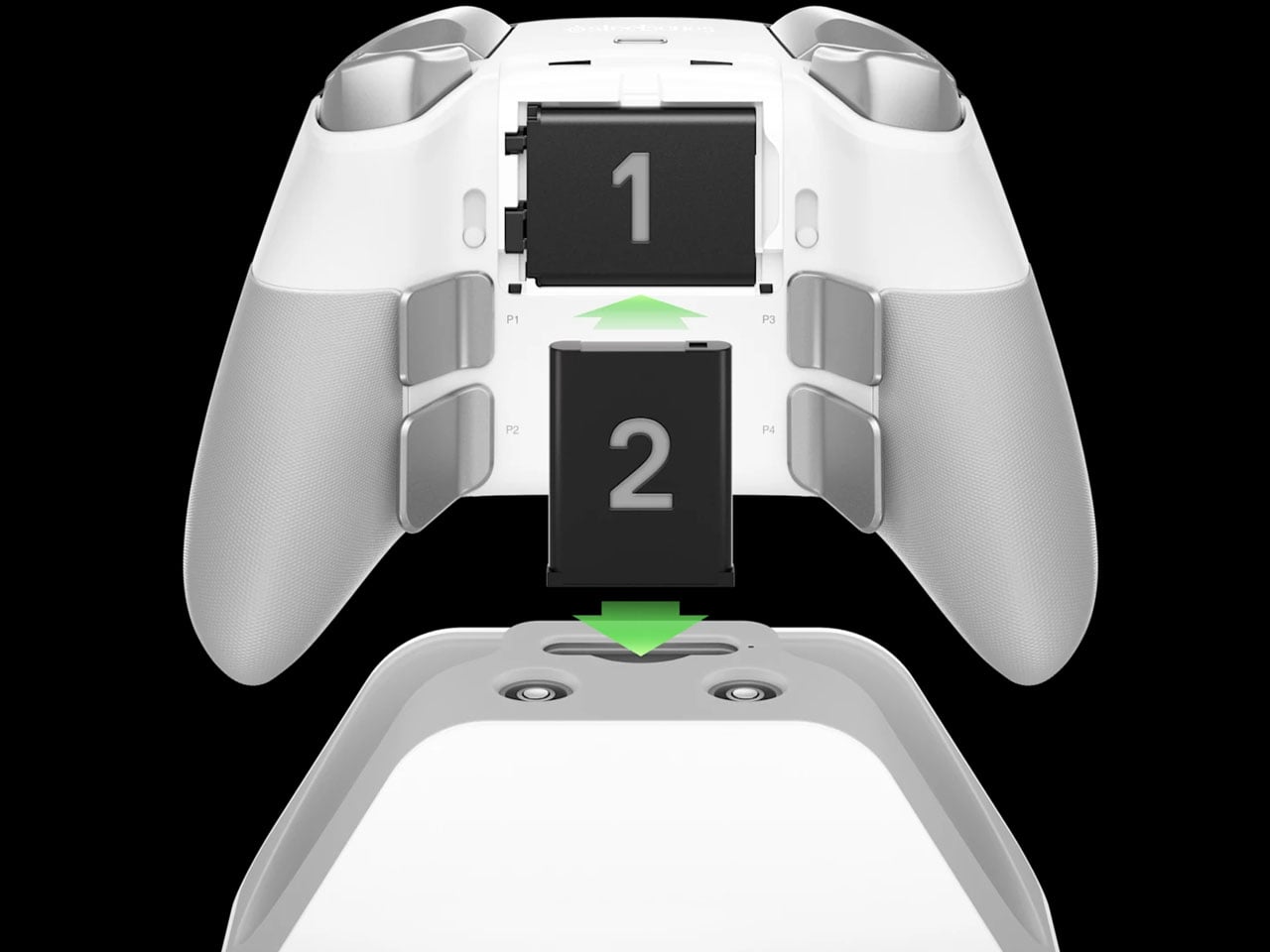
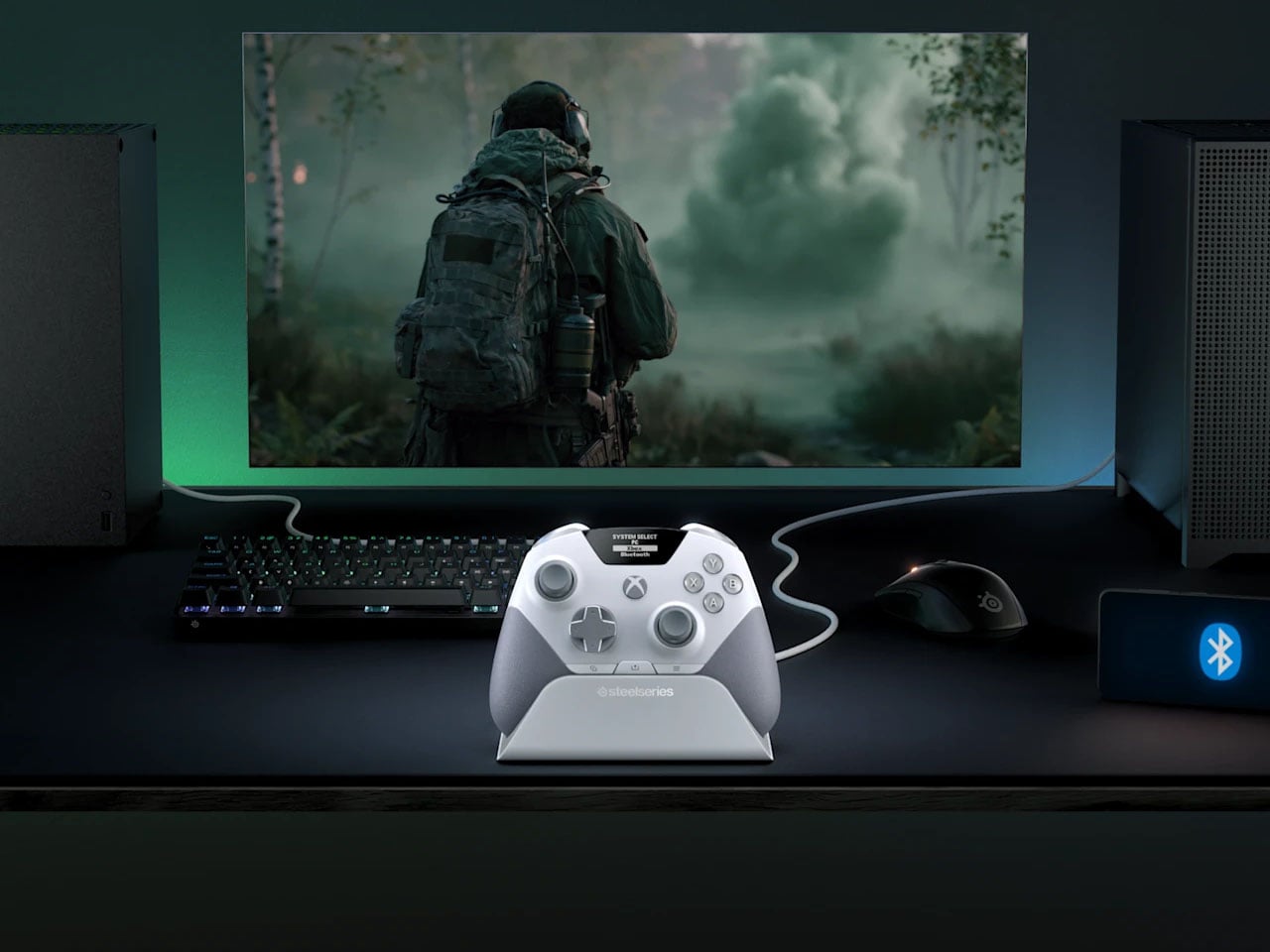
Whether you prefer playing on consoles, PCs, or even mobile phones, chances are you will be using a controller at some point or another. Game controllers are a dime a dozen these days, and they come in all shapes, sizes, and feature sets. Some are so tiny they can fit on a keyring, while others try to include everything and the kitchen sink in a handheld gadget. A new design leans more towards the latter, listing a litany of features that could make pro gamers on any platform drool. But while the Turtle Beach Stealth Ultra is already quite notable for its its RGB lighting, which gamers apparently love, it has a special trick that seems both cool yet also over-the-top for something you hold in your hands and barely look at while playing.

Designer: Turtle Beach

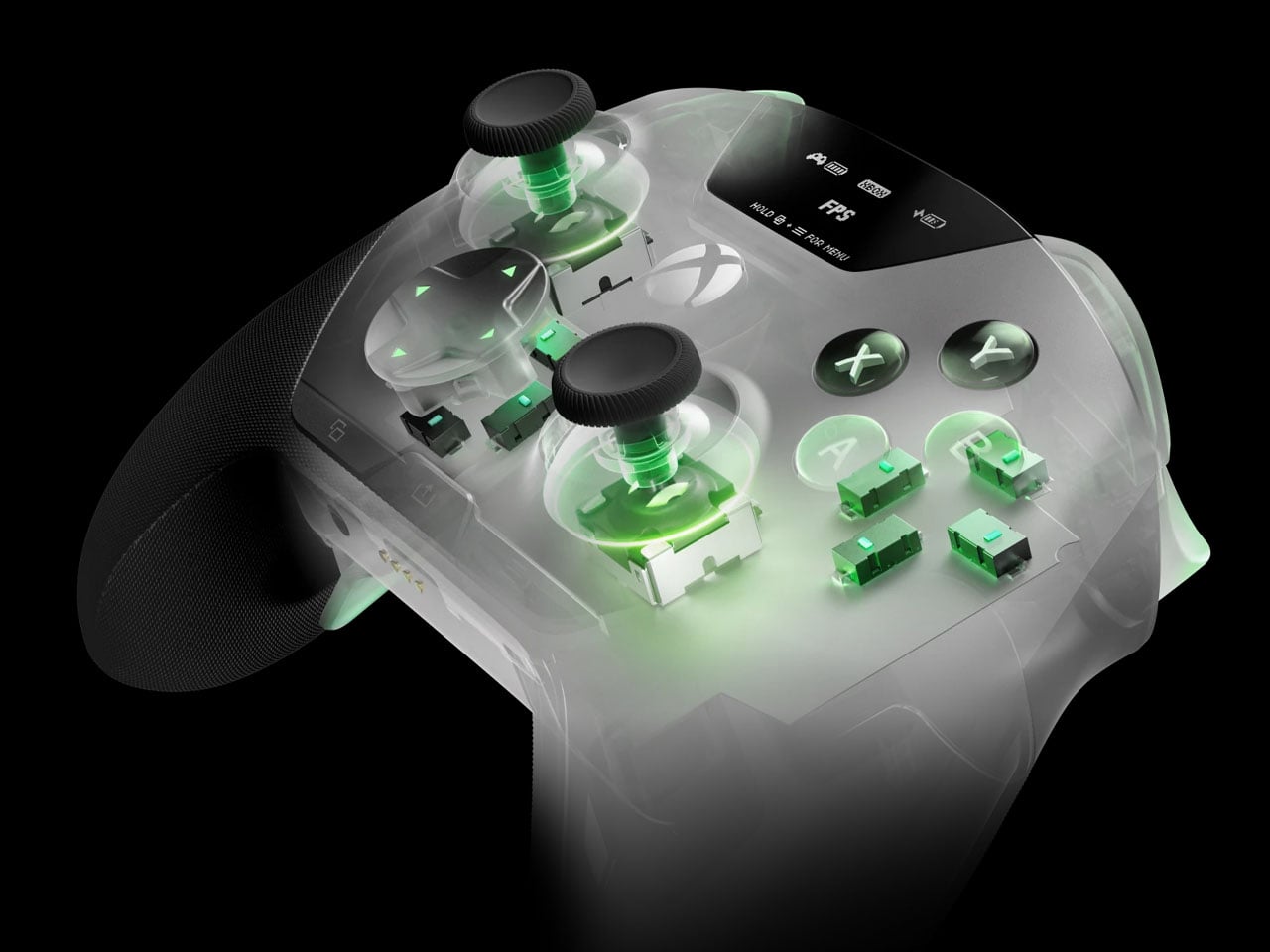
Game controllers have come a long way since the earliest days of gaming. There are now more buttons than you can handle, added to cope with the growing complexity of games. Some controllers even have touchpads or some mouse mode, thanks to games or software that need a bit more precise movement than a joystick. The Turtle Beach Stealth Ultra doesn’t have the latter but instead slaps a 1.5-inch display in the middle for showing customization options and notifications, even from social media apps coming from your phone.

This “Connected Command Display” feature, as it is called, is definitely a fancy way to upgrade the game controller. In a nutshell, it lets you see and access controller settings right on the controller itself, removing the need to put up a separate window on the PC or console screen. You can even connect it to an iPhone or Android phone and it will show notifications as they come.
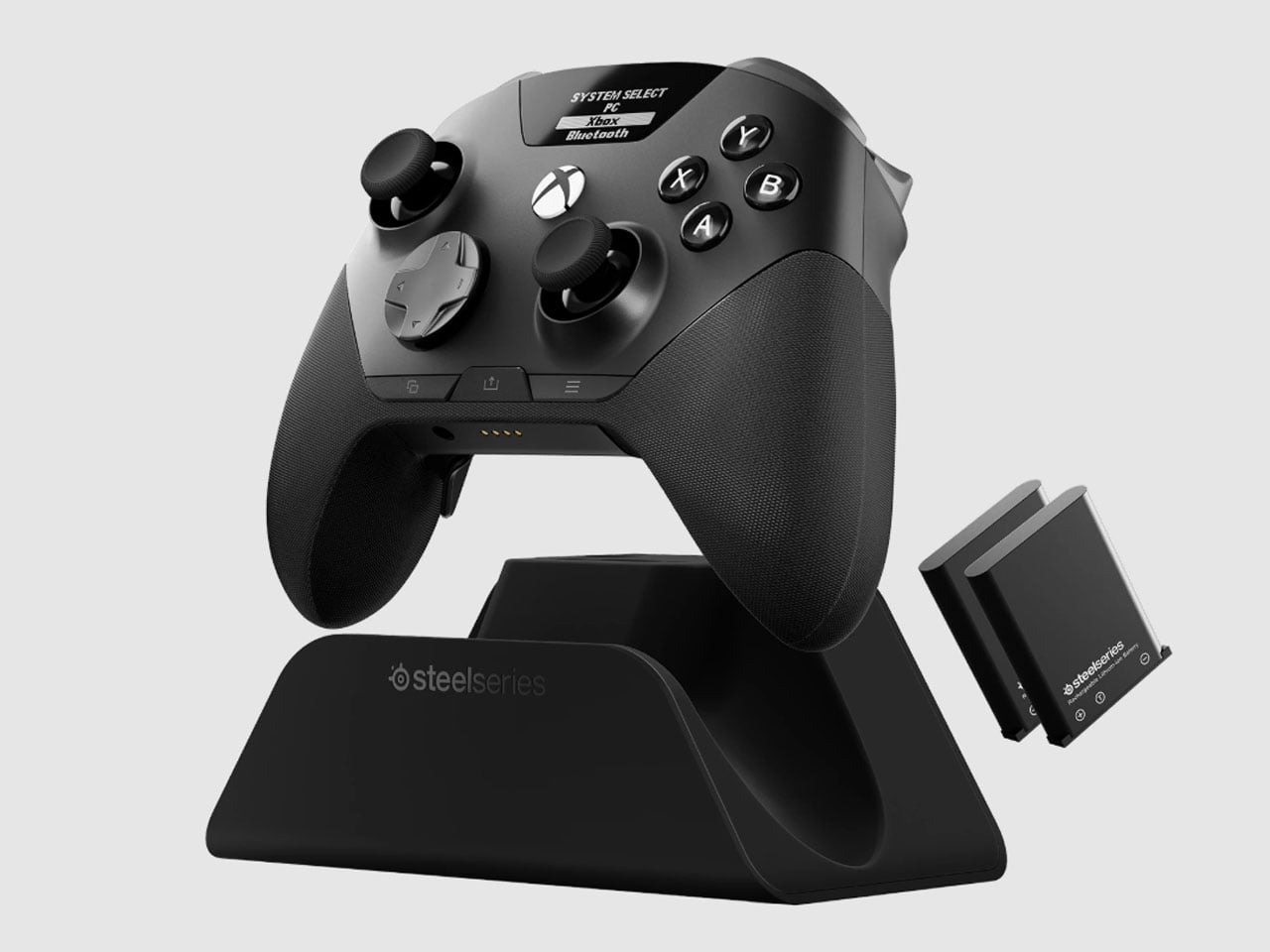
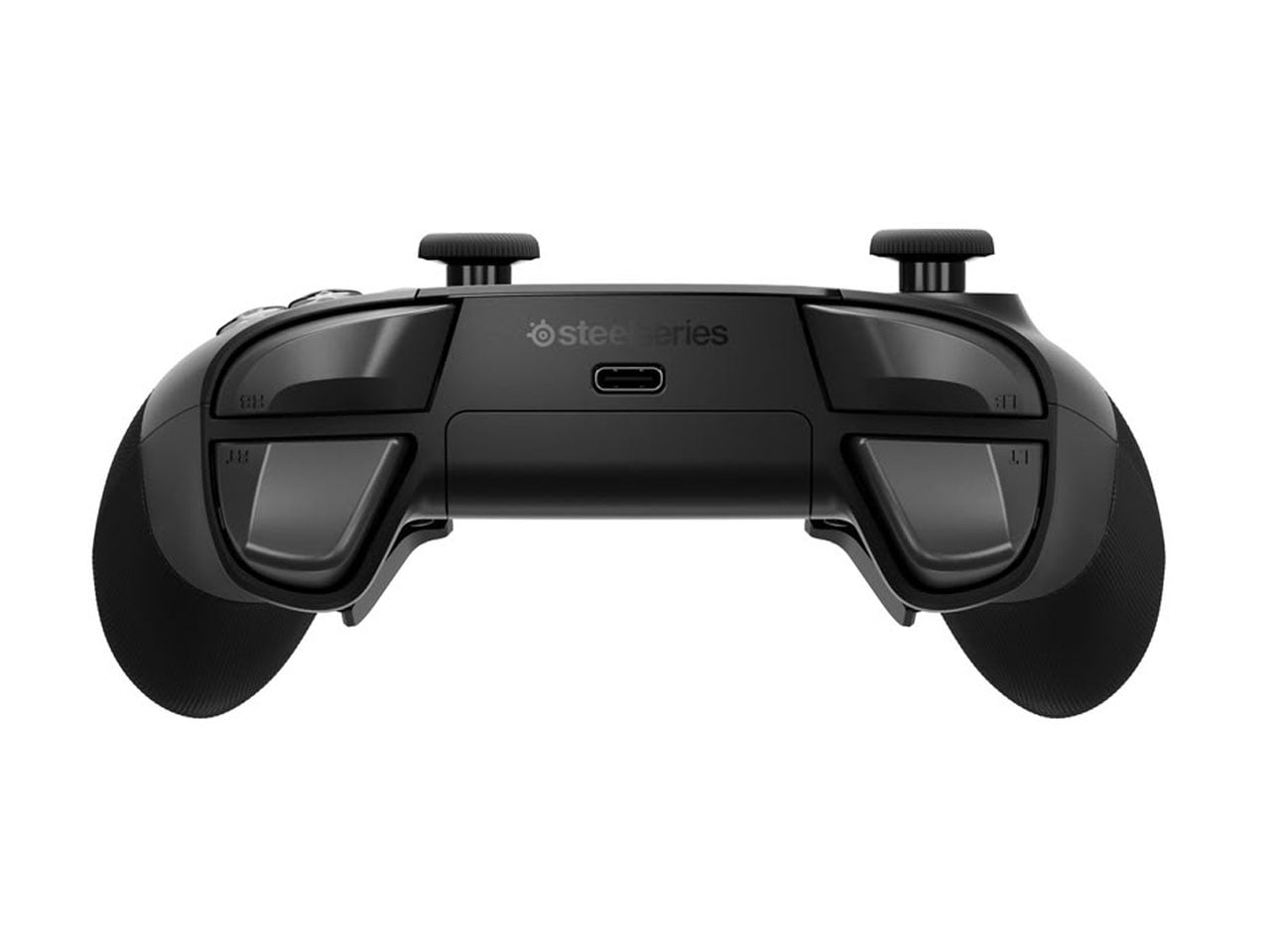
The implementation, however, leaves a few things to be desired, like how you have to switch to a specific mode to use the controller to navigate that screen, breaking your flow. Making it a touch screen could have made it more convenient. Having it display notifications might also be overkill or too distracting since you will most likely want to keep your eyes on the game screen rather than having them glance down at the controller.

Aside from the screen, the Stealth Ultra is chockful of features that gamers will definitely appreciate, ranging from drift-free analog sticks, so that you won’t feel like a ghost is moving them sometimes, to a promise of lag-free wireless connection to customizable RGB lighting to match your game and mood. These features, however, don’t come without a price, specifically a $199.99 price tag. That takes the Turtle Beach Stealth Ultra to the “premium” game controller segment, though some of those features might sound a little superfluous or even unnecessary, especially for hyper-focused gamers.

The post This smart game controller has a screen for phone notifications first appeared on Yanko Design.