Microsoft Surface Pro 10, Surface Laptop 6 new hardware in old designs

The software company best known for the Windows operating system and the Office productivity suite hasn’t had the best of luck when it comes to hardware. Aside from the Xbox console, which is practically a separate business, most of Microsoft’s hardware products have either ended in failure or were short-lived. The Zune media player and Windows Phone devices quickly come to mind, and the dual-screen Surface Duo phone is just the most recent example. That’s why it’s almost a bit of a miracle that its Surface brand is still going, though it isn’t free from speculations about its pending doom. After more than a year and a half, Microsoft is finally updating its 2-in-1 tablet and traditional laptop devices, but both have one big reason they might not achieve much fame or adoption.

Designer: Microsoft
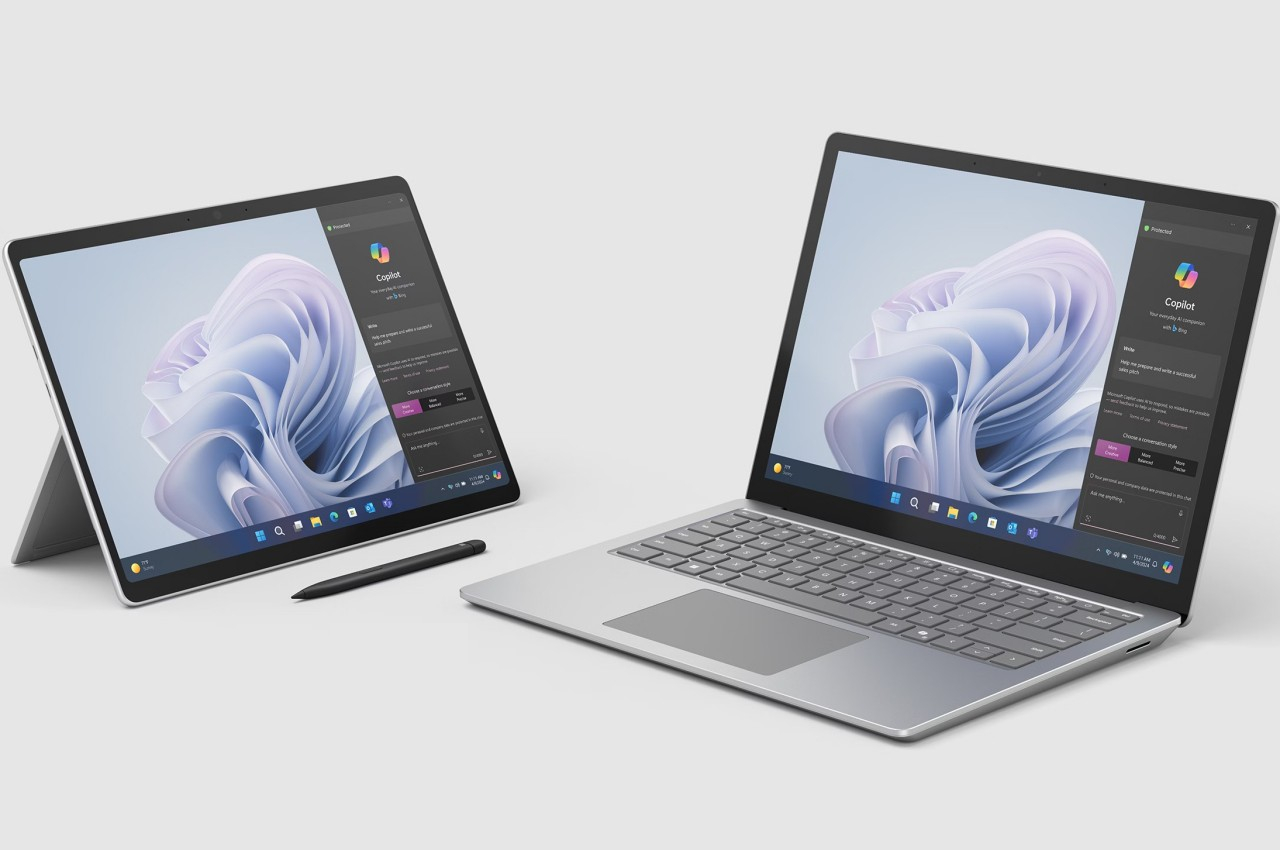
It’s arguable that the Microsoft Surface Pro popularized the 2-in-1 laptop design, especially one with a built-in kickstand and a cover that functions as a keyboard. Although the first ARM-based non-Pro Surface tablet flopped for other reasons, it seemed that Microsoft hit a gold mine with the Surface Pro to the point that it created a whole product line around the Surface brand. That family now includes an all-in-one Surface Studio desktop, a traditional Surface Laptop, and a Surface Studio Laptop that’s like a cross of those two.
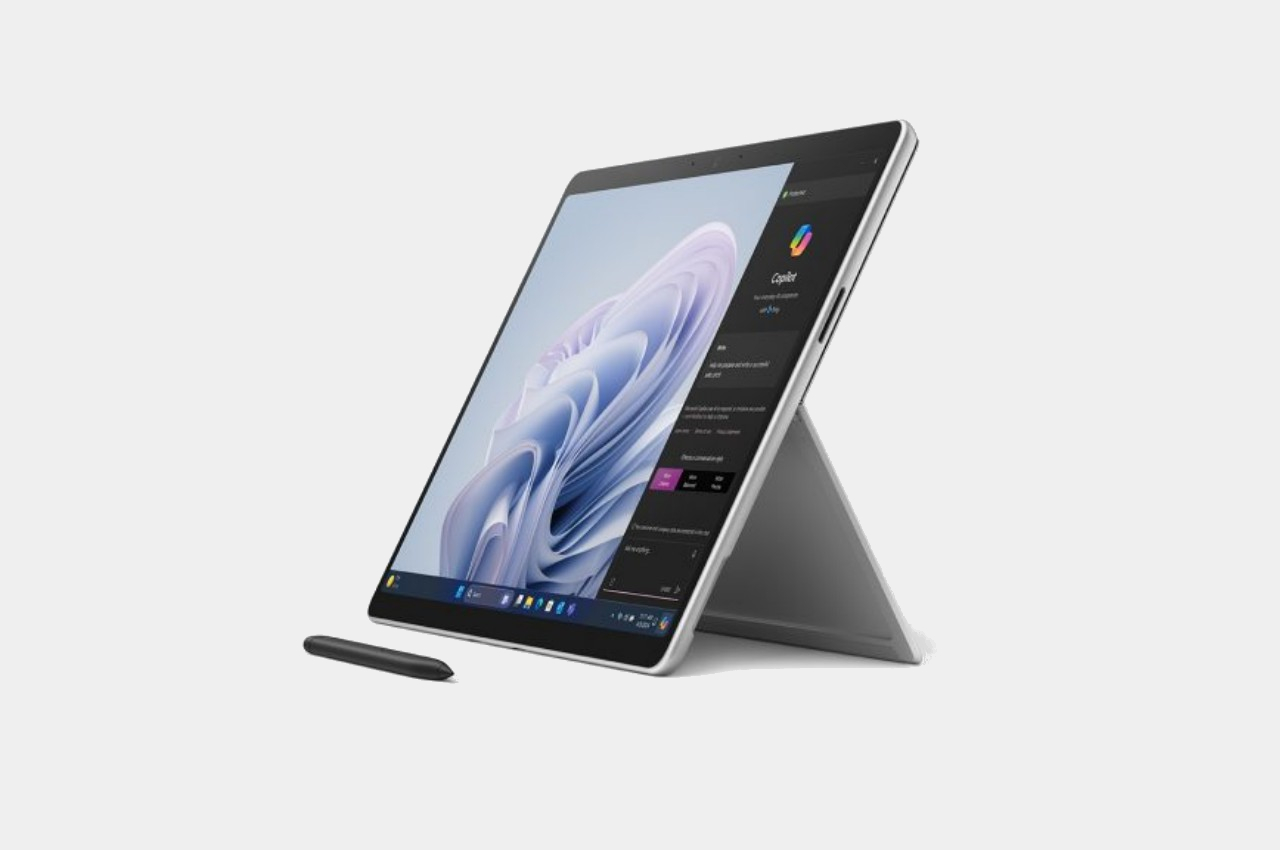

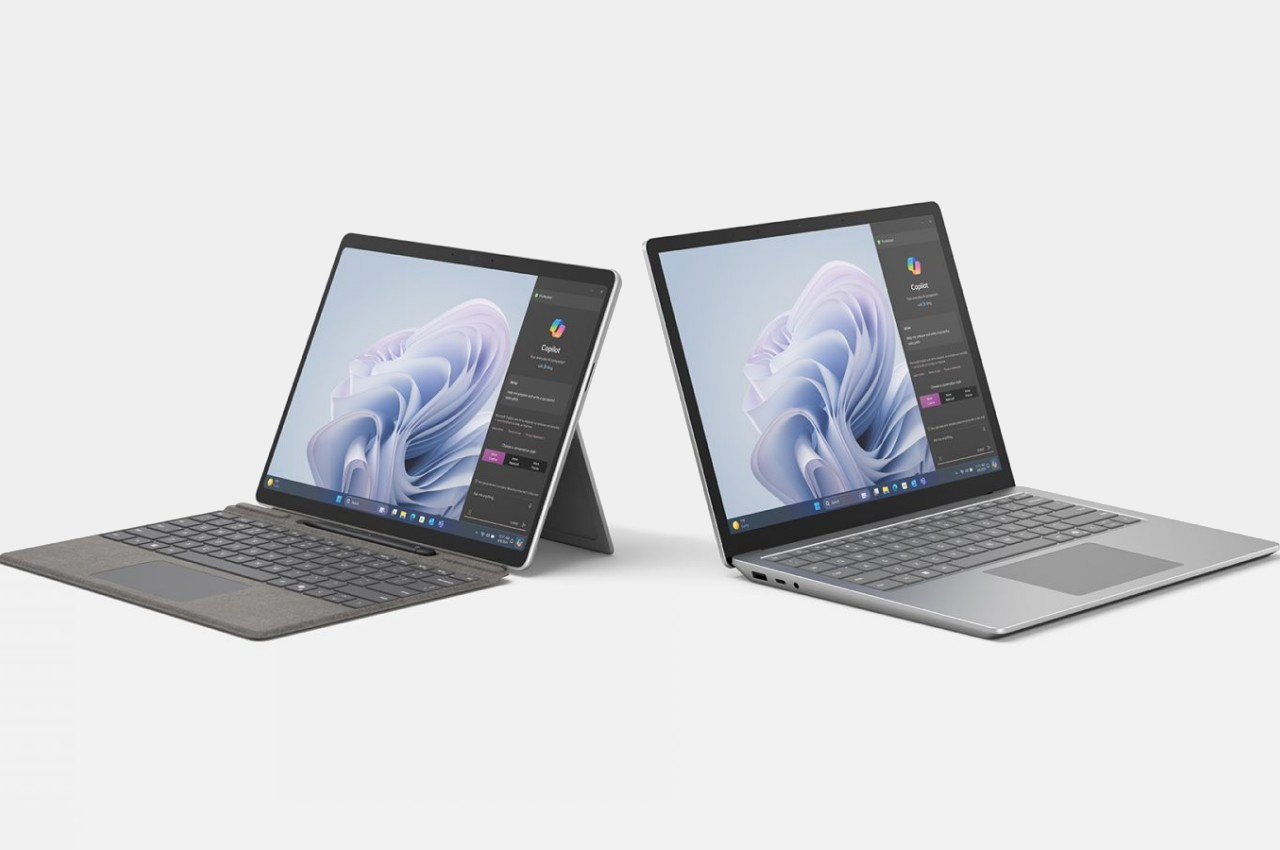
Perhaps due to that success, Microsoft is a bit wary of changing the formula too much, especially when it comes to design. It was only recently that the Surface Pro shed off its thick bezels, but little has changed since then. In fact, the new Surface Pro 10 and Surface Laptop 6 would be dead ringers for their 2022 predecessors. Yes, there are upgrades, thankfully, but the majority can be found inside, like the new Intel Core Ultra processors that equip the portable computers with AI capabilities.

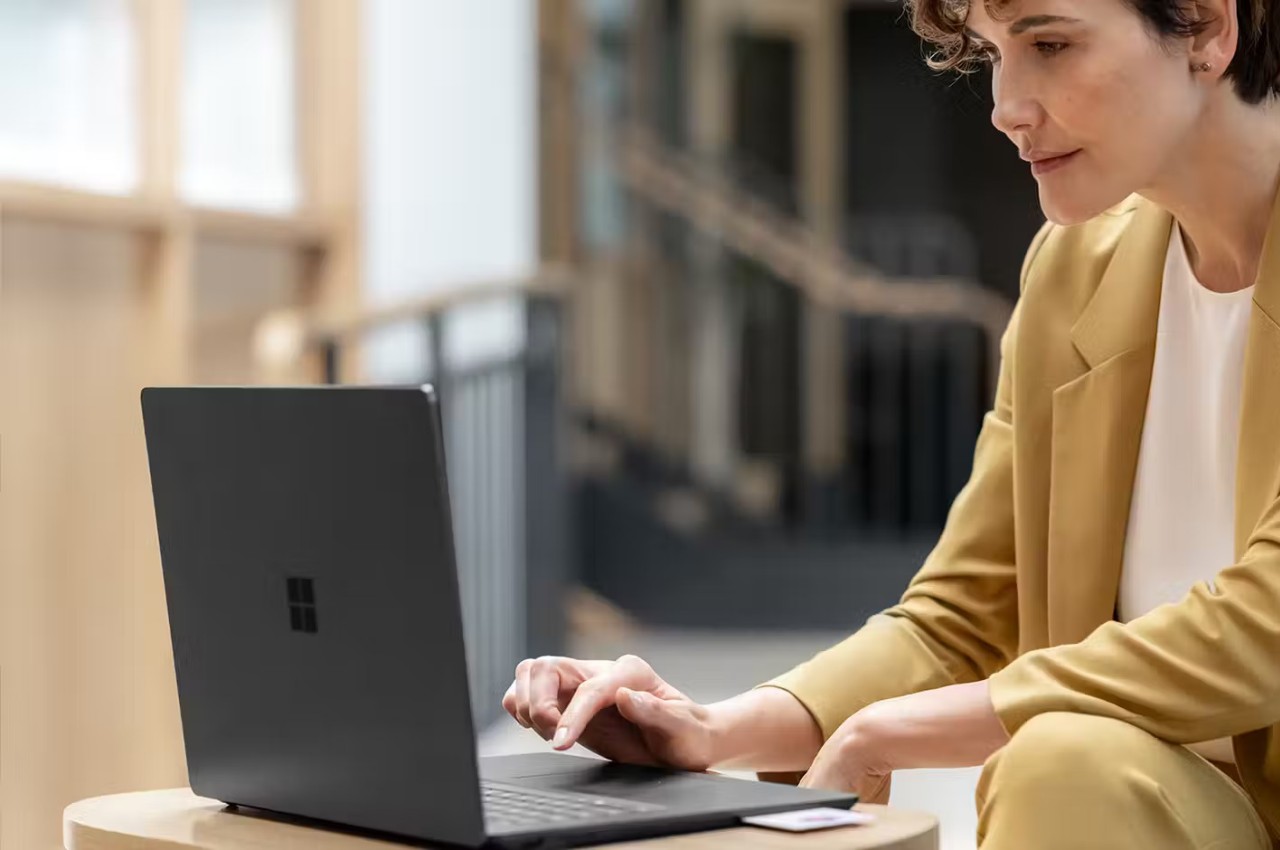
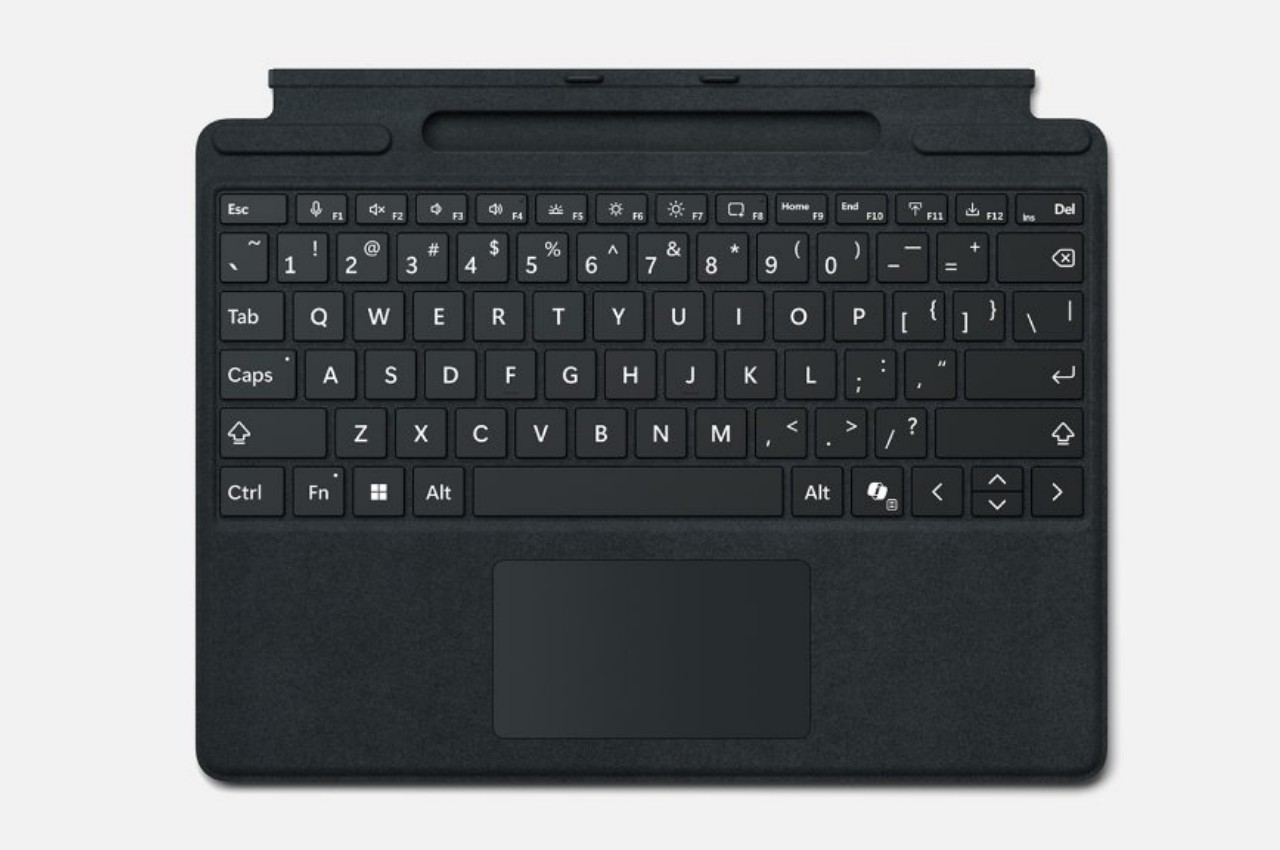
There are some notable improvements in other areas as well, particularly when it comes to accessibility and sustainability. The Microsoft Surface Type Cover, for example, now uses bolder fonts and brighter backlight to make keys easier to see and reduce eye strain. Microsoft also boasts that these two new devices contain the most recycled content it has ever included in its computers, a minimum of 25.8% recycled content for the Surface Laptop 6 enclosure and a minimum of 72% of the same for the Surface Pro 10.
But that lack of notable design changes isn’t what stops these two new products from becoming Microsoft’s big stars. These will only be available to business and commercial customers, which means most people won’t be able to buy them off shelves. Granted, the commercial segment might be more consistent in its buying capacity, but that still leaves out a huge chunk of potential sales. Rumor has it that Microsoft is planning a consumer Surface computer that’s powered by Qualcomm’s Snapdragon chip, the same kind of processor that runs on powerful smartphones. But considering its luck with Windows running on that platform, it remains to be seen if it will finally be able to shake off that curse.
The post Microsoft Surface Pro 10, Surface Laptop 6 new hardware in old designs first appeared on Yanko Design.

Touchscreen iMac like the Microsoft Surface Studio hinted by Apple patent

Apple products have always been hailed by designers, and its computers have long been the tool of choice for many digital content creators, especially graphic artists. None of those computers, however, have ever sported a touchscreen, even one that supports the Apple Pencil, an irony that isn’t lost on many digital artists. This means they have to settle for external drawing tools or, for some more daring users, mods that combine MacBook internal with a drawing tablet. A Mac that can instantly be used as a digital canvas is definitely going to be an artist’s dream, and based on a patent that Apple has filed, that dream could still become a reality, and it already has the perfect design for that.

Designer: Apple

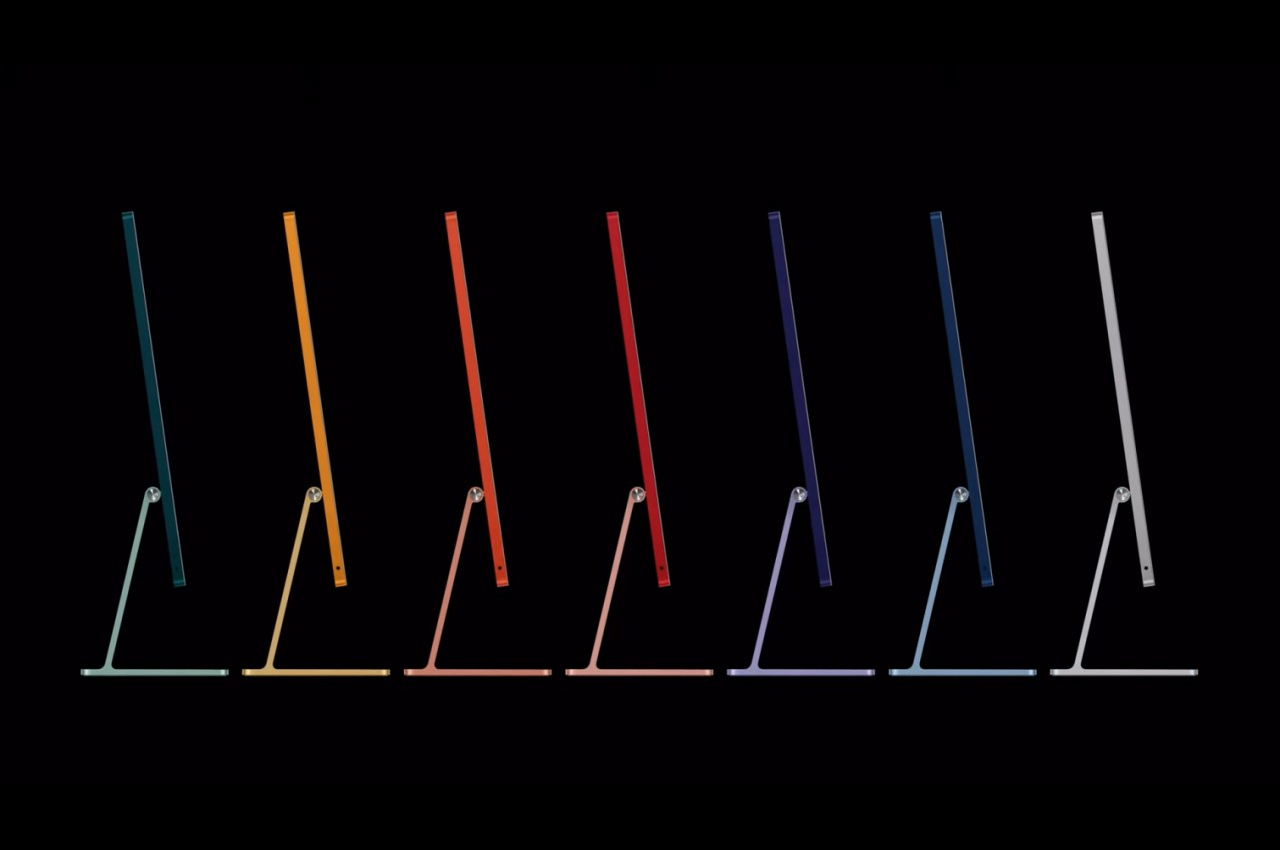
Apple M3 iMac

Apple might have plenty of reasons not to put touch screens on iMacs and MacBooks, but those reasons are starting to drop one by one. It might not want to muddle the lines that separate its Macs and iPads, for example, but you can already run touch-based iOS apps on Macs for years now. And it’s not like it’s lacking the technology to make it all possible, as proven by the highly successful iPad Pro and Apple Pencil.

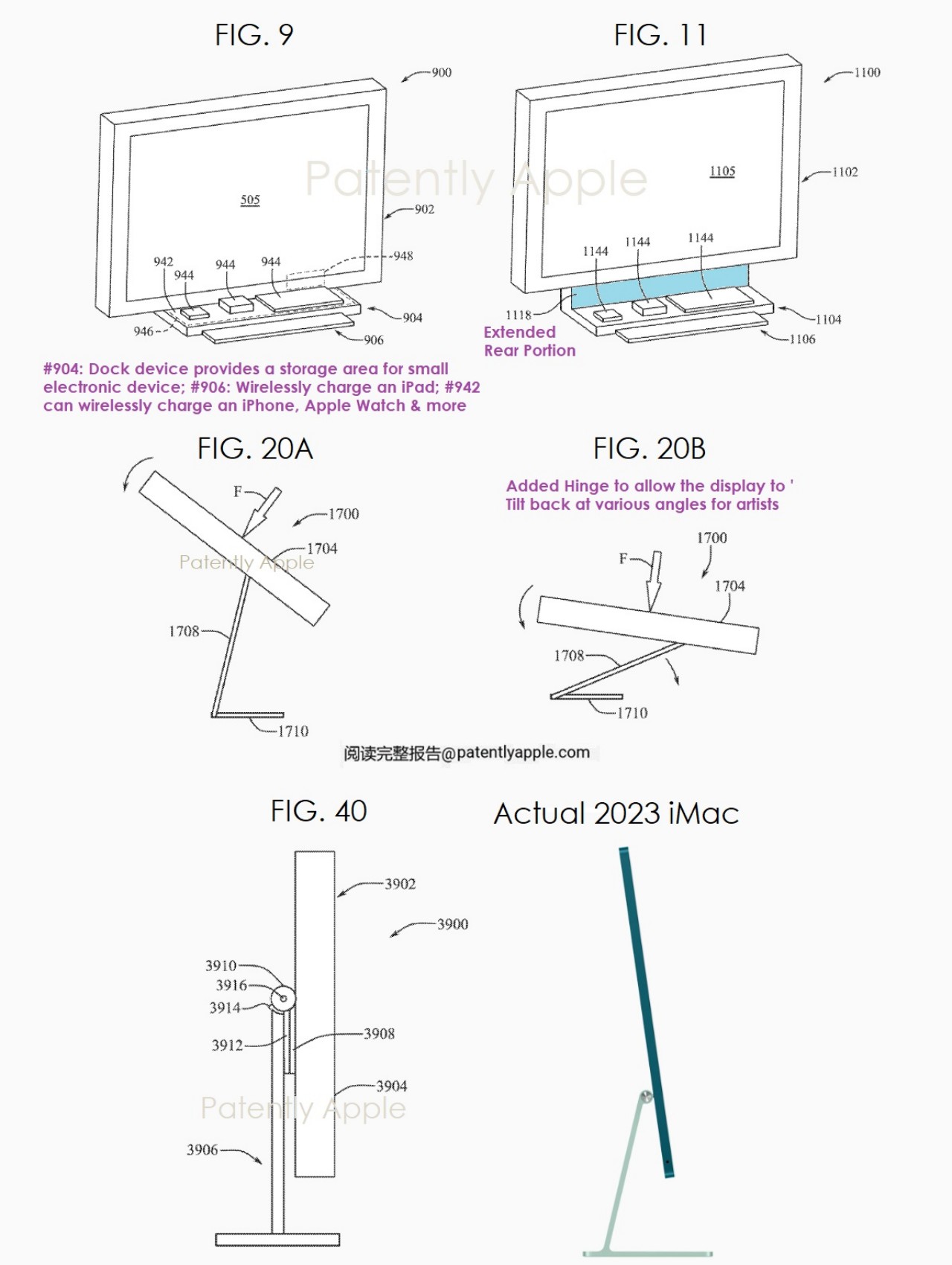
A patent unearthed by Patently Apple reveals that the company has indeed, been toying around with that idea, though it’s not exactly surprising given how many ideas tech companies patent all the time. Admittedly, the patent’s focus is less on the touch screen itself but more on the stand and hinge mechanism that would let you tilt and even pull the whole iMac down to the desk’s surface, making it more comfortable for artists to draw on. It’s an instant display tablet without having to buy an expensive Wacom or switch to a different technology from the one you might already be familiar with.

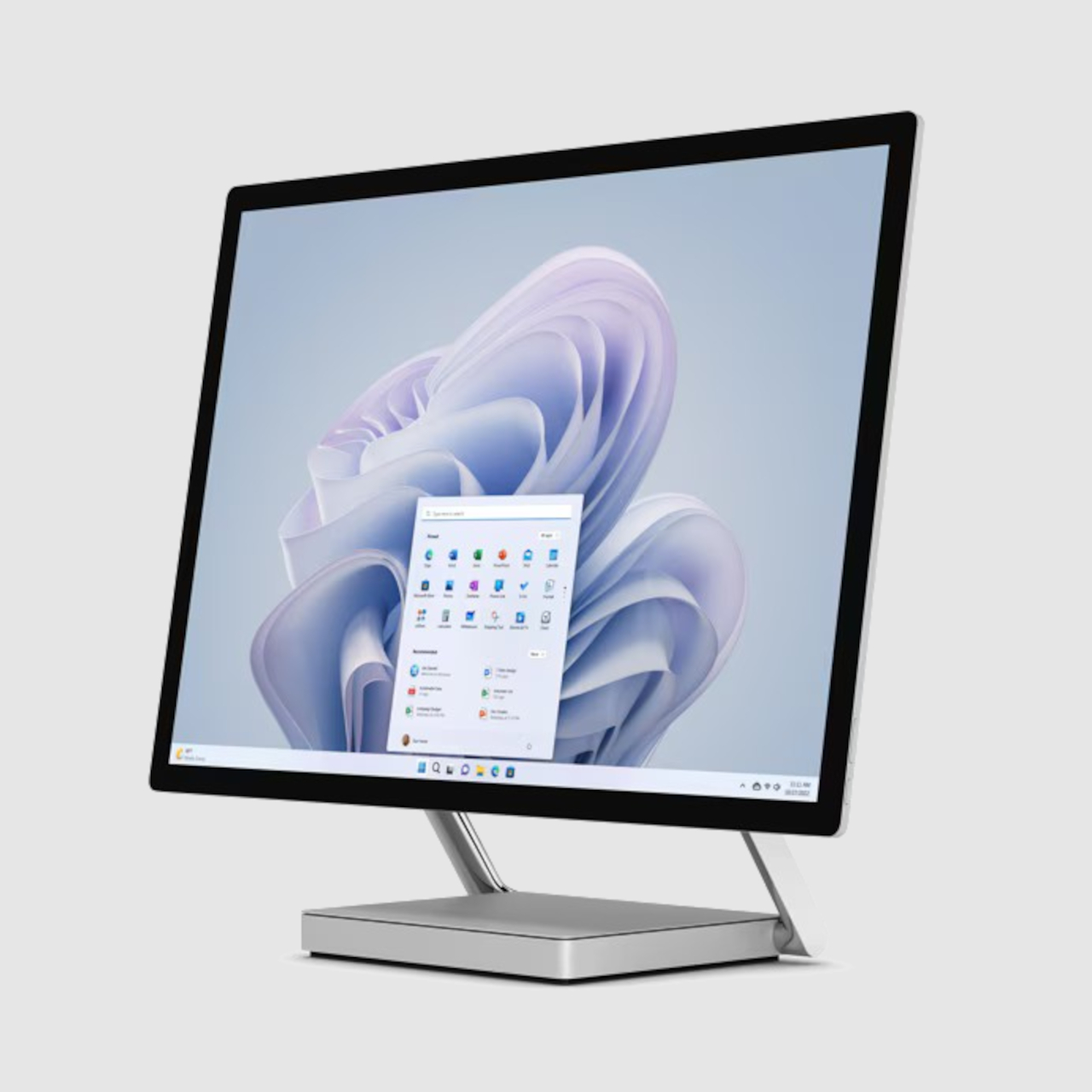
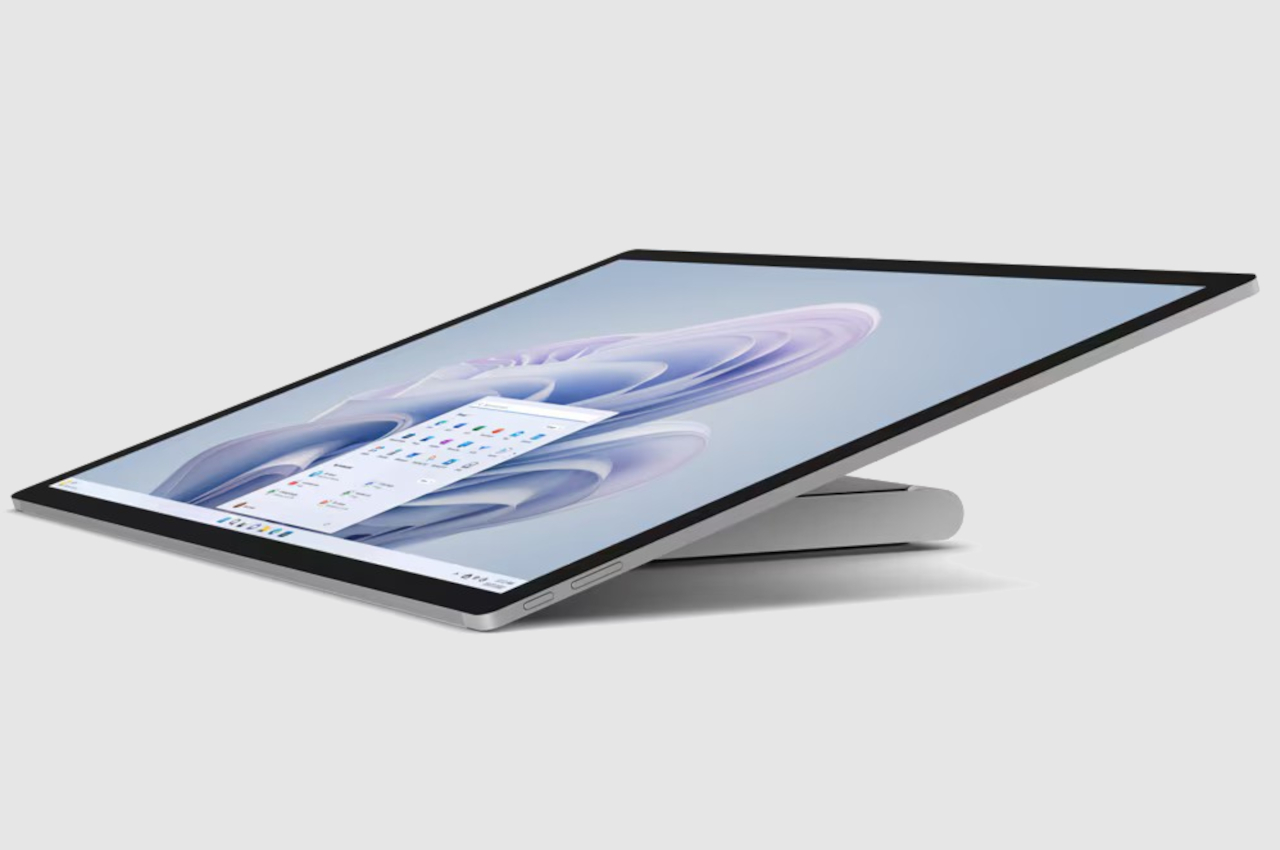
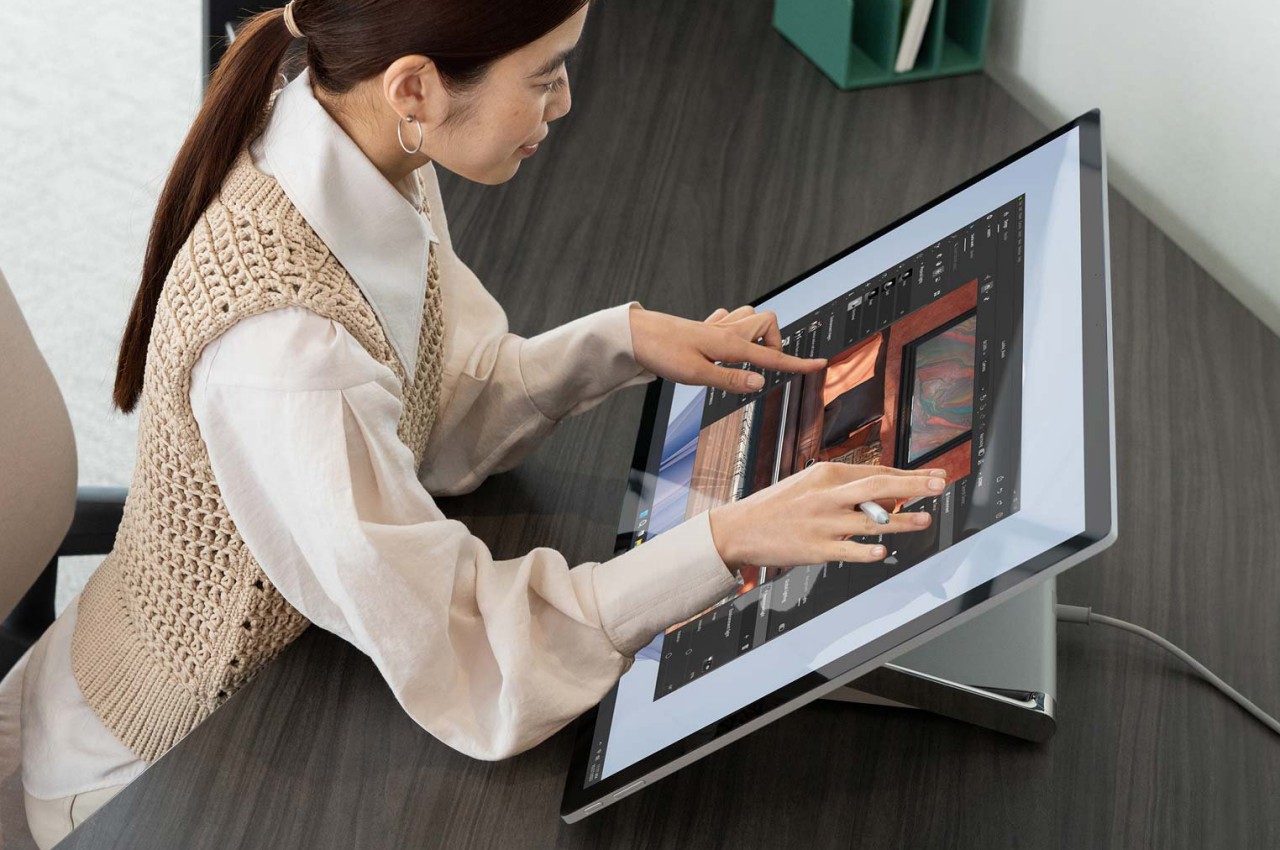
As weird as that idea might sound, it has actually already been done before and with surprising success. The Microsoft Surface Studio pictured at the top is one of the company’s unexpected hardware champions, quickly endearing itself to content creators. It is almost exactly what Apple’s patent describes, an all-in-one computer with a stand and hinge that lets you tilt and turn it whichever way you need to, and it comes with a touch screen, too!

Microsoft Surface Studio

It’s not hard to imagine how such a feature could be a game changer for artists on Macs, making their workflows more seamless. Of course, it’s far too premature to get excited over this patent, because tech companies also have a tendency not to implement even a fraction of the patents they hold. And given Microsoft already has an implementation of this design, it might still come down to a legal battle if Apple does decide to push through with a touchscreen iMac since it filed the patent years before the Surface Studio came out.

The post Touchscreen iMac like the Microsoft Surface Studio hinted by Apple patent first appeared on Yanko Design.
Ambitious handheld gaming PC fuses Nintendo Switch and Microsoft Surface

PC gaming is taking on a rather interesting turn in terms of design, with the rise of handheld gaming devices. Valve’s Steam Deck fired the opening salvo, and soon the likes of ASUS, Lenovo, and now MSI have followed suit. While the big brands took their sweet time joining the bandwagon, other manufacturers have already been playing this game for quite some time and have even iterated over a few unusual designs. One of those happens to be arriving soon, with what could only be called the love child of the Nintendo Switch and the Microsoft Surface tablet, offering a single device for both work and play that stretches the definition of what “handheld” really means.

Designer: ONE-NETBOOK

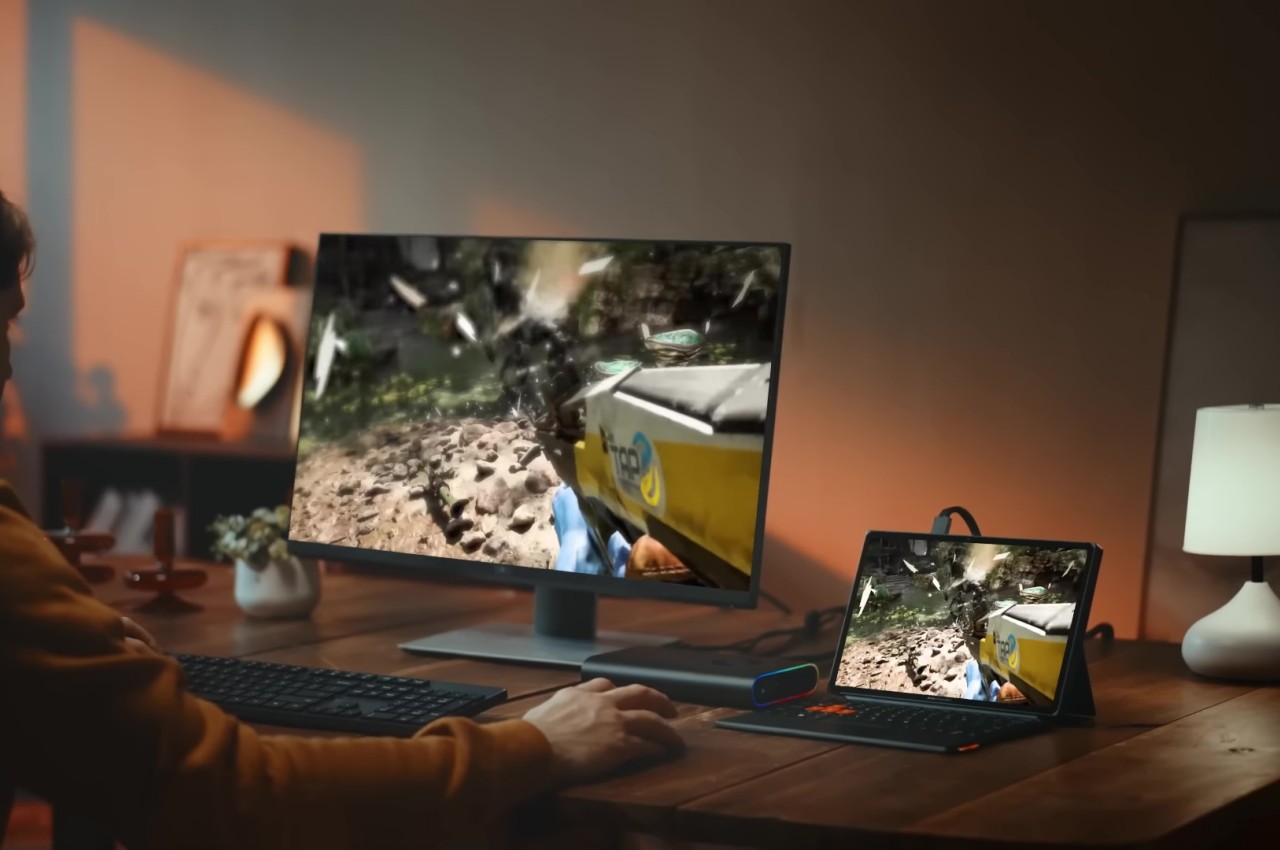
To be even considered gaming-worthy, these handheld computers need to pack enough power to satisfy the greed of AAA titles. Of course, that power can also be used for other activities, but the design of a relatively small handset device isn’t exactly conducive to anything but gaming. You can, of course, connect the handheld PC to a dock and other peripherals, but you can only do that at home or in the office.

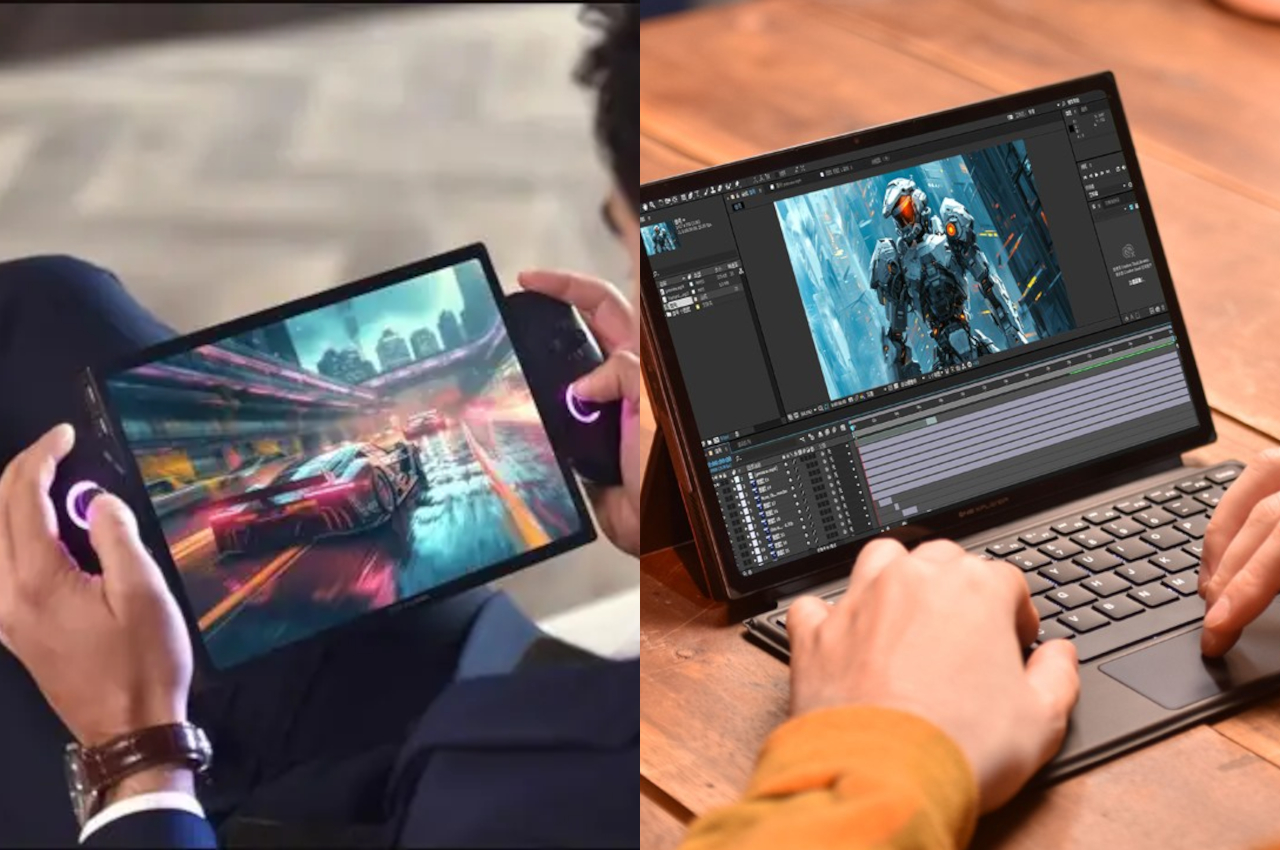
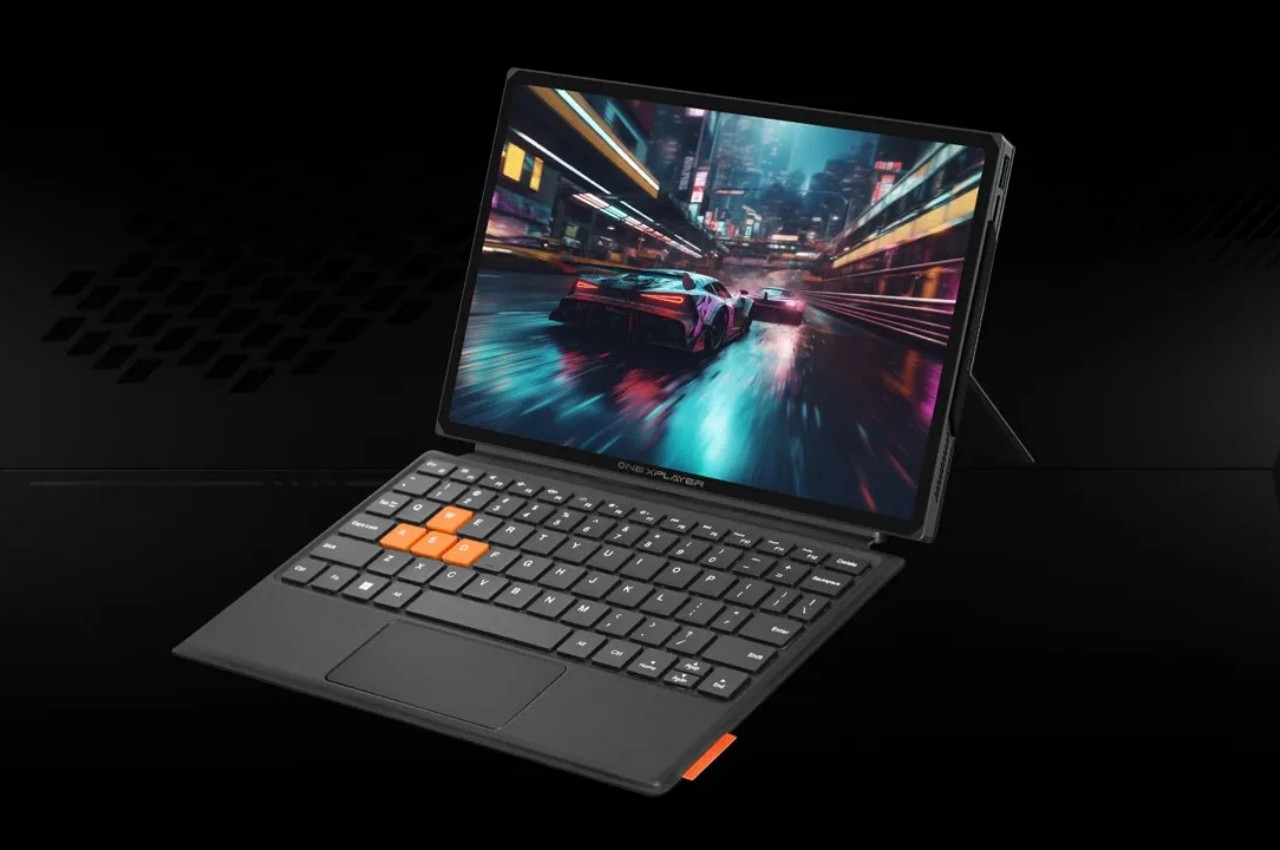
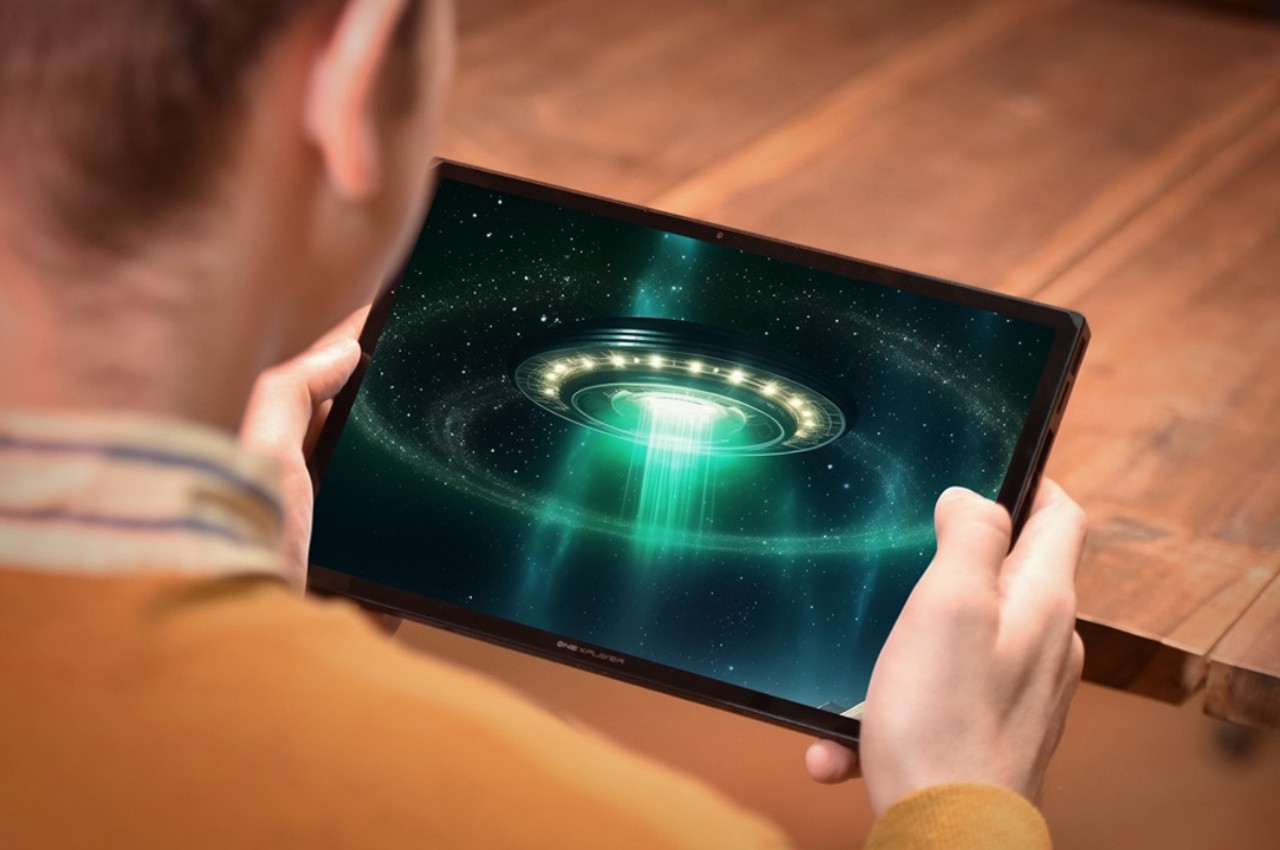
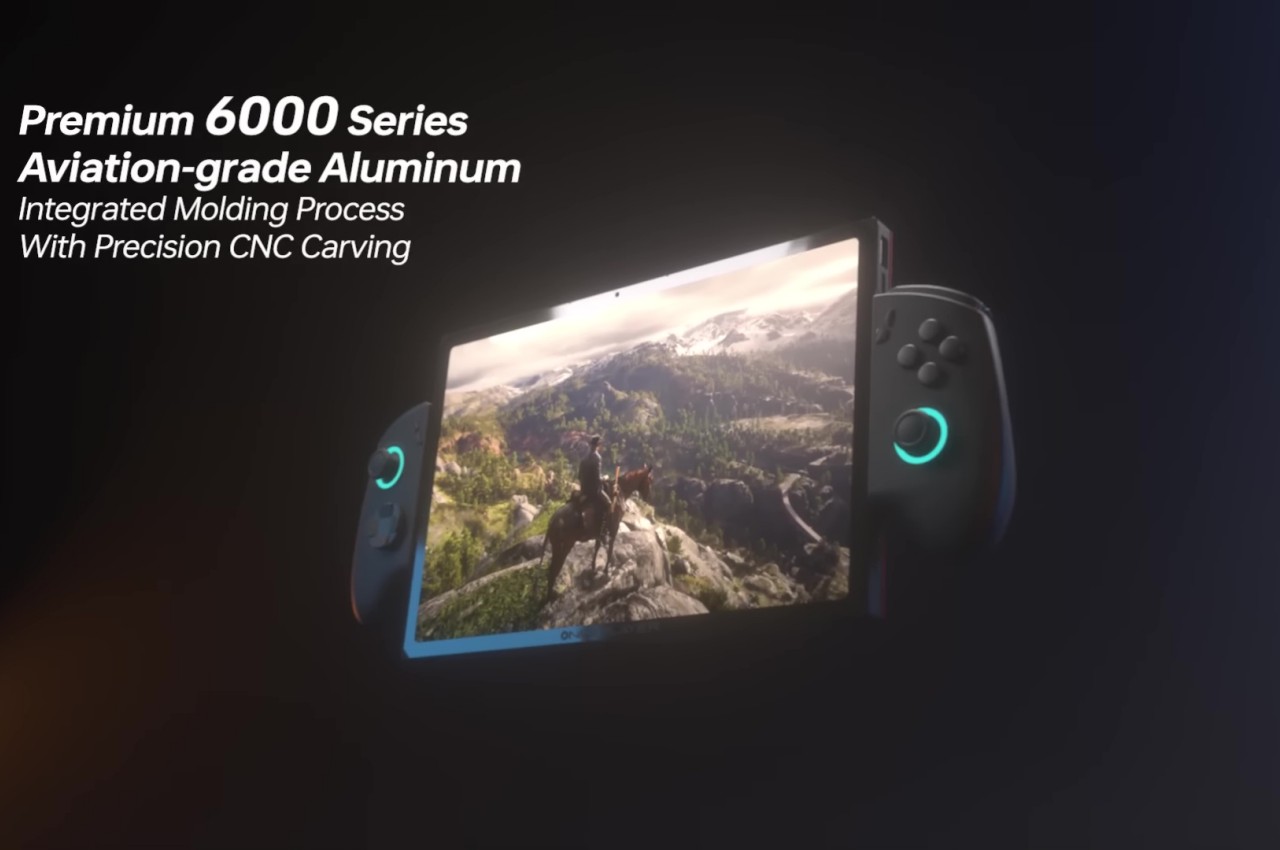
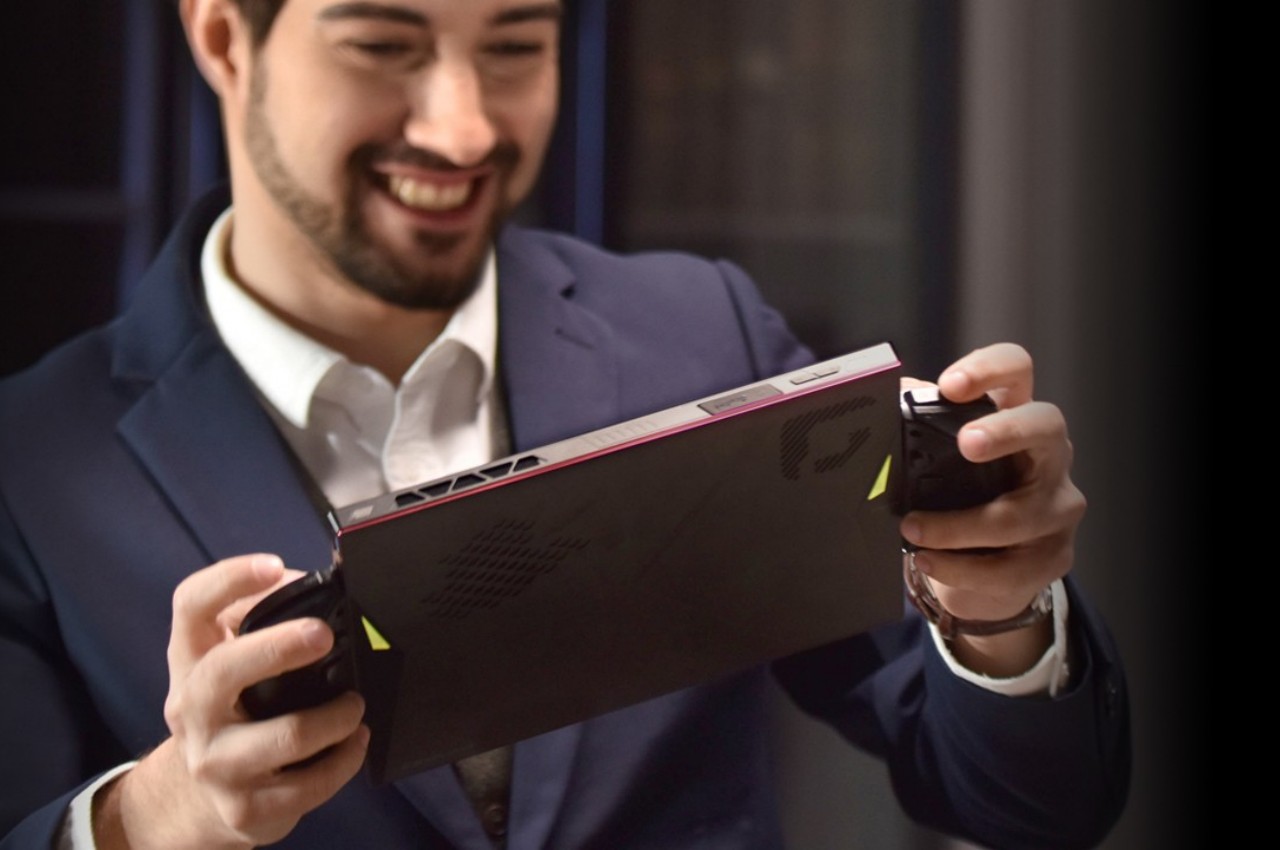
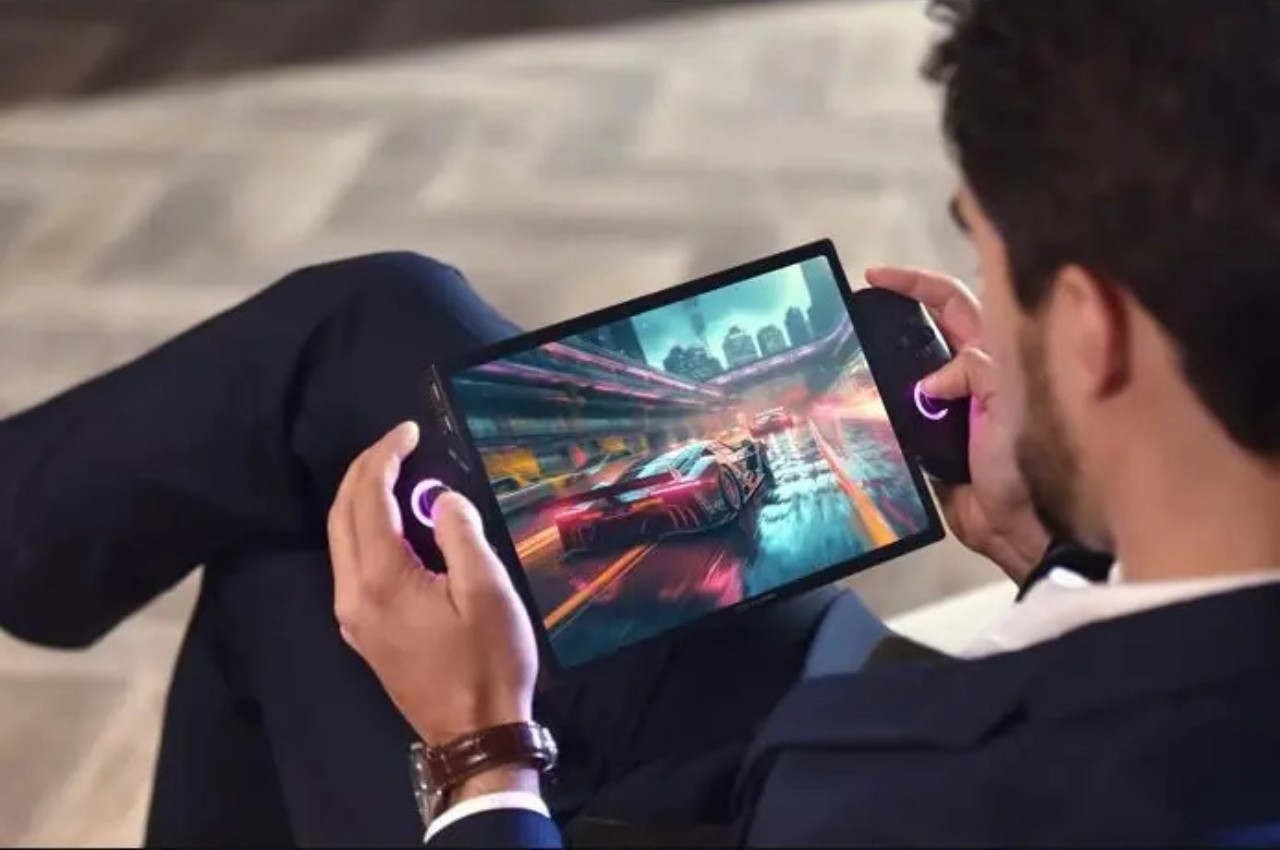
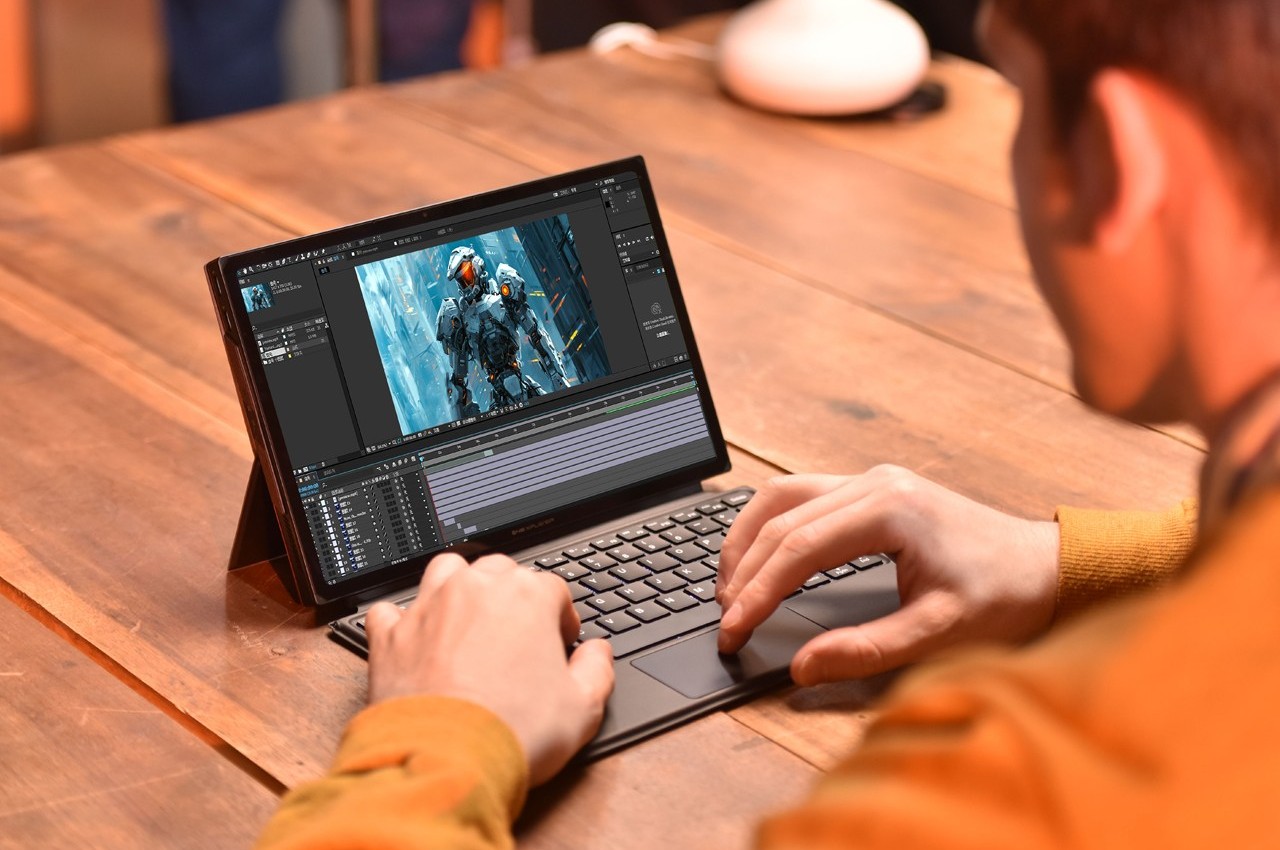
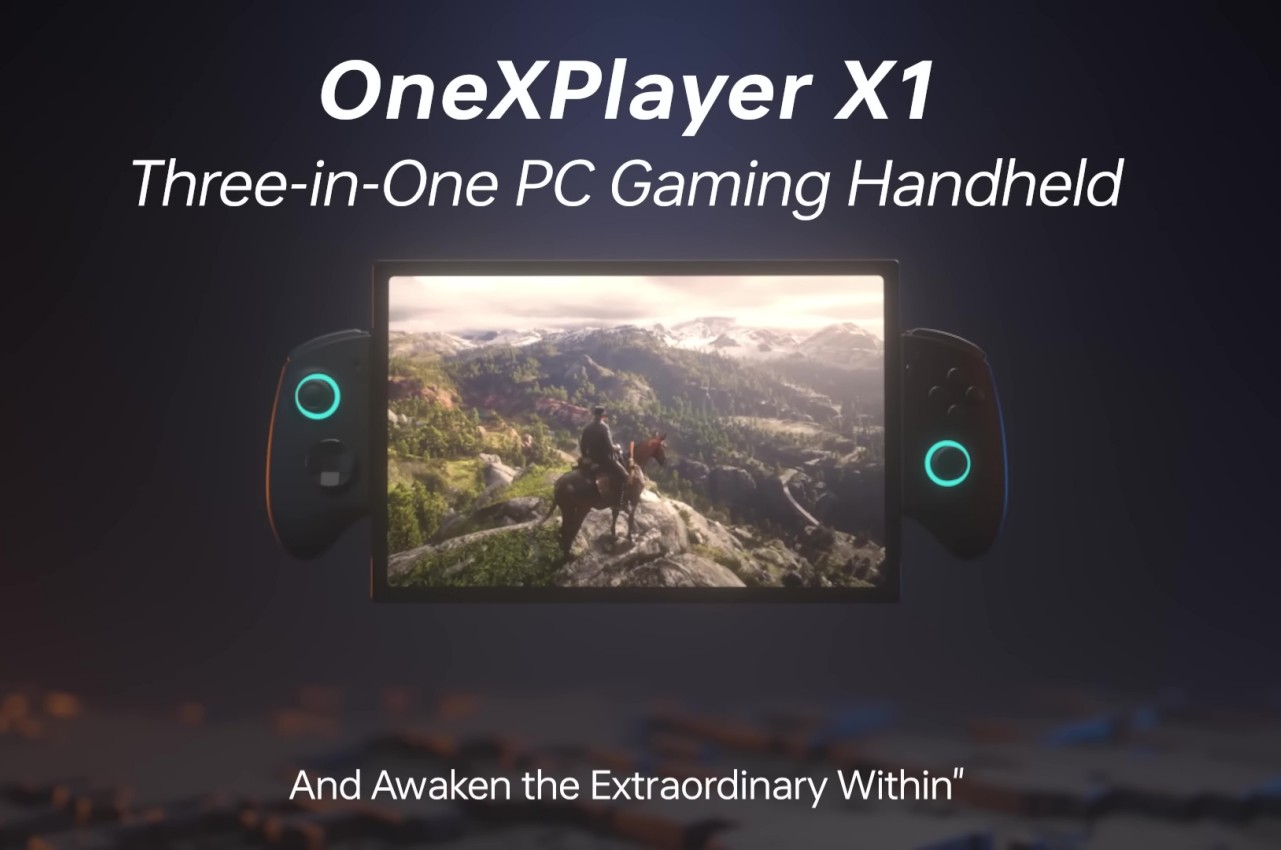
In order to satisfy the needs of both entertainment and productivity, the OneXPlayer X1 shatters a few conventions, especially when it comes to screen size. If you think the Lenovo Legion GO’s 8.8-inch screen is already massive, then you’re jaw will probably drop at this 10.95-inch 2.5K screen. That’s pretty much “netbook” size, which means it’s a little bit more comfortable to view documents and spreadsheets, especially when you have to type them out. Of course, that does also mean you have a larger view of your games, but it comes at the price of portability, though ONE-NETBOOK advertises the device will only be 789 grams thanks to the use of 6000 series aviation aluminum.

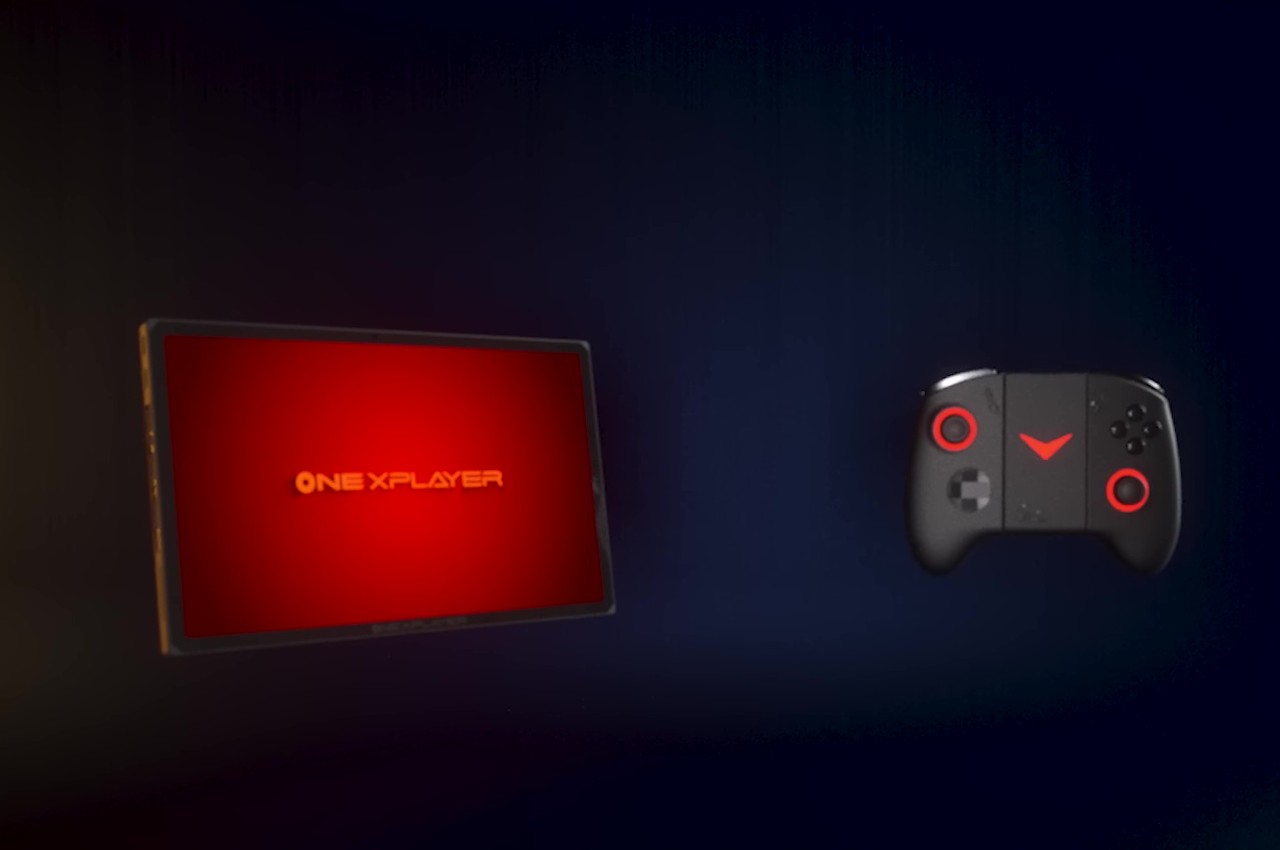
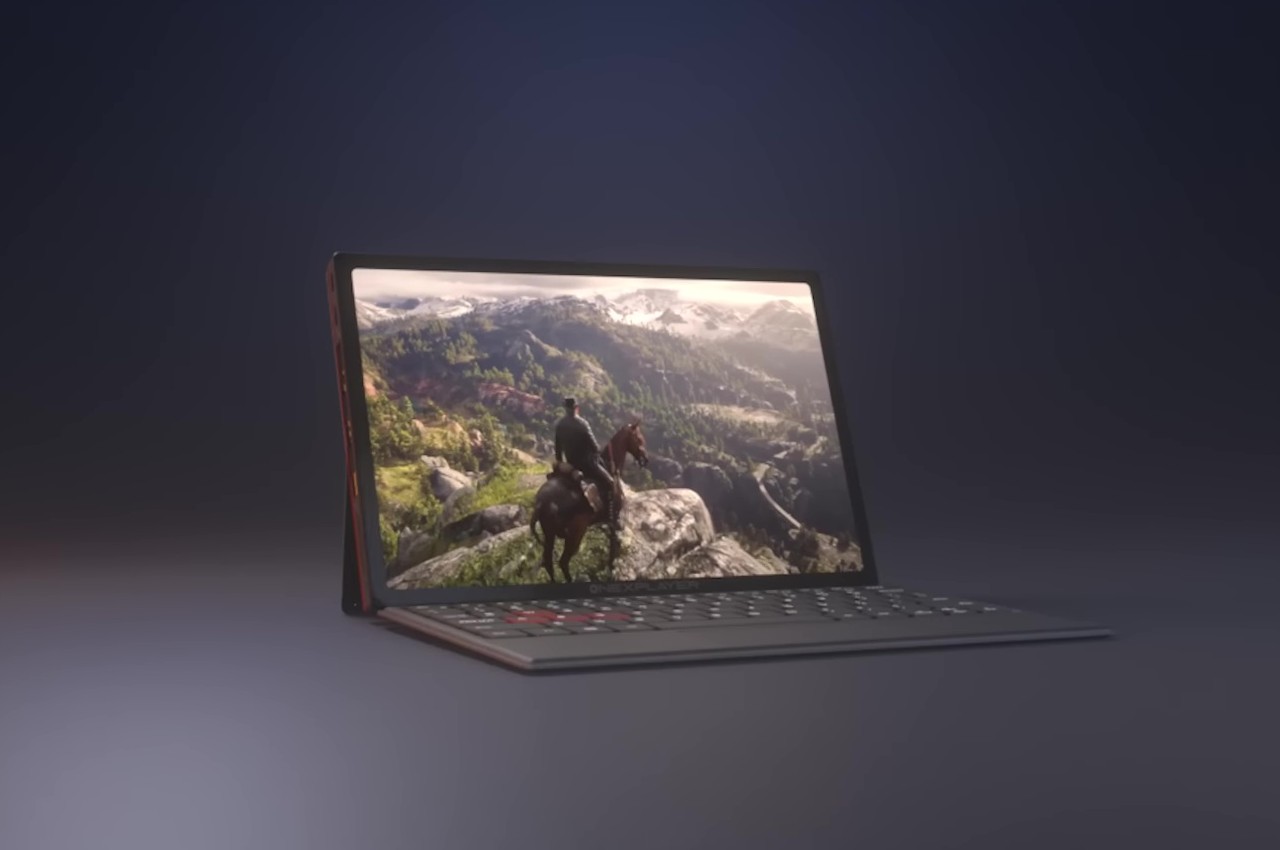
The OneXPlayer X1’s inspiration can clearly be seen from the detachable controls. Flanking the sides of the large tablet are removable controllers clearly inspired by the Switch Joy-cons. When it’s time to start typing, however, the keyboard cover, ala the Surface Pro, comes into play. While the laptop use case is a proven design, it remains to be seen whether the promise of lightweight handheld gaming will actually be delivered.

It’s interesting to see how the OneXPlayer X1 combines multiple designs gathered from computing history, from the canceled Razer Edge Pro to the unexpected Microsoft Surface Pro to the successful Nintendo Switch. Of course, simply combining successful designs doesn’t guarantee the same successful outcome, especially when that combination itself is still unproven and almost questionable. With an Intel Core Ultra processor and Intel’s ARC GPU, there might be some doubt as to its actual gaming chops. And with a price tag that starts at around $950 for the baseline specs, that’s too expensive a risk to take as well.

The post Ambitious handheld gaming PC fuses Nintendo Switch and Microsoft Surface first appeared on Yanko Design.