Nintendo Museum to showcase 132 years of the company’s gaming history

At one point in most people’s lives, they have probably played with or interacted with a Nintendo gaming device. Now what device that is is of course depends on the generation but with more than a hundred years of experience in creating games, there are a lot of things to choose from. And if you’re a die-hard fan of their various games and consoles, then you’ll want to book a ticket to what will surely be the hottest thing in town in a couple of months.

Designer: Nintendo

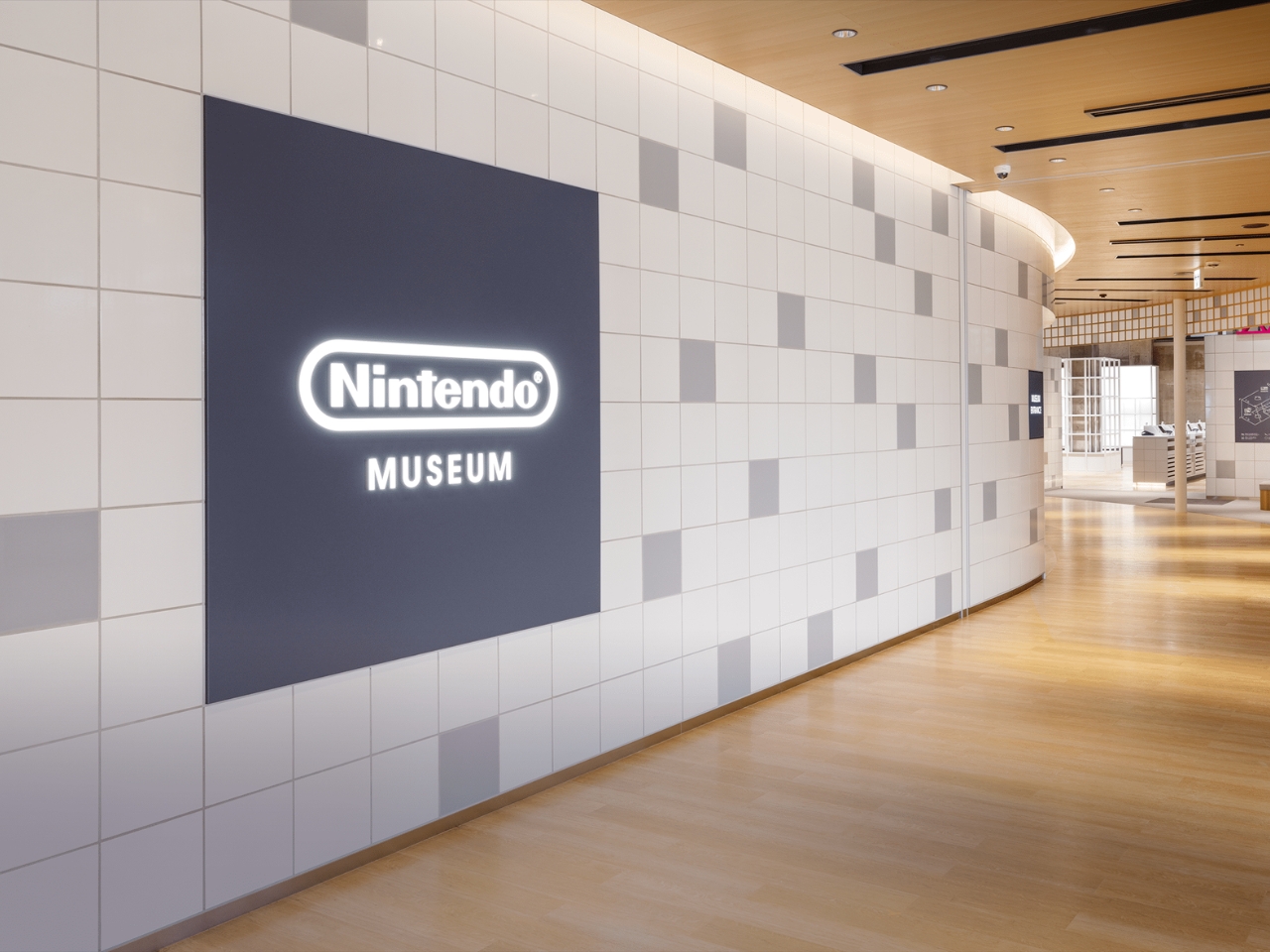
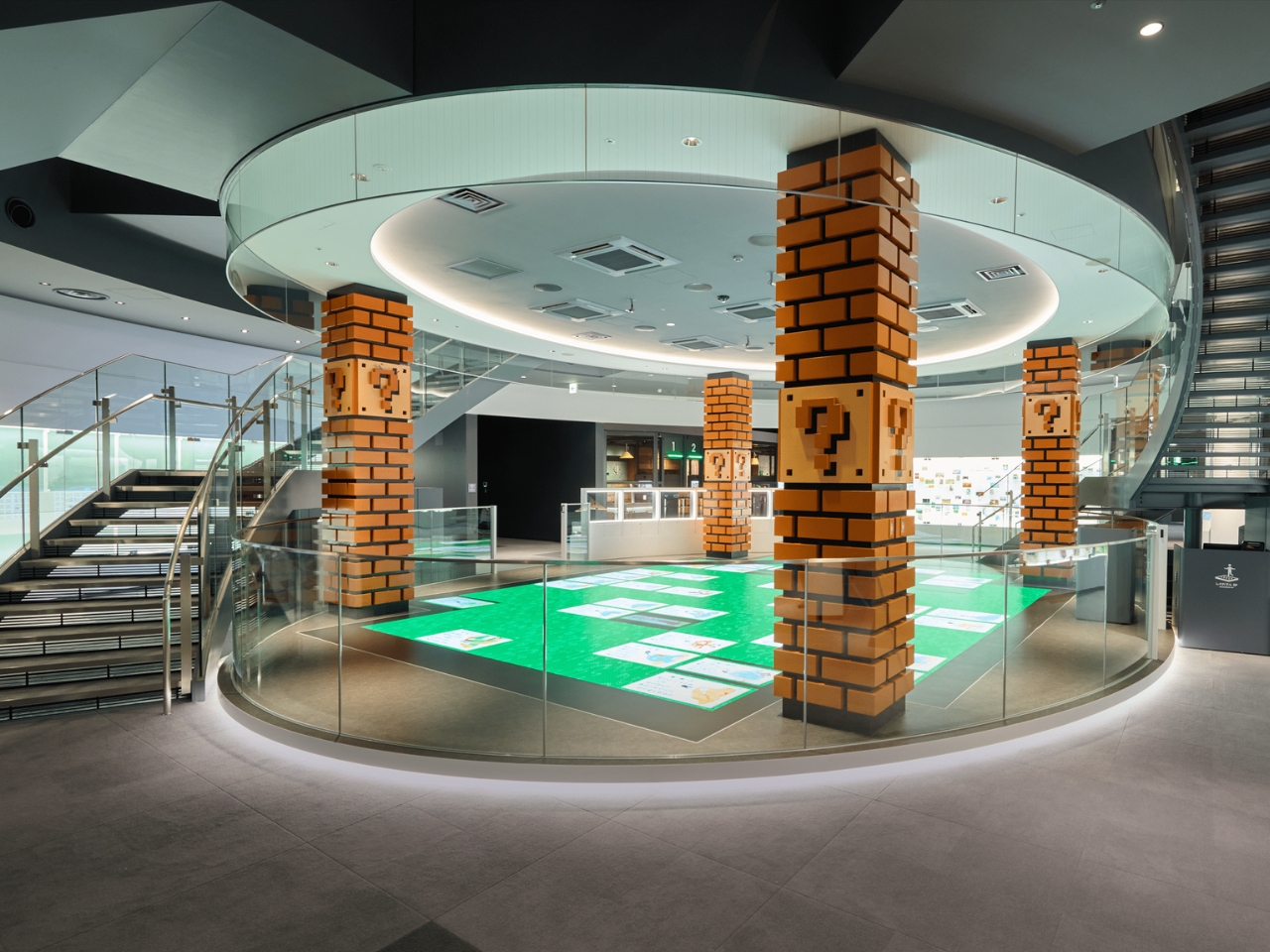
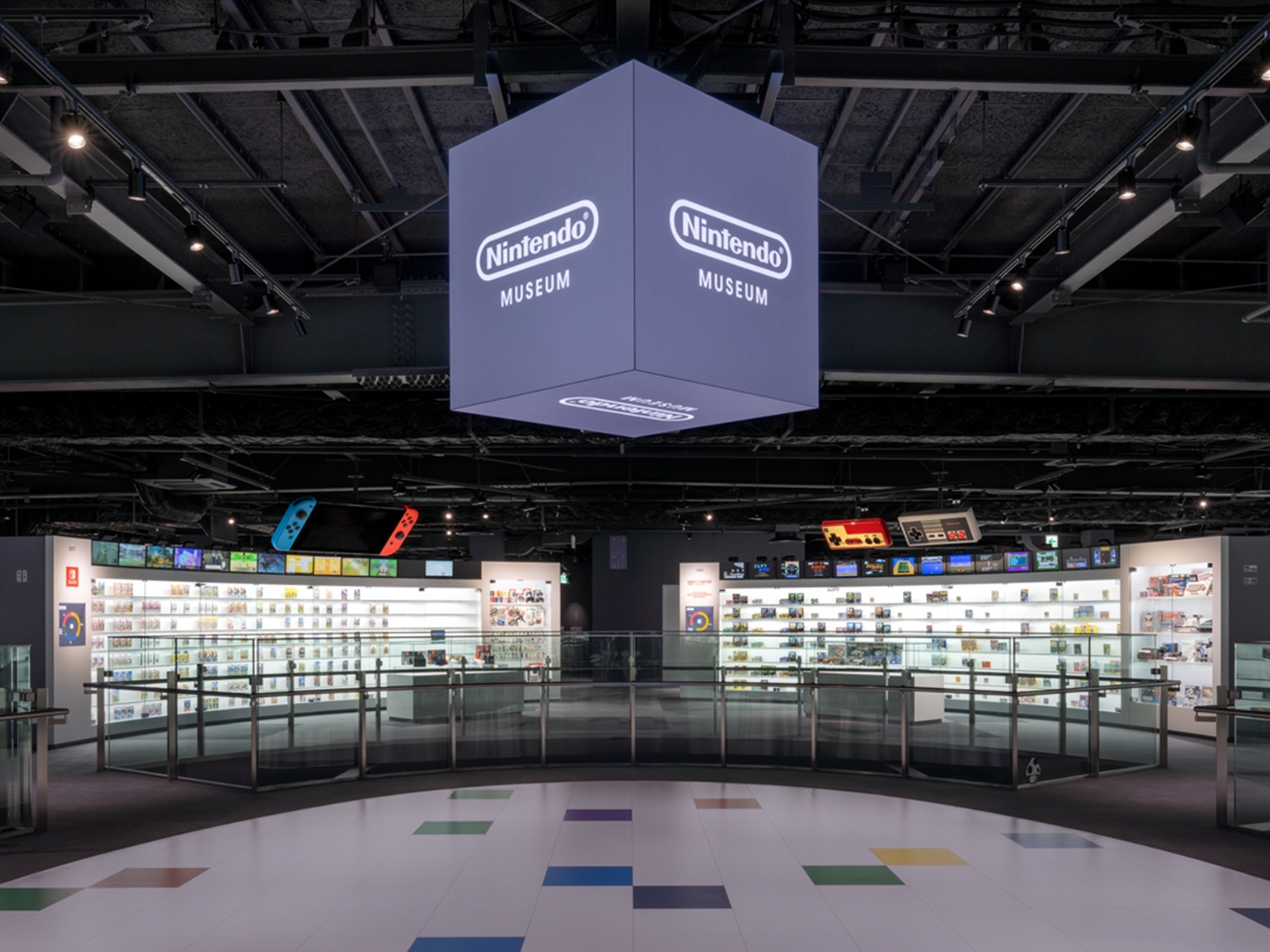
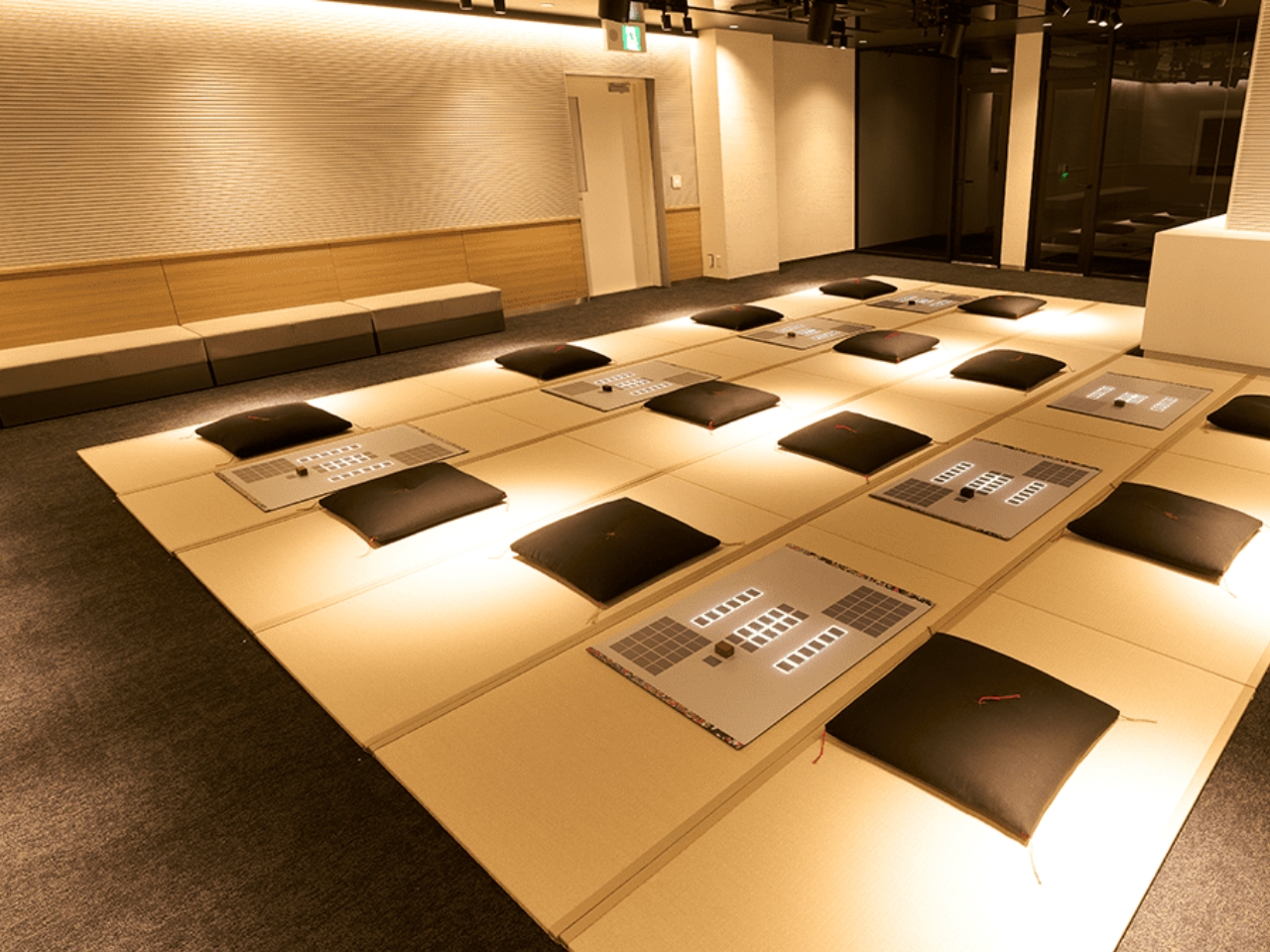
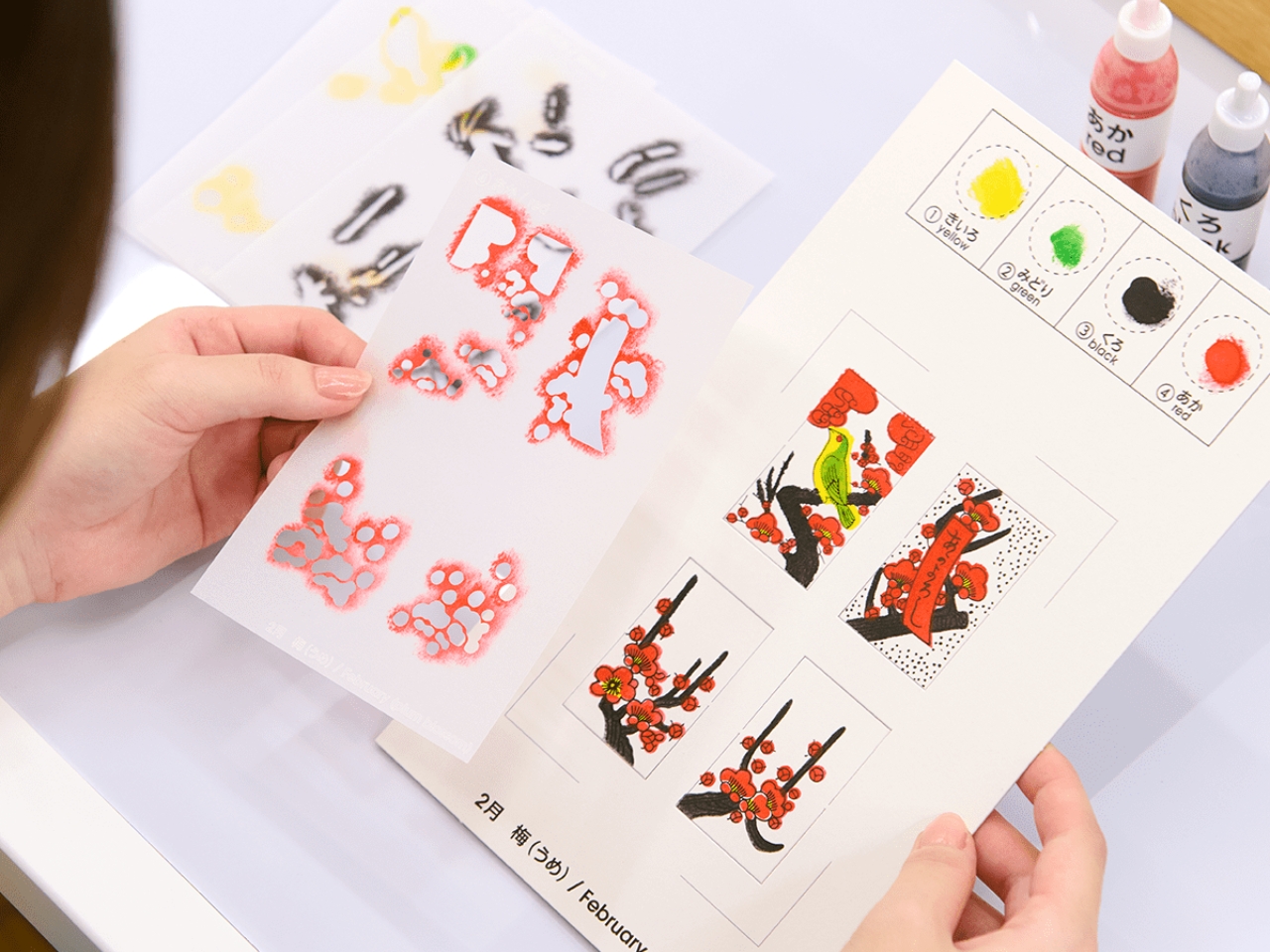
Yes, we are finally getting a Nintendo Museum opening this October and built on the very space where they started creating hanafuda playing cards in 1889. Because this company has gone through many evolutions since then, you can expect a fun and interactive history lesson spanning a century of family entertainment. There will be various exhibits as well as a cafe and of course, an extensive merchandise shop that will celebrate all kinds of games and technology. There will also be arts and crafts and workshops section where you can do things like create your own hanafuda cards.

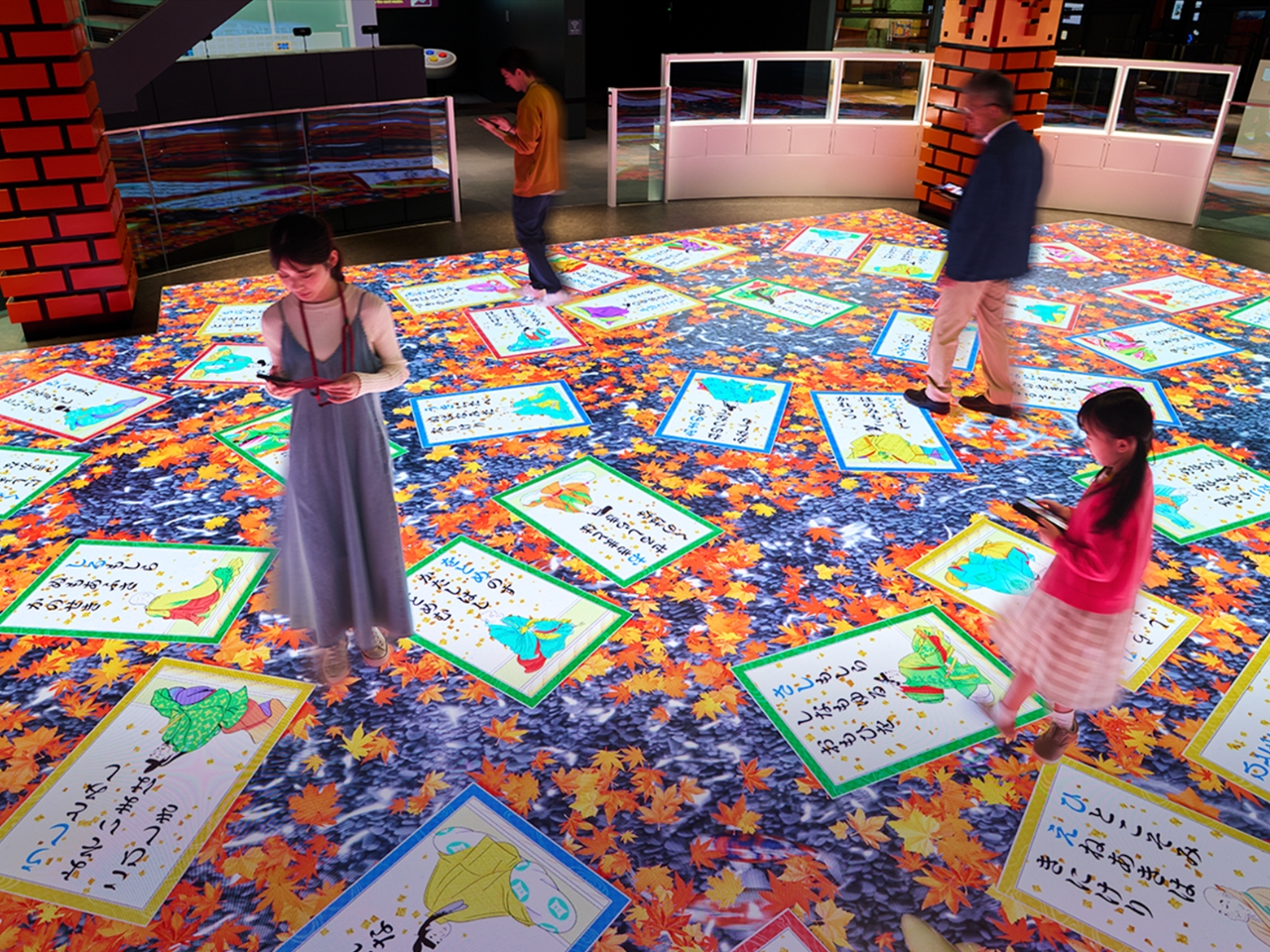
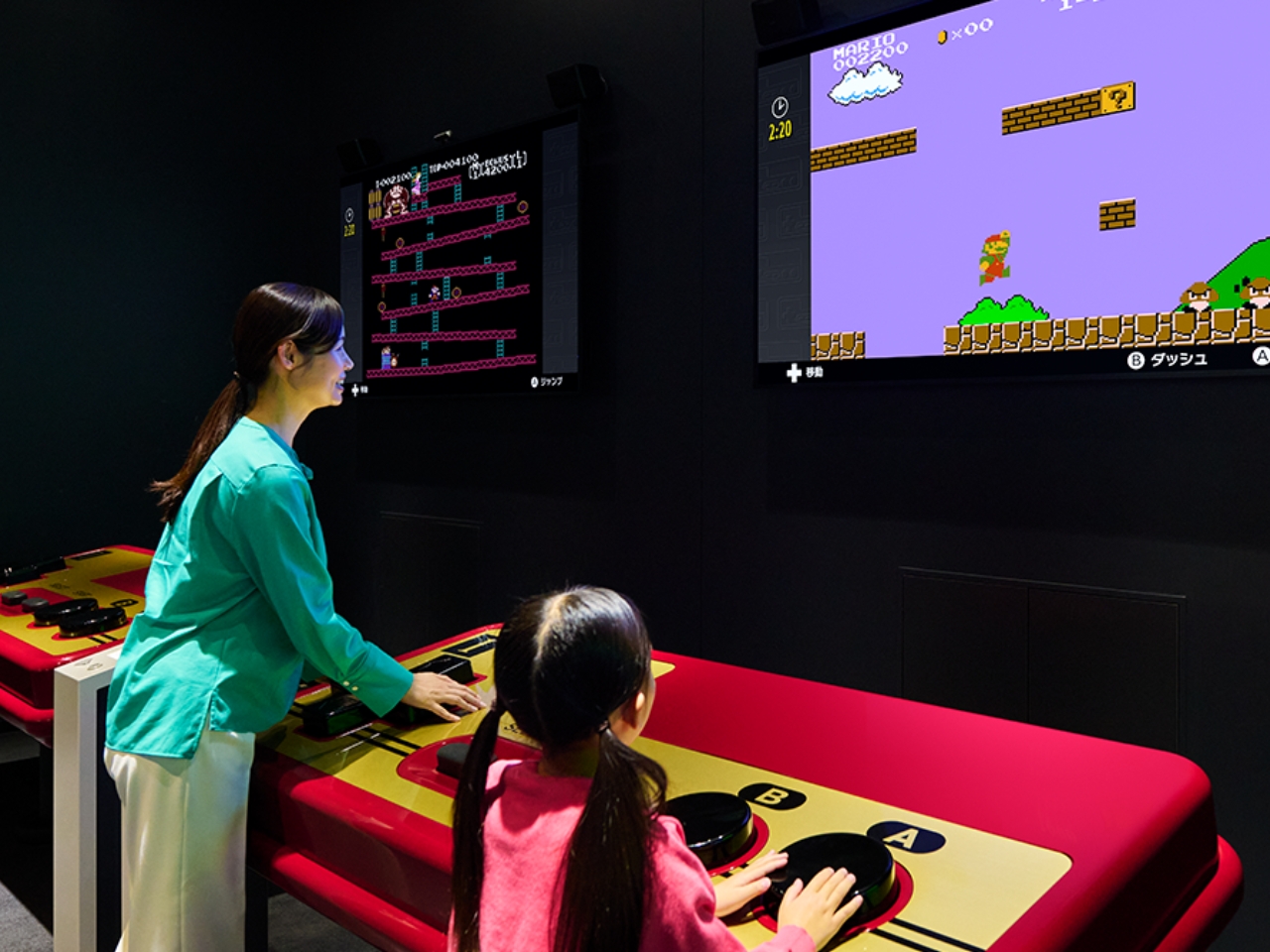
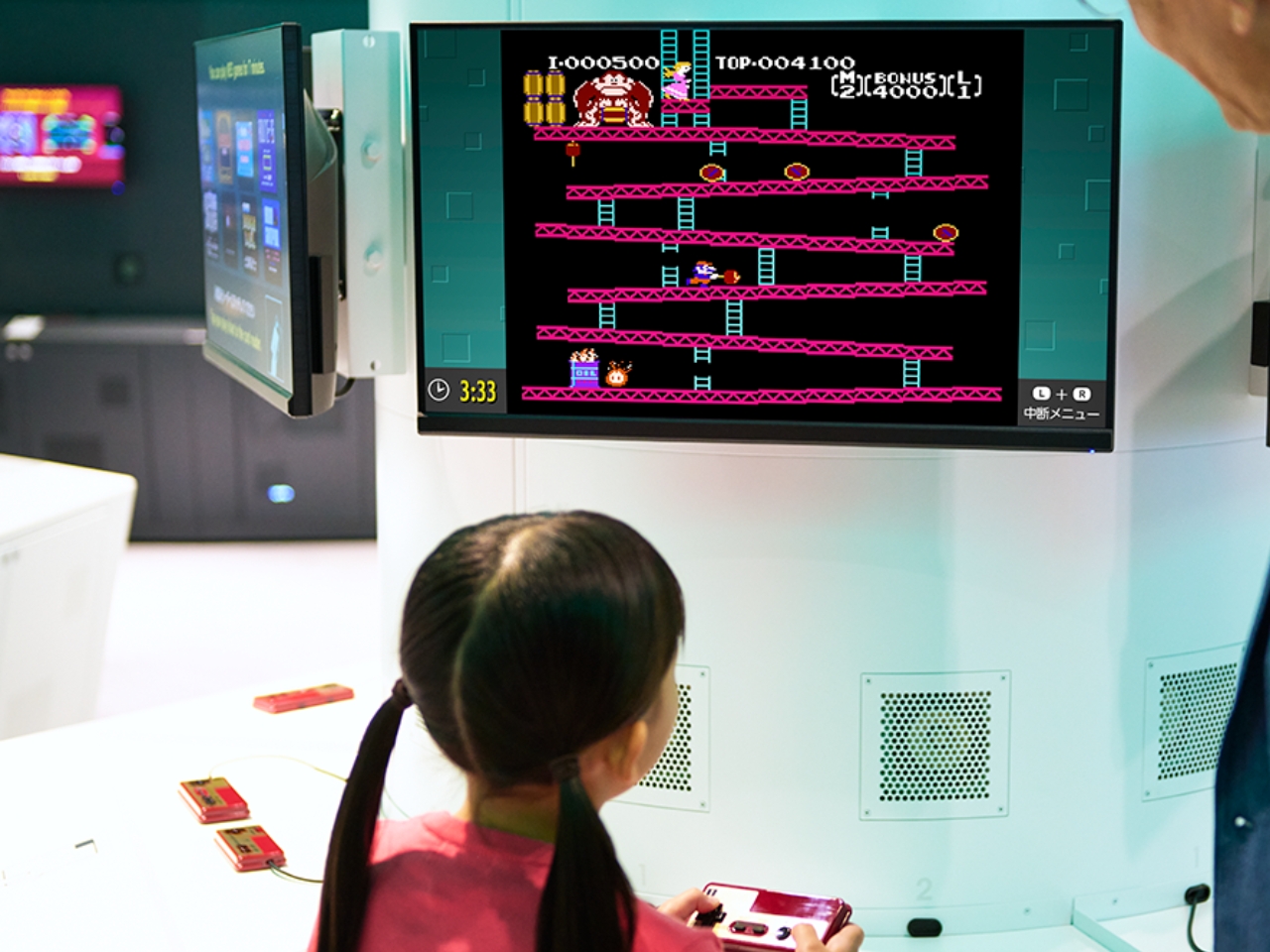
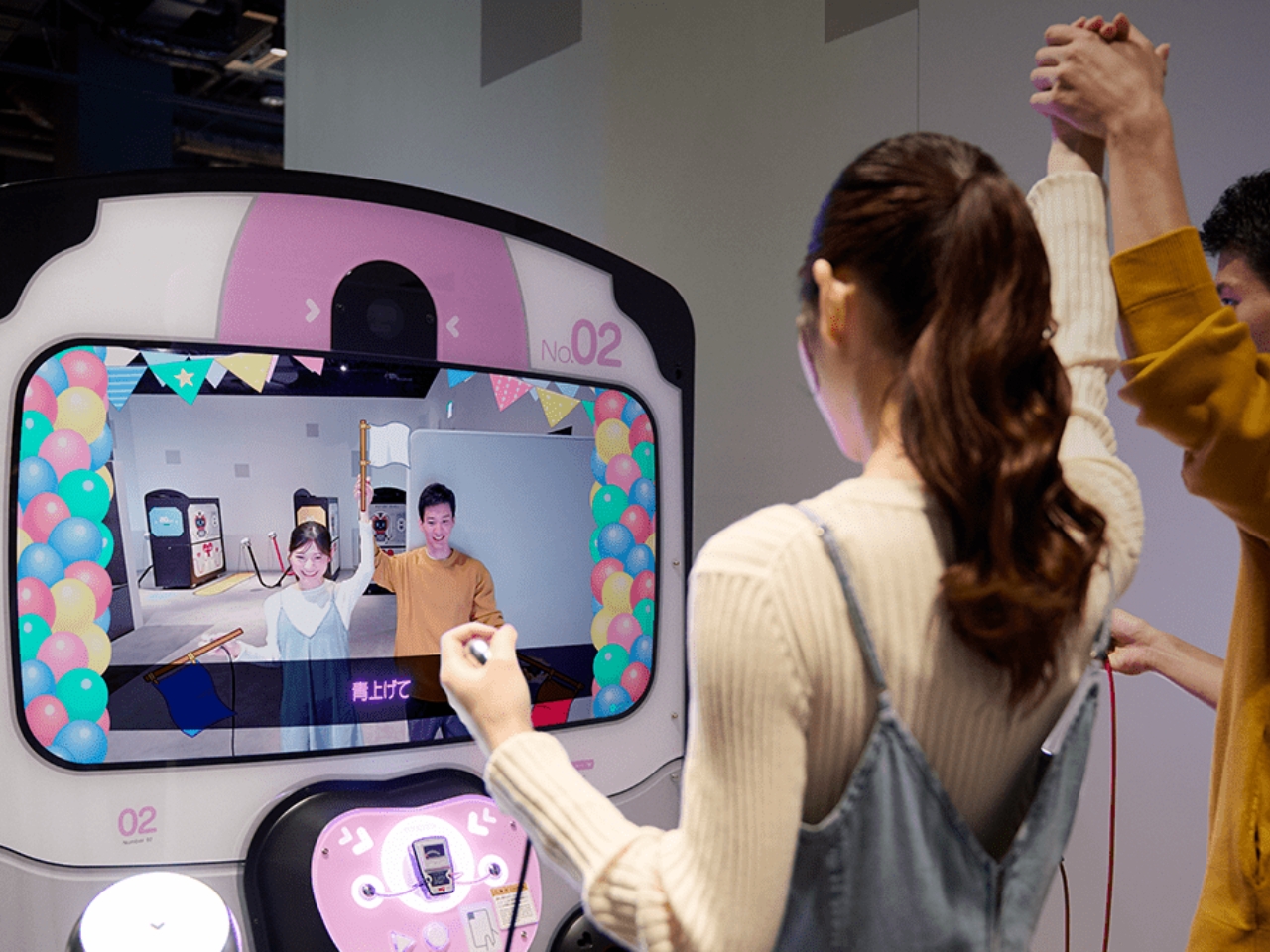
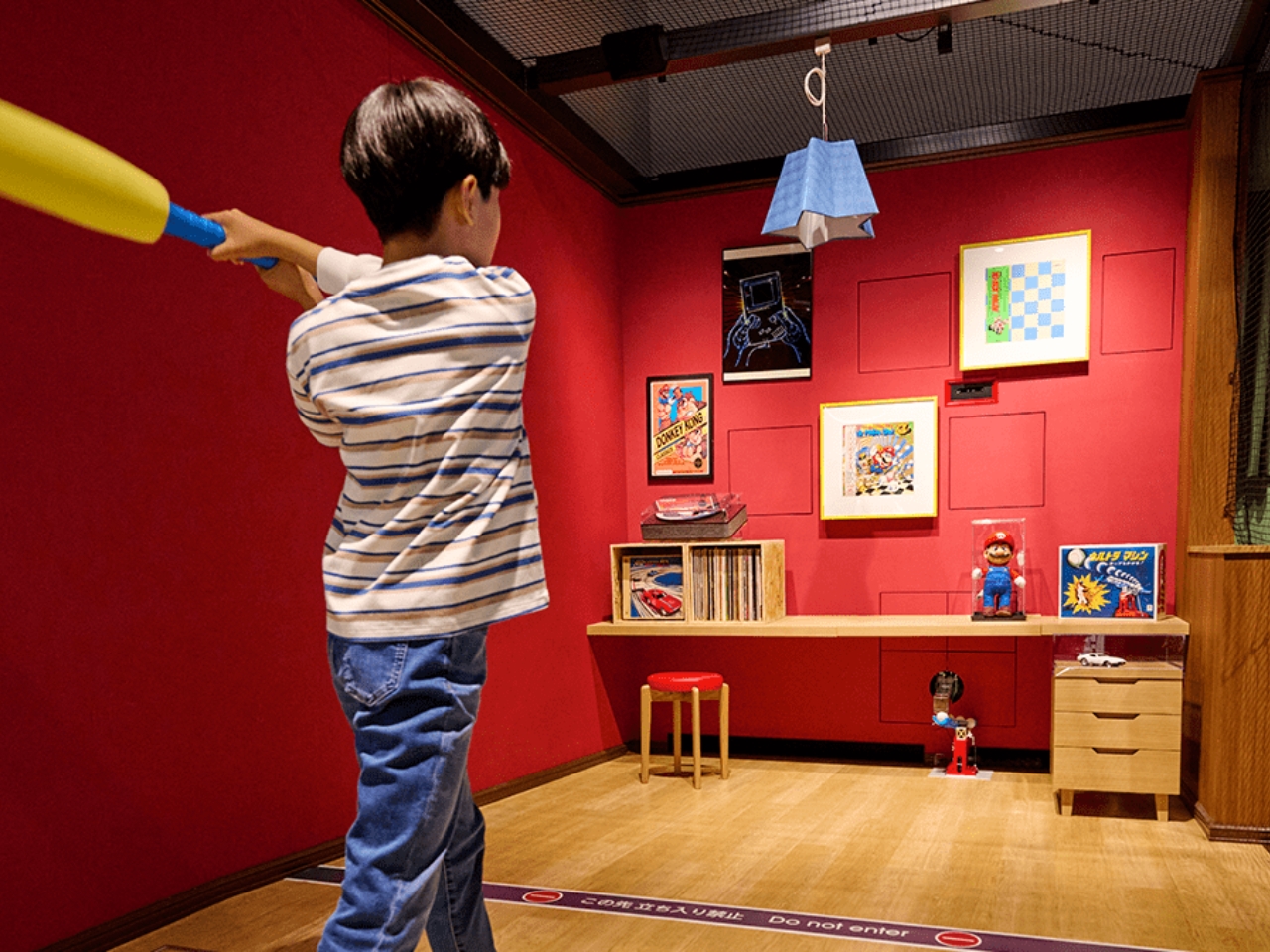
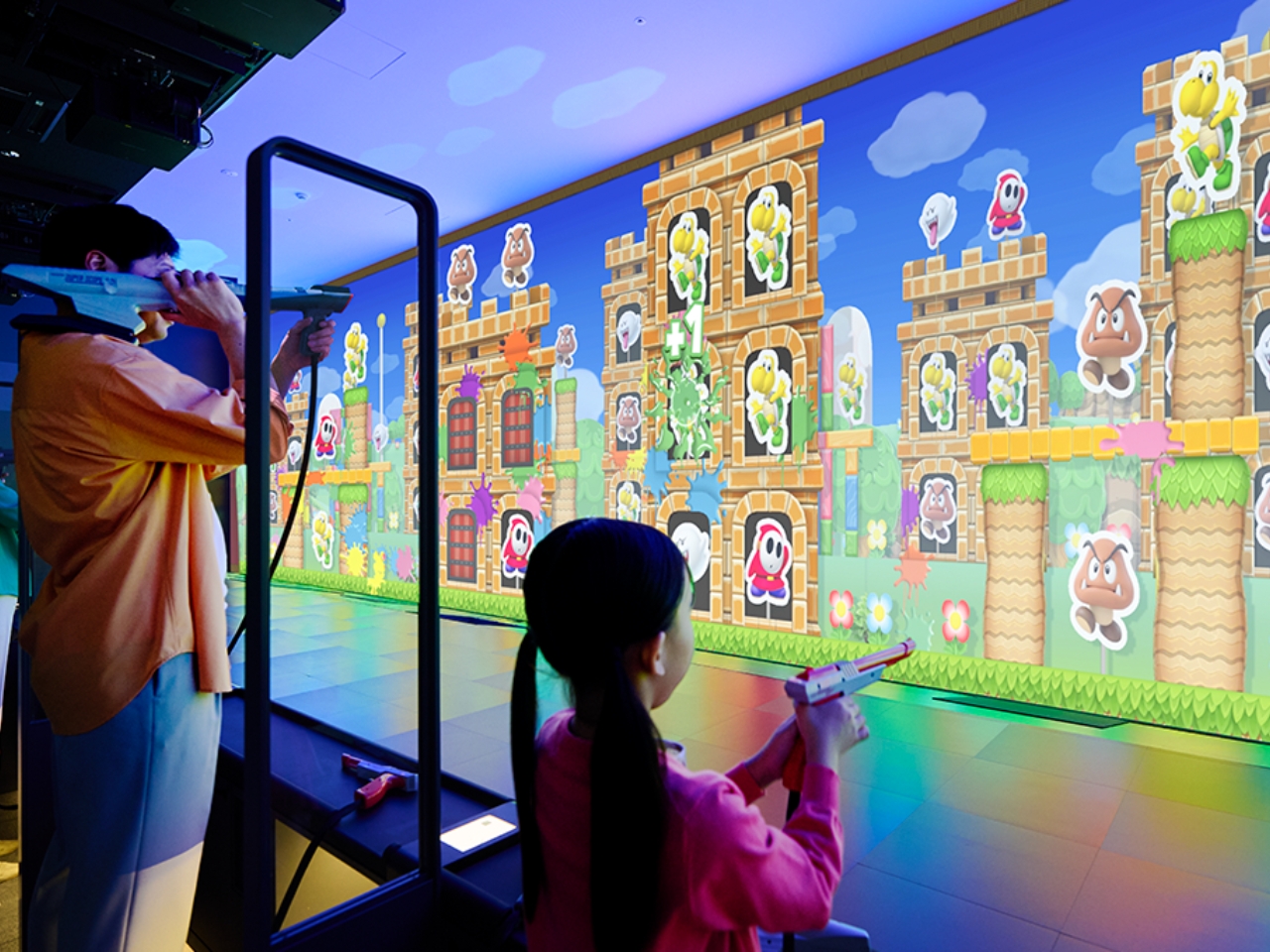
The first floor of the Exhibition Building 1 has eight interactive play experiences. Each visitor will get a card that contains ten digital coins to be able to try out the exhibits. They did not specify it but you will probably be able to top up the card if you want to try out everything. The Shigureden SP lets you explore Hyakunin Isshu poems using your smart device and viewing it on the giant screen. The Ultra Machine SP rooms lets you hit balls pitched by a machine and hit items in the room that will react. The Zapper & Scope SP gives you a shooting experience in the world of Mario while the Ultra Hand SP lets you grab balls rolling down lanes and dropping them in pipes. You can also play Nintendo games in areas like the Game & Watch SP, Nintendo Classics, and Big Controller with giant game consoles. There’s even a Love Tester SP where you can see if you and your loved one are compatible.

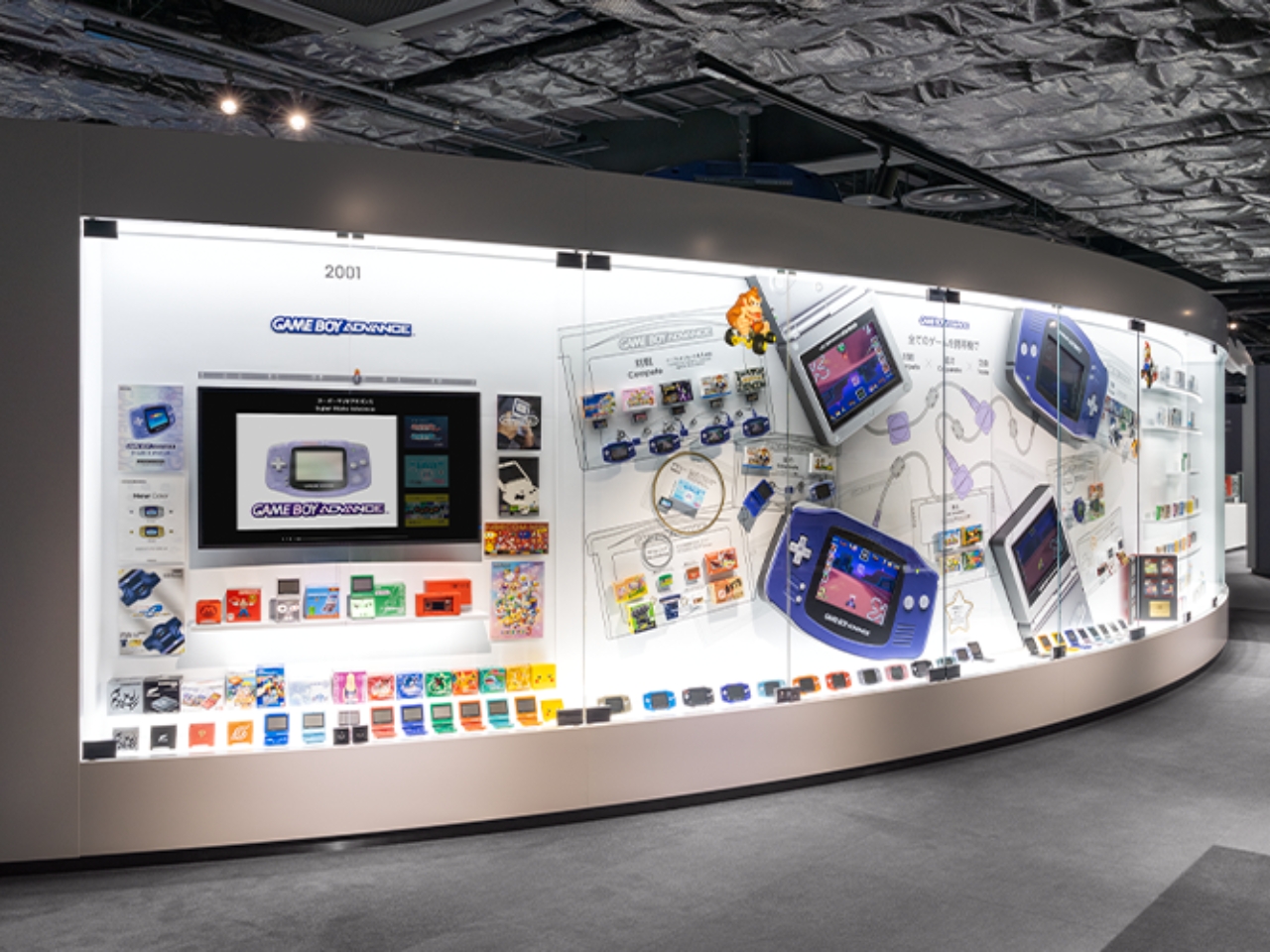
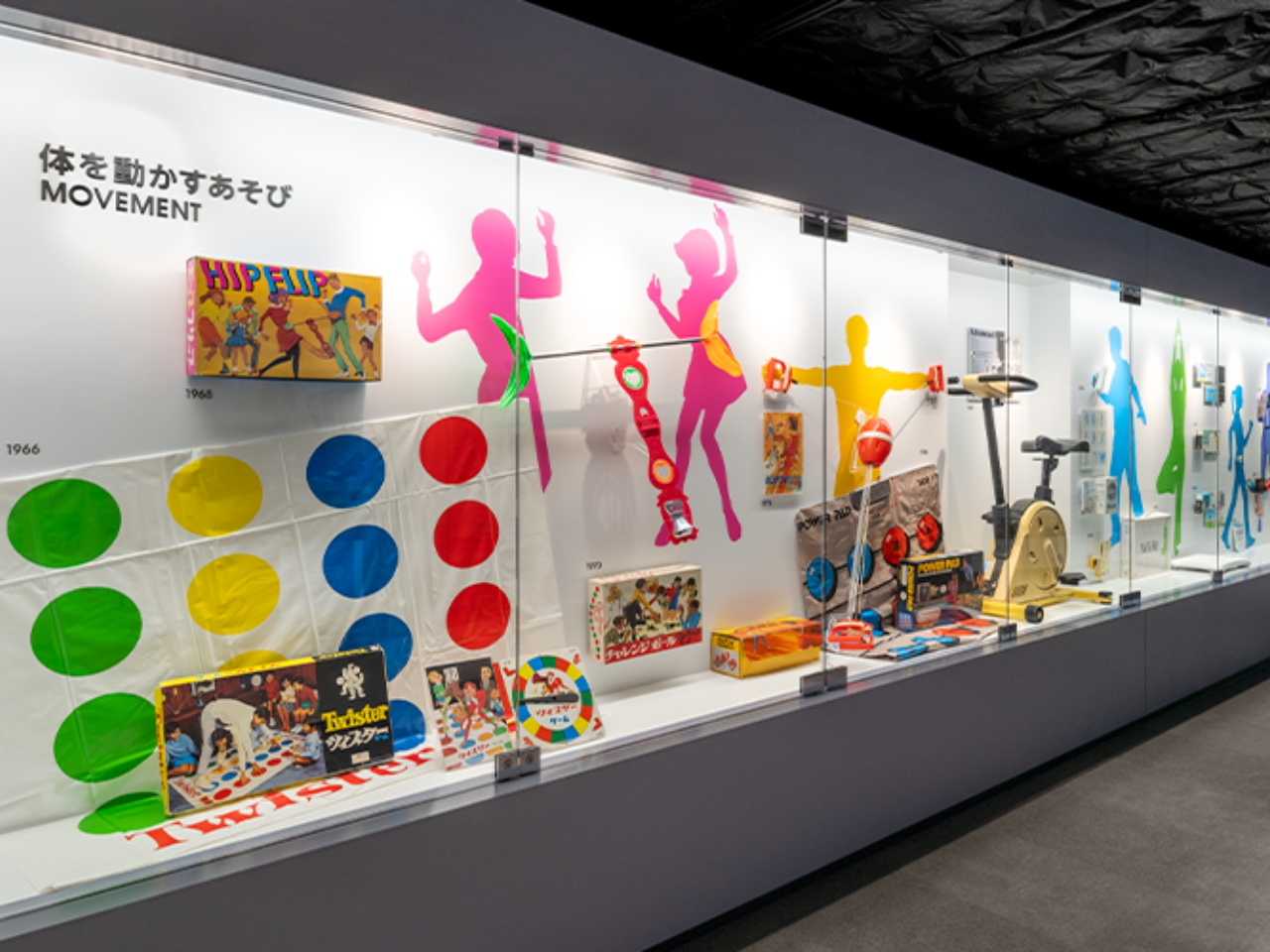
On the 2nd floor is the museum part where there are exhibits of everything that Nintendo has created throughout the years. This includes the era before they created gaming devices and it includes copying machines, baby strollers, and of course the hanafuda cards and various board games. But of course the highlight would be all the gaming consoles and games that have made them arguably the most popular entertainment company in the world. The Nintendo Museum opens in October but you can already buy your tickets, although if you’re familiar with Japan ticketing, you know that it’s via a randomly selected drawing.

The post Nintendo Museum to showcase 132 years of the company’s gaming history first appeared on Yanko Design.
AI-Generated Floating Glass Museum Is Intended To Be a Symbol Of Environmental Awareness & Sustainability

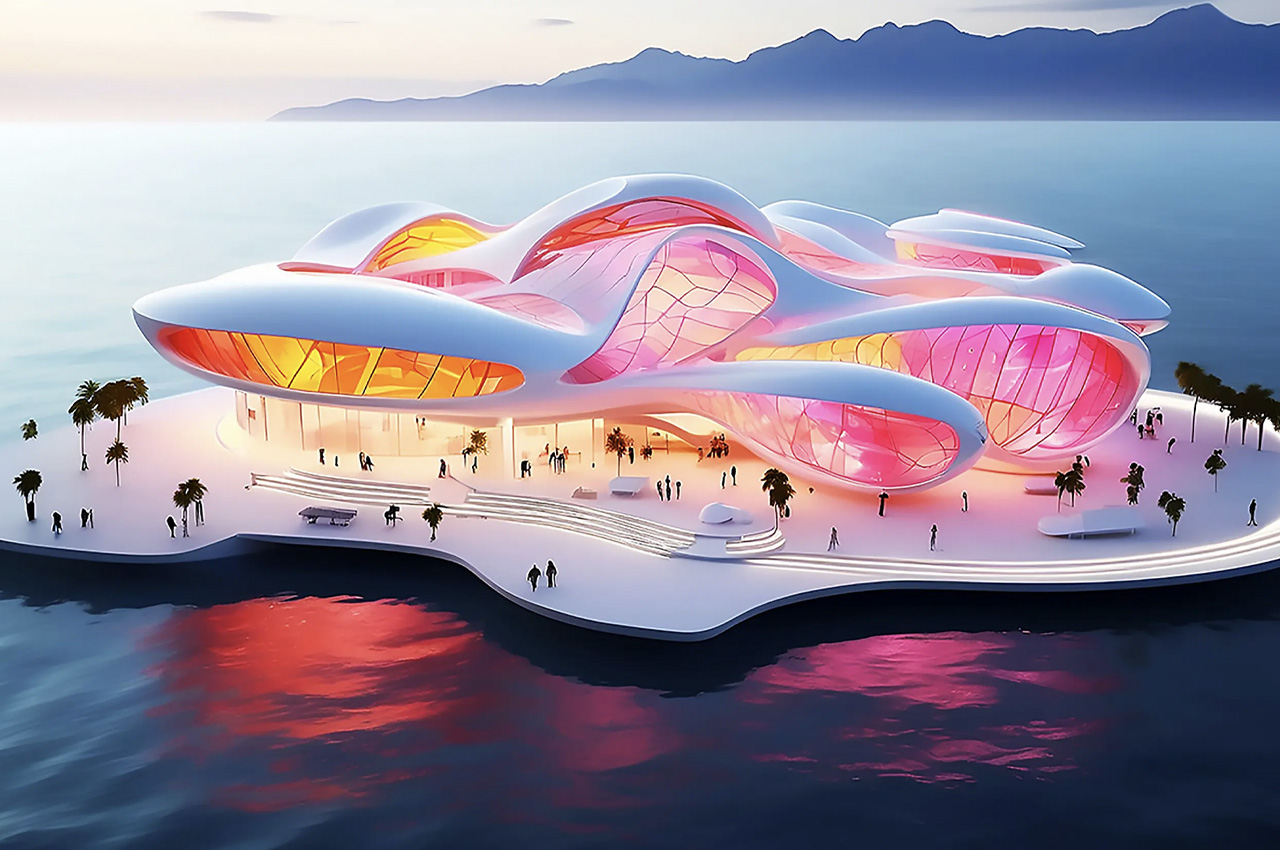
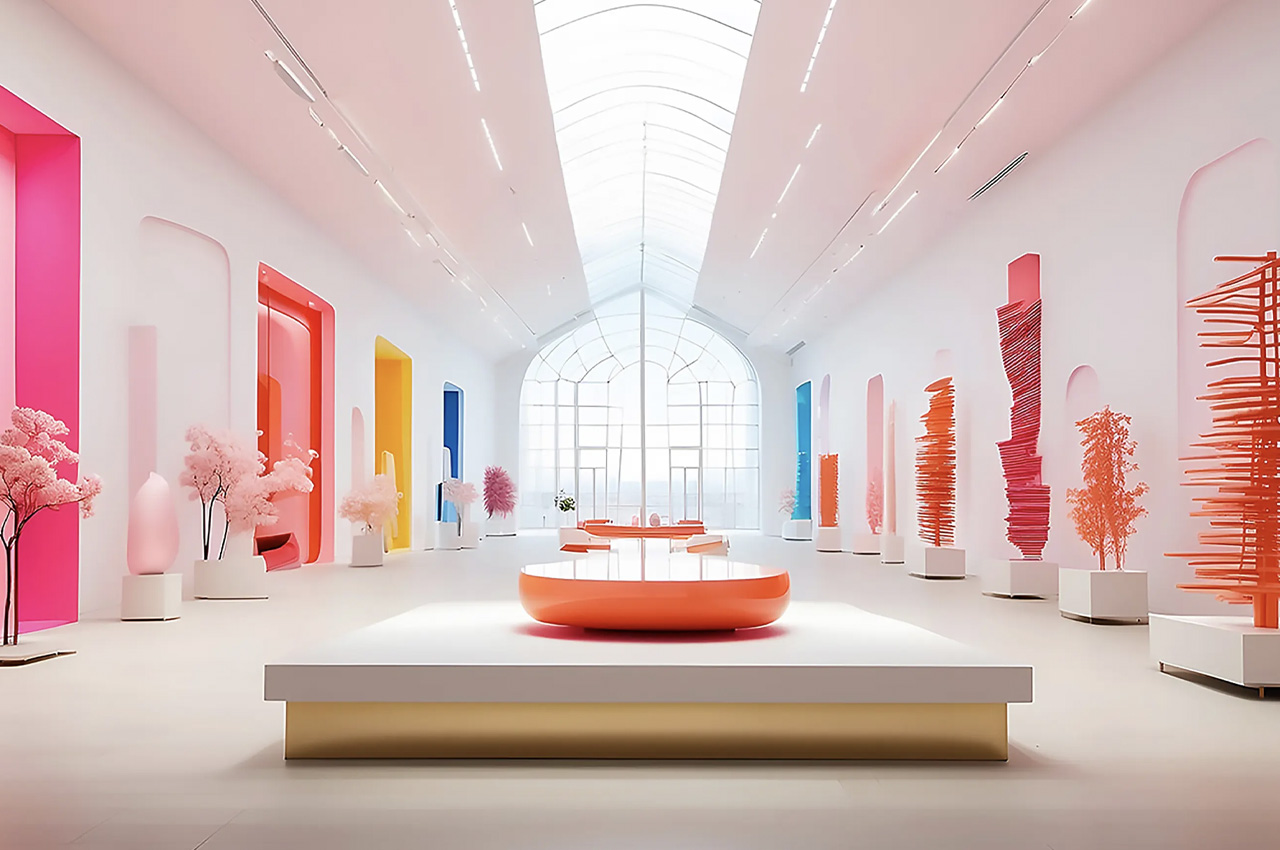
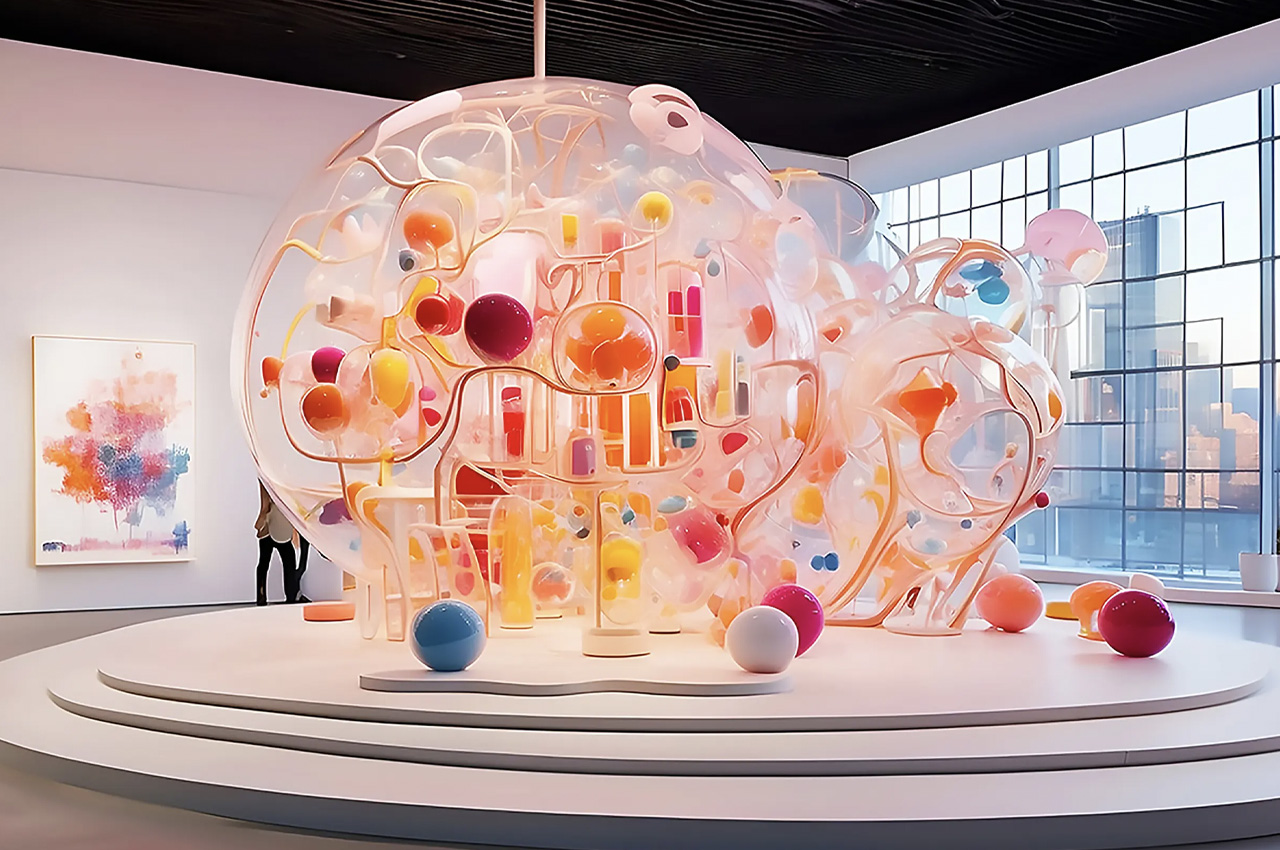
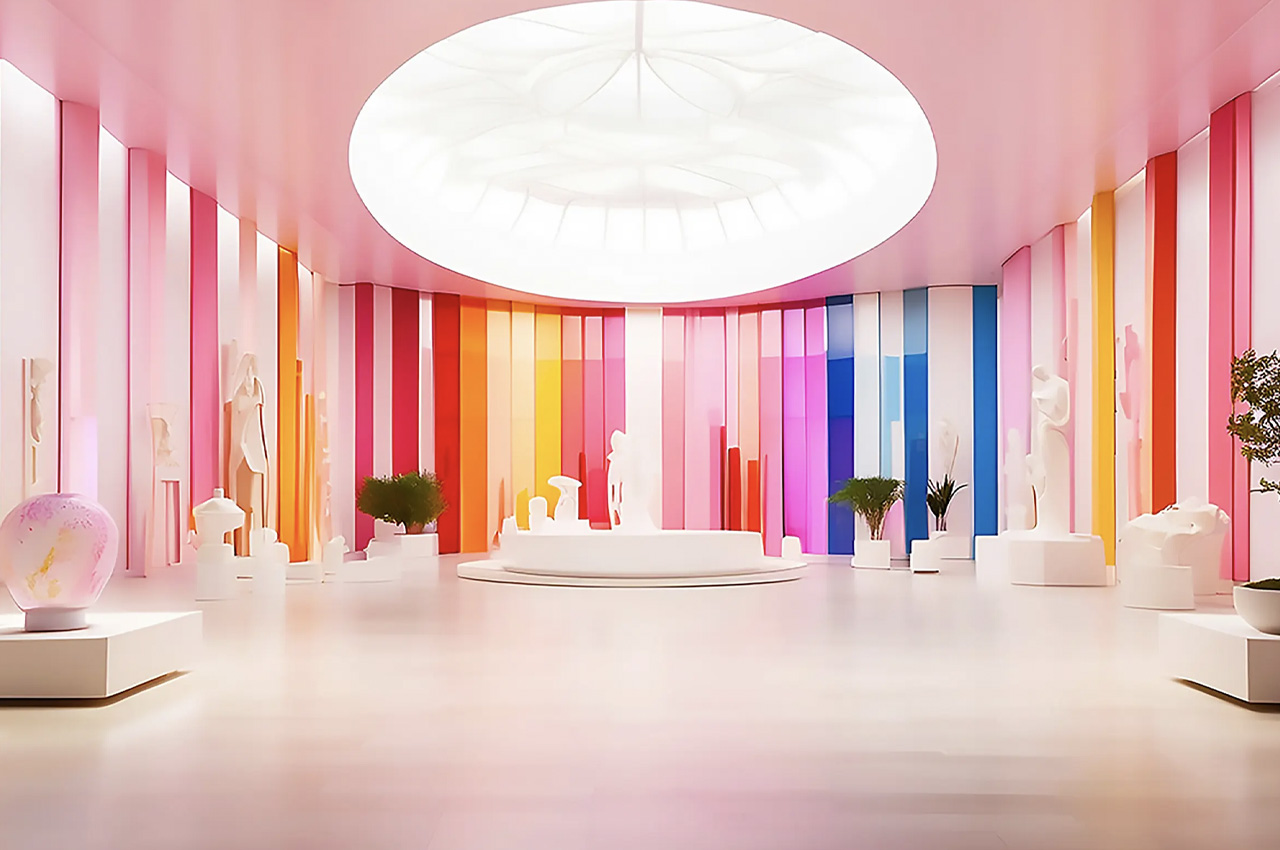
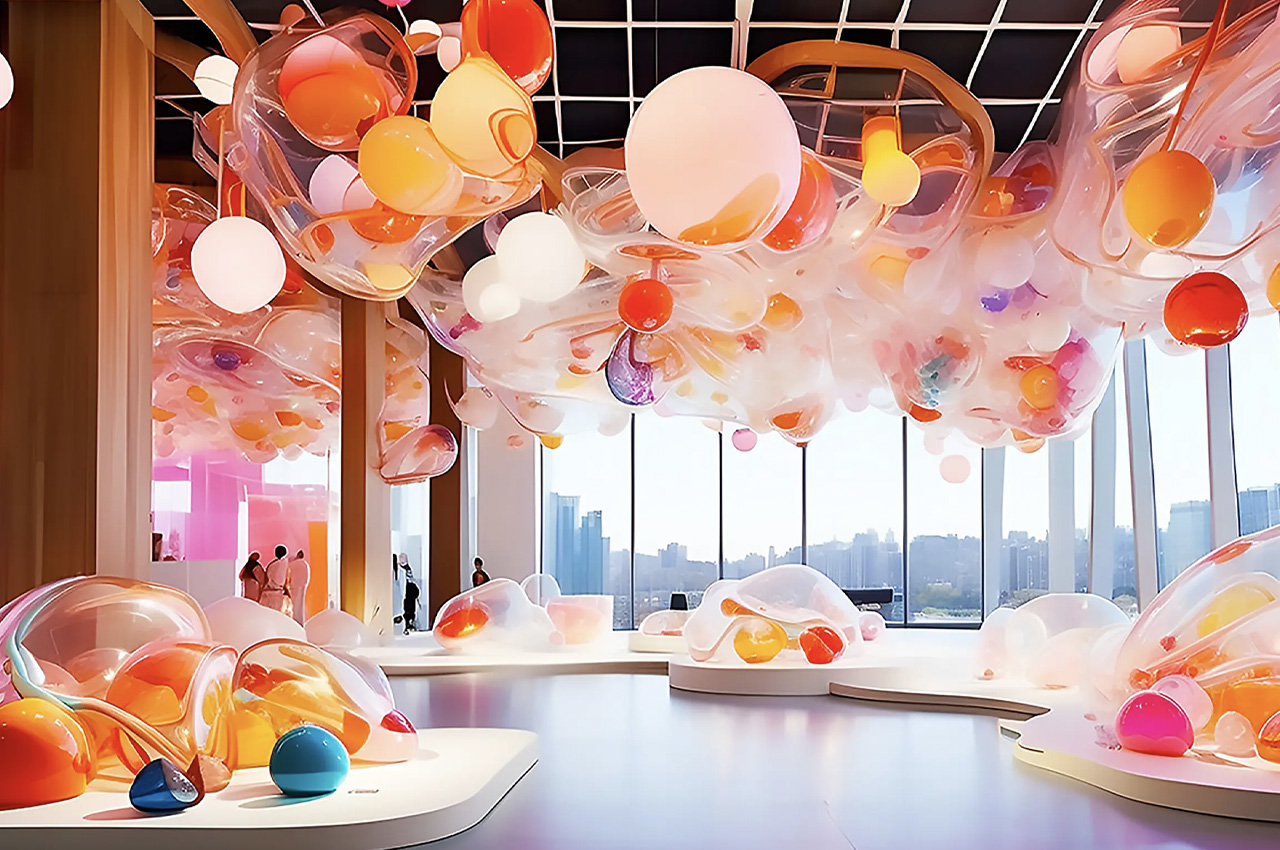
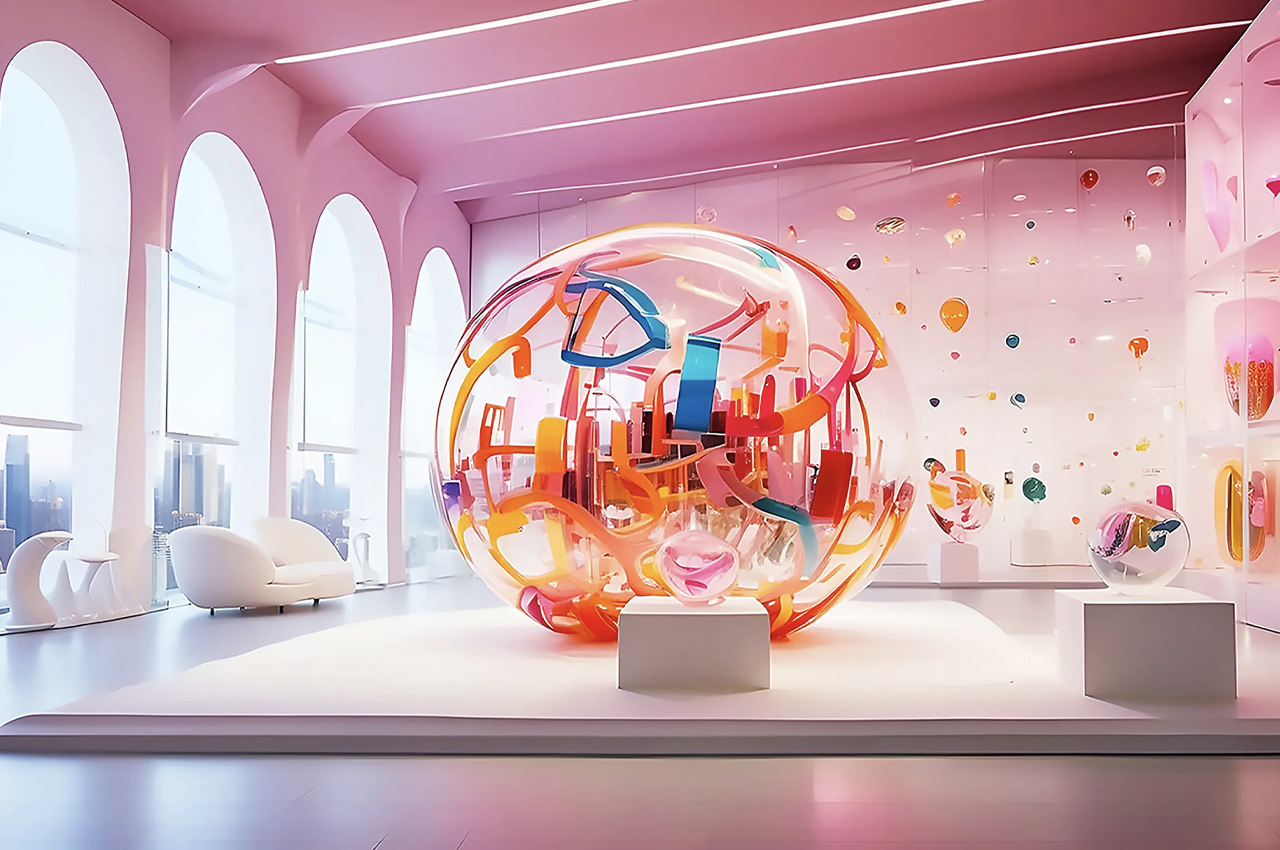
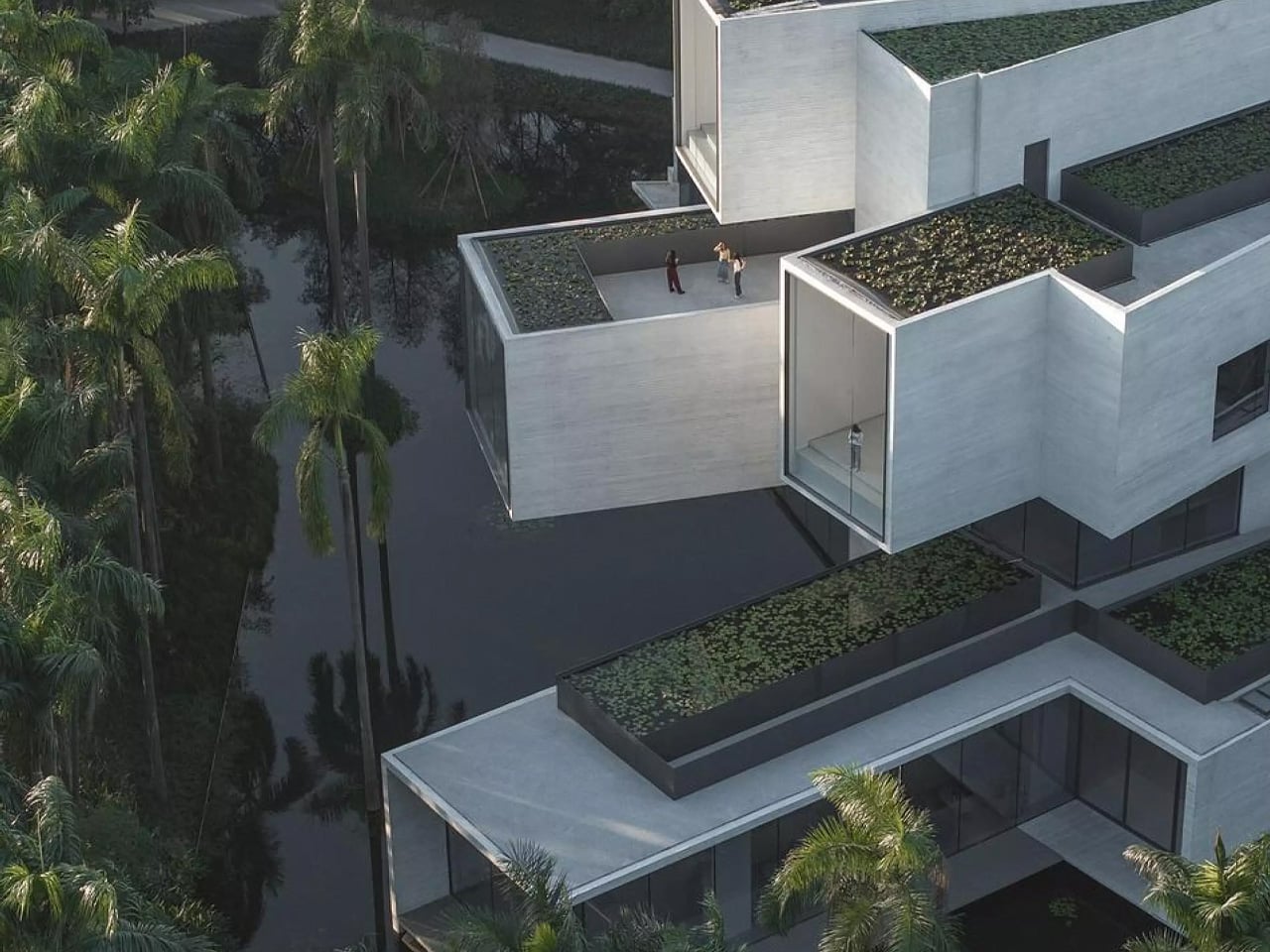
Dubbed the Floating Glass Museum, this mesmerizing and jaw-dropping structure by Luca Curci architects in collaboration with Giulia Tassi Design is something to give a nod to. Designers and architects from around the world, as well as AI were also used to design the fantastic building. It is proposed as a unique and innovative symbol of environment awareness and sustainability, “where the history of glass meets the contemporary experimentation”. While designing the structure, the international design team drew inspiration from the fine art of glass-blowing that has been practiced by Venetians for around 1500 years. They harnessed the amazing power of AI to build the floating exhibition, which looks fragile and yet extremely powerful at the same go.

Designer: Luca Curci Architects x Giulia Tassi Design

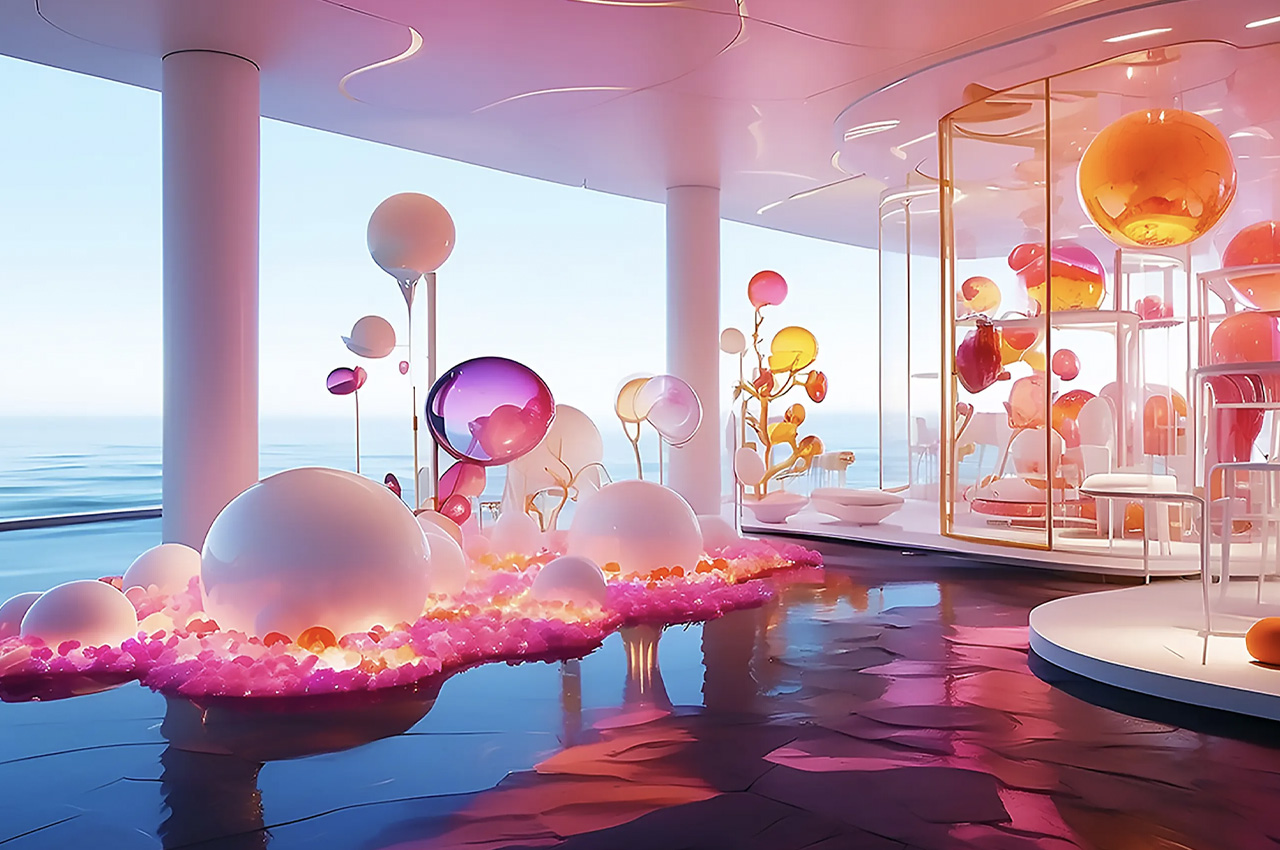
The setting of the museum is truly beautiful. As you look at it, you will be transported to another world, where the water on which it sits is reimagined as a canvas for artistic expression, while also sending an important message out to the world – the issue of climate change. “Climate change is now affecting every country on every continent,” reads the press release. “It is disrupting national economies, communities, and countries dearly today and even more tomorrow. Weather patterns are changing, sea levels are rising, weather events are becoming more extreme and greenhouse gas emissions are now at their highest levels in history.”

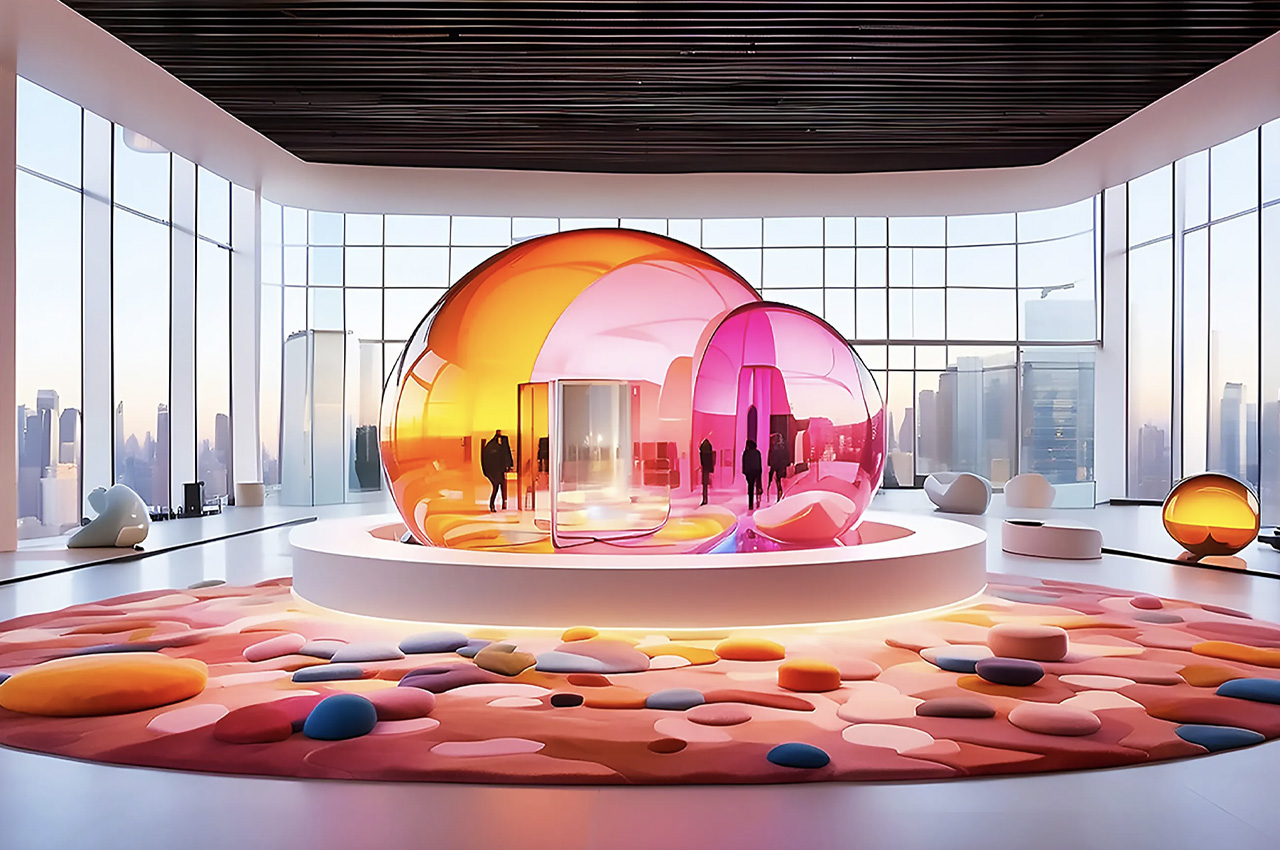
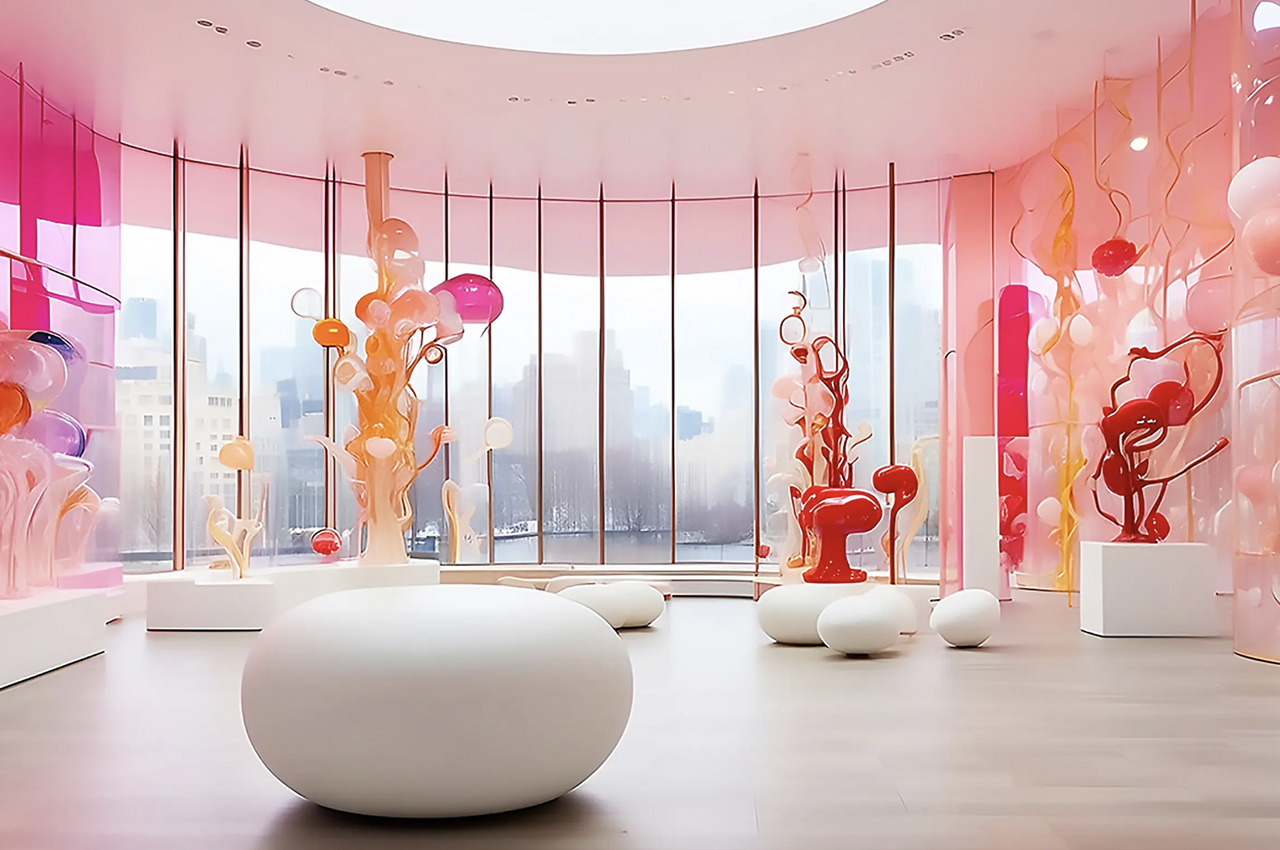
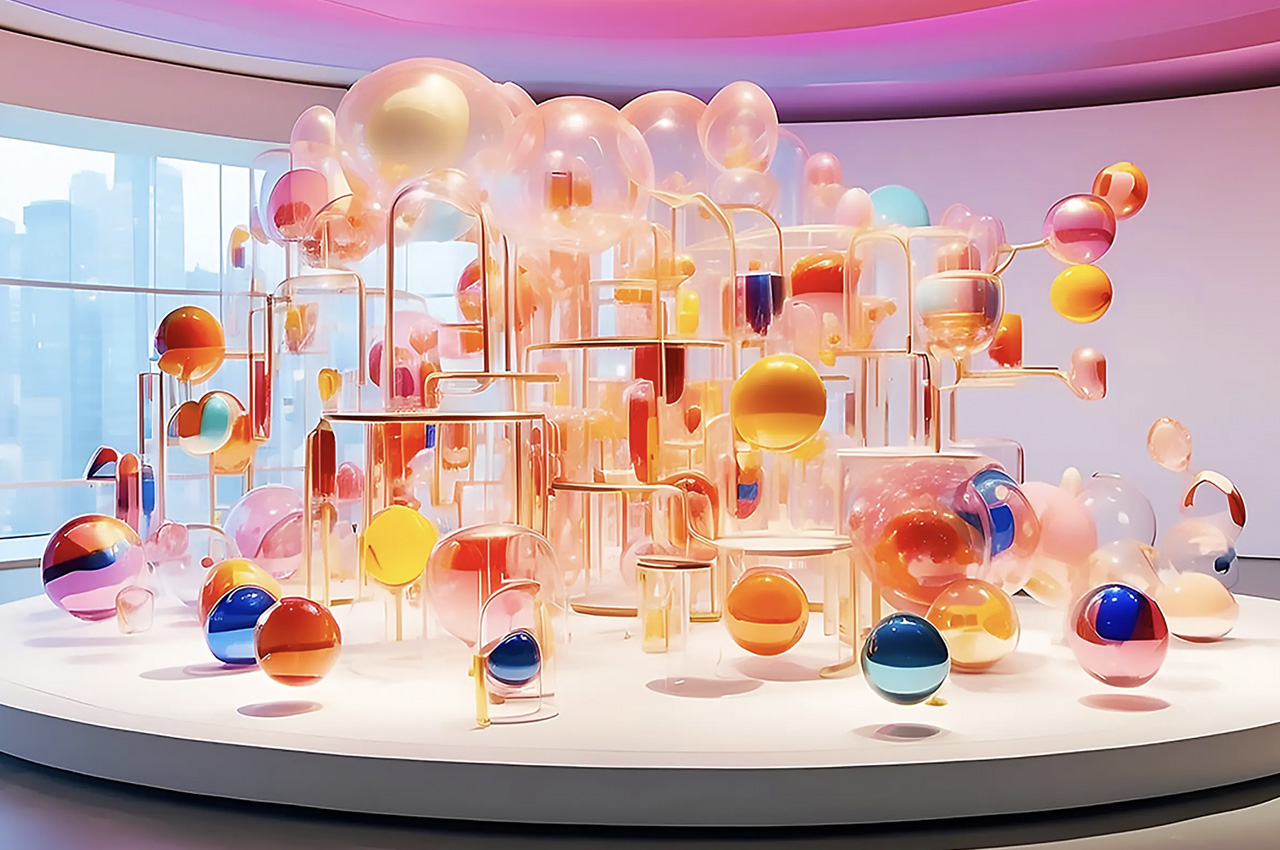
The AI-generated images and visuals showcase beautiful pastel-colored pieces of various sizes, ranging from hues of yellows, and oranges to pinks, offering viewers with an imagery that is bright, powerful, and almost frenetic. These loud pieces manage to create a space that is tranquil and almost meditative, while other pieces feature bright red and orange glass trees, and rather real-looking pink ones which establish a strong connection to the environment and nature. Other pieces seem to resemble massive chemistry sets!

The Floating Glass Museum is designed to represent a global environmental initiative, and it is created to be a space “where art, nature, and tradition converge: the balanced fusion of contemporary art and sustainable design that will invite contemplation, reflection and discovery” in the context of “cutting-edge design and a dedication to sustainability.”

The post AI-Generated Floating Glass Museum Is Intended To Be a Symbol Of Environmental Awareness & Sustainability first appeared on Yanko Design.
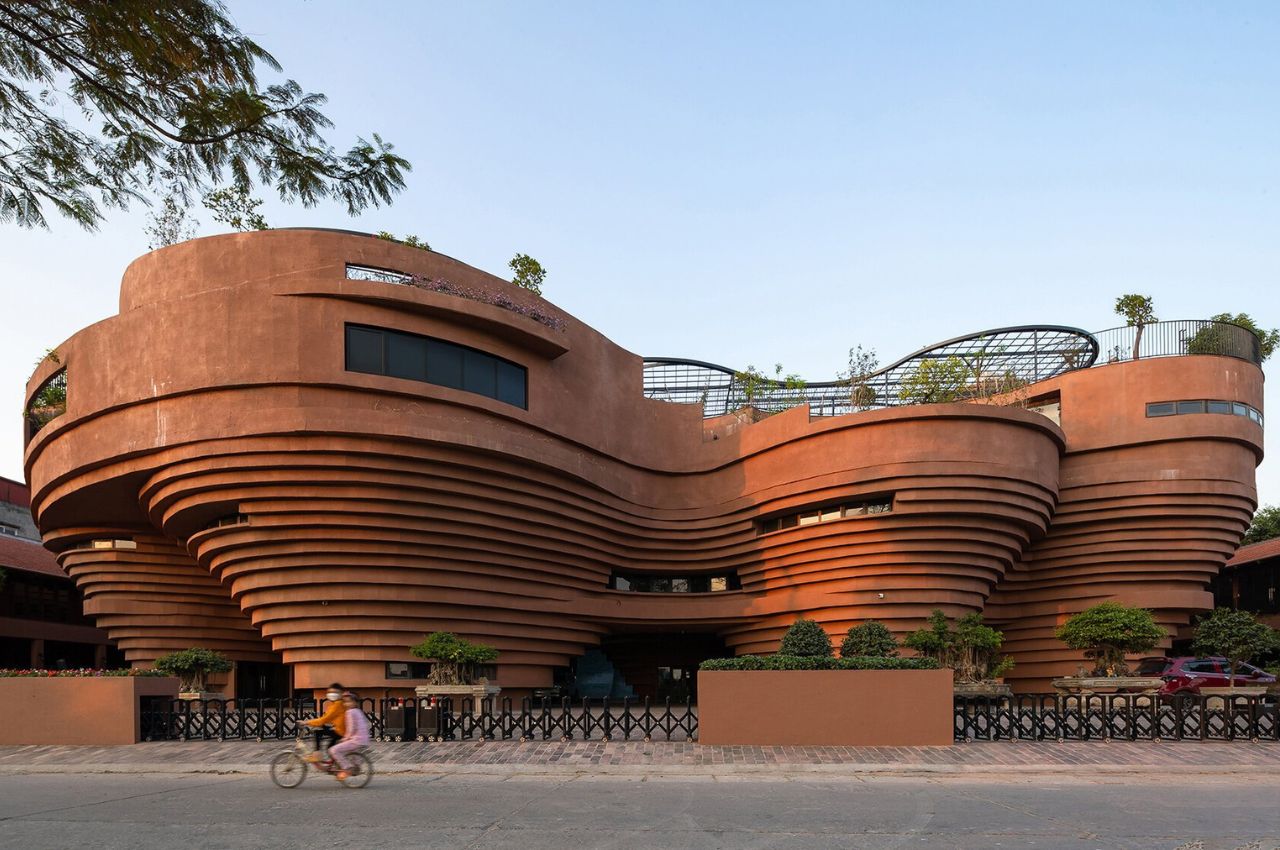
The Bat Trang Pottery Museum’s Architectural Ode to Tradition Is A Canyon In The City Of Vietnam

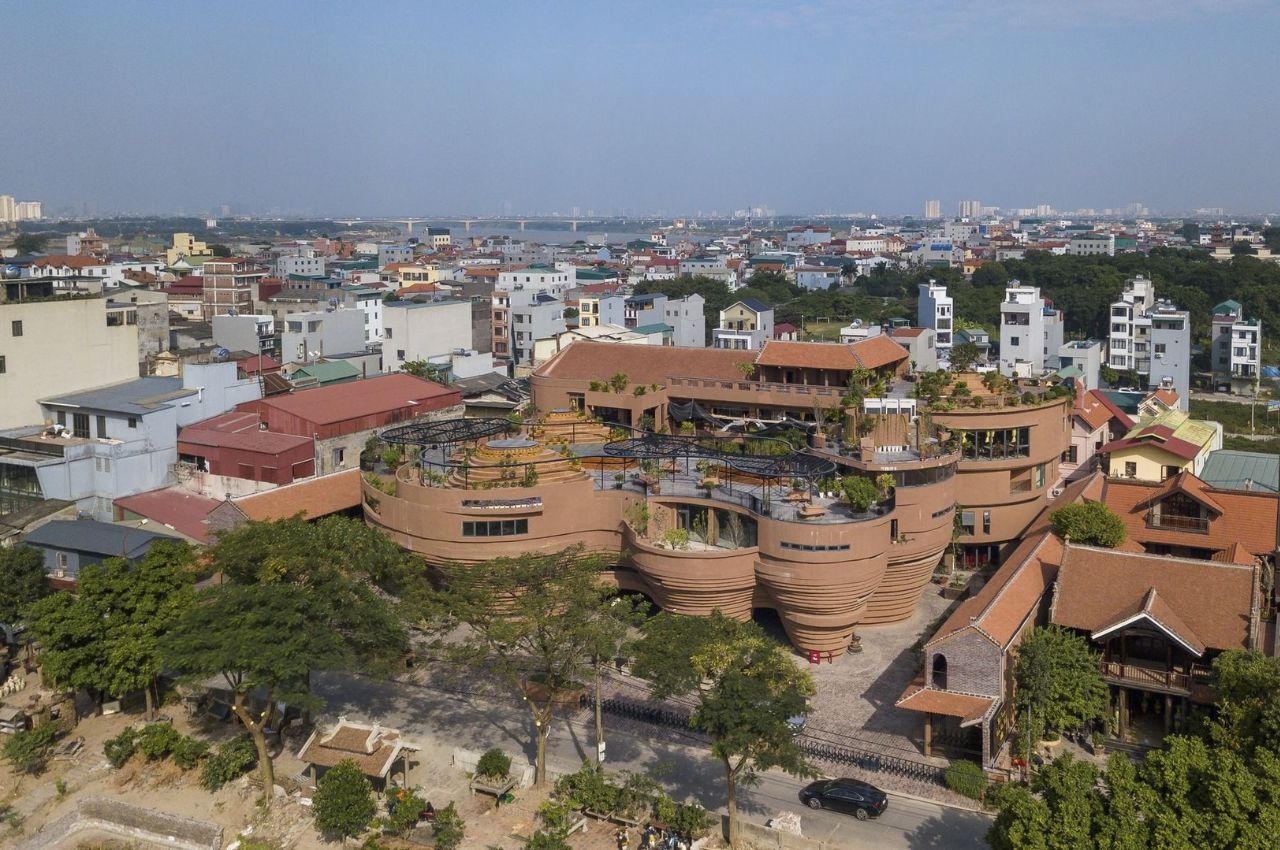
In the heart of Vietnam’s Bat Trang village, where the artistry of ceramic and pottery has thrived since the 11th century, a striking testament to this enduring legacy has emerged. The Bat Trang Pottery Museum stands not only as a repository of artisanal creations but also as a living embodiment of the village’s rich history and cultural identity.
Designer: 1+1>2 Architects

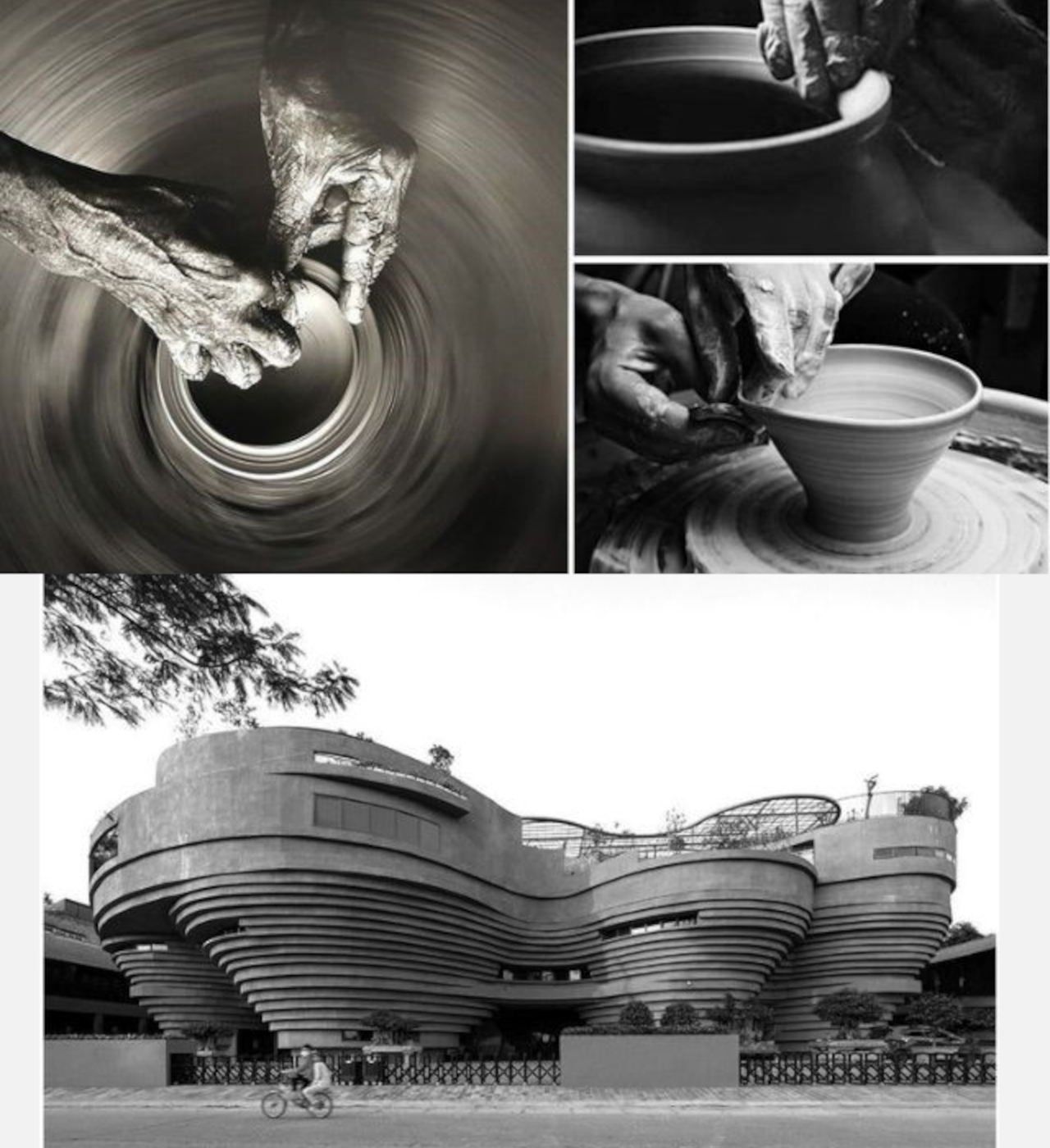
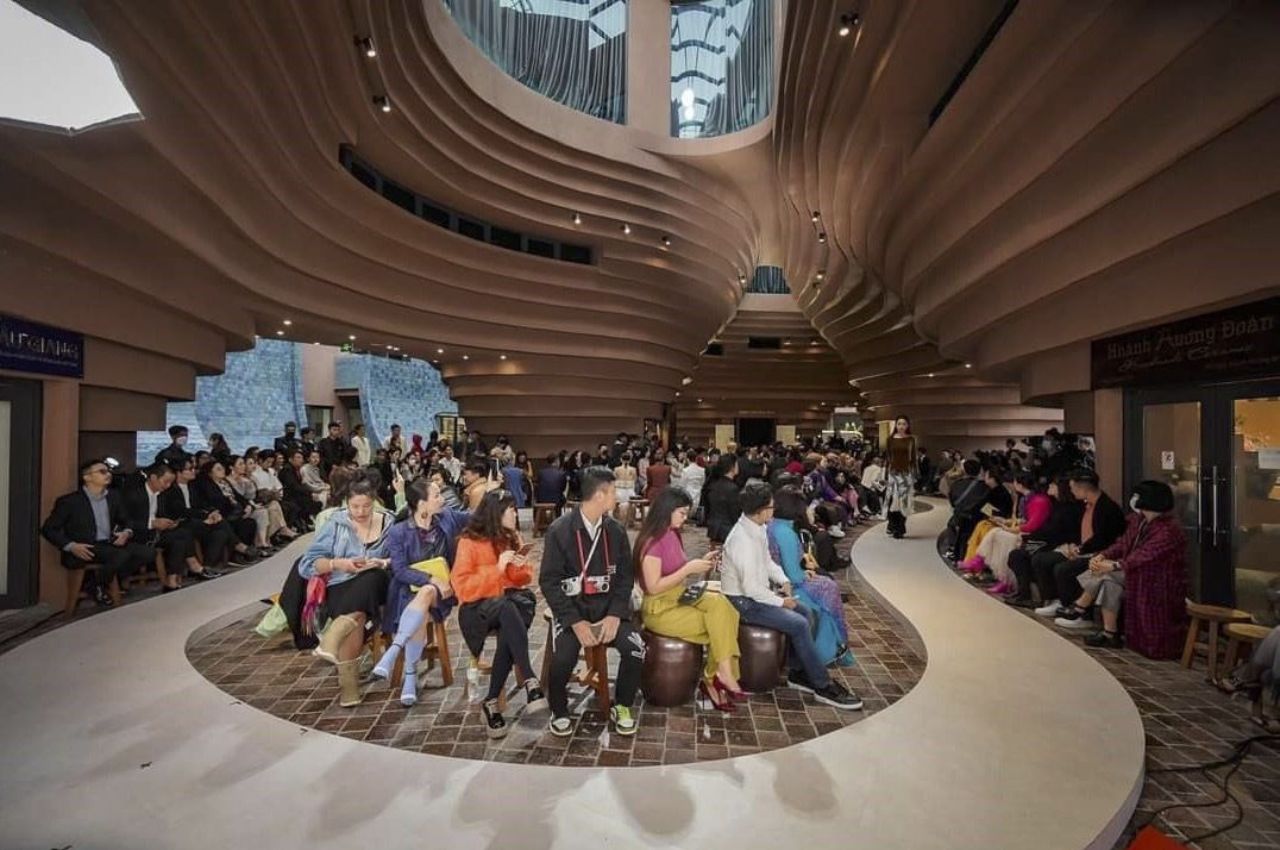
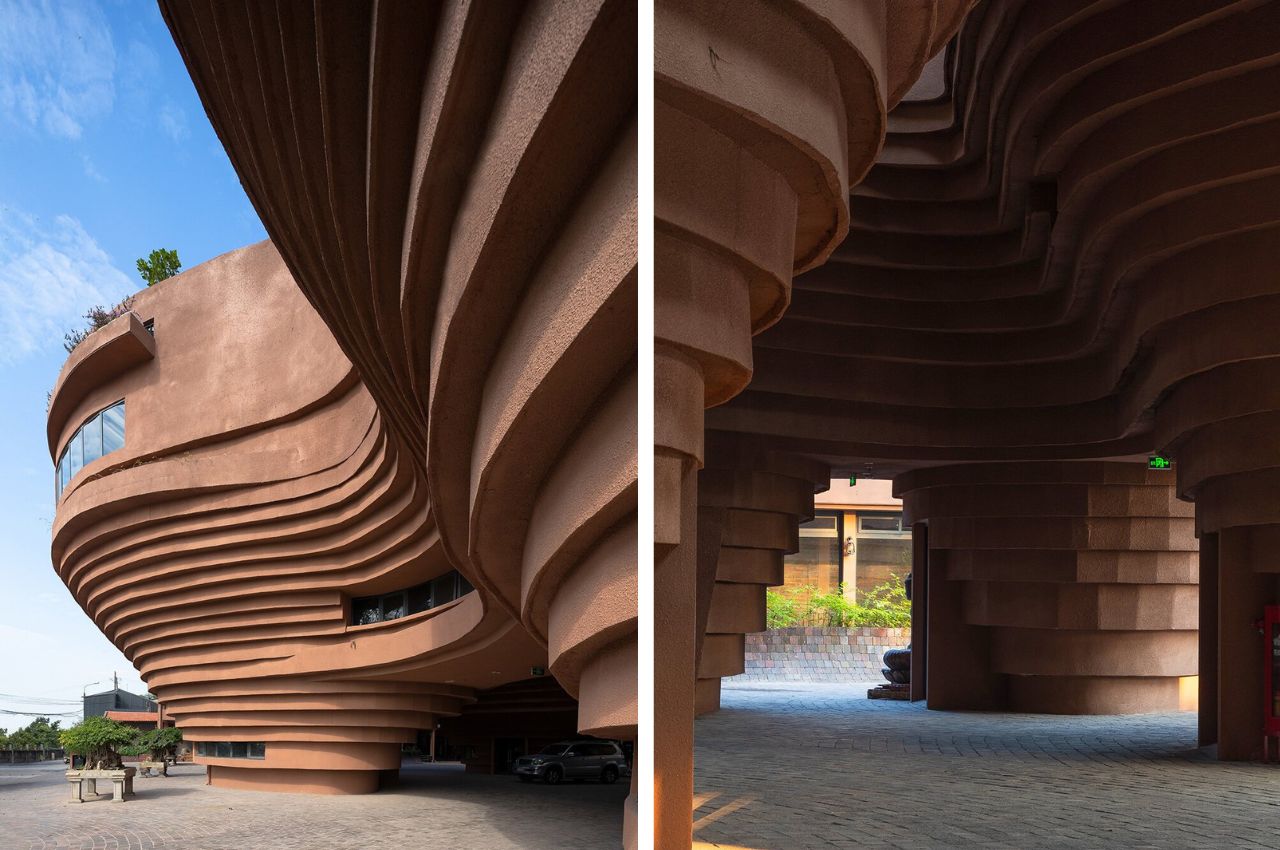
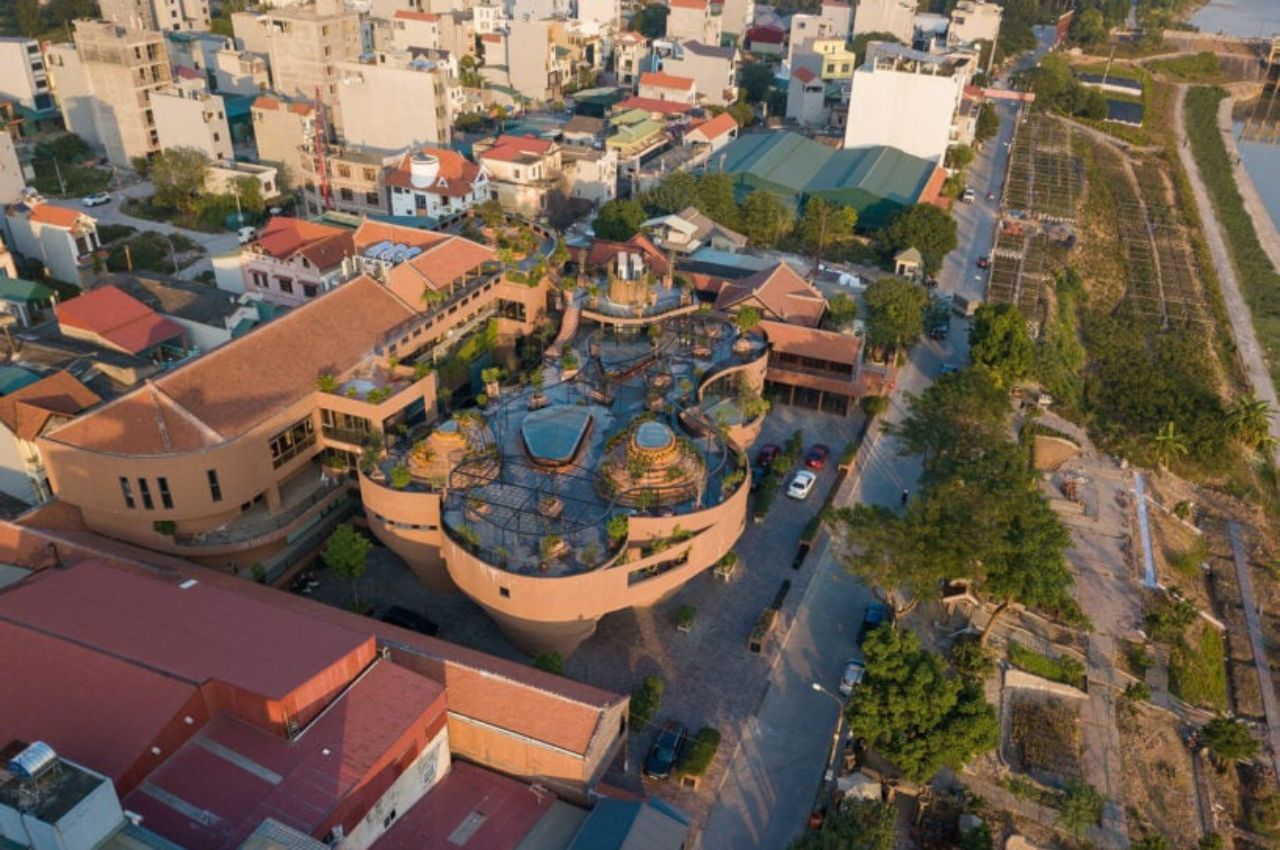
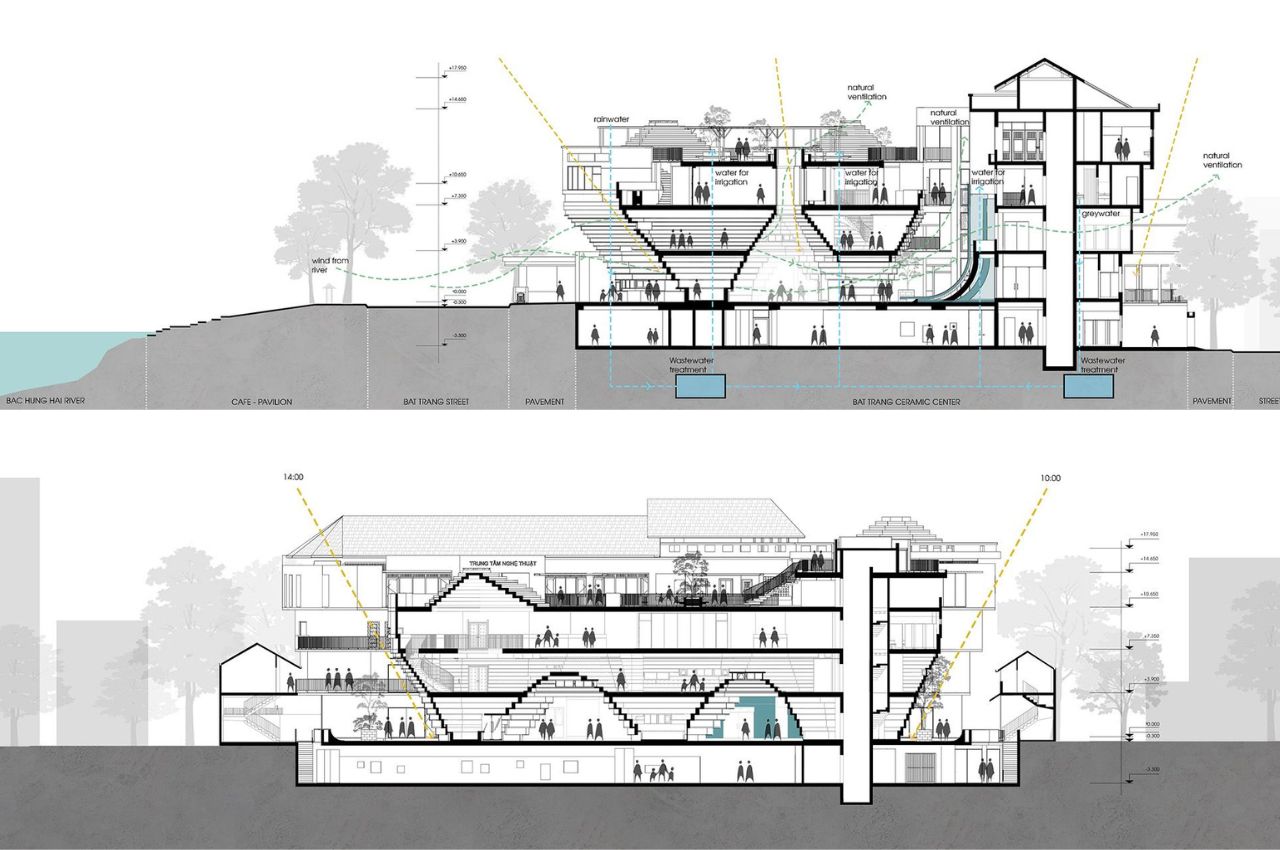
The design of the Bat Trang Pottery Museum is more than just a structure; it is a poetic translation of local tales and traditions. The architects embarked on a collaborative journey with pottery experts, local artisans, and villagers, ensuring that the museum’s essence resonates with the very soul of Bat Trang. The tiered, canyon-like architecture pays homage to the potters’ wheels, capturing the spirit of traditional kilns crafted from brick. This deliberate nod to the village’s heritage reflects a commitment to preserving and celebrating the art form that has been passed down through generations.

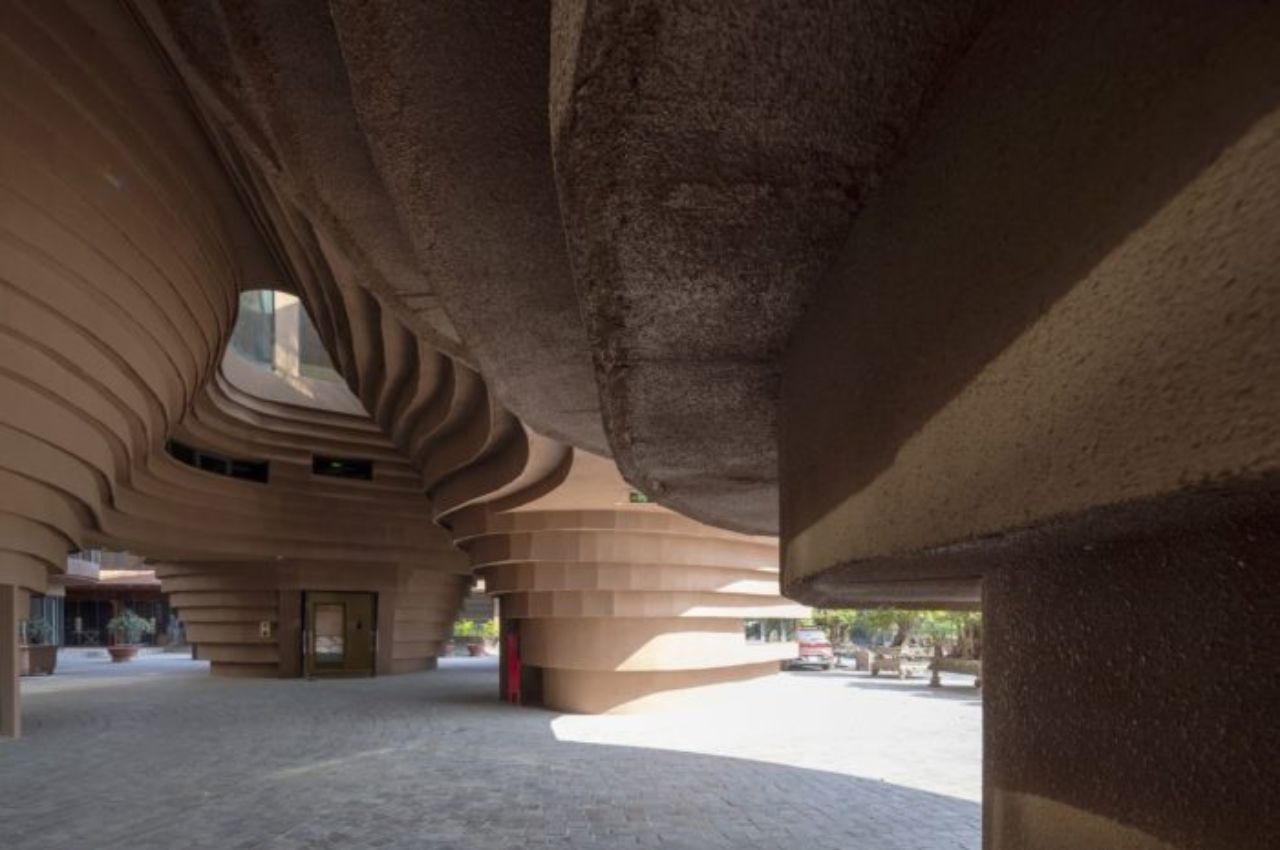
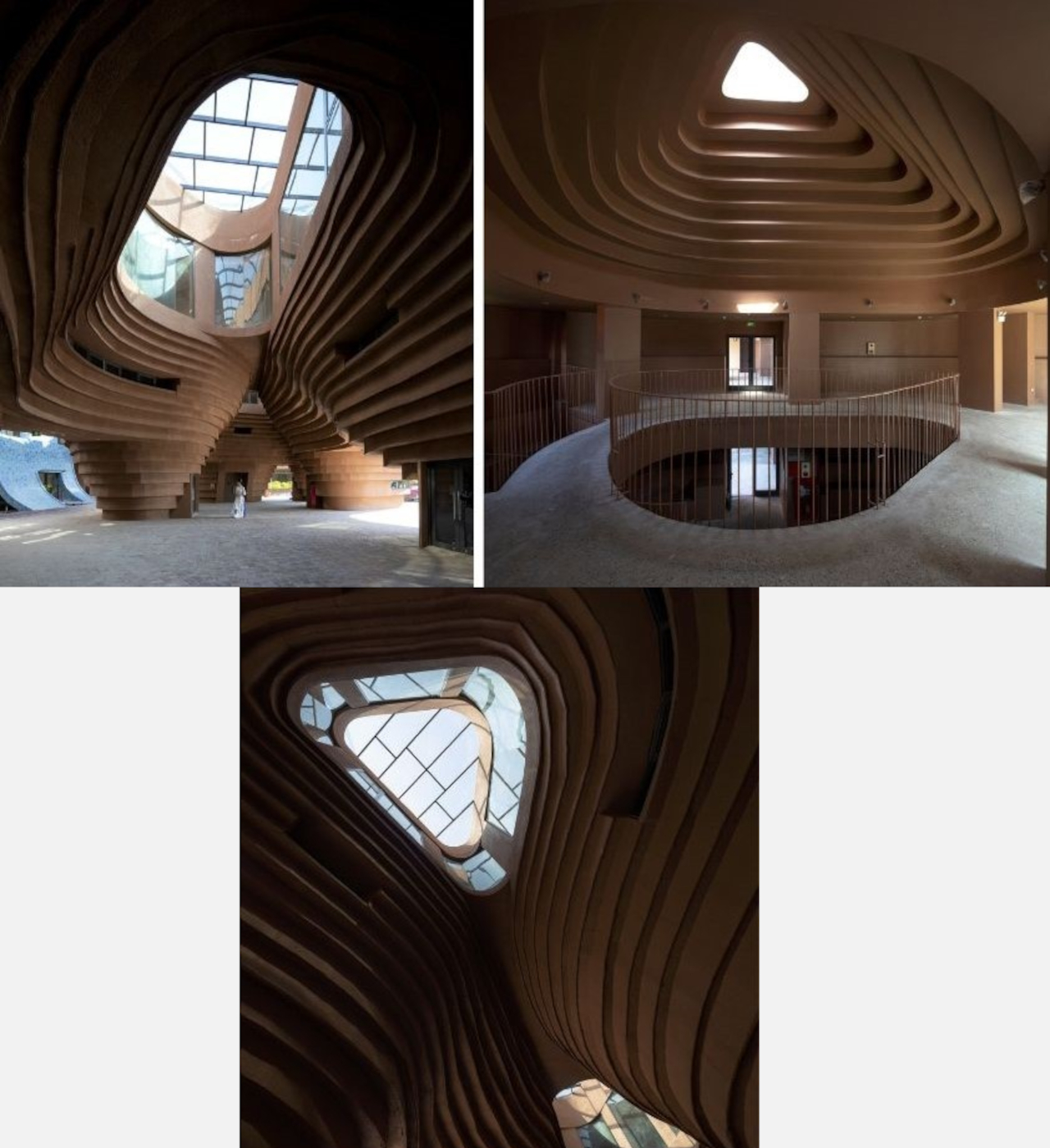
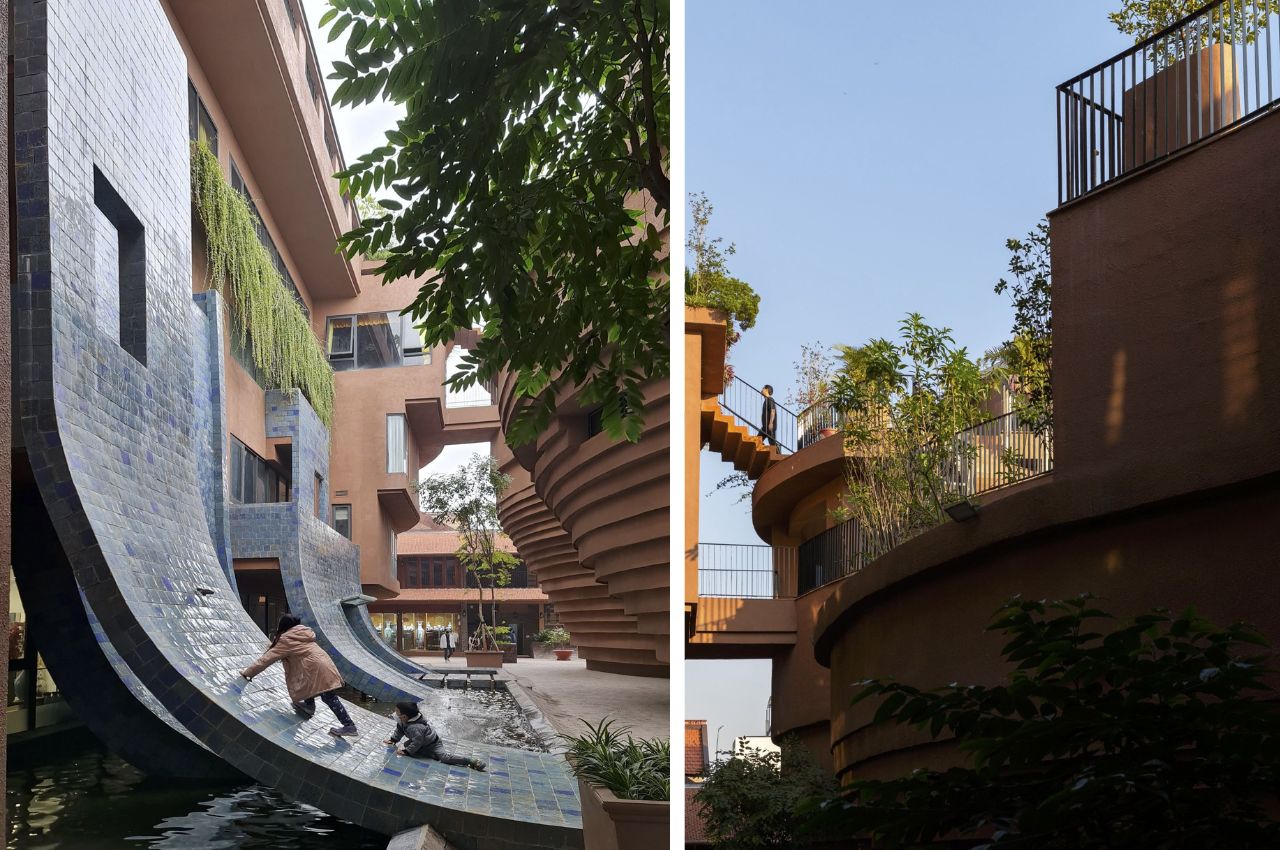
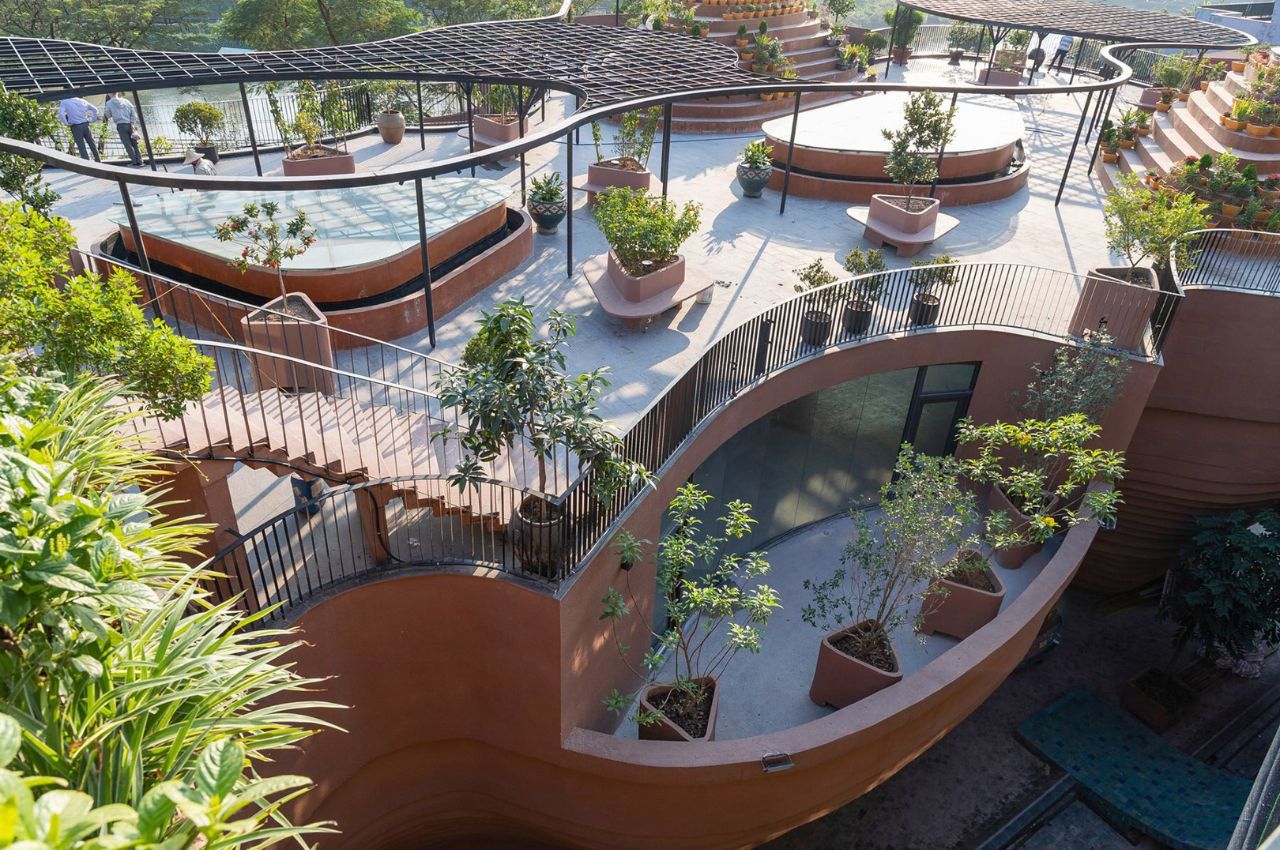
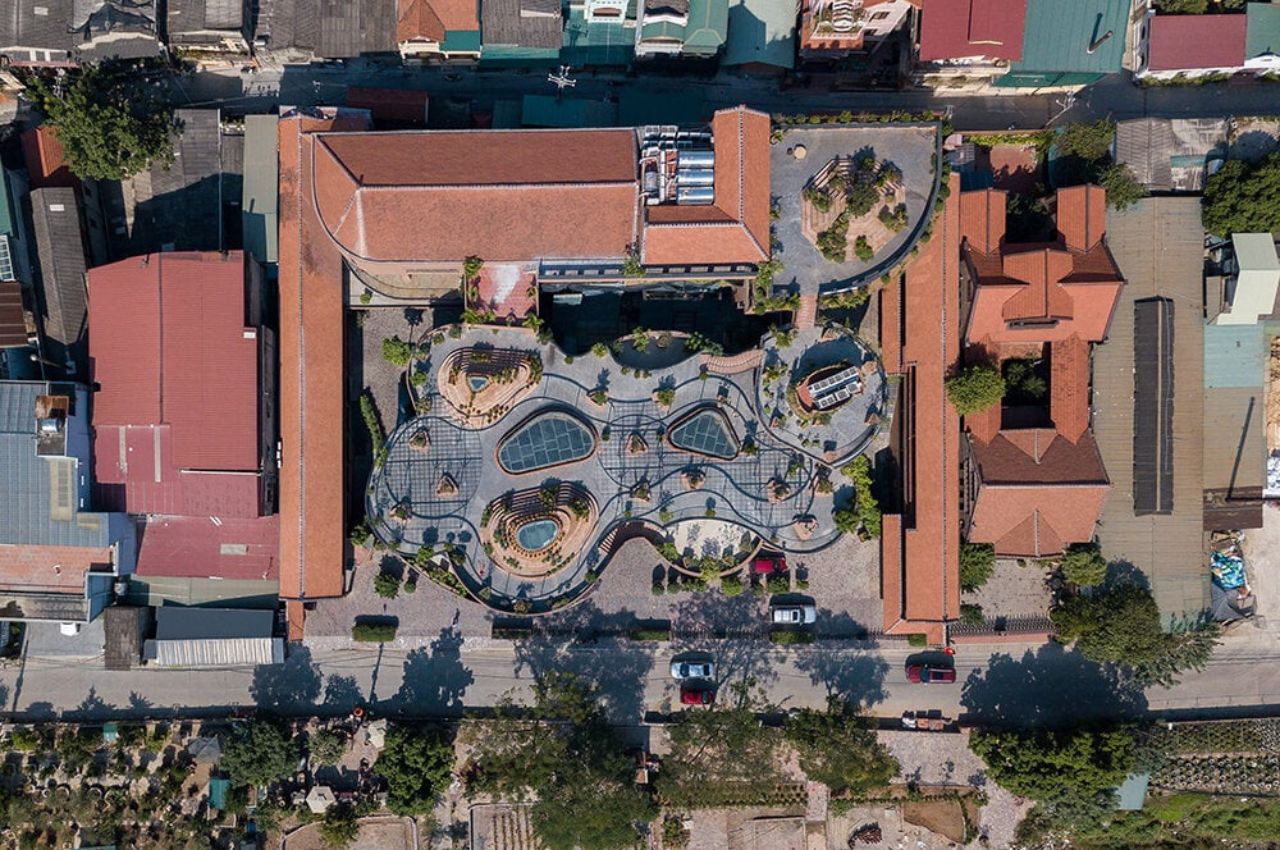
Walking through the Bat Trang Pottery Museum is not merely a visual experience; it is a journey through architectural drama. The seven inverted domes create a mesmerizing interplay of light and shadow, forming expansive open-air spaces on the ground level. These spaces become dynamic venues for events, exhibitions, and traditional festivals, fostering a sense of community engagement. Skylights strategically positioned atop the structure usher in daylight, infusing the interiors with ambient coolness and creating a harmonious connection with the surrounding environment, also marked as a sustainable element.

The choice of materials in the museum’s construction is a delicate dance between tradition and modernity. Fiber-reinforced concrete cladding, chosen as the primary construction element, speaks to the contemporary while remaining grounded in practicality. Its lightness allows for upward expansion and easy implementation by local builders. Intertwined with this modern material are earthen bricks, mosaic ceramic, and pottery tiles—each telling a story of the Bat Trang craft village. This thoughtful integration not only pays homage to the local craftsmanship but also ensures a seamless blend of the museum with its cultural context.

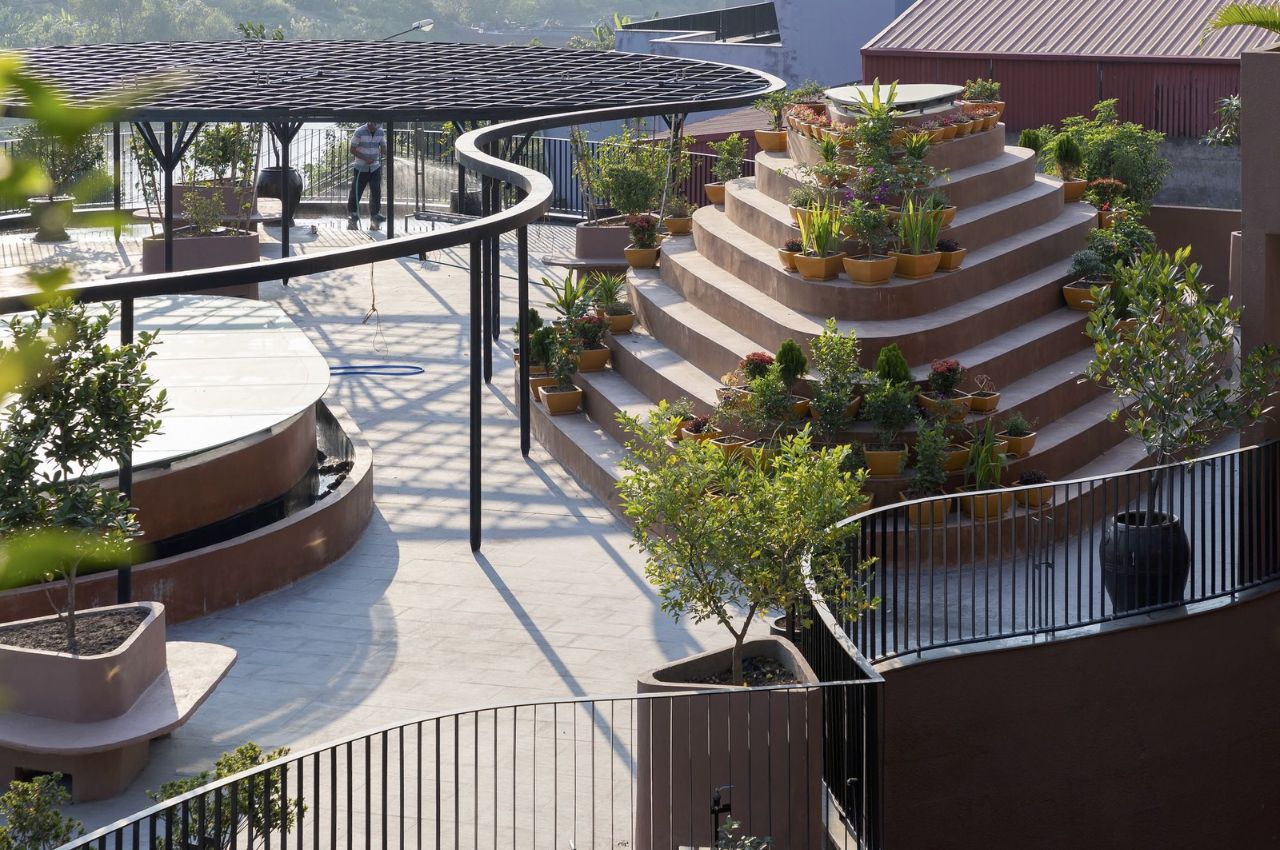
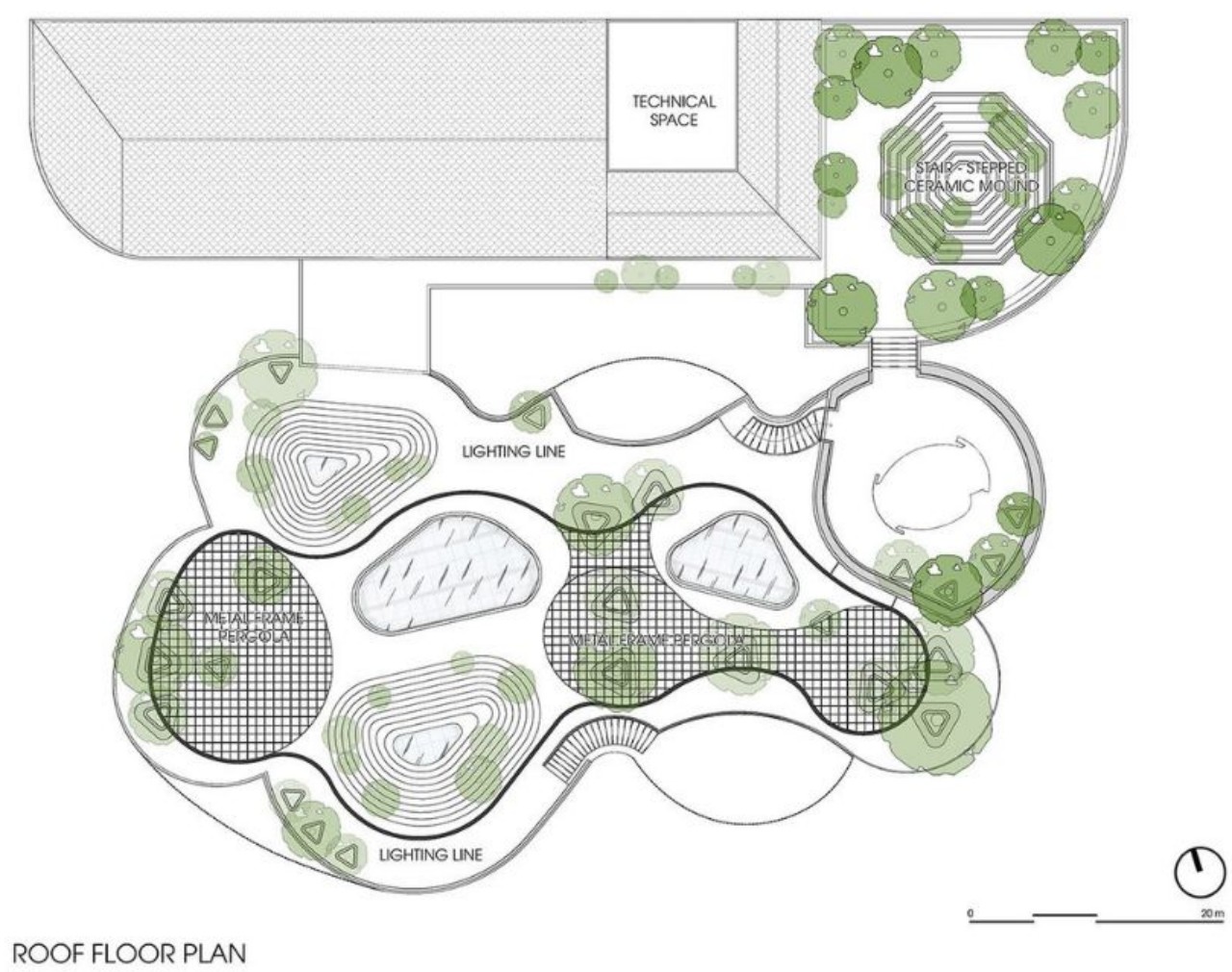
Beyond its role as a repository of ceramics and pottery, the Museum serves as a multifunctional haven for the community. The four-story tower accommodates commercial enterprises and homestays, ensuring economic support for the locals. The Bat Trang culinary space on the fourth floor celebrates the village’s gastronomic heritage, complemented by an adjacent auditorium for performing arts. At the summit, a rooftop garden crowns the museum—a collaborative workshop and playground, inviting visitors to engage in the artistic process.

In capturing the essence of Bat Trang’s local ceramic and porcelain crafts, the Bat Trang Pottery Museum stands as a beacon of cultural continuity. It is a testament to the delicate balance between architectural innovation and the preservation of tradition, offering visitors an immersive experience that transcends time and tells the story of a village deeply rooted in the art of pottery. Architectural photographer Trieu Chien’s lens captures the sculptural beauty, inviting the world to witness the harmonious marriage of past and present in this unique architectural masterpiece.

The post The Bat Trang Pottery Museum’s Architectural Ode to Tradition Is A Canyon In The City Of Vietnam first appeared on Yanko Design.