Two former Meta employees are launching a new AI-powered smart ring. Stream Ring is the debut product from Sandbar, and it’s available to pre-order right now. Sandbar describes Stream as "your extended self," which is to say that it’s a deliberately minimalist smart ring that you can use to take voice notes and interact with a chatbot directly using the built-in touch-activated microphone.
When you create a voice note, the Stream Ring uses haptic feedback to confirm that it’s been recorded. You hold the sensor to speak and tap it if you want to interrupt and start over. It can automatically transcribe your voice interactions, whether you’re simply compiling a grocery list on the go, asking it to fetch some information from the web, or having a more back-and-forth conversation with the device. These notes will appear in the Stream app via Bluetooth, which will be iOS-only at launch.
Sandbar thinks a ring is the best form for its wearable to take as it’s always available and accessible, whatever you’re doing, so you easily can log a thought as soon as it pops into your head. It wants people to think of the Stream Ring as a "mouse for voice," and says the mic will always be able to pick up your voice clearly in a noisy room. Crucially, it isn’t always listening either, only activating when you hold the touchpad.
As for the chatbot, it’s designed by default to somewhat mimic your own voice using AI, a feature Sandbar calls Inner Voice. You can update it if you think it sounds off, or if the whole concept creeps you out you can also switch to a non-personalized voice. Away from the core voice note functionality, the Stream Ring can also be used to control media playback using gestures, and Sandbar says it’s compatible with any headphones.
Sandbar will offer a free plan that includes unlimited notes but limits AI interactions. For $10 per month you can upgrade to a Stream Pro subscription (you get three months for free with a new purchase), which enables unlimited chats and immediate access to any new features. Sandbar says your data is encrypted at rest and in transit and it will not sell your information to other companies. You can also delete data stored in the app at any time.
Other smart rings have promised a seamless interactive experience built around AI, and the Stream Ring isn’t going down the health tracking route that many other products in this increasingly crowded space market themselves on. But if the transcription feature works as reliably as advertised and Sandbar’s AI proves to be a genuinely useful assistant, the Stream Ring could be a useful accessory that doesn’t get in the way when it isn’t needed.
The Stream Ring is available in sizes 5-13 and is designed to be worn on your index finger. Sandbar promises "all-day battery life" but doesn’t go into specifics. It’s expected to start shipping next summer in the US and costs $249.
This article originally appeared on Engadget at https://www.engadget.com/wearables/the-ai-powered-stream-ring-is-designed-for-on-the-fly-voice-notes-143530840.html?src=rss
Google released Gemini’s Deep Research feature in March, a few months after unveiling the tool, giving you the capability to ask the AI chatbot to create comprehensive reports on complex topics. Deep Research uses sources from the web to write reports for you, but now a new update also allows it to pull information from your Gmail, Docs, Drive and Chat. Google says it’s one of the tool’s most requested features, and you’ll be able to take advantage of it in Gemini, even if you’re not paying for a subscription.
With Google’s latest update, Deep Research is now able to use your emails, all the Slides, Docs, Sheets and PDFs in your Drive, as well your chat history as references. That translates to a more personalized report, since Gemini wouldn’t just be using sources from the web. If you ask it to write a marketing analysis for you, for instance, it will take into account your notes, any document your team has written or any back-and-forth between you and your colleagues on email. It can cross-reference information from your account with public data to make, say, comparison spreadsheets for competitor analysis.
Take note that you will be able to control which Google service to link to, if you’re uneasy about giving Gemini access to all your information. When you click on the Deep Research tool in Gemini, you’ll see a drop-down menu where you can tick on Search, Gmail, Drive and Chat individually. At the moment, the feature is only available on desktop, but it will make its way to mobile devices “in the coming days.”
This article originally appeared on Engadget at https://www.engadget.com/google-gemini-can-now-do-deep-research-on-your-gmail-and-drive-data-143000300.html?src=rss
What really happens behind the closed doors of one of the world’s most influential AI organizations? The recent revelations by Ilia Sutskever, a co-founder of OpenAI, have pulled back the curtain on a saga of internal power struggles, controversial decisions, and fractured leadership. From the shocking ousting of CEO Sam Altman to the boardroom battles […]
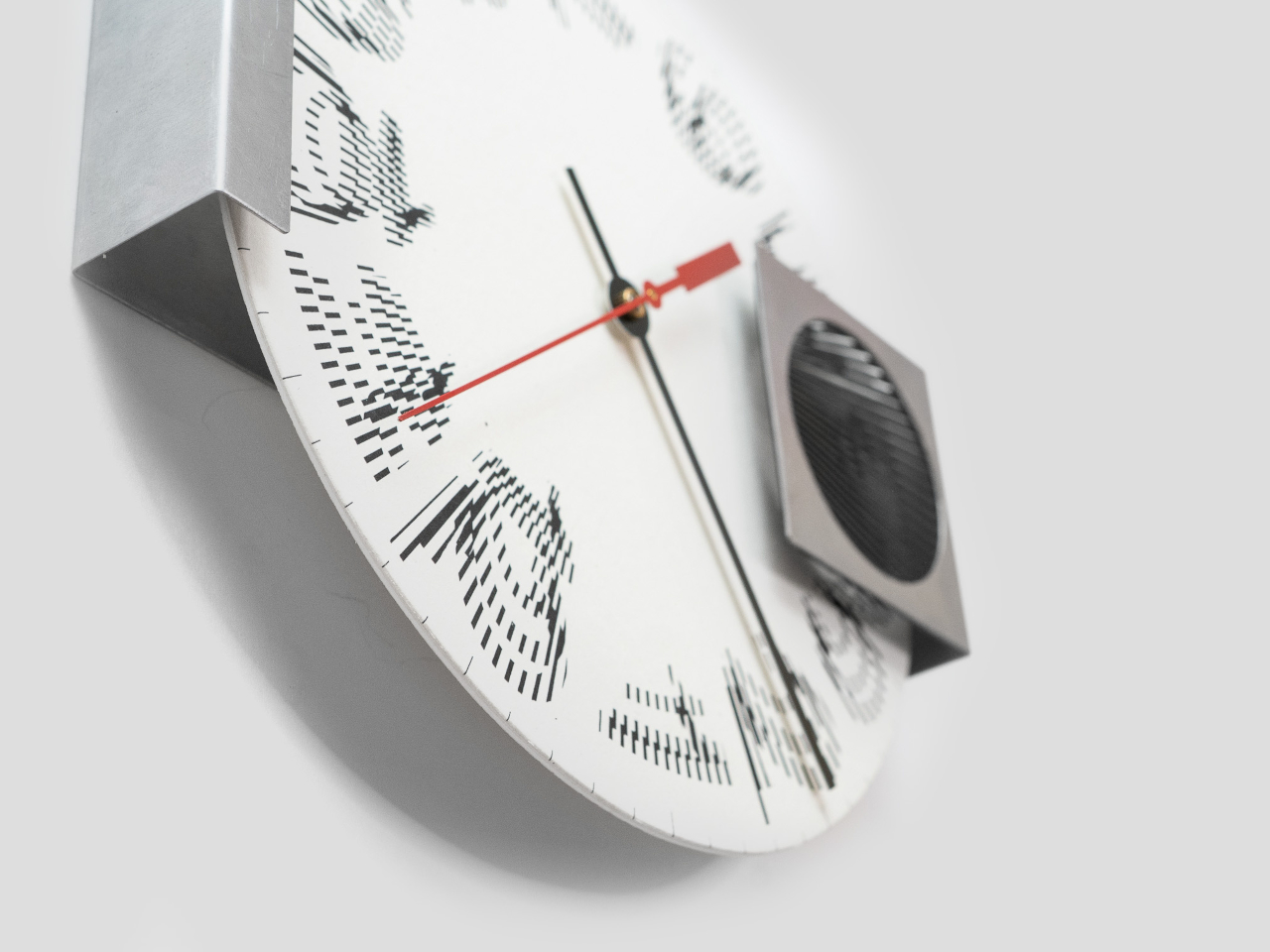
Most clocks are content to quietly tick away in the background, marking the hours with little more than a glance from you throughout the day and night. But what if telling time could be mesmerizing instead, an experience that draws you in, sparks curiosity, and turns your wall into a living gallery worth watching? What if checking the time felt less like a chore and more like appreciating kinetic sculpture?
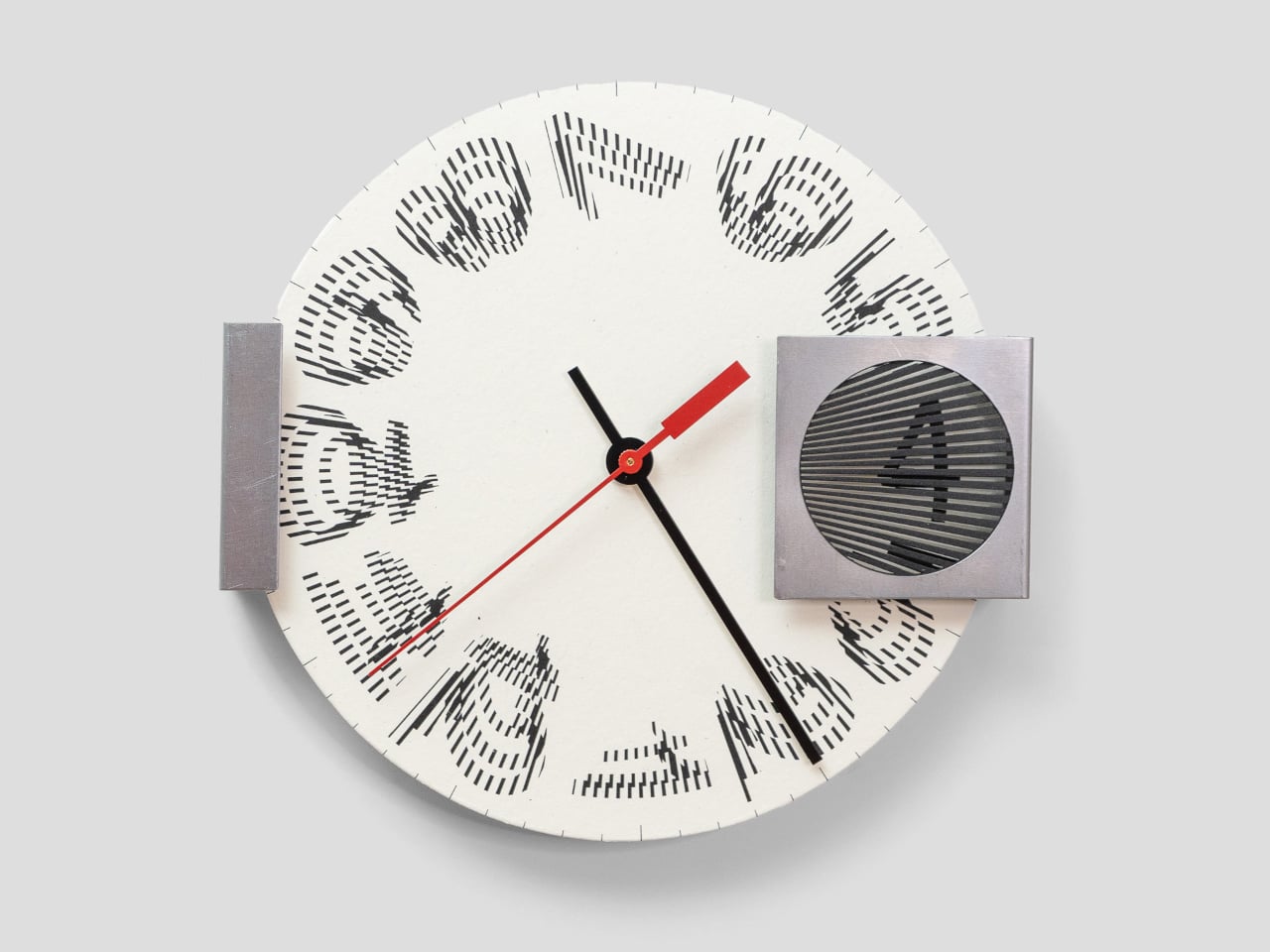
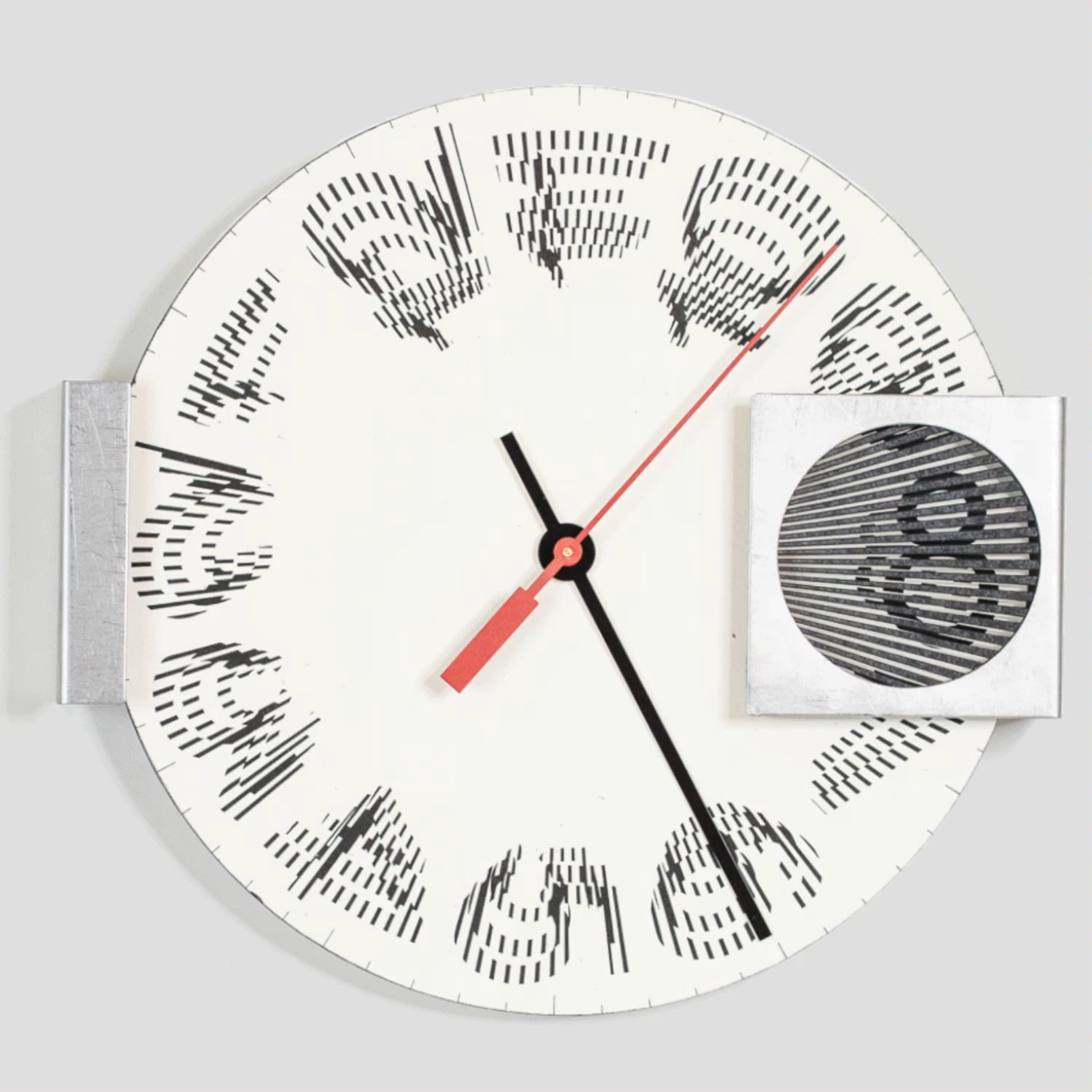
The Moiré Clock is a kinetic timepiece that turns the passage of time into a visual illusion worth watching throughout your day. Using overlapping patterns and continuous motion behind a striped filter, it animates each hour through optical phenomena, making time feel less like a number on a dial and more like a moment to savor. The design explores how perception and movement can create meaning beyond simple functionality.
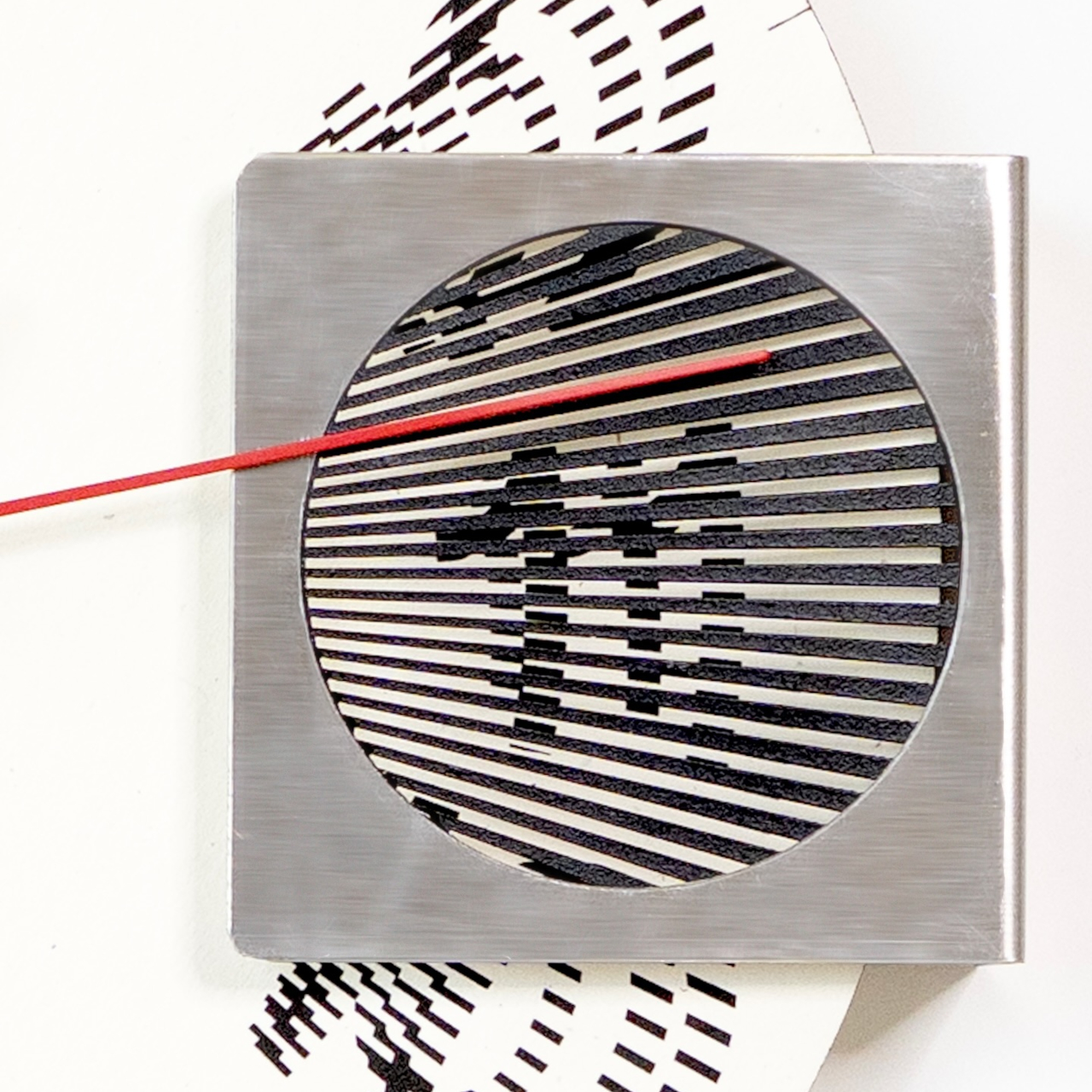
At the heart of the Moiré Clock is a rotating paper disc, printed with custom numerals and set behind a striped steel window that creates the optical magic through interference patterns. As the disc turns throughout the day, the moiré effect causes the hour numerals to morph, dance, and reveal themselves in a hypnotic display that changes with every passing minute behind the filter screen.
The minute and second hands ground the illusion in familiar movement while the hour appears and disappears in a mesmerizing rhythm behind the stationary filter window. The bold red second hand adds a pop of color and visual anchor, making the clock easy to read despite its unconventional hour display created by optical interference. The interplay between traditional clock elements and the animated moiré numerals creates a unique timekeeping experience.
The clock is a study in material contrasts between industrial and artisanal manufacturing traditions. Crisp white paper milled by French Paper Company in Michigan, American-made steel sourced from Pennsylvania, and a quartz movement from Takane, the last US manufacturer of clock mechanisms still producing domestically. The tactile paper face and brushed steel housing give the piece a sense of warmth and industrial substance that goes beyond typical wall clocks.
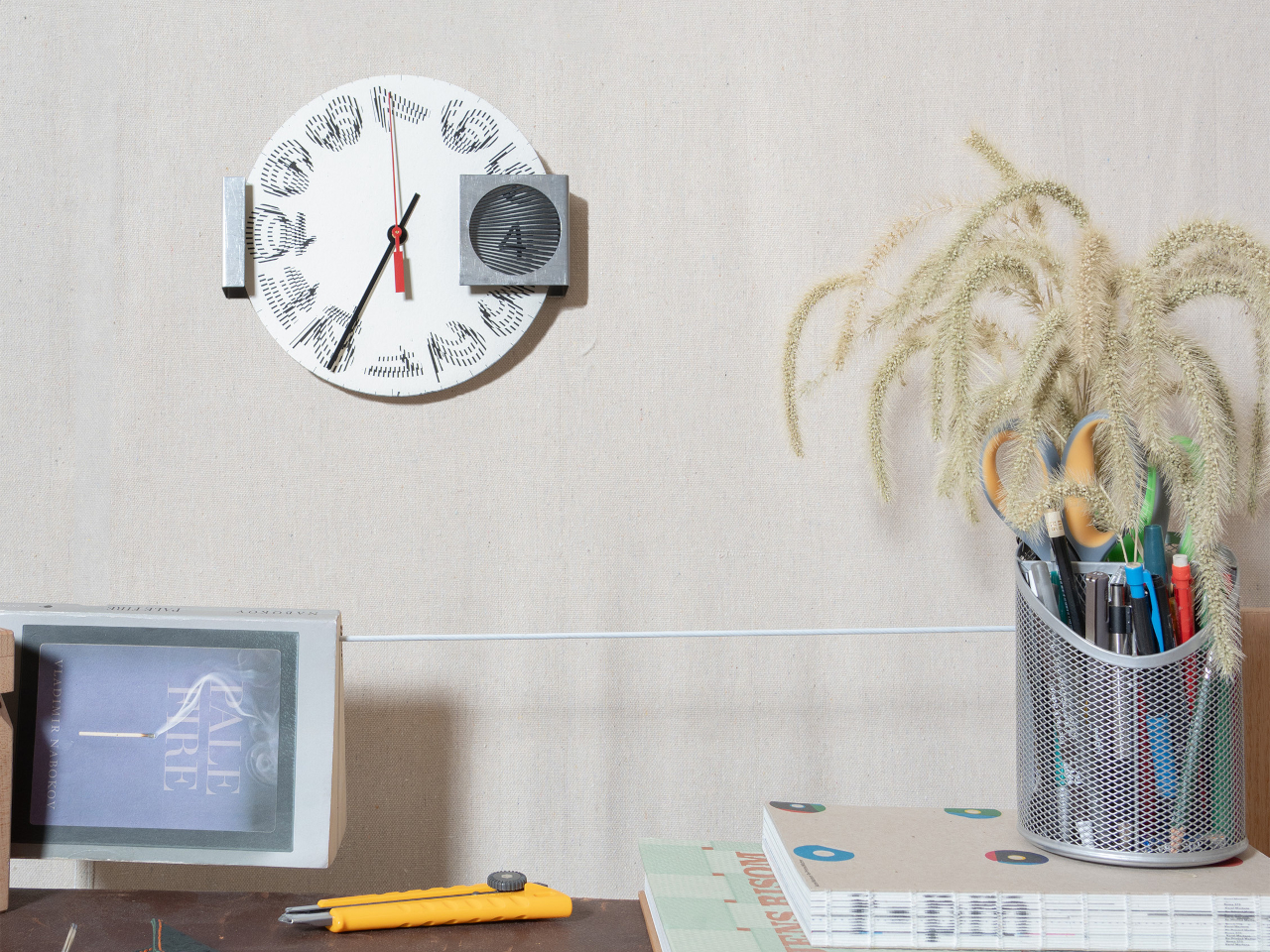
At 8.5 inches wide and just 2.5 inches deep, it’s compact enough for a home office, studio, or hallway without dominating the wall space, but bold enough to stand out as functional art that deserves attention. Setting up the clock is straightforward: add a single AA battery, set the time using the rear dial, and hang it with a nail or push pin. The paper components invite gentle handling.
The kinetic numerals and bold red second hand make each glance at the clock a small event worth experiencing, turning routine time checks into moments of visual delight throughout your day at home or in creative spaces. For anyone who wants their home to feel creative and alive with kinetic energy, the Moiré Clock brings a sense of play and wonder that traditional clocks simply cannot match or replicate with static designs.
The Switch 2 edition of Overcooked 2 drops today, which is something we've known was coming since September. Now it's here and ready to ruin relationships and friendships.
The developer promises "enhanced graphics in-line with PC" and 4K 60 fps gameplay when docked. This should be a night-and-day graphical upgrade when compared to the original Switch version.
Perhaps the biggest news here is Camera Play integration. This is a feature exclusive to Nintendo's new console and it leverages a connected camera to throw up the faces of players under their avatars. Overcooked 2 is already a frantic experience, but now you'll be able to see the look on the faces of your friends as you royally screw up a burger order.
The Switch 2 version also works with Game Share, which lets people hop onto a multiplayer match without actually owning the game. Basically, the person who owns the game "shares" it with someone who doesn't.
It's also cross-platform with the original Switch, which is neat given the massive user base. Upgrading seems like a simple affair, as DLC, save files and star ratings all carry over. This upgrade costs $10 and buying the game outright costs $30. However, there's a 20 percent discount for the first week.
This article originally appeared on Engadget at https://www.engadget.com/gaming/nintendo/overcooked-2-drops-for-switch-2-today-and-it-makes-full-use-of-camera-play-140021993.html?src=rss
The release of iOS 26.1 introduces a range of features and settings designed to enhance your device’s performance, security, and overall usability. By adjusting these settings, you can optimize your experience, protect sensitive data, and ensure your device operates efficiently. Below is a detailed video from iReviews to the most impactful changes and how they […]
Spotify delivers a lot of personalized, data-driven music recommendations, and now the streaming service is adding new weekly snapshots of your listening activities. Listening stats will highlight the artists and songs that a user has heard the most over the previous four weeks and creates a playlist inspired by those selections. And according to the blog post: "Each week, it also includes a special highlight that captures what makes your listening unique, whether it’s a milestone, a new discovery, or a fan moment." That's a pretty vague introduction, and how engaging the highlights are in practice will likely depend on how much they actually surprise and delight listeners.
It sounds like a midway point between the company's year-end Wrapped data package and its daily mix playlists. More ways to view listening data are always fun, and several competing services like Apple Music, Amazon Music and YouTube Music have already upped how often they share reports with their users. This seems to be Spotify’s move to catch up on that trend.
The listening stats will live under your profile and can be shared internally on Spotify or as an external link. The new features will be available for both free and paying listeners across 60 international markets.
This article originally appeared on Engadget at https://www.engadget.com/entertainment/music/spotify-introduces-weekly-listening-stats-140000577.html?src=rss
What if you could hold the power of a fully functional cluster computer in the palm of your hand? The Sipeed NanoCluster is turning that vision into reality, offering a new solution for Raspberry Pi enthusiasts, IoT developers, and tech hobbyists alike. Gone are the days of tangled cables, bulky setups, and endless troubleshooting, this […]
WhatsApp has officially introduced its app for the Apple Watch, marking a noteworthy advancement in the realm of wearable technology. This launch enables you to access essential messaging features directly from your wrist, offering a new level of convenience and connectivity. Designed to work seamlessly with your iPhone, the app delivers a streamlined experience, though […]
This story about Paul McCartney begins with one of his old bandmates. "I'm not really Beatle George," the ever-philosophical George Harrison once said. "For me, Beatle George was a suit or a shirt that I once wore. And the only problem is, for the rest of my life, people are going to look at that shirt and mistake it for me."
On one hand, that’s, well, George being George. But his quote does speak to our need to mythologize the Beatles. It’s hard not to! The music is so exquisite, influential and timeless that we look for grand stories to tell about it. We want a stronger connection to it, so we pore over biographies, interviews and documentaries. We seek meaning and purpose in their story.
Still, it must be surreal to be one of the four protagonists of that story. At some point, the narrative takes on a life of its own that may not reflect your experience. McCartney alluded to that in the 2013 song "Early Days." "Now everybody seems to have their own opinion on who did this and who did that," he sang. "But as for me, I don't see how they can remember when they weren't where it was at."
So, I’ll try not to mythologize the Beatles too much as I describe my experience photographing Sir Paul McCartney last month. I will, of course, fail spectacularly at that mission.
The crowd ranged from seniors to teens in Sgt. Pepper costumes.
Will Shanklin for Engadget
Months before I watched him play for nearly three hours in front of 15,000 fans (at age 83!) at Albuquerque’s Isleta Amphitheater, I sent a press request to his team. A few days before the concert, I learned that my photography pass had been approved. Once it sank in, I screamed and giggled, not unlike the teenagers in Ed Sullivan's audience. (Don't judge those gals until you've been near a Beatle!)
But there wasn’t much time to soak up the excitement. Without any real cameras on hand — my iPhone 17 Pro certainly wasn’t going to cut it — and only a few days to prepare, some quick decisions were in order. After enough internal debate to make my head spin off its axis, I settled on an oddball combination. For the body, I went with the Canon EOS R50, an ultra-compact mirrorless with a 24-megapixel APS-C sensor.
Was it the best one available? Not at all. But instead of renting a $3,000 camera, I decided to buy something in my budget that I'll enjoy using for years. I'd already eyed it after handling a display model and reading Steve Dent's review. Plus, it created a fun challenge: How can a sub-$800 consumer-facing camera stand up to the unique demands of concert photography?
The lens, on the other hand, is no place to mess around. So I rented the Canon EF 70-200mm f/2.8 L IS USM, a gargantuan, professional-grade telephoto one. (It's the precursor to this $2,399 one.) This choice was simple: It was by far the most concert-appropriate lens available to rent. It maintains sharpness and contrast across its long zoom range, its autofocus is fast and its f/2.8 aperture is crucial for the unique demands of stage lighting.
Put the tiny camera and ginormous lens together (with this $38 adapter), and you get the odd couple you see below. To say this sucker was front-weighted would be an understatement.
"She's so heavy..."
Will Shanklin for Engadget
Camera in hand (and Beatles hoodie equipped), I took my position in the tight press pen. The photography area was about 150 yards from the stage and didn’t allow for lateral movement, so ideas for creative compositions were set aside. My only option was to push that glass out to 200mm (or close to it) and fire away. Save those composition ideas for when it's time to crop.
When photographing someone like Sir Paul, you ideally want an image that captures not only the man and the musician, but also that larger-than-life myth. It should be something grand that you’d want to hang on your wall. No pressure!
Sir Paul's first number was the John Lennon-penned classic "Help!" Until this year's leg of the Got Back tour, McCartney hadn't played the song in full since 1990. We can only speculate about his reasons for pulling it out of his bag now. But I feel like the song's desperate pleas gain new poignancy in 2025. I can't count the times I've wanted to cry out to someone — anyone! — to "Please, please help me" after reading the news.
We were huddled close enough together that I was glad I wore these $16 kneepads under my jeans. When the crowd in front of us settled down a bit, I kneeled to give my photographer cohorts more elbow room. My right knee bounced pleasantly onto the cozy leg pillow.
Will Shanklin for Engadget
With one song already down, the R50's burst mode was getting a workout. The stock Canon battery was still going strong, but I had these two third-party spares stashed in this camera bag to swap out if necessary. (I didn't end up needing them, despite snapping over 600 photos.)
McCartney transitioned into his second number, "Coming Up," the first track from 1980's McCartney II. That LP was ahead of its time, embracing synths, drum machines and other studio tricks before they became commonplace. Contemporary critics didn’t care much for it, but it later became a cult classic. That combination illustrates something about his solo career: always experimenting, sometimes misunderstood, but ultimately vindicated.
Two songs were over in a flash. Macca addressed the crowd, and picture time was over. Off to leave my camera with security, and claim the faraway lawn seat I bought long before I knew I'd have press access.
The rest of McCartney's set included a perfect balance of Beatles, Wings and solo numbers. (There was even an old Quarrymen song, "In Spite of All the Danger.") As you can see in the photos, he started on his trademark Höfner bass. But he moved on to piano, acoustic and electric guitars and ukulele. The latter was for his beautiful rendition of Harrison's "Something."
That number wasn’t the only point that moved me. The most notable was where he teamed with Lennon on "I've Got a Feeling." Present-day McCartney singing with 1969 Lennon, who appeared on the giant screen above (via the restored rooftop concert footage in Get Back), was profound. "I love that one because I get to sing with John again," he said.
Will Shanklin for Engadget
Sir Paul strikes me as someone who’s always looking forward. But the Got Back tour is a chance to look back. It lets us, the romanticizing fans, join him on the long and winding road from the Quarrymen to today. The entire production made me feel like a passenger on his journey.
I could go on. But you don't need me to elevate Paul McCartney's musical legacy any more than you need me to explain Michael Jordan's basketball skills or Meryl Streep's acting chops. Listen to the music — and catch his tour if you can — and you'll feel it.
As for the photos, my favorite is the one at the top of this article. (I also included a color version in the gallery below.) It’s the only one that (to me) captures the man, musician and myth as he plays his Höfner bass. Out of more than 600 rapidly-fired photos, one that feels just right is good enough for me.
But even if they all sucked, who cares! Decades from now, I'll tell everyone at the old folks' home that, when I was young (and my heart was an open book), I snapped some pictures of Sir Paul McCartney. The story may grow more inflated by then, and maybe I’ll invent new details. But perhaps I can be forgiven for a bit of mythologizing.
This article originally appeared on Engadget at https://www.engadget.com/cameras/the-gear-i-used-to-photograph-paul-mccartney-133033591.html?src=rss