
Deus Ex and Dishonored designer Harvey Smith has a new studio making immersive sims
New gaming studio Black Pony Immersive has veterans from Arkane, Insomniac and Epic.

It’s been 30 years since Pokémon invaded our lives and we’ve witnessed a whole generation of trainers trying to catch them all. The beloved franchise has had several exciting tie-ups with various brands in the past months to celebrate this momentous anniversary, and each one has gotten us excited to collect these interesting collaborations. From clothing to gaming gear, it’s been a year of Pokémon everywhere you look.
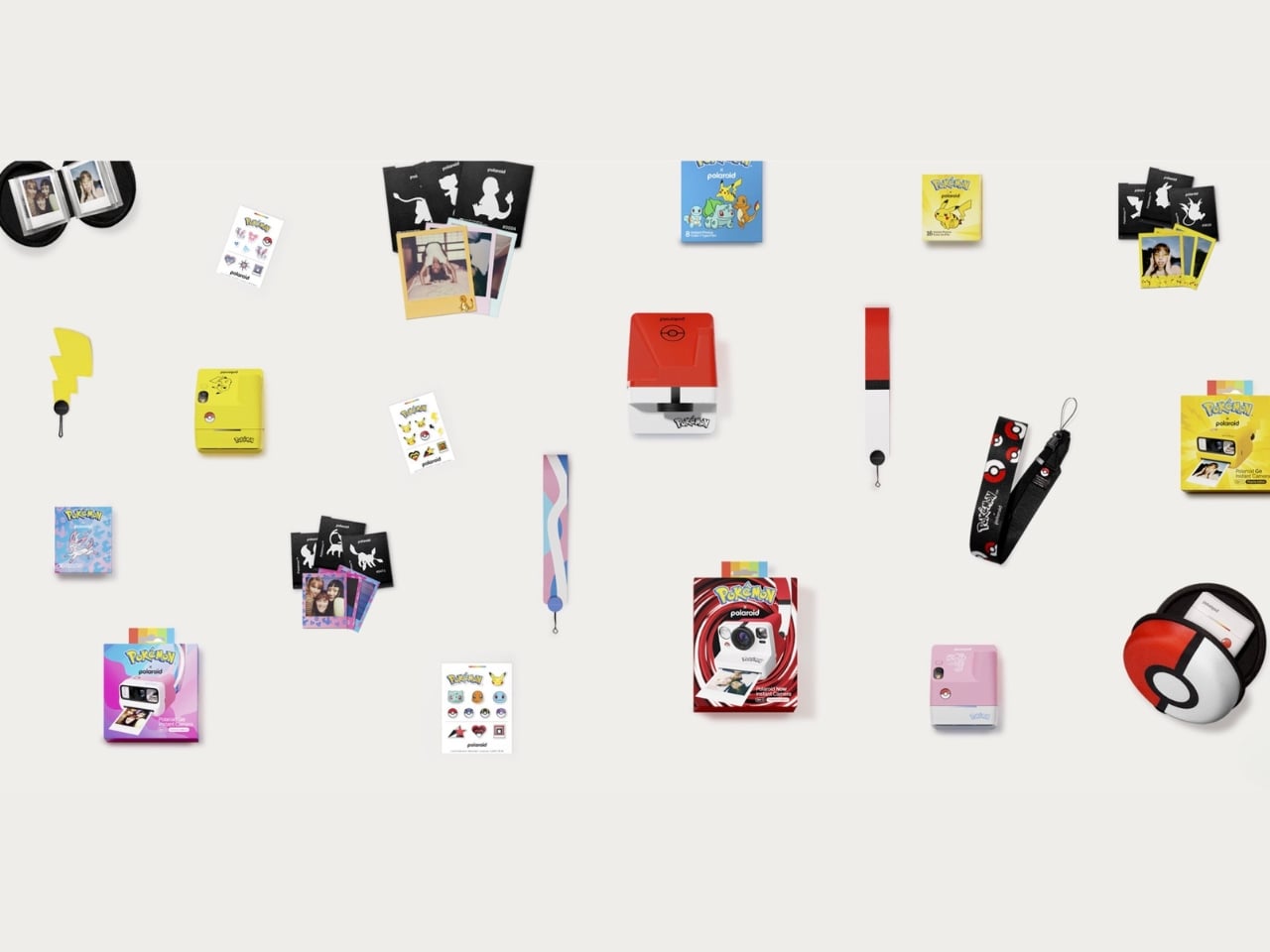
If you’re into the whole analog photography trend, then you’ll be truly excited (like me) about this newest brand partnership. The Polaroid x Pokémon collection is more than just logos and pictures stuck onto cameras. It’s one of their largest collaborative efforts, bringing together the tactile joy of analog instant photography and the beloved Pokémon universe into nine limited-edition pieces that are equal parts functional and collectible.
Designer: Polaroid x Pokémon

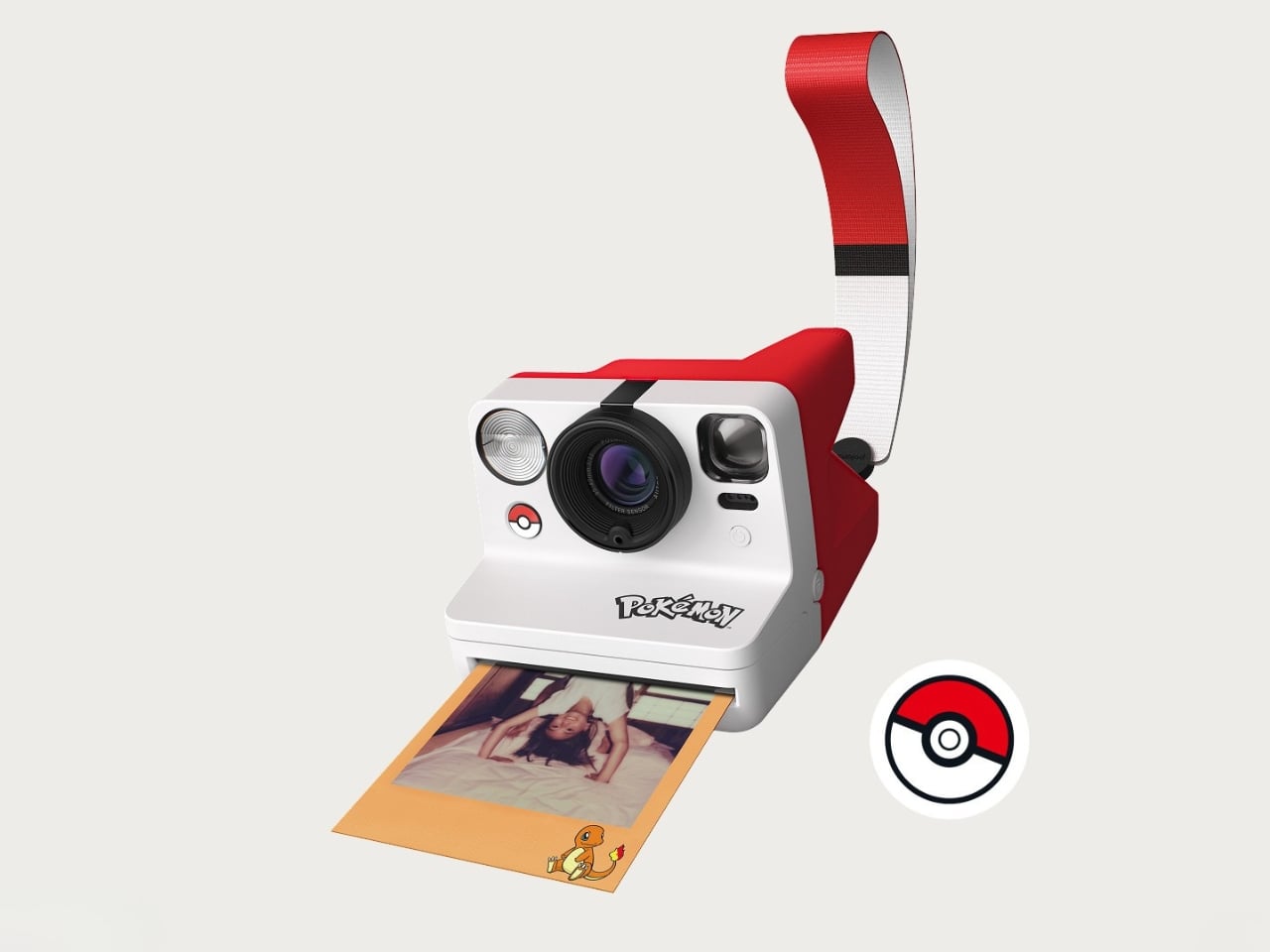
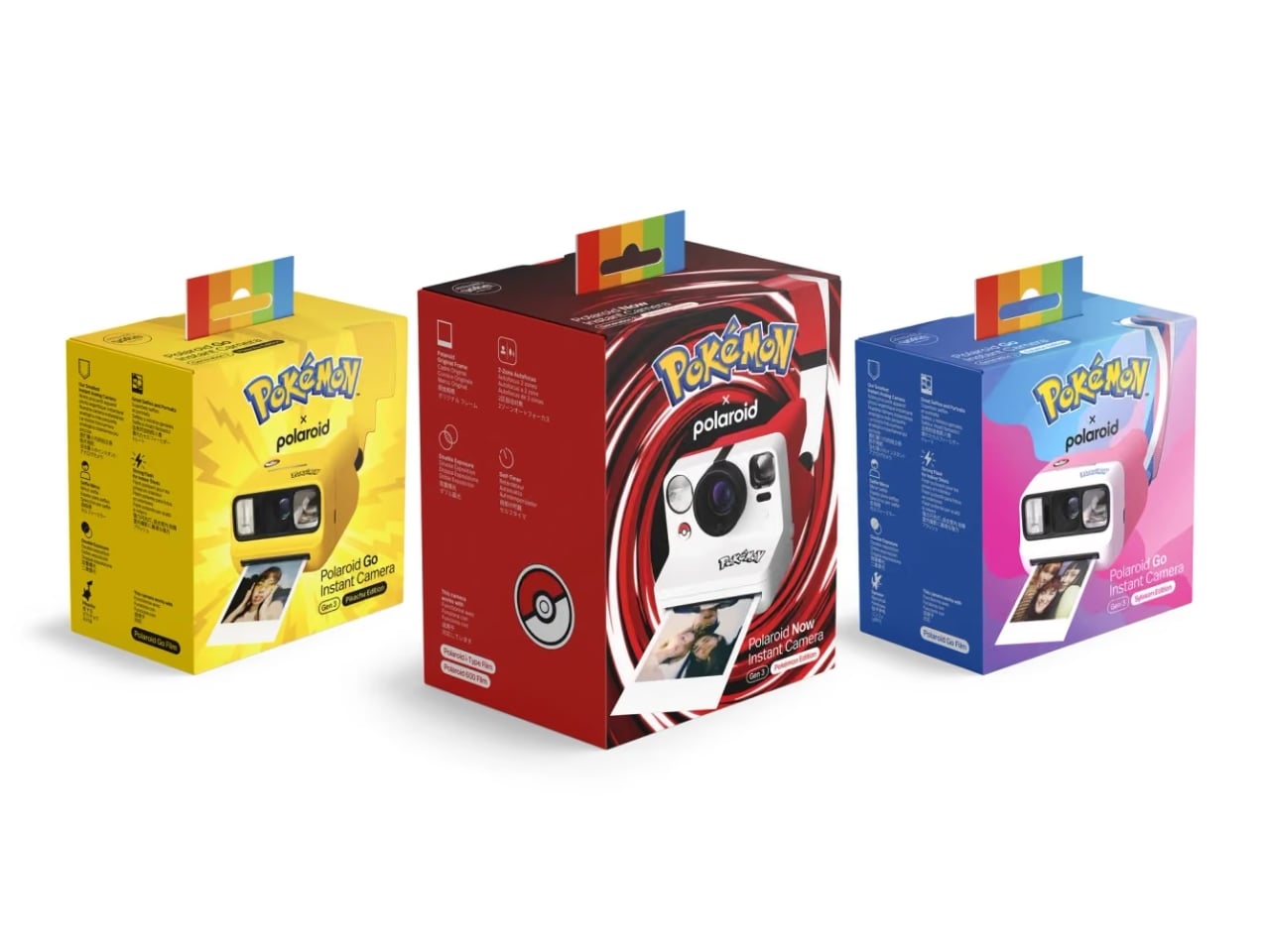
The main characters in this collection are of course the three special-edition Polaroid cameras. The Polaroid Now Generation 3 camera now comes in a Poké Ball version and is the hero piece of this entire collaboration. The camera’s body comes in white with bold red and black accents, just like the iconic instrument you use to capture the creatures. It has a Poké Ball shutter button and Poké Ball patterns across the full camera body, making it your tool to capture moments instead of Pokémon but looking almost exactly the part. Beyond the design, the Polaroid Now Gen 3 also packs a solid technical punch with a two-lens autofocus system that automatically chooses the best lens for each shot, so every memory comes out crisp and beautifully Polaroid-esque.
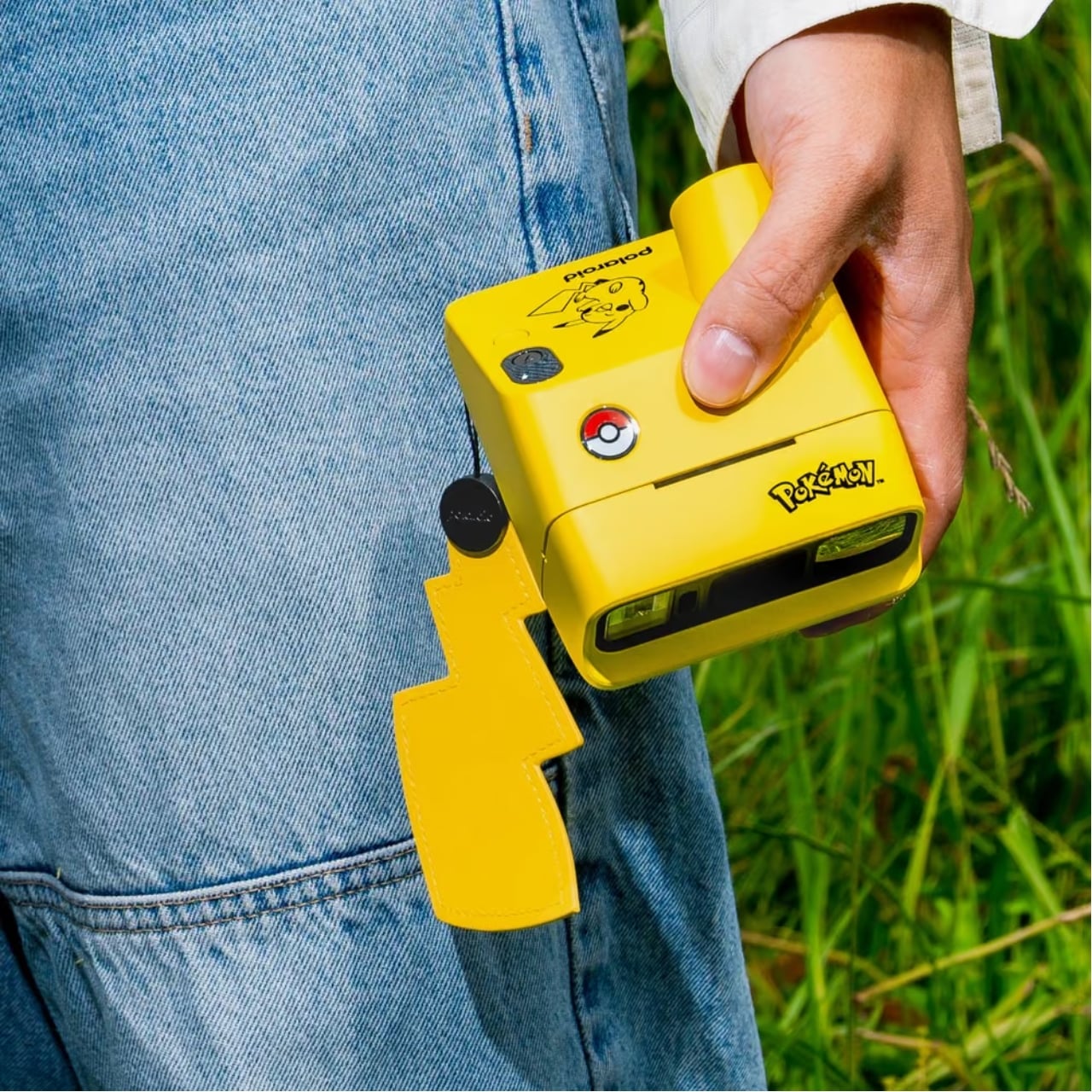
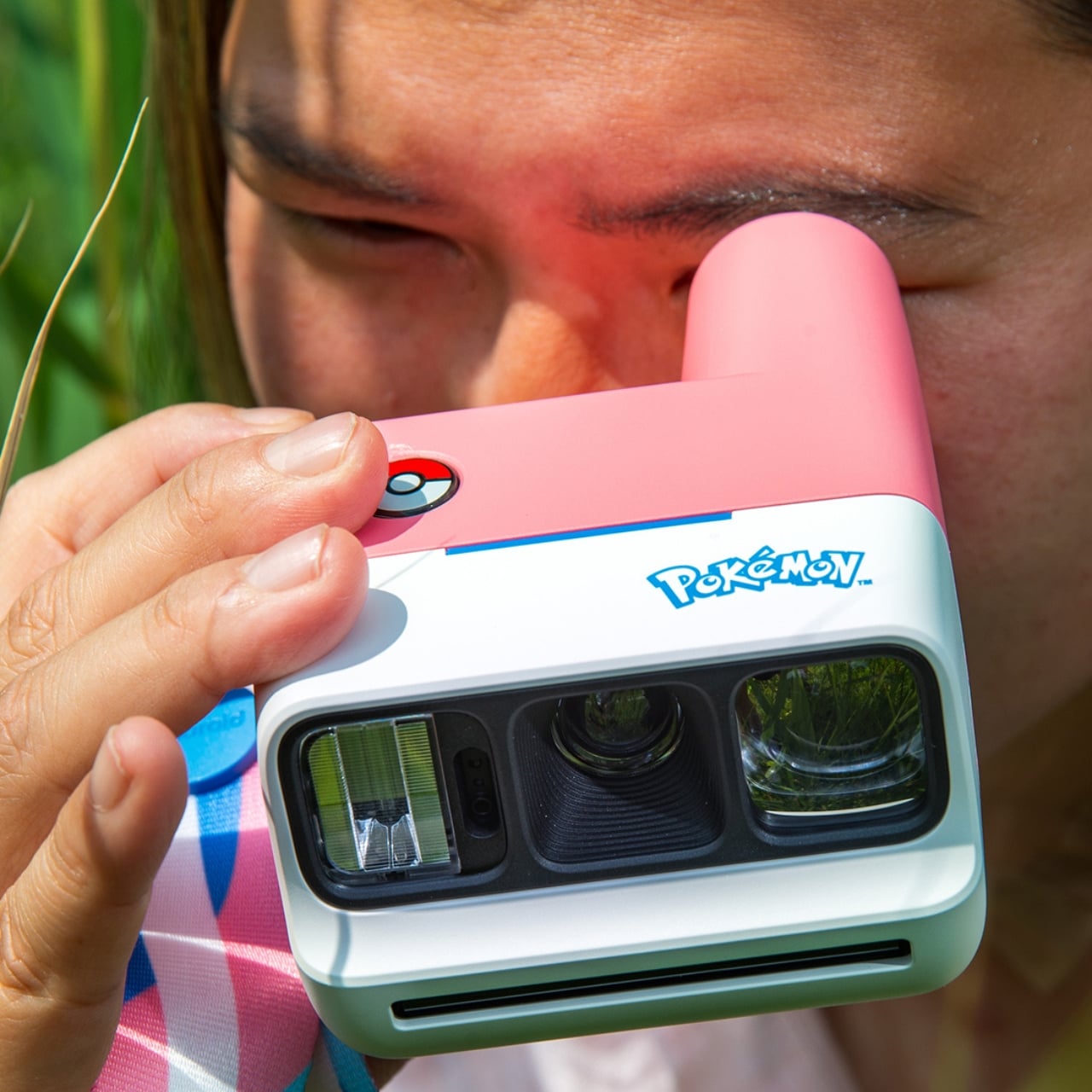
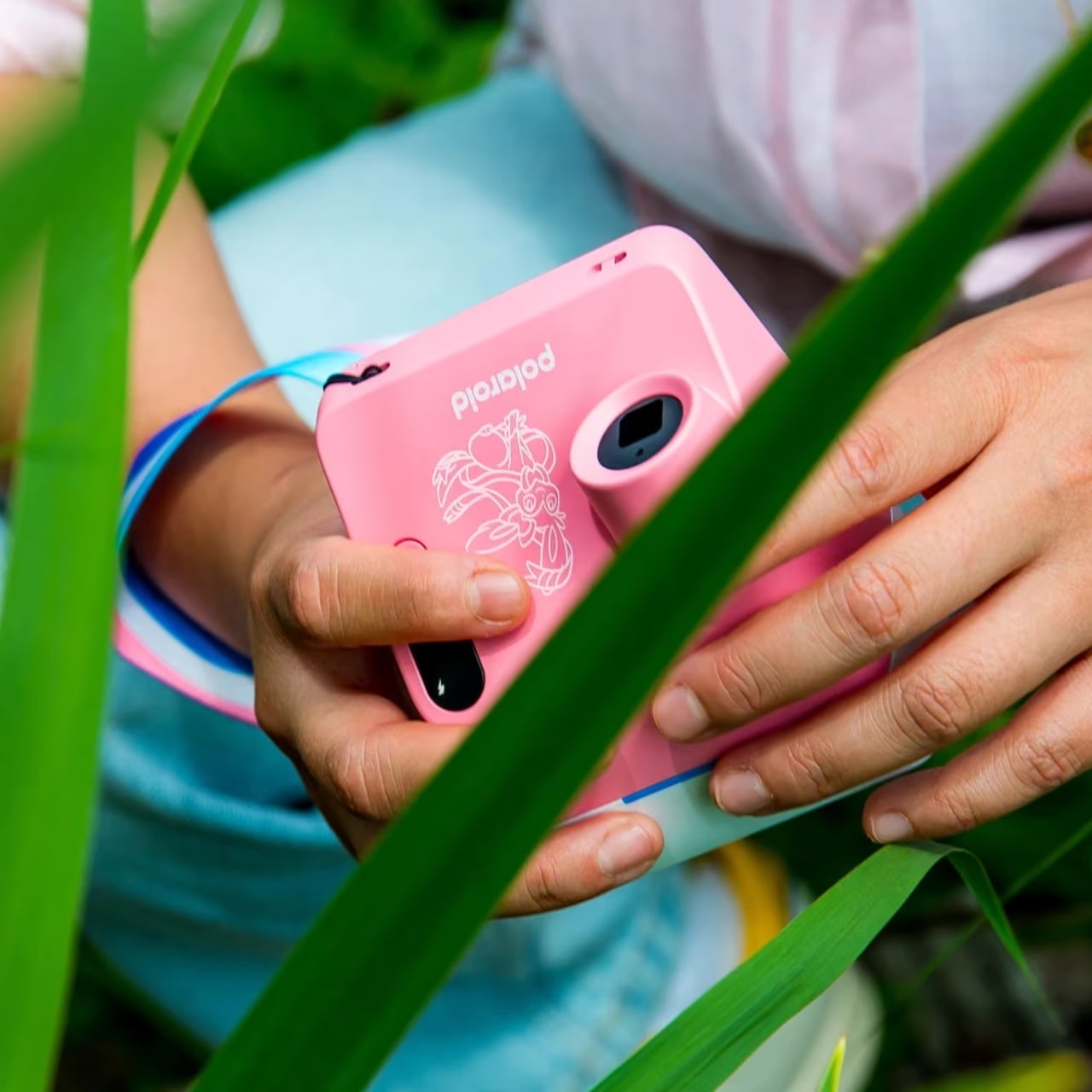
Meanwhile, the smaller but equally famous Polaroid Go cameras have been transformed into two Pokémon-themed devices that go well beyond just having a logo attached to them. You have the Pikachu Edition, which comes in the franchise’s distinct, vibrant yellow, complete with a Poké Ball shutter button and a lightning-bolt tail wrist strap to carry it around. The Sylveon edition, meanwhile, features pink, white, and blue fairy-type colorways, along with Sylveon graphics and a themed wrist strap. Both are built on the Polaroid Go Generation 3 platform, also known as the world’s smallest instant analog camera, making them as pocket-friendly as they are charming.
Aside from the cameras, there are other items in the collection worth getting excited about. There are three exclusive Pokémon-edition film packs, each featuring custom-designed frames and dark slides that make every print feel like a collectible. For the Polaroid Now Gen 3, the i-Type Color Film pack comes with Poké Ball-motif frames. For the Go Gen 3 cameras, you have the Pikachu Edition and Pokémon Edition Go Color Film packs, the latter featuring beloved characters like Eevee and Togepi. These aren’t just rolls of film; they’re tiny pieces of Pokémon art wrapped around every shot you take.

If you want to fully accessorize your Pokémon camera setup, the collection has you covered there, too. There’s the Polaroid Go camera case designed as a round Poké Ball zip case, the Polaroid Go Photo Album styled in the same Poké Ball design for storing your instant prints, and a universal camera strap with a matching Poké Ball pattern. That strap is a particularly thoughtful touch, as it works with both the Polaroid Now Gen 3 and the Go Gen 3, keeping your entire setup looking cohesive no matter which camera you bring out.
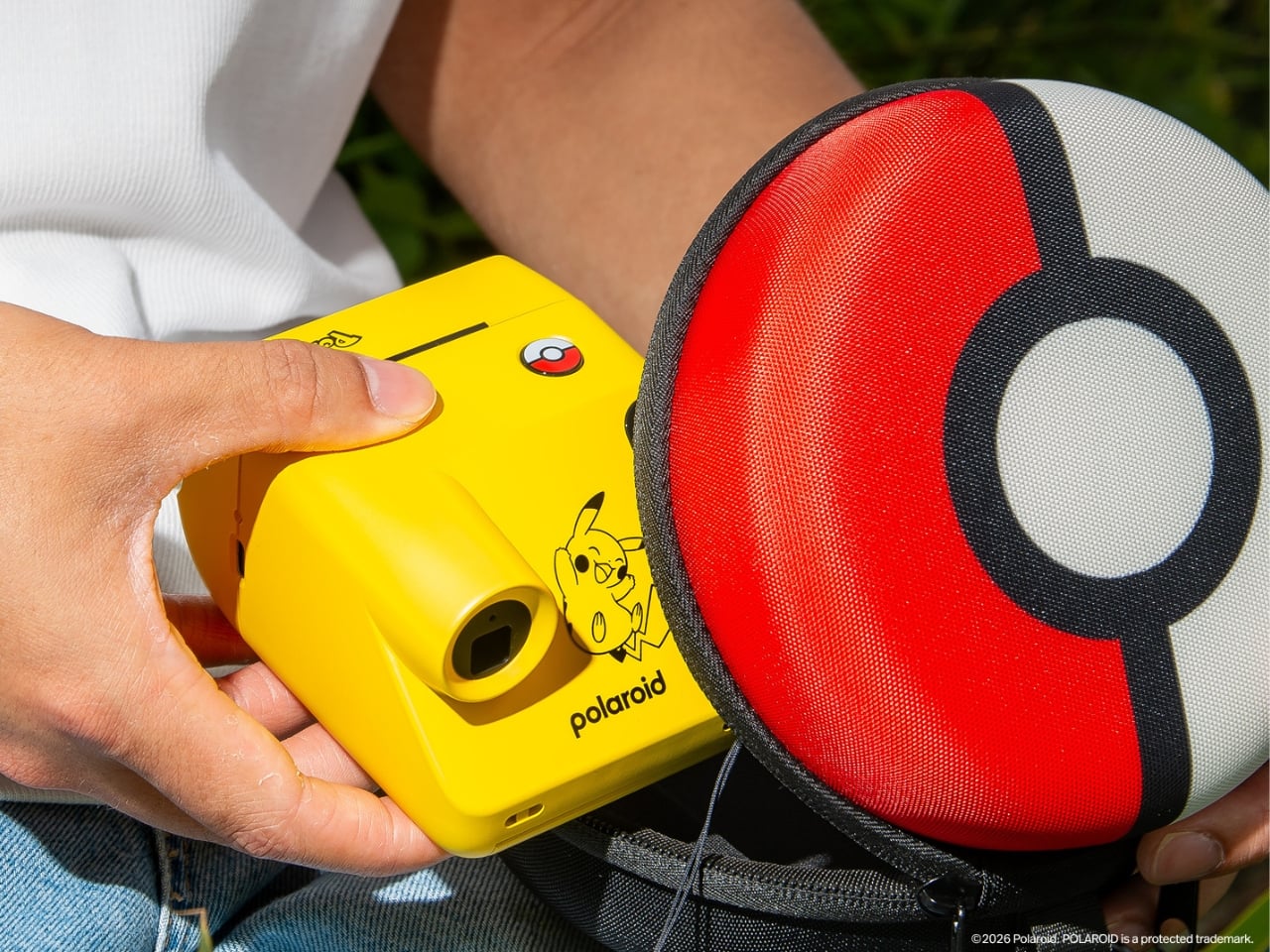
The entire nine-piece collection launches globally in limited quantities, so this one is for the early birds. Pre-orders open on August 25, 2026 on polaroid.com and through the Pokémon Center in the U.S., U.K., and Canada, with the full global release dropping on October 5, 2026. Whether you’re a lifelong Pokémon fan, a Polaroid collector, or simply someone who loves a beautifully designed limited-edition drop, this collection is genuinely hard to pass up. After all, why just catch Pokémon when you can capture your best moments with them, too?
The post Polaroid Just Made the Pokémon Camera Every Fan Wants first appeared on Yanko Design.

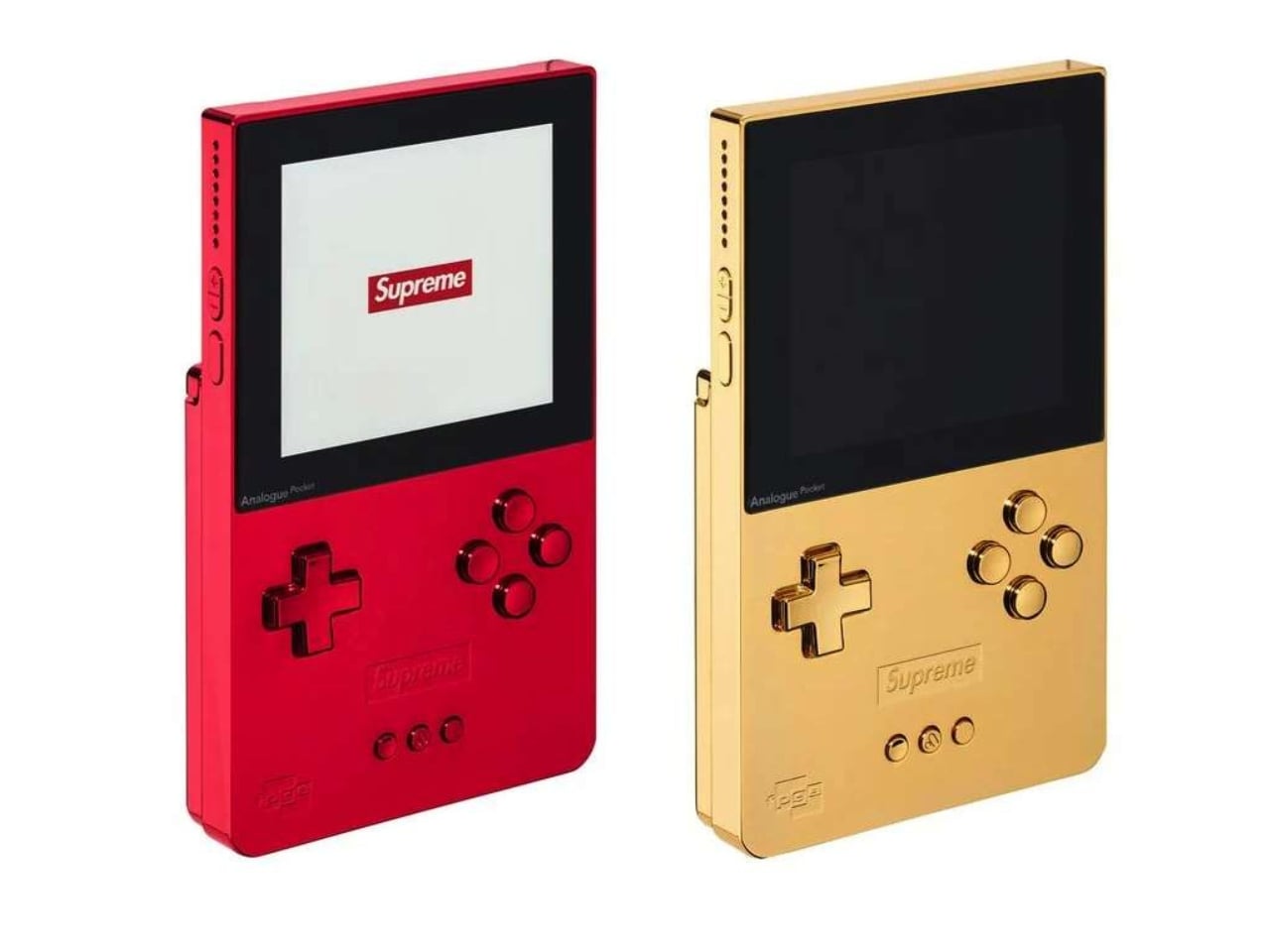
The Analogue Pocket has always been the kind of device that makes you look twice. It plays original Game Boy, Game Boy Color, and Game Boy Advance cartridges on modern hardware, which is already a compelling pitch for anyone who grew up with a brick-sized handheld stuffed in their backpack. Supreme’s Fall/Winter 2026 collaboration with Analogue goes further than that. It’s turning a piece of retro gaming hardware into a genuine collector’s object, and the result is genuinely hard to walk past.
For FW26, Supreme is releasing two limited edition versions of the Analogue Pocket: one in glossy red, the brand’s unmistakable signature colorway, and one finished in 24K gold-plated aluminum. Both versions sit in a unibody aluminum shell with Supreme branding debossed on the front and back, along with a custom logo LCD display. They measure 3.5″ x 5.75″, which is compact enough to hold in one hand and striking enough to stop a room.
Designer: Supreme x Analogue
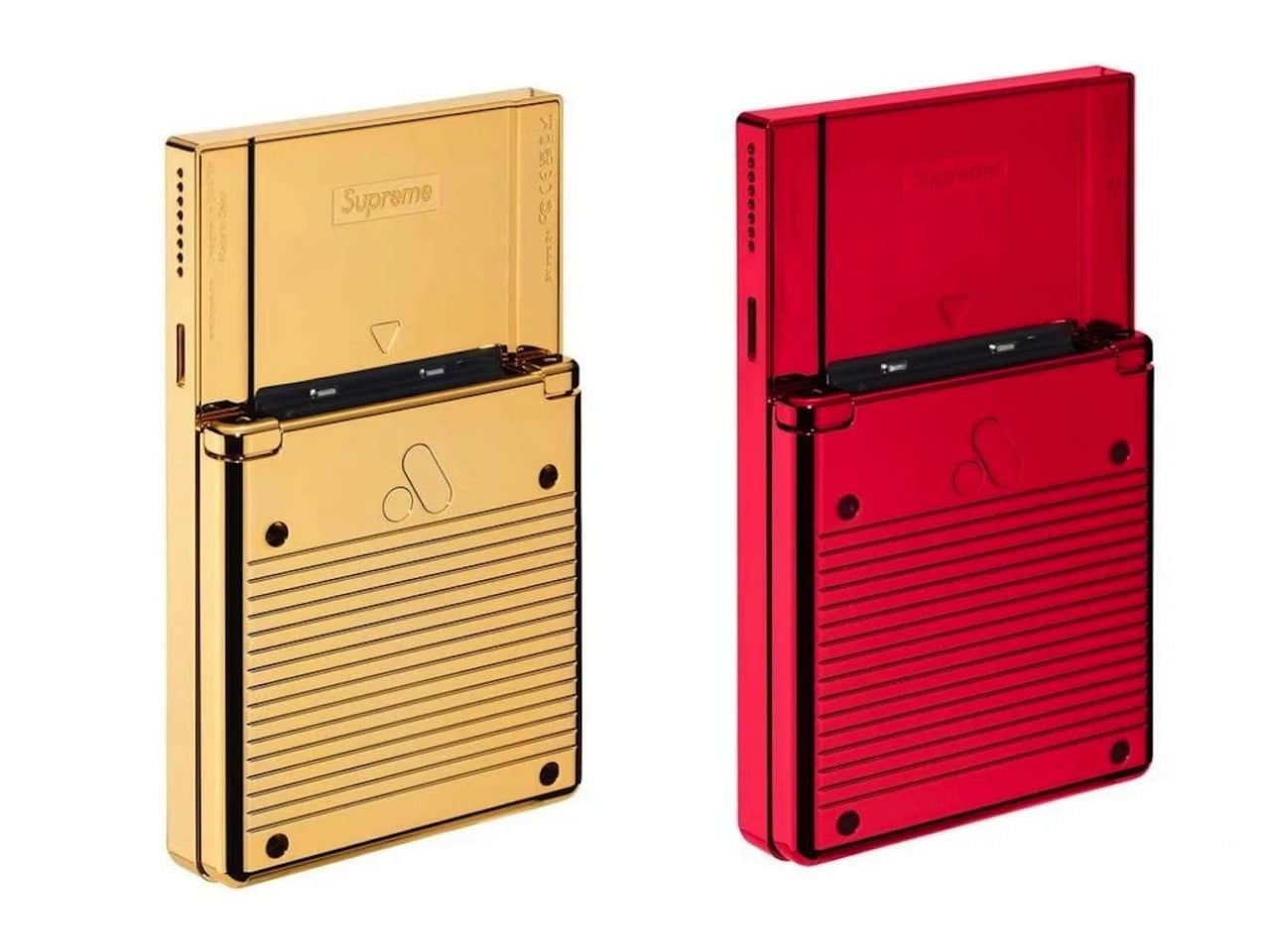
A quick note on what the Analogue Pocket actually is, because context matters here. This is not a generic emulator. It plays original cartridges, meaning if you’ve been holding onto your copy of Pokémon Gold since 1999, you can slot it right in and go. The device supports over 2,780 Game Boy, Game Boy Color, and Game Boy Advance titles, and also works with cartridge adapters for other handheld systems. It has a built-in synthesizer and sequencer, a MicroSD card reader, and modern internals running the whole operation. The Analogue Pocket was a well-regarded piece of hardware long before Supreme got near it.
That distinction matters, because it’s what makes this collaboration feel earned rather than arbitrary. Supreme has a long and occasionally theatrical history of taking functional objects and turning them into cultural moments through branding alone. The archive includes bricks, crowbars, and fire extinguishers, and somehow it all makes sense in retrospect. But when the base product is genuinely good on its own, the collaboration lands differently. The Analogue Pocket had its own dedicated following before this. Supreme is amplifying that into the fashion and streetwear conversation, and the resulting object speaks to both audiences without alienating either.
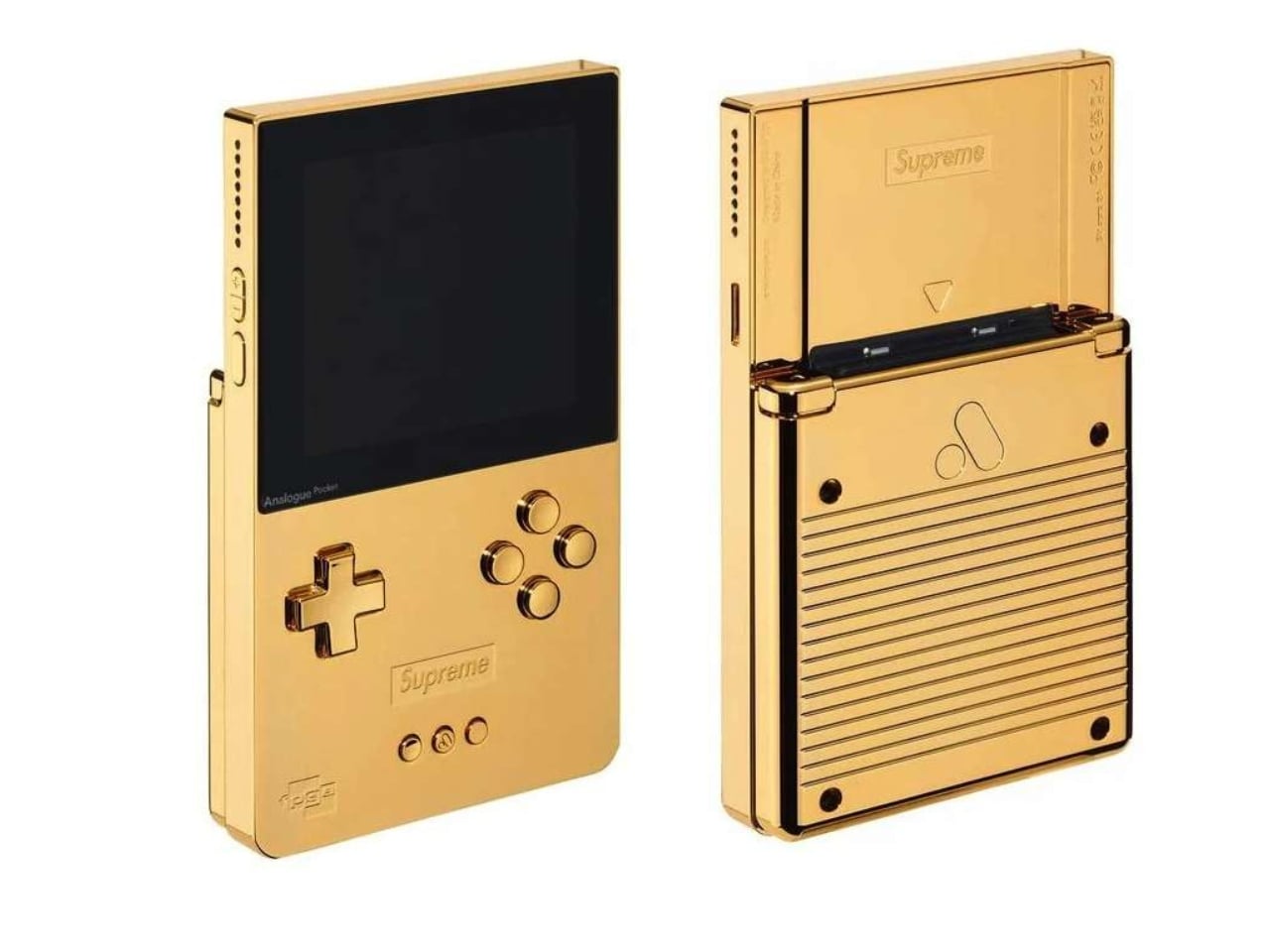
The gold version is the obvious showstopper here. A 24K gold-plated handheld is, objectively, an extremely specific thing to produce. It is not subtle, and it is not trying to be. The red version, while less theatrical, carries its own appeal. Supreme’s red is one of the most recognizable colors in contemporary design, and seeing it applied to the clean lines of the Analogue Pocket’s aluminum body feels surprisingly considered rather than purely cosmetic. Both finishes have the kind of presence that makes you hesitate before putting fingerprints on them, which raises a personal question worth sitting with: are you buying this to play, or to display?
The answer is probably both, and that’s the genuinely interesting tension at the heart of any collaboration like this. Retro gaming has shifted from a hobby into a full cultural moment, one where the hardware carries as much meaning as the software. People frame limited edition consoles. They display cartridge collections. They treat the objects of their gaming childhoods as artifacts worth preserving and presenting. The Supreme Analogue Pocket belongs in that space, and that’s not a criticism. It’s an observation about how the culture has evolved.
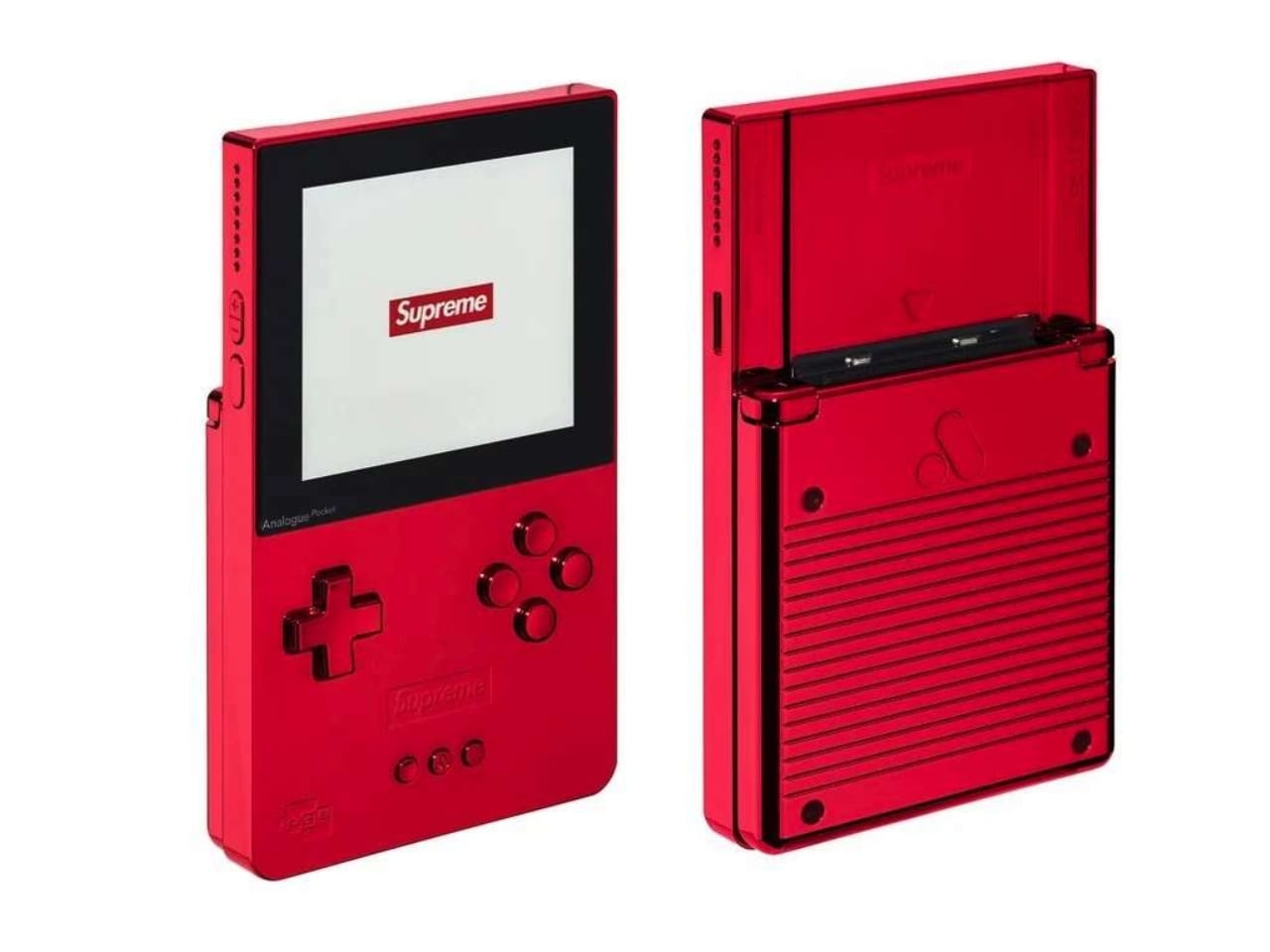
Pricing and availability details haven’t been fully confirmed, but the device will be available exclusively through Supreme, which is predictable in the best way. Supreme drops being what they are, demand will not be a problem and availability will be. Whether you land one or spend the afternoon refreshing a browser tab is largely a matter of timing.
For now, the Supreme x Analogue Pocket reads as one of the more coherent streetwear collaborations in recent memory. It doesn’t feel like branding for branding’s sake. It feels like two brands that actually have something meaningful to say to each other, and the result is a handheld that lands at the exact crossroads of nostalgia, craft, and cultural currency.
The post A 24K Gold Game Boy From Supreme Is FW26’s Wildest Drop first appeared on Yanko Design.


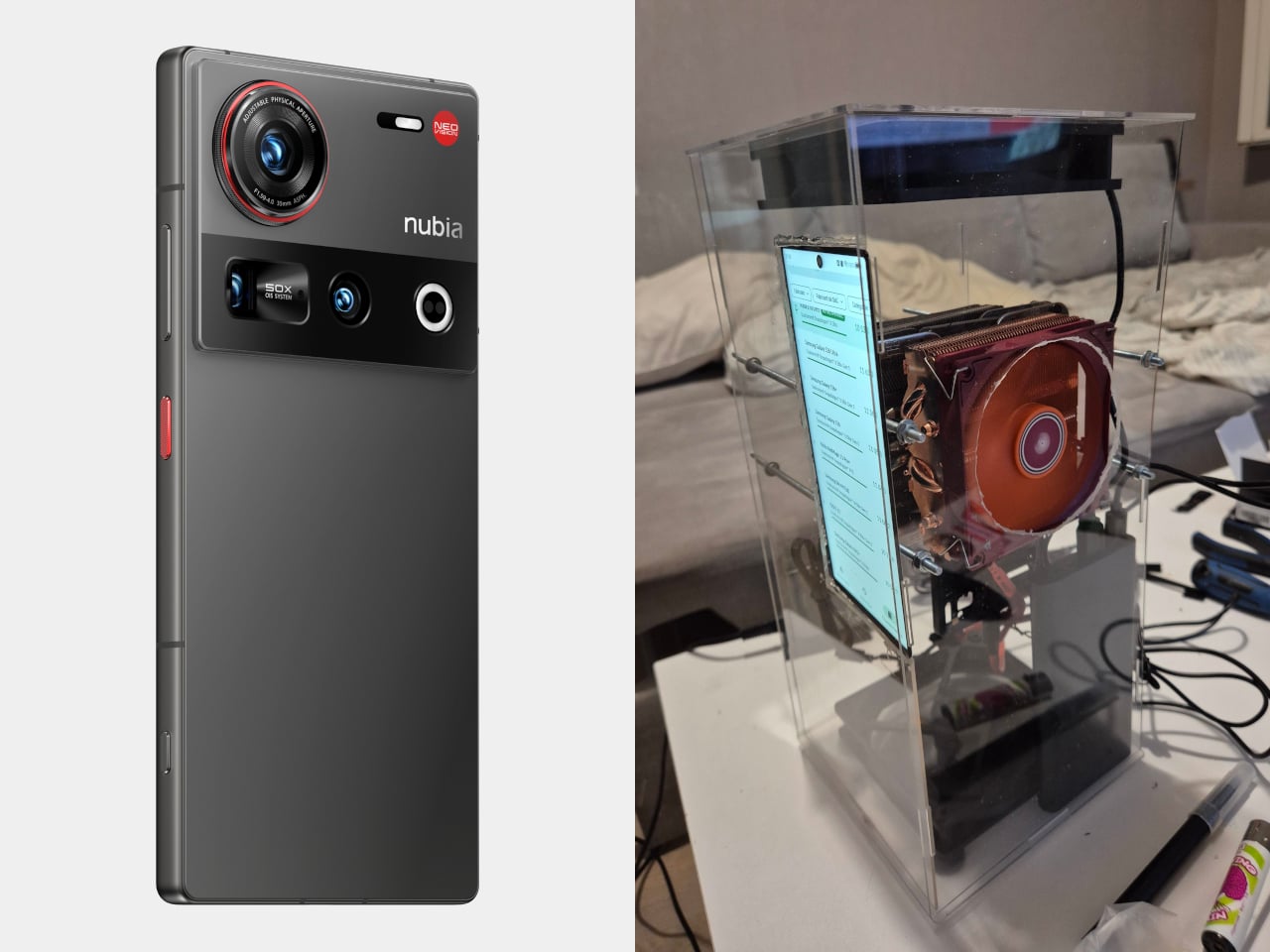
The boundary between a smartphone and a desktop computer has been narrowing for years. Modern flagship phones carry processor configurations, RAM capacities, and GPU performance that would have qualified as desktop territory not long ago. Most of the time, that hardware sits underutilized inside a slim glass slab, throttled by thermals the moment any sustained workload asks it to perform at its actual ceiling.
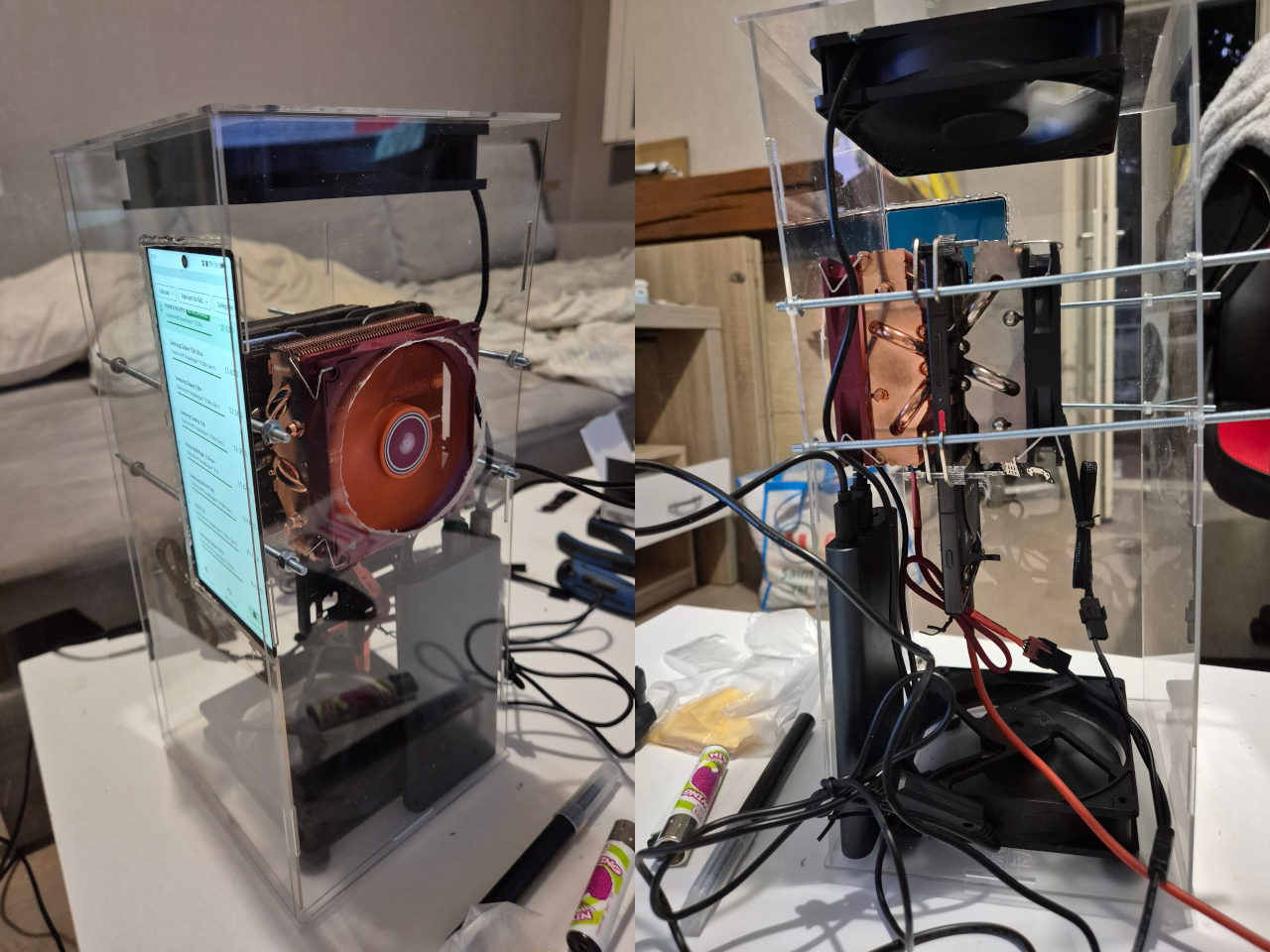
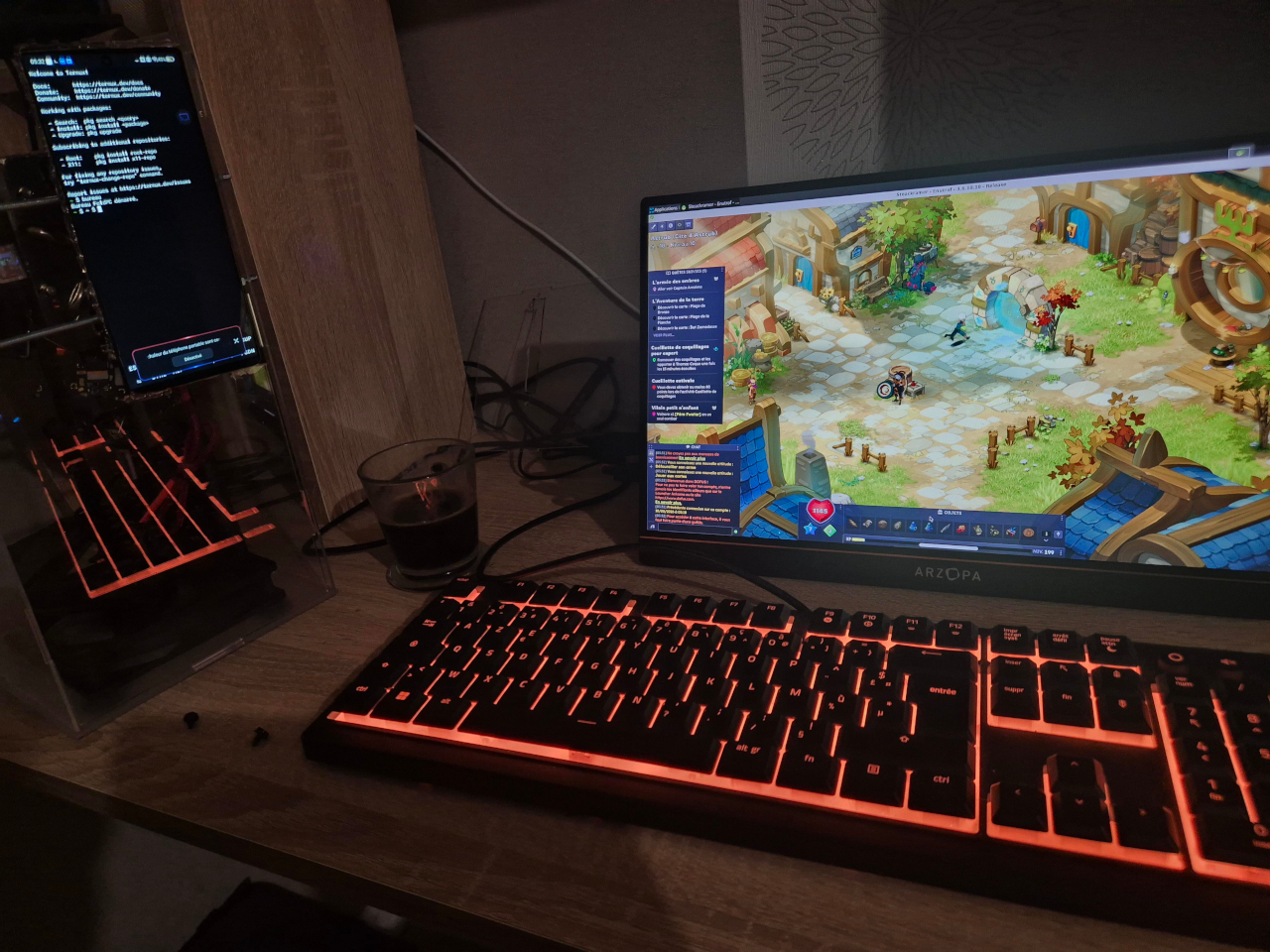
One modder decided to find out what a flagship Android phone such as the nubia Z70 Ultra could actually do if thermal throttling was removed from the equation. The answer involved relocating the screen to the front of a custom acrylic case and sandwiching the phone itself between two desktop-grade CPU coolers with direct contact against the Snapdragon chip’s shielding. The result doesn’t fit neatly into any existing product category.
Designer: ntsow
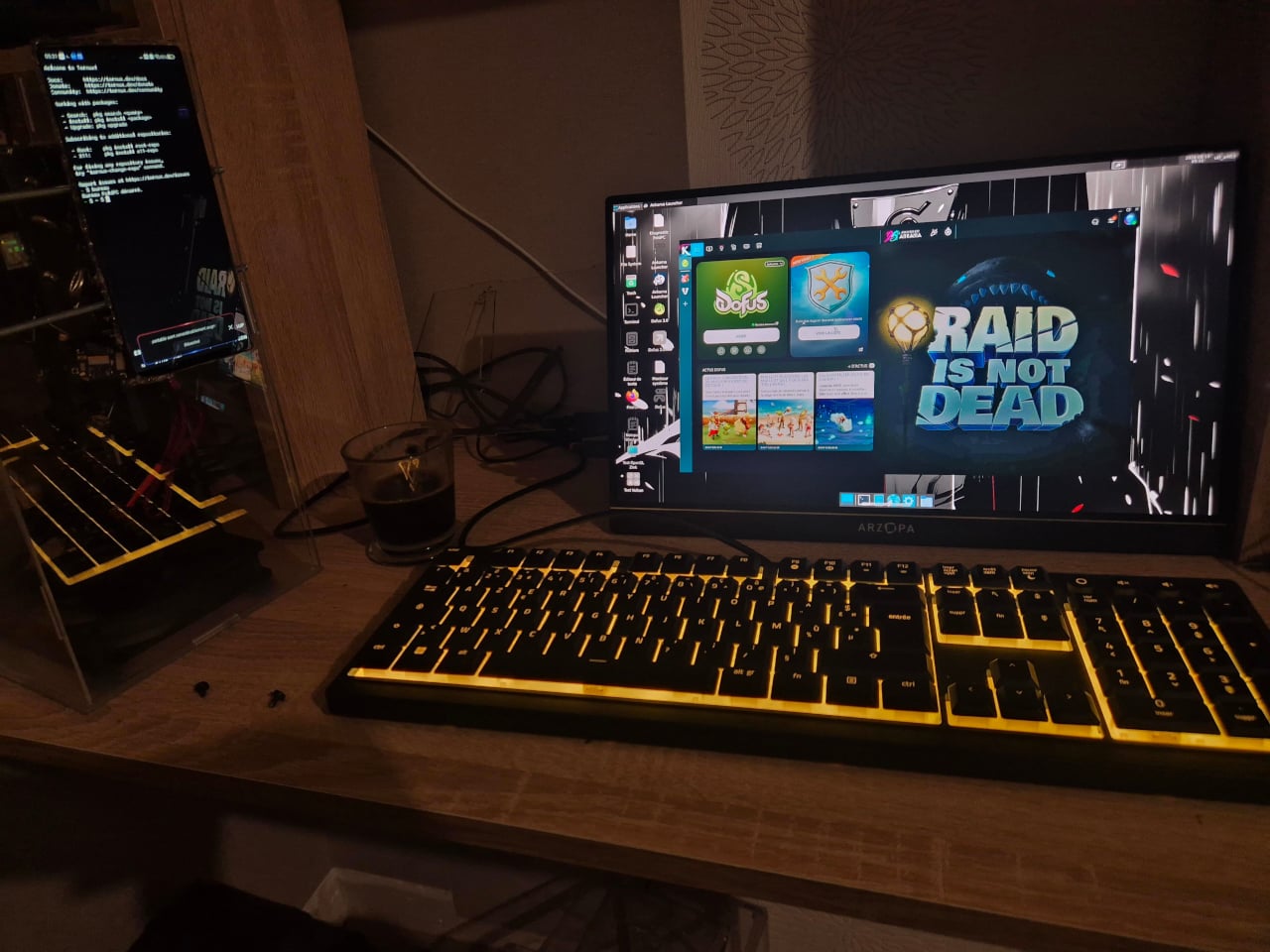
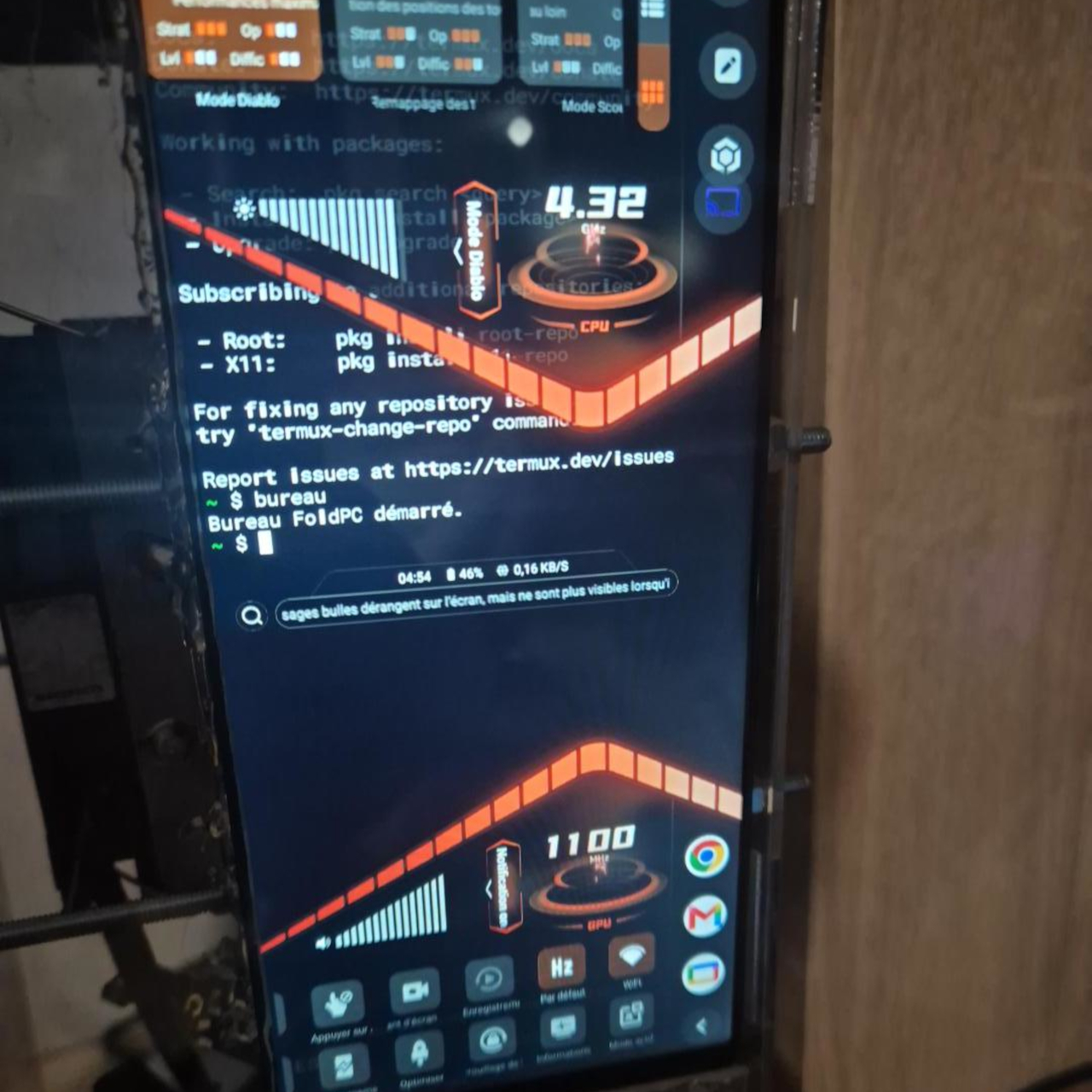
The Nubia Z70 Ultra carries a Snapdragon 8 Elite processor with a maximum clock speed of 4.32 GHz and 24 GB of RAM. Removing the screen was the key step: the CPU coolers need direct access to the chip’s shielding for full thermal contact, so the display had to migrate to the outside of the case. A power bank handles the energy supply, completing the self-contained build.
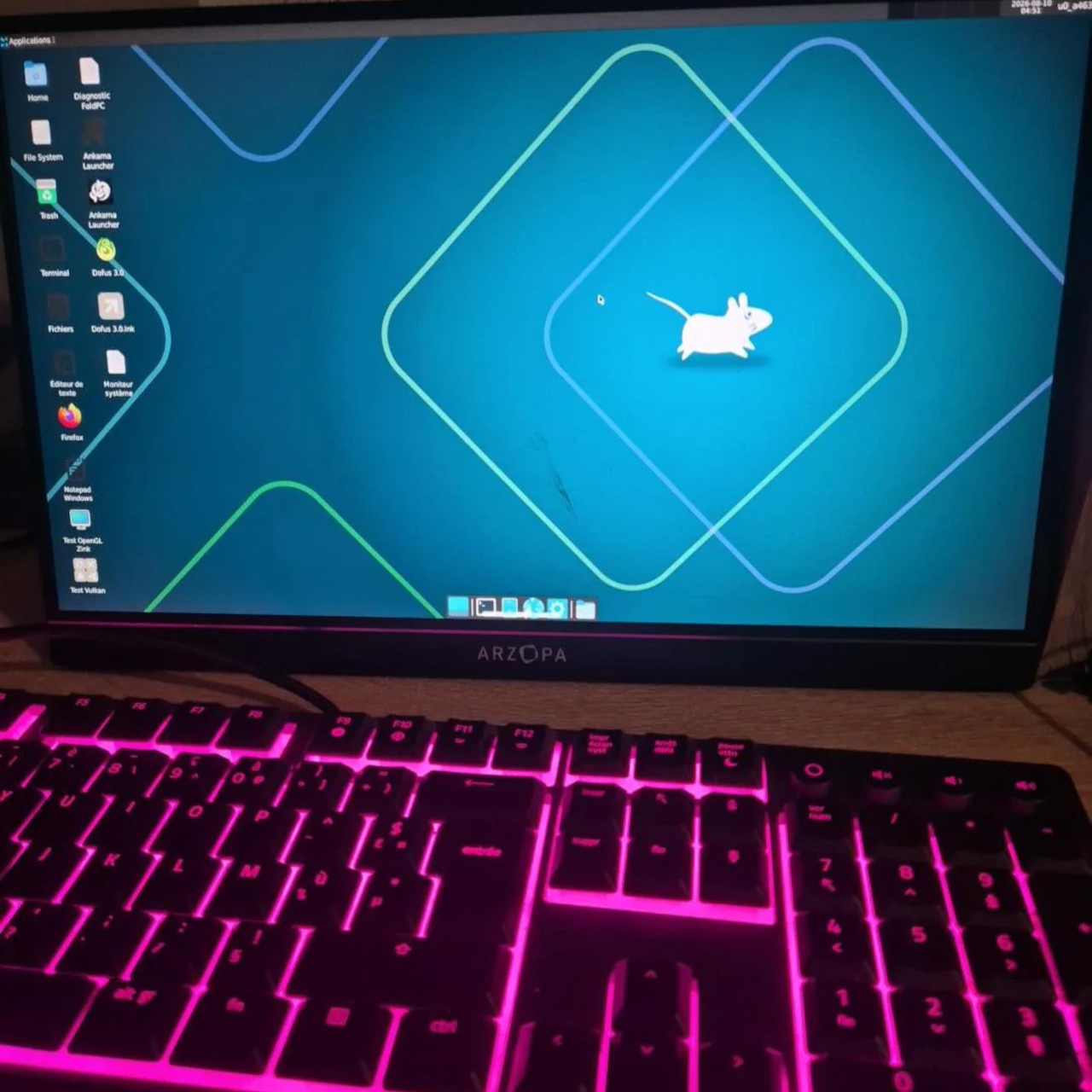
On the software side, the build runs a full XFCE Linux desktop through Termux with GPU acceleration, layering Windows application support on top via Wine and Box64. The Android system remains fully intact underneath, making the device simultaneously a phone, a Linux workstation, and a Windows gaming machine. The stated end goal is one device that handles everything, including native Linux work and full Windows game support.
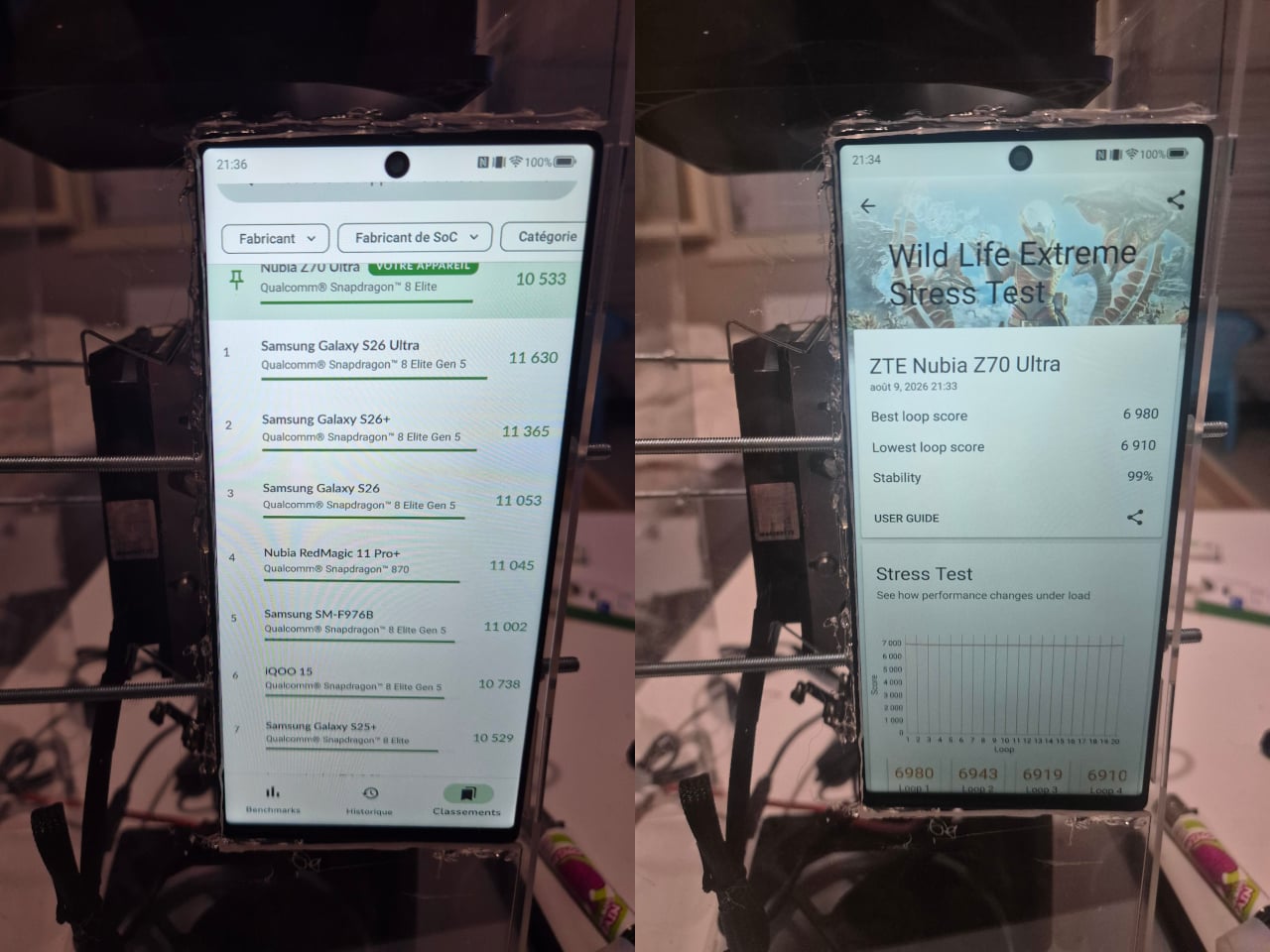
The cooling changes what the hardware is capable of sustaining. In 3DMark’s Wild Life Extreme Stress Test, the modified phone achieved 99% stability across 20 loops, outperforming the newer Snapdragon 8 Elite Gen 5, Apple A19 Pro, and Dimensity 9500 on the consistency metric. That sustained performance is the point: most mobile chips can briefly hit impressive scores, but they thermal-throttle within minutes under continuous load.
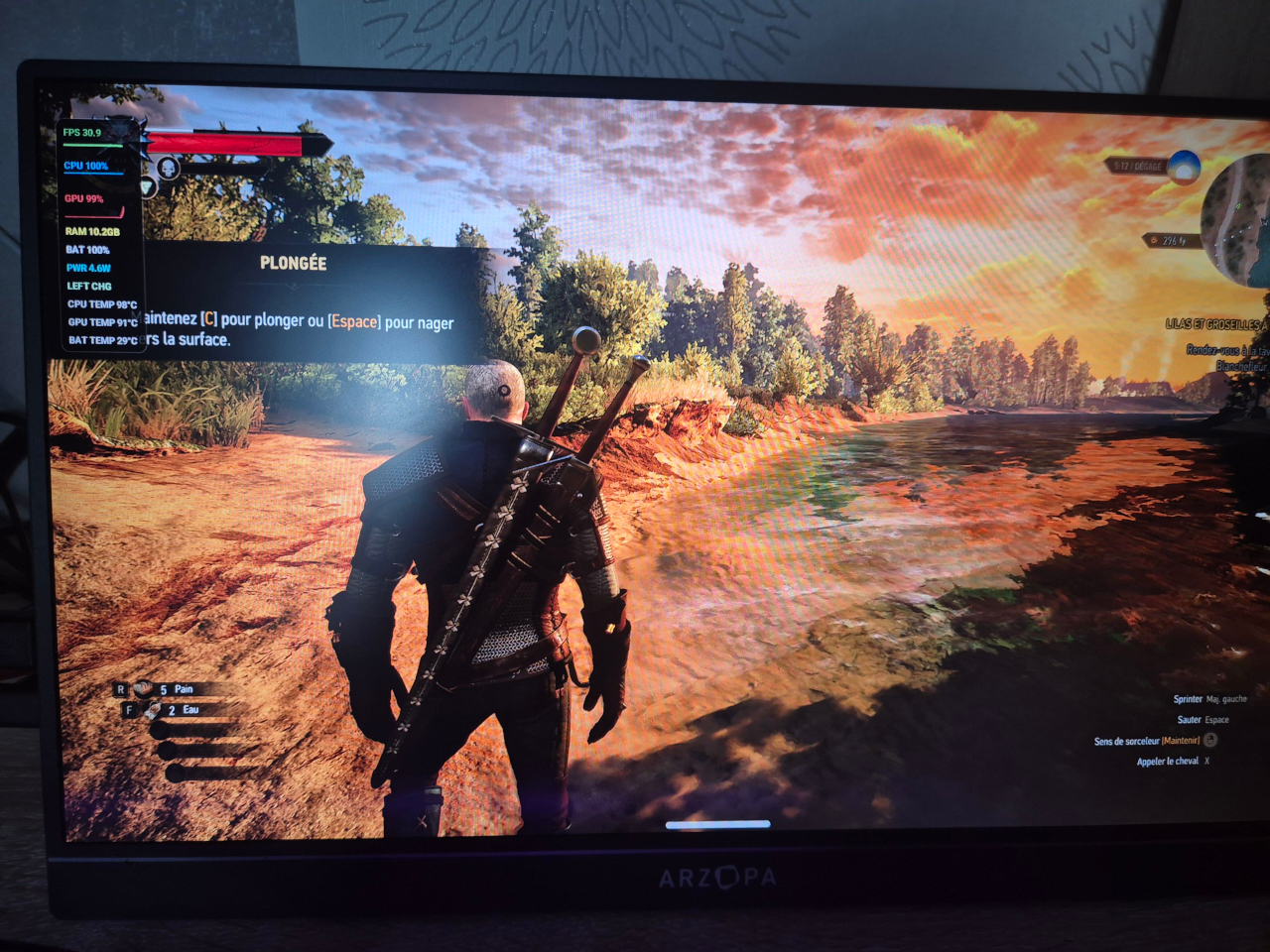
The Witcher 3 runs at 1080p with Ultra graphics settings, hitting 20 to 30 fps and occasionally exceeding 30 fps when the phone operates in its maximum-performance overclocking mode. The Adreno GPU runs at 99% utilization during those sessions, and the build connects to an external monitor with keyboard and mouse support for a genuine desktop gaming setup. For an Android phone, the performance is difficult to dismiss.
What the build demonstrates is less about running The Witcher 3 at any particular resolution and more about how far the gap between a phone and a desktop has actually closed. Adequate cooling was the only thing separating the Snapdragon 8 Elite from sustained desktop-class workloads. The question the project raises isn’t whether phones can replace PCs but how much work remains before the hardware inside them can already handle it.
The post This Modded Android Phone Runs The Witcher 3 at 1080p Ultra Settings first appeared on Yanko Design.