The iPhone 16 lineup introduces a range of exciting updates and enhancements, offering users a compelling reason to consider upgrading their devices. While both the iPhone 16 and iPhone 16 Pro bring notable improvements to the table, there are key differences between these models that set them apart. In the video below, Brandon Butch explores […]
The thing with technology is that oftentimes it’s designed for scenarios that may not necessarily be common. Technology can sometimes be ‘weird’ until it becomes so popular that its weirdness wears out – like seeing enough people on the subway wearing the Apple Vision Pro. Your mind accepts new things as reality after a while, but up until that moment, things seem unique and eye-catching. That’s the beauty of events like IFA, where you’re much more likely to see a flying car than you are in the real world (and to be honest, I did). In fact, here are 5 unique pieces of innovation I spotted at IFA and why they may not be unique for too long. With how rapidly the world is changing, these designs may just become a new normal moving forward… but until then, let’s appreciate them for how ahead of their times they are.
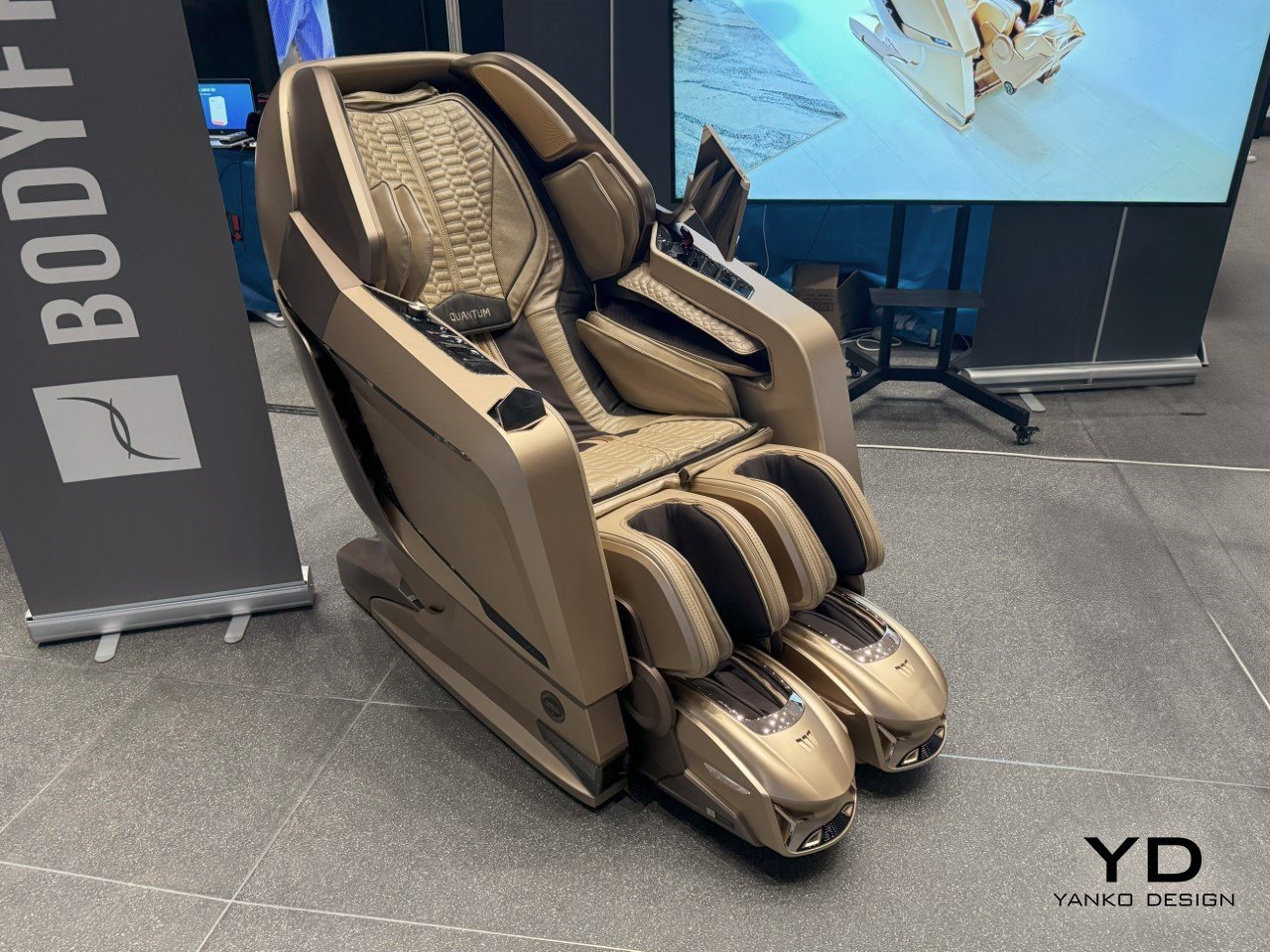
1. Bodyfriend Quantum Robot Massage Chair
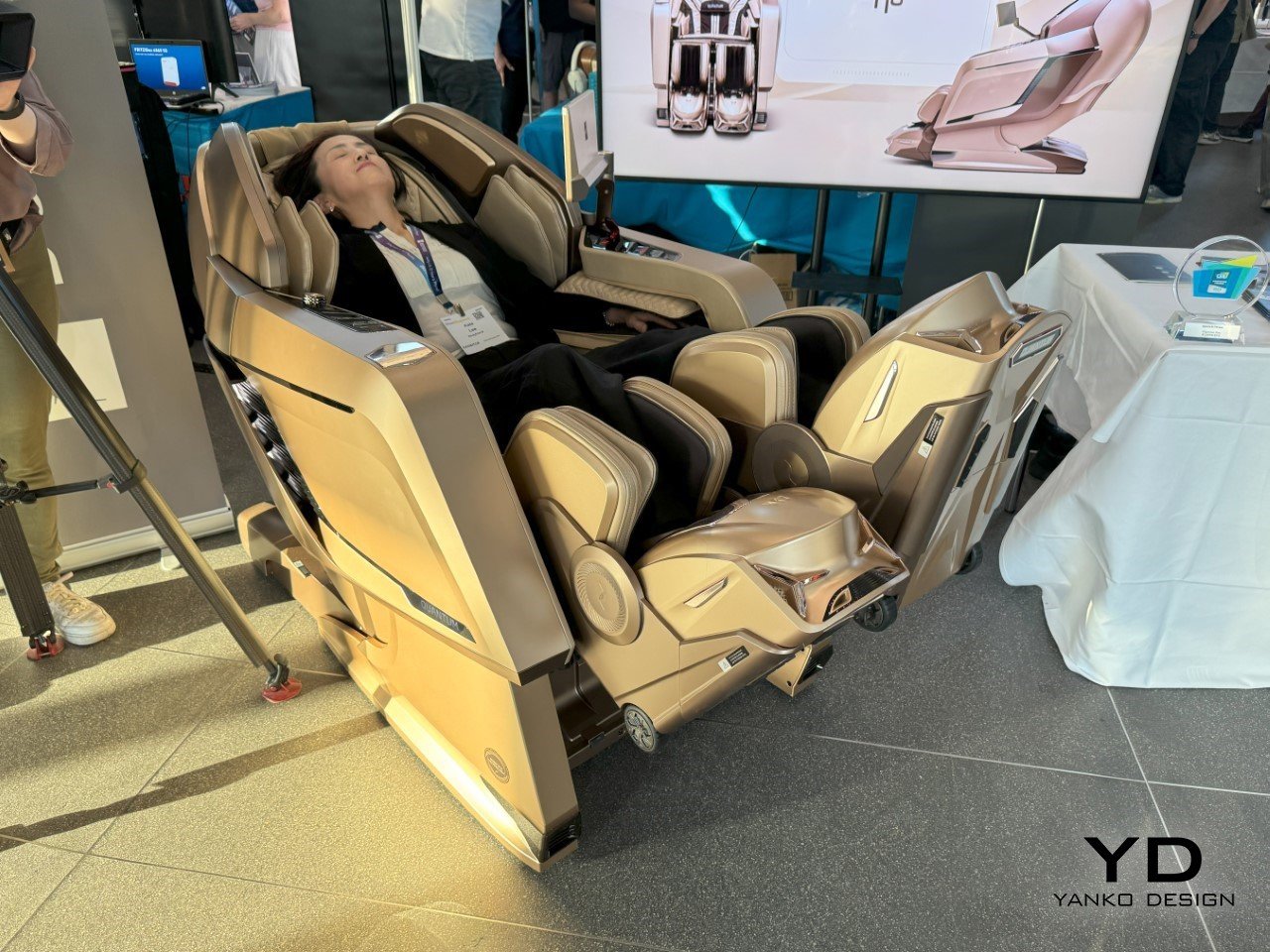
Comfort never looked this strange – meet the Quantum from Bodyfriend, a robot massage chair designed to be your personal physiotherapist. The world’s only massage chair with independently moving legs, the Quantum gives you a soothing massage while stretching your limbs and preventing joint stiffness. It’s ideally designed for people with mobility issues (i.e., the elderly), but as an ‘elderly’ 33-year-old, this was heaven-sent for my millennial lower back pain.
The Quantum’s XD-PRO thermal module and Finger Moving Massage Module combine to deliver an impressively lifelike touch. Rather than simply kneading your muscles with broad strokes, the chair makes subtle, carefully measured movements—80 in total, each at 1.25mm intervals. 81 air pockets and heat therapy zones get you up to a toasty 50°C, massaging you at the intensity you choose. Meanwhile, you’re quite literally in the lap of luxury thanks to the Bang & Olufsen audio units packed into the side that caress your mind with soothing audio. You might look a tad bionic while in the chair, but you’ll come out feeling absolutely zen. Don’t get too zen though, the Quantum chair costs a whopping $15,000.
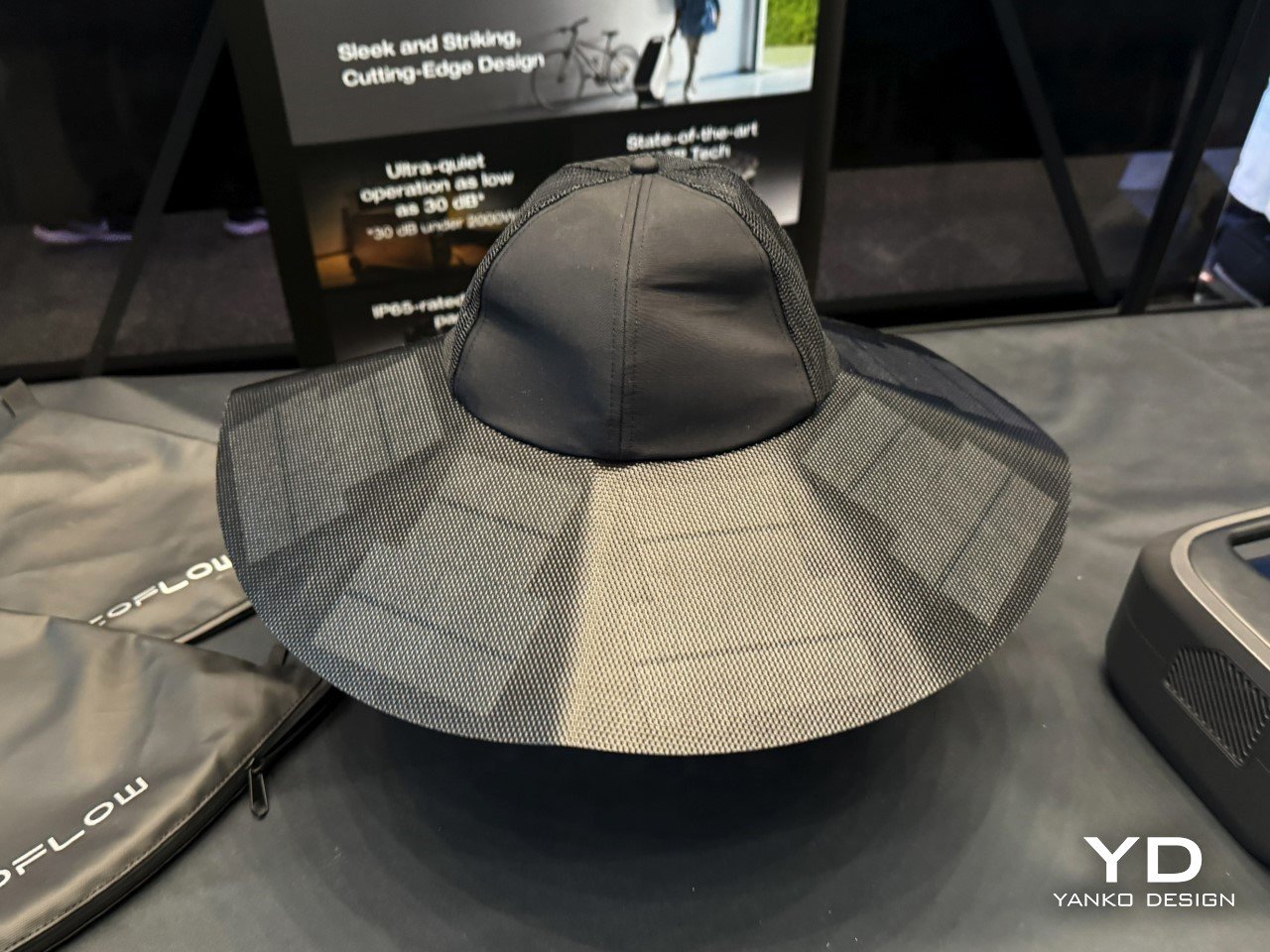
2. EcoFlow Solar-Panel Power Hat
You could be stuck on a desert island with just a phone and this hat, and you’d be good. Behold the EcoFlow Power Hat, a sun-hat with solar panels embedded into the rim. Aside from providing you with shade on an incredibly sunny day, the hat comes with USB-A and USB-C ports, allowing you to juice your devices. It charges a phone in under 4 hours; and the best part, it’s IP65 water resistant too, so you could keep your head shielded and batteries at max capacity even in the rain. The entire hat weighs a mere 13 ounces, folds for easy travel, and comes in 2 sizes, fitting most heads. Say hello to an entire era of ‘wearable’ chargers.
3. Lenovo Auto-Twist AI PC Concept
Center Stage on the MacBook just got shown the stage exit. Instead of having a wide-angle camera that can zoom in on subjects within its frame as you move around, Lenovo’s Auto-Twist AI PC actually has a motorized screen that moves up and down, and rotates 360° to track you. Think laptop screen with its own gimbal. Powered by 3 high-torque DC motors, the screen can practically follow you around as you present on video calls, or even go into laptop or tablet modes with voice commands. When you’re done working after an exhausting day, a voice command lets you shut your laptop screen hands-free… although it isn’t as satisfying as slamming the screen shut in protest or celebration. Does your laptop NEED an AI-powered subject-tracking screen? Don’t bother asking that question because after building phone bracelets and transparent ThinkBooks, there’s really no stopping Lenovo’s bizarre but beautiful R&D team…
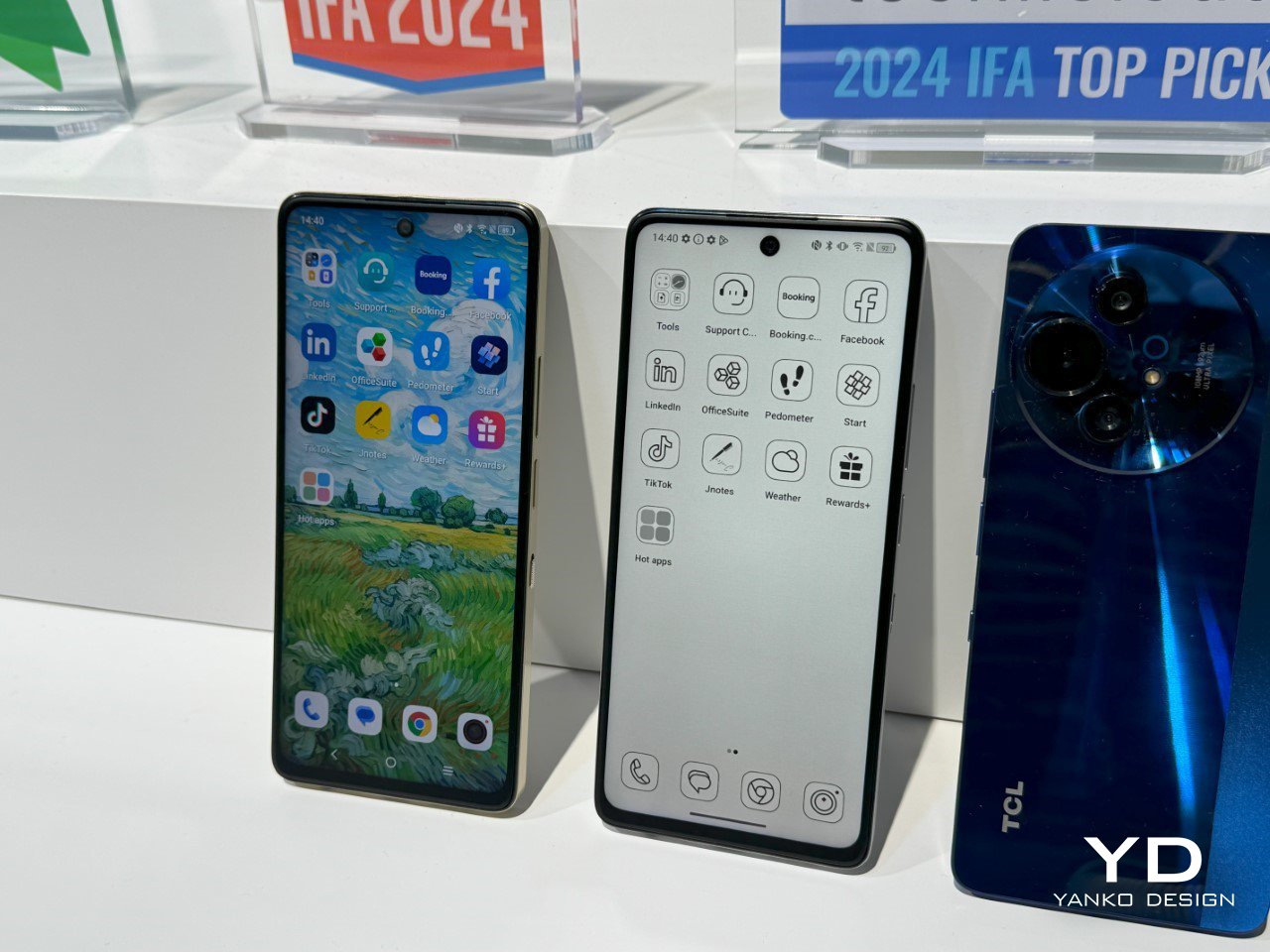
4. TCL 50 Pro Nxtpaper 5G Phone
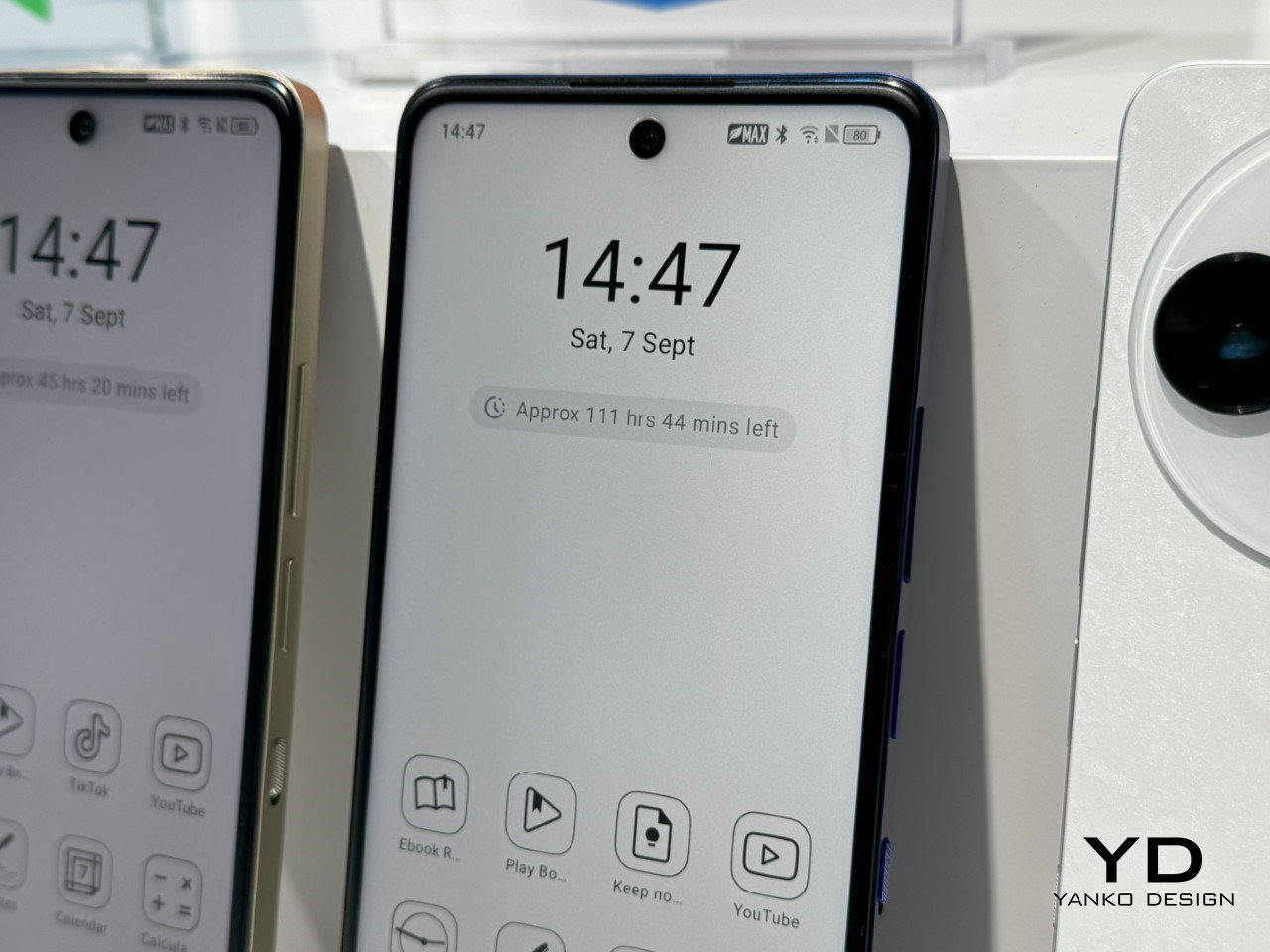
You know what’s unique in today’s world? Having a phone that lasts an entire week on a fully charged battery. And no, I’m not talking about that bonkers thick phone from Energizer with an 18,000mAh battery. I’m talking about this sleek number from TCL. Although the company isn’t known for their phones, they’re definitely trailblazers in the display department, which is why all the innovation in this phone lies in its unique display. Meet the TCL Nxtpaper display, a gorgeous screen with a 120Hz refresh rate and a matte finish that feels luxurious to the touch. The screen, however, has a secret in the form of a mechanical switch that lets you go from full color into ink paper mode, effectively turning your smartphone into a low-power e-reader of sorts.
The color display magically transitions into a monochrome one with a high contrast you usually see on devices like the Kindle. This does two things – firstly, it makes the phone perfect for reading documents or cutting visual clutter to focus on text… but secondly, it radically increases your phone’s battery life from a day-long to nearly a week-long. In fact, you’ll see the battery life mentioned in clear numbers right on your home screen. Sounds too good to be true, right? Well, TCL made the impossible happen!
5. HONOR Magicbook Art 14 (with Magnetic Camera)
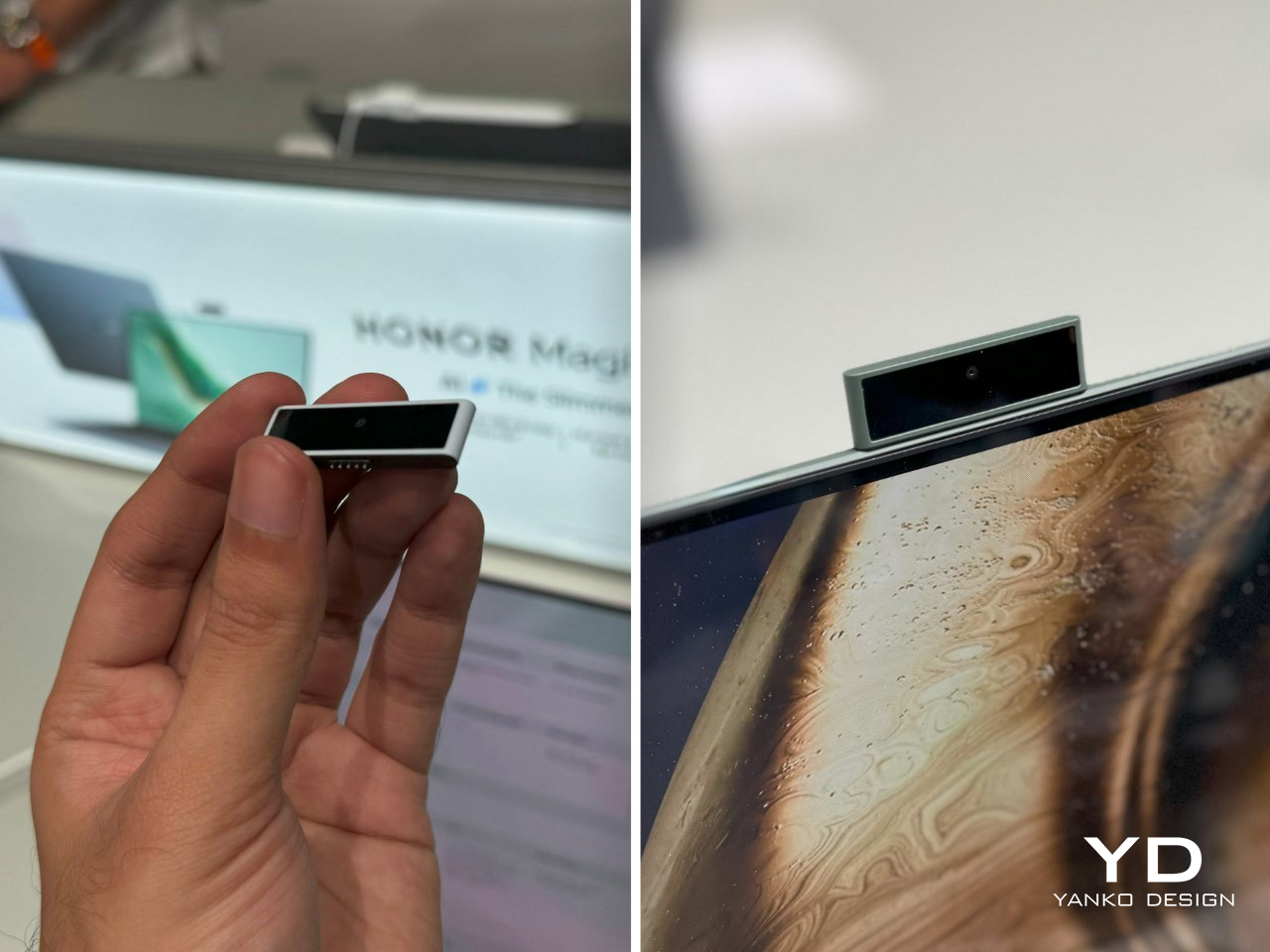
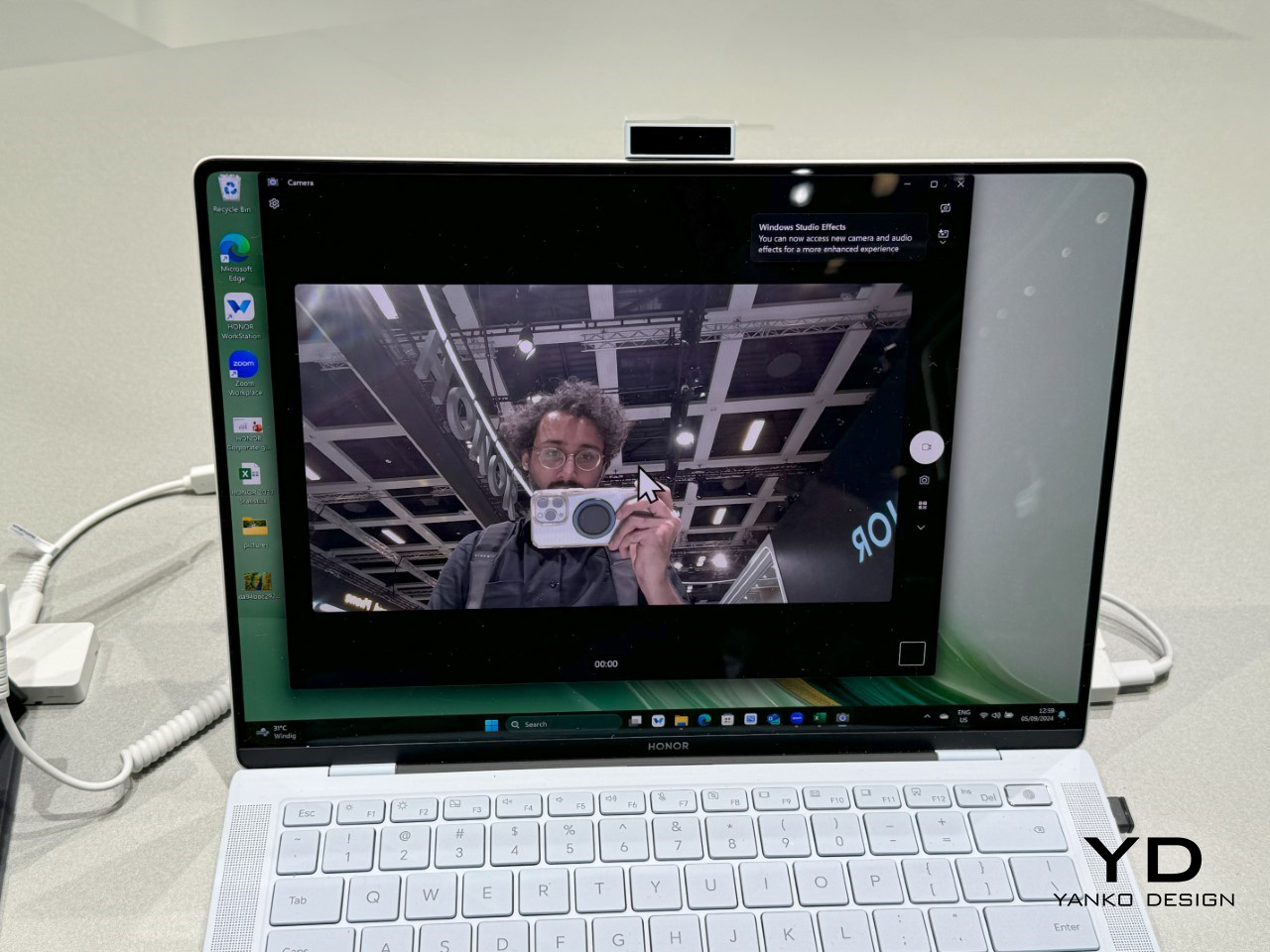
We’ve seen laptops try to fight thick bezels in the past. Some have just ditched the webcam entirely (like my Acer ROG Strix G15), others opted for the notch (a la MacBook), while Honor’s always tried to be different. Their previous version of the MagicBook put the camera inside a faux pop-out key in the keyboard… something that later turned out to be less popular because of the weird chin-facing angle. However, Honor’s decided to counter that with an idea that it explains is better. Instead of tucking the camera away inside the keyboard, Honor’s Magicbook Art 14 tucks it underneath the keyboard. Look on the side (near the ports) and you’ll find the camera tucked away inside the chassis. Pop it out and it’ll magnetically snap on top of the screen (where webcams deserve to be), giving you an instant webcam just when you need it. No Bluetooth, no connectivity issues, nothing. The webcam uses magnets to align perfectly, and pogo-pins to transmit video at 1080p. Flip it over and dock it in place and the webcam becomes a front-facing camera, or flip it back for a traditional selfie-style webcam. The webcam doesn’t have any batteries inside (making it super thin and lightweight), which means you can just pull it off the top of your screen when you want privacy. Just don’t lose it, because Honor doesn’t sell the webcam separately.
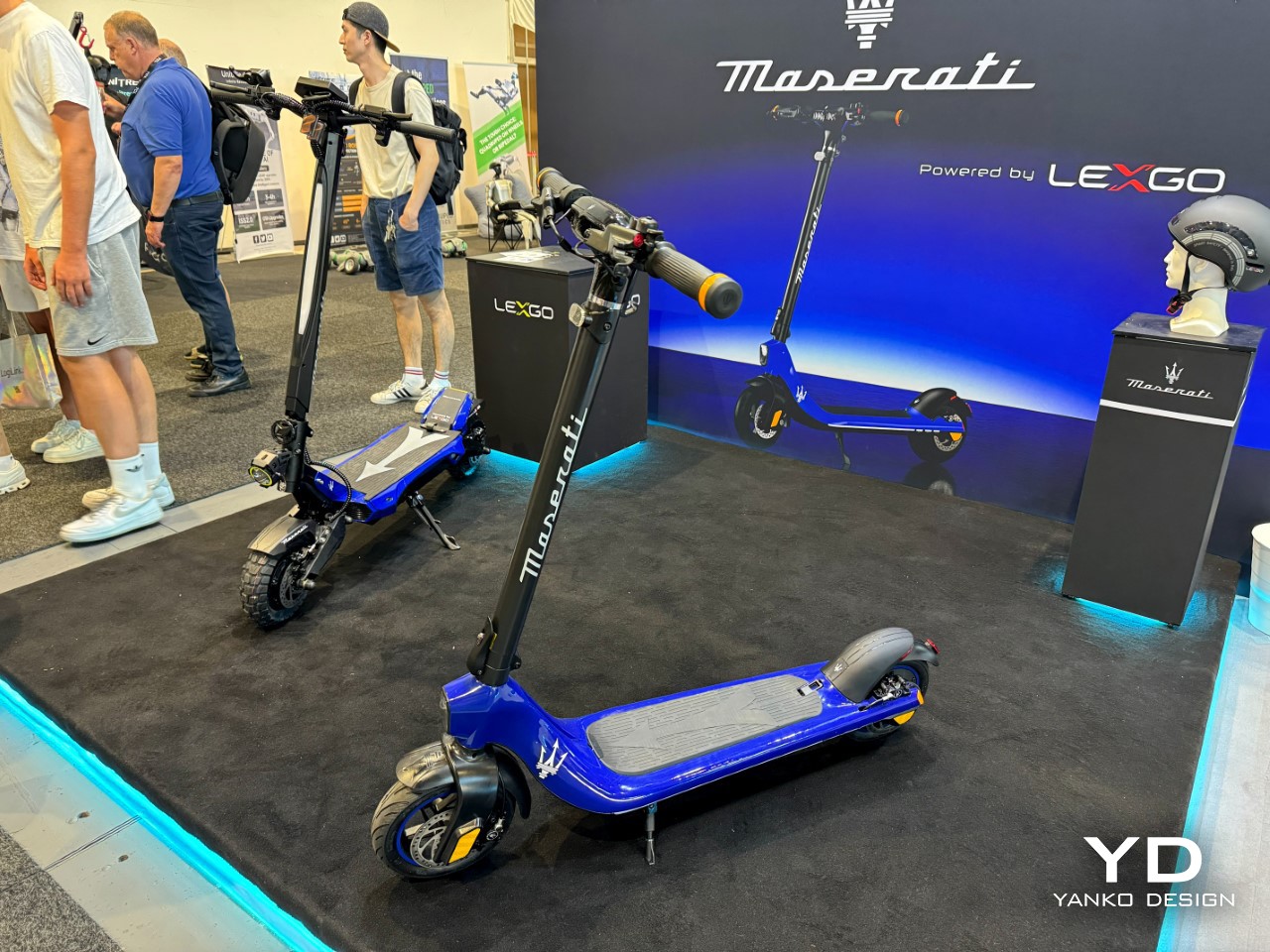
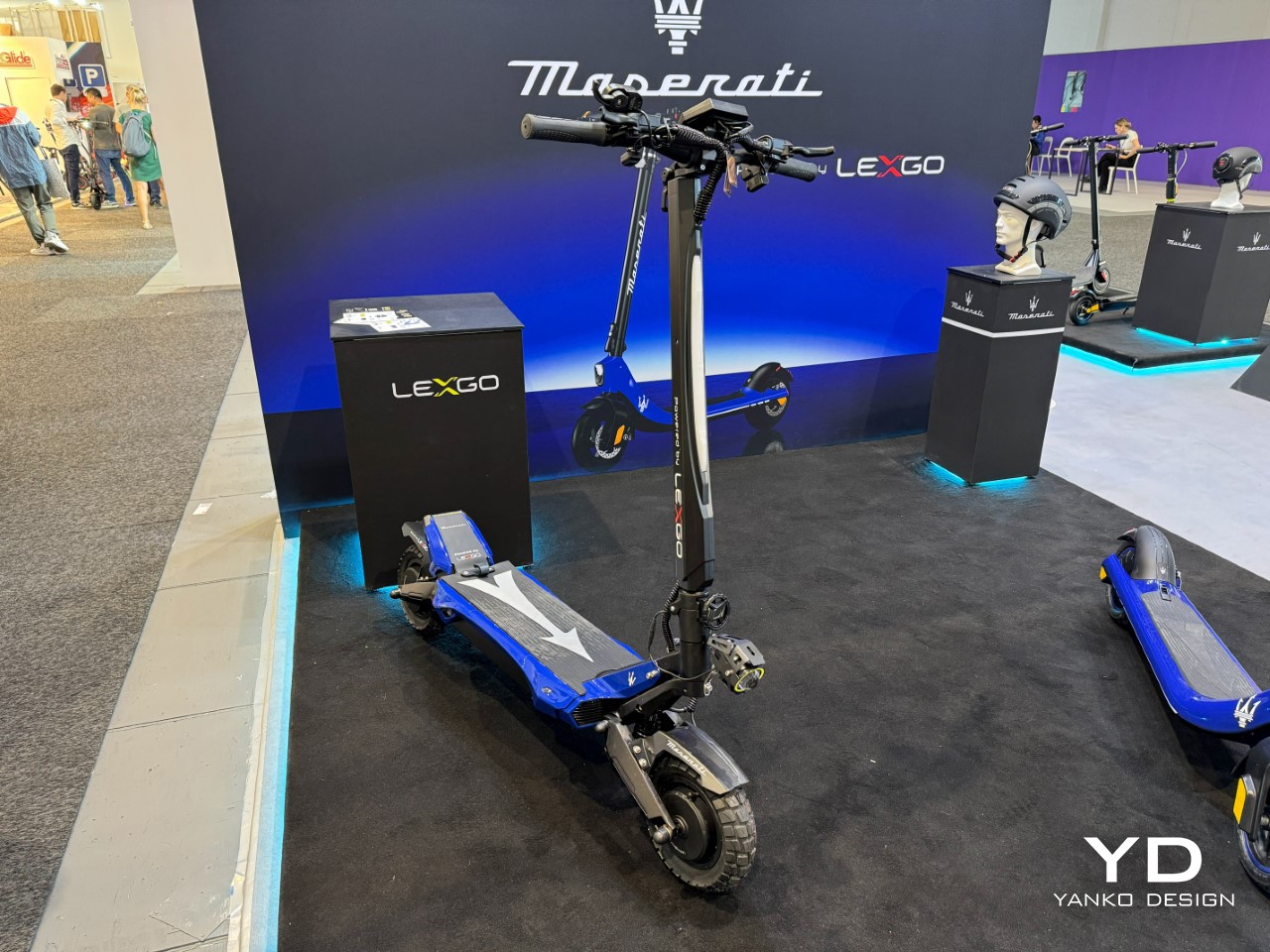
Maserati has long been synonymous with high-performance cars, but now it’s taking its love for speed and style to the streets in a more accessible way—through two wheels. Teaming up with electric mobility specialists LEXGO, Maserati has expanded its name into the world of e-scooters with two sleek models: the Armonia and the Lampo, which we spotted on the floor of IFA at Berlin this year. If that pairing alone doesn’t grab your attention, the scooters come packed with premium features, including Apple’s Find My technology, merging high-end design with smart functionality.
These e-scooters are designed to cater to city dwellers who want more than just a basic ride to work. Think of it as your everyday commute with a side of prestige—after all, the iconic trident logo isn’t just for show. With Maserati branding comes a certain level of expectation, and both the Armonia and Lampo deliver by blending Italian design aesthetics with urban mobility needs.
Designers: Maserati & LEXGO
Armonia: Style and Simplicity
The Armonia scooter lives up to its name, translating to “harmony” in Italian. Designed for the everyday commuter with a taste for elegance, the Armonia doesn’t just look good—it’s built to last. The frame is made from magnesium alloy, a material chosen for its strength, durability, and lightweight. This makes the Armonia not only stylish but also highly portable. The foldable design further enhances its convenience, perfect for urbanites who need to stow it away in tight spaces like apartments, offices, or public transport.
Powered by a 400W motor, the Armonia reaches a top speed of 25 km/h, keeping it compliant with European regulations while offering sufficient power for inner-city commutes. The 36V battery gives it a solid range of about 60 kilometers, making it ideal for quick daily trips. With a sharp, easy-to-read display, riders can easily monitor speed and battery levels while navigating the city streets.
Lampo: Lightning Fast
If you’re looking for something with more bite, the Lampo (which means “flash” in Italian) takes the stage. Unlike the Armonia, the Lampo packs two 1000W motors (one in each wheel), giving it a top speed of up to 60 km/h. This is no leisurely ride—it’s built for those who want both speed and style in their urban transport. Whether you’re accelerating through traffic or hitting steeper inclines, the Lampo delivers a punchy performance.
The Lampo’s dual suspension ensures that this power doesn’t come at the cost of comfort. Whether you’re navigating bumpy city roads or uneven terrain, the suspension smooths out the ride, keeping you comfortable even at higher speeds. Additionally, the Lampo is equipped with turn signals and a dual hydraulic braking system. And like the Armonia, the Lampo is also foldable, so you can easily tuck it away when not in use.
With a 52V battery, the Lampo extends your range to about 100km in single drive, or 70km if you use both motors in tandem. It’s a blend of function and excitement for riders who want the Maserati experience on two wheels.
Apple’s Find My: The Tech Edge
In a nod to modern convenience, both the Armonia and Lampo come equipped with Apple’s Find My technology. Lose your scooter in a crowded parking lot? No problem. Just pull out your iPhone, open the Find My app, and you’ll know exactly where your ride is. Sure, the e-scooters can be locked with a virtual password, but in case an unwitting thief decides to take off with your ride after spotting the Maserati logo on them, Find My helps you track precisely where your two-wheeler is.
Smart Helmet: Safety Never Looked So Good
Maserati and LEXGO didn’t stop at just scooters. They’ve also introduced the Smartee-1 smart helmet to round out the package. The helmet comes with built-in LED lights that sync with your scooter, whether it’s a taillight that automatically shines on braking, or turn lights that glow when you indicate before turning, or even the headlight that adds to your visibility while driving. The Smartee-1 is IPx5 water-resistant, and comes with a sleek design that’s won a Red Dot Design Award for the year 2024.
The first-person shooter Doom has so many ports on so many different consoles and computers that modders have had to find new places to port the game like autonomous lawnmowers, digestive bacteria and even in Doom II itself.
One port that’s not nearly as popular or playable as the others is the Sega Saturn port that came out nearly four years after the game’s release. Gamespot’s Jeff Gerstmann called the Sega Saturn Doom port just about everything you can call a bad game without straying over the the boundaries of good taste: “completely worthless,” “drab,” “jerky,” “to be avoided at all costs.”
Bo, a self-described reverse engineer of Sega Saturn games, gave the Sega Saturn port of Doom another chance and he discovered a cheat code in the game that’s been laying dormant for more than a decade. He posted the secret cheat code he found on X.
Here's a cheat code for the Saturn version of DOOM that I think has gone unnoticed since 1997. Pause the game and press: X, Right, B, Y, X, Right, B, Y
The button combination X, Right, B, Y, X, Right, B, Y gives you the ability to see through the walls of the Mars substation and even Hell. It’s too bad the game doesn’t have a cheat code that lets you see a better version of Doom.
This article originally appeared on Engadget at https://www.engadget.com/gaming/someone-discovered-a-new-cheat-code-for-the-27-year-old-saturn-port-of-doom-230059377.html?src=rss
Google announced that it has entered a partnership with Holocene to support its direct-air capture technology for collecting and removing carbon dioxide emissions from the atmosphere. Under this $10 million deal, Google will purchase carbon removal credits from Holocene at a rate of $100 per metric ton. This is the price the US Department of Energy set as a goal for direct-air capture technology to make it a viable part of efforts to reduce the rate at which we emit carbon dioxide into the atmosphere.
As the name implies, direct-air capture can collect carbon dioxide out of the air, then concentrate the gas to be stored in underground reservoirs. It sounds great in theory, but the technology has proven expensive and difficult to scale. Google said its support should allow Holocene to capture and store 100,000 tons of carbon dioxide from the atmosphere by the early 2030s, in addition to helping the company further refine its DAC technology. Holocene has a more detailed explanation of its DAC approach on its website.
Sustainability has become an important talking point for a lot of big tech. Google has made a big investment in buying carbon offsets, enough that it claims to have eliminated its entire "carbon legacy," and it aims to be carbon neutral by 2030. But its greenhouse gas emissions have risen almost 50 percent in the past five years thanks to the intensive data center demands of AI usage.
This article originally appeared on Engadget at https://www.engadget.com/big-tech/google-announces-deal-with-direct-air-capture-startup-to-remove-carbon-emissions-225627149.html?src=rss
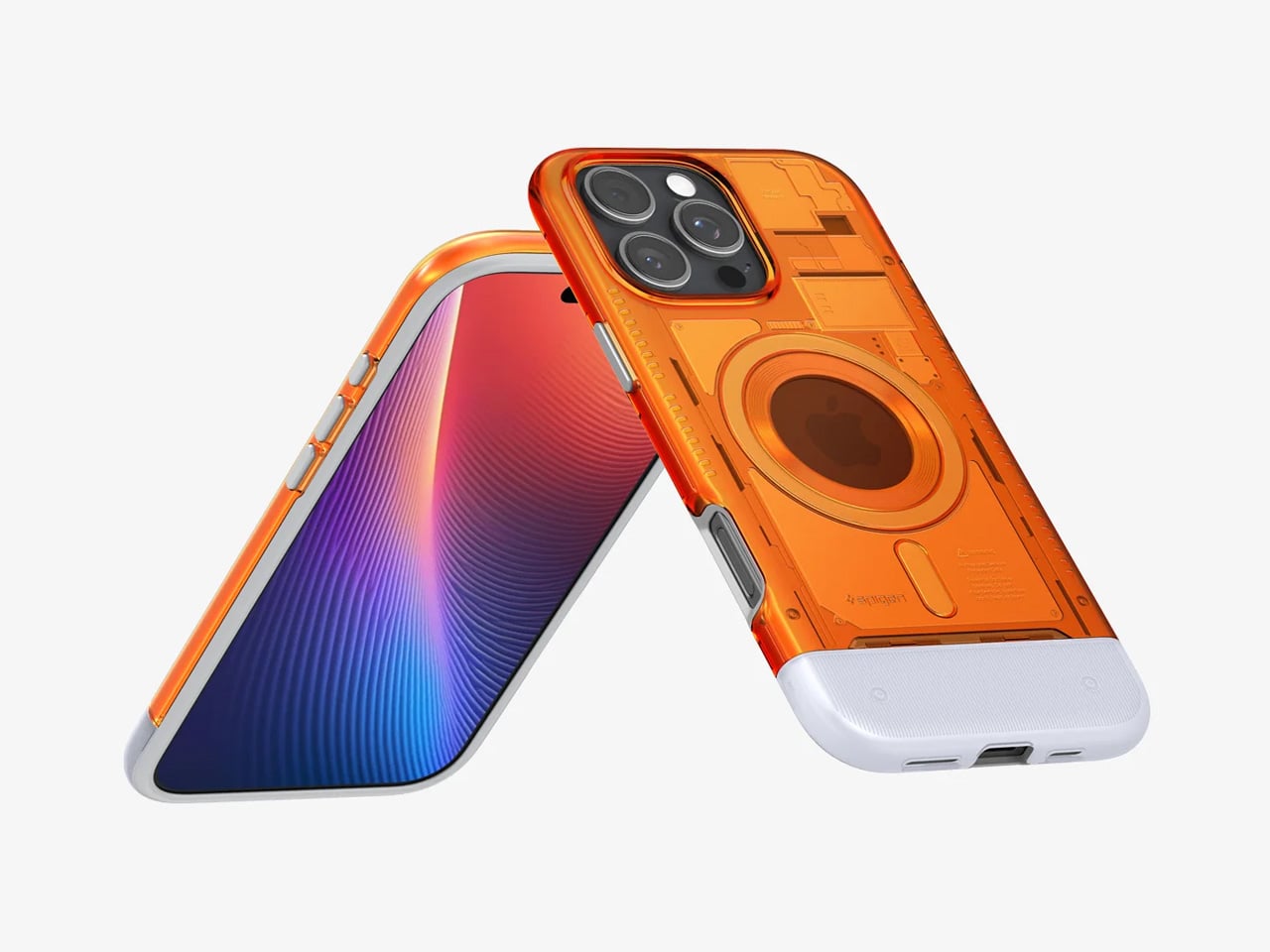
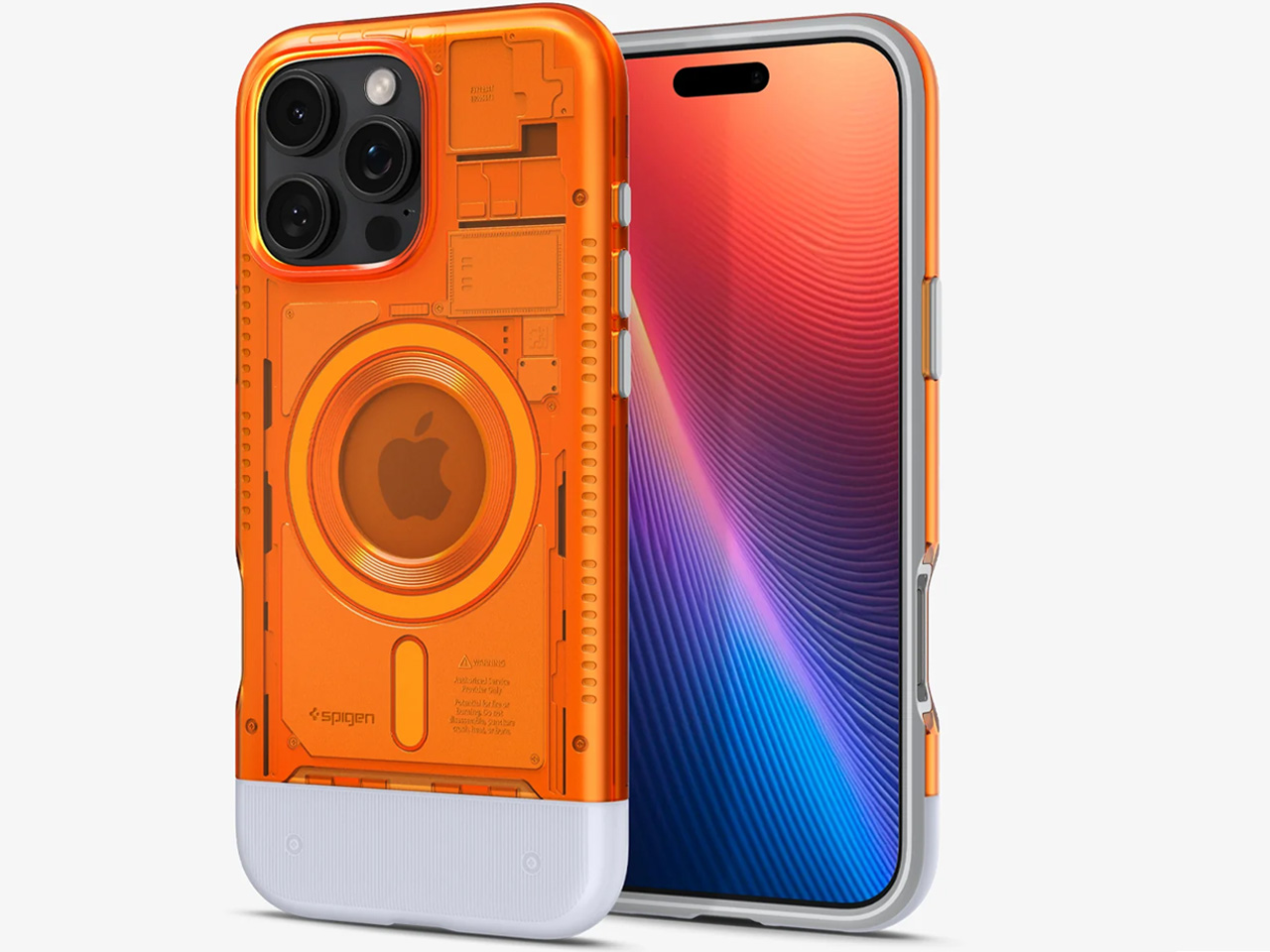
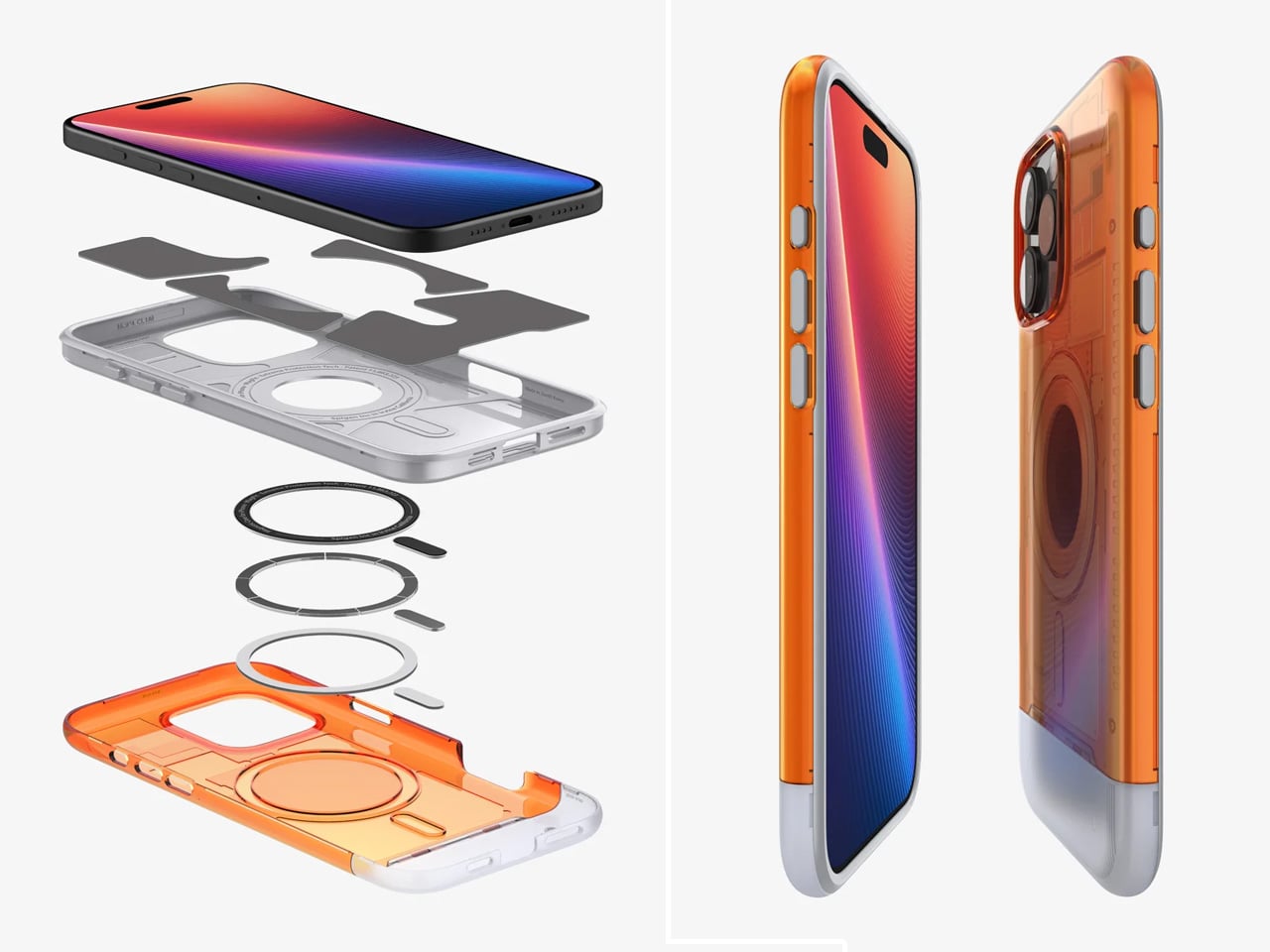
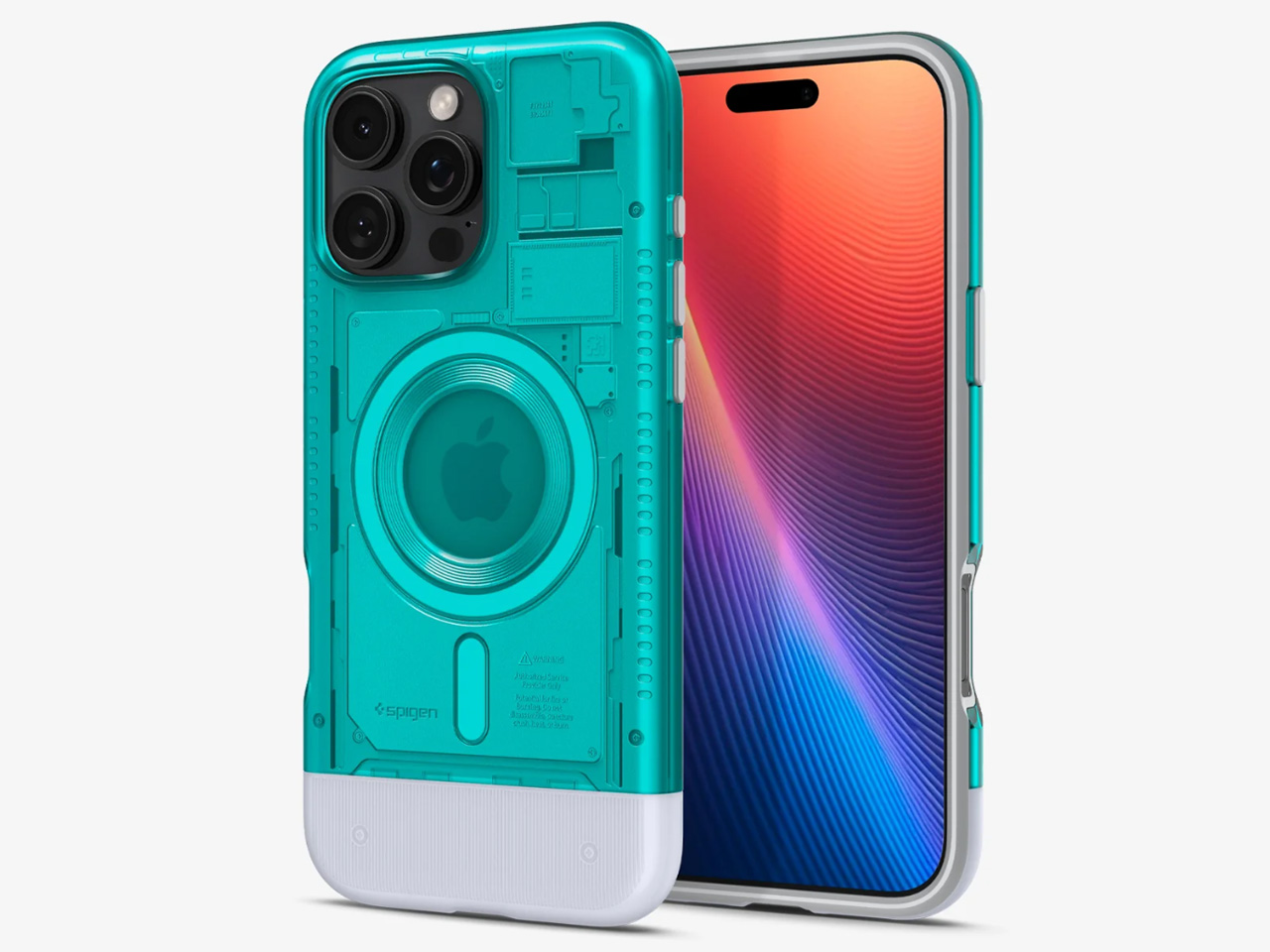
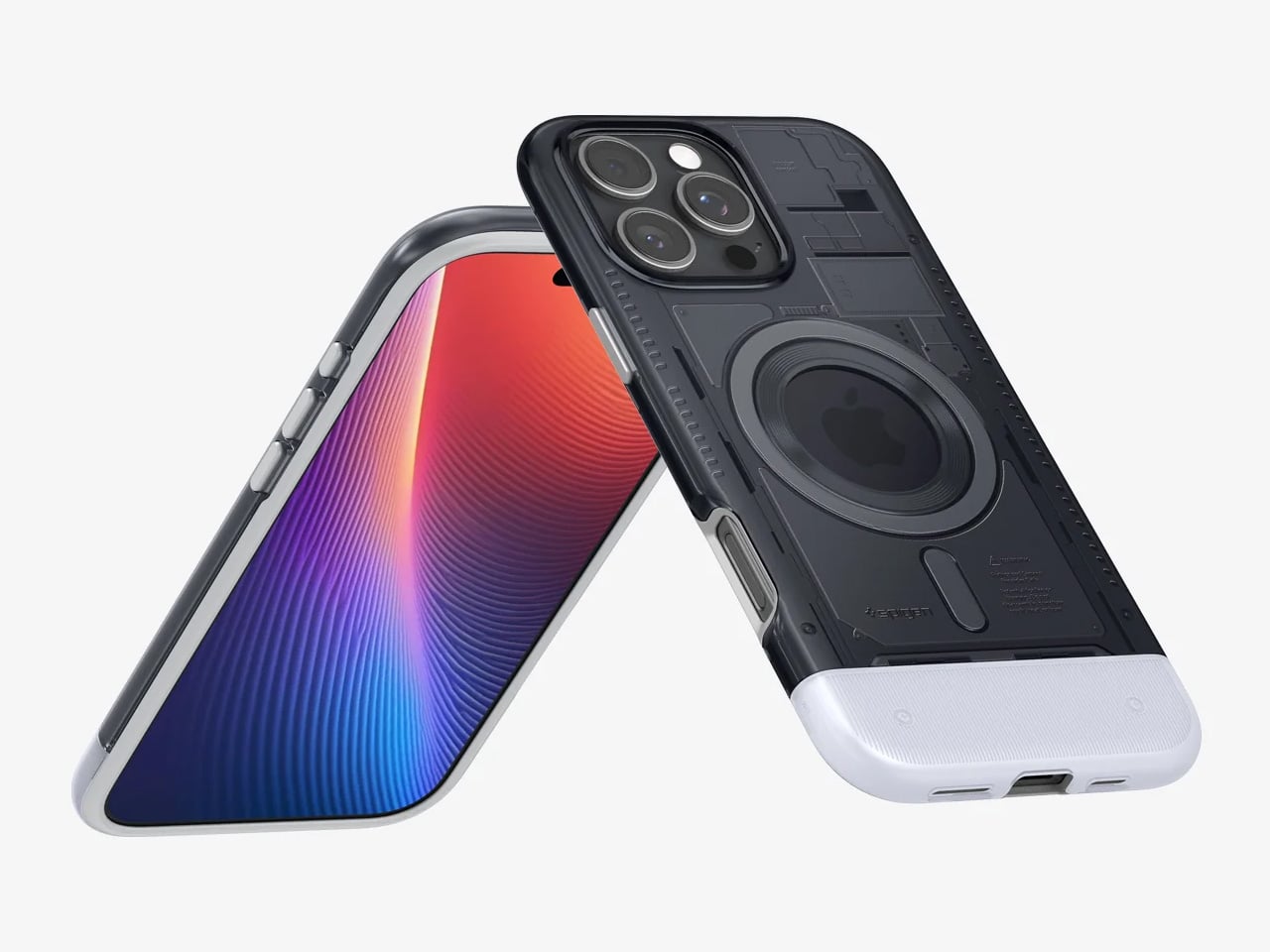
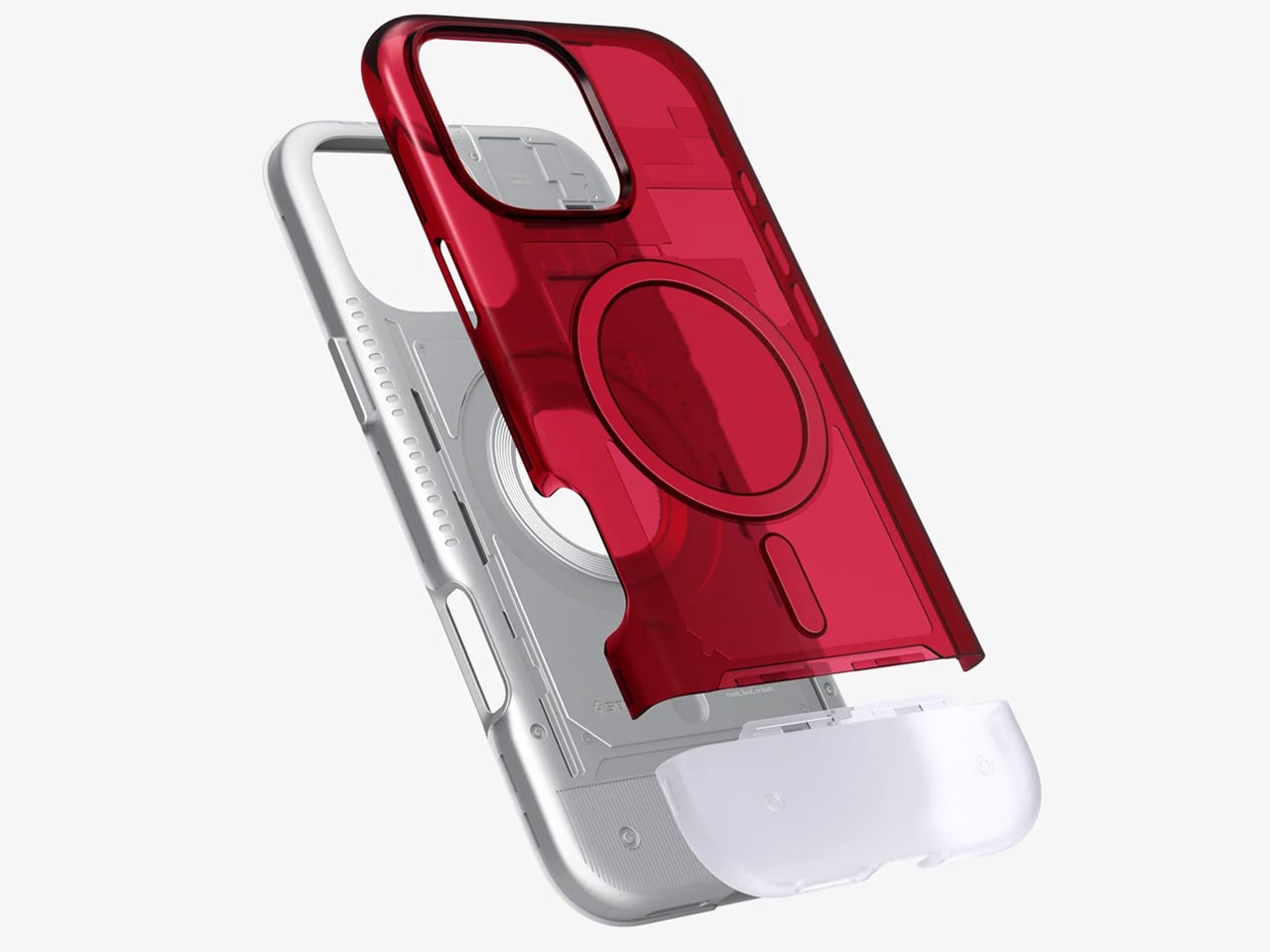
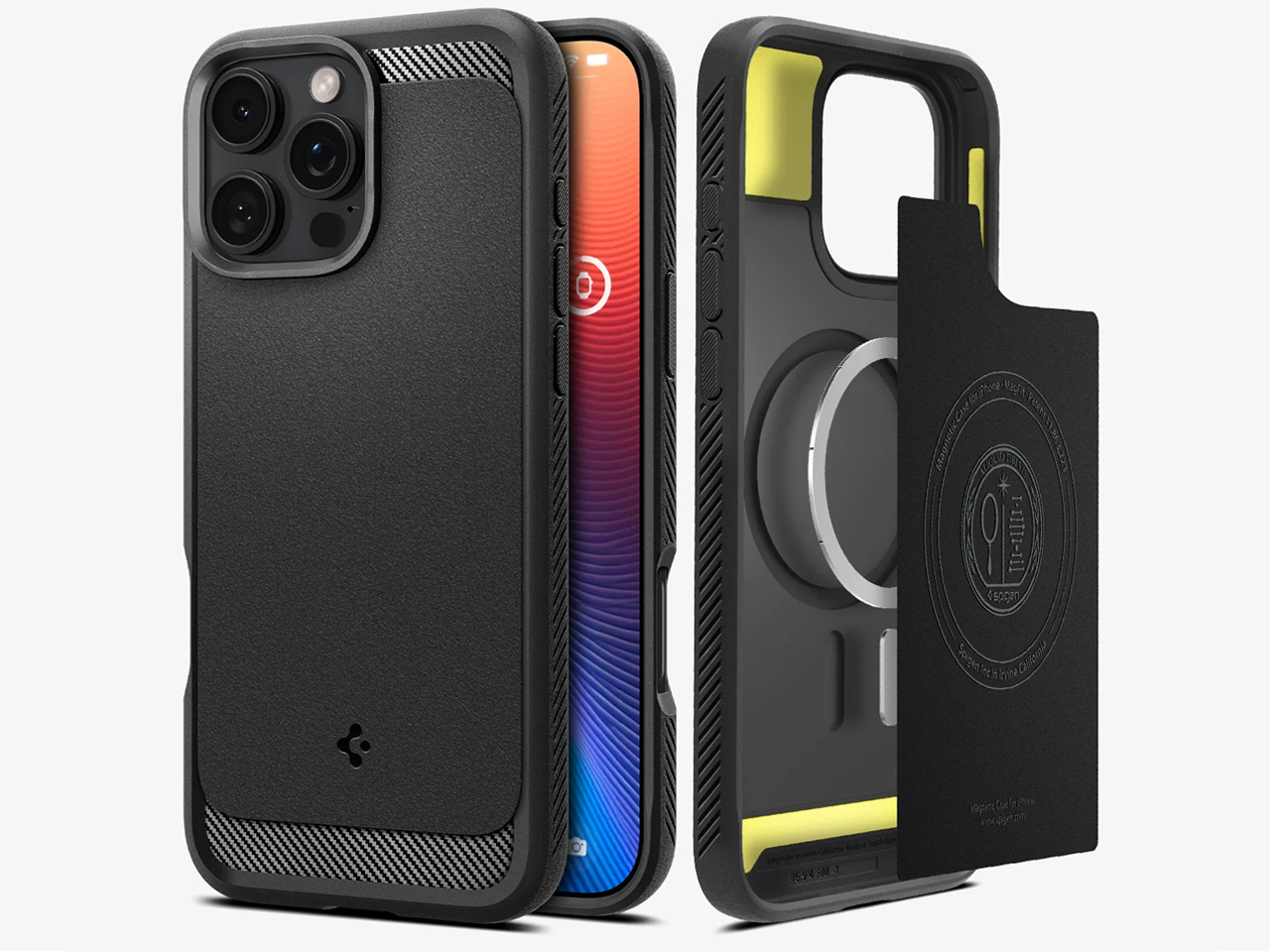
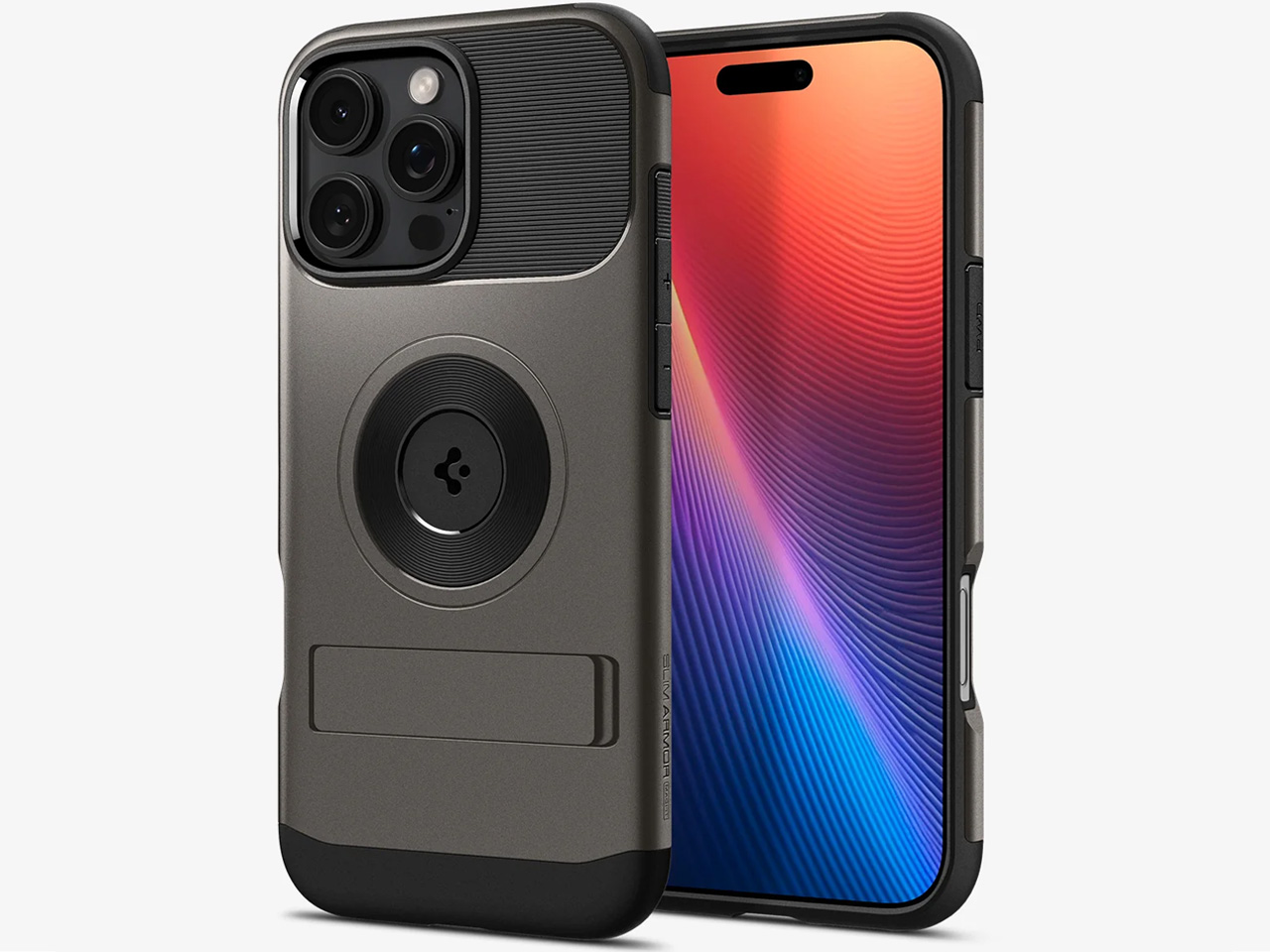
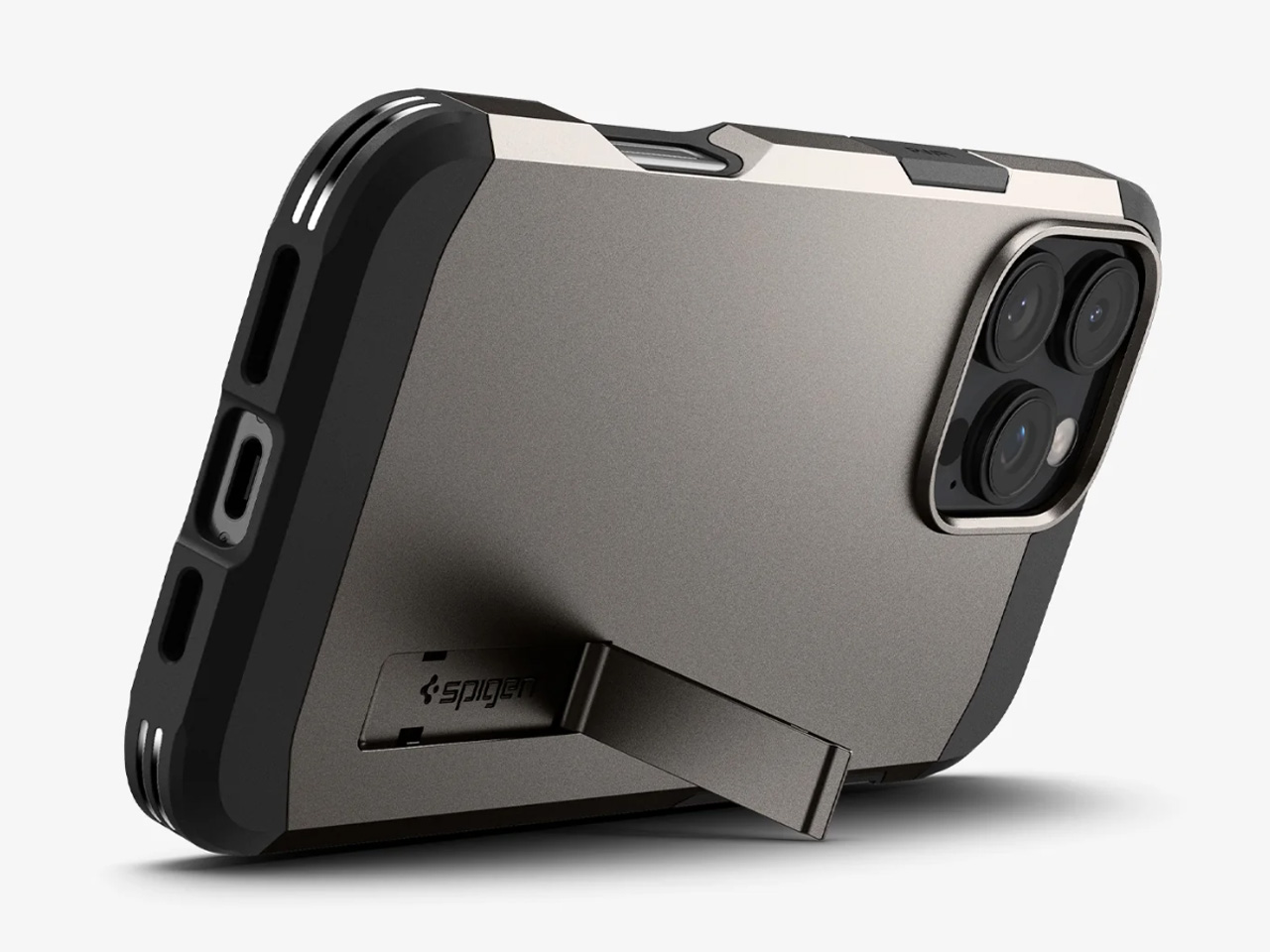
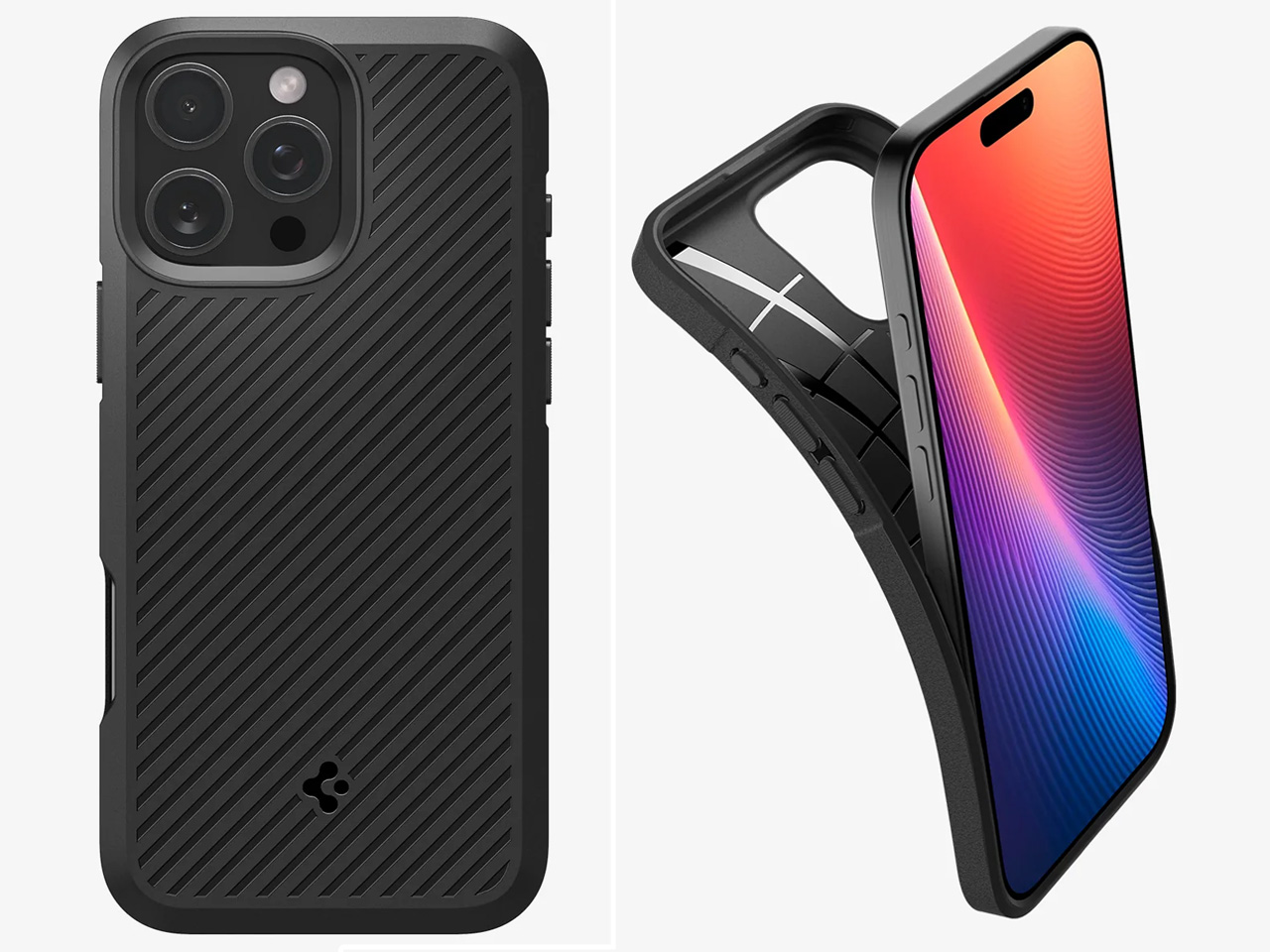
Apple launches a new iPhone lineup every year and accessories makers step up to the challenge, delivering the finest MagSafe-compatible protective cases, ensuring the new iPhones stay safe and secure while looking good. At the launch of the new iPhone 16 devices, accessory maker Spigen – a name trusted by iPhone users for over a decade – has launched compatible cases to protect, accessorize, and power the new Apple devices.
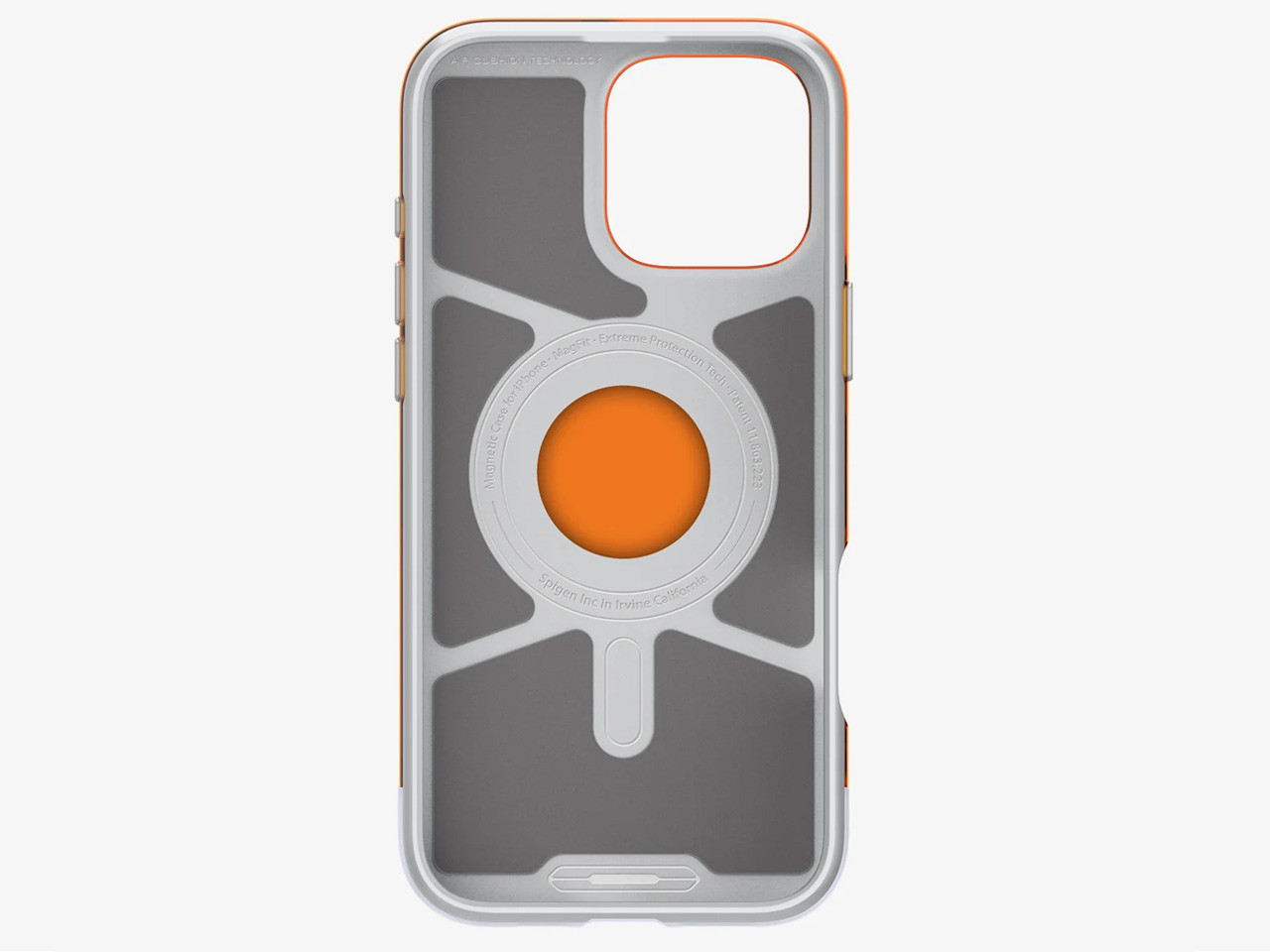
To ensure the protective iPhone 16 cases remain essential to the users, Spigen has plenty of options, and most of them comply fit in its MagFit ecosystem: Cases that protect and keep the secured iPhone compatible with MagSafe charging and the world of snapping accessories. All these Spigen covers take care of the size alteration and the new capture button of the iPhone 16.
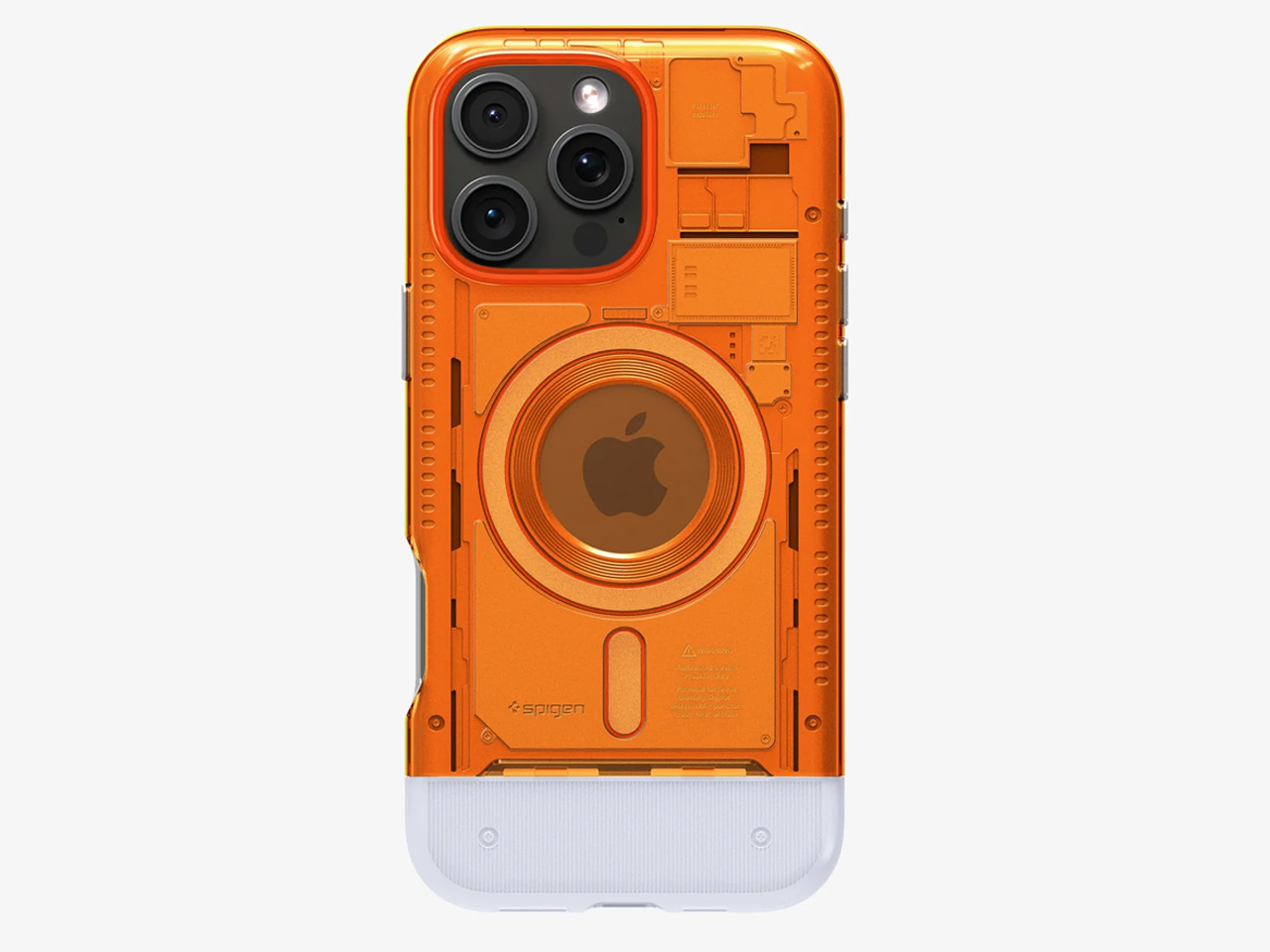
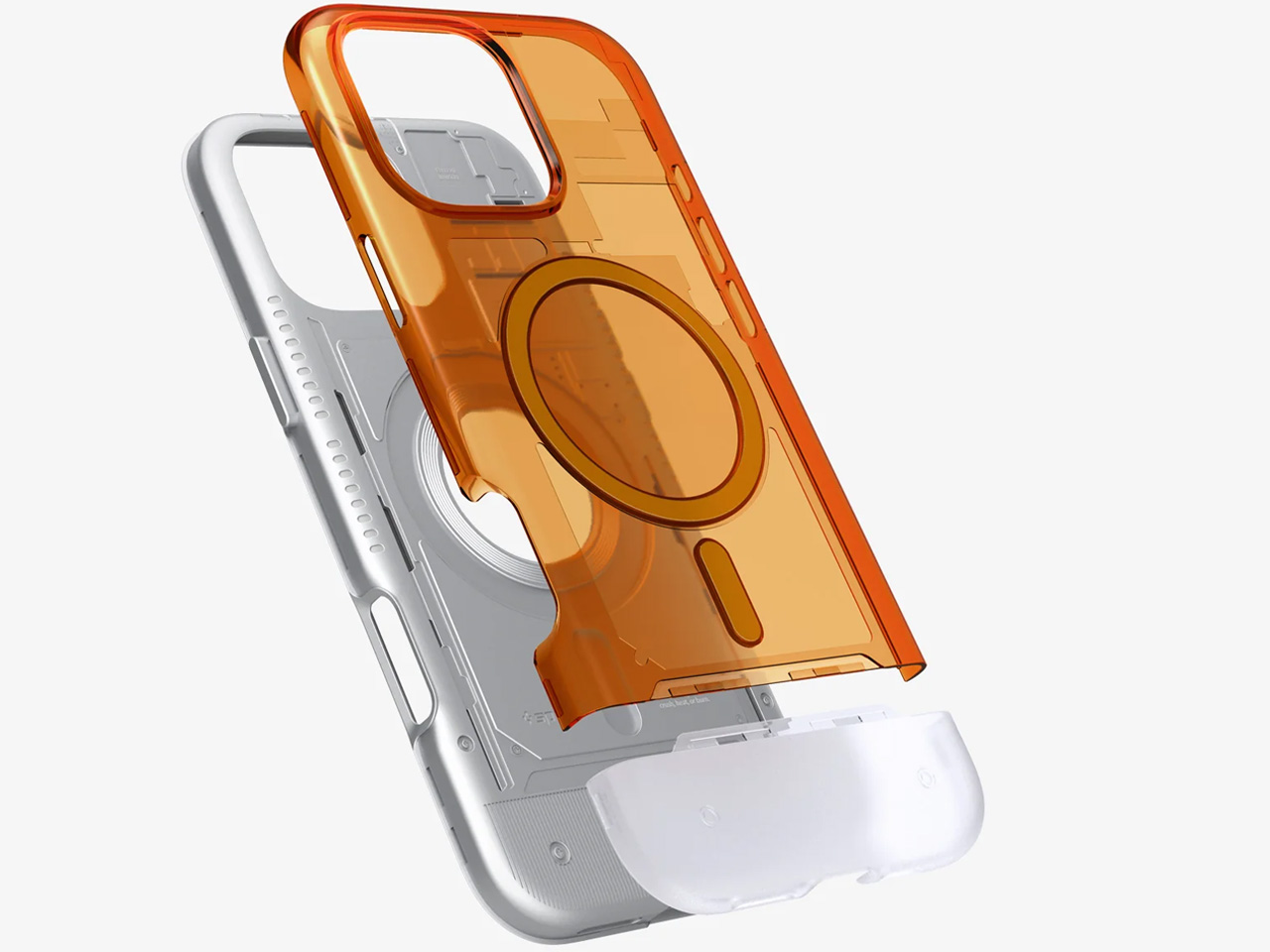
Leading the pack, and for me, the most outstanding option in the collection is the iconic iMac G3-inspired case. Dubbed the Classic C1 and priced $59.99, this tribute to one of the most fashionable computers of the day, the C1 like the iMac G3 itself is all about the candy colors. Available in four color options – tangerine, Bondi blue, graphite, and ruby – and made from a two-piece PC and TPU, the iPhone 16 cases with its retro translucent design, are from the MagFit ecosystem and fashioned out for total MagSafe compatibility.
If you’re not the type who would want to travel back in time with the retro translucent design of the C1, but want a rugged phone case for additional protection against accidental falls; Spigen has the Rugged Armor (MagFit) priced at $39.99. Delivered with carbon fiber detailing and multi-layered bumper protection on all corners, the Armor is ready to take a punch. Moving on, with slimness in its name is the Slim Armor. This $54.99 case is MagSafe compatible and despite the form factor it conditions your iPhone to be in safe custody.
AI is the buzzword of late, and even the accessories maker wants to jump onto the bandwagon. To that accord, Spigen Tough Armor AI ($59.99) arrives with the power of artificial intelligence to protect the iPhone 16. Featuring XRD foam construction on the corners and thousands of impact data for trusted defense, the case is thrown in with a kickstand for undeniable user convenience. If you’re not willing to shell out 40-50 bucks for a protective iPhone 16 cover, Spigen has a more economical Core Armor in the collection. At $29.99, the Core Armor gives your iPhone 16 a sleek matte finish and grooves for extra good grip.
It's the day after Apple launched the iPhone 16, and though I published my hands-on with the iPhone 16 Pro right after the event, I didn't have a lot of time to spare for the base models until today. With that extra time, I've been able to learn more about the differences between the standard iPhone 16 and the iPhone 16 Pro, and honestly I'm pleasantly surprised that there aren't that many.
One of the most obvious ways to tell the iPhone 16 and iPhone 16 Pro apart is in their color selections. The entry-level series has a pleasant, vibrant array of colors this year, with the teal, pink and blue options really catching my eye. These hues are saturated and punchy, compared to the light pastel shades from recent years. I especially like how deep the "ultramarine" blue is — the pictures don't do any of these finishes justice.
The entire iPhone 16 series has the new camera control, meaning you can use the hardware switch to launch the camera app, and then tweak settings like zoom, depth and tone. Having played with them both, I can confirm that they're equally clicky and satisfying to use. Unlike last year, where only the Pro models got the Action button, the iPhone 16 has similar controls, so you're not missing out on a dedicated key by opting for a cheaper model.
You also gain the ability to record spatial video and audio, thanks to the iPhone 16's updated cameras. In addition to a new ultrawide camera with autofocus and support for macro shots, the sensors have been realigned and are now vertically stacked atop each other. Most intriguing is that the iPhone 16 will also support the new Audio Mix feature that lets you more finely control the voices and sounds in your footage after capture.
Cherlynn Low for Engadget
It'd be easy to assume that the "four new studio-quality mics" on the iPhone 16 Pro are what's behind Audio Mix, but it appears to just be the ability to record spatial audio that enables the new feature. With this you can go into the iPhone 16's video editing interface, tap the tab for Audio Mix and choose between "In-frame," "Cinematic" and "Studio" options. The first one isolates the sound from subjects in the scene and cuts out background noise, while Studio mimics the acoustic environment of a recording studio, complete with dampening walls. Cinematic, meanwhile, consolidates all the sounds in the front and center of the space.
I was able to get a demo of the Audio Mix feature, and was really impressed that the iPhone 16 was able to isolate voices of people it recorded speaking in an echoey outdoor deck in Apple's new Observatory space. Not only did switching between the different mixes effectively change how loud the various sources of sound were, but it was also nice to learn that you can tune the volume of specific streams in each profile. This is something I'm going to want to play with a lot more to better understand it, but for now I'm very intrigued by the possibility of using an iPhone 16 for future Apple event videos.
One disappointing exclusion from the iPhone 16 is the multi-track recording feature coming to iPhone 16 Pro. That Voice Memo update is only going to be available on the Pro models.
In fact, here are the main upgrades if you spring for a Pro: ProMotion screens with higher refresh rates and Always On Display, as well as superior camera hardware with a 48-megapixel ultrawide lens and a 5x telephoto option. The premium handsets also have support for 4K120p high-quality slo-mo footage and professional formats like ProRaw. The Pros also have the A18 Pro chip, compared to the iPhone 16's A18, and the differences mostly lie in GPU performance, so you might have a better time gaming on the more premium model.
Other differences are fairly minimal, like the titanium build and faster USB speeds on the Pros. In general, though, the iPhone 16 and iPhone 16 Plus feel like much less of a trade off for the cost savings, and you're also getting more fun colors. They also seem like a greater improvement from their predecessors, which is a welcome change after years of incremental changes.
This article originally appeared on Engadget at https://www.engadget.com/mobile/smartphones/iphone-16-hands-on-more-pro-than-i-expected-222843896.html?src=rss