
Star Wars: Galactic Racer lands on PC, PS5 and Xbox Series X/S on October 6
A $160 physical collector's edition includes a rad-looking landspeeder model.
Retro gaming handhelds have had a genuine second life in recent years. Original Nintendo hardware has been cloned, shrunken, and reimagined into increasingly unhinged form factors by modders who see the Game Boy lineup as the most suitable canvas for this kind of project. The builds have become their own subculture, where the unofficial requirement is always constructing something that makes everyone else feel like they aren’t trying hard enough.
YouTube creator Chris Hackmann, known online as LeggoMyFroggo, took things further than most. He spent more than two years building the Time Frog Color, a Game Boy Color shrunk down to wrist-watch dimensions. From the start, he gave himself three non-negotiable rules: it had to use the original GBC CPU, it had to accept physical cartridges, and it had to keep time when turned off. No emulation, no shortcuts.
Designer: Chris Hackmann (LeggoMyFroggo)
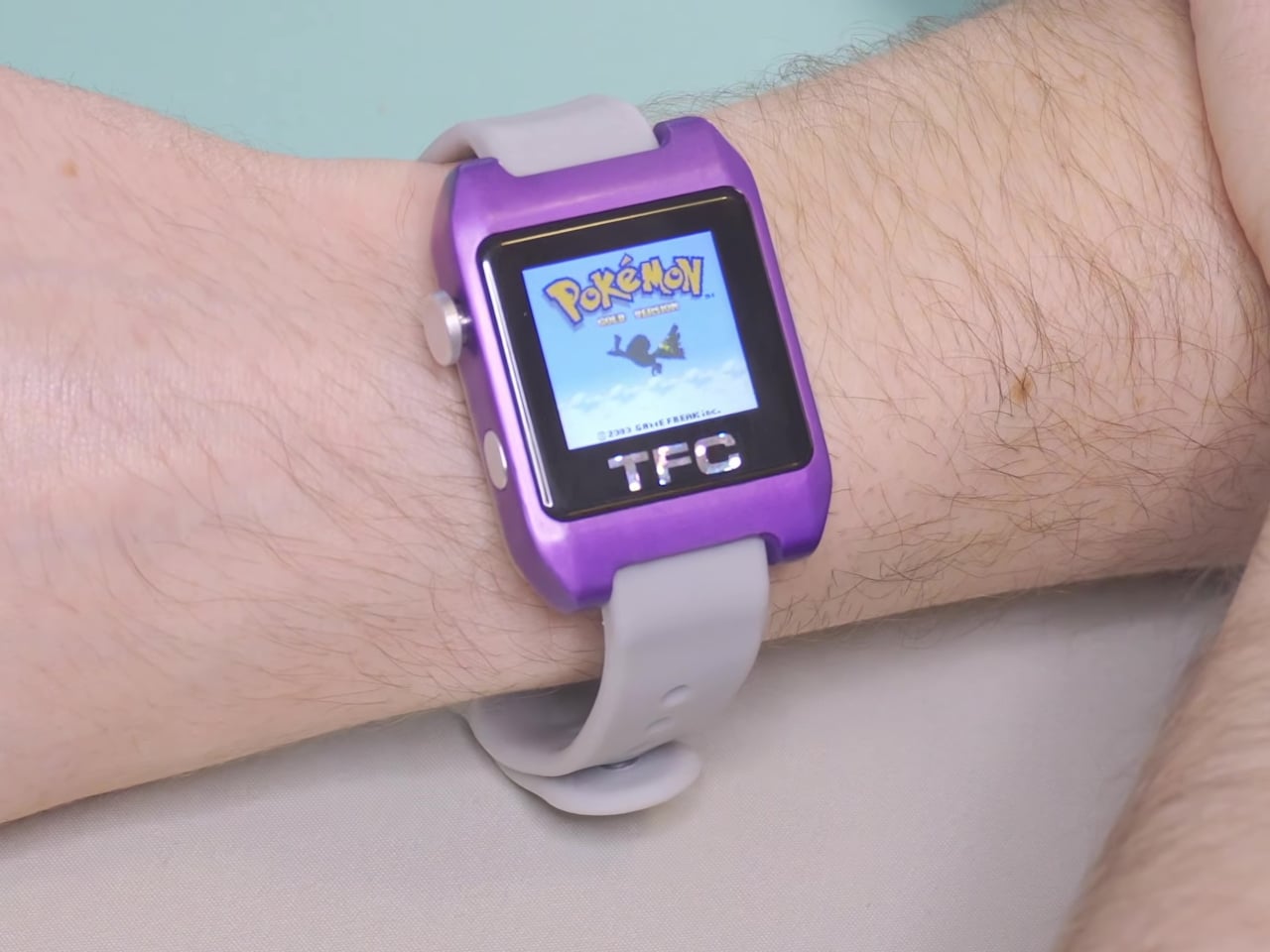
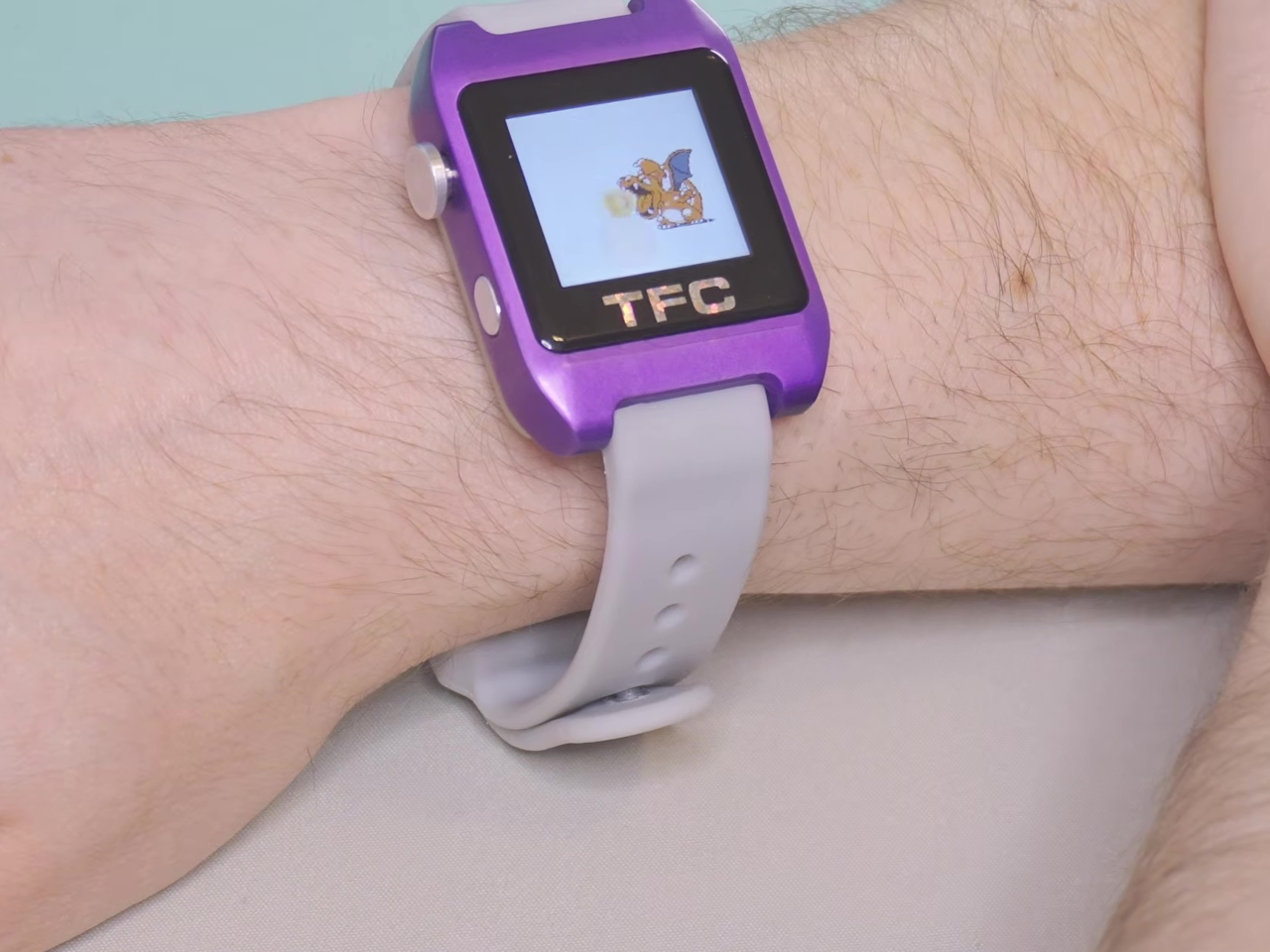
Those three constraints drove everything that followed. Standard GBC screens are too large, so the display was scaled down to a 1.12-inch LCD. That screen can’t read the GBC’s parallel RGB output natively, so an RP2040 microcontroller was added purely as a signal translator. This created the foundation for a stacked PCB arrangement, with an LCD driver board on the bottom and the CPU board sitting just above it.
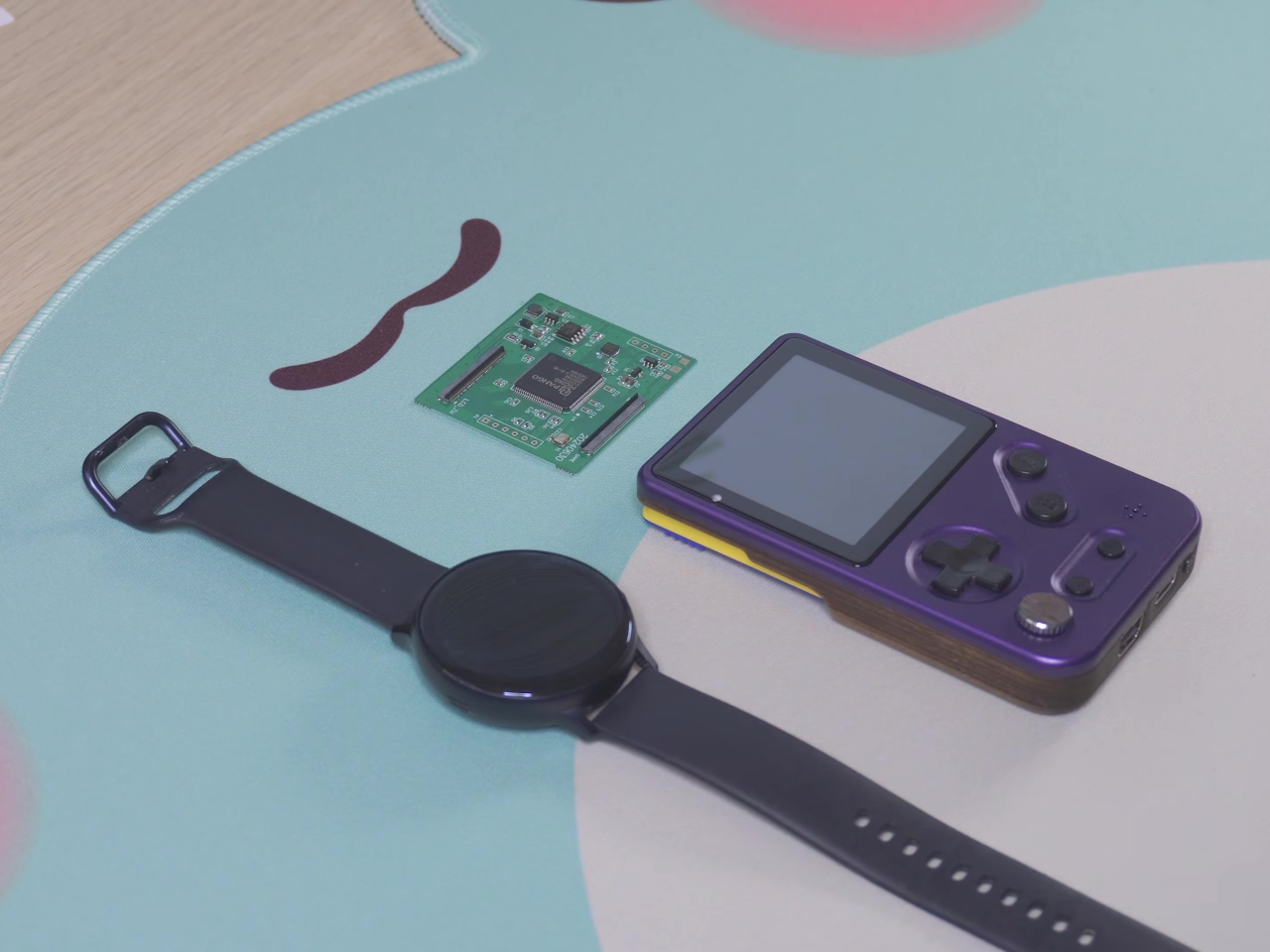
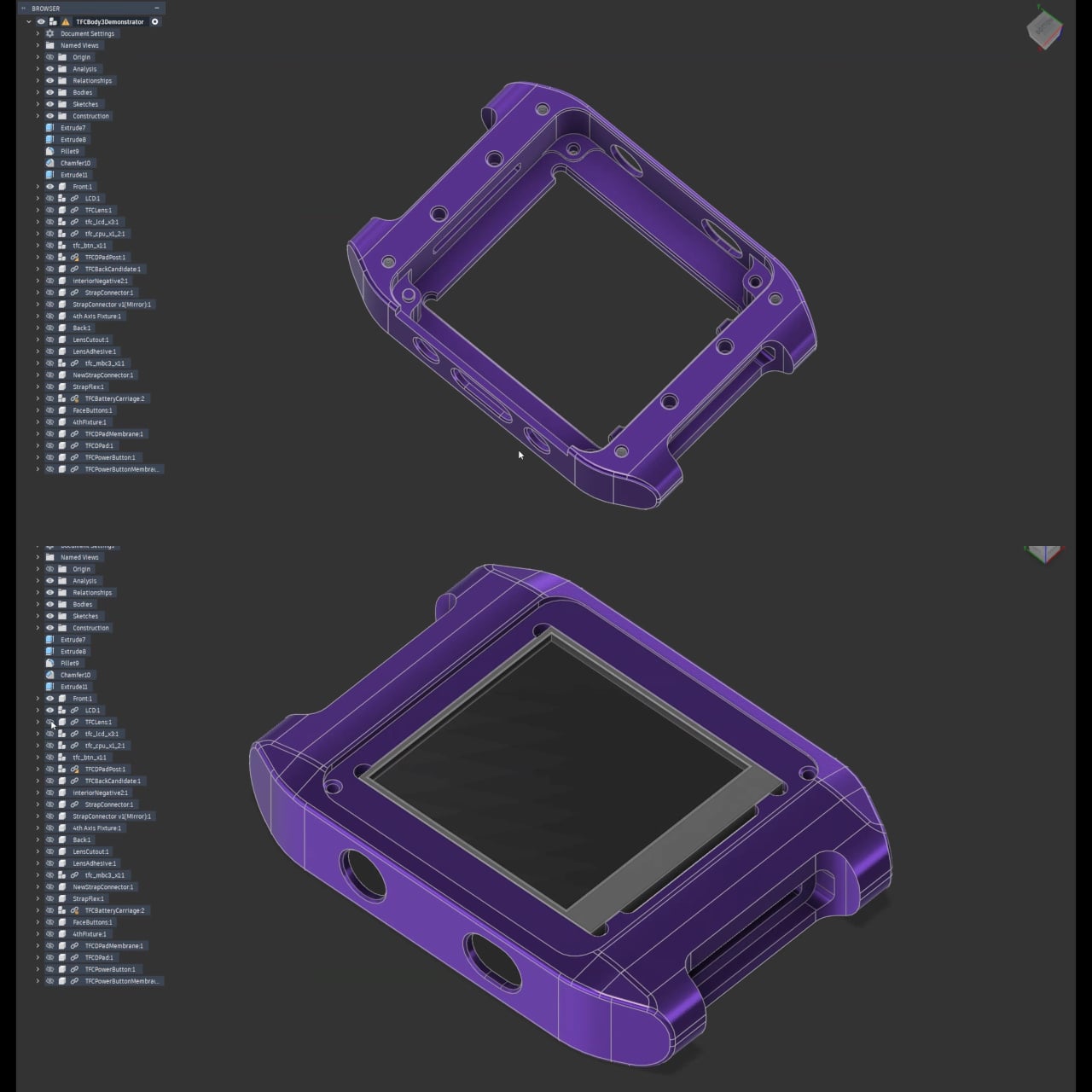
The cartridge requirement was its own puzzle. Standard Game Boy cartridge slots aren’t watch-sized, so Hackmann swapped the slot for an M.2 connector, the type normally found in NVMe computer drives. The custom cartridges that plug into it aren’t simple ROM cards; they’re full MBC3 flash builds with their own RAM, mapper chip, and a coin cell battery that keeps save files intact between sessions.
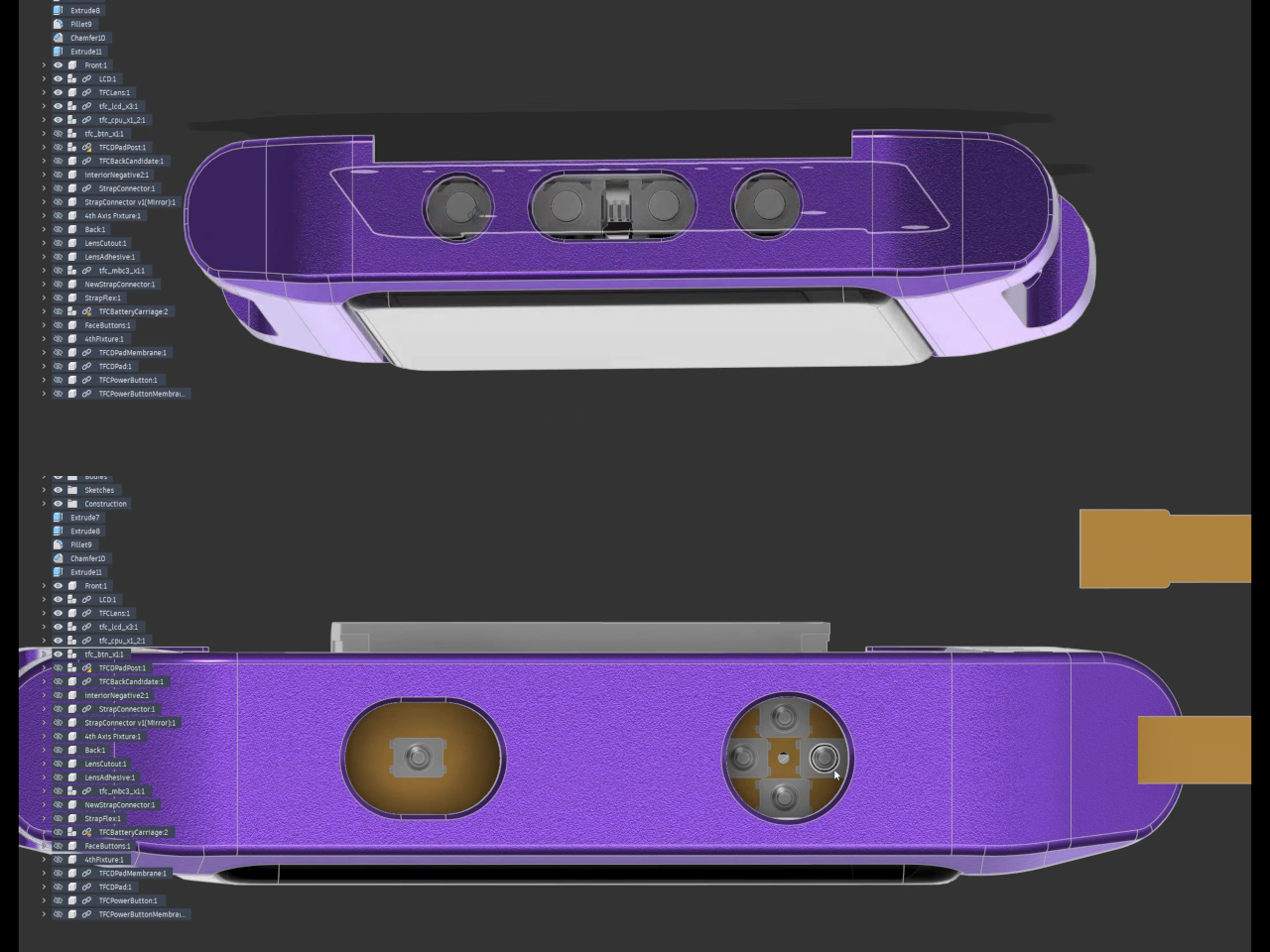
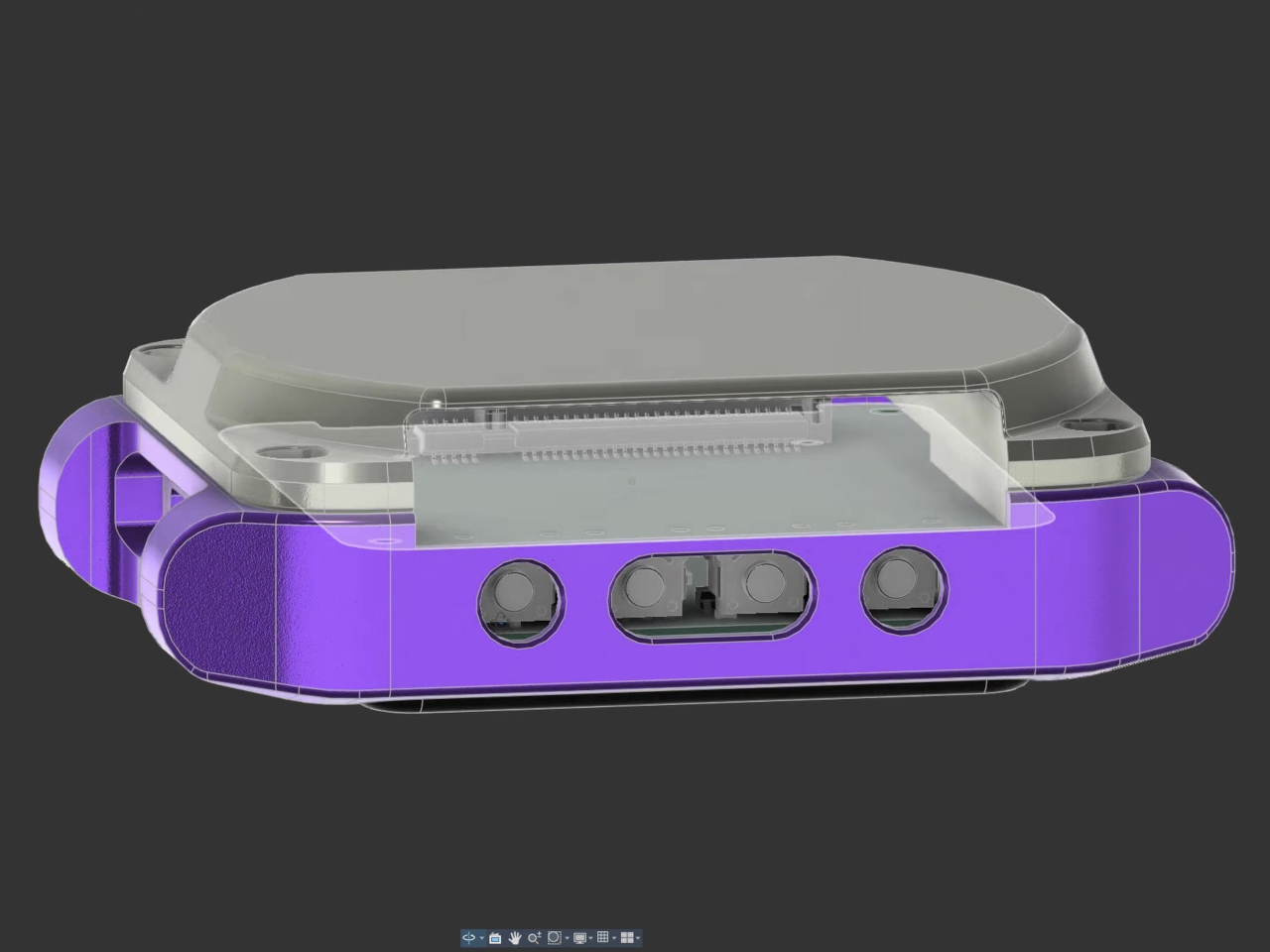
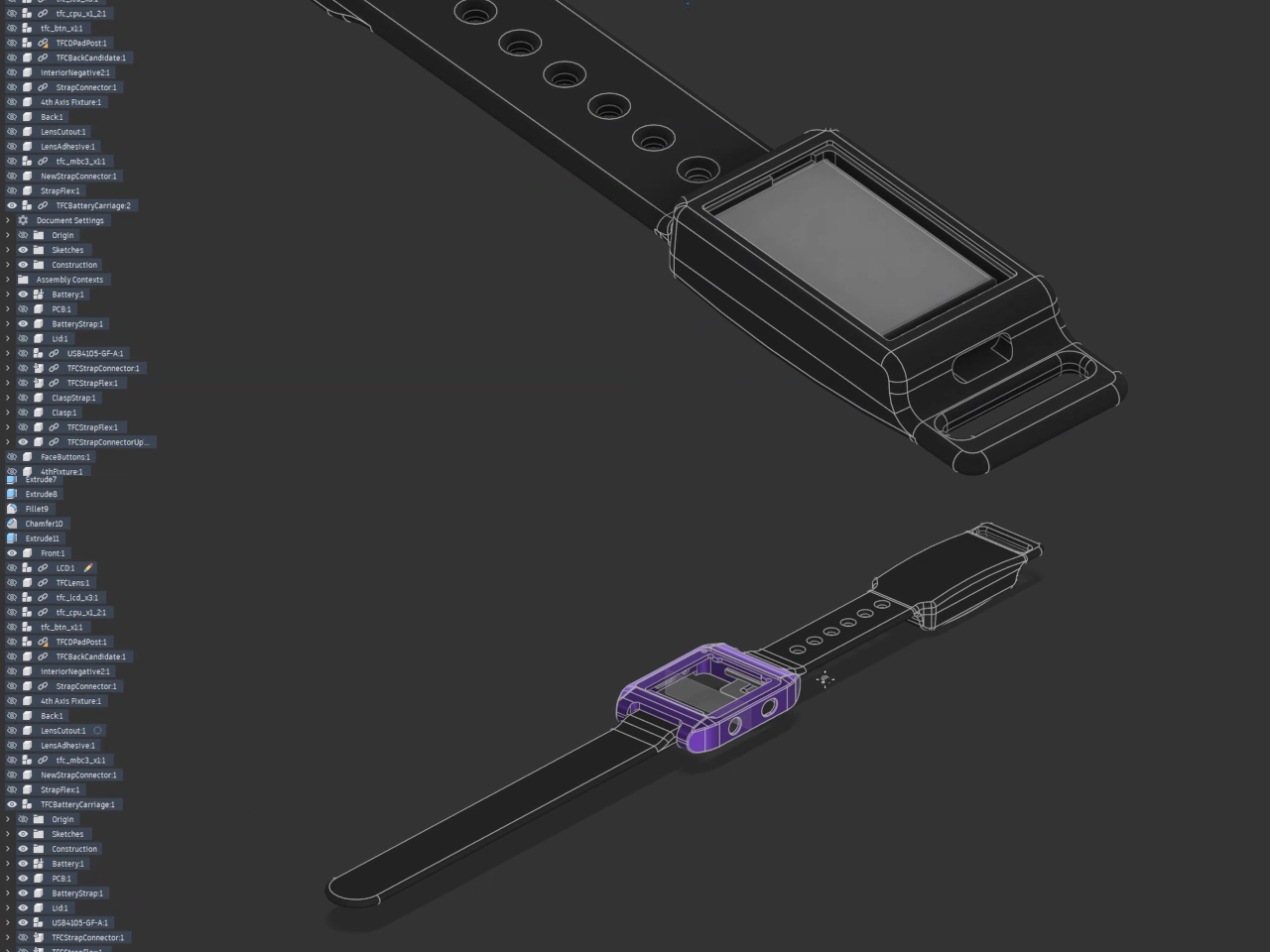
All of that stacking pushed the watch body to 15mm thick, noticeably chunkier than an Apple Watch at roughly 10 mm. There was no room for a battery inside, so it went into the silicone strap instead. A flexible PCB runs through nearly the entire band via overmolding, carrying power back into the main body. It’s a bizarre solution that also happens to be the only sensible one.
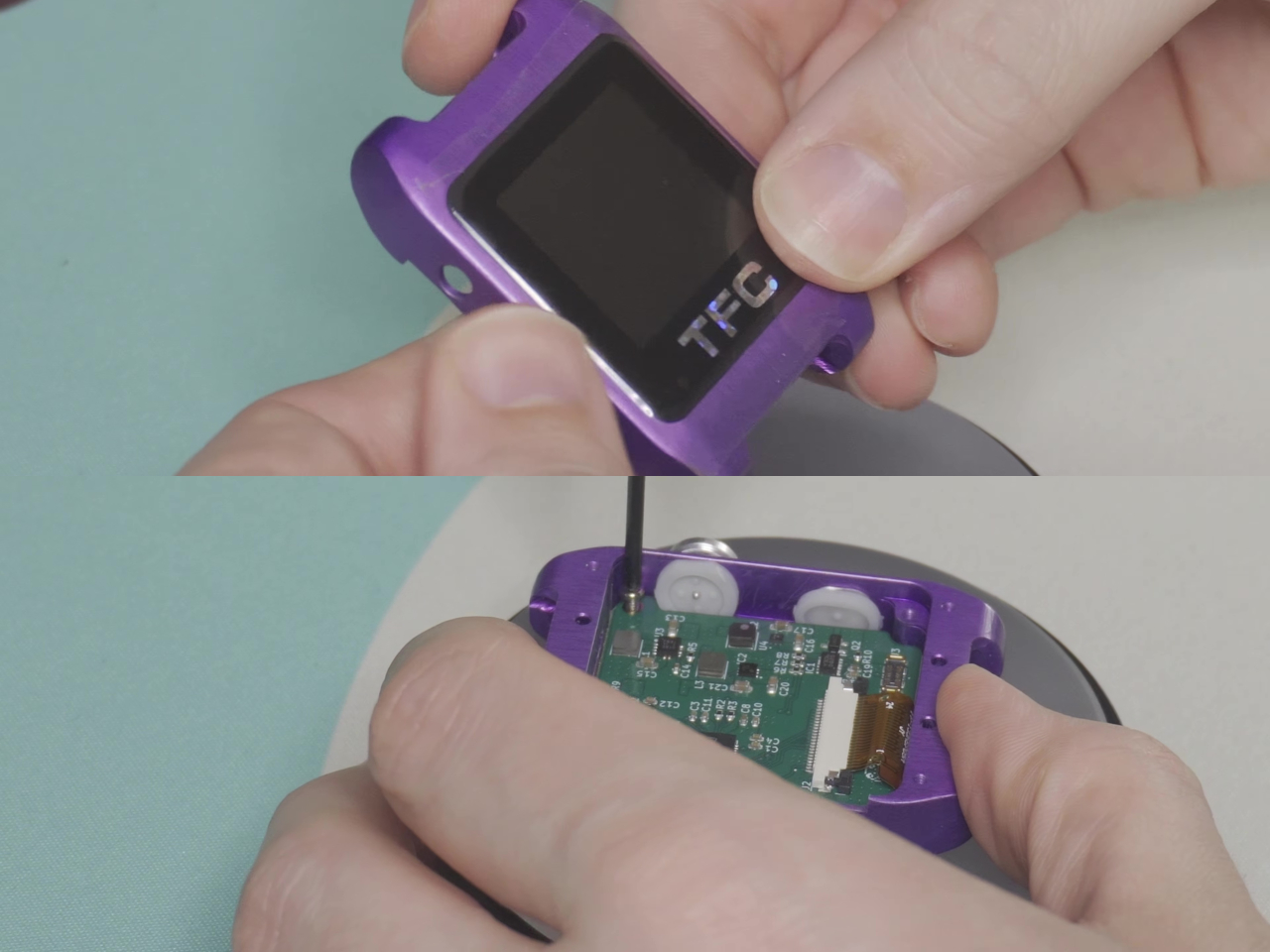
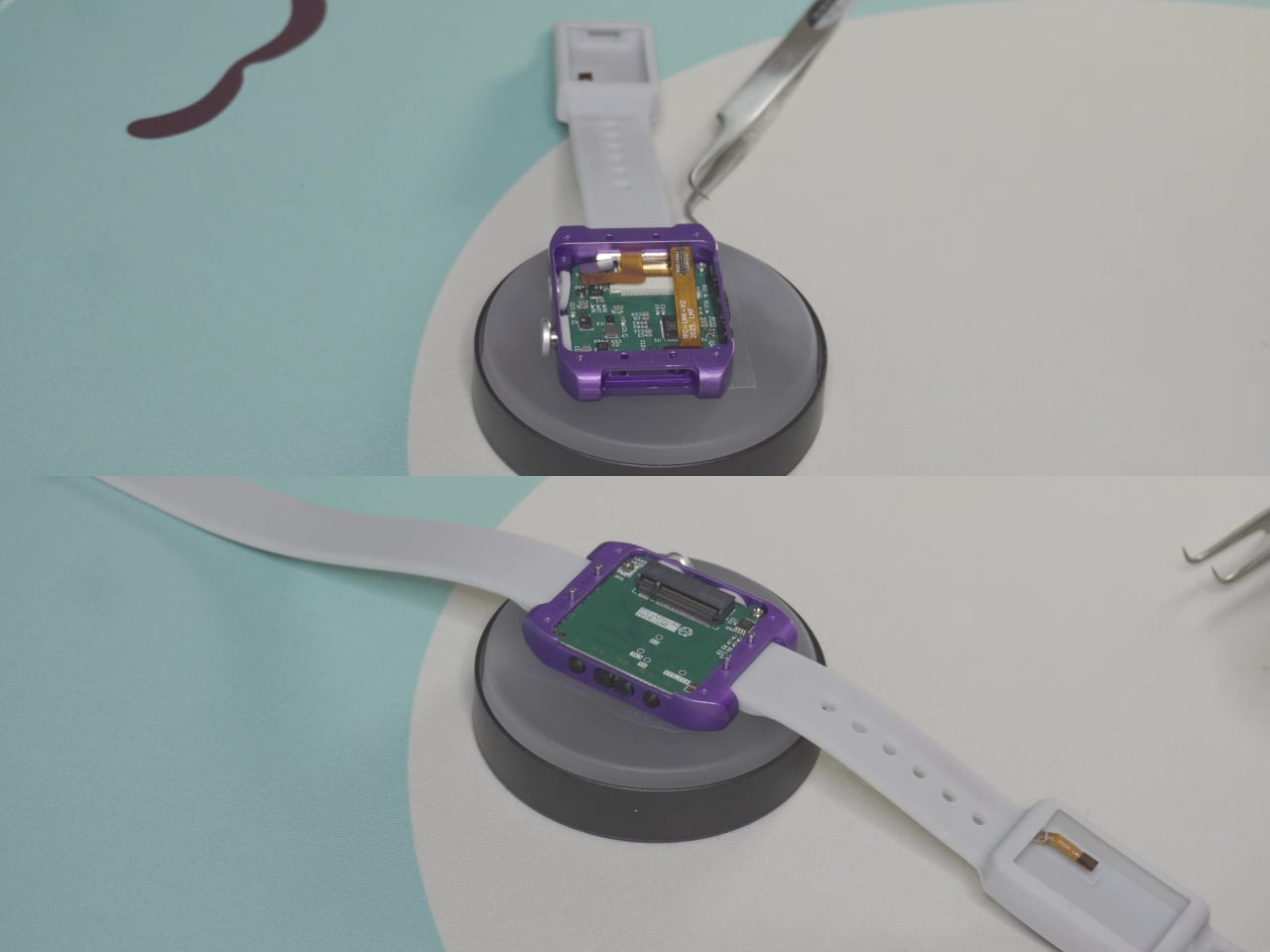
The watch body is CNC’d from 6061 aluminum and anodized purple, which reads as a direct nod to Nintendo’s color sensibilities. Controls are fitted into the sides of the housing, with four face buttons on one edge and a custom-machined rocker D-pad on the other, both backed by silicone membranes. The unit shown in the video doesn’t include a speaker, as the component missed the deadline.
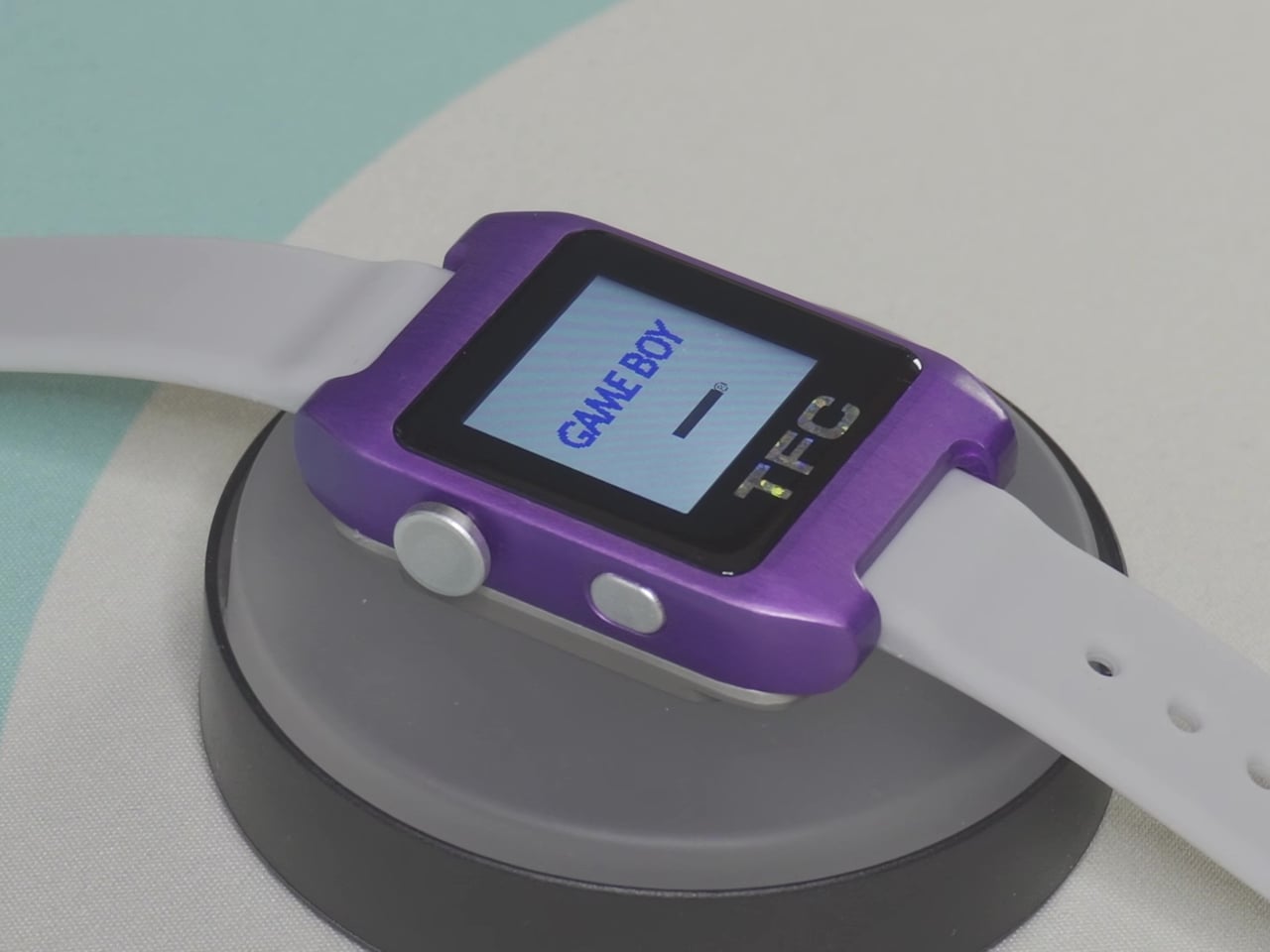
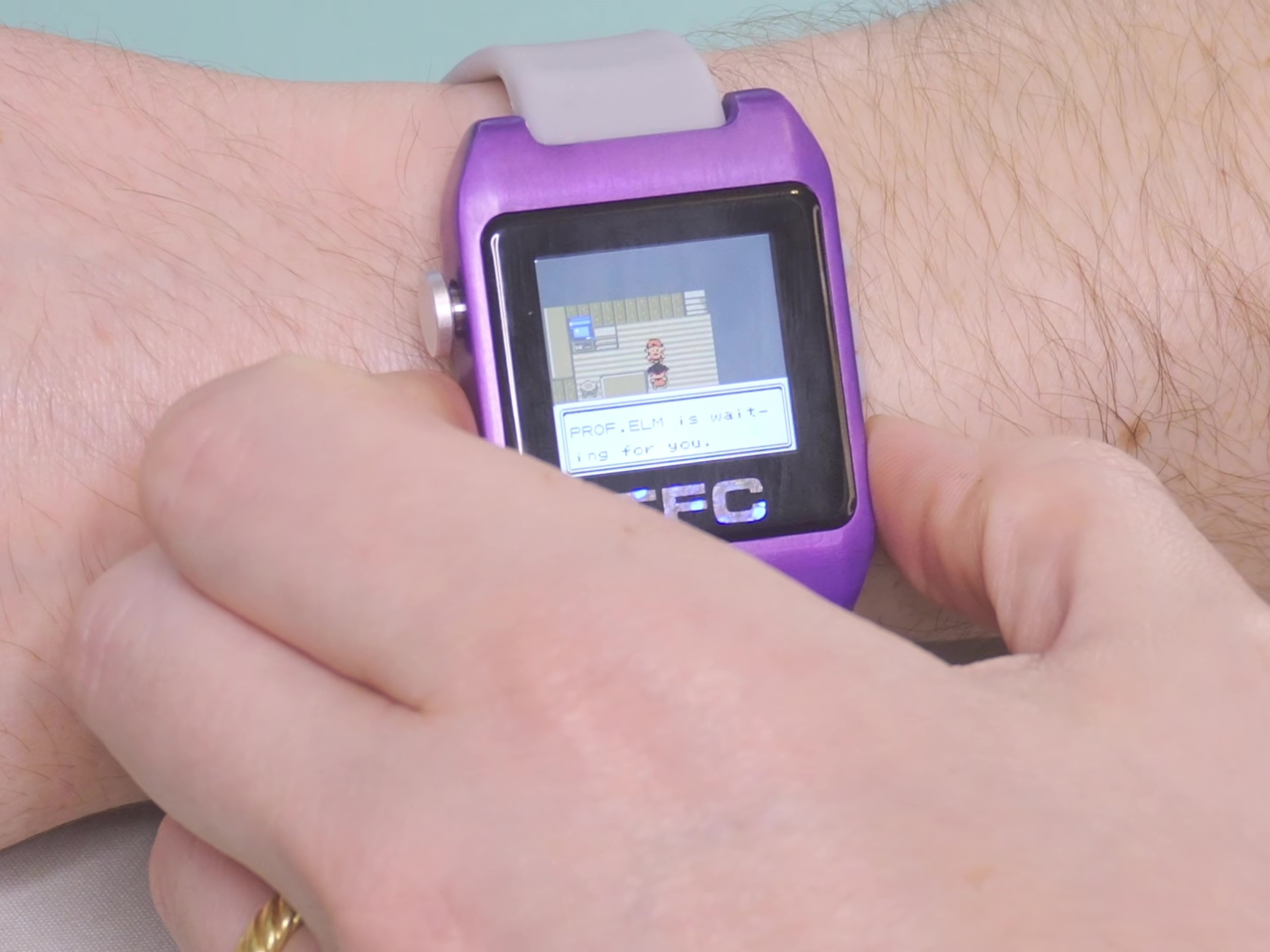
Hackmann is upfront about the trade-offs. The Time Frog Color offers a “less than optimal playing experience” by his own admission, with battery life that won’t compare favorably against most wearables. It’s a thick, quirky device with controls tucked into the edges and a cartridge protruding from the back. But you can load up Pokémon Gold and play it on your wrist, which isn’t something most projects can claim.
The post You Can Play Pokémon Gold on Your Wrist, Thanks to a 2-Year Build first appeared on Yanko Design.
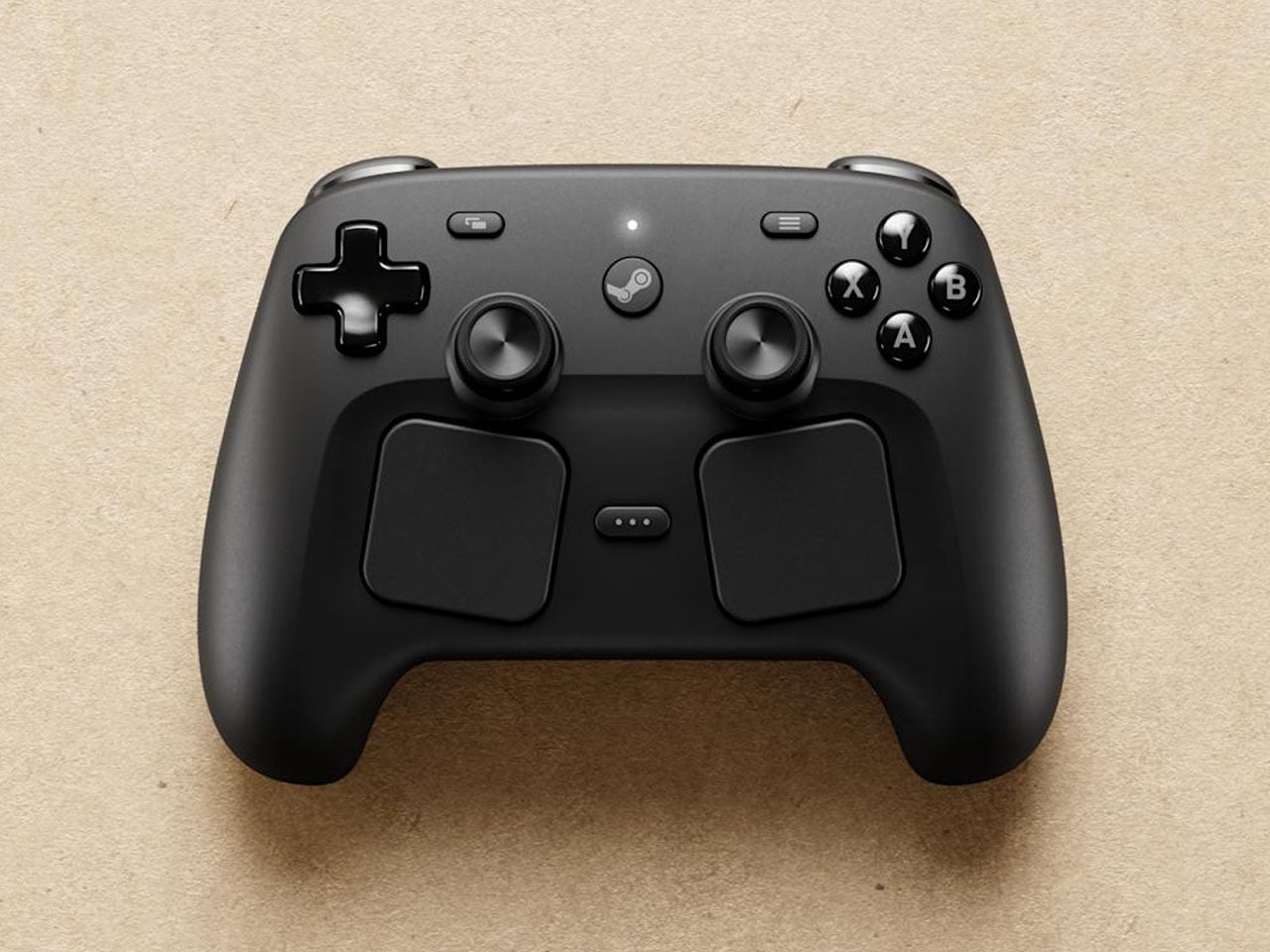
Steam surprised gamers with the announcement of three new products back in November 2025. Those were the Steam Machine gaming console, the Steam Frame wireless VR headset, and the brand new Steam Controller, marking the first-ever update in a decade. While the first two don’t yet have a clear release window, the Steam controller is almost here.
Priced at $99, the controller is scheduled to launch on May 4, putting it within immediate reach for gamers invested in the platform. However, details around pre-orders remain unclear, leaving some uncertainty about how quickly users will be able to secure one, subject to the RAM availability crisis. Regardless, the update represents a significant step forward from the original Steam Controller, which debuted in 2015 with a bold but divisive design that relied heavily on dual trackpads instead of traditional analog sticks.
Designer: Steam
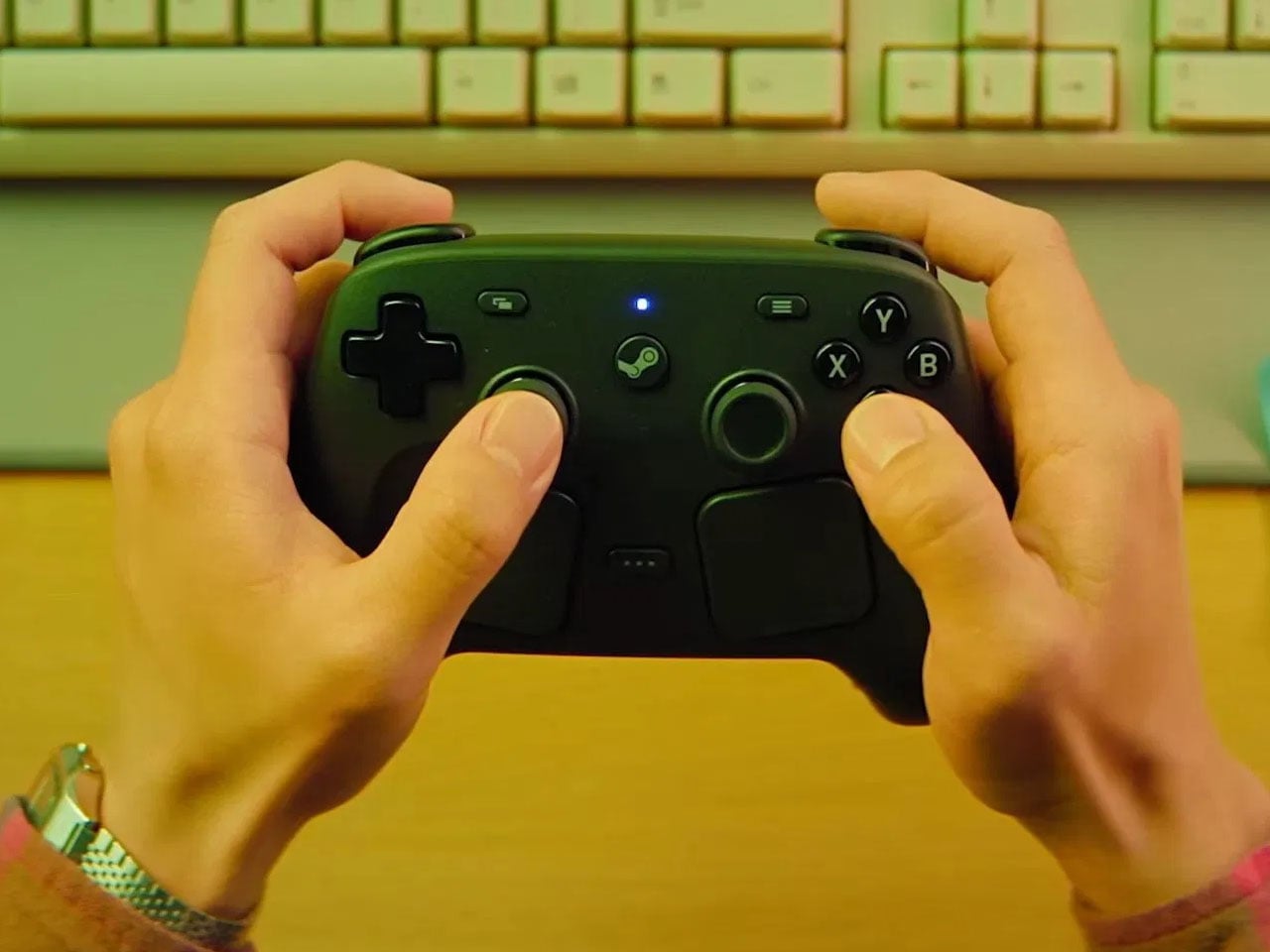
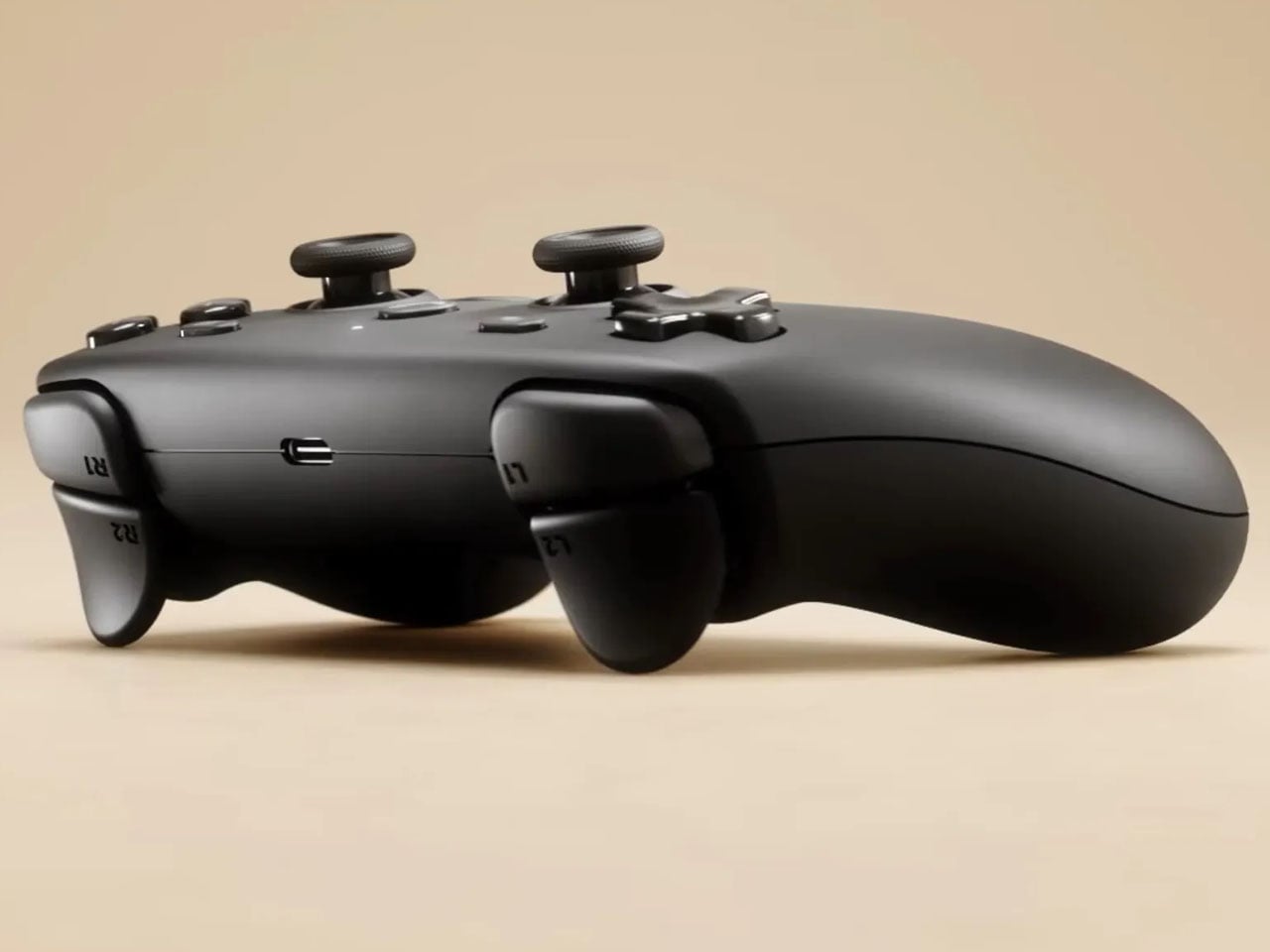
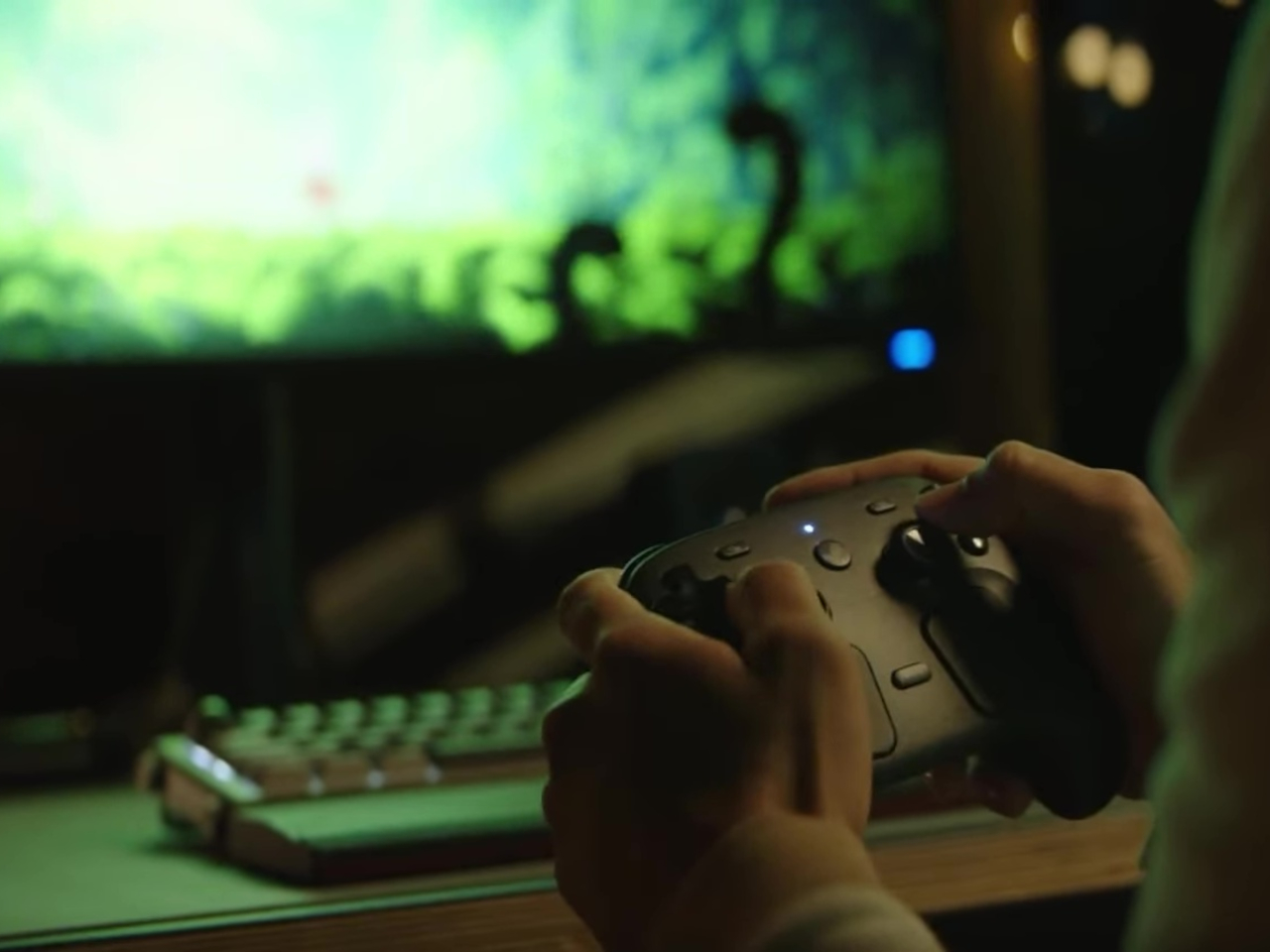
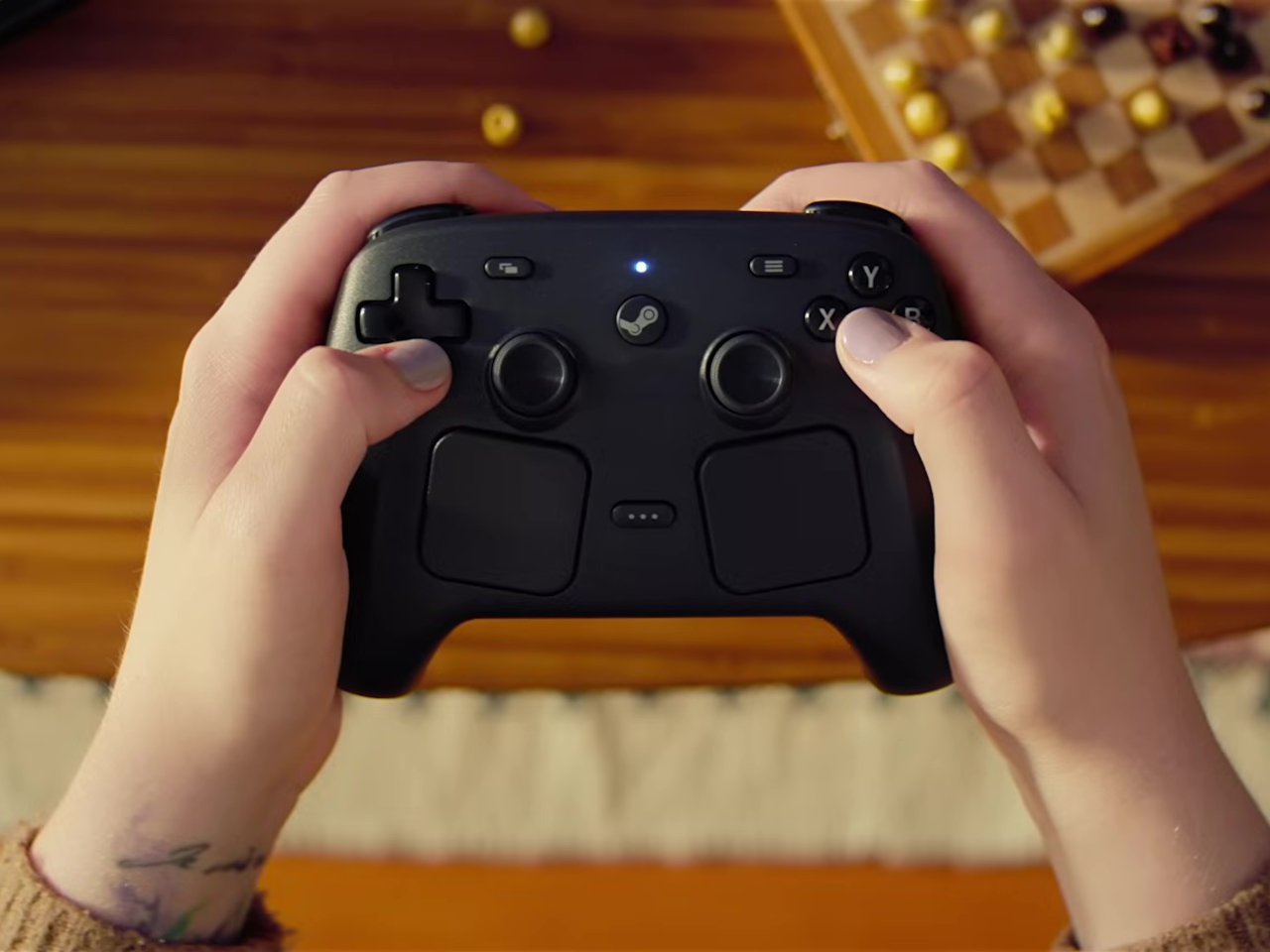
This new iteration reflects a more balanced approach as Valve appears to have taken feedback from years of community use and criticism, integrating more familiar elements while retaining some of its experimental DNA. The repositioned trackpads remain part of the experience but are no longer the dominant input method. Instead, the inclusion of a standard D-pad and a second thumbstick brings the controller closer to conventional gamepads, making it more intuitive for a wider audience. The overall layout bears a strong resemblance to the Steam Deck, suggesting tighter integration with Valve’s existing ecosystem and improved compatibility with modern game design.
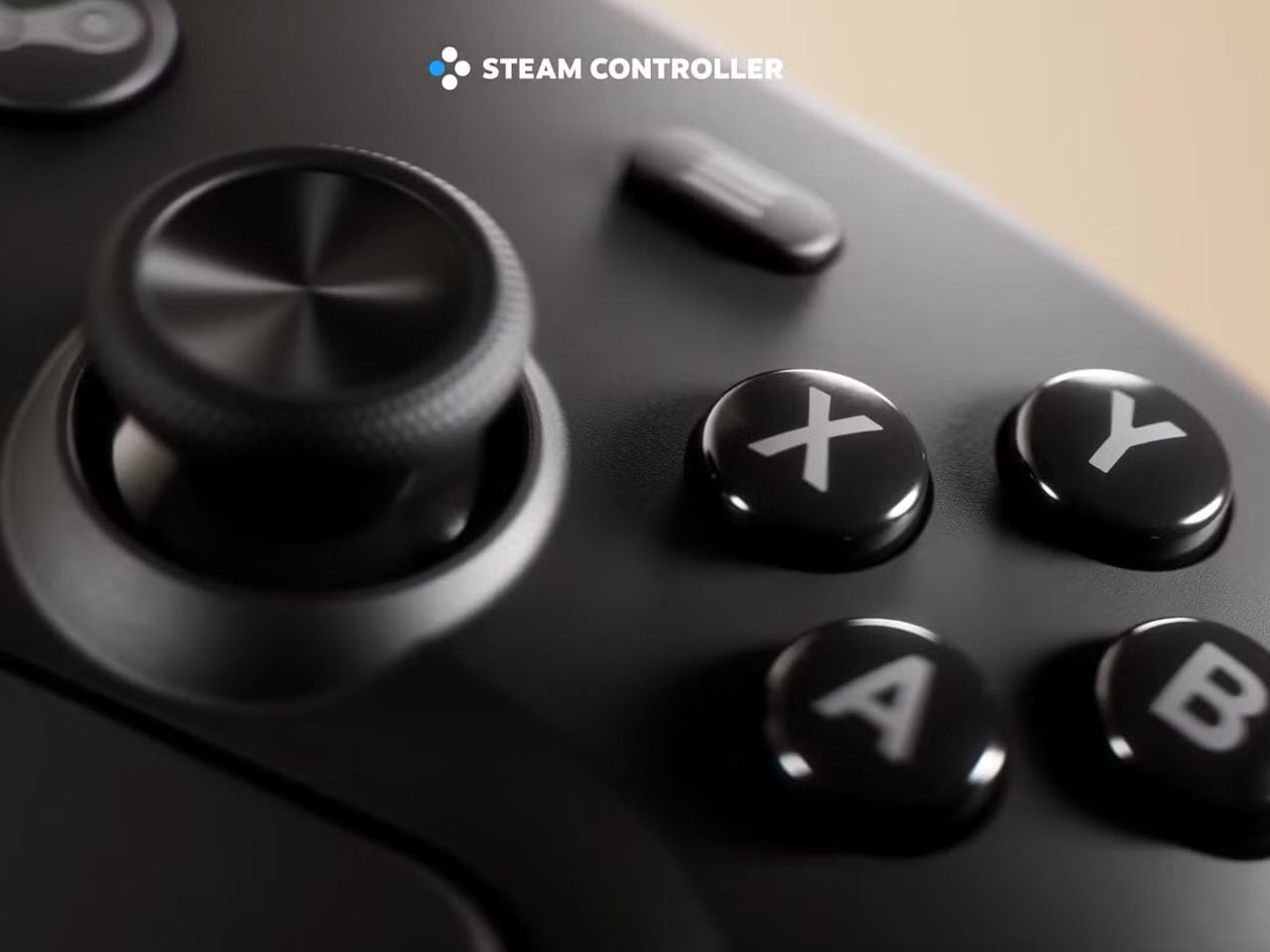
That shift in design is not just cosmetic; it addresses one of the biggest barriers of the original controller: accessibility. Earlier, the reliance on trackpads required a learning curve that many players found difficult to overcome. By contrast, this updated model blends precision controls with familiarity, making it more suitable for a broader range of genres, including fast-paced AAA titles that demand responsiveness and accuracy.
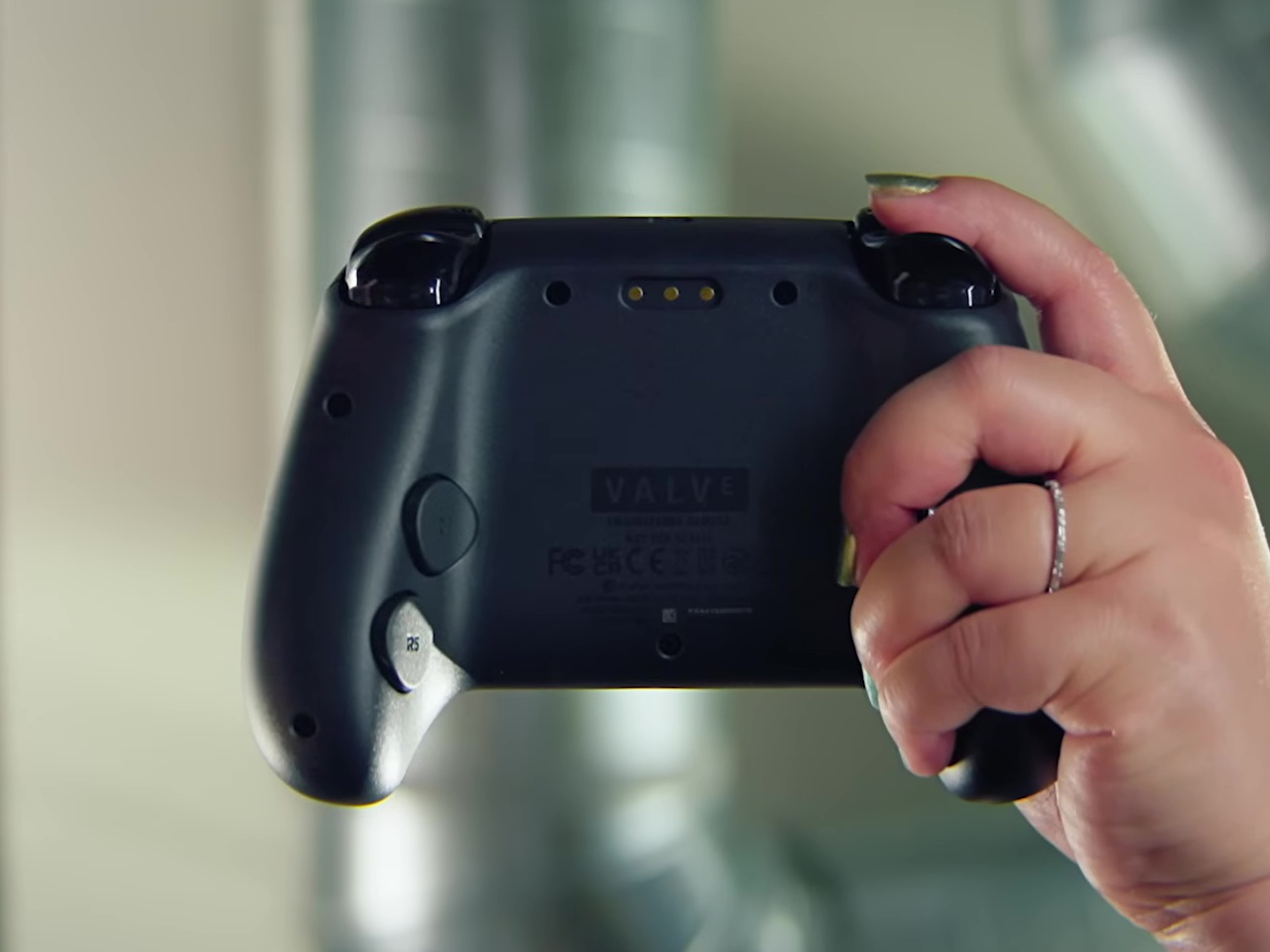
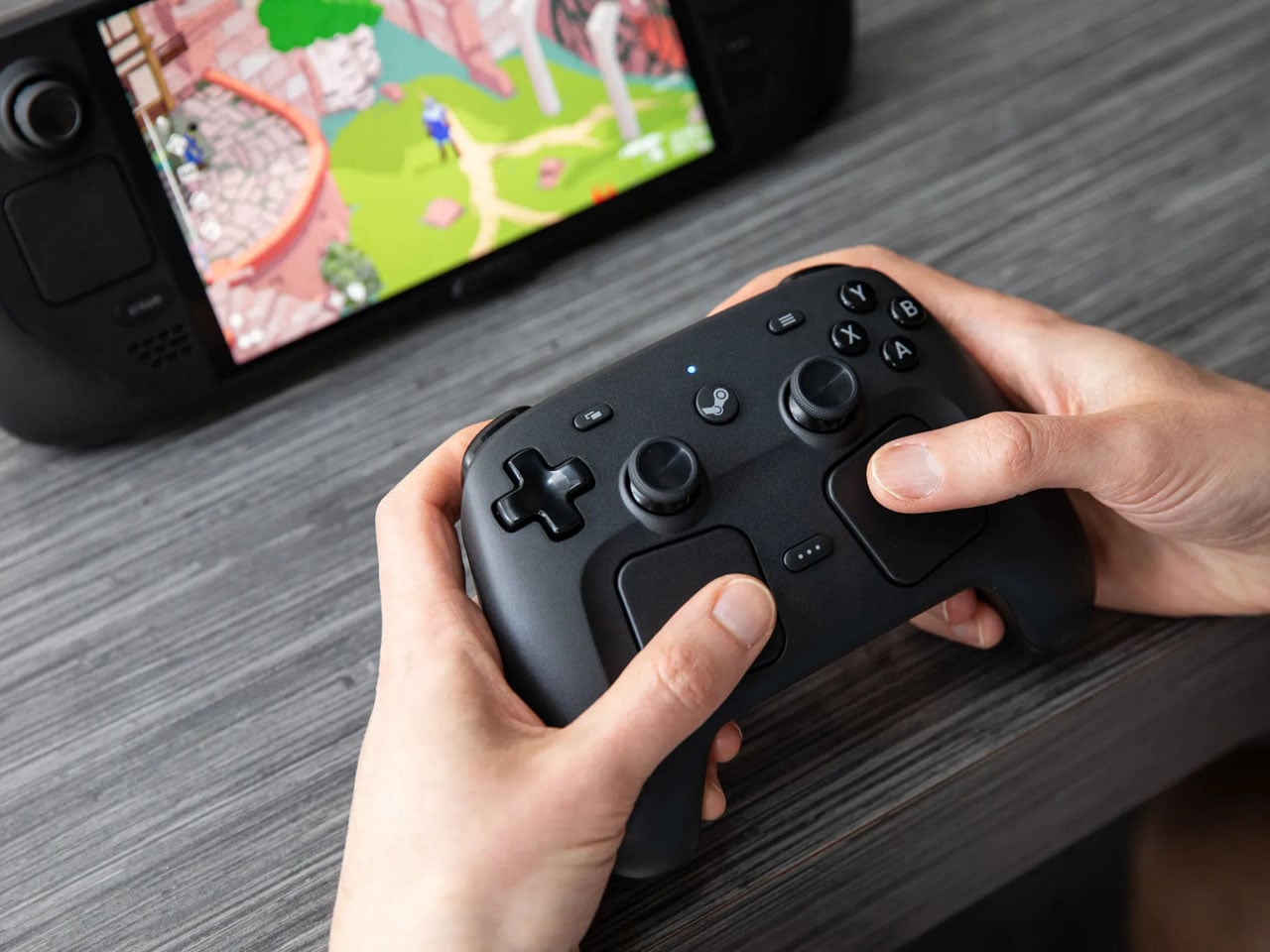
Image Credit: The Verge
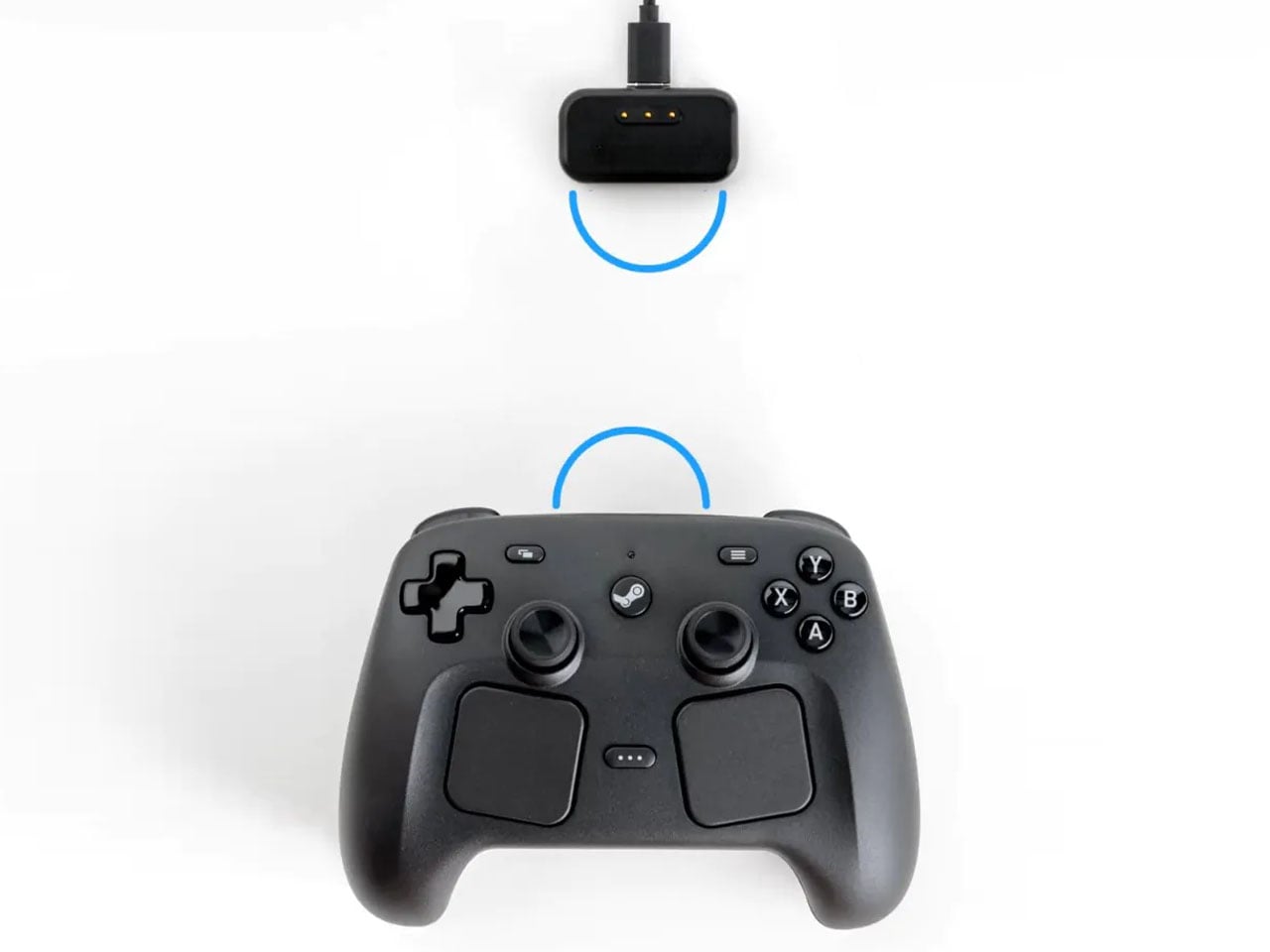
Connectivity has also been modernized. The controller supports both wired and wireless play, offering flexibility depending on user preference. A USB-C port ensures faster and more reliable wired connections, while built-in Bluetooth expands compatibility across devices. A notable addition is the magnetic charging puck, which simplifies the wireless charging process and reduces the friction typically associated with battery management. These upgrades align the controller with current hardware standards, ensuring it feels contemporary rather than experimental.
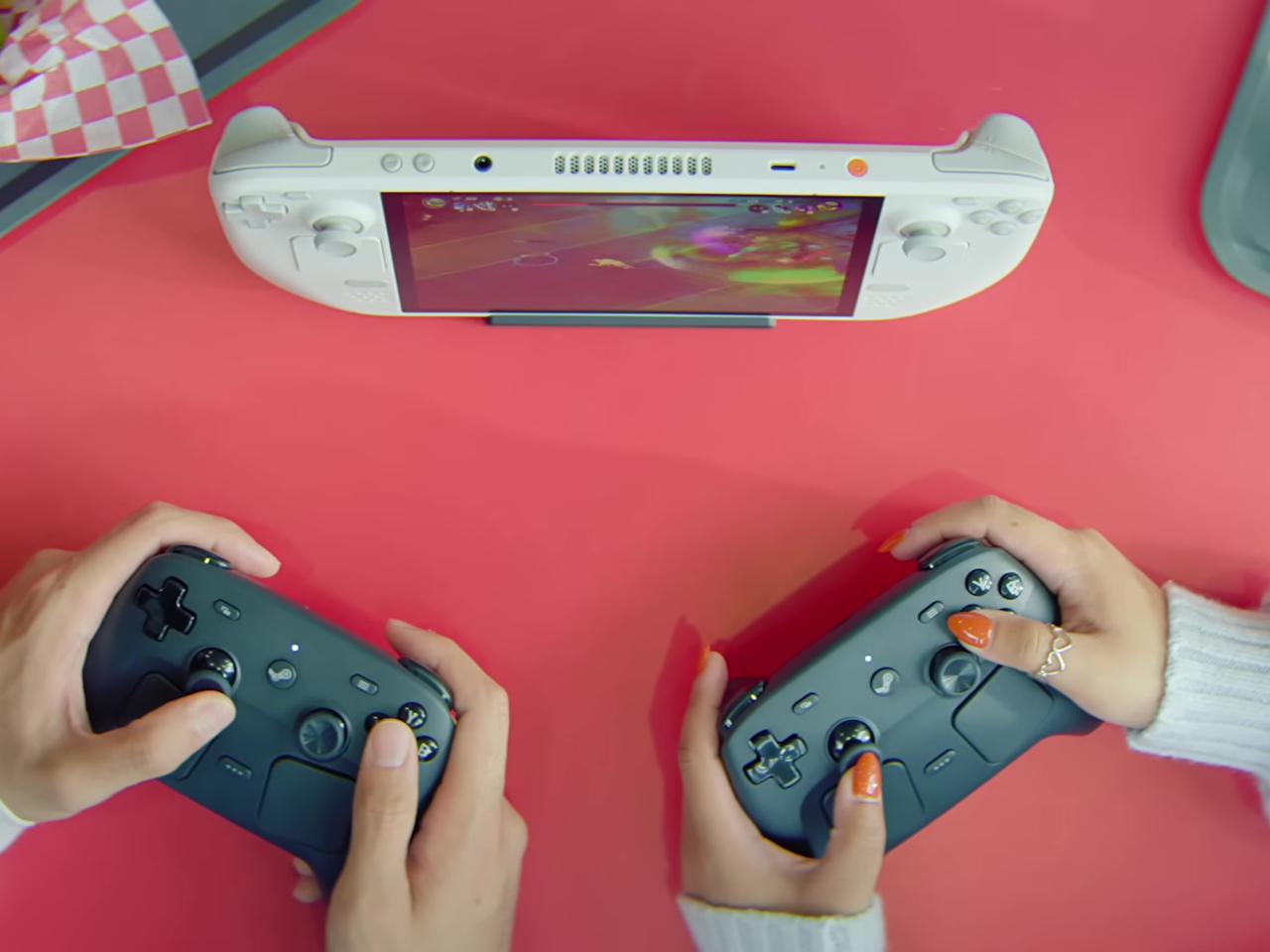
However, there is a limitation that may affect its appeal beyond dedicated users. The controller is designed primarily for the Steam ecosystem, meaning its full functionality is likely restricted to Valve-supported platforms. While this ensures deep integration and optimized performance within Steam, it could limit adoption among gamers who prefer a more universal controller that works seamlessly across consoles and third-party platforms. Despite this, the new Steam Controller represents a thoughtful evolution rather than a radical reinvention.
The post Steam Controller Returns with a Modern Redesign and Deeper Ecosystem Integration first appeared on Yanko Design.
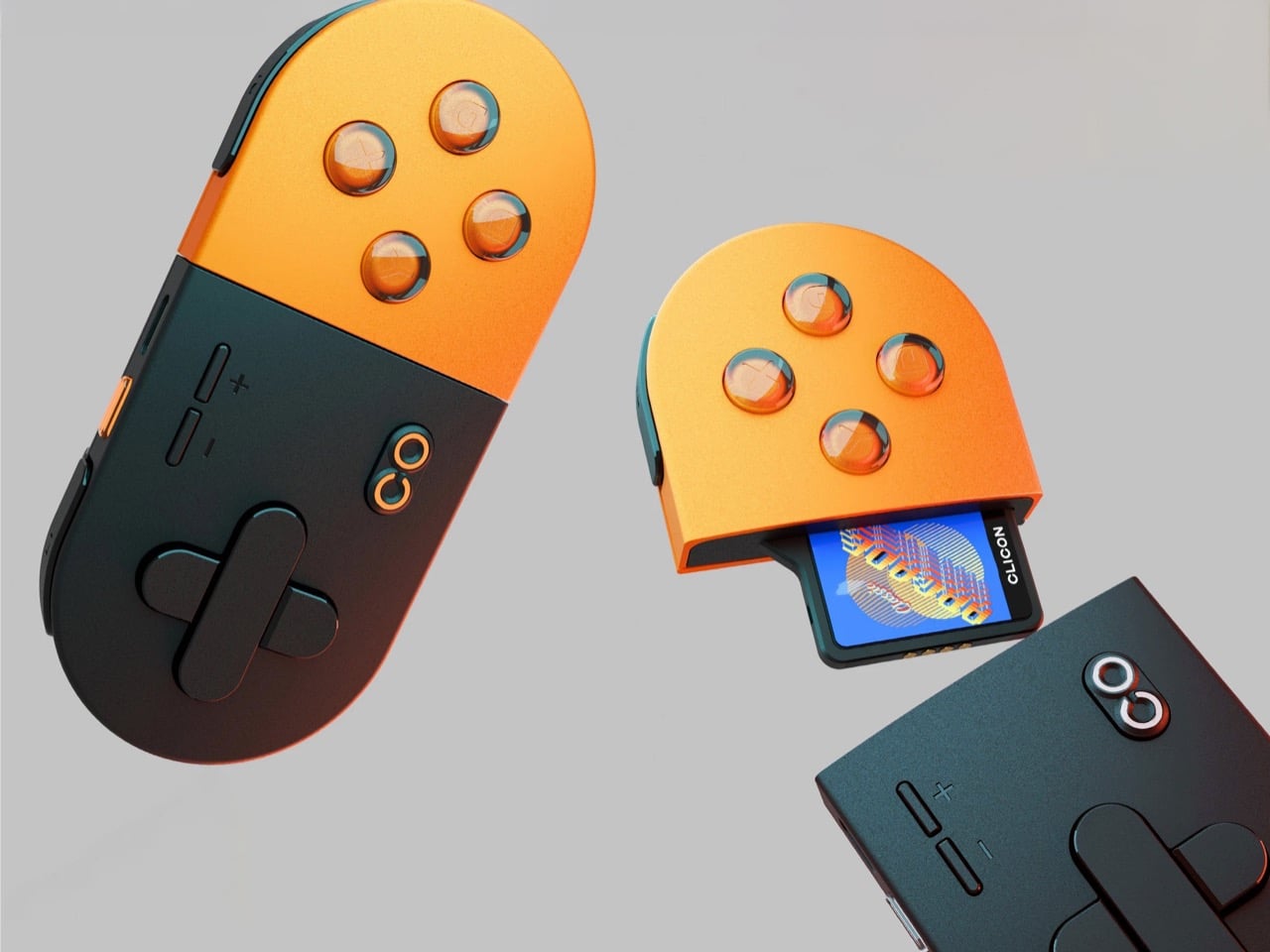
Imagine a Nintendo Switch without a screen. Just two Joy-Cons that click together for wireless gaming. Now imagine that was it. That was the product. That’s what the Clicon gaming controller/console is pitching itself has. Handheld wireless gaming with anything you want as the screen. Split the controller apart and a cartridge fits into it, sandwiched between the two halves. Click the halves shut and you’ve effectively ‘loaded’ a game. Now pick a screen and game on it.
Spiritually, it feels exactly like what I’d expect from an indie company trying to be the next Nintendo. Out-lite the Switch Lite by ditching the screen altogether. The 2-part controller looks gorgeous, is portable, and ends up acting as a cartridge holder just by virtue of its design. Plus, the Duracell colorway definitely gives it a funky touch that’s hard to ignore!
Designers: Yasuaki Iijima & Jason Chen
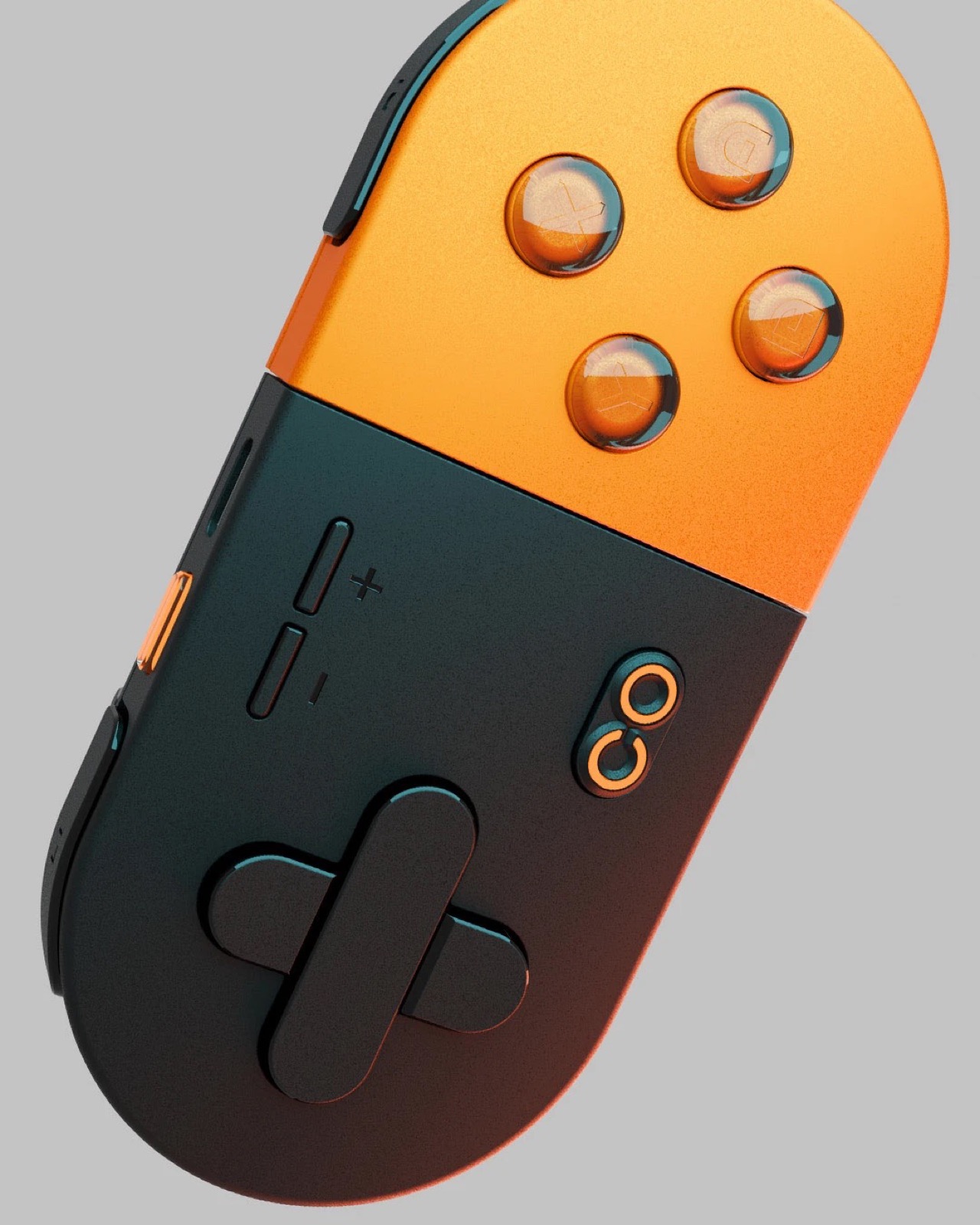
This format is easily the first in the handheld gaming segment and that’s perhaps the one thing that excites me the most. Seeing a design so fairly radical it grabs your attention for a second, making you question how it works, and whether it would work, plausibly. The Clicon is still conceptual, obviously, but the designers are apparently working on a prototype.
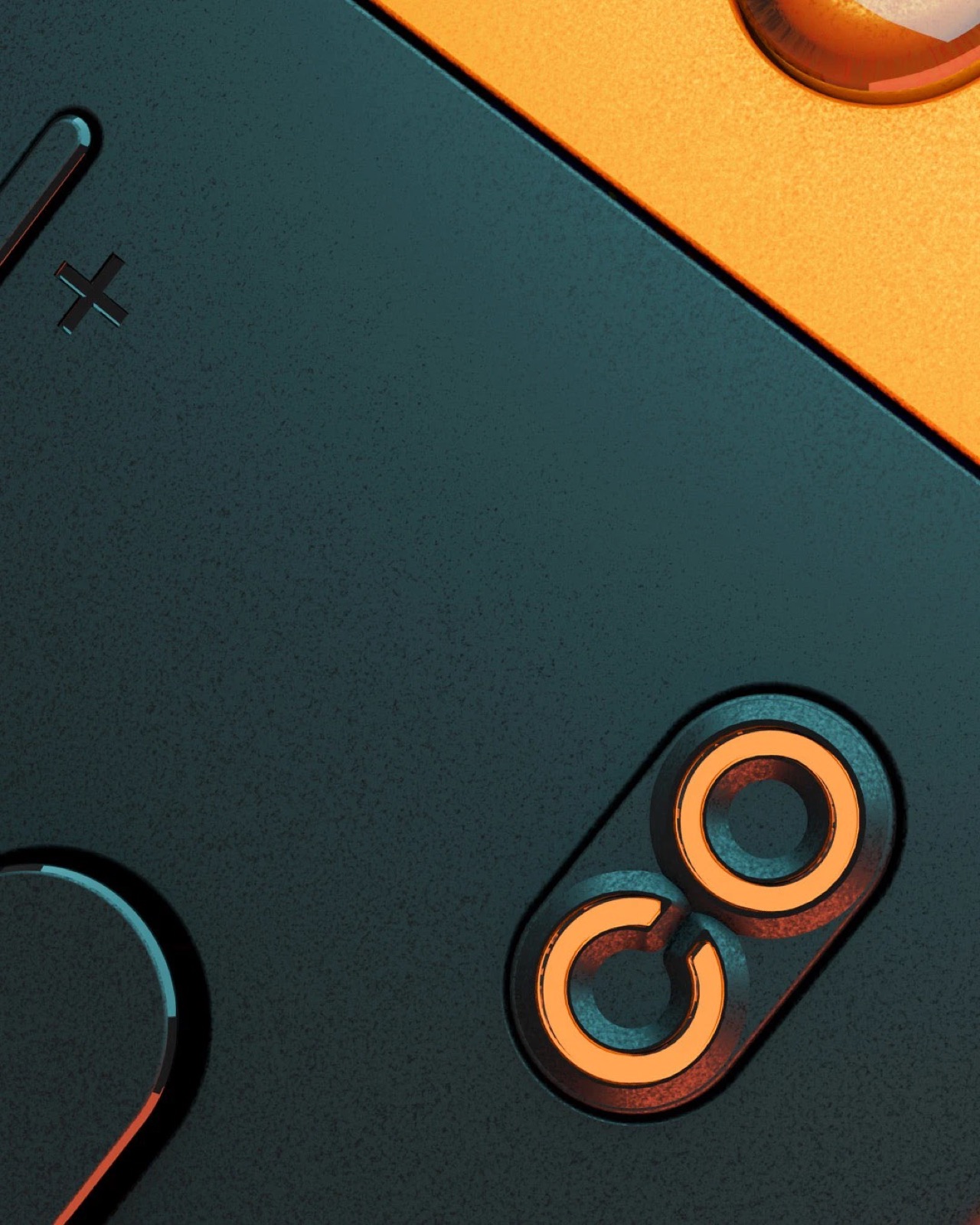
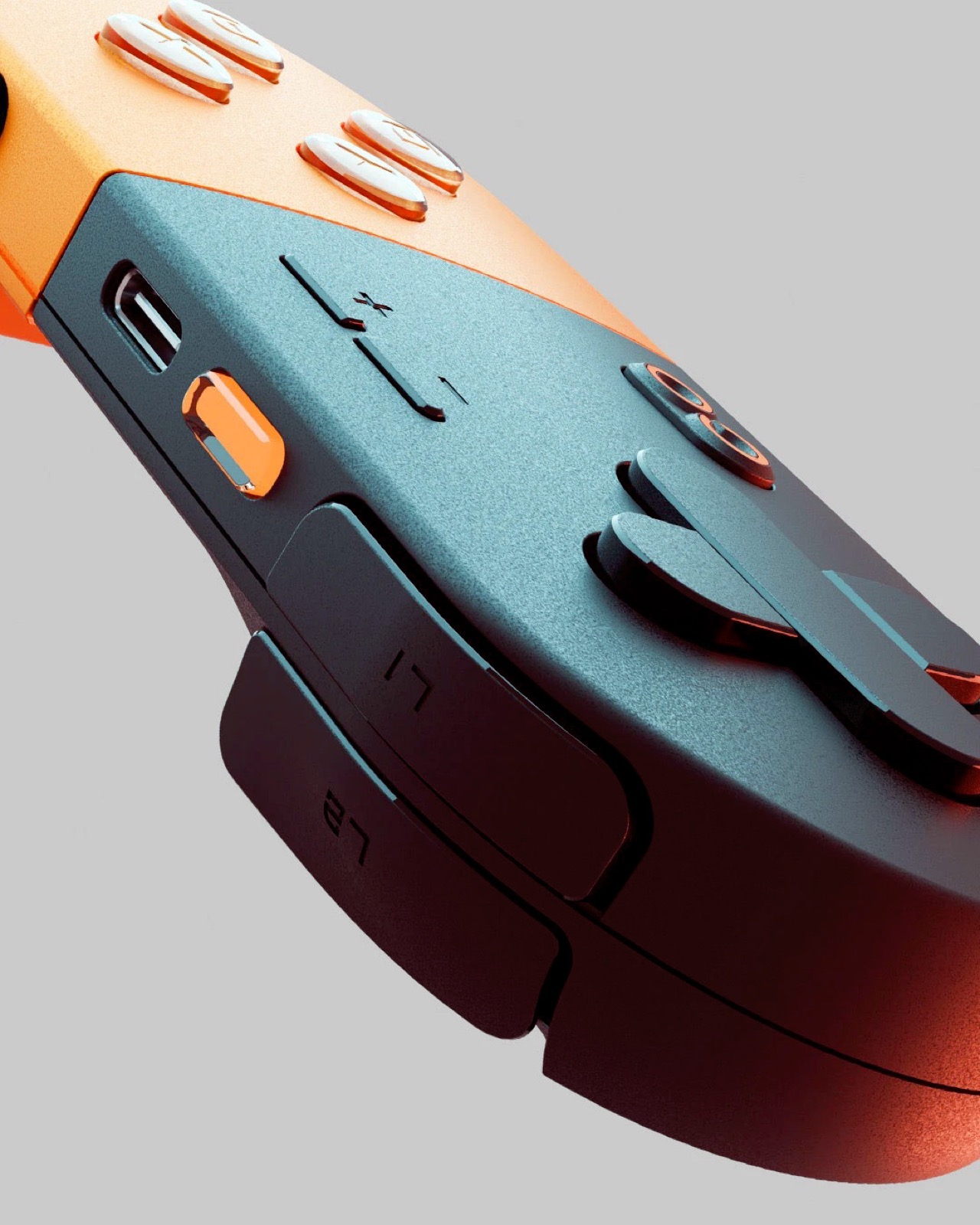
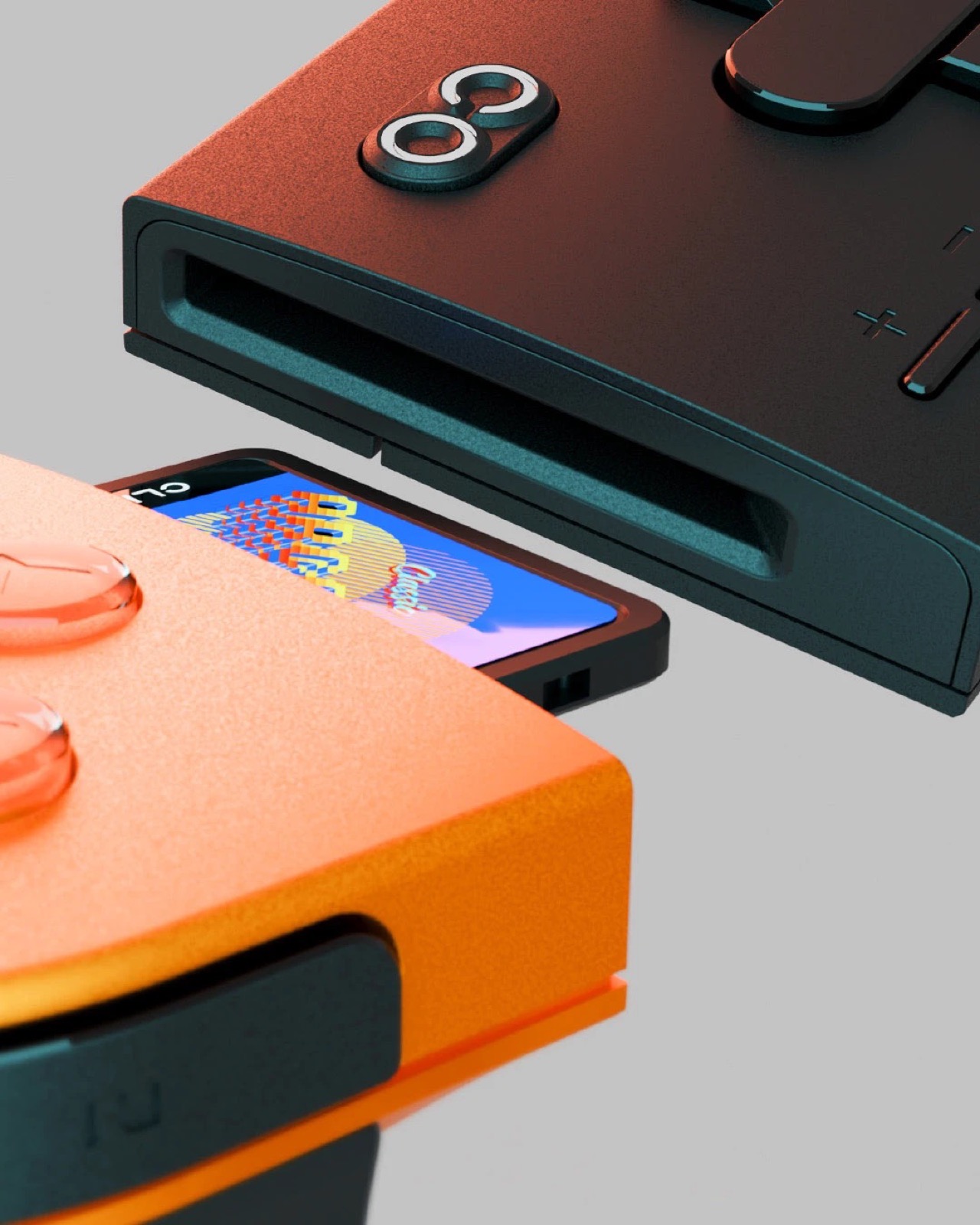
The renders show a basic arcade-style cartridge that is housed inside the controllers, sitting just within their parting line and jutting out the middle the way your AirPods jut out when you flip the lid. This means no mano-a-mano gaming the way you would on a Switch. This entire thing is just one console, and doesn’t work when split apart. Lock it together and you’ve got something akin to the SNES controller with a pill-shaped design that feels decent enough to hold for hours at a stretch.
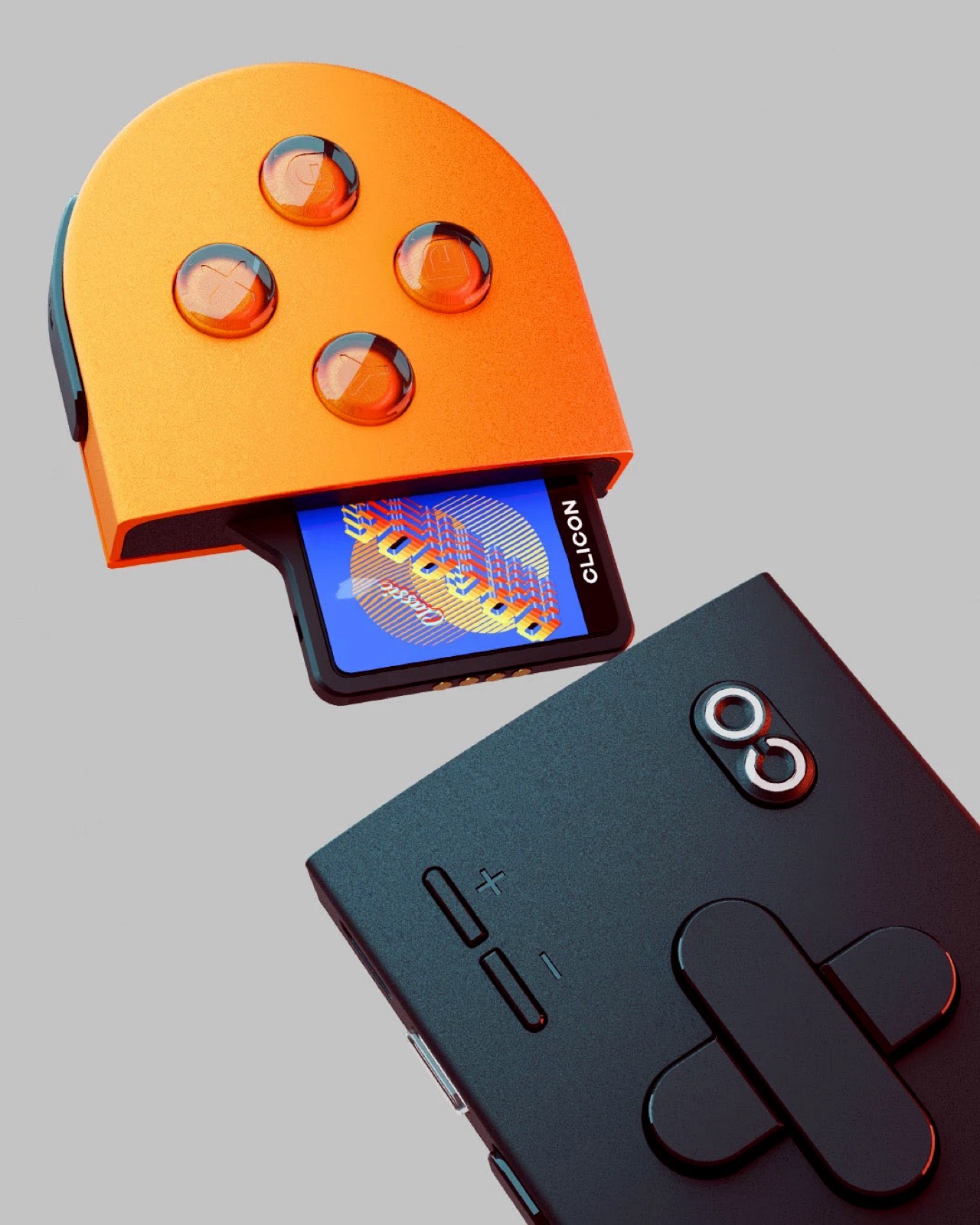
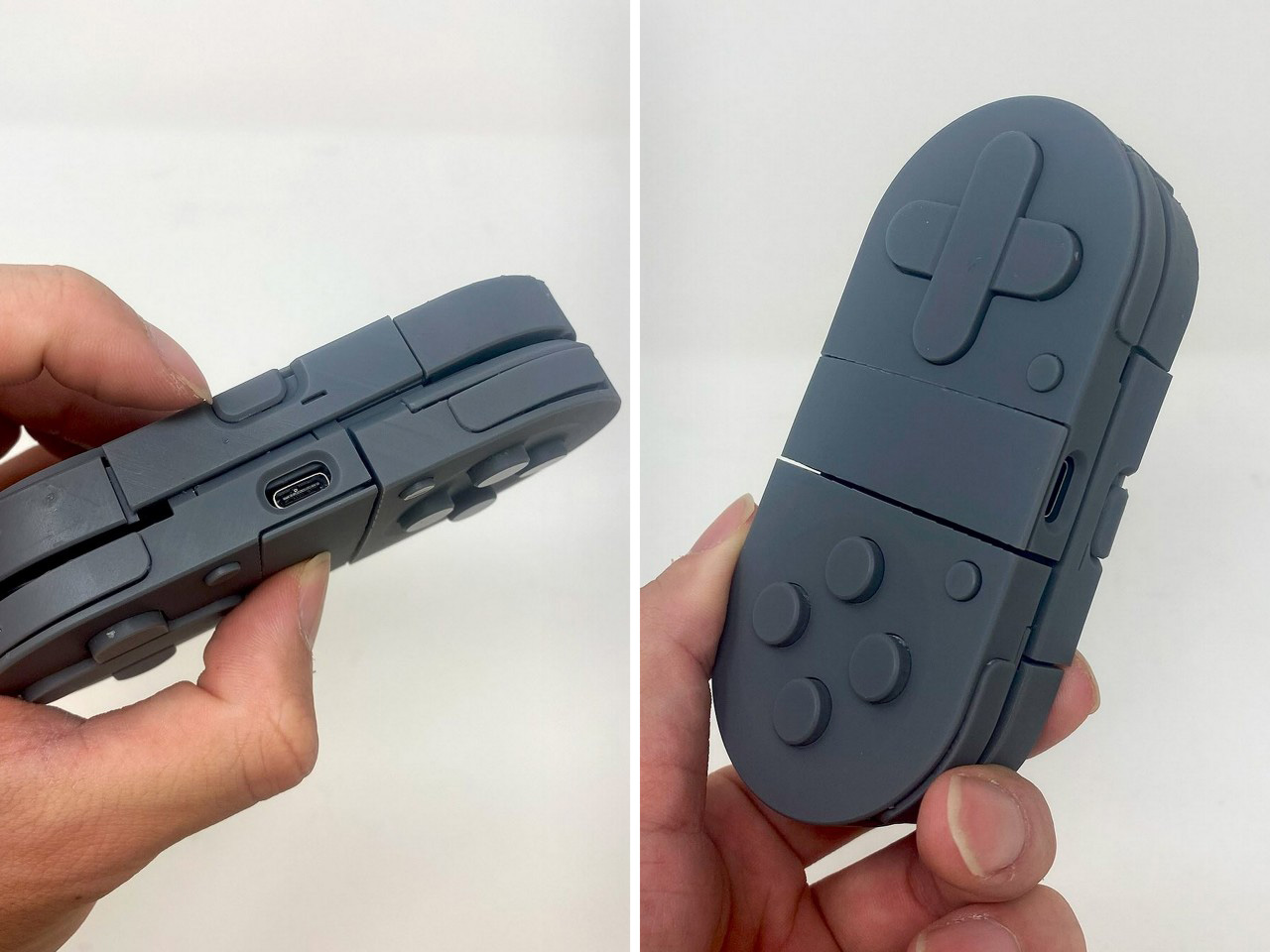
Meanwhile, as controls go, the Clicon packs them all, action buttons, arrow keys, two sets of shoulder buttons, the works. A home button and +/- buttons on the front, another transparent button on the top, and a USB-C port to charge the device as well as potentially stream content via cable. It would also make sense to assume that wireless streaming is a possibility.
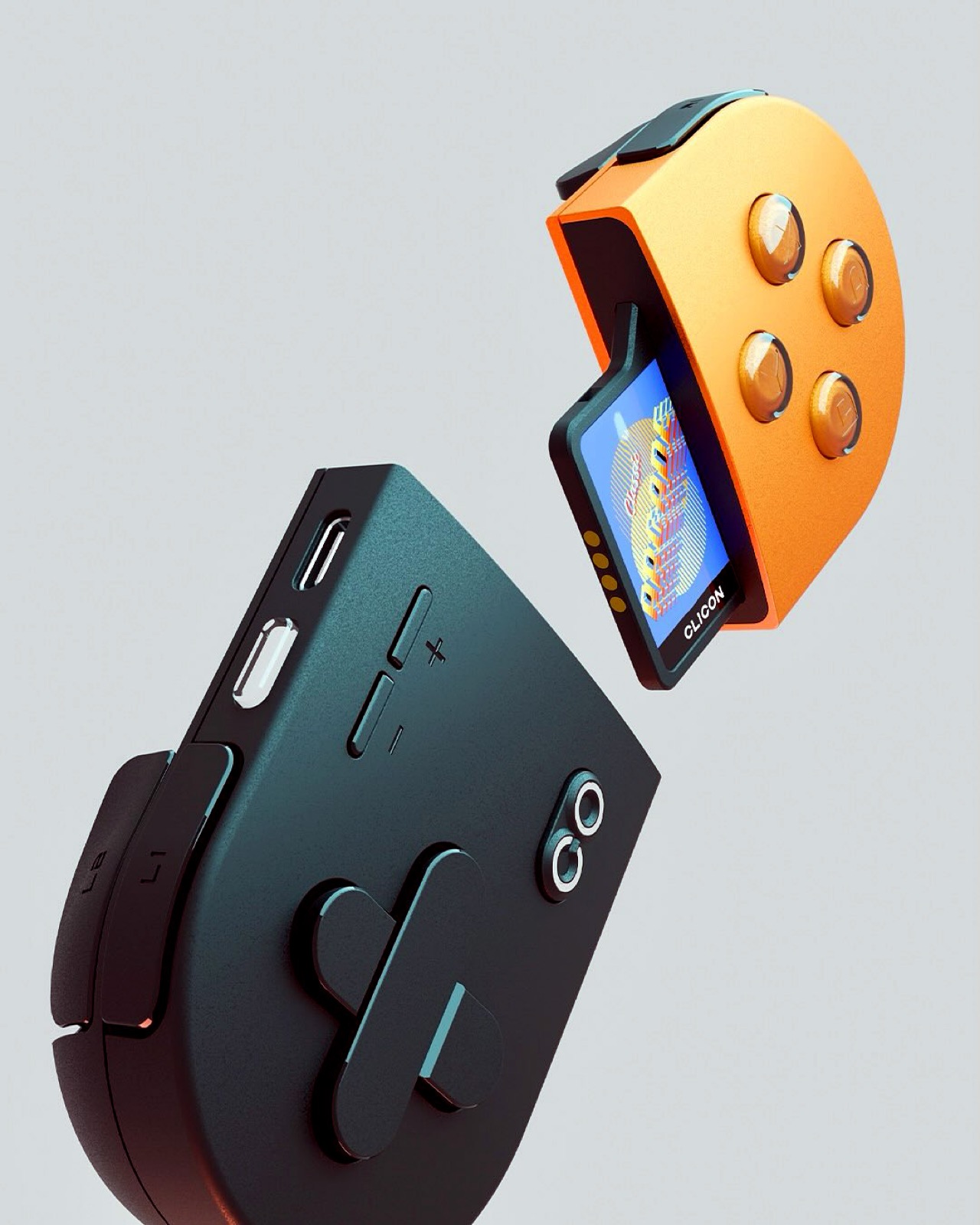
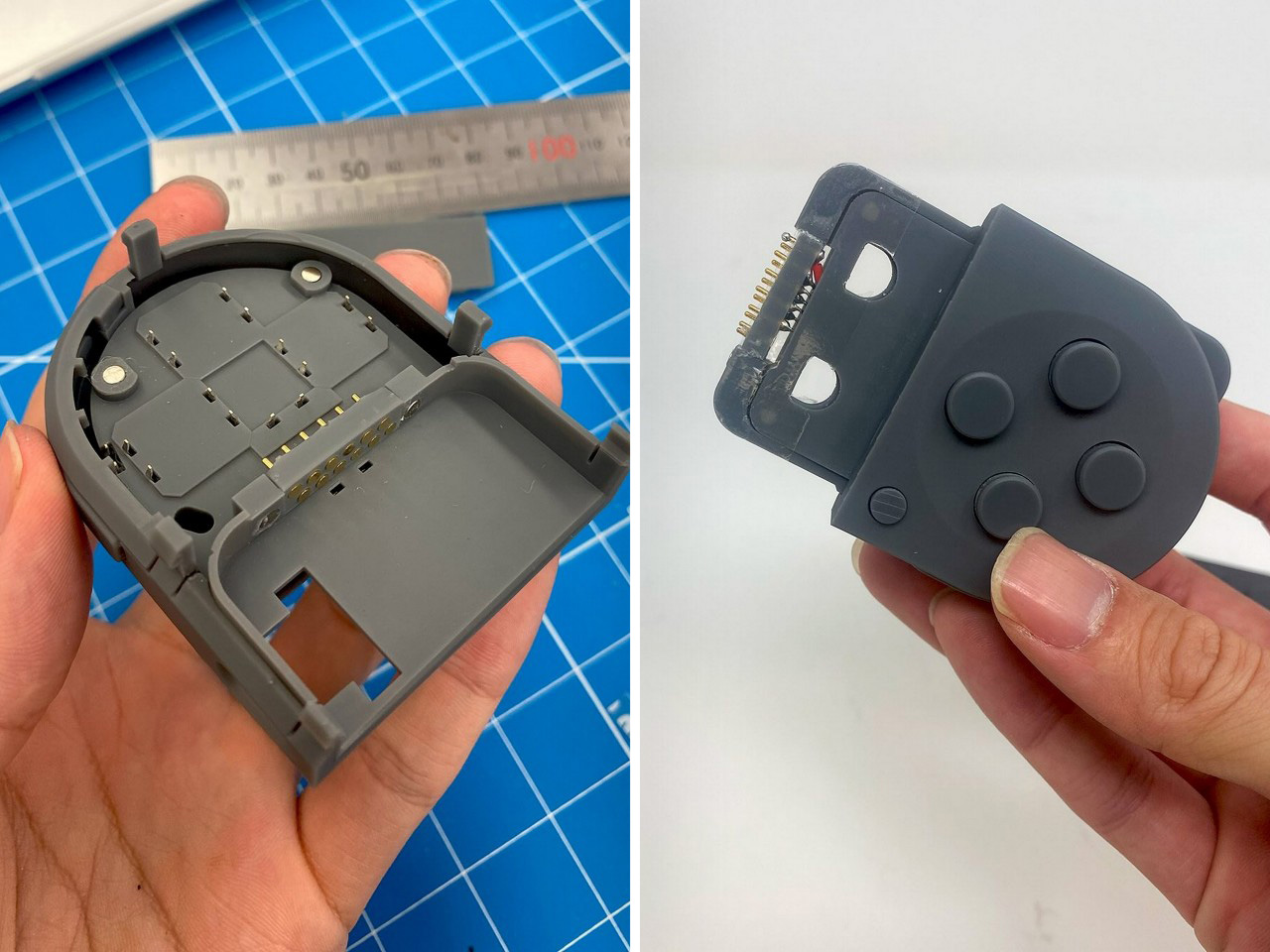
Designers Yasuaki Iijima & Jason Chen are apparently working on a prototype. Their instagrams show 3D prints of mock-ups, even with bare-basics circuitry. It’s way too early to even ask for things like a timeline, specs, pricing, etc. but what we can do is judge the design for what it is. And hope that a feasibility run doesn’t result in too much of the design changing in the process! Heck, is it possible we see a ‘Nintendo Switch Lite Lite’ before GTA 6?
The post This Wireless Gaming Controller Splits Apart To Reveal Its Cartridge Slot first appeared on Yanko Design.
Gaming peripherals have come a long way in terms of specialization, from mechanical keyboards tuned for competitive play to mice with adjustable DPI profiles and ergonomic grips. What hasn’t kept pace is hardware designed for players who can only use one hand. Existing options like gaming keypads only get so far, and none of them truly replace the keyboard and mouse combination that PC gaming has relied on for decades.
Joe Tomasulo found that out the hard way. After losing his right arm in a motorcycle accident, he’d tried everything to get back to PC gaming as he knew it. He adapted a Razer Tartarus, strapped a wireless mouse to it, and tweaked the software bindings endlessly, but nothing ever felt right. Rather than keep settling for workarounds, he eventually built something purpose-made, and the result is the Ercham MK1.
Designer: Joe Tomasulo (Adventurous_Tie_9031)
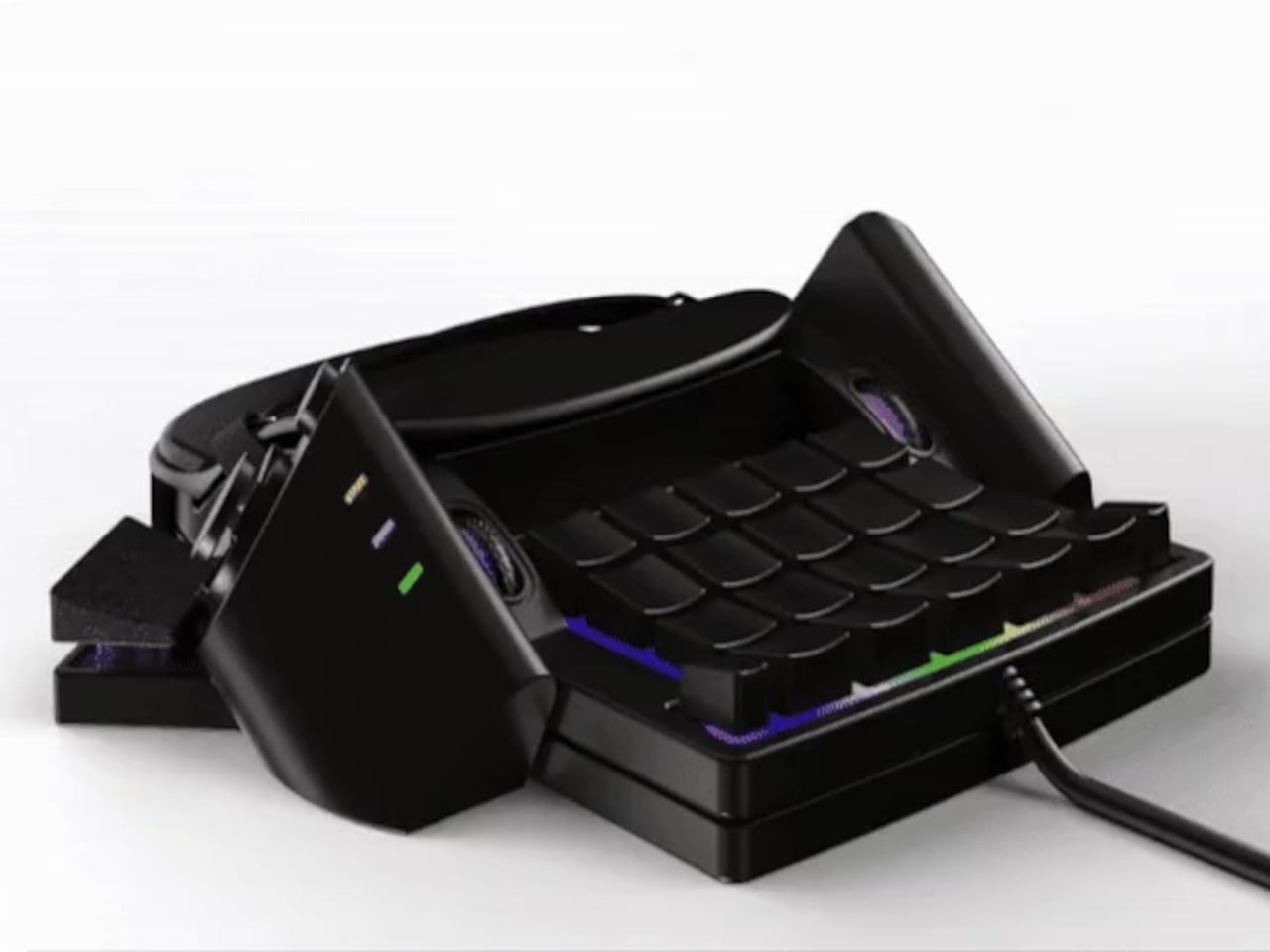
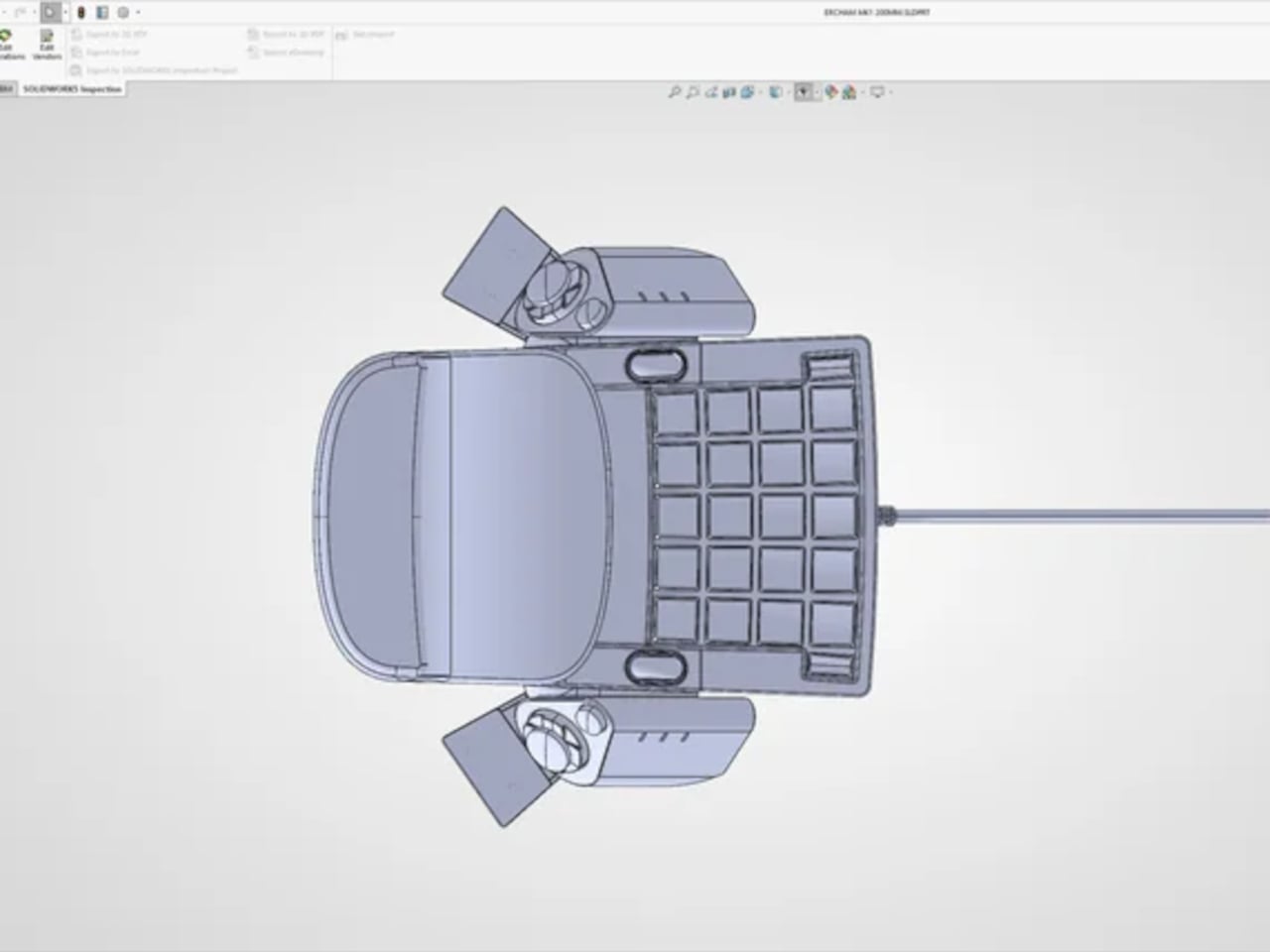
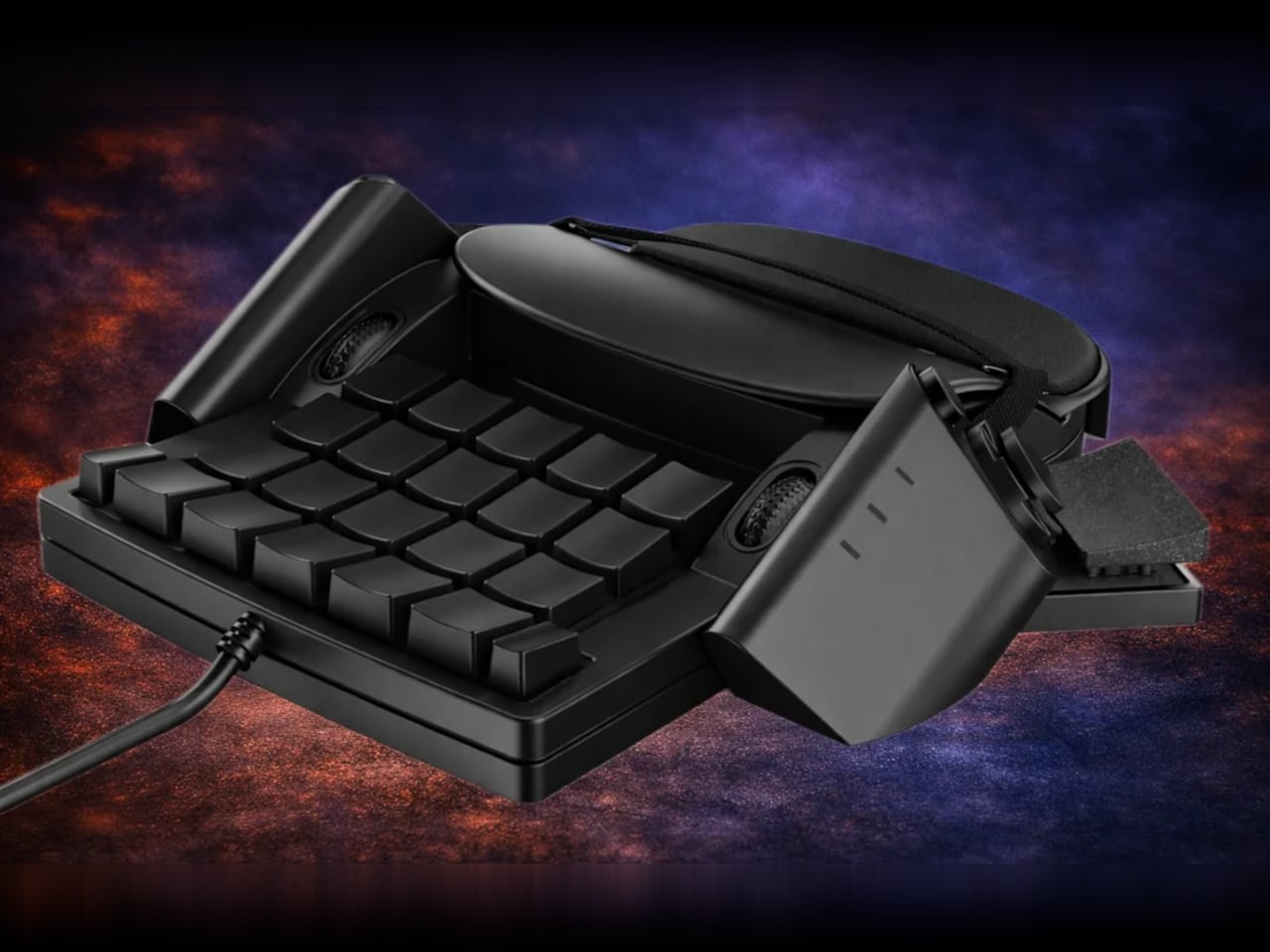
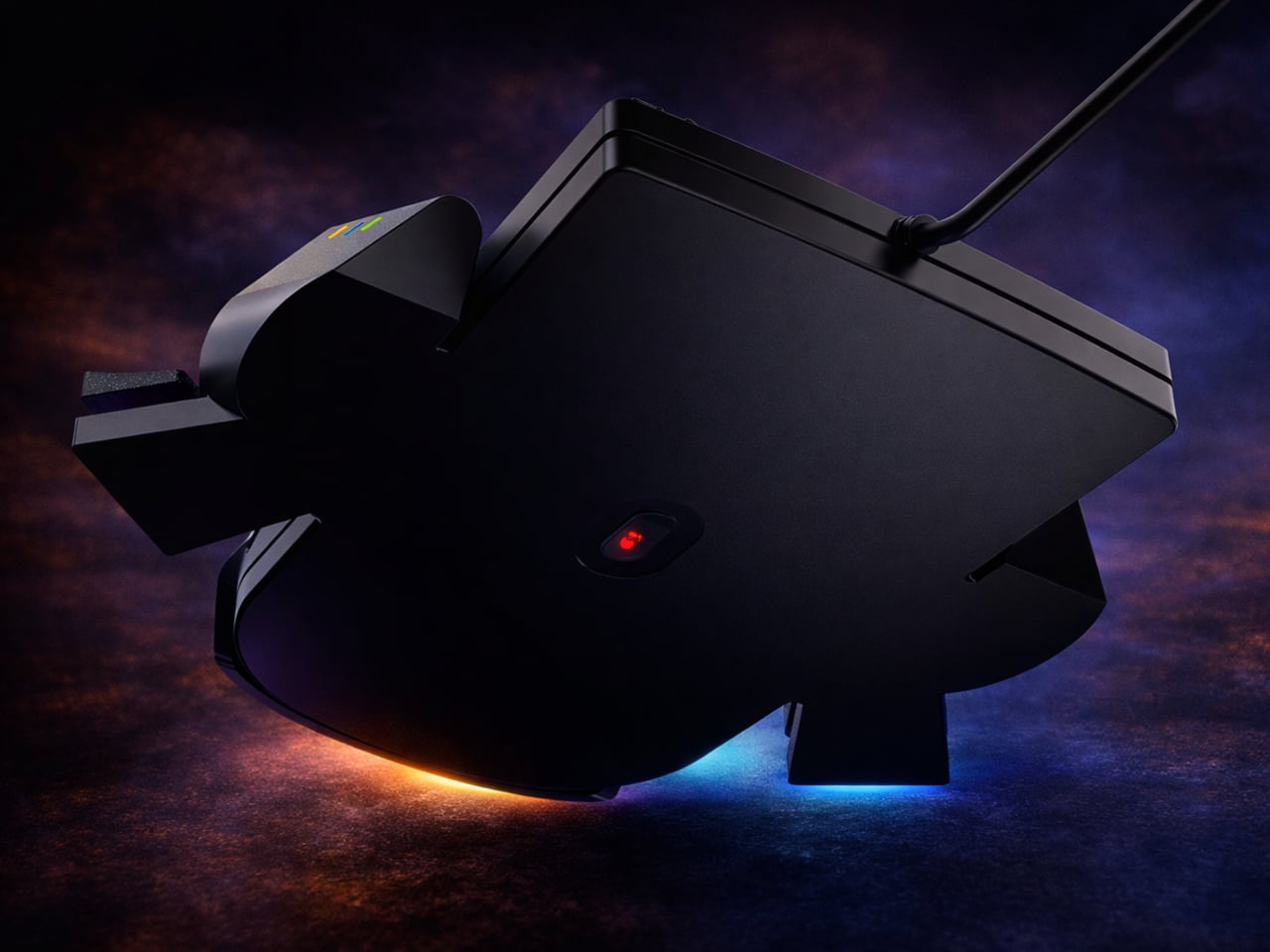
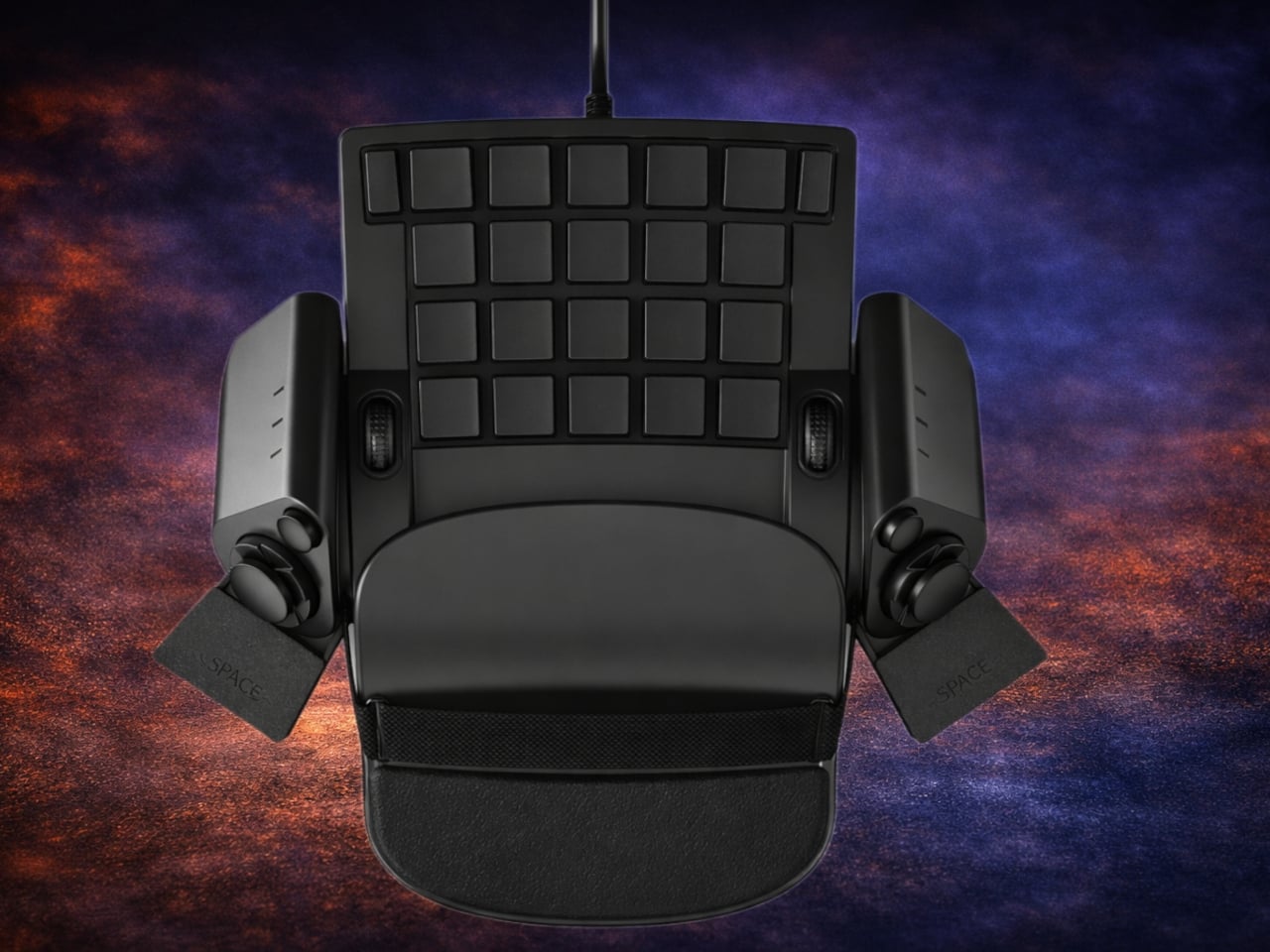
The core idea is to put the keyboard and the mouse into the same device so that one hand handles everything at once. The Ercham MK1 sits flat on a surface, and an optical sensor on its underside lets the entire unit glide like a conventional mouse. The hand resting on top can simultaneously press keys, scroll, and execute game commands without ever having to reach for a second peripheral.
The key section features more than 30 programmable inputs arranged in a compact grid within natural finger reach. A strap system runs across the top of the device, keeping the hand firmly in place during longer sessions without requiring a tight grip. That matters for players with limited hand strength or residual limb use, where maintaining position on a mouse-like surface for extended periods would otherwise be exhausting and imprecise.
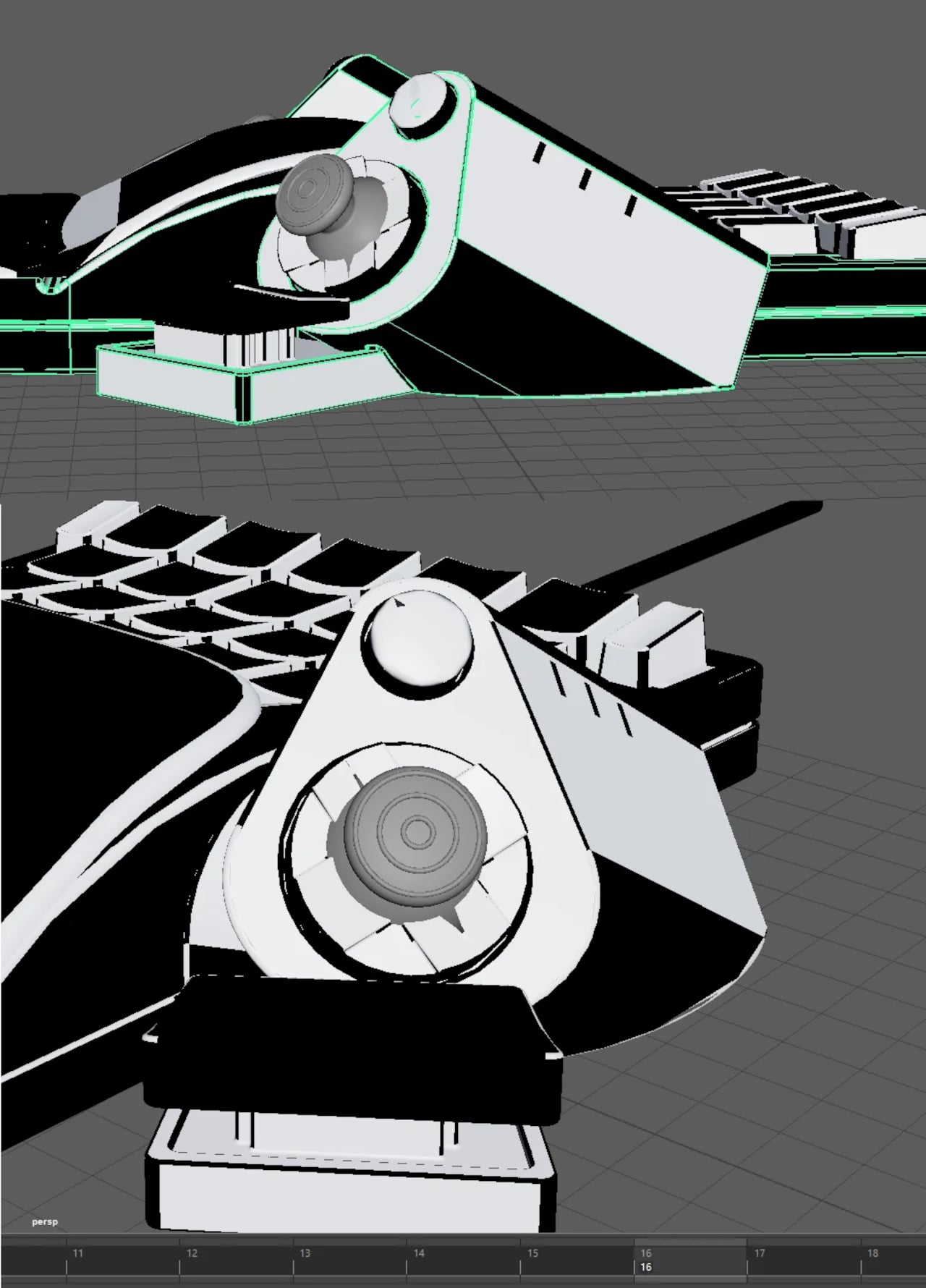
One of the more considered design decisions is that the Ercham MK1 works for either hand. Most gaming keypads aren’t built for both; they default almost universally to left-hand use, leaving right-handed amputees and players with right-side impairments without a natural fit. The fully ambidextrous layout, combined with angled control modules on both sides of the device, means the setup adapts to the user rather than the other way around.
Joe built the Ercham MK1 with amputees and stroke survivors specifically in mind, but its potential reach extends well beyond those two groups. Players dealing with RSI, brachial plexus injuries, and chronic pain face the same frustrations with two-device setups that don’t accommodate them, and so do power users and content creators. The programmable layout and macro support make it a genuinely useful tool for productivity work, not just gaming.
It’s come a long way from the hacked-together prototype he started with, and that origin gives it a kind of credibility that polished gaming accessories rarely have. It wasn’t designed in a studio; it was built by someone who genuinely needed it and couldn’t wait for anyone else to.
The post After Losing His Arm in a Crash, He Built the Controller No One Made first appeared on Yanko Design.
The keyboard market often feels split into two very different camps. Mechanical boards have long been the preferred choice for people who care about typing feel, delivering consistent keystrokes and a tactile quality that makes long sessions more enjoyable. Magnetic keyboards, meanwhile, have become the go-to for gamers needing precise, adjustable input and rapid trigger performance. Both are capable, but each comes with its own trade-offs.
That split is exactly what Lofree is trying to bridge with the Hyzen, a compact 67-key keyboard that approaches the category with a slightly different proposition. Working with Kailh, Lofree developed the Nexus switch, combining a mechanical structure with magnetic sensing in a single unit. The idea, of course, is that you shouldn’t have to choose between how a keyboard feels and how quickly it responds.
Designer: Matt (Lofree)
Click Here to Buy Now: $189 $279 (32% off). Hurry, only 464/500 left! Raised over $884,000.
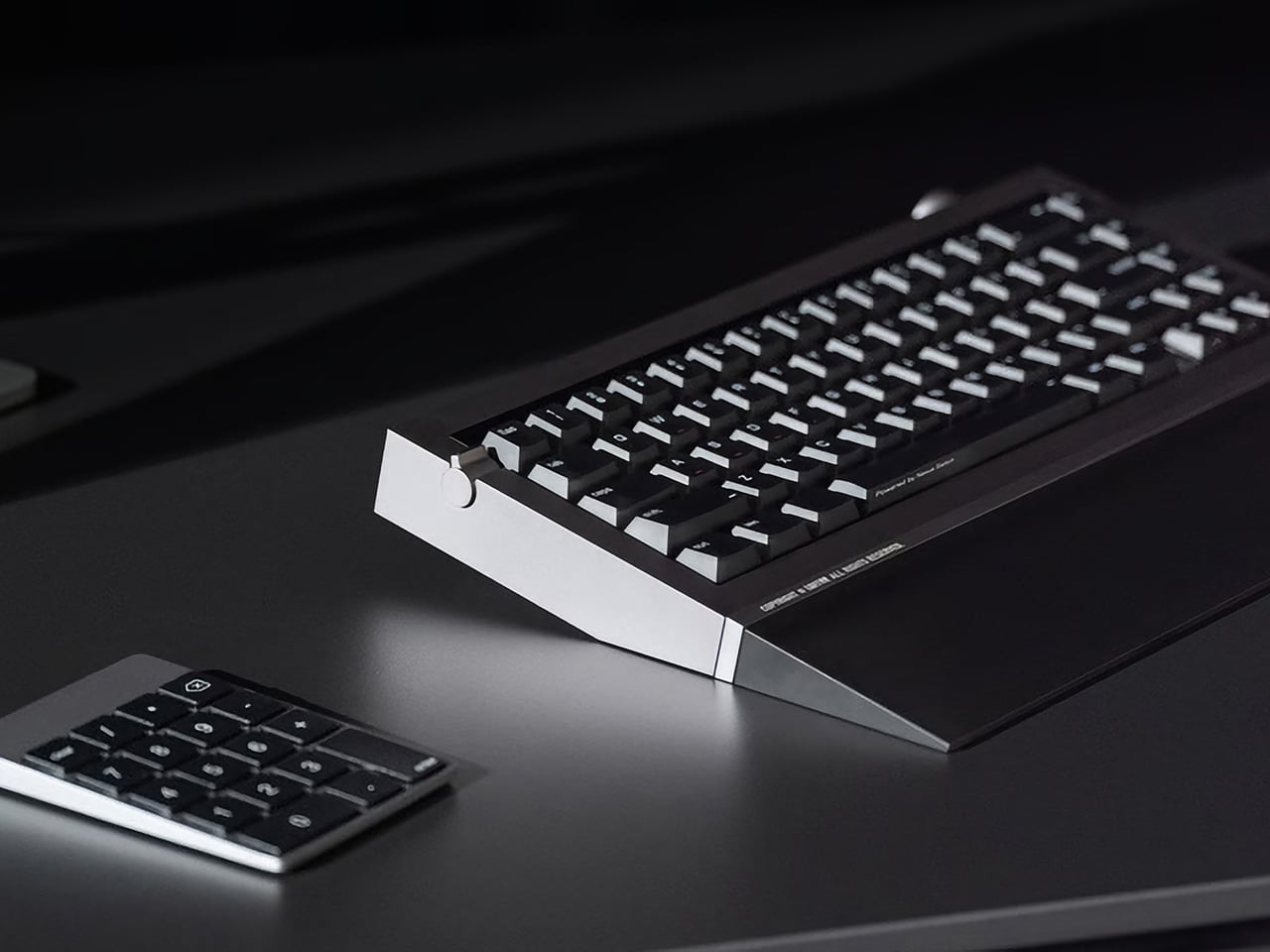
Beyond the technology inside, the Hyzen is clearly built to belong on a thoughtfully put-together desk. The CNC-machined aluminum body, clean geometry, and balanced proportions give it a composed presence that doesn’t lean into the visual language typical of gaming hardware. Available in Space Gray and Silver, it carries far more of the character of a premium desk accessory than a performance peripheral.
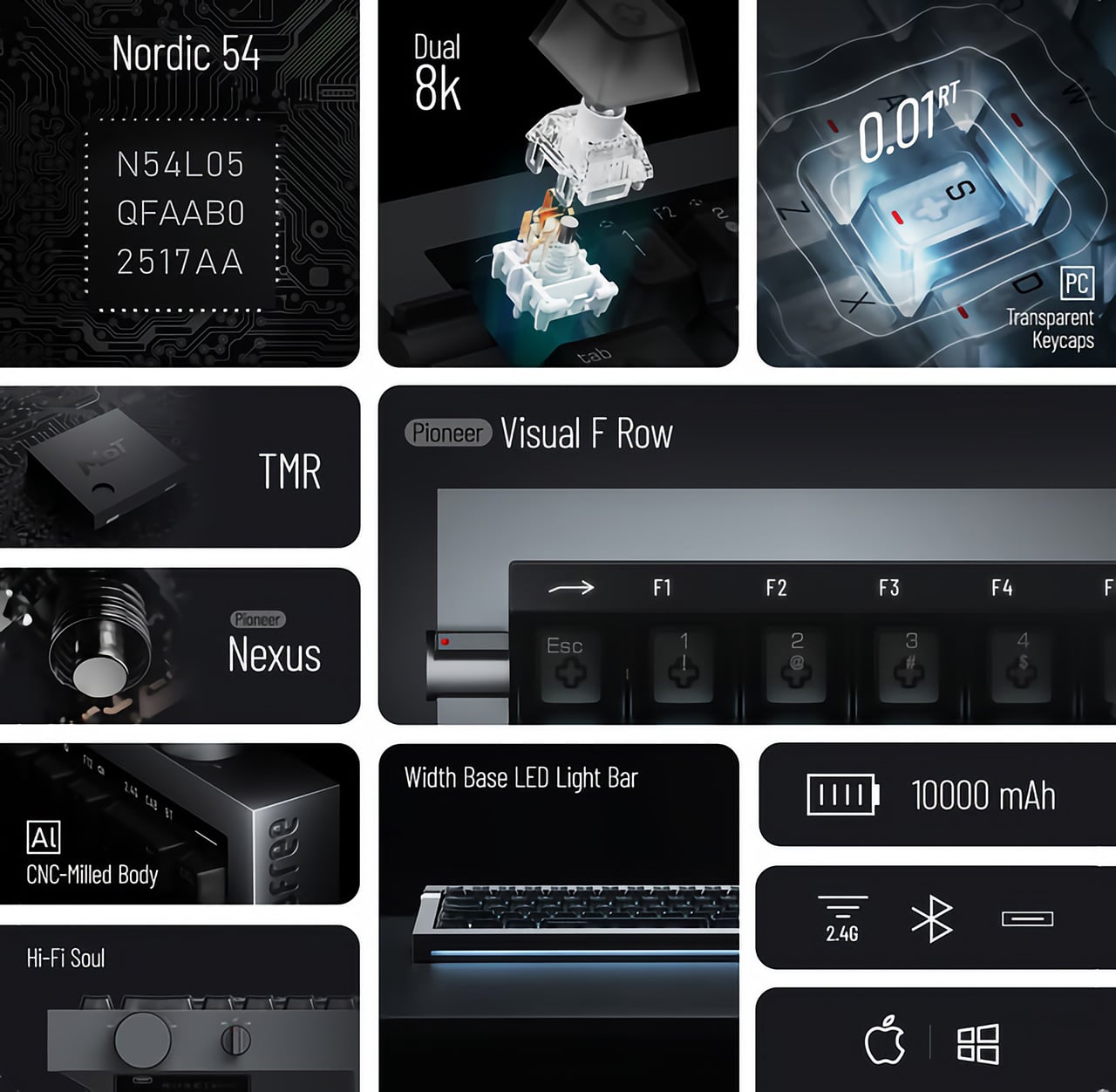
The lighting follows the same restrained approach. Rather than making RGB the main event, Hyzen uses subtle front ambient lighting and a light strip along its front edge that adds atmosphere without taking over. High-transparency PC keycaps with a matte UV coating and front-printed legends keep the visual detail quiet. It’s the kind of setup that works best in calmer, low-light arrangements where you want mood without the theatrics.

The Nexus switch is where the Hyzen’s concept actually becomes tangible. A single shortcut toggles between mechanical mode, which uses traditional contact-based actuation, and magnetic mode, which unlocks the performance features. According to Lofree, the physical typing feel stays consistent across both. What changes is how the input gets detected, which is Lofree’s answer to a problem many users know well.
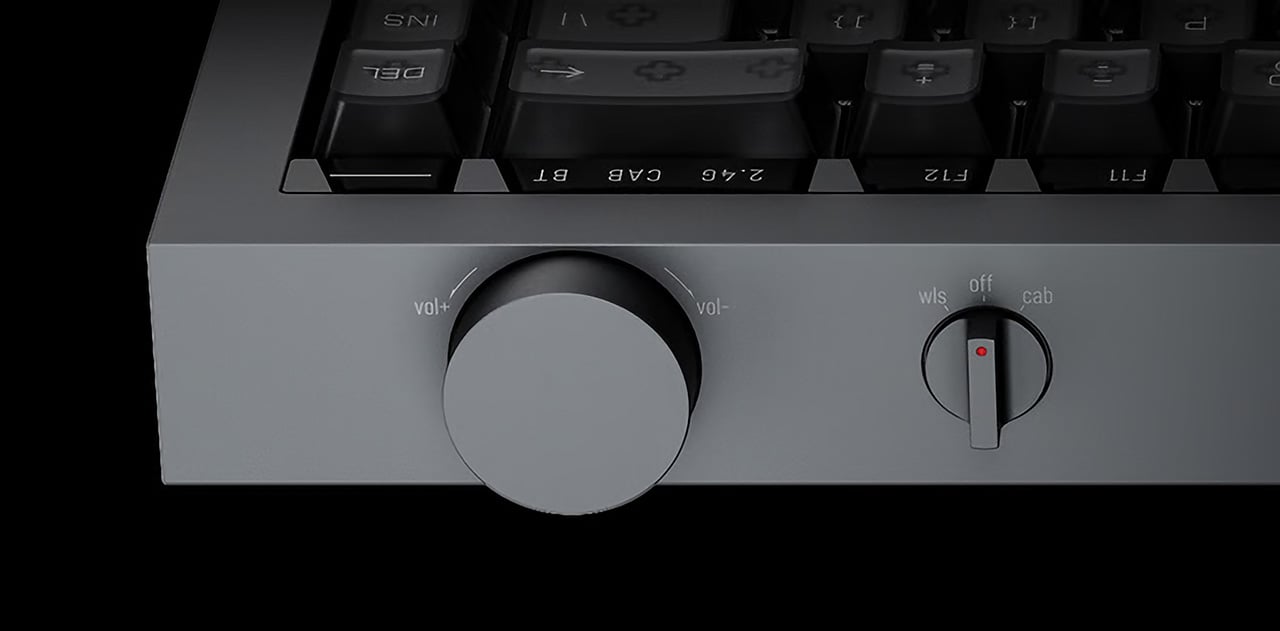
On the productivity side, Hyzen carries a 10,000 mAh battery for solid wireless runtime, whether you’re writing documents or hopping between devices. Connectivity covers wired USB, 2.4 GHz, and Bluetooth, so switching between a work machine and a personal setup doesn’t take much effort. The PCB gasket construction and FR4 fiberglass plate also contribute to a more considered typing feel that holds up well over longer sessions.

Switch to gaming, though, and things get considerably more interesting. Magnetic mode unlocks adjustable actuation with 0.01 mm precision, rapid trigger with 0.01 mm accuracy, and a dual 8K polling rate at 8,000 Hz on both keyboard and receiver. Wired latency sits at 0.36 ms, with 2.4 GHz at 0.65 ms. Those are numbers competitive setups look for, in hardware that, for once, doesn’t look aggressive doing it.

There’s also a multi-function key window that lets you toggle between the F-row and number row, with a visual indicator showing the active mode at a glance. It’s a small detail, but a genuinely useful one on a compact layout where function layers can get confusing fast. Hot-swap support, macro functionality, and web-based key mapping round out a package that covers more ground than you might expect.

Keyboards that try to balance aesthetics and performance this explicitly still feel relatively uncommon. Most still ask you to pick a lane, whether that means living with something that looks aggressive on a clean desk or one that feels clinical when you’d prefer more character. Hyzen is trying to sit in between, which is either the smartest place to be or the most difficult one, depending on who you ask.
Click Here to Buy Now: $189 $279 (32% off). Hurry, only 464/500 left! Raised over $884,000.
The post Lofree Hyzen: A High-End Custom Mechanical-Magnetic Keyboard for Every Scenario first appeared on Yanko Design.
Touchscreens have been quietly making their way into almost everything around us. From car dashboards to kitchen appliances, the tap-and-swipe interface that once defined smartphones has spread into nearly every product category imaginable. It’s reached a point where finding a device without a screen feels more unusual than finding one with it. Designers just keep finding new surfaces to embed them on.
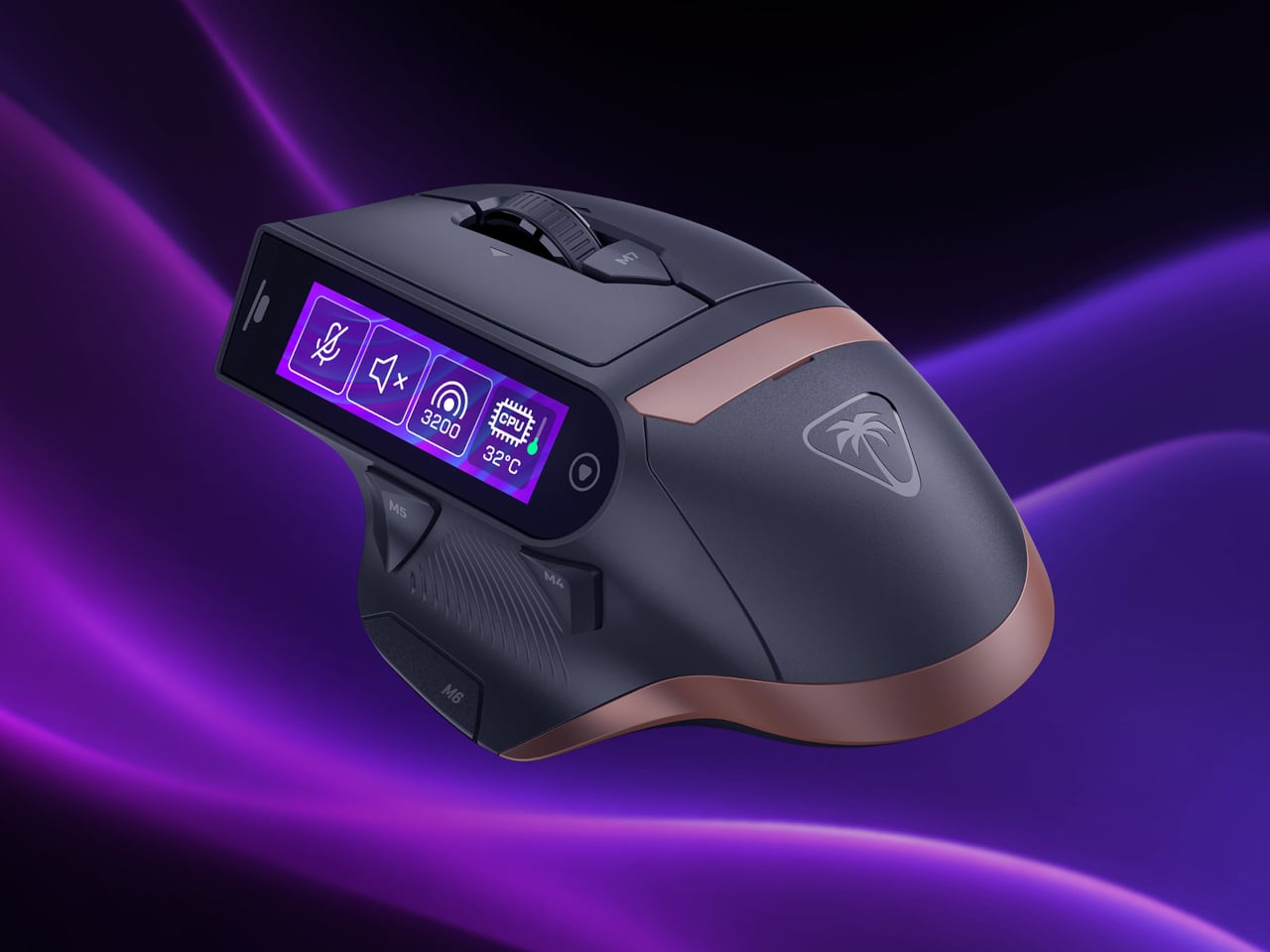
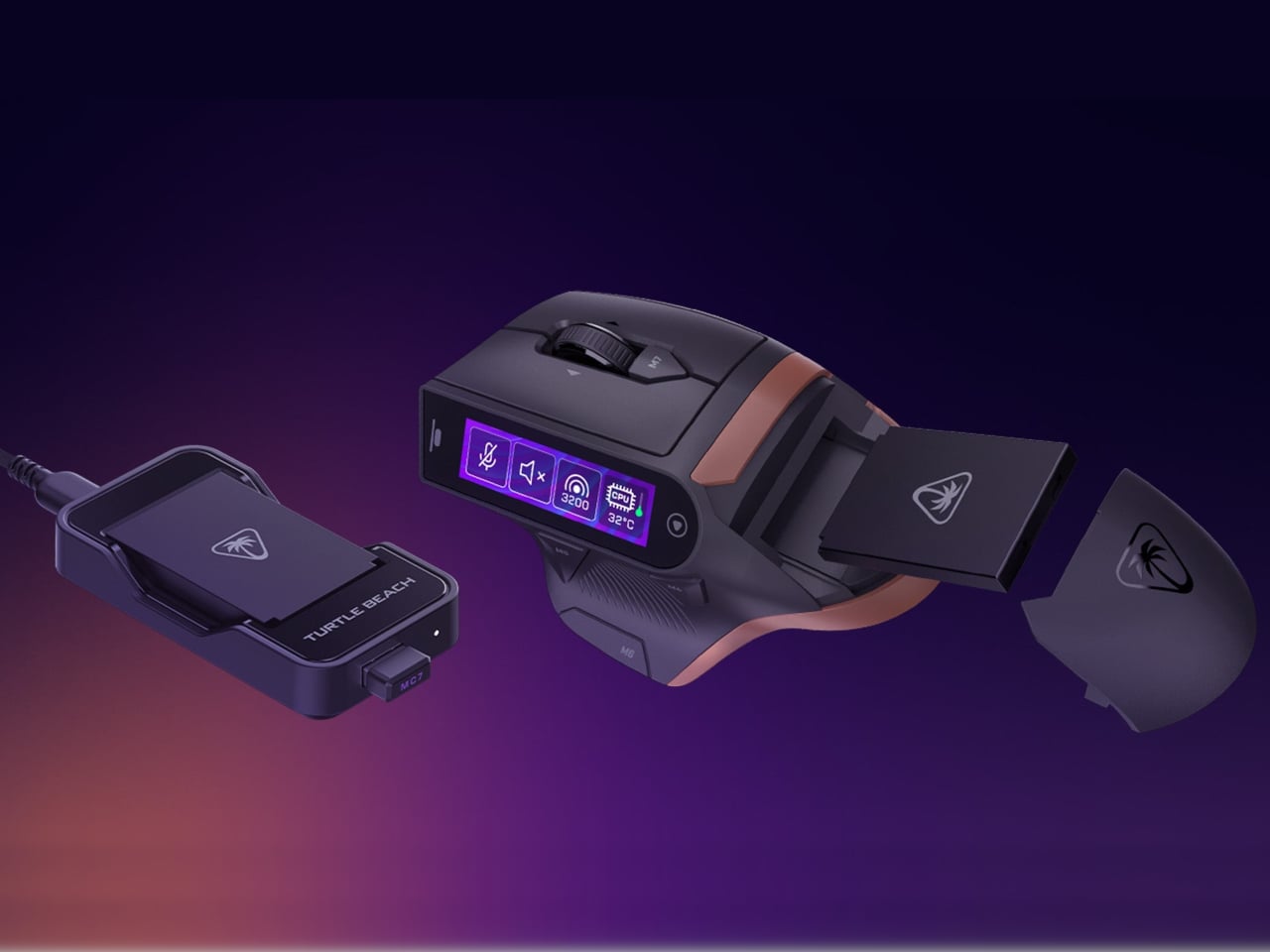
Turtle Beach’s all-new Command Series is the latest proof of that. The lineup includes, among other things, two keyboards, the KB7 and the KB5, plus a wireless mouse, the MC7, each with an embedded Command Touch Display. For gamers, streamers, and multitaskers who are constantly juggling tasks at once, having a dedicated control surface right where your hands already rest makes for a genuinely practical setup.
Designer: Turtle Beach
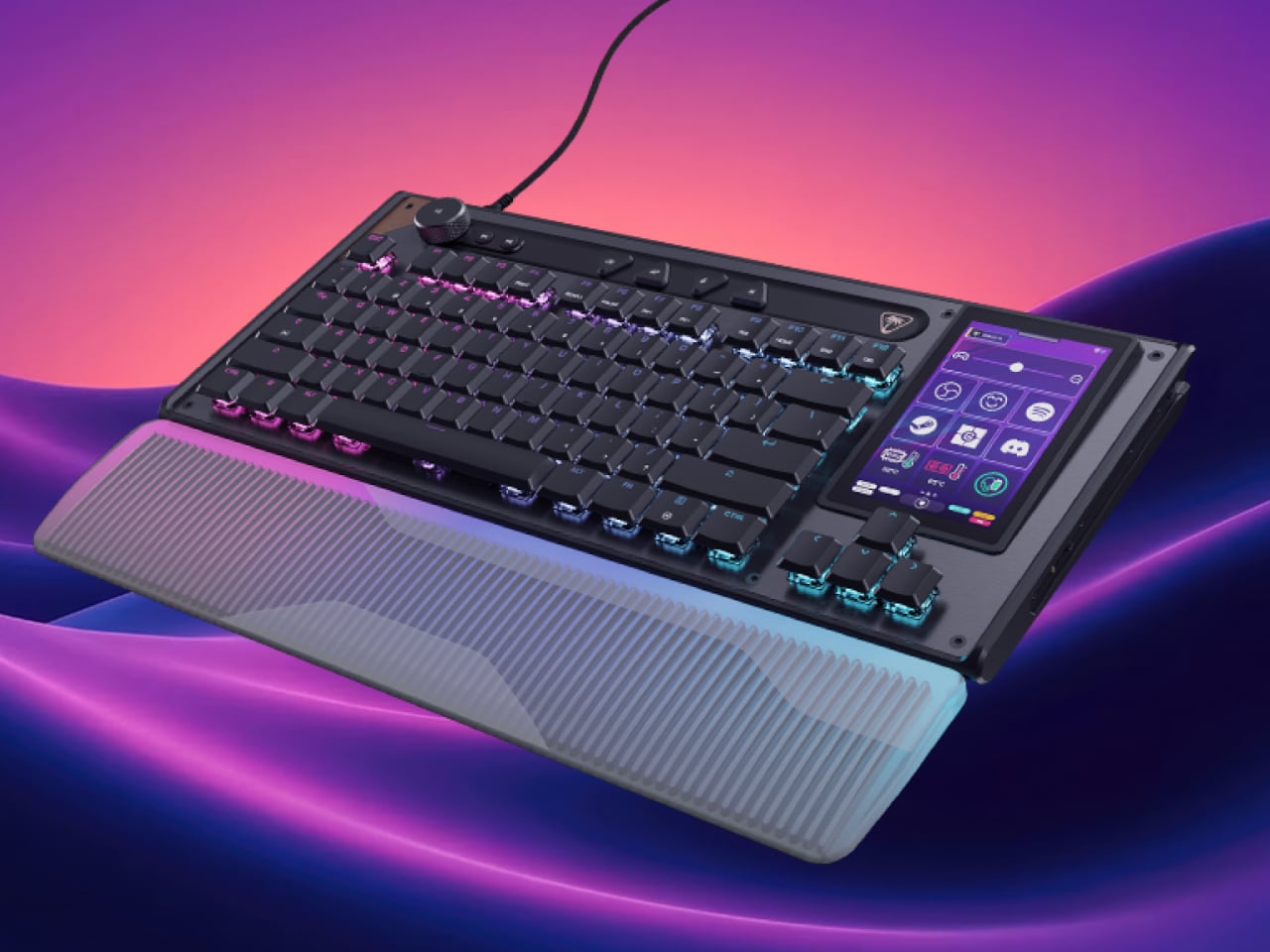
The KB7 is the flagship, a tenkeyless board with a 4.3-inch Command Touch Display built into it. Think of it as a Stream Deck fused onto your keyboard, letting you swap profiles, trigger macros, manage audio, or push OBS scene changes with a tap. For streamers bouncing between a game and broadcast software, it removes a good chunk of extra hardware and window-switching.
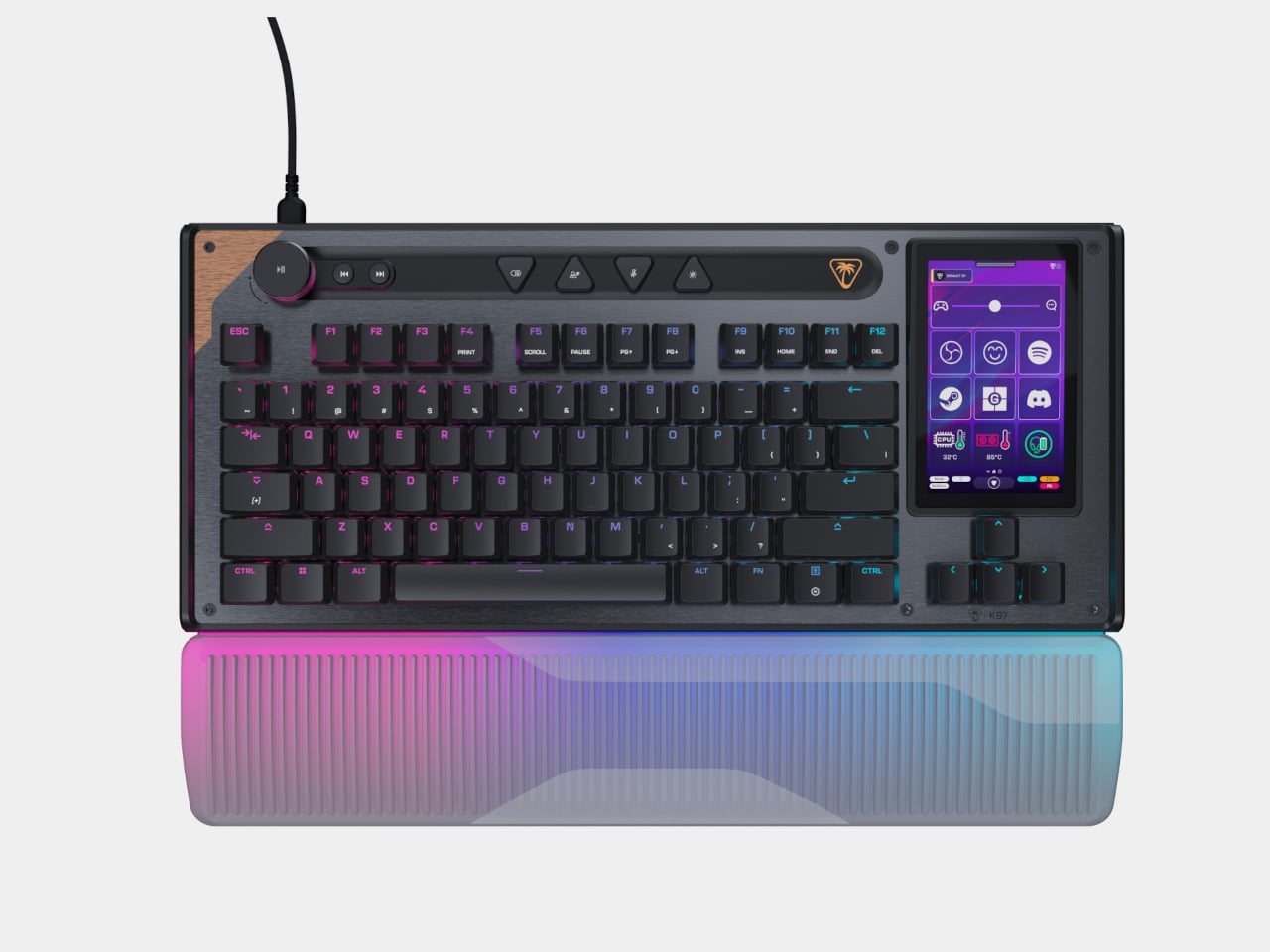
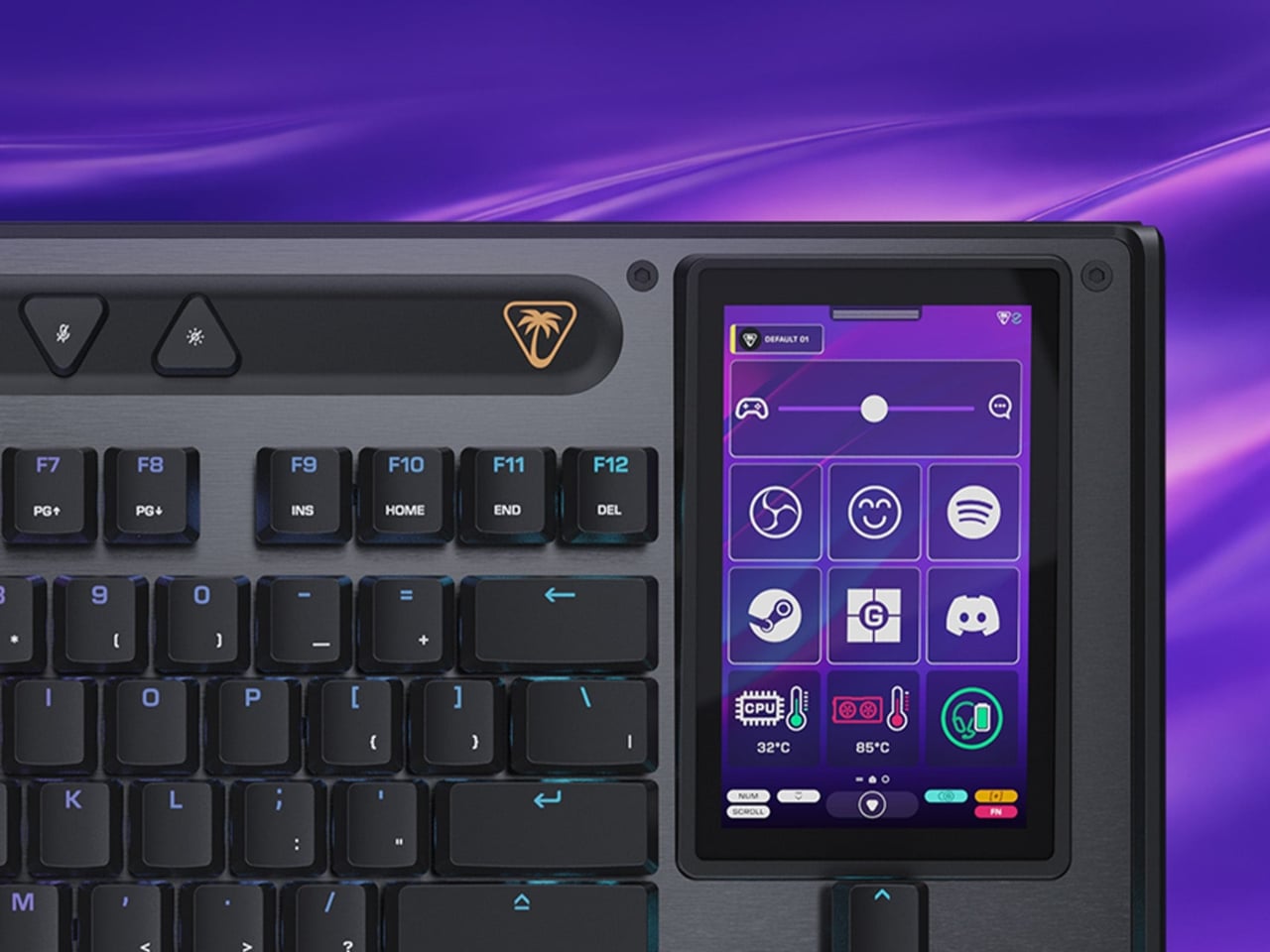
Its Titan low-profile Hall Effect switches have adjustable actuation down to 0.1mm with Rapid Trigger support, and the keyboard runs at an 8K polling rate with 0.125ms latency. The slim 29mm chassis is aluminum-reinforced, with double-shot PBT keycaps, textured WASD keys, and an illuminated detachable wrist rest. Dual modular rails let you dock the KP7 add-on keypad for an expanded layout. The KB7 is priced at $199.99.
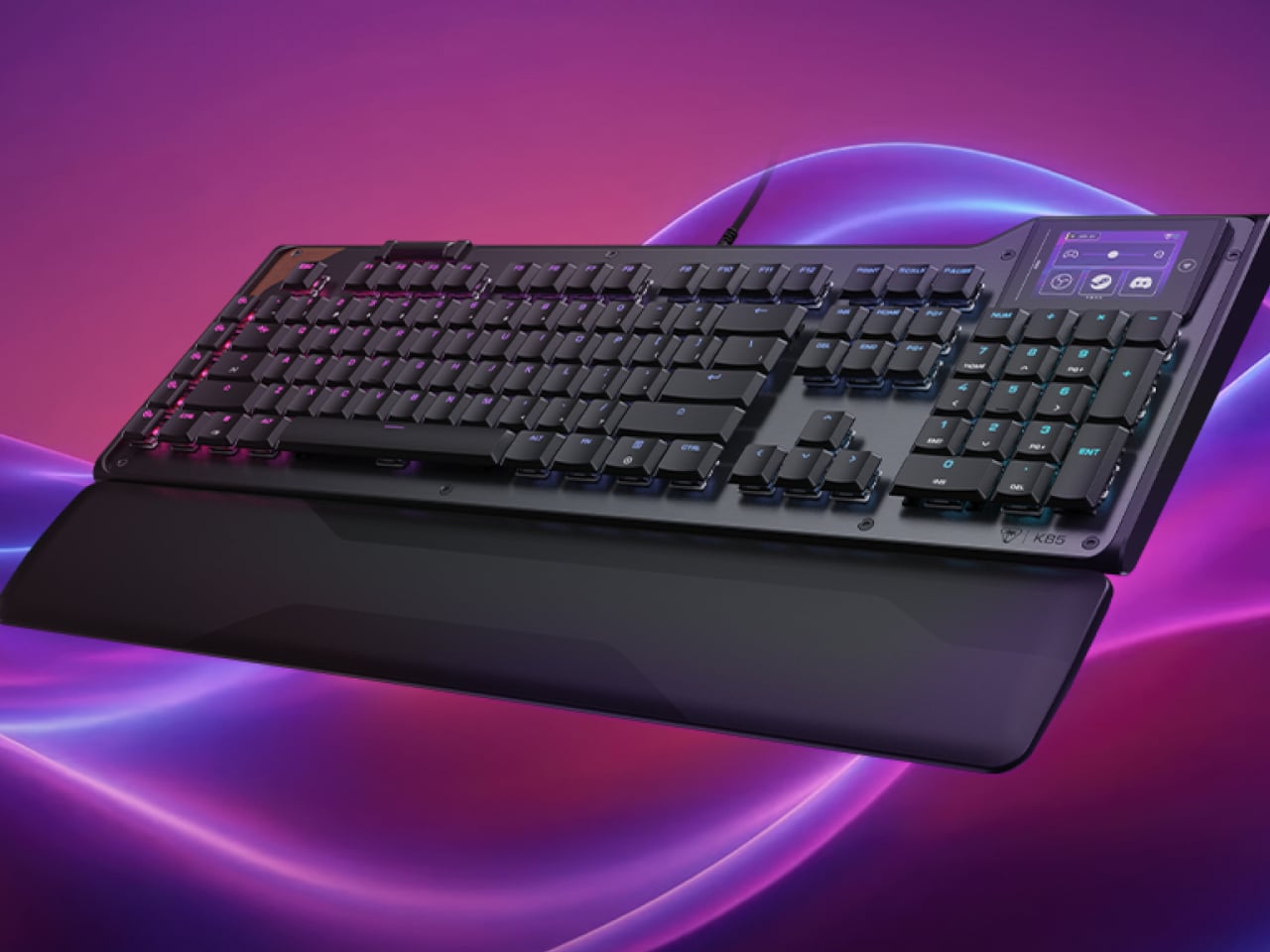
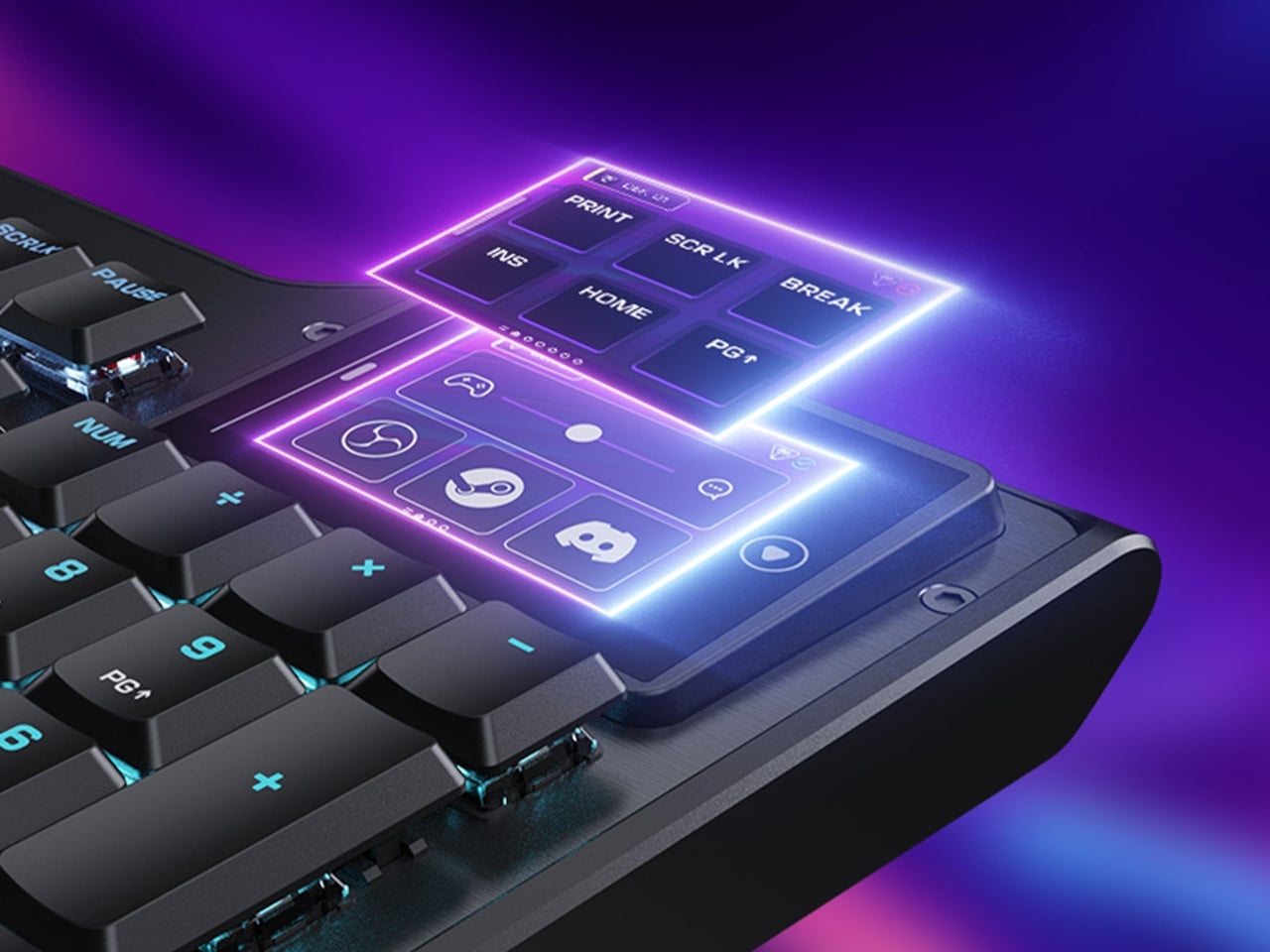
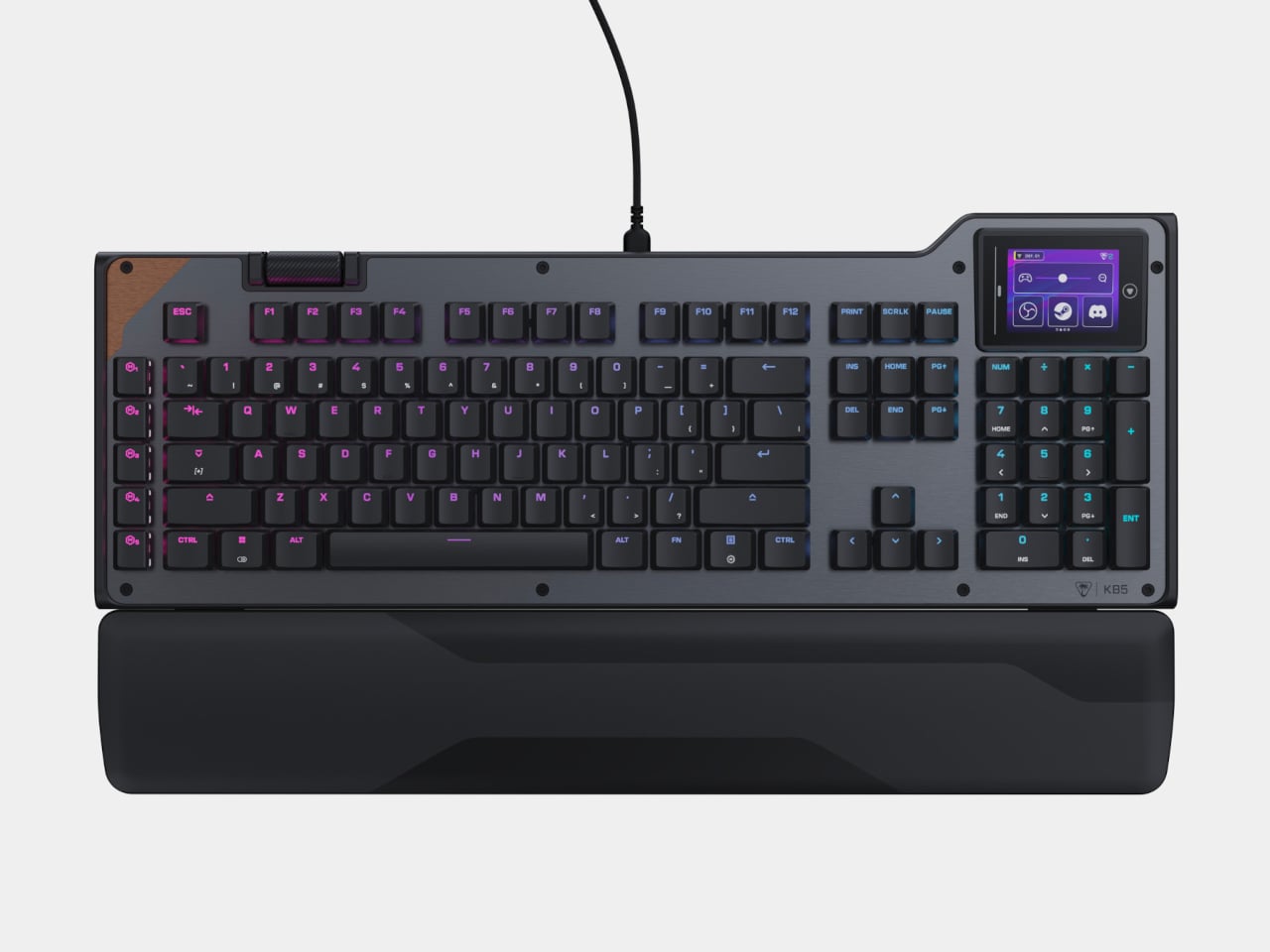
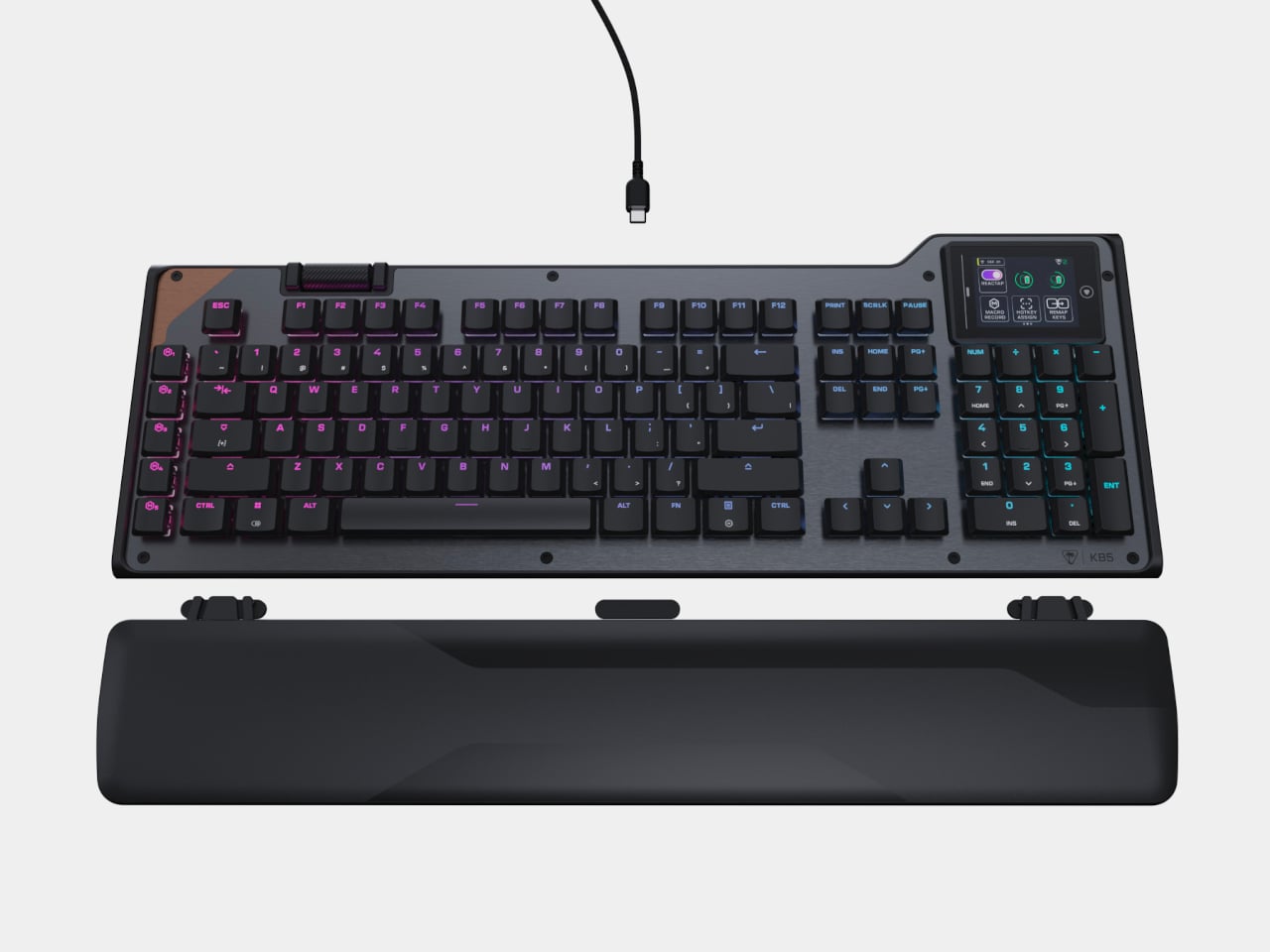
The KB5 is the full-size option at $149.99, offering the numpad that the KB7 leaves out. Its touchscreen shrinks to 2.4 inches but still handles OBS integration, profile switching, and macro control. Titan low-profile mechanical switches actuate at 1.2mm, backed by ReacTap technology for faster resets. Five dedicated macro keys, a detachable wrist rest, and 8K polling round it all out.
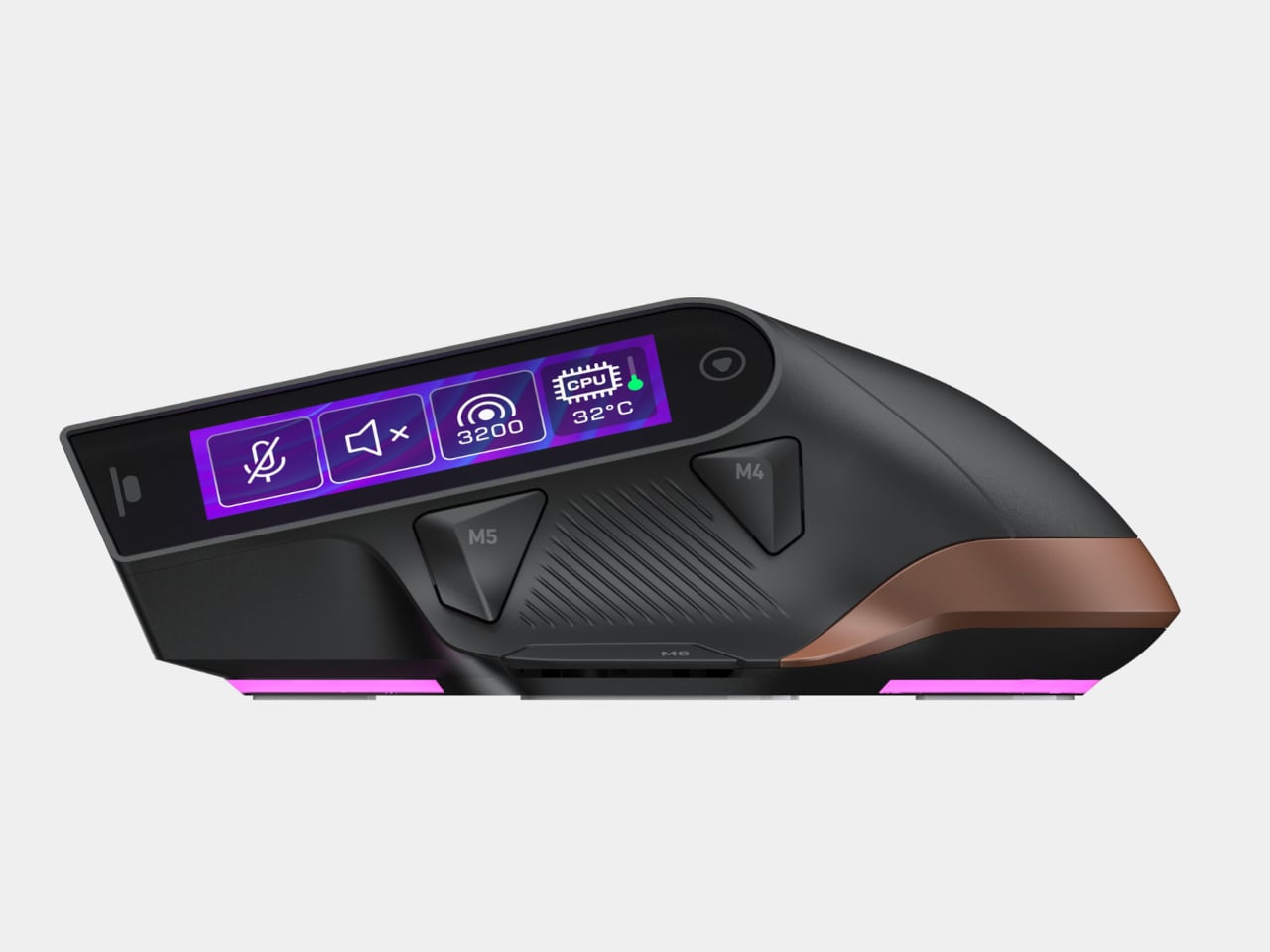
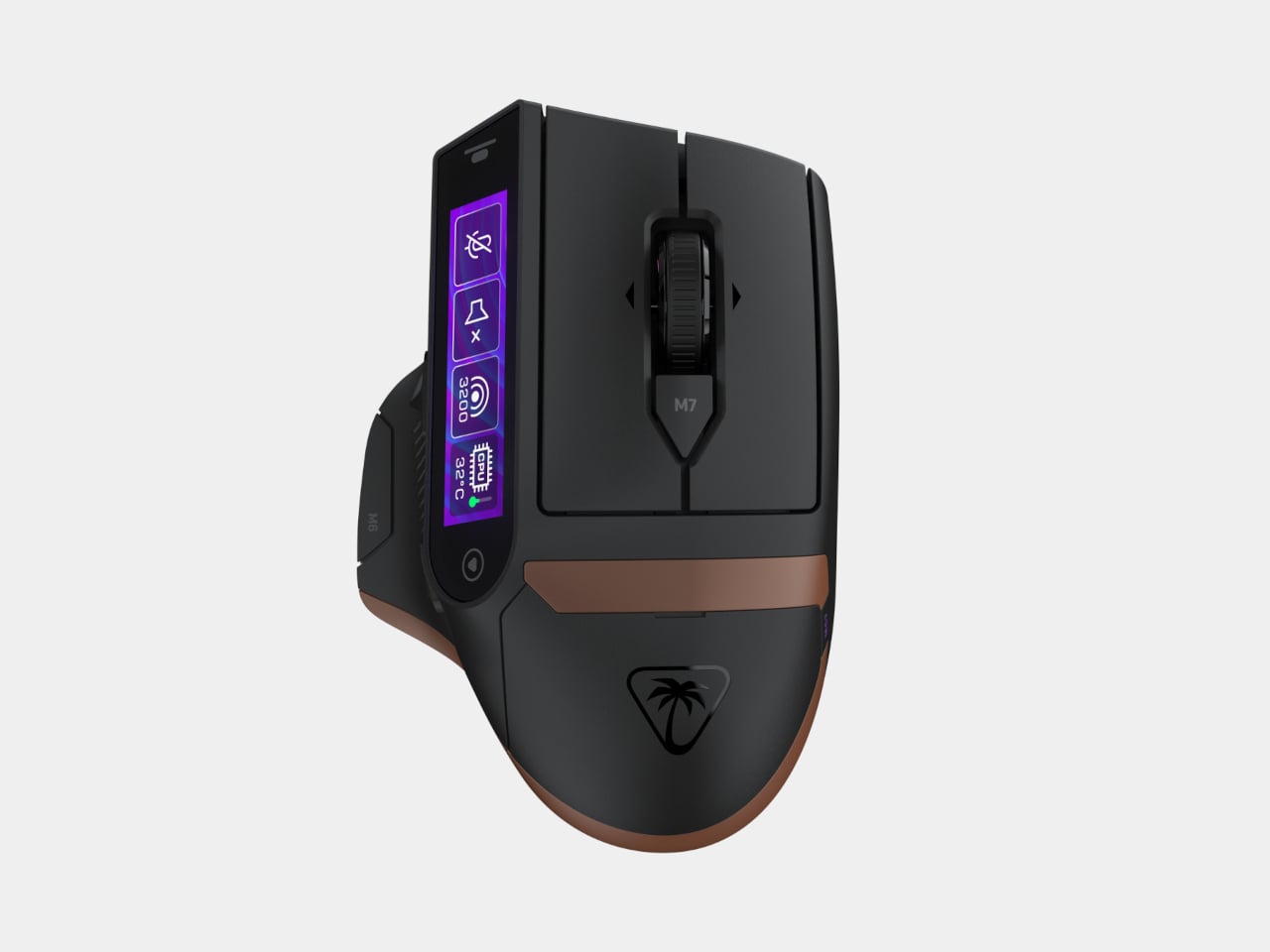
Then there’s the MC7, the device that makes you look twice. It’s a wireless gaming mouse with its own 2.25-inch touchscreen, and it works much the same as the keyboard displays. On the fly, you can adjust DPI, switch between five onboard profiles, mute your mic, or trigger OBS scene changes without breaking your grip or pulling your attention away from whatever’s on your screen.
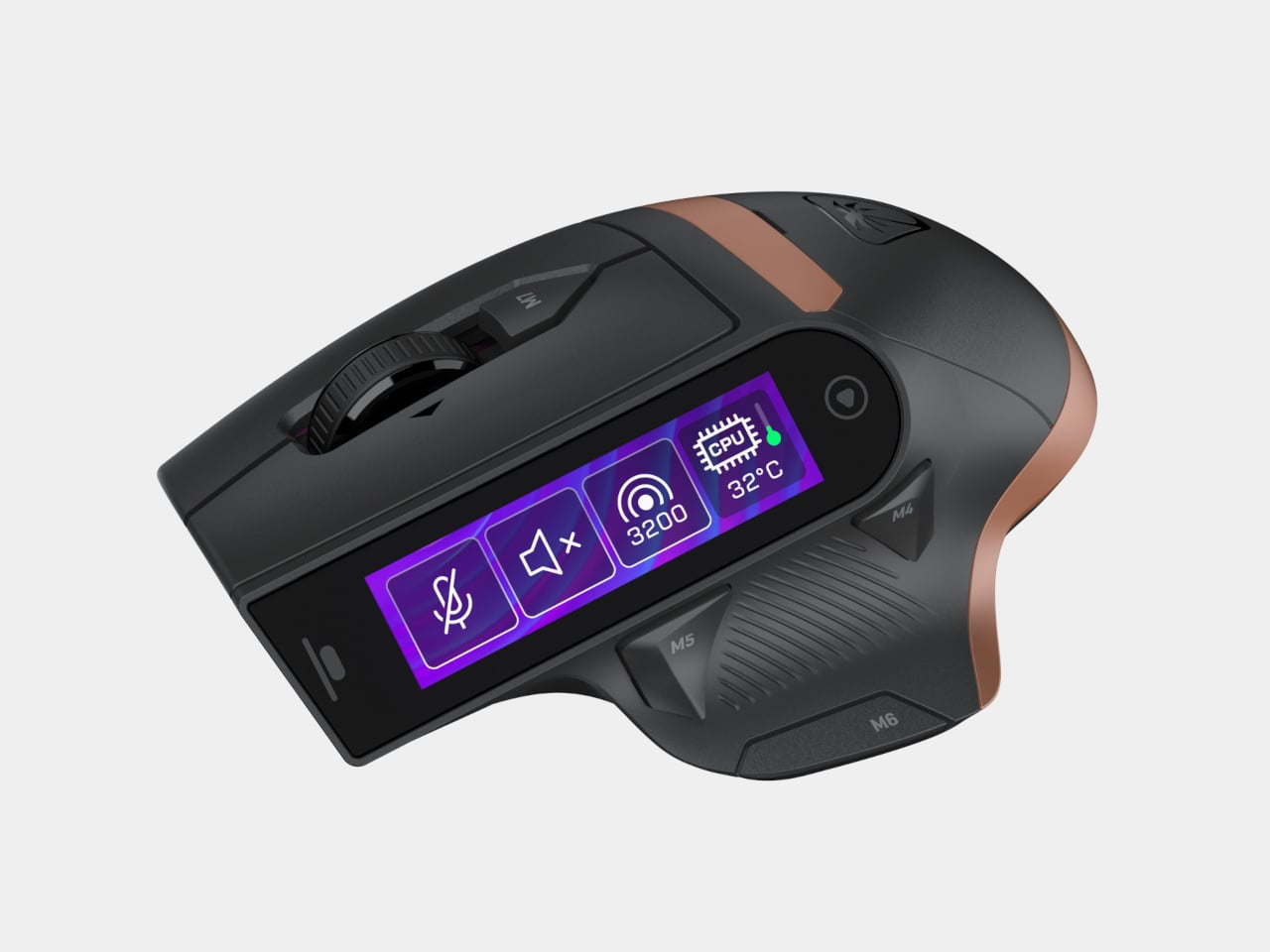
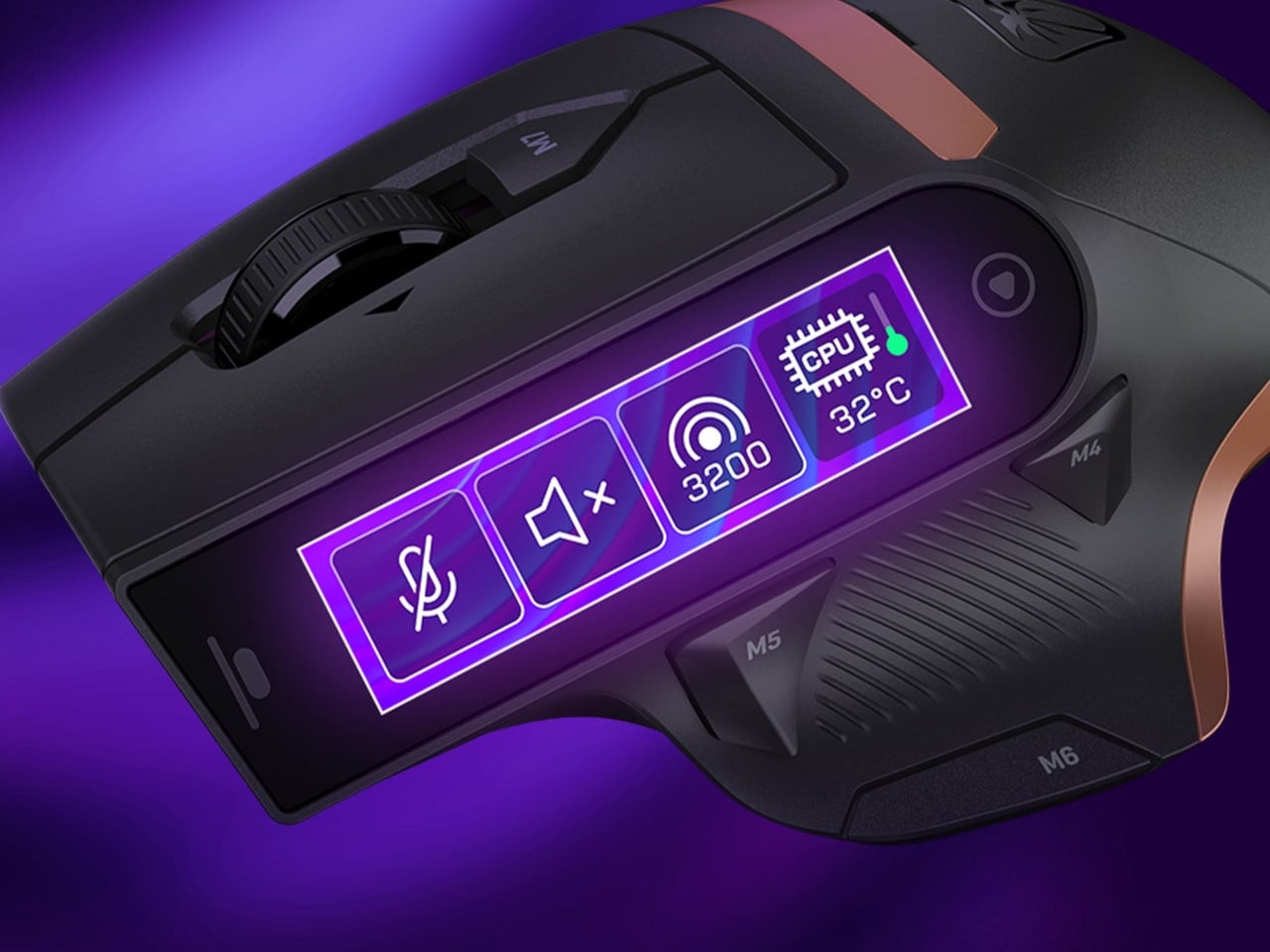
Under the hood, the MC7 has the Owl-Eye 30K DPI optical sensor, Titan Optical switches, and tri-mode connectivity across 2.4GHz wireless, Bluetooth, and USB wired. Two hot-swappable 1000mAh batteries with a charging dock keep it running indefinitely, with each cell lasting up to 10 hours. It’s priced at $159.99 and launches globally on July 19, 2026, two months after the keyboards.
All three are already up for pre-order at turtlebeach.com. Together, the KB7, KB5, and MC7 form an ecosystem built on the idea that the peripherals you hold every day can surface controls without making you reach for anything else. Touchscreens have ended up in some strange places over the years, but a mouse grip might actually be one of the more intuitive ones.
The post Turtle Beach’s Command Series puts touchscreens right where your hands already are first appeared on Yanko Design.
Mobile gaming has come a long way from simple puzzle games and endless runners. Today’s smartphones can run graphically demanding titles at high frame rates, rivaling dedicated gaming hardware in raw power. But the way we actually control these games hasn’t kept pace. Playing shooters on a touchscreen has always meant thumbs blocking the very action they’re trying to aim at.
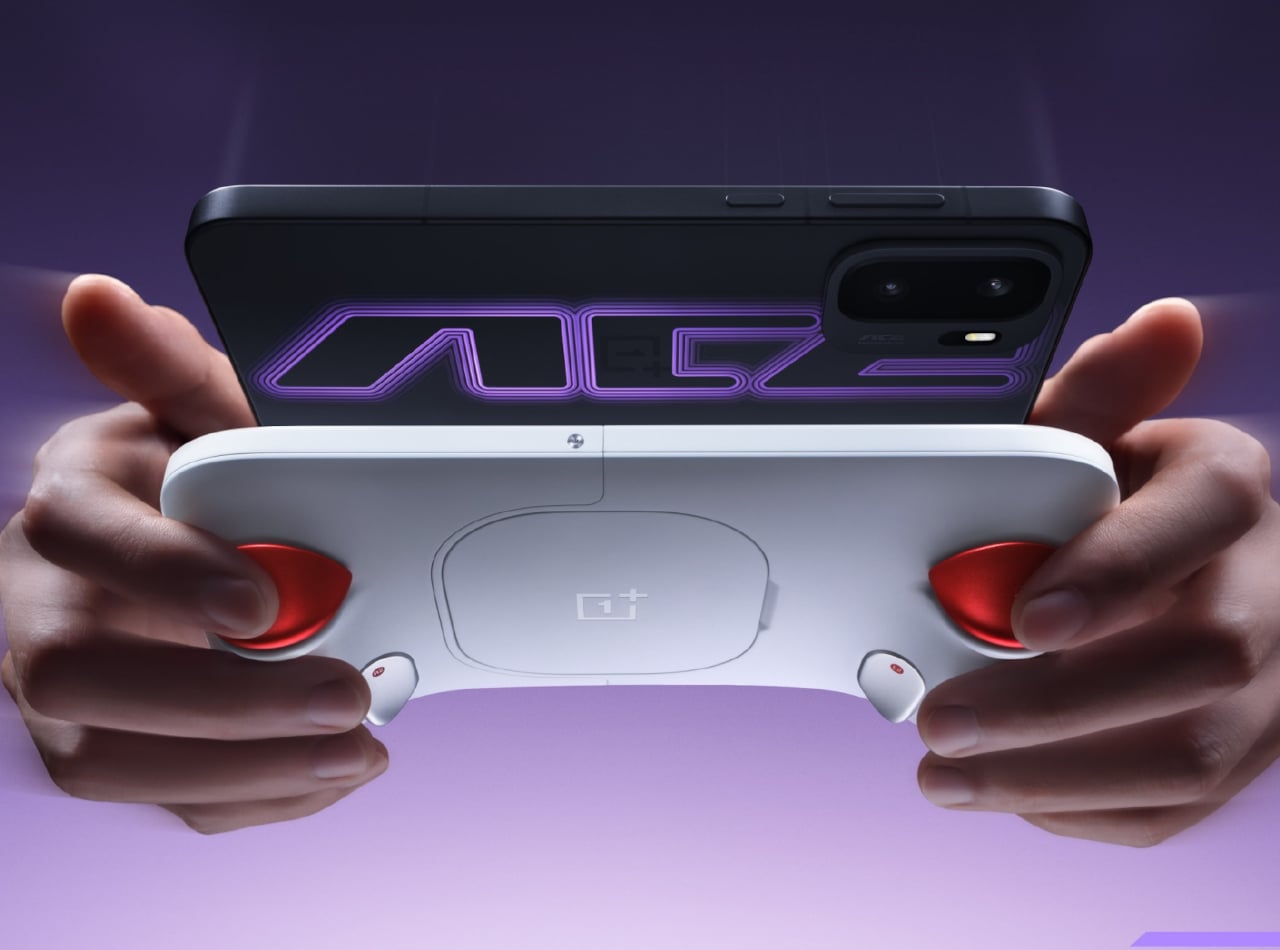
Gaming phones like the OnePlus Ace series have tried to bridge that gap with cutting-edge chips, cooling systems, and specialized gaming software. These upgrades help, but they don’t solve the fundamental issue of using glass as a controller. The Ace 6 Ultra changes that approach entirely by pairing with a snap-on accessory called the Gun God Game Controller, designed specifically for competitive shooter titles.
Designer: OnePlus
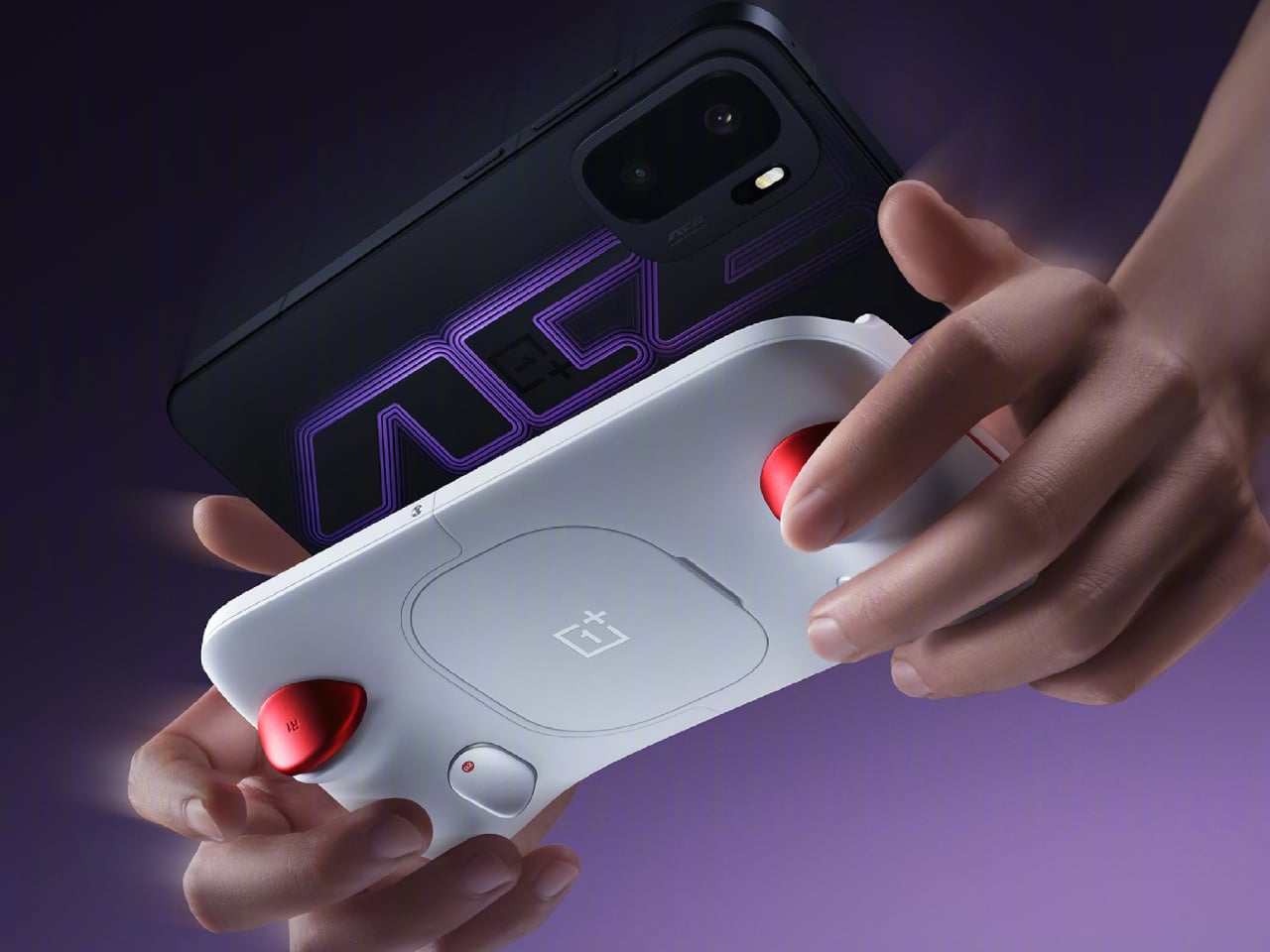
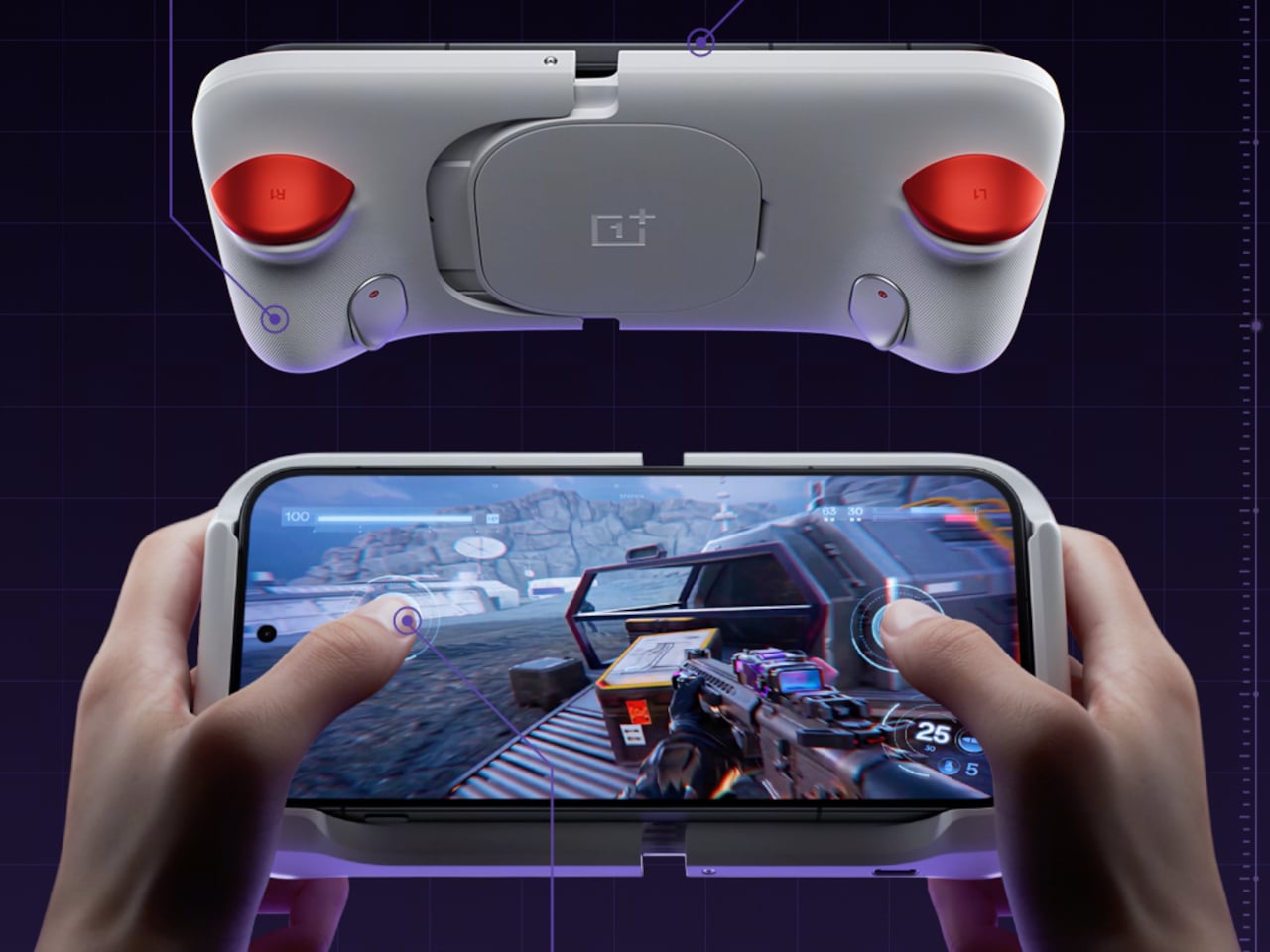
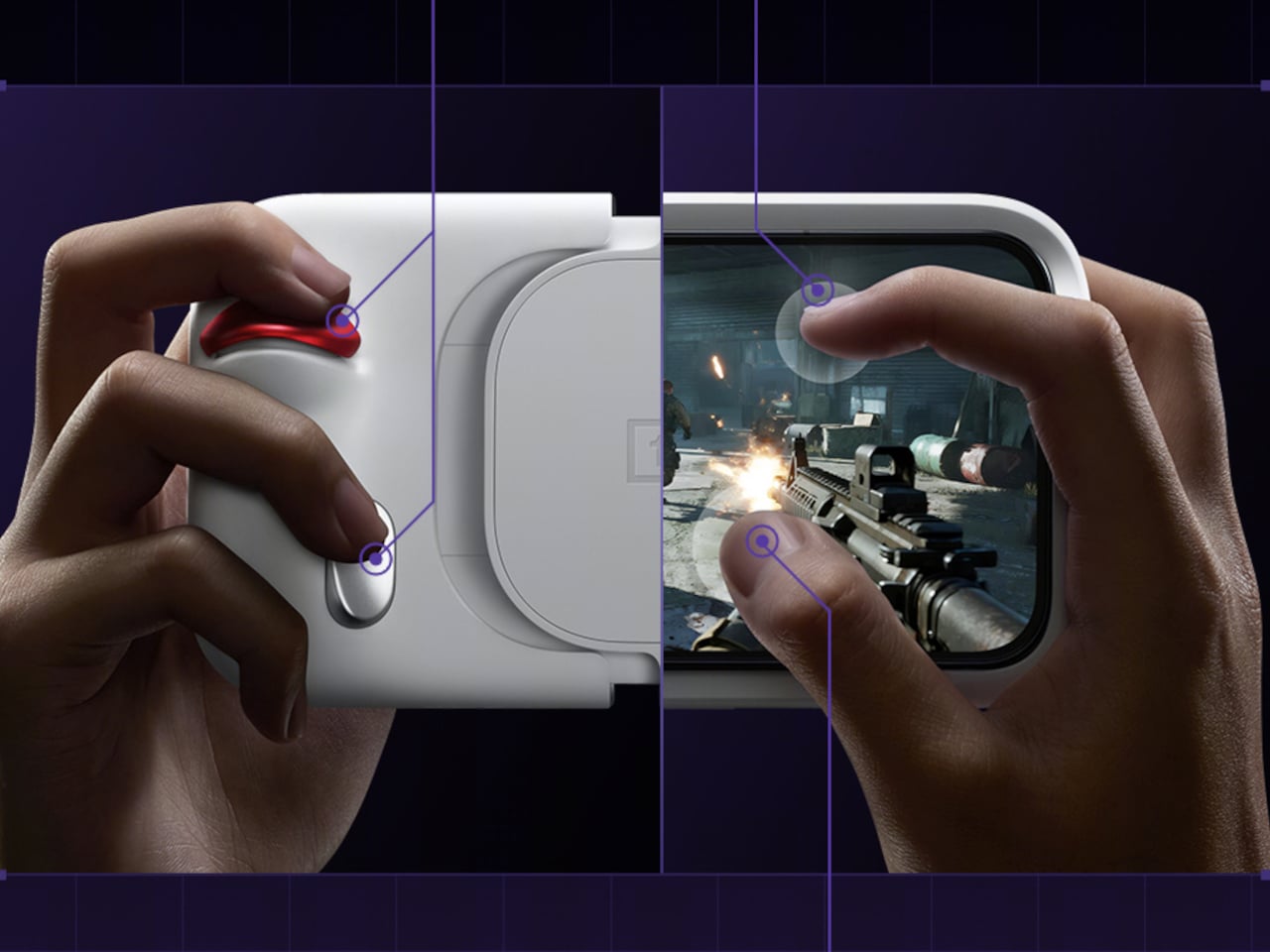
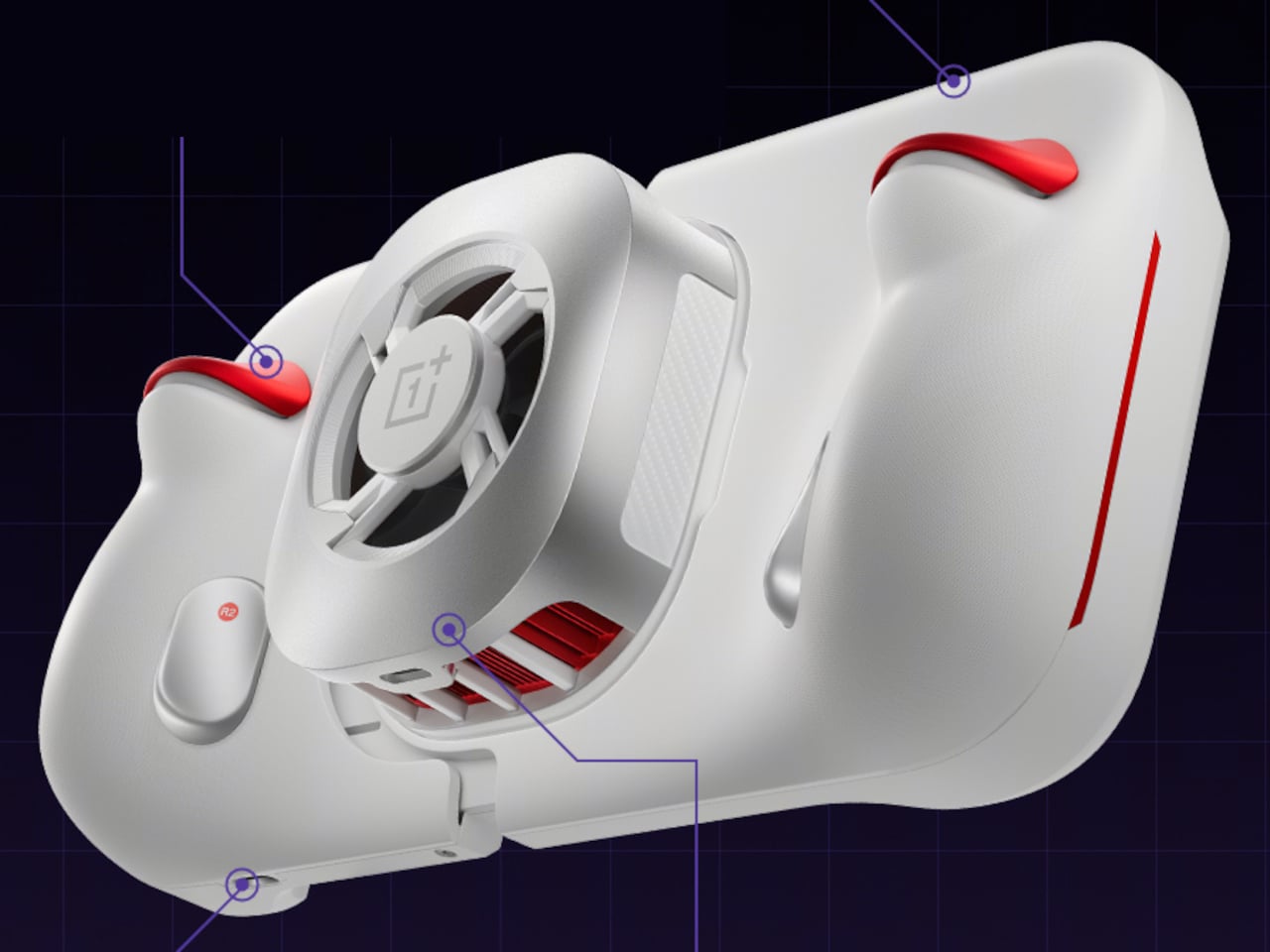
OnePlus calls the combined setup the “Gun God Handheld,” a new category somewhere between a smartphone and a portable gaming console. The controller is a lightweight shell that the phone snaps into, giving the whole rig a contoured, comfortable grip built for extended sessions. The multi-finger controls relocate to the back, clearing the screen and keeping the player’s field of view unobstructed.
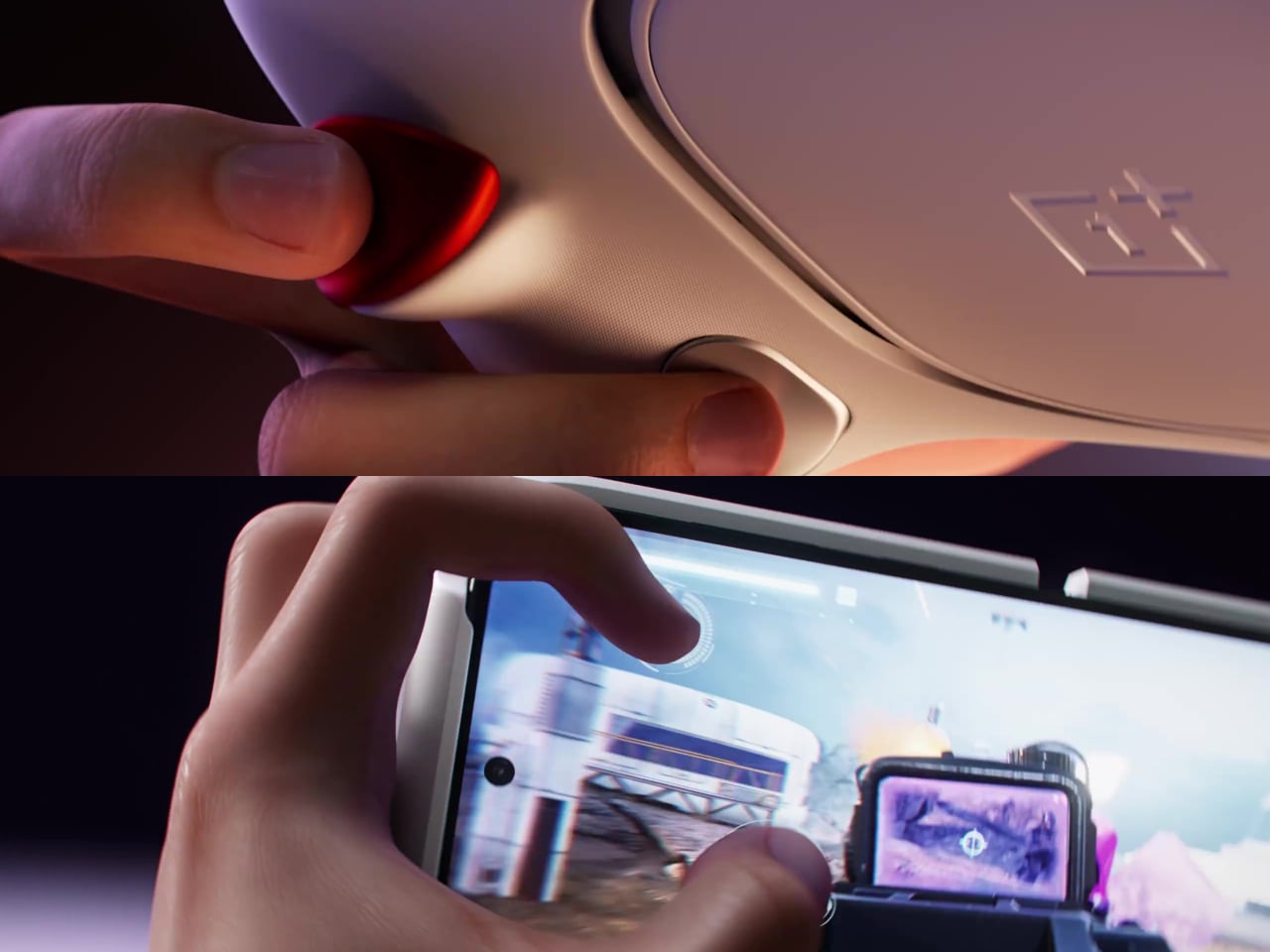
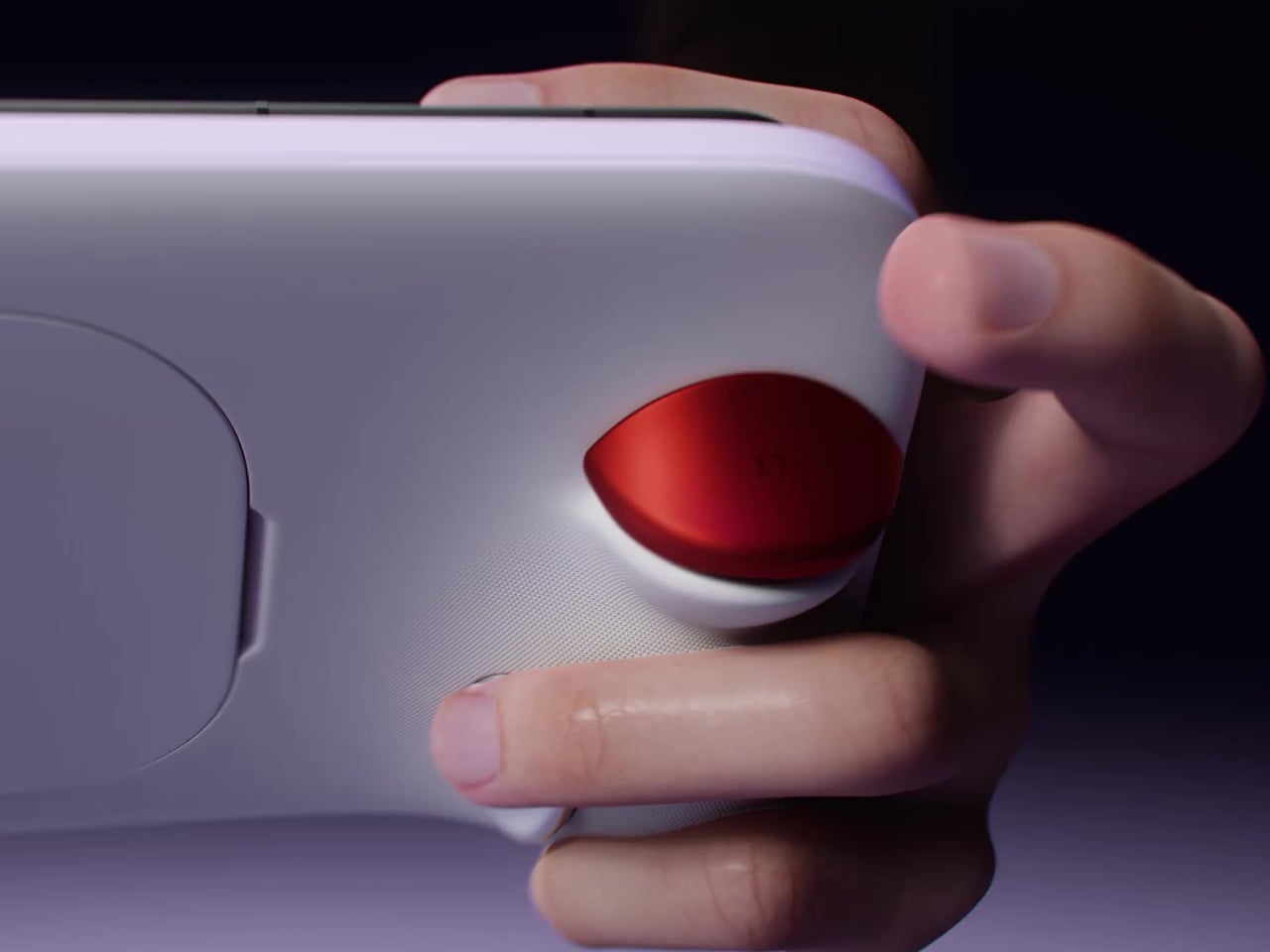
That involves four physical back buttons: two bumpers (L1 and R1) and two triggers (L2 and R2). The thumbs stay on the screen for movement and aiming, while extra fingers take over shooting and special moves. All four are fully customizable, and OnePlus describes this as a “Touch × Button Fusion” that preserves the game’s native touchscreen logic while layering physical input on top.
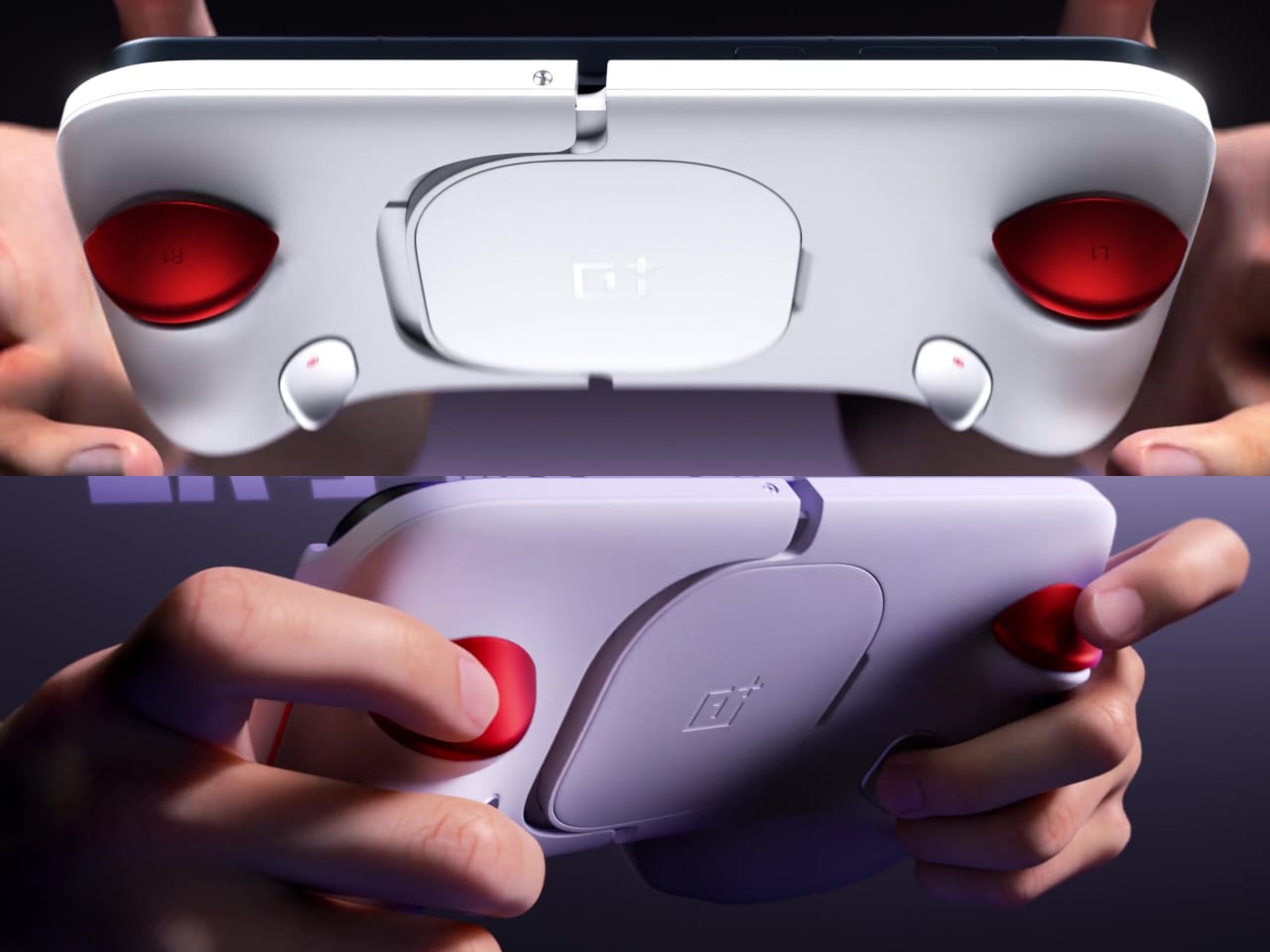
What sets those buttons apart is what’s inside them. The micro-mechanical switches have a 1,000Hz polling rate and a 1.8ms response time, which means the gap between pressing a trigger and registering the action is almost imperceptible. A built-in esports antenna helps maintain a stable signal during play, which matters when a moment of lost connection is enough to throw off a well-timed shot.
Long gaming sessions bring heat, and the controller doesn’t ignore that. It includes a built-in heat spreader along with a magnetic suction cooling fan for sustained thermal performance. A USB-C port along the bottom keeps charging available while playing, so the battery isn’t a concern mid-session. Together, these let you push through long sessions without the heat-related slowdowns that typically creep in on demanding mobile titles.
Backing all of this is the OnePlus Ace 6 Ultra itself, which runs on a MediaTek Dimensity 9500 chipset. Its GPU is 33% faster than the previous generation, with 120 FPS gameplay support and ray tracing for a more visually immersive experience. An 8,600mAh battery with 120W fast charging handles the power demands, ensuring the phone itself keeps up with the hardware strapped to its back.
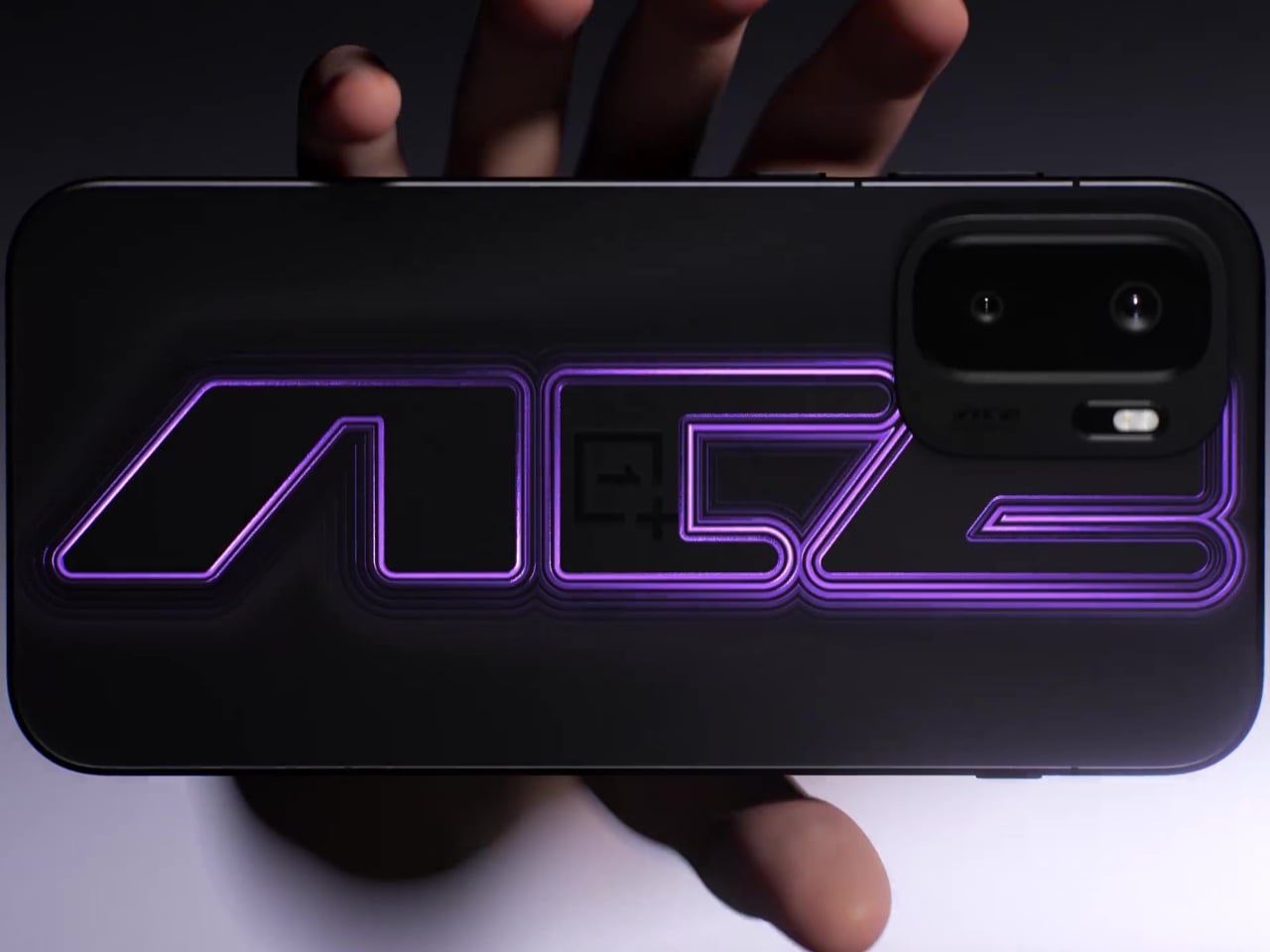
The Gun God Controller and Ace 6 Ultra launch together in China on April 28, with no confirmed global release date. For mobile gamers who’ve long wished their phone felt more like a proper handheld, this combo is a genuinely interesting answer. It’s still a phone when you need it to be, and something far more deliberate when the game demands it.
The post The OnePlus Ace 6 Ultra Finally Fixes the Thumbs-on-Screen Problem first appeared on Yanko Design.