3D Printing is Shaping Modern Product Design: Here’s How

In the ever-evolving landscape of product design, from ideation to realization, 3D printing technology is revolutionizing contemporary design practices. 3D printing technology employs computer-aided design (CAD) and fabricates objects layer by layer. Commonly used in manufacturing, automotive industries, and industrial product design for creating tools, parts, and prototypes, this process, also known as additive manufacturing, layers materials like plastics, composites, or bio-materials to produce objects of varying shapes, sizes, rigidity, and color.

Designers: Nexa3D and Mocu Desig
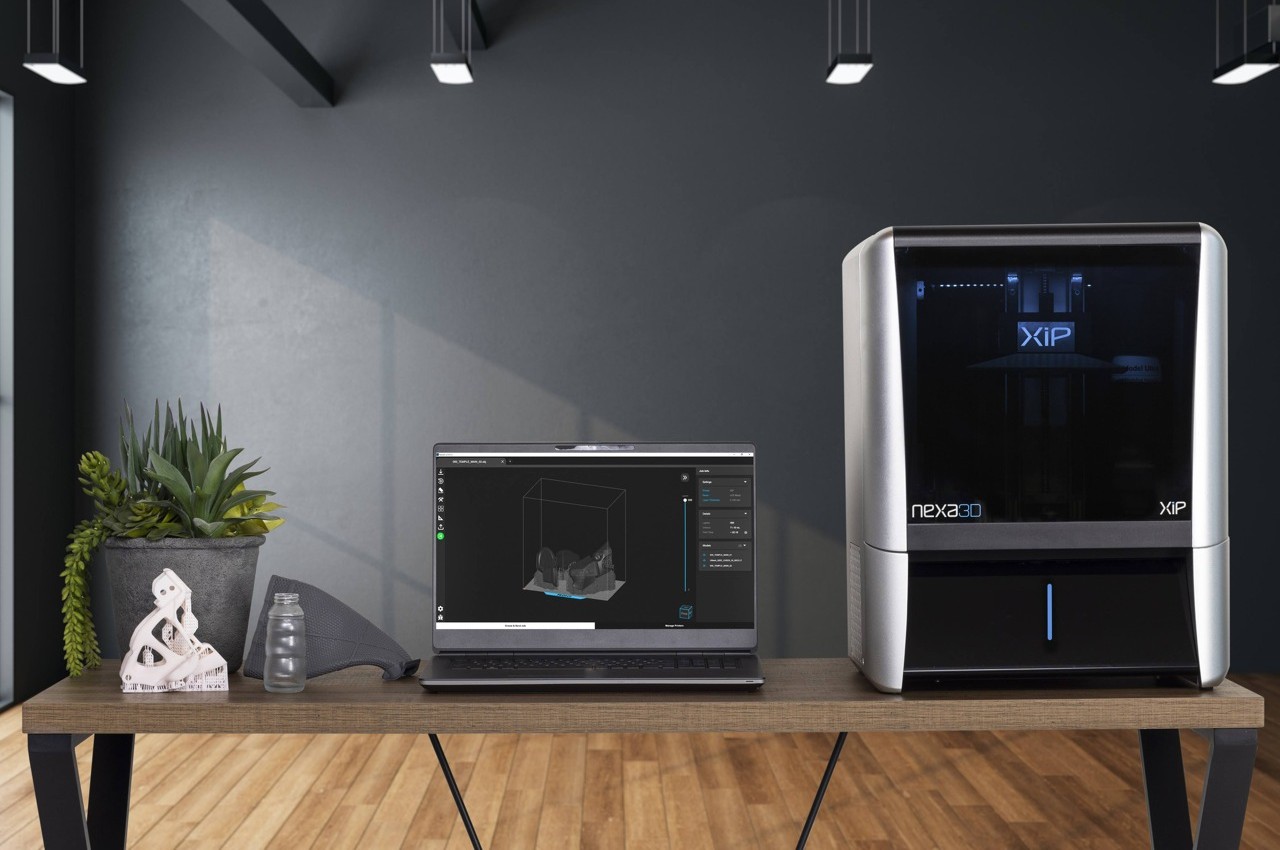
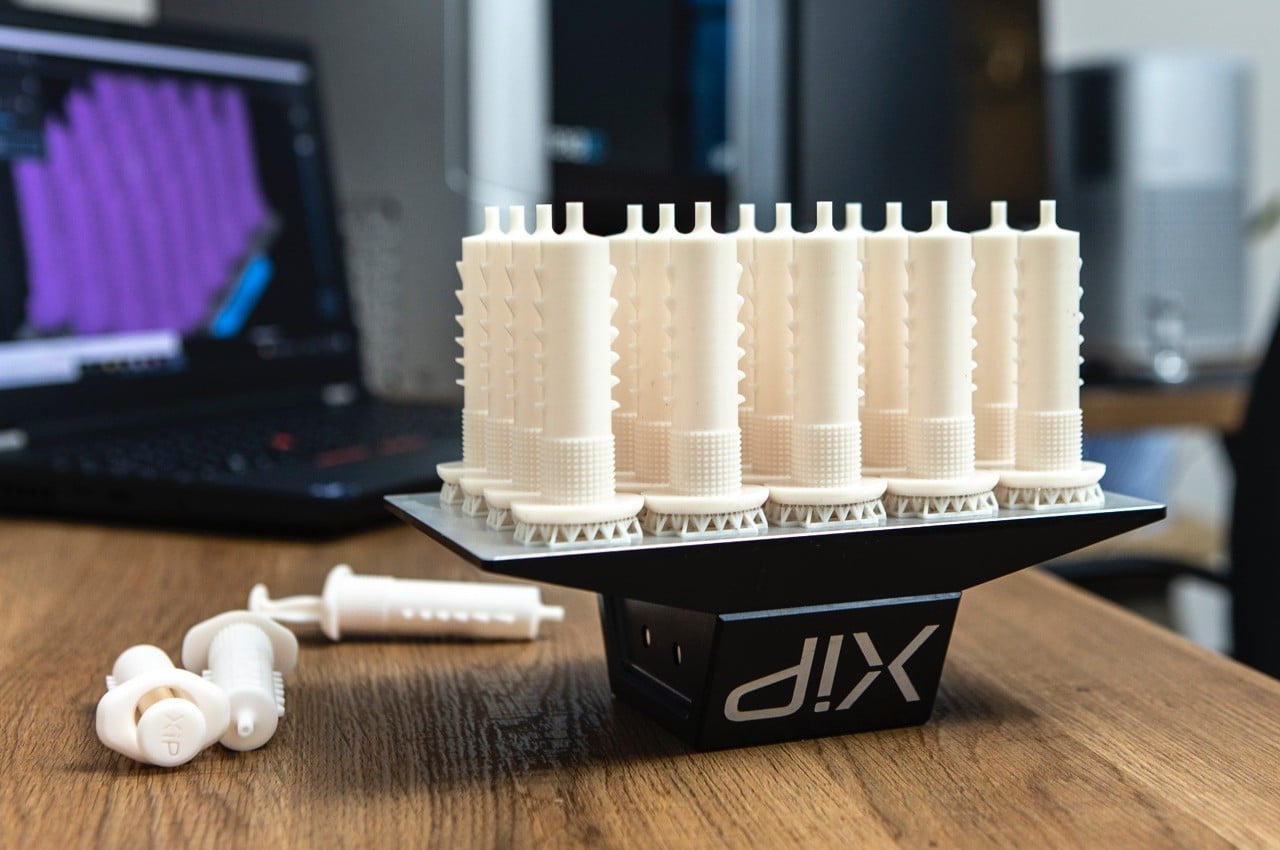
The commonly selected 3D printing technologies include Fused Deposition Modeling (FDM), Stereolithography (SLA), Selective Laser Sintering (SLS), PolyJet, and Direct Metal Laser Sintering (DMLS). XiP is an advanced resin 3D printer by Nexa3D, offering professional-grade printing at speeds 6 times faster than SLA printers and over 10 times faster than filament 3D printers. With a 4.8L build volume and a 9.3″ 4K Monochrome LCD, it delivers crisp details. Its compact desktop design houses industrial LSPc technology, ensuring stability with a billet aluminum enclosure and precision ball screw Z-axis platform. The printer supports a wide range of resins, including proprietary formulations for diverse applications, all dispensed through smart recyclable cartridges.
What are the benefits of 3D Printing?

• Reduces Costs:

3D printing offers significant cost advantages over traditional manufacturing methods due to its automation, resulting in reduced labor expenses. Moreover, its minimal waste production leads to lower material costs.

• Produces Complex Designs

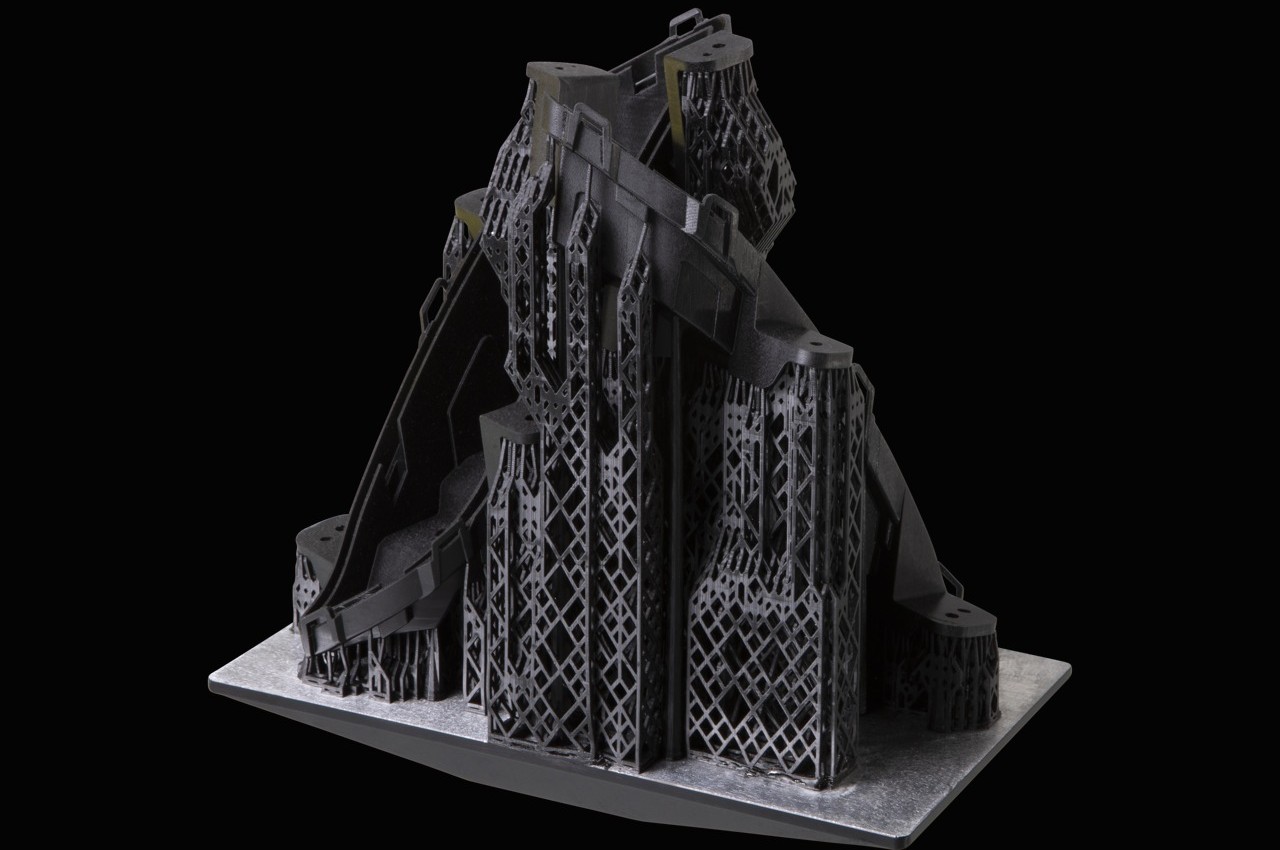
3D printing exceeds the design constraints of traditional manufacturing, enabling the creation of intricate designs, including square or circular punctures or abstract designs with fewer restrictions.

• Promotes Internal Manufacturing

3D printers enable rapid prototyping, eliminating the need for outsourcing. This accelerates the design and production of new products, enhancing overall efficiency.

• Rapid Prototyping

3D printing enables the production of designs that were previously impossible with conventional manufacturing methods. By transforming digital files into physical parts within hours, this technology allows companies to adopt an on-demand manufacturing model for parts. 3D printing offers a comprehensive solution, facilitating prototyping, and short-run production, thereby transforming every aspect of businesses.

• Minimizes Waste

Traditional manufacturing generates substantial material waste due to inefficiencies while additive manufacturing minimizes waste by precisely utilizing materials, only using what’s necessary for each product or part. This is a great way to reduce material costs and improve environmental sustainability for companies.

• Manufactures Diverse Products

Industries across the board are leveraging 3D printing for a diverse range of products. From consumer goods like eyewear and furniture to industrial tools and automotive parts, technology is reshaping manufacturing. It’s also vital in healthcare for prosthetics and orthotics alongside architectural models. Additionally, the film industry benefits from 3D printing for creating intricate props.

Top 10 Examples of 3D Printing in Product Design

Here are Top Ten examples of how 3D printing is used in product design across various product types:

1. Handbags
Designers: Julia Koerner, Kais Al-Rawi and Emma Sanson

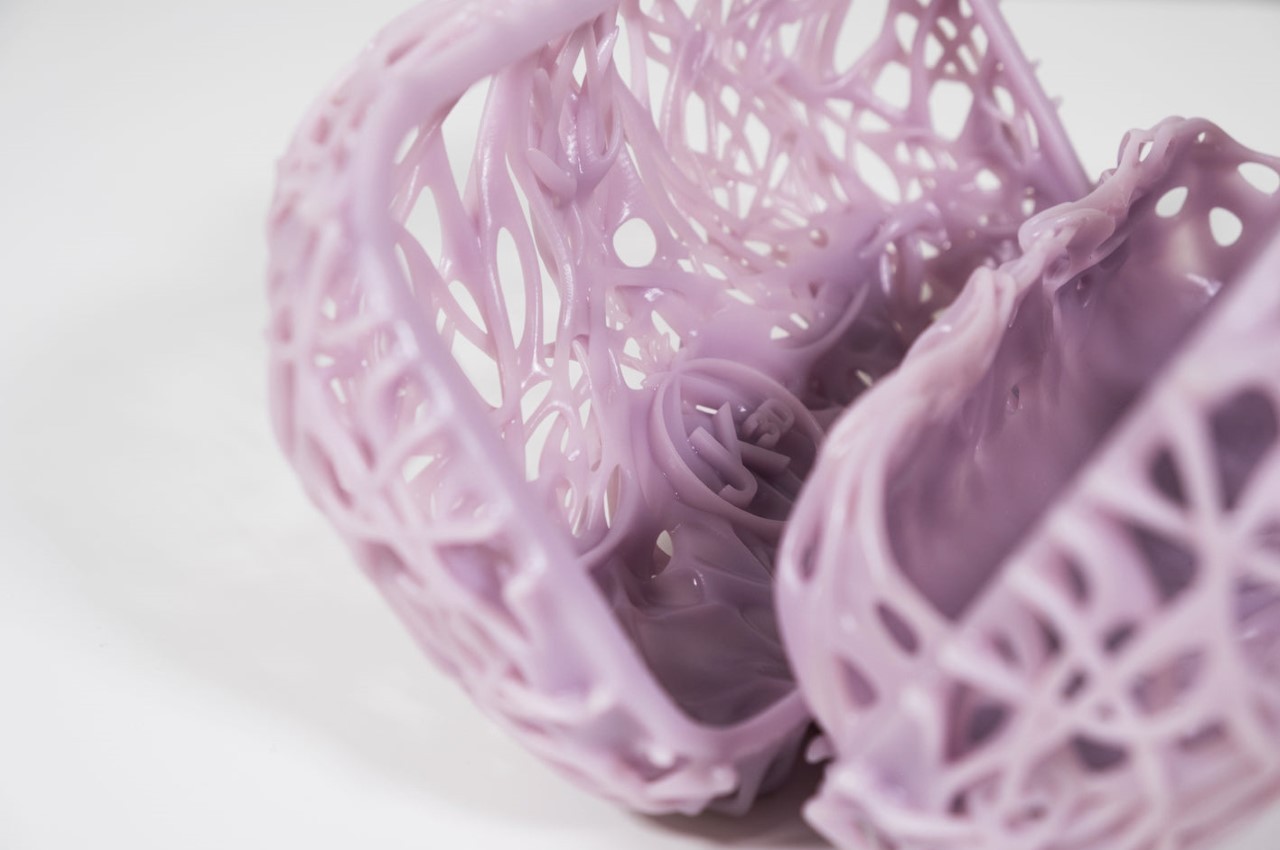
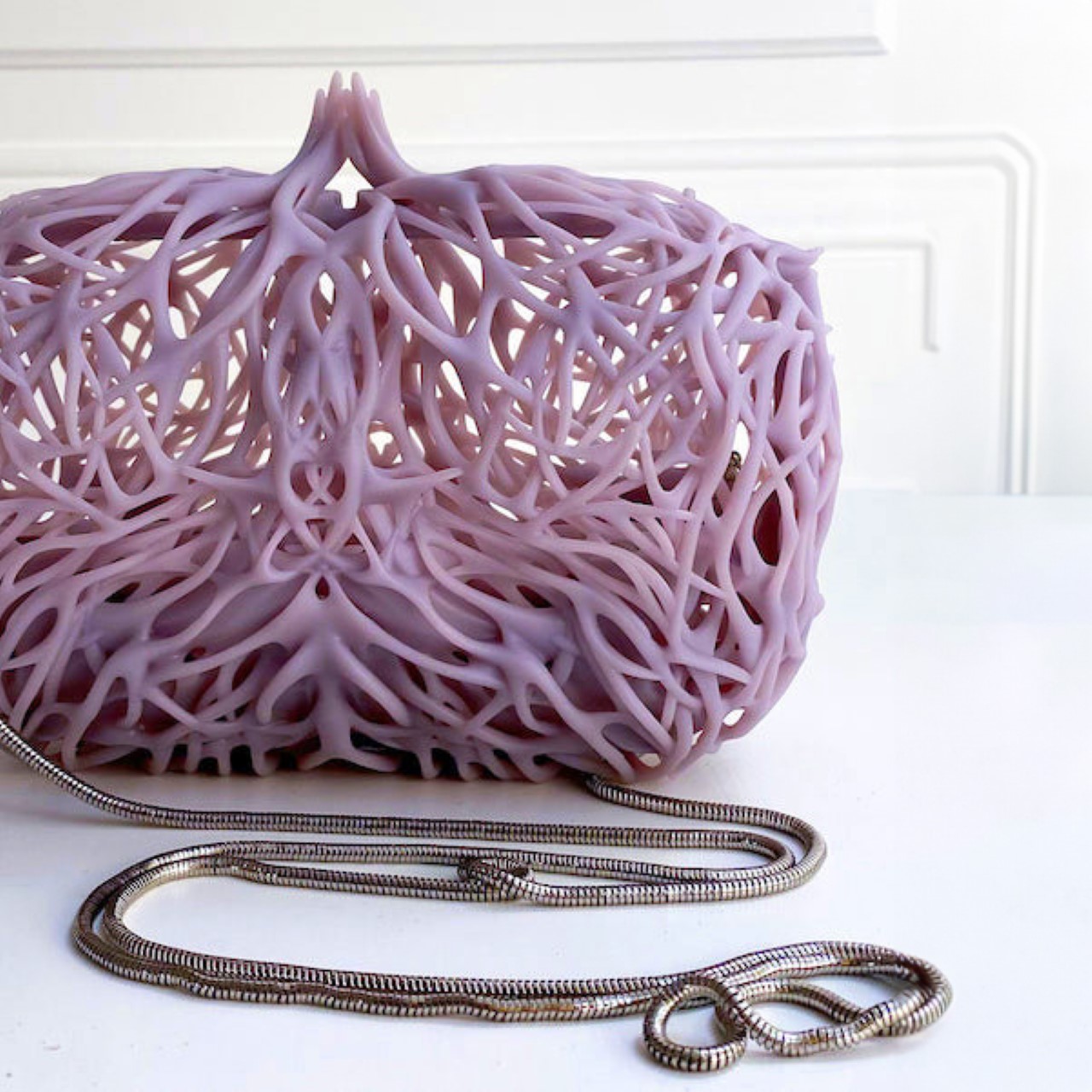
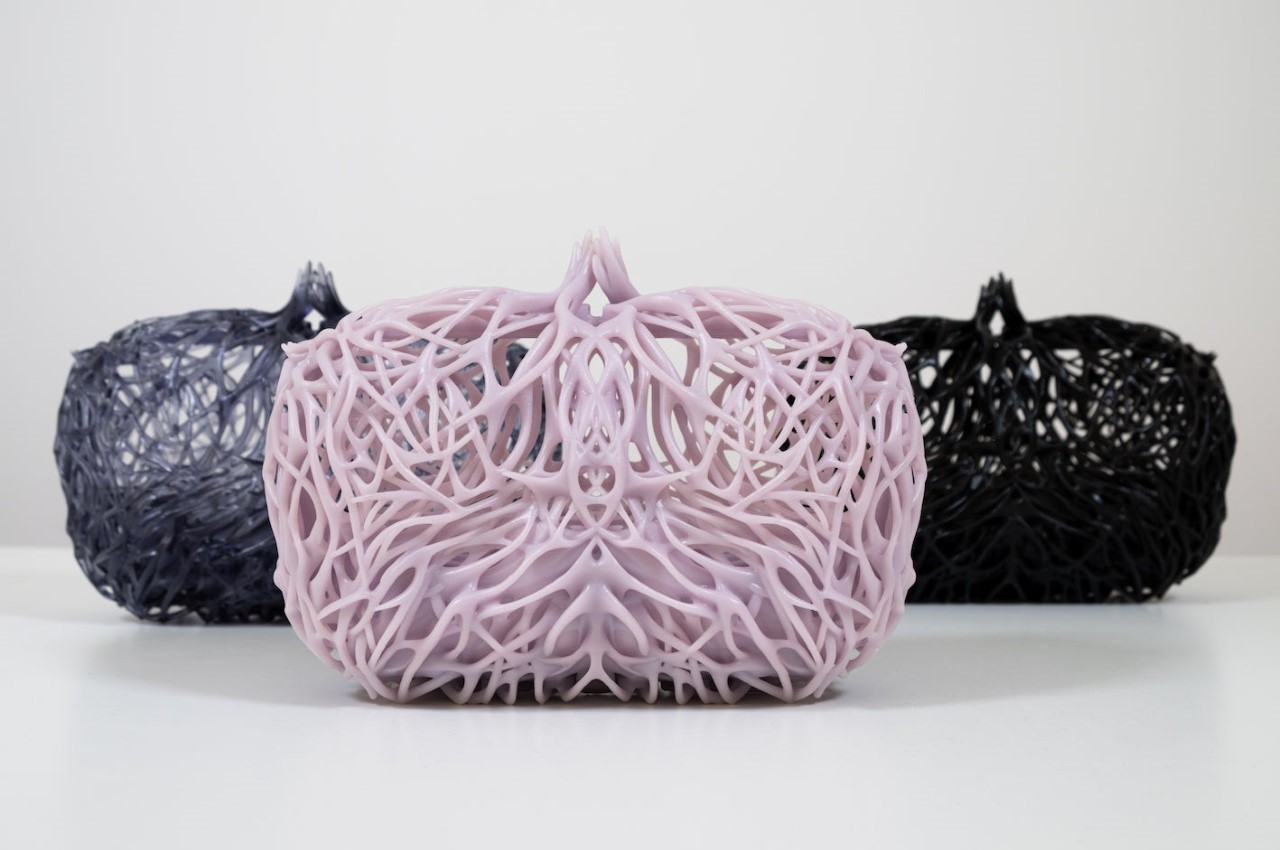
Acclaimed Australian designer Julia Koerner merges nature and computer algorithms with 3D printing and innovative resin-based techniques to create her award-winning handbag collection, resulting in visually lightweight yet rigid designs with a distinctive skeletal aesthetic. Inspired by the organic shapes of dried kelp found along the Pacific coastline, Koerner’s KELP MINI handbag seamlessly blends artistry with functionality. Each meticulously crafted handbag is created with sustainable plant-based materials and solar-powered manufacturing, offering clever design elements like hinged bases and snap closures, making them ideal for storing essentials with style and efficiency.

2. Tiles
Designer: bioMATTERS

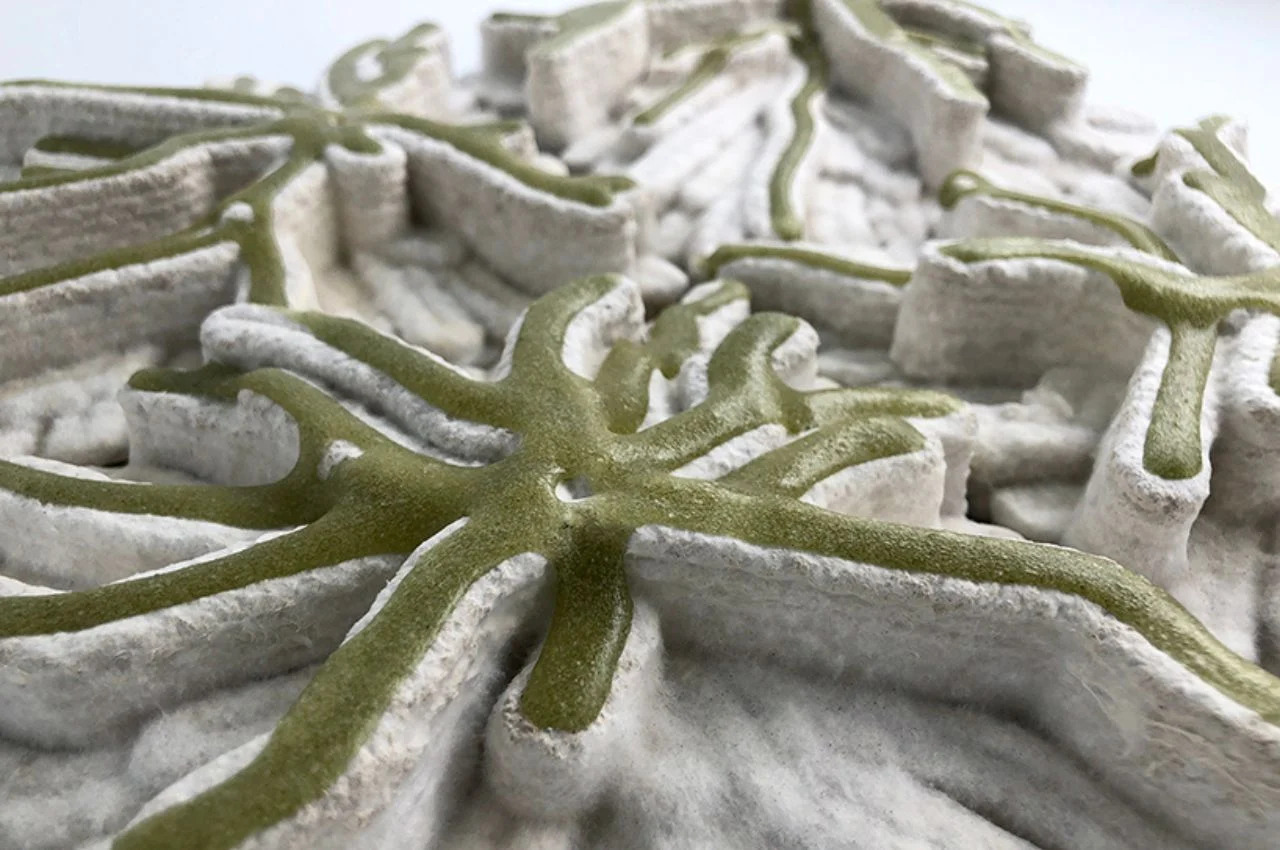
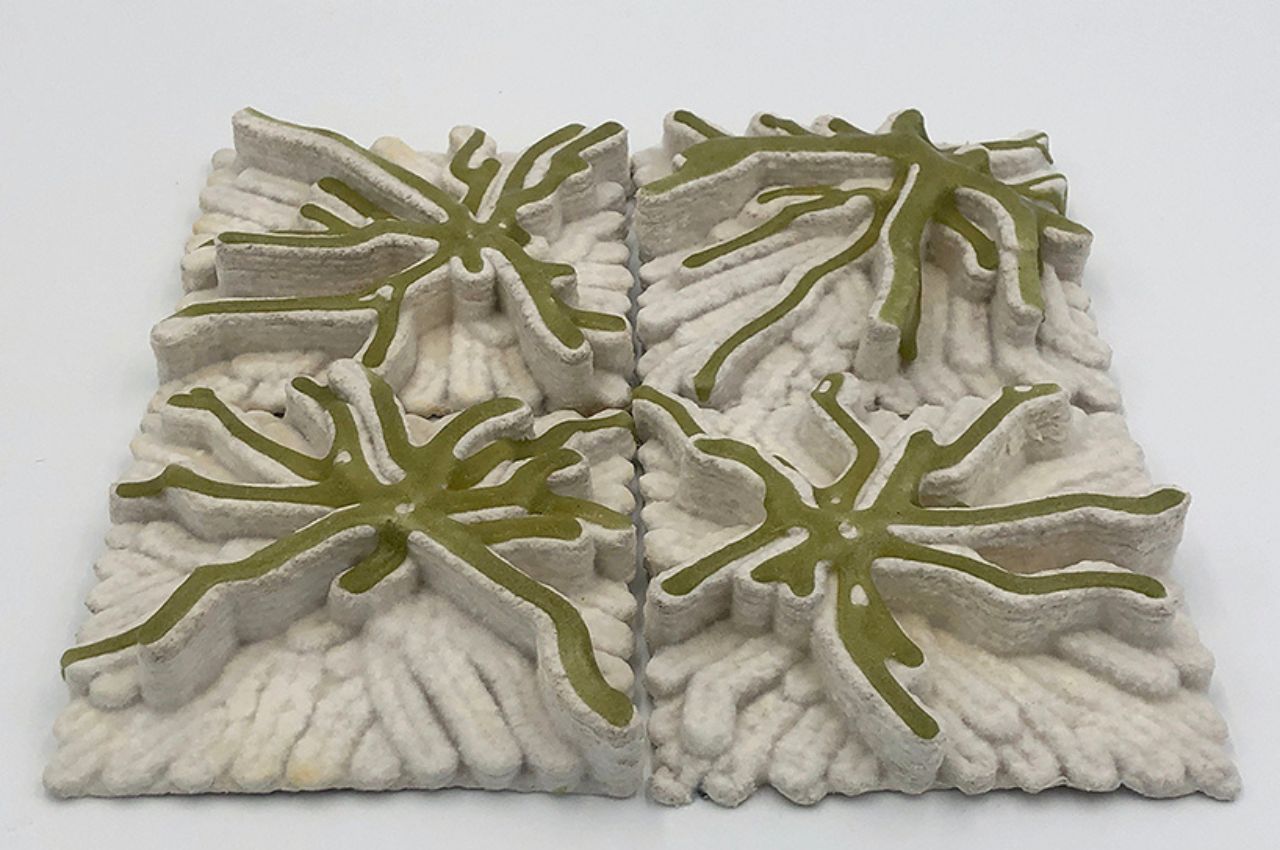
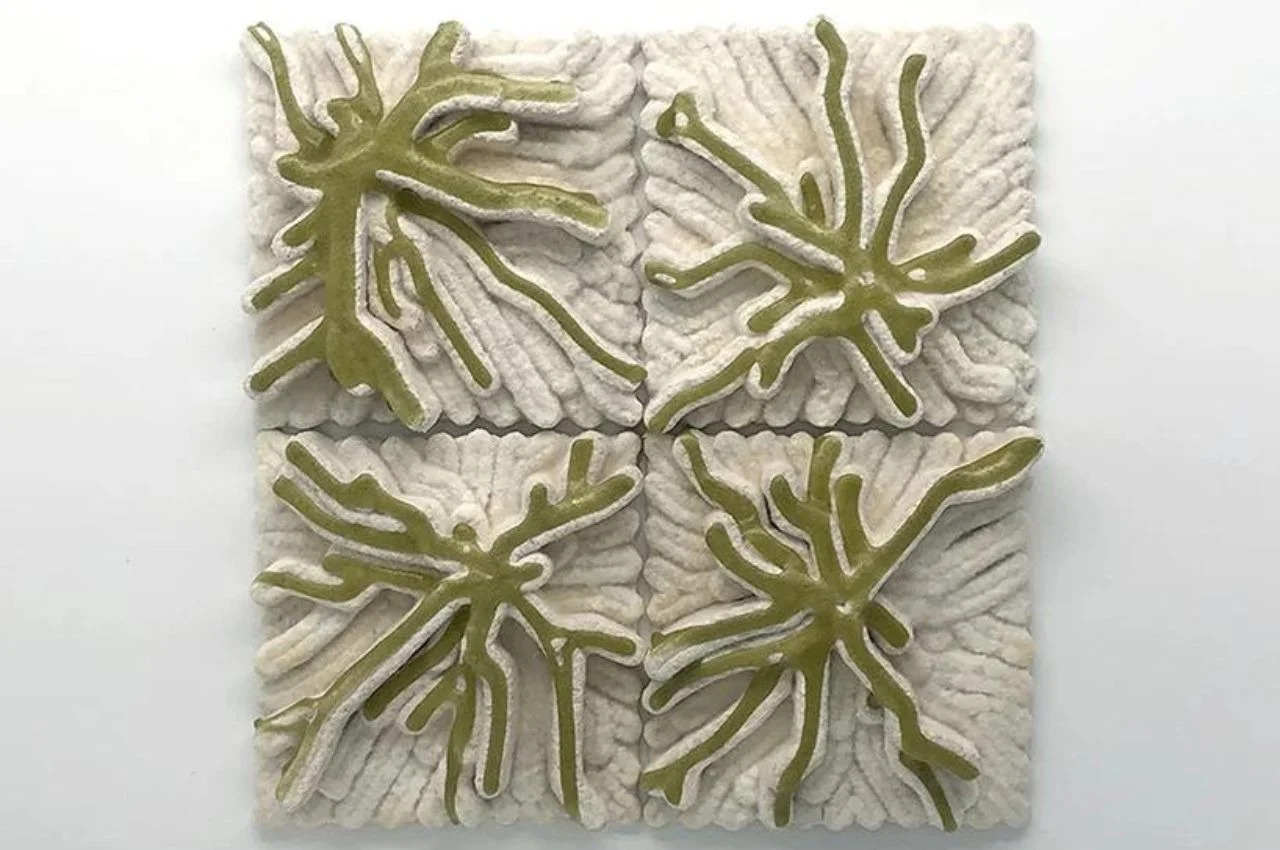
MYCO-ALGA presents a groundbreaking interior tiling solution that transforms bathroom aesthetics. These 3D-printed tiles are crafted from repurposed natural waste and living organisms, featuring captivating designs inspired by organic forms. Sustainable at every stage, MYCO-ALGA tiles undergo a precise process encompassing digital design, 3D printing, organism cultivation, and bio-pigment enrichment. As a result, the outcome is eye-catching tiles with unique, non-repeating patterns resembling crawling organisms, that offer both lightweight durability and visual allure that effortlessly merge style with sustainability.

3. Air Purifiers
Designer: External Reference

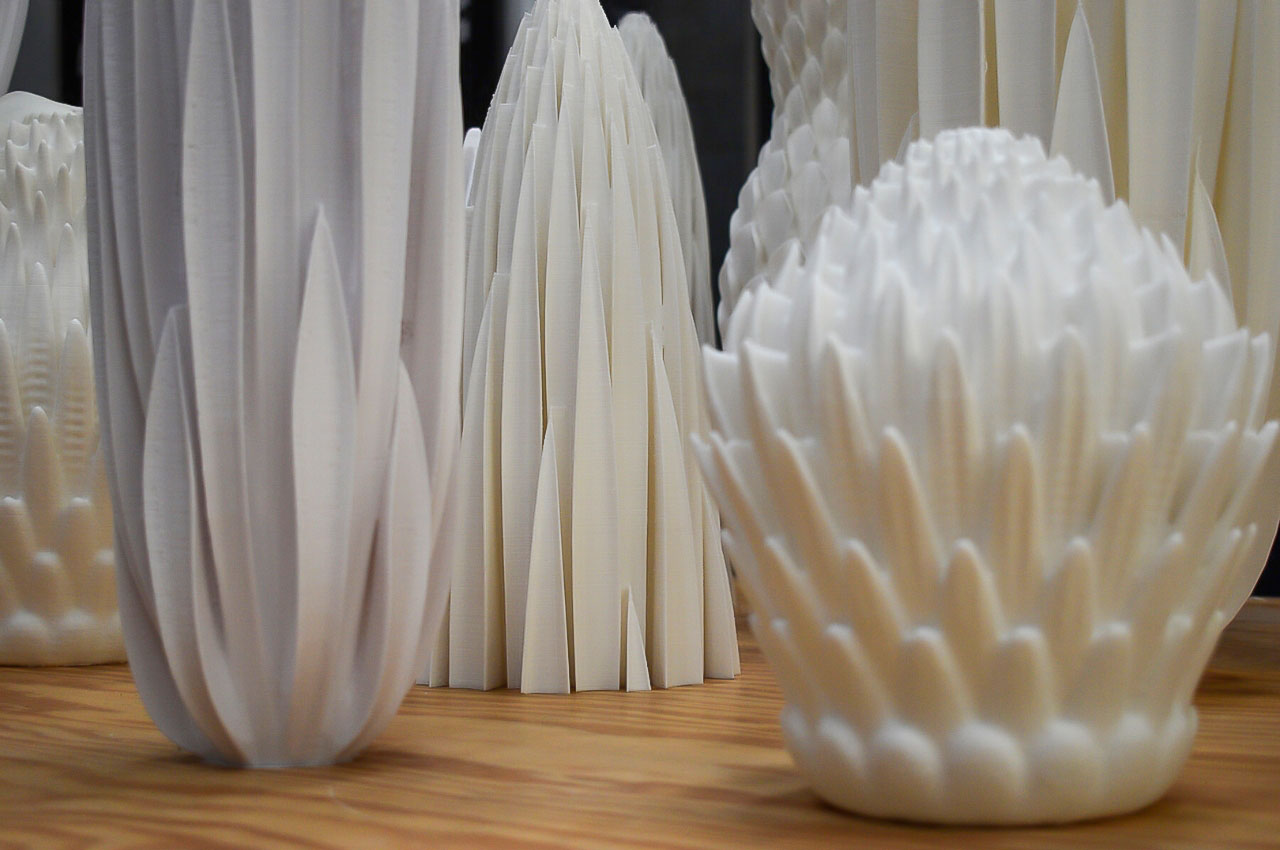
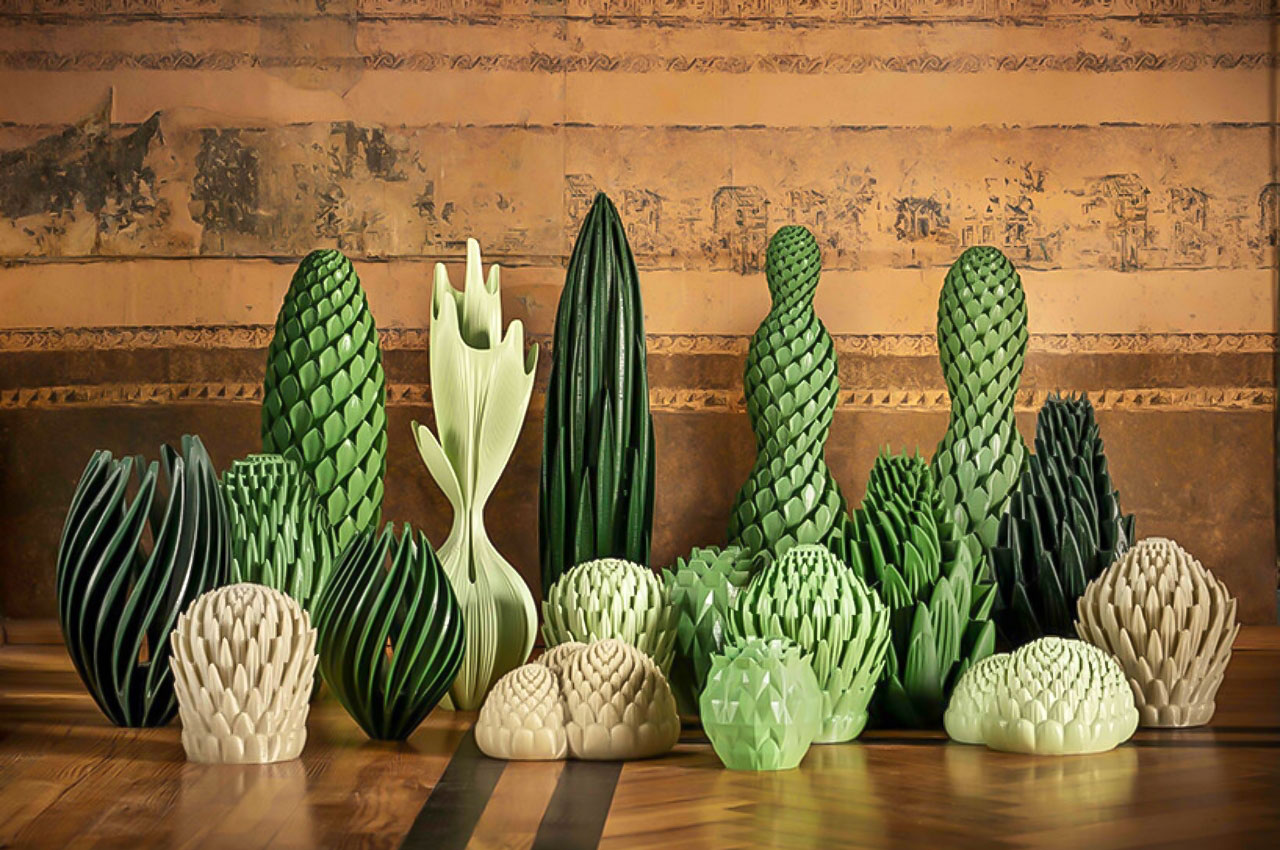
Barcelona-based company introduces Pure Plants, 3D-printed sculptures doubling as air purifiers. Utilizing Pure.Tech technology efficiently absorbs and neutralizes indoor pollutants like carbon dioxide and nitrogen oxide. Mimicking plant structures with geometric patterns, these sculptures enhance decor while promoting healthier indoor air quality. Crafted from sustainable Pure.Tech biomaterial and PLA bioplastic derived from corn dextrose integrate aesthetics with eco-consciousness.

4. Footwear
Designer: Matthew Blunt

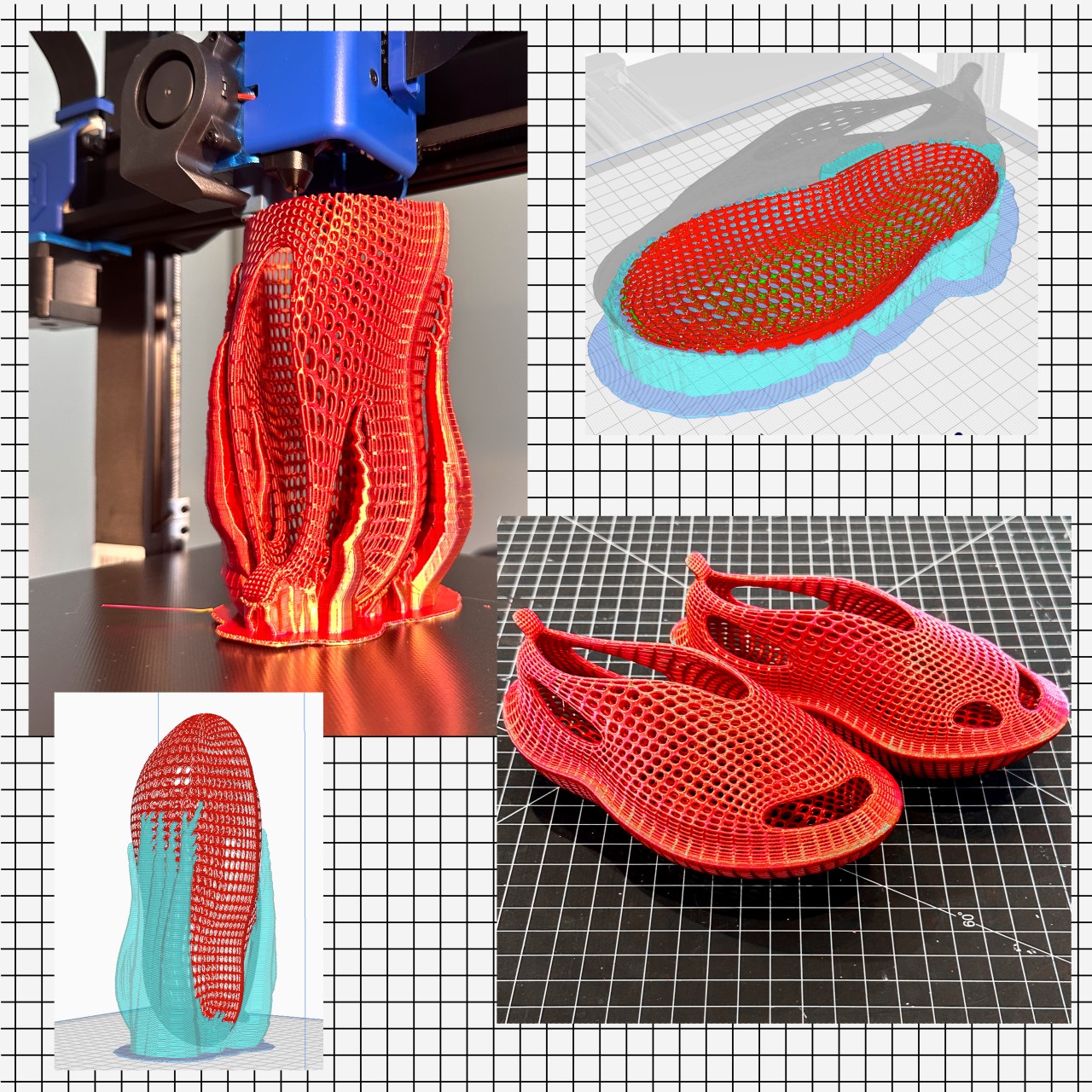
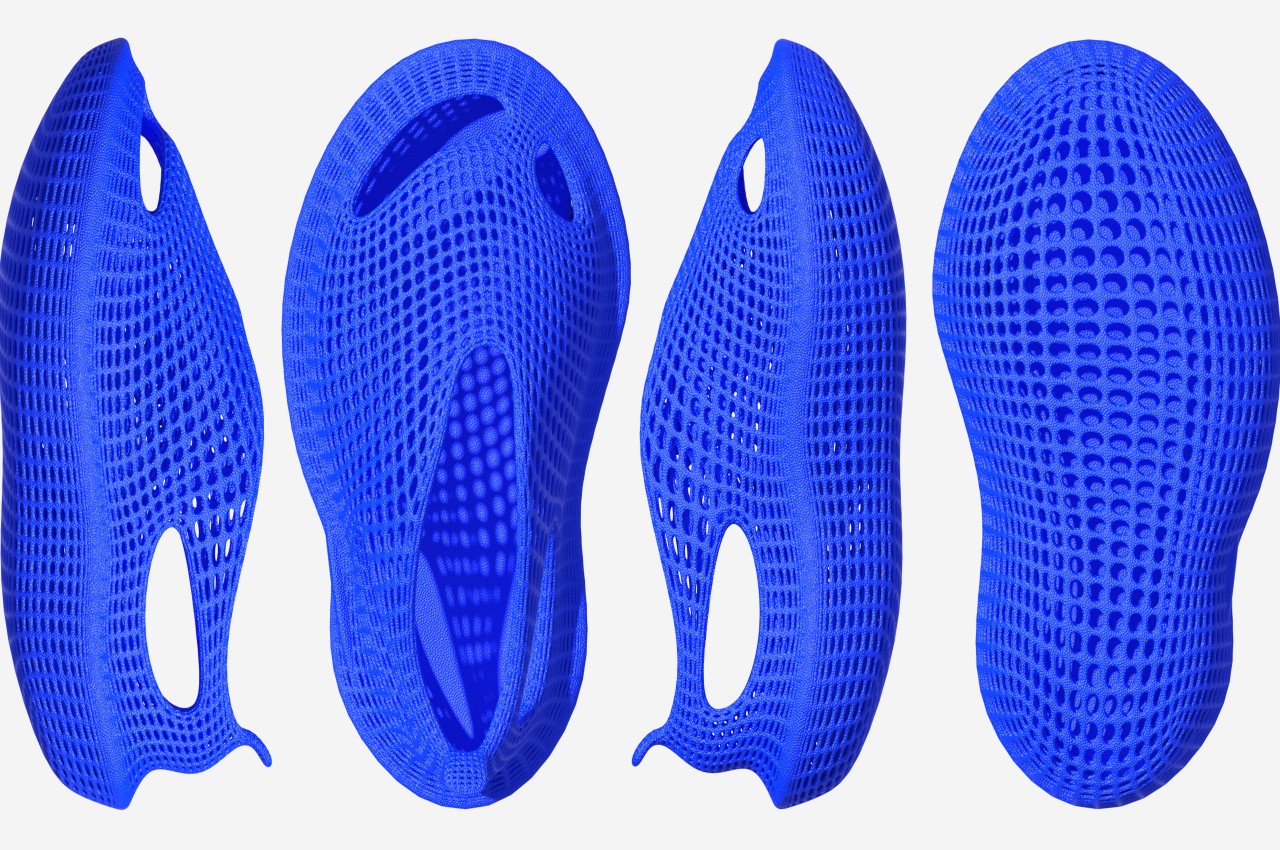
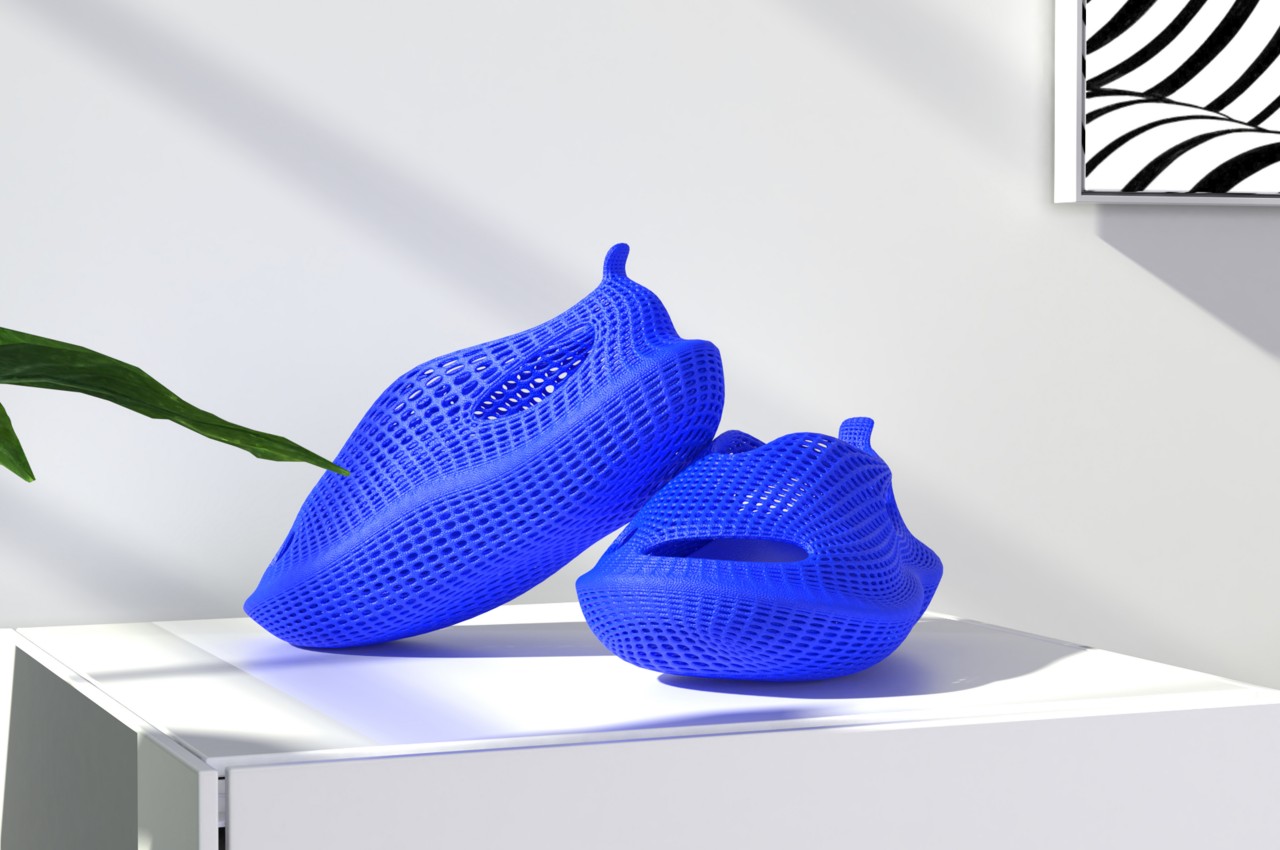
EXPLR 02 is a futuristic 3D-printed shoe blending wireframe-inspired aesthetics with organic elements. Crafted with advanced techniques, it epitomizes modern manufacturing’s versatility. While challenging footwear norms, questions linger about real-world durability. Yet, EXPLR 02 signifies a leap in innovative, personalized shoe designs, shaping the evolution of 3D-printed footwear.

5. Table Lamp

Designer: Felix Pöttinger for Gantri

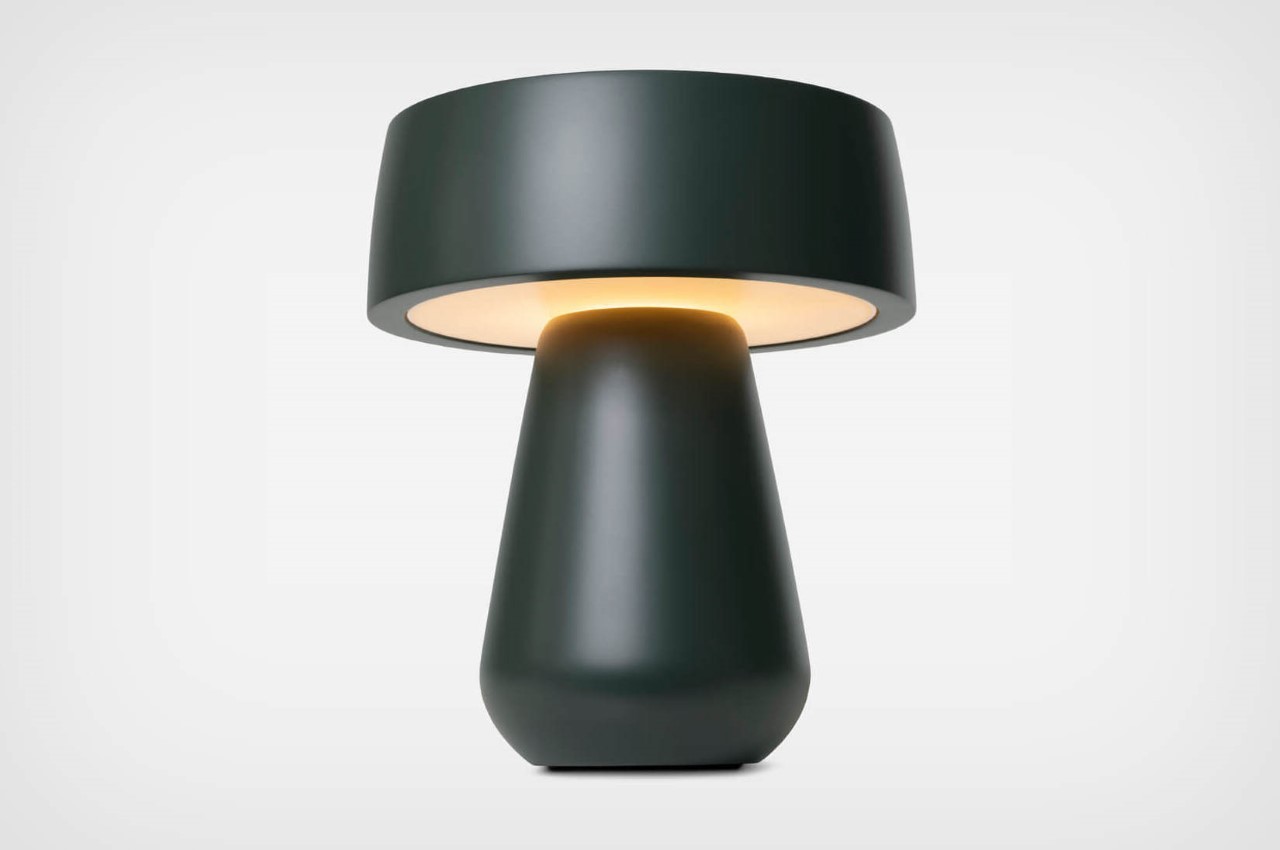
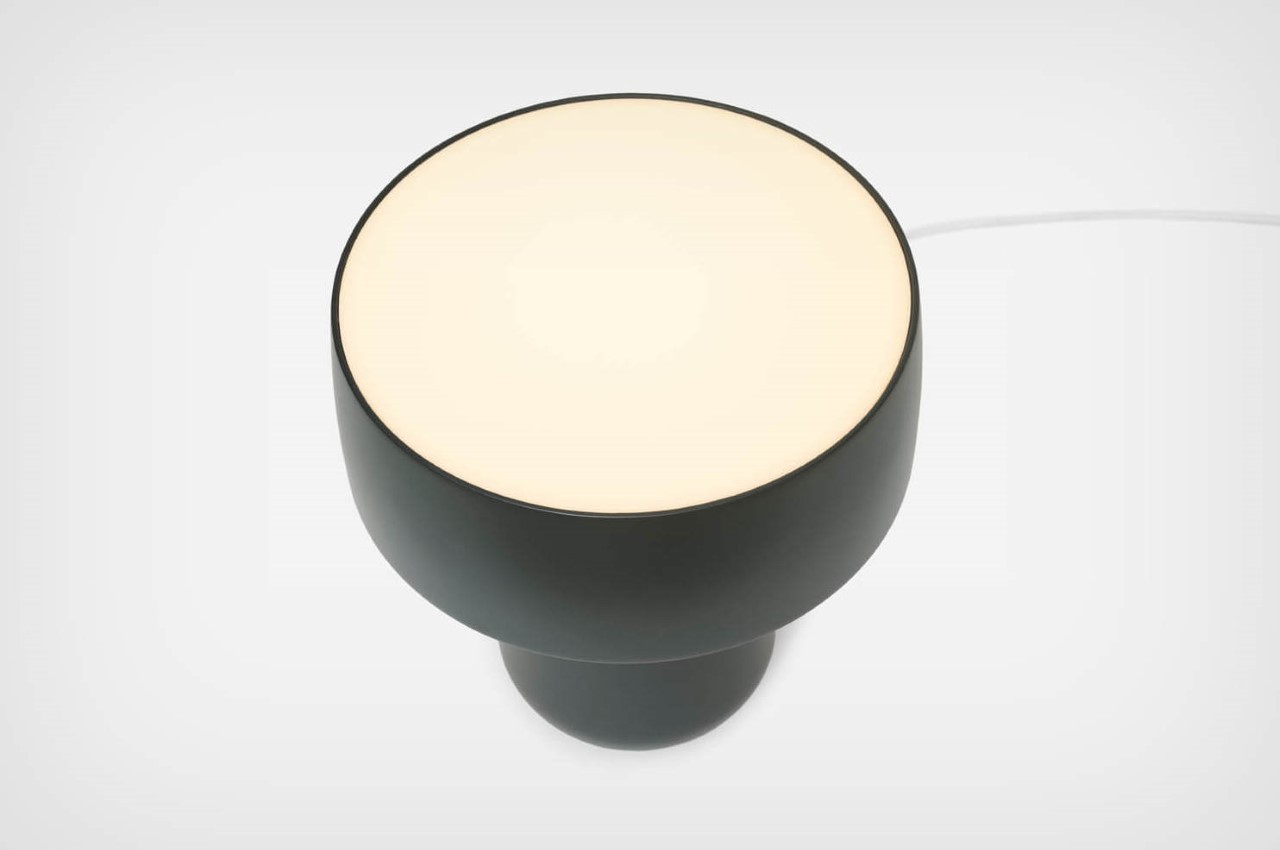
The 3D-printed Hula table lamp, envisioned by Felix Pöttinger, ingeniously merges direct and indirect lighting to efficiently illuminate spaces, tackling urban living challenges by minimizing glare. Its ring-shaped shade, reminiscent of a hula hoop, is available in Snow, Forest, and Blossom Pink, adding a distinct flair to any setting.

6. Living Soil Walls
Designer: Ji Ma, David Carr, Ehsan Baharlou, and Spencer Barnes

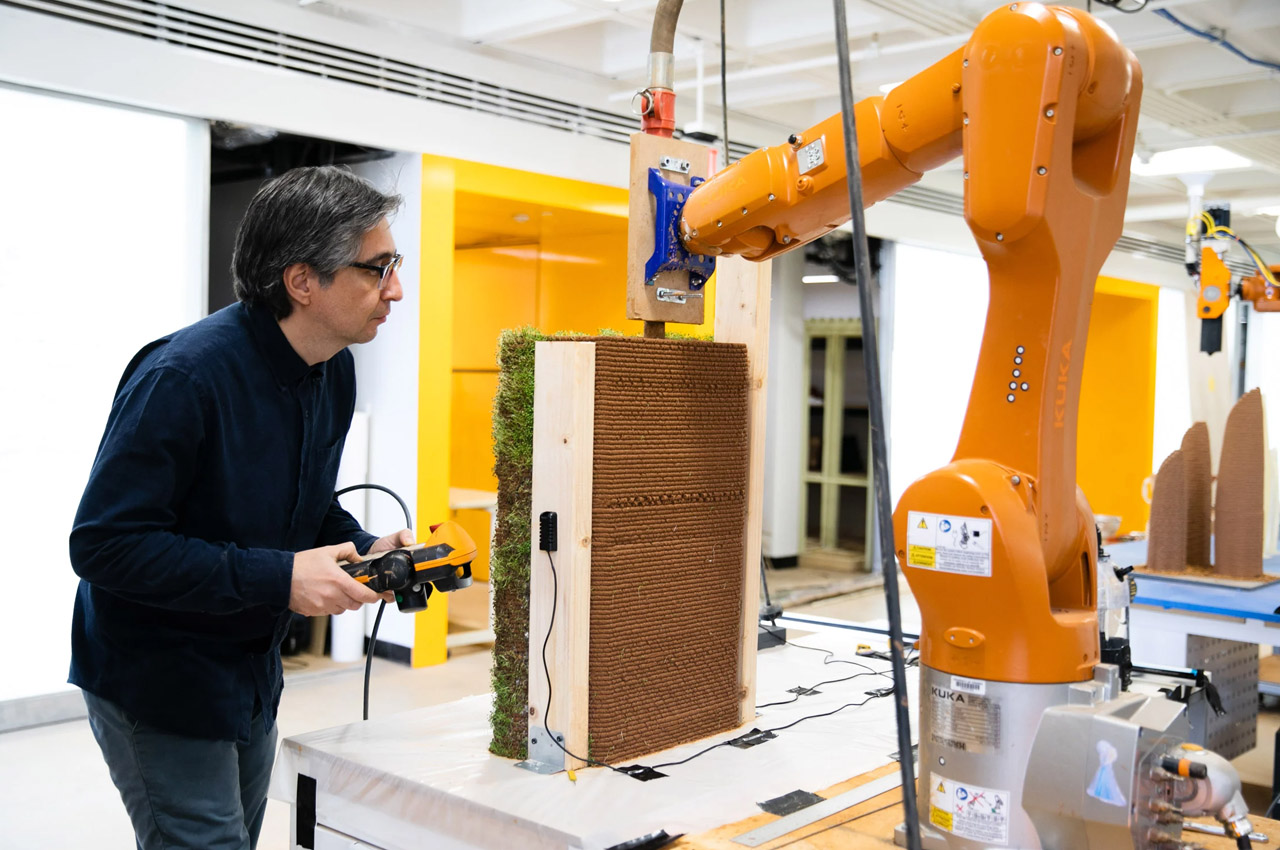
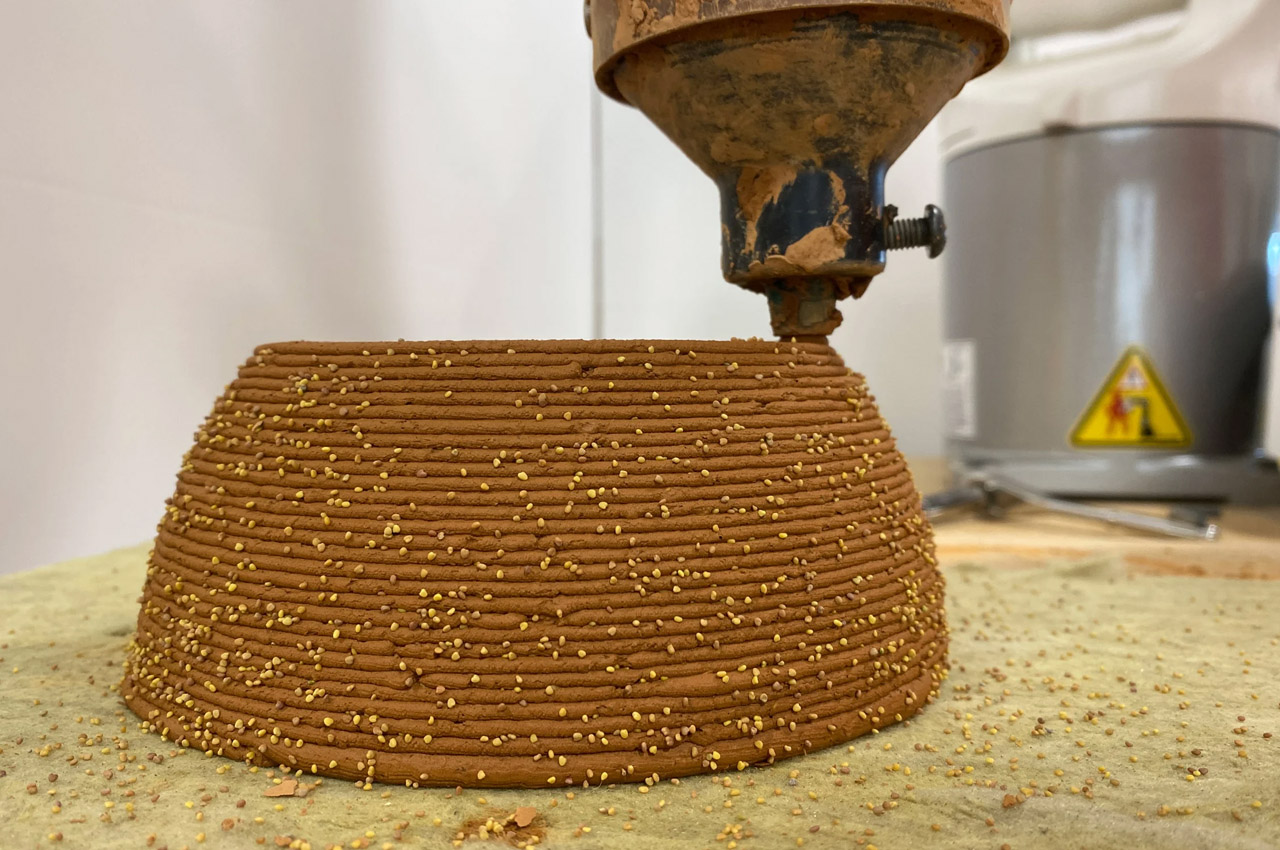
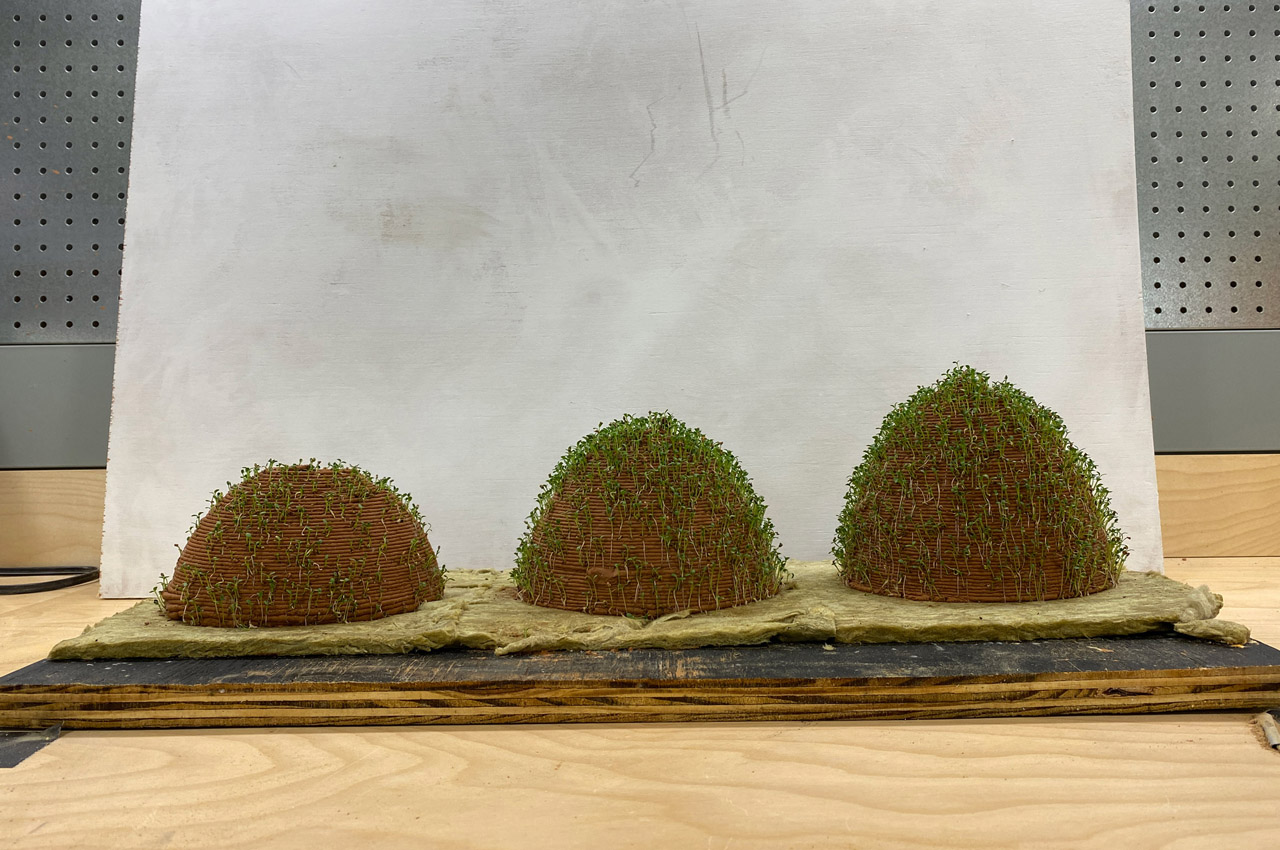
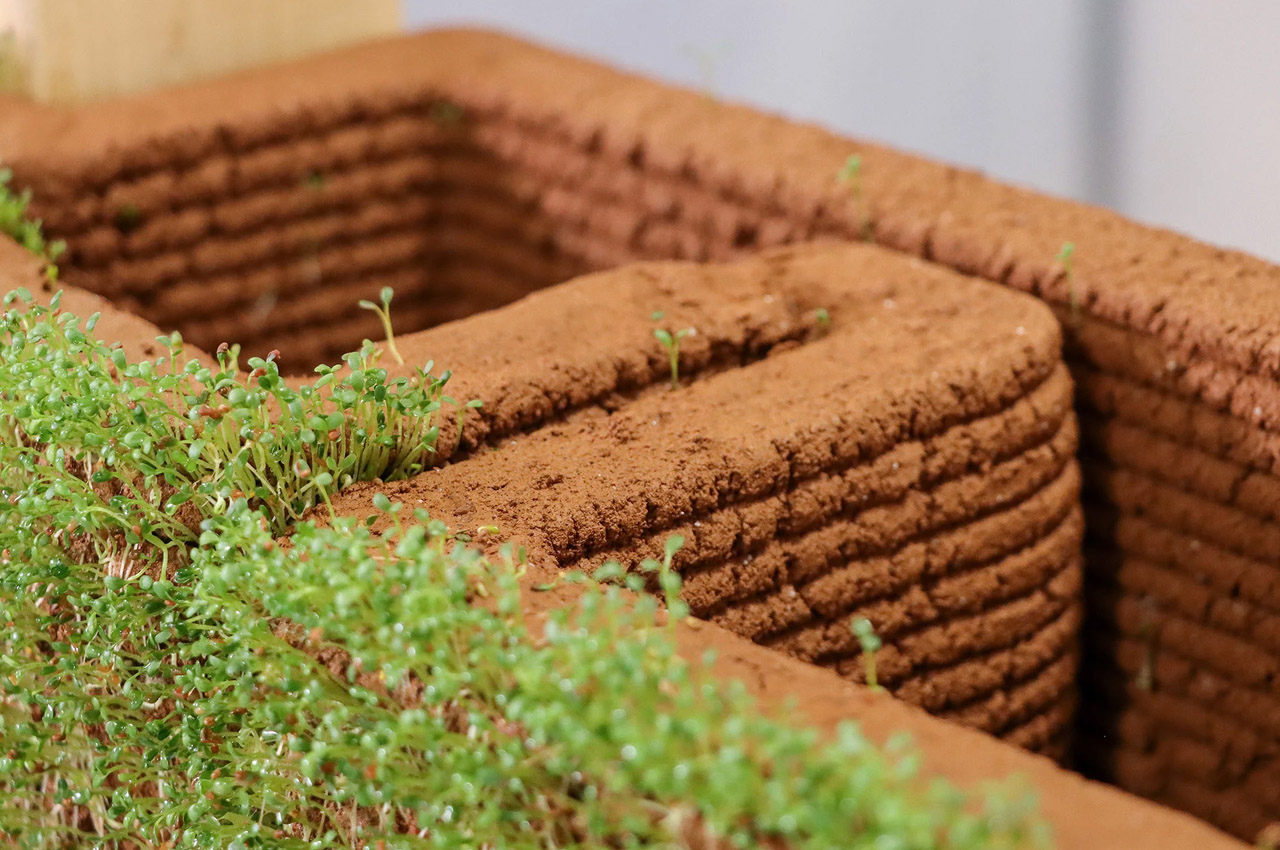
The University of Virginia research team has developed an innovative 3D printing method using soil infused with seeds to create plant-covered structures like walls and roofs. The team’s eco-friendly approach integrates greenery into architecture, providing natural insulation, flood prevention, and green spaces. By minimizing materials and utilizing locally sourced resources, their process reduces emissions and waste. With plans to expand their prototypes and improve their soil ink formula, the team aims to contribute to carbon-neutral construction.

7. 3D Printed Homes

Designer: Progreso x COBOD

Architecture is no exception in the age of ubiquitous 3D printing, with many firms favoring this method for building structures. Cement company Progreso recently collaborated with COBOD to construct Guatemala’s first 3D-printed building to withstand seismic activity. This compact home, completed in just over 24 hours, merges modern construction techniques with traditional craftsmanship, featuring organic-shaped walls and a traditional palm leaf roof. With a footprint of 527 square feet, the structure operates as a fully functional living space capable of withstanding extreme seismic events.

8. Chairs

Designer: Johannes Steinbauer Office For Design

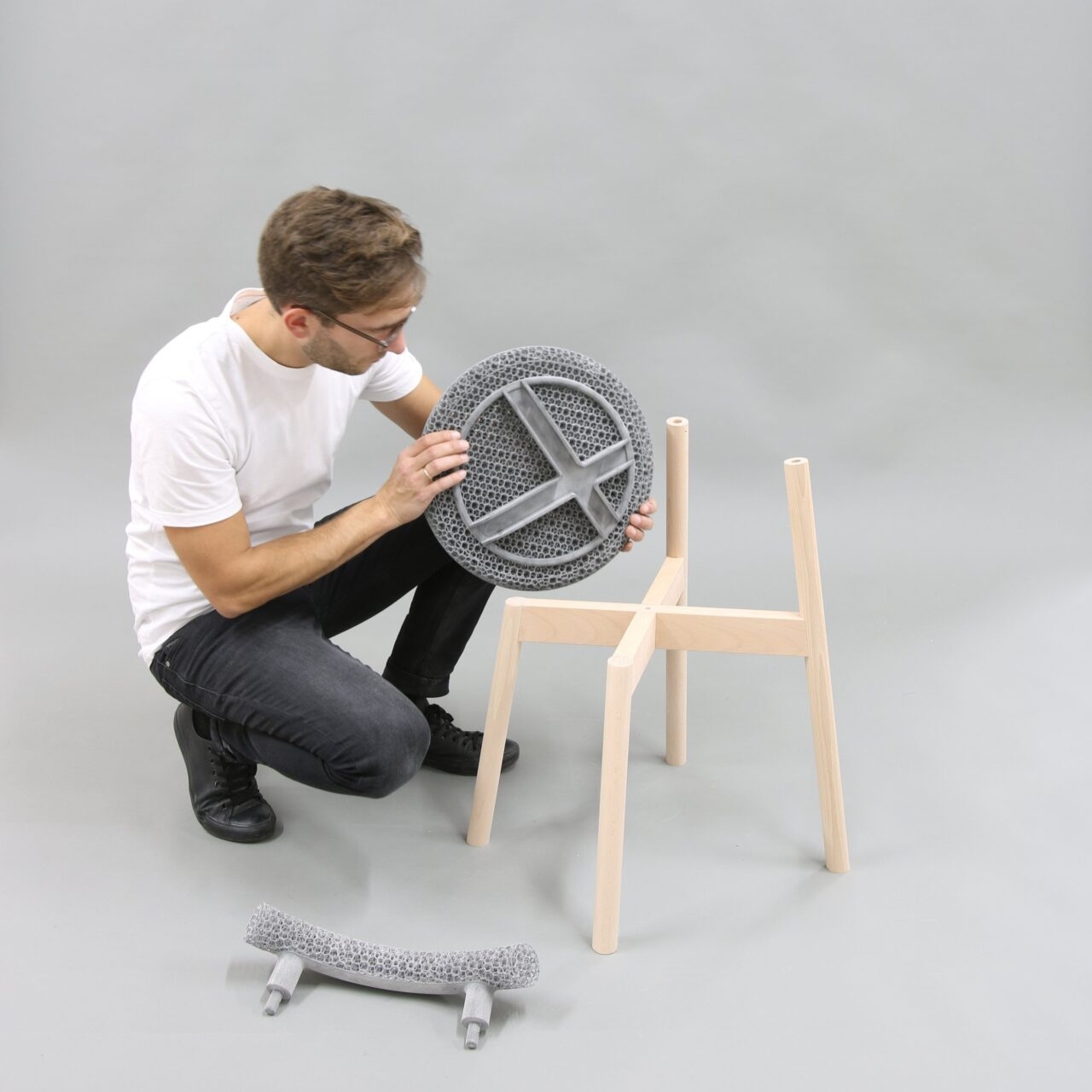
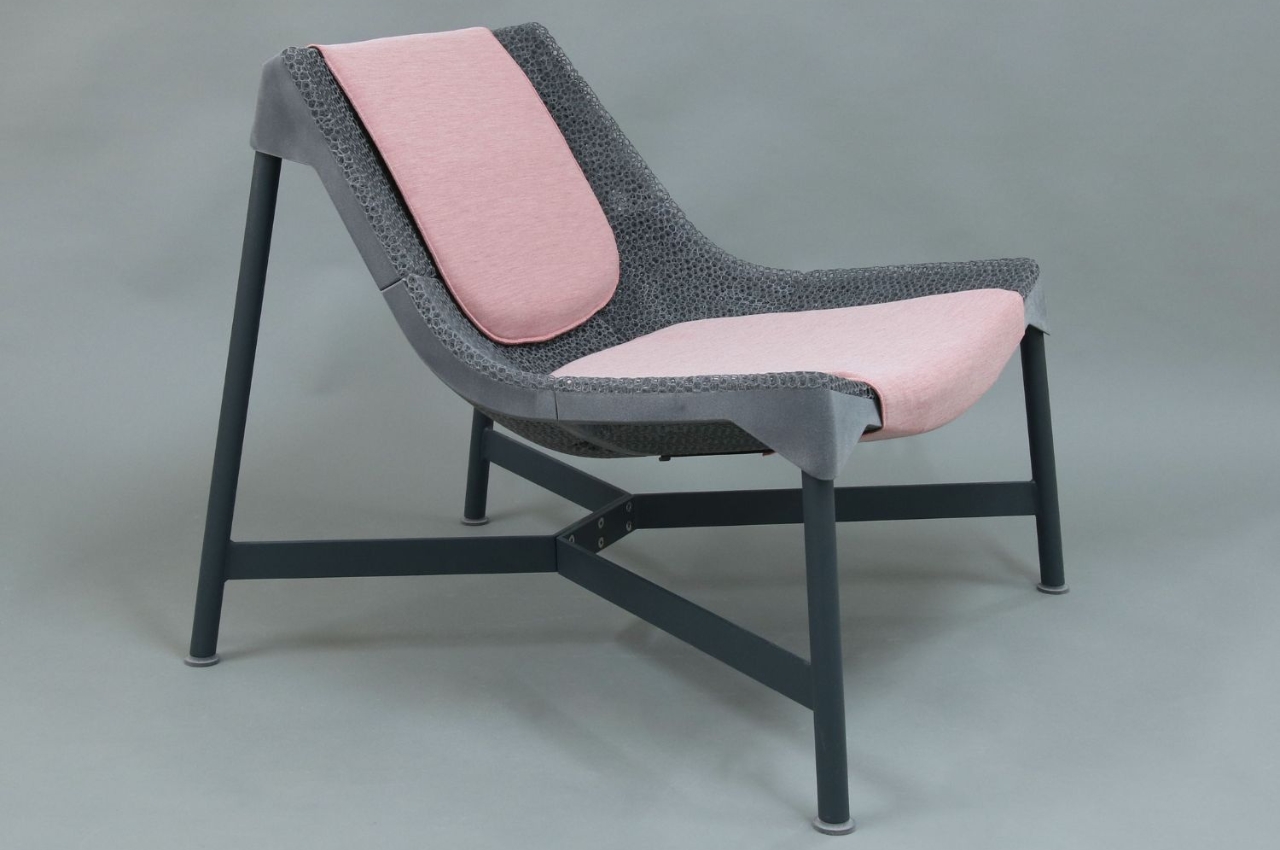
Oeschler’s new manufacturing technique, demonstrated in Johannes Steinbauer’s Office for Design’s 3D-printed seats, eliminates traditional materials while maintaining comfort and functionality. 3D printing is reshaping furniture design and manufacturing, introducing innovation in sustainability and functionality. With a simple yet versatile design, these chairs offer easy assembly and recyclability, signaling a promising future for 3D-printed furniture in the industry.

9. Recycled Wood

Designer: Aectual

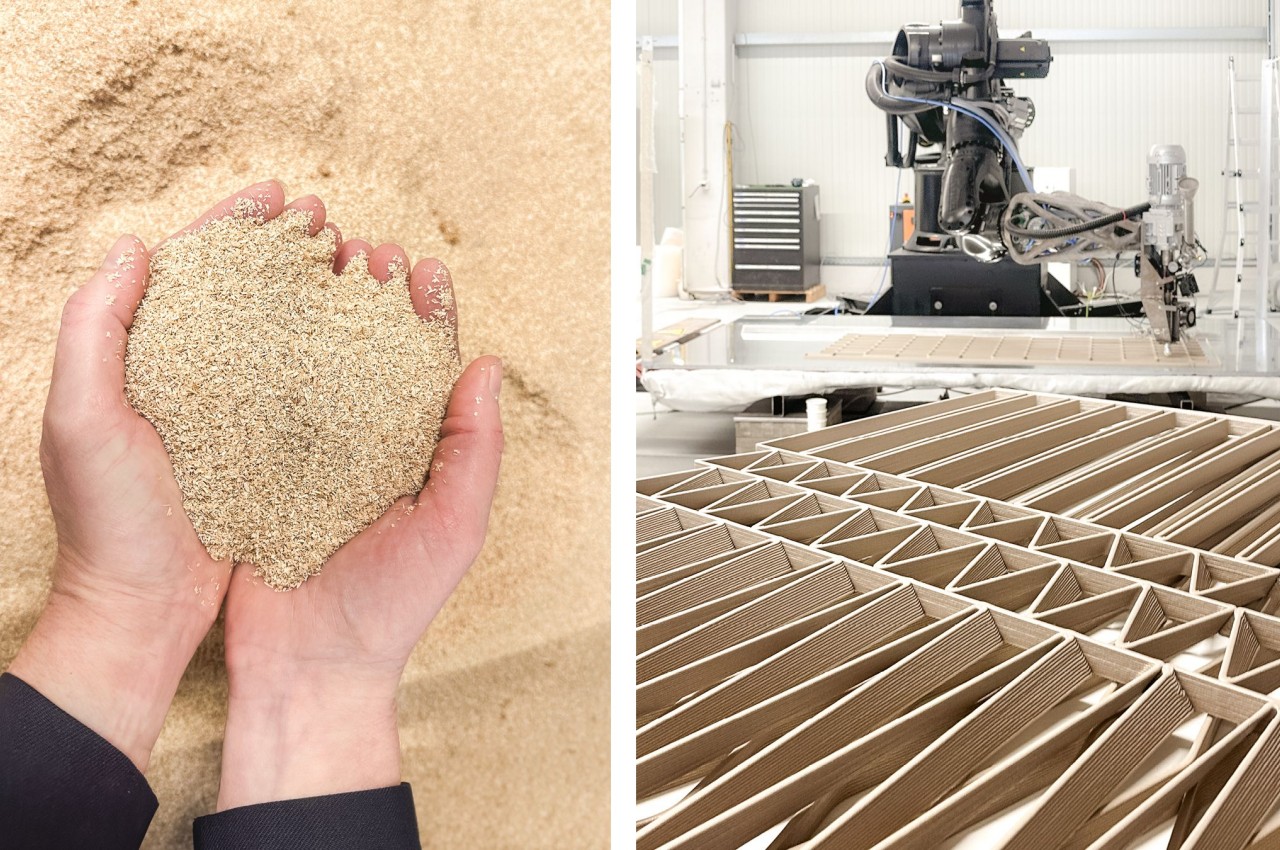
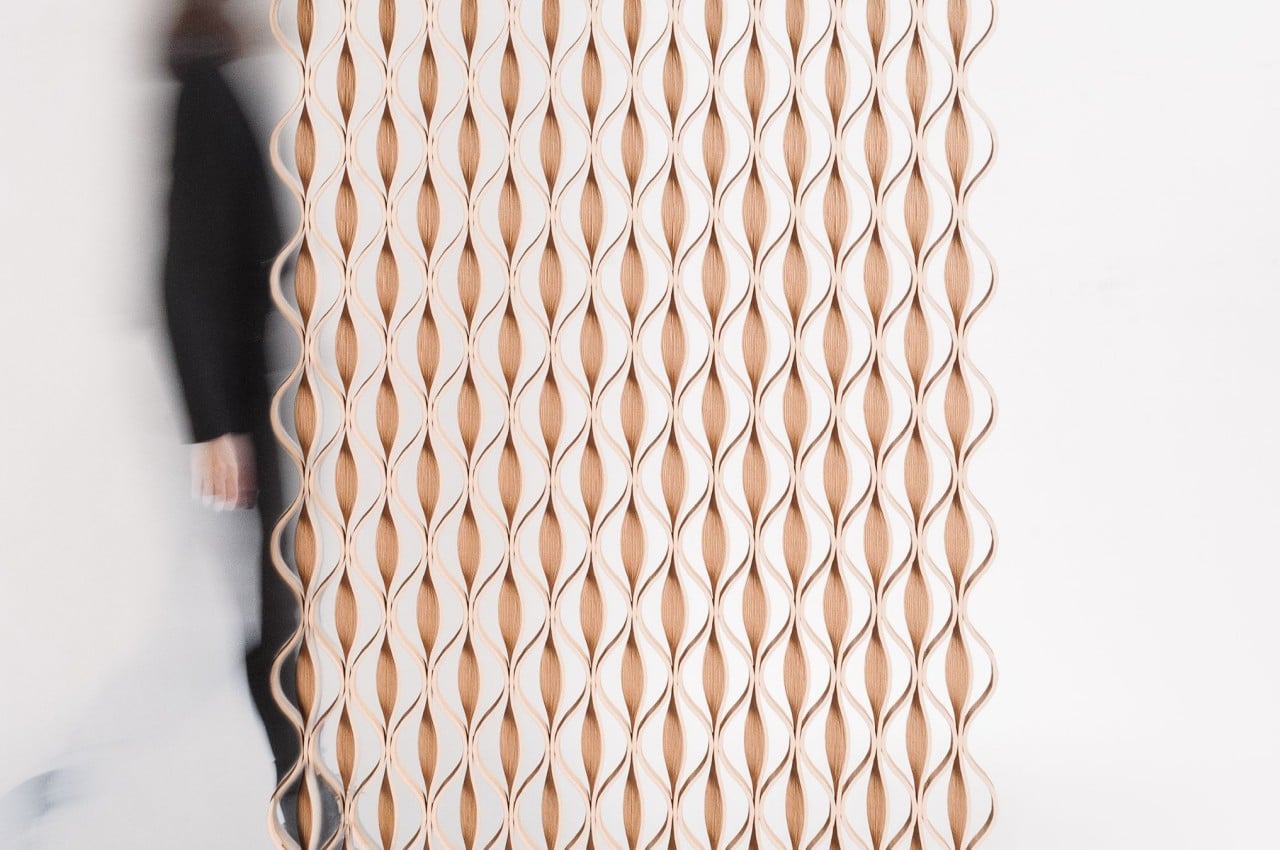
Wood is a preferred choice for its eco-friendliness, yet shaping and recycling pose challenges. Enter 3D-printed wooden partition screens and window coverings, offering a breakthrough solution. While 3D printing democratizes design, it also increases material waste, prompting a search for sustainable options. Crafted from wood waste and fortified with natural elements, this innovative material resembles wood in appearance, texture, and scent. Moreover, its circular lifecycle allows for recycling into new forms, minimizing waste. Despite potential production cost concerns, its promise for intricate designs and sustainability makes it attractive for environmentally conscious designers.

10. Homeware

Crafted by Vienna-based designer Nicolas Gold, renowned for his expertise in “Tiny Furniture,” this collection employs 3D printing. The range comprises vases, bowls, planters, and lighting, all crafted from lightweight, recyclable bioplastic sourced from corn. This blend of architectural precision and modern technology results in sophisticated homeware where design, architecture, and 3D printing harmonize seamlessly. The Tiny Architecture collection showcases intricate patterns such as the asymmetrical Bloz and fabric-like Fald, crafted from partially recycled materials to enhance their individuality.

The post 3D Printing is Shaping Modern Product Design: Here’s How first appeared on Yanko Design.

15 Awesome Android Apps Not on the Google Play Store

Android Apps

Are you looking to take your Android experience to the next level? Look no further than these 15 exceptional apps that you won’t find on the Google Play Store. These apps offer a wide range of unique features, from advanced customization options to system-level tweaks and specialized tools for social media. While these apps can […]

The post 15 Awesome Android Apps Not on the Google Play Store appeared first on Geeky Gadgets.

How to use AI to automate your affiliate marketing strategies

automate affiliate marketing using artificial intelligence

By harnessing the power of artificial intelligence (AI)  you can automate many areas of your affiliate marketing business whether you are new or already established by adopting AI tools such as ChatGPT, Claude 3, Llama 3, Gemini and others. You can make affiliate marketing more efficient and effective. AI can help with various tasks in […]

The post How to use AI to automate your affiliate marketing strategies appeared first on Geeky Gadgets.

Posted in Uncategorized | Tagged

10 Amazing Canva Tips & Tricks

Canva

Canva has transformed the way people create stunning designs, offering a user-friendly platform packed with powerful features. Whether you’re a beginner or a seasoned designer, mastering these ten essential tips and tricks will elevate your Canva experience and help you create visually appealing, professional-looking designs with ease. 1. Master Color Palette Management Color plays a […]

The post 10 Amazing Canva Tips & Tricks appeared first on Geeky Gadgets.

Posted in Uncategorized | Tagged

How to use Microsoft’s Excel Data Analysis Toolpak

Excel Data Analysis Toolpak user guide

Microsoft Excel’s Data Analysis Toolpak is an invaluable add-in for those who require complex statistical or engineering analyses. This powerful feature allows users to execute a variety of data analysis techniques quickly and efficiently, saving both time and effort. This comprehensive guide will cover how to install and utilize the Data Analysis Toolpak, providing step-by-step […]

The post How to use Microsoft’s Excel Data Analysis Toolpak appeared first on Geeky Gadgets.

Posted in Uncategorized | Tagged

How Easy is the New 13 inch M4 iPad Pro to Repair (Video)

M4 iPad Pro

The new 13-inch M4 iPad Pro, Apple’s thinnest product yet at just 5.1 mm thick, offers a remarkable blend of sleek design and promising repairability. This comprehensive teardown delves into the intricate details of the device’s internal components and provides an in-depth evaluation of its ease of repair. The latest iteration of the iPad Pro […]

The post How Easy is the New 13 inch M4 iPad Pro to Repair (Video) appeared first on Geeky Gadgets.

16+ ChatGPT-4o advanced brainstorming prompts and techniques

How to use ChatGPT to brainstorm 2024

Brainstorming is a powerful tool for generating ideas, solving problems, and fostering innovation. At its core, brainstorming is a group creativity technique designed to generate a large number of ideas for the solution to a problem. The concept was popularized by Alex Osborn in the 1950s, and it has since become a staple in creative […]

The post 16+ ChatGPT-4o advanced brainstorming prompts and techniques appeared first on Geeky Gadgets.

Posted in Uncategorized | Tagged

Beyond the Basics: Google Gemini Hacks for Beginners

Google Gemini

Google Gemini is an advanced AI model engineered to significantly boost creativity, tackle complex problems, and efficiently retrieve information. It offers a user-friendly interface that is accessible to all, making it easy to start using Gemini right away. However, the true power of Gemini lies beneath the surface, waiting to be unlocked by those willing […]

The post Beyond the Basics: Google Gemini Hacks for Beginners appeared first on Geeky Gadgets.

Posted in Uncategorized | Tagged

Tiny yet Mighty Titanium + Carbon Fiber Pocket Knife is Smaller and Lighter than your House Key

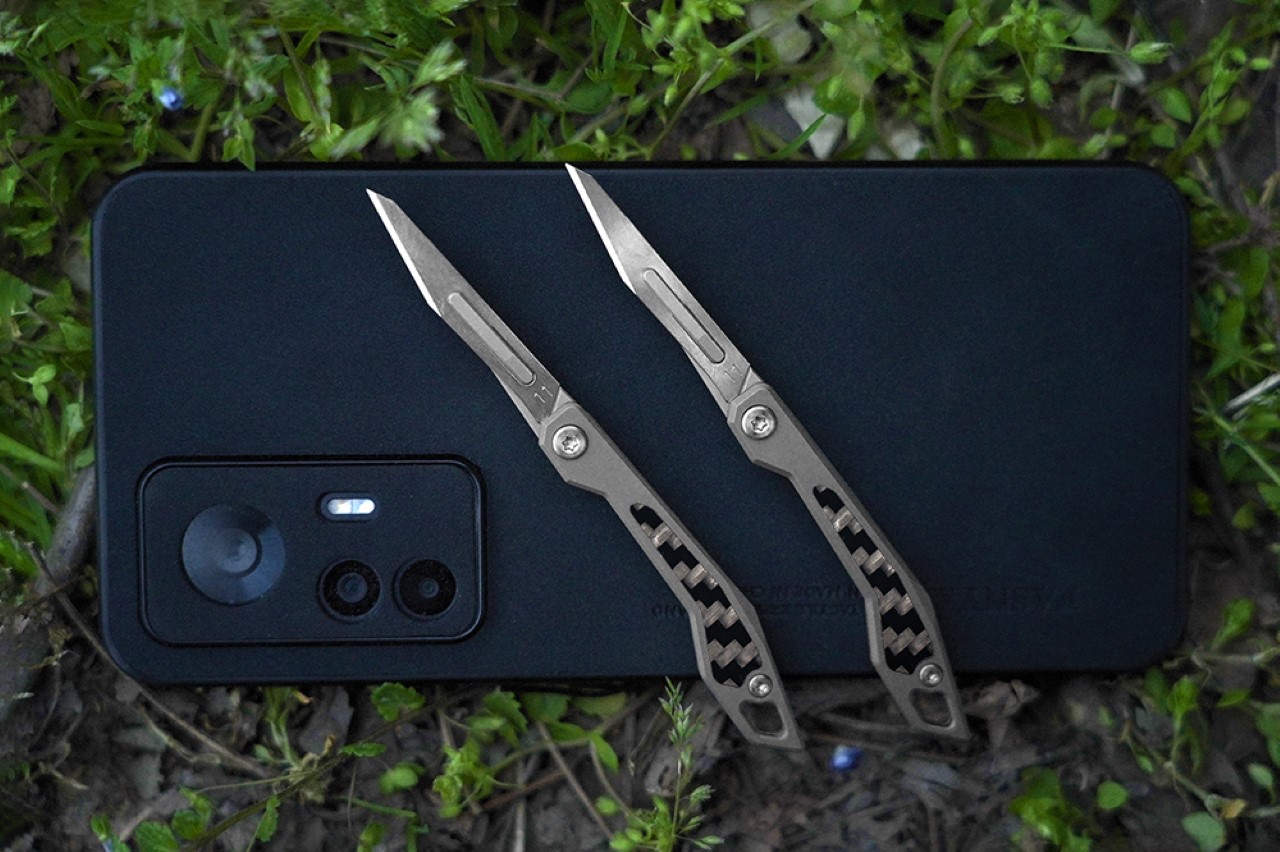
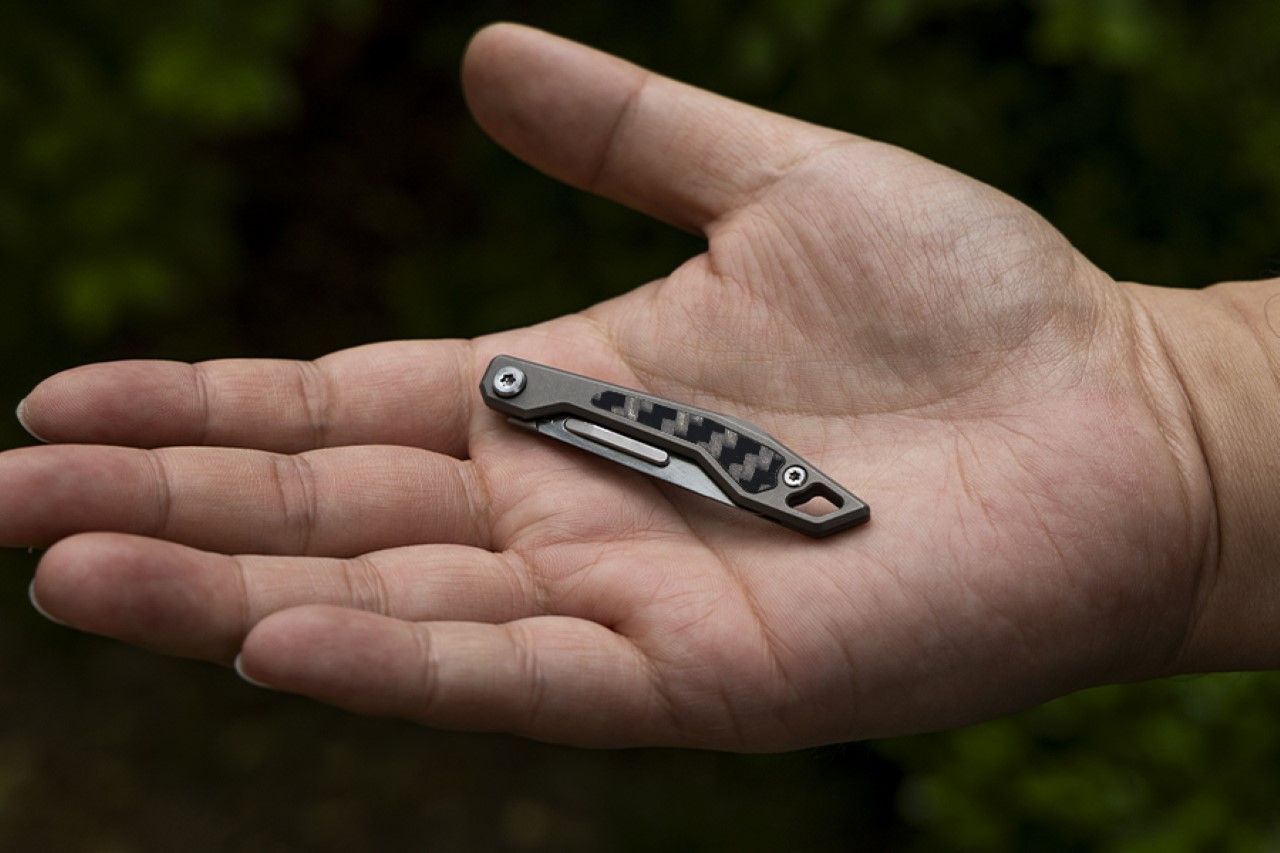
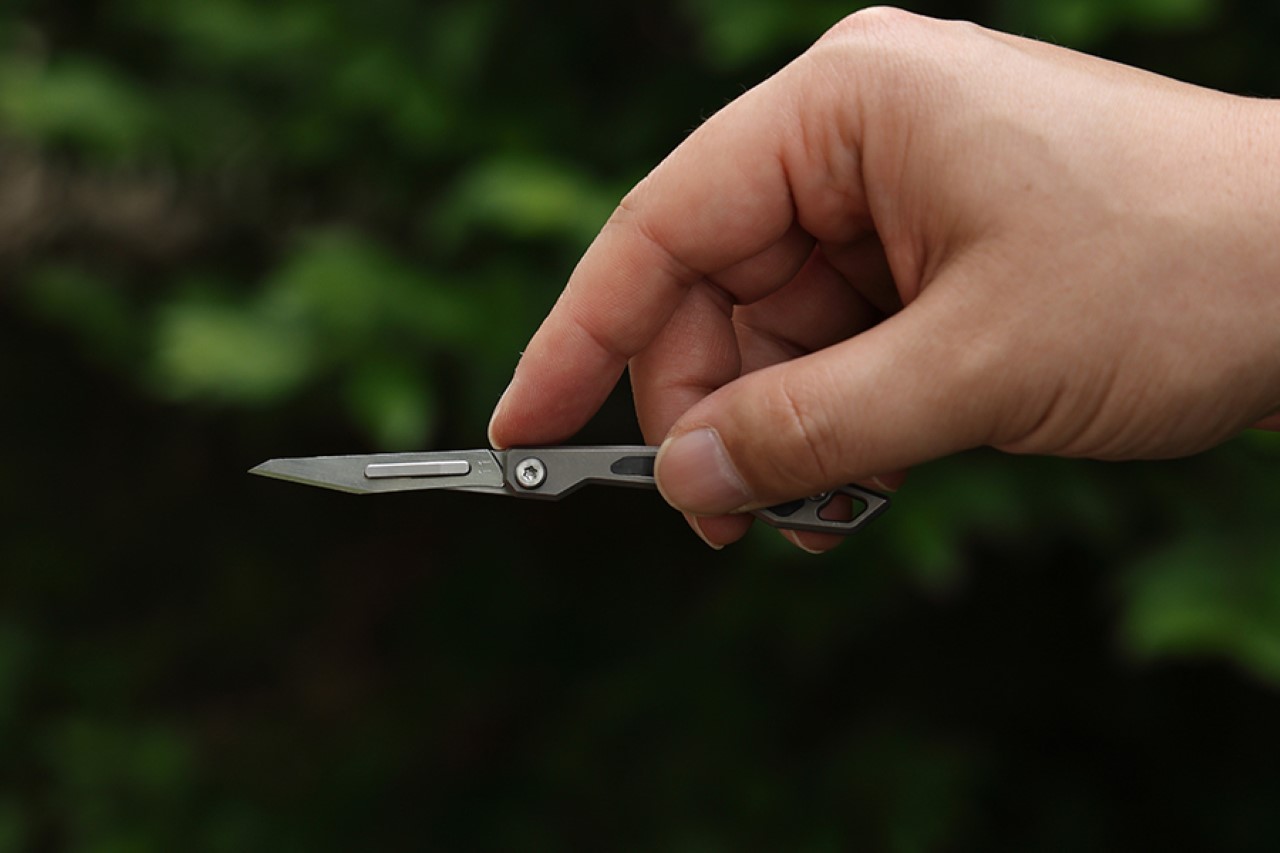
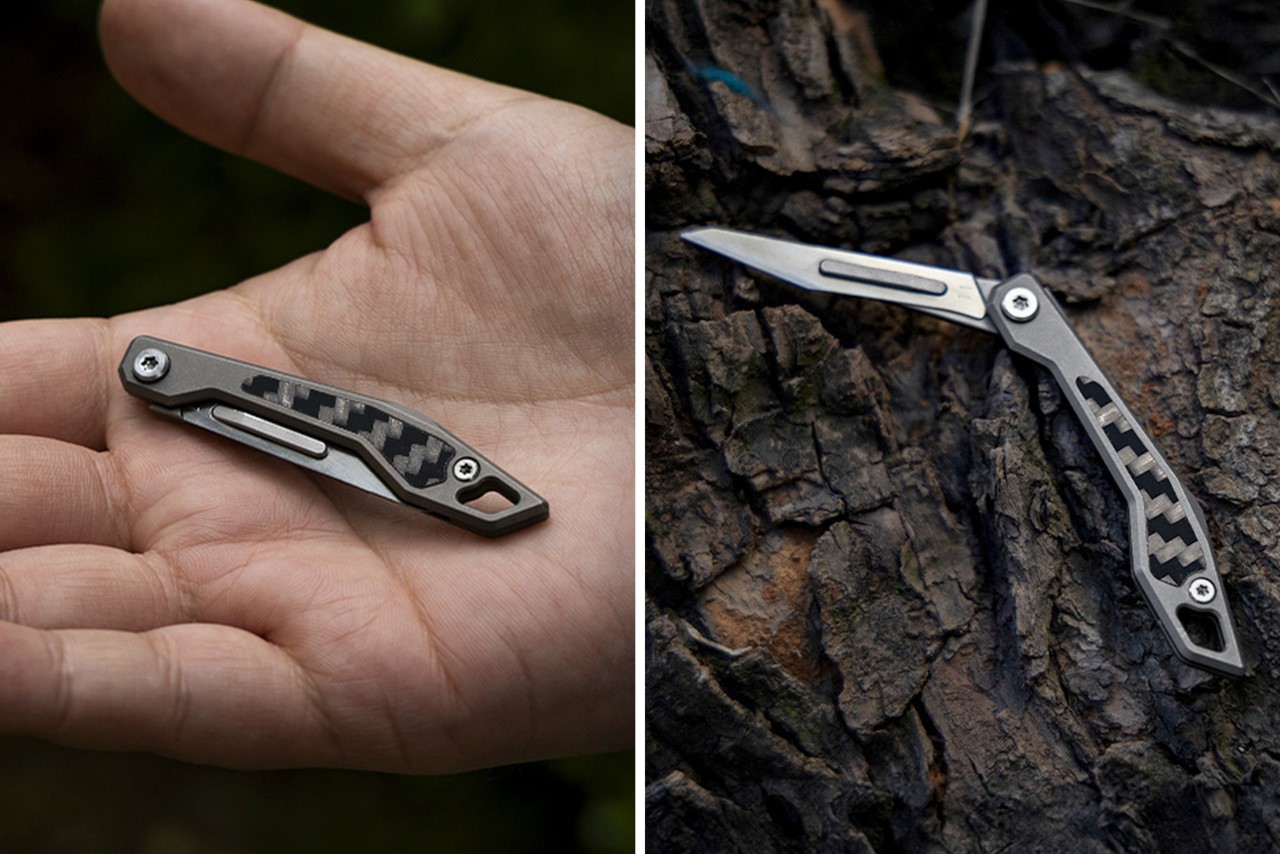
It doesn’t get smaller than this, lighter than this, or more viciously sharp than this. Measuring a mere 57mm (2.5 inches) when shut and weighing just 5.6 grams (0.19 ounces), the WaspArmor Micro Folding Scalpel floats like a butterfly and stings like a bee… or a wasp, as its name would suggest. Its titanium and carbon fiber body gives it a classy-yet-durable build, and the replaceable scalpel blade means never having to sharpen your knife ever again. Quite impressive for a blade tiny enough to attach to your keychain.

Designer: AlloyX

Click Here to Buy Now: $39 $55 (29% off) Hurry! Only 15 left of 560 units.

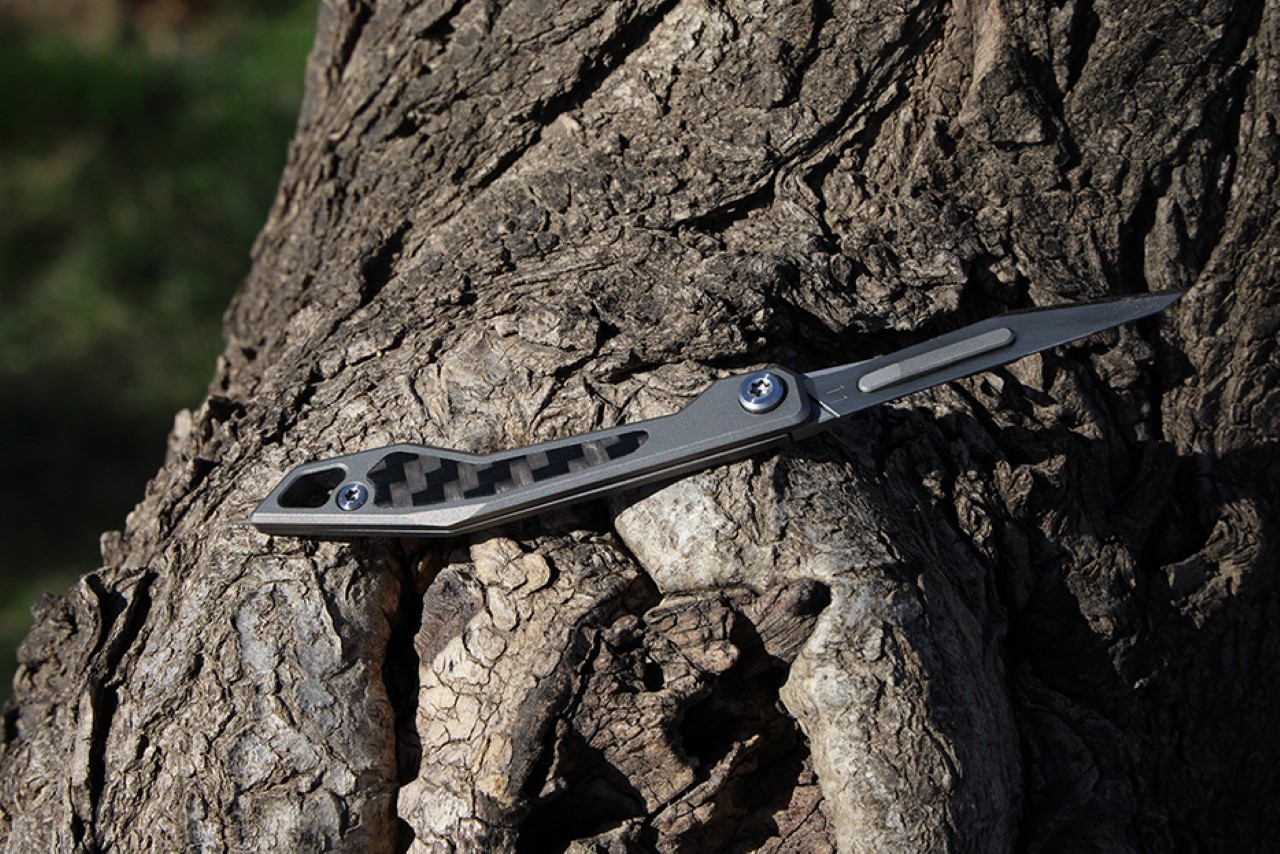
Smaller than even your index finger when closed, the WaspArmor is like the chihuahua of pocket knives, tiny yet so audacious and aggressive you’re bound to take it seriously. The knife comes with a few clever tricks up its sleeve, but it all starts with the titanium and carbon fiber construction. Both materials are known for their incredible strength-to-weight ratio, which made them the perfect selection for the WaspArmor knife. The Titanium body gives the knife its durability, resilience, and ability to withstand corrosion, etc. Three carbon fiber inserts on the sides of the handle give the WaspArmor a unique aesthetic while providing a mildly textured grip that makes holding and maneuvering the scalpel easy.

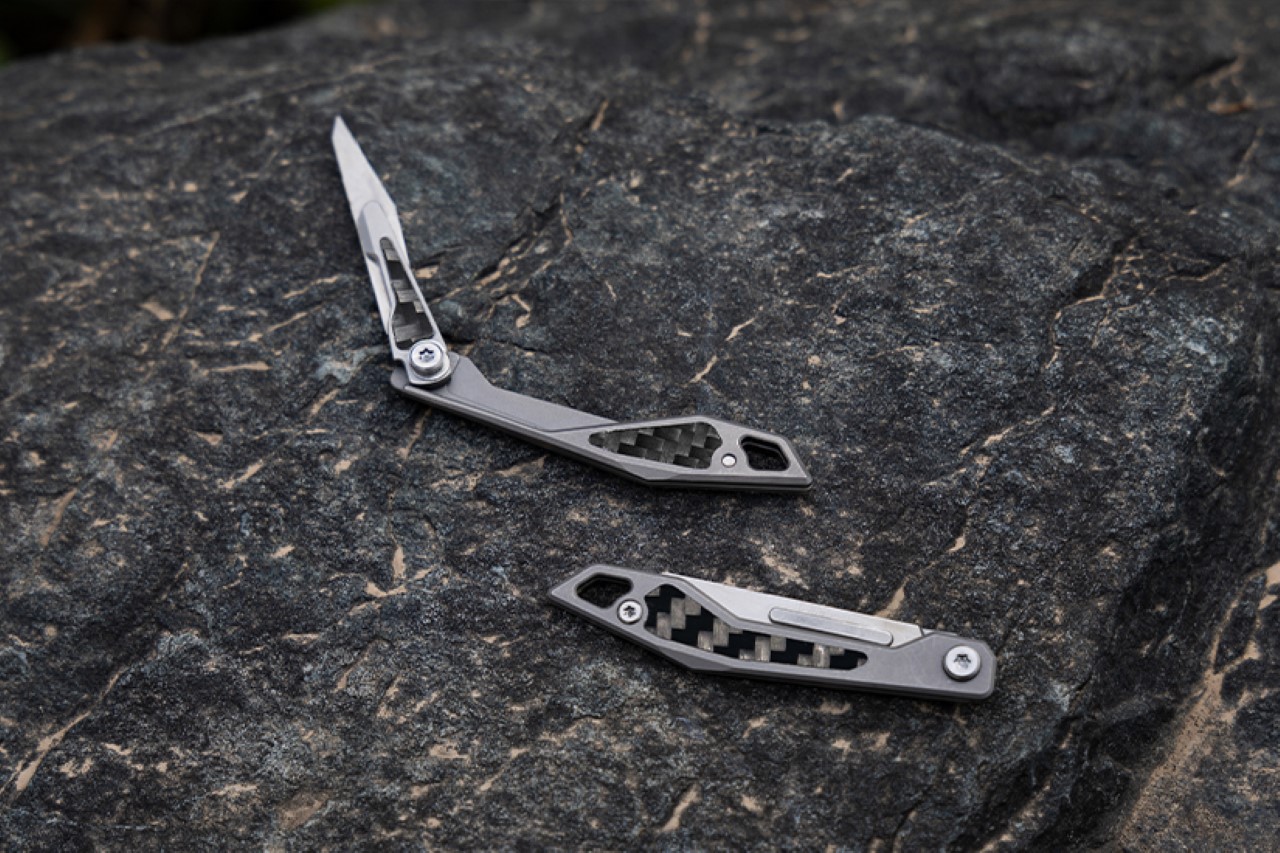
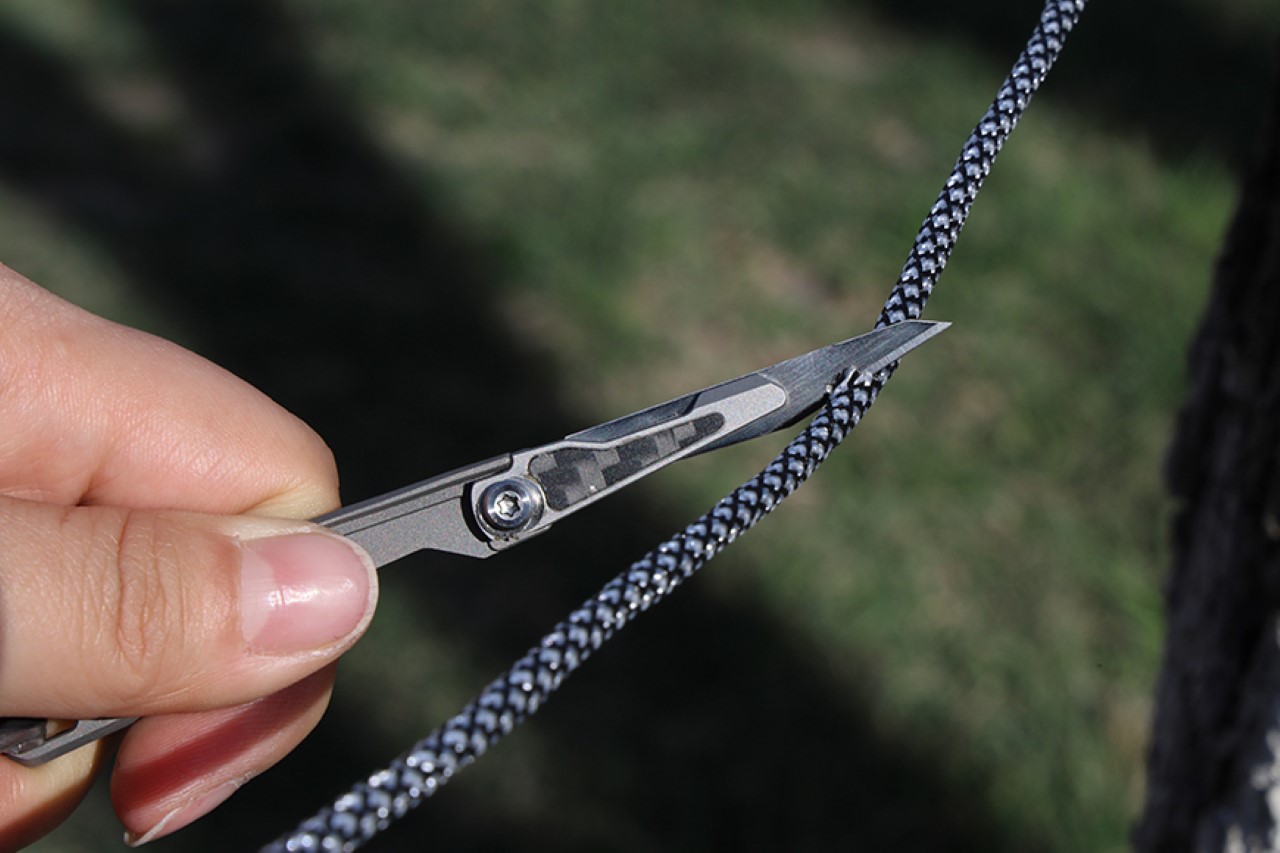
A simple fold-out arm reveals the WaspArmor’s small but seriously sharp blade. While most pocket knives come with their own built-in blades, the WaspArmor relies on standard Scalpel blades that clip right into the knife’s design. The reason for this is three-fold – for starters, scalpel blades are deadly sharp. They glide right through pretty much anything, making them perfect for opening boxes, piercing packets, whittling wood, or even slicing tough paracord. The pointed tip and sharp edge make the scalpel blade a formidable piece of hardware, and these blades are readily available, which means you can simply buy a pack of them (they even come in different designs) for replacing whenever.

The second reason is that instead of sharpening/maintaining your WaspArmor, you can simply ditch an old blade for a new one, saving energy and time, while keeping your knife fresh and usable for decades. The third reason is that a knife with a removable blade is invariably TSA-safe. In case you happen to have the WaspArmor on you while entering an airport, you can simply ditch the blade and carry the rest of the knife with you. Removing and replacing the blade on your WaspArmor is easy but not too easy that the blade comes apart on its own. The blade can only be removed when the knife is open at a 120° angle, ensuring it never comes undone by accident.

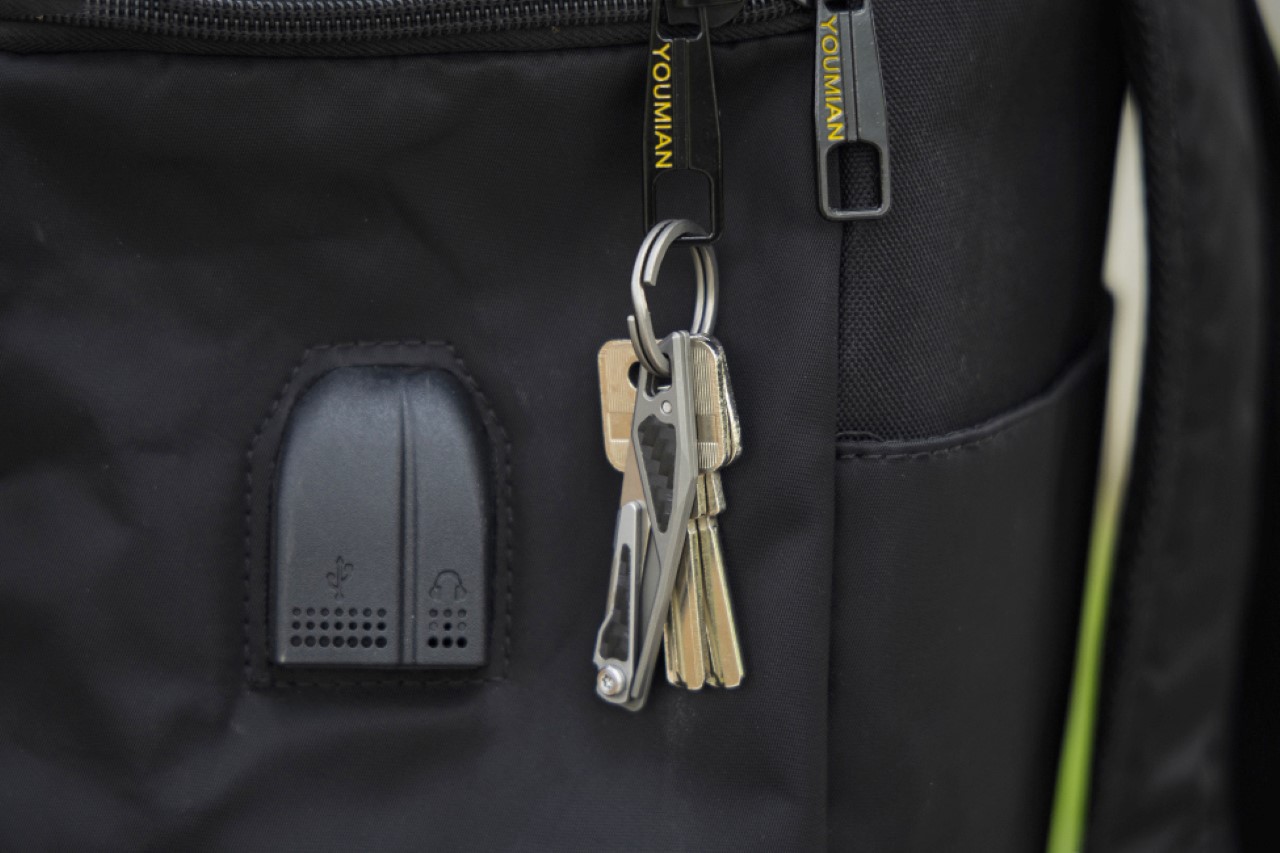
The WaspArmor’s compact design still has enough room for clever detailing. A hidden back-lock lets the blade snap into its open position, so the blade doesn’t accidentally shut while in use. The handle’s small design is still ergonomic to hold and use, which is quite a functional win for anyone who’s serious about buying and using this knife on a daily basis. The compact handle still has enough space for a cutout that you can slide a lanyard/carabiner through or even your keychain ring. The knife is small and light enough to sit among your keys, being accessible in a split second, whenever you need a cutting instrument.

That small, accessible size is what makes the WaspArmor so incredible. You could use it to open Amazon parcels, sharpen pencils, cut tiny twigs/branches outdoors, scrape a flint to start a fire, slice through a paracord, cut a seatbelt to get out of a messy situation, or even defend yourself with a tough, sharp blade that will never disappoint.

Each WaspArmor features a CNC-machined Titanium handle, with those Carbon Fiber inserts that give the overall knife its distinct character. Even though it’s a tiny piece of EDC, it’s designed to be reliably safe, with the blade holding its position, and the swinging arm locking in both open and closed modes, so your knife doesn’t accidentally disassemble or worse… hurt anyone. The WaspArmor Micro Folding Scalpel starts at a discounted $39, which includes the WaspArmor itself, along with 10 replaceable scalpel blades (you can buy more at any medical or stationery store), a titanium keyring, and free global shipping.

Click Here to Buy Now: $39 $55 (29% off) Hurry! Only 15 left of 560 units.

The post Tiny yet Mighty Titanium + Carbon Fiber Pocket Knife is Smaller and Lighter than your House Key first appeared on Yanko Design.
How to watch the Microsoft Build 2024 keynote live on May 21

Springtime means it’s keynote season in the tech world, and in 2024, that means “time to show off your AI bona fides.” Google and OpenAI have already revealed big new upgrades to Gemini and ChatGPT this month, and now it’s time for Microsoft Build. The tech giant’s annual developer conference kicks off with a keynote slated for Tuesday, May 21 at 12 PM ET/9 AM PT, and you can watch the entire event live on YouTube (which is also embedded below) and at Microsoft's site (registration required). What about that Microsoft Surface event you may have heard about? Well, that’s actually happening a day earlier: Monday, May 20. Confused? Don’t worry, here’s the tl;dr version of what to expect, summarized from our more in-depth What to expect from Microsoft Build 2024: The Surface event, Windows 11 and AI.

One day before the official Build keynote, Microsoft is hosting a more intimate event for journalists at which it plans to reveal its "AI vision across hardware and software." That event won’t be livestreamed, but Engadget will have full coverage as it unfolds.

The rumor mill strongly suggests that we’ll see new consumer-targeted Surface PCs. And unlike the enterprise-centric models like the Surface Pro 10 and Surface Laptop 6 introduced back in March, these new models may be powered by updated Qualcomm Snapdragon chips – Arm chips that run cooler and offer far better battery life than their Intel and AMD equivalents, but often at the expense of reduced app compatibility and processing speeds.

The thought is that Microsoft is following the template that its fellow tech giants have demonstrated this season: get the hardware announcements out of the way first, clearing the runway for an all-AI showcase at the developer conference. That’s what happened with Apple and Google in recent weeks, as they respectively revealed new iPads weeks before the WWDC event in June, and a new Pixel 8a phone in the days leading up to Google I/O.

What’s that mean for Tuesday? Last year’s Build announcements give you the general flavor: Microsoft’s Copilot AI (possibly with more impressive OpenAI-powered smarts) integrated into even more of Microsoft’s DNA, likely both at the device level (Windows) all the way up to the company’s massive cloud infrastructure.

While much of Tuesday’s news will be through the prism of Microsoft’s developer community, we’re looking forward to giving you the big picture on what it all means for end users – and how it dovetails with the hardware announcements we expect to hit on Monday. Stay tuned.

This article originally appeared on Engadget at https://www.engadget.com/how-to-watch-the-microsoft-build-2024-keynote-live-on-may-21-003204596.html?src=rss