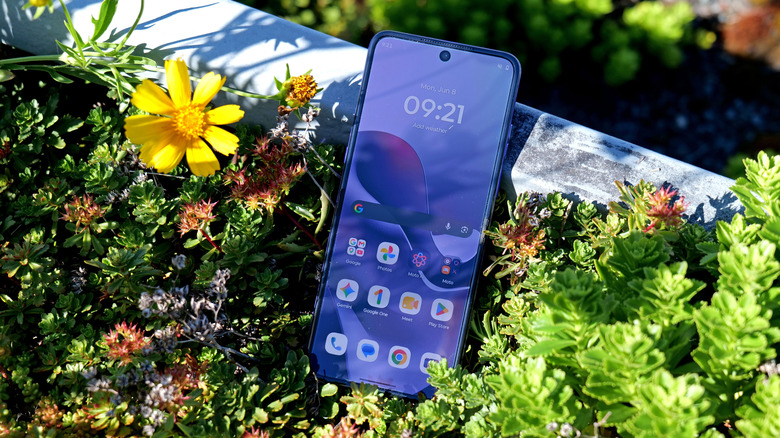
Motorola Razr Ultra review: Too much for too little
The Moto Razr Ultra is a top-notch flagship flip phone that's marred by a $200 price hike that isn't fully justified.
The case for a second phone has gotten easier to make over the past few years. Whether it’s for a work line, a travel SIM, or simply a device that doesn’t pull you into a scroll every time you pick it up, the idea of carrying something smaller and simpler alongside a primary smartphone has moved from eccentric habit to reasonable strategy. What that second device should actually be, though, has been harder to settle.
Ulefone’s Armor Mini 5 answers that question with a format that most people assumed was retired alongside early BlackBerries and Nokia candy bar phones. It combines a physical alphanumeric keypad at the bottom with a 2.8-inch touchscreen above it, runs Android 11, and wraps the whole thing in a rugged shell certified to IP68, IP69K, and MIL-STD-810H standards. The result is something that sits deliberately between a feature phone and a smartphone.
Designer: Ulefone
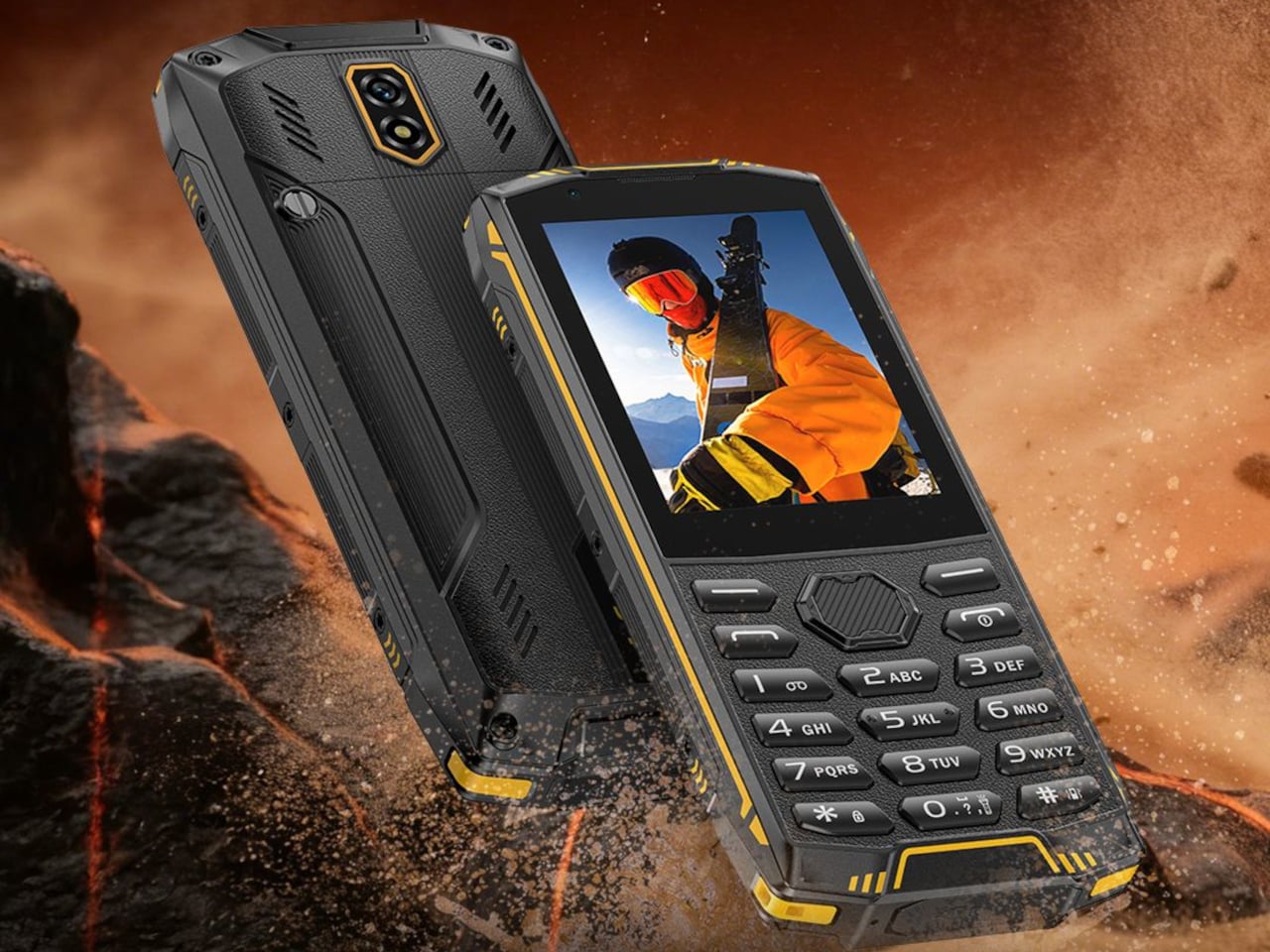
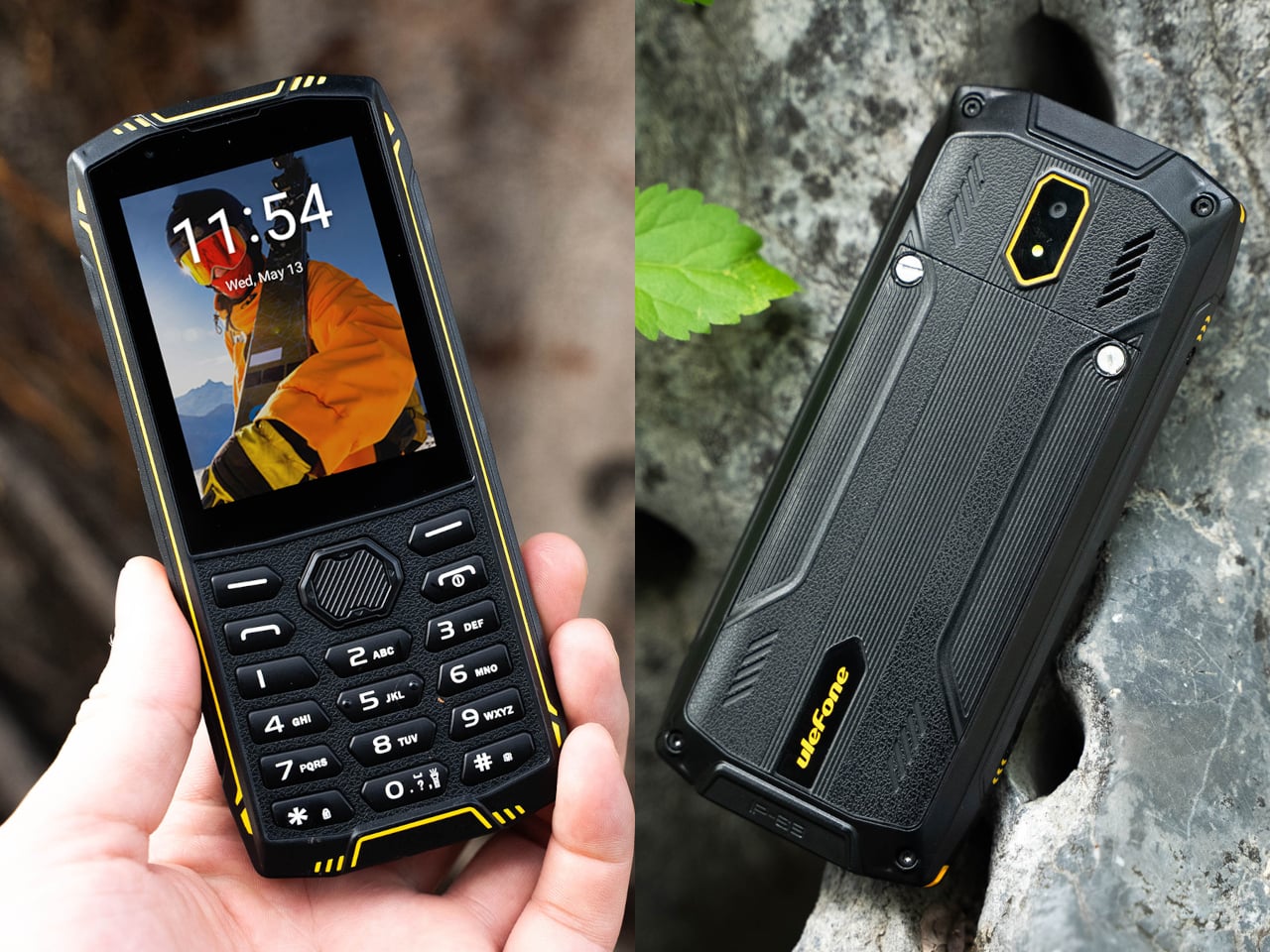
The display at 240×320 pixels isn’t going to run any graphically demanding apps, and that’s clearly the point. Ulefone pre-loads WhatsApp and markets the device explicitly as a way to stay in touch with the people you care about while sidestepping the attention-draining machinery of a modern phone. WhatsApp calls, voice messages, and texts work fine at this resolution. Instagram doesn’t, which is by design.
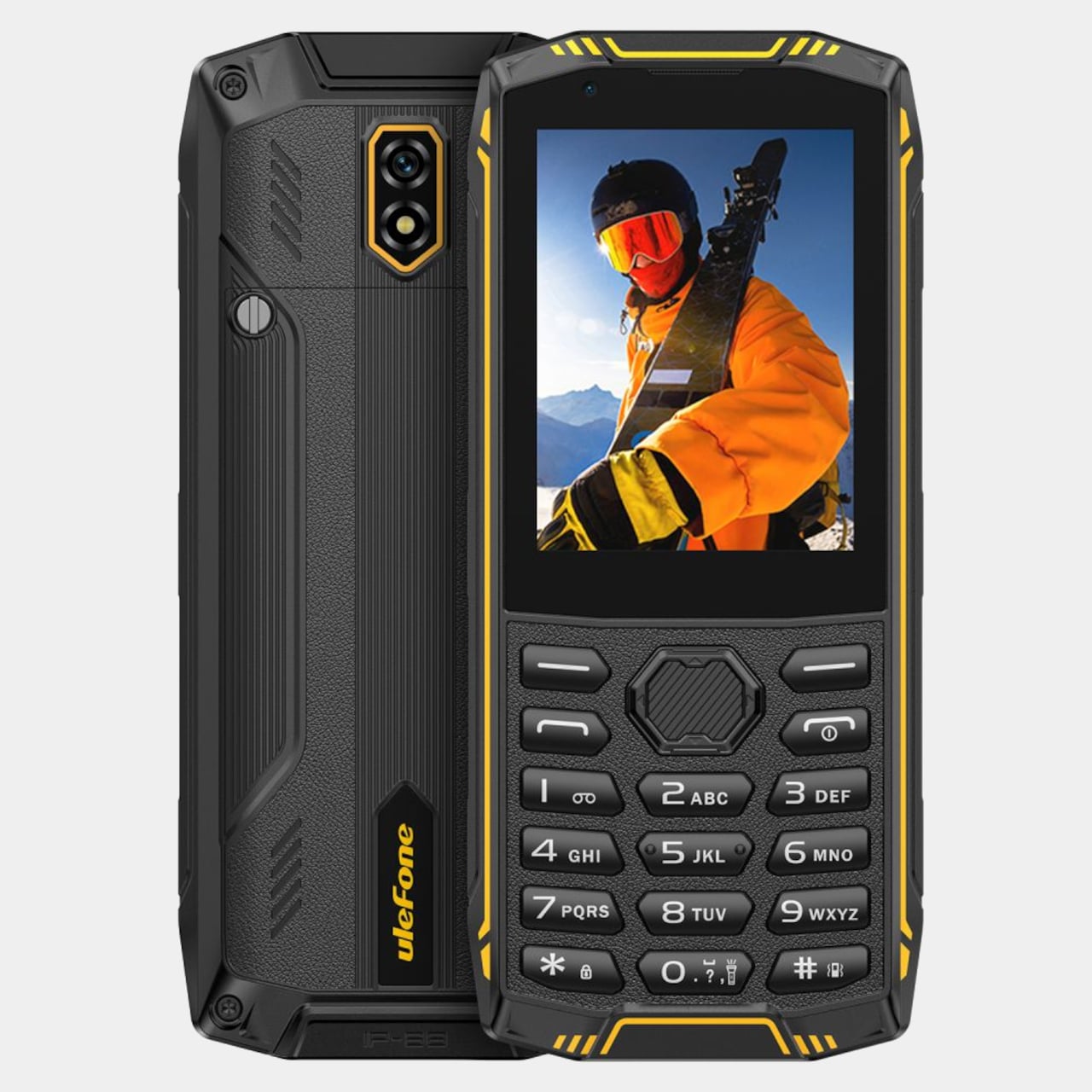
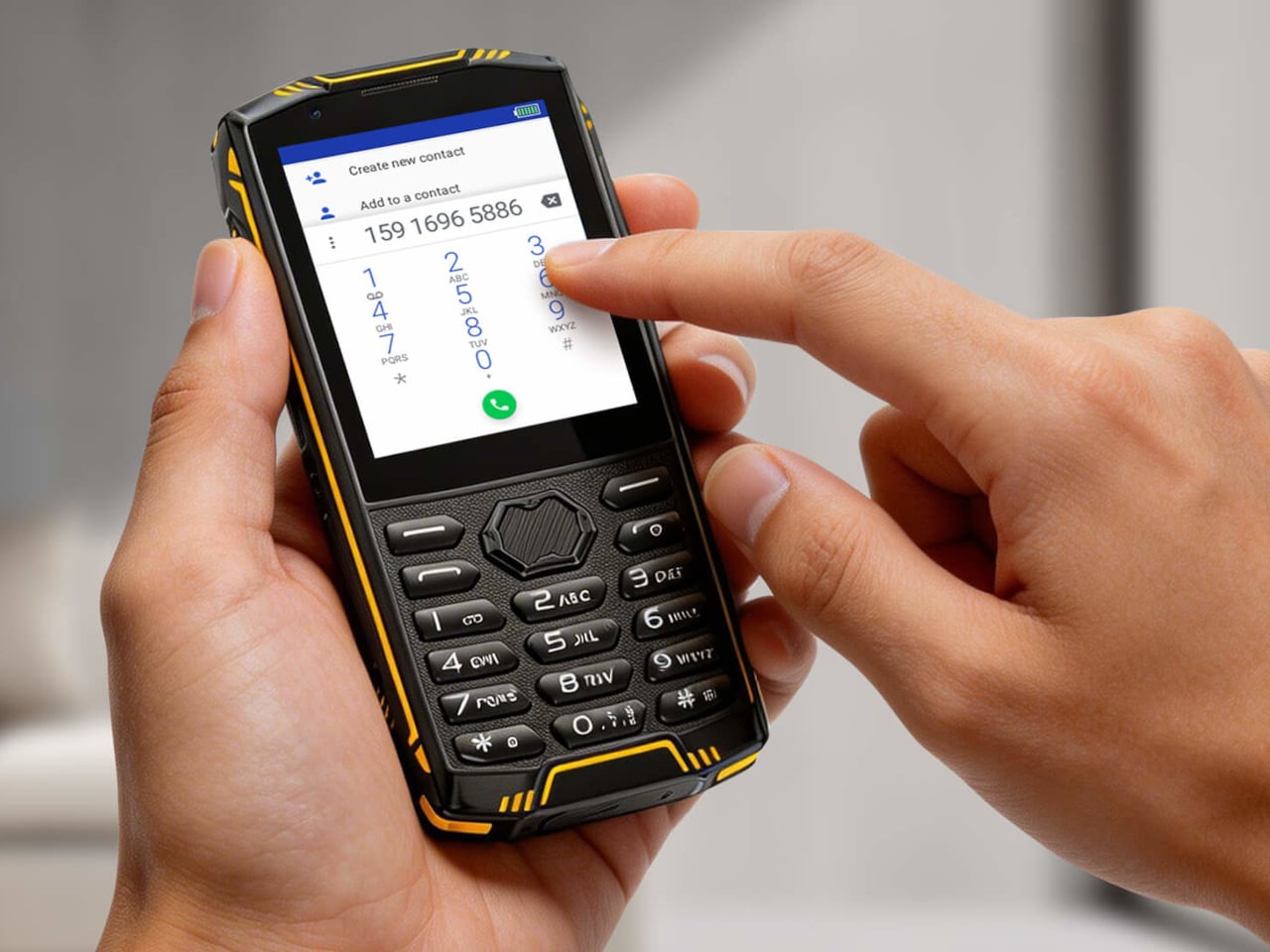
At 142mm x 62mm x 16.5mm and 170g, the Armor Mini 5 fits comfortably in a chest pocket where most modern 6-inch devices wouldn’t. The physical keypad keeps texting fast for anyone comfortable with predictive T9 input, and the number keys double as a quick-dial interface, the kind of interaction muscle memory that never quite goes away once it’s formed. Calls are the first-class experience here, with the touchscreen adding access to apps when needed.
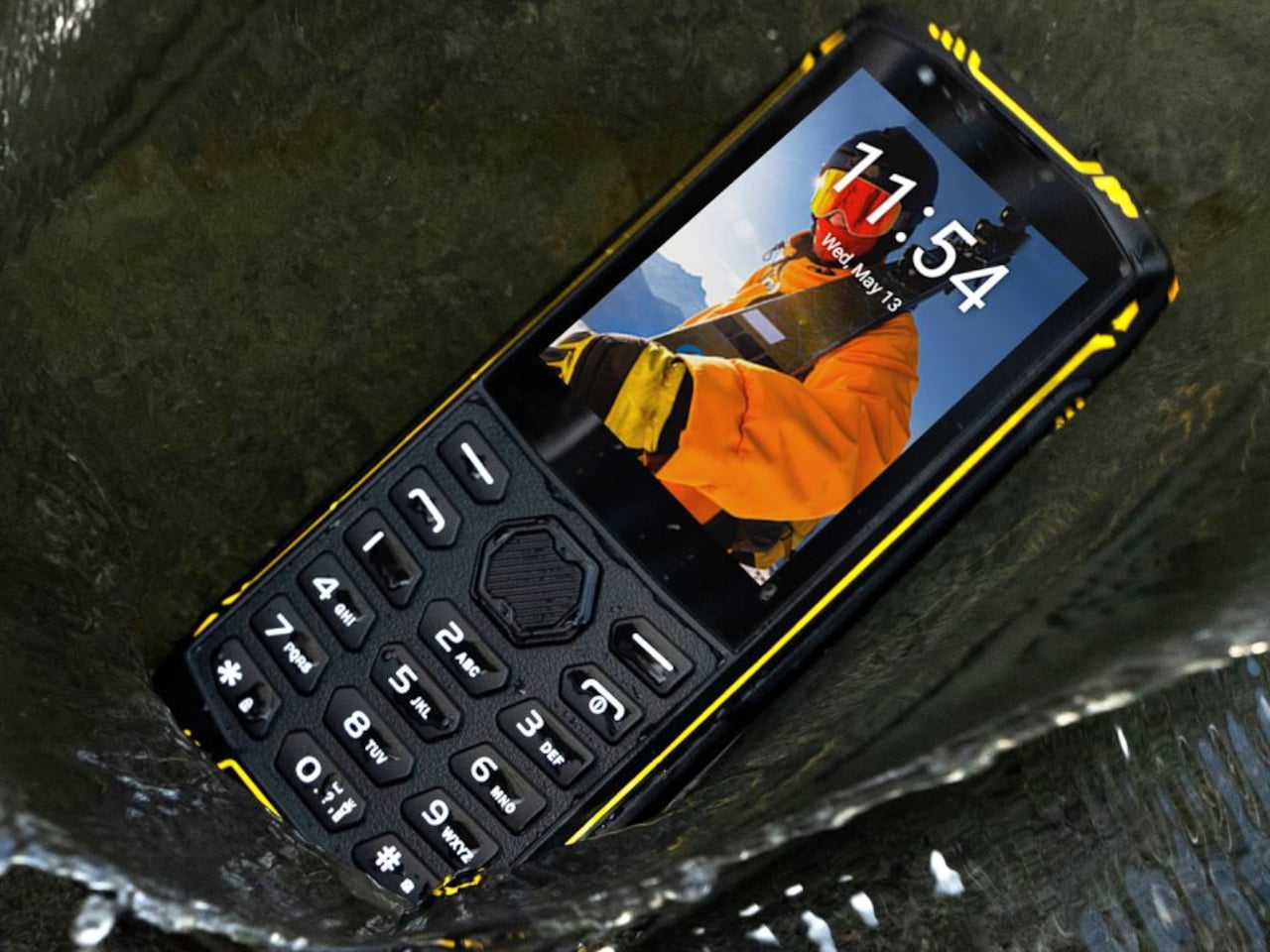
The rugged credentials are serious ones. IP68 means submersion up to 2 m for 30 minutes. IP69K adds resistance to high-pressure water jets, which is the standard applied to equipment that gets hosed down in industrial or outdoor settings. MIL-STD-810H covers drop, vibration, humidity, altitude, and temperature extremes. A phone this small is significantly more likely to be dropped than a larger device, so the reinforced shell earns its place.
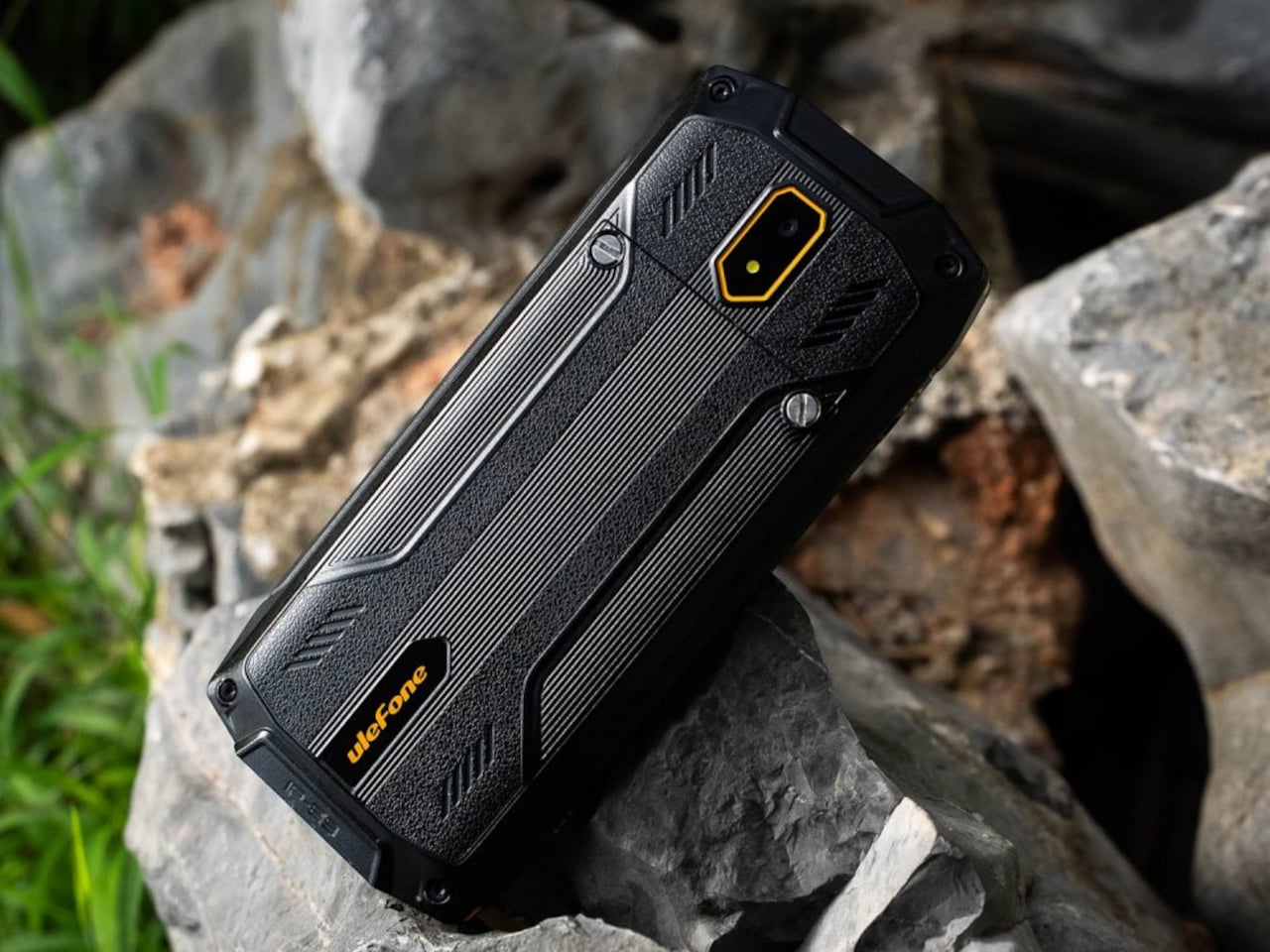
Battery management is where the form factor pays its most practical dividend. The 2,500mAh cell powers up to 12 days of moderate use and reaches 311 hours of standby, numbers that come from the low-resolution display and efficient quad-core MediaTek MT6739 chipset rather than from a massive capacity. The battery is also removable, which hasn’t been a feature on most consumer phones for nearly a decade, and it means carrying a spare for genuinely extended off-grid use.
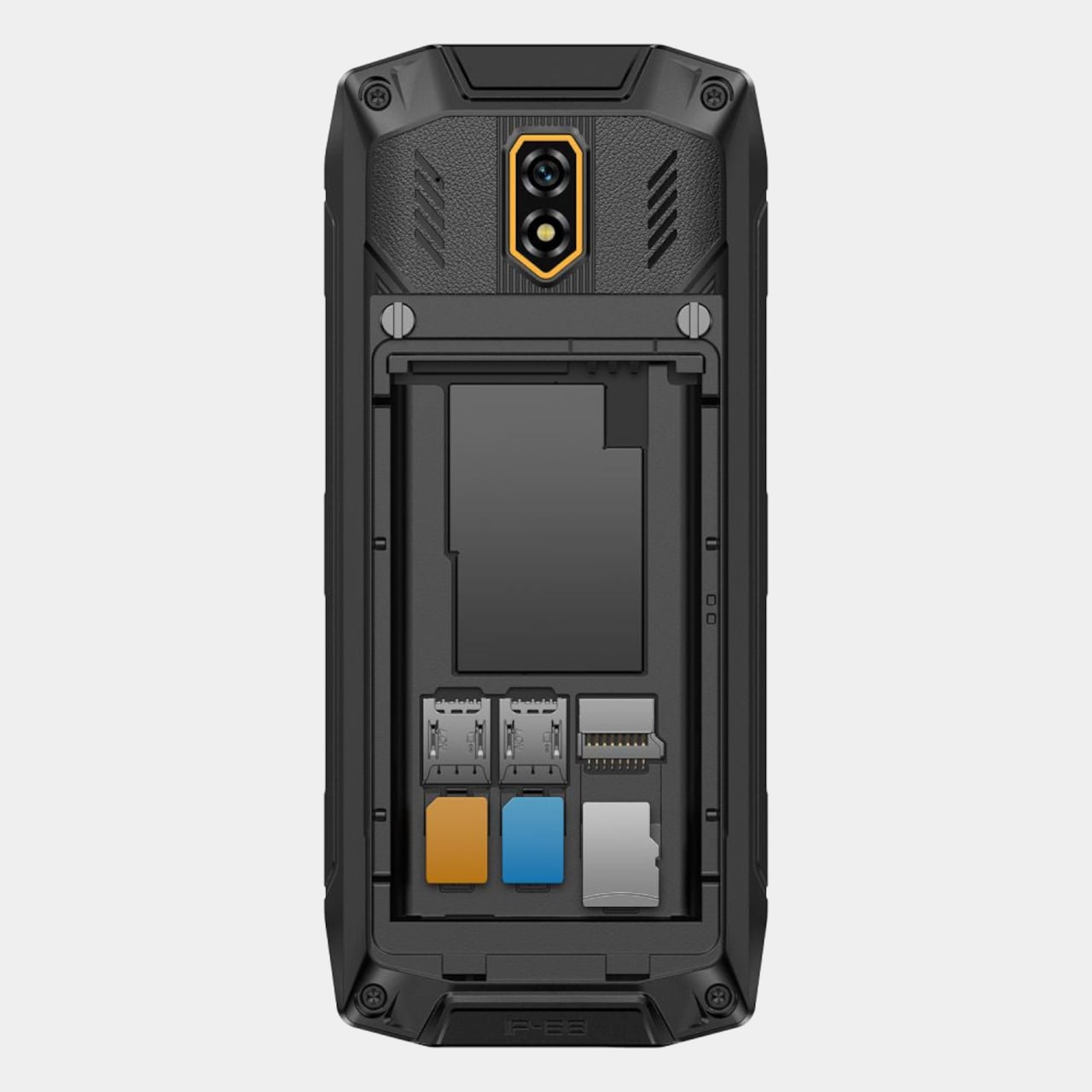
Storage is 8GB internally with 1GB of RAM, paired with a triple-card slot that accepts two nano SIMs alongside a microSD card. For a phone that handles calls, texts, and WhatsApp, 8GB is more than sufficient. The dual-SIM configuration makes it practical as a travel device, keeping a local data SIM and a home number active simultaneously without buying a second handset.
The Armor Mini 5 currently sells for $99.99, down from a regular price of $109.99. For a phone that most people would describe as a deliberate step backward in screen size and software capabilities, it makes a surprisingly coherent argument that fewer features, handled well and built to survive a job site, might actually be the more useful device for what a second phone is actually supposed to do.

The post This $99 Rugged Phone Has a Keypad and Won’t Let You Doomscroll first appeared on Yanko Design.
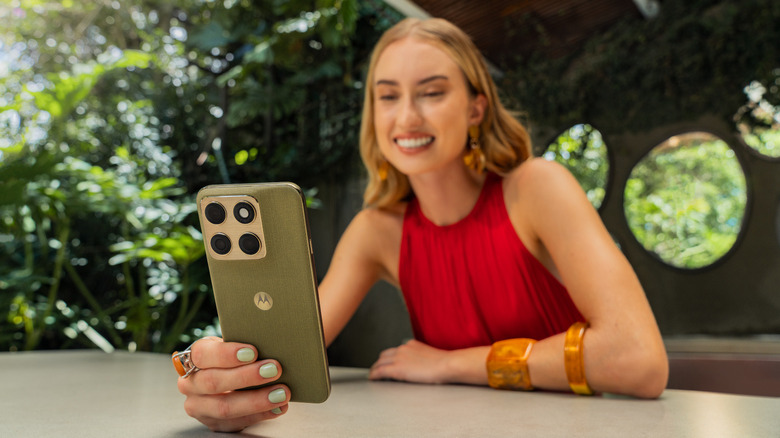
When mainstream smartphone designs became too generic, the next evolution took the form of foldable phones. These devices, targeted towards power users who want the dual utility of a phone and a tablet in one, are quite popular and becoming mainstream, so much so that their look and feel have again come full circle and become boring. We do live in a pace-paced tech world where every next trend is longing for the next exciting evolution.
Making all the other foldables on the market feel boring and obsolete as far as design is concerned, the Vertu’s AI-powered folding smartphone is here for fat-pocketed tech whizzes who are willing to shell out anywhere between $6,880 to $46,880. For a price tag as exorbitant as that, the $3,000 Galaxy Z Trifold or the expected-to-be-pricey iPhone Fold also seems reasonable!
Designer: Vertu
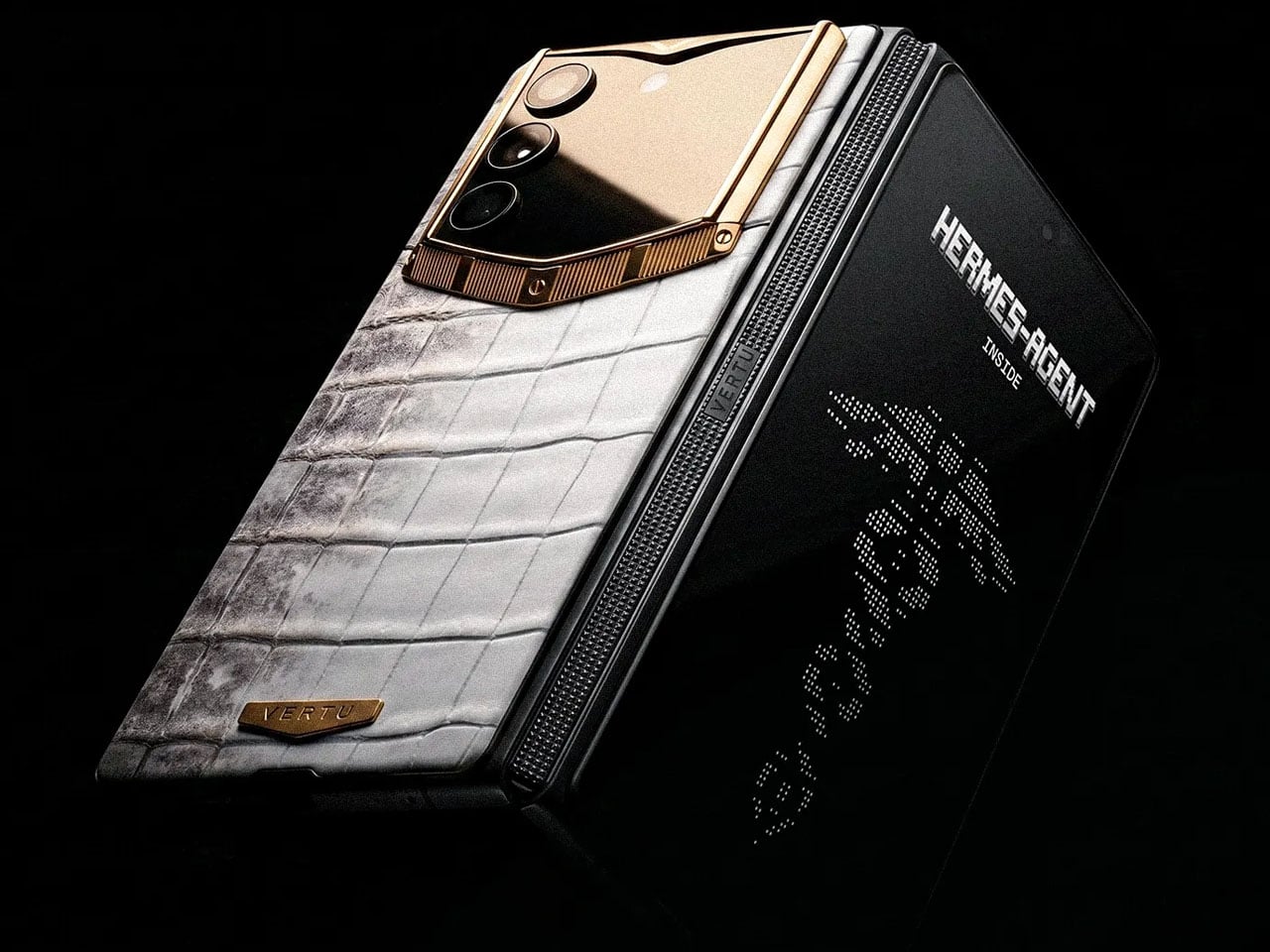
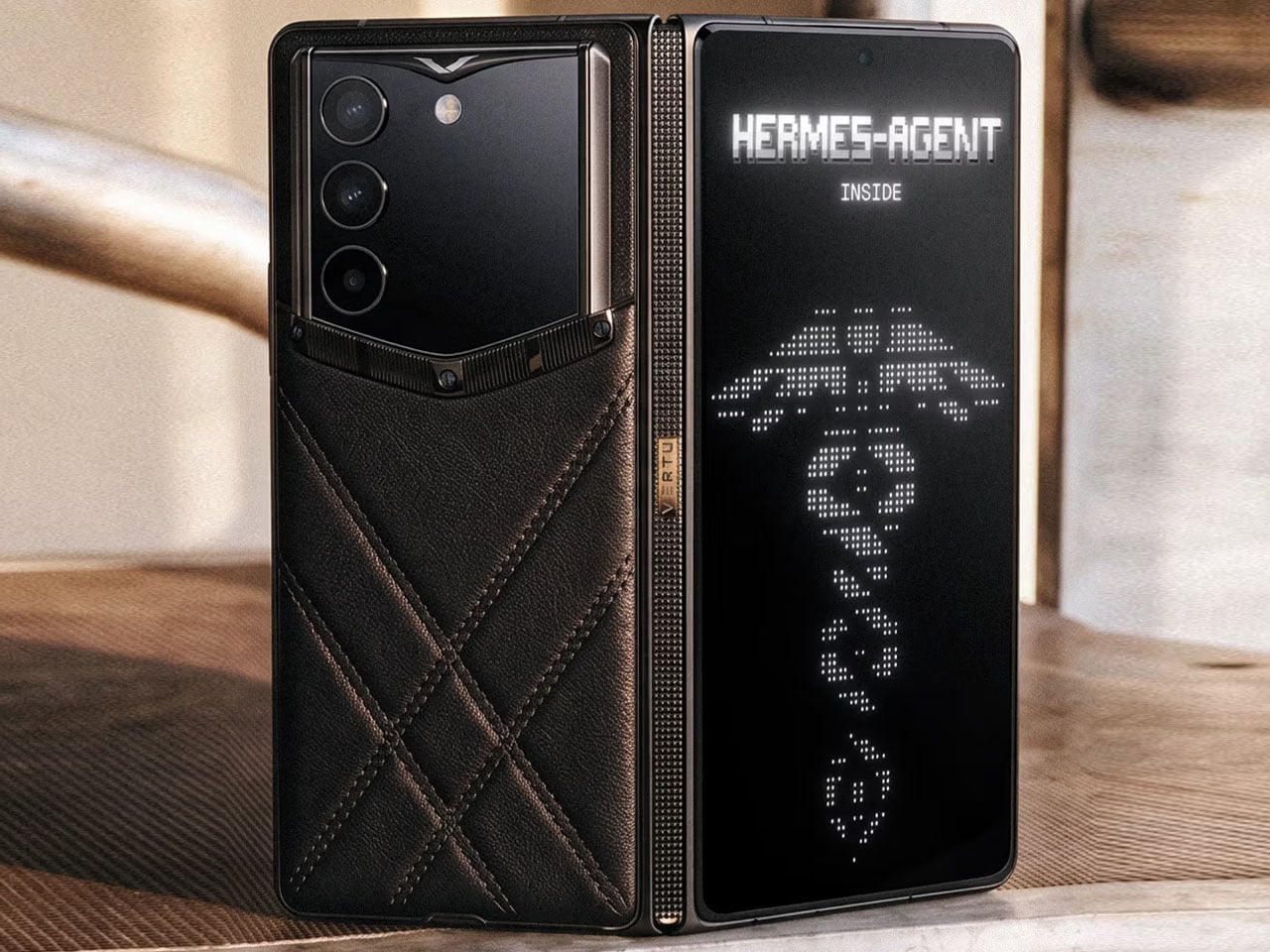
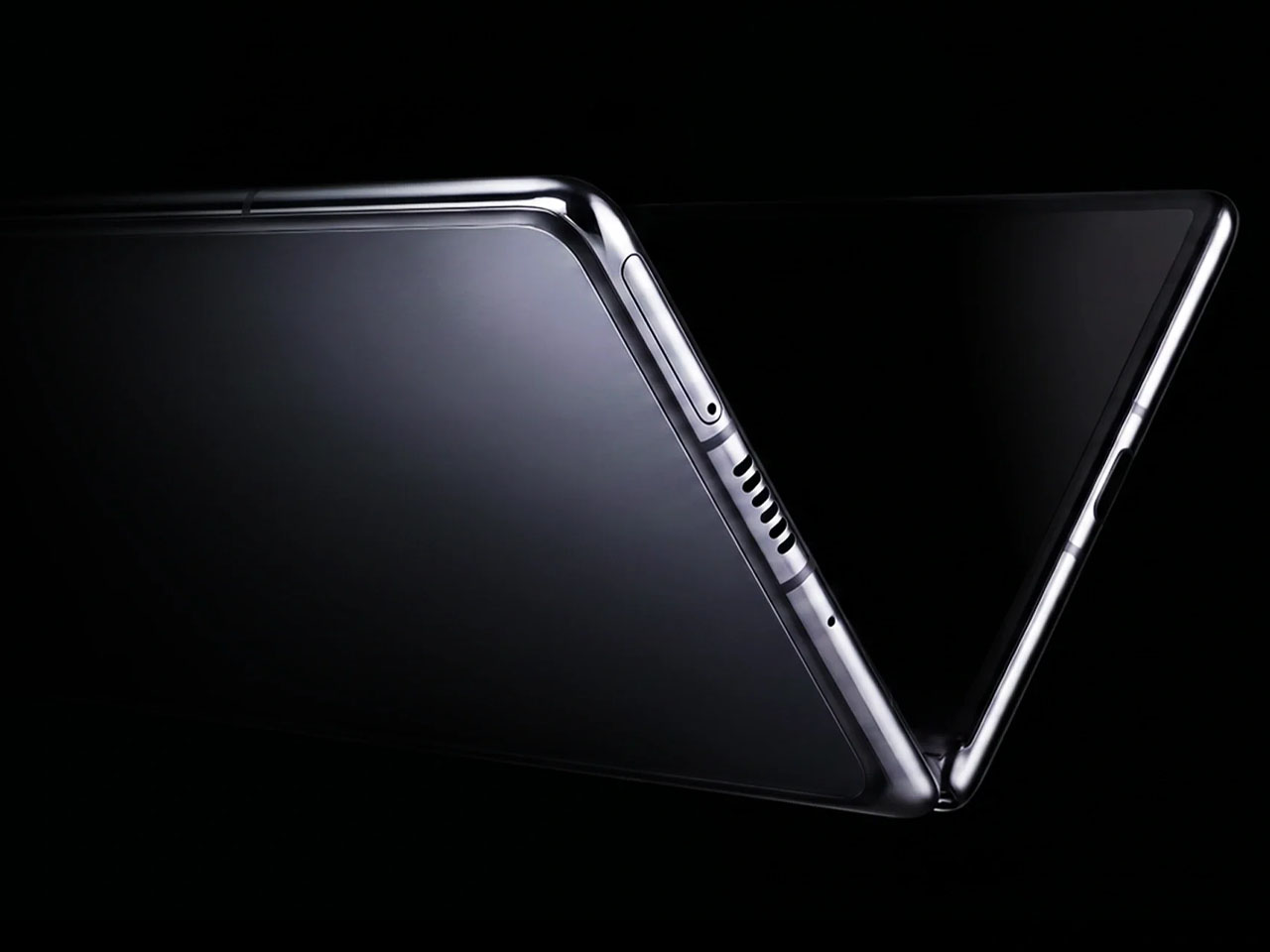
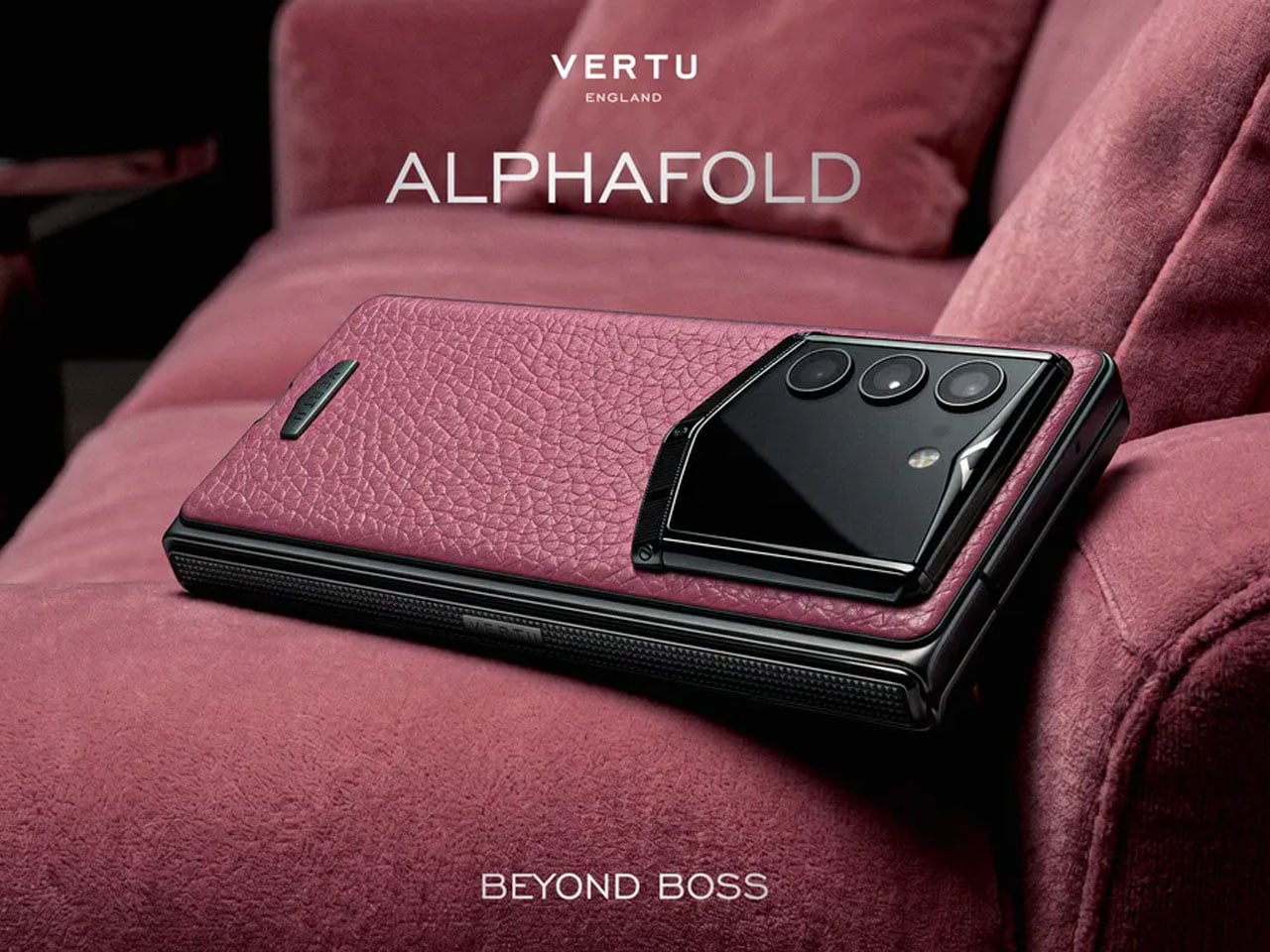
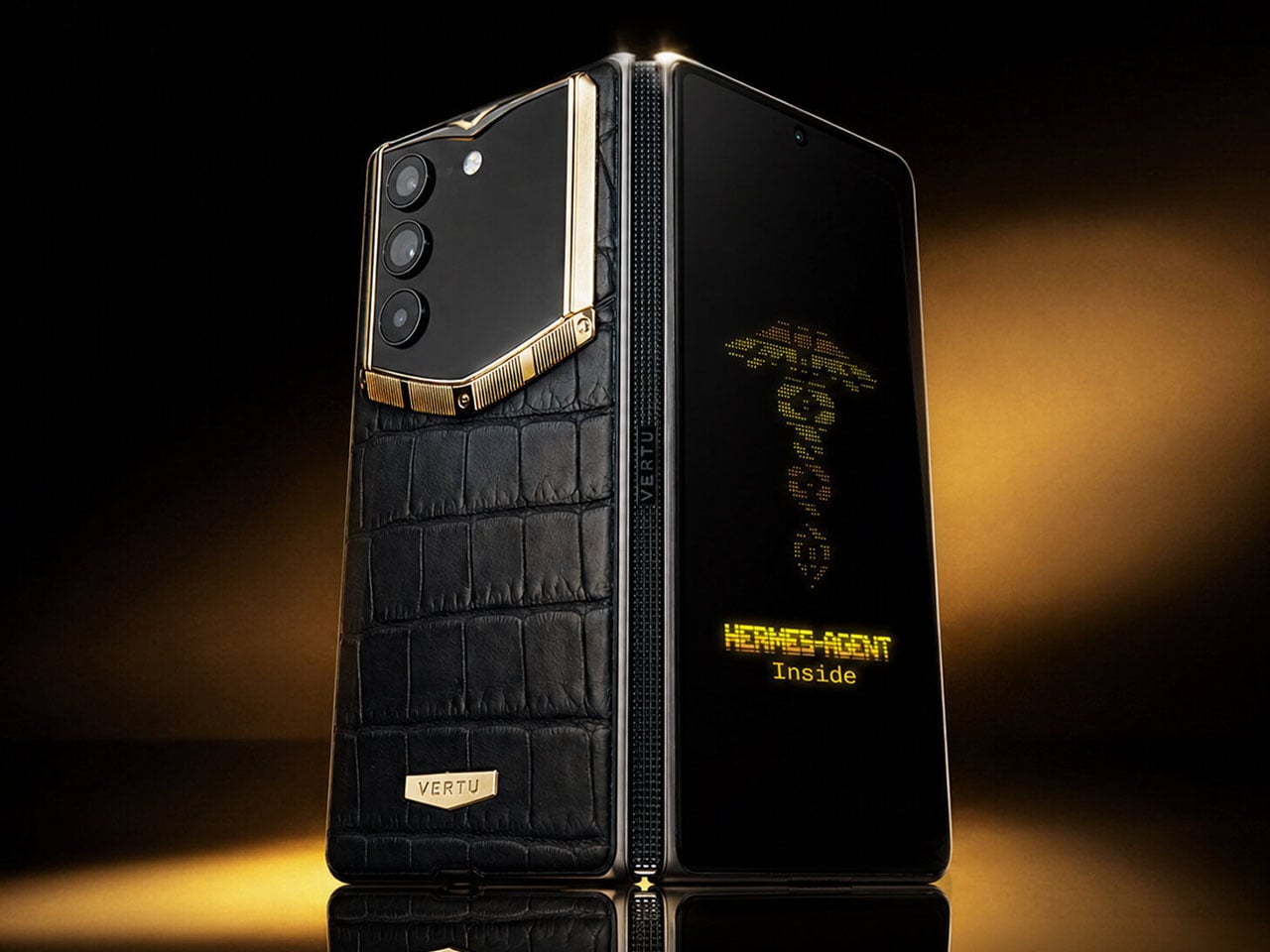
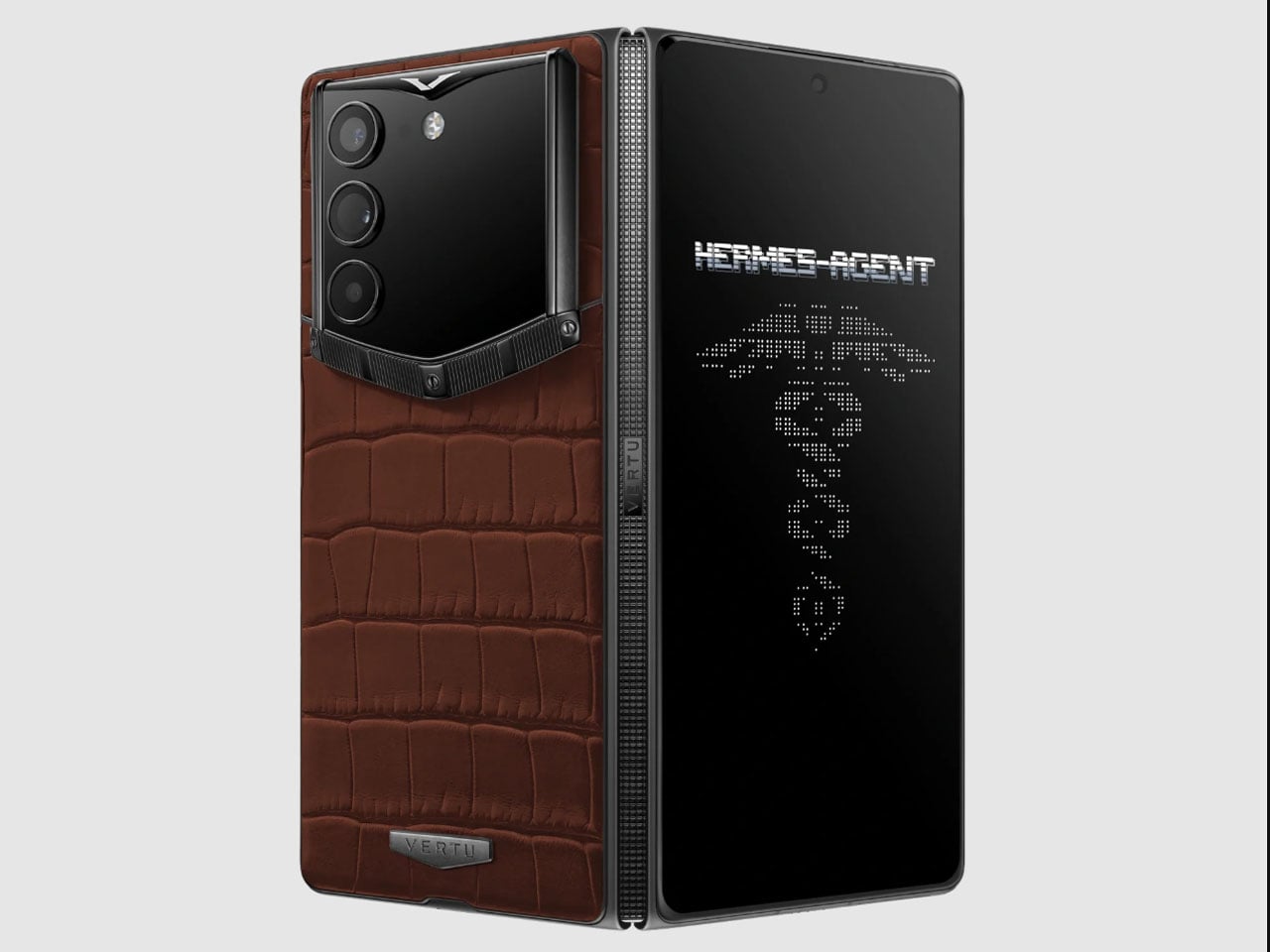
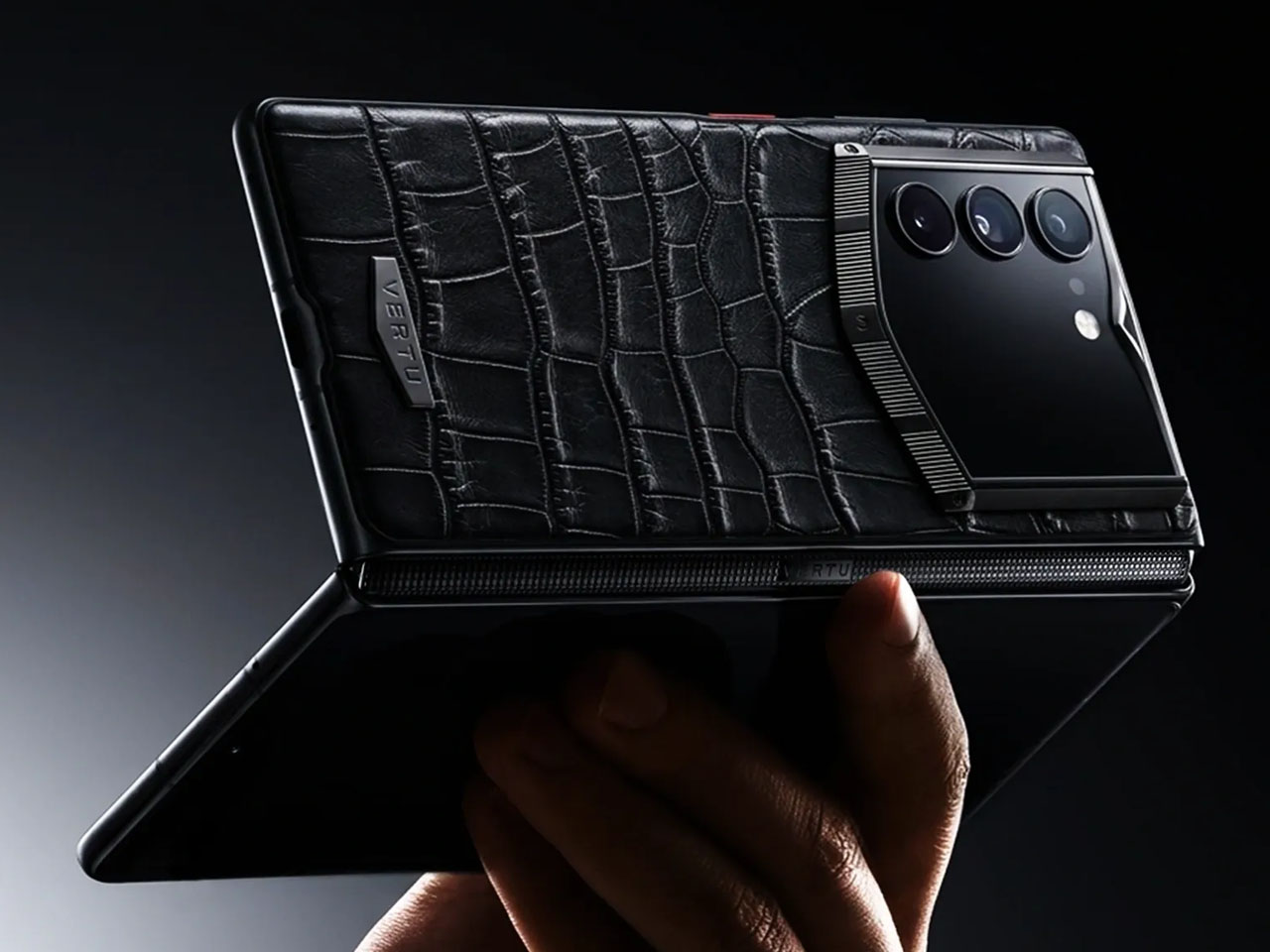
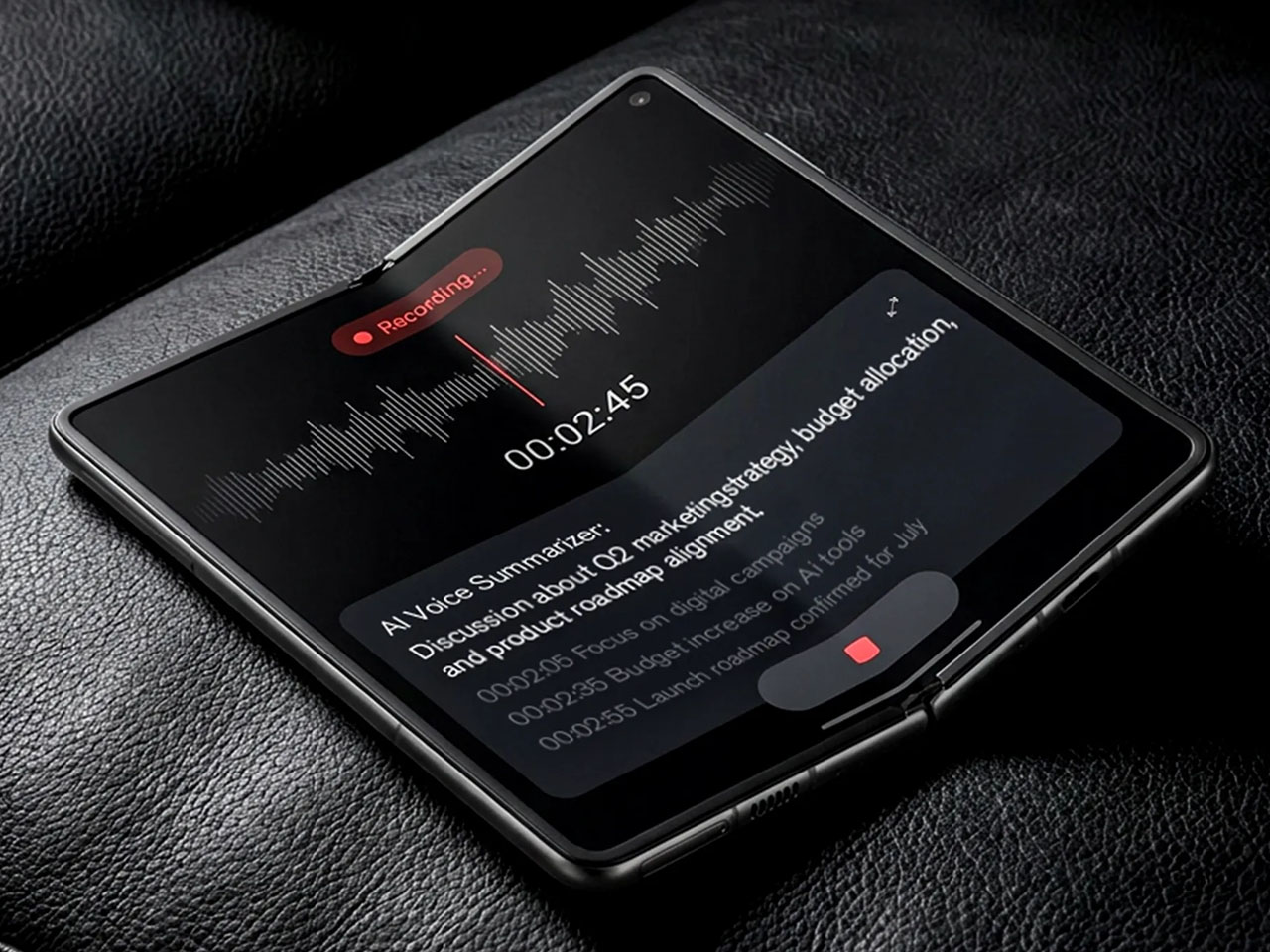
The Hong Kong-based luxury premium smartphone maker has just dropped the Alphafold foldable, which is based on the reskinned Nubia Fold. If bling is your thing, the device goes perfectly well with your lavish lifestyle, even though it doesn’t boast the latest and greatest specifications, considering the eye-watering price tag. In the latter half of 2025, the brand released the AI-powered Agent Q phone, which was equally exorbitant, but this one hits different. The Android foldable comes with a business-oriented AI dubbed Hermes Agent that is tailored for completing productivity tasks thrown at it.
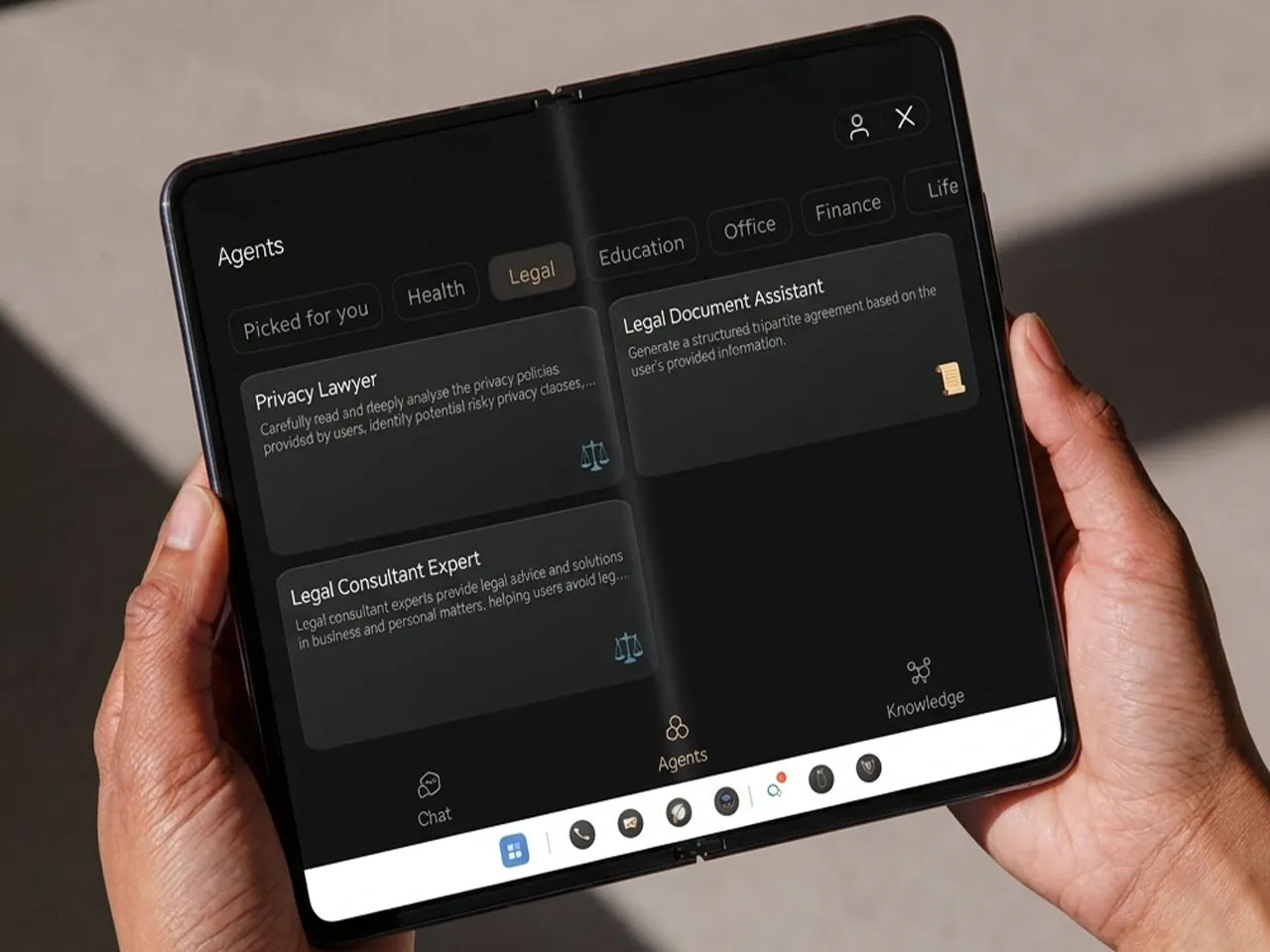
Things like managing workflows, schedules, and business tools, or simply identifying a sudden drop in sales attributed to hidden issues. Hermes can seamlessly interact with a suite of apps like Google’s tools, Amazon Shopping, Expedia, Booking.com, X, Facebook, WhatsApp, and many more. The agent works with the Enterprise Resource Planning (ERP) software, organizing all your business-related activities into a single dashboard.
Vertu’s custom UI on top of the Android 15 layer manages all this for a custom solution. Since you’ll be sharing a lot of personal and professional data with the in-built AI, Vertu promises the device-level security systems via the A5 security chip only process the data locally, and sensitive information like financial transfers or assigning roles still requires the user’s permissions in real time. The maker extends the concierge service beyond the AI agent, offering human managers to handle needs such as booking private jets or gaining access to exclusive events.
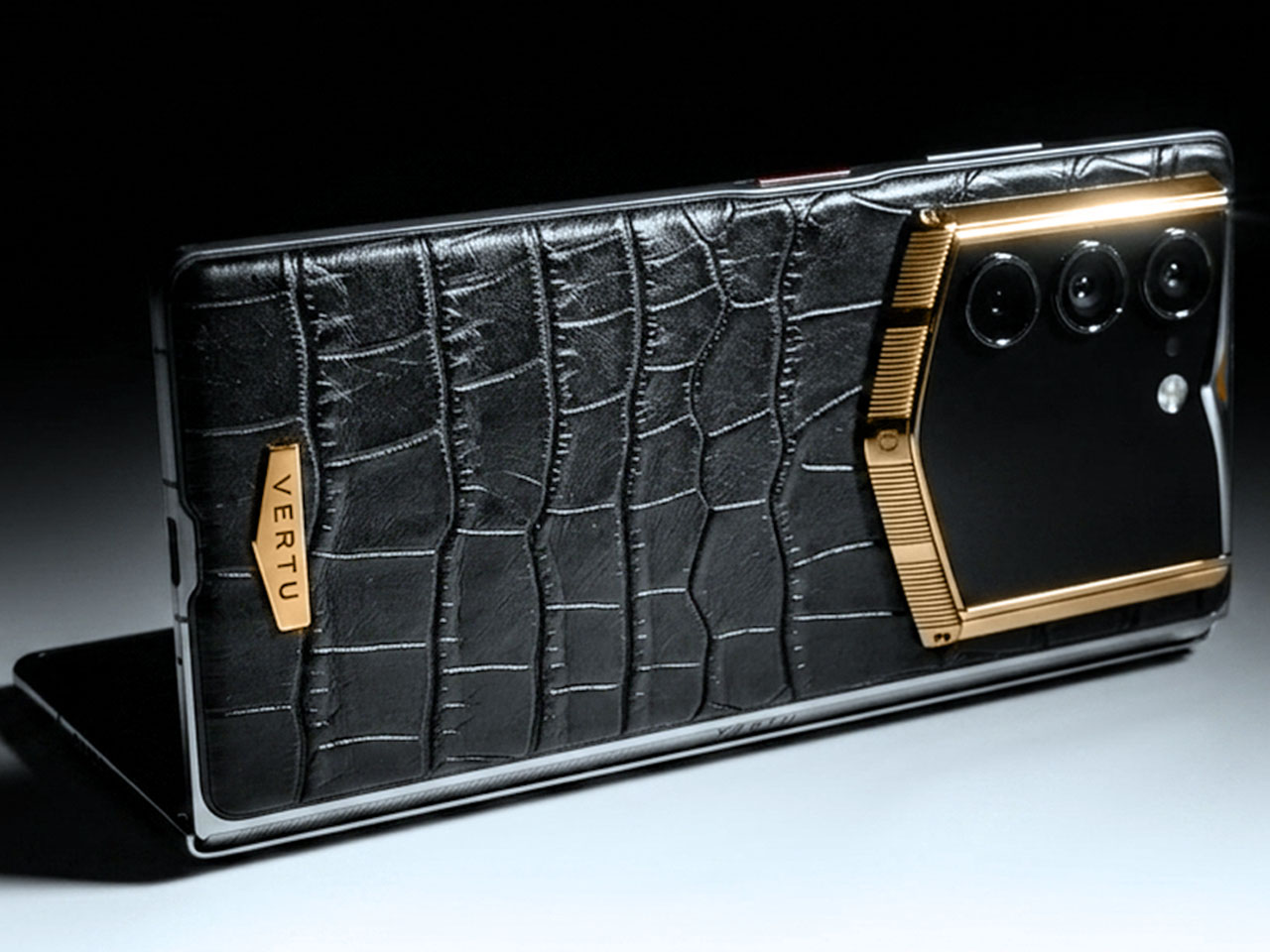
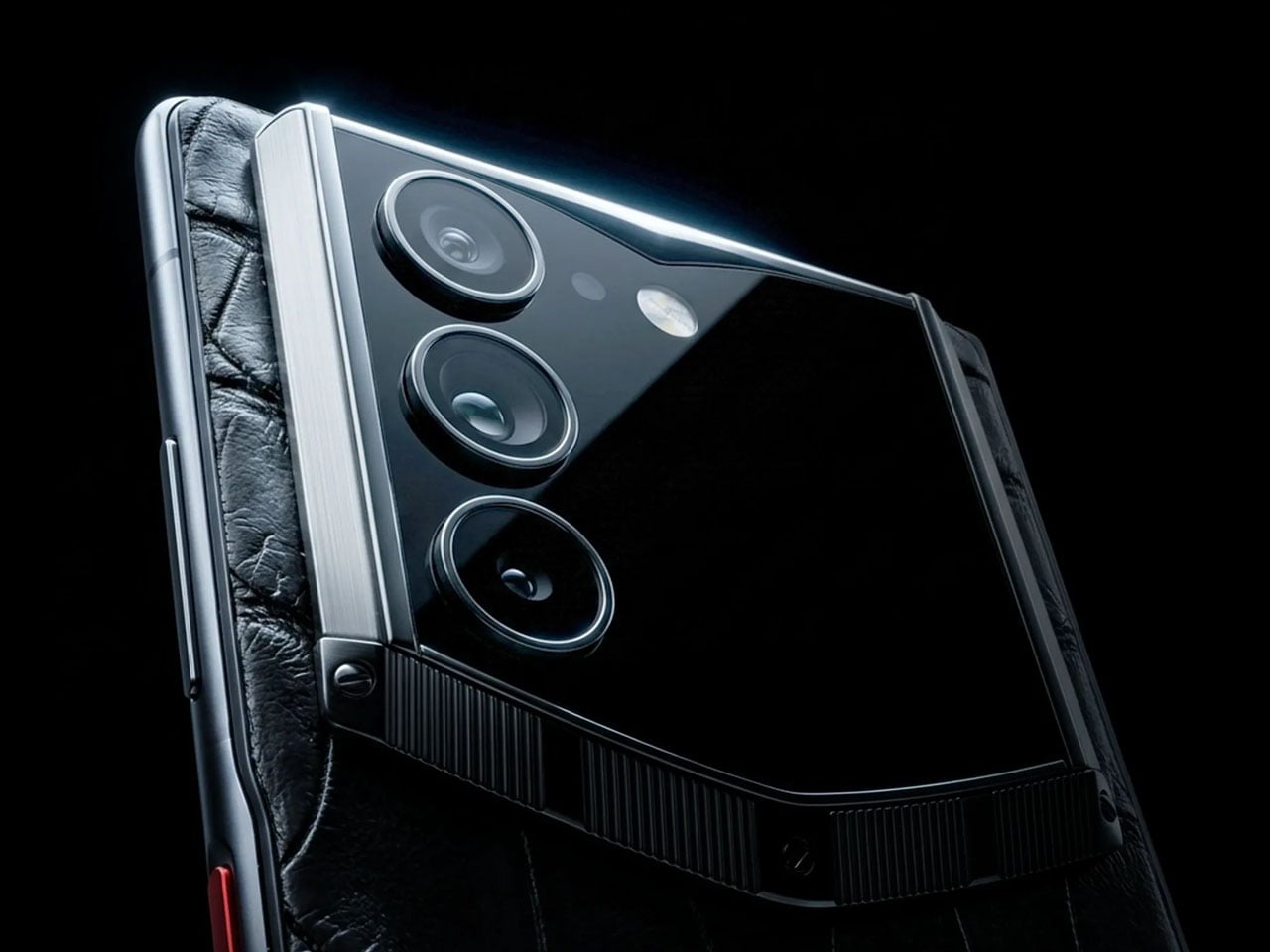
Coming on to the hardware, AlphaFold comes with a primary creaseless folding display measuring 8.05 inches (2480 x 2200 pixel resolution), and an external screen that measures 6.53 inches (2748 x 1172 pixel resolution). Both the screens are LTPO OLED’s with a refresh rate of 120Hz, and shielded on the sides with the carbon fiber and titanium hinge that can withstand 650,000 folds. Powering the innards is the Snapdragon 8 Elite Gen 4 processor; however, we wished it had the latest Elite Gen 5 SoC. The CPU is mated to 16GB RAM and has a fixed storage capacity of 1TB. The phone gets a rear triple camera array including a 50-MP primary sensor, a 50-MP ultrawide camera, and a 5-MP telephoto lens. In the mix is a modest 20 MP selfie camera. The device gets a 6,500mAh silicon-carbon battery, which can be fast charged with a 68W wired charger, and wireless charging support.
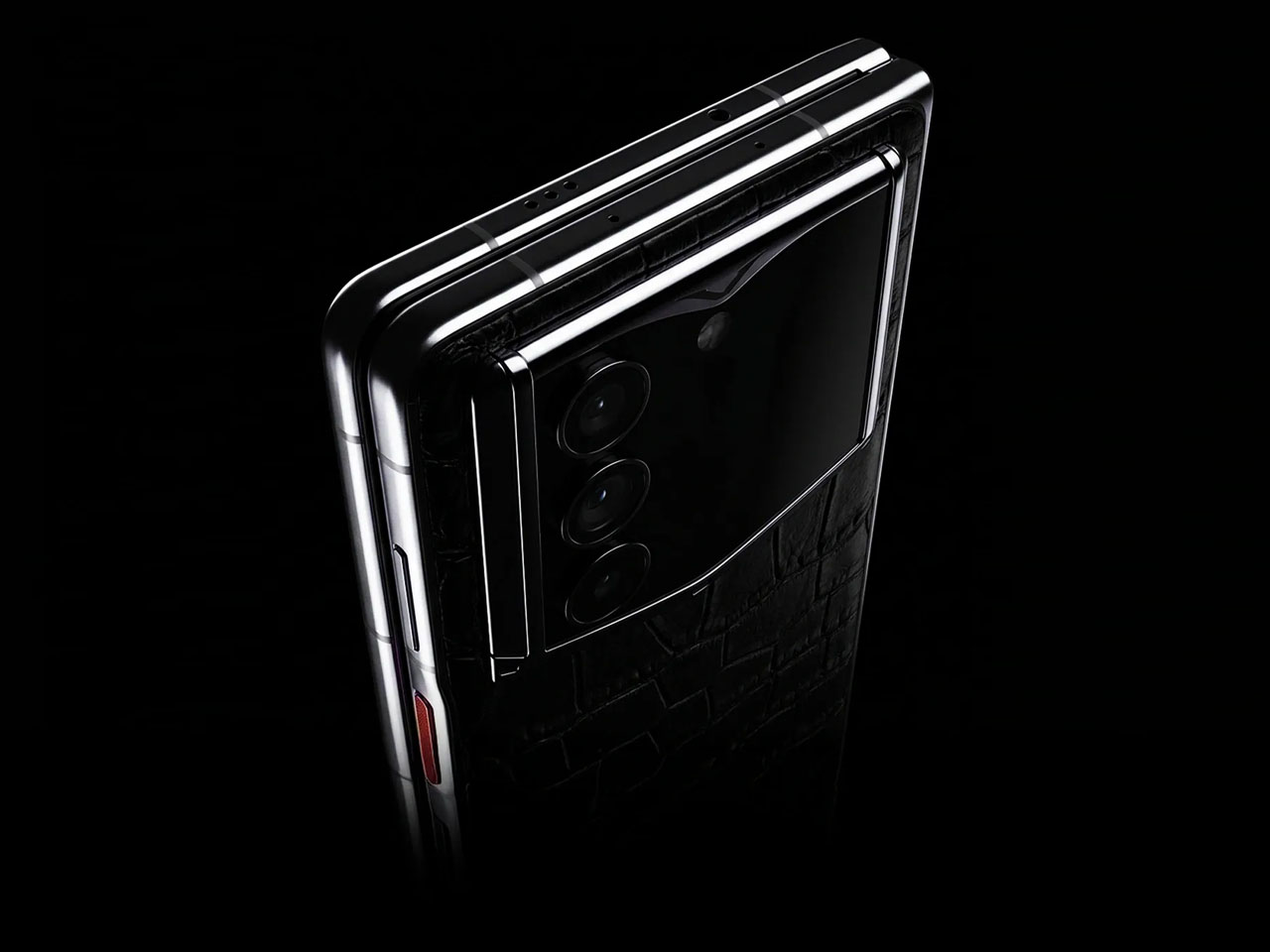
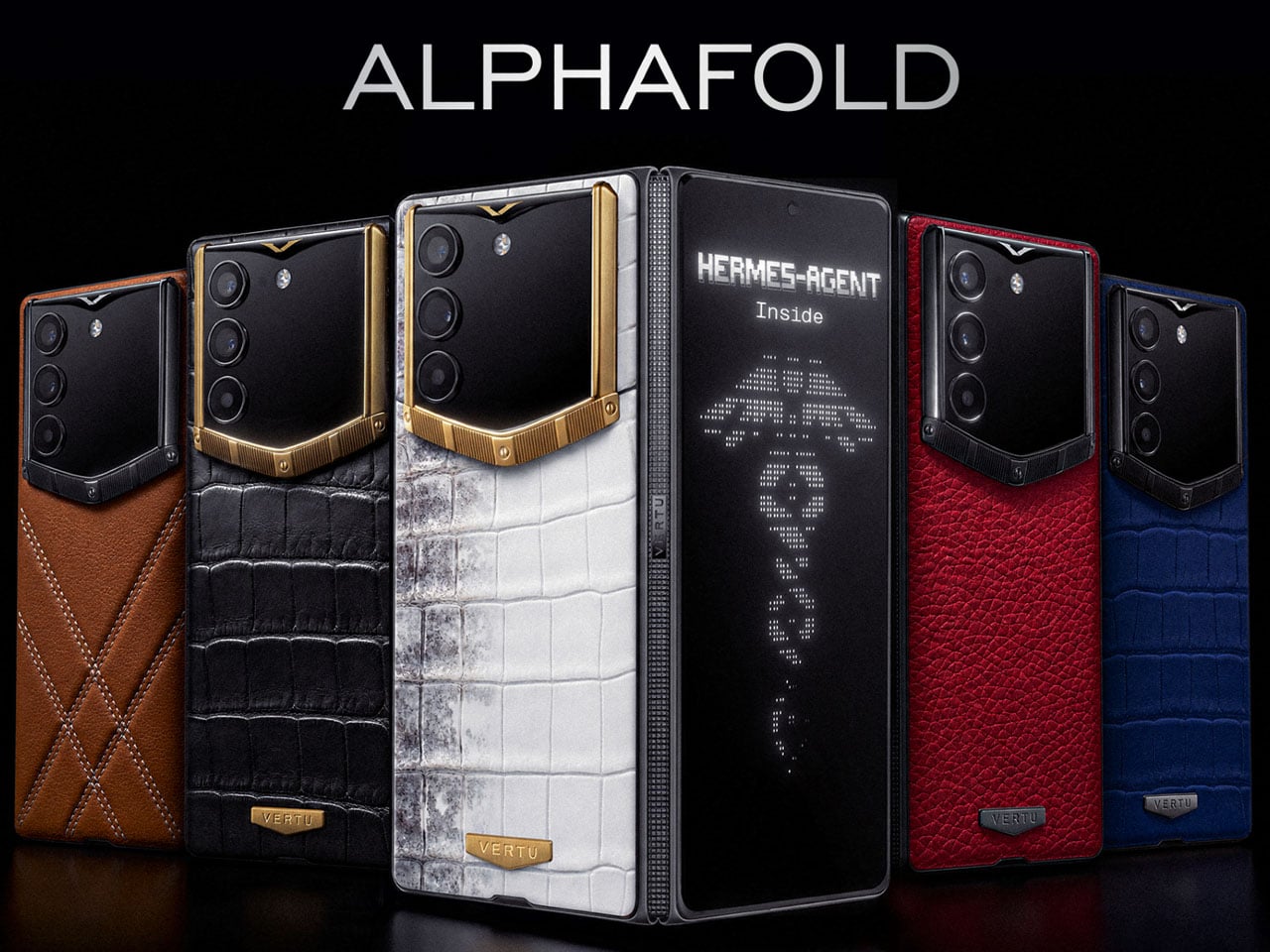
Talking point of the smartphone is the use of premium materials in the back panel that is handcrafted from Calfskin (priced $6,880), or Italian alligator belly leather (price tag of $8,880 – $13,800), depending on the color and variant chosen. You can also all-in with Himalaya Gold IV or diamond inserts that’ll set you back $46,880. Have that amount of money to spare on a phone without breaking a sweat? Then you can pre-order it right away, globally.
The post Vertu AlphaFold starting at $6,880 makes the Galaxy Z Fold seem ultra-affordable first appeared on Yanko Design.
Budget smartphones have always existed in a sort of software slow lane. Manufacturers have typically prioritized their flagship and upper-midrange lines when rolling out major updates, leaving the cheaper devices to wait months, sometimes longer, before seeing the same software features. That pecking order has been so consistent for so long that it’s practically become an unspoken rule of the Android ecosystem, especially within Samsung’s own Galaxy lineup.
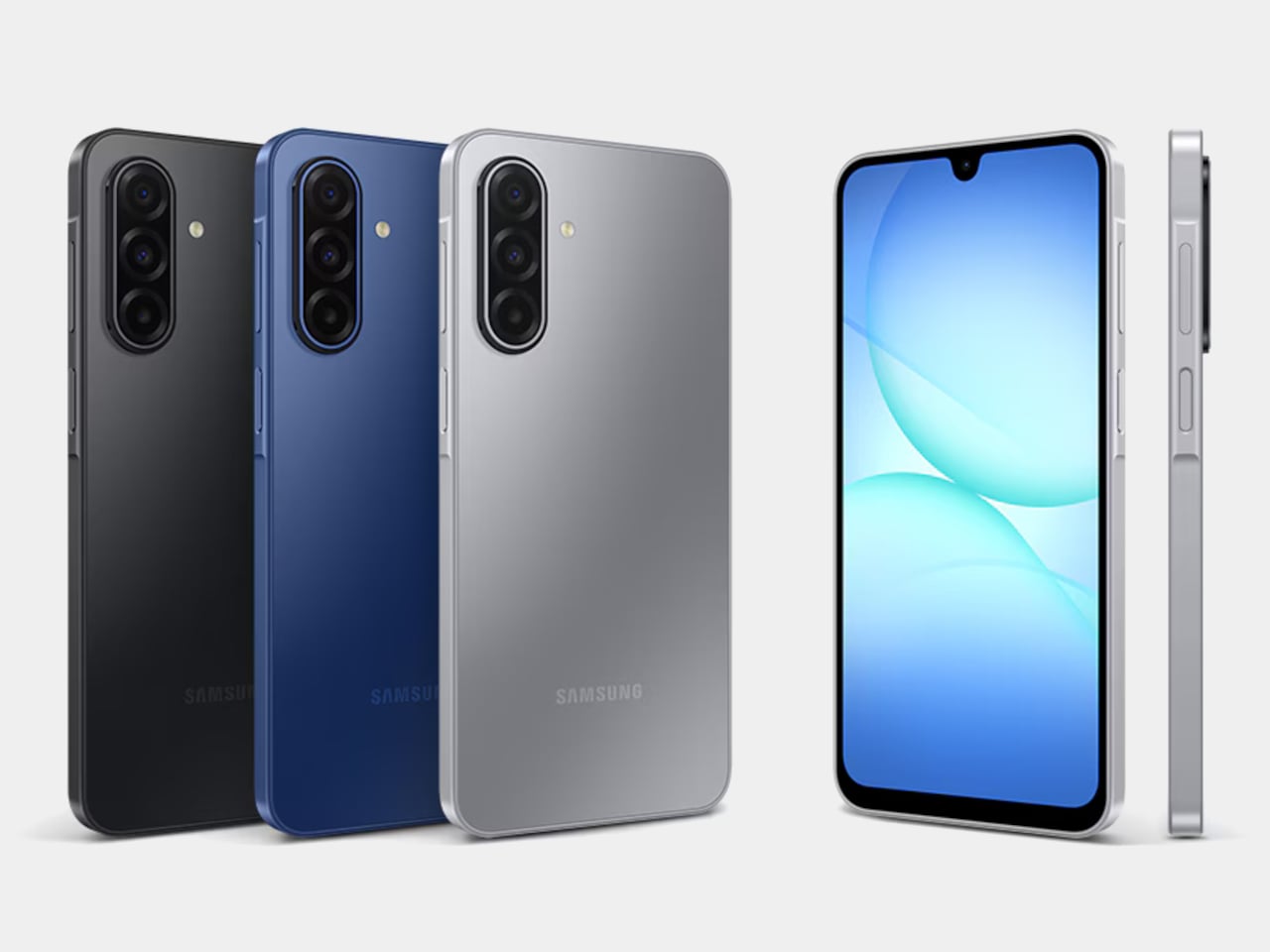
Samsung’s Galaxy A17 5G is changing that, at least for now. The $199 phone, which only made its way to US store shelves earlier this year, began receiving One UI 8.5 before several pricier Galaxy models, including the Galaxy S22, the A55, and the A35. That makes it not only the cheapest Galaxy phone on the new software, but also a very unexpected one to lead the charge.
Designer: Samsung

The rollout began in South Korea on May 26, 2026, with firmware version A175NKSU5CZE9, before expanding to other regions. Samsung releases updates to multiple devices at a time, so getting new software the same week as other phones isn’t remarkable. The order, however, tells a different story. The Galaxy S22 was once a top-tier flagship, and both the A55 and A35 sit comfortably above the A17 in Samsung’s current lineup.
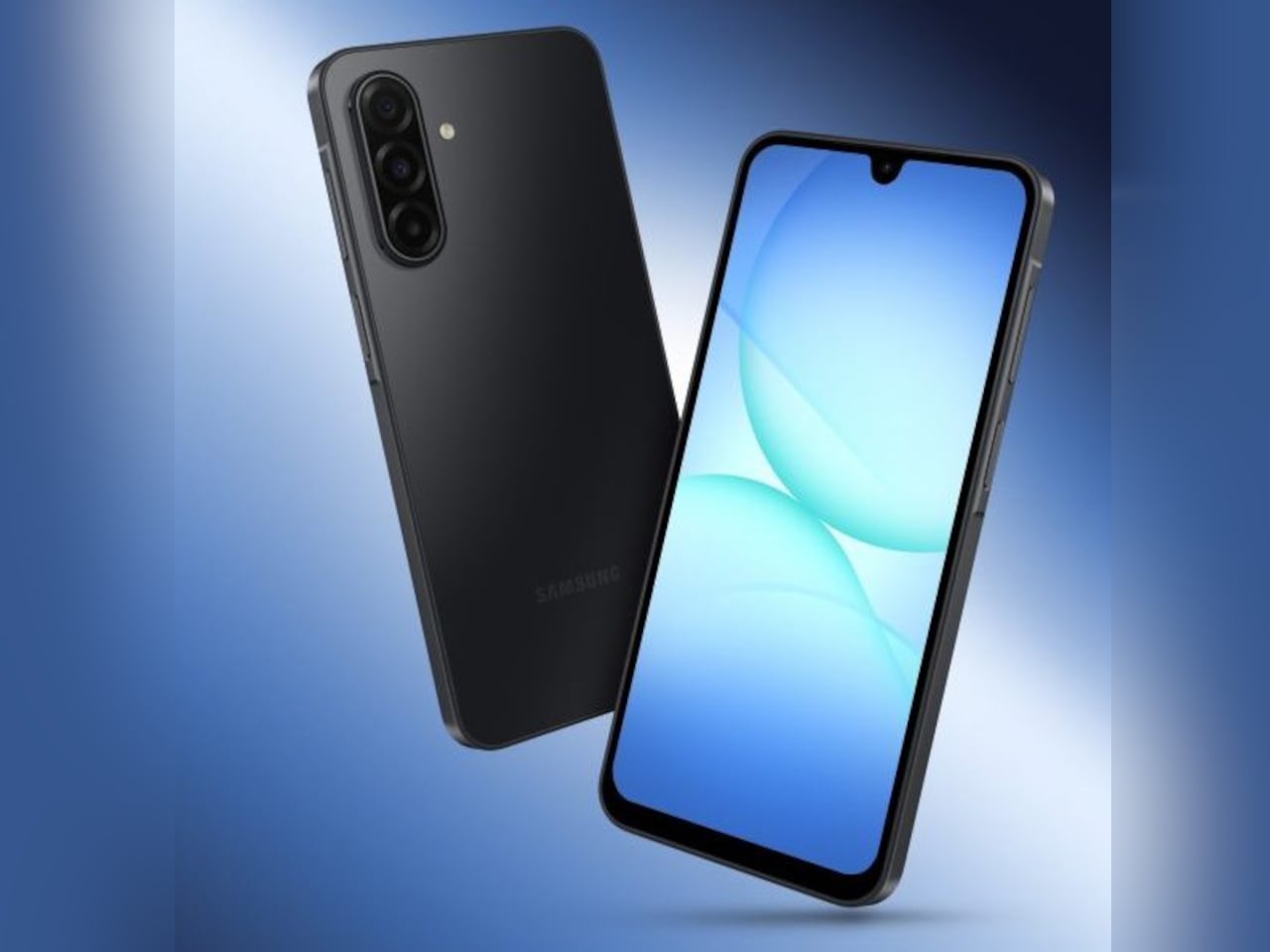
On paper, the Galaxy A17 5G doesn’t have much to shout about. It runs on Samsung’s Exynos 1330 chip, pairs that with a 6.7-inch display, and backs everything up with a 5,000 mAh battery. Those are solidly mid-tier numbers, and at $199.99, the phone was never going to compete with the Galaxy S25 or even the A55 on raw performance. That was never really the point, though.
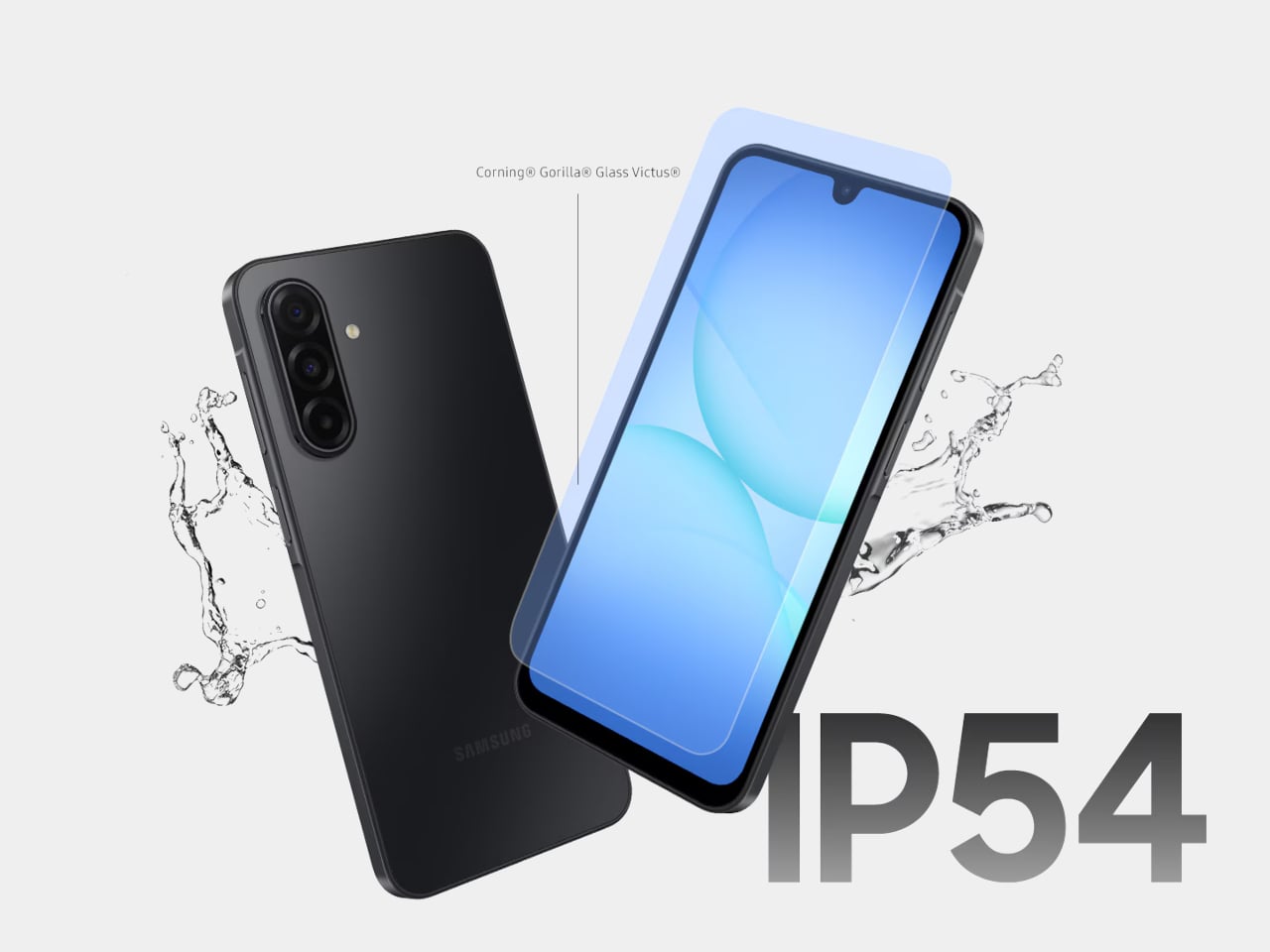
Samsung promises six years of OS and security updates for the Galaxy A17 5G, which is genuinely compelling at this price. Google’s Pixel 9a offers seven years of support but costs $499 to start. At $199, the A17 gets surprisingly close to that coverage level, putting it in a different conversation entirely, one that’s less about what the hardware can do today and more about how long it’ll stay relevant.

One UI 8.5 brings a range of new features and interface improvements, including enhancements to Gemini AI. Not everything will run at full capacity on the A17’s Exynos 1330, since some of the more demanding AI tools favor higher-end chipsets. But for someone who bought a $199 phone expecting years of use, getting a meaningful software update rather than just a security patch is the kind of thing that counts.
Android 17 is also expected to hit stable release in the coming weeks, based on where Google’s release notes currently stand, which means Samsung will soon have to decide which phones get One UI 9. The A17 just showed it’s on the list for timely updates, and with six years of committed support on the books, there’s good reason to think it’ll be there when that time comes.
The post $199 Galaxy A17 Beat the Galaxy S22 to One UI 8.5 first appeared on Yanko Design.