Fallout, a TV adaptation of Bethesda's eponymous series of post-apocalyptic RPG games, will hit Prime Video earlier than expected. All eight episodes will hit the streaming service at 9PM ET on April 10.
This is actually the second time Amazon has brought forward the release date. The series was originally supposed to debut on April 12, but it moved one day earlier when a trailer dropped last month.
If you catch the first episode as soon as it hits Prime Video, you'll be able to take part in a live global fan premiere. You can pick your faction and interact with other viewers in a live chat.
Fallout was created by Jonathan Nolan and Lisa Joy, the same duo who were behind Westworld. Nolan (Christopher Nolan's brother) directed the first three episodes. The most recent trailer nailed the look and darkly comic tone of the games. Here's hoping the show itself sticks the landing by having a solid story and performances. Having a strong cast that includes Walton Goggins should definitely help on the latter front.
This article originally appeared on Engadget at https://www.engadget.com/the-fallout-tv-series-is-coming-to-prime-video-one-day-earlier-than-expected-140928124.html?src=rss
The new 2024 Volkswagen Golf goes on sale on the 11th of April and pricing for the car starts at £27,035 on the road in the UK. The new Giolf has had a range of upgrades including a new interior. The centerpiece of this innovative cabin is the revolutionary infotainment system, featuring seamless ChatGPT integration. […]
If you're anything like me, then you put off buying a new MacBook until absolutely necessary or there's a big sale to avoid a large bill. Right now, the latter is making a purchase more tempting, with Apple's 2022 MacBook Air with M2 chip on sale for $849 from $999. The 15 percent sale brings the 13.6-inch 256GB device down to a record-low price.
We gave the 2022 MacBook Air a 96 in our review when Apple first released it, dubbing the device "near-perfect." The MacBook is thinner than its predecessor, but the screen is a noticeable one-third of an inch larger — with a liquid retina display and up to 500 nits of brightness. Other perks include a 1080p FaceTime camera and a 60Hz refresh rate. We were also big fans of the 2022 MacBook Air's high-quality quad-speaker array and solid three-mic system. It also has a 3.5mm headphone jack, 2 USB-C thunderbolt ports and a MagSafe connector.
Our pick for 2024's best budget MacBook is currently $200 cheaper than the latest M3 chip MacBook Air but has similar stats. Both laptops offer an 8-core CPU, up to 10-core GPU and up to 18 hours of battery life. Plus, both devices have up to 24GB of unified memory and can handle up to 2TB of storage.
As you delve into the world of artificial intelligence and machine learning, you’ll quickly realize the importance of having robust hardware that can keep up with demanding computational tasks. Enter the realm of industrial GPU cards, designed to accelerate AI computing and enhance graphics performance. Advantech’s latest offering, the EAI-3101, is a testament to this, […]
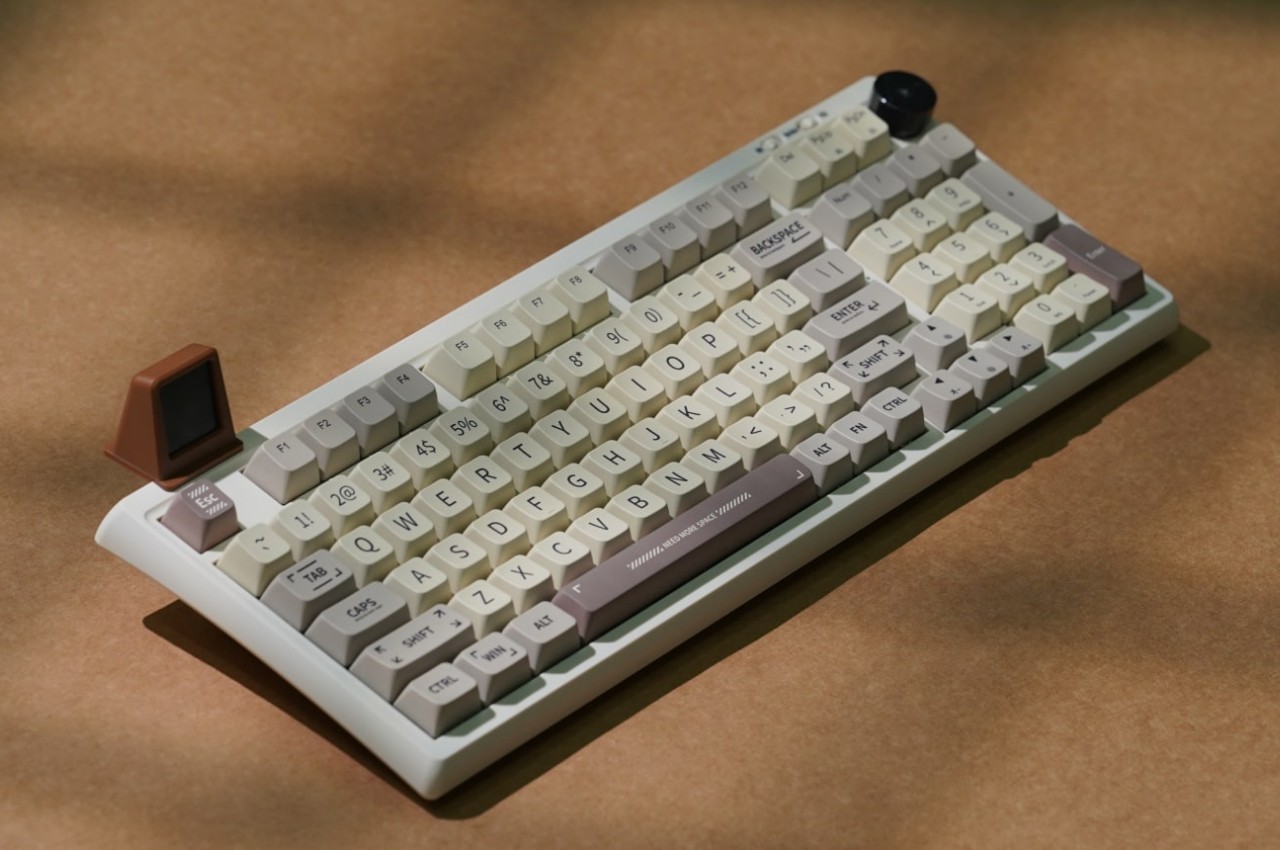
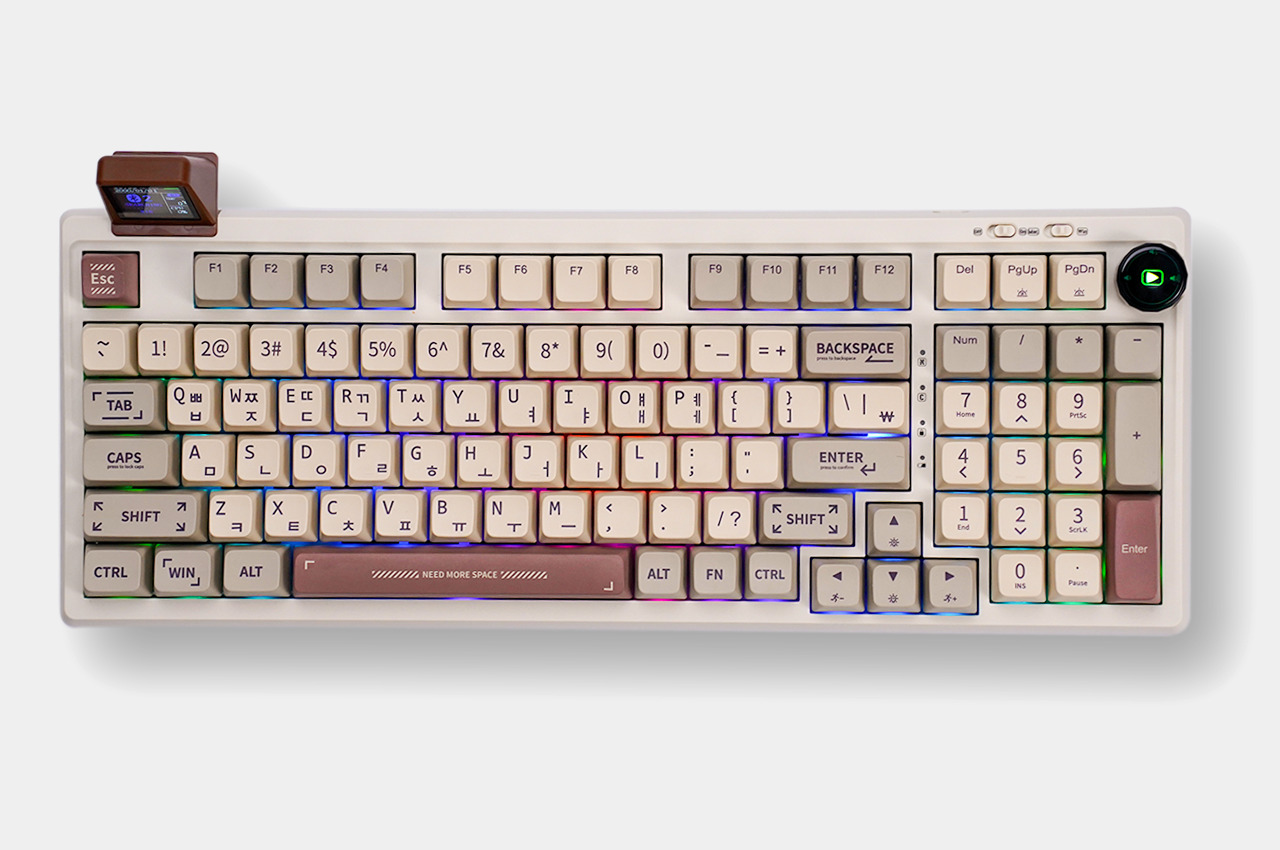
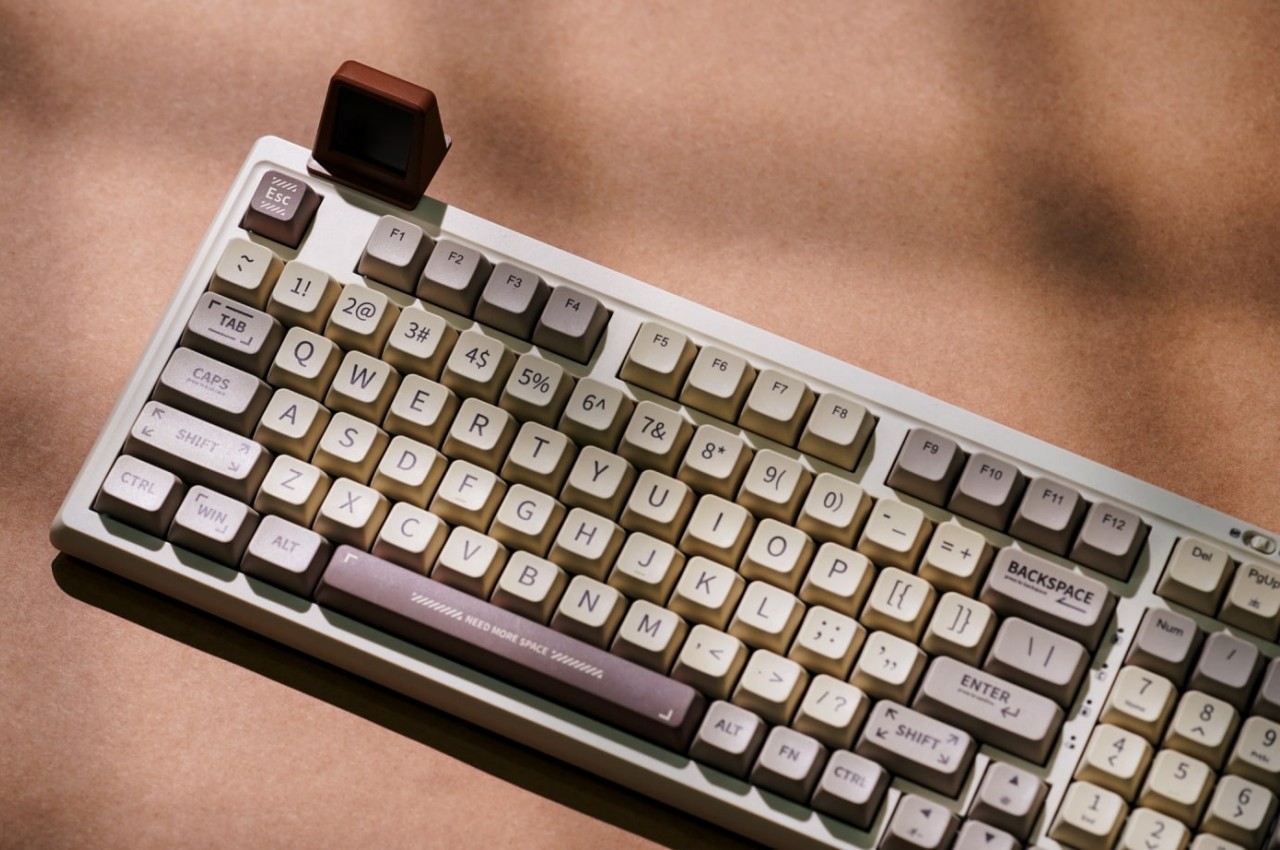
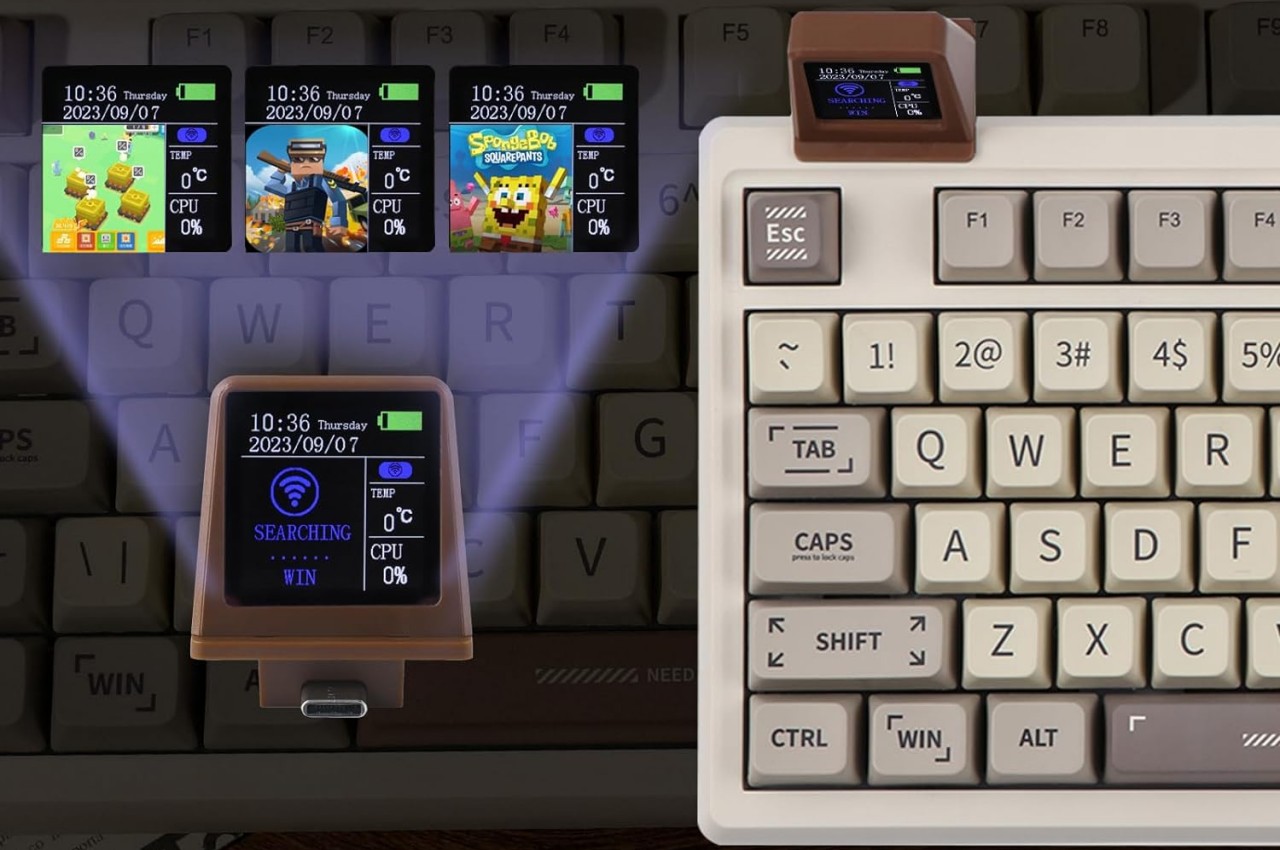
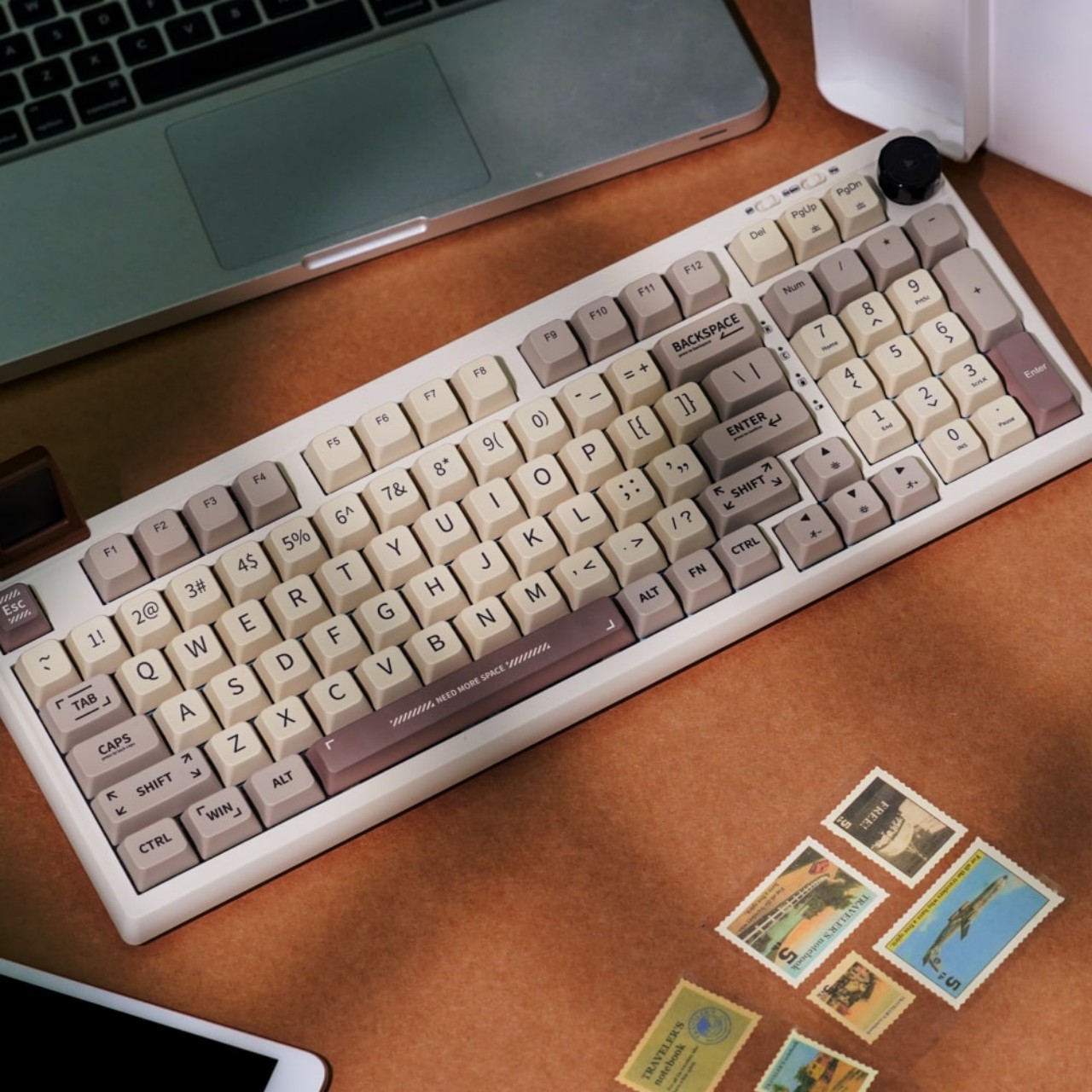
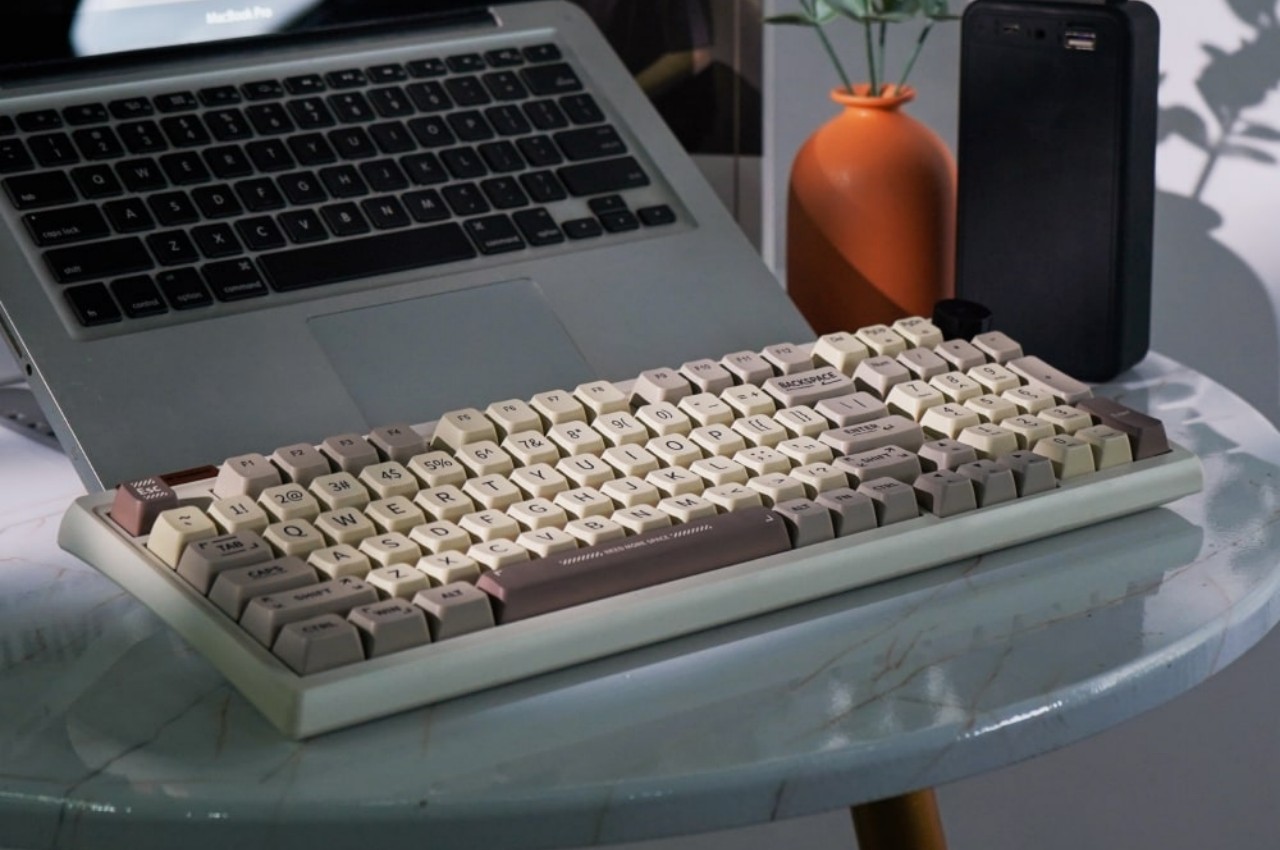
Mechanical keyboards are a dime a dozen these days, all of them promising a better typing experience thanks to more tactile switches. They cover a wide variety of designs, those most seem to swing either towards gamer RGB aesthetics or old-school retro styles. This particular keyboard leans more toward the latter, but that’s not exactly what’s noteworthy about it. What makes it special is that 2.9-inch TV-like mini display in the corner, adding a bit of whimsical flavor to the keyboard. That said, that screen is more than just some fanciful embellishment, as it can add a bit of value to your computing experience even while delivering some fun distractions when you need it.
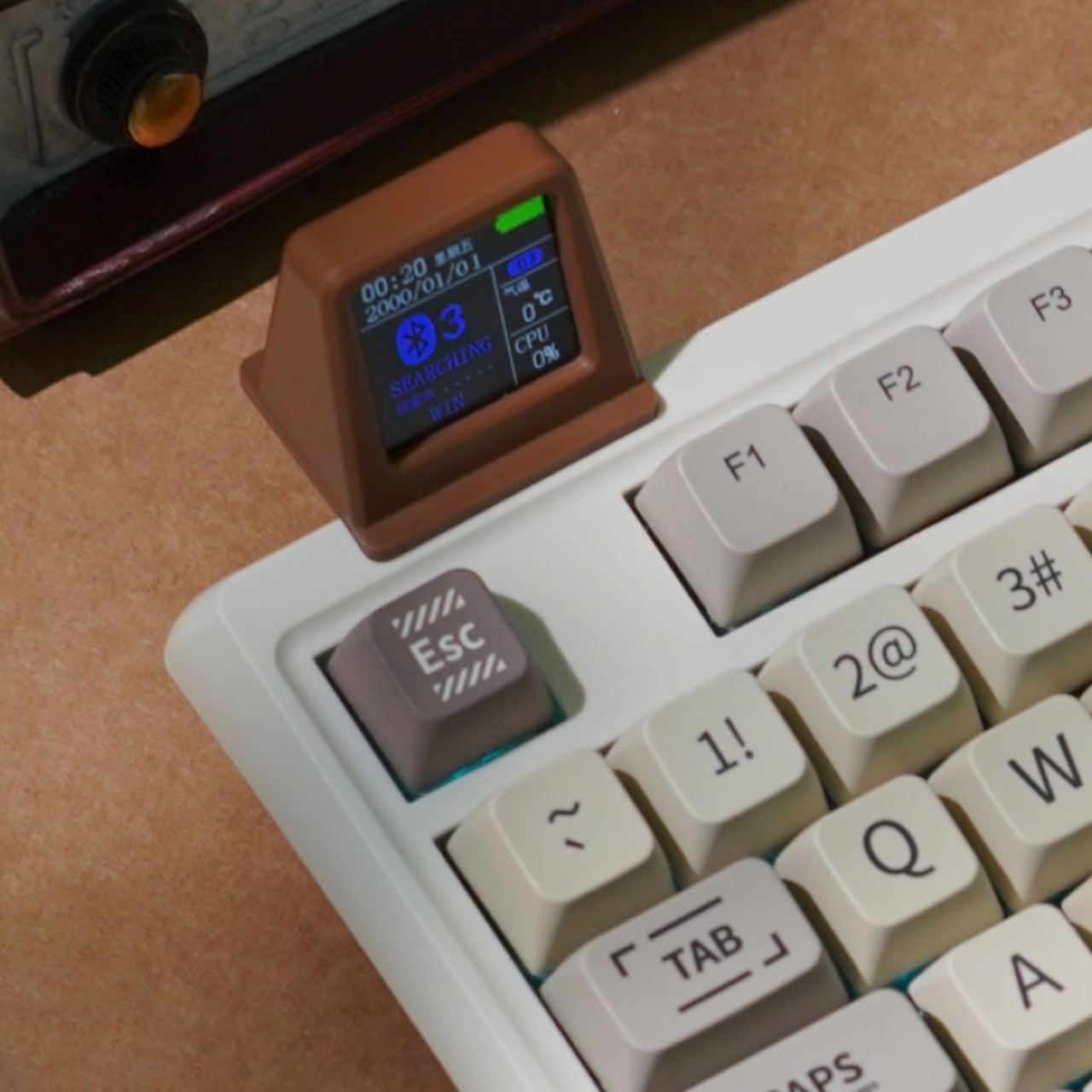
Keyboards with screens aren’t exactly unheard of by now, especially on laptops. Almost all of these designs, however, use the additional display for productivity purposes, often by providing extra touch controls, a drawing space, or even a small second monitor. Given how small the “mini TV” of the Epomaker RT100 is, it can hardly do those functions, but it still manages to bring a smile to users’ faces, especially with how much they can customize the experience.
The small 2.9-inch screen, embedded in a detachable trapezoidal prism, sits on the upper left edge of the keyboard. Using Epomaker’s software, that tiny TV can display anything from the time, the weather, an animated image, or even a game of Tetris. It offers a combination of distraction and information that will keep you on your toes while you work. As a bonus, that “TV” is actually removable, which reveals the hidden 2.4GHz wireless receiver for a cable-free connection.
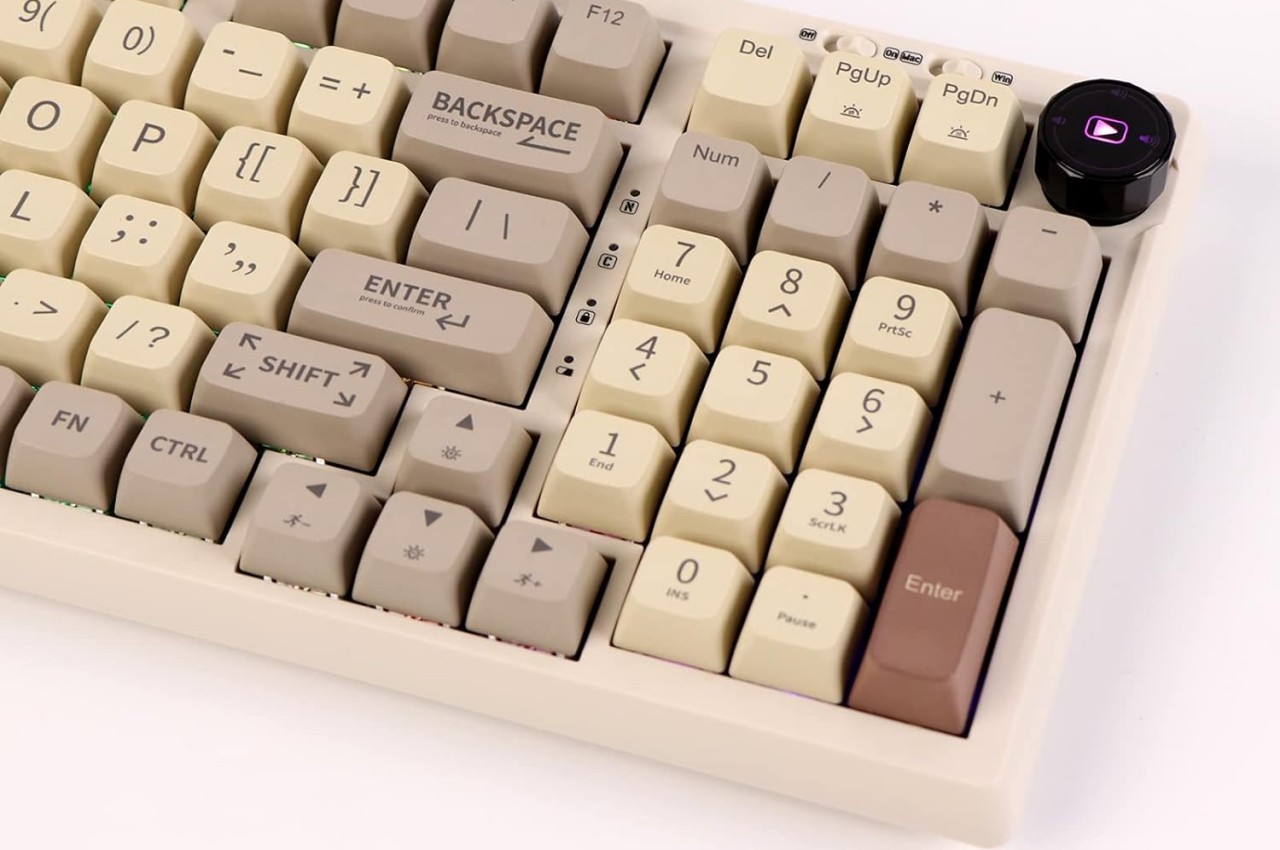
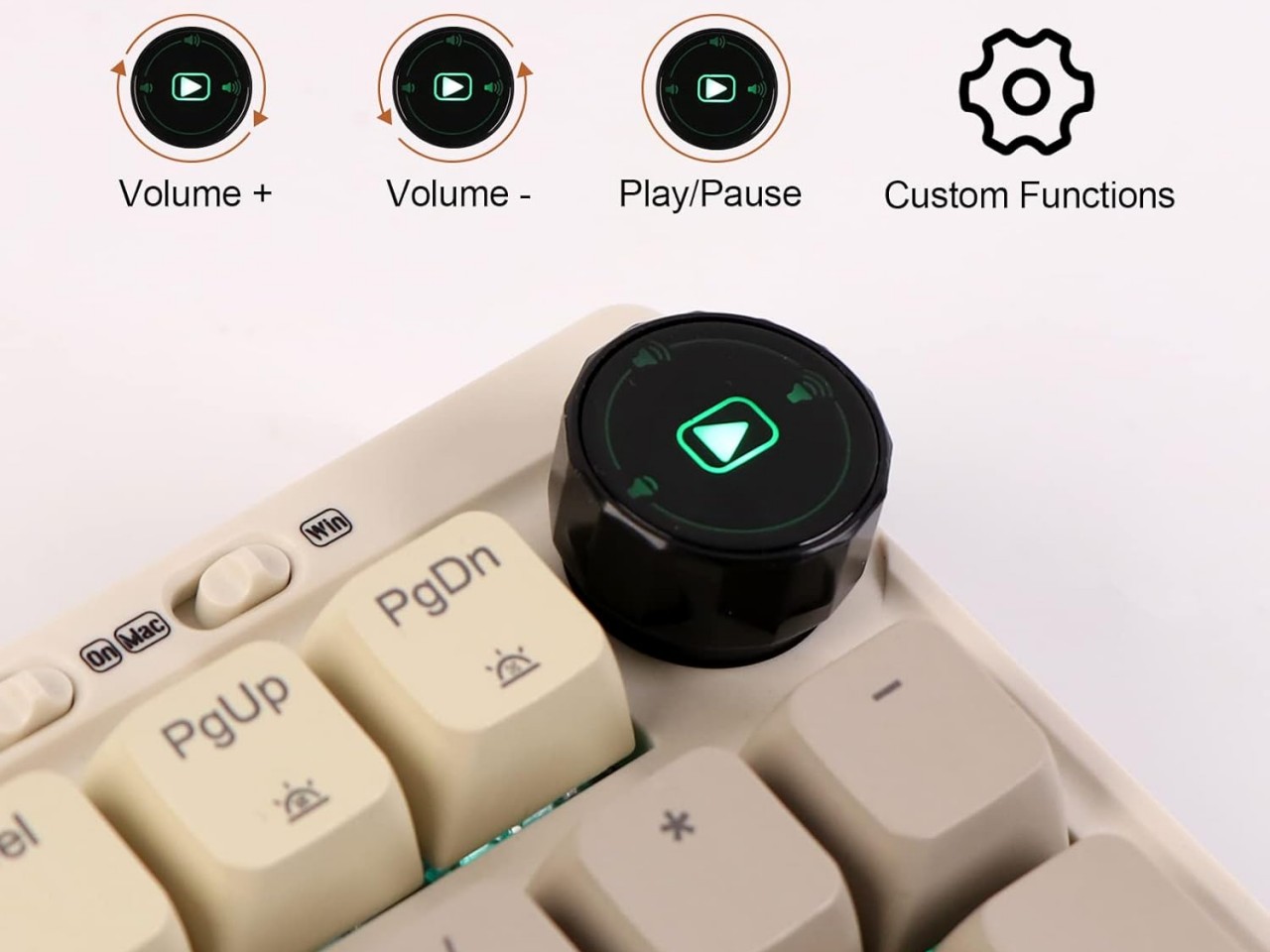
On the more serious side, the Epomaker RT100 has a rather distinctive faceted knob that sits like a black gem on the upper right corner of the keyboard. By default, the physical dial can be used to control media playback, but it can also be programmed for other functions as well. Unfortunately, you can’t change the play icon on the knob’s top to match the function you assign to it.
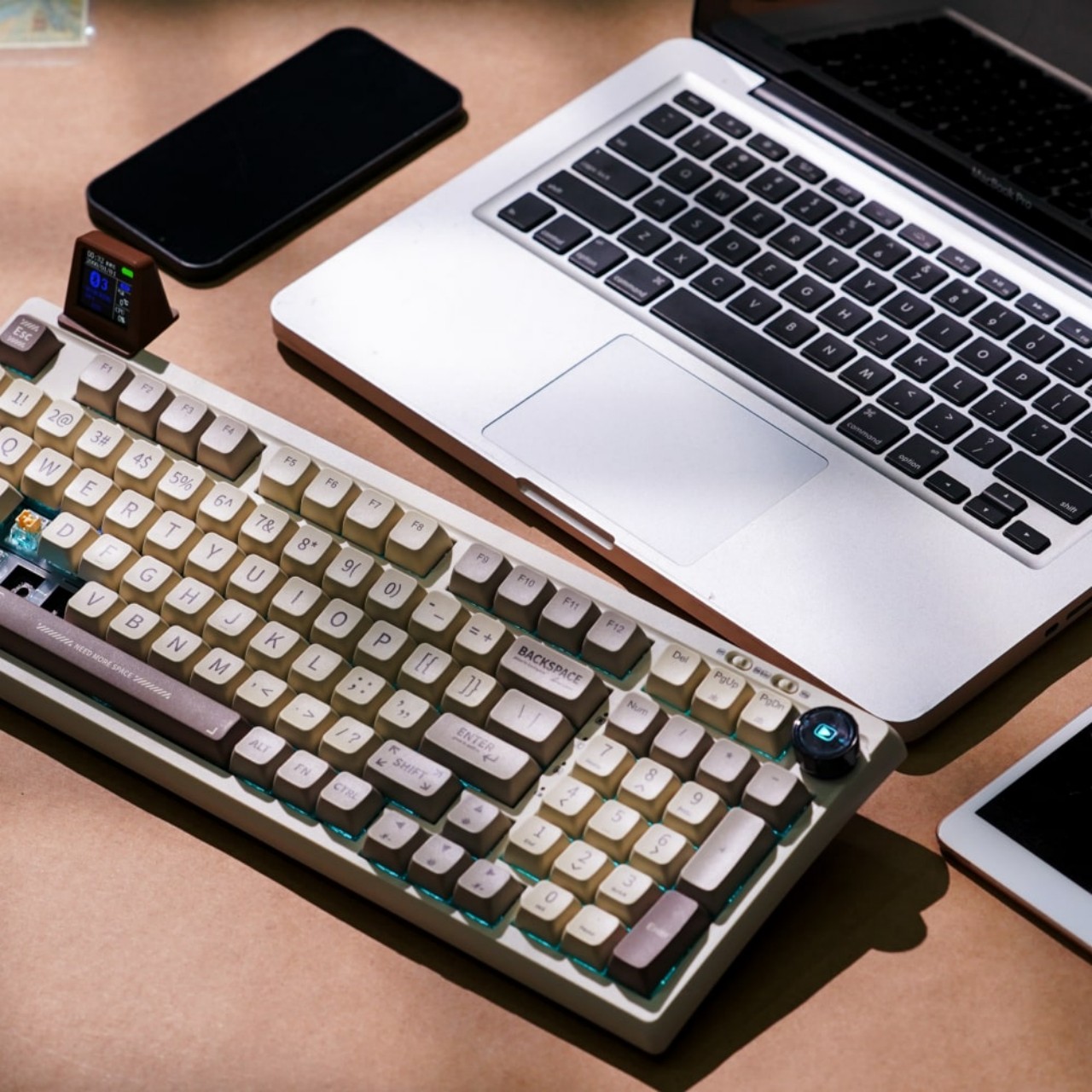
In all other aspects, this 96-key keyboard is pretty much what you’d expect from mechanical keyboards of its class, including hot-swappable switches and programmable south-facing RGB lighting. The keyboard embraces a chunky aesthetic that calls forth memories or images of decades gone by, making the design feel a little anachronistic in a visually interesting way.
With FPGA (Field Programmable Gate Array) embedded systems, you can unlock a world of possibilities. These versatile systems offer a high degree of customization, allowing you to tailor their functionality to meet the specific needs of your application. Imagine having the power to transform technology in the palm of your hand. Whether you’re working on […]
DJI occasionally knocks us sideways with cutting-edge innovation à la the Ronin 4D, but it's usually just refining existing products to stay ahead of rivals. That applies to the new RS4 and RS4 Pro gimbals, which boast multiple improvements over the previous RS3 models, particularly in the size and capacity of cameras they can support, but no new standout features.
However, the company also unveiled the Focus Pro, a new version of its LiDAR focus system that works either standalone or with the RS4 Pro. This product is more on the cutting-edge side, adding a host of new capabilities to the company's gimbal and camera systems.
DJI RS4
The mainstream RS4 gimbal is largely the same as the last model, with a carrying capacity of 6.6 pounds (3kg) that accommodates most mirrorless cameras and a good load of accessories. However, the tilt axis has been extended 8.5mm compared to the RS 3, giving you more balancing space for longer lenses or front-heavy add-ons like ND filters. It also uses DJI's latest 4th-gen stabilization algorithm for improved smoothness and control.
DJI
The RS4 can pair with the new Focus Pro Motor (more about that in a sec), allowing smooth focus and lens zoom adjustments at a speed 30 percent faster compared to the original DJI Focus Motor. As before, it uses dual-mode Bluetooth tech so you can pair with and control multiple cameras.
Another new feature is improved stability in vertical shooting, steadying jolts for the influencer crowd even when walking or running. The redesigned gimbal horizontal plates allows for "seamless transitions to vertical shooting," the company said, allowing for more efficiency in video creation (to let you quickly get out an Insta Story while filming, for example).
DJI
As before, it comes with automatic gimbal locking and unlocking for ease of use, along with Teflon coatings on all three axes for smooth operation. A new joystick mode switch lets you change from zoom to gimbal control and the customizable trigger can quickly turn on the FPV mode.
The RS4 supports multiple accessories via the RSA communication port, including DJI's RS Tethered Control Handle and third-party options (DJI has an SDK protocol for the RS family). IT also supports the new BG70 High-Capacity Battery Grip that extends runtime to 29.5 hours with a 2.5 hour charge time (compared to , while supporting power delivery to camera and USB-C accessories.
Finally, the RS4 supports DJI's Ronin Image Transmitter, delivering live-action high-definition feeds to other crew members and allowing for remote-control (focus, etc.) capabilities.
DJI RS4 Pro
DJI
The RS4 Pro ups the carrying capacity to 10 pounds (4.5kg) as before, while adding side handles and extra mounting points for accessories. It adds a 20 percent motor torque boost to all axes (compared to the RS 3 Pro) to allow for more responsive tracking even with heavy cameras and accessories.
DJI also introduced a car mount mode, optimizing the stabilizer for vehicle shoots, while updating vertical shooting capability and improving axis locks. Like the RS4, it has DJI's latest 4th-gen stabilization algorithm that's particularly helpful for fast-moving scenes when carrying a heavy camera.
DJI
The primary new capability is functionality with the Focus Pro LiDAR and Focus Pro Motor system, giving cinematographers autofocus capability even with manual focus lenses. It also supports remote control and image transmission, "allowing for remote gimbal operation and intelligent focus assistance," according to the company.
"In collaborative team shooting, the gimbal operator can control the RS 4 Pro gimbal through devices such as the DJI Master Wheels, DJI Ronin 4D Hand Grips, and DJI High-Bright Remote Monitor. Meanwhile, the focus puller can enable LiDAR Waveform on the High-Bright Remote Monitor for intelligent focus assistance, precisely controlling focus using the Focus Pro Hand Unit," DJI says.
DJI Focus Pro
DJI
For creators and cinematographers, the Focus Pro is the most intriguing product in this release. It's a LiDAR focus system consisting of the Focus Pro LiDAR unit, Focus Pro Grip, Focus Pro Motor and FIZ Hand Unit. It gives the operator autofocus capability even with manual lenses, or lets them focus manually via a real-time view from the LiDAR's perspective.
The grip has a full-color touchscreen, 2.5-hour power supply, intuitive visual operation, auto-calibration and data storage for 15 lenses, along with Bluetooth capability for easy start/stop recording. The LiDAR, meanwhile, supports focus at up to 20 meters (three times more than before), and has an ultra-wide 70-degree view for focus. IT has 76,800 ranging points and a 30Hz refresh rate to minimize focus hunting and ensure reliable focus.
DJI
Autofocus includes AF subject recognition and tracking, adjustable focus speed and selectable focus area modes, much like a regular mirrorless AF system. The AMF (auto-manual focus) mode, meanwhile, allows for instant switching between manual and autofocus for tricky shooting scenarios. It also helps camera or focus operators by showing the LiDAR waveform. I tried something similar with the Ronin 4D, and while it takes a while to get used to, it's very effective.
The FIZ Hand Unit allows full remote control over focus, iris and zoom for focus pullers. It uses stepless real-time damping for smooth control, while letting the focus puller be up to 160 meters away. Other features including faster motor speeds, 10ms latency and intuitive dial operation.
Price and availability
The DJI RS 4 is now available for purchase starting at $549 and includes one Gimbal, BG21 Battery Grip, USB-C Charging Cable, Lens-Fastening Support, Extended Grip/Tripod (Plastic), Quick-Release Plate, Multi-Camera Control Cable, and Screw Kit. You can also pick it up for $719 in a combo with a Briefcase Handle, Focus Pro Motor, Focus Pro Motor Rod Mount Kit, Focus Gear Strip, a second Multi-Camera Control Cable, and one Carrying Case. The RS 4 Pro, meanwhile, starts at $869 or $1,099 with the high-capacity battery grip, with the same range of accessories for each.
The Focus Pro creator combo (DJI Focus Pro LiDAR, DJI Focus Pro Grip, DJI Focus Pro Motor and DJI Focus Pro Carrying Case) is $999, or you can buy the All-in-One combo (with the FIZ Hand Unit as well) for $1,899. The RS BG70 high-capacity battery grip is sold for $149 by itself.
This article originally appeared on Engadget at https://www.engadget.com/djis-rs4-gimbals-make-it-easier-to-balance-heavy-cameras-and-accessories-130058134.html?src=rss