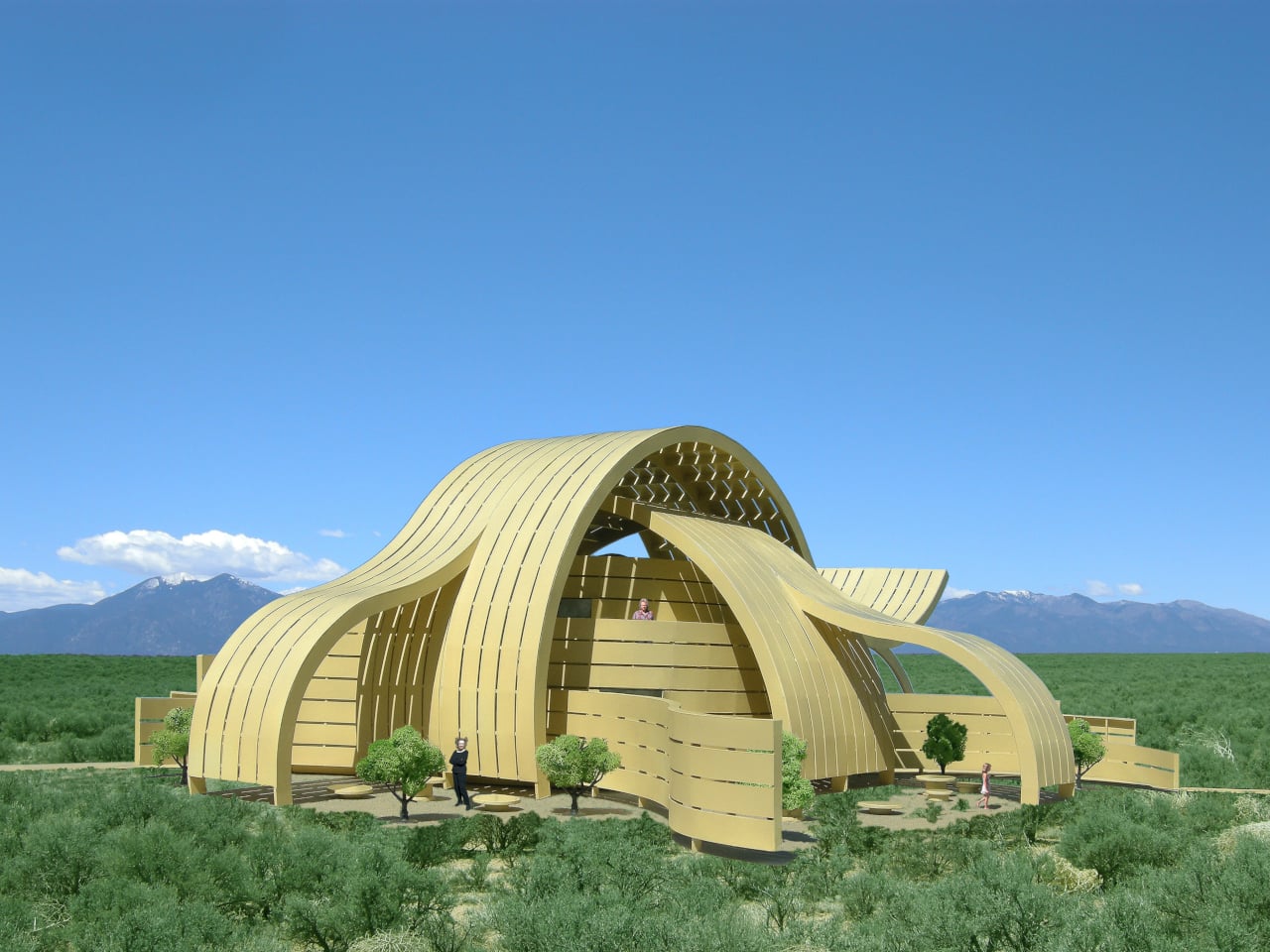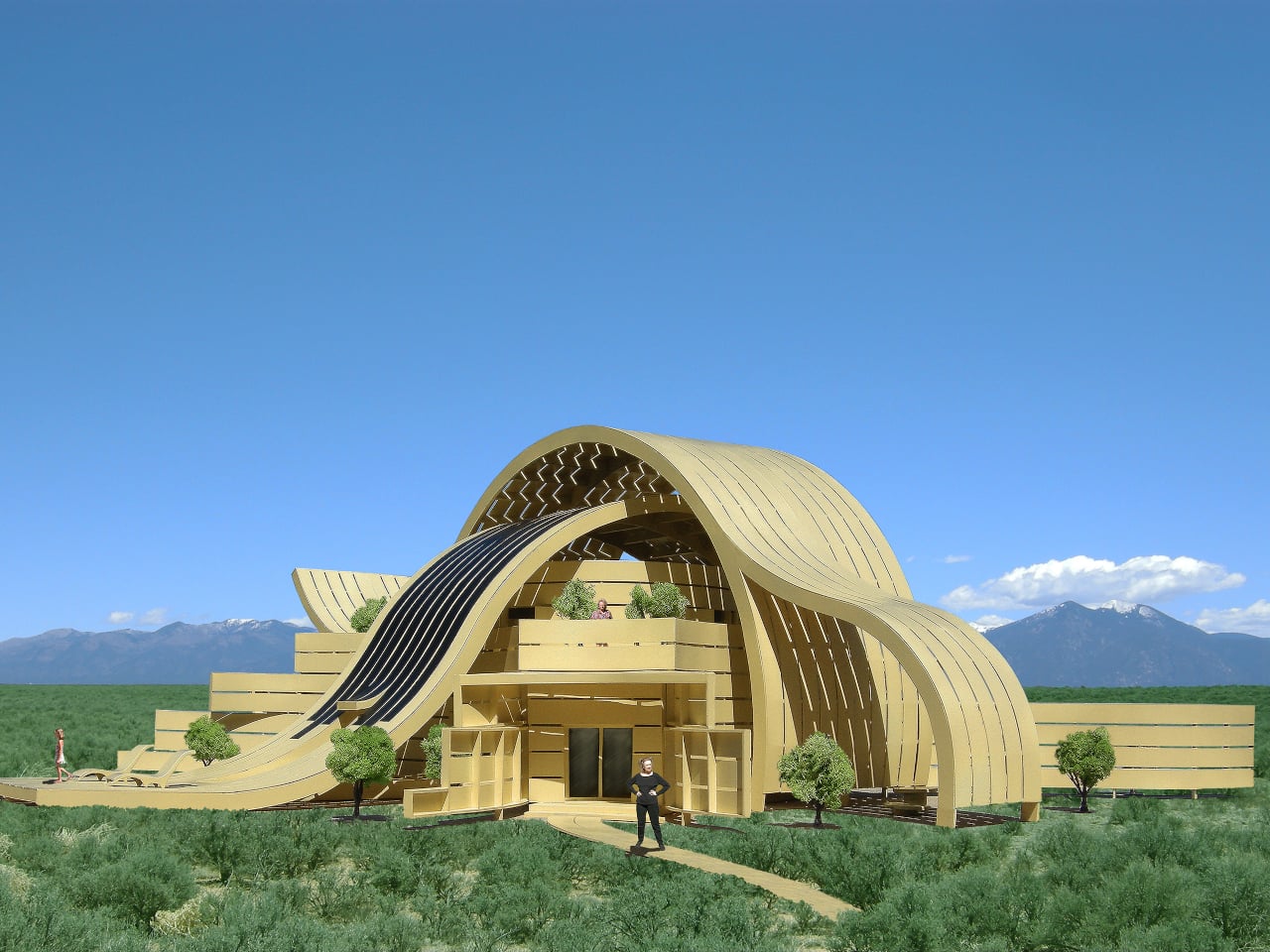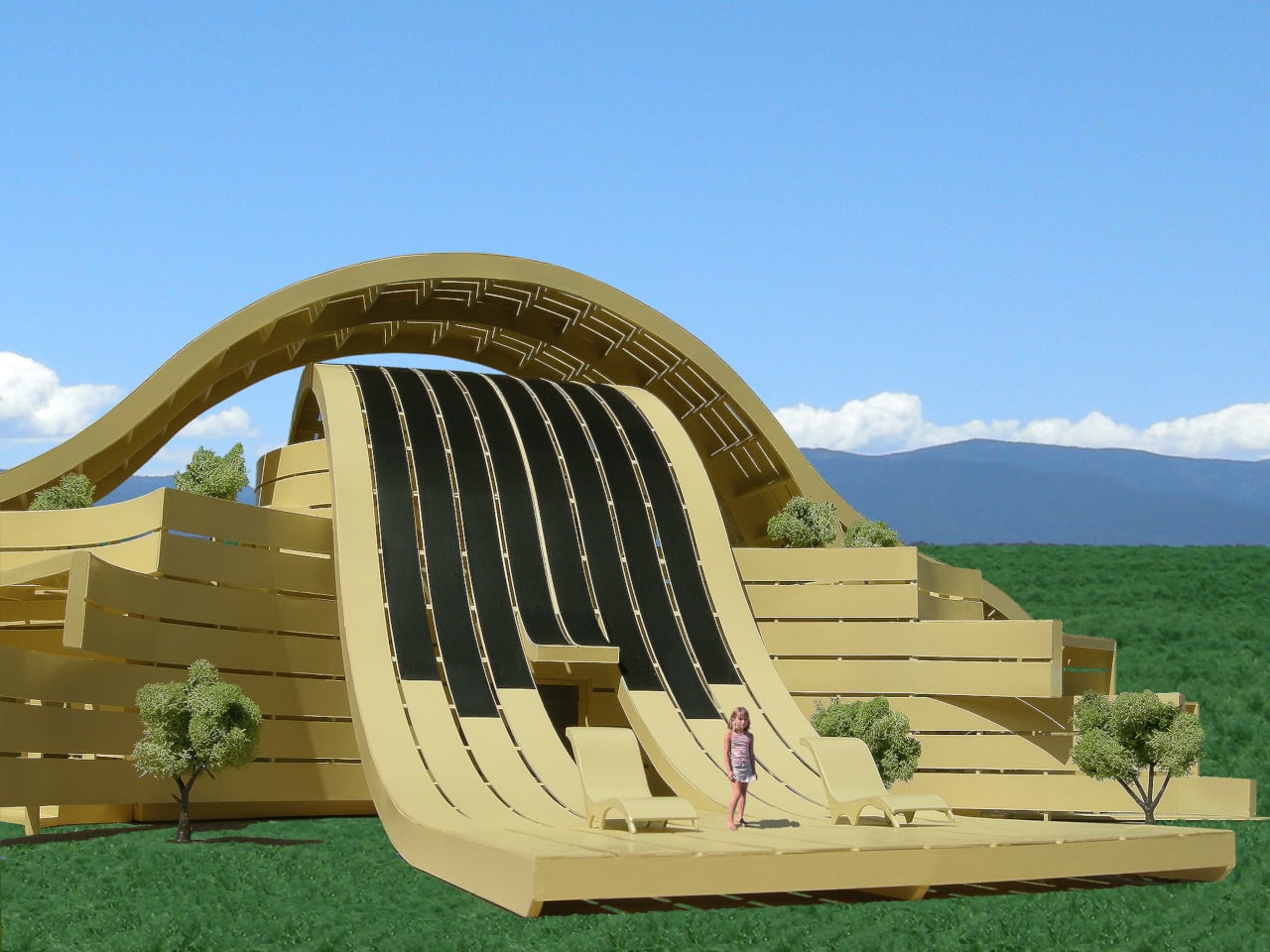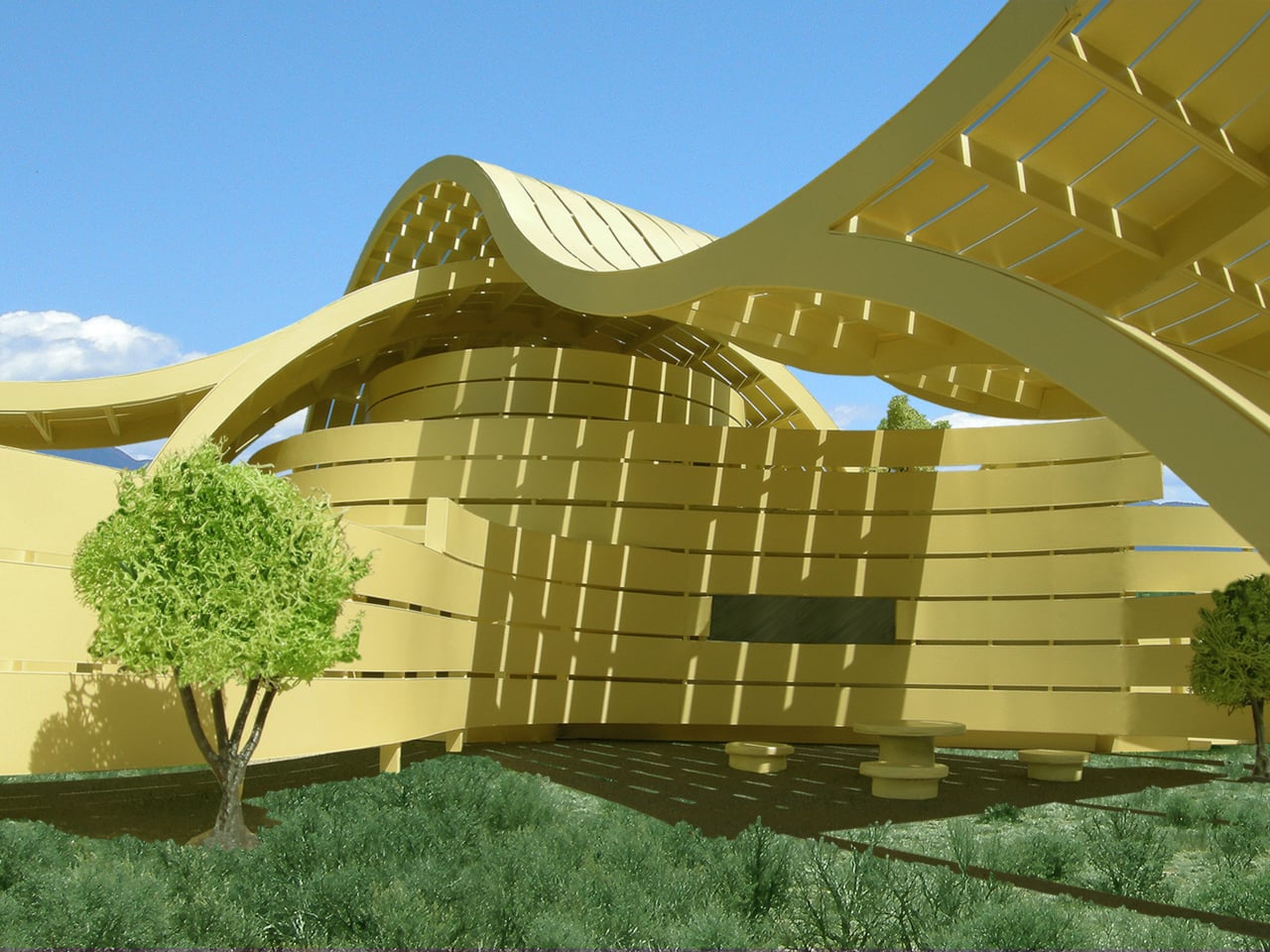
5 Architect-Designed Homes That Disappear Into the Landscape

The concept of home is evolving, shifting from mere shelter to spaces that genuinely nurture our well-being. This means creating a harmonious connection with nature by designing homes that don’t just occupy land, but feel like an extension of it. Achieving this requires thoughtful choices in design and materials, starting with a deep understanding of the very ground on which the home will rise.

This approach goes beyond mere aesthetics. Homes that integrate seamlessly with nature are naturally more energy-efficient, healthier, and more serene. By harnessing natural light, enhancing ventilation, and selecting materials with minimal environmental impact, we can create spaces that are visually captivating and also supportive of the planet and our personal well-being.

1. The Art of Site-Specific Design

Before a single line is drawn, one must first understand the site. The architect walks the land at different times of day, noting where the sun rises and sets and feeling the direction of evening breezes. They observe how rainwater flows, where mature trees stand, and the natural contours of the terrain. Each detail informs the design, ensuring the home responds to its surroundings rather than resists them.

A house created with this awareness naturally harmonizes with the environment. It reduces reliance on artificial heating and cooling while preserving the land’s inherent beauty, resulting in a dwelling that feels both enduring and alive.

In the hills of Harriman State Park, New York, the Black Villa was designed as a striking, contemporary-style hobbit hole. Its most notable feature is a lush, grass-covered roof that integrates the home with its natural surroundings. Green roofs have steadily gained popularity over the past decade for their environmental and economic benefits. They provide natural insulation, reducing energy consumption and keeping rooftop temperatures 30–40°F cooler than conventional rooftops. The Black Villa further enhances efficiency through skylights and floor-to-ceiling windows, while also mitigating stormwater runoff, which is a feature especially useful in areas with poor drainage.

Despite its impressive design, situating the Black Villa within a national park raises questions about sustainability. Construction inevitably disrupts the existing landscape, making the eco-friendly elements feel partly aesthetic rather than fully functional. While the project may inspire interest in green roof architecture, its energy-efficient features appear more as part of the home’s visual appeal than as a model of practical environmental stewardship.

2. Rooted in Natural Materials

Material choice plays a pivotal role in shaping a home. Architects focus on what is locally available and has a low environmental impact. Wood, stone, and bamboo are not only beautiful but also often renewable and sustainably sourced. Traditional materials like rammed earth and clay plaster are experiencing a resurgence, valued for their natural insulation, breathability, and enduring appeal.

These materials do more than form walls as they give a home character, texture, and a unique story. By connecting the building to its environment, they create spaces that feel alive, timeless, and deeply rooted in the land they inhabit.

EARTH villa, designed by internationally acclaimed architect Sou Fujimoto for NOT A HOTEL, transforms the idea of a vacation home into a seamless blend of sustainability, futuristic design, and natural beauty. Located on Ishigaki Island in Okinawa Prefecture, Japan, the villa sits within a natural preserve, offering panoramic ocean views and lush greenery. Its bold circular layout encloses a private courtyard, while curved glass walls maximize natural light and sightlines, creating effortless indoor-outdoor transitions. The living green roof, covered with native grasses, provides insulation, reduces rainwater runoff, and supports local wildlife, making the villa eco-conscious and visually striking.

Inside, minimalist interiors with natural wood accents and earth tones create warmth and tranquility. Sustainable systems, including passive ventilation, solar panels, and rainwater harvesting, reduce environmental impact. EARTH offers luxury, flexibility, and hotel-level services, allowing guests to immerse themselves in nature while enjoying comfort and environmental stewardship at its finest.

3. Harness Light and Air

Sunlight and fresh air are among the most sustainable and beautiful elements a home can embrace. Architects design spaces to maximize natural light, reducing reliance on artificial lighting while enhancing the interior ambiance. Large windows oriented toward the sun (south-facing in the Northern Hemisphere) capture winter warmth, creating naturally cozy spaces.

Thoughtful placement of windows and doors encourages cross-ventilation, allowing cool breezes to flow through the home. This reduces the need for mechanical cooling on many days. By prioritizing light and air, a house becomes more energy-efficient, comfortable, and in harmony with its environment.

Nestled in the rolling hills of Nashtarood, House Under the Hill is an architectural marvel that blends seamlessly with its landscape. Much of the home is tucked beneath a living roof, echoing the surrounding terrain and allowing the structure to almost disappear into its site. Fluid forms, gentle curves, and careful play of light and shadow reveal the dwelling subtly, while broad glass panels frame views of the pool and greenery, merging interior and exterior. The palette of concrete, wood, and glass creates modern elegance, and open, flowing spaces connect the kitchen, dining, and lounge areas. Bedrooms and bathrooms are oriented for privacy, natural light, and tranquility, enhancing a sense of retreat.

The green roof provides insulation, reduces environmental impact, and harmonizes the home with its surroundings. Outdoor terraces and pool areas offer year-round comfort, while integrated storage, durable materials, and soft, responsive lighting enhance functionality. House Under the Hill embodies a modern approach to living that belongs to the earth, offering a protective, nurturing, and adaptable sanctuary.

4. Integrate the Indoors and Outdoors

A home should feel connected to the natural world rather than isolated from it. Architects often use large glass sliding doors to merge indoor and outdoor spaces, allowing light and views to flow freely. Patios, decks, and other outdoor living areas are designed for easy access from main living zones, encouraging a fluid relationship with nature.

Thoughtful landscaping with native plants further blurs the boundary between house and environment. These spaces offer quiet retreats and areas for social gatherings, creating a home that celebrates the outdoors while remaining comfortable, functional, and deeply in tune with its surroundings.

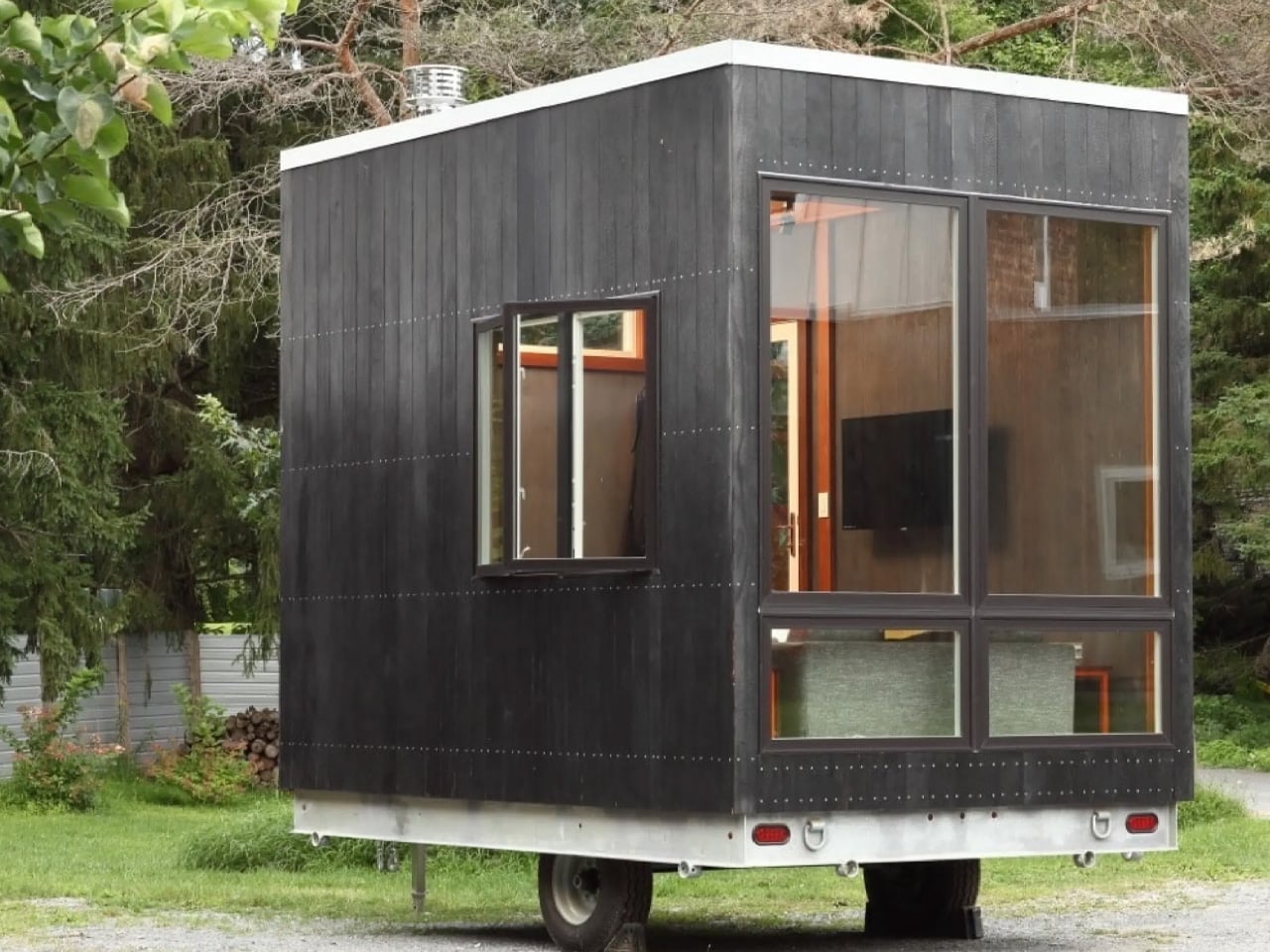
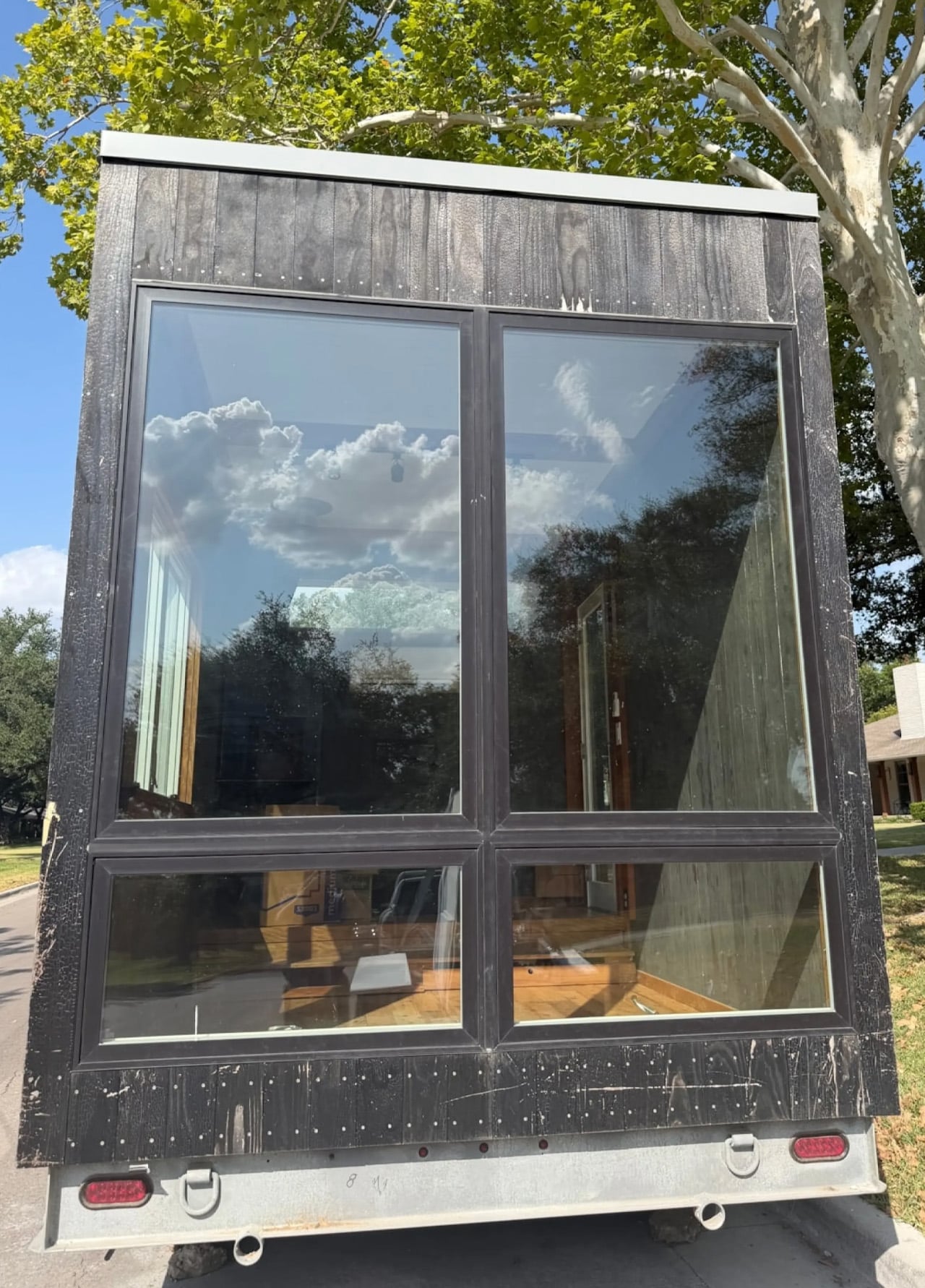
The Space is a sustainable smart home where fully autonomous utilities combine advanced technology with modern comfort. Developed by Stockholm-based iOhouse, it functions entirely off the grid, with water, electricity, heating, and Wi-Fi all controlled through a smartphone. Solar panels and a 220V generator supply power, while an air heat pump and integrated climate controls maintain year-round comfort. A built-in water and sewer system ensures clean water and plumbing wherever the home is placed. The exterior features a sleek, futuristic design with industrial-tech elements, complemented by floor-to-ceiling windows that connect the interior with nature.

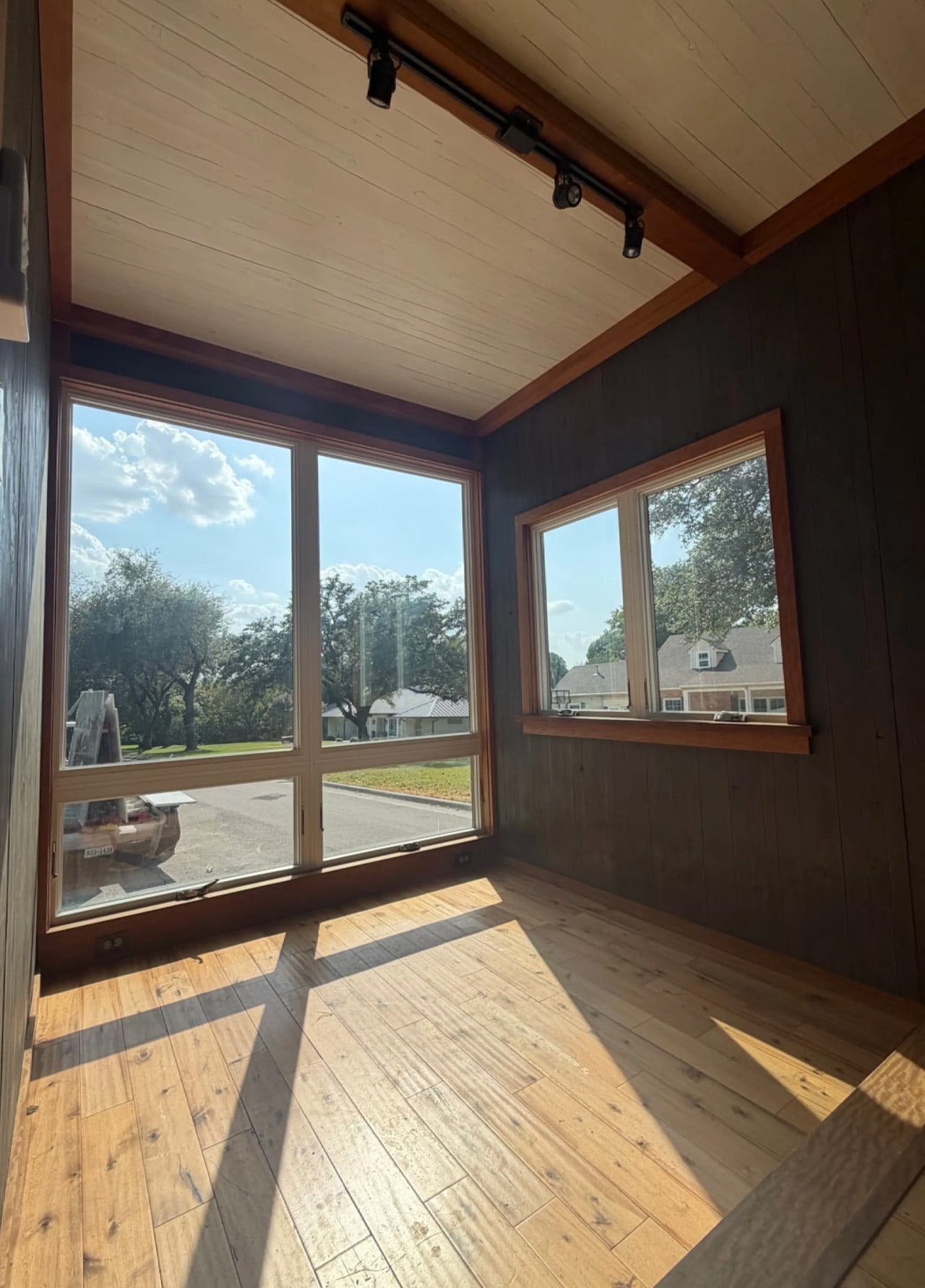
Inside, an open-floor layout with natural wood floors and muted gray tones creates a warm, inviting atmosphere. Every detail, right from fixtures and fittings to room shapes, has been carefully designed for comfort and aesthetics. With its smart systems and autonomous utilities, The Space allows residents to live freely, sustainably, and harmoniously with the environment.

5. Water Management and Conservation

A sustainable home carefully considers how it manages water. Beyond conserving tap water, it works with the rain that falls on the property. Rainwater harvesting systems can collect and store water for irrigation and other non-potable uses, reducing reliance on municipal supply.

Landscaping with rain gardens and using permeable paving allows stormwater to be absorbed naturally, preventing soil erosion and replenishing groundwater. By thoughtfully managing water on-site, a home supports the local ecosystem, minimizes environmental impact, and demonstrates how small, intentional steps can create meaningful, lasting benefits for both the property and the surrounding landscape.

Nestled in the tropics where lush forest meets a serene lake, the Blue Water Lily Villa is a fairytale-like architectural masterpiece. Inspired by biomimicry, its design mirrors the delicate elegance of a water lily while remaining practical and sustainable. Comprising two two-story structures with direct lake access, the villas appear to float on the water’s edge. Petal-like forms rise gracefully from the landscape, creating layers that unfold like a blooming lily. The lower level features an open-plan living and dining area that flows seamlessly toward a small pool, framed by the lake and surrounding greenery.

Upstairs, cozy bedrooms open onto cantilevered seating, offering elevated views of the natural surroundings. Prefabricated metal elements and locally sourced bamboo form delicate, translucent “petals,” blending aesthetics with sustainability. At night, soft pink uplights illuminate the fabric-covered petals, transforming the villa into a glowing, magical water lily, harmonizing architecture, nature, and modern comfort.

Creating a home in harmony with nature is a journey of intention and care. It moves beyond shelter to craft a sanctuary that nurtures its inhabitants and the environment. By thoughtfully choosing materials and design, the home listens to the land, embraces its rhythms, and stands as a lasting testament to mindful and sustainable living.

The post 5 Architect-Designed Homes That Disappear Into the Landscape first appeared on Yanko Design.
This Floating Plaza in the Amazon Is Climate Architecture at Work

Imagine a public square that literally rises and falls with the tide. That’s exactly what AquaPraça does, and it just made its grand debut at the UN Climate Change Conference COP30 in Belém, Brazil. This isn’t your typical architectural showpiece that exists only to look impressive at a summit. This 400-square-meter floating platform is designed to stay right where it is, becoming a permanent cultural hub in the heart of the Amazon.

Designed by CRA-Carlo Ratti Associati and Höweler + Yoon, AquaPraça represents something genuinely clever in how we think about building in a world where water levels are no longer predictable. Moored on Guajará Bay within the Amazon River system, the structure uses Archimedes’ principle (yes, that ancient Greek buoyancy thing you learned in school) to naturally adapt to an environment where tides can shift up to four meters daily. The platform simply floats along with the water, letting visitors experience the natural rhythm of the river at eye level.

Designer: CRA-Carlo Ratti Associati and Höweler + Yoon

Carlo Ratti, who’s a professor at MIT and curated the Venice Architecture Biennale 2025, explains the project’s deeper philosophy by referencing iconic architect Aldo Rossi. Where Rossi looked to the past to prove architecture could still enrich Venice’s skyline in 1980, AquaPraça looks to the future by exploring how we can build with nature instead of fighting against it. It’s a subtle but important shift in thinking.

The project’s journey is almost as interesting as the structure itself. It was first unveiled in Venice this past September during the Architecture Biennale in a simplified form, then traveled to Belém where it now serves as part of Italy’s pavilion at COP30. After the conference wraps up, Italy will donate the platform to Brazil, where it will function as a community space for ongoing conversations about climate, culture, and creative industries.

What makes AquaPraça particularly compelling is how it turns climate change from an abstract concept into something you can physically experience. The sloping surfaces and shifting levels respond to the water in real time, creating what Eric Höweler calls “a delicate equilibrium.” His collaborator J. Meejin Yoon points out that it’s both a literal and figurative platform for understanding sea level rise and its impacts on coastal communities worldwide.

The location couldn’t be more symbolic. Belém sits at the meeting point of the Amazon River system and the Atlantic Ocean, where freshwater and saltwater converge to create a powerful estuarine ecosystem. It’s the perfect setting for a structure designed to demonstrate adaptive architecture. The bay itself reveals its underwater landscape daily as tides recede, offering a constant reminder of nature’s cycles and changes.

Getting this thing built was no small feat. Italian construction company Cimolai completed the entire project in just five months, handling structural design, construction, and certification while integrating complex architectural and engineering requirements. That’s remarkably fast for a floating structure that needs to be both functional and safe in such a dynamic environment.

The project came together through an impressive international coalition, including Italy’s Ministry of Foreign Affairs, the Ministry of Environment and Energy Security, and support from organizations like Bloomberg Philanthropies, Costa Crociere, ENEL, and others. It’s the kind of collaboration that shows what’s possible when governments, private companies, and cultural institutions actually work together on climate solutions.

Italian Foreign Minister Antonio Tajani described AquaPraça as a floating Italian square that evokes Venice while standing as a symbol of friendship between Italy and Brazil. But more than diplomatic niceties, it represents something tangible: the idea that architecture can be circular, with multiple lives and purposes over time. From Venice to Belém, and now as permanent infrastructure, the platform embodies continual reuse and reinvention.

For anyone interested in how design can respond to climate challenges without sacrificing beauty or function, AquaPraça offers a compelling model. It’s not just sitting there looking pretty (though it does that too). It’s hosting symposia, cultural programs, and serious discussions about climate policy, all while literally moving with the water that surrounds it. That’s architecture that doesn’t just talk about adaptation but actually demonstrates it, day after day, tide after tide.

The post This Floating Plaza in the Amazon Is Climate Architecture at Work first appeared on Yanko Design.
This Hollywood Hills House Channels Medieval Castles with a Modern Industrial Twist

Perched atop a challenging 45-percent slope in the Hollywood Hills, this striking residence by Kristen Becker of Mutuus Studio reimagines what luxury living can look like within a modest footprint. Completed in 2016, the house was commissioned by an actor-director couple who wanted their Los Angeles home to feel as intimate and carefully curated as their New York City penthouse loft. The steep, oak-dotted hillside presented serious design challenges, but Becker transformed these constraints into architectural opportunities that give the home its distinctive character.

Becker drew inspiration from the clients’ travels through Ireland and their fascination with European castles, creating a sequence of spaces that unfold with theatrical drama. Visitors enter through a wooden, steel, and concrete bridge that spans a secret garden before arriving at an imposing bronze door. The garden connects to a courtyard where sunlight filters through floor-to-ceiling windows into the bathroom below, evoking the atmospheric quality of ancient fortresses. Medieval castles and industrial buildings both influenced the aesthetic, resulting in a design that feels simultaneously raw and refined.

Designer: Kristen Becker of Mutuus Studio

The multi-storey structure steps down the hillside rather than fighting against it, allowing each level to capture different views of the surrounding landscape dotted with shrubs, cacti, and mature oak trees. Natural light floods the interiors through expansive glazing, while a garage-style door in the main living area lifts upward to dissolve the boundary between inside and out. This connection to the terrace extends the living space and takes full advantage of California’s temperate climate. The steel and concrete structure provides the industrial backbone that supports the home’s open, flowing layout.

Interior design played an equally important role in the project, with Becker collaborating closely with the clients on furnishings that reflect their globetrotting lifestyle and eclectic taste. The living room showcases caramel leather sofas alongside leopard-print stools and a bronze and glass coffee table by Willy Daro. African artwork hangs near pieces from Brian Henson’s childhood collection. The dining area features a Finn Juhl teak table surrounded by Peter Moos chairs, all illuminated by a custom Facaro bicycle chain chandelier that adds unexpected whimsy.

Throughout the home, vintage pieces from different eras and continents sit comfortably together. Ricardo Fasanello’s Anel chair shares space with Bruno Mathsson’s Pernilla Lounge Chair, antique Chinese sideboards, vintage Japanese benches, and a Norman Cherner swivel chair from the 1960s. An Arc dome pendant by Allied Maker illuminates a vintage Warren Bacon saddle stool. Every element received thoughtful consideration, with the design team and owners collaborating to ensure each piece contributed to a seamless experience of place.

The Hollywood Hills House stands as proof that luxury and modesty can coexist. Becker’s background in dance informed the seamless flow through the rooms, where movement feels intuitive and natural. The residence delivers a sophisticated California lifestyle while maintaining efficiency in both space and resources. Photography by Kevin Scott captures how this modern castle commands its hilltop position, offering a fresh interpretation of the iconic Case Study Houses while establishing its own contemporary presence in the Los Angeles architectural landscape.

The post This Hollywood Hills House Channels Medieval Castles with a Modern Industrial Twist first appeared on Yanko Design.
This Opera House Design Has No Back and You Can Walk on the Roof

Picture an opera house that doesn’t just sit on its waterfront site but flows across it like sound waves spreading through the air. That’s exactly what Bjarke Ingels Group has cooked up for Hamburg’s new State Opera, and honestly, it’s one of those designs that makes you rethink what a cultural building can be in the 21st century.

The Danish architecture firm just won an international competition to replace Hamburg’s aging 1950s opera house with something that feels less like a fortress of high culture and more like an urban living room. Located on the Baakenhöft peninsula in HafenCity, right where the city meets the water, the new building reads as a landscape of concentric terraces that ripple outward from the central performance hall. Ingels himself describes it as terraces “emanating like soundwaves,” which is pretty poetic for a guy known for turning ideas into buildable reality.

Designer: BIG – Bjarke Ingels Group

What makes this project so interesting is how it completely ditches the traditional opera house playbook. You know the type: imposing facades, grand staircases that separate the cultured elite from everyone else, buildings that basically scream “not for you” to anyone walking by. BIG’s approach flips that script entirely. The 450,000-square-foot building is designed as what they call “a public building within a park,” where the roofscape is fully walkable and the structure has no defined back side.

Think about that for a second. An opera house with no rear elevation. Instead of creating a building that sits apart from its surroundings, the design treats the entire structure as an extension of HafenCity’s public realm. The terraced exterior becomes a landscaped garden that rises to meet the main volume, creating what amounts to a human-made topography where people can hang out, walk their dogs, or just watch the sunset over the harbor regardless of whether they have tickets to La Bohème that evening.

This democratization of space isn’t just good PR. It represents a fundamental shift in how we think about cultural institutions and their relationship to the communities they serve. Opera houses have historically been exclusive spaces, both architecturally and culturally. By making the building itself permeable and accessible, BIG is suggesting that even if you’re not an opera fan, this building still belongs to you. It’s your park, your gathering space, your piece of waterfront.

The design also responds smartly to its context. Hamburg’s existing opera house served the city well for decades, but it reflects a different era’s ideas about urban culture and public space. The new location in HafenCity, a rapidly developing waterfront district that’s become one of Europe’s largest urban regeneration projects, demanded something that could anchor a neighborhood still finding its identity. Rather than plopping down a monument, BIG created something that extends and enhances the existing urban fabric.

From a technical standpoint, the rippling terrace concept isn’t just aesthetically pleasing. It creates multiple entry points and circulation paths, distributes the building’s mass in a way that feels less imposing, and provides outdoor social spaces at various levels. The design incorporates advanced acoustic engineering to ensure world-class sound inside while maintaining that crucial connection to the outside world.

There’s also something refreshingly playful about the whole concept. Comparing the terraces to sound waves or ripples on water isn’t just architectural marketing speak. It creates a visual metaphor that helps people understand what the building is trying to do before they ever step inside. The opera makes sound, sound travels in waves, and those waves become the literal form of the building. It’s the kind of concept-driven design that Ingels has become famous for, where big ideas translate into built form in ways that feel both intellectually satisfying and just plain cool to look at.

Will this design single-handedly make opera accessible to the masses? Probably not. But it removes at least one barrier by creating a building that invites you in rather than keeping you out. And in a world where cultural institutions are constantly wrestling with questions of relevance and accessibility, that architectural gesture matters. Hamburg’s getting more than a new opera house. It’s getting a new kind of public space that just happens to have a world-class performance hall at its center.

The post This Opera House Design Has No Back and You Can Walk on the Roof first appeared on Yanko Design.
This 690 Sq.Ft. Bus Station Cuts Carbon Emissions by 70% Using Recycled Steel

Waiting for a bus shouldn’t feel like purgatory, but in the intense heat and frequent downpours of Brazil’s Amazon region, it often does. Fernando Andrade understood this intimately when he began designing the Amazon Bus Station in Belém, a project born not from architectural ego but from genuine public consultation with the people who would actually use it. They asked for four things: protection from the weather, environmental comfort, durability, and reasonable cost. What they got exceeded every expectation: a soaring, sculptural shelter that treats public transit users as deserving of the same design attention typically reserved for museums and corporate headquarters.

The 16-meter structure, completed in February 2024, wraps passengers in a protective envelope of triangulated steel and reflective glass, its organic curves creating an embracing interior space that feels both sheltering and expansive. Yellow accessibility ramps guide users through a barrier-free environment where natural ventilation, achieved through traditional Amazonian roof fins, keeps air moving without mechanical systems. Shadows from the geometric framework dance across metal benches as daylight filters through the glass skin, creating an ever-changing interior atmosphere that connects occupants to the rhythms of weather and time. The design accommodates everyone, including those with mobility challenges, while pushing what architectural beauty can achieve in public infrastructure.

Designer:

The structural approach here is basically what happens when parametric design actually solves problems instead of just generating Instagram bait. The whole thing is built from 600mm triangular modules, each assembled from 75x3mm quadrangular steel tubes. That triangulation distributes loads efficiently enough that the entire 16-meter span rests on just four support points, which means minimal ground disruption and maximum flexibility for street-level circulation. And they used recycled steel throughout, dropping carbon emissions by 70% compared to conventional construction methods. The numbers matter because this approach could scale. Belém gets this one station, but the fabrication methodology, the material choices, the whole industrial-to-site assembly process translates to other locations dealing with similar climate challenges and budget constraints.

The 8mm laminated glass blocks 99.8% of direct solar radiation, which in equatorial conditions isn’t a nice-to-have feature, it’s the difference between a functional space and a greenhouse. But the clever bit is those ventilation fins at the roof ridge. They’re angled glass louvers that let hot air escape while keeping rain out, basically a stack effect ventilator with zero moving parts and zero maintenance requirements beyond occasional cleaning. No motors failing, no electronics corroding in humidity, no ongoing energy costs. Just heated air rising and escaping through geometry that works with local wind patterns. It’s the kind of solution that feels obvious in hindsight but requires serious environmental modeling to get right.

Nine months from concept to completion, with fabrication happening in a controlled industrial environment using local shipbuilders who know how to work with complex curves and weather-resistant assemblies. They pre-built the structure in three major sections, transported them to site, and only finished the connection joints on location. That level of prefabrication ensures tolerances stay tight and quality control doesn’t depend on field conditions, which matters when you’re dealing with structural silicone joints and precise glass panel alignments. The client, Centro Integrado de Inclusão e Reabilitação, specializes in accessibility infrastructure, so the barrier-free circulation wasn’t an afterthought added to satisfy code. It shaped the entire spatial concept from the beginning.

The real test of any transit infrastructure is whether it changes behavior. A better bus station doesn’t just shelter existing riders, it potentially converts people who currently drive because the bus experience feels too degrading or uncomfortable. Belém’s new station won’t single-handedly transform modal split numbers, but it signals that public transit users deserve environments worth occupying. These details accumulate into an experience that respects users enough to think through their actual needs rather than just checking regulatory boxes. That respect, rendered in recycled steel and high-performance glass, might be the most radical thing about the whole project.

The post This 690 Sq.Ft. Bus Station Cuts Carbon Emissions by 70% Using Recycled Steel first appeared on Yanko Design.
Concrete Church in Spain Named World’s Best Building of 2025

Picture a building so raw and honest that it looks like it grew straight from the ground. That’s exactly what Fernando Menis pulled off with the Holy Redeemer Church and Community Centre of Las Chumberas in Tenerife, and the architecture world just named it the 2025 World Building of the Year at the World Architecture Festival.

Located on the outskirts of La Laguna, Spain, this isn’t your typical church. The project sits in a neighborhood that had been pretty much forgotten by urban development, and Menis saw an opportunity to create something meaningful for the community. This is architecture with a purpose beyond looking good in magazines. It’s about giving people a place to gather, connect, and feel like they belong somewhere.

Designer: Fernando Menis

What makes this project so special is the story behind its construction. The entire building was funded through small donations from local parishioners. Think about that for a second. No giant corporate sponsor, no massive government grant. Just regular people contributing what they could, when they could. That stop and start flow of money directly shaped how the building came to life, creating an irregular development timeline that actually influenced the final design.

The result? Four independent volumes built in phases, each standing as its own sculptural element while working together as a cohesive whole. The church itself is joined by a community center and a public square, creating this multi functional space that serves the neighborhood in different ways throughout the day and week.

Let’s talk about the aesthetics because they’re striking. Menis went full minimalist with exposed concrete that feels almost primal. The texture is rugged and unpolished, which gives it this organic quality that you don’t often see in contemporary religious architecture. There’s no fancy facade trying to impress you. Instead, the material itself becomes the statement. The concrete isn’t just slapped on either. Look closely and you’ll notice how light plays across those surfaces throughout the day, creating constantly shifting shadows and highlights. It’s architecture that changes with time, never looking exactly the same twice. That kind of intentional simplicity takes serious skill to execute well.

Inside, the space maintains that same honest approach. Natural light filters through carefully placed openings, creating moments of quiet contemplation without getting too theatrical about it. The interiors feel grounded and peaceful, exactly what you’d want from a spiritual space while still feeling contemporary and accessible. Fernando Menis clearly understands that great architecture isn’t about showing off technical prowess or following trends. It’s about responding to real needs with thoughtful solutions. This project could have been generic, but instead it became something that speaks to its specific place and community.

The judges at the World Architecture Festival recognized all of this, which is why it beat out hundreds of other projects from around the globe. Winning this award puts the Holy Redeemer Church in the same league as previous winners that have redefined what modern architecture can be. What’s refreshing about this project is how it challenges our assumptions about what award winning design should look like. There are no flashy curves, no high tech materials, no Instagram ready color palettes. Just concrete, light, and thoughtful spatial planning. In an era where architecture can sometimes feel like it’s trying too hard to go viral, this building succeeds by being authentic.

The community focused approach also sets an important precedent. At a time when many architectural projects serve wealthy clients or corporate interests, here’s a building that literally exists because a community pooled its resources to create something for everyone. That grassroots funding model resulted in a building that truly reflects the people it serves.

For anyone interested in how design intersects with social impact, this project offers a masterclass. It proves that constraints like limited budgets and irregular funding can actually spark more creative and meaningful solutions than unlimited resources might. The Holy Redeemer Church and Community Centre of Las Chumberas shows us that the best buildings don’t necessarily shout the loudest. Sometimes they just need to be honest about what they are and who they’re for. And sometimes, that’s more than enough to change the world.

The post Concrete Church in Spain Named World’s Best Building of 2025 first appeared on Yanko Design.
How 3D Printing Is Solving Luxembourg’s Affordable Housing Crisis

Niederanven, a small commune in Luxembourg, now hosts the country’s first 3D-printed residential building. The Tiny House Lux, designed by local practice ODA Architects, marks a significant shift in how municipalities might approach affordable housing on difficult urban sites. Architect Bujar Hasani conceived the project as a practical response to housing shortages. Working with the Niederanven municipality and Coral Architects, he identified narrow, leftover parcels across Luxembourg that traditional construction methods couldn’t accommodate.

The solution arrived through on-site 3D concrete printing, using locally sourced aggregates rather than imported materials. The house stretches long and narrow across its site in Rammeldingen village. At just 3.5 meters wide but 17.72 meters deep, the 47-square-meter structure maximizes what would otherwise be unusable land. A mobile printer extruded standard batching-plant concrete to build the walls in roughly one week, with the complete build finishing within four weeks. The ribbed texture of the printed walls creates a distinctive facade that catches daylight throughout the day, while a lightweight timber frame supports the roof.

Designer: ODA Architects

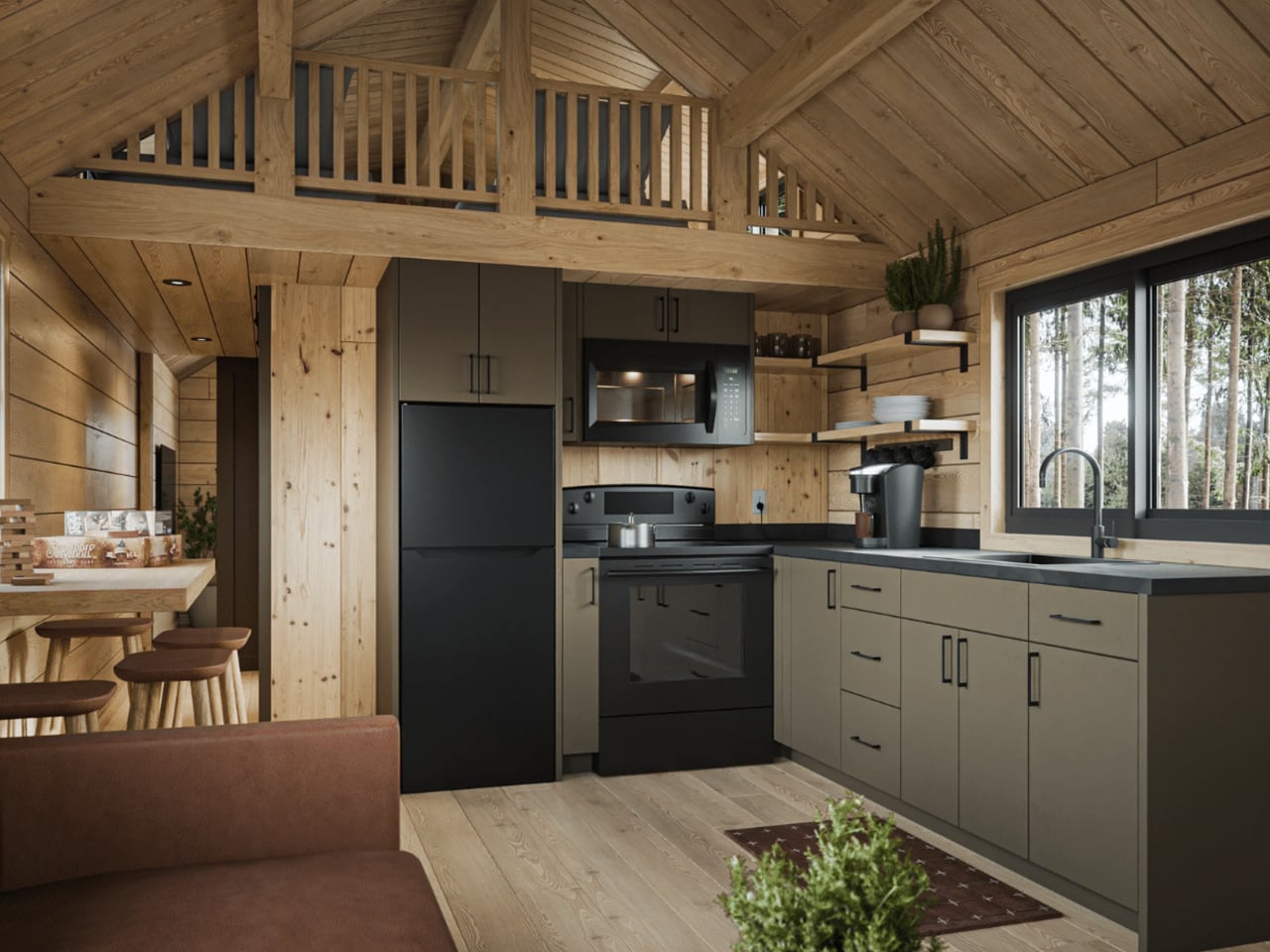
Inside, the layout reads as a single, clear axis running from the south-facing entrance through to the rear. Service zones tuck to each side, leaving the central corridor open and uncluttered. The entrance and terrace face south, pulling natural light deep into the interior. Film technology provides underfloor heating, powered entirely by solar panels mounted on the roof. This system positions the house as self-sufficient, reducing ongoing energy costs for its occupants.

The project fits within Niederanven’s “Hei wunne bleiwen” program, which translates to “Keep living here.” The initiative targets young adults seeking affordable entry points into Luxembourg’s expensive housing market. The local council selected the first tenant, who moved in shortly after the August 2025 inauguration. The design intentionally excludes features that would make it suitable for elderly residents, keeping the focus on younger demographics.

Not everyone welcomed the innovation. Local political parties DP and LSAP criticized the €320,000 price tag for what they viewed as an experimental project without proven methodology. They raised concerns about chemical additives in the concrete used to speed up hardening, questioning potential health implications. Both parties boycotted the inauguration ceremony in protest. Despite the controversy, the architectural and design community has responded with enthusiasm. Publications from New Atlas to HomeAdore covered the project, recognizing its potential as a replicable model. The key lies in scalability. If deployed across Luxembourg’s leftover urban fragments, this approach could generate hundreds of compact homes without consuming greenfield sites or requiring extensive infrastructure investment.

The Tiny House Lux demonstrates that 3D printing technology has matured beyond novelty status. When paired with thoughtful design and local materials, it offers municipalities a genuine tool for addressing housing shortages. The ribbed concrete walls, efficient layout, and energy autonomy prove that speed and innovation need not compromise quality or comfort. Whether this pilot project sparks wider adoption remains to be seen, but it has already proven that small plots can yield meaningful housing solutions.

The post How 3D Printing Is Solving Luxembourg’s Affordable Housing Crisis first appeared on Yanko Design.
This 172-Square-Foot Tiny House Transforms to Feel Surprisingly Spacious

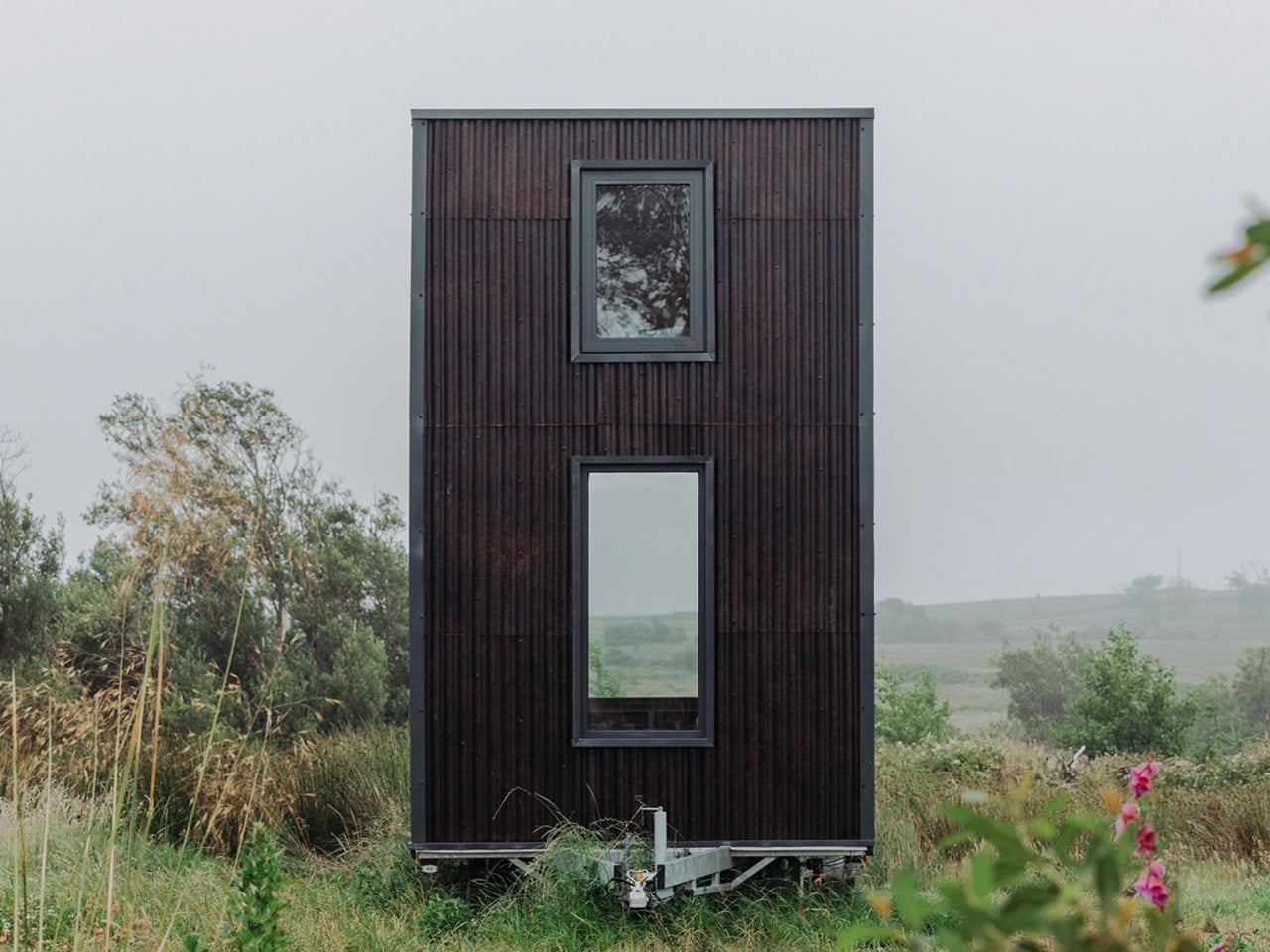
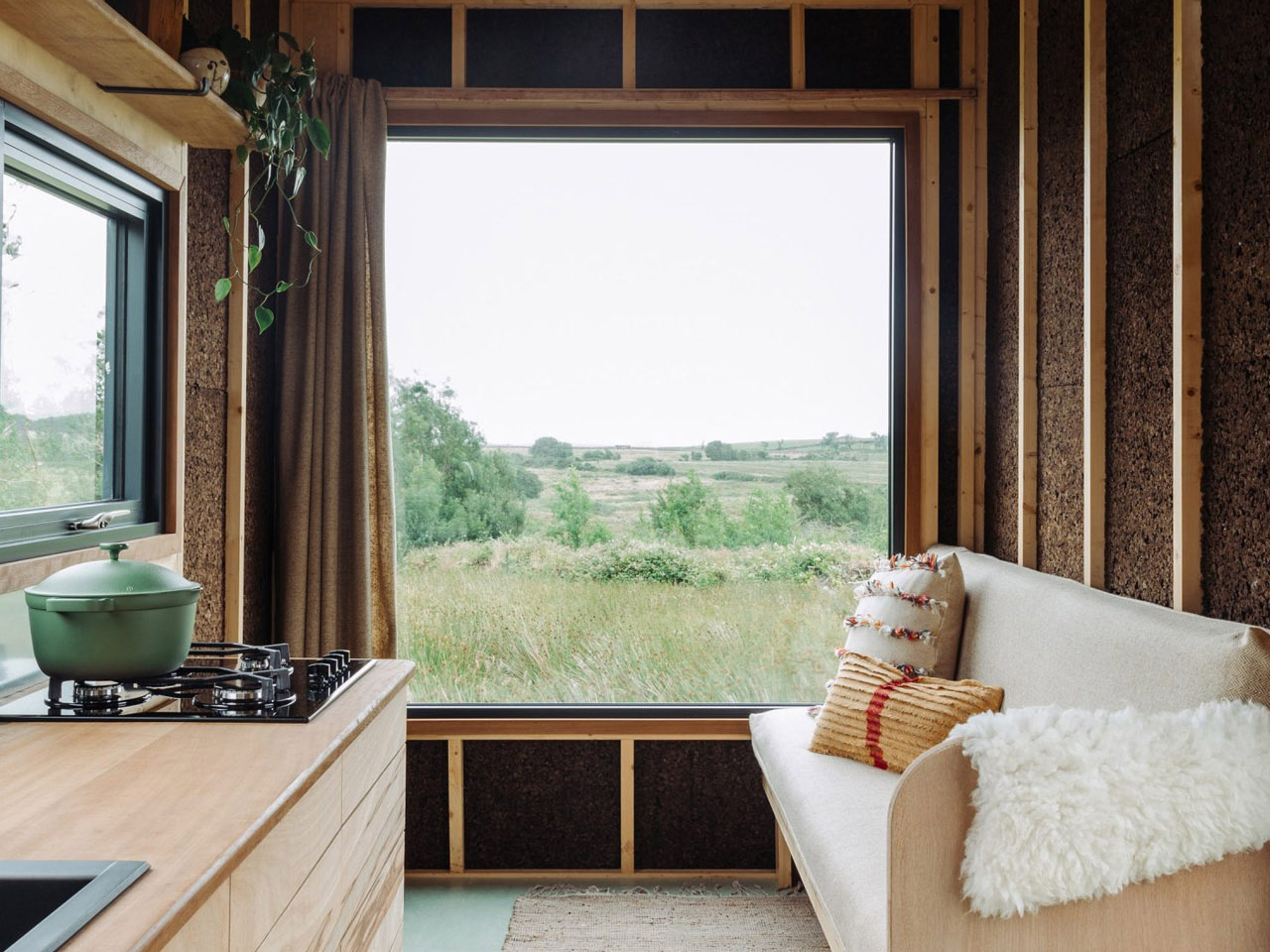
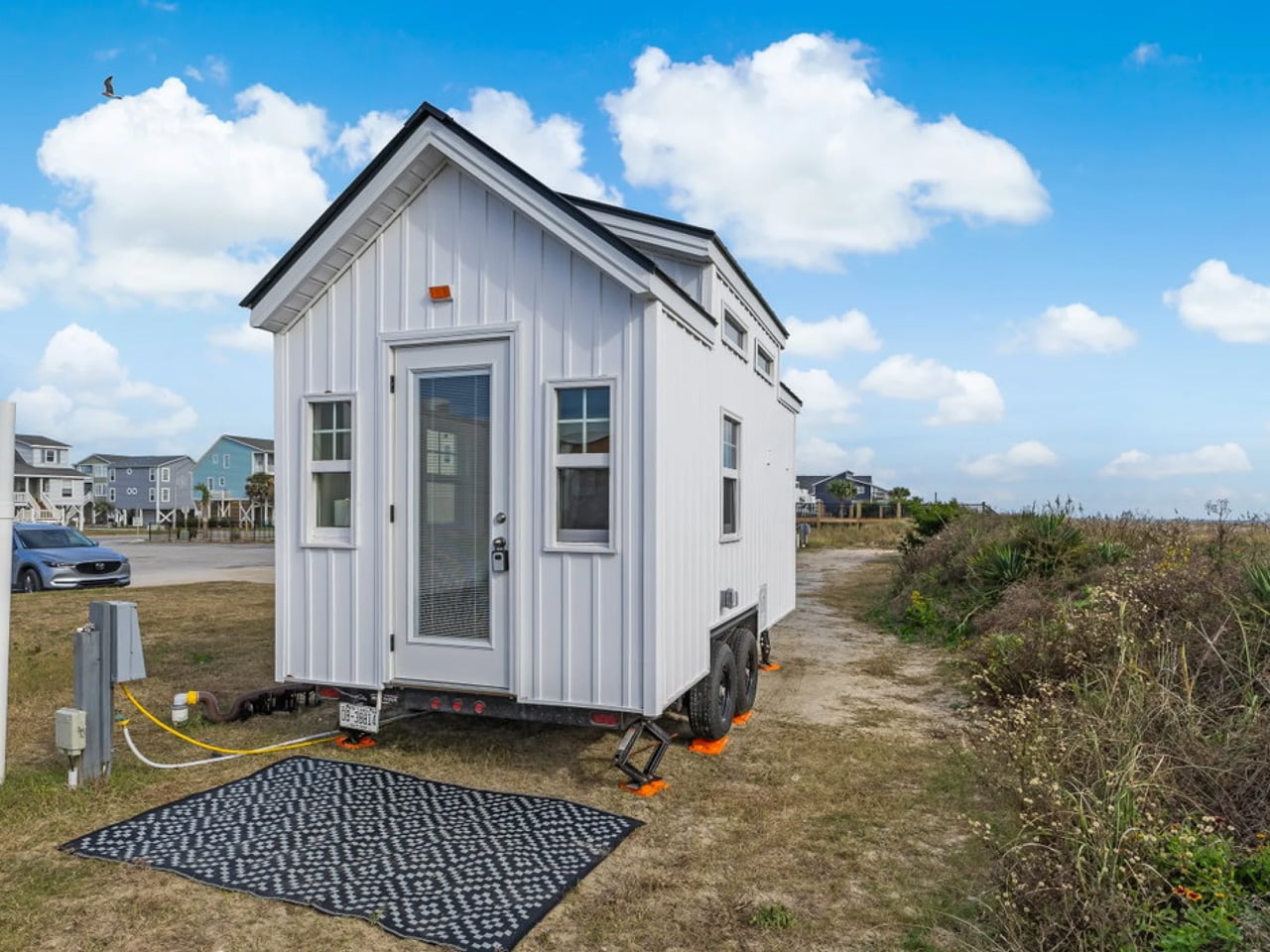
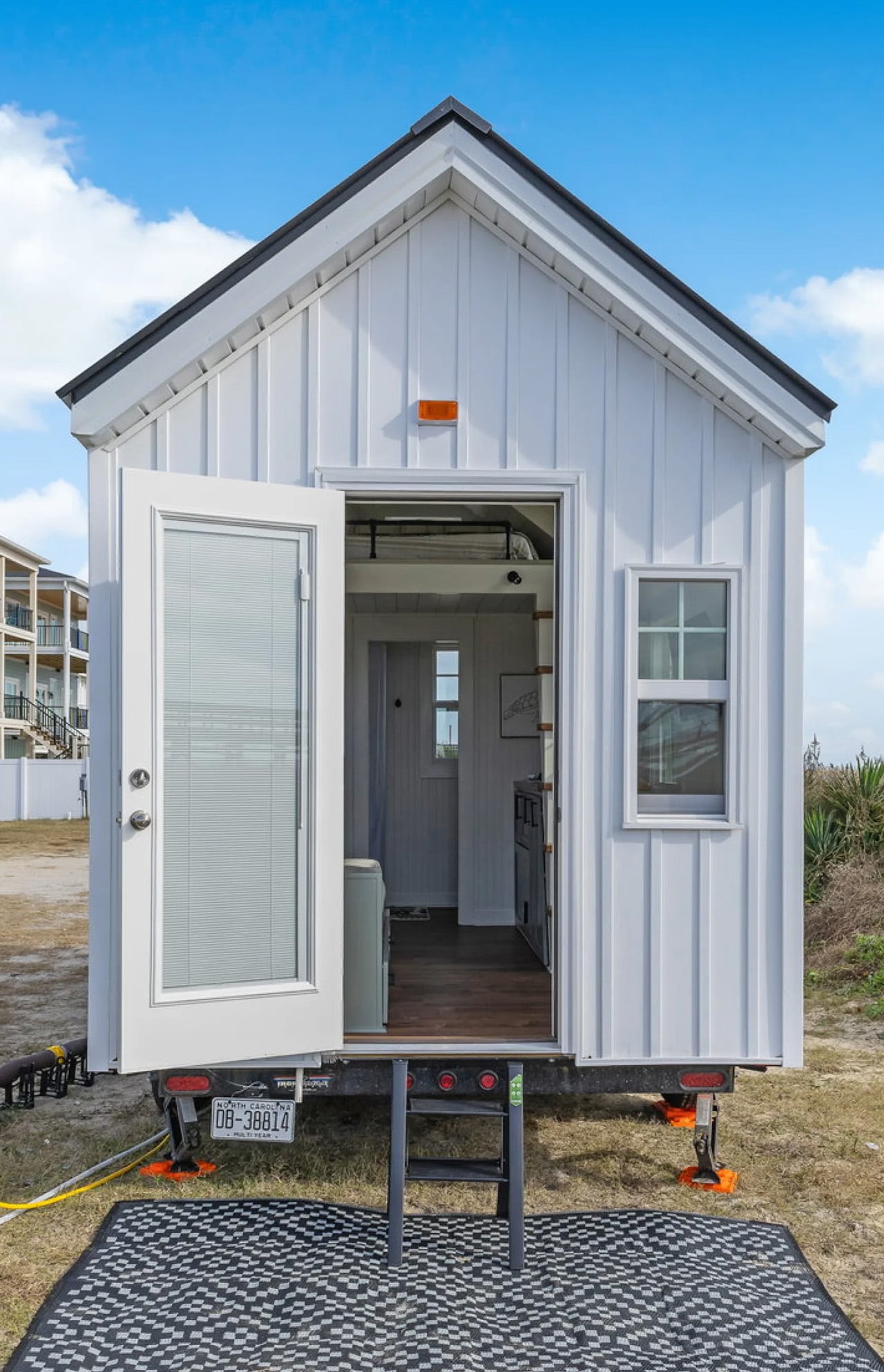
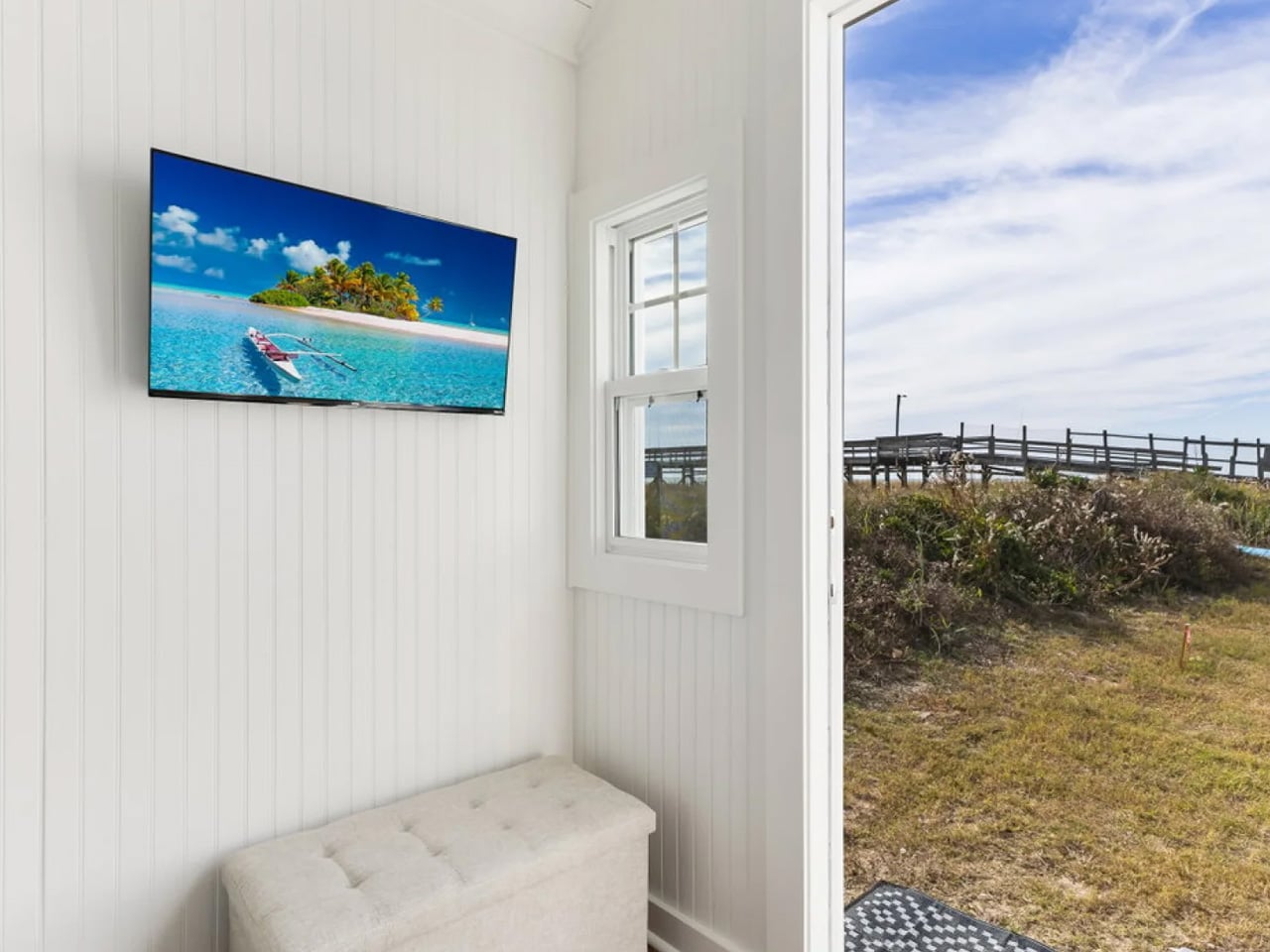
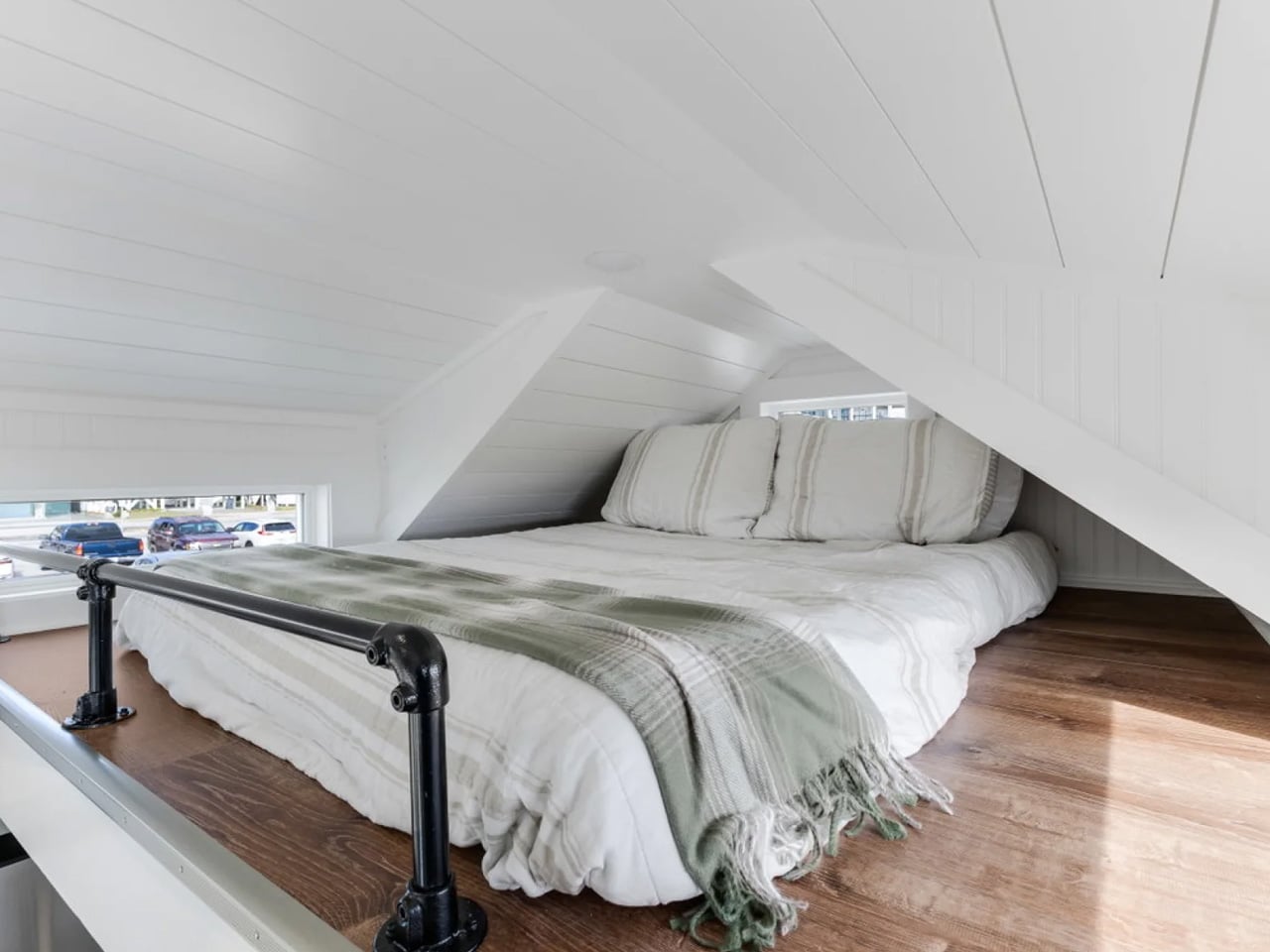
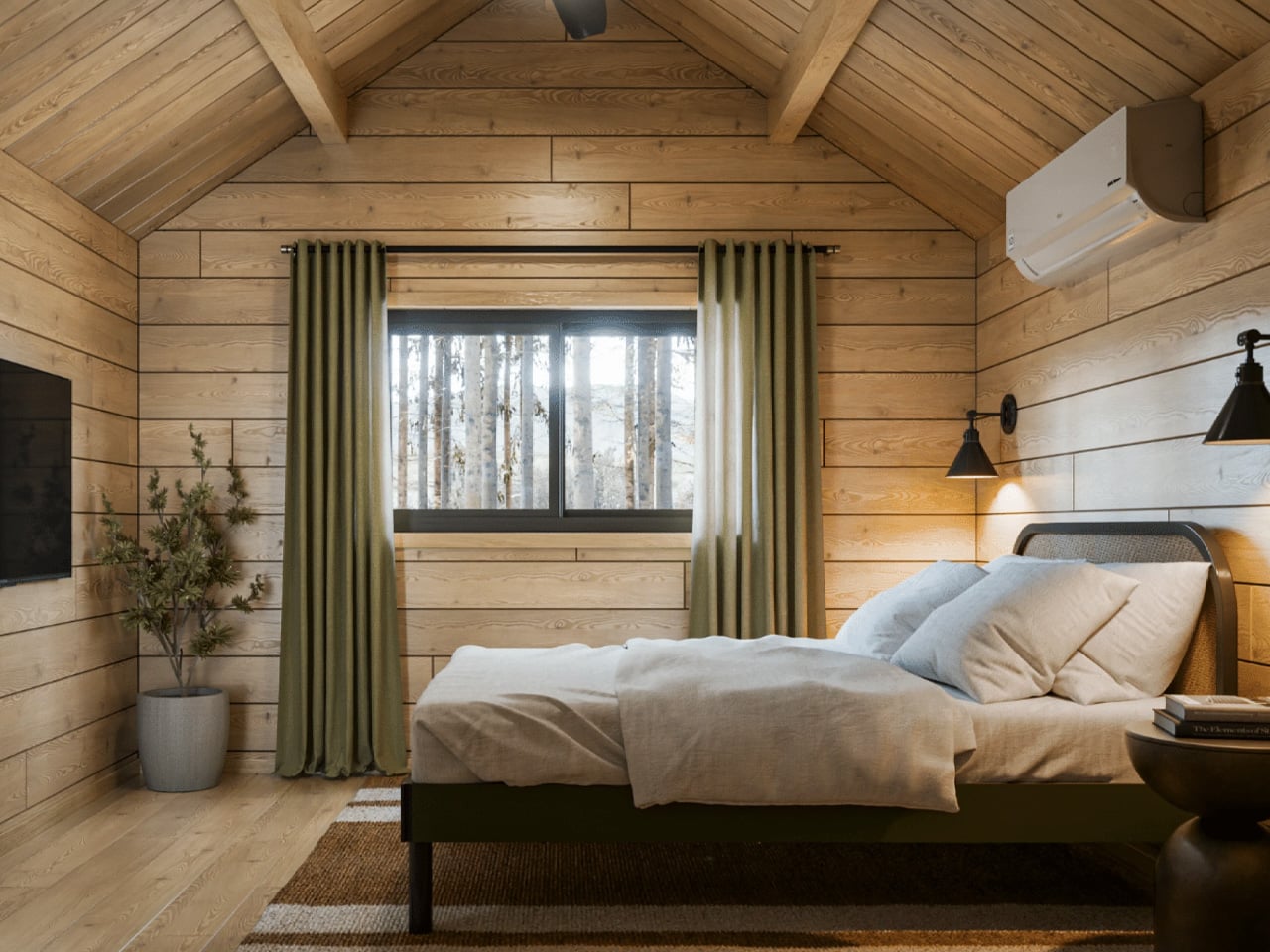
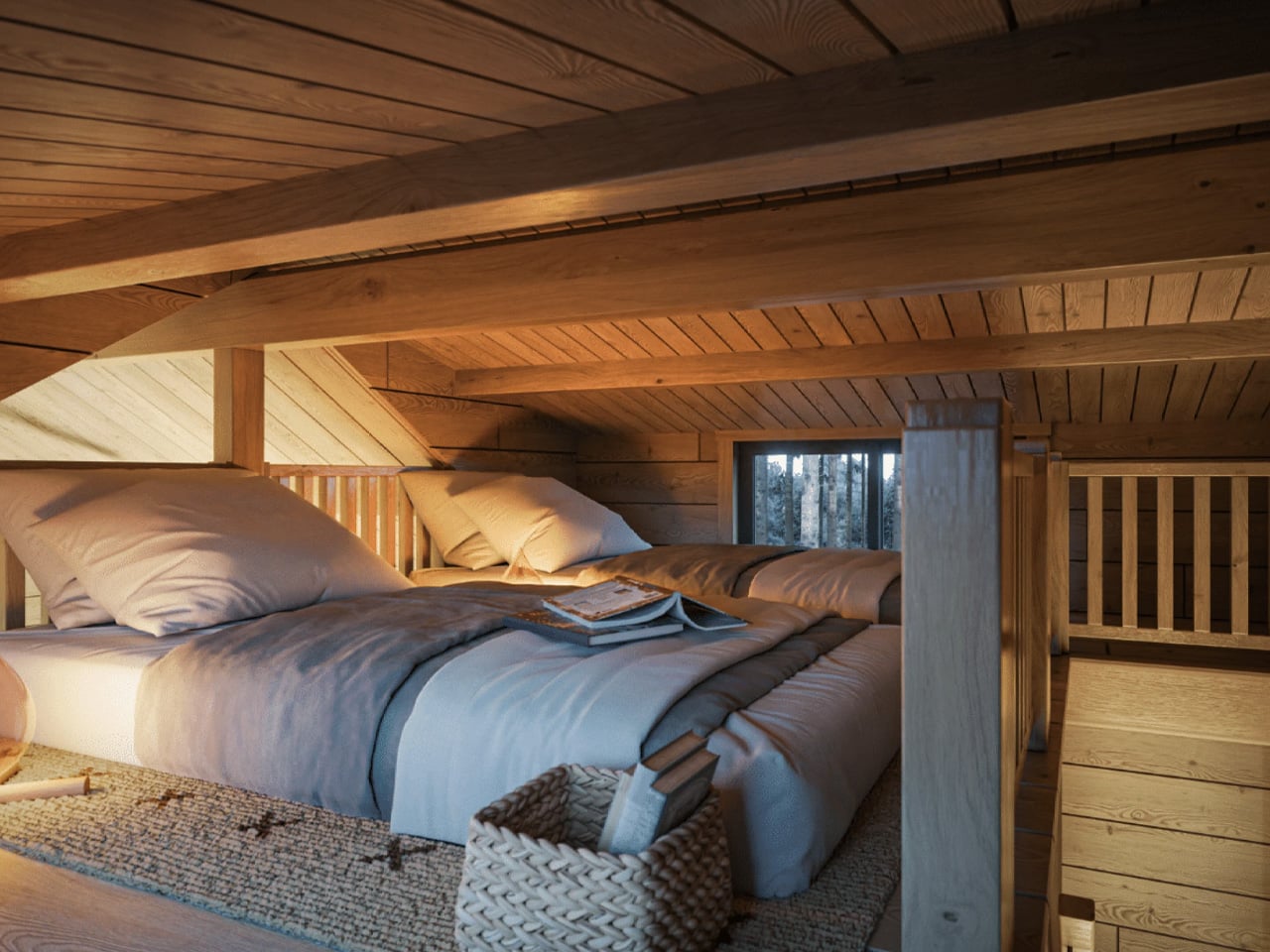
Nestled in the peaceful Swedish countryside, Vagabond Haven’s Sofia tiny house proves that living small doesn’t mean sacrificing style or comfort. At just 172 square feet, this compact dwelling has captured the attention of the tiny house community for its clever use of space and its unrelenting connection to nature. The first thing you notice about Sofia is the windows. Large panoramic panes wrap around the interior, while a strategically placed roof skylight sits directly above the king-sized bed. This design choice transforms the sleeping area into a private observatory where residents can watch clouds drift by during the day and count stars at night. The bohemian chic interior complements this openness, creating an atmosphere that feels more like a cozy retreat than a tiny house.

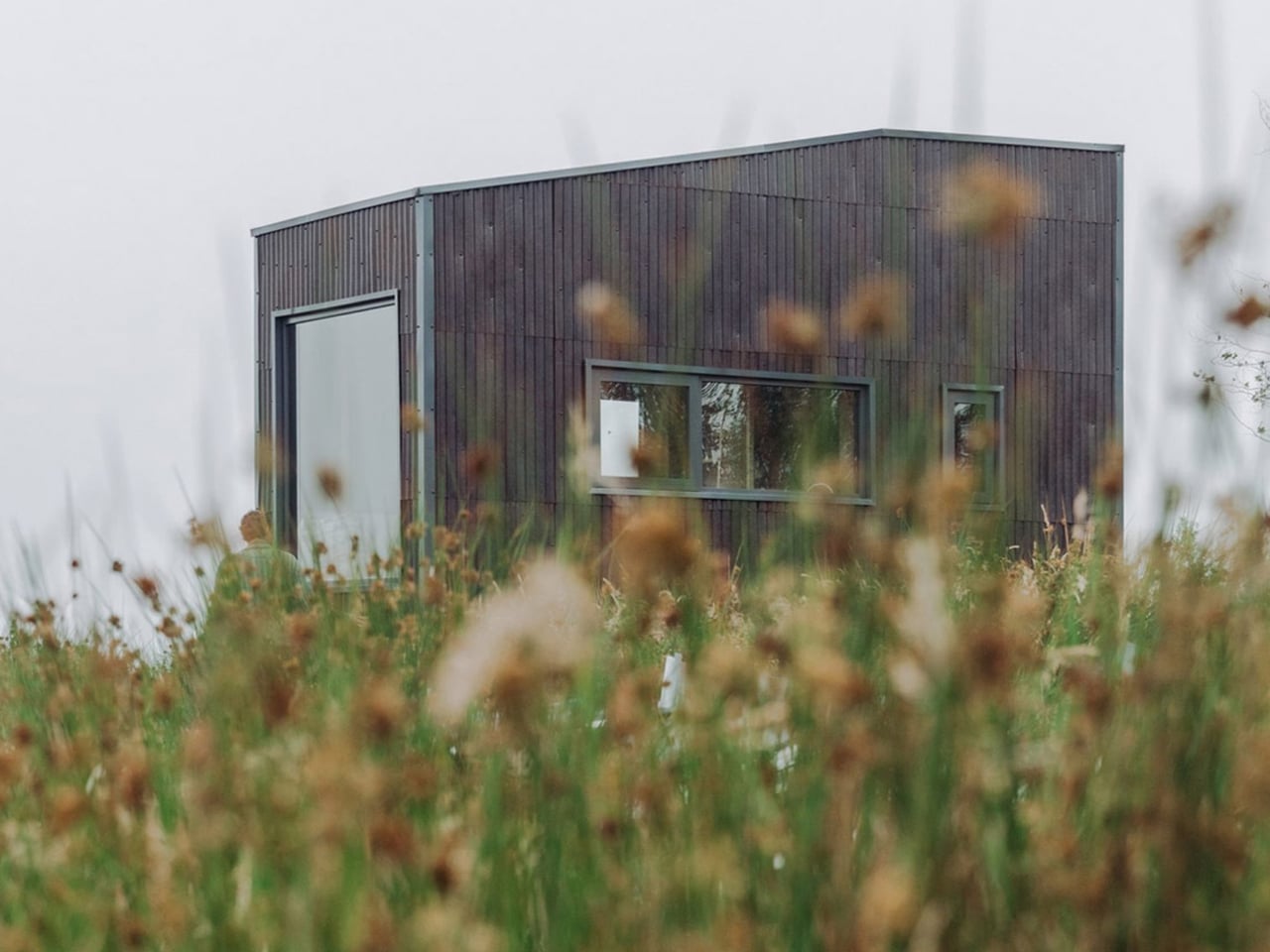
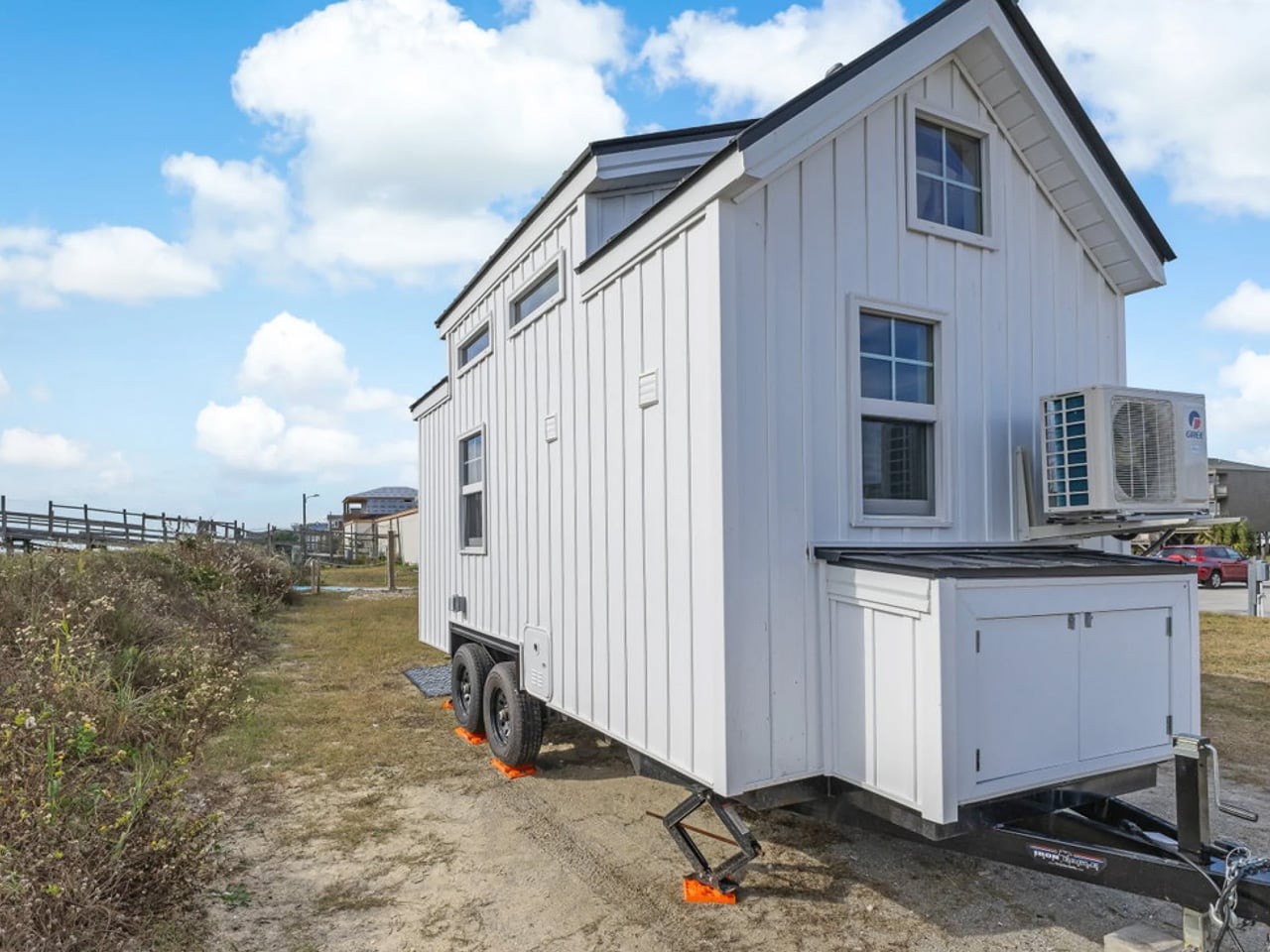
Built on a double-axle trailer measuring 20 feet in length, Sofia maintains the mobility that makes tiny house living so appealing. The spruce construction keeps the weight manageable while providing the structural integrity needed for Scandinavian winters. Vagabond Haven designed this model specifically for year-round living in harsh Nordic conditions, ensuring robust insulation and high-quality materials throughout. The dimensions measure 6.1 meters in length, 2.55 meters in width, and 4 meters in height, creating a profile that’s road-legal yet surprisingly spacious once inside.

Designer: Vagabond Haven

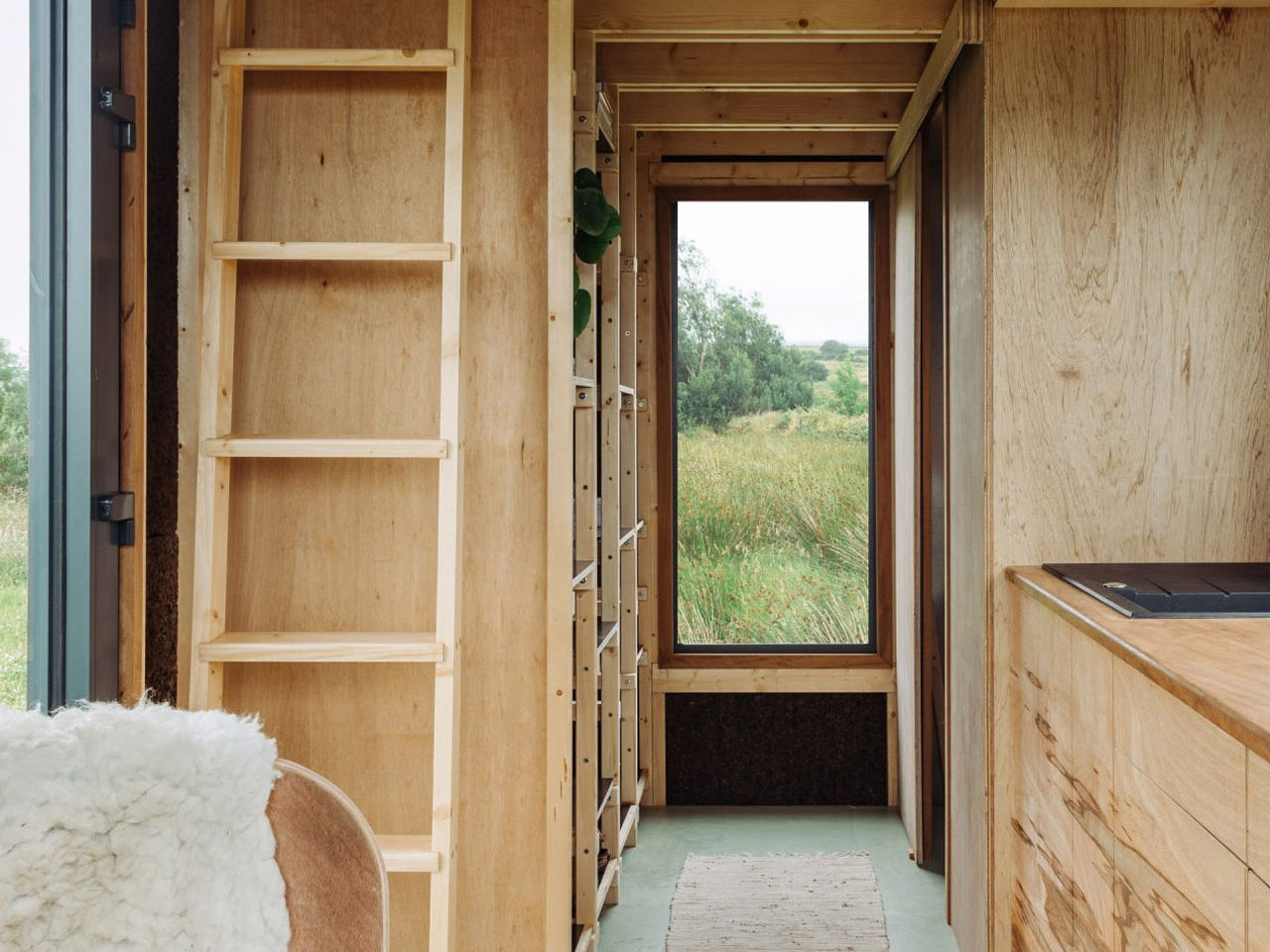
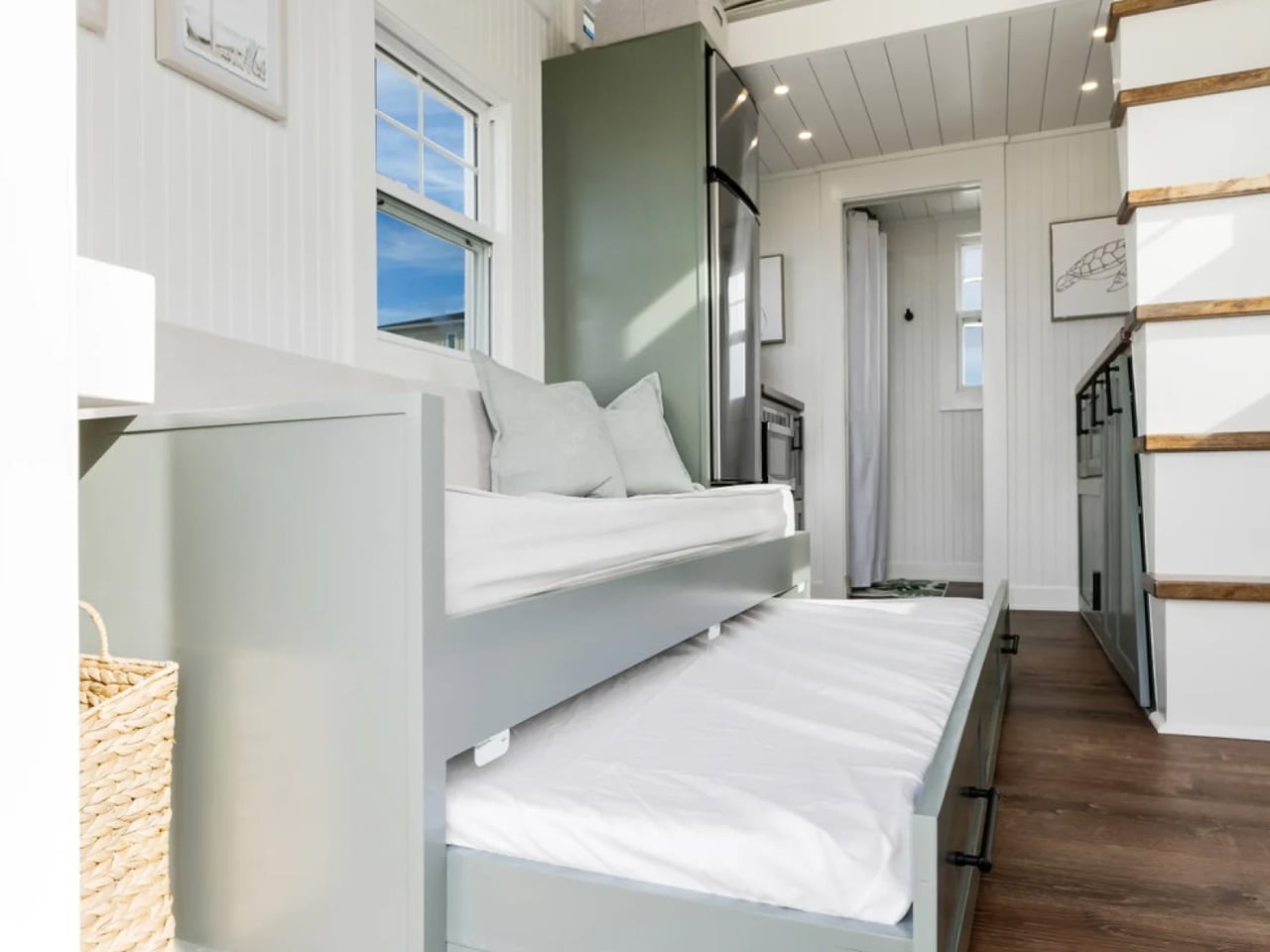
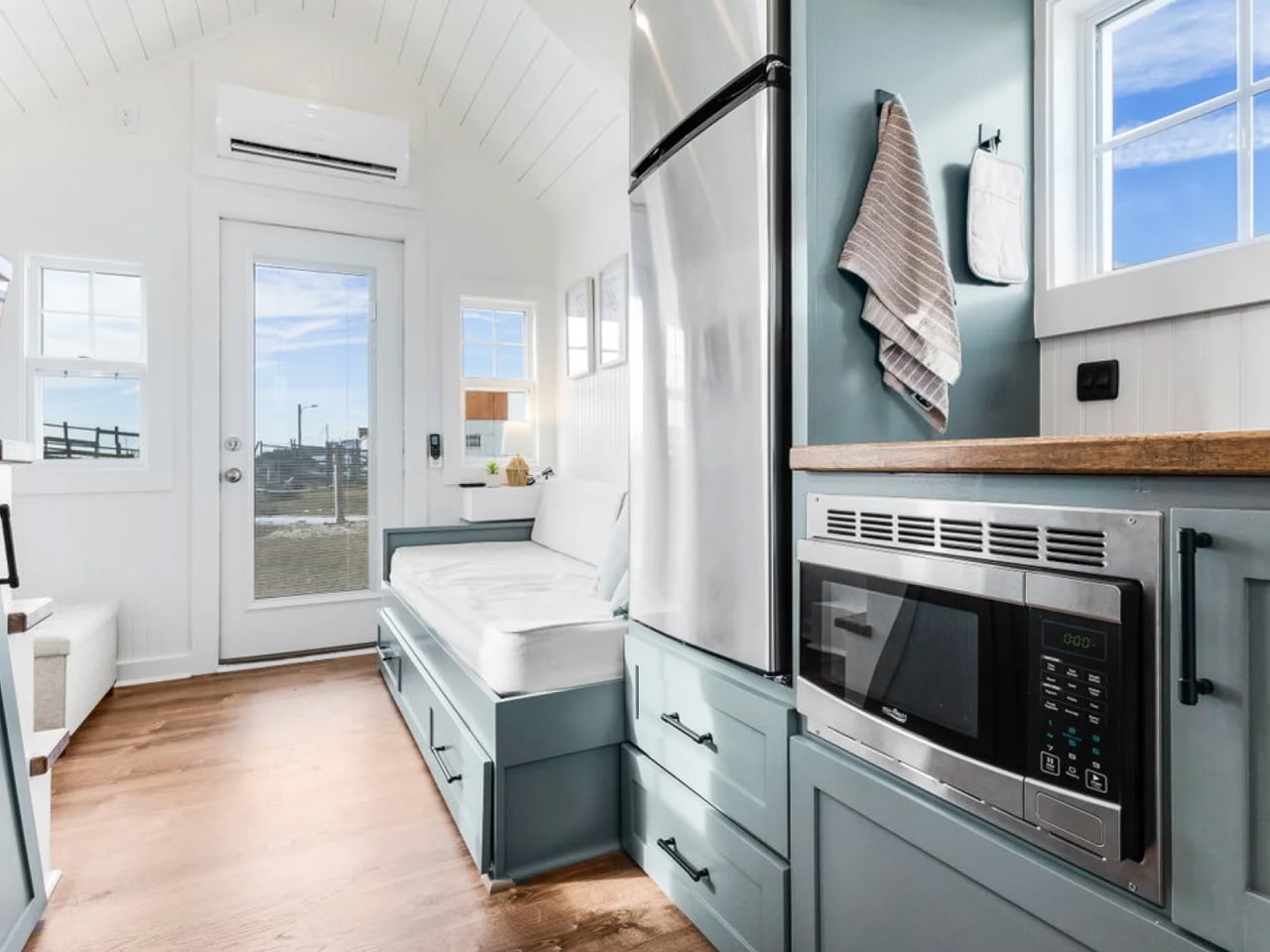
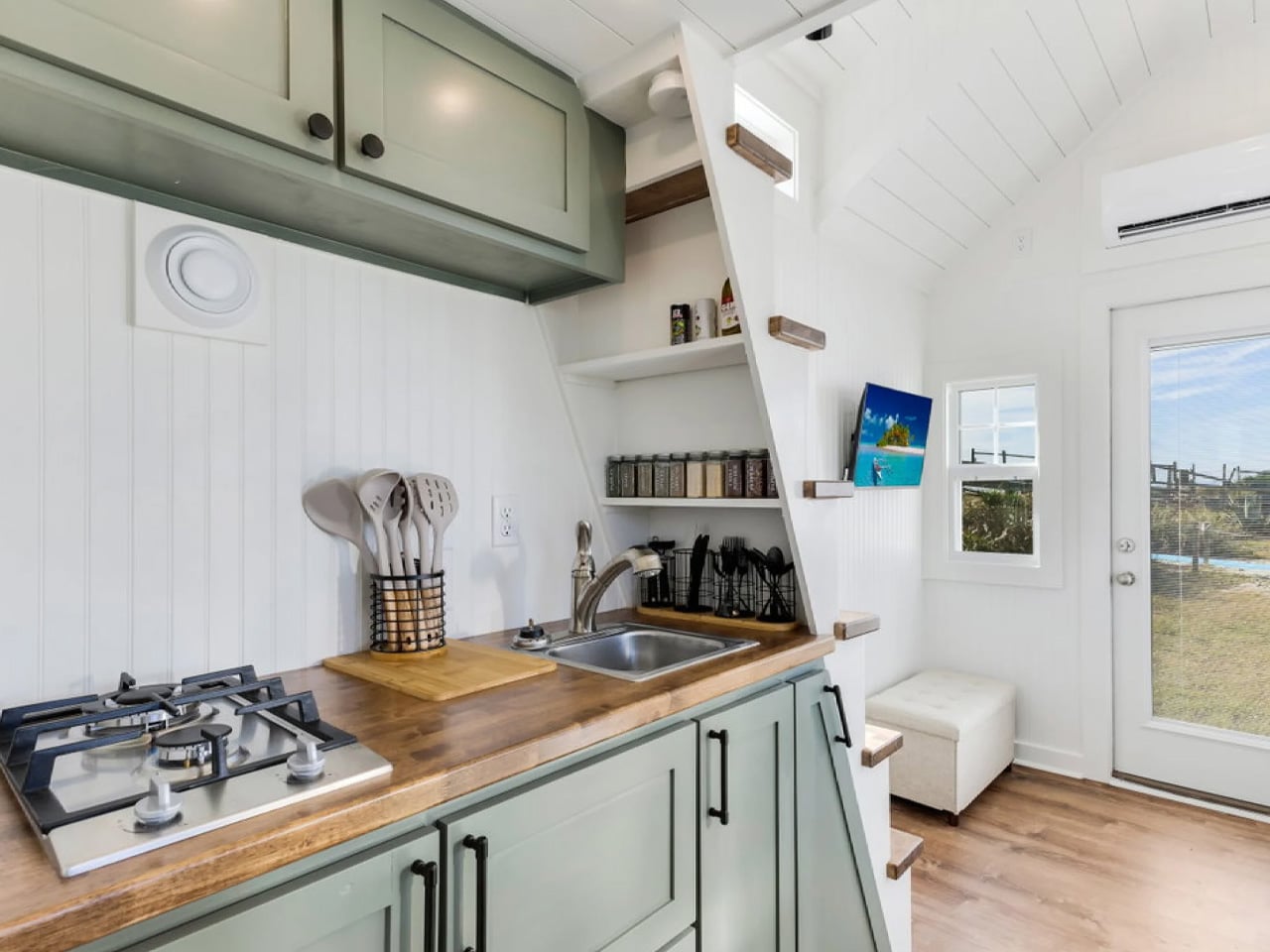
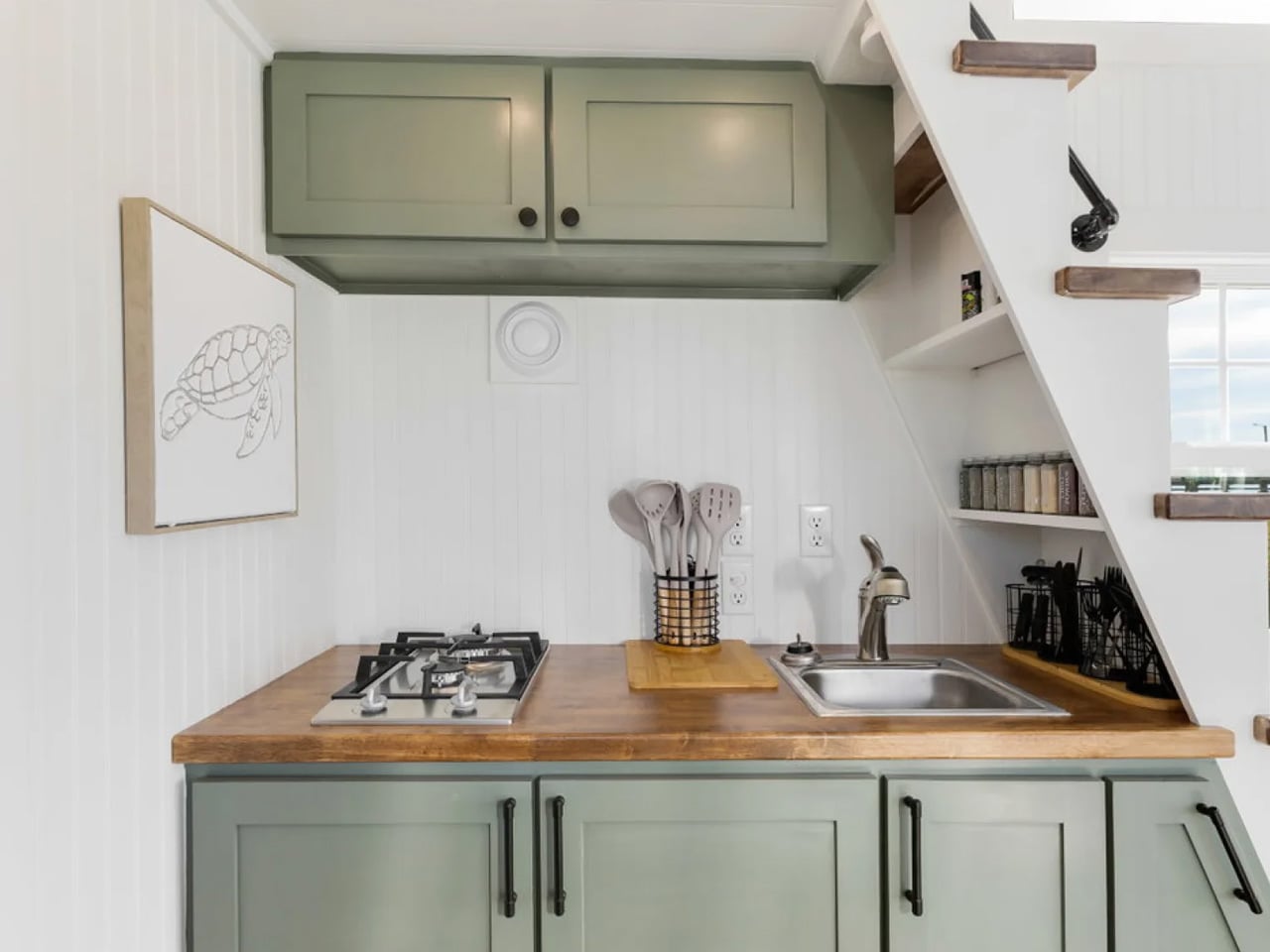
The interior layout showcases thoughtful space planning. The elevated bedroom platform doubles as storage, with slide-out furniture tucked beneath that transforms the area from sleeping quarters to living space. A well-equipped kitchen lines one wall, featuring everything needed for daily cooking without feeling cramped. The living area adapts to different needs throughout the day, proving that 16 square meters can accommodate more activities than you’d expect. This transforming interior design has earned Sofia recognition for making such a compact footprint surprisingly livable for two people.

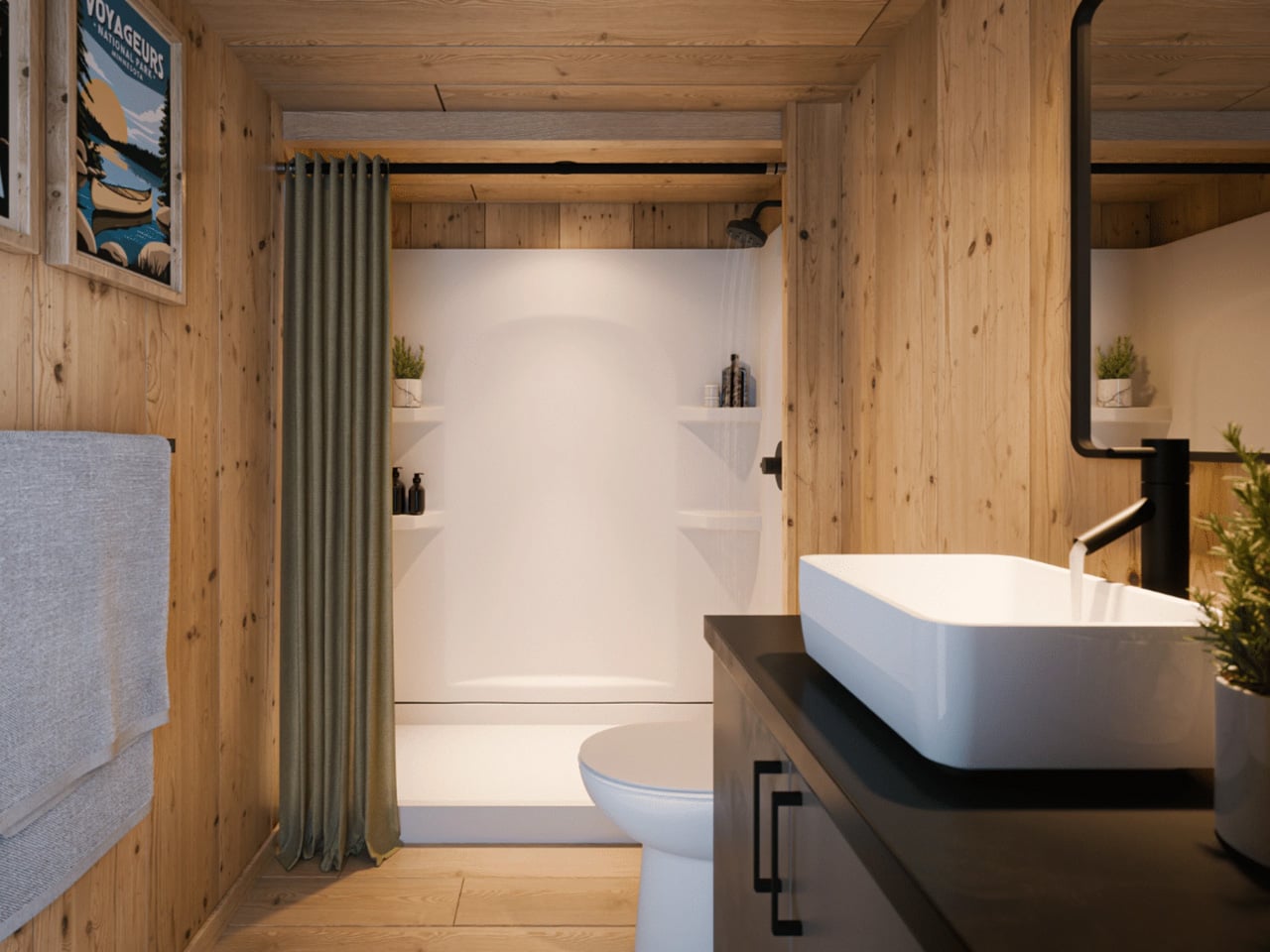
The bathroom deserves special mention for its wet-room design using Fibo Trespo panels. Buyers can choose between flush, composting, or Cinderella incinerating toilets, making the Sofia adaptable to various locations and lifestyles. The shower cabin offers either curtain or glass door options, while an energy-saving water heater keeps utility costs low. These choices reflect Vagabond Haven’s commitment to customization within their standardized models. A cupboard with washing basin and options for infrared or regular mirrors complete the bathroom setup, proving that compact spaces can still offer genuine comfort and flexibility.

What sets Sofia apart from other tiny houses in its size category is the attention to eco-friendly details. The company uses sustainable materials throughout construction and offers various off-grid solutions for those seeking complete independence. A rainwater harvesting system, a recuperator for ventilation, and options for solar power mean Sofia can sit comfortably in remote locations far from municipal services. The design philosophy behind Sofia recognizes that tiny house dwellers want genuine quality, not just miniaturized versions of conventional homes. Every cabinet, window placement, and storage solution serves multiple purposes. The result feels intentional rather than cramped, stylish rather than sparse.

For those interested in seeing Sofia firsthand, Vagabond Haven offers a 3D virtual tour on their website, allowing potential buyers to explore the space before making the journey to Sweden. Ready-built models can ship within two to four weeks when in stock, while custom orders take longer but allow buyers to select specific materials, colors, and finishes that match their vision. Sofia represents a sweet spot in the tiny house market: small enough to remain affordable and mobile, yet large enough to serve as a legitimate full-time home for couples or solo dwellers seeking connection with nature and freedom from excess.

The post This 172-Square-Foot Tiny House Transforms to Feel Surprisingly Spacious first appeared on Yanko Design.
A Ring of Light: Ancient Symbols Meet Modern Art at Giza

Picture this: you’re standing on the Giza Plateau, the Great Pyramids towering behind you as they have for 4,500 years, and suddenly there’s something new in this ancient landscape. A massive aluminum ring that looks like it fell from the future, catching sunlight and throwing it back at history itself. That’s exactly what Turkish artist Mert Ege Köse just dropped on us with “The Shen,” and honestly, it’s the kind of art installation that makes you stop scrolling and actually want to book a flight to Egypt.

“The Shen” is currently on display as part of Art D’Égypte’s “Forever Is Now” exhibition, now in its fifth edition, and it’s doing something really special with how we think about contemporary art in historical spaces. The sculpture isn’t trying to compete with the pyramids or overshadow them. Instead, it creates this incredible dialogue between ancient Egyptian symbolism and modern design sensibility.

Designer: Mert Ege Köse

The name itself is a clue to what Köse is up to. In ancient Egyptian hieroglyphics, the Shen symbol represented eternity and protection, depicted as a circle of rope with no beginning or end. It’s basically the OG infinity symbol, showing up in royal cartouches and religious texts throughout pharaonic history. Köse took that concept and supersized it into a monumental aluminum structure that frames the pyramids like the world’s most epic viewfinder.

What makes this work so compelling is how it plays with reflection and perception. The polished aluminum surface doesn’t just sit there looking pretty. It actively engages with its surroundings, capturing the shifting desert light, the blue Egyptian sky, and the ancient stones in a constantly changing display. Depending on where you stand and what time of day you visit, you’re basically looking at a different artwork. It’s responsive design taken to a literal, sculptural extreme.

Köse has built his practice around creating these kinds of sculptural works that bridge tradition and innovation. His pieces typically feature smooth surfaces and malleable aluminum alloys, materials that feel distinctly contemporary while still carrying a sense of timelessness. There’s a poetic quality to his work that doesn’t hit you over the head with meaning but instead invites you to find your own connections.

The location matters enormously here. Art D’Égypte has been pushing boundaries with “Forever Is Now” since 2021, transforming the Giza Plateau into an open-air gallery where contemporary artists from around the world respond to one of humanity’s most iconic historical sites. It’s not just about plunking modern art next to ancient wonders for the shock value. The exhibition carefully considers how contemporary creative practice can illuminate and honor historical context rather than clash with it.

“The Shen” succeeds because it understands this balance. The circular form echoes not just the ancient Egyptian symbol but also the eternal cycle that the pyramids themselves represent: life, death, and the continuity of human creative expression across millennia. When you look through the ring toward the pyramids, you’re literally framing history through a contemporary lens. It’s a visual metaphor that works on multiple levels without feeling forced or pretentious.

There’s also something to be said about accessibility here. Unlike a lot of monumental sculpture that feels designed for art world insiders, “The Shen” is immediately photographable and shareable. It gives visitors a way to interact with both the artwork and the pyramids in a fresh way. In our current moment where experience and documentation are so intertwined, that matters. The sculpture becomes a portal, not just literally but also digitally, connecting people worldwide to this ancient site through contemporary art.

As an emerging voice in Turkish contemporary art, Köse is making moves that position him well beyond regional recognition. Bringing “The Shen” to Egypt, working at this scale, and creating something that genuinely enhances one of the world’s most significant historical sites is the kind of project that defines careers. What “The Shen” ultimately offers is something increasingly rare: art that makes you feel something without requiring an art history degree to understand it. It’s beautiful, it’s thoughtful, and it reminds us that the conversation between past and present doesn’t have to be complicated to be profound. Sometimes all you need is a perfect circle of light.

The post A Ring of Light: Ancient Symbols Meet Modern Art at Giza first appeared on Yanko Design.
These Nest-Like Pods Show Prefab Architecture Doesn’t Have To Look Prefab

Nestled within China’s Senbo Amusement Parks, a new architectural vision is taking root. The Forest Nests Treepod Project by Doarchiwow challenges everything we thought we knew about modular construction, transforming prefabricated building into an art form that breathes with its surroundings. These aren’t your childhood treehouses. Each dwelling rises from the landscape like a sculptural organism, its steel skeleton wrapped in layers of wood shingles, weathering steel, aluminum, and glass.
The genius lies in how these materials work together, creating structures that feel less constructed and more cultivated. They could be oversized cocoons suspended in time or nests woven by some mythical creature. What they don’t look like are typical modular buildings, and that’s entirely the point. Doarchiwow, a subsidiary of DO Architects specializing in high-quality prefabricated systems, spent years developing this concept. Design work began in 2021, with the 441.92-square-meter project finally completing in 2025 across two locations in Rizhao, Shandong and Wuhan, Hubei.

Designer: Doarchiwow

Step inside and the experience shifts. Smart home systems and digital networks handle the technical side while floor-to-ceiling glass opens up views of the canopy. The interior curves follow those same organic lines from the exterior. It’s surprisingly spacious for a micro-living unit. Doarchiwow was trying to solve a tricky problem here: how do you mass-produce something that still feels custom? The standardized shell allows for efficient construction, but the spaces inside feel tailored. The pods work as individual retreats while functioning as part of a larger network.

The sustainability angle goes deeper than surface-level green building tactics. Tang Jiajia, Wang Wenrui, and Jiang Hong led a design team that built a three-part environmental strategy into the project. Passive design, active environmental tech, and construction methods that respond to microclimate conditions. Prefabrication keeps ground disturbance minimal. Material waste drops. On-site labor requirements shrink. Each pod essentially runs as its own environmental system, capable of adjusting to different settings and weather patterns.

That adaptability matters because this model could theoretically pop up anywhere. Urban green spaces, protected natural areas, coastal zones, mountain forests. The fluid shapes refuse to look out of place, which is rare for modular buildings. Most prefab structures announce themselves loudly. These ones settle in quietly. It’s a replicable approach that doesn’t require starting from scratch each time.

Doarchiwow seems interested in changing how we think about vacation spaces and construction methods at the same time. They’re targeting boutique resorts, high-end campsites, rural tourism markets. Forest Nests makes the case that prefab doesn’t mean compromising on design or environmental responsibility. You can have efficiency and beauty. The structures prove it’s possible to build quickly without bulldozing the site or creating eyesores. Whether this becomes a widespread model remains to be seen, but it’s a compelling direction for sustainable resort development.

The post These Nest-Like Pods Show Prefab Architecture Doesn’t Have To Look Prefab first appeared on Yanko Design.