
Here’s where you want to be to see the 2026 solar eclipse
If you want the best view of the 2026 solar eclipse, you'll need to travel to Spain or Iceland.
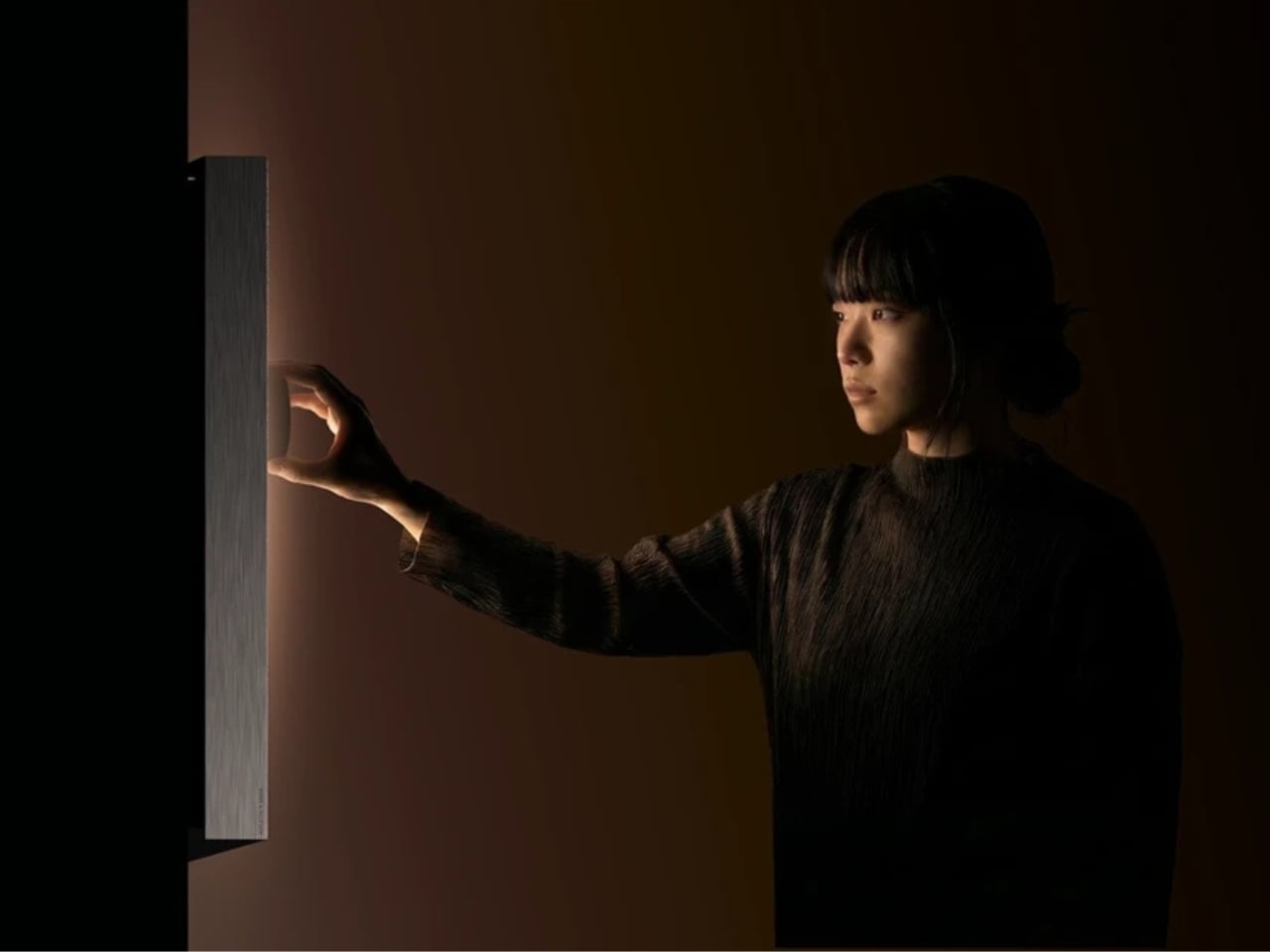
Most speakers are designed to disappear. They sit on a shelf, blend into a bookcase, or hide in a cabinet, quietly doing their job until you need them and then fading back into the background. Mårten Malmnäs, a graduate from the Umeå Institute of Design, designed something that pushes back against all of that.
The Beosound Tableau is a wall-mounted audio object developed in collaboration with Bang & Olufsen. Malmnäs calls it “a fireplace for music,” an instrument not just for listening, but for living. The moment I read that, I had to stop. Because I’ve never heard a speaker described that way before, and suddenly, I couldn’t think of a more fitting comparison.
Designer: Mårten Malmnäs

Think about what a fireplace actually does. Yes, it produces heat, but that’s almost beside the point. A fireplace creates presence. It becomes the thing a room organizes itself around. People pull their chairs toward it, conversations happen because of it, and its absence is genuinely felt. That’s a completely different design brief than “fits on your desk” or “connects to your phone.”
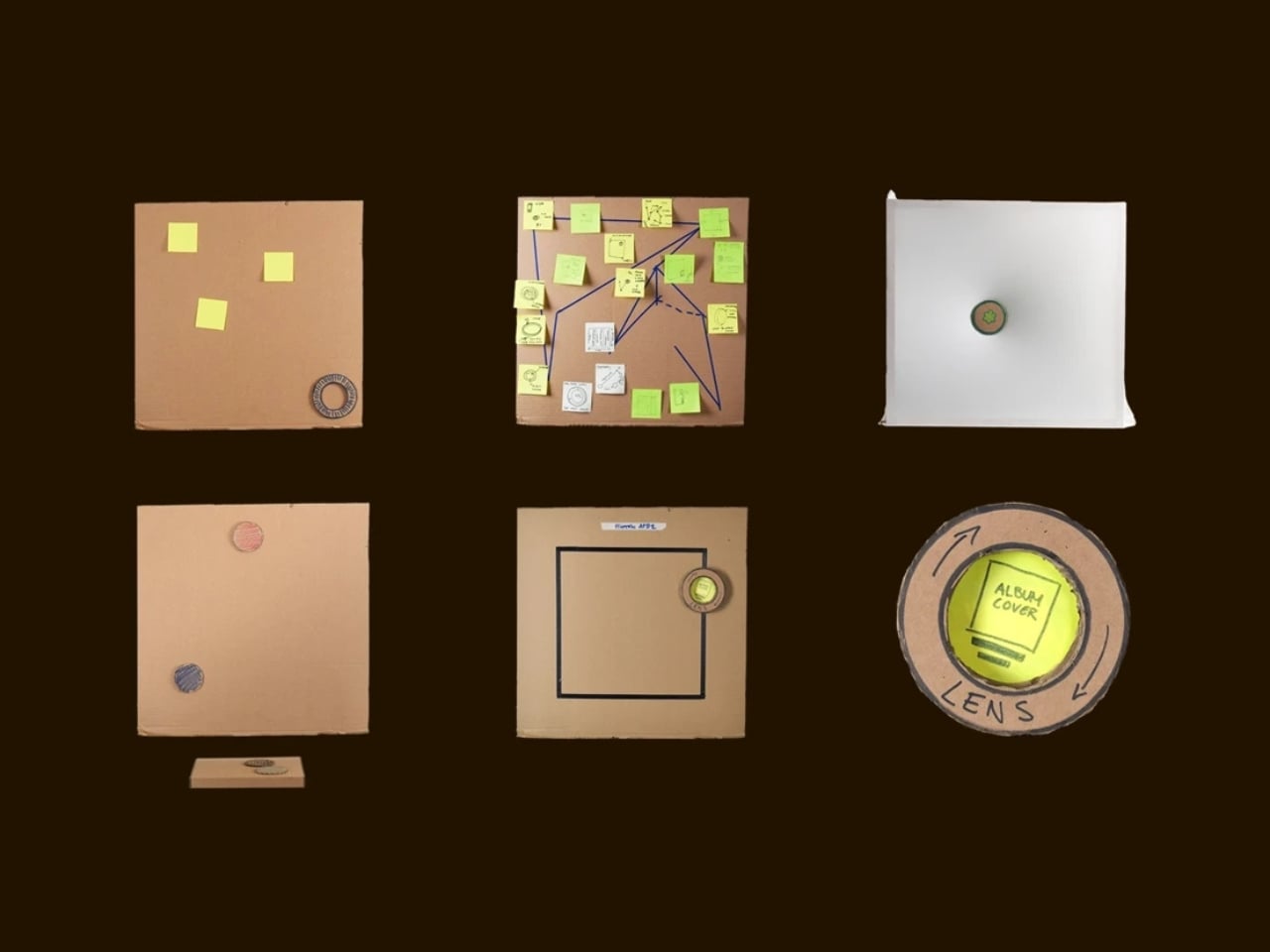
Malmnäs started the project with a design probe, a research method that explores the relationships people have with their homes, and from that came a set of experiments around values and behaviors. Eight experimental directions emerged from the ideation phase, spanning different input and output formats. Three of those directions clearly answered the design responsibilities he’d set for the project, and their shared qualities pointed toward one resolved object.
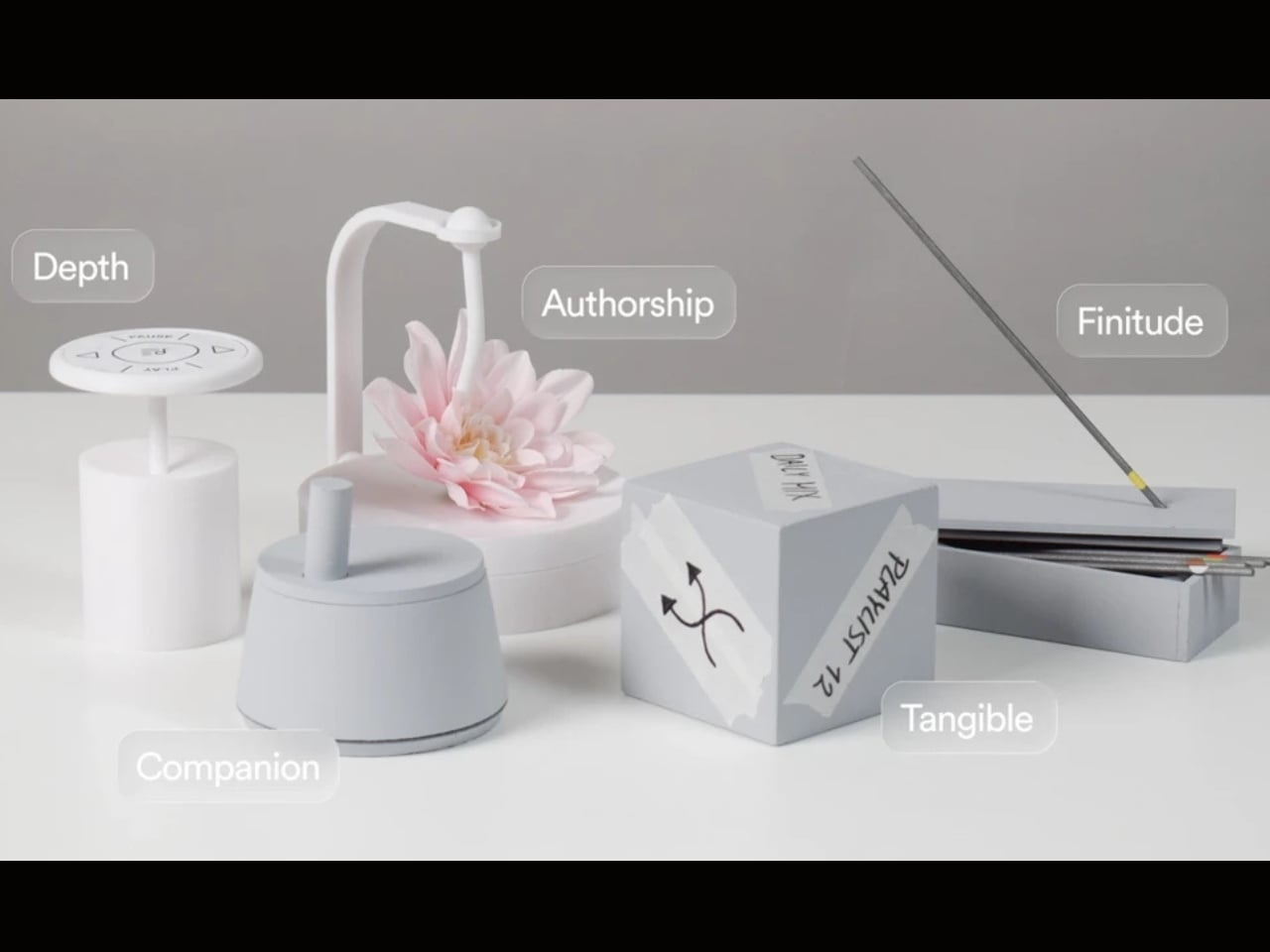
Here’s where it gets interesting. The original concept for the Tableau was screen-based, but a method called Wizard of Oz testing, where a human simulates the system to observe how people actually interact with it, pushed the design somewhere more honest. The interaction model shifted from screens to navigation by sound. And the principle that came out of it became the foundation of the whole concept: the most honest interface for a music object is music itself.
That’s a provocative idea. We’ve spent years layering more and more visual UI on top of audio experiences. Every streaming service competes on the complexity of its recommendation algorithm, the visual polish of its playlist covers, the grid of album art. Malmnäs argued the opposite, that sound should speak for sound. The result is the Sonic Token, a physical object that mediates between the listener and the Tableau. Tactile, intentional, and completely different from scrolling a touchscreen.
The Tableau is positioned as a focal thing for the home. An object to gather around and tend to. That language is deliberate, and it’s also a little radical. “Tending” to an audio object implies care and attention, a relationship rather than a transaction. You don’t tend to a Bluetooth speaker. You don’t gather around an app.
Bang & Olufsen has always occupied a rare space in the audio world, where design and sound hold equal weight, and where a product can belong in a design museum and still deliver extraordinary sound. But even by B&O’s standards, the Tableau concept asks a genuinely new question: what if the speaker were the focal point of the room, rather than just a feature of it?
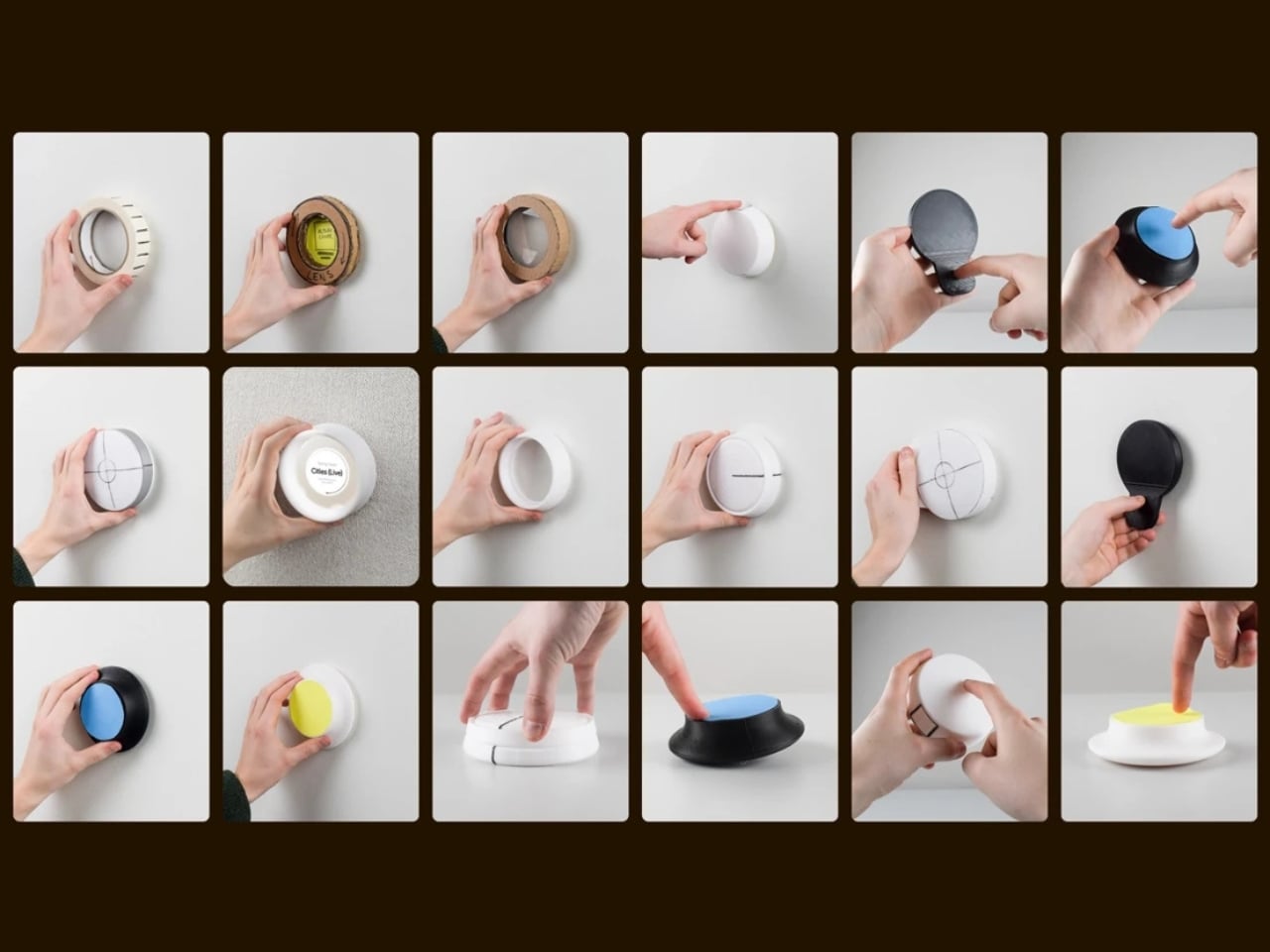
There are fair questions about how a concept like this survives beyond a graduate show. The hands-on, material-driven process Malmnäs used, with 1:1 mock-ups and rigorous testing of the Sonic Token’s form and function, suggests this isn’t a vague idea dressed up in renders. It was built and tested as a real object. Whether it eventually reaches production or stays as a collaborative concept between a student designer and one of the world’s most revered audio brands is another matter.
But the value of the Beosound Tableau isn’t only in whether it ships. It’s in the question it refuses to let go of: why have we settled for speakers that ask nothing of us? The alternative, a speaker that earns its place on the wall, makes music feel like a gathering, and treats sound like something worth being present for, sounds like exactly what the living room has been missing.

The post Bang & Olufsen’s New Speaker Concept Is a Ritual, Not a Device first appeared on Yanko Design.


Car companies figured this out decades ago. You build one solid platform, then you stretch it, armor it, or strip it down depending on who is buying. A pickup and an SUV can share more bones than you would think. AutoFlight just applied the same logic to flying machines, and honestly, it is kind of wild that nobody in the eVTOL space was doing this loudly before.
Their 2-ton airframe is the base recipe. From there you get Prosperity, the passenger taxi, plus a cargo hauler, a firefighting variant, and a beefed up 5-ton sibling called the Matrix. Same DNA, four very different jobs. That is not just clever engineering, it is the kind of design thinking that turns a single good idea into an entire product family.
Designer: AutoFlight
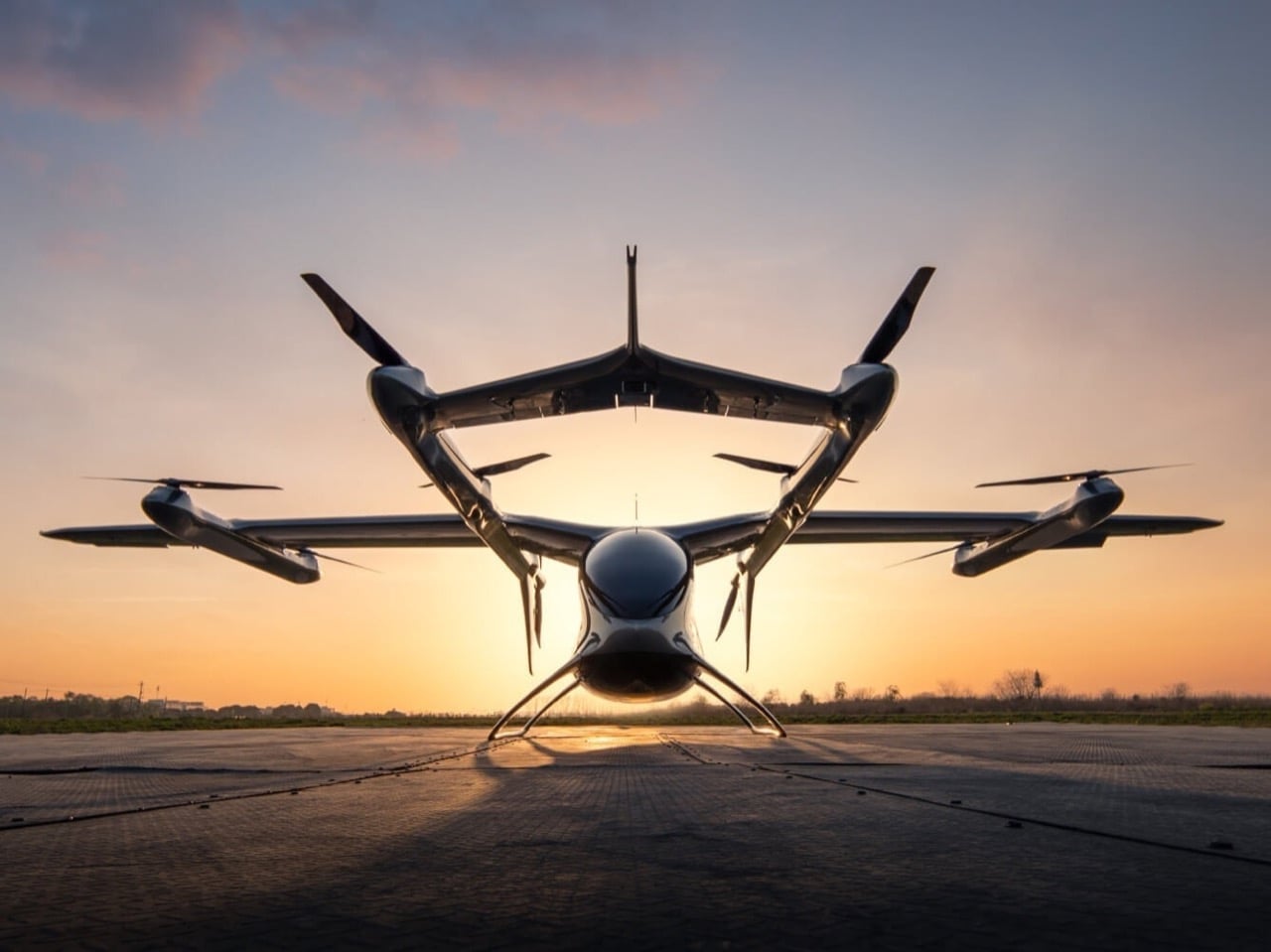
Instead of one long wing with propellers hanging off it, Prosperity splits its lift across two shorter, staggered wing sets, one up top and one lower down, each carrying its own pair of tilting propellers. Seen head on, the whole thing forms a kind of open diamond shape, wings sweeping outward and slightly upward like a bird mid glide. That geometry is not just for show. Shorter wings mean a smaller footprint on the ground, which matters a lot when your business plan involves landing on rooftops and tight urban pads instead of runways. The teardrop cabin tucked underneath keeps the silhouette clean and lets the eye read this as one continuous vehicle instead of a fuselage with stuff bolted onto it.

That same wing and boom architecture is what makes the whole family idea work. Swap the passenger cabin for a cargo pod and you get CarryAll, the variant that has already flown certified deliveries. Reinforce the frame and add water or retardant tanks and you get the firefighting version, built for exactly the kind of terrain where a fire truck cannot reach in time. Scale the structure up and add more lift and you land on Matrix, the 5-ton cousin built for heavier industrial jobs. None of these required AutoFlight to reinvent the aerodynamics from scratch, they just reworked what sits inside the same wing and boom skeleton.

This is also why the Kazakhstan push makes sense as a platform story rather than a one-off sale. AAAG did not just buy a handful of demo units, they signed for 50 aircraft, which only makes financial sense if the underlying platform is flexible enough to serve multiple missions across a country with serious geographic spread. A single certified airframe that can become a taxi one month and a firefighting unit the next is a much easier sell to a government trying to solve connectivity across a huge, sparsely covered region.
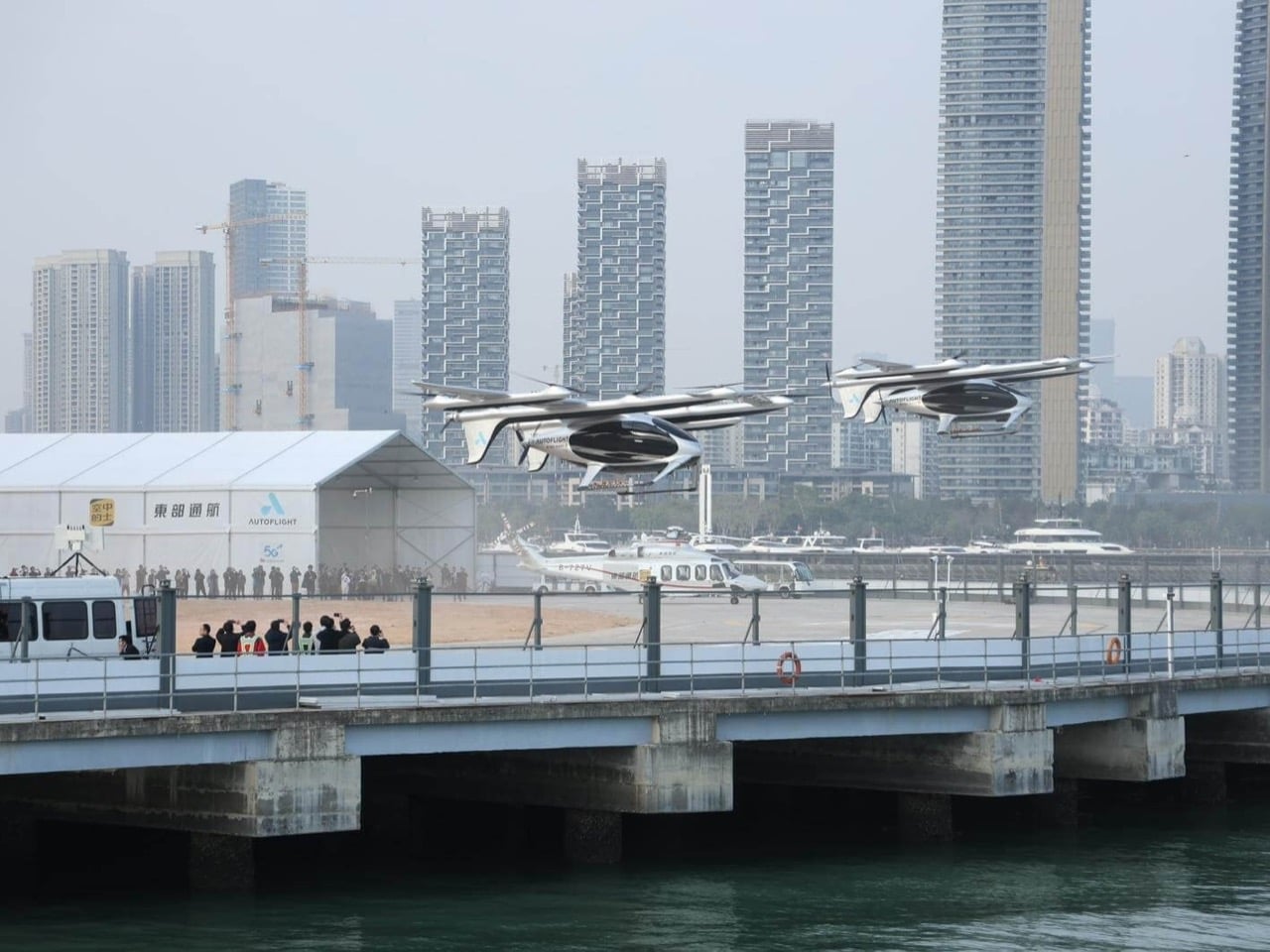
Most eVTOL startups are still fighting just to get one aircraft through certification without going bankrupt. AutoFlight looked at that grind and decided to get four aircraft out of the same paperwork, the same supply chain, and the same wing design. It is a quieter kind of ambition than a flashy air taxi reveal, but it is the kind that actually scales. Watching two Prosperity units and a Matrix fly in formation earlier this year was the moment that platform strategy stopped being a slide in an investor deck and started looking like an actual product family.

The post China built one eVTOL that transforms into an air-taxi, a firefighter, and a 5-ton hauler first appeared on Yanko Design.
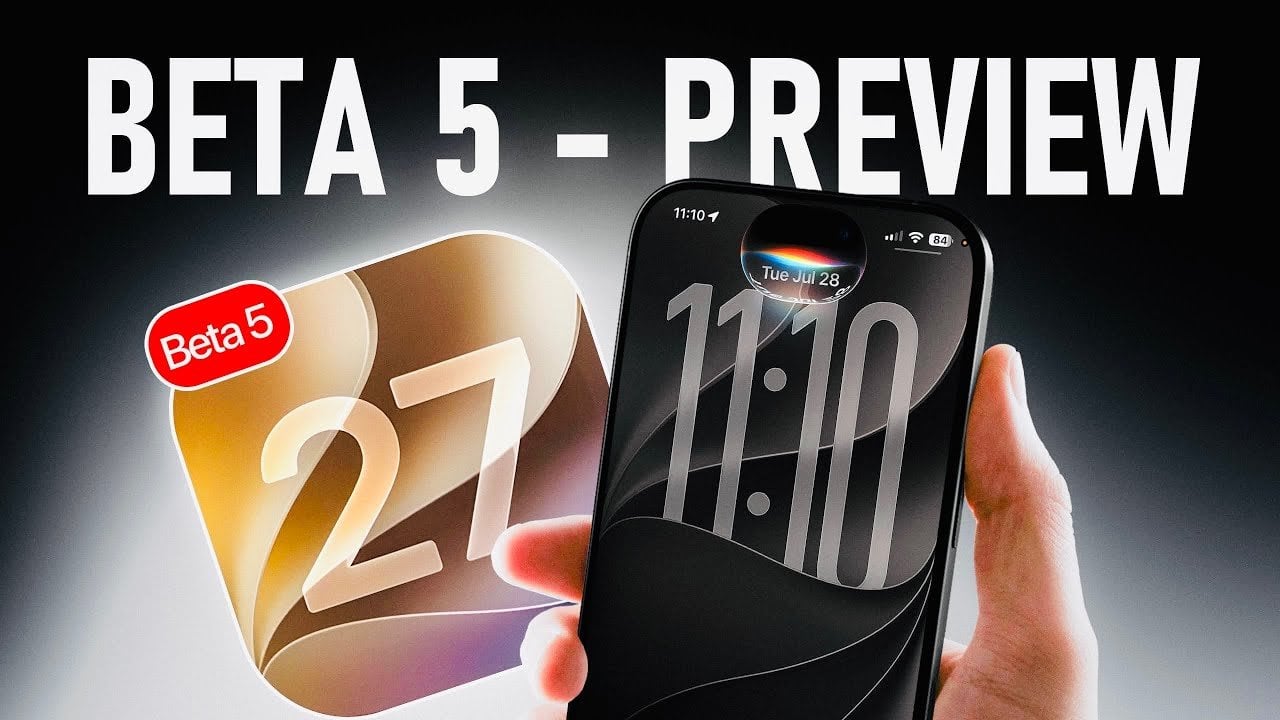
The release of iOS 27 Beta 5 introduces a range of updates designed to enhance usability, customization, and visual appeal. With the official launch anticipated in mid-September, this beta version provides a preview of Apple’s focus on refining the user experience. From improved interface designs to a faster beta release schedule, iOS 27 Beta 5 […]
The post iOS 27 Beta 5 Is Coming Very Soon: Here’s What’s Changing appeared first on Geeky Gadgets.


Jack Dorsey’s latest venture, Buzz, offers a platform aimed at improving communication and collaboration for modern teams. According to Alex Finn, one of its defining features is the integration of AI agents with repositories and team discussions, creating a centralized workspace. For instance, in software development, Buzz’s AI can analyze repository data, team conversations and […]
The post Jack Dorsey’s Buzz Integrates AI Agents and Built-in Repositories appeared first on Geeky Gadgets.
Every time I replace a battery, I think about where it ends up. A AA battery in a remote control, a watch battery in a smoke alarm, the little round one rattling around in a drawer because nobody knows what to do with it. We go through billions of them every year, toss them out without much thought, and then mine more lithium from the earth to make the next round. It’s a loop that’s hard to break, and harder still to look at clearly. But what if the alternative was something alive?
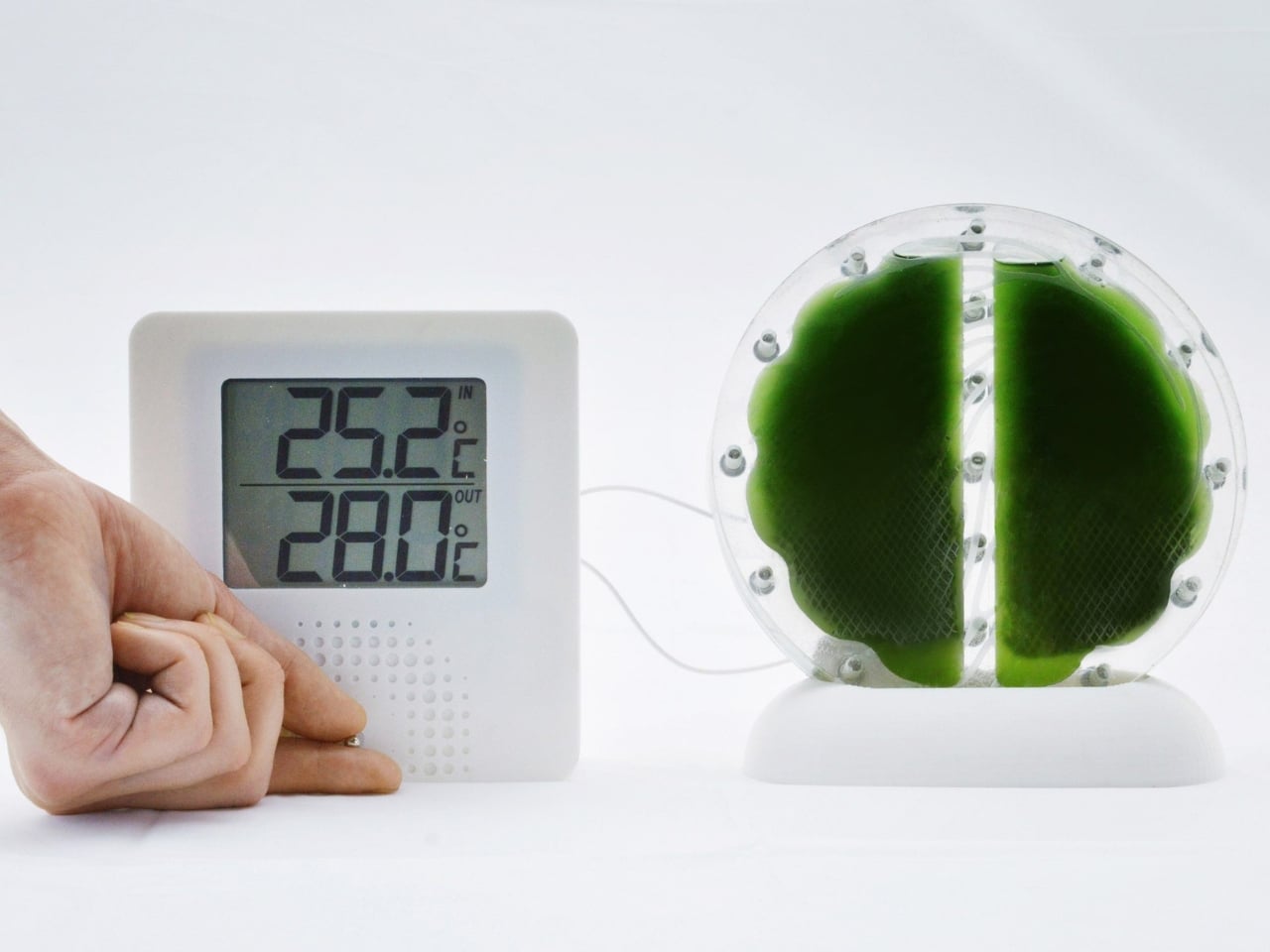
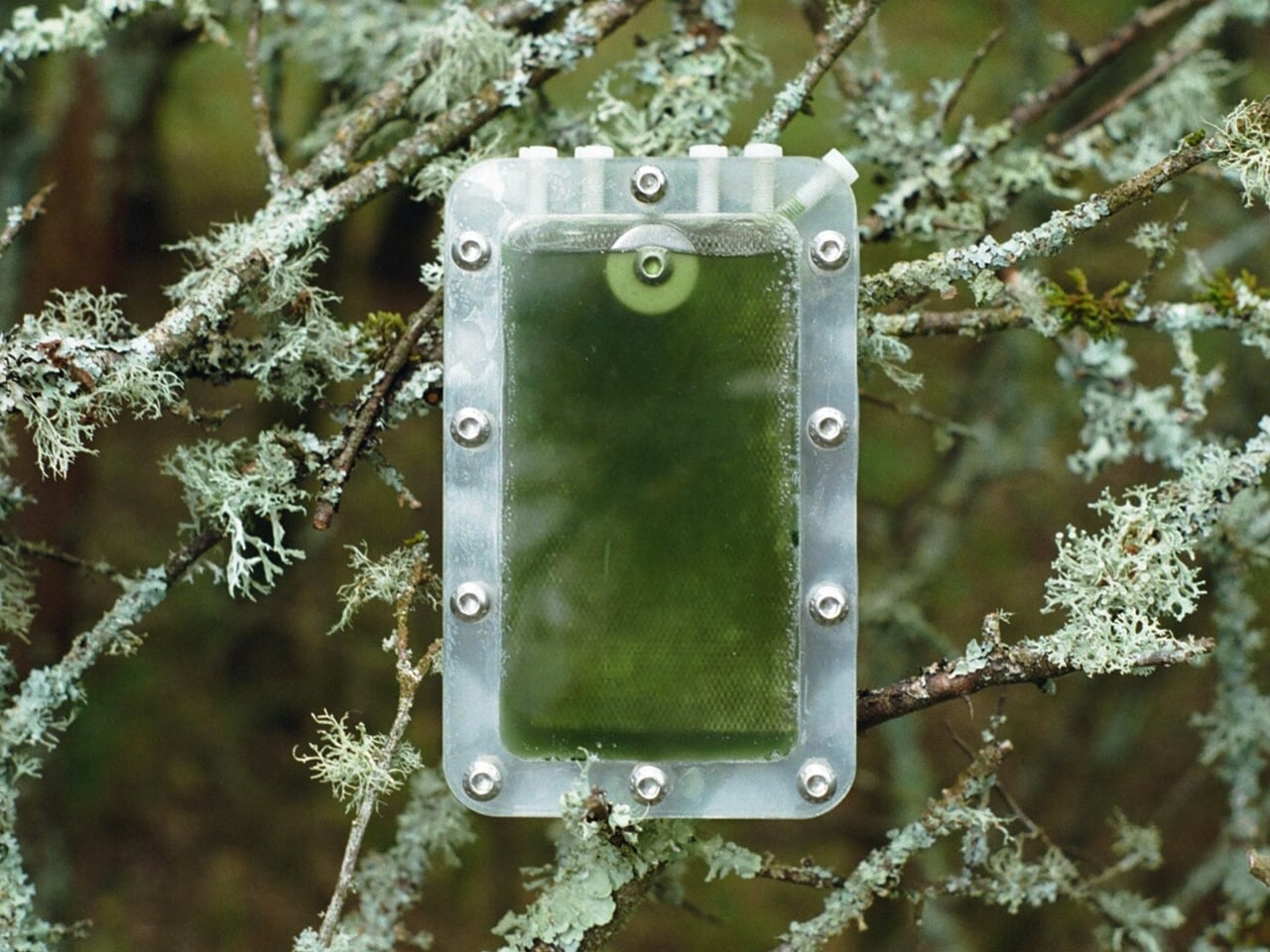
Bio-designer Lucia Giron, working alongside the University of Cambridge’s Department of Biochemistry and electrical engineer Lifu Tan, has developed prototypes of an algae-based battery alternative called a biocell. The science behind it is called biophotovoltaics, which works like a biological solar panel. Living microorganisms, specifically cyanobacteria (which most of us know as blue-green algae), carry out photosynthesis and generate an electrical current in the process. They take energy from sunlight and feed on carbon dioxide to grow. And crucially, the electricity keeps flowing even when it’s dark.
Designers: Lucia Giron and University of Cambridge’s Department of Biochemistry
Cyanobacteria have been generating electricity in the Cambridge labs for over six years now. Not in theory. Actually generating. That number stopped me when I first read it. The potential scale of this is worth paying attention to. Professor Chris Howe, the project’s principal investigator, puts it plainly: disposable batteries are very bad for the planet. Conventional batteries are built with mined materials like lithium, which carry a range of environmental costs from extraction to disposal. The researchers believe biocells could one day eliminate the need for the small chemical batteries powering everyday devices like remote controls, smoke alarms, and sensors. Paolo Bombelli, one of the Cambridge researchers behind the project, has said their aim is to get rid of the need for batteries altogether.
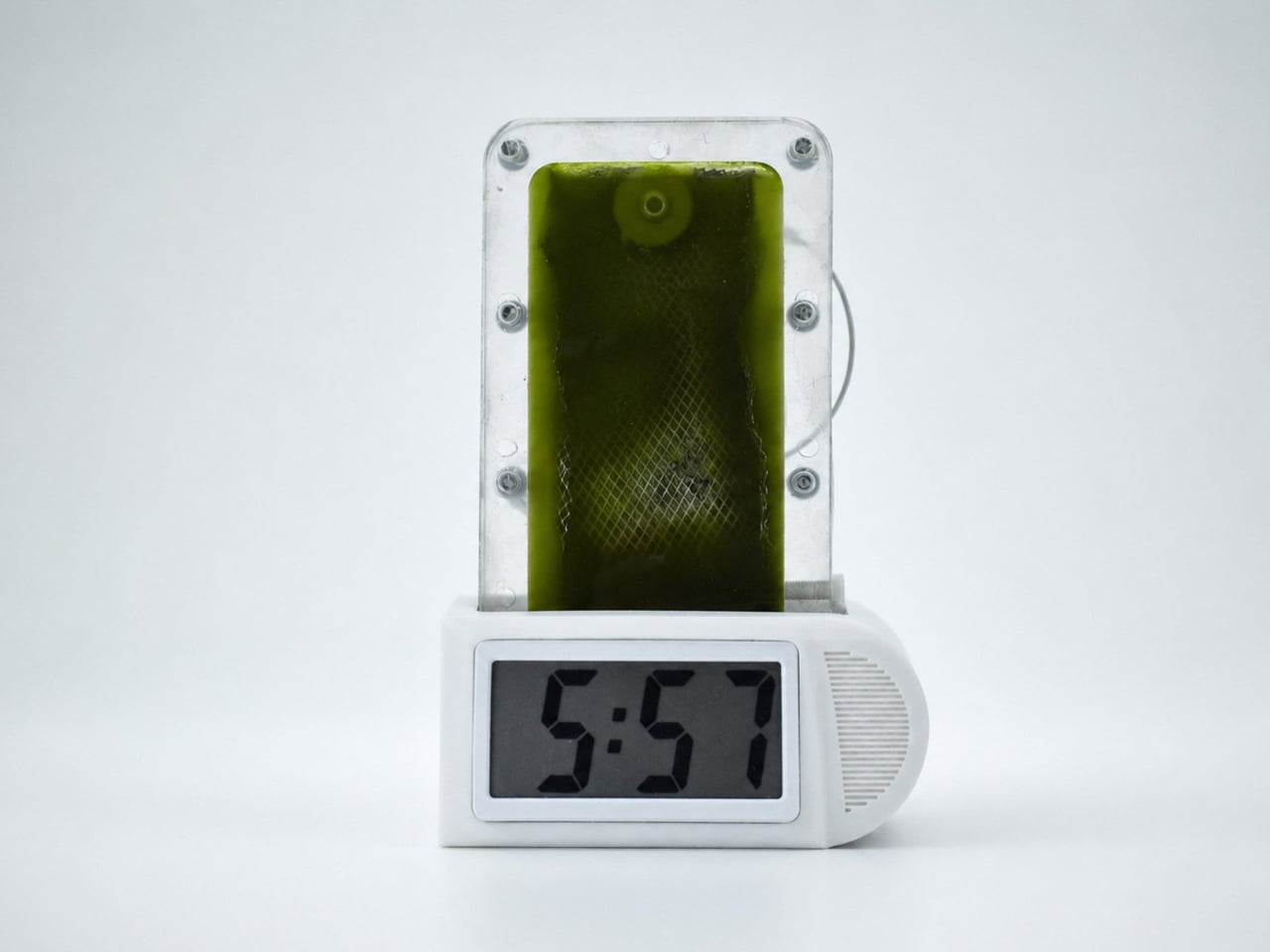
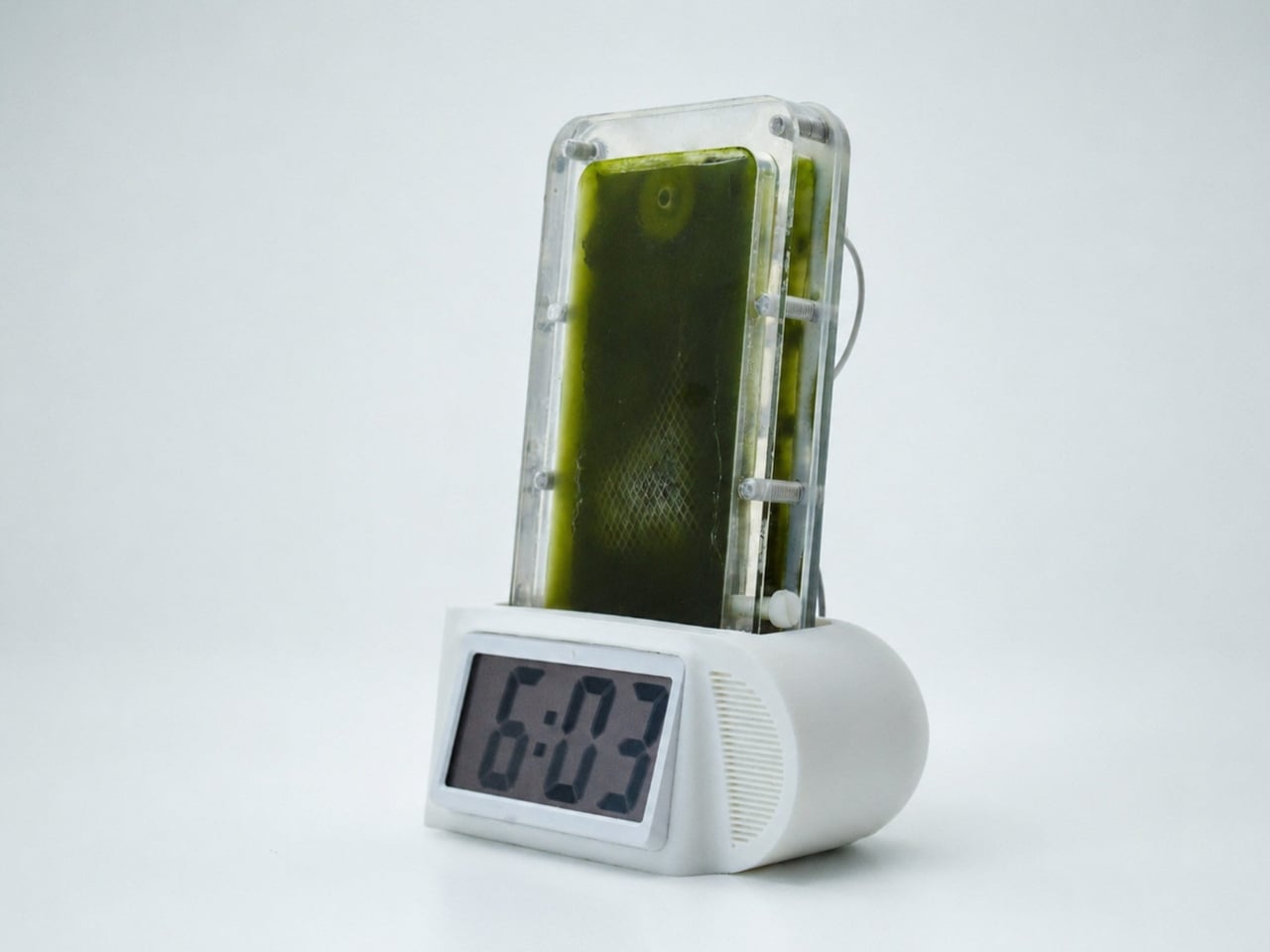
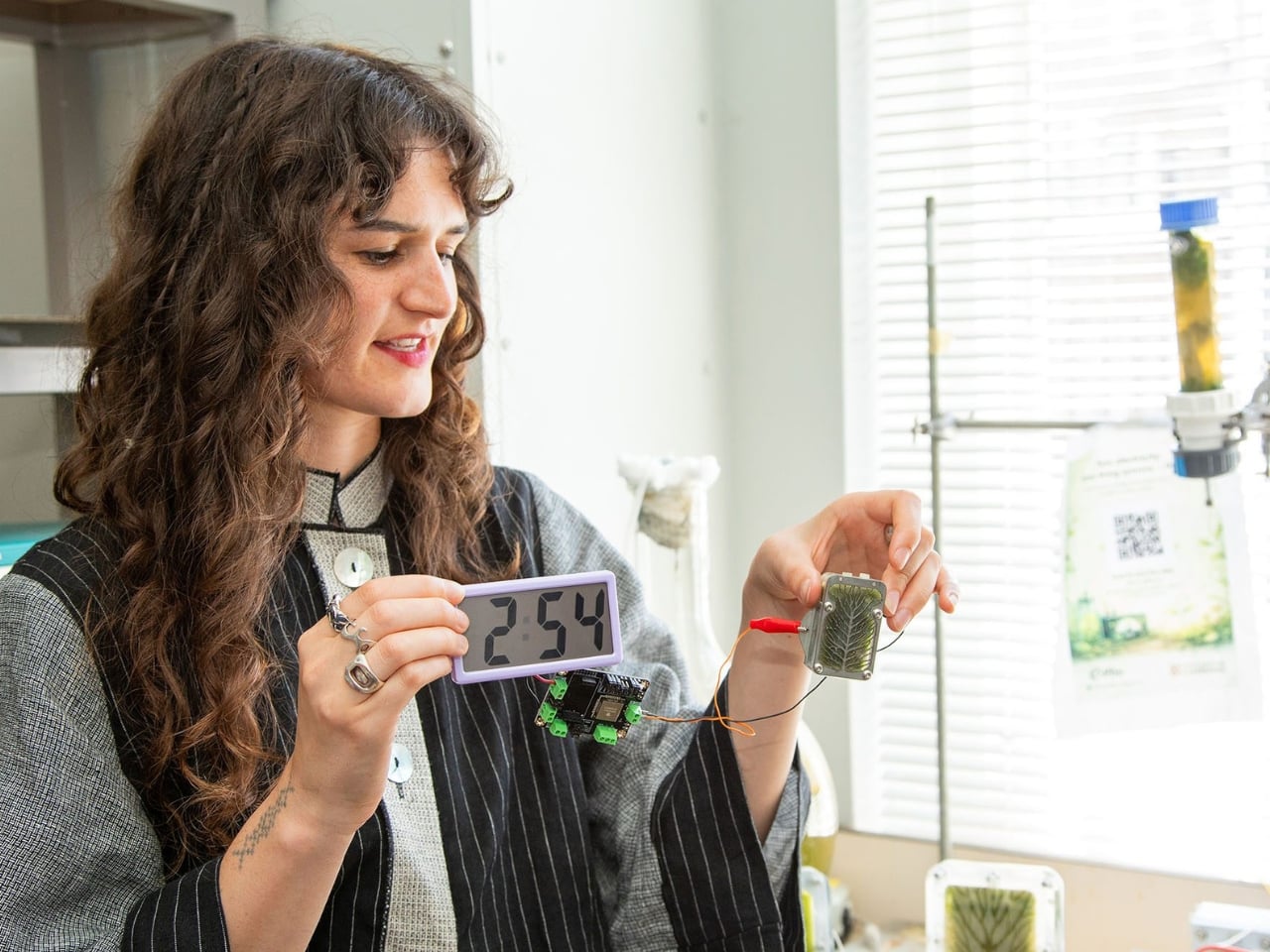
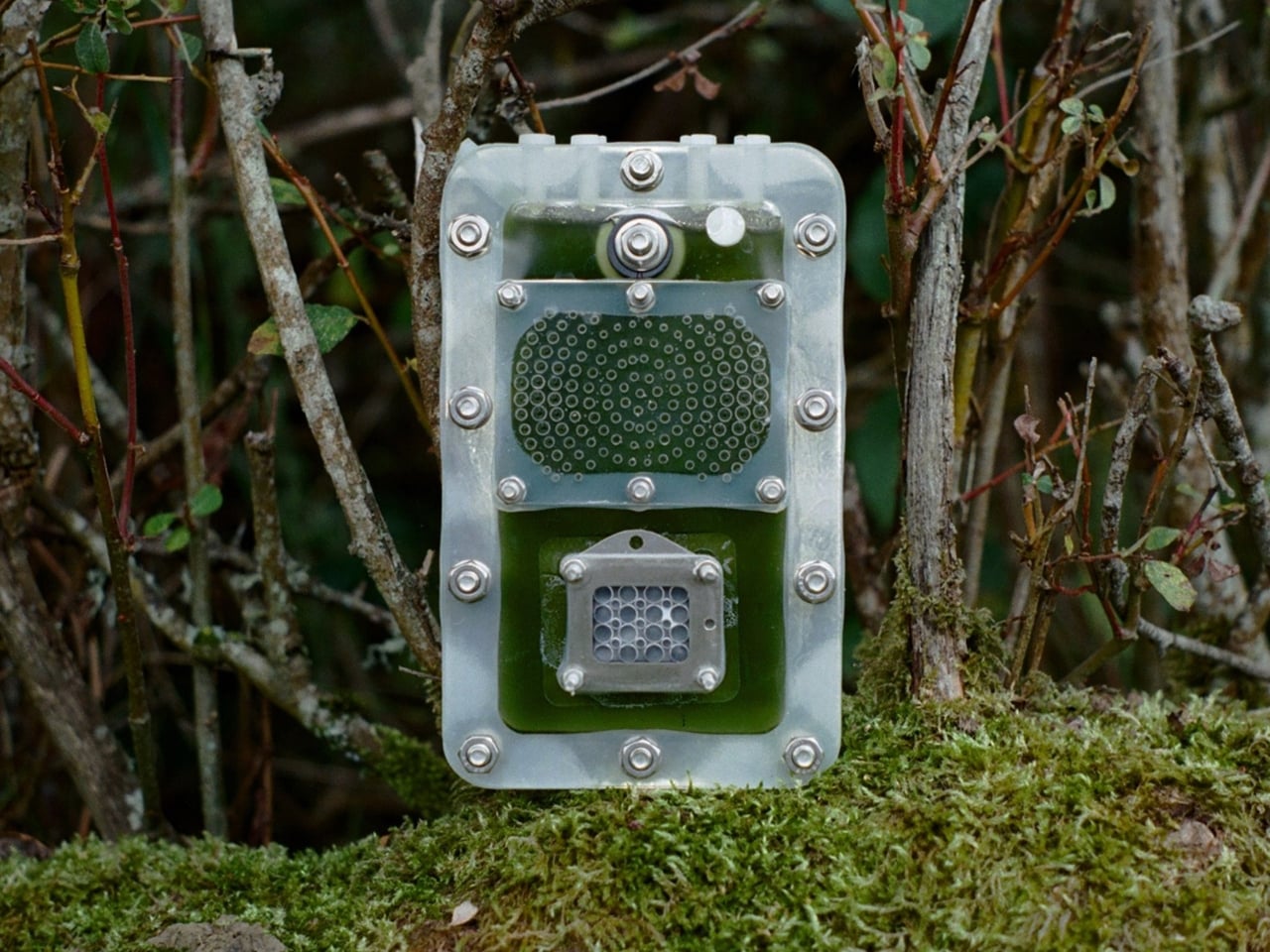
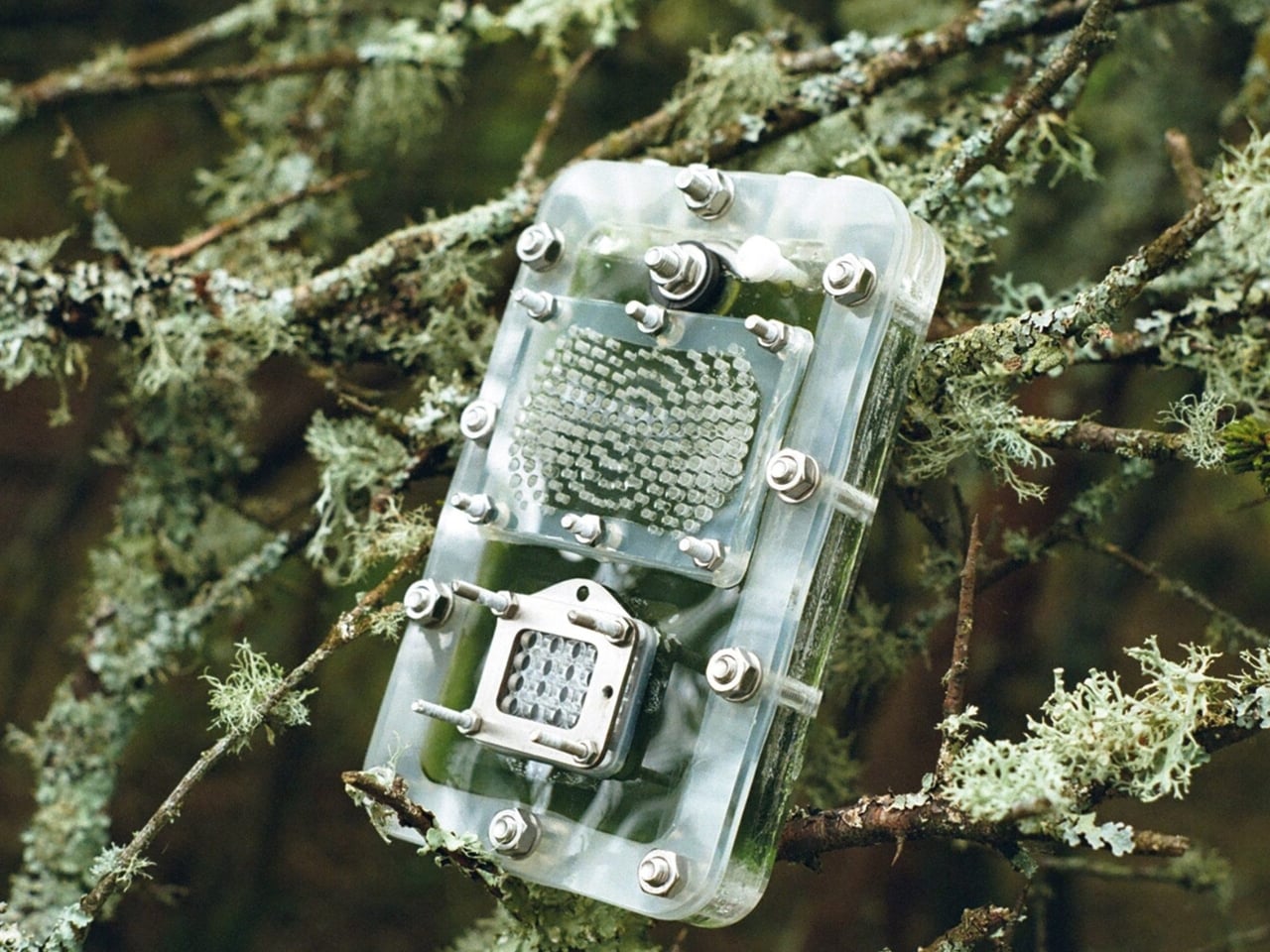
That sounds bold, but the team has already proven the concept beyond the lab. Giron designed a demonstrator cell (essentially a compact, transparent case filled with green-tinged cyanobacteria) as well as a clock radio and a temperature sensor, both powered by biophotovoltaic panels. There’s also a system that monitors a potted plant, reading light levels, air temperature, and soil moisture, all powered by the algae cells. The data feeds directly into a mobile app. It’s the kind of object that makes you look twice, because nothing about it reads as conventional technology.
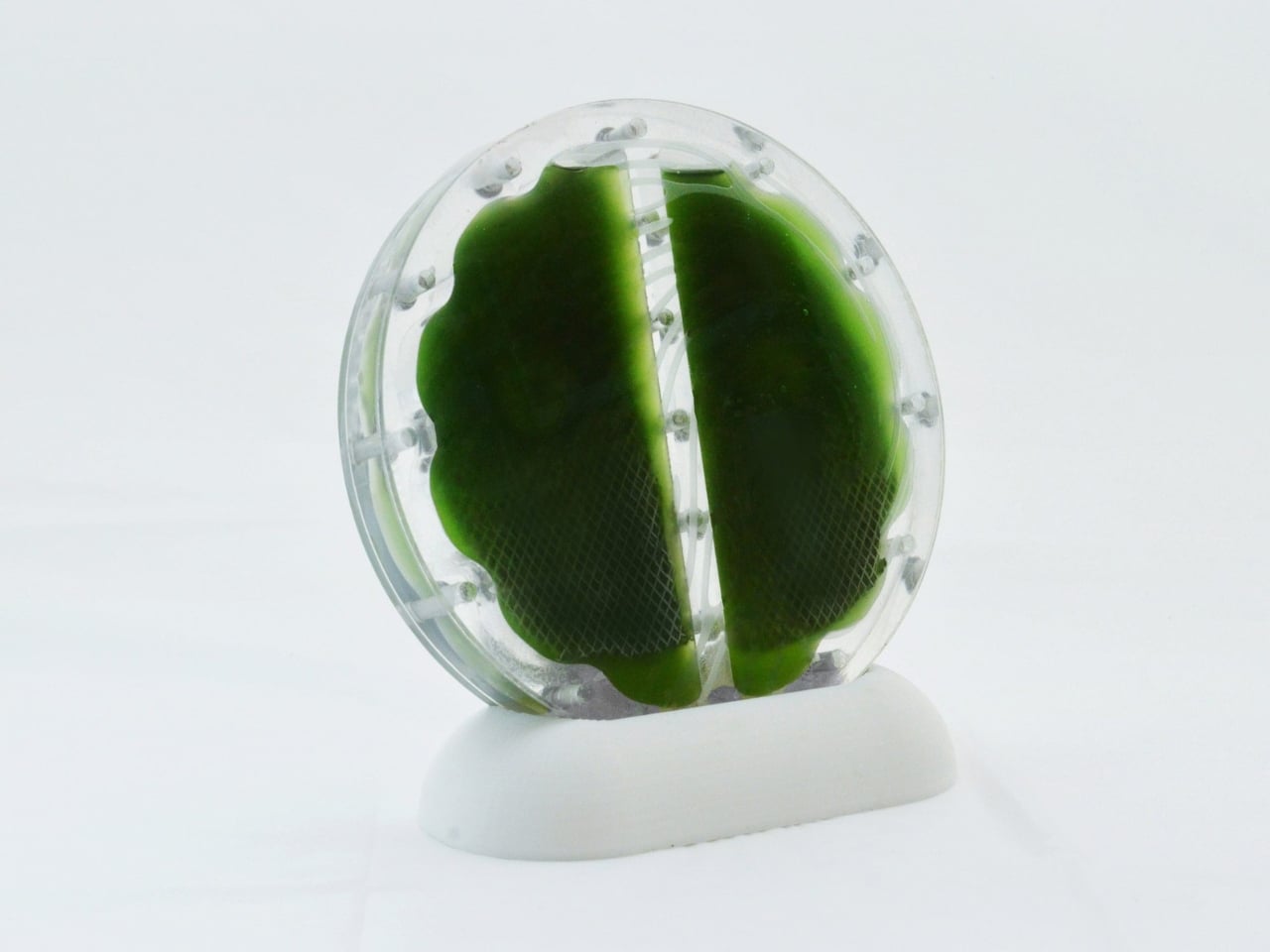
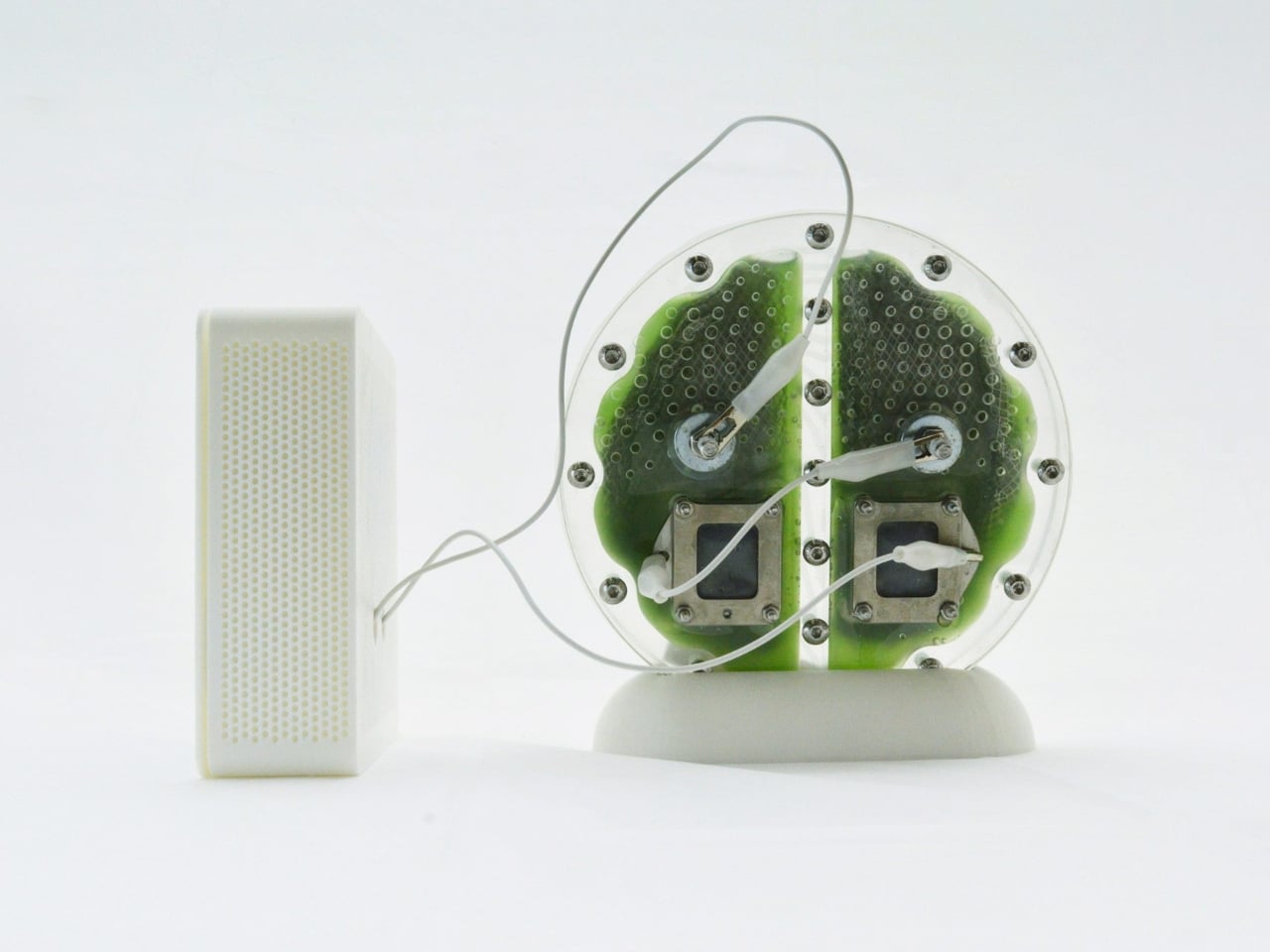
Giron’s role here is genuinely interesting. Coming from an art and design background rather than a science one, she was brought in specifically to translate the research into something legible to the rest of us. Her goal, as she’s described it, is to find ways of making these prototype living systems into real-world sustainable energy solutions. The demonstrator cell wasn’t designed to be hidden away in a lab. It was designed to communicate, to make biophotovoltaics feel tangible and approachable to a new audience.
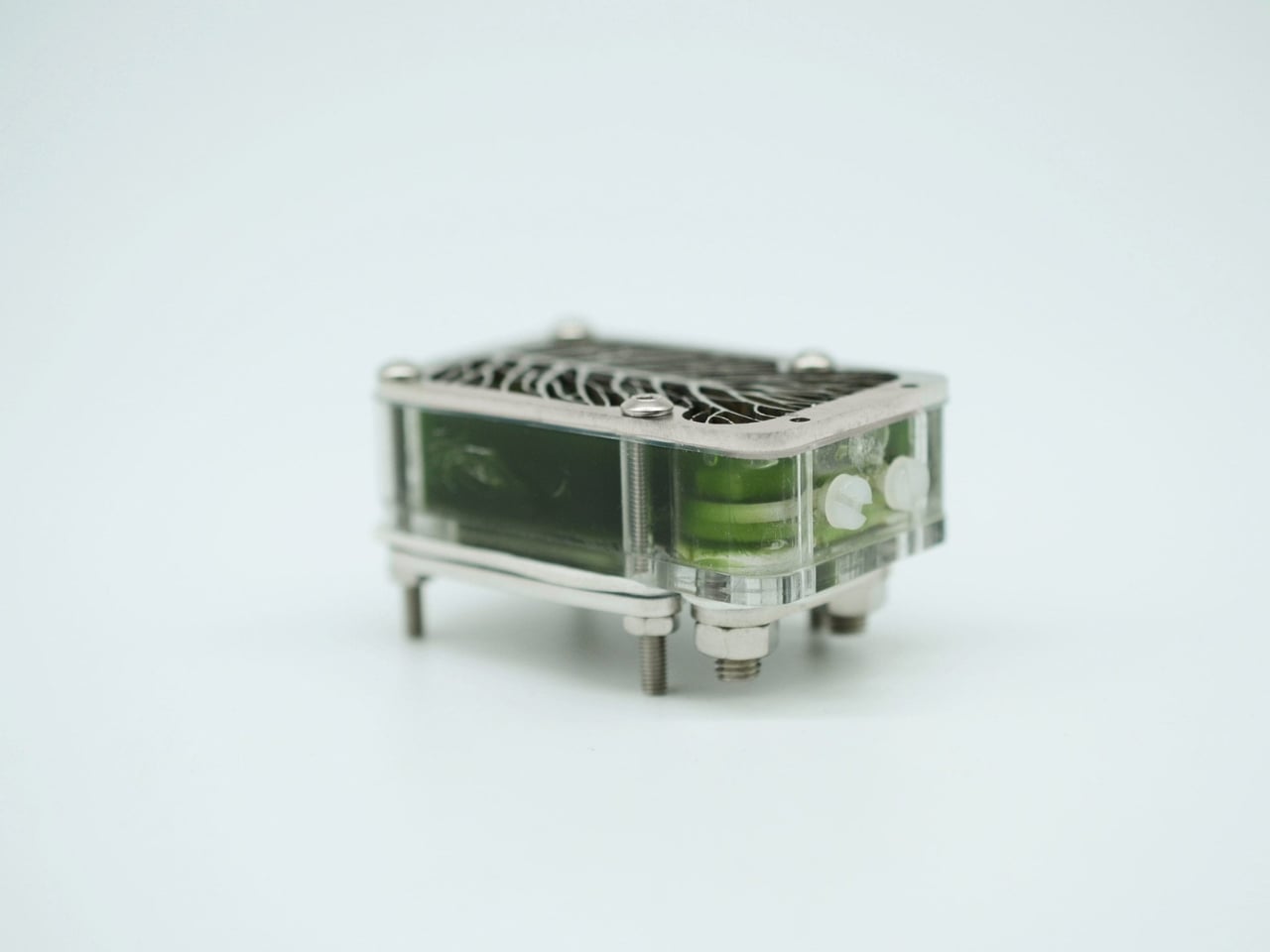
The team has since launched a startup, e-Pho, and is exploring commercial applications with prospective clients. They’ve also developed a classroom toolkit where students can grow algae, assemble biocells, and test how different materials affect performance. That last part feels significant to me. Getting a technology into classrooms before it reaches shelves is a way of building familiarity and, more importantly, building the next generation of people who don’t think twice about energy coming from something alive.
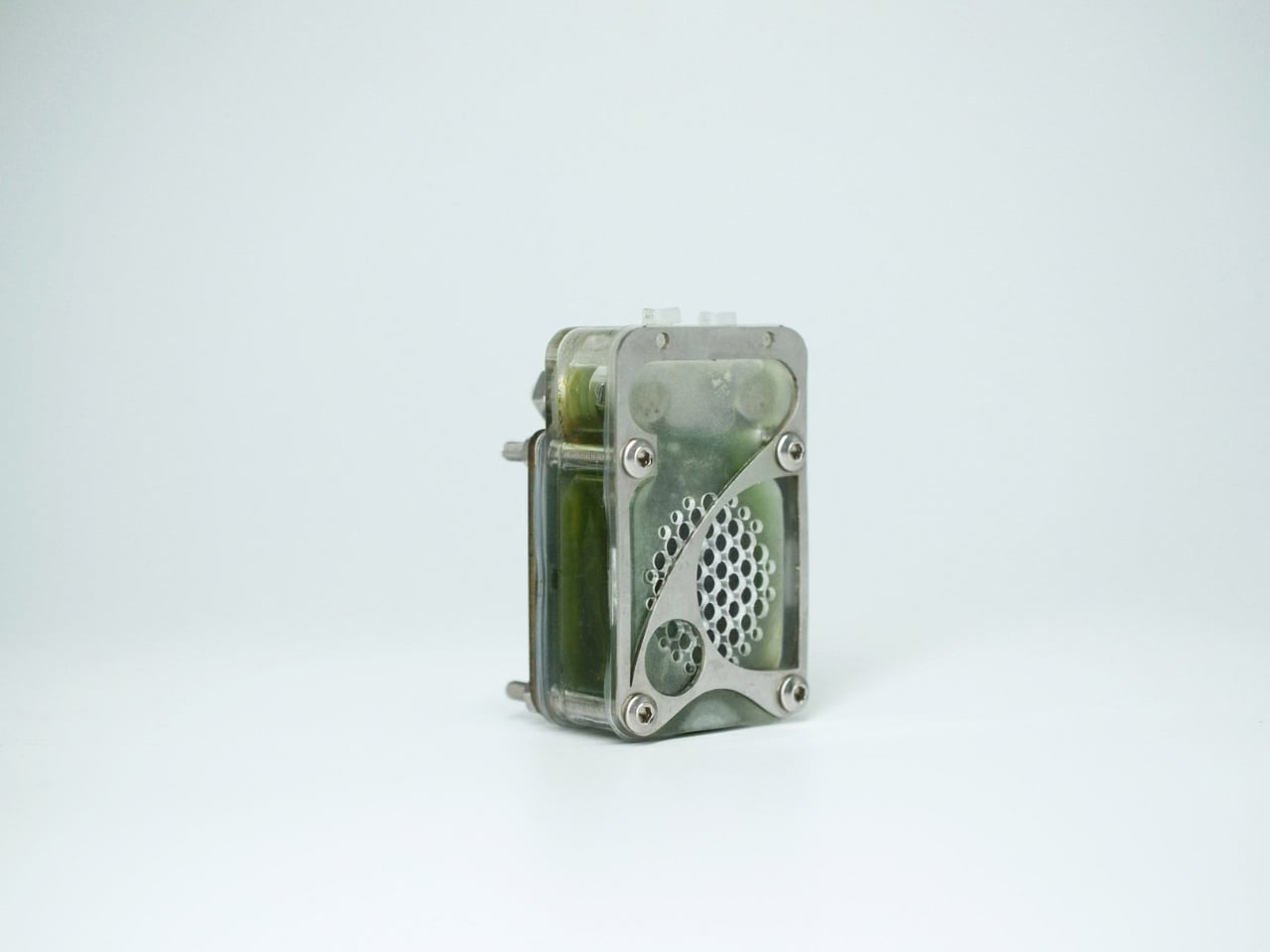
We’re at a stage where the biocell can power small, low-energy devices reliably. The researchers are clear that it’s not yet a replacement for your phone charger. But the trajectory is what matters, and it’s pointing somewhere genuinely different from where the battery industry has been going for the past century.
Algae is not the flashiest material to build a future around. It doesn’t have the gleam of a new chip or the cultural momentum of a wearable. But it eats light, feeds on carbon dioxide, and keeps going. For a technology, that’s a remarkably good résumé.
The post Forget Lithium. Algae Might Be Powering Your Devices Next. first appeared on Yanko Design.