Sweden Transforms Wind Turbine Waste Into Europe’s First Blade-Built Parking Garage

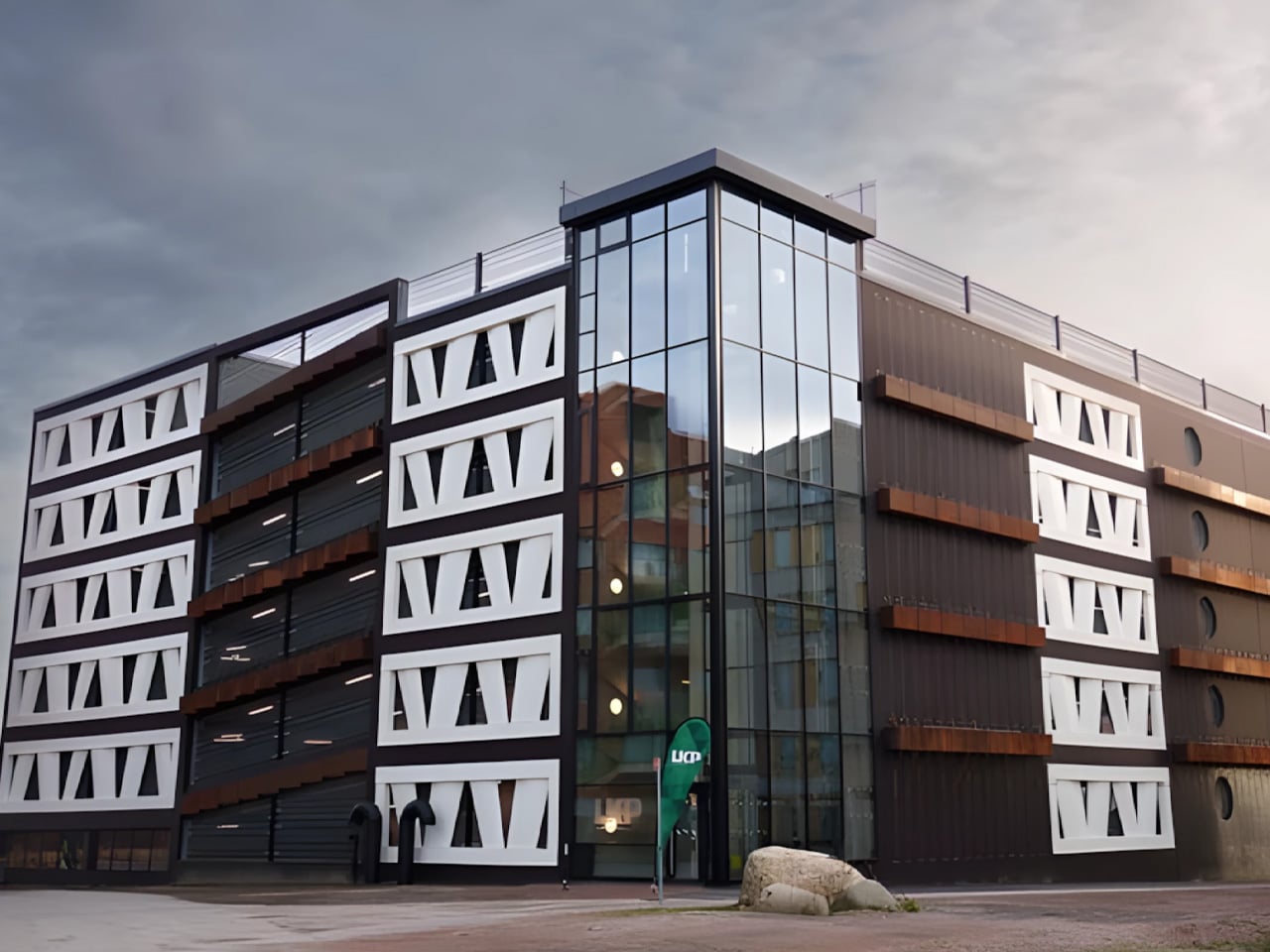
Sweden has opened the doors to a parking garage unlike any other in Europe. The Niels Bohr car park in Lund stands as a testament to what happens when architectural vision meets environmental necessity. The five-story structure houses 365 parking spaces and represents a groundbreaking approach to renewable energy waste, proving that circular economy principles can produce functional, safe infrastructure that people actually want to use.

Architect Jonas Lloyd stumbled upon the project’s core concept while flipping through a magazine. An article about America’s wind industry caught his attention, particularly the disposal problem plaguing decommissioned turbine blades. These massive structures, engineered from glass and carbon fiber composites to withstand decades of punishment from wind and weather, were ending up buried in landfills across the United States. Lloyd saw waste where others saw a dead end. When developer LKP commissioned his firm, Lloyd’s Arkitektkontor, to design a new parking structure for Lund’s growing Brunnshög district, he pitched an unconventional solution that would give turbine blades a second life as architectural elements.

Designer: Jonas Lloyd

Vattenfall, Sweden’s green energy giant, donated 57 rotor blades from its decommissioned Nørre Økse Sø wind farm. The team carefully cut and mounted these blades onto the building’s exterior, creating striking curtain walls that serve as non-load-bearing façade elements. The result is visually arresting: massive white curves sweeping across the structure’s face, their aerodynamic forms now frozen in place instead of spinning against Nordic skies.

The building integrates sustainability at every level beyond the repurposed blades. Forty electric vehicle charging stations connect to an on-site battery storage system. Solar panels blanket the roof, generating power during daylight hours that charges vehicles after dark. The façade incorporates pollinator-friendly plants alongside the repurposed blades, softening the industrial materials with living greenery. Lloyd’s satisfaction with the finished building centers on its symbolic power, demonstrating that sustainable architecture can transcend environmental buzzwords to create spaces people genuinely appreciate.

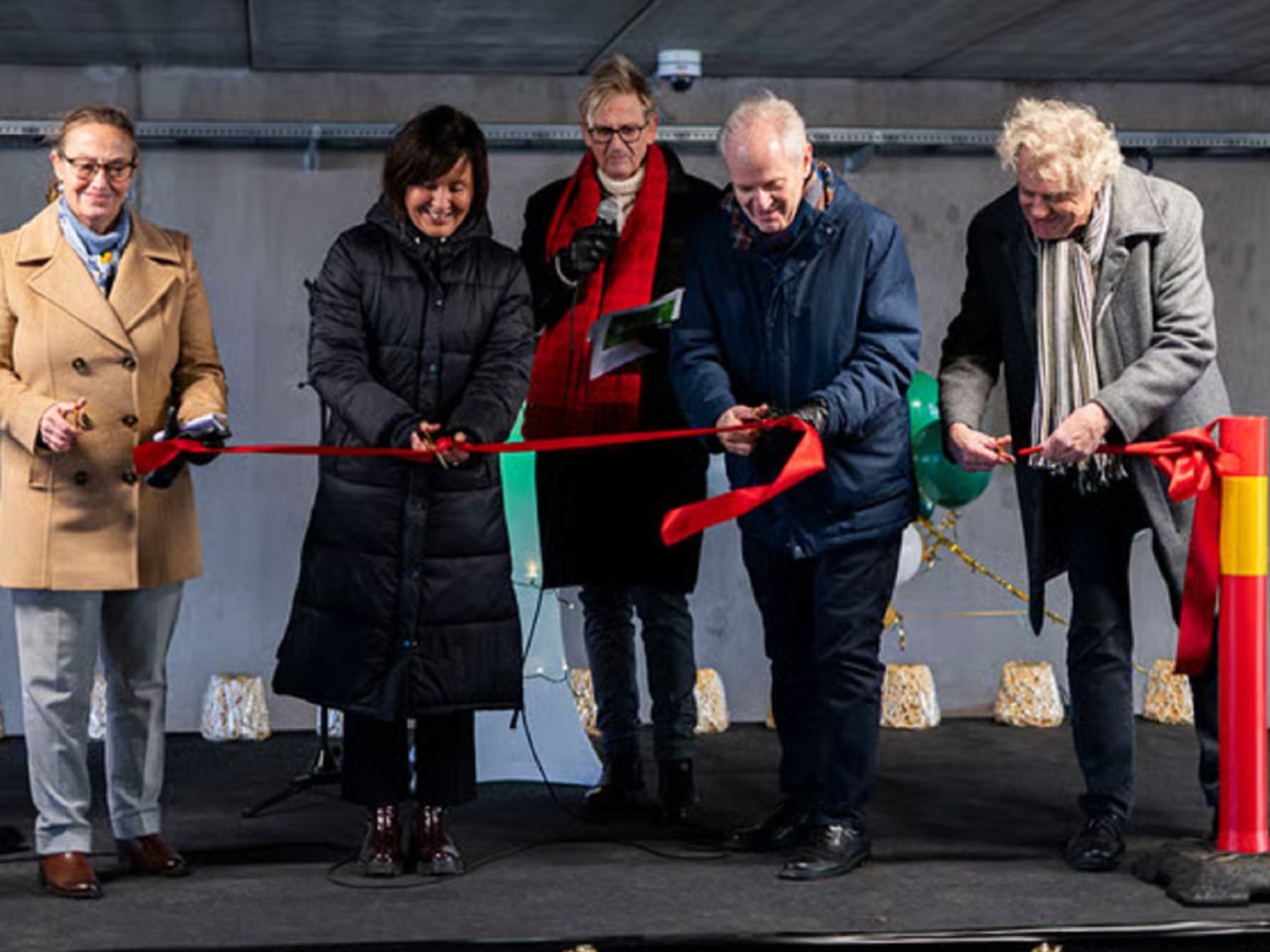
The project’s timing matters significantly. Vattenfall operates more than 1,400 wind turbines across Europe, and blade disposal represents a growing challenge for the renewable energy sector. The company has banned sending blades to landfills internally and committed to reusing or recycling 100 percent of blades and major components by 2030, exploring applications ranging from solar panel supports to ski manufacturing. The Niels Bohr garage, which opened in December 2025, attracted international attention as Europe’s first building to incorporate wind turbine blades into its construction. It demonstrates that renewable energy infrastructure can serve communities long after its original purpose ends, transforming from energy generator to architectural element without pause.

The post Sweden Transforms Wind Turbine Waste Into Europe’s First Blade-Built Parking Garage first appeared on Yanko Design.

3D-Printed Tiny Home Cuts Build Time in Half and Challenges Luxembourg’s Housing Crisis

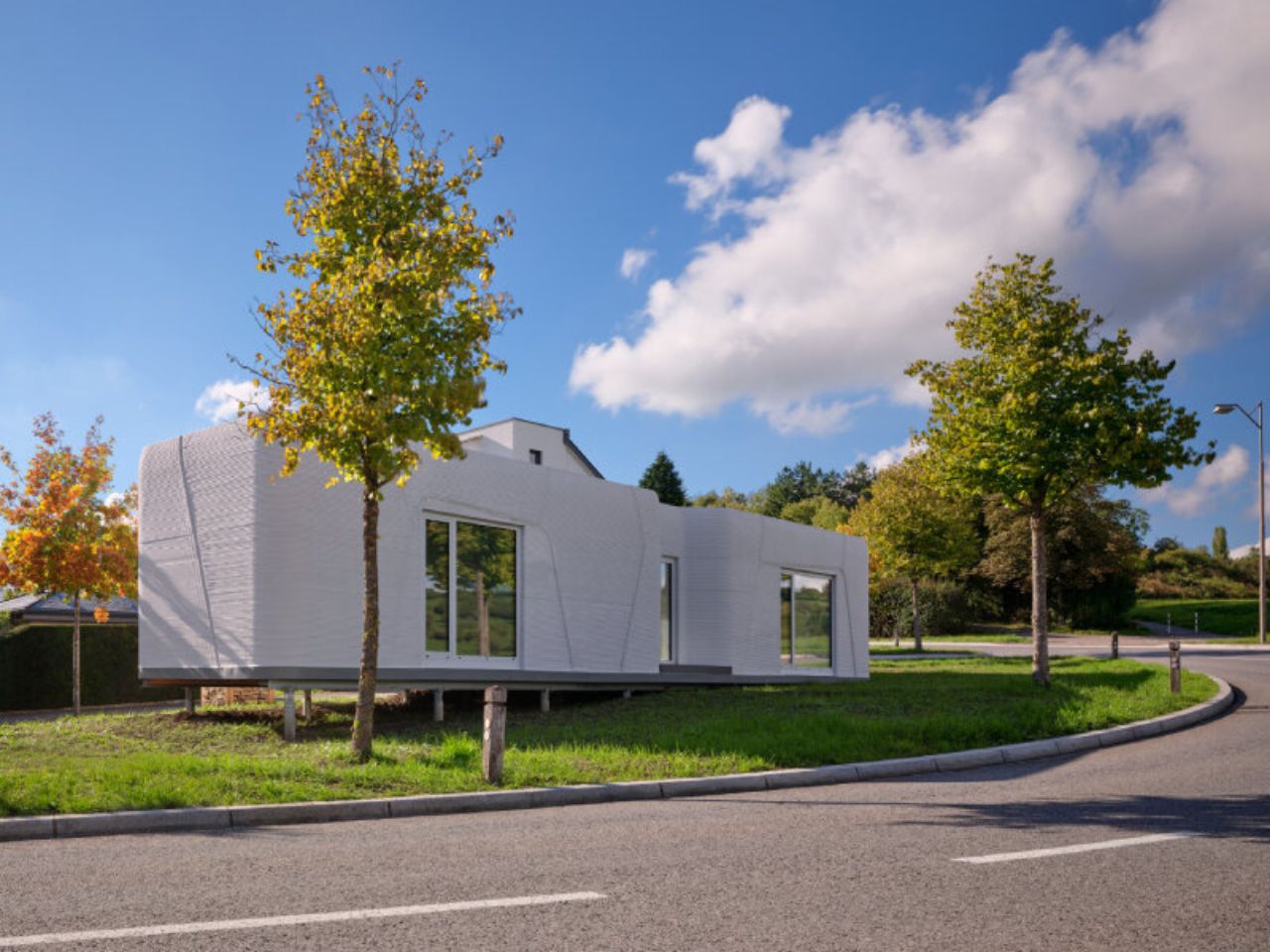
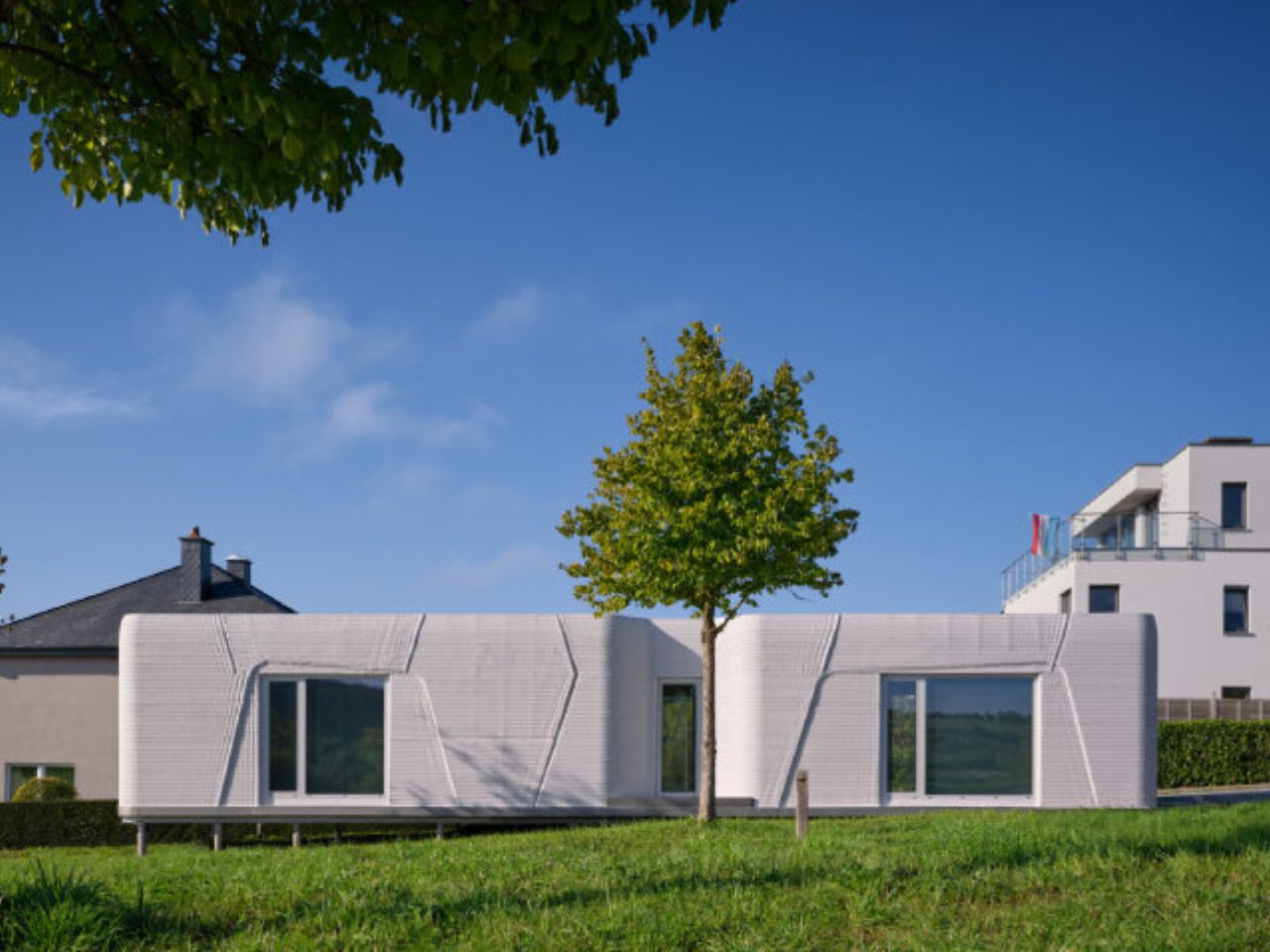
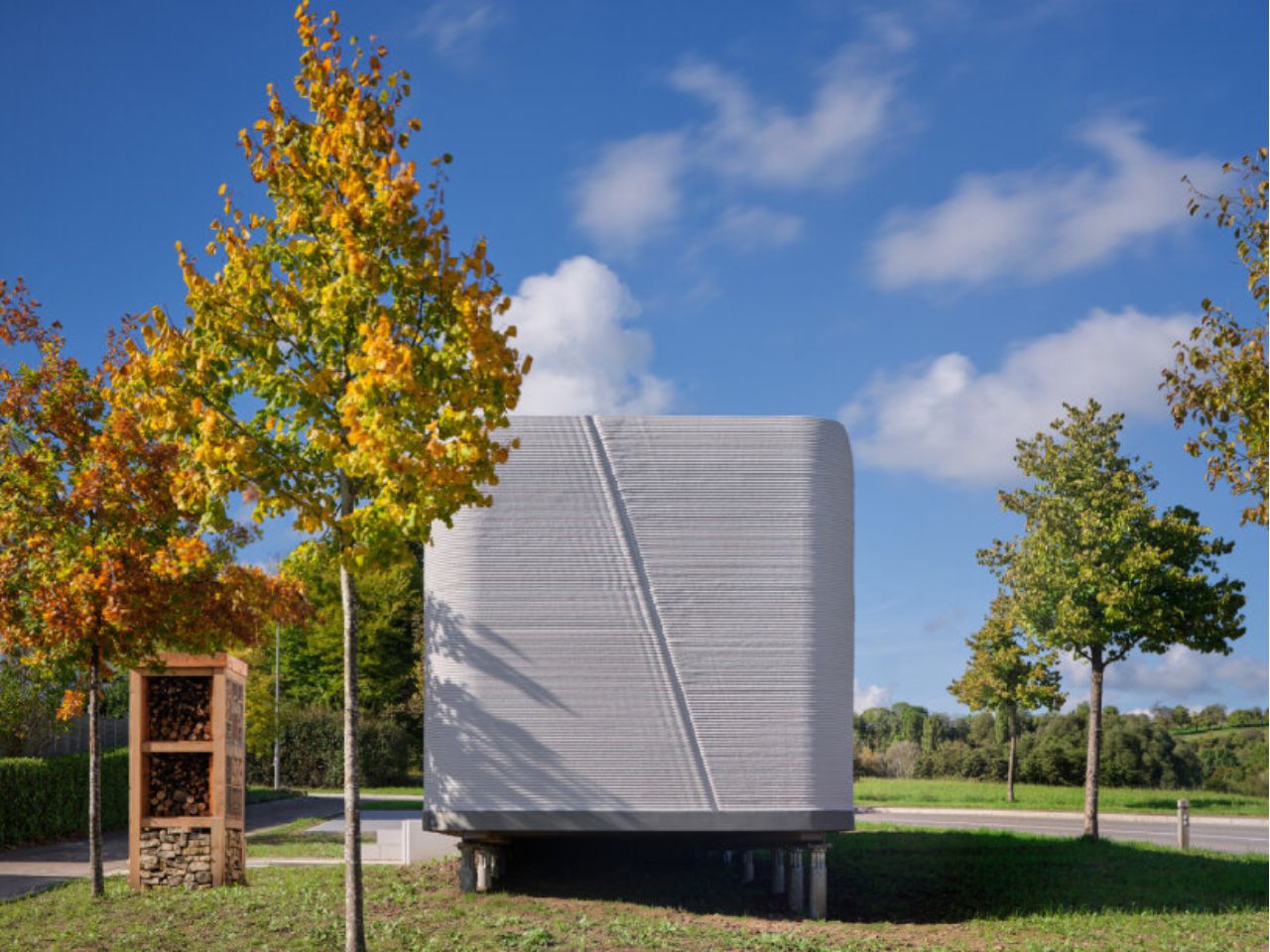
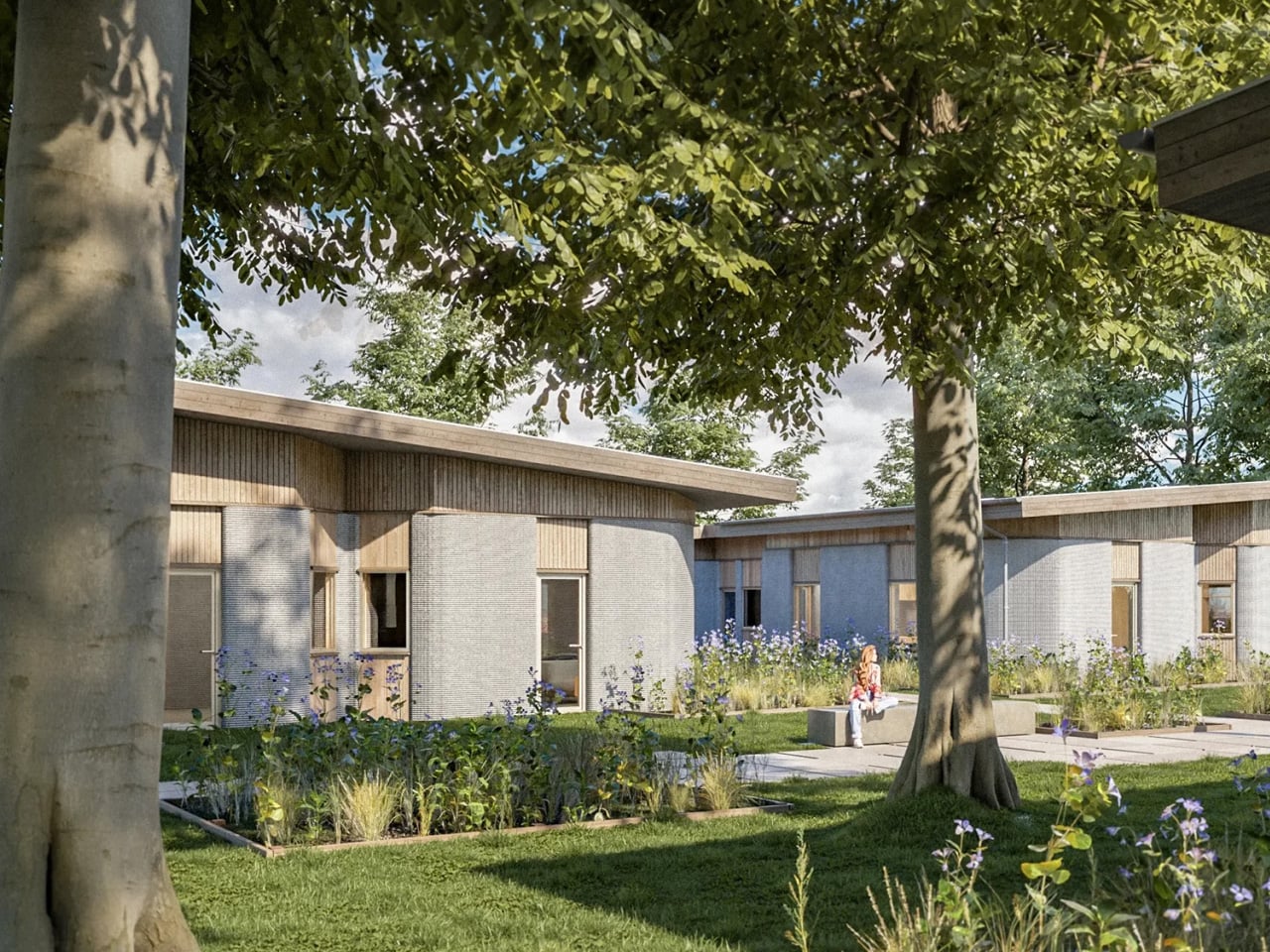
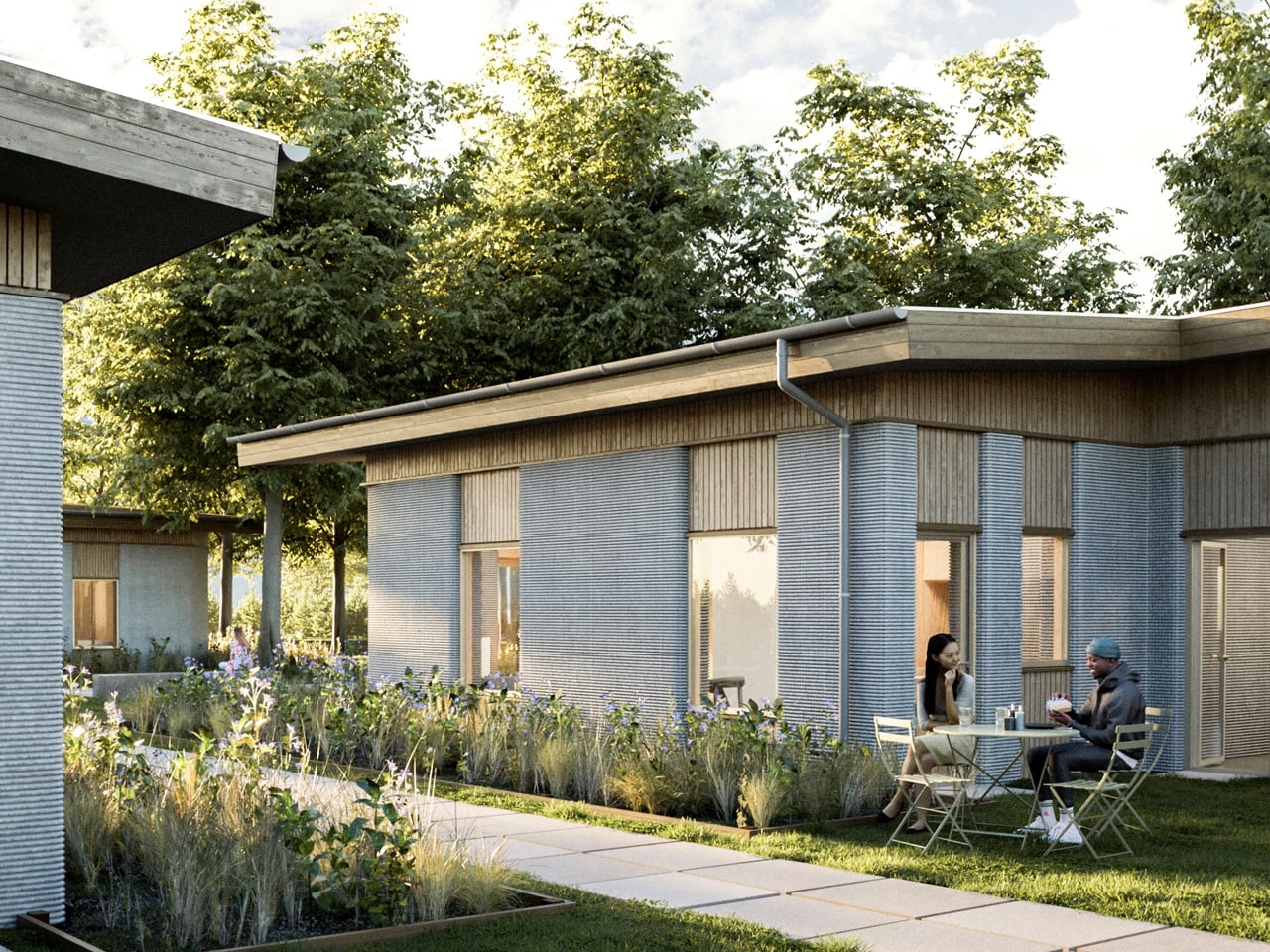
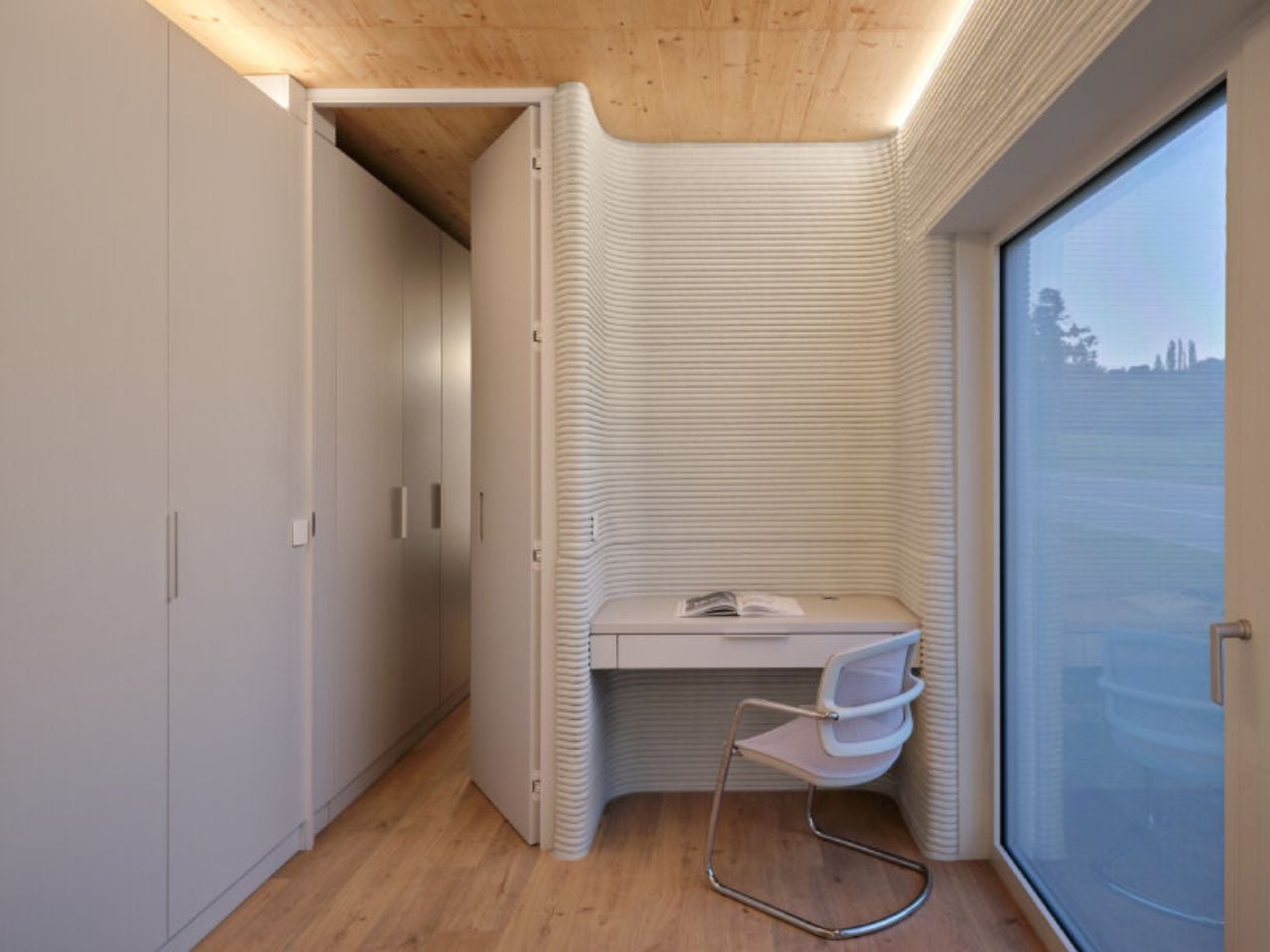
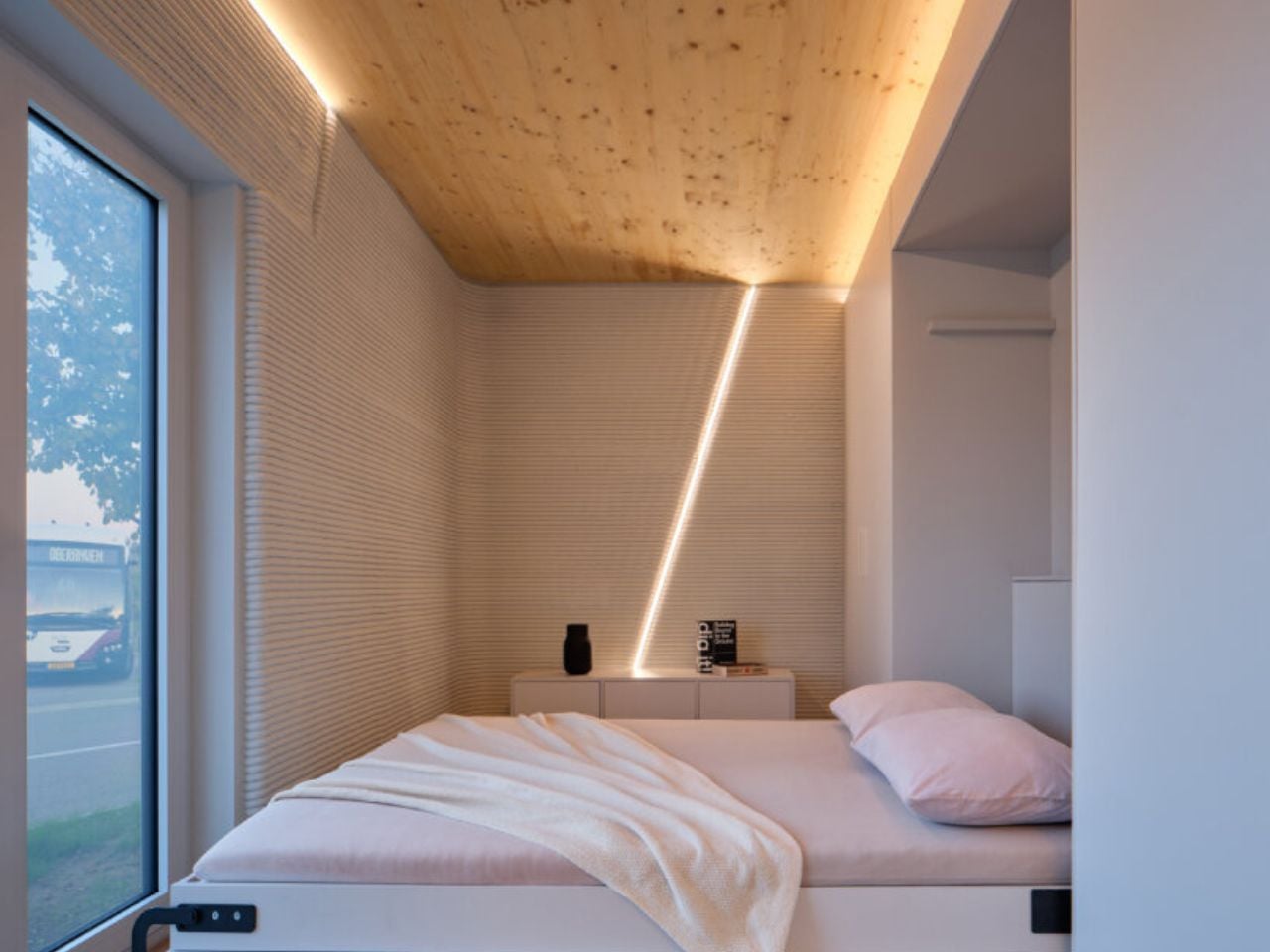
In Niederanven, a quiet commune east of Luxembourg City, a small concrete dwelling is rewriting expectations for housing innovation. Designed by ODA Architects in collaboration with Coral Construction Technologies, Tiny House LUX is the nation’s first fully 3D-printed residence, a test case in using robotic fabrication to deliver faster, cheaper, and more energy-efficient homes. At just 47 square meters of usable space, the structure is modest, but the architectural ambitions behind it are anything but small.

Created to address Luxembourg’s ongoing housing shortage, the home was printed in less than 28 hours per phase, an extraordinary reduction in build time compared to conventional masonry or timber construction. The speed is significant in a country where demand vastly outpaces supply: Luxembourg needs approximately 7,000 new apartments each year, yet only under 4,000 are completed. This imbalance fuels some of the highest housing costs in Europe. A 47 m² apartment in the capital can exceed €560,000, while the estimated price of the 3D-printed prototype is roughly one-third less, a difference that begins to make entry-level housing more attainable.

Designer: ODA Architects

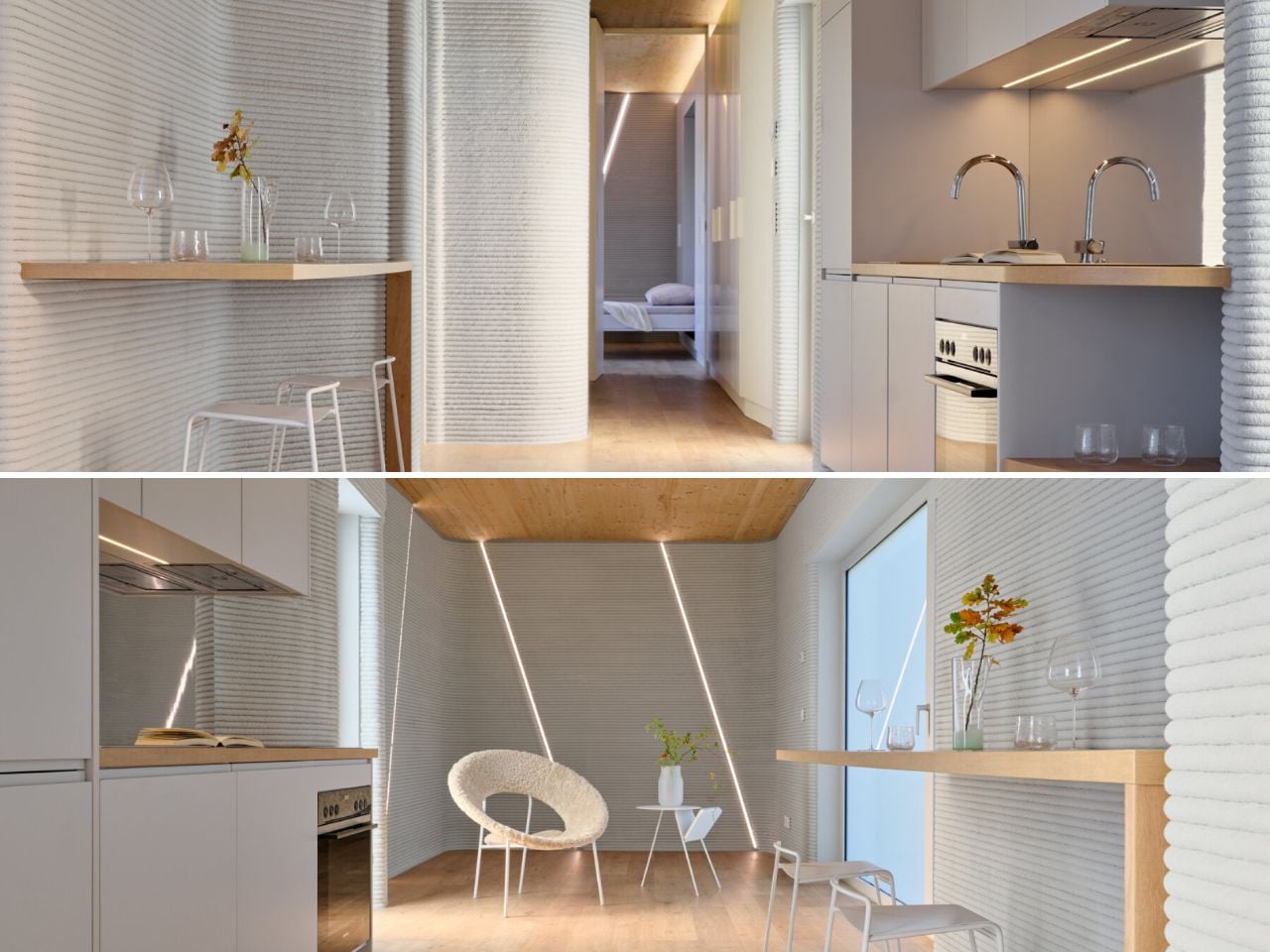
Energy performance is central to the project’s value. Solar panels on the roof generate enough electricity to power daily usage, while a film-based underfloor heating system removes the need for water pipes, radiators, or boilers. After printing, the walls are packed with insulation made from low-impact materials to minimize long-term energy consumption. The architects emphasize simplicity: systems that are easy to run, maintain, and repair over the life of the home rather than engineering complexity that becomes costly later.

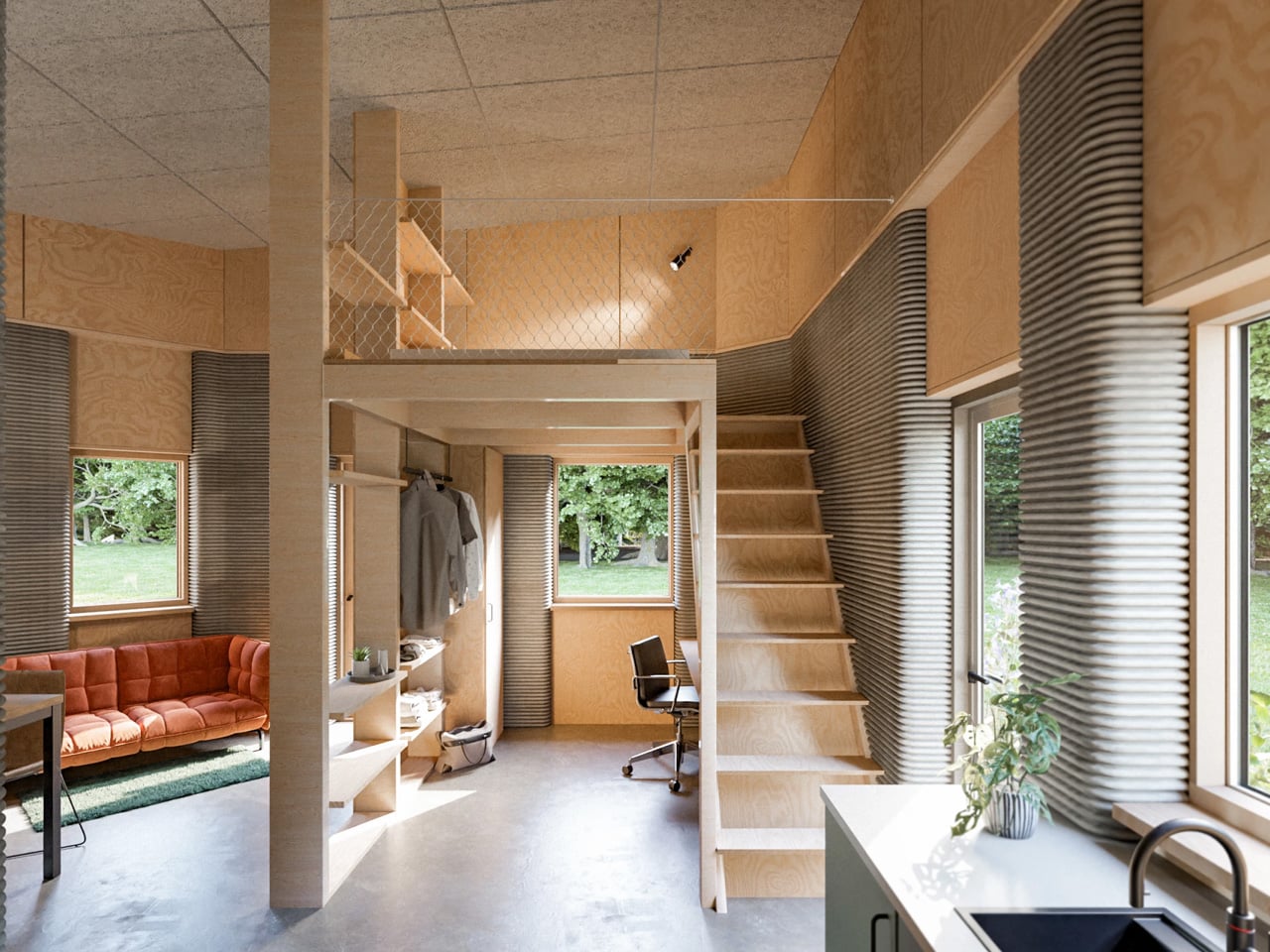
Inside, the layout is intentionally straightforward for efficient living. A small south-facing entrance leads into a corridor that connects every major room, from a technical area and bathroom to a bedroom at the end of the plan. To the left of the entrance, an open living, dining, and kitchen zone forms a single continuous space. A door opens to a terrace on the south side, linking the interior to outdoor space and the surrounding garden. Openings facing north and northeast bring light into the home, reinforcing the idea that a compact footprint can still be bright, breathable, and connected to nature.

Beyond design considerations, 3D printing reduces construction waste, limits the use of heavy machinery, and lowers labor needs by following precise digital instructions. The municipality of Niederanven is leasing the home to a young resident for ten years under its Hei wunne bleiwen initiative, which supports community engagement and starter housing. To offset construction emissions, the project also includes a commitment to plant 21 trees.

For now, Tiny House LUX remains a prototype. But its promise is clear: a new building method that pairs architectural intelligence with urgency, offering a practical, scalable model for affordable, low-energy housing in Luxembourg, and possibly beyond.

The post 3D-Printed Tiny Home Cuts Build Time in Half and Challenges Luxembourg’s Housing Crisis first appeared on Yanko Design.

From Weeks to Days: Inside Europe’s Fastest 3D-Printed Housing Development

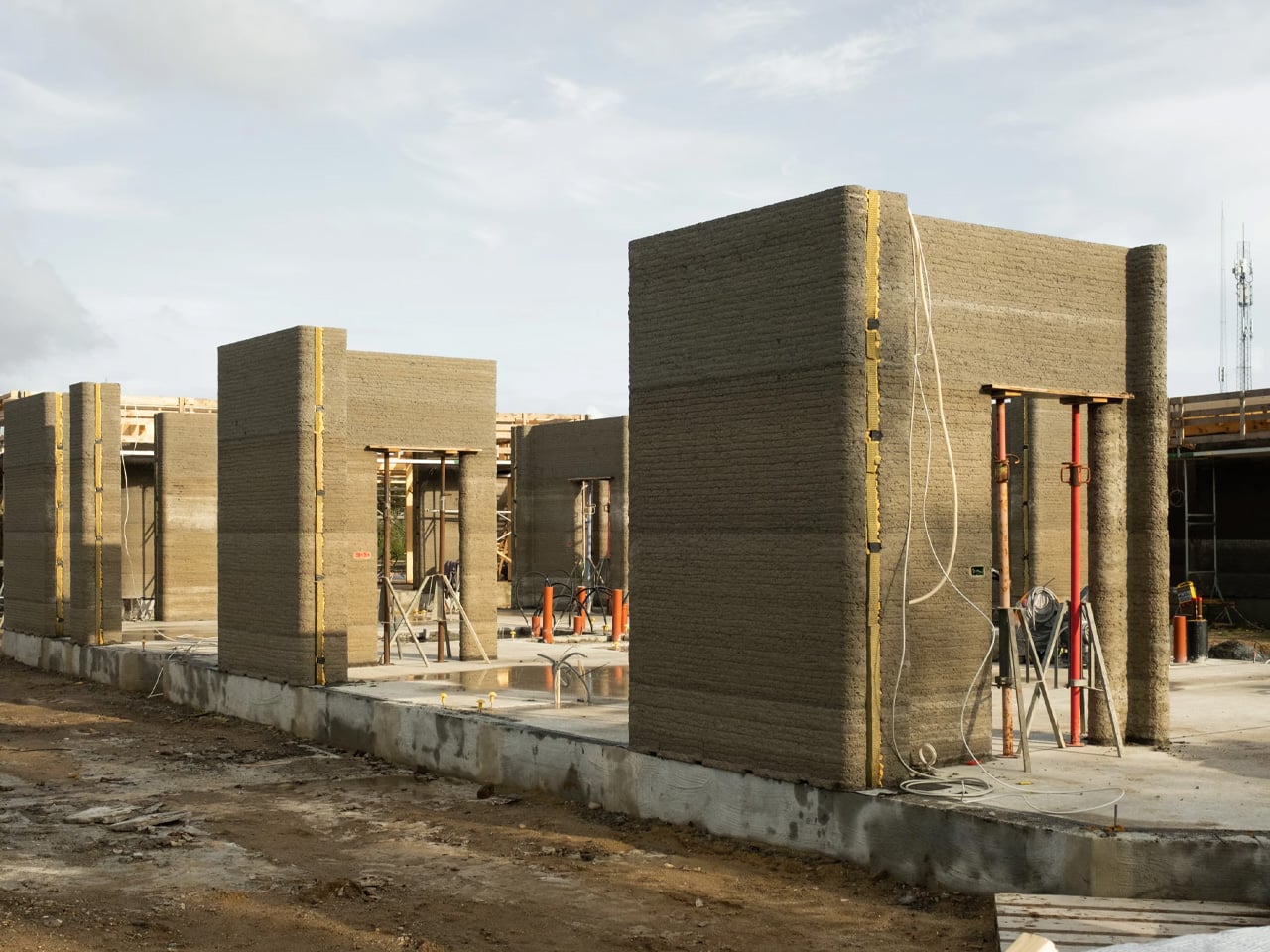
In the small Danish town of Holstebro, something remarkable is unfolding. Skovsporet, which translates to “The Forest Trail,” is rewriting the rules of residential construction as Europe’s largest 3D-printed housing development. Designed by SAGA Space Architects, this 36-apartment student village represents more than technological innovation—it’s a glimpse into how we might build affordable housing in the future. The project’s ambition is matched by its execution, combining cutting-edge construction technology with thoughtful design principles that prioritize both human comfort and environmental stewardship.

Six buildings, each containing six student apartments, form a connected community near VIA University College’s campus. What makes this development extraordinary isn’t just its scale but the speed at which it’s coming together. The first building took several weeks to print, a timeline that seemed impressive on its own. By the final structure, however, that timeline collapsed to just five days. That’s more than one apartment per day, a pace that would make traditional construction methods seem glacial by comparison. This dramatic improvement demonstrates how 3D printing technology becomes more efficient with each iteration, learning and optimizing as it goes.

Designer: SAGA Space Architects

SAGA Space Architects approached this project with a clear vision: create genuine homes, not just proof-of-concept structures. Each apartment spans 39 to 50 square meters and includes everything students need—kitchen, study area, lounge, bathroom, and double bed. Large roof windows punctuate the slanted ceilings, flooding the compact spaces with natural light and creating an atmosphere of openness despite the modest footprint. The architects understood that 3D-printed concrete walls, while structurally impressive, could feel cold and industrial. They deliberately softened this with warm timber finishes and modern glass elements, creating spaces that feel inviting rather than experimental, comfortable rather than clinical.

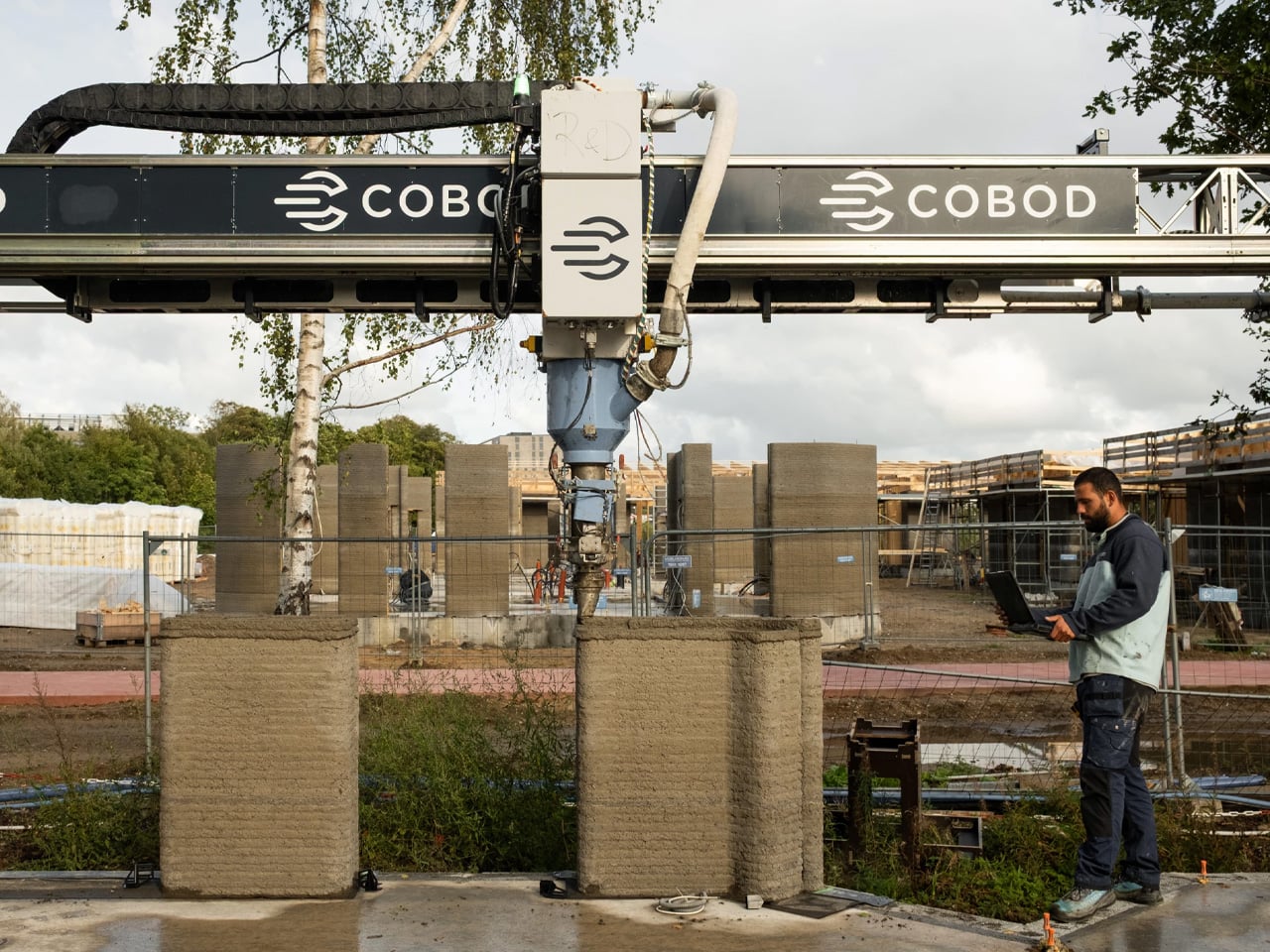
The printing process itself reveals an elegant efficiency. COBOD’s BOD3 printer, operated by 3DCP Group, deposits concrete with millimeter precision, building walls layer by layer exactly where structural support is needed. This approach dramatically reduces material waste compared to conventional construction, where excess materials often end up in landfills. There’s a philosophy embedded in this method—nothing excess, nothing wasted. The printer creates only what’s necessary, achieving both structural integrity and environmental responsibility through the same process. This waste reduction represents not just cost savings but a fundamental rethinking of how construction materials should be used.

What truly sets Skovsporet apart is its respect for the natural environment. The site was originally wooded, and rather than clear it for easier construction, the team worked around existing trees. Print beds were carefully positioned to preserve 95 percent of the original vegetation, a remarkable achievement that required precise planning and flexibility. Walking through the development, you’ll find century-old trees standing between clusters of apartments, their canopies providing shade and character. The main concrete printing phase wrapped up in November 2025, marking a significant milestone. Roof structures are now being installed while interior work progresses on schedule, with students expected to move into their 3D-printed homes in August 2026.

The implications extend far beyond student housing in a small Danish town. With affordable housing shortages affecting cities across Europe and beyond, Skovsporet offers a compelling alternative to traditional development models. The speed, reduced waste, and scalability of this approach could reshape how we think about residential construction, particularly for social and affordable housing projects where budgets are tight and demand is high. For SAGA Space Architects, Skovsporet represents the successful transition of 3D printing technology from novelty to a viable housing solution. What began as an idea just two years before construction started is now a functioning neighborhood, proving that radical innovation in architecture doesn’t require sacrificing livability, sustainability, or design quality.

The post From Weeks to Days: Inside Europe’s Fastest 3D-Printed Housing Development first appeared on Yanko Design.

5 Tiny Homes That Cost Less Than a Tesla But Look Like Mansions

In recent years, designers increasingly recognize that a home’s luxury is not defined by its size but by how space is sequenced, detailed, and experienced. In small residences, limited square footage becomes an opportunity to refine material honesty, elevate craftsmanship, and curate a focused expression of high-end living. This shift frames luxury as a philosophy rooted in intention rather than excess.

Across leading firms, compact design now demands heightened tectonic precision and a commitment to functional return on every design move. These tiny homes often evolve into biophilic sanctuaries, where calibrated light, thoughtful detailing, and tactile finishes transform everyday rituals into meaningful, artful experiences. The result is a refined, immersive environment where efficiency, beauty, and comfort coexist, proving that true luxury lies in the quality of the spatial and sensory experience rather than the scale of the dwelling.

1. Luxury Through Honest Materials

Luxury in tiny homes begins with thoughtful restraint. Instead of using many finishes, the designer selects a tight, high-quality palette where every material feels intentional and lasting. Solid stone, natural wood, and honest metals replace veneers and create a tactile richness that instantly elevates the environment.

Even a single feature adds more depth and beauty than multiple generic surfaces. A calm monochromatic scheme strengthens this effect, letting texture and form speak clearly while reducing visual noise. Precision detailing, flush joins, and concealed hardware create clean lines and a seamless flow, turning compact layouts into serene, beautifully crafted spaces.
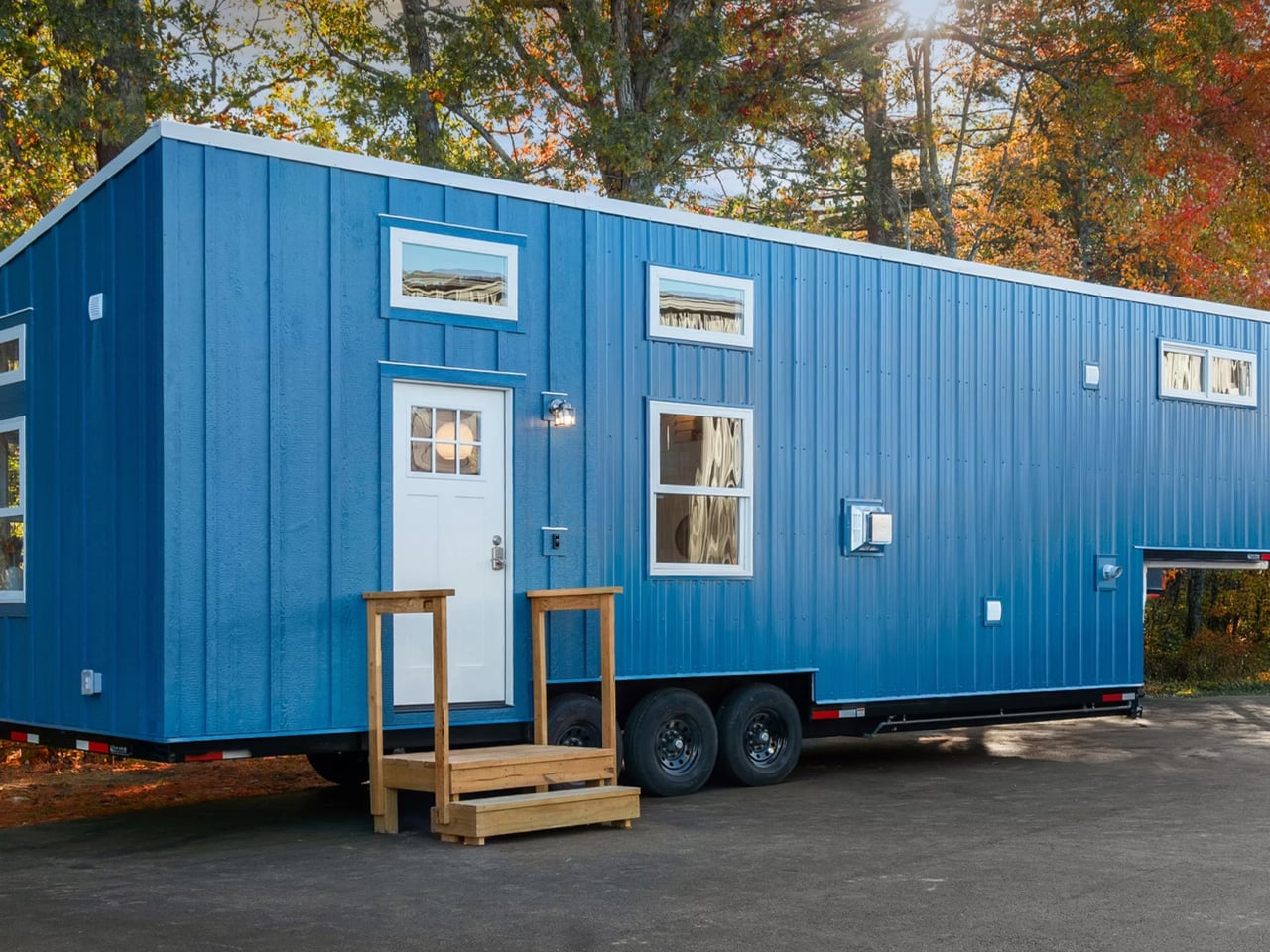
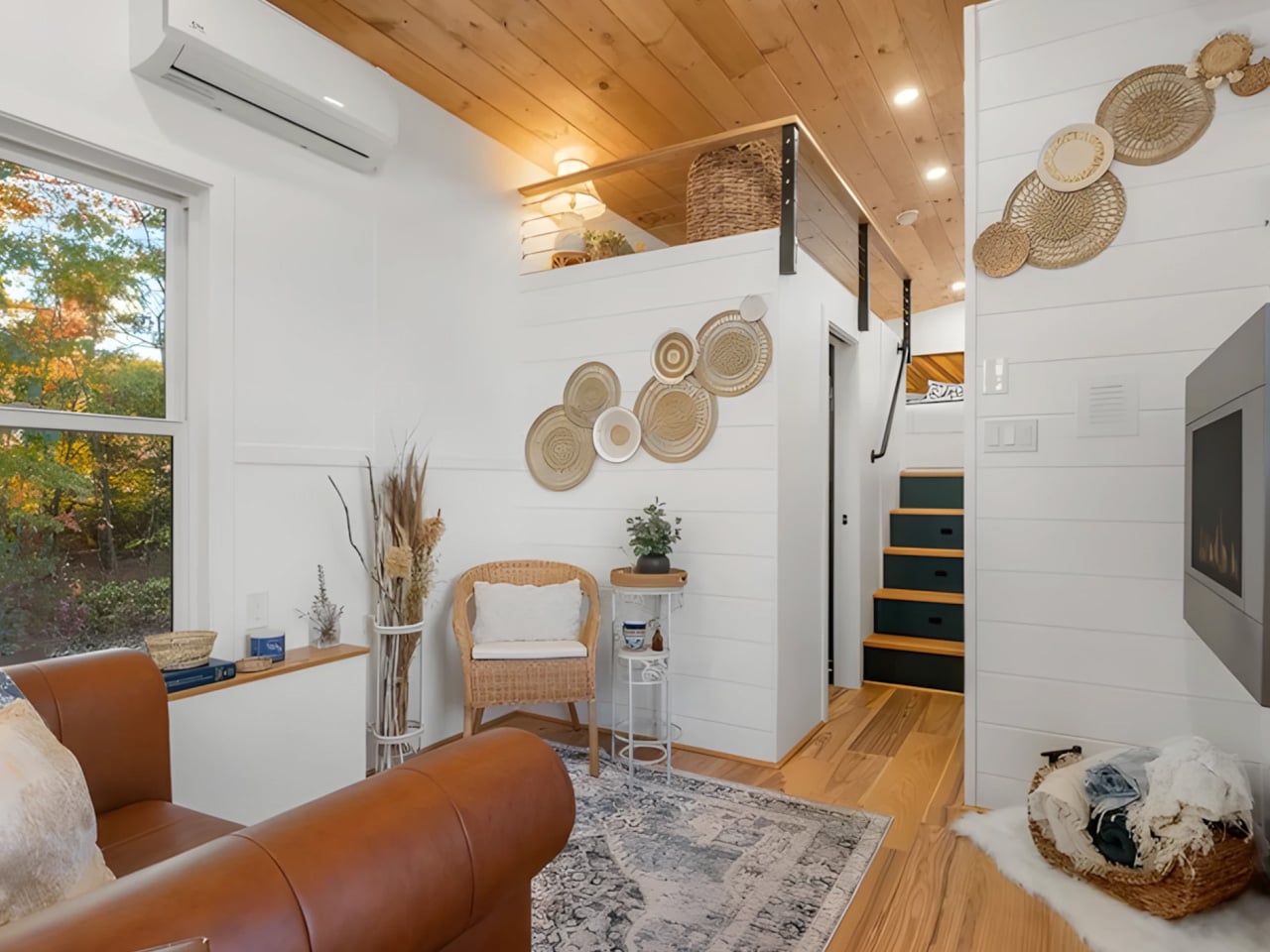
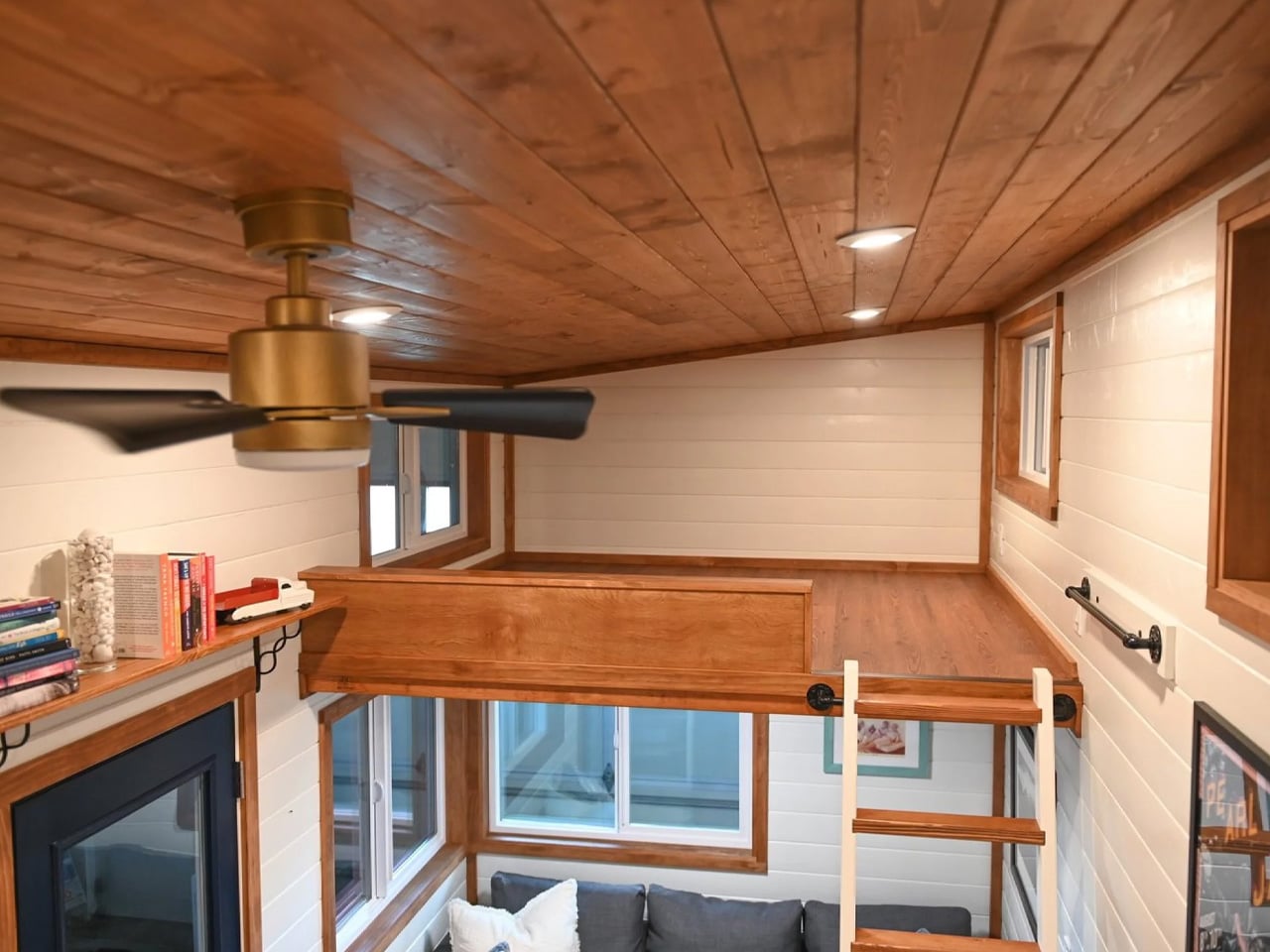
The Beachcomber reimagines tiny home living through its exquisite use of luxury wood finishes, creating a warm, elevated atmosphere within its compact 390-square-foot layout. Crafted by Backcountry Tiny Homes, the 38-by-10-foot structure features rich timber surfaces that define every major space, from the expansive kitchen cabinetry to the full-height king-sized bedroom loft. These natural wood elements pair beautifully with the 13.5-foot ceilings and open-plan design, while strategic window placement enhances the material’s warmth with abundant natural light. The result is a space that feels refined, calming, and far more sophisticated than typical compact dwellings.
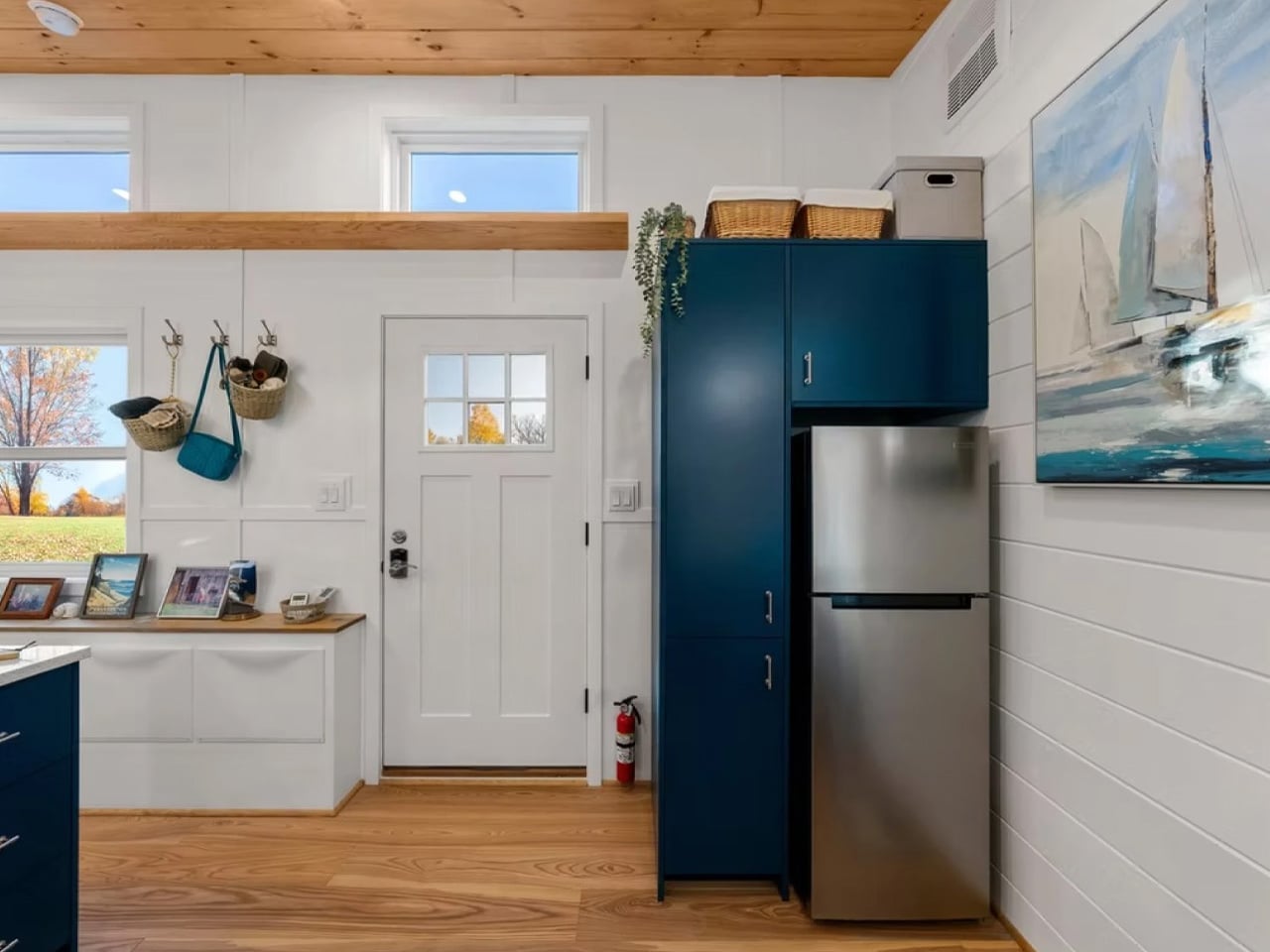
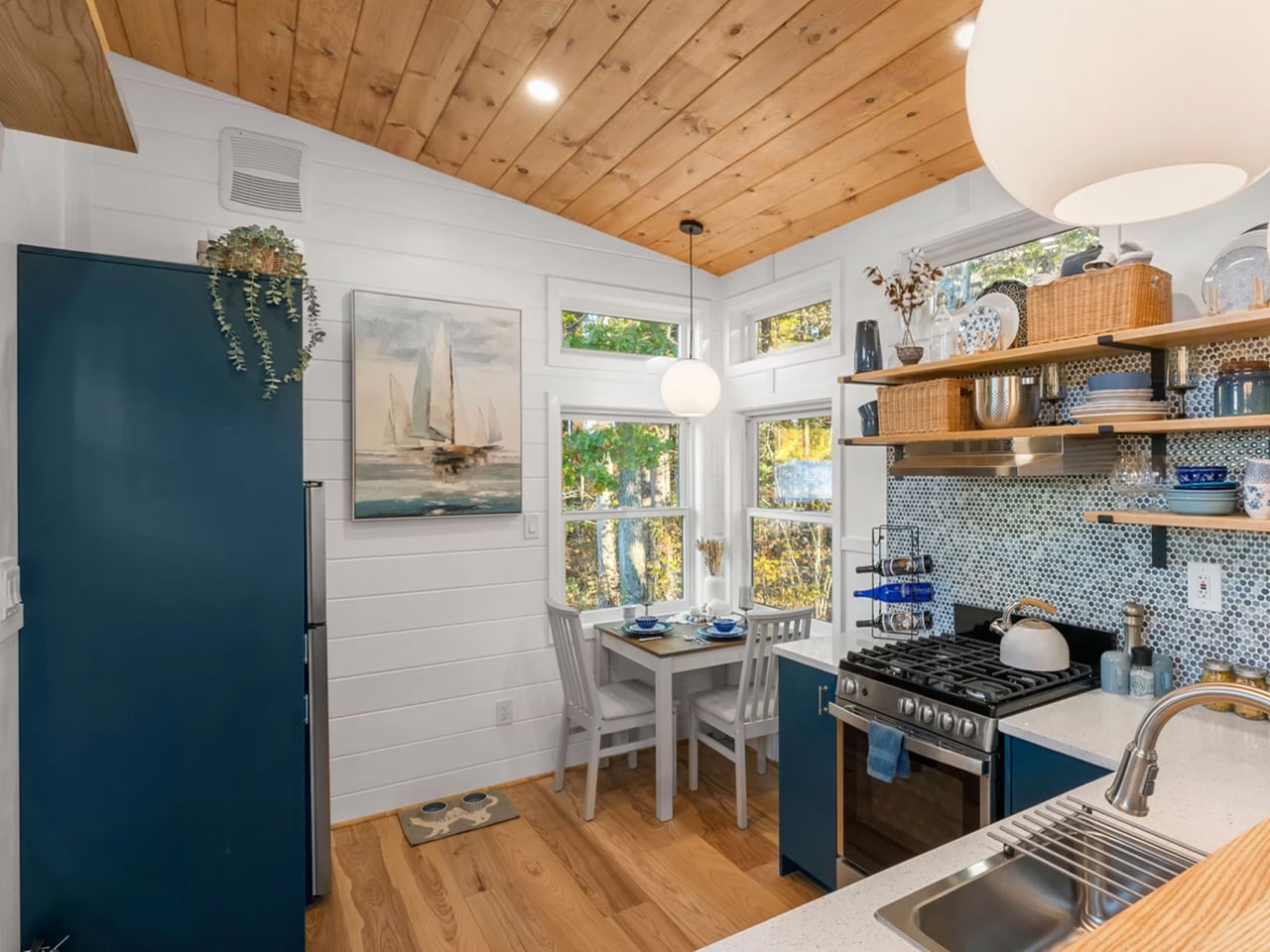
Inside, thoughtful detailing ensures the wood tones remain the hero with built-in storage nooks, a dedicated dining area, and a bright living zone, all showcase the craftsmanship and cohesive palette. The Beachcomber proves that luxury is not defined by size but by material quality and design intention, offering a tiny home experience that is both elegant and deeply comfortable.

2. Smart, Hard-Working Design

Small spaces benefit from layouts that move beyond traditional room divisions to create a smooth, intuitive flow. Sliding or pivot doors that disappear into wall pockets allow rooms to shift easily between private and open settings. This flexibility helps living, dining, and cooking areas merge when needed, making the home feel more expansive without compromising comfort or clarity.

Multi-purpose furniture, including storage ottomans or extendable tables, adds function without clutter. Every piece is selected for versatility, ensuring each square foot works efficiently and beautifully.
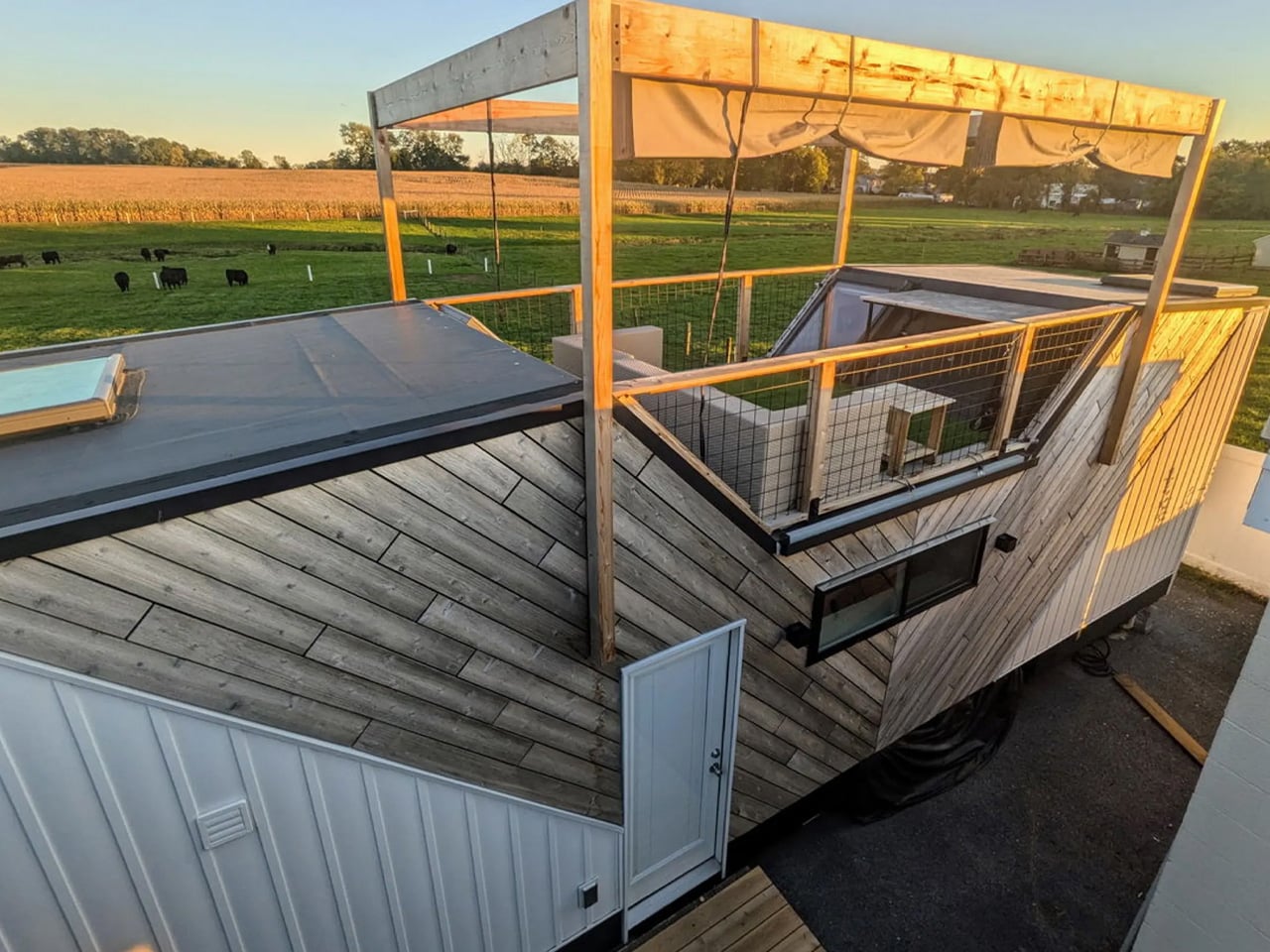
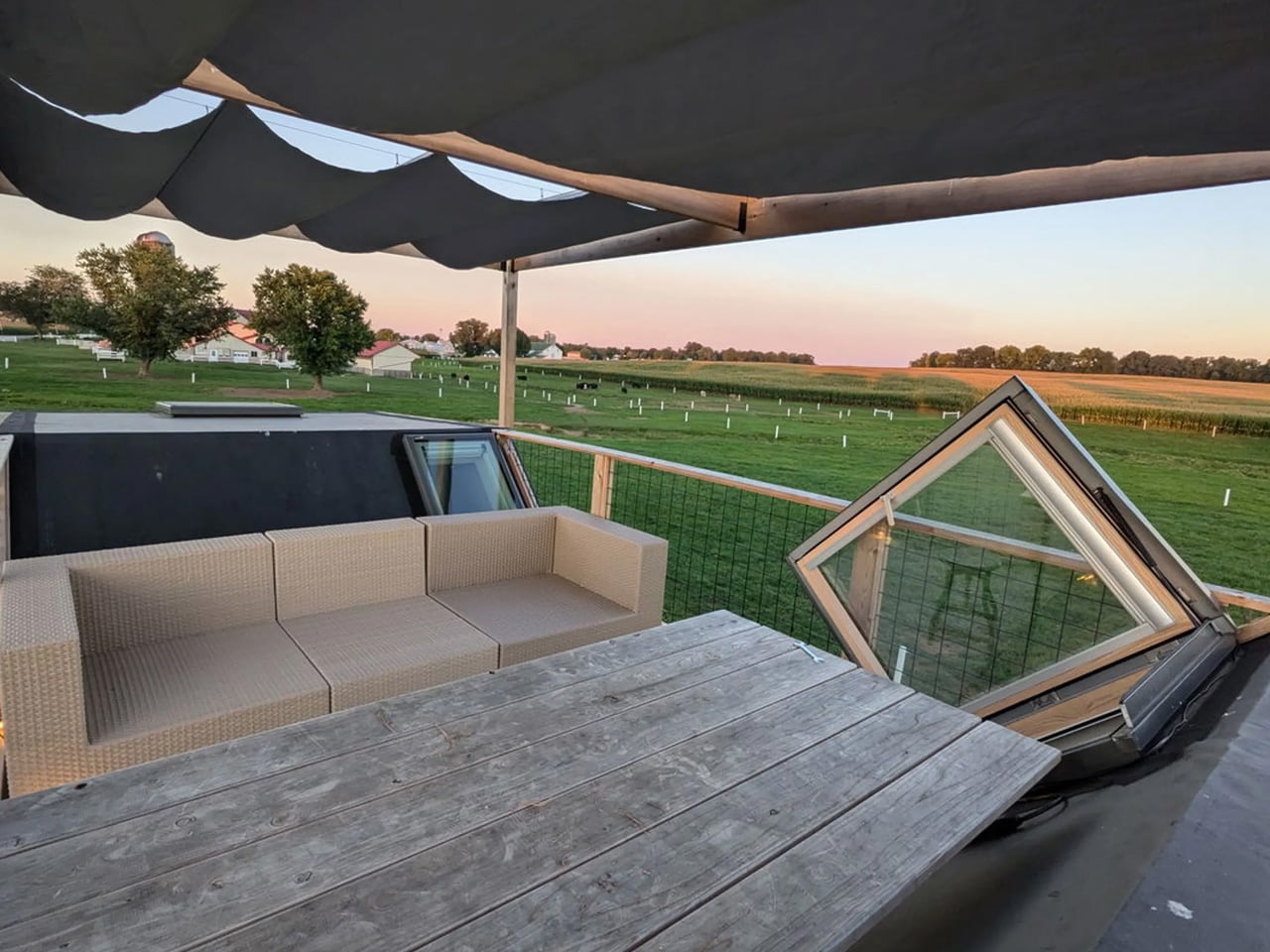
Designed by Modern Shed, this home sits on a triple-axle trailer and measures 34 ft by 10 ft, creating a wider and more open interior. Sliding glass doors open directly into a bright living area featuring built-in seating, clever storage, warm wood accents, and underfloor heating. Breaking from typical layouts, the kitchen is positioned in a loft area reached by a short flight of steps. This elevated space offers generous headroom, modern appliances, a small dining table, and a striking wood-and-cork ceiling.
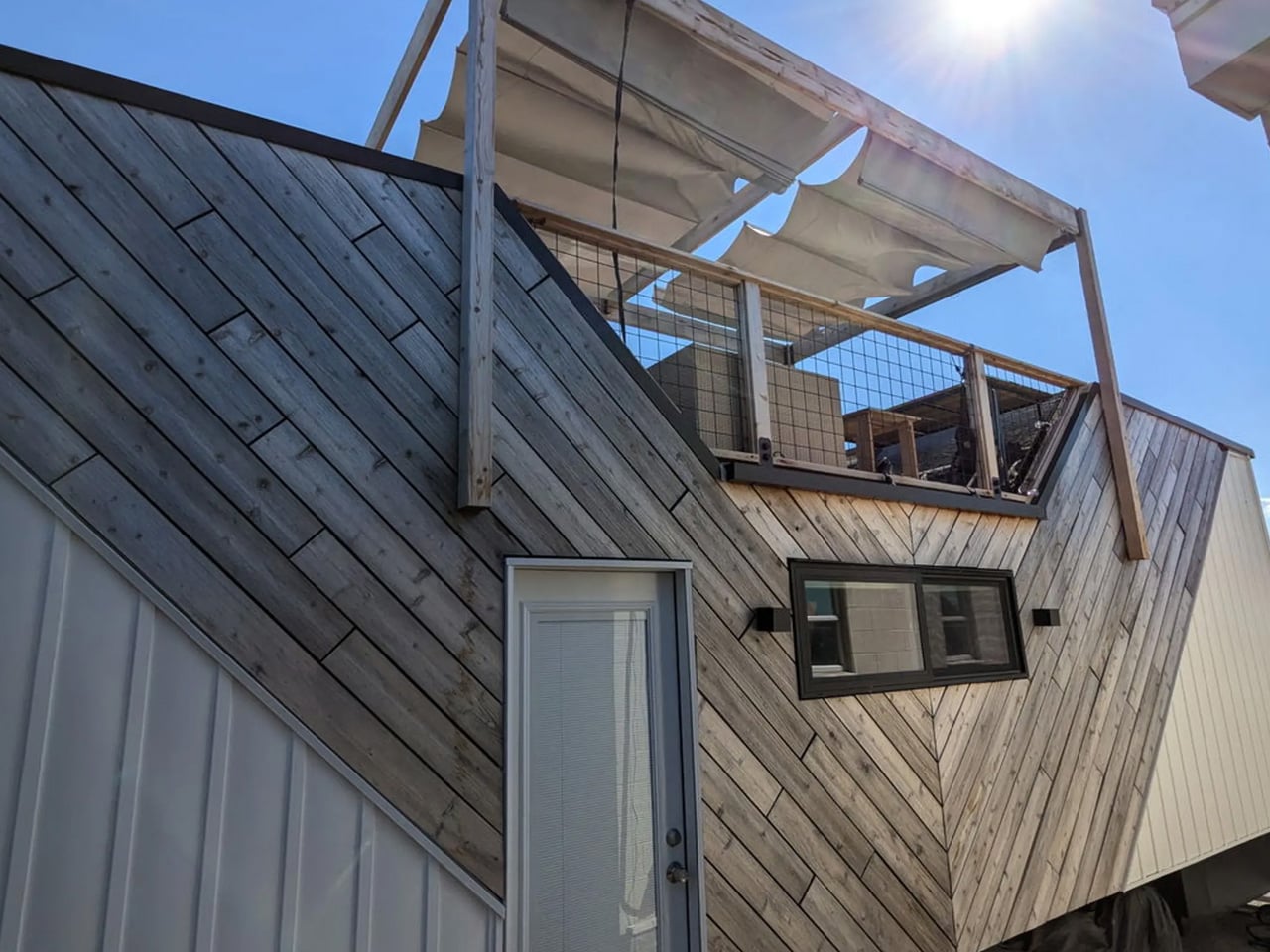
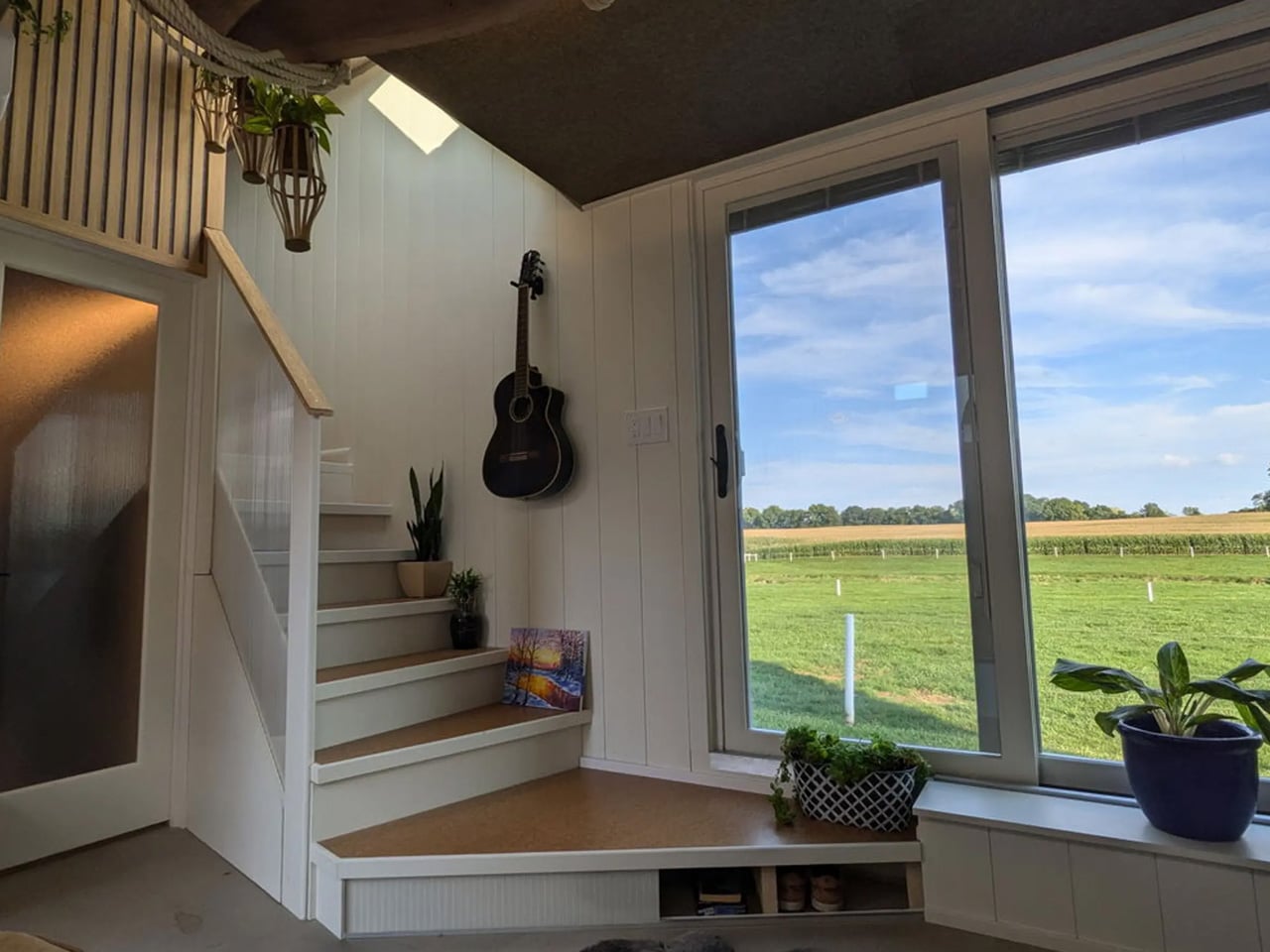
From the kitchen, storage-integrated steps lead to a rooftop terrace complete with seating and a removable pergola, which is an inviting outdoor retreat ideal for dining or relaxing. The bedroom loft, accessed from the living room, includes a double bed, skylight, and a lowered standing platform for added comfort. The ground-floor bathroom completes the design with a vanity, shower, toilet, washer/dryer, and direct outdoor access.

3. Lighting That Elevates Space

Lighting design is one of the most effective ways to elevate a small room, shaping the atmosphere rather than simply brightening it. A layered approach works best, combining ambient lighting for overall illumination, task lighting for focused activities, and accent lighting to highlight features such as artwork or textured walls.

Warm, dimmable LEDs help set the mood throughout the day, shifting from bright morning clarity to a soft, calming evening glow. Indirect lighting, such as concealed strips in coves, skirting boards, or behind mirrors, reduces glare and washes surfaces gently with light.
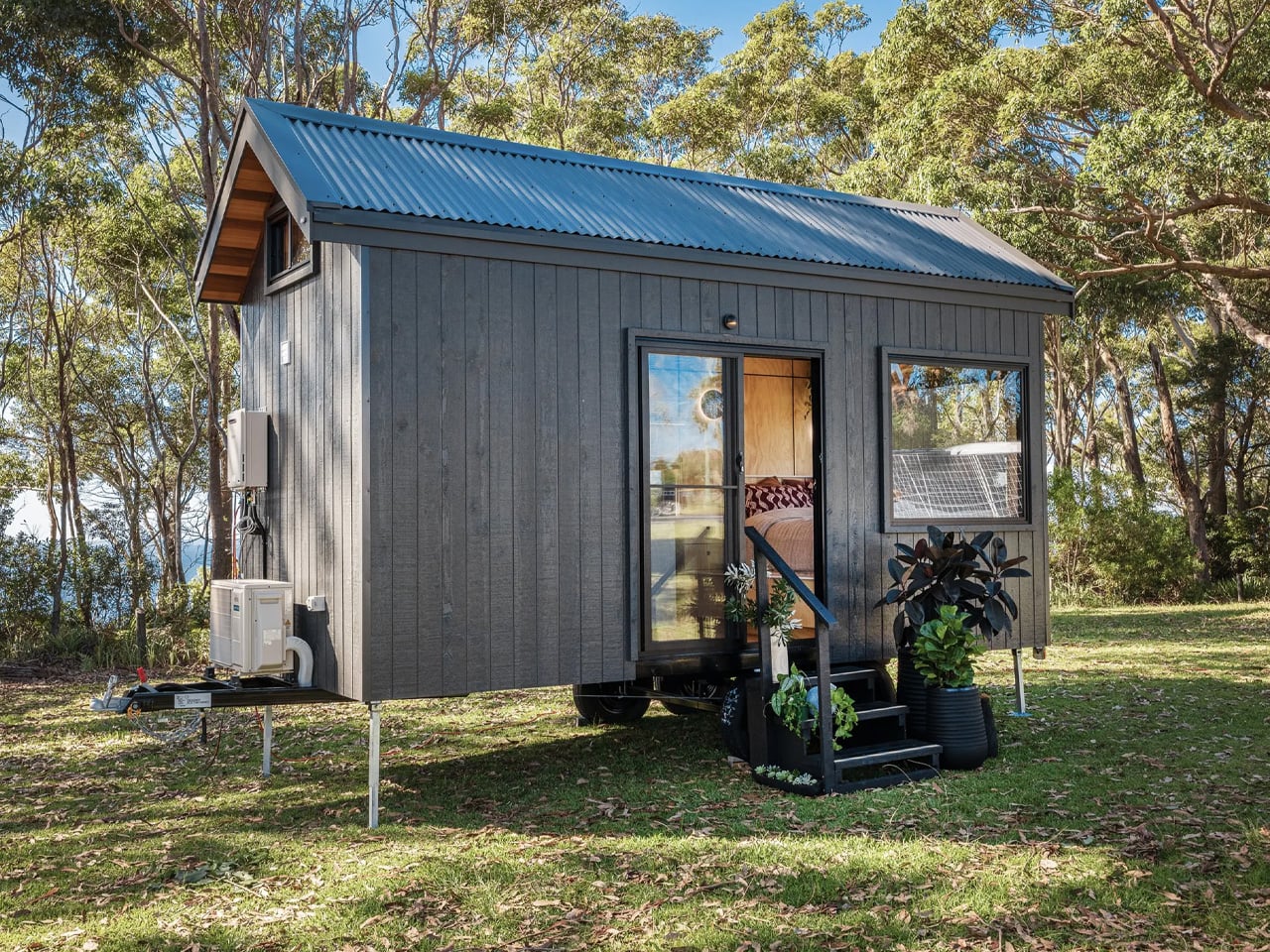
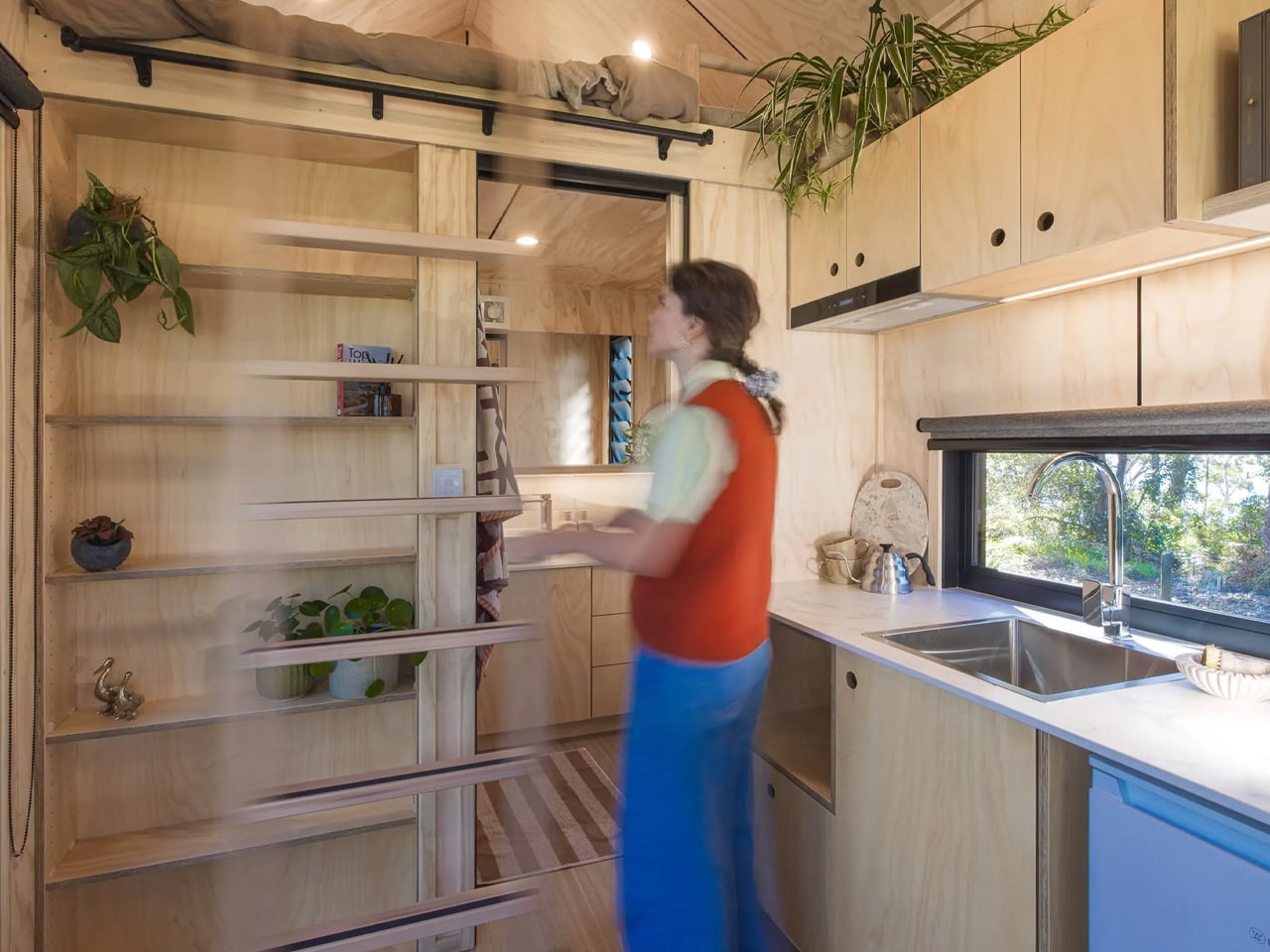
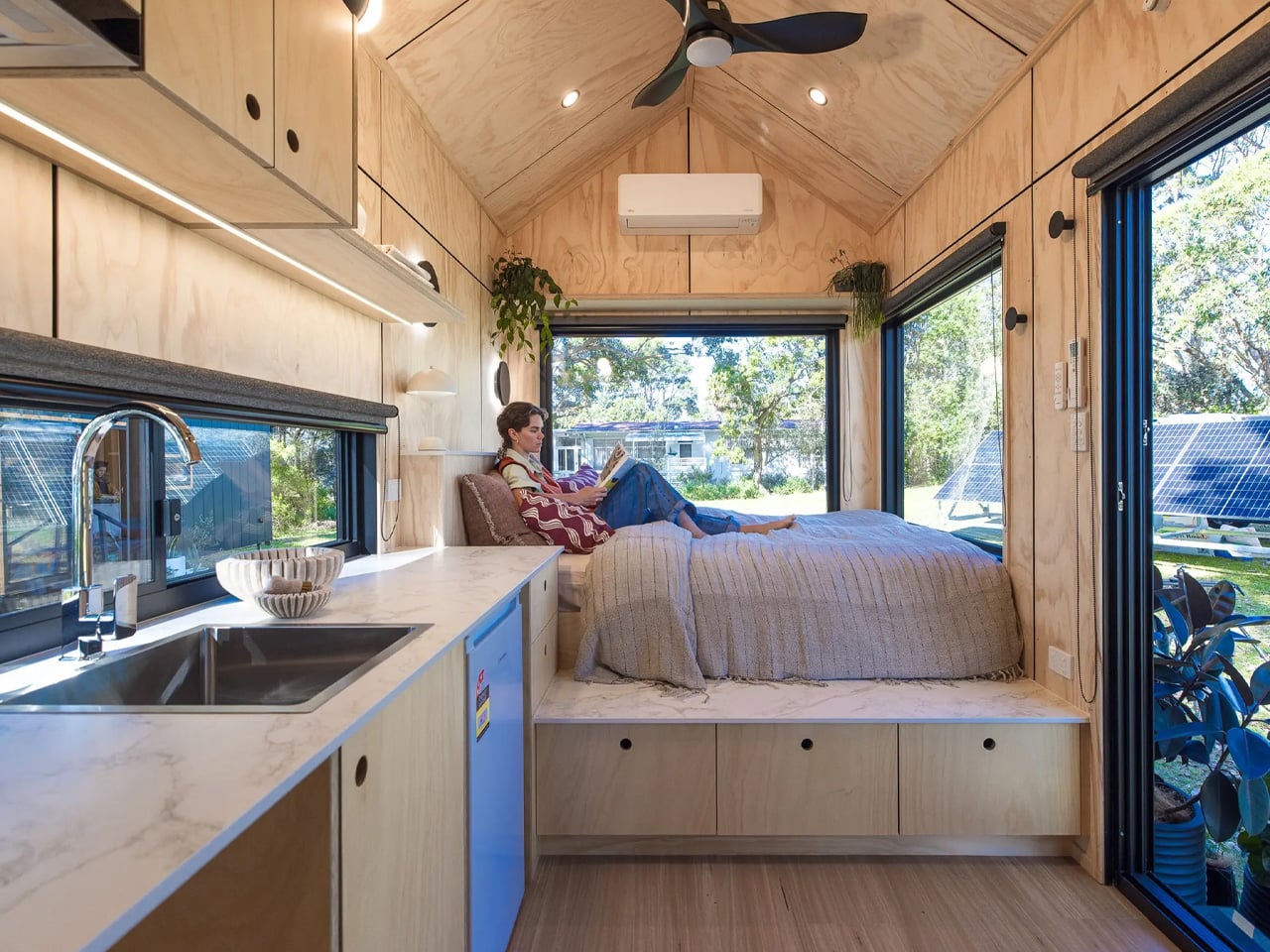
The Five Four tiny home by Designer Eco Tiny Homes demonstrates how strategic lighting can transform a compact space into a warm and inviting environment. Measuring just 5.4 meters in length, the home relies on natural light from large windows and a sliding glass door to fill the main living area, creating a bright, airy atmosphere despite its modest size. Thoughtful placement ensures the interior feels open and connected to the outdoors, while the warm tones of the plywood interior are enhanced, adding texture and depth.
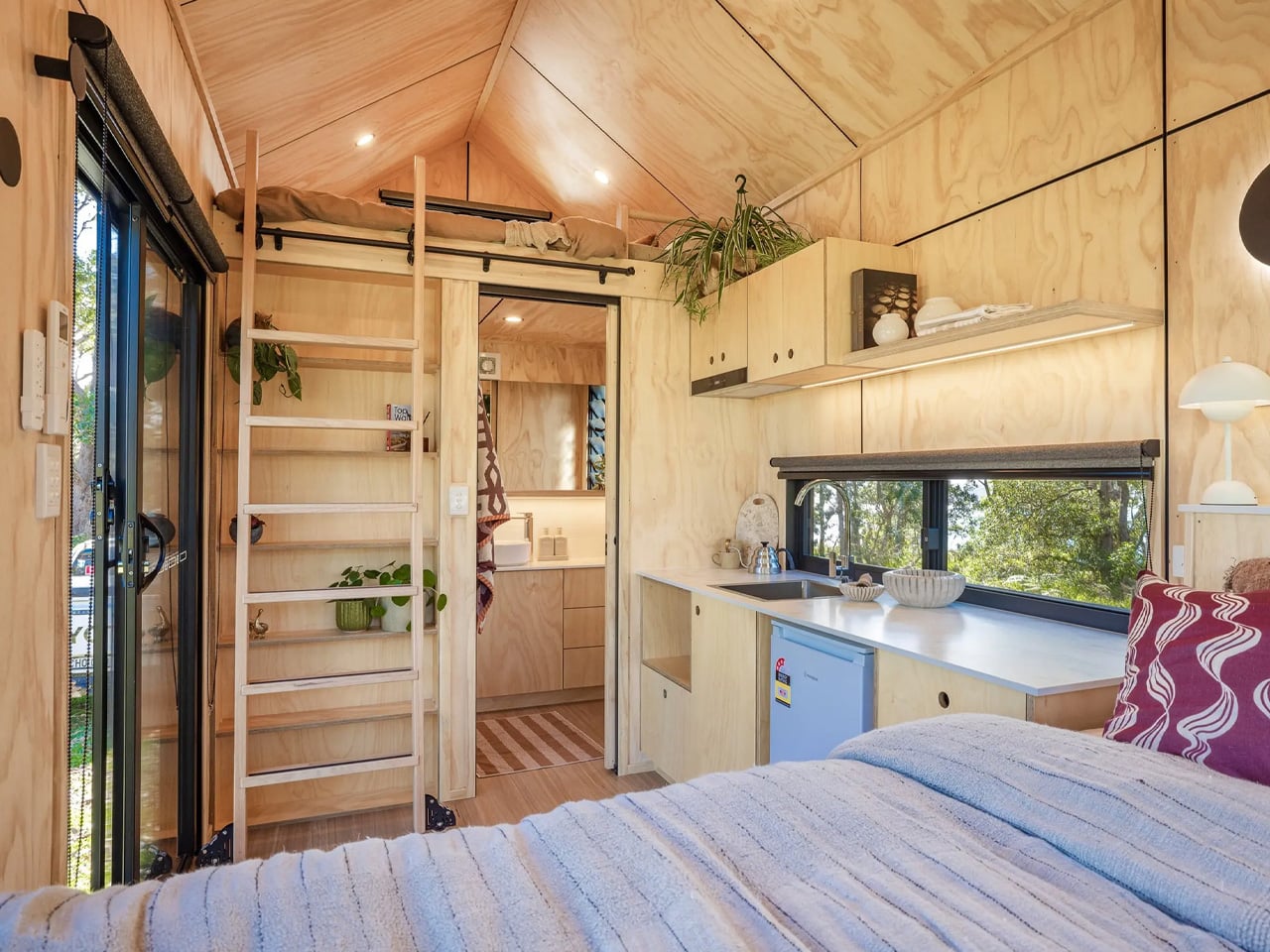
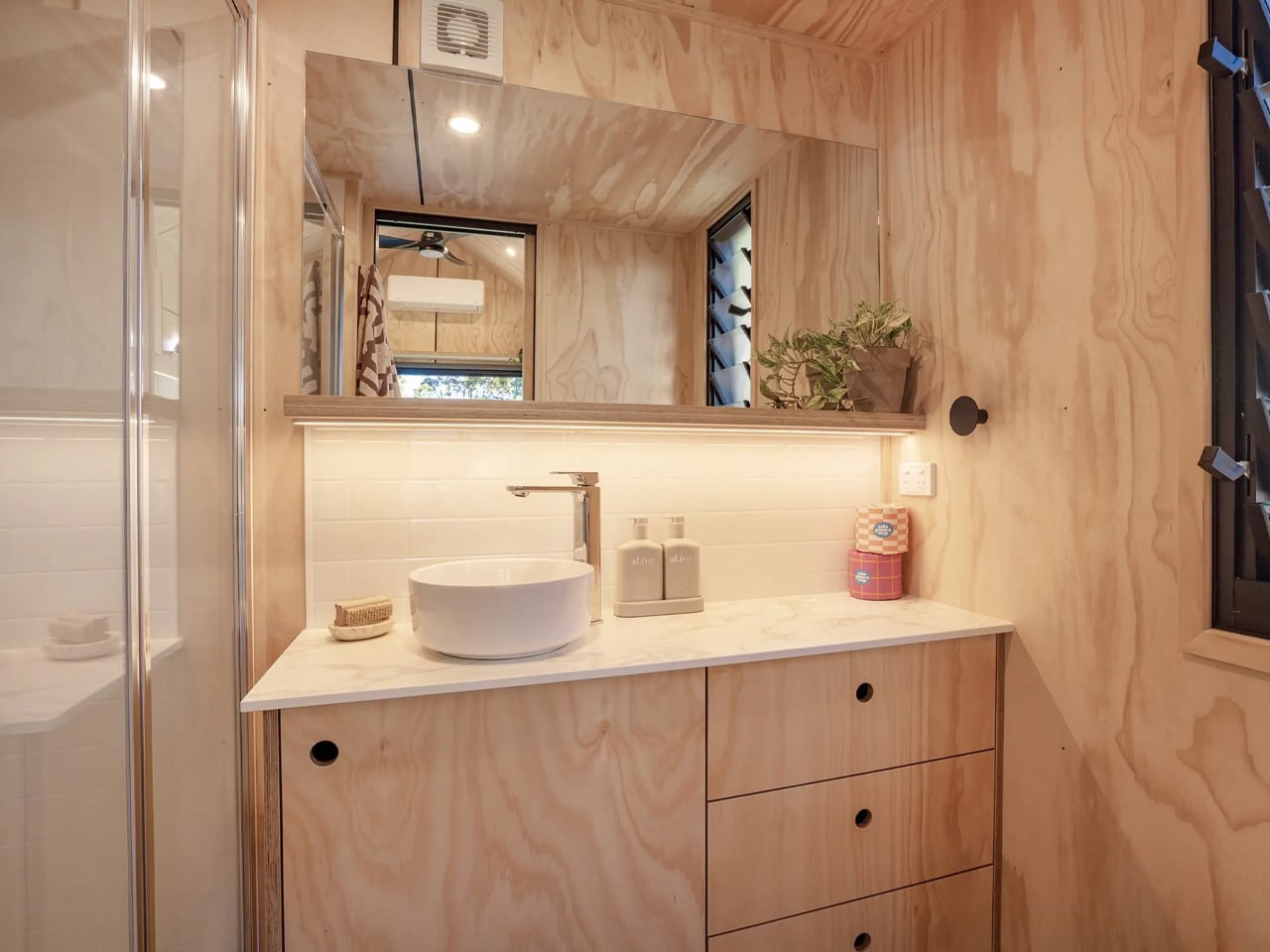
The open-plan layout allows light to flow freely across living, dining, and sleeping areas, reducing shadows and enhancing the perception of space. Artificial lighting is equally considered, with task lighting in the kitchen and accent lighting highlighting key features, creating a layered and flexible illumination strategy. Combined with carefully positioned fixtures, the lighting design enhances comfort, usability, and the overall ambiance, making the Five Four feel both functional and welcoming in its compact footprint.

4. Storage as Design

In a tiny home, storage should be treated as an integral part of the architecture rather than a purely functional element. Fully recessed, in-wall systems allow shelves, cabinets, and appliances to be hidden, maintaining clean lines and a sense of spaciousness. Thoughtful placement ensures that essential items are stored efficiently without disrupting the home’s visual flow.

Display niches and integrated vanities further elevate the design. By combining functionality with aesthetics, storage becomes both practical and elegant, reinforcing the home’s refined, minimal, and uncluttered character.
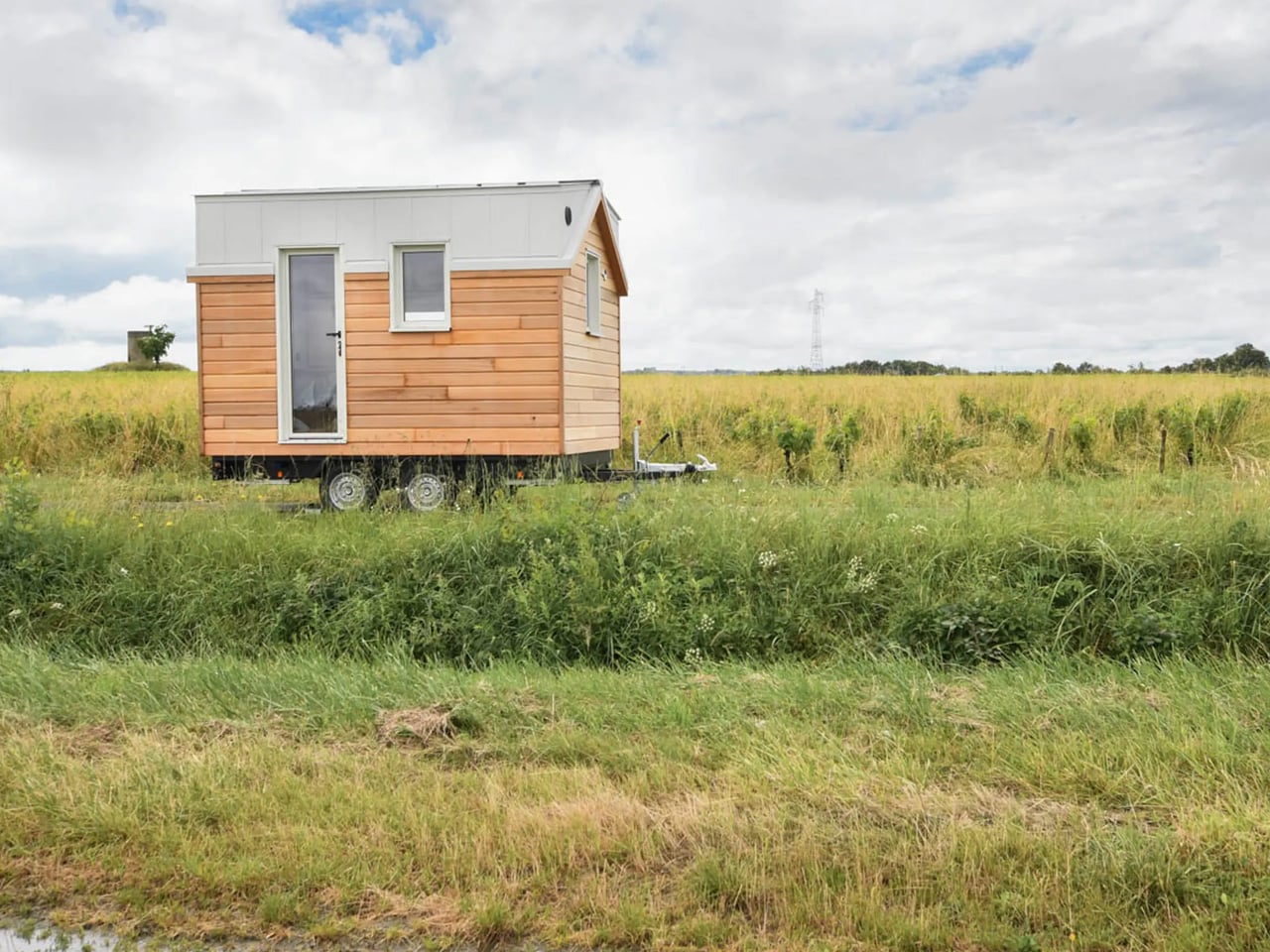
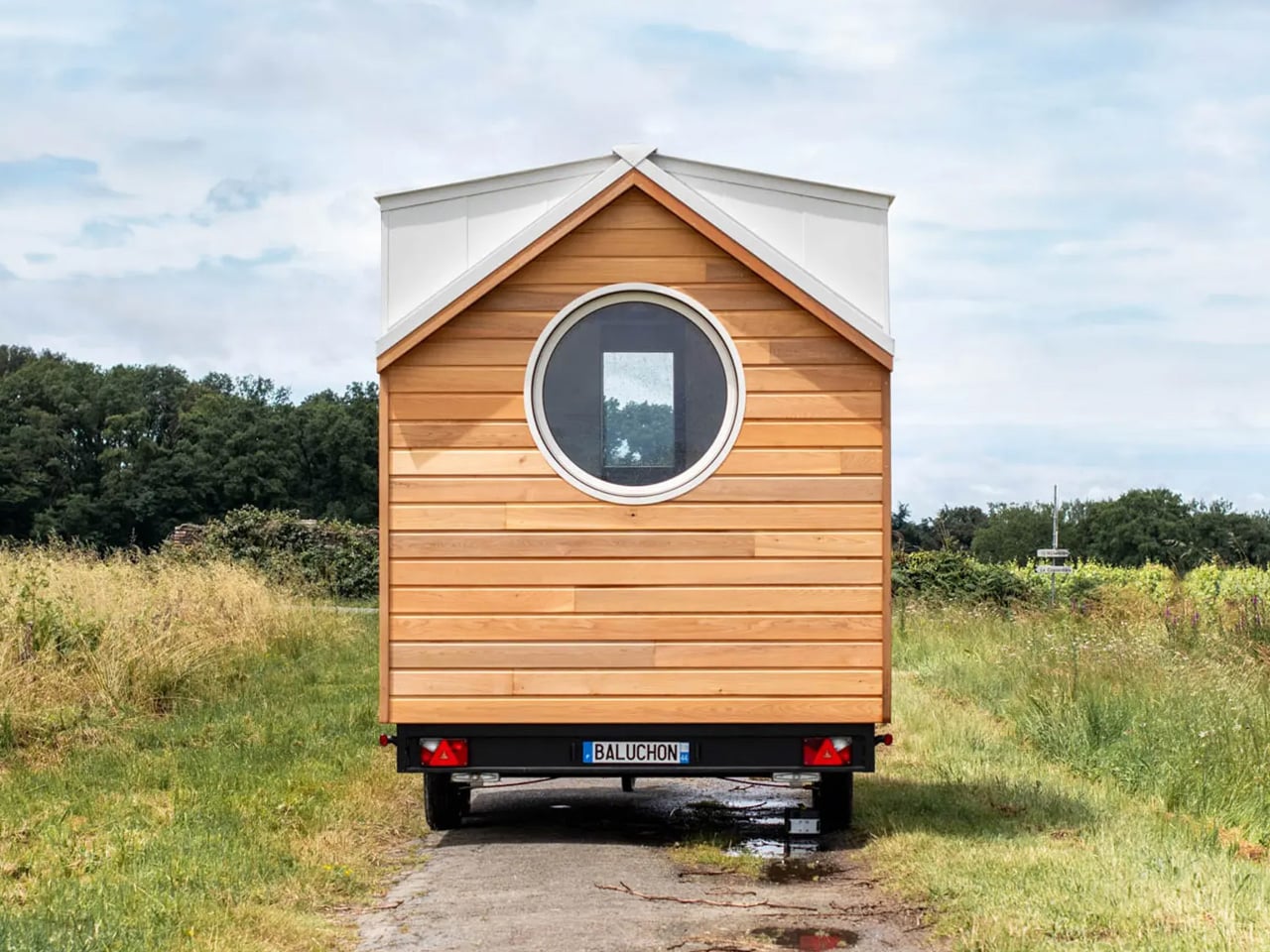
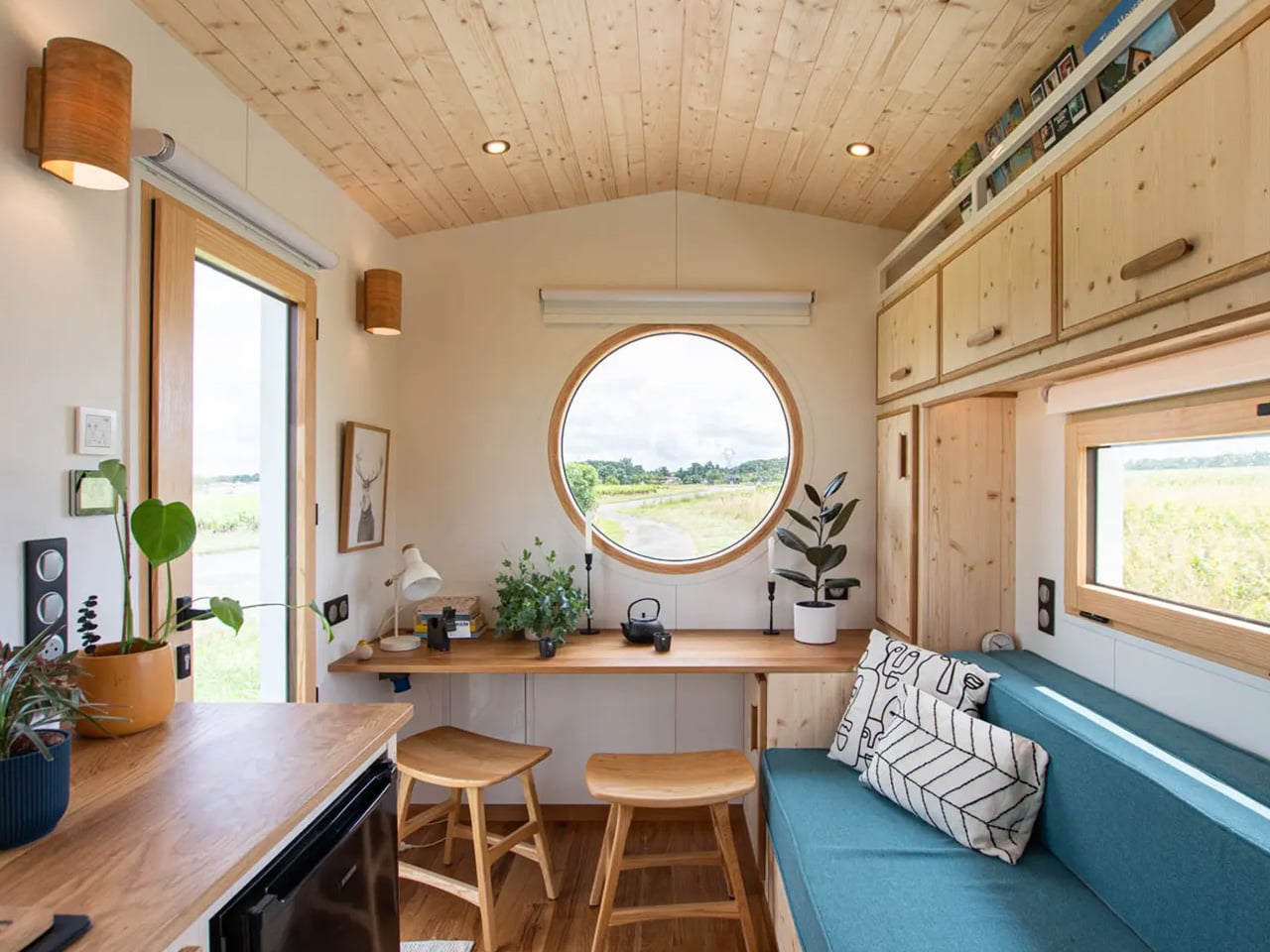
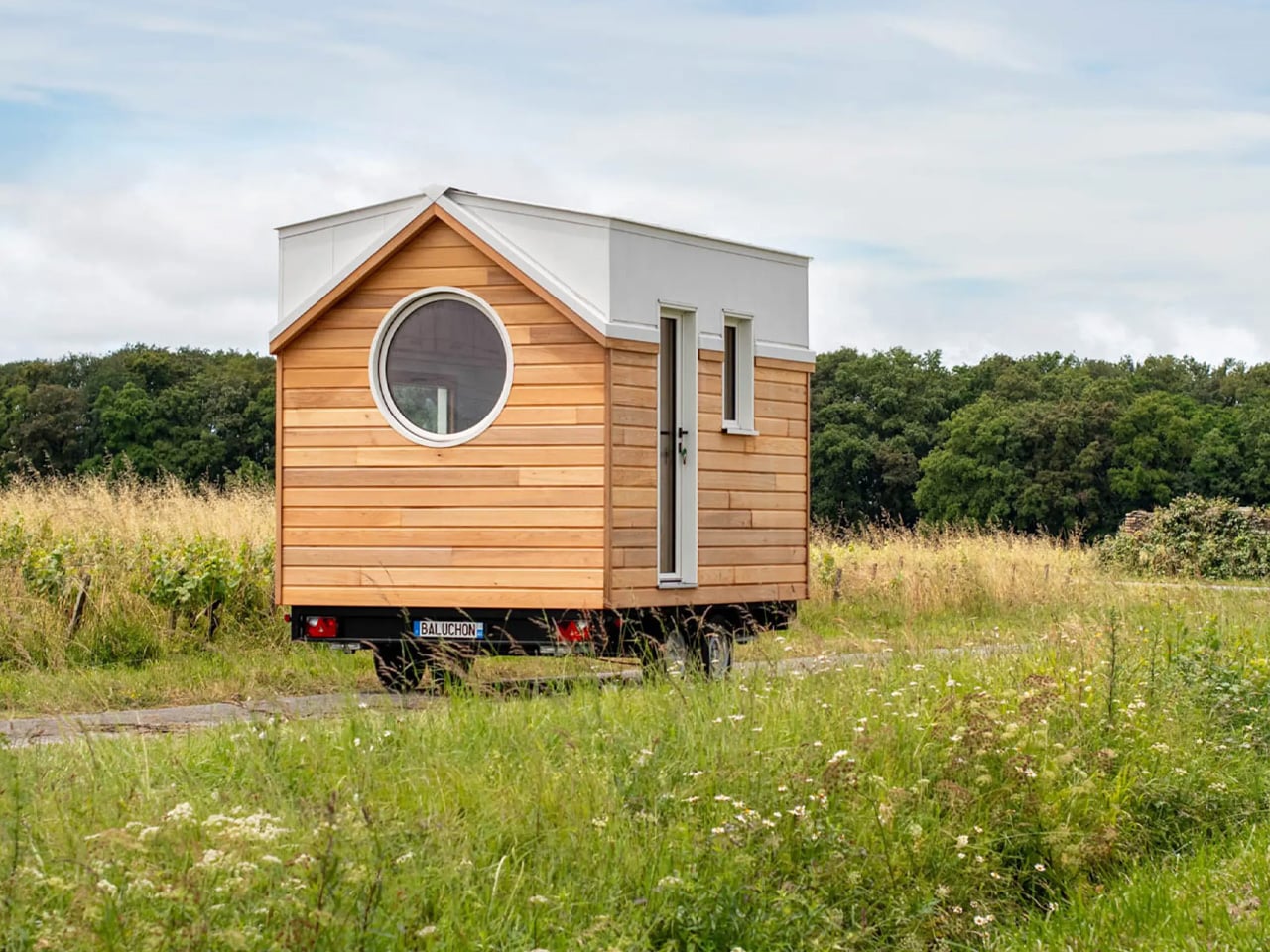
Designed by France’s Baluchon, the Nano Suisse is an impressively compact tiny home that manages to be both practical and functional. Measuring just 3.5 meters in length, it cleverly accommodates two people while including space for a home office. Slightly larger than Baluchon’s original Nano model by just 7.8 inches, it is affectionately called the “big sister” and features a thoughtfully organized interior with a variety of storage solutions. Built on a double-axle trailer, the home is clad in red cedar with aluminum accents, giving it a modern yet warm exterior.
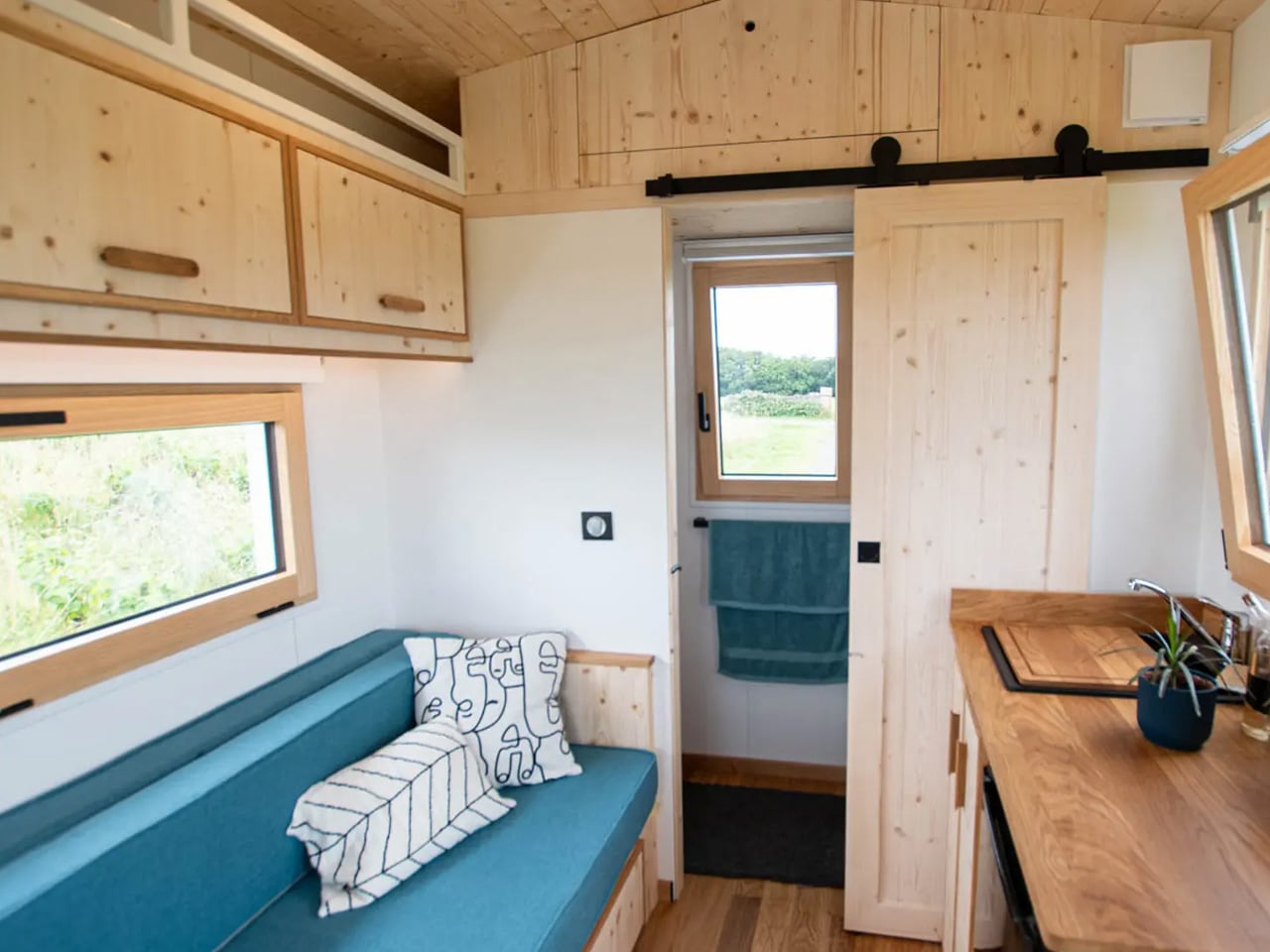
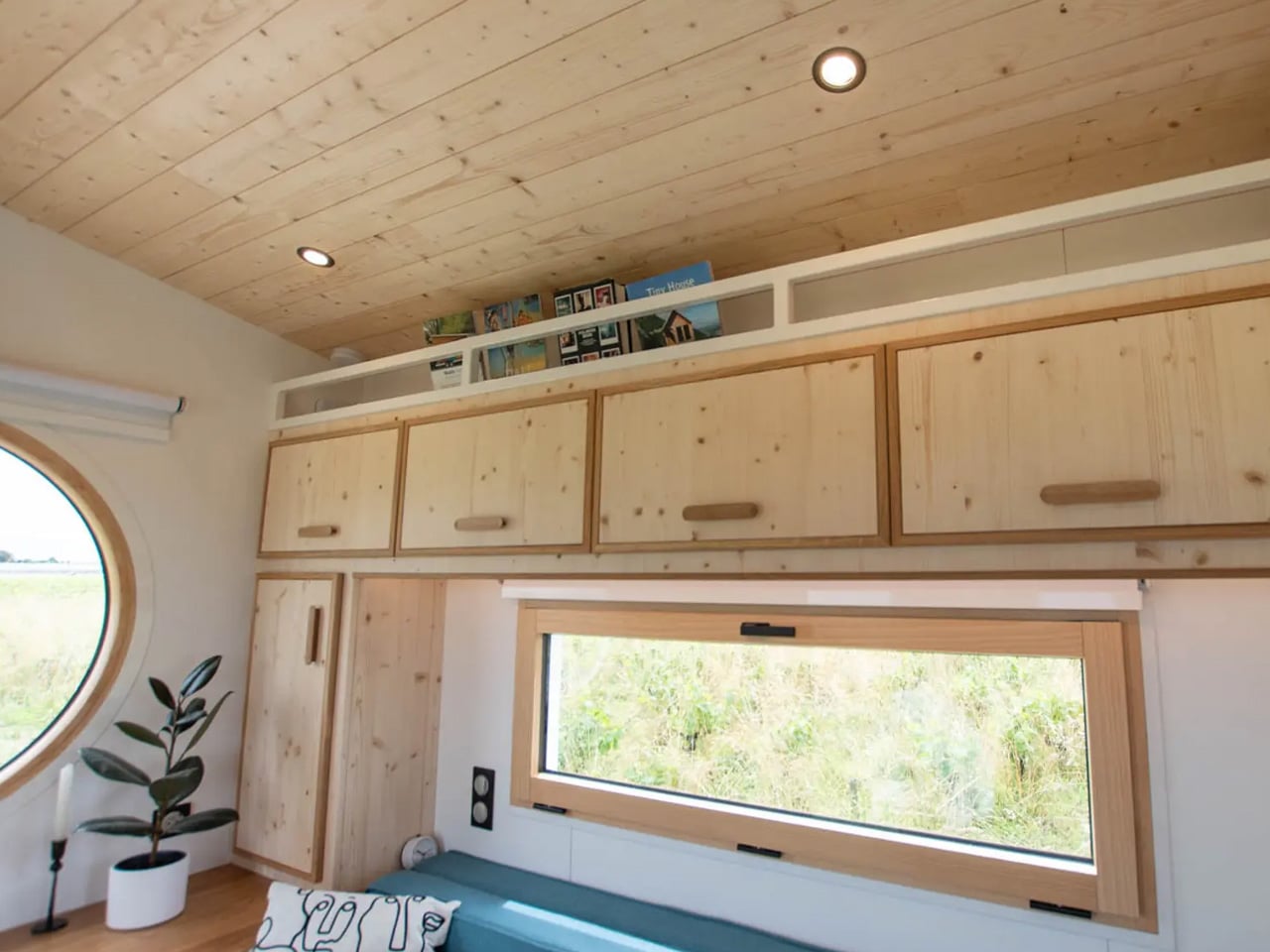
Inside, the home office doubles as a dining area with seating for two, a large porthole-style window, and additional storage. The living area includes a sofa bed with built-in storage, maximizing functionality in the compact space. The kitchen is minimal, featuring a fridge, sink, and portable stove, while the bathroom, accessible via a sliding door, includes a shower, toilet, and a small storage loft above, making efficient use of every inch of the tiny home.

5. Biophilic Design

True luxury bridges the home and its surroundings, creating a biophilic environment that brings the calming benefits of nature into urban living. Every window can act as a framed vista, turning exterior views into living art and visually expanding the home’s boundaries. This deliberate connection to the outdoors enhances both well-being and spatial perception.

Sustainability and cultural context are equally important. High-performance, double- or triple-glazed windows and quality insulation ensure thermal efficiency and reduce the carbon footprint. Thoughtful integration of regional principles, such as the sequencing of private and public zones inspired by Vastu, adds depth and harmony, blending modern design with timeless wisdom for a space that feels both luxurious and contextually grounded.
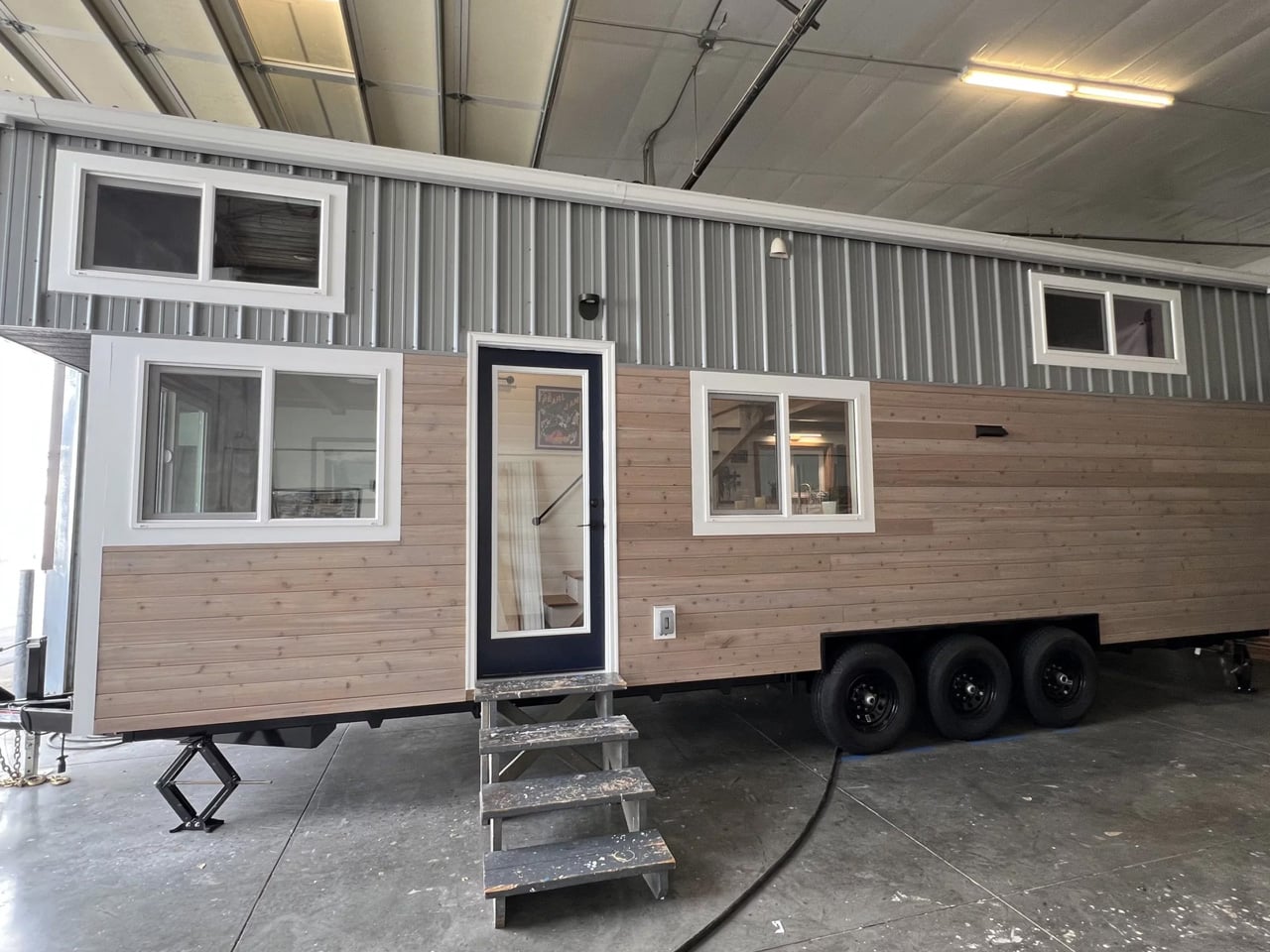
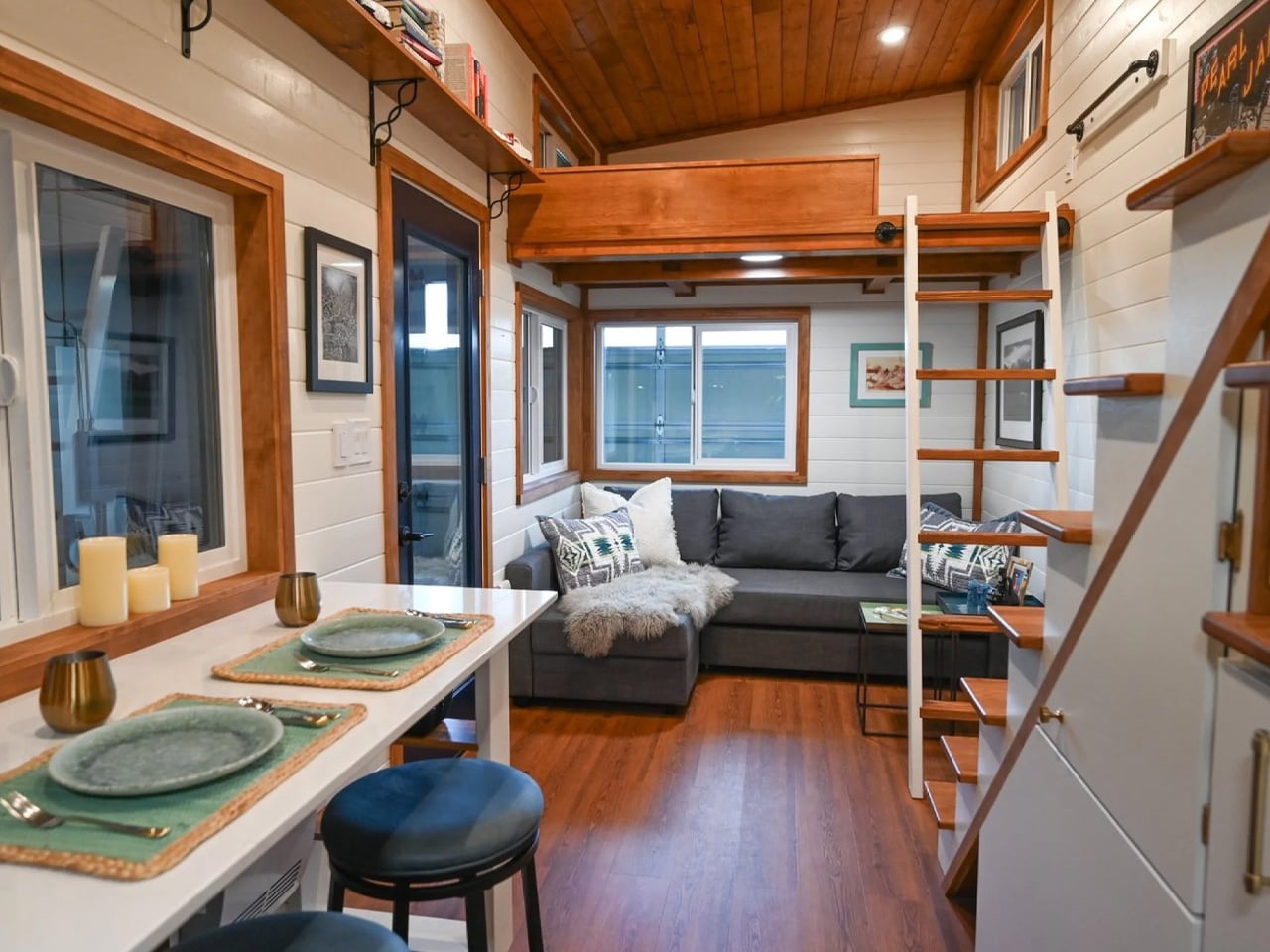
Big Freedom Tiny Homes continues to redefine compact living with a 30-foot (9.14-meter) tiny house that integrates nature into every aspect of its design. Built on a triple-axle trailer, the home balances mobility with generous, well-planned interiors. Richly stained cedar siding and metal accents create a durable, warm exterior that blends seamlessly with natural surroundings, from forest clearings to lakesides. Large glazed doors and windows connect the interior to the outdoors, filling the living space with daylight and providing constant visual access to the surrounding landscape, enhancing a sense of openness and calm.
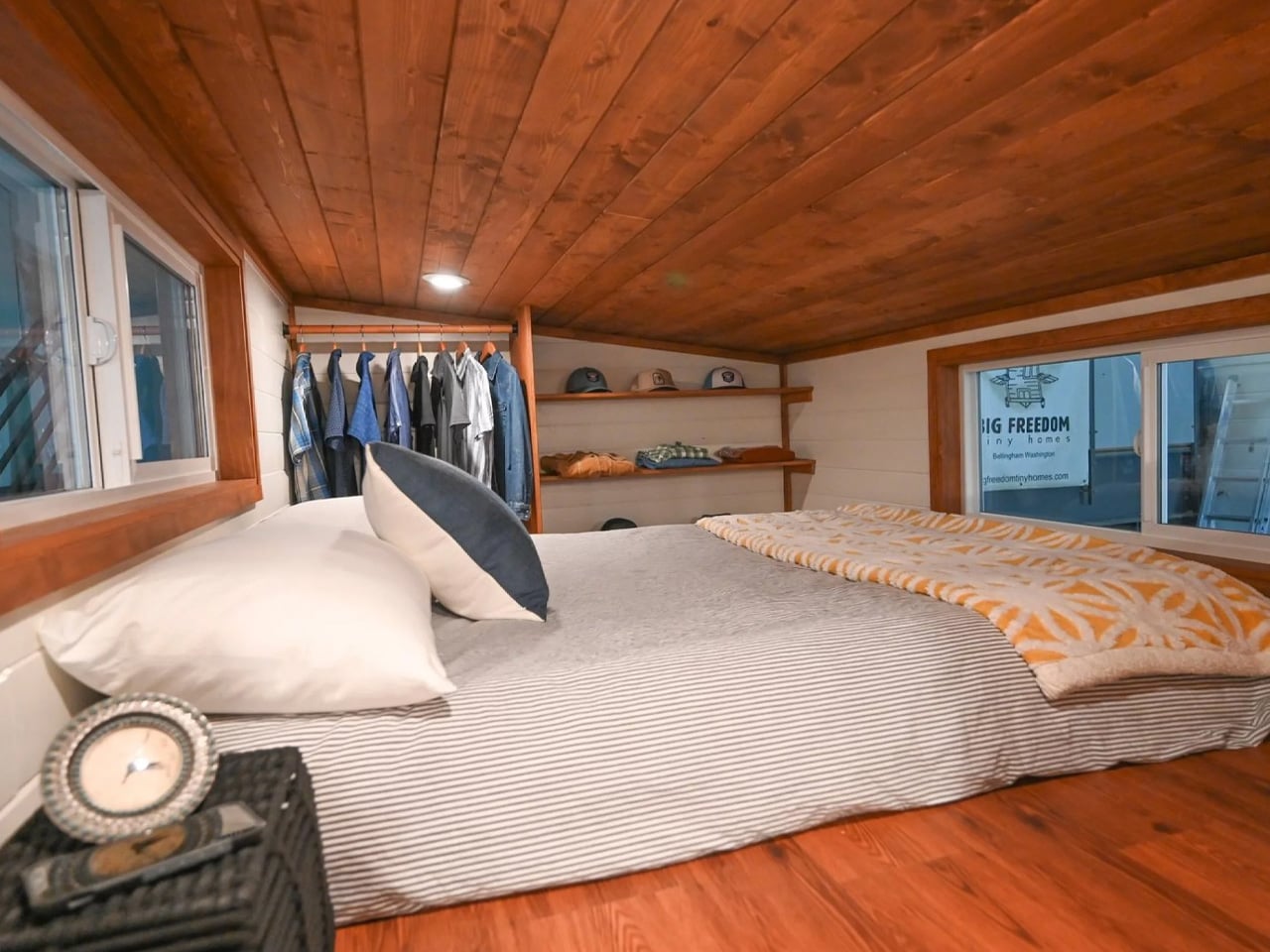
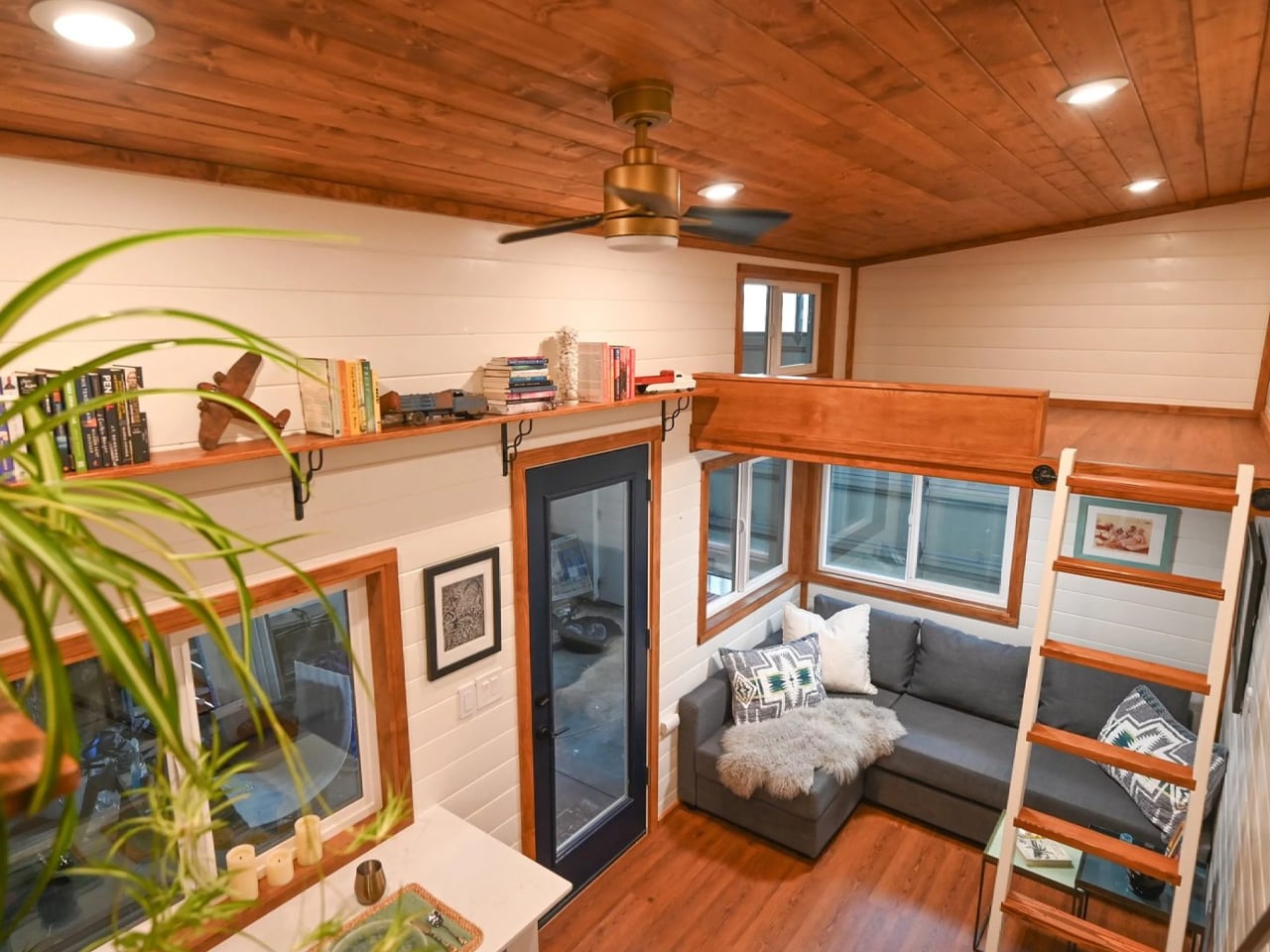
Inside, biophilic principles continue through material choices and spatial planning. The living area, kitchen, and lofted bedrooms are oriented to maximize natural light and airflow, while warm wood finishes echo the exterior cedar. Thoughtful window placement frames exterior views like living art, fostering a constant connection with nature. Efficient layouts, built-in storage, and flexible spaces ensure comfort and functionality without compromising the immersive, nature-focused atmosphere that defines this tiny home.

Transforming a tiny home into a luxury space demands precision, thoughtful materiality, and attention to the resident’s experience. Through meticulous detailing, flexible layouts, and poetic lighting, true luxury emerges, not from size but from design depth. The result is an efficient, personalized sanctuary that combines sophistication, comfort, and a profound sense of spatial and sensory richness.

The post 5 Tiny Homes That Cost Less Than a Tesla But Look Like Mansions first appeared on Yanko Design.
This Monument-Inspired Speaker Concept Stands Tall on Your Shelf

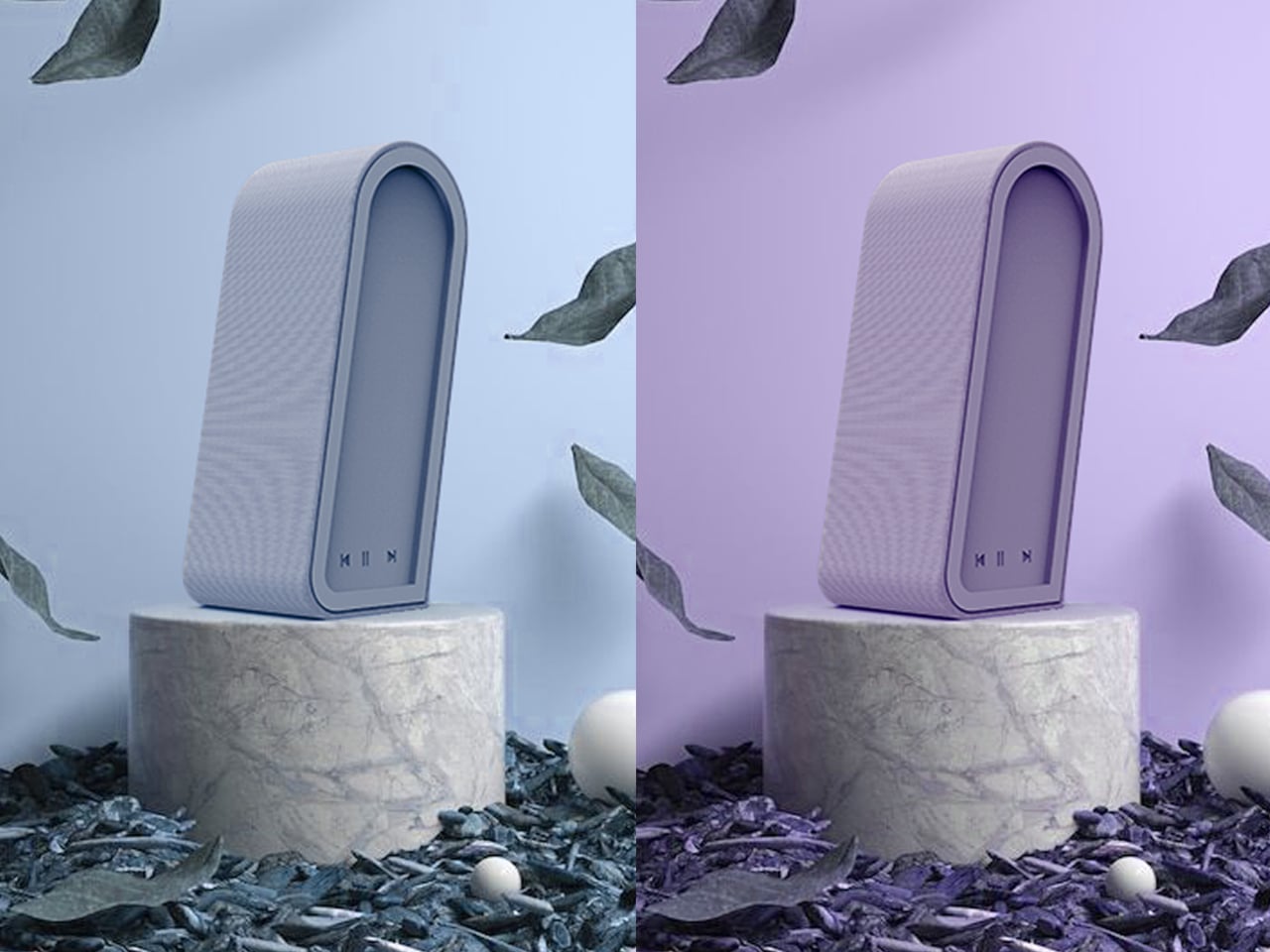
Most wireless speakers fall into two visual camps: squat cylinders that look like tech, or anonymous black boxes that try to disappear. There is a third path, treating a speaker like a small piece of architecture in the room, something that stands tall and holds its ground even when it is silent. Sonique is a vertical aesthetic speaker that leans into that idea, more road sentinel than soda can, more monument than gadget.

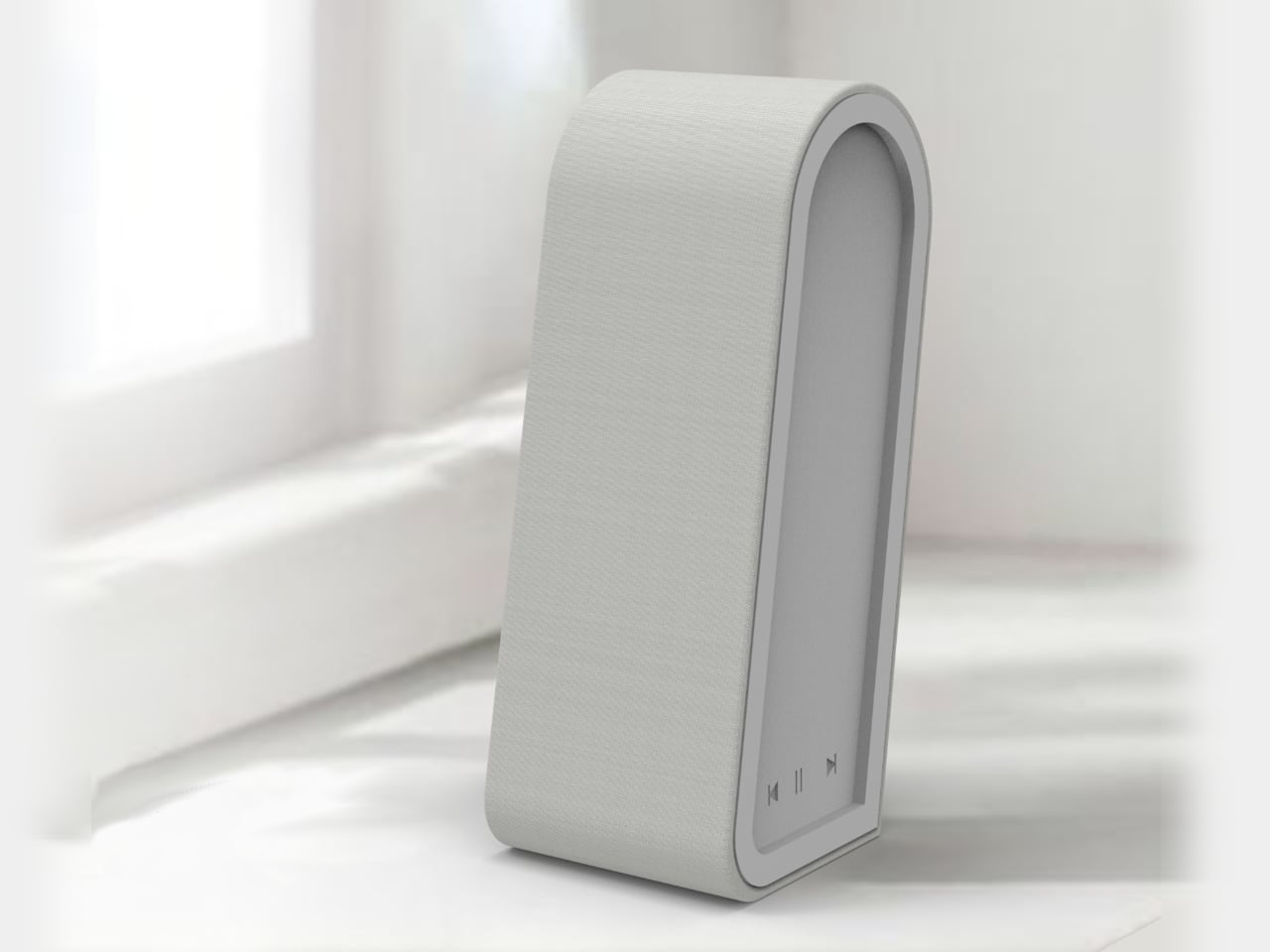
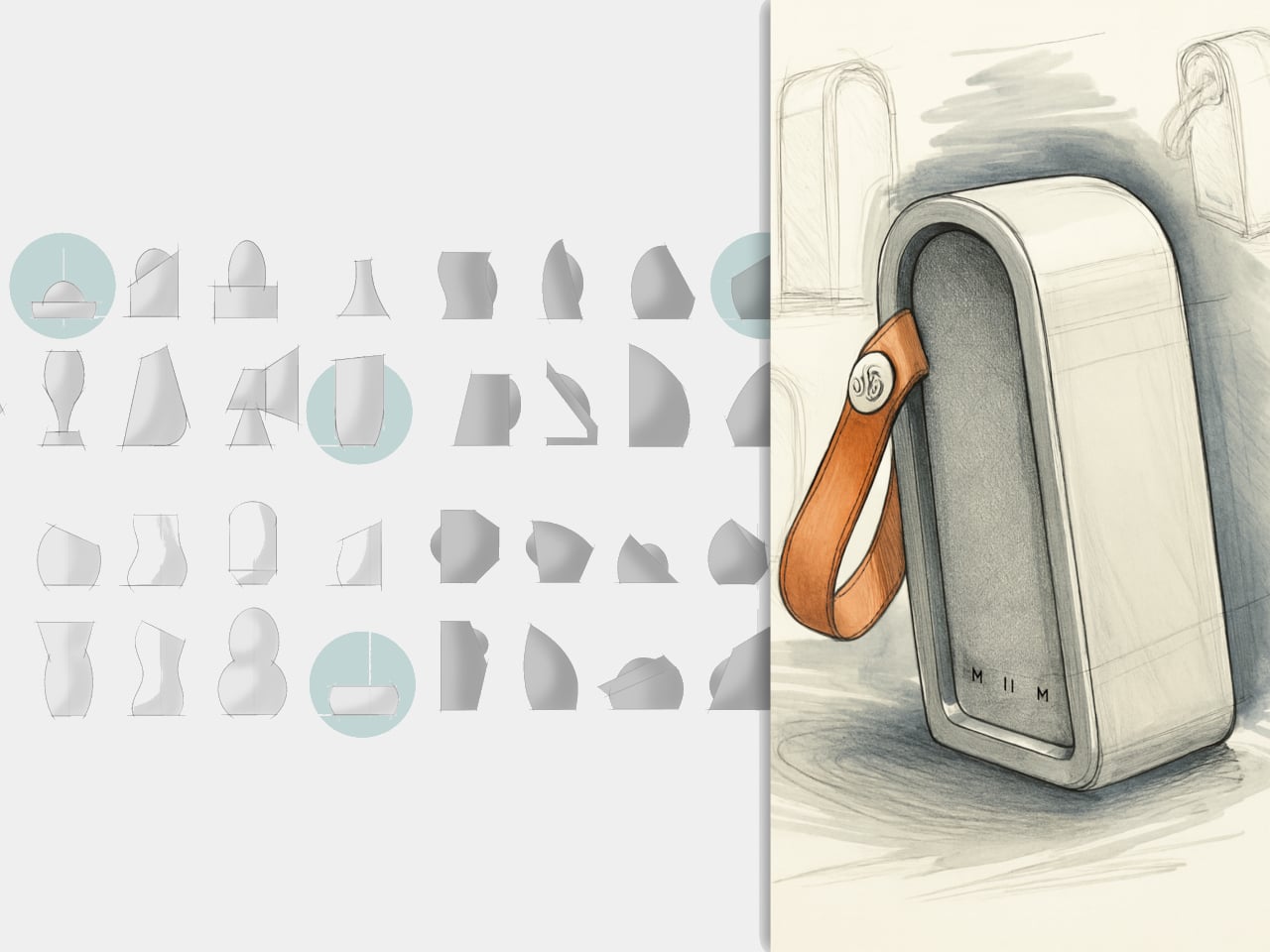
Sonique is a speaker inspired by global monuments, aiming to embody the idea of a road sentinel that seamlessly integrates artistry and functionality. The form language borrows from tall, narrow towers and arches, and the goal is to create an object you would be happy to leave on a shelf even when it is off, because it reads as a small, calm monolith rather than a piece of hardware waiting to be told what to do.

Designer: Eshaan Gupta

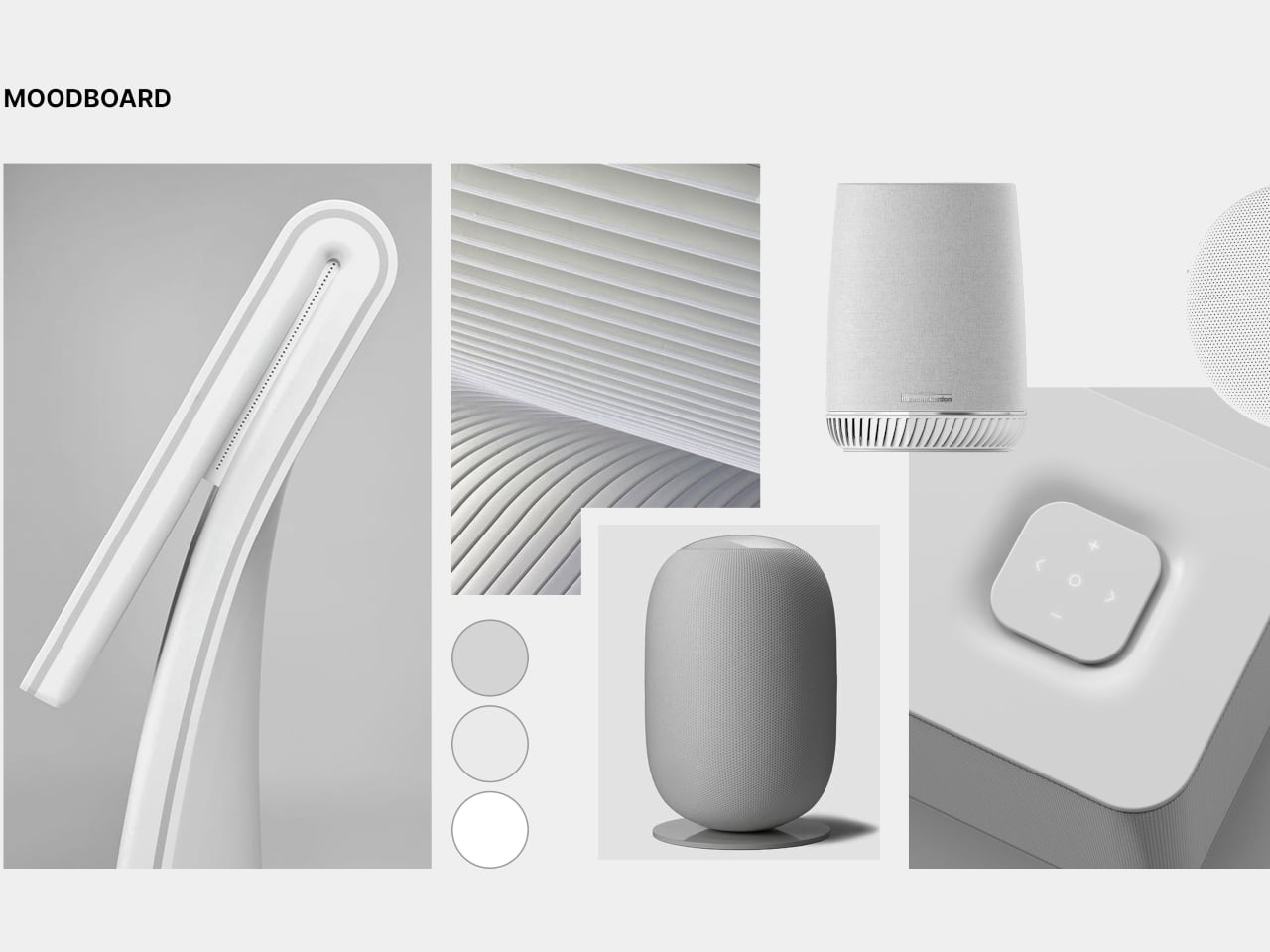
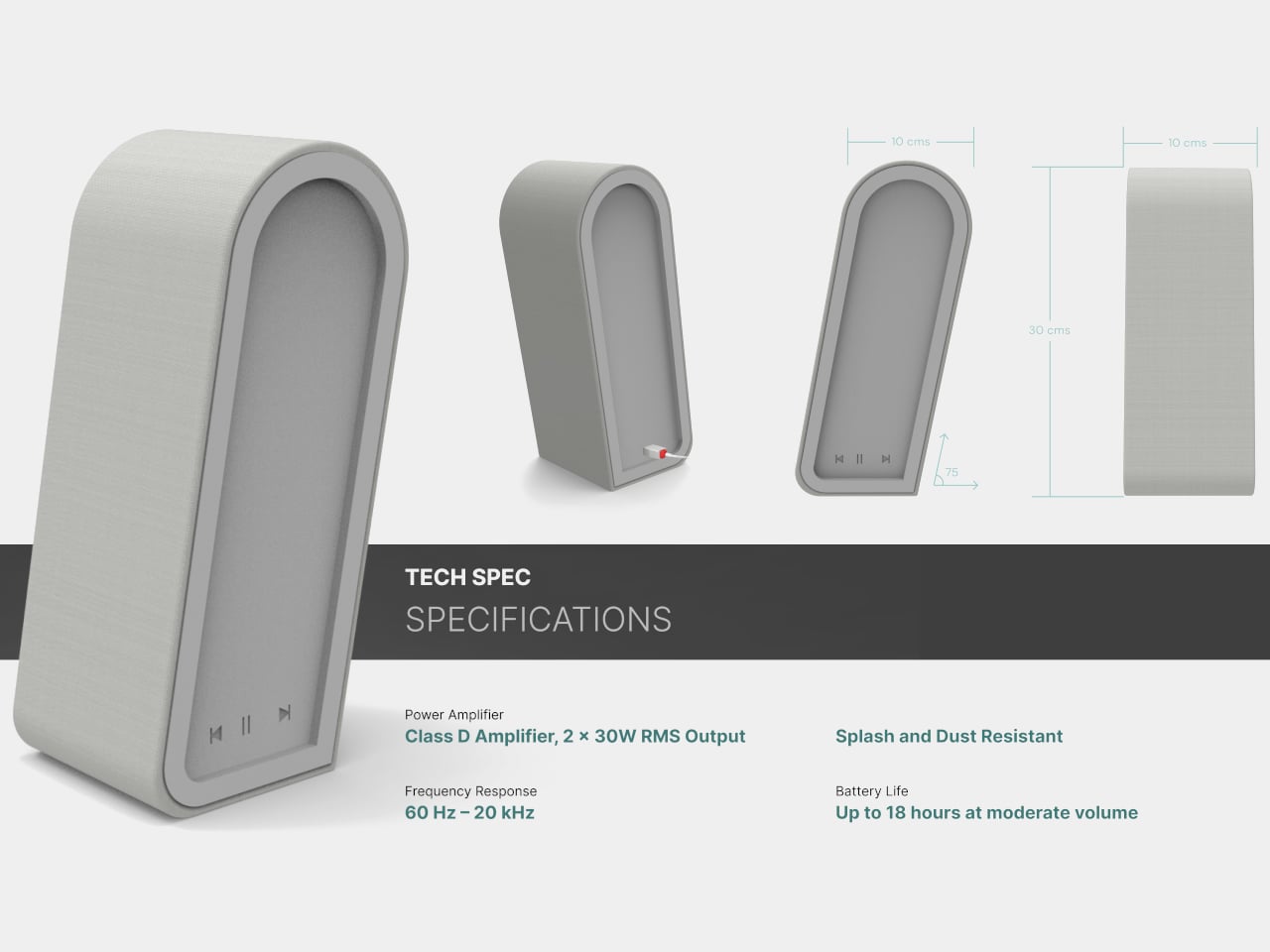
The basic form is a tall, rounded-top shell with a recessed fabric front and a small control strip at the bottom. The vertical posture lifts the drivers and makes the speaker feel more like a portal or doorway than a box. The controls are reduced to a simple strip with minus, play/pause, and plus, integrated into the front plane, so they do not break the silhouette or shout for attention when you are not using them.

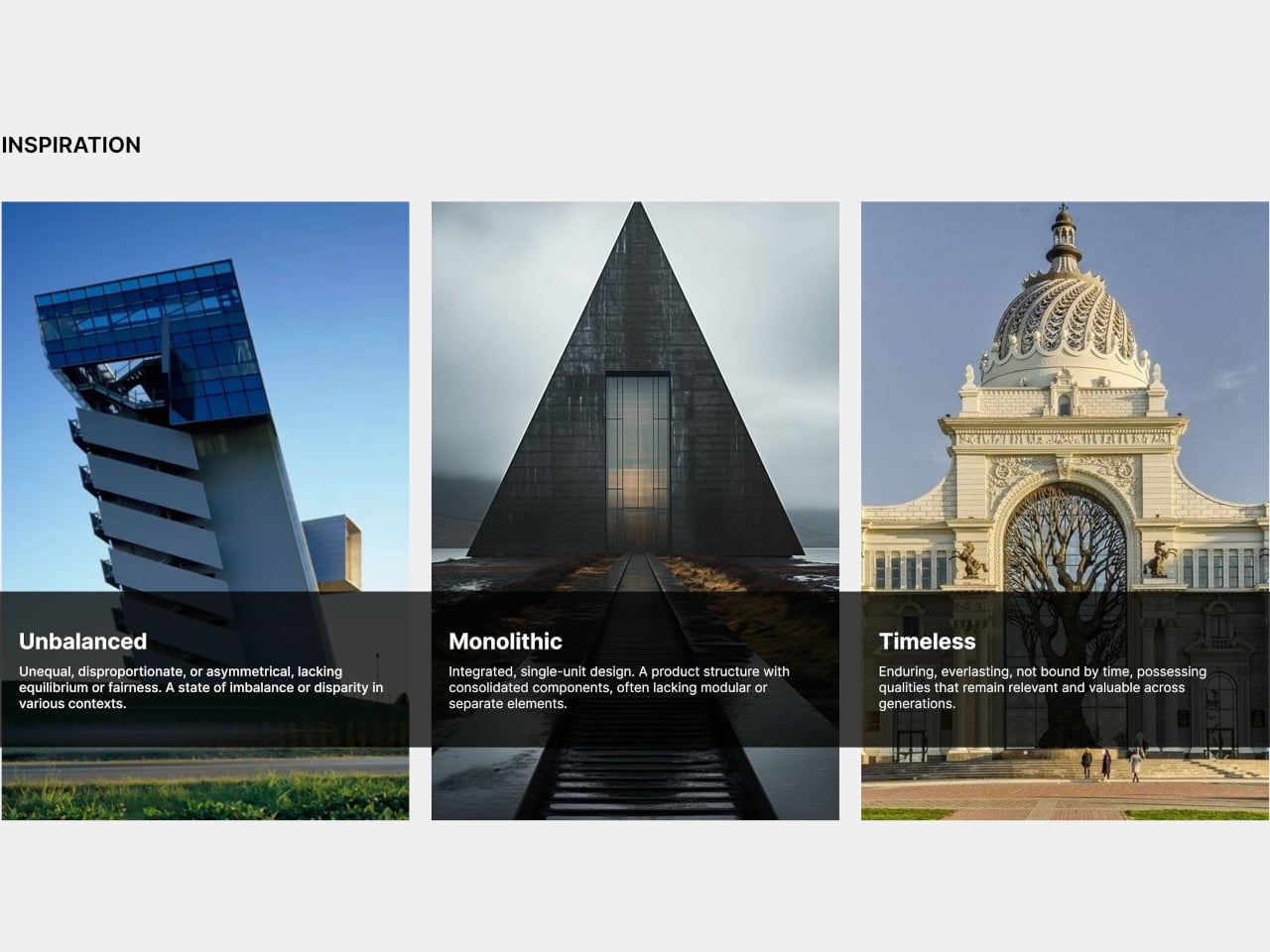
The inspiration keywords, unbalanced, monolithic, and timeless, show up in how Sonique stands in a room. Unbalanced in its narrow footprint, tall stance, and slight backward lean that creates an asymmetrical, deliberate posture. Monolithic in the continuous outer shell, timeless in the fabric and soft grey palette, avoiding obvious tech trends. The speaker is meant to be a quiet marker in a space, a little tower of sound.

The technical block lists a Class-D amplifier with 2 × 30 W RMS output, a 60 Hz–20 kHz frequency response, splash and dust resistance, and up to 18 hours of playback at moderate volume. This puts it in the realm of a capable, battery-powered home speaker, with enough low-end extension for most music and enough stamina to move around the house without living on a charger or needing to stay tethered to an outlet.

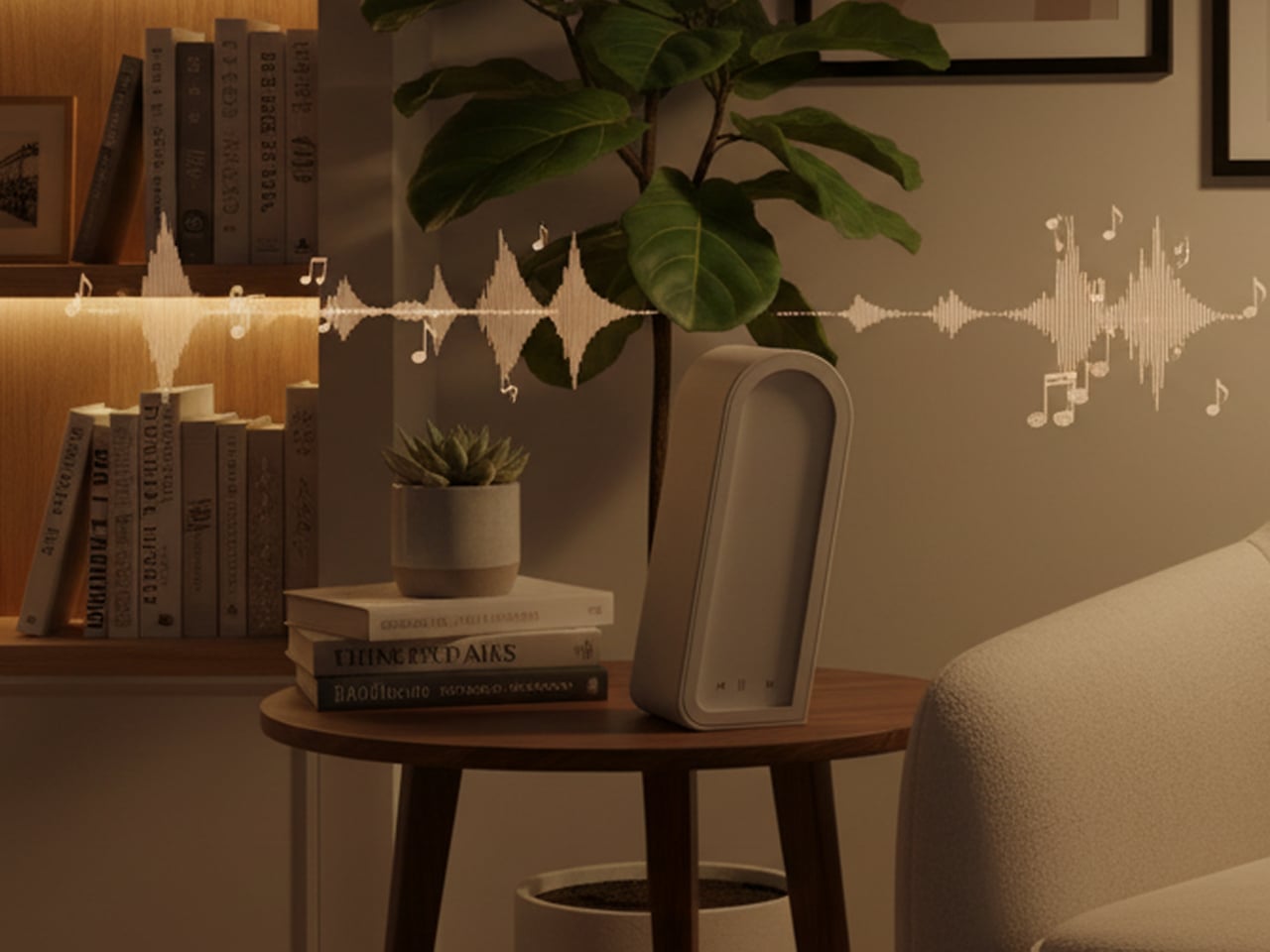
Sonique fits into everyday scenes, on a bookshelf in a reading corner, on a sideboard in a living room, or on a desk as a vertical counterpoint to a monitor. The combination of fabric, soft light, and vertical form makes it feel more like a small lamp or sculpture than a piece of audio gear. The splash resistance hints at kitchen or bathroom use, where a bit of steam or a stray splash should not be a problem or an excuse to hide it away.

Treating a speaker like a road sentinel nudges the object out of the black box category and into the realm of things you curate in a room. Sonique suggests that you can have a plausible, battery-powered Class-D speaker that also behaves like a small monument on your shelf, a reminder that sound hardware does not always have to look like sound hardware to do its job well, and that a speaker can hold space in a room the way architecture does, vertical, quiet, and present.

The post This Monument-Inspired Speaker Concept Stands Tall on Your Shelf first appeared on Yanko Design.
MVRDV’s Timber Pavilion Revives a City’s Forgotten Identity

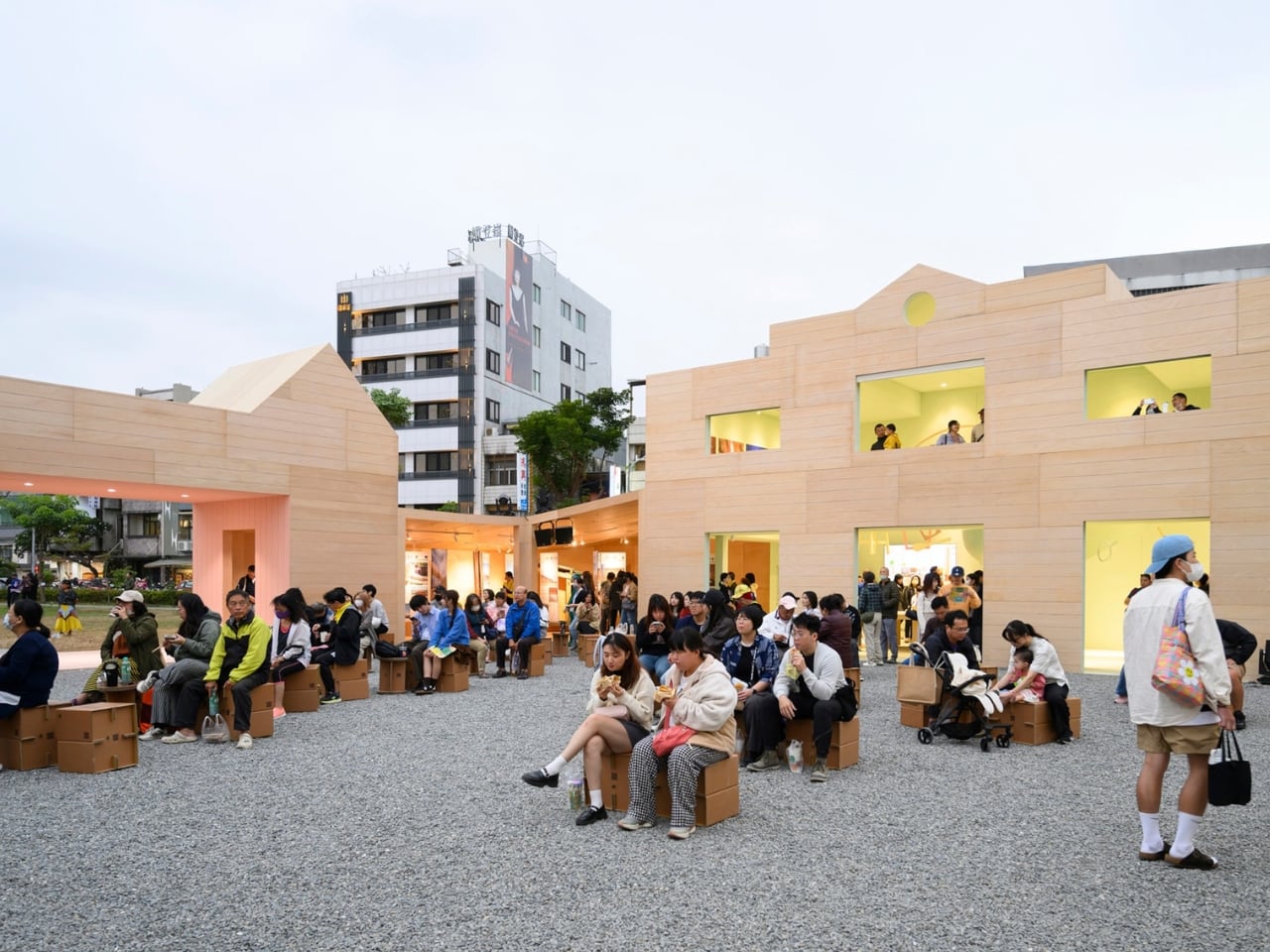
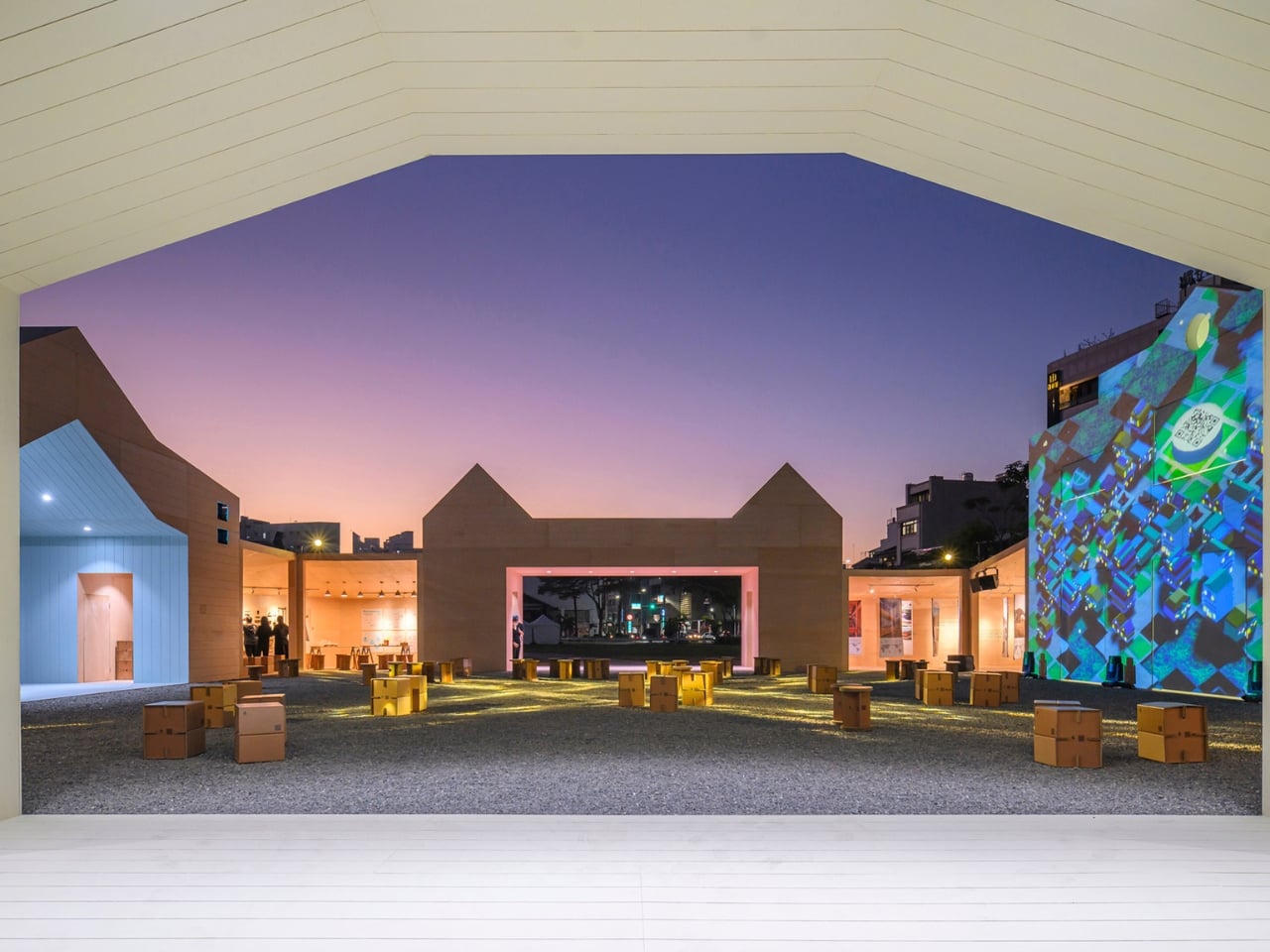
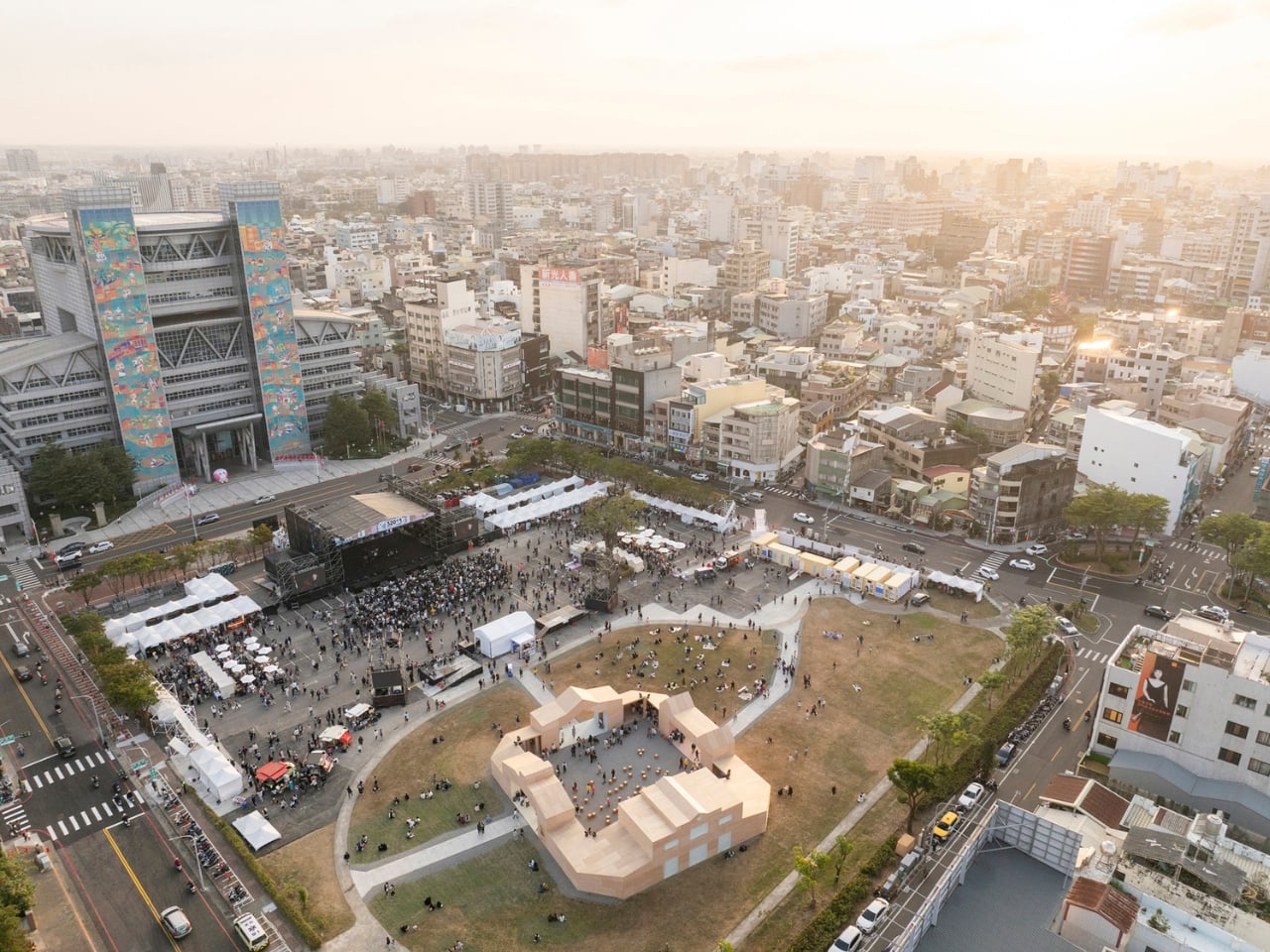
There’s something magical about architecture that doubles as a love letter to a place. MVRDV just pulled this off in Chiayi, Taiwan, with a temporary pavilion that’s less about showing off and more about remembering what made this city special in the first place.

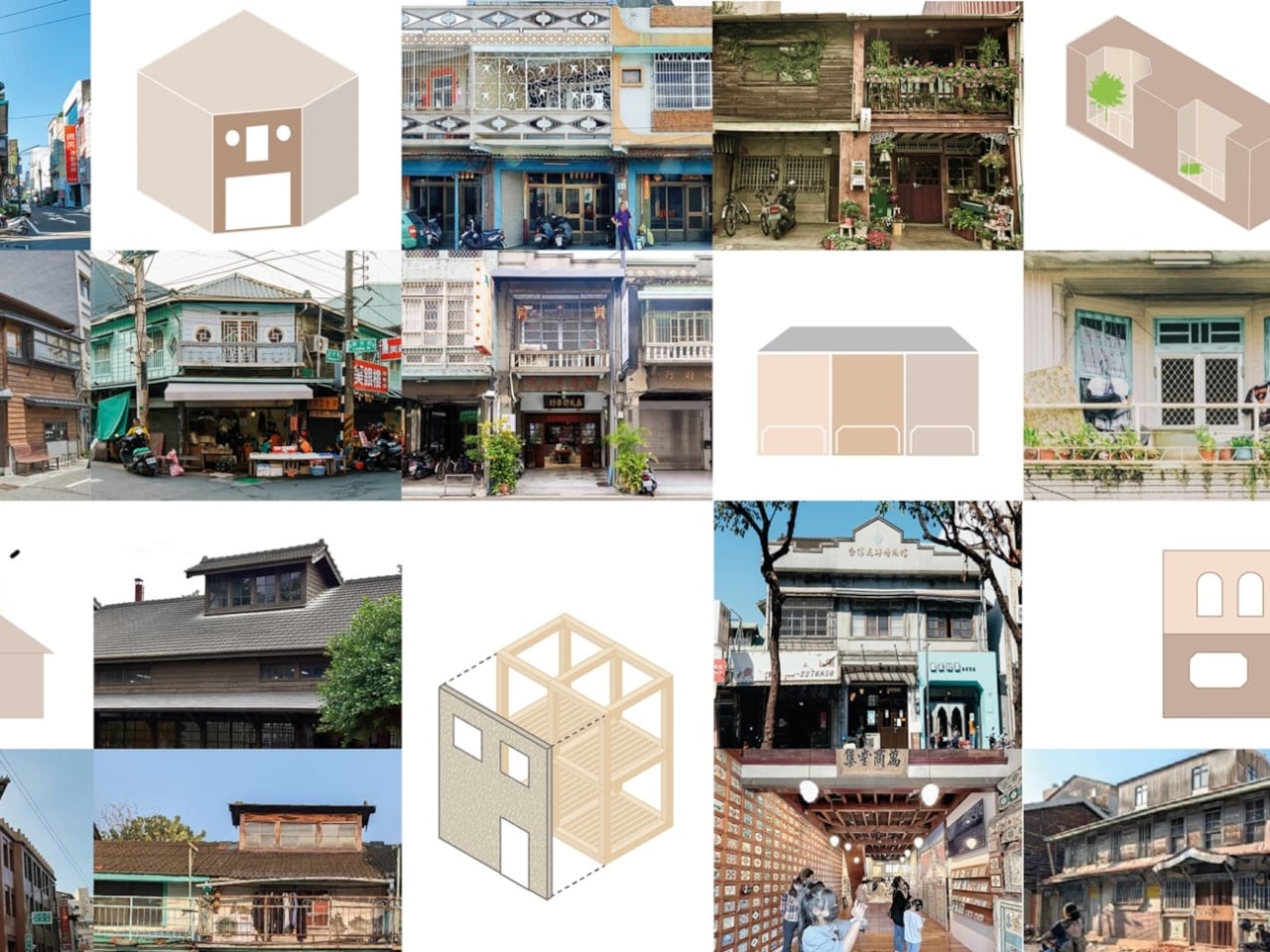
Picture this: Chiayi is celebrating its 321st birthday, and instead of a generic party tent, the city gets a timber structure that tells the story of its forgotten identity as Taiwan’s wood capital. Over 6,000 historic timber buildings still dot this city, remnants of an era when Chiayi thrived on forestry and woodcraft, yet most residents have lost touch with that heritage.

Designer: MVRDV (Photos by Shephotoerd)

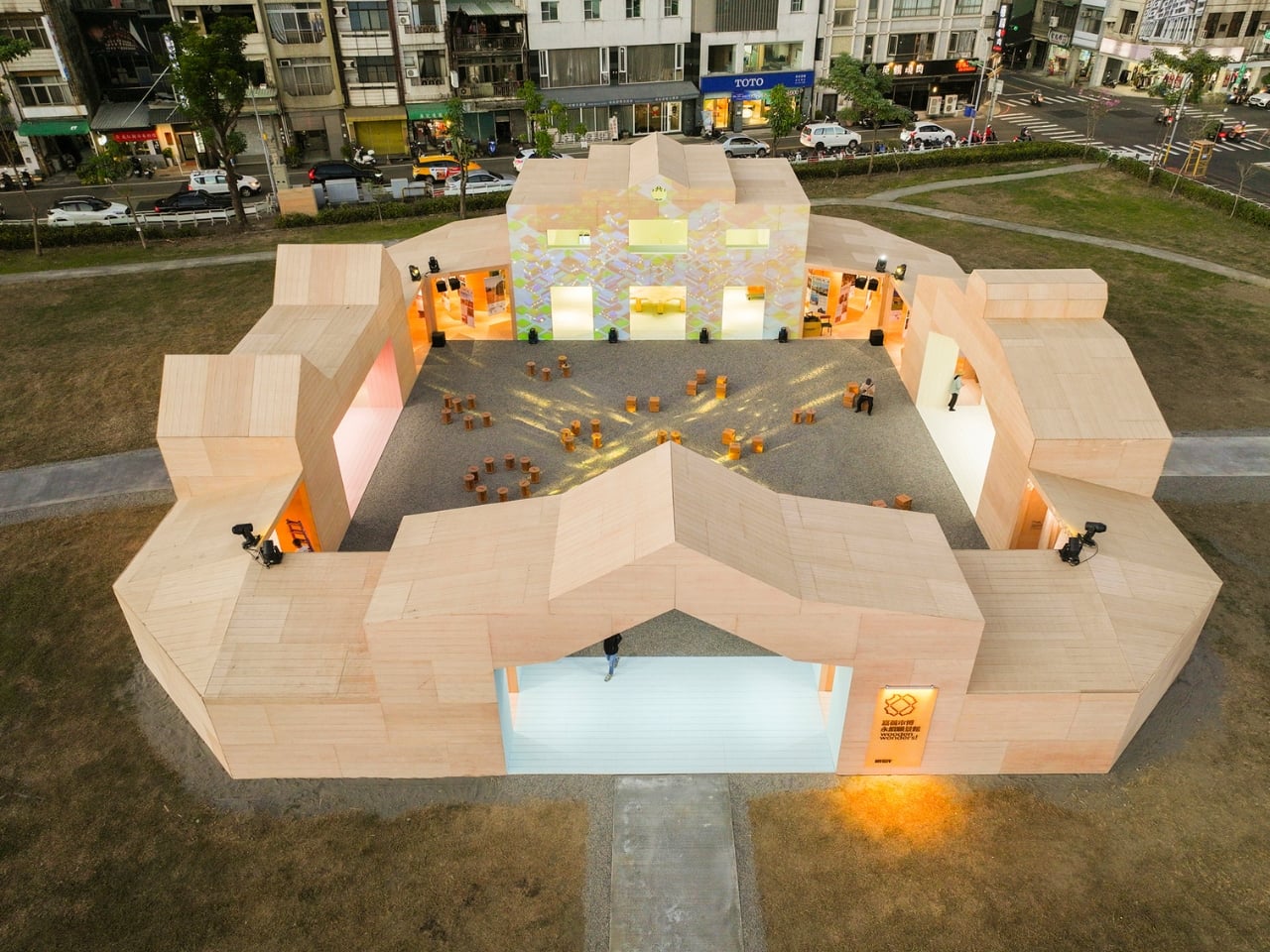
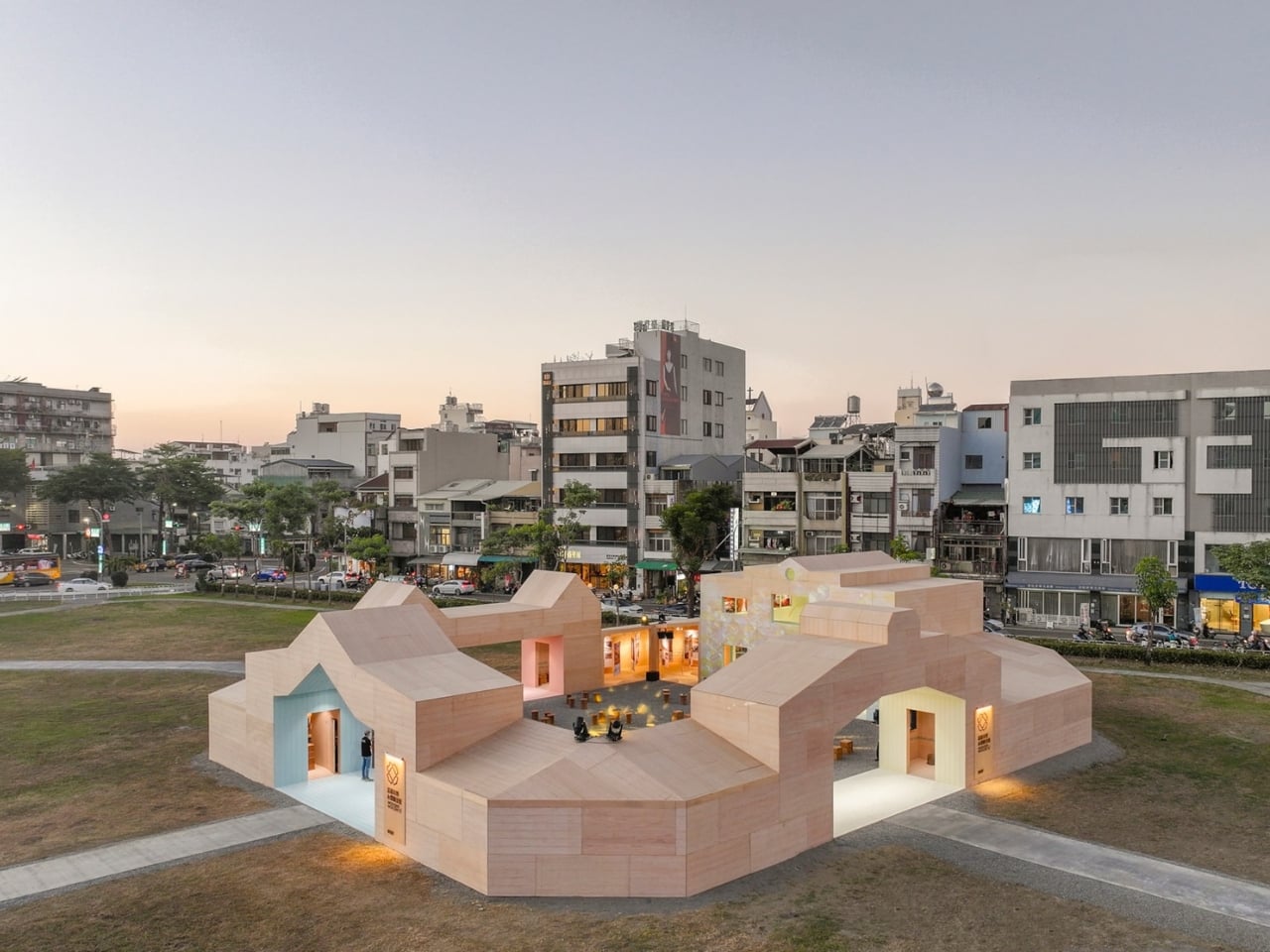
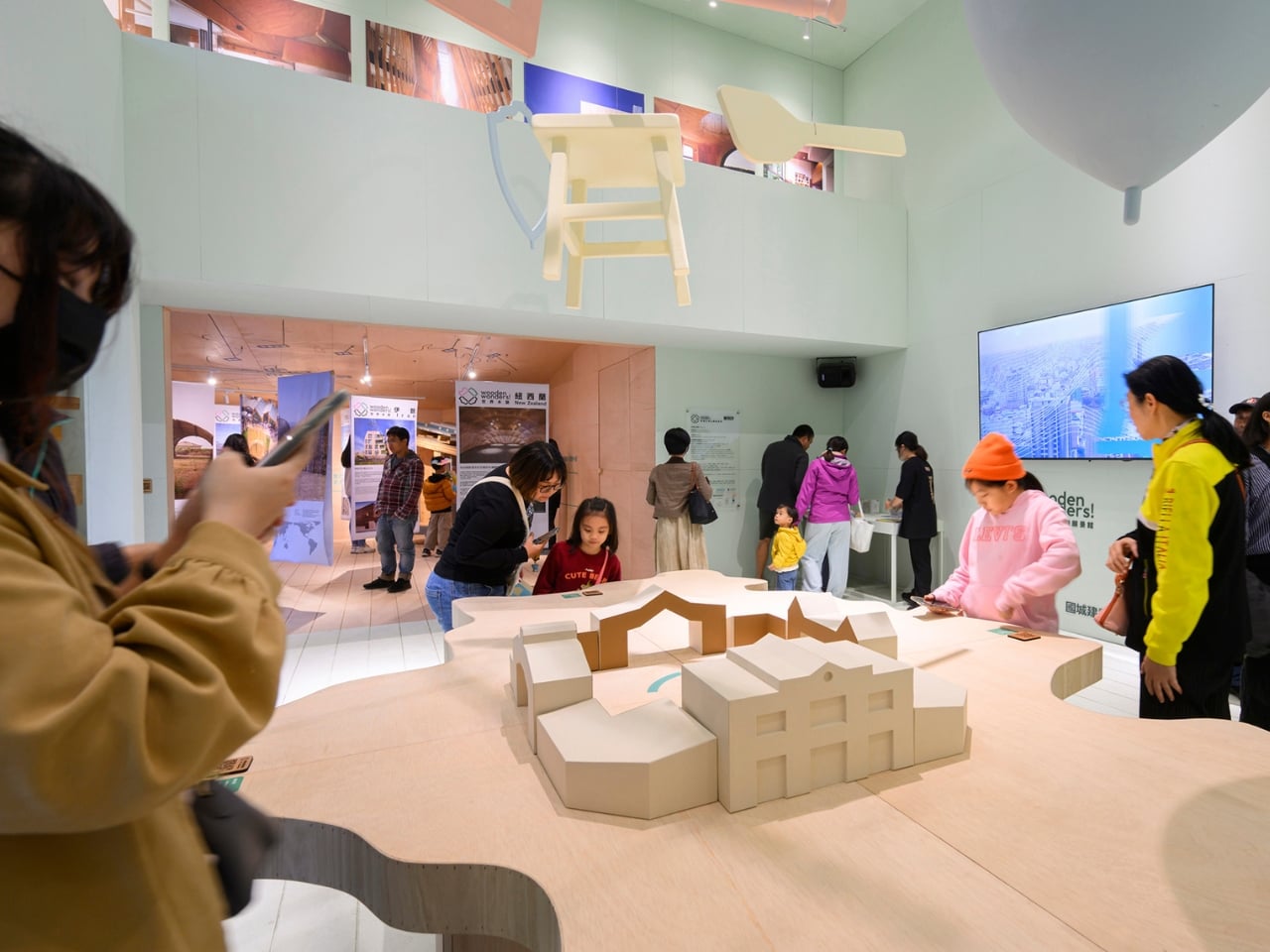
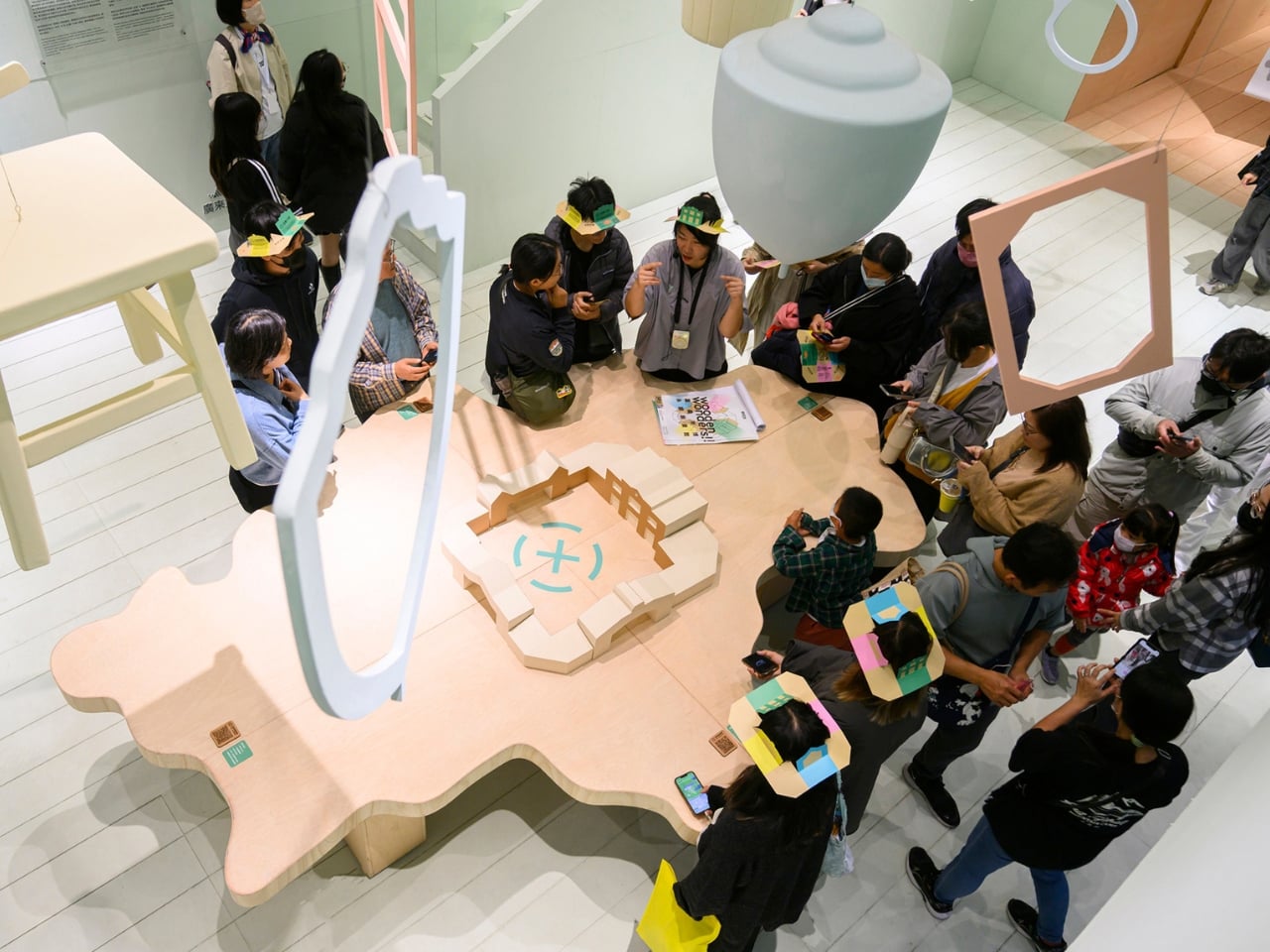
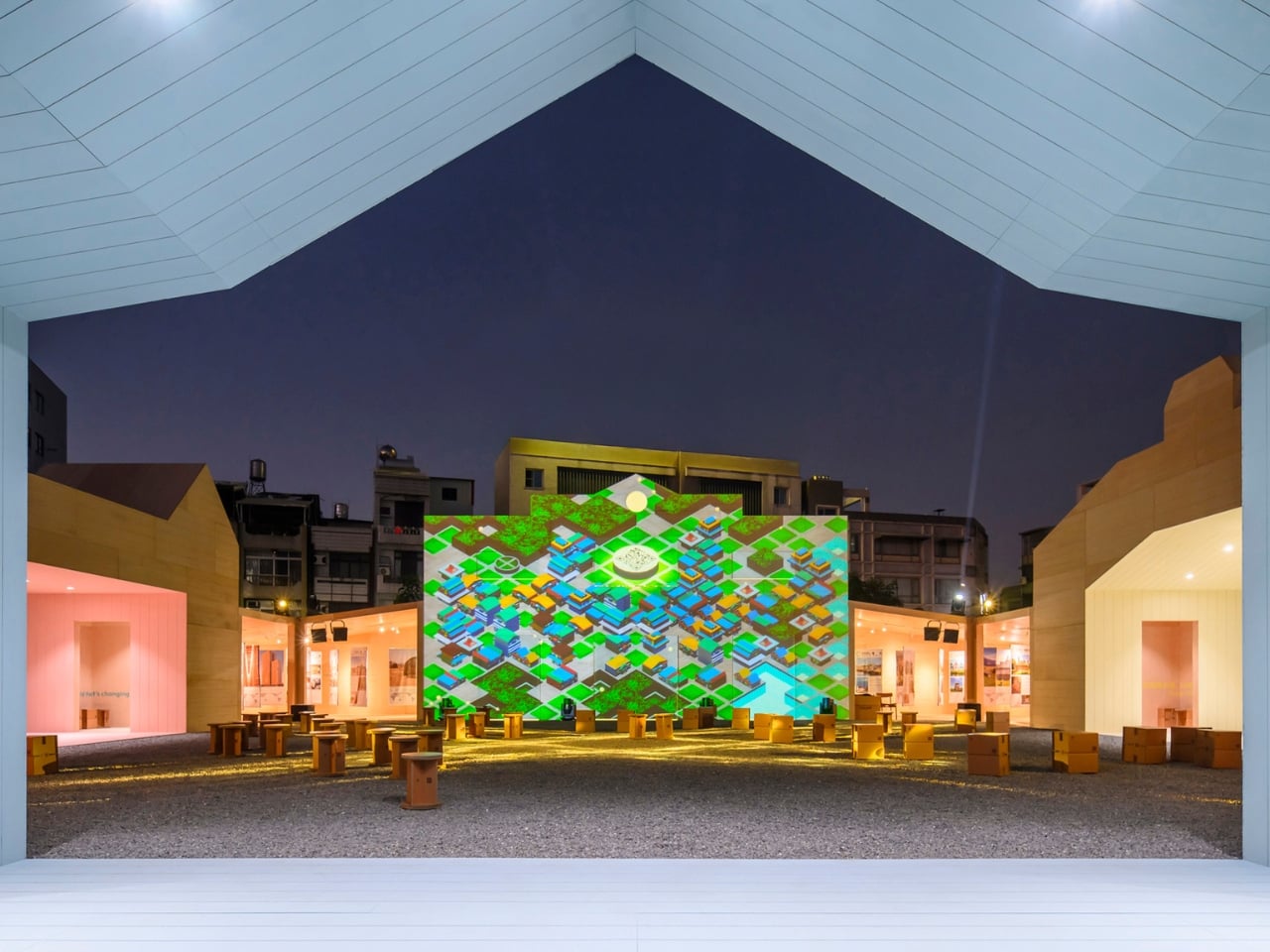
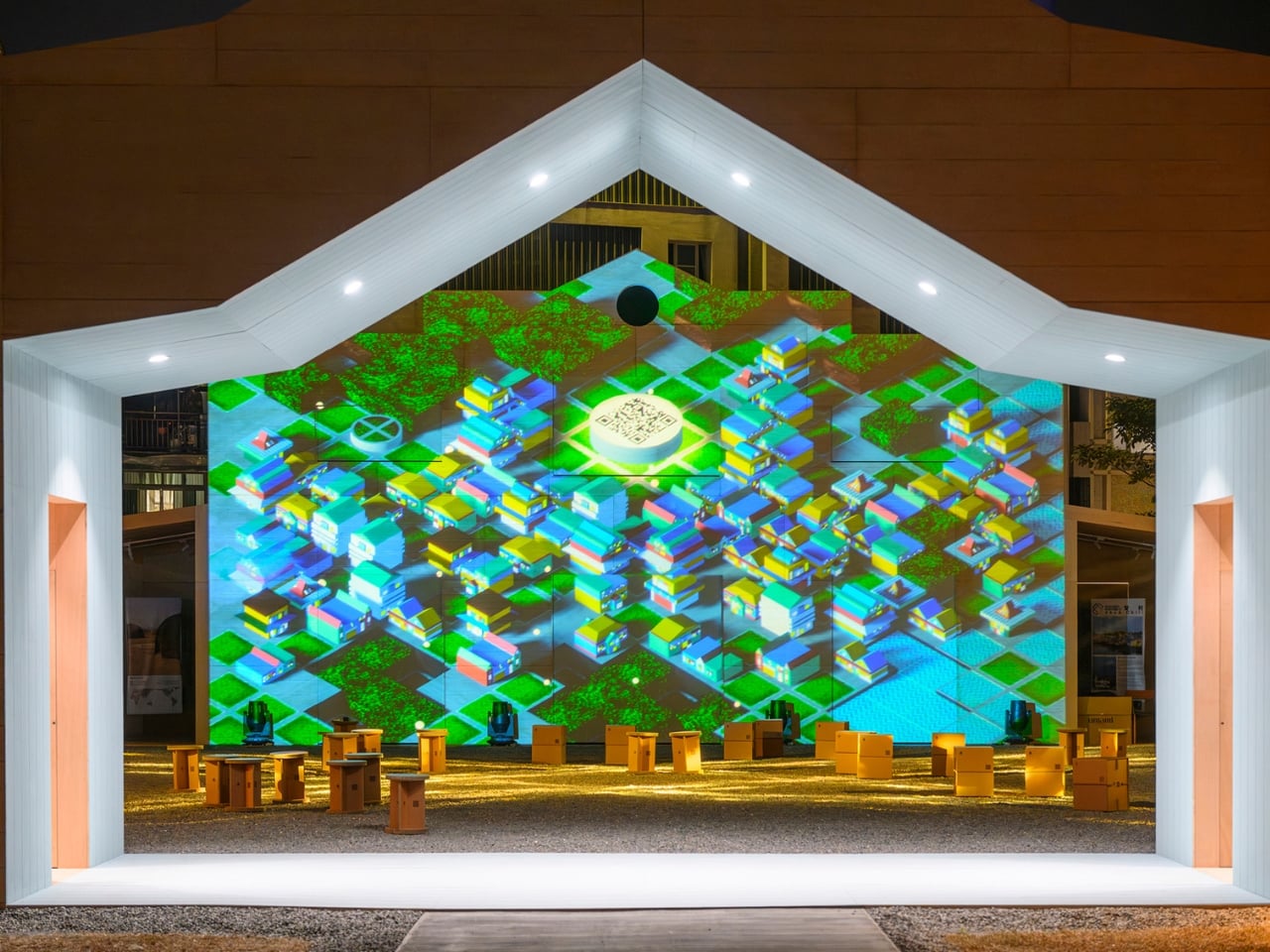
Enter Wooden Wonders, a pavilion that sits right across from city hall and functions as what the architects call an “urban living room.” It’s an apt description. The structure wraps around a central courtyard, creating an intimate gathering space that feels both public and personal. Think of it as the architectural equivalent of pulling up a chair and asking someone to tell you their life story.

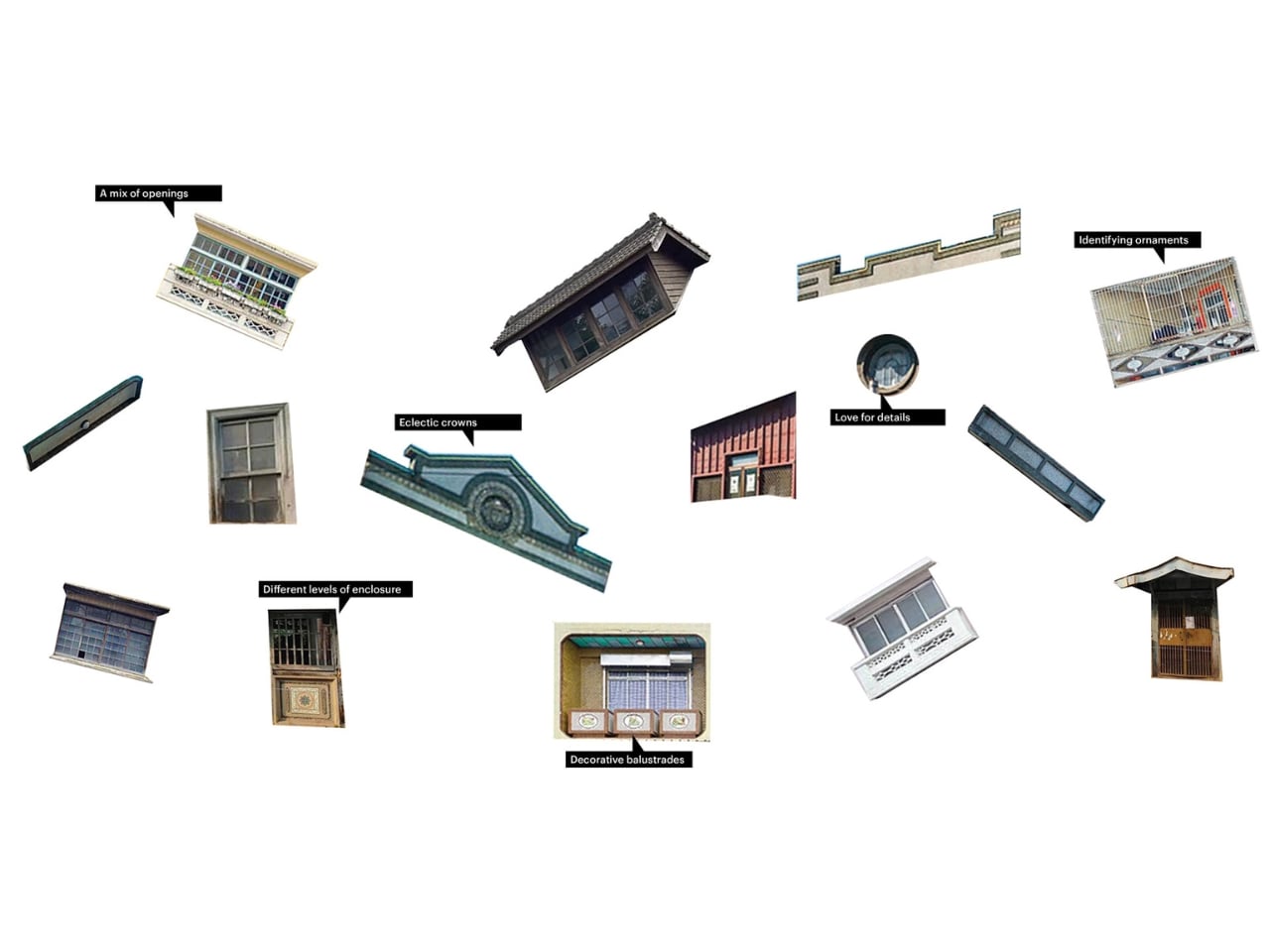
What makes this project fascinating is how MVRDV approached the design. Instead of imposing their signature style, they went full detective mode, studying the city’s existing timber buildings to understand the local architectural DNA. What they found was beautifully eclectic: diagonal cuts that emphasize street corners, ornamental rooflines with decorative flourishes, a mix of time periods and influences all woven together. These elements became the blueprint for the pavilion’s perimeter structure, making the new building feel like it grew organically from Chiayi’s architectural family tree.

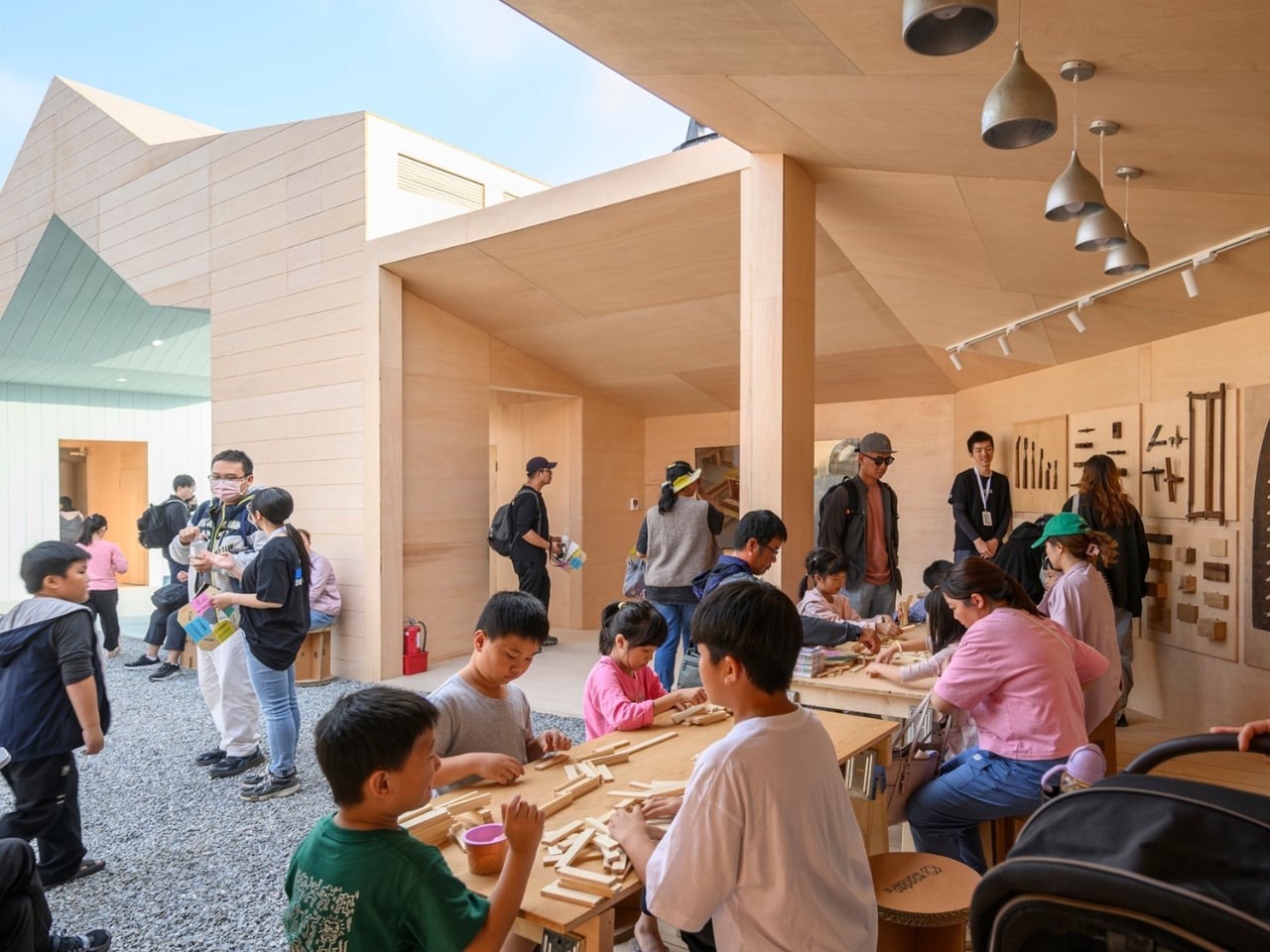
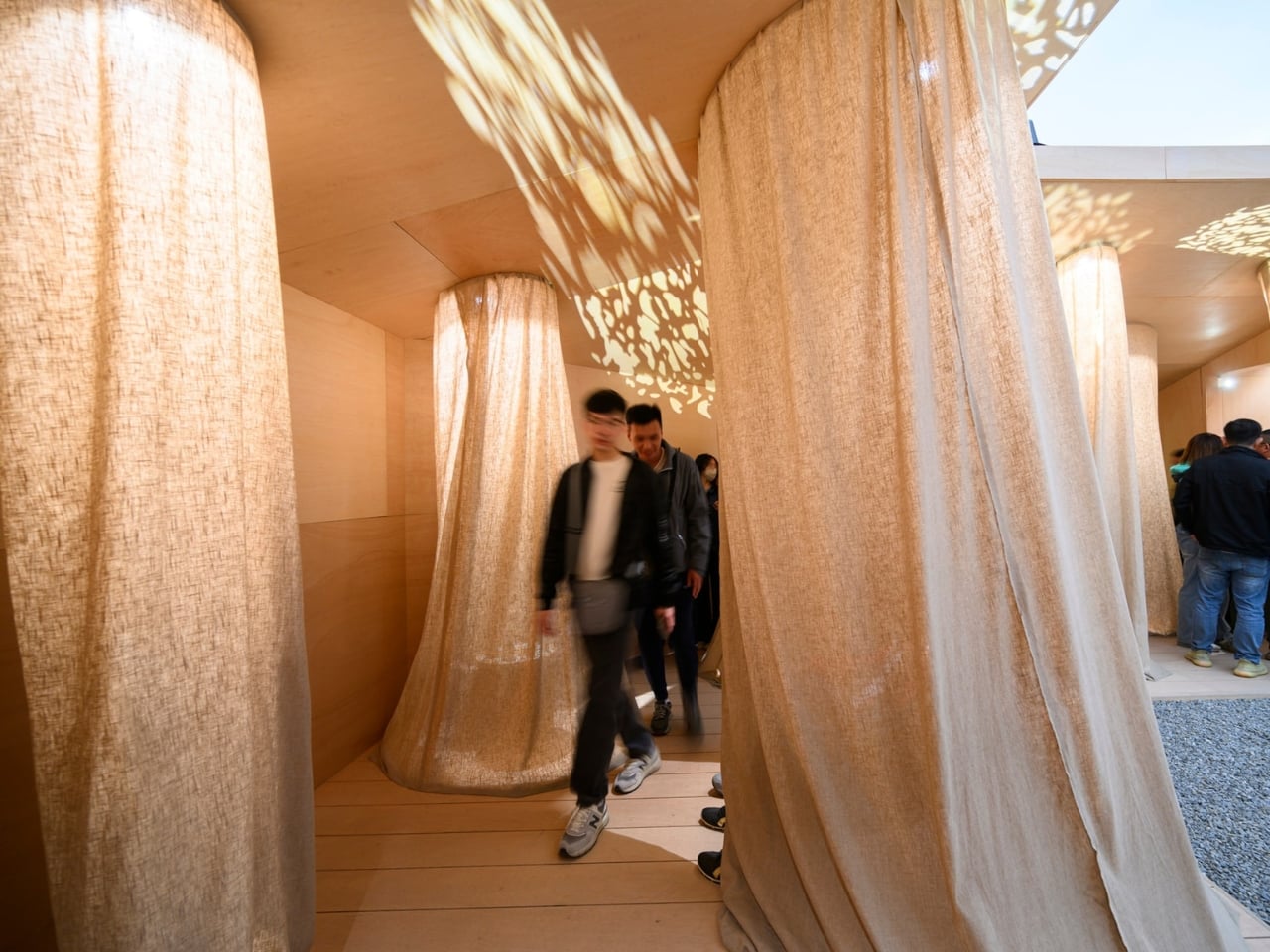
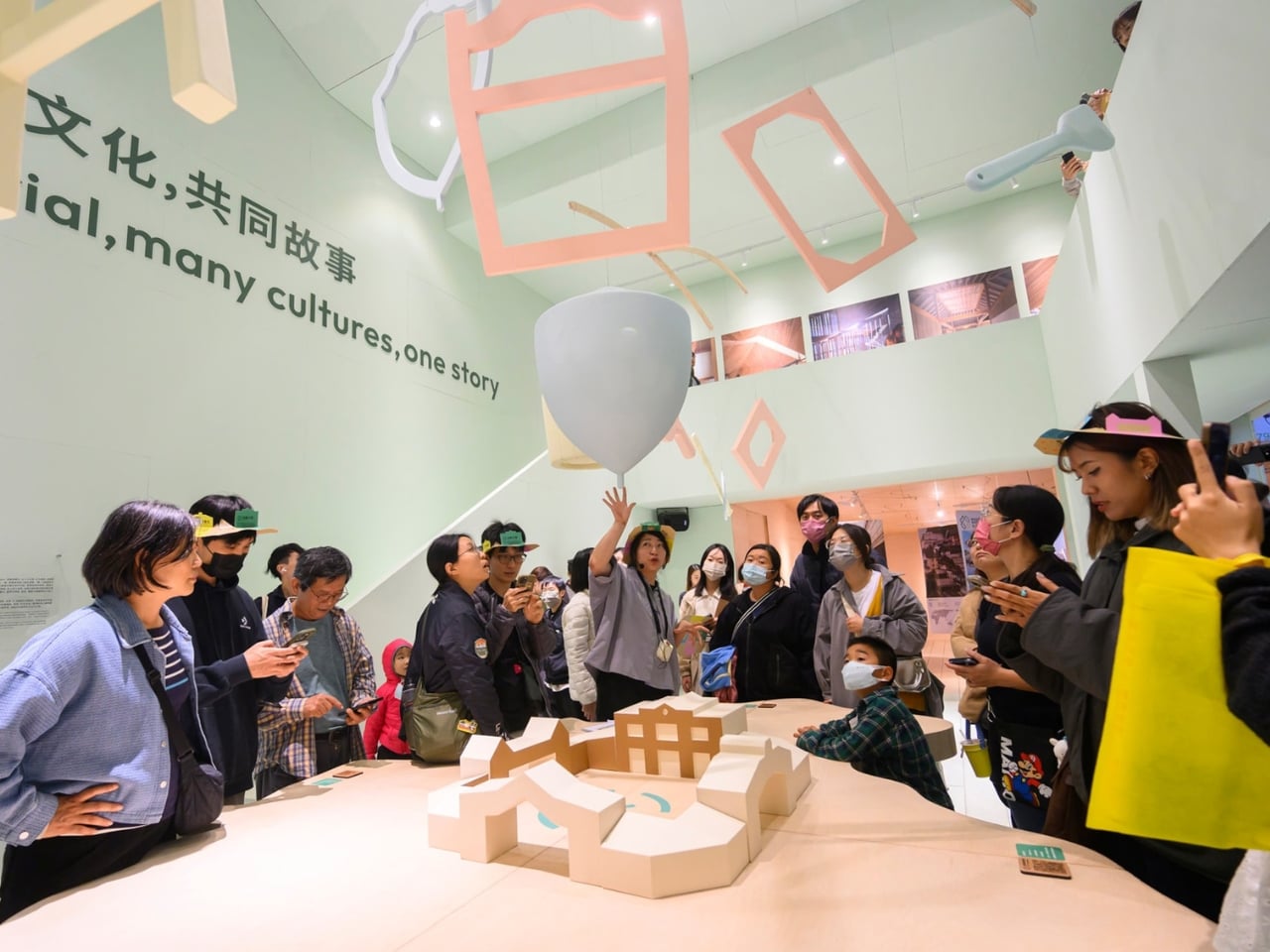
Inside, the exhibition takes visitors on a journey through wood’s past, present, and future. Pastel-colored gateways (a softer touch than you’d expect from an architecture exhibition) guide people through different zones. There’s a forest-themed area exploring how timber is grown and harvested, and “the workshop,” which celebrates the historic craftsmanship that once defined the region. The exhibition doesn’t just look backward, though. It also positions Chiayi alongside global timber leaders like Norway and New Zealand, showing how engineered timber can bridge traditional culture and contemporary construction.

The timing of this project couldn’t be more relevant. MVRDV founding partner Jacob van Rijs nails it when he says Chiayi’s timber story mirrors a global shift in how we think about building materials. Wood went from practical and abundant to “old-fashioned” when concrete and steel took over. But the climate crisis has flipped the script again. Wood stores carbon; concrete and steel release massive amounts of it into the atmosphere. Add decades of innovation in engineered timber techniques, and suddenly wood isn’t just nostalgic, it’s the future.

In Taiwan specifically, this conversation takes on extra weight. Many people there view timber as less reliable or reputable compared to modern materials, and seismic regulations make working with existing buildings challenging. So this pavilion isn’t just celebrating heritage, it’s making a bold argument about sustainability and what’s possible when you look at old materials with new eyes. The two-story main hall on the north side is where this vision gets practical. Visitors can contribute ideas for Chiayi’s urban development and its potential future as Taiwan’s “Wood Capital.” It’s participatory architecture at its best, a space that doesn’t just talk at people but invites them into the conversation about what their city could become.

What I love about Wooden Wonders is how it manages to be both specific and universal. Yes, it’s deeply rooted in Chiayi’s particular history and architecture. But it also speaks to something bigger: how cities can honor their past while building a more sustainable future. How materials that were once dismissed can become solutions to our most pressing problems. How good design can create space for community and conversation.

The pavilion is only up through December 28, making it a fleeting moment in the city’s long history. But maybe that’s fitting. Sometimes the most powerful statements are temporary ones, just present long enough to remind us what we’ve forgotten and inspire us to imagine what comes next.

The post MVRDV’s Timber Pavilion Revives a City’s Forgotten Identity first appeared on Yanko Design.
This $119K Tiny House Finally Kills the Awkward Loft Bed

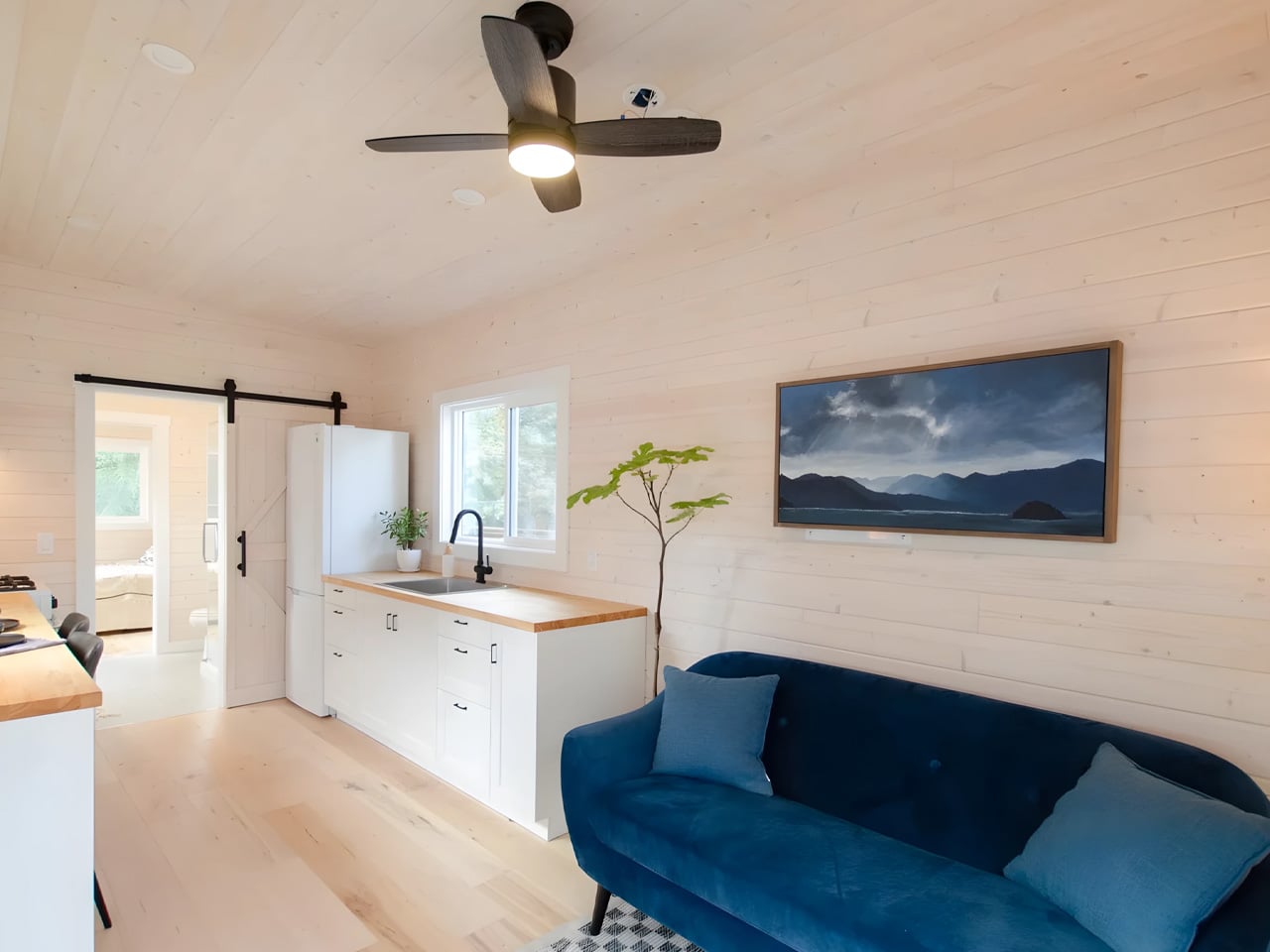
Climbing into a loft bed loses its charm quickly, especially when you’re half-asleep at 2 AM. The Barred Owl by Rewild Homes acknowledges this reality with a rare approach in tiny house design: everything happens on one level. Built by the Nanaimo, Vancouver Island-based company, this 34-foot tiny house abandons vertical gymnastics for the spacious comfort of apartment-style living.

The difference starts with dimensions. While most North American tiny houses measure 8.5 feet wide, the Barred Owl stretches to 10 feet. That extra 1.5 feet might sound modest on paper, but at the tiny house scale, every inch transforms how a space functions. The added width creates genuine breathing room, allowing the interior to feel less like a cleverly arranged puzzle and more like an actual home. Mounted on a triple-axle trailer, the structure maintains mobility while delivering a footprint substantial enough for full-time living.

Designer: Rewild Homes

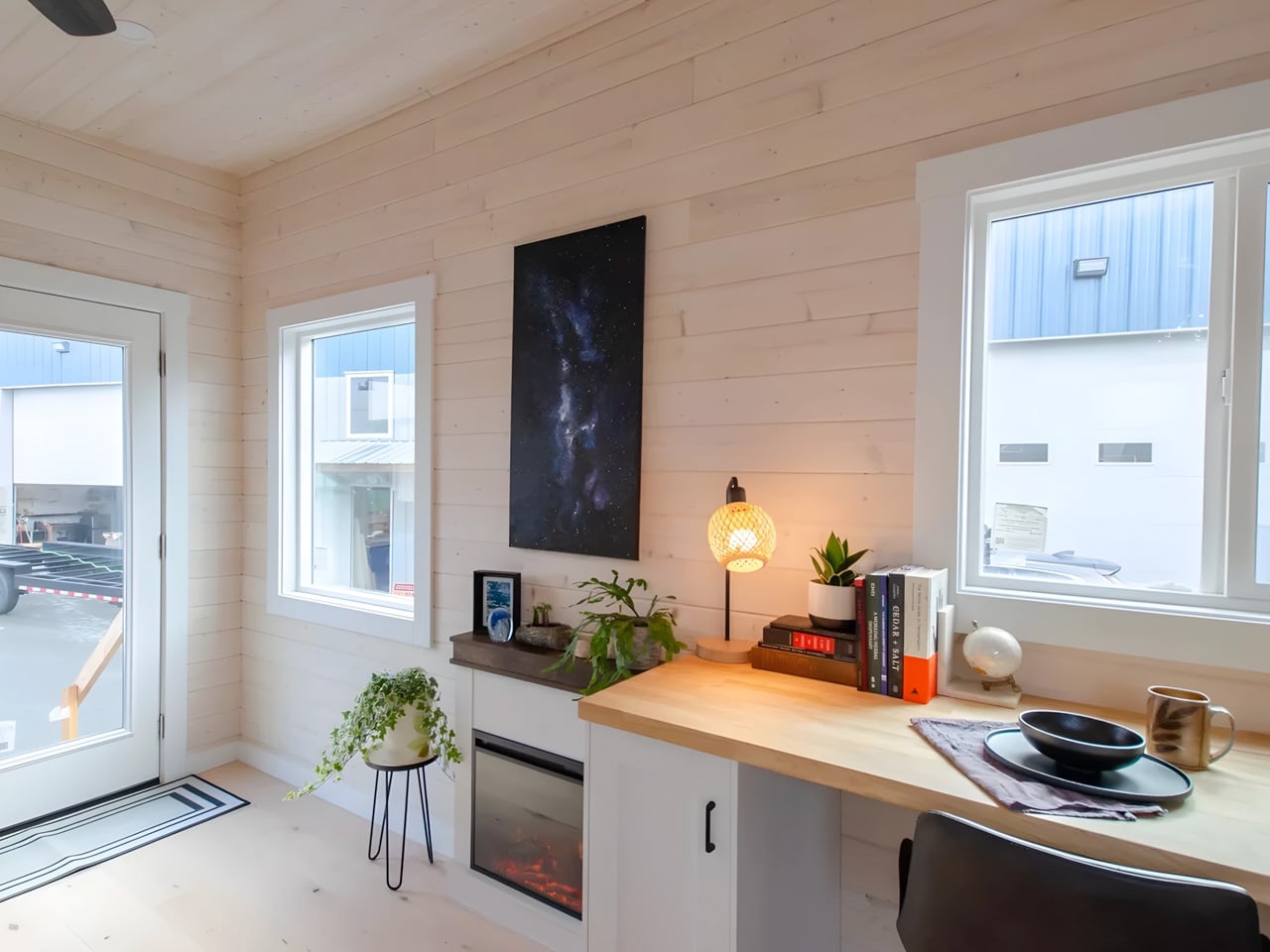
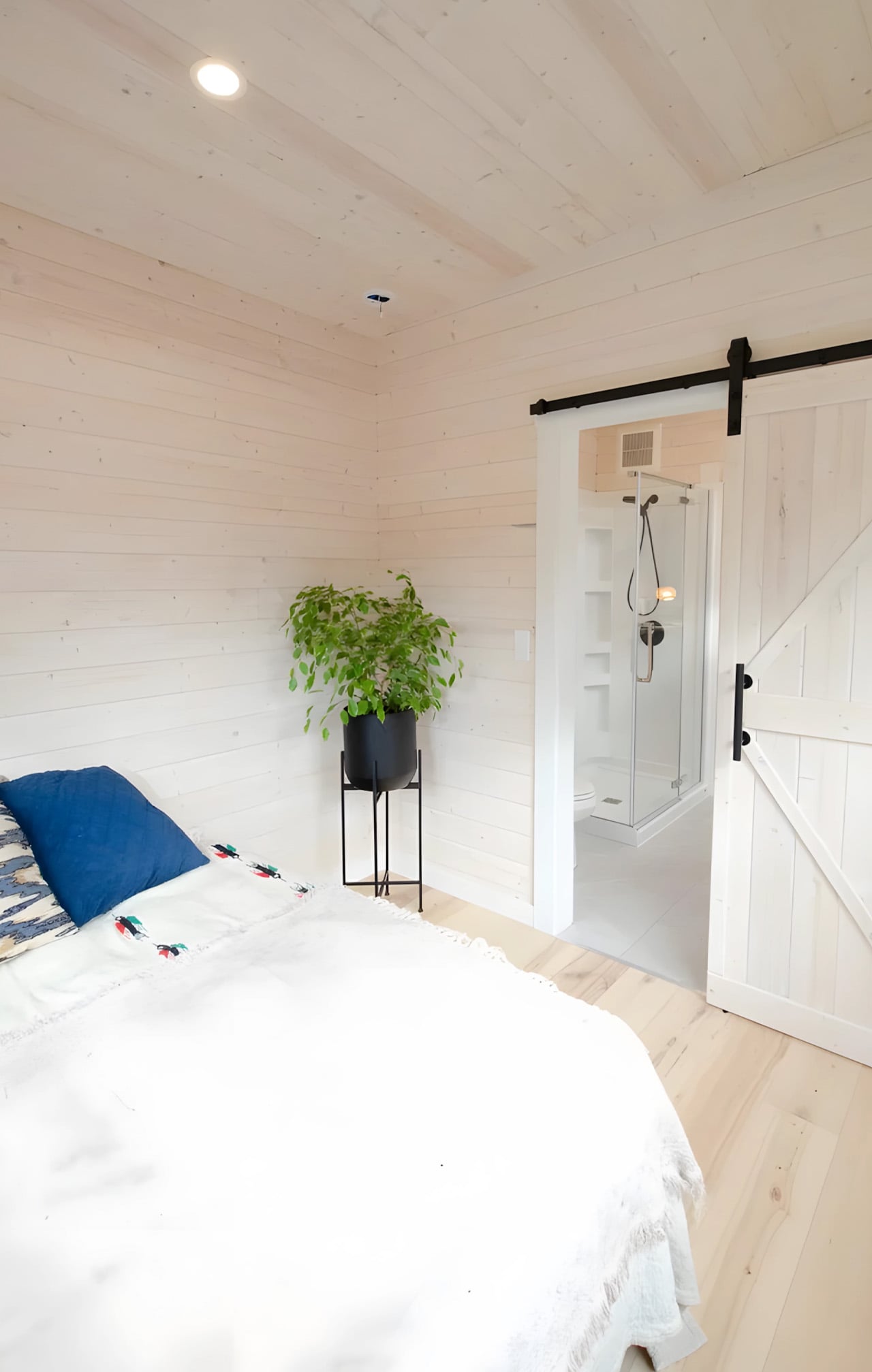
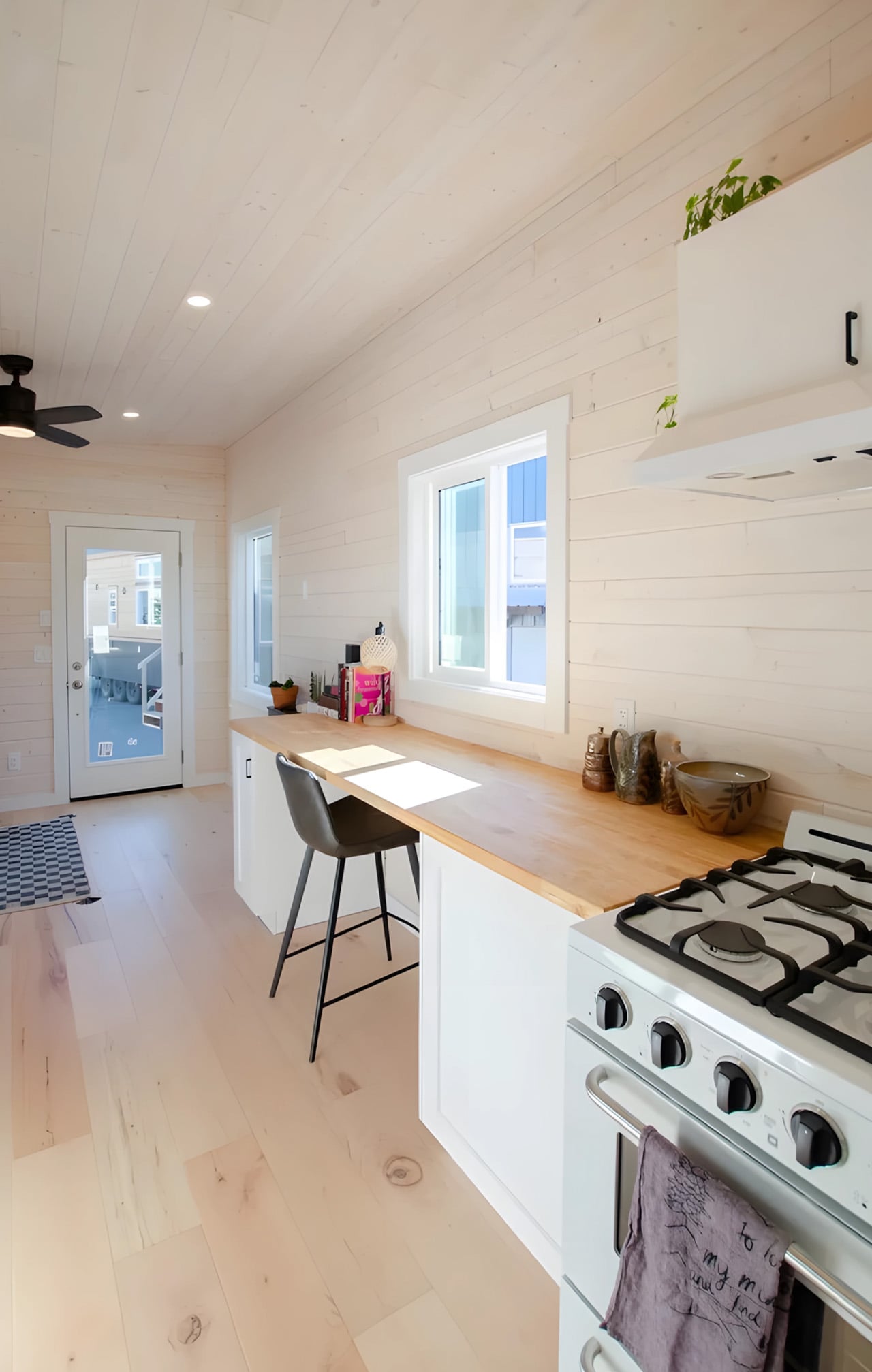
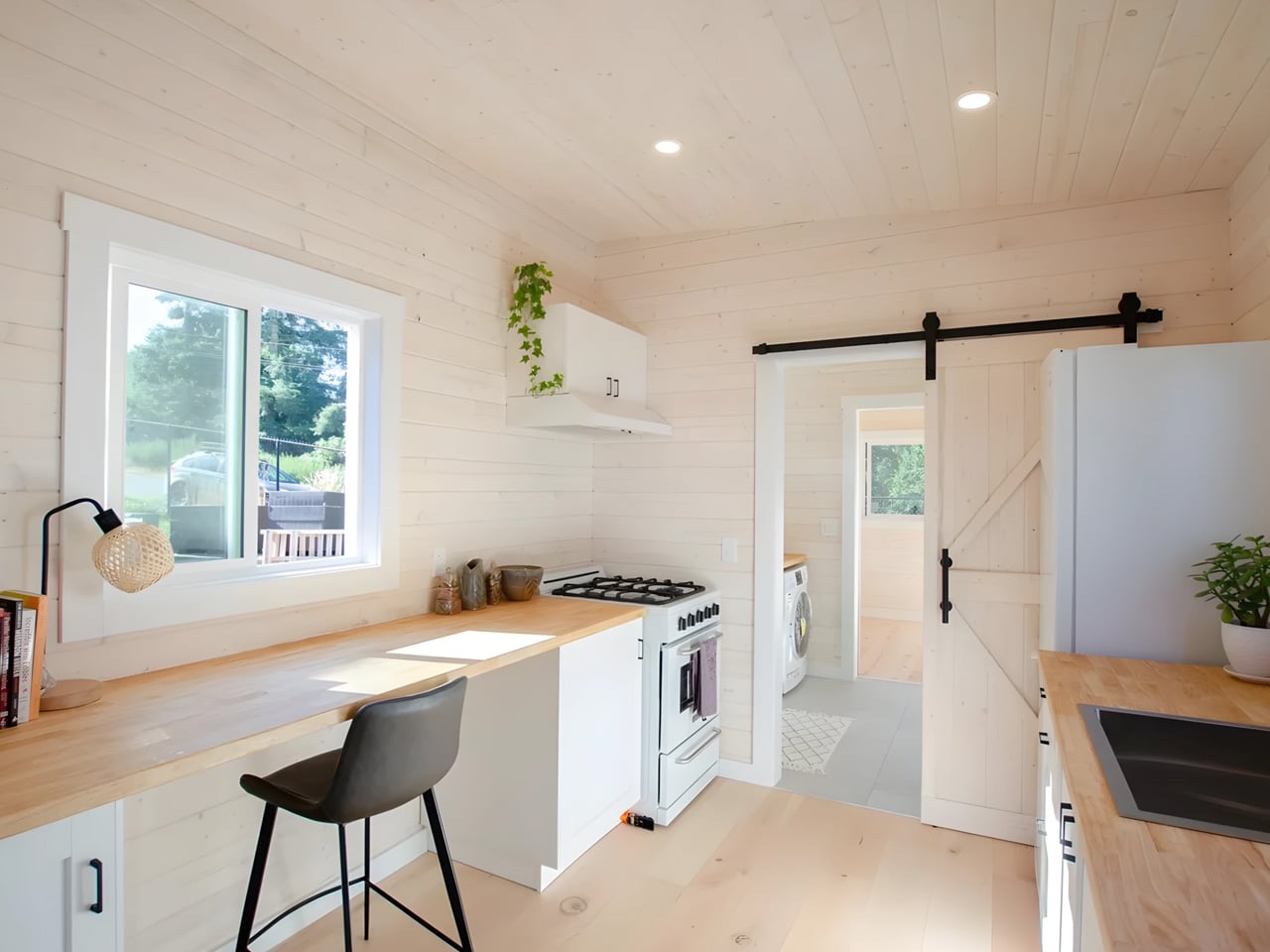
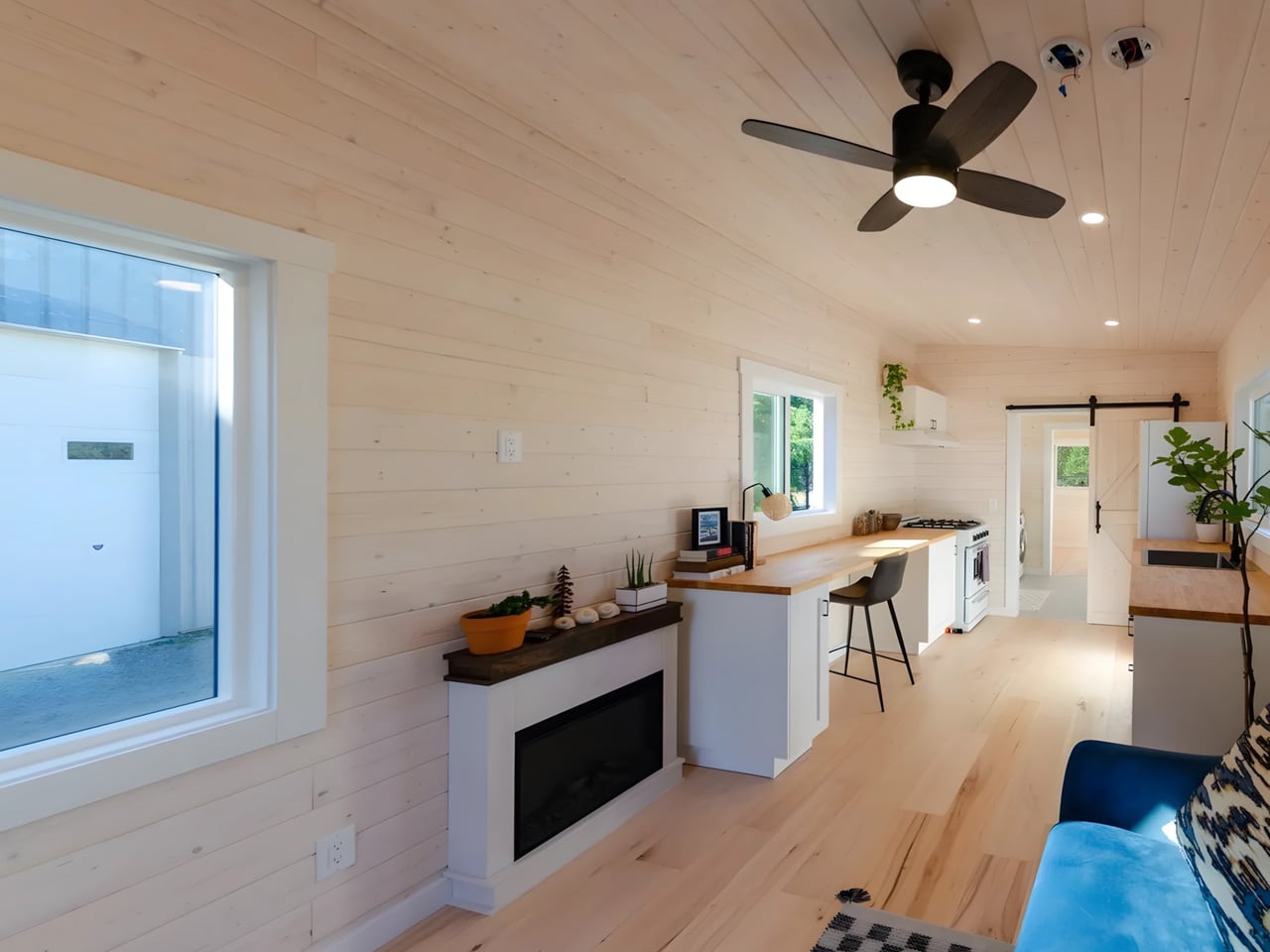
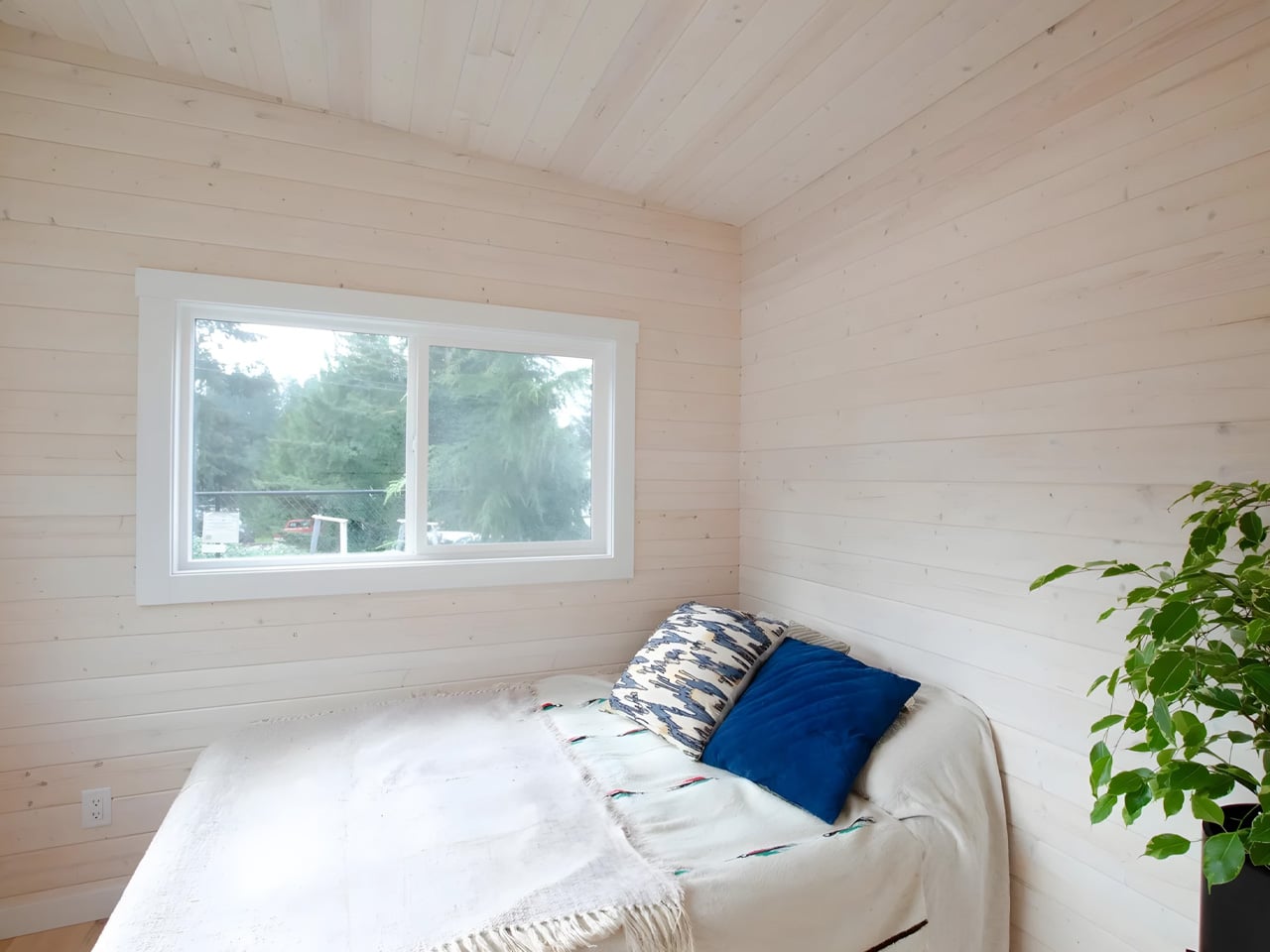
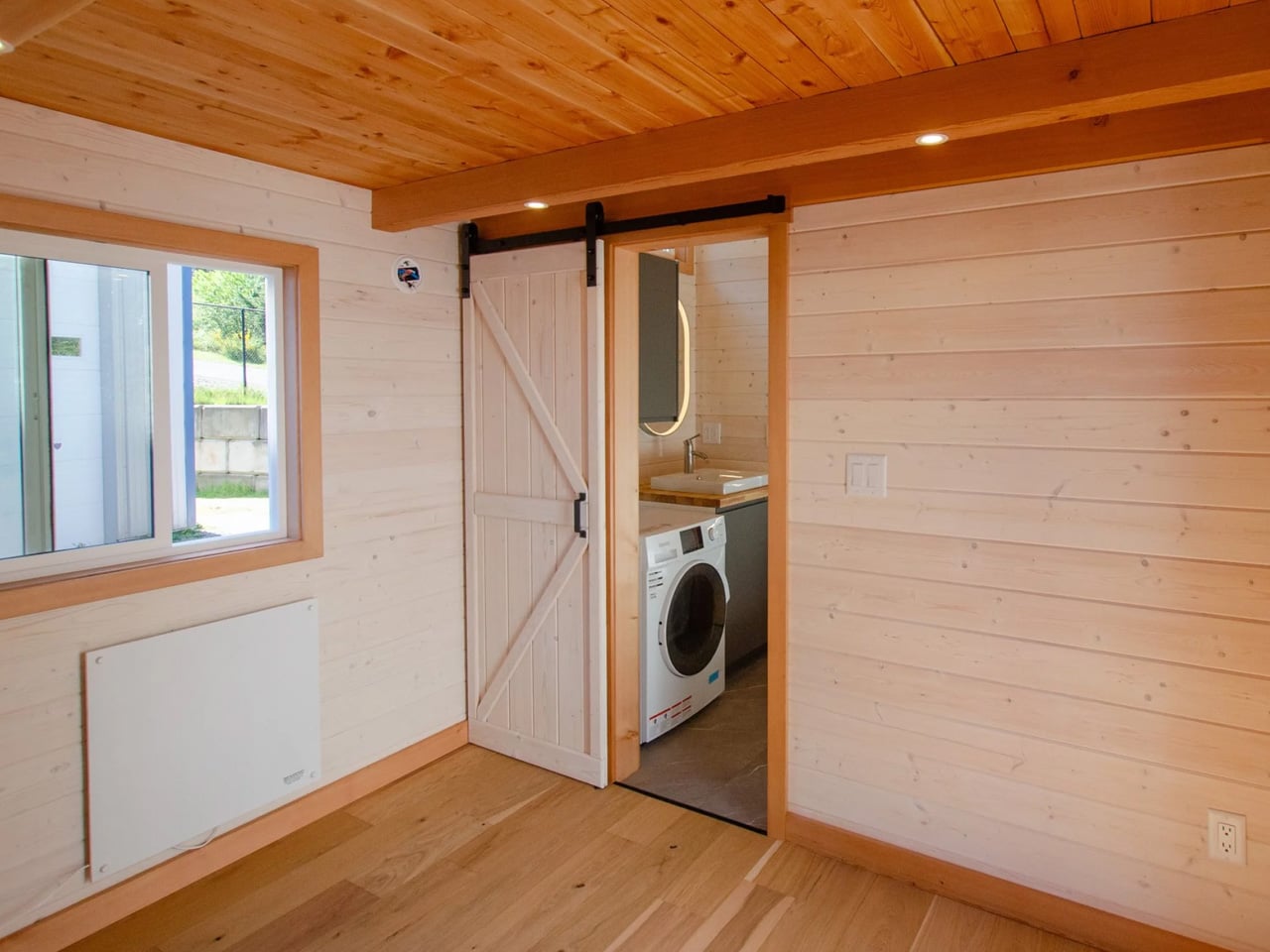
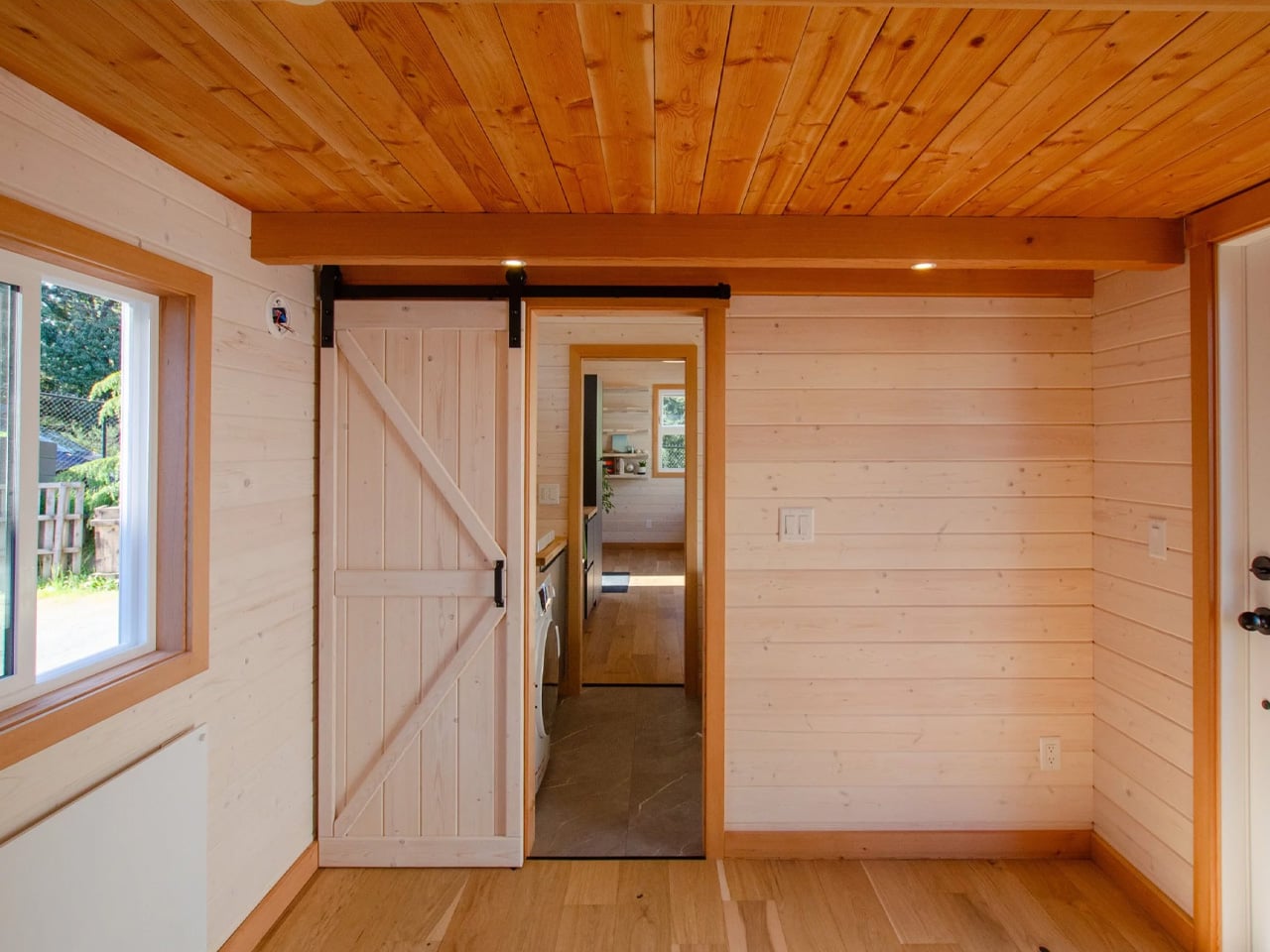
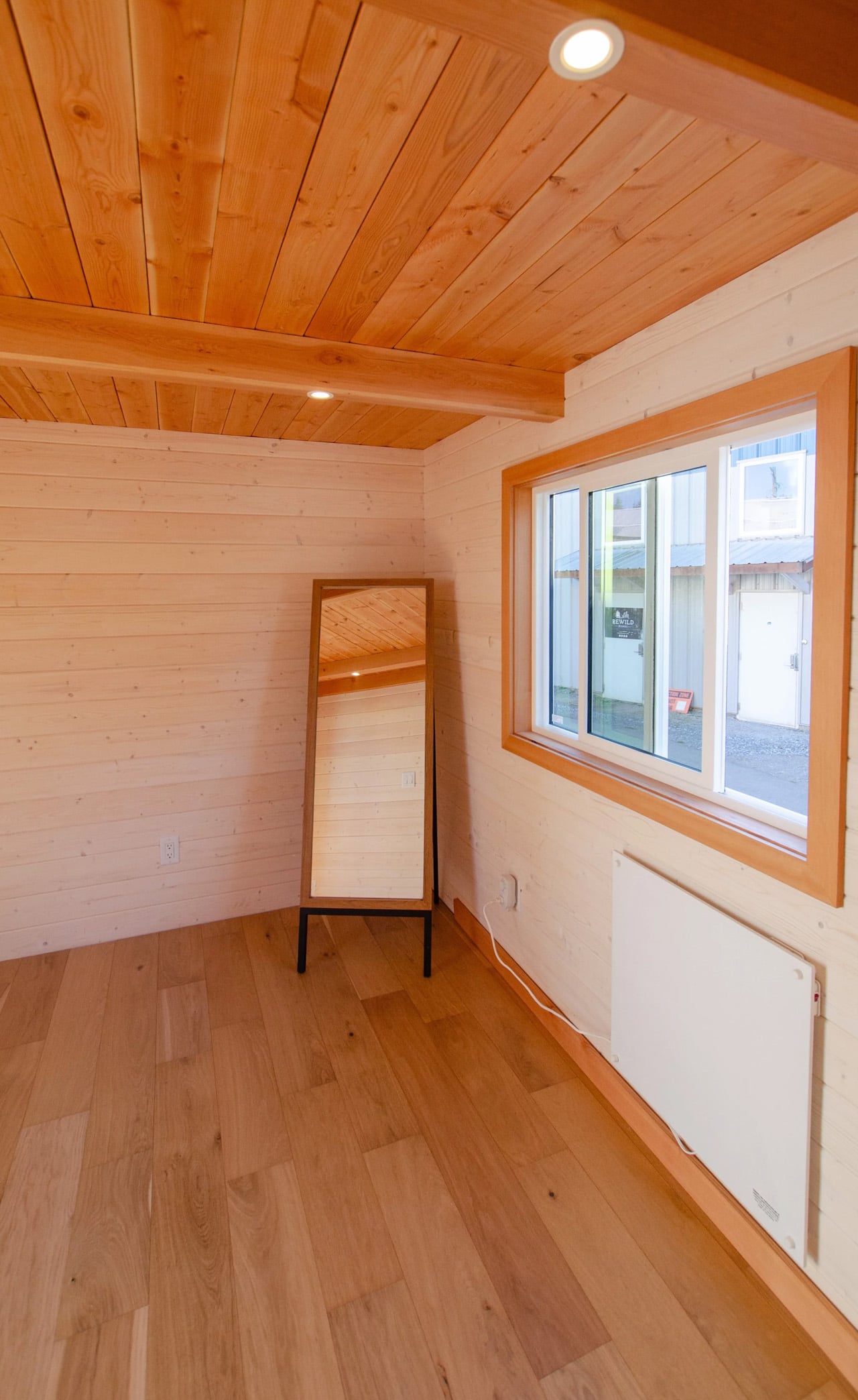
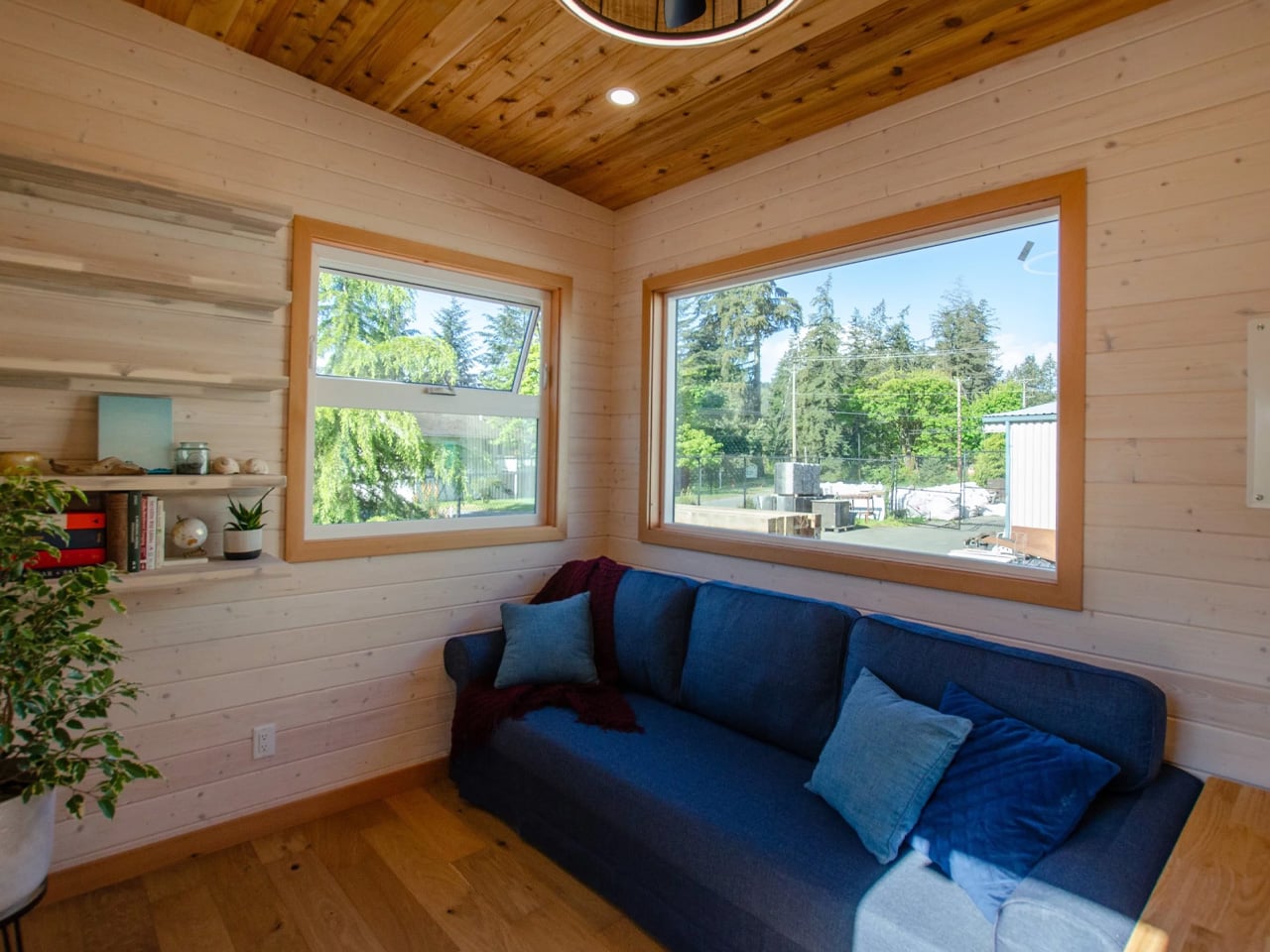
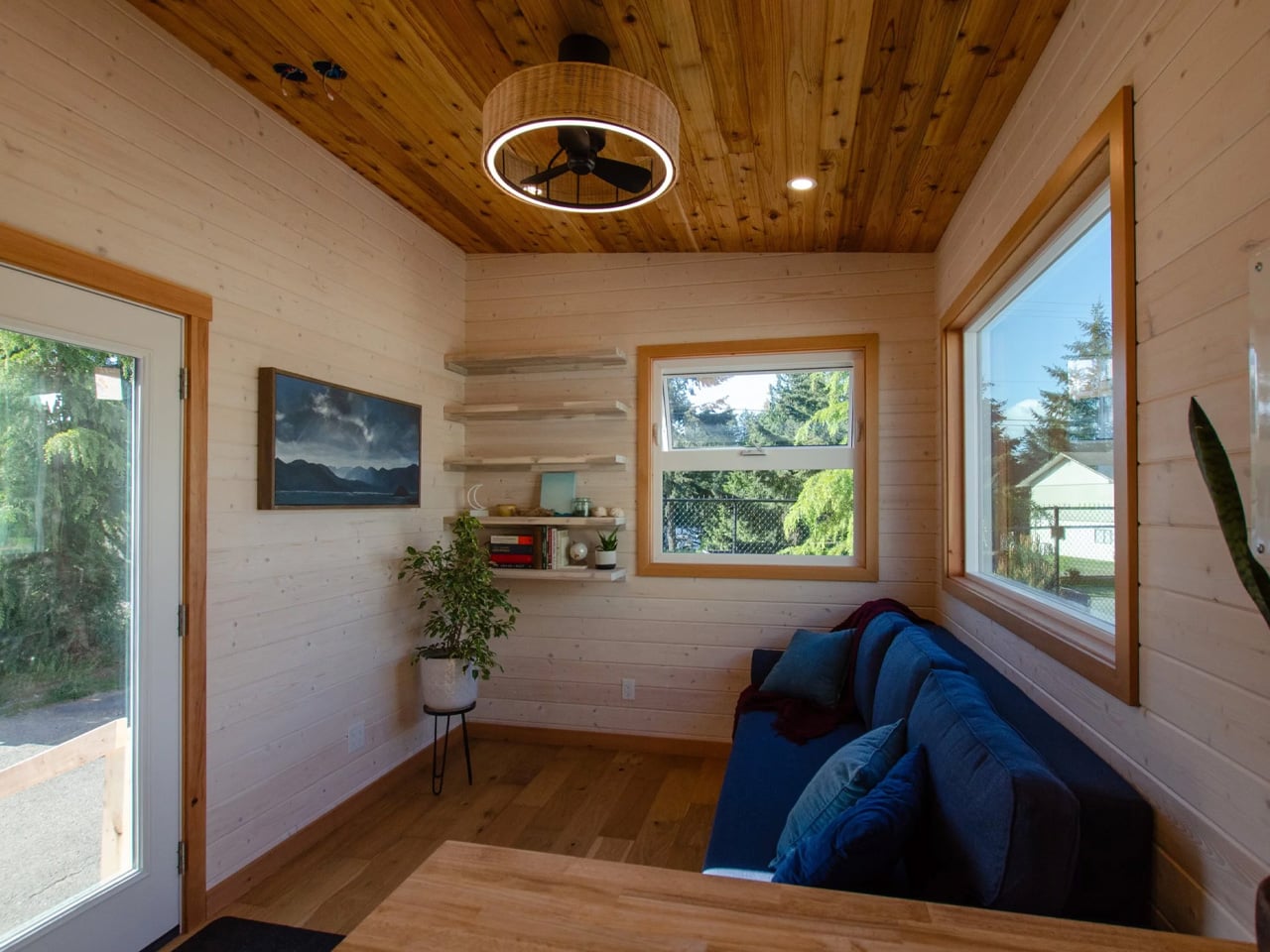
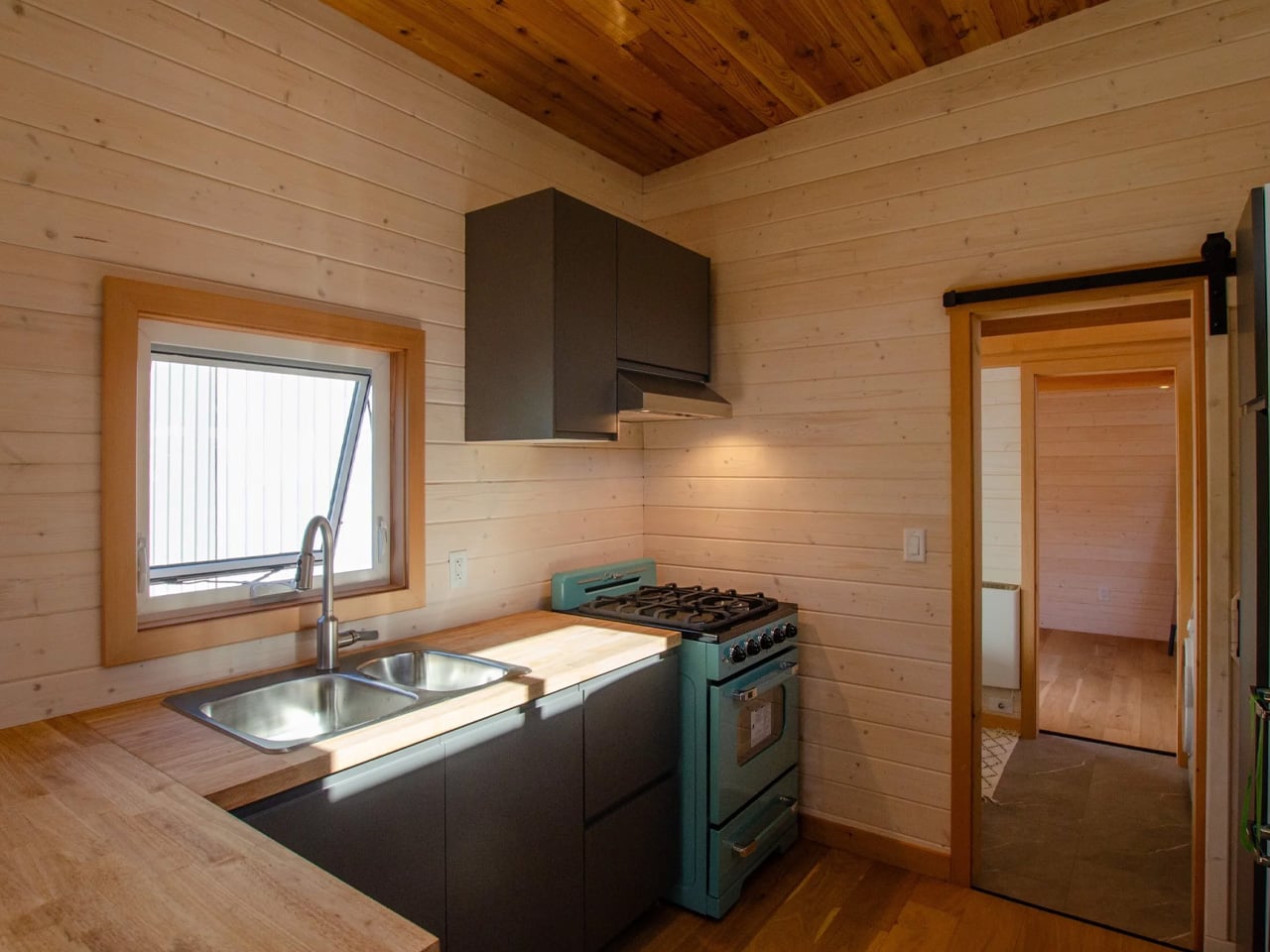
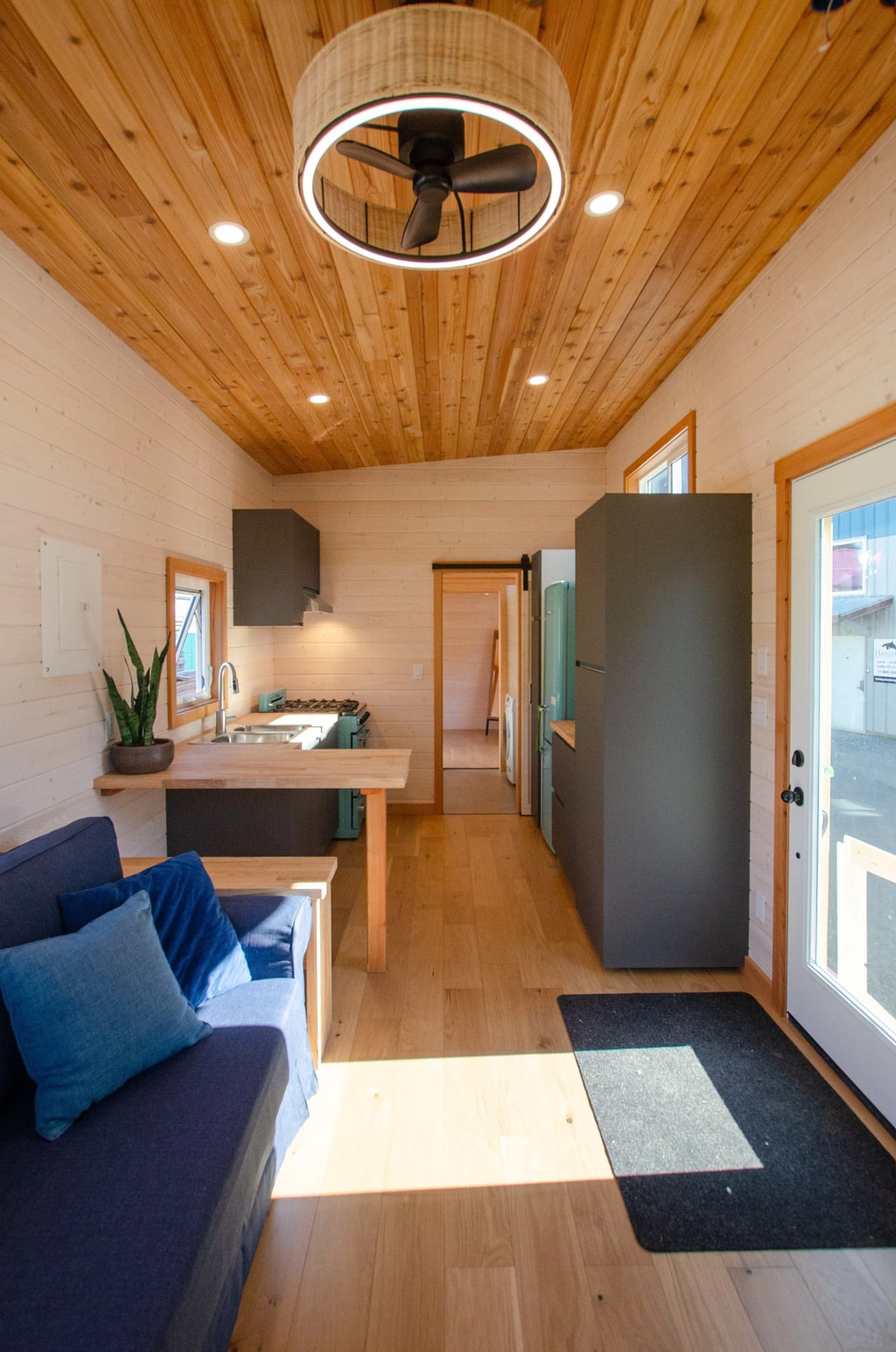
The layout flows in railroad apartment fashion, with rooms connecting directly to one another. Entry opens into a bright living room finished in whitewashed pine tongue-and-groove. The galley kitchen features butcherblock counters that wrap into an eating bar doubling as a workspace, practical for the growing number of people who work remotely. A full-size refrigerator, four-burner propane cooktop, and oven eliminate the compromises typically associated with tiny house cooking. The dining area seats two comfortably, functioning equally well for meals or as a dedicated home office.

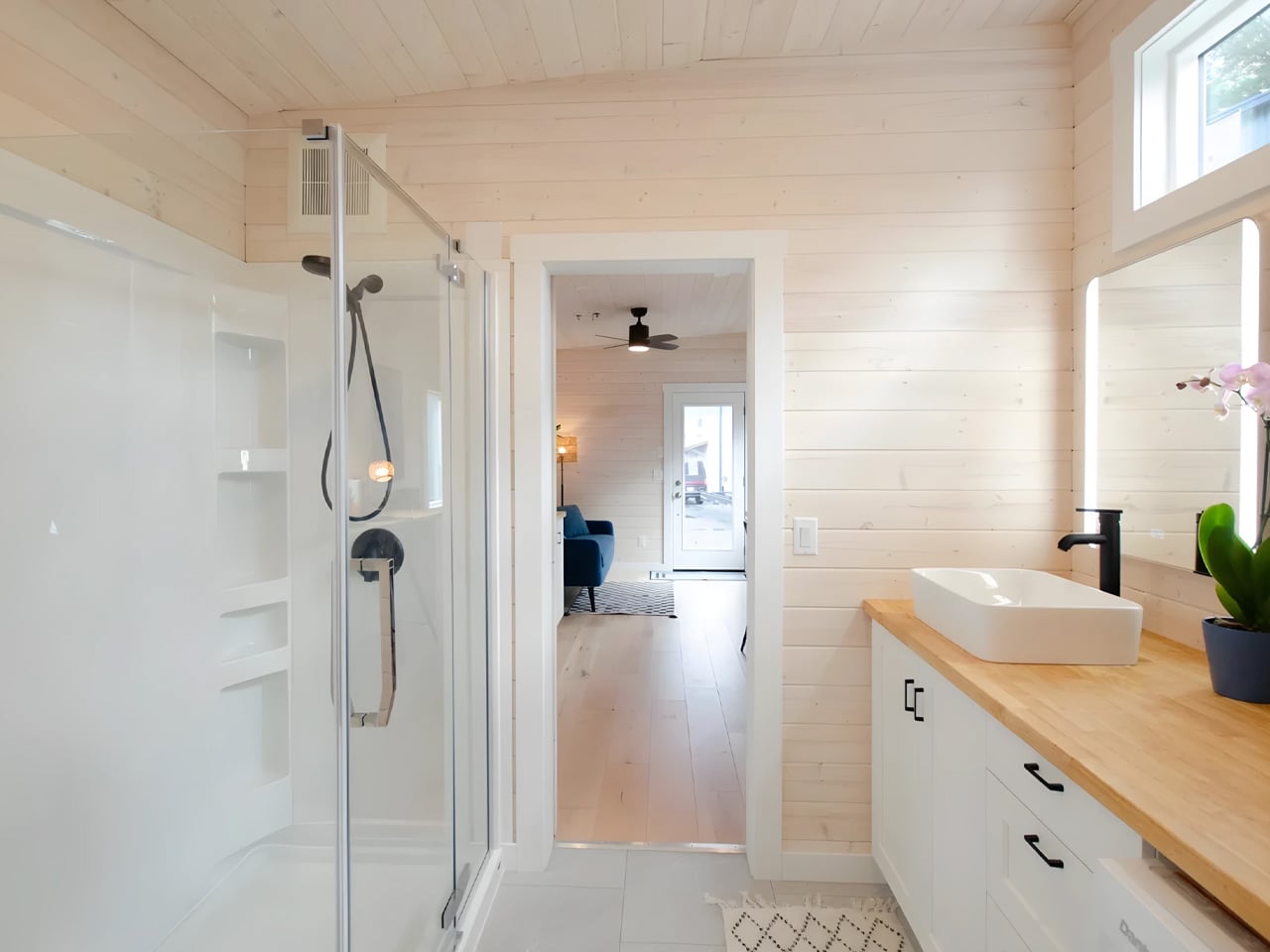
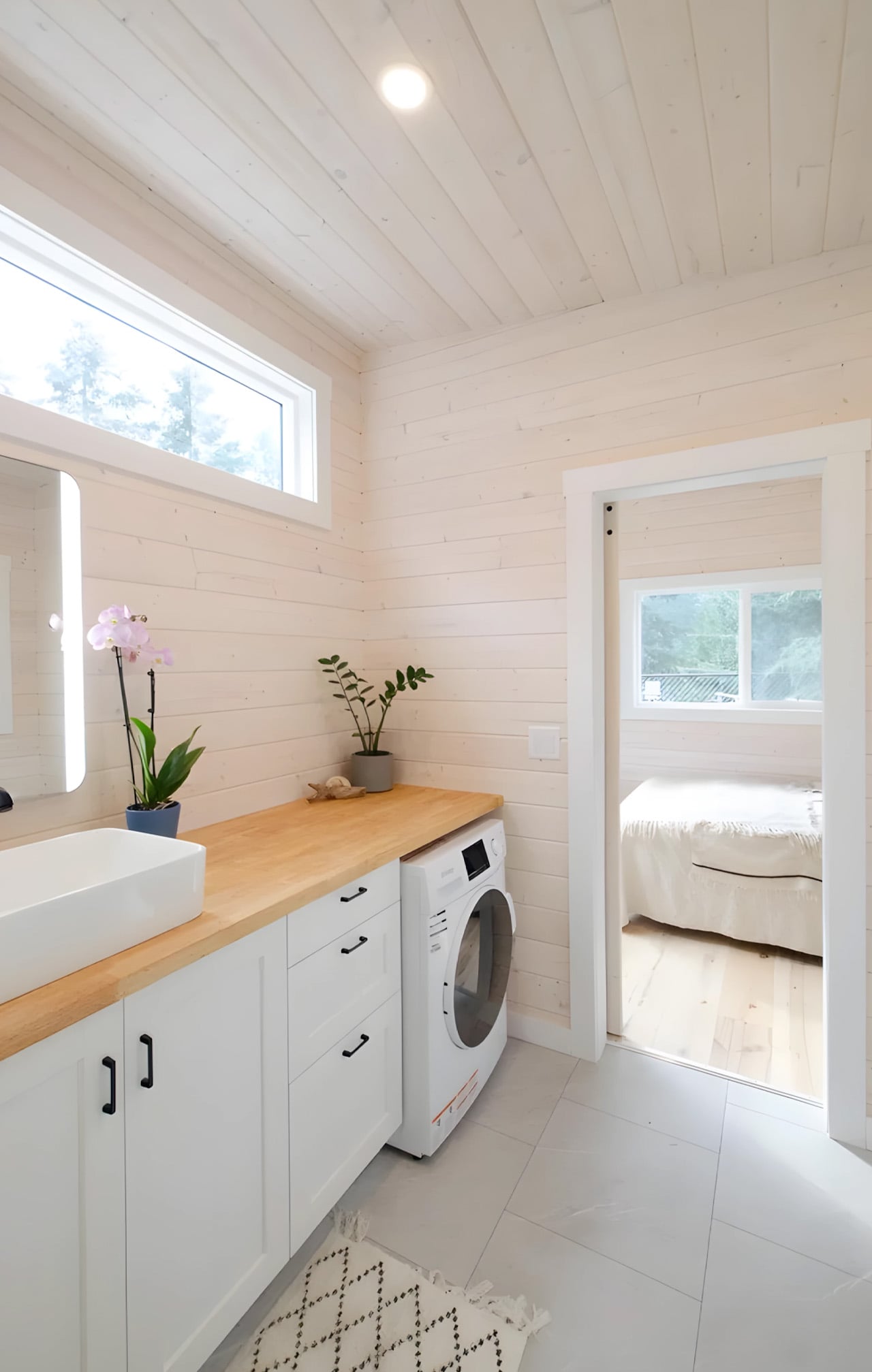
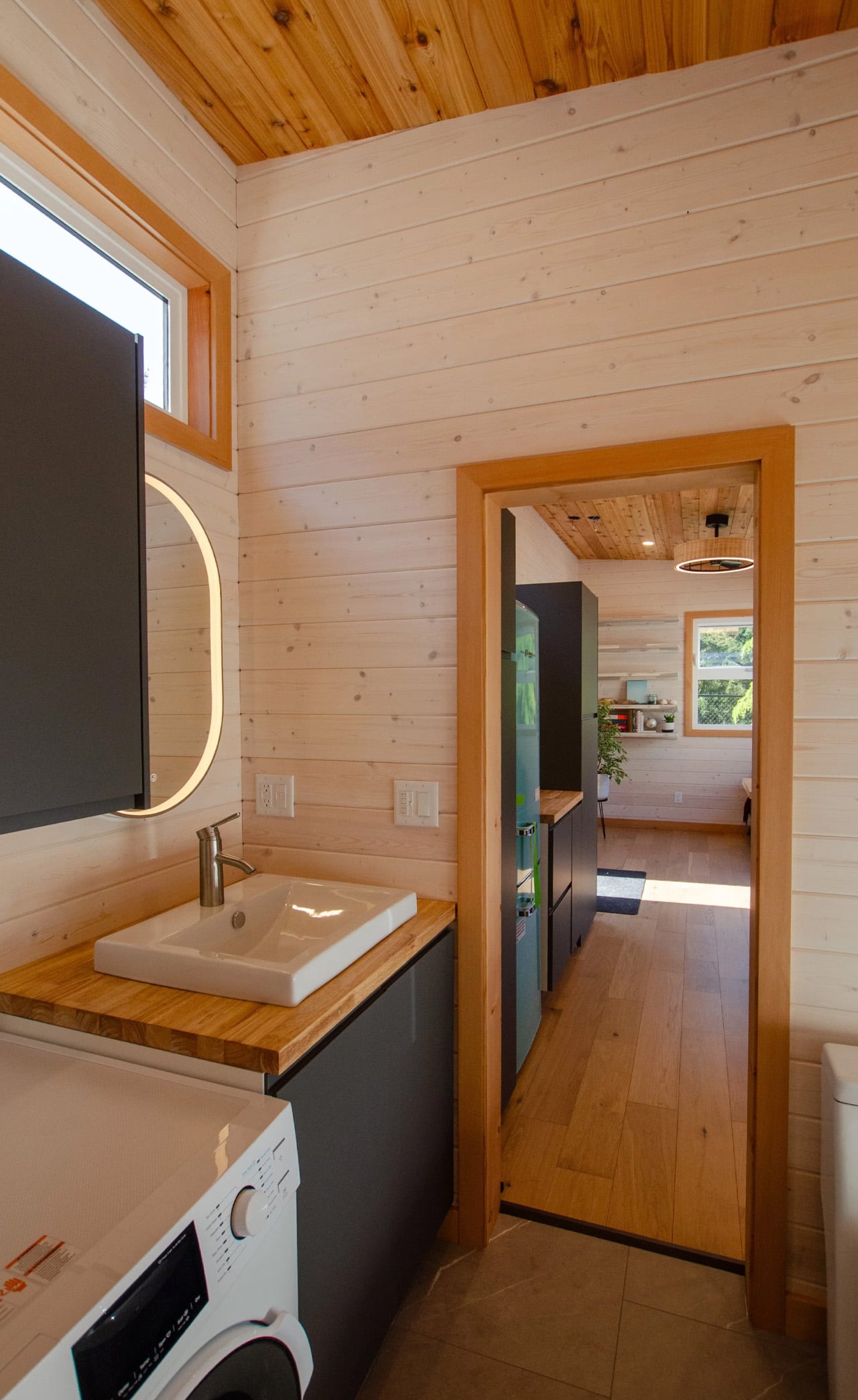
Sliding barn-style doors lead to the walk-through bathroom, a space that defies tiny house stereotypes about cramped facilities. Inside, a large walk-in shower with carefully chosen tile work sits alongside a proper sink and flushing toilet. Storage space and a washer-dryer unit handle practical necessities without feeling shoehorned in. The bathroom connects to the ground-floor bedroom, where ceiling height allows standing upright, a luxury that loft-based tiny houses simply cannot provide.

The Barred Owl targets people seeking permanent downsizing rather than weekend adventures. Its single-story configuration addresses aging-in-place concerns that most tiny houses ignore. Mobility limitations, balance issues, or simply the desire to avoid ladder climbing at night make this design particularly relevant. The apartment-style layout also appeals to those wanting tiny house benefits like lower costs and reduced environmental impact without sacrificing the floor plan logic of traditional homes.

Rewild Homes finishes the exterior with black metal siding accented by cedar, topped with a standing seam metal roof. A built-in overhang shelters the front entrance, fitted with recessed lighting. The home currently sits unused on private property just north of Nanaimo, available for immediate possession at around US$118,000 after the original purchaser’s circumstances changed. For those willing to pare down possessions but unwilling to sacrifice comfort, the Barred Owl demonstrates that tiny living doesn’t require climbing ladders or compromising on essential amenities. It’s a practical answer to whether downsizing can work long-term without feeling like perpetual camping.

The post This $119K Tiny House Finally Kills the Awkward Loft Bed first appeared on Yanko Design.
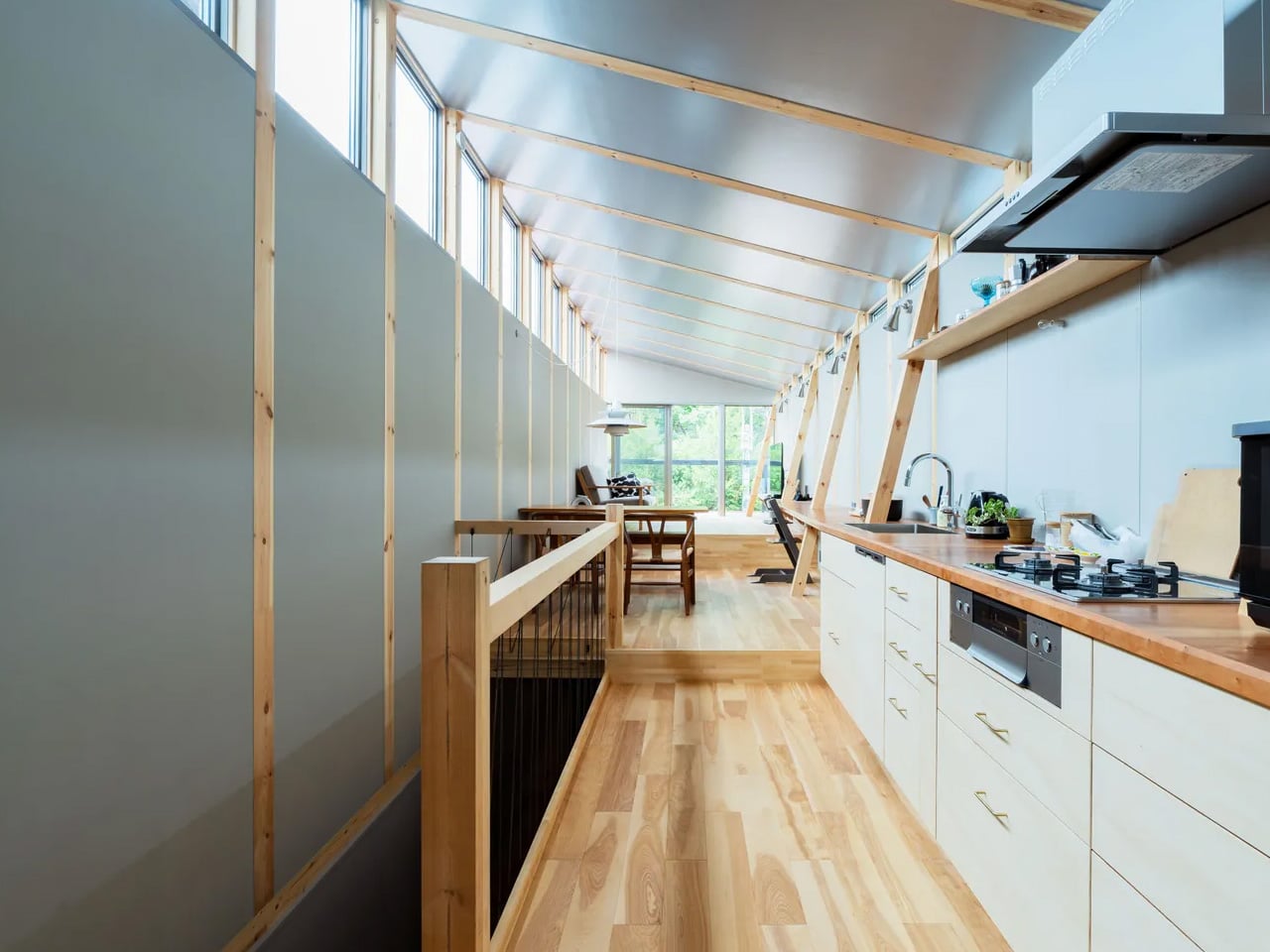
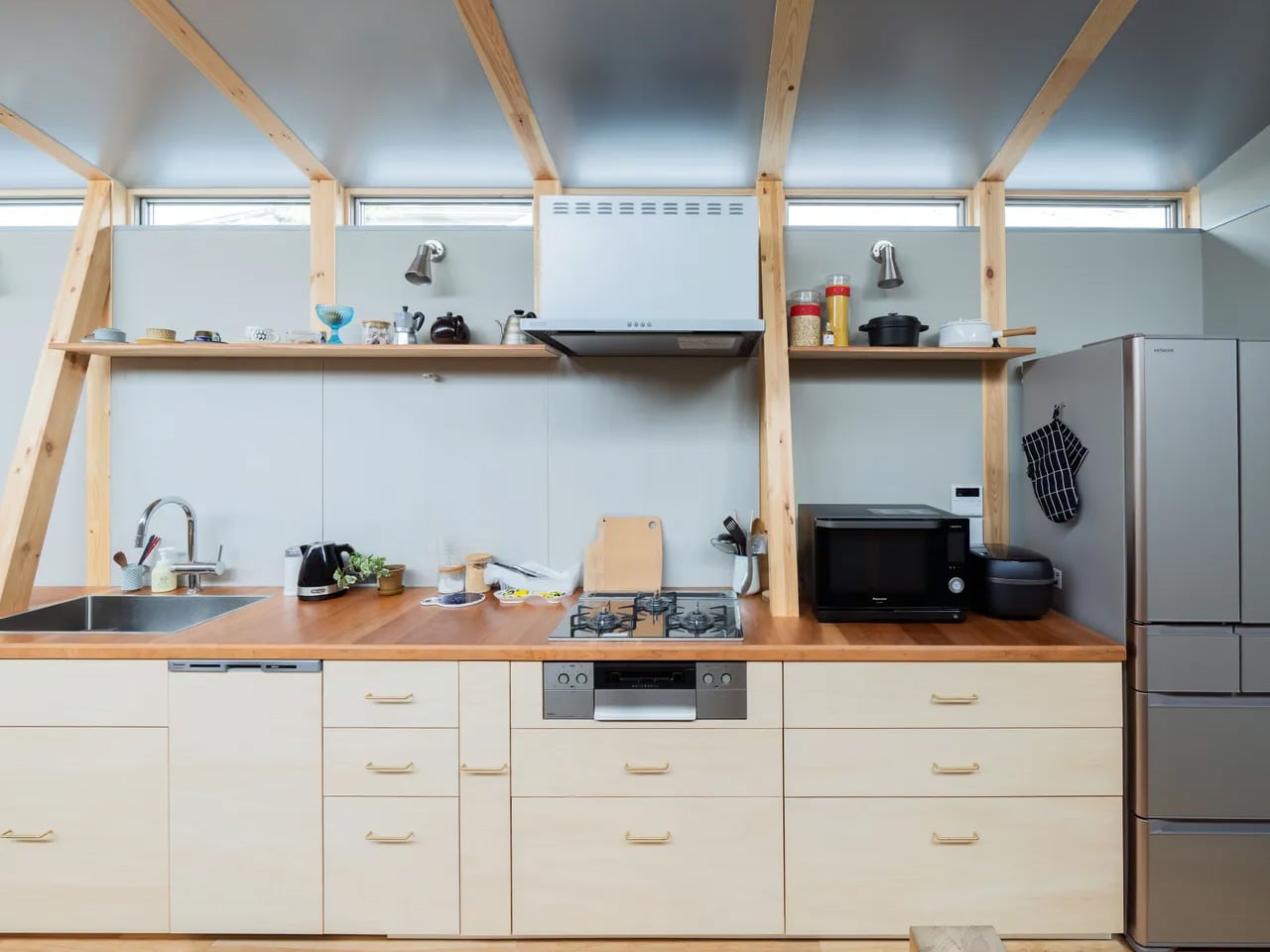
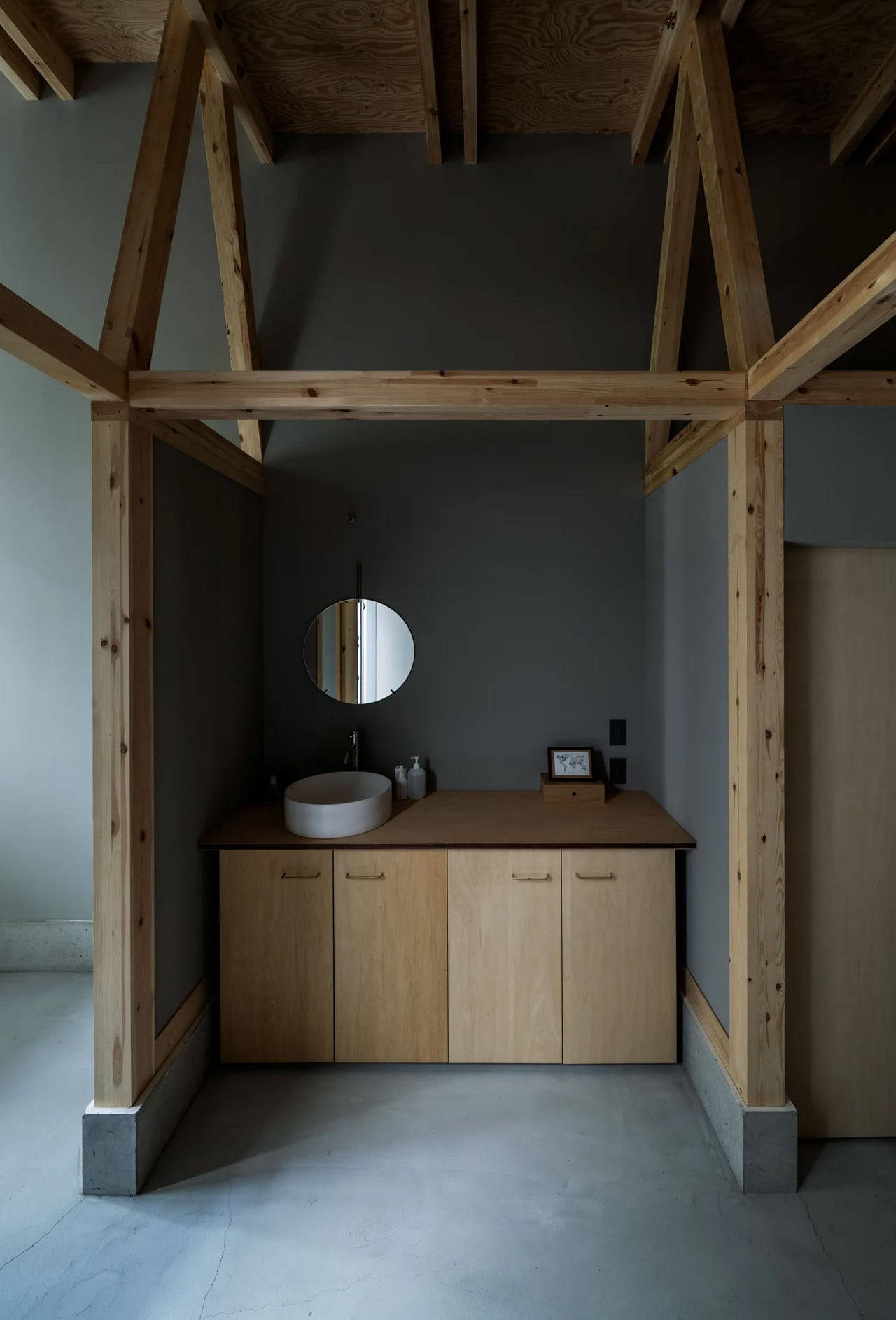
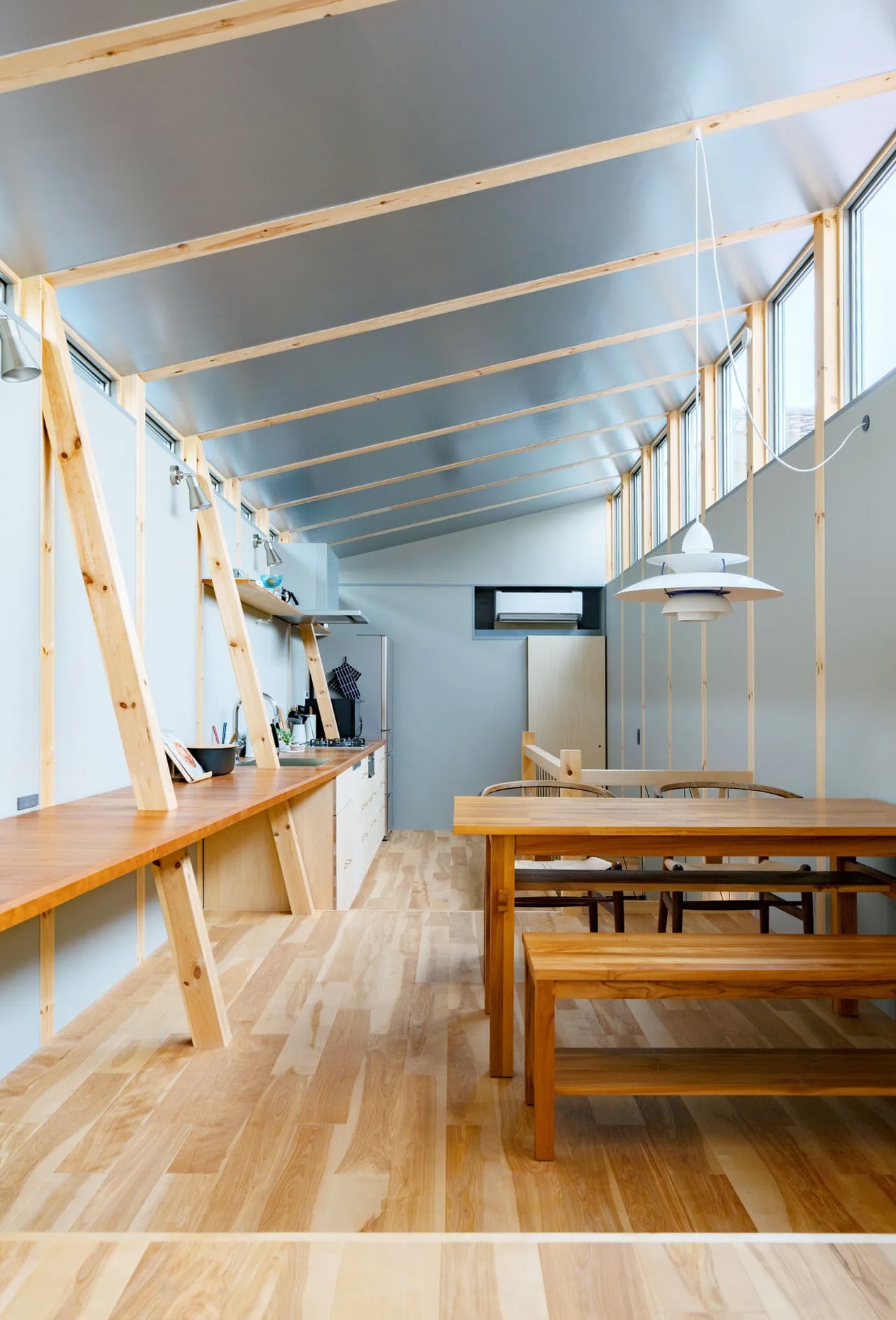
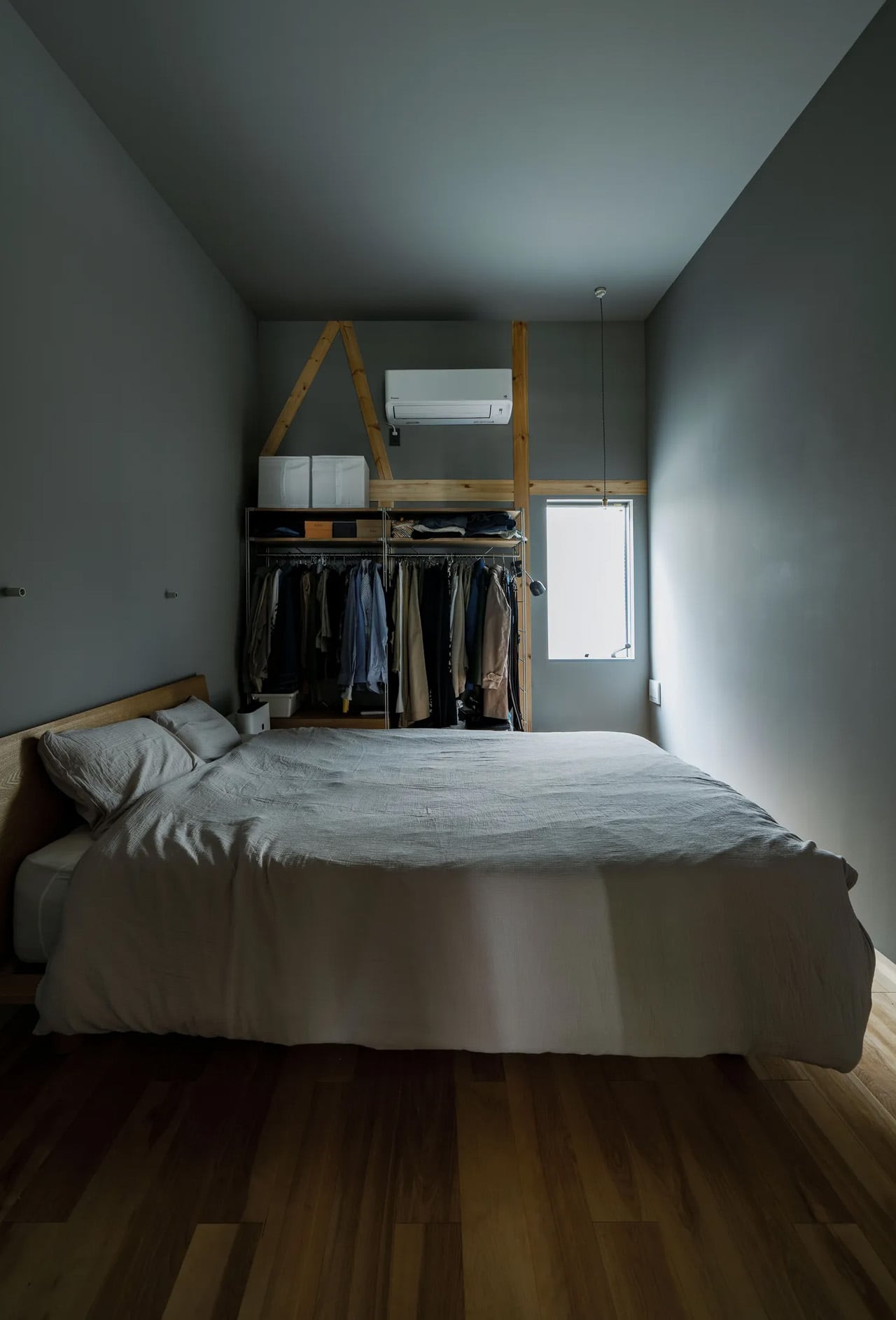
This Fukasawa Residence Honors Japanese Timber Traditions on a Narrow Plot

In the quiet residential enclave of Fukasawa, south-west Tokyo, narrow plots and intimate streetscapes create an architectural character that feels worlds away from the metropolitan sprawl surrounding it. This area, bearing the name of renowned designer Naoto Fukasawa, who made it his home, carries a quaint charm reminiscent of older Japanese shopping streets. Within this context, architecture firm MIDW has completed a striking residence that reinterprets traditional building methods for contemporary living.

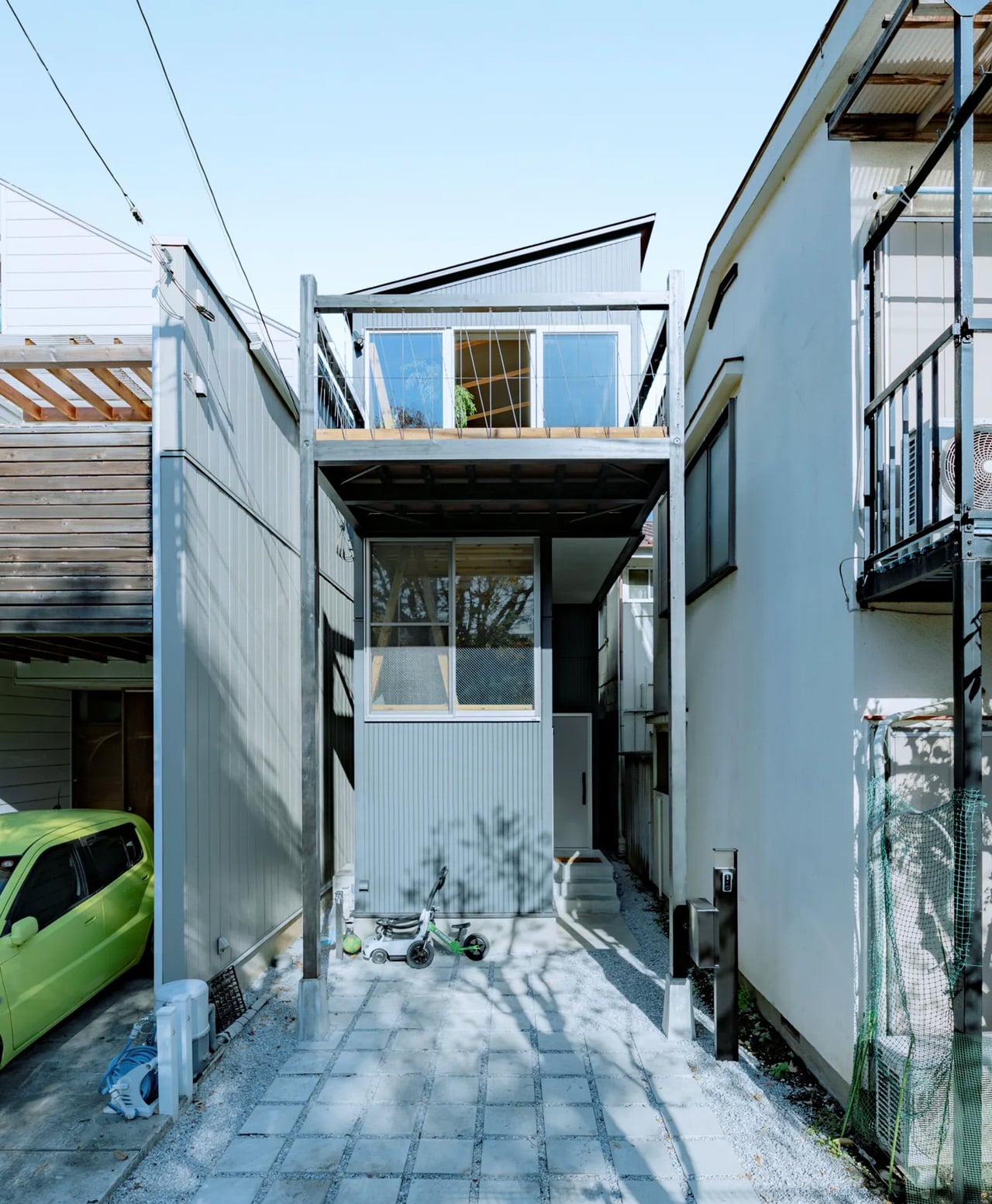
The house occupies a slender plot measuring just 2.73 metres in width and 13.65 metres in depth. Rather than viewing these proportions as limitations, MIDW embraced them as design opportunities. The structure is defined by six truss-shaped load-bearing walls, their beams spanning gracefully between evenly spaced columns to create a rhythmic structural language that anchors the entire composition.

Designer: MIDW

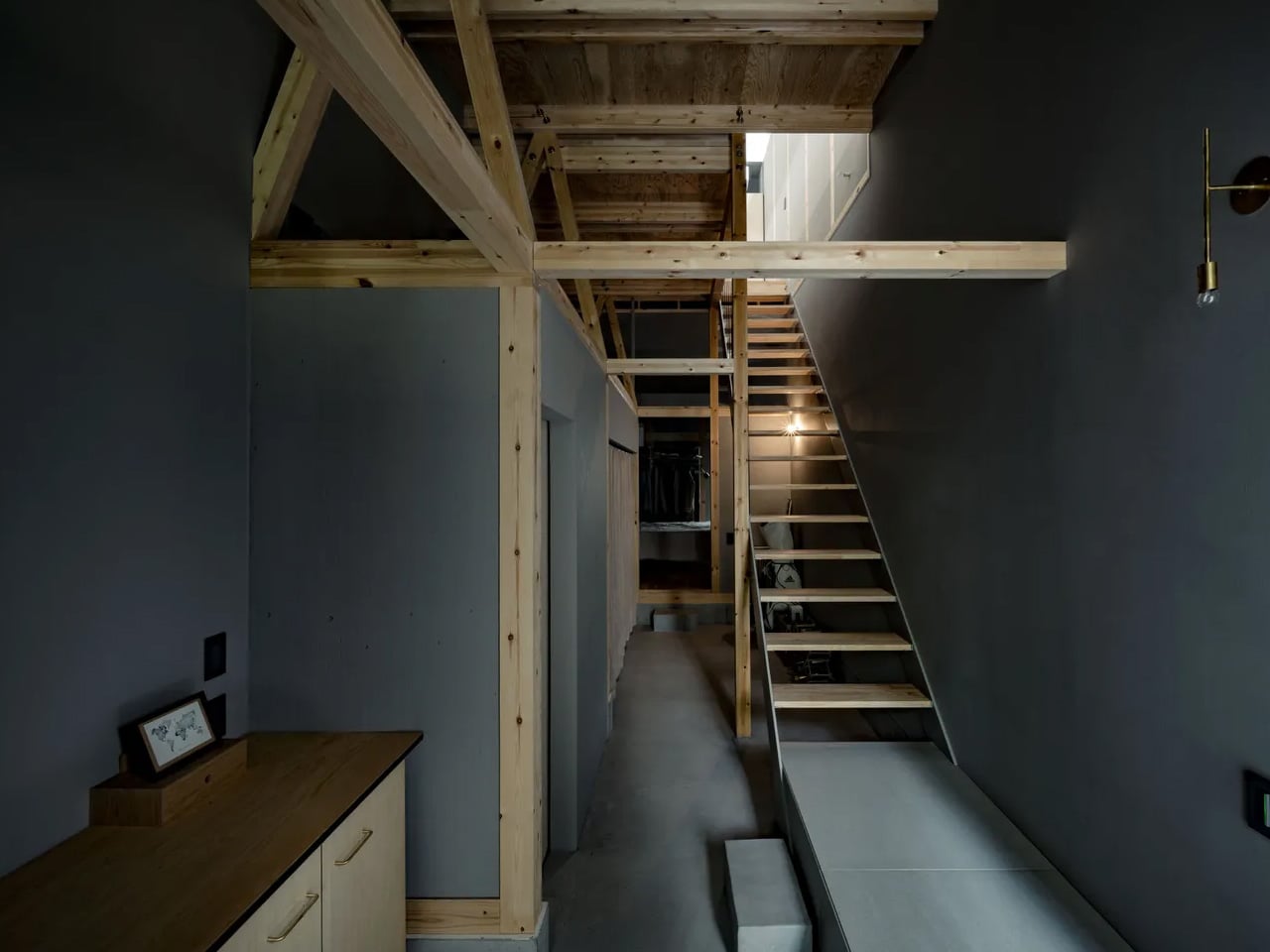
Daisuke Hattori, co-chairman and managing architect of MIDW, explains the conceptual foundation. The firm frequently draws from local construction techniques, particularly the traditional Japanese timber post-and-beam system. This method, built through the assembly of linear wooden members, offers both structural integrity and visual refinement. It remains among Japan’s most enduring building approaches, balancing flexibility with aesthetic clarity. The Fukasawa residence presents a contemporary dialogue with this heritage. The structural framework isn’t hidden behind finishes or treated as mere utility. Instead, it takes centre stage as a defining architectural element, echoing the exposed timber construction found in historic shrines and temples across Japan. This approach transforms structural necessity into spatial poetry.

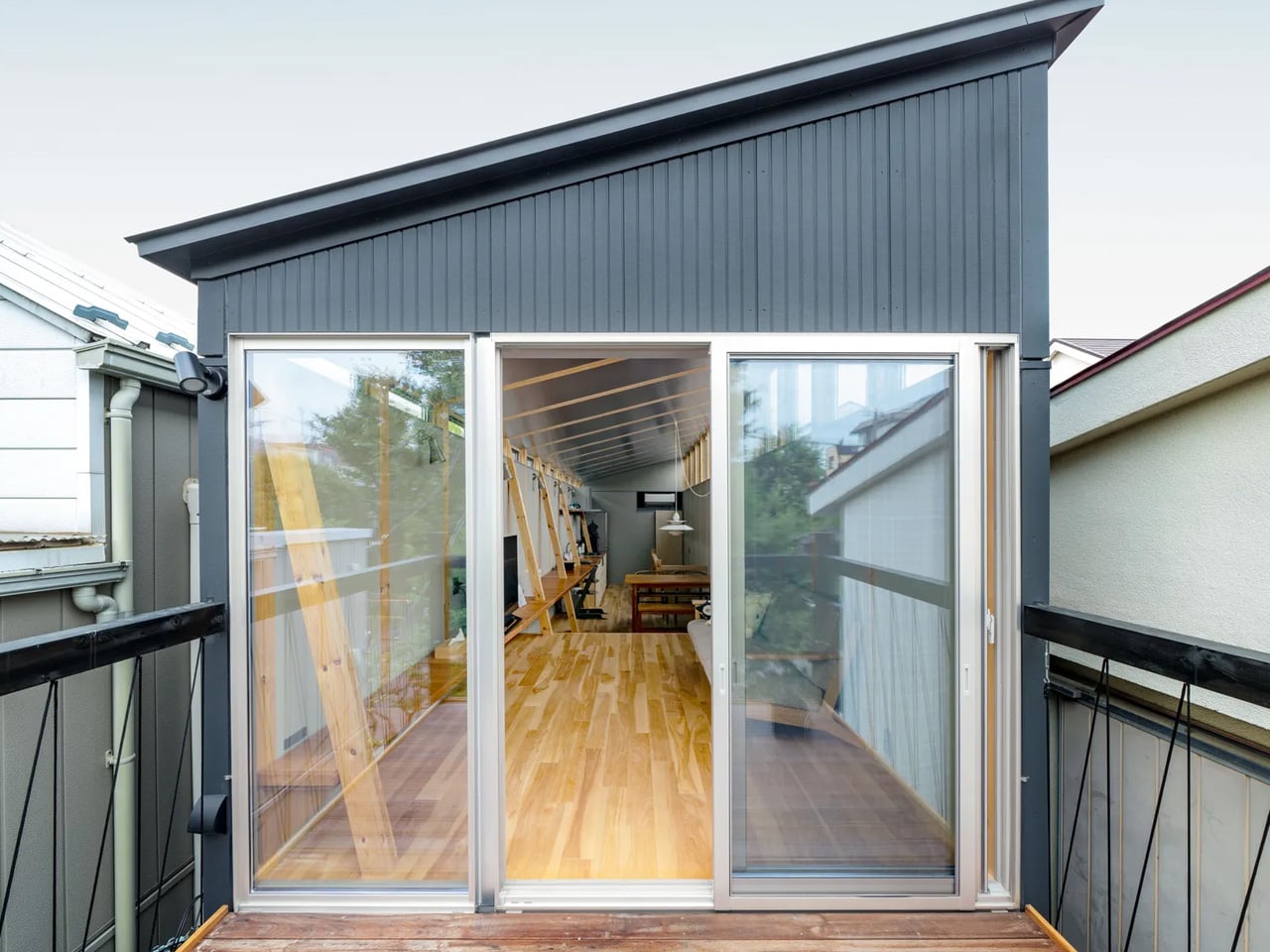
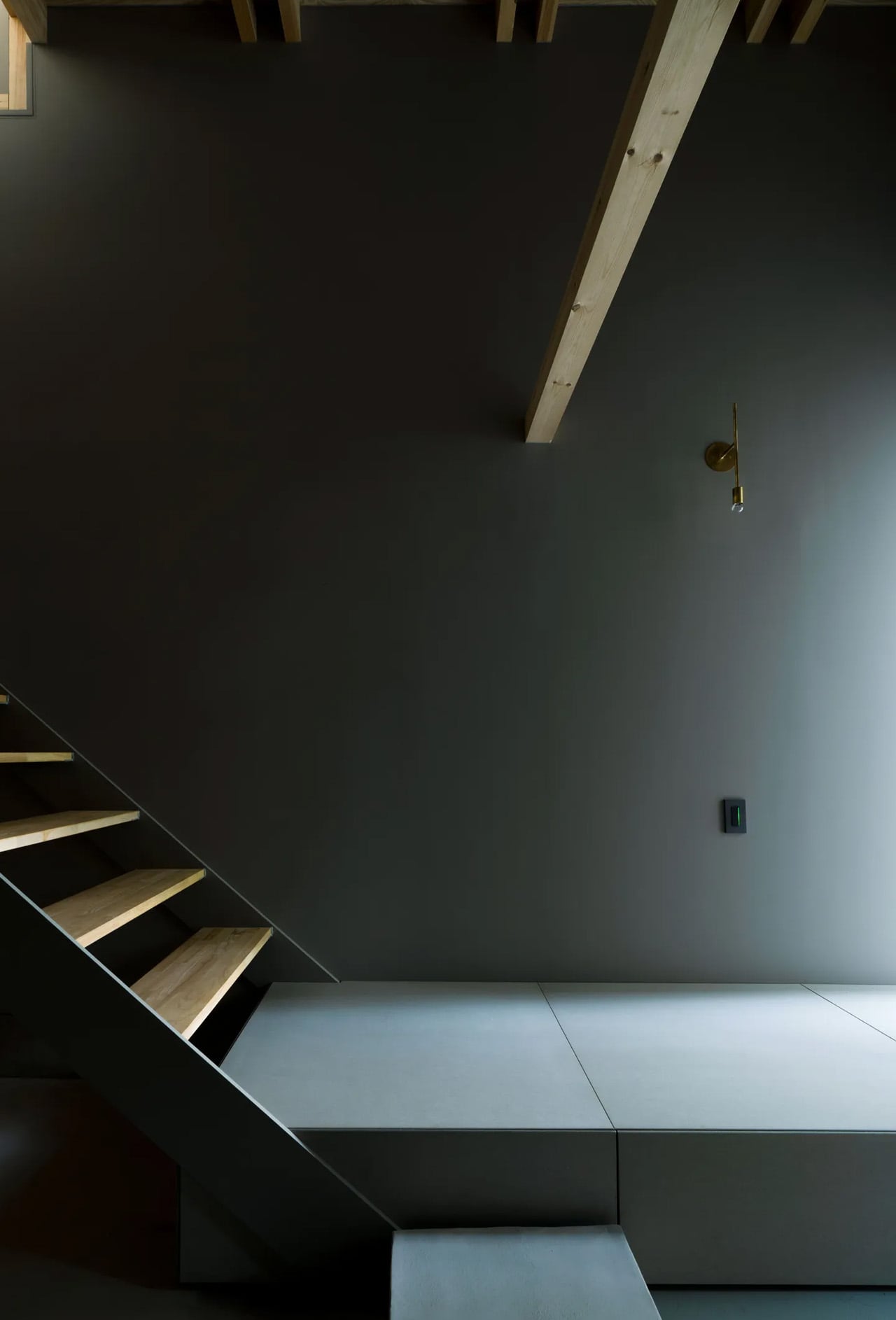
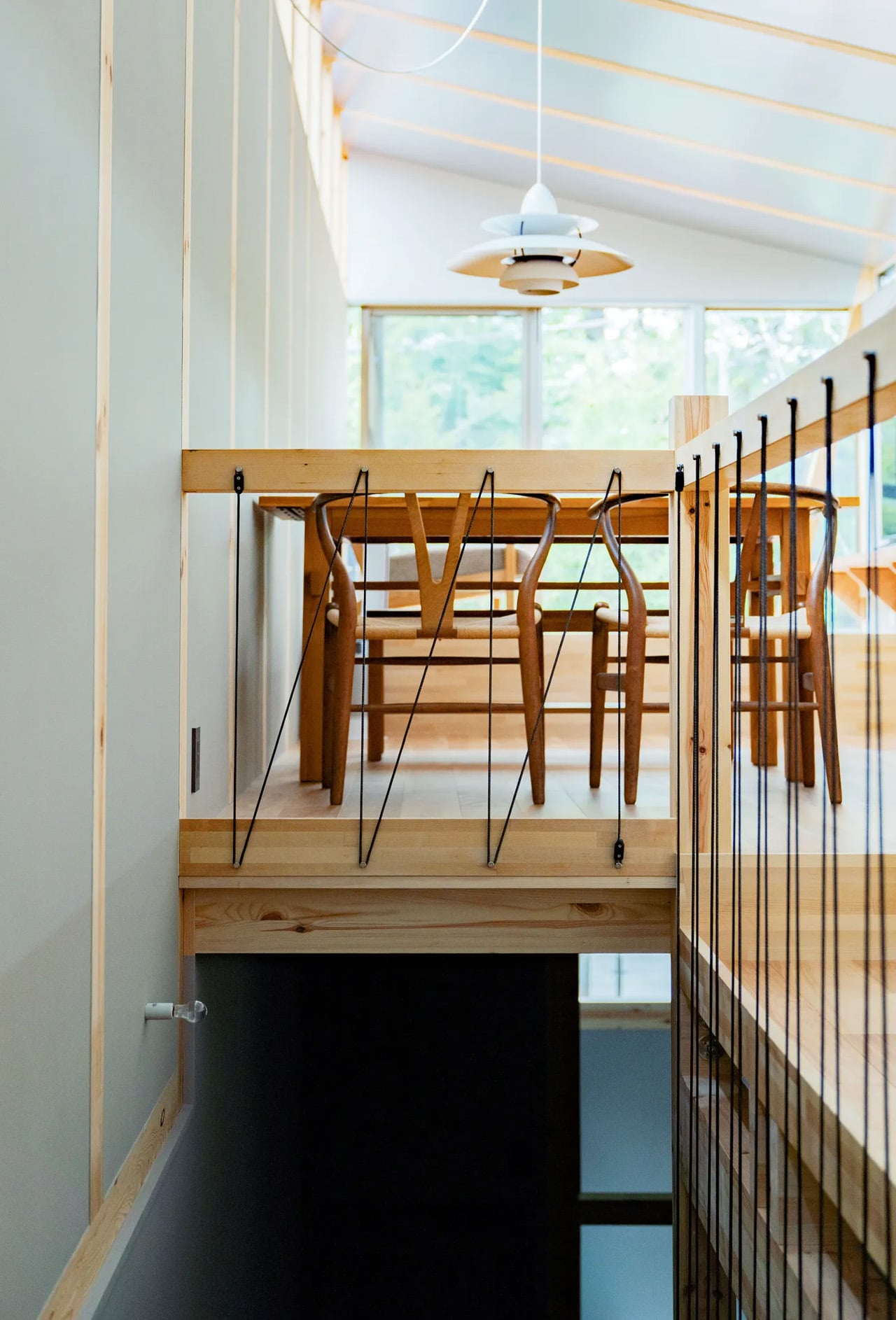
Entering the home, visitors encounter a slightly sunken floor plane that marks the transition from street to sanctuary. From this entry point, a carefully choreographed sequence of spaces begins to reveal itself. Light and shadow play across surfaces as one moves through the narrow depth of the plot. A straight staircase draws the eye upward, leading to the upper level where the spatial experience opens considerably.

The upper floor presents a broad, generous volume animated by the repetitive cadence of exposed timber beams. These structural elements create a calming visual rhythm that organizes the space while celebrating the material honesty of wood construction. The beams don’t merely support; they define the character and atmosphere of the interior.

Working within Tokyo’s dense urban fabric presented challenges beyond just dimensional constraints. Material choices and design gestures required careful consideration. Yet MIDW approached the project not as a problem to solve but as an opportunity to develop universal design principles rooted in specific site conditions. The result is a home that feels both distinctly of its place and timelessly resonant, proving that constraint often breeds the most compelling creativity.

The post This Fukasawa Residence Honors Japanese Timber Traditions on a Narrow Plot first appeared on Yanko Design.
Floating Cities Might Actually Save Us (And They’re Gorgeous)

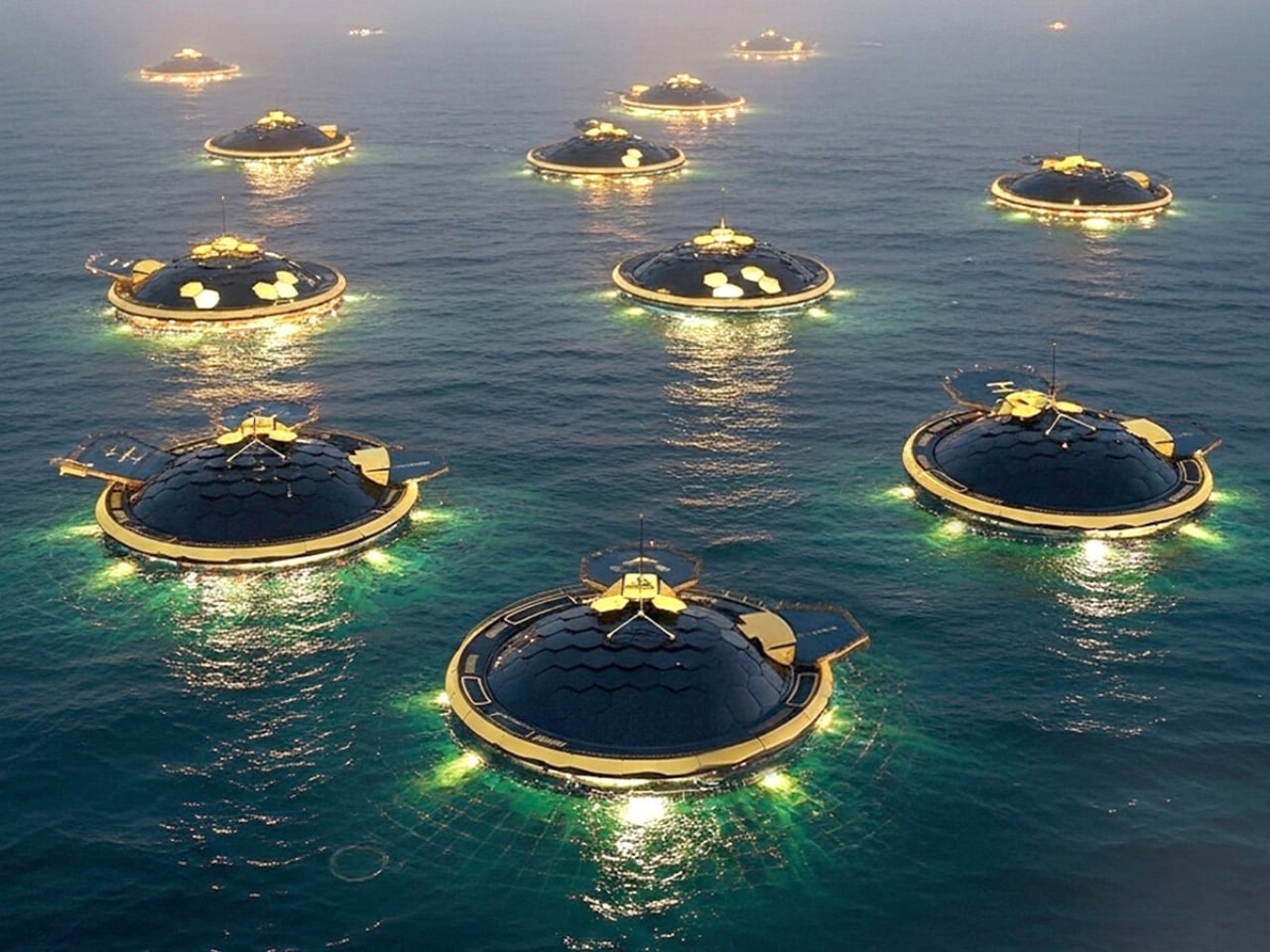
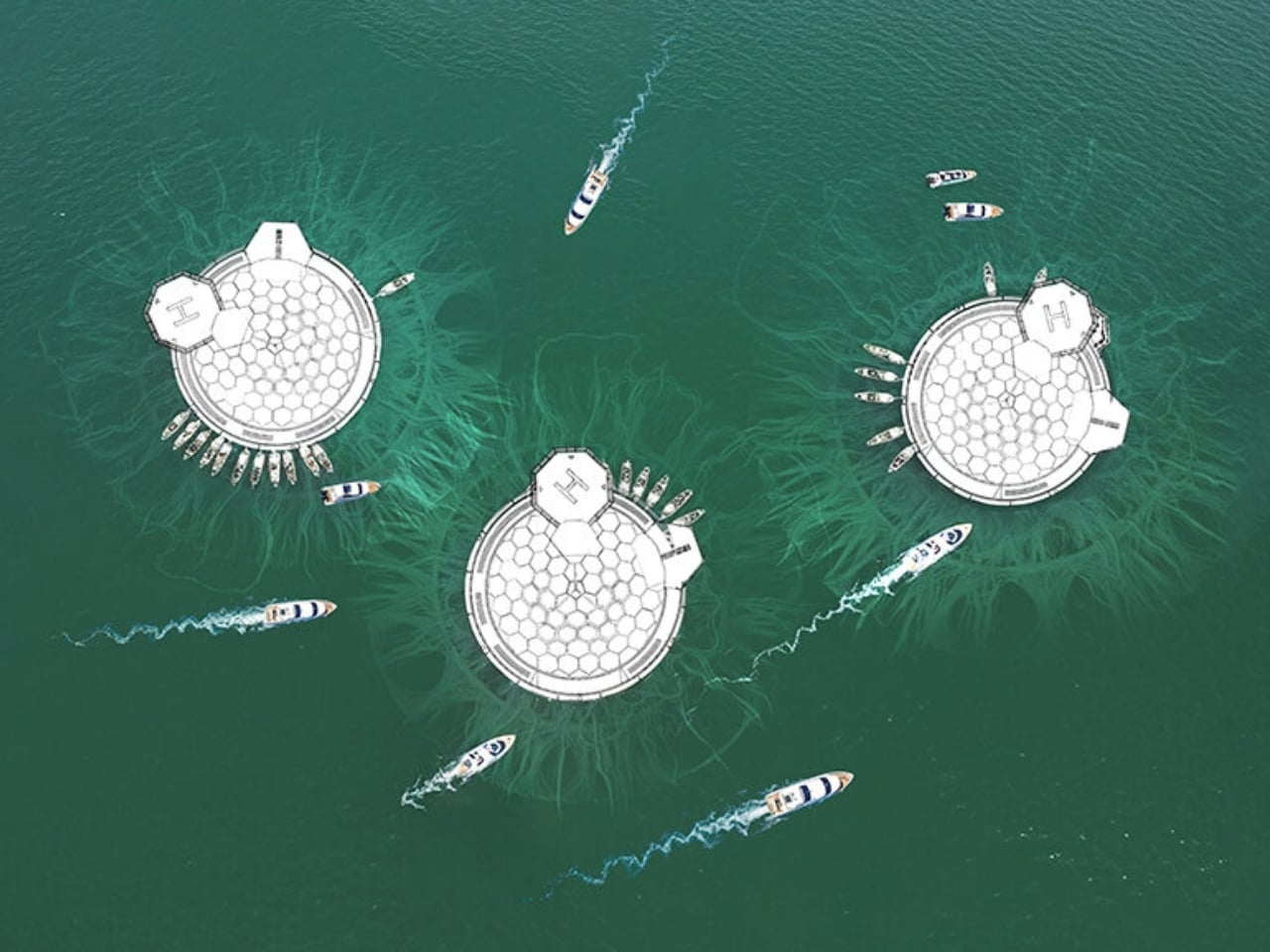
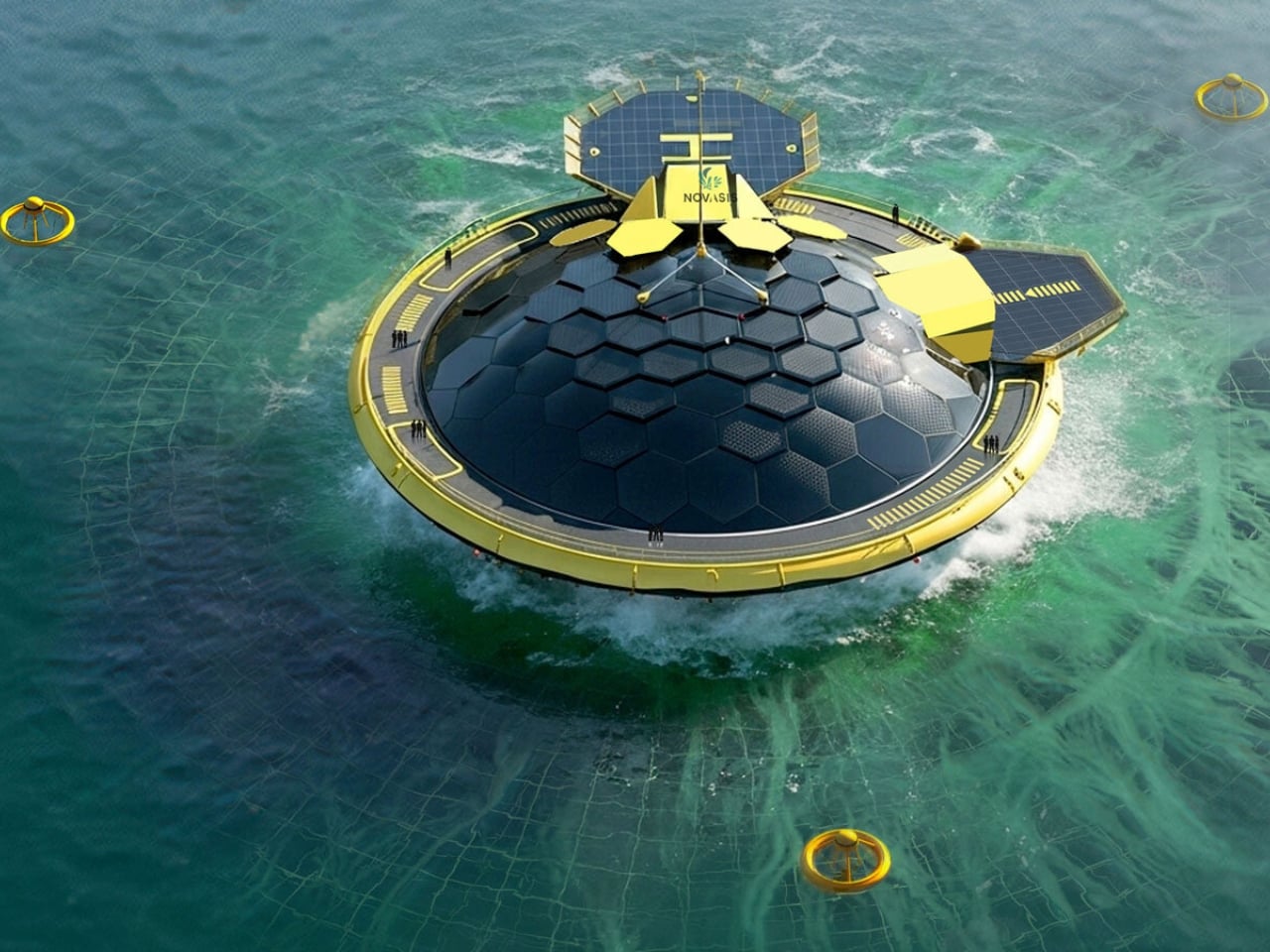
You know that feeling when you see a design concept that makes you go “wait, is this for real?” That’s exactly what happened when I came across Novasis, a floating platform project by designer Mohsen Laei that just won the Grand Prix Architecture and Innovation Award for the Sea 2025. And honestly? It’s not just another futuristic pipe dream. This thing might actually change how we think about living with our oceans.

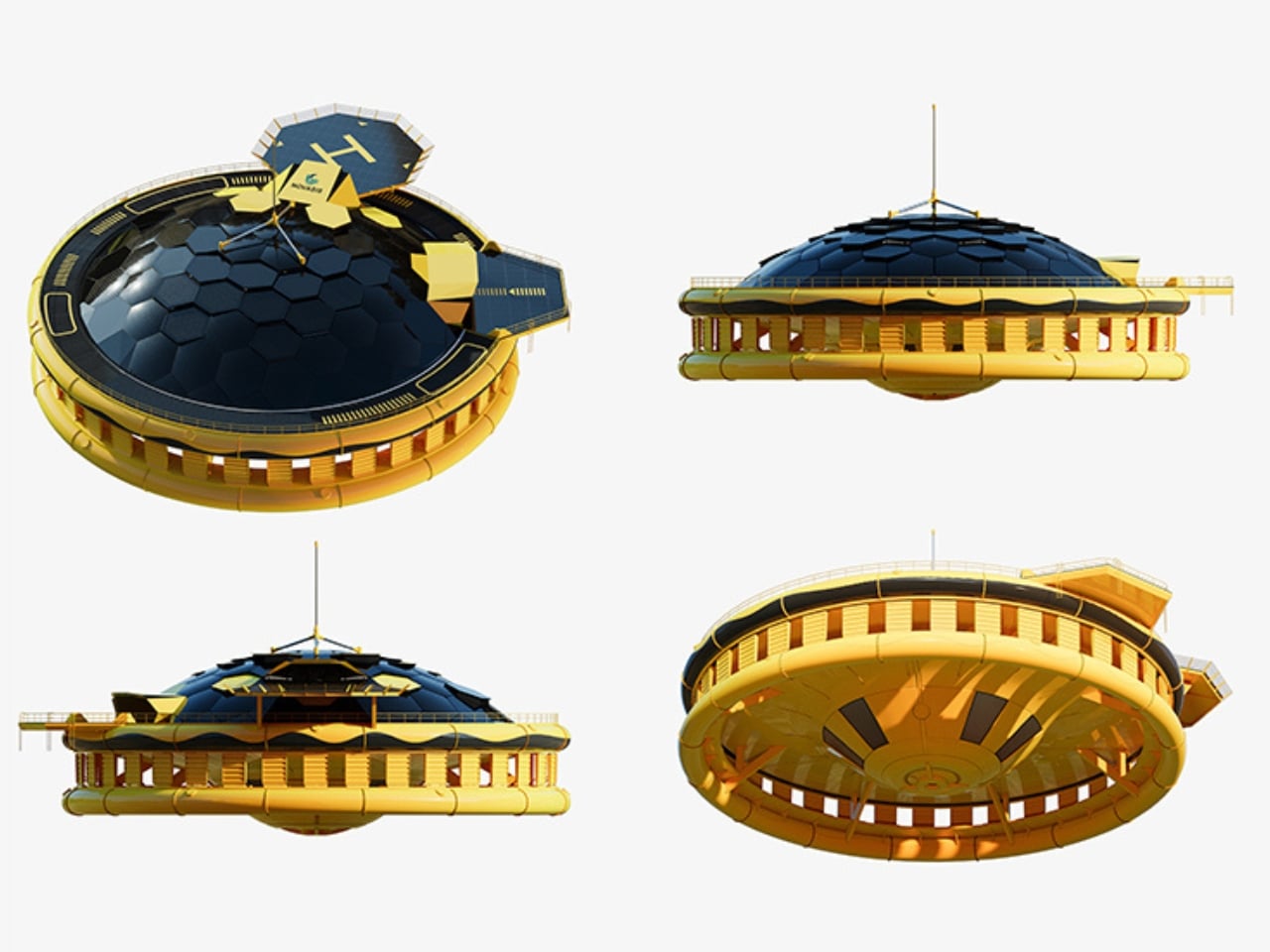
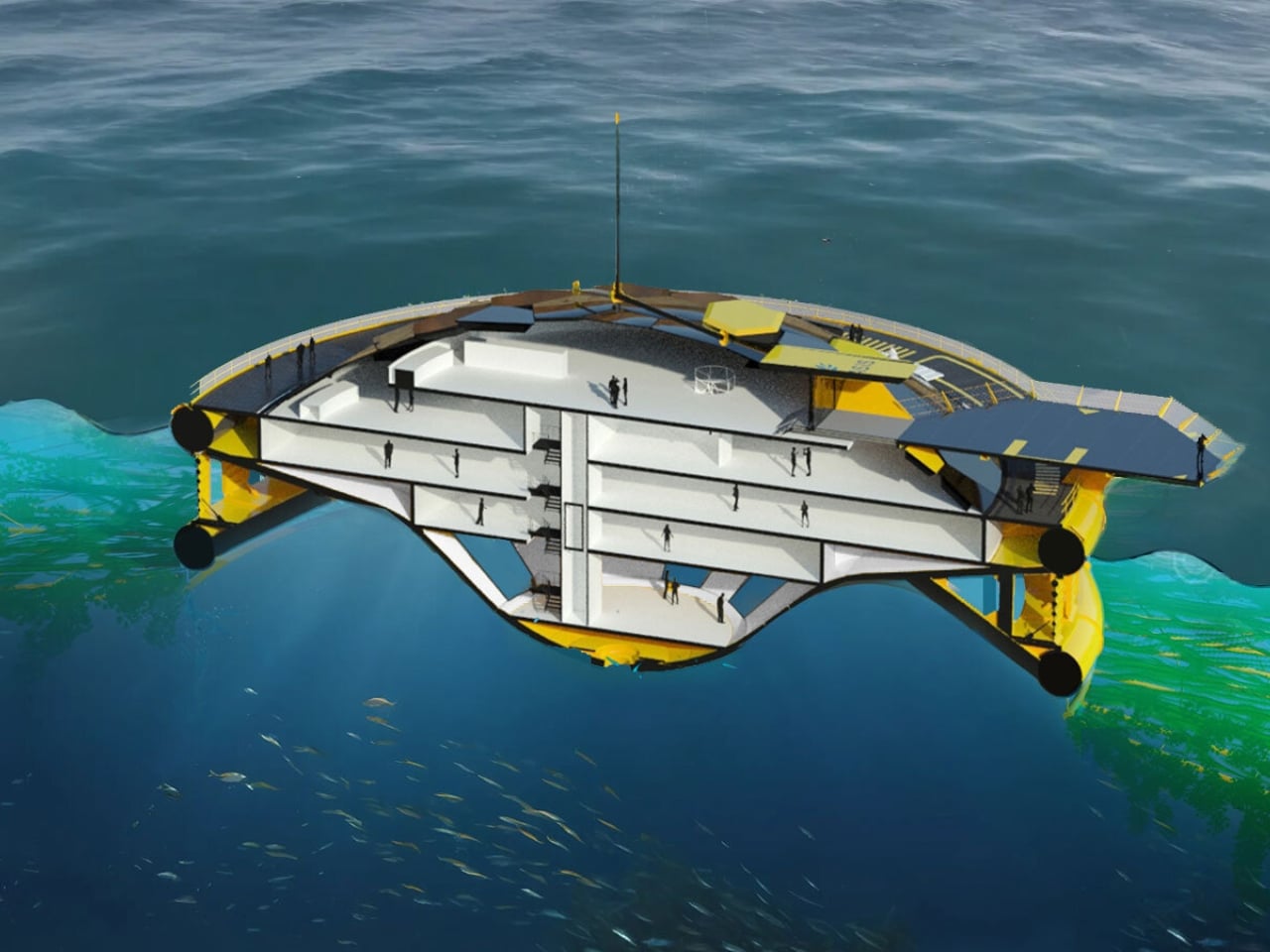
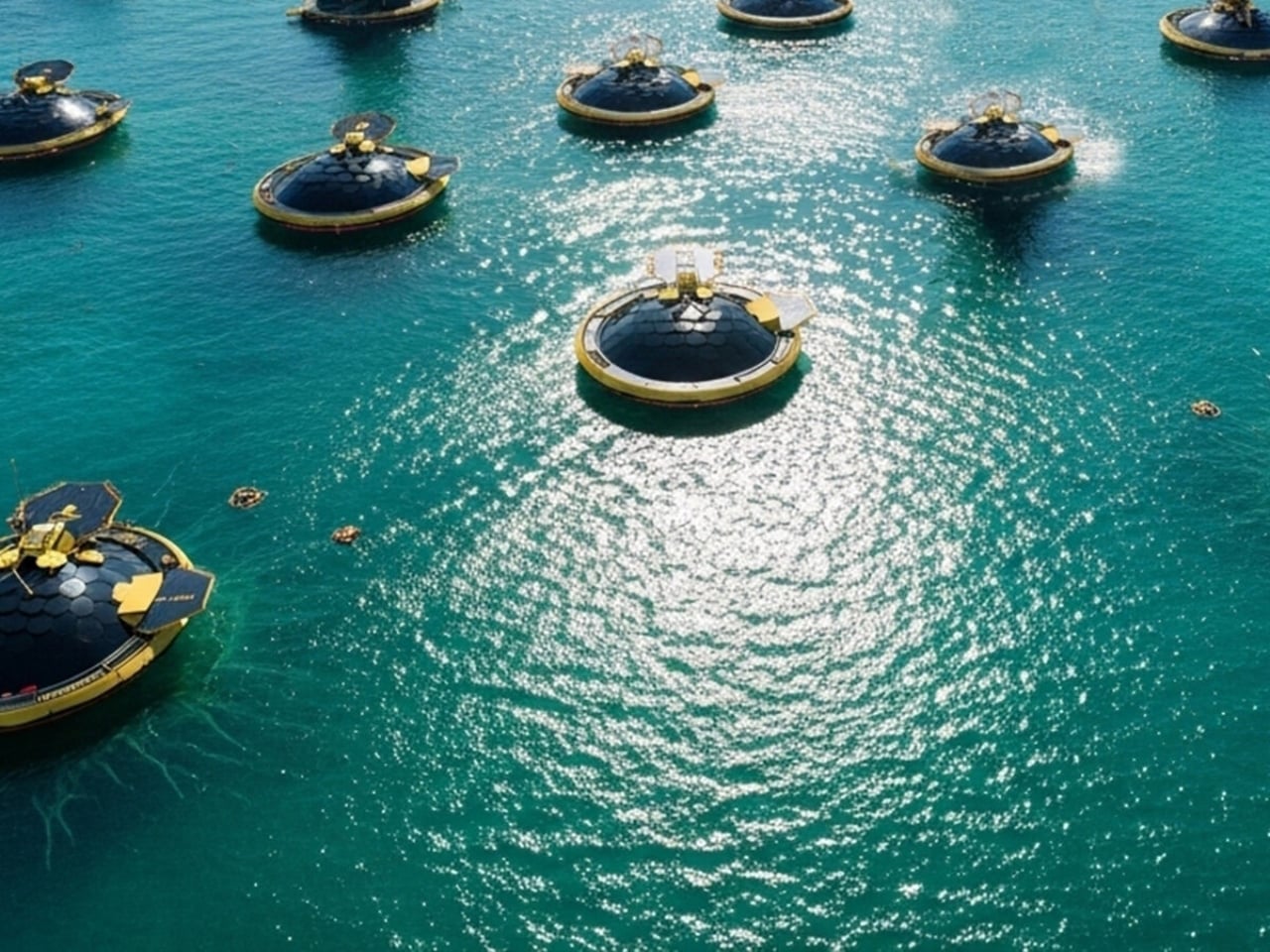
Here’s what makes Novasis so compelling. It’s a scalable floating structure that tackles three massive problems at once: climate change, resource scarcity, and marine ecosystem collapse. Unlike those dystopian visions of humans abandoning land because we’ve wrecked it, this platform is designed for genuine coexistence with the ocean. It cultivates algae on a massive scale, produces renewable energy, creates freshwater, and helps restore marine life, all while being modular, recyclable, and energy independent.

Designer: Mohsen Laei

Let’s talk about the algae part, because it’s actually the star of the show. The platform uses floating and submerged nets made from recycled PET to grow both macro and microalgae. Why does this matter? Algae is ridiculously versatile. It can be turned into biofuel, food supplements, pharmaceuticals, and even carbon-neutral materials. Plus, algae cultivation naturally absorbs carbon dioxide from the atmosphere, making this a genuinely climate-positive system. We’re talking about a design that doesn’t just minimize harm but actually reverses it.

The structure itself is stunning in a practical way. Picture a circular floating platform with a central dome and perimeter walkway that organizes movement across the space. It’s designed to support research facilities, recreational areas, and even habitation. Freshwater gets produced through rainwater harvesting combined with solar and wave-powered desalination, meaning the whole thing functions as a self-sufficient ecosystem. No need to pipe in resources from mainland infrastructure.

What I find most exciting about Novasis is how it reimagines what “development” can look like in coastal and open-ocean contexts. Traditional marine construction tends to be either extractive (oil rigs, commercial fishing) or leisure-focused (luxury resorts, cruise ships). This platform flips that script entirely. It’s designed to be revenue-generating through biomass production and renewable energy, making it economically viable without requiring grants or subsidies.

Laei isn’t new to ambitious ocean-based concepts either. Back in 2021, he proposed Wind Island, another floating structure that combined wind, water, and solar power with residential and research spaces. That project used flag-like blades around a central tower to capture wind energy while creating shade and cooling for the platform below. You can see the evolution of his thinking from that earlier concept to Novasis, where the focus has sharpened on ecosystem restoration and practical resource production.

The timing couldn’t be more relevant. Floating solar farms have been gaining traction as a renewable energy solution, particularly because they preserve land for other uses and can actually help clean nutrient-polluted water. But most floating renewable projects focus on just one function. Novasis integrates multiple systems into one cohesive platform, which makes it far more resilient and useful.

Critics might call this concept too ambitious or unrealistic, but I’d argue we’re past the point where playing it safe makes sense. Our oceans are warming, acidifying, and losing biodiversity at terrifying rates. Coastal cities face rising seas and freshwater shortages. We need solutions that are as complex and interconnected as the problems we’ve created. Novasis offers exactly that: a model for how humans might actually contribute to ocean health rather than just taking from it.

The best part? Because the system is modular, it can scale up or down depending on location and need. Small coastal communities could deploy a single unit. Larger installations could connect multiple platforms into floating networks. The design adapts rather than demanding a one-size-fits-all approach.

I’m genuinely curious to see where this goes. Will we see a working prototype in the next few years? Will governments and private investors recognize the potential here? For now, Novasis stands as proof that design can be both beautiful and functionally revolutionary, that we can build infrastructure that heals rather than harms. And in a world that desperately needs both hope and practical solutions, that feels like something worth getting excited about.

The post Floating Cities Might Actually Save Us (And They’re Gorgeous) first appeared on Yanko Design.
This Extra-Wide Tiny House Has A Ground-Floor Bedroom & A Real Bathtub

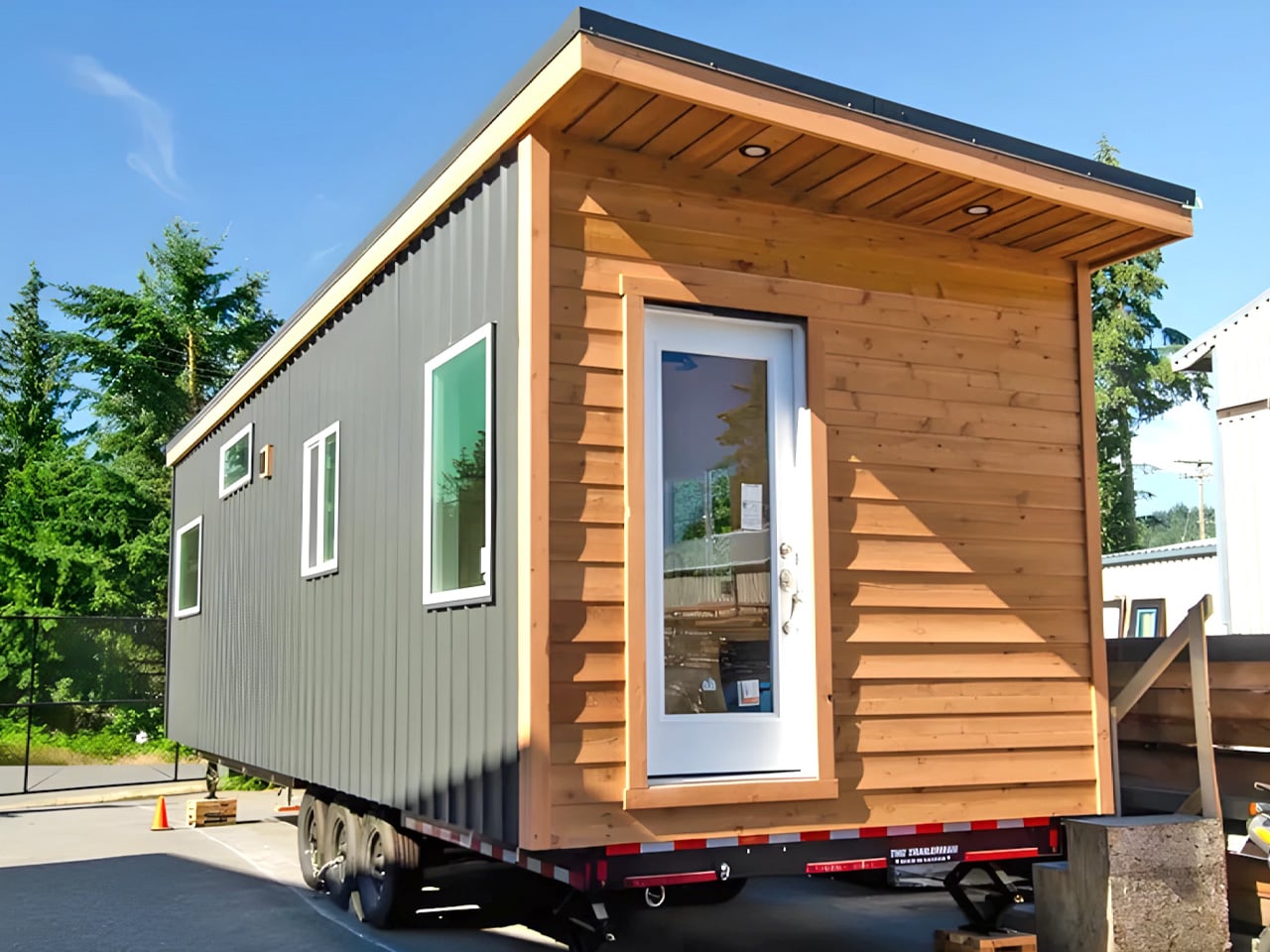
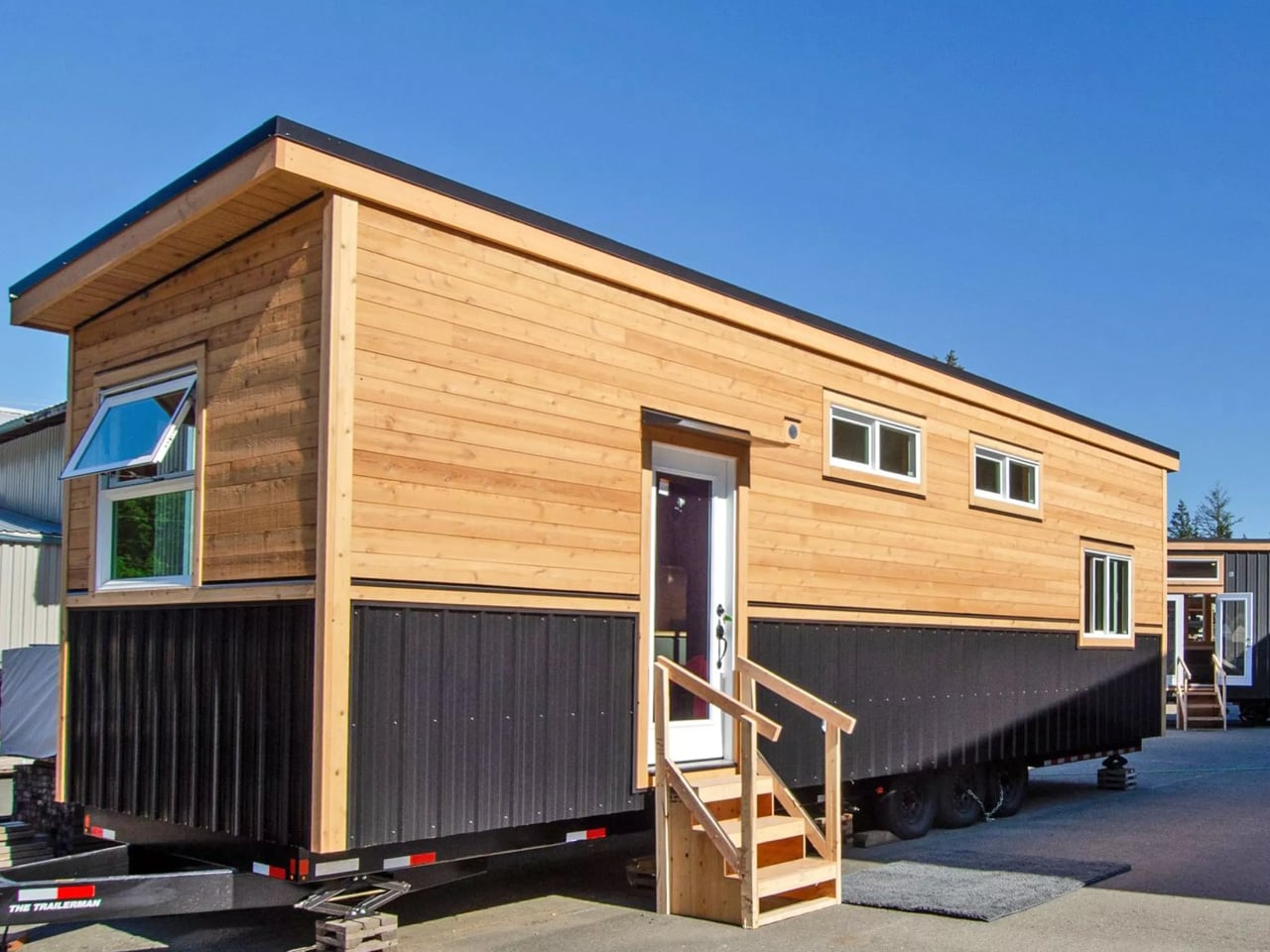
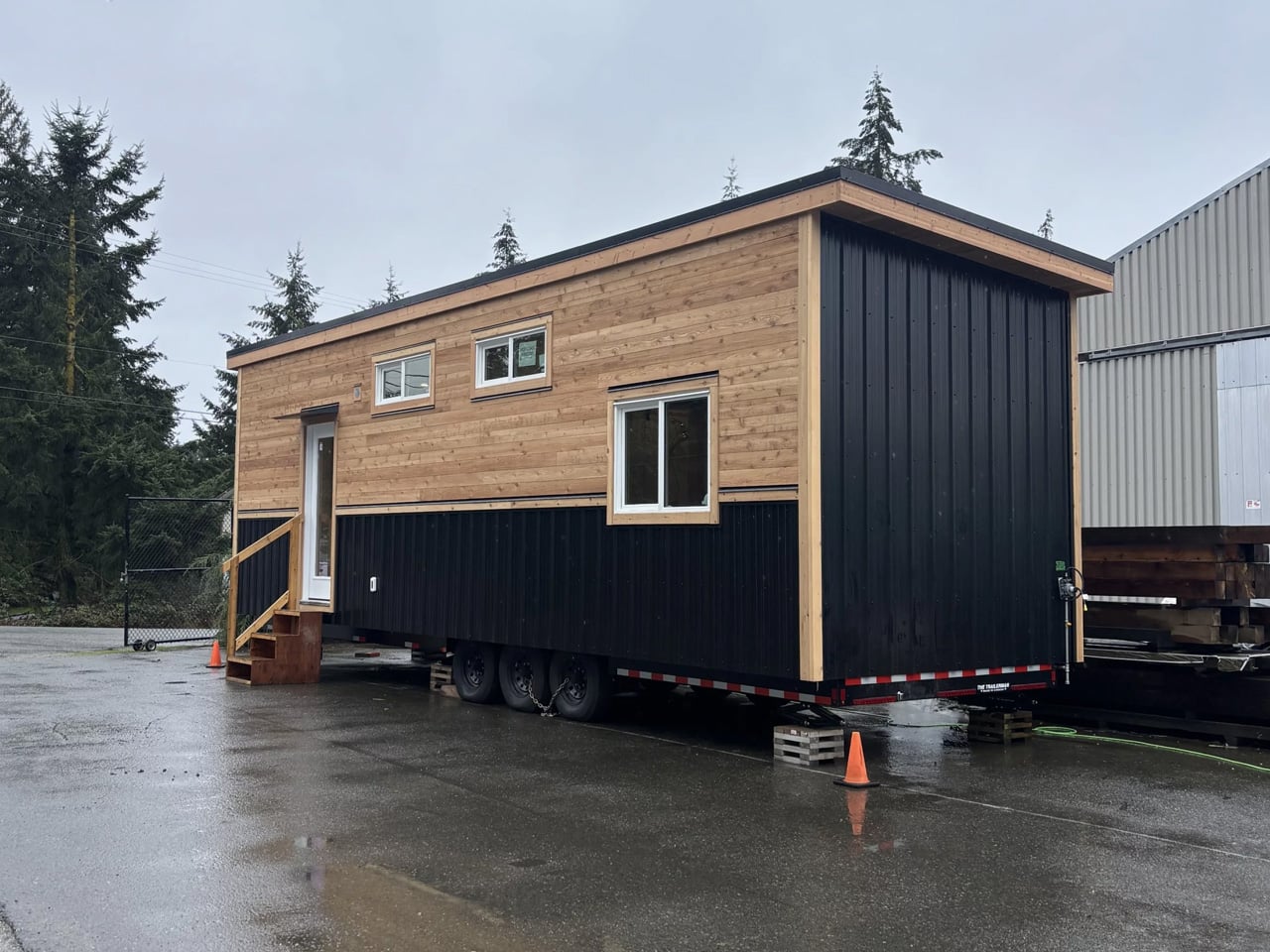
The tiny house movement has always been about intentional living and simplicity, but it’s never demanded that comfort be part of the trade-off. Vancouver Island’s Rewild Homes proves this point brilliantly with the Juniper, an extra-wide tiny house that challenges everything you thought you knew about small-space living. Measuring 34 feet long and just over 10.5 feet wide, the Juniper sits on a triple-axle trailer. Yes, it requires special permits for transport across Canadian roads, but that extra width transforms the entire living experience. Step inside, and the space breathes in ways most tiny houses simply can’t achieve.
Rewild Homes has spent over a decade perfecting their signature blend of rustic warmth and contemporary clean lines. The Juniper’s exterior tells this story immediately. Metal cladding meets cedar siding in a balanced contrast, softened by white window trim and topped with a durable metal roof. The look feels confident without being showy, the kind of design that ages well. This isn’t about clever optical illusions or maximalist storage solutions. It’s about a genuine, comfortable space that feels right the moment you walk through the full-glass entry door.

Designer: Rewild Homes

The real magic reveals itself in the home’s layout. Unlike most tiny houses that force residents up a ladder to a cramped loft, the Juniper offers something almost unheard of: a proper ground-floor bedroom. Located at the far end of the home, this sleeping space accommodates a queen bed with full standing height. The cedar ceiling and whitewashed wood walls create an atmosphere that’s equal parts cozy cabin and modern sanctuary. A barn-style sliding door adds privacy, while a full-glass exterior door floods the room with natural light and provides direct outdoor access. Storage hasn’t been forgotten either. A generous loft sits above the bedroom, perfect for seasonal items and everything else that needs to disappear from daily view.

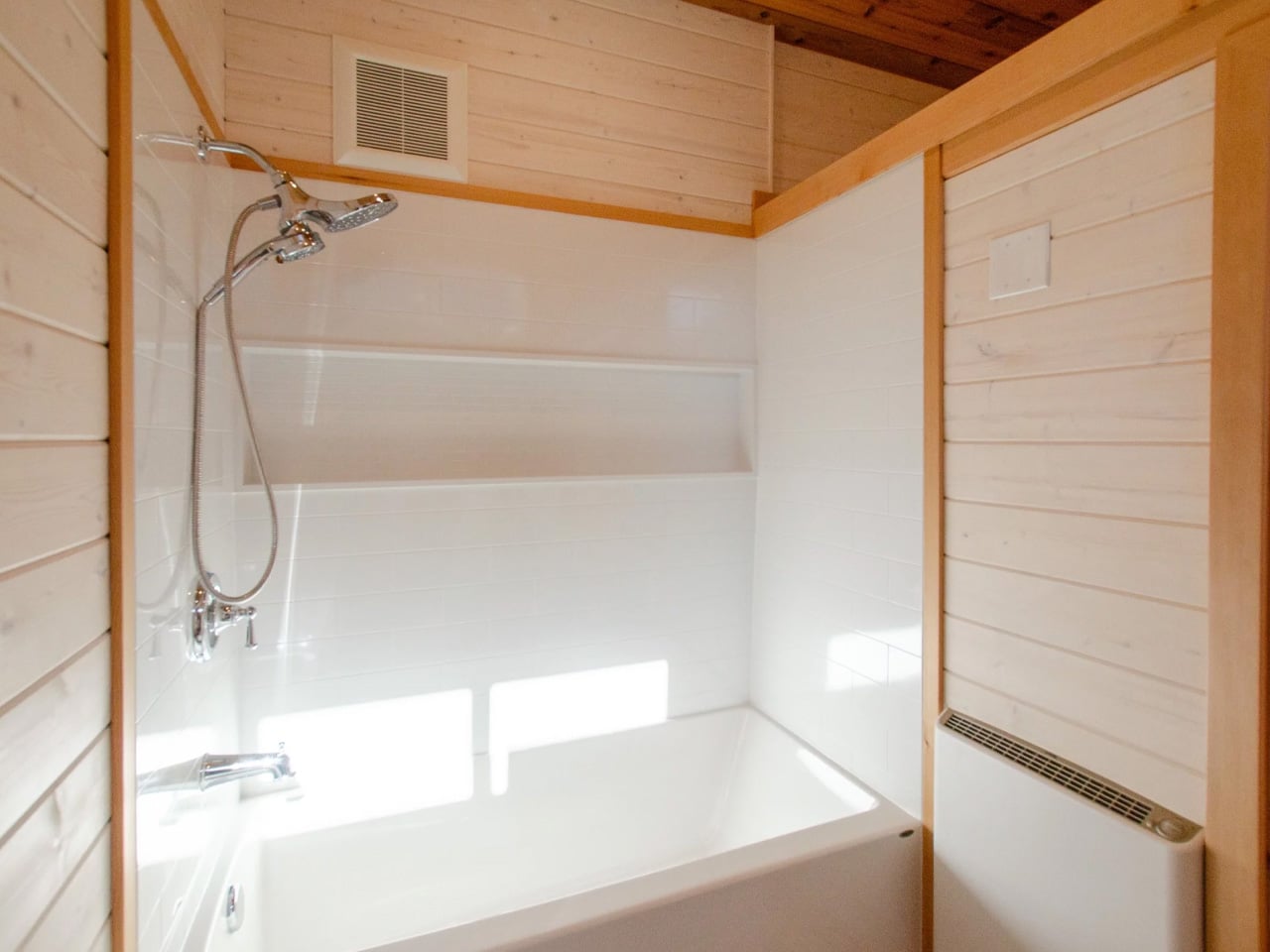
The bathroom deserves its own spotlight. Full-height ceilings eliminate that hunched-over shower experience common in tiny houses. More impressively, the Juniper includes an actual bathtub—a luxury so rare in this category that it borders on revolutionary. Ample counter space, under-sink storage, a washer/dryer combo, and additional wall cabinets round out a bathroom that rivals many traditional apartments. This thoughtful separation of spaces keeps living areas clean and uncluttered while delivering functionality that doesn’t compromise on comfort.

Built for year-round living, the home runs on electricity and propane, providing on-demand hot water and electric heating. The systems are comprehensive, designed for couples ready to embrace full-time tiny living without sacrificing modern conveniences. Rewild Homes builds every house as a custom project, meaning the Juniper serves as a starting point rather than a fixed blueprint. Material choices, finishes, and specific features all shift based on individual preferences and budget. This flexibility ensures each home reflects its owner’s vision while maintaining the thoughtful design principles that make the Juniper stand out.

The Juniper represents a maturation of the tiny house concept. It’s not about how small you can go, but how well you can live in the space you choose. For couples seeking a permanent tiny house solution, this extra-wide design offers proof that downsizing doesn’t mean downgrading. This is tiny living that actually lives well.

The post This Extra-Wide Tiny House Has A Ground-Floor Bedroom & A Real Bathtub first appeared on Yanko Design.