DoorDash and Wing are expanding their drone delivery partnership to Atlanta

DoorDash and Wing have announced a new partnership that will allow users in metro Atlanta to have food delivered by drone. Besides working with DoorDash in select regions of Virginia, North Carolina and Texas, Wing, Alphabet's drone delivery subsidiary, also recently expanded its agreement to make deliveries for Walmart.

Eligible customers near Tanger Outlets Locust Grove will be able to order food for drone delivery and receive it in "as little as 20 minutes," according to DoorDash. Orders are limited to a selection of restaurants including Molinos Mexican Grill, Koji Japanese Steakhouse and Sabrosos Mexican Restaurant, and eligibility for drone delivery will depend on the size and weight of the order and whether a customer lives close enough for delivery. To check, Wing offers a website where you can enter your address to see if you're in range. Anyone who doesn't live close enough for a drone delivery can enter their information to be notified if the delivery area expands.

DoorDash, like plenty of other gig work platforms, is no stranger to experimenting with automation and robotics. The company offers its own delivery robot called Dot, and has partnered with companies like Coco Robotics to offer deliveries in cities like Miami, Los Angeles and Chicago. Wing, for its part, has also been working to expand the kinds of things it can deliver. The company introduced a new drone design in 2024 that can carry payloads that weigh up to 5 lbs, the exact kind of improvement that's likely allowed for the delivery partnerships it's pursuing now. 

This article originally appeared on Engadget at https://www.engadget.com/transportation/doordash-and-wing-are-expanding-their-drone-delivery-partnership-to-atlanta-201133191.html?src=rss

Pictures of iPhone Fold appear online, just before Apple’s supposed foldable hits engineering challenges


Apple’s first foldable phone, the Apple’s first foldable phone, iPhone Fold (if that’s how it will be called) is one of the most anticipated smartphones in recent memory. While Apple remains tight-lipped about anything concerning the awaited device, rumors, leaks, and concepts have flooded our memories over the years with what the iPhone Fold is and what it will be like.

2026 is suggestively the magical year when Apple is expected to launch the foldable iPhone. It has been an unperturbed timeline in almost all the reports we have seen. In the same loop – but without a timeline – a recognized Apple leaker, Majin Bu has shown “actual design of the iPhone Fold” in the latest leaked pictures.

Designer: Apple

It’s “more beautiful than the previous one,” Bu notes in his update on X, stating that he believes this is “the final design of the future iPhone Fold.” How much context there is in the claim, only time will tell, but Bu has had some correct Apple-related predictions in the past, which suggests he could have some substance to back his claim.

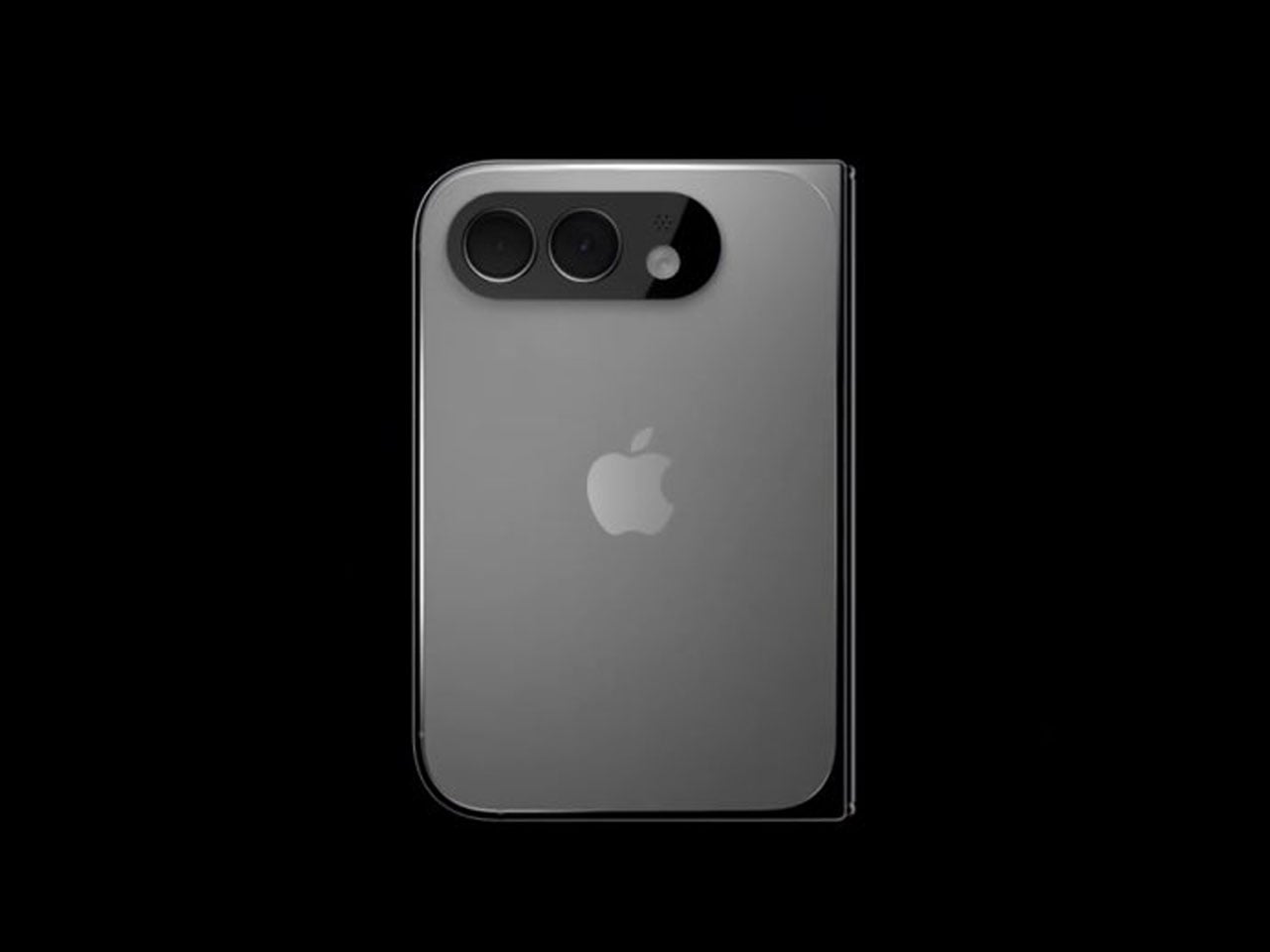
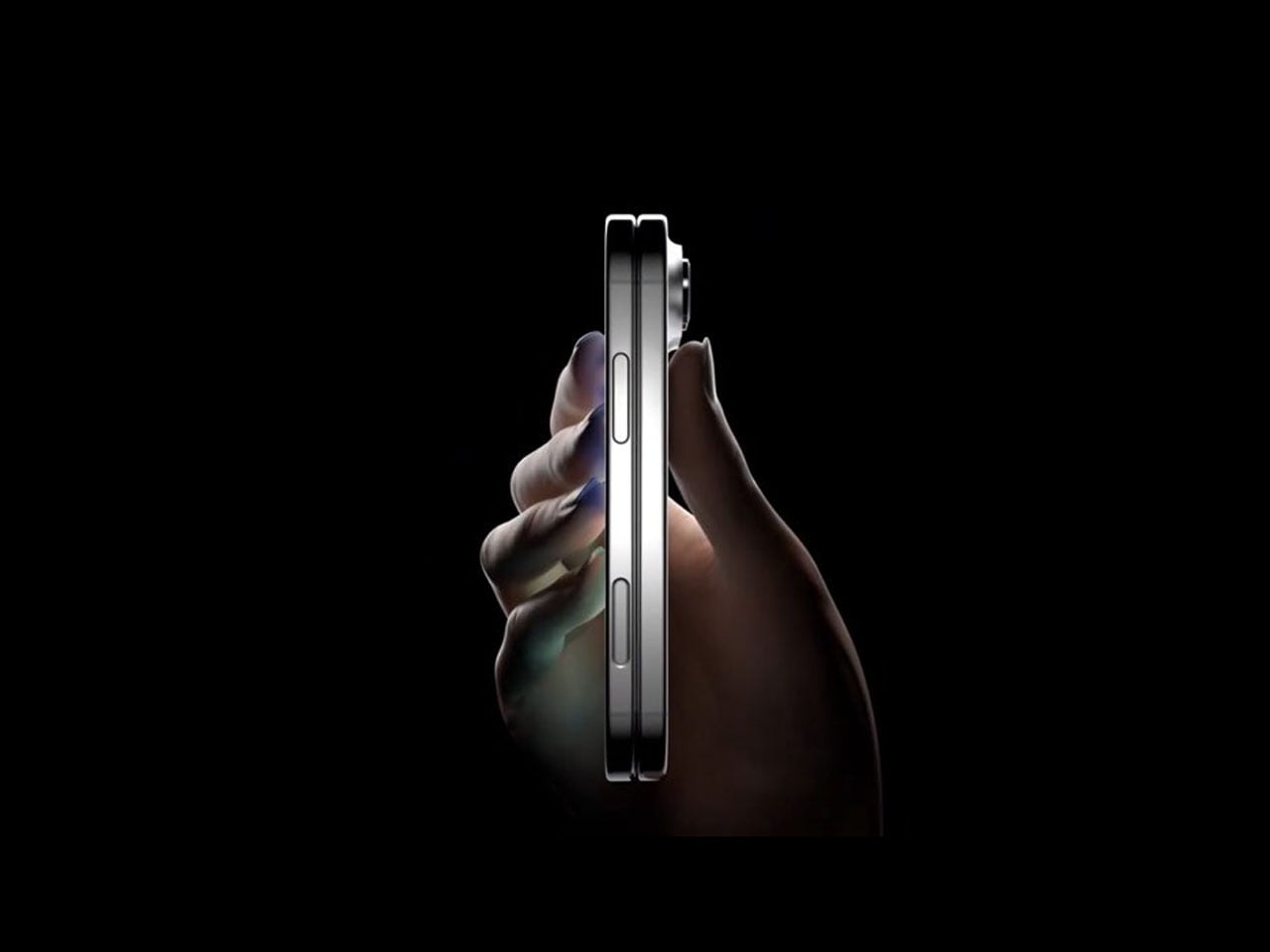
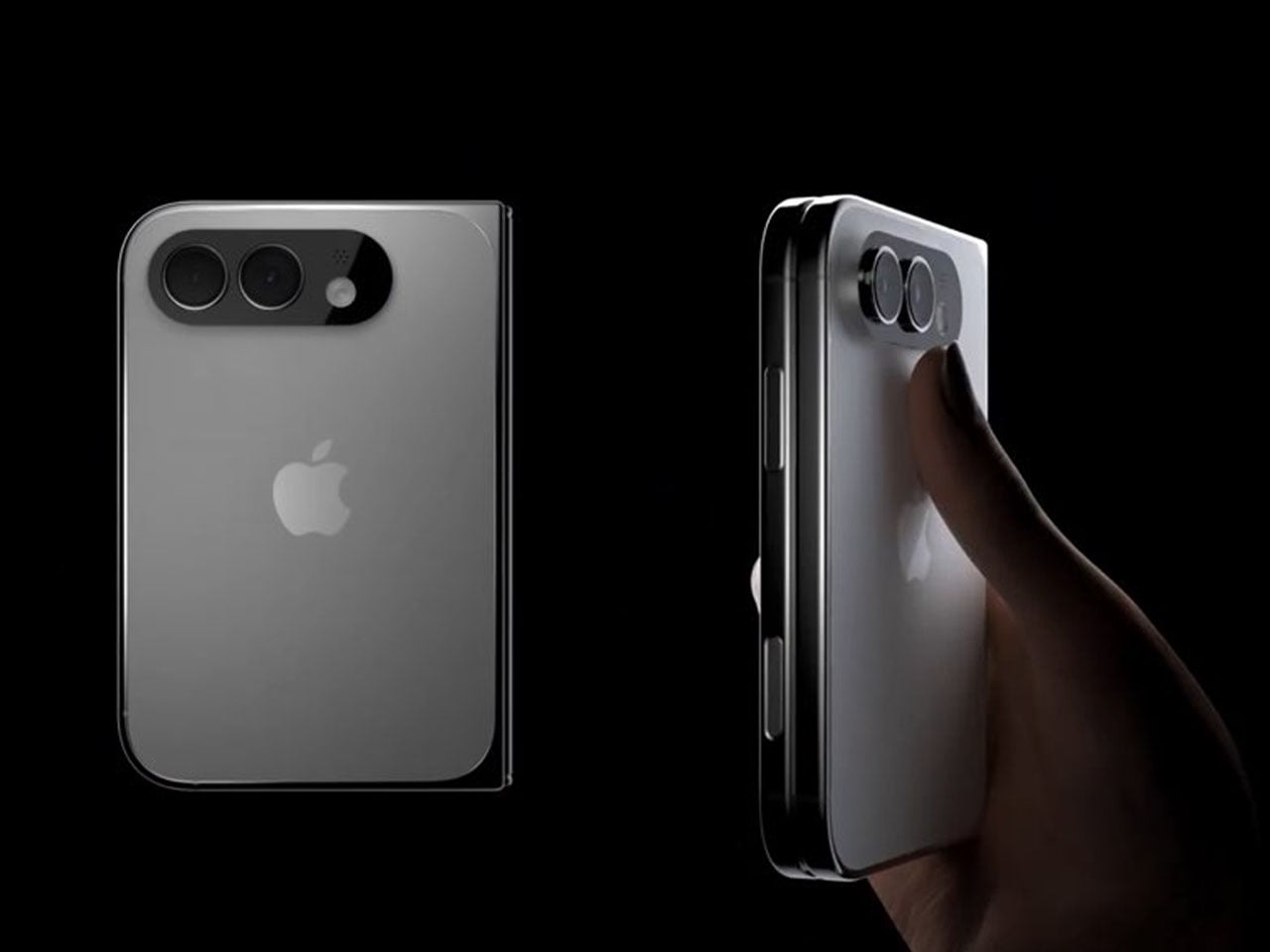
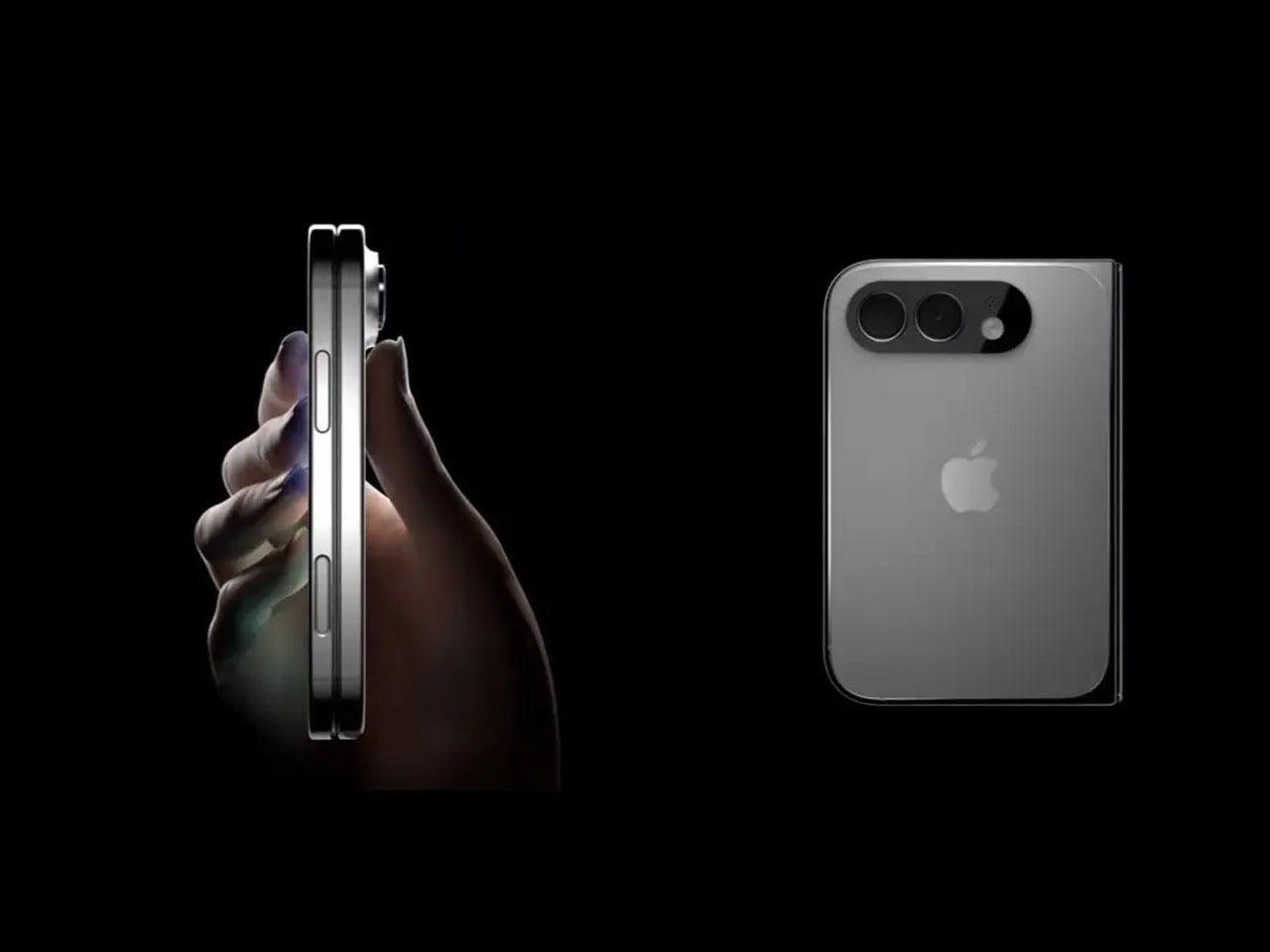
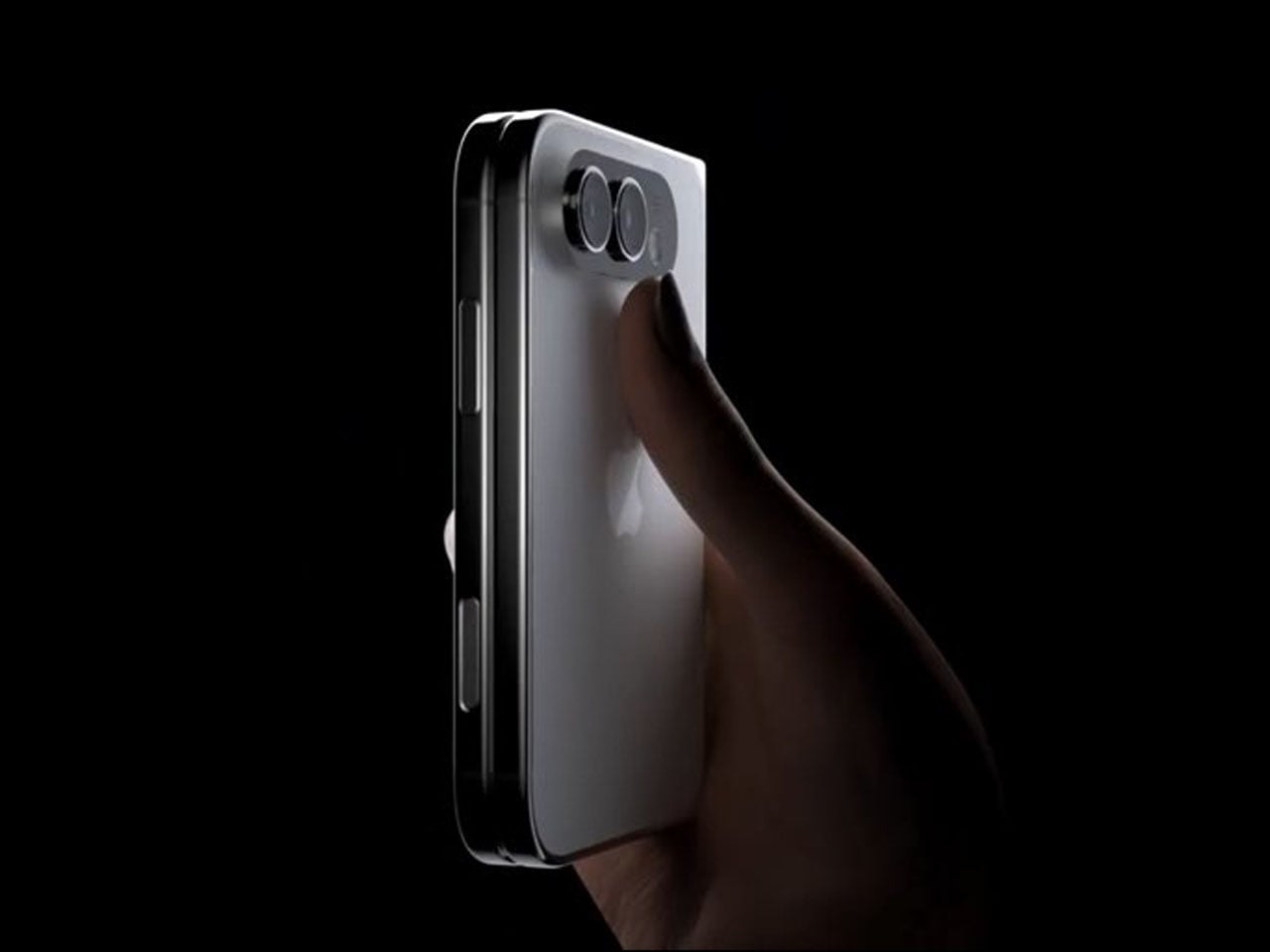
From the leaked pictures, one can visually notice that the camera bump on the back of the foldable device is significantly smaller than that seen in previously rumored designs. The images appear more than renders and supposedly of a prototype, showing the iPhone in a book-style foldable form factor. Appearing to open horizontally to reveal a tablet-like display on the inside.

If the 2026 timeline is to go by – it’s Apple’s golden jubilee year as well – the iPhone Fold should ship alongside the iPhone 18 Pro slated for release in fall this year. But according to a new report from Nikkei Asia, the launch could be delayed. Nikkei reports that Apple has encountered a major setback in the engineering test phase of the foldable iPhone. There have been previously report concerning the foldable display’s crease, but this time, the report notes that the Cupertino giant is facing “more complex engineering challenges than anticipated.” If the issues persist, they could, “in a worst-case scenario,” delay the iPhone Fold launch schedule by some months. It could even mean a postponement until 2027.

Earlier this year, it was rumored that Apple had entered into the manufacturing phase of its first foldable device at Foxconn. New revelations, however, suggest Apple is “notifying” its component suppliers about the possibility of a delay in the “component production schedule for the new foldable iPhone.”

Despite the reports and unauthorized leaks, one thing is definite now. Foldable iPhone – by whatever moniker it comes – is clearly on the horizon. Apple will soon have a competitor for the Samsung Fold and other foldable smartphones on the market. If it is anything like the iPhones that rocked the smartphone world in the late 2000s, the iPhone Fold could repeat that in the late 2020s.

The post Pictures of iPhone Fold appear online, just before Apple’s supposed foldable hits engineering challenges first appeared on Yanko Design.

Pictures of iPhone Fold appear online, just before Apple’s supposed foldable hits engineering challenges


Apple’s first foldable phone, the Apple’s first foldable phone, iPhone Fold (if that’s how it will be called) is one of the most anticipated smartphones in recent memory. While Apple remains tight-lipped about anything concerning the awaited device, rumors, leaks, and concepts have flooded our memories over the years with what the iPhone Fold is and what it will be like.

2026 is suggestively the magical year when Apple is expected to launch the foldable iPhone. It has been an unperturbed timeline in almost all the reports we have seen. In the same loop – but without a timeline – a recognized Apple leaker, Majin Bu has shown “actual design of the iPhone Fold” in the latest leaked pictures.

Designer: Apple

It’s “more beautiful than the previous one,” Bu notes in his update on X, stating that he believes this is “the final design of the future iPhone Fold.” How much context there is in the claim, only time will tell, but Bu has had some correct Apple-related predictions in the past, which suggests he could have some substance to back his claim.

From the leaked pictures, one can visually notice that the camera bump on the back of the foldable device is significantly smaller than that seen in previously rumored designs. The images appear more than renders and supposedly of a prototype, showing the iPhone in a book-style foldable form factor. Appearing to open horizontally to reveal a tablet-like display on the inside.

If the 2026 timeline is to go by – it’s Apple’s golden jubilee year as well – the iPhone Fold should ship alongside the iPhone 18 Pro slated for release in fall this year. But according to a new report from Nikkei Asia, the launch could be delayed. Nikkei reports that Apple has encountered a major setback in the engineering test phase of the foldable iPhone. There have been previously report concerning the foldable display’s crease, but this time, the report notes that the Cupertino giant is facing “more complex engineering challenges than anticipated.” If the issues persist, they could, “in a worst-case scenario,” delay the iPhone Fold launch schedule by some months. It could even mean a postponement until 2027.

Earlier this year, it was rumored that Apple had entered into the manufacturing phase of its first foldable device at Foxconn. New revelations, however, suggest Apple is “notifying” its component suppliers about the possibility of a delay in the “component production schedule for the new foldable iPhone.”

Despite the reports and unauthorized leaks, one thing is definite now. Foldable iPhone – by whatever moniker it comes – is clearly on the horizon. Apple will soon have a competitor for the Samsung Fold and other foldable smartphones on the market. If it is anything like the iPhones that rocked the smartphone world in the late 2000s, the iPhone Fold could repeat that in the late 2020s.

The post Pictures of iPhone Fold appear online, just before Apple’s supposed foldable hits engineering challenges first appeared on Yanko Design.

Pictures of iPhone Fold appear online, just before Apple’s supposed foldable hits engineering challenges


Apple’s first foldable phone, the Apple’s first foldable phone, iPhone Fold (if that’s how it will be called) is one of the most anticipated smartphones in recent memory. While Apple remains tight-lipped about anything concerning the awaited device, rumors, leaks, and concepts have flooded our memories over the years with what the iPhone Fold is and what it will be like.

2026 is suggestively the magical year when Apple is expected to launch the foldable iPhone. It has been an unperturbed timeline in almost all the reports we have seen. In the same loop – but without a timeline – a recognized Apple leaker, Majin Bu has shown “actual design of the iPhone Fold” in the latest leaked pictures.

Designer: Apple

It’s “more beautiful than the previous one,” Bu notes in his update on X, stating that he believes this is “the final design of the future iPhone Fold.” How much context there is in the claim, only time will tell, but Bu has had some correct Apple-related predictions in the past, which suggests he could have some substance to back his claim.

From the leaked pictures, one can visually notice that the camera bump on the back of the foldable device is significantly smaller than that seen in previously rumored designs. The images appear more than renders and supposedly of a prototype, showing the iPhone in a book-style foldable form factor. Appearing to open horizontally to reveal a tablet-like display on the inside.

If the 2026 timeline is to go by – it’s Apple’s golden jubilee year as well – the iPhone Fold should ship alongside the iPhone 18 Pro slated for release in fall this year. But according to a new report from Nikkei Asia, the launch could be delayed. Nikkei reports that Apple has encountered a major setback in the engineering test phase of the foldable iPhone. There have been previously report concerning the foldable display’s crease, but this time, the report notes that the Cupertino giant is facing “more complex engineering challenges than anticipated.” If the issues persist, they could, “in a worst-case scenario,” delay the iPhone Fold launch schedule by some months. It could even mean a postponement until 2027.

Earlier this year, it was rumored that Apple had entered into the manufacturing phase of its first foldable device at Foxconn. New revelations, however, suggest Apple is “notifying” its component suppliers about the possibility of a delay in the “component production schedule for the new foldable iPhone.”

Despite the reports and unauthorized leaks, one thing is definite now. Foldable iPhone – by whatever moniker it comes – is clearly on the horizon. Apple will soon have a competitor for the Samsung Fold and other foldable smartphones on the market. If it is anything like the iPhones that rocked the smartphone world in the late 2000s, the iPhone Fold could repeat that in the late 2020s.

The post Pictures of iPhone Fold appear online, just before Apple’s supposed foldable hits engineering challenges first appeared on Yanko Design.

You’ll soon be able to hide games from your Xbox achievements list

Microsoft is testing giving users more control over what games appear in their Xbox achievements and tweaking how achievements look when they're earned. The changes are being introduced via the company's free-to-join Xbox Insiders program, and will presumably roll out to all Xbox owners at some point in the future.

Coming later in April, select Xbox Insiders will be able to hide games from their achievement list, whether they've completed them or not. Hidden games will still count towards users' Gamerscore, but the option should serve as another way to curate your public profile. Microsoft is also experimenting with changing how it displays achievements. Xbox Insiders will receive redesigned achievements with new animations and notifications that match the custom color they've chosen for their Xbox interface. Games where Insiders have earned 100 percent of the achievements will also be highlighted in their achievements list, and insiders will be able to filter their list to only view the games they've fully completed.

Being able to hide games from the achievement list has been "one of the most requested features" from Xbox Insiders, according to Microsoft. The company's March update that allowed users to selectively exclude games from the Xbox's Quick Resume feature was similarly long-requested.  It would likely be wrong to characterize these changes as being downstream of new Microsoft Gaming CEO Asha Sharma's stated desire to "recommit" to the Xbox, but they don't hurt when it comes to winning over fans — especially if the company's continued presence in the console space ends up hinging on an expensive box that plays PC and Xbox games.

This article originally appeared on Engadget at https://www.engadget.com/gaming/xbox/youll-soon-be-able-to-hide-games-from-your-xbox-achievements-list-184719290.html?src=rss

Inside the Espresso: Modern Tiny Living’s 20-Foot Tiny House on Wheels That Proves Small Can Be Bold

There’s a version of small living that doesn’t ask you to compromise. The Espresso, built by Ohio-based Modern Tiny Living on their popular Mohican platform, makes that case in just 20 feet. Bold and daring, the Espresso is a tiny house on wheels defined by deep blacks, warm wood accents, and a design sensibility that punches well above its square footage.

At its core, the Espresso is a study in restraint done right. The main floor clocks in at 160 square feet, with a 70-square-foot queen bedroom loft above, complete with custom built-ins and shelving. It’s a tight footprint by any measure, but the way the space is organized keeps it from ever feeling like it. The living room anchors one end of the home with a pull-out bench, built-in shelving, and a drop-down dining table that doubles as a desk, making it equally suited to a quiet morning or a dinner for two.

Designer: Modern Tiny Living

The kitchen is where the Espresso’s aesthetic really comes into focus. An undermount black granite sink pairs with a pull-down matte black faucet, solid wood countertops, a 9.9 cubic foot refrigerator, a two-burner propane cooktop, and a microwave, all working within a palette that feels deliberate rather than default. The matte black hardware package runs throughout the home, tying each room back to the same considered thread. Across from the kitchen, an open closet leads into the bathroom, which keeps things equally functional with a fiberglass insert shower, a flush toilet, and open shelving.

On the outside, the Espresso sits on a double-axle trailer and is finished in engineered wood with a steel roof, keeping maintenance low and durability high. A small exterior storage box handles propane bottles and similar items, quietly solving the off-grid practicalities without interrupting the clean lines of the exterior. The home weighs approximately 9,000 pounds, and its closed-cell spray foam insulation — three inches in the walls and ceilings, four in the floors — means it’s built to handle varied climates without compromise.

What makes the Espresso work isn’t any single feature. It’s the way everything adds up: the convertible furniture, the considered storage, the finish quality that makes the space feel lived-in rather than merely occupied. Modern Tiny Living designed it to deliver all the comforts of modern living in a compact, move-in-ready package, and the result is a tiny home that earns its name in more ways than one. Rich, concentrated, and hard to forget.

The post Inside the Espresso: Modern Tiny Living’s 20-Foot Tiny House on Wheels That Proves Small Can Be Bold first appeared on Yanko Design.

How to watch the Triple-i Initiative showcase on April 9

The latest Triple-i Initiative Showcase is nearly upon us, as the indie-focused event returns for its third consecutive year on Thursday, April 9 at 12PM ET / 9AM PT. We’re being promised announcements for 40 games, including eight world premieres, so it’s well worth tuning in if you like your indies.

You’ll be able to watch the stream on The Triple-i Initiative YouTube channel, as well as Twitch, bilibili, niconico and on Steam. Co-streaming partners IGN and Gamespot will also host their own streams. The showcase will run for 45 minutes, and nine featured studios will also have post-show deep dives on their games if you want to know more. As previously, the mantra here is "no hosts, no ads, just games," so rest assured your attention will be rewarded. 

Confirmed featured games so far include Risk of Rain 2, the open-world survival game Windrose and Castlevania: Belmont’s Curse. We also know that the studio behind the excellent sci-fi narrative adventure 1000xResist will be showing off what it’s been working on, and we can also expect news from Cairn developer The Game Bakers.

It sounds like a typically eclectic lineup, then, and given last year’s showcase gave us release dates for 2025 indie hits like The Alters and Rematch, you can be confident that plenty of notable news should come out of this one too.

This article originally appeared on Engadget at https://www.engadget.com/gaming/how-to-watch-the-triple-i-initiative-showcase-on-april-9-170353957.html?src=rss

The F1 Engineer Who Turned Time Into a Kinetic Sculpture

Most clocks are honest about what they are. They count. They tick. They remind you, with mild urgency, that you are late or almost late or about to be. Robert Spillner’s Luna is not a clock that measures time. It stages it. That’s a subtle but loaded distinction, and it’s exactly why this object is worth paying attention to.

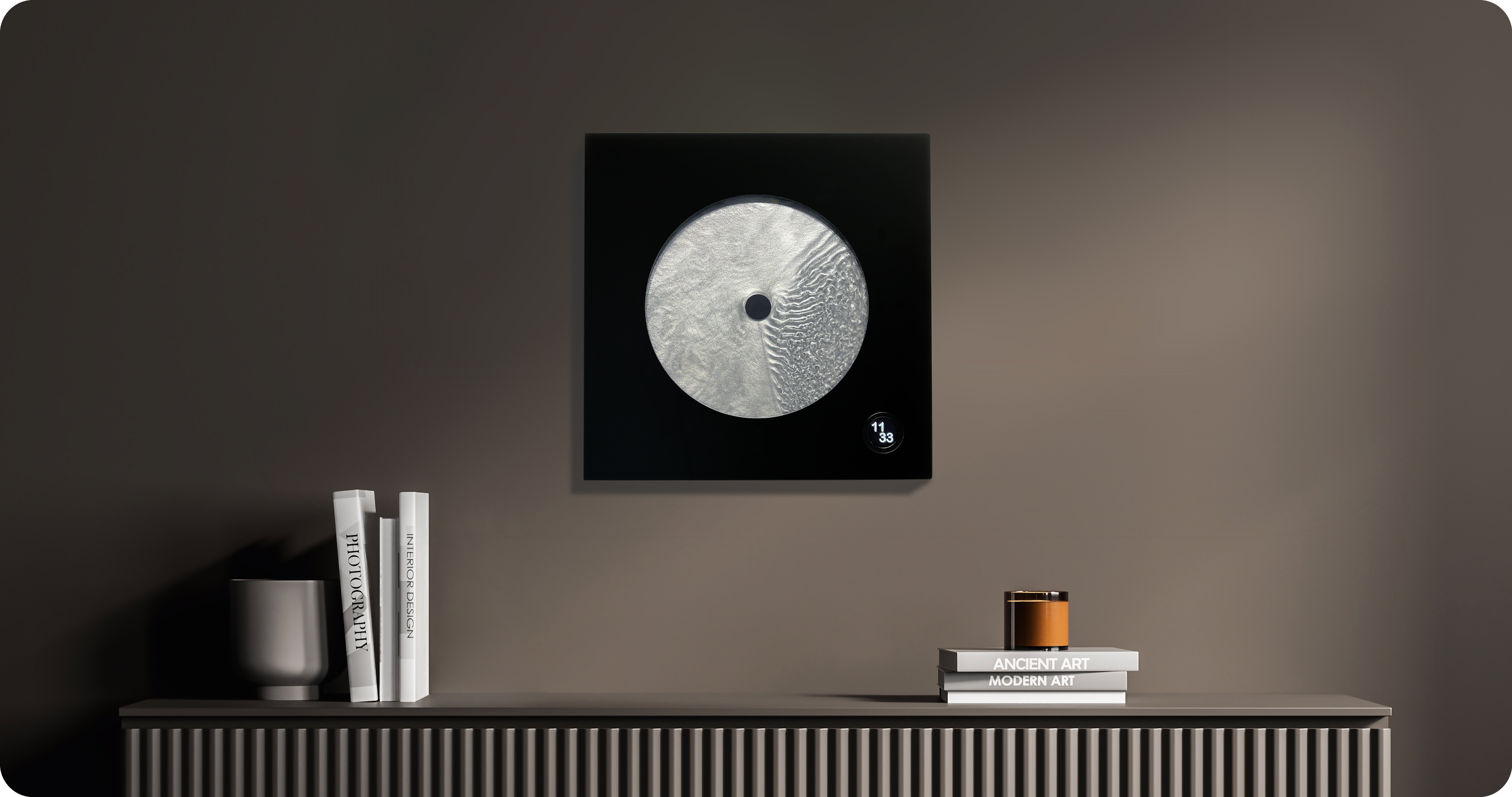
Luna is a fluid wall object that translates the principle of the single-hand watch into a kinetic sculpture, making the moment between past and future perceptible. Behind the hand, a trace of turbulent patterns marks the touched past. Ahead of it stretches calm liquid: the untouched future. The present is the thin, moving line between them. It sounds poetic because it is, but it’s also technically precise, which is kind of the whole point.

Designer: Robert Spillner

Spillner trained as an engineer and initially developed components for Formula 1 cars, used by numerous teams, in a culture where speed, optimization, and victory are everything. With Luna, that paradigm is reversed. Instead of lap times, the focus is on mindful observation; instead of chasing the fastest, it is about pausing, about stillness. The pivot reads like a philosophical reversal, not just a career change, and that tension is embedded in the object itself.

At the heart of Luna is a specially developed fluid Spillner calls Zero Flow Technology. Its core consists of distilled water, additives, micro-particles, and a minimal quantity of genuine lunar dust. The exact composition remains deliberately undisclosed, part of the mystery that invites the observer to immerse themselves in the visual experience rather than merely explain it technically. I think that’s the right call. Part of what makes Luna compelling is that it resists easy explanation. You’re not supposed to look at it and think “clever fluid dynamics.” You’re supposed to feel like time has texture.
The lunar dust takes the cosmic concept to its logical conclusion. These are particles billions of years old that once fell from space to Earth, and they are now carriers of time. Each piece comes with a certificate of authenticity documenting the origin of this cosmic additive. That detail is not just a marketing flourish. It changes the nature of the object.

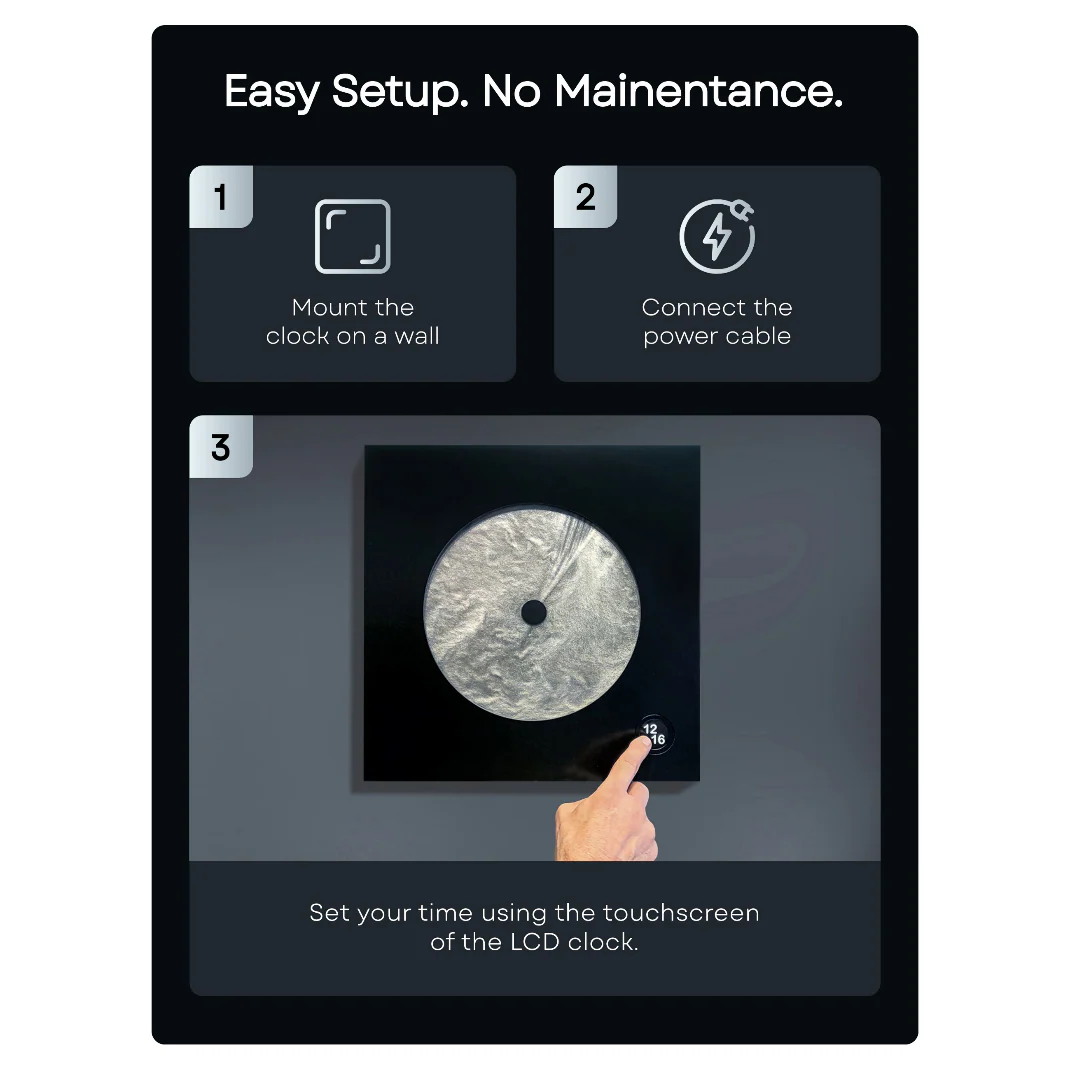
Aesthetically, Luna presents itself as a square wall or stand object, approximately 400 by 400 millimeters, with a black front and a cast acrylic glass pane at its centre that becomes the stage for the fluid time, framed by a solid, matte-black wooden frame. A small LCD touchscreen, 35 millimeters in diameter, merges the cosmic and digital realms. Time and display brightness can be adjusted easily. The screen is discreet enough that it doesn’t compete with the fluid for visual dominance. It supports the piece without stealing from it, and that balance isn’t easy to pull off.
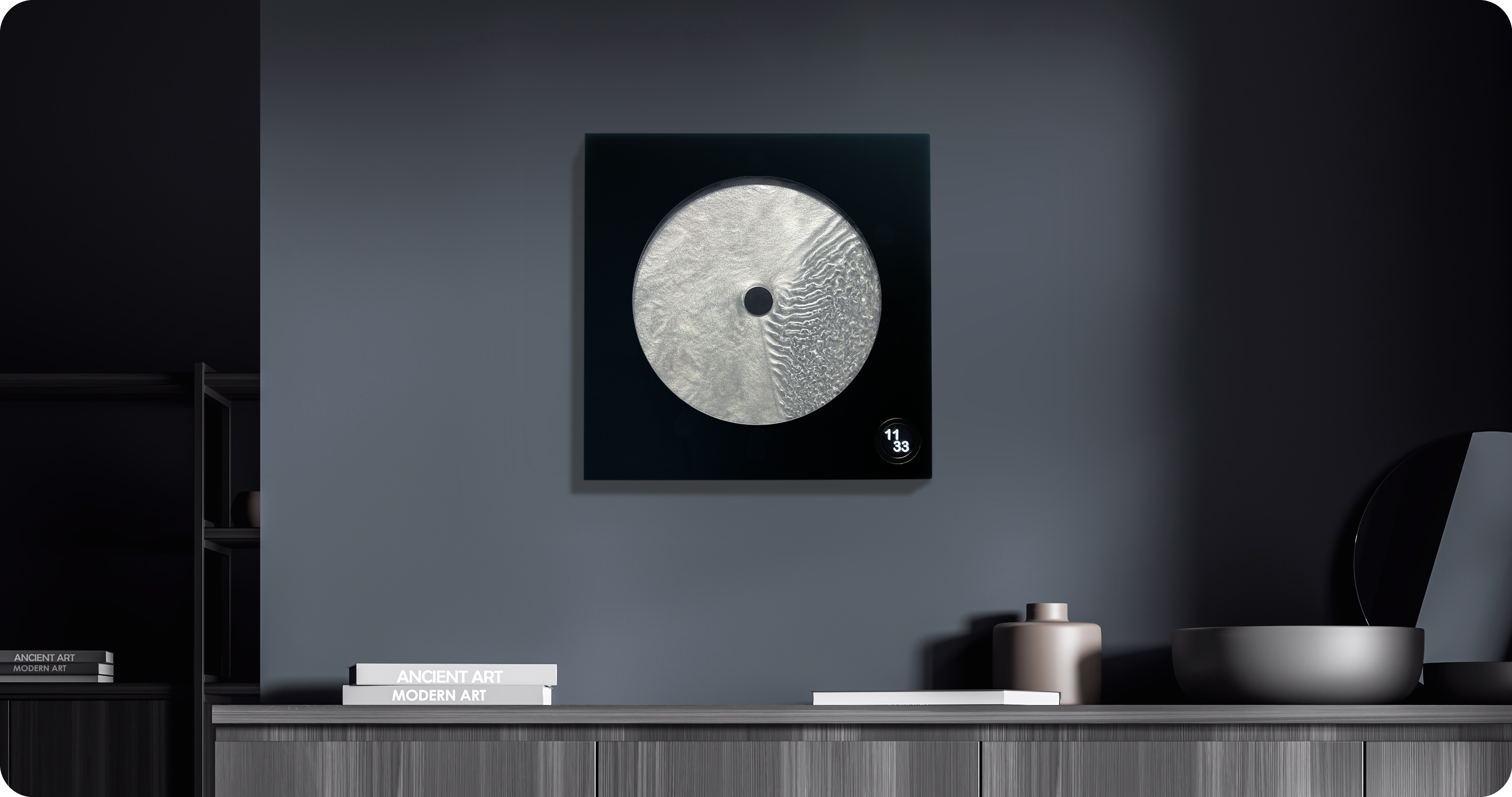
Luna is handcrafted in Germany as a limited edition. The fluid mixture, developed over years in collaboration with a laboratory, requires weeks of fine-tuning for each unique piece. Every Luna carries an engraved serial number and year of manufacture, signed by the artist, and comes with a certificate for the meteorite dust. Only 99 pieces per year are planned, all made on demand. Luna defines itself clearly as an art object with a time function, not as an industrial small series. That self-awareness matters.

The question people tend to ask about objects like this is whether they’re worth it. I’d reframe the question. Luna isn’t competing with your iPhone or your smartwatch. It’s not trying to optimize anything in your day. It’s making an argument about how we relate to time, which is a thing most of us don’t think about until we’re running out of it. The fact that it’s beautiful while doing this isn’t a bonus. It’s the method. Design, when it’s working at its best, changes how you see the thing it’s describing. Luna does that with time. And for an object that started life inside Formula 1 engineering labs, that’s a remarkable distance to travel.
The post The F1 Engineer Who Turned Time Into a Kinetic Sculpture first appeared on Yanko Design.
Meta’s Muse Spark model brings reasoning capabilities to the Meta AI app

Following the icy reception to Llama 4, Meta is releasing the first in a new family of AI systems built by its recently formed Superintelligence team. The company is kicking off its new Muse era with Spark, a lightweight model geared toward consumer use. In the future, Meta plans to offer more capable versions of Muse, but for now, it's clear the company wants to nail the basics. 

To that point, many of Spark's capabilities are table stakes for a new model in 2026. For instance, it offers both "Instant" and "Thinking" modes. With the latter engaged, the model will take an extra few moments to reason through a prompt. Other consumer-facing AI systems have had this kind of flexibility for a while. Anthropic, for example, was one of the first AI labs to offer a "hybrid reasoning model" when it released Claude Sonnet 3.7 at the start of last year. That said, Meta plans to add an even more powerful "Contemplating" mode down the road.   

A GIF demonstrating Muse Spark's multi-agent capabilities.
Meta

Muse Spark can also coordinate multiple AI subagents to tackle a request. Meta suggests users will see this capability in action when they ask for help with tasks like family trip planning. In such a scenario, one agent might compile an itinerary, while another finds kid-friendly activities everyone can enjoy. At the same time, Meta has built Spark to be natively multimodal, meaning the model can process images, video and audio. Like Google Lens, this gives you the option to snap a photo with your phone and ask Meta AI questions about what you see. 

Of course, it wouldn't be a 2026 AI release if Muse Spark didn't include a built-in shopping assistant. Like ChatGPT, Spark can compare different items for you, listing the pros and cons of each, with links to make it easy to buy the product that appeals to you.

Muse Spark is available today in the Meta AI app and meta.ai website everywhere where the company offers those services. Meta will begin rolling out the new features the model powers starting in the US. In the coming weeks, the company plans to bring Muse Spark to more countries and places where people can access Meta AI, including Facebook, Instagram and WhatsApp. 

Additionally, Meta says it "hopes to open source future versions of the model." We'll see if the company ends up doing that; last year, Meta CEO Mark Zuckerberg appeared to flip flop on the company's open source stance, saying it would need to be more "rigorous" about such decisions moving forward.

This article originally appeared on Engadget at https://www.engadget.com/ai/metas-muse-spark-model-brings-reasoning-capabilities-to-the-meta-ai-app-161456684.html?src=rss

Greece will ban all kids under 15 from using social media

Greece will ban children under the age 15 from using social media starting next year. Prime Minister Kyriakos Mitsotakis made the announcement in a video posted to TikTok, in which he referenced anxiety, sleep problems and addictive design features as reasons for the ban.

Greece has been proactive in its approach to tackling excessive screen time for children, having already banned mobile phones in schools in 2024. While the PM chose not to name any platforms, he said he was concerned about children comparing themselves to others on social media and taking online comments to heart.

"Greece will be ​among the first countries to take ​such an initiative," Mitsotakis said. "I am certain, ​however, that it will not be the last. Our ⁠goal is to push the European Union in this direction as well."

As reported by The New York Times, Greece’s digital governance minister, Dimitris Papastergiou, said that social media companies would be legally required to uphold the new restrictions by verifying the ages of their users. Failure to comply would lead to fines under the EU’s Digital Services Act. Parents would also need to download an app called Kids Wallet, backed by the state, that could be paired to their child’s device and block access. The finer details of how the ban would be enforced are still being worked out by decision-makers.

The PM conceded that he would likely incur the wrath of his country’s young children, but there’s widespread support for the plans from Greece’s adult population, according to an opinion poll published by ALCO in February. Greece follows in the footsteps of Indonesia, Austria and Australia, all of which have introduced similar bans of their own in the last year. The UK is also considering bringing in tighter restrictions on children under the age of 16 using social media.

This article originally appeared on Engadget at https://www.engadget.com/social-media/greece-will-ban-all-kids-under-15-from-using-social-media-154850415.html?src=rss