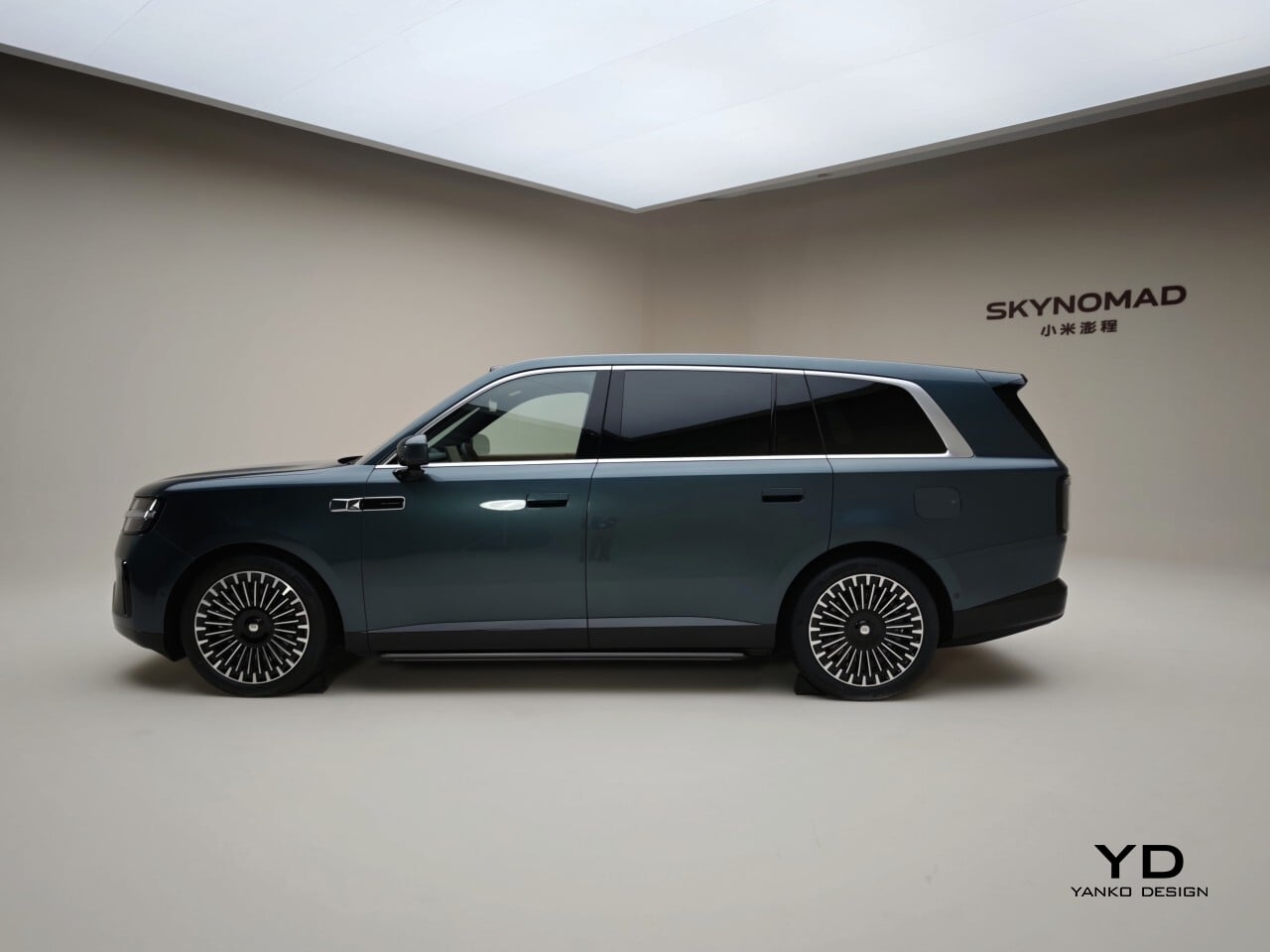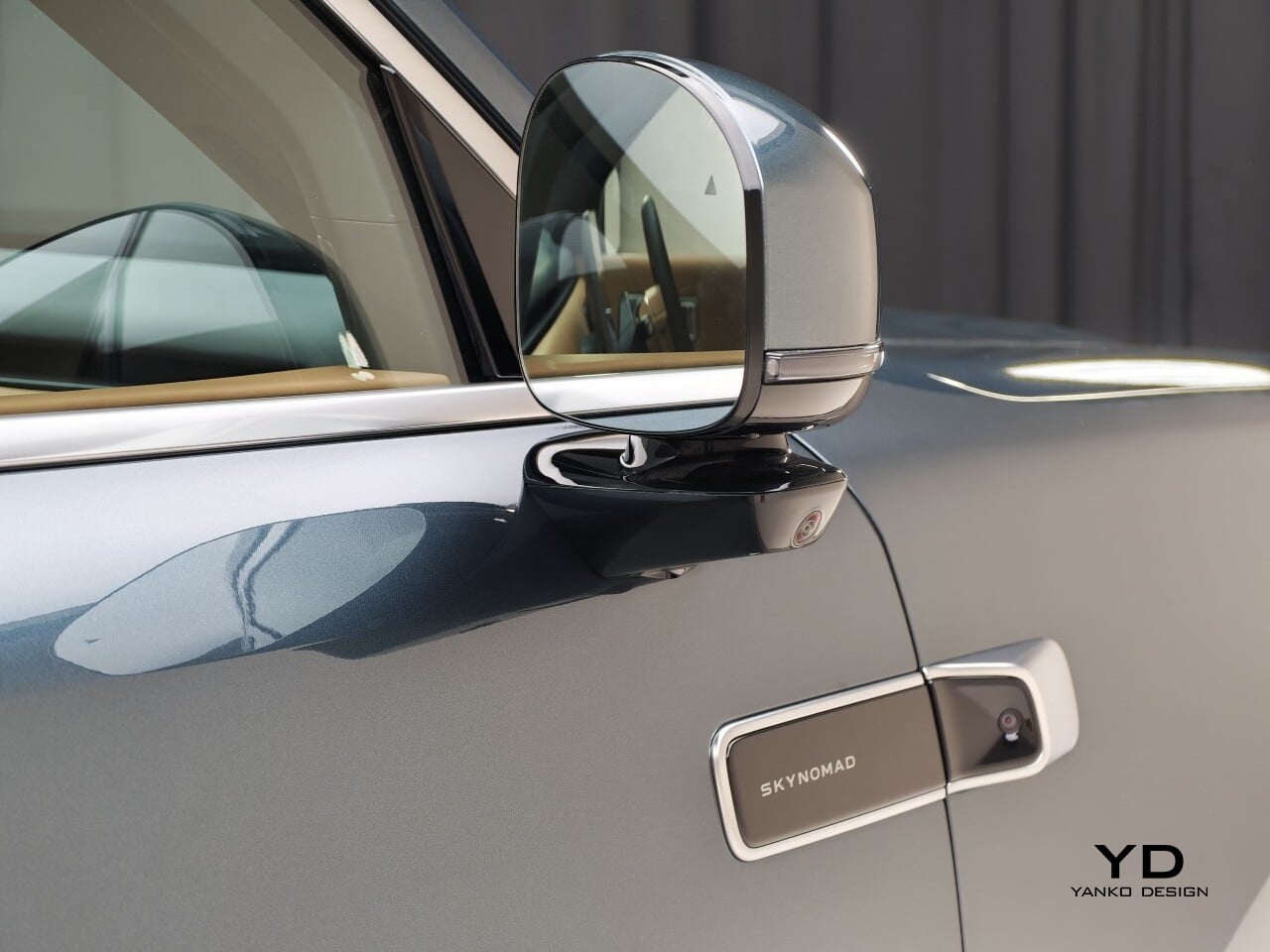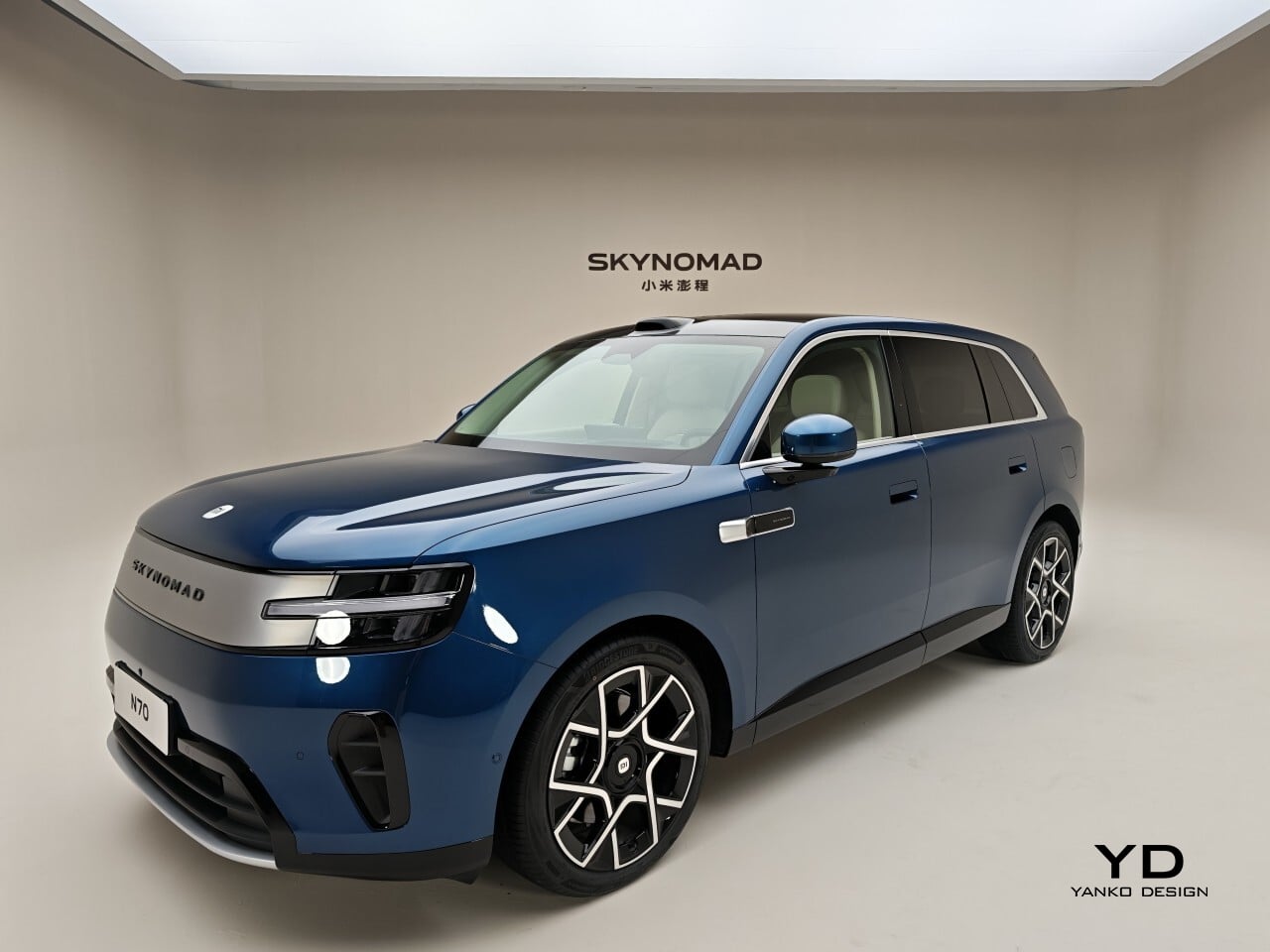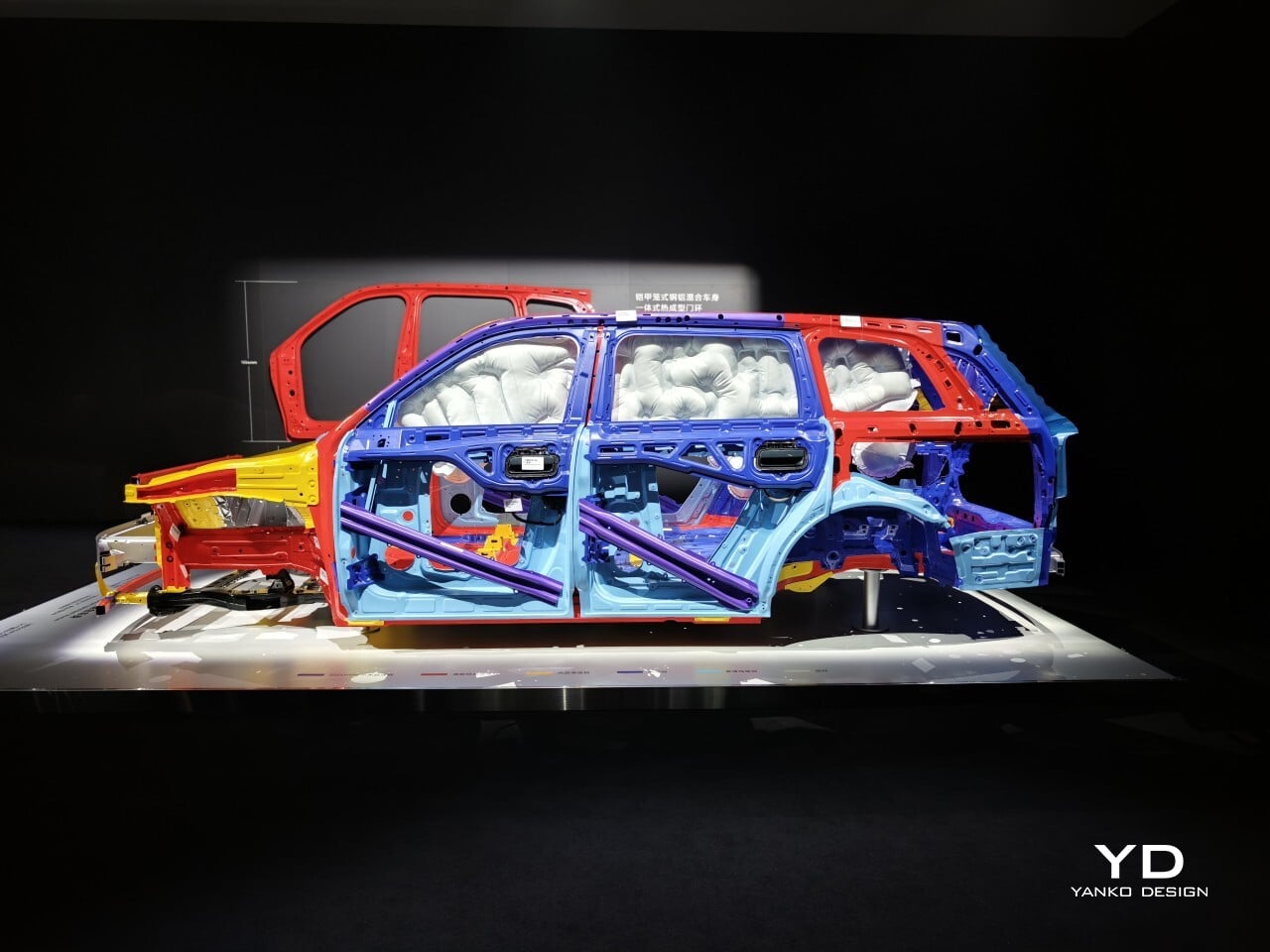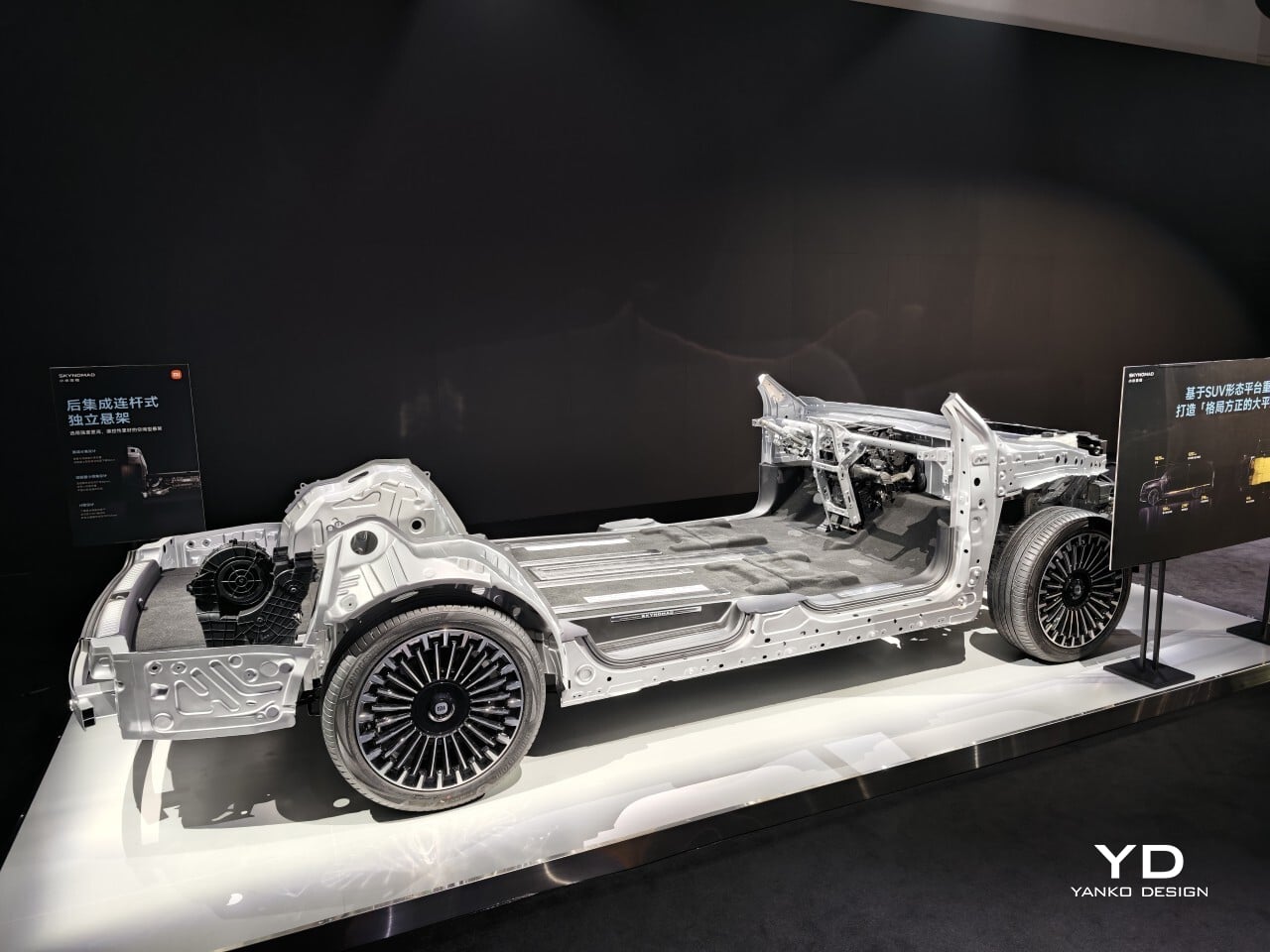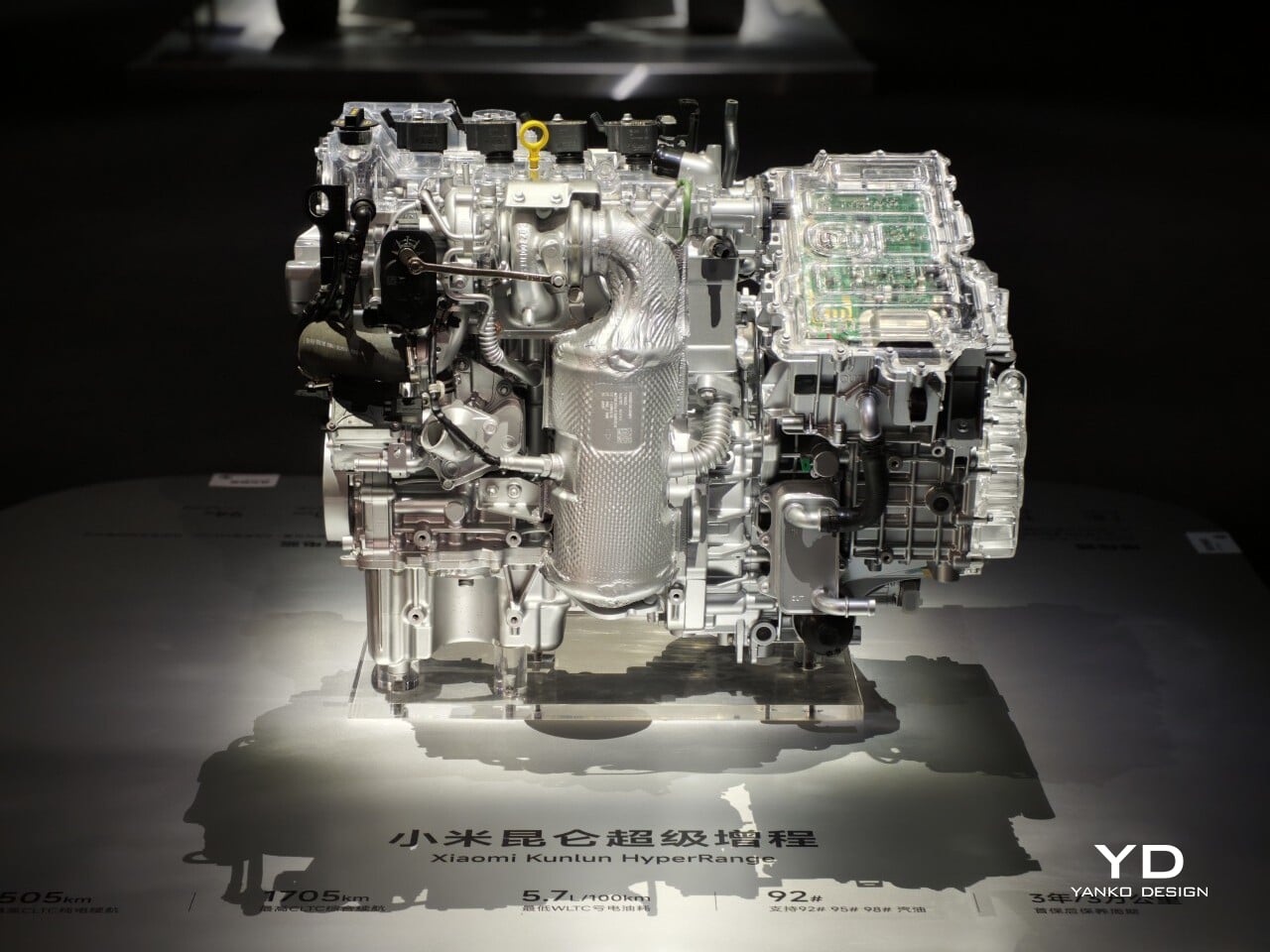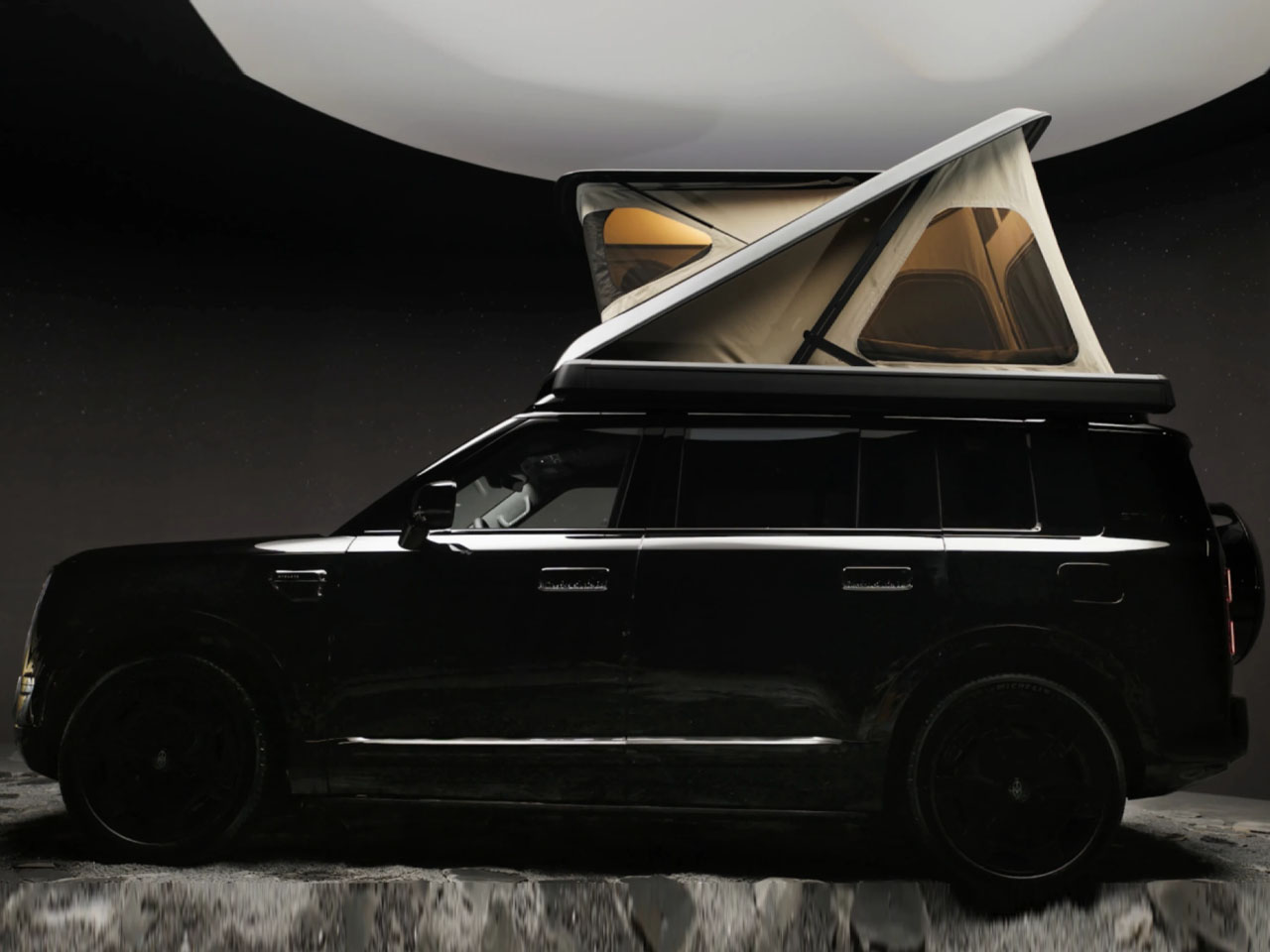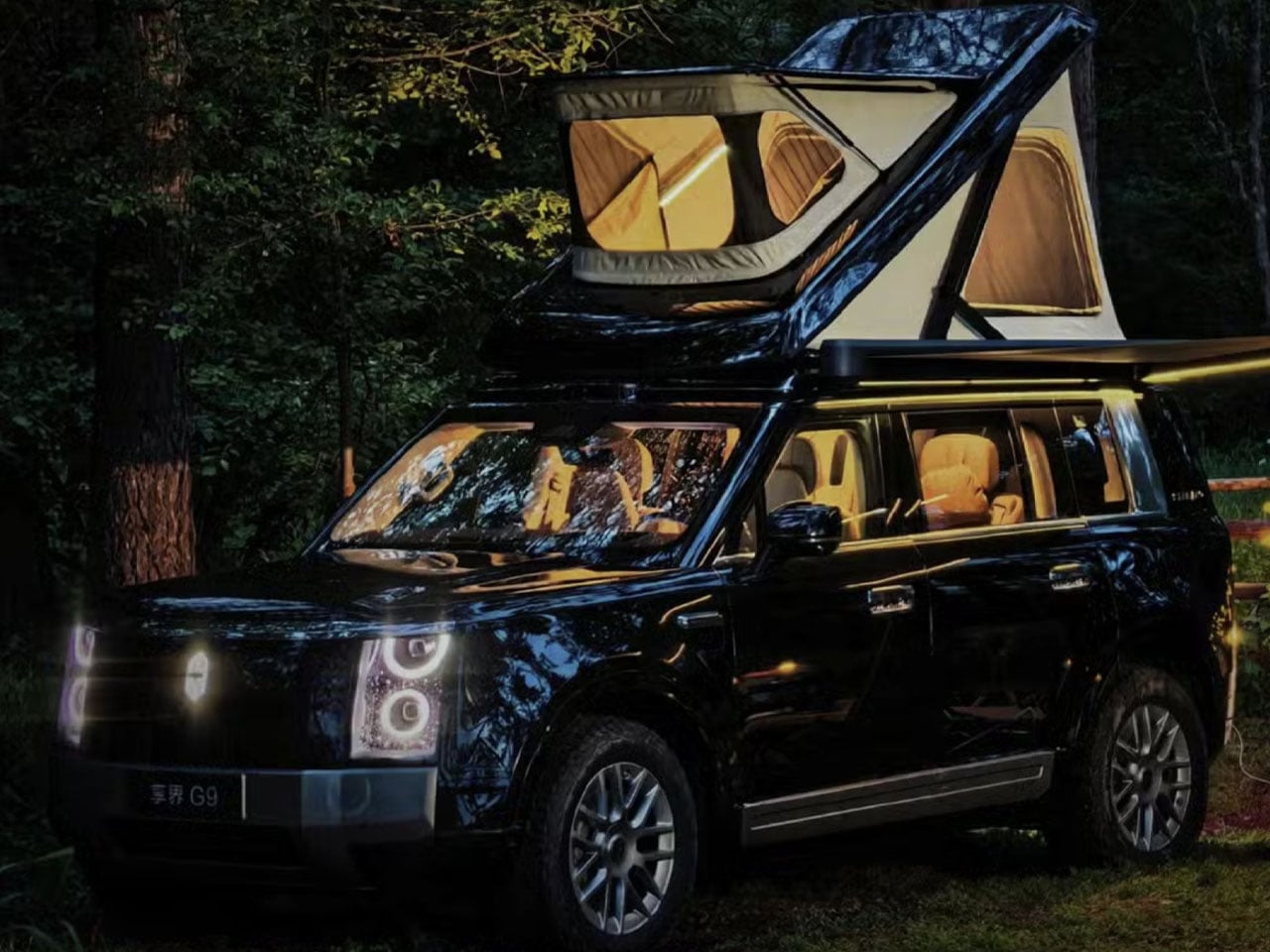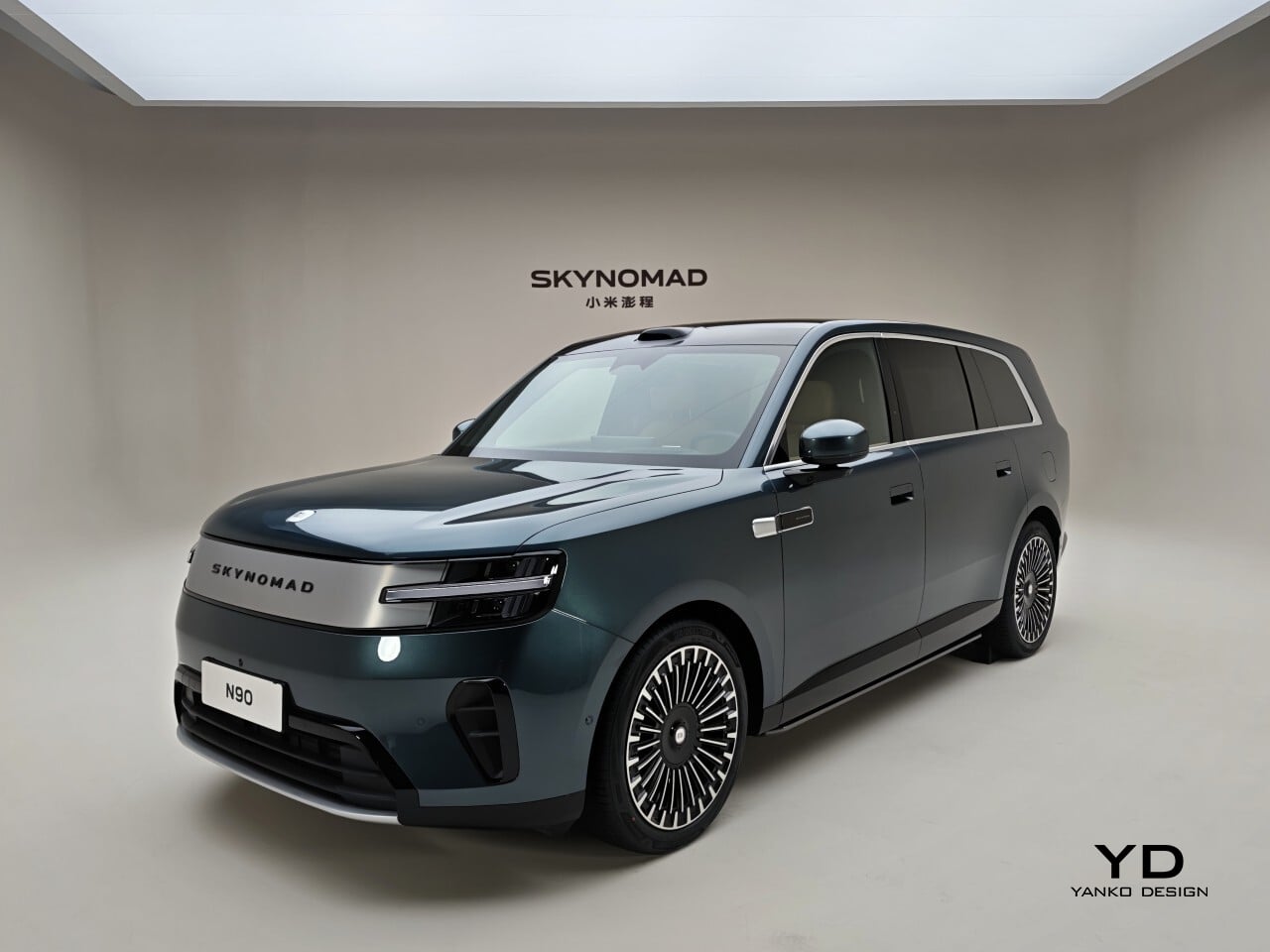
Hongqi HS6 PHEV: Where Art Meets Engineering in China’s Record-Breaking Luxury SUV

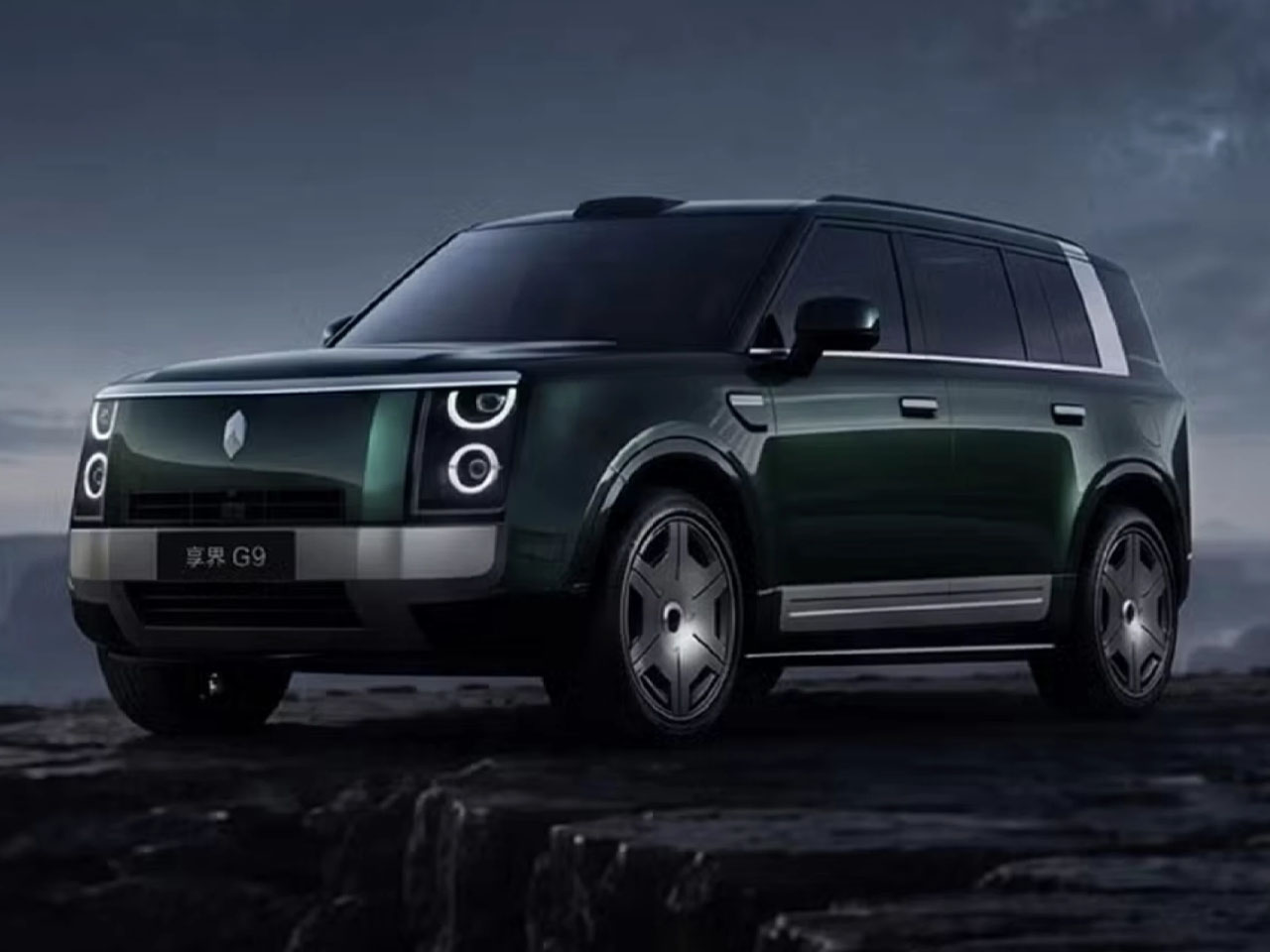
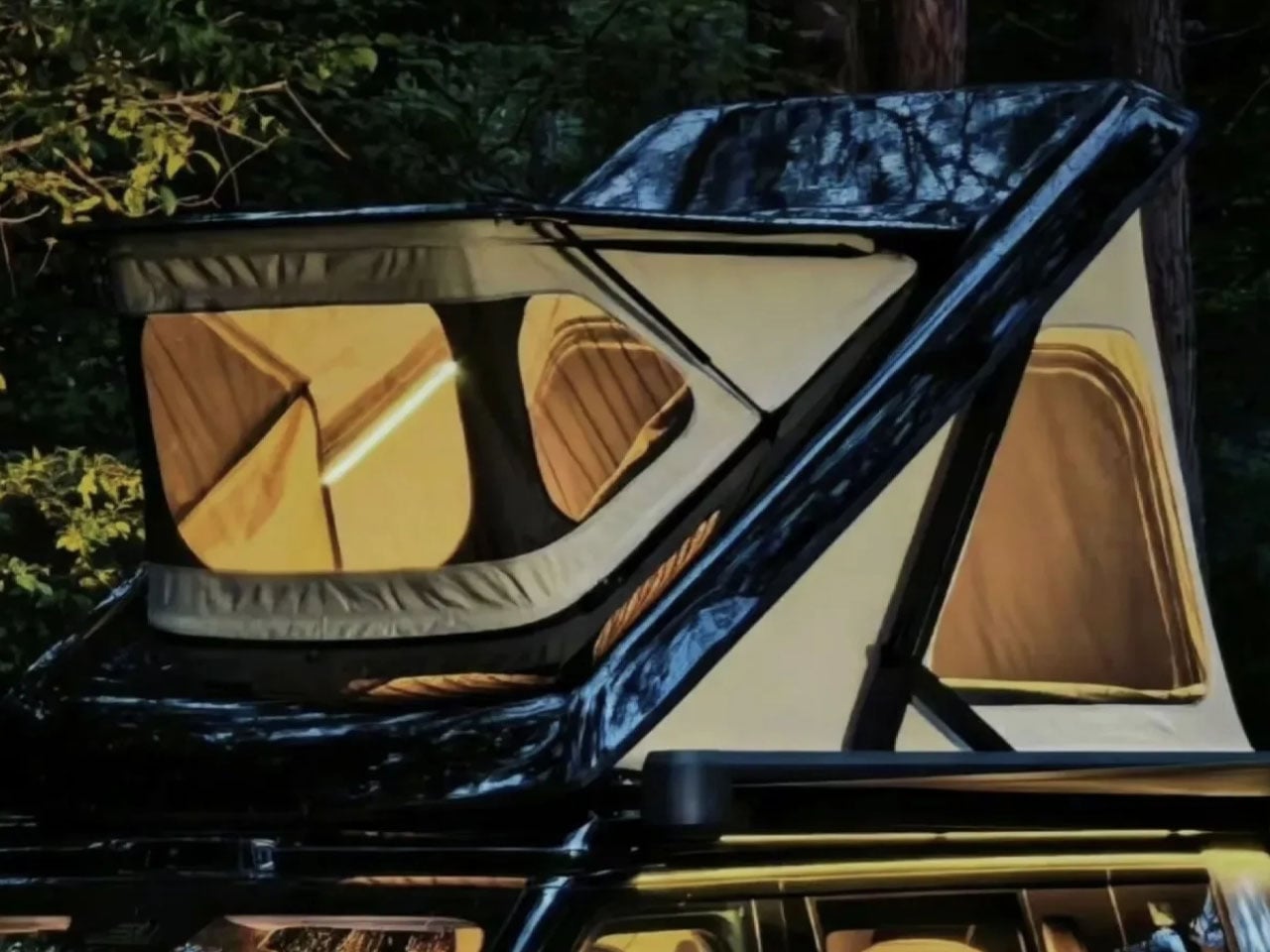
FAW’s Hongqi brand just proved that plug-in hybrid SUVs can go the distance. The Hongqi HS6 PHEV set a Guinness World Record by traveling 2,327.343 kilometers on a single full charge and fuel tank without refueling, departing from Shangri-La on October 30 and arriving in Guangzhou on November 3. The achievement surpassed previous record holders including Chery’s Fulwin T10, establishing new benchmarks for plug-in hybrid range capability. But beyond the impressive range figures, this 5-seater SUV makes its strongest statement through two areas where Chinese automakers are increasingly competing with global luxury brands: exterior design presence and interior craftsmanship.

Designer: Hongqi

A Grille Designed by Rolls-Royce Royalty

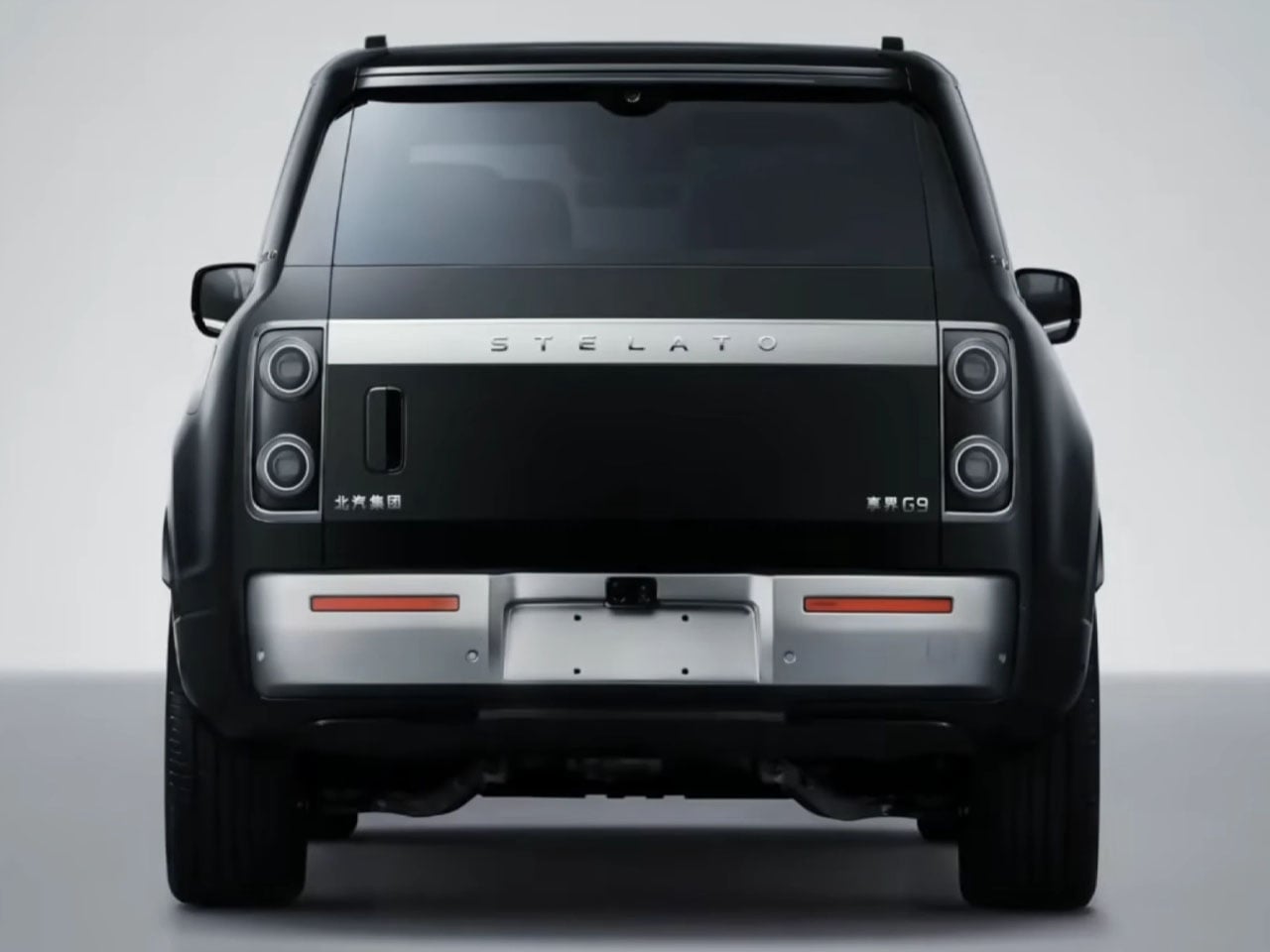
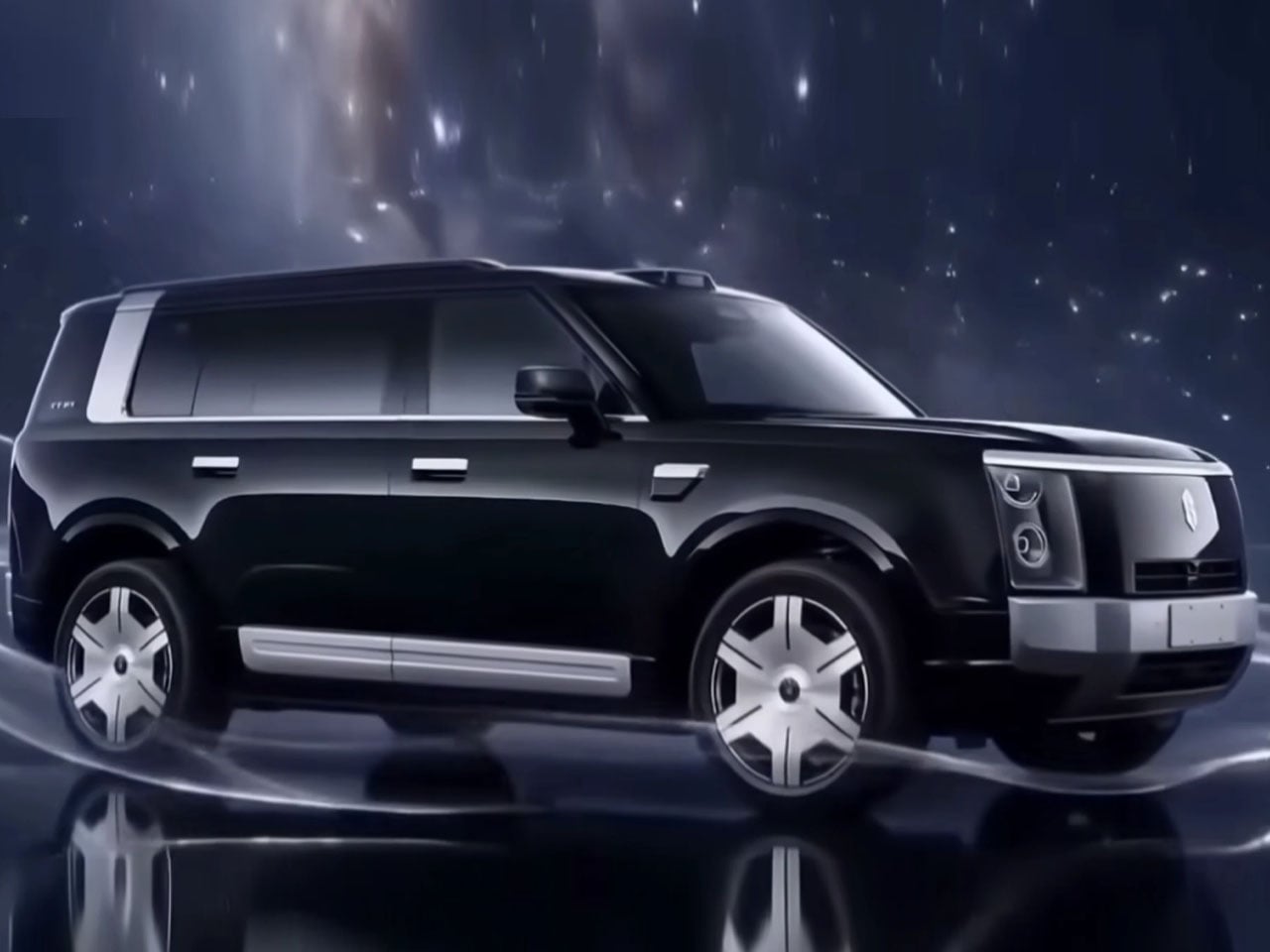
The Hongqi HS6 PHEV’s front fascia bears the unmistakable signature of Giles Taylor, the former Rolls-Royce chief designer who now leads Hongqi’s design direction. The closed grille reinterprets traditional Chinese design language through the lens of British ultraluxury aesthetics, featuring a waterfall design with 12 vertical chrome strips that create a sculptured, three-dimensional effect rather than the flat appearance common in many electric and hybrid vehicles. Each strip catches light differently as you move around the vehicle, creating visual depth that changes with viewing angle and ambient lighting conditions.

The vertical chrome elements flow from top to bottom in a cascading pattern, clearly echoing the iconic Rolls-Royce grille treatment, with Hongqi’s signature red brand logo anchoring the composition. This approach solves a design challenge facing many plug-in hybrid and electric vehicles: how to maintain brand identity and visual presence when traditional grilles are no longer needed for cooling. Rather than simply blanking off the grille area or adding fake vents, Taylor and the Hongqi design team have created a distinctive design element that serves as both brand signature and sculptural statement.

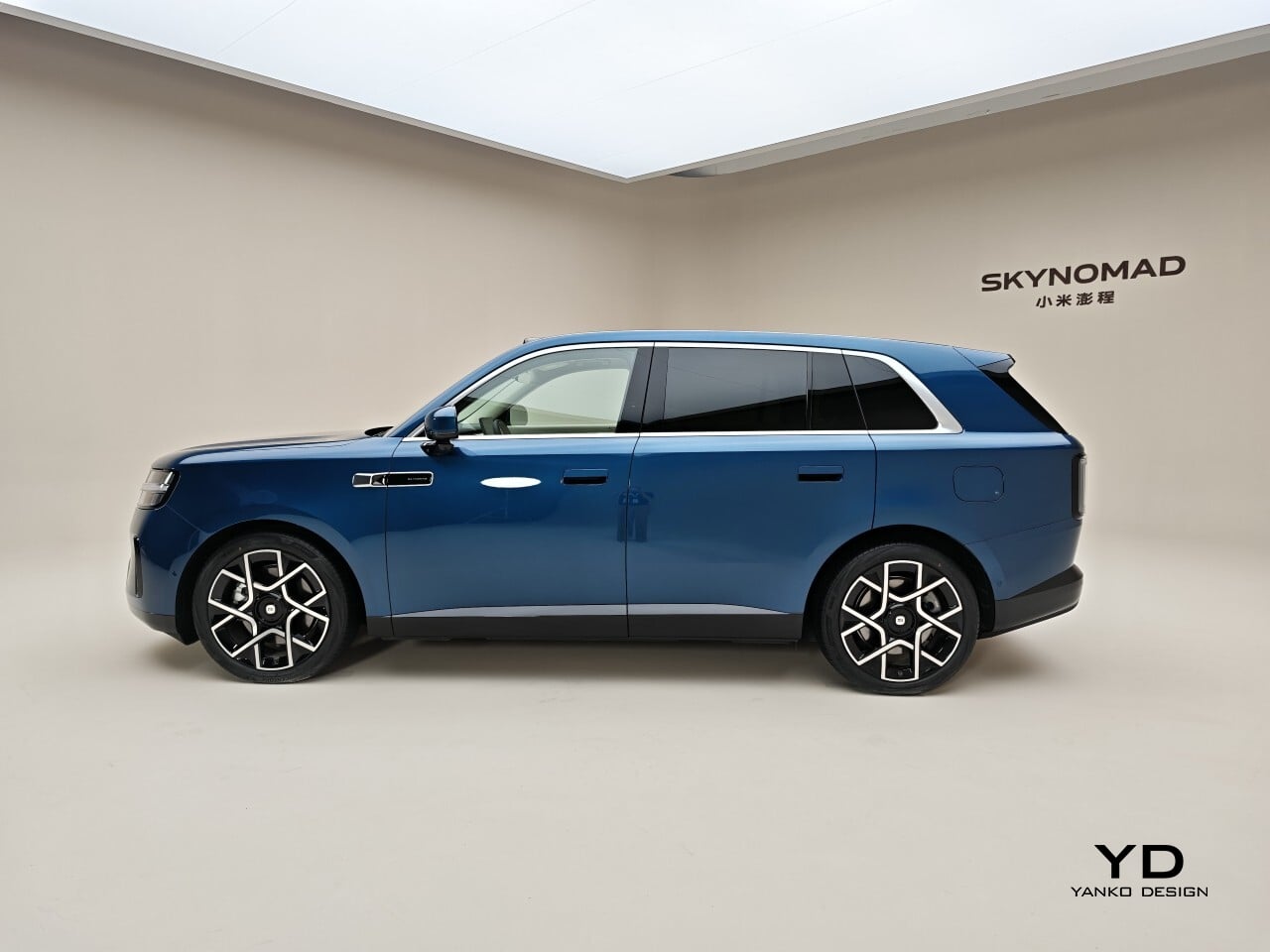
The HS6 PHEV measures 4,995mm in length, 1,960mm in width, and 1,760mm in height, with a 2,920mm wheelbase. These dimensions place it firmly in the mid-size luxury SUV segment, competing with vehicles like the BMW X5, Mercedes-Benz GLE, Toyota Highlander Hybrid, and Lexus RX Hybrid in terms of physical presence and market positioning.

Interior: Where Functionality Meets Premium Comfort

Step inside the HS6 PHEV and you encounter a layered dashboard design that prioritizes both technology integration and visual sophistication. The design team created distinct horizontal layers that separate different functional zones while maintaining cohesive aesthetics. An integrated dual-screen setup spans the upper dashboard section, consisting of a central control screen and a dedicated co-pilot entertainment screen. This is complemented by a digital instrument cluster behind the three-spoke multi-function steering wheel.

Physical buttons have been nearly eliminated in favor of digital controls, a hallmark of modern Chinese luxury design that maximizes clean surfaces and reduces visual clutter. The transmission selector is mounted on the steering column, freeing up valuable center console real estate for practical features like 50W wireless charging for mobile phones, dual cupholders, and access to an onboard refrigerator. A 12-speaker audio system is distributed throughout the cabin for balanced sound delivery across all seating positions.

The Zero-Gravity Front Passenger Experience

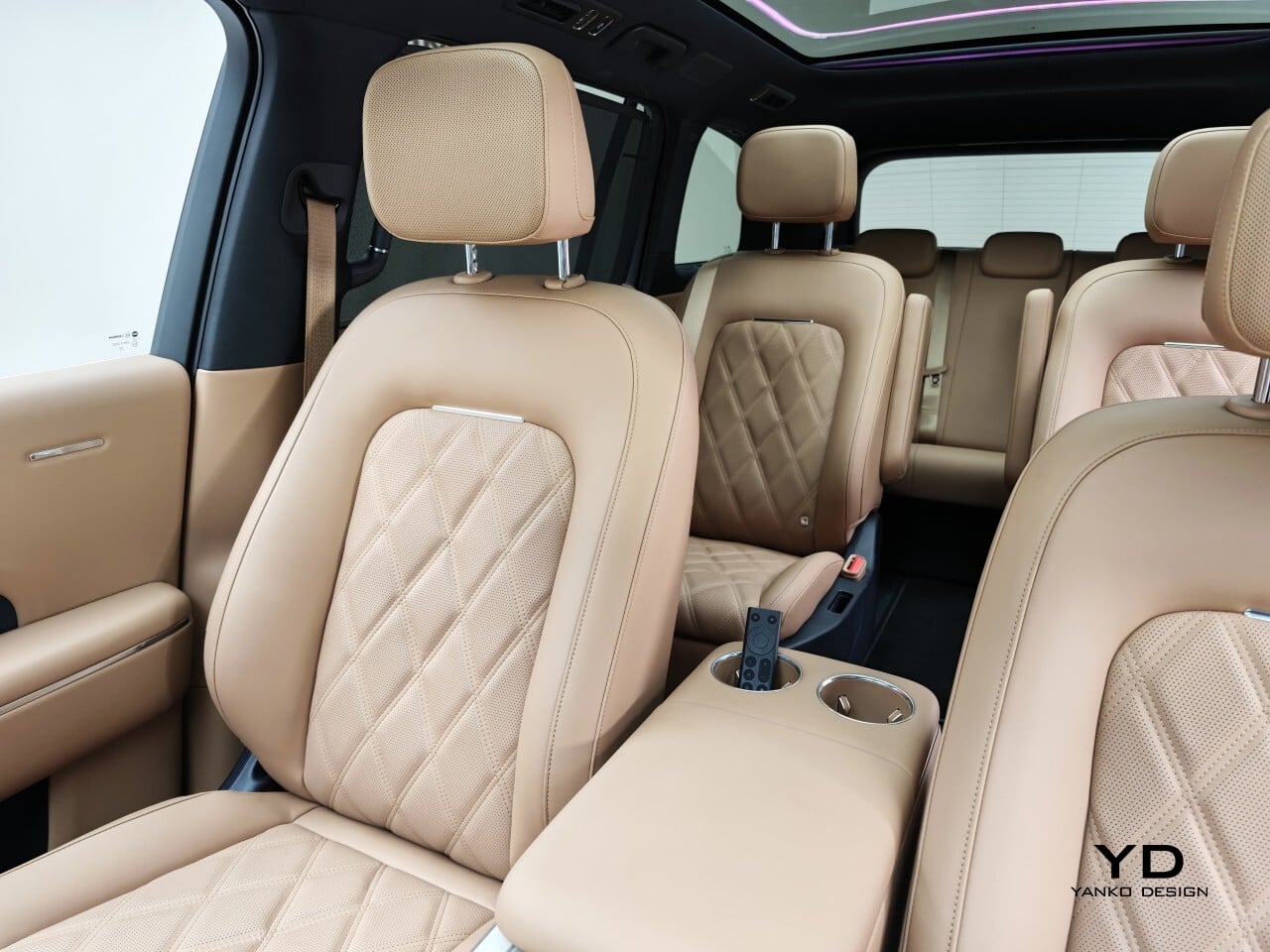
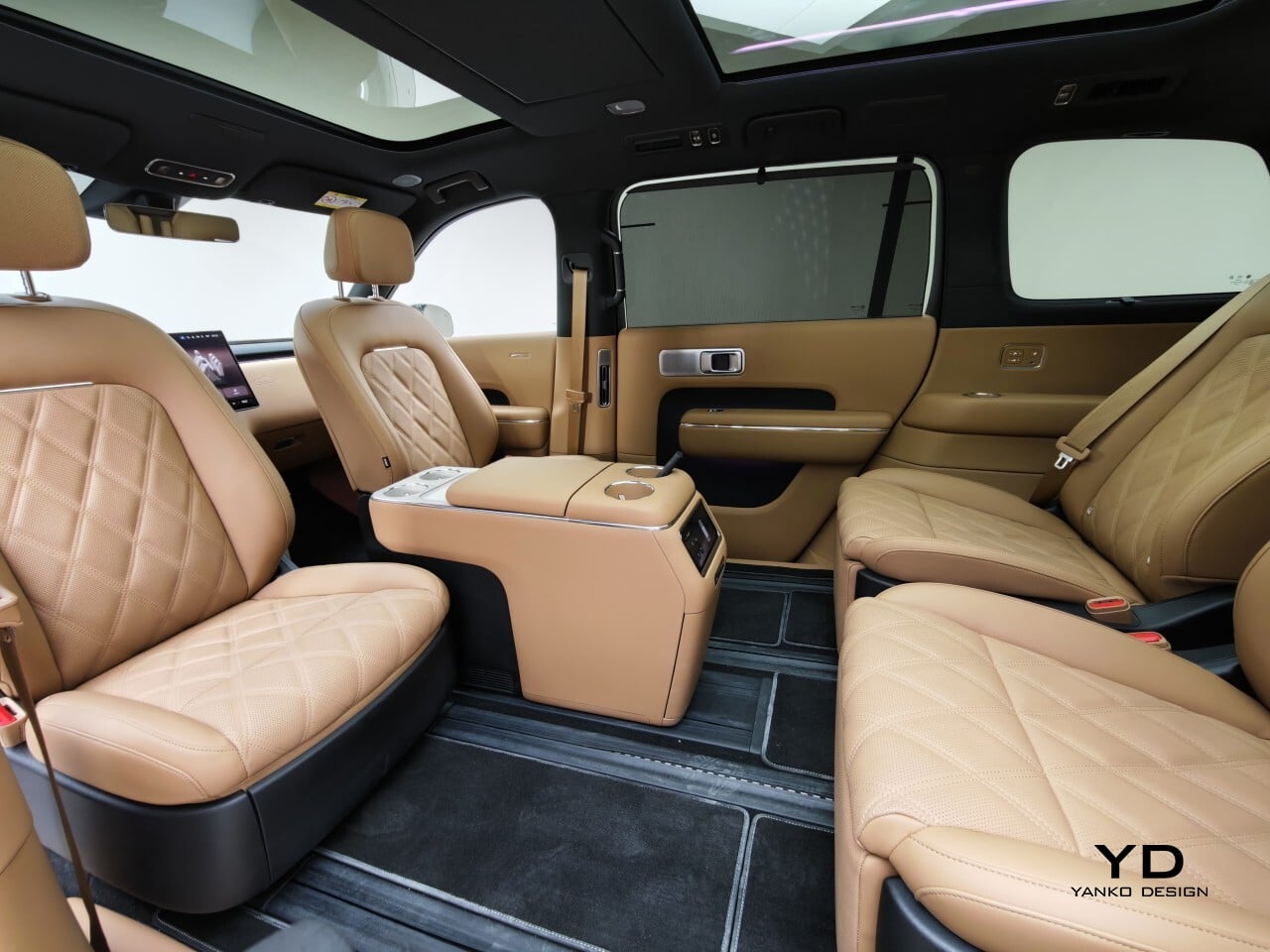
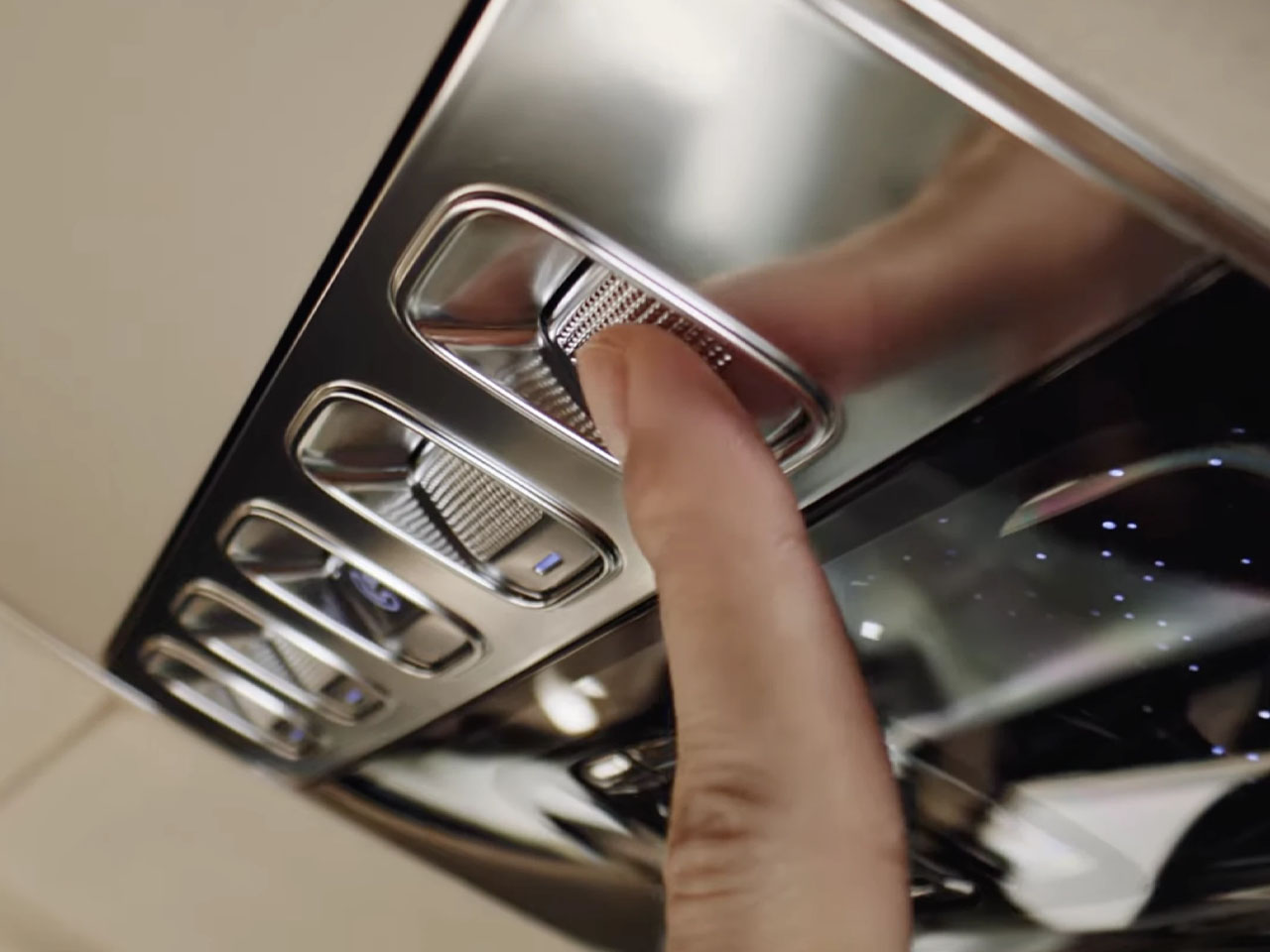
The standout interior feature is the zero-gravity co-pilot seat, which goes beyond the typical power adjustment and heating functions found in this segment. While all seats in the HS6 PHEV support electric adjustment, ventilation, and heating functions, the front passenger seat adds an integrated legrest and a 10-point massage system. This level of front passenger pampering is more commonly found in luxury sedans than SUVs, positioning the HS6 PHEV as a vehicle designed for both drivers and passengers who value comfort on longer journeys.

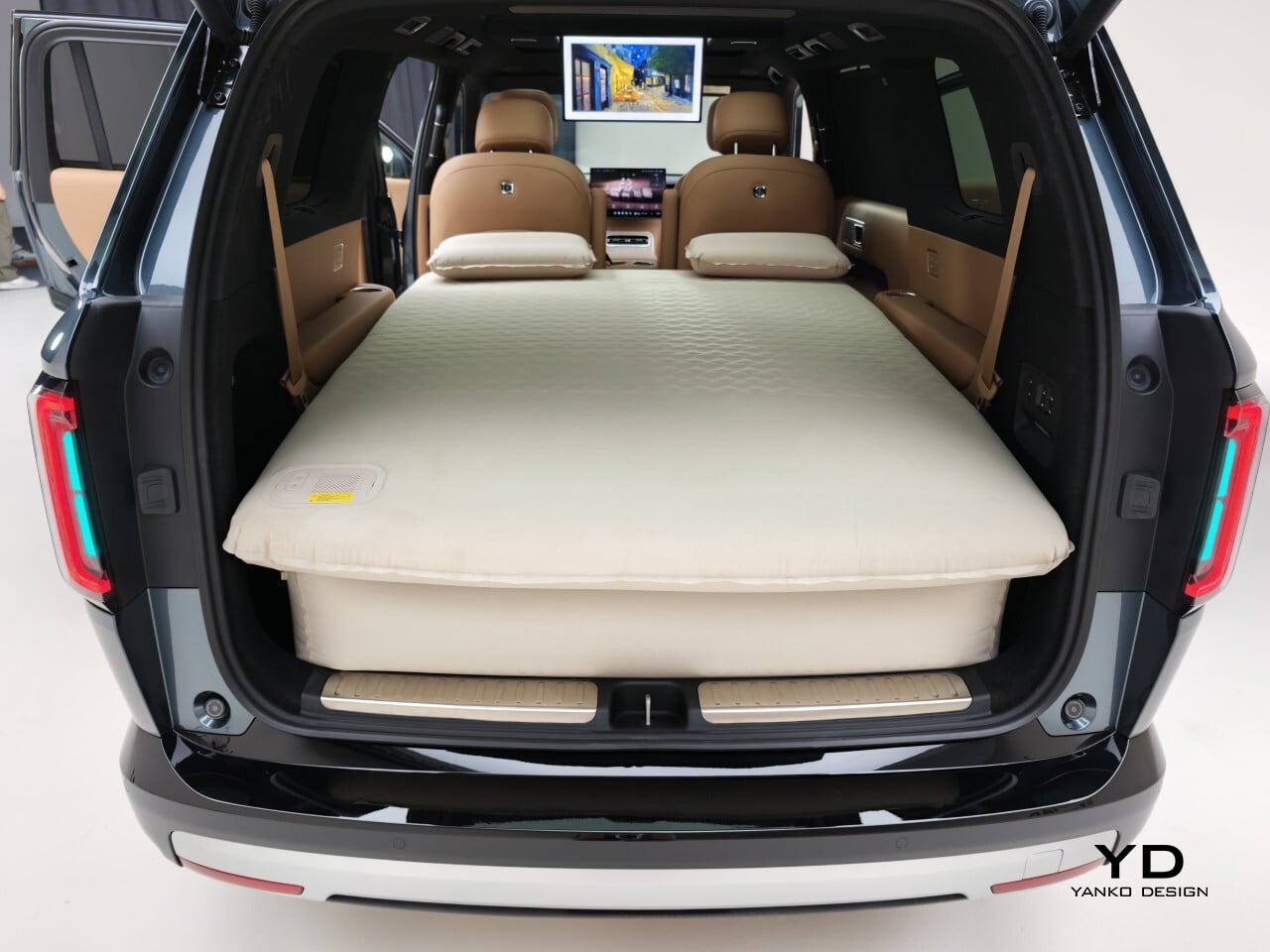
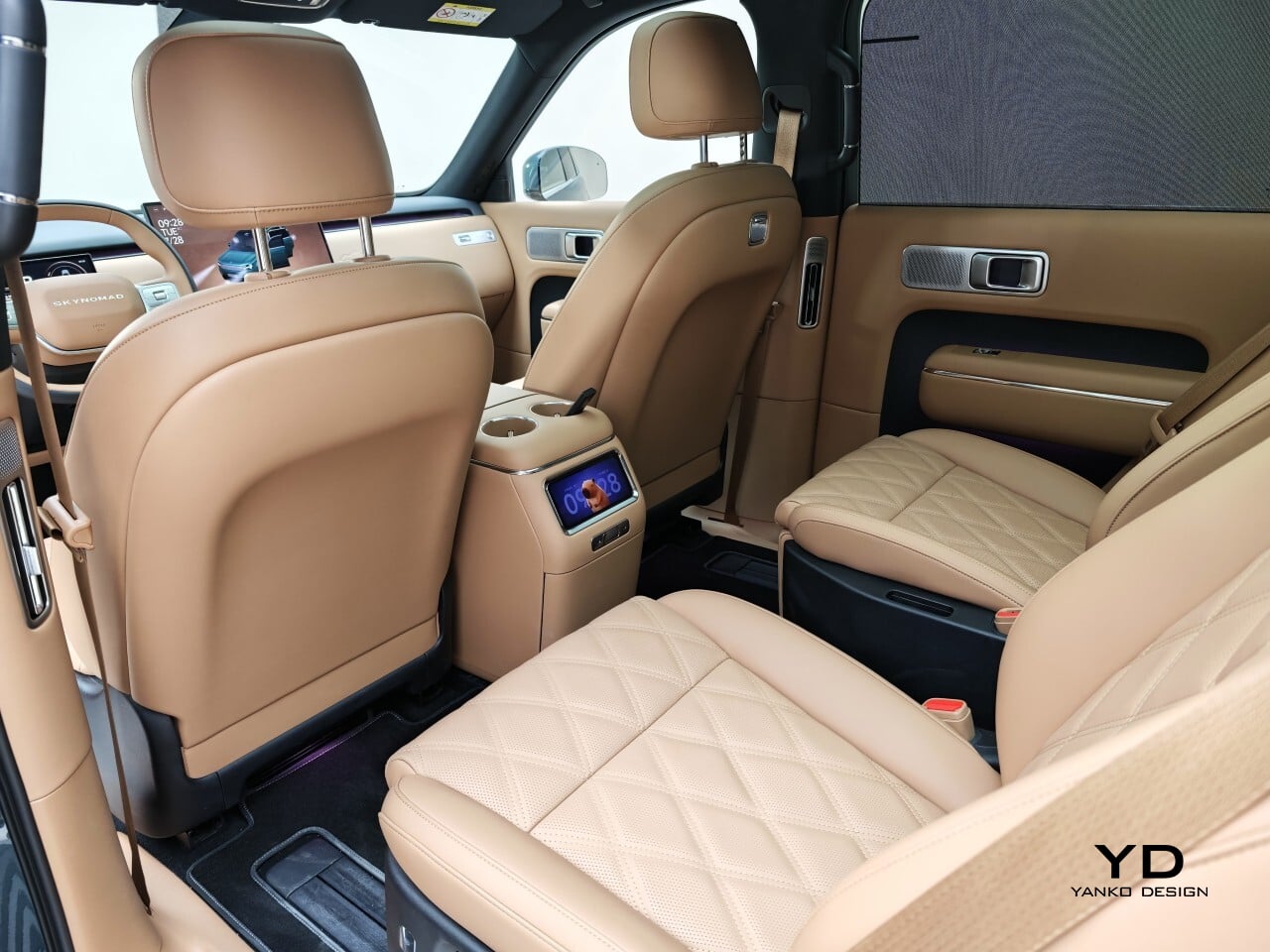
The rear seats also feature electric adjustment, ventilation, and heating capabilities, ensuring premium comfort extends throughout the cabin. The standard trunk offers 503 liters of capacity, with an additional 49 liters of hidden storage space. Folding the rear seats expands total cargo volume to 1,977 liters.

Performance and Range: The Record-Breaking Formula

Power comes from a 1.5-liter turbocharged engine producing 110 kW (148 hp) and 225 Nm of peak torque, with a thermal efficiency of 45.21%. Consumers can choose between two-wheel and four-wheel drive configurations, both with a top speed of 205 km/h. Combined system power outputs are 168 kW (225 hp) for the two-wheel drive version and 369 kW (495 hp) for the four-wheel drive variant.

Battery options include 23.9 kWh and 39.5 kWh lithium iron phosphate packs, offering CLTC pure electric ranges of 152 km, 250 km, and 235 km depending on configuration. The hybrid design combines electric efficiency for daily commuting with fuel flexibility for longer journeys, particularly valuable in markets like China where charging infrastructure varies significantly by region. Comprehensive ranges reach 1,580 km, 1,650 km, and 1,460 km according to Chinese news outlet Sohu. Curb weight varies from 2,040 kg to 2,285 kg depending on battery and drivetrain configuration.

Global Ambitions

Pre-sale is scheduled to begin November 15 in China, but Hongqi’s ambitions extend well beyond the domestic market. The brand is planning international expansion into Europe and the Middle East, positioning the HS6 PHEV as evidence that Chinese automakers can compete in premium segments where design execution, luxury features, and engineering credibility matter as much as specifications.

The HS6 PHEV represents Hongqi’s strategy of combining record-breaking engineering capability with design leadership from one of the luxury automotive world’s most respected figures. Giles Taylor’s influence is evident throughout the vehicle, from the Rolls-Royce-inspired grille to the sophisticated interior execution. The sculptured grille and premium interior features position the vehicle as a credible alternative to established luxury SUVs, with the added benefit of plug-in hybrid efficiency and impressive total range.

For buyers seeking a luxury SUV that doesn’t compromise on either electric driving capability or long-distance flexibility, the HS6 PHEV’s Guinness World Record provides tangible proof of its engineering credentials, while the design details demonstrate that Chinese automakers are increasingly competitive in the premium segments where aesthetic execution matters as much as performance numbers.

The post Hongqi HS6 PHEV: Where Art Meets Engineering in China’s Record-Breaking Luxury SUV first appeared on Yanko Design.
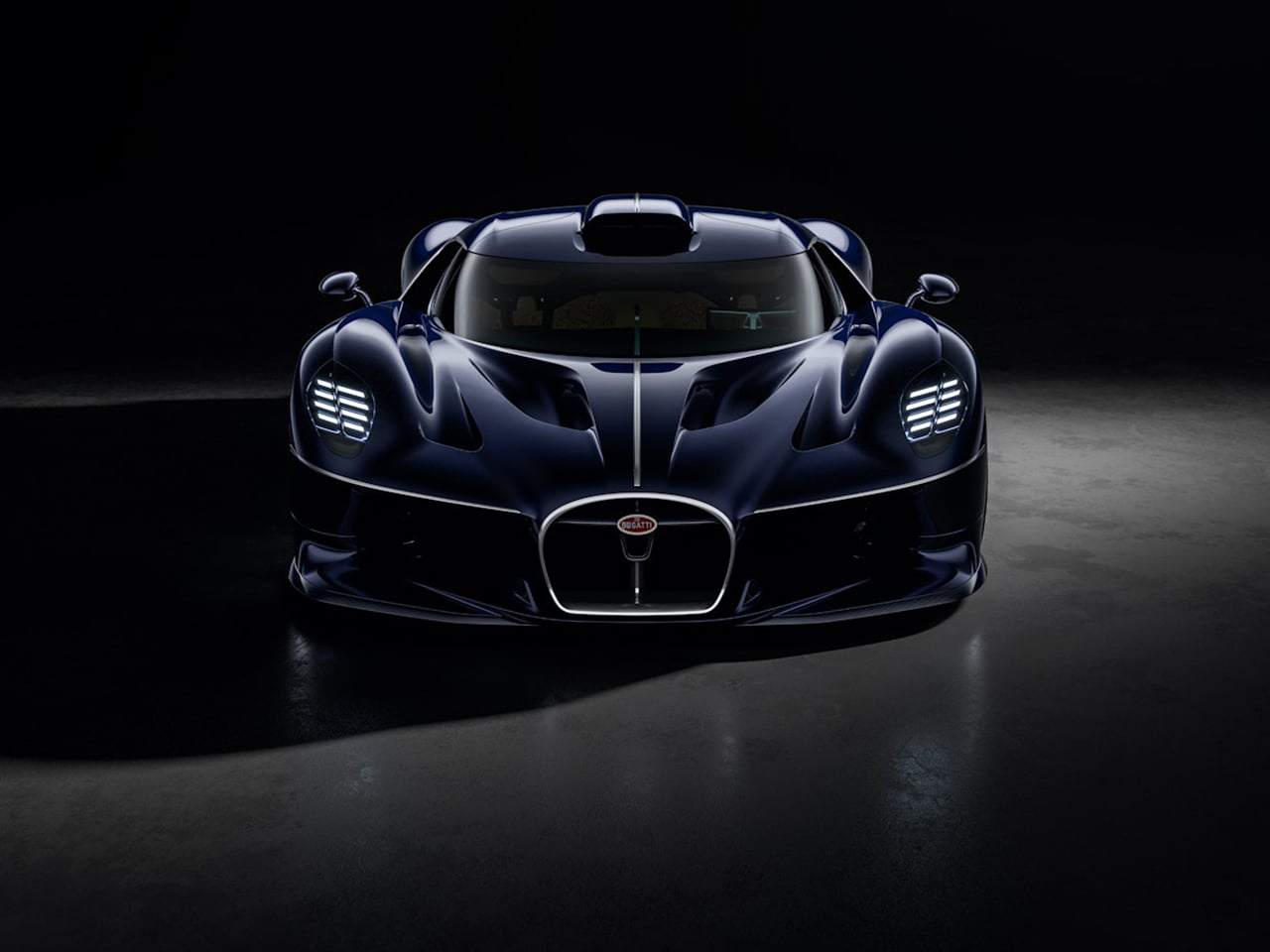
Limited Edition iXOOST Esavox Speaker features a real Lamborghini exhaust to power your sound

If you’ve ever admired the sculpted lines of a Lamborghini supercar and thought, “I wish I could bring that into my living room”, then the new collaboration from iXOOST offers exactly that in audio form. Known for their bold pieces that bridge high-end hi-fi and automotive design, iXOOST ESAVOX Bluetooth speaker system, crafted from real Lamborghini exhaust components and carbon-fibre supercar materials, is designed to blur the line between listening room and showroom.

The ESAVOX isn’t just a styled speaker; it is built around the actual exhaust cover of a Lamborghini Aventador, nestled in a monocoque chassis made from autoclave-cured 3K twill carbon fiber, with hexagonal motifs and sharp edges that echo Lamborghini’s design language.

Designer: iXOOST

Inside this sculptural cabinet lies serious audio hardware: two 1-inch tweeters, two 6.5-inch mid-bass drivers, and a 10-inch down-firing subwoofer, powered by a total output of 640 W amplification. The frequency response extends down to 20 Hz, delivering bass you feel as much as hear. Weighing in at approximately 117 lb and measuring 49 inches x 20 inches x 26 inches, the ESAVOX is clearly not for casual portability but for a dedicated listening space or display garage.

Its styling comes in the iconic Lamborghini palette: Green Gea, Grey Keres Matte, Orange Anthaeus, Red Epona, Blue Uranus and White Siderale. The speaker is produced in a strictly limited run of just 63 units worldwide, which makes it highly desirable.  On the connectivity front, you get Bluetooth 5.0 and traditional RCA inputs, allowing both wireless streaming and classic wired sources. The power supply supports 110–240 V, making it globally deployable.

So what makes this more than just a flashy statement piece? For one, the use of genuine Lamborghini parts and automotive-grade materials lends it a storytelling edge: a carbon fibre monocoque, passive vibration damping (akin to a race-car chassis), and an aesthetic lifted directly from the supercar world. On the other hand, from an audio-engineering perspective, the configuration of large mid/bass drivers plus a substantial subwoofer and dedicated amplification points to real performance ambitions rather than just looks.

That said, its size, weight, price, and niche appeal mean the ESAVOX is designed for a particular buyer: a Lamborghini owner or ultra-luxury audio aficionado who wants a unique ‘hero piece’ for home audio, not someone seeking a practical bookshelf speaker. The iXOOST ESAVOX for Automobili Lamborghini fuses automotive heritage, high-end craftsmanship, and serious audio hardware into a distinctive luxury item. If you have the space, budget and passion for both supercars and high-end sound, this is a conversation piece that delivers both visually and sonically. As ever, buyers should consider installation logistics, room-tuning, and source equipment to make the most of its capabilities.

Automobili Lamborghini ESAVOX is going to be up for grabs in the U.K. via Harrods of London, and also on display at the renowned Knightsbridge store in the pristine Green Gea color. The speaker is priced at £34,999 (approximately $46,000) for which you can buy a Ford Mustang, if you want to go for the real thing.

The post Limited Edition iXOOST Esavox Speaker features a real Lamborghini exhaust to power your sound first appeared on Yanko Design.
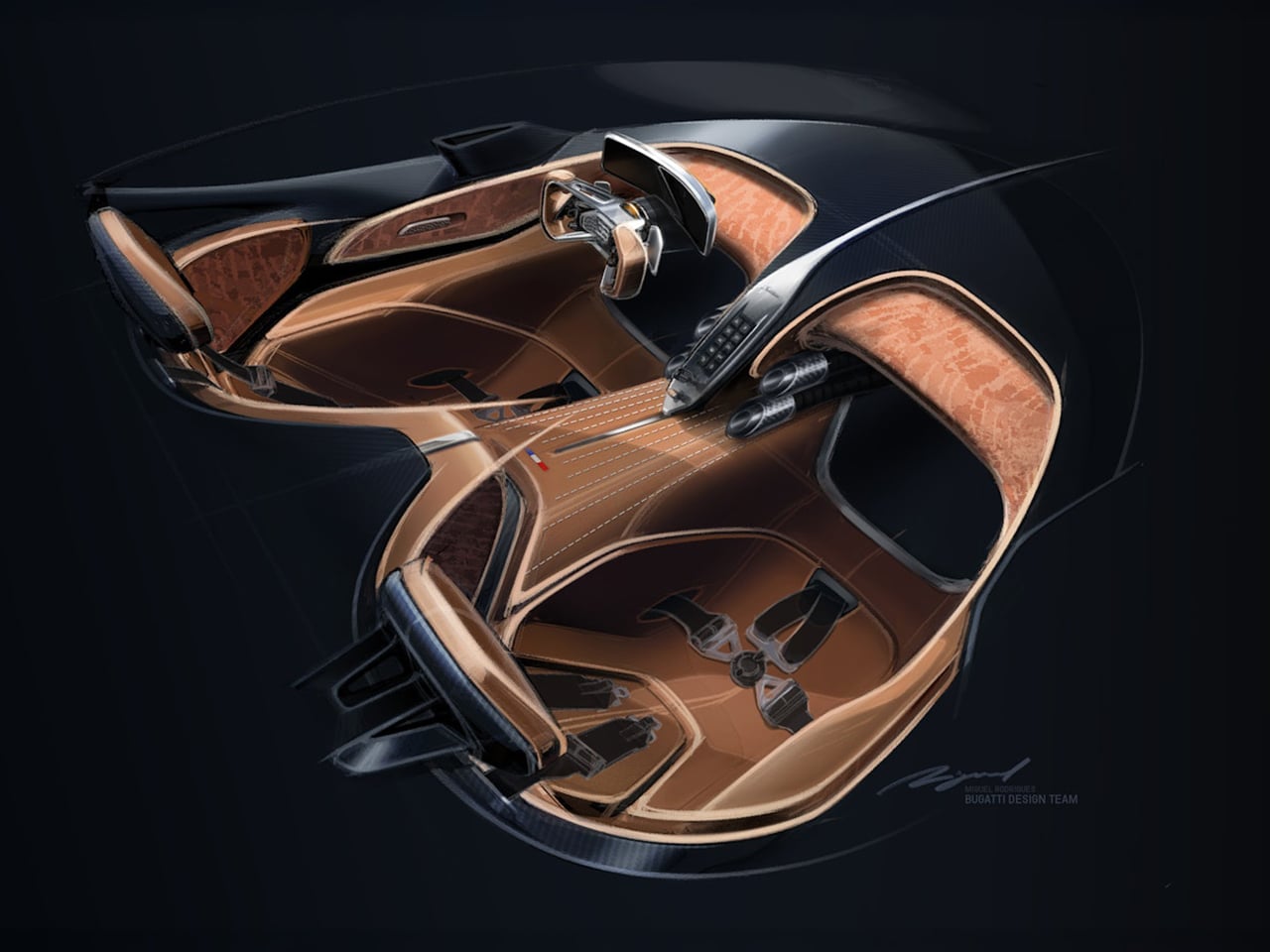
Formula E Gen4 is a 800-horsepower evolution driving electric racing’s future

Electric racing has always been about progress—each generation of Formula E machinery redefining what’s possible for battery-powered performance. From the original Gen1 car that barely completed a race on a single battery to the sleek, aerodynamically advanced Gen3 that pushed 200 mph, every leap has mirrored the rapid evolution of EV technology itself. Now, the newly unveiled Gen4 signals another turning point; one that blends raw speed, cutting-edge control systems, and true sustainability into a single statement of intent for the sport’s future.

Set to debut in the 2026–27 ABB FIA Formula E World Championship, the Gen4 car represents a substantial step forward in both engineering and purpose. It delivers 450 kW (around 603 hp) in race trim and up to 600 kW (over 800 hp) in Attack Mode, nearly 200 hp more than the outgoing Gen3 machine. The boost is complemented by a new permanent all-wheel-drive system, which, unlike the Gen3’s limited use of front-axle regeneration, remains active throughout the race. This not only improves acceleration and grip but also introduces an unlimited traction control system and anti-lock braking for sharper, more consistent handling.

Designer: Formula E

Energy recovery has also been significantly enhanced. The Gen4’s regenerative braking now peaks at 700 kW compared to Gen3’s 600 kW, allowing for faster recharge during races and fewer compromises on pace. Its usable battery capacity rises to 55 kWh from 51 kWh, enabling teams to adopt more flexible strategies while sustaining higher outputs for longer durations. Combined with new aero options, high-downforce for qualifying and low-downforce for race conditions, the car offers tunable performance that better suits diverse circuits and race formats.

Visually and structurally, the Gen4 is sleeker yet more responsible. Built from 100 percent recyclable composites and containing at least 20 %percent recycled material, it reinforces Formula E’s environmental focus. The design is a collaboration between the FIA and Spark Racing Technology, refined with input from manufacturers such as Porsche, Nissan, Jaguar, Stellantis, and Lola, all of whom are integrating lessons from the track into road-going EV programs.

When compared to its predecessor, the Gen4 is more than just a performance upgrade; it’s a philosophical evolution. The Gen3 prioritized efficiency and lightweight engineering, but the Gen4 couples that efficiency with unprecedented power delivery and stability. It bridges the gap between electric precision and traditional motorsport spectacle, pushing top speeds beyond 209 mph while maintaining a smaller carbon footprint than ever before.

As Formula E enters this new era, the Gen4 car embodies the championship’s original promise – to make electric racing not only sustainable but thrilling. The sport is no longer proving that EVs can perform; it’s demonstrating how they can outperform. For fans and engineers alike, the Gen4 marks the moment electric racing stops chasing its combustion past and starts shaping motorsport’s electric future!

The post Formula E Gen4 is a 800-horsepower evolution driving electric racing’s future first appeared on Yanko Design.
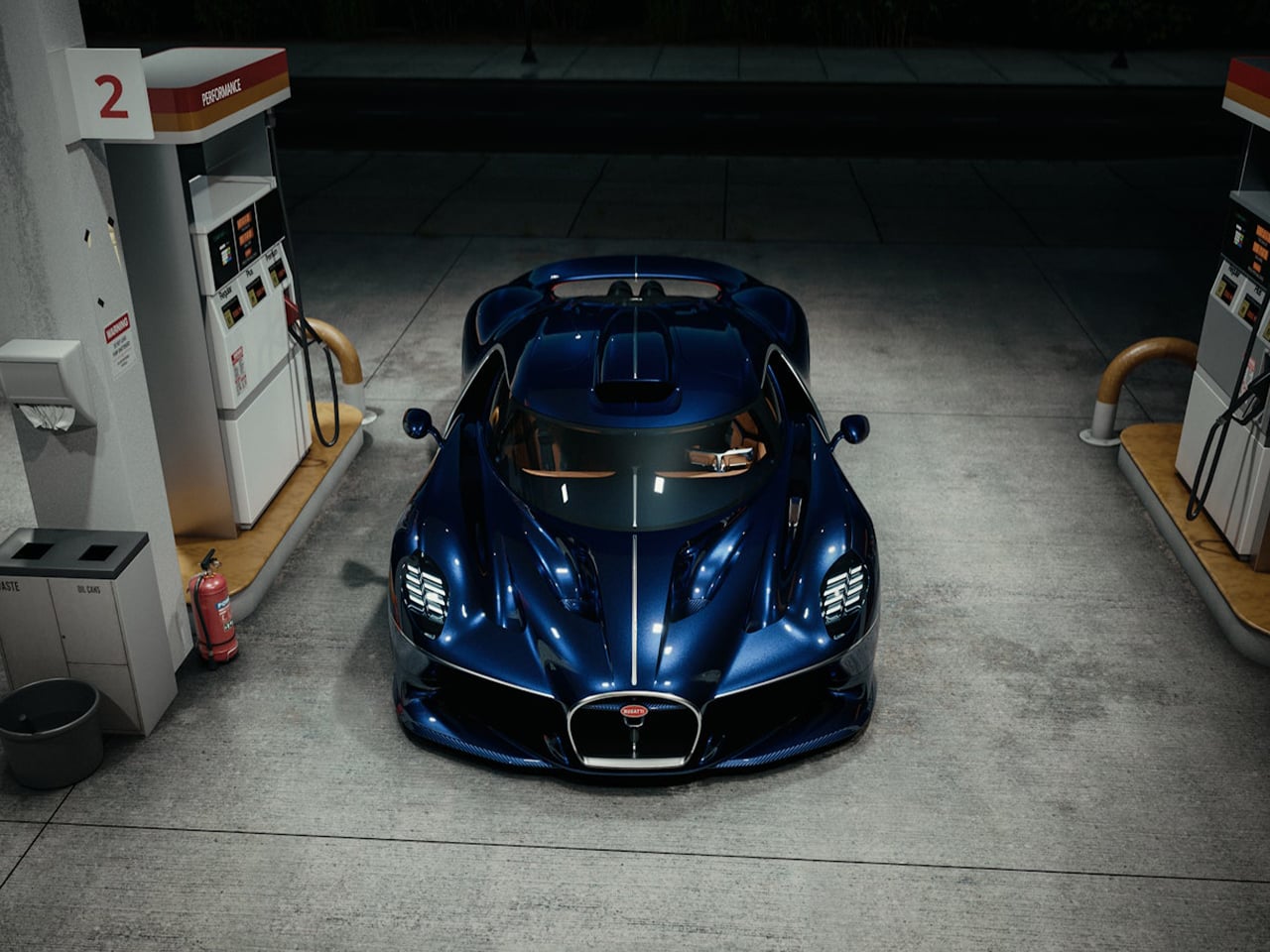
Walkabout 26 Max travel trailer impresses with sliding atrium-style ceiling, toy hauling capability

Keystone, one of the major manufacturers of towable recreational vehicles, has grown in the shadows and not had its chance to shine like it would now with the launch of the Walkabout 26 Max: a purpose-built travel trailer that commands your attention. Its bold, adventure-ready design looks formidable on the outside while promising capability and durability on almost all terrains when paired with a strong tow vehicle.

The RV industry has evolved more dramatically than any other in recent years, with many motorhome, trailer, and camper manufacturers rising and fading over time. Founded in 1996 by Cole Davis in Goshen, Indiana, Keystone RV quickly became one of the top manufacturers of towable RVs in North America by the turn of the millennium. Recognizing its success, THOR Industries acquired Keystone in 2001, a move that helped establish THOR as the world’s largest manufacturer of recreational vehicles.

Designer: Keystone RV

Much of THOR’s growth and prominence can be attributed to Keystone’s strong performance, characterized by its lineup of stylish and soulful towable travel trailers, fifth-wheelers, and toy haulers. Now combining the goodness of its previous iterations with the nuances of the American and the Australian RV industries, the Walkabout is feature-packed for a prolonged outing in the wilderness.

The construction is pretty straightforward. Keystone eliminates wood in favor of aluminum panels, making up a more enticing auto-inspired finish, which elevates the Walkabout from its travel trailer DNA into a flavorful motorhome with ample onboard storage for your gear. Of course, the interior is a breakaway from the industry norm; the exterior is no short of sublime: the trailer home is, it’s safe to say, designed to maximize comfort outdoors and inside.

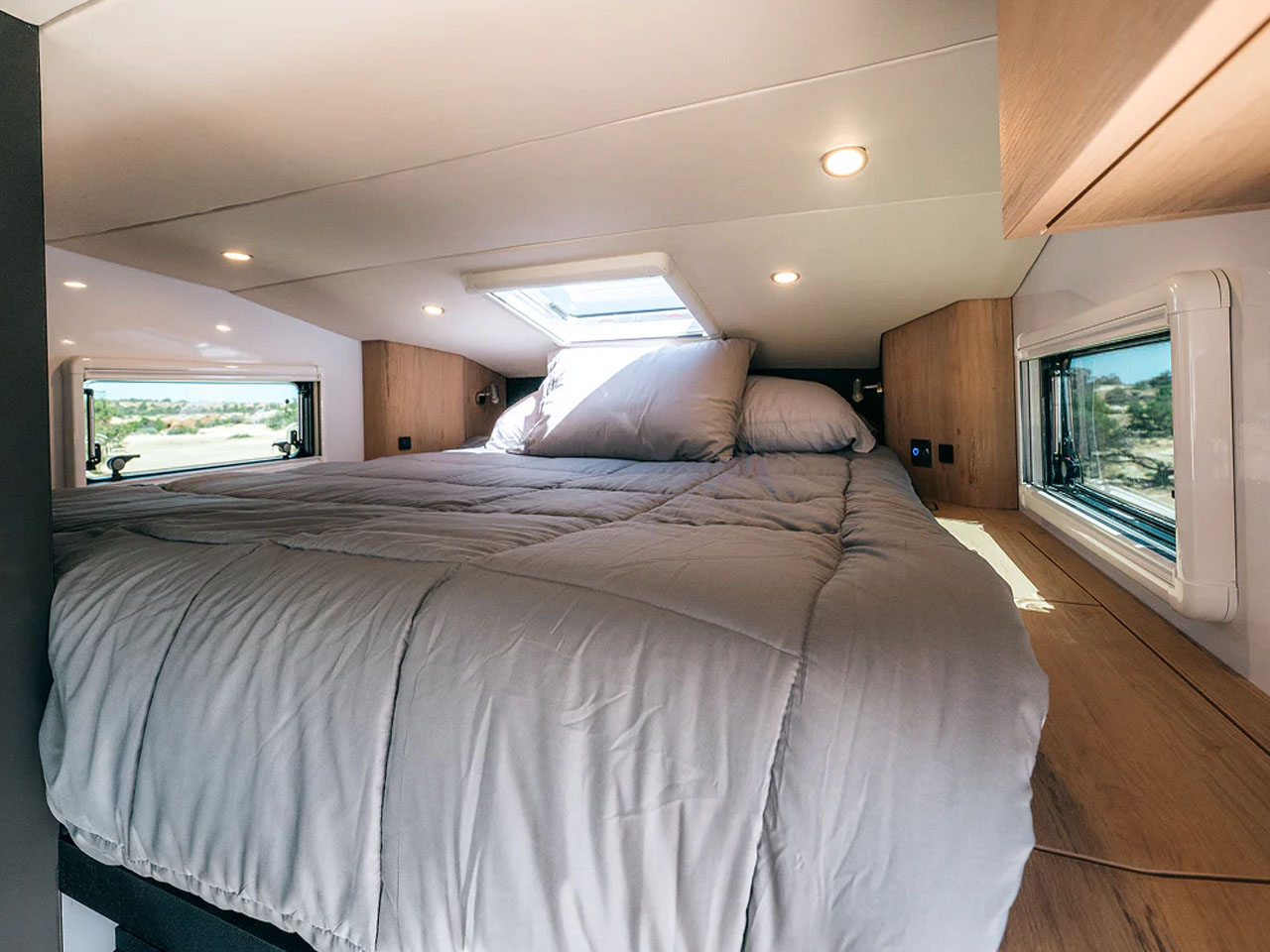
Starting underneath, the Walkabout is provided with CURT Touring Suspension for a balanced ride on bumpy trails. It rides on 15-inch all-terrain tires and features anti-lock brakes and one-touch 3-point leveling to automatically level the vehicle into position at camp. The 7,000-odd-pound trailer is slapped with panoramic windows around its perimeter and has more natural light and spaciousness flooding into the interior through the atrium-style sliding ceiling above the living area, providing a super, storage-integrated sofa for the whole family and a pair of trapezoid-shaped dinette tables.

While the layout inside is close to your home’s comfort with a full-sized, well-equipped kitchen – comprising workable counter space, a two-burner stove, a residential-sized fridge and storage cabinetry – spacious bathroom, bunk bed, a family-friendly living area, and a master bedroom cordoned off by a sliding double-door, which is perhaps the first of its kind I have seen in a travel trailer.

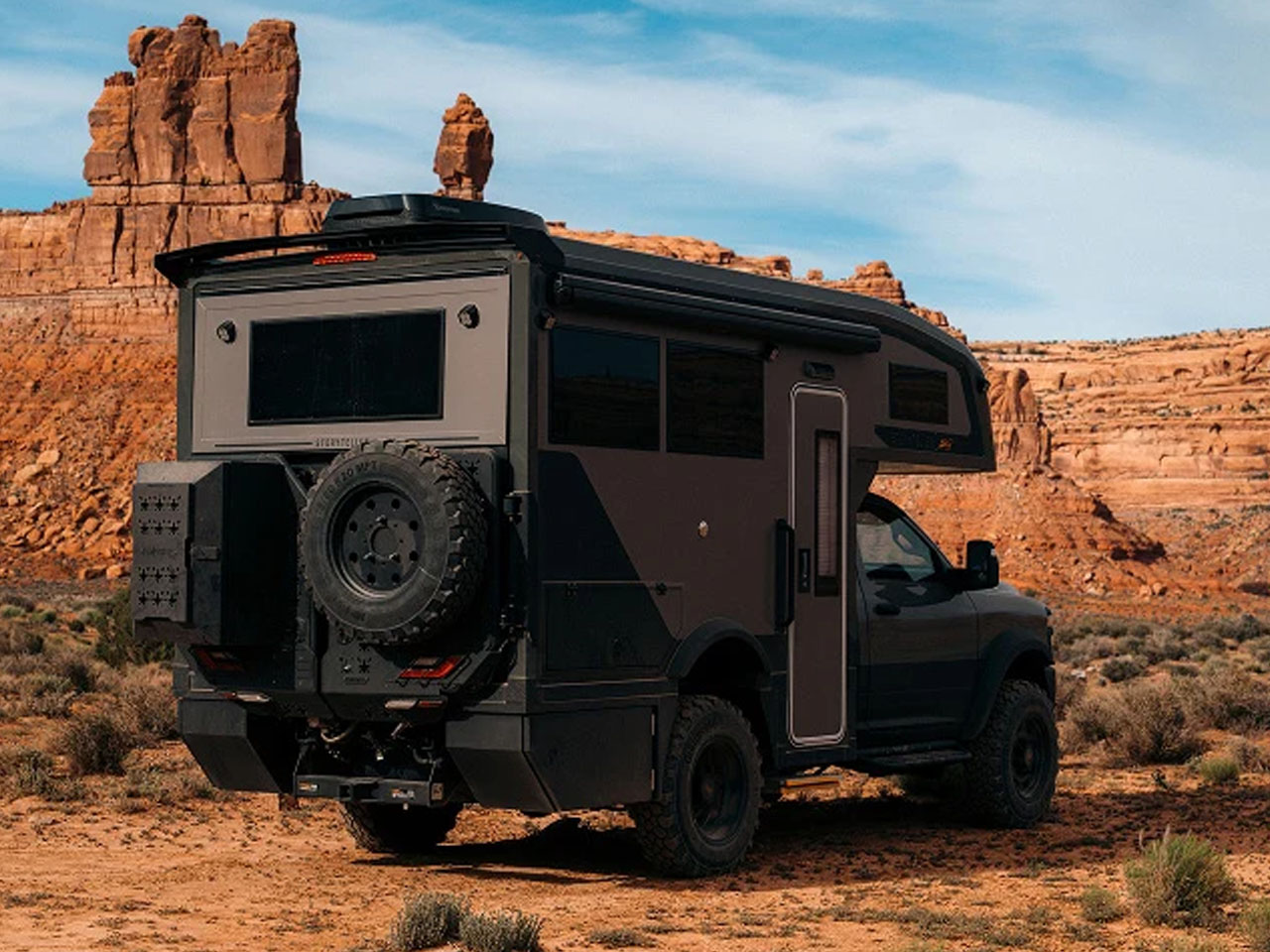
The glossy exterior of the Walkabout is packed with a lot of slide-outs, a toy hauling space in the rear, and a huge pass-through storage bay at the front. It is provided with hooks, stands, and supports for your equipment. An interesting slide-out for your muddy boots and gear alongside an outdoor shower makes cleaning them easy before the next use or storage. To hold the campers out in the fresh air, the trailer also adds an outdoor cooking station with a fold-down worktop. Keystone also puts a spare tire mount on the back and provides an awning and a telescoping ladder for roof access. Capable of being provided with an off-grid-ready add-on, the Walkabout 26 Max starts at $60,000.

The post Walkabout 26 Max travel trailer impresses with sliding atrium-style ceiling, toy hauling capability first appeared on Yanko Design.
LEGO unveils APXGP Team Race Car that replicates intricate details of “F1 The Movie”

LEGO has been steadily expanding its Speed Champions lineup, catering to both car lovers and collectors alike. After the success of its Formula-1 Series set, the brand is now shifting gears with inspiration straight from Hollywood. The latest addition is the official LEGO Speed Champions APXGP Team Race Car, a detailed 268-piece set based on F1 The Movie, the highly anticipated racing film starring Brad Pitt as veteran driver Sonny Hayes.

Designed for both motorsport enthusiasts and movie fans, this new release captures the cinematic energy of the fictional APXGP team with remarkable authenticity. The model’s sleek black-and-gold livery mirrors the on-screen race car, accompanied by minifigures of Sonny Hayes and Joshua Pearce, who look impressively lifelike in their race suits and helmets. These tiny yet expressive details, like the reflective visors and printed sponsor logos, help the build feel genuinely tied to the film’s aesthetic.

Designer: LEGO

At first glance, the car may remind fans of previous Speed Champions Formula-1 builds, but the APXGP racer distinguishes itself with refined proportions, wide Pirelli-style tires, and custom decals that add visual depth. The attention to realism extends even to the accessories; builders will find a wrench and remote control, subtle nods to the engineering side of racing. The wrench, in particular, doubles as a handy tool for applying stickers or separating tight bricks—an understated but thoughtful inclusion.

The completed model measures over 8 inches in length, 3 inches in width, and 1.5 inches in height, making it perfectly sized to display on a desk or shelf. Compared to previous Speed Champions F1 releases, this one feels more streamlined and minimalistic, emphasizing aerodynamics and elegance over bulk. LEGO recommends the set for builders aged 10 and up, though it’s clear that adult fans will be among its most eager buyers.

Perhaps the most welcome upgrade here is the addition of the driver minifigures. Earlier Formula-1 Speed Champions sets often skipped them, something fans always found puzzling, given how central drivers are to the sport’s drama. Including Sonny Hayes and Joshua Pearce not only enhances the storytelling potential but also connects this model to the F1 movie universe in a tangible way. Perhaps LEGO will release more movie- and motorsports-inspired sets with minifigures, as was evident from the affordable DeLorean set released last month.

Set to launch in January 2026 for $28, the LEGO Speed Champions APXGP Team Race Car feels like a fitting tribute to the fusion of film and motorsport. It’s sleek, affordable, and full of character, and it’s a must-have collectible whether you’re a Speed Champions devotee, an F1 purist, or just someone who can’t resist a bit of cinematic speed on the shelf.

The post LEGO unveils APXGP Team Race Car that replicates intricate details of “F1 The Movie” first appeared on Yanko Design.
Honda’s EV Outlier Concept Looks Like It Was Poured From Liquid Chrome

At the 2025 Japan Mobility Show, Honda unveiled something that makes every other electric motorcycle look like it’s wearing a costume. The EV Outlier Concept reimagines what happens when you stop thinking about motorcycles as machines you sit on top of, and start thinking about them as machines you become part of.

Designer: Yuya Tsutsumi

Designer Yuya Tsutsumi built the Outlier around what Honda calls “Gliding and Ecstasy” – two contrasting riding sensations that could only exist in an electric motorcycle. “Gliding represents a riding feel with a sense of gliding, leveraging the uniquely smooth power delivery and quietness of an EV,” Tsutsumi explains. “Ecstasy is an emotional riding sensation resulting from the instant responsiveness, acceleration, and immense torque only possible with motor drive.”

These opposing experiences, combined with the ultra-low riding position, form the three pillars driving every design decision on this bike.

Tsutsumi calls it “Precision of Intrinsic Design.” Strip away the philosophy speak and here’s what that means: every curve exists because of what’s underneath. The battery sits in the center, visible through smoked transparent panels. Electronic components separate with surgical clarity. Nothing hides. Everything reveals itself.

This transparency invites you to understand how electric motorcycles actually work. You see the battery. You see where components live. You understand the architecture at a glance. When you can see how something works, you develop a different relationship with it. The engineering becomes part of the experience instead of something hidden behind plastic fairings.

Form That Flows Instead of Attacks

Most motorcycles have faces that glare at you. Sharp angles. Predatory headlight eyes. The traditional motorcycle front end declares dominance over the road.

It’s aggressive design language inherited from decades of combustion engine packaging requirements that no longer exist. The Outlier rejects all of that.

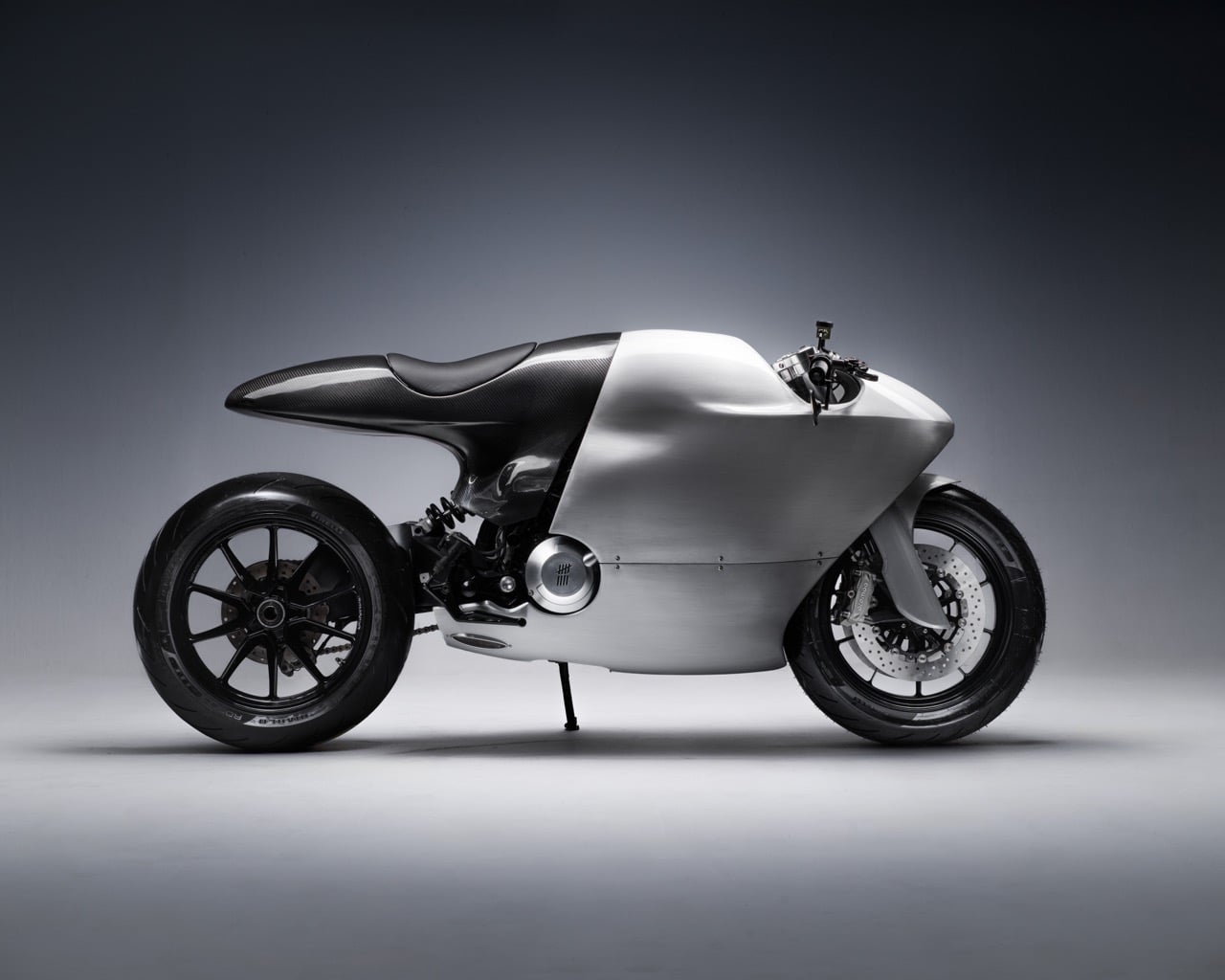
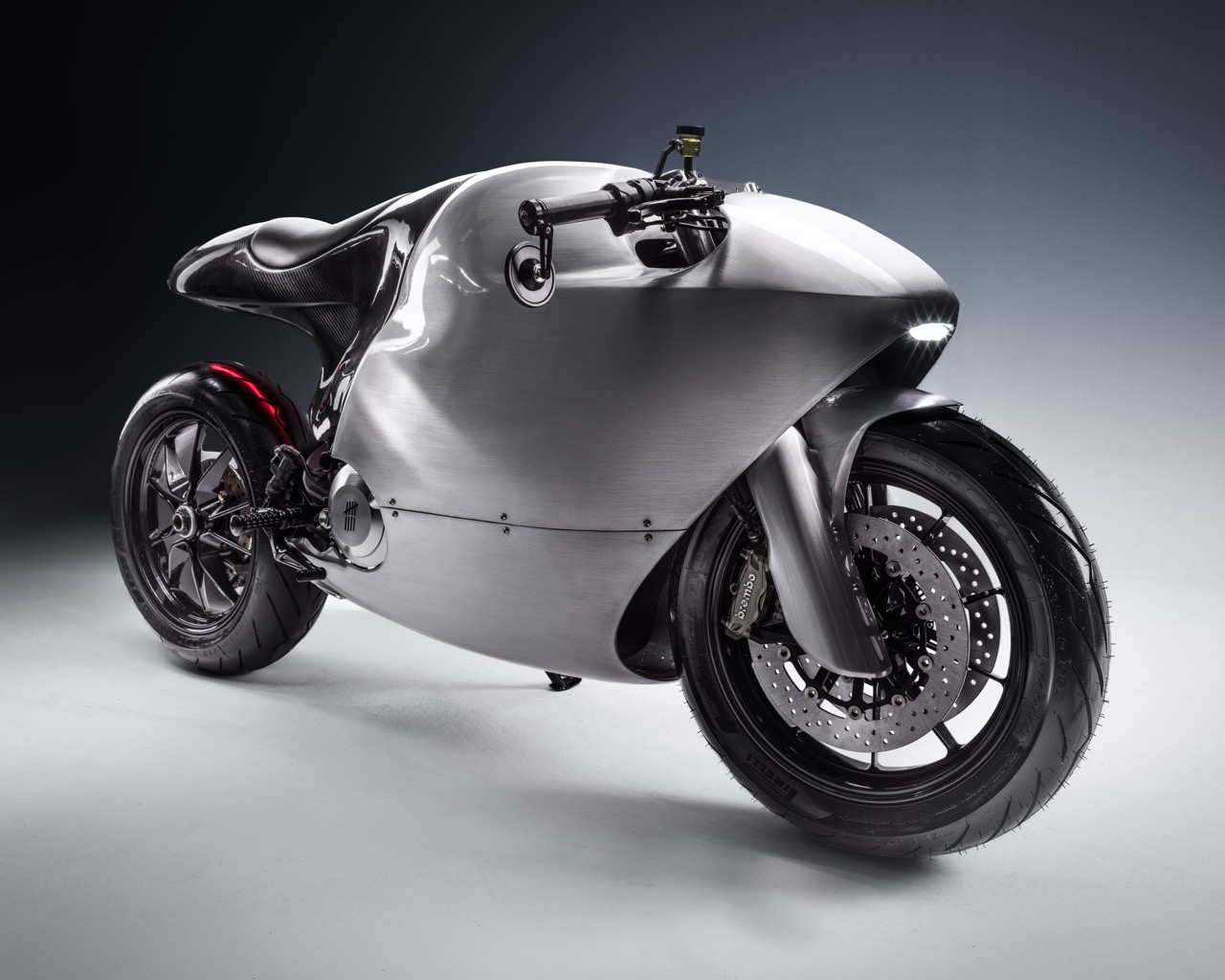
The flowing hood curves over the front like liquid metal frozen mid-pour. It hovers. It glides. Look at how it catches light in those product shots and you’ll see what I mean: this bike looks less like it wants to attack the road and more like it wants to dance across it. The answer is this flowing, organic form that feels more alive than mechanical.

The lightweight mix of metal and plastic creates a structure that looks simultaneously solid and ethereal. Substantial but not heavy. Technical but not cold. The frame uses metal for structural integrity. Body panels use plastic for flexibility and those transparent sections. Everything gets optimized for its specific purpose, creating a bike that feels more like sculpture than machinery.

The smoked transparent panels serve a dual purpose: they create that ethereal aesthetic while letting you see exactly how the bike is constructed. You understand the architecture at a glance. The battery placement. The component separation. The structural logic.

This visual honesty creates a different relationship with the machine.

The Seated Experience Changes Everything

The bucket-style seat merges with what used to be the engine panel, dropping the rider remarkably low. But Honda engineered this backrest for more than comfort.

“This backrest not only absorbs the massive acceleration of the motor drive but also enables a new handling sensation where the rider pivots through corners using their hips as an axis,” Tsutsumi notes.

You’re not just sitting lower – you’re controlling the bike through an entirely different kinematic relationship. It delivers a riding sensation unlike any existing motorcycle, evoking both surprise and excitement. The horizontal suspension system enables this ultra-low positioning while maintaining full travel and control. A singular frame connects the front assembly to the seat, eliminating unnecessary structure.

You sit closer to the pavement. Your center of gravity drops. The bike feels planted and stable without sacrificing agility.

Most motorcycles compromise: you either get low and sacrifice suspension performance, or you get proper suspension and sit higher. The Outlier’s engineering eliminates that compromise entirely.

When your seating position drops this low, the visual experience changes. The horizon line shifts. Objects approach differently. Your peripheral vision processes motion at new angles. These aren’t subtle changes. They fundamentally alter how riding feels, turning every corner into a new sensory experience and every straightaway into a different relationship with velocity.

In-Wheel Motors Rewrite the Physics

The motors live inside the wheels themselves.

Front and rear, the power delivery happens at the contact patch instead of transferring through chains, belts, or shafts. This fundamental architecture change eliminates mechanical loss between power source and road contact. Every watt generated goes directly to moving you forward. Independent control of front and rear torque delivery enables handling dynamics impossible with traditional powertrains.

The system can redistribute power between wheels in real time based on traction, lean angle, and rider input. You get the kind of intelligent power delivery that would require impossibly complex mechanical systems on a traditional bike. Here, it’s just software controlling two motors.

Clearing the entire center section of the bike opens up possibilities beyond just battery placement. That centrally-located battery pack creates ideal weight distribution without compromising ground clearance or aesthetics. The modular body components break apart for maintenance and upgrades. Want to upgrade the battery pack when better cells become available? The modular design accommodates that. Need to service or replace a motor? Pull the wheel assembly.

Honda designed this as a platform for flexible development, not a static concept frozen in show car amber. Honda is testing ideas that could fundamentally change how production electric motorcycles get designed, maintained, and upgraded over their lifespans.

The Digital Interface Eliminates Physical Compromises

Traditional motorcycle mirrors stick out like ears. They catch wind. They vibrate. They show you a blurry approximation of what’s behind you.

The Outlier uses cameras instead, feeding two digital displays with more information than mirrors could ever provide. That thin, wide digital meter replaces side mirrors entirely. The main screen shows speed and essential data. The sub-screen tracks torque delivery, weight balance, and real-time power distribution between front and rear motors.

When you switch riding modes, the lower display shows real-time changes in the drive status and output characteristics of the front and rear motors, letting you experience the distinctive character of electric propulsion. The GUI displays lean angle in real time, shows front and rear wheel movement based on road conditions, and adjusts torque distribution accordingly.

Honda envisions this connecting to riders’ personal data, adapting control systems to individual skill levels and even suggesting destinations based on your schedule and preferences. It’s ambient intelligence applied to motorcycle riding.

The system shows you how the bike thinks and responds to your inputs. You see the torque split. You see the weight transfer. You understand what the machine is doing in real time.

This represents the shift from mechanical feedback to digital augmentation. Traditional motorcycles communicate through vibration, sound, and physical sensation. Electric motorcycles eliminate most of that analog feedback. The Outlier replaces it with visual information that gives you even more insight into what’s happening.

Some riders will hate this. Others will embrace it as evolution.

But you can’t argue with the data density: those screens tell you more about the bike’s behavior than any traditional instrument cluster ever could. The camera feeds provide clearer rear vision than mirrors, especially in rain or at night when traditional mirrors become nearly useless.

The digital meter displays adapt to riding conditions. Bright sunlight triggers high-contrast modes. Night riding shifts to subdued displays that don’t destroy your vision. Track mode emphasizes performance data. City mode prioritizes navigation and traffic awareness. The interface learns from your riding patterns and surfaces relevant information based on context. This kind of intelligent adaptation would be impossible with mechanical instruments.

What This Actually Means

Honda isn’t putting this into production tomorrow.

The EV Outlier serves as a testbed to explore ideas that might show up in future production models. In-wheel motors. Transparent body panels. Ultra-low seating positions. Camera-based vision systems. Modular construction for easy updates. Some of these ideas will make it to showroom floors. Others will evolve into different solutions.

The concept exists to question what becomes possible when you stop trying to make electric motorcycles look and feel like traditional motorcycles.

Most electric motorcycles take existing designs and adapt them for electric powertrains. They preserve the visual language of combustion engines even when those visual cues no longer correspond to physical requirements. You get bikes with fake tanks covering batteries and motors positioned where engines used to live, even though that placement no longer serves any functional purpose.

Honda took a different approach: what if we designed an electric motorcycle from first principles?

Tsutsumi acknowledges the challenge: “For ICE models, there has long been an established theory of beautiful proportions backed by years of motorcycle design experience. The EV Outlier Concept deliberately breaks away from that convention.”

Breaking those proportions wasn’t reckless experimentation – it was necessary to make the unique characteristics of an EV more appealing. The team repeatedly verified the balance of wheelbase and height, exploring new proportions that make electric advantages visible and visceral.

The design process itself reflects this willingness to break conventions. “This project involved not only motorcycle designers in Japan, but also designers from the Power Products division and overseas design members,” Tsutsumi explains. “Centering on the theme ‘What value can only be realized through electrification?’, we thoroughly embraced a Waigaya approach, freely exchanging opinions.”

That cross-functional collaboration – bringing together motorcycle designers, power products engineers, and international perspectives – created a development process unlike typical mass production cycles.

What would it look like if we let the technology dictate the form instead of forcing new technology into old shapes?

The answer flows and curves and reveals its inner workings through transparent panels. It sits low and positions the rider closer to the sensation of speed. It eliminates traditional components like mirrors and visible motors in favor of integrated cameras and in-wheel power delivery.

Whether you love this design or hate it, you can’t ignore what it represents.

Honda is asking what motorcycles become when you stop making them look like motorcycles. That willingness to start fresh, to build from first principles rather than adapt old templates, is what makes the Outlier concept genuinely significant beyond its show car aesthetics.

The post Honda’s EV Outlier Concept Looks Like It Was Poured From Liquid Chrome first appeared on Yanko Design.
Toyota Tacoma H2-Overlander wins hearts by running on hydrogen and making its own water

An ultimate overlanding rig has its own perks: goes anywhere, even where roads disappear; lets you camp under the starriest skies; and provides the comfort of a home on wheels. However, when it comes to the environment, overlanding vehicles are major gas guzzlers, leaving behind emissions that pollute even the cleanest of places. To address this, Toyota has taken a step in the right direction: it has prepared the Toyota Tacoma H2-Overlander concept, which is winning hearts not for its looks, but for its ability to breathe hydrogen and exhale water.

The concept vehicle is a badass overlanding rig with 547 horsepower that’s set to take you distances with its hydrogen fuel cell and battery electric powertrain, which leaves only water as tailpipe emissions. It’s perhaps this hydrogen fuel-cell technology that earns the concept its H2 moniker, with which it is going to debut at the SEMA show at the Las Vegas Convention Center between November 4 and 7.

Designer: Toyota

Tacoma H2-Overlander is a result of the technical expertise of Toyota Motor North America R&D (TMNA R&D), and is built by the Toyota Racing Development (TRD) engineering teams in California and North Carolina. The concept, based on the mid-size Tacoma pickup platform, is engineered especially for the SEMA show to showcase the viable potential of hydrogen fuel cells and their possible use case in an extreme adventure vehicle.

Toyota’s latest hydrogen fuel-cell propulsion system replaces the internal‐combustion engine or traditional battery-electric drivetrain in the Tacoma H2-Overlander that runs on compressed liquid hydrogen to power the 24.9 kWh lithium-ion battery and its 547-horsepower dual electric motor. The resultant output of the exhaust is pure water, and unlike the traditional battery, the liquid hydrogen tank takes far less time to refill. It can, Toyota affirms, be refilled in minutes like the conventional gas tanks.

Like you’d imagine, Toyota isn’t calling the Tacoma H2 an overlanding rig, just for the sake of it. It actually is designed with its own rooftop pop-up tent made from lightweight carbon fiber panels. The details about the configuration of the rooftop tent are scanty at the moment, but we learn that it has a bed, a mini fridge, and a gas grill, running on the same hydrogen powering the vehicle itself. The ride flaunts a splendid lightbar and a heavy-duty winch. But what’s really interesting about the concept Overlander is that it is an exhaust water recovery system. This essentially collects the water vapors released by the tailpipe (produced by hydrogen fuel cell combustion), and then fills it to be used by the occupants at camp.

The Toyota Tacoma H2-Overlander is provided with custom 17-inch wheels wrapped in 35-inch all-terrain tires. The rig offers up to 300 miles of range on a full hydrogen tank, which can be refilled in under five minutes. According to the press information, the overlander comes with two NEMA 14-50 outlets on the bedside, which can be used to recharge up to two EVs simultaneously or even power a home with up to 15 kilowatts of output.

The post Toyota Tacoma H2-Overlander wins hearts by running on hydrogen and making its own water first appeared on Yanko Design.
Lexus LS Goes Bold: Three Radical Concepts Redefine Luxury Space

When Lexus rolled three radically different concepts onto the floor of the 2025 Japan Mobility Show, each wearing the LS badge, the message was clear: the future of luxury isn’t about four doors and a trunk anymore. A six-wheeled van with a convertible day bed in the third row. A single-seat autonomous pod that looks like it escaped from Minority Report. An SUV coupe that might actually see production. These are Lexus’s answers to a market that no longer wants what the LS was built to be.

Designer: Lexus

The context makes the radical pivot necessary. Much like Taylor Swift, the Lexus LS was born in 1989 and went on to redefine its category, but unlike the pop icon, the luxury sedan’s star has dimmed considerably in recent years. The brand sold fewer than 3,000 units annually in the US for the past three years, losing market share even against rivals facing the same headwinds. In September, Lexus announced a “final year tribute” for the existing fifth-generation car, effectively confirming what industry watchers already knew. The sedan era is ending, but the LS name still carries tremendous cachet and brand value as the badge that launched Lexus itself.

Rather than let that heritage fade, Lexus chose to reimagine what “LS” could mean. The three concepts presented in Tokyo replace “Luxury Sedan” with “Luxury Space,” each interpreting that brief in dramatically different ways.

The Six-Wheeled Van That Dares to Dream

The LS Concept, revealed via teaser images a couple weeks before the show, represents the most audacious reinvention of the luxury minivan formula yet attempted. This isn’t a tarted-up people mover with captain’s chairs and a nicer badge. This is a six-wheeled statement piece that looks more like a land yacht than a family hauler, with proportions that dwarf the luxury minivans currently popular in markets like China.

Much of that impact comes from the wheel configuration itself. Four smaller wheels cluster at the rear while two larger ones handle steering duties up front, creating what observers have called a “backwards Tyrell P34 look.” It’s probably the only time a Lexus van will be compared to a 1970s Formula 1 car, but the reference fits. The wheel arrangement does more than look interesting. The additional rear wheels potentially distribute weight more effectively across the long wheelbase required for three comfortable rows, while the larger front wheels maintain steering precision and road presence.

The exposed wheel arches feature chrome or polished metal trim that catches light and emphasizes the mechanical complexity underneath, celebrating the engineering rather than hiding it behind body panels. Sharp character lines run the length of the vehicle’s flanks, creating distinct upper and lower volumes. The greenhouse sits atop a substantial lower body, with blacked-out pillars creating a floating roof effect that’s become common in luxury vehicles but feels fresher here thanks to the unconventional proportions. The front fascia maintains Lexus’s spindle grille signature but stretches it horizontally rather than vertically, creating a wider, more planted stance that suits the van’s substantial dimensions. LED lighting elements integrate into the bodywork with minimal interruption, suggesting a future where lighting becomes part of the surface rather than discrete components bolted to the structure.

Inside, the LS Concept seats six across three rows, with the first row offering a somewhat bench-like layout while the second and third rows feature individual thrones upholstered in what appears to be premium materials. The interior demonstrates a deliberate progression from functional to luxurious as passengers move rearward, with the driver zone maintaining traditional automotive ergonomics while the rear rows transition into lounge-style seating that prioritizes comfort over conventional automotive packaging. The material palette appears to blend warm earth tones in the seating surfaces with cooler metallic accents on structural elements, creating separation between soft touch points and hard architecture.

The third row takes the concept furthest, with armrests that detach to allow the seats to convert into a reclining day bed configuration. The leg rest extends while the seat backs transition closer to flat, creating a genuine rest space rather than the token reclining function found in conventional three-row vehicles. This transformation suggests Lexus studied yacht interiors and private aviation more than automotive precedents, prioritizing the ability to fully relax during extended travel over maximizing passenger count.


The lighting design throughout the cabin uses vertical striping patterns that echo traditional Japanese shoji screens, with illuminated surfaces creating ambient glow rather than point-source lighting. These vertical elements repeat on the exterior as well, establishing a consistent design language that bridges interior and exterior spaces. The dashboard features nested screens in a layered configuration that suggests depth rather than the typical flat panel array, with physical controls integrated around the displays rather than banished to capacitive touch zones. Despite the futuristic styling, this isn’t an autonomous fantasy. The LS Concept features a proper steering wheel flanked by a pair of screens and a pleasing number of actual physical buttons, suggesting Lexus envisions this as something a human would actually drive.

The Micro: When Personal Mobility Gets Absurdly Personal

If the six-wheeled van represents luxury maximalism, the LS Micro swings to the opposite extreme. This single-seat autonomous vehicle exists as pure concept exploration, the kind of mobility solution that automakers love to sketch but rarely build.

The Micro appears to run on three wheels based on the revealed images, with a vertically oriented battery pack or cargo compartment mounted along its spine that can slide out for easy access. This central spine element serves as both functional storage and visual anchor, creating a clear organizational logic for the compact vehicle’s interior packaging. The exterior surfaces flow in continuous curves broken only by minimal character lines, with the transparent canopy creating an almost bubble-like greenhouse that maximizes interior volume perception while maintaining a compact exterior footprint.

The seating position looks genuinely comfortable rather than compromised, with a warm cocoon-like environment and touchpad controls integrated into both armrests in a configuration that recalls Captain Picard’s chair on the bridge of the Enterprise. The seat itself appears to wrap around the occupant in a 270-degree embrace, with padding that extends beyond typical automotive bolstering to create a genuine relaxation space rather than just transportation seating. Lexus even managed to fit multiple cupholders into the compact package, a luxury amenity not afforded to Galaxy-Class starship captains. The material treatment suggests a mix of technical fabrics and soft leather, with the touchpad controls finished in what appears to be brushed metal or high-quality plastic that maintains tactile feedback despite the digital interface underneath.

The color palette inside the Micro stays deliberately neutral, with warm beiges and soft grays dominating to create a calming environment rather than the typical concept car explosion of saturated hues. Ambient lighting appears integrated into the structural ribs of the canopy, washing the interior with indirect illumination that changes the space’s mood without creating harsh shadows or glare. The exterior styling leans heavily into sci-fi territory, with smooth surfaces and minimal details that wouldn’t look out of place in Minority Report, though given that film is now set just 29 years in the future, perhaps that’s less of a compliment than it once was.

Lexus describes the Micro as “micro-mobility that allows you to move freely in small streets and alleys of cities” and “a relaxing space for a new value of private travel experience.” That use case suggests ride-hailing services in dense urban environments rather than personal ownership. Given the autonomous technology requirements and the narrow market appeal, both scenarios remain theoretical for the foreseeable future. The Micro’s compact dimensions and autonomous capabilities could theoretically allow it to access areas traditional vehicles cannot, from pedestrian-friendly zones to narrow historic district streets. The single-seat configuration eliminates the social dynamics and scheduling compromises inherent in shared mobility, offering a middle ground between private car ownership and riding in someone else’s vehicle.

The Coupe: The One That Might Actually Happen

Of the three concepts, the LS Coupe stands the best chance of reaching production. Industry watchers have speculated for more than half a decade that the fifth-generation LS’s successor would take the form of a high-end crossover rather than another traditional sedan, and this concept bears all the hallmarks of that rumored vehicle.

The design melds the elevated seating position and easy entry of an SUV with the flowing roofline and proportions of a sedan, complete with a trunk rather than a hatchback opening, though Lexus describes it more as an extending shelf than a conventional cargo area. Four doors provide access to what appears configured as a four-seat interior, though the rear bench looks like it could accommodate a third passenger without much compromise. In a premium touch reminiscent of Rolls-Royce, the rear doors open backwards for easier entry and exit.

The interior continues design themes Lexus explored in the Sport Concept coupe revealed the same day, with a colorway divided between the driver and passenger areas to create distinct zones within the cabin. The driver side appears finished in darker, more focused tones that emphasize the task of driving, while the passenger side transitions to lighter, more relaxed materials that signal the leisure aspect of luxury travel. This asymmetric approach represents a departure from the typical automotive interior that treats both front occupants identically, acknowledging that driver and passenger have fundamentally different relationships with the vehicle.

The seating surfaces showcase what appears to be a combination of perforated leather in high-wear zones and smooth textile panels in areas that benefit from stretch and comfort. The perforation pattern isn’t just functional ventilation but creates a geometric texture that catches light differently depending on viewing angle, adding visual interest without relying on contrasting stitching or piping. The rear seats maintain the same material approach but appear to offer more adjustment range and cushion depth, confirming this vehicle prioritizes rear passenger comfort despite its four-seat configuration.

Nested instrument panel screens sit in front of a yoke-style steering control rather than a traditional wheel. The screen configuration potentially hints at a future instrument and infotainment layout designed to rival BMW’s Neue Klasse digital interface approach, though production versions typically dial back the concept car ambition. The layering of these displays creates a sense of depth behind the yoke, with primary driving information appearing to float in the foreground while navigation and vehicle status occupy background layers. Physical controls appear concentrated on the center console and steering yoke spokes, maintaining tactile interfaces for frequently used functions rather than forcing everything through touchscreen menus.

The exterior proportions demonstrate careful attention to the balance between SUV utility and sedan elegance. The roofline starts its descent behind the B-pillar, creating a fastback silhouette that maintains rear headroom while achieving a lower drag coefficient than a traditional SUV profile. The rear haunches swell slightly outward from the cabin, muscular shoulders that suggest performance capability without resorting to aggressive body cladding or fake vents. The wheel arches appear sculpted into the body rather than applied as separate elements, creating a cohesive surface that flows from front to rear without interruption. The strongest indicator of production intent comes from an observation about what the concepts include rather than what they promise. The LS Coupe features visible seatbelts in all the marketing imagery and show floor presentations, a detail neither the six-wheeled van nor the autonomous Micro show.

What Luxury Space Actually Means

These three concepts reveal Lexus’s challenge and opportunity in equal measure. The LS name carries enough brand equity to justify continuation, but the original brief no longer works in a market that has decisively moved away from large luxury sedans.

By reinterpreting the badge as “Luxury Space” rather than “Luxury Sedan,” Lexus creates room to explore what premium personal mobility could mean across multiple form factors and use cases. The six-wheeled van targets the ultra-luxury multi-passenger market that traditional minivans never quite captured, the Micro explores personal urban mobility as a premium experience, and the Coupe directly addresses the luxury crossover segment that has cannibalized sedan sales industry-wide. Whether any of these concepts reach production remains uncertain, but the LS Coupe’s seatbelts and rumors of a high-end crossover successor suggest at least one interpretation of “Luxury Space” will make it to dealerships.

Each concept also reflects different regional market priorities. The six-wheeled van speaks directly to Asian luxury markets where chauffeur-driven vehicles remain popular and rear passenger comfort takes priority over driver engagement. The Chinese market in particular has embraced luxury MPVs in ways Western markets never did, with vehicles like the Mercedes V-Class and Lexus LM commanding premium prices and generating substantial sales volumes. The Micro addresses urban mobility challenges most acute in dense Asian and European cities where parking costs remain prohibitive and congestion pricing schemes make large vehicles increasingly expensive to operate. The Coupe takes the safest bet by pursuing the luxury crossover segment that currently dominates premium vehicle sales globally.

Every luxury brand from Bentley to Rolls-Royce now offers or plans to offer a high-riding crossover, recognizing that buyers want elevated seating positions and practical cargo space more than they want low-slung driving dynamics. The LS Coupe’s sedan-influenced proportions and trunk configuration position it as a more sophisticated alternative to the increasingly common luxury SUV, offering crossover practicality without abandoning the design language that made Lexus sedans distinctive. For a nameplate that once redefined luxury sedans, this evolution from four doors to multiple futures seems fitting.

The post Lexus LS Goes Bold: Three Radical Concepts Redefine Luxury Space first appeared on Yanko Design.
Toyota unveils Kayoibako-K micro camper van concept that can be used as self-driving mobile storefront

Daihatsu recently took to the Japan Mobility Show to showcase some of the fascinating vehicles it’s building in the small segment. Personally speaking, small cars are incredibly difficult to pull off with all the features and functionalities, let alone the idea of stuffing them with features to fit the camper segment. But that’s what Daihatsu continues to take up as a challenge for itself, which is evident in the showcase of the Toyota Daihatsu Kayoibako-K concept.

The adorable micro-transporter is showcased in various possible variants, including a camper van, a small family hauler, and as a self-driving adventurer and mobile delivery van. While the concept vehicle is not fully autonomous, the Kayoibako-K concept has been depicted in promotional videos as navigating itself to the driver’s doorsteps, driving autonomously on specific routes, or returning autonomously to its parking spot after a long day of work.

Designer: Daihatsu

Even though, for those who have been following Toyota’s vision of the micro-van, there wouldn’t be much to distinguish between the Kayoibako-K and the original Kayoibako concept the company showcased at the Japan Mobility Show, two years back in 2023, but the adorable micro-camper is skimmed down in size further to be more adaptable to city roads. Kayoibako is a name Toyota has picked from the name deriving from shipping containers in Japanese, which rely on modular interiors to haul different types of cargo. On similar lines, the Kayoibako-K is a compact concept van and mini-camper, is basically a single vehicle (a platform) that features interchangeable interiors for versatility and enhanced scope of use.

According to the press information received, Kayoibako-K van measures almost 3,395mm, 1,475 mm wide, and 1,475 mm high. It can accommodate 4 people, and is designed to pull off everything from last-mile deliveries in local communities to camping beyond the cityscapes, in of course what is the smallest mini vehicle form factor ever in the mini vehicle-sized commercial vehicles. In the camper version, this little vehicle puts on a roof tent accessible by a ladder, and off-road tires for traveling some unpaved roads on the way to the campsite.

Even though camping has its versatile functionality, the Kayoibako-K is primarily conceptualized with a large rear cabin for delivering packages. The van can work as a mobile storefront, used to carry tools, and even be used, if you may, as a cab to transport elderly passengers in an urban road setting. However, it’s the camper van feature of the Kayoibako-K that impresses me. The van is shown to feature a two-person rooftop tent, and can also be used to haul your gear, including a kayak, to the beach. There is no word on when or if the concept micro camper van will hit the market, but if and when it does, it will definitely slay the onlooker with its graphic detailing and blinky-like headlamps.

The post Toyota unveils Kayoibako-K micro camper van concept that can be used as self-driving mobile storefront first appeared on Yanko Design.
Forget the e-tron GT; This Is the Electric Audi We Really Want To See

What happens when one of Germany’s most storied automakers goes off script and jumps headlong into the future? The answer is the Audi 20quattro Vision GT: a concept racer that looks as if it’s escaped from a sci-fi film and landed straight into the world of Gran Turismo. More than just a design study, it’s a bold experiment that explores how Audi’s DNA translates into a world where the only limits are those of imagination.
Now, before you start searching for this in the latest Gran Turismo update, it’s crucial to know that this isn’t an official release from Ingolstadt. This stunning piece of digital sculpture is the work of independent designer Gabriel Naretto, a personal project that serves as a powerful “what if” scenario. He’s taken the core tenets of Audi’s design philosophy and motorsport heritage, plugged them into an amplifier, and cranked the volume to eleven. The result is something that feels authentically Audi, yet completely untethered from the constraints of reality, a digital ghost of a race car we all wish was real.
Designer: Gabriel Naretto

The car’s form language is an exercise in geometric aggression, a clear evolution of the sharp, technical lines championed by Audi’s current design chief, Marc Lichte. Naretto has stripped away any hint of superfluous curvature, leaving behind a surface composed of taut, flat planes and brutally sharp creases that look like they were carved from a single block of metal. Its low, impossibly wide stance and cab-forward canopy are direct descendants of modern Le Mans prototypes, particularly Audi’s own R18 e-tron. This machine is designed to look like it’s slicing through the air even when standing still, a pure expression of aerodynamic intent.

Naretto clearly spent as much time thinking about airflow as he did about aesthetics. The entire body is a functional aerodynamic device, from the massive front splitter that channels air under the car to the multi-layered rear wing and colossal rear diffuser. The deep venturi tunnels running along the sides are designed to generate immense downforce, effectively sucking the car onto the pavement at speed. Even the enclosed wheel designs, with their turbine-like fins, suggest a meticulous focus on managing turbulent air and cooling the brakes. Every vent, every winglet, every cutout serves a purpose, giving the design a layer of engineering credibility that makes the fantasy feel plausible.

That “quattro” badge on the rear isn’t just for show, either. The entire concept is a hat tip to Audi’s most mythic era: the Group B rally monsters of the 1980s. You can see the DNA of the original Sport Quattro S1 E2 in the squared-off, box-flare wheel arches and the car’s overall defiant posture. Naretto has masterfully translated that iconic, almost brutish functionality into a futuristic context. It evokes a feeling of raw, untamed power, a reminder that before Audi became known for sophisticated luxury sedans, it built all-wheel-drive terrors that dominated the world’s most dangerous rally stages.

This is where the “Vision Gran Turismo” moniker becomes so fitting, even unofficially. Digital platforms are the perfect canvas for such an uncompromising vision, free from the pesky realities of production costs, safety regulations, and pedestrian impact standards. One can only speculate on the powertrain, but a concept this forward-thinking screams all-electric. Imagine a quad-motor setup, one for each wheel, delivering instantaneous torque vectoring and a combined output somewhere north of 1,200 horsepower. In the virtual world, such figures are not just possible; they are expected, and Naretto’s design provides the perfect shell for that kind of imaginary performance.

Of course, a machine that looks this fast needs some theoretical firepower to back it up. While Naretto hasn’t published a spec sheet, one can imagine a fully electric powertrain in line with Audi’s e-tron direction. A quad-motor setup, one for each wheel, would be the only logical choice for a vehicle bearing the quattro name in the 2040s. We could be talking about a combined output of over 1,400 horsepower and an instantaneous torque vectoring system so advanced it would make current systems feel archaic. Not that such specs exist, but why stop dreaming, right?

The post Forget the e-tron GT; This Is the Electric Audi We Really Want To See first appeared on Yanko Design.