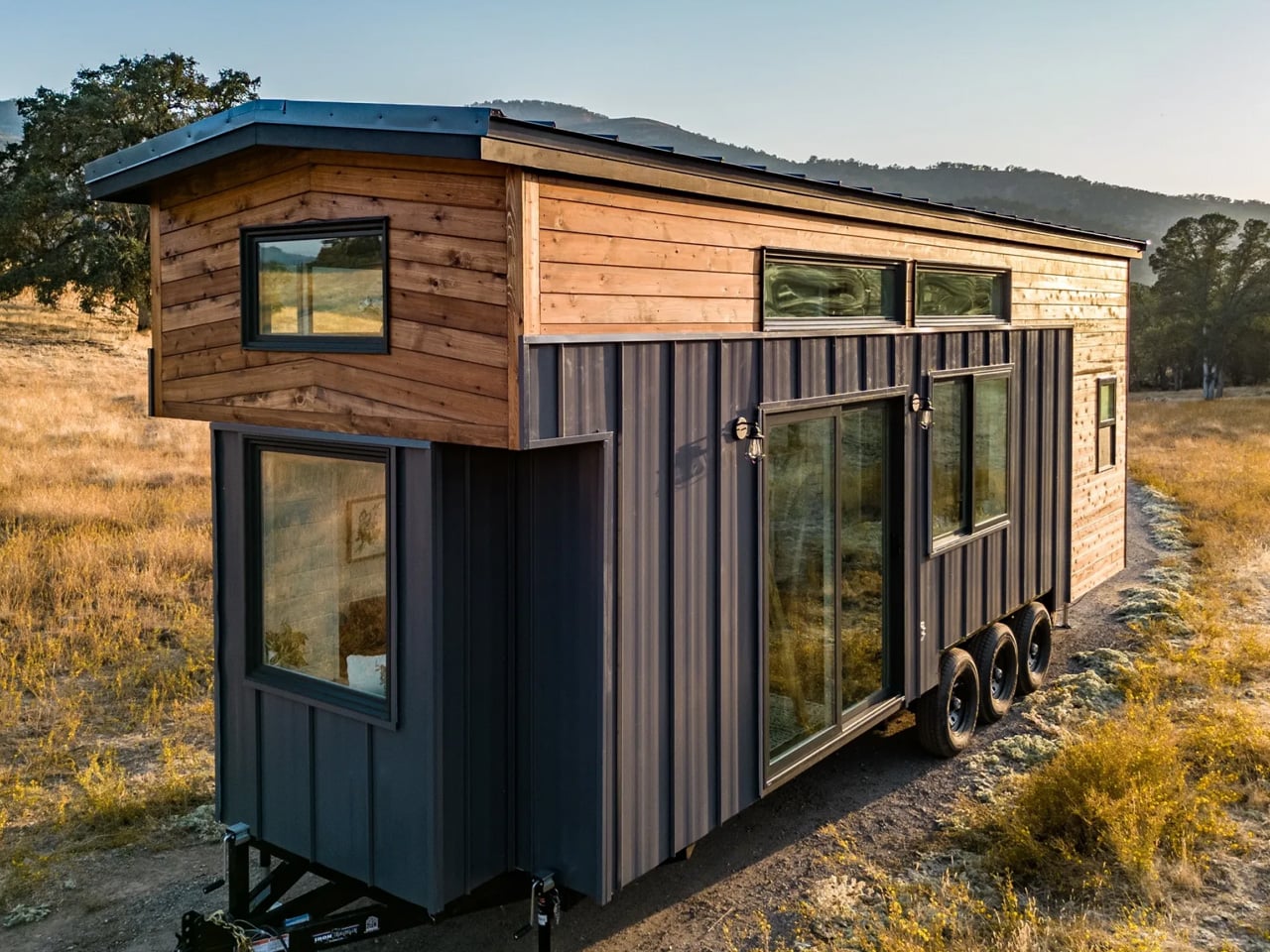
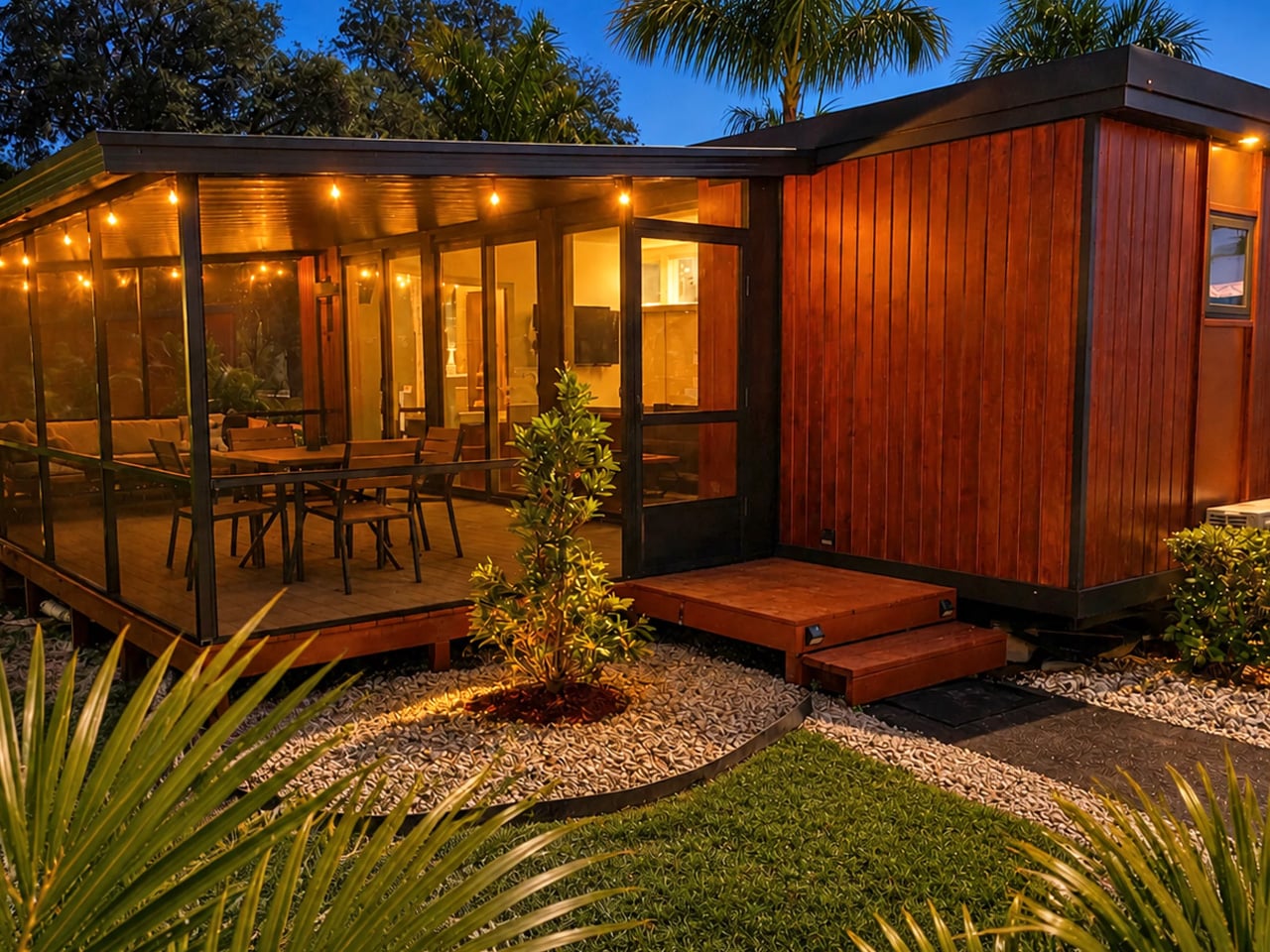
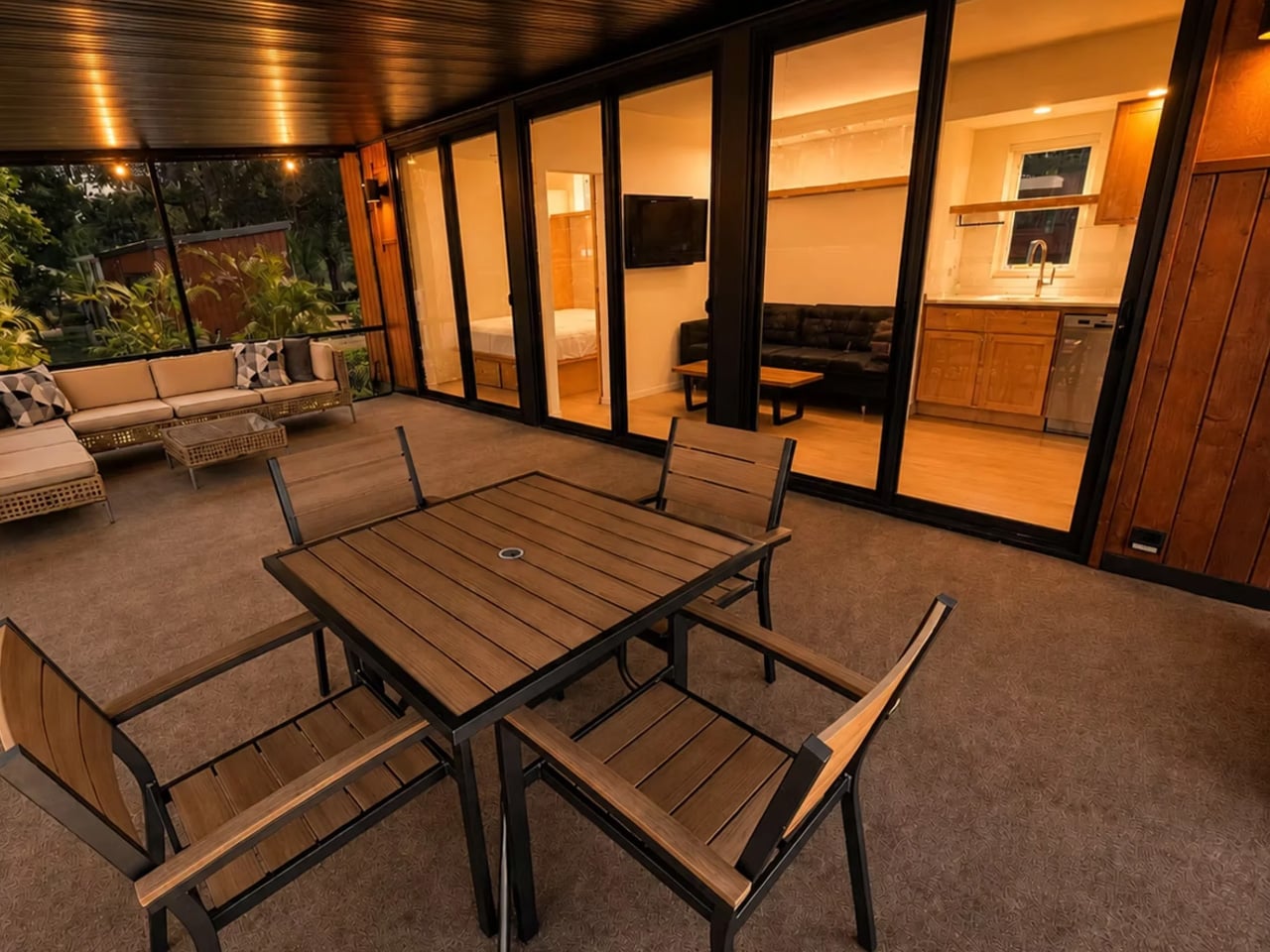
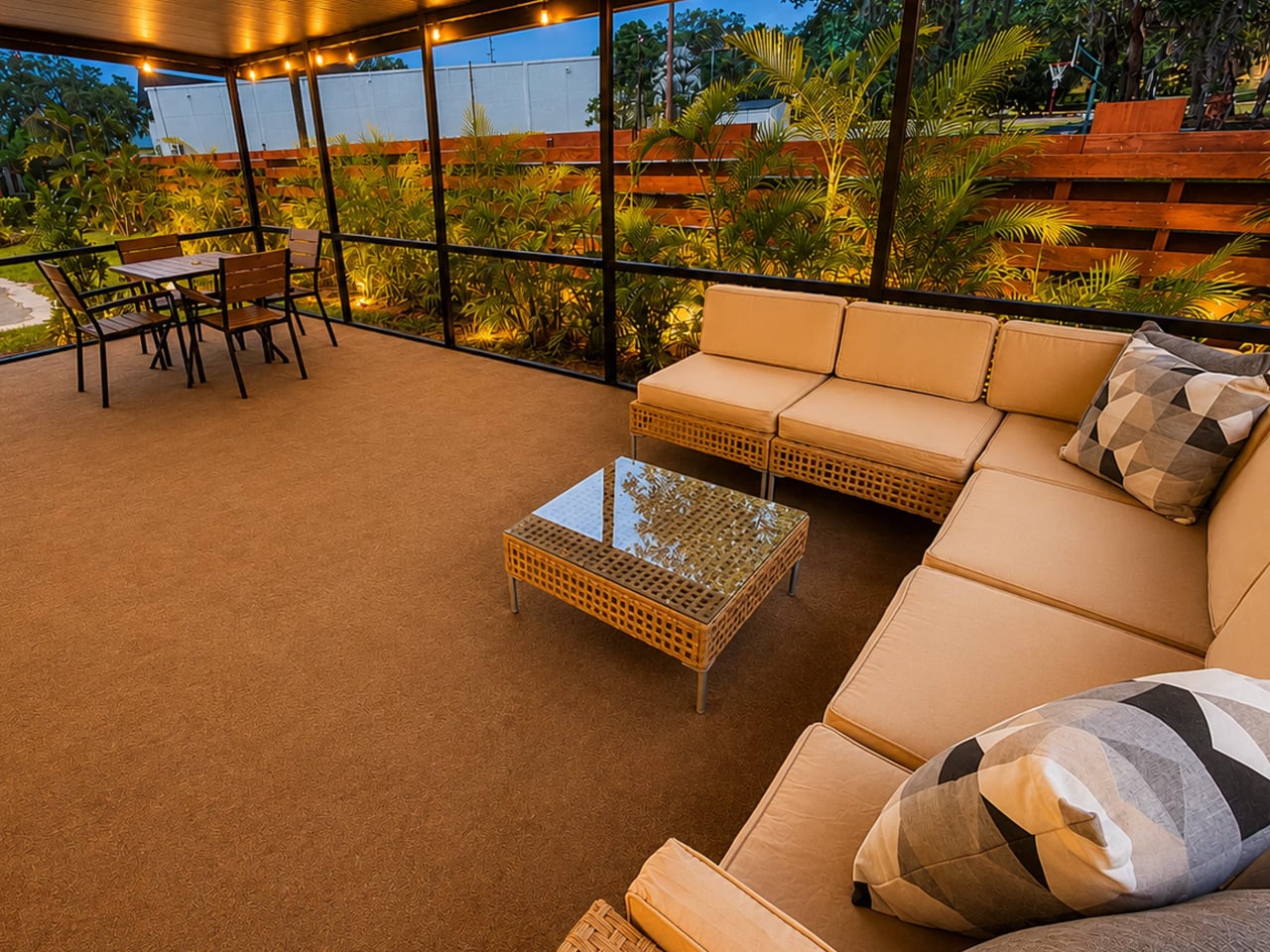
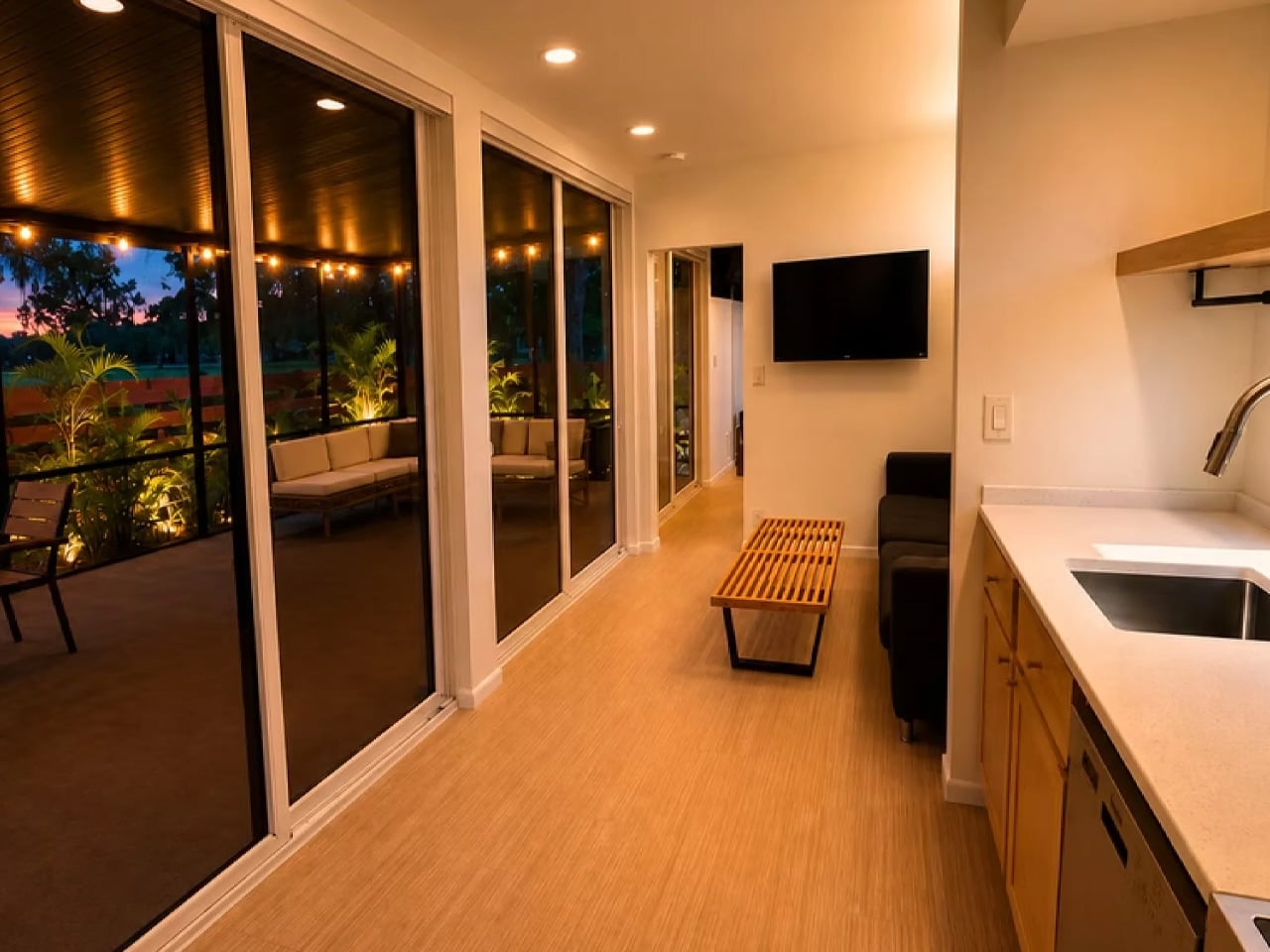
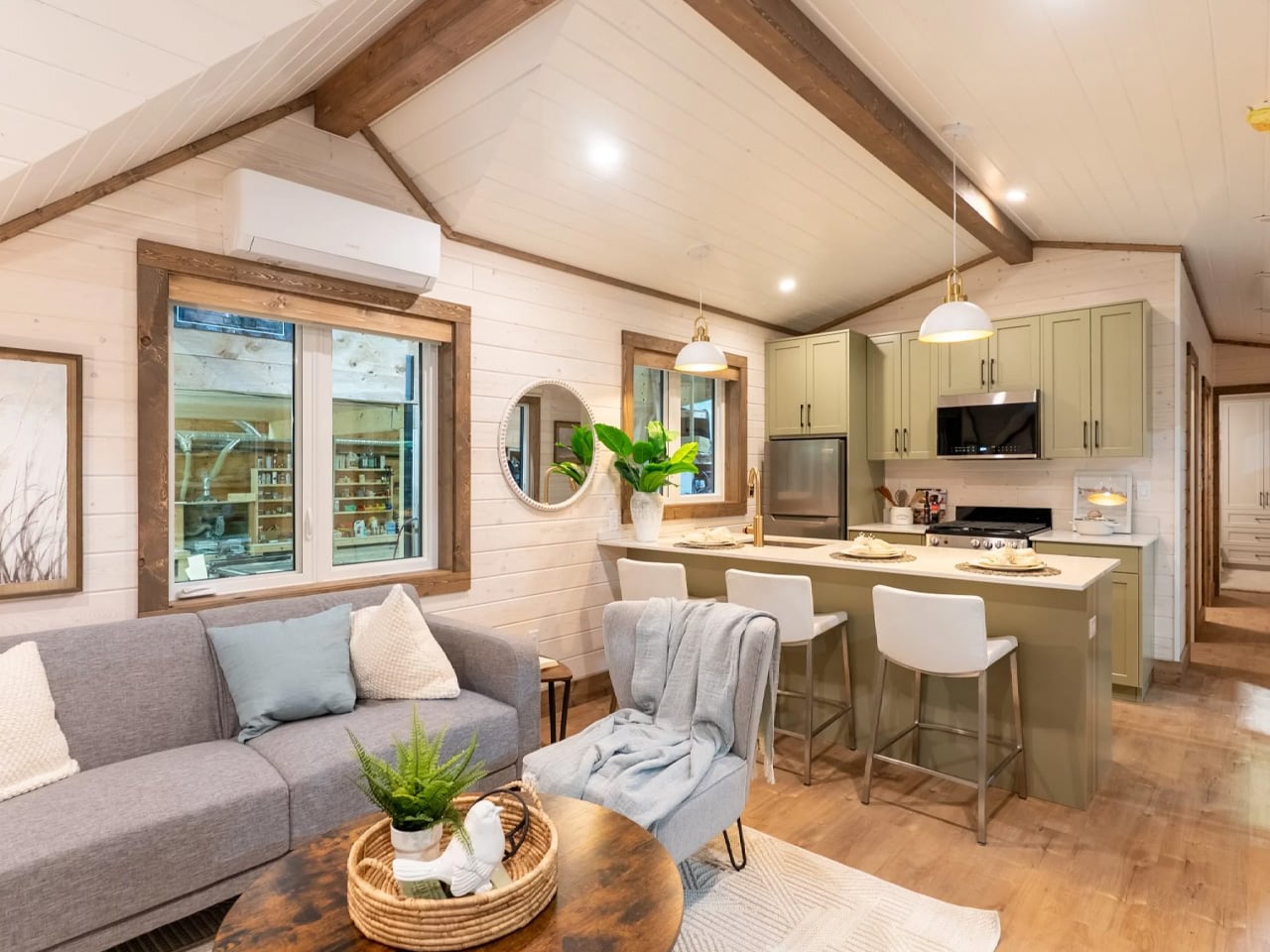
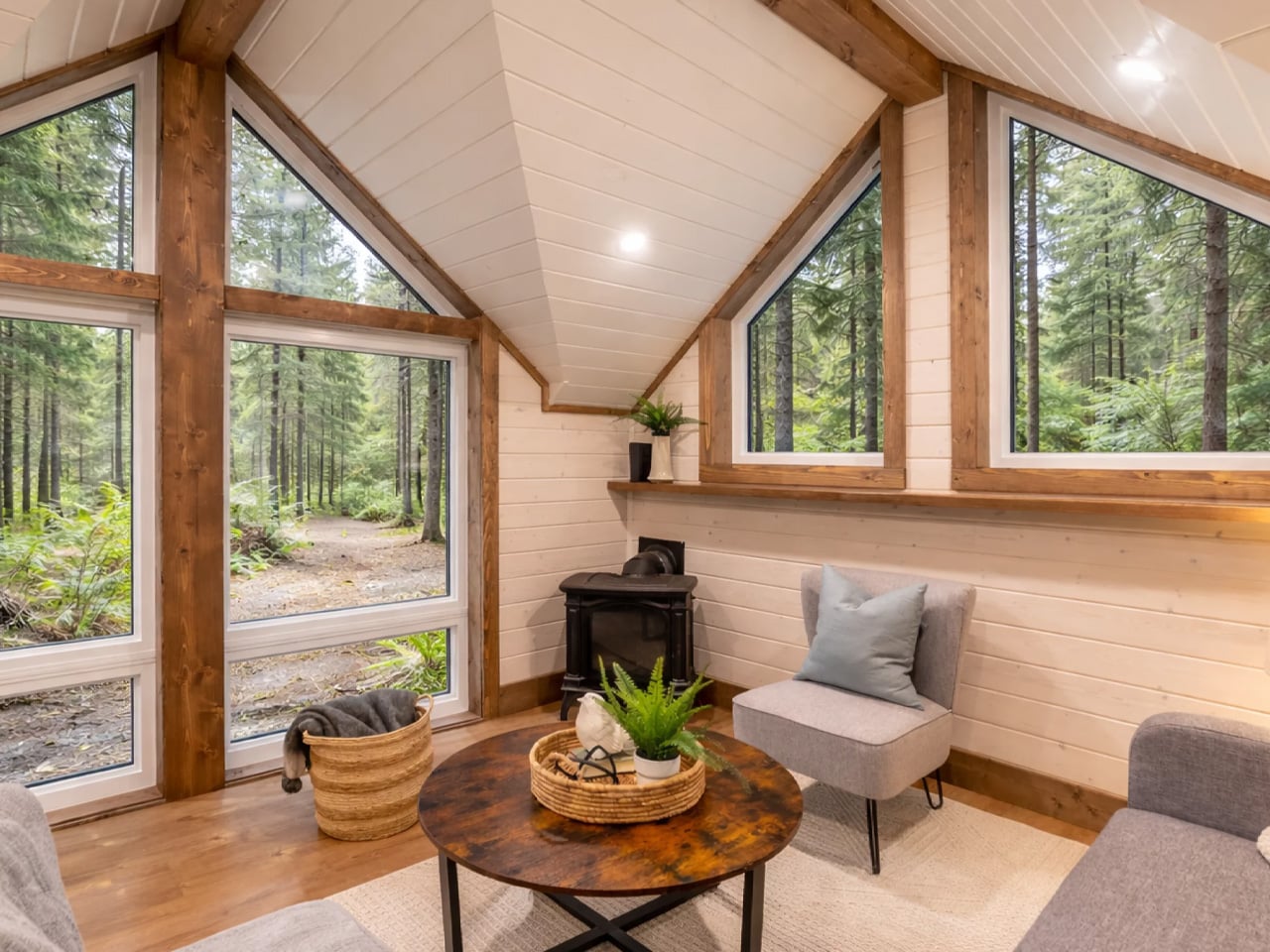
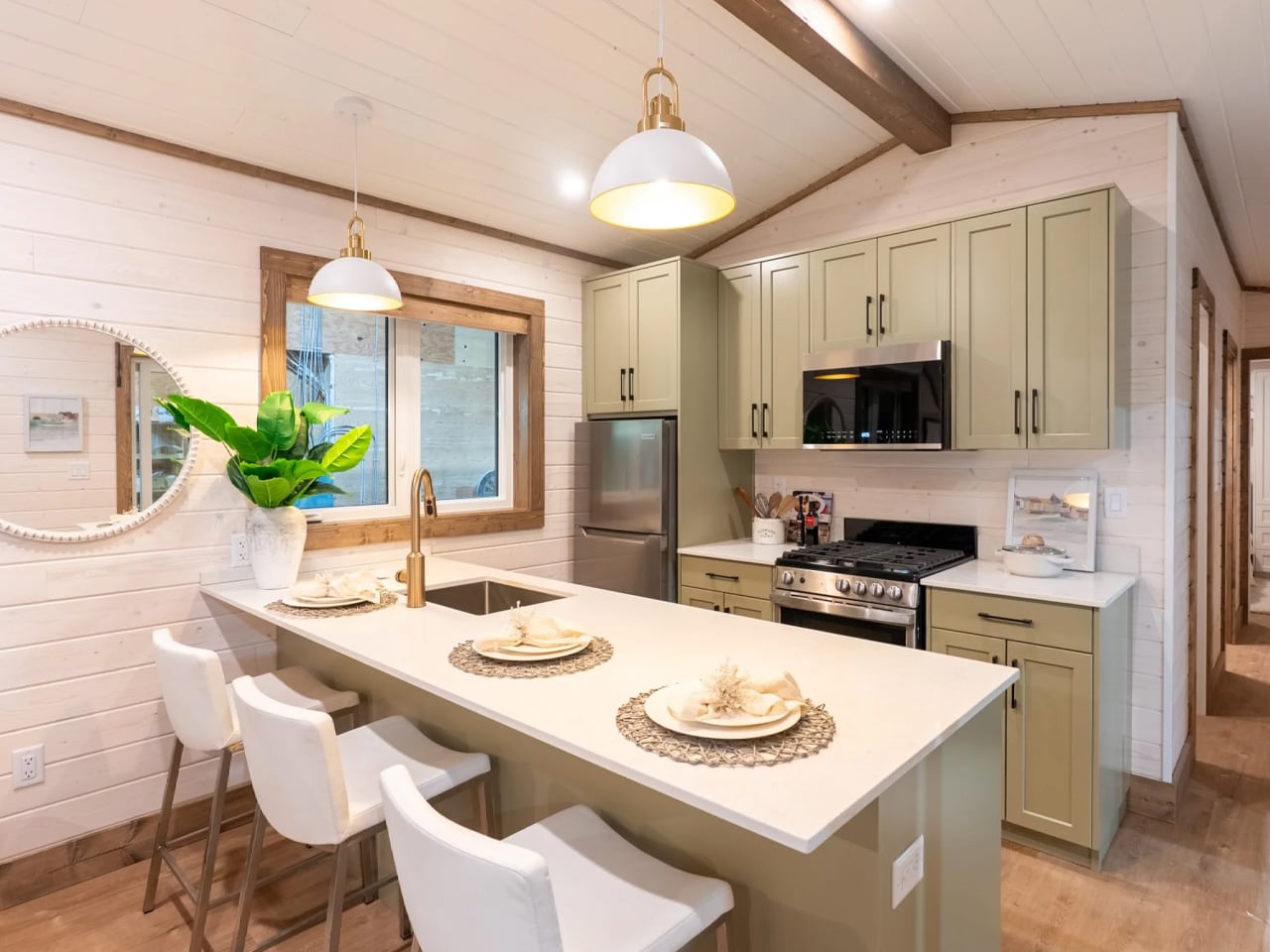
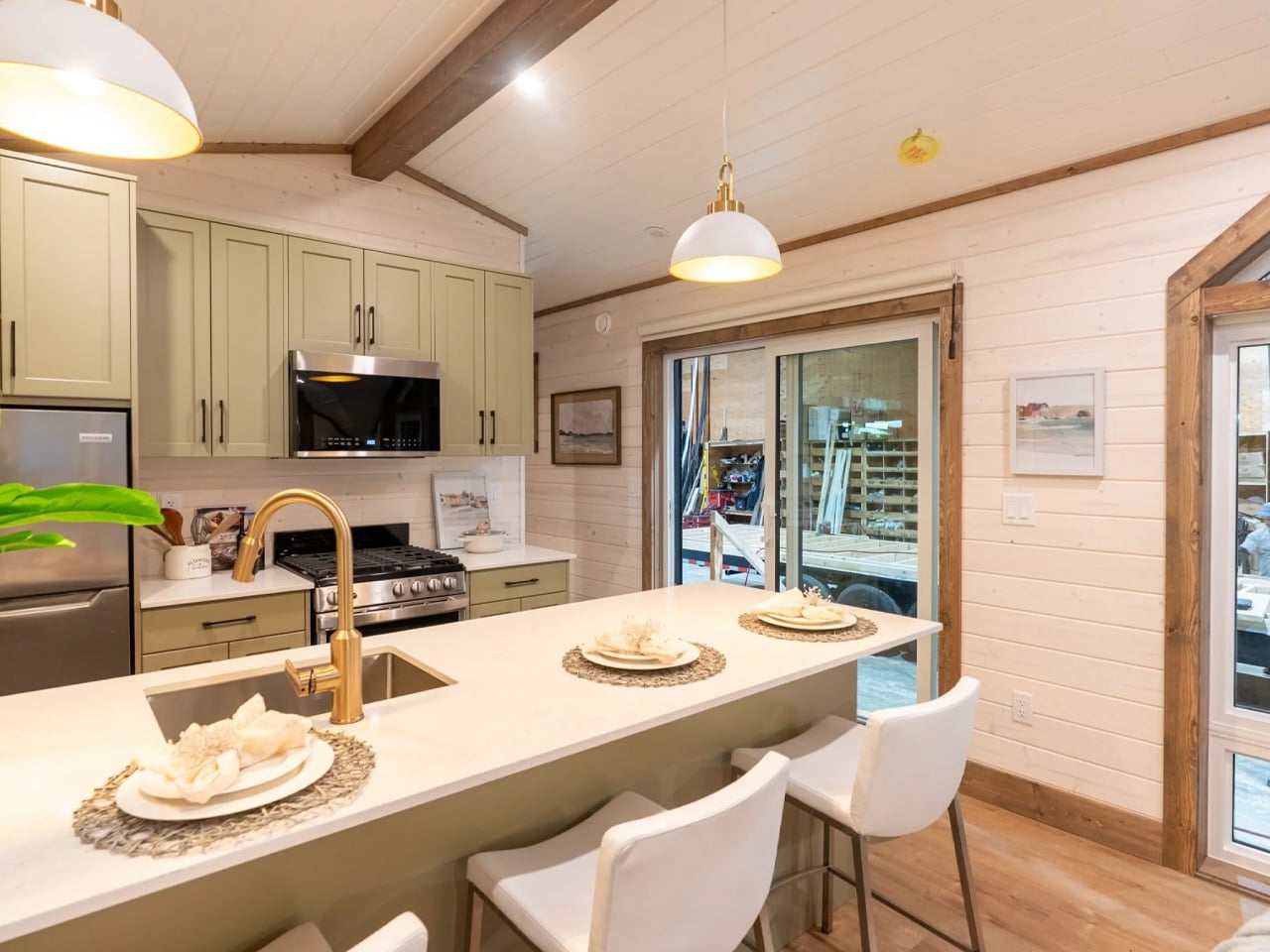
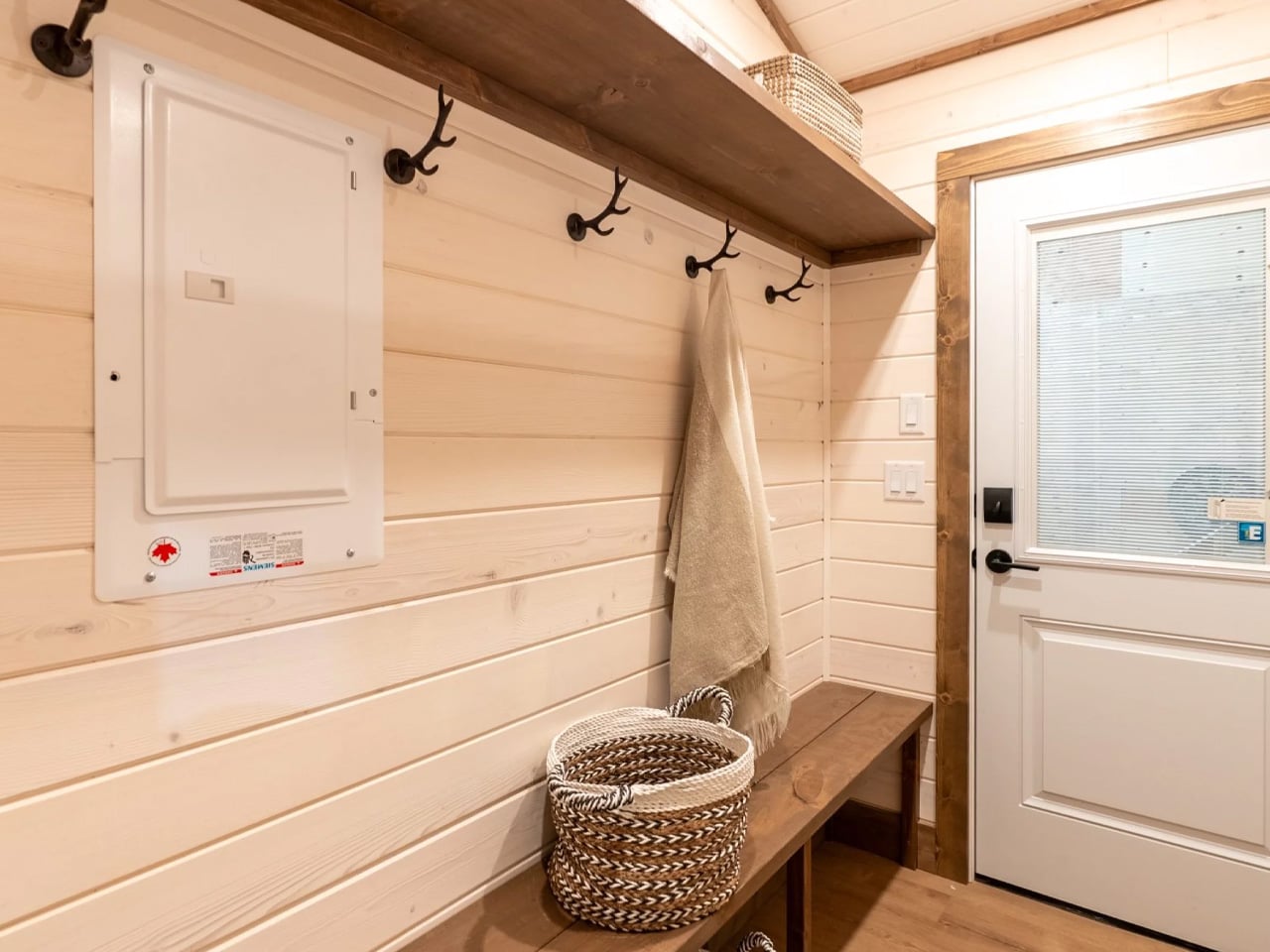
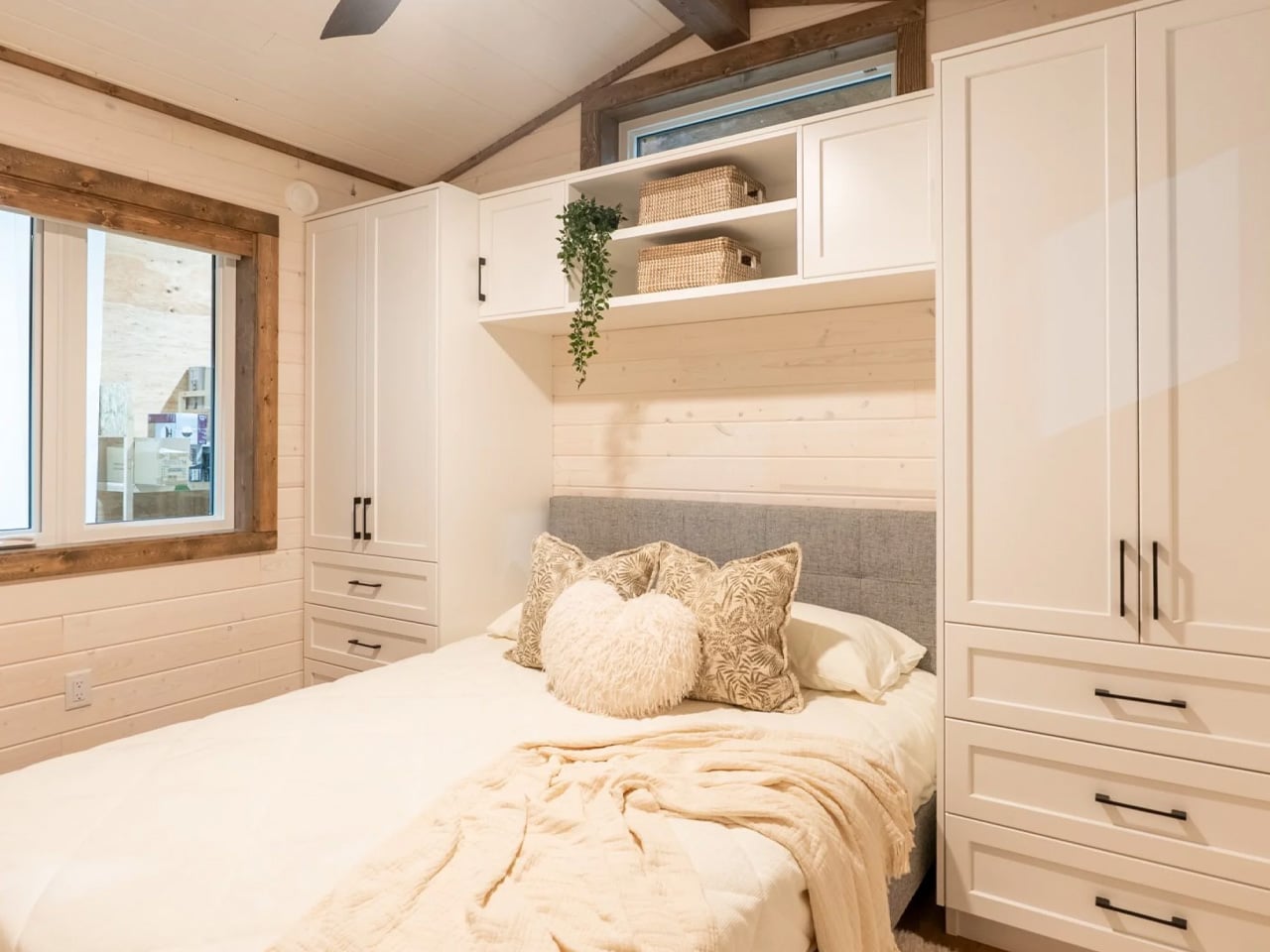
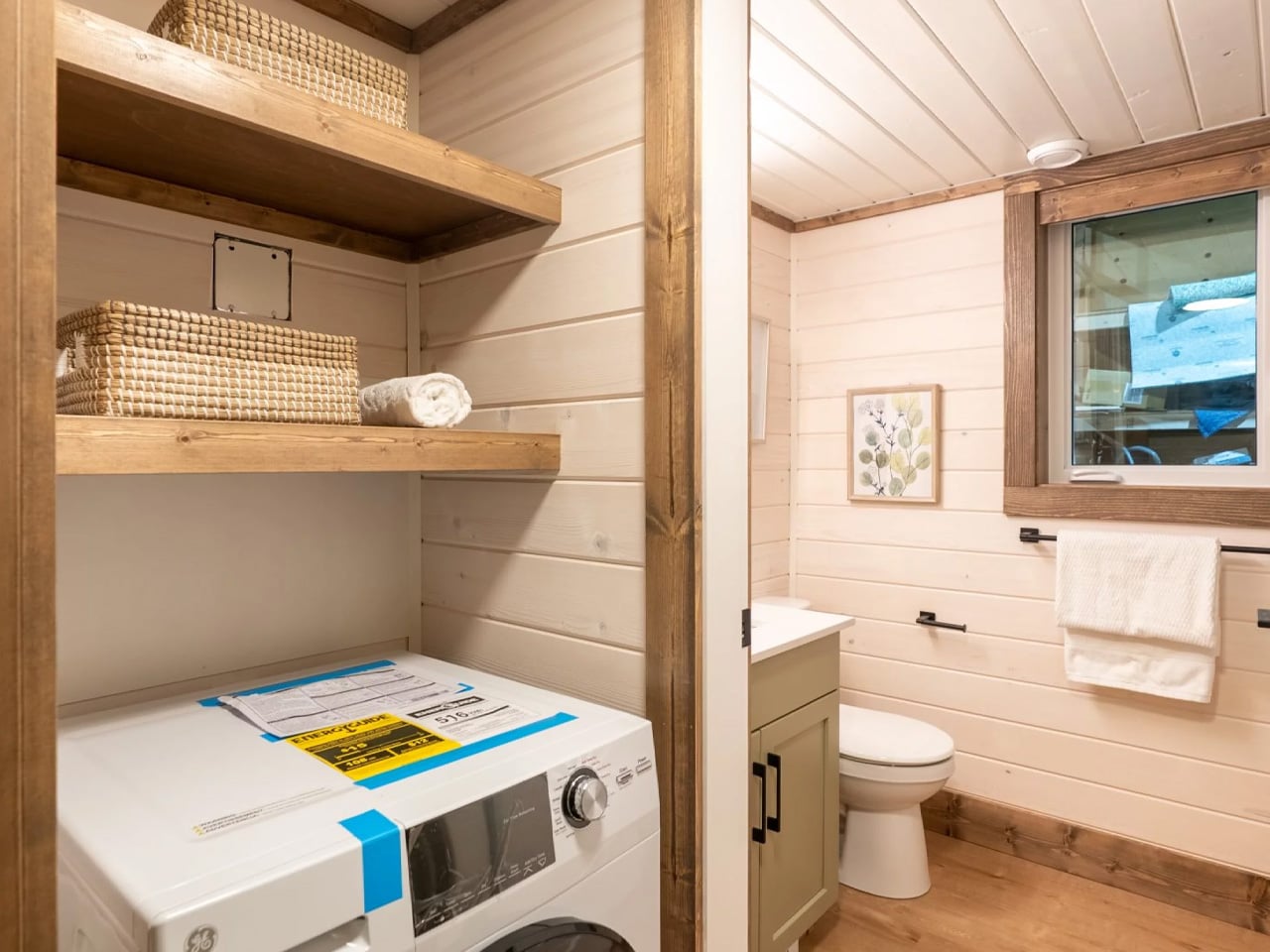
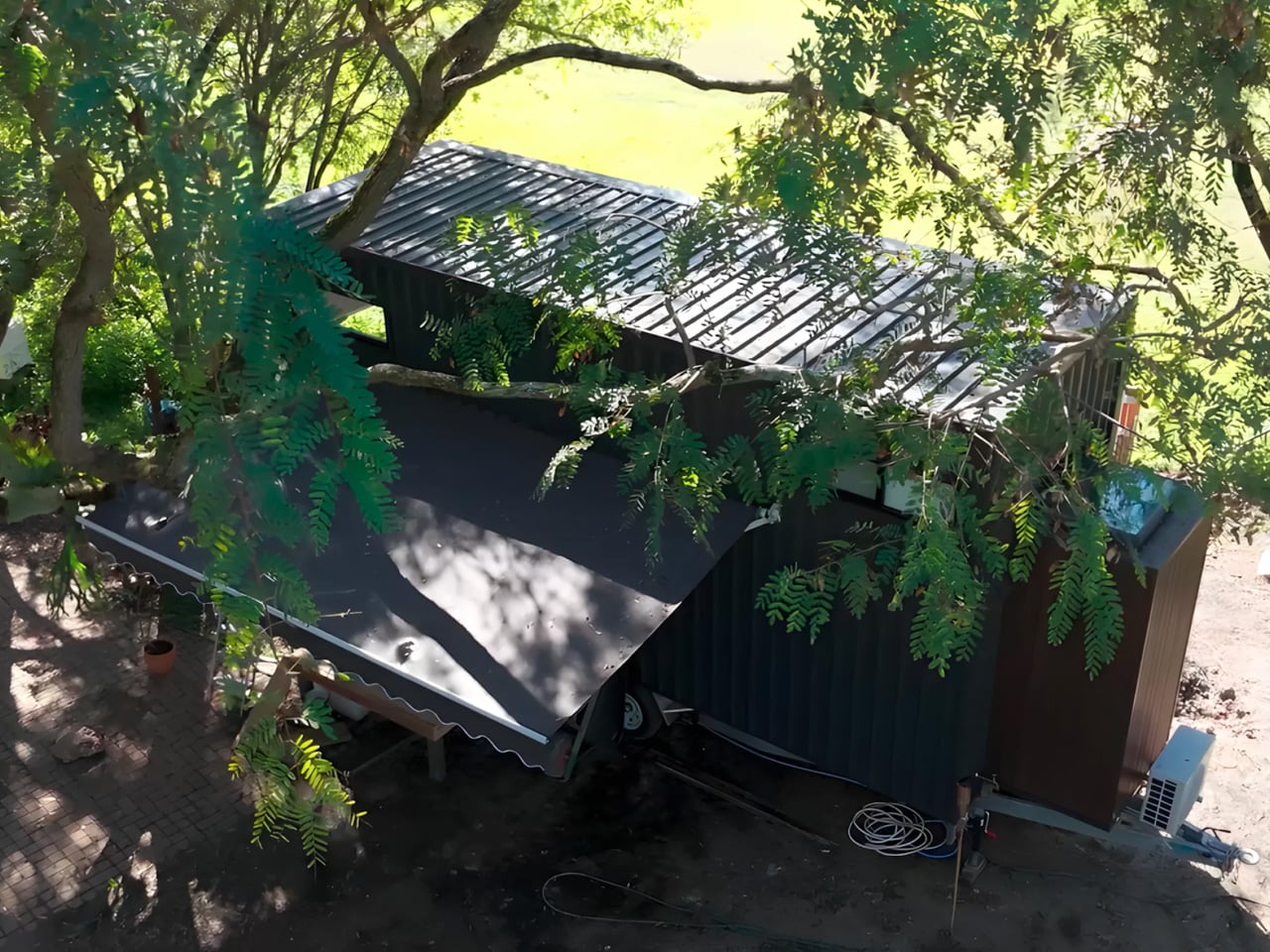
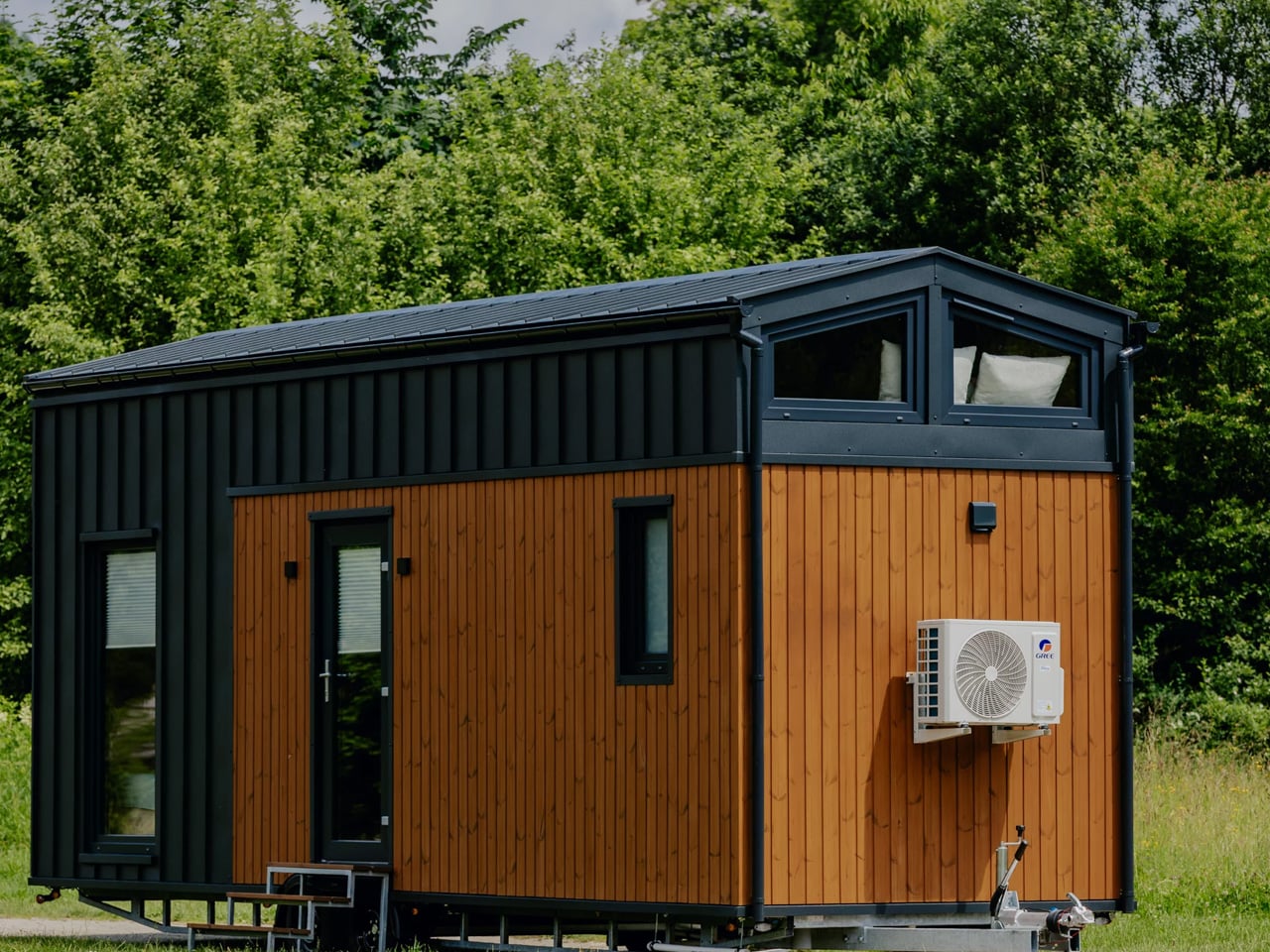
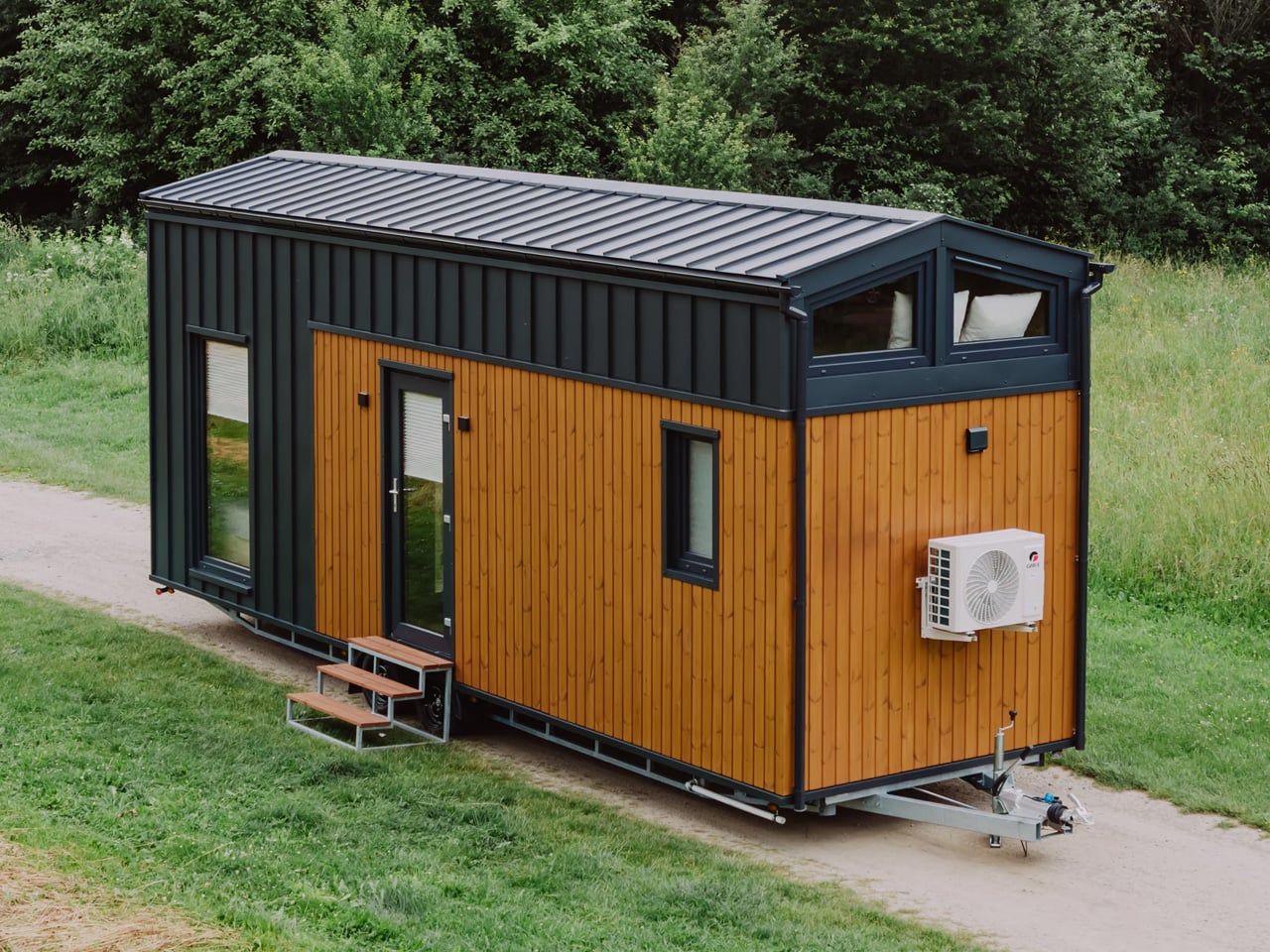
Most tiny homes ask you to compromise. The Cedar Ridge by JT Collective Tiny Homes doesn’t feel like one of them — a 360-square-foot house on wheels that trades the usual sense of sacrifice for something that genuinely feels considered. Built on an 8.5′ x 30′ triple-axle trailer with brakes and pier jacks for stability, it’s designed to move when you need it to and settle when you don’t.
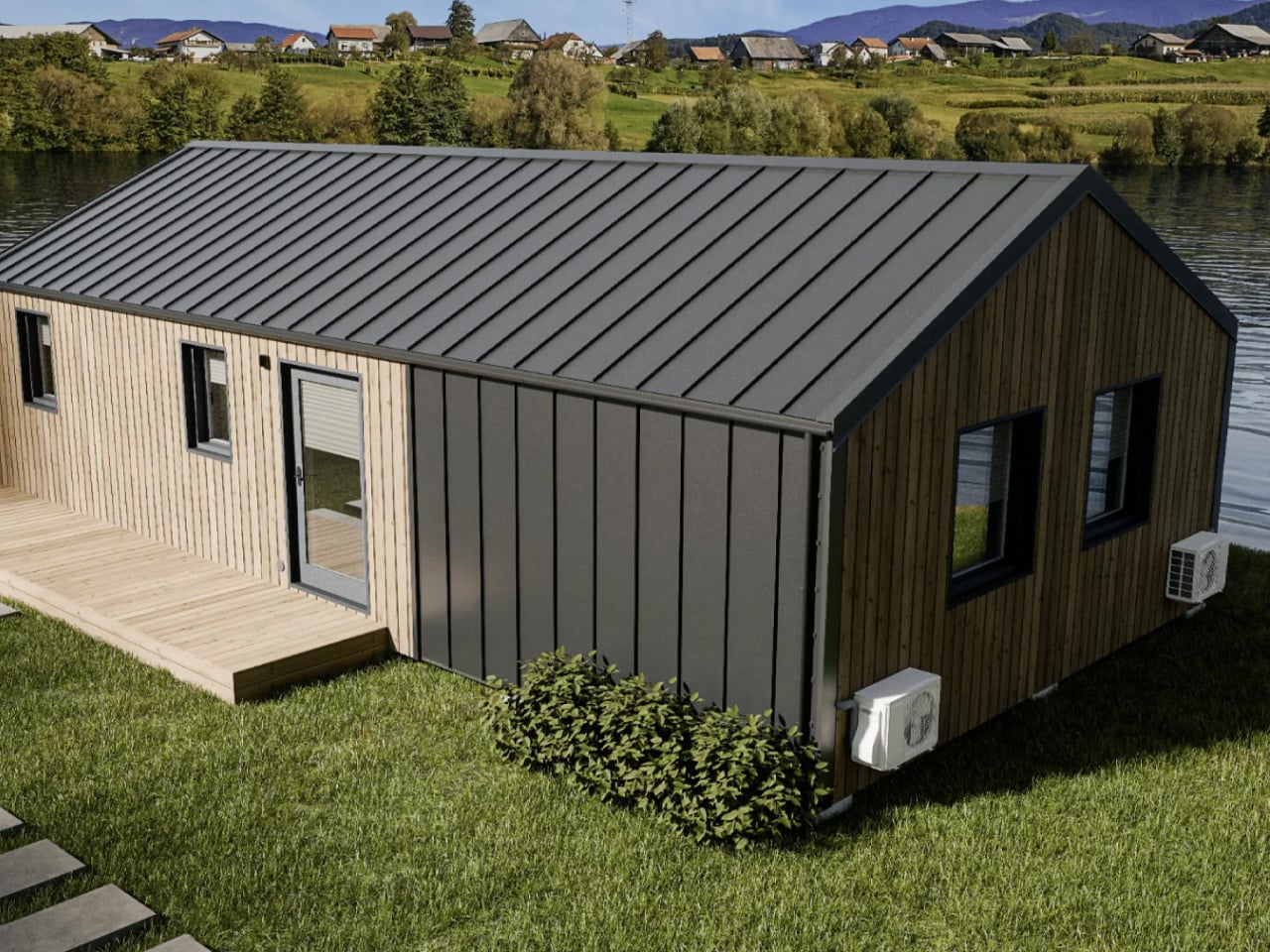
The exterior makes the first case. Cedar cladding runs alongside dark grey metal accents, giving the home a rugged, farmhouse-inflected look that holds up in nearly any landscape. Large front and upper windows pull natural light deep into the interior, and two entry points — a single glass door and wider sliding glass doors — keep things airy without compromising the insulated envelope. The dual-pane, tempered windows are built for longevity, not just aesthetics.
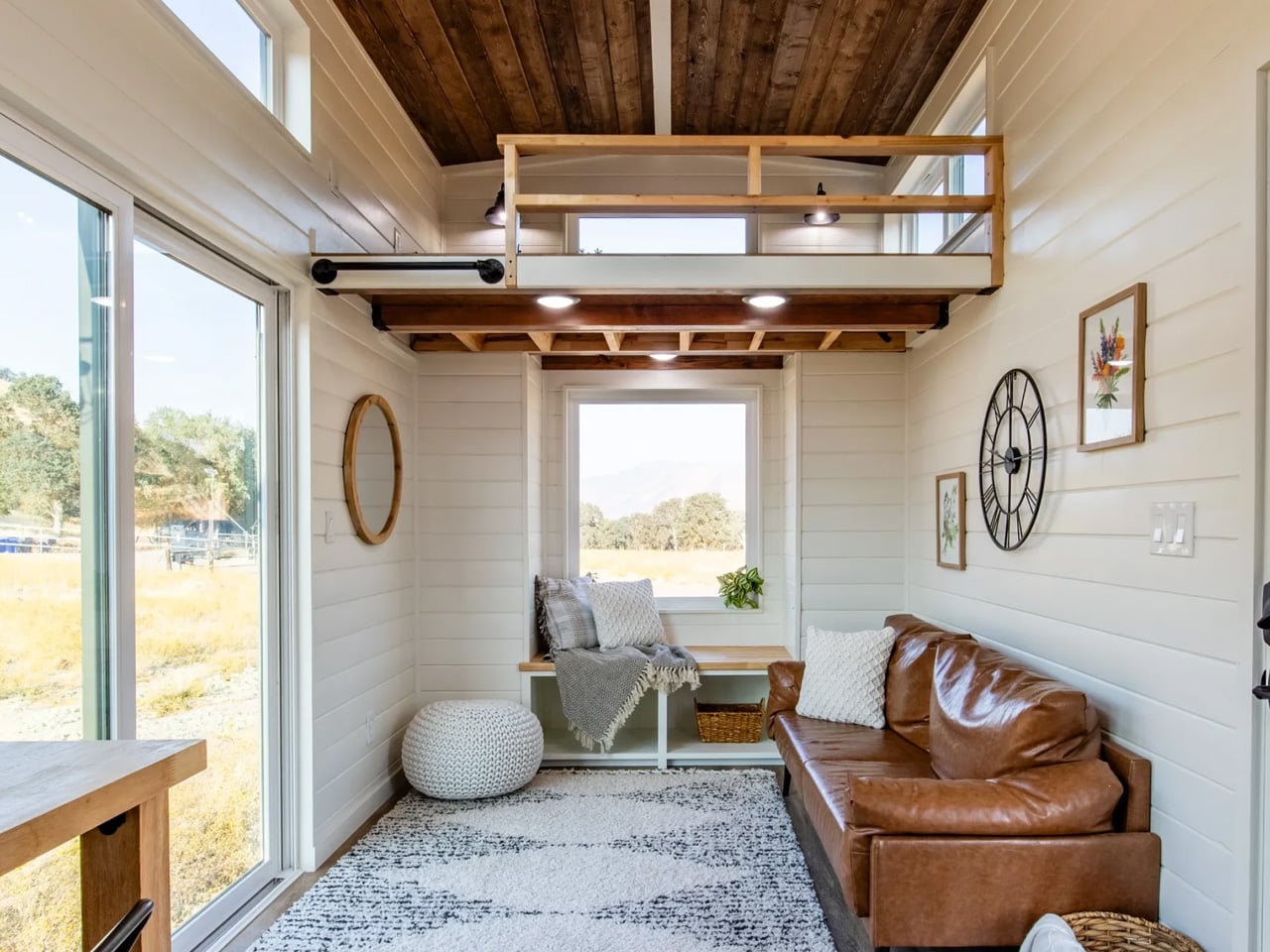
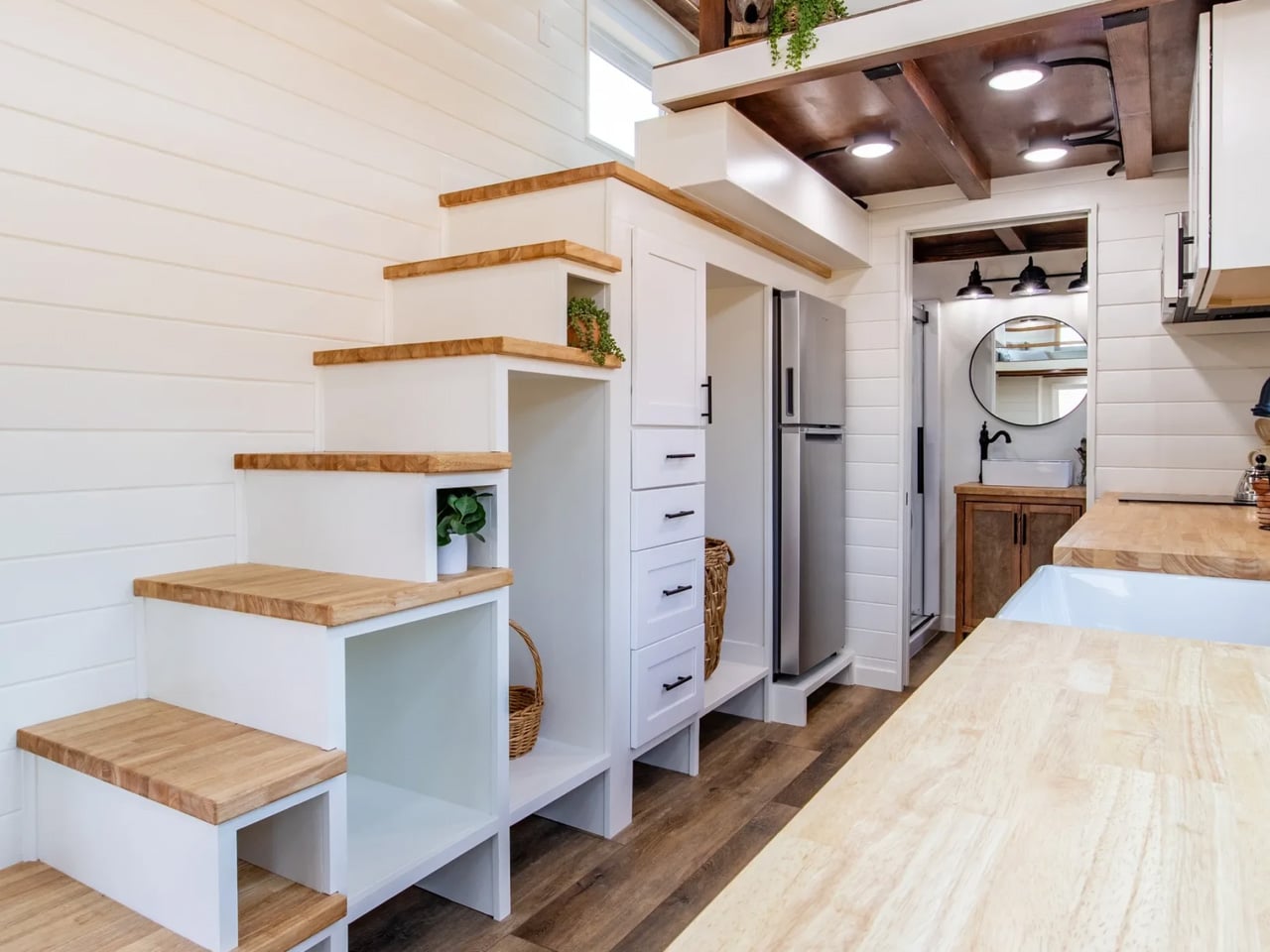
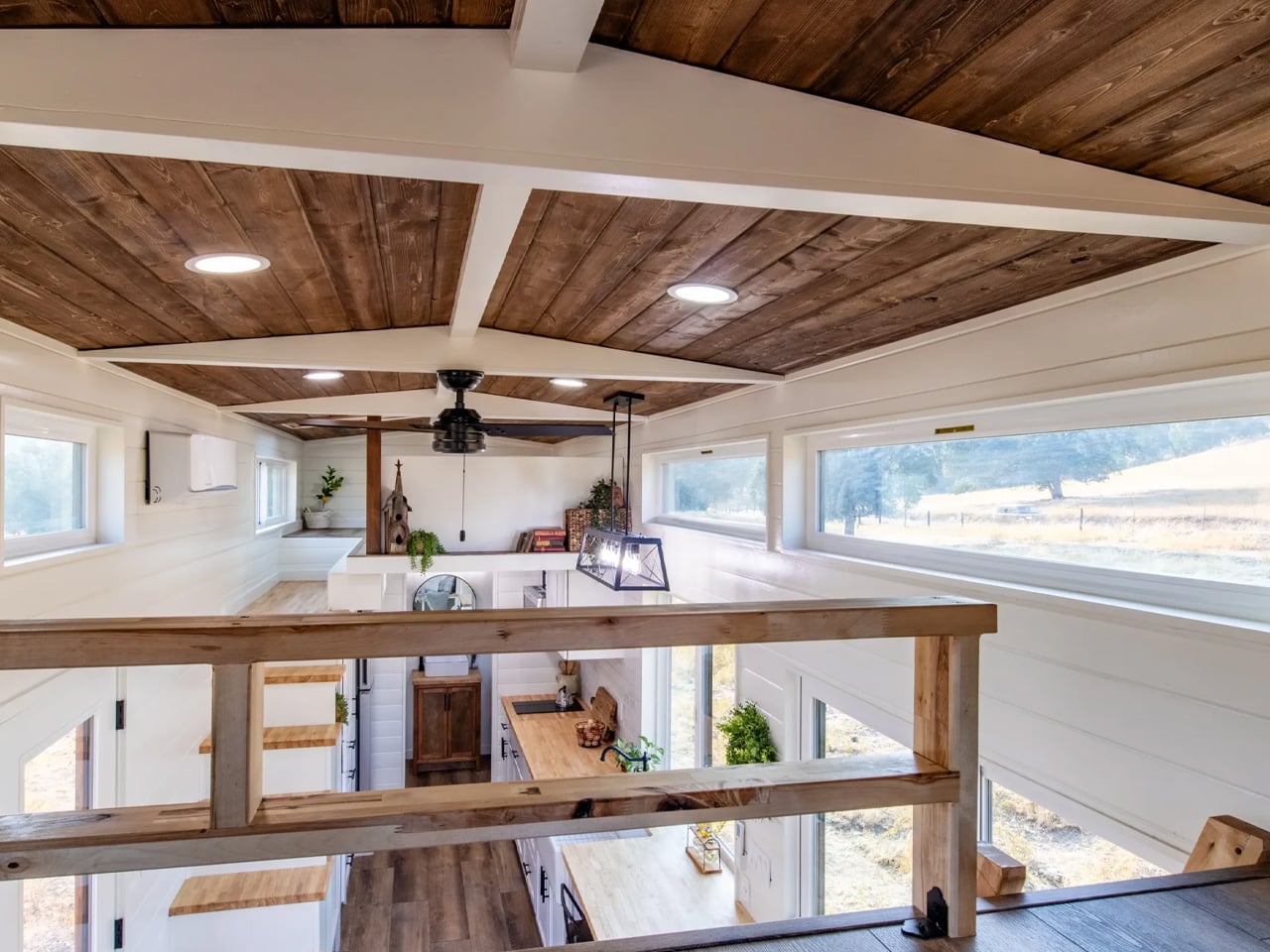
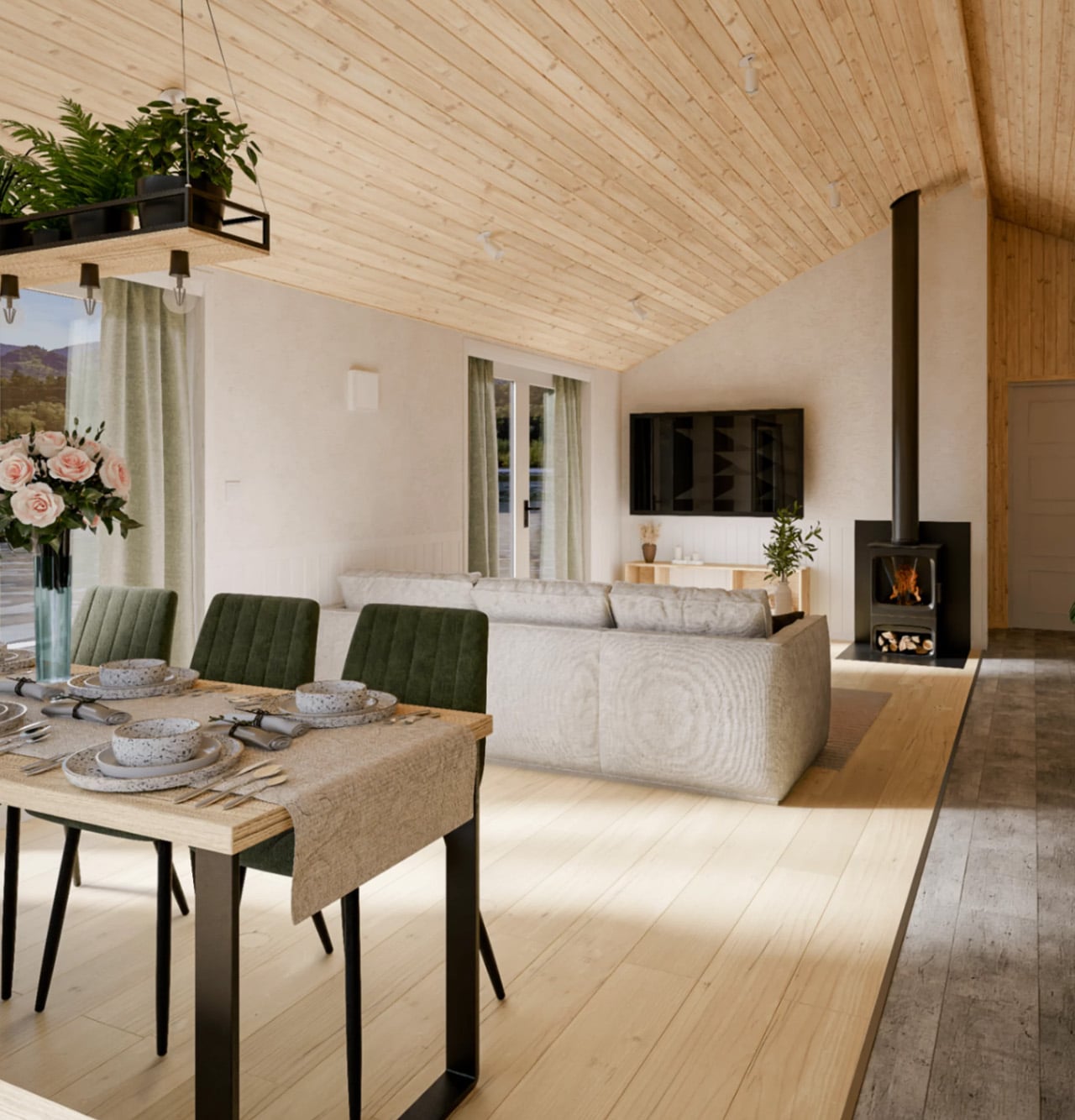
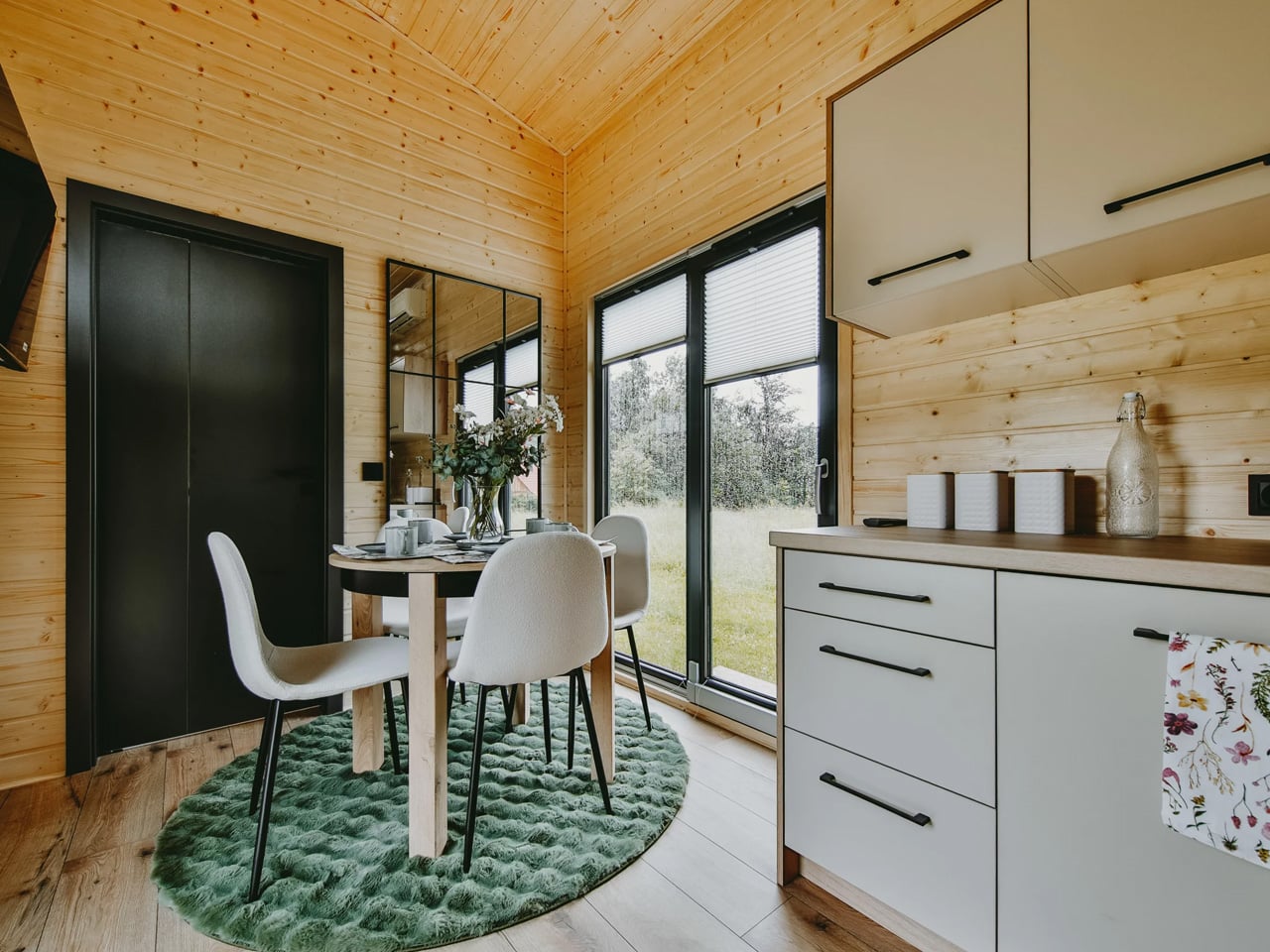
Step inside and the 360 square feet feel surprisingly open. White shiplap paneling, exposed timber beams, and warm wooden accents run throughout, and the living room anchors the space with a cozy window seat with built-in storage — a detail you rarely find at this scale. A ceiling fan and a wall-mounted mini-split handle the climate year-round. Nothing about the layout feels pinched.
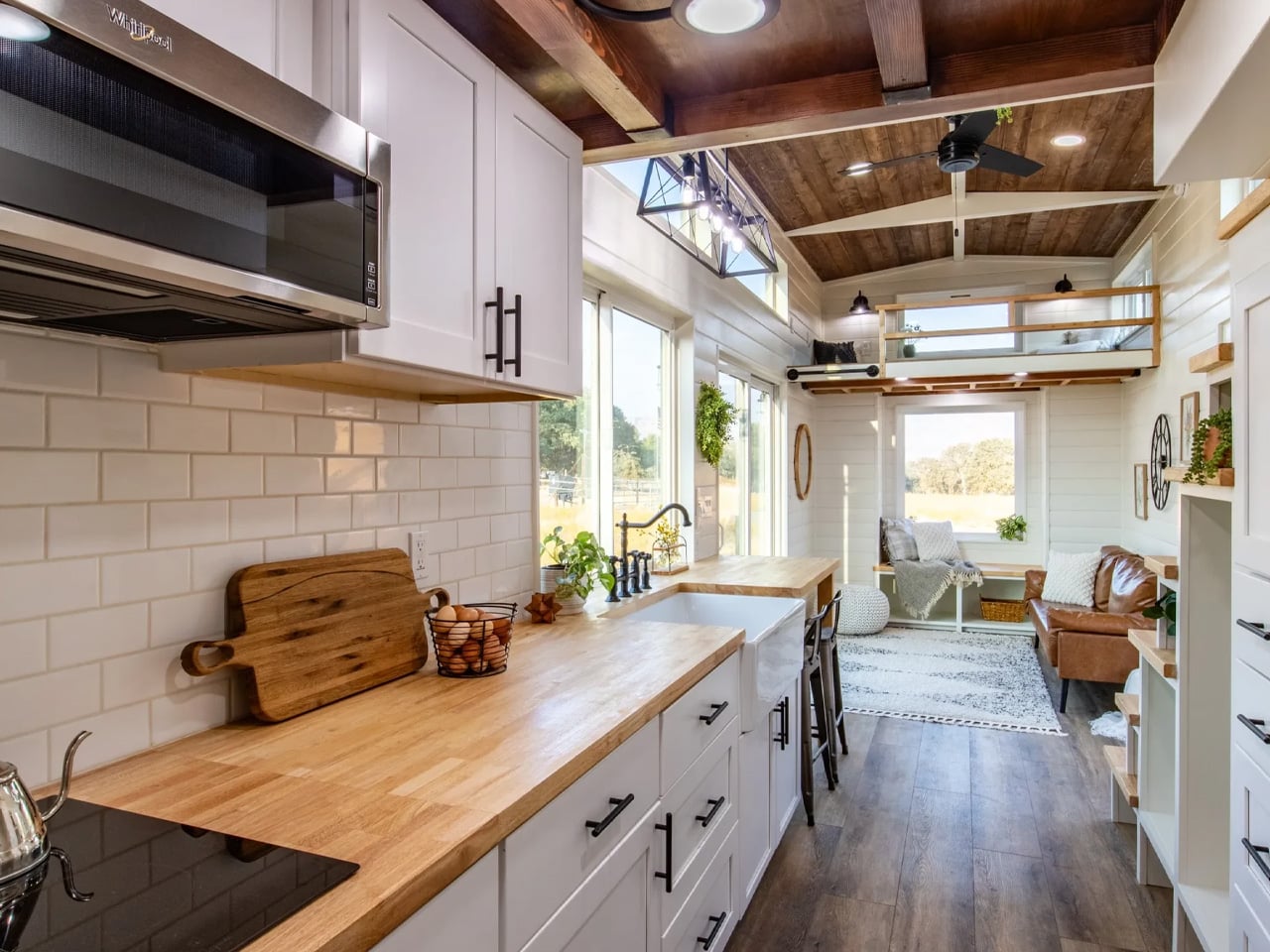
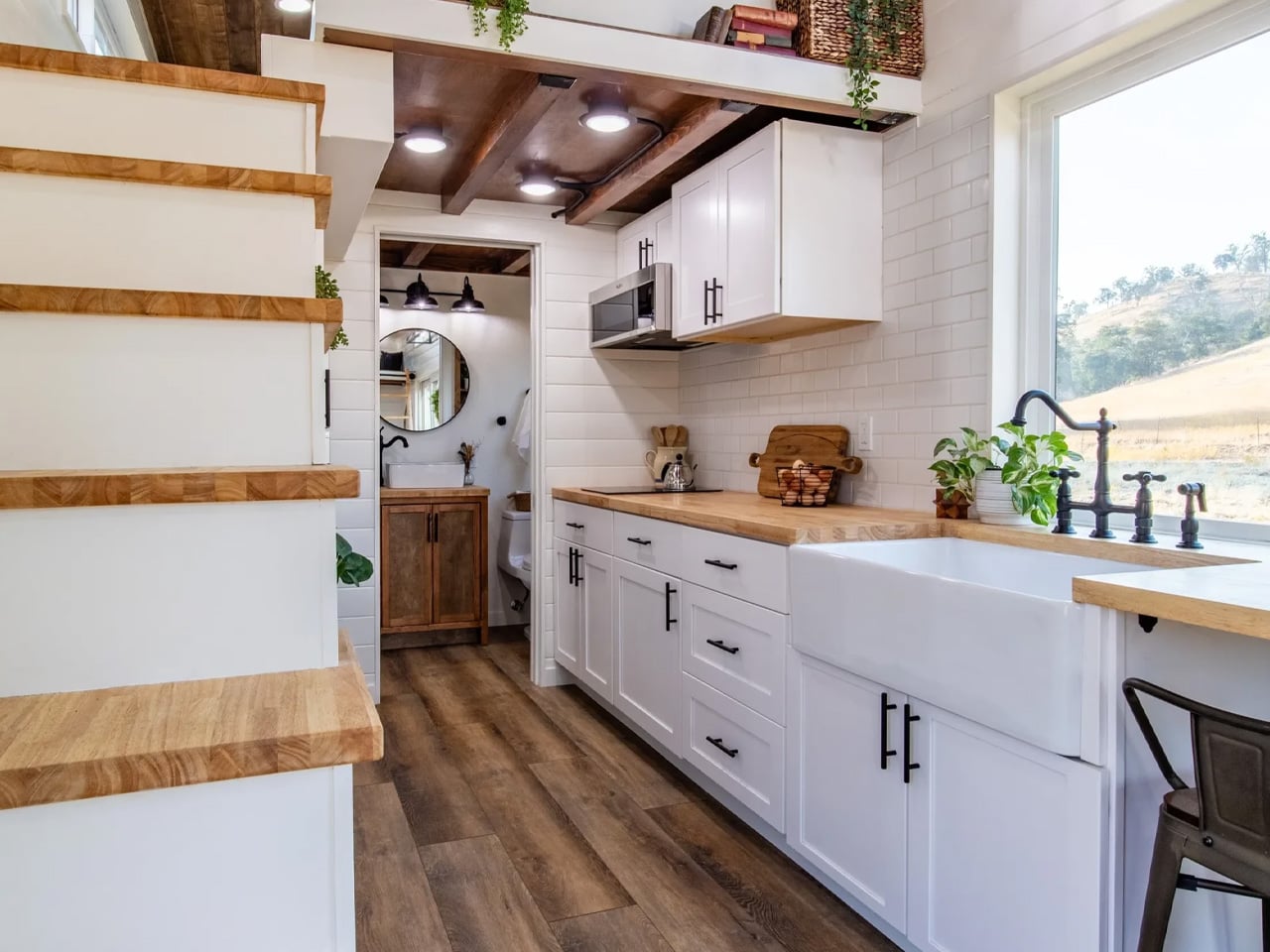
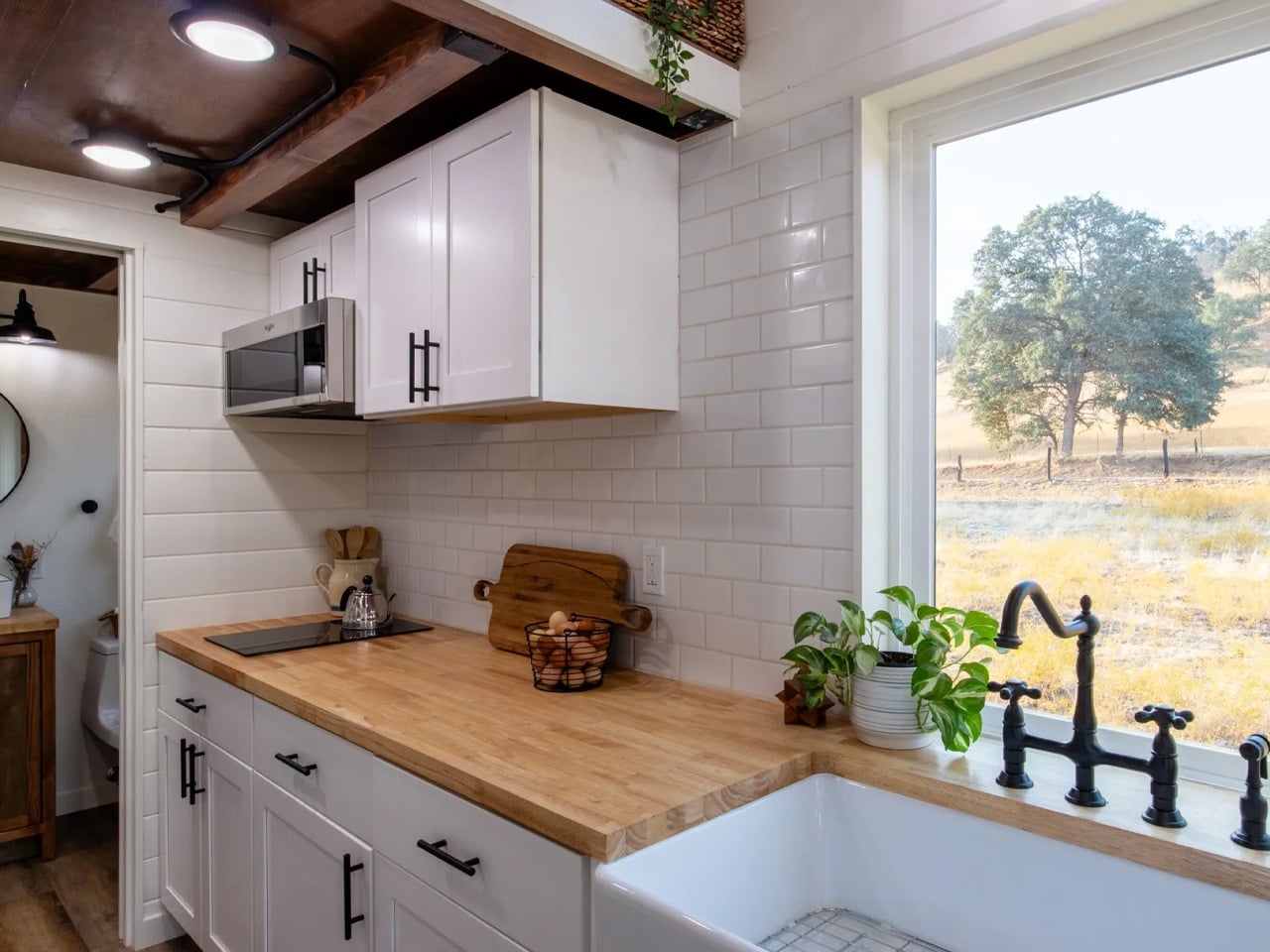
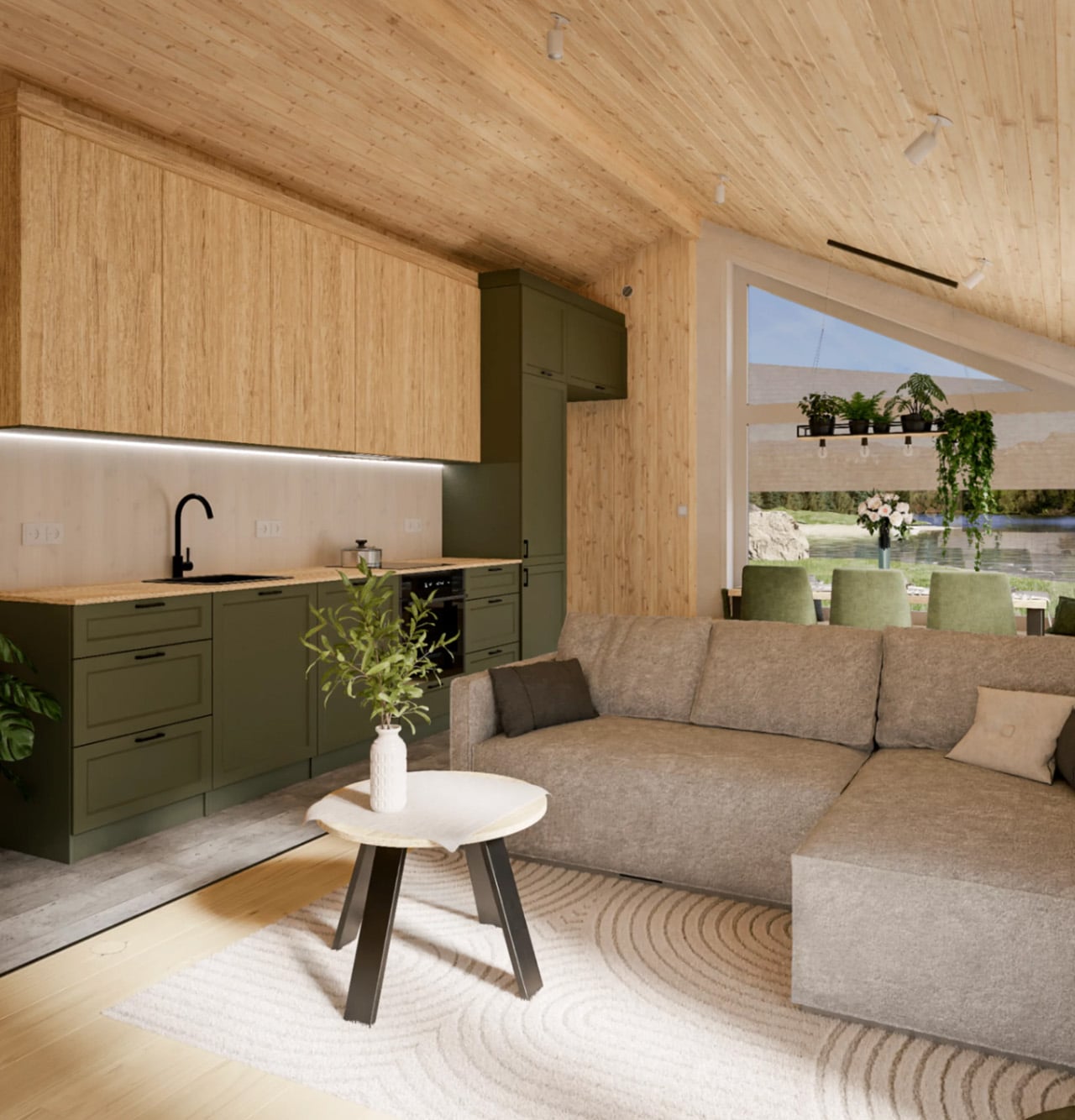
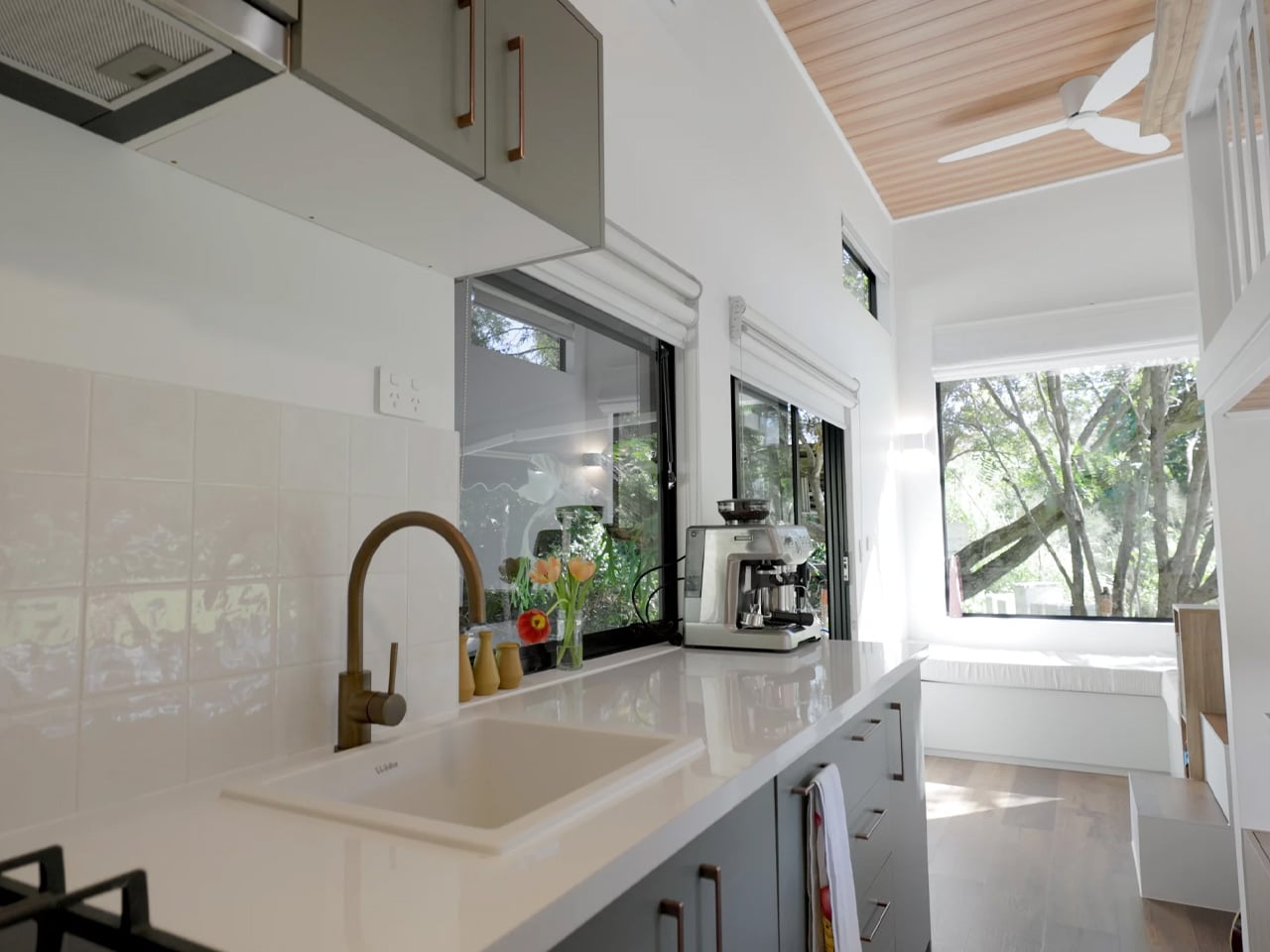
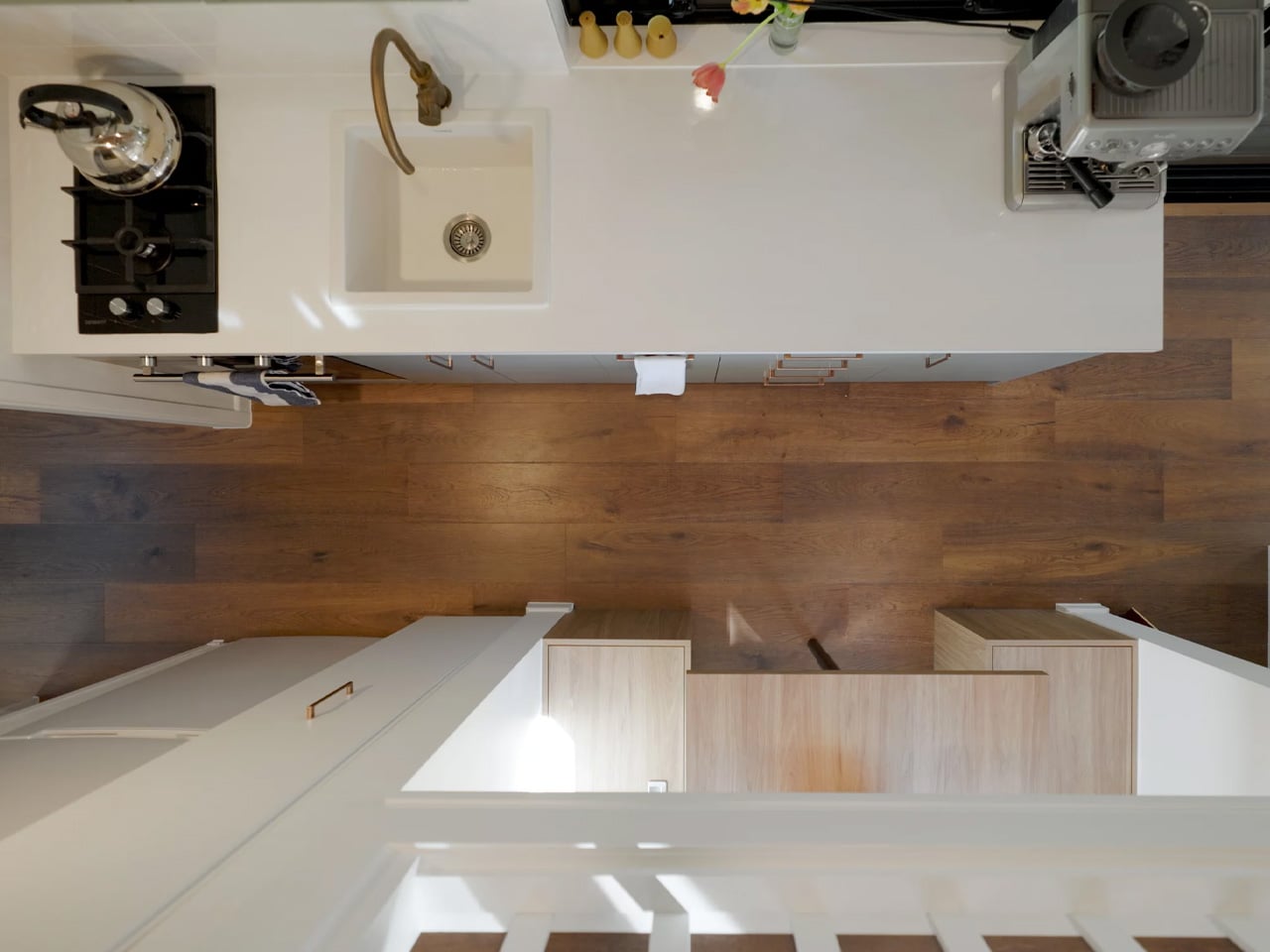
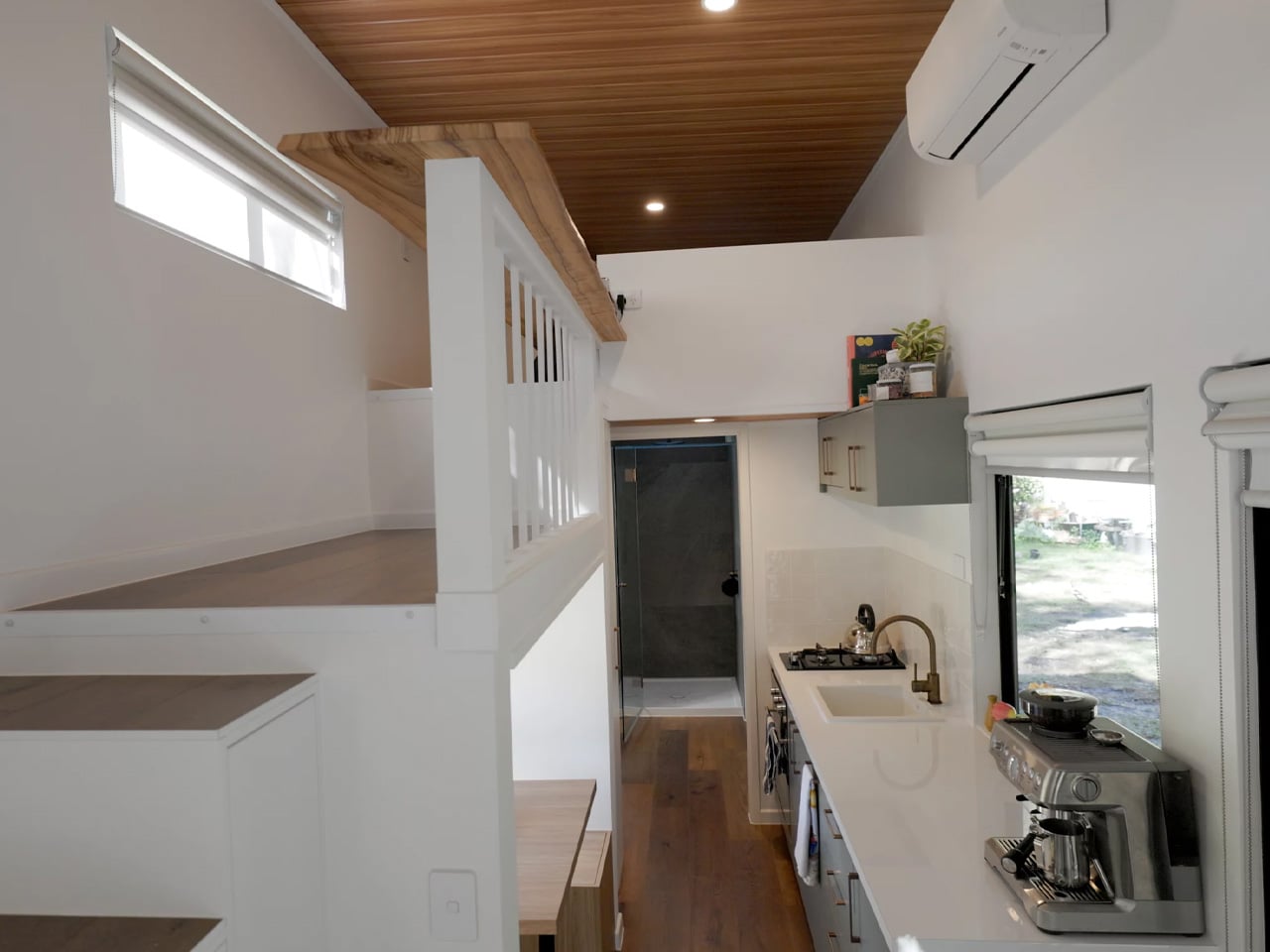
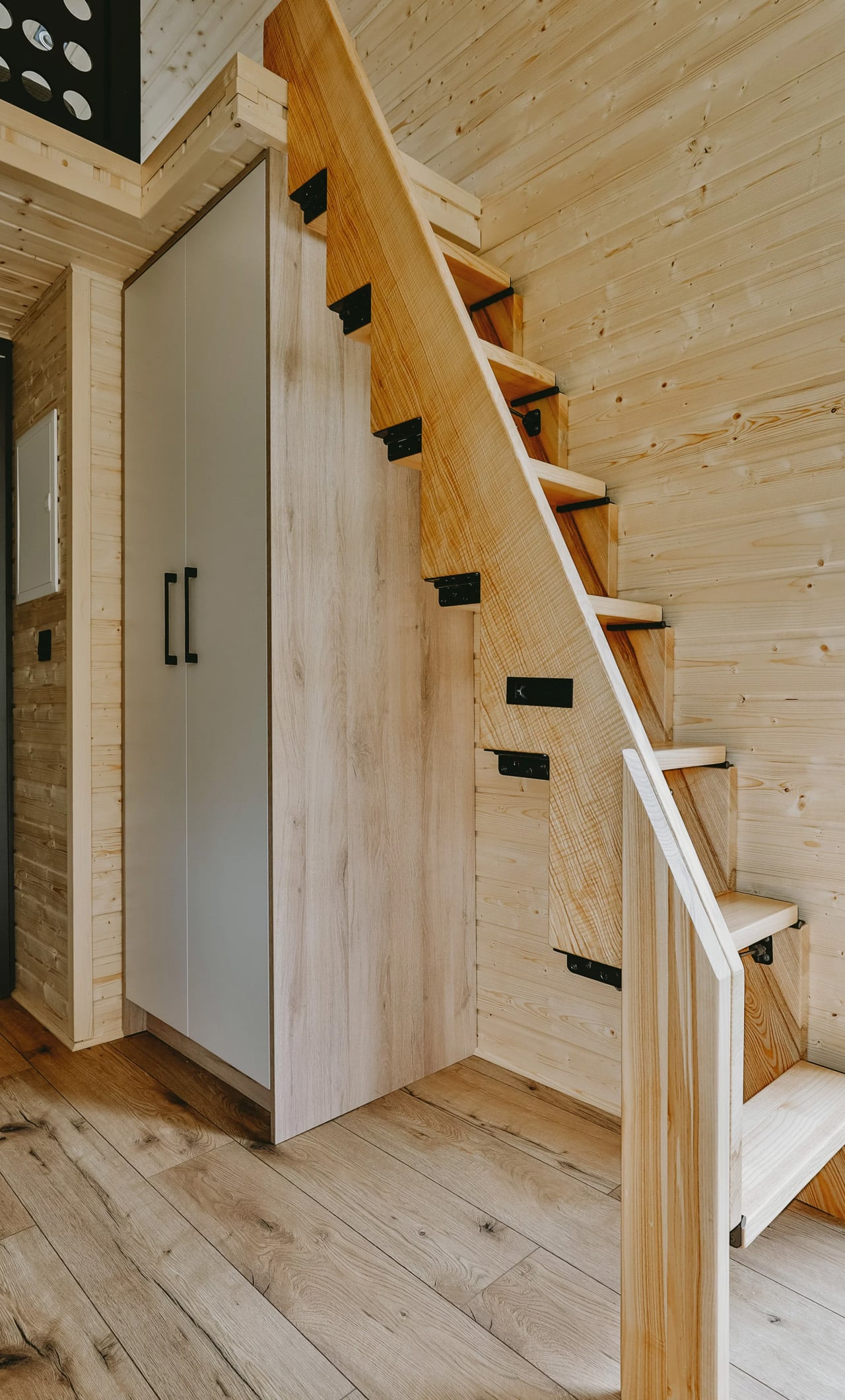
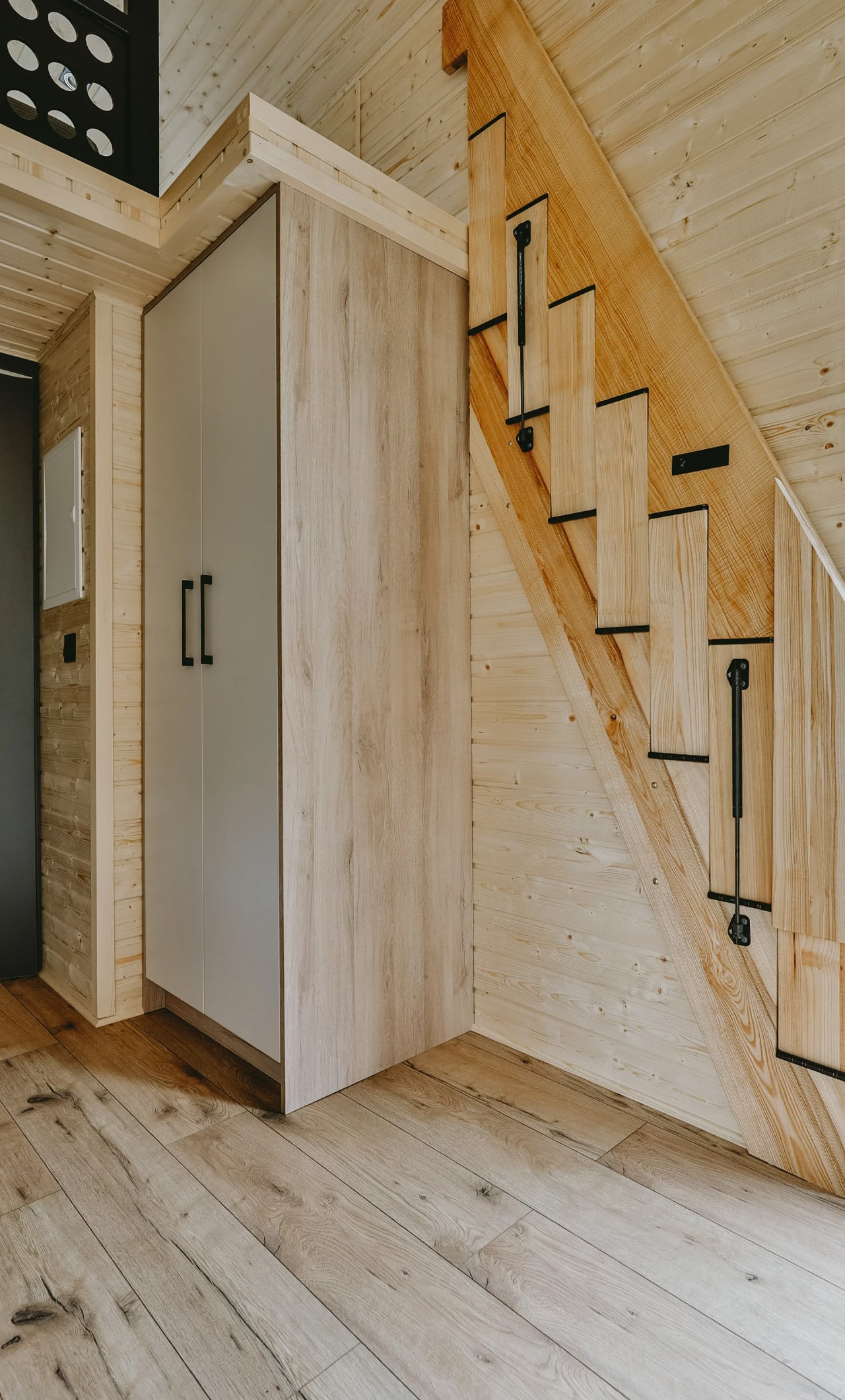
The kitchen is where JT Collective puts in serious design work. A farmhouse apron sink sits against a butcher block countertop, and buyers can choose between an induction cooktop or a propane oven configuration. A top-freezer fridge and low-profile microwave handle the practical side, while a breakfast bar for two turns the space into something worth lingering in. The staircase leading to the main loft doubles as storage, with drawers, nooks, and cupboards built into every riser — one of those quietly brilliant space solutions that defines a well-designed tiny home.
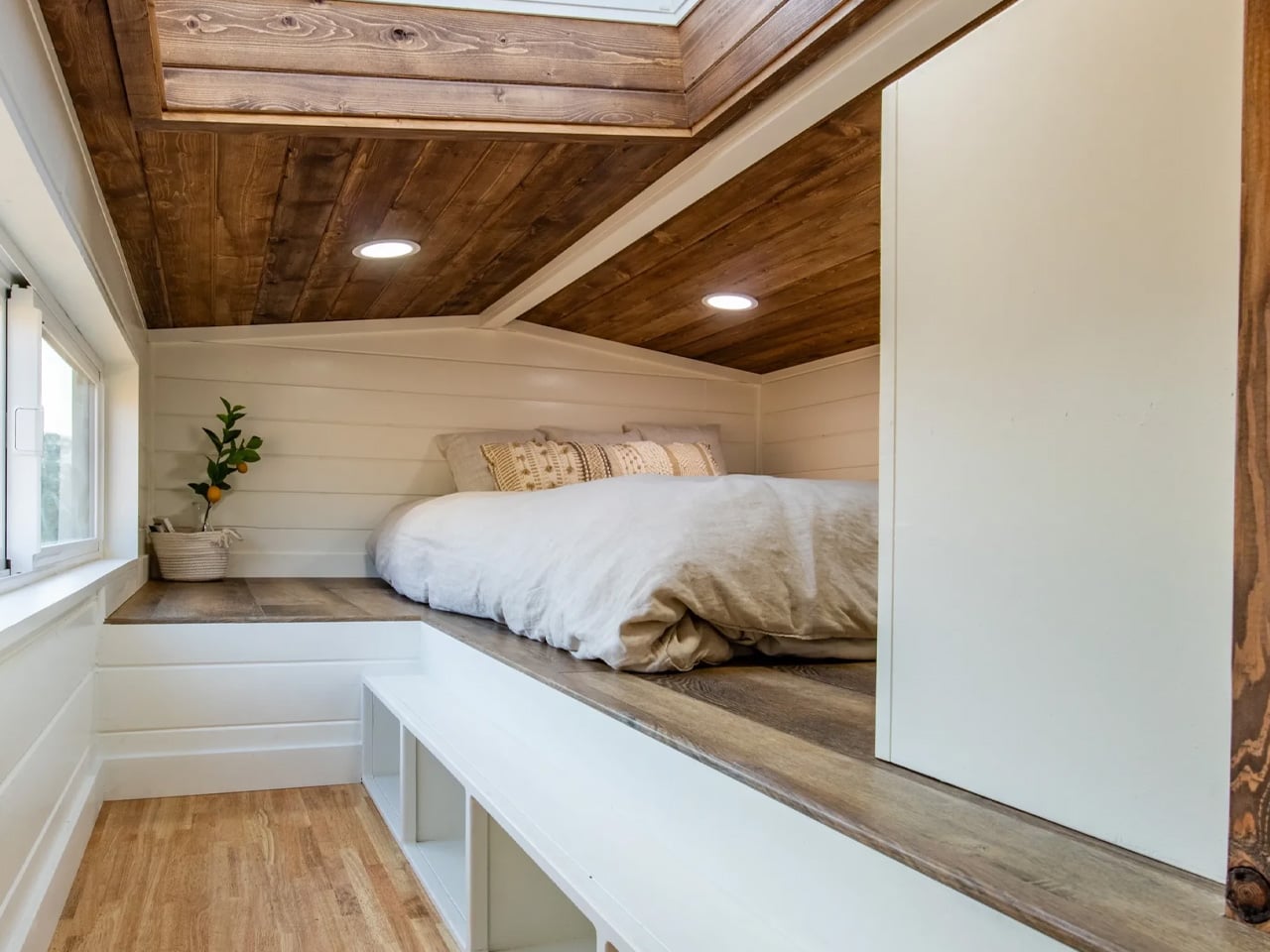
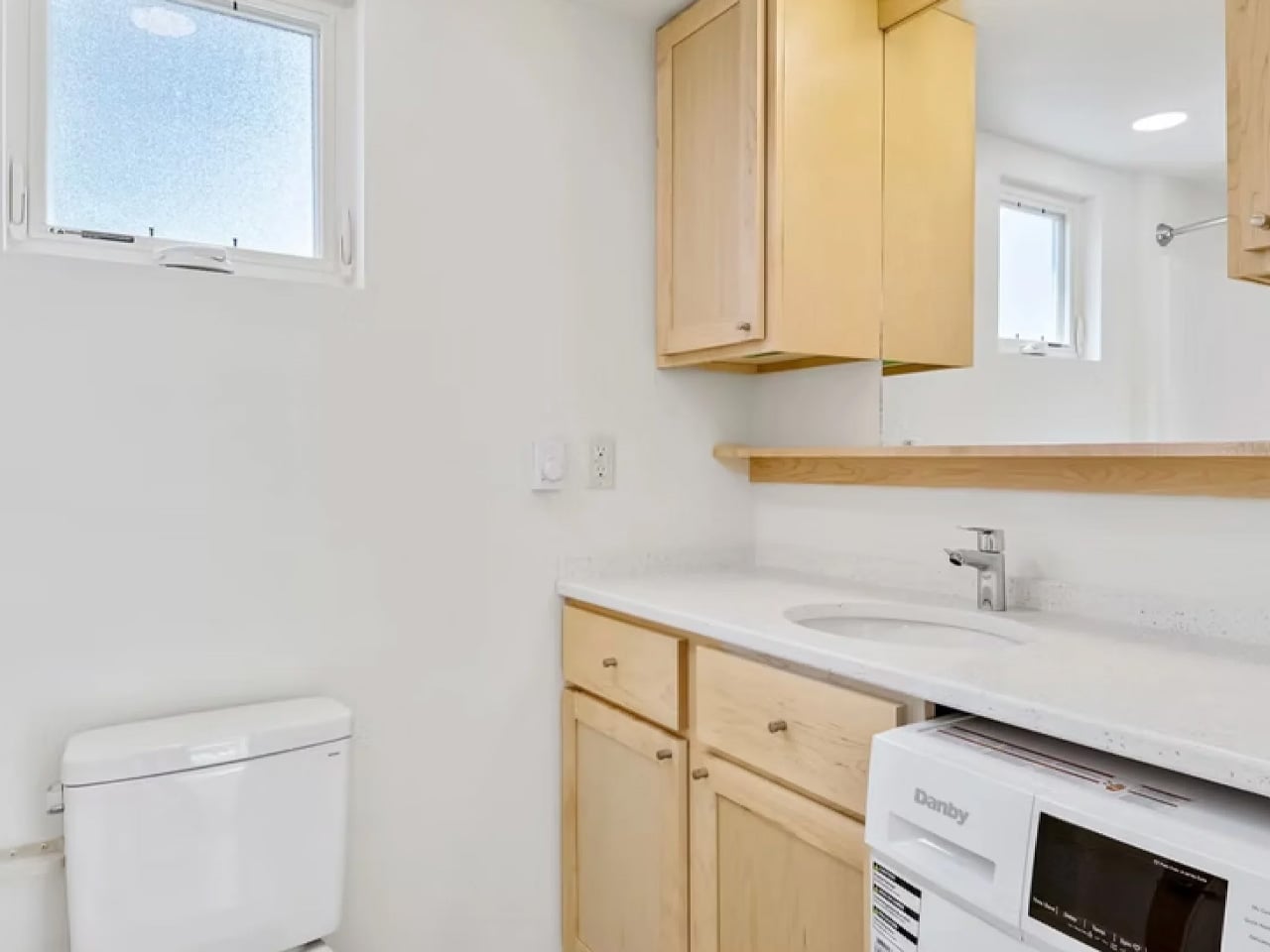
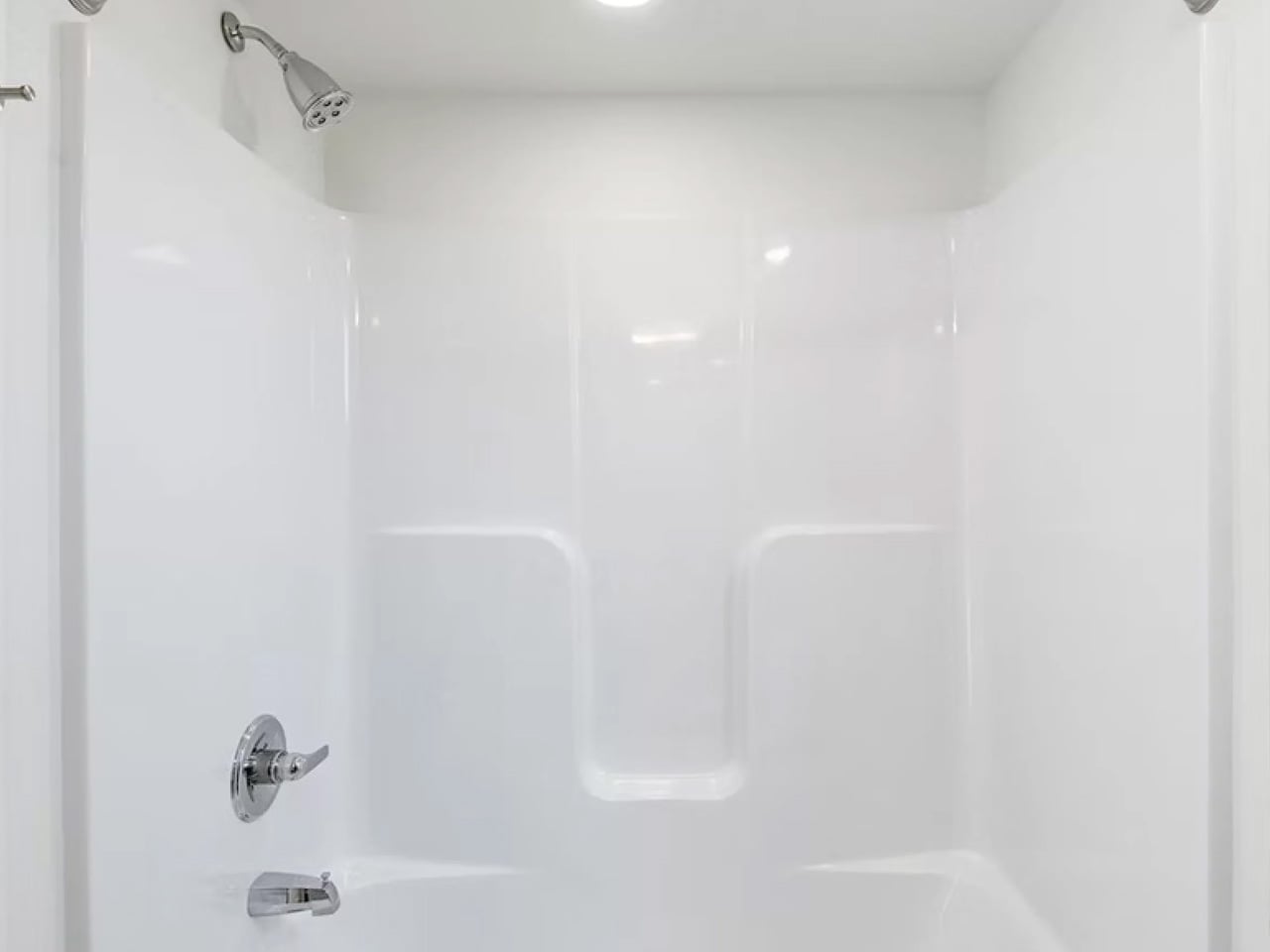
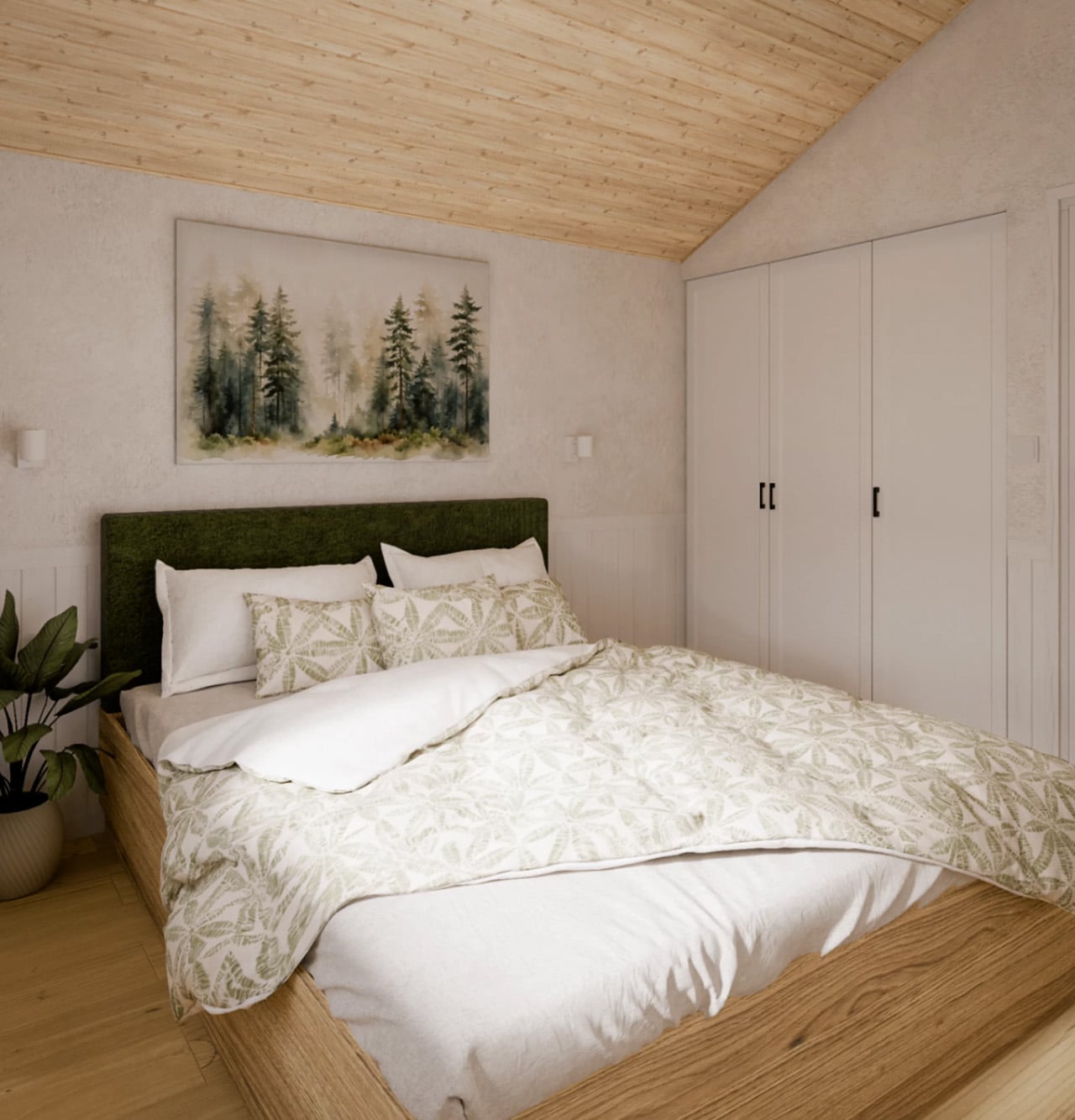
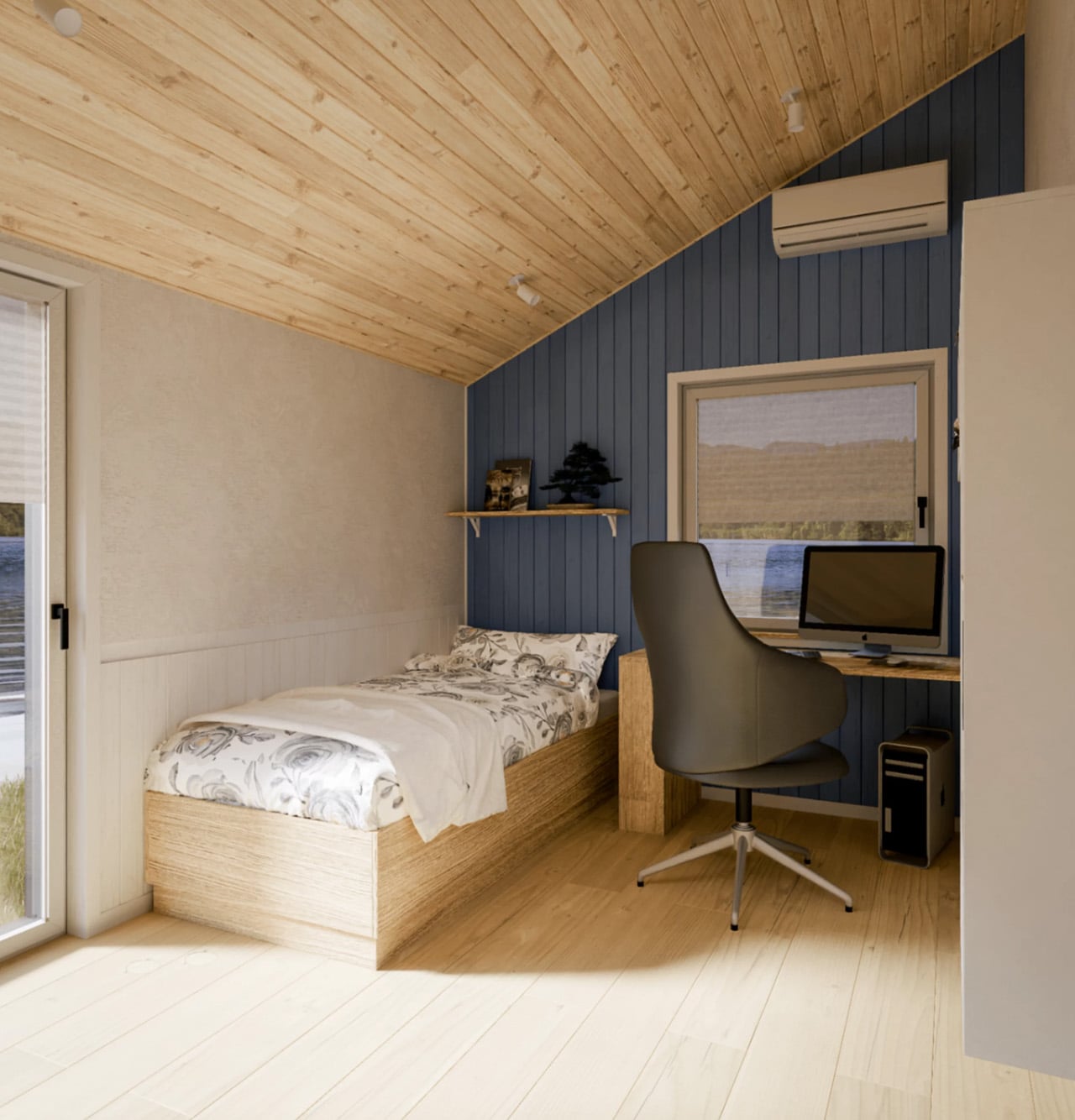
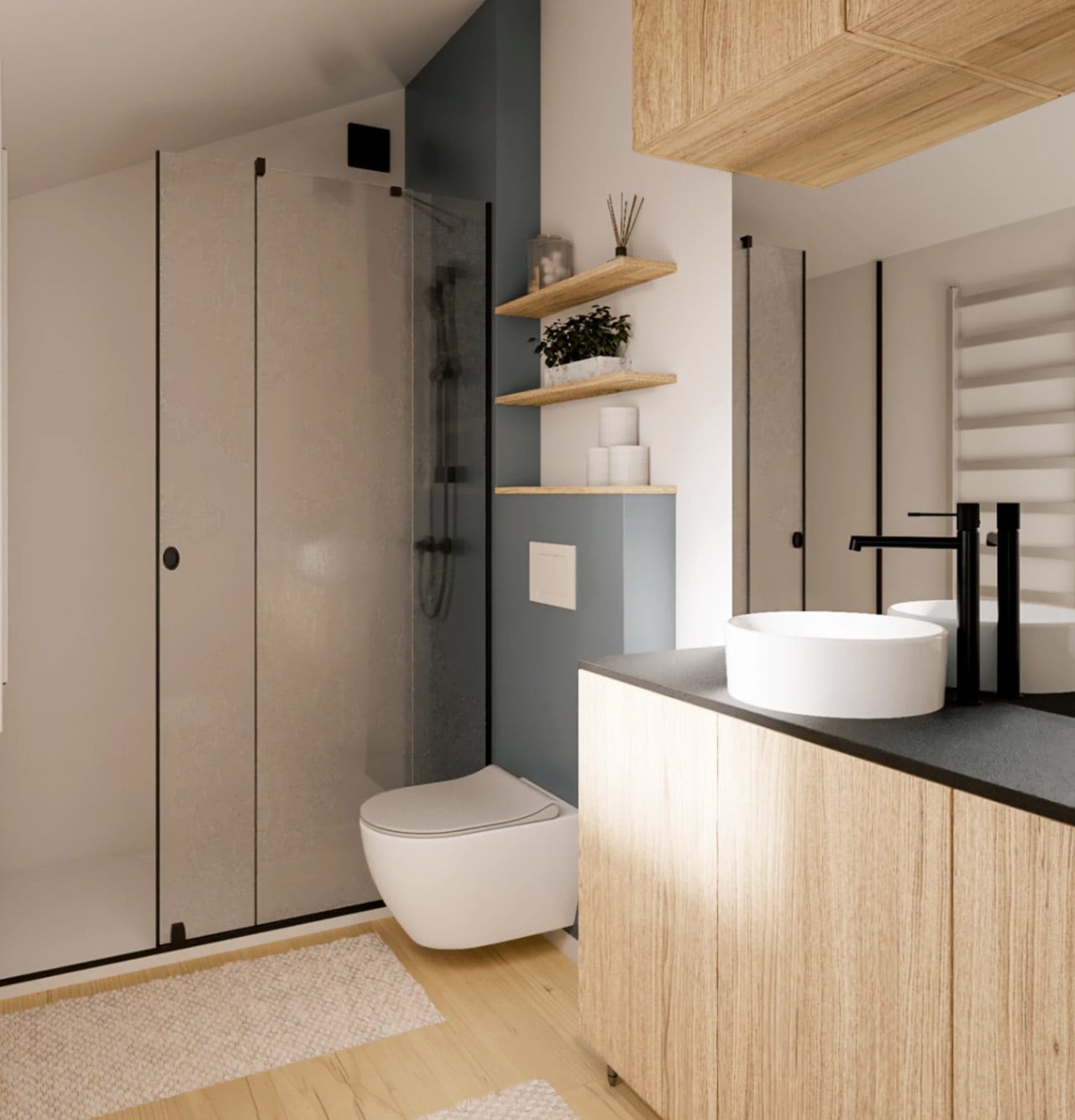
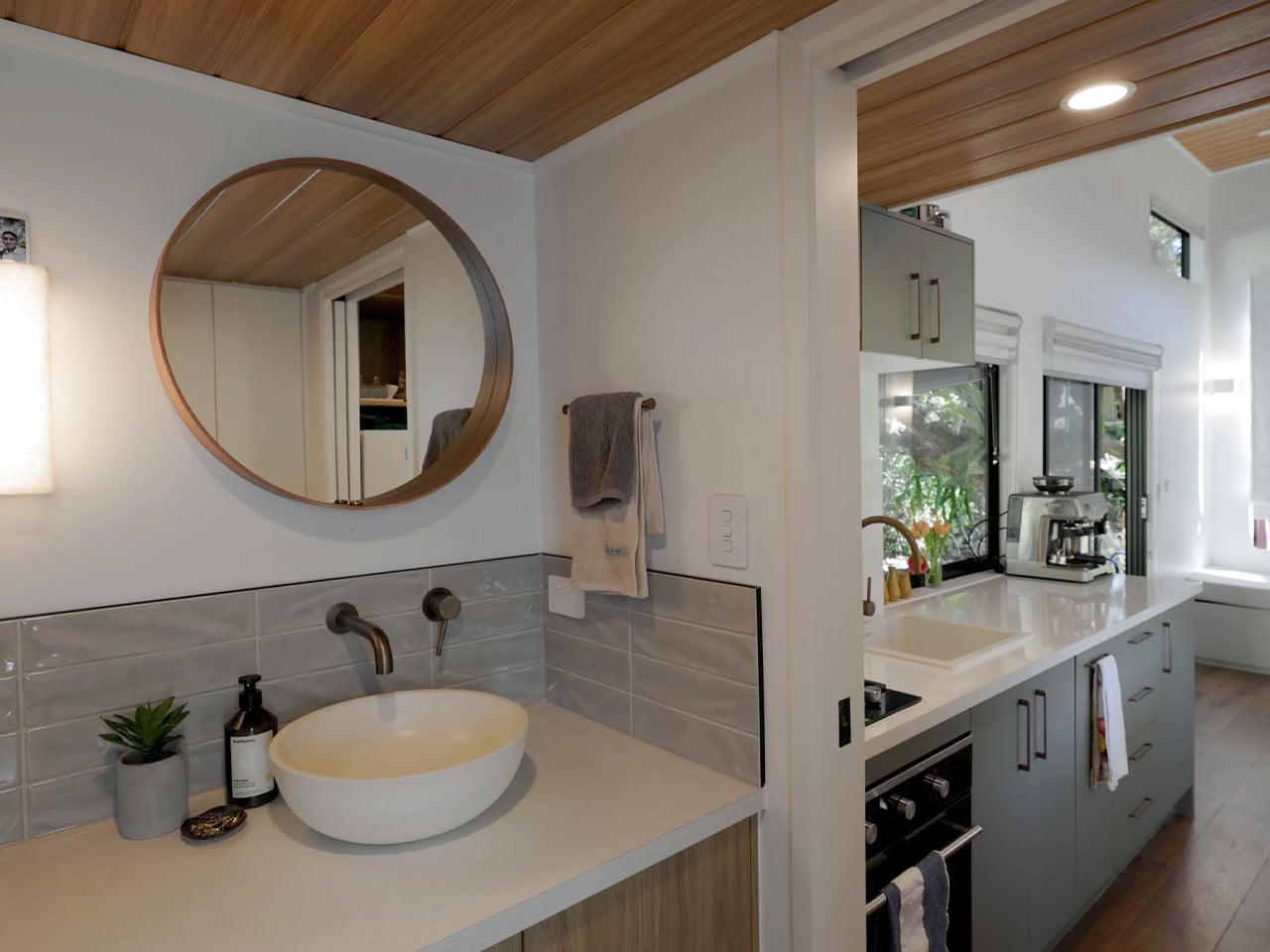
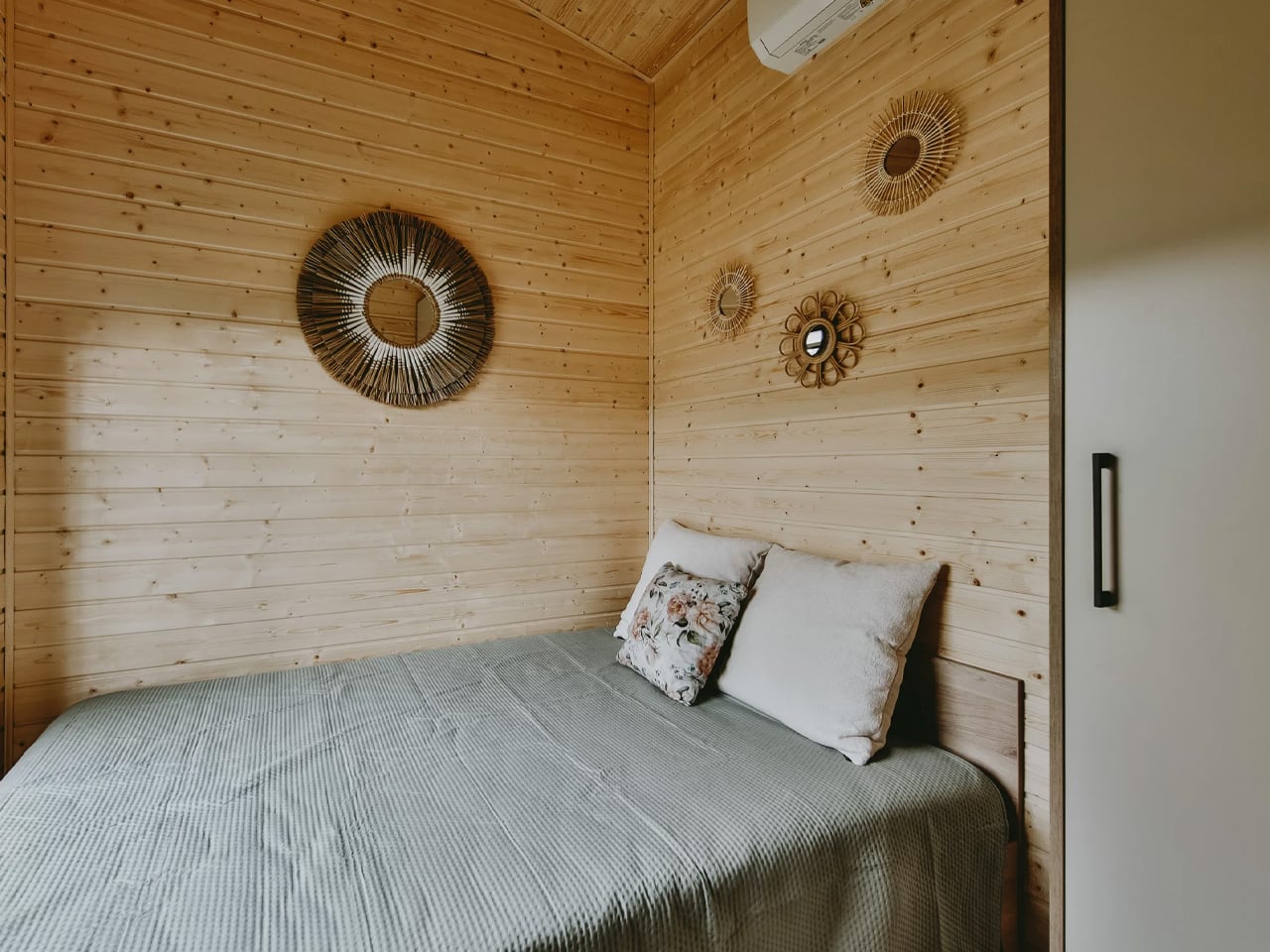
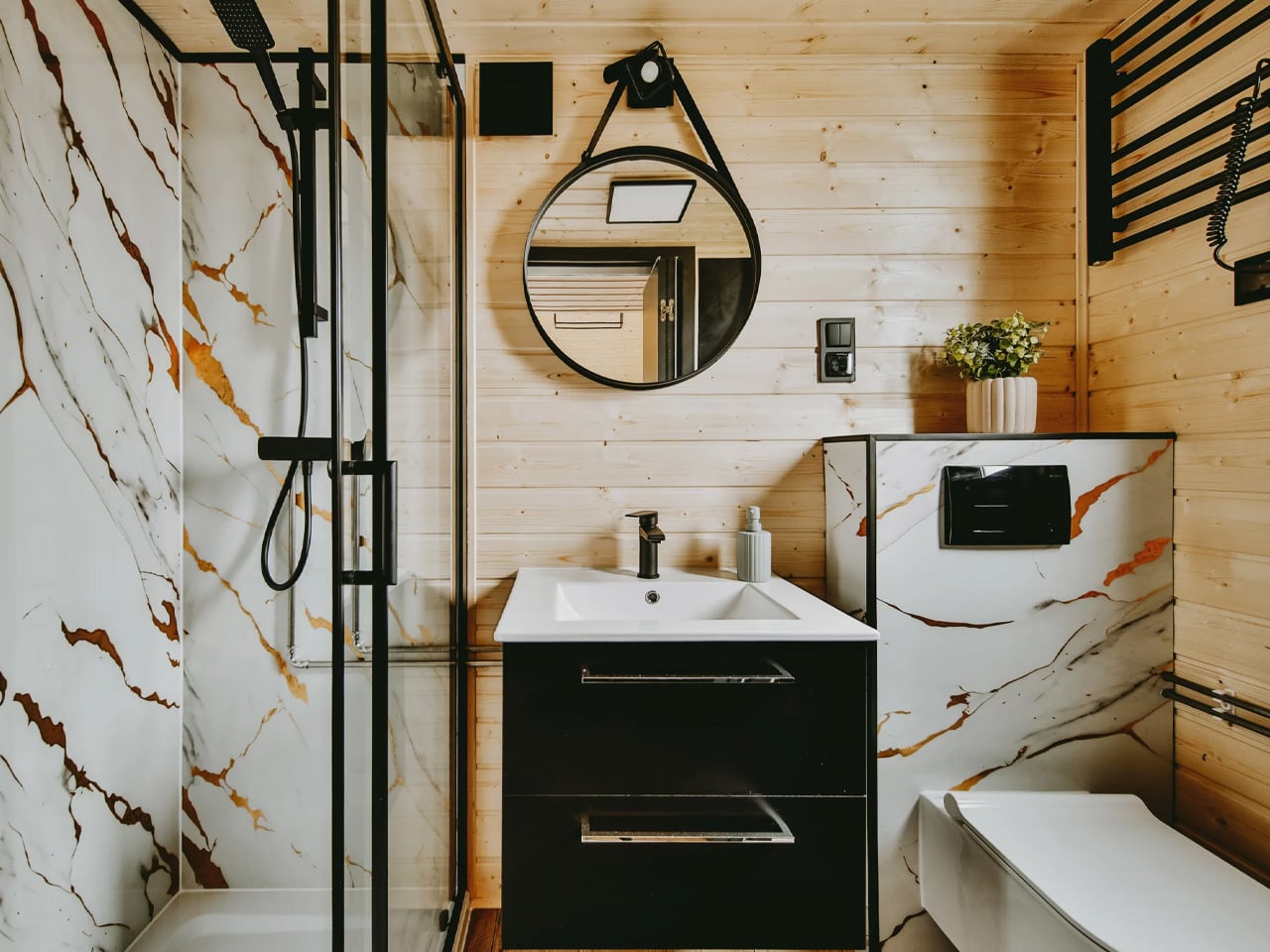
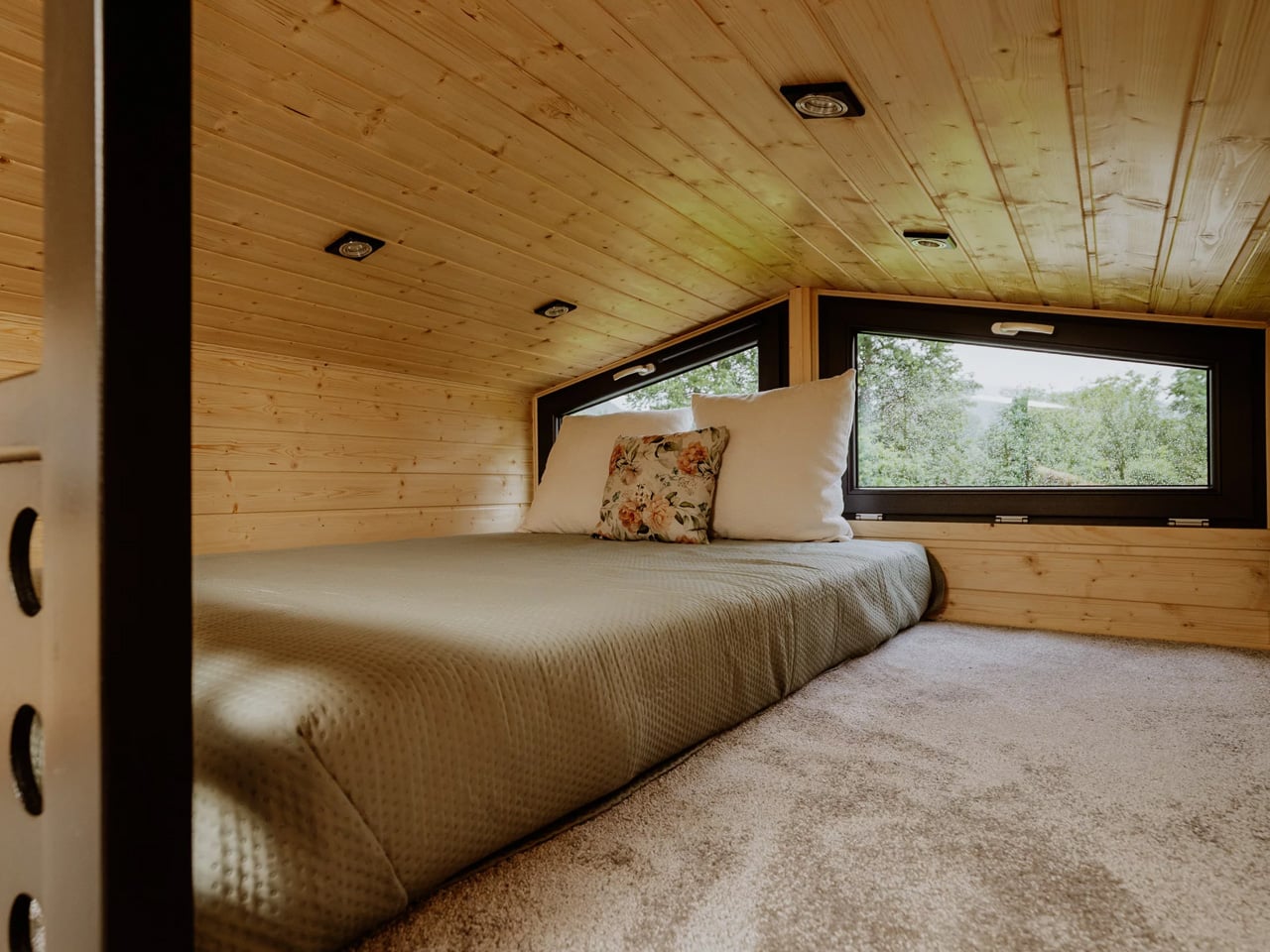
The main sleeping loft spans roughly 80 square feet and includes a lowered standing platform that makes getting dressed in the morning less of an acrobatic event, plus a skylight overhead. A secondary loft — accessed by a removable ladder that tucks neatly into the ceiling when not in use — works as a second bedroom or a casual retreat. The bathroom below features a glass-enclosed shower, a custom vanity, and two inset wall niches for storage.
Hookups include a 50-amp RV plug, potable water spigot, and city sewer or septic connections, making it fully functional on a prepared site. The Cedar Ridge starts at $124,000. An XL version with nearly 500 square feet is also available for those who need a little more room to breathe.
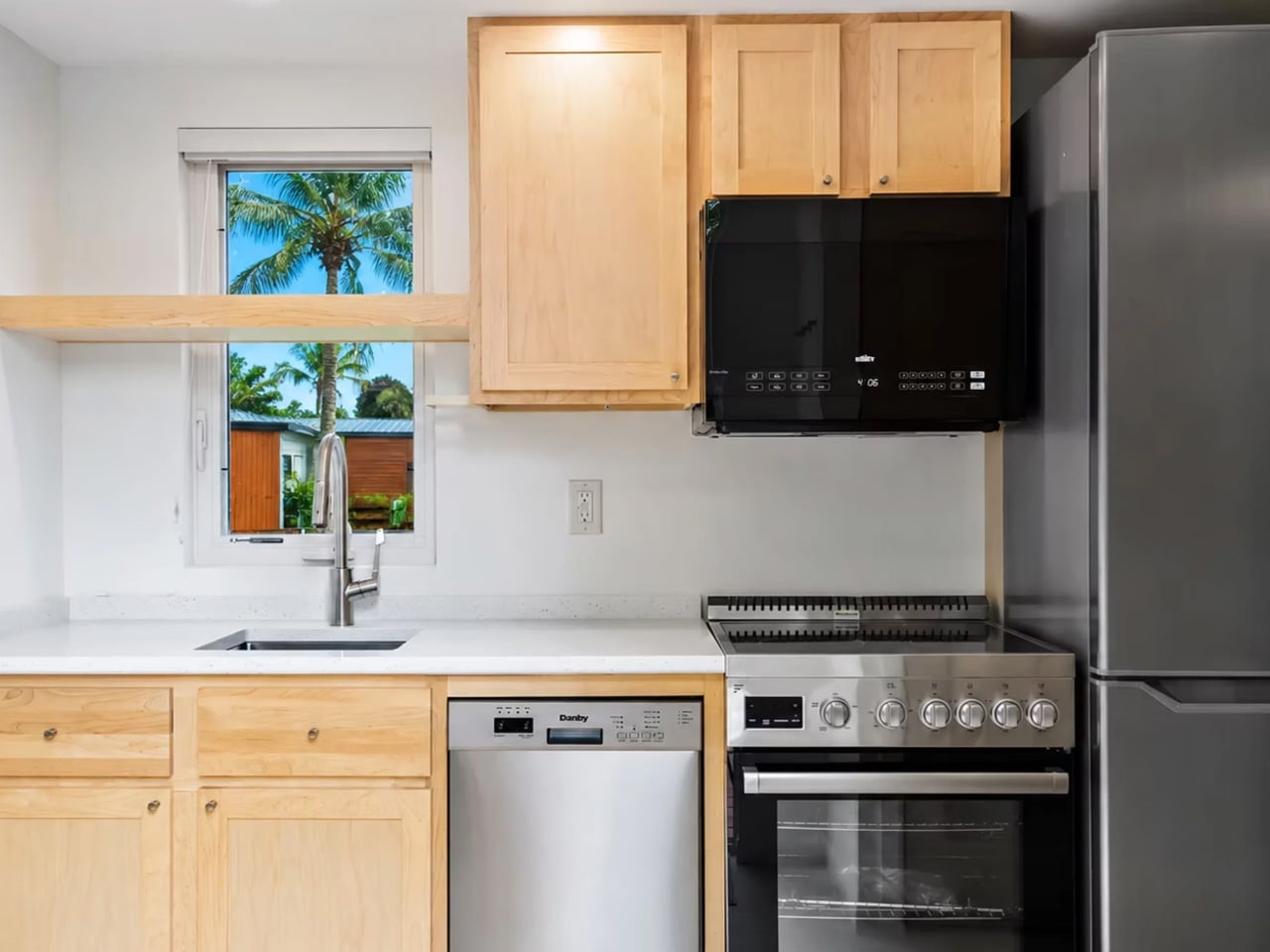
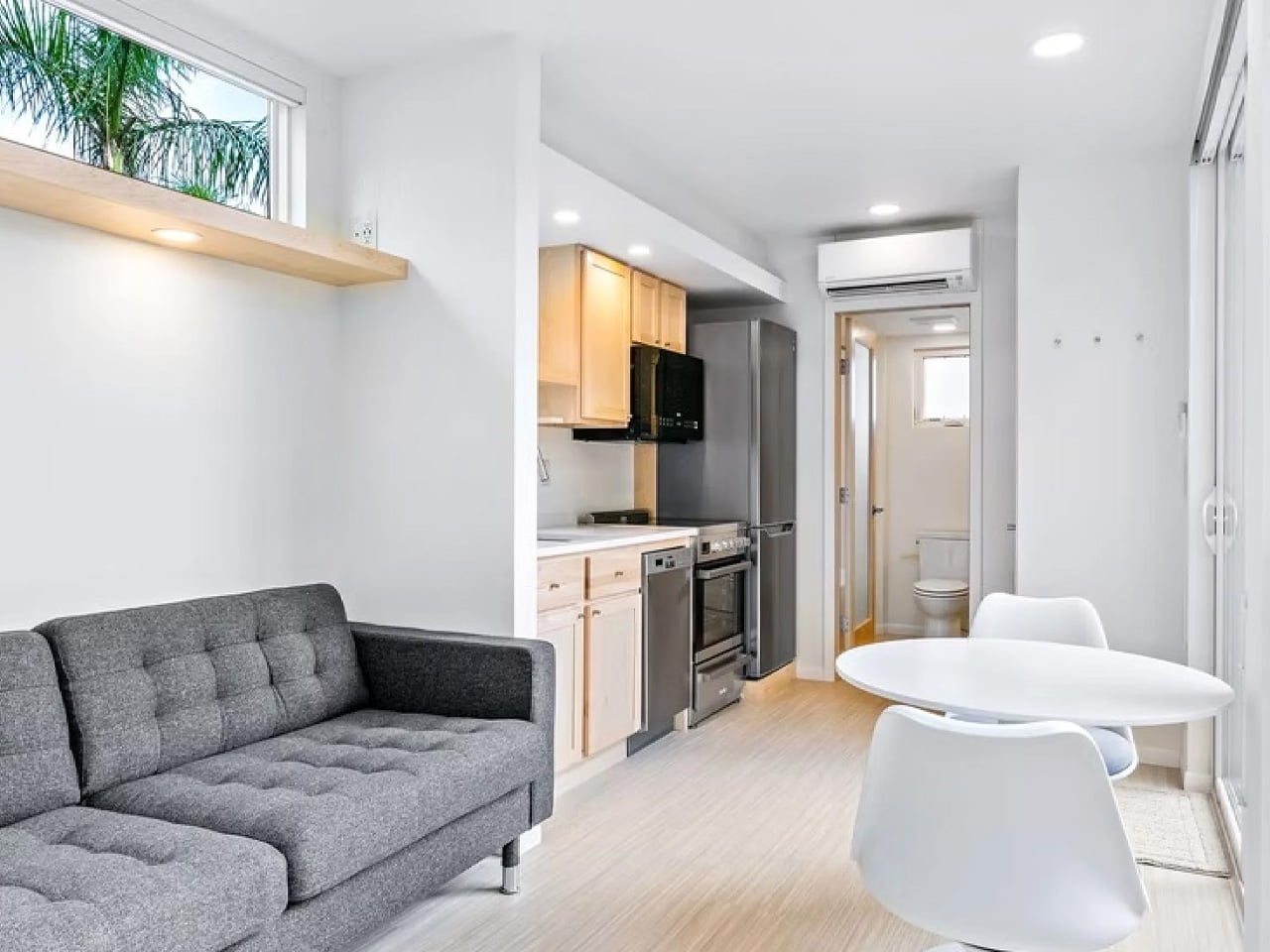
Somewhere between a weekend cabin and a permanent address, the N2 finds its footing. The N2 by Escape Tiny Homes doesn’t try to pretend it’s anything other than a compact, well-considered dwelling — and that clarity is precisely what makes it compelling.
Built by Escape Tiny Homes, the Wisconsin-based manufacturer that has spent years refining the craft of small-space living, the N2 is a tiny home on wheels designed for people who want permanence without the footprint. It sits on a steel trailer frame, certified by NOAH, meaning it meets rigorous construction standards that most DIY tiny homes never approach. That certification isn’t just a badge — it’s the difference between a home that lasts decades and one that warps after a few winters.
The exterior carries Escape’s signature modern aesthetic: clean lines, board-and-batten siding, and a low-profile roofline that reads more like a Scandinavian cabin than a road-bound structure. It photographs beautifully, which matters in an era where the first impression of any home happens on a screen. Inside, the design logic is just as deliberate. The layout prioritizes flow over square footage, with an open-plan living and kitchen area that feels generous despite its dimensions. Large windows pull in natural light throughout the day, doing the work that extra square footage usually does in a conventional home.
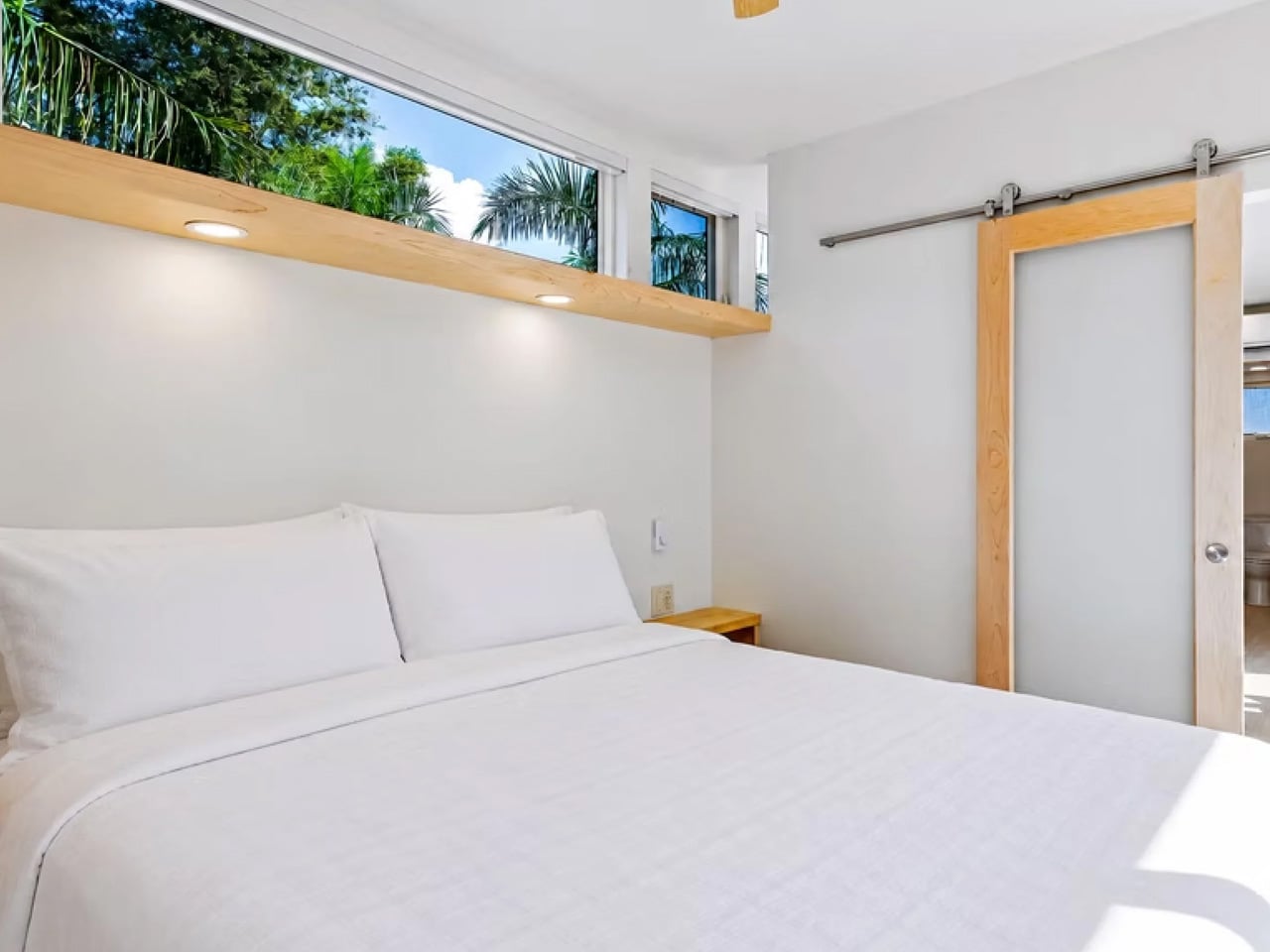
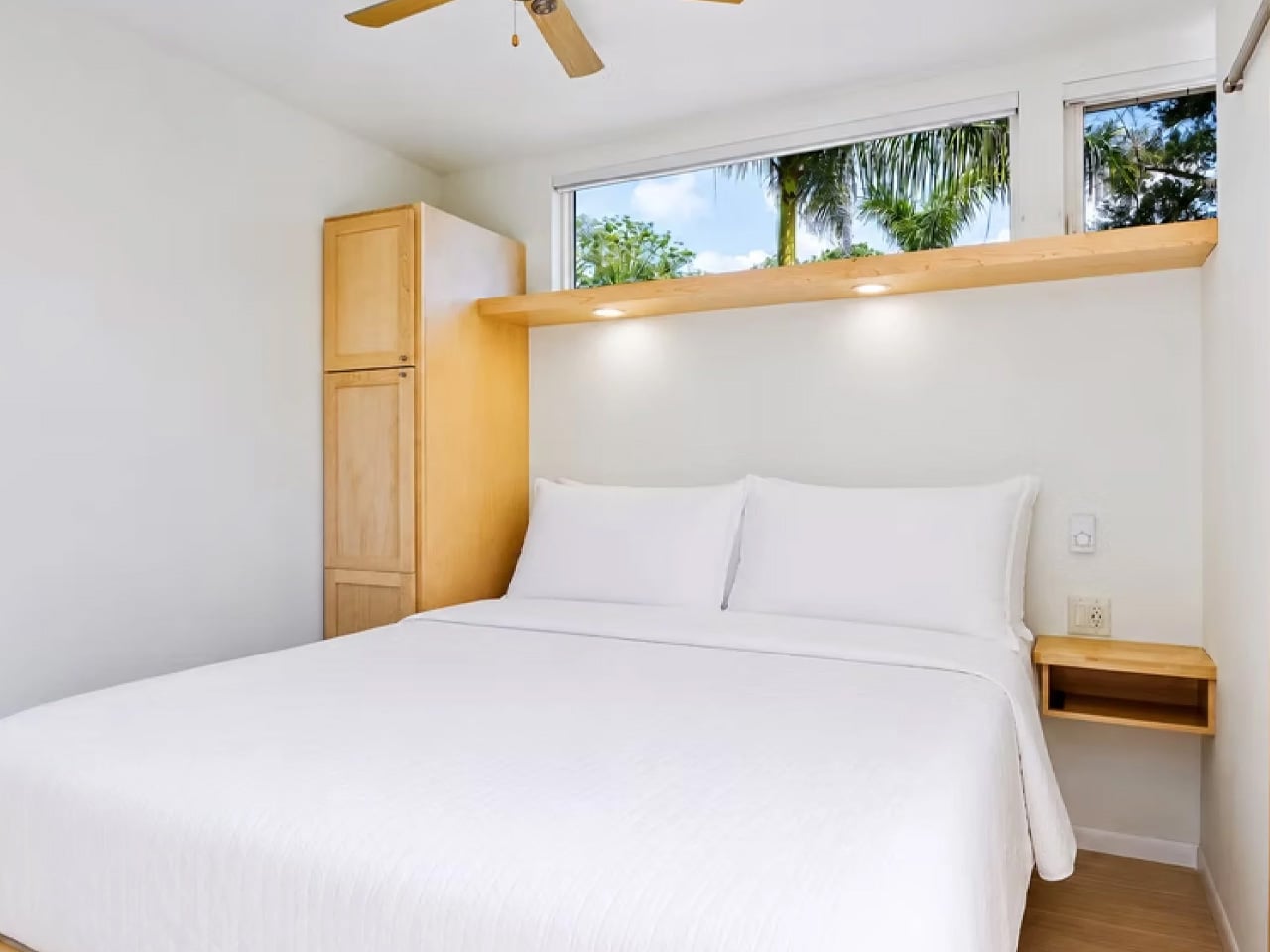
The kitchen is functional without being minimal to the point of frustration — there’s actual counter space, cabinetry that reaches the ceiling, and room for a full-size refrigerator. The loft bedroom above offers a sleeping area that, depending on your ceiling preferences, works best for those who prefer a cozy, nest-like rest environment rather than something you can stand up in. The bathroom is compact but finished with the same attention to detail as the rest of the space.
What Escape understands, and what the N2 demonstrates well, is that tiny home living is a mindset shift before it’s a spatial one. The home doesn’t ask you to sacrifice comfort — it asks you to reconsider what comfort actually requires. For remote workers, weekend retreat seekers, or anyone looking to reduce overhead without reducing quality of life, the N2 presents a genuinely livable answer.
At a price point that undercuts most traditional builds by a significant margin, the N2 makes the case that thoughtful design doesn’t demand a large canvas. Sometimes the most interesting work happens when the constraints are real.
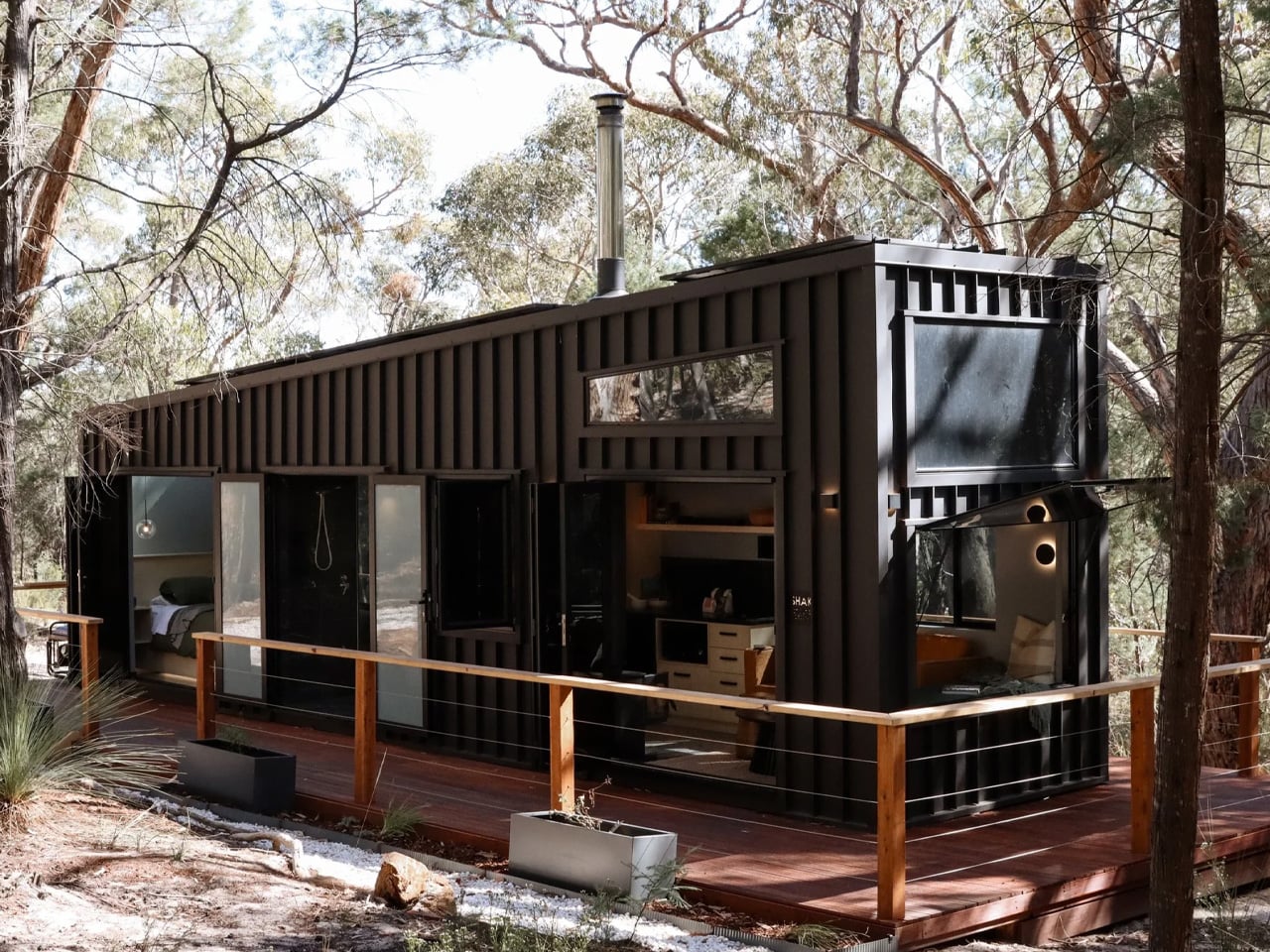
There are tiny homes, and then there is the SHAK. Built by Gold Coast-based Removed Tiny Homes as a bespoke one-off commission, it won “Best Weekender” at the 2025 Tiny House Industry Awards — and once you see it, the reason is immediately obvious. Tucked into the Grampians of Victoria, Australia, it reads less like a transportable dwelling and more like a piece of architecture that grew out of the landscape itself.
The exterior sets the tone. Dark vertical cladding, an angular stepped roofline, and a wraparound timber deck give SHAK a sculptural presence that most permanent homes never achieve. It runs completely off-grid, fully self-sufficient with no power line in sight, and that sense of self-reliance is woven into every design decision inside it.
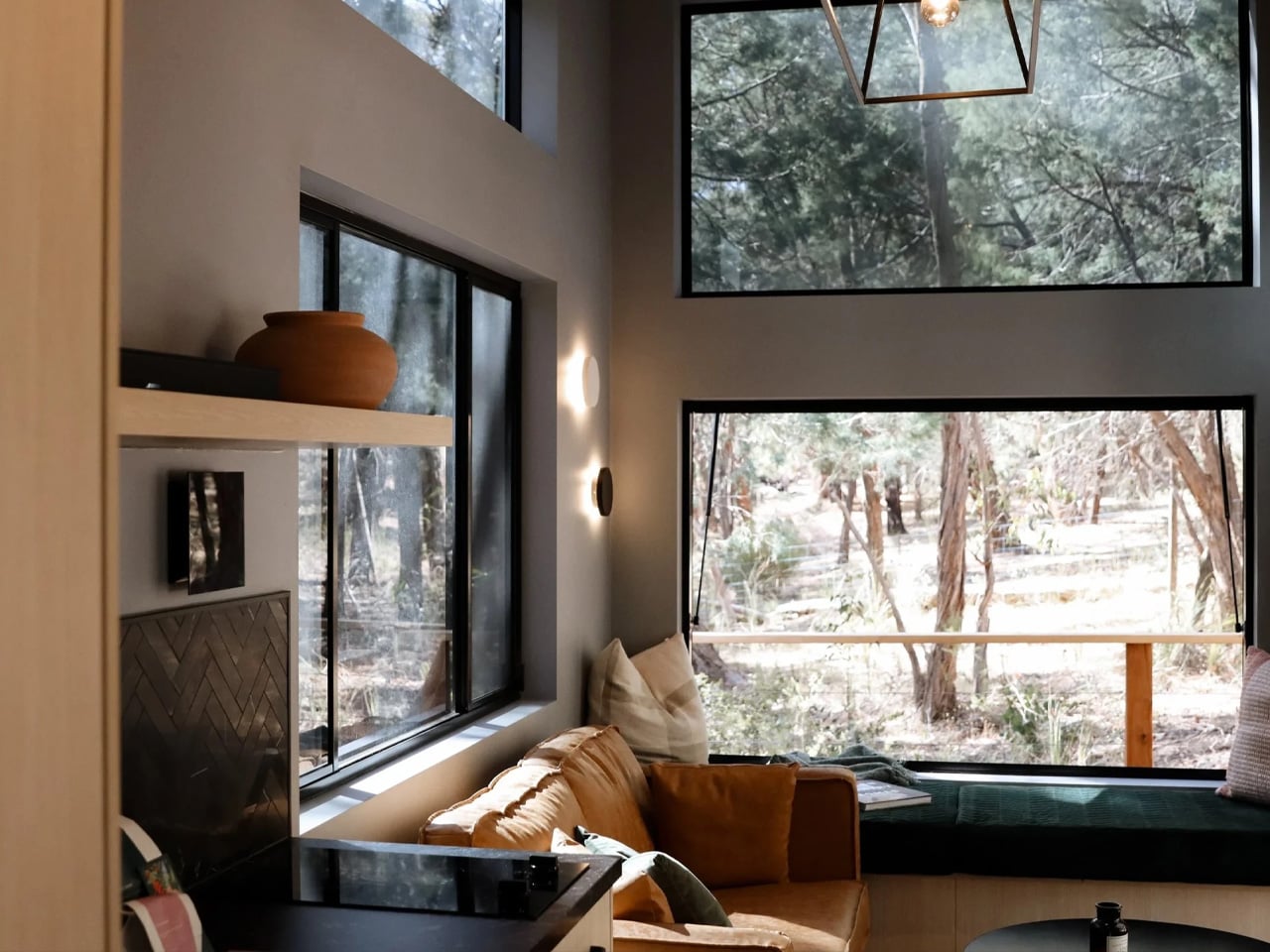
The living space is compact but deliberate. A tan leather sofa and a built-in green velvet window seat sit beneath stacked picture and clerestory windows that frame the surrounding gum trees like a moving painting. A sculptural brass pendant and floating timber shelves warm the dark interior palette, turning what could feel confined into something genuinely calm. It is the kind of room you settle into, not just pass through.
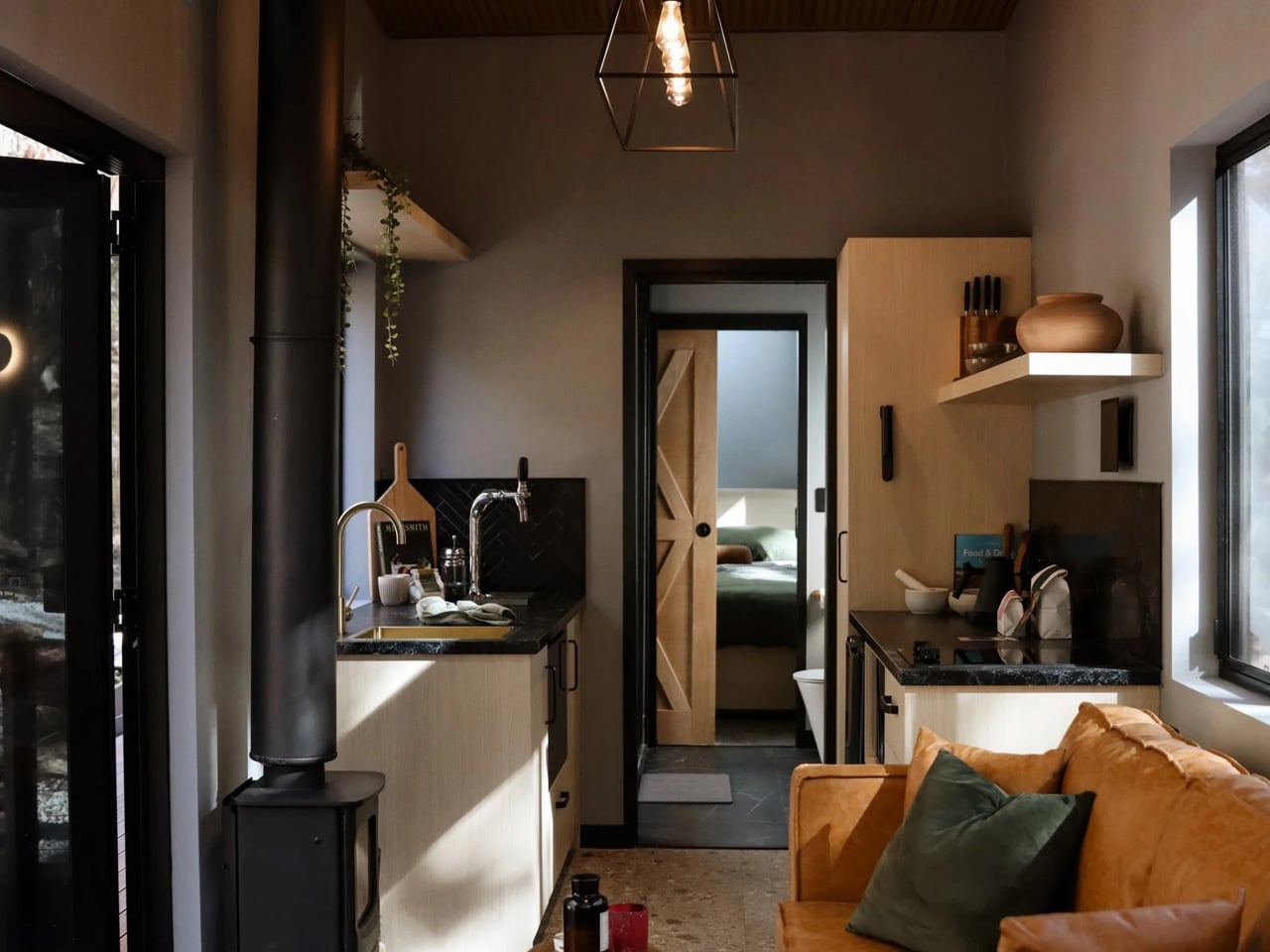
The kitchen is where SHAK makes its most memorable statement. Dark stone benchtops, timber cabinetry, a black herringbone-tile splashback, and brass tapware already read as high-end — but the detail that everyone remembers is the wine on tap, plumbed straight to the bench. A black wood-burning fireplace anchors the living end and keeps the retreat warm without a single grid connection. A timber barn door slides closed to separate the bedroom beyond, and the whole space feels more like a carefully styled bar than a tiny-house galley.
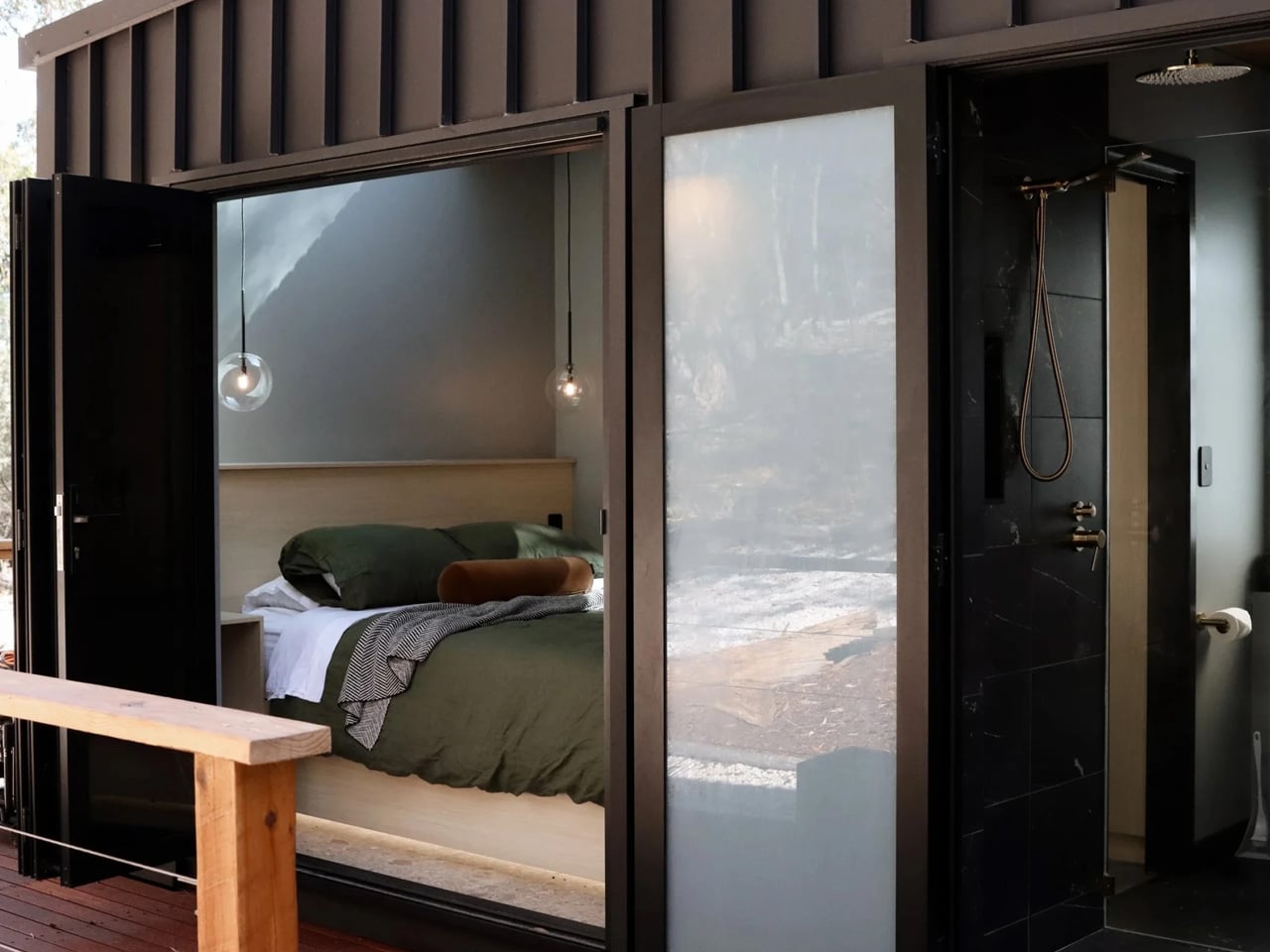
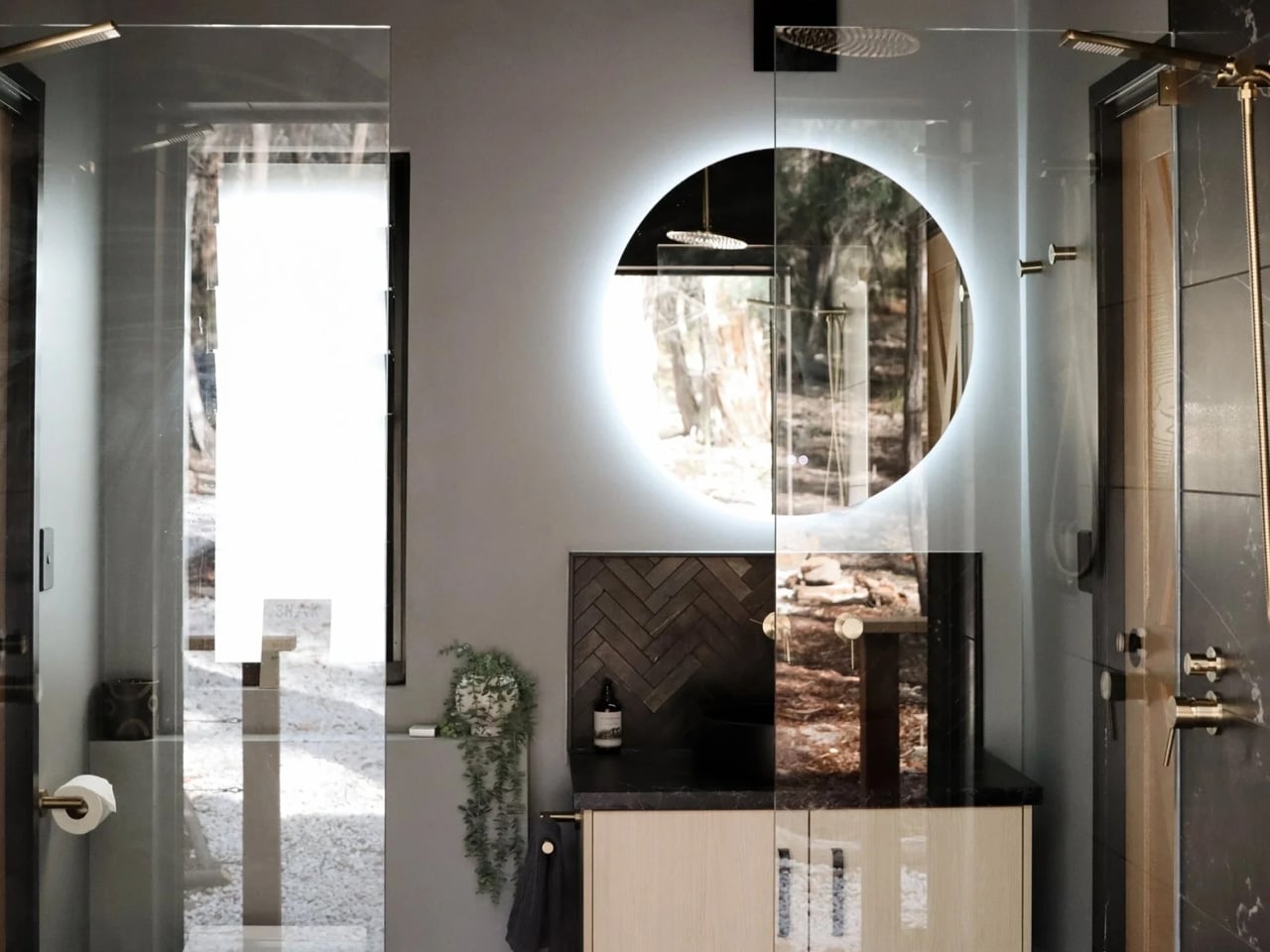
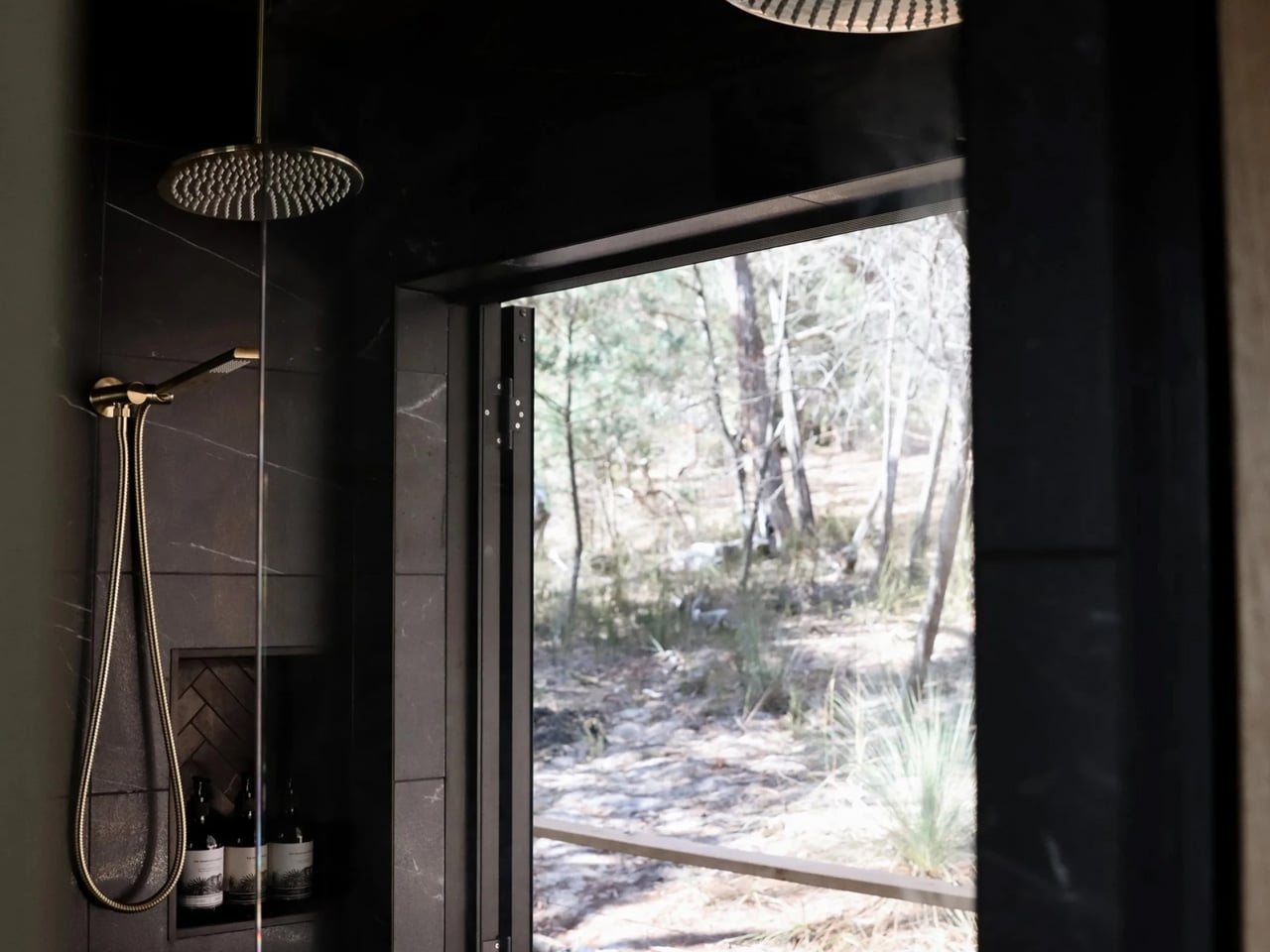
The bathroom earns its own category. Two brass rainfall heads hang from a timber-lined ceiling over a dark marble-tiled double shower. A full-height glass door swings open directly onto the bush, turning a morning shower into an open-air ritual with nothing but trees in view. The round backlit mirror, the vessel basin, the dark stone vanity top — it is spa-grade specification in a footprint most architects would dismiss as impossible.
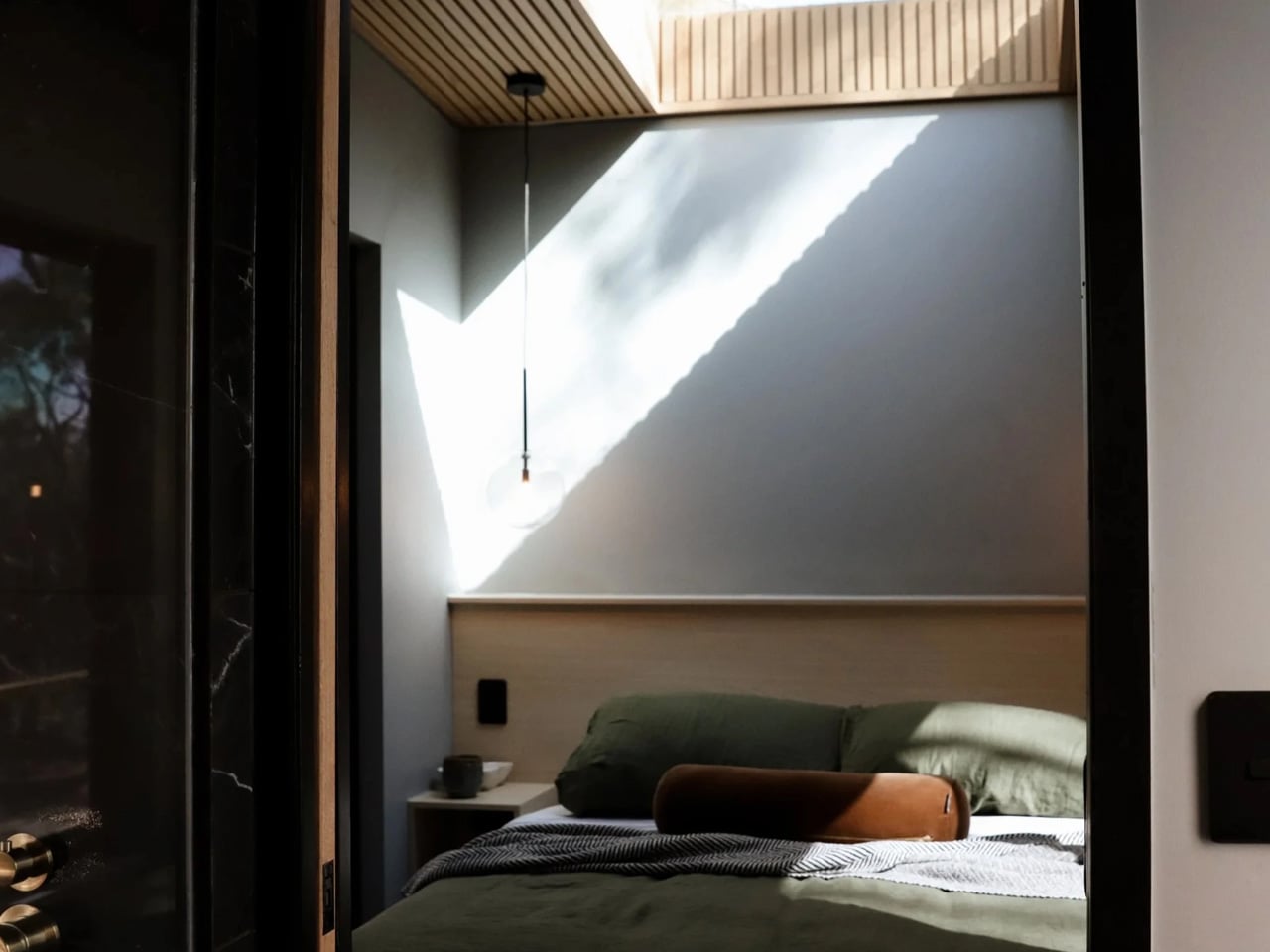
Behind the bathroom, the bedroom keeps the mood: a queen bed dressed in olive-green linen beneath a timber-slat ceiling and a large skylight that pours daylight across the room throughout the day. Removed describes SHAK as “a showcase of what’s possible when you design for experience, not just square metreage.” That framing is exactly right. SHAK does not feel like a compromise. It feels like a choice.
Most tiny homes are built around compromise. It doesn’t perform the usual tiny-house tricks — the Murphy beds that fold into walls, the loft you access by ladder, the dining table that doubles as a coffee table that doubles as a desk. Vagabond Haven’s latest modular home simply gives you a proper house, just in a more deliberate package.
The Scandinavian brand built its reputation on the original Evergreen, a two-module design that offered 41 square meters of single-floor living. The XL takes that same structural logic and stretches it. Length extends to 11.8 meters (38 feet), and the width comes in just under 6 meters (20 feet) — more than double that of most tiny houses. The result is 59 square meters (635 square feet) of interior space that reads, honestly, more like a compact apartment than a cabin on a trailer.
That extra width is where the design earns its keep. Wide homes feel categorically different from narrow ones. Light moves differently. Furniture can breathe. The open living and kitchen area here accommodates an L-shaped sofa, a wood-burning stove, a full entertainment setup, and a six-person dining table — items that typically don’t share the same zip code in a tiny home. The kitchen is equipped with an induction cooktop, a fridge/freezer, a dishwasher (still a genuine rarity in this segment), and both upper and lower cabinetry. It’s a working kitchen, not a galley you tolerate.
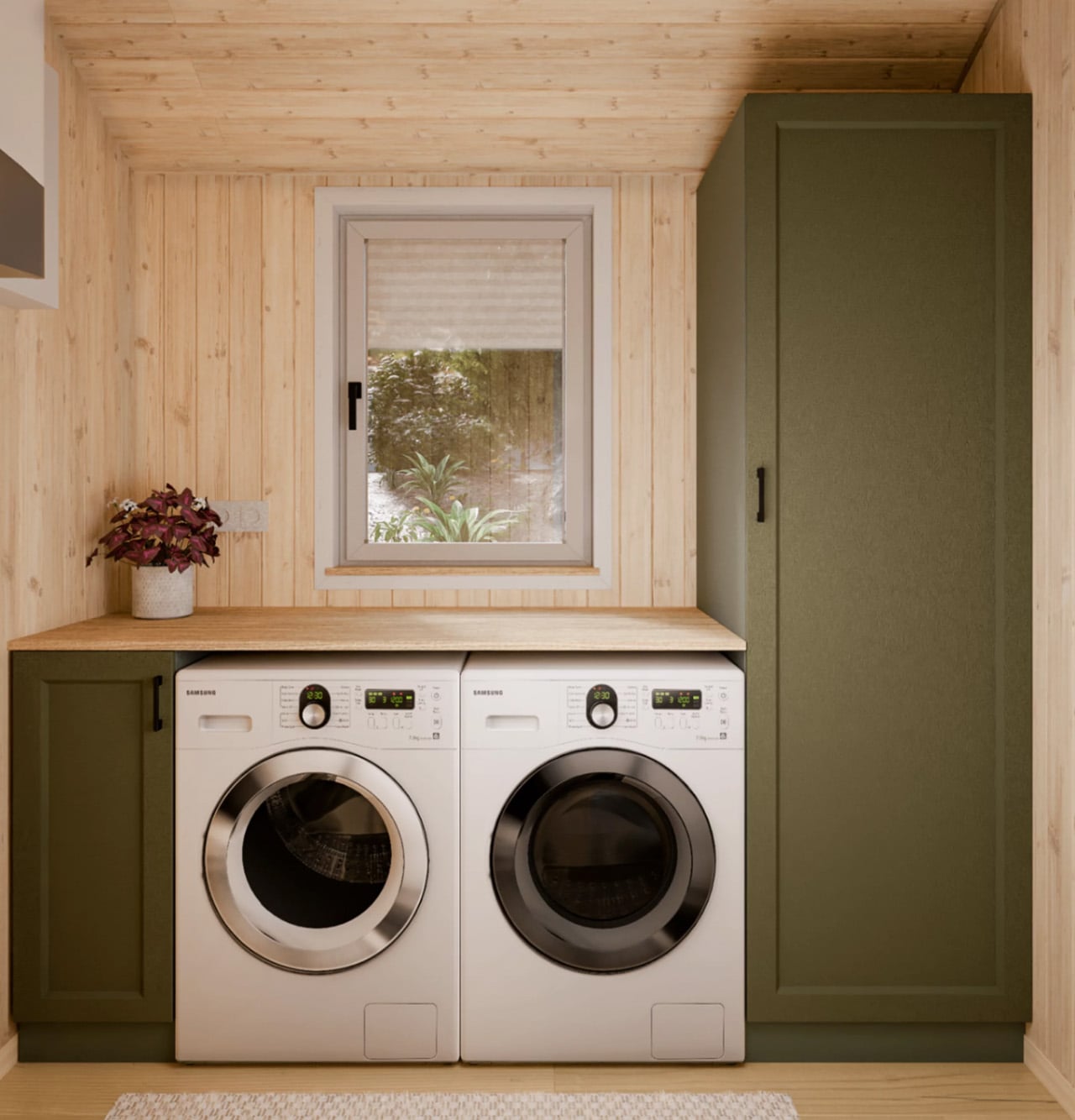
The two bedrooms are separated in function as much as form. The master bedroom features a double bed, a built-in wardrobe, and a TV unit. The secondary bedroom doubles as a home office, with a single bed, a desk, dedicated shelving, and its own exterior entrance — which opens up interesting possibilities for a guest room, a studio, or a live/work setup. The bathroom doesn’t cut corners either: a glass-enclosed shower, vanity sink, and a choice between flushing, composting, or incinerating toilet. A dedicated technical room houses the water heater, washing machine, and dryer — appliances that usually get crammed into a closet.
Outside, engineered timber and metal cladding wrap a steel roof, and generous glazing keeps the interior in conversation with the landscape. The home arrives in two sections via truck and is assembled on site — no wheels, no tow hitch, no pretense of mobility. Off-grid solar capability is available as an option, along with flexibility in materials, furnishings, and appliances.
The Evergreen XL starts at around €108,000 (approximately $123,000). For a full-time home that arrives pre-designed and ready to configure, that number is harder to argue with than it might first appear.
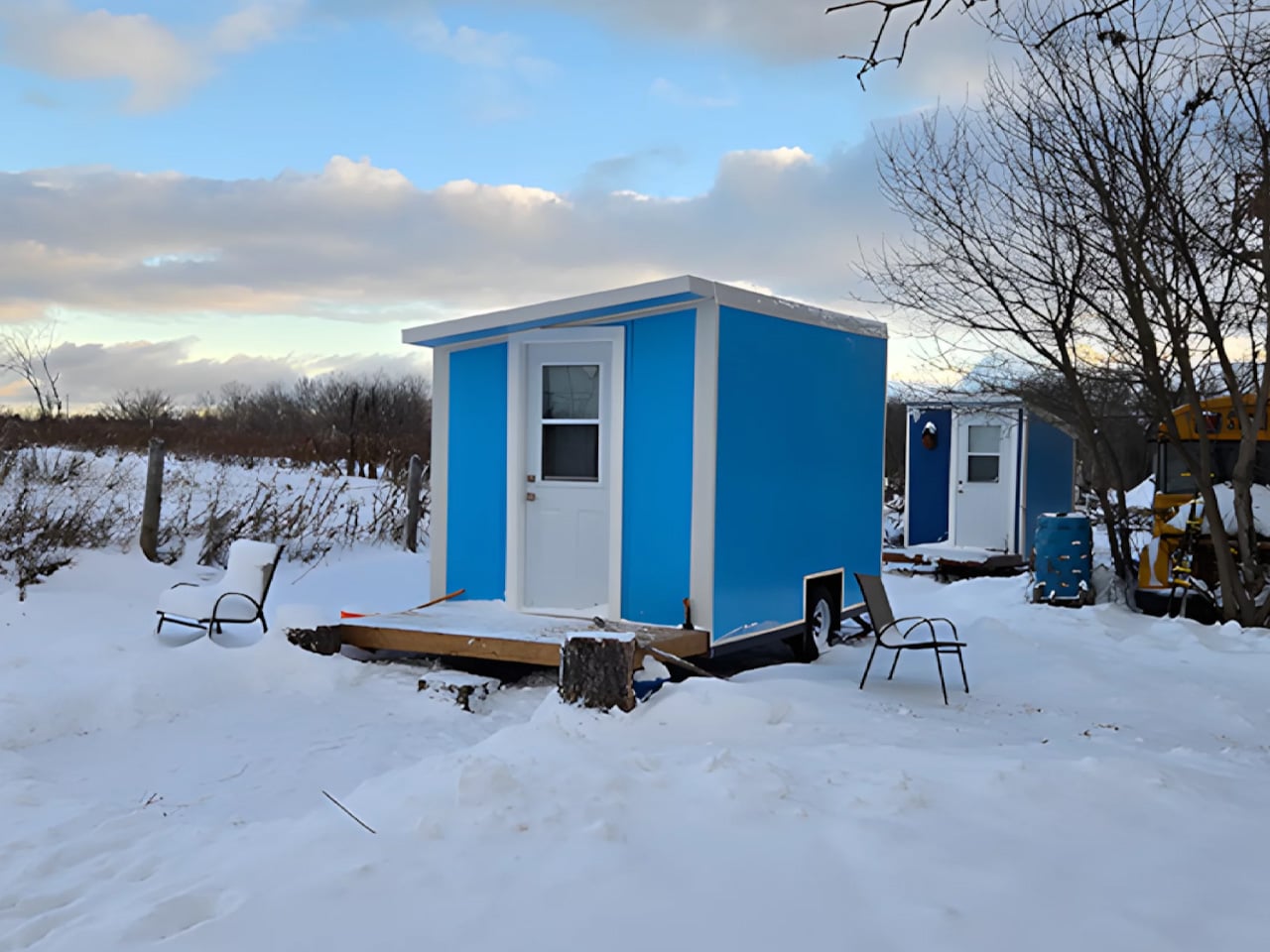
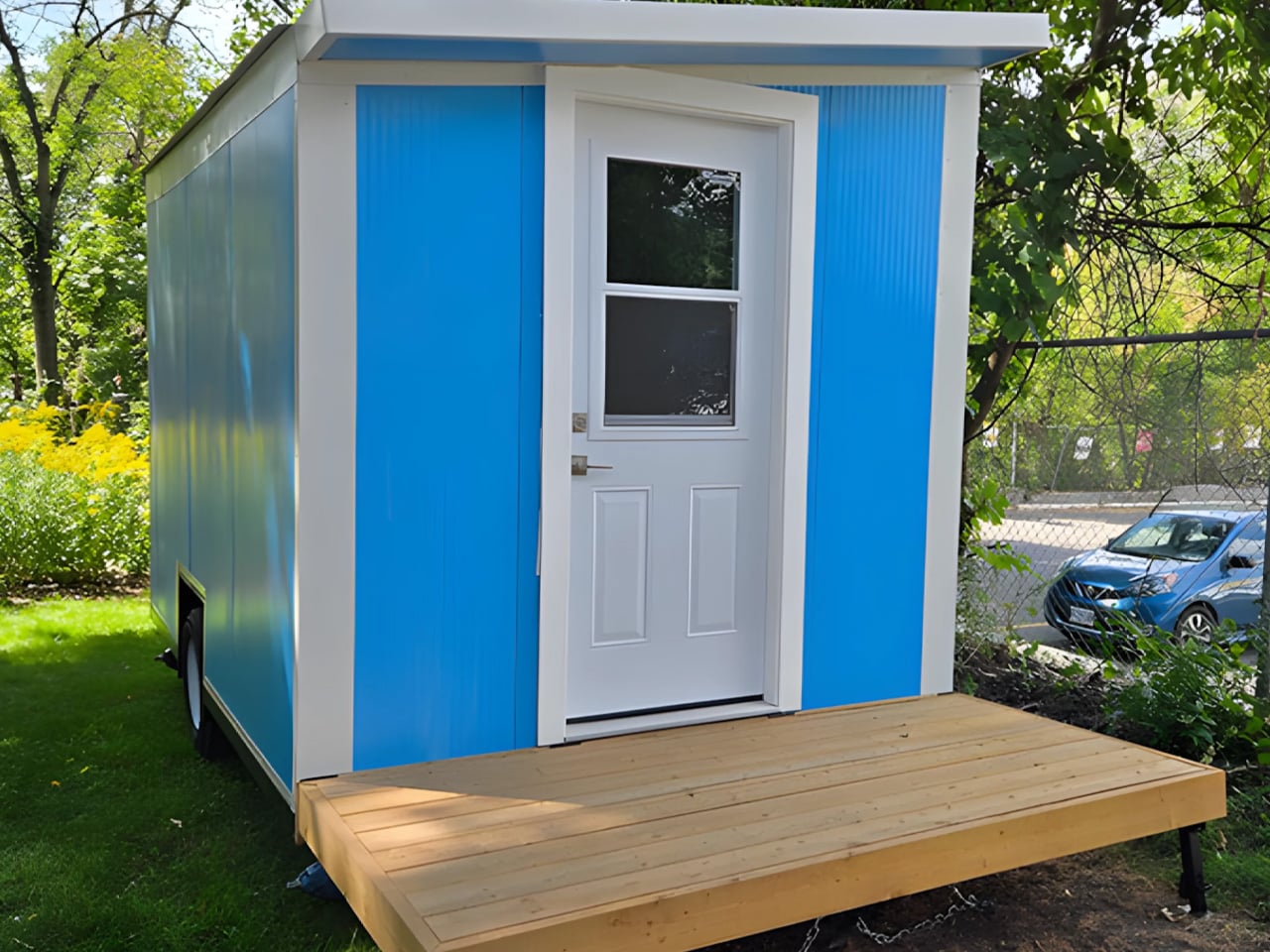
There is a version of shelter that asks nothing of you — no monthly mortgage anxiety, no utility juggling, no lease renewal dread. It is just four walls, a roof, a bed, and warmth. Tiny Tiny Homes, a Canadian tiny house builder and charity, has built exactly that with its 48-sq-ft model: a towable dwelling so stripped of excess that it forces you to reconsider what a home actually needs to be.
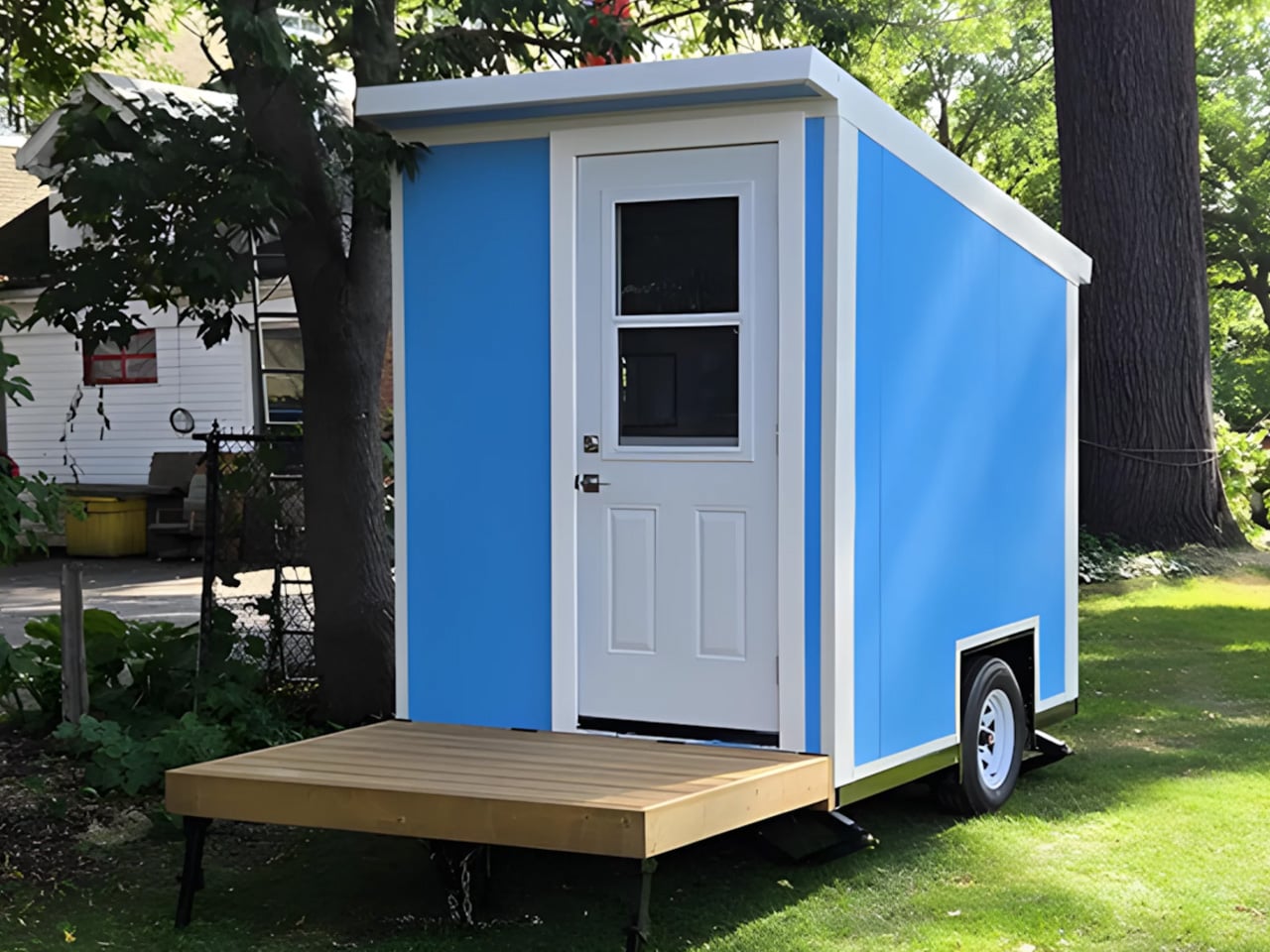
At 48 square feet (4.46 sq m), this is not a tiny home in the aspirational Instagram sense. It sits on a single-axle trailer, measures roughly 6 feet in length, and arrives on site ready to shelter someone immediately. The exterior is clad in insulated metal panels, painted blue and white, and features a small folding deck at the entrance that folds flat during transport. That last detail alone speaks to the level of considered design packed into something this compact.
Designer: Tiny Tiny Homes
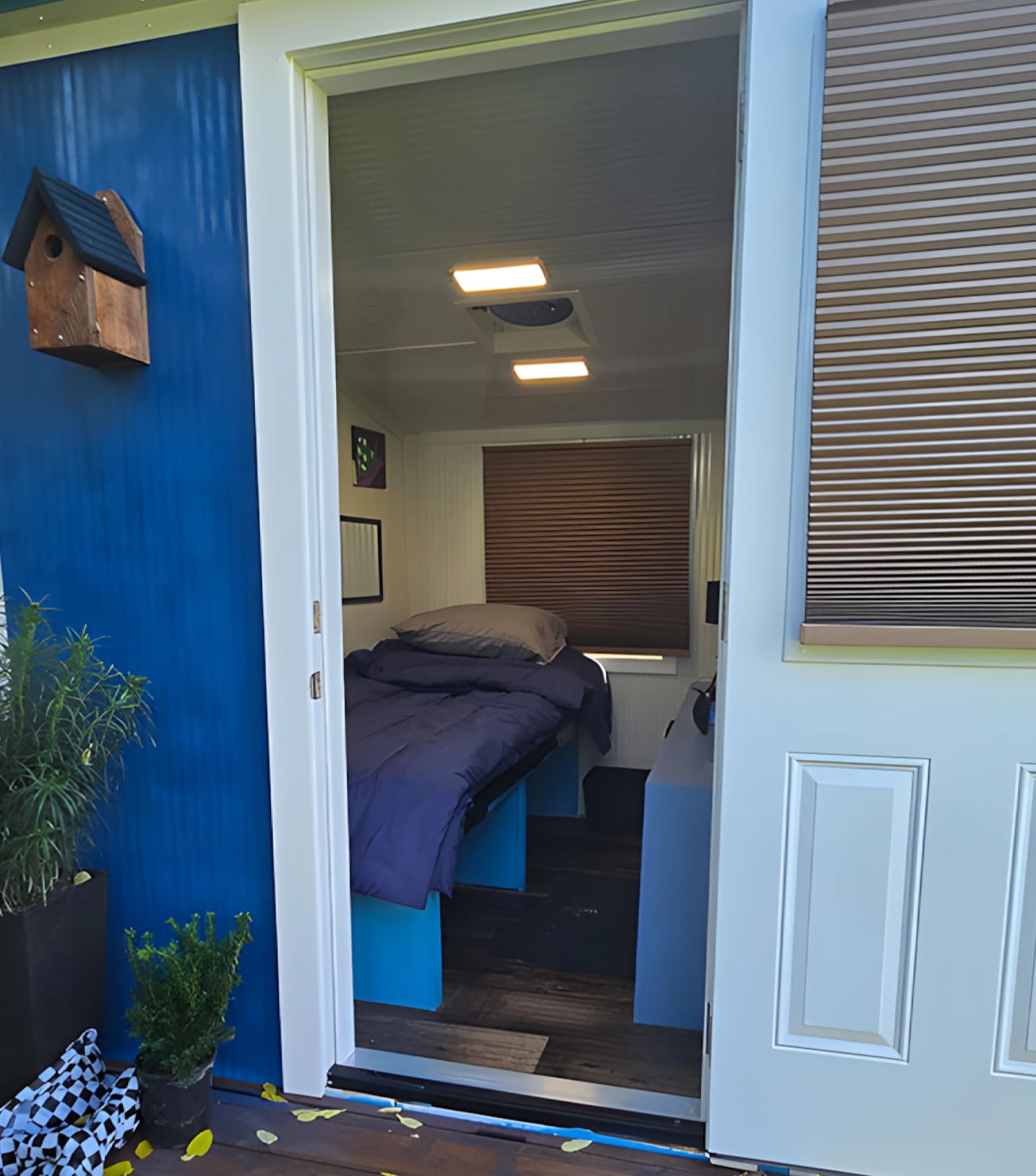
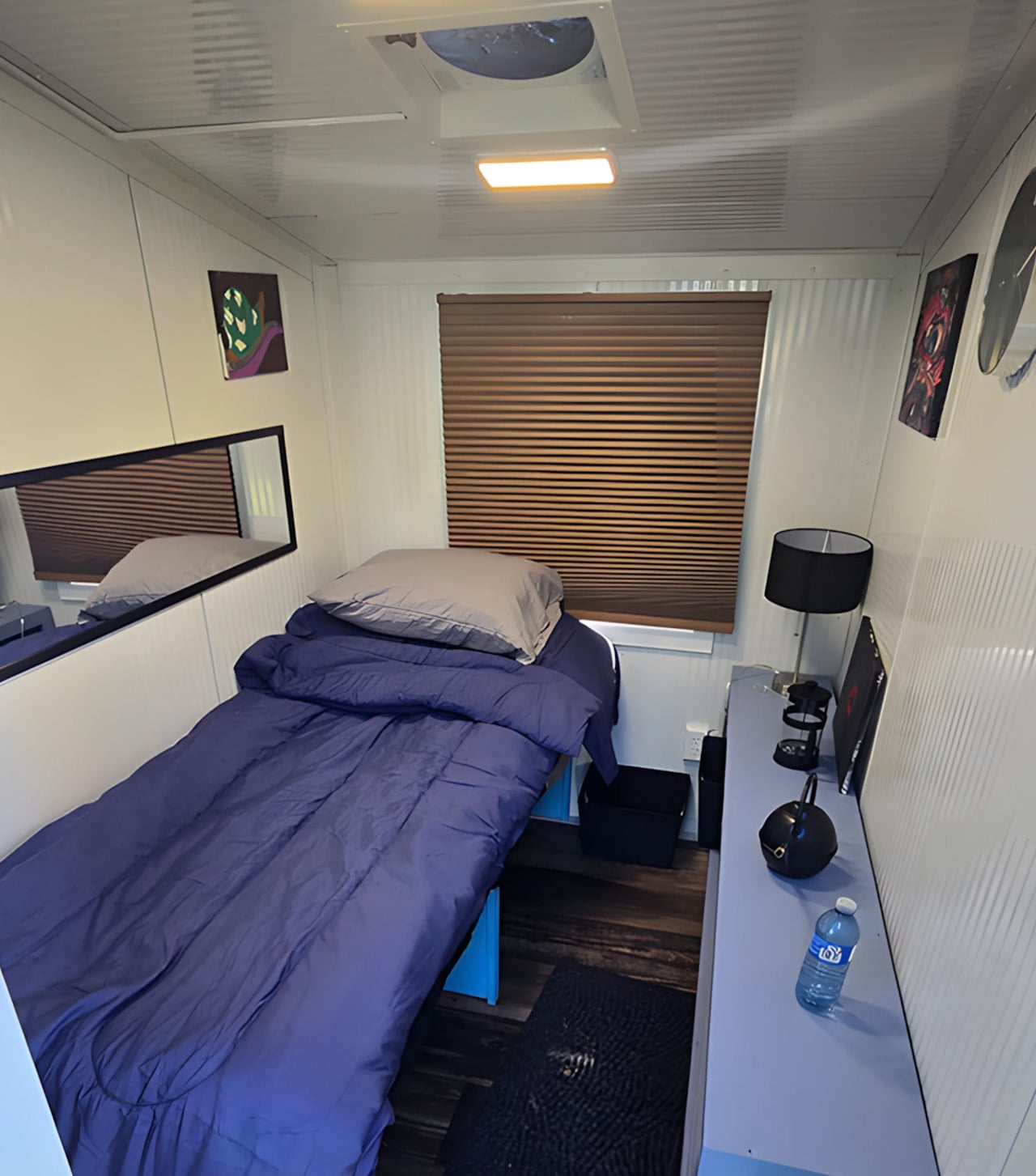
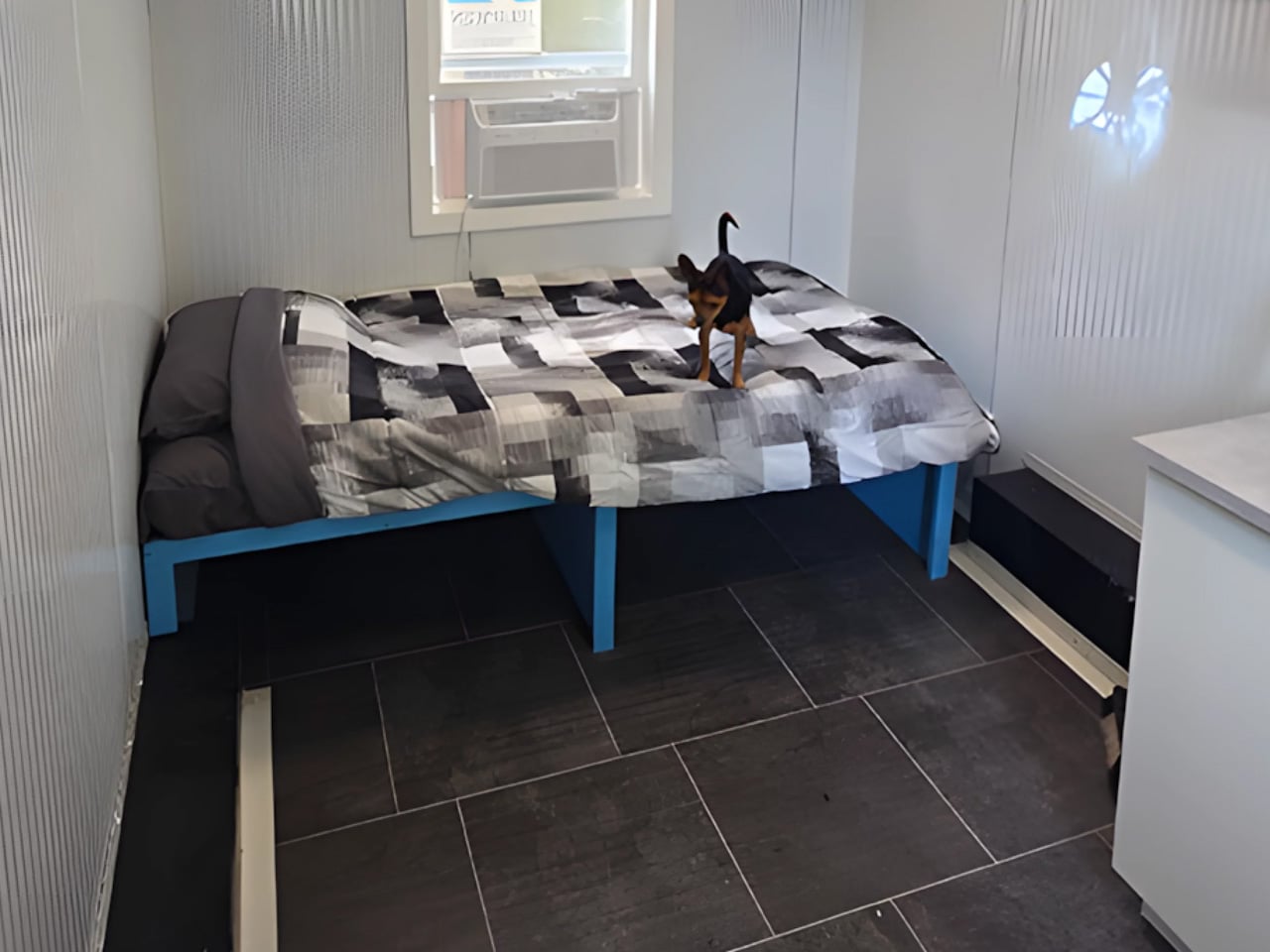
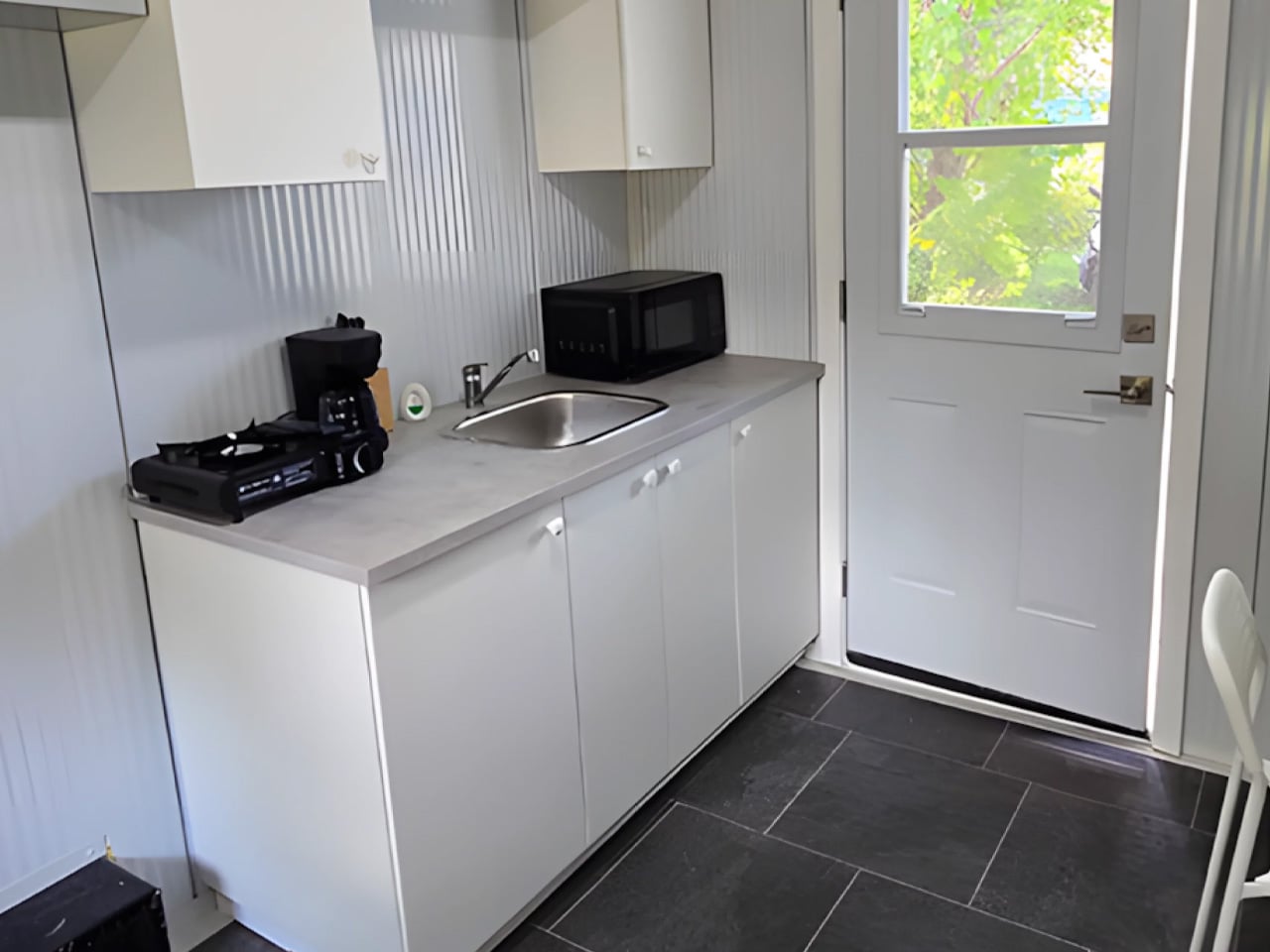
Inside, the single room is finished in metal panels. A bed and daybed occupy the primary footprint, with storage tucked underneath. A long storage unit runs alongside. Overhead, a skylight pulls natural light into what would otherwise feel suffocating. An optional window-mounted air conditioning unit and an electric heater handle climate year-round — a non-negotiable for deployments across Canada’s winters. There is no kitchen. There is no bathroom. And that is entirely intentional.
The 48-sq-ft model is conceived as emergency accommodation for people experiencing homelessness, positioned as a step above roughing it in a tent rather than a replacement for a conventional home. It is installed alongside shared facilities — communal kitchens, bathrooms, support services — which is what makes the stripped-back interior not a compromise, but a design decision. A pair of these units were recently delivered to the Seeds of Hope Farm Project, a transitional housing development in Toronto.
What Tiny Tiny Homes has achieved here is a lesson in design clarity. When the brief is pure shelter rather than lifestyle, every square inch earns its place. The skylight is not a luxury; it is a psychological necessity. The folding deck is not an amenity; it is a threshold between inside and outside that gives the dwelling a sense of arrival.
The organization also produces a 96-sq-ft sibling model that adds a desk and a kitchenette for situations where a more self-contained setup is needed. But the 48-sq-ft version, precisely because it does so little, says something more honest about what design is for — not to impress, but to protect.
Rover Tiny Homes built the Apex for people who want to live smaller — not people who want to live with less. The British Columbia-based family-run builder has spent years crafting portable cottages that challenge the compromises typically written into tiny living — and the Apex might be the clearest statement of that philosophy yet.
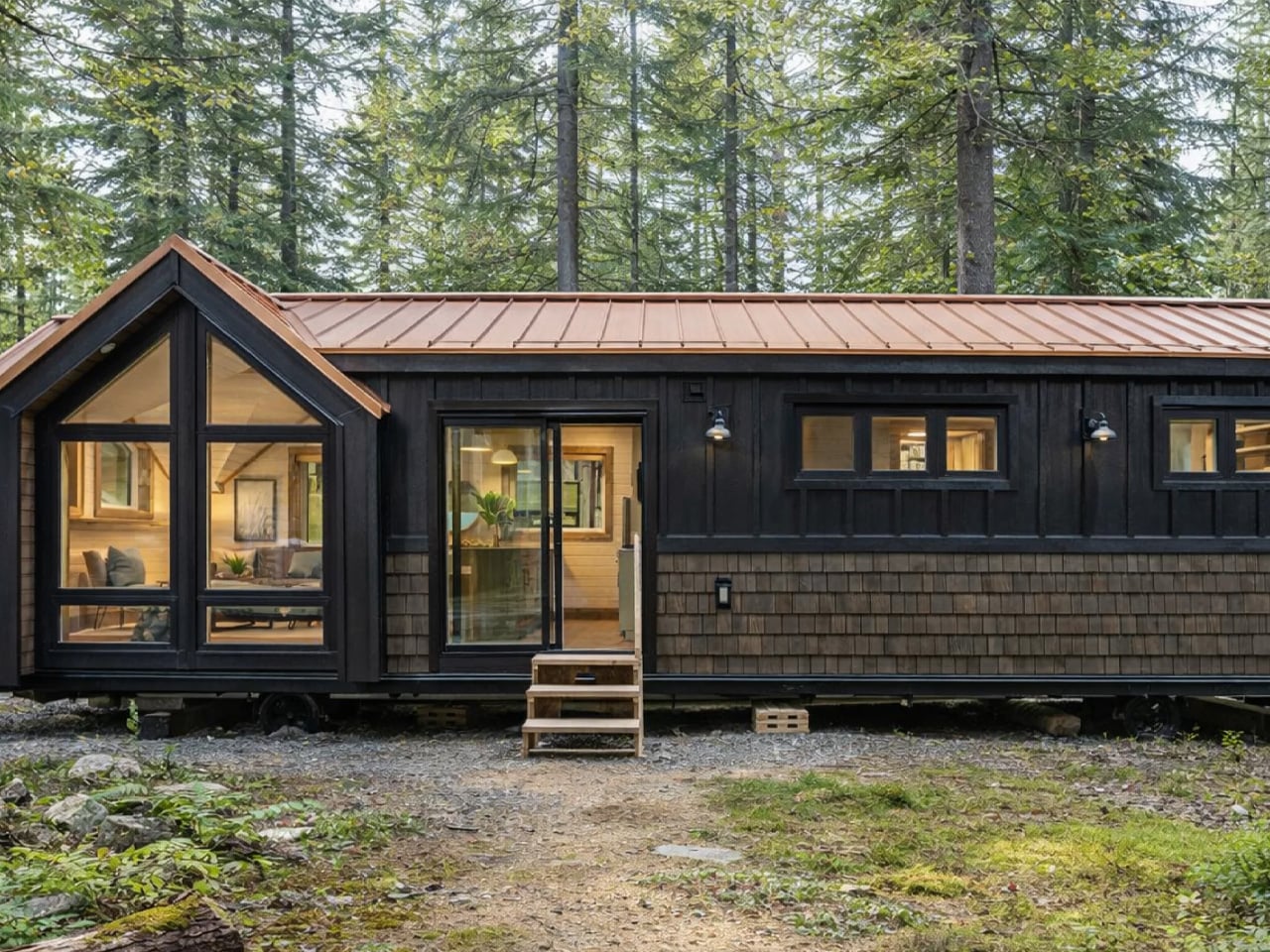
At 492 square feet with an additional 80-square-foot loft, the Apex sits at the larger end of the park model category. It’s non-towable, built to live on a site rather than chase one, and designed with the sensibility of a mountain cabin that’s been quietly upgraded from the inside out. The exterior is clad in engineered wood and dark cedar shingles beneath a Prolok metal roof — restrained and confident, as good materials tend to be.
The interior opens onto a living room through double glass doors, defined by intersecting vaulted ceilings and two soaring A-frame windows that draw the landscape inside. Tongue and groove pine runs overhead, and reclaimed barn wood trim — over a century old — adds a warmth that no amount of staged furniture could manufacture. A fireplace with a custom mantle anchors one wall. A mini-split handles the rest of the climate, backed by insulation rated R24 in the walls and up to R31 in the floors.
The kitchen is where the Apex most directly rejects the idea of compromise. Quartz countertops, custom slow-close cabinetry, a four-burner propane cooktop, a dishwasher, and a fridge-freezer sit alongside a breakfast bar that seats three. It looks and functions like a real kitchen, because it is one.
Past the kitchen, a hallway leads somewhere most tiny homes don’t bother going — to a dedicated mud room with its own separate entrance. For anyone returning from a trail, a paddle, or a wet afternoon, that distinction matters more than any spec sheet can convey. The bathroom beyond it includes a full bathtub, a vanity, and a stacked washer-dryer, which rounds out a level of domestic functionality that genuinely surprises.
The bedroom at the far end of the home is spacious enough to stand upright in without performing any spatial calculus. Built-in storage, a double bed, his-and-hers closets, and a ceiling fan keep it calm and considered. The Apex starts at roughly US $150,000. Rover Tiny Homes delivers within three hours of Chilliwack, BC, and the model is available in A277, Z240-MH, and Z241 certifications to suit different site and foundation requirements.
Most tiny homes ask you to sacrifice. The Springbrook 7.2 doesn’t. The Springbrook 7.2 from Gold Coast–based Removed Tiny Homes is the opposite of that. Named for its 7.2-meter length (23.7 feet), it’s a build that makes a convincing case for intentional design over raw square footage.
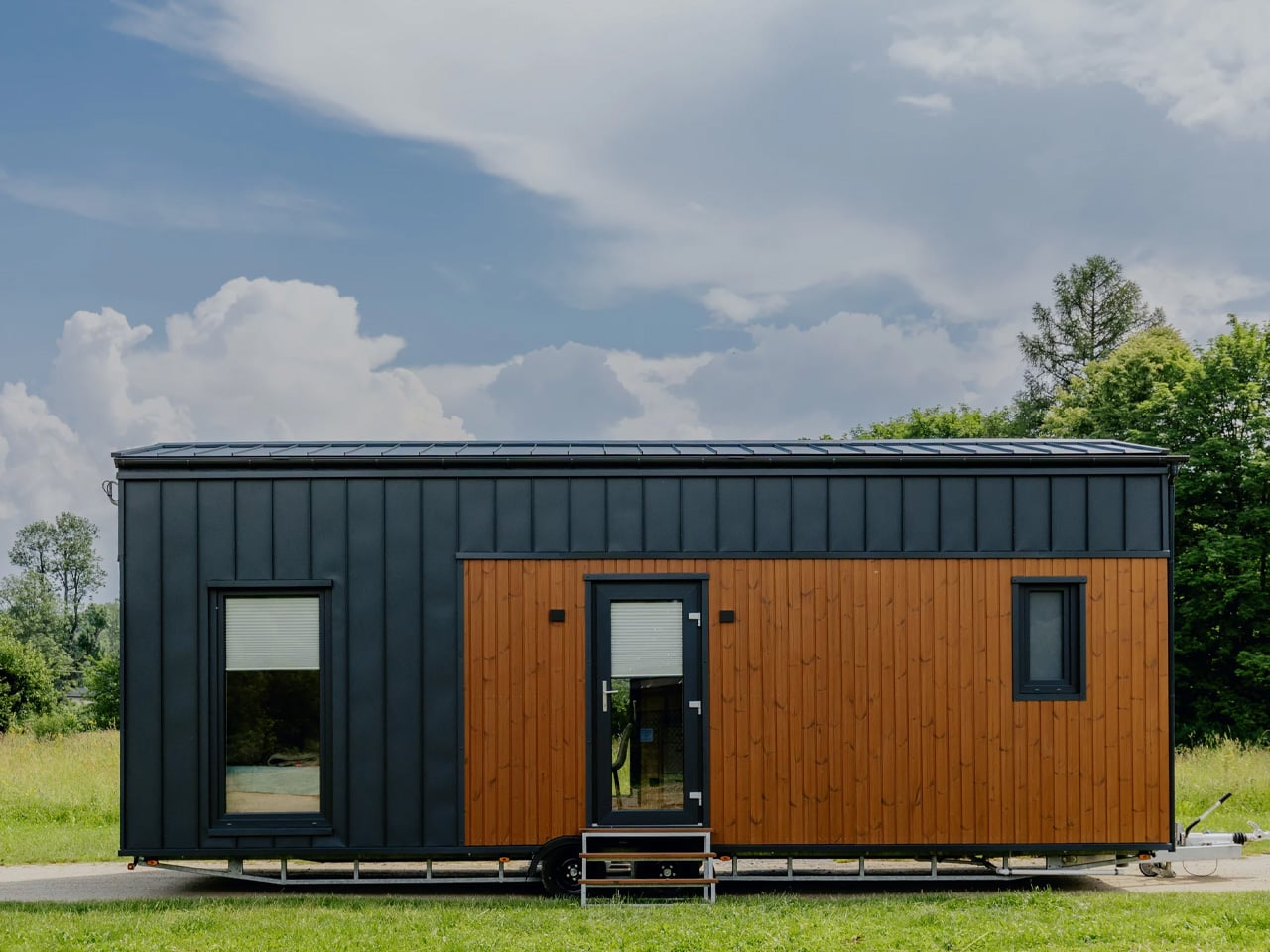
Built on a standard trailer and clad in Colorbond steel, the home’s exterior is durable and weatherproof — Colorbond is a popular choice across Australia precisely because it holds up in extreme climates without losing its clean, contemporary finish. An awning runs along the exterior, extending the home’s livable edge and softening its profile against the surrounding landscape.
The interior greets you through double glass doors that open into a living area anchored by an L-shaped sofa. The ceiling reads high, and generous glazing keeps the space from contracting inward the way so many compact homes do. Light fills the room freely, which is less a given than it sounds in a build this size. Removed’s design instinct here is to borrow volume from the outside rather than manufacture it through material trickery alone.
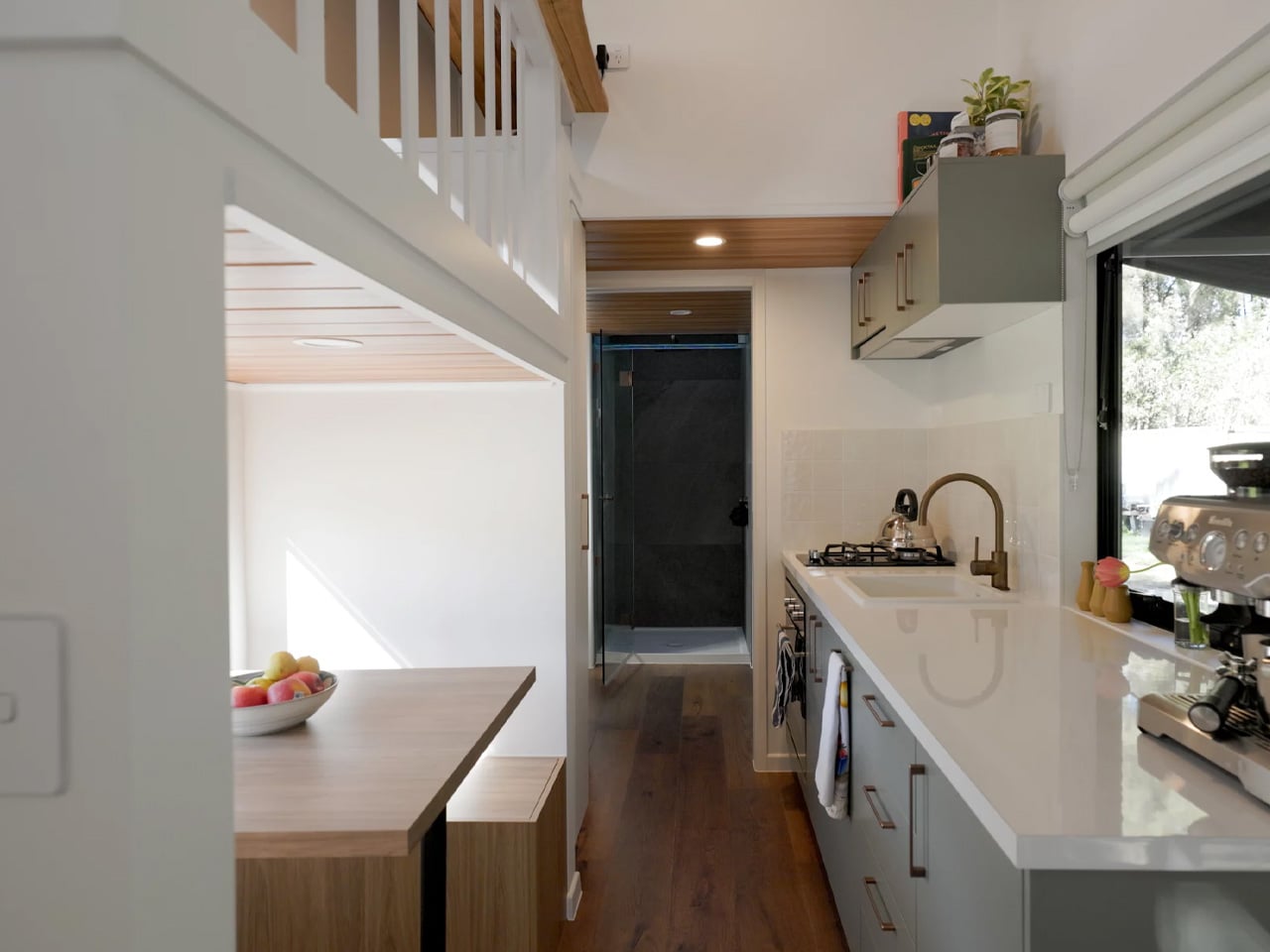
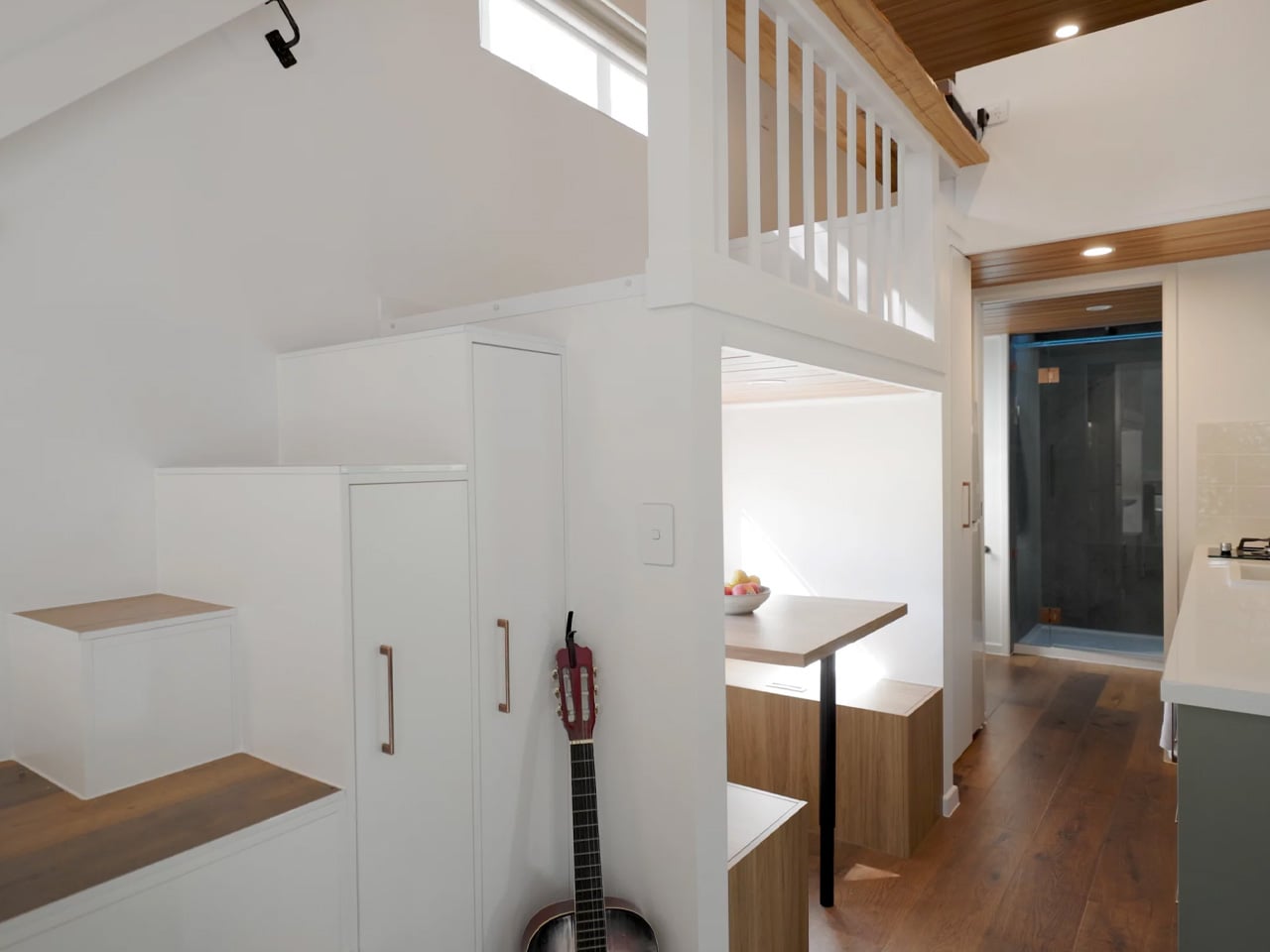
The kitchen, positioned deeper into the plan, is remarkably complete. There’s a sink, an oven, a two-burner propane stove, a fridge and freezer, and a full complement of upper and lower cabinetry. Beside it sits a booth-style dining nook with bench seating and a table — the kind of tucked-away setup that feels more intimate than cramped, more considered than squeezed in.
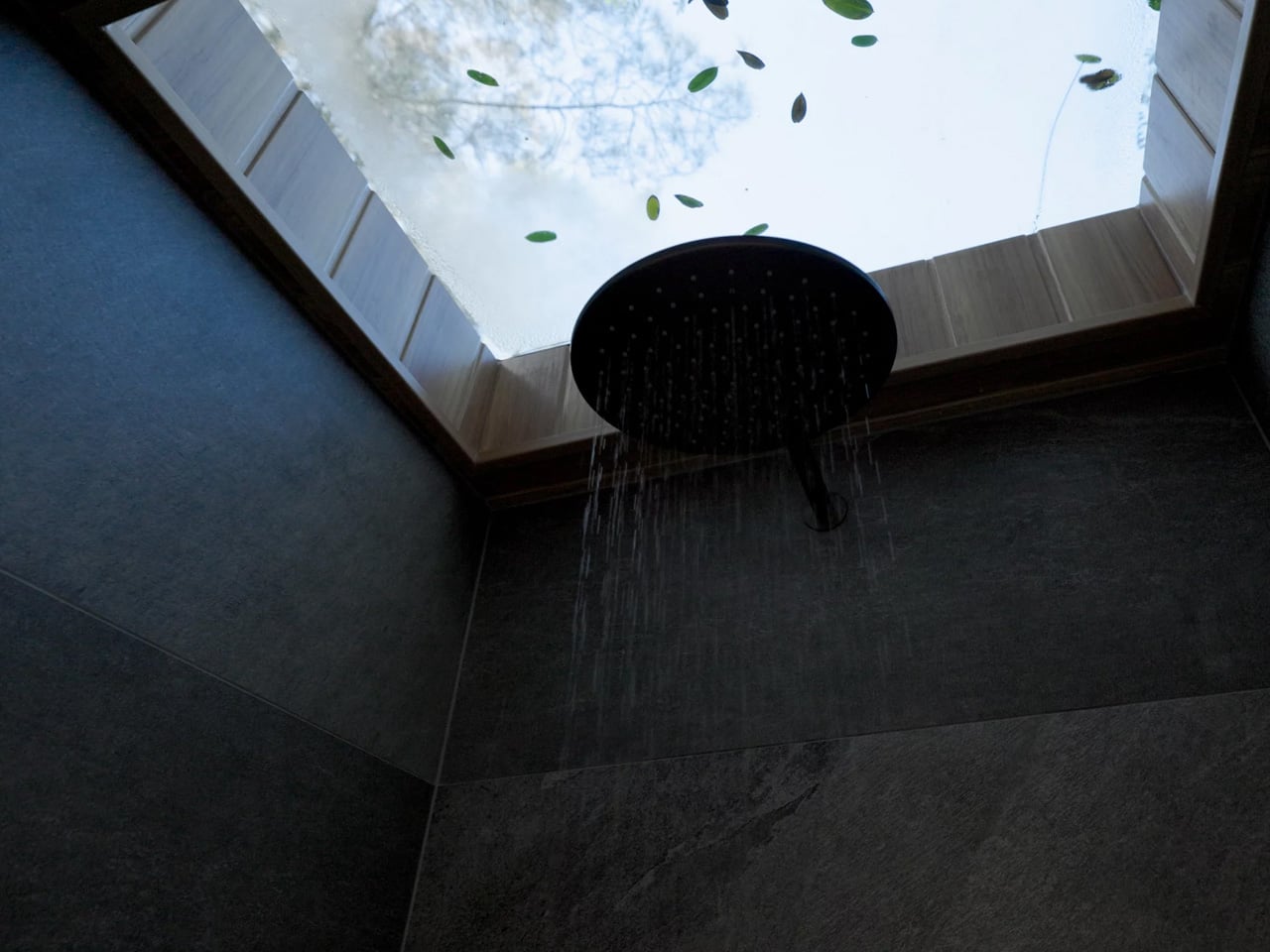
The bathroom sits at the far end of the home. A composting toilet, a vanity sink, and a walk-in shower occupy the space with no sense of conflict. The shower is topped by a skylight, a small detail that does a lot of work — it draws natural light straight down into what could easily have been the home’s darkest corner, and keeps it private without compromising that openness.
Circulation between levels is handled by a corner staircase that integrates storage into its structure, winding up to the loft bedroom above. The loft holds a queen-sized bed and a desk built directly into the balustrade, converting the sleeping area into a workspace without any additional furniture. The ceiling sits low up here, but the resolution is smart: it makes the space feel cocooning rather than confined.
The Springbrook 7.2 was designed and delivered as a custom commission. Pricing is available on request directly through Removed Tiny Homes.
Most tiny homes ask you to sacrifice. The Springbrook 7.2 doesn’t. The Springbrook 7.2 from Gold Coast–based Removed Tiny Homes is the opposite of that. Named for its 7.2-meter length (23.7 feet), it’s a build that makes a convincing case for intentional design over raw square footage.
Built on a standard trailer and clad in Colorbond steel, the home’s exterior is durable and weatherproof — Colorbond is a popular choice across Australia precisely because it holds up in extreme climates without losing its clean, contemporary finish. An awning runs along the exterior, extending the home’s livable edge and softening its profile against the surrounding landscape.
The interior greets you through double glass doors that open into a living area anchored by an L-shaped sofa. The ceiling reads high, and generous glazing keeps the space from contracting inward the way so many compact homes do. Light fills the room freely, which is less a given than it sounds in a build this size. Removed’s design instinct here is to borrow volume from the outside rather than manufacture it through material trickery alone.
The kitchen, positioned deeper into the plan, is remarkably complete. There’s a sink, an oven, a two-burner propane stove, a fridge and freezer, and a full complement of upper and lower cabinetry. Beside it sits a booth-style dining nook with bench seating and a table — the kind of tucked-away setup that feels more intimate than cramped, more considered than squeezed in.
The bathroom sits at the far end of the home. A composting toilet, a vanity sink, and a walk-in shower occupy the space with no sense of conflict. The shower is topped by a skylight, a small detail that does a lot of work — it draws natural light straight down into what could easily have been the home’s darkest corner, and keeps it private without compromising that openness.
Circulation between levels is handled by a corner staircase that integrates storage into its structure, winding up to the loft bedroom above. The loft holds a queen-sized bed and a desk built directly into the balustrade, converting the sleeping area into a workspace without any additional furniture. The ceiling sits low up here, but the resolution is smart: it makes the space feel cocooning rather than confined.
The Springbrook 7.2 was designed and delivered as a custom commission. Pricing is available on request directly through Removed Tiny Homes.
Two bedrooms in a tiny home that fits on a double-axle trailer sounds like a promise that usually ends in compromise. Craft House’s latest model, the Alan, makes a compelling case that it doesn’t have to. Measuring 8.4 meters long, the Polish builder has packed a full master suite, a mezzanine loft, a proper kitchen, and a bathroom into a towable frame with enough practicality to work as a full-time residence.
The exterior sets the tone without making a fuss. Engineered wood cladding meets metal paneling beneath a metal roof, giving the Alan a quiet, modern character that sits closer to a Scandinavian cabin than a trailer. Two separate glass-door entrances open along either side, flooding the interior with natural light and softening the line between indoors and out. Pair each entrance with a deck, and the sense of space expands considerably.
Inside, Scandinavian spruce lines every surface, warm and tactile against the structure’s harder geometry. The center of the home is a combined dining and living area, anchored by a wall-mounted TV and a table that seats four. A mirrored wall and a high ceiling work together convincingly to make the space feel larger than it is, while underfloor heating and a mini-split keep it comfortable year-round.
The kitchen is compact but genuinely functional, with an induction cooktop, oven, fridge/freezer, and sink, plus upper and lower cabinetry that provides ample storage for daily living. The bathroom, meanwhile, is clean and well-considered, with a glass-enclosed shower, vanity sink, and a flushing toilet. Craft House has kept both spaces tight without letting them feel like afterthoughts.
The standout detail is the folding staircase. It leads to the mezzanine loft bedroom, and when not in use, it folds away entirely, reclaiming the downstairs floor space it would otherwise occupy. The master bedroom sits below with full standing headroom, a double bed, a large window, and a second mini-split for independent climate control. It’s a small mechanical solution with a disproportionately large effect on how the home actually lives.
Craft House offers the Alan with a range of optional upgrades: full off-grid capability, deck areas, and flexibility on both materials and layout configuration. For those who want to live untethered, the off-grid option in particular makes the package worth considering seriously. The base price starts at roughly $57,500 USD, with delivery details available directly from the builder.
For a two-bedroom towable home that doesn’t demand too many trade-offs, the Alan earns its attention. The folding stair, dual entrances, and spruce-wrapped interior give it a livability that most homes this size struggle to reach. It’s the kind of build that makes downsizing feel like a choice, not a concession.
Japanese design has always understood something that took the rest of the world considerably longer to figure out: a small space only feels limiting when the objects inside it aren’t doing enough. The country’s most enduring domestic products aren’t space-savers in the utilitarian sense — they’re space-earners, pieces that justify every square inch they occupy through beauty, purpose, or both. That distinction is subtle until you live with it, and then it becomes the only distinction that matters.
The eight pieces here come from studios, foundries, and workshops rooted in Japan’s craft traditions, alongside makers who have absorbed that same design philosophy. Some are subtle enough to disappear into a shelf. Others carry enough presence to anchor a room. What they share is an indifference to the idea that small living requires compromise. Each one proves, in its own way, that constraint and quality are not opposites — and that the most considered rooms are rarely the largest ones.
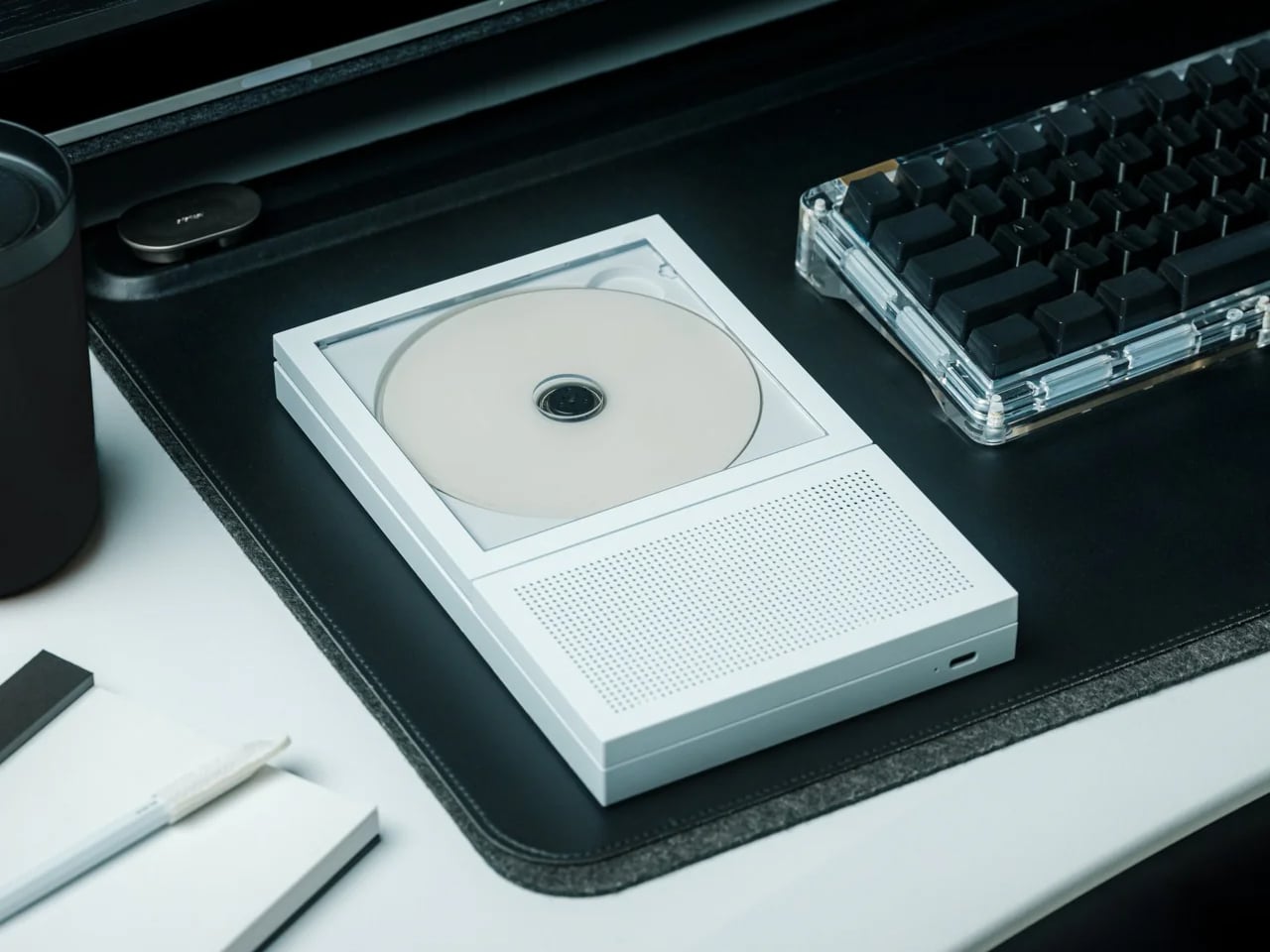
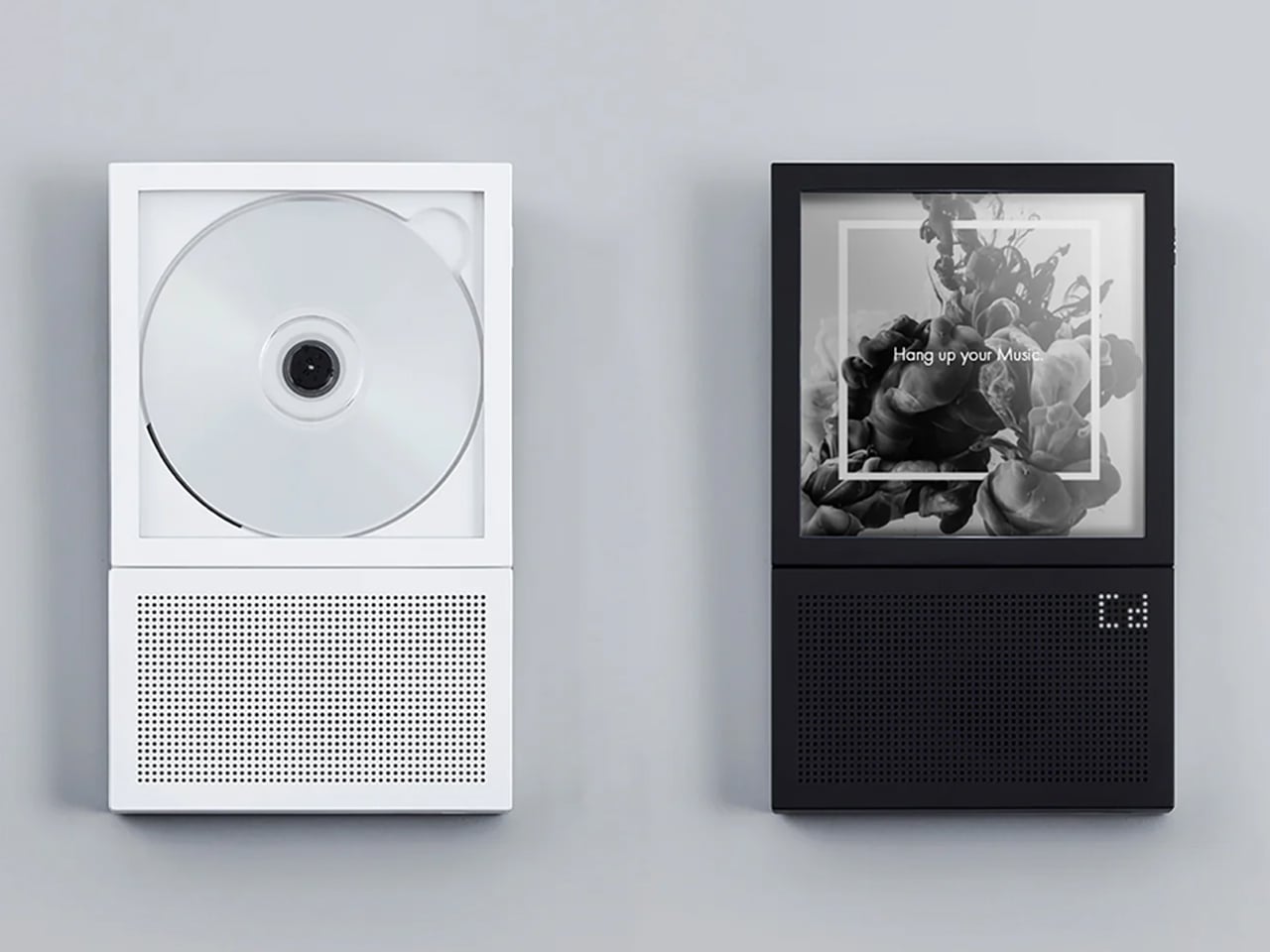
1. Portable CD Cover Player
There is something specific about the weight and ritual of a CD that streaming never quite replicated. You hold the case, read the liner notes, make a choice that takes slightly more commitment than a tap. This portable player leans into that ritual without apologizing for it, designed to sit alongside the disc itself in a form thin enough to slide into a bag or stand upright on a shelf. It belongs in the same category as the best Japanese audio objects: things built for an experience, not merely a function.
In a small home, audio gear tends to bulk up the room. Amplifiers, cable nests, speaker pairs that demand real estate — they all negotiate with the architecture in ways that rarely end quietly. This doesn’t. Its proportions are closer to the music than to the equipment, and in a tiny apartment that distinction changes the whole register of a shelf. Pick an album, commit to it, and let the room fill with something chosen rather than algorithmically served.
The physical form reinforces intentional listening in a way a streaming app simply cannot
Slim enough to share shelf space with the very collection it plays
What we dislike
Limited to physical media, which requires maintaining an actual disc collection
Output depends on headphones or an additional speaker to fill a room
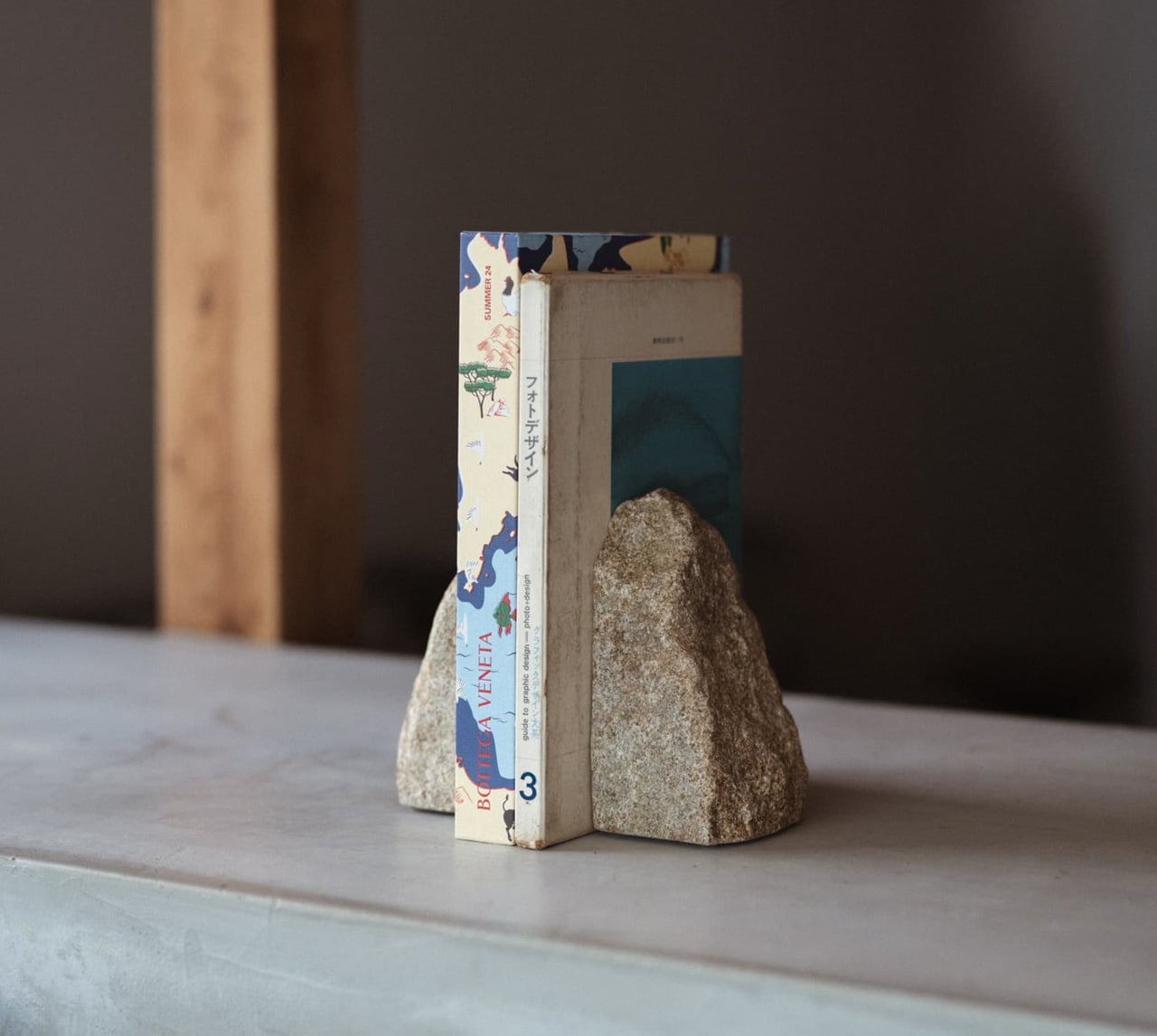
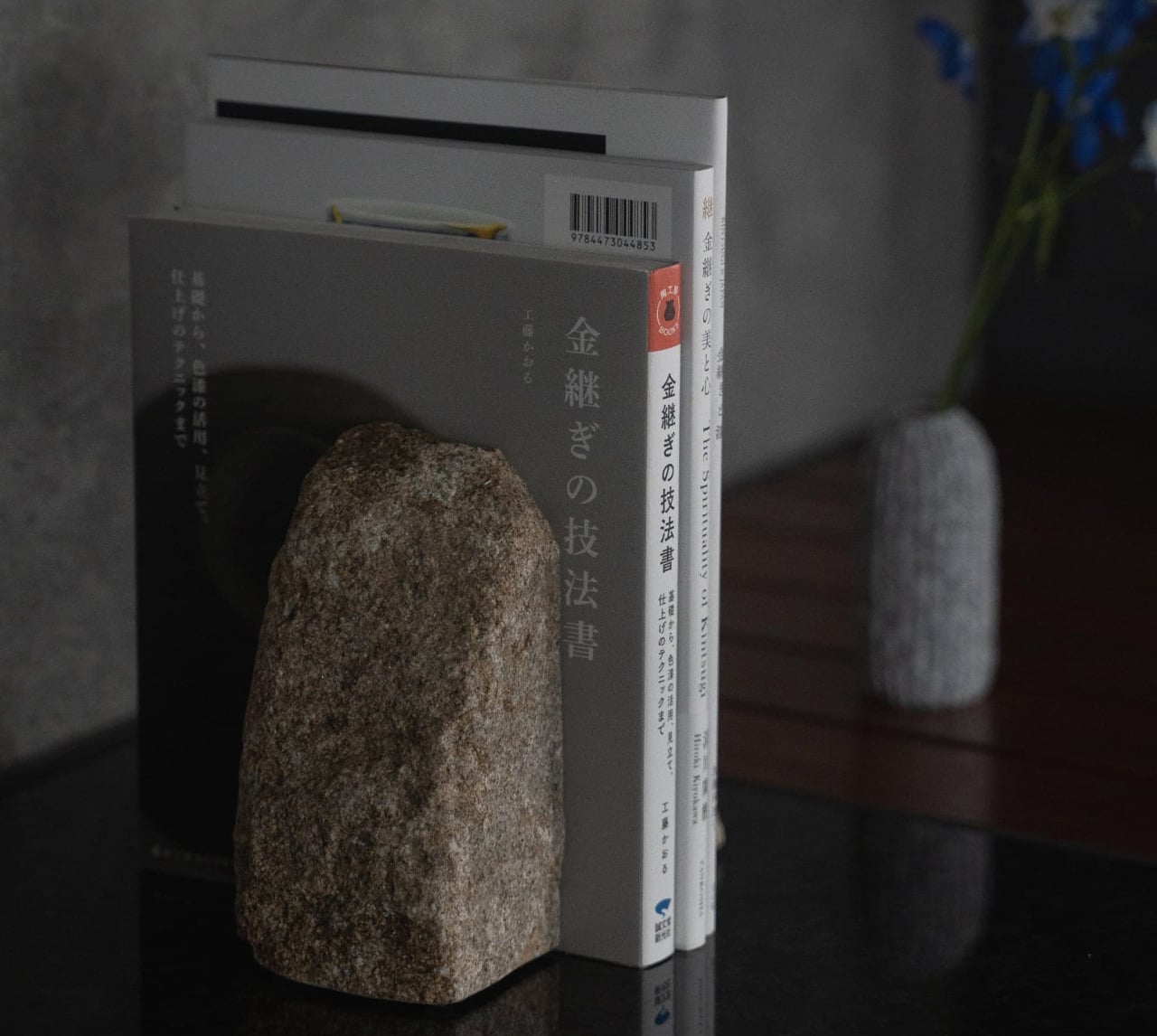
2. Aji Stone Book End Large
Quarried exclusively from the northeastern corner of Takamatsu City in Kagawa Prefecture, Aji granite has been considered Japan’s diamond of stone for centuries — dense, refined in grain, and resistant to moisture in ways that most decorative stone is not. The Large Book End is split from a single piece. No two are identical. Its surface carries the particular quality that only extraction rather than manufacture can produce: the sense that the material was always this way, waiting to be found rather than made.
What sets this apart from conventional bookends is what it refuses to do. It doesn’t decorate. It doesn’t try to be noticed. It simply holds what you’ve placed beside it with enough physical authority that the shelf around it immediately reads as more considered. In a small home where books live in plain sight — on open shelving, stacked on side tables — the presence of Aji stone changes how the whole arrangement reads. It turns a collection into a curation, which is a more significant shift than it sounds.
What we like
Split from a single stone, making each piece genuinely one of a kind
Dense enough to anchor the heaviest books without shifting or lifting
What we dislike
At $240, it asks for real confidence in its permanence as a purchase
Significant weight makes repositioning effortful once it has found its place
3. Frying Pan Omurice Chopstick Rest
Made in Mino Province — a region with over 1,300 years of ceramic production history and the source of roughly half of Japan’s tableware output — each of these rests is a miniature cast-iron frying pan with a curled dome of omurice sculpted in stoneware inside it. The craftsmanship is so specific and so unselfconscious about its playfulness that it reads as genuine rather than precious. Set it beside a bowl, or a plate, and the table shifts immediately from functional to considered.
In a small home, the dining table is rarely only a dining table. It doubles as a desk, a landing pad, a reading surface, a gathering point. When it becomes a table again for an actual meal, small objects like these do significant emotional work — they signal that the meal was planned, that the setting was thought about, that eating is worth a moment’s attention. The Mino tradition behind this rest gives that signal real weight.
What we like
Authentic Mino Province stoneware carries 1,300 years of regional craft tradition into an everyday ritual
Small enough to earn its place without competing with the food or the company
What we dislike
Textured stoneware requires more careful cleaning between uses than a glazed alternative
The omurice reference lands most fully for those already familiar with Japanese comfort food
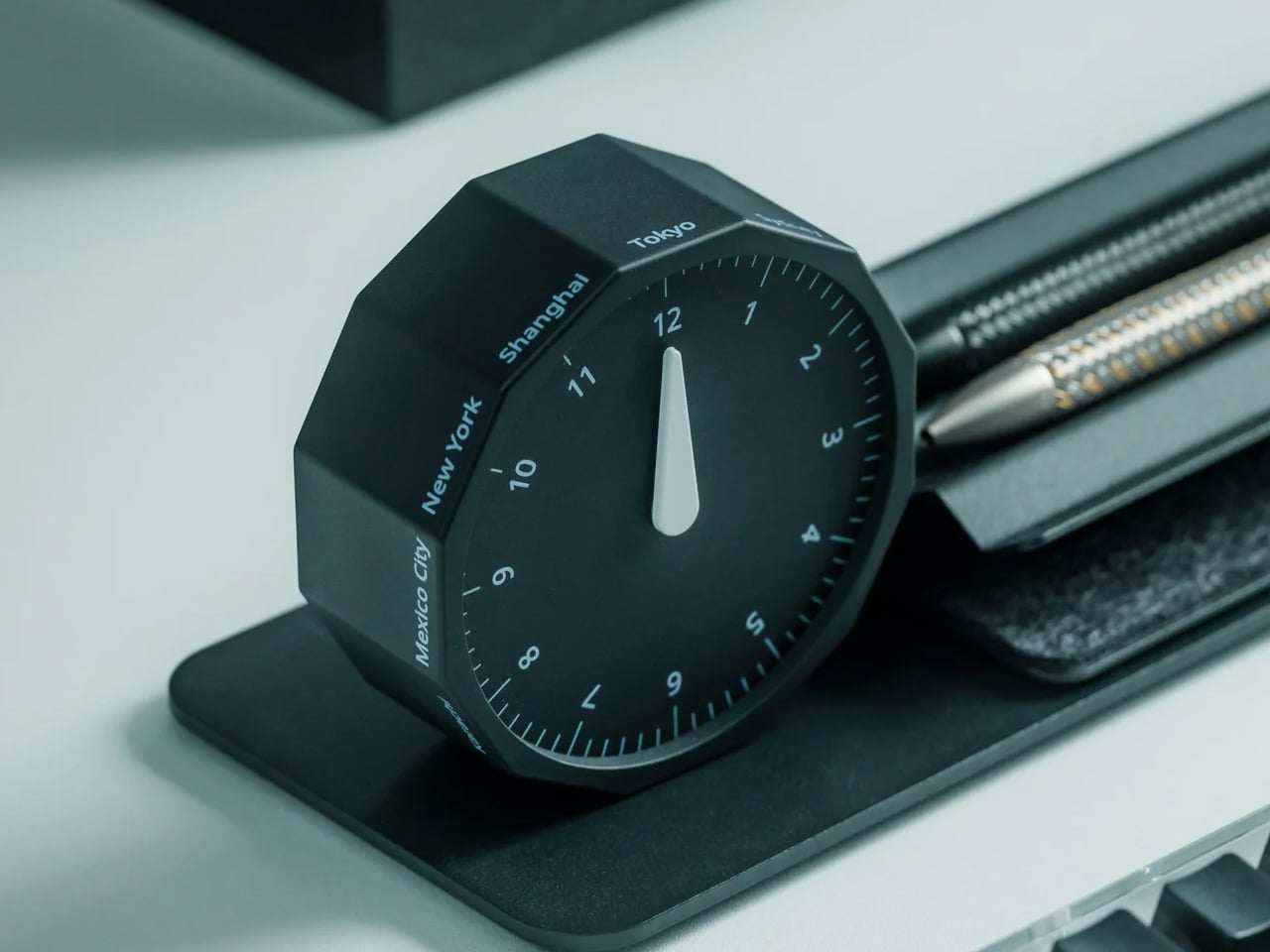
4. Rolling World Clock
The Rolling World Clock treats time as something physical rather than abstract — a globe-like form that lets you reach out and find where the world’s hours currently sit. For anyone living across time zones, whether that means remote work, family spread across continents, or the particular restlessness of people who travel often, the constant mental arithmetic disappears. What remains is an object that earns its place on a desk or shelf not through utility alone but through the quiet pleasure of its form.
Small homes accumulate necessities that rarely pull their weight visually. A conventional world clock reads as office furniture regardless of where you put it. This one reads as an object you chose deliberately, which in a space where every surface is permanently on display is the difference between clutter and character. The minimal form holds its own without competing for attention — present without being loud, functional without being forgettable.
The form turns a practical need into a considered object worth displaying
Works as a conversation piece and a functional tool in the same breath
What we dislike
Requires some familiarity with the interface to read quickly at a glance
May need repositioning as your primary time zones change over time
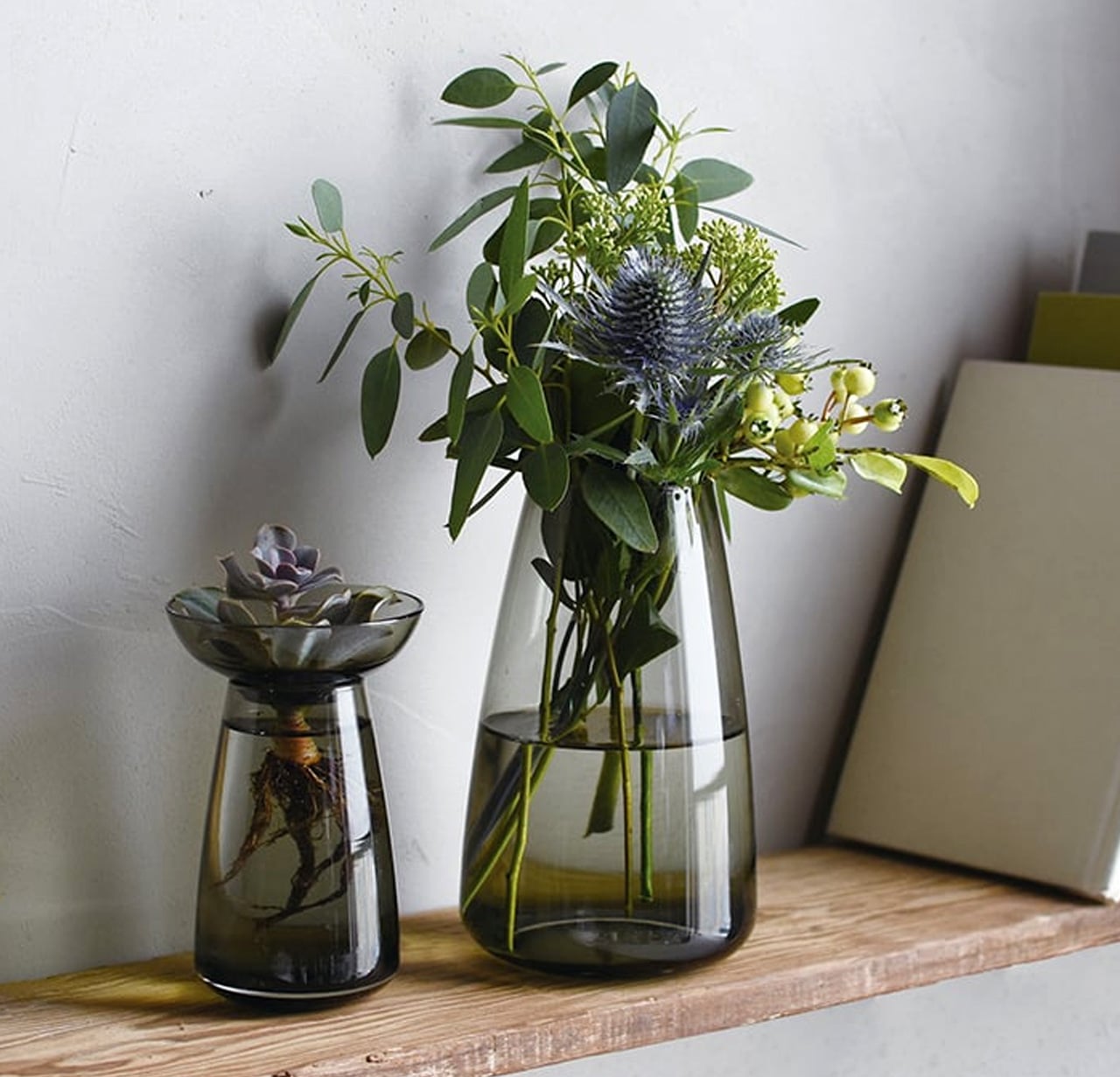
5. Kinto Aqua Culture Vase
Kinto has built one of Japan’s most internationally trusted design practices on a single principle: objects for daily use deserve the same clarity of form as objects made purely for display. The Aqua Culture Vase applies that principle to water propagation — growing plants directly in water, without soil, without mess, without the maintenance schedule that keeps most people from keeping anything alive. A clean borosilicate vessel, a single stem or cutting, a windowsill. That is the entire arrangement, and it is entirely enough.
In a small home, anything requiring ongoing care competes for the same attention as everything else. Plants are often the first thing to go. This removes the friction almost entirely. The vase holds water, supports a cutting, and does both in a form so stripped of anything unnecessary that it could sit beside a stack of books or on the edge of a kitchen shelf without announcing its presence. The plant does the announcing. The vase makes it possible, which has always been Kinto’s design posture.
What we like
Removes almost every barrier to keeping something living in a small space
The borosilicate glass form is completely honest about its purpose and its beauty
What we dislike
Works best with propagating cuttings rather than established root systems
Water clarity requires more attention than a soil-based planter over time
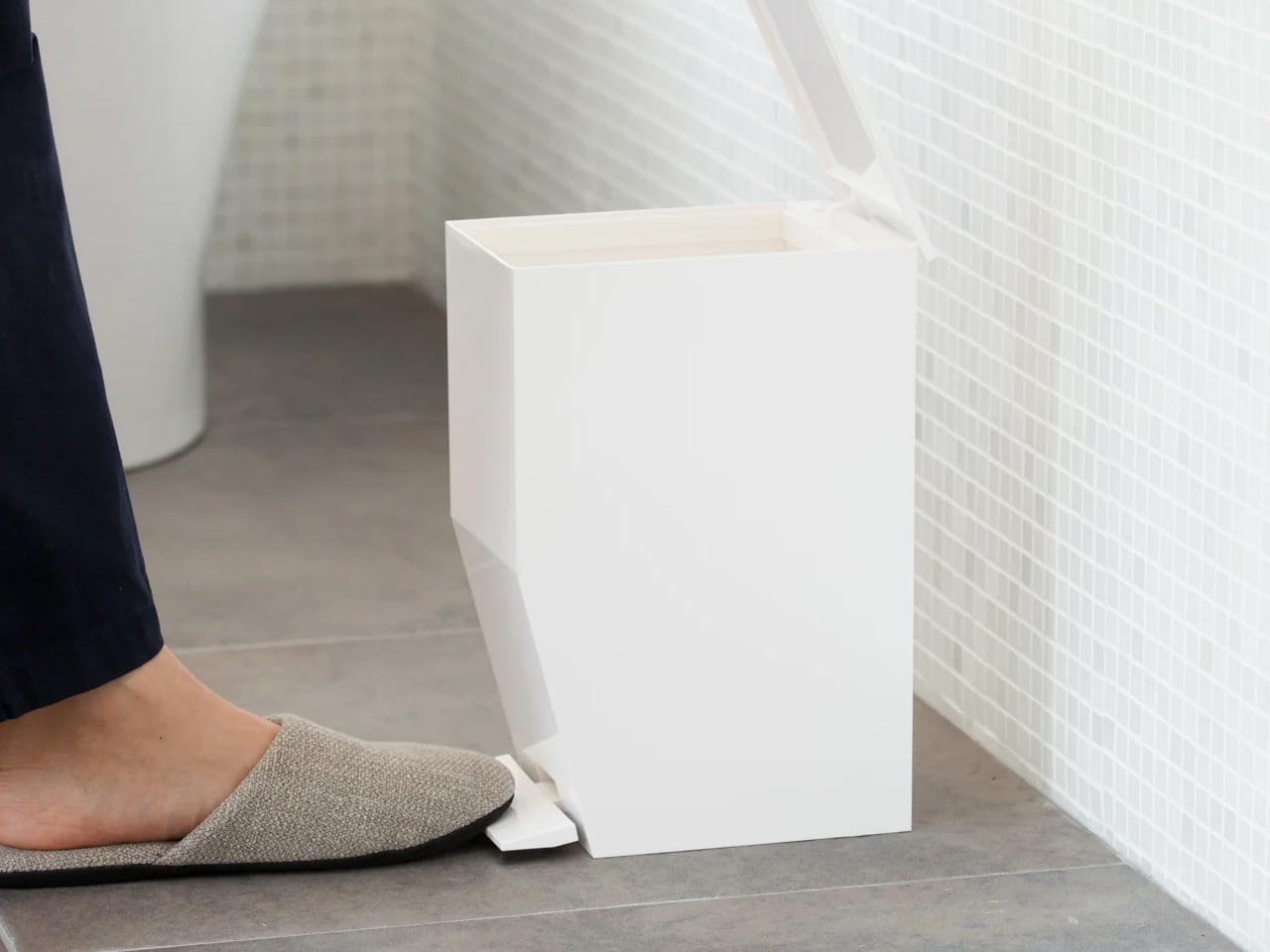
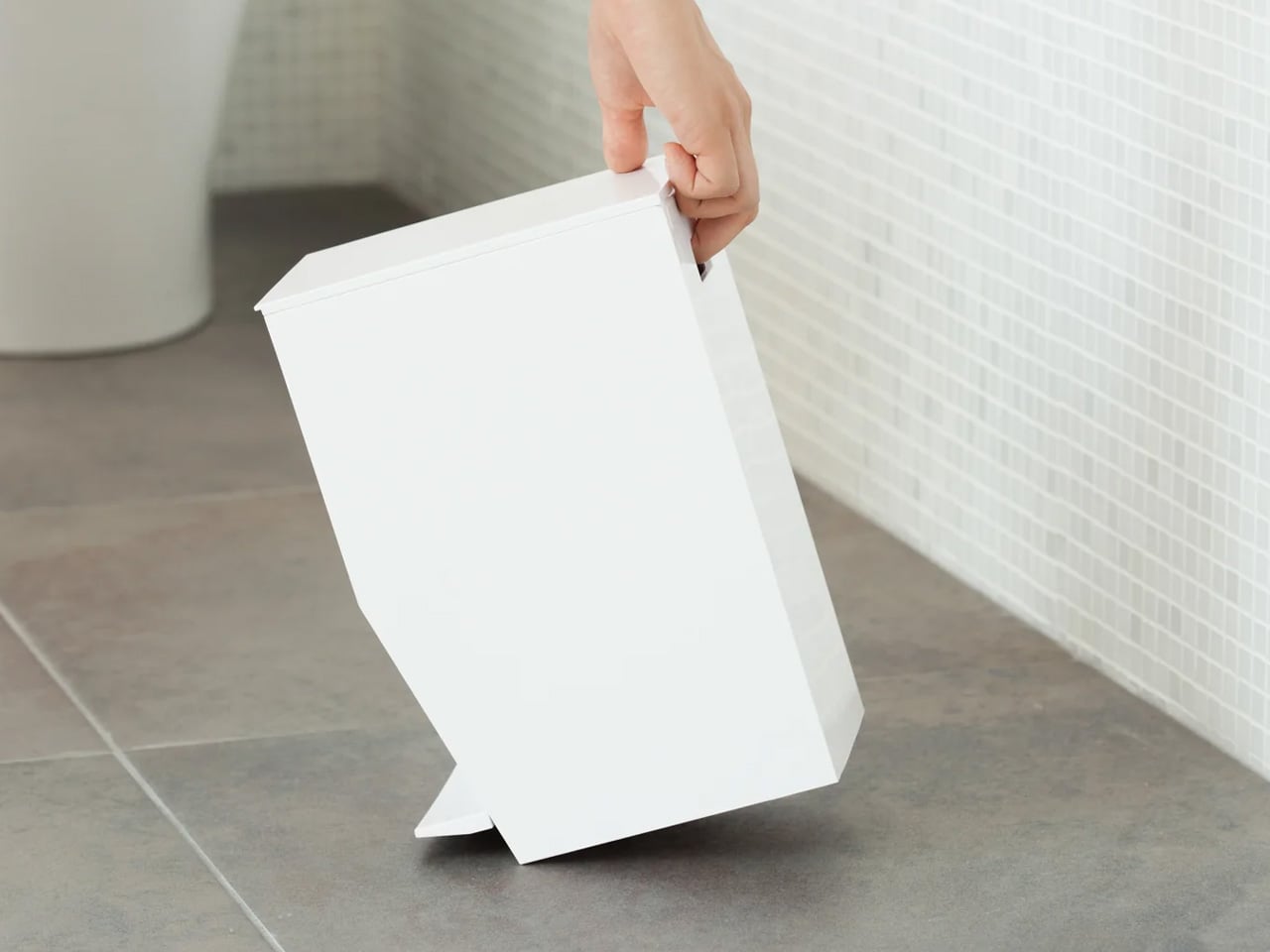
6. Yamazaki Home Tower Step Trash Can
Yamazaki Home’s Tower collection has become one of the most reliable benchmarks for Japanese functional minimalism at an accessible price point, and the Step Trash Can is central to that reputation. The step mechanism opens the lid without contact — genuinely useful in a bathroom or kitchen where hands are occupied — and the one-gallon capacity is sized for the spaces where it actually belongs rather than the idealized rooms in which most home goods are photographed. It holds liner bags without clips or visible hardware. The integrated handle makes emptying effortless.
In a small apartment, the waste bin is rarely hidden behind a cabinet door. It sits beside the toilet or under the counter in full view, which means it is part of the room’s visual language whether anyone intended it to be or not. The Tower can treats that reality with enough seriousness to design a bin worth looking at. Matte white or black ABS resin, no ornamentation. It looks like a choice — and in a small space, that quiet distinction between something assembled and something designed makes the whole room feel more intentional.
What we like
No-touch lid mechanism works for hygiene and convenience in equal measure
The slim profile fits flush beside toilets and under counters without claiming floor plan
What we dislike
One-gallon capacity means more frequent emptying than larger household bins
The liner ring is an additional component to source and replace over time
7. Corcelain Modular Porcelain Cups
224 Porcelain operates in Ureshino City in Saga Prefecture, a region whose ceramic tradition — Hizen-Yoshidayaki — stretches back through centuries of tea culture and meticulous clay work. Designer Kosuke Takahashi arrived at the studio with a specific question: what happens when you build a porcelain cup not as a finished object but as a platform? The result is Corcelain, the first modular porcelain system, where each cup accepts 3D-printed attachments — feet, handles, lids, decorative elements — through a precision mounting system integrated directly into the ceramic surface.
The appeal for a small home is not just the modularity. It is the philosophy underneath it. These cups evolve rather than accumulate. You don’t replace them when your needs or aesthetic shifts — you adapt them, download new components from MakerWorld, print what you need and nothing more. In a space where every object must justify its continued presence, a cup that changes alongside you is worth considerably more than one that doesn’t. The porcelain is serious. The system around it is generous. That combination is harder to achieve than it sounds.
What we like
Open-source attachments via MakerWorld keep the design evolving without requiring replacement
Hizen-Yoshidayaki ceramic tradition grounds a genuinely forward-looking concept in centuries of real craft
What we dislike
Full modularity requires access to a 3D printer or a printing service to realize
Mounting points need careful handling to avoid wear from frequent component changes
8. 3-in-1 Luminous Diffuser
Most diffusers ask you to choose between function and appearance, settling somewhere in the middle of both. This one refuses that negotiation by combining scent diffusion, ambient light, and a third mode into a single object whose form is considered enough to leave out permanently. The luminous element is not a decorative afterthought — it anchors a corner of a small room at low light, turning it into the kind of atmosphere you usually have to travel somewhere to find. Japan has always been good at making objects that shift a room without announcing how.
For a tiny home, the real value of a 3-in-1 is not the three functions — it is the three objects it replaces. No separate night light sitting on a cable. No ceramic diffuser vessel with a reservoir you forget to fill. No ambient lamp taking up a full socket and a surface. This consolidates all three into something with enough visual restraint to disappear when you want it to and enough presence to hold its own when you don’t. That economy of space and decision is exactly the point.
Three functional modes in a form minimal enough to leave permanently on display
Handles scent, light, and atmosphere without a separate object for each
What we dislike
Diffuser capacity suits smaller rooms better than open-plan living areas
Three functions mean one item to troubleshoot when something eventually needs attention
Small Rooms, Considered Objects
Japan’s design output at its best doesn’t ask you to reshape your life around what you own. It works the other way — finding the form that fits the space and routine you already have, then making that space feel more like itself. These eight pieces come from different regions, different craft traditions, and different centuries of making, but they share the same posture. None of them demands attention. Each one earns it through what it does and what it quietly refuses to do.
The tiny home movement has always been as much about intention as square footage. Living small works when every object in a room is genuinely worth having. These eight don’t fill a space — they complete one, each in its own register, from the density of Aji granite holding a shelf together to a modular porcelain cup that adapts alongside the person drinking from it. Start with one. The room will tell you what comes next.