10 Best Camping Gadgets Every Design Snob Needs Before Spring Actually Convinces You to Go Outside

Spring has a particular gift for making the outdoors look better than it probably is. The light softens, the temperature edges toward reasonable, and suddenly your feed is full of tasteful campsite photos that edit out the bugs, the muddy boots, and the deeply average coffee. Before you know it, you’ve agreed to a trip you’re already half-regretting. The good news is that the gear world has kept pace with your standards.

The camping category has gone through a genuine design evolution. Products are emerging from studios that understand outdoor life not as a survival exercise but as an experience worth designing for, with the same intention brought to a well-made chair or a precision kitchen tool. From Red Dot Award-winning inflatable systems to solar-integrated shelters and Swiss-engineered portable toilets, the gap between what you’d use at home and what you’d bring into the wild has quietly narrowed. Whether you’re a committed skeptic being dragged to a campsite or a design-minded enthusiast who’s been waiting for gear worth owning, this list was made for you. Here are ten camping gadgets that earn their spot before spring makes you leave the house.

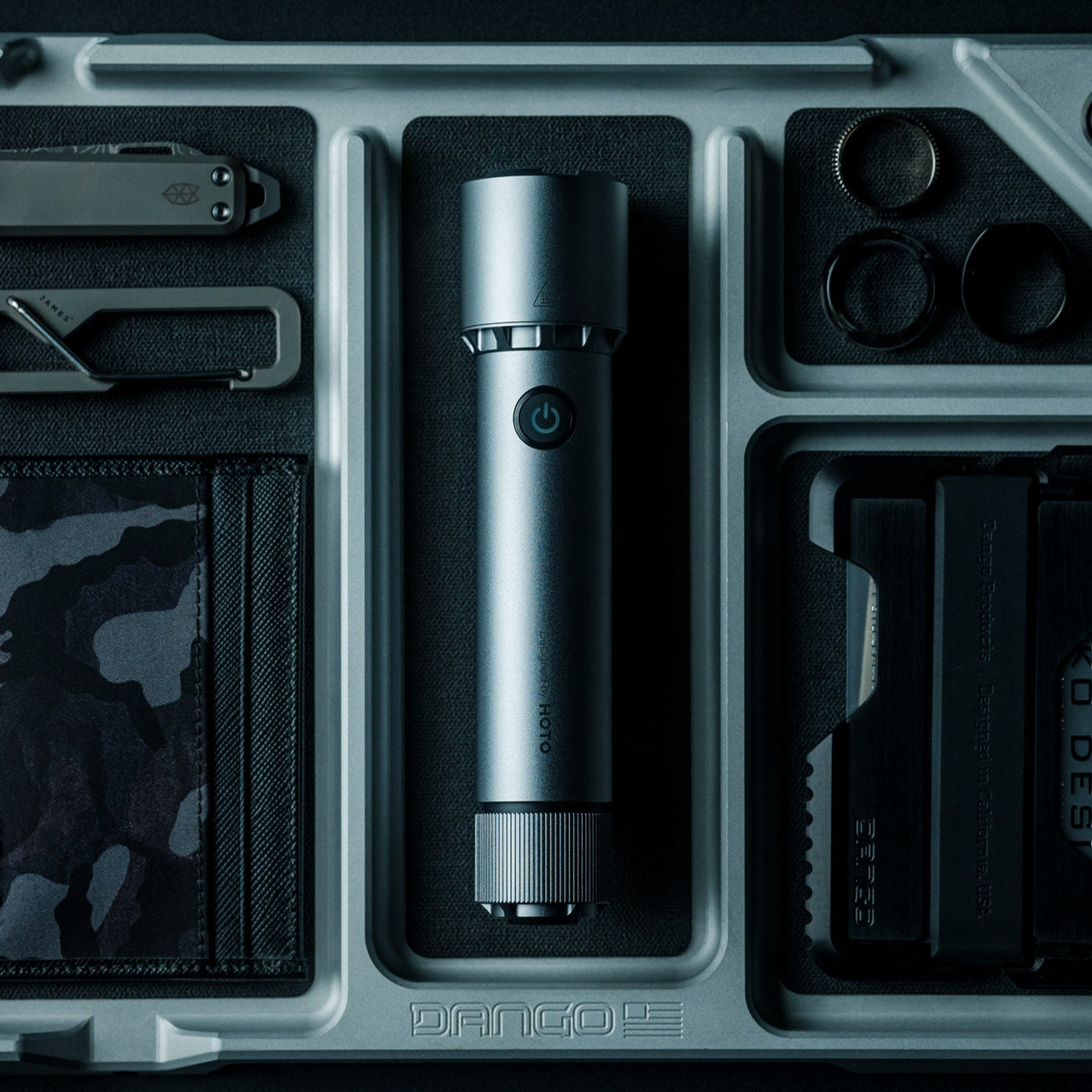
1. Olight Baton 4

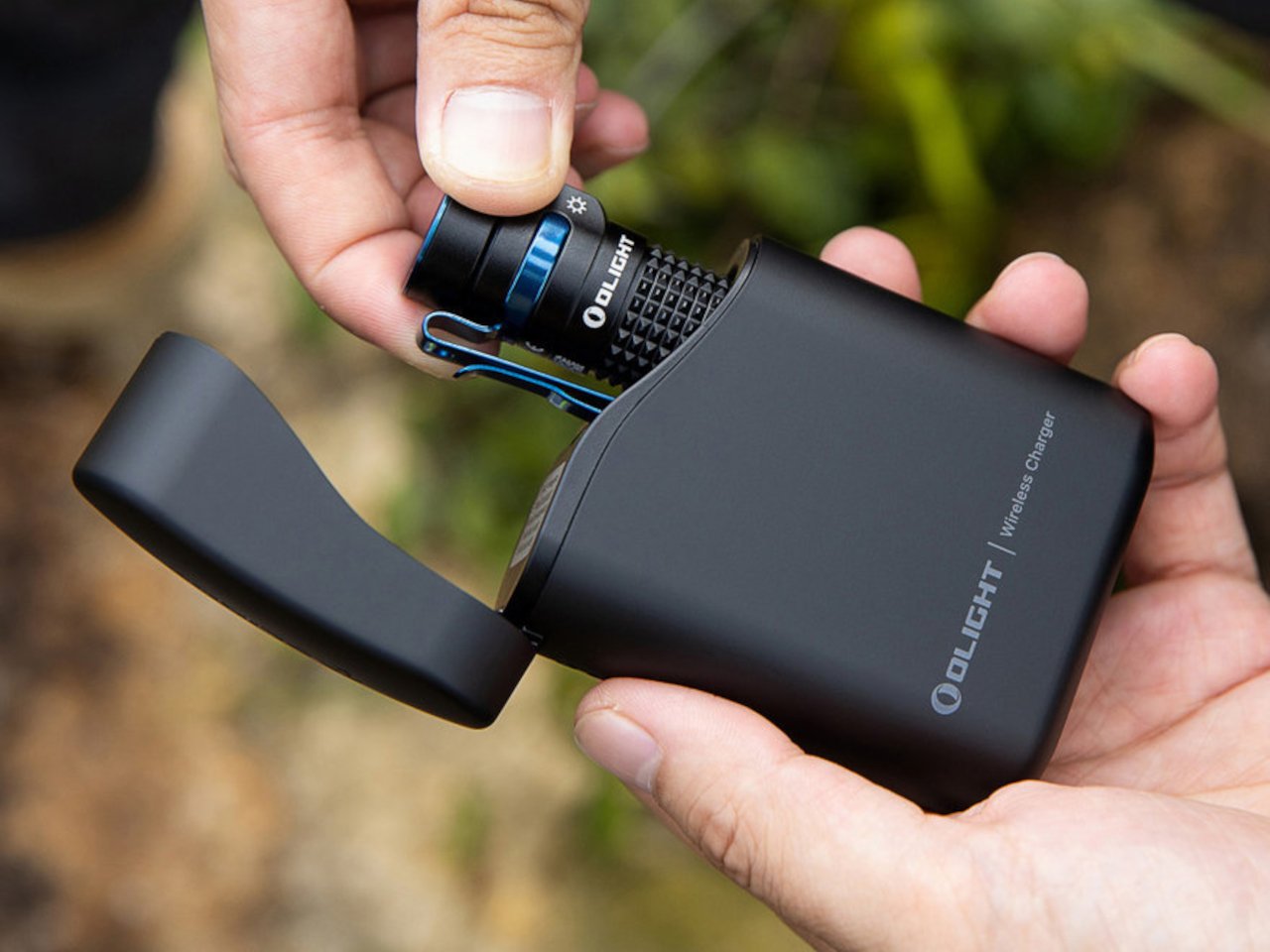
On paper, the Olight Baton 4 reads like a standard compact flashlight. The cylindrical body is familiar, the dimensions modest. Then you look closer: 1,300 lumens of output, a 170-meter throw, laser-microperforated LED indicators for brightness level and remaining battery, and a runtime of up to 30 days on a single charge. This is a flashlight that takes up almost no space in your pack and asks almost nothing in return. It is, in the most precise sense, a precision instrument that happens to fit in your palm.

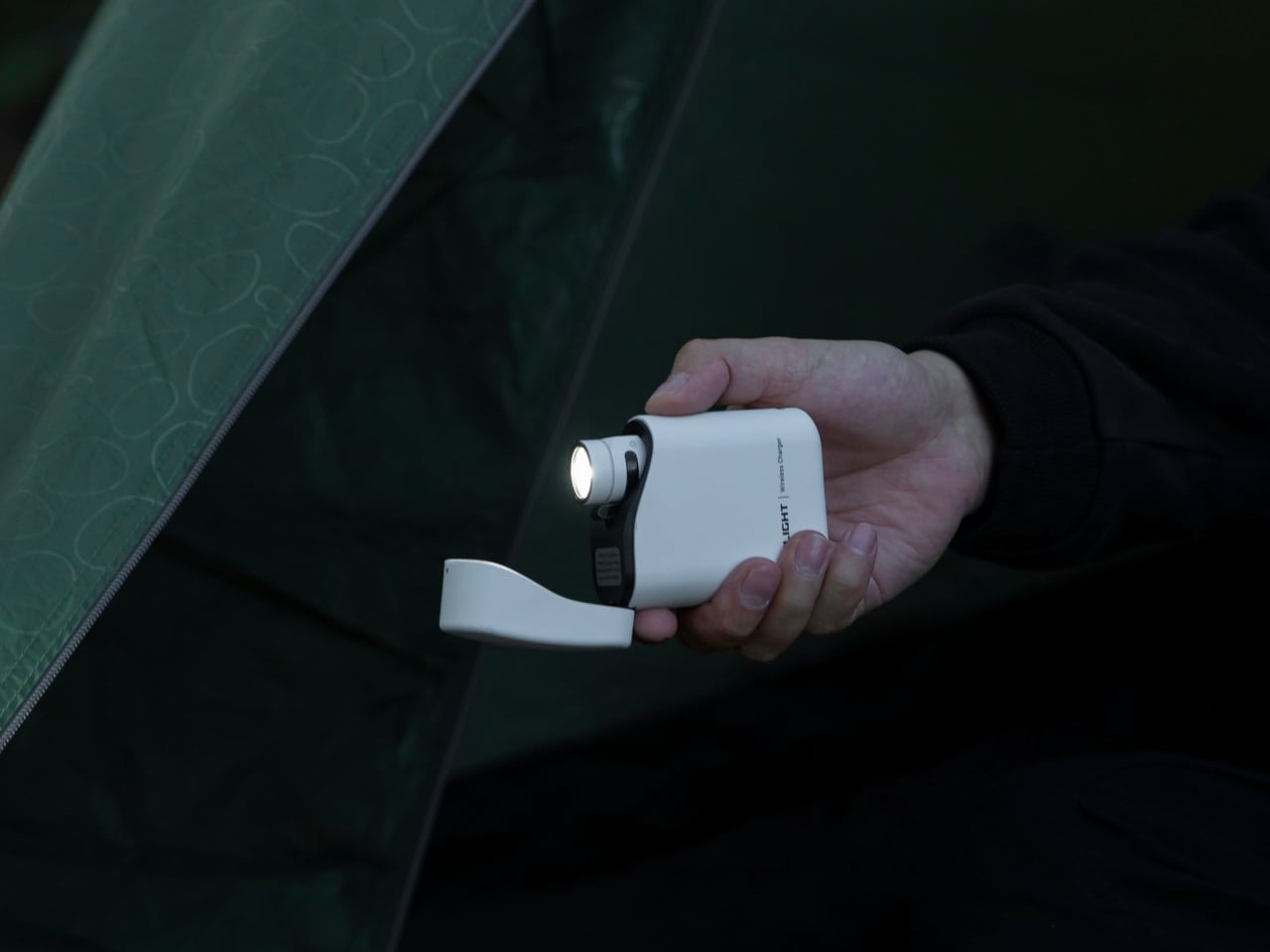
The 5,000 mAh charging case is what turns the Baton 4 from a good EDC flashlight into something worth discussing. The flip-top lid operates with one hand, and the digital display button on the case shows remaining power at a glance. The detail that genuinely impresses is this: press that button and the flashlight activates while still seated in the case. No pulling it out, no fumbling in the dark. The case can fully charge the Baton 4 five times over, delivering a combined maximum runtime of 190 days. That is not a camping flashlight. That is a system.

What We Like:

  • 1,300 lumens and a 170-meter throw in a genuinely pocketable form factor
  • 5,000 mAh charging case activates the flashlight without removing it from the case

What We Dislike:

  • Proprietary charging system keeps compatibility within Olight’s own flashlight lineup
  • A custom battery cell cannot be used with standard bay chargers

2. Airflow 8-Panel Fire Pit

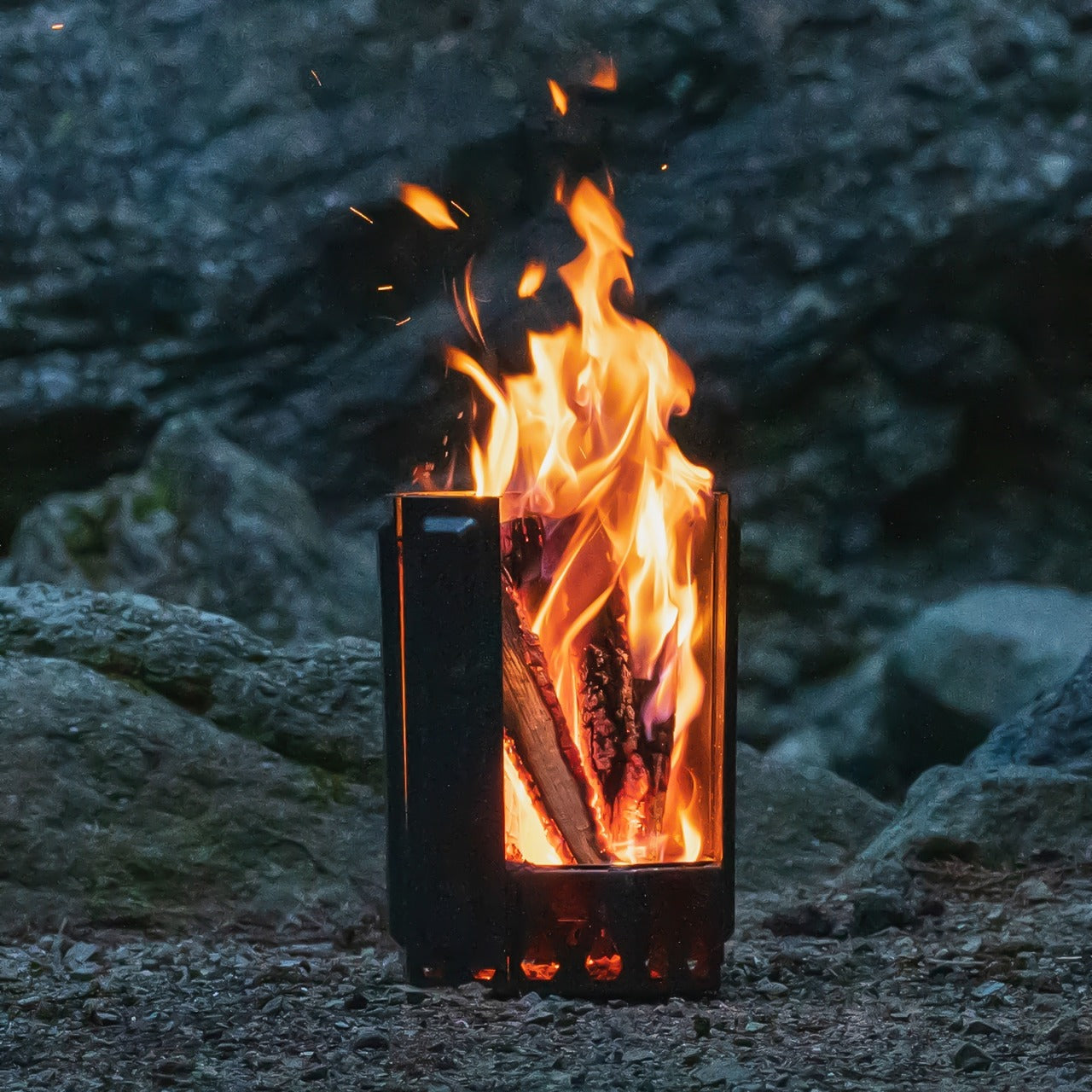
Most fire pits are passive objects. You build the fire, you manage the fire, you end the evening smelling like the fire. The Airflow Fire Pit operates on a different premise entirely. Built on years of metal processing expertise, it uses an eight-panel removable system to give you active, granular control over what the fire does. Adjust the panels, adjust the burn intensity. It’s a straightforward concept executed with enough precision that it genuinely changes how a campfire evening feels — less chore, more atmosphere.

The engineering behind it rewards a closer look. Each of the eight panels features strategically placed holes at the base that channel fresh air directly to the combustion source. That air heats as it rises through the double-walled panel cavity and exits through the top holes, creating secondary combustion. The result is a cleaner, more efficient burn with minimal smoke. When fully assembled, the panels form an eight-sided cylinder optimized for that combustion cycle. For anyone who has spent an evening squinting and repositioning to avoid the smoke, this fire pit is a considered answer to a genuinely annoying problem.

Click Here to Buy Now: $325.00

What We Like:

  • Eight-panel removable system lets you control fire intensity with precision
  • Secondary combustion design dramatically reduces smoke output for a cleaner burn

What We Dislike:

  • Panel assembly adds setup steps compared to a traditional open fire pit
  • Requires a flat, stable surface for proper panel alignment and stability

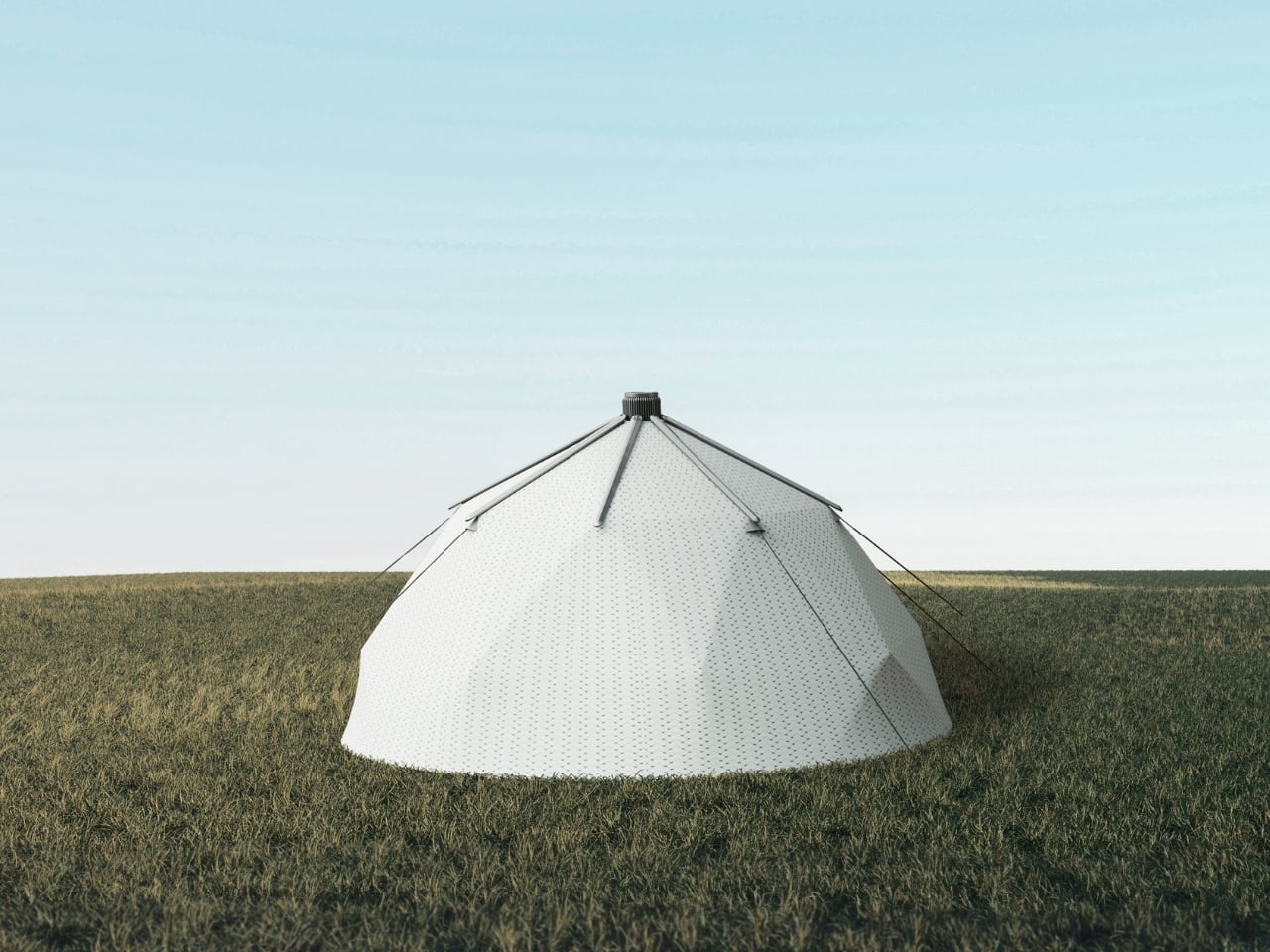
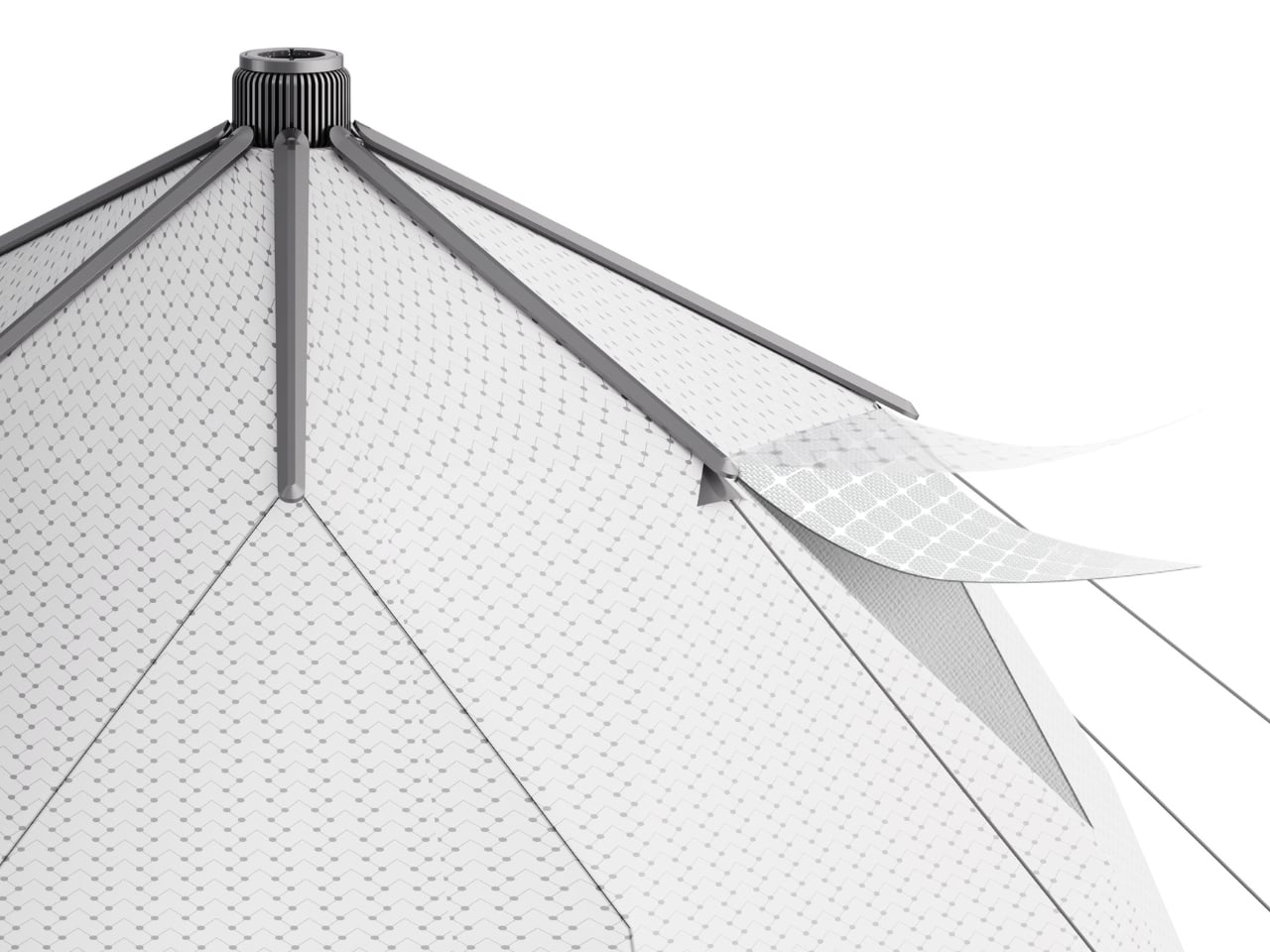
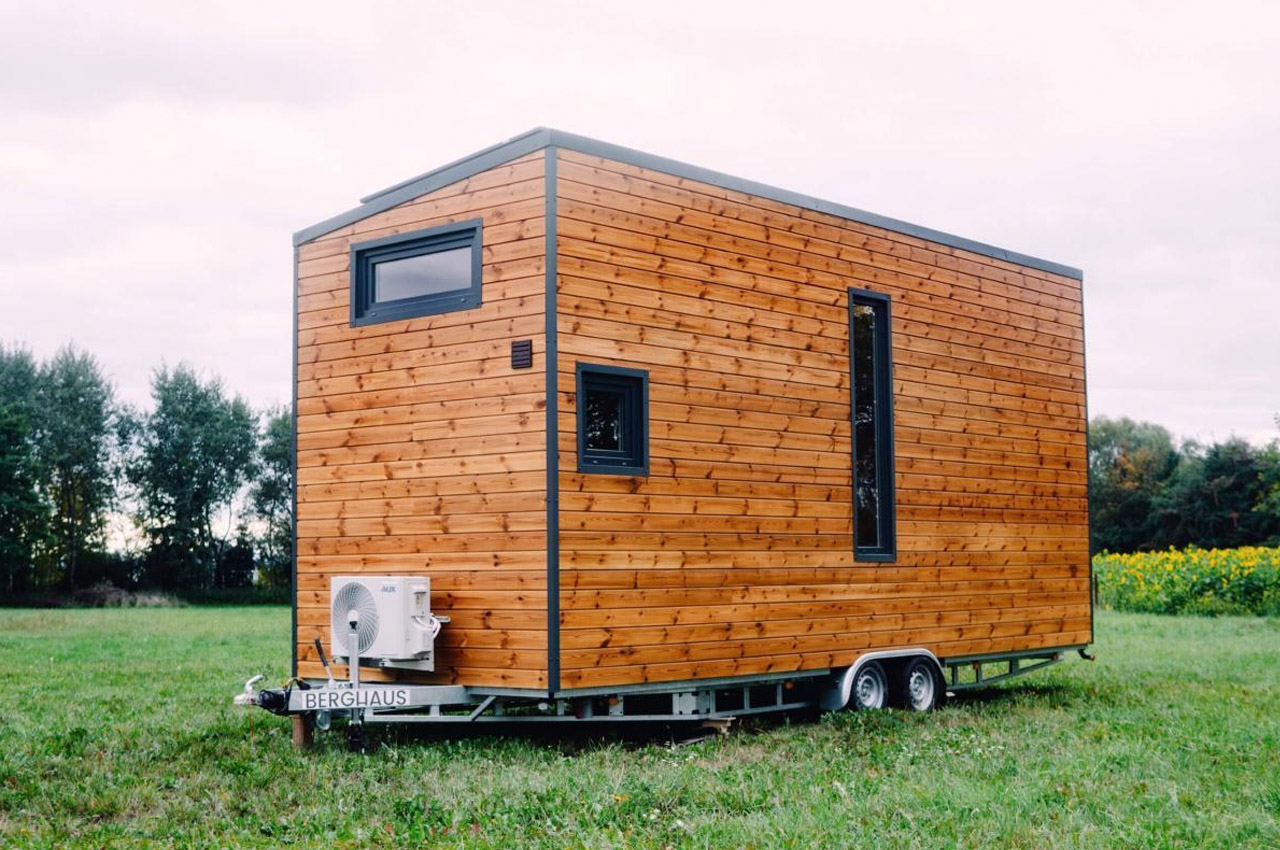
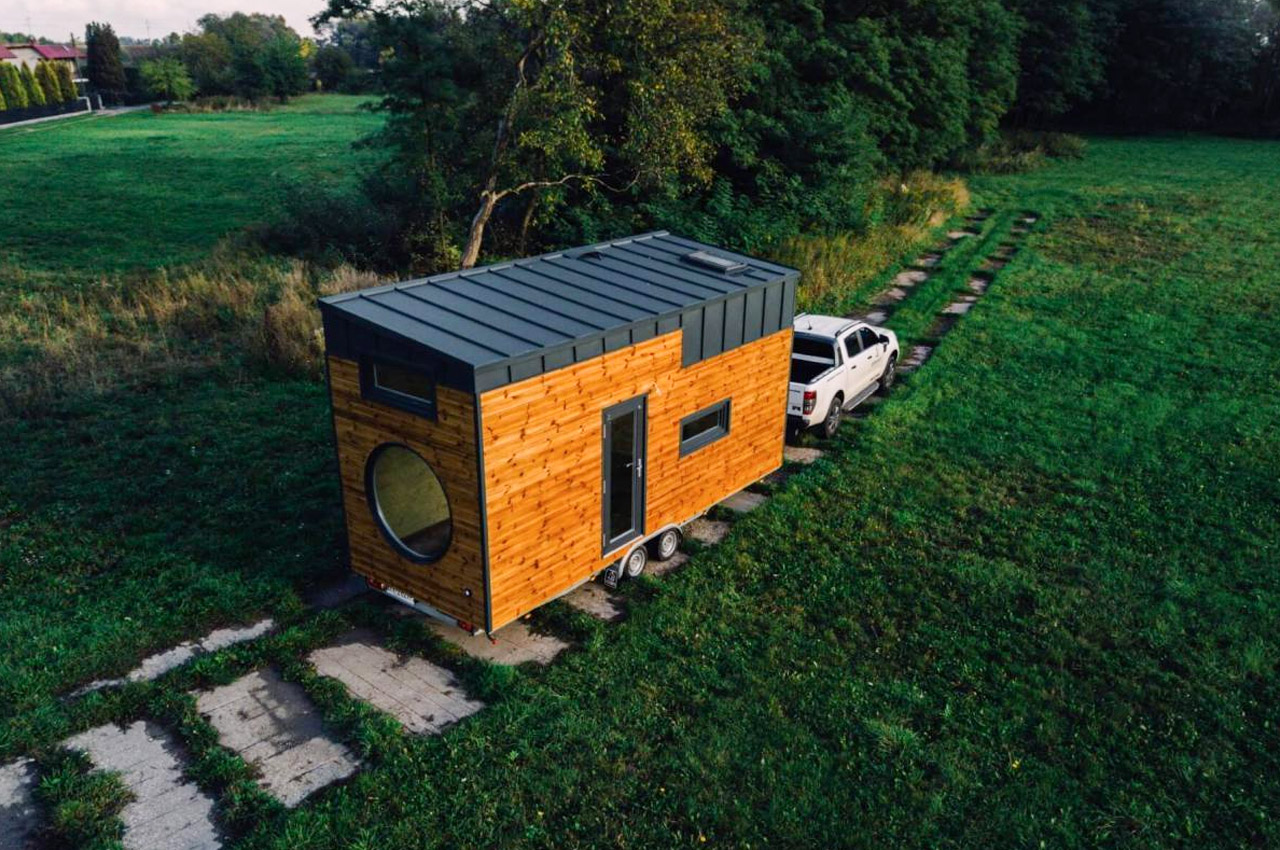
3. Solar-Powered Camping Tent with Integrated Air Conditioning

A tent that powers its own air conditioning sounds like design fiction until you see the Red Dot Award sitting beside it. Created by designers Zhong Xu, Li Baoyu, Pan Yiyuan, and Li Xueyan, this concept reimagines the tent as an active system rather than a passive shelter. The composite tarpaulin fabric functions as a solar energy collector — the very material protecting you from the elements simultaneously harvests energy from them. That integration isn’t bolted on as an afterthought. It is the entire design philosophy, and it is genuinely elegant.

What makes this tent compelling beyond the headline feature is how coherent the whole thing feels. The air conditioning system doesn’t look retrofitted or experimental — it emerges naturally from the tent’s own material logic. For anyone who has abandoned a summer camping trip because a nylon tent becomes an oven by nine in the morning, this represents a meaningful rethink of what outdoor shelter can actually do. The Red Dot recognition confirms the concept holds up under scrutiny. Summer camping just became a more reasonable conversation to have with yourself.

What We Like:

  • Tent fabric serves as a solar collector, requiring no external panels or power hookups
  • Red Dot Award recognition validates both its design integrity and conceptual ambition

What We Dislike:

  • Solar-dependent performance means cloud cover directly limits cooling capacity
  • Remains a concept design; real-world field performance data is not yet available

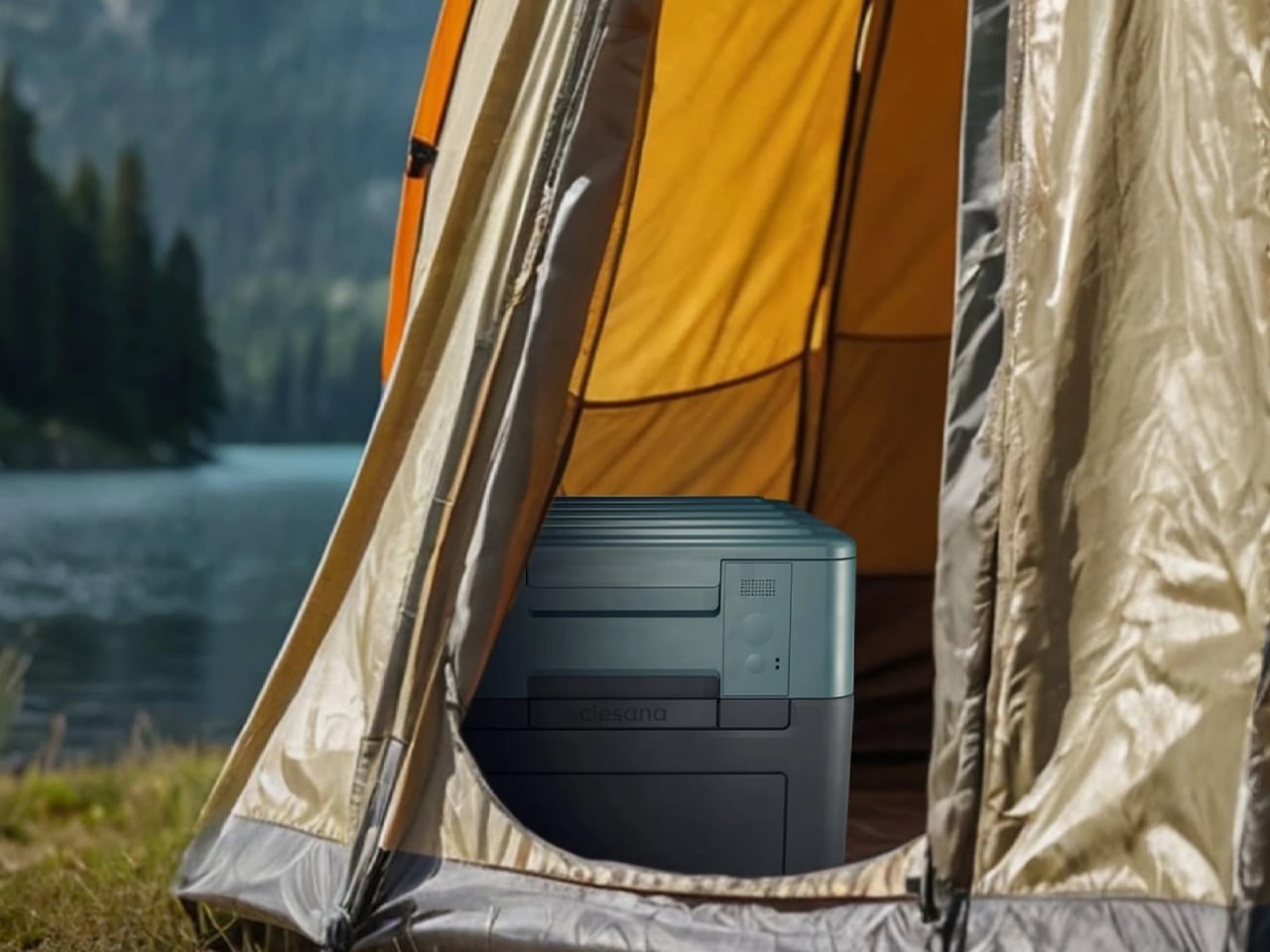
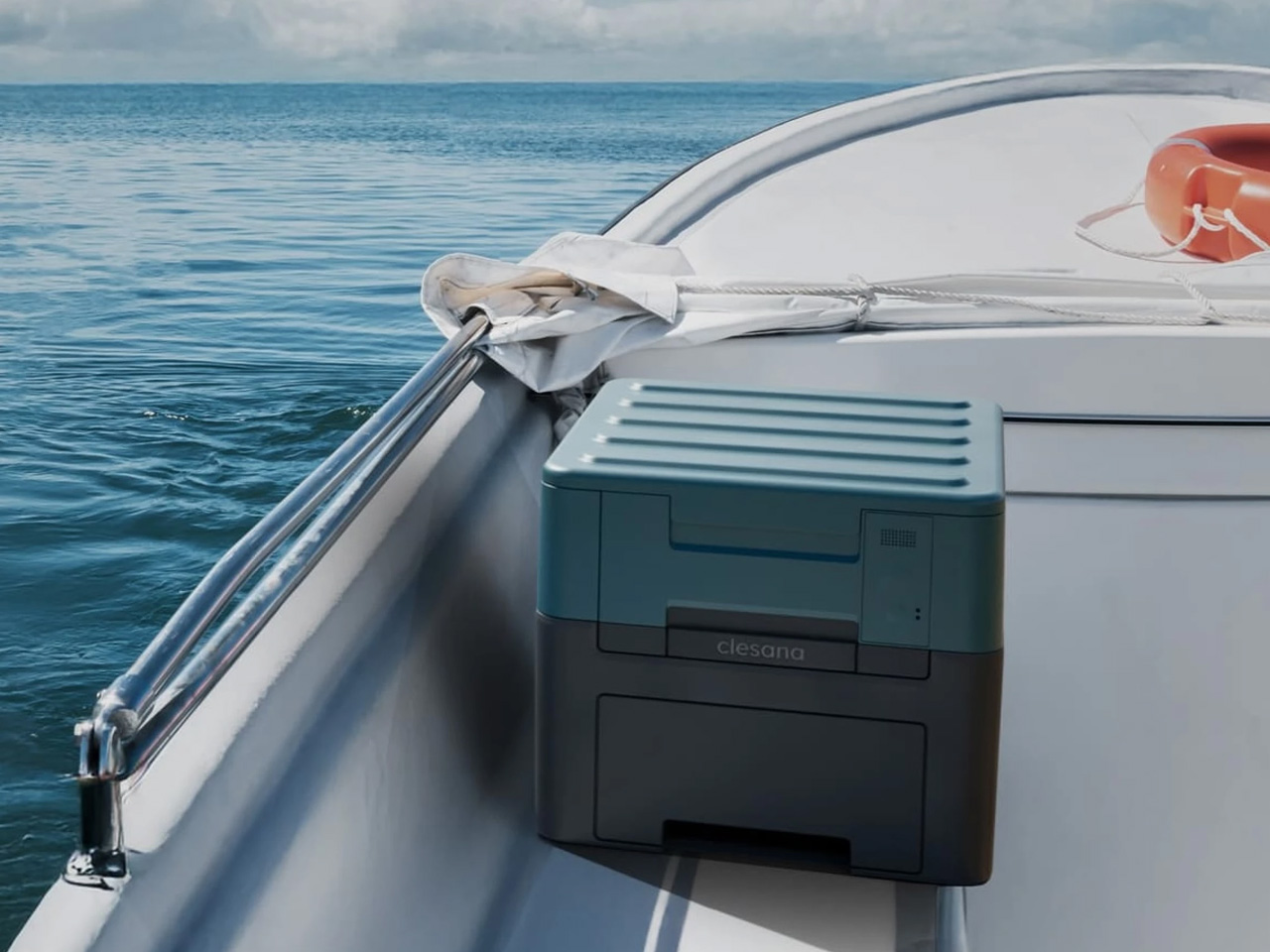
4. X1 Portable Toilet

Swiss company Clesana approached one of the least glamorous problems in outdoor living and solved it with the kind of precision engineering that country has built its reputation on. The X1 is a battery-powered portable toilet that collapses into a compact cube for transport and telescopes to full, household-equivalent height when deployed. It operates without water or chemicals, meaning no hookups, no messy maintenance, and no infrastructure dependencies. At 24 pounds with a built-in handle, one person can move it anywhere without assistance — a more significant achievement for this category than it sounds.

The intelligence of the X1 is in how it resolves the fundamental portable toilet dilemma: comfortable means large, and portable means small. Traditional products force you to choose one and live with the shortfall. The telescoping design refuses to compromise. Packed, it disappears into your vehicle’s cargo area without drama. Deployed, it delivers the same seated height as the toilet you use at home. That transition from cube to fully functional unit is the kind of deceptively simple solution that only appears obvious in hindsight — which is exactly the mark of well-executed design thinking.

What We Like:

  • Telescoping mechanism delivers full-height seated comfort from a compact, packed footprint
  • Chemical-free, waterless operation makes it genuinely usable anywhere off-grid

What We Dislike:

  • Battery dependency requires monitoring charge levels before and during extended trips
  • The 24-pound weight is manageable for car camping but prohibitive for trail backpacking

5. BlackoutBeam Tactical Flashlight

If the Olight Baton 4 is precision in a small package, the BlackoutBeam Tactical Flashlight is the same premise scaled up for situations where more is simply more. It delivers 2,300 lumens with a 300-meter throw and a 0.2-second response time — which means light appears before your brain has fully registered the need for it. The aluminum body is rated IP68 for water and dust resistance, putting submersion and hard impact well within its operational range. This is a flashlight designed for people who take conditions seriously rather than optimistically.

The industrial design holds up to its spec sheet. The form communicates capability without tipping into aggressive or overwrought territory, which is a line many tactical flashlights fail to walk. For camping specifically, a 300-meter throw transforms how you read a landscape after dark — whether you’re navigating back to a site, scanning a tree line, or assessing a trail ahead. The IP68 rating means you’re not managing this thing delicately when the weather turns. You focus on the situation rather than the tool, which is ultimately what well-designed gear makes possible.

Click Here to Buy Now: $89.00

What We Like:

  • 2,300 lumens and 300-meter throw deliver exceptional range for outdoor navigation
  • IP68-rated aluminum construction handles submersion, rain, and impact without complaint

What We Dislike:

  • Tactical performance level exceeds the practical needs of casual recreational campers
  • High-lumen output demands careful battery management on longer or multi-day outings

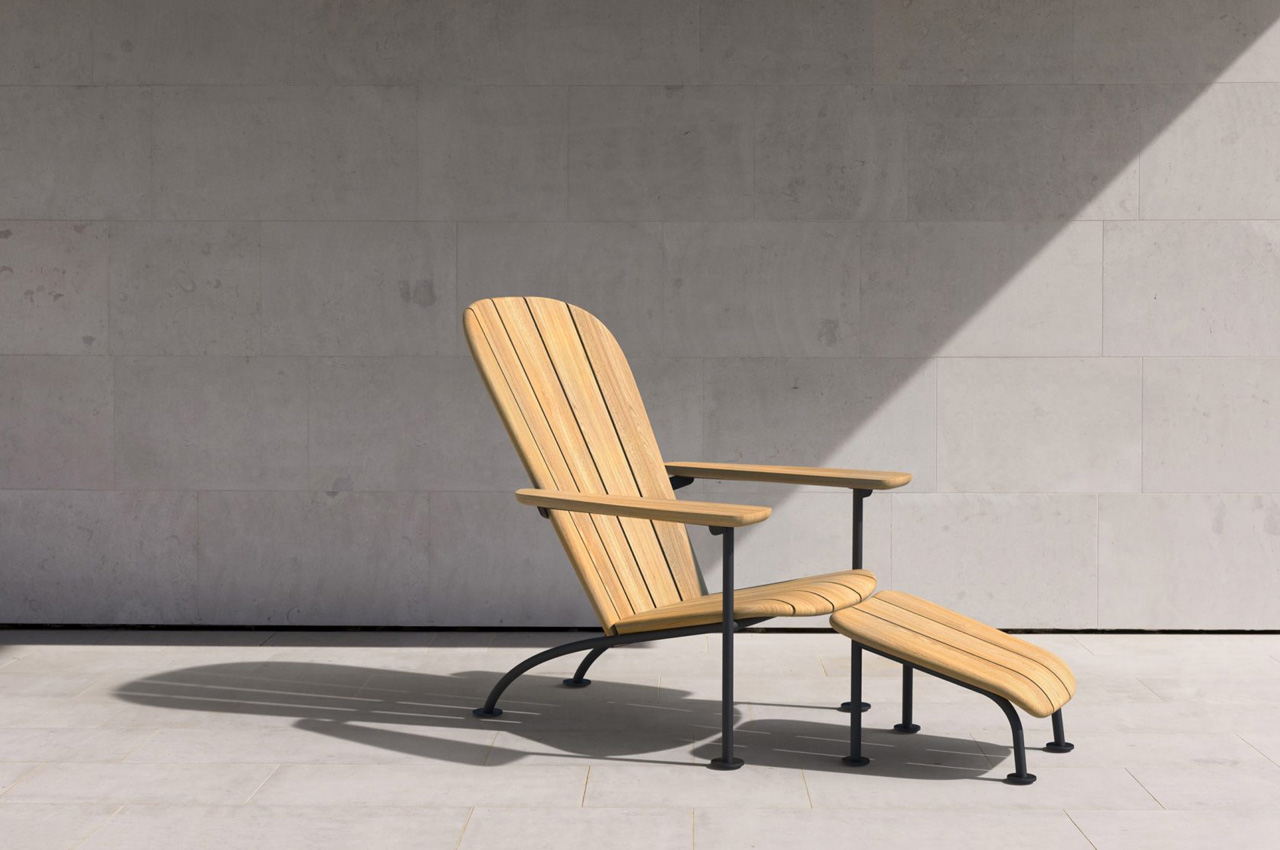
6. The Conqueror

Camping furniture has been stuck in an uncomfortable loop for decades: lightweight means flimsy, comfortable means heavy, and stylish remains an afterthought that nobody bothers with. The Conqueror, a Red Dot Award-winning concept from Ziel Home Furnishing Technology designer Wang Lan, exists in a loop entirely. Modular panels connect via sturdy buckles, inflate automatically, and reconfigure into a lounge, a table, or a seat without tools, without effort, and without the particular frustration of a folding chair that collapses mid-use. It’s outdoor furniture that actually respects the time and energy of the person using it.

What the Conqueror gets right is making comfort configurable rather than fixed. A product that becomes what the moment needs is fundamentally more useful than one that does one thing adequately. For a group camping setup, this translates to an adaptable social space that shifts from midday seating to evening lounge without repacking anything. For a solo camp, it means a single compact module that earns its spot in the vehicle. The buckle-and-inflate mechanism is intuitive enough that nobody needs to read instructions before using it — and that, quietly, is a design achievement in itself.

What We Like:

  • Modular configuration adapts from seating to table to lounge without repacking
  • Automatic inflation eliminates the setup frustration of traditional folding camp furniture

What We Dislike:

  • Inflatable construction carries a real puncture risk in rocky or rough terrain
  • The auto-inflation mechanism adds mechanical complexity compared to simpler folding options

7. Flextail Tiny Pump 2X

The Flextail Tiny Pump 2X is the kind of product that earns a permanent spot in your kit based purely on how many problems it quietly solves. Powered by AIR VORTECH technology, it reaches up to 4kPa of air pressure and 180 liters per minute of airflow — numbers that translate to fast, fuss-free inflation across a range of products. Five included nozzles cover the valve types you’re realistically going to encounter in the field, and the unit handles both inflation and deflation with equal competence. Small enough to forget about until you need it, useful enough that you’ll always bring it.

The dual-purpose design is what makes the Tiny Pump 2X more interesting than a standard camp inflator. Beyond mattresses and inflatable furniture, it pairs with vacuum storage bags to compress bulky items and reclaim up to 80% of storage space — making it genuinely useful even during the weeks between camping trips. For camp-specific use, inflating a full air mattress in a fraction of the time it takes by lung power is a quality-of-life improvement that is difficult to fully appreciate until you’ve experienced it. That’s the quiet case for tools that do more than their job description.

What We Like:

  • Five included nozzles provide broad compatibility across mattresses, floats, and furniture
  • Works with vacuum storage bags at home, extending usefulness well beyond the campsite

What We Dislike:

  • Peak airflow performance is optimized for Flextail’s own mattress lineup
  • Battery capacity may require recharging between back-to-back inflation sessions

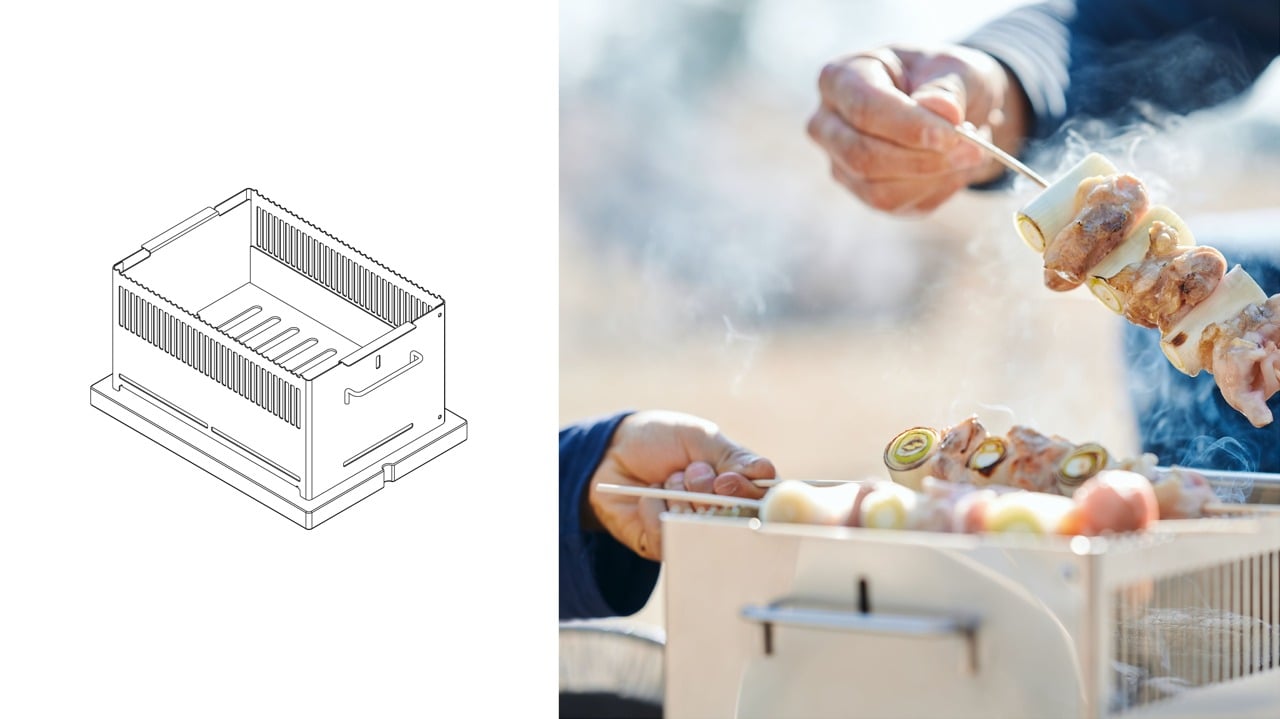
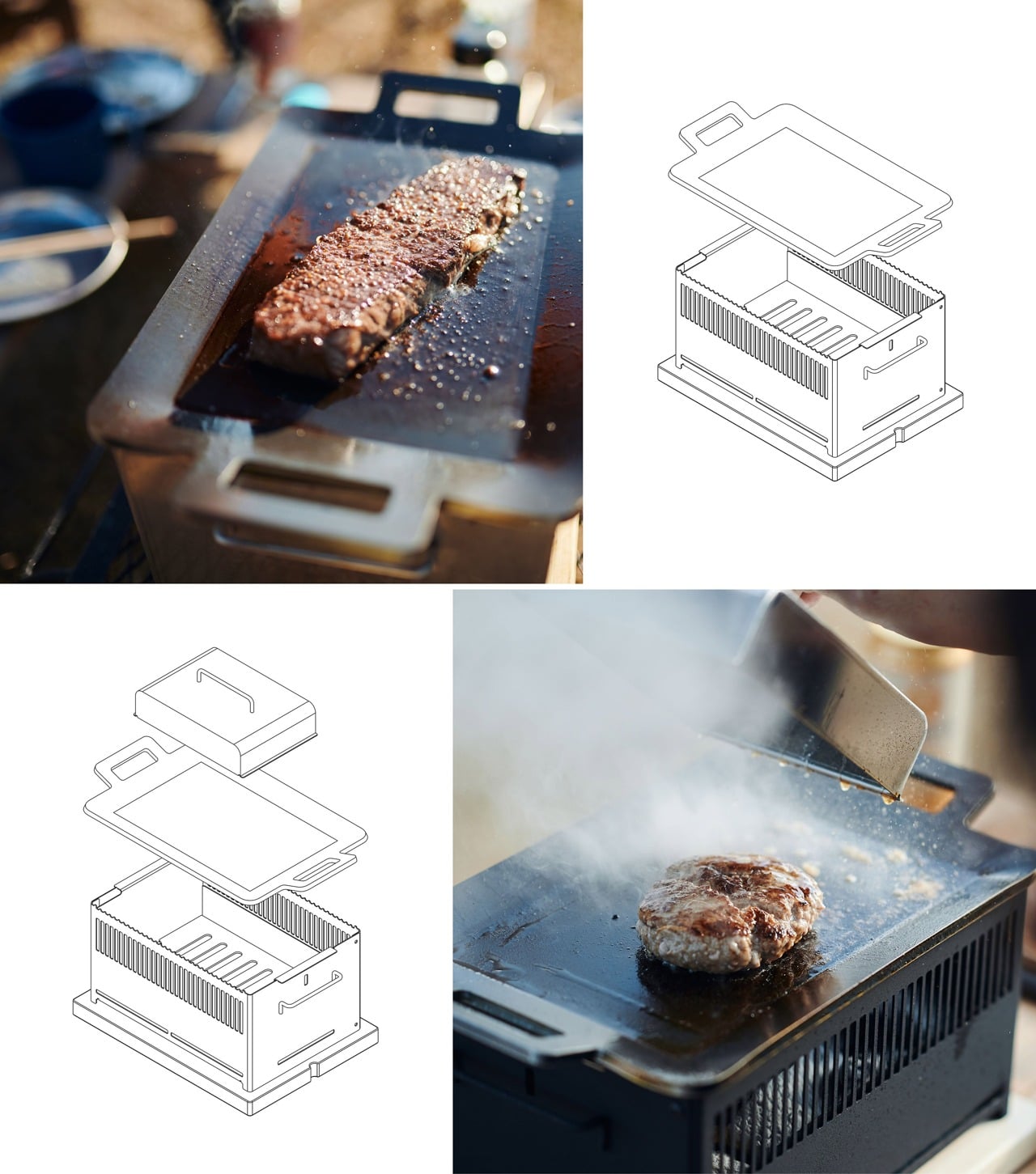
8. All-in-One Grill

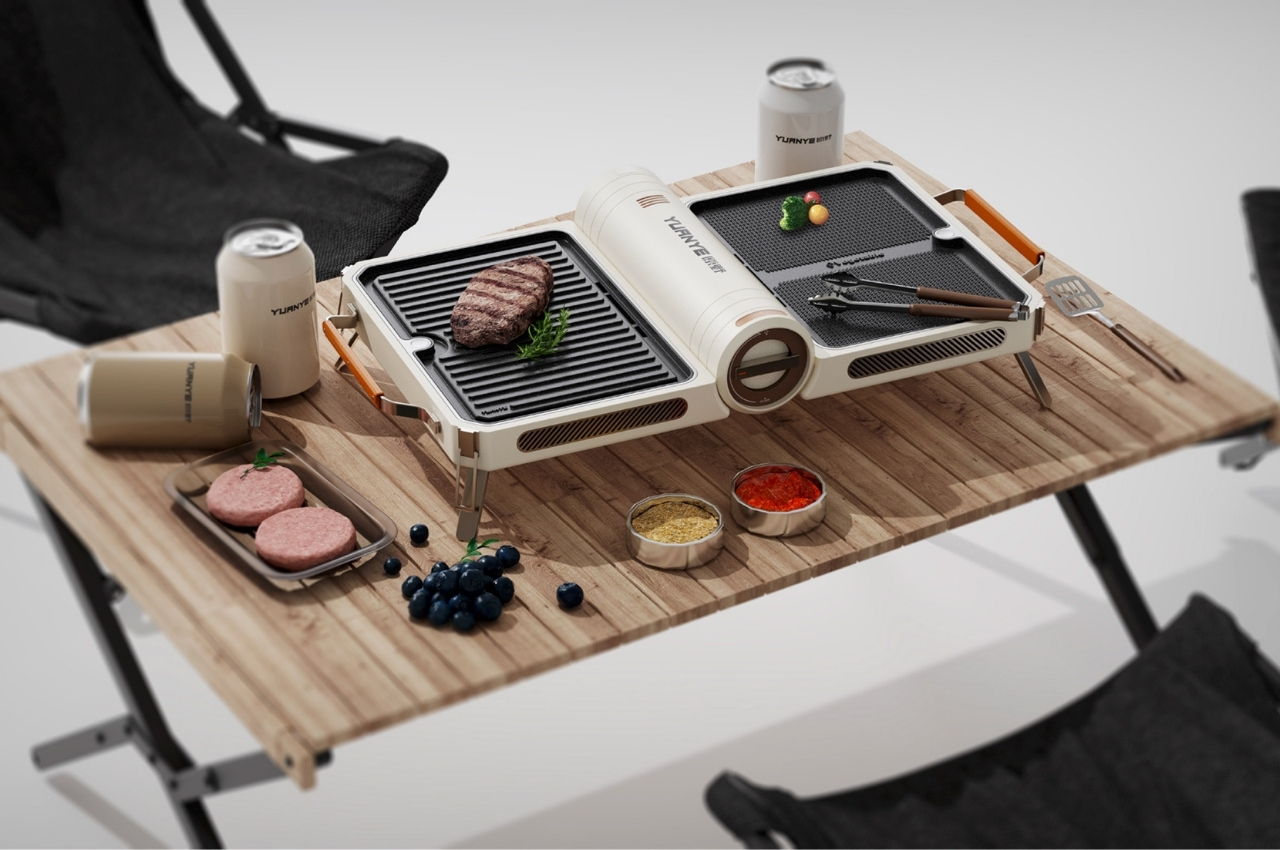
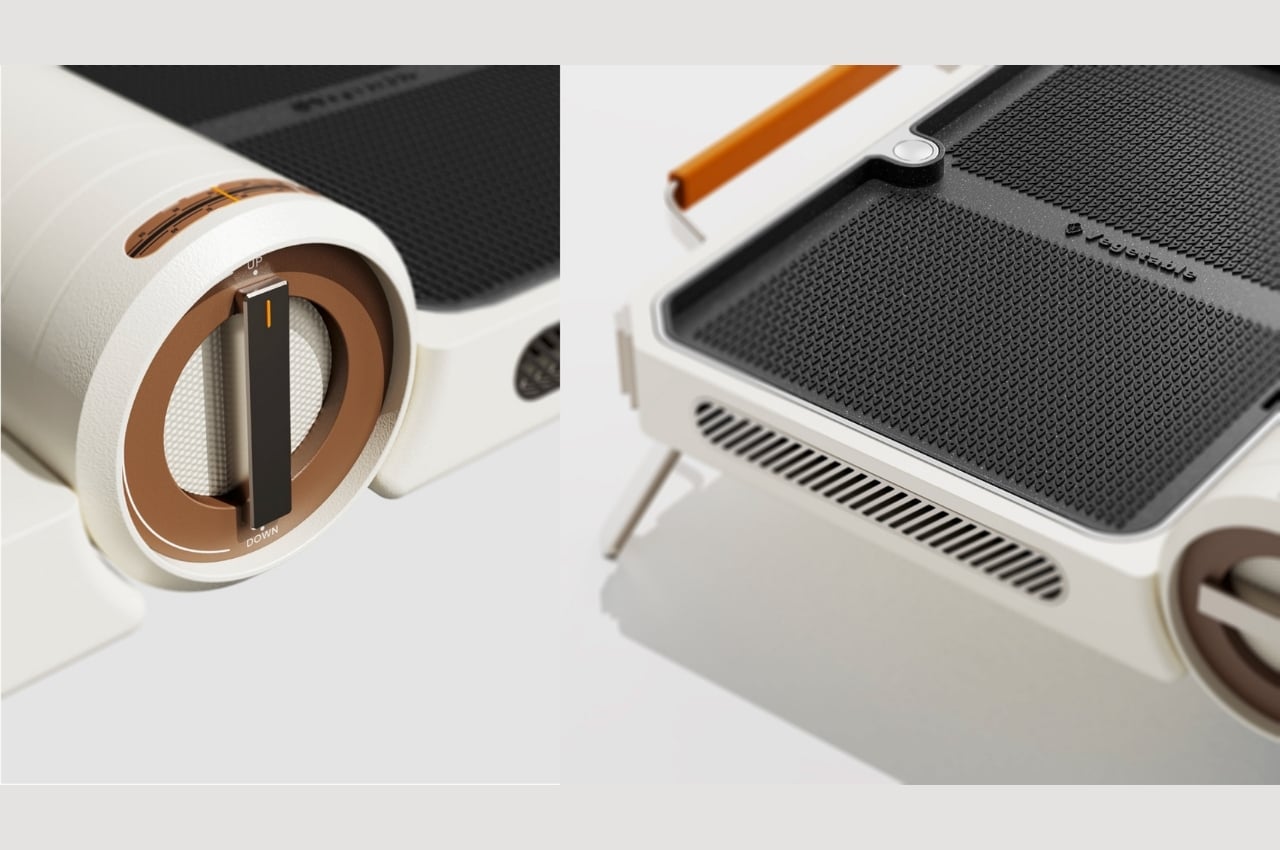
Camp cooking carries an undeserved reputation for mediocrity — burnt protein on a wobbly grate, cleanup that feels like a punishment, and a general sense that eating outdoors is something to tolerate rather than enjoy. The All-in-One Modular Grill was designed to dismantle that reputation directly. It covers six cooking methods — barbecuing, frying, grilling, steaming, smoking, and stewing — in a compact tabletop form that works on any flat surface. There’s even a dedicated module for warming bottles upright, which is the kind of specific, thoughtful feature that camping gear rarely gets right.

The design logic here centers on eliminating the friction that stops people from cooking ambitiously when they’re outside. Each module serves a specific function and slots together without the logistical anxiety of a full camp kitchen setup. Disassembly for cleanup is equally straightforward — no buried grime, no mystery components left in the bag. For anyone who has historically packed mediocre snacks out of sheer dread for the alternative, this grill reframes the camp meal as something worth giving actual attention to. Cooking well outdoors is mostly a gear problem, and this addresses it cleanly.

Click Here to Buy Now: $449.00

What We Like:

  • Six cooking methods in a single compact tabletop unit — genuinely versatile coverage
  • Modular construction disassembles easily for straightforward cleanup and transport

What We Dislike:

  • Individual modules require organized packing to prevent losing components in transit
  • Tabletop scale limits output for larger group cooking sessions

9. FoldiBox

The FoldiBox operates on a premise so simple it’s almost audacious: a completely flat sheet of food-grade silicone rubber that becomes a functional container in under a second. Fold two diagonal corners, let the magnetic attraction bring all four together, and you have a box. No snap-fit mechanisms that accumulate grime in their joints, no assembly steps, no latching drama. The Ag+ antibacterial formula sourced from Japan keeps it hygienic between uses, the heat resistance runs to 300°F, and the whole thing is dishwasher safe. Made in Taiwan with a clean, modern aesthetic — it’s the kind of object that makes you wonder why it took this long to exist.

The flat-to-form transition is the feature that matters most in a camping context. The FoldiBox registers as almost nothing in your pack until you pull it out, at which point it becomes whatever the moment calls for: a snack bowl, a prep surface, a container for small gear, a fruit bowl at the campsite table. The optional clear lid adds spill-proof capability and makes stacking possible. For a product with a near-zero packed footprint, the range of situations it handles with confidence is quietly impressive. That combination of simplicity and range is what good design looks like at its most restrained.

What We Like:

  • Folds completely flat for minimal pack space, sets up in under a second with no effort
  • Food-grade, heat-resistant, antibacterial silicone is dishwasher safe and effortless to maintain

What We Dislike:

  • Magnetic closure alone may not reliably contain liquids without the add-on clear lid
  • Volume capacity is modest compared to rigid containers of a similar packed dimension

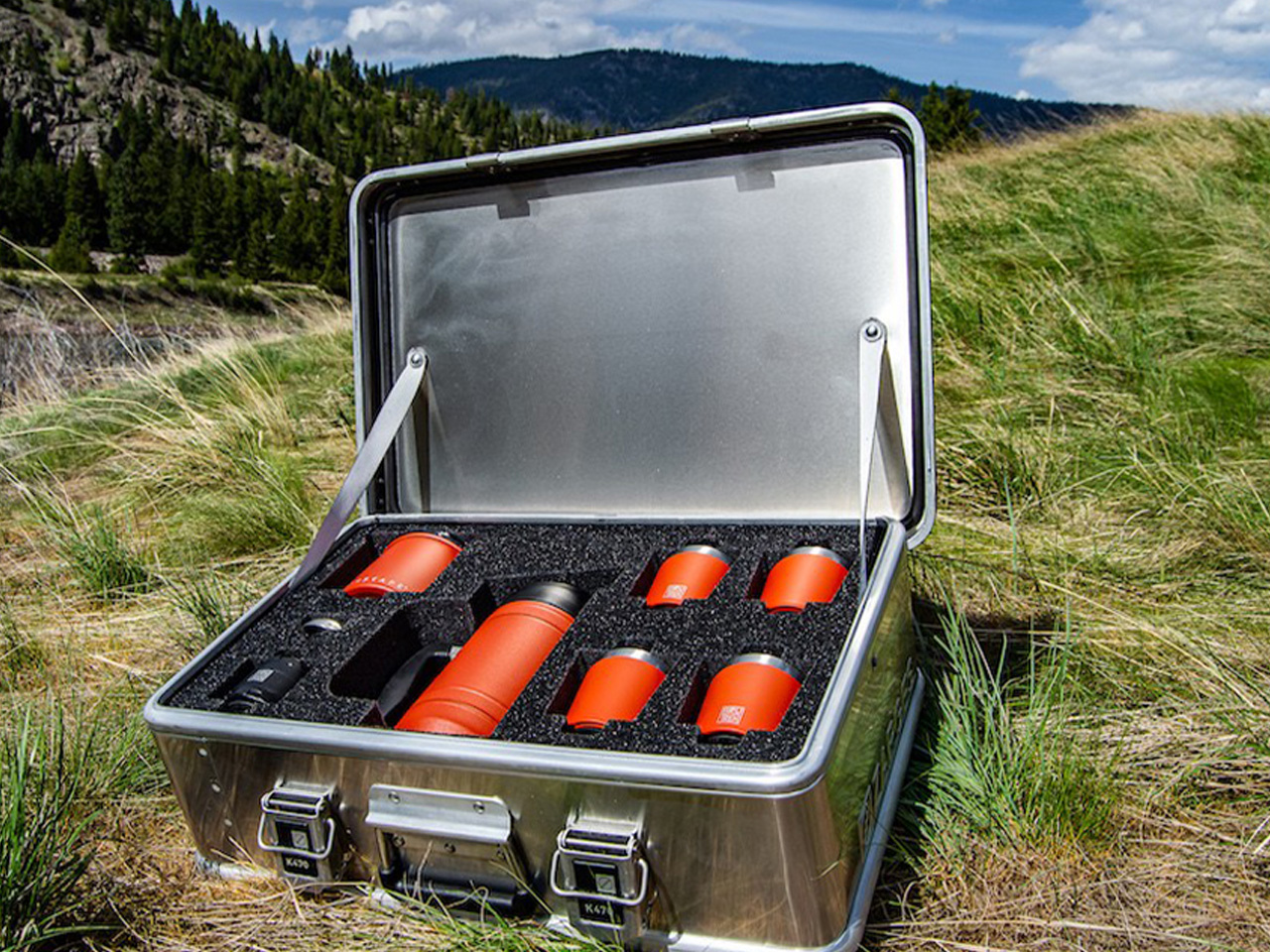
10. BruTek Expedition Coffee Kit

For a particular kind of camper, the quality of the morning coffee isn’t a luxury detail — it’s a non-negotiable prerequisite for the entire trip being worth it. The BruTek Coffee Kit was designed for that person, and it takes the job seriously. Housed in an IGBC-certified bear-resistant aluminum case, it includes a 32-oz BruTrek French press, four mugs, an air-lockout coffee canister, and every accessory needed to brew genuinely good coffee in the field. It’s the rare piece of camp gear that doesn’t ask you to compromise the ritual in exchange for portability.

The military-grade case is the design detail that elevates the whole kit beyond a curated coffee bundle. It protects the contents from weather, impact, and wildlife — a combination of threats that most coffee equipment was never engineered to handle — while its stackable form makes transport efficient and organized. Whether you’re out solo or with three equally discerning companions, the kit scales cleanly. The act of brewing becomes something you actually look forward to rather than rush through in the cold morning air. That’s the quiet power of gear designed with real intention: it changes not just what you do, but how the whole experience feels.

What We Like:

  • IGBC-certified bear-resistant aluminum case protects against wildlife and the elements in one
  • Complete system — French press, four mugs, canister, accessories — requires absolutely nothing extra

What We Dislike:

  • Bulkier and heavier than minimalist pour-over setups built for ultralight packing
  • Best suited to car camping or base camp use rather than long-distance trail travel

The post 10 Best Camping Gadgets Every Design Snob Needs Before Spring Actually Convinces You to Go Outside first appeared on Yanko Design.

8 Best Japanese Spring Home Upgrades That Make Tiny Rooms Feel Like a Wabi-Sabi Sanctuary

Spring in Japan is not a season of accumulation. It is a season of editing, of noticing what was already there, of letting a single branch in a ceramic vessel do the work of an entire floral arrangement. The Japanese approach to domestic space has always understood something Western interiors still struggle with: that less does not mean empty, it means deliberate. And in a tiny room, deliberation is everything.

We have rounded up eight products that carry this philosophy without turning it into a marketing exercise. These are not trendy minimalism props or aspirational mood-board fillers. They are functional objects rooted in Japanese craft traditions, seasonal awareness, and the kind of spatial intelligence that makes a 300-square-foot apartment breathe like a room twice its size. Spring is the perfect excuse to start.

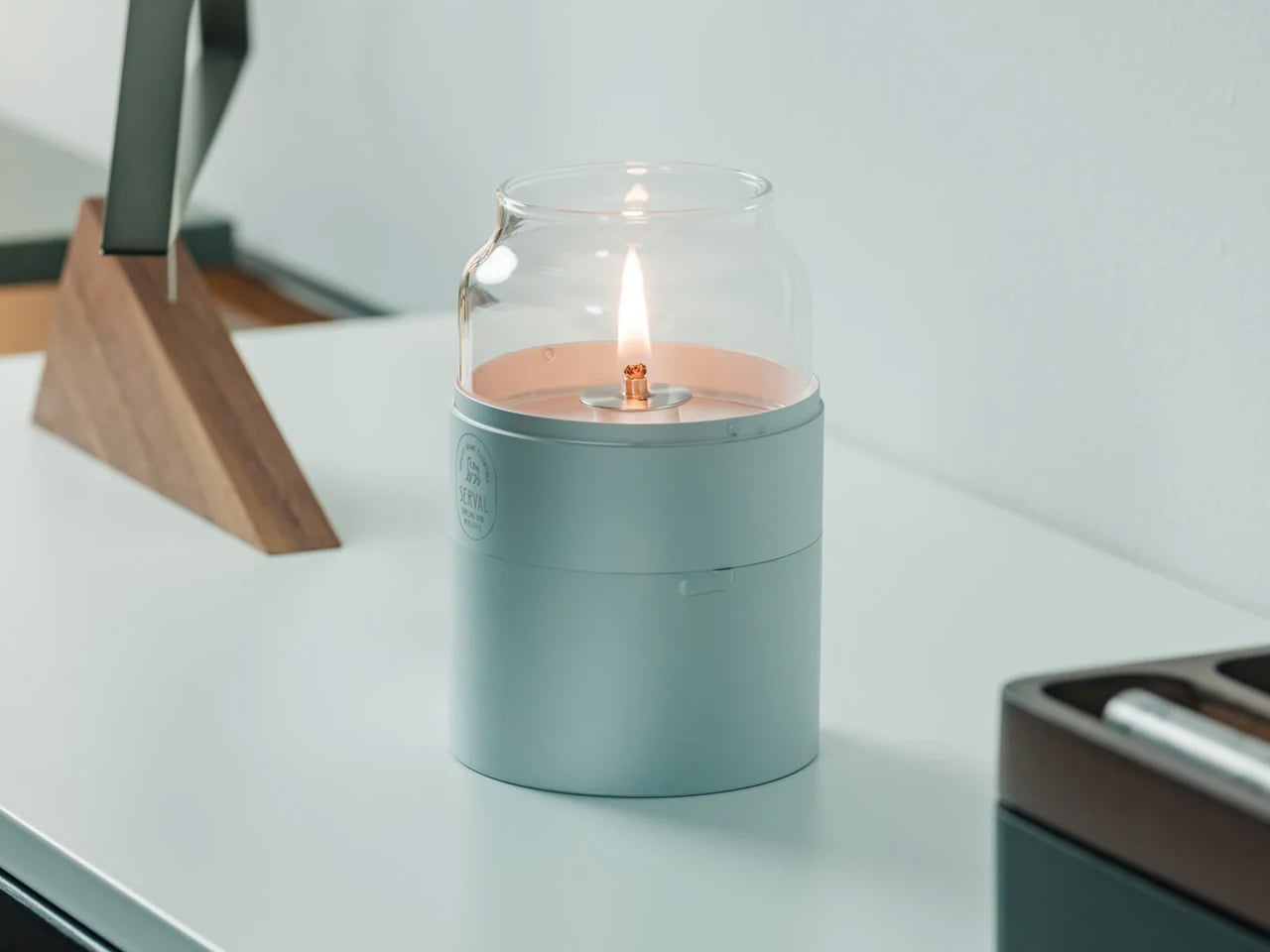
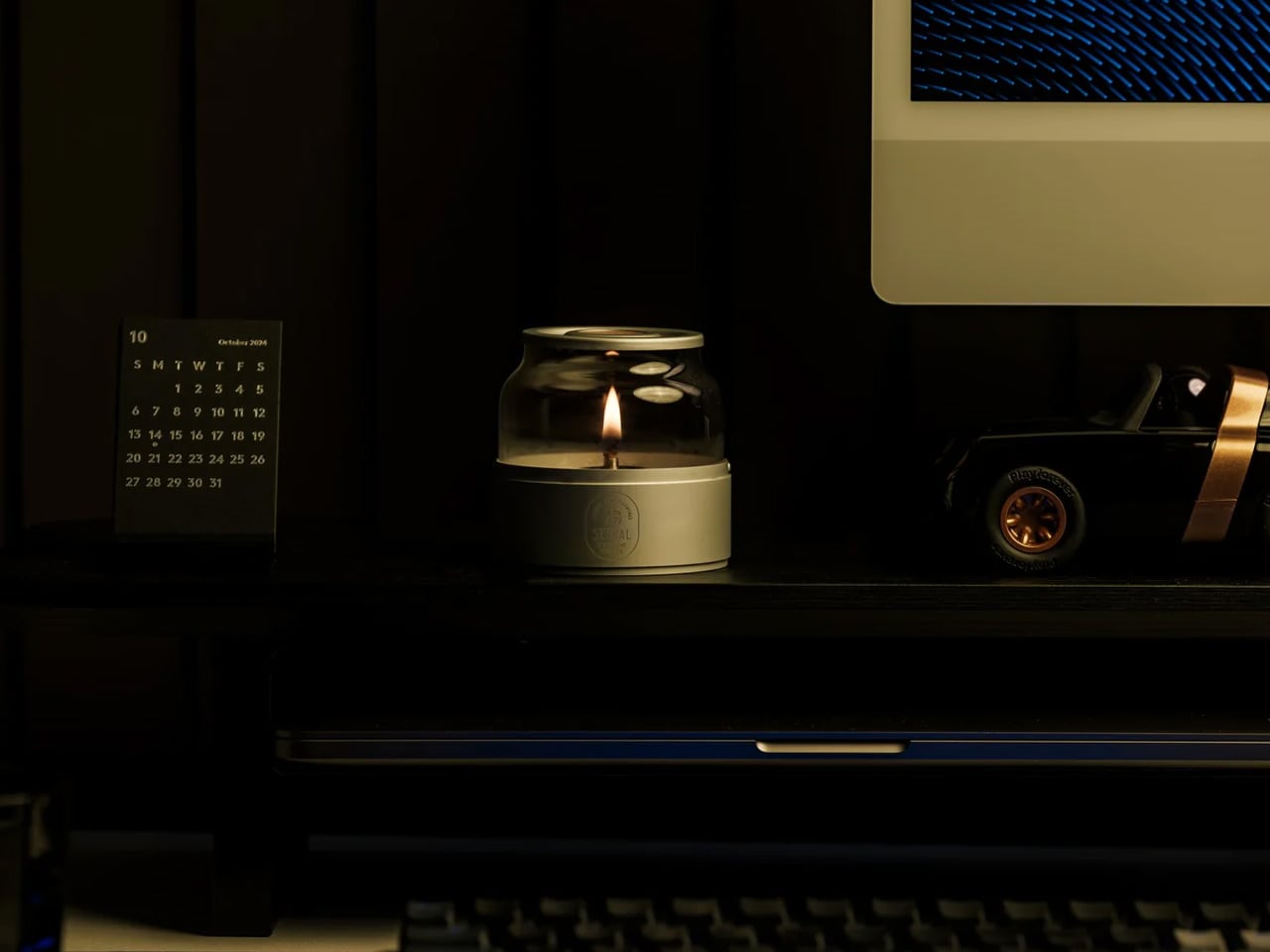
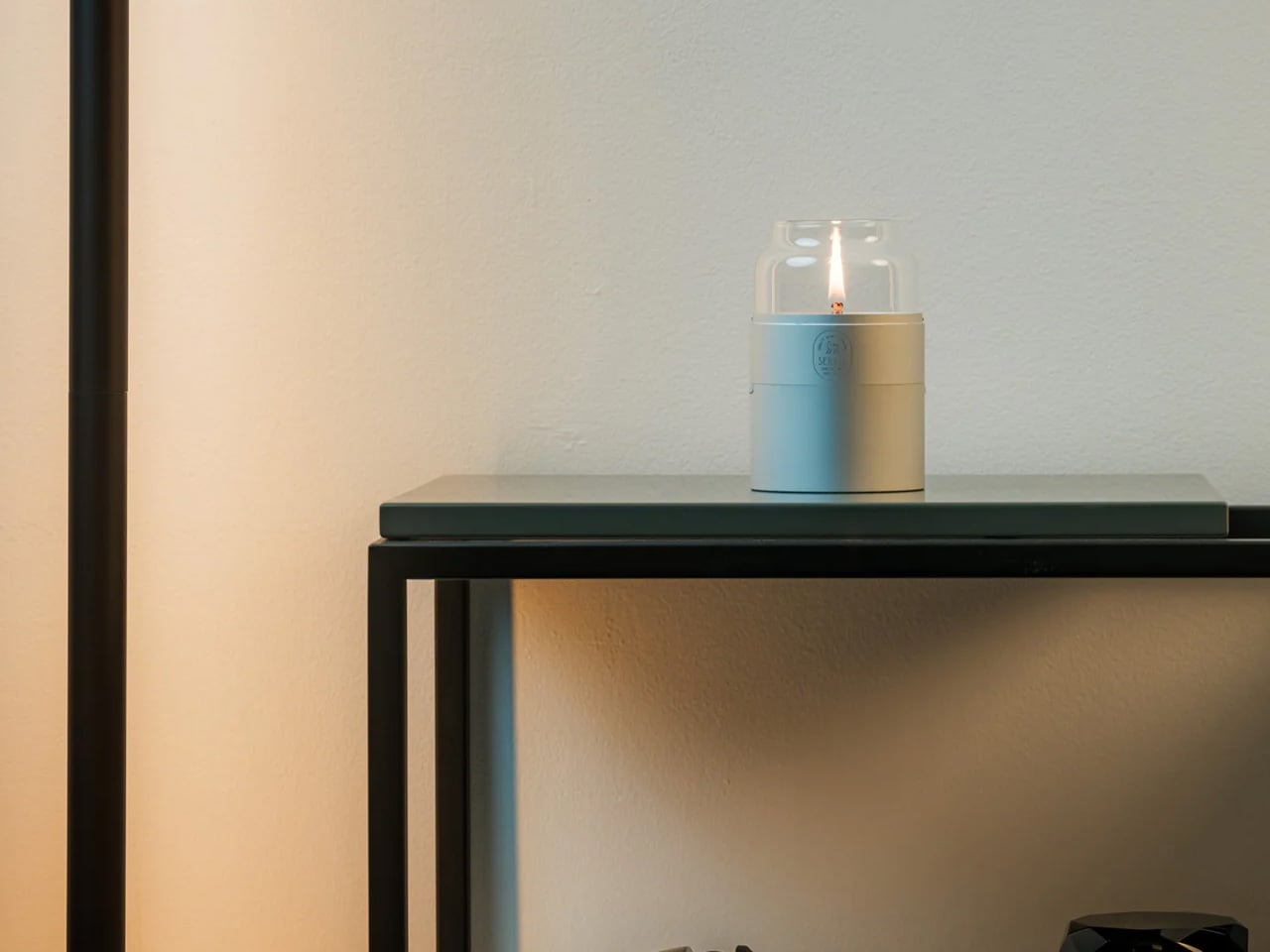
1. Fire Capsule Oil Lamp

Most ambient lighting products try too hard. They pile on features, app connectivity, color-changing LEDs, and lose the one thing that makes warm light feel warm: simplicity. The Fire Capsule oil lamp goes the other direction entirely. It is a cylindrical glass-and-metal lamp with an 80ml fuel capacity, good for up to 16 hours of continuous flame.

The precision-engineered lid keeps the glass chimney clean between uses, which is a small detail that solves a persistent annoyance with oil lamps (dust settling on the glass and clouding the glow over time). An included aroma plate lets the flame double as a scent diffuser, and the flat-topped design means multiple units stack for storage. The cylindrical form ships with a drawstring pouch for portability, so it works just as well on a campsite as it does on a bedside shelf. In a small room, a single real flame on a low table changes the entire atmosphere without any electrical infrastructure.

Click Here to Buy Now: $89.00

What we like

  • 16-hour burn time from a single 80ml fill is generous enough for an entire evening gathering or a long weekend of ambient use.
  • Stackable design and included carrying pouch make storage painless in apartments where every drawer counts.

What we dislike

  • Open flame in a tiny apartment with limited ventilation requires careful placement and awareness, especially around curtains and textiles.
  • Paraffin oil refills are not always easy to source locally, and the lamp does not work with standard candle wax or tea lights.

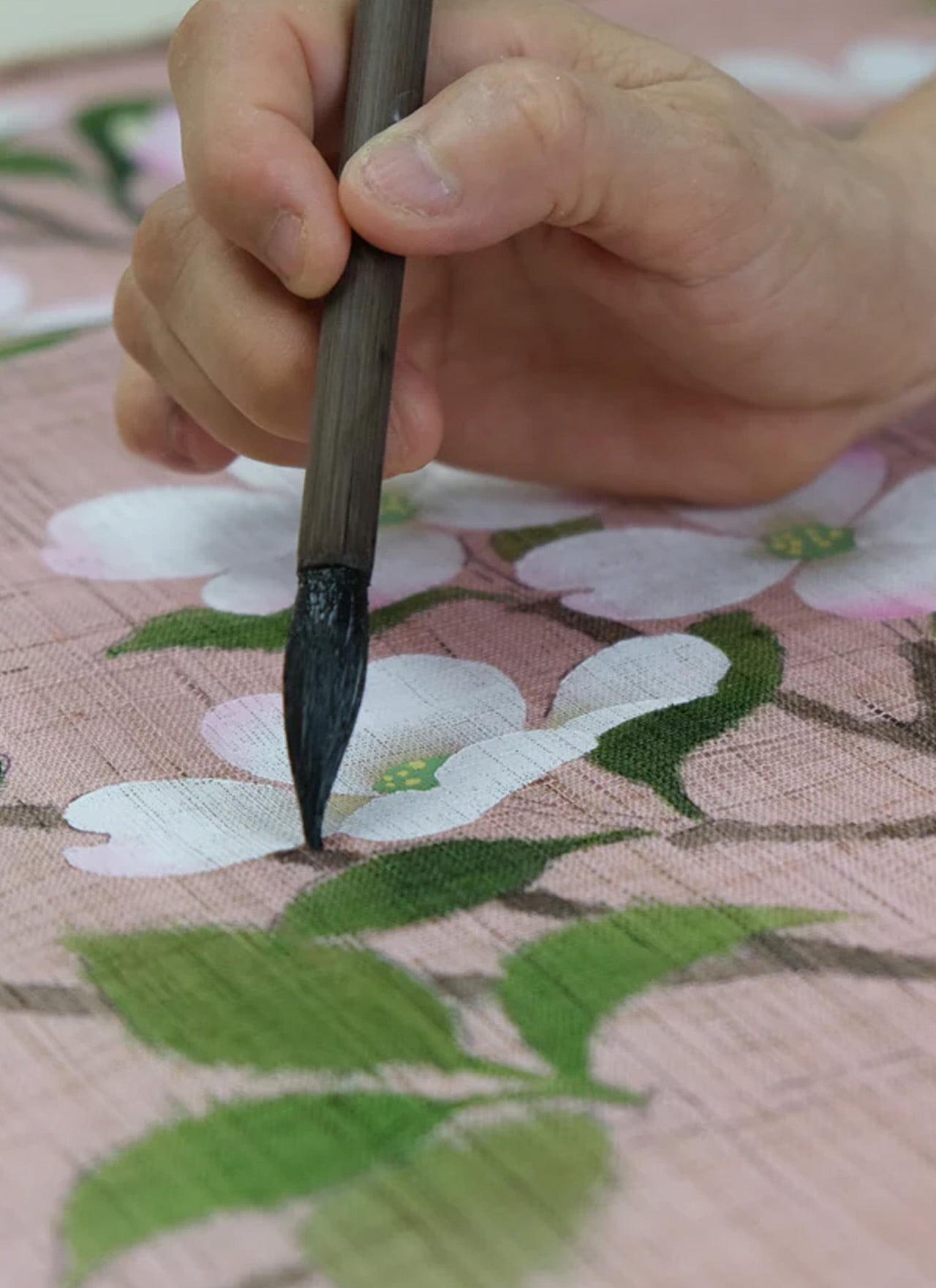
2. Kyoto Yusai Linen Noren

A doorway without a door is just a gap. A doorway with a noren is a conversation between two rooms that never quite ends, a soft boundary that lets light, air, and movement pass through while still giving each space its own identity. This linen noren from Kyoto Yusai, printed with a dogwood motif, does precisely that.

What makes the noren so effective in small apartments is its relationship with ma, the Japanese concept of meaningful negative space. The fabric hangs in split panels with intentional gaps, and those gaps become part of the composition. Light filters through. Silhouettes soften at the edges. In a narrow studio where the sleeping area bleeds into the kitchen, a well-placed noren restructures how the whole room reads without touching the floor plan. Swap it seasonally, and it becomes a rotating design object with zero storage cost.

What we like

  • Splits the room without blocking airflow or natural light, which is rare for any room divider at this price point.
  • Seasonal swapping means the interior changes character four times a year with no permanent commitment.

What we dislike

  • Linen wrinkles easily after washing, so it needs careful steaming to maintain that clean drape.
  • The standard sizing may not fit non-Japanese doorframes without minor alterations or a tension rod swap.

3. Brass Ikebana Kenzan


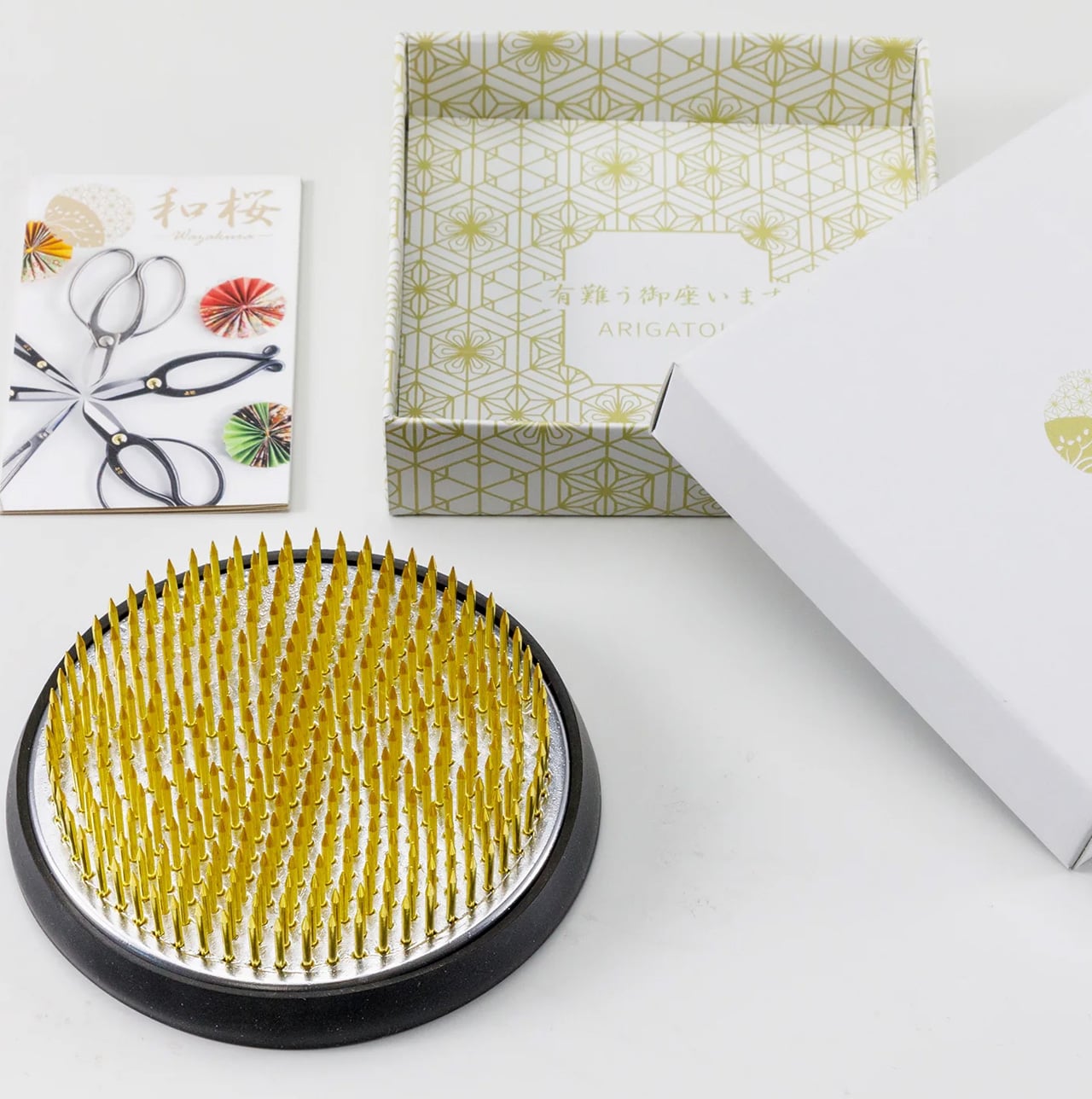
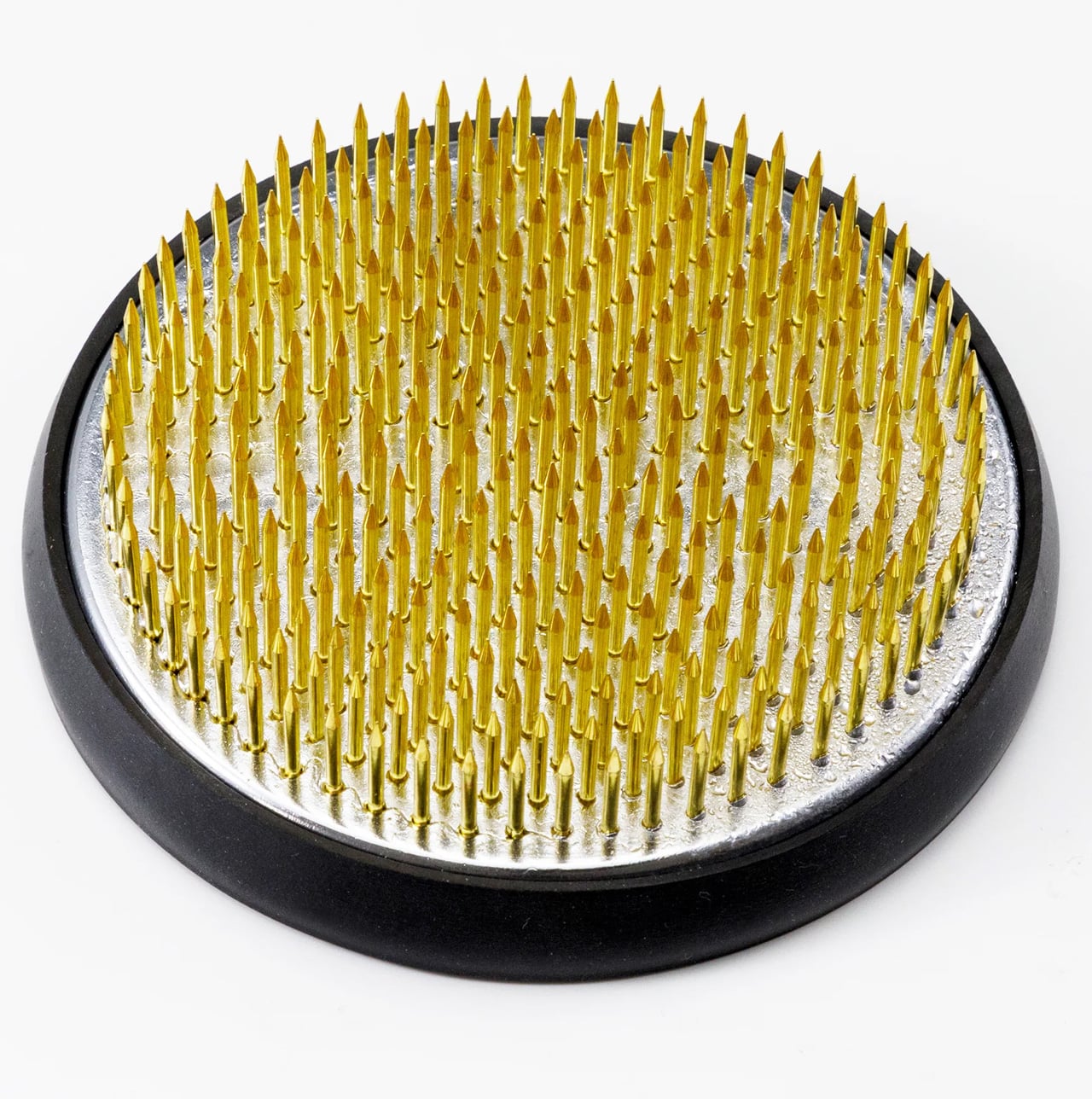
Ikebana looks effortless. A single stem angled just so, a branch suspended at an improbable tilt, a few leaves arranged with the kind of negative space that makes the whole composition feel like a held breath. The kenzan is the hidden mechanism that makes all of it possible, a heavy brass pin frog that sits at the bottom of a shallow vessel and grips stems in place with rows of sharp, fixed needles.

This particular kenzan comes from Sanjo, Niigata Prefecture, a city with metalworking lineage stretching back to the 17th century. The artisans behind it have over 50 years of experience, and the difference shows in the needle sharpness and base weight. Cheap kenzans tip under a heavy branch. This one stays put. The removable rubber gasket protects the vase from scratches and keeps the unit from sliding, and the brass construction means it will outlast the disposable floral foam it replaces entirely. No chemical waste, no single-use plastic, just a solid chunk of metal that holds flowers upright and keeps the water clean longer.

What we like

  • Brass construction from veteran Sanjo artisans means this will last decades without bending, rusting, or losing needle sharpness.
  • Eliminates floral foam, which is a meaningful environmental upgrade for anyone who arranges flowers regularly.

What we dislike

  • A 3.5-inch round kenzan is suited to small-to-medium arrangements only; larger branches or tall statement pieces need a bigger base.
  • Sharp needles require careful handling and storage, especially in households with children or pets.

4. ClearFrame CD Player

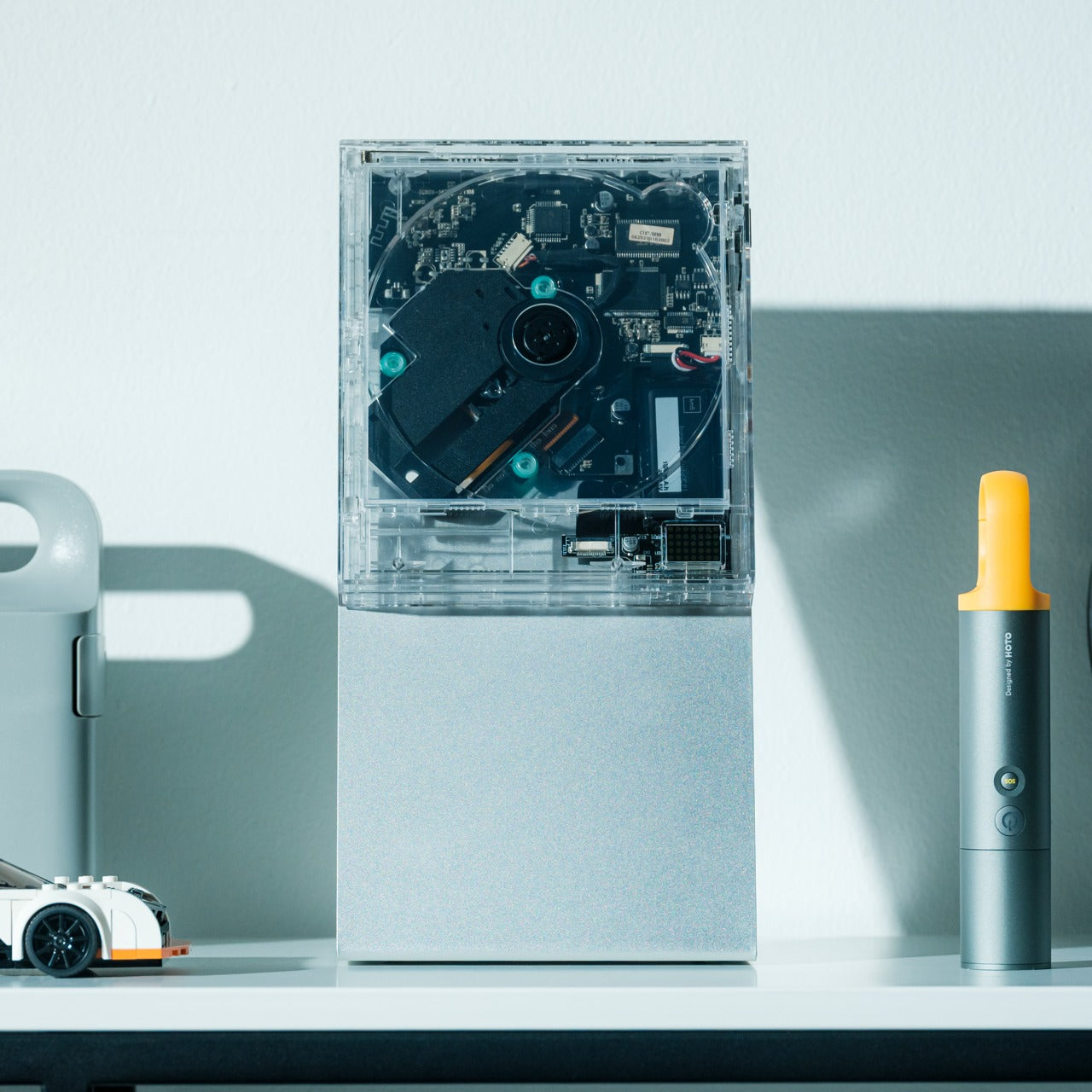
Physical media has a specific gravity that streaming cannot replicate. The act of choosing a disc, sliding it into a tray, and watching it spin is a ritual, not a convenience. The ClearFrame CD player leans into that completely, housing the mechanism inside a crystal-clear polycarbonate shell that frames each album cover like a miniature art exhibit, while the black circuit board sits fully exposed behind it.

Bluetooth 5.1 support and a 7-hour rechargeable battery mean it works wirelessly on a shelf, a desk, or mounted on a wall. Multiple playback modes handle full albums and single-track loops. The square silhouette reads more like a design object than consumer electronics, which is the entire point: in a small room, every object occupies visual real estate, and the ClearFrame earns its shelf space by being something worth looking at even when it is not playing. The exposed circuitry is a deliberate aesthetic choice that shares DNA with the wabi-sabi appreciation of process, of letting the inner workings be part of the beauty rather than hiding them behind a seamless shell.

Click Here to Buy Now: $199.00

What we like

  • Wall-mountable and wireless, so it does not consume any surface area in a room where counter space is precious.
  • Transparent body turns the CD cover into wall art and the circuitry into a visual feature, doubling the object’s function.

What we dislike

  • CD collections are increasingly niche, and anyone without a back catalog will need to start buying physical media to get real value from this.
  • Polycarbonate scratches over time, and a transparent shell means every scuff and fingerprint is visible.

5. Oboro Silver Moon Calendar

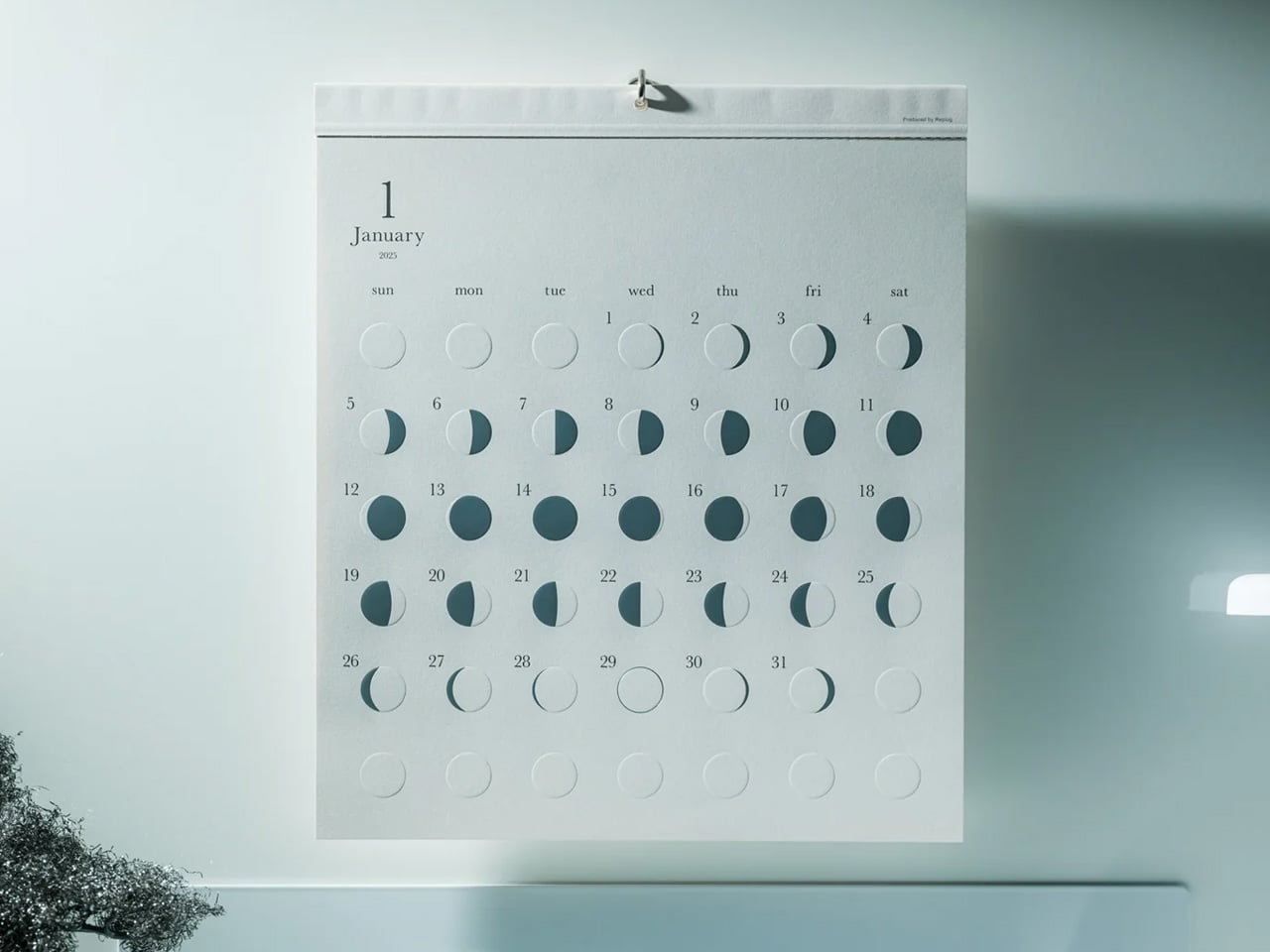
Wall calendars are usually the first thing to look dated in a room. They pile up with scribbled appointments, faded ink, and a design sensibility that peaked in the office supply aisle. The Oboro moon calendar, a limited-edition 10th-anniversary piece by Japanese brand Replug, operates on an entirely different register. It tracks the lunar cycle on greige paper with reflective silver foil phases and embossed moon textures that shift with the light.

The name comes from “oboro” (朧), a Japanese word evoking the soft, hazy glow of a partially obscured moon. It is a wall piece that functions more like a meditative object than an organizational tool. The silver foil catches and transforms ambient light throughout the day, so the calendar looks different at dawn than it does at midnight. The embossed texture invites touch, which turns checking the date into something tactile and grounding. In a small room, a single well-chosen wall object can set the tone for the entire space, and the Oboro does that with restraint rather than volume.

Click Here to Buy Now: $69.00

What we like

  • Reflective silver foil creates dynamic light play that changes throughout the day, making it feel alive rather than static.
  • Embossed lunar texture adds a tactile dimension that most wall decor completely ignores.

What we dislike

  • A lunar calendar is not a practical replacement for a standard date calendar, so this supplements rather than replaces existing scheduling tools.
  • Limited-edition status means availability is unpredictable, and replacement for the following year is not guaranteed.

6. Pop-up Book Vase

A vase that is also a book. Open the cover and a three-dimensional paper cutout rises from the page, forming a vessel shaped to hold fresh stems. Three different designs sit on successive pages, so flipping through the book changes the vase silhouette and the entire presentation of the arrangement. Turn the whole thing upside down, and the perspective shifts again.

Made from 100% natural pulp with a water-resistant coating, the construction is more durable than it first appears. The paper engineering behind each pop-up is precise enough to support a real bouquet without collapsing, and the book form factor means it folds flat for storage or travel. In a tiny room, where a traditional ceramic vase competes for shelf space with everything else, a vase that disappears into a closed book when not in use is a spatial gift. The playfulness of the form also cuts against the sometimes austere reputation of Japanese-inspired interiors, a reminder that wabi-sabi is not allergic to delight.

Click Here to Buy Now: $39.00

What we like

  • Three vase designs in a single book mean variety without needing three separate vessels taking up shelf space.
  • Folds completely flat when not in use, which is a storage advantage no ceramic or glass vase can match.

What we dislike

  • Water-resistant coating has limits, and prolonged contact with water will eventually degrade the paper over repeated uses.
  • The whimsical form factor may clash with more austere or serious interior styles that lean heavily into earth tones and raw materials.

7. Tosaryu Hinoki Bath Stool

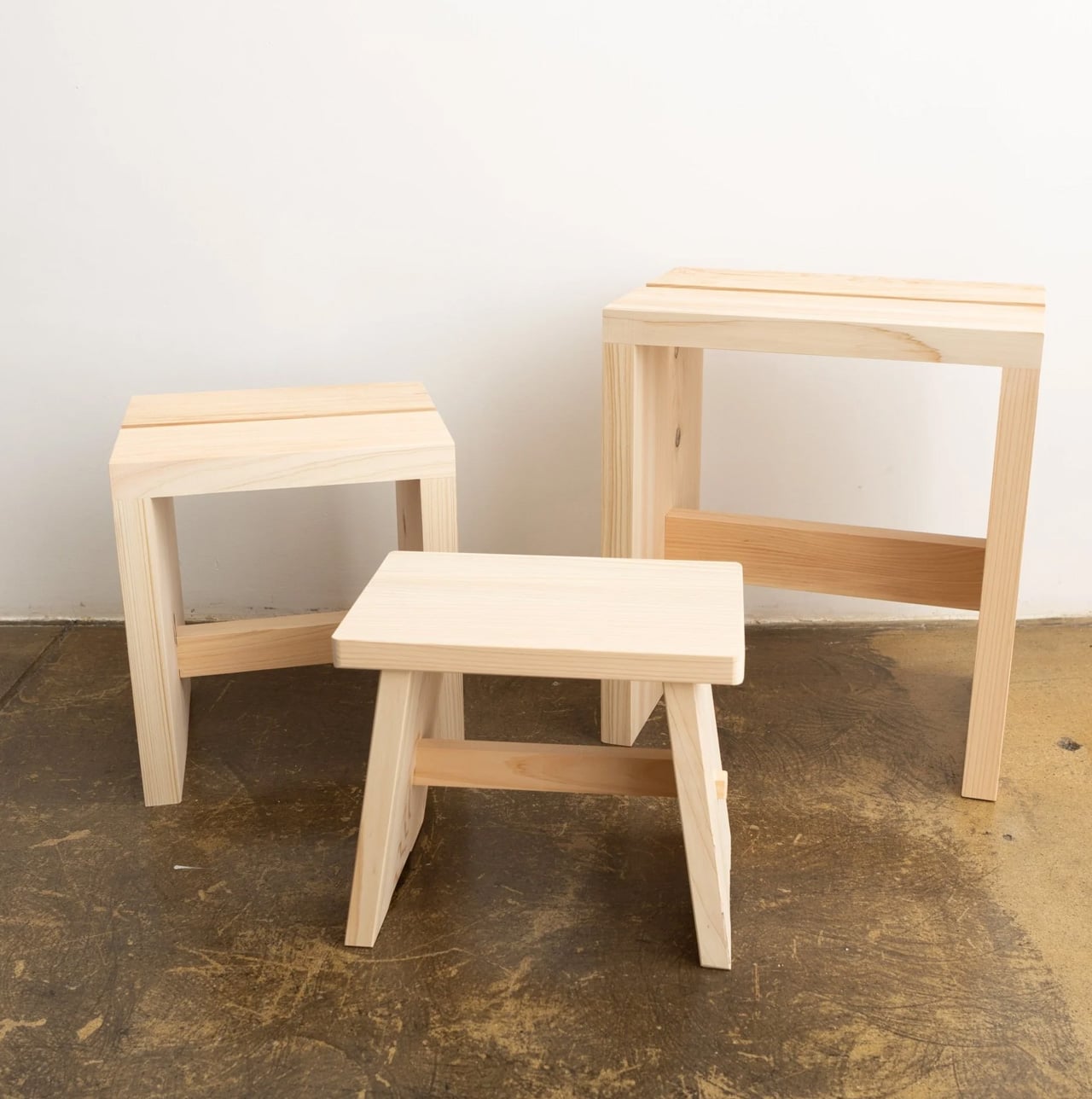
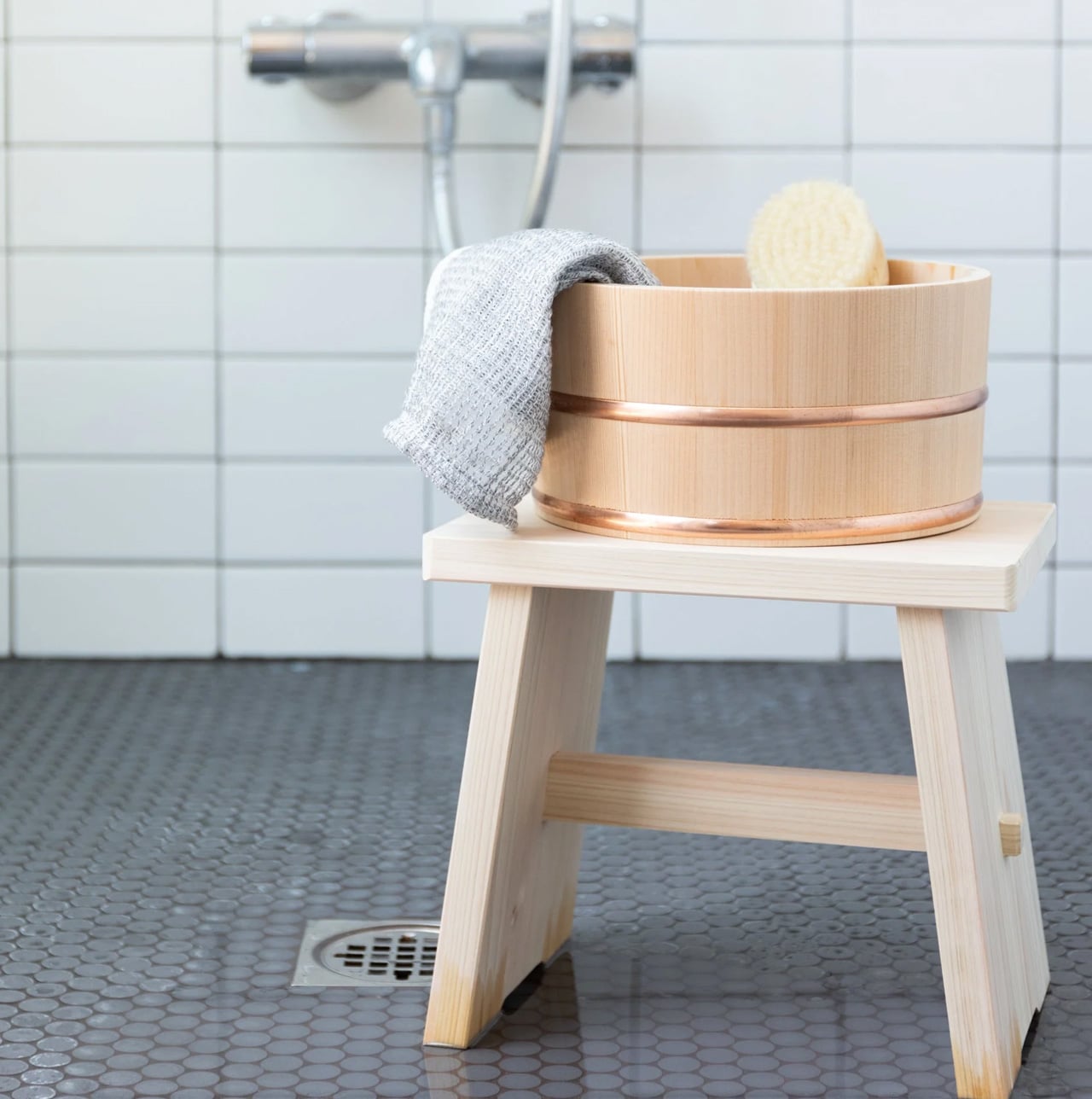
Japanese bathing is not a quick rinse. It is a seated, deliberate process where the stool is as important as the water. Tosaryu’s hinoki cypress bath stools are made by woodworkers in the mountains of Kochi who have been refining their craft since the 1970s. The wood is dried naturally for three to six months without chemical agents, which preserves the aromatic oils that give hinoki its distinctive calming scent.

Place one of these stools in a bathroom, shower room, or home sauna, and the scent fills the space every time steam or warm water contacts the wood. The antibacterial properties of hinoki resin mean the stool resists mold and bacteria without coatings or treatments. Three sizes are available: the Umezawa (10.5 x 7 x 9 inches), the short sauna stool (10.5 x 9 x 11.75 inches), and the tall stool (13.75 x 9.75 x 15.75 inches). Tosaryu operates as stewards of local forests and lakes, using sustainable harvesting methods. In a small bathroom, the stool replaces the generic plastic shower seat with something that smells like a forest and ages like furniture.

What we like

  • Natural hinoki oils provide antibacterial protection and aromatherapy without any chemical treatments or synthetic fragrances.
  • Sustainable production by Tosaryu’s Kochi-based woodworkers means the stool comes with genuine craft lineage, not just marketing copy about nature.

What we dislike

  • Hinoki requires proper drying between uses to prevent cracking; bathrooms without good ventilation will shorten its lifespan.
  • The high stool incurs a $25 shipping surcharge due to its size and weight, which adds to an already premium price.

8. Kintsugi Repair Kit

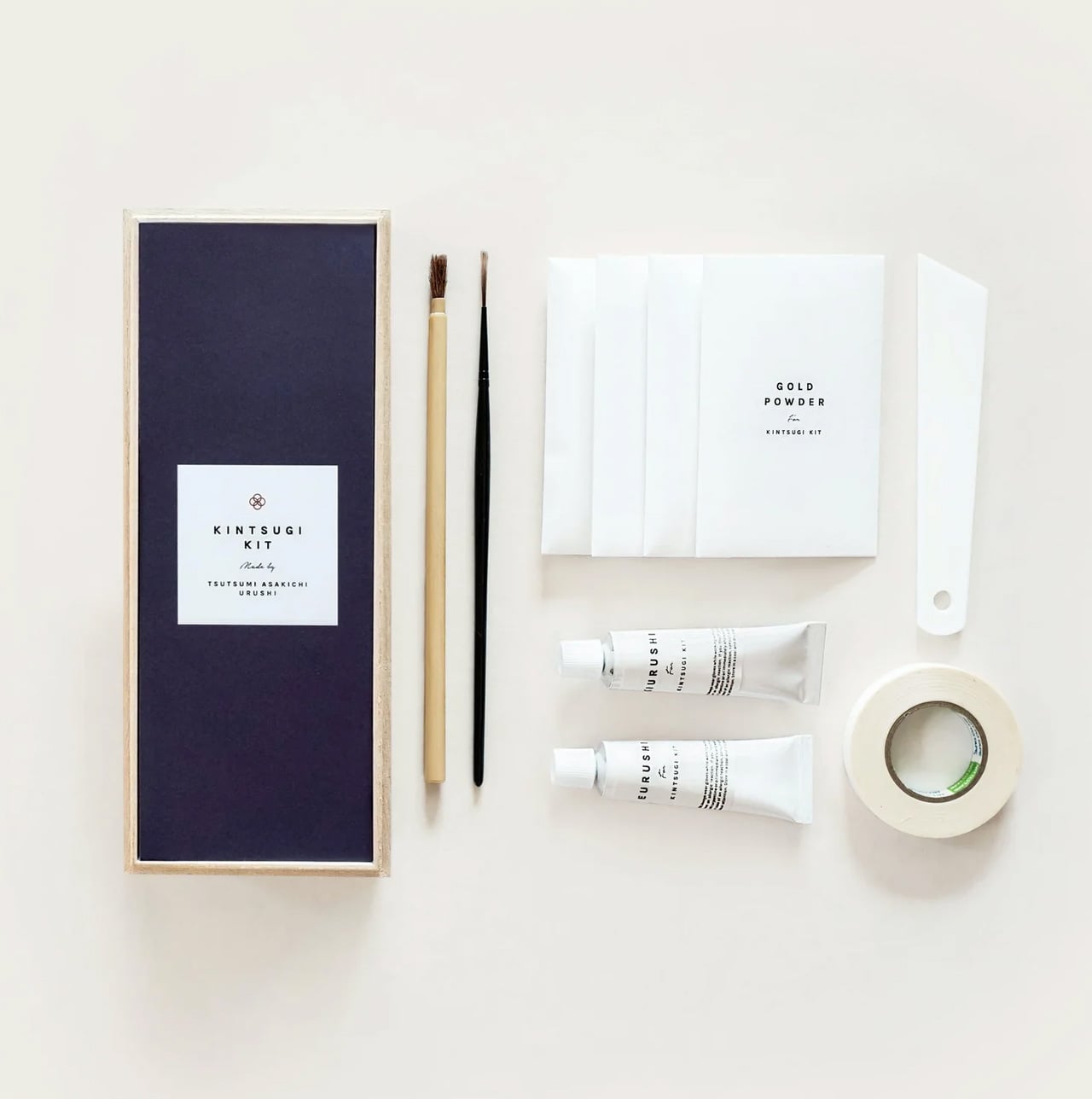
Kintsugi is the Japanese practice of mending broken ceramics with lacquer and powdered gold, turning the fracture into a visible seam that becomes part of the object’s history rather than a flaw to hide. Poj Studio’s kit packages this tradition into a hands-on experience, providing the materials and master-class guidance needed to repair a chipped or broken plate at home.

The philosophy behind kintsugi aligns with wabi-sabi at its most literal: the acceptance of imperfection, the beauty of age, and the idea that damage does not diminish value. In practice, the kit turns a broken mug or cracked bowl into something more interesting than it was before the accident. For anyone living in a small space where every dish and vessel matters (both functionally and visually), the ability to restore rather than replace is both economical and aesthetically resonant. The gold seams catch light in a way that flat, unblemished surfaces cannot, adding character to a kitchen shelf that could otherwise feel monotonous.

What we like

  • Transforms breakage into a design feature, which fundamentally changes the relationship with fragile objects in a small household.
  • Master-class guidance makes the repair process accessible to beginners, not just experienced ceramicists.

What we dislike

  • Urushi lacquer requires careful handling and curing time, so this is not a quick afternoon fix; patience is part of the process.
  • The standard kit is designed for chips and clean breaks; items with missing fragments need the separate advanced kit.

Where spring takes us from here

The thread running through all eight of these products is not minimalism as deprivation, but minimalism as attention. A noren does not block a doorway. It choreographs how light and bodies move through it. A kenzan does not just hold flowers. It holds the space around them. A kintsugi kit does not fix a broken cup. It reframes what broken even means.

Spring in a tiny room does not need a renovation, a new furniture set, or a Pinterest board full of aspirational layouts. It needs a few well-chosen objects that understand the difference between filling a space and inhabiting it. These eight do that, each in a way that respects the room, the season, and the craft tradition it comes from. The smallest upgrades, when they come from the right place, tend to change the most.

The post 8 Best Japanese Spring Home Upgrades That Make Tiny Rooms Feel Like a Wabi-Sabi Sanctuary first appeared on Yanko Design.

7 Genius Spring Camping Gadgets & Gear for 2026 That Make the Great Outdoors Feel Like a Five-Star Hotel

Camping gear has always operated on a quiet contradiction: the more you need comfort, the more weight you carry, and the more weight you carry, the less comfortable you become. Spring 2026 has a different answer. A wave of products has arrived that treats outdoor living not as an exercise in deprivation management but as a design problem worth solving properly — with biological modeling, modular cooking systems, and a shelter that erects itself in the time it takes to open a cold drink. These seven gadgets sit at that intersection.

The products on this list share a philosophy more than a category. Each one attacks a specific friction point in the camping experience — bad sleep, messy cooking, cold nights, assembly anxiety — with engineering that owes nothing to the gear conventions that preceded it. Whether you are weekend-tripping in the forest or plotting a longer off-grid stretch, this is what thoughtful outdoor design looks like in 2026.

1. Camp Napper

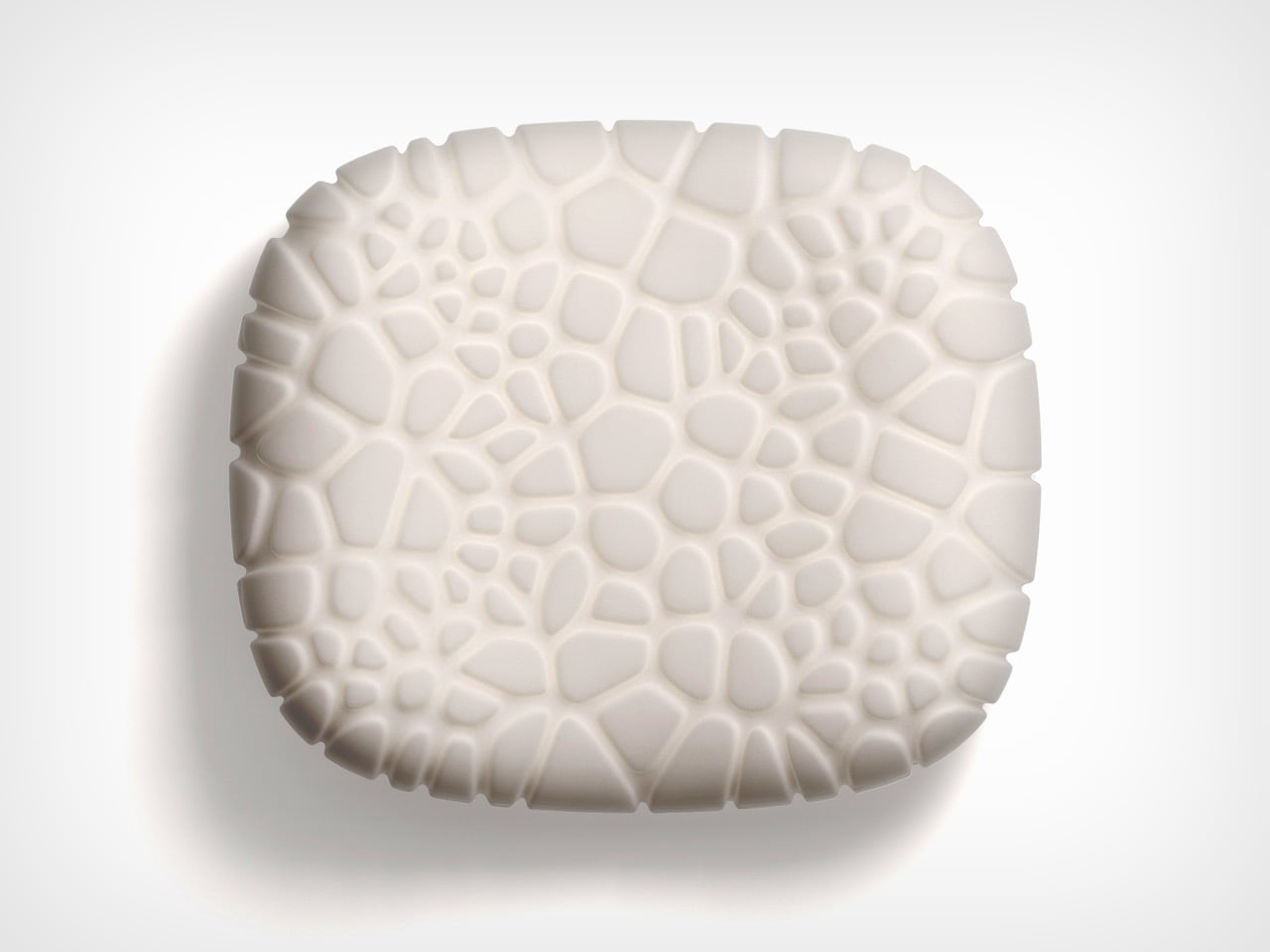
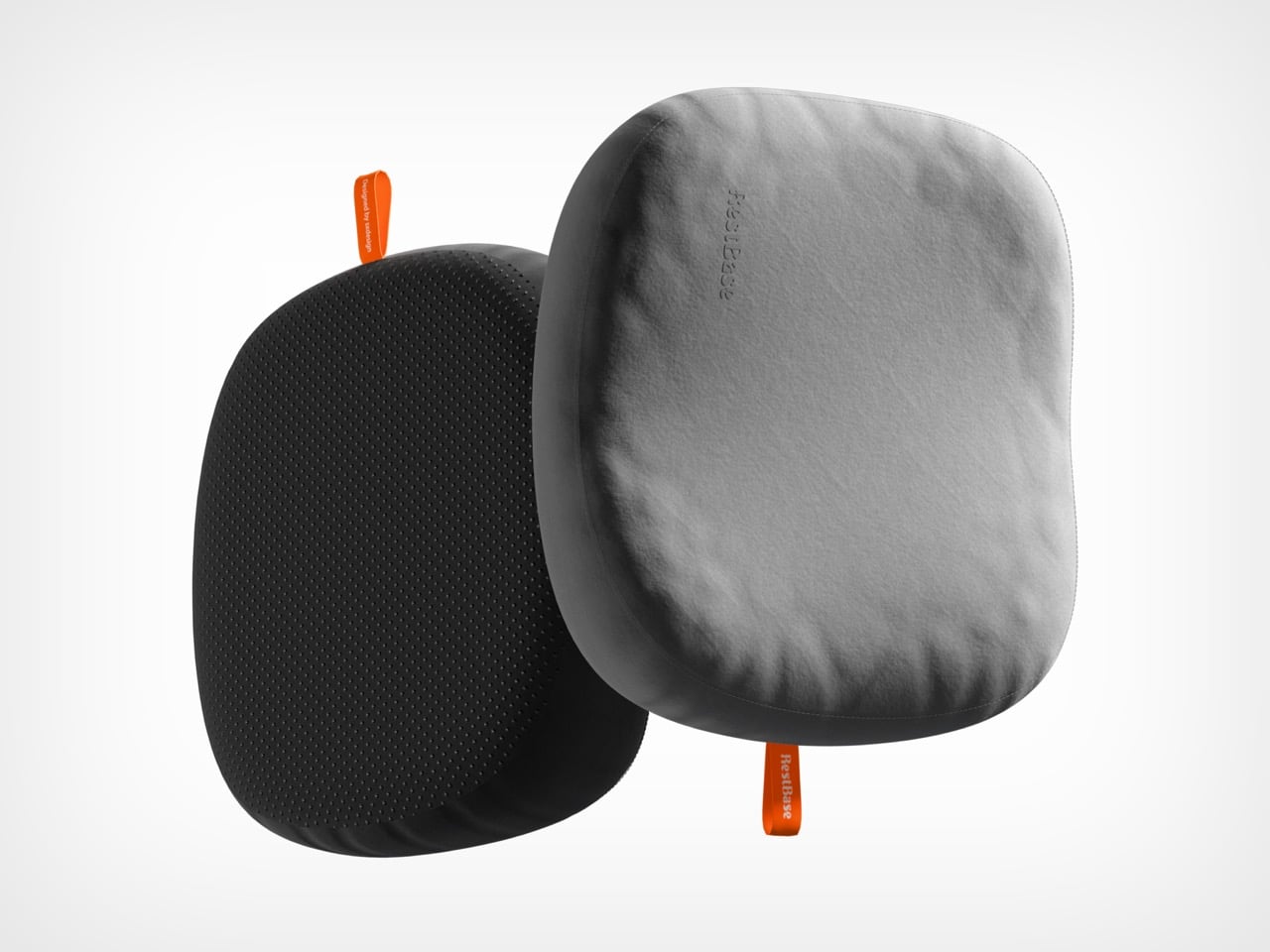
Most camping pillows solve exactly one problem: they pack small. Designer Chen Xu took a different starting point, drawing the Camp Napper‘s form from two biological sources: the surface texture of fungal spores shaped the contact face, and the hollow vascular geometry of plant stems informed the core. Voronoi polygon modelling mapped how pressure from a sleeping head spreads, then engineered protrusions and recesses to respond to that specific data.

The front face has raised cellular structures that increase skin contact area and channel airflow simultaneously. Four tactile zones on the back face offer orientation-dependent customization. The hollow stem-derived core keeps total weight around 400 grams and packs to roughly the volume of a water cup. Memory foam holds the bionic geometry through repeated use, and anti-slip rubber particles on the base keep it stable across sleeping pads and hard floors. Note: the surface patterning is not for the trypophobic.

What we like

  • Voronoi-mapped surface addresses pressure distribution and airflow through the same structural solution, not two separate ones
  • Four tactile zones on the back face give orientation-dependent comfort options uncommon in this category

What we dislike

  • The cellular surface patterning will be a hard stop for anyone with trypophobia
  • No published compression specification for cold-weather performance, where memory foam typically stiffens

2. The Cube

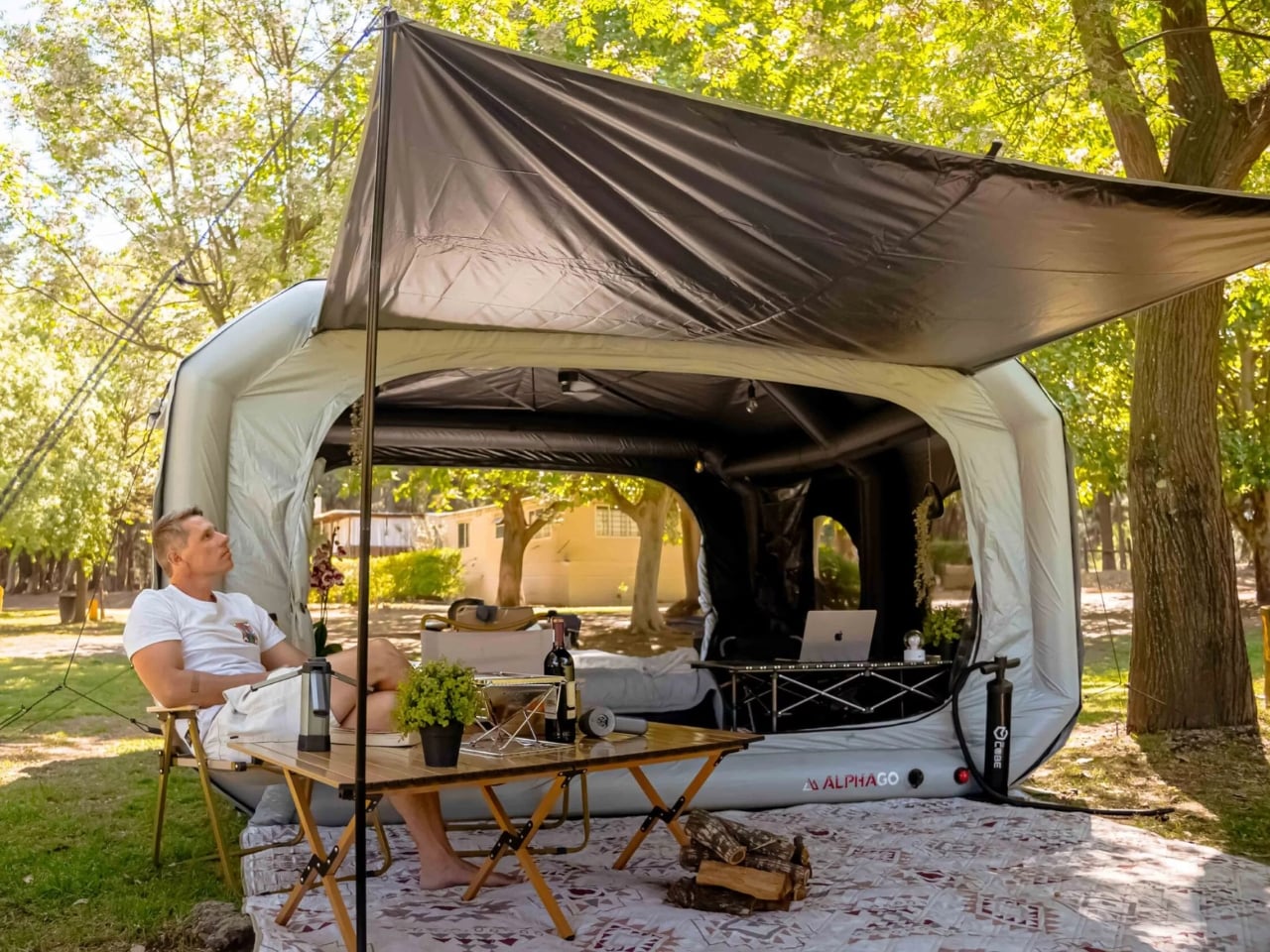
Tent assembly has not changed meaningfully in decades: poles, sleeves, and a diagram drawn by someone who has never camped. South African brand Alphago chose to treat that process as an engineering failure. The Cube is an inflatable tent with an air tube frame system that inflates via a wireless electric pump. One button press. Four minutes. No poles, no instructions, no arguments about which end faces the wind.

Speed is not the whole story. The Cube is built around comfort, with a stretched silhouette that allows standing height across most of the interior. The WeatherTec system uses welded floors and inverted seams, and both entrances have three independently operable layers: privacy screening, mosquito netting, and weather panels. Some configurations include integrated tables and storage drawers, extending the product into something closer to portable infrastructure than a simple shelter.

What we like

  • Four-minute wireless inflation eliminates the primary friction point of traditional tent setup
  • The three-layer entrance system handles every weather condition without reconfiguring the tent

What we dislike

  • Air tube frames are vulnerable to puncture in ways pole frames are not; field repair requires preparation
  • Inflatable architecture is larger and heavier than a comparable pole tent at the same floor area

3. All-in-One Grill

Outdoor cooking tends to bifurcate: bring a single-function grill and eat the same three things, or haul a kitchen’s worth of equipment and spend more time on logistics than on the fire. This modular tabletop grill takes a third position. Interchangeable cooking modules cover barbecuing, frying, grilling, steaming, smoking, and stew cooking from a single portable base, with a dedicated upright module for warming bottles — mulled wine included.

The compact footprint sits on any camp table without dominating it, and the modular construction that makes it versatile also simplifies cleaning. When one system handles multiple cooking methods, the question of what to cook becomes a matter of appetite rather than equipment logistics.

Click Here to Buy Now: $449

What we like

  • Six distinct cooking methods from one portable base, without multiple devices or fuel sources
  • A dedicated bottle-warming module is a specific, practical detail most outdoor cooking systems overlook

What we dislike

  • Modular systems accumulate small parts that are easy to misplace; no information on replacement part availability
  • Tabletop-only design limits cooking capacity for larger groups

4. TMB: The Modular Bottle

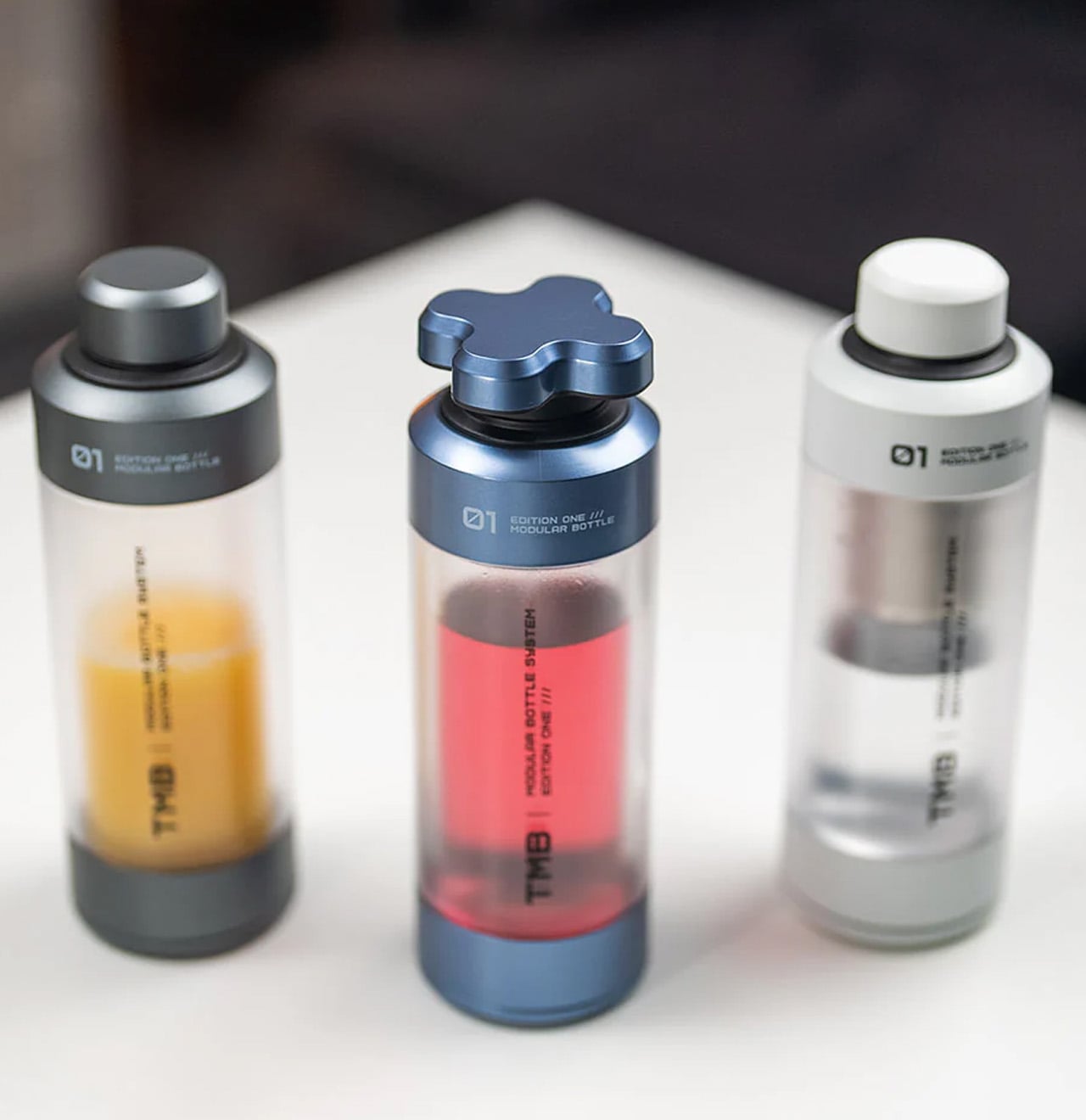
Hydration gear has a design problem few products acknowledge: one bottle cannot simultaneously optimize for commuting, exercise, and trail hiking. The TMB Modular Bottle builds adaptation into the object itself. The borosilicate glass interior preserves drink flavor without absorbing taste or odor — a material property that distinguishes it from the steel and plastic alternatives dominating this category. A translucent mid-section gives a constant view of remaining liquid, removing minor but real friction from the outdoor day.

The modular design allows configuration changes based on activity. For camping specifically, the glass interior means whatever you fill it with tastes like itself rather than the container. Easy disassembly for cleaning prevents the stale odor buildup that makes most reusable bottles unpleasant after weeks of real use.

What we like

  • Borosilicate glass preserves drink flavor without imparting taste or odor, a material advantage over steel or plastic
  • The translucent mid-section gives a real-time view of the remaining liquid that opaque bottles hide

What we dislike

  • Glass interiors, even borosilicate, carry more breakage risk than steel alternatives in rough outdoor handling
  • Modular assembly adds cleaning complexity compared to a single-body bottle

5. Portable Fire Pit Stand

There is an honesty to a fire pit that most portable cooking solutions sidestep. This bonfire stand brings it back without the permanence of a built pit or the flimsiness of a folding ring. The steel plate construction uses sheet metal technology to resist the warping and distortion that heat cycling causes in cheaper materials, and the punched holes and cutouts give it an industrial character while improving airflow around the burn.

Assembly works like a puzzle — metal pieces interlock without tools. Removable trivets open the cooking configuration to grilling, frying, and more. The warp-resistant black steel plate holds its geometry through repeated heating and cooling cycles, a failure mode that undermines most portable fire hardware after a single season.

Click Here to Buy Now: $119.00

What we like

  • Warp-resistant steel construction maintains geometry through repeated heat cycling, where most portable fire hardware eventually distorts
  • Tool-free interlocking assembly means no accessories that can be forgotten at home

What we dislike

  • Open fire structure requires a flat, stable, fire-safe surface — more site-dependent than enclosed stove alternatives
  • Black steel requires dry storage and some maintenance to prevent surface rust

6. Hot Pocket

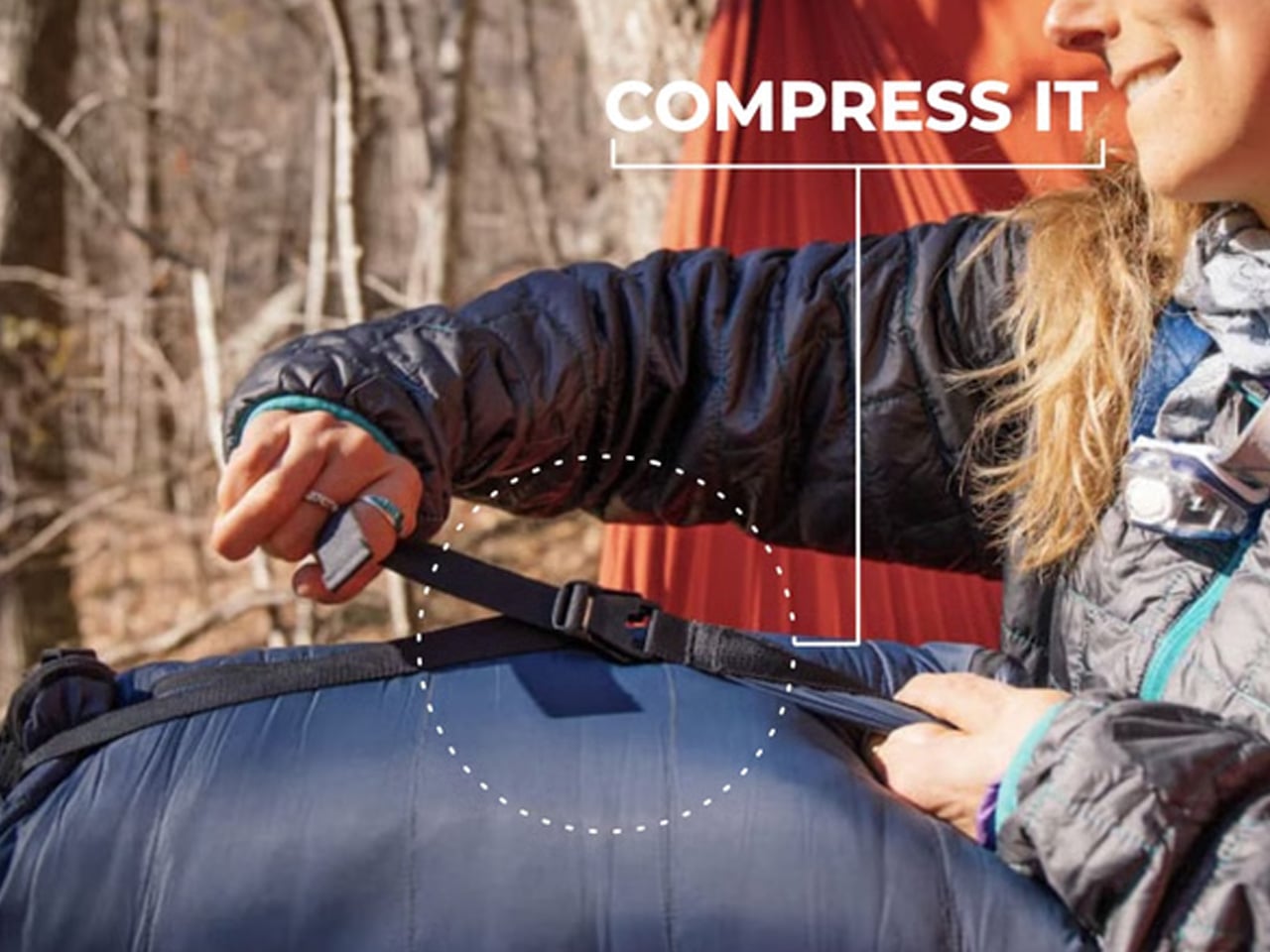
Cold sleeping bag syndrome follows a predictable pattern: zip in, spend the first twenty minutes waiting for body heat to build, arrive at warmth already half-asleep and irritated. The Hot Pocket, created by the Sierra Madre team, breaks that cycle before it starts. It stores and compresses your sleeping bag or quilt during the day, then pre-heats the insulation before you get in — so the first moment of contact is already warm.

The system is wireless and portable, designed for use beyond the campsite: ski slopes, sports sidelines, anywhere pre-warmed insulation matters. The on-demand heating replaces disposable chemical heat packs, which degrade after a single use. Compression and heating are integrated into one object, handling a task the sleeping bag needed done anyway — storage and transport — while adding warmth as a built-in function.

What we like

  • Pre-heating eliminates the body-heat warm-up window that makes the first stretch in a cold sleeping bag genuinely unpleasant
  • Integrated compression and heating replace disposable chemical packs with a reusable, on-demand solution

What we dislike

  • Wireless operation adds battery management to the camping checklist; no published battery life data
  • Pre-heating duration and heat retention are unspecified, making it difficult to plan around the product’s actual warming window

7. DraftPro Top Can Opener

The DraftPro is not solving a survival problem. It is solving an experience problem. Designed by Japanese designer Shu Kanno, the tool removes the entire top of a can to create a wide-mouth opening that changes how the contents smell, taste, and behave. For beer, full-top removal mimics drinking from a glass, releasing aroma rather than directing it through a small aperture. The smooth-edged finish removes the safety concern that other full-removal openers have historically carried.

The camping application extends beyond drinking. With the top off, you can add ice directly to the can or build a cocktail inside it without a separate vessel. The opener handles domestic and international can sizes, which matters when available canned goods do not match a home market. For a campsite where the evening drink matters as much as the fire, this is the detail that earns its place.

Click Here to Buy Now: $59.00

What we like

  • Full top removal creates a draft-style drinking experience with full aroma release — a functional difference from standard can opening
  • The can-as-vessel approach allows ice-adding and cocktail preparation without additional cups or shakers

What we dislike

  • Single-function specialization means it earns a spot only if canned beverages are a consistent part of the camping plan
  • No published durability specification for the cutting mechanism over time

Spring’s best case for smarter camping

What connects these seven products is not a shared price point or aesthetic — it is a shared refusal to accept that outdoor gear has to be difficult, uncomfortable, or boring. The Camp Napper applies biological modeling to a pillow. The Cube eliminates the most frustrating fifteen minutes of any camping trip. The DraftPro turns a can into a proper drinking vessel. Each object is the result of someone looking at a friction point in outdoor life and deciding it deserved a real answer.

Spring camping is the ideal moment to bring these to a campsite. The temperatures invite longer stays, the light cooperates, and the desire to actually be comfortable rather than just surviving outdoors is at its highest. These products meet that desire with design intelligence rather than compromised portability or bulky engineering. Pack accordingly.

The post 7 Genius Spring Camping Gadgets & Gear for 2026 That Make the Great Outdoors Feel Like a Five-Star Hotel first appeared on Yanko Design.

5 Best Spring EDC Gear Upgrades for 2026 That Actually Deserve a Permanent Spot in Your Pocket

Spring has a way of resetting what we carry. The heavy layers come off, pockets shrink, and that overstuffed pouch of winter tools starts feeling like dead weight. This is the season where everyday carry gets honest about what actually earns space against your body, and what was just riding along out of habit. The five products on this list survived that edit. They are compact, functional, and built with enough design intelligence to justify displacing whatever is currently rattling around in your jacket.

What ties these picks together is a shared rejection of bulk for its own sake. The EDC market loves to pile features into objects that end up living in drawers because they are too heavy or awkward to carry daily. These five go the other direction, packing serious utility into forms that disappear into a pocket or clip onto a keyring without protest. Each one solves a real, recurring problem with clean engineering and a material palette that does not apologize for looking good while doing it.

1. Pockitrod Multitool Pen

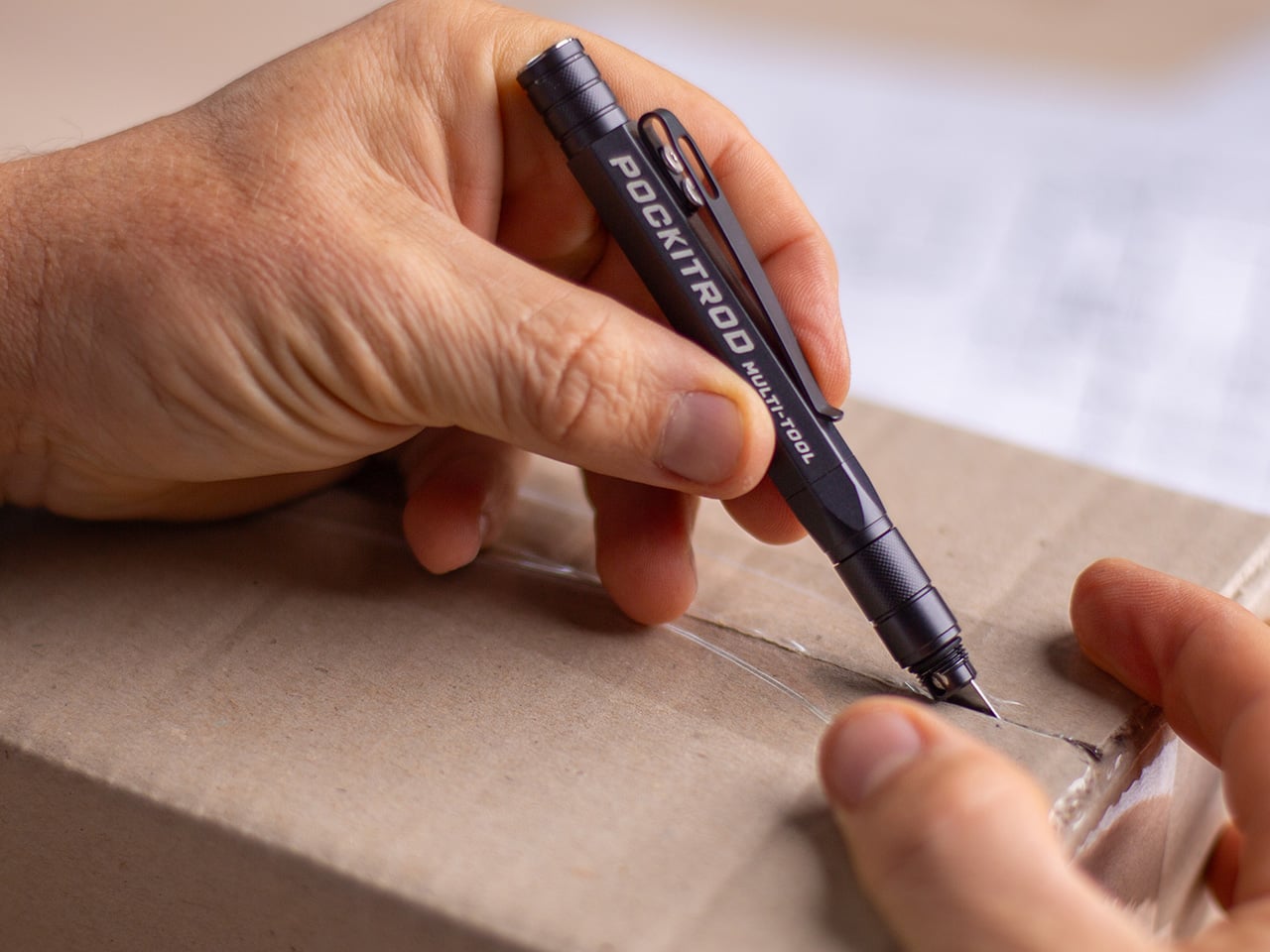
The pen is the oldest item in pocket carry, and it has been the target of designers trying to cram more function into that slim cylinder for decades. Most tactical pens add a single trick (usually a glass breaker nobody ever uses) and call it innovation. The Pockitrod takes a fundamentally different approach, treating the pen form as a modular platform rather than a finished object. Its body is machined from 6061-T4 aluminum with a hex cross-section that doubles as a driver grip, a detail that sounds minor until the first time a screw needs tightening and the tool is already in hand.

The system is organized around a central driver assembly inside the handle, with additional modules that thread on as extensions: a box opener with interchangeable 20CV steel tips, an inkless writing implement, and a magnetic-base LED flashlight. Etched measurement markings run along the body with a zero-reference aligned to the edge, turning the entire tool into a ruler that actually measures from where objects begin rather than from some arbitrary point inset from the tip. What makes this work different from other multitool pens that collapse under their own ambition is the threading system. Each module is a self-contained unit, so the Pockitrod can be as simple or as loaded as the day demands.

What we like

  • The hex-shaped body provides a non-slip grip when used as a screwdriver, which most round pen multitools completely ignore.
  • Modular threading means the tool adapts to different carry needs without requiring a full kit commitment every day.

What we dislike

  • The added modules increase overall length, which could push the pen past comfortable shirt-pocket territory.
  • An inkless writing tip is a niche preference, and some users will want a ballpoint option that is not currently part of the system.

2. BlackoutBeam Tactical Flashlight

Flashlights are one of those categories where specs have outpaced what most people need, and manufacturers keep chasing lumen counts that look impressive on paper but blind the user as much as the target. The BlackoutBeam lands at 2300 lumens with a 300-meter throw, which is serious output, but the detail worth paying attention to is the 0.2-second response time. There is no lag, no warm-up flicker, no half-second of wondering whether the switch registered. Light appears the instant the button moves, and in a power outage or a dark parking lot, that immediacy changes the entire experience of using a flashlight.

The body is aluminum with an IP68 rating for water and dust resistance, which means submersion rather than just rain tolerance. Where most tactical flashlights lean into an aggressive, knurled aesthetic that screams preparedness, the BlackoutBeam keeps its lines industrial and clean. It is a tool that communicates function through proportion and material rather than surface decoration. The multiple lighting modes provide range for different scenarios, from full-blast flood to something more conservative for close work. Spring carries a flashlight that handles the transition from late-winter darkness to longer evenings without demanding a separate headlamp or phone-screen compromise.

Click Here to Buy Now: $89.00

What we like

  • The 0.2-second activation eliminates the hesitation gap that plagues cheaper flashlights in urgent situations.
  • IP68 waterproofing means genuine submersion protection, not just a splash rating that fails in real rain.

What we dislike

  • At 2300 lumens, the beam can be excessive for indoor or close-range tasks where a lower floor would be more practical.
  • Battery drain at full output will be aggressive, and the frequency of recharging could become a friction point for daily carriers.

3. Bullet SSD

Cloud storage has convinced most people that physical drives are obsolete, right up until the moment a file transfer stalls over weak Wi-Fi, a client meeting has no internet access, or a backup needs to happen without trusting data to someone else’s servers. The Bullet SSD is built for those moments. It measures 51 x 16 x 8mm, weighs 18 grams, and clips onto a keyring with the same casual permanence as a house key. Inside that shell sits up to 2TB of TLC NAND storage with USB-C 3.2 connectivity and read/write speeds around 500 MB/s.

The body is machined from a single piece of aerospace aluminum, which gives it structural rigidity that a plastic thumb drive cannot match, and the IP67 certification means water and dust exposure are non-issues. What separates this from a standard flash drive is the SSD architecture running underneath. Transfer speeds are fast enough to edit video and photos directly from the drive without copying files to a local machine first. For creatives, field workers, or anyone whose workflow involves moving large files between devices that do not share a network, the Bullet SSD turns a keychain into a portable workstation. The form factor is the real argument here: it is small enough to carry without thinking about it, and fast enough to use without compromise when the moment arrives.

What we like

  • The 18-gram weight and keychain form factor mean this drive is always present without occupying dedicated pocket space.
  • USB-C 3.2 with 500 MB/s speeds makes direct editing from the drive a practical reality rather than a spec-sheet fantasy.

What we dislike

  • The compact body limits heat dissipation, which could throttle sustained write speeds during large, continuous transfers.
  • At this size, the USB-C connector is exposed to pocket debris and lint, and there is no integrated cap or cover to protect it.

4. CraftMaster EDC Utility Knife

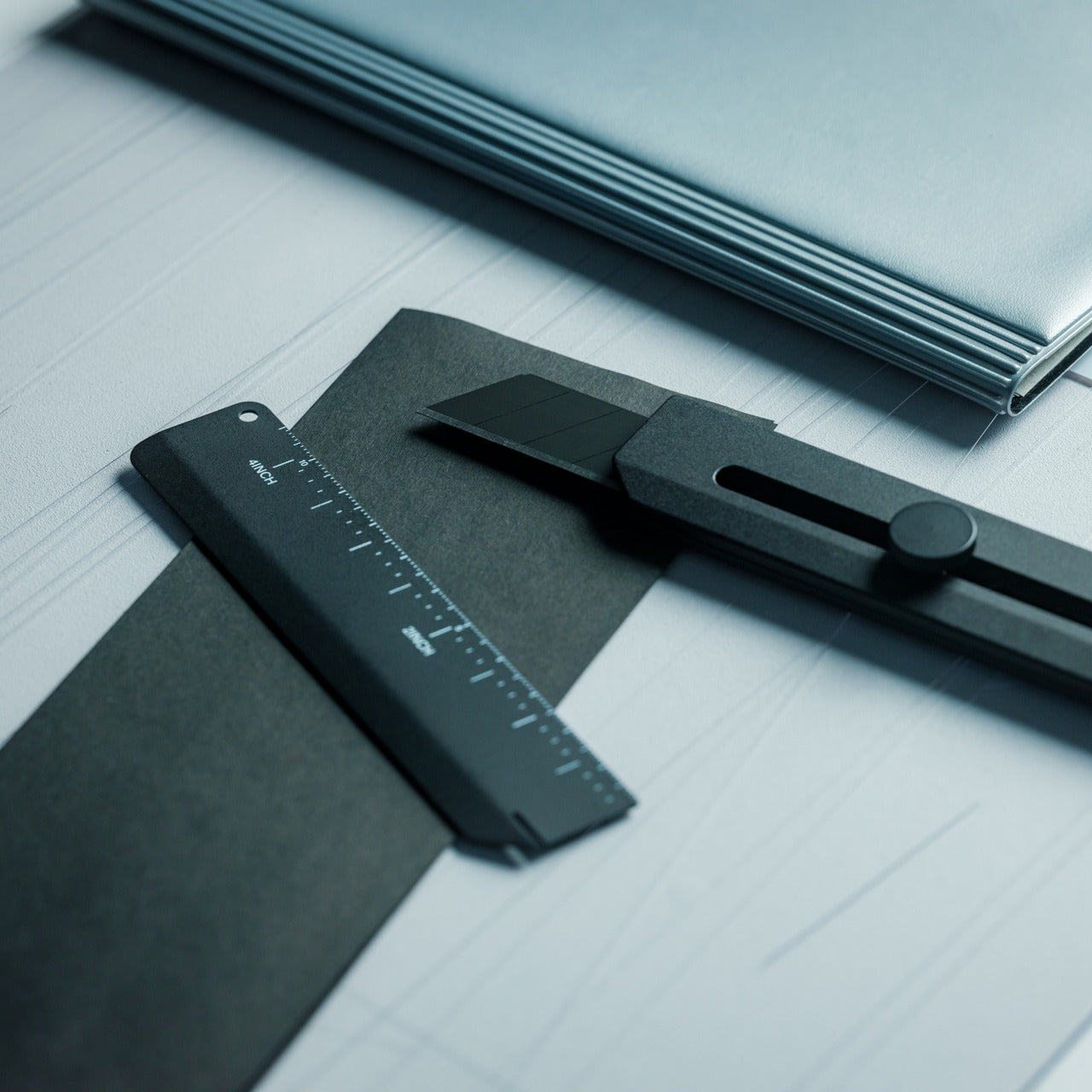
The utility knife is one of the most used and least respected tools in everyday carry. Most people settle for a flimsy box cutter from a hardware store or a folding knife that is overkill for opening packages. The CraftMaster occupies the gap between those extremes with a metal body that measures just 8mm thick and 12cm long, paired with an OLFA blade deployed through a tactile rotating knob. The thinness is not a gimmick. At 0.3 inches, this knife slides into a pocket alongside a phone without creating a noticeable bump, which is the difference between a tool carried daily and one left in a bag.

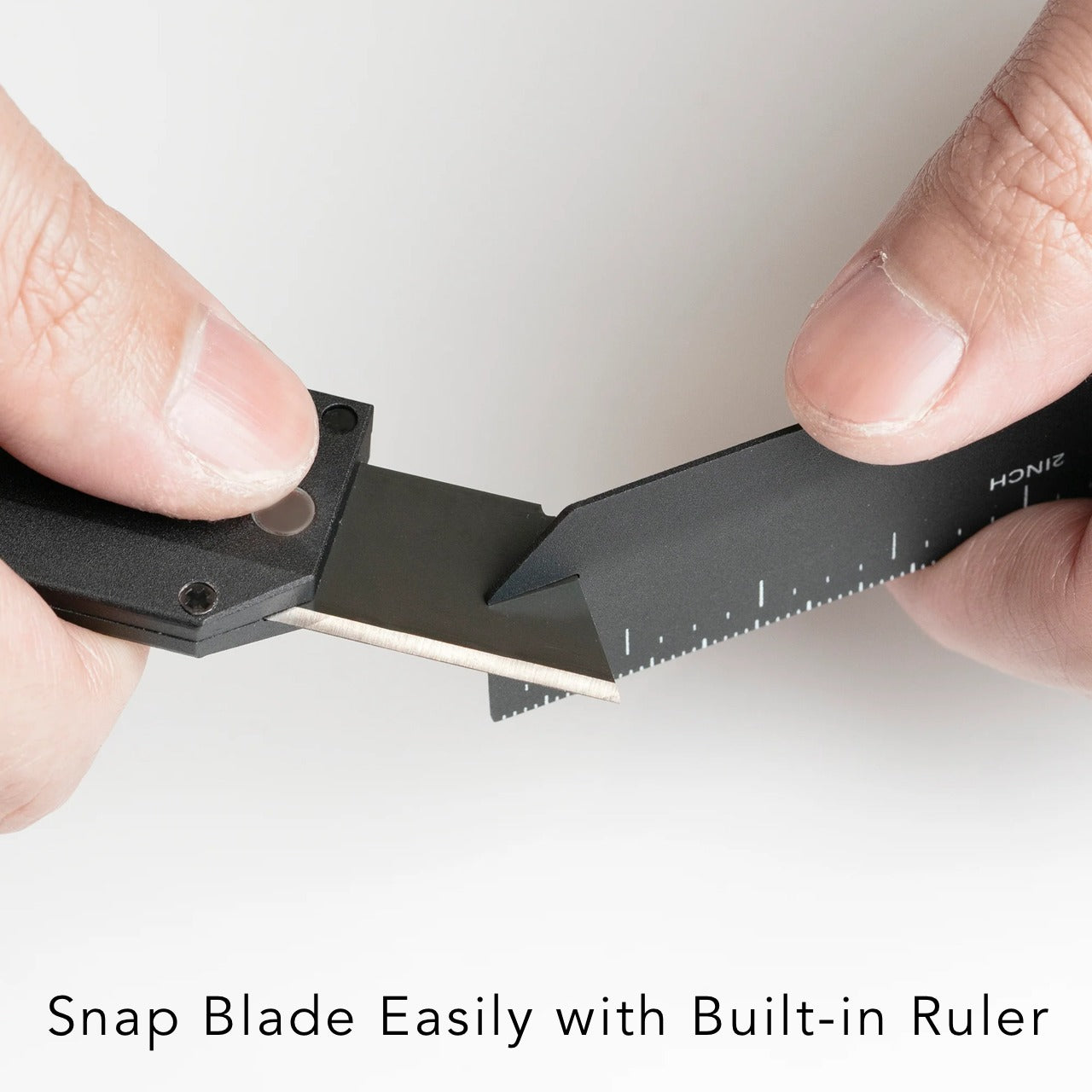
The companion metal scale docks magnetically to the knife’s back, adding dual-scale ruler markings in metric and imperial alongside a blade-breaker for snapping off dull OLFA segments. A 15-degree curvature on the ruler edge protects fingers during cutting, a small detail that reveals how much thought went into the interaction design rather than just the object’s appearance. OLFA blades are replaceable and widely available, which means the CraftMaster avoids the trap of proprietary consumables that plague many premium EDC knives. The 45-degree blade inclination is optimized for box opening, making this a tool that excels at the single task most people actually need a blade for, rather than pretending to be a wilderness survival instrument.

Click Here to Buy Now: $79.00

What we like

  • The magnetic-docking ruler scale transforms the knife into a measuring tool without adding bulk or requiring a separate carry item.
  • OLFA blade compatibility means replacements are cheap, universal, and available at any hardware store on the planet.

What we dislike

  • The rotating knob deployment, while tactile, is slower than a thumb-stud or flipper mechanism for one-handed opening.
  • At 12cm total length, the cutting depth is limited to anything beyond packages and light materials.

5. TPT (Titanium Pocket Tool)

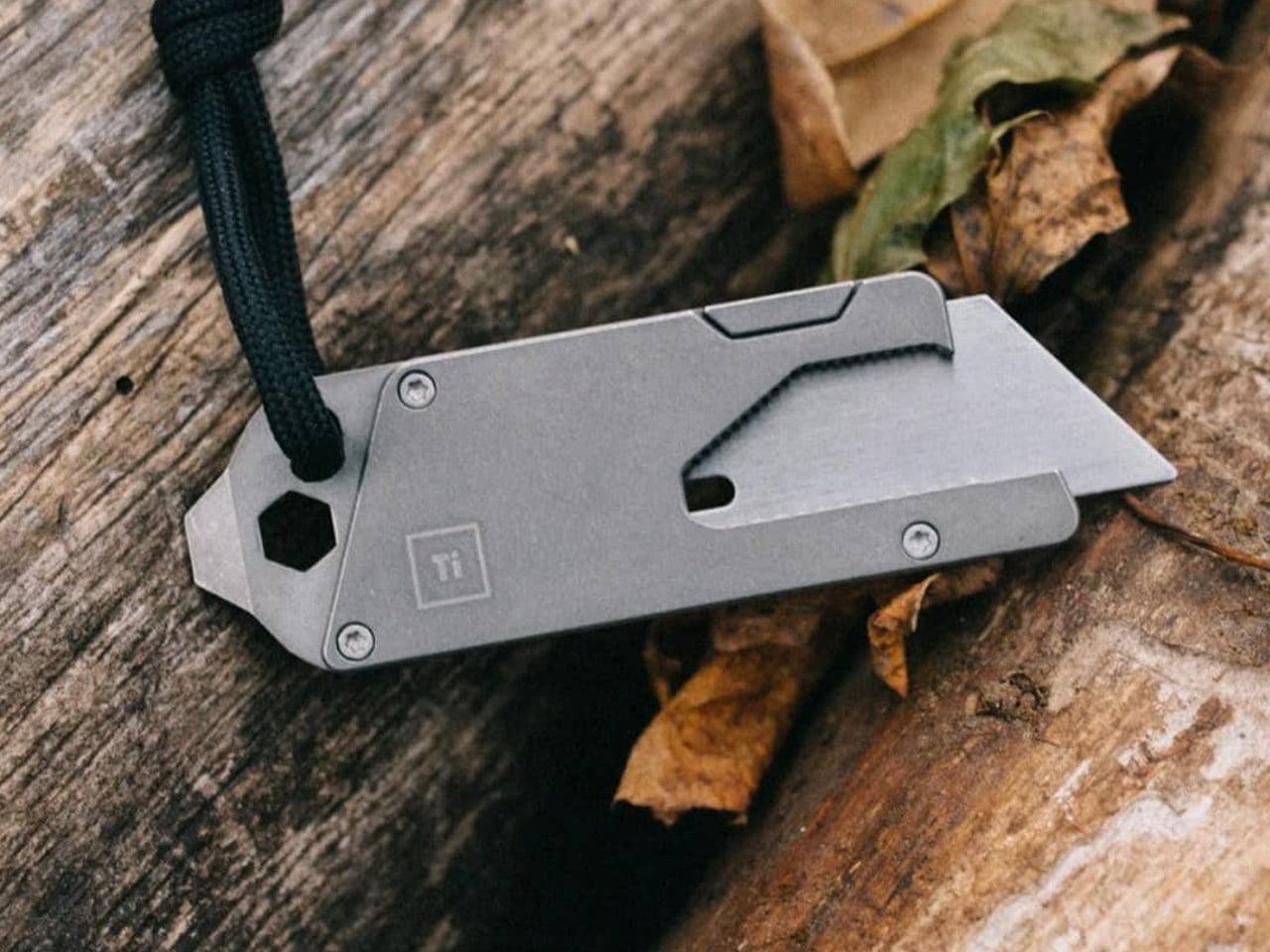
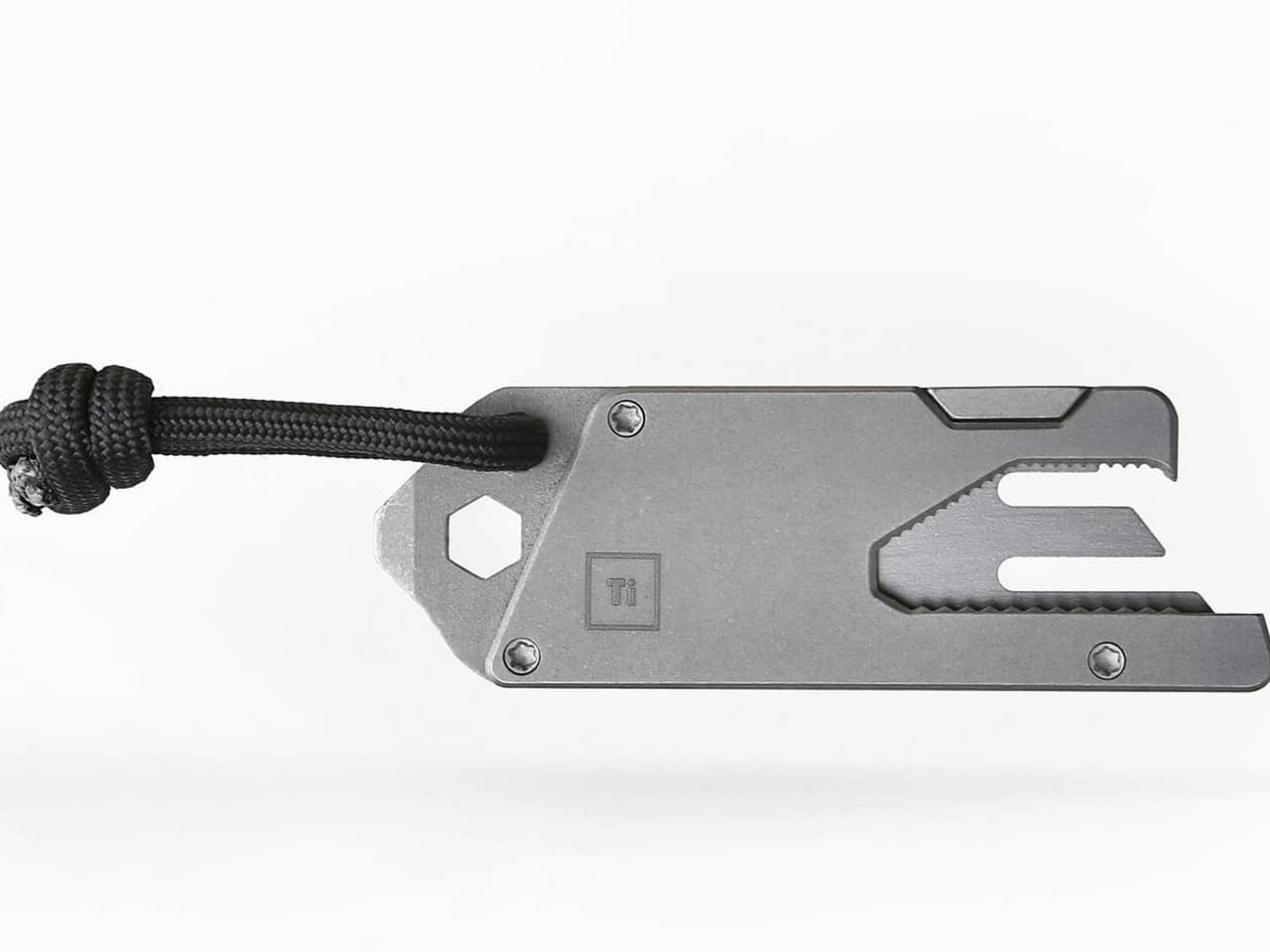
Multitools love to advertise tool counts, but most of those numbers are inflated by variations on the same function (three slightly different screwdriver tips, two redundant pry edges). The TPT earns its ten-tool count because each function occupies its own distinct geometry on a body that measures just three inches long and weighs 28 grams. Grade 5 titanium alloy (6AL4V) gives it a strength-to-weight ratio that steel multitools cannot touch at this size, and the TSA-approved design means it travels without the anxiety of confiscation at airport security. That alone removes one of the biggest barriers to consistent carry.

The tool set includes a full wrench array covering 15 socket sizes (both SAE and metric), a bottle opener, a hex bit driver, a scraper edge, a mini pry bar, measurement cues, and a retractable insert that functions as both a box opener and a camp fork. The stainless steel insert is dual-function, with a fork-tined end for eating and a conventional cutter shape on the other, which is a clever use of a single replaceable component. A removable pocket clip and paracord lanyard provide carry options, and the included leather sheath protects both the tool and whatever pocket it lives in. The TPT does not try to replace a full-sized Leatherman. It targets the 90% of daily situations where a compact, always-present tool solves the problem faster than digging through a bag for something bigger.

What we like

  • TSA approval means this tool crosses through airport security without issue, making it one of the few multitools suitable for travel carry.
  • The 15-size universal wrench built into the body handles quick fixes that would otherwise require a dedicated wrench set.

What we dislike

  • The retractable blade insert can be difficult to swap one-handed, and some users report that the magnet holding it in place could be stronger.
  • At three inches, the wrench openings are small, limiting torque and access in tight spaces where a longer tool would provide better leverage.

Where spring carry is heading

These five tools share a common design philosophy: carry less, carry better. The days of stuffing pockets with redundant gear are giving way to a more considered approach where each item earns its real estate through daily use rather than hypothetical scenarios. A pen that is also a driver and a ruler. A flashlight that responds before the thought finishes forming. A solid-state drive disguised as a keychain. A utility knife is thinner than most phones. A titanium multitool that flies through security.

The best EDC gear in 2026 does not demand attention or lifestyle changes. It occupies the margins of a pocket, a keyring, or a clip, and waits for the moment it is needed. Spring is the right season to audit what makes the cut and what gets retired. These five have earned permanent rotation.

The post 5 Best Spring EDC Gear Upgrades for 2026 That Actually Deserve a Permanent Spot in Your Pocket first appeared on Yanko Design.
Japan Just Solved Spring Home Refresh With 8 Minimalist Accessories That Make Your Space Feel New

Spring cleaning has a way of exposing how tired a room can feel. Swapping out a duvet cover or rearranging furniture only goes so far. What actually shifts a space is the accumulation of small, considered objects, the kind that carry weight in both design and meaning. Japan has been refining that philosophy for centuries, and right now, its makers are producing pieces that feel less like accessories and more like answers.

The eight pieces below come from workshops and studios rooted deeply in Japanese craft traditions, from the granite quarries of Kagawa to the porcelain villages of Nagasaki. Each one brings something entirely distinct to a room: texture, scent, sound, light or a quiet kind of order. None of them demands visual attention. That restraint is precisely what makes them so effective at resetting a space, slowly and convincingly, for spring.

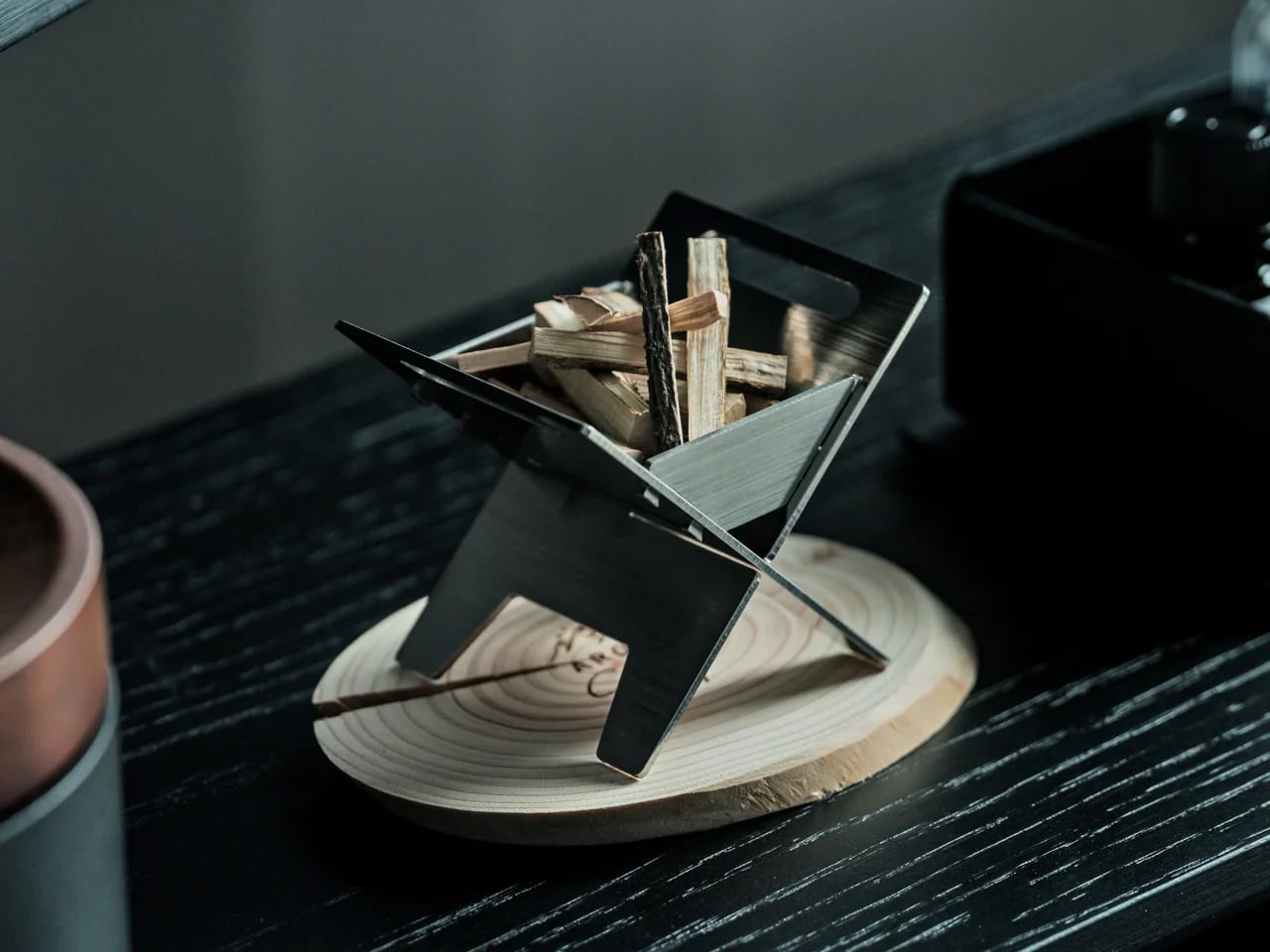
1. Miniature Bonfire Wood Diffuser Set

The first thing you notice about the Miniature Bonfire Wood Diffuser Set is that it shouldn’t work as well as it does. A stainless steel campfire, sized for a shelf, capturing the scent of mountain forests through bundled miniature firewood. Yet everything about it, the tying knot, the proportions, the way the essential oil disperses, feels entirely intentional. It pulls the atmosphere of Mt. Hakusan into whatever room you place it in, with the same gentleness as a forest breeze moving through cedar.

For spring, this diffuser does something conventional reed diffusers rarely manage: it gives the scent a visual story. The trivet feature makes it genuinely dual-purpose, transforming into a pocket stove for an indoor camping ritual that bridges the gap between winter’s coziness and spring’s restlessness. Built from rust-resistant stainless steel, it holds up to repeated use without losing its clean, sculptural presence. As a centerpiece on a coffee table or entryway shelf, it reframes the whole room around calm.

Click Here to Buy Now: $99.00

What We Like

  • Mt. Hakusan essential oil brings a real, named place into the room.
  • The trivet conversion makes it an experience, not just a decorative object.

What We Dislike

  • Scent radius may fall short in larger, open-plan spaces.
  • Mt. Hakusan oil refills are specialty items, difficult to source outside Japan.

2. Aji Stone Book End Large

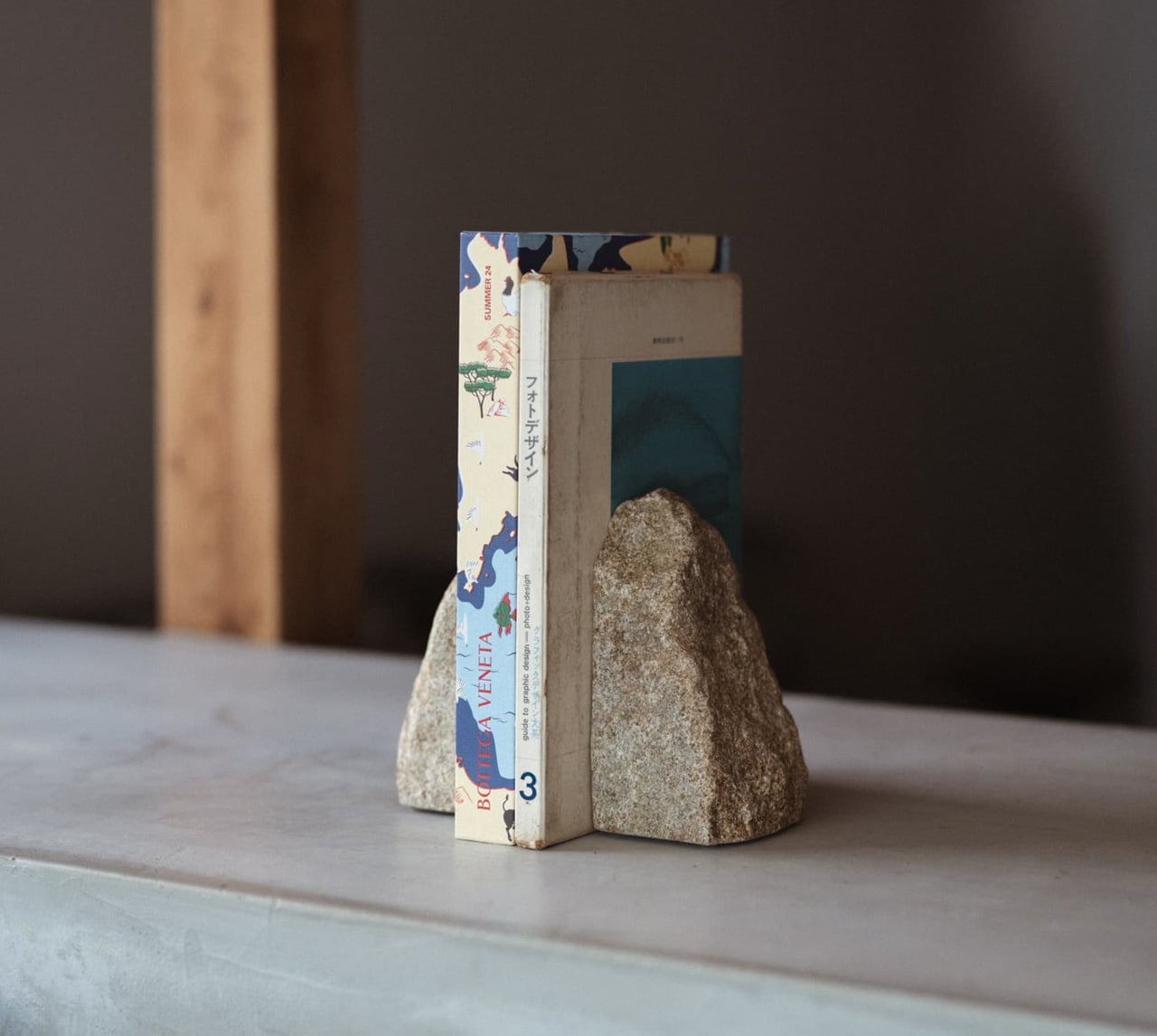
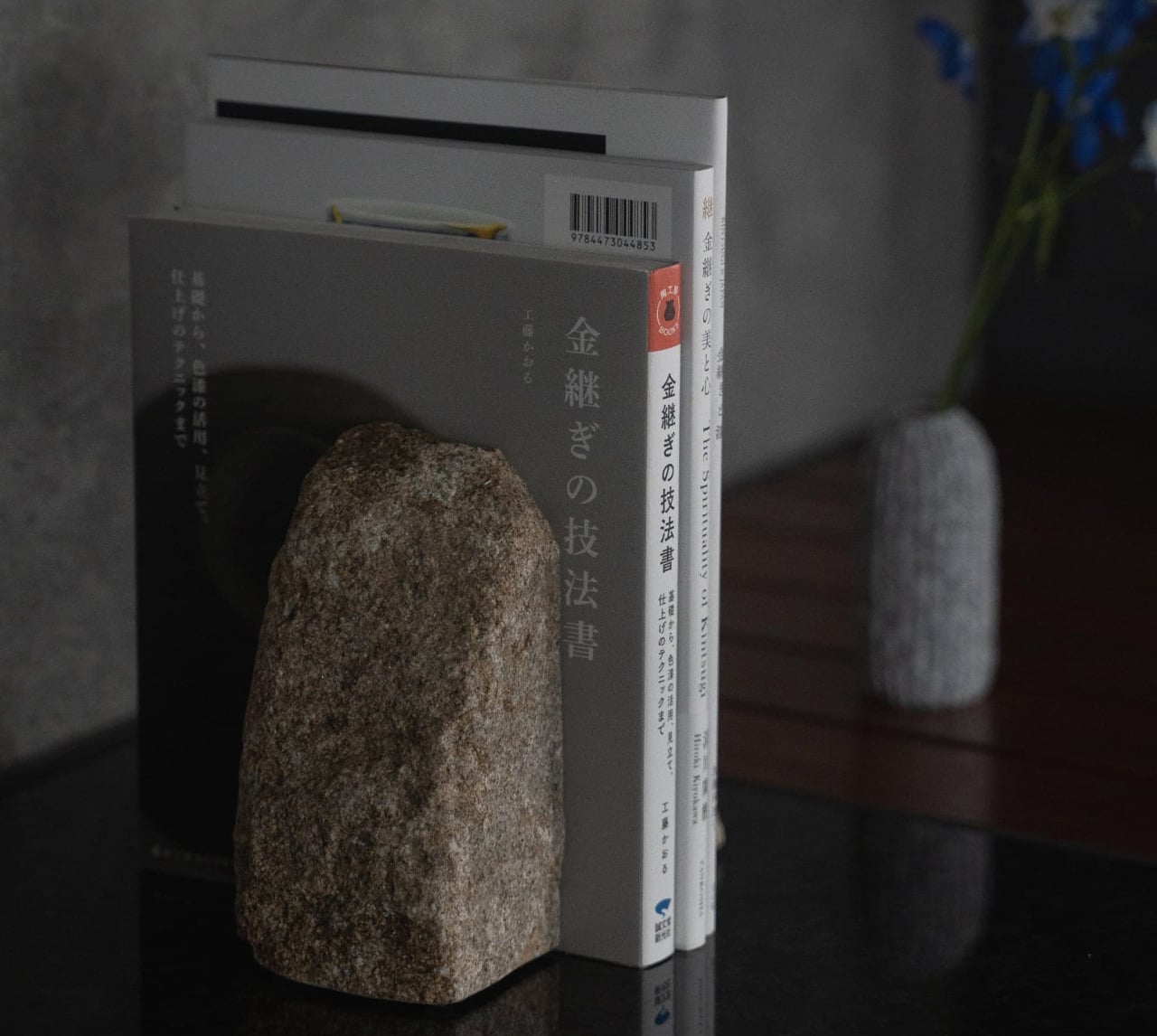
Aji Stone is known in Japan as the diamond of granite, quarried exclusively from the northeastern region of Takamatsu City in Kagawa Prefecture, where its exceptional density and refined grain make it unlike any other decorative stone. The Aji Stone Book End Large is perfectly split from a single stone. It holds large books without shifting and carries a physical presence that mass-produced bookends simply cannot replicate.

What makes this bookend particularly suited for a spring refresh is its restraint. It doesn’t decorate; it anchors. A shelf of books held between two blocks of Aji stone immediately reads as curated rather than accumulated, which is a subtle but significant shift for any living space. Its low moisture absorption and resistance to weathering mean it can sit near a window or in an entryway without degrading over time. Spring cleaning often calls for removal. This is the rare piece worth adding.

What We Like

  • Each piece carries natural individuality that no factory process can reproduce.
  • Dense enough to hold the heaviest books without shifting.

What We Dislike

  • At $240, it asks for real confidence in its long-term design value.
  • Significant weight makes repositioning effortful once placed.

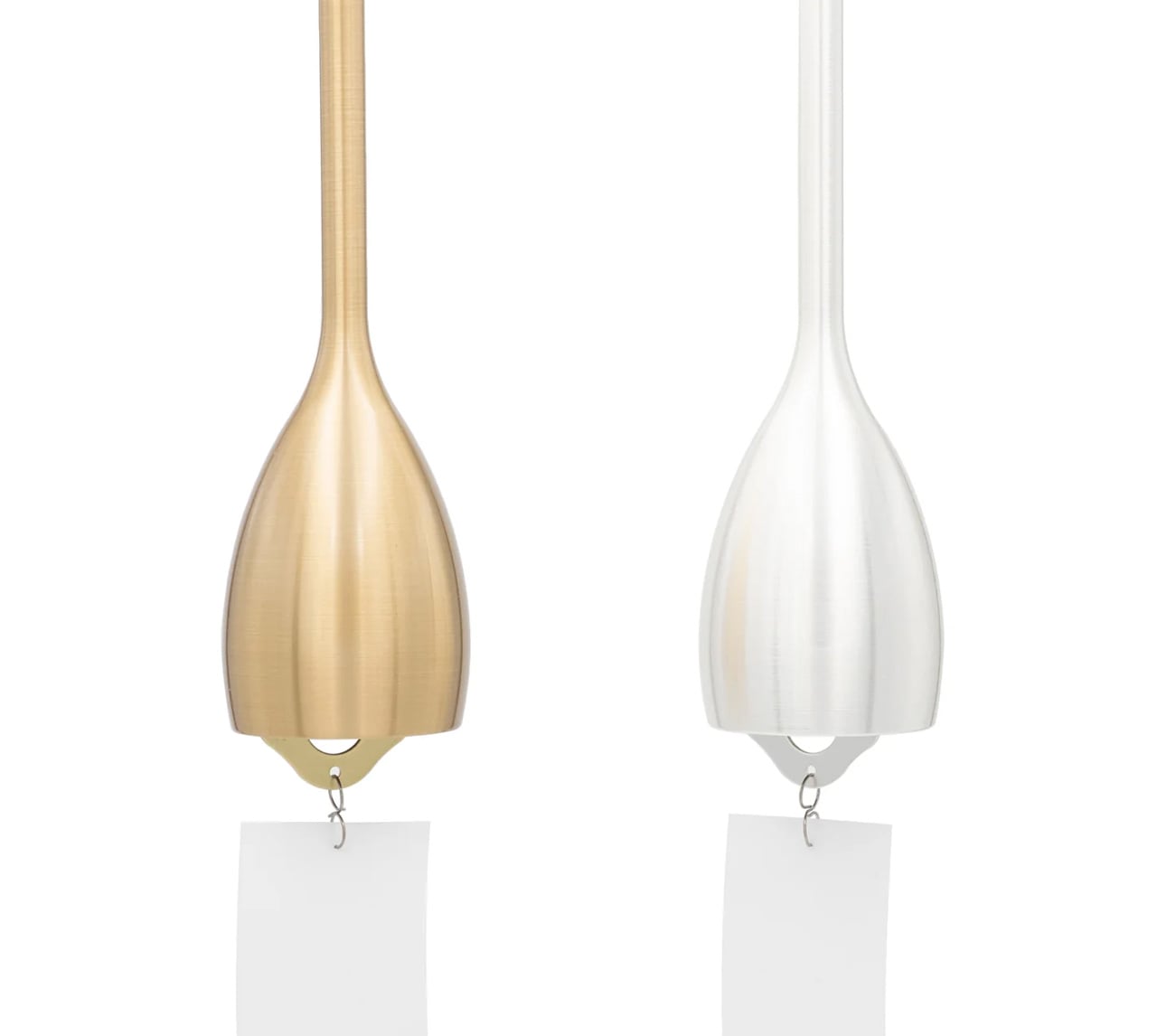
3. Nousaku Slim Wind Chime

Wind chimes occupy a strange, undervalued category in home design: they’re atmospheric tools more than decorative objects, and the Nousaku Slim Wind Chime understands that completely. This chime features a deliberately narrowed opening that concentrates sound into a sharp, transparent tone with a slightly lower pitch than a standard wind chime. It’s the sonic equivalent of a cool spring breeze arriving through an open window, producing a calm, focused resonance that a wider opening simply cannot achieve.

In spring, when windows stay open and air starts moving freely again, this chime becomes a functional part of a room’s ambiance rather than a decorative afterthought. Its slim, elongated form is considered as its sound, clean lines that integrate into the architecture of a space rather than competing for visual attention. Pair it with the Nousaku Wind Chime Onion model and the two produce a layered, resonant harmony that no single chime can generate on its own.

What We Like

  • The narrowed opening produces a precise, lower-pitched tone that feels intentional.
  • Pairs with the Nousaku Wind Chime Onion for a harmony no single chime achieves.

What We Dislike

  • Focused tonal range may feel too controlled for those who prefer a fuller sound.
  • Largely silent in poorly ventilated spaces or rooms with closed windows.

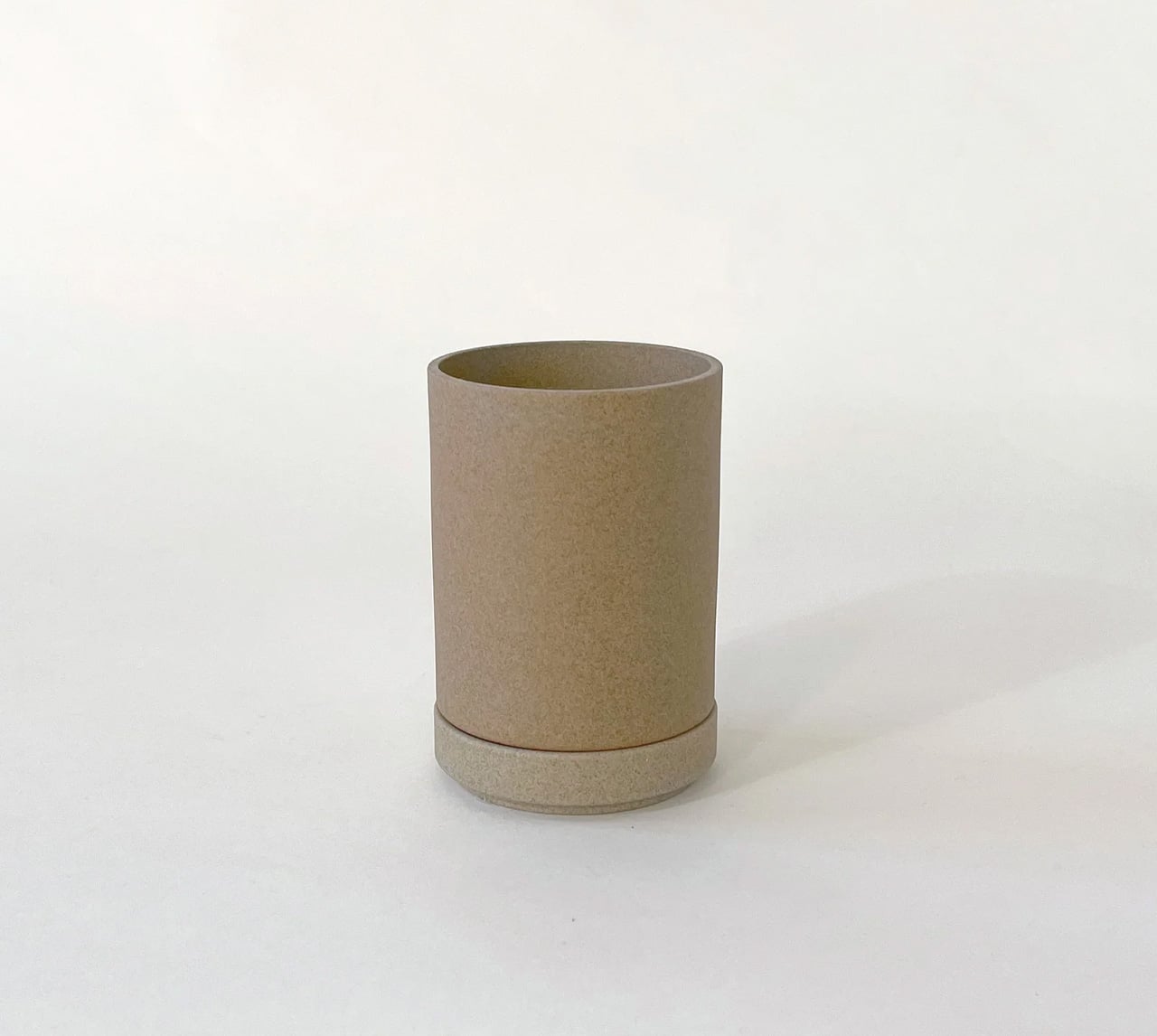
4. Hasami Porcelain Planter

The Hasami Porcelain Planter is the product of a village, not a factory. Made in Hasami, a porcelain-producing town in Nagasaki Prefecture with a craft tradition stretching back to the Edo period of 1603, each piece passes through the hands of artisans who specialize in specific stages of production before it reaches the market. That distributed labor creates a quality that is difficult to manufacture any other way. The result is a planter that feels entirely resolved in both form and finish.

Designer Takuhiro Shinomoto drew the collection’s proportions from the Jubako, Japan’s traditional stacking lacquerware box, and that heritage shows in every curve. The planter’s clean lines and stackable form mean it works as beautifully in a cluster as it does alone. The natural finish, neither matte black nor clear glaze but the raw, textured surface of the porcelain itself, makes it ideal for spring: honest materials, seasonal planting, and a connection to earth that feels earned rather than styled.

What We Like

  • Village craft passed down since the Edo dynasty lives in every piece.
  • The Jubako-proportioned stackable form unlocks genuine multifunctionality.

What We Dislike

  • Unfinished porcelain surface shows marks more readily than a glazed alternative.
  • Specialty retail distribution makes expanding or replacing pieces difficult.

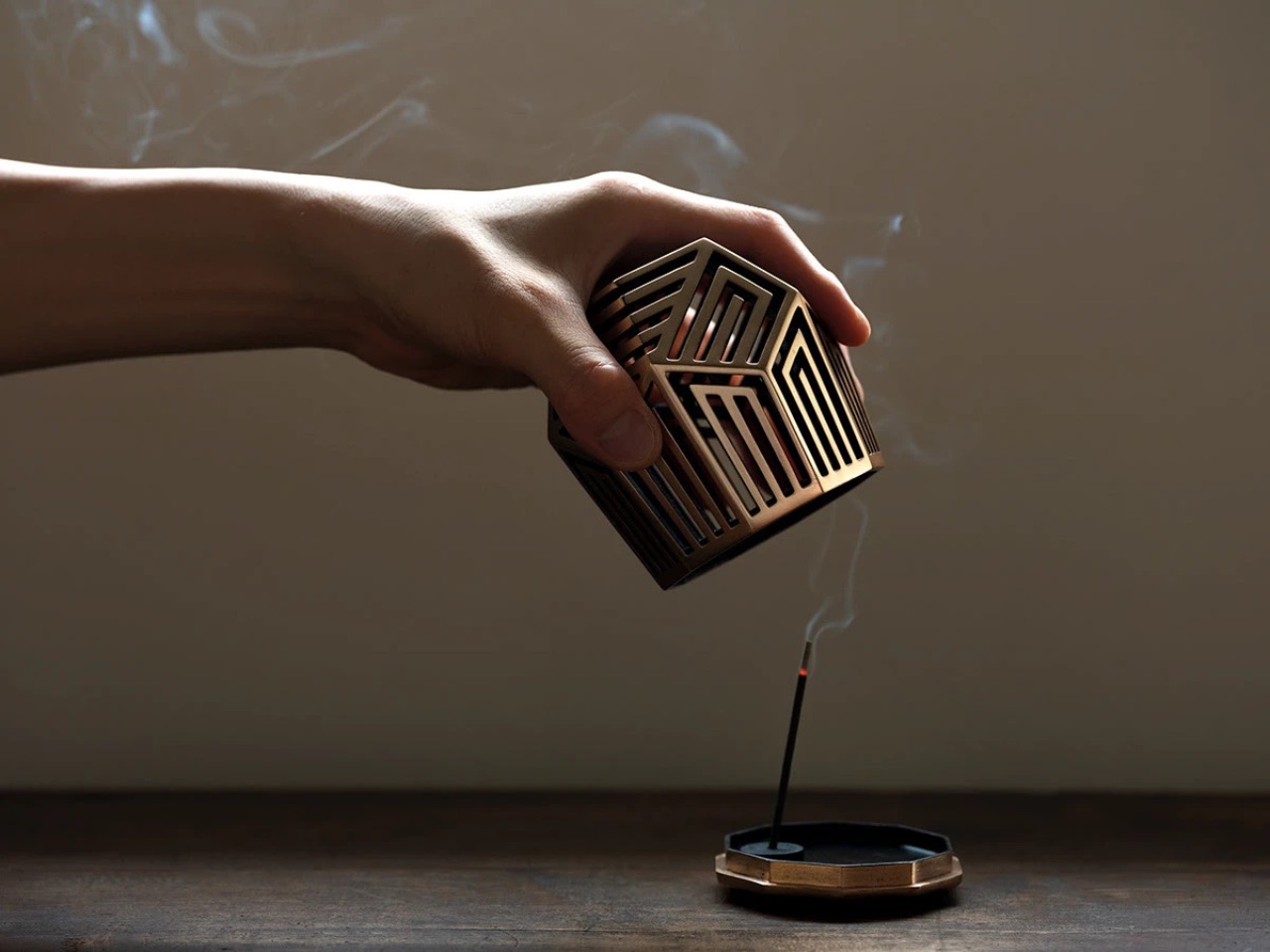
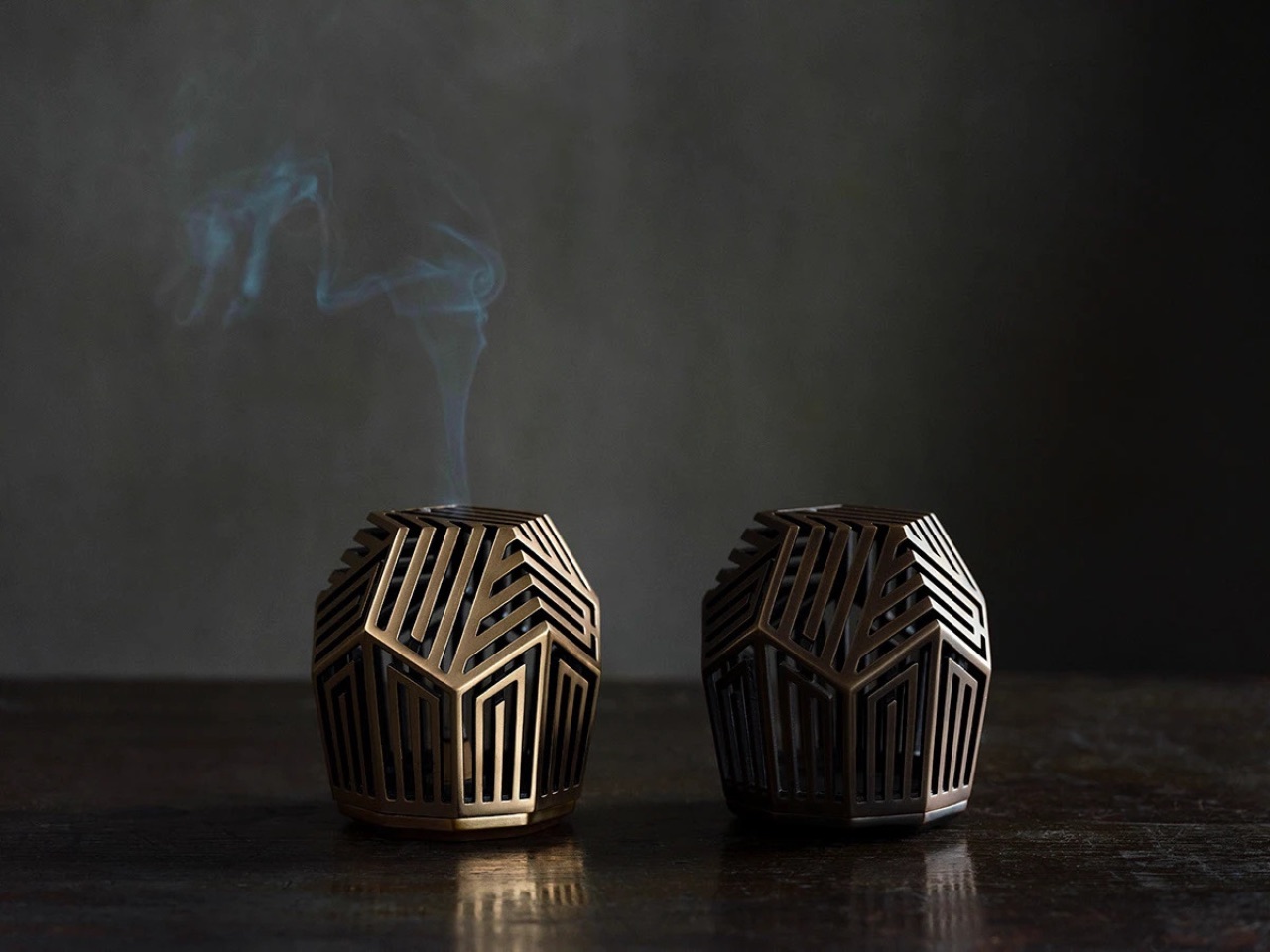
5. Genji-Kō Inspired Incense Burner

Kōdō, the Japanese art of incense appreciation, is one of the country’s oldest sensory practices, and the Genji-Kō Inspired Incense Burner gives it a visual form genuinely worth owning. The design draws from the Genji-kō diagram, a pattern developed to map the chapters of The Tale of Genji through five vertical lines forming 52 distinct configurations. Each configuration represents a chapter of Japan’s most revered literary work, and the burner translates that literary architecture into an object that functions as beautifully as it references.

For spring in particular, incense shifts a room in a way that no visual rearrangement can replicate: it changes the air itself. This burner earns a place on any shelf through the quality of its conceptual design alone, but its relationship to The Tale of Genji, Japan’s eleventh-century literary masterpiece, gives it a cultural resonance that elevates the daily ritual of lighting incense into something more intentional. Place it on a low shelf near an open window and let the morning light and season do the rest.

What We Like

  • The Genji-kō diagram ties a daily ritual to one of Japan’s greatest literary traditions.
  • Incense changes the air itself, and this piece makes that shift feel entirely deliberate.

What We Dislike

  • The design’s depth lands best with some familiarity with Kōdō and The Tale of Genji.
  • Limited published specifications make it harder to assess physical fit before purchasing.

6. Rustic Ceramic Trivet with Antique Nail Design

The Rustic Ceramic Trivet with Antique Nail Design sits at the intersection of kitchen utility and tabletop art. A stunning ceramic piece whose surface carries a pattern that mimics the texture of aged iron nails, it is a tool for creating grounding earth energy and mindful dining rituals, which sounds like marketing until you place it on a table and recognize how meaningfully it shifts the mood of a meal. It earns its place through presence alone.

The antique nail pattern gives it a tactility that glazed ceramics rarely offer, and the warm earth tones pair naturally with the organic materials, linen, wood, and stone, that define spring table settings. A trivet is typically invisible in the design sense, a purely functional object that disappears the moment the pot is set down. This one refuses that role without tipping into decorative excess. It protects surfaces while adding a quiet, aged presence to the table that earns it a permanent position rather than seasonal rotation.

What We Like

  • The antique nail pattern reads as a considered tabletop object even when not in use.
  • Earns its space through function first, with aesthetics following naturally from the craft.

What We Dislike

  • Textured surfaces can collect residue and require more careful cleaning than smooth ceramics.
  • An earthy aesthetic may not suit very clean, contemporary kitchen settings.

7. Pop-Up Book Vase

The Pop-Up Book Vase is a banger in a soft and unassuming form: it takes one of the most familiar objects in a home and completely recontextualizes it. Open the cover and a 3D vase cutout rises from the pages, holding flowers the way a stage set holds a performance. Three different pop-up designs offer enough variety to keep the presentation fresh across weeks of seasonal blooms. Made entirely from 100% natural pulp with a water-resistant coating, it’s approachably practical and surprisingly robust for its form.

For a spring refresh, this vase works particularly well because it asks almost nothing of its context. Set it on a dining table, a windowsill, or a bookshelf, and the pop-up structure creates its own visual event regardless of the surrounding decor. Flip the book upside down,n and the arrangement transforms entirely, offering a new perspective on the same flowers. It rewards curiosity, which in a home setting is a rarer quality than most design objects manage to carry through to everyday use.

Click Here to Buy Now: $39.00

What We Like

  • Three built-in pop-up designs keep the display fresh without a new purchase.
  • Water-resistant pulp construction handles flowers without compromising form.

What We Dislike

  • Limited water capacity suits single stems better than full bouquets.
  • May not fully replace a conventional vase for everyday, high-volume use.

8. Riki Alarm Clock

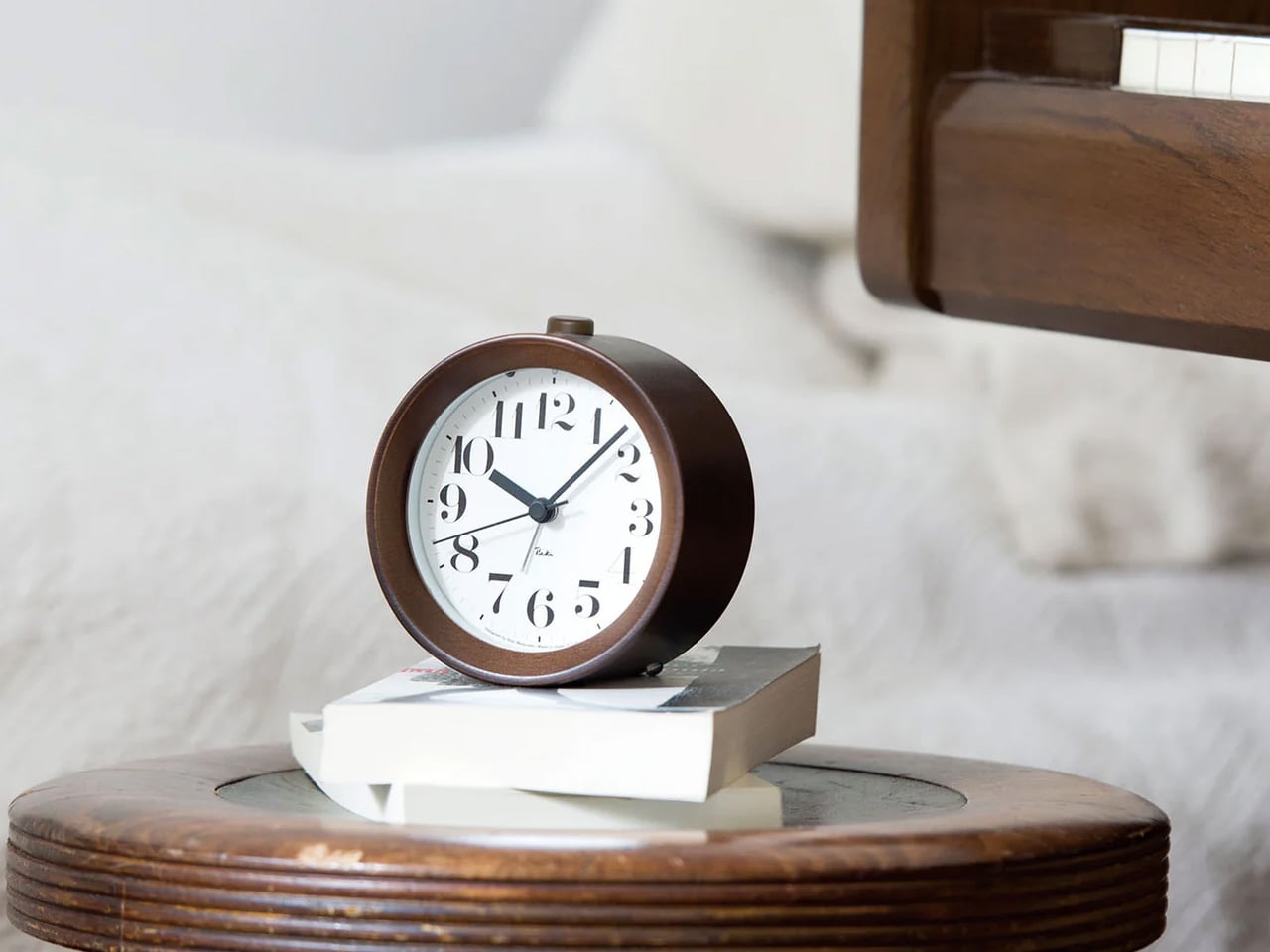
Riki Watanabe was one of Japan’s most celebrated modernist designers, and the Riki Alarm Clock is proof of why his legacy endures. Produced by Lemnos, this analog clock earned the Good Design Award through choices that look deceptively simple: oversized, legible numerals designed to read clearly from across a room, a completely silent movement that eliminates any audible tick, and a single button that consolidates the alarm, snooze function, and built-in internal light into one seamless, unhurried control.

Spring is the season when the phone starts creeping back into the bedroom. The Riki Clock offers a direct, aesthetically grounded alternative. Its timeless analog face, silent enough not to disturb light sleep, replaces the notification-laden device on your nightstand with an object that is simply, reliably there. Morning waking becomes a softer experience, one shaped by the warm quality of the clock’s internal light rather than the cold glow of a screen. For the bedroom’s spring reset, this is exactly where to start.

What We Like

  • Silent movement removes the most common complaint about analog clocks entirely.
  • Good Design Award credentials and Riki Watanabe’s legacy make it genuinely worth owning.

What We Dislike

  • A single-button interface may need a brief adjustment period for new users.
  • Low-light time checks require activating the internal light, adding one extra step.

These 8 Japanese Pieces Don’t Refresh Your Space. They Reset It.

Spring doesn’t need a renovation. It needs intention. The eight pieces gathered here don’t make noise about what they are: they simply show up in a room and shift the register of everything around them. A stone bookend earns permanence. A ceramic trivet slows a meal. A wind chime marks the exact moment a new season arrives. Japanese design has long understood that the smallest objects carry the longest meaning.

The through line across all eight is craft, objects made by people who understand their materials and know when restraint is the right answer. That clarity translates directly into a home. You don’t need all eight. Adding even one to your spring refresh will do more than any repainting ever could. That is the quiet confidence of Japanese design: it doesn’t ask for your attention, but it almost always earns it.

The post Japan Just Solved Spring Home Refresh With 8 Minimalist Accessories That Make Your Space Feel New first appeared on Yanko Design.
5 Best Spring Break Essentials Under $100 That Every Student Actually Needs

Spring break planning tends to collapse into two extremes—either a frantic last-minute scramble or an over-packed disaster where you lug everything you own to a beach town and use about a third of it. Neither version feels great. The smarter move is knowing which objects genuinely earn their spot in your bag: the things that handle multiple jobs, hold up across unfamiliar environments, and make the week feel intentional rather than improvised. That’s what this list is built around.

What’s equally useful is that none of these will put you in the red. Every pick comes in under $100—and several sit comfortably well beneath that ceiling. These aren’t compromise buys either. They’re products with real design thinking behind them, built for actual use on actual trips by people who don’t want to carry more than they need. Whether it’s your first time packing light or your fourth attempt at getting it right, these five earn their place in the bag.

1. Side A Cassette Speaker — The Soundtrack to Every Spring Break Moment

There’s something specific that a great travel speaker needs to be: compact without feeling cheap, audible without being obnoxious, and interesting enough to sit on a shelf without looking like clutter. The Side A Cassette Speaker from Yanko Design checks all three. Designed to look and feel like a real mixtape—transparent shell, authentic Side A label, the whole aesthetic fully committed—it’s a pocket-sized Bluetooth speaker with a personality that’s genuinely hard to ignore. Pull it out at a hostel, and someone will ask about it before you’ve even pressed play.

Underneath the retro exterior, the specs hold their own. Bluetooth 5.3 delivers a clean, drop-resistant connection across a hotel room or a beach setup without the frustration of constant dropouts. The microSD playback lets you load up a playlist and stream fully offline—no signal, no Wi-Fi, no problem. Sound is tuned to lean warm and cozy, channeling the soft roundness of actual tape playback rather than the harsh brightness that plagues most compact speakers. Six hours of battery at full volume covers a full afternoon, and a two-hour recharge means it’s back in action before the next session begins. At sub-$50, it’s also one of the most effortlessly giftable objects in recent memory.

Click Here to Buy Now: $45.00

What We Like

  • The cassette form factor isn’t just a gimmick—it works as a design object and a conversation starter in any space it occupies, making it equally at home on a shelf as it is inside a bag.
  • Bluetooth 5.3, offline microSD playback, and six hours of battery together make this a genuinely capable travel speaker, not just a pretty one.

What We Dislike

  • The microSD slot supports MP3 files only, which means listeners with FLAC or AAC libraries will need to convert tracks or stay connected via Bluetooth for offline use.
  • Six hours of playback is solid for personal sessions, but starts to feel limited during an extended group hang where the speaker runs continuously throughout the day.

2. Hitch — Your Bottle and Your Coffee Cup, Finally Together

Most reusable cups live at home. Not because people don’t care about sustainability, but because carrying both a water bottle and a coffee cup is genuinely inconvenient—and convenience almost always wins. The Hitch was designed to solve exactly that friction. Its patent-pending mechanism nests a full 12oz barista-approved cup directly inside an 18oz insulated water bottle, and a single crossbar twist at the base releases the cup cleanly. The two pieces carry as one. It’s not a miniaturized compromise either; both the bottle and the cup are full-size and built for all-day use.

Every component—bottle, cup, and lid—is double-walled, vacuum-insulated, stainless steel, and certified leak-proof, which means you’re not trading practicality for the novelty of the concept. For a spring break week that bounces between airports, coffee shops, beaches, and restaurants, the Hitch becomes the single carry that handles morning hydration, midday coffee runs, and everything in between. It’s the product that makes zero-waste feel like a practical decision rather than an aspirational one, and that distinction matters when you’re moving fast and packing light.

What We Like

  • Nesting a full-size 12oz cup inside a full-size 18oz bottle is a genuinely smart design solution that addresses a real behavioral barrier to zero-waste carry without requiring a lifestyle overhaul.
  • Full vacuum insulation on both the bottle and the cup means cold water stays cold and hot coffee stays hot, without either sacrificing function for the sake of the shared form.

What We Dislike

  • The retail price sits toward the upper end of this list’s budget range, and some students may find it harder to justify compared to a standard insulated bottle at a lower price point.
  • The cup lid has drawn criticism in user reviews for its durability over time, and replacement parts have been historically difficult to source after the initial purchase.

3. HP Sprocket Portable Instant Photo Printer — Make the Memories Stick

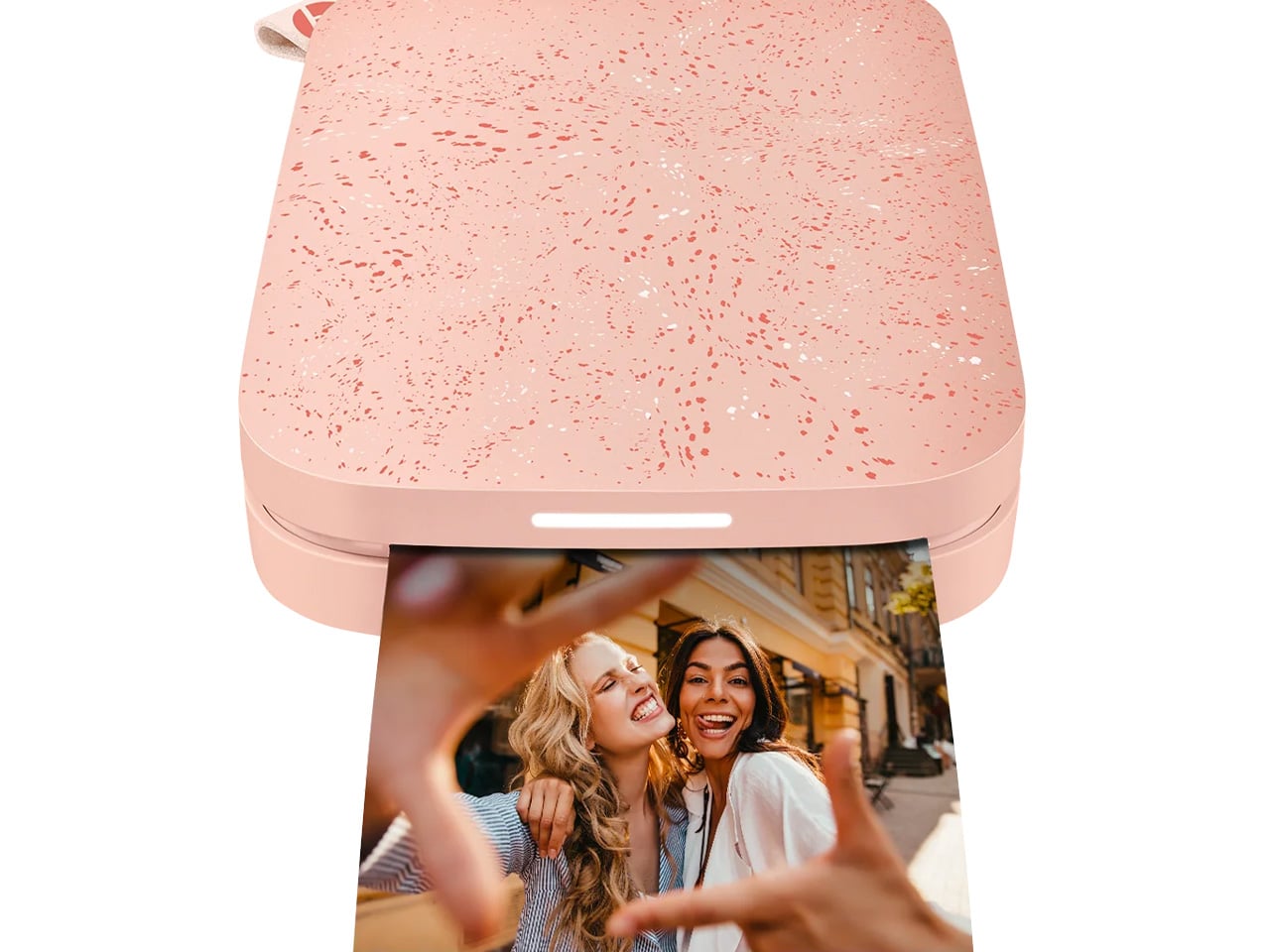
The paradox of phone photography is that the better the camera gets, the fewer photos actually get printed. Spring break produces hundreds of shots that live in a camera roll for a few weeks before fading into algorithmic obscurity. The HP Sprocket is a direct counterargument to that cycle—a pocket-sized wireless photo printer that pairs via Bluetooth 5.2, works with iOS and Android, and prints 2×3 glossy photos in seconds. No ink cartridges, no ribbons, no subscriptions. ZINK Zero Ink technology embeds color directly into the paper, keeping the entire process clean, fast, and genuinely portable.

The free HP Sprocket app adds a layer of creative control that makes it feel like more than a glorified receipt machine. Stickers, borders, filters, and emoji overlays are all part of the package, which makes the printing process feel as social as the photography itself. One charge delivers up to 35 prints, and a personalized LED indicator signals which device is printing during multi-person sessions—so a group of four can print simultaneously without creating confusion or a queue. The sticky back on every photo means it goes straight onto a journal, a wall, a laptop, or a postcard without needing tape. These are the photos that actually get kept.

What We Like

  • ZINK Zero Ink technology eliminates cartridges and toner, making every print session as effortless as a Bluetooth connection and a single button press.
  • Multi-device simultaneous printing makes this a genuinely social accessory—it doesn’t create a line, it creates a shared moment that fits naturally into group travel.

What We Dislike

  • The 2×3-inch format is charming but small, and students hoping to print anything approaching a standard photo size will find the output limited for that specific purpose.
  • 35 prints per charge sounds reasonable in isolation, but an active group setting burns through that ceiling quickly, making planned recharging a practical necessity during longer outings.

4. Mini X30 -The EDC Flashlight That Moonlights as a Power Bank

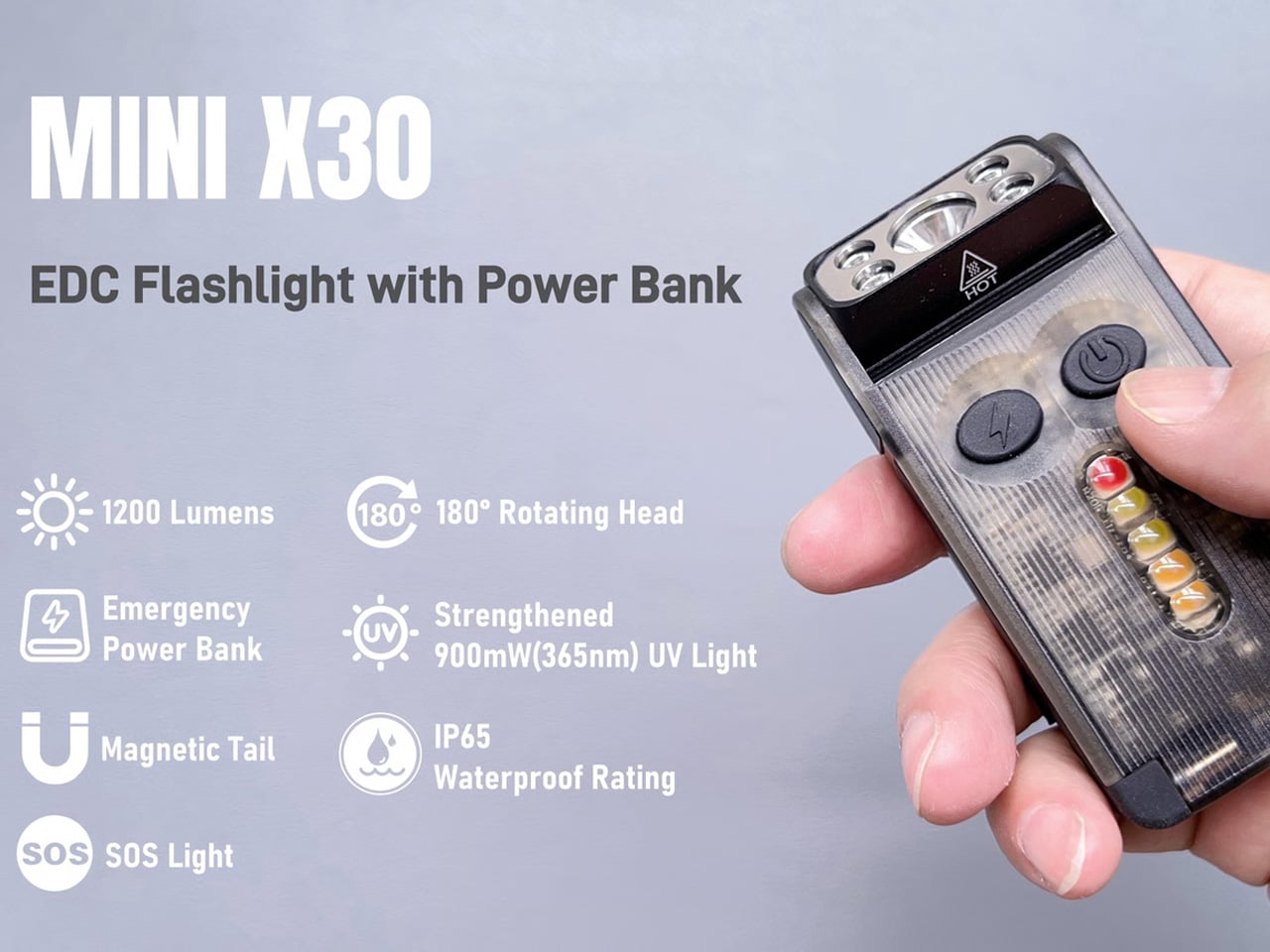
Most people don’t think about a flashlight until they desperately need one. The Mini X30 reframes that entirely by making it the kind of object you actually want to carry every day—not because emergencies demand it, but because it earns its spot before one ever arrives. Compact enough to clip onto a keychain, slide along a pocket edge, or attach to a backpack strap, it disappears into your carry until it’s needed. Then it delivers 1,200 lumens of turbo brightness with a single one-second press and hold—a level of output that handles everything from a pitch-dark campsite to a power outage in an unfamiliar city.

The built-in emergency charging function is what tips this from useful to genuinely essential for travel. When your phone battery drops at the wrong moment—mid-navigation, mid-emergency, mid-anything—the X30 steps in as a backup power source without requiring you to dig through your bag for a separate power bank you may or may not have remembered to pack. For a spring break trip that moves between outdoor adventures, late nights, and unfamiliar terrain, having light and emergency power consolidated into a single keychain-sized object is exactly the kind of redundancy that feels invisible until it saves the day.

What We Like

  • Consolidating a 1,200-lumen flashlight and an emergency phone charger into a keychain-sized EDC tool is a genuinely practical design decision that eliminates the need to carry and track two separate devices.
  • The turbo bright mode’s press-and-hold activation keeps max output immediately accessible without cycling through modes at the moment it matters most.

What We Dislike

  • As an emergency charger, the X30 is best understood as a backup rather than a primary power solution—students who rely heavily on their devices throughout the day will still want a full-capacity power bank alongside it.
  • The keychain and pocket-clip carry options are convenient for daily EDC, but attaching them to a bag strap in high-movement outdoor settings may require some deliberate adjustment to keep them secure.

5. Loop — The Only Neck Pillow That Actually Understands Your Neck

The standard U-shaped travel pillow is one of those products that’s been wrong for decades, and nobody fixed it. It props your head in a single position, falls off when you shift, and spends most of the journey doing very little. The Loop Pillow starts over entirely. Shaped more like a flexible neck noodle than a traditional pillow, it winds around your neck—loosely or tightly, depending on what you need—and provides lift exactly where your head wants to fall. It’s infinitely adjustable in a way that a fixed U-shape never could be, which means it works whether you sleep sitting upright, leaning left, tilting forward, or resting straight back.

The material behind this one is doing real work. Thermo-sensitive memory foam molds directly to the contours of your neck, which means it isn’t approximating support—it’s actually conforming to you specifically. The outer cover is moisture-wicking and breathable, keeping things dry across long hauls where temperature and comfort tend to degrade together. A clever dual-tone design distinguishes the warm side from the cool side, letting you choose your preferred surface depending on the environment. For a spring break trip that starts with a red-eye flight and ends with a bus ride back, this is the carry that makes the in-between feel significantly less punishing.

What We Like

  • The infinitely adjustable loop design accommodates every sleeping position naturally, which makes it genuinely more versatile than any fixed-form travel pillow on the market.
  • Thermo-sensitive memory foam combined with a moisture-wicking, breathable cover means both the structure and the surface of the pillow are actively working in your favor throughout the journey.

What We Dislike

  • The loop form factor is a meaningful departure from what most travelers are used to, and it may take a flight or two before the adjustment feels second nature.
  • Travelers who prefer a more structured, rigid support system may find the flexible noodle design requires more deliberate positioning than they want to manage mid-sleep.

The Right Gear Makes the Break

Spring break doesn’t require a perfect packing list, but it rewards a smart one. The difference between a trip that flows and one that frustrates almost always comes down to the things you brought—or the things you left behind, wishing you hadn’t. These five picks cover the core categories: sound, hydration, memory-making, power, and carry. Together, they handle most of what a student needs for a week away without demanding too much space, too much budget, or too much thinking. That’s the whole point of good design—it simplifies the decisions so you can get to the experience.

What’s worth noting is how naturally these work alongside each other. The Cuktech keeps your phone alive for the Sprocket prints, the Hitch keeps you from reaching for a paper cup, and the Cassette Speaker scores the whole week. The Allpa Mini holds everything else together without complaint. This isn’t a random product roundup—it’s a considered carry. Spend the money once, pack it once, and show up somewhere fully ready to be there. That’s a spring break actually worth planning for.

The post 5 Best Spring Break Essentials Under $100 That Every Student Actually Needs first appeared on Yanko Design.
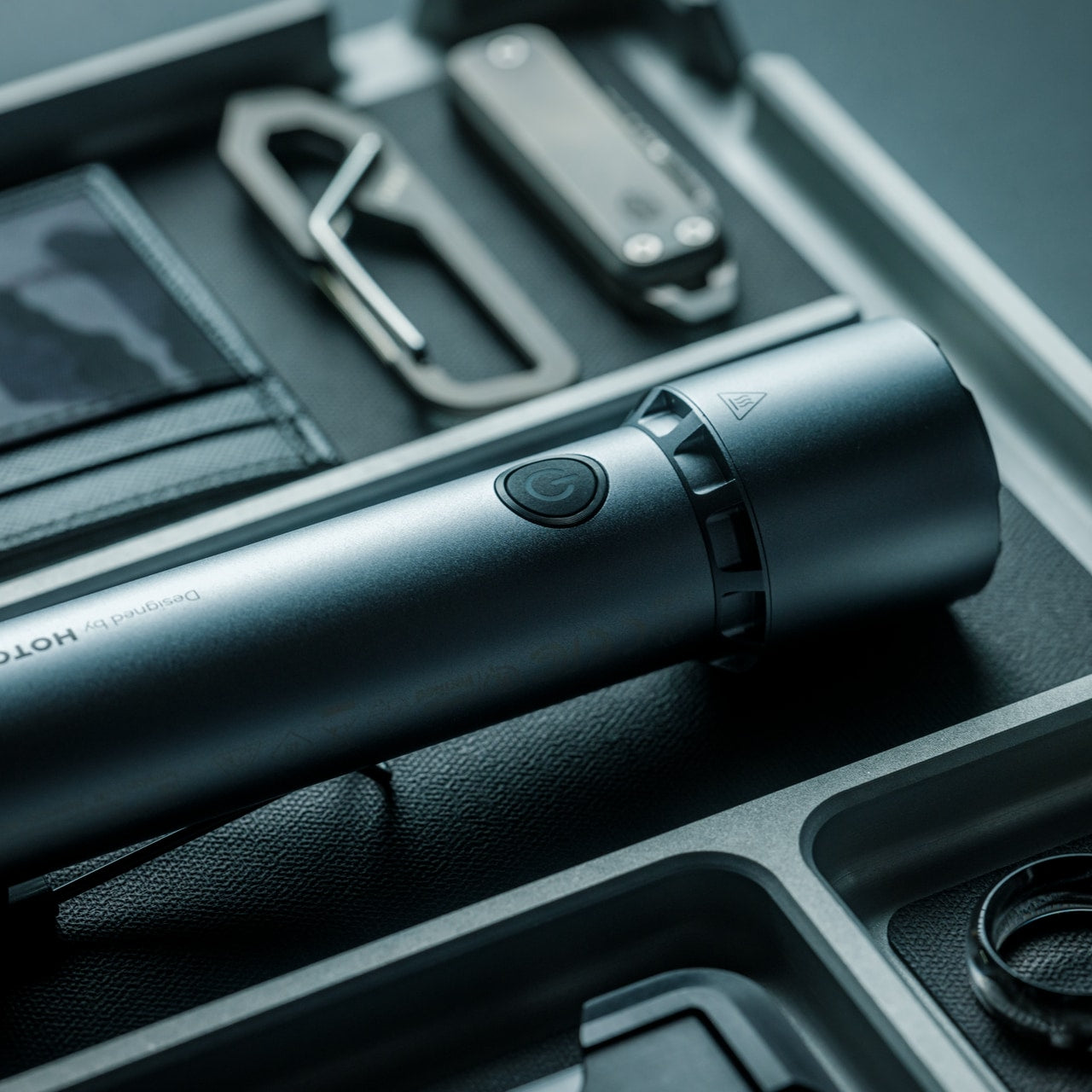
5 Best Travel Essentials to Buy Before Spring 2026 Airport Chaos

Spring 2026 promises record-breaking travel numbers as airports worldwide brace for unprecedented passenger volumes. The post-pandemic wanderlust shows no signs of slowing, and savvy travelers know that the right gear makes the difference between smooth sailing and terminal meltdown. Smart packing isn’t about cramming more into your carry-on; it’s about selecting tools that adapt to chaos, keep you powered up, and maintain your sanity when delays inevitably occur.

The travel essentials market has exploded with innovation, but not all gear deserves a spot in your carefully curated kit. These five products represent the intersection of thoughtful design and genuine utility. They’re built for people who move through airports like seasoned nomads, who understand that durability matters more than aesthetics, and who refuse to compromise on the small comforts that transform grueling journeys into manageable adventures. This spring, pack smarter.

1. Nothing Power Bank

Airport terminals have become battlegrounds for electrical outlets, with travelers camping near charging stations like prospectors staking claims. The Nothing Power Bank eliminates that desperate scramble, keeping your devices alive through security delays, gate changes, and those dreaded tarmac holds that test every passenger’s patience. Nothing’s design philosophy of transparent aesthetics translates beautifully to a power bank, transforming a purely functional device into something worth pulling out of your bag.

The transparent casing reveals the entire internal architecture, with circuit boards and battery cells visible beneath the shell like a museum exhibit of modern electronics. Warm-toned LEDs distributed throughout the interior create ambient lighting that gives the power bank a cyberpunk sensibility without tipping into gimmick territory. This visual identity makes perfect sense for Nothing’s expanding ecosystem, offering loyal users another perfectly matched accessory that shares the same design language as their phones and earbuds while delivering straightforward, reliable power when flights get rescheduled and charging time disappears.

What We Like

  • The transparent design makes the power bank instantly recognizable in crowded bags and distinguishes it from generic alternatives
  • The integrated LED lighting serves dual purposes by indicating charge status while adding atmospheric illumination during evening flights
  • Nothing’s ecosystem compatibility means the power bank meshes seamlessly with existing devices for users already invested in the brand
  • The straightforward functionality strips away unnecessary features that complicate other portable chargers

What We Dislike

  • The transparent aesthetic might not appeal to travelers who prefer minimalist, understated gear
  • LED lighting, while attractive, potentially drains battery capacity faster than non-illuminated alternatives
  • The power bank lacks weatherproofing details that would make it suitable for adventure travel beyond airports
  • Pricing sits higher than budget options, making it a premium choice for brand loyalists rather than value seekers

2. AERIONN Forma Titanium Travel Case

Luxury luggage brands have long relied on aluminum to signal premium quality; however, aluminum’s reputation often exceeds its actual durability under the relentless punishment of baggage handlers and conveyor belt systems. The AERIONN Forma deploys Grade 1 commercially pure titanium as its shell material, the same strategic upgrade Apple makes when distinguishing iPhone Pro models from standard versions. This isn’t about superficial luxury; titanium fundamentally changes how luggage responds to impact, transforming a case from something that degrades into something that ages with character.

The single continuous titanium body flexes under stress and returns to its original shape rather than permanently deforming. AERIONN subjected the shell to thousands of drop tests, bending cycles, ultrasonic inspections, and dimensional verifications to ensure the material performs as promised. Titanium’s tensile strength ranges from 290 to 310 MPa under ASTM B265-15 certification standards, significantly outperforming aluminum alloys used in competing luxury cases. The material shows wear over time with rough handling, but those marks become patina rather than damage. For travelers who spend more time in airport lounges than their own living rooms, Forma represents luggage that keeps pace with their lifestyle.

Click Here to Buy Now: $499 $1799 (72%). Hurry, only 8/970 left! Raised over $978,000.

What We Like

  • Grade 1 titanium construction offers genuine durability that justifies the premium positioning
  • The material flexes and rebounds rather than denting permanently like aluminum competitors
  • Extensive testing protocols ensure reliability under real-world travel conditions that destroy lesser luggage
  • The single continuous body design eliminates weak points where traditional cases typically fail first

What We Dislike

  • Titanium construction places this case in a luxury price bracket that excludes budget-conscious travelers
  • The weight savings over aluminum, while present, remain modest compared to the substantial cost increase
  • Titanium’s natural patina develops with use, which some travelers might perceive as damage rather than character
  • Limited color options restrict personalization compared to brands offering extensive customization

3. MokaMax Portable Coffee Maker

Airport coffee represents one of travel’s most reliable disappointments, with overpriced, underwhelming brews served in establishments that exploit captive audiences. MokaMax eliminates that compromise by functioning as both a pressure brewer and an insulated travel mug in a single rigid stainless-steel cylinder. This portable coffee maker positions itself as Pipamoka’s spiritual successor, promising espresso-style extraction quality anywhere your journey takes you, from terminal gates to mountaintop campsites, without requiring a separate bag of accessories.

The distinctive ridged exterior provides a secure grip while helping MokaMax blend naturally with other rugged travel gear. Those ridges emerged from multiple design iterations that balanced tactile comfort against visual appeal, avoiding sharp edges or overly complicated profiles that would catch on other items. A flexible rope threads through the top, creating attachment points for carabiners or hooks so MokaMax can clip directly to backpack straps or dangle from campsite setups. The integrated pressure-brewing system occupies space inside the cylinder that would typically sit empty in conventional travel mugs, maximizing functionality within a compact footprint that fits standard cup holders.

What We Like

  • The dual functionality combines brewing capability and travel mug features in one compact unit
  • Pressure-brewing system produces espresso-style coffee that exceeds typical portable brewer quality
  • Ridged stainless-steel construction offers durability and a secure grip during use
  • The integrated rope attachment transforms the mug into genuinely portable gear that clips to bags and packs

What We Dislike

  • The brewing system requires learning and practice to achieve optimal extraction consistently
  • Cleaning the internal components demands more attention than standard travel mugs after each use
  • The stainless-steel construction, while durable, adds weight compared to lighter insulated bottles
  • Single-serve capacity means brewing multiple cups requires repetition rather than batch preparation

4. Peak Design Travel Tripod

Conventional tripods sacrifice portability for stability, forcing photographers to haul bulky equipment or compromise on shot quality when traveling light. Peak Design’s Travel Tripod reimagines the fundamental architecture by eliminating the hollow channel running through traditional center columns, creating a design that achieves greater strength and dramatically reduced packed dimensions simultaneously. This engineering approach transforms the tripod from awkward luggage into a legitimate travel essential that slides into carry-on bags without consuming precious space.

Carbon fiber construction keeps weight under three pounds while supporting up to twenty pounds of camera equipment, a ratio that serves both casual smartphone photographers and professionals carrying full-frame setups with telephoto lenses. Precisely machined dials and knobs make adjustments intuitive even in challenging conditions, while the aluminum ball head enables smooth positioning across all axes. The legs extend to five feet at maximum height and open to full ninety-degree angles for ground-level perspectives, offering shooting flexibility that matches stationary studio tripods. For photographers who refuse to sacrifice image quality to travel logistics, this tripod represents the rare product that genuinely improves both.

What We Like

  • The innovative center column design eliminates wasted space for unprecedented compactness when packed
  • Carbon fiber construction achieves remarkable strength-to-weight ratios that suit serious photography equipment
  • Precisely engineered adjustment mechanisms make setup and positioning genuinely intuitive
  • The ninety-degree leg spread enables low-angle compositions impossible with conventional tripods

What We Dislike

  • Premium materials and engineering place this tripod in a high price category that excludes casual users
  • The compact design requires slightly more setup time compared to quick-deploy alternatives
  • Carbon fiber, while strong, can be more fragile than aluminum under certain impact scenarios
  • The minimalist design omits accessories like smartphone mounts that some travelers expect as standard inclusions

5. LARQ Bottle

Reusable water bottles rank among travel’s most essential items, yet they’re also among the most neglected when it comes to proper cleaning and maintenance. The LARQ Bottle addresses this universal problem through integrated UVC LED technology built directly into the cap, creating the world’s first portable mercury-free purification system that keeps both bottle and water pristine without manual scrubbing. While other innovative bottles focus on features like smartphone integration, LARQ prioritizes the fundamental concern that matters most during travel: consistently clean, safe drinking water.

A simple tap activates the UVC LED light, which begins the cleaning cycle immediately and completes the process in just sixty seconds. The stainless-steel interior reflects UV light throughout the bottle’s volume, eliminating 99.9999 percent of bacteria and 99.99 percent of viruses according to independent testing. This technology transforms water quality wherever you fill up, whether from airport fountains, hotel taps, or questionable sources during backcountry adventures. The bottle requires minimal effort to maintain peak performance, automatically running cleaning cycles every two hours to prevent biofilm buildup and odor development that plague conventional bottles after days of continuous use.

What We Like

  • UVC LED technology provides genuine purification that kills bacteria and viruses in sixty seconds
  • The self-cleaning capability eliminates manual scrubbing and maintenance requirements
  • Stainless-steel construction reflects UV light for thorough interior coverage
  • Automatic cleaning cycles every two hours prevent odor and biofilm buildup without user intervention

What We Dislike

  • The integrated technology increases the cost significantly compared to standard insulated bottles
  • Battery requirements for the UVC system add charging obligations to travel routines
  • The electronic cap components require careful handling and cannot be fully submerged
  • Replacement parts for the UVC system create long-term dependency on manufacturer support

Gear Up, Stress Down

Spring 2026 will test even the most experienced travelers as airports strain under capacity and delays ripple across entire continents. The right travel essentials don’t just add convenience; they create resilience against the inevitable chaos. These five products represent thoughtful solutions to genuine problems that emerge when you spend hours navigating terminals, sleeping in departure lounges, and adapting to constantly changing circumstances that define modern travel.

The best gear fades into your routine until you need it, then performs exactly as promised without drama or disappointment. Power that keeps devices alive through marathon delays, luggage that survives baggage handler brutality, coffee that doesn’t require hunting down terrible airport cafes, photography equipment that packs impossibly small, and water that stays clean regardless of source. These aren’t luxury purchases; they’re infrastructure for anyone serious about traveling well. Pack accordingly.

The post 5 Best Travel Essentials to Buy Before Spring 2026 Airport Chaos first appeared on Yanko Design.
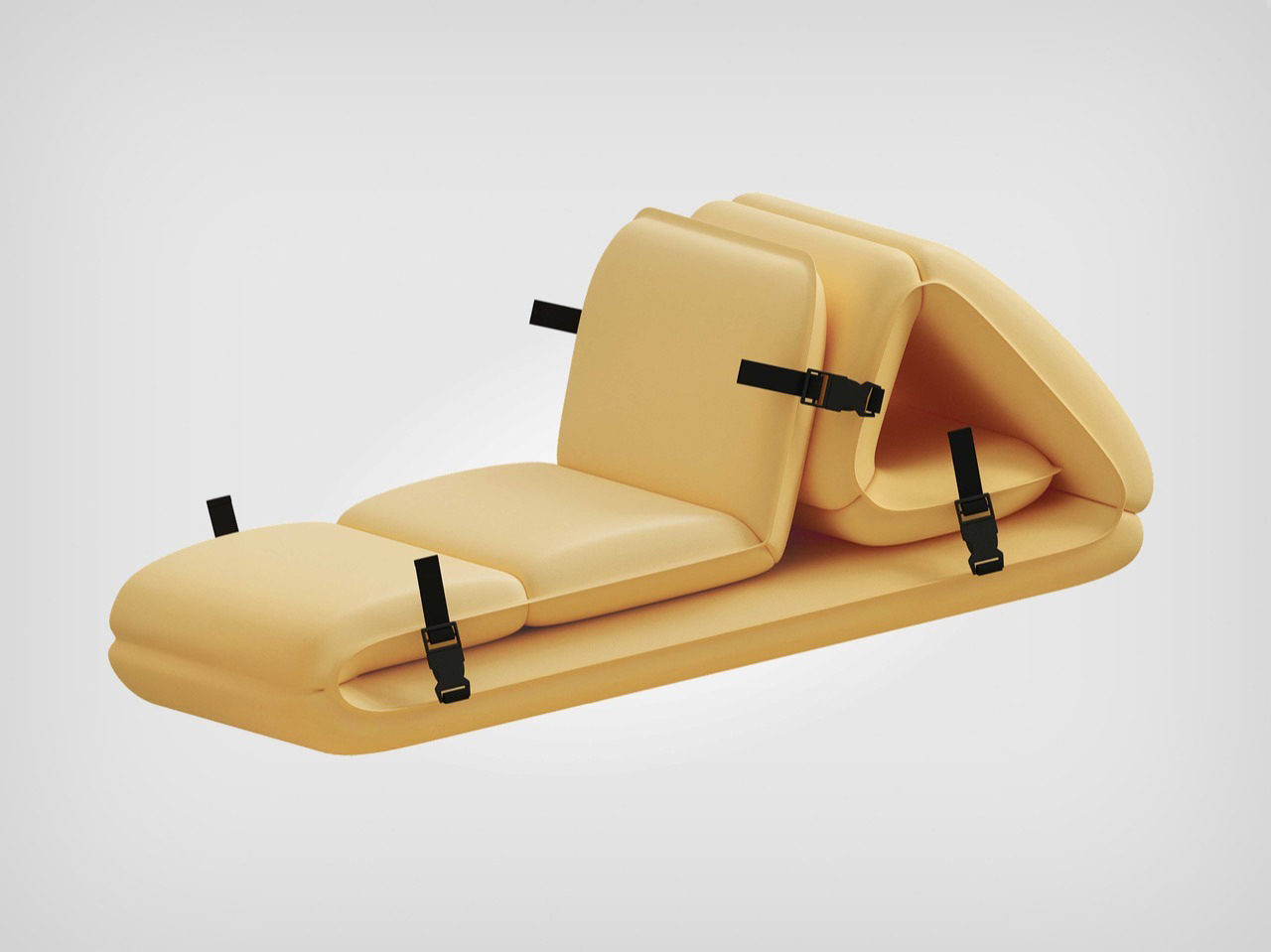
With Springs for Tires, this SUV is Breaking All the Rules to Test a Simple Theory

Why do cars have air-filled tires? And why do spring suspensions exist as separate entities? What if someone just made tires out of springs, wouldn’t that kill two birds with the same stone? Moreover, spring tires would be more durable, wouldn’t require air, and could therefore never get punctured. All of these questions make a lot of sense, and to be honest, Germans even experimented with spring tires in the 1900s during rubber shortages, but soon reverted back to good-old air-filled rubber tires soon thereafter, sticking to it when they developed the autobahn too.

A YouTuber by the name of Garage54 decided to put this experiment to the test, just to see how things would play out. Instead of rubber treads, G54’s car was outfitted with wheels made of springs in the hopes of being able to travel well on snowy roads and off-road trails. Hate to give you spoilers, but the experiment almost instantly failed, in part because metal doesn’t make a good rubber substitute, and also because G54 quite literally welded springs to his tire. However, it was a great starting point for what I personally think is a pretty unique theory. The design could be optimized, material considerations could be made, and if there’s anyone I trust with getting things right, it’s The Q, who designed the Wheelless Bicycle we saw last year!

Designer: Garage 54

The project started, as most do, with seeing an image on the internet of a spring tire from the early 20th century – designed to boost off-roadability. Of course, good ideas have a certain sticky nature to them, so the fact that nobody uses spring tires anymore was a warning sign to begin with… but then again, I bet you’re just as curious as I am. What if you replaced bouncy rubber tires with bouncy spring tires? How much of a difference could it really make?!

The process of attaching springs to the wheel was quite literally as simple as sanding down the wheel, bending a few massive springs, and welding them in place. To make sure the springs don’t make direct contact with the ground (and potentially destroy the roads), an extra metal strip was then welded around the rim.

A look at the springs that were going to be attached to the wheel

Bending and spot-welding the springs in place

Attaching the rim

Finally, the new tires got a spray of red paint to increase their visibility. Even in their new avatar, they were just about as thick as the original wheels, making the modification incredibly easy.

G54 then attached the tires to his Mercedes-Benz G-Class

The tires, however, ran into a few snags as G54 drove the car on sludgy snowy roads. For starters, metal doesn’t provide much friction, so even though the spring shape promised to easily conquer off-road paths, the tires tended to either rotate in place or slip in all four directions. Secondly, rubber and air are infinitely lighter than steel springs, so the new wheels added immense weight to the car, causing it to literally sink in the snow – this happened especially when the car was stationary. What also didn’t help the weight problem was the fact that snow managed to fill right up inside the hollow spring tires, adding to the vehicle’s bulk. The springs also managed to catch stray twigs and branches, creating more problems than they solved. And as far as suspension was concerned, the new wheels hardly offered any improvements.

Although an instant flop, the experiment had a few areas of improvement. For starters, manually welding together a metal wheel will result in imperfections that then affect the car’s performance. However, before we dismiss metal tires entirely, it’s worth noting that NASA has been extensively testing airless metal mesh wheels for its Mars rover, allowing the vehicle to quite literally drive on the most off-road terrain mankind has ever witnessed! If NASA can do it, I’m sure us normies could figure something out too!

The post With Springs for Tires, this SUV is Breaking All the Rules to Test a Simple Theory first appeared on Yanko Design.
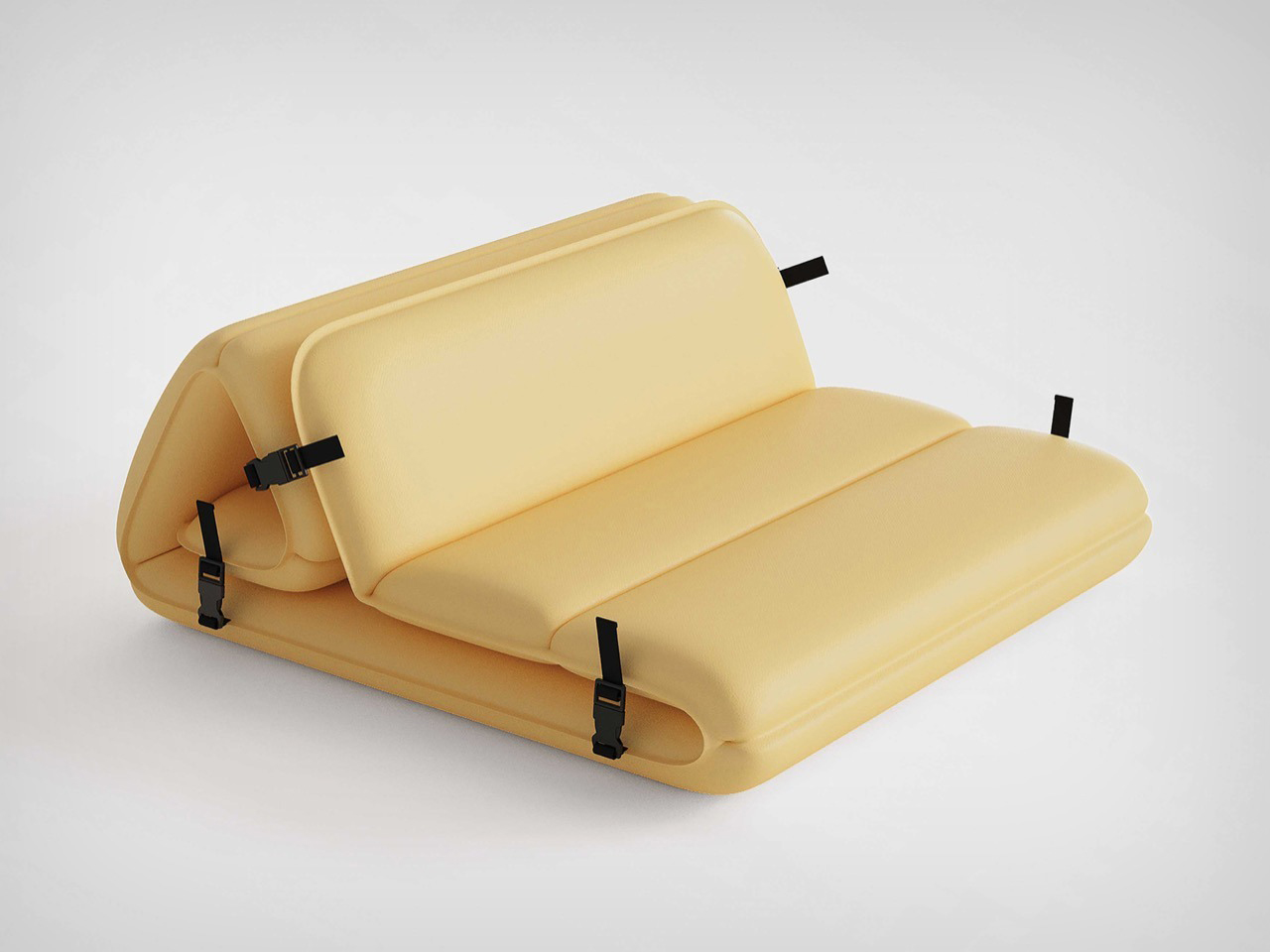
The 10 Best Designs You Need In Your Yard Or Garden To Gear Up For Spring 2024

You can do a lot in your backyard! We shouldn’t underestimate our backyards, as they can be major spaces of fun, recreation, and relaxation. Spring is around the corner, and if you’re gearing up for spring season, then you’ve reached the right list. We’ve curated a collection of innovative and functional designs that are the right fit for the spring season. From a portable tiny home on wheels that you can set up in your yard, to a gardening kit that can help you get your hands muddy and green – these unique and functional designs are all you need for a great spring season.

1. Nestron Tiny Homes

Nestron has designed a range of sleek and futuristic tiny homes that feature a highly customizable, and aesthetically pleasing prefab design. The collection includes – Cube One (C1), Cube Two (C2), and Cube Two X (C2X), and they are priced between $42.2k to $126.6k. The homes make for excellent portable tiny home on wheels, that you can take along for your spring adventures, or set up in your backyard!
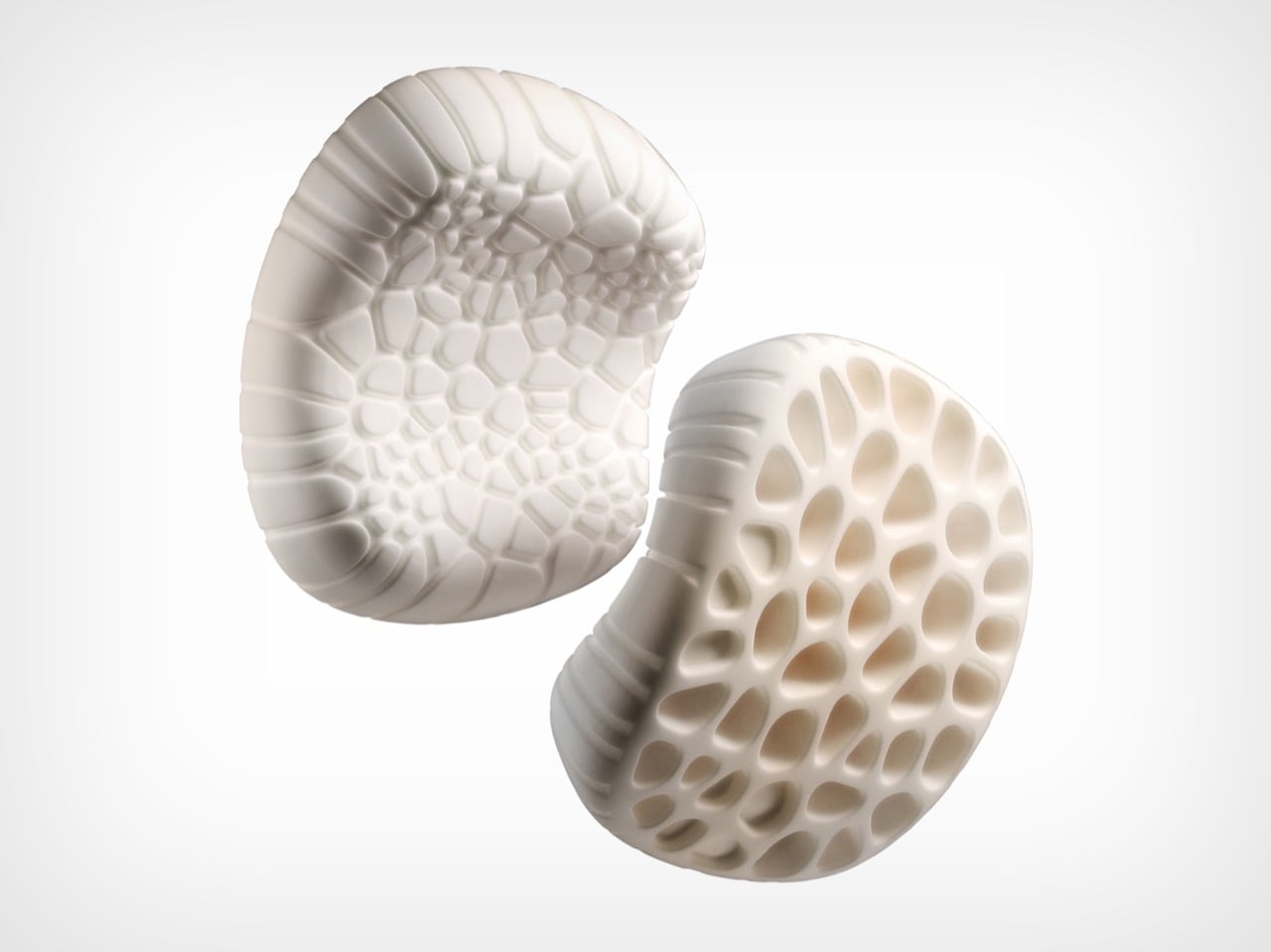
Why is it noteworthy?

The futuristic homes include solar electricity (or local electricity), heating, and a fully-equipped bathroom with a smart toilet. The interiors can be customized, and they’re quite stunning and ideal for sci-fi fans who want their own futuristic homes!

What we like

  • The homes are built from recyclable materials
  • Everything is handled by Nestron – from logistics and transport to unloading, so you don’t need to worry about anything

What we dislike

  • The homes aren’t very spacious. The most expansion option, the Cube Two X, provides only 398 square feet of space

2. Garden Domes

These quaint little garden domes by Hypedome are designed to serve as office space, yoga dens, additional sleeping quarters, or even calm spaces to rest in. They are a great option if you like sleeping under the stars, of course without the fear of rain and snow. The geodesic domes are designed to make indoor-outdoor living accessible.
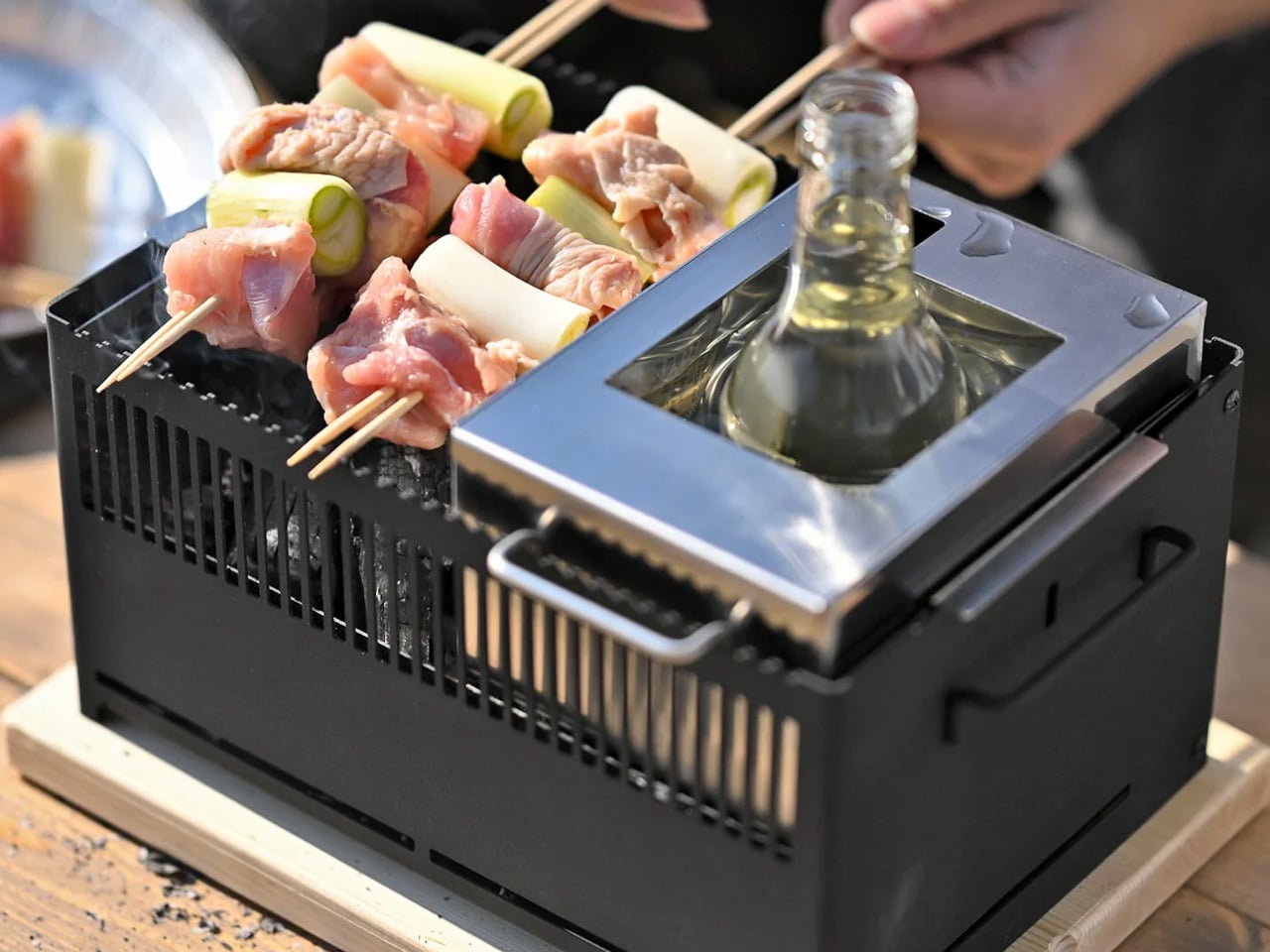

Why is it noteworthy?

The domes are designed to offer you an indoor-outdoor space that allows you to enjoy the beauty of nature without having to deal with its extreme side. It may look like the hemispherical garden domes are made from glass, but they are 200 times more durable weather-resistant, and UV-protected too.

What we like

  • They can be used all year round since you can easily heat them during the winter

What we dislike

  • The domed outer wall/ceiling makes the interiors seem smaller than they are.
  • You can’t have furniture set against the curved wall, which wastes precious real estate

3. The Gardener’s Tool Seat

If you’re in the mood to get down and dirty and grow some stuff in your yard this spring, then you need to get this Gardener’s Tool Seat. It gives you everything you could need – a collapsible seat to sit on, gardening tools, and a bonus pocket for carrying a cool drink.

Why is it noteworthy?

The Tool Seat features a standard collapsible tool that is made from stainless-steel piping with a nylon fabric seat, and a smart detail at the base that lets you hang your gardening toolbag underneath it. The bag comes equipped with a gardening toolkit.

What we like

  • It features a space on the inside to accommodate your gardening trimmings

What we dislike

  • The seat doesn’t look too comfy to sit on for long periods

4. Yuanye Foldable Outdoor Grill

Called the Yuanye, this portable outdoor barbecue grilling pan that you can carry with you on your outdoor adventures, or to cook up something delicious in your yard. It resembles a portable projector and can be used with a gas tank, fire source, and oil storage module. It is super useful with good-looking aesthetics.

Why is it noteworthy?

As you open up the grill, you’ll see two partitions that let you grill meats on one side, and vegetables on the other. It is a portable grill that is inspired by a suitcase, but instead of storing clothes, it stores the food you need to eat.

What we like

  • Fashionable, good-looking, and portable appliance
  • You can cook meats as well as veggies on it, preparing a well-balanced meal

What we dislike

  • It’s a conceptual design so we don’t know how well it will translate into a tangible product

5. Smart Coop

This smart coop is meant to simplify every task related to chicken raising. The coop is equipped with an inbuilt IoT camera, that lets you keep a tab on your chicken’s health remotely, even if you’re on the other end of the world. The door can be scheduled to open and close as per your chickens’ habits.

Why is it noteworthy?

The coop can accommodate six chickens, which is enough to sustain a small family. The coop is also weather-resistant, and durable enough to handle the elements. The freshly laid eggs can be collected via a secure hatch without disturbing the chickens within.
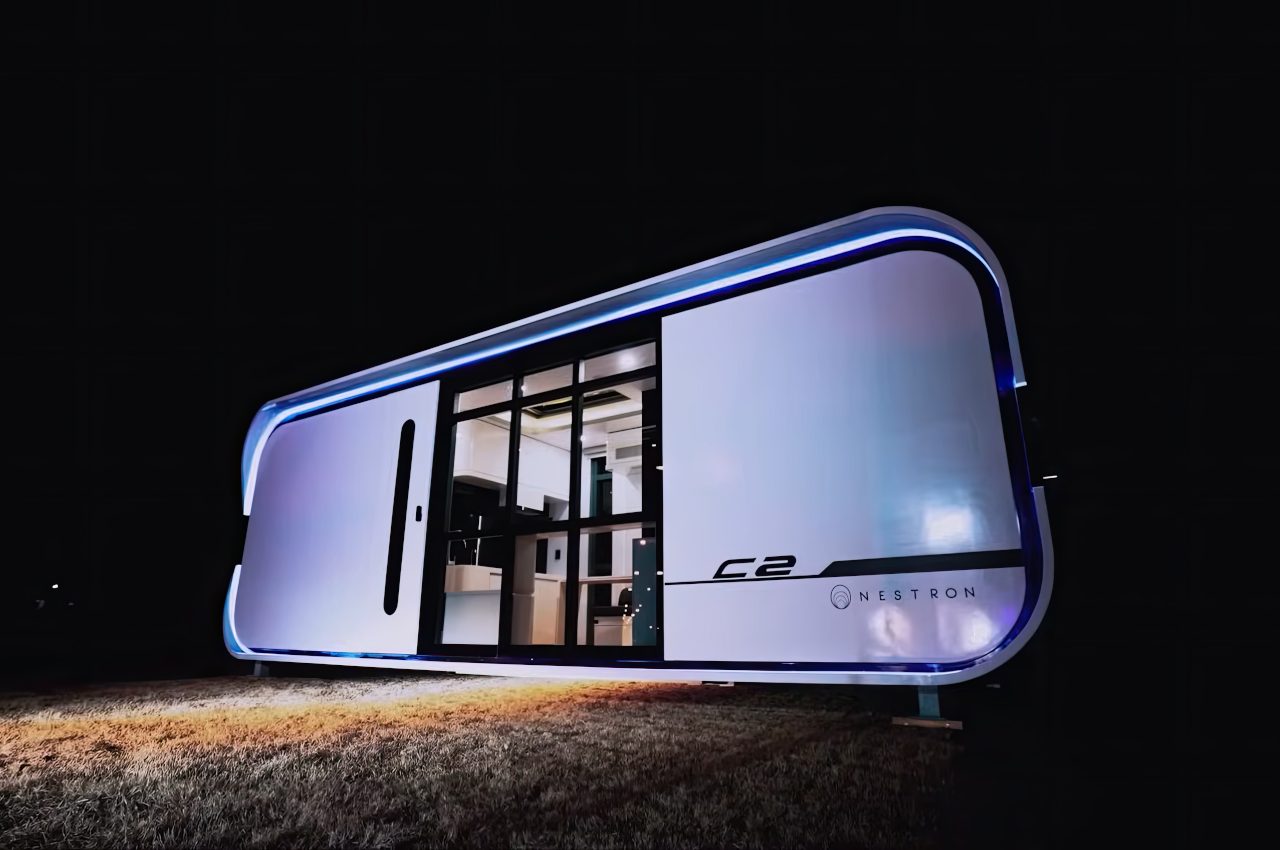
What we like

  • The aesthetics haven’t been ignored, the various elements feature contrasting coral hues

What we dislike

  • You need a suitable backyard to accommodate the coop, cant be placed in all yards

6. Dufour
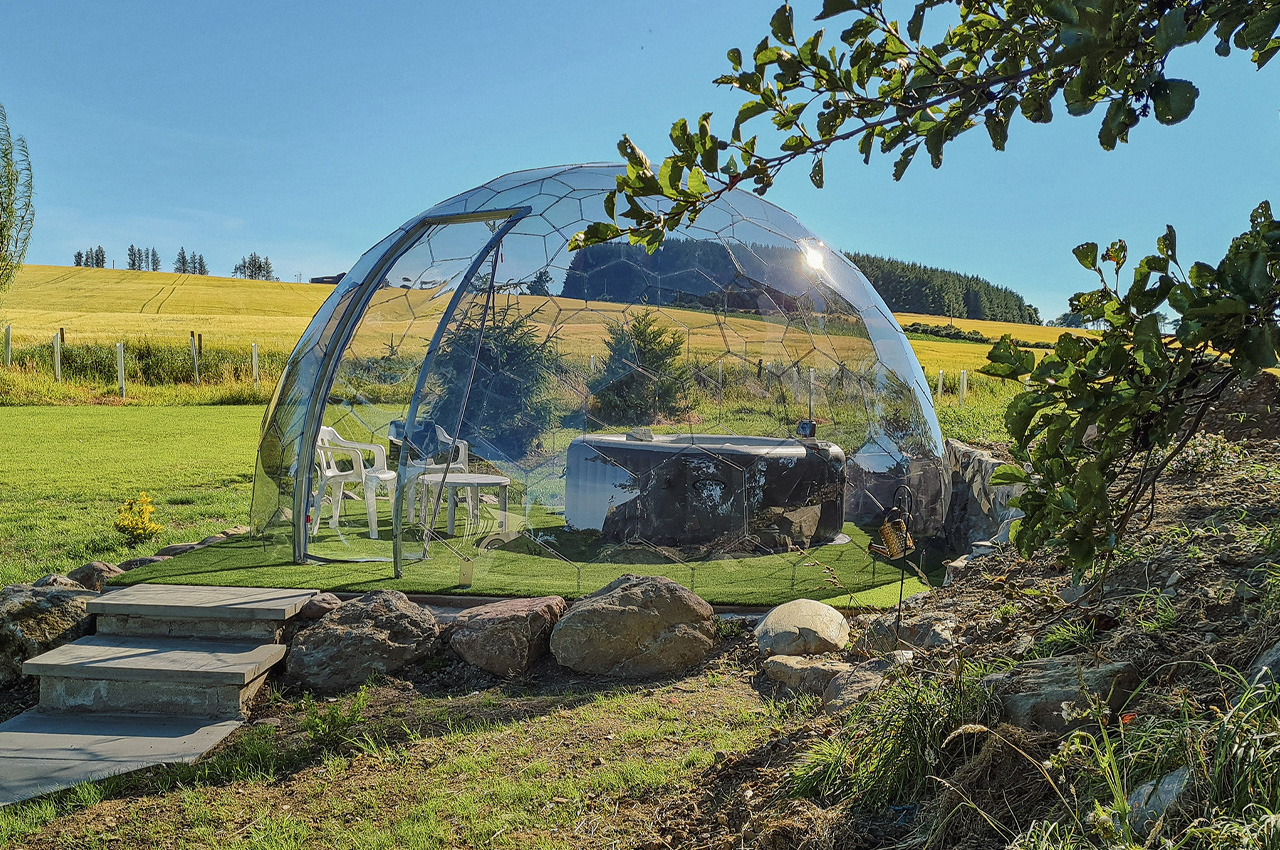
This wooden tiny home called Dufour transports you to a world of luxury, comfort, and elegance. It is built by German tiny house creator Berghaus, and the wooden cabin provides a perfect blend of rustic charm and modern luxury.

Why is it noteworthy?

The tiny home is packed with modern-day luxuries, and it is equipped with two loft bedrooms each with a staircase of its own from the main floor. It measures around 26 feet in length, which makes it much larger than most tiny homes.

What we like

  • It can be used as a family home or a comfy vacation rental
  • It is topped with solar panels

What we dislike

  • It lacks a terrace (expandable or fixed) that can provide a viewing space when in transit

7. Bello! Bench

Fjetland designed the Bello! bench for the aluminum producer Hydro. And what was his muse for this piece? You got it right – pasta, or to be more precise penne rigate.

Why is it noteworthy?

Informed by the design and form of pasta, the Bello! bench is a versatile piece of furniture that can be used indoors and outdoors. It’s been created from nearly ninety percent recycled and one hundred percent recyclable aluminum.

What we like

  • The bench is inspired by a piece of penne rigate, which is responsible for its ridged and textured surface
  • It can be customized and modified to incorporate tables, lamps, or chargers since it does not have an internal support structure

What we dislike

  • The shape of the bench is opposite to what we usually have, ergonomically speaking, which makes it difficult to sit comfortably and could lead to a slipping sensation.

8. The +Base Modular Grill

The +Base Modular Griller is ideal for your yard during the summertime. It can support almost any kind of cooking – from frying to smoking, stewing, grilling, or evening keeping some wine warm. This unique and innovative griller is an ideal fit for your yard. You can cook up some of the veggies you’ve grown in your garden!

Why is it noteworthy?

The All-In-One Grill is designed by a small family-owned Japanese factory, and it is carefully designed to maximize the limited amount of space available. The wooden base protects the table from the grill’s hot bottom, which also functions as a lid when the griller has to be stowed away.

What we like

  • The modular griller lets you cook in seven different ways
  • It simplifies outdoor cooking, allowing you to cook up meals in your yard

What we dislike

  • Hardcore grillers may not like the design or prefer it

9. Panama Banana

Called the Panama Banana, this hammock is the perfect piece of furniture for your yard. It is inspired by tropical elements like the shape of a surfboard and is inspired by the curvature of a banana. It has a tranquil and chill vibe to it, which makes it an excellent addition to your garden or backyard.

Why is it noteworthy?

It’s as comfortable as a hammock or sun chair, but rocks to and fro like a rocking chair, giving you an experience that’s sure to steal your entire afternoon and some more.

What we like

  • The hammock is coated with a water-resistant wax, and it is perfect for outdoor use or indoor use with an outdoor view

What we dislike

  • There is no option or scope for personal customization

10. Böste Lounge Chair

The Böste Lounge Chair is designed by the Swedish furniture company Skargaarden, and it is a minimal and well-designed sturdy lounge chair for your yard. It is designed to weather over time, adding a wonderful patina to the chair, and giving it a different visual with time.

Why is it noteworthy?

The lounge chair is named after the designer’s hometown in Southern Sweden. It is inspired by the classic Westport Chair and is in fact, a Scandinavian version of it. The form of the chair is pretty unique, with the back and seat meeting at an interesting angle, which invites and welcomes users to sit in a gently reclined pose which is great for relaxing and socializing with family and friends.

What we like

  • It is equipped with a separate footrest, that lets users lie down fully and comfortably
  • It is made using sustainably sourced teak

What we dislike

  • Aesthetically similar to other outdoor chairs on the market

The post The 10 Best Designs You Need In Your Yard Or Garden To Gear Up For Spring 2024 first appeared on Yanko Design.