Futuristic-looking garden dome functions as an office space, yoga den, and nap spot to sleep under the stars

A trend that grew ever so popular during the pandemic was “domes’. Sneakily enough, little garden domes started to rise in popularity during the pandemic, since a lot of people felt frustrated working and being cooped up in their homes all day long. Although offices, and the rest of the world, have started to open up now, somehow domes still manage to be a favorite amongst the people. We’re used to garden domes that function as cool home offices, but this garden dome by Hypedome is a home office…but also much more!

Designer: Hypedome

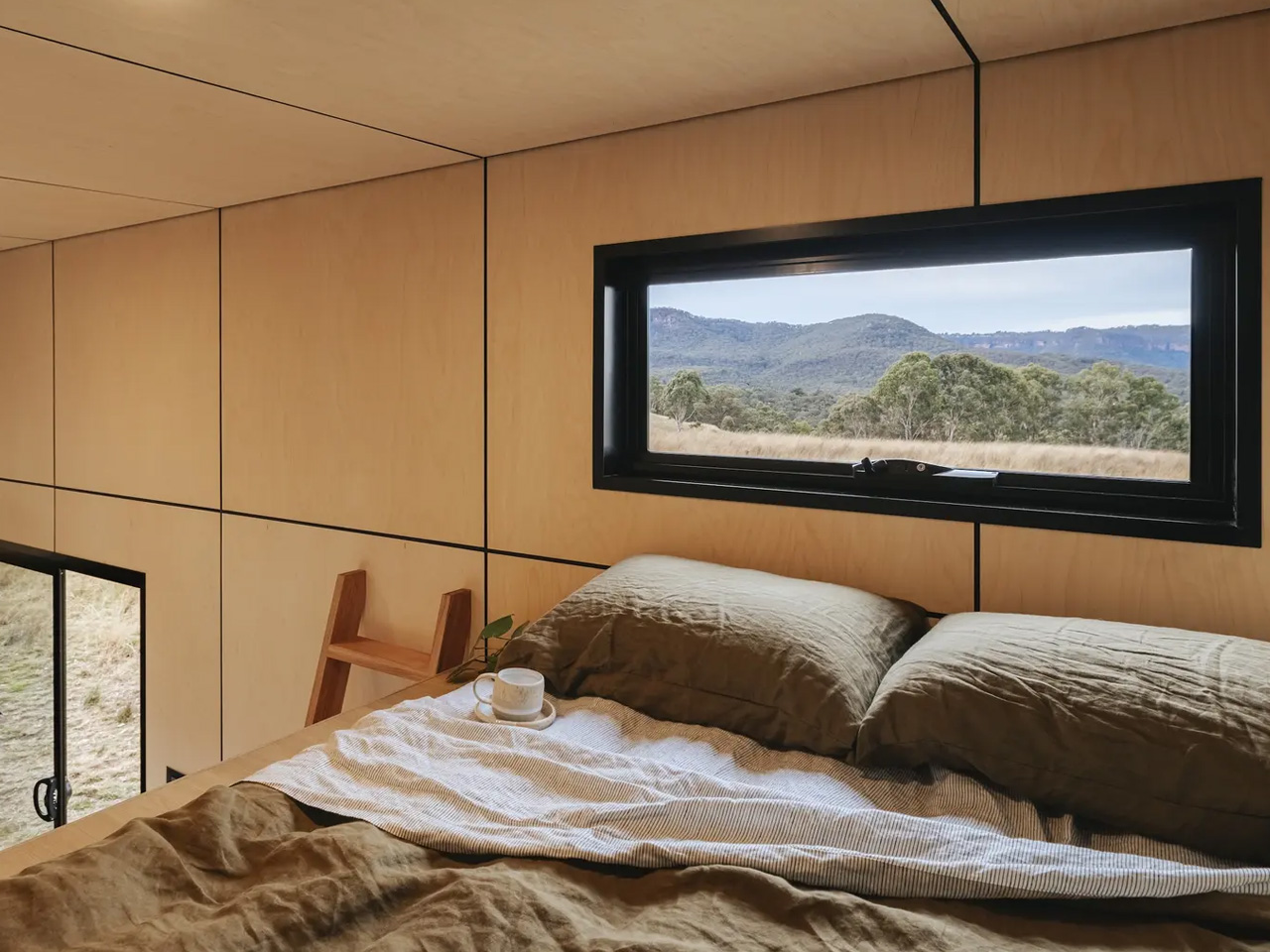
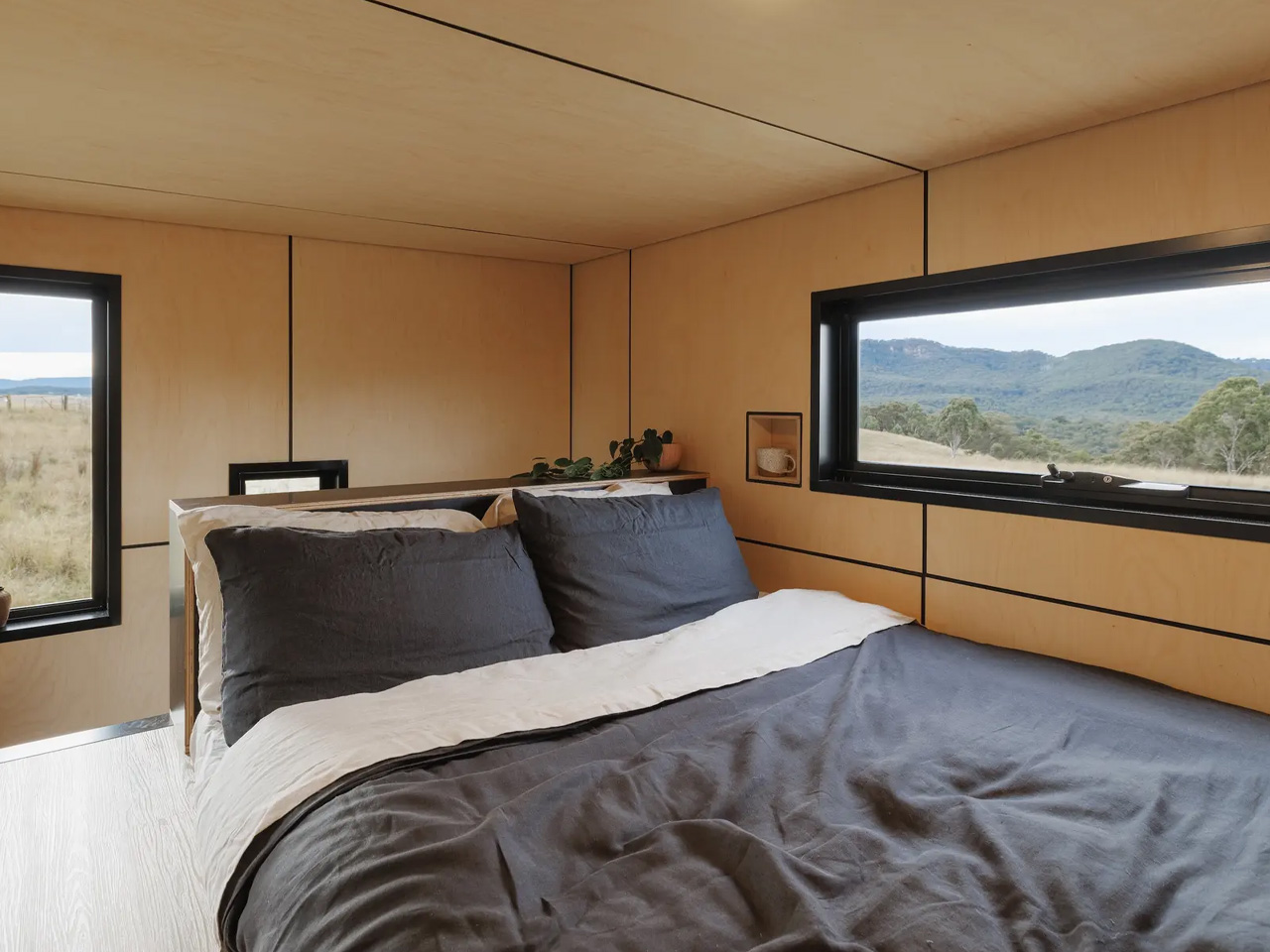
Designed by Hypedome, these garden domes are designed to function as office spaces, calm lounges to relax in, yoga dens, and even additional sleeping quarters if you like to sleep under the stars in the outdoors – without the fear of rain and snow. These geodesic domes were created to make indoor-outdoor living even more accessible, and to provide an indoor-outdoor space that lets you enjoy the beauty of nature without having to deal with its harsh side.

Made from solid polycarbonate panels, the hemispherical garden domes look like glass, but are in fact 200 times more durable and weather-resistant, and UV-protected as well. This provides protection to the furniture and other items placed within the domes. “Our goal was to create durable domes that would not only enhance the aesthetic appeal of gardens but also provide a practical living space that can withstand various weather conditions,” said Hypedome.

The innovative garden domes can be used all year round since you can easily heat them during the winter. And of course, during summer they’ll be a plush little lounge spot to spend your days in, allowing you to soak up the sun, but not too much of it. The garden domes come in three different sizes, with a crystal clear finish as the standard finish. You can also pick mirror, grey, and translucent finish options – they also add a bit of privacy. Hypedome says that the garden domes have a life expectancy of fifteen years, and once they’ve died down, they can be fully recycled, which makes this design worthy of some extra brownie points!

The post Futuristic-looking garden dome functions as an office space, yoga den, and nap spot to sleep under the stars first appeared on Yanko Design.
This Pavilion-Style Pool House In Northern Spain Is Inspired By Japanese Design Philosophy

This stunning pool house designed by Spanish studio Baldó Arquitectura is called the Godai Pavilion, and it is characterized by a generous use of bamboo and an impressive overhanging roof. The pool house was created for a home located in rural Cantabria, in northern Spain. The structure is heavily inspired by Japanese design and features many of its unique details.

Designer: Baldó Arquitectura

The Godai Pavilion was designed in accordance with the local climate, and to boast the natural materials used to build it. The pool house is built to the south of the site, in turn building an enclosed courtyard garden with other pre-existing buildings on the site. “The pavilion [creates] a dialogue between different architectures, with the pool as a central element and a link between the existing home and the new pavilion,” the studio said.

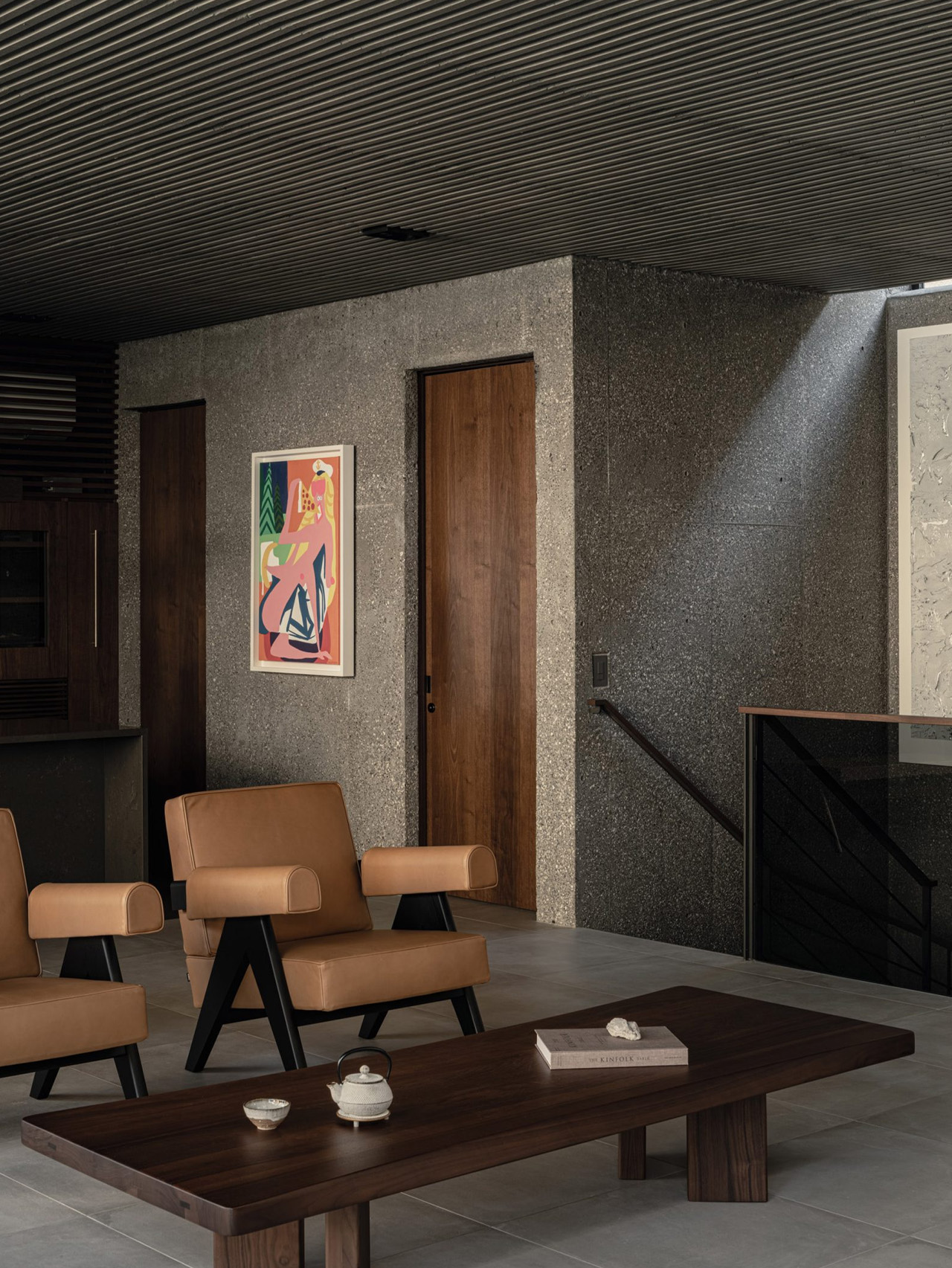
The name and design of the pool house are inspired by the Japanese philosophy of godai, which is based on the five fundamental elements – fire, earth, water, wind, and space. You can see the concept in the structure’s large roof, and the sheer transparency of the facades, which showcase the surrounding landscape. You can see that the facades of the structure make a slow shift from solid to void, and are covered with bamboo slats. The slats follow the Fibonacci sequence and are designed to offer privacy to the building and control the natural lighting. The pavilion was constructed using bamboo, which brings to mind the image of Japanese-style tatami rooms. The ceilings are also inspired by the art of origami.

The interior of the pavilion is marked by a triple-aspect living space, which leads to a timber deck, where steps take you to the pool. Besides bamboo other materials were also integrated into the pavilion such as cork, local pine, mineral rock wool insulation, and recycled oriented strand board panels.

Various passive design systems for solar and rain protection were also integrated into the structure, for example, a large roof that offers plenty of shade and reduces solar gain. “The local climate takes on a fundamental value, where strong winds, rain, and summer sun become protagonists,” explained the studio.

The post This Pavilion-Style Pool House In Northern Spain Is Inspired By Japanese Design Philosophy first appeared on Yanko Design.
The World’s Skinniest Hotel measures just 9.1 feet in width

Designed by Sahabat Selojene, the Piturooms in Indonesia is one of the skinniest hotels in the world! It only has a width of 280 cm, and is an ingenious solution to combating a challenging and complicated inner-city plot. It is nestled in Central Java on a narrow site that is stuffed between an alleyway, a neighboring garden, and surrounding homes. This little space had a lot of potential, and the hotel owners wanted to turn the lack of space into a highlight, converting it into a unique skinny hotel!

Designer: Sahabet Selojene

Piturooms has a height of 55 feet and a length of 31 feet. It features a well-designed interior that accommodates seven hotel rooms, an entrance lobby, a compact lounge, as well as a small outdoor terrace area close to the top of the building. A crisscrossing staircase functions as the focal point of the space, with all the hotel rooms placed around it. There is a tiny elevator as well which is intended for luggage and disabled access. The seven hotel rooms feature different color schemes and house a double bed, TV, and bathroom with shower, sink, and toilet.

“With a size of only 2.8 x 3 x 2.4 m [9.1 x 9.8 x 7.8 ft], each room has the ability to provide an intimate shell of a primitive sleeping nest while still addressing modern living with its compact yet fully equipped amenities in its interior,” said Sahabat Selojene. “The addition of various original artwork in each room introduces an even more personal touch and acts as a starting point for each different theme.

Selojene connected the various rooms, floating steps, and the narrow corridor with grating as flooring to build a unique transparent and see-through effect inside the entire building. This gives the space a larger and more expansive feel, providing it with a certain openness. The openness also allows air streams to be generated between the external walls and the opaque canopy on every floor.

The Piturooms makes for a unique and comfortable stay in the heart of Central Java. If you’re interested in staying, you can book a room for almost US$55  per night.

The post The World’s Skinniest Hotel measures just 9.1 feet in width first appeared on Yanko Design.
Ethereal-Looking Light-Filled Home With Lush Greenery Is Awarded UK’s Best New Home In 2023

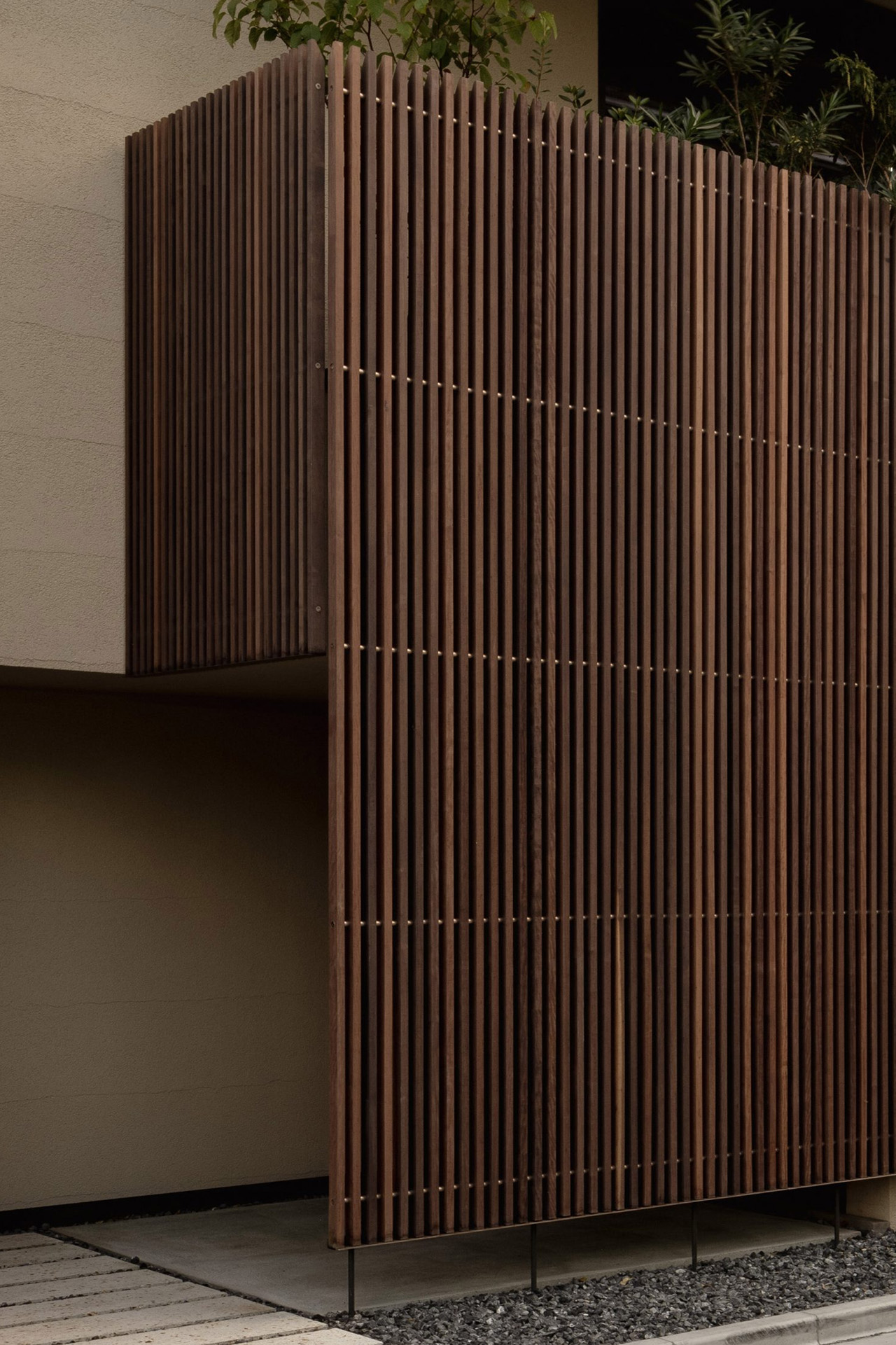
The Royal Institute of British Architects (RIBA) had picked a longlist earlier this year for the 2023 House of The Year, followed by a shortlist in October. After much thought and speculation, the award was presented to Hayhurst and Co for its Green House in London. Deemed the best new home in the UK, the Green House is tucked away on a busy street in Tottenham, North London, and is designed to be a light-filled and lush green home for a family.

Designer: Hayhurst and Co

To build the Green House, the studio had to replace a dilapidated building in poor condition. The new structure is a contemporary, beautifully designed, and energy-efficient family home. It features a visually appealing facade that is built using sliding polycarbonate roofing sheets, which allow daylight to effortlessly stream into the home. This creates an open and free-flowing space that is filled with light and feels expansive and cozy.

The home was also built using sustainably sourced cross-laminated timber, as well as roof-based solar panels which reduces the home’s dependency on grid-based electricity. The entire home is heated by an energy-efficient pump system. It was the client’s and the architect’s mission to build a truly sustainable home, which can be seen in the various features and detailing of the home.

“Green House, affectionately known as the ‘Tottenham Riad,’ is a true oasis within the city,” said RIBA Jury Chair, Dido Milne. ”It is both airy and cozy, bold yet respectful of its neighbors. Your eye is simultaneously drawn upwards to the open sky and down and out across the living room to verdant greenery.”

The home has been filled to the brim with loads of greenery. It is arranged like a Moroccan riad, with a huge internal courtyard placed in the center. It also includes a first-floor balcony, as well as an atrium that encourages stack ventilation. The Green House is topped with a quaint rooftop terrace that functions as an idyllic space to relax in. The rooms of the home are quite spacious and expansive, which can be separated via curtains if need be, this provides the family with flexibility if circumstances and needs change in the future.

The post Ethereal-Looking Light-Filled Home With Lush Greenery Is Awarded UK’s Best New Home In 2023 first appeared on Yanko Design.
10 Most Innovative Designs of 2023: Tiny Homes

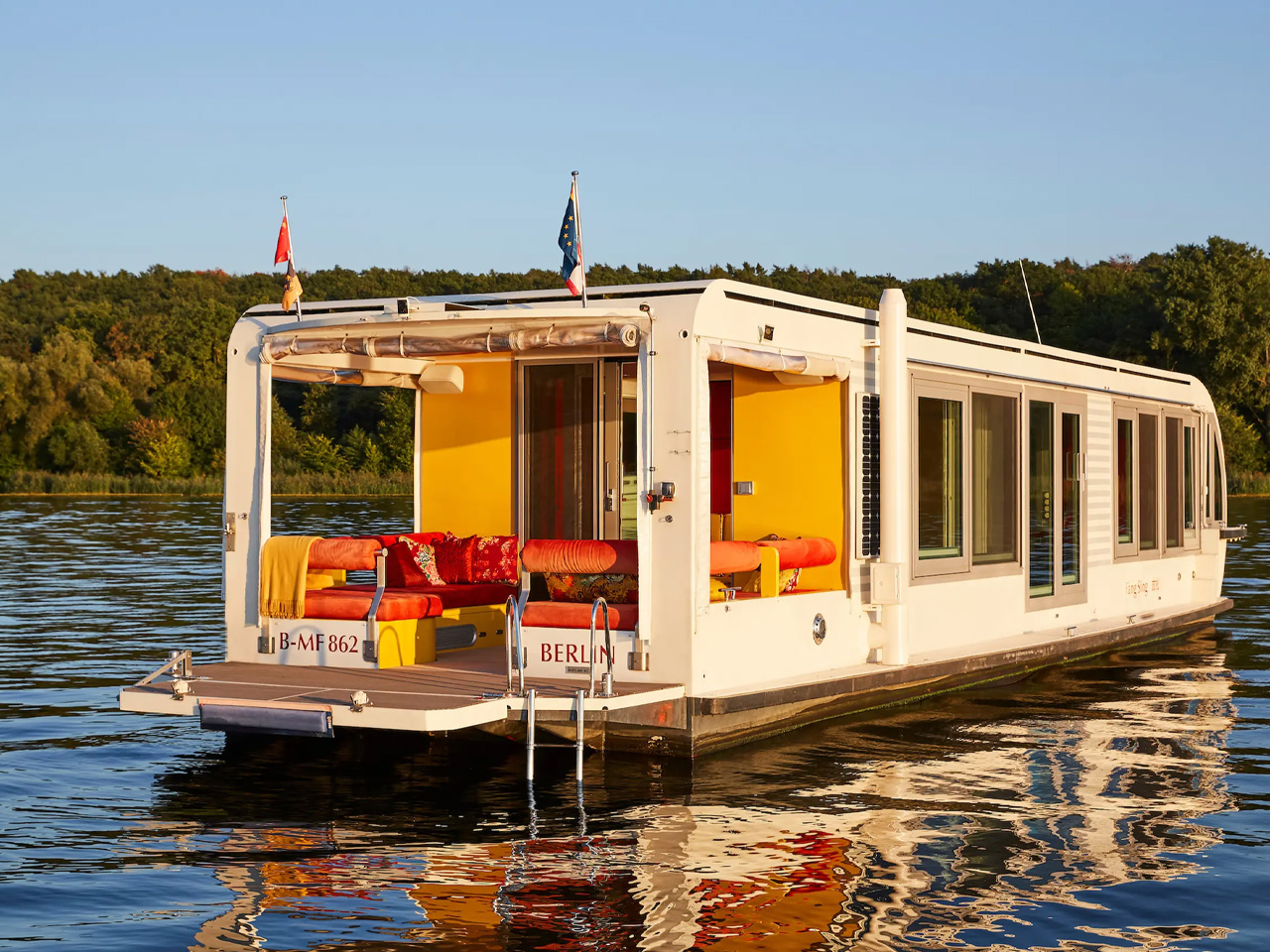
We discovered the beauty and magic of tiny homes a couple of years ago, and we’re happy to see it was an excellent discovery. Since then, tiny homes have gained immense popularity, and been experimented with to create even better, more beautiful, and functional designs. We saw a torrent of ingenious and thoughtfully designed tiny homes in 2023, and we’ve curated some of our favorites for you. These unique tiny homes are space-saving and eco-friendly, reducing the load on Mother Earth, while also managing to look as cute as a button. From a 3D-printed tiny home that has the same price tag as a car to the world’s smartest tiny home that expands up to 3 times its original size – these tiny homes will have you swooning!

1. Nestron’s Tiny Homes

Nestron’s range of tiny homes is pretty sleek and futuristic with a highly customizable and aesthetically pleasing prefab design. The range includes the – Cube One (C1), Cube Two (C2), and Cube Two X (C2X) homes that cost from $42.2k to $126.6k, depending on the configuration you choose at Nestron’s online showroom.

Why is it noteworthy?

The futuristic homes include solar electricity (or local electricity), heating, and a fully-equipped bathroom with a smart toilet. The interiors can be customized, and they’re quite stunning and ideal for sci-fi fans who want their own futuristic homes!

What we like

  • Almost everything is handled by Nestron – from logistics and transport to unloading
  • Built from recyclable materials

What we dislike

  • They’re not very spacious, even the most expensive option, Cube Two X, only offers 398 square feet of space

2. Pod Studio

Meet the world’s smartest tiny home called Pod Studio! Designed by California-based Podform, the Pod Studio is an innovative and one-of-a-kind tiny home that can expand up to three times its original size. It is built using steel and aluminum and features a solar awning energy system

Why is it noteworthy?

The original size of the Pod Studio is 161 square feet, and it can be converted to 454 square feet within 15 minutes! It is easily transportable and portable and doesn’t need any foundation, because of its built-in hydraulic legs.

What we like

  • Equipped with solar panels and smart technology that can be easily controlled through an app

What we dislike

  • It’s not out on the market yet, so we’re not sure what the final home will be like

3. Vagabundo Flex

This special little home is called the Vagabundo Flex, and it extends over two levels, thanks to an innovative automated lifting root system that provides the home with enhanced comfort and functionality. The unique home is constructed using timber framing, wood fiber insulation, and double-glazed aluminum windows.

Why is it noteworthy?

It features an innovative and unique design that supports the roof, allowing it to rise to a height of 20.3 feet, which creates a spacious and expansive interior that occupies 300 square feet.

What we like

  • Bulky elements have been smartly hidden in corners and cupboards
  • Equipped with essential amenities, including panoramic windows and timber furnishings

What we dislike

  • Hefty price tag as compared to other tiny homes on the market

4. Fujitsubo

Japanese construction startup Serendix unveiled ‘Fujitsubo’ – a small home priced at 5.5 million yen or around $37,600! Serendix says it takes almost 44.5 hours to print and assemble the home.

Why is it noteworthy?

This compact home is called the Fujitsubo, or “the barnacle”, and it occupies only 538 square feet, which is quite small when compared to the average American home, which happens to be five times large. The home is 3D-printed and houses one bedroom, a bathroom, and an open living room connected to a kitchen.

What we like

  • Costs as much as a car while offering essential amenities and features

What we dislike

  • It’s still in the conceptual phase, so we’re not sure how the final structure will turn out to be

5. Câpsula

This tiny homes concept is called Câpsula, and it is designed by architecture studio i29. Launched during Dutche Design Week 2023, these prefabricated cabins and tiny homes are inspired by design-led thinking and aim to be simple yet functional.

Why is it noteworthy?

The project is pretty small-scale but the plans and ambitions for it are quite large. The goal and intention behind the project is to promote slow living, and create the ideal cabin architecture with a couple of amazing options.

What we like

  • Influenced by the minimalist style of architecture
  • Equipped with top-notch amenities and features

What we dislike

  • The small footprint of the homes may be considered too small for some

6. Ecocapsule NextGen

A few years ago, Ecocapsule launched a unique egg-shaped off-grid tiny home which was a major hit! And, now they’ve released a new and improved version called the Ecocapsule NextGen. The Ecocapsule NextGen promises to be an upgraded and elevated version of the tiny home.

Why is it noteworthy?

The Ecocapsule NextGen is larger than the previous home, it has been expanded to 5.2m from 4.67m, which makes it bigger than the original version, while also allowing it to maintain a compact and efficient form.

What we like

  • Features a gull-wing door that makes the home more open to the outdoors

What we dislike

  • It’s not released on the market, so we don’t know what the actual final product will be like

7. The Nest

Dubbed the Nest, this tiny cabin is one of the short-term rental properties available at ReWild Rentals. Nestled in Hocking Hills, Ohio, the cabin displays the stunning beauty of the location to the guests. It features a unique layout that makes it feel much bigger than it is!

Why is it noteworthy?

The small house is clad in black board-and-batten wood siding, providing it with a modern and contemporary vibe which is further defined by a long sloping roof on one side, which also offers shelter to the outdoor patio.

What we like

  • Unique layout unlike the typical tiny homes, which makes it feel much larger than it is

What we dislike

  • The barn-style door can be considered a bit old-fashioned and doesn’t provide much privacy in the bathroom, which is inconvenient for residents

8. Sakura Tiny House

Designed by Canada-based Acorn Tiny Homes, the Sakura tiny house is intended to be a game-changer compared to typical tiny homes on the market. It doesn’t feature wheels, but instead is equipped with an innovative space-saving interior which includes a transforming bedroom and kitchen.

Why is it noteworthy?

The Sakura tiny home is breaking ground in the tiny home arena, by taking this popular housing style to a whole new and upgraded version. It is inspired by popular Japanese design trends, which can be even witnessed in its name.

What we like

  • Heavily inspired by Japanese design holistically
  • Features a flexible multipurpose space, making it truly one-of-a-kind

What we dislike

  • It can accommodate two residents and only two guests, and it could be a tight fit. Not the best option for families who like to host people

9. Browny

Coined Browny, this adorable-looking tiny home ranks high on versatility, as it can effortlessly and efficiently house a home office, exercise area, and a guest bedroom within a length of 6 meters, while also proving to be quite comfortable.

Why is it noteworthy?

The Browny is supported by a double-axle trailer and finished in red cedar, which is further accentuated by aluminum accenting and a roof. It is a great-looking tiny home with a generous amount of glazing to maximize natural light within the home.

What we like

  • Accommodates multiple amenities in a small space
  • Features integrated storage space

What we dislike

  • Doesn’t feature a proper kitchen and bathroom, which can be inconvenient for users

10. Samara and James’ Tiny Home

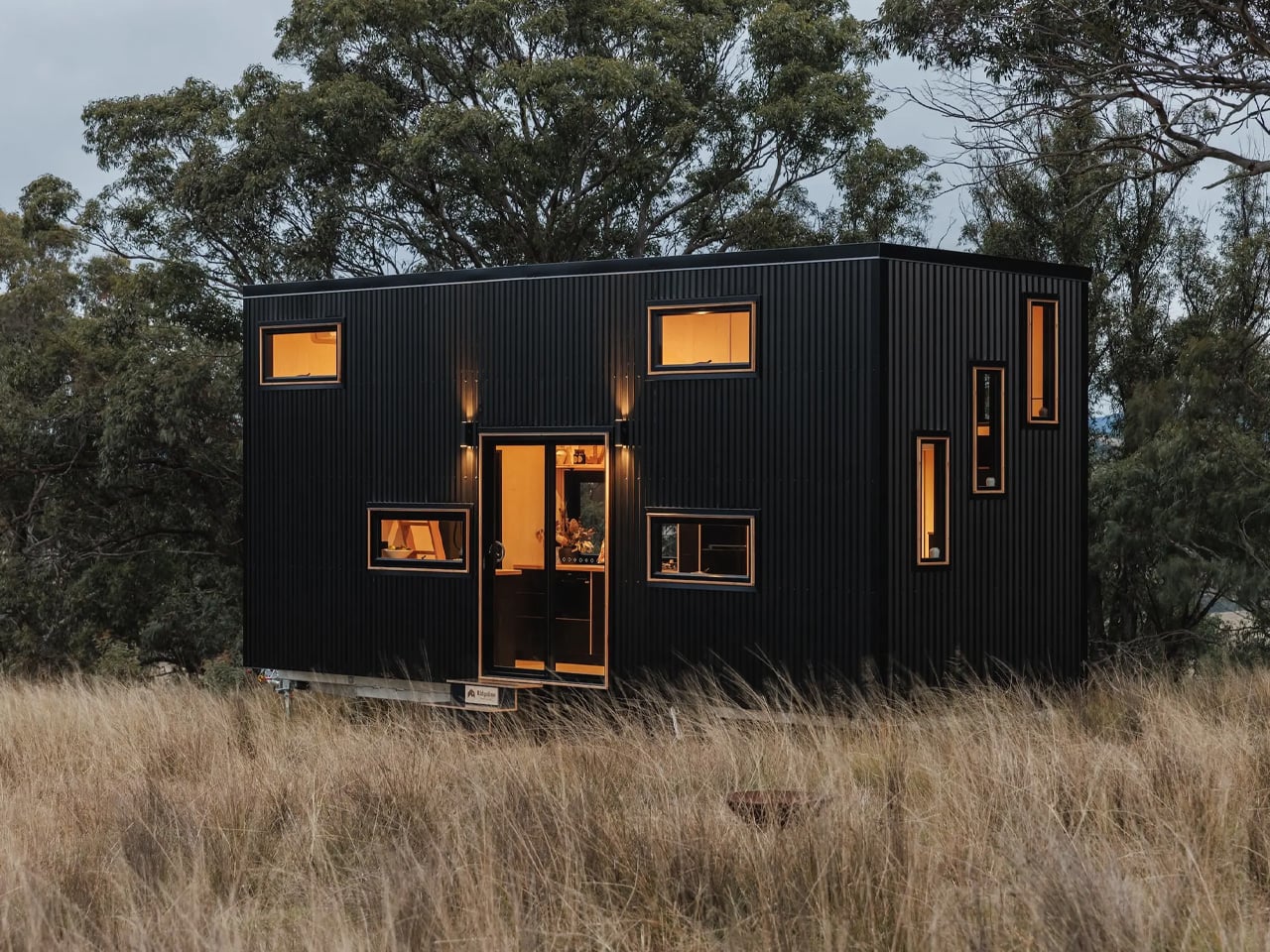
This 16-foot-long tiny home was designed by a lovely couple Samara and James, and is home to them. It features all the design ideas and moves you usually wouldn’t execute in a small space, making this tiny home a truly unique one.

Why is it noteworthy?

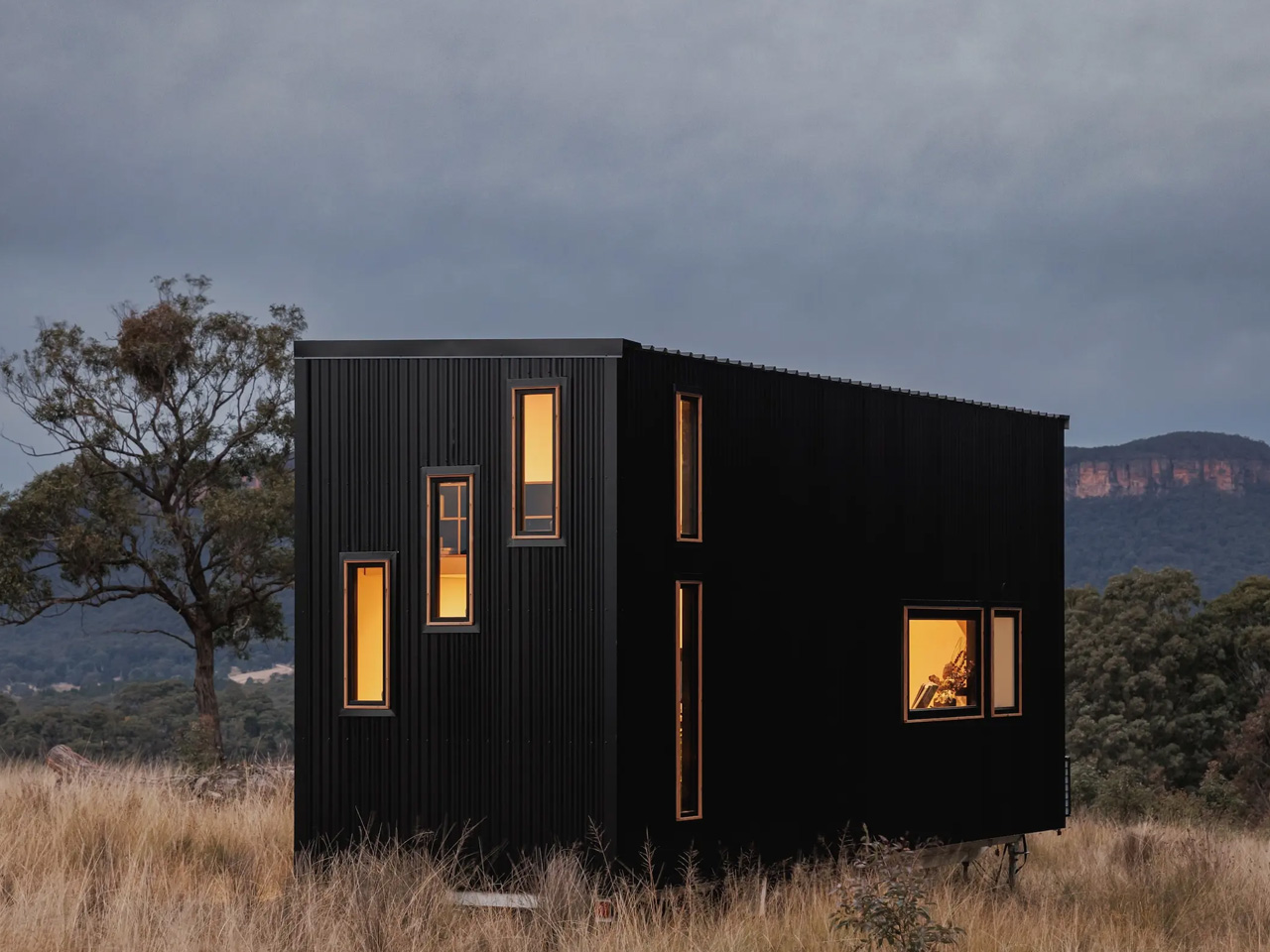
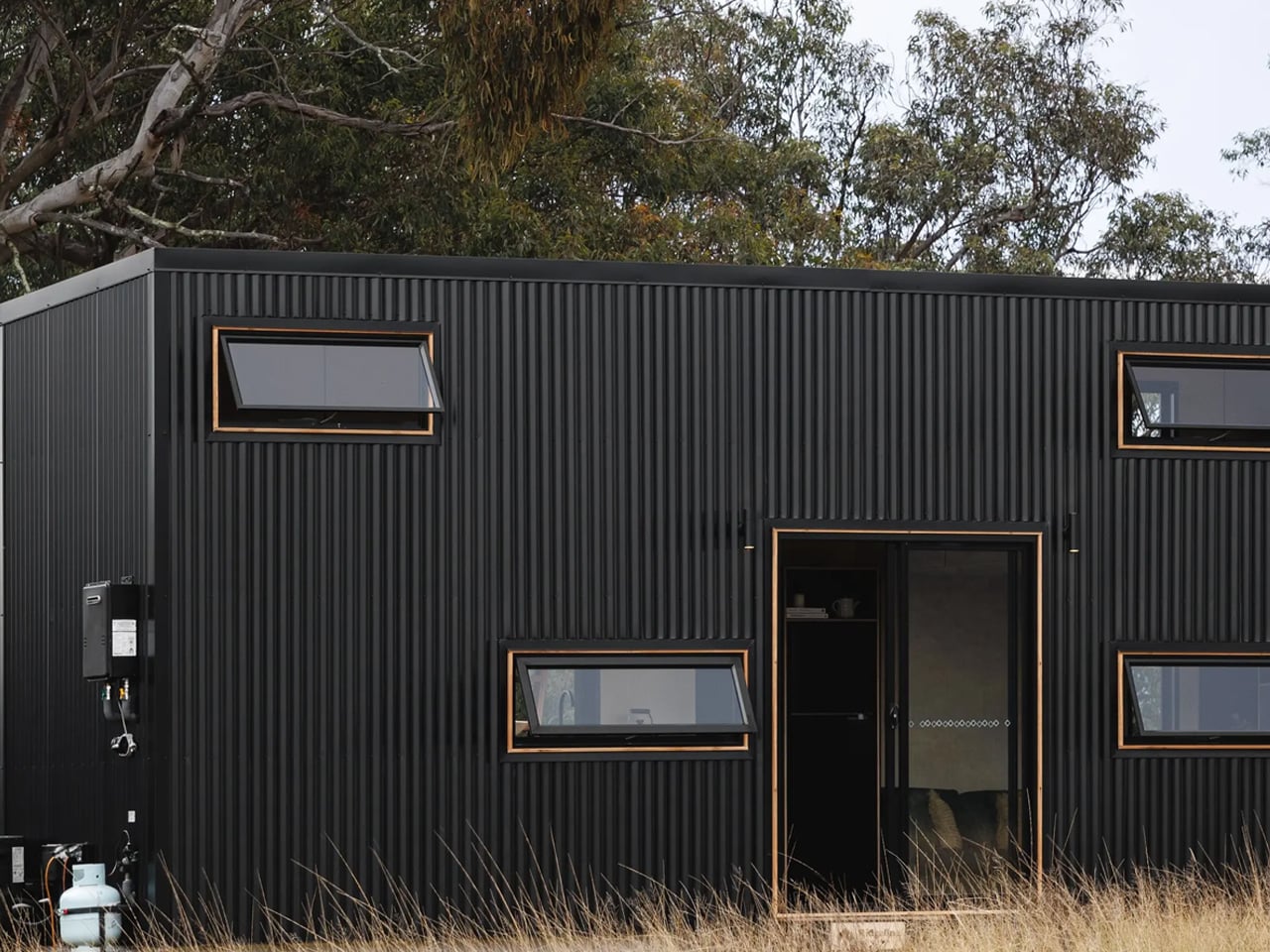
Although the interior and exterior have a dark theme, and there aren’t a lot of windows in the house, the home still manages to be quite spacious with a certain balance to it, while maintaining a serene connection to the site it is located on.

What we like

  • Inspired by Japanese design, especially by shou sugi ban
  • Features three modules, that can be moved and reconfigured if the home ever needs to be expanded

What we dislike

  • It only features an outdoor shower, which some people may not be comfortable with

The post 10 Most Innovative Designs of 2023: Tiny Homes first appeared on Yanko Design.
This Concrete Home In A Canadian Hayfield Is A Modern Architectural Marvel

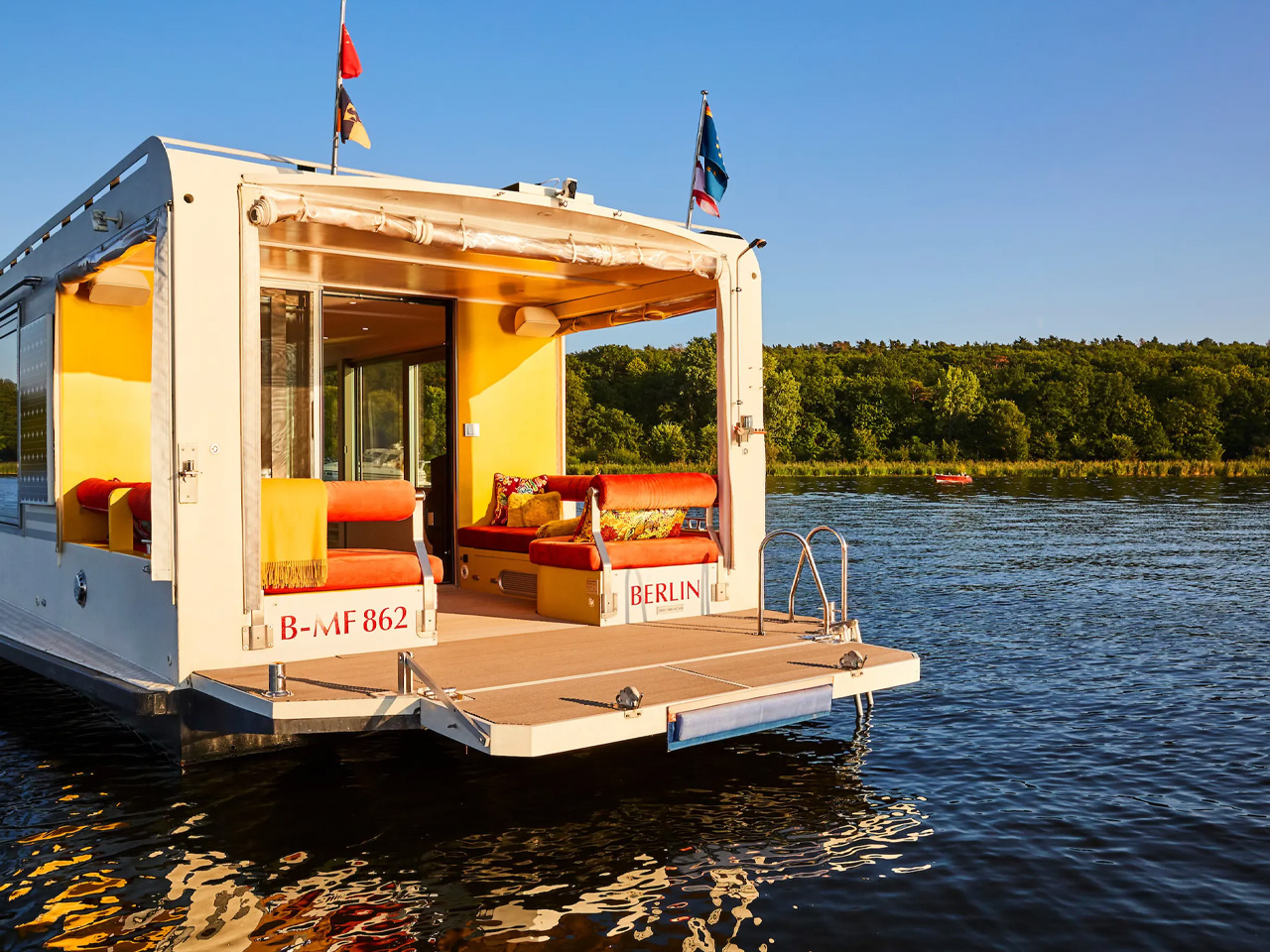
Canadian designer Omer Arbel recently unveiled his latest project – a beautiful family home in a lush green hayfield in the Canadian Pacific Northwest. Named 75.9, the home is built using concrete, intricately and interestingly, featuring monumental trumpet-shaped columns. When it comes to creating structures, Arbel prefers to release control and allows the materials to take over, and naturally create the form, resulting in a mesmerizing interplay of materials and contemporary architecture.

Designer: Omer Arbel

“For 15 years, we’ve developed a method of working with materials at the scale of an object,” said Arbel. “This is the first project where we’ve had the opportunity to apply that same methodology at the scale of architecture.”  The home is constructed by pouring concrete inside the columns. The columns are fabric formed with radiating ribs. A structure like this had never been constructed, hence the client only allowed Arbel to complete the entire home around the foundation, once the first column had been successfully installed.

The impressive concrete columns are the major elements of the home and lead to the creation of large and spacious interiors. The living room of the home has been segregated into four double-height volumes that are built using glass and cedar wood. This forms the living room, timber-framed bedrooms, an open-plan kitchen with a dining area, and modern bathrooms. The polished concrete flooring and pillars contrast against the timber furnishings and fixtures, providing a sense of warmth and comfort to the various interior spaces. Pendant lights from Bocci, the lighting company co-founded by Arbel, light up the spaces, illuminating them with subdued elegance.

The interiors are interspersed with large windows that allow natural light to flow in through the entirety of the day. Folding glass windows line one of the walls edging the dining zone, and it can be slid entirely to the side, allowing the space to open up to an adjoining timber outdoor terrace. A landscaped roof tops the home, and it is adorned with Magnolia trees that grow from the hollow tops of columns, allowing the home to effortlessly merge with its natural setting. “The hay field is treated as if it were a carpet, draped over the volumes of the residence in a series of berms, allowing the entire building roof to be traversed from the exterior,” Arbel concludes.

The post This Concrete Home In A Canadian Hayfield Is A Modern Architectural Marvel first appeared on Yanko Design.
The Konga Off-Grid Tiny Home Features A Well-Designed Kitchen Made With Offcuts

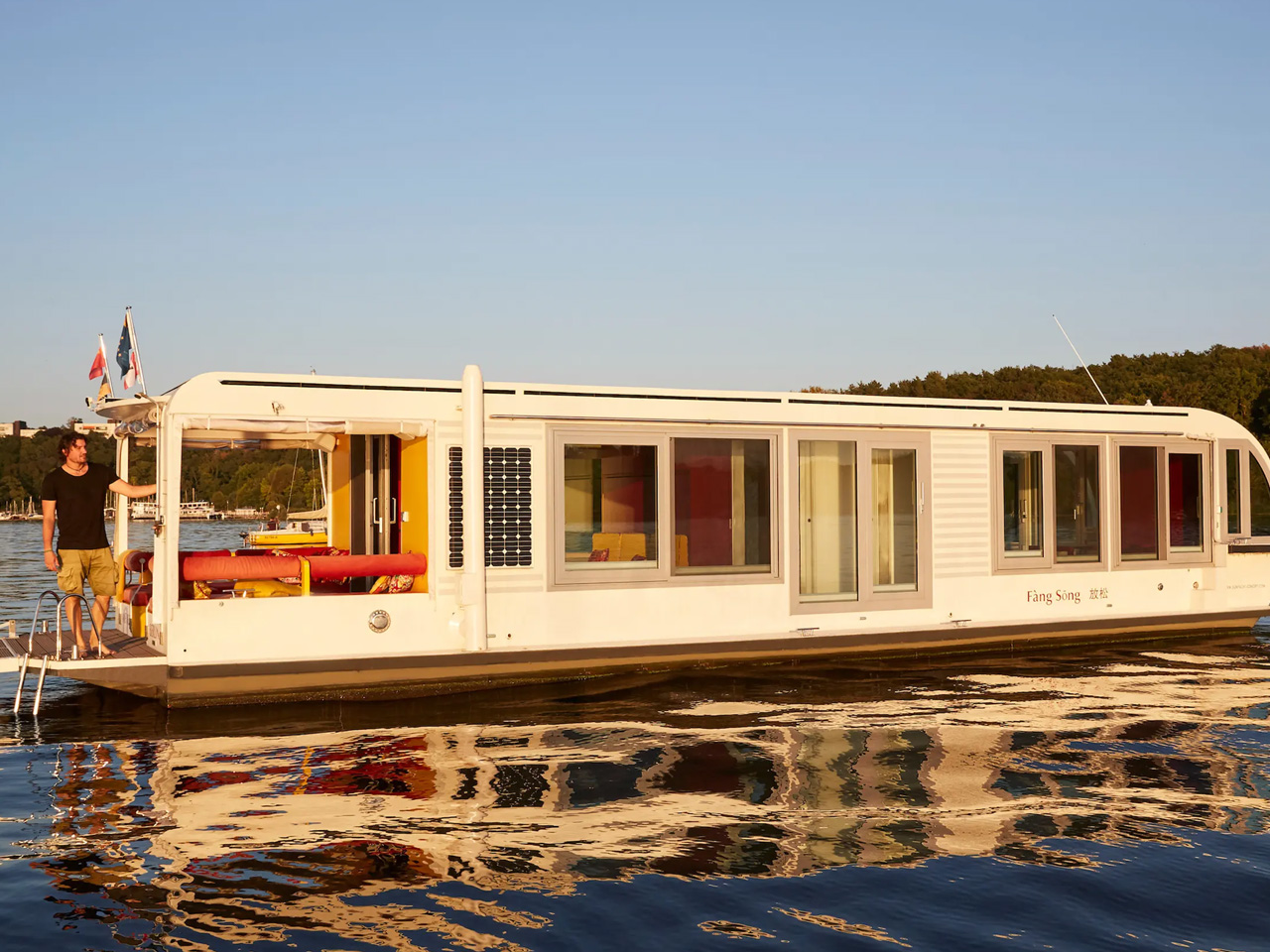
Lithuanian kitchen maker Konga used the hefty supply of offcuts they had to create their own line of prefabricated tiny houses. They used the surplus material to build a good-looking and minimal non-towable home that can run both on or off-grid. The dwelling has a pretty low starting price point of US$59,000. The home isn’t built entirely from offcuts, but they have been used in the construction of the tiny home’s kitchen.

Designer: Konga

The tiny home is designed by the Danish architect Mette Fredskild, and it is finished in charred wood, giving it a rather unique and appealing look, while also providing protection against insects. It also helps to preserve the home, while accentuating its distinctive appearance. Generous glazing has been applied to the home, and most of it is operable. It is a well-insulated home that can deal with the cold weather and snow loads quite efficiently.

The interiors are well-designed and inviting. They measure 28 square meters, which is covered entirely on one floor, and feature a shared open-plan living space. The walls of the home have been clad in wooden oak veneer panels and teamed up with oak flooring. The cabin is filled with natural light, owing to the generous amount of glazing.

The kitchen is amped with a lot of features and amenities. It showcases a fridge, sink, and propane-powered gas stove, with loads of cabinetry and shelving. There is also a living room area with a sofa, a small dining table, as well a wood-burning stove to provide warmth. Two bedrooms have been positioned on either side of the kitchen. One of the bedrooms can be transformed into a home office, with sliding doors being installed to offer some privacy if need be. Both the toilet and the bathroom with shower are located in different rooms. The home also accommodates a small utility room, as well as a couple of storage nooks that have been nestled away throughout the house.

The cabin runs from an RV-style grid hookup, but buyers can opt for an optional rooftop solar panel setup and rainwater collection system. The wood-burning stove can be connected to a hot water system as well. The tiny home features a freezing toilet, instead of a composting toilet, and it basically freezes waste, ensuring the space stays odorless.

The post The Konga Off-Grid Tiny Home Features A Well-Designed Kitchen Made With Offcuts first appeared on Yanko Design.
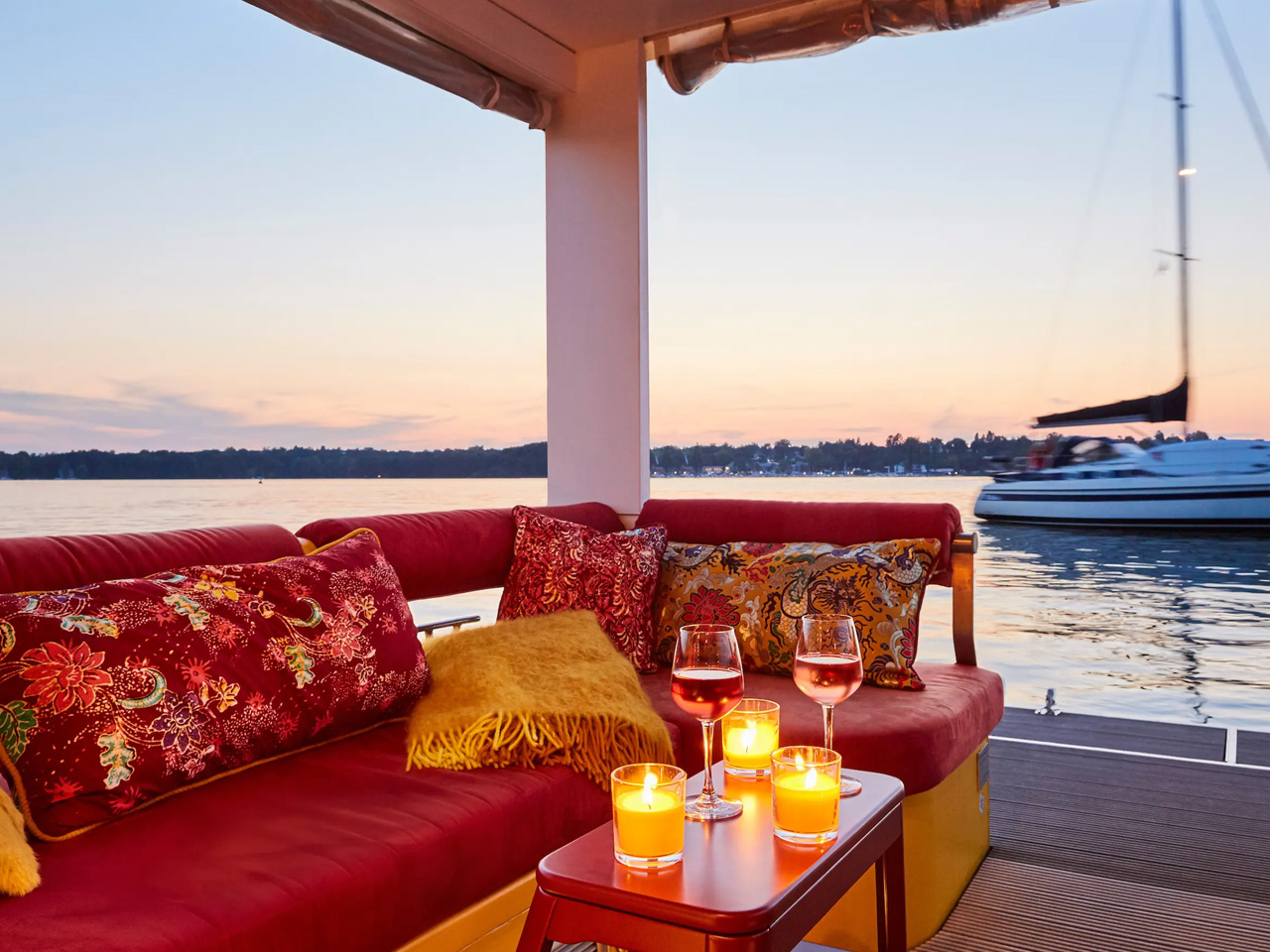
Snøhetta Designs A Suspended Off-Grid Treetop House With A Serene Connection To Nature In Norway

Designed by Norwegian architectural firm Snøhetta in collaboration with engineer Tor Helge Dokka, this off-grid three-bedroom family home in Kongsberg, Norway is called House Dokka. It occupies 2045 square meters and is inspired by treehouse architecture. The home was created to share a serene connection with nature, allowing both to embrace one another. The house is also called Column House, and it was awarded the Architecture Prize for 2023 by the Kongsberg municipality.

Designer: Snøhetta x Tor Helge Dokka

The quaint House Dokka is deftly suspended over the stunning Norwegian landscape, as it is perched on large wooden columns, that have been firmly grounded into the rock, to minimize any kind of interference or disturbance to the surrounding environment. House Dokka was built using locally produced cross-laminated timber, and glue-laminated timber. Both the timbers ensure that the home can be easily deconstructed with minimal climate costs, whenever the life cycle of the home comes to an end. No nails were used in the construction of the home, which allows the materials to be easily sorted and recycled in the future.

Snøhetta’s goal of sustainability for the home is seen throughout the structure in the form of the large photovoltaic panels on the roof, superior insulation as well as a waterborne heat system that is linked to the ground via a source heart pump. In turn, the home produces more energy than it consumes in less than a decade! Besides generating energy for the house itself, energy is also generated for charging the family’s electric car, almost 75% of it.

The home has an eye-catching and appealing exterior which is accentuated by the black-stained timber paneling that clads it. The interiors of the home feature warm timber paneling and polished concrete flooring, which are paired up with massive black-framed windows that provide access to stunning views. The home contains two levels, with the upper floor housing an open-plan living and dining area, kitchen, master bedroom, hidden bathroom, and a timber outdoor terrace. The lower level accommodates two more bedrooms, as well as a home office, guest suite, lounge, laundry space, and a central shared bathroom.

The post Snøhetta Designs A Suspended Off-Grid Treetop House With A Serene Connection To Nature In Norway first appeared on Yanko Design.
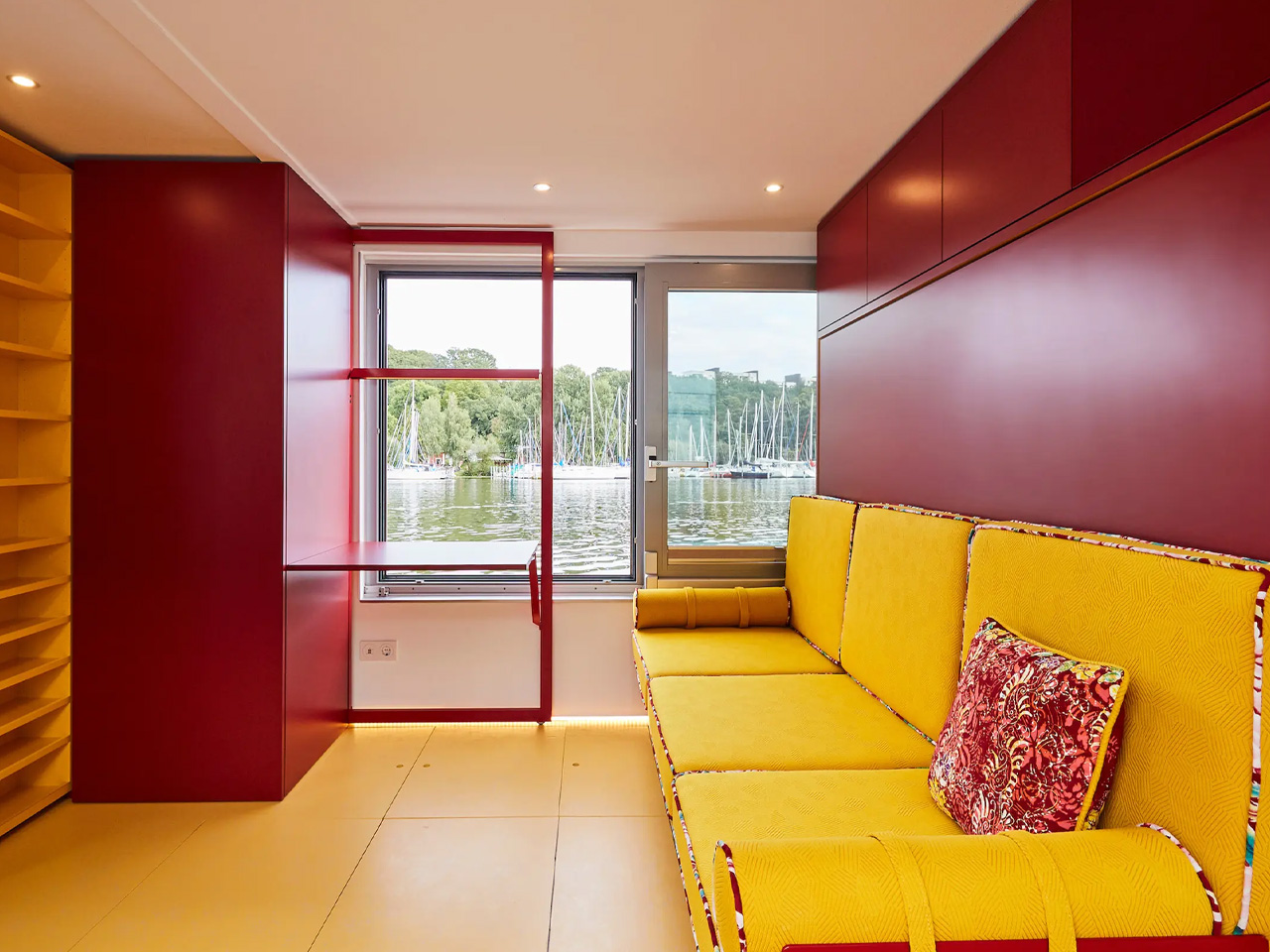
Historical Buddhist site master plan looks like a fantasy biodiversity space

Most people probably think of religious sites as churches, temples, or even buildings, but there are plenty of locations regarded as “holy” or even historical places that are sometimes nothing more than a mound and a tree. Buddhism, for example, has one such sacred space that holds relics of its past, an unadorned mount covered by grass and topped by a simple yet distinctive tree. Given both its religious and historical significance, there is a strong interest in preserving such a site while also promoting its spirit in tangible yet subtle ways. One such plan transforms this key piece of Buddhist religion and history into a biodiversity garden that almost looks like a landscape straight out of a fantasy film.

Designer: Stefano Boeri Architetti

Located in western Nepal, the Stupa or “heap” of Ramagrama is one of the most important locations in Buddhism, combining religious, historical, and cultural heritage in a single place. A centuries-old Bodhi tree sits on top of a green hill that has formed over an intact dirt burial mound that contains portions of the relics of Buddha. That landscape has remained unchanged, protected by both nature and man, yet there is no assurance that it will be that way forever. A master plan is needed to help preserve the natural beauty of this site while also encouraging both believers as well as tourists to immerse themselves in the environment in a safe manner.

The solution presented in this beautiful design creates a wide space around the stupa and the Bodhi tree that maintains a respectful distance in order to preserve historical landmarks and objects for future generations. Covered walkways encircle the hill while dozens of pathways draw a beautiful and mesmerizing mandala that can only be seen from the skies. Four portals in each direction break up the area into four quadrants, with large access roads that lead to the central hill.

This open space for contemplation or “Prato della Pace” is surrounded by the Garden of Biodiversity, a slope that is conceived to hold 80,000 plants of 70 different local species selected from the Terai plain considered to be the Buddha’s birthplace. A shaded path covered with trees separates these two circular areas and provides a convenient location to view and appreciate the Ramagrama Stupa from a distance.

The master plan for the Ramagrama Stupa is an ambitious project that combines the many elements that represent Buddhism into a harmonious piece of architectural design and landscaping. The structures and circular paths embrace minimalism and mysticism, allowing visitors to both pray and marvel, whatever the purpose of their visit may be. The high biodiversity pays homage to the Bodhi tree, itself a symbol of biodiversity, and ensures that the botanical legacy of Buddhism will also be preserved for years or even centuries. It’s a design that generates an air of mysticism and wonder, creating a space that is literally rooted to the earth yet looks like it exists on a higher plane.

The post Historical Buddhist site master plan looks like a fantasy biodiversity space first appeared on Yanko Design.
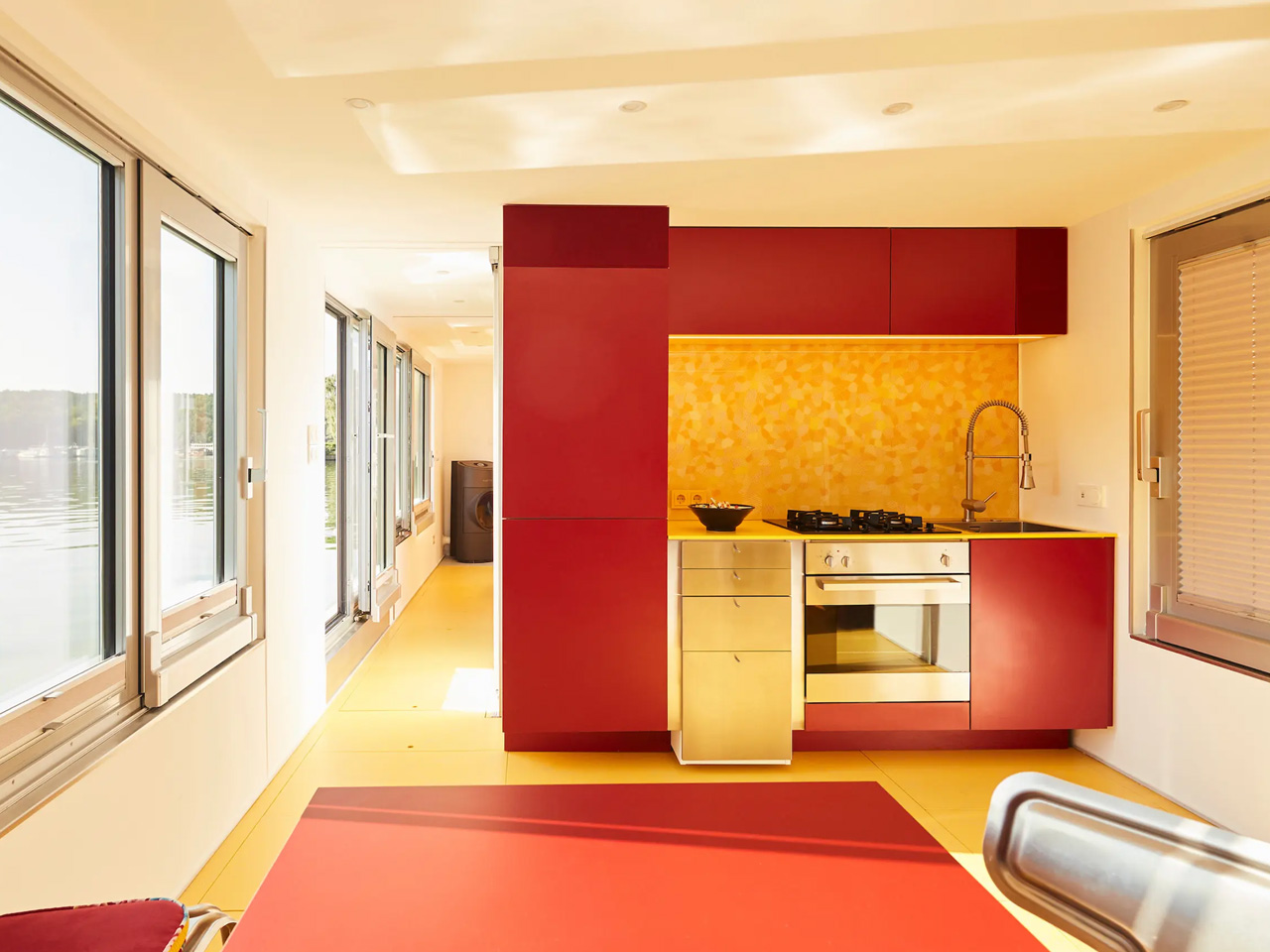
The Orca Tiny Home With Its Spacious & Roomy Interior Feels Anything But Tiny

Dubbed the Orca Edition Park Model, this tiny house feels anything but tiny. Designed by Mint Tiny Homes, who have some experience in designing spacious tiny homes, Orca aspires to feel like an apartment on wheels! It measures 528 square meters and features a spacious and roomy interior within a single floor. The Orca Edition Park Model measures 44 feet in length and 12 feet in width, making it a pretty expansive model that is ideal for being located on one site, rather than being towed and moved away regularly.

Designer: Mint Tiny Homes

The Orca is founded on a quadruple-axle trailer and features a finishing of board and batten engineered wood siding topped with a sloping metal roof. As you enter the home, you are welcomed by double glass doors that lead to a spacious and well-designed kitchen space. The kitchen includes an oven, a full-size fridge/freezer, a sink, a full-size dishwasher, a four-burner propane-powered stove, and a microwave. The kitchen’s cabinetry features a floor-to-ceiling pantry, amped with adjustable shelving. A central dining table is also located in the space.

Adjacent to the kitchen is the living, which is equipped with a full-size sofa, fireplace, coffee table, and space for a wall-mounted TV. You can enter the secondary bedroom of the tiny room via a sliding door. There are no lofts in this home as it follows Canadian planning laws for a home of this size. The bedroom is equipped with a generous amount of glazing, as well as ample headroom to stand straight without bumping your head onto the ceiling. It also features a double bed and some storage space.

The other end of the kitchen is flanked by a small hallway equipped with a laundry area with a washer/dryer as well as storage space. There is a bathroom located close by, and it is outfitted with a vanity sink, bathtub with shower, and a composting or flushing toilet. This small hallway then naturally connects to the main bedroom, which holds a double bed and wardrobe space. The master bedroom also features a door that leads to the outside, so you have separate access to it.

The post The Orca Tiny Home With Its Spacious & Roomy Interior Feels Anything But Tiny first appeared on Yanko Design.