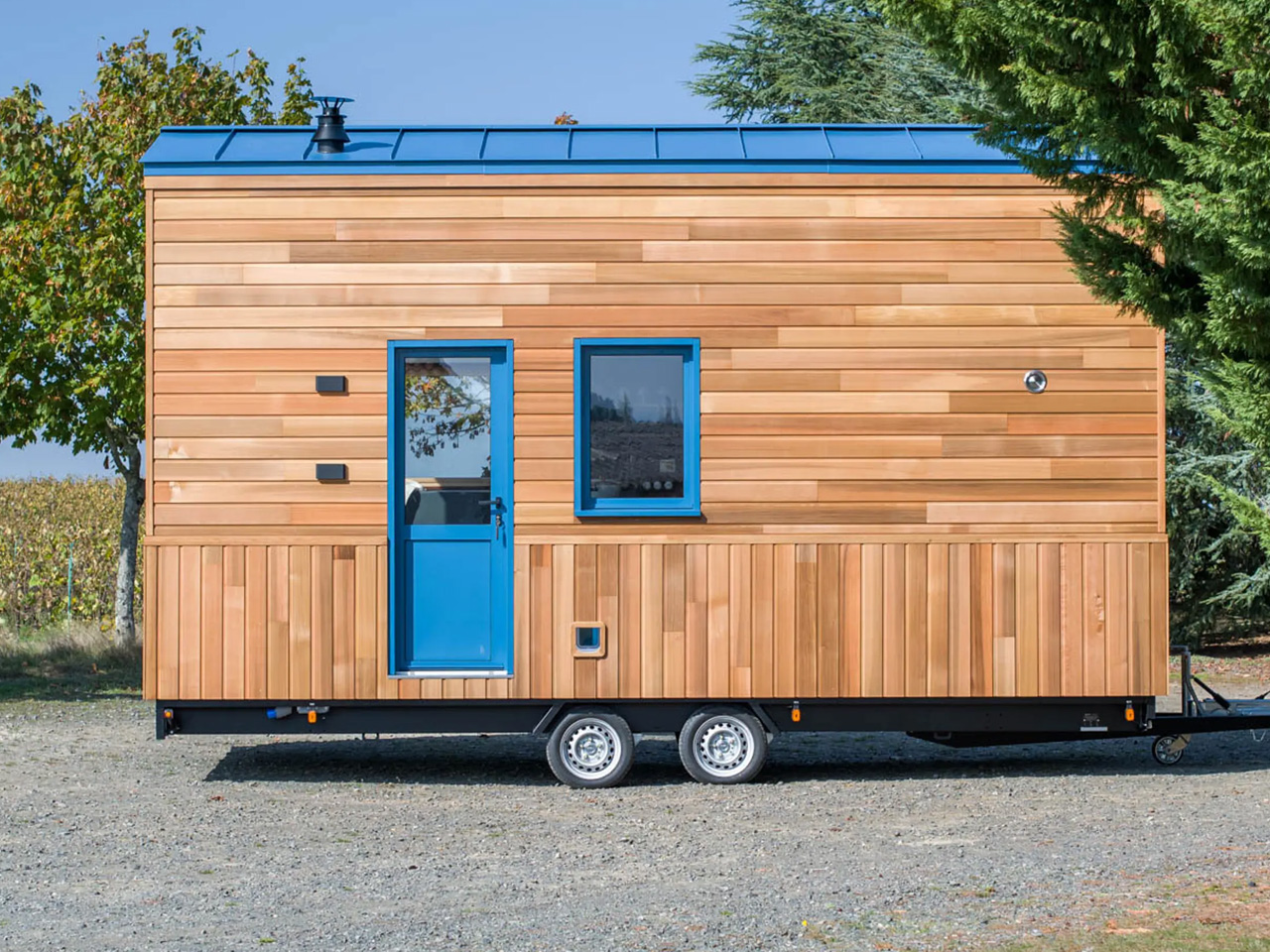
France has pretty tough towing laws, which probably explains why French tiny homes are smaller and more compact as compared to the ones made in the US. French tiny homes are known to be little and portable, but the Tiny house du Lac by Plume takes that portability to a whole new level. Measuring a length of 17.8 feet, the home accommodates two people, or even a family of three – though that could be a bit of a tight fit.
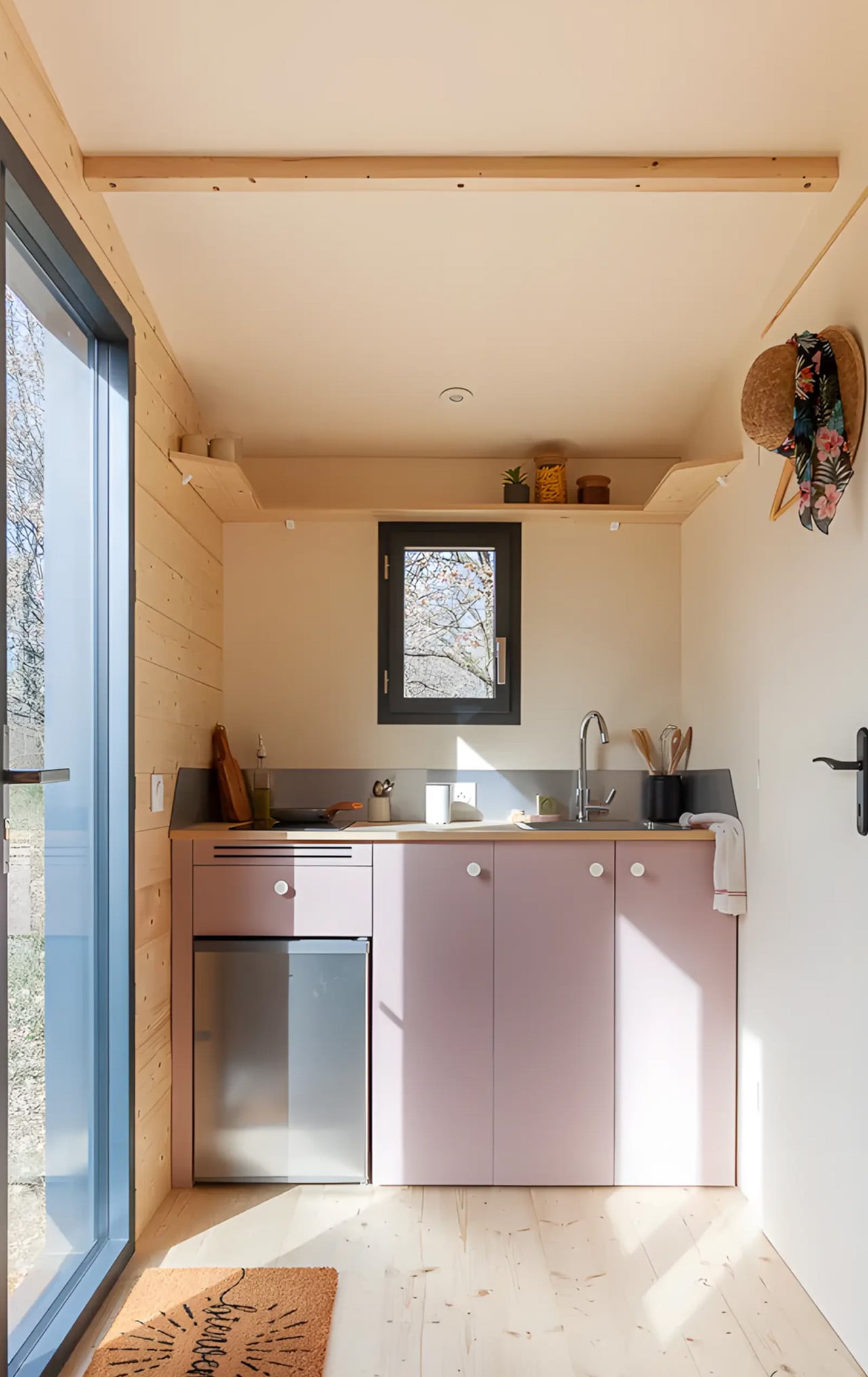
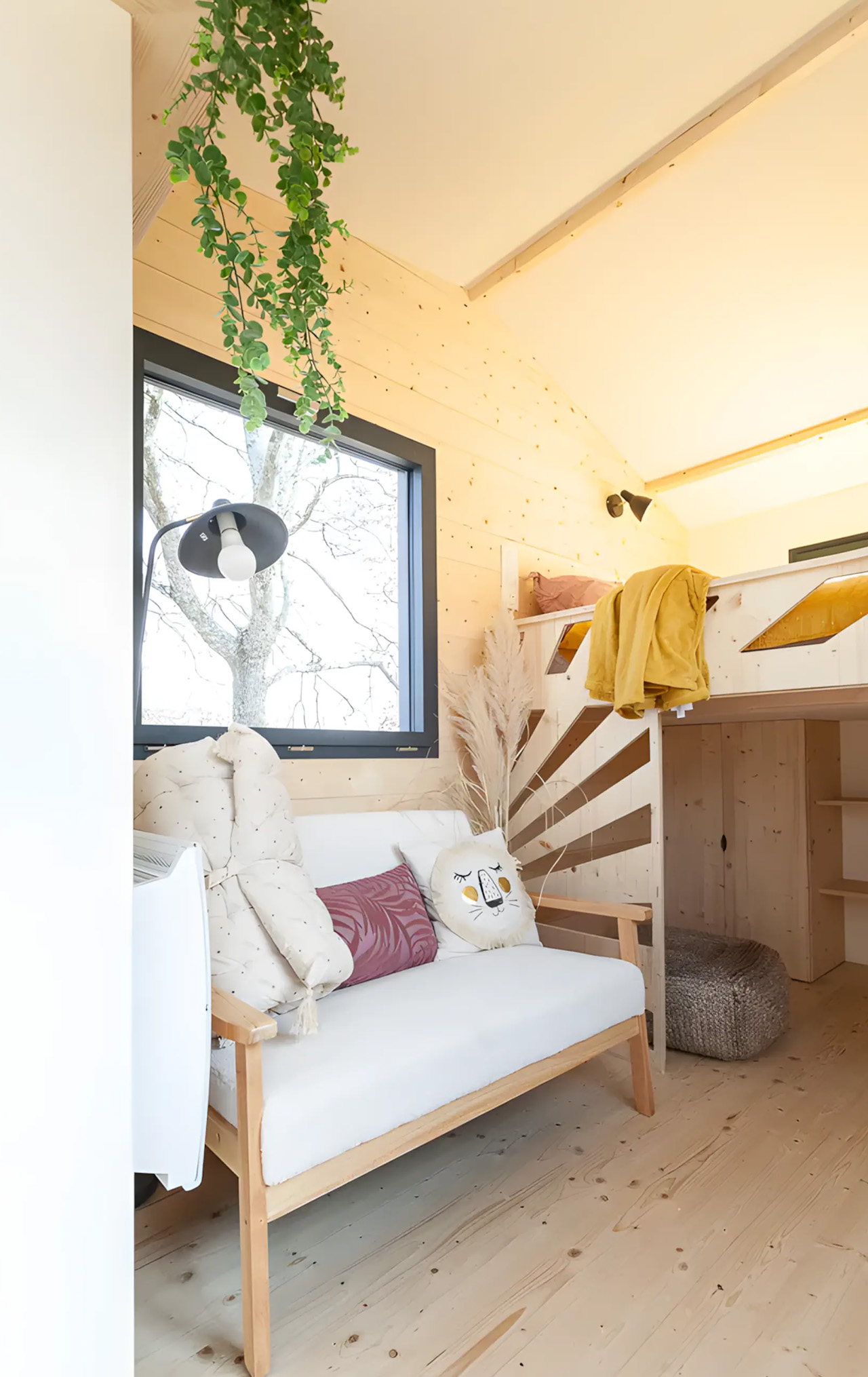
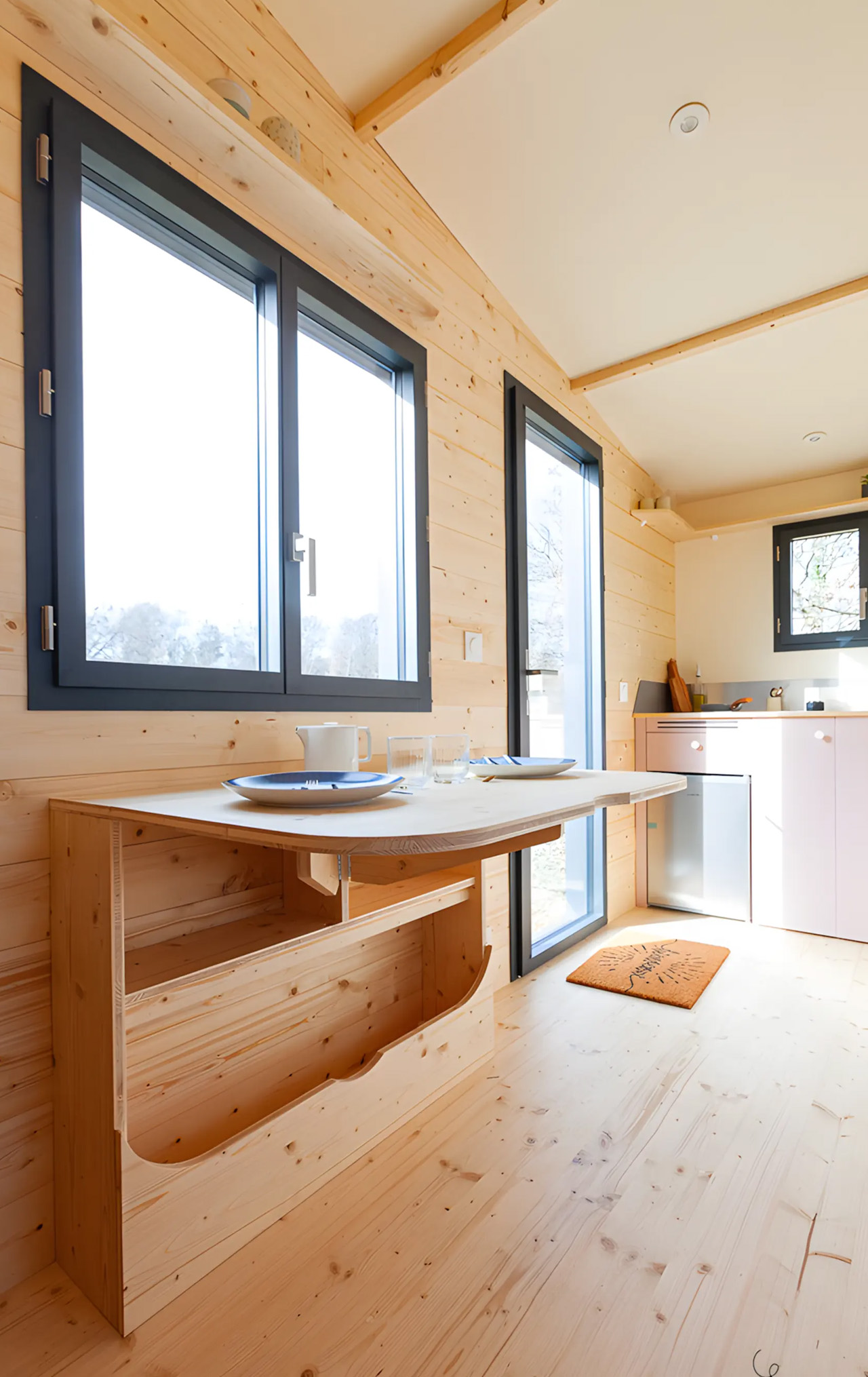
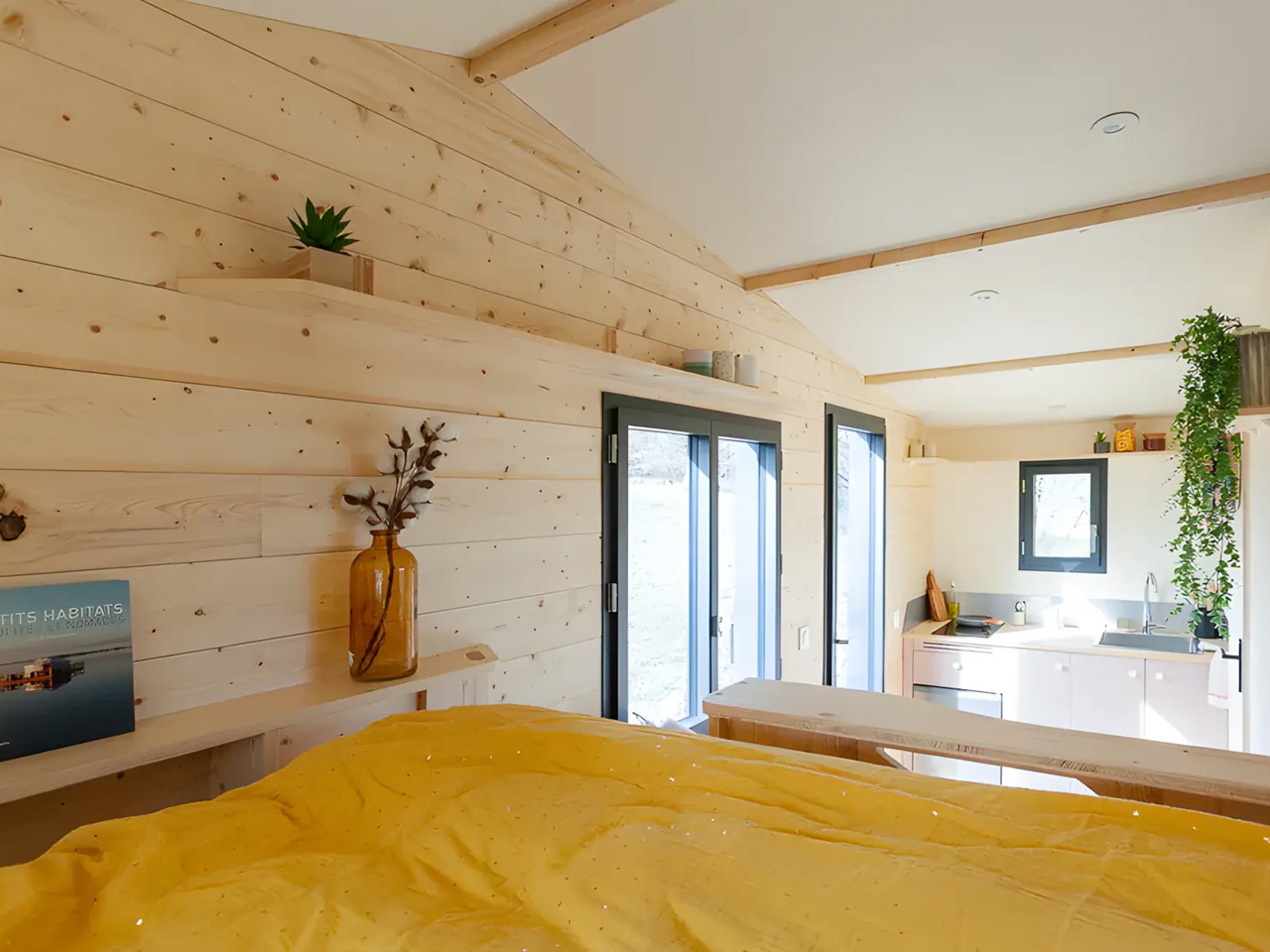
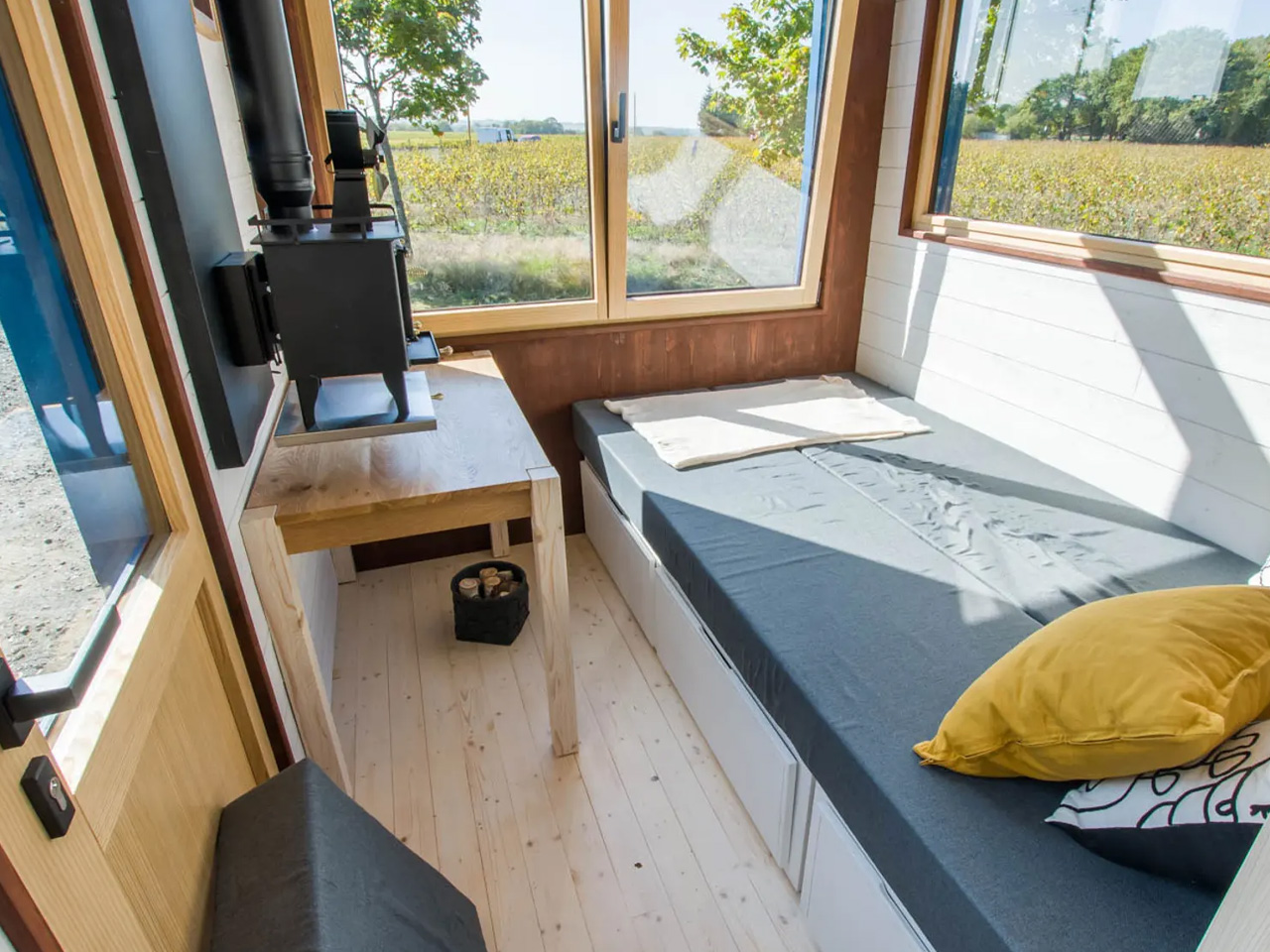
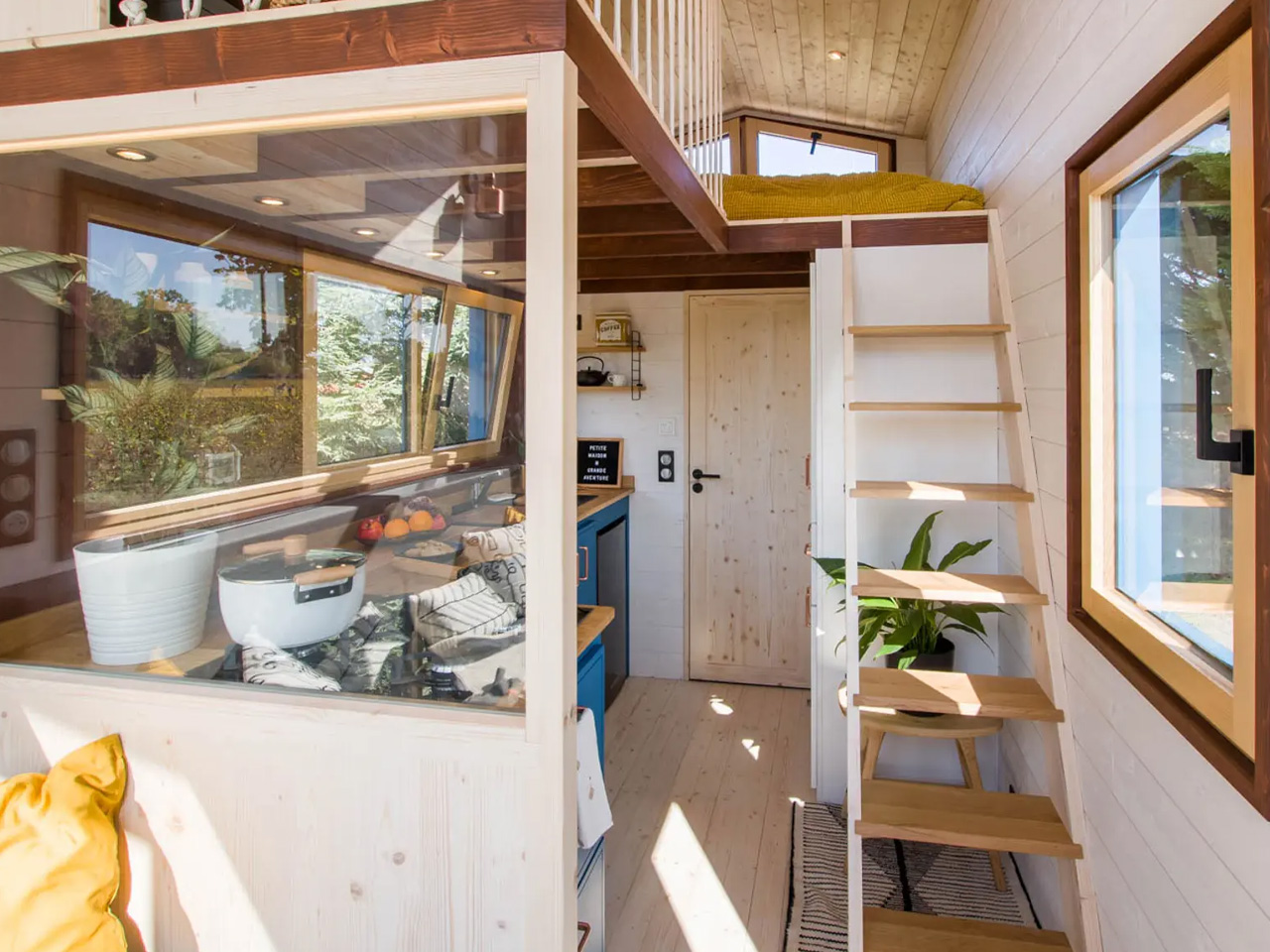
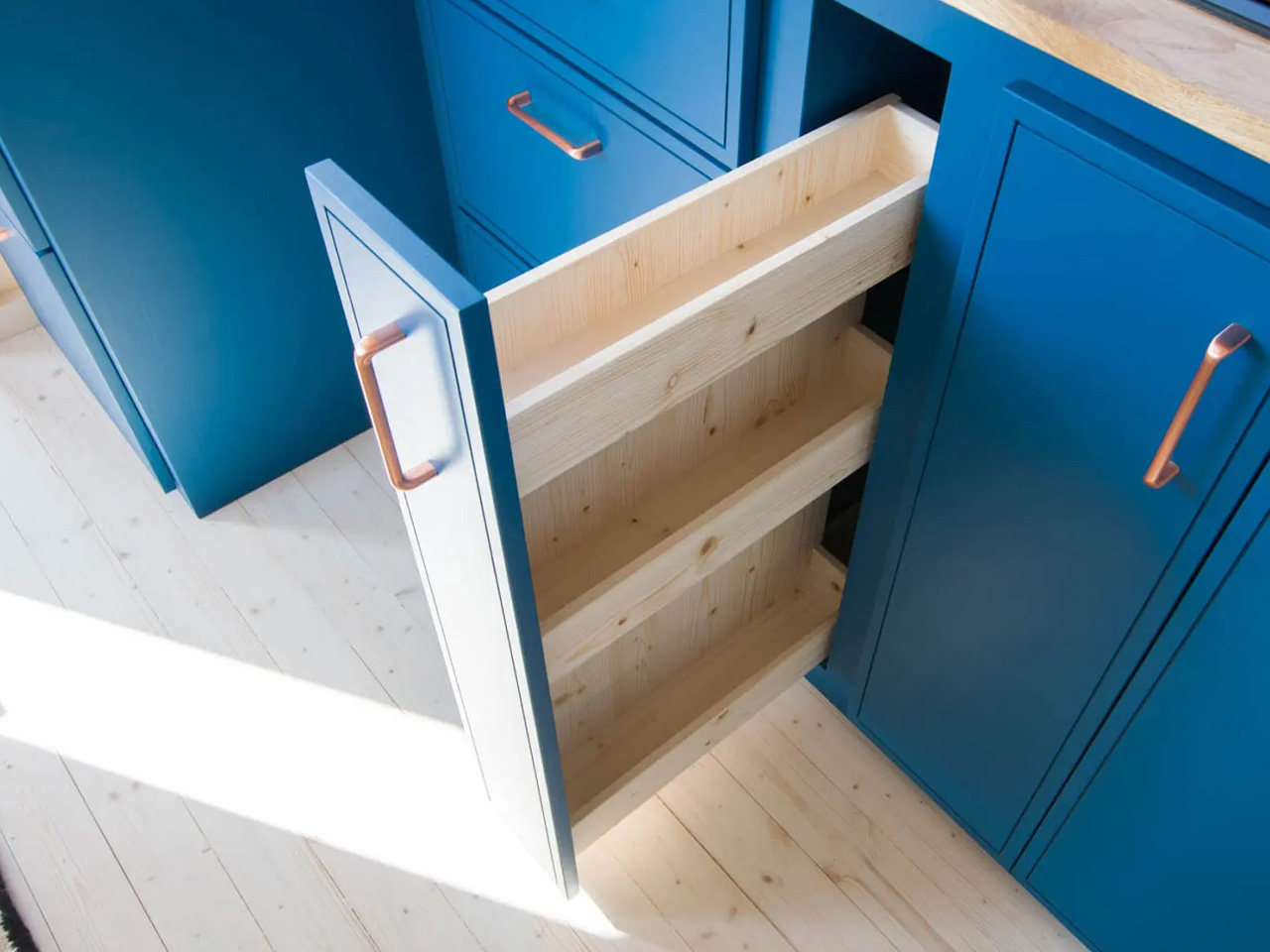
As you enter the home, you truly understand how compact it is. Most of the floor space is occupied by one large room. You are instantly welcomed by the kitchen, which is pretty compact, but includes an induction stove, small fridge, sink, and some cabinetry. Although the available floor space is limited, the home includes a living room as well. The living room holds a two-person sofa and a small drop-down wall-mounted dining table that seats two people. Wooden furniture and light hues dominate the space, creating a living environment that is soft and warm, making one feel instantly at ease.
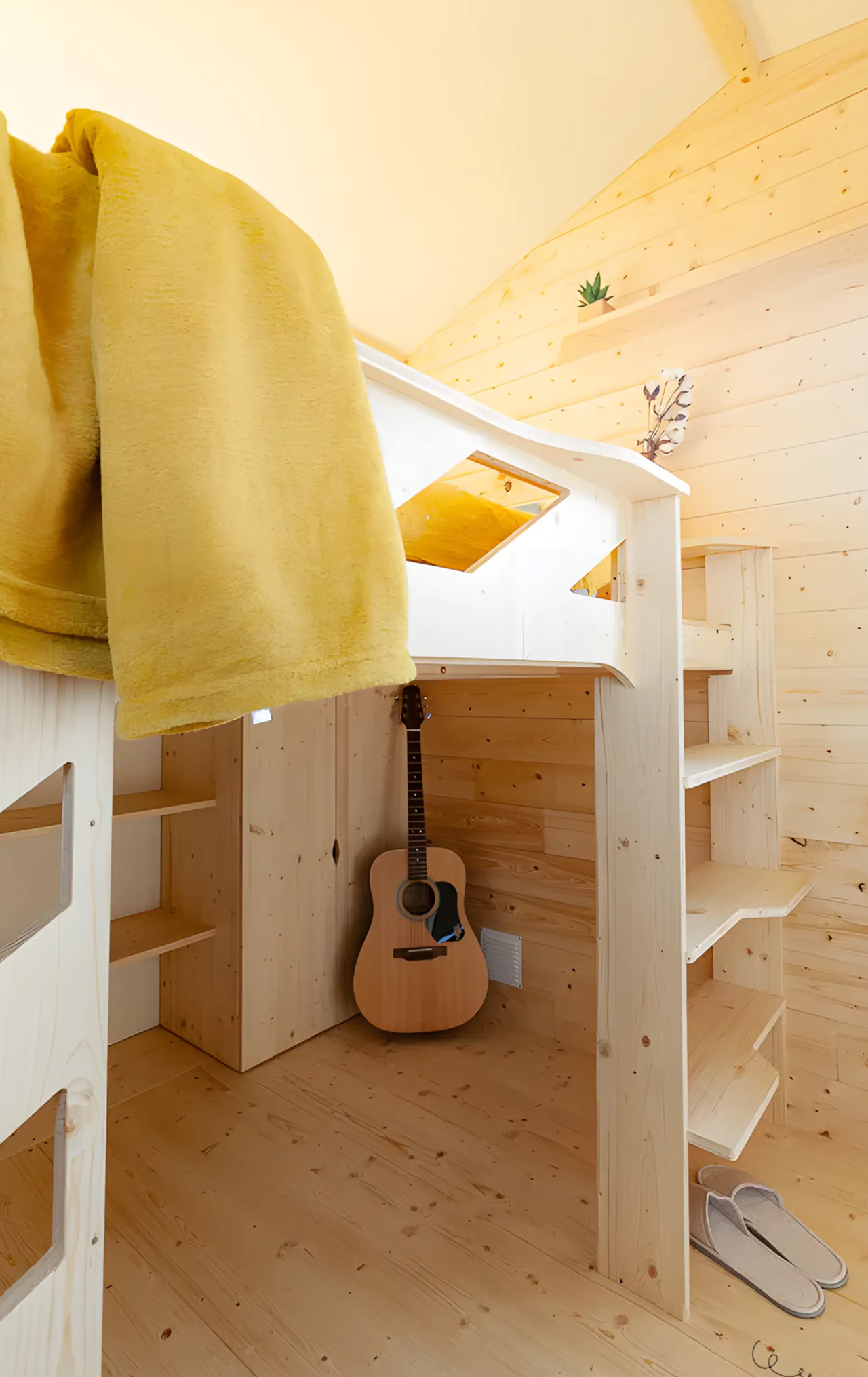
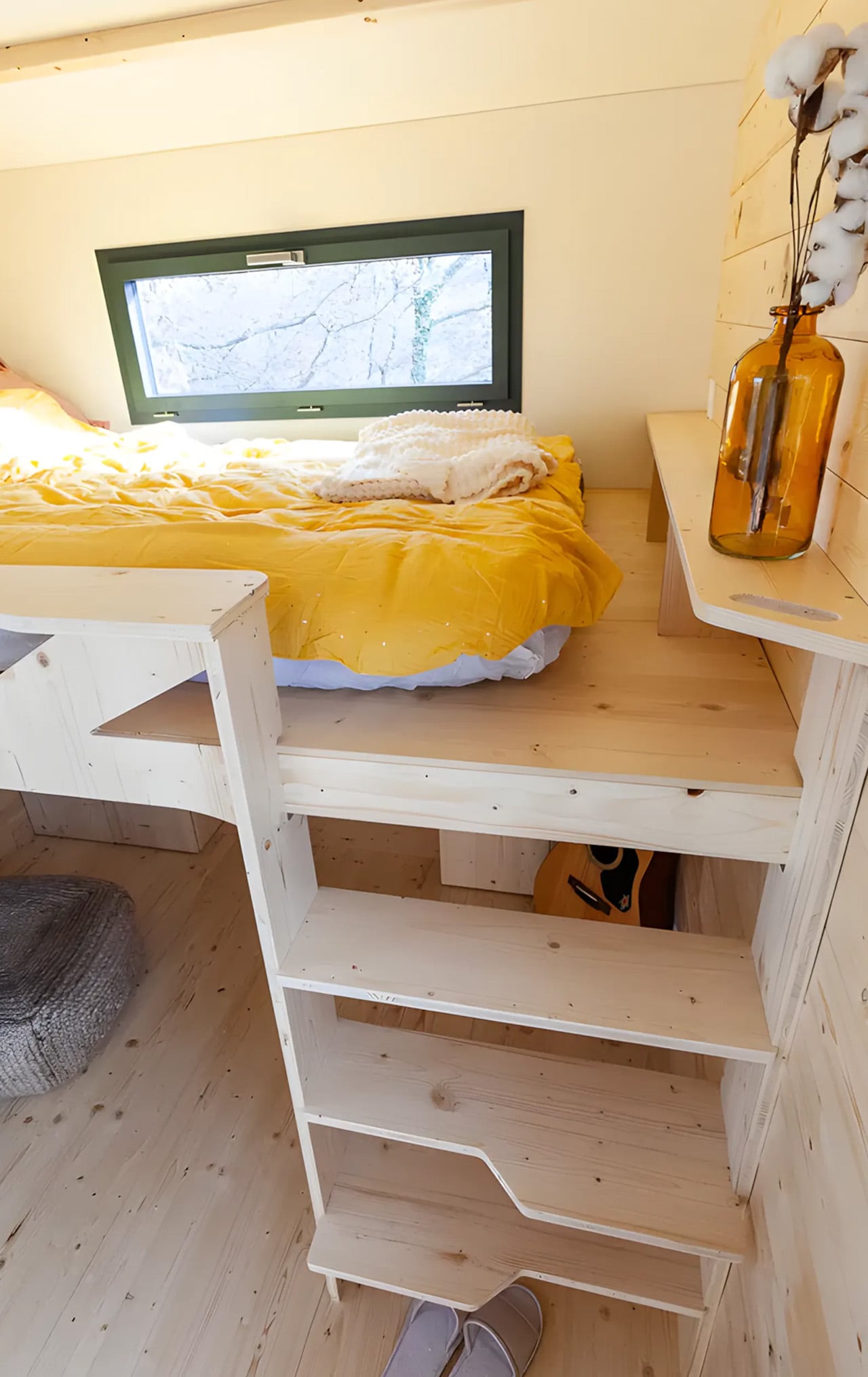
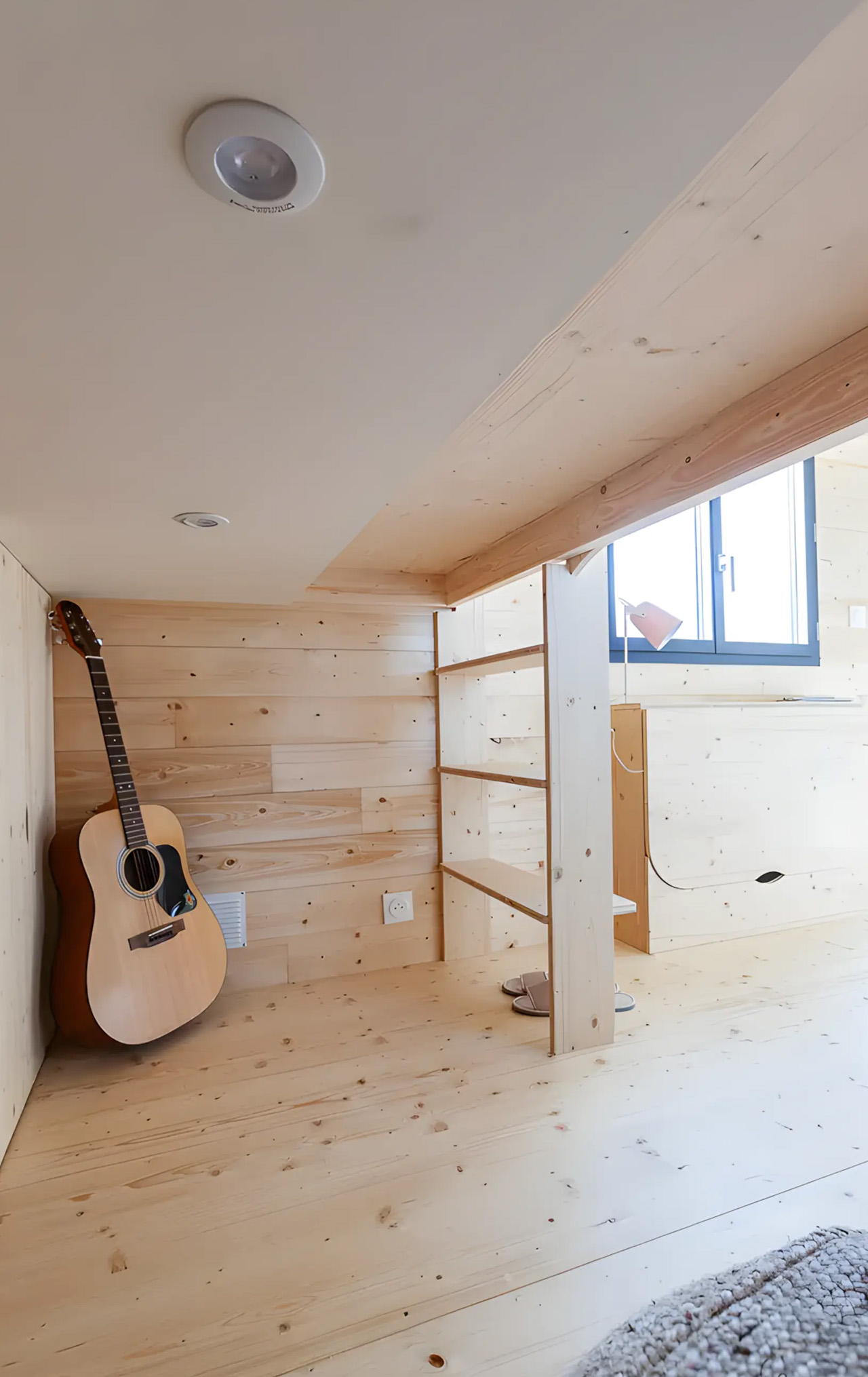
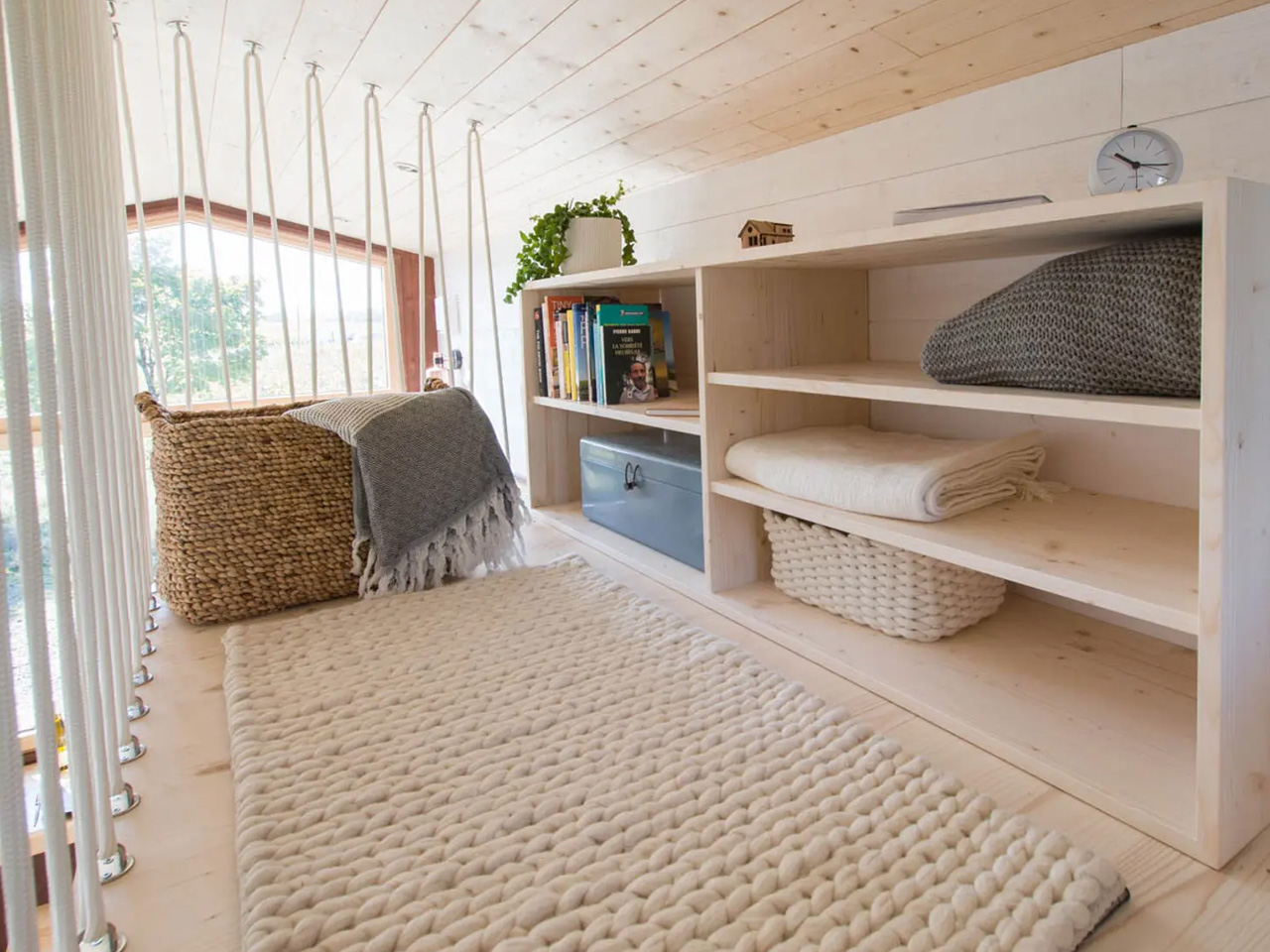
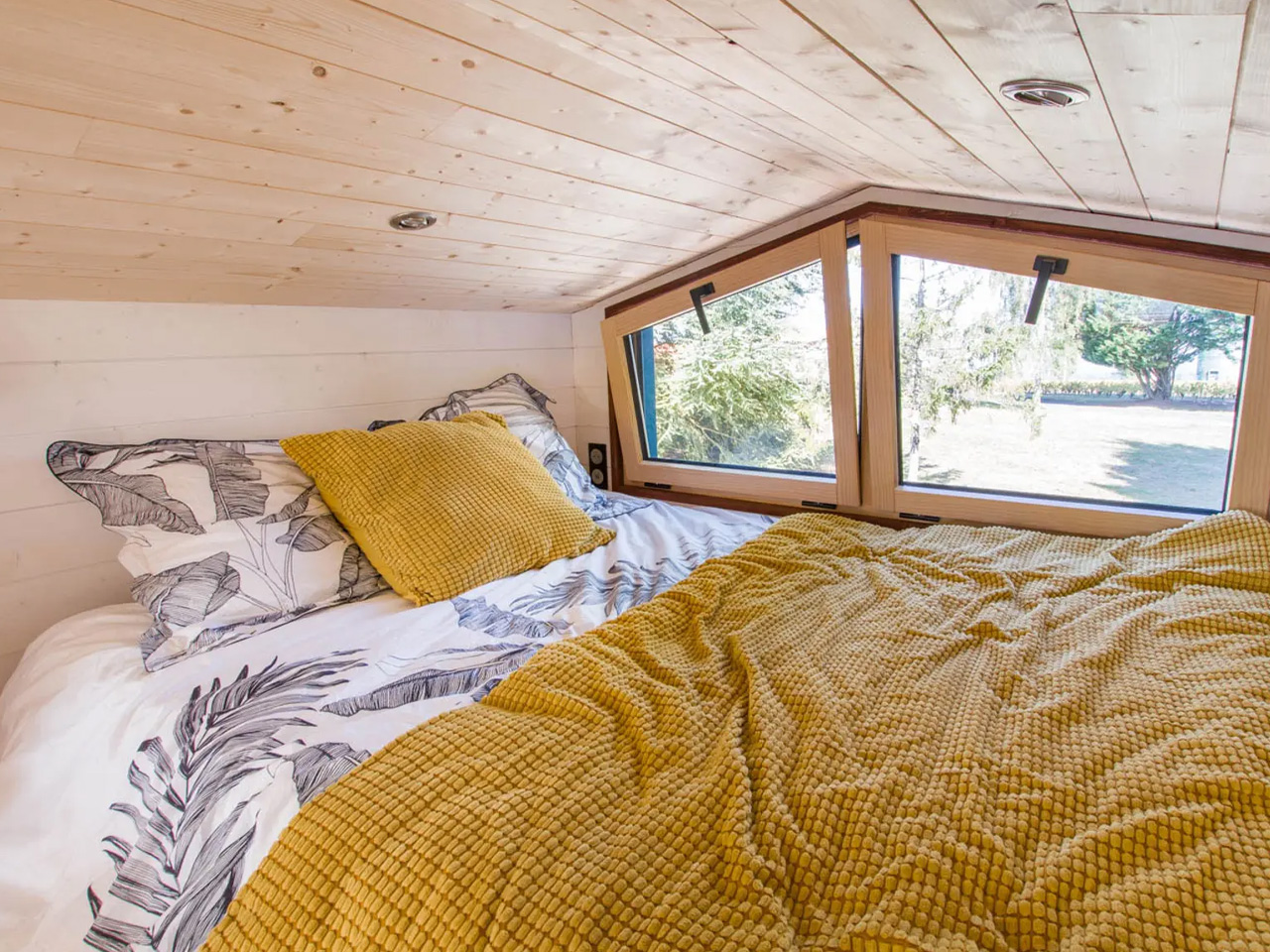
The opposite end of the home contains the bedroom, which is quite an interesting room, as it is arranged like a loft bed, instead of a conventional mezzanine bedroom. You can access the double bed via some wooden steps, and the space beneath the bed is used as a storage space. Plume also recommends that the space below can be used for a child’s bed or as a cozy reading nook. The adorable and comfortable home is a perfect fit for those who like a life on the go. The home is well-equipped with essential furniture and has enough space for a small family of three. The tiny home is currently up for sale, although we are unaware of the pricing. Interested parties can contact Plume directly for more information!
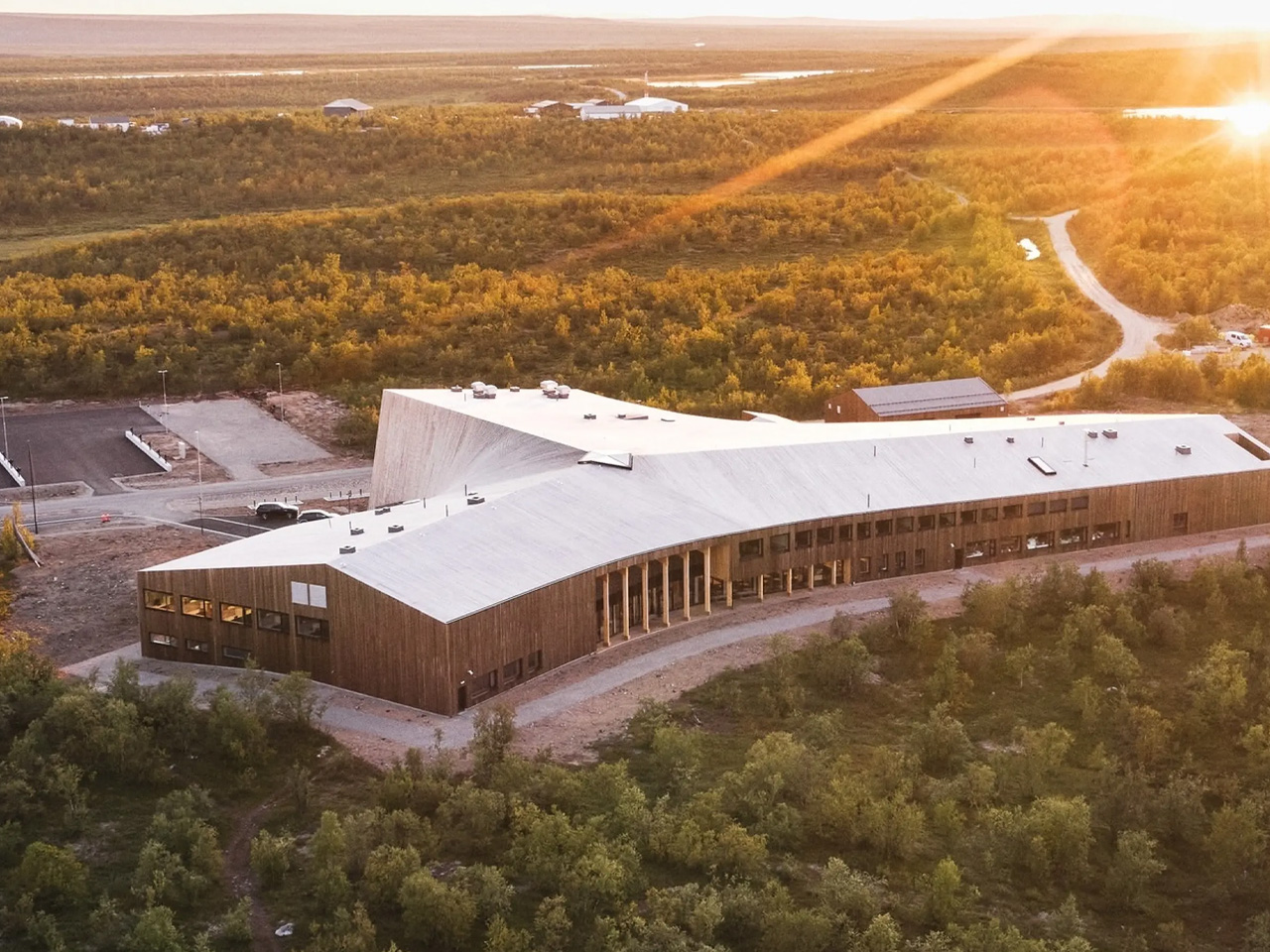
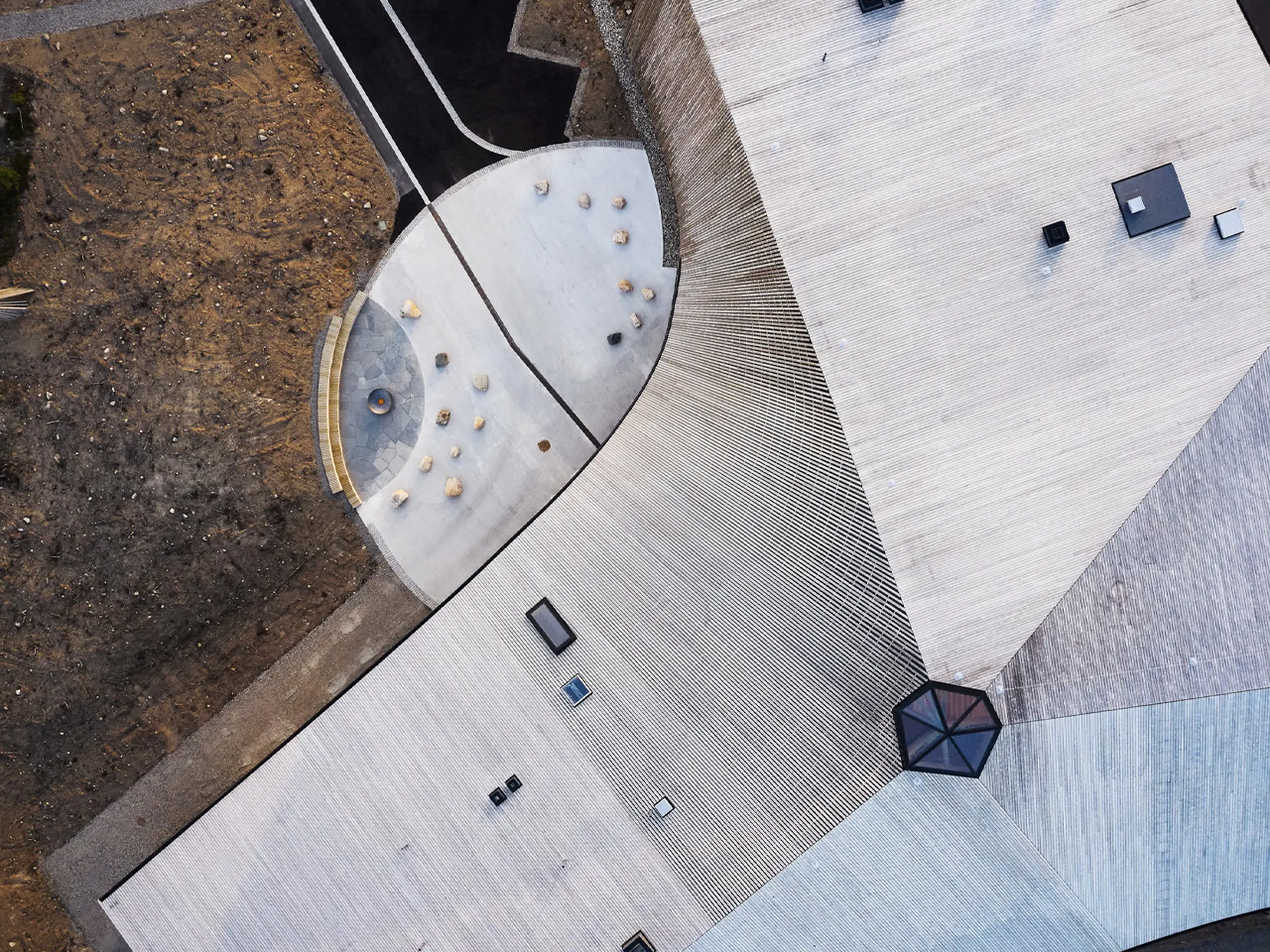
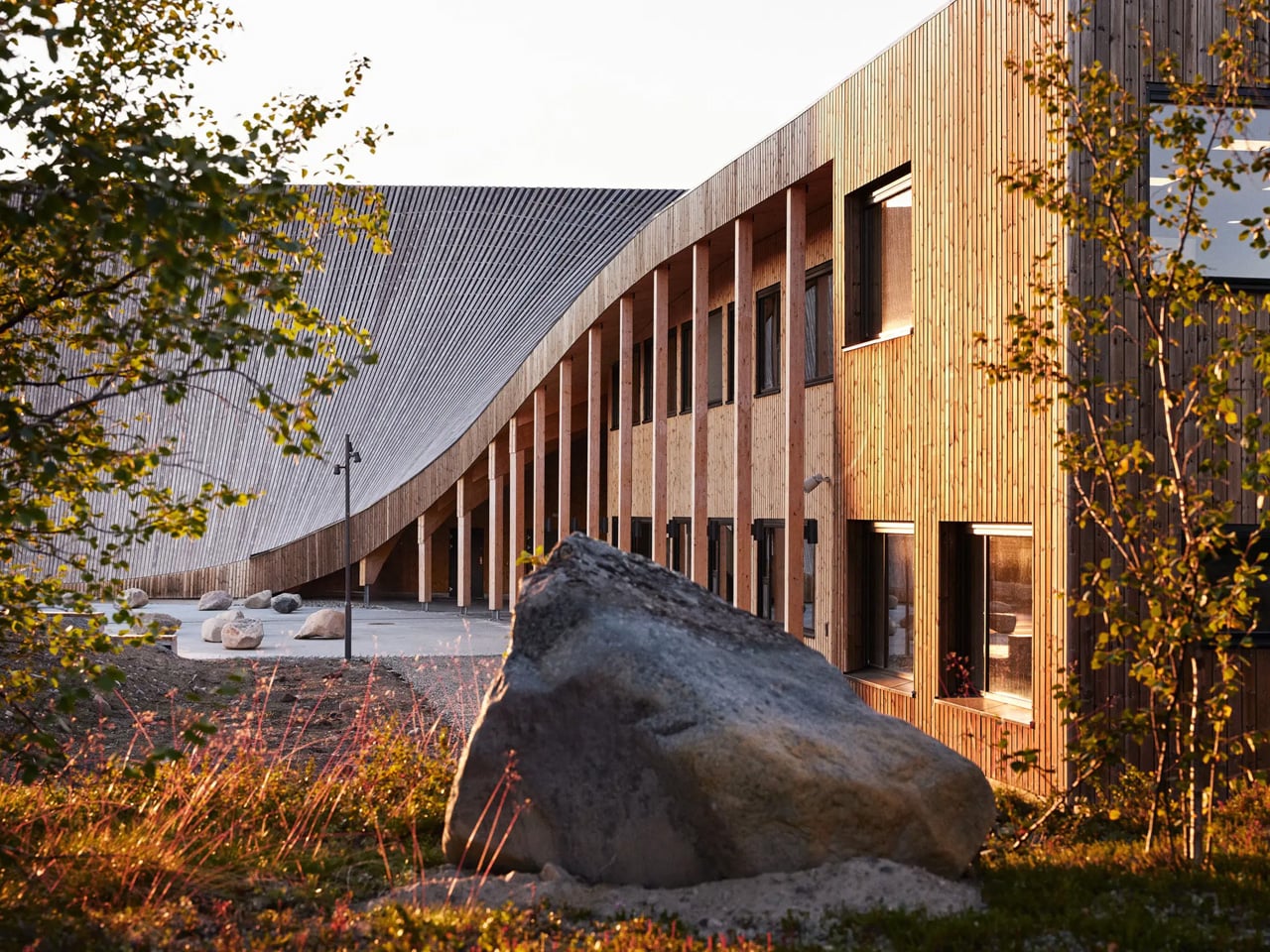
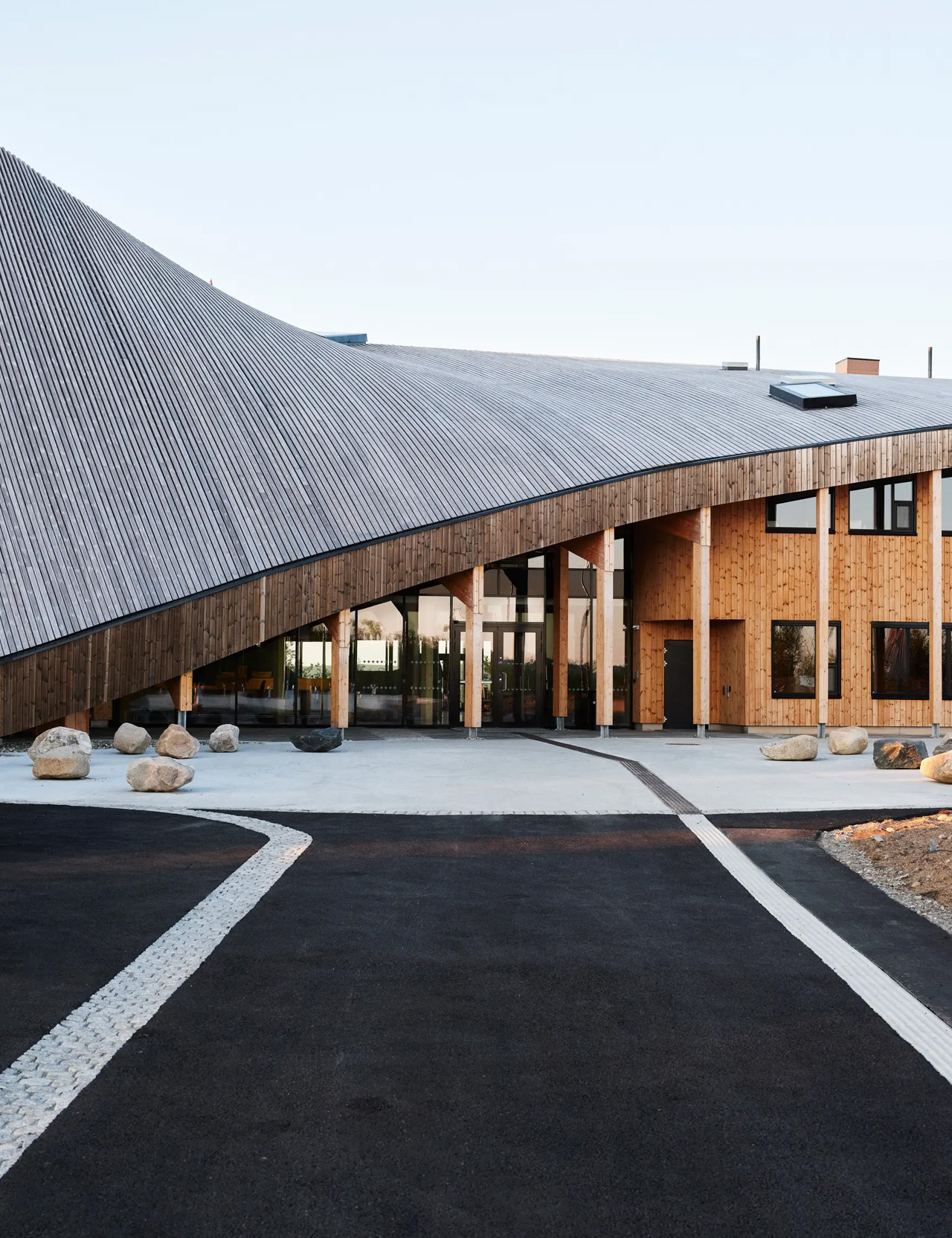
Kautokeino is located in Norway, north of the Arctic Circle, and suffers from extremely cold temperatures that can hit – 45 °C. Snøhetta was commissioned to build a brand-new cultural and education hub in this difficult location. A lot of thinking and attention to detail went into building this sturdy wooden structure which is supposed to be 90% self-sufficient in heating and cooling. Named, this building was constructed in collaboration with Joar Nango and 70°N arkitektur. The word ‘Čoarvemátta’ is derived from the Sami words for horn and root, which are the strongest parts of the reindeer’s antler. The hub is inspired by the local Sami culture and will be hosting the Sami National Theatre Beaivváš and the Sami High School and Reindeer Herding School.
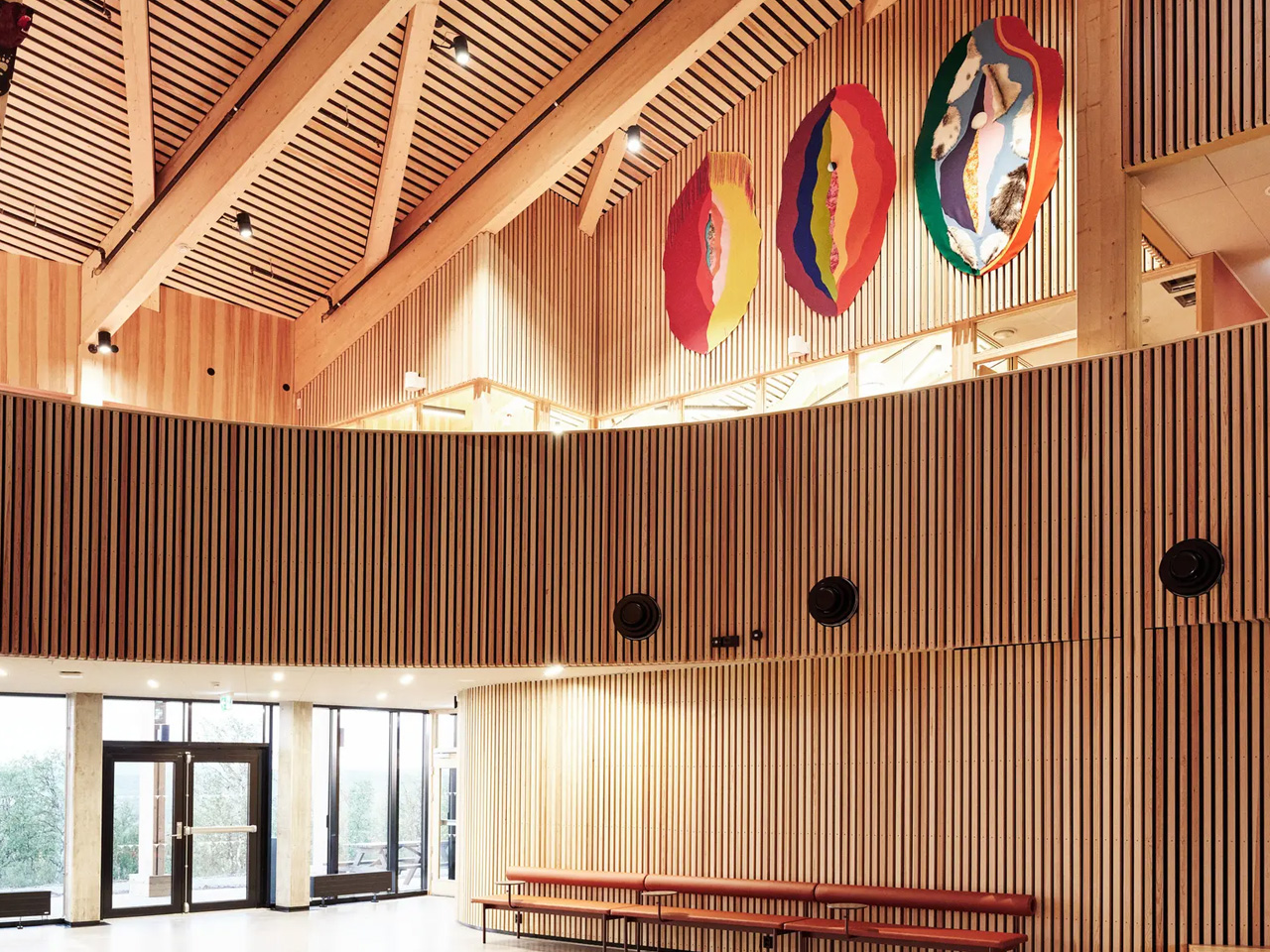
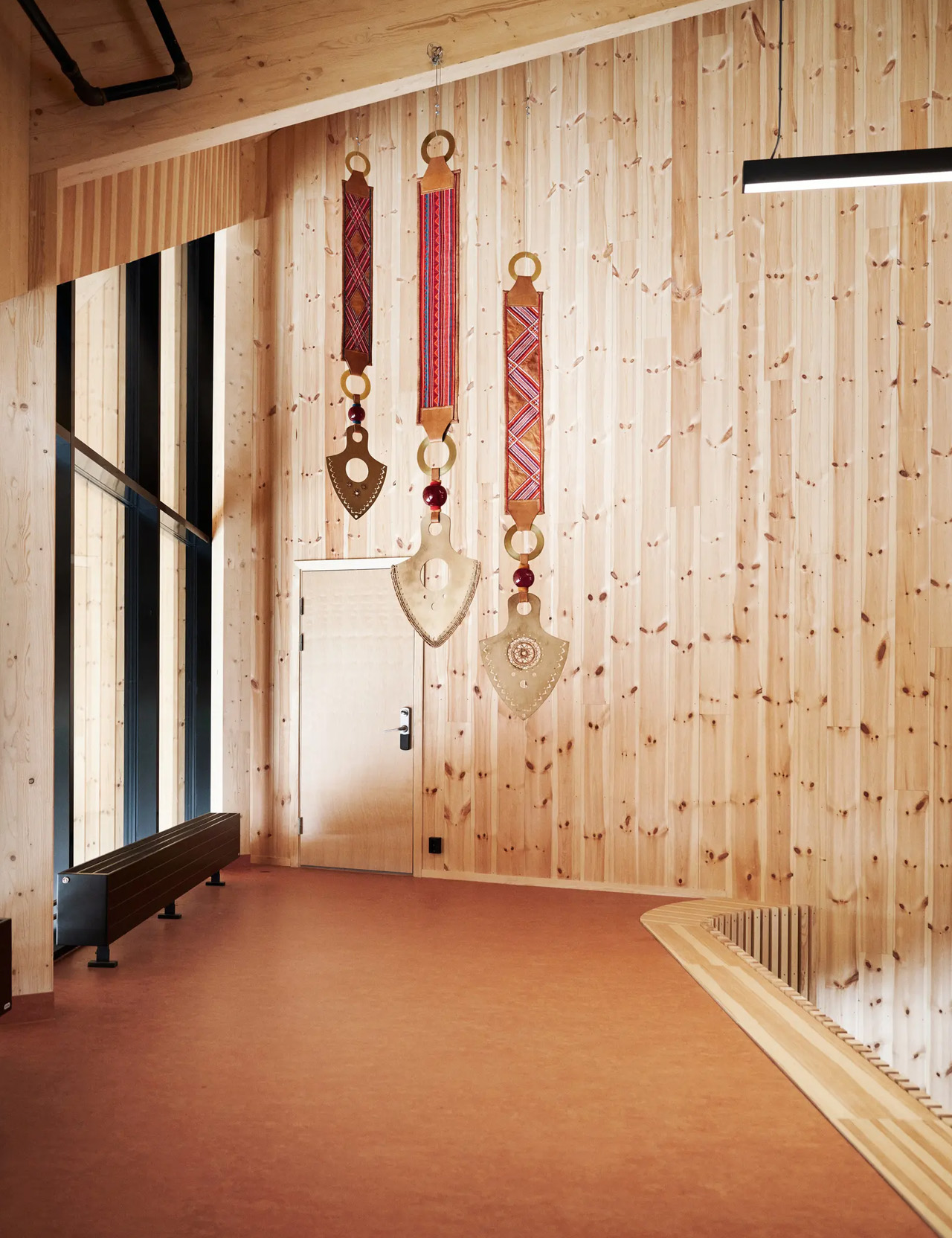
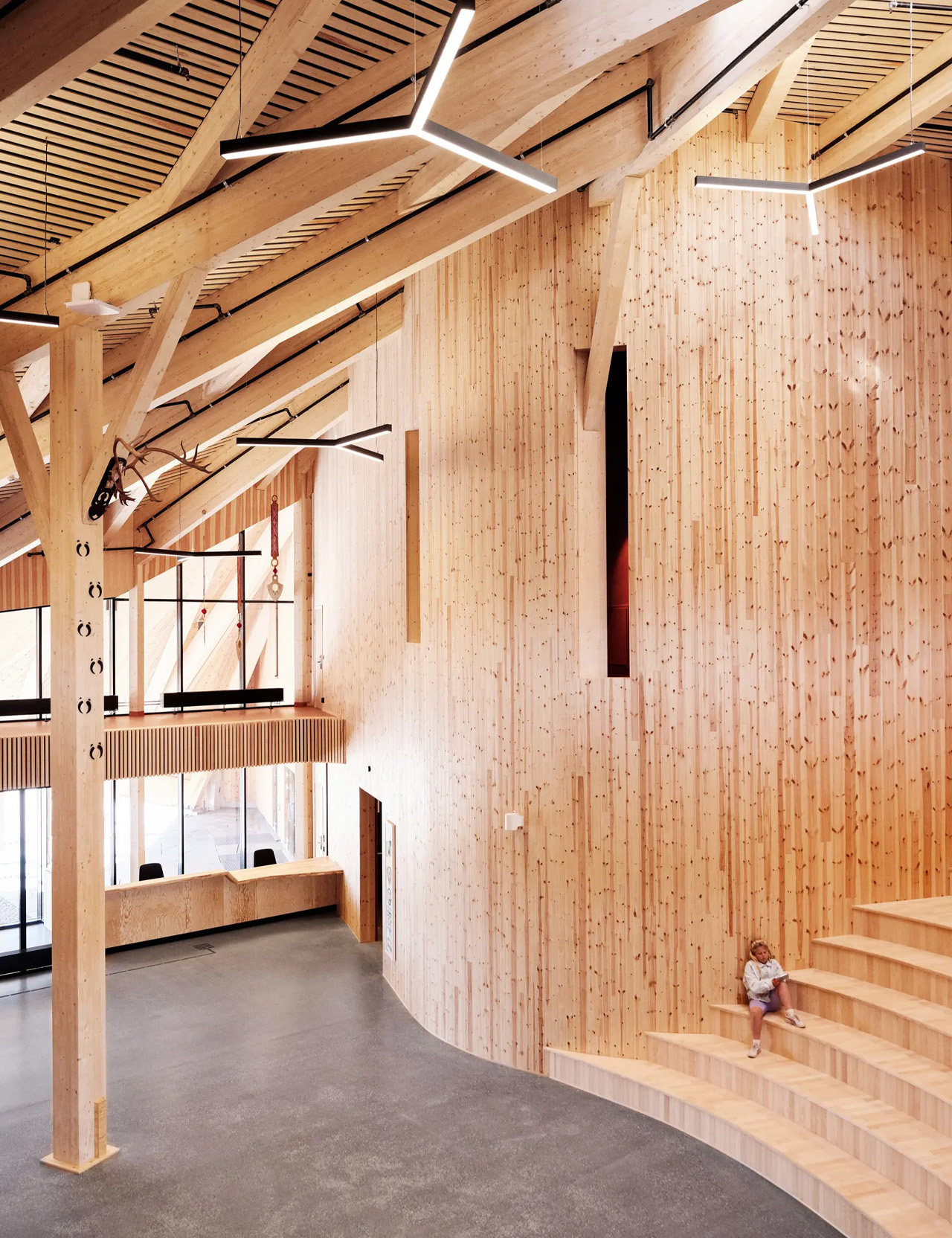
The structure occupies around 77,500 sq ft and is constructed mainly from wood. It features an impressive 53,000-sq-ft sloping roof that slowly moves towards the ground. The exterior was built using the slate from a previous school which has been demolished. The hub has a branching shape which creates surreal outdoor spaces. The south-facing space functions as the main entrance, and is protected by the dipping roof. The interior is equipped with theater and school areas, as well as a cool skylight inspired by a traditional Sami smoke hole. The interior is subtle yet beautiful, letting the natural beauty of the wood truly shine. The interior is also amped with traditional art by respected Sami artists. These pieces add hints of red and blue to the space, livening it up.
“The building is 90% self-sufficient in energy to heating and cooling thanks to 40 geowells drilled about 250 meters [820 ft] into the ground,” said Snøhetta. “The wells supply two heat pumps that both heat and cool the building, while exchangers for the energy wells dump surplus heat back again. On the coldest winter days, the system is supplemented with an electric boiler.”
The Čoarvemátta is in complete accordance with the requirements of the Passive House Standard – a strict green building standard that needs a high level of insulation and air-tightness. The hub also utilizes geothermal heating. The landscaping around the Čoarvemátta has been kept natural since Sami culture does not include creating parks and urban spaces. The soil that was removed from the site has been preserved, stored, and returned, ensuring the safety of the seed stocks.
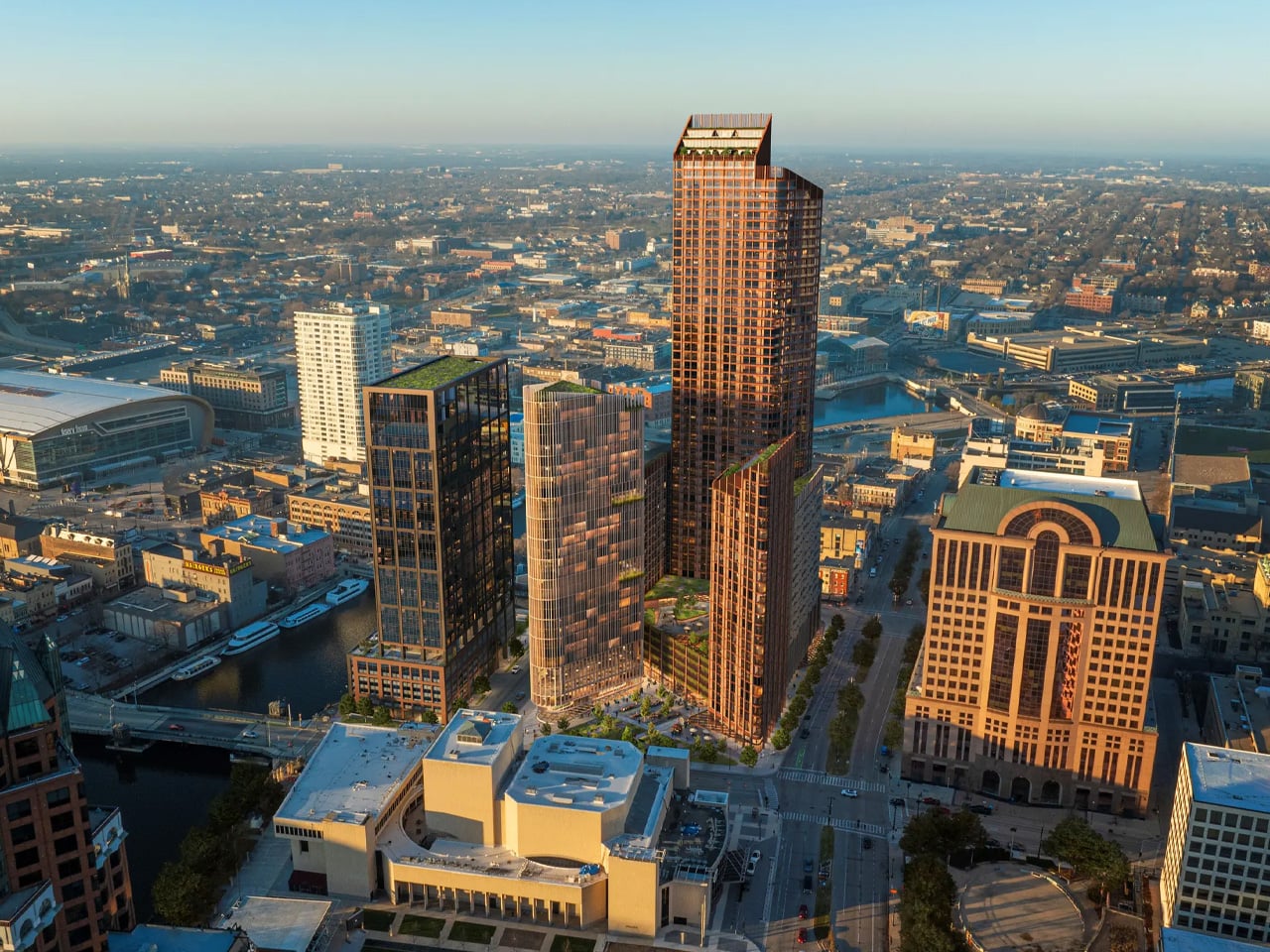
Designed by Micheal Green Architecture (MGA) has unveiled plans for an aspiring and ambitious construction in Milwaukee, Wisconsin. The project is intended to be the world’s tallest timber skyscraper once it is completed! The founder of MGA is a trailblazing pioneer of modern timber construction and has worked fervently to popular large wooden structures in Northern America. This unnamed skyscraper is their next upcoming project, and it is sure to break some boundaries in the arena of timber-based architecture.
Currently, we are unaware of the exact height of the structure, but the firm has proclaimed that it will include around 55 floors. Presently, the world’s tallest timber building is also in Milwaukee, but it only features 25 floors, so the upcoming skyscraper will be much taller. The building will include ample greenery and multiple terrace areas.
“The proposed development represents a significant investment of over US$700 million, encompassing multiple mixed-use buildings,” said MGA. “The project, planned in several phases, could include up to 750 residential units, 190,000 square feet [roughly 17,600 sq m] of office space, 40,000 square feet [3,700 sq m] of retail space, 300 hotel rooms, parking spaces, and vibrant public plazas and walkways. MGA, renowned for its leadership in mass timber architecture, will spearhead the design efforts, supported by an experienced team including HGA, Gehl People, C.D. Smith, and Thornton Tomasetti.”
We aren’t sure if the skyscraper will include any concrete in its construction, but considering its height, we do believe some concrete would be included. People may have concerns that a wooden skyscraper could easily catch fire like a tinderbox, but unlike traditional lumber, modern mass timber is a pretty strong and sturdy wooden beam that can withstand fire even better than steel, on account of the way it chars, doesn’t fully burn.
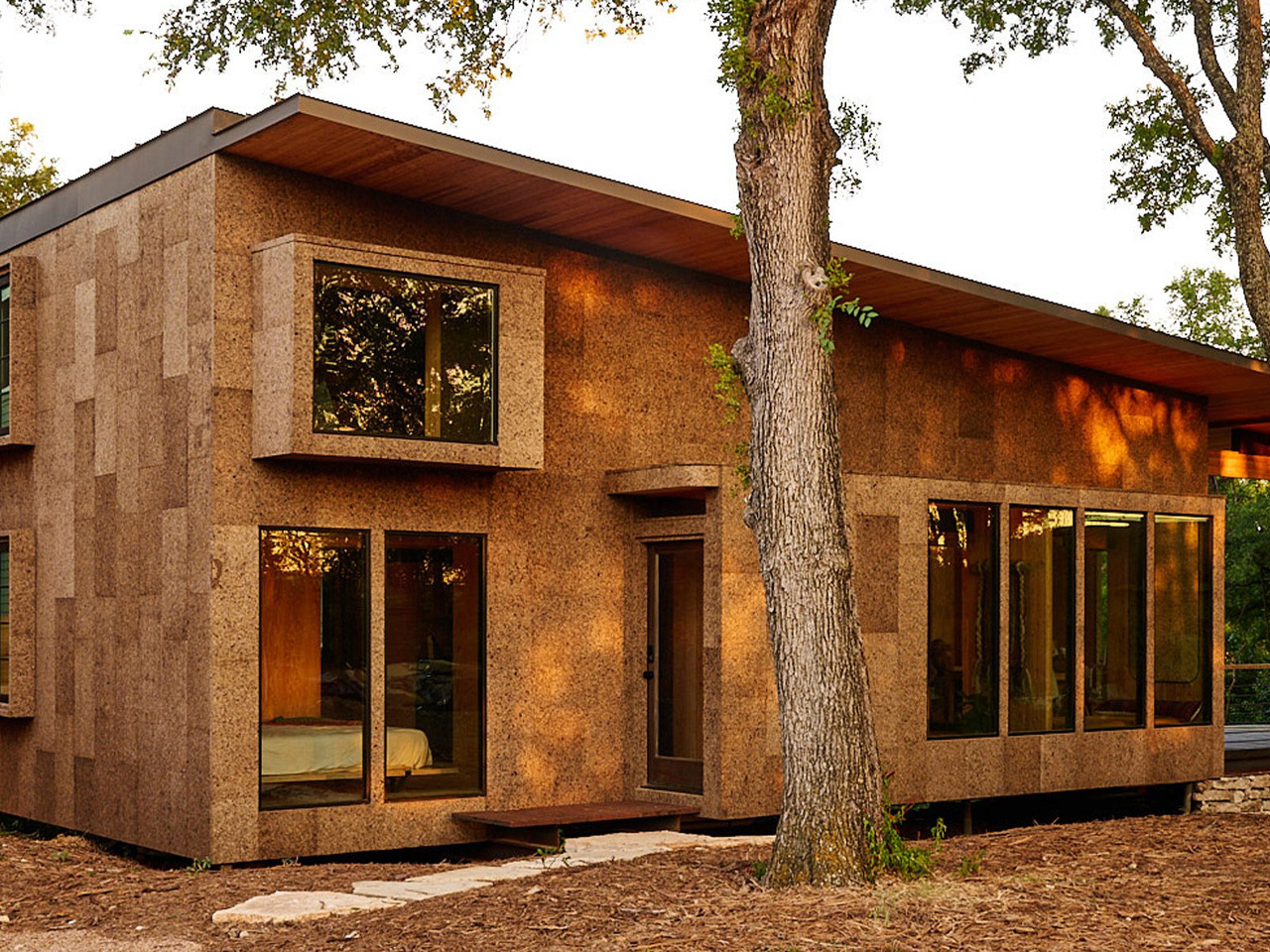
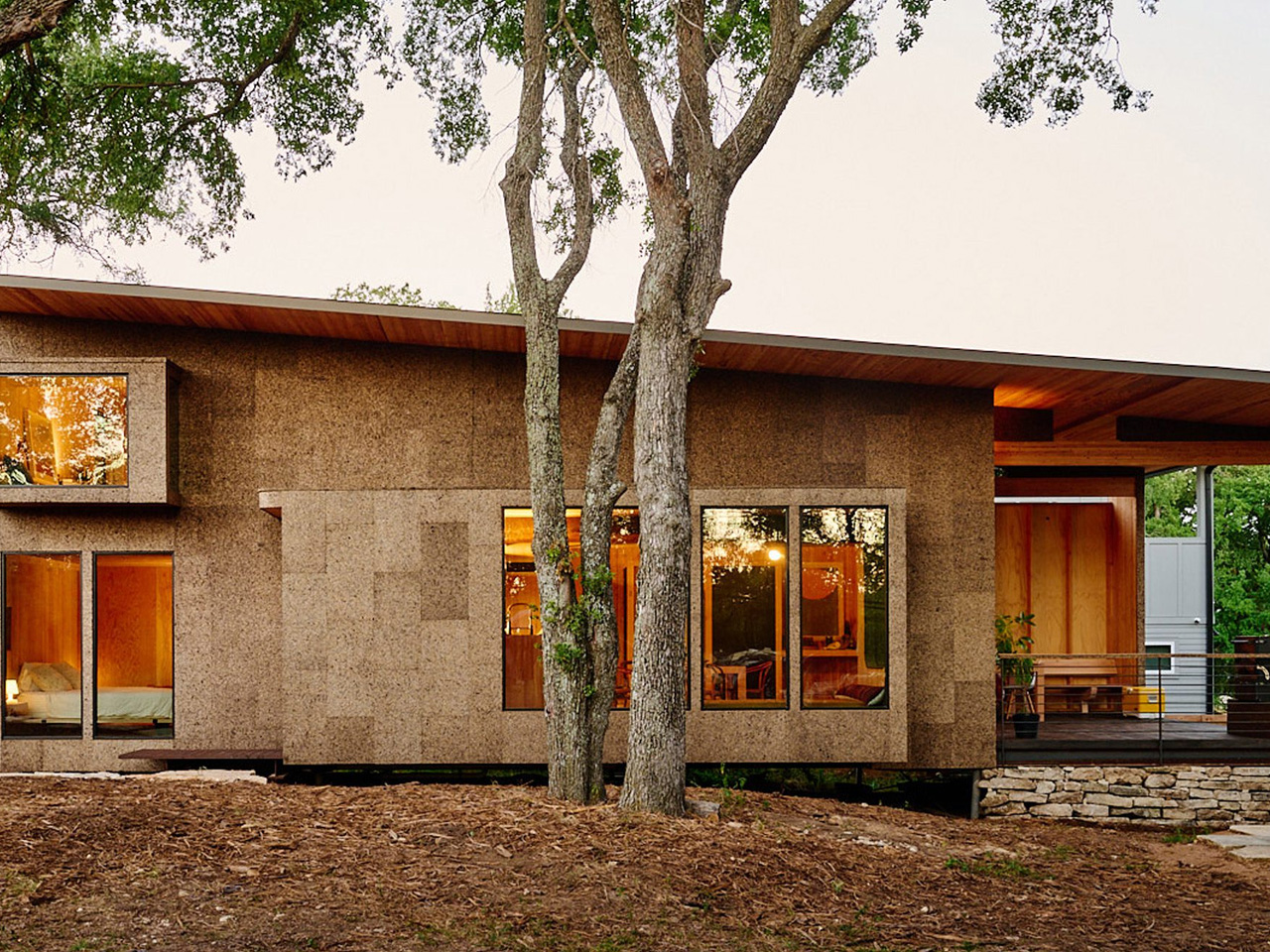
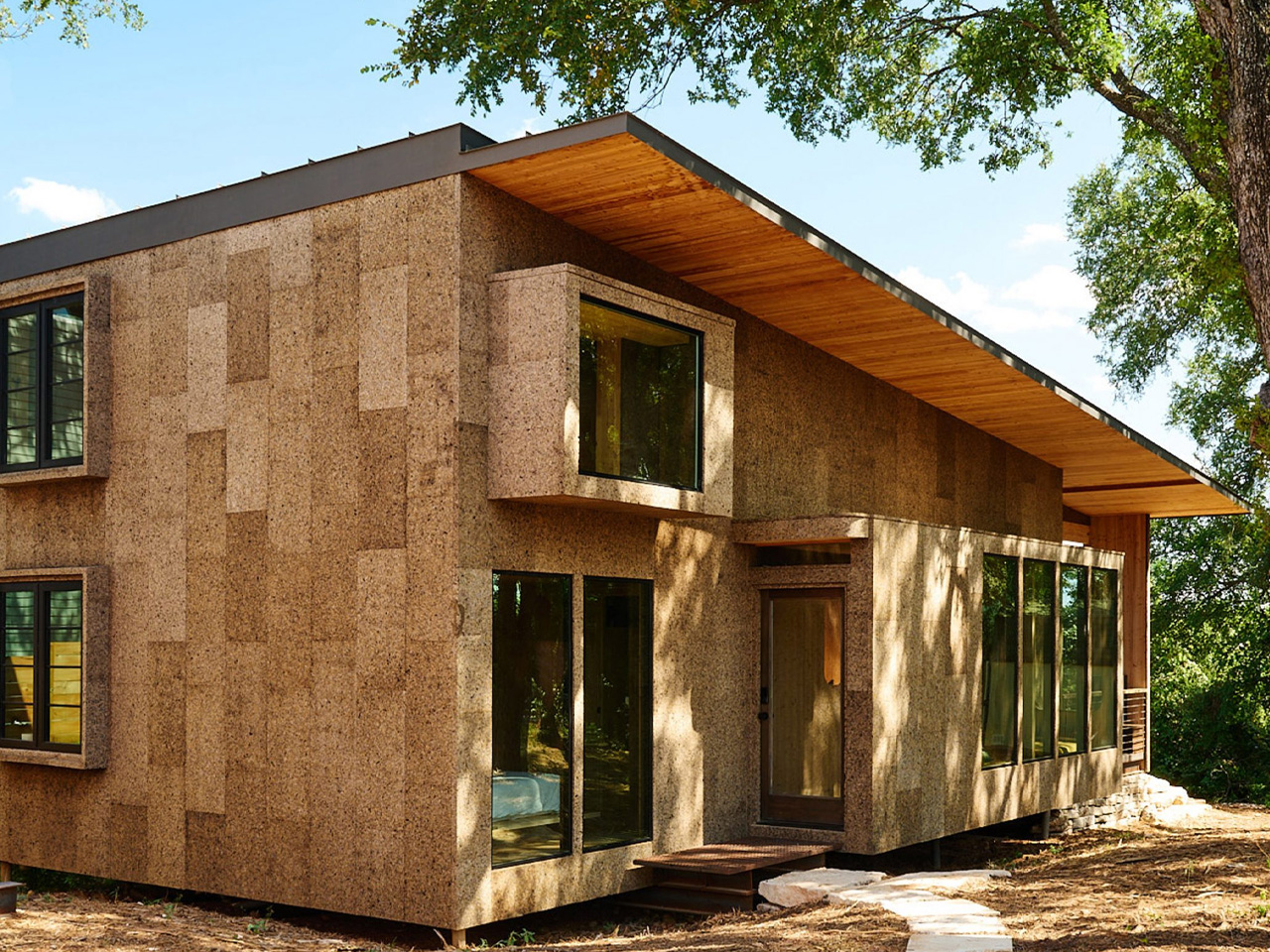
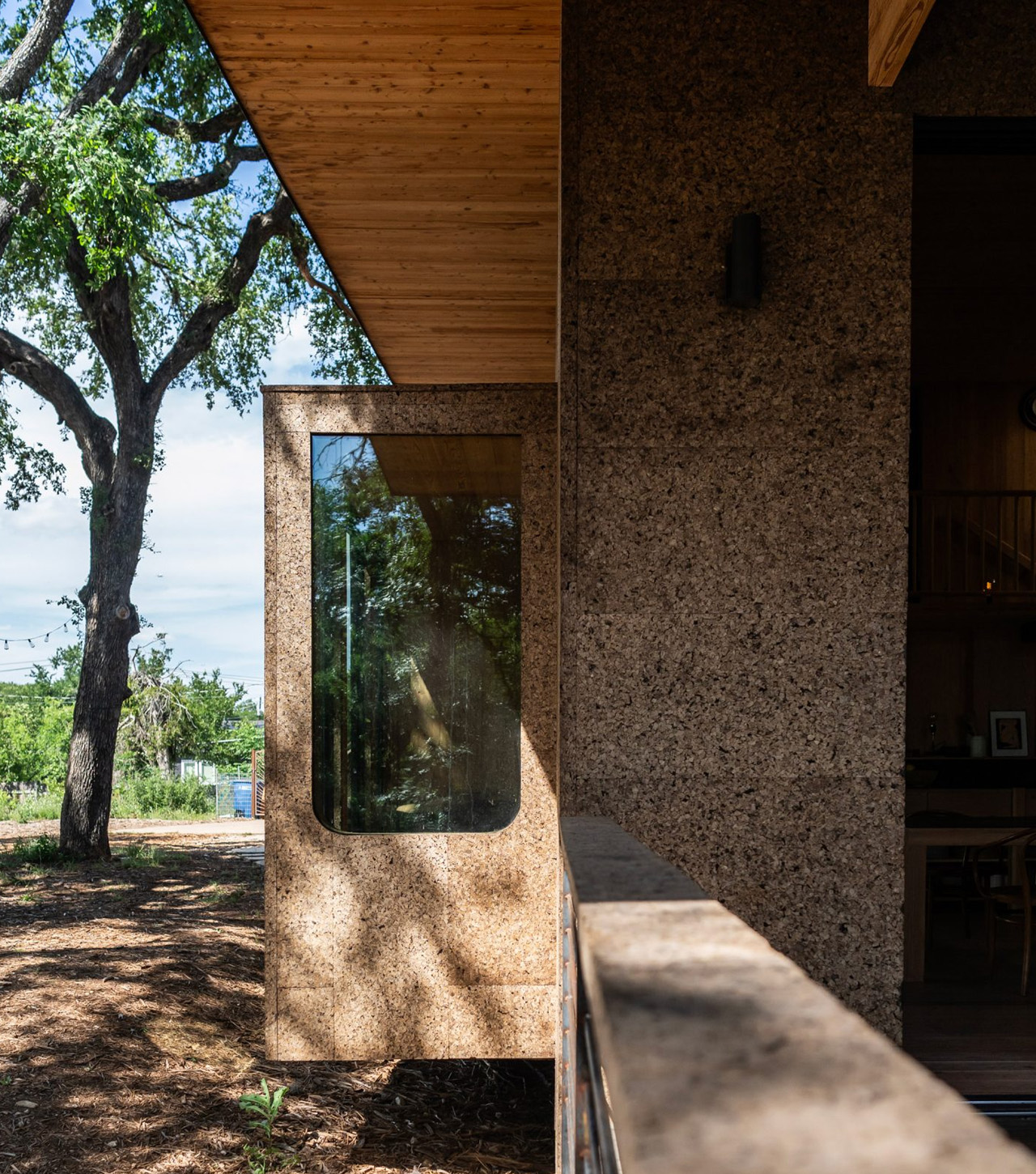
Texas-based Moontower Design Build recently created a “plant-based” cabin in Austin equipped with clever cross-laminated timber structural elements and a cork-clad facade. Named the Cross Cabin, the ADU occupies around 93 square meters, in a 743-square meter soling yard. The home provides surreal views of the horizon through the tree canopy. The Cross Cabin was completed in 2023, to build a holistic structure that is in adherence to the AIA Architecture and Design Materials Pledge. It is inspired by Micheal Pollan’s book Food Rules, and hence the studio used plant-based materials that were not very heavily processed.
The studio formed a fascinating material palette to build a mesmerizing architectural experience. “These natural materials like wood and cork are repeatedly presented throughout the home in ways that are intended to provoke an unconventional sensory engagement with building materials,” said studio co-founder Greg Esparza. The building comprises an elevated cross-laminated timber box “blanketed with plant-based insulation like cork, hemp, and wood fiber.” The cabin has two stories and a geometric rectangular form. If you look closely, the facade of the cabin seems to look like tree bark, amped with changing tones of silver, amber, black, and brown cork cladding, which will weather with time.
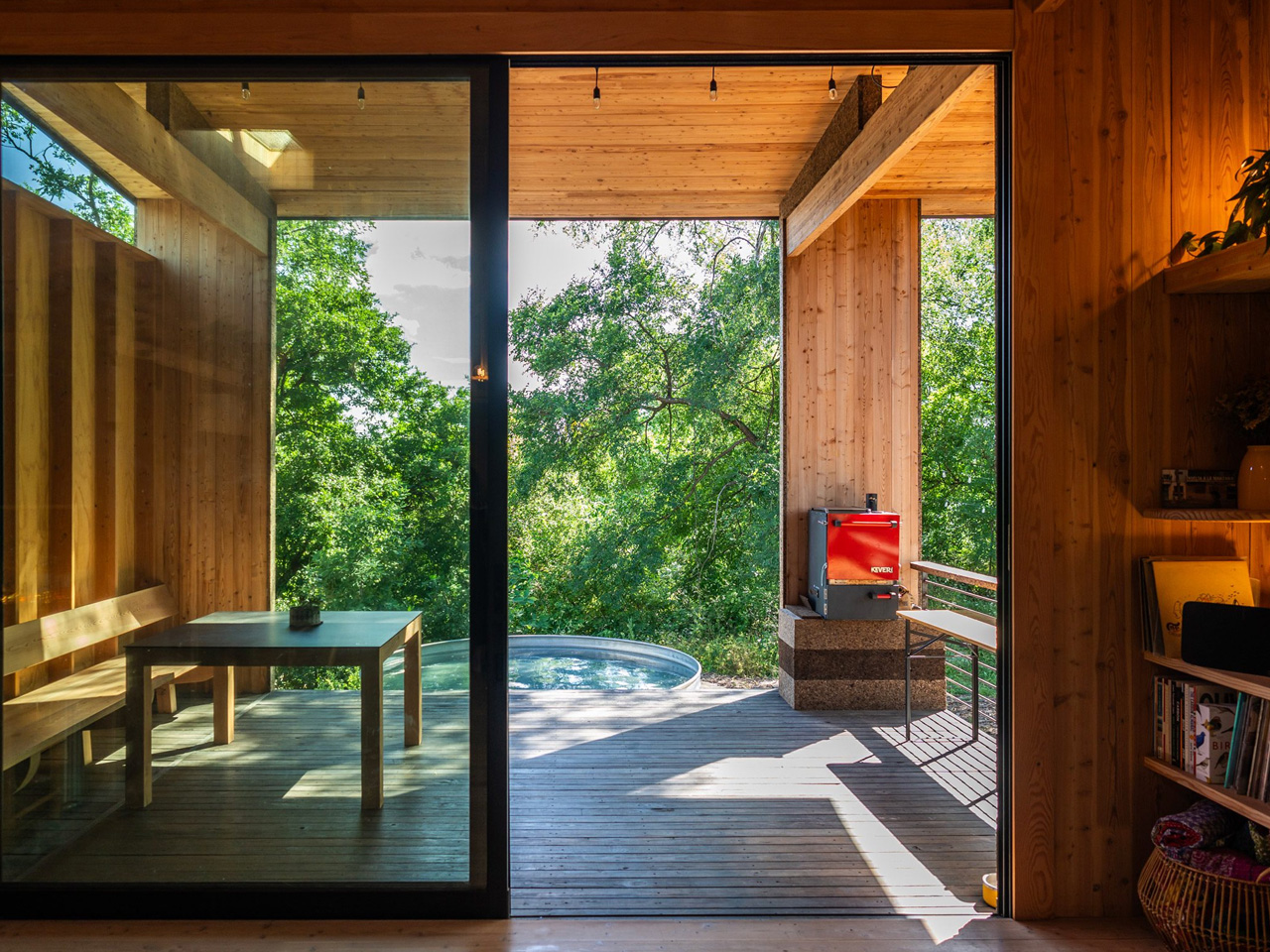
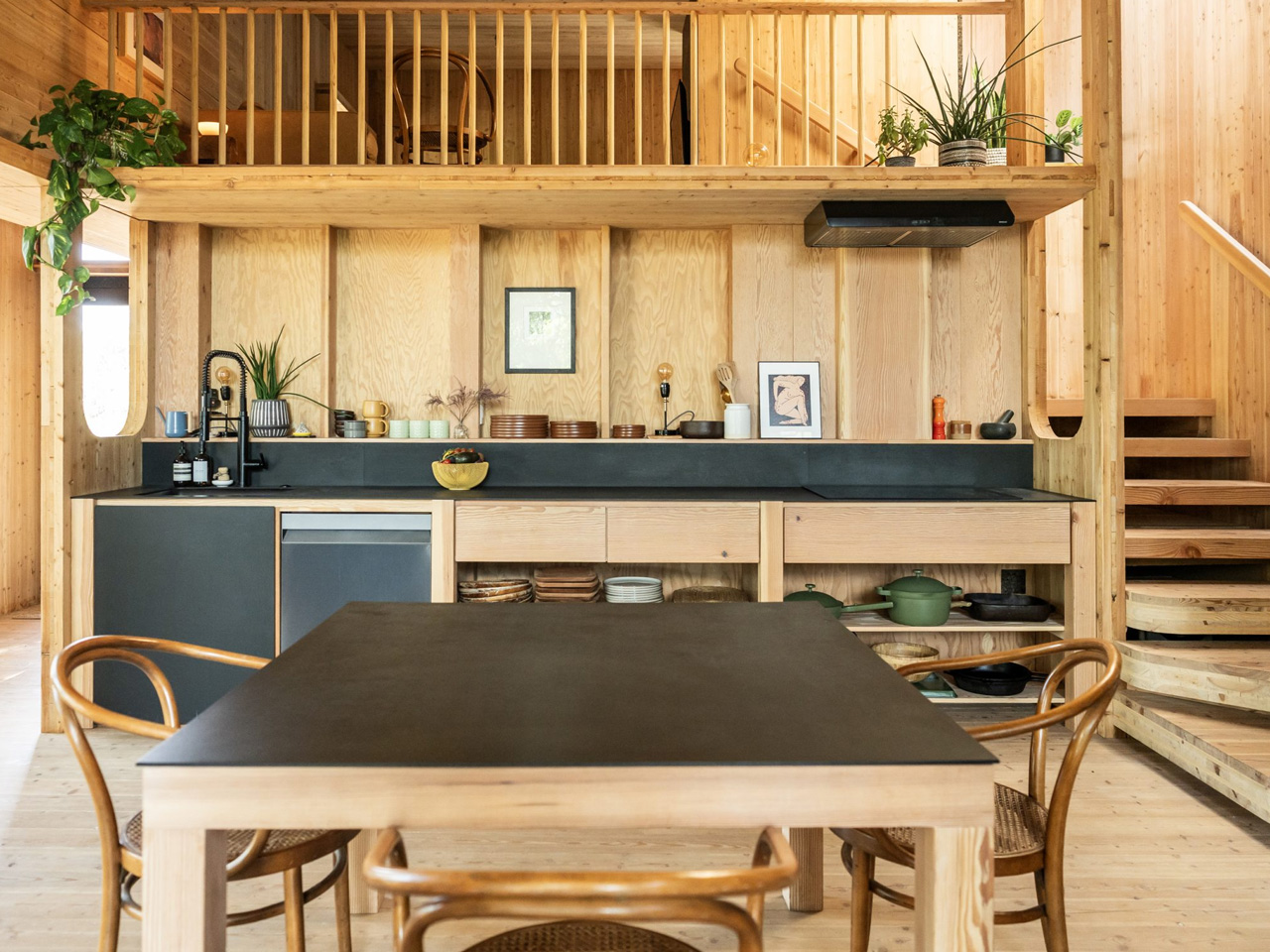
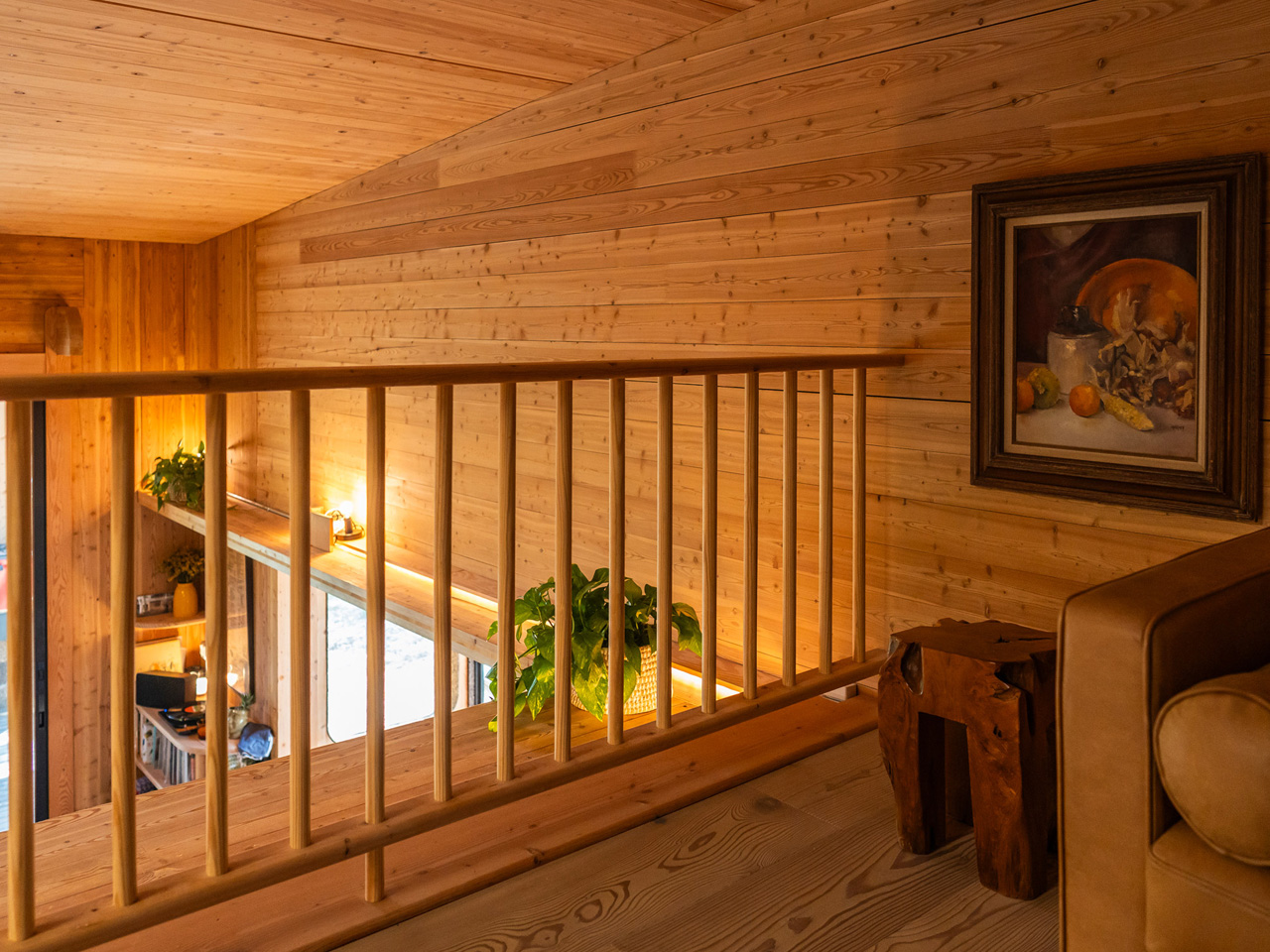
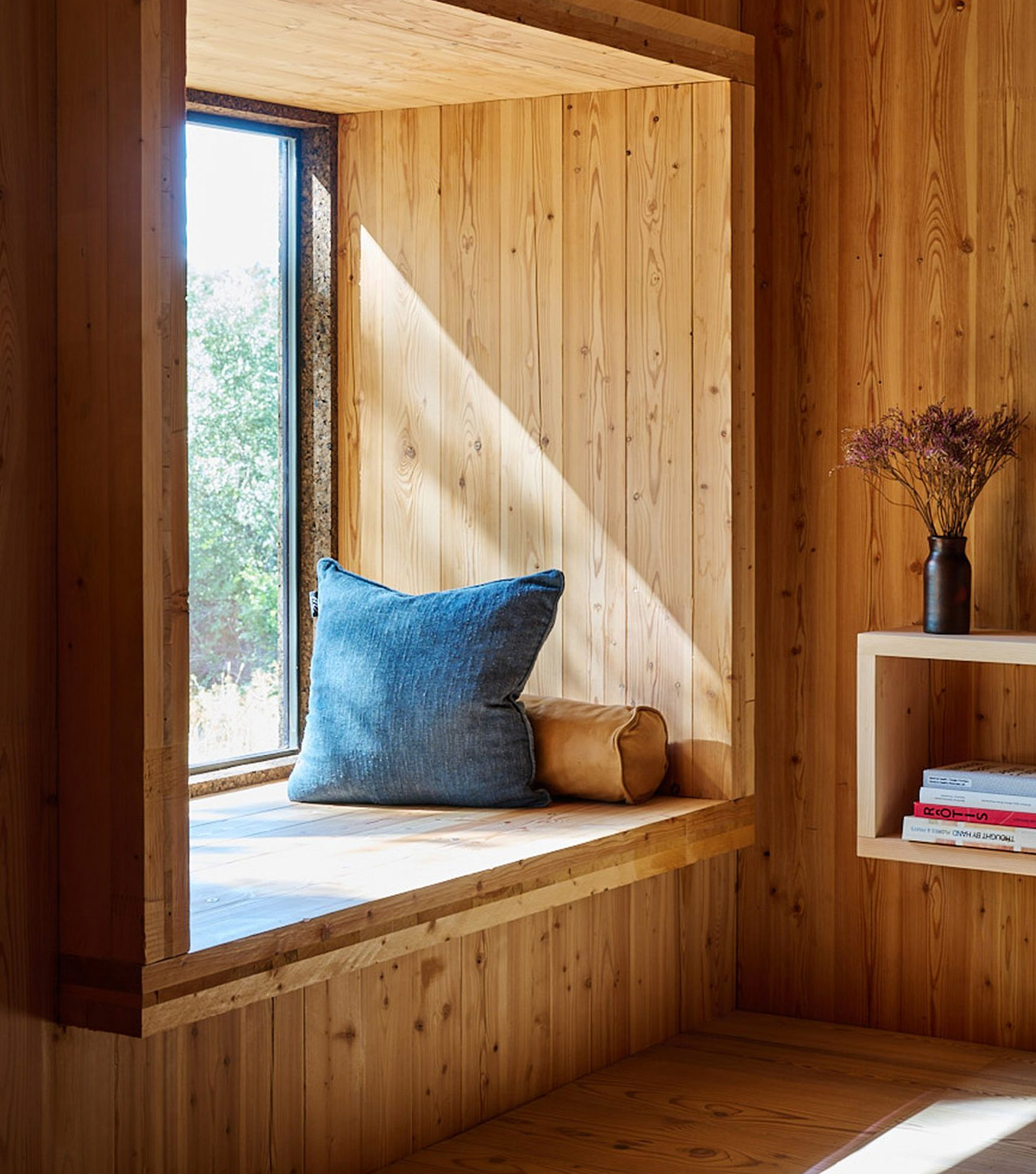
The cabin features a single-sloped roof that extends to shade the nooks, a big porch, and protruding windows. The cork-clad exterior of the home slowly converts into a wooden interior, amped with cross-laminated timber, solid-sawn lumber, plywood, and thermally treated Larch floor. The diverse wood finishes are either raw or finished with linseed oil. The interior is also equipped with expanded cork, which is 100% cork bark and a laminated recycled paper called Richlite.
The cabin received compliments on how good it smelled since it completely lacked polyurethane sealants, which is a notable feat. “Thinking about smell, touch, heat, and sound as critical design considerations along with sight helped to guide the design and reinforce the singular advantages of minimally processed, natural materials,” said Esparza.”When you are in an intimately scaled space and you are interacting with materials by touching, holding, pulling, and pushing them there are numerous opportunities to appreciate subtle material qualities like the delicate striations, slight iridescence and rich color variations on the surface of the cork or the pleasing texture of a tree’s growth rings on wood floor or handrail,” he concluded.
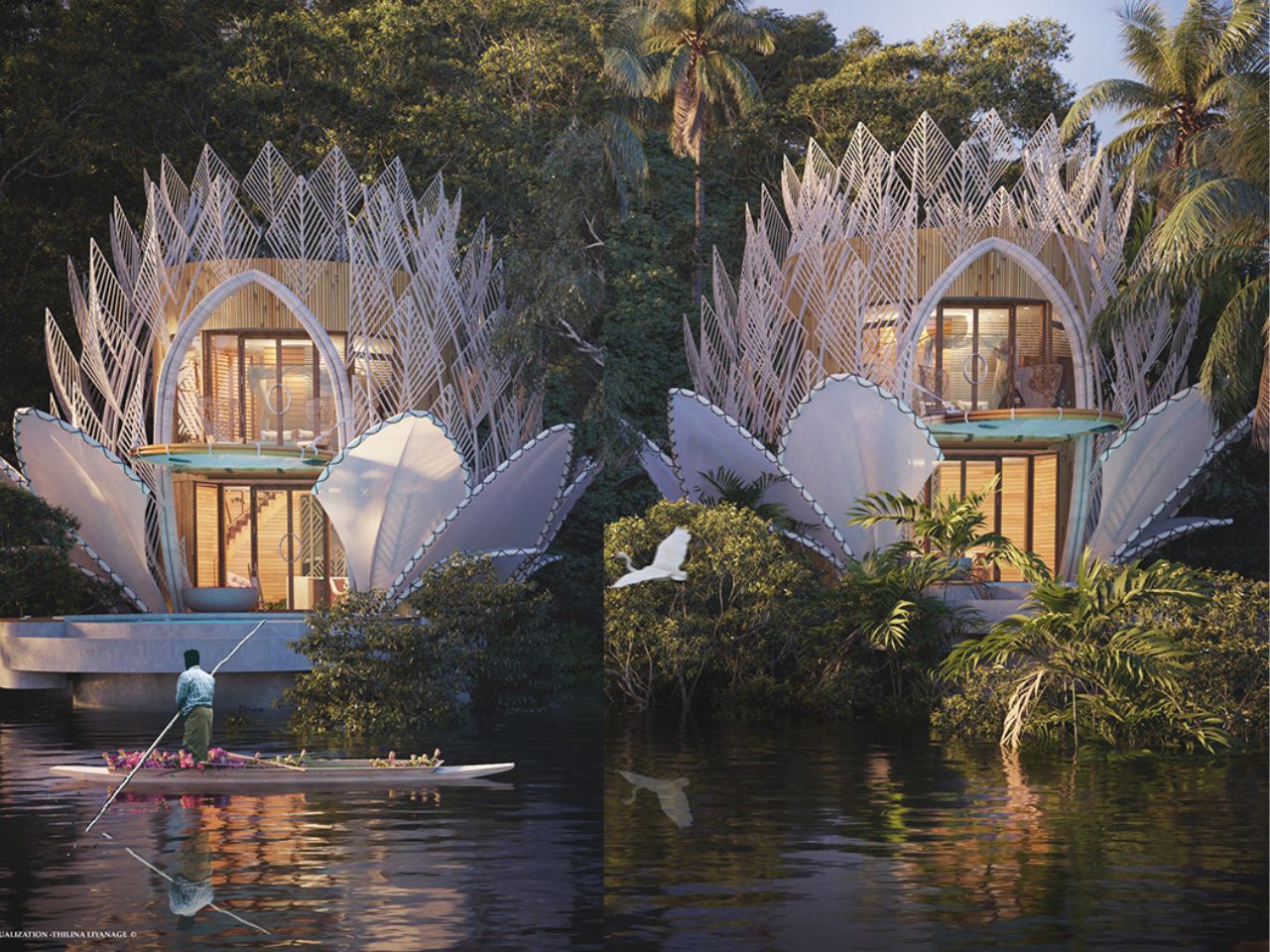
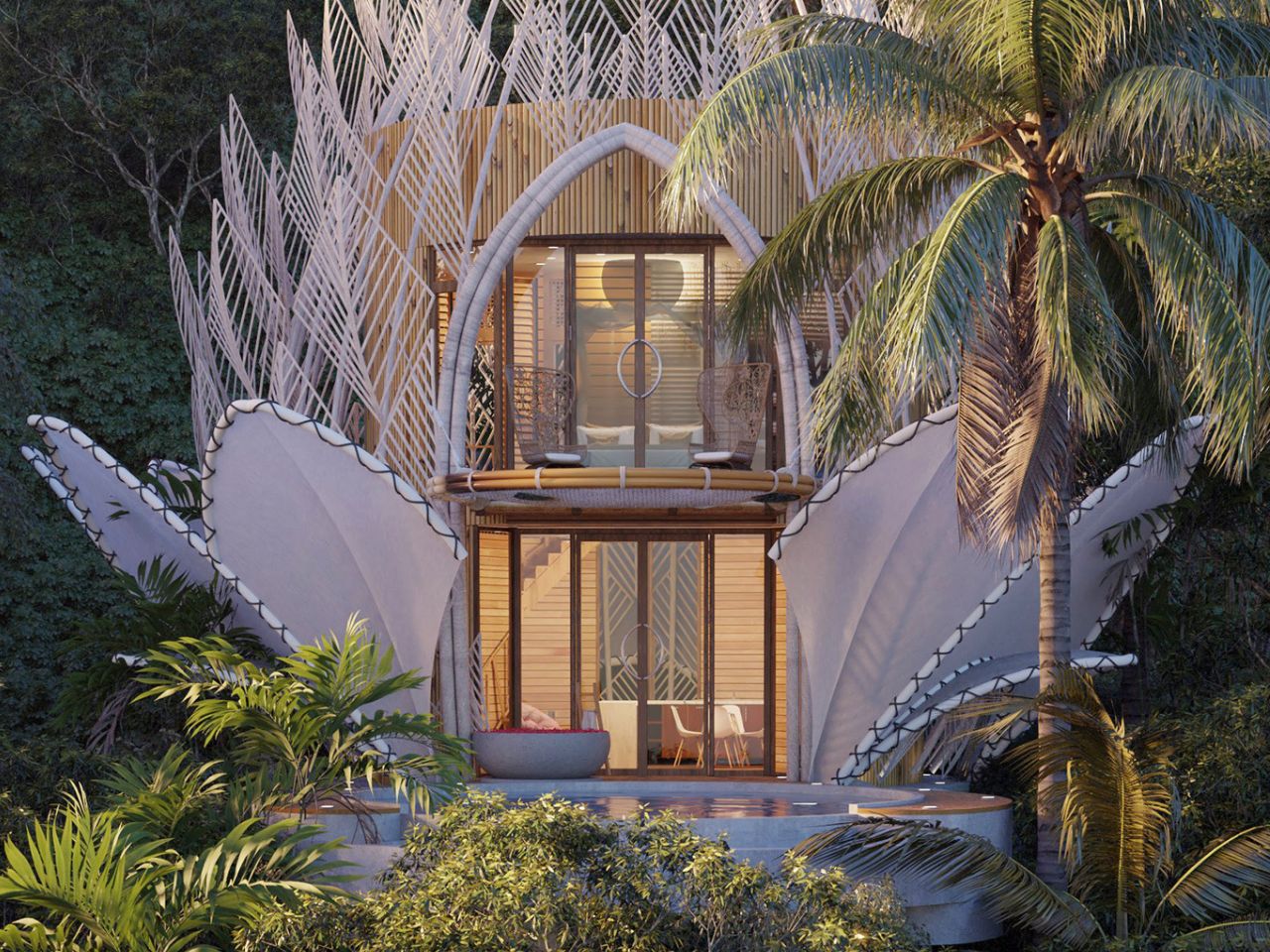
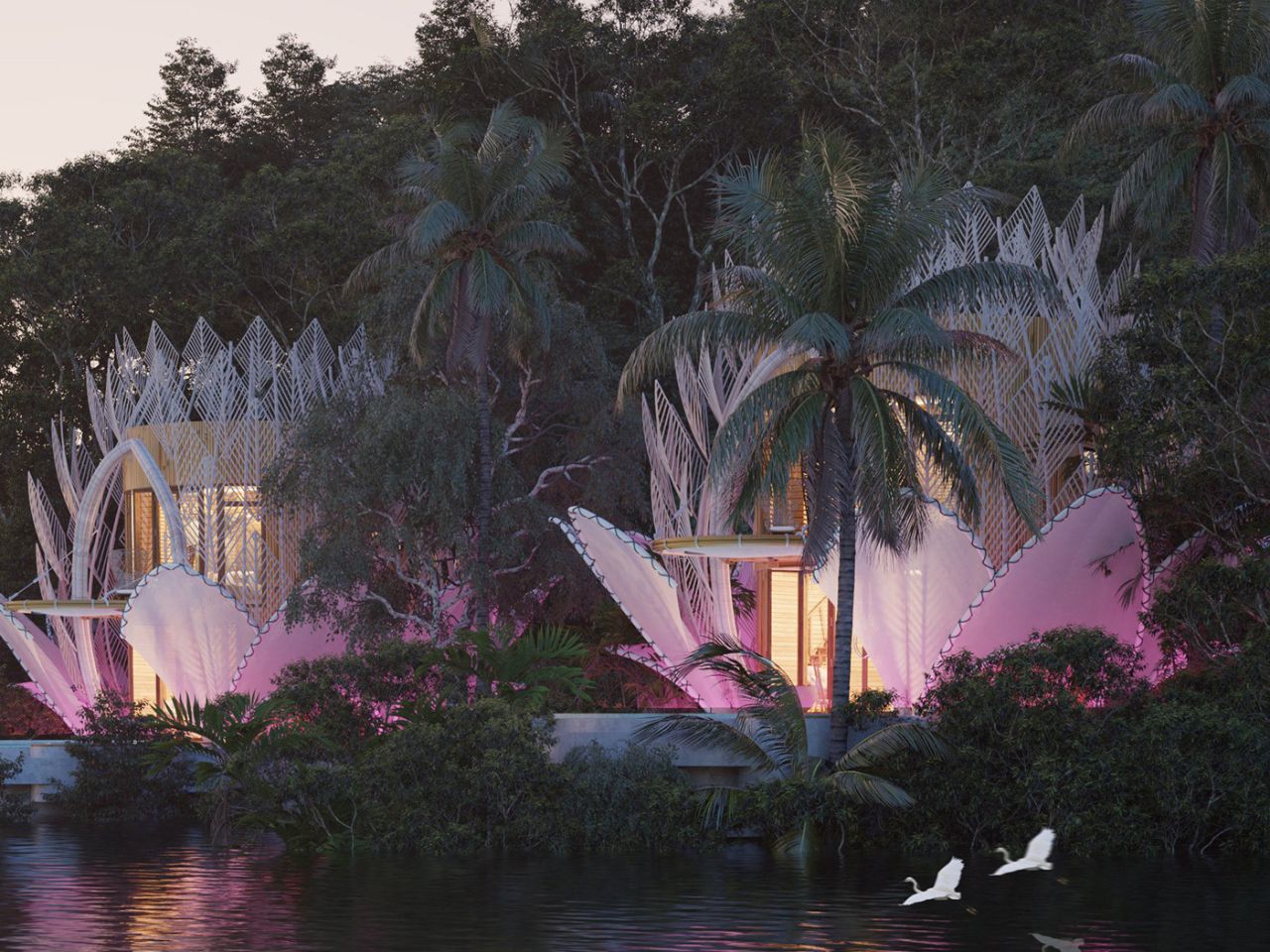
In the heart of the tropics, where the dense forest meets a serene lake, stands an architectural marvel that feels plucked from the pages of a fairytale – the Blue Water Lily Villa. This design, a testament to the brilliance of its creator, captures the essence of biomimicry, echoing the delicate beauty of a water lily while remaining entirely practical and constructible. The villa is a perfect blend of nature-inspired elegance and modern functionality.
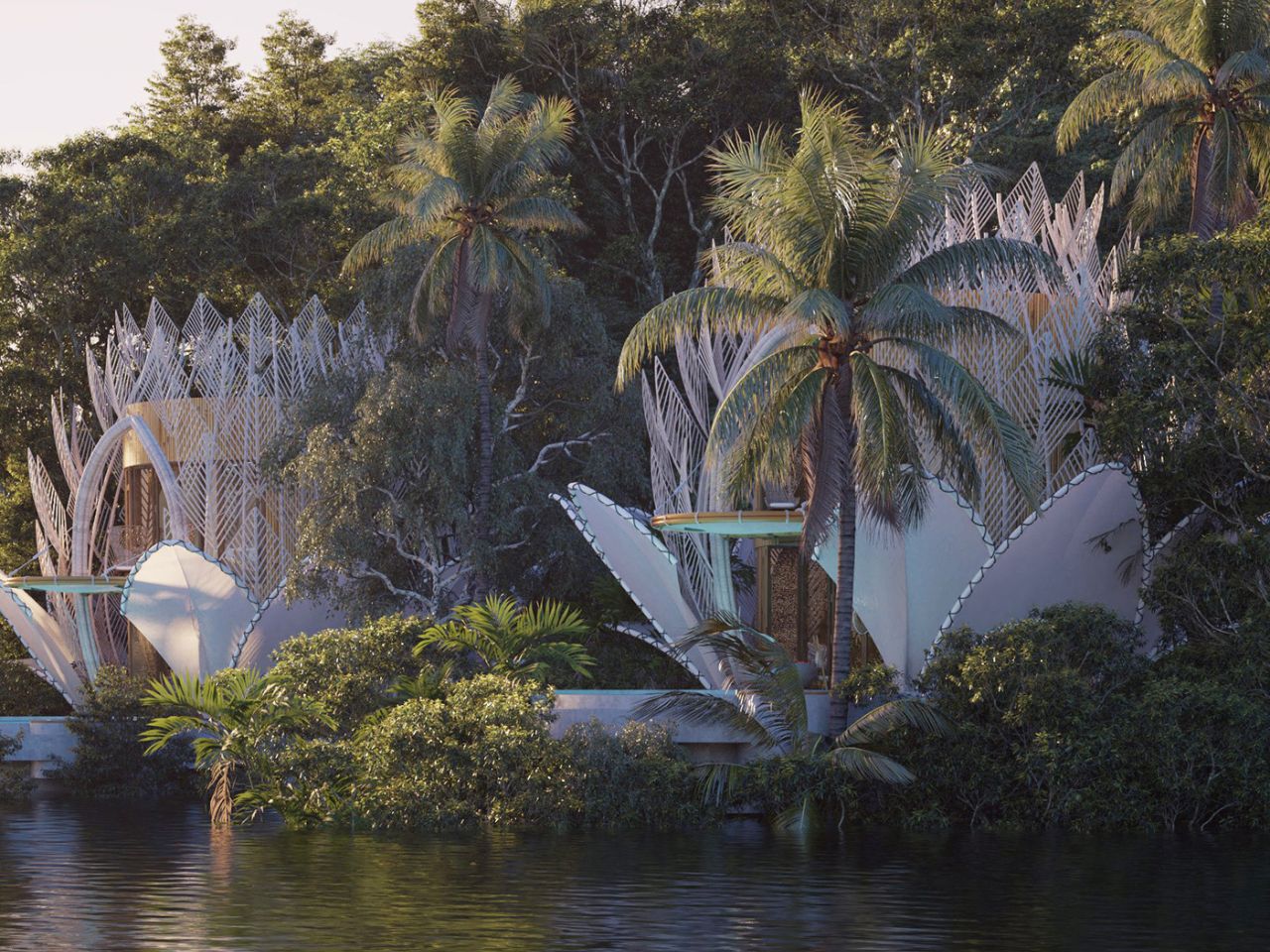
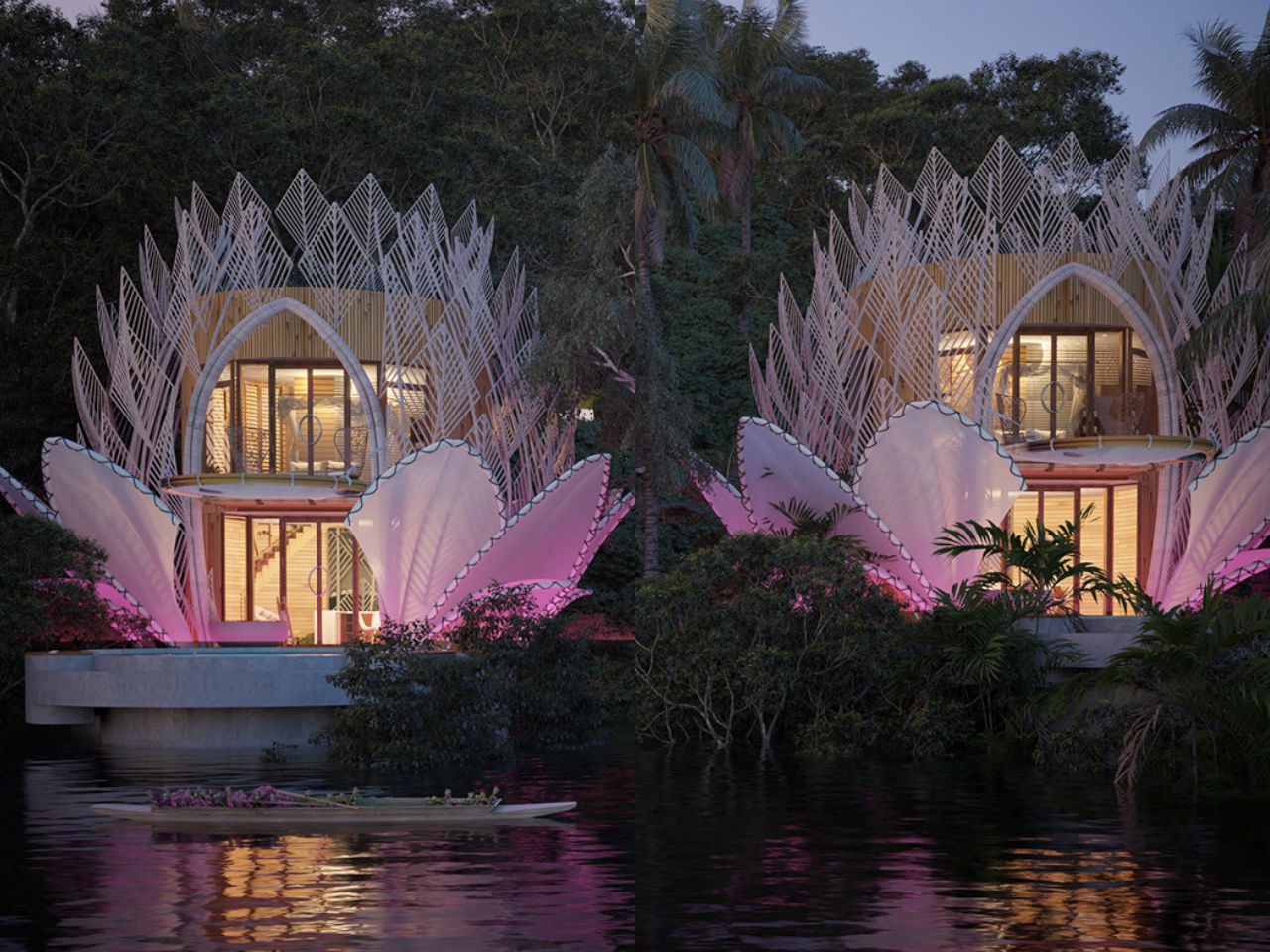
The Blue Water Lily Villa is composed of two stunning two-story structures, both offering direct access to the lake, making it an idyllic retreat for nature lovers. These villas, seemingly floating on the water’s edge, draw immediate attention with their unique design, inspired by the layers of a blooming water lily. Just as the petals of a lily unfold, revealing intricate layers beneath, these villas are carefully nestled within an array of petal-like structures that rise gracefully from the landscape.
Upon entering the villa, the lower level reveals a welcoming space designed for communal living. The open-plan layout seamlessly integrates the living and dining areas, creating a spacious and airy environment. The kitchen, though modest, is thoughtfully designed to cater to essential needs, reinforcing the villa’s focus on simplicity and harmony with nature.
One of the most striking features of the lower level is the way the living and dining areas open up to a small, intimate pool. This pool offers a refreshing escape, with the tranquil lake providing a breathtaking backdrop. It’s a space where one can truly immerse themselves in the natural surroundings, taking in the soothing sounds of water and the gentle rustling of leaves.
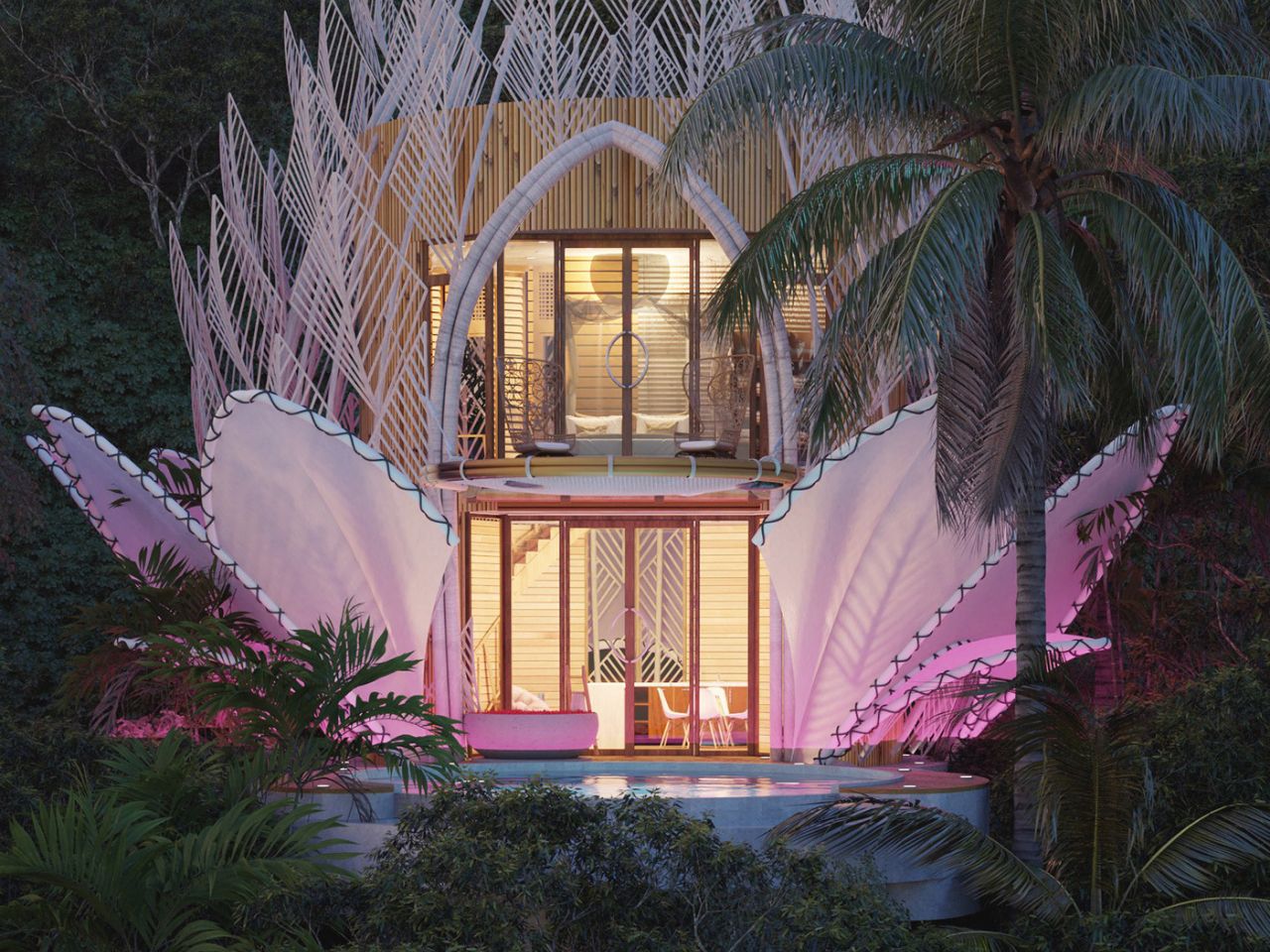
Ascending the stairs leads to the villa’s upper level, where the bedroom awaits—a cozy sanctuary that exudes warmth and tranquility. The ambient lighting adds to the room’s intimate atmosphere, making it a perfect place to unwind. From here, the space extends to outdoor cantilevered seating, offering an elevated perspective of the natural beauty surrounding the villa.
The outermost and lowest of the villa’s “petals” are constructed from metal frames covered in a sturdy fabric, giving them a soft, organic appearance. At night, the villa transforms as soft pink uplights cast a magical glow onto these fabric petals, bringing the entire structure to life, much like a water lily illuminated by the moonlight.
The upper villa’s structure is composed of prefabricated metal elements, which continue the theme of delicate, petal-like forms. These elements are designed to be thin and see-through, evoking the fragile beauty of a water lily’s petals. The primary structural components within the villa, likely made from locally sourced bamboo, further reinforce the villa’s connection to its environment. This choice of material not only adds to the aesthetic appeal but also underscores the villa’s commitment to sustainability, making it a model of eco-friendly design.
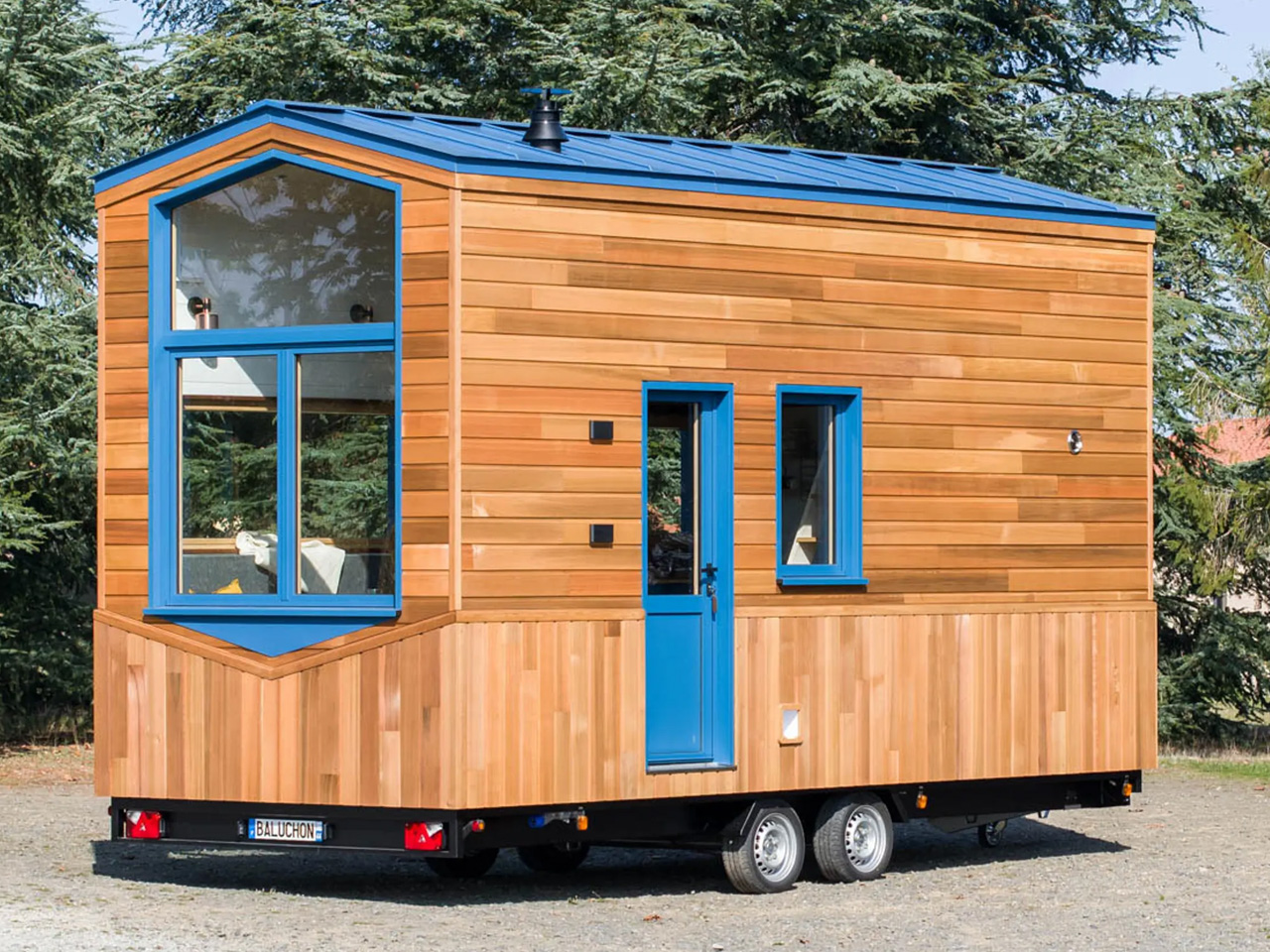
Designed by Baluchon, and called the Yggdrasil tiny house, this uniquely-named home is 20 feet in length and intended for a 6.3 feet tall owner. Baluchon needed to keep the home in the “tiny home” category, without letting it feel too cramped for its tall owner. The home is equipped with a simple and cleverly designed layout and amped with flexible furniture. Generous glazing has been incorporated to ensure maximum sunlight enters the home.
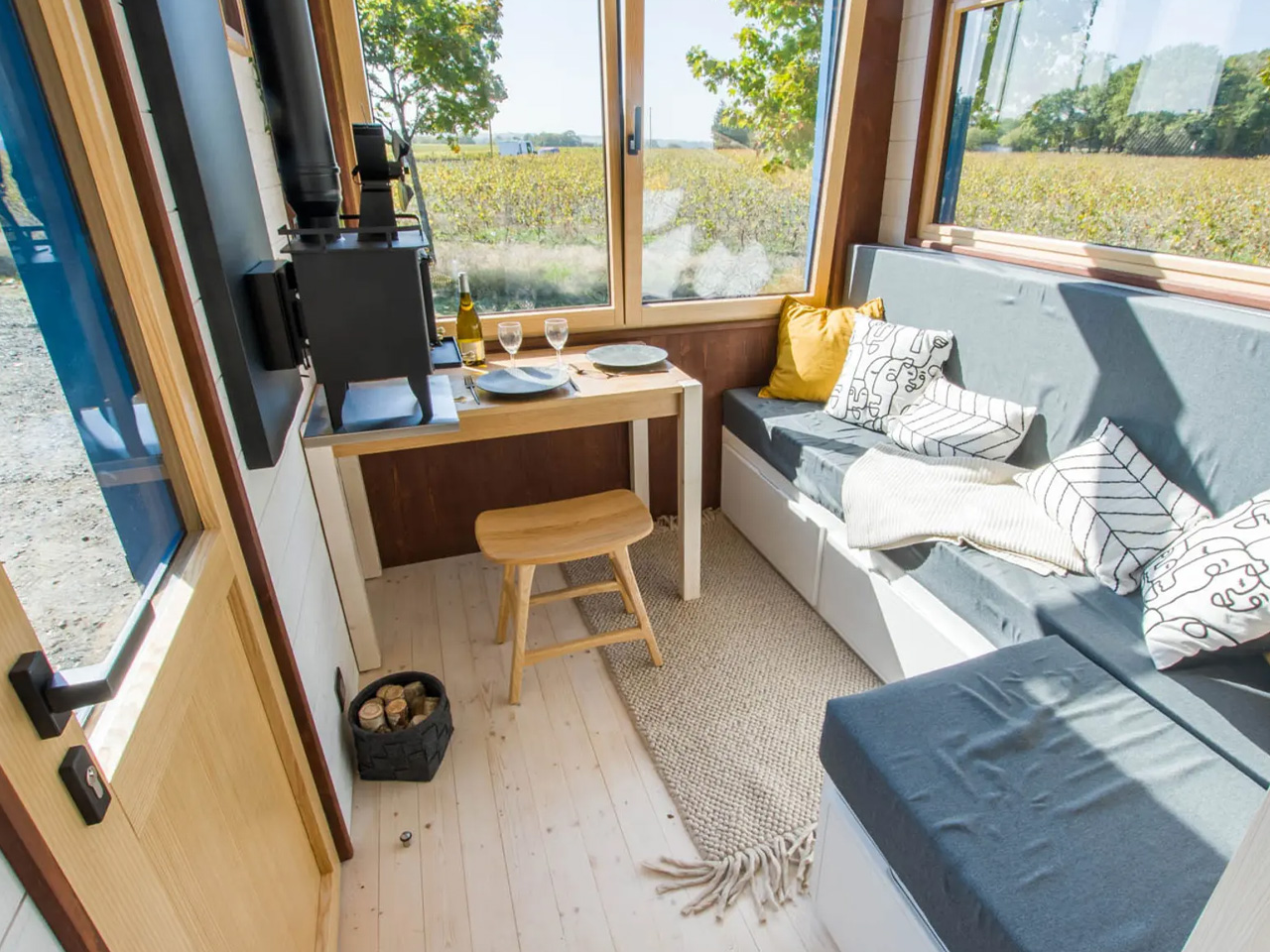
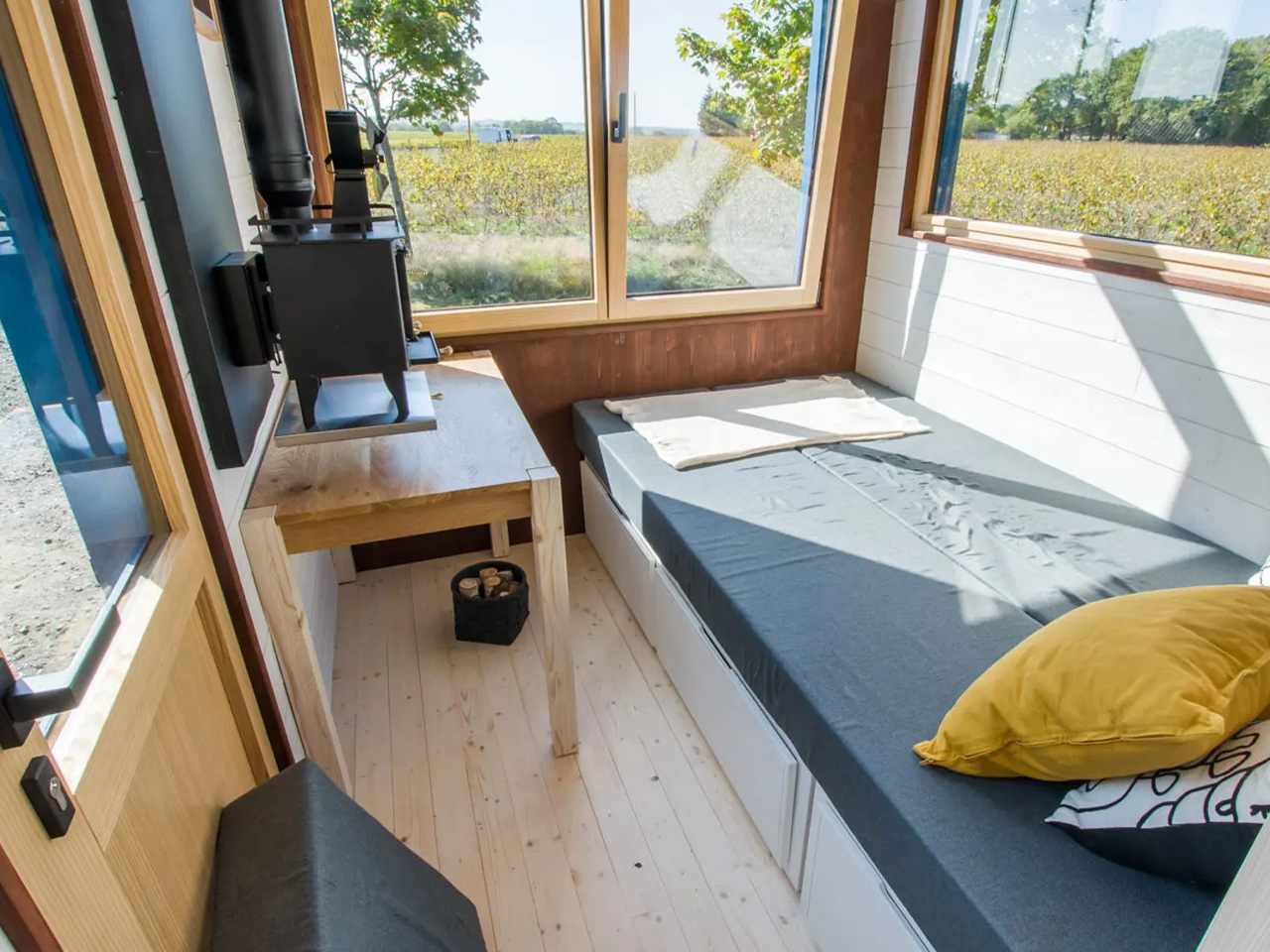
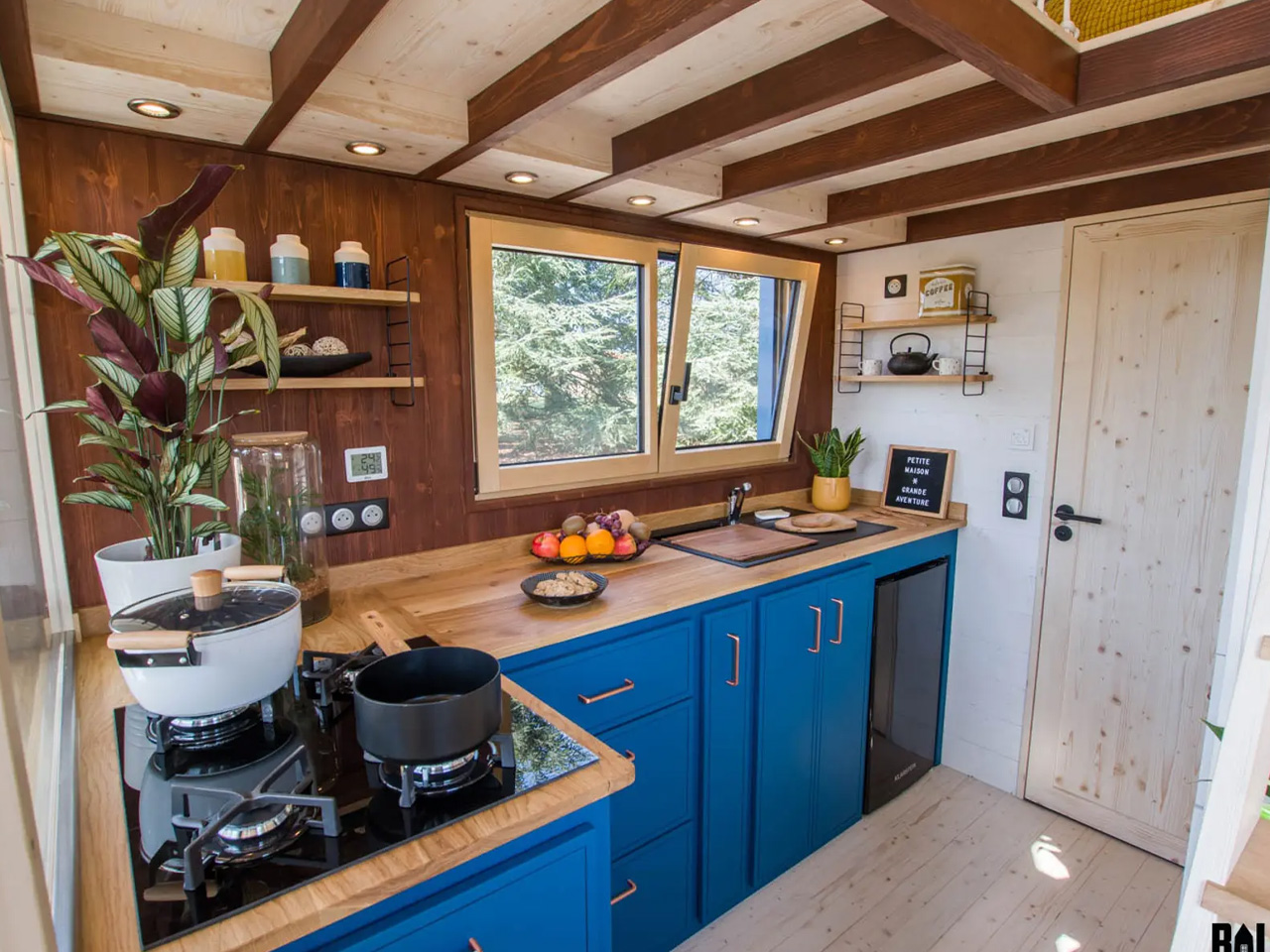
The name Yggdrasil has been adopted from Norse mythology. The home is based on a double-axle trailer and is accentuated with a cedar finish and blue aluminum accenting. The insulation is made from a mix of cotton, linen and hemp. The home is powered by a standard RV-style hookup. The interior of the home is finished in spruce, and it seems to be quite open and spacious, despite its compact size. As you enter the home, you are welcomed by a living room. This space includes a big L-shaped sofa bed, with loads of integrated storage space. The bed can sleep two people, and the room also includes a dining table and a wood-burning stove for heat. The kitchen is placed next to the living room, and it includes an oven, fridge, sink with a cutting board insert and plenty of storage space. The counters in the kitchen are higher to complement the tall owner.
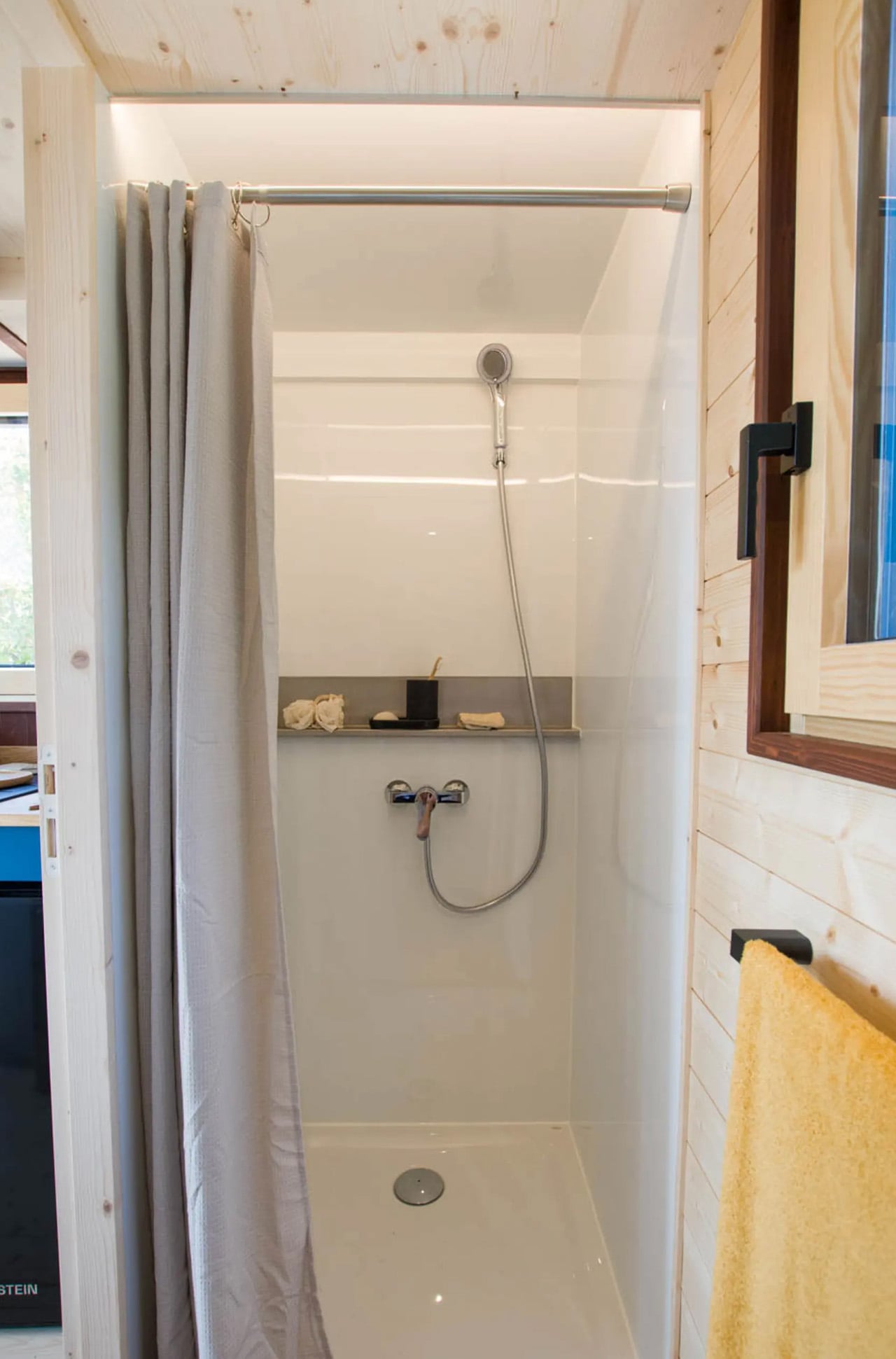
A glass wall separates the living room and kitchen while ensuring sunlight still streams into the room. The bathroom is connected to the kitchen and is pretty small, equipped with a toilet and a shower. The Yggdrasil only contains one bedroom, and it can be accessed via non-removable wooden steps. The bedroom is like most bedrooms in tiny homes, it sports a typical loft style with a low ceiling. The room is shaped like the letter L and has sufficient space for a double bed and storage space. We don’t know the price of the Yggdrasil tiny home, but Baluchon houses usually start around US$84,000.
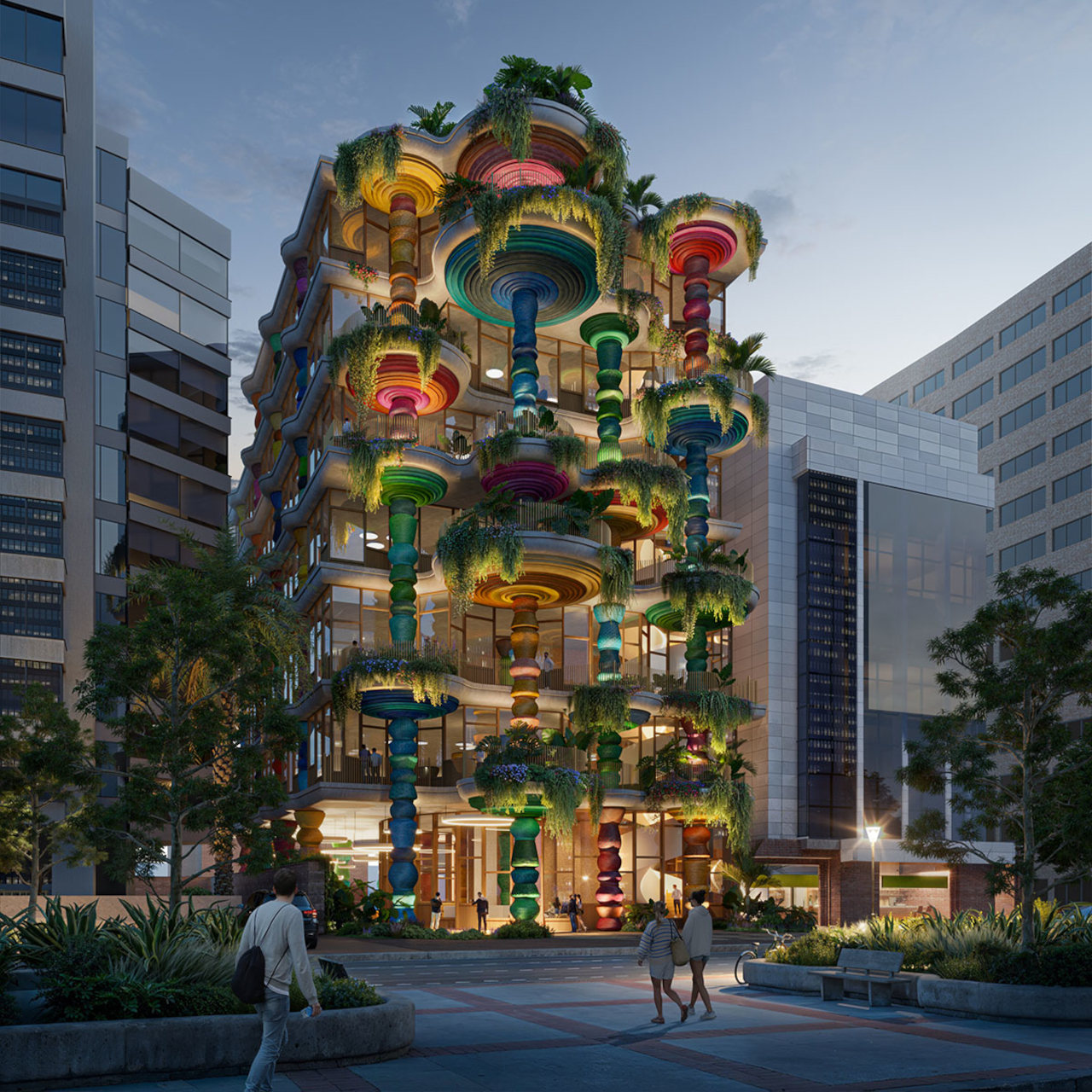
In an exciting blend of vibrant culture and innovative architecture, Heatherwick Studio has unveiled the stunning visuals for a new school in Bogotá, Colombia. This groundbreaking project, set to rise on Calle 72, one of the city’s bustling main arteries, promises to be a visual and functional masterpiece for Universidad Ean’s School of Sustainable Design.
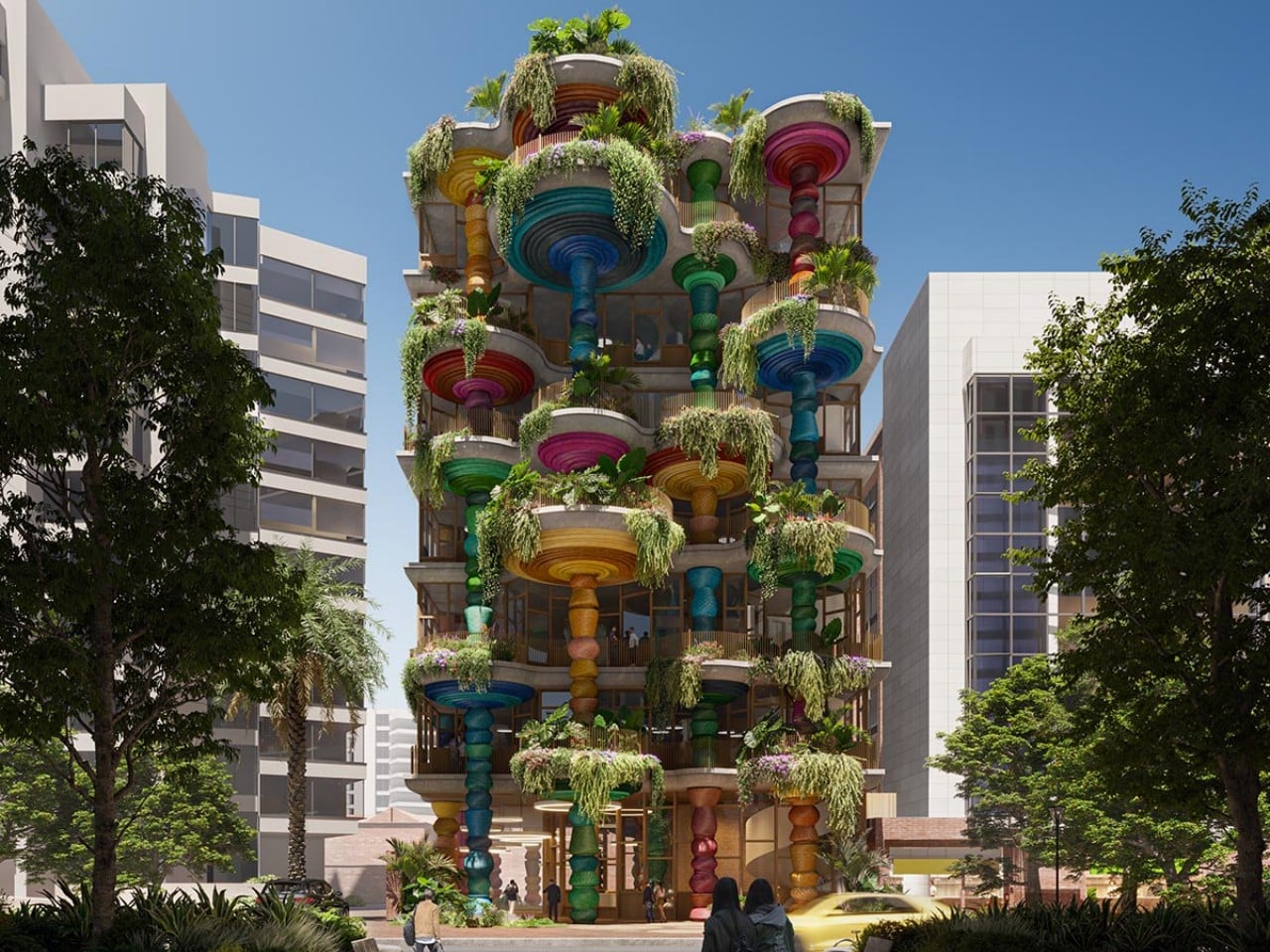
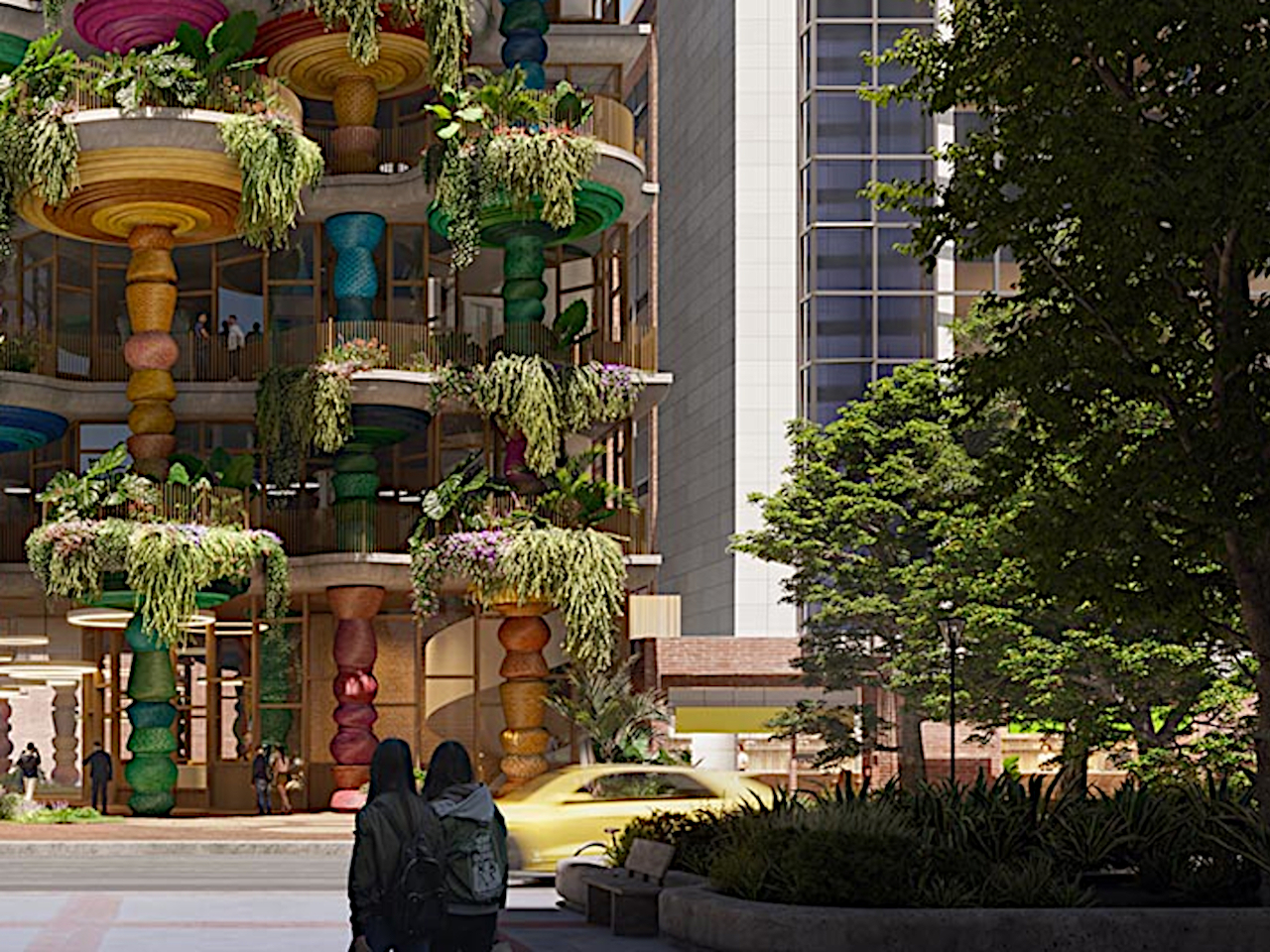
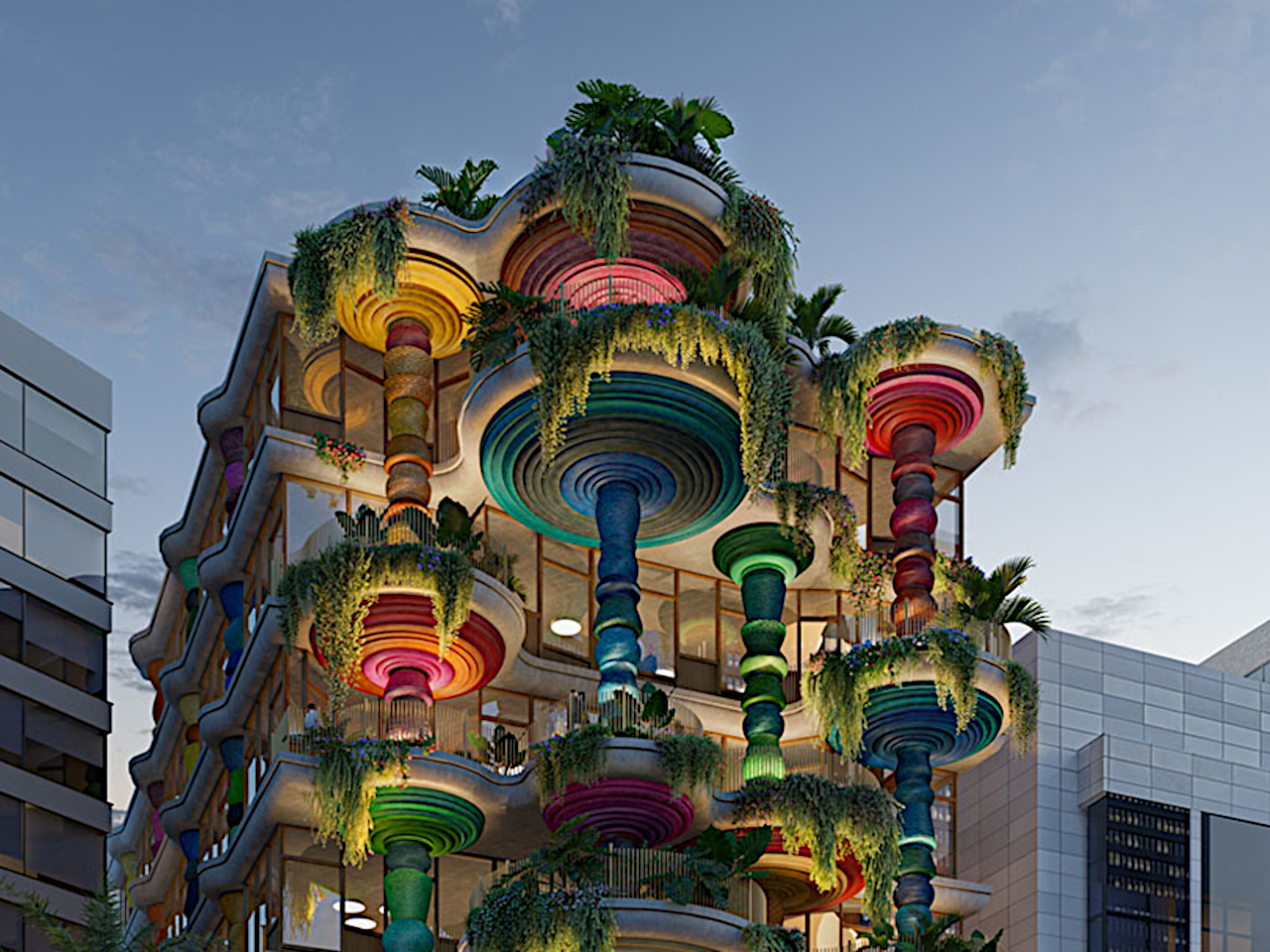
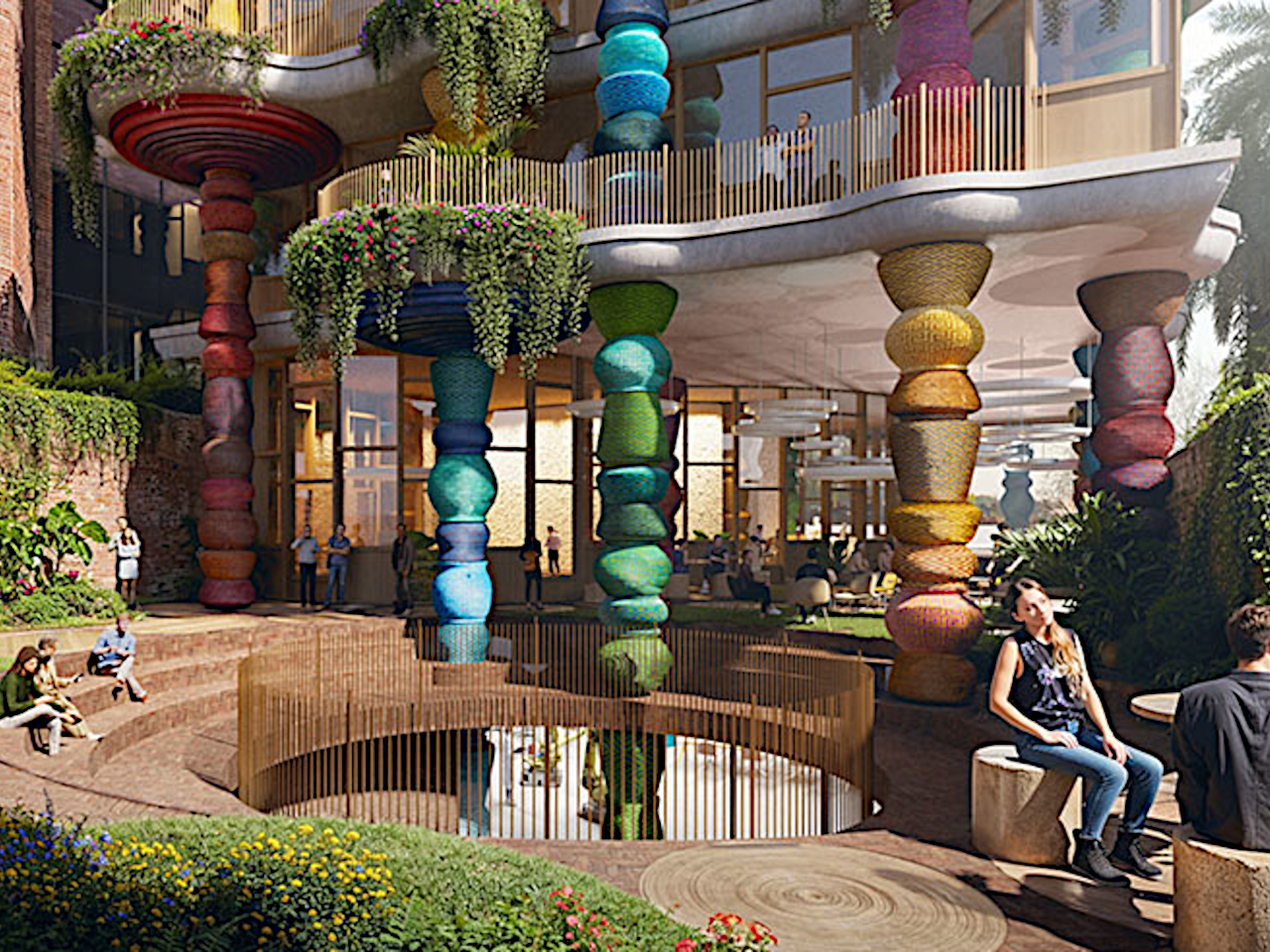
The seven-story marvel will serve as a dynamic hub for creativity and learning, adorned with colorful, basketry-formed terraces that pay homage to Colombia’s rich craft traditions. Inspired by Werregue basketry, a unique weaving technique of the Wounaan indigenous community, the building’s front façade will be a captivating mosaic of crafted columns and open terraces. This design not only celebrates local heritage but also infuses modern architectural flair, making it a standout addition to Bogotá’s skyline.
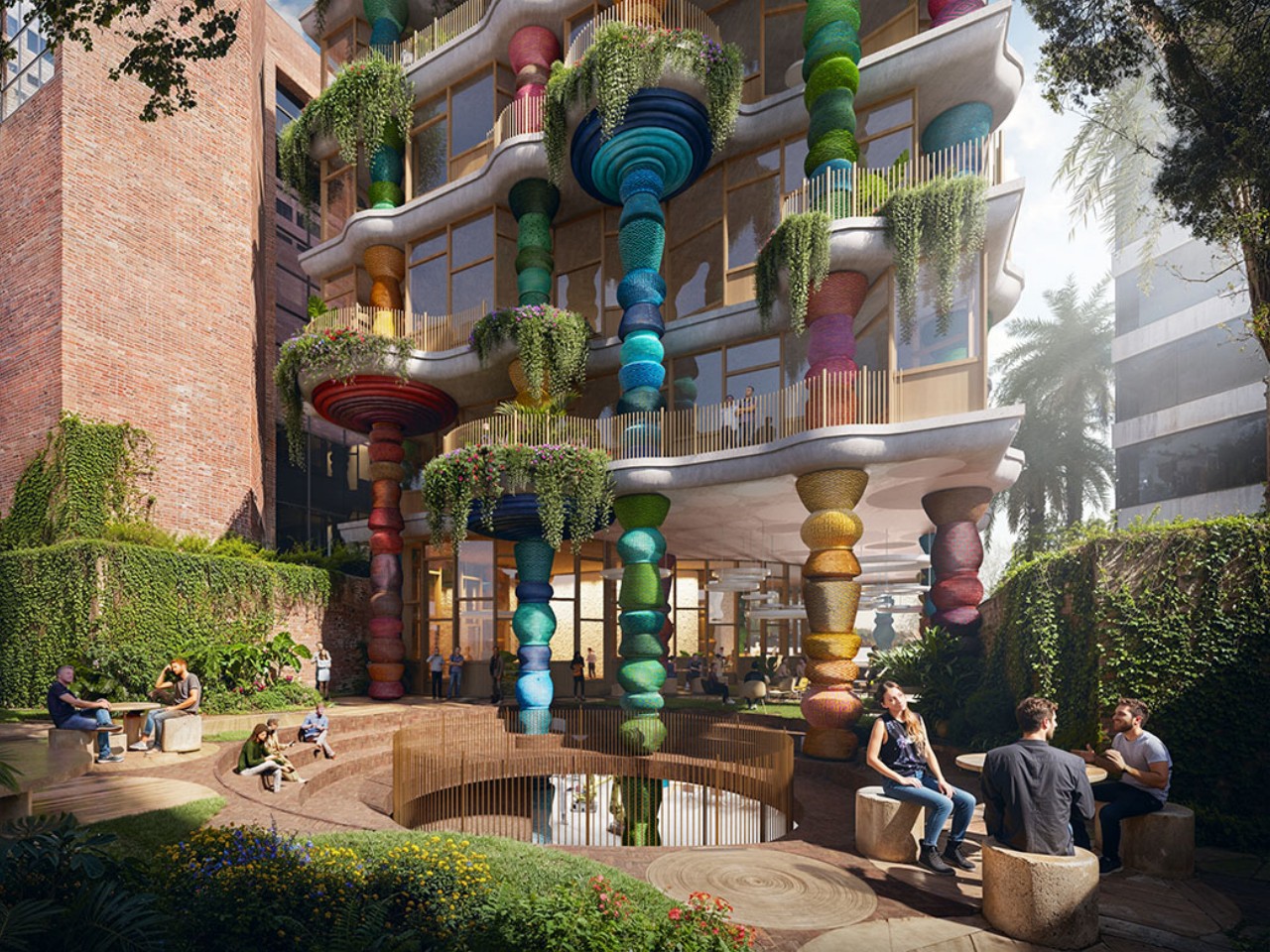
The innovative columns of the building, which denote the earthy vibe of the project, are not just regular forms seen in past structures. They resemble organic stones stacked on top of each other, supporting the balconies above. The design detailing of the joint where the balcony slab meets the column is particularly fascinating, and easily noticeable from the ground. This junction appears like ripples created when a stone touches water, adding a unique and visually engaging element to the architecture. The vibrant colors of the columns are certainly eye-catching, ensuring the building stands out in the urban landscape.
Eliot Postma, group leader and partner at Heatherwick Studio, explained that creativity is intrinsic to the city of Bogotá and evident everywhere. He expressed the studio’s desire for students to feel proud of their campus even before entering the building, envisioning a public square that would provide passers-by with a welcoming communal oasis amidst the hard urban surroundings.
Heatherwick Studio’s design goes beyond aesthetics; it aims to create a central gathering space for the Universidad Ean campus. The new building will complement existing heritage structures, introducing a rare and much-needed public space in the heart of the city. The design team is also pioneering the use of innovative façade materials to withstand Bogotá’s intense sunlight, ensuring the building’s resilience and longevity.
Colombia, celebrated as the world’s second most biodiverse country, positions Bogotá as a leader in sustainable development. Universidad Ean’s ambitious vision includes integrating elements of the surrounding cloud forest into the building, embodying the country’s natural beauty. Heatherwick Studio’s biophilic design will feature local plant species on the terraces, seamlessly merging nature with urban life and aligning with Bogotá’s commitment to the C40 Urban Nature Declaration.
The building’s design is a testament to Colombia’s weaving traditions, with columns adorned in colorful, curved lines supporting the circular terraces above. This weaving texture reflects the artistry of local practices, creating a harmonious blend of tradition and modernity.
Heatherwick Studio’s first project in South America is set to break ground in 2025. This landmark building not only stands as a beacon of sustainable design but also celebrates Colombia’s vibrant cultural and natural heritage, promising to be a source of pride and inspiration for students and citizens alike.
Although bricks are commonly associated with exterior construction, they find versatile applications indoors and in landscape design. Their aesthetic appeal, versatility, and cost-effectiveness make them a standout choice for interior and exterior design. From structural elements to decorative features, bricks transcend their traditional role, offering aesthetic and functional benefits. Here are some modern applications of bricks in the realm of architectural, interiors, and landscape design.
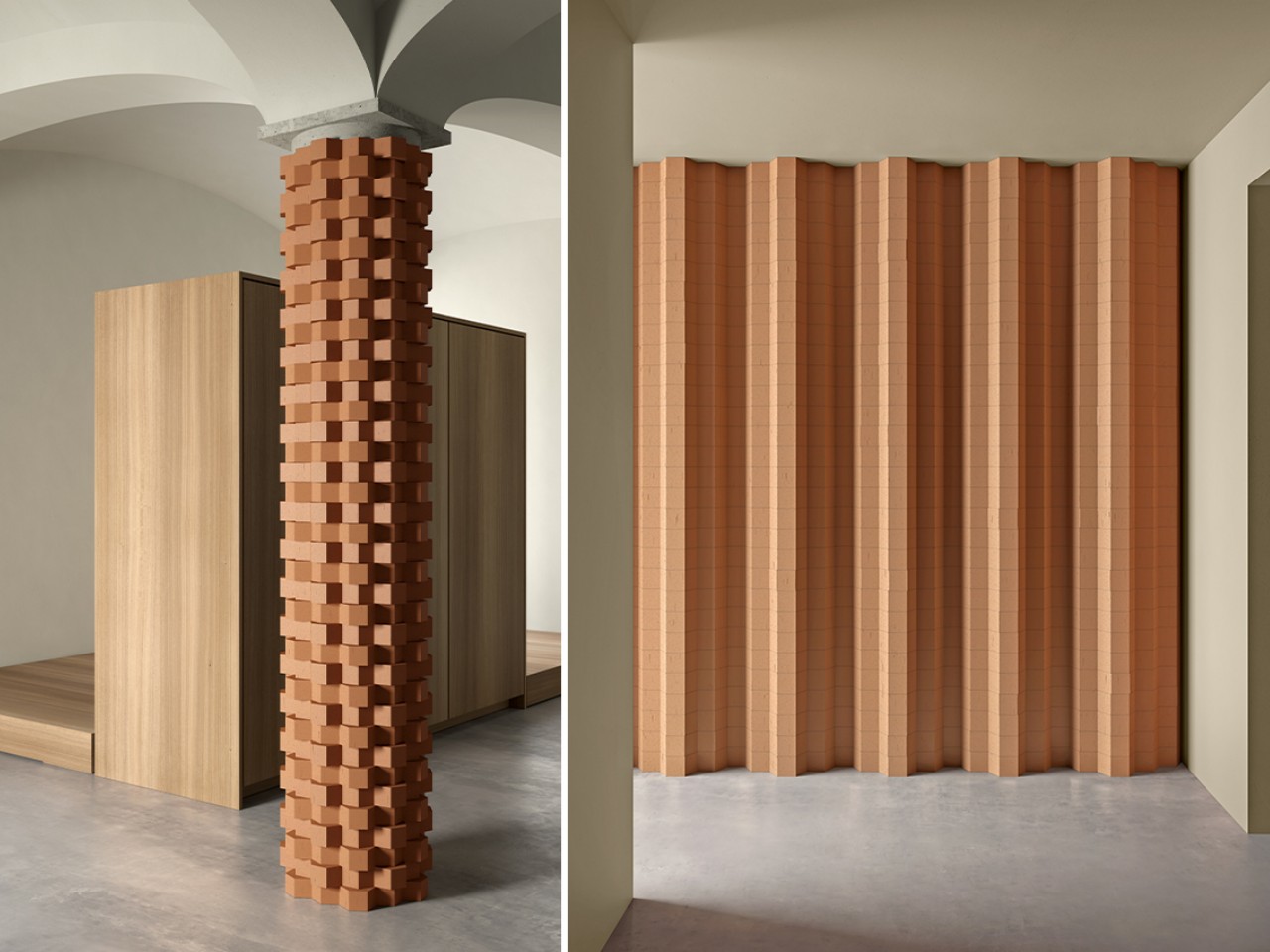
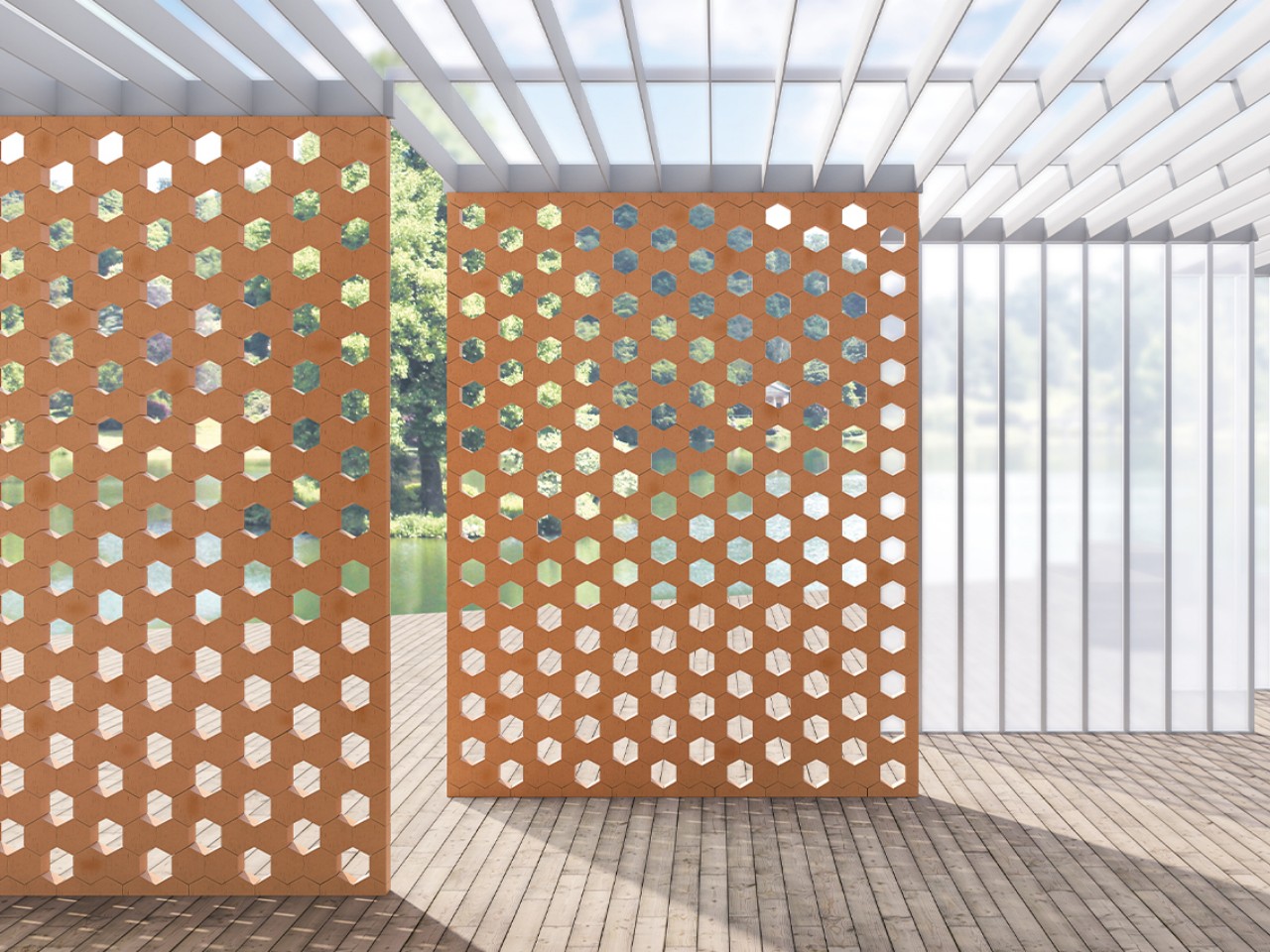
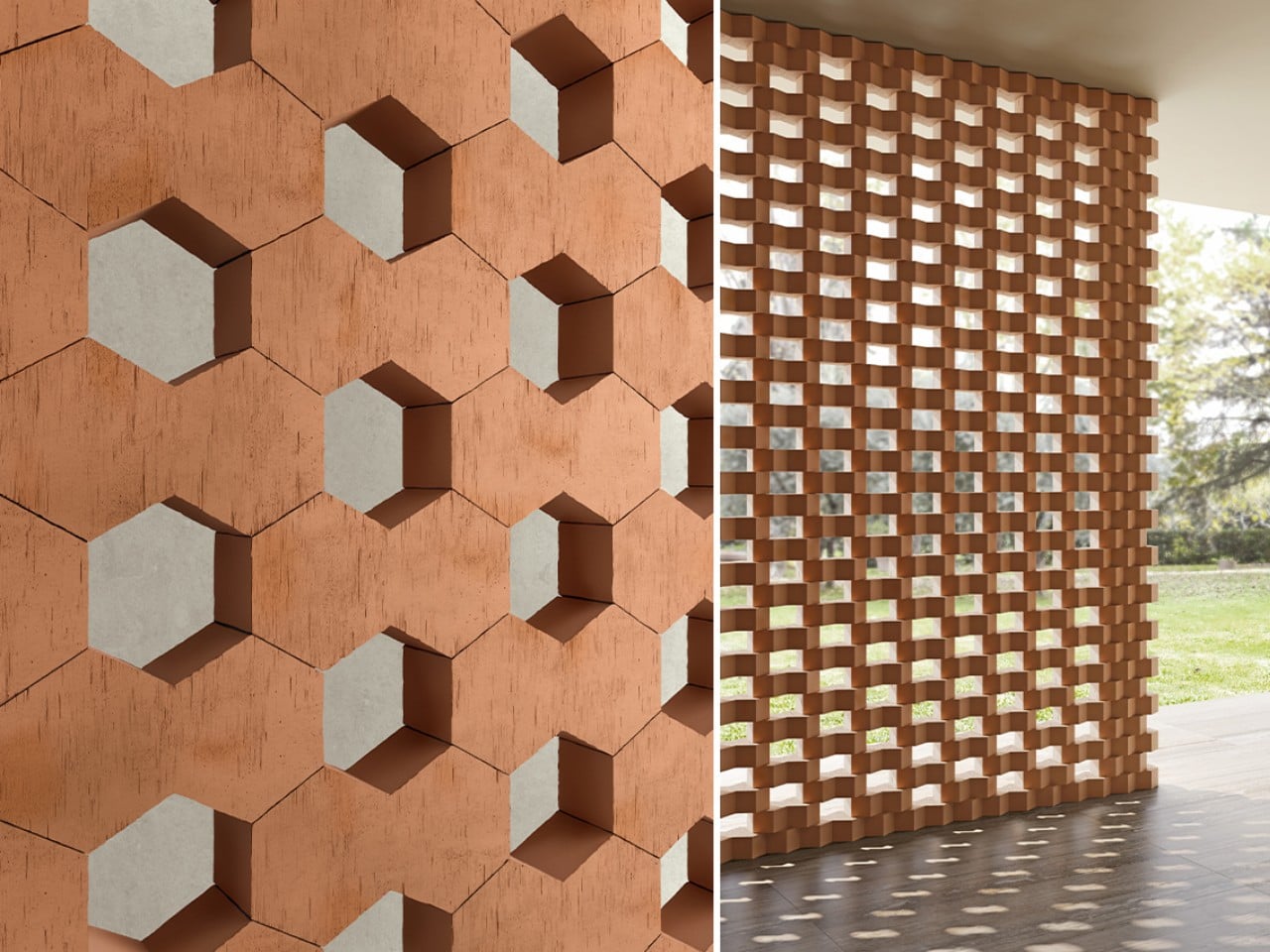
Inspired by the intricate structure of beehives, Mutina, a pioneering ceramics company collaborating with top designers, introduced the Hives collection. Designed by Konstantin Grcic, these hexagonal terracotta bricks redefine traditional brick-building, offering infinite configurations for interior furnishings and architectural projects. Each brick, resembling two merged hexagons, facilitates dynamic versatility; vertically, they create semi-open structures with open cavities, while horizontally, they form undulating facades for columns and counters. Crafted in 13×22.5x7cm size, the Hives bricks combine functionality with durability, boasting impressive thermal and acoustic properties. Utilizing artisanal extrusion techniques, each brick is unique, maintaining an organic structure and a soothing orange glow, exemplifying Mutina’s commitment to innovative and sustainable ceramic design.
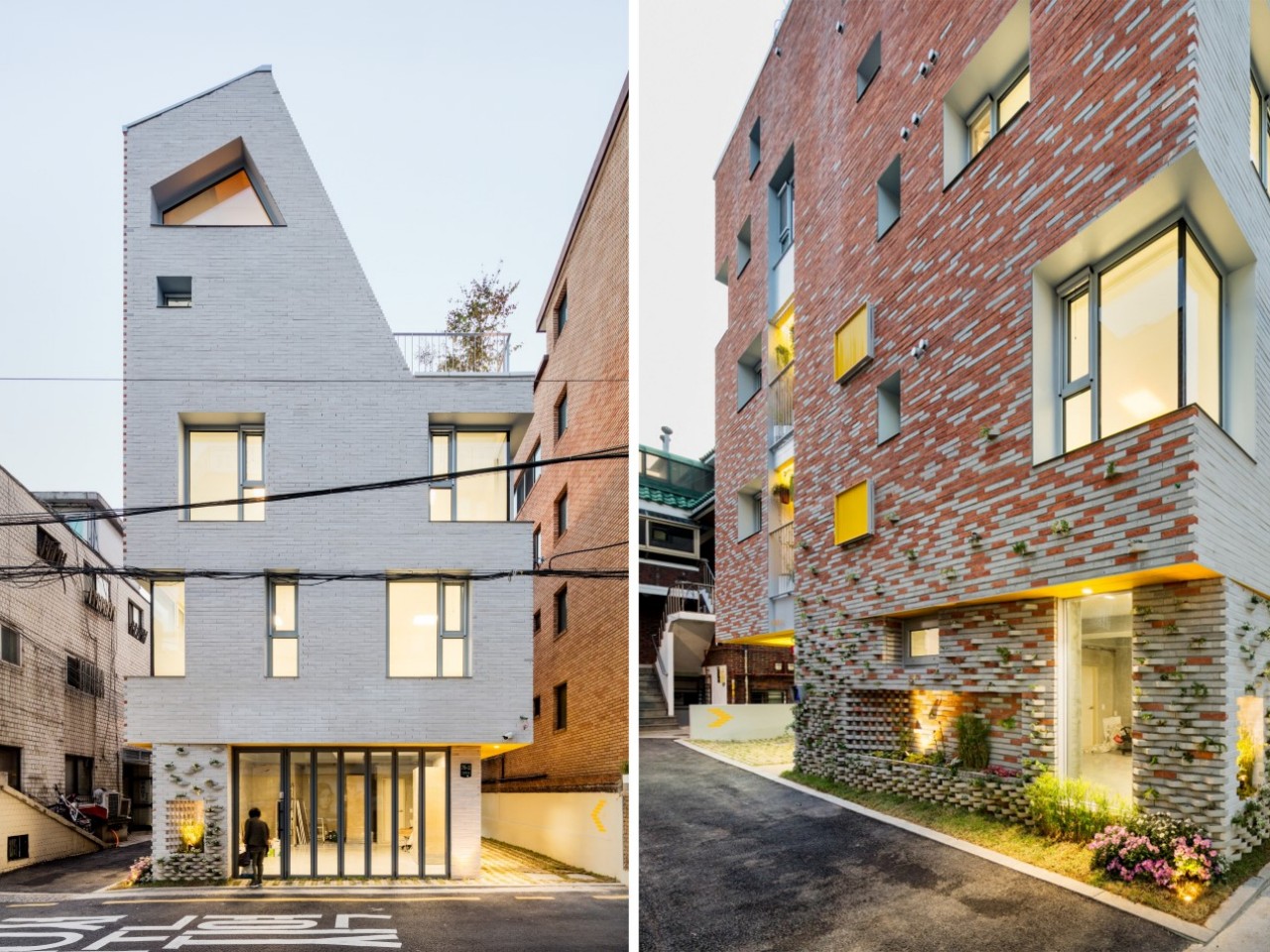
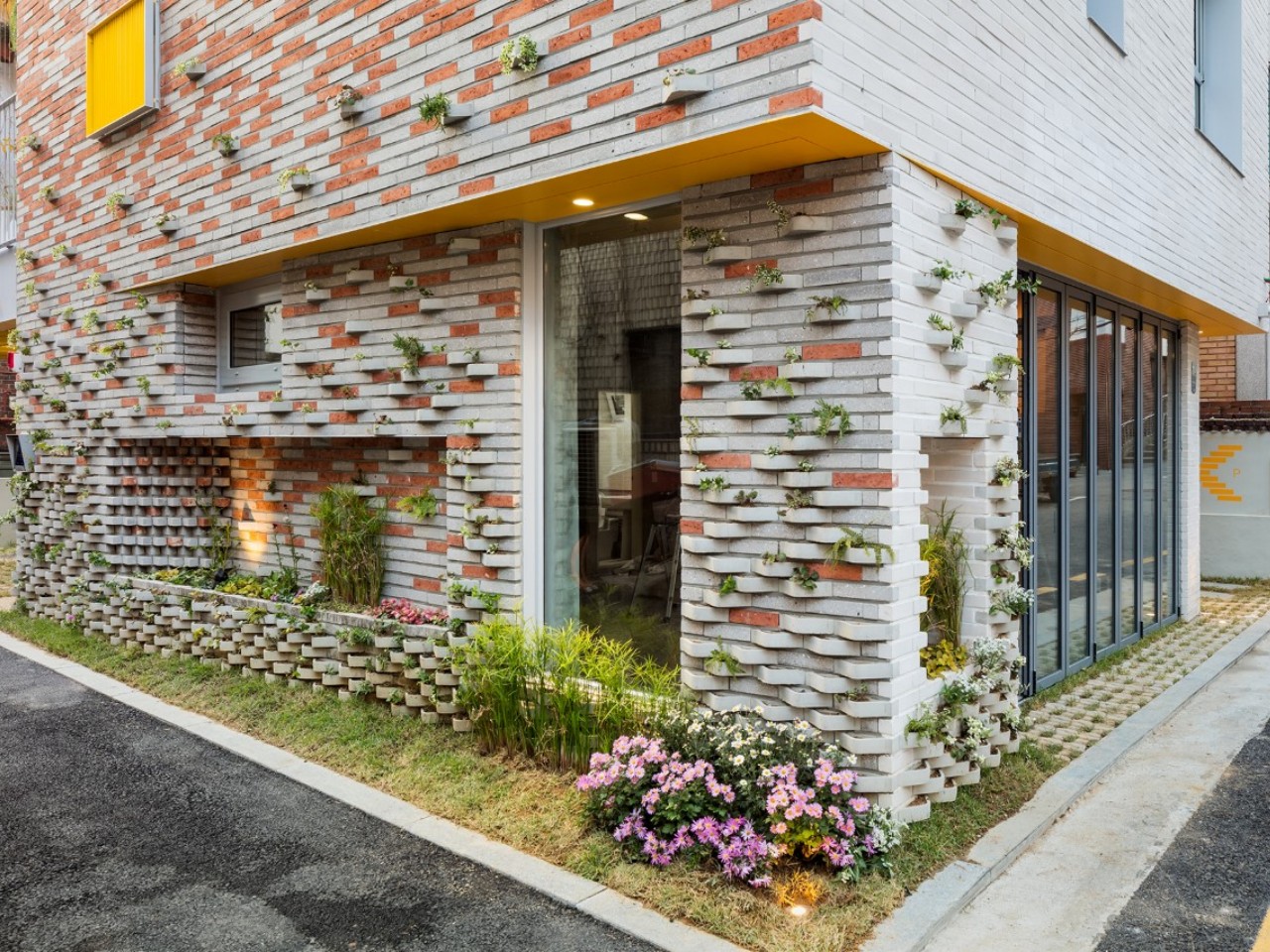
Crafted by OA-Lab, the ‘Alley House’ in Seoul, South Korea, innovatively incorporates greenery into its brick facade. Utilizing a stretcher bond pattern, the lower floor features uniquely designed bricks serving as planters. These protruding bricks create shelves for planting, enhancing the building’s exterior with a vertical garden. Their concrete composition ensures durability and containment for plants, while their density on the ground level facilitates easy watering. Ideal for smaller plants, they add a charming touch of green against the building’s white and red color scheme.
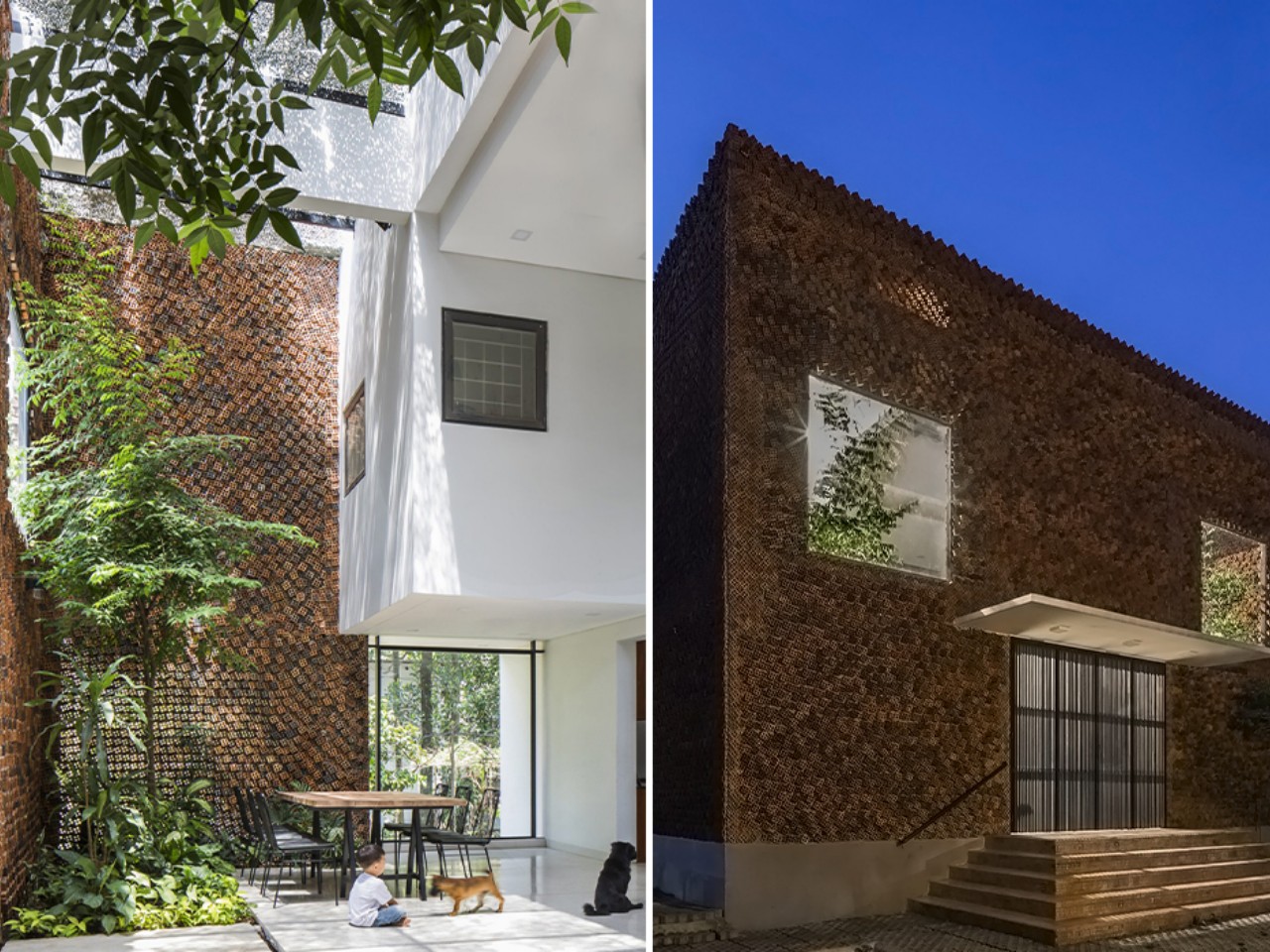
This innovative Wall House design by CTA Creative Architects in Bien Hoa, Vietnam, employs hole-punctured bricks to enhance indoor air quality and promote natural ventilation and illumination. Salvaged from nearby building sites, these bricks are strategically punctuated to allow fresh air and light into the living spaces. The irregular arrangement of burnt and blackened bricks adds texture and depth to the exterior, while tiered steps mimic the brick pattern, creating a visually striking entrance. Surrounding greenery improves air quality and contrasts beautifully with the brick tones. Large windows and a glass roof maximize natural light, enhancing the spaciousness of the interior. Simple materials like exposed-aggregate concrete and dark wood complement the design, while a stylish black-metal staircase adds functionality and aesthetic appeal.
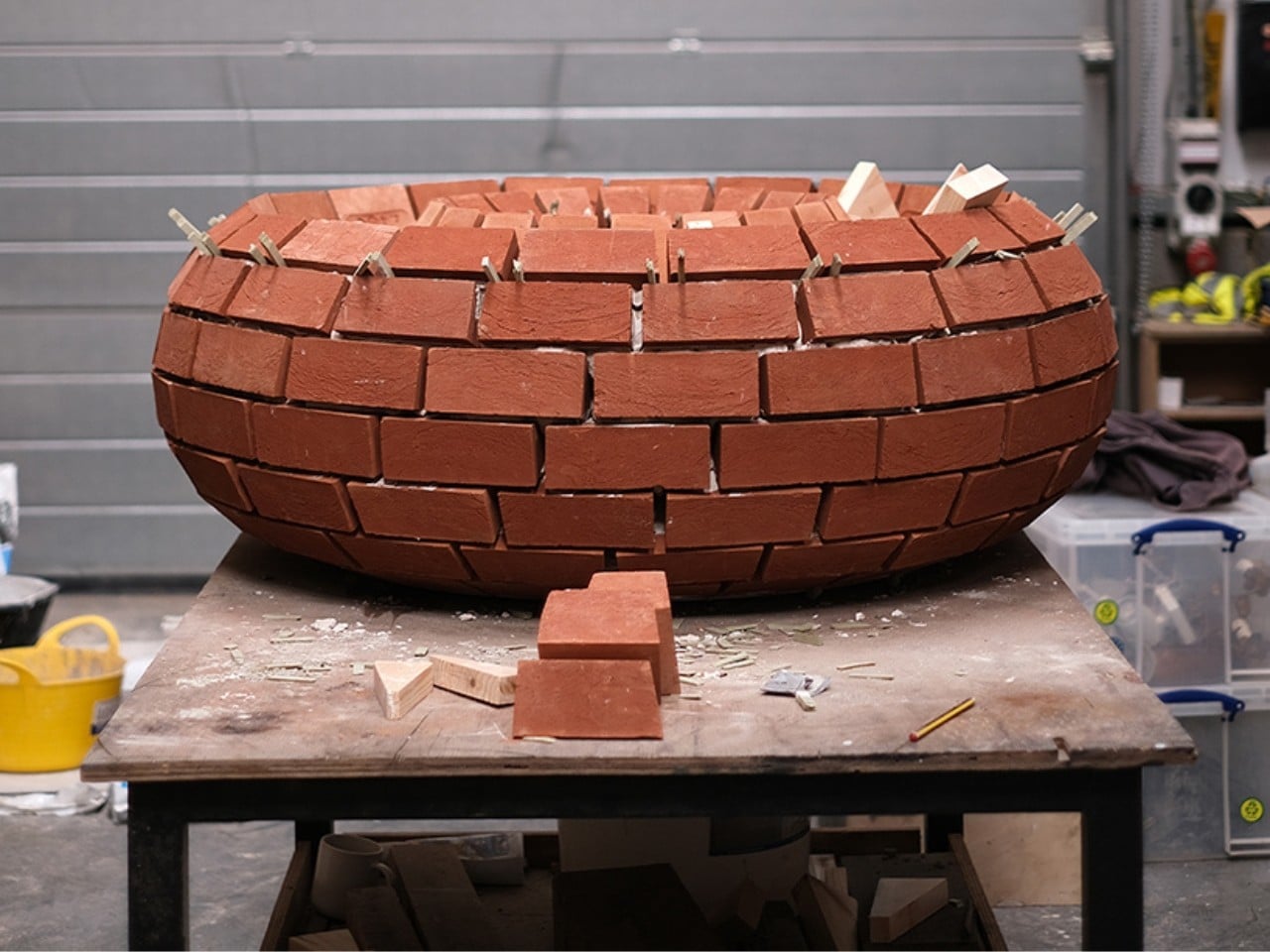
At London’s historic Royal Albert Wharf, repurposed bricks have been used to design the unique round bench FLOAT. Blending seamlessly into its maritime surroundings, it resembles a decorative element while offering seating. Crafted from traditional handmade clay bricks stacked in a brick-like design, it evokes the dockside architecture. The curved shape mimics the wharf’s edge, inviting visitors to sit and enjoy the view. Despite its unconventional material and rounded form, FLOAT adds an intriguing touch to the wharf’s ambiance.
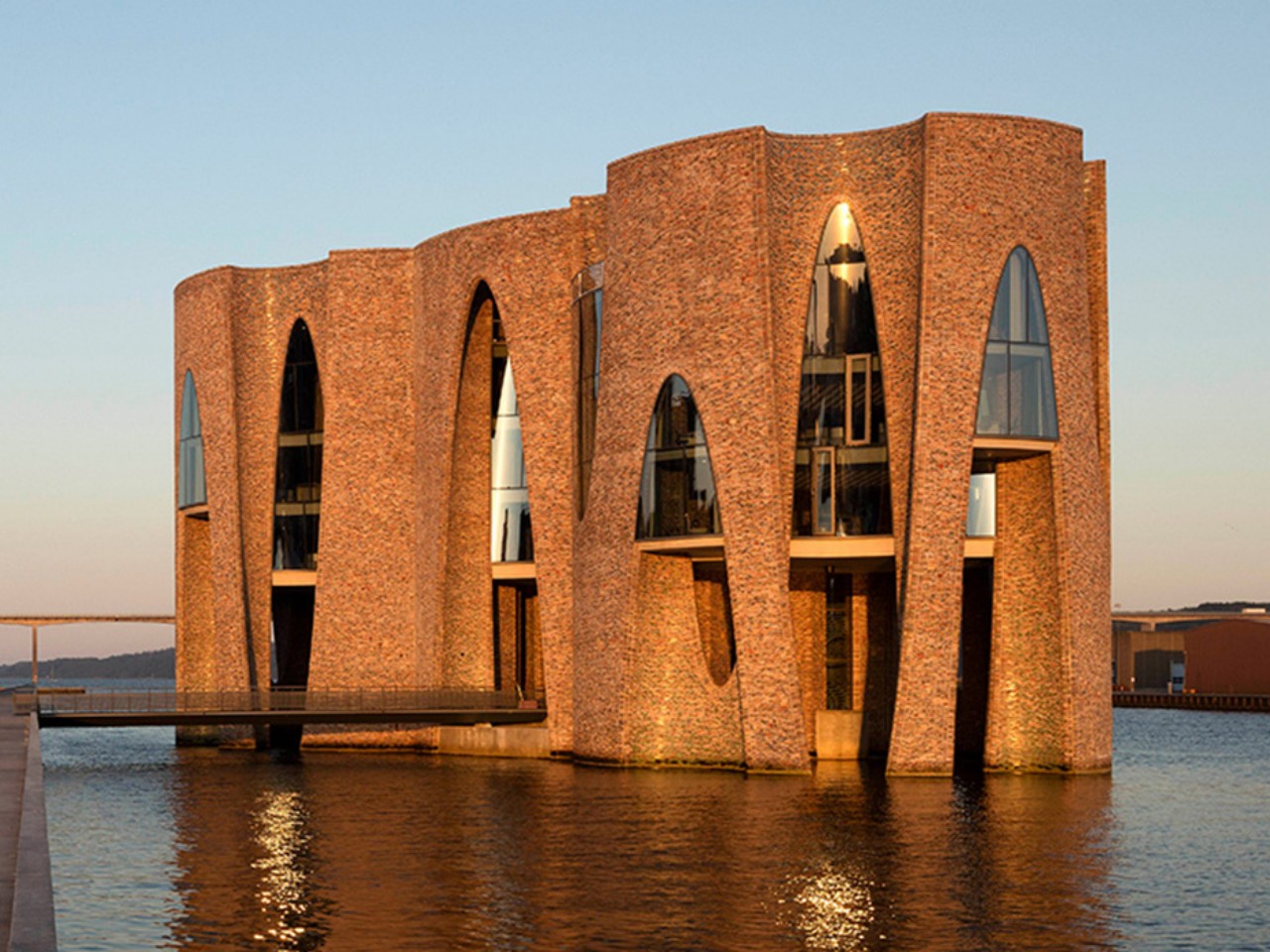
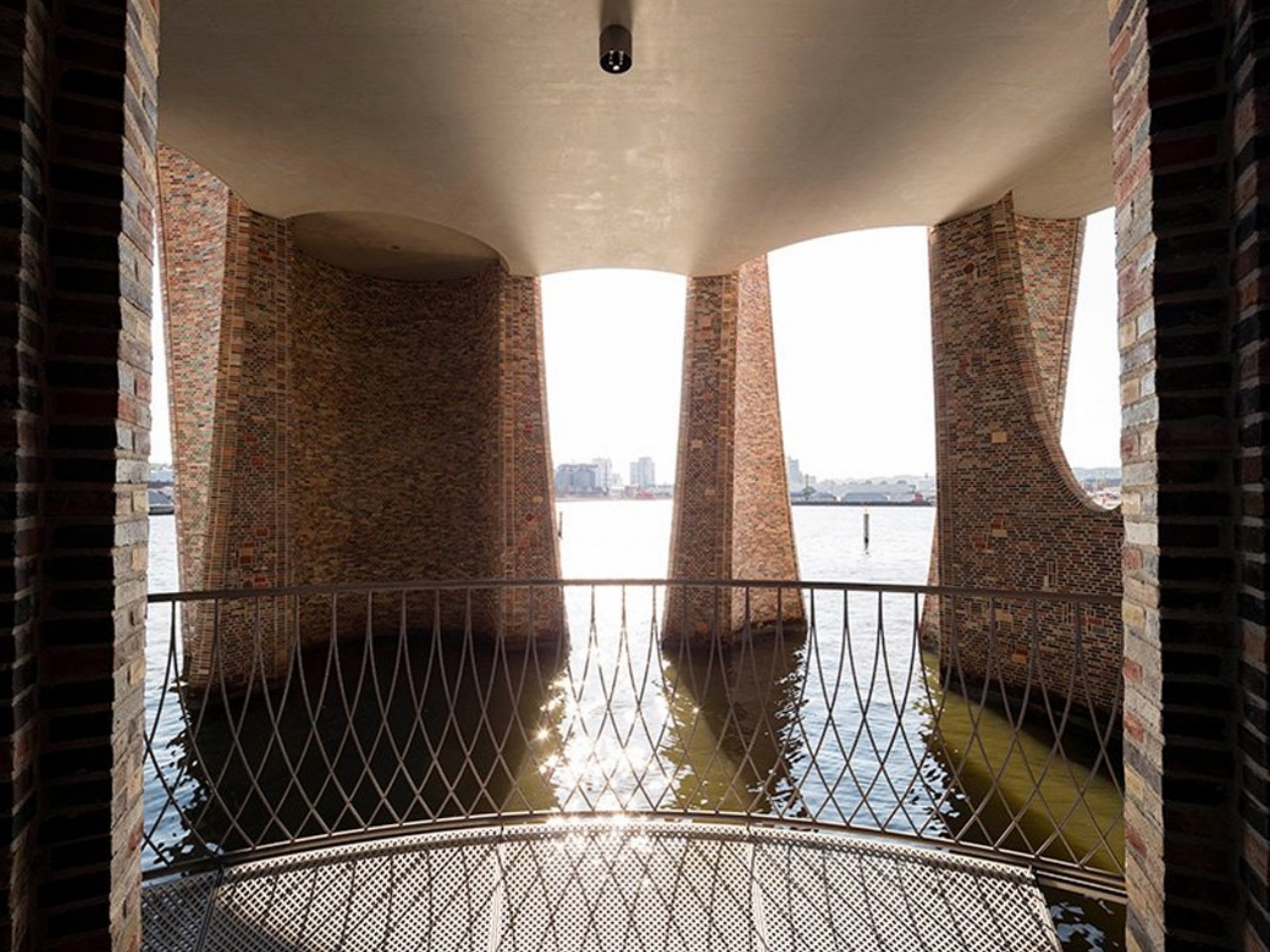
The Fjord House is a stunning architectural marvel by Studio Olafur Eliasson. Crafted with rustic bricks, this innovative design seamlessly merges tradition with modernity. Its curved walls evoke a sense of fluidity and dynamism, creating a captivating presence in any environment. The timeless charm and contemporary allure of the Fjord House, are a true testament to the fusion of art and architecture.
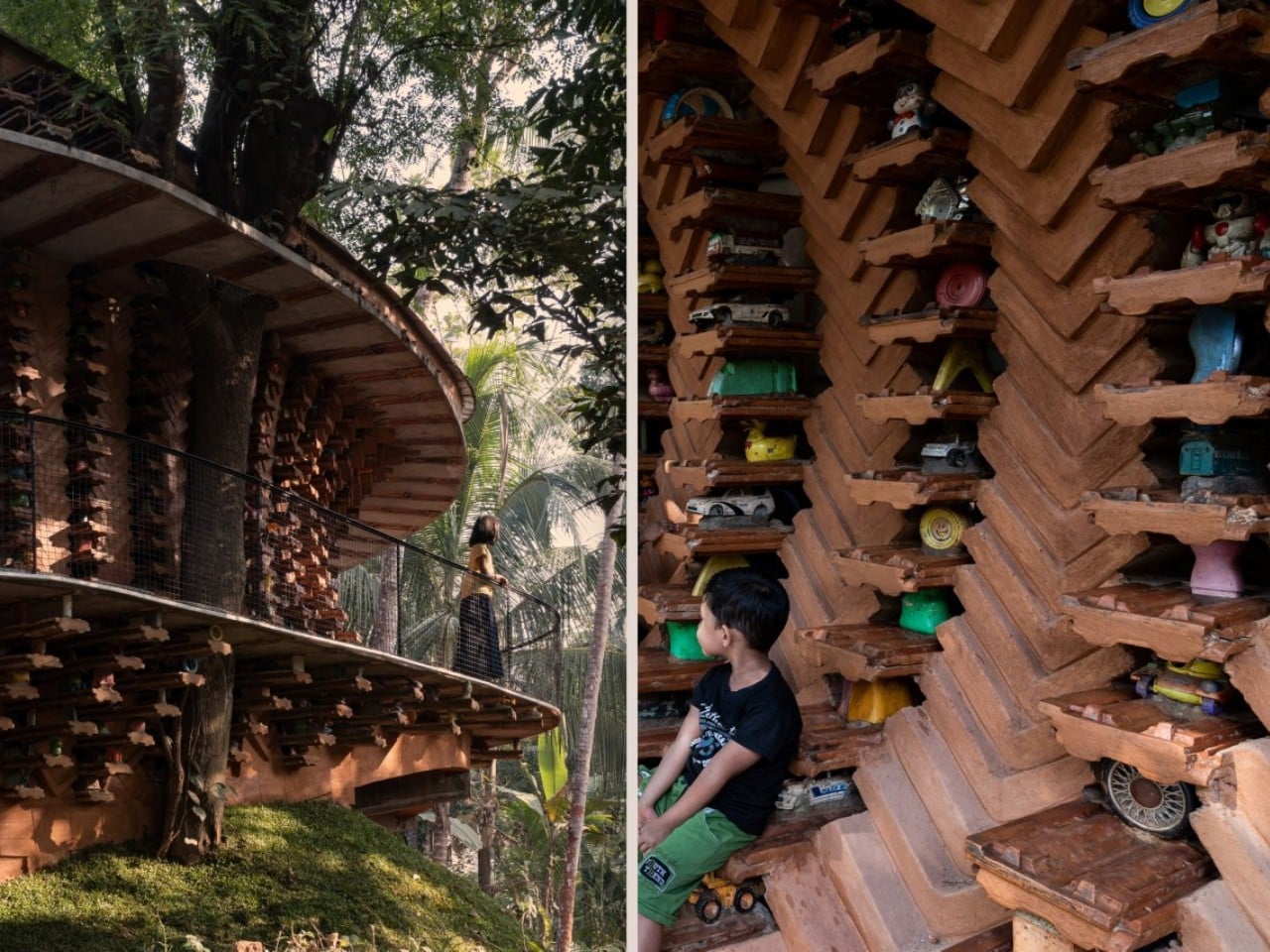
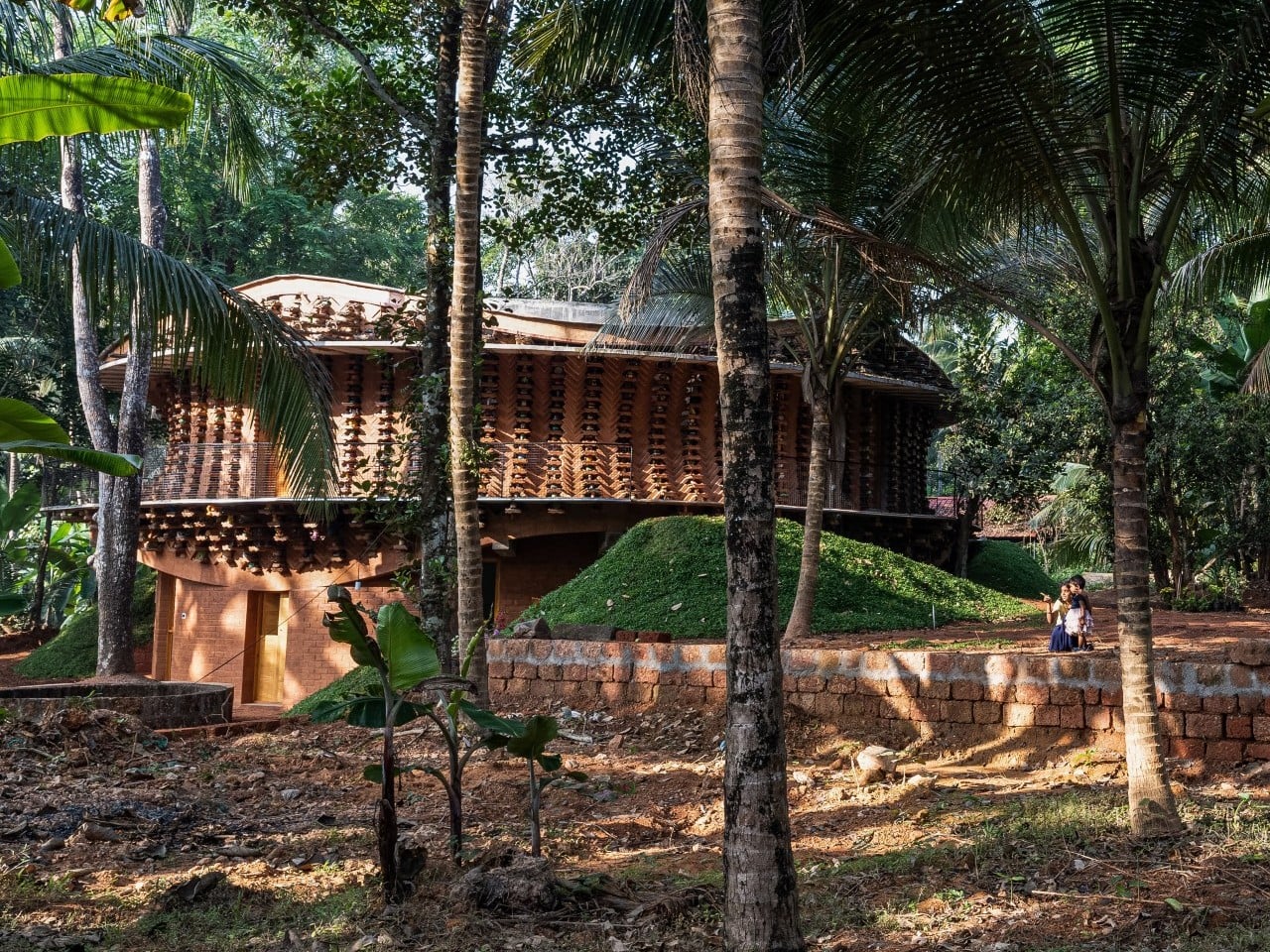
Toy Storey, a sustainable circular dwelling by Wallmakers India, headed by Vinu Daniel, creatively incorporates 6,200 discarded toys into its walls, transforming them into unique decorations. Beyond construction, architecture expresses cultural, social, and environmental concerns, as demonstrated in this groundbreaking project nestled in Kerala’s landscapes. It’s more than a home; it’s a tribute to nostalgia, childhood, and eco-awareness. Through repurposing toys as structural elements and decorative features, Toy Storey prompts reflection on consumption habits, while its design seamlessly blends with its surroundings. The interiors foster community living with individual privacy, featuring translucent screens, a central courtyard, and innovative ventilation. Toy Storey challenges norms, advocating sustainability and creativity by giving discarded items new meaning.
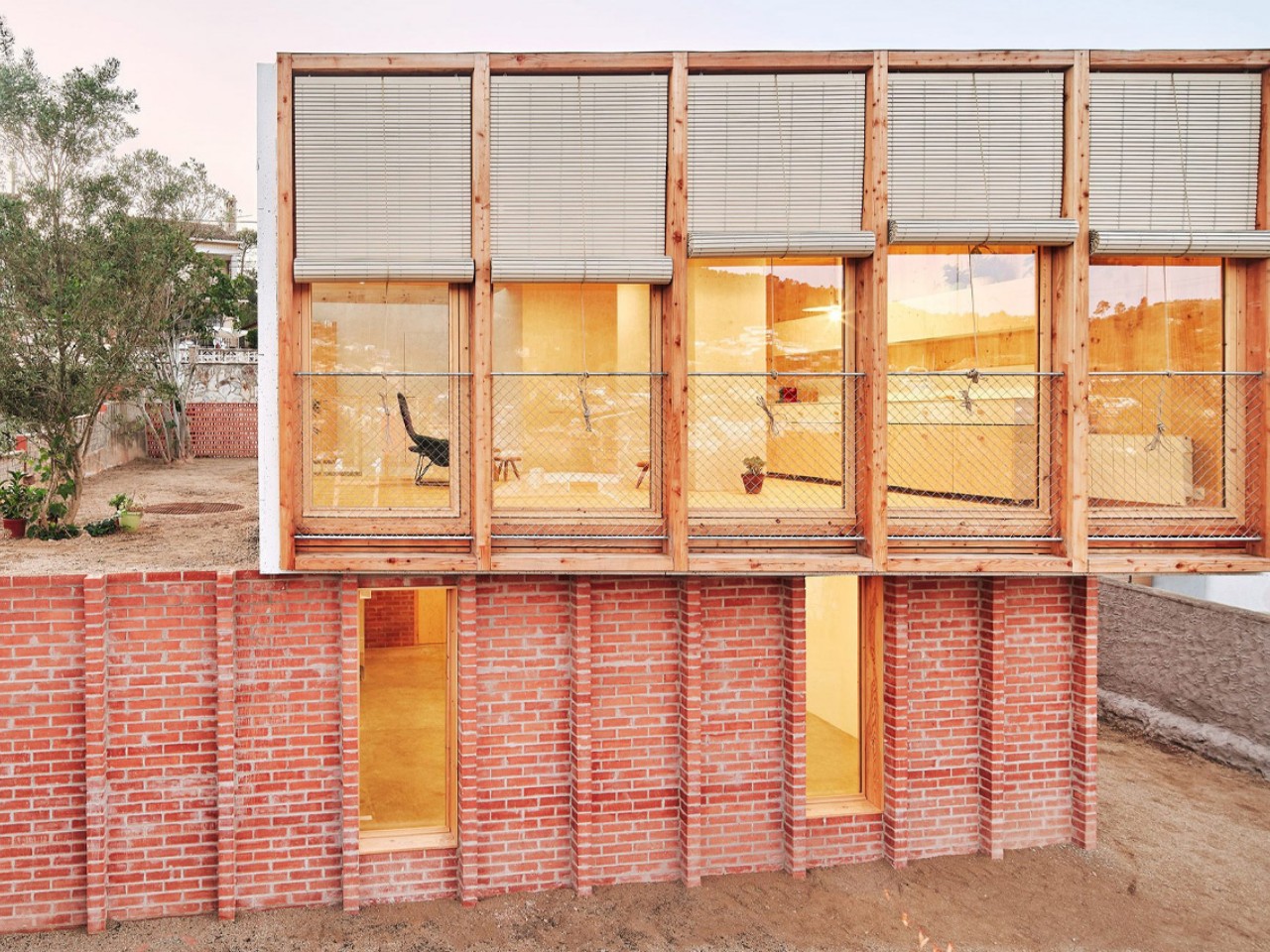
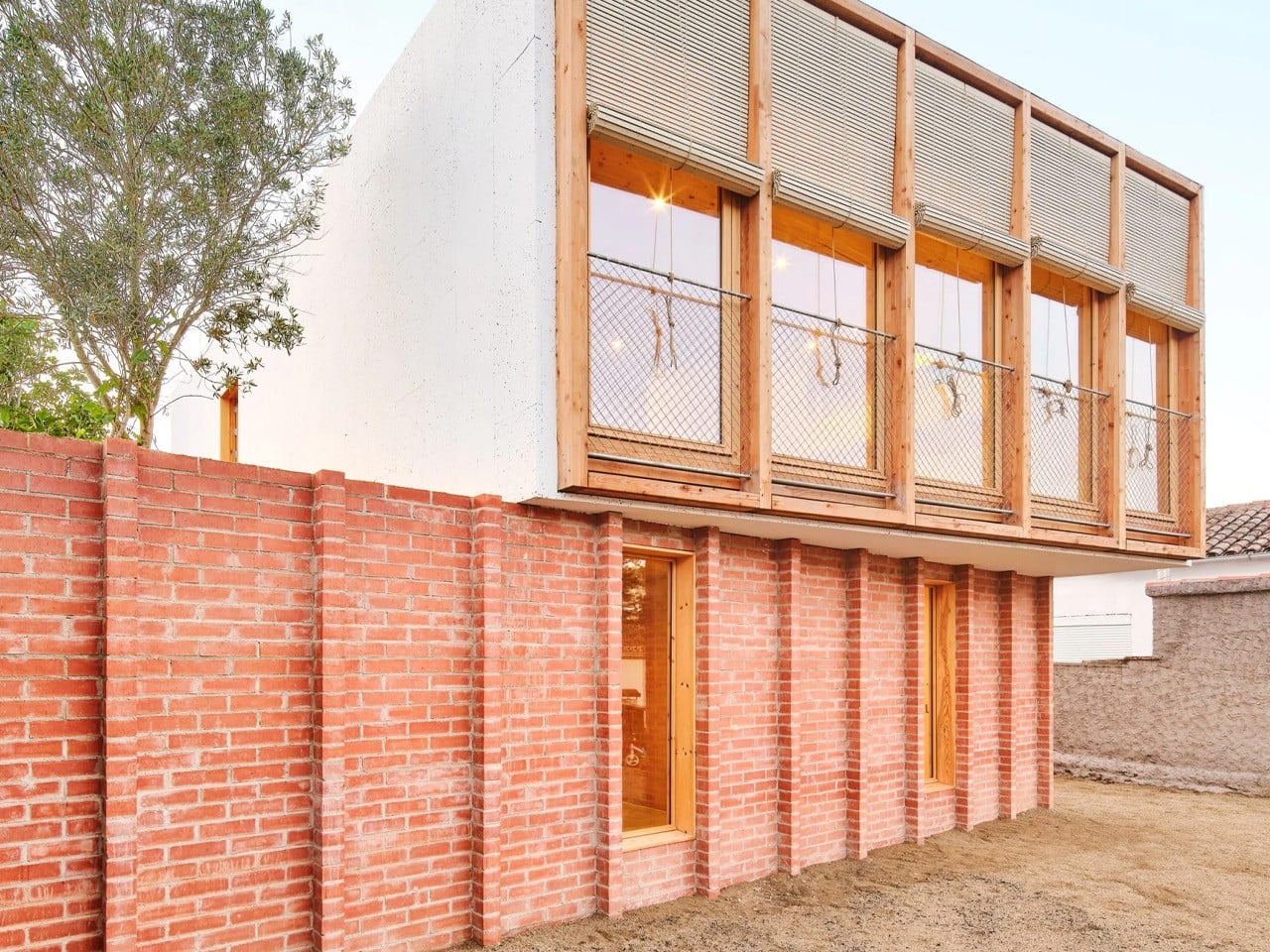
Spanish firm Agora Arquitectura transformed a neglected brick structure near Barcelona into the ‘House on a Brick Base’, initially home to a tool shed and a small red-brick building. The latter was refurbished and extended, integrating two perpendicular brick walls supporting the timber dwelling. External brick staircases and a perimeter wall were added. Sustainable materials like prefabricated cross-laminated timber and whitewashed cork were used. Co-founder Joan Casals Pañella described the project as an homage to traditional building methods. The studio fully renovated the brick building and expanded it across the terrain. Co-founder Joan Casals Pañella characterized the project as a tribute to traditional construction techniques, integrating two perpendicular brick walls into the structure to support the timber dwelling above. Additionally, a perimeter wall of perforated brick and exterior brick staircases were seamlessly incorporated to link various levels of the building within the sloping landscape.
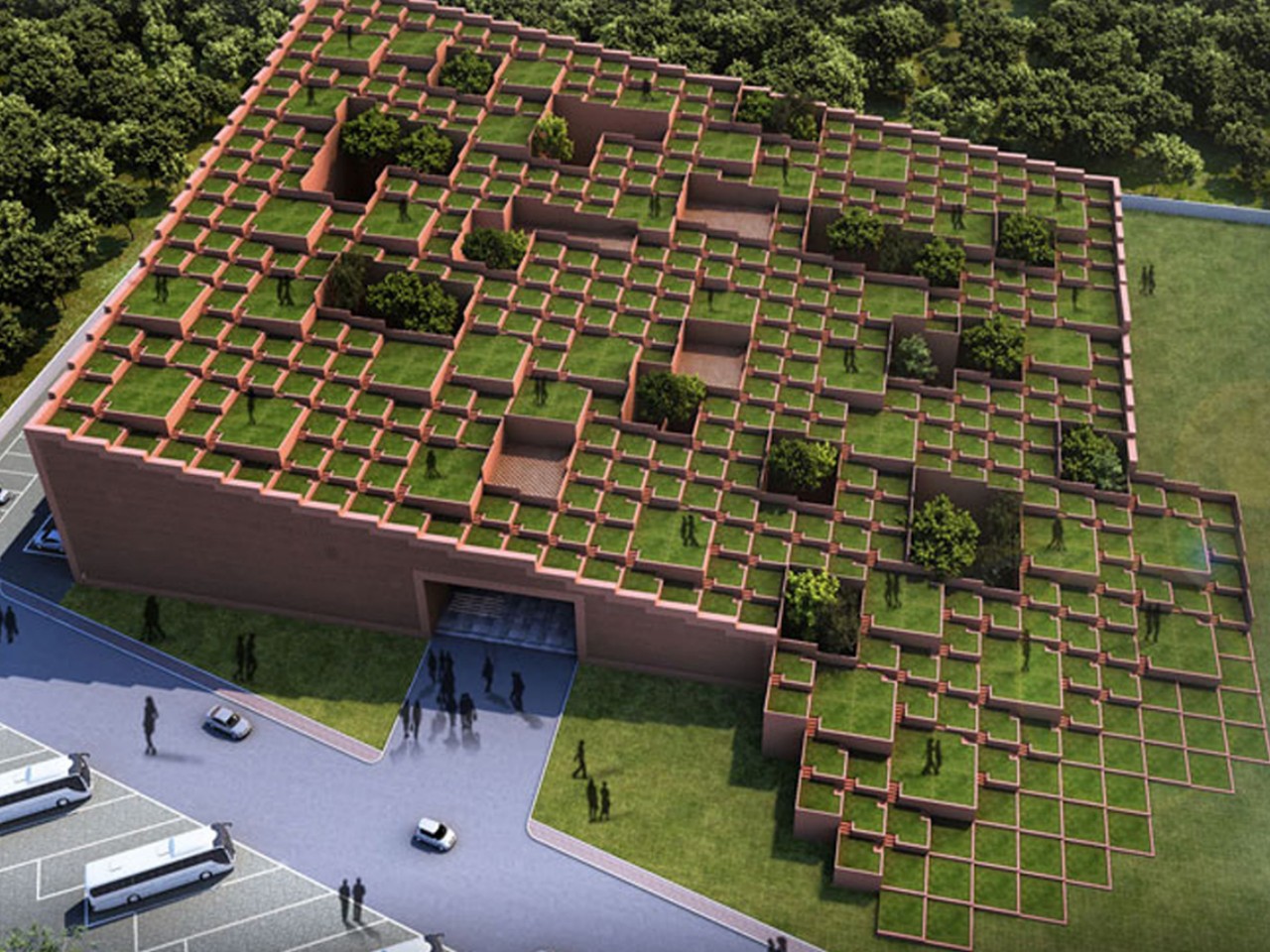
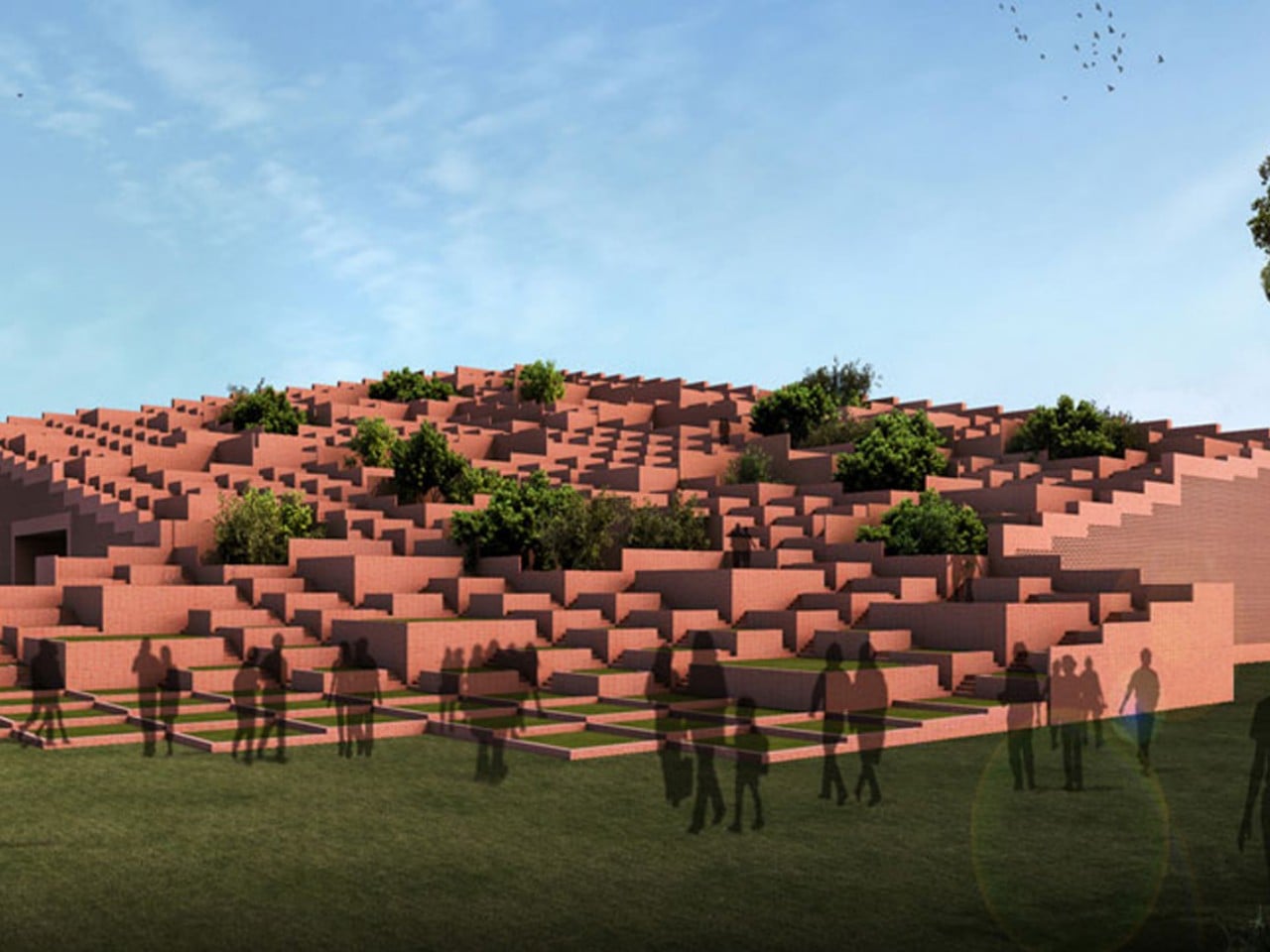
Prestige University, designed by Sanjay Puri Architects in Indore, India, embodies a fusion of organic architecture and sustainable building practices. Featuring staggered green terraces ascending towards a 20-meter apex, the design optimizes natural resources and climate. Inspired by traditional Indian architecture, the structure leverages the local environment for energy efficiency. The terraces allow fractured sunlight and ventilation, while a 20-meter tall brick screen mitigates heat absorption, particularly on the east, west, and south sides. The ground level accommodates administrative offices, an auditorium, and a cafeteria, with first-floor library rooms connected by an internal bridge reminiscent of Colosseum tunnels. Multi-tiered brick terraces offer recreational spaces, with facilities including a library, cafeteria, and seminar halls nestled beneath.
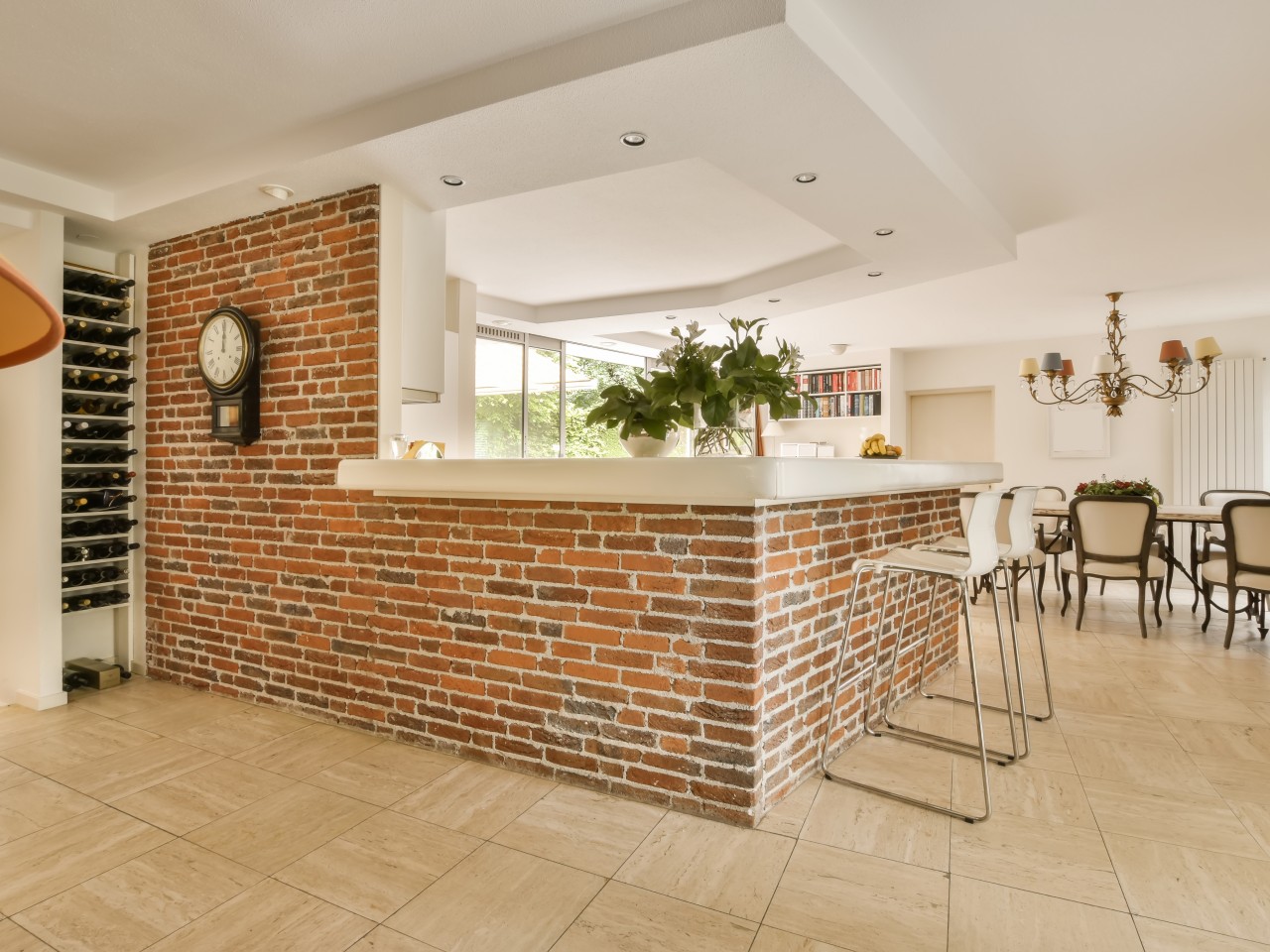
In this minimalist interior design, a brick wall demarcates the open-plan kitchen from the rest of the space. The L-shaped kitchen island transforms into a breakfast counter with tall chairs. It becomes the focal point of the open-plan home while a drop ceiling further reinforces the position of the kitchen island.
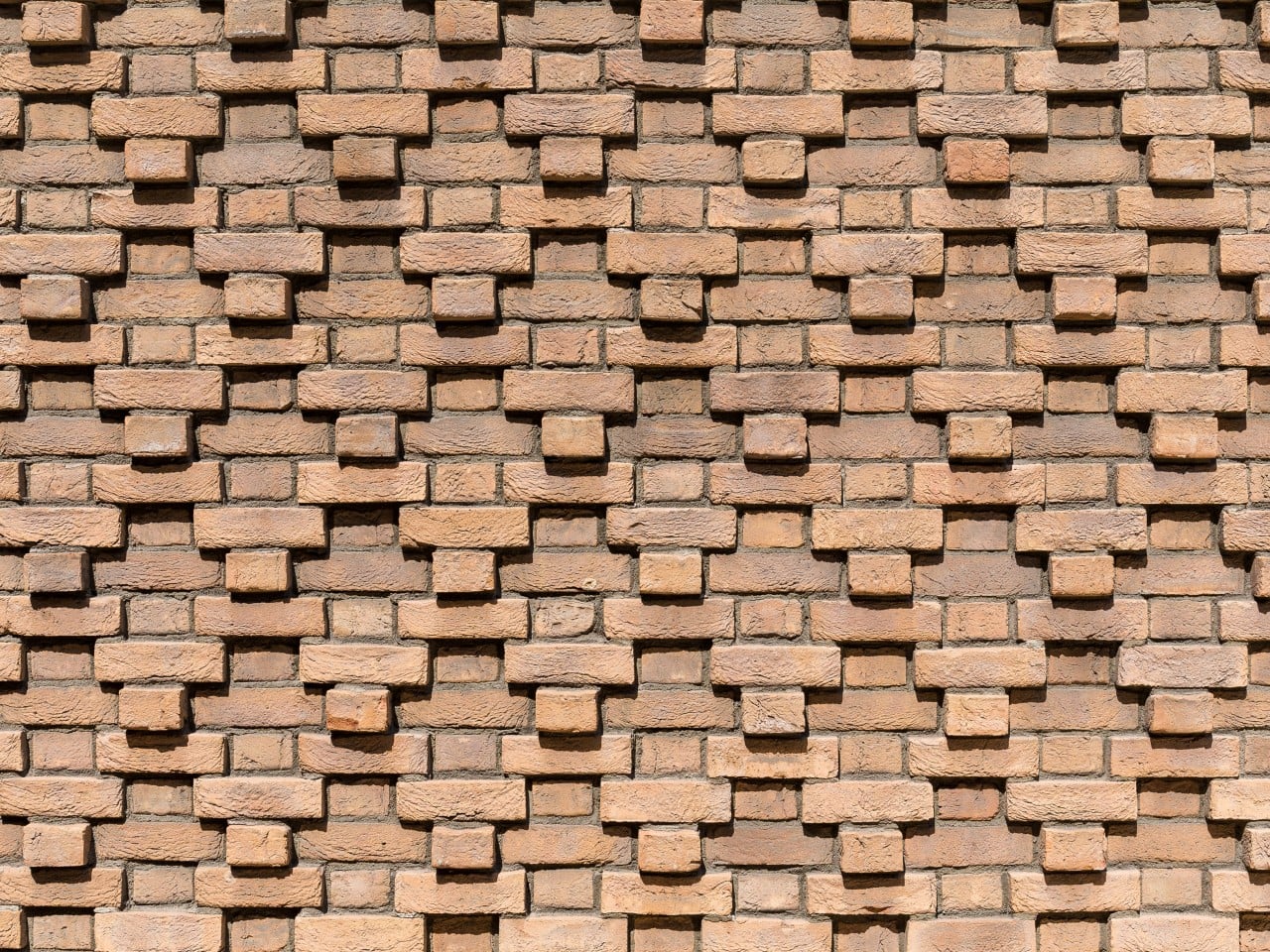
By subtle variations in elevation or intricate arrangements, one can craft diverse 3D patterns. This approach adds visual interest and imbues the space with an organic texture and ambiance to the interiors and exteriors.
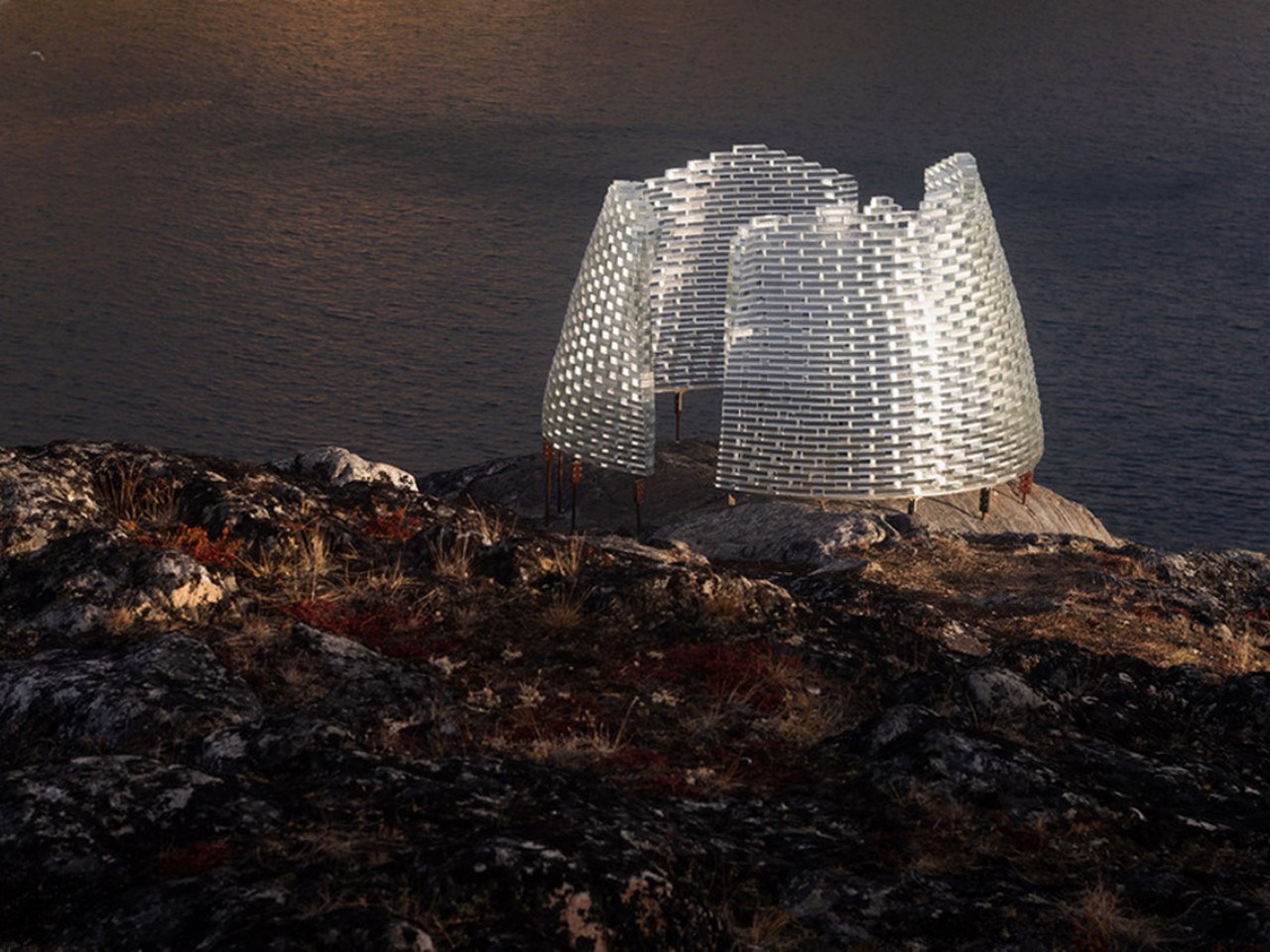
Seeking inspiration from Greenland’s indigenous culture, this translucent public installation is crafted from glass bricks. The Qaammat Fjeld Pavilion, designed by Konstantin Ikonomidis, nestles between two fjords in Sarfannguit, Greenland. Traditional building methods were used by Ikonomidis to anchor the structure to rocky terrain, forming two semi-circular structures atop horizontal bars. Collaborating with Wonderglass, glass bricks reflect the surrounding landscape, offering changing vistas as seasons evolve, while also casting crystalline shadows and light displays with the sun’s movement.
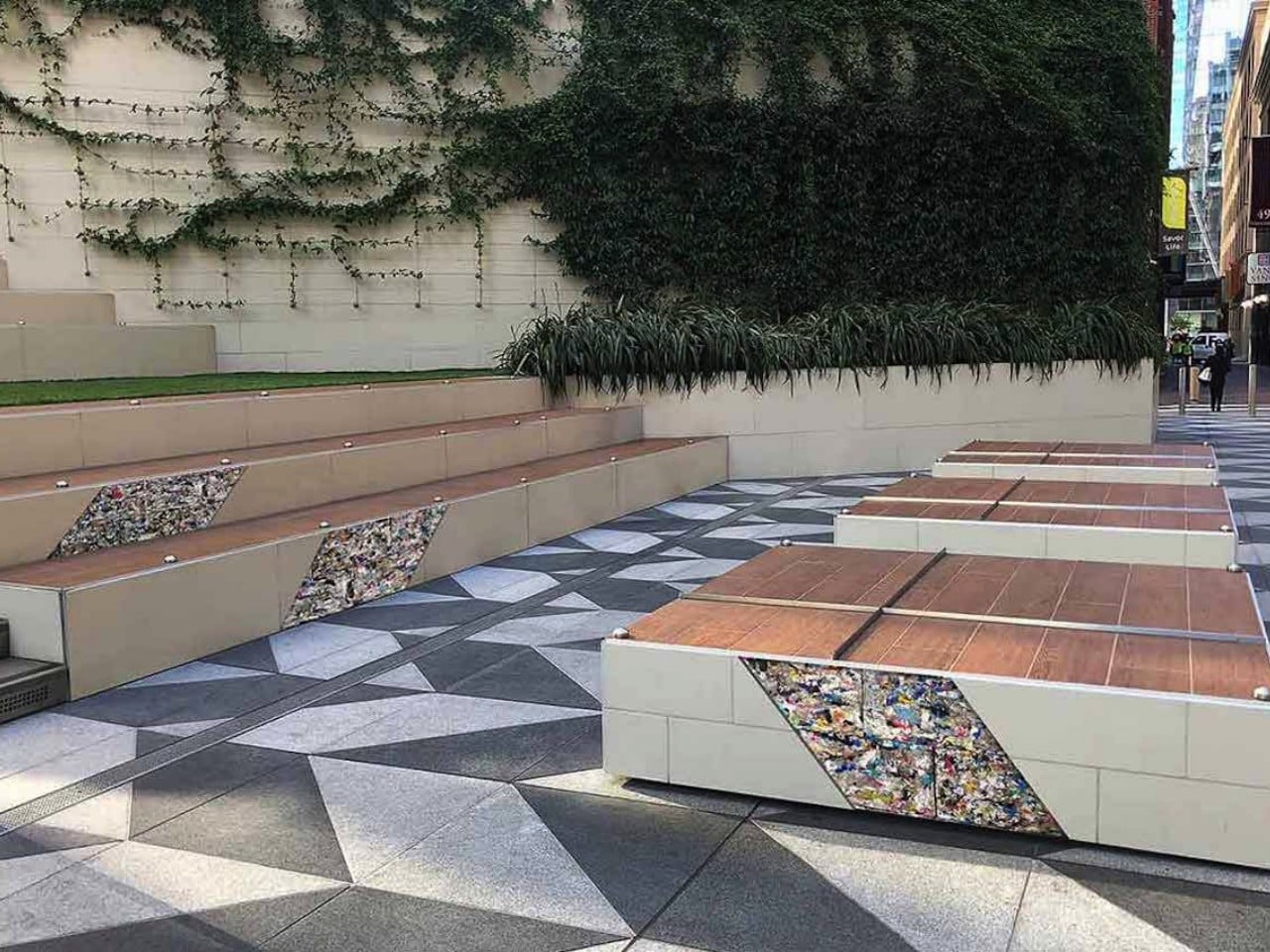
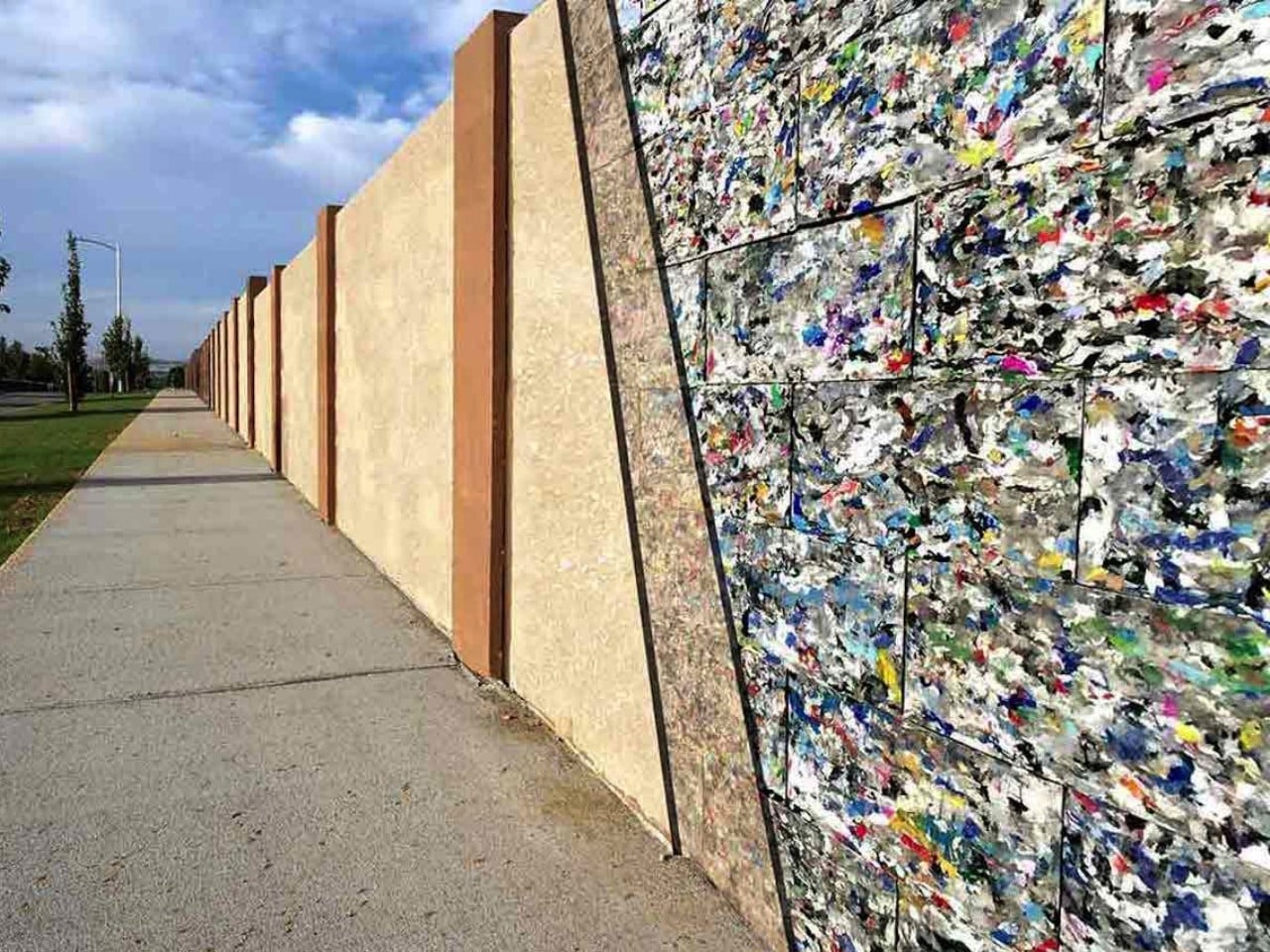
ByFusion’s initiative, reminiscent of Wall-E’s garbage cubes, introduces ByBlock, an eco-friendly construction material crafted from repurposed plastic and nonrecyclables. Through steam compression, these materials are transformed into versatile forms suitable for basic structures like fences or terraces. ByBlocks, produced with the patented Blockers technology, eliminates the need for cleaning or sorting, offering a sustainable solution to waste reduction. This innovation not only repurposes plastic waste but also holds potential for diverse construction applications, facilitating global environmental cleanup efforts.
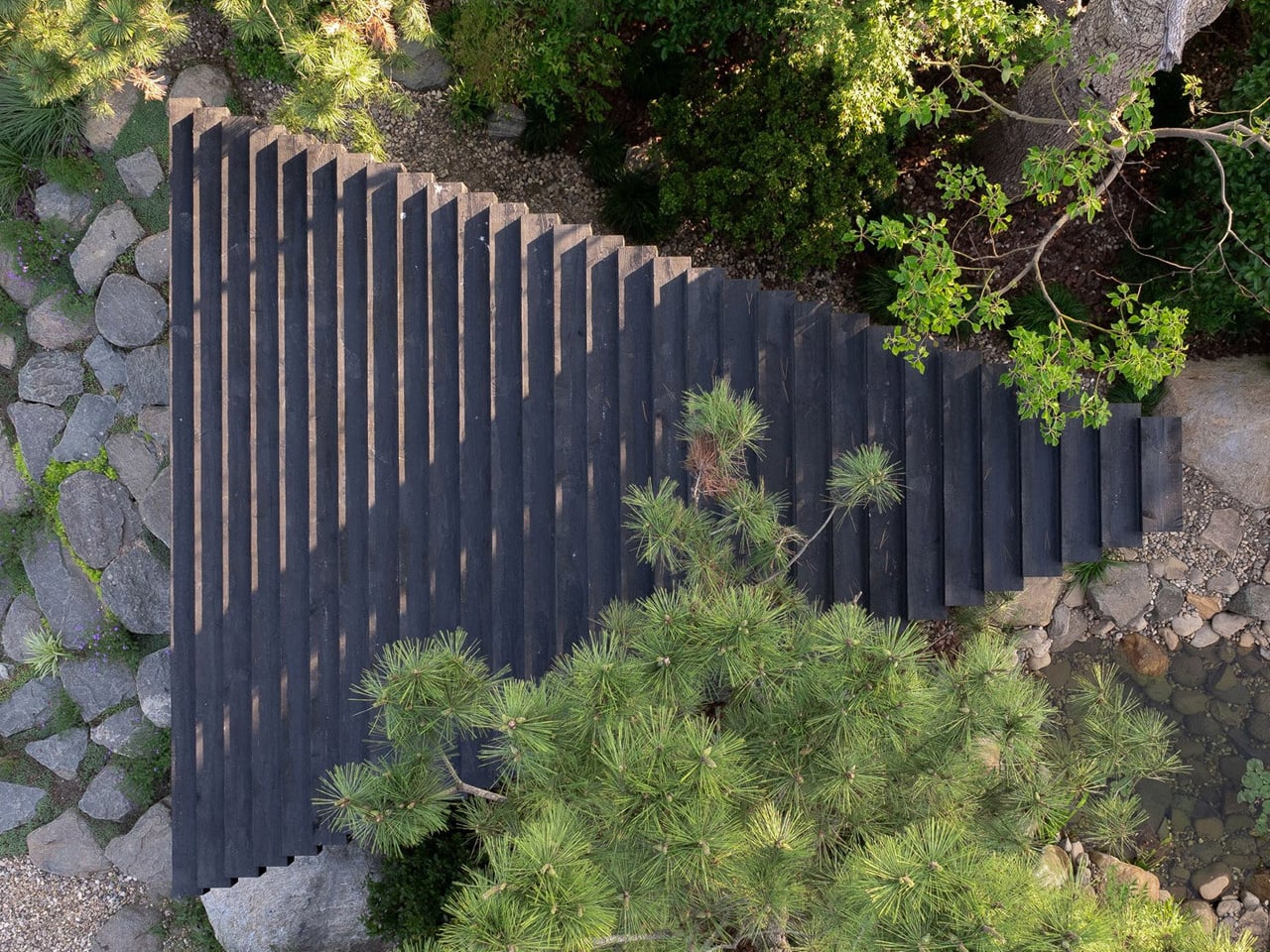
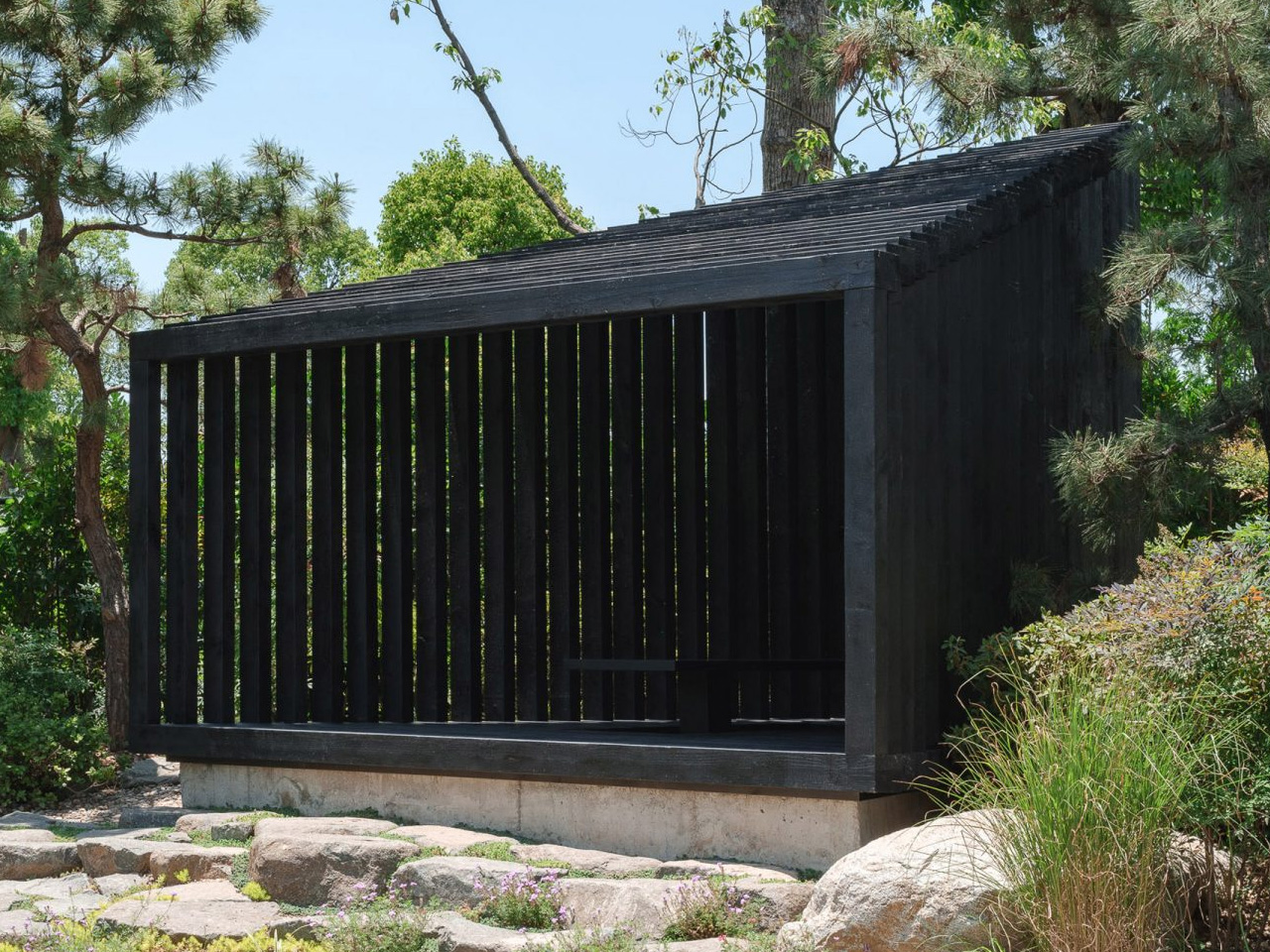
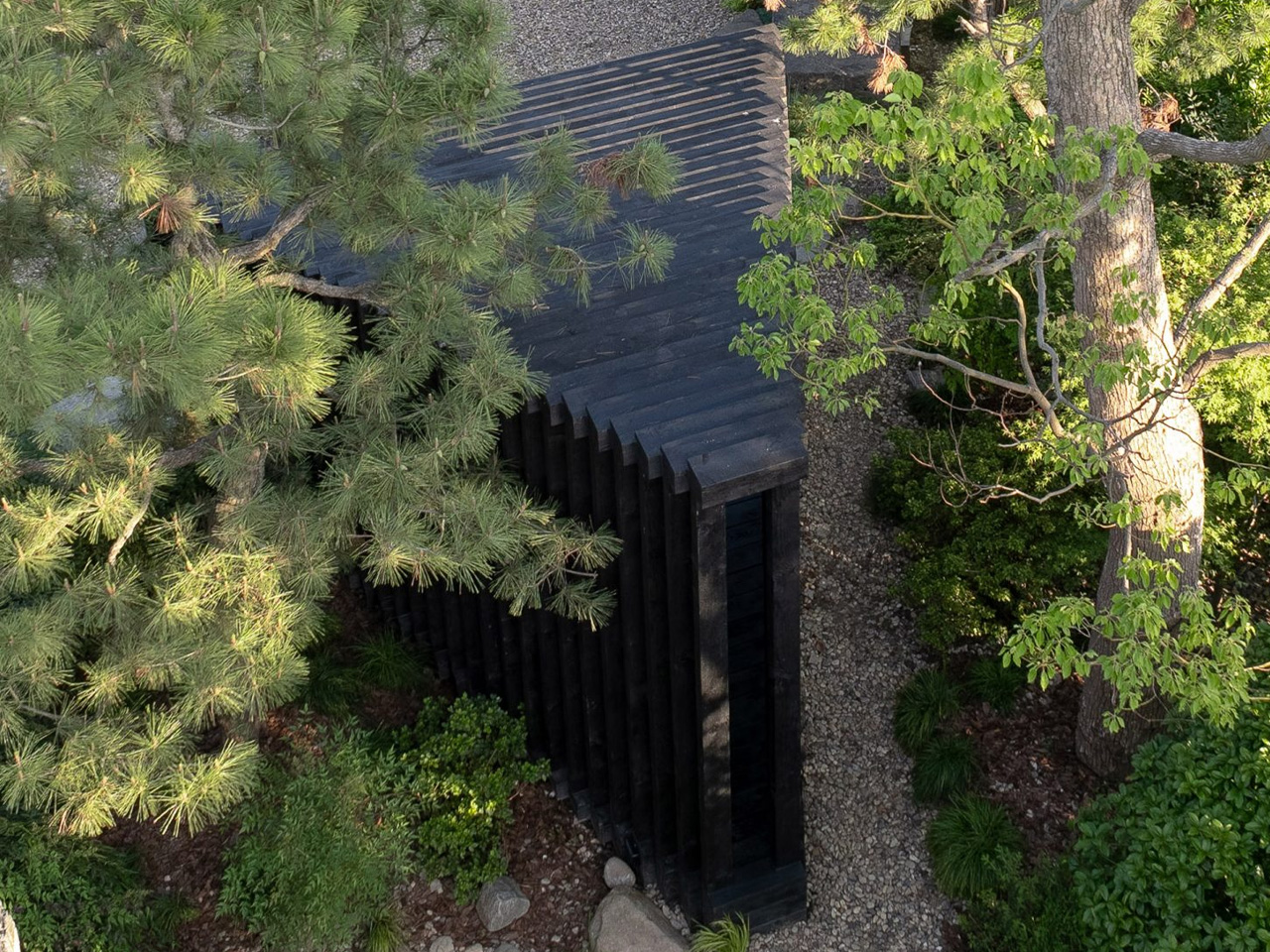
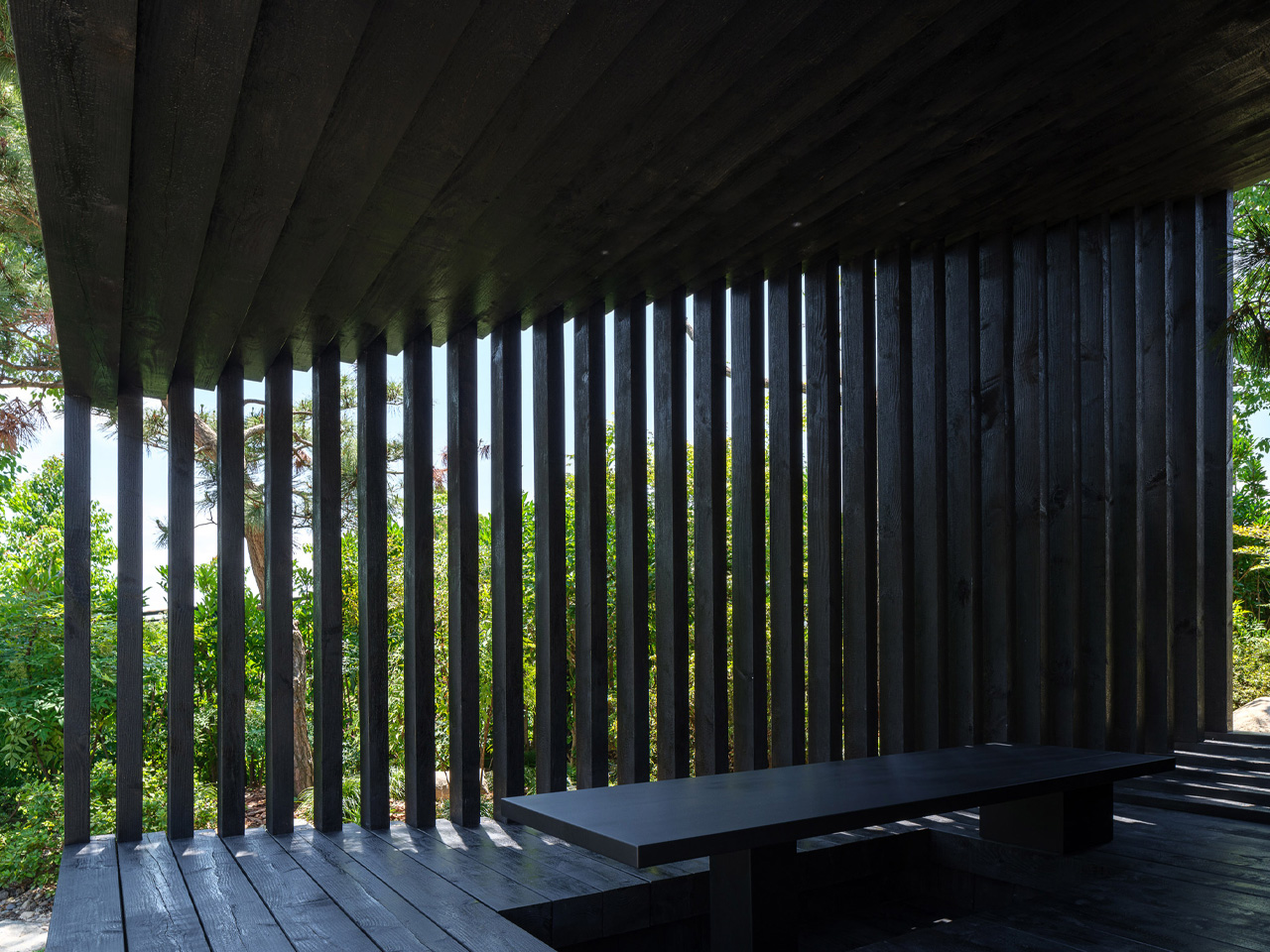
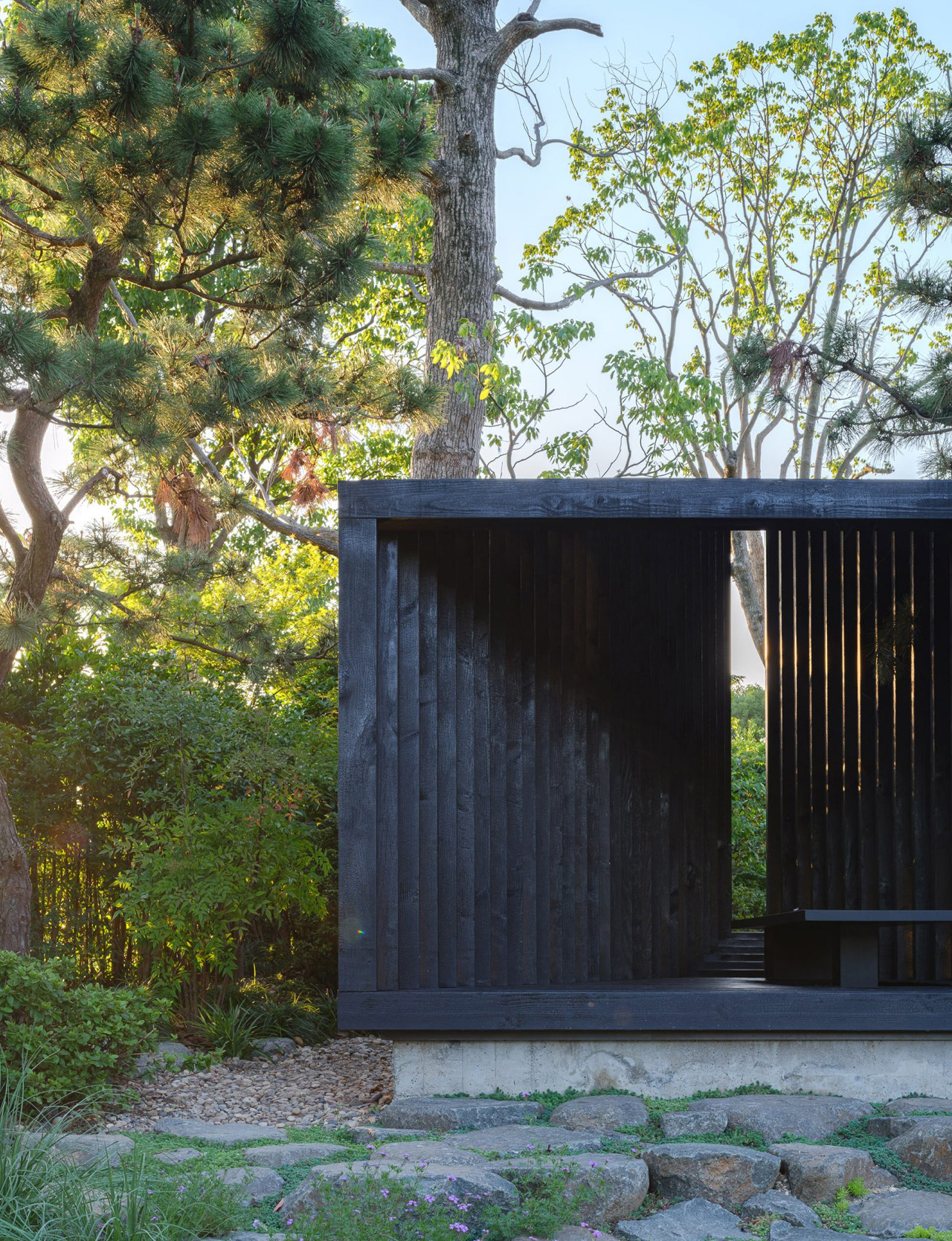
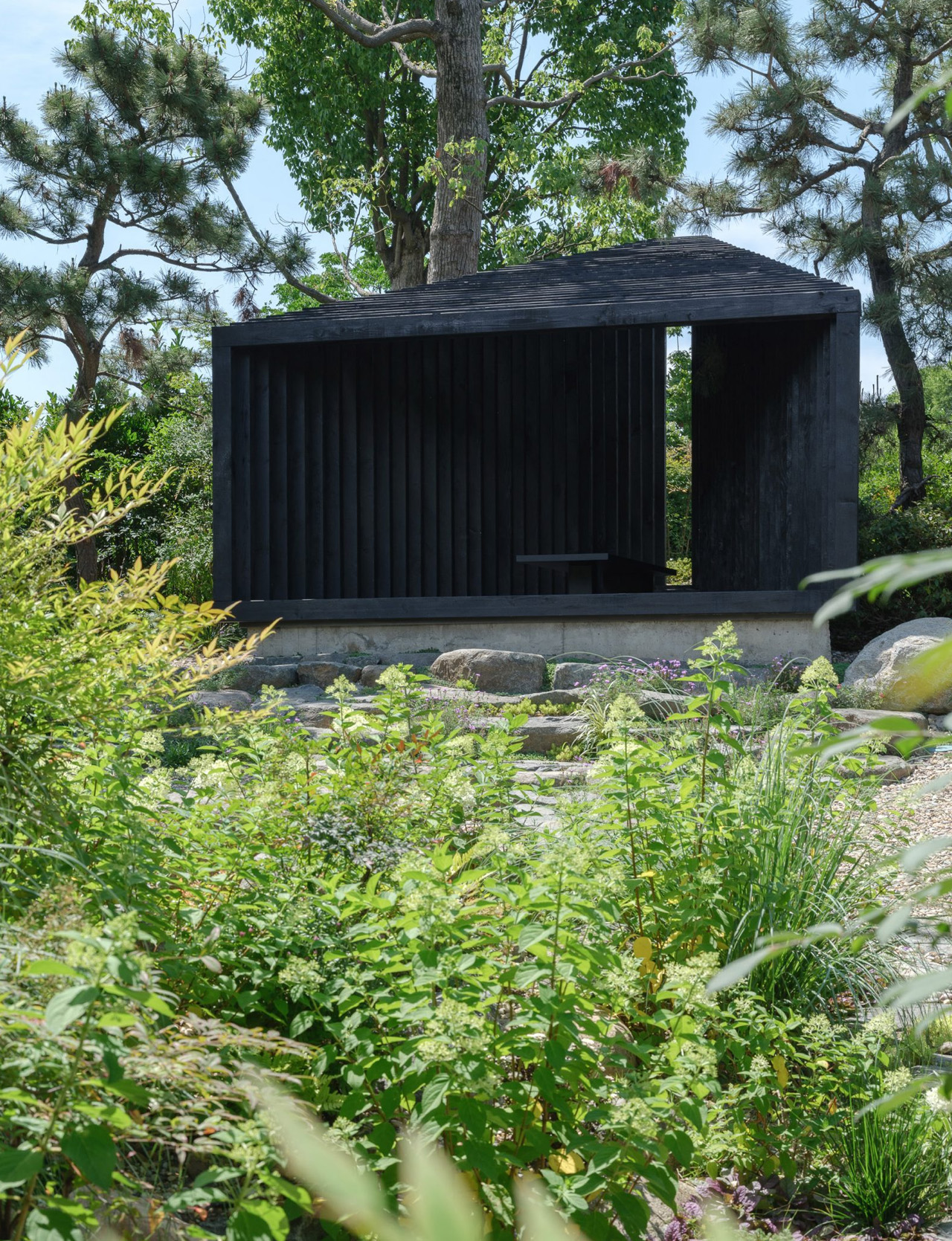
The Chinese studio Temp designed the 3-to-1 Pavilion – a lovely triangular shelter tucked away in a rocky garden in Shanghai. Made using charred wood, the building is designed to be a sanctuary-like space for drinking tea and gathering. It features a geometric form with well-organized triangular plana and louvered walls built from wooden frames.
“The 3-to-1 Pavilion design is the integration of time, space, and people, with a focus on ‘in-between’ or interstitial spaces,” said Temp.”The pavilion serves as a serene sanctuary for tea drinking, contemplation, and social gatherings in a Shanghai garden setting.”
Designer: Temp
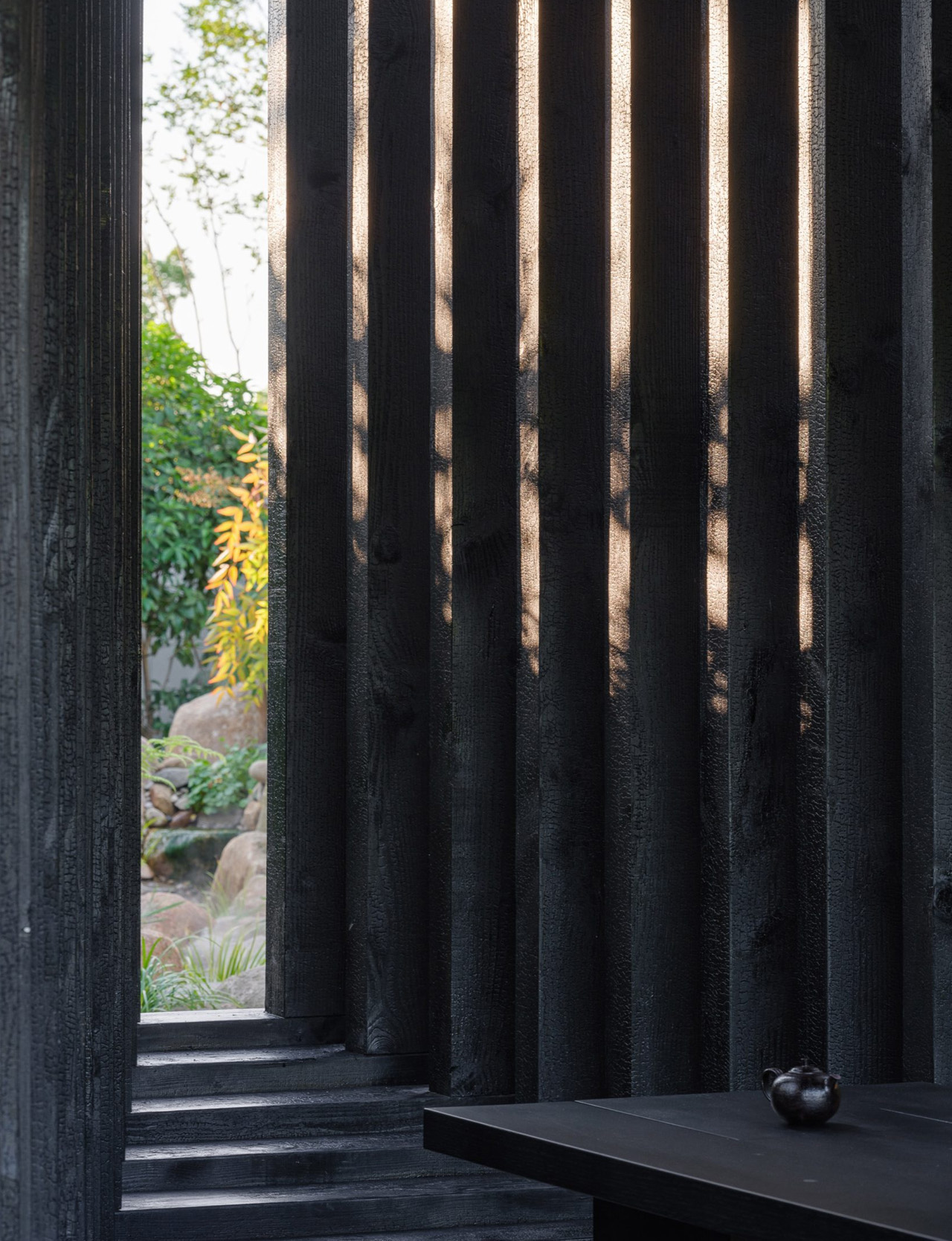
The 3-to-1 pavilion’s louvered walls are made using 30 charred timber frames which have been created from flush tenon joints. The frames are set at certain angles, increasing in height as the building narrows. The frames include little openings that filter in sunlight, creating whimsical shadows within the interior. The interior is designed to have a calming and meditative atmosphere. The triangular form of the pavilion urges visitors to admire the natural surroundings. A large open wall on one side offers views of the garden. A narrow floor-to-ceiling opening is located at one end.
“The shape directs visitors on a journey from casual gatherings to contemplation, culminating in a narrow, tall opening that frames a view of the garden, creating a strong visual connection with nature,” said Temp.
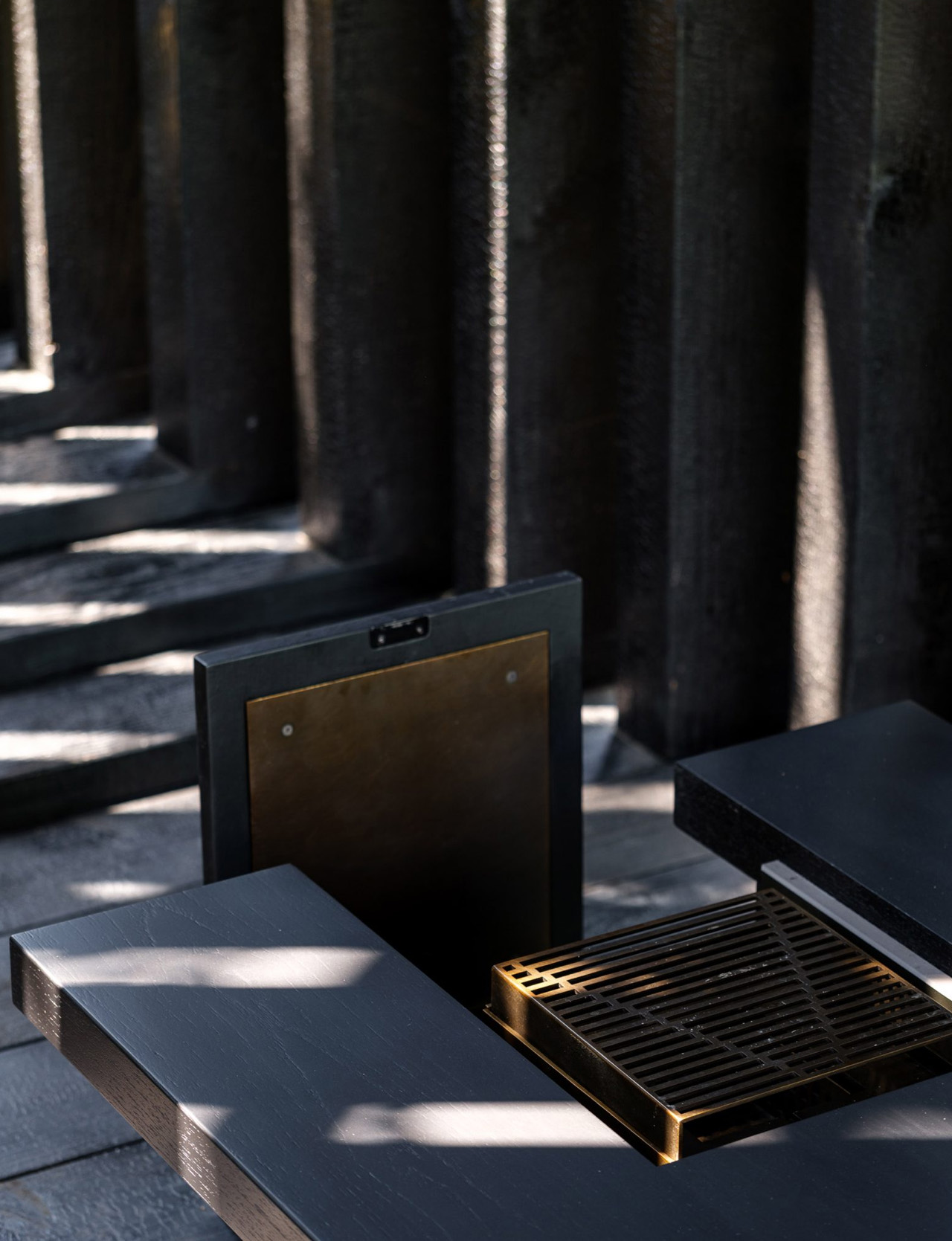
The structure is placed on a concrete plinth which offers support to a black floor built from charred wooden boards. The center includes a low black table, which serves as a chill place to relax and unwind. Solid wood was used throughout the entire pavilion, to bring attention to the surrounding trees. The wood was also charred using the Japanese Shou Sugi Ban technique.
“The structure is entirely solid wood, cut into tenon joints in a local factory and assembled on-site,” said Temp. “The use of tenon joints not only showcases craftsmanship but also ensures structural integrity and flexibility. The wood construction, combined with the charring wood process, reinforces the pavilion’s connection to natural surroundings while providing a distinct architectural presence,” concluded Temp.
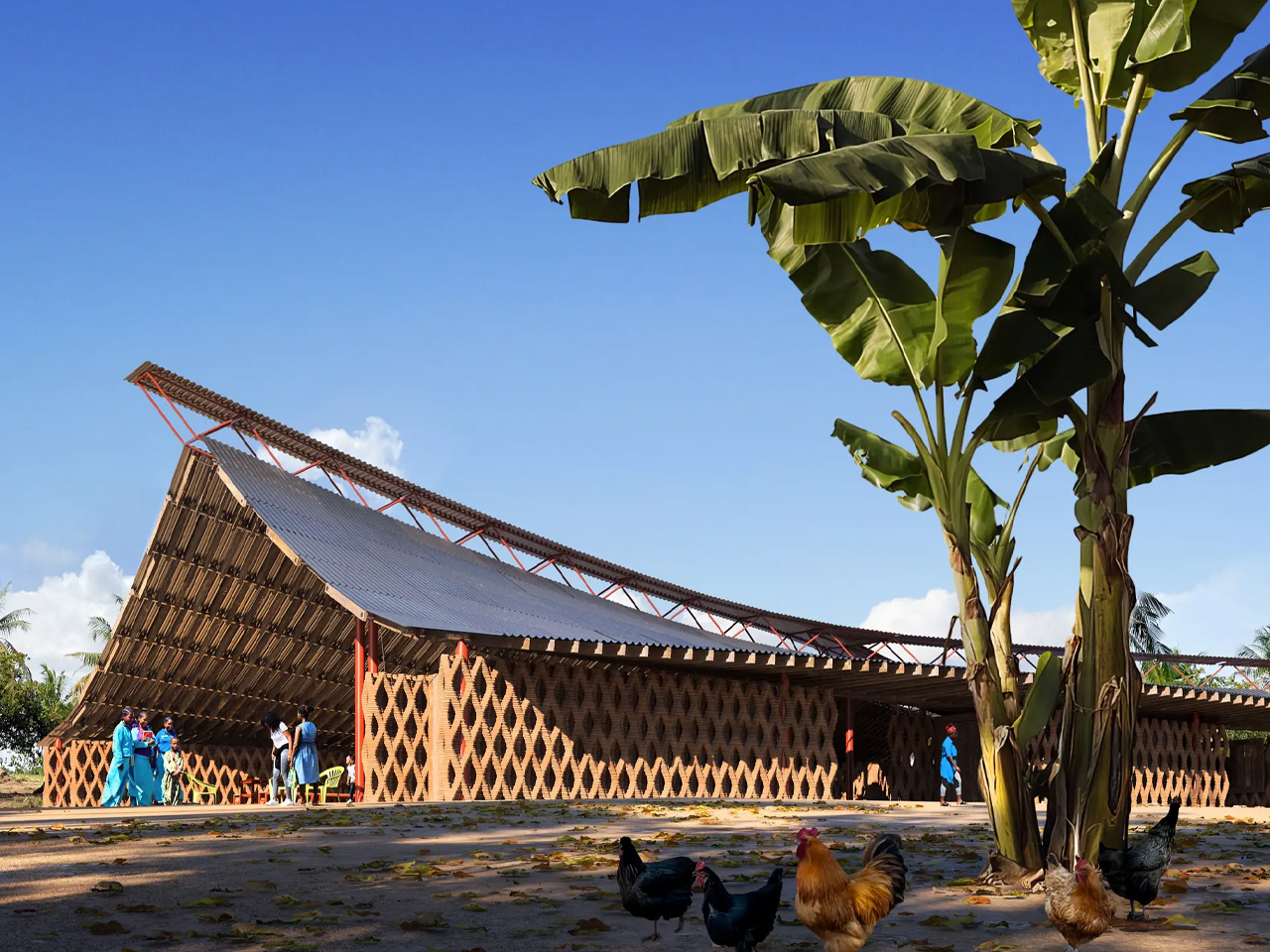
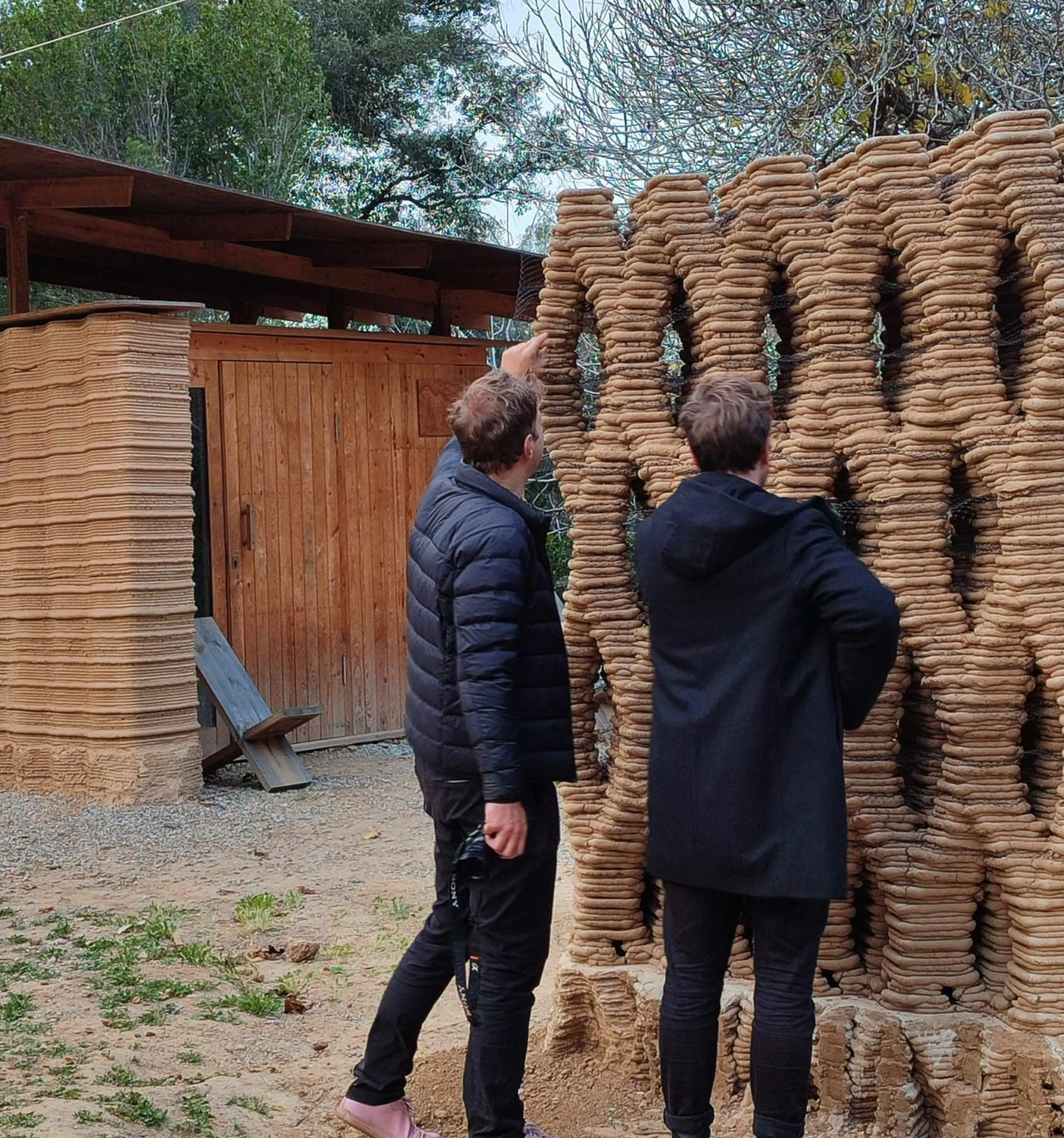
Designed for the Hope Village, this upcoming community center in Tanzania features a mindblowing 3D-printed design. Instead of being constructed from layered concrete like typical 3D-printed projects, the walls will be built using locally sourced soil. Designed by Hassell in collaboration with the Australian-based charity foundation One Heart, the community center is part of an expansive plan to offer housing, childcare, school, and skills training to young girls in Kibaha, eastern Tanzania.
“The Hope Village community hall design seeks to create a beautiful, functional, safe, and uplifting environment that provides both hope and education for vulnerable girls,” says Mark Loughnan, Principal, and Head of Design at Hassell. “The hall is a welcoming space that creates an innovative central activity hub connecting with its surrounding environment. The design and building process for the hall aims to engage the community and provide ongoing opportunities for local participation and education throughout construction.”
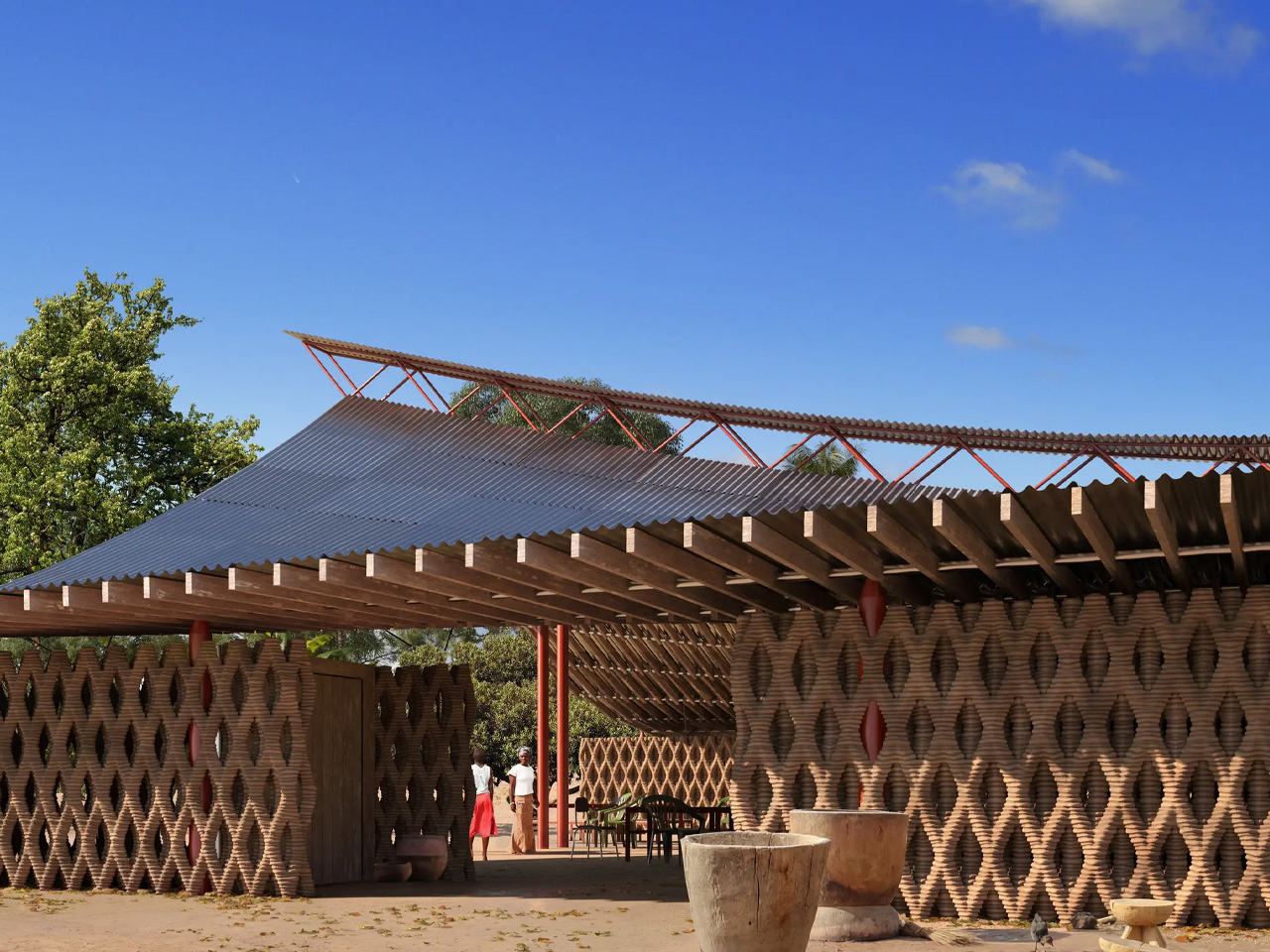
The community center is designed to be pretty complex, and it includes walls that are made using soil sourced within 25 km of the site and a WASP 3D printer. The center will be printed using a clay-based earthen mixture, released from a nozzle in layers. The walls will be reinforced with a thin wire mesh between layers.
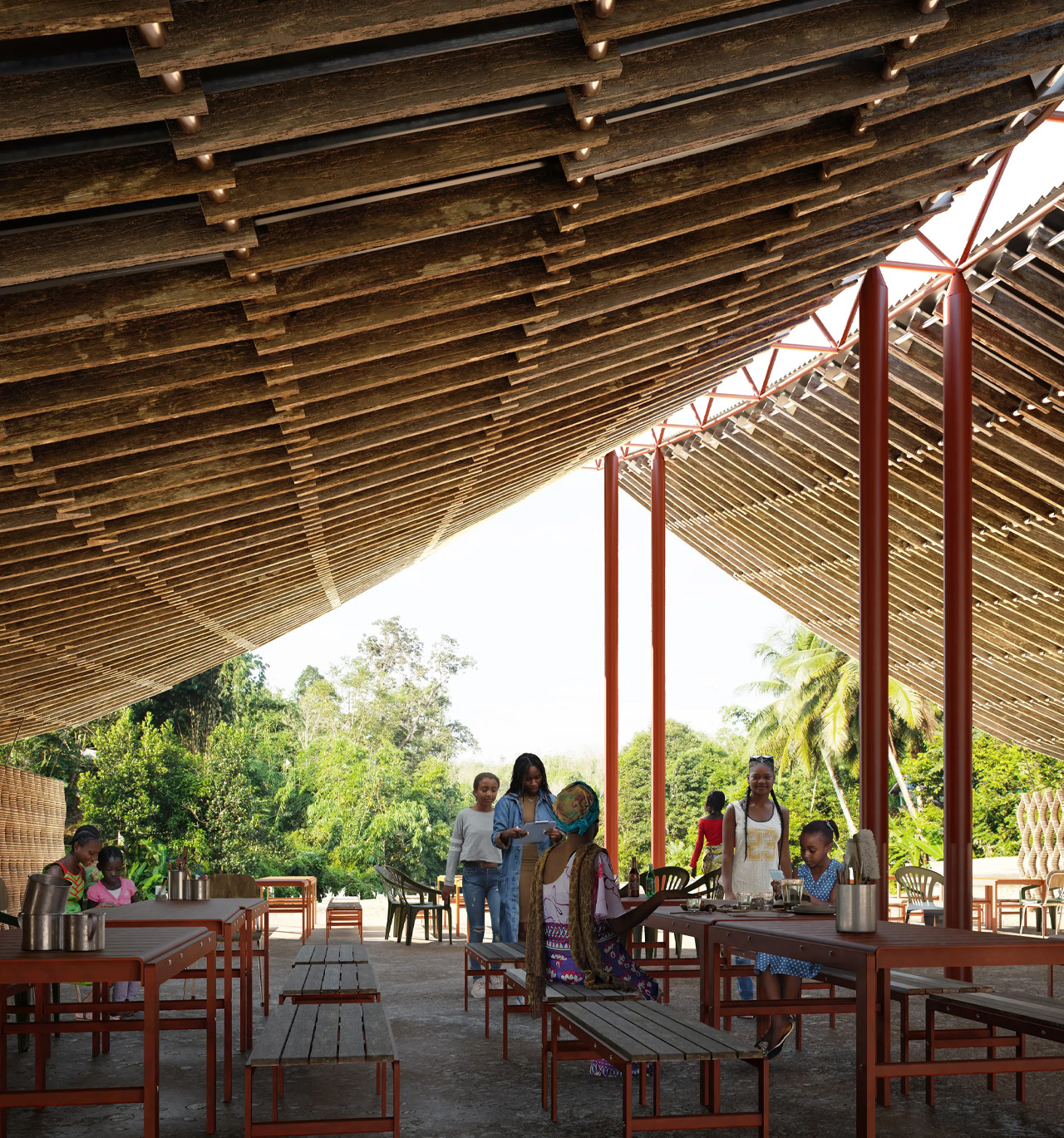
As you enter the community center, you are welcomed by a massive open floor plan that perfectly suits the local climate. It includes a limited number of columns to support flexibility. A central steel beam was constructed to be the structural spine of the center, and it supports a roof built from locally sourced timber sections. The roof is equipped with cladding made from readily available corrugated metal sheet panels, which keeps the project budget-friendly. The project also includes the Institute for Advanced Architecture of Catalonia, IAAC, and Clarke Hopkins Clarke.