Thunder Duo Max Brings 5.1.2 Atmos to Your Desk With Just 4 Speakers

Most gaming setups lean on either a soundbar under the monitor or a headset clamped to your head. Soundbars are convenient but flatten the sense of space, especially when games and films are mixed for surround and height. Headsets can isolate better, but they get warm after a few hours and cut you off from the room entirely. Thunder Duo Max tries to bring full Dolby Atmos to a desk or living room without turning the space into a speaker warehouse.

Thunder Duo Max is the top configuration in a modular series, built around a pair of compact bookshelf speakers that handle the front channels and height effects. The system is a true 5.1.2-channel Dolby Atmos rig, not a virtual surround bar, and the bookshelf format unlocks larger drivers, fuller bass, and a flexible layout that can expand or tighten the soundstage depending on how you arrange it, making it comfortable on a desk or beside a TV.

Designer: OXS

Click Here to Buy Now: $569 $849 ($280 off). Hurry, only 105/200 left! Raised over $73,000.

The dual upward-firing Sky Channels built into each speaker send sound toward the ceiling to create a real overhead layer. That matters in games where helicopters, rain, or footsteps above you become easier to place, and it adds a vertical dimension to films and music that most desktop setups ignore. This is certified Dolby Atmos performance, with decoding handled by one of the system’s two dedicated DSPs, so height effects come from actual audio processing rather than software tricks.

1

The 5.1.2-channel layout breaks down into front left and right from the speakers, a phantom center between them, a low-frequency channel anchored by the main drivers and sub, and rear channels handled by a wireless satellite neck speaker. The neck speaker solves the usual problem of rear-speaker placement in small rooms, putting true rear channels on your shoulders instead of mounting boxes behind your chair or running cables across the floor.

1

The low end gets handled by the wireless Thunder Sub, using a 5.25-inch driver and 80 W RMS output to extend bass down to 35 Hz. The full Thunder Duo Max system delivers 110 W RMS and 270 W peak, with total harmonic distortion under 0.5 percent, so explosions, engines, and music cues hit hard without turning into muddy rumble. The goal is to feel weight and impact without sacrificing the clarity that makes dialogue and footsteps legible.

1

Thunder Duo Max plugs into different parts of a setup without picking favorites. HDMI 2.1 and HDMI eARC handle PS5, Xbox Series consoles, and high-frame-rate PC output at 4K 120 Hz. USB-C connects Switch, Steam Deck, and mobile devices. Bluetooth 5.3 adds low-latency wireless audio. Input switching happens on the system itself, so you can move between PC, console, and streaming without re-cabling every time you sit down or swap between desk and couch modes.

1

The system uses dual DSP architecture, combining Dolby Atmos decoding with OXS’s own Xspace spatial algorithm, and it has been tuned in a dedicated acoustic lab for a studio-level frequency response. The software side includes per-channel EQ, six-ring RGB lighting with multiple motions and 50 colors, and a desktop app that lets you dial in both sound and lighting, so the system fits the room rather than shouting over it with blinking lights you cannot turn off.

Living with a system like this changes how games, films, and music feel. Instead of sound sitting in a flat line in front of the screen, it wraps around you, with height, rear, and sub channels giving every explosion, ambient loop, and soundtrack a real sense of space. The neck speaker and wireless sub make full surround possible in spaces that could never handle a traditional 5.1.2-channel layout. For people who care about audio as much as frame rates, Thunder Duo Max reads less like a peripheral and more like a small, flexible sound studio that happens to sit next to a monitor.

Click Here to Buy Now: $569 $849 ($280 off). Hurry, only 105/200 left! Raised over $73,000.

The post Thunder Duo Max Brings 5.1.2 Atmos to Your Desk With Just 4 Speakers first appeared on Yanko Design.

Thunder Duo Max Brings 5.1.2 Atmos to Your Desk With Just 4 Speakers

Most gaming setups lean on either a soundbar under the monitor or a headset clamped to your head. Soundbars are convenient but flatten the sense of space, especially when games and films are mixed for surround and height. Headsets can isolate better, but they get warm after a few hours and cut you off from the room entirely. Thunder Duo Max tries to bring full Dolby Atmos to a desk or living room without turning the space into a speaker warehouse.

Thunder Duo Max is the top configuration in a modular series, built around a pair of compact bookshelf speakers that handle the front channels and height effects. The system is a true 5.1.2-channel Dolby Atmos rig, not a virtual surround bar, and the bookshelf format unlocks larger drivers, fuller bass, and a flexible layout that can expand or tighten the soundstage depending on how you arrange it, making it comfortable on a desk or beside a TV.

Designer: OXS

Click Here to Buy Now: $569 $849 ($280 off). Hurry, only 105/200 left! Raised over $73,000.

The dual upward-firing Sky Channels built into each speaker send sound toward the ceiling to create a real overhead layer. That matters in games where helicopters, rain, or footsteps above you become easier to place, and it adds a vertical dimension to films and music that most desktop setups ignore. This is certified Dolby Atmos performance, with decoding handled by one of the system’s two dedicated DSPs, so height effects come from actual audio processing rather than software tricks.

1

The 5.1.2-channel layout breaks down into front left and right from the speakers, a phantom center between them, a low-frequency channel anchored by the main drivers and sub, and rear channels handled by a wireless satellite neck speaker. The neck speaker solves the usual problem of rear-speaker placement in small rooms, putting true rear channels on your shoulders instead of mounting boxes behind your chair or running cables across the floor.

1

The low end gets handled by the wireless Thunder Sub, using a 5.25-inch driver and 80 W RMS output to extend bass down to 35 Hz. The full Thunder Duo Max system delivers 110 W RMS and 270 W peak, with total harmonic distortion under 0.5 percent, so explosions, engines, and music cues hit hard without turning into muddy rumble. The goal is to feel weight and impact without sacrificing the clarity that makes dialogue and footsteps legible.

1

Thunder Duo Max plugs into different parts of a setup without picking favorites. HDMI 2.1 and HDMI eARC handle PS5, Xbox Series consoles, and high-frame-rate PC output at 4K 120 Hz. USB-C connects Switch, Steam Deck, and mobile devices. Bluetooth 5.3 adds low-latency wireless audio. Input switching happens on the system itself, so you can move between PC, console, and streaming without re-cabling every time you sit down or swap between desk and couch modes.

1

The system uses dual DSP architecture, combining Dolby Atmos decoding with OXS’s own Xspace spatial algorithm, and it has been tuned in a dedicated acoustic lab for a studio-level frequency response. The software side includes per-channel EQ, six-ring RGB lighting with multiple motions and 50 colors, and a desktop app that lets you dial in both sound and lighting, so the system fits the room rather than shouting over it with blinking lights you cannot turn off.

Living with a system like this changes how games, films, and music feel. Instead of sound sitting in a flat line in front of the screen, it wraps around you, with height, rear, and sub channels giving every explosion, ambient loop, and soundtrack a real sense of space. The neck speaker and wireless sub make full surround possible in spaces that could never handle a traditional 5.1.2-channel layout. For people who care about audio as much as frame rates, Thunder Duo Max reads less like a peripheral and more like a small, flexible sound studio that happens to sit next to a monitor.

Click Here to Buy Now: $569 $849 ($280 off). Hurry, only 105/200 left! Raised over $73,000.

The post Thunder Duo Max Brings 5.1.2 Atmos to Your Desk With Just 4 Speakers first appeared on Yanko Design.
Thunder Duo Max Brings 5.1.2 Atmos to Your Desk With Just 4 Speakers

Most gaming setups lean on either a soundbar under the monitor or a headset clamped to your head. Soundbars are convenient but flatten the sense of space, especially when games and films are mixed for surround and height. Headsets can isolate better, but they get warm after a few hours and cut you off from the room entirely. Thunder Duo Max tries to bring full Dolby Atmos to a desk or living room without turning the space into a speaker warehouse.

Thunder Duo Max is the top configuration in a modular series, built around a pair of compact bookshelf speakers that handle the front channels and height effects. The system is a true 5.1.2-channel Dolby Atmos rig, not a virtual surround bar, and the bookshelf format unlocks larger drivers, fuller bass, and a flexible layout that can expand or tighten the soundstage depending on how you arrange it, making it comfortable on a desk or beside a TV.

Designer: OXS

Click Here to Buy Now: $569 $849 ($280 off). Hurry, only 105/200 left! Raised over $73,000.

The dual upward-firing Sky Channels built into each speaker send sound toward the ceiling to create a real overhead layer. That matters in games where helicopters, rain, or footsteps above you become easier to place, and it adds a vertical dimension to films and music that most desktop setups ignore. This is certified Dolby Atmos performance, with decoding handled by one of the system’s two dedicated DSPs, so height effects come from actual audio processing rather than software tricks.

1

The 5.1.2-channel layout breaks down into front left and right from the speakers, a phantom center between them, a low-frequency channel anchored by the main drivers and sub, and rear channels handled by a wireless satellite neck speaker. The neck speaker solves the usual problem of rear-speaker placement in small rooms, putting true rear channels on your shoulders instead of mounting boxes behind your chair or running cables across the floor.

1

The low end gets handled by the wireless Thunder Sub, using a 5.25-inch driver and 80 W RMS output to extend bass down to 35 Hz. The full Thunder Duo Max system delivers 110 W RMS and 270 W peak, with total harmonic distortion under 0.5 percent, so explosions, engines, and music cues hit hard without turning into muddy rumble. The goal is to feel weight and impact without sacrificing the clarity that makes dialogue and footsteps legible.

1

Thunder Duo Max plugs into different parts of a setup without picking favorites. HDMI 2.1 and HDMI eARC handle PS5, Xbox Series consoles, and high-frame-rate PC output at 4K 120 Hz. USB-C connects Switch, Steam Deck, and mobile devices. Bluetooth 5.3 adds low-latency wireless audio. Input switching happens on the system itself, so you can move between PC, console, and streaming without re-cabling every time you sit down or swap between desk and couch modes.

1

The system uses dual DSP architecture, combining Dolby Atmos decoding with OXS’s own Xspace spatial algorithm, and it has been tuned in a dedicated acoustic lab for a studio-level frequency response. The software side includes per-channel EQ, six-ring RGB lighting with multiple motions and 50 colors, and a desktop app that lets you dial in both sound and lighting, so the system fits the room rather than shouting over it with blinking lights you cannot turn off.

Living with a system like this changes how games, films, and music feel. Instead of sound sitting in a flat line in front of the screen, it wraps around you, with height, rear, and sub channels giving every explosion, ambient loop, and soundtrack a real sense of space. The neck speaker and wireless sub make full surround possible in spaces that could never handle a traditional 5.1.2-channel layout. For people who care about audio as much as frame rates, Thunder Duo Max reads less like a peripheral and more like a small, flexible sound studio that happens to sit next to a monitor.

Click Here to Buy Now: $569 $849 ($280 off). Hurry, only 105/200 left! Raised over $73,000.

The post Thunder Duo Max Brings 5.1.2 Atmos to Your Desk With Just 4 Speakers first appeared on Yanko Design.
Thunder Duo Max Brings 5.1.2 Atmos to Your Desk With Just 4 Speakers

Most gaming setups lean on either a soundbar under the monitor or a headset clamped to your head. Soundbars are convenient but flatten the sense of space, especially when games and films are mixed for surround and height. Headsets can isolate better, but they get warm after a few hours and cut you off from the room entirely. Thunder Duo Max tries to bring full Dolby Atmos to a desk or living room without turning the space into a speaker warehouse.

Thunder Duo Max is the top configuration in a modular series, built around a pair of compact bookshelf speakers that handle the front channels and height effects. The system is a true 5.1.2-channel Dolby Atmos rig, not a virtual surround bar, and the bookshelf format unlocks larger drivers, fuller bass, and a flexible layout that can expand or tighten the soundstage depending on how you arrange it, making it comfortable on a desk or beside a TV.

Designer: OXS

Click Here to Buy Now: $569 $849 ($280 off). Hurry, only 105/200 left! Raised over $73,000.

The dual upward-firing Sky Channels built into each speaker send sound toward the ceiling to create a real overhead layer. That matters in games where helicopters, rain, or footsteps above you become easier to place, and it adds a vertical dimension to films and music that most desktop setups ignore. This is certified Dolby Atmos performance, with decoding handled by one of the system’s two dedicated DSPs, so height effects come from actual audio processing rather than software tricks.

1

The 5.1.2-channel layout breaks down into front left and right from the speakers, a phantom center between them, a low-frequency channel anchored by the main drivers and sub, and rear channels handled by a wireless satellite neck speaker. The neck speaker solves the usual problem of rear-speaker placement in small rooms, putting true rear channels on your shoulders instead of mounting boxes behind your chair or running cables across the floor.

1

The low end gets handled by the wireless Thunder Sub, using a 5.25-inch driver and 80 W RMS output to extend bass down to 35 Hz. The full Thunder Duo Max system delivers 110 W RMS and 270 W peak, with total harmonic distortion under 0.5 percent, so explosions, engines, and music cues hit hard without turning into muddy rumble. The goal is to feel weight and impact without sacrificing the clarity that makes dialogue and footsteps legible.

1

Thunder Duo Max plugs into different parts of a setup without picking favorites. HDMI 2.1 and HDMI eARC handle PS5, Xbox Series consoles, and high-frame-rate PC output at 4K 120 Hz. USB-C connects Switch, Steam Deck, and mobile devices. Bluetooth 5.3 adds low-latency wireless audio. Input switching happens on the system itself, so you can move between PC, console, and streaming without re-cabling every time you sit down or swap between desk and couch modes.

1

The system uses dual DSP architecture, combining Dolby Atmos decoding with OXS’s own Xspace spatial algorithm, and it has been tuned in a dedicated acoustic lab for a studio-level frequency response. The software side includes per-channel EQ, six-ring RGB lighting with multiple motions and 50 colors, and a desktop app that lets you dial in both sound and lighting, so the system fits the room rather than shouting over it with blinking lights you cannot turn off.

Living with a system like this changes how games, films, and music feel. Instead of sound sitting in a flat line in front of the screen, it wraps around you, with height, rear, and sub channels giving every explosion, ambient loop, and soundtrack a real sense of space. The neck speaker and wireless sub make full surround possible in spaces that could never handle a traditional 5.1.2-channel layout. For people who care about audio as much as frame rates, Thunder Duo Max reads less like a peripheral and more like a small, flexible sound studio that happens to sit next to a monitor.

Click Here to Buy Now: $569 $849 ($280 off). Hurry, only 105/200 left! Raised over $73,000.

The post Thunder Duo Max Brings 5.1.2 Atmos to Your Desk With Just 4 Speakers first appeared on Yanko Design.
This Monument-Inspired Speaker Concept Stands Tall on Your Shelf

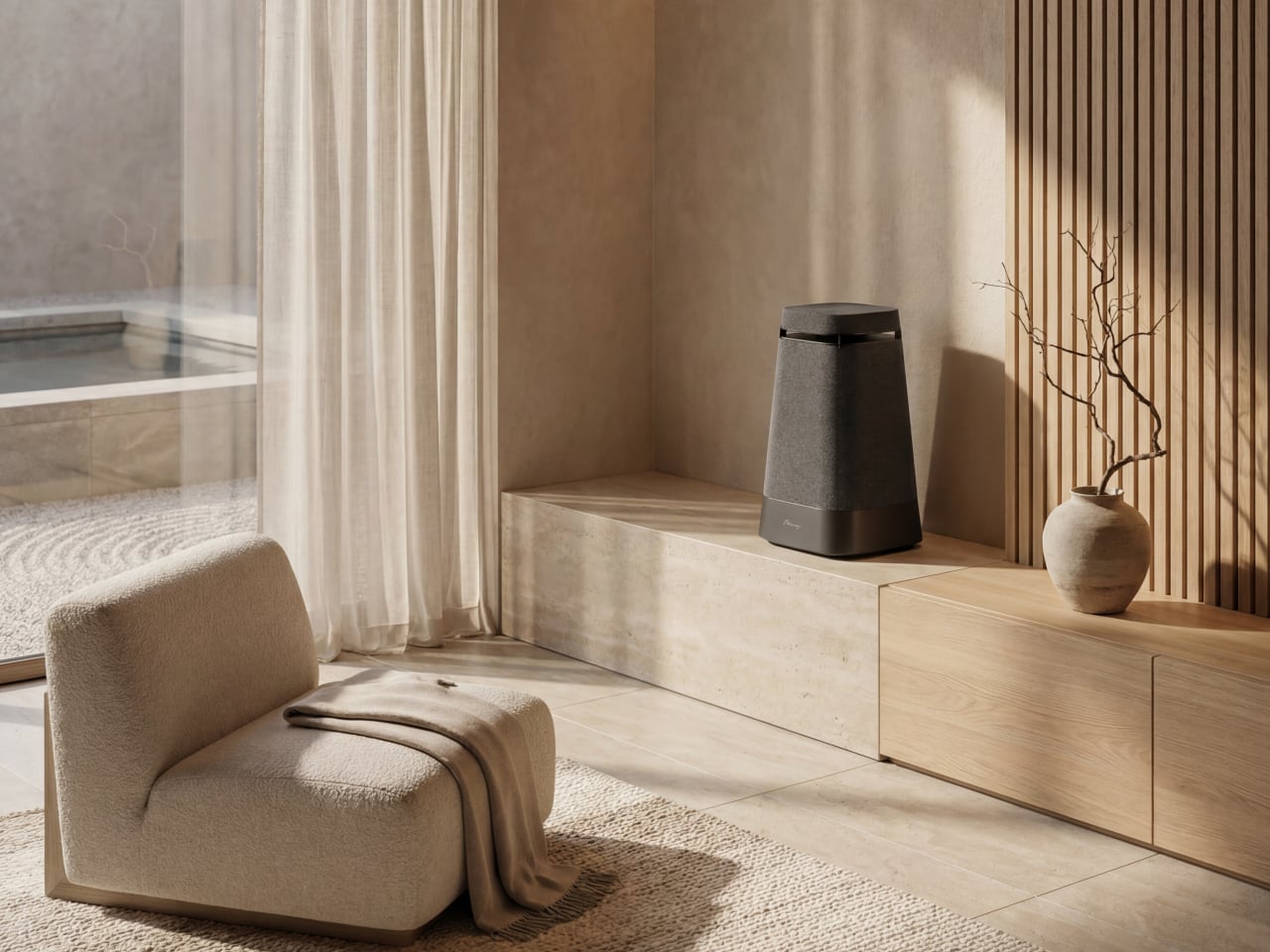
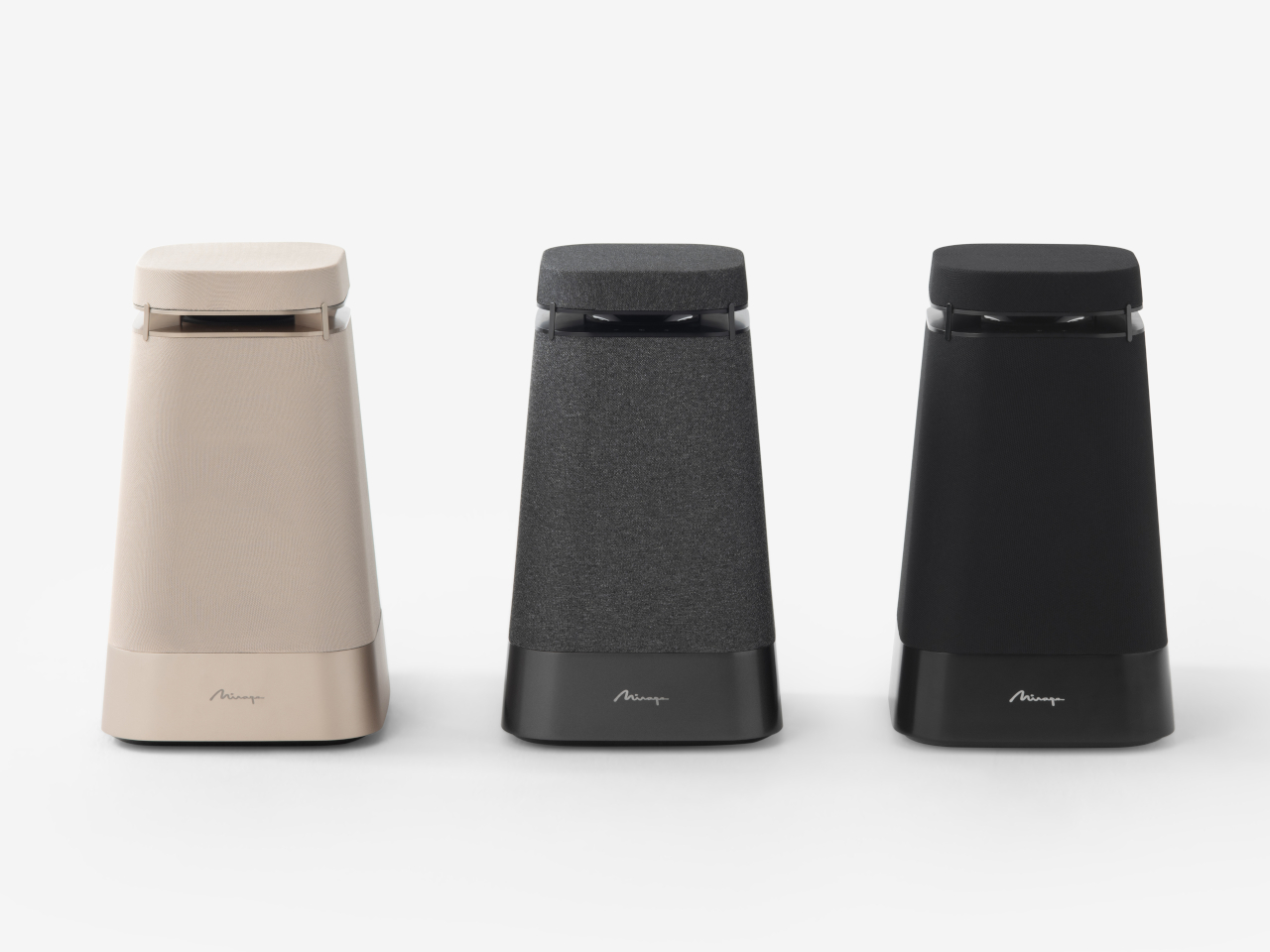
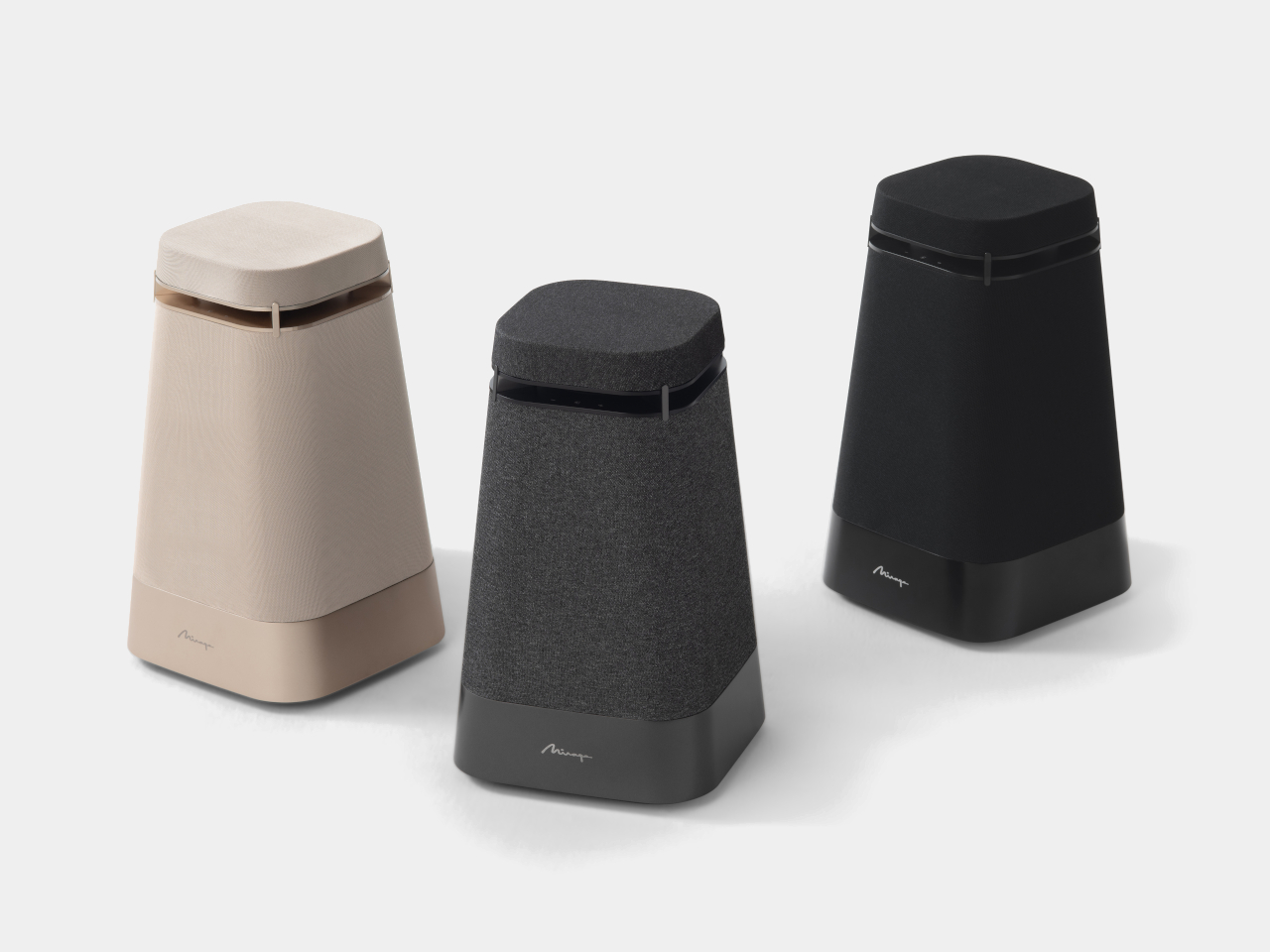
Most wireless speakers fall into two visual camps: squat cylinders that look like tech, or anonymous black boxes that try to disappear. There is a third path, treating a speaker like a small piece of architecture in the room, something that stands tall and holds its ground even when it is silent. Sonique is a vertical aesthetic speaker that leans into that idea, more road sentinel than soda can, more monument than gadget.

Sonique is a speaker inspired by global monuments, aiming to embody the idea of a road sentinel that seamlessly integrates artistry and functionality. The form language borrows from tall, narrow towers and arches, and the goal is to create an object you would be happy to leave on a shelf even when it is off, because it reads as a small, calm monolith rather than a piece of hardware waiting to be told what to do.

Designer: Eshaan Gupta

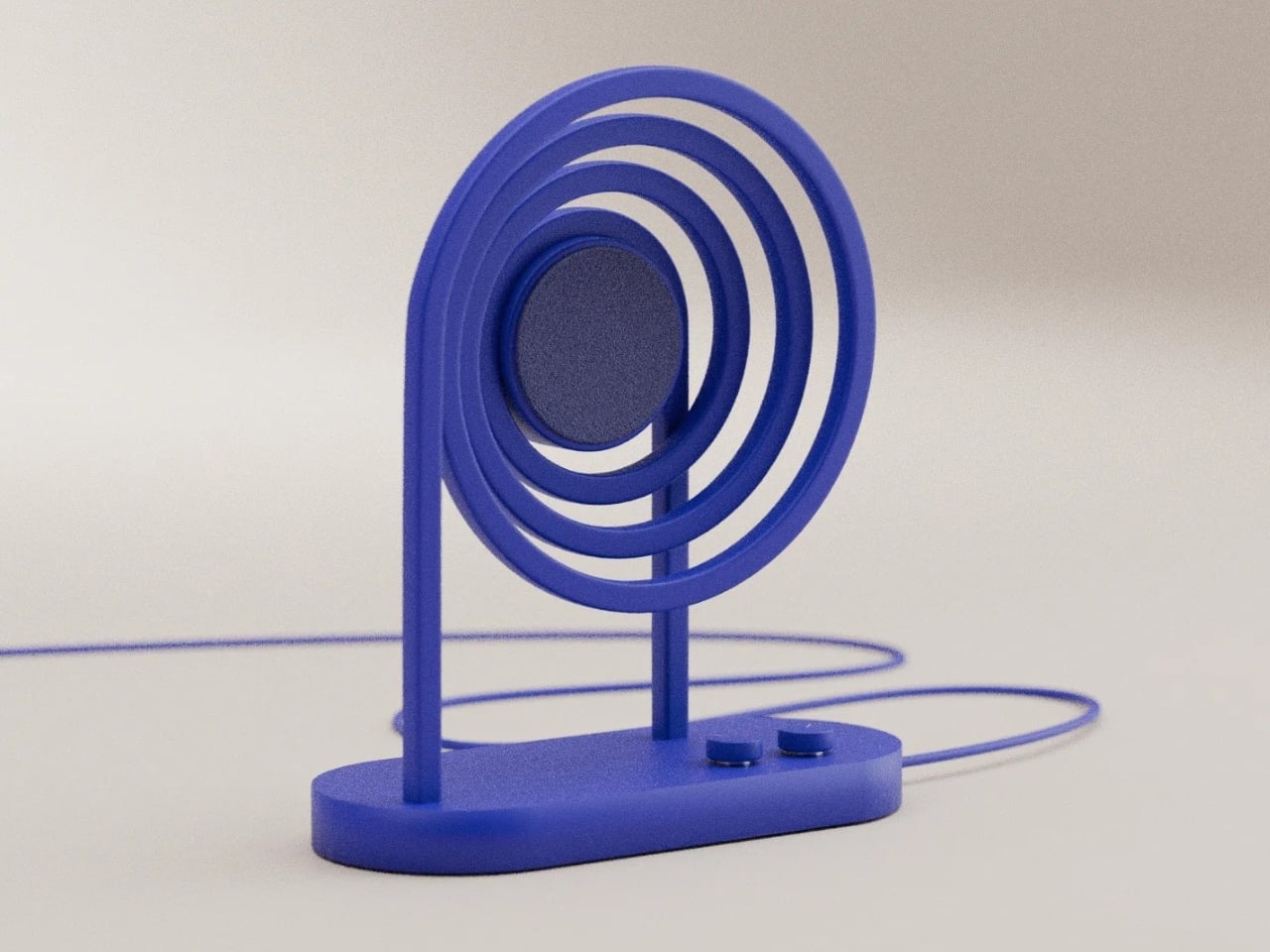
The basic form is a tall, rounded-top shell with a recessed fabric front and a small control strip at the bottom. The vertical posture lifts the drivers and makes the speaker feel more like a portal or doorway than a box. The controls are reduced to a simple strip with minus, play/pause, and plus, integrated into the front plane, so they do not break the silhouette or shout for attention when you are not using them.

The inspiration keywords, unbalanced, monolithic, and timeless, show up in how Sonique stands in a room. Unbalanced in its narrow footprint, tall stance, and slight backward lean that creates an asymmetrical, deliberate posture. Monolithic in the continuous outer shell, timeless in the fabric and soft grey palette, avoiding obvious tech trends. The speaker is meant to be a quiet marker in a space, a little tower of sound.

The technical block lists a Class-D amplifier with 2 × 30 W RMS output, a 60 Hz–20 kHz frequency response, splash and dust resistance, and up to 18 hours of playback at moderate volume. This puts it in the realm of a capable, battery-powered home speaker, with enough low-end extension for most music and enough stamina to move around the house without living on a charger or needing to stay tethered to an outlet.

Sonique fits into everyday scenes, on a bookshelf in a reading corner, on a sideboard in a living room, or on a desk as a vertical counterpoint to a monitor. The combination of fabric, soft light, and vertical form makes it feel more like a small lamp or sculpture than a piece of audio gear. The splash resistance hints at kitchen or bathroom use, where a bit of steam or a stray splash should not be a problem or an excuse to hide it away.

Treating a speaker like a road sentinel nudges the object out of the black box category and into the realm of things you curate in a room. Sonique suggests that you can have a plausible, battery-powered Class-D speaker that also behaves like a small monument on your shelf, a reminder that sound hardware does not always have to look like sound hardware to do its job well, and that a speaker can hold space in a room the way architecture does, vertical, quiet, and present.

The post This Monument-Inspired Speaker Concept Stands Tall on Your Shelf first appeared on Yanko Design.
This Turntable Spins Vinyl Vertically So Records Become Wall Art

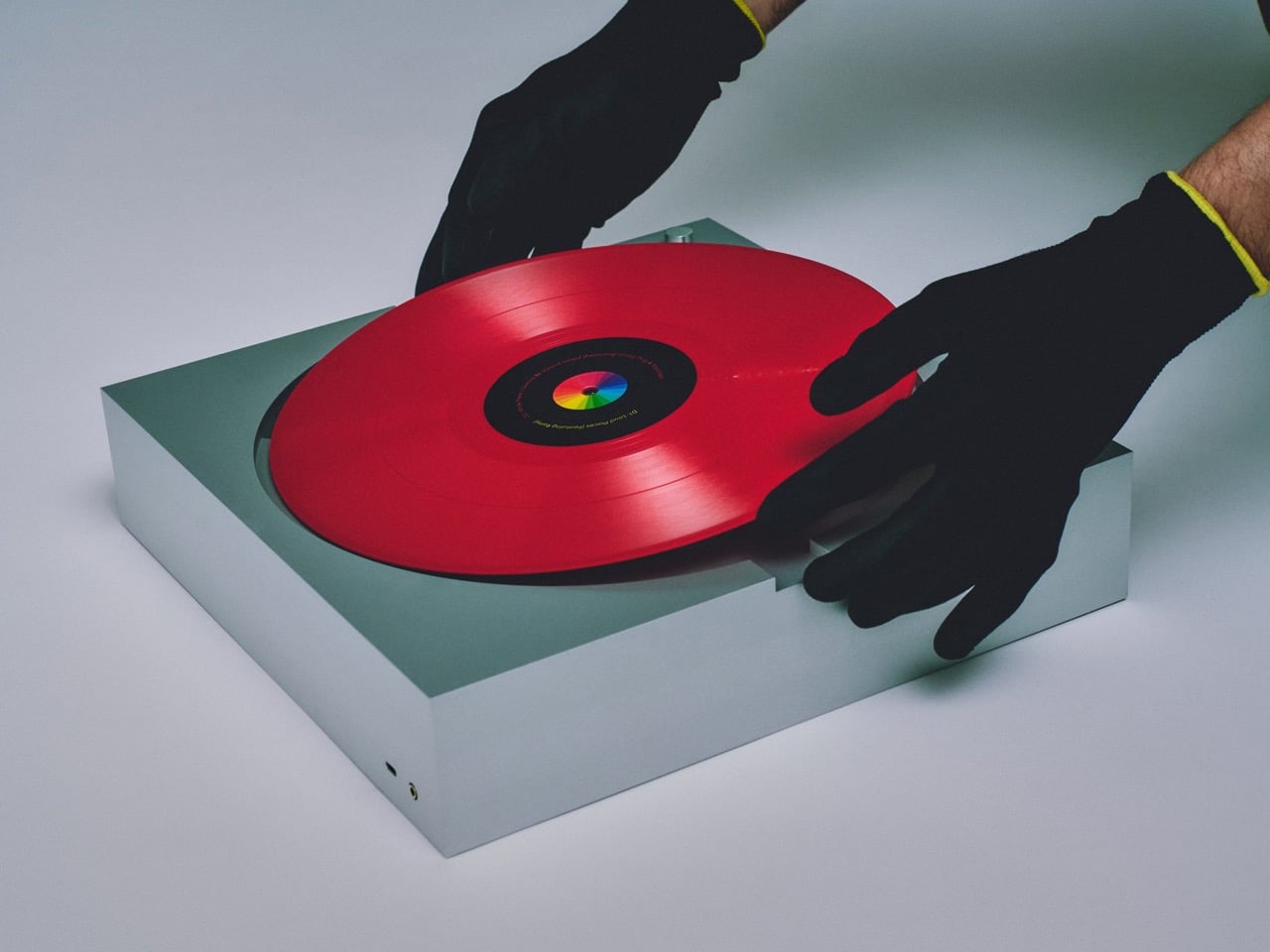
Vinyl has come back as much for the ritual and artwork as for the sound, yet most turntables still hide records flat on a plinth, as if they are shy. People lean records against walls or shelves to show them off, while the deck itself sits in a corner doing its work horizontally. The VS-01 is a vertical Bluetooth turntable that treats the spinning disc as a display piece instead of something to tuck away.

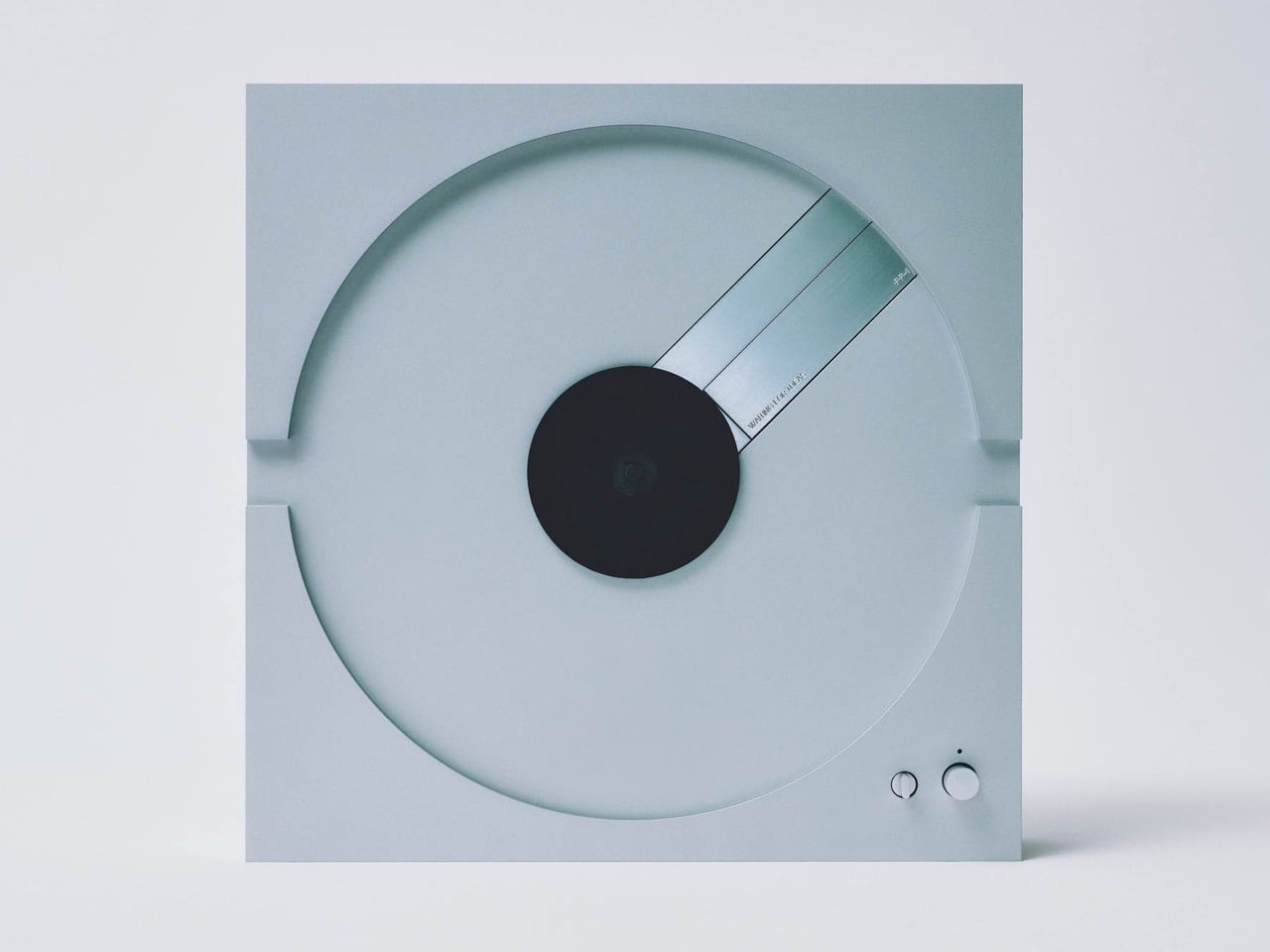
The VS-01 Bluetooth Vertical Turntable is a retro-futuristic record player that stands the platter upright behind a low, mid-century-inspired base. The front is all CNC-machined aluminum grille and vegan-leather-wrapped MDF, with a handcrafted carbon fiber tonearm reaching across the record. The design blends cool metal and warm materials, so the whole thing reads like a small hi-fi sculpture that happens to play vinyl and stream Bluetooth audio when you ask it to.

Designer: CoolGeek

Inside sits a 2.1-speaker system with two 2-inch tweeters and a 4-inch 30 W mid-bass driver, driven by a Hi-Fi-grade amplifier. The desktop reflective acoustic structure uses the surface it sits on to reinforce bass, aiming for layered, expansive sound that can handle vocals and low-end without needing separate speakers cluttering the room or demanding extra cables and shelf space.

The turntable side is a belt-drive platter with 33.3 and 45 RPM speeds controlled by a closed-loop system that keeps rotation stable. A zirconia ceramic spindle and high-precision mechanical design reduce friction and wear over time. The tonearm geometry is carefully specced, with low tracking distortion and adjustable tracking force, so the engineering backs up the visual drama and ensures your records are not getting chewed up while spinning vertically.

Bluetooth 5.3 lets the VS-01 act as a wireless speaker for your phone when you are not spinning records. It can also transmit vinyl audio out to Bluetooth headphones or speakers, turning analog grooves into a private listening session without cables. A line-out port and RCA outputs let you feed an external amplifier or active speakers if you want bigger sound or bypass the integrated drivers.

The vertical format changes the everyday experience. Records become a kinetic art installation you can see from across the room, especially with colored vinyl. The footprint on a shelf is shallower than a traditional deck, which helps in tight spaces. Purists may still prefer a classic horizontal setup, but the visual payoff and integrated speakers will outweigh that concern when your living room needs the turntable to double as decor.

The VS-01 treats vinyl as something to see while you hear it, with a vertical platter that makes every record into spinning artwork. The combination of serious belt-drive mechanics, a 2.1-speaker system, and Bluetooth flexibility wrapped in a retro-modern chassis means it can handle the full range from late-night wireless listening to showing off splattered-vinyl art during a party. Records become the centerpiece of the room, doing their work upright instead of lying flat and being forgettable.

The post This Turntable Spins Vinyl Vertically So Records Become Wall Art first appeared on Yanko Design.
This 500-Million-Year-Old Nautilus Shell Is Now a Speaker

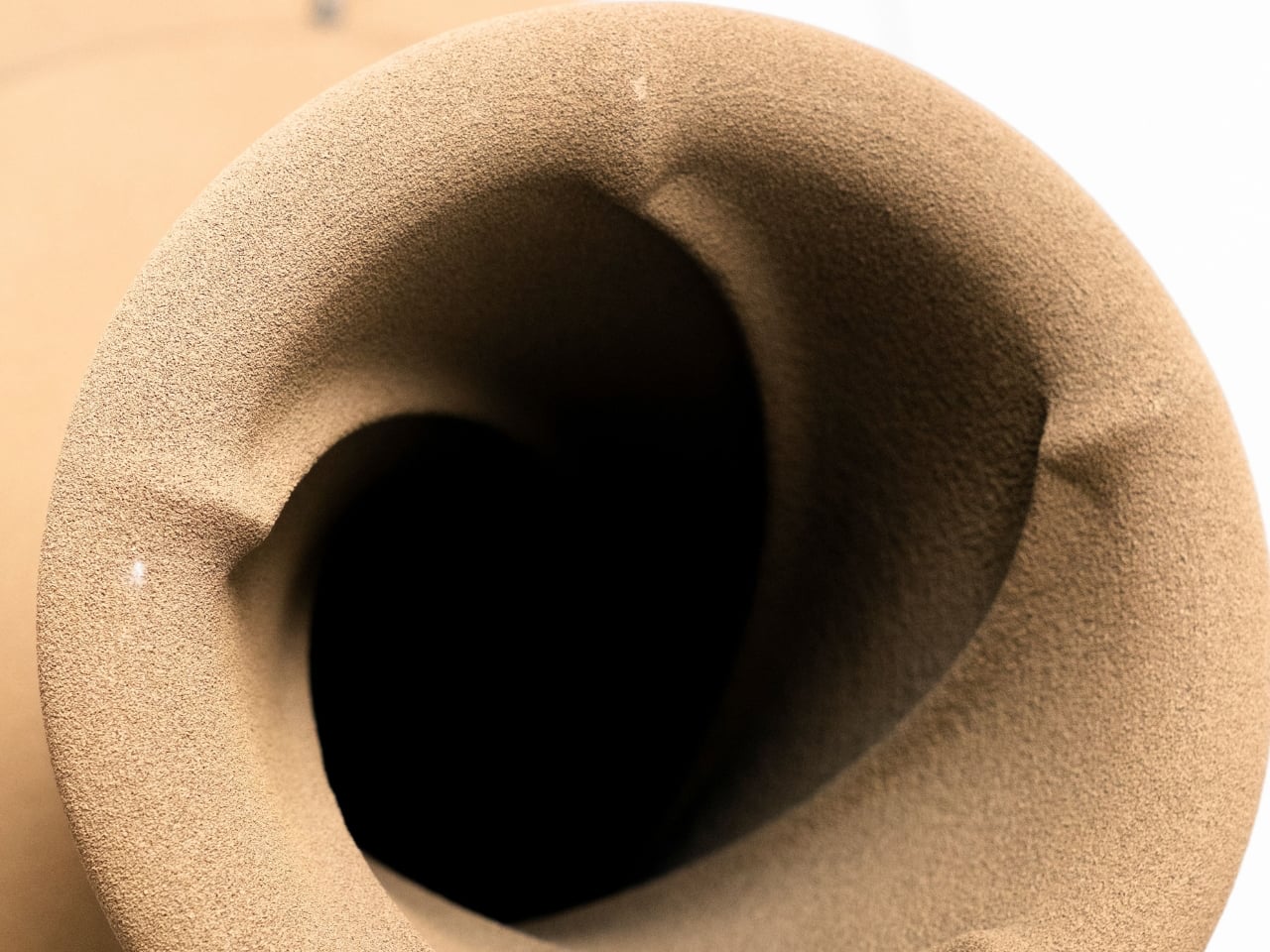
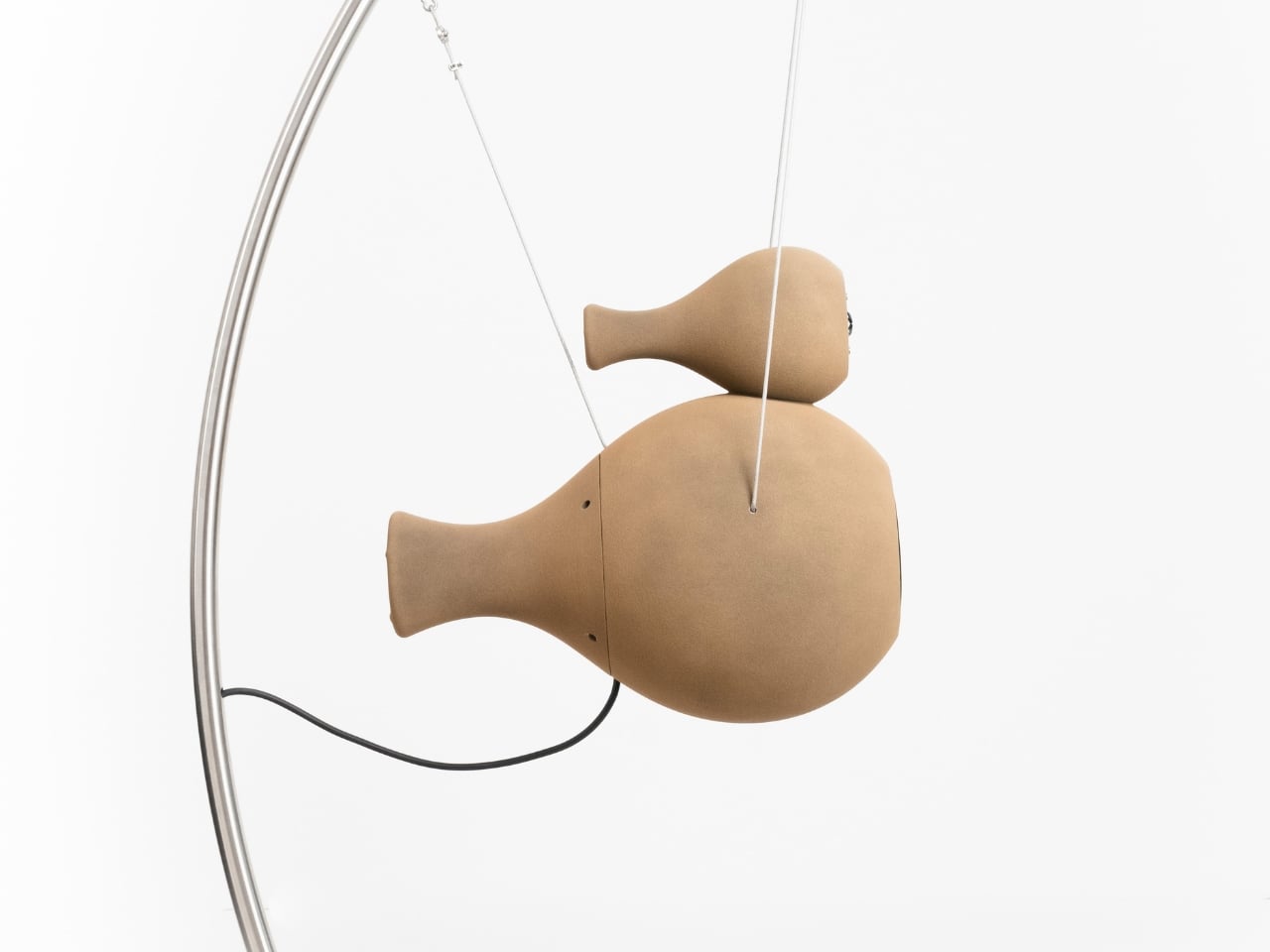
The Sazae Radio was a Japanese novelty radio built into a turban shell, sold by lottery in 2016 with just 100 units available for 8,350 applicants. The odds were 83.5 to one. Losing that lottery left a maker named hide-key with a simple choice: accept the disappointment or build something better. The DIY pivot turned into the Steampunk Nautilus, a haptic speaker project that takes a similar idea and pushes it considerably further.

The choice was a nautilus shell, a living fossil that has barely changed in 500 million years. Discovering that its English name matched Jules Verne’s submarine sealed the decision. The goal became not just a speaker, but a piece of audio art with three rules: steampunk-kintsugi repair, where metal celebrates the shell’s imperfections, conservation-minded reversibility, where every adhesive can be removed with acetone, and a haptic drive that turns the shell itself into a vibrating diaphragm.

Designer: hide-key

Early experiments failed. A massive sea snail shell refused to vibrate, too thick and heavy for a small exciter to drive. The nautilus, by contrast, worked immediately. Its thin, lightweight structure, built for buoyancy, behaves like a violin body or speaker cone, with internal ribs adding resonance without mass. The project quietly became a study in bioacoustics, where shell biology dictated whether the fossil could sing, and heavy shells behaved like bricks.

The build starts with a chipped shell and leans into the damage. The broken area is traced, and a 1.2 mm aluminum sheet is hammered and filed to match the organic curve, polished to a mirror, and attached with cyanoacrylate and brass-colored epoxy putty. All adhesives were chosen so they can be removed with acetone, leaving the shell intact underneath. Reversibility was treated as a hard constraint, respecting the specimen while giving it a new function.

The haptic core moved from a boring internal speaker to a vibration exciter mounted in a custom silicone cartridge that fits the shell’s living chamber. Water displacement measured the volume at just 50 cc, and Shore 15A silicone was poured to create a perfect seat. A transparent hair band acts as a hidden pull tab, and a silicone cap hides the exciter and diffuses its faint blue LED into a heartbeat-like glow deep in the spiral.

The base is a Quince burl chosen for its red, white, and black grain that echoes the shell’s pattern. A Magic Circle layout of brass bushings lets the shell’s angle be changed by moving three brass pillars. Threaded brass rods with ball nuts support the shell, and a drop of soft UV resin on each contact point prevents buzzing, making the heavy fossil appear to float while staying mechanically quiet.

Three hidden modes emerge. Holding the shell in your hands for bone-conducted haptic listening, shifting the exciter between internal and external mounts to change the sound from lo-fi radio to a sharper, more direct tone, and the dream of a stereo pair if a second shell appears. The Steampunk Nautilus turns a broken specimen into a reversible, vibrating instrument that asks you to feel the music as much as hear it, turning disappointment from a lottery into something tactile, strange, and surprisingly beautiful.

The post This 500-Million-Year-Old Nautilus Shell Is Now a Speaker first appeared on Yanko Design.

This 500-Million-Year-Old Nautilus Shell Is Now a Speaker

The Sazae Radio was a Japanese novelty radio built into a turban shell, sold by lottery in 2016 with just 100 units available for 8,350 applicants. The odds were 83.5 to one. Losing that lottery left a maker named hide-key with a simple choice: accept the disappointment or build something better. The DIY pivot turned into the Steampunk Nautilus, a haptic speaker project that takes a similar idea and pushes it considerably further.

The choice was a nautilus shell, a living fossil that has barely changed in 500 million years. Discovering that its English name matched Jules Verne’s submarine sealed the decision. The goal became not just a speaker, but a piece of audio art with three rules: steampunk-kintsugi repair, where metal celebrates the shell’s imperfections, conservation-minded reversibility, where every adhesive can be removed with acetone, and a haptic drive that turns the shell itself into a vibrating diaphragm.

Designer: hide-key

Early experiments failed. A massive sea snail shell refused to vibrate, too thick and heavy for a small exciter to drive. The nautilus, by contrast, worked immediately. Its thin, lightweight structure, built for buoyancy, behaves like a violin body or speaker cone, with internal ribs adding resonance without mass. The project quietly became a study in bioacoustics, where shell biology dictated whether the fossil could sing, and heavy shells behaved like bricks.

The build starts with a chipped shell and leans into the damage. The broken area is traced, and a 1.2 mm aluminum sheet is hammered and filed to match the organic curve, polished to a mirror, and attached with cyanoacrylate and brass-colored epoxy putty. All adhesives were chosen so they can be removed with acetone, leaving the shell intact underneath. Reversibility was treated as a hard constraint, respecting the specimen while giving it a new function.

The haptic core moved from a boring internal speaker to a vibration exciter mounted in a custom silicone cartridge that fits the shell’s living chamber. Water displacement measured the volume at just 50 cc, and Shore 15A silicone was poured to create a perfect seat. A transparent hair band acts as a hidden pull tab, and a silicone cap hides the exciter and diffuses its faint blue LED into a heartbeat-like glow deep in the spiral.

The base is a Quince burl chosen for its red, white, and black grain that echoes the shell’s pattern. A Magic Circle layout of brass bushings lets the shell’s angle be changed by moving three brass pillars. Threaded brass rods with ball nuts support the shell, and a drop of soft UV resin on each contact point prevents buzzing, making the heavy fossil appear to float while staying mechanically quiet.

Three hidden modes emerge. Holding the shell in your hands for bone-conducted haptic listening, shifting the exciter between internal and external mounts to change the sound from lo-fi radio to a sharper, more direct tone, and the dream of a stereo pair if a second shell appears. The Steampunk Nautilus turns a broken specimen into a reversible, vibrating instrument that asks you to feel the music as much as hear it, turning disappointment from a lottery into something tactile, strange, and surprisingly beautiful.

The post This 500-Million-Year-Old Nautilus Shell Is Now a Speaker first appeared on Yanko Design.

This 500-Million-Year-Old Nautilus Shell Is Now a Speaker

The Sazae Radio was a Japanese novelty radio built into a turban shell, sold by lottery in 2016 with just 100 units available for 8,350 applicants. The odds were 83.5 to one. Losing that lottery left a maker named hide-key with a simple choice: accept the disappointment or build something better. The DIY pivot turned into the Steampunk Nautilus, a haptic speaker project that takes a similar idea and pushes it considerably further.

The choice was a nautilus shell, a living fossil that has barely changed in 500 million years. Discovering that its English name matched Jules Verne’s submarine sealed the decision. The goal became not just a speaker, but a piece of audio art with three rules: steampunk-kintsugi repair, where metal celebrates the shell’s imperfections, conservation-minded reversibility, where every adhesive can be removed with acetone, and a haptic drive that turns the shell itself into a vibrating diaphragm.

Designer: hide-key

Early experiments failed. A massive sea snail shell refused to vibrate, too thick and heavy for a small exciter to drive. The nautilus, by contrast, worked immediately. Its thin, lightweight structure, built for buoyancy, behaves like a violin body or speaker cone, with internal ribs adding resonance without mass. The project quietly became a study in bioacoustics, where shell biology dictated whether the fossil could sing, and heavy shells behaved like bricks.

The build starts with a chipped shell and leans into the damage. The broken area is traced, and a 1.2 mm aluminum sheet is hammered and filed to match the organic curve, polished to a mirror, and attached with cyanoacrylate and brass-colored epoxy putty. All adhesives were chosen so they can be removed with acetone, leaving the shell intact underneath. Reversibility was treated as a hard constraint, respecting the specimen while giving it a new function.

The haptic core moved from a boring internal speaker to a vibration exciter mounted in a custom silicone cartridge that fits the shell’s living chamber. Water displacement measured the volume at just 50 cc, and Shore 15A silicone was poured to create a perfect seat. A transparent hair band acts as a hidden pull tab, and a silicone cap hides the exciter and diffuses its faint blue LED into a heartbeat-like glow deep in the spiral.

The base is a Quince burl chosen for its red, white, and black grain that echoes the shell’s pattern. A Magic Circle layout of brass bushings lets the shell’s angle be changed by moving three brass pillars. Threaded brass rods with ball nuts support the shell, and a drop of soft UV resin on each contact point prevents buzzing, making the heavy fossil appear to float while staying mechanically quiet.

Three hidden modes emerge. Holding the shell in your hands for bone-conducted haptic listening, shifting the exciter between internal and external mounts to change the sound from lo-fi radio to a sharper, more direct tone, and the dream of a stereo pair if a second shell appears. The Steampunk Nautilus turns a broken specimen into a reversible, vibrating instrument that asks you to feel the music as much as hear it, turning disappointment from a lottery into something tactile, strange, and surprisingly beautiful.

The post This 500-Million-Year-Old Nautilus Shell Is Now a Speaker first appeared on Yanko Design.

Your Unplayable CD Collection Just Got a $2,000 Solution

Remember when we all decided CDs were dead? When we shoved those jewel cases into storage bins and declared ourselves streaming converts, convinced that digital files and algorithm-curated playlists were the future? Here’s the embarrassing part: I have a stack of CDs sitting on my shelf right now with absolutely no way to play them. And I’m not alone. People are still buying CDs, especially in the K-pop world where physical albums are part of the whole experience, complete with photo cards, posters, and elaborate packaging. We’re collecting music we can’t even listen to properly. Pro-Ject Audio’s new CD Box RS2 Tube might actually fix that problem, and honestly, it’s making me want to finally do something about my unplayable collection.
This isn’t some nostalgic throwback designed to capitalize on retro vibes. Pro-Ject built this thing with the kind of serious engineering usually reserved for audiophile turntables. The Austrian company’s latest entry in their top-tier RS2 line is a top-loading CD player with a fully balanced tube output stage, featuring two premium E88CC vacuum tubes that add warmth and fluidity to digital playback. Think of it as the vinyl listening experience but for your CDs. You know that organic, emotionally engaging sound that makes you actually feel the music instead of just hearing it? That’s what these tubes are doing to your digital audio.
Designer: Pro-Ject Audio

What makes this particularly interesting is the SUOS DM-3381 Red Book drive at its core. This isn’t just any CD mechanism thrown into a pretty case. SUOS-HiFi, which used to be StreamUnlimited Optical Storage, was founded by former Philips CD engineers based near Vienna. These are literally some of the people who helped invent CD technology in the first place. The drive uses a BlueTiger CD-88 servo with predictive algorithms that can maintain accurate data retrieval even when your discs are scratched or less than pristine. We’ve all got a few of those CDs that have seen better days, right?

The integrated Texas Instruments PCM1796 DAC is where things get even more interesting. This means the CD Box RS2 Tube can connect directly to any amplifier with analog inputs without needing a separate digital-to-analog converter. The DAC operates in a fully differential configuration and feeds straight into that balanced tube output stage for maximum signal integrity. You get both XLR balanced outputs and single-ended RCA connections, each with its own dedicated output stage, so you can run both simultaneously without any impedance issues. And if you’re the type who already has a favorite external DAC, there are optical and coaxial digital outputs too.

The build quality is exactly what you’d expect from a product in this range. The entire chassis is precision-machined from aluminum, available in either silver or black finishes, and it’s absolutely gorgeous. The top-loading design means you actually get to interact with your music in a tactile way that tapping a screen just can’t match. There’s something satisfying about placing a disc on the magnetic clamp and watching it load. The big LCD display shows track information and CD-text when available, and it comes with a full aluminum remote control that feels substantial in your hand.

Power delivery matters for any high-end audio component, and Pro-Ject addressed this by using an external power supply to keep transformer noise away from the tube circuitry. For those who want to go even further down the rabbit hole, the player is compatible with Pro-Ject’s Power Box RS2 Sources linear power supply upgrade, which can improve soundstage depth and background silence.

What’s really striking about the CD Box RS2 Tube is how it positions physical media not as obsolete technology but as a deliberate choice for people who care about how music sounds and feels. The resurgence of CD collecting, particularly driven by fandoms like K-pop where physical albums are collectible art objects, proves that people still want to own their music. There’s something to be said for building a curated collection that reflects your actual taste rather than what an algorithm thinks you should like. And if you’re going to own CDs, why not finally be able to play them through something that does them justice?

The CD Box RS2 Tube is set to arrive at UK and EU dealers this month, priced at £1,749 or €1,900. US pricing hasn’t been announced yet, but it’s clearly positioned as a premium product for people who take their listening seriously. Maybe it’s time those of us with unplayed CD collections finally gave them the player they deserve.

The post Your Unplayable CD Collection Just Got a $2,000 Solution first appeared on Yanko Design.