Acer Finally Made a Premium Laptop You Can Actually Repair Yourself

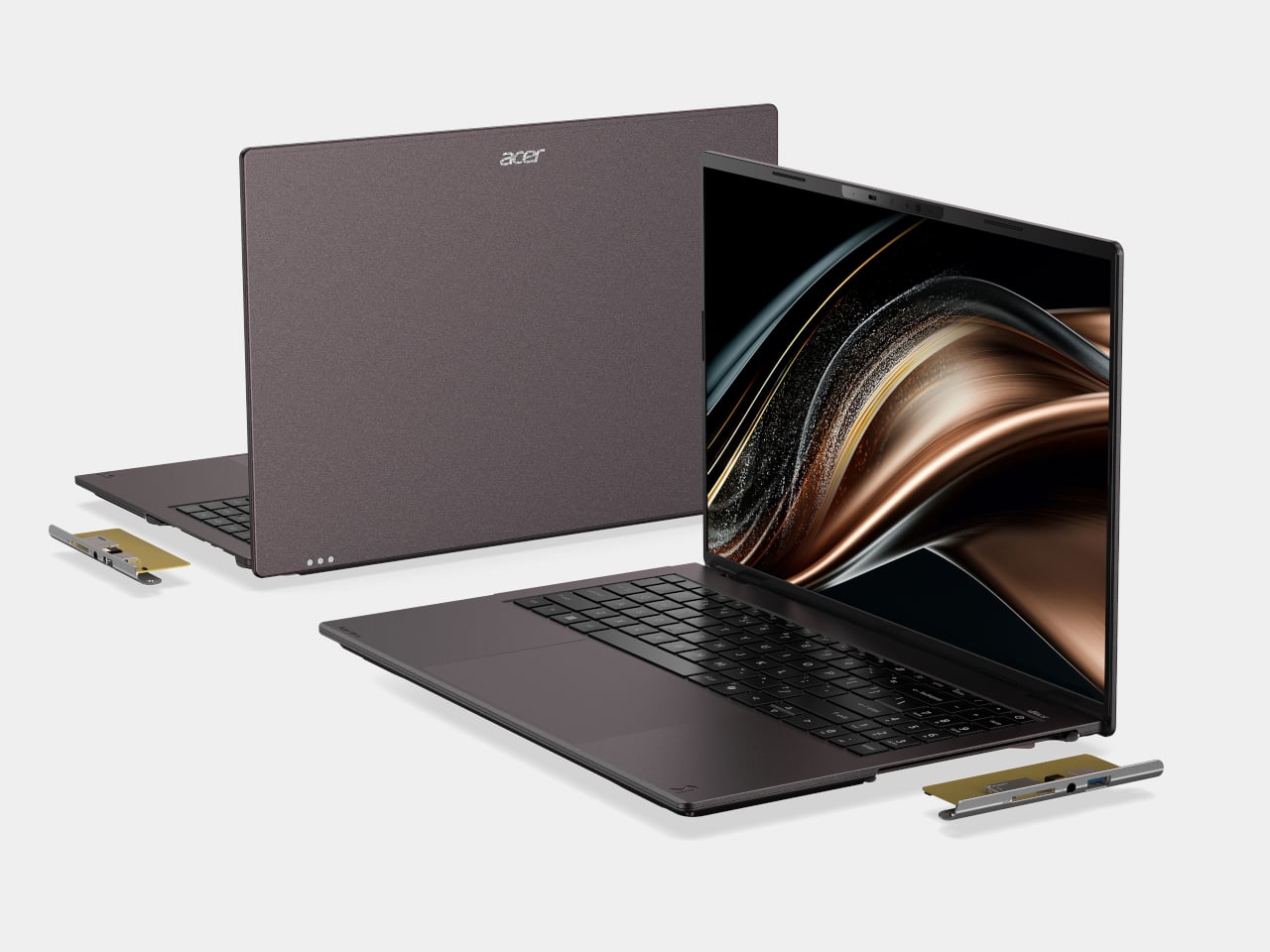
Acer’s Vero 16 treats repairability as a design language rather than an afterthought bolted on for marketing points. Announced at IFA 2026, this fourth-generation Vero laptop wears its screws and access panels with pride, swapping the sealed, glued construction common to premium laptops for a chassis you can actually open without voiding a warranty or hunting down specialty tools. It’s a rare case where sustainability and good industrial design point in the same direction.

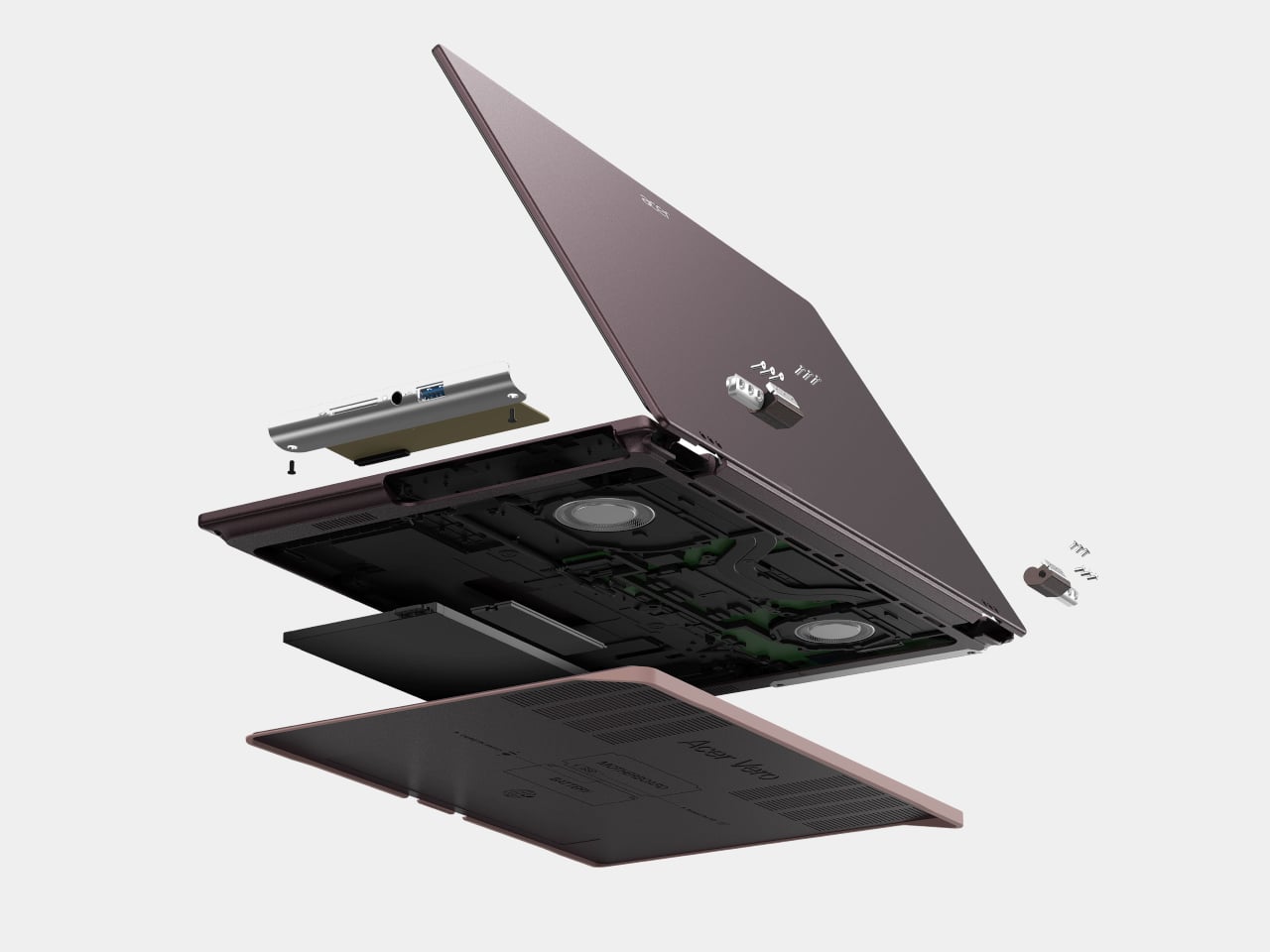
Flip the Vero 16 over and a visual guide etched directly into the bottom cover walks you through the repair process step by step, turning what used to require a service manual into something closer to assembling furniture. A tool-free access latch pops the bottom cover open, exposing a battery and SSD that users can swap themselves. The hinge detaches from the chassis entirely, and the I/O port covers on both sides lift away just as easily.

Designer: Acer

That repair-first thinking extends to future-proofing too. Acer built the Vero 16 to support processor upgrades for at least two generations, a rarity in an industry that generally treats laptops as disposable once the chip inside falls behind. Pair that with materials chosen for their afterlife, and the laptop starts looking less like a purchase and more like a long-term relationship with your hardware.
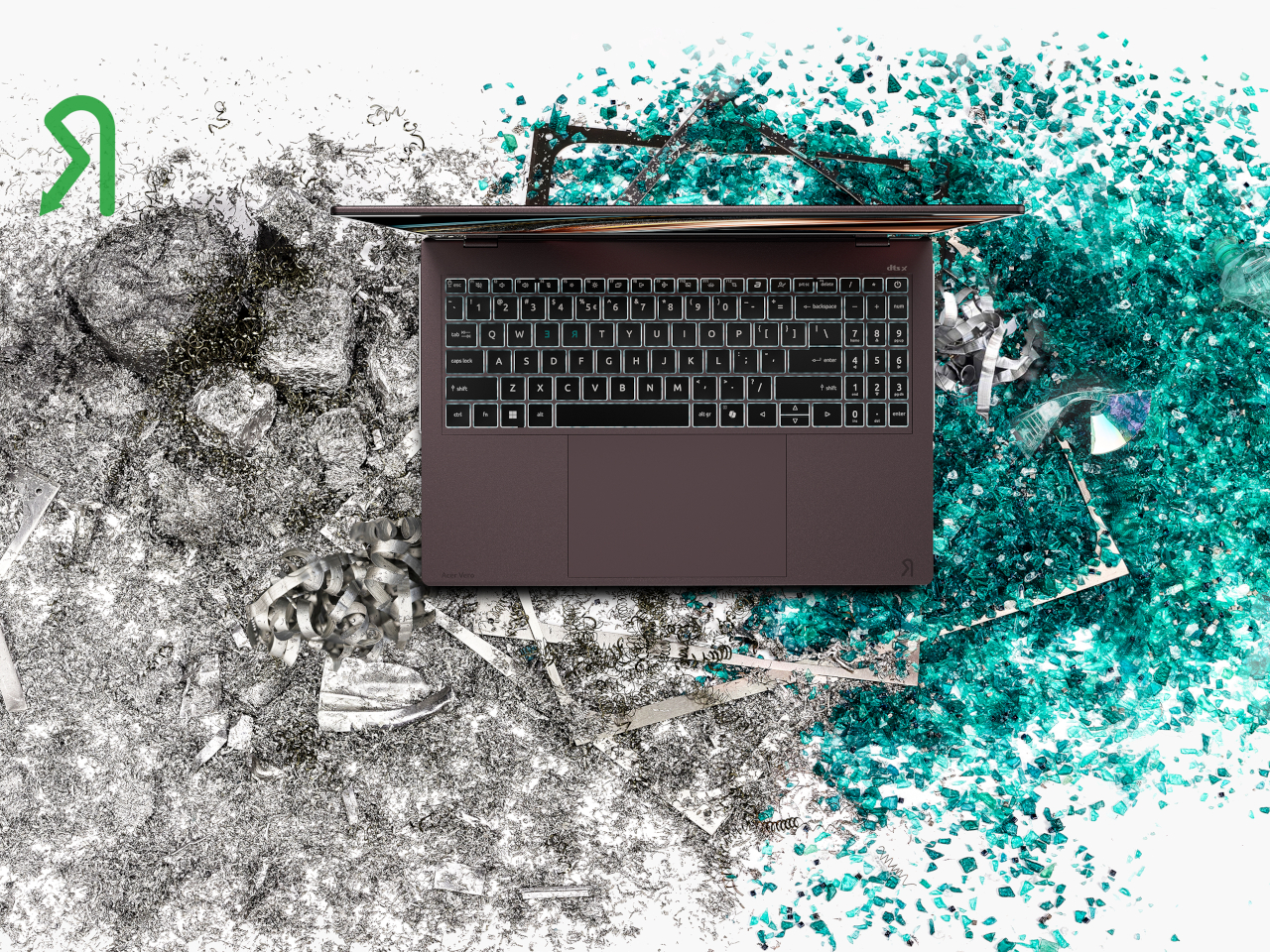
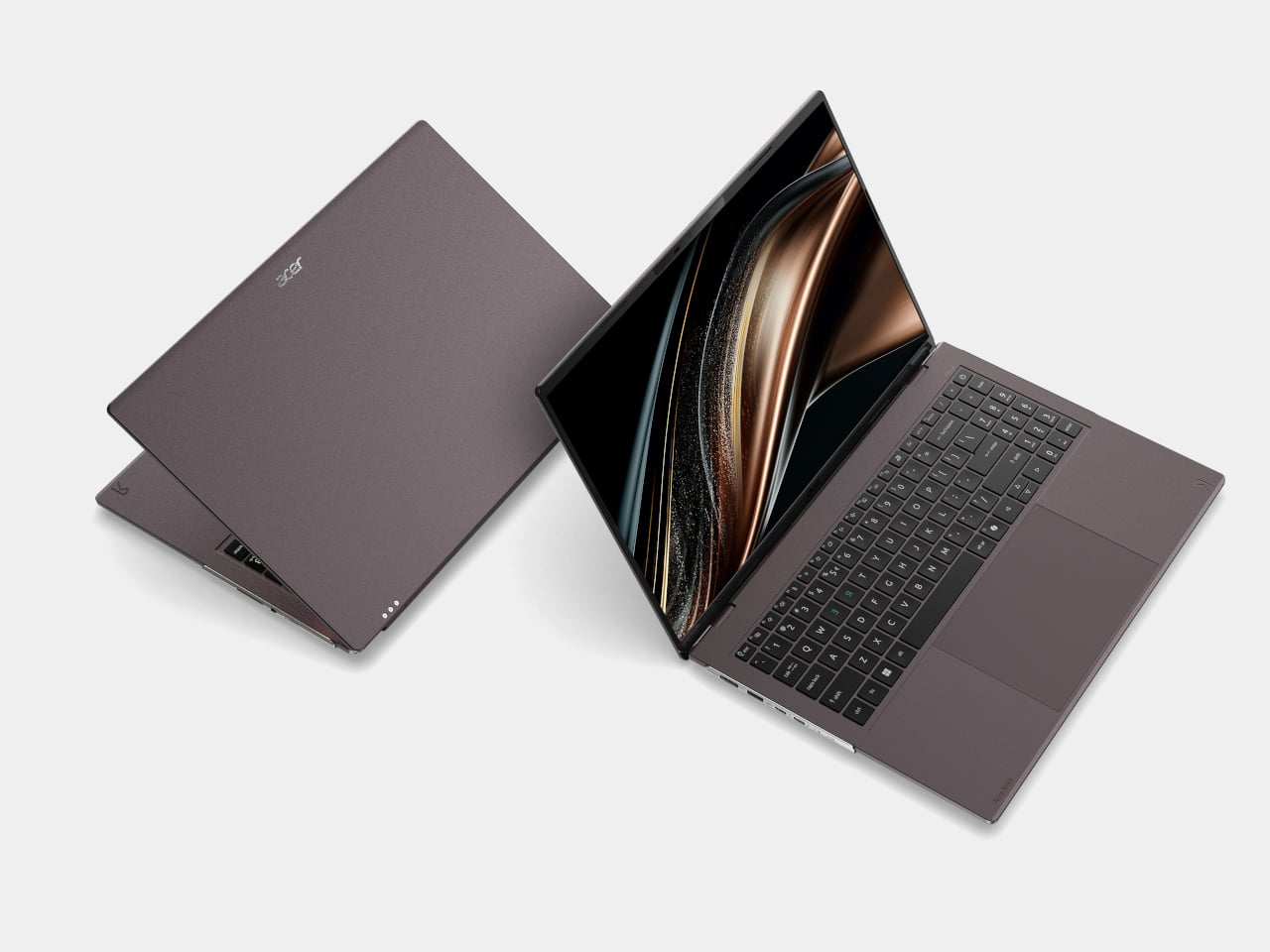
The chassis itself carries that same intentionality. The top and palm-rest covers combine 50% post-industrial recycled aluminum with 50% low-carbon aluminum, while the bottom cover uses 60% post-consumer recycled plastic and the display bezels use 30%. Acer finishes the whole thing in a solvent-free powder coating that cuts VOC emissions while resisting wear better than standard paint, so the Earthy Brown shell should still look presentable years into its service life.
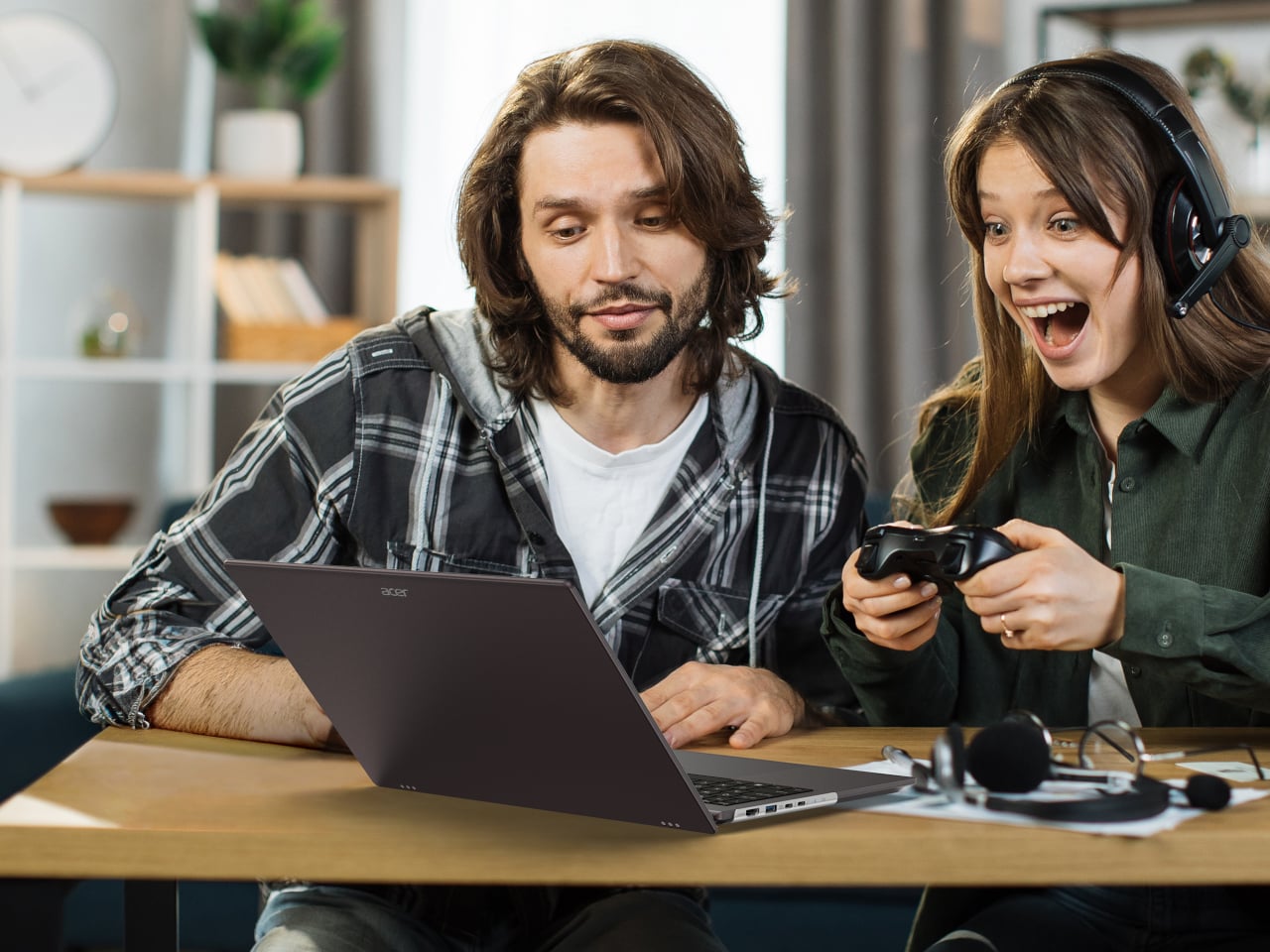
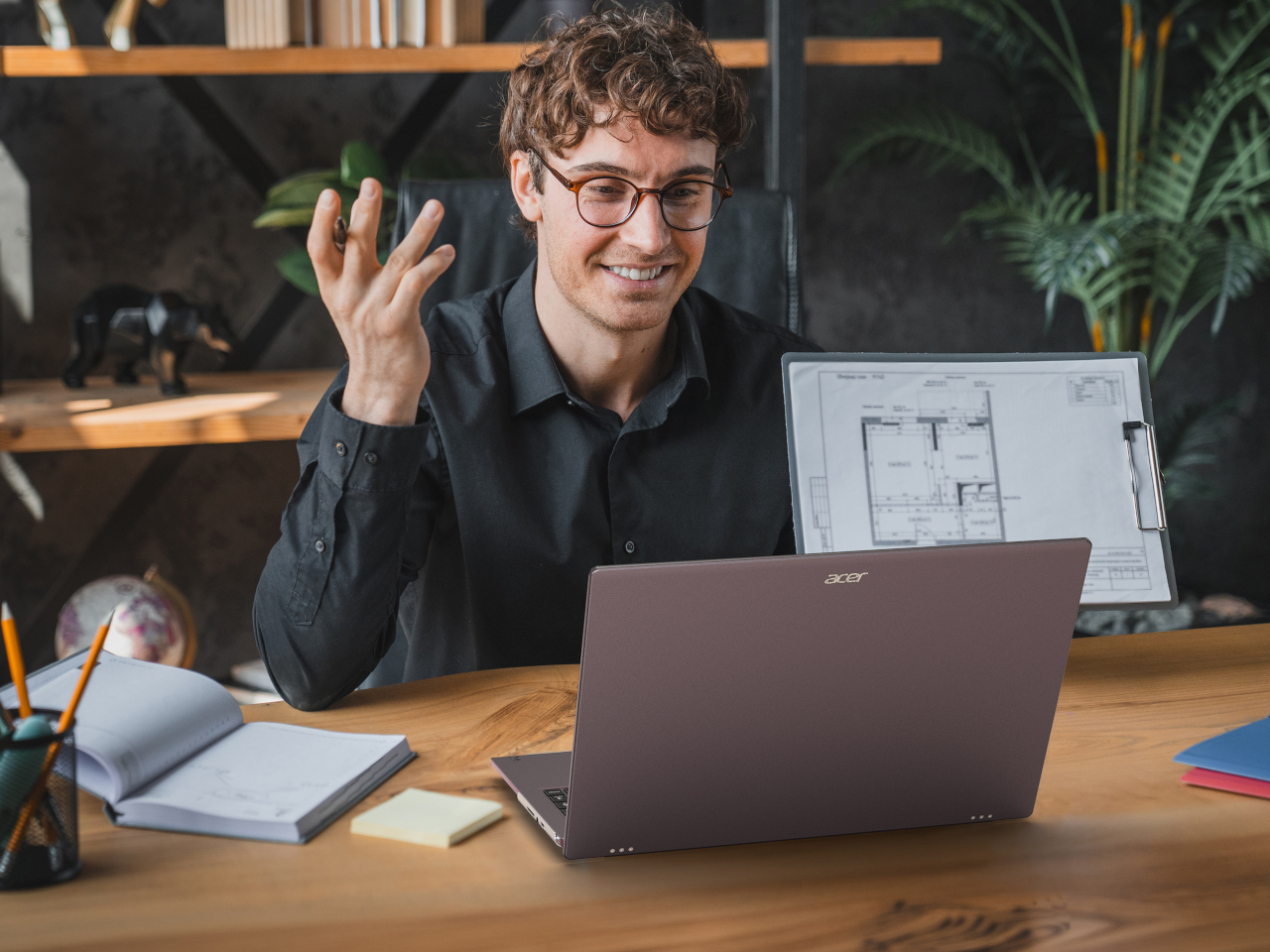
None of that repair-friendly engineering comes at the cost of everyday usability. A 16-inch 3K OLED display handles video calls and spreadsheet work with equal ease, backed by up to an Intel Core Ultra X9 processor pushing 180 platform TOPS for on-device AI tasks. Acer PurifiedView sharpens video call quality automatically, while PurifiedVoice filters out background chatter, useful whether you’re presenting blueprints from a home office or narrating a game night to friends over a headset.
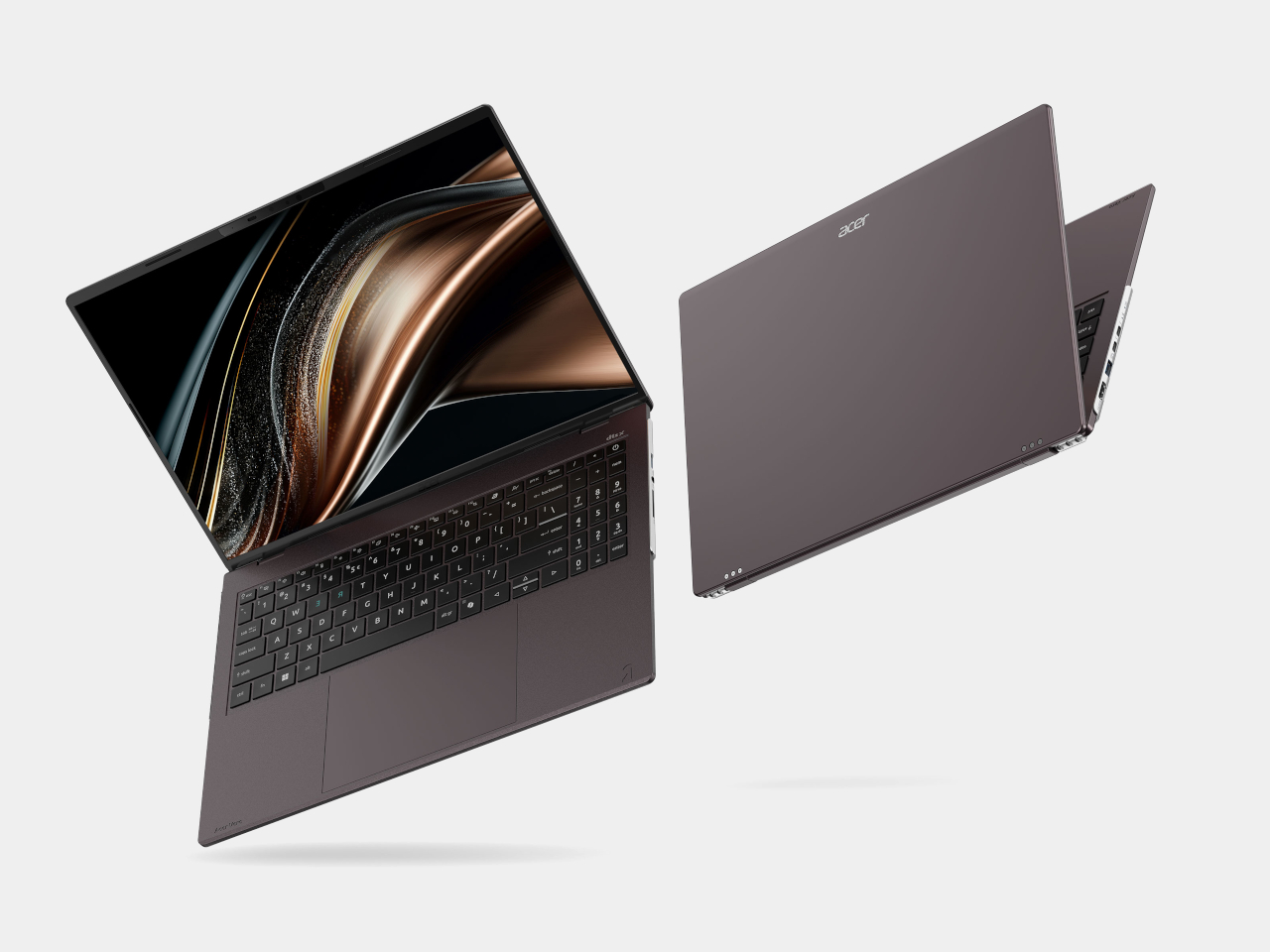
Connectivity rounds out the practical side, with two Thunderbolt 4 ports, an SD card reader, and HDMI 2.1 covering most peripheral needs, plus a USB Type-A port that keeps charging accessories even when the laptop itself is powered down. Acer MyKey adds a programmable shortcut for whatever app or website you open most, a small touch that saves the repetitive clicking most of us do without noticing.

The Vero 16 ships in 100% recyclable packaging made from recycled materials, closing the loop from box to chassis. Acer’s decision to expand its design approach from the standard 3R framework of reduce, reuse, and recycle into a fourth R for repairability suggests the company sees longevity as a feature worth building around, not a checkbox for sustainability reports. The Acer Vero 16 arrives in EMEA in Q1 2027, giving shoppers time to see how well that philosophy holds up against the rest of the market.

The post Acer Finally Made a Premium Laptop You Can Actually Repair Yourself first appeared on Yanko Design.
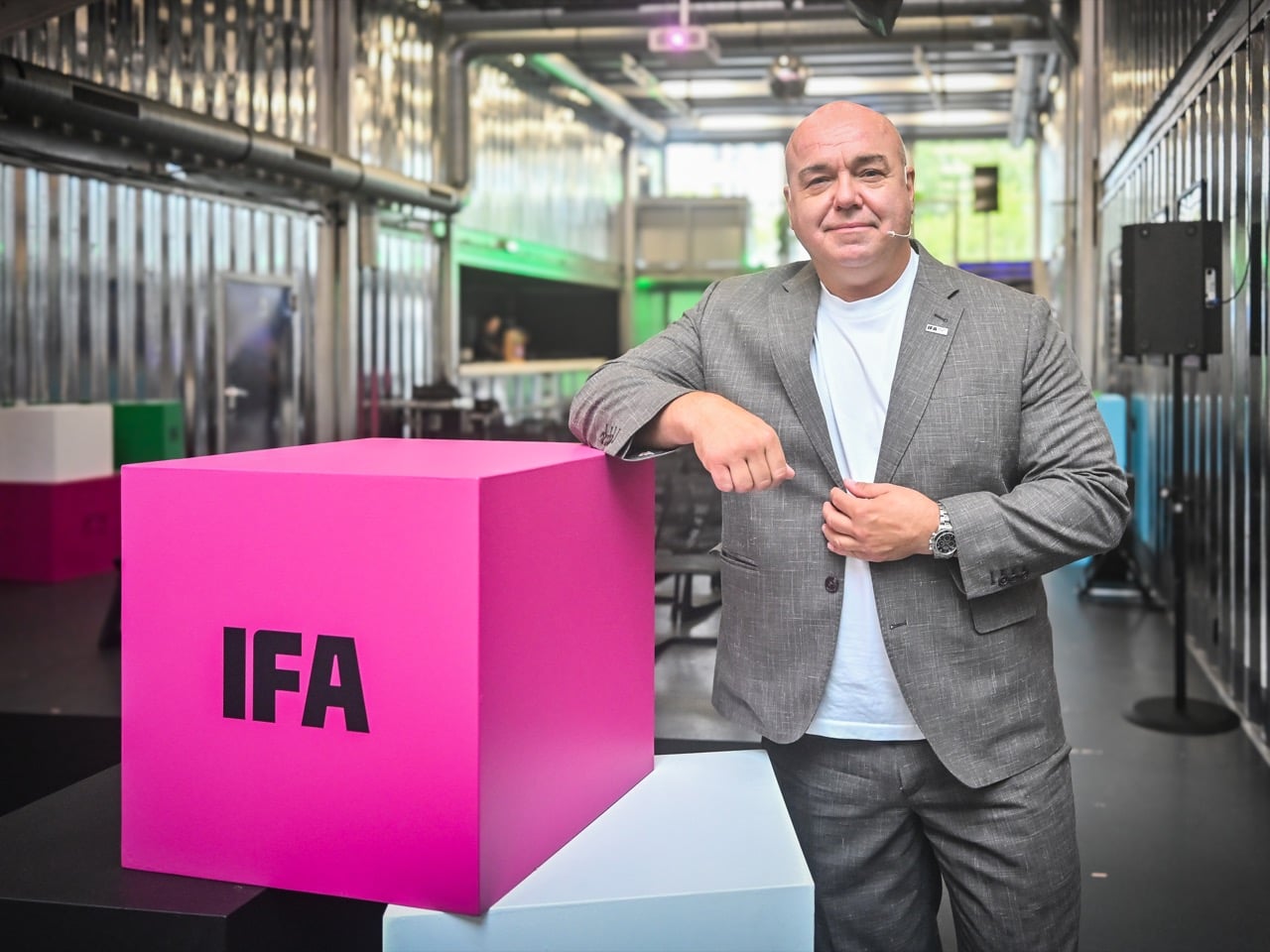
IFA CEO Leif Lindner: This Year Isn’t About Cool Demos. It’s About Robots That Actually Work

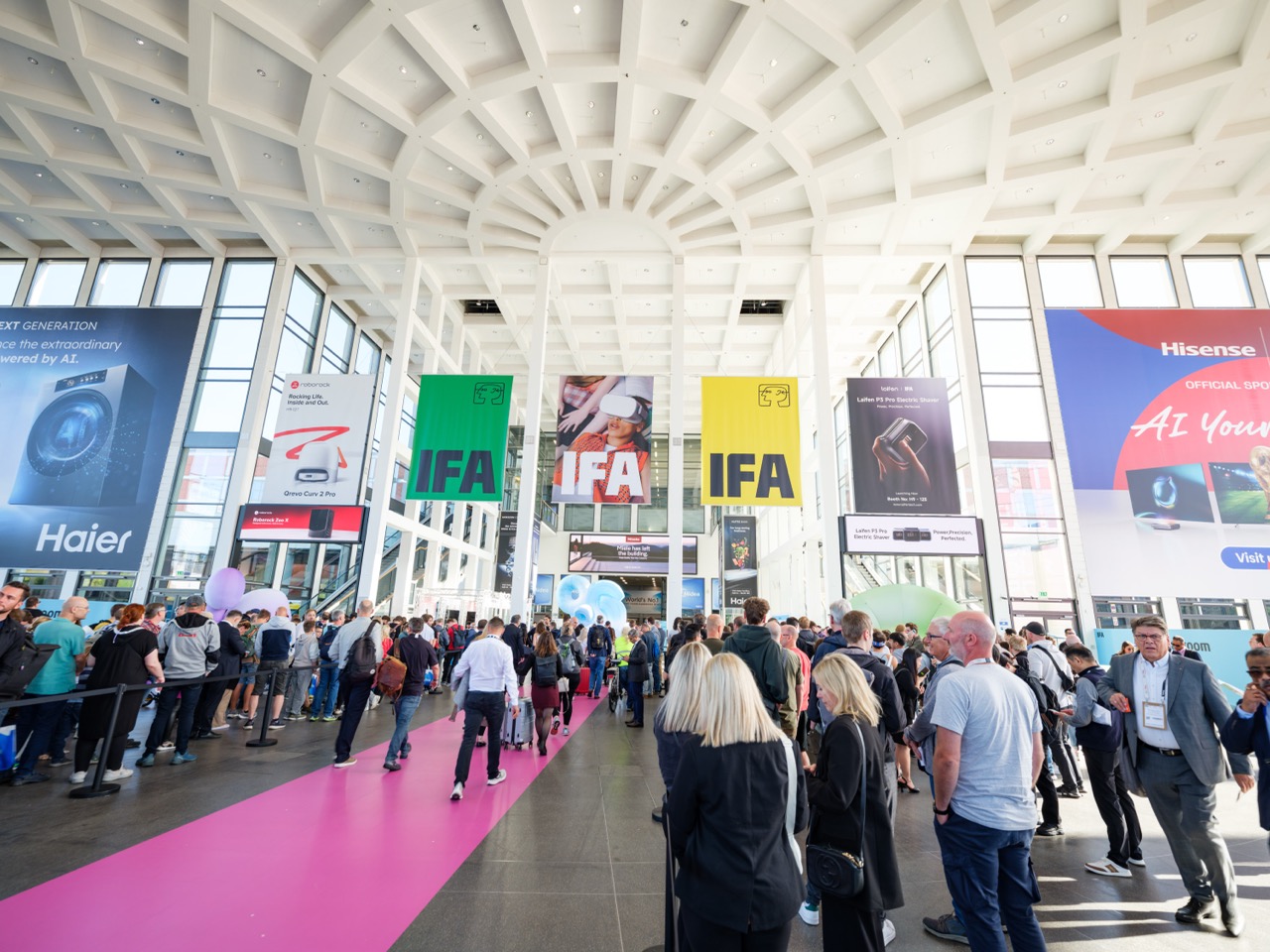
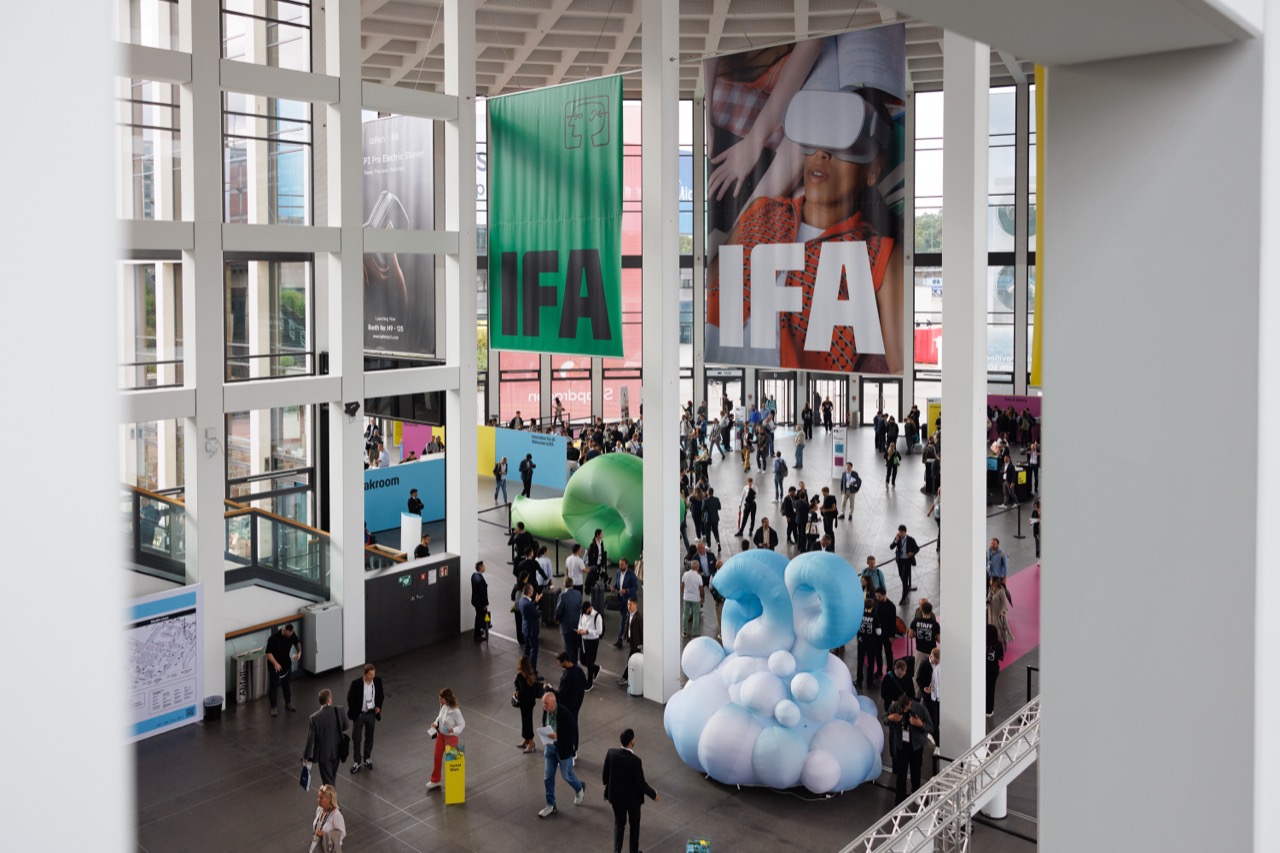
Berlin does this every September, and it never stops being slightly overwhelming. IFA 2026 runs September 4 to 8 across 27 halls at Messe Berlin, with more than 1,900 brands and something like 220,000 people wandering through them. This year the theme is “The Future Is Now”, which sounds like a slogan until you see the schedule. Humanoid robots are walking a catwalk on September 5. Xiaomi is exhibiting for the first time in the show’s 102-year history. There is a robot football tournament. Somewhere in there, several hundred companies will also try to sell you a better toaster.

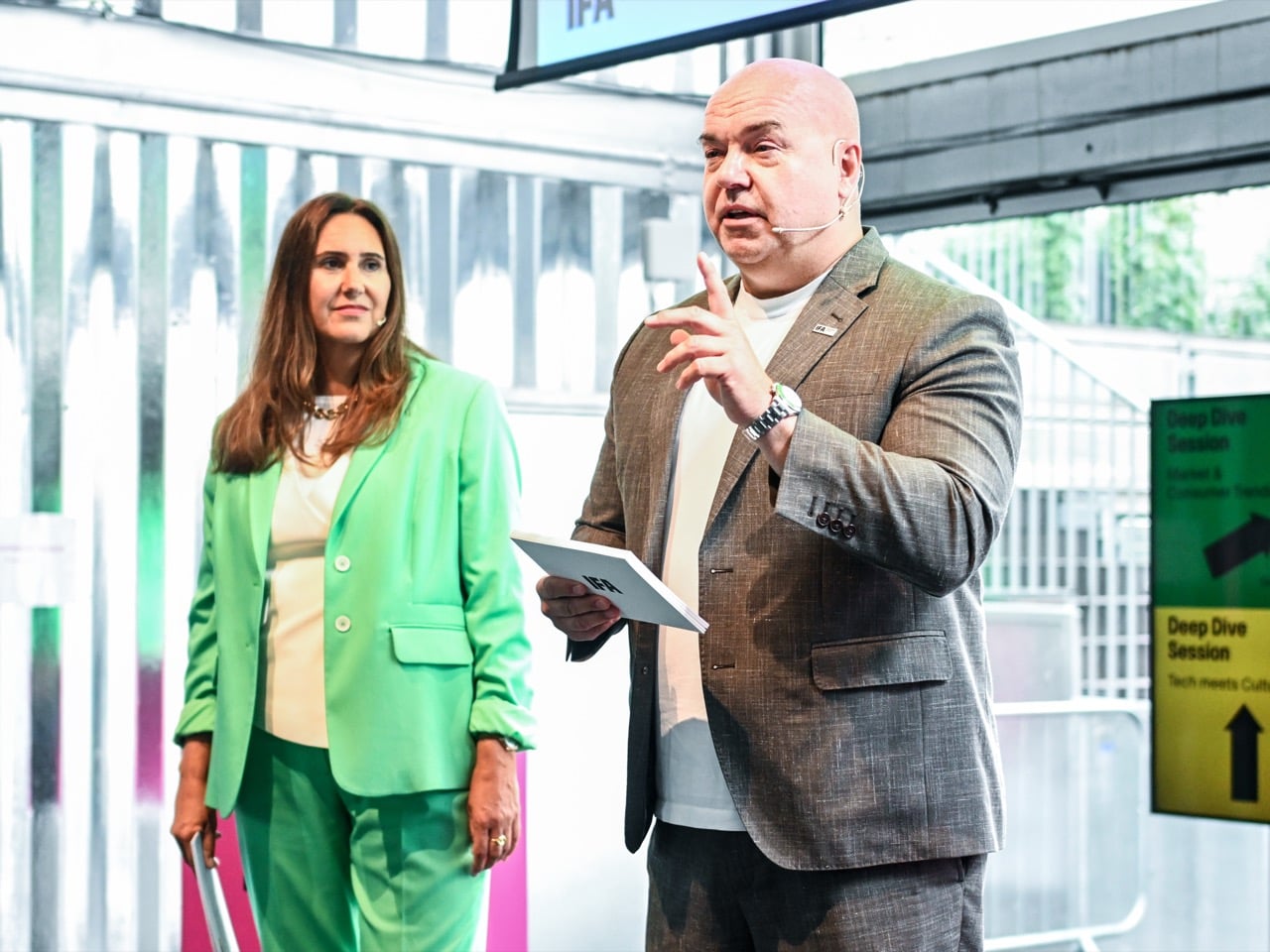
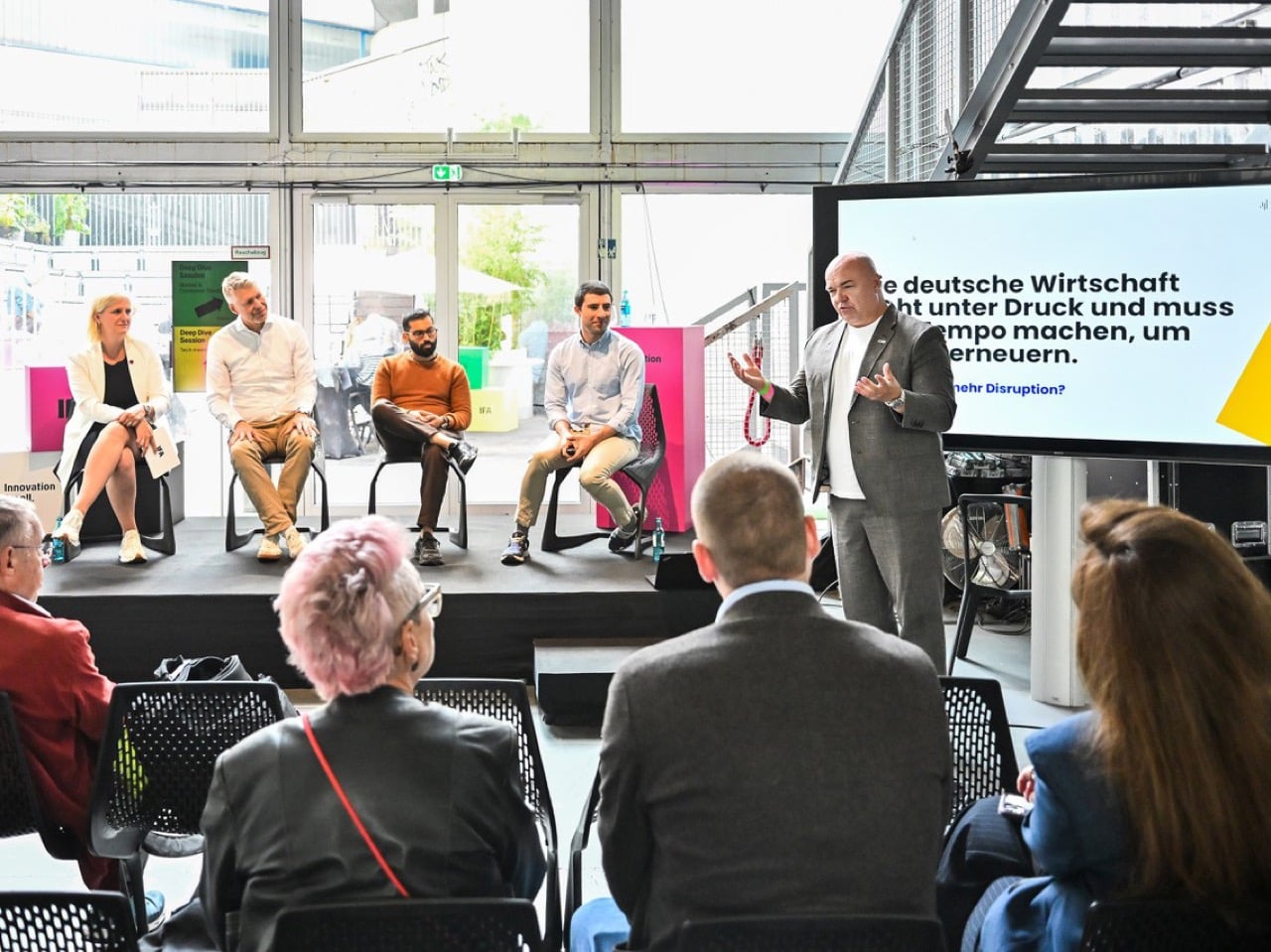
We wanted to know how a show like that gets built, so we sat down with Leif Lindner, CEO of IFA Management, who has been running the thing since 2023. We last spoke to him in 2024, back when AI was still being called a race rather than a bubble. Plenty has changed. Robots got legs, Chinese manufacturers got fast, and AI quietly stopped being a category and became the water everything swims in. Lindner has thoughts about all of it, including a good one about what 70 kilos of biped requires backstage.

AI Stopped Being a Special Feature

Every IFA has a theme, but this year’s grew out of something Lindner watched happen in real time rather than something the marketing team dreamed up in a room. “For years we talked about AI, robotics and connected living as the future,” he told us. “Somewhere along the way, that changed. AI stopped being a standalone category and became part of almost every category.” Refrigerators, earbuds and treadmills all carry it now, and none of them were sold to you as AI products first.

That shift changes what Lindner looks for on the floor these days. “A few years ago, the conversation was simply, does this product use AI,” he said. “Today, the better question is, what does AI actually enable. Does it simplify a task. Does it save time. Does it help you make a better decision.” The companies worth your attention this year, in his view, are the ones who stopped mentioning AI out loud and just let it work.

China Built the Runway, Europe is Preparing to Walk On It

The single loudest theme at IFA 2026 is humanoid robots, and the roster reads like a map of China’s supply chain. Unitree, Agibot, DEEP Robotics and a dozen others are walking a literal catwalk on September 5 called Robots on the Runway, and Lindner does not dodge why they got there first. “Manufacturing scale, deep investment and an incredibly integrated supply chain mean companies can iterate very quickly,” he said. “When design, engineering, production and testing are all happening within the same ecosystem, ideas naturally move from prototype to product much faster.”

He is quick to add that Europe is not simply behind. “Europe has extraordinary strengths of its own, in engineering, industrial manufacturing, AI and responsible technology development,” he told us, pointing to NEURA Robotics as the proof. The German firm closed a funding round of up to 1.4 billion dollars just before the show and delivers a keynote titled “From Europe, for the World: Building the Ecosystem for Physical AI” barely 90 minutes after the robots finish their runway walk. “The conversation isn’t about catching up category by category,” Lindner said. “It’s about building an ecosystem that allows European innovation to compete on a global stage.”

The One Robot Actually Cleared to Sell in the EU

Buried in that same conversation is a detail that separates the showpieces from the products. AiMOGA’s Mornine, built by a unit of Chinese carmaker Chery, holds full EU CE certification covering machinery safety, radio equipment and cybersecurity, signed off by German testing house TÜV Rheinland. That makes it the first humanoid certified on both hardware and software under EU rules, and it already works shifts in car dealerships across more than 30 countries.

Lindner treats that milestone as the real dividing line on his own show floor. “That’s certainly a meaningful milestone because it reflects the transition from a technology demonstration to a product that’s ready for commercial deployment in Europe,” he said. “Many of the robots visitors will see at IFA are there to demonstrate what’s possible. Others are much closer to real-world deployment. You can see the entire innovation journey in one place.”

What It Takes to Put a Robot on Stage

None of this happens by accident, and Lindner is refreshingly candid about how much invisible work sits behind five minutes of a robot walking in a straight line. “Any live demonstration involving emerging technology requires careful planning, and robotics is no exception,” he said. “Safety comes first, and our exhibitors work closely with our teams to make sure demonstrations are planned and delivered responsibly.”

His closing line on the subject is the best quote in the whole conversation. “When you put a 70-kilo humanoid robot in front of a live audience, you want the excitement to be on the stage, not behind it.” Worth remembering the next time a robot sticks a landing and the crowd gasps. Somebody spent months making sure that gasp was the only surprise in the room.

The post IFA CEO Leif Lindner: This Year Isn’t About Cool Demos. It’s About Robots That Actually Work first appeared on Yanko Design.
Xiaomi Takes the IFA 2026 Spotlight as Samsung Makes A Quiet Exit After 35 Years

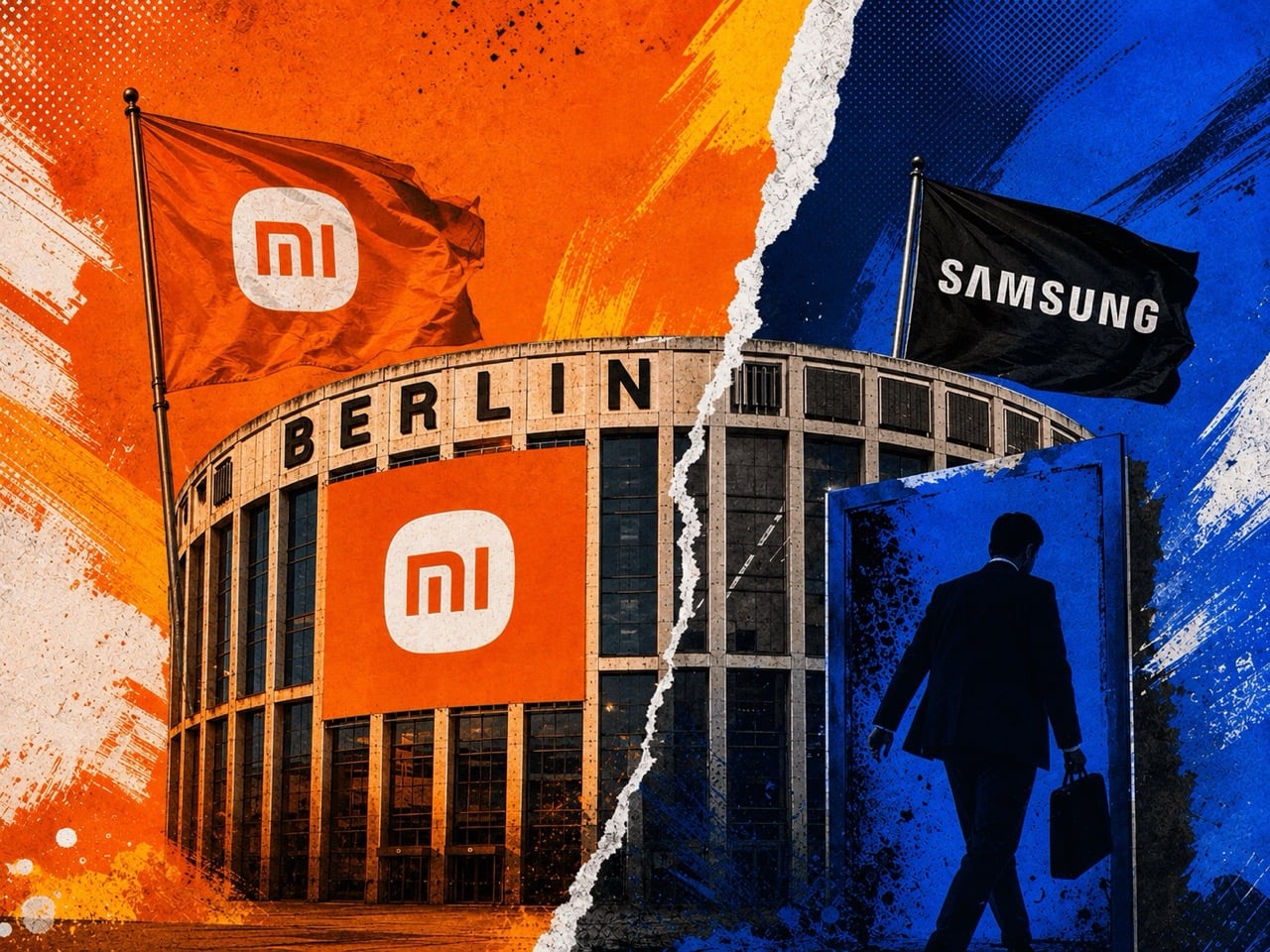
Imagine spending 35 years building the most recognizable booth at the world’s biggest consumer electronics show, then deciding one year to just… not. That is exactly what Samsung is doing at IFA 2026. The company is hosting its own event at the Humboldt Carré, a conference venue in central Berlin, eight kilometers from Messe, starting September 2, two days before the official show opens. Samsung frames this as a focused environment for media briefings, retail meetings, and product launches, following the same logic it applied at CES 2026 when it left the Las Vegas Convention Center for the Wynn Hotel. Doing it twice in the same year starts to look less like a pivot and more like a policy.

While Samsung manages its event across town, Xiaomi is inside Messe Berlin, confirmed for Hall 6.2, with a full ecosystem pitch and no obvious competitor stealing the spotlight. Xiaomi announced its IFA commitment at the official IFA Kick-Off on June 30, attaching a €7.4 billion AI R&D budget to the news, covering electric vehicles, robotics, and operating systems through 2028. Its IoT platform connects over 1.16 billion devices as of mid-2026, which gives the “Human x Car x Home” pitch real substance beyond the marketing copy. Samsung will sponsor the IFA Creator Hub, a content studio for influencers at Palais am Funkturm. But a sponsorship is a very different thing from anchoring a show floor, and Xiaomi is anchoring the show floor.

Photo Credits: IFA

At CES 2026, Samsung left the Las Vegas Convention Center for the Wynn Hotel and applied museum-style layout techniques to give visitors more time with each product. The Humboldt Carré plan at IFA runs on exactly the same idea, consolidating launches, tech forums, and partner meetings under one roof with dedicated space for hands-on AI appliance experiences. Samsung also has a footprint inside Messe Berlin as the main sponsor of the IFA Creator Hub, a content studio for influencers at Palais am Funkturm. It will run its own programming there throughout show week. But sponsoring a content studio is a different brand position from anchoring a product booth, and on the Messe floor, that position now belongs to whoever occupies it.

Photo Credits: IFA

Reports place the Galaxy S26 FE launch on September 4, the same day IFA officially opens, which means every journalist in Berlin will be writing about a Samsung phone from inside a building Samsung chose not to be in. LG, TCL, and Hisense all held their hall bookings and published their stand numbers months ago. Xiaomi is in Hall 6.2, a short walk from the main press areas. The reporters who glance up from S26 FE coverage will be standing next to Samsung’s biggest competitors. The brand generating the most ambient attention on the Messe floor will simply be the one that actually showed up.

Xiaomi’s pitch at IFA 2026 carries weight because the company has actually built the ecosystem it is selling. Its IoT platform connects over 1.16 billion devices as of June 2026, phones and laptops excluded, which gives the “Human x Car x Home” framing real shelf-stocking credibility for European retailers. The €7.4 billion AI R&D commitment for 2026 to 2028, spanning electric vehicles, robotics, and operating systems, is sized for institutional buyers rather than spec-sheet readers. Xiaomi landed on the Fortune Global 500 for the seventh consecutive year in July 2026, ranked 232nd. It arrives at IFA knowing exactly what it wants from a European room, and with the numbers to back that up.

Photo Credits: IFA

Samsung’s controlled-environment strategy has a clean logic that gets harder to apply the bigger the show it leaves behind. Moving off the floor eliminates accidental comparisons, crowded aisles, and competitor booths visible from your own press conference, but it also removes the organic brand visibility a trade show generates just by being a trade show. Xiaomi does not have that problem this year. It is physically present in the room where buying decisions happen, where retail partnerships get formed over product demos, and where IFA’s roughly 220,000 annual visitors walk through looking for the next big thing. If the floor plan is the argument, Xiaomi is winning it before the doors even open.

The post Xiaomi Takes the IFA 2026 Spotlight as Samsung Makes A Quiet Exit After 35 Years first appeared on Yanko Design.