Spotify is rolling out more social features to keep people on the platform. It's adding a new tool to its messaging platform that lets users see what their friends and family members are listening to in real time.
Once activated, a user's listening activity will be displayed at the top of the chat. The other person in the chat can tap the bar to play a particular track, save it or react with an emoji. People can also, of course, comment directly to either praise or rag on the song selection.
There's another little addition to Spotify's messaging system. Users will now be able to invite chat participants to start a Jam, which is the app's collaborative listening feature. Premium users will find a "Jam" button in the top right corner, which sends an invite. This lets two people add tracks to a shared queue and listen together. Free users can join one of these sessions, but cannot initiate.
It's worth noting that the messaging platform is currently just a one-on-one affair. There's no option for a group chat, so users won't be able to spy on multiple people simultaneously. These tools are rolling out gradually for iOS and Android right now, but won't be broadly available for a few weeks.
This article originally appeared on Engadget at https://www.engadget.com/entertainment/music/spotify-now-lets-you-share-what-youre-listening-to-in-real-time-via-chat-173749120.html?src=rss
I know IKEA is all about small, efficient spaces, but their meeting room inside the Venetian during the company’s first-ever CES was the same size as my (not large) living room. Plenty of people were as excited as I was to see what the Swedish designers brought with them to the show and the room was thick with humans. A bowl full of BELÖNING bars helped ease my mounting claustrophobia and I was able to check out the new smart home lineup.
Like most things IKEA, the 21 Matter-compatible smart home devices are simple, sleek and silly affordable. They include a $6 smart bulb, an $8 smart plug, a $6 smart remote and a slew of home sensors. A slightly pricier ($15) globe bulb is a direct answer to my longstanding wish for more attractive (but affordable) smart bulbs.
One of my favorite of the new devices was the BILREA remote control. It’s a smooth, riverstone-like object that either comes with two simple buttons or a button and a scroll wheel. It pairs up with and controls IKEA’s smart devices and lamps but what I really love is the magnetic mount integrated into its body. You can either attach the remote to any ferrous surface or use the small metal chip and included adhesive to give the remote a home on a wall or elsewhere. Why have so few other companies come up with a way to neatly and simply organize these tiny yet crucial controllers?
The whole suite is Matter-compatible and, as such, it needs a hub to function. IKEA has its own, DIRIGERA, but, true to the Matter principles of interoperability, you can also use a Matter hub you already own. The new line of smart home devices should start showing up in IKEA stores and on its website sometime in January.
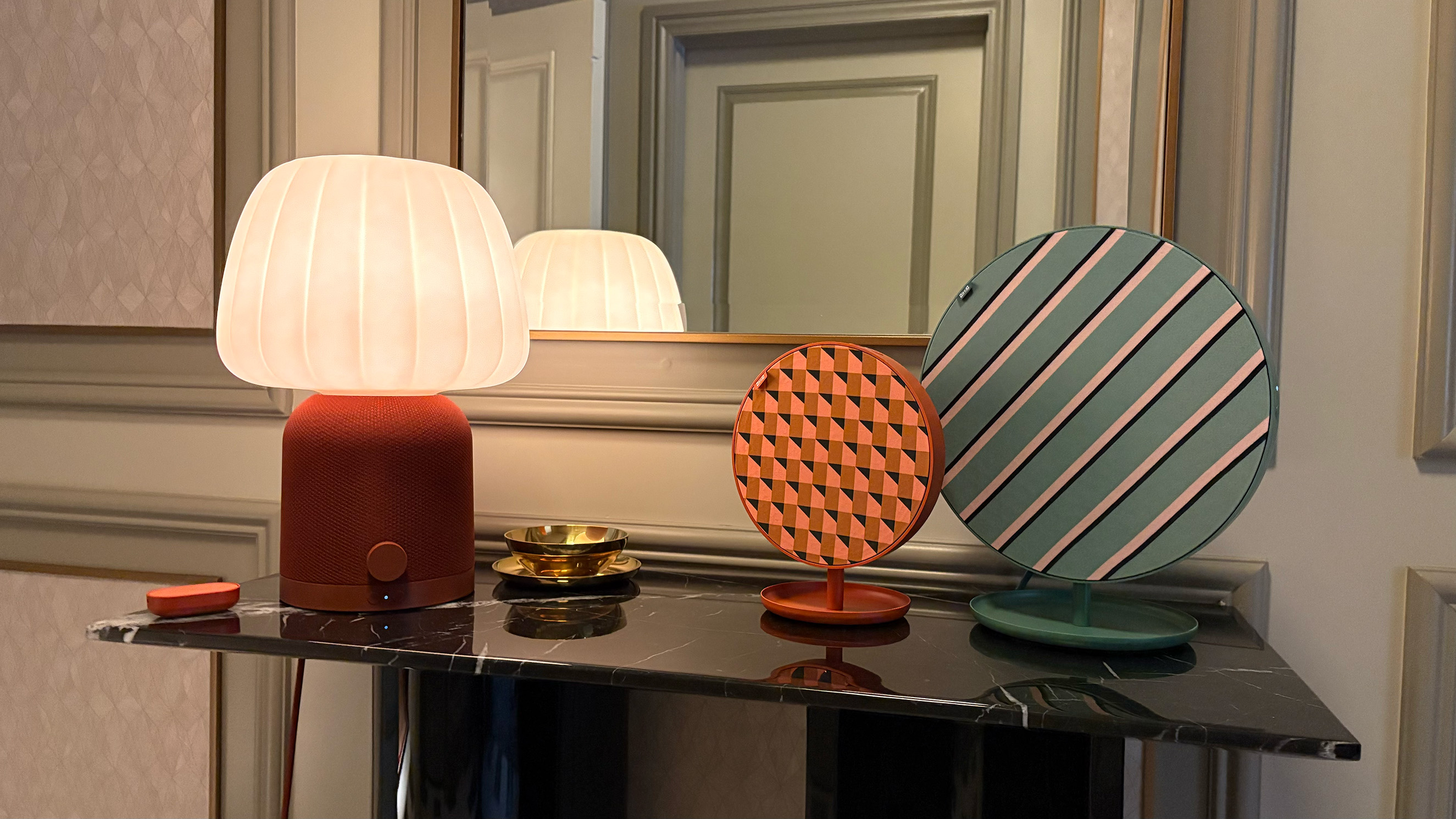
Lamps and speakers from the TEKLAN smart home collection.
Amy Skorheim for Engadget
Apart from the egalitarian and utilitarian items, the Swedish brand also brought a new collection of products, TEKLAN, designed in collaboration with designer and photographer Tekla Evelina Severin. These include circular Bluetooth speakers in color-saturated patterns and solids ranging from eight to 18 inches. There are also two new speaker lamps, called KULGLASS, that have glass lampshades inspired by soft serve ice cream. Those devices went on sale on January 1 this year.
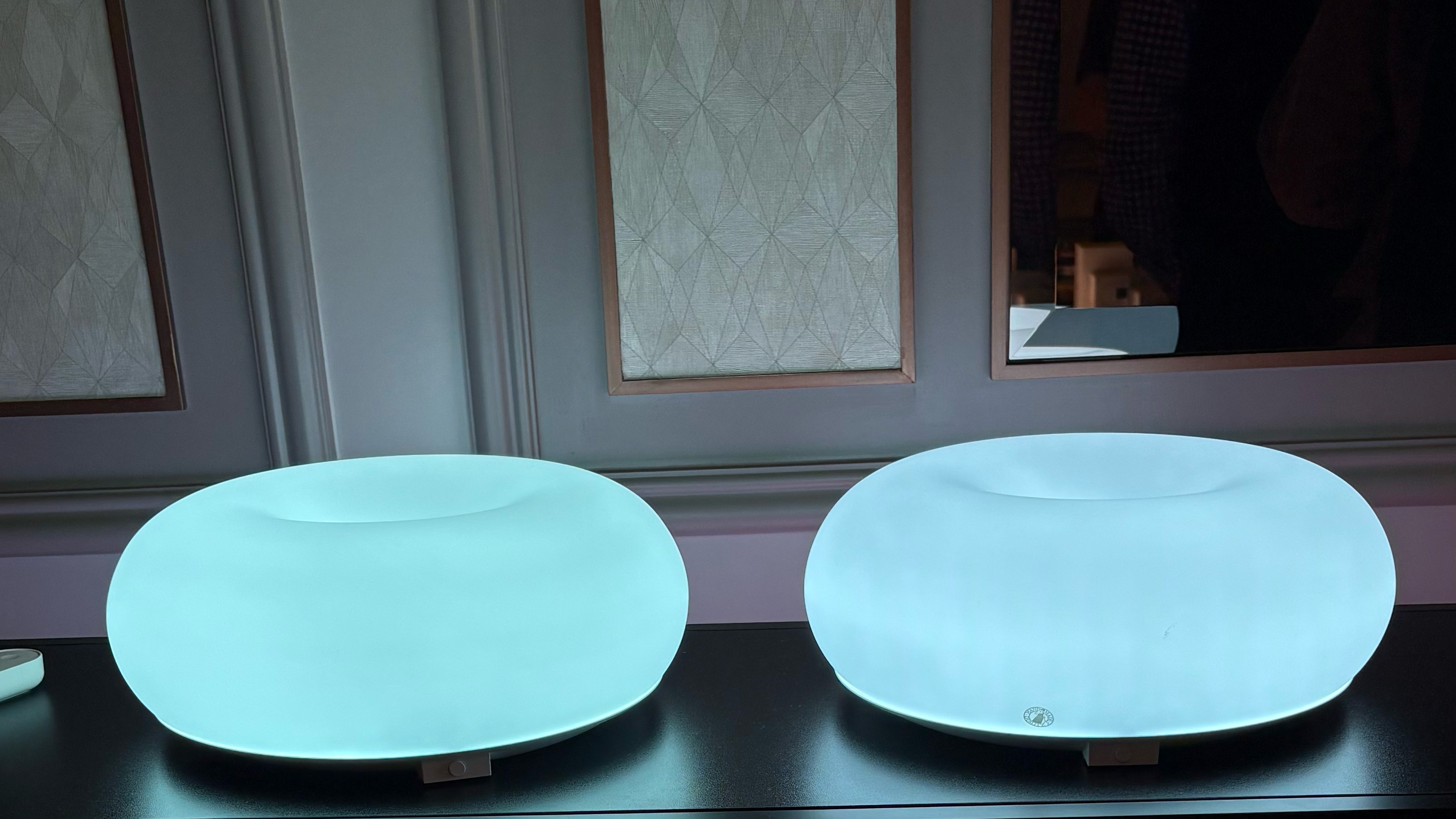
Finally, I made my way (three feet) over to the curious, donut-shaped lamps. This is the smart version of the store’s popular VARMBLIXT lamp that debuted three years ago. It’s controllable through the app or the remote I mentioned above and gently cycles through a rainbow of color patterns, shifting slowly from shade to shade. I got lost for a while watching it morph from white to pink to red and back again. For a moment I forgot I was wedged into a room too full of people. I figured those around me probably wanted a look at the lamp for themselves, so I took a longing glance back at the BELÖNING bowl and squeezed out of the room.
The popular VARMBLIXT donut lamp is now smart.
Amy Skorheim for Engadget
This article originally appeared on Engadget at https://www.engadget.com/home/smart-home/ikeas-first-ces-appearance-included-a-6-matter-smart-bulb-172623474.html?src=rss
CES 2026 is nearly over and it’s been a fruitful one with a lot of new, weird and impressive tech. But you don’t have to wait until later this year to get your hands on some of the things announced this week in Las Vegas. A surprising number of gadgets are up for pre-order, if not outright available to buy already, from chargers and docks to projectors, keyboards and smart home gear. CES remains a place for companies to showcase concepts and big ideas, but these are the gadgets that have real prices and real order buttons as of today. Check out all of the CES 2026 gadgets you can buy right now below.
This article originally appeared on Engadget at https://www.engadget.com/19-ces-gadgets-you-can-buy-right-now-164325541.html?src=rss
It's been six years since Sony first rolled out its prototype car at CES 2020. It was called the Vision-S back then, and I remember everyone endlessly debating just how serious the consumer electronics powerhouse was about making a car. Over the subsequent half-decade, Sony has proven it is not only serious, but absolutely hell-bent on making this thing a reality.
At CES 2026, we're still somehow about 12 months away from that car hitting the roads. Now called the Afeela 1, instead of being built by Sony proper it will come from the joint venture Sony Honda Mobility. It will start at $89,900, offer around 300 miles of range, and wear an exterior design so sedate that even the 31.5-inch-wide "Media Bar" micro-LED integrated into the nose barely makes an impact.
With the Afeela up on stage again this year, what's new in 2026? I'm fresh from getting a closer look at the sedan here in Las Vegas and, sadly, there's little more to see than what so underwhelmed me last year. From the outside, 2026's Afeela looks nigh identical to 2025's, save for one change: I'm happy to report that the unfortunate seam running down the middle of last year's nose-mounted Media Bar has been fixed. It now appears to be a single, contiguous panel.
On the inside, the interior seems to have a higher degree of fit and finish than last year's. To get in, you either push on a little button hidden in the trim or pull out the smartphone app and request that the door open automatically. There are no door latches as such, something that might raise a few eyebrows given Tesla's current door handle woes. (I was told there are physical door releases hidden below the car on the outside, and low in the door card on the inside.)
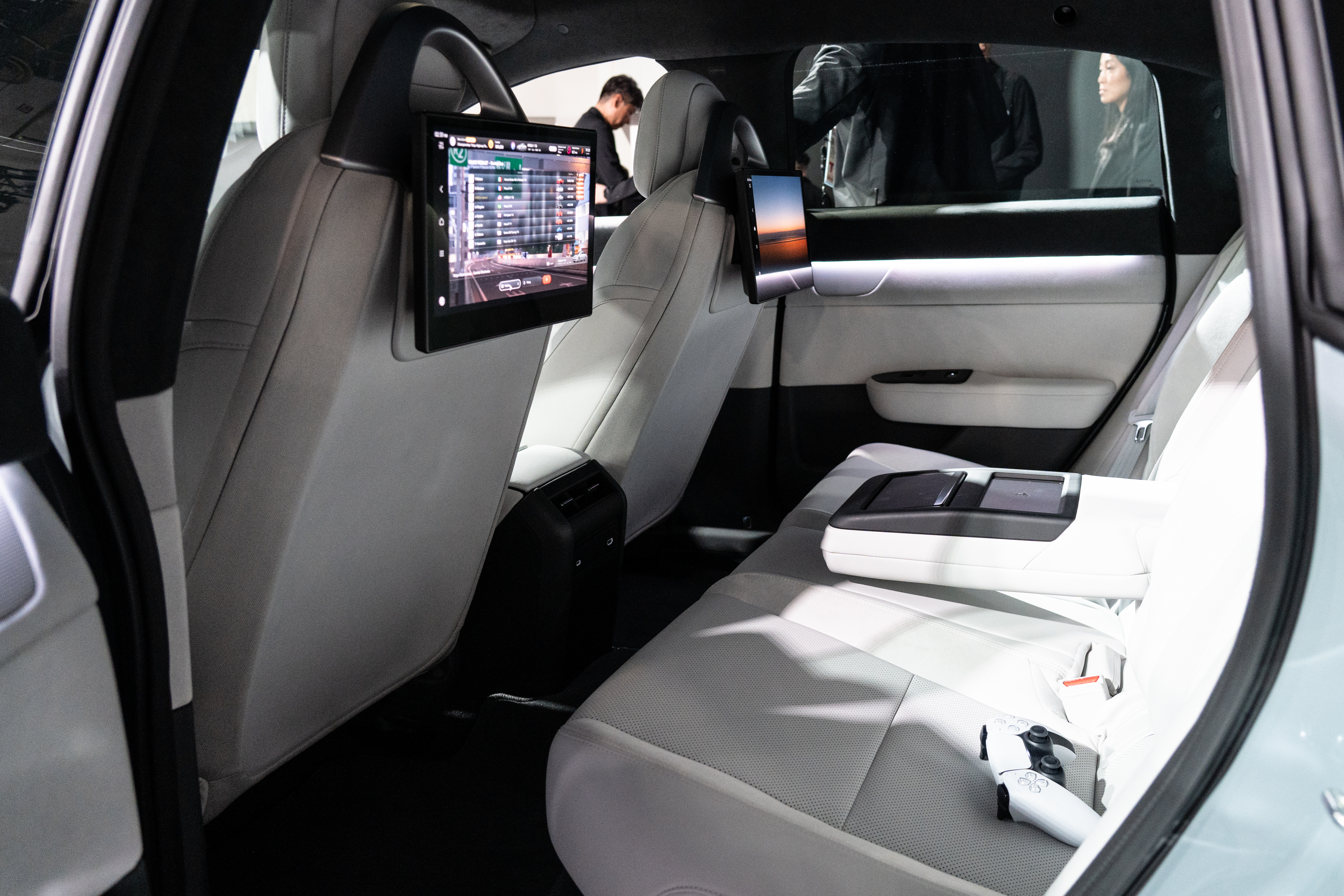
Sony Honda Mobility at CES 2026
Tim Stevens for Engadget
The door closes automatically once you're inside, instantly hushing the manic drone of the crowd on the always-packed CES floor. This creates a great soundscape for the whopping 28 speakers Sony is deploying here. The car's interior shape was actually designed to optimize the placement of those speakers, and the few moments of music I heard were impressive.
There's Dolby Atmos support, so you can take full advantage of the spatial audio features in the cockpit. You can even toggle the sound on or off for individual seats, perhaps helping a little one stay asleep in the back seat — or simply sparing your kids from the depths of your guilty pleasure playlist.
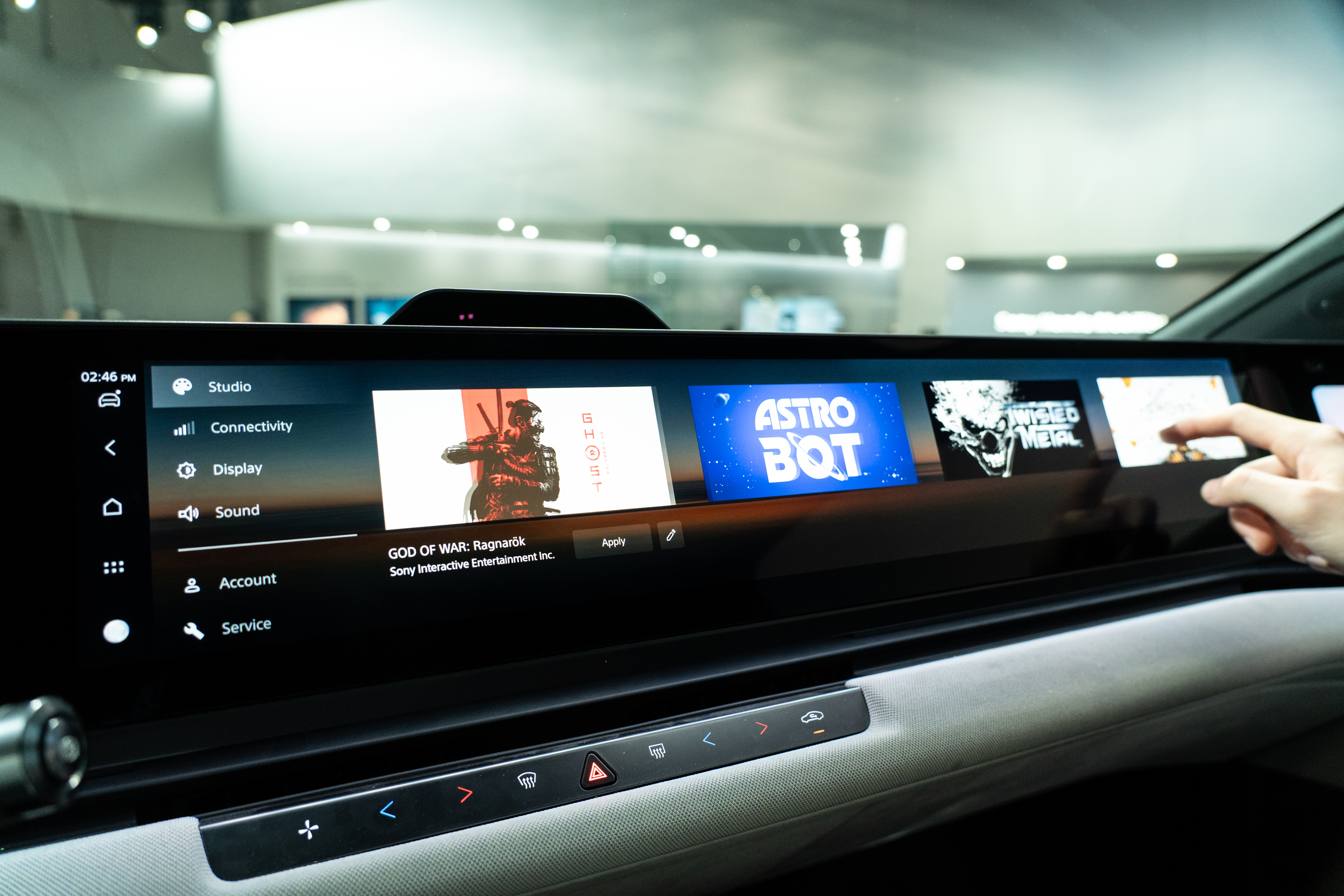
The most noticeable feature inside the car, though, is the sweeping display that runs across the dashboard. There's a 12.3-inch LCD gauge cluster on the left conjoined with a 28.5-inch display that goes all the way to the right. Sony's infotainment software effectively splits that rightmost panel in two, enabling you or the passenger to drag apps left or right as needed.
Media or other distracting apps running on the passenger's side of the display will trigger an integrated privacy shield, blacking it out ensuring minimal distraction for the driver. But Sony is still pushing the envelope a bit here in a few other areas. You can dial into Zoom meetings from the driver's seat, for example, and while the Afeela 1 won't be the first car to do this (Mercedes-Benz included the service in the car in its 2024 E-Class), Sony will actually let the driver participate in the video while driving. This seems a little unnecessary to me.
Sony Honda Mobility at CES 2026
Tim Stevens for Engadget
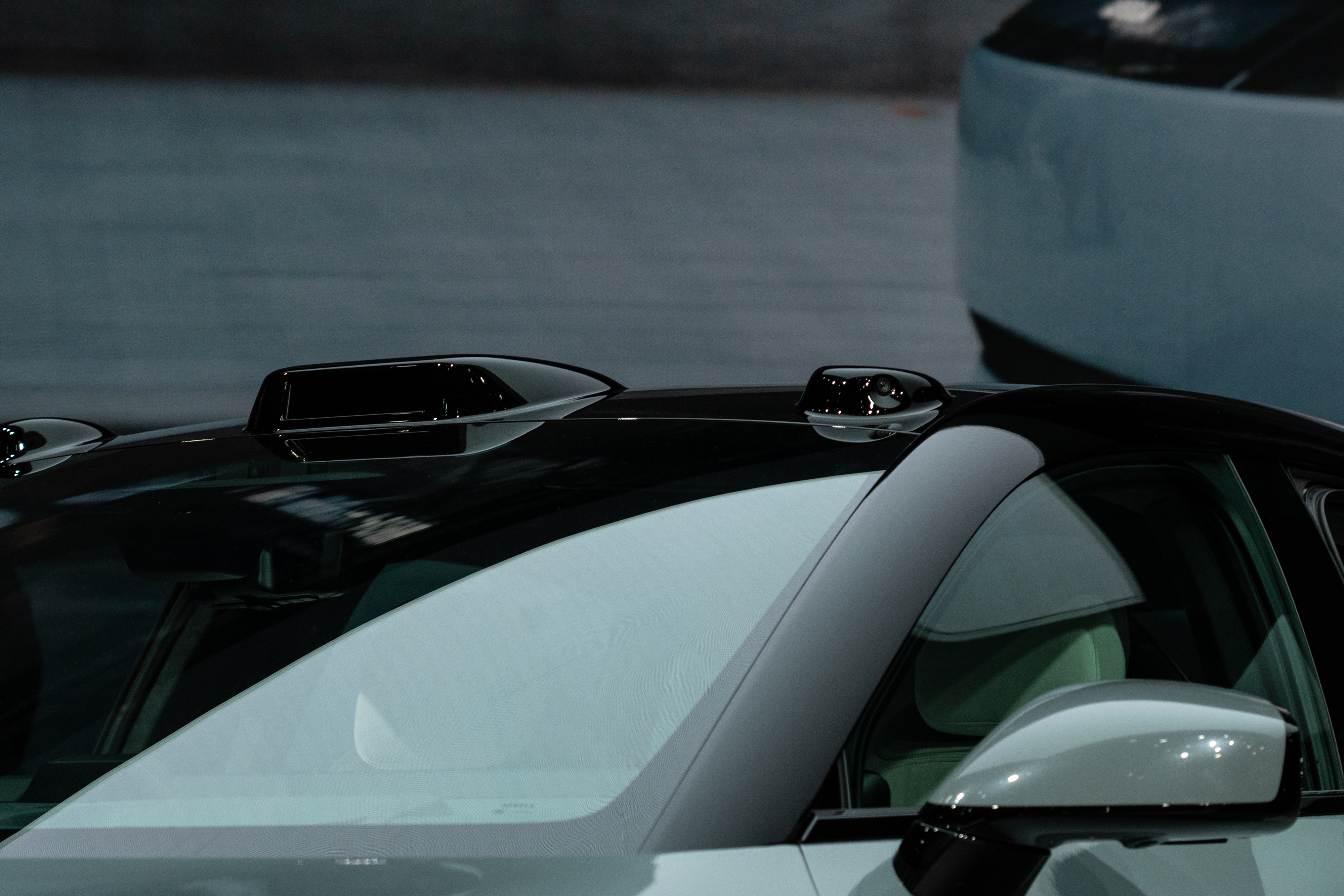
Zoom uses the ceiling-mounted camera, one of 40 sensors in and around the Afeela 1. That includes the pods for a LiDAR sensor and more cameras protruding rather conspicuously from the roof. These sensors will provide Level 2+ driver assistance at launch. Over time, Sony promises to upgrade the car to Level 4, meaning that you, the driver, could theoretically take a nap behind the wheel. The car certainly looks to have enough sensors and processing power to make that work, but as we saw with Tesla's Full Self Driving, these sorts of automotive upgrades have a tendency to take longer than anticipated.
Some of that digital processing power comes courtesy of Qualcomm's Snapdragon Digital Chassis, which also powers the infotainment experience. The software that runs the dashboard and rear seat experience looked far more comprehensive than before. That includes a functional AI voice assistant providing advanced routing guidance, like telling you which of the dozen taquerias on your route has the best guac.
Personalization is a big part of the sales pitch here, with downloadable packages changing everything from the car's ambient lights to the gauge cluster, engine sound, and even whatever's displayed on the nose-mounted display.
The idea here is to give you an emotional connection with the car -- despite its decidedly emotionless exterior design.
Sony Honda Mobility at CES 2026
Tim Stevens for Engadget
"Our brand, Afeela, is built on a vision to redefine the relationship between people and mobility," Izumi Kawanishi, Sony Honda Mobility's president and COO, said. "Being in a car will no longer be about driving. It will be about making the most of your time and space while you move."
I got to sample a number of these customizations at the show, including a particularly cool one that replicated the dashboard of Honda's first-ever Grand Prix-winning machine, 1965's RA272. The Afeela even picked up the raspy sound of its 1.5-liter V12.
The pre-production car on the Afeela stage had about a dozen such experiences installed, but the plan is for many, many more. Sony Honda Mobility will launch what it's calling the Afeela Co-Creation Program, a set of software developer tools and interfaces enabling third-party developers to not only create their own customizations, but to sell them.
Yes, alternate revenue streams are a big part of the equation here, including premium audio and video purchases, but Sony seemingly isn't factoring that in to help make the Afeela 1 more affordable. Again, you're looking at $89,900 to start, a price that hasn't changed from last year.
In fact, the biggest change to the Afeela 1 since CES 2025's showing is a delay. The sedan now isn't hitting the road until the very end of 2026, with first, limited deliveries happening in California. Arizona is next in 2027, but it could be years more before it's available anywhere else in the world.
Don't call it vaporware, though, because it is coming. Trial production work is already happening at Honda's plant in Ohio. In fact, the Afeela 1 you see here is an early, pre-production machine assembled there.
But just because it's going to happen doesn't mean that it will be a compelling product. An EV that costs $20,000 more than a more-powerful, longer-range Lucid Air Touring is a difficult proposition today, never mind 2027 or later, when the Afeela 1 will finally become readily available.
Sony Honda Mobility at CES 2026
Tim Stevens for Engadget
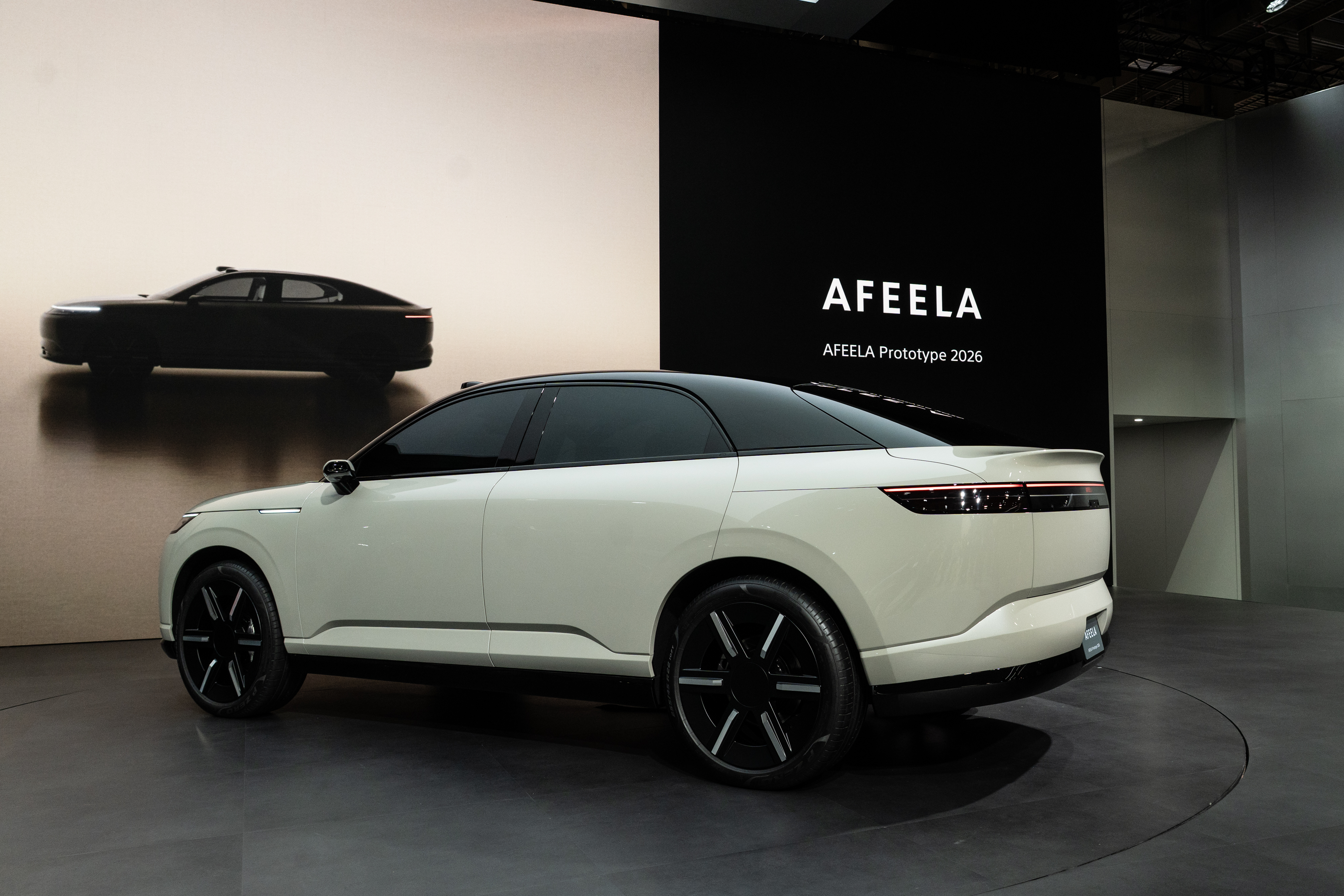
With sedans increasingly on the outs in the American market, an SUV shape would make more sense. Sony confirmed that one is coming by rolling out the Afeela 2026 Prototype, but despite its name, it isn't coming until 2028 at the earliest.
As much as I respect Sony's stubborn commitment to this project, the numbers are just not working out in the Afeela 1's favor. I asked Sony Honda Mobility America president and CEO Shugo Yamaguchi what would make the car stand out in an EV segment that's increasingly crowded with quality machines, many available for tens of thousands less.
"We do have that LiDAR, which is expensive, and introduces more safety. We have better entertainment, amazing displays and 800 TOPS of processing power. So, we believe that through our applications and our development, we are going to more than make our customers happy," he said.
Will customers pay more for a luxury and safety experience topped off by an expensive sensor that likely won't be fully utilized for years to come? After making a similar pitch in its 2025 EX90, Volvo has decided to delete LiDAR from the 2026 model. I can't say I'm more bullish here.
The Afeela 1 was an audacious product when it was announced at CES 2020, but with each subsequent year it feels more and more out of touch. It'll undoubtedly be the ultimate expression of brand loyalty for the true PlayStation fans out there. But with even established luxury brands like BMW and Mercedes-Benz shifting their focus to more affordable EVs like the new CLA, a $90,000 sedan with specs that sounded good in 2020 makes it awfully hard to stay excited for this PlayStation on wheels.
This article originally appeared on Engadget at https://www.engadget.com/transportation/evs/at-ces-2026-sony-honda-mobilitys-latest-afeela-1-still-feels-woefully-out-of-date-163513001.html?src=rss
CES 2026 isn't the first year we've seen a wave of interesting robots or even useful robots crop up in Las Vegas. But it's the first year I can remember when there have been so many humanoid and humanoid-like robots performing actually useful tasks. Of those, Switchbot's Onero H1 has been one of the most intriguing robot helpers I've seen on the show floor, especially because the company says that it will actually go on sale later this year (though it won't come cheap).
Up to now, Chinese company Switchbot has been known for its robot vacuums and smart home devices. Much of that expertise is evident in Onero. The unexpectedly cute robot has a wheeled base that looks similar to the company's robot vacuums, but is also equipped with a set of articulated arms that can help it perform common household tasks.
I was able to see some of its abilities at Switchbot's CES booth, where Onero dutifully picked up individual articles of clothing from a couch, rolled over to a washing machine, opened the door, placed the items inside and closed the door. The robot moved a bit slowly; it took nearly two minutes for it to grab one piece of clothing and deposit it inside the appliance which was only a few feet away.
I'm not sure if its slowness was a quirk of the poor CES Wi-Fi, a demo designed to maximize conference-goers attention or a genuine limitation of the robot. But I'm not sure it matters all that much. The whole appeal of a chore robot is that it can take care of things when you're not around; if you come home to a load of laundry that's done, it's not that concerning if the robot took longer to complete the task than you would have. The laundry is done and you don't have to do it. That's the dream.
Under the hood, Onero is powered by RealSense cameras and other sensors that help it learn its surroundings, as well as on-device AI models.
The demo of course only offered a very limited glimpse of Onero's potential capabilities. In a promotional video shared by Switchbot, the company suggests the robot can so much, much more: serve food and drinks, put dishes away, wash windows, fold clothes and complete a bunch of other — frankly, impressive — tasks. The Onero in the video also has an articulated hand with five fingers that gives it more dexterity than the claw-hand one I saw at CES. A Switchbot rep told me, though, that it plans to offer both versions when it does go on sale.
Which brings me to the most exciting part about watching Onero: the company is actually planning on selling it this year. A Switchbot rep confirmed to me it will be available to buy sometime in 2026, though it will likely be closer to the end of the year. The company hasn't settled on a final price, but I was told it will be "less than $10,000."
While we don't know how much less, it's safe to say Onero won't come cheap. It also seems fair to say that this will be a very niche device compared to many of Switchbot's other products. But, if it can competently handle everything the company claims it can, then there's probably a lot of people and businesses that would be willing to pay.
This article originally appeared on Engadget at https://www.engadget.com/home/smart-home/switchbot-came-to-ces-with-a-laundry-robot-you-might-actually-be-able-to-buy-153000025.html?src=rss
Throne has rocked up to CES 2026 to show off its forthcoming toilet computer which uses computer vision to study your poop. It hangs from the side of the bowl and has a camera and microphone to track bowel motions and urination and offer feedback. It was co-founded by (activity tracker) Whoop co-founder John Capodilupo, who explained the hardware is designed to understand what your base state is to be able to identify when you fall out of that pattern.
Capodilupo explained the hardware will look at how often you go, the texture and size of your motions, as well as the volume. The eventual aim is to be able to analyze your gut health, adding that as a GLP-1 user, that sort of data is vital to manage the symptoms of those drugs. The battery lasts for a month on a single charge but you won’t be forced to drag it out of the bathroom to re-juice it. The device ships with a 13 foot long USB-C power cable which should stretch long enough from your nearest outlet to the toilet.
At this point, we can’t talk to its efficacy but will certainly be looking to test this thing when it arrives at some point in February. Pre-orders are open, and it can currently be picked up for $340, plus a $6 per month membership.
This article originally appeared on Engadget at https://www.engadget.com/home/smart-home/throne-from-the-co-founder-of-whoop-uses-computer-vision-to-study-your-poop-150000606.html?src=rss
CES 2026’s first official show day kept the pace up with a mix of near-term gaming upgrades, ambitious new form factors and a few reminders that not every gadget needs to do everything. NVIDIA announced important gaming news, we caught up with Samsung’s tri-fold phone and Lenovo marched out an army of impressive looking gaming laptops and concept tech. Here are the biggest stories from January 6.
NVIDIA
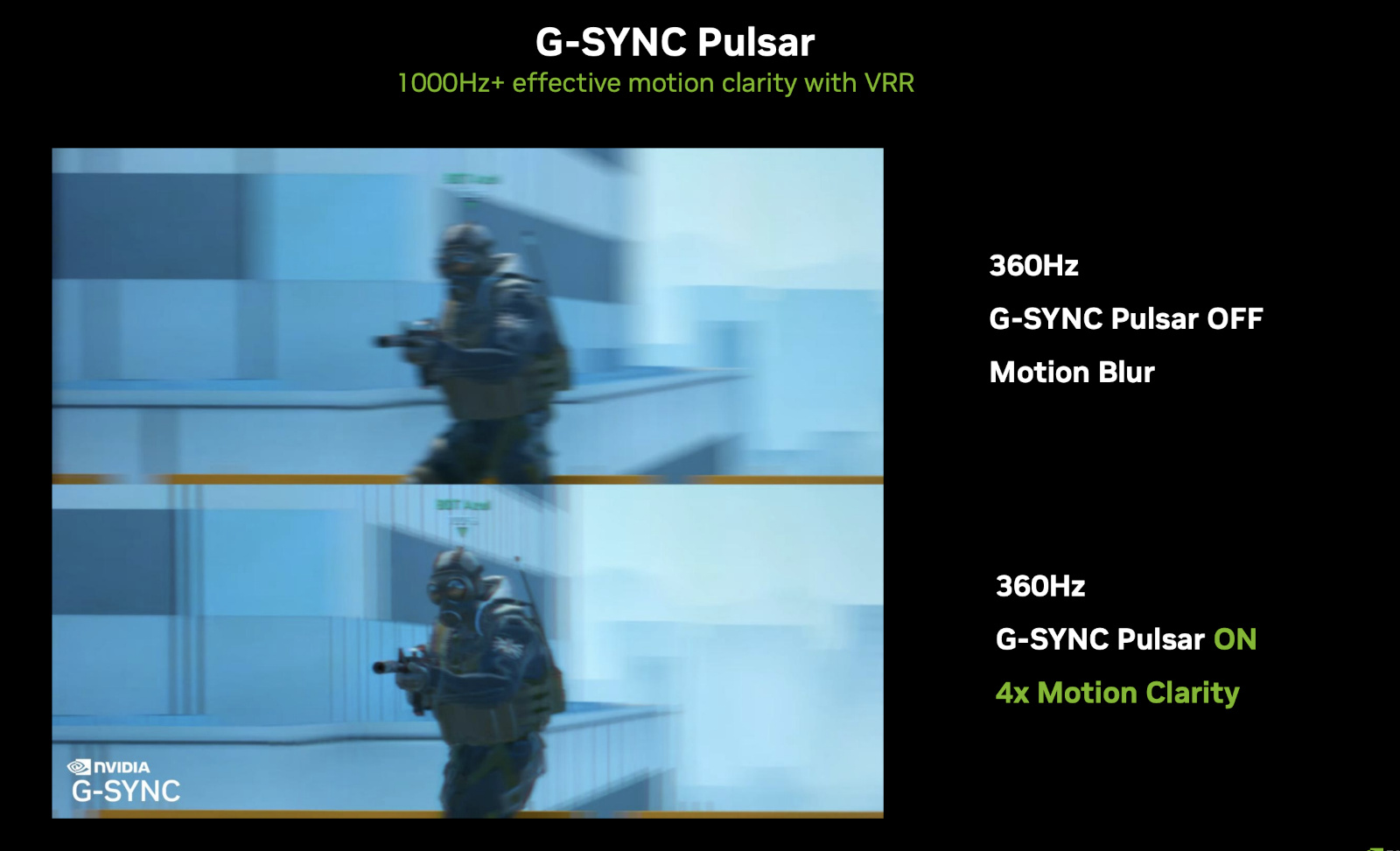
NVIDIA's G-Sync Pulsar is the next evolution of its VRR technology.
NVIDIA
NVIDIA’s gaming updates focused on making motion look cleaner and boosting performance without forcing developers to rebuild everything from scratch.
The company introduced G-Sync Pulsar, a new display tech designed to reduce monitor-based motion blur by pulsing a screen’s backlight in sections rather than leaving it on continuously. NVIDIA says the approach gives pixels time to stabilize before they’re illuminated, which should make fast movement easier to track, particularly in esports.
The first Pulsar monitors are expected to come out starting January 7 from Acer, AOC, ASUS and MSI, all which are 27-inch 1440p IPS panels with a 360Hz refresh rate and up to 500 nits peak HDR brightness. Pulsar models also support Ambient Adaptive Technology for automatic color temperature and brightness adjustment based on room lighting.
On the software side, NVIDIA announced DLSS 4.5, which adds a second-generation Transformer-based Super Resolution model the company says improves temporal stability, reduces ghosting and improves anti-aliasing. DLSS 4.5 also introduces Dynamic Multi Frame Generation, intended to push performance toward your display’s refresh rate, with NVIDIA positioning it around high-end targets like 4K 240Hz path tracing. The 2nd Gen Super Resolution Transformer model is available now for RTX GPUs, while Dynamic 6x Frame Generation is expected in spring 2026 for RTX 50-series cards, with support rolling out across hundreds of games via the NVIDIA app.
Samsung
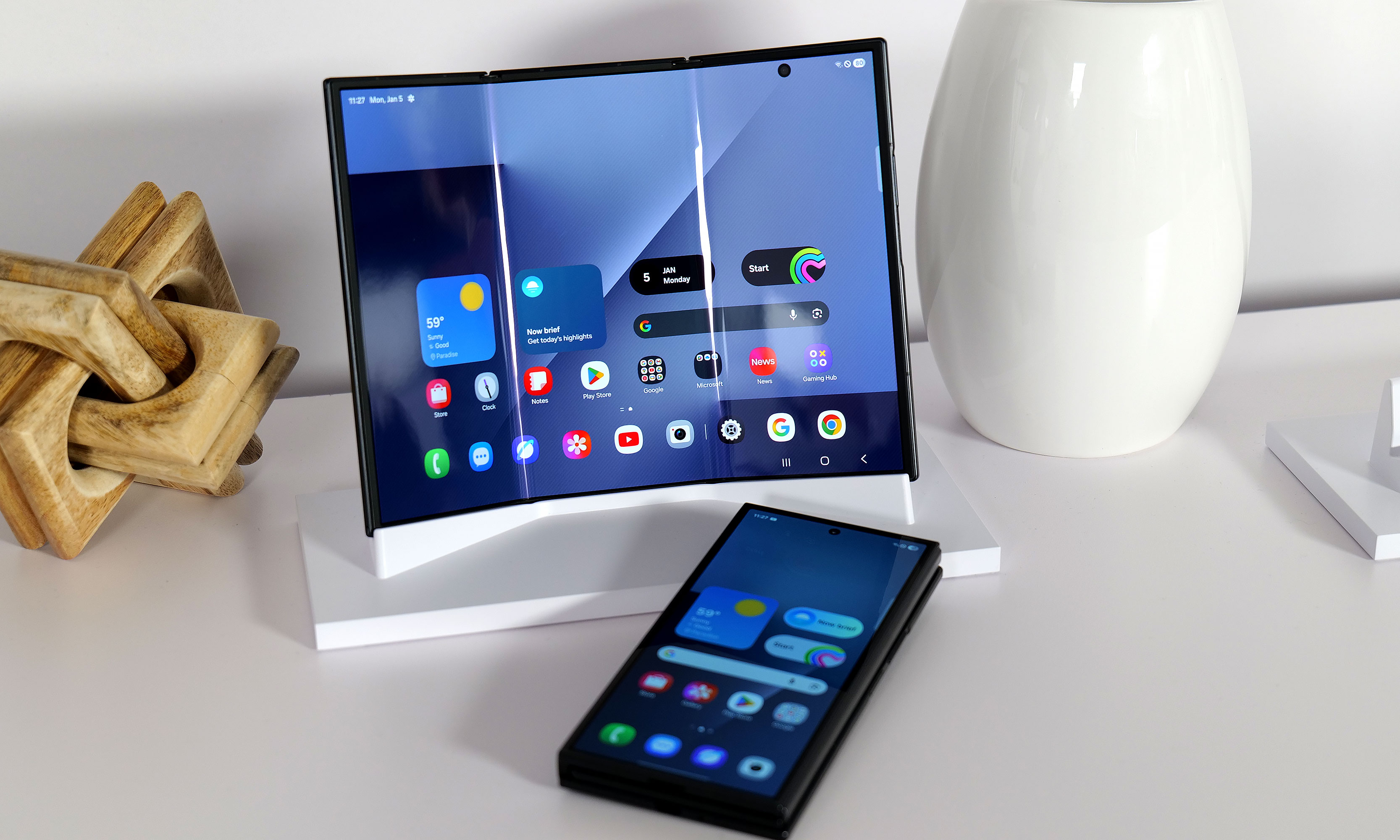
The Galaxy Z TriFold is the latest evolution in Samsung's growing lineup of fancy foldable phones.
Sam Rutherford for Engadget
Samsung’s Galaxy Z TriFold was unveiled in Asia before the show, but this was our first opportunity to see the superphone in person. It looked, at first glance, like the kind of idea that comes with obvious compromises: more weight, more thickness and a bigger price tag. In person, the pitch becomes easier to understand.
The main draw is the 10-inch AMOLED display, which is a meaningful leap from the 8-inch inner screen on Samsung’s current book-style foldables. That extra real estate makes multitasking feel less cramped, and when paired with DeX, it starts to resemble a travel-friendly laptop alternative if you’re comfortable carrying a small keyboard and mouse. The TriFold’s 4:3 aspect ratio also helps for video and general productivity, with fewer awkward tradeoffs than the squarer inner screens Samsung has leaned on in recent generations.
Samsung appears to have put real effort into the mechanics, too. The device uses two hinges and a magnet system designed to make opening and closing feel intuitive, with built-in warnings if you try to unfold it the wrong way. The obvious downsides are still there, including the bulk and cost, and it’s not clear how much thinner future versions can get when the USB-C port is effectively the limiting factor. For now, the TriFold is on sale in South Korea, with US and broader North American availability and pricing still pending.
Lenovo
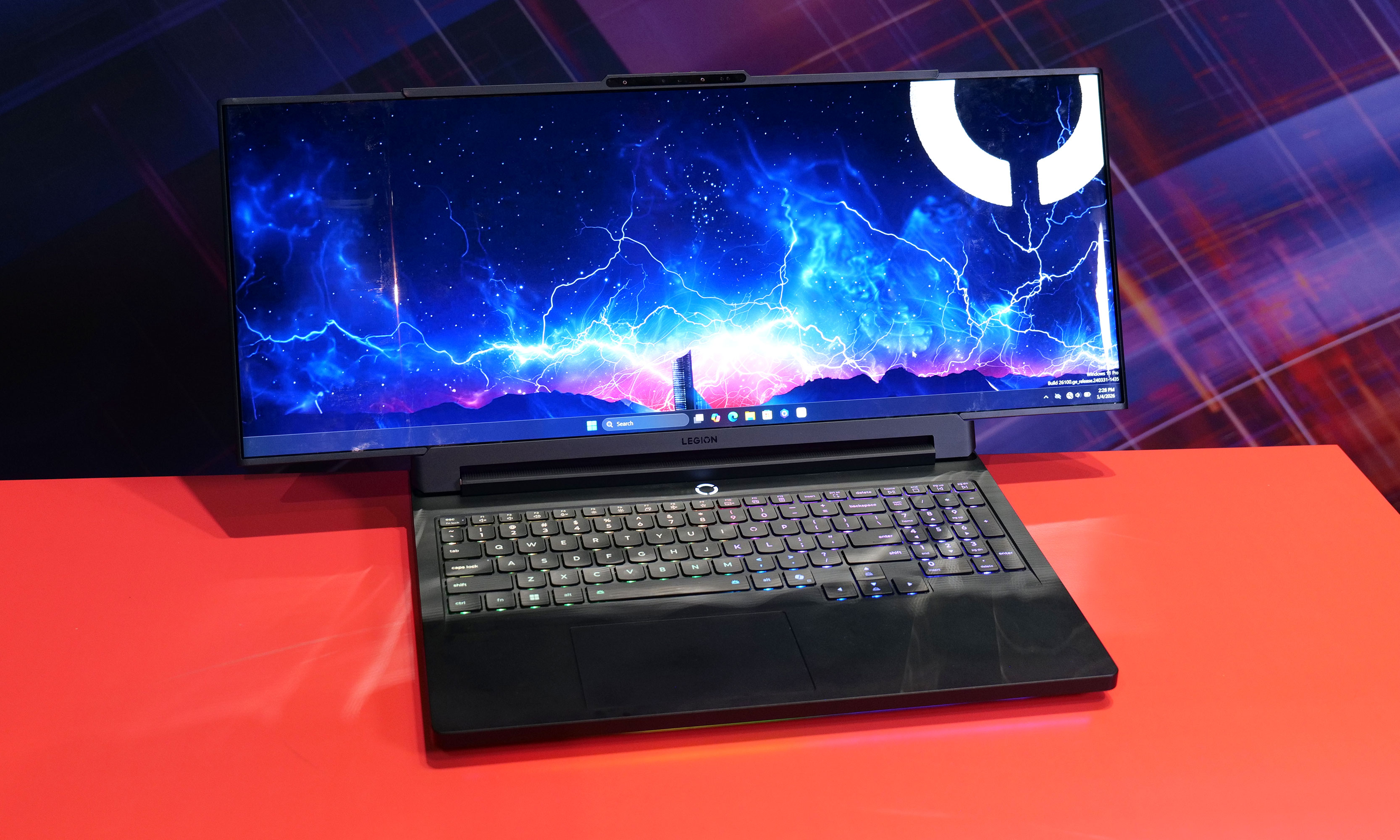
While it normally has a 16-inch display, the Lenovo Legion Pro Rollable concept's screen can expand up to 23.8 inches across.
Sam Rutherford for Engadget
Lenovo arrived with a stack of concepts and a few more concrete products, making it clear that the company is still treating CES as its main playground for experimental form factors.
The most striking concept was the Legion Pro Rollable, a gaming laptop built around a flexible OLED panel that expands sideways from a standard 16-inch footprint to 21.5 inches or 23.8 inches, shifting aspect ratios from 16:10 to 21:9 or even 24:9. It’s the kind of idea that makes immediate sense for flight sims, racing games and open-world titles that benefit from ultrawide views, even if the mechanics felt a bit prototype-like up close.
Lenovo also showed the XD Rollable concept, which takes a more familiar rollable approach, expanding a 13.3-inch OLED screen to 16 inches at the push of a button. The twist is that the “extra” display wraps around the back of the lid to create a world-facing surface for mirrored content or a secondary view. It’s a clever way to avoid hiding unused panel real estate, even if the practical use cases still feel limited (maybe point-of-sale terminals?).
On the handheld front, Lenovo confirmed the Legion Go 2, which will be powered by SteamOS and will arrive in June starting at $1,199. It keeps the same core hardware, including an 8.8-inch OLED 144Hz VRR display, detachable controllers, a kickstand and two configuration tiers based on Ryzen Z2 chips. The big change is swapping SteamOS in place of Windows, which should appeal to anyone who wants a more console-like experience, even if it remains a large device at 2.2 pounds.
For laptops headed to market, Lenovo introduced the ThinkBook Plus Gen 7 Auto Twist, a notebook with a motorized display that can follow you during calls and presentations using a 10MP webcam and onboard AI. It also supports Intel Core Ultra Series 3 processors, up to 32GB RAM and 2TB storage, plus a strong port selection, and Lenovo says it starts at $1,649 with availability planned for June.
Finally, Lenovo teased an AI smart glasses concept that looks more like normal eyewear than most show-floor prototypes. Lenovo says the glasses are designed for live translation, image recognition and notification summaries, with an eight-hour battery claim. As with many Lenovo concepts, there’s no firm timeline for a retail release.
Pebble
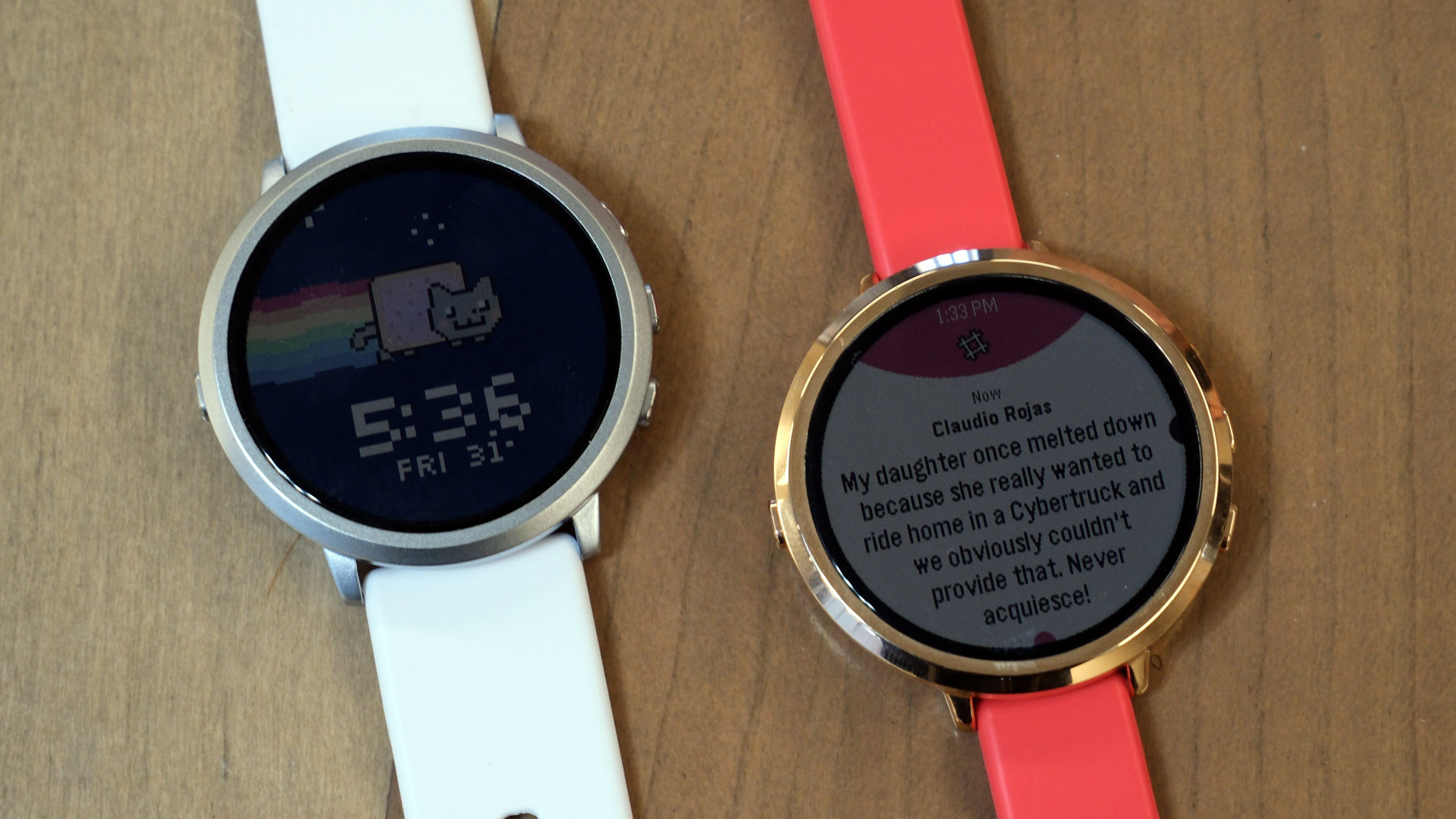
The Pebble Round 2 reboots a smartwatch classic.
Daniel Cooper for Engadget
Pebble’s presence at CES this year felt like a counterpoint to the “more features, more sensors, more subscriptions” direction of other wearables.
The Pebble Round 2 aims to revive the brand’s original appeal: a lightweight watch that supplements your phone rather than trying to replace it. The new model uses a 1.3-inch color e-paper touchscreen that runs to the edge of the case, with Pebble claiming two weeks of battery life in the 8.1mm-thick watch. It also makes deliberate tradeoffs, skipping GPS, a speaker and an optical heart rate sensor to keep the device thin and focused.
Then there’s the Pebble Index 01, a simple AI ring built around a physical button you press to activate voice commands that you can use to ask questions, set reminders and the like. The pitch is reducing friction: no wake words, no gestures you have to get right every time. Pebble says the ring is water resistant and not rechargeable, instead using a sealed battery designed to last years depending on usage, with replacement handled when the battery is nearing the end of its life. It’s available for pre-order at an early bird price of $75, with shipping planned for May.
Segway
Segway expanded its presence well beyond scooters with two very different pitches: smarter yard care and more tech-forward e-bikes.
Under its Navimow brand, Segway introduced a new lineup of robotic lawn mowers spanning multiple tiers, including the X4 Series for large yards up to 1.5 acres with AWD and dual cutting motors, plus the more mainstream i2 Series with AWD and LiDAR options. Segway says pre-orders for the i2 AWD and X4 models begin January 16, with pricing ranging from around $1,000 to $3,000 depending on configuration.
On the mobility side, Segway announced two new e-bikes, the Myon and Muxi, along with an electric dirt bike called the Xaber 300. The headline is the company’s focus on sensor-driven ride smoothing, smart features like Find My integration and app-based controls, and tech meant to make starts, hills and traction feel more predictable. The Myon is available now for $2,000, while the Muxi is expected in March for $1,700.
Meta
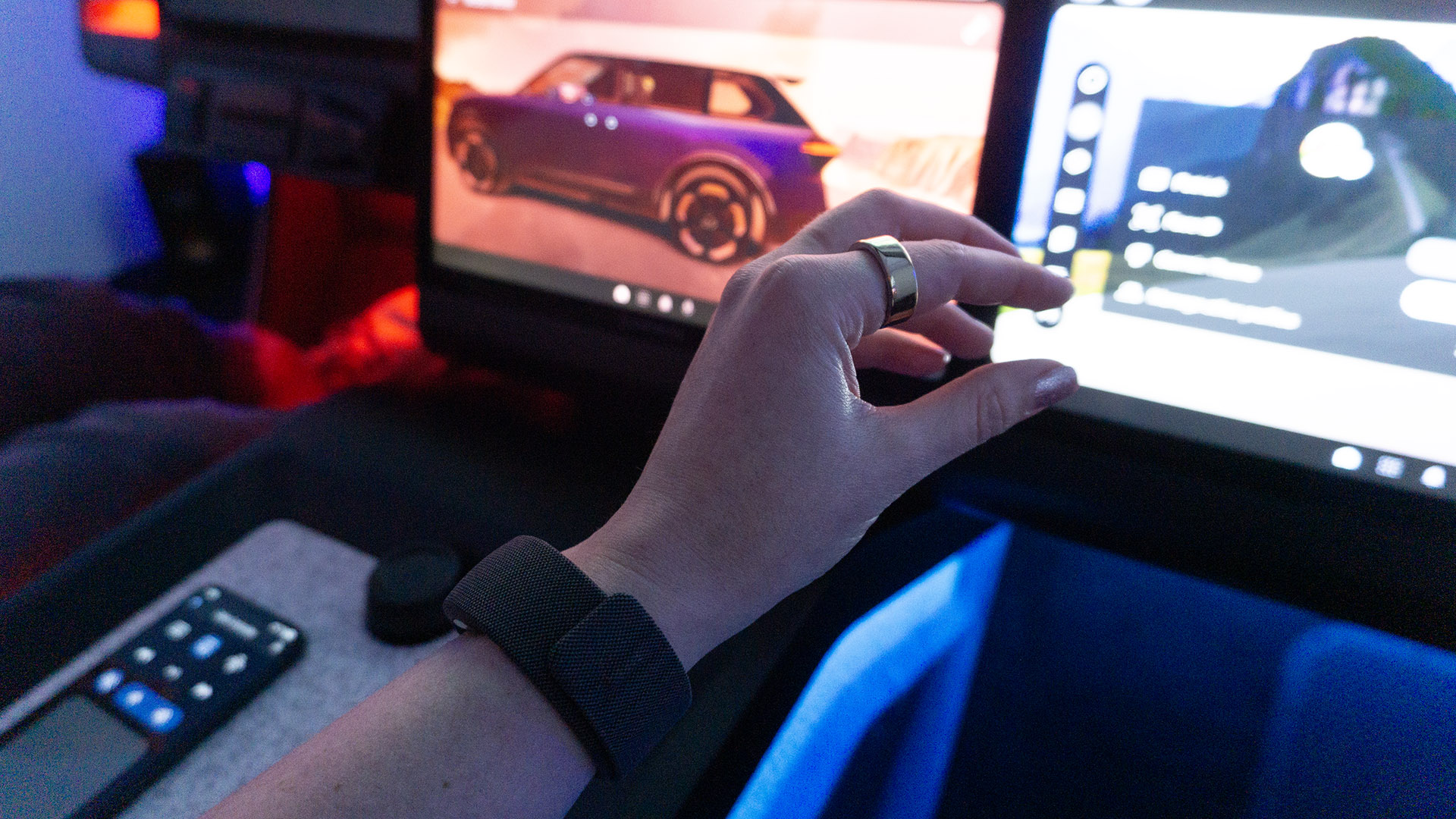
Meta's neural band in Garmin's Unified Cabin at CES 2026.
Karissa Bell for Engadget
Meta’s EMG wristband (that’s short for “electromyography,” the ability to recognize and translate small finger and wrist gestures) is starting to look like more than a companion accessory for smart glasses. Meta showed how its wrist-based neural controller could be used beyond its own eyewear, including an early demo with Garmin inside a concept car cockpit. The interaction was still basic — swipe and pinch gestures to navigate apps on an infotainment screen — but the larger idea is hands-free control of vehicle functions over time.
Meta also highlighted research work exploring how EMG control could help people with conditions that limit hand mobility interact with smart home devices like speakers, blinds and thermostats. If day one of the show had a theme beyond AI, it was that companies are still willing to gamble on new shapes and inputs, and they can work as long as they feel practical and immediately useful.
Razer
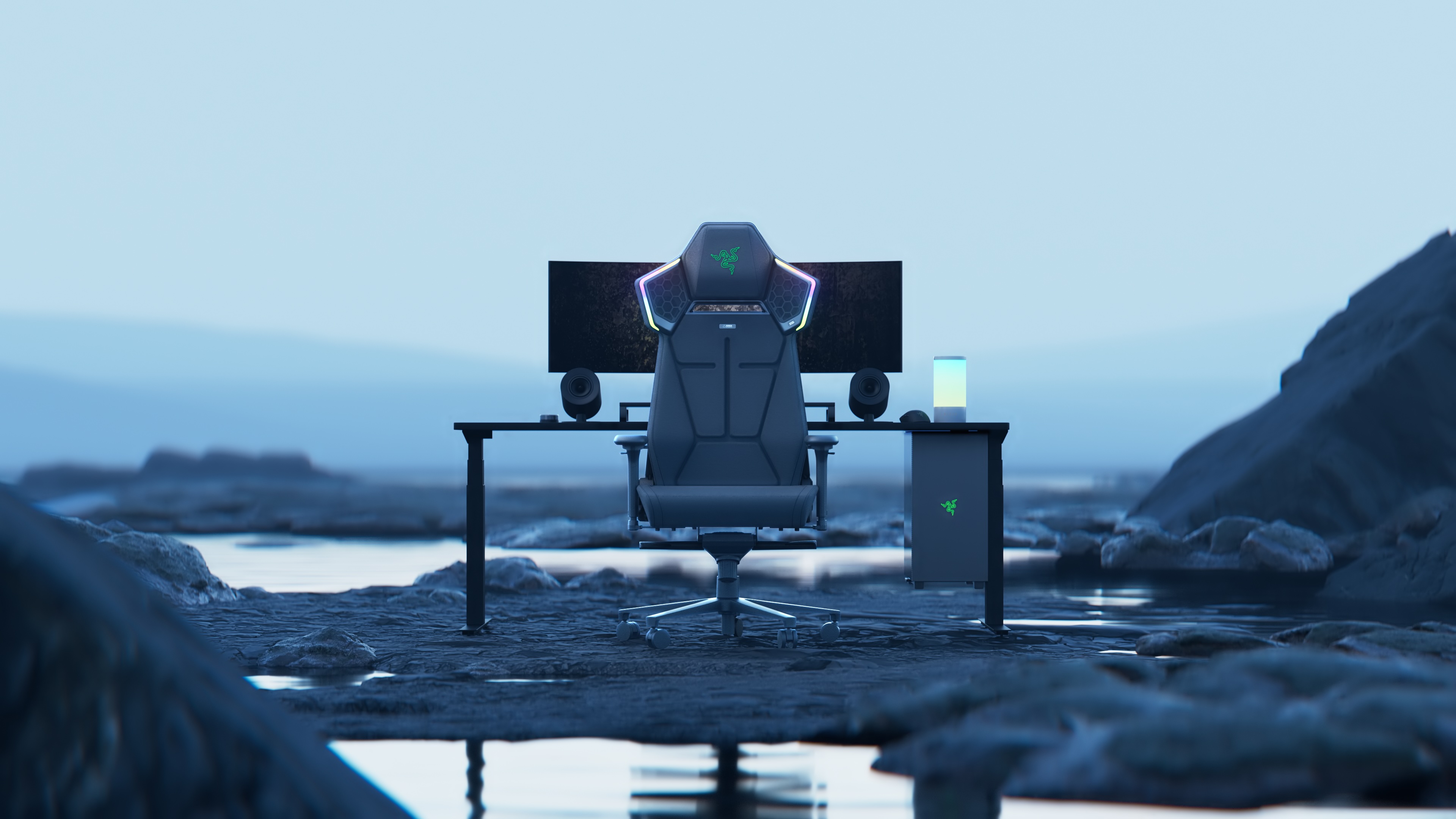
Razer's concept immersive gaming chair with light strips along the head cushions is pictured in front of a desk in a rocky outdoor environment between large puddles
Razer
Razer’s day-one news was split between a full-blown immersion concept and a more grounded chair refresh.
The company’s Project Madison concept is a gaming chair designed as a multisensory rig, combining reactive lighting, spatial audio and multi-zone haptics to match on-screen action. It’s not a product you can buy, but it’s a clear statement about where Razer thinks the “setup” category could go.
Razer also showed Project Motoko, a concept headset meant to blur the line between gaming gear and an AI wearable. It includes cameras for real-time object and text recognition and is designed to work with multiple AI assistants, with Razer positioning it as a platform that could eventually ship first as a developer kit and later as a retail product.
Birdbuddy
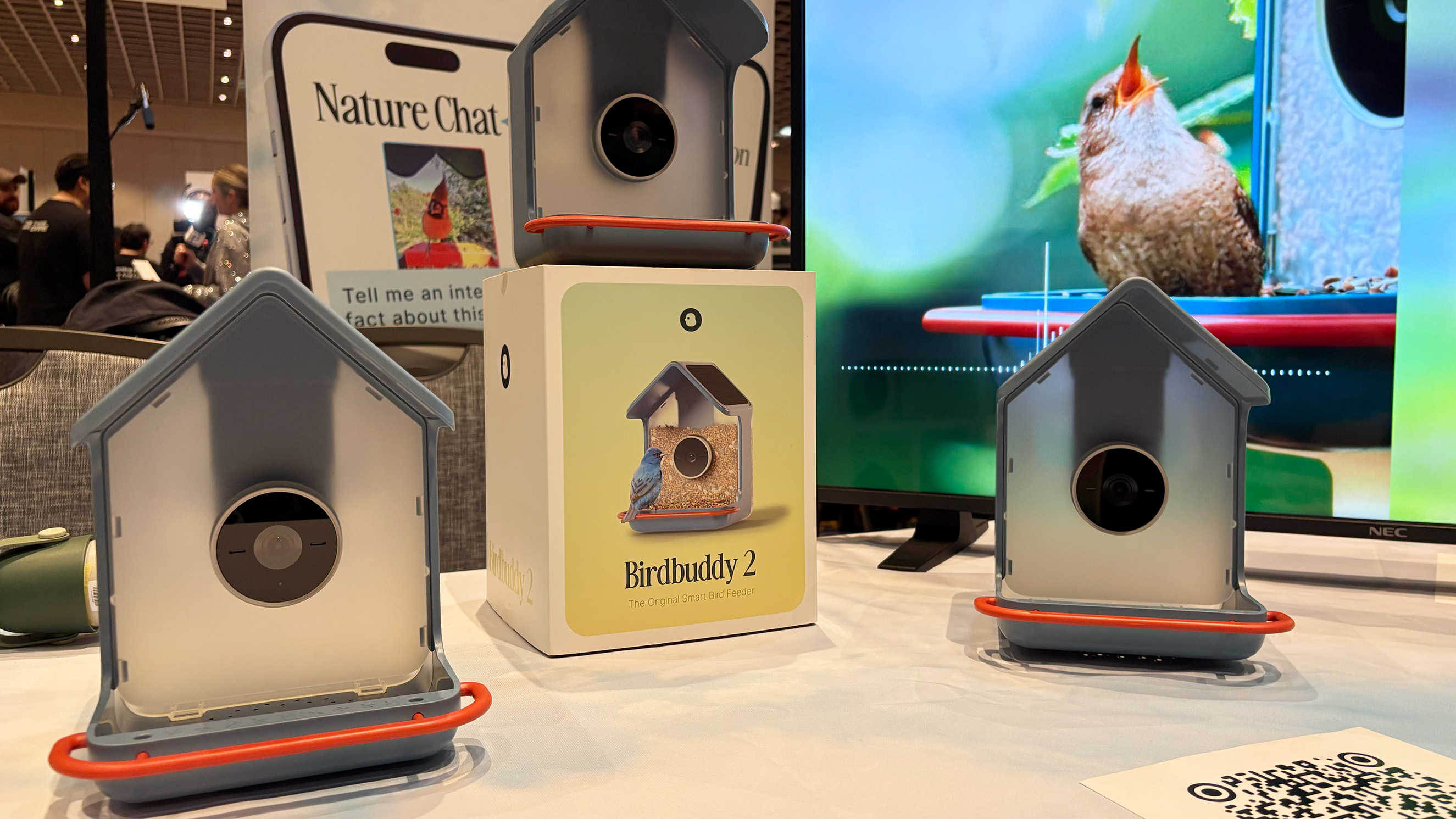
Two new Birdbuddy smart bird feeders displayed at CES.
Amy Skorheim for Engadget
Birdbuddy added a feature that makes its smart feeders feel closer to a true nature companion: birdsong identification. The Birdbuddy 2 and Birdbuddy 2 Mini both add microphones that help the system identify species by sound, alongside the usual camera-based detection. Birdbuddy also says the new models improve camera wake-up speed, use a more modular design for easier cleaning and protect the lens with Gorilla Glass since birds have a habit of pecking at it.
The Birdbuddy 2 is priced at $199 and is expected to ship pre-orders in February, with wider availability mid-2026, while the Birdbuddy 2 Mini costs $129 with pre-orders planned for summer.
Agibot
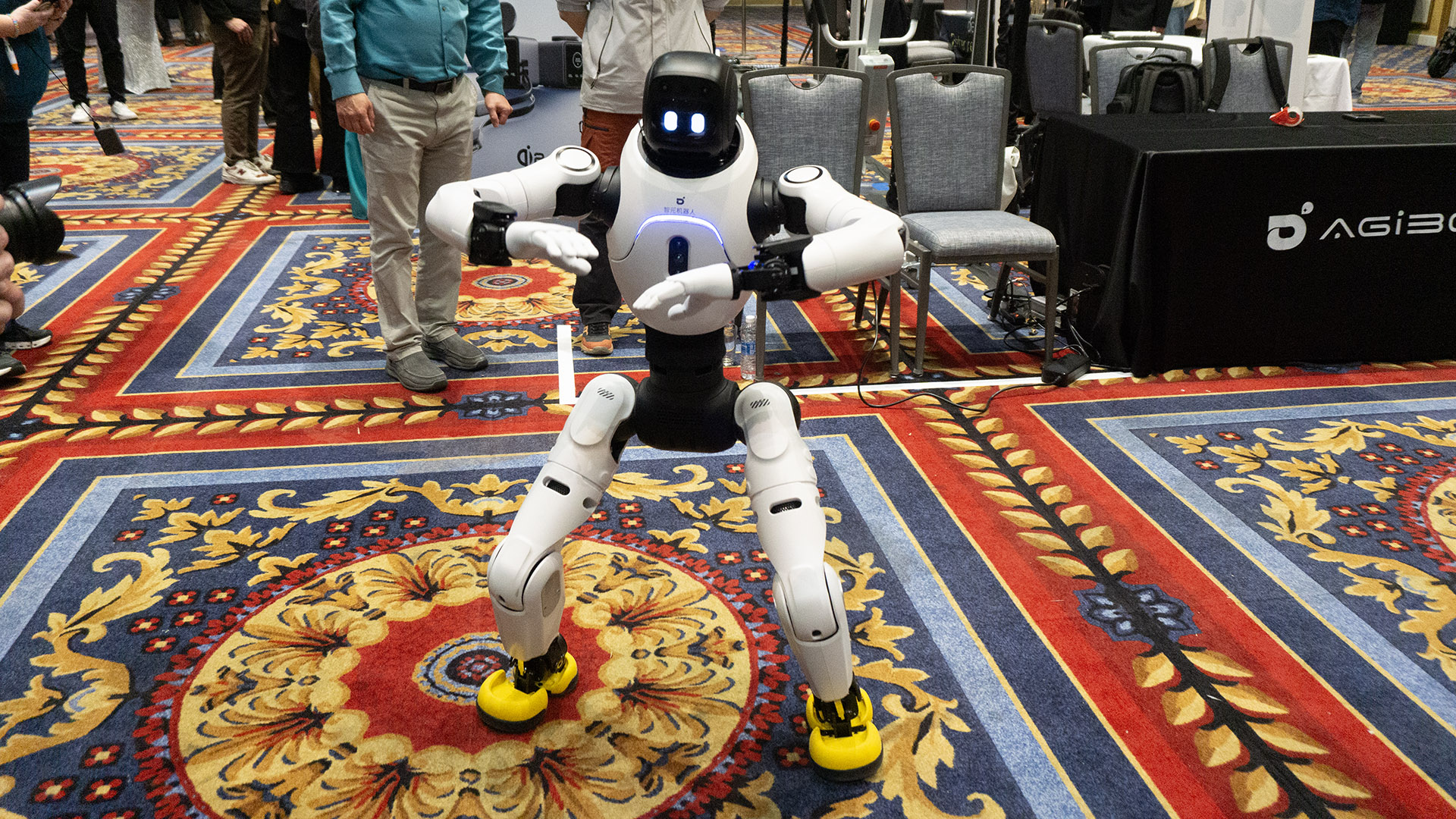
Humanoid robots are having another moment at CES this year, and Agibot’s demos leaned into movement, personality and practical service roles.
The company brought two robots, the larger A2 and smaller X2, both capable of walking around the floor, waving to attendees and dancing with surprising confidence. Agibot described the A2 as a potential hospitality helper for places like museums or conferences, while the X2 is framed more as an educational platform with slightly more human-like movement. Agibot also says its robots can learn actions from video, including training dance routines from TikTok clips, and the company plans to make its robots available in the US this year, though pricing and broader availability details weren’t shared.
Day one is in the books, but CES 2026 is far from over. With the show floor now fully open, expect more hands-ons, deeper dives and plenty of unexpected demos as the week continues, especially across laptops, wearables, mobility and smart home tech. We’ll be updating our CES coverage daily, with liveblogs, reviews and show-floor impressions throughout the week. You can follow along on Engadget for the latest news as it happens.
This article originally appeared on Engadget at https://www.engadget.com/big-tech/ces-2026-day-1-the-biggest-tech-news-and-gadgets-you-missed-from-the-first-official-day-of-the-show-144040174.html?src=rss
Klipsch hasn’t debuted new headphones in years, but that’s going to change in 2026. At CES, Klipsch announced the upcoming Atlas hi-fi series that includes wireless and both closed and semi-open back models. All three are expected to arrive this summer, but the company hasn’t announced pricing or many details on any of them just yet. However, I was able to listen to the Atlas HP-1, the wireless model with active noise cancelation (ANC).
Without going into specifics, Klipsch says the HP-1 is designed for both daily wear and travel. This is thanks to the combination of light weight, comfort and “standout” battery life. Inside, coaxial drivers provide the company’s warm signature sound profile. Third-party support for spatial audio and hearing compensation is also in the works. This concludes the info Klipsch announced this week.
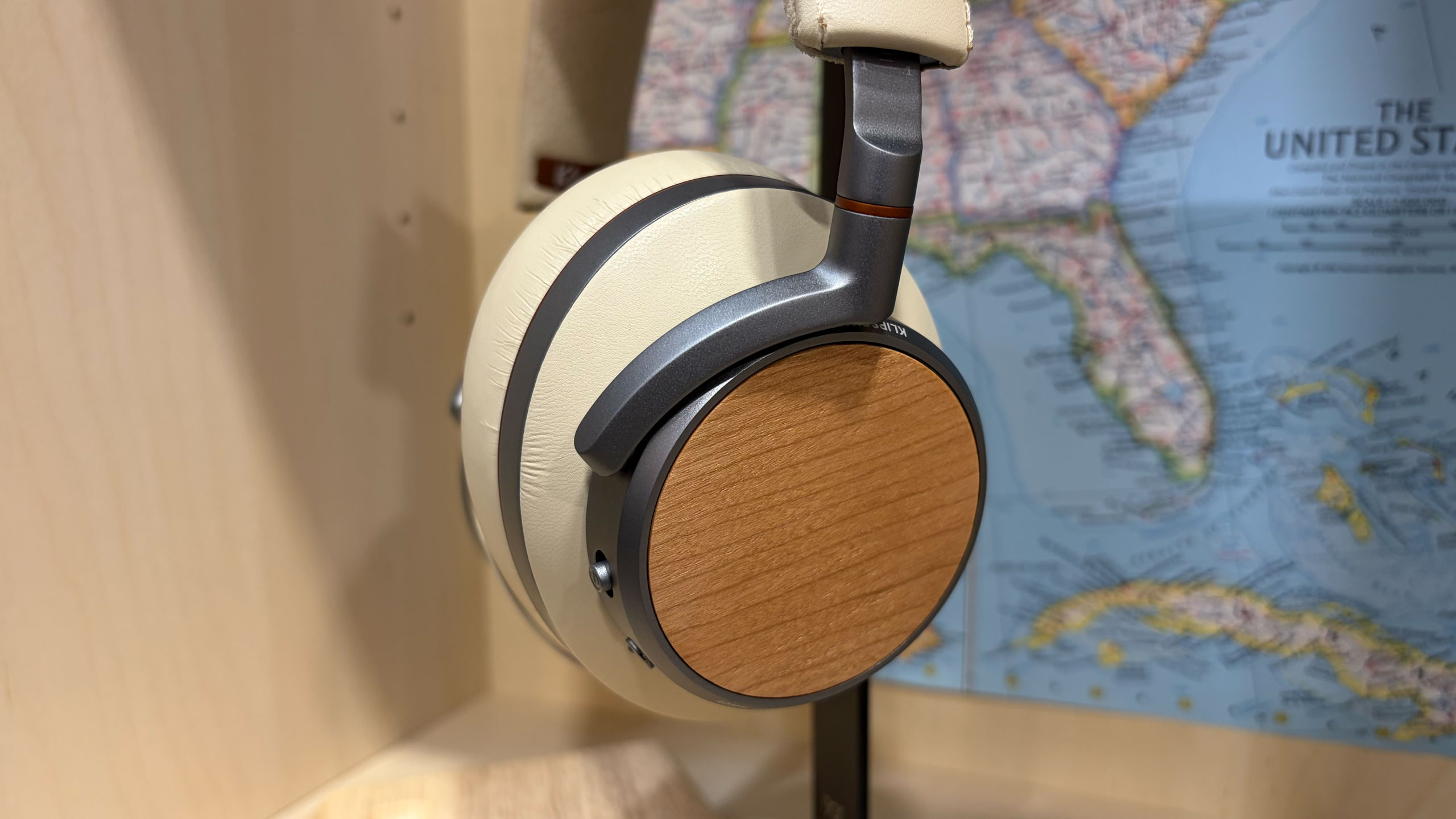
After seeing the HP-1 in person at CES, I can tell you they look quite similar to Bowers & Wilkins recent headphones designs. Klipsch has opted for wood accents on the outside of the ear cups, likely as a nod to its speaker heritage. But the combination of leather and metal, as well as the headband and ear cups, remind me a lot of B&W’s Px7.
Klipsch Atlas HP-1
Billy Steele for Engadget
During my brief time with the HP-1, the excellent sound quality was the thing that stood out most. Klipsch is demoing the headphones with lossless audio over USB-C, so it will be interesting to see what the audio is like in wireless mode. However, the company’s trademark warmth and deft tuning is immediately apparent, giving preference to highs and mids without overbearing bass. There’s ample low-end tone, but it compliments everything else and didn’t overpower in the Rage Against The Machine songs and other tracks I listened to.
It’s difficult to paint a comprehensive picture here since I wasn’t only really able to observe sound quality — and only for a short time. But the HP-1 is certainly a premium set of headphones that are comfy to wear (at least for the few minutes I wore them) and definitely sound good. The biggest downside will likely be price, which I expect to be at least $500.
This article originally appeared on Engadget at https://www.engadget.com/audio/headphones/klipsch-atlas-hp-1-hands-on-a-return-to-hi-fi-headphones-at-ces-2026-130000415.html?src=rss
Philips Hue has introduced a new software feature called SpatialAware at CES 2026 designed to ensure that all the lights in a space are in harmony with each other. Available exclusively for the Hue Bridge Pro, it takes into account each light point in a room and tailors the colors to ensure a natural representation. "In a sunset scene, for example, the lights on one side of the room emit warm yellow tones to mimic the setting sun, while the ceiling lights on the opposite side reflect darker shades," the company wrote on its blog. The new feature is set to launch in the spring of 2026.
To use the feature, you scan a room with your smartphone camera and use augmented reality to determine the positions of individual lights. A smart algorithm then ensures each light point is coordinated. Any lamps added after setup will be taken into account. Then, you use SpatialAware to select a scene like "Lake Mist" and activate the mode.
Philips Hue room without SpatialAware
Philips Hue
In the example at top, the company shows how all the lights in a room are "no linger mixed together in a colorful jumble [above] but are perfectly coordinated. The same applies, for example, to the gradient color transitions of corresponding products, where SpatialAware even takes the orientation into account."
Philips Hue also introduced a few other features. To start with, the company is adding support for migrating multiple Hue Bridges to a single Bridge Pro during the setup process. In addition, the Hue Secure Camera, Hue Secure video doorbell and Hue contact sensors will soon work with Apple Home. Users will also see live video with picture-in-picture mode on Apple TV and get real-time alerts on the Apple Home app.
The Hue AI assistant has been updated so you can now creation automations based on natural language requests — for instance, "wake me up at 6:45 AM every day except on Wednesdays." New AI assistant languages have been added (Dutch, German and Spanish) and the Hue app will start showing automations within the rooms and zones they're set to control, so you won't need to jump around in the app as much. All those new features are set to arrive in Q1 2026.
This article originally appeared on Engadget at https://www.engadget.com/home/smart-home/philips-hue-spatialaware-feature-harmonizes-all-the-lights-in-a-room-101843600.html?src=rss
Not everyone remembers the unique controllers that never quite made it. As third-party peripheral makers attempt to offer gamers something different to the likes of DualSense and Joy-Cons, they often have to go in a different direction. GameSir’s Swift Drive (apparently a working product name) is definitely that. And if you remember 1998’s JogCon for the PS1, there’s definitely some shared DNA.
It features a compact steering wheel at the center of an otherwise typical controller design. It’s also got force feedback, tech usually found in (full-size!) steering wheel controllers. GameSir says it has a “high precision” Hall Effect encoder built in for “ultra-accurate” steering.
Mat Smith for Engadget
You will be able to adjust the steering range from 30 to 1080 degrees, but you’d likely want to keep it high – it’s the entire point of this controller. GameSir has added Hall-effect sensors to its more typical joysticks and buttons, while each trigger has its own haptic motor to simulate wheel slip and braking. Several RGB lights across the top of the controller will even attempt to replicate your in-game RPMs, which is a cute touch.
On the show floor at CES, I drove a big rig in a demonstration area that was stripped down to wireframe ramps and curved surfaces. The force-feedback is powerful and it’s a surprisingly satisfying driving experience as I wheeled around, rotating the steering wheel with both thumbs. The steering wheel can also be customized with different plates. It felt like a miniaturized steering-wheel controller and would lock out when I oversteered or stopped. You may be concerned about battery life, but the controller should last 20-30 hours on a single charge.
A GameSir spokesperson said the controller is expected to go on sale later this year, but pricing has not yet been confirmed.
This article originally appeared on Engadget at https://www.engadget.com/gaming/this-game-controller-has-a-force-feedback-steering-wheel-lodged-in-the-middle-034521141.html?src=rss