Most people know that outdoor air pollution is a problem, but indoor air quality rarely gets the same attention. The irony is that we spend roughly 90% of our lives indoors, often in well-insulated, tightly sealed homes where CO₂ builds up quietly and unnoticed. The result shows up as headaches, fatigue, poor sleep, and that vague sense of grogginess that’s easy to blame on everything except the air around you.
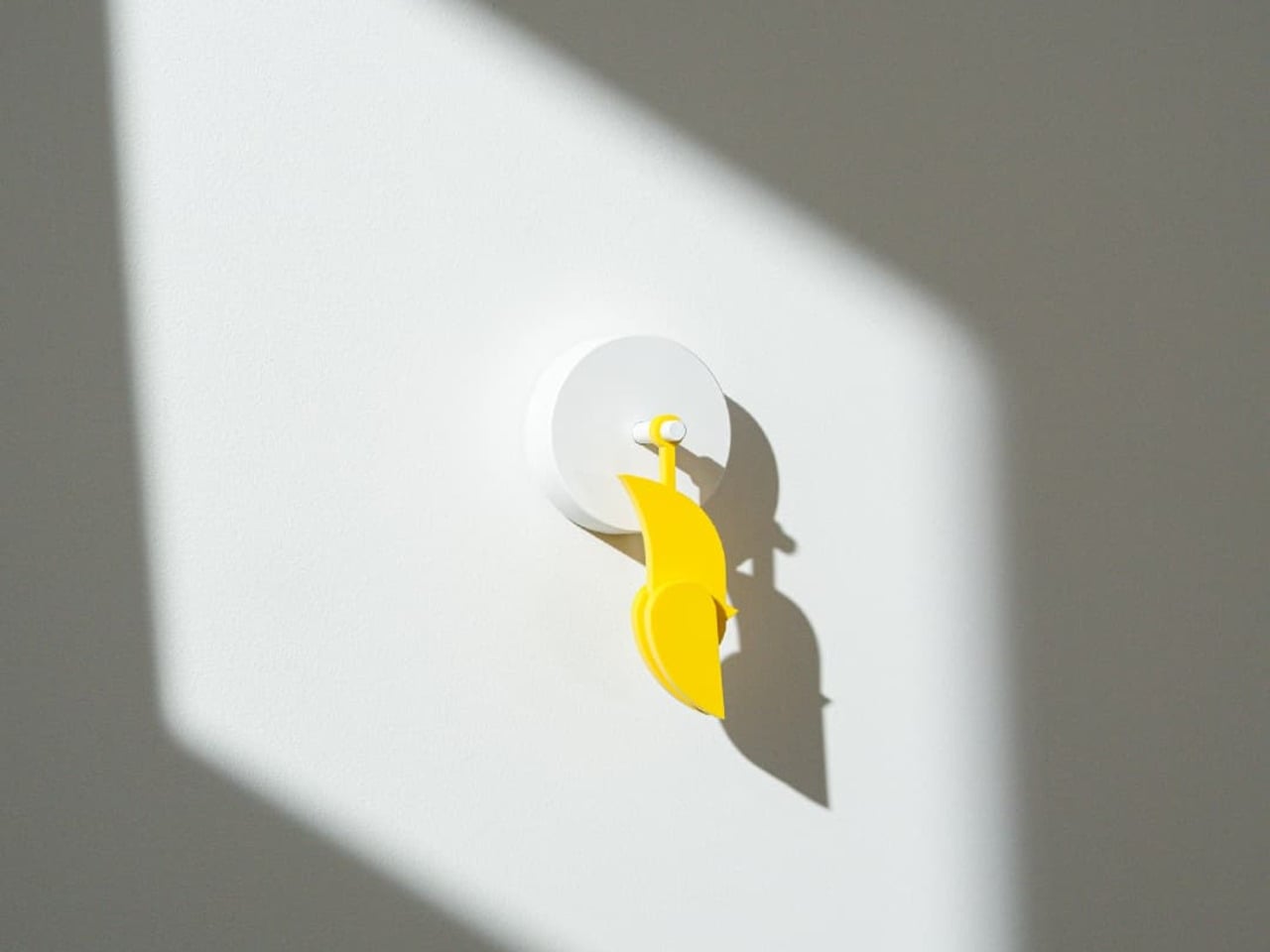
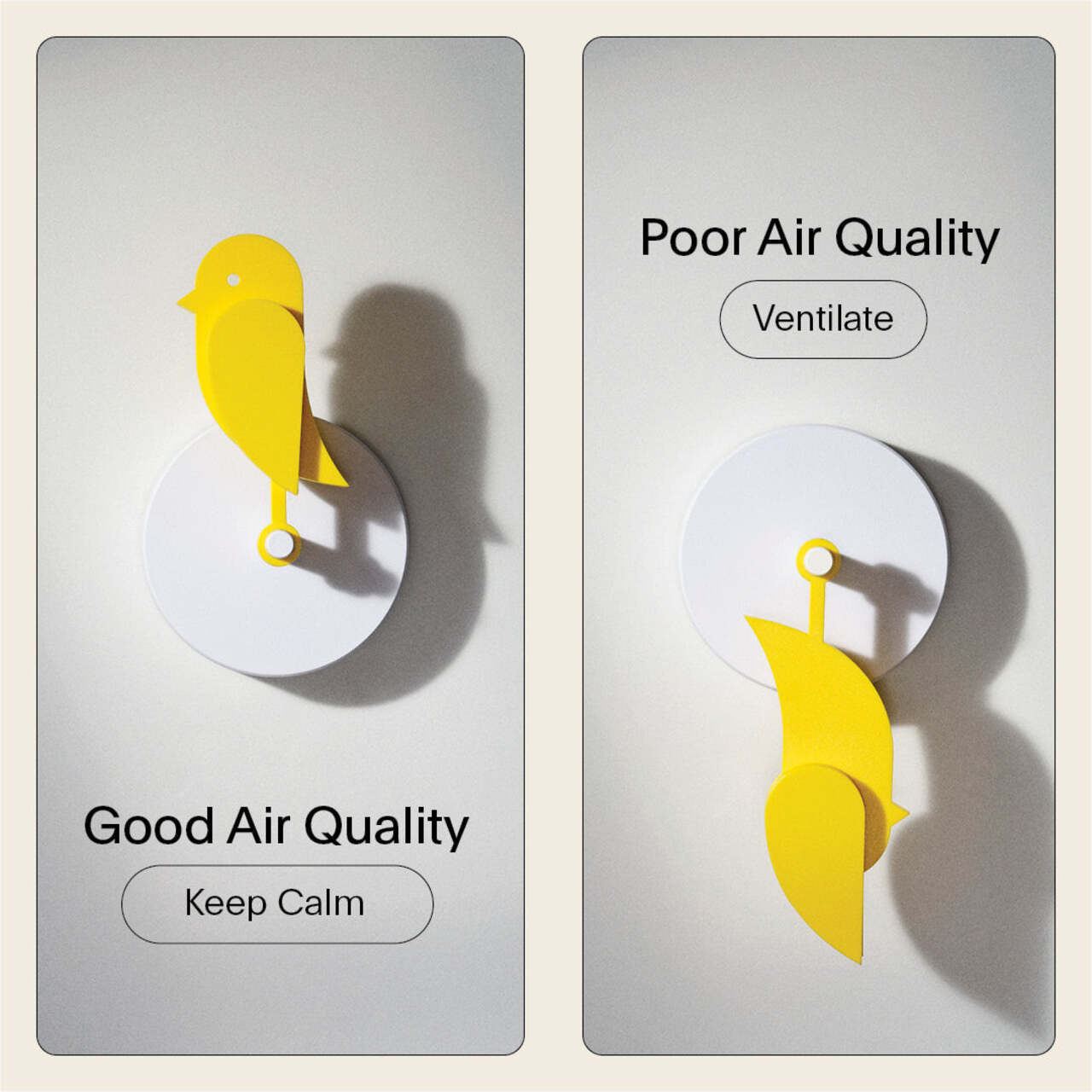
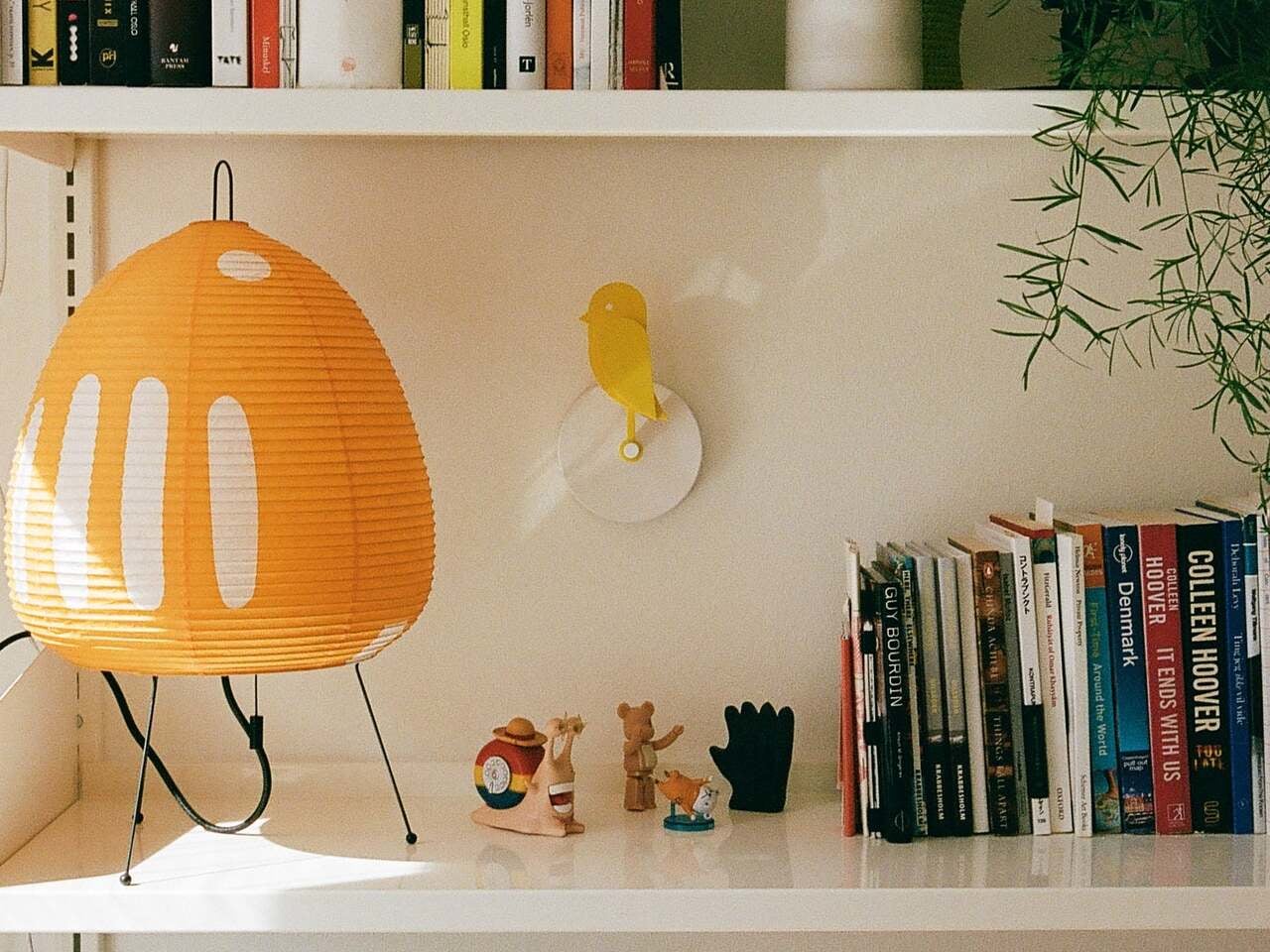
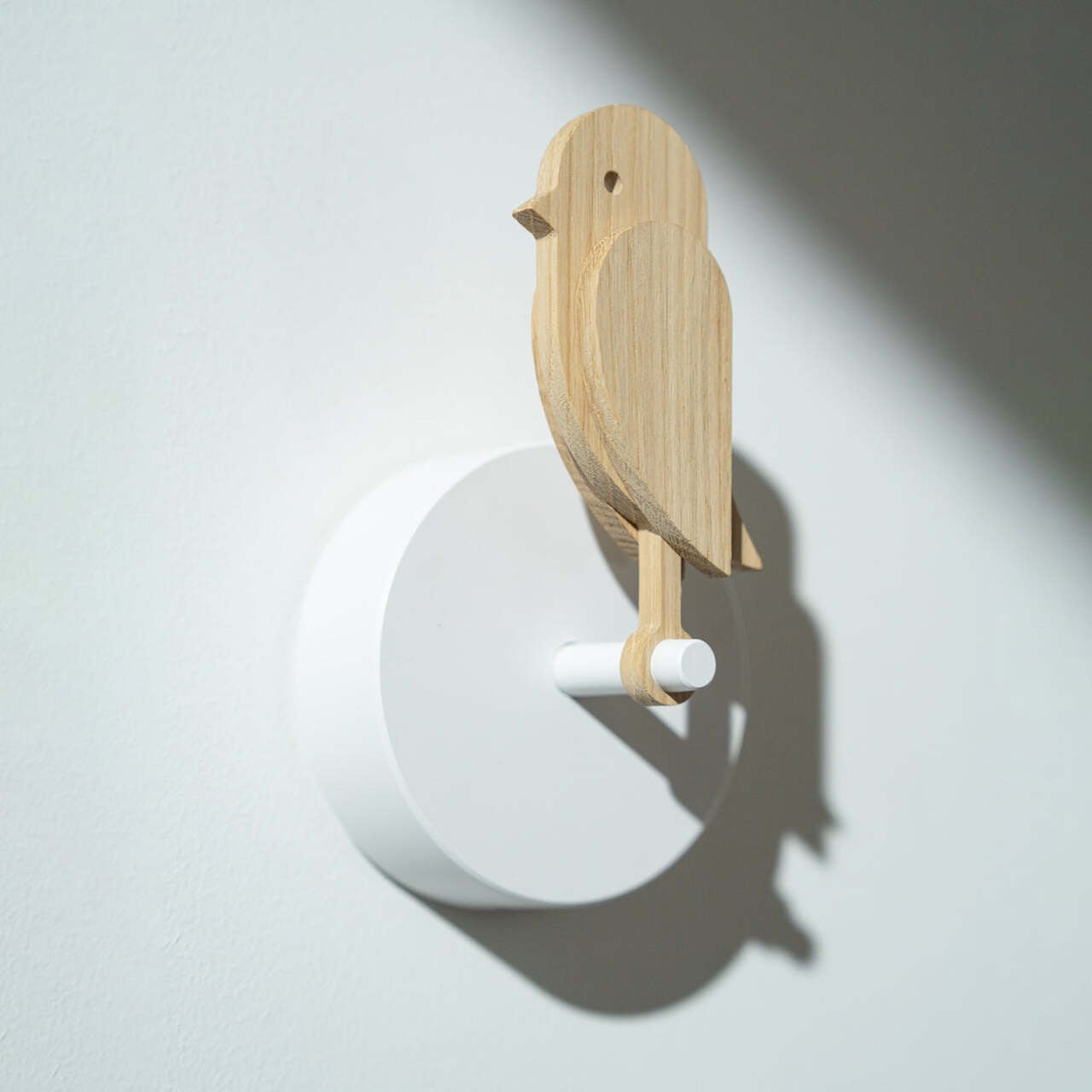
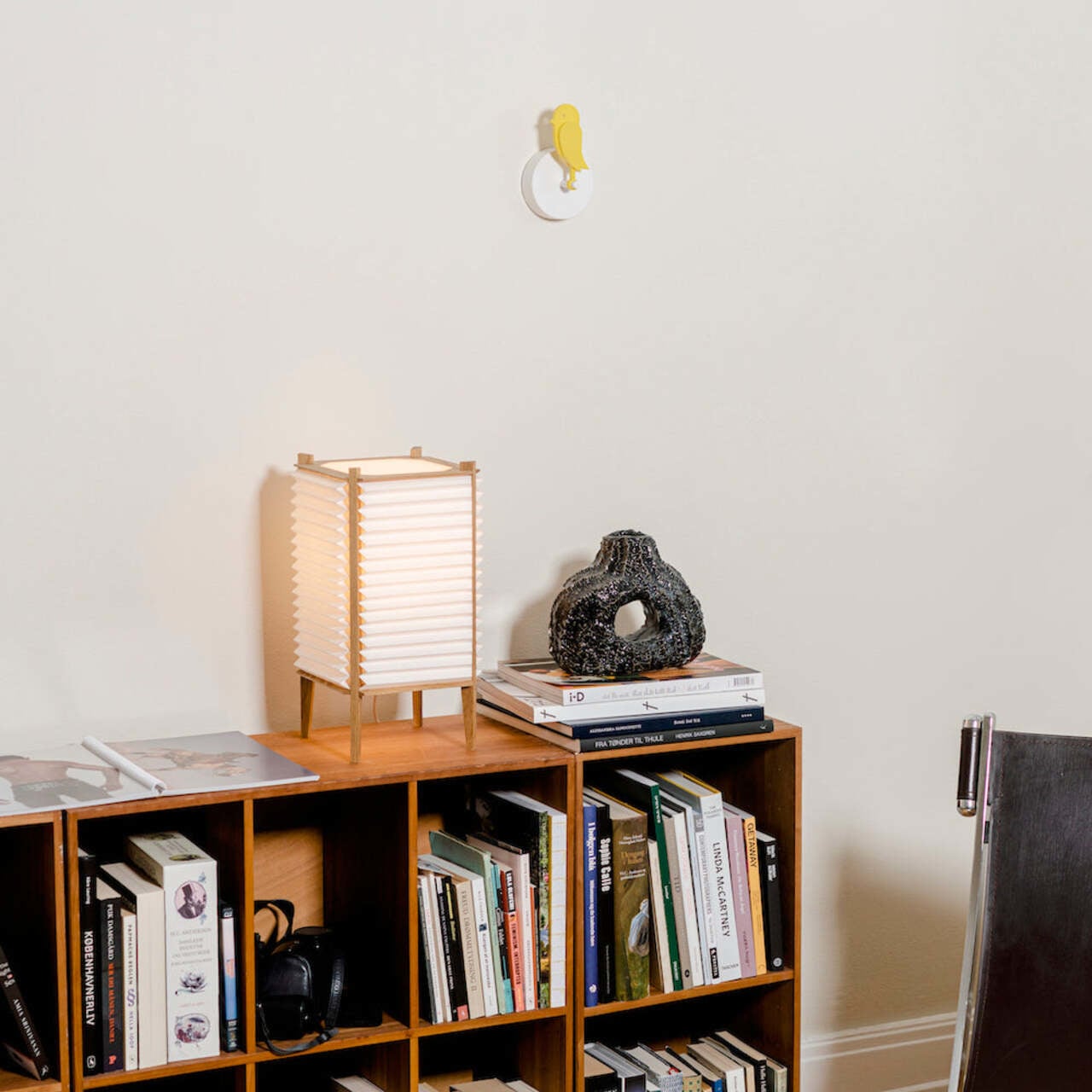
The Birdie 2.0 is a Danish-designed air quality monitor that takes a refreshingly straightforward approach to that invisible problem. It doesn’t display numbers, send phone notifications, or make any sound at all. Instead, it physically droops forward when the air in your room gets too stale, and stands back up once you’ve opened a window and things improve. The feedback loop is immediate, visual, and almost impossible to miss.
Designers: Andreas Kofoed Sørensen, Hans Høite Augustenborg (Birdie)
The concept is lifted directly from a piece of mining history. Coal miners used to carry canaries underground as a warning system: if the bird fainted, it was time to get out. Birdie follows the same logic, housing a Swiss-made Sensirion CO₂ sensor inside a small, bird-shaped form that lives on your wall. When CO₂ levels exceed 1,000 ppm, the figure tilts forward and stays that way until the air clears below 950 ppm, at which point it snaps back upright on its own.
The mechanics are simple but quietly well thought out. Birdie checks CO₂ levels every ten minutes while upright, and every two minutes once it has dropped, giving it faster feedback during the moments that actually matter. After returning to standing, it enters a two-hour cool-down period to preserve battery life, which lasts up to eight months on a single charge. It mounts to the wall with either a screw or a strip of 3M tape and needs nothing else to function.
The body is made from 70% post-consumer recycled plastic, which sits well with the minimal-intervention philosophy the product is built around. It comes with a USB-C charging cable and a wall mount in the box, and setup takes a few minutes at most. One unit covers rooms up to 100 m², though a separate one per floor or closed bedroom is recommended for multi-room coverage.
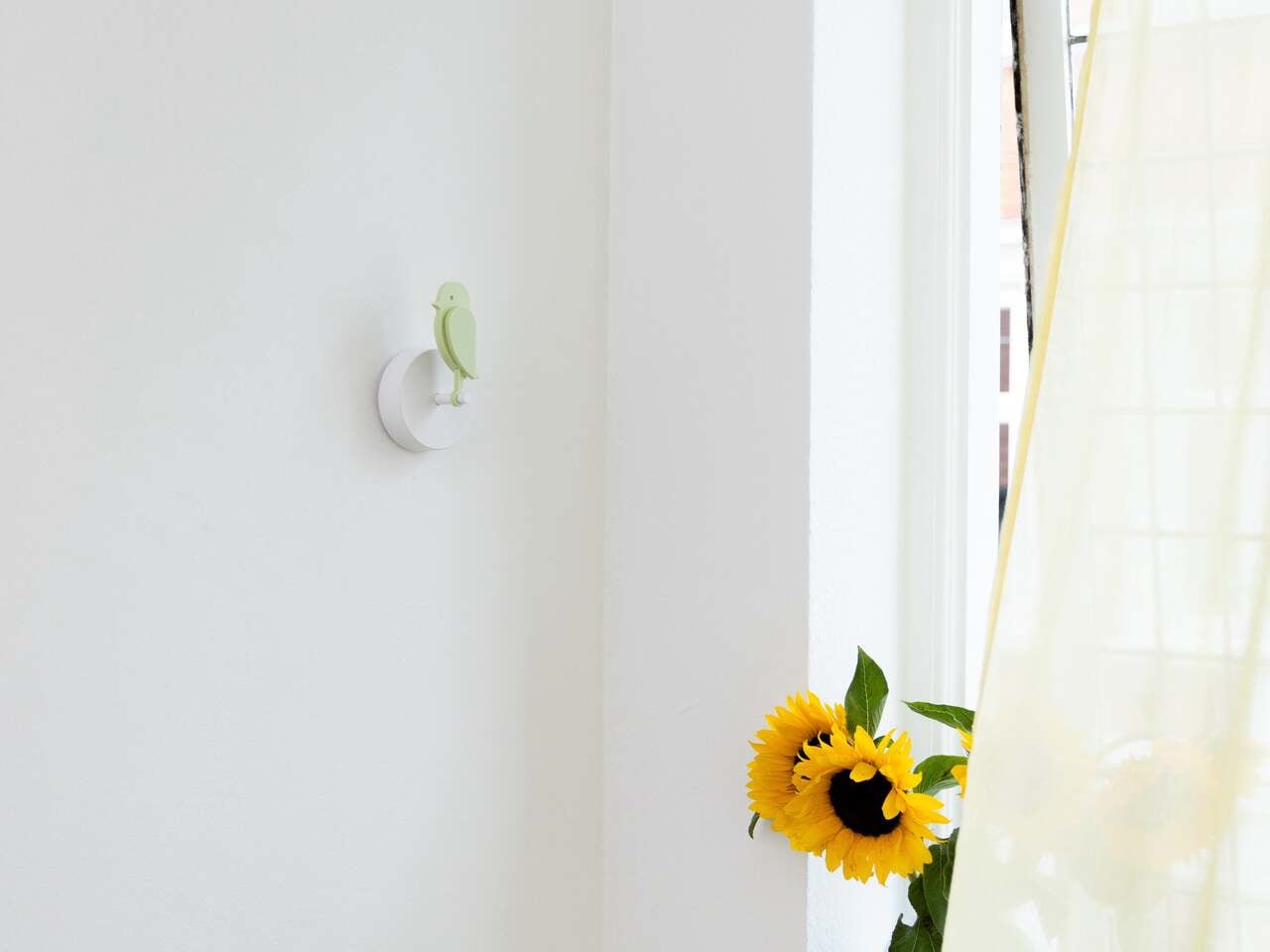
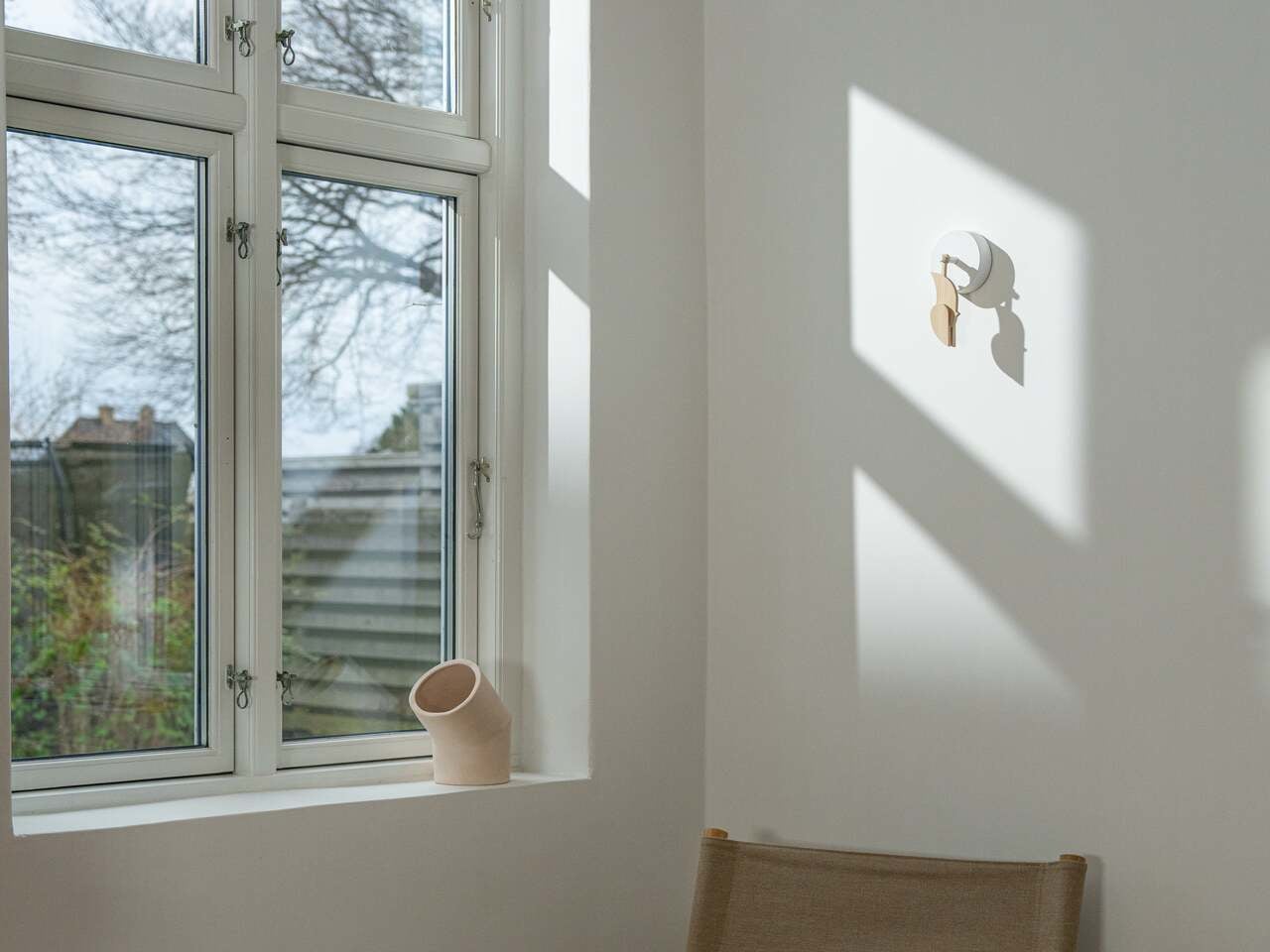
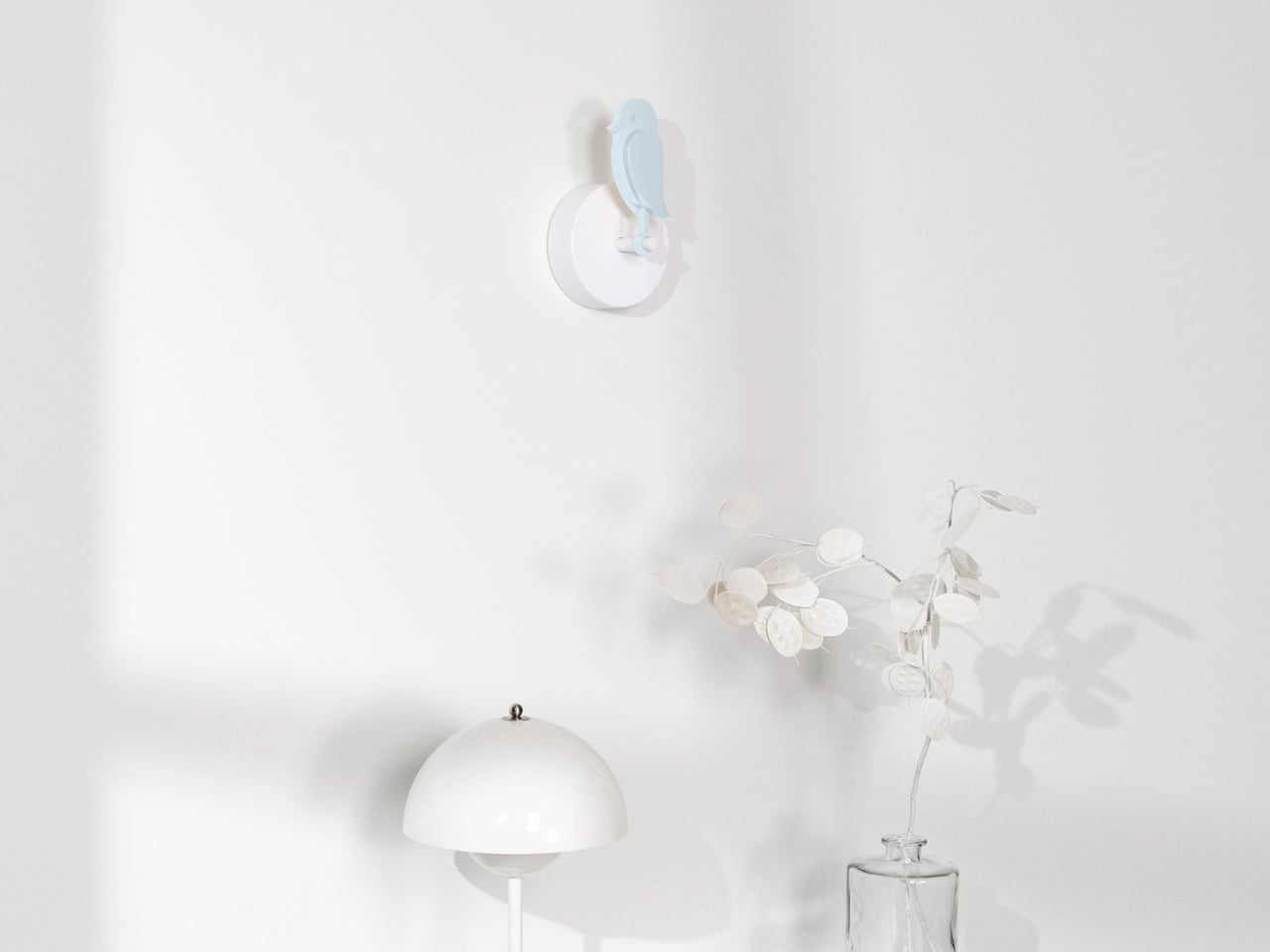
What makes it a particularly comfortable fit for the home is that it doesn’t feel like a gadget. There’s no screen competing for attention, no app to configure, and no blinking light to interpret. It’s a piece of Danish-designed wall art that happens to tell you when your living room needs to breathe. It also comes in several colorways, including the signature yellow and a subdued, earthy Dune, so it can blend into a room rather than dominate it.
Offices and classrooms are where the stakes tend to be highest. Concentration dips noticeably when CO₂ climbs, and in a shared space that doesn’t get ventilated between meetings or lessons, that decline can happen within an hour. Having something physical on the wall, rather than a number on a device that no one is checking, makes it much harder to ignore the problem.
Indoor air pollution is a commonly overlooked issue, but it can significantly affect your health, especially if you live in a city where outdoor pollutants, cooking byproducts, and everyday household chemicals accumulate inside your home. Even if your home looks clean, invisible pollutants, allergens, and irritants could lurk in the air. Improving indoor air quality isn’t just about cleanliness; it’s essential for your health, especially given how much time we spend indoors. Here are ten practical steps, paired with innovative products, to help keep your indoor air fresh and clean.
1. Ventilation
Proper ventilation is crucial for maintaining good indoor air quality. Regularly opening windows, even briefly, allow fresh outdoor air to circulate and replace stale indoor air. This exchange helps dilute the accumulation of indoor pollutants like dust, pet dander, and chemicals from household products. In kitchens and bathrooms, using exhaust fans is especially important as these areas are prone to high moisture levels and airborne contaminants from cooking or bathing. Exhaust fans help vent out these pollutants directly, reducing humidity and preventing mold growth. For those living in areas where outdoor air quality is generally good, consistent natural ventilation can make a significant difference in keeping indoor spaces healthier and fresher.
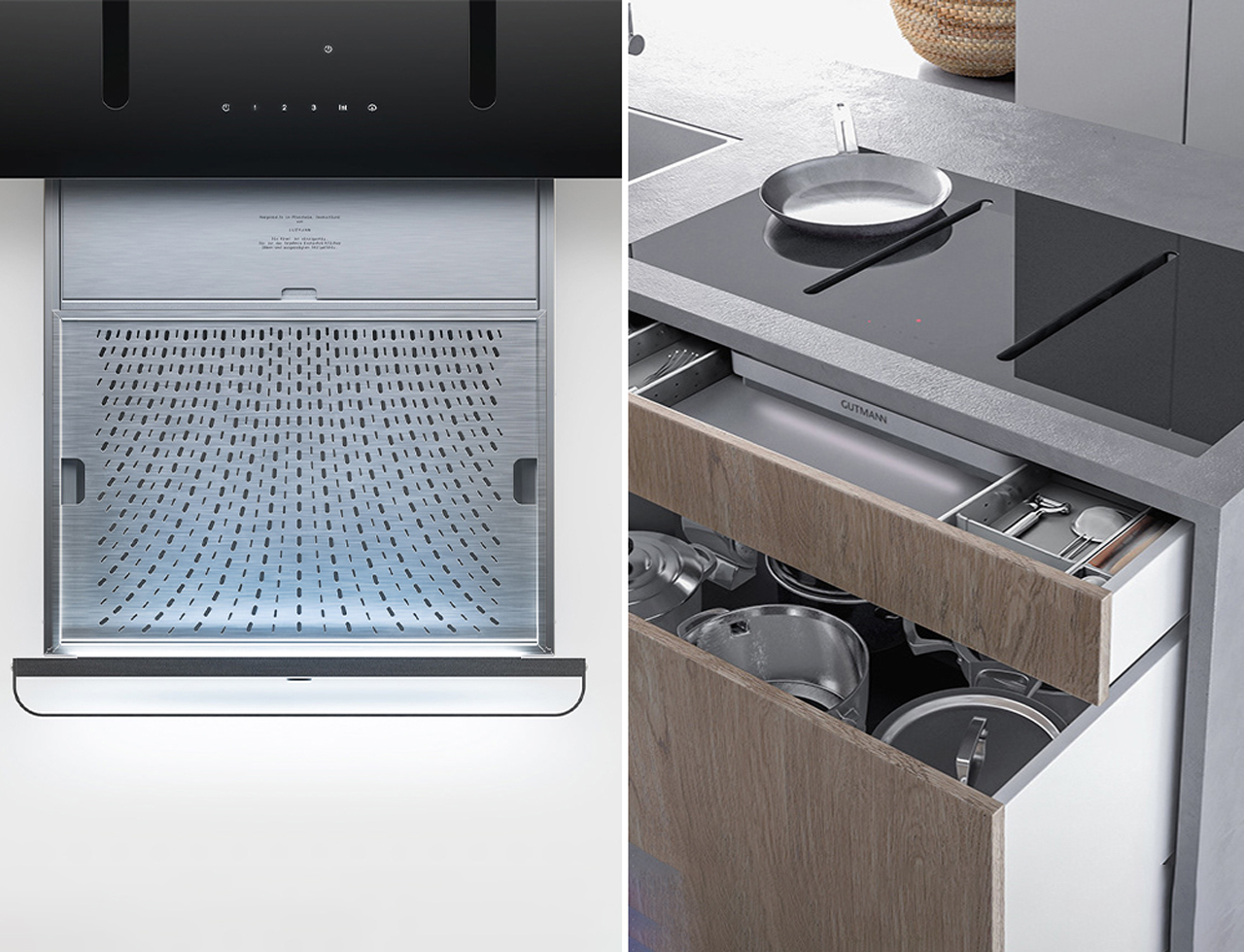
Gutmann’s no-chimney exhaust system offers an innovative solution for kitchens without traditional chimney ventilation. Its under-cabinet design efficiently clears smoke and odors, making it ideal for smaller spaces that require reliable airflow without permanent installations.
2. Air Purifiers
Air purifiers are essential to any home, especially in urban areas with more concentrated pollution. They effectively capture dust, pollen, pet dander, and other allergens. For maximum efficiency, it’s important to replace the filters regularly. Running an air purifier helps keep your home’s air free from harmful particles while reducing odours.
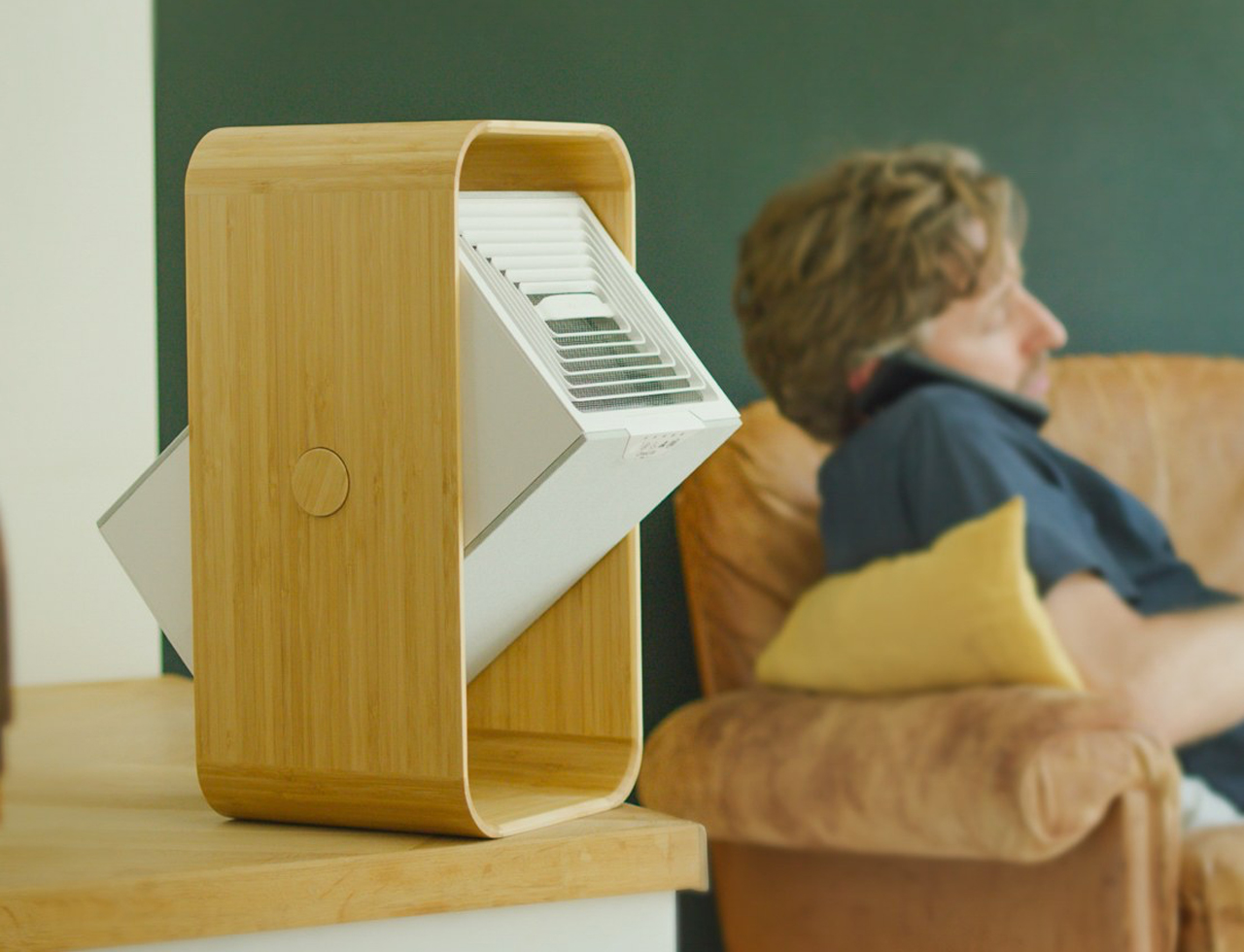
The ComfortPure combines air purification with heating and cooling. TripleFlow and HEPASilent technology captures 99.97% of airborne pollutants while offering a heating or cooling option, making it perfect for year-round use. It’s ideal for large spaces and operates quietly, adapting to pollution levels automatically for continuous comfort.
3. Air Conditioning
Air conditioners help regulate indoor temperature while also filtering airborne pollutants and allergens. To effectively improve air quality, replacing the filters regularly and cleaning the ducts is important. Proper maintenance ensures that your air conditioning system continues to provide clean, comfortable air throughout your living space.
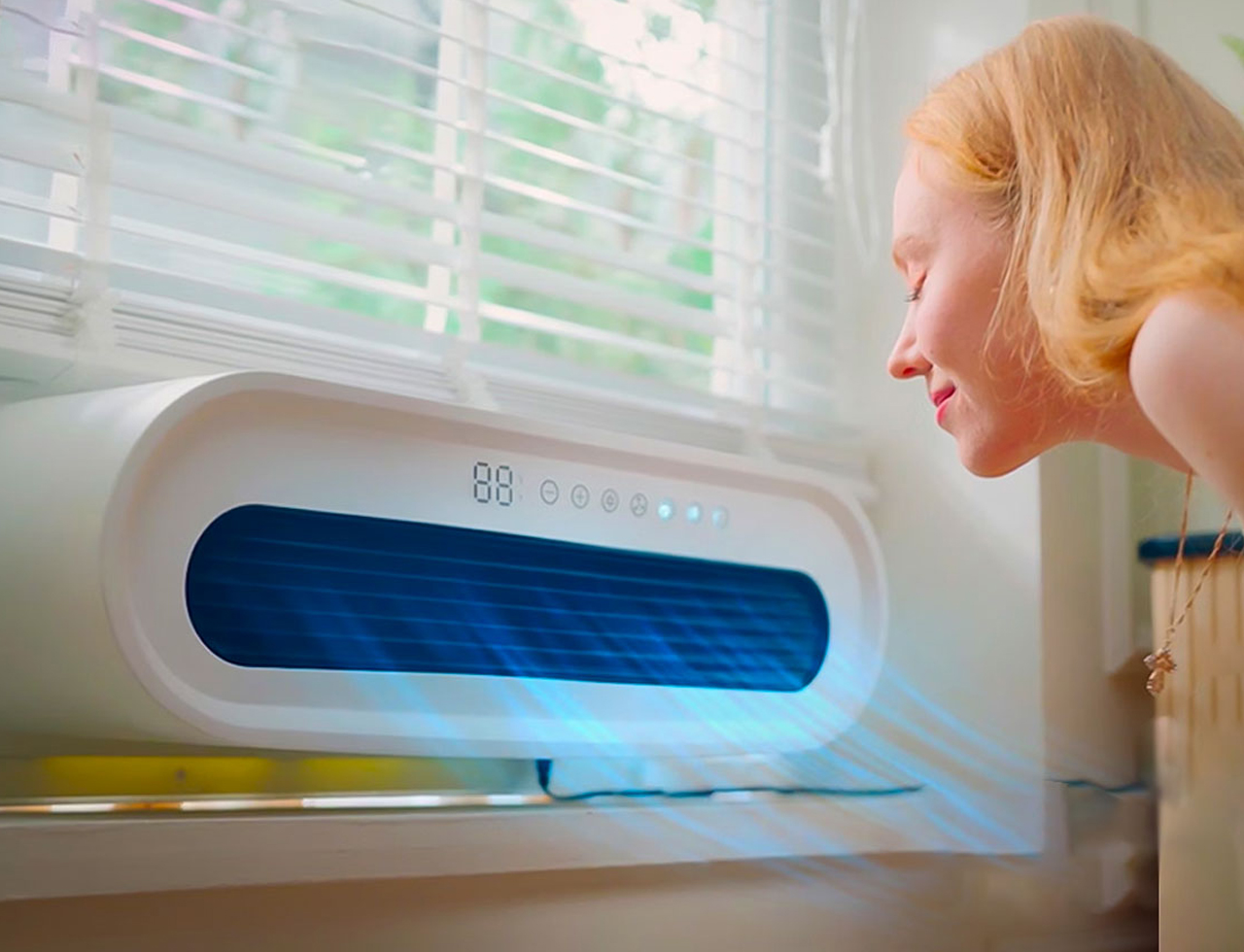
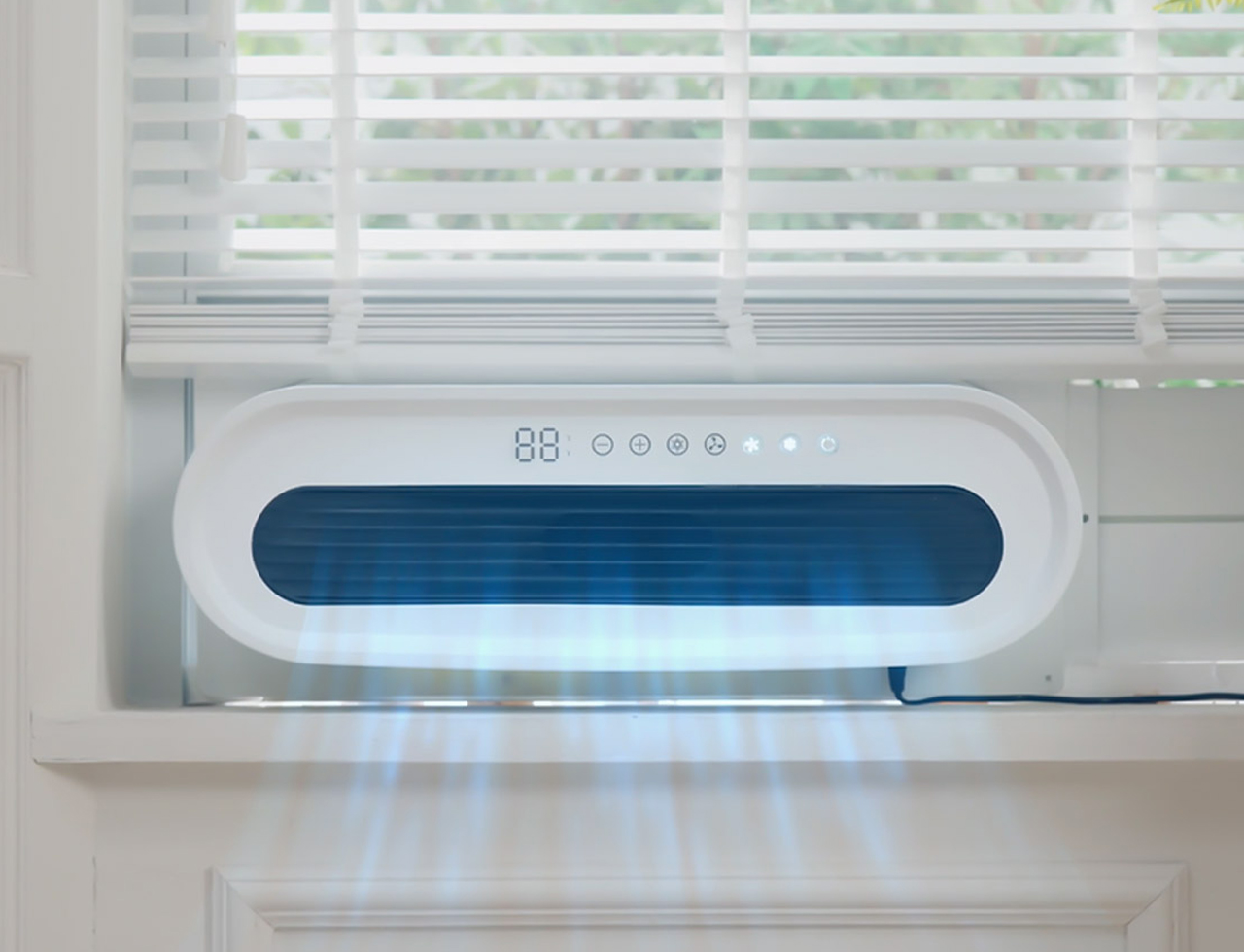
ComfyAir is specifically designed for tight city apartments. Its sleek design attaches easily to any window without causing damage. It’s highly effective at cooling and filtering the air while fitting into small spaces, making it a great solution for those wanting comfort without compromise.
4. HEPA Filters
HEPA filters are among the most efficient tools for capturing airborne pollutants and allergens. These filters trap particles as small as 0.3 microns, significantly reducing dust, pollen, and other allergens that degrade indoor air quality. Installing HEPA filters in air purifiers or HVAC systems can help keep your home’s air as clean as possible.
OneLife X utilizes cutting-edge plasma-field technology that captures even smaller particles than traditional HEPA filters, removing pollutants down to 0.01 micrometers. It is highly efficient and operates sustainably without needing constant filter replacements, making it both eco-friendly and economical.
5. Air Disinfectants
Consider using air disinfectants with UVC technology to kill bacteria, mold, and germs effectively. This approach is particularly useful in humid areas of your home where mold and germs tend to thrive. UVC lights target these microorganisms directly, providing an additional layer of air purification that complements standard filtration.
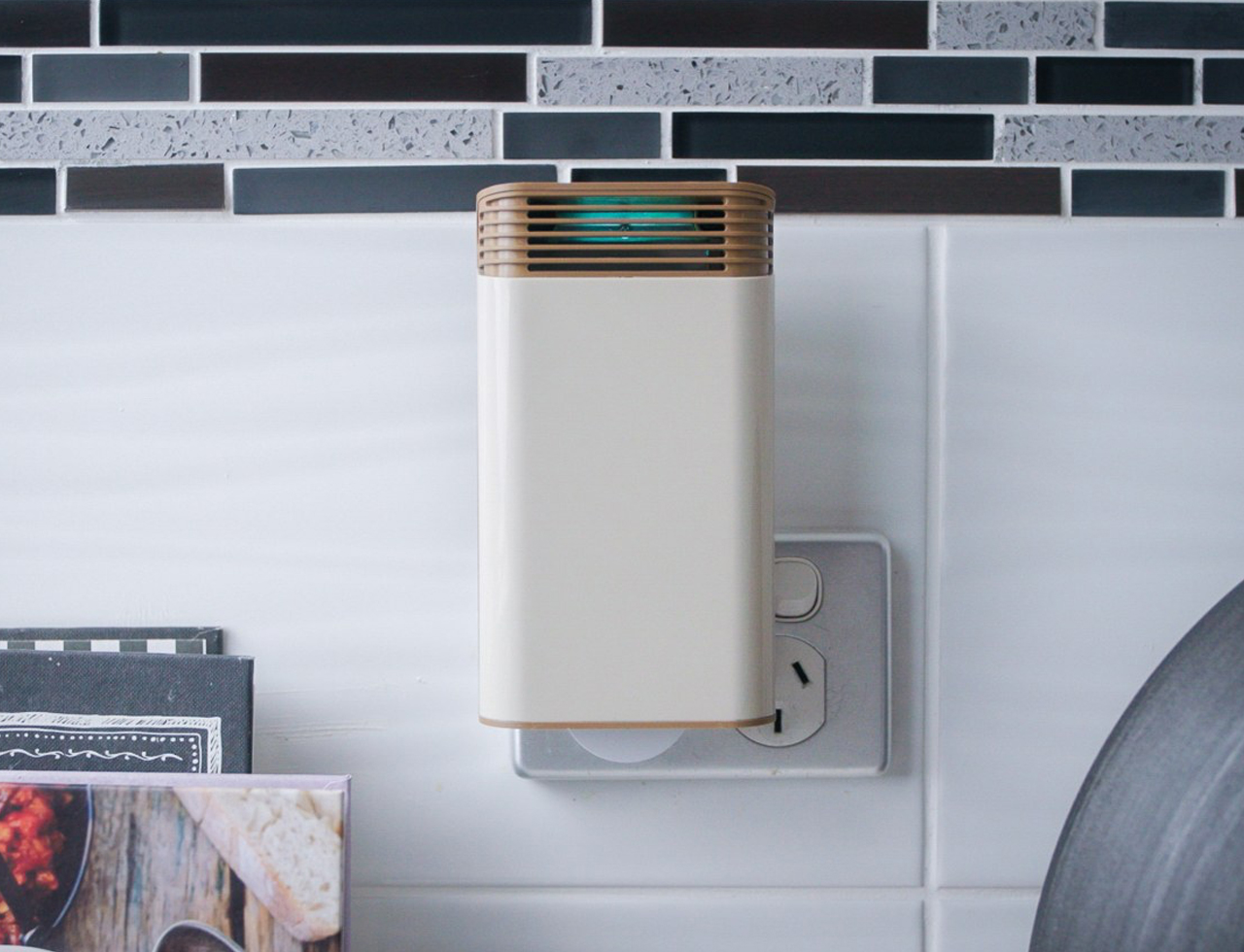
RAYCONO uses Hydroxyl and Plasma purification technology to neutralize bacteria and odors. Its compact size and maintenance-free operation make it perfect for small spaces and even travel, ensuring clean air wherever you are.
6. Indoor Plants
Plants like Spider Plants, Peace Lilies, Snake Plants, and Aloe Vera add aesthetic value to your home and naturally filter out harmful toxins. Studies, including those by NASA, show that these plants can remove common indoor pollutants such as benzene, formaldehyde, and trichloroethylene.
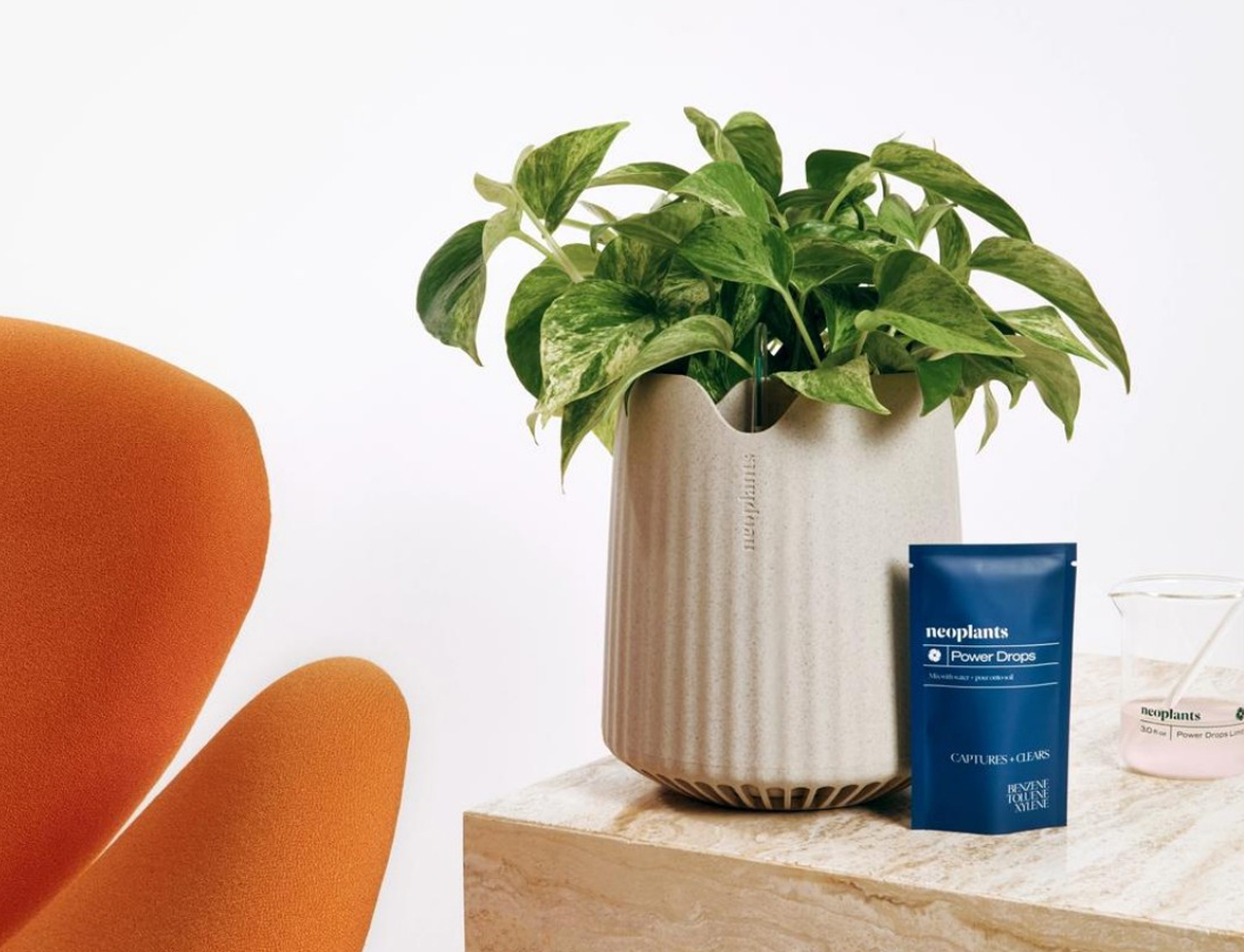
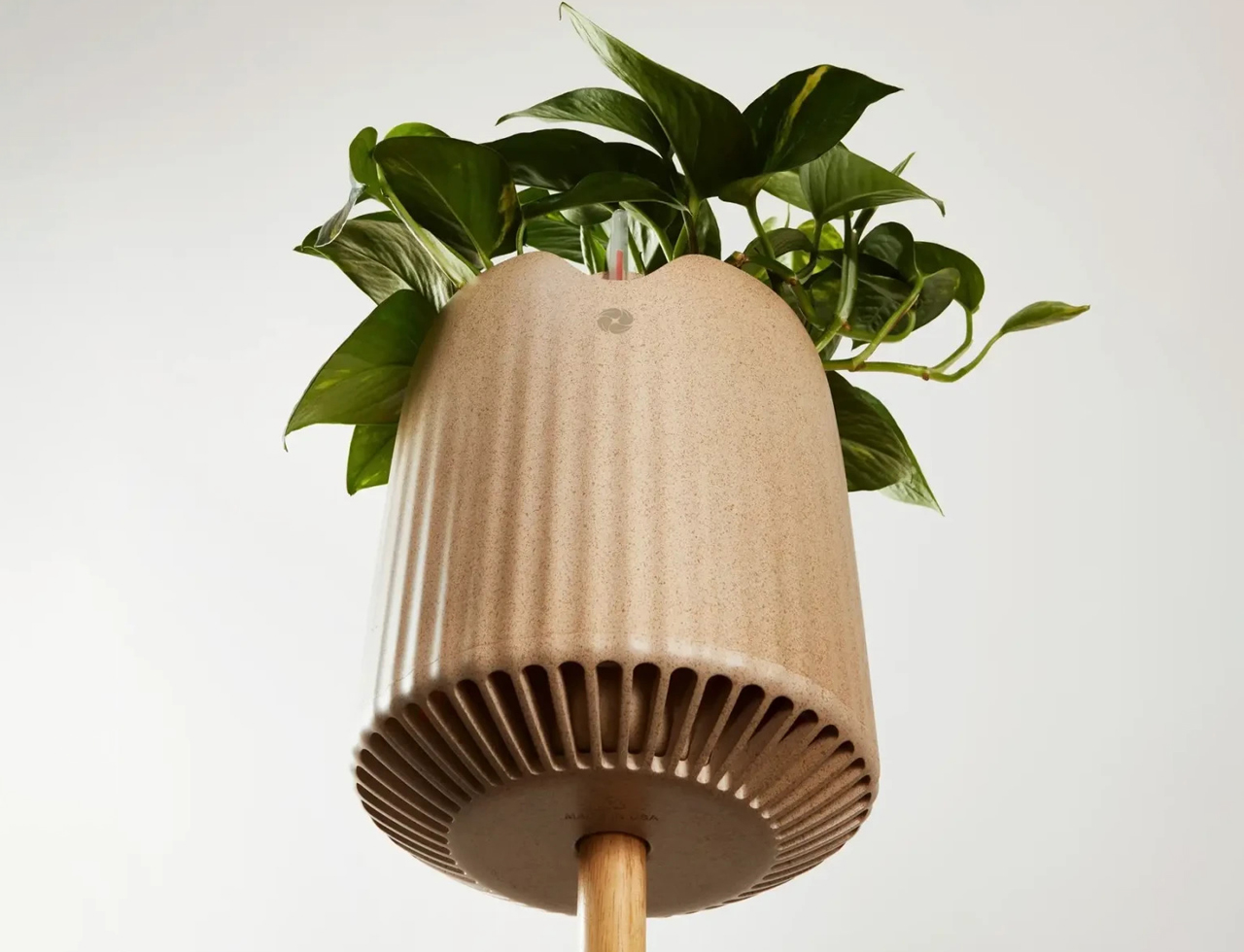
Neo PX combines Marble Queen Pothos with specialized bacteria that break down volatile organic compounds (VOCs). It features a self-watering pot, which makes maintaining these plants easy while they work to keep your air cleaner. Using biodegradable materials also makes this an eco-friendly addition to any room.
7. Low-VOC Cleaners
Volatile organic compounds (VOCs) found in many conventional household cleaners can significantly degrade indoor air quality. Instead, opt for low-VOC or eco-friendly cleaning products. These alternatives clean effectively without adding harmful chemicals to the air, allowing you to maintain a fresh environment.
Switching to these products is an easy way to maintain cleanliness and air quality, reducing unnecessary pollutants in your indoor space.
8. Reduce Dampness
Moisture control is vital for healthy indoor air. Excessive humidity can lead to mold growth, contributing to respiratory problems and allergies. Leaky pipes, poor ventilation, and condensation all contribute to excess dampness. Using dehumidifiers and fixing leaks can keep humidity levels in check and prevent mould growth.
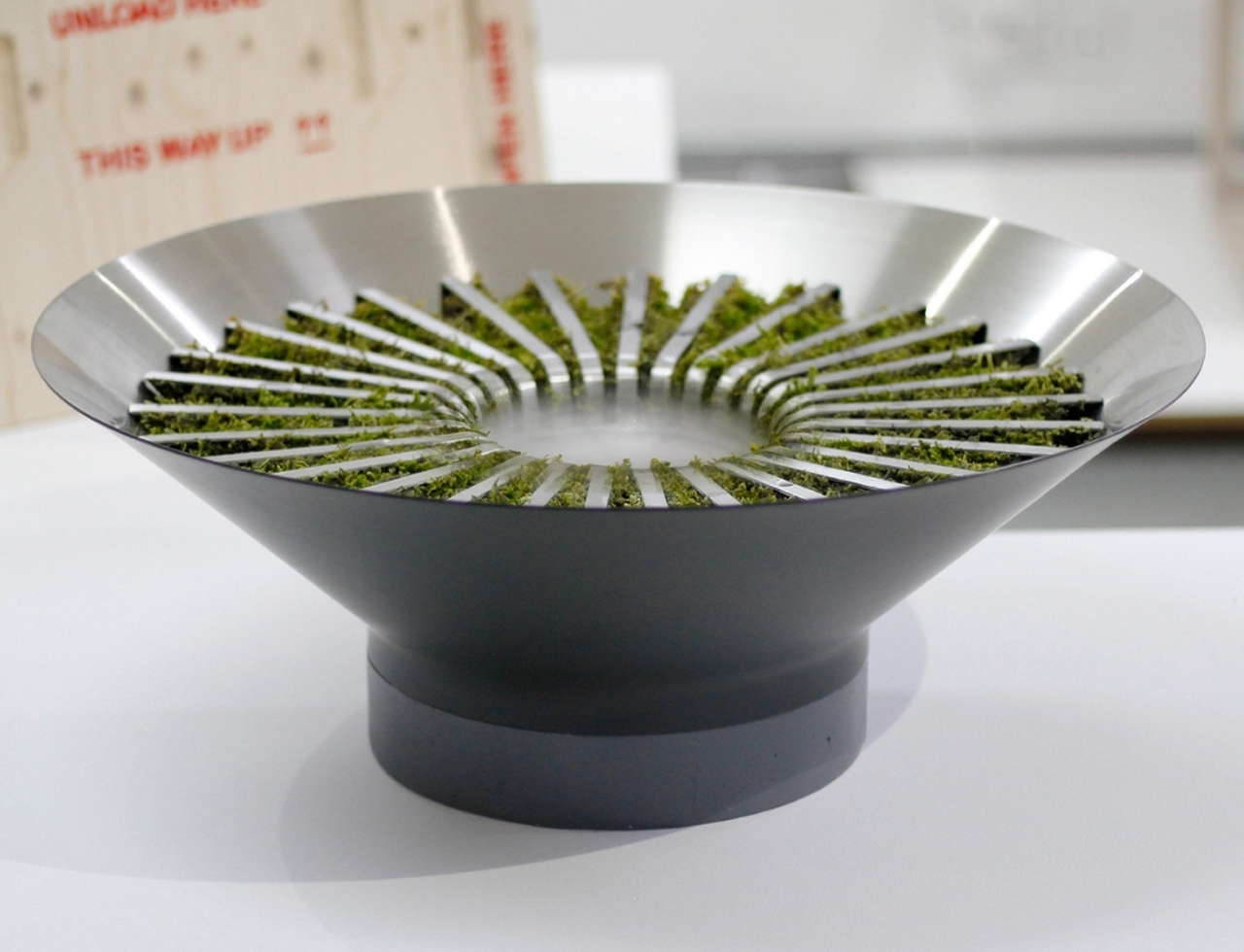
The Moss Humidifier combines the natural properties of moss with artificial humidification. The moss actively filters pollutants, while the integrated humidifier keeps moisture levels balanced. This eco-friendly solution helps maintain a healthy indoor environment without relying on chemicals.
9. Use a Kitchen Chimney
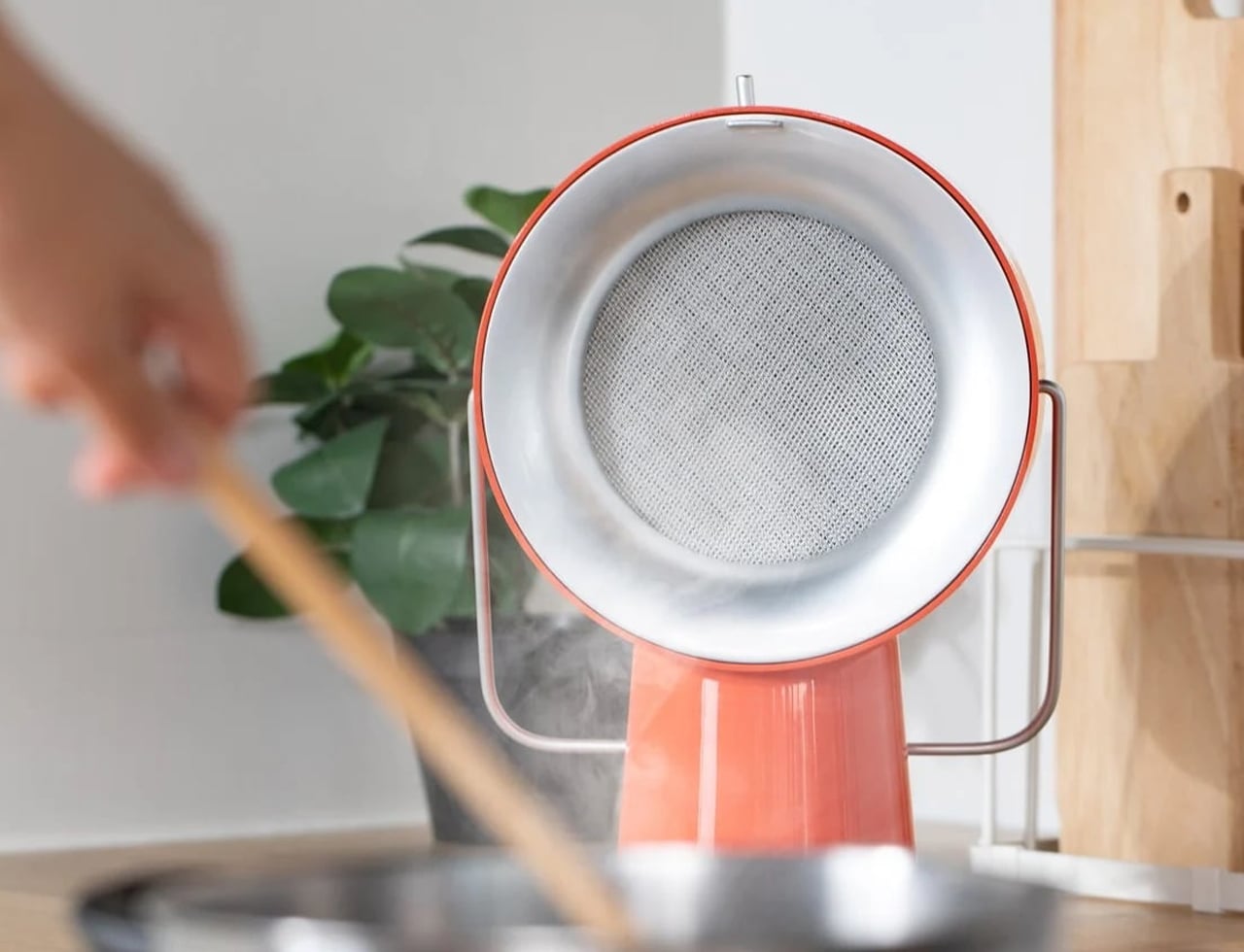
Cooking emits pollutants like carbon monoxide that can quickly fill your kitchen and home. Using a chimney or an exhaust hood helps to filter and remove these particles, reducing harmful gases and keeping your air fresh. Kitchen chimneys are crucial for removing smoke, grease, and cooking odors from your living space.
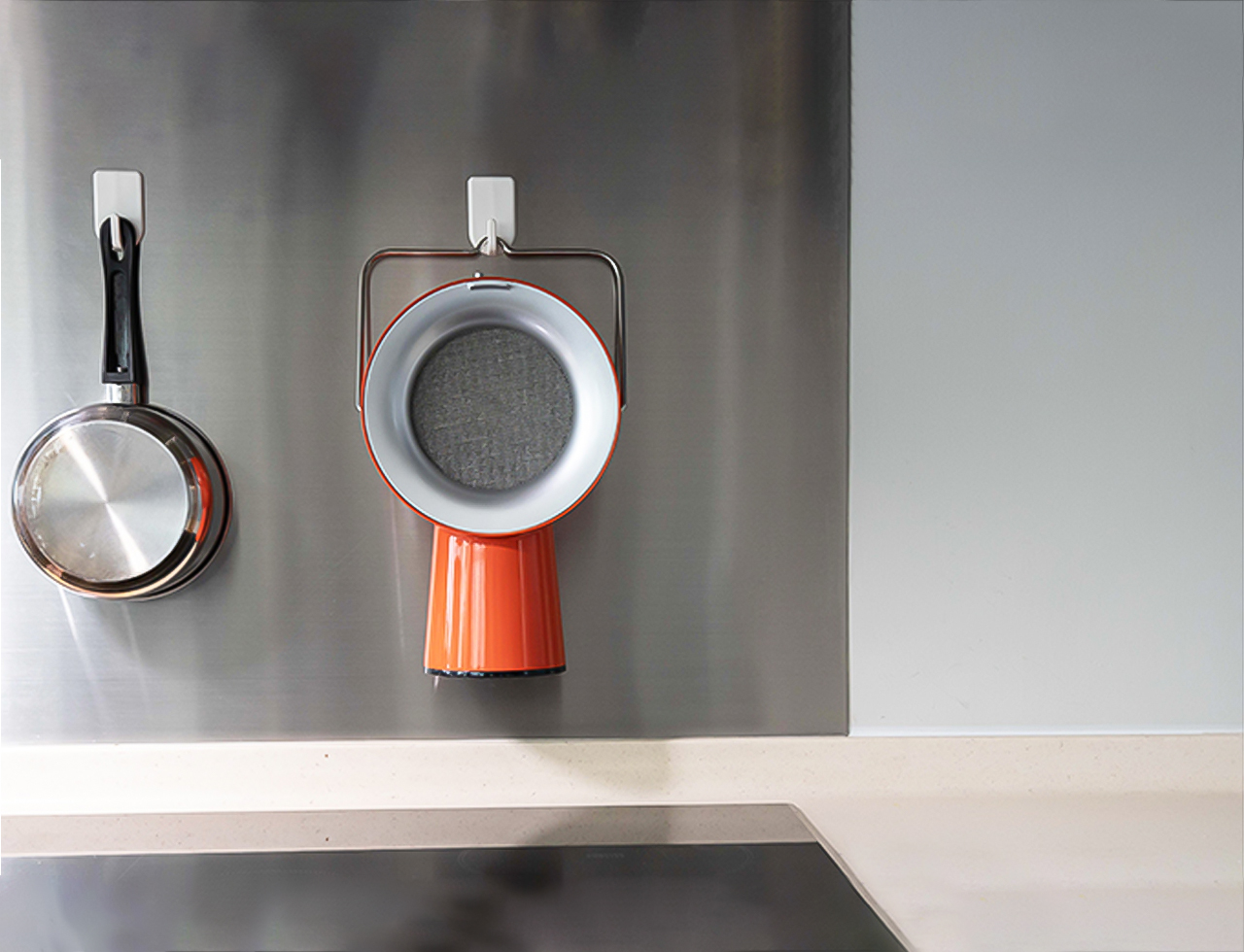
AirHood is an effective portable range hood with a powerful fan and charcoal filters for neutralizing odors and smoke. Its lightweight and flexible setup allows it to be moved wherever needed, making it ideal for kitchens without a built-in ventilation system.
10. Clean Rugs and Carpets
Rugs and carpets trap dust, dirt, and allergens, which can compromise indoor air quality if left unchecked. Regular vacuuming and deep cleaning can remove these harmful particles. High-quality vacuums, especially those with HEPA filters, can reduce allergens and improve the overall air quality.
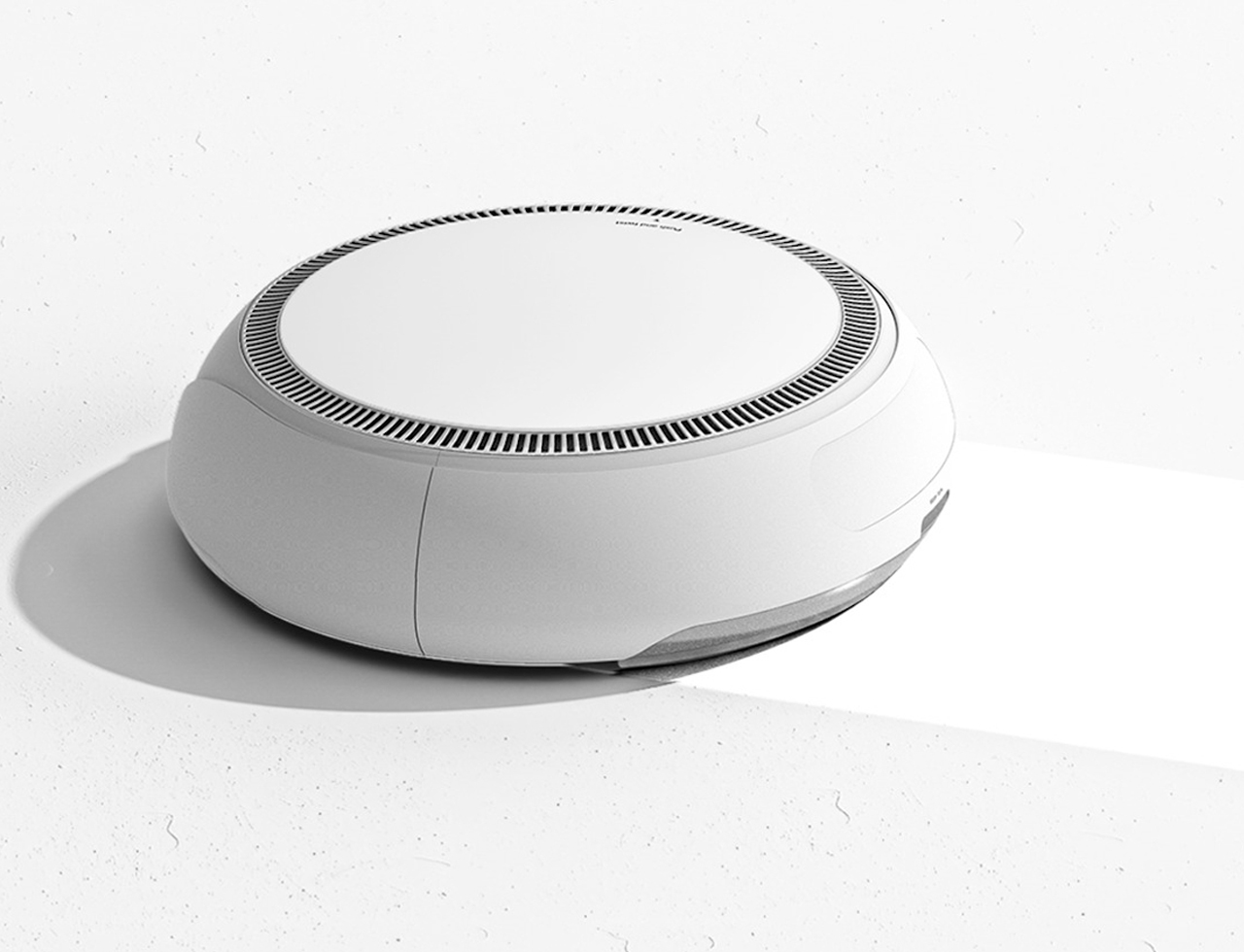
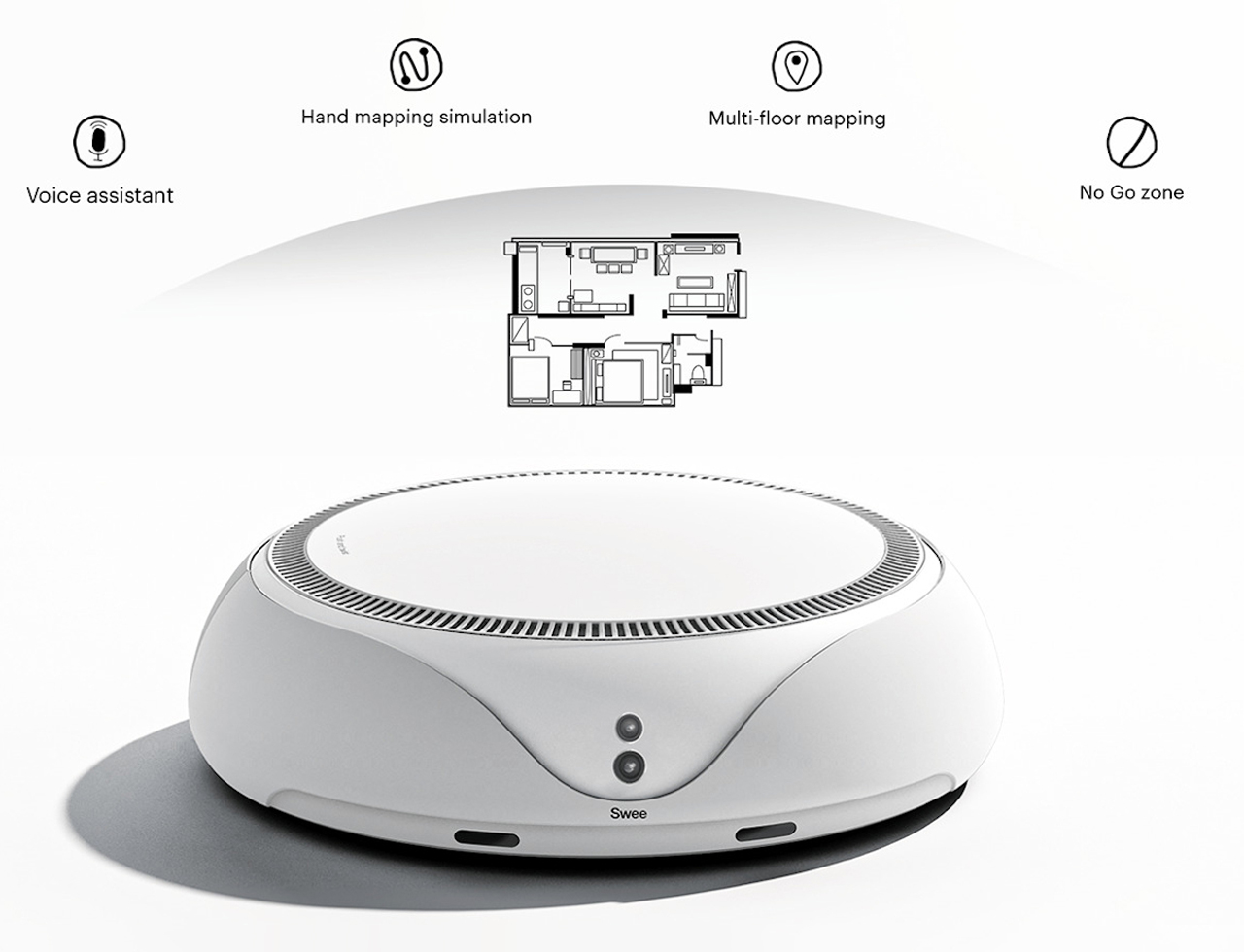
Swee is designed to keep carpets and rugs free from dust and dirt with minimal effort. Its tapered profile and powerful cleaning system help remove allergens, while its innovative design fits seamlessly into any modern living space.
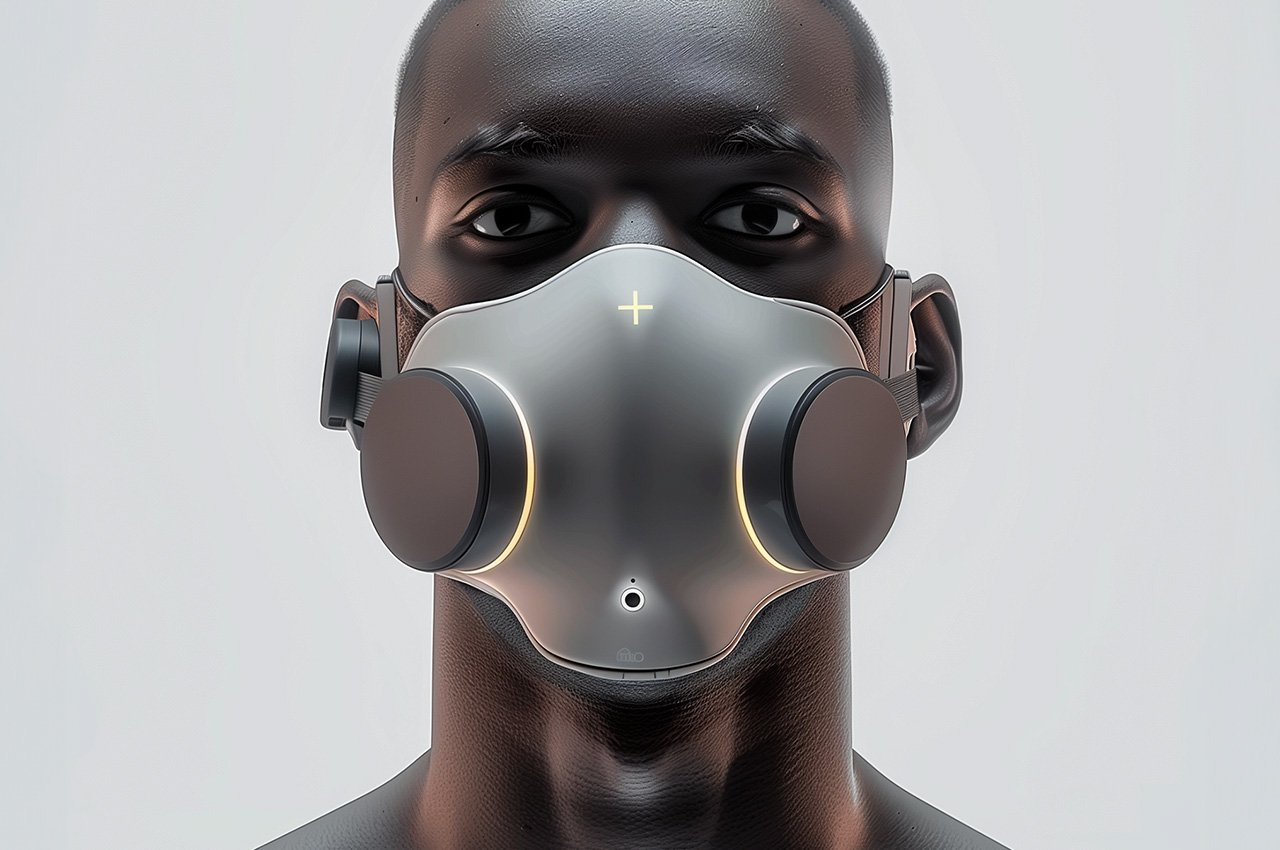
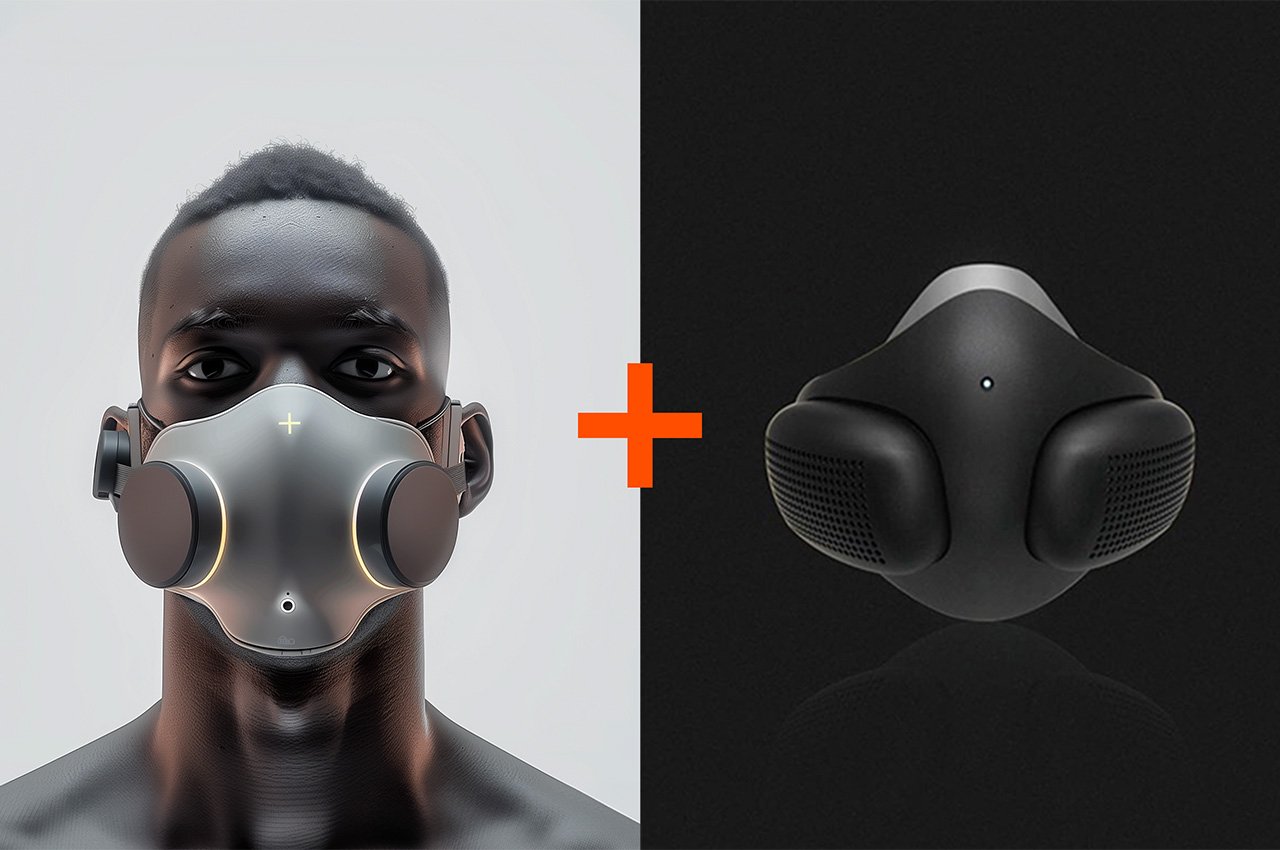
The COVID-19 pandemic may be over, but the challenge of maintaining clean air persists. If there’s anything we’ve learned over the past year, it’s that conventional solutions are no longer sufficient when it comes to breathing fresh air. Common disposable and cloth masks do block some harmful elements, but they also block proper airflow. Some fan-enabled masks improve that situation slightly, but they still put an obstacle to some of the ordinary tasks that we do each day, especially when our voices are involved. Enter the age of AI-enabled technology. The innovative AI Air Mask not only filters out harmful elements with superior efficiency but also enhances airflow, ensuring that breathability and communication remain clear and unhindered. This is the next step in wearable health tech, promising not just cleaner air but also proactive health monitoring, all in a sleek, comfortable, and inclusive design.
Designer: Leandro Rolon
Click Here to Buy Now: $99$299 ($200 off). Hurry, exclusive deal for YD readers only! Raised over $1.5 million.
We now live in a world where even the air inside our homes can be suspect, so one can only imagine how much worse the situation is outdoors. Just in time for the health scare that gripped the world, ATMOBLUE launched its first smart wearable purifier to address the need for clean, breathable air anywhere you go. It went beyond the minimum requirement of simply blocking harmful microorganisms to deliver a solution that was effective, customizable, and most importantly, comfortable.
Smart Adaptive Filtration: Employs intelligent sensors for adaptive, real-time purification, setting a new bar for air quality protection.
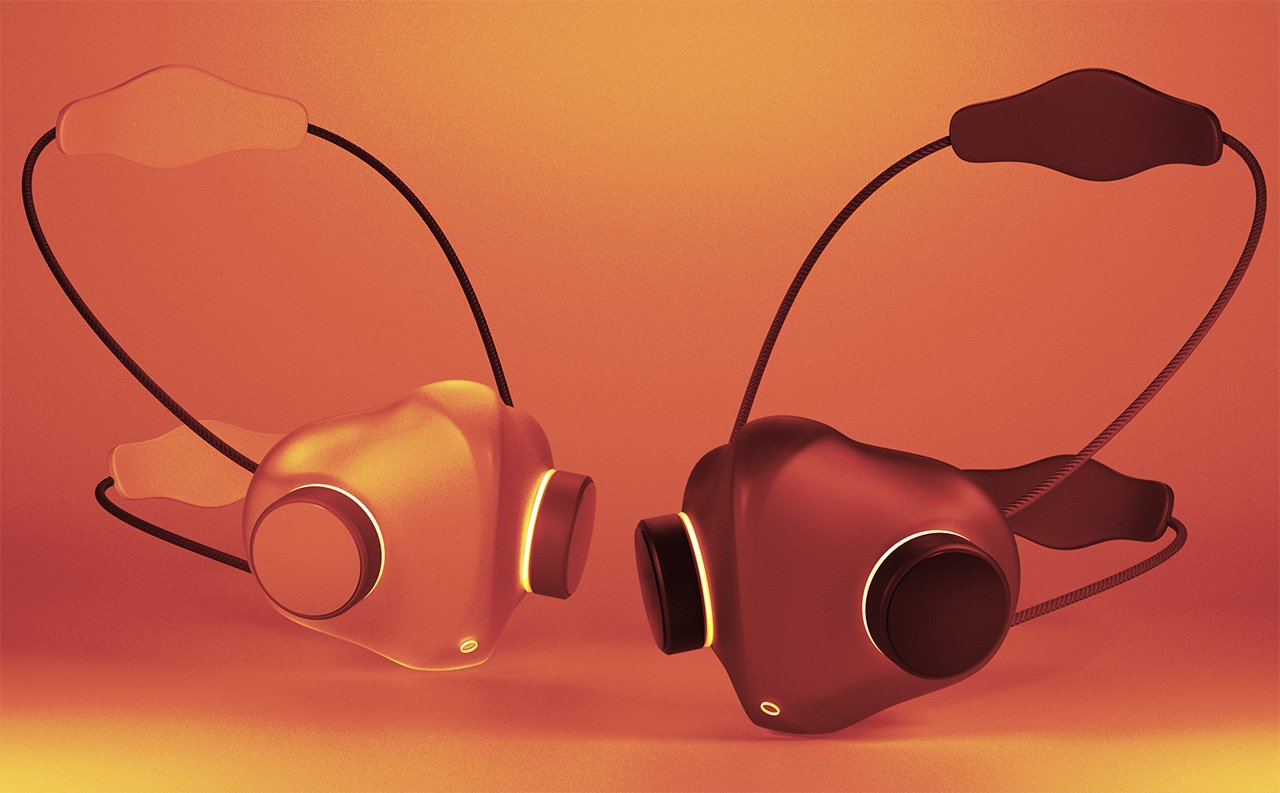
The first ATMOBLUE smart mask was practically a mini air purifier you could wear on your mouth. It utilized replaceable H13 HEPA filters to do the heavy lifting of blocking as much as 99.97% of harmful particles such as bacteria and PM2.5. But while some masks stopped there, ATMOBLUE went above and beyond to include a dual fan airflow system that removed that suffocating feeling whenever you wear a face mask. The result wasn’t just clean air but breathable air as well, increasing the comfort and confidence of wearers who made the investment in backing the project.
Premium Silicone Design: Engineered with superior silicone for unparalleled comfort, designed for all-day wear and redefining the protective gear experience.
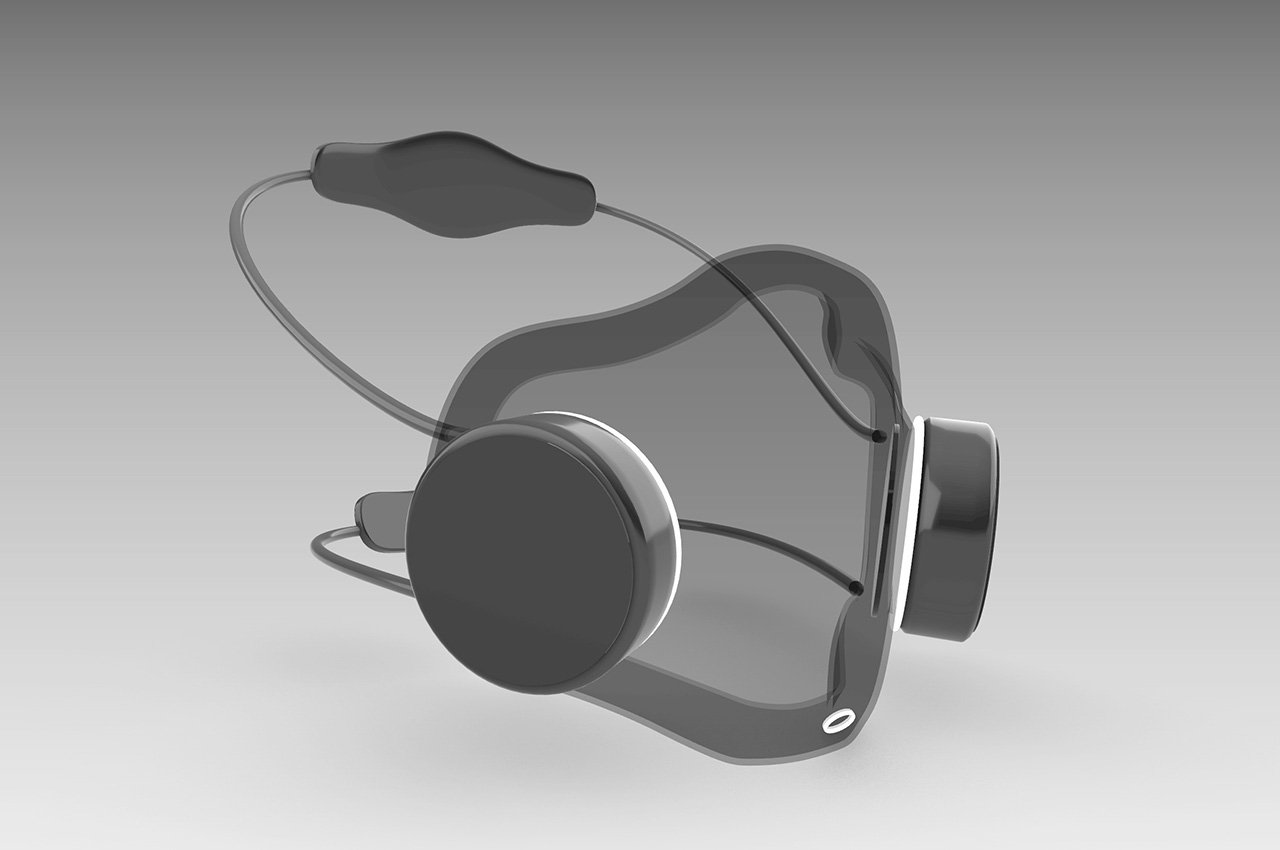
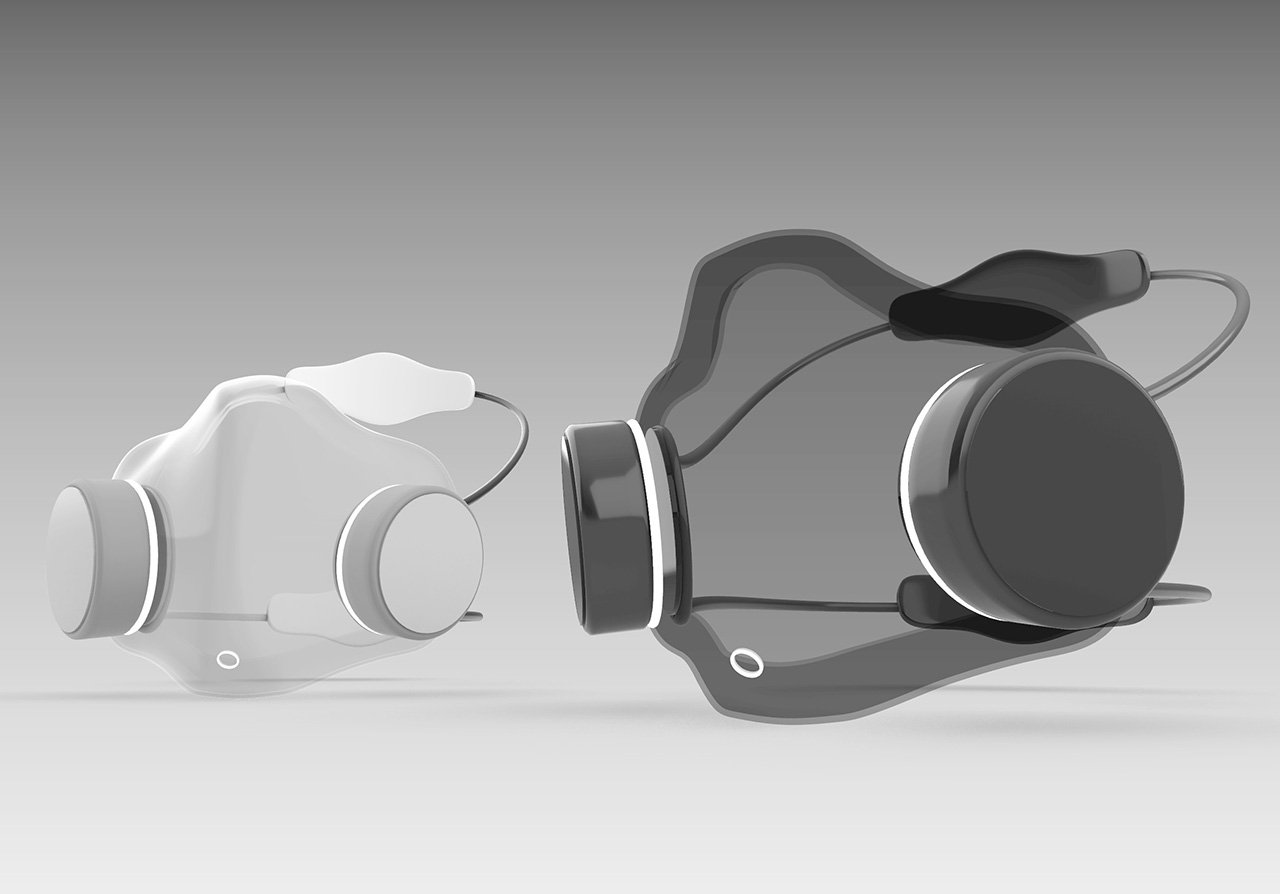
As successful as that smart mask was, it isn’t yet the pinnacle of healthy breathing. Stepping into the limelight again, the creators of the ATMOBLUE Mask are presenting an even more advanced solution that leverages the hard-earned lessons of the past and applies the benefits of artificial intelligence to provide a more holistic view of the wearer’s health. This AI-driven Air Mask, an evolution of the original ATMOBLUE Mask, features a refined semi-transparent silicone body for premium comfort. It is equipped with a dynamic adaptive filtration system that intelligently senses environmental changes and auto-adjusts in real time for optimal protection.
AI-Enabled Bluetooth Microphone: Features a built-in mic for clear conversations and seamless AI assistant interaction, improving communication without compromising wearability.
But wait, there’s more! Wearing a mask always has the effect of muffling one’s voice, which can be an even bigger problem when trying to communicate. Addressing this issue head-on, the AI Air Mask is ingeniously equipped with an integrated microphone and Bluetooth connectivity, allowing you to convey your voice clearly and confidently. Elevating the experience further, this mask incorporates advanced voice recognition and AI capabilities, creating a symbiotic relationship with your AI smart assistant that transcends traditional communication barriers. Beyond enhancing dialogue, the AI Air Mask serves as a guardian of your well-being, continuously analyzing key health metrics such as temperature, respiratory patterns, and cough frequency, not only to provide better insight into your health but also to warn you of potential infection.
With the AI Air Mask, the creators of ATMOBLUE aren’t just offering an upgraded wearable but also an investment in a healthier future. That’s exactly the kind of investment you’re making with this sweet pre-sale deal that lets you not only reserve a spot but also get a 50% discount when the world’s first AI-driven smart mask launches next year.
Click Here to Buy Now: $99$299 ($200 off). Hurry, exclusive deal for YD readers only! Raised over $1.5 million.



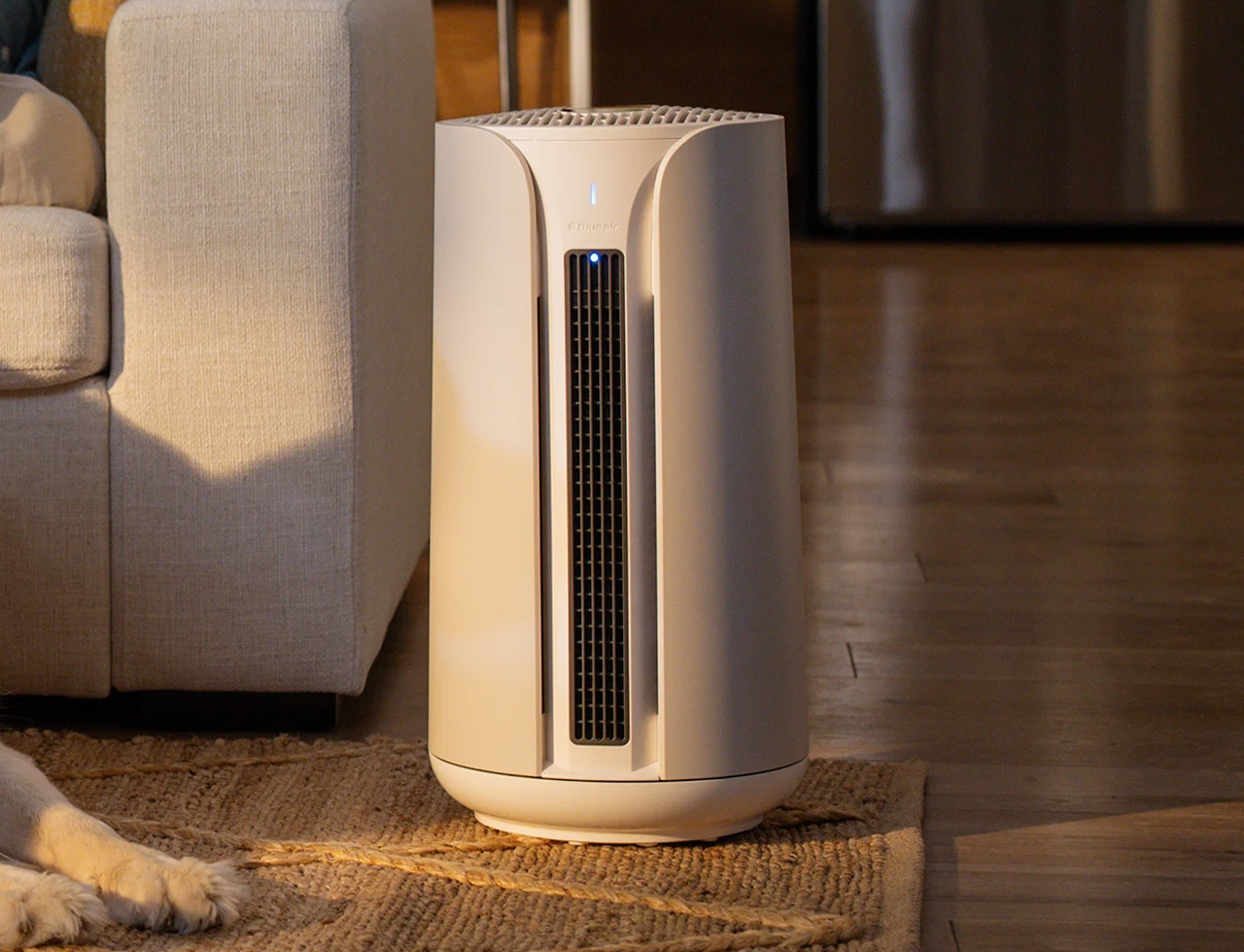
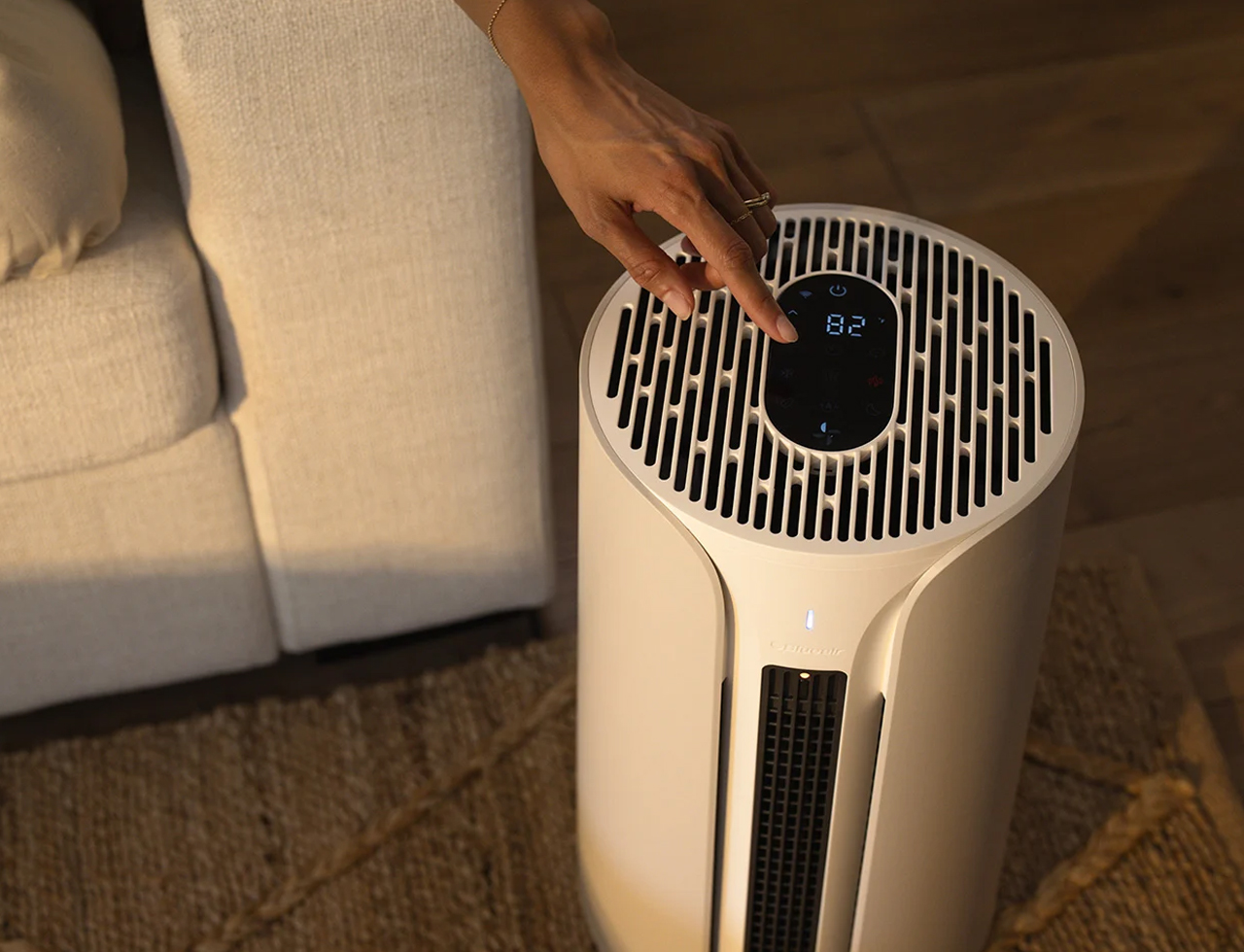
 combines air purification with heating and cooling. TripleFlow and HEPASilent technology captures 99.97% of airborne pollutants while offering a heating or cooling option, making it perfect for year-round use. It’s ideal for large spaces and operates quietly, adapting to pollution levels automatically for continuous comfort.