This Tiny Retro PC Is Your Alarm Clock, Speaker, and Pixel Canvas

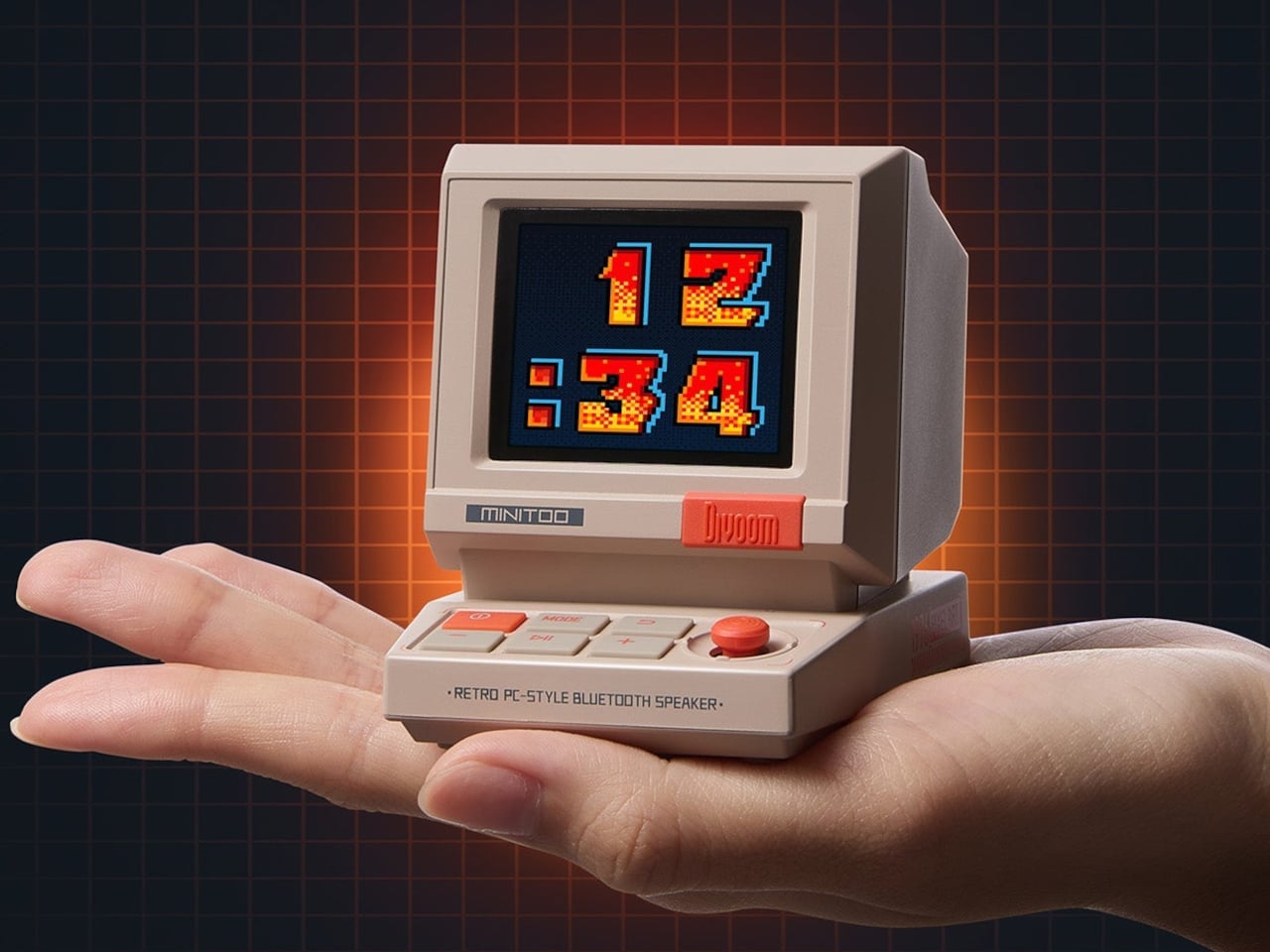
Cozy desk setups have become a competitive sport. Tiny CRTs, retro keyboards, and beige plastic everywhere, usually looking very cute but doing very little beyond collecting dust and likes. Most of that gear is either pure decor or pure utility, rarely both. MiniToo leans into the 80s PC silhouette hard, complete with a CRT-style screen and chunky keyboard buttons, but it tries to earn its footprint by being a Bluetooth speaker, alarm clock, white noise machine, and pixel art display all at once.

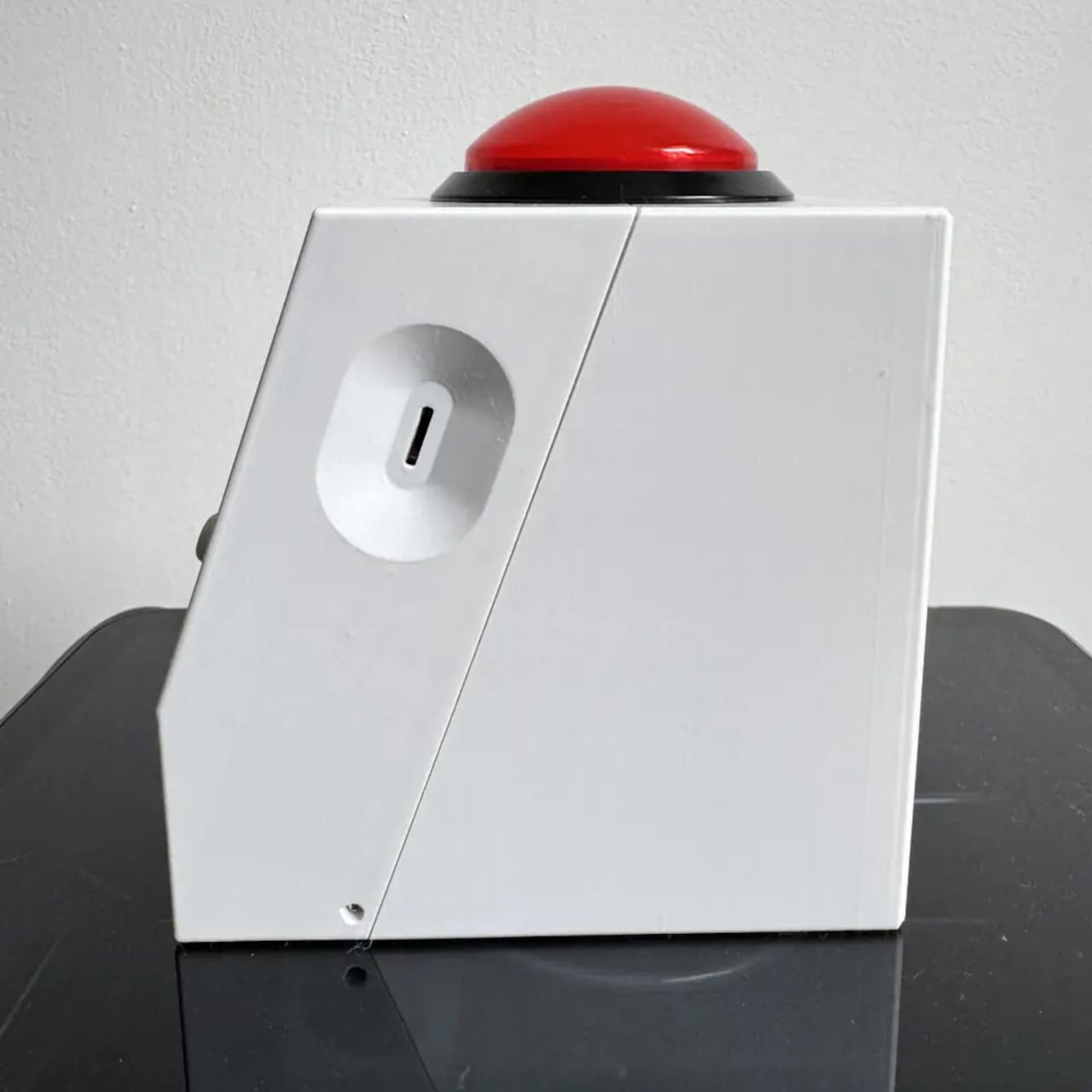
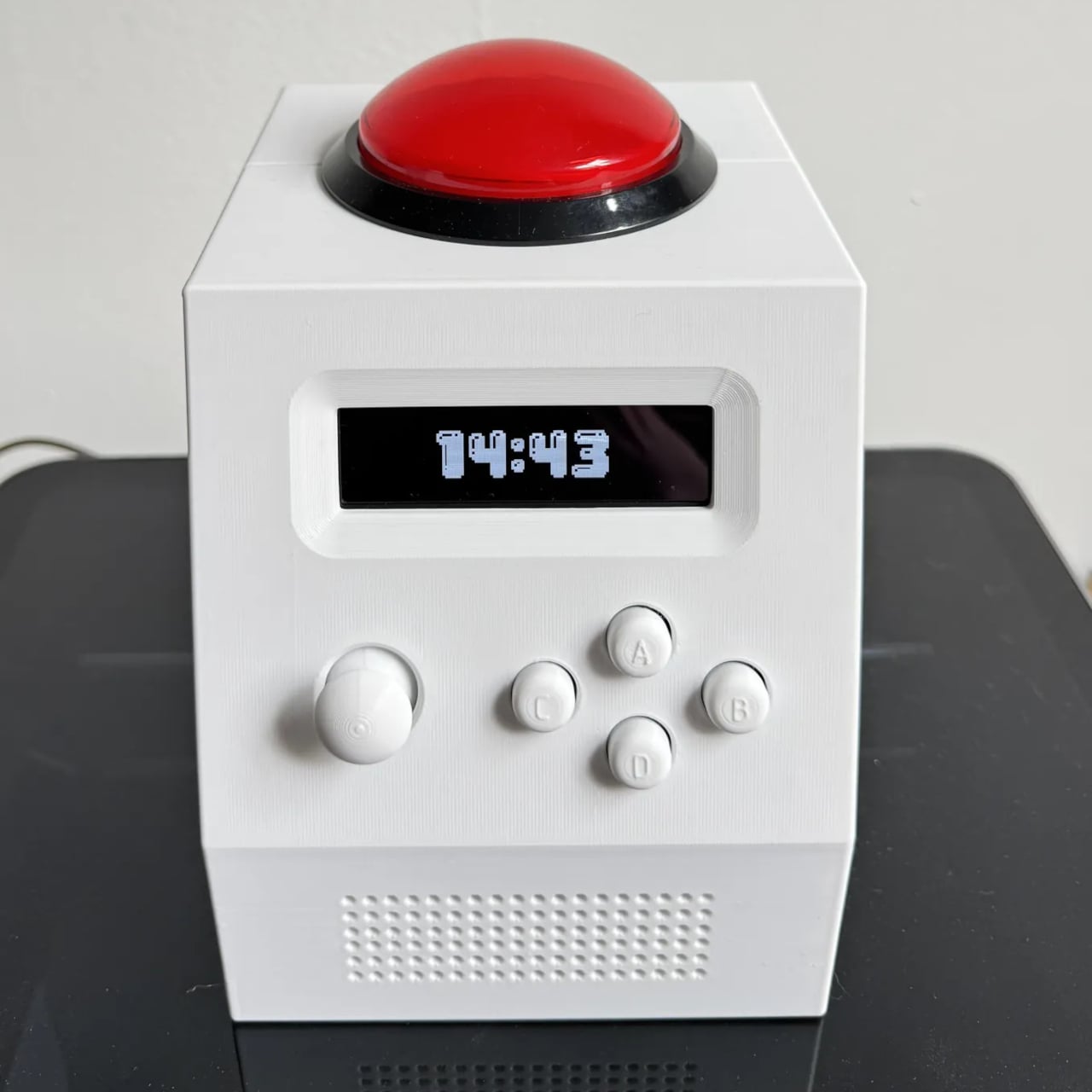
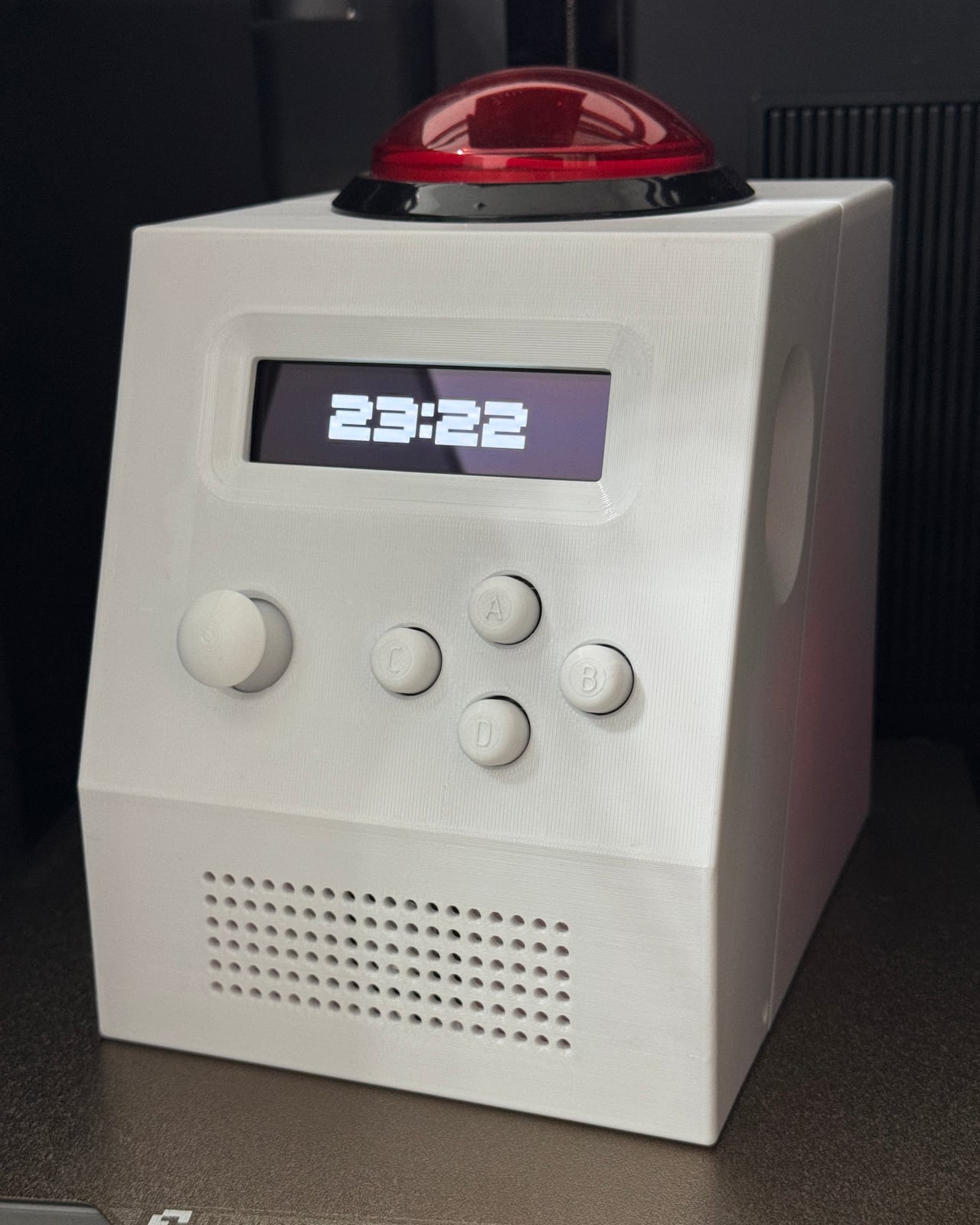
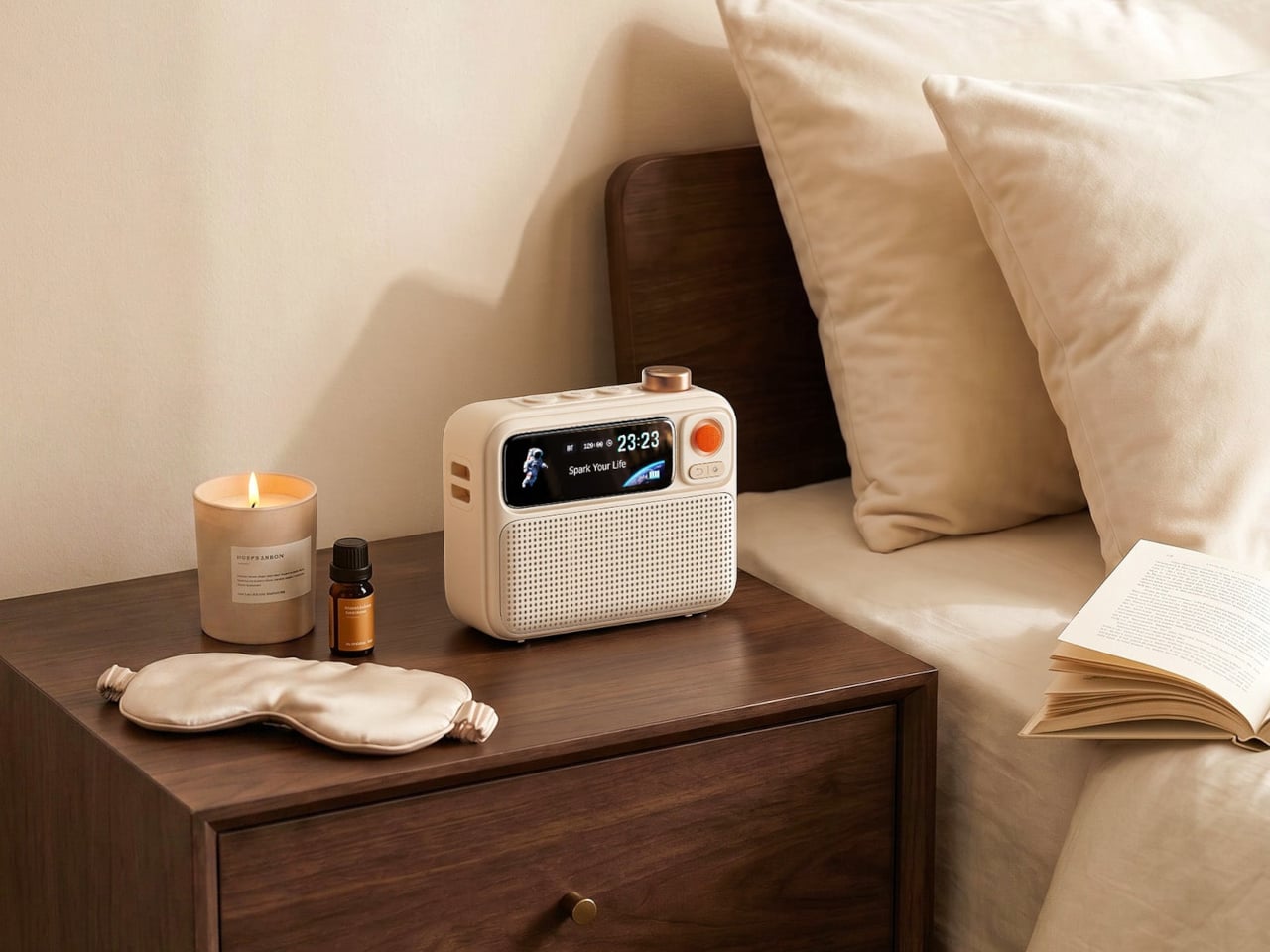
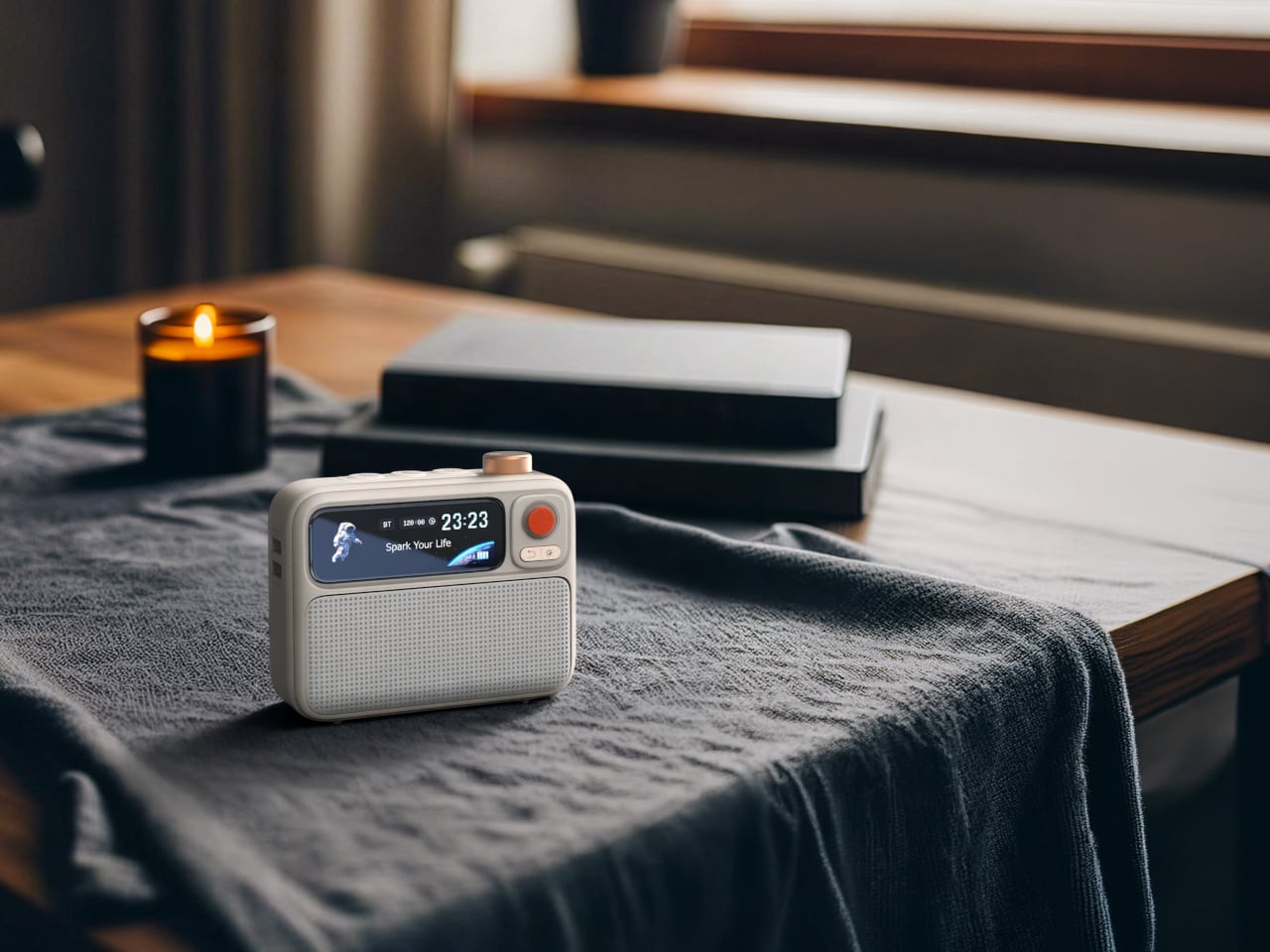
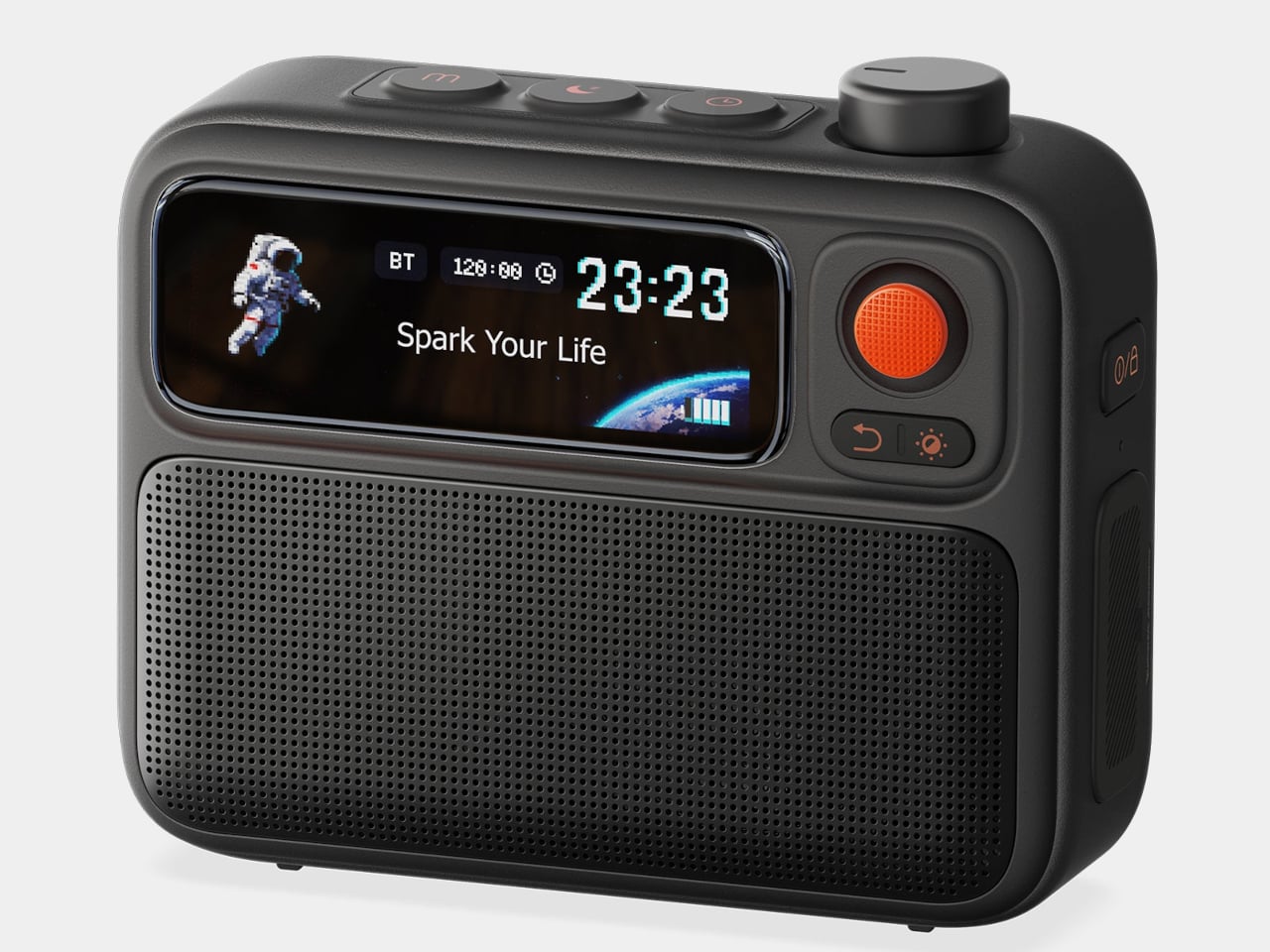
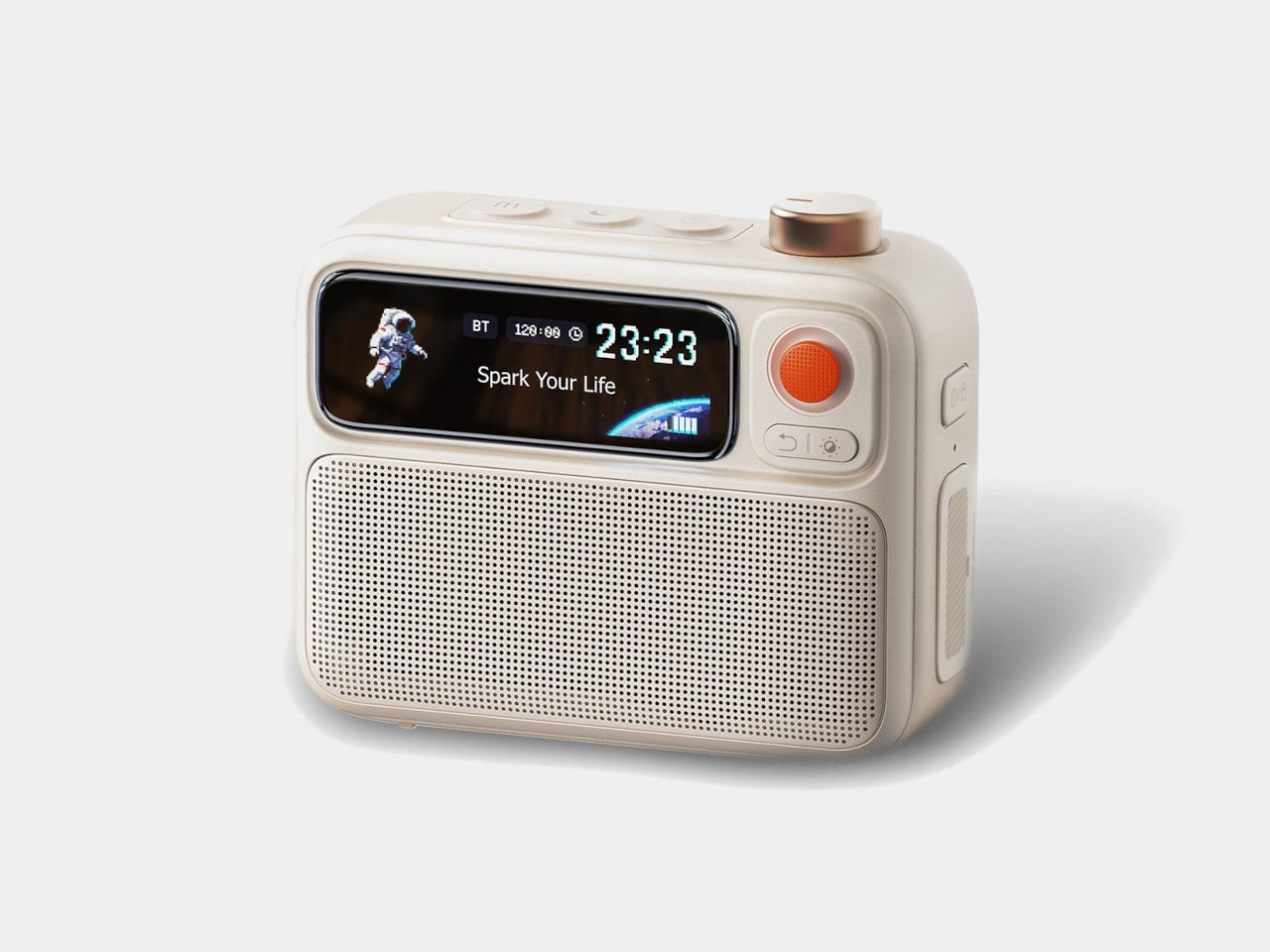
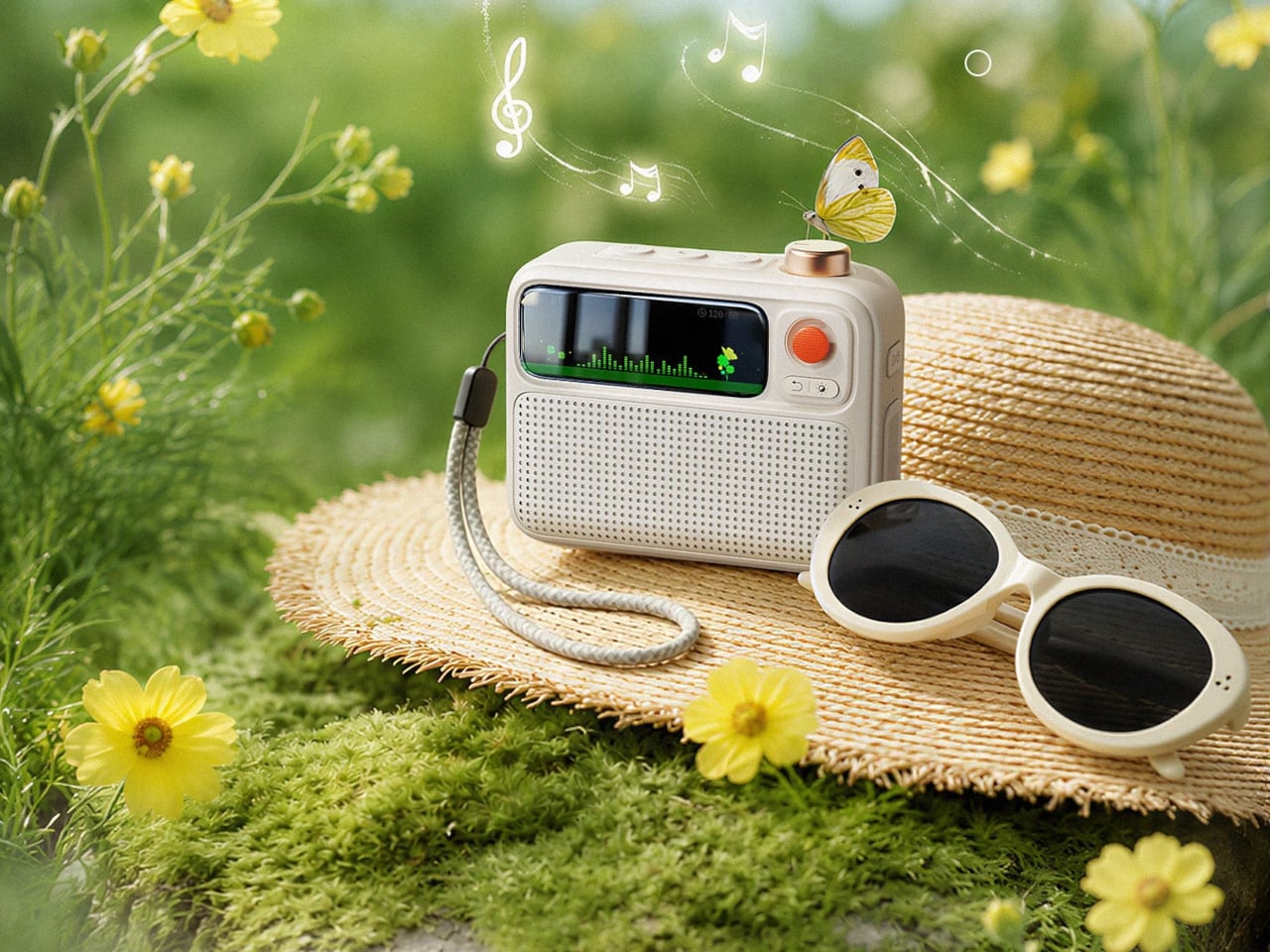
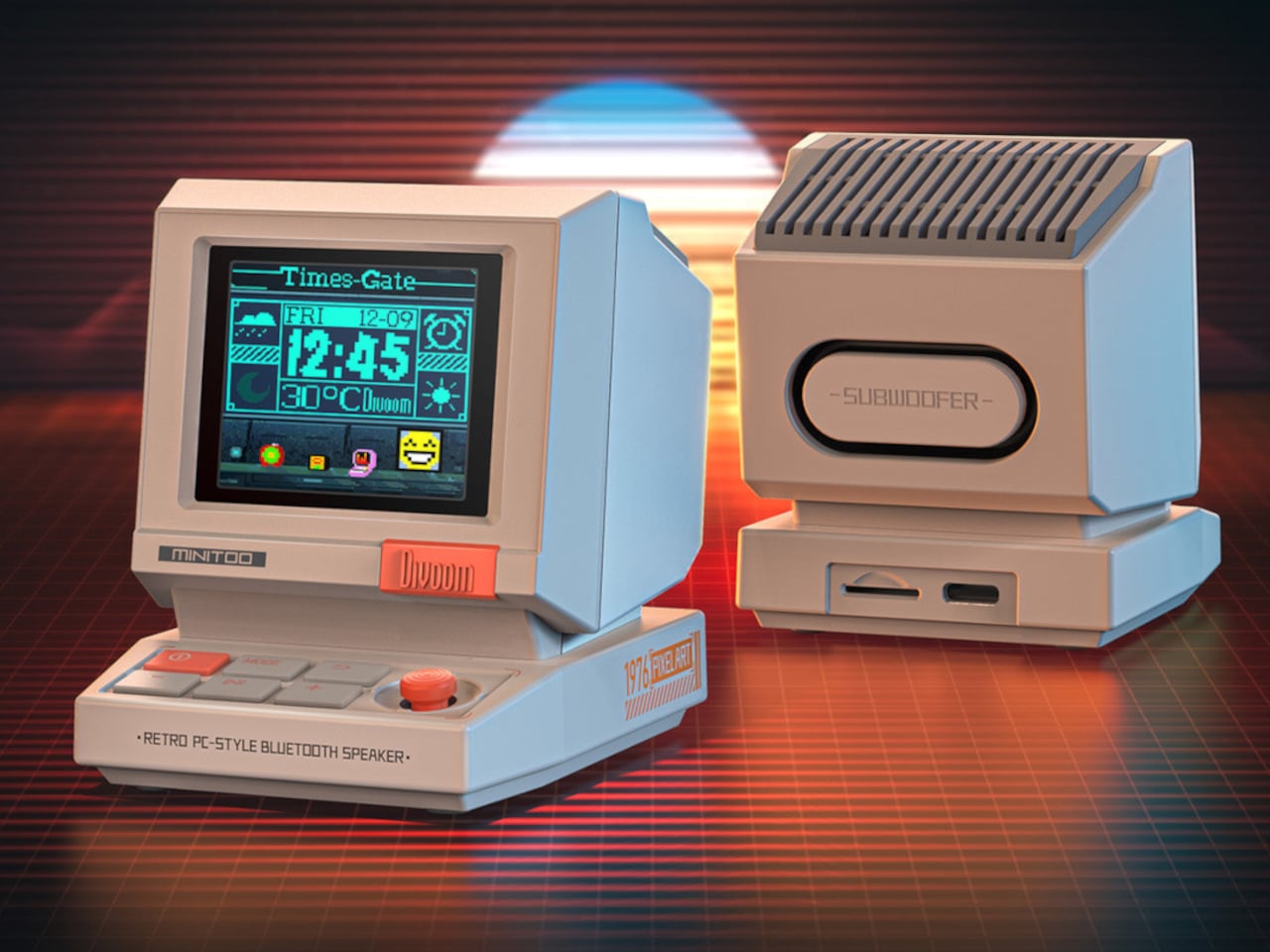
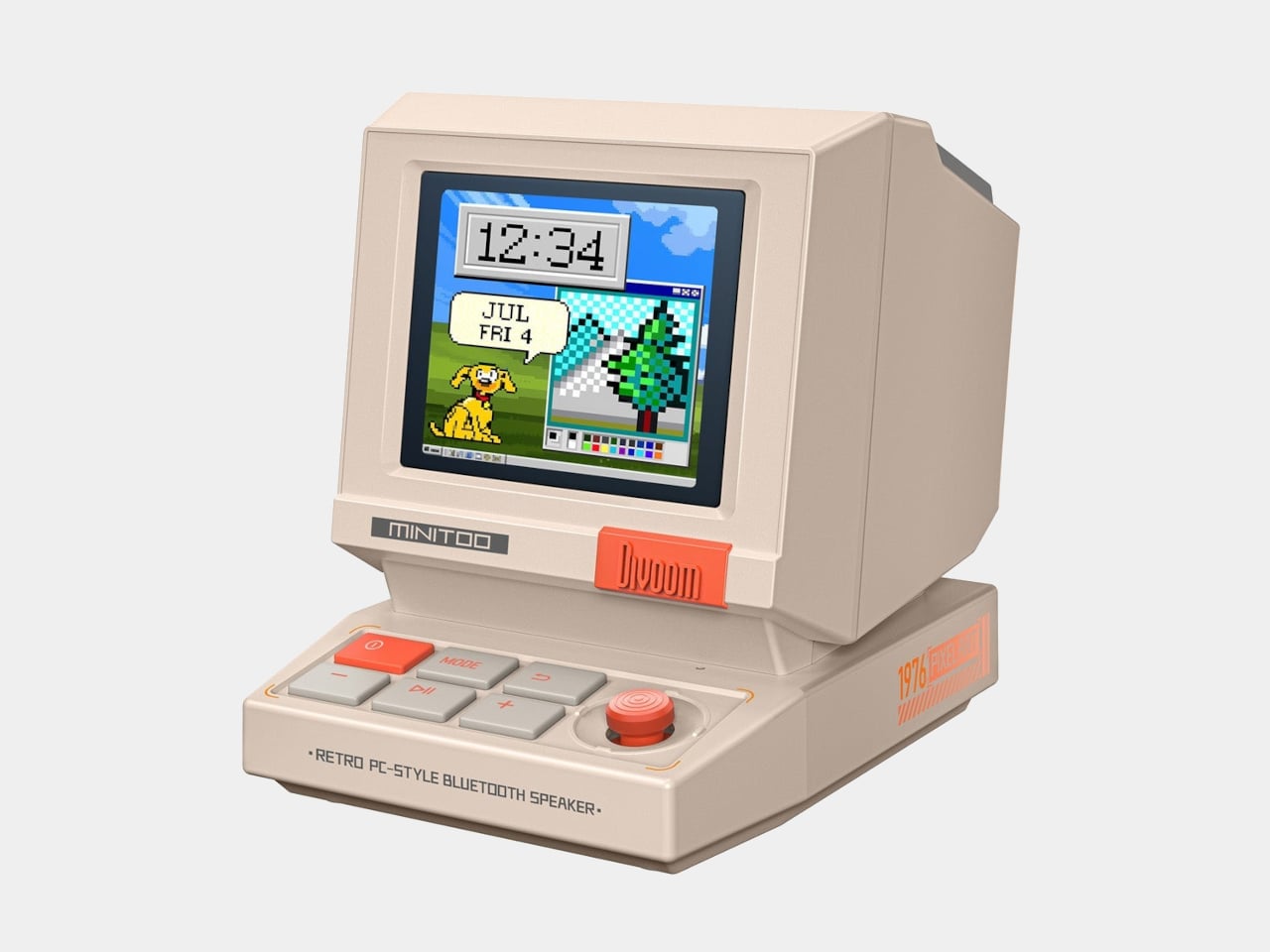
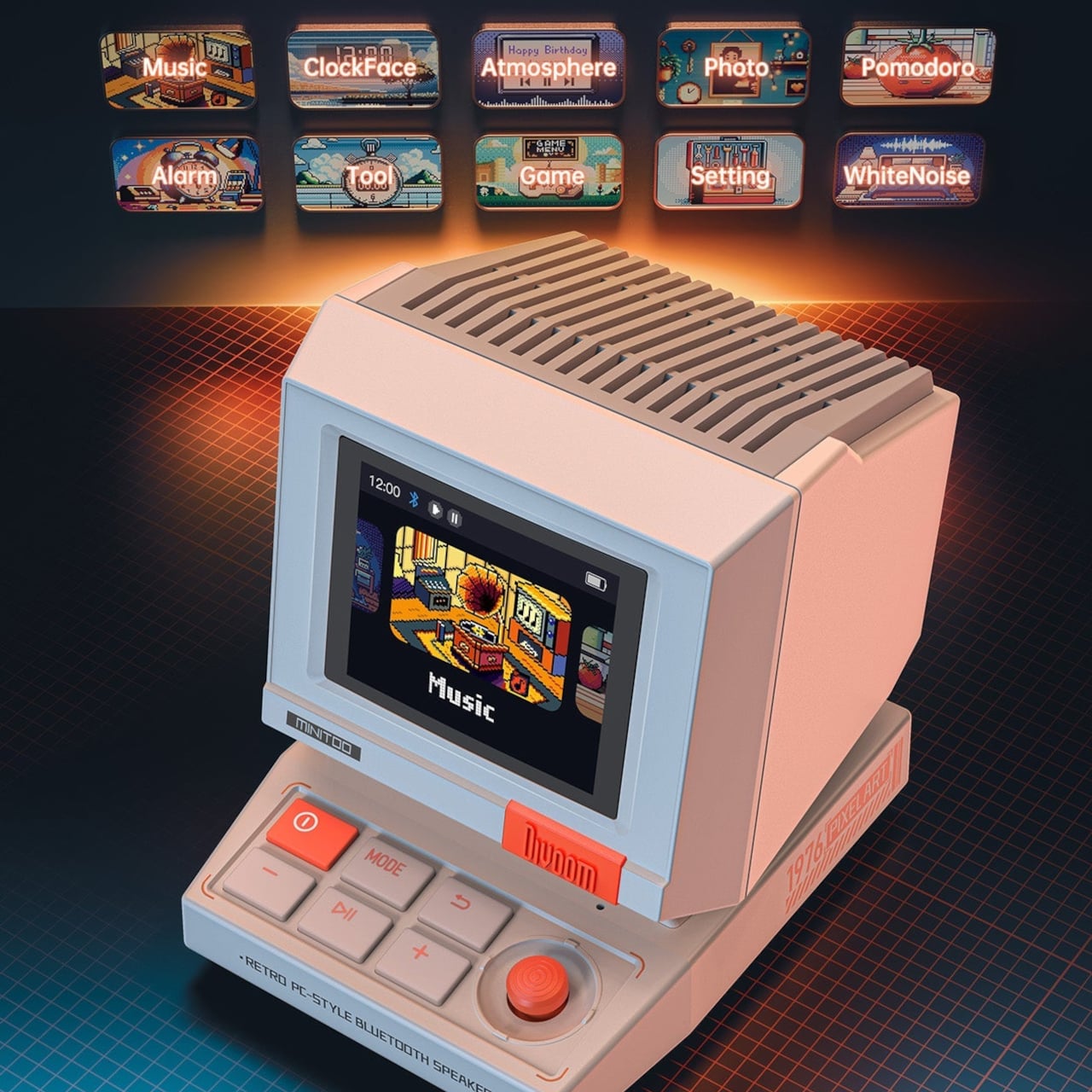
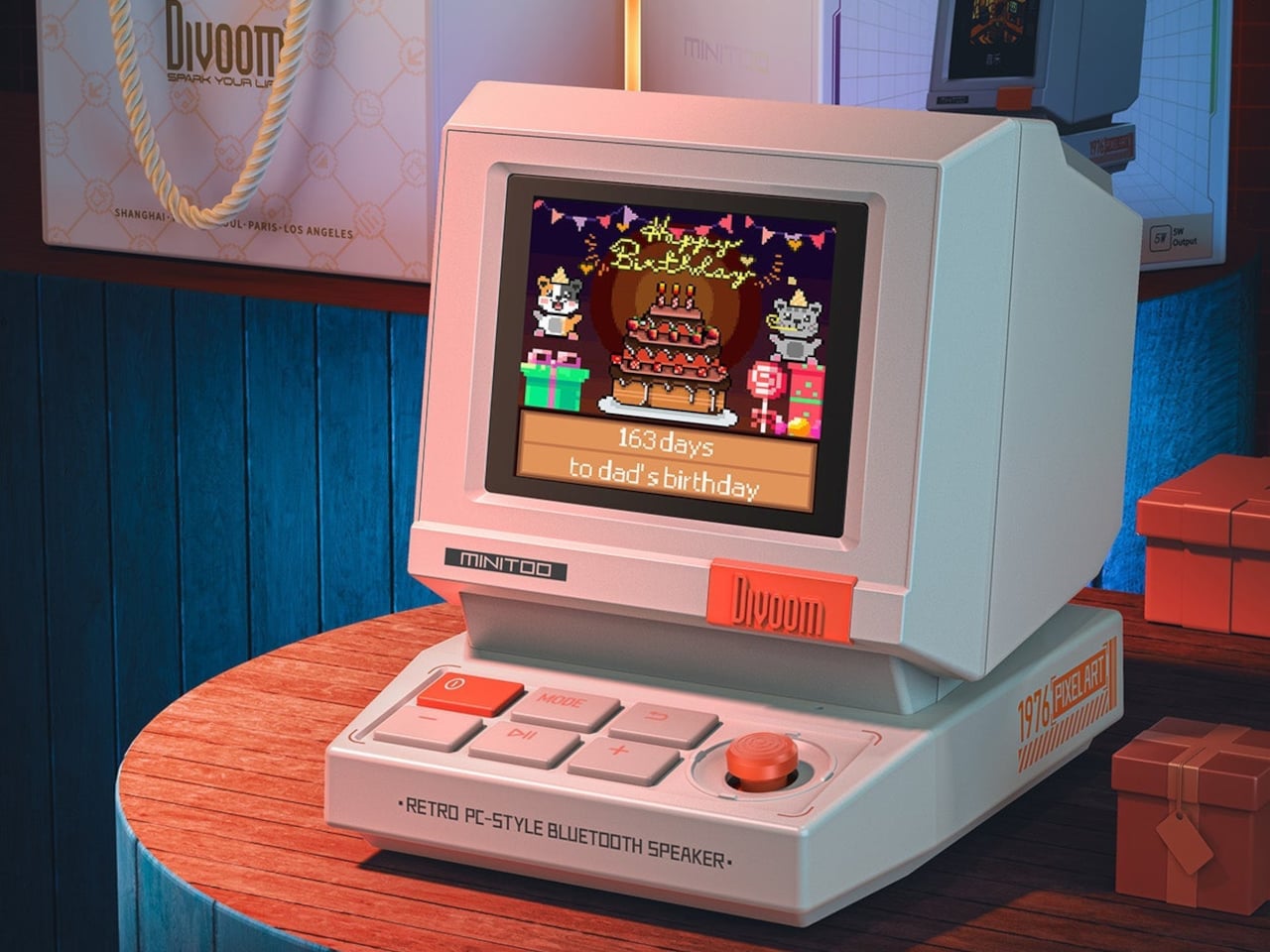
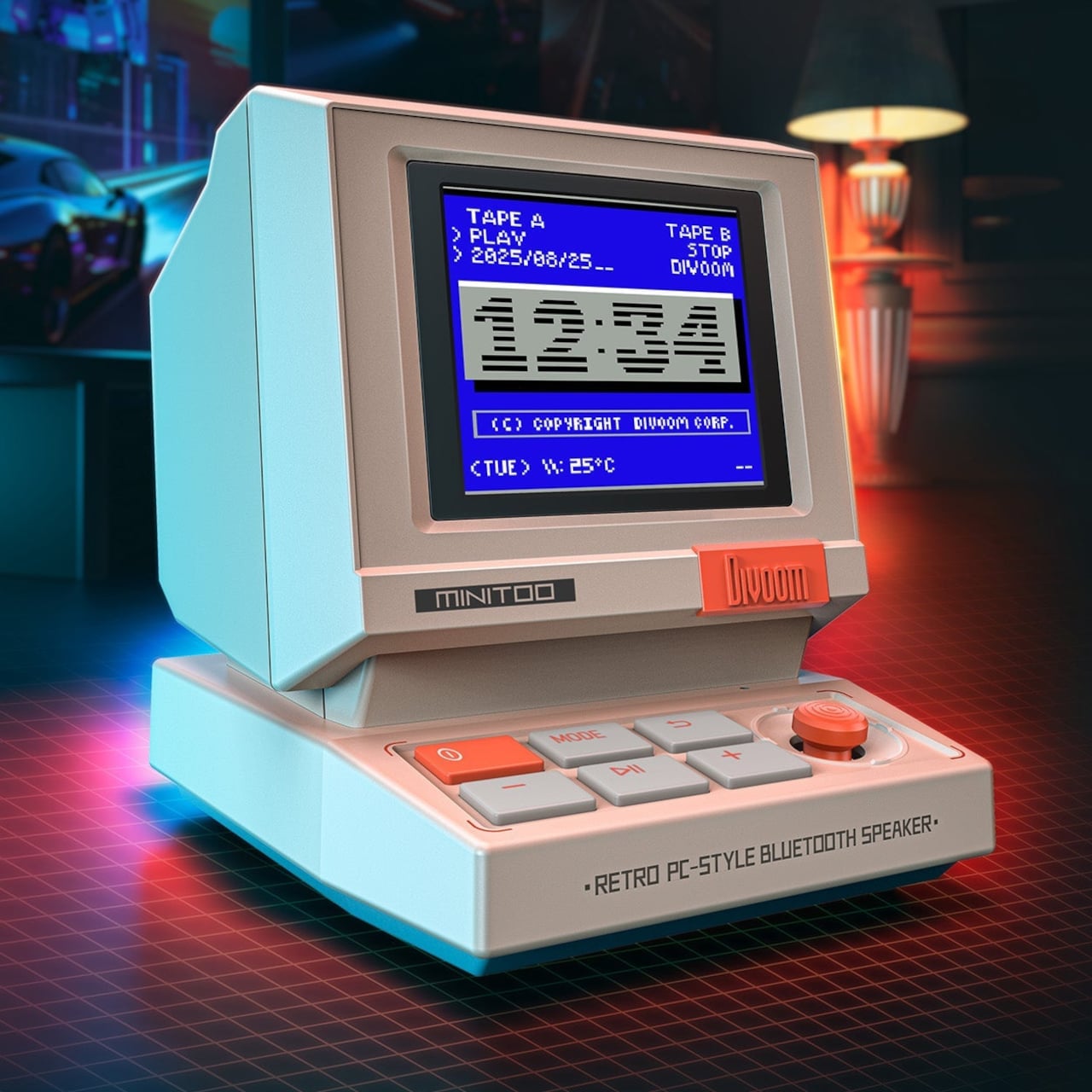
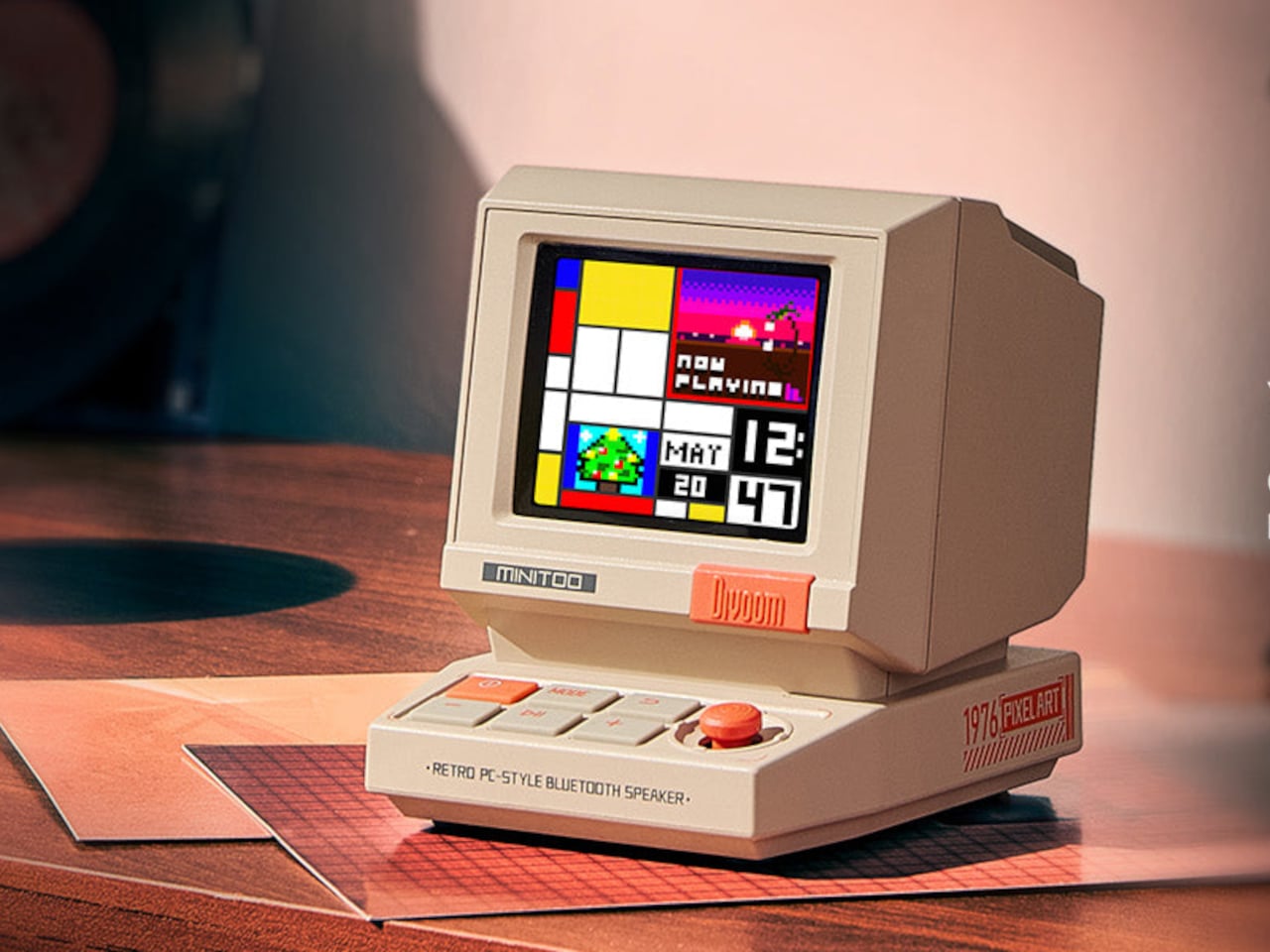
The MiniToo Retro PC Style Pixel Bluetooth Speaker & Alarm Clock looks like a palm-sized beige desktop computer that escaped from an 8-bit office. The CRT-style screen sits on top with a thick bezel, while the sloped keyboard base sports four large square buttons and a bright orange volume knob. It measures about 3.2 by 2.4 by 2.9 inches and weighs just over 200 grams, small enough to fit between your laptop and coffee cup.

Designer: Kokogol

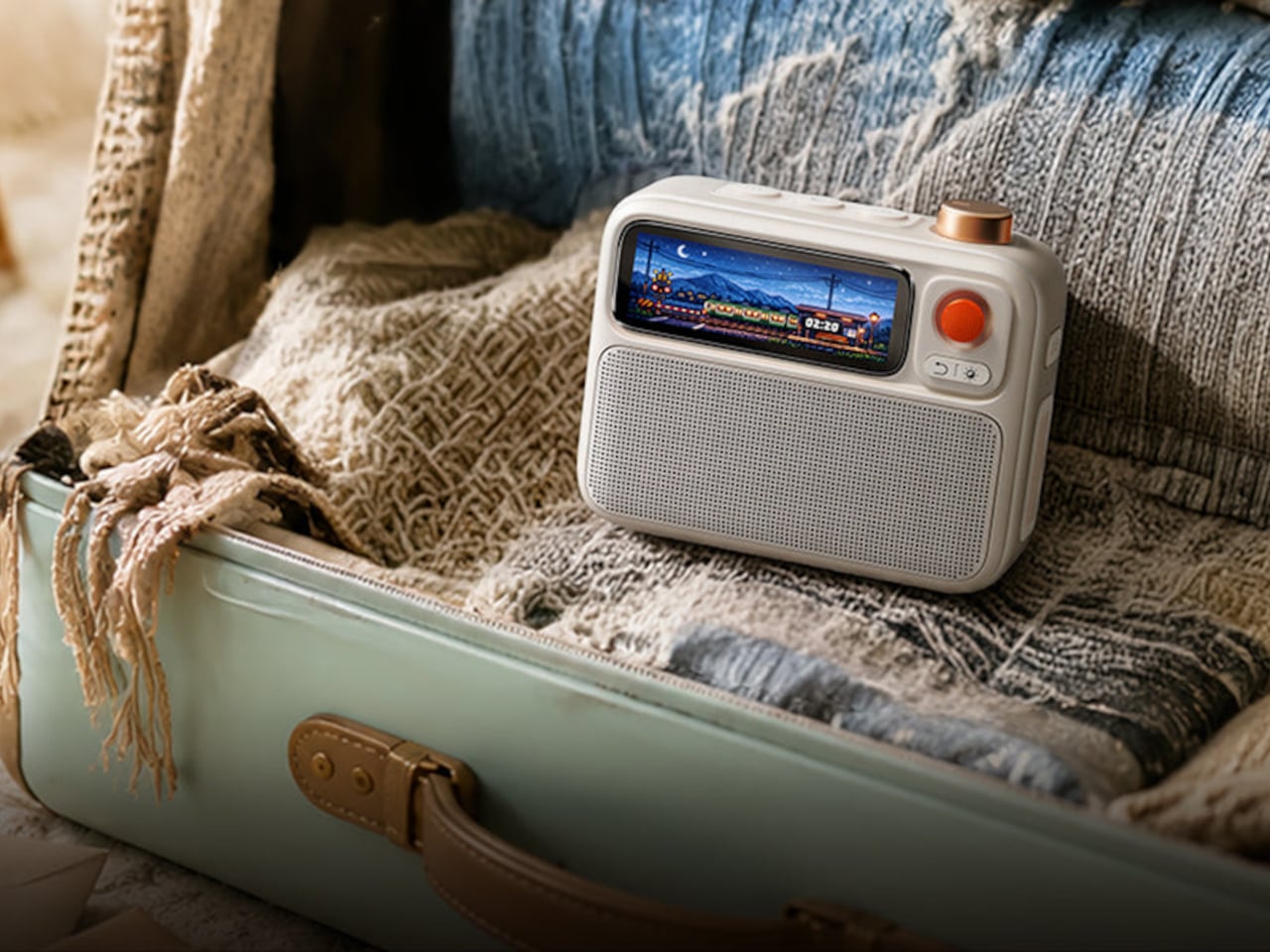
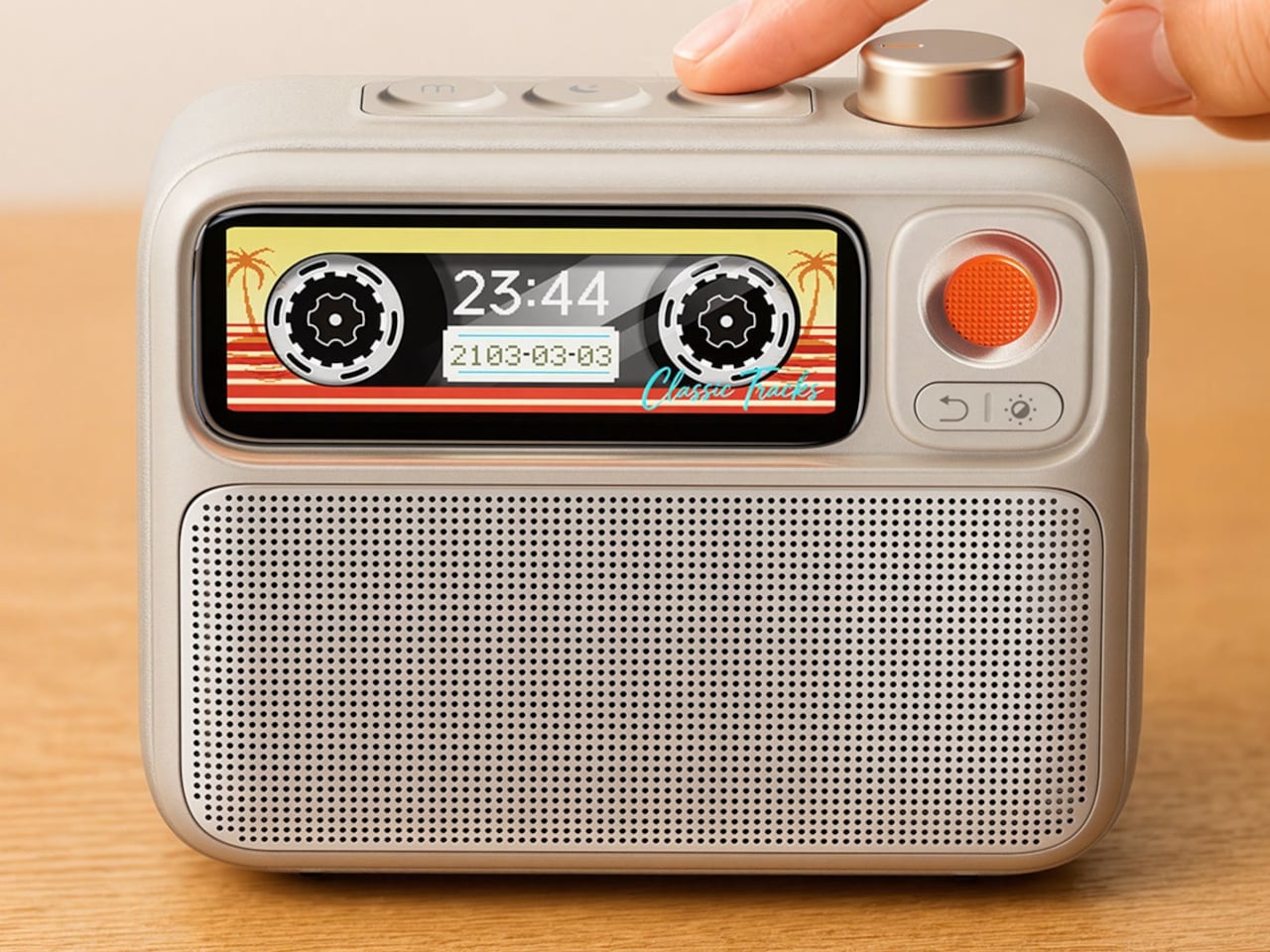
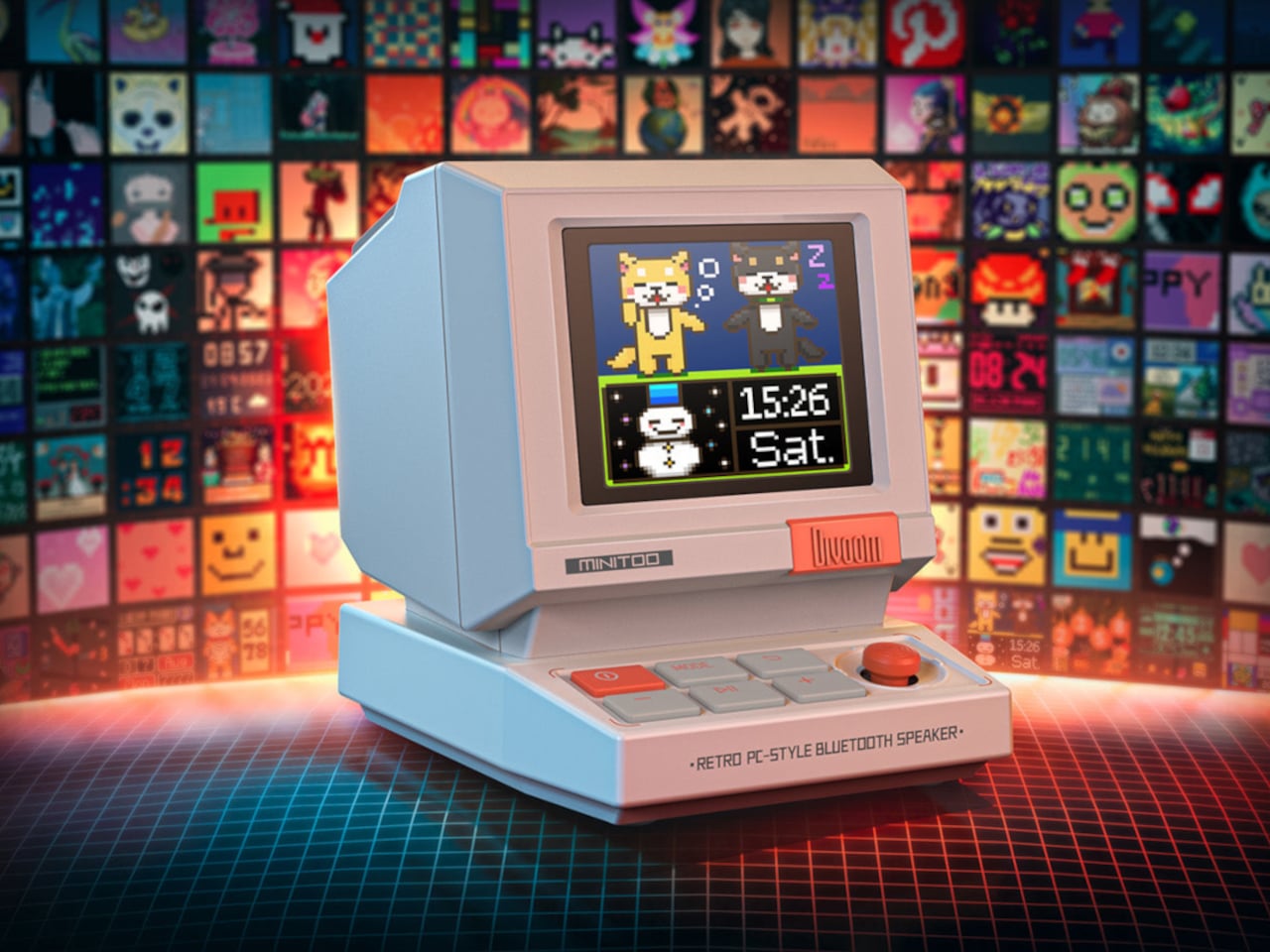
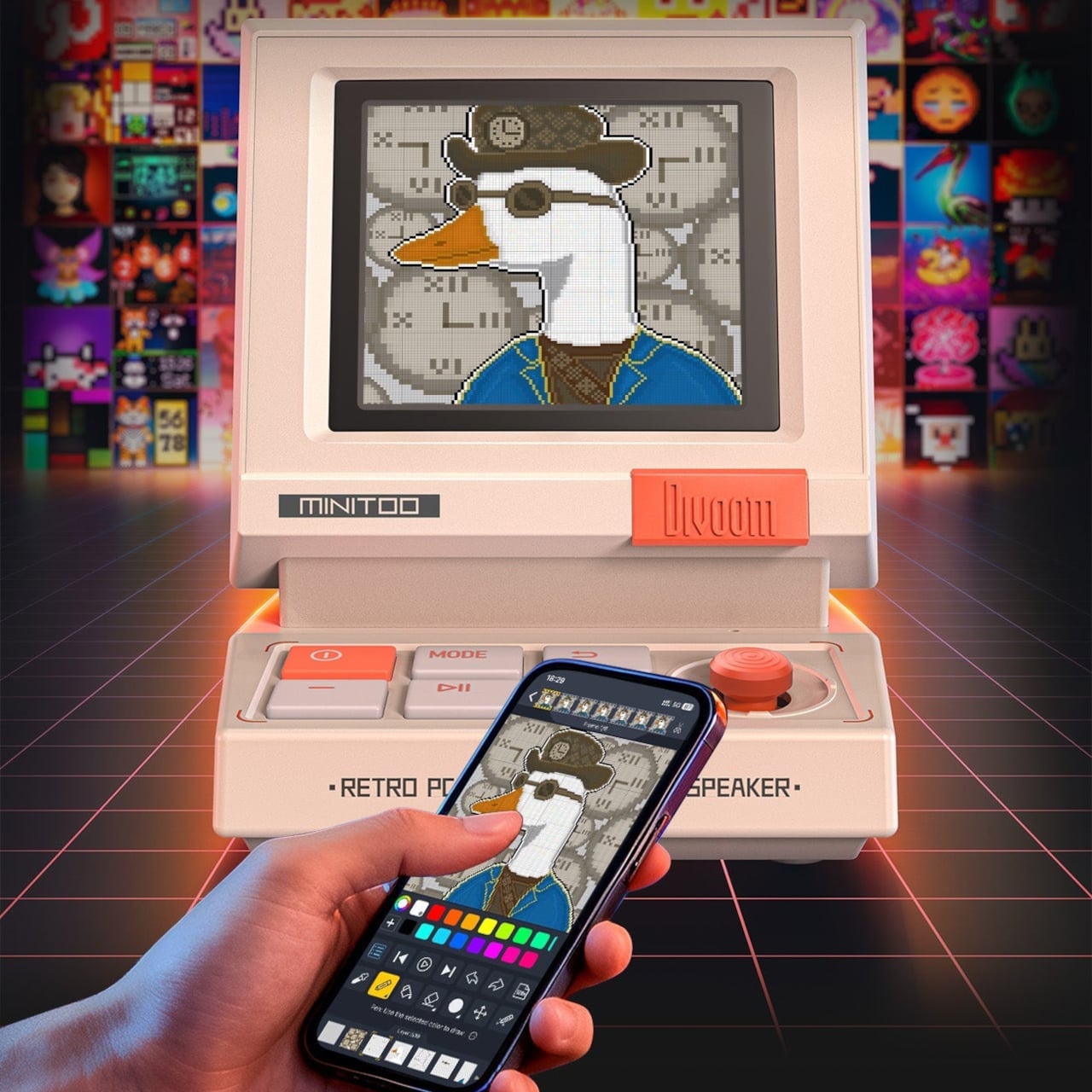
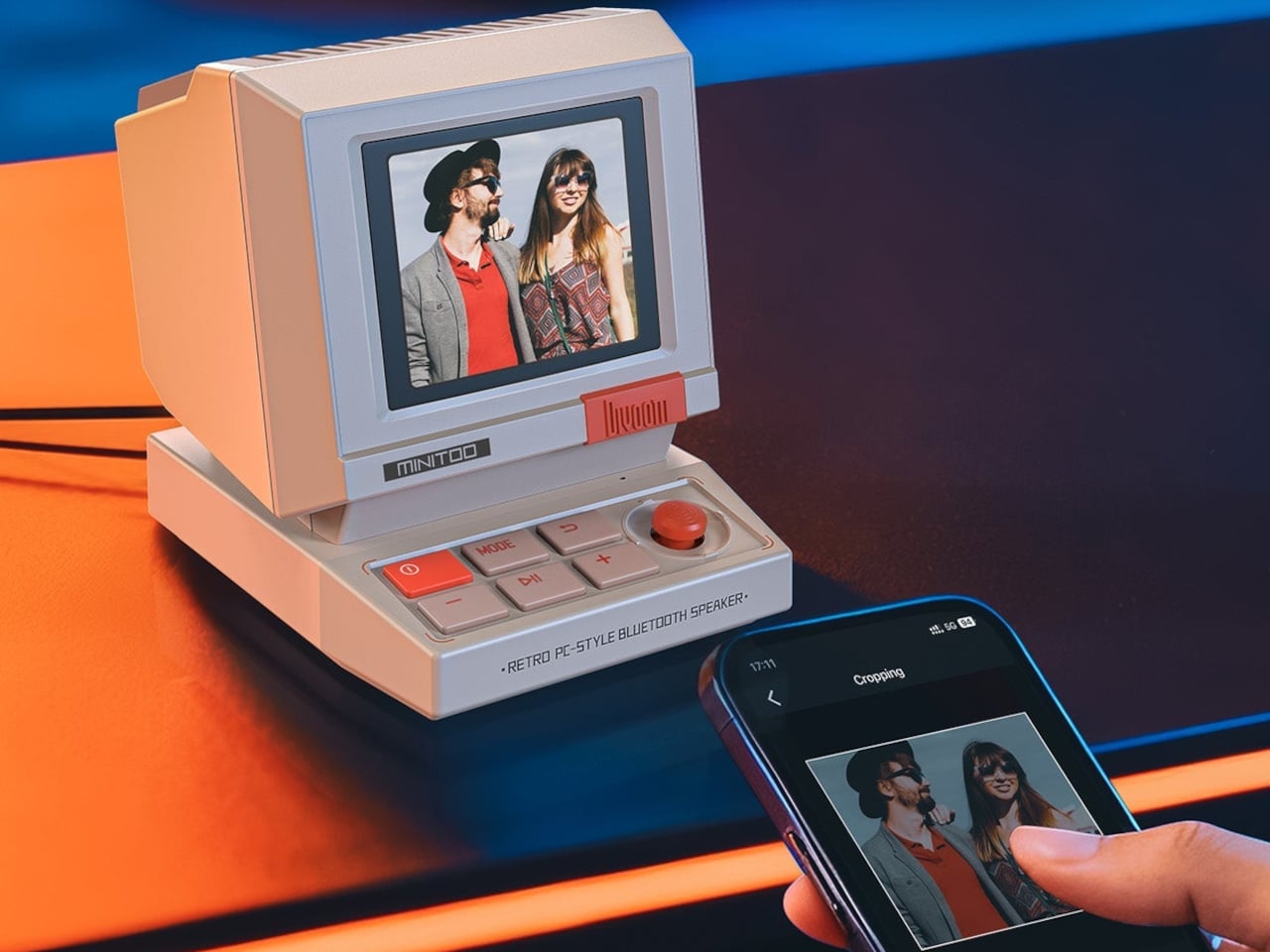
The 1.77-inch TFT screen runs more than seventy clock faces, from DOS blue screens with chunky pixel fonts to colorful analog dials and animated scenes. The companion app lets you design your own pixel faces, animations, and text, then sync them with a tap. You can also cast photos to the screen, turning it into a tiny digital photo frame that cycles through your favorite shots in gloriously chunky pixel form, which somehow makes even vacation snapshots feel more fun.

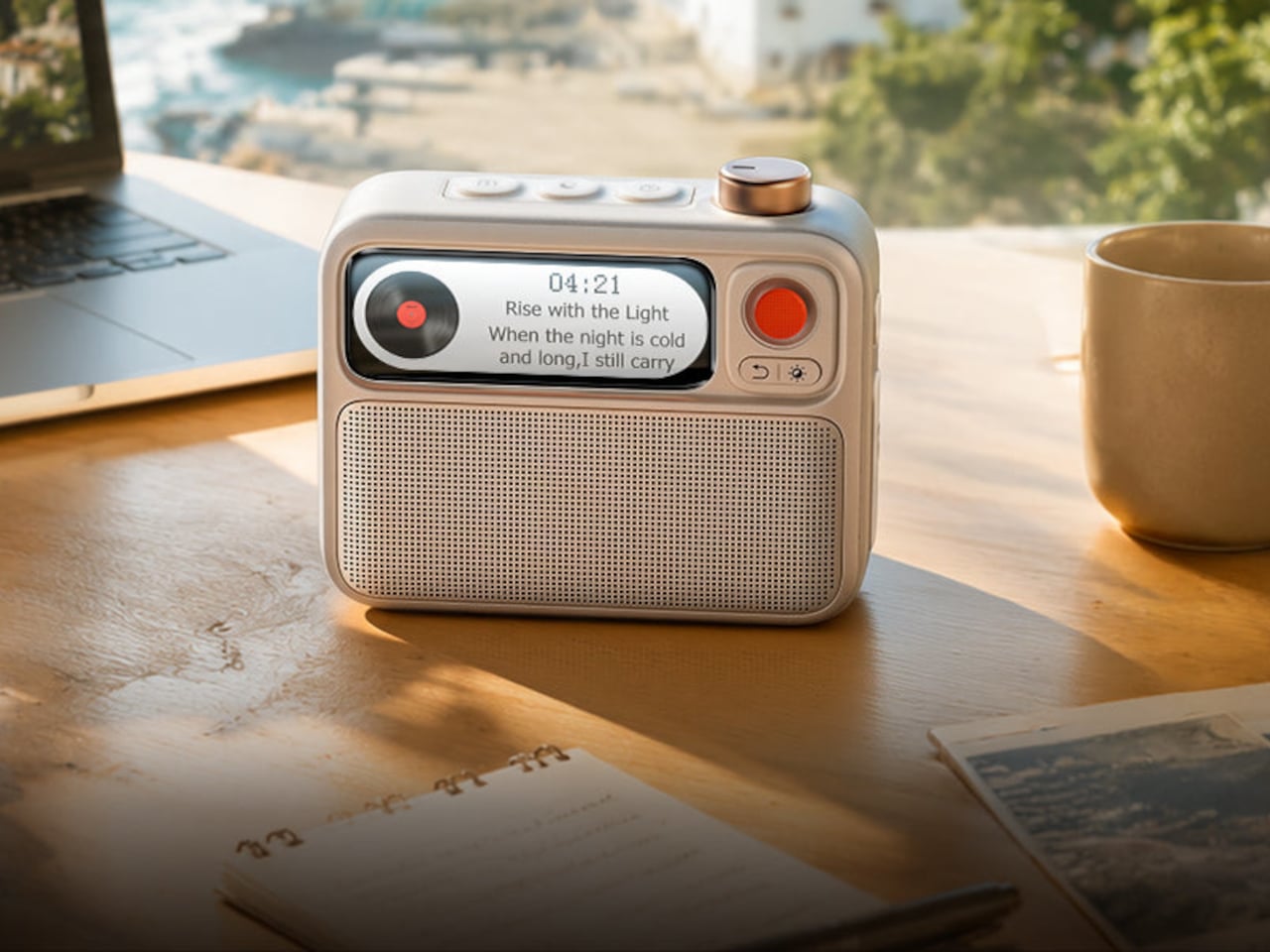
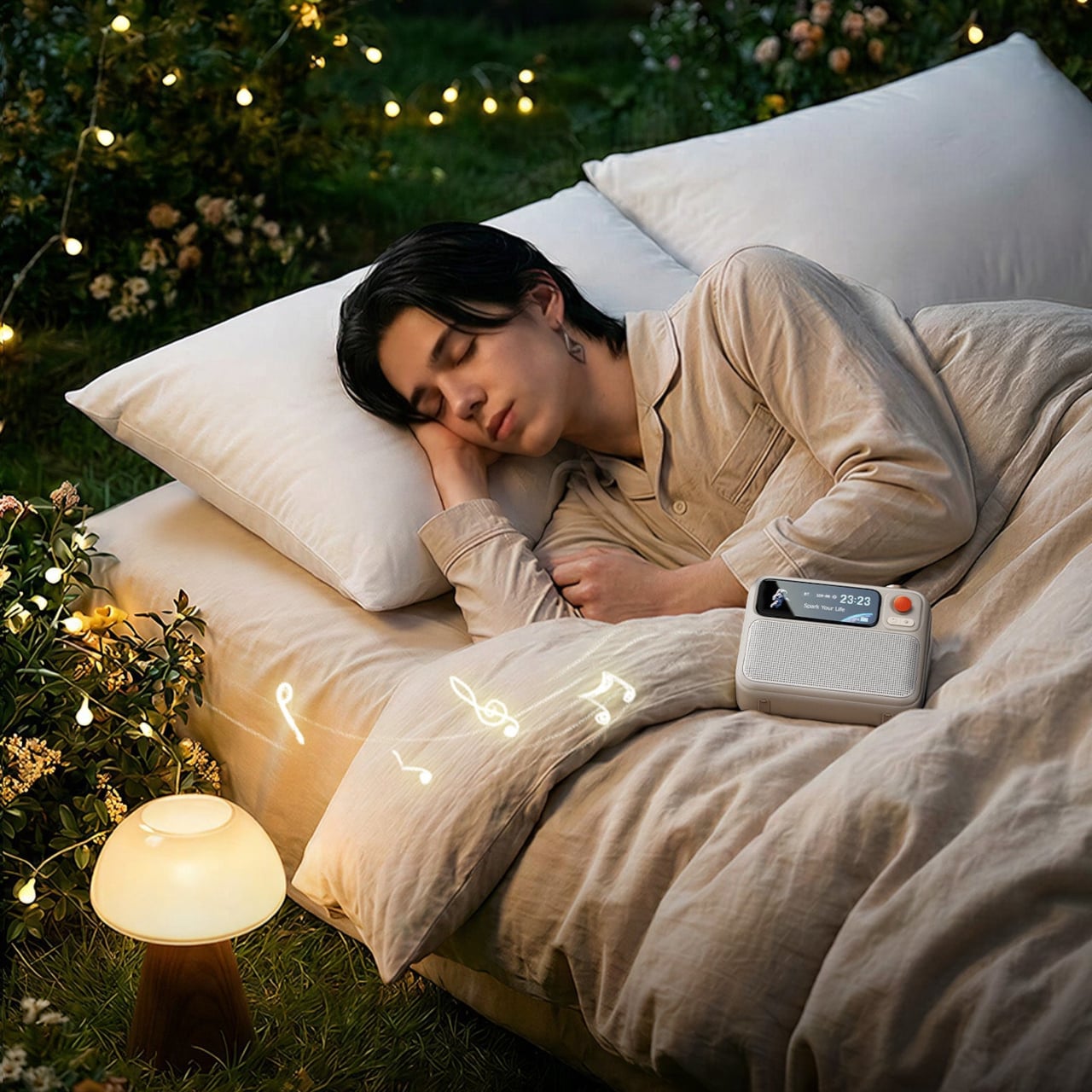
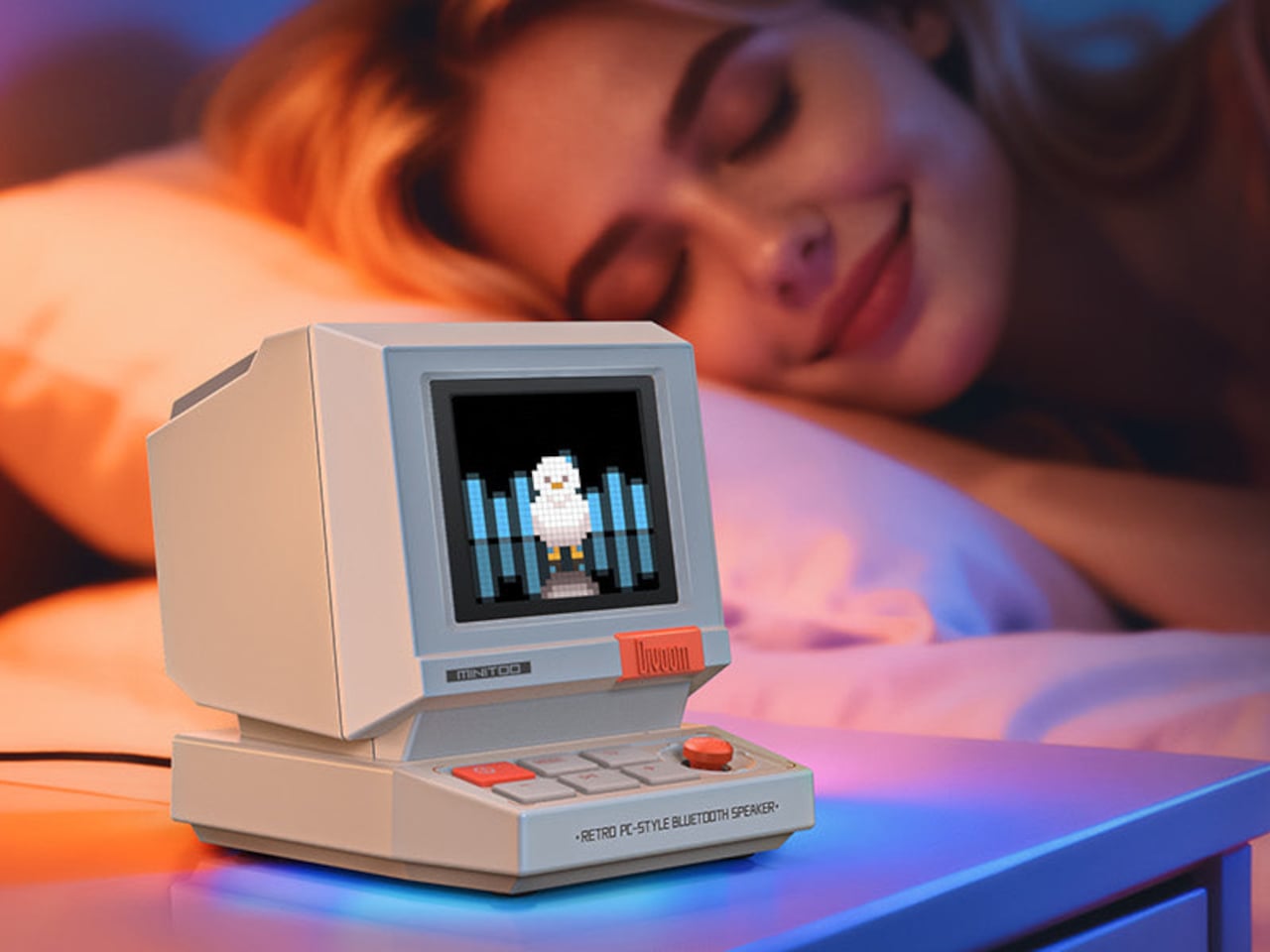
The audio side packs a 5-watt full-range driver with enhanced bass reflex tuned for near-field listening, good for a desk or bedside but not built to fill a room. Bluetooth 5.3 handles wireless playback, plus it supports white noise and twelve wake-up sounds. You can set alarms, play music, and fall asleep to ambient sounds, all from the same little box that looks like it should be running floppy disks instead of Spotify or whatever you streamed last night.

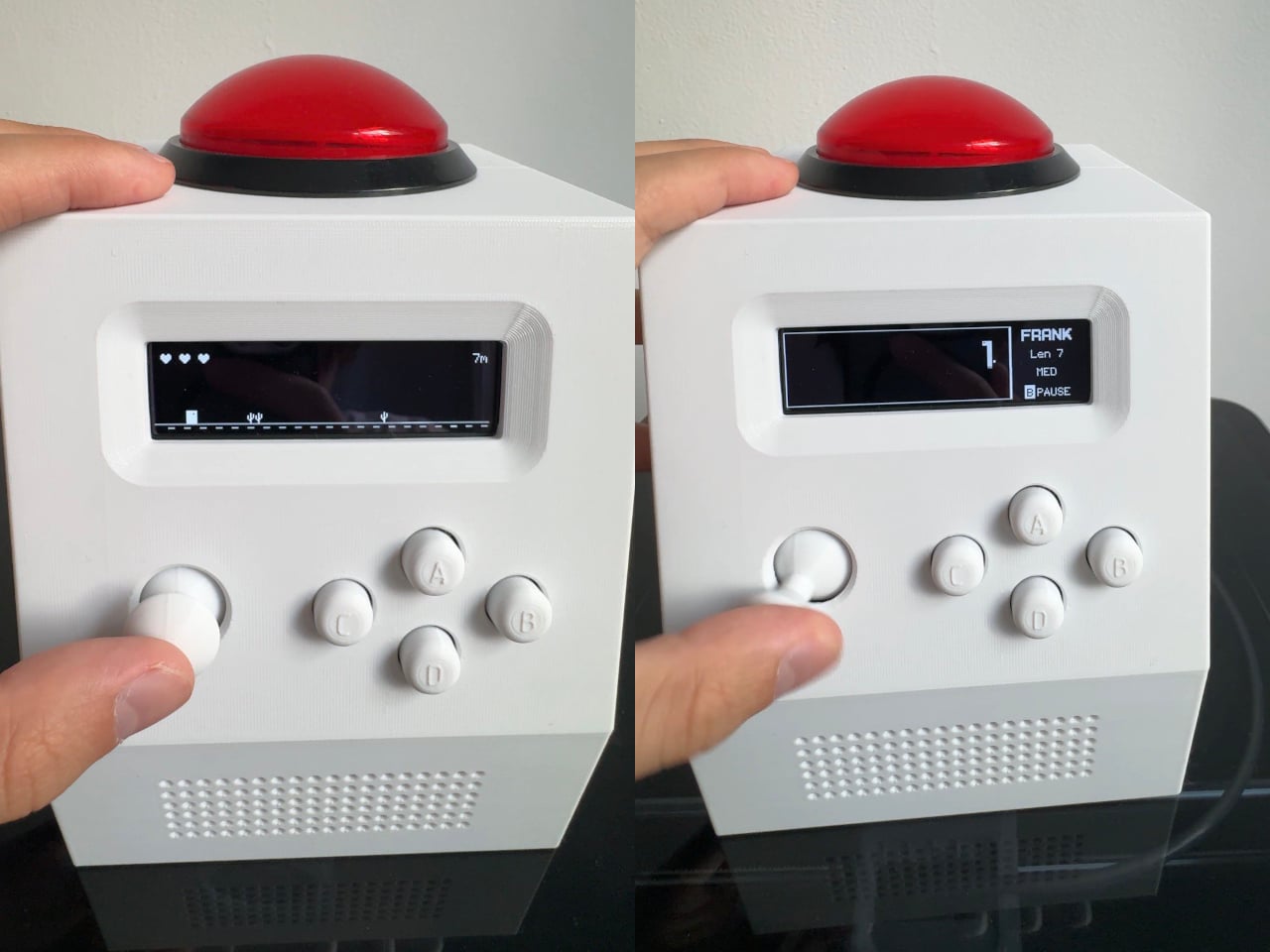
Built-in pixel tools include a Pomodoro timer, reminders, and simple games that live on the device. It can sit next to your laptop as a focus timer during the day, then shift to an alarm clock and white noise machine at night. The four front buttons and knob make it easy to use without always reaching for your phone, helping it feel like a standalone object rather than just another Bluetooth accessory demanding app attention.

Connectivity options cover Bluetooth 5.3, USB audio, and TF card playback, so it works with laptops, phones, or local files. The app is still required for deeper customization, but once your faces and sounds are set up, the device runs on its own. The compact size makes it easy to move between desk and bedside, or pack as a little travel speaker with personality and actual utility instead of just nostalgia.

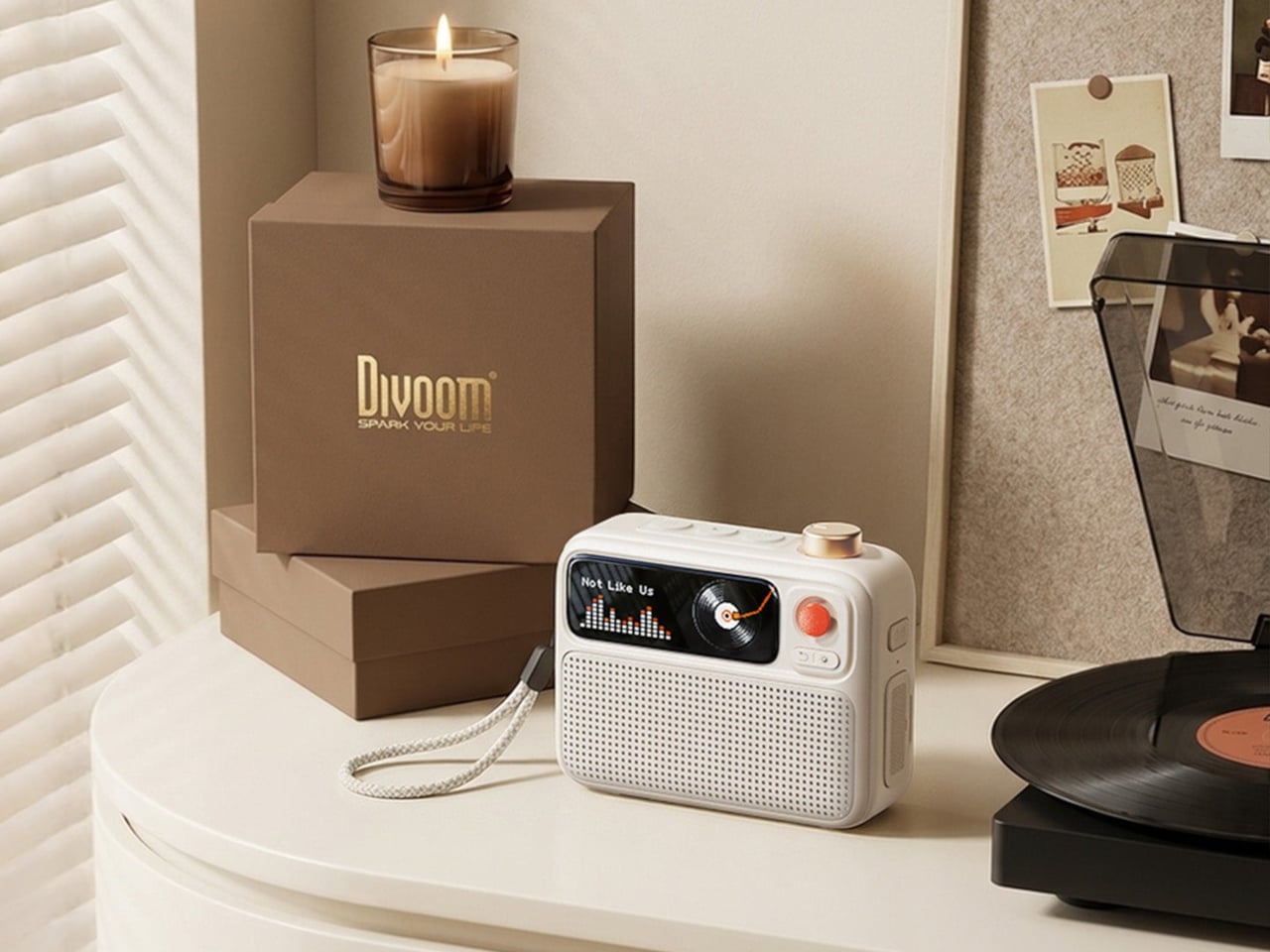
MiniToo is clearly gift-ready, shipped in a neat box, and aimed at teens, designers, and retro lovers who want their desks to look like fun. What makes it interesting is not just the nostalgia, but the way it folds real utility into that nostalgia, giving you a tiny computer that finally behaves like the playful, expressive desk companion those beige boxes never were when they were actually new and just ran spreadsheets.

The post This Tiny Retro PC Is Your Alarm Clock, Speaker, and Pixel Canvas first appeared on Yanko Design.

MaClock Shrinks the 1984 Macintosh Into a $30 Rechargeable Clock

Nostalgia tech falls into two camps. Lazy references slap a retro logo on a modern object and call it vintage, while obsessive recreations feel like museum pieces. Most products lean too far in one direction, missing the sweet spot where memory and function coexist comfortably. The first feels cheap, the second feels precious, and neither ends up on your desk for very long once the initial charm wears off.

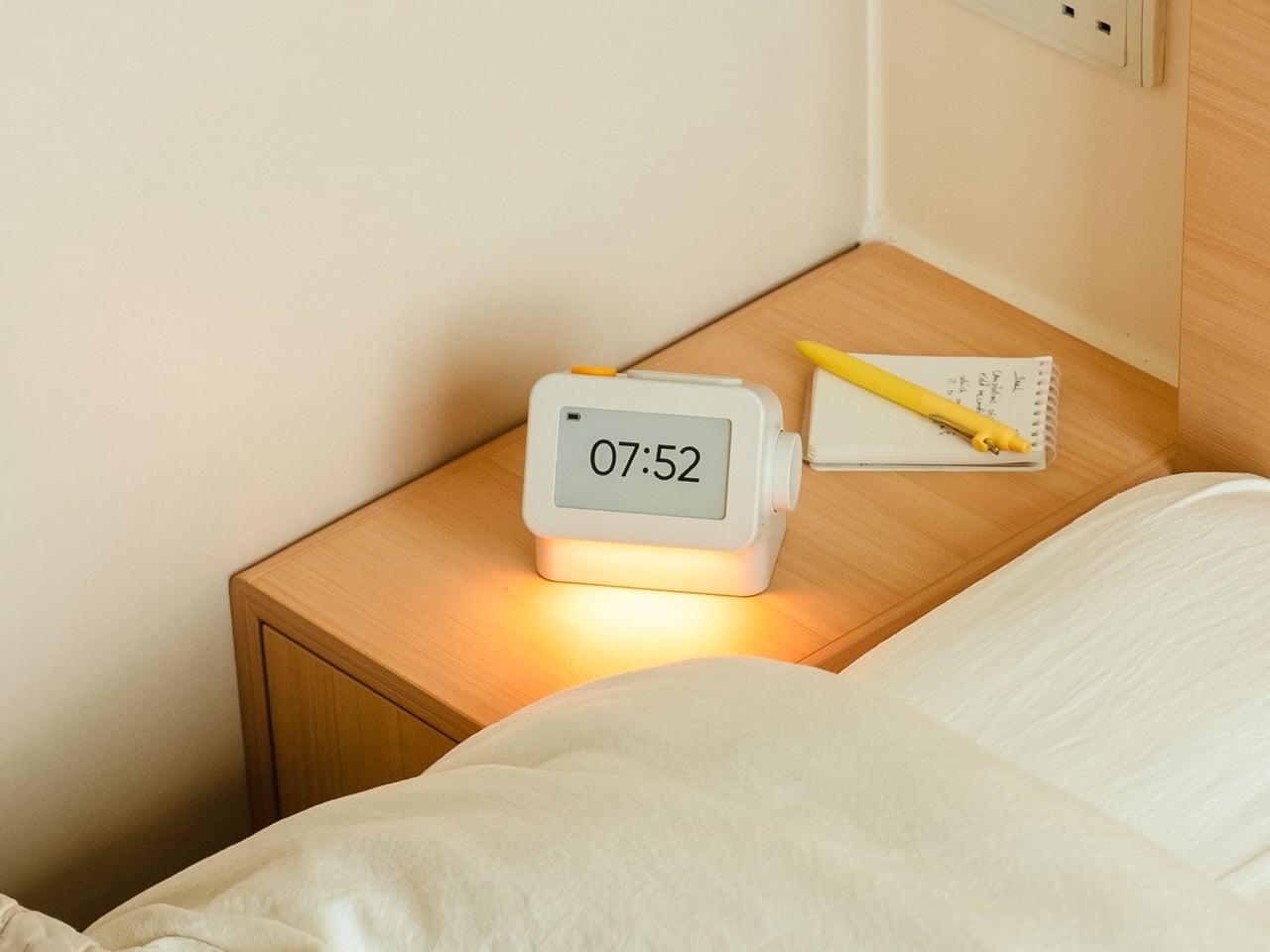
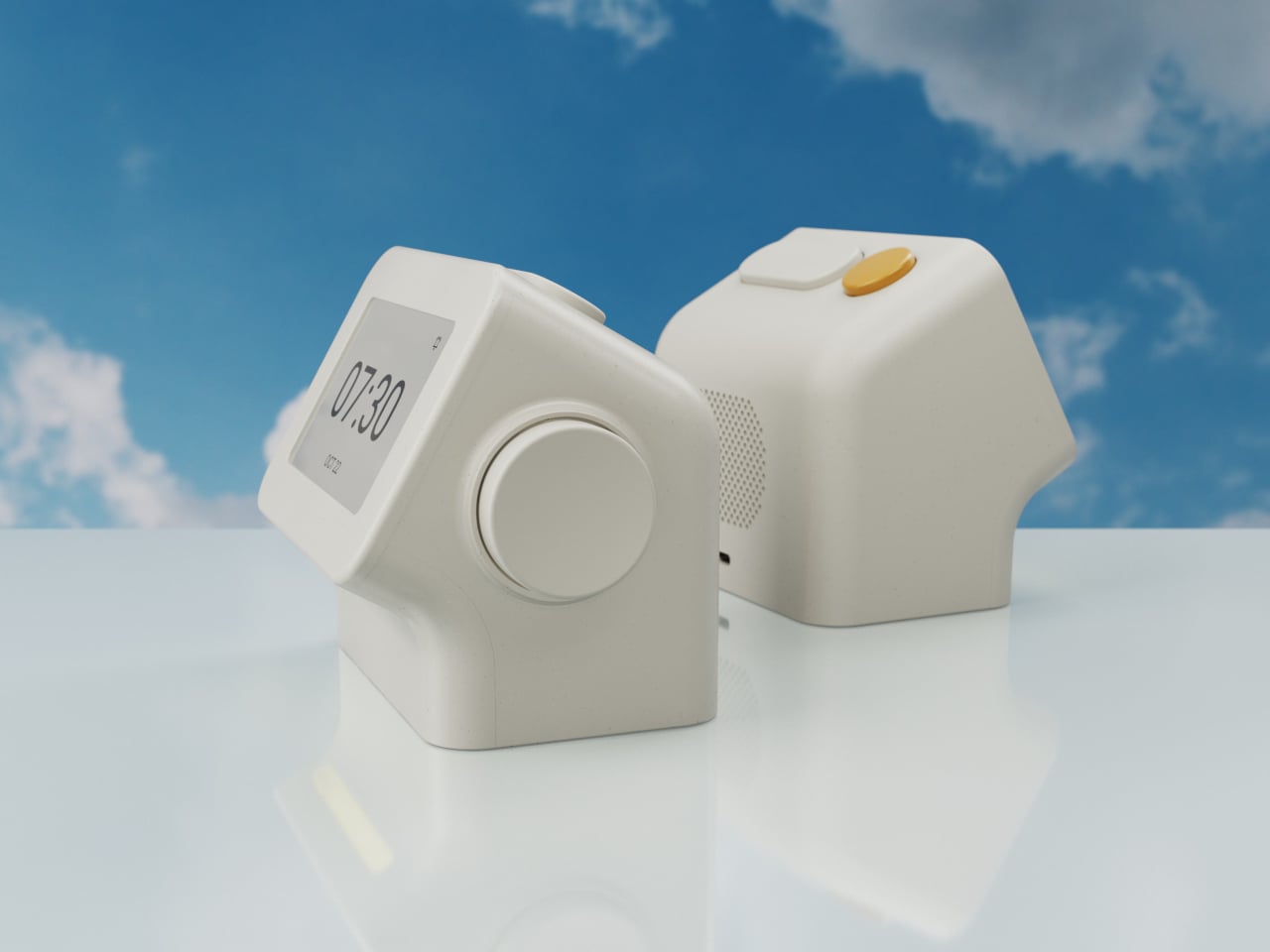
MaClock by Kokogol hits that balance. It is a miniature 1984 Macintosh that works as a rechargeable desk alarm clock, recreating the beige enclosure, rainbow Apple logo, CRT-style screen, and floppy disk slot at nightstand scale. It still behaves like a proper modern clock with 60-day battery life and USB-C charging, not just a static replica gathering dust next to other impulse buys that reminded you of childhood.

Designer: Kokogol

The physical details feel right. Warm beige ABS body, a recessed curved screen mimicking a cathode ray tube, horizontal ventilation grilles on the side, and a tiny floppy disk drive slot with a pink tab. At 80 x 91 x 112 mm, it is substantial enough to feel real in your hand, not a keychain trinket. The proportions match the original closely enough that it reads instantly as a Mac, even from across a room.

The included floppy disk acts as a power switch. You insert it to turn the clock on, a callback to the boot ritual of early Macs. The package includes a sticker sheet with rainbow Apple logos, a Macintosh label, and a dot matrix sticker, letting you customize and restore the design yourself. The unboxing becomes a small assembly project rather than a passive reveal, which makes it feel slightly more earned.

MaClock offers three display modes. Time mode shows large pixelated digits for hours, minutes, day, and temperature. Calendar mode centers the date in blocky characters. Easter egg mode wakes up Susan Kare’s Happy Mac icon, the smiling face from the original graphical interface. Seeing Happy Mac on your desk in 2025 is an unexpectedly emotional hit for anyone who grew up with early Macs and remembers what that face meant.

The adjustable backlight is controlled by a knob on the bottom left, which can be dialed down at night or turned off entirely. With the backlight off, the battery lasts up to 60 days, so it can sit on your desk for weeks without charging. It feels more like furniture than a gadget you babysit with a cable every few nights, which is exactly how a clock should behave.

MaClock treats nostalgia as something you participate in rather than just look at. The floppy disk, the stickers, the Happy Mac mode, and the CRT-inspired screen all ask you to engage with the memory. At just $30, it sits in the impulse buy zone, which might be the right price for functional nostalgia that earns its desk space by telling time and making you smile every morning when Happy Mac greets you with those chunky pixels.

The post MaClock Shrinks the 1984 Macintosh Into a $30 Rechargeable Clock first appeared on Yanko Design.
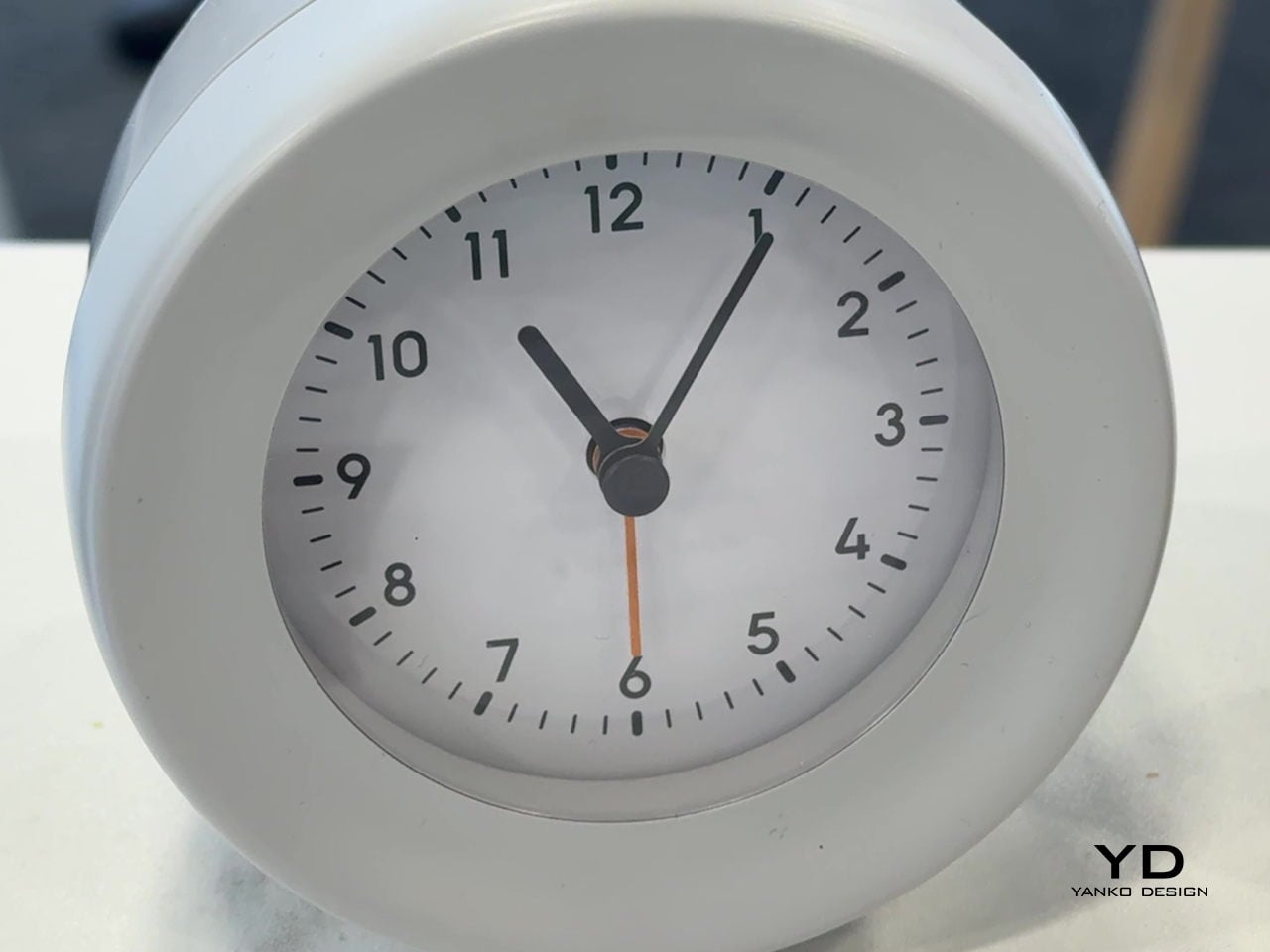
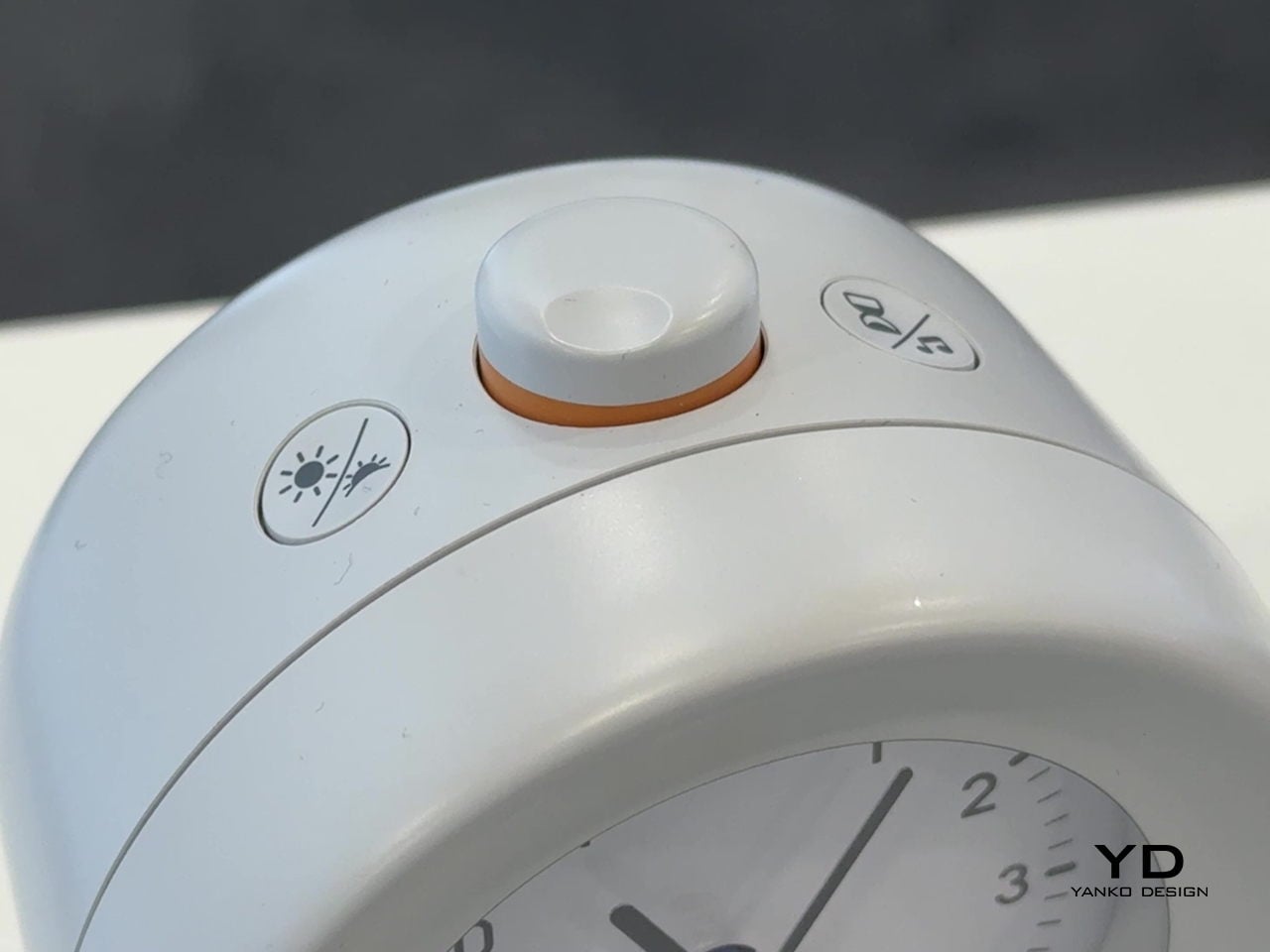
This Curved Clock’s Sunrise Feature Actually Beats Your Snooze Habit

There’s something oddly satisfying about a product that does exactly what it’s supposed to do, but does it with style. That’s the vibe I get from the Arc Alarm Clock by Nanu Electronics, a piece that manages to feel both futuristic and oddly nostalgic at the same time.

At first glance, the Arc looks like it belongs in a sci-fi movie set in a very tasteful future. The curved design is its defining feature, and honestly, it’s a bold move in a world where most alarm clocks are either aggressively minimalist rectangles or trying way too hard to be cute. This one splits the difference beautifully. The gentle arc creates a natural viewing angle that actually makes sense when you’re blearily checking the time at 3 a.m., which is more thoughtful than you’d expect from something you probably curse at daily.

Designer: Nanu Electronics

What really sets the Arc apart is how it approaches the whole “waking up” problem. We’ve all been there: you set an alarm, it goes off, you hit snooze approximately seven times, and suddenly you’re late for that meeting you swore you’d be early for. The Arc uses a sunrise simulation feature that gradually increases light intensity before your alarm actually sounds. It’s basically tricking your brain into thinking it’s morning, which sounds manipulative but in the best possible way. Your body responds to light more naturally than it does to a jarring alarm sound, so you’re more likely to actually wake up instead of entering that weird snooze-induced time warp.

But here’s the thing: it doesn’t sacrifice functionality for aesthetics. The LED display is crisp and easy to read without being obnoxiously bright at night. There’s something to be said for a clock that doesn’t light up your entire bedroom like a miniature sun. The controls are intuitive enough that you won’t need to keep the manual on your nightstand, which is a low bar but one that surprisingly few products clear.

The Arc also works as a bedside lamp, which makes it genuinely useful beyond its alarm clock duties. It’s one of those features that seems obvious in retrospect but that most alarm clocks skip entirely. You can adjust the brightness to whatever suits your needs, whether you’re reading before bed or just need a gentle glow to navigate your way to the bathroom at night without fully waking yourself up. Sound quality matters more than you might think for an alarm clock. The Arc’s speaker is decent enough for casual music listening or podcasts, though audiophiles will probably still prefer their dedicated speakers. But for morning news, white noise, or just having some background sound while you get ready, it does the job without sounding tinny or cheap.

From a design perspective, the Arc fits into that sweet spot where it’s distinctive enough to be interesting but neutral enough to work with most decor styles. It comes in a few color options, so you can match it to your aesthetic whether you’re going for modern minimalist, cozy maximalist, or something in between. The curved form factor also means it takes up less visual space than a traditional rectangular clock, even though its footprint is similar.

Is it going to revolutionize your life? Probably not. But it might make your mornings slightly less awful, and in this economy, we’ll take small victories where we can get them. The Arc Alarm Clock proves that everyday objects don’t have to be boring or purely utilitarian. Sometimes the things we interact with most frequently deserve a little extra thought and care in their design. If you’re in the market for an alarm clock that looks good on your nightstand and might actually help you wake up like a functional human being, the Arc is worth considering. It’s the kind of purchase that feels slightly indulgent but practical enough to justify.

The post This Curved Clock’s Sunrise Feature Actually Beats Your Snooze Habit first appeared on Yanko Design.
Tilt This Smart Clock, and It Triggers Your Entire Bedtime Routine

Most smart home routines now live inside apps and voice menus, which is powerful but often feels abstract and fiddly. Controlling physical things through layers of screens can feel backwards, especially for simple daily transitions like going to bed or waking up. This smart alarm clock concept treats day and night as a single, physical gesture instead, asking what would happen if your entire bedtime routine followed one tilt of a solid object.

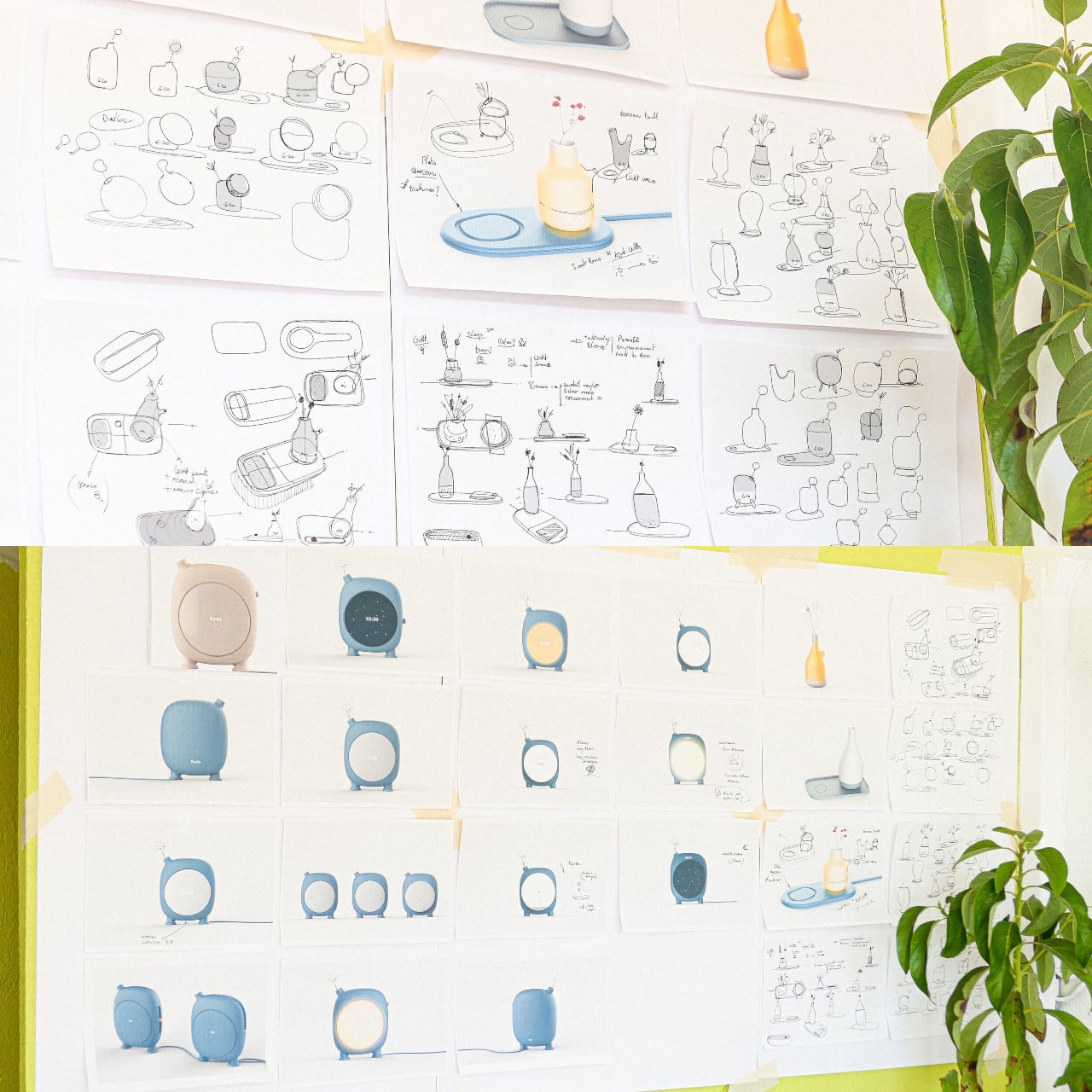
The concept is a smart alarm clock that doubles as an IoT scene switcher. It’s a small wedge-shaped object with a square display on one face and fabric wrapping the rest of the body. Instead of tapping through modes, you literally tilt the clock like a seesaw to flip between day and night. The display follows, showing a bright sun or a dim moon depending on which way it rests.

Designer: Hojung Cha

In day orientation, the clock faces you with a bright UI, lights and music on, and your phone fully awake. Tilt it the other way into night mode, and the screen darkens, lights fade, music winds down, and your phone can automatically switch to Do Not Disturb while setting an alarm for the morning. One physical move triggers a whole bedtime routine without touching a single app or menu.

The form is a soft rectangular block with one angled face for the display, wrapped in fabric so it feels more like a piece of furniture than a gadget. The angled front makes it easy to read from bed, and the two stable resting positions are obvious at a glance. It looks comfortable on a nightstand next to a lamp and a book, not like a piece of lab equipment waiting to blink at you.

The clock inverts the typical IoT relationship. Instead of your phone being the remote for everything else, the clock becomes a physical remote for the phone. It can tell your smartphone when to be quiet, when to wake you, and when to leave you alone. At the same time, it coordinates with lights and speakers, acting as a simple, dedicated interface for the most common daily transition in the home.

The design borrows the familiar bedside clock silhouette but adds the tilt mechanic and a clean, modern display. The goal is technology that can be seen, touched, and held, making its function legible without an instruction manual. The two orientations and matching UIs turn a behavior we already do, such as getting up or going to bed, into something the object naturally understands and responds to.

The smart alarm clock concept is a small argument for more tangible IoT. It doesn’t try to solve every scenario with an app; it focuses on one moment and makes it physical, glanceable, and easy to understand. The idea of flipping a solid object to tell your home and your phone “day” or “night” feels like the kind of interaction our sleepy brains can actually live with.

The post Tilt This Smart Clock, and It Triggers Your Entire Bedtime Routine first appeared on Yanko Design.
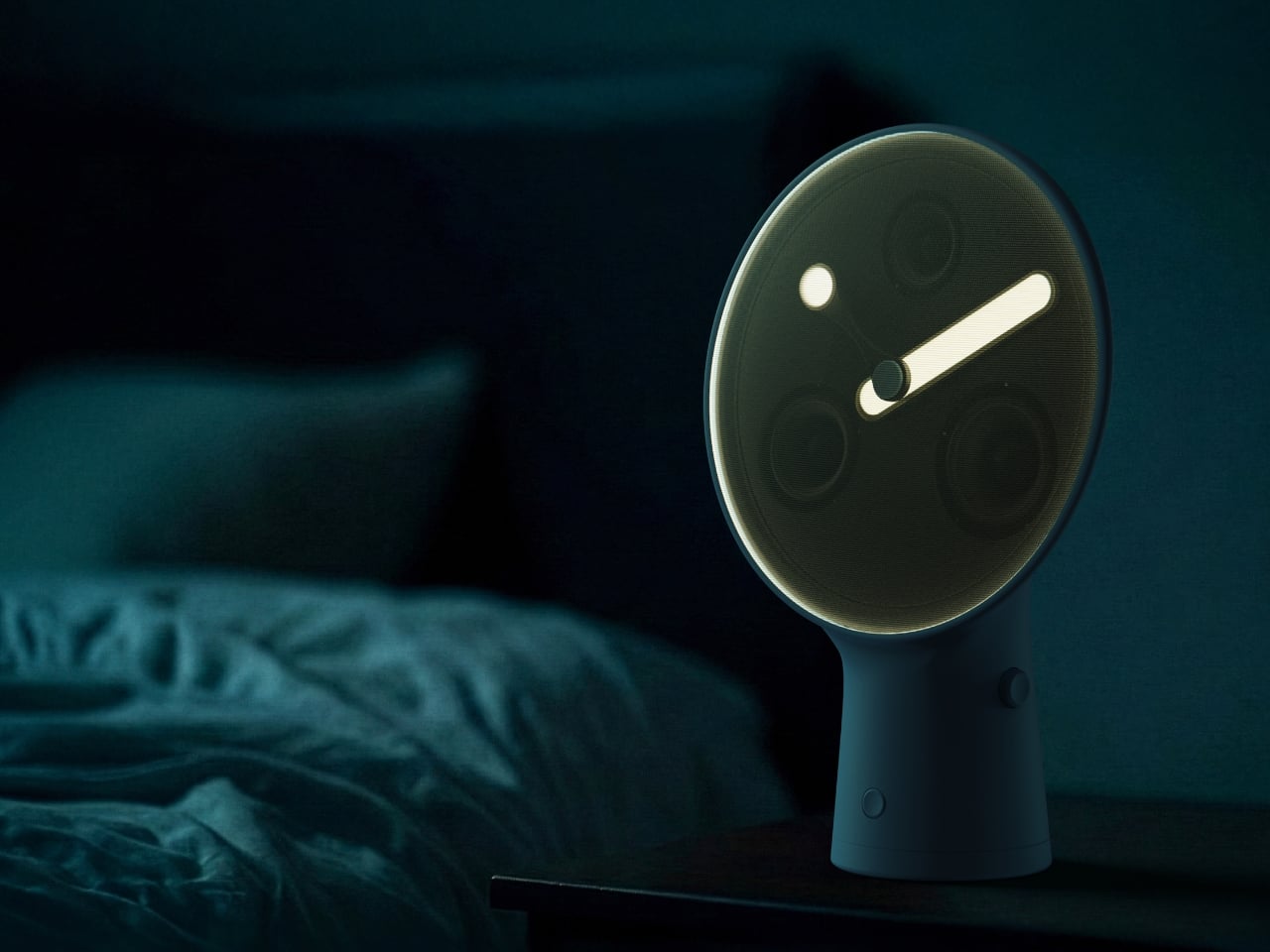
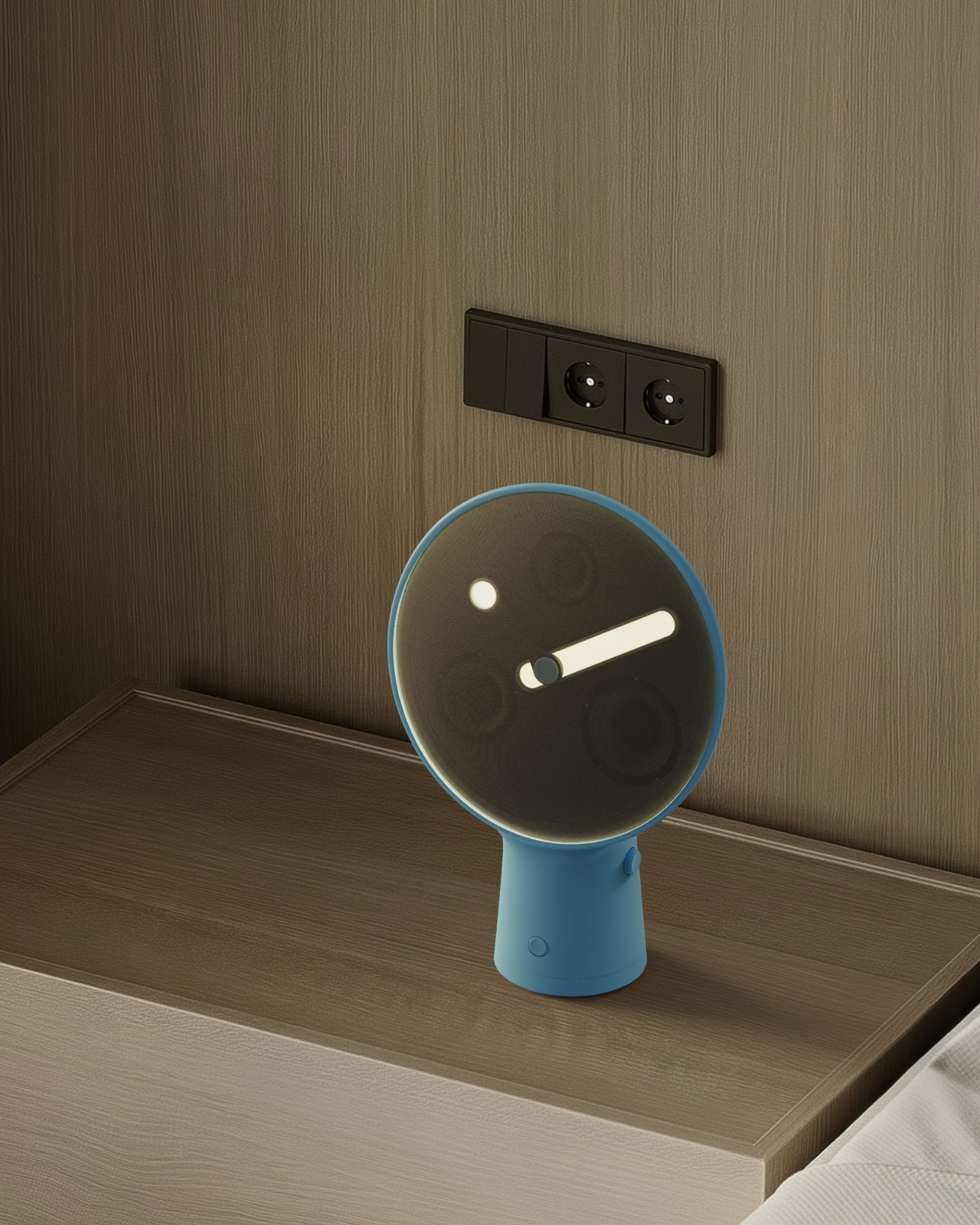
Why This Alarm Clock Might Actually Make You a Morning Person

Let’s be real: most of us have a complicated relationship with our alarm clocks. When I say most of us, I mean me. It’s my least favorite necessary thing even though it’s just basically on my phone . I get jolted awake with aggressive beeps, sometimes it glows too brightly in the dark, and honestly, they’re not exactly objects we want to look at or hear first thing in the morning.

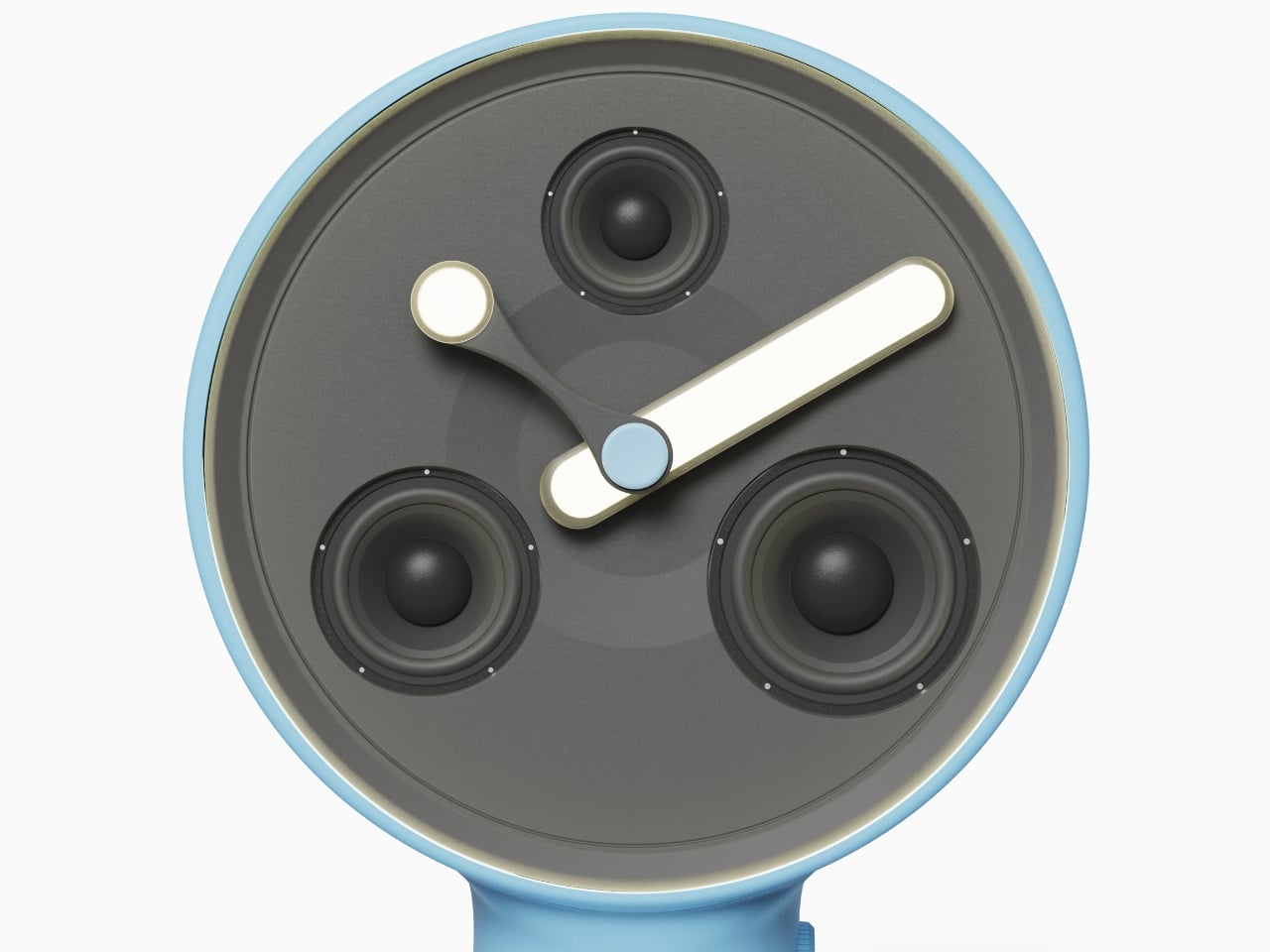
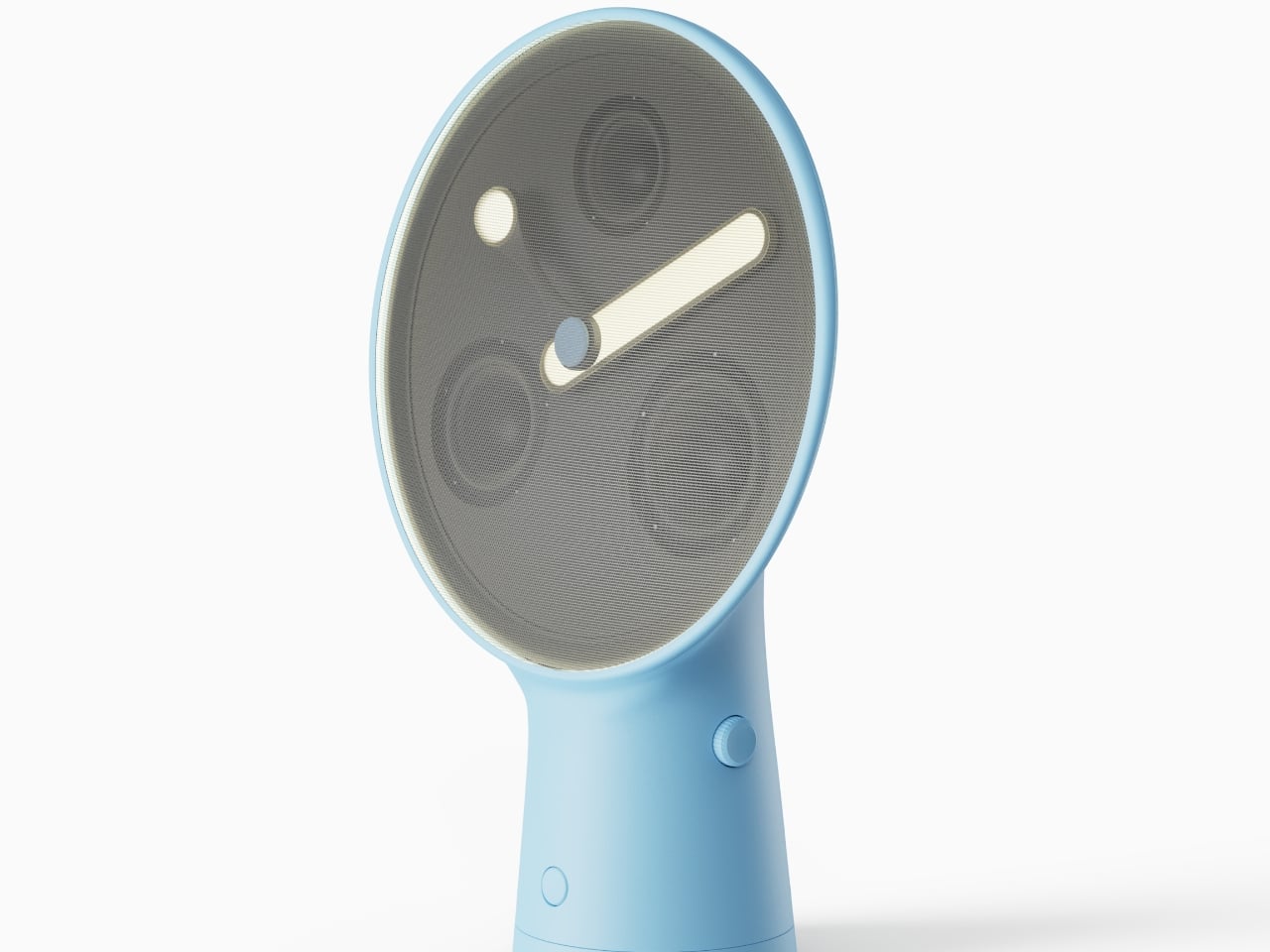
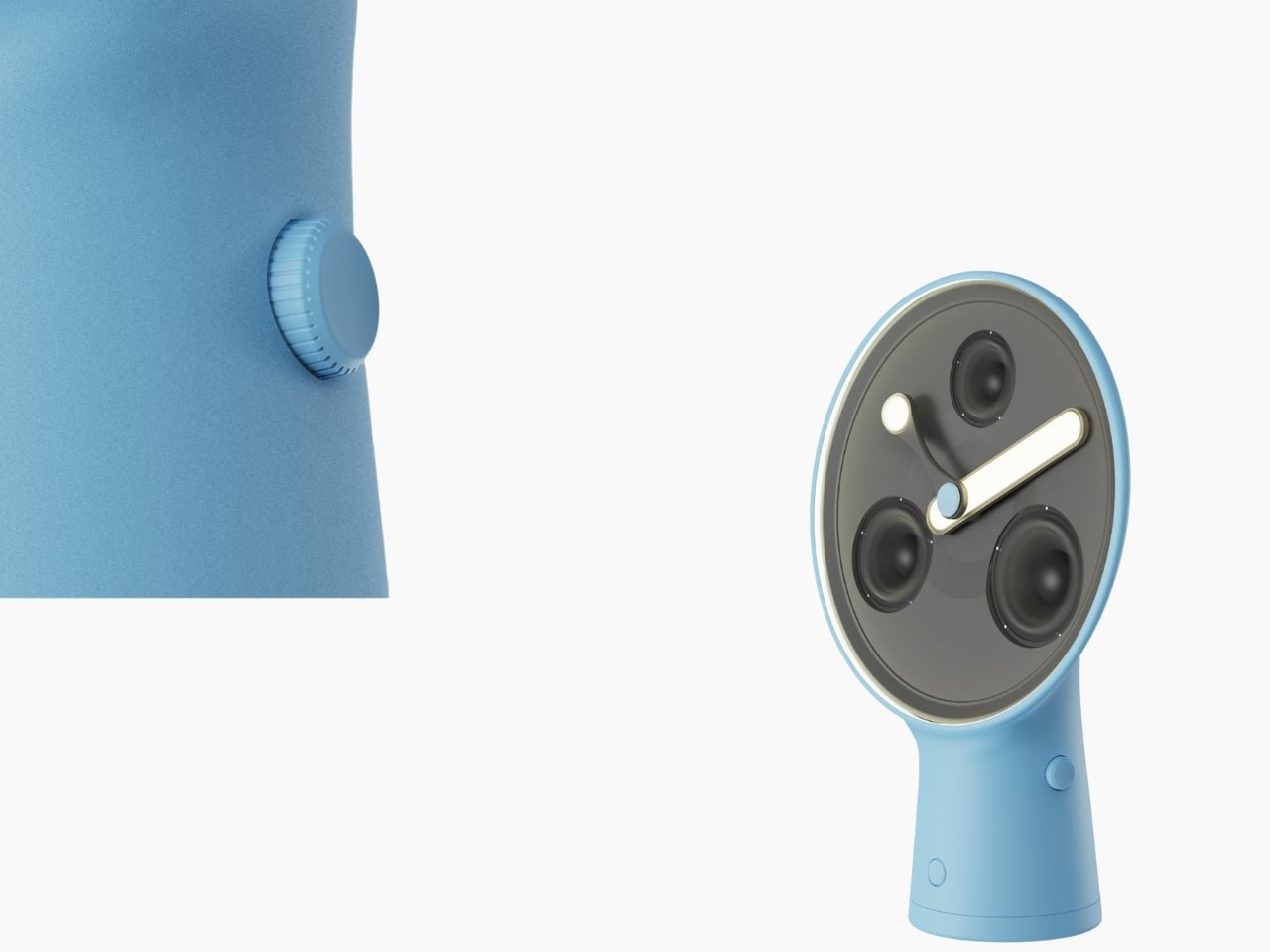
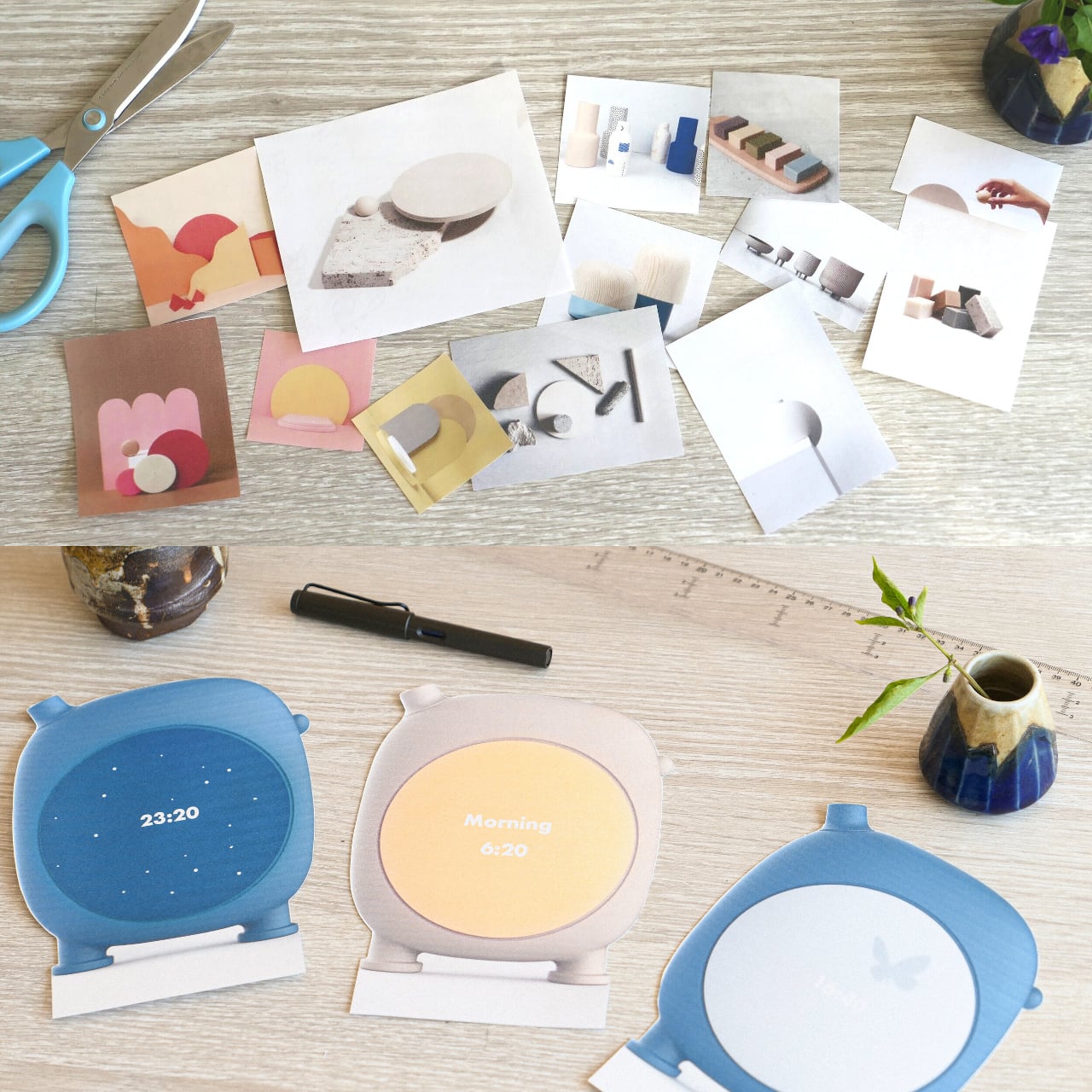
But what if your alarm clock could actually make waking up feel less like a punishment and more like a gentle invitation to start your day? That’s exactly what The Real Objects, a Milan-based design studio, seems to be thinking with their latest concept, Alarm O’clock. And yes, that apostrophe is intentional, giving it a playful Irish lilt that already makes it more charming than your phone’s default alarm.

Designer: The Real Objects

The design is described as “a bedside companion designed to bring calm, clarity, and personality to the way we wake up,” and I’m here for it. Because let’s face it, we spend way too much time thinking about productivity hacks and morning routines while completely ignoring the object that literally defines how our day begins.

From what I can see, Alarm O’clock isn’t trying to be smart or connected or packed with features you’ll never use. Instead, it looks like it’s going back to basics, but with a thoughtful, contemporary twist. The Real Objects describes it as blending “light, sound, and simplicity into one object,” which honestly sounds like exactly what we need in a world where everything is trying to do a million things at once.

There’s something refreshingly analog about this approach. While everyone else is using their phones as alarm clocks (guilty), we’re also scrolling before bed and checking notifications the second our eyes open. Having a dedicated alarm clock means you can actually leave your phone in another room, which sleep experts have been begging us to do for years.

The Real Objects was co-founded in Milan in 2024 by designers who are “dedicated to pushing the boundaries of product design.” But pushing boundaries doesn’t always mean adding more tech or making things more complicated. Sometimes it means rethinking everyday objects and asking why they’ve been designed the way they have.

What strikes me about Alarm O’clock is that it seems to prioritize the experience over the function. Yes, it needs to wake you up, but how it wakes you up matters. The emphasis on “calm” and “clarity” suggests this isn’t going to be one of those alarms that sounds like a fire drill. And the mention of light integration hints at something closer to a sunrise alarm, which studies have shown can make waking up feel more natural.

The design itself appears minimal and sculptural, the kind of object that could sit on your nightstand without feeling like a piece of electronics invading your bedroom. In an era where we’re all trying to make our spaces feel more intentional and less cluttered with gadgets, that matters more than you might think. I love that they’re calling it a “bedside companion” rather than just an alarm clock. It’s a small word choice, but it signals a different philosophy. Your bedside table is intimate space. It’s the last thing you see before sleep and the first thing you see when you wake up. The objects there should feel like they belong, not like they’re just functional necessities you tolerate.

There’s also something to be said for designers who focus on the rituals of daily life. We get excited about revolutionary new products, but the truth is, the objects that actually improve our lives are usually the ones that make ordinary moments a little bit better. Waking up is one of those moments we experience every single day, and yet most of us haven’t thought critically about how we could make it better. Will Alarm O’clock change your life? Probably not. But could it make your mornings feel a little more human, a little less jarring? Absolutely. And in a world where we’re all trying to figure out how to have healthier relationships with technology, that feels like a step in the right direction.

The post Why This Alarm Clock Might Actually Make You a Morning Person first appeared on Yanko Design.
This $100 Alarm Clock Finally Wakes You Up Without the Rage

There are people who set their alarms every 15 minutes to make sure that they actually wake up but oftentimes they still hit the snooze button several times. I am one of those people. When I still lived with other people, it became a joke that the whole house wakes up from my alarms except me. And even now, this abrupt disruption to my beauty sleep doesn’t really help me adjust to a morning routine. What if there was a device, aside from a clock and my mobile phone, that can help me wake up better and healthier?

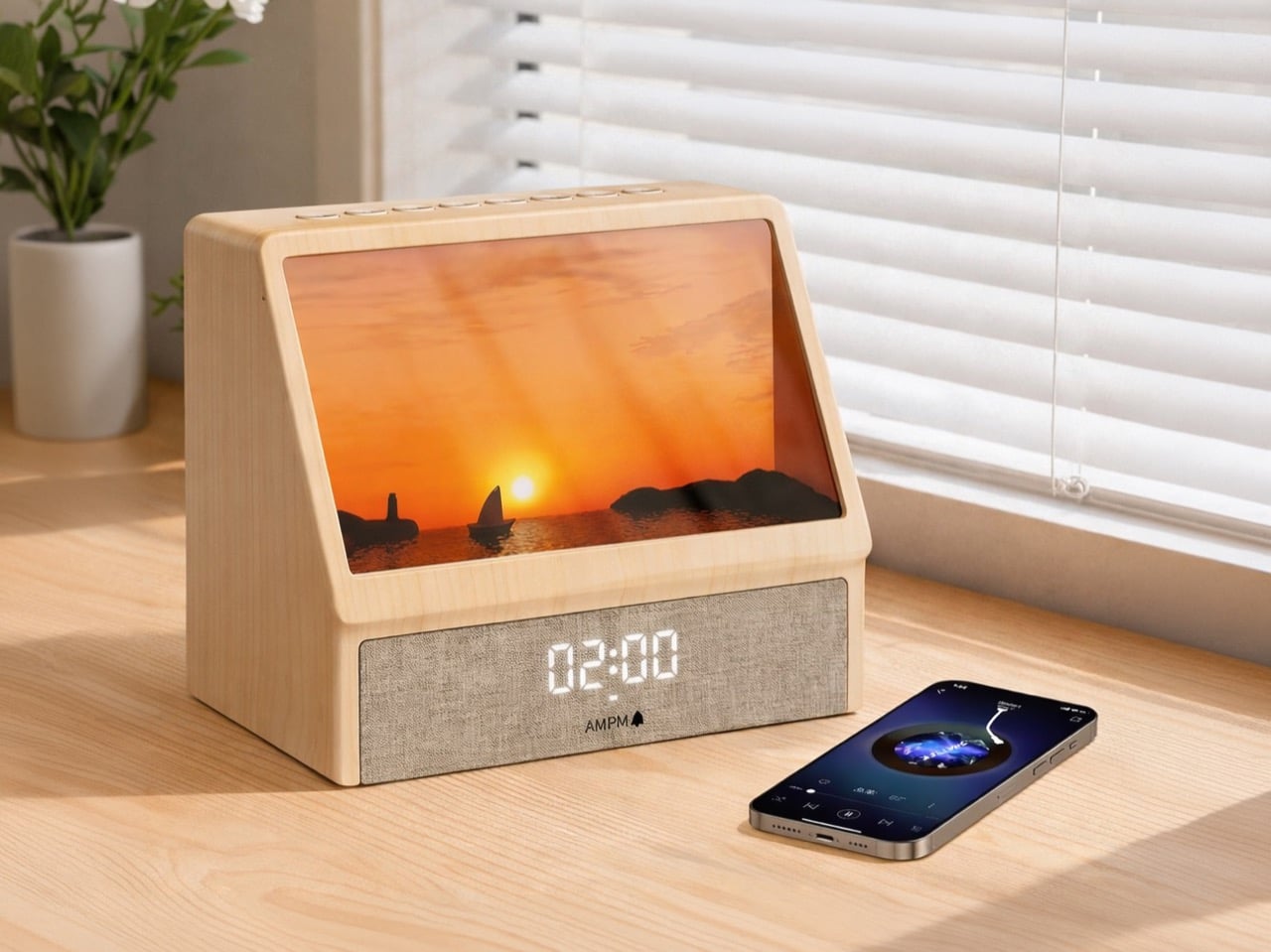
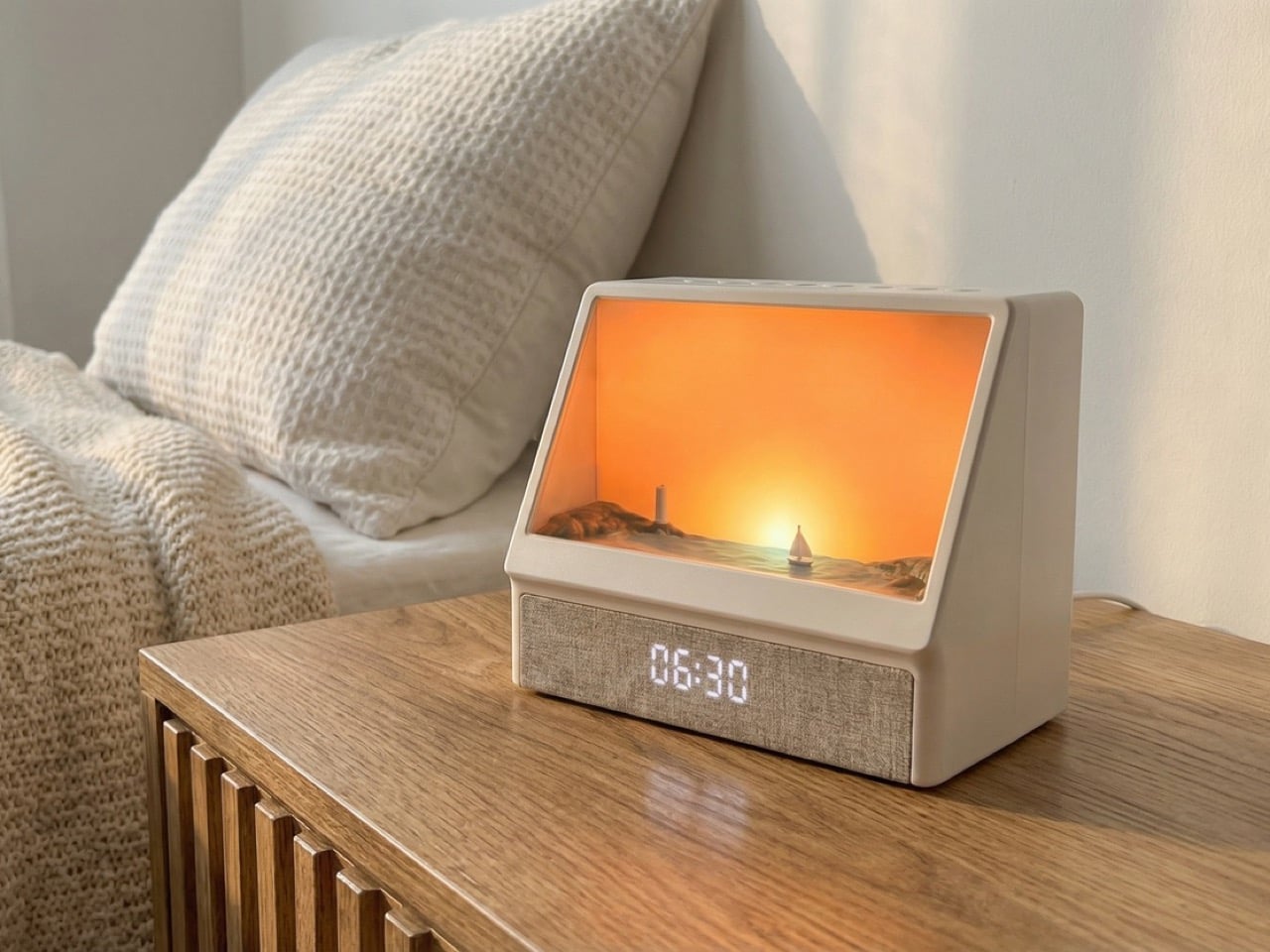
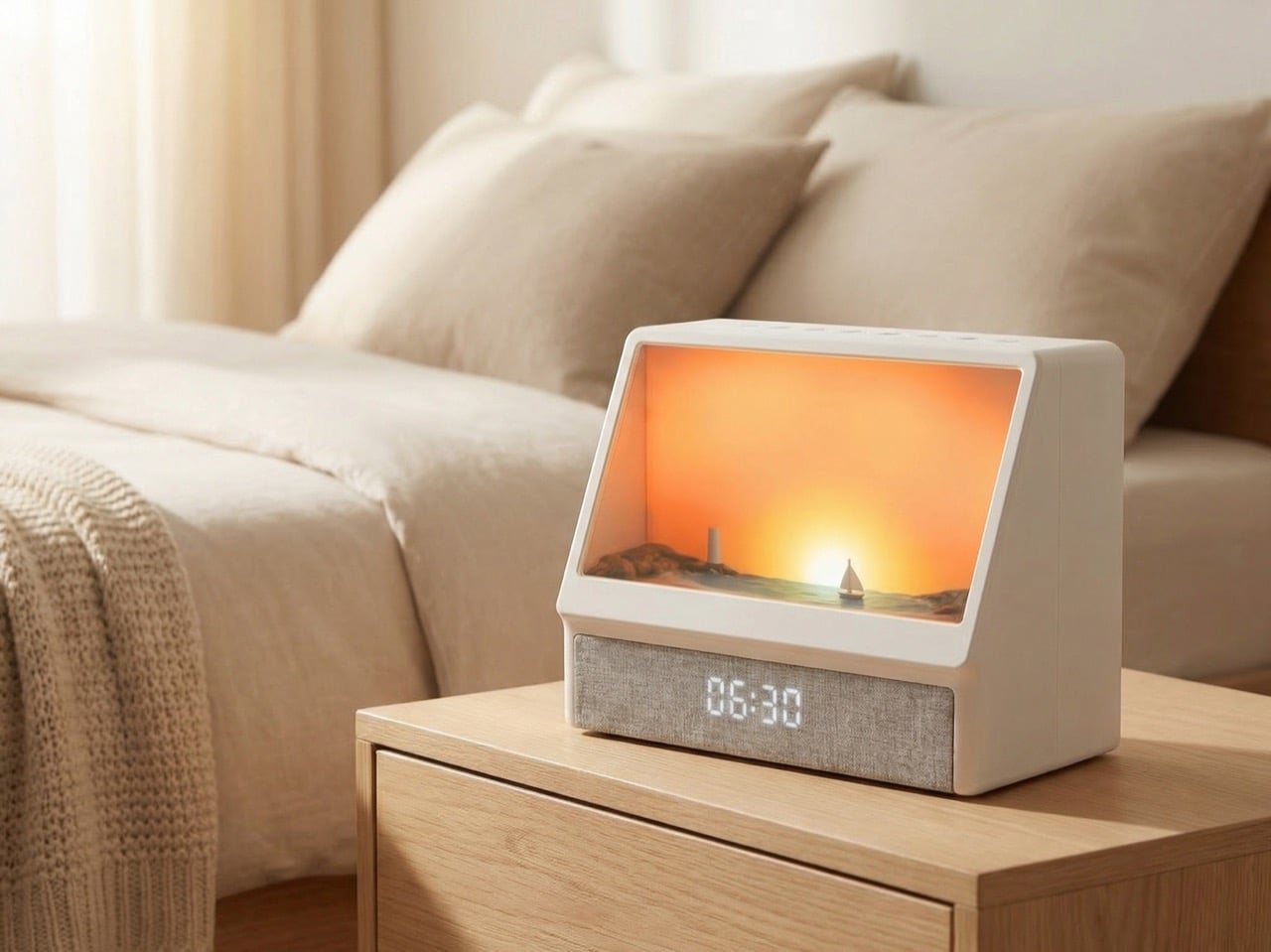
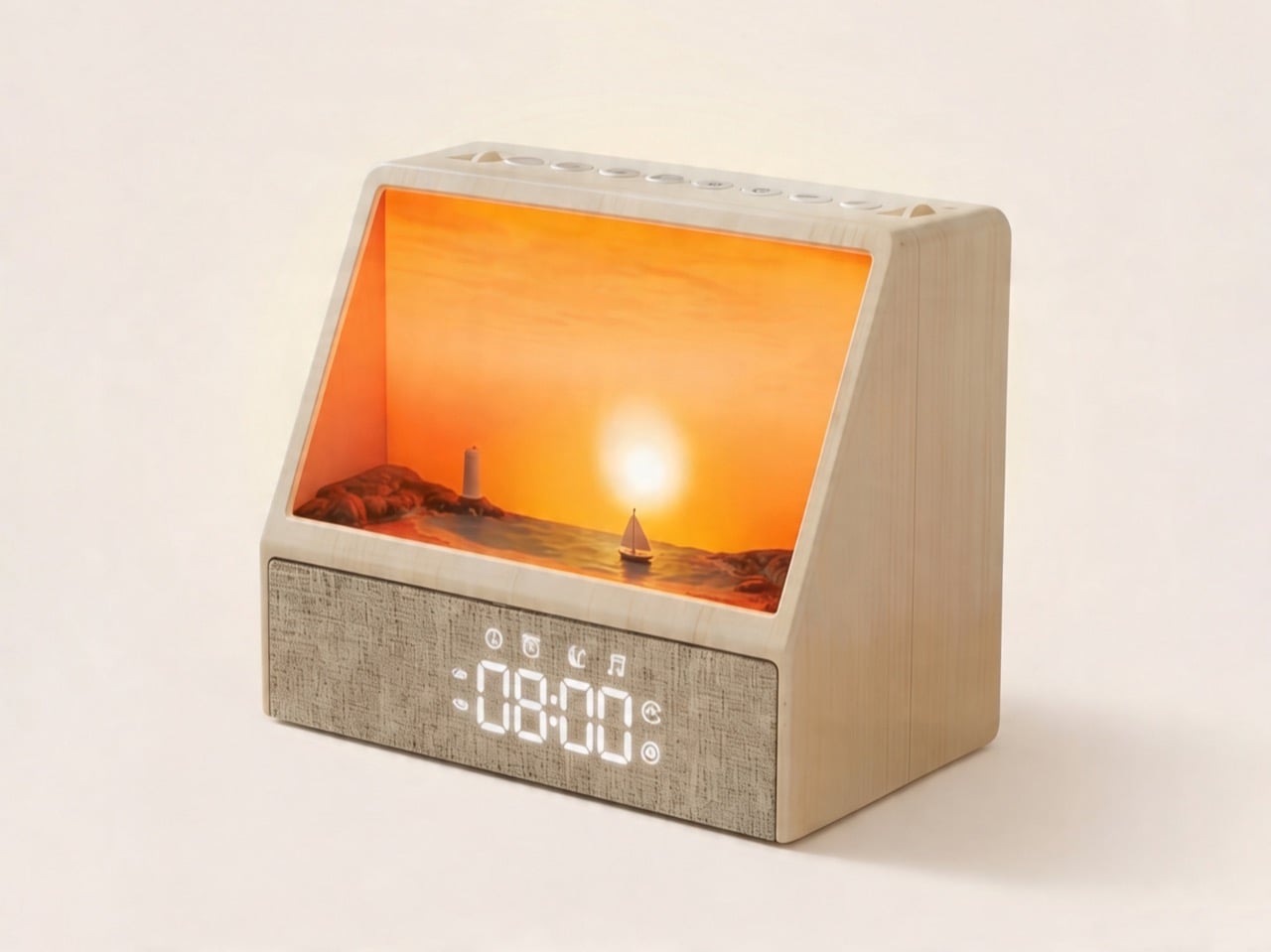
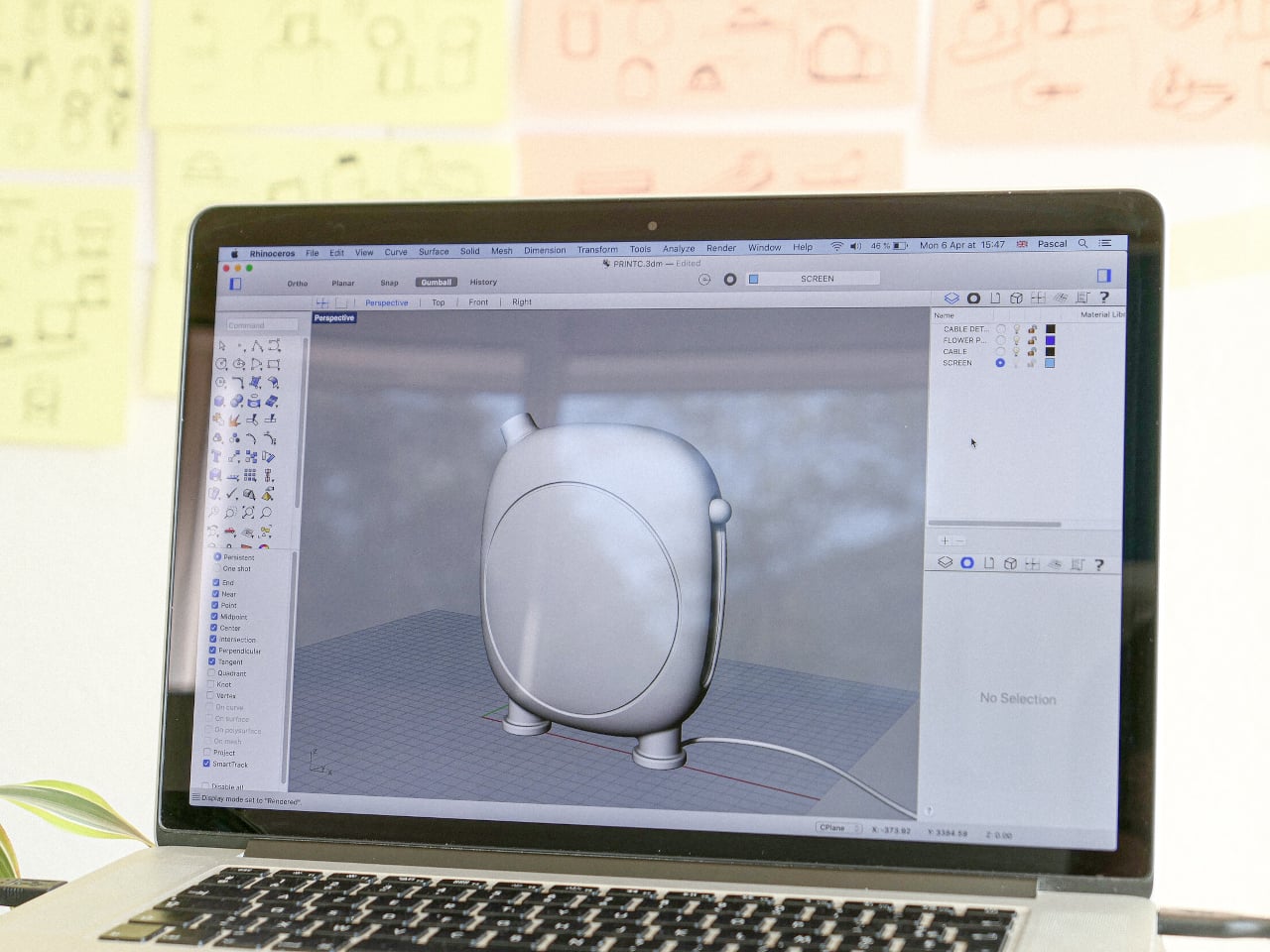
That’s the idea behind the Sunrise 1 device by Dreamegg. Not only does it look so much better than regular alarm clocks, but it is actually a 4-in-1 multifunctional device that serves as your sunrise alarm, sound machine, bedside light, and dimmable clock. The most important feature of this is that it is able to simulate a natural sunrise glow so that your circadian rhythm is not so abruptly interrupted and you wake up naturally and gently. We are not meant to be jarred out of our sleep and so this device is a wonderful option to get a more restful morning routine.

Designer: Dreamegg

The Sunrise 1 is able to simulate the sunrise so you can gradually wake up over 15, 30, 45, or 60 minutes. The light emitted from the device goes from 0% to 100% brightness before your scheduled alarm goes off. And even when you’re supposed to wake up, you can choose other sounds rather than the annoying sounds that break through our slumber. There are 29 soothing sounds to choose from: 8 nature sounds, 5 baby sounds, 2 meditation sounds, 2 brown noise, 2 white noise, 3 pink noise, and 7 fan sounds. You can also choose from 15, 30, 45, or 60 minute timer options. The sounds can also be used to help you sleep at night, to relax in the middle of the day, or to drown out unwanted noise.

The device can also serve as your dimmable night light as you get 9 color options that range from warm amber tones to cooler shades. You can independently control it if you don’t want to use it as a sound machine at the same time. It also serves as an actual clock with an easy-to-read clock face and adjustable brightness as well. Setting it up is pretty easy as you don’t need to connect it to your phone or another gadget. You are also able to customize both your morning wake-up routine and your night sleep routine just the way you want it.

Design-wise, it’s also an aesthetic bedside piece that beats your typical plastic gadgets. It is crafted with cotton-linen fabric which is pretty soft and gentle on the skin, in keeping with its gentle wake-up call. The sleek, rounded design can fit in with the usual bedroom decor. Because it is only 2.87 inches thick and 5.91 inches in diameter, which is around the size of an adult palm, you can actually bring it with you when you travel so you can still wake up and sleep the way you want to even outside of your house.

The way that the Sunrise 1 is designed and the features that come with it will make you feel like you’re on vacation every day and not always in a hurry to start work, school, or your chores. Our usual jarring wake up routines may be a reason why we start off our day grumpy or already tired. Having a device like this may slowly turn you into a morning person if you aren’t already. I mean, sure, you may still wake up reluctantly, but at least not angrily.

The post This $100 Alarm Clock Finally Wakes You Up Without the Rage first appeared on Yanko Design.

Nintendo’s attractive little smart alarm clock gamifies your waking up routine

Nintendo has just dropped a surprise product for fans and it has nothing to do with the anticipated Switch successor. Meet the Alarmo desk clock which is initially going to be available to Switch Online customers in the US and Canada later this week, and from Nintendo Store, you can buy it right now for $100. If you ever imagined what an alarm clock from Mario’s nightstand would look like, this would be it.

The in-house project is a result of collaborative work between hardware developer Tetsuya Akama and games developer Yosuke Tamori. This special alarm clock is not a result of random design iteration, but rather a product of numerous trials and errors after building many prototypes.

Designer: Nintendo

Dubbed Nintendo Sound Clock: Alarmo, the desk alarm clock is built with a major focus on motion sensor technology courtesy of a camera. Keeping privacy at the forefront, the sensor tracks user movement during sleep to wake them up smoothly out of the slumber in the morning. The clock will not simply beep or ring bells like a regular alarm clock, as it’ll smartly wake you up (with adaptable snoozes) depending on whether you have been turning and tossing in bed or slept like a dog. If you do sleep with a partner or a pet, the thing won’t work, so the accessory is intended mainly for loners.

The red-themed clock uses classic game sound to wake you up with the option to set the display theme to one of the 35 options including scenes from popular titles like Super Mario Odyssey, The Legend of Zelda: Breath of the Wild, Splatoon 3, Pikmin 4 and Ring Fit Adventure. Linking your existing Nintendo account expands that library to scenes from the Mario Kart 8 Deluxe and Animal Crossing: New Horizons games. The $100 is justifiable with other features including hourly chimes during the day for focus sessions, playing chill music to doze off during nighttime, and recorded data of your sleep patterns over time.

According to Nintendo, the smart clock rewards you for getting up with a “victory fanfare” for your efforts. This is more like gamifying your getting up routine to feel a sense of achievement first thing in the morning. They are going to add more titles to the library in the coming days with Mario Kart 8 Deluxe and Animal Crossing: New Horizons already in the works. Nintendo has promised availability to a greater audience in the future, so gamers can look forward to adding another gaming-themed accessory to their den.

The post Nintendo’s attractive little smart alarm clock gamifies your waking up routine first appeared on Yanko Design.

Minimalist alarm clock offers a simple yet delightful way to control it

Everyone knows that stereotype of sleepyheads reaching for their bedside alarm clocks and simply pushing a button to turn them off. Even with smartphones, people approach alarm clock apps with that same detached and mechanical behavior. Of course, these clocks are just tools, but the way we interact with them in a way reflects our subconscious attitude toward time and waking up each day. Rather than simply letting time pass us by without our involvement, this minimalist and fun design turns the passive tool into something interactive, turning a routine action into something almost like a game.

Designers: Adrian Wright, Jeremy Wright (DesignWright)

We can sometimes feel like slaves to our clocks, moving according to pre-set schedules and called by the beeping or ringing of alarms. Smartphone apps made that situation simpler but also made us feel less in control. It’s only too easy to set up an alarm, sometimes even without our explicit action, and it’s just as easy to get lost in dozens of alarms and notifications. Having a physical alarm clock, especially by your bedside, helps us distance ourselves from the complexity of apps and digital experiences, and the Flip alarm clock adds a joyful twist to the way you interact with the object.

As its name suggests, you flip the alarm clock to determine how it behaves. One side is labeled “on” and it means what it says, that the alarm is enabled and active. Flip it over, however, and you’re greeted with the word “off” to indicate that the alarm is now disabled. Whichever way you turn it, the LCD display flips to show the time right side up, making it a reversible design as well.

This design that eschews physical buttons for kinetic controls adds an element of direct interaction with the object. You’re no longer dragged around by the alarms you set and become a willing actor in the scenario that plays before you. It can become an addictive action, one that kids will love, and it could even get you up and out of bed with less begrudging effort. Best of all, the Flip alarm clock looks just as fun and attractive on your desk or bedside table, adding a pinch of joy to your life.

The post Minimalist alarm clock offers a simple yet delightful way to control it first appeared on Yanko Design.

Dieter Rams-inspired iPhone Standby Mode Dock comes from an alternate timeline

Have you ever wondered what would happen if two people from different time periods or locations met and worked together? Short of breaking the laws of time and space, we can only take a guess based on the works and ideas they left behind, though some “what if” collaborations feel more natural than others. The legendary industrial designer Dieter Rams, for example, has influenced generations of designers, some of whom became legends themselves and even carried on the spirit of his design philosophy. Perhaps nowhere is this association more pronounced than in the Ive-era Apple designs, particularly those that embraced minimalism to their very core. We might not need to imagine what a Rams-Ive collab would look like based on this rather simple yet intriguing iPhone dock that utilizes Standby Mode to become a modern version of the Braun DN 40 alarm clock that Rams designed.

Designer: Scott Yu-Jan x OVERWERK

Although probably best known for his Ten Principles of Good Design, Dieter Rams’ industrial designs not only became Braun products but also served as the inspiration for the likes of the original Apple iPod or the first Sony Walkman. His designs espoused a “less but better” philosophy, a foundation of modern minimalism, and among them was the DN 40 electronic, a funnel-shaped alarm clock that, as you might have guessed, did that and only that. There are dozens of alarm clocks today, of course, including an iPhone if you charge it horizontally to activate Standby Mode.

Inspired by this concept, musician OVERWERK created an initial prototype that simply housed a circular iPhone MagSafe charger to hold the phone at a specific angle similar to Rams’ design. It was basic, functional, and a bit cumbersome and wasteful. To take out the iPhone that sits flush inside the body, you have to press on one end of the phone to raise the opposite end and then pry it out. The rest of the clock’s chassis also held no purpose since there were no electronics to put in there as well.

Working together with designer and YouTuber Scott Yu-Jan, the design took an interesting turn and, thus, the iPhone DN 40 Dock was born. Two simple yet crucial changes were made to the original design, including adding an ejection button at the top that pushes the iPhone forward, detaching it from the MagSafe charger. Yu-Jan also added a space for the small Apple Watch MagSafe charger underneath the top cover at the back, allowing you to charge your AirPods on top. As a bonus, charging the AirPods case has a satisfying feeling when you simply put it down on top of the clock and it slides into place thanks to the power of magnets.

The result of this collaboration between two modern-day designers is a design object that feels like a collaboration between Rams and Ive, two designers with great respect for one another but never got the chance to work together. It has the minimalism of the original DN 40 clock but is made even simpler because you only need an iPhone and MagSafe chargers. You do need a 3D printer to make your own, though, and you might need to modify the design since this was made specifically for an iPhone 15 Pro. Fortunately, the design files are freely available so anyone can now have their own Rams-inspired iPhone Alarm Clock by their bed or desk.

The post Dieter Rams-inspired iPhone Standby Mode Dock comes from an alternate timeline first appeared on Yanko Design.

Sunrise alarm clock coffee maker sits on the bedside to wake you up with refreshing coffee aroma everyday

In a typical coffee lover’s home, such as mine, the first interaction in the morning is with the alarm clock followed by the coffee machine. Of course, we have been living and functioning this way for most of our lives, and if you would ask, frankly, there wouldn’t be another way we’d want. But a designer duo believes there is a way to integrate the two and perhaps deliver an alarm clock that is also a coffee machine.
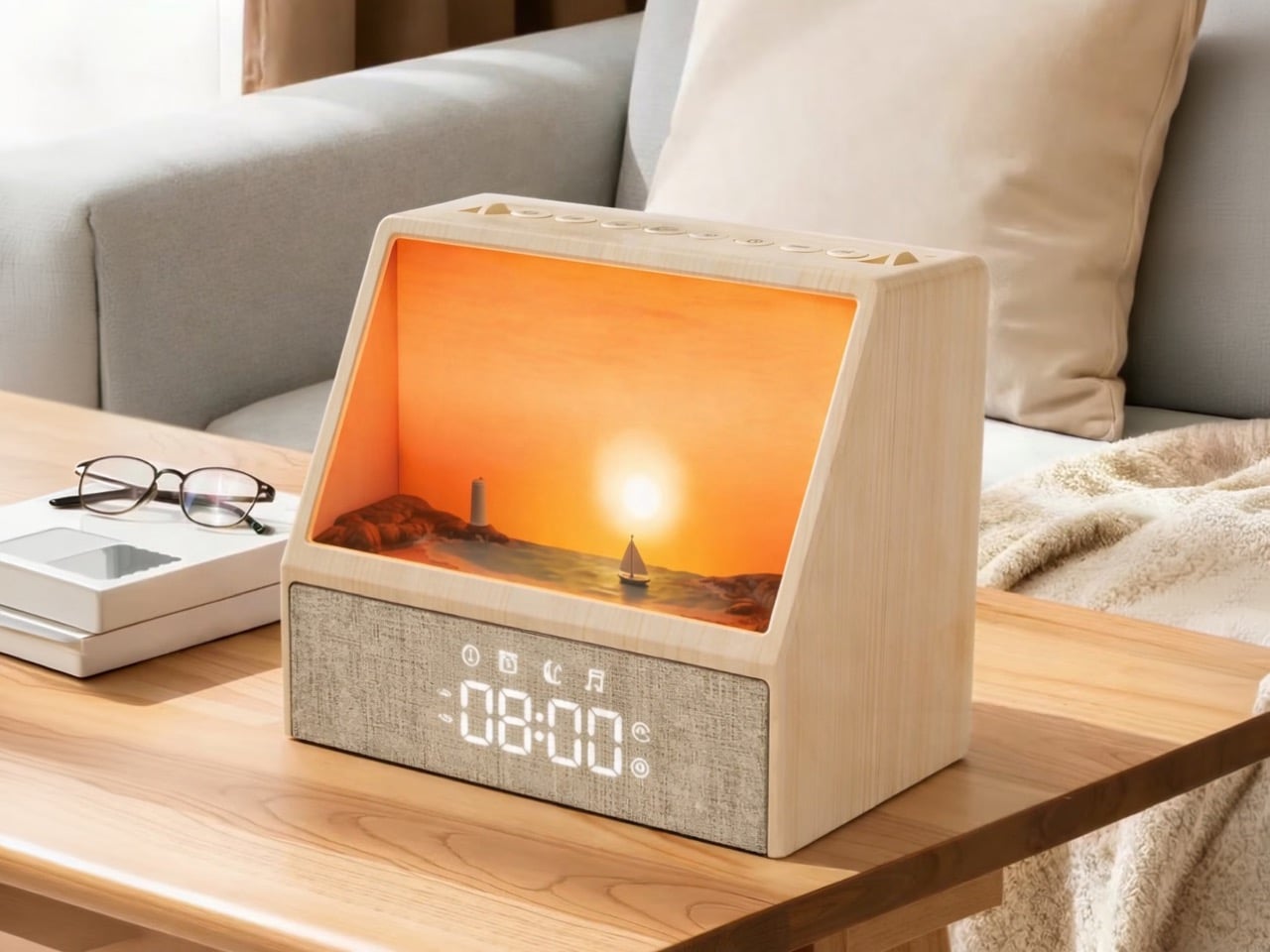
Designed to simplify our wakeup process from the loud sound of the alarm to a refreshing aroma of coffee without the extra effort or toiling, the new Sunrise alarm clock coffee maker is not a typical alarm clock or a coffee machine. For the love of waking up more refreshed – in an aroma mimicking that of a café – this is what we would want by the bedside. To know more about how it functions and how the designers have perceived it, read on!

Designers: Marko Filipic and Mati Papalini

For as long as we know it, never before has someone tried to put the coffee machine on our bedside disguised as an alarm clock. The mere idea is commendable let alone the execution, which involves the assurance that you wake up to the smell of fresh coffee every morning. So, with Sunrise, you are saved the effort of setting up an alarm on the bedside clock before hitting the bed and then waking up to the loud and annoying alarm every other day.

With the Sunrise alarm clock coffee machine, you get a coffee maker ready on your bedside. At the time you have set – like in a typical clock – the Sunrise would start making the coffee. There is no loud alarm, instead, as the coffee is being brewed by the bedside, your room is filled with a smell of good coffee that would set a refreshed tone to your day.

At the bedside, the Sunrise appears as a usual coffee maker but with a distinguished color theme and design language. A sublime combination of black, pink, and blue, the coffee machine with no edges has a digital clock at the base. Compact enough to settle on the bedside table or stylish enough to grab the centerstage on the countertop, the Sunrise is worth the time and comfort of every coffee buff. It definitely puts one to think, there could be one less step to waking up and getting a fresh brew first up.

The post Sunrise alarm clock coffee maker sits on the bedside to wake you up with refreshing coffee aroma everyday first appeared on Yanko Design.