A 1960s Lounge Chair That Still Feels Like a Future Artifact

Some pieces of furniture explain themselves immediately. Others ask you to slow down for a second. Pierre Paulin’s F300 Lounge Chair belongs to the second category. Originally designed in the late 1960s and now reissued by GUBI, the chair still has the strange, magnetic presence of an object that refuses to behave like conventional seating.

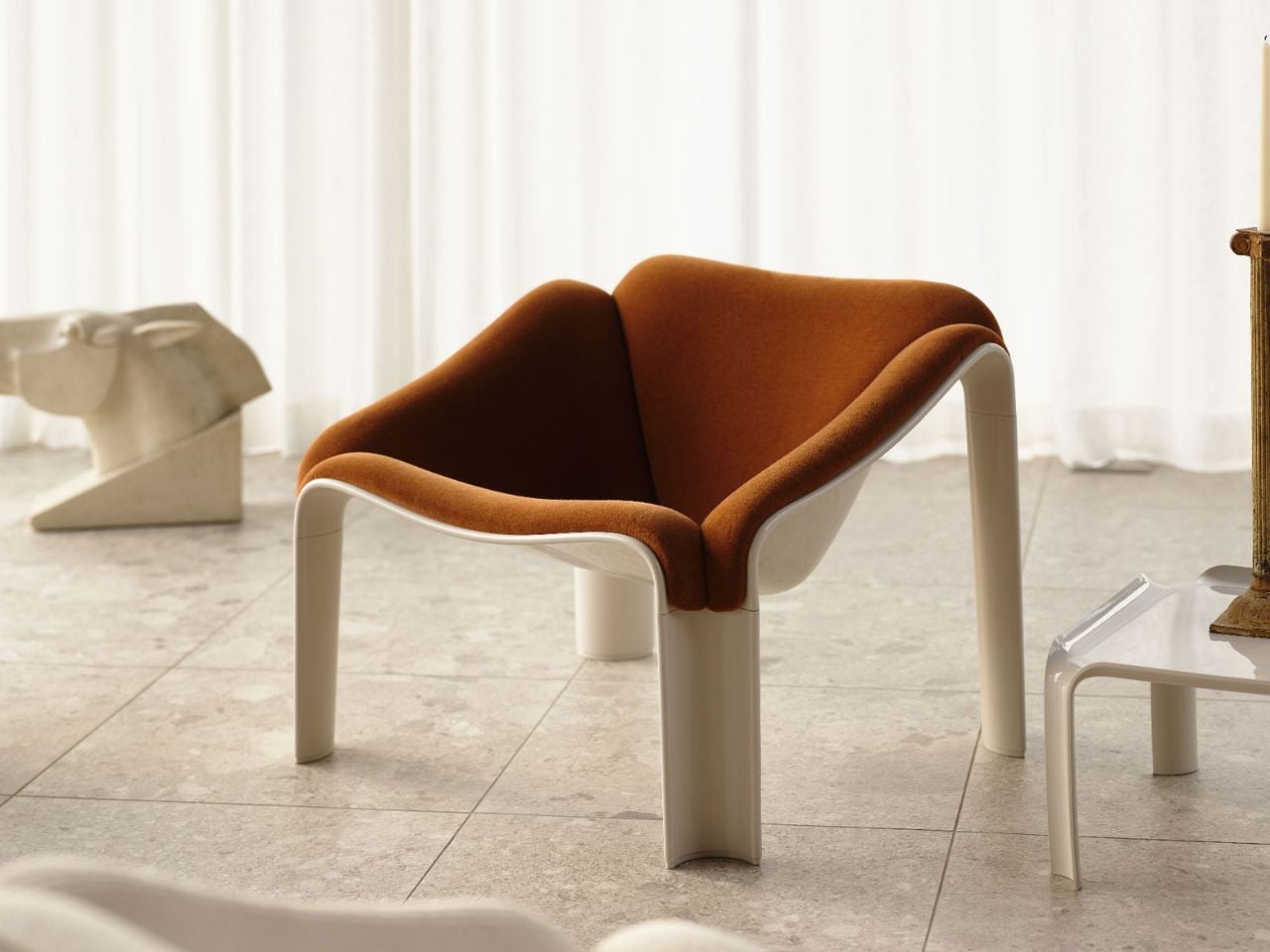
At first glance, the F300 looks almost poured into existence. Its body is a single, continuous form, low to the ground and generous in width, with no obvious separation between seat, back, or base. There are no legs to visually interrupt the silhouette, no hard frame, no decorative detailing. Just a smooth, sculptural sweep that seems to shift depending on where you stand. From one angle, it feels futuristic. From another, it looks relaxed, almost playful. That tension is where much of its charm lives.

Designer: GUBI
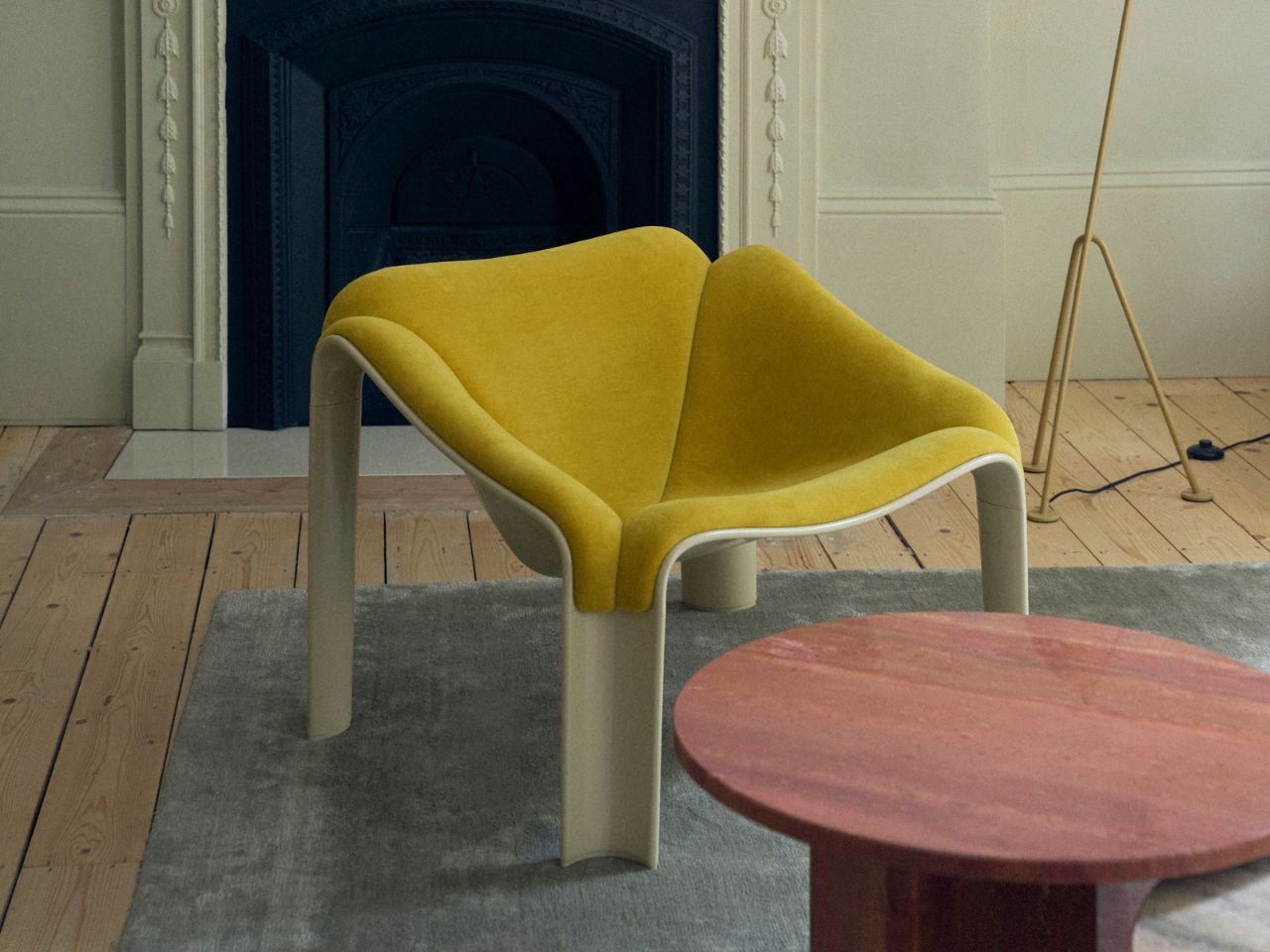
Paulin designed the chair during a period when furniture was beginning to loosen up. Domestic life was changing, and so was the way people wanted to sit, gather, lounge, and move through interiors. The F300 captures that cultural shift beautifully. It does not dictate posture. It does not tell the body to sit upright, stay centered, or behave. Instead, it gives the sitter permission to settle in however they want. You can lean back, turn sideways, curl your legs beneath you, or stretch out with a book nearby. The chair works less like a fixed seat and more like a landscape for the body.

That sense of openness is what makes the F300 feel so current, even decades after its original release. Many lounge chairs are designed around comfort, but comfort often comes with bulk or visual heaviness. Paulin managed to avoid that. The F300 is roomy without feeling clumsy, expressive without being loud, and sculptural without becoming precious. It has the confidence of a design icon, but it still feels approachable enough to be used every day.
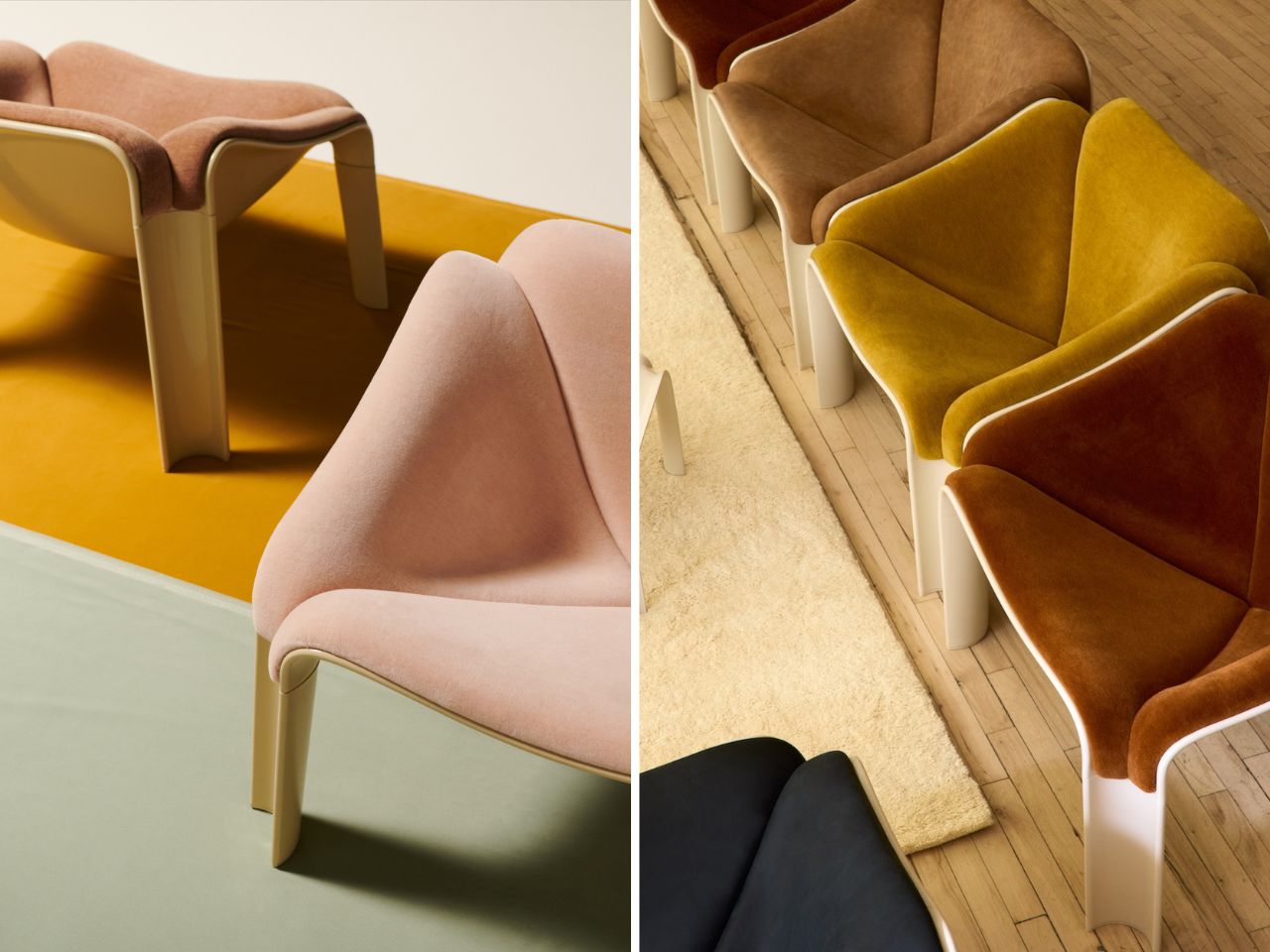
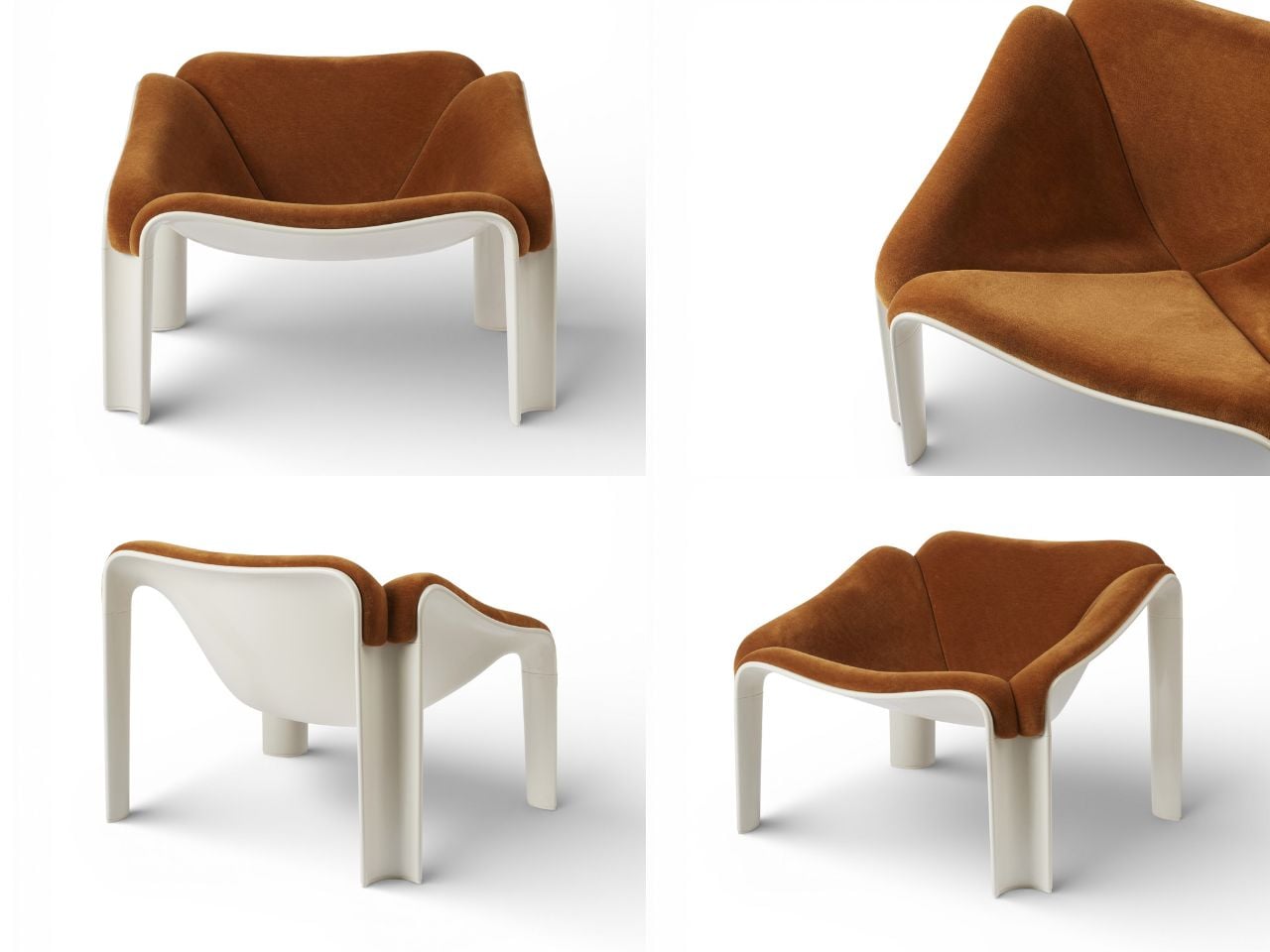
For the reissue, GUBI has preserved the original geometry while updating the chair’s material composition for contemporary use. The new shell is made from HiREK, an engineered polymer that incorporates recycled industrial plastic. This change gives the chair a stronger, more durable body while keeping the uninterrupted surface that defines its character. It also makes the piece more resistant to UV exposure and outdoor conditions, allowing the F300 to move beyond the living room and into terraces, patios, poolside settings, and open-air spaces.

That material update is important because it does not treat the chair as a museum piece. Instead of freezing Paulin’s design in the past, GUBI allows it to continue living. The reissue respects the original idea while making it more useful for how people live now: across indoor and outdoor spaces, in homes that are more fluid, informal, and less bound by traditional room categories.
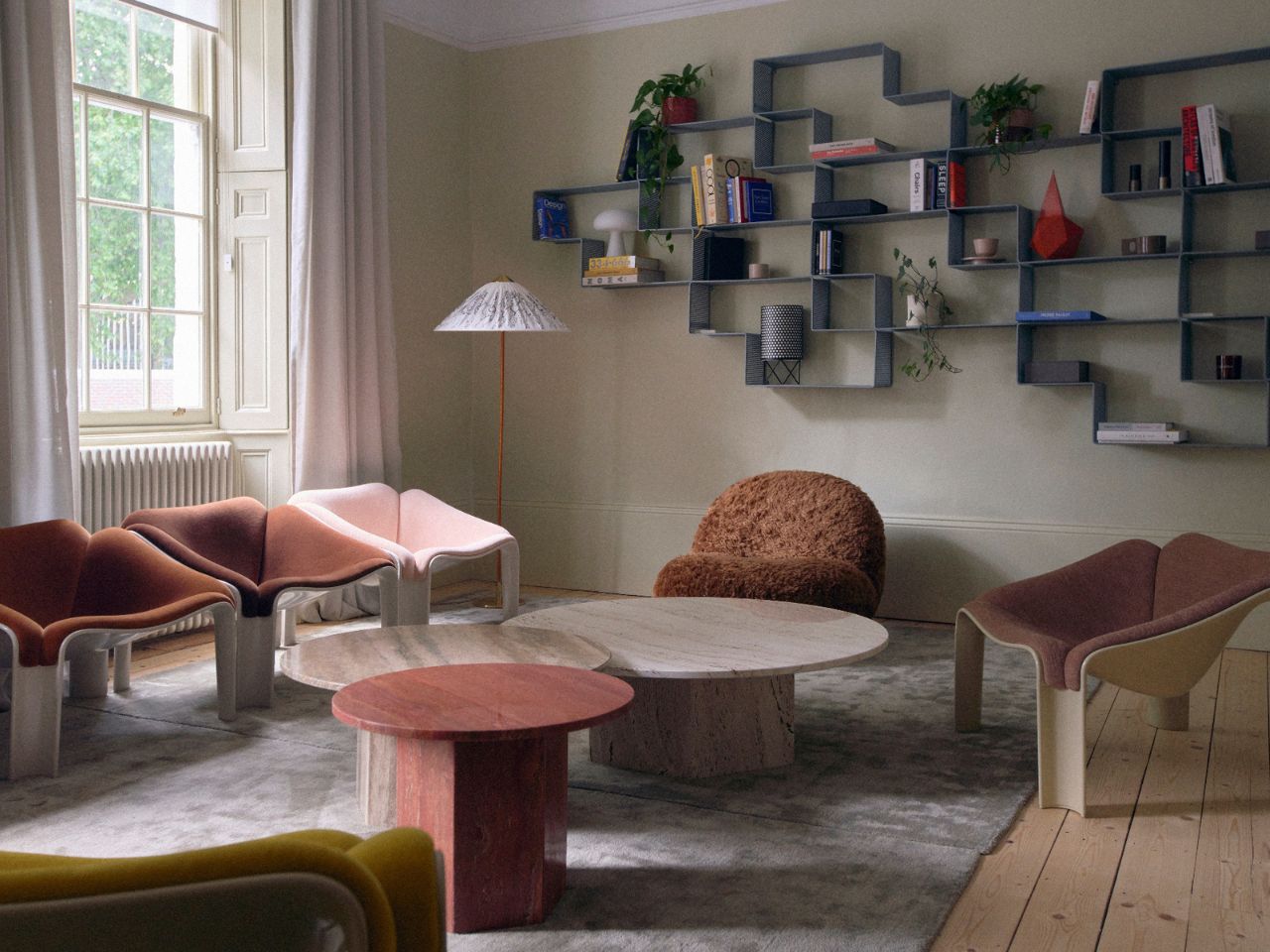
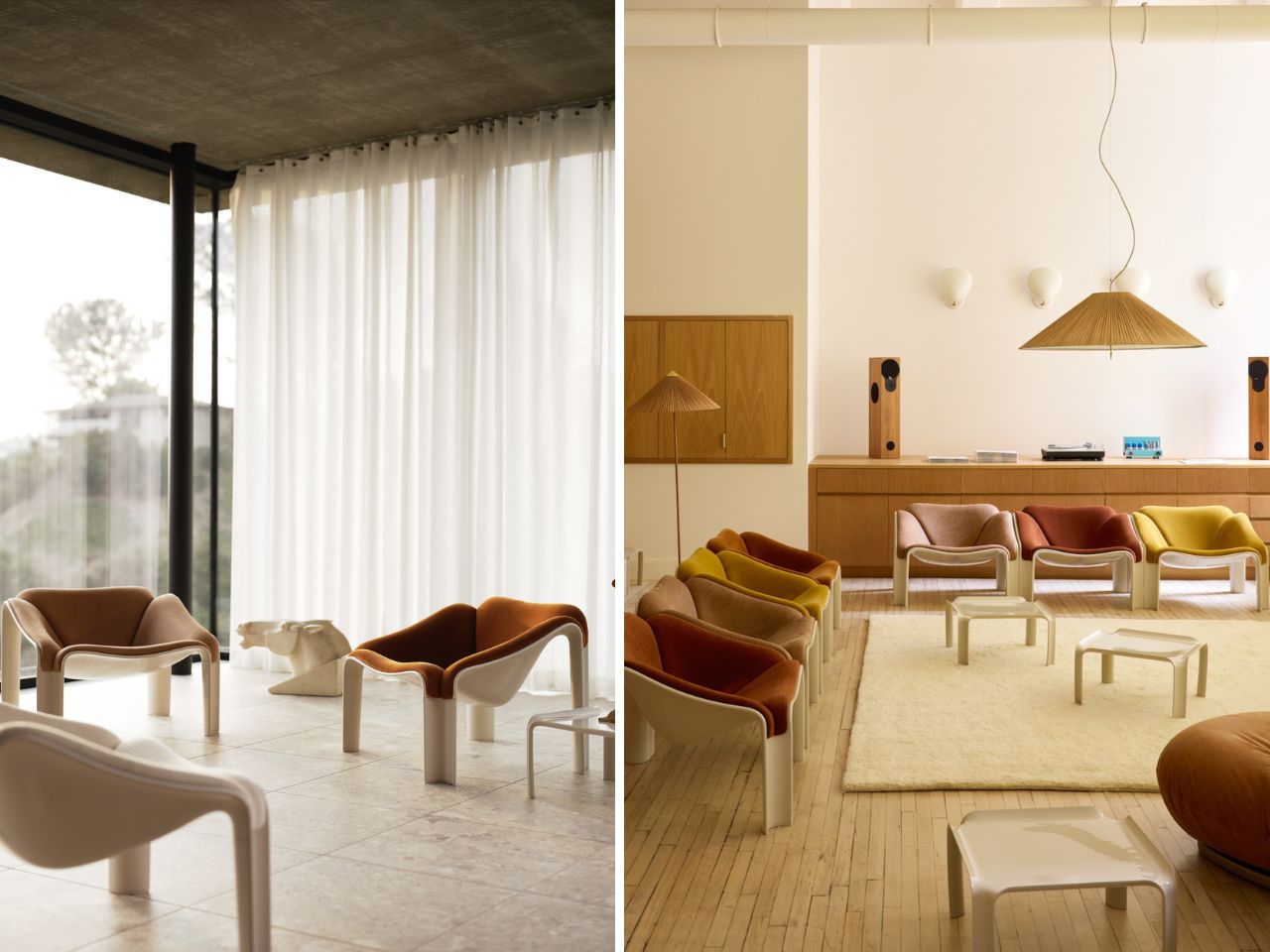
The F300 has also been relaunched alongside Paulin’s matching T877 side table. Together, the two pieces create a shared visual language of curves, openness, and ease. The table feels like a natural companion rather than an accessory, echoing the chair’s soft, sculptural logic without competing with it. Placed together, they form a small island of leisure: a place for a drink, a book, a long conversation, or no agenda at all.

What makes the F300 compelling is not only its shape, but the attitude behind it. It suggests that design can be bold without being uncomfortable, experimental without being alienating, and relaxed without disappearing into the background. More than half a century after Paulin first imagined it, the chair still feels fresh because it was never simply about style. It was about freedom: freedom of posture, freedom of use, and freedom from the rigid expectations of what a lounge chair should be.

The post A 1960s Lounge Chair That Still Feels Like a Future Artifact first appeared on Yanko Design.
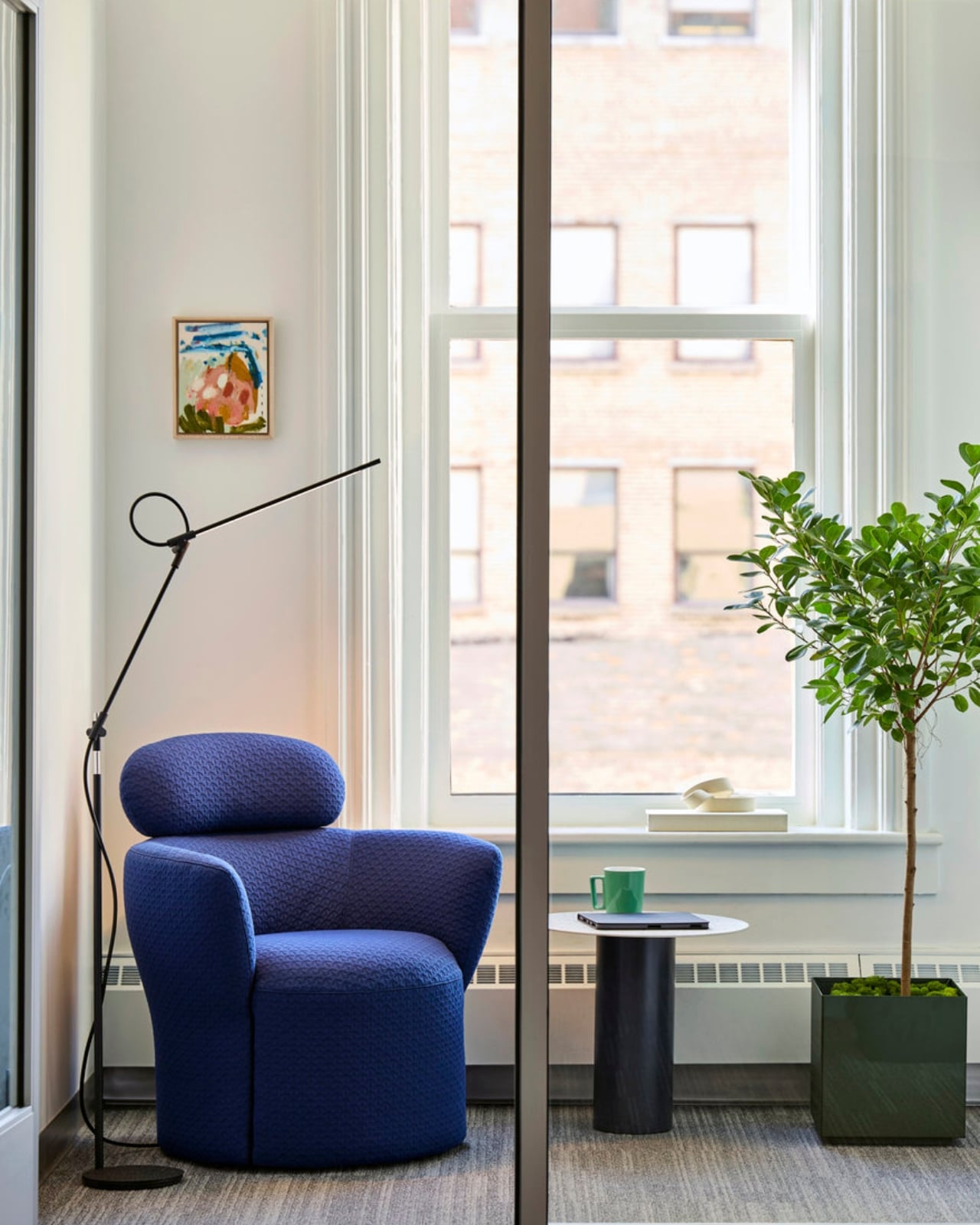
Haworth Just Gave Its Most-Loved Office Chair a Softer Side

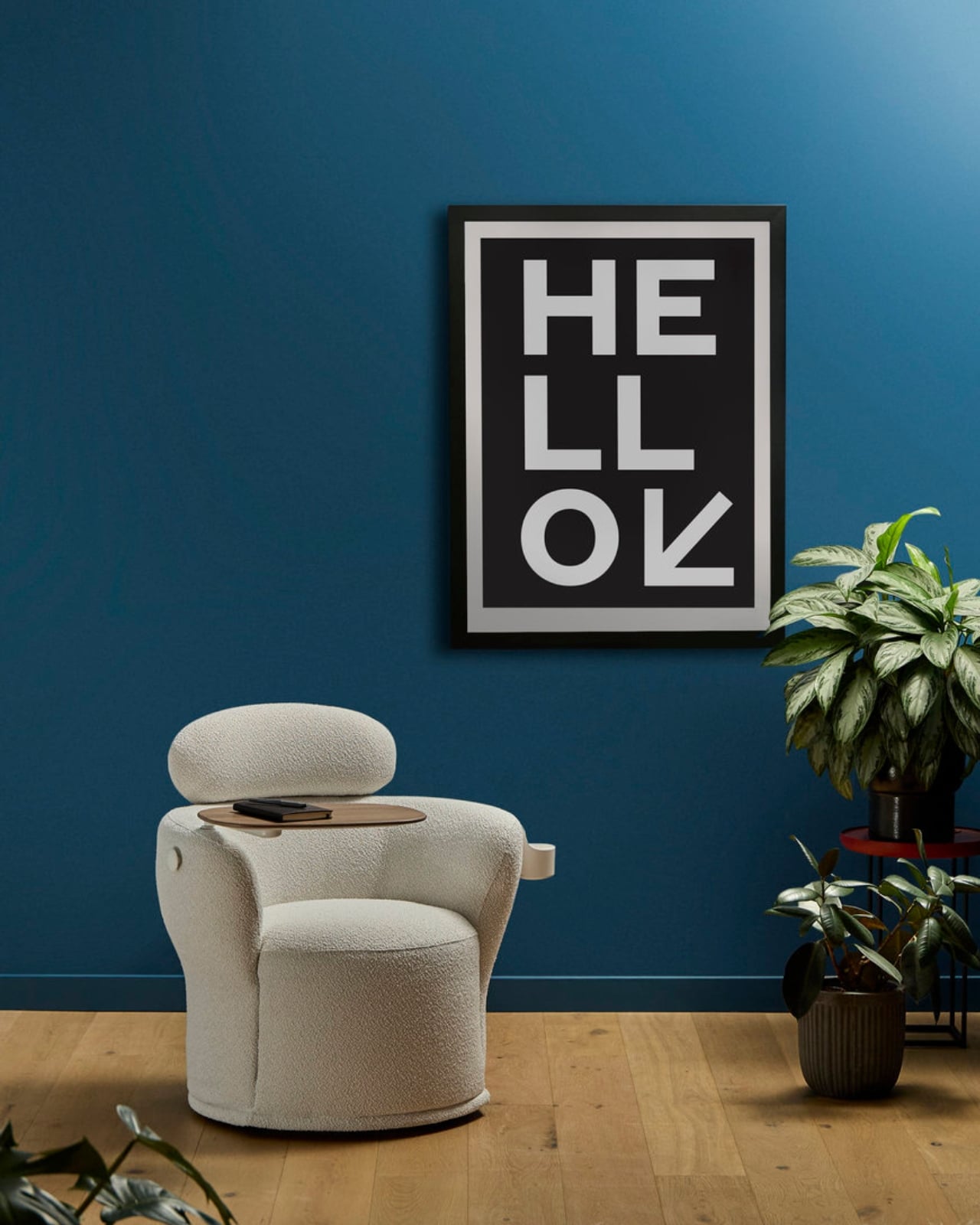
The original Hello lounge chair launched in 2002. Over two decades later, it’s back, and Patricia Urquiola has had her way with it. The result is the kind of redesign that makes you wonder why it took this long.

Haworth’s Hello collection has been a reliable fixture in offices, lobbies, and collaborative spaces for years. The bones were always good: solid frame construction, thoughtful ergonomics, and a form language that leaned into comfort without abandoning function. But the original aesthetic, however serviceable, was a product of its era. Urquiola looked at all of that and asked a different question. Not “how do we update this?” but “how do we make it feel like right now?”

Designer: Patricia Urquiola for Haworth

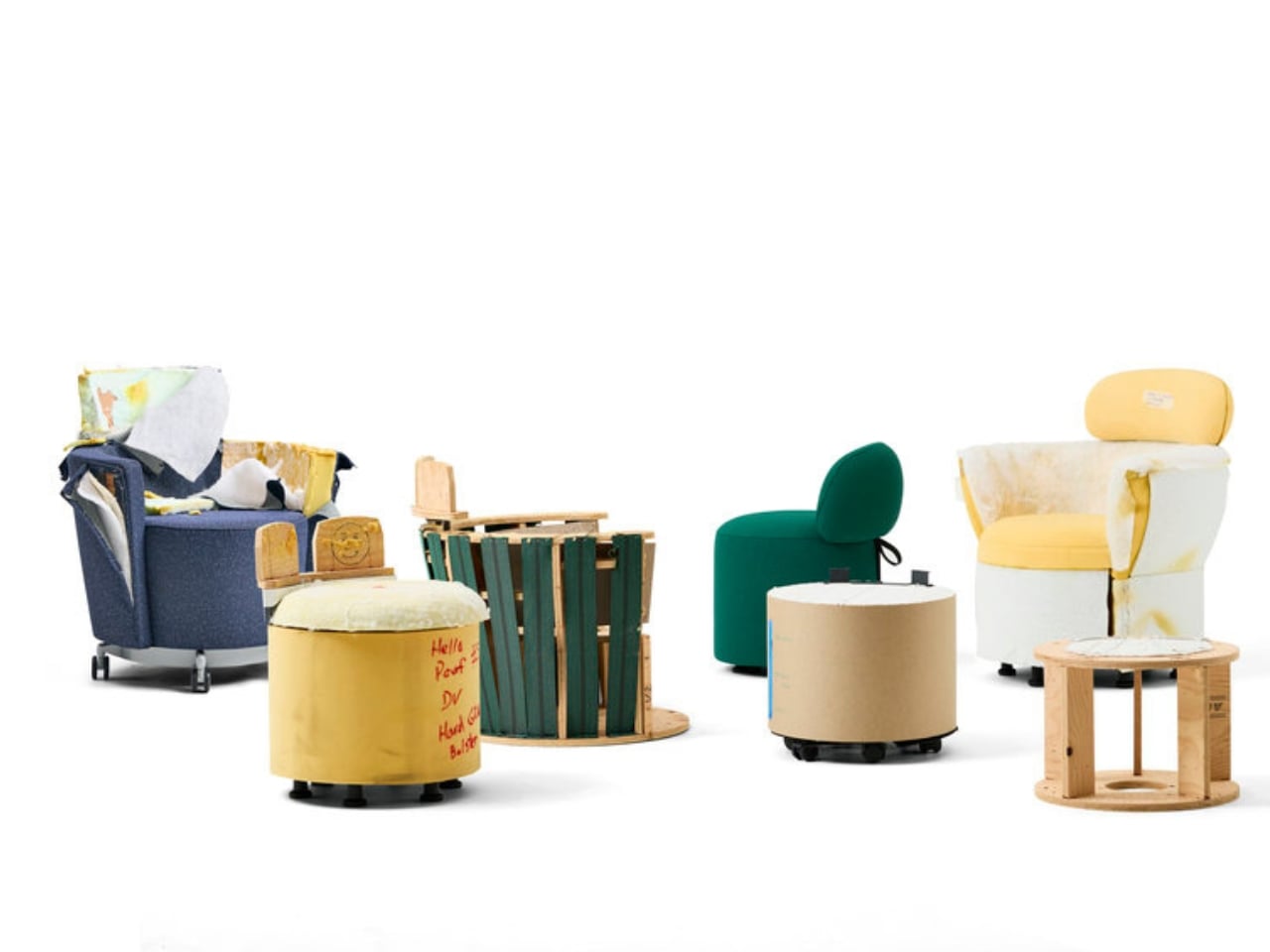
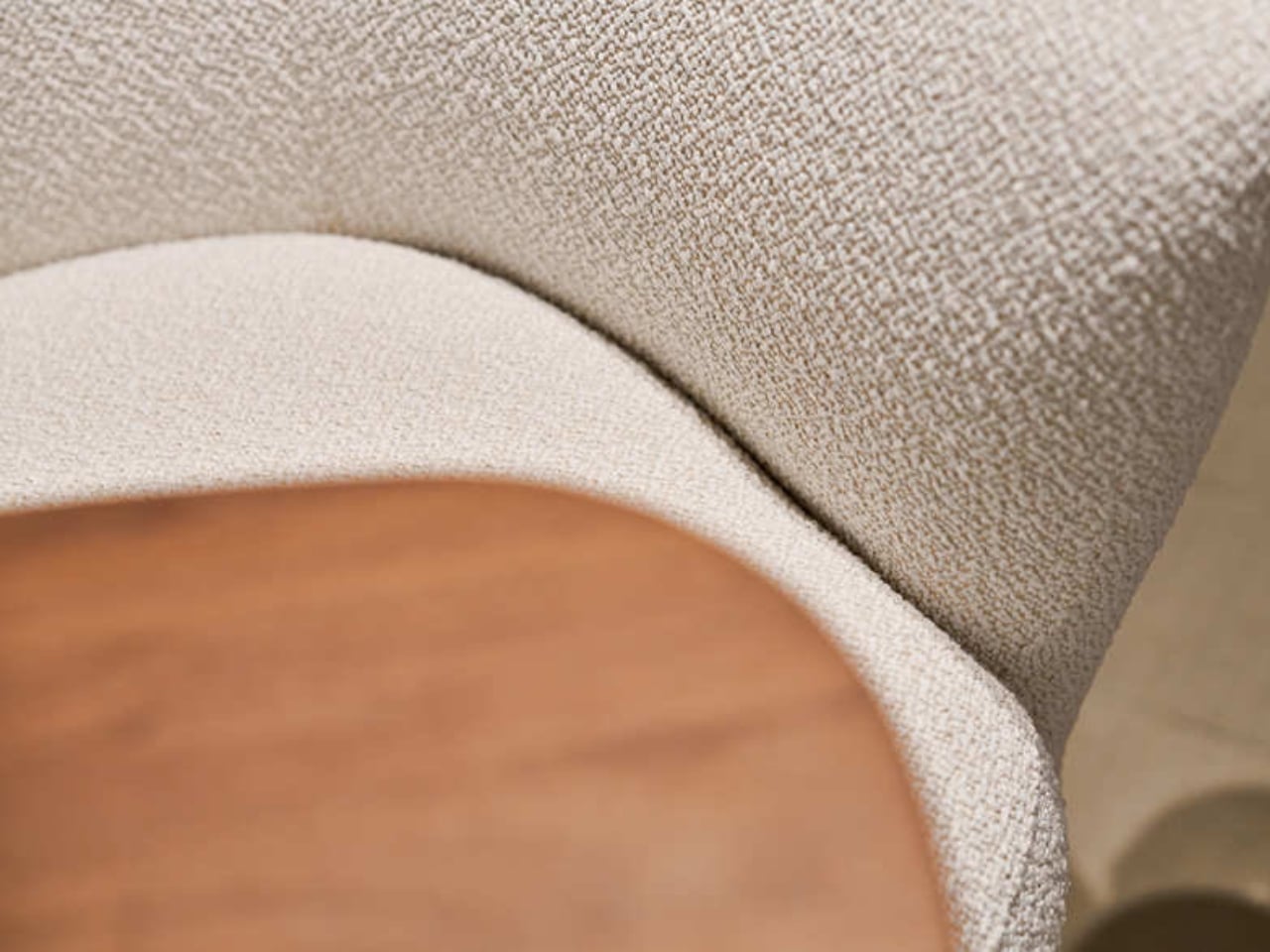
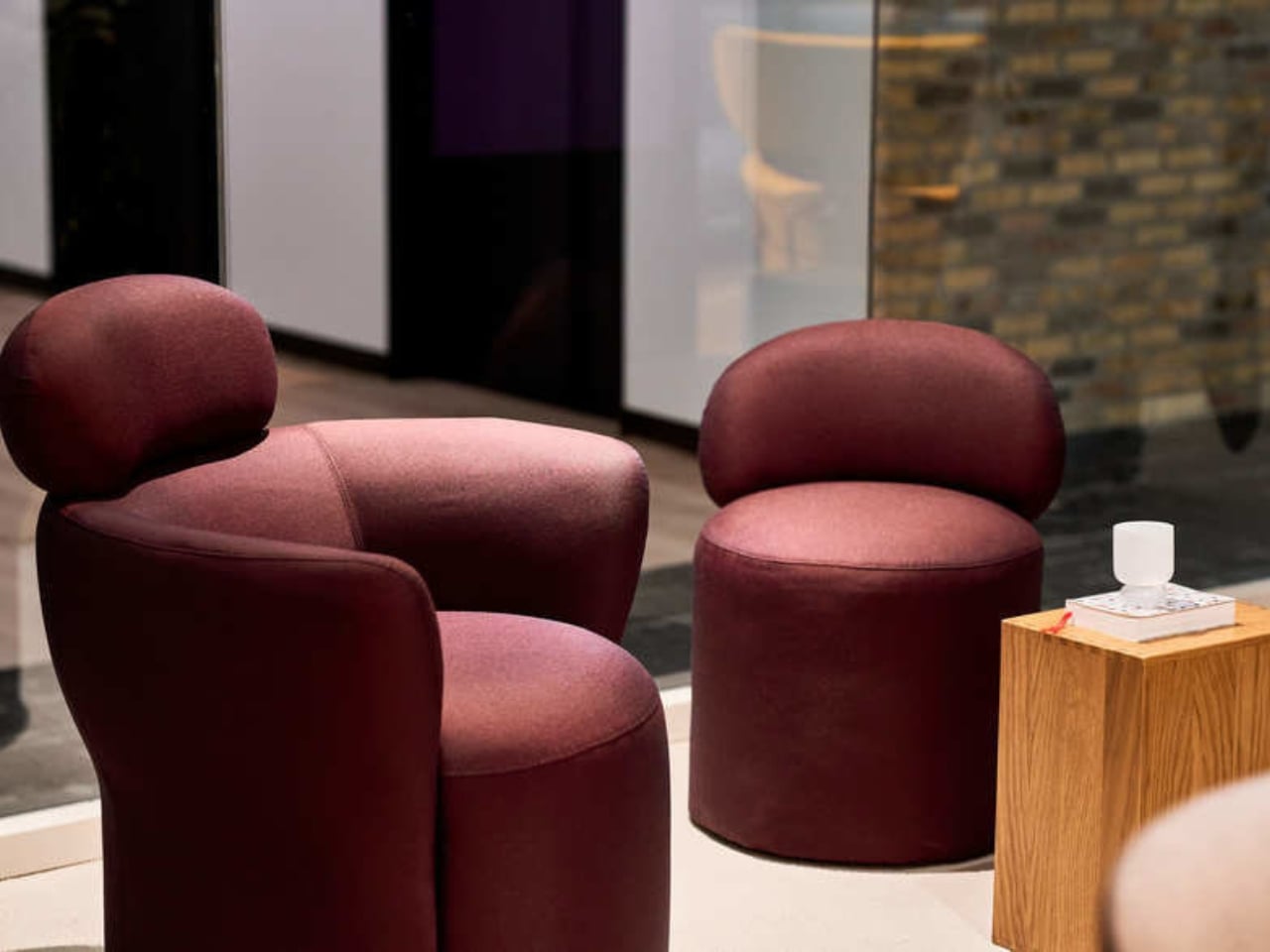
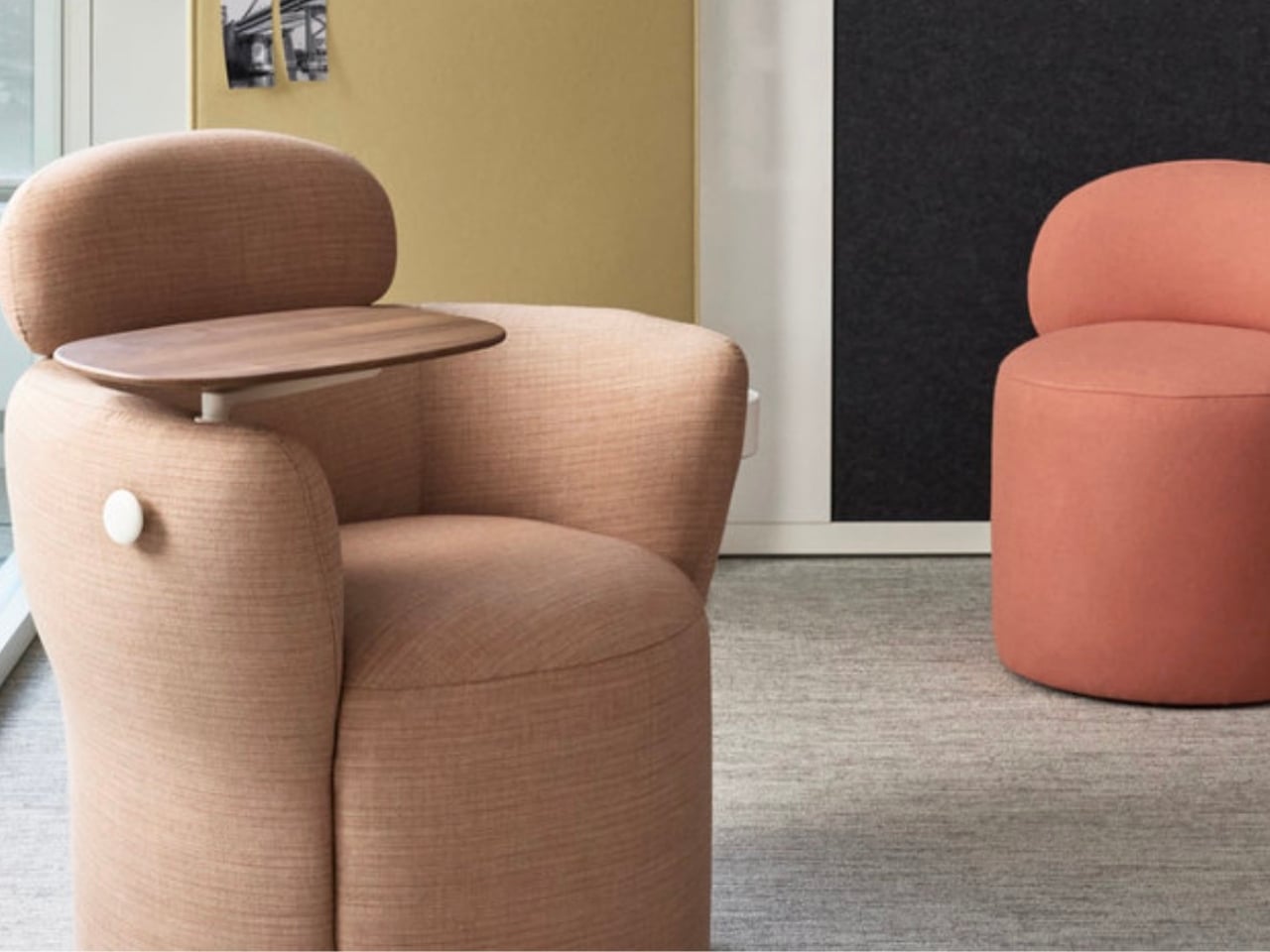
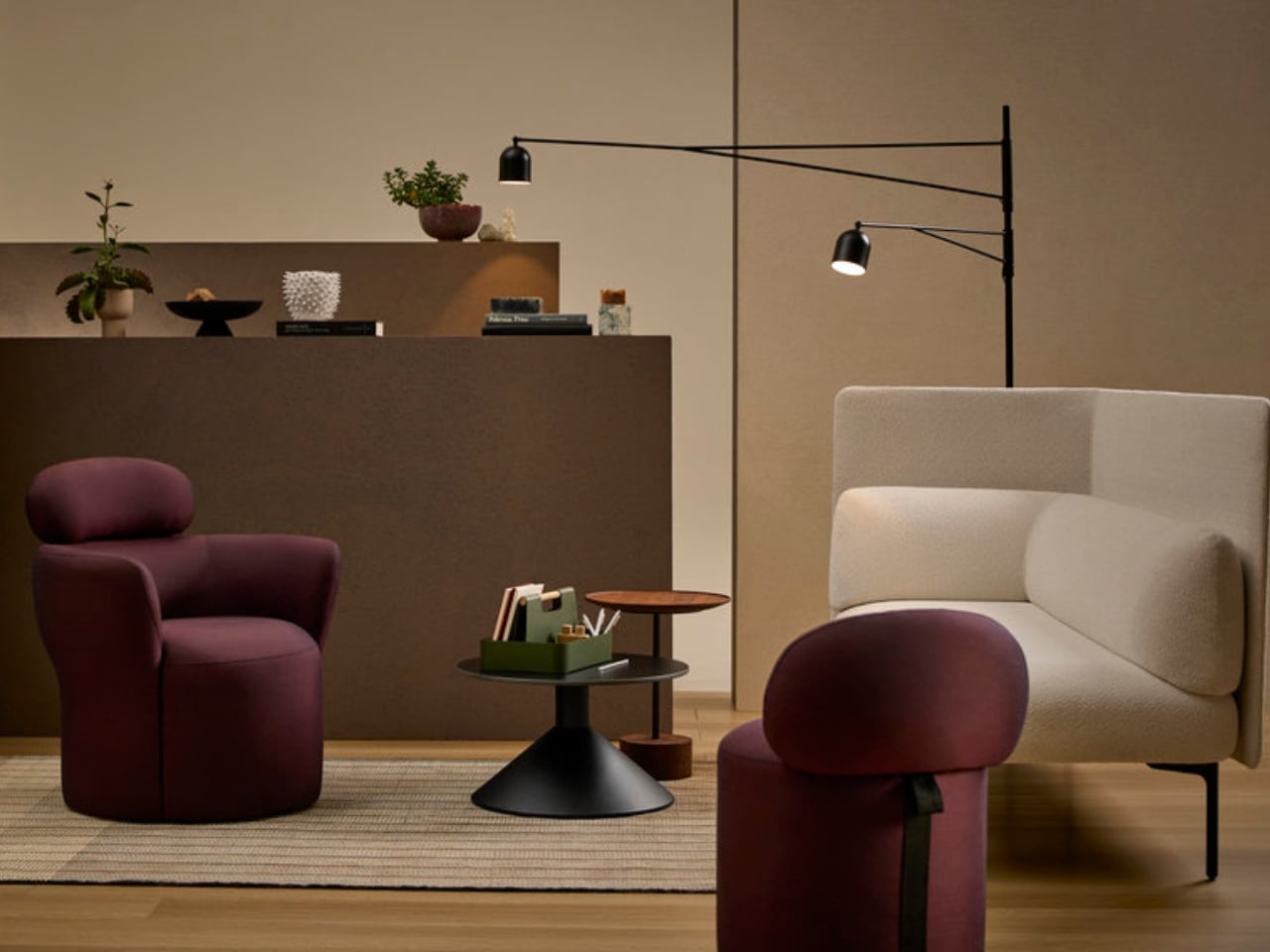
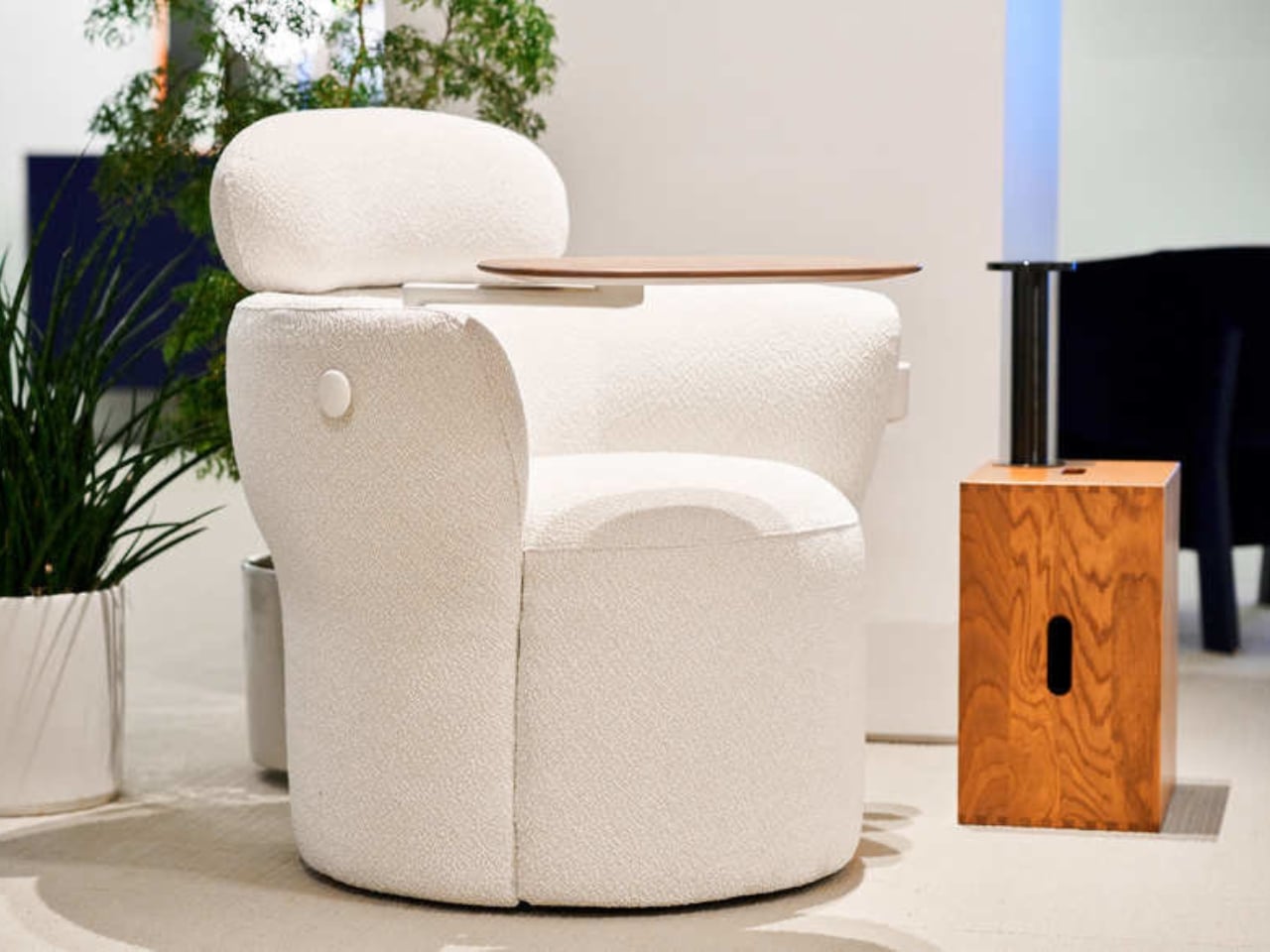
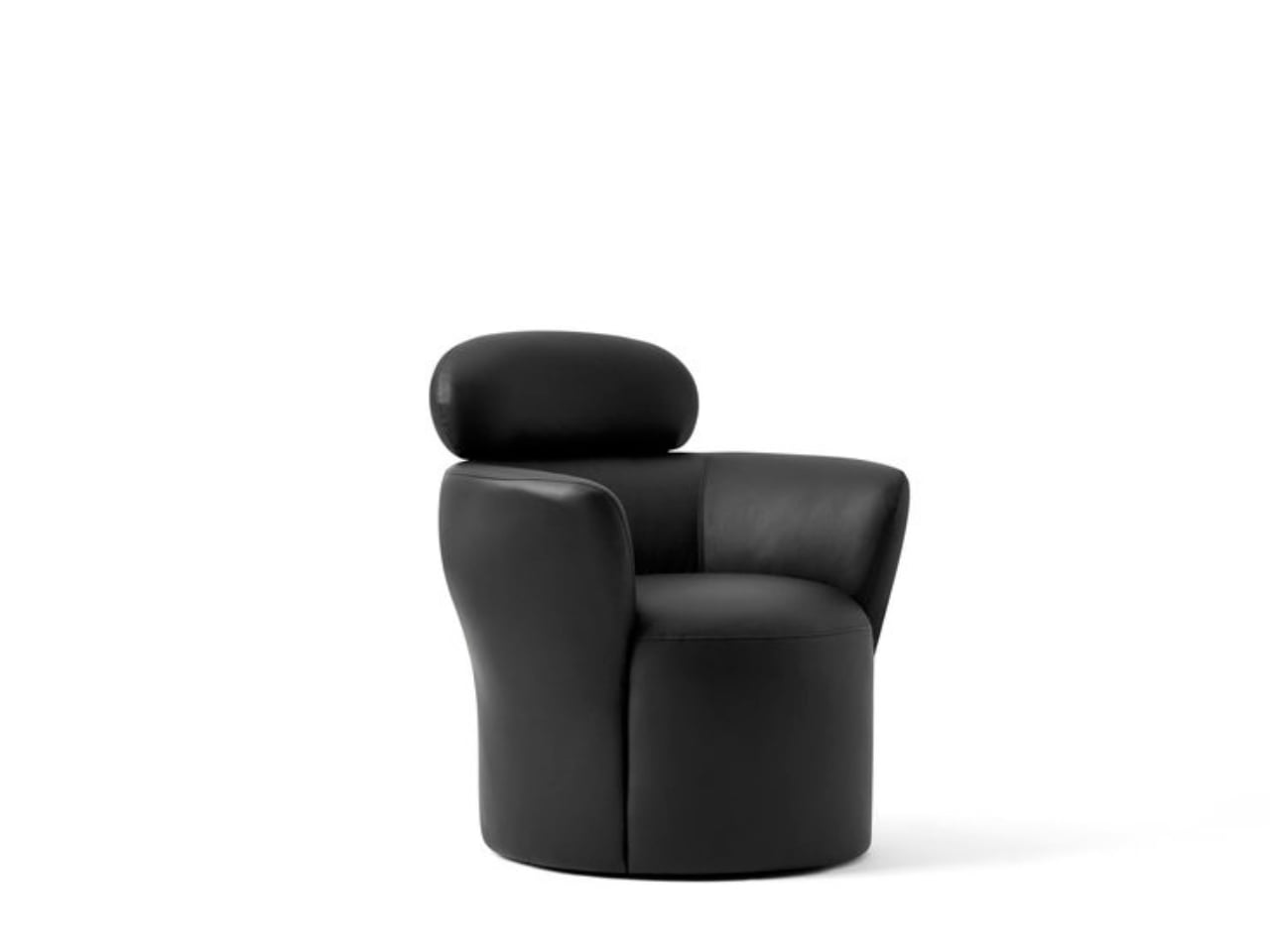
The answer, as it turns out, is softness. Not softness as a design cliché, but softness as a deliberate visual and tactile language. Urquiola kept the platform and the time-tested interior frame that gave the original its structural integrity, then completely transformed the exterior into something rounder, warmer, and far more contemporary. The lines are gentler. The proportions feel more considered. The overall effect is a chair that looks equally at home in a sleek corporate atrium and a boutique hotel lobby, which is not an easy balance to achieve.

One of the smartest things Urquiola did here was in how she handled the practical details. She didn’t just make it look better; she made it work better for the way people actually use shared spaces today. The casters are there for mobility, but they’re concealed beneath a skirt, so the chair reads as a lounge piece first and a mobile unit second. That’s a meaningful distinction. Nobody wants to feel like they’re sitting in something that belongs on a warehouse floor.

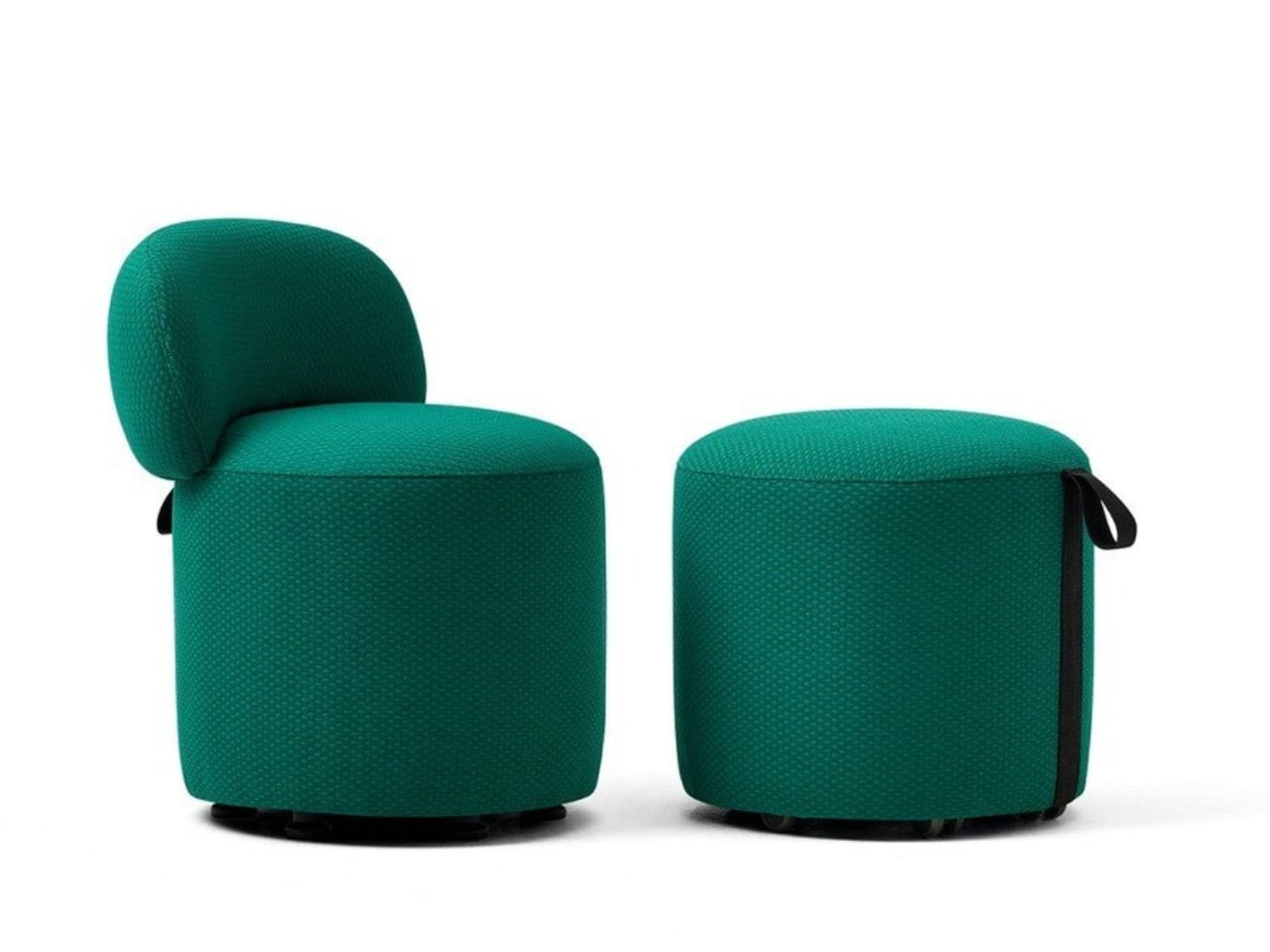
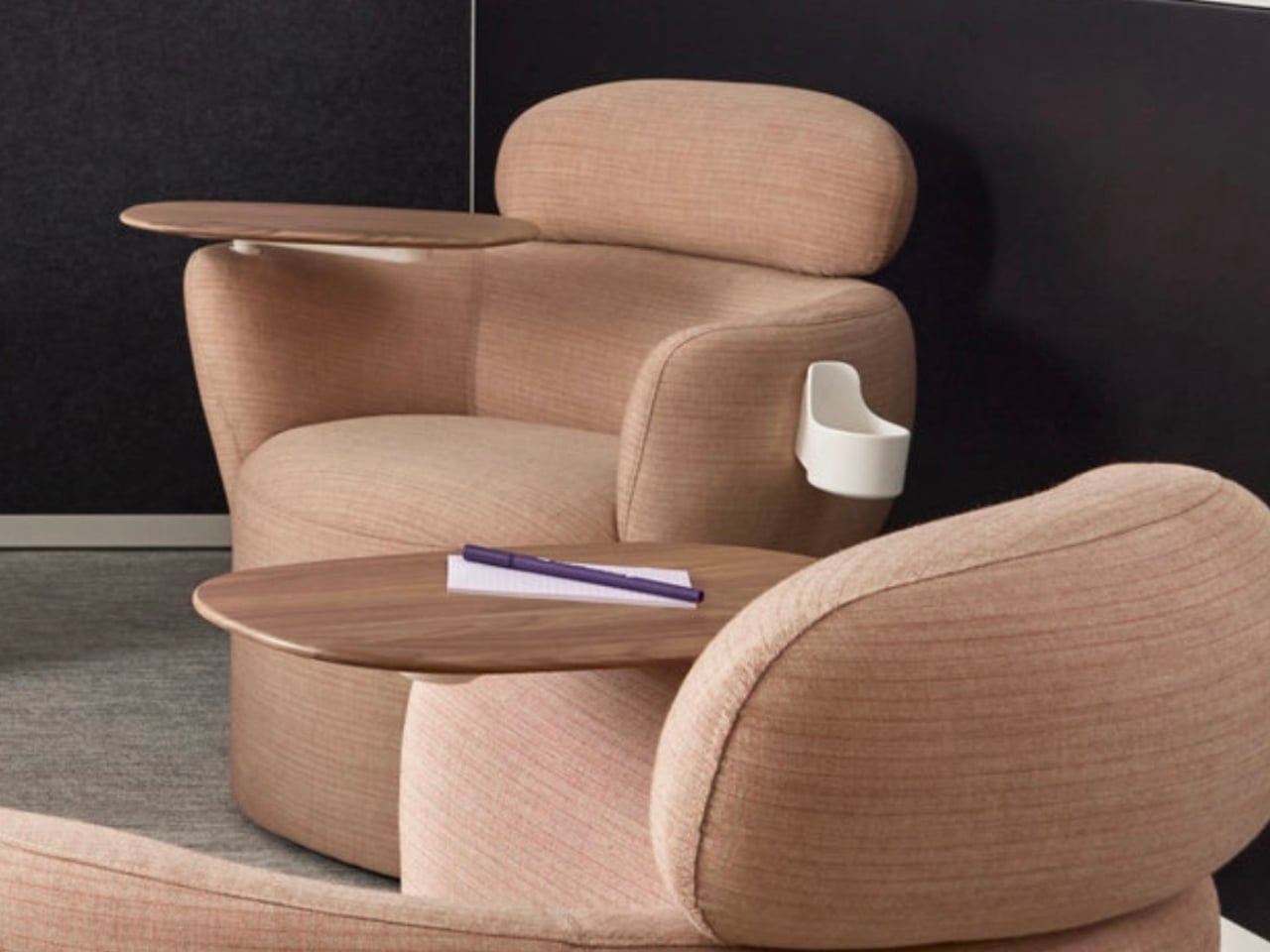
The collection extends beyond a single chair. Hello is a family: lounge chairs and poufs that can be configured in combinations suited to practically any setting. The pouf is particularly clever. It functions as a standalone ottoman, but a nylon pull strap makes it portable, and a back bolster can be added to transform it into low-profile mobile seating. That kind of adaptability is exactly what flexible, activity-based workplaces need right now, and the design handles it without looking like it’s trying too hard.

The optional accessories are worth noting too. A dual-pivot tablet arm, cupholder, and bag hook can all be specified, which brings Hello into territory that traditional lounge seating rarely occupies. It’s not quite a workstation, but it’s not purely decorative either. It sits, deliberately, somewhere in between, and that’s the whole point. The modern workplace doesn’t always separate focused work from casual gathering, and Hello doesn’t ask you to either.

Patricia Urquiola is one of those designers whose work you can recognize before you even see her name attached to it. Her pieces tend to have a quality that is both generous and precise, warm but never fussy, tactile without being ostentatious. Her portfolio, which spans collaborations with Cassina, Flos, Kartell, and many others, has long established her as someone who understands that great design is ultimately about how people feel inside it. The Hello redesign is completely consistent with that view. You can tell it was made by someone who actually thinks about what it means to sit down.

What Hello gets right, quietly and without fanfare, is the idea that the workplace deserves beautiful things. Not just functional things. Not just efficient things. Beautiful ones, with texture and softness and a visual warmth that makes people want to stay longer than they planned. That sounds obvious when you say it out loud, but it’s actually quite rare in contract furniture, where the priority is so often durability over delight and cost efficiency over craft.

Urquiola and Haworth have managed to give Hello both. It’s a piece that respects where it came from while having the confidence to become something entirely its own. After more than twenty years, the chair said hello again, and it meant it.

The post Haworth Just Gave Its Most-Loved Office Chair a Softer Side first appeared on Yanko Design.

The Osier Lounge Chair: A Harmonious Blend of Industrial and Natural Elements for Your Outdoor Space

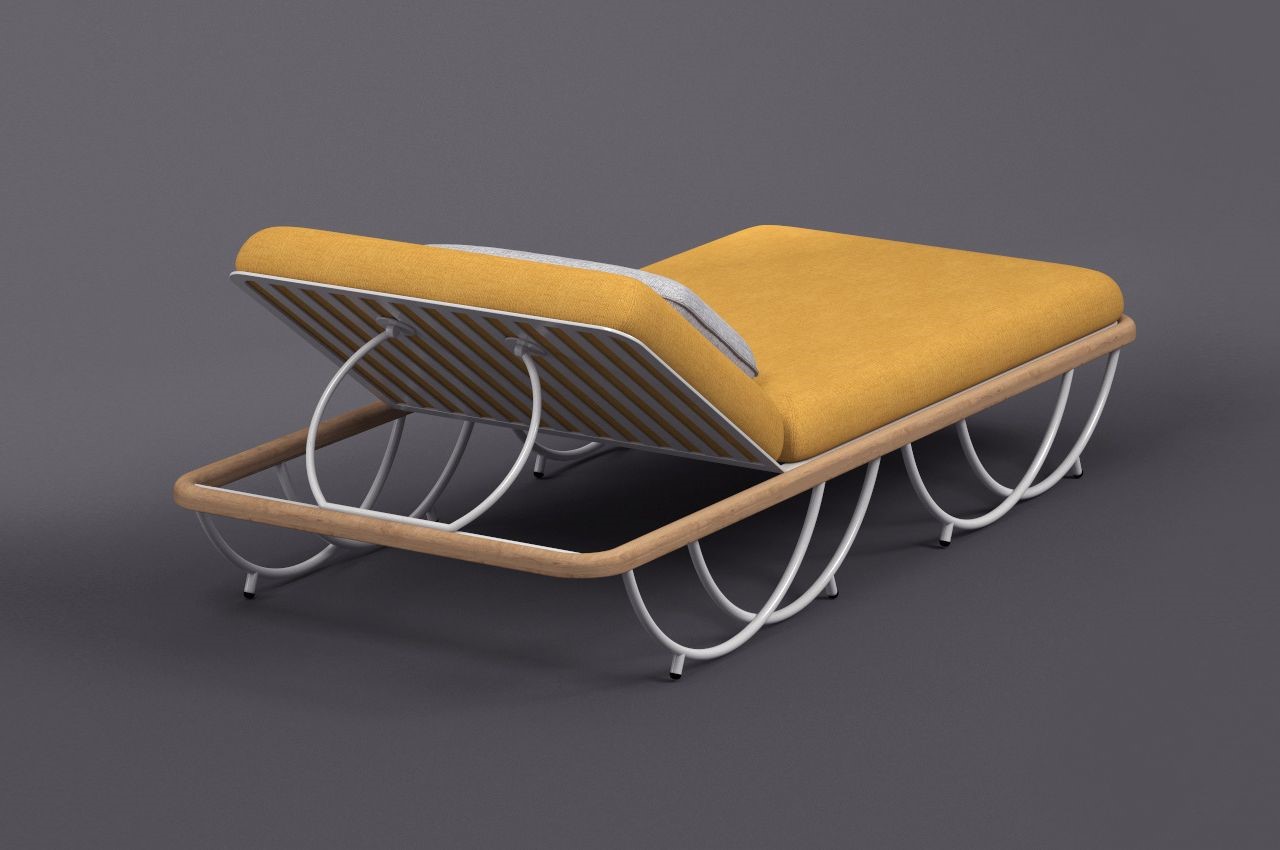
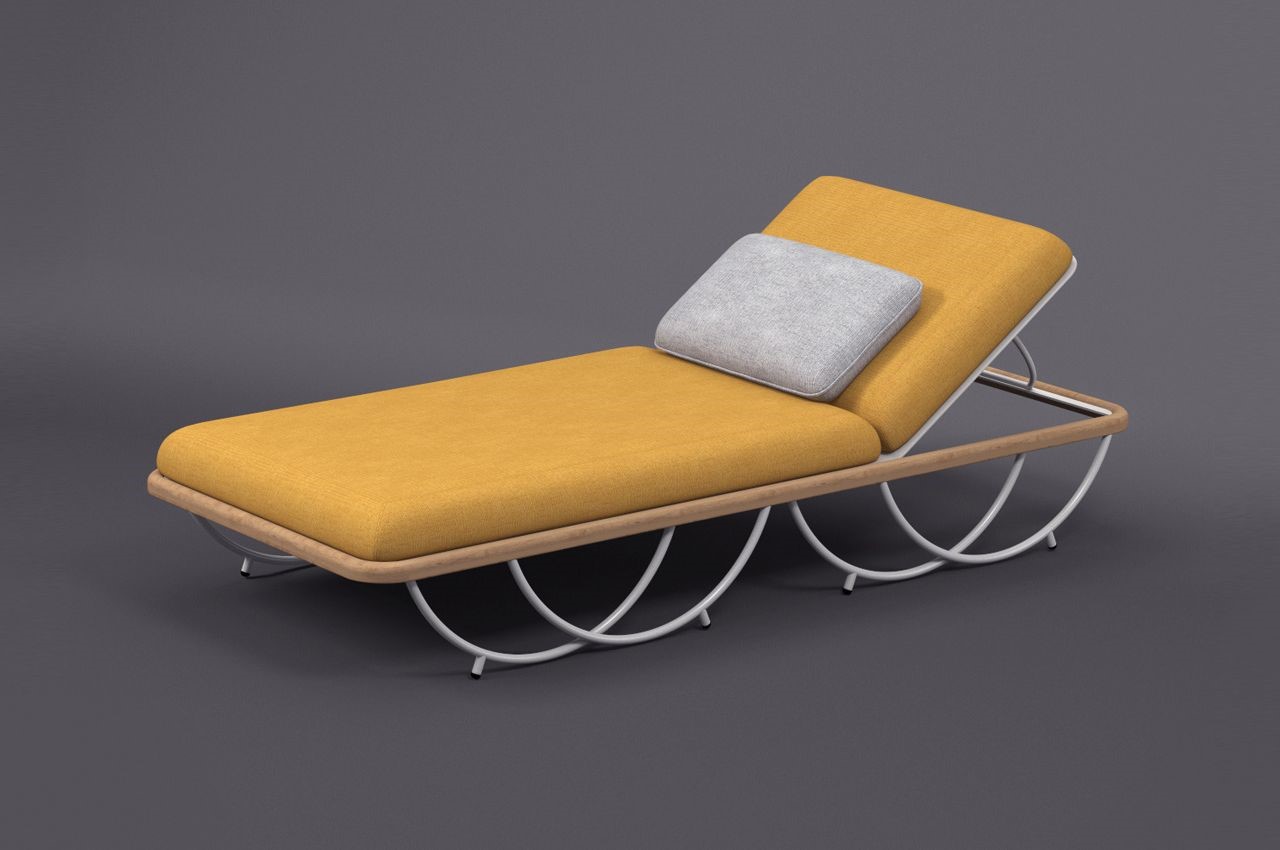
The Osier Lounge Chair stands as a testament to refined design, embodying an essence of lightness and grace that captivates at first glance. Its sleek, aerodynamic form evokes a sense of effortless elegance, inviting users to experience unparalleled relaxation and tranquility. Perfectly suited for various settings, this lounge chair seamlessly integrates into cozy garden ensembles, stylish terraces, and poolside retreats, enhancing the ambiance with its sophisticated charm.

Designer: Julia Kononenko

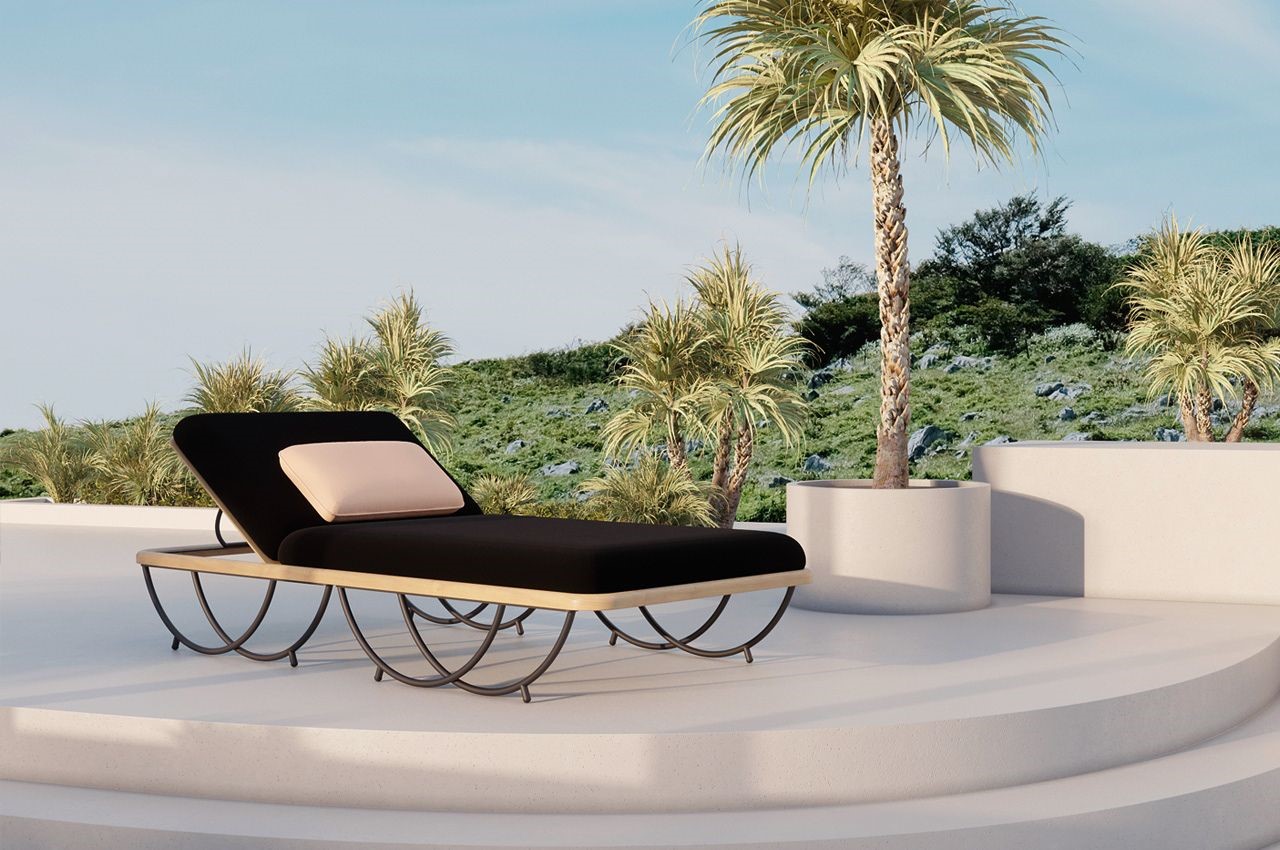
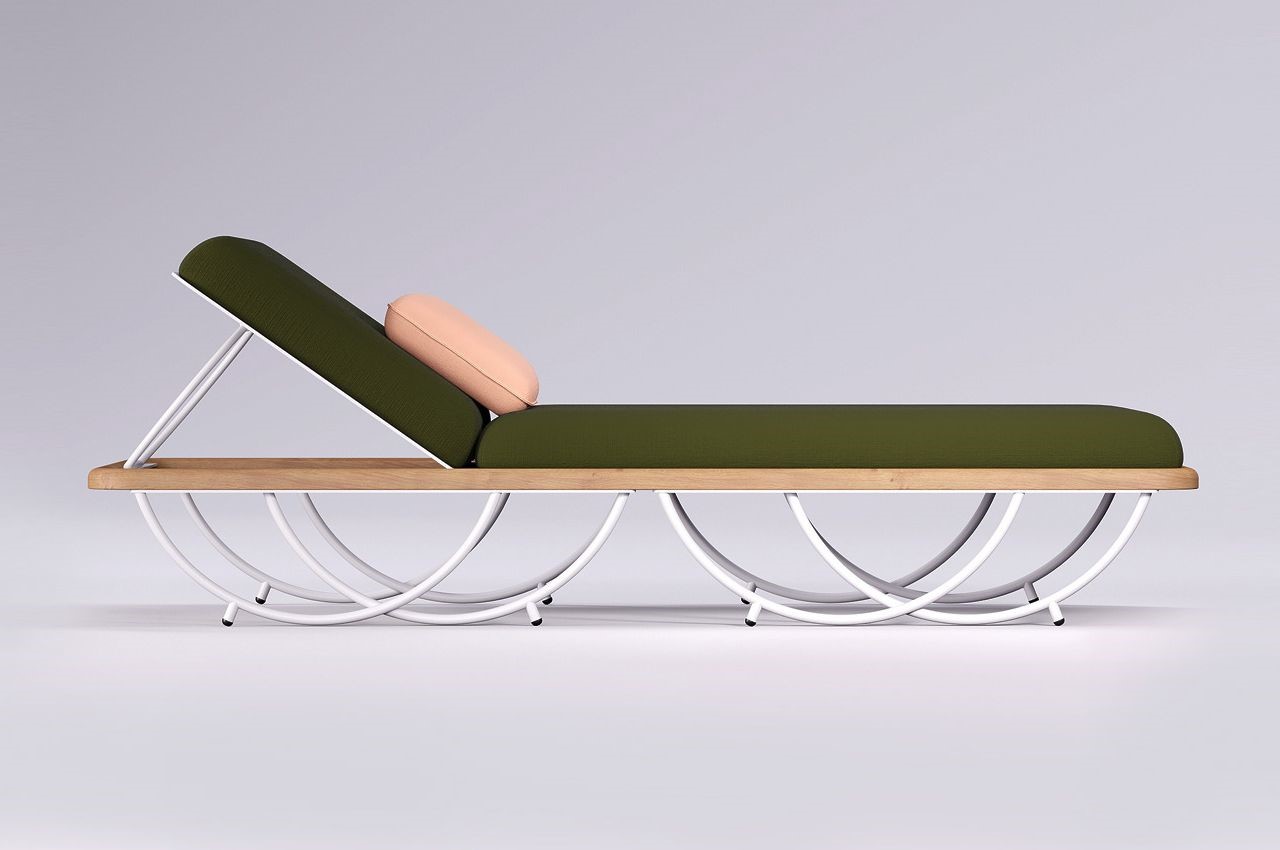
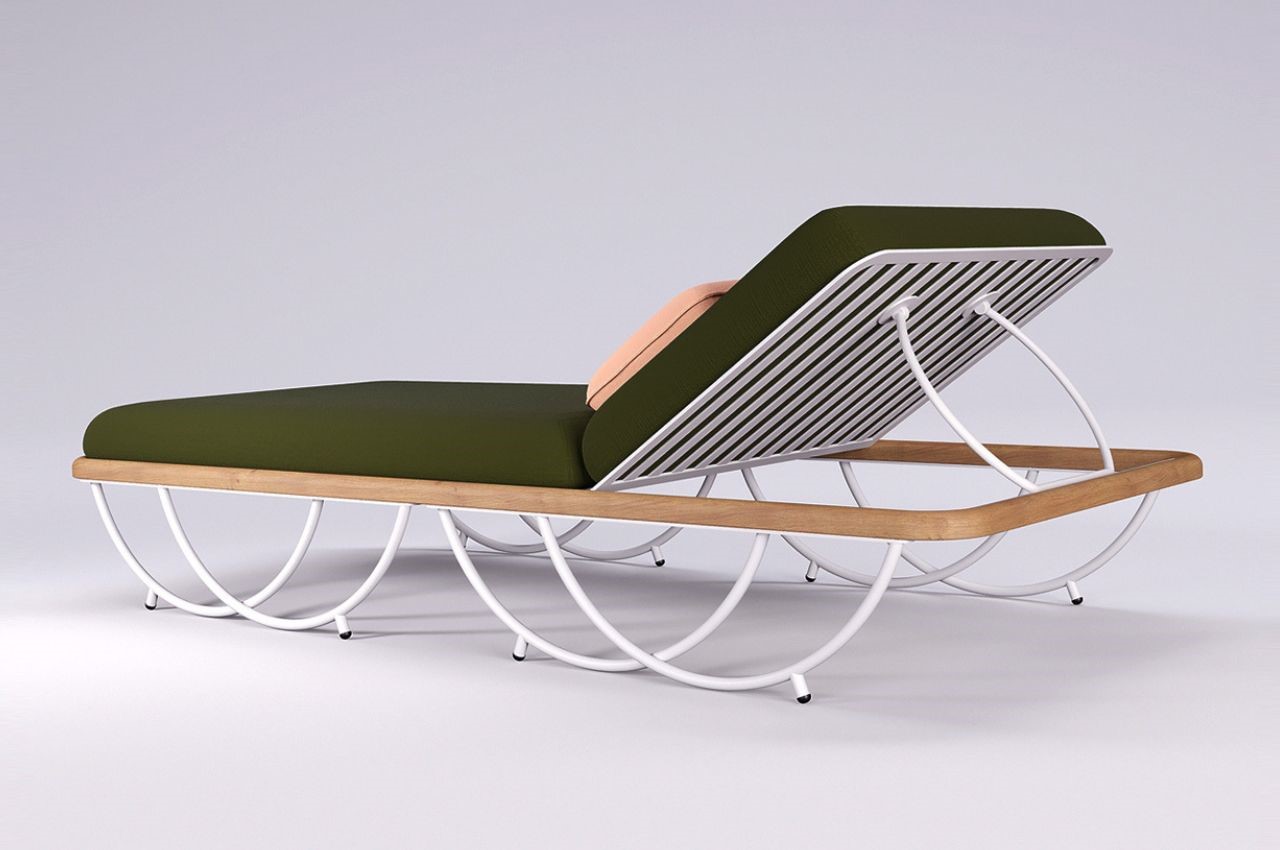
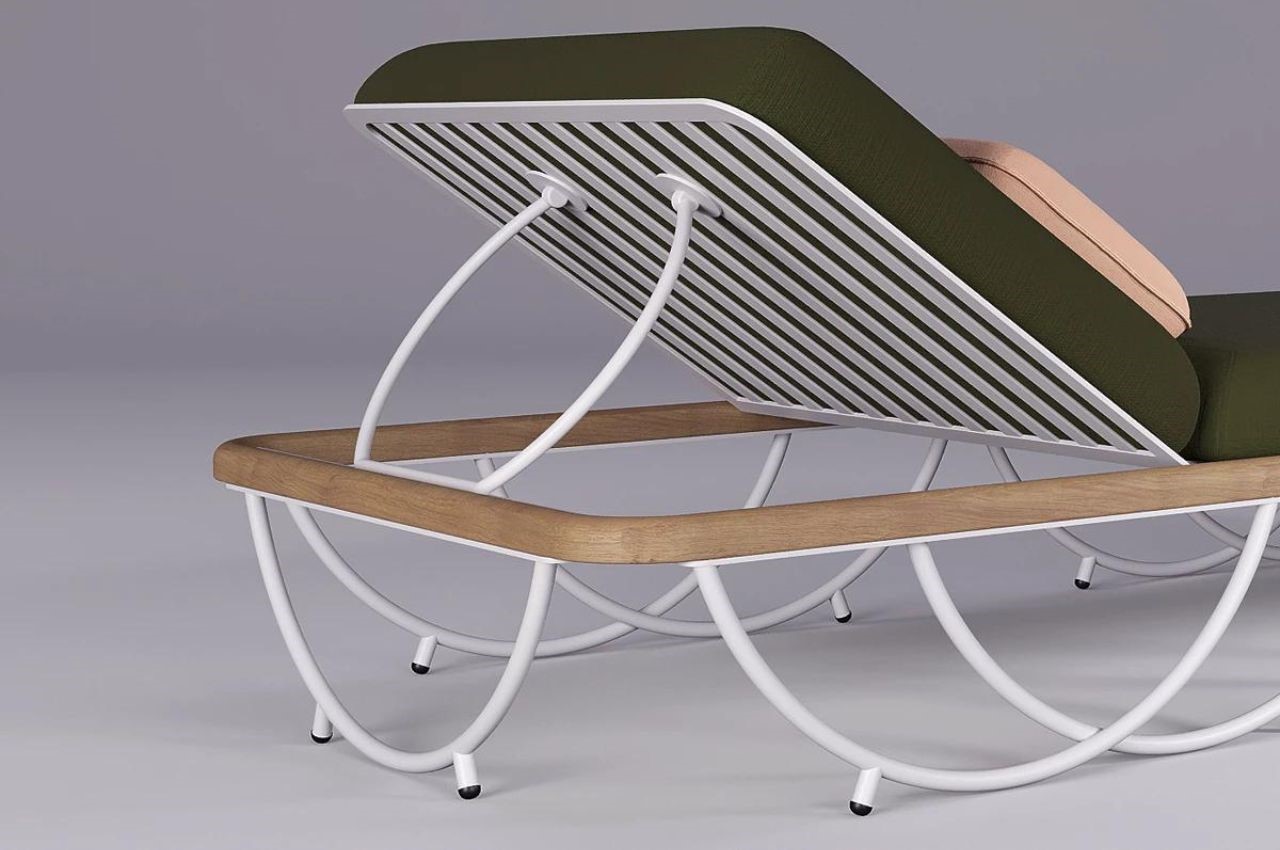
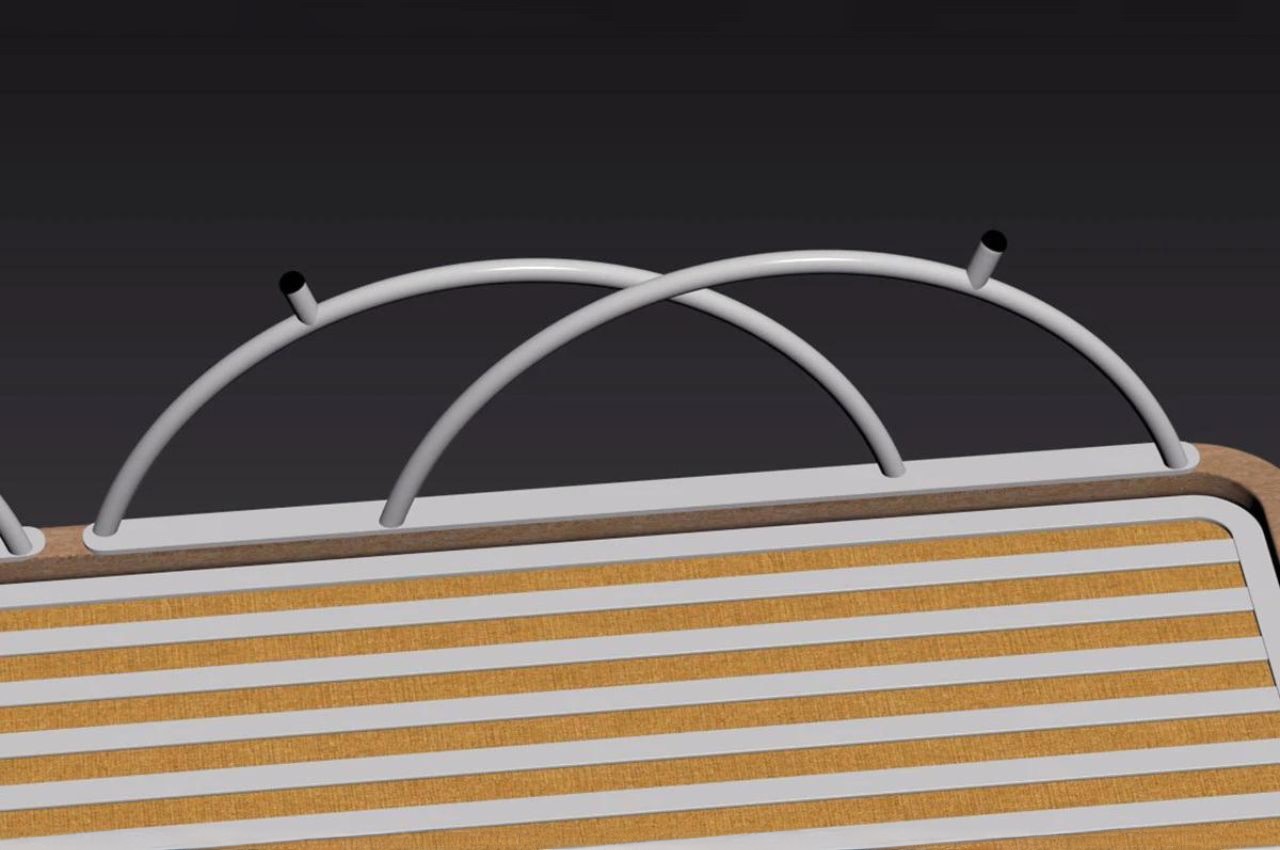
The Lounge Chair is crafted to mesmerize with its unique design. The chair’s leg construction, reminiscent of intricately woven wicker, is not only visually appealing but also robust and reliable. This design element marries the allure of traditional craftsmanship with contemporary aesthetics, creating a piece that is both timeless and modern. The woven pattern of the legs adds an organic touch, evoking a sense of nature while maintaining a sleek industrial charm.

At the core of this lounge chair is a commitment to comfort. The chair’s ergonomic design supports the body in a way that encourages relaxation, making it an ideal addition to any space dedicated to leisure. Whether placed in a serene garden nook or a chic urban terrace, the chair adapts effortlessly, enhancing the surroundings with its versatile elegance. Its presence by the poolside creates an inviting spot for lounging, adding a touch of sophistication to outdoor living spaces.

Osier Lounge Chair’s design philosophy is rooted in the harmonious blend of industrial and natural elements. The sleek lines and contemporary form are complemented by the organic texture of the woven wicker legs, resulting in a piece that is both alluring and grounded. This combination allows the chair to exude a sense of tranquility while maintaining a modern edge, making it a perfect choice for those who appreciate both comfort and style.

Beyond its aesthetic allure, the chair is engineered for durability and stability. The intricate leg construction, though delicate in appearance, is built to provide steadfast support. This ensures that the chair is not only a beautiful addition to any space but also a practical one, capable of withstanding the rigors of regular use while maintaining its elegance and charm.

The post The Osier Lounge Chair: A Harmonious Blend of Industrial and Natural Elements for Your Outdoor Space first appeared on Yanko Design.

Want a quick power nap at work? This clever chair will help you catch a few winks

Exhaustion is an epidemic. A staggering 62% of adults worldwide struggle with sleep deprivation, leading to a domino effect on health and productivity. Enter the Power Nap Chair, a revolutionary furniture design that tackles this challenge head-on.

Designed by Martin Tsankov, the idea of the Power Nap Chair came from his friend and business partner Milen Kisov, who discovered that power naps helped significantly boost his productivity at work. Scientifically proven to enhance cognitive function, memory, and cardiovascular health, short 15-30 minute naps are a game-changer. But finding a suitable space for napping at work has traditionally been a hurdle. Existing solutions like sleeping pods are bulky and expensive (not to mention that most offices don’t have them), and napping at your desk isn’t just uncomfortable, it’s also frowned upon… but the Power Nap chair offers a slick, cozy, and effective alternative.

Designers: Martin Tsankov & Milen Kisov

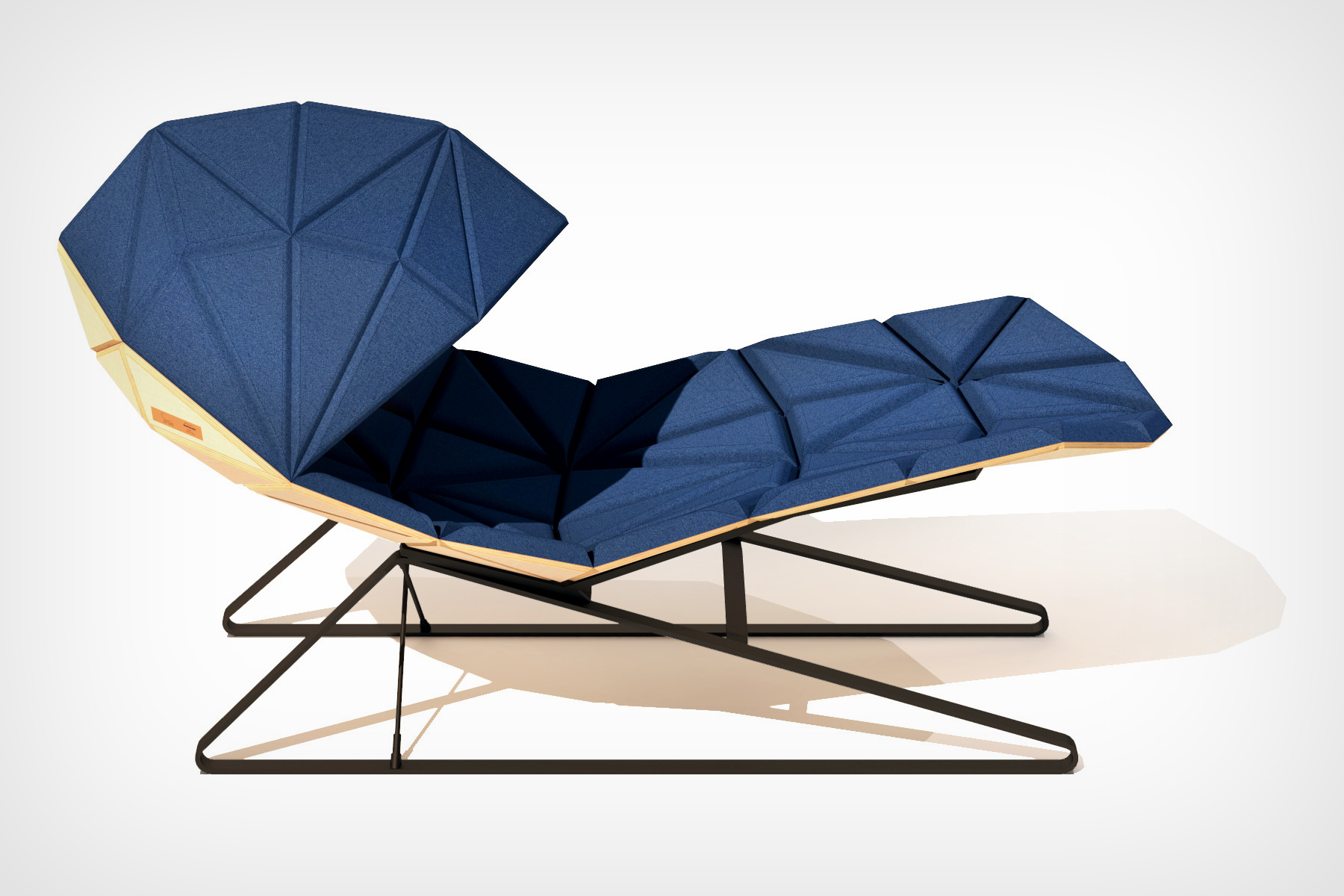
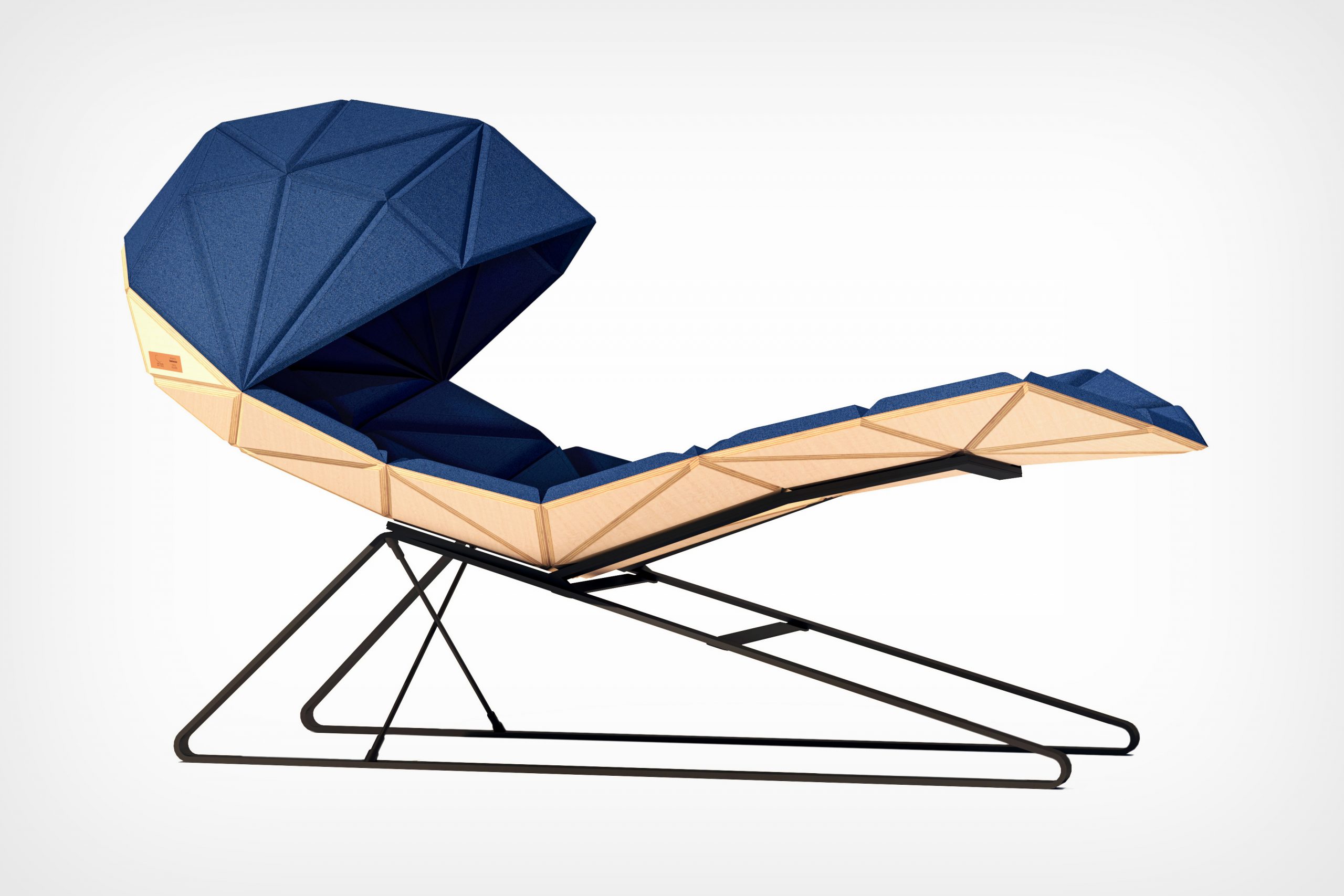
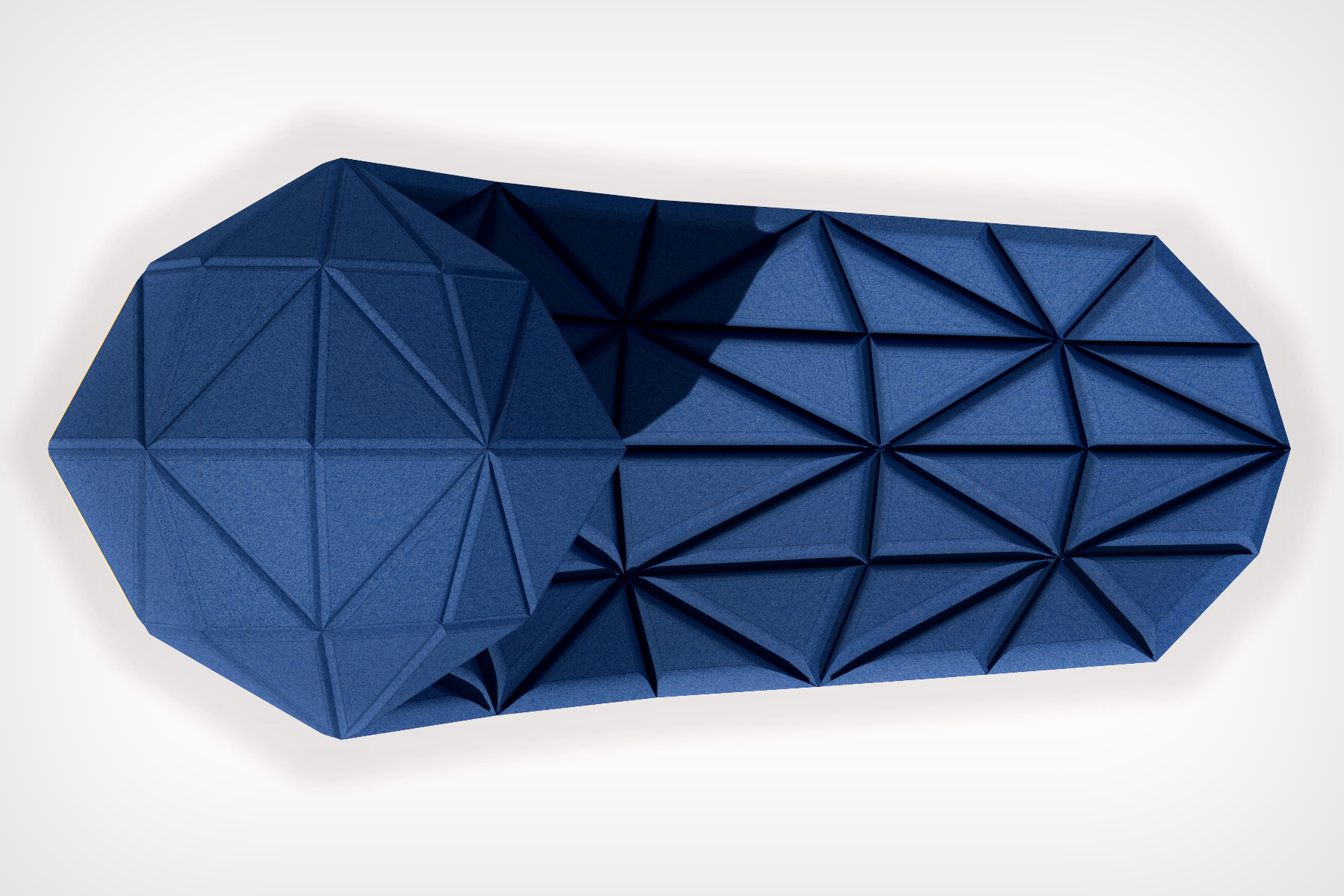
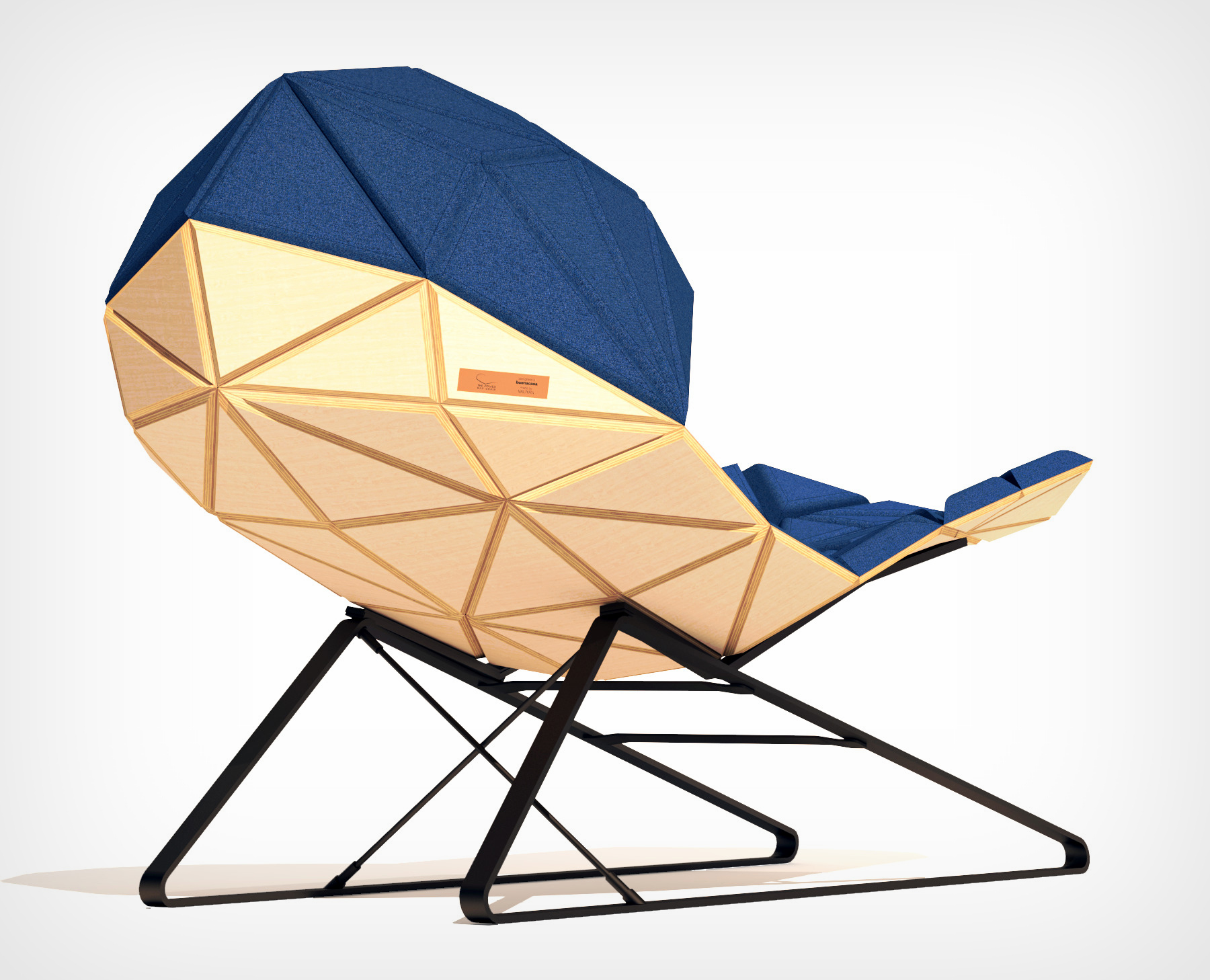
Sort of like a lounge chair meets a baby stroller, the Power Nap Chair comes with a relaxing design that you can lay down in, and a hood that cocoons you in your own personal private bubble. Simplicity reigns supreme – the chair is free of distracting technology, fostering complete disconnection. This makes it perfect for both open-plan offices and compact workspaces. Sustainability is woven into the very fabric of the chair. Carefully chosen, fully recyclable materials are used throughout, minimizing environmental impact.

The Power Nap Chair is built with three core components: a metal frame, an upholstered wooden body, and a foldable hood. The frame is crafted from machine-bent and powder-coated carbon steel profiles, echoing the chair’s triangular design for a sturdy foundation. The body is constructed from 104 individual CNC-milled birch plywood triangles, meticulously hand-sanded, and finished with non-toxic linseed oil. Each triangle is then encased in flame-resistant, biodegradable memory foam before being upholstered in a comfortable woolen fabric. The hood, made from the same fabric, is specially designed to fold for easy storage while providing essential privacy for napping users.

“Our main challenge is reversing societal stigma around resting in the workplace by creating a product fit for a modern lifestyle where relaxation and productivity intersect,” says designer Martin Tsankov, who won an A’ Design Award this year for the Power Nap Chair. The chair looks inviting, comfortable, and has a unique low-poly aesthetic that your eyes are sure to fall in love with right before they shut for your quick nap. The chair holds a design patent, although it isn’t in production just yet. A final prototype was, however, exhibited at the Stockholm Furniture Fair in February 2024.

The post Want a quick power nap at work? This clever chair will help you catch a few winks first appeared on Yanko Design.

Unusual lounge chair uses sponge-filled ropes to mimic a certain insect

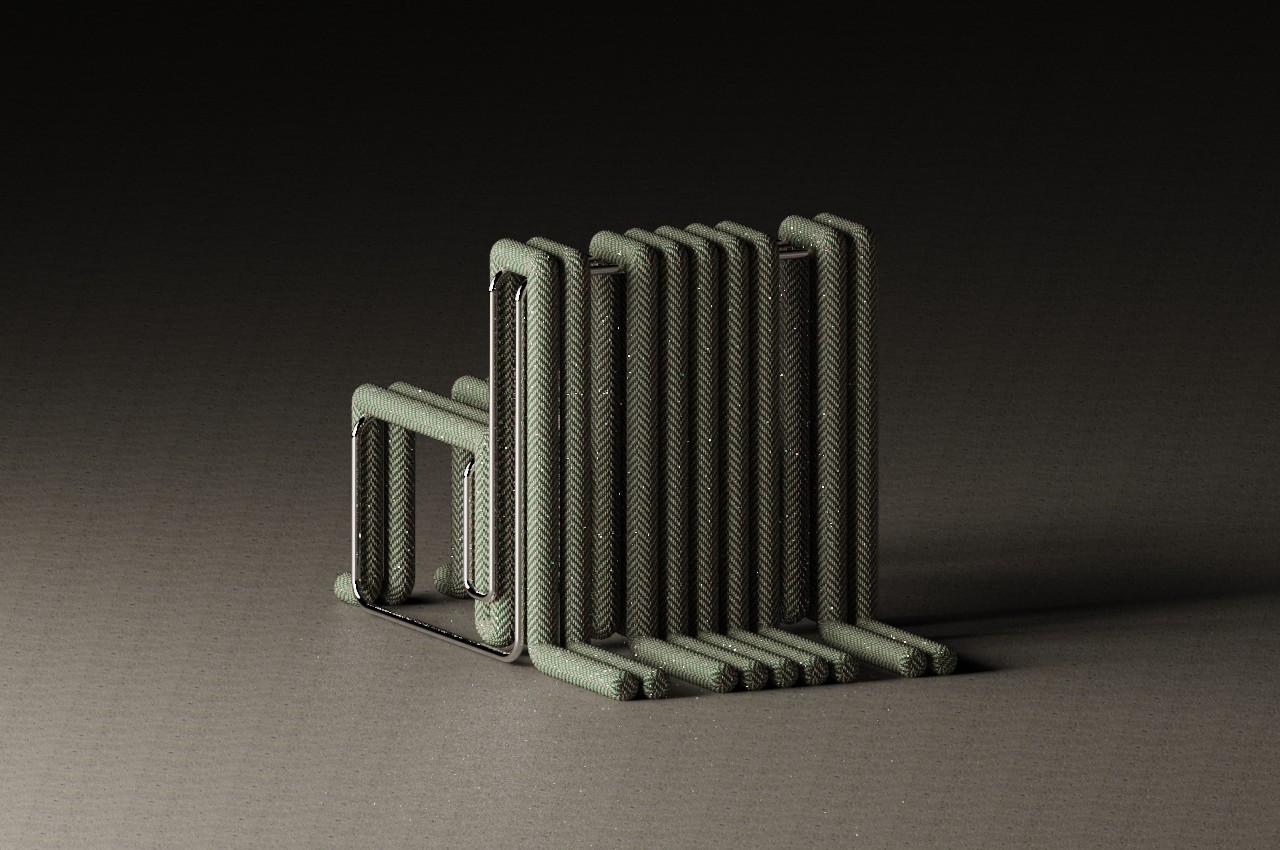
The human mind is such an incredible thing, capable of creating wonderful designs and life-changing products. Of course, it is really no match against the unfathomable “mind” of nature, as seen in the sometimes awe-inspiring, sometimes bewildering things we can find in the world, both living and non-living. The complexity of nature’s design has been an inspiration for many of mankind’s creations and inventions, great and small, either just in terms of the basic form or including their function. There are times, however, when such an inspiration takes an odd turn, like this lounge chair that half looks comfy and half unsettling, especially after you learn what the peculiar piece of furniture is inspired by.

Designers: Miray Ozlem ER

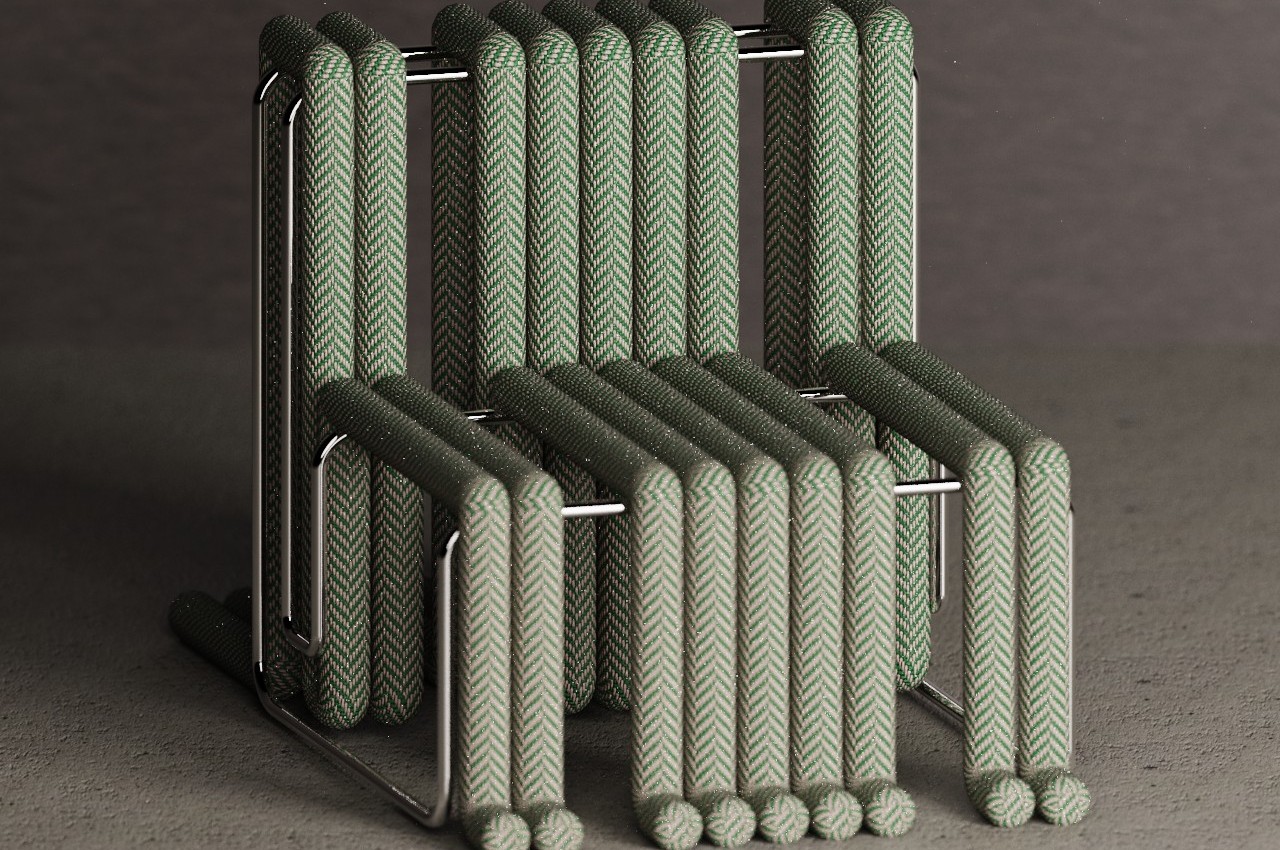
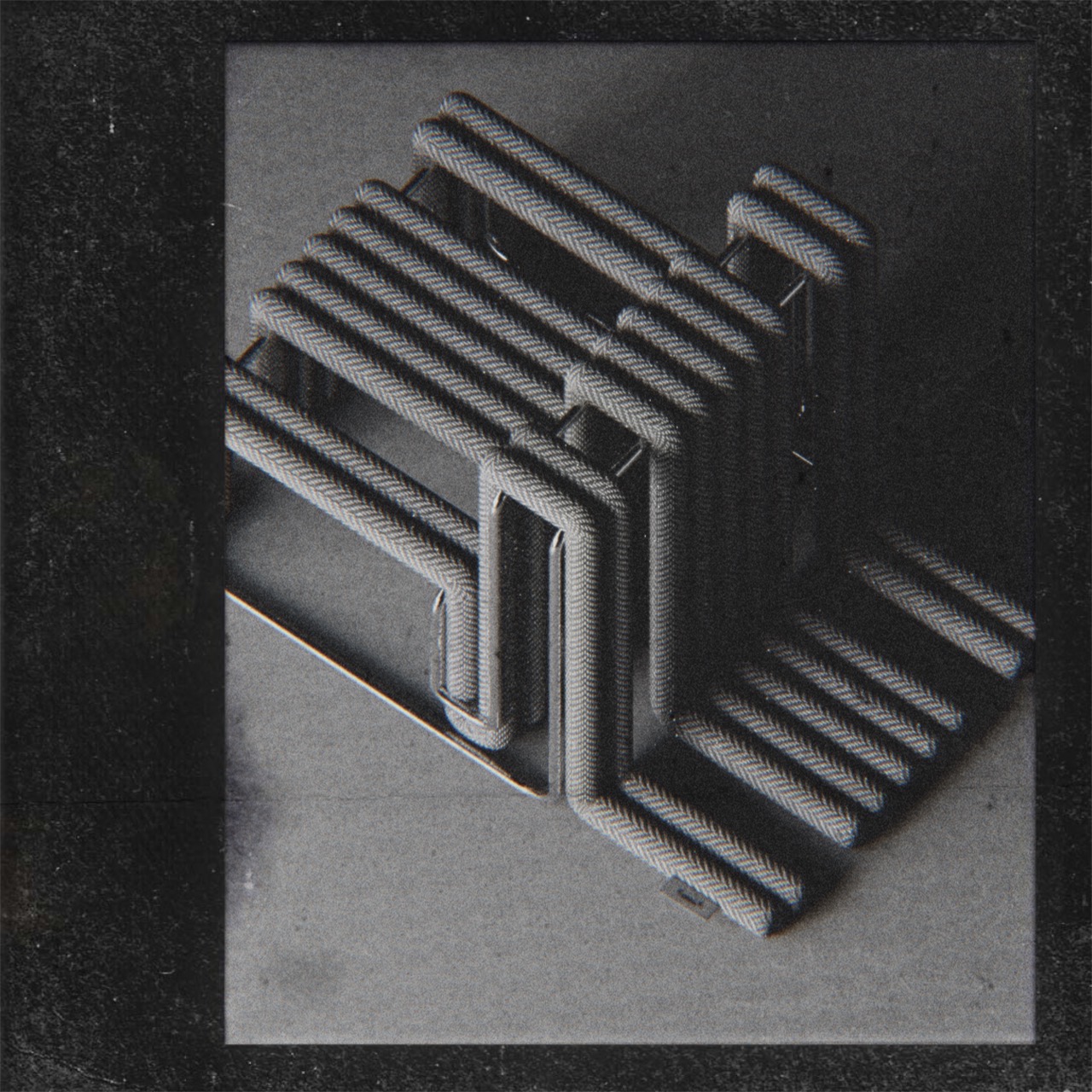
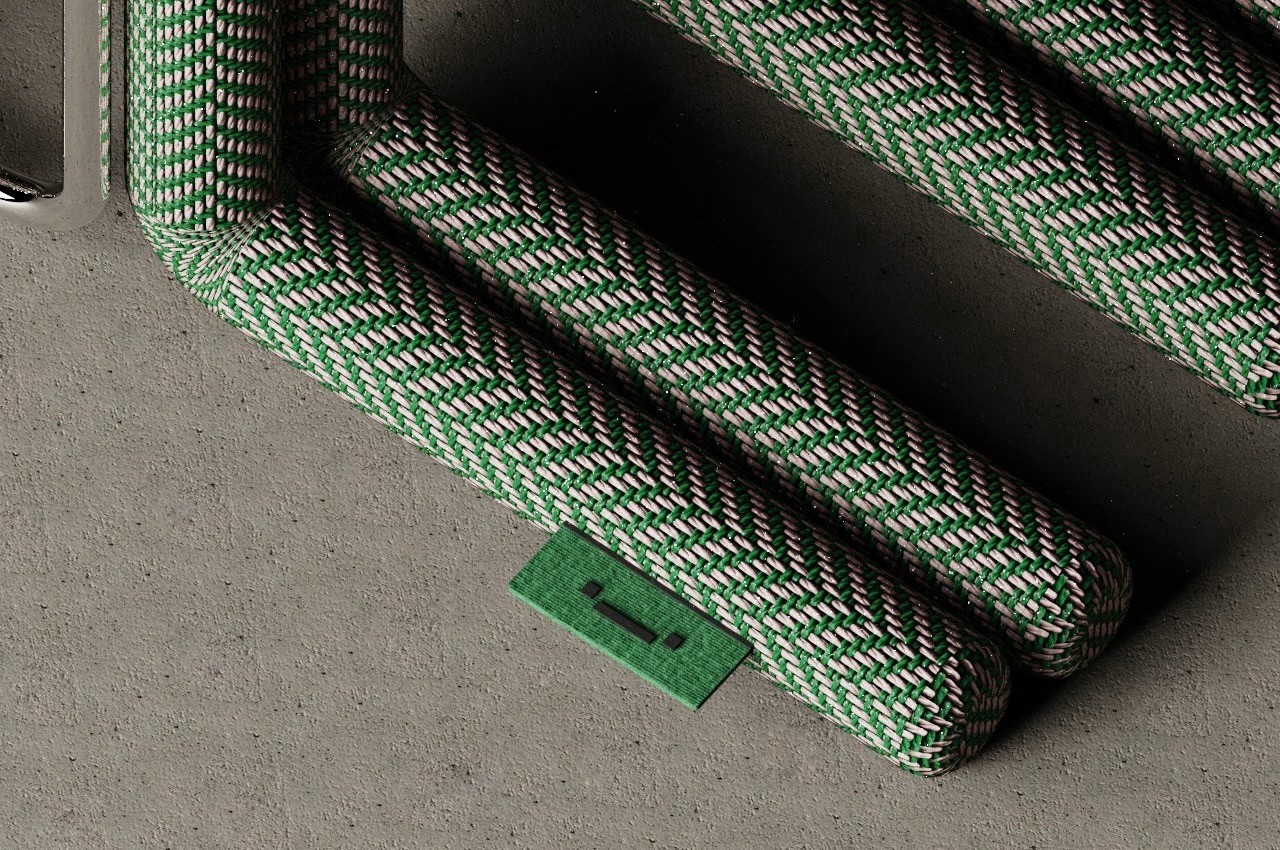
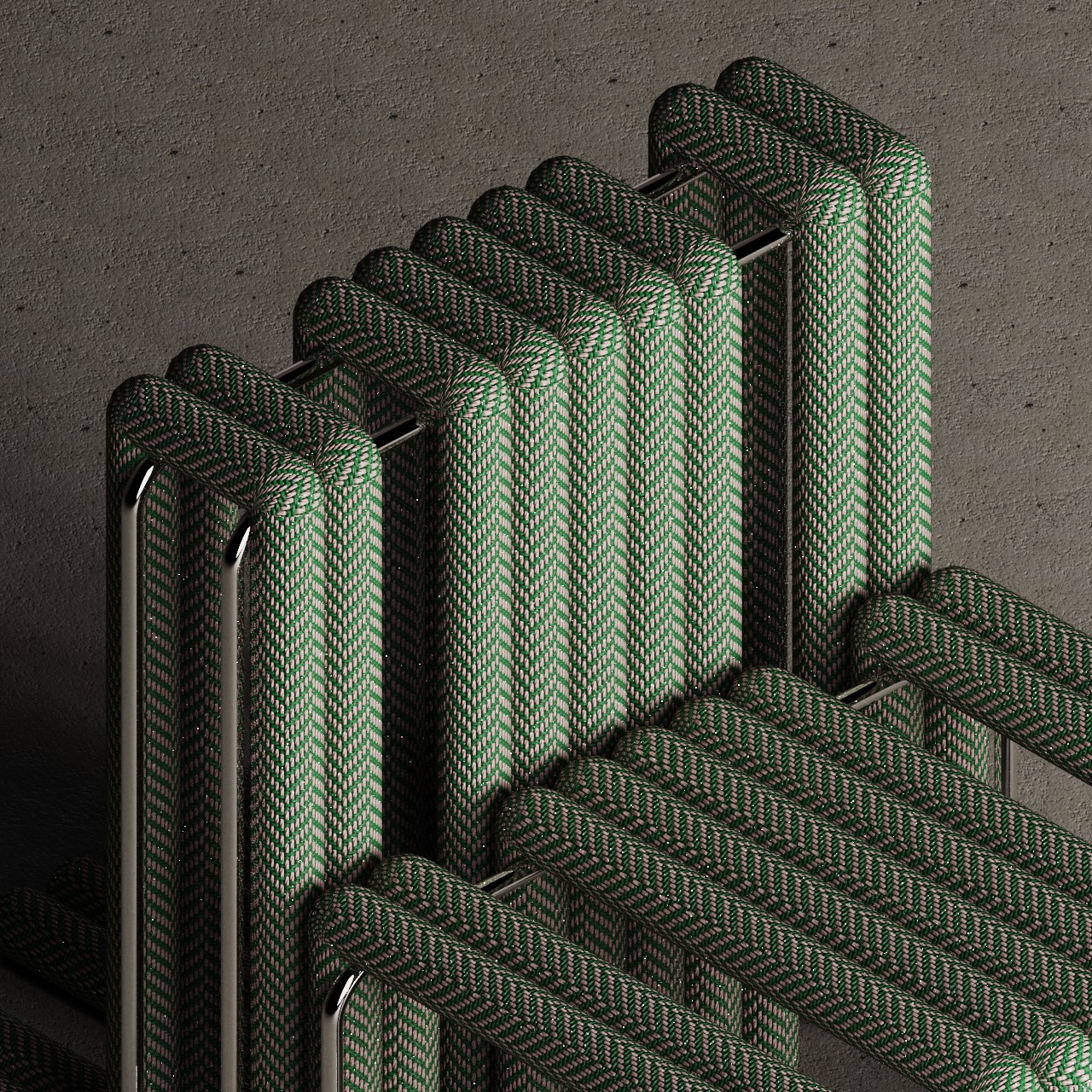
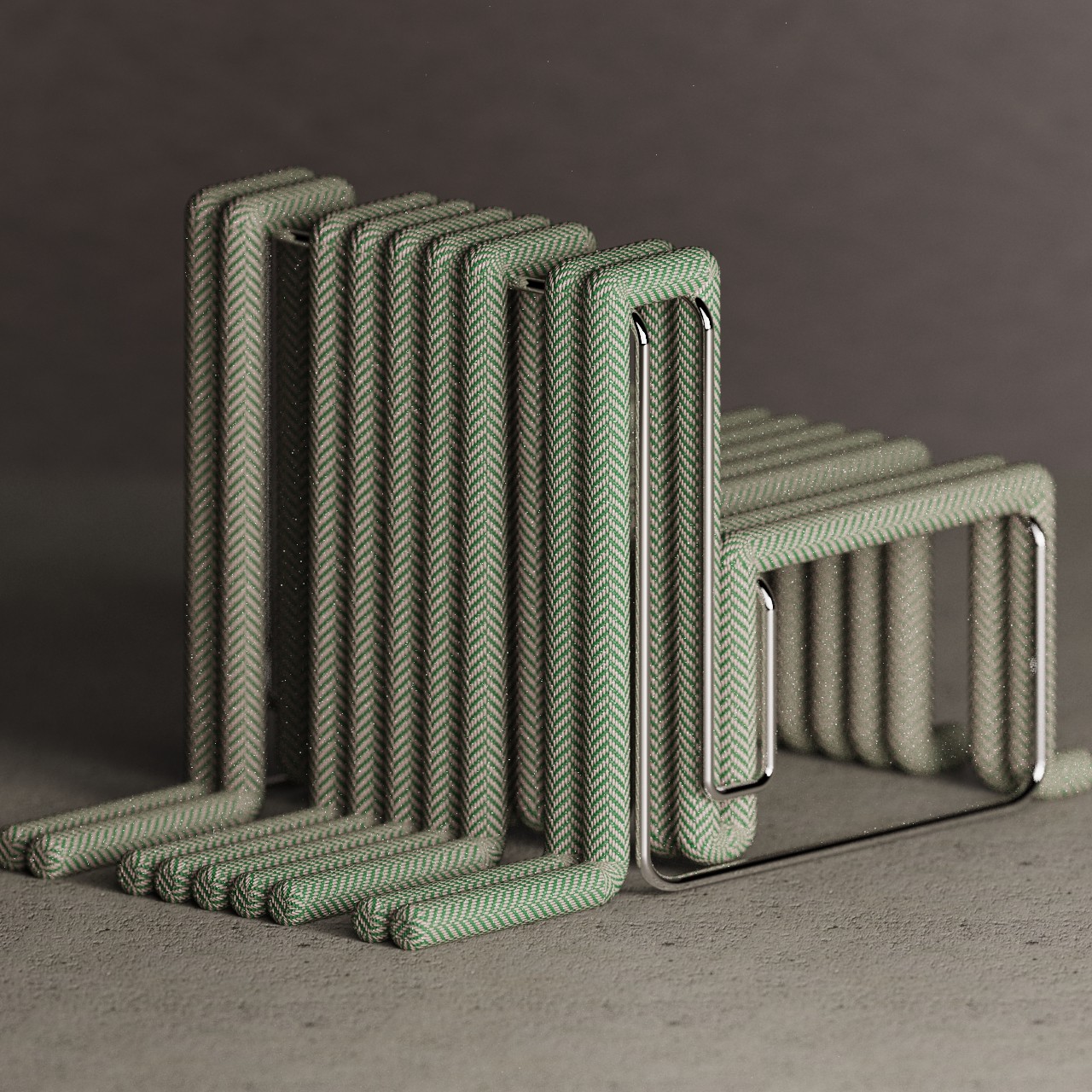
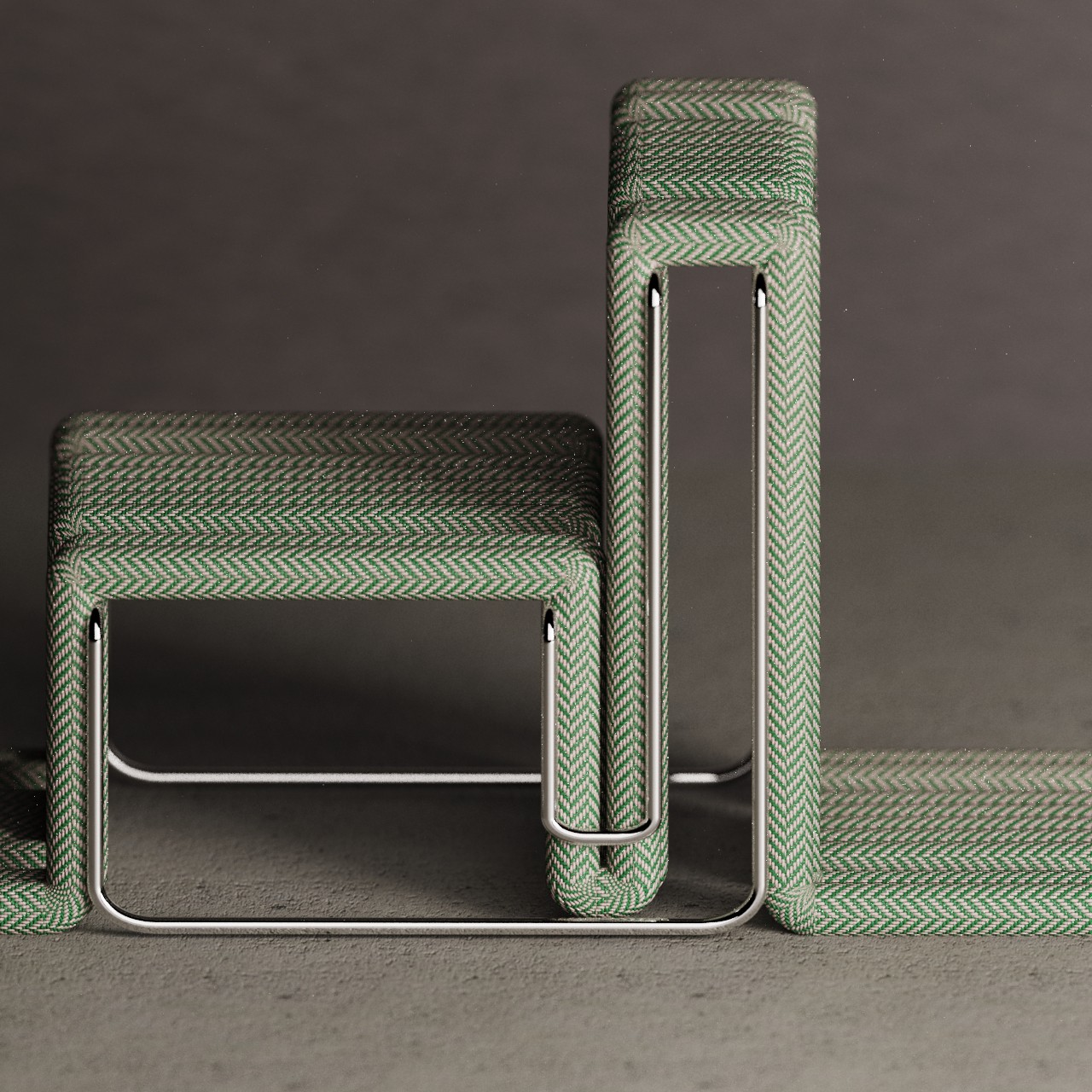
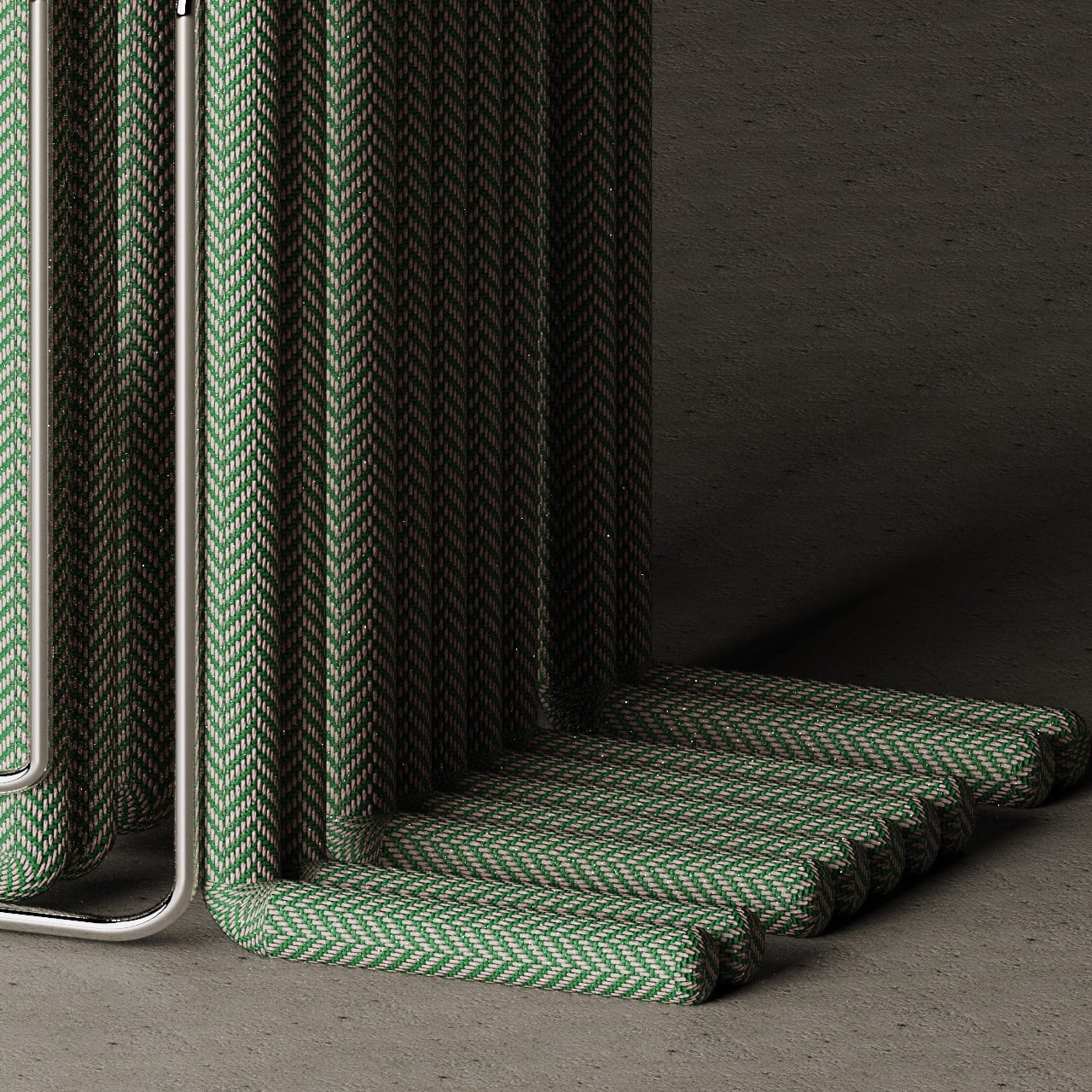
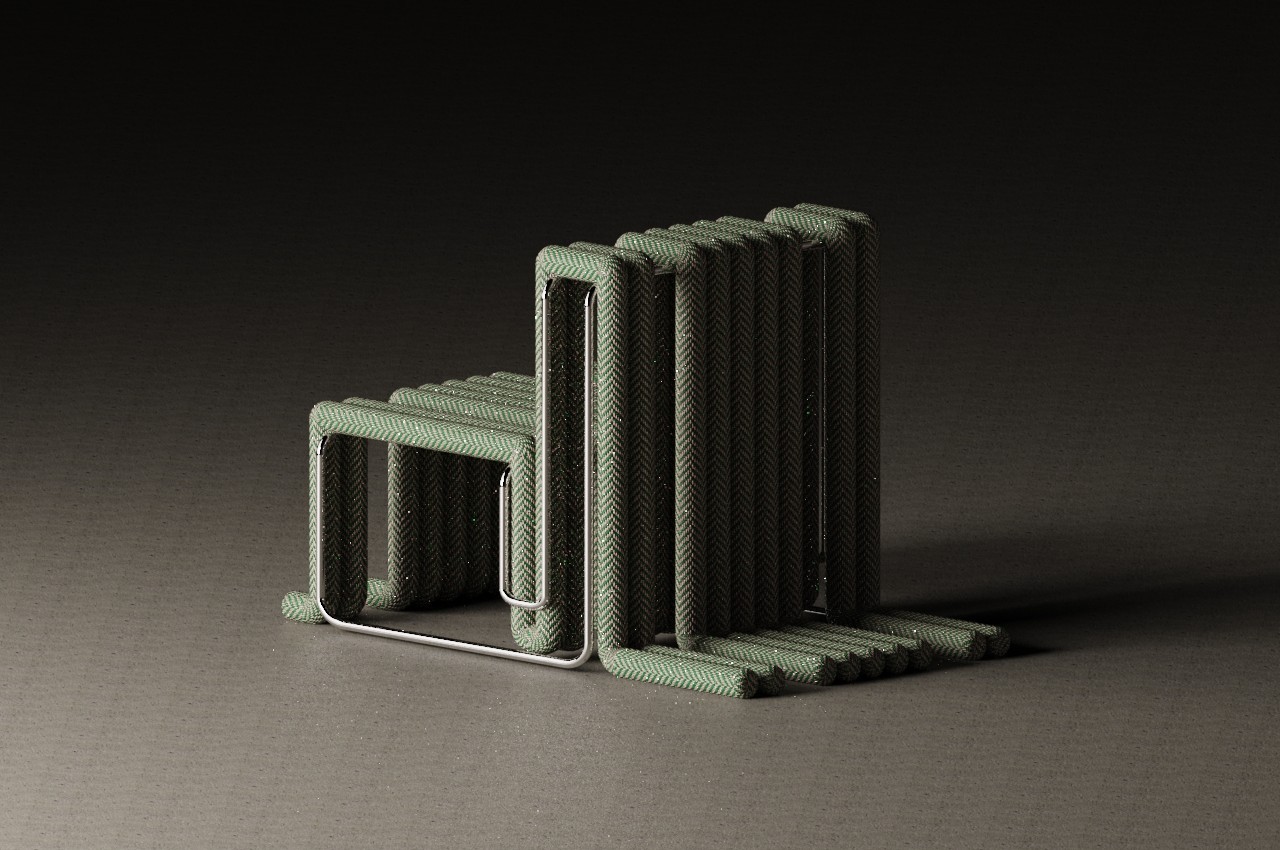
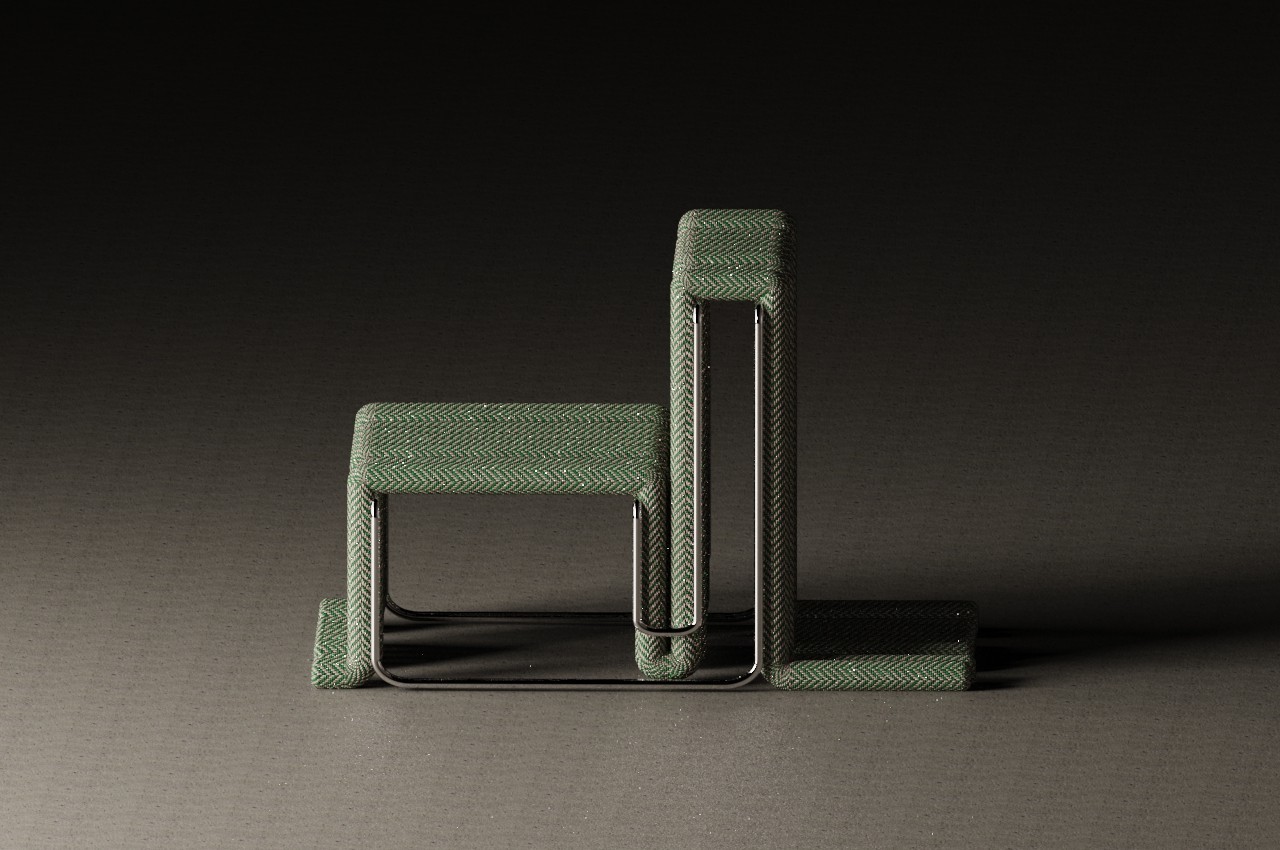
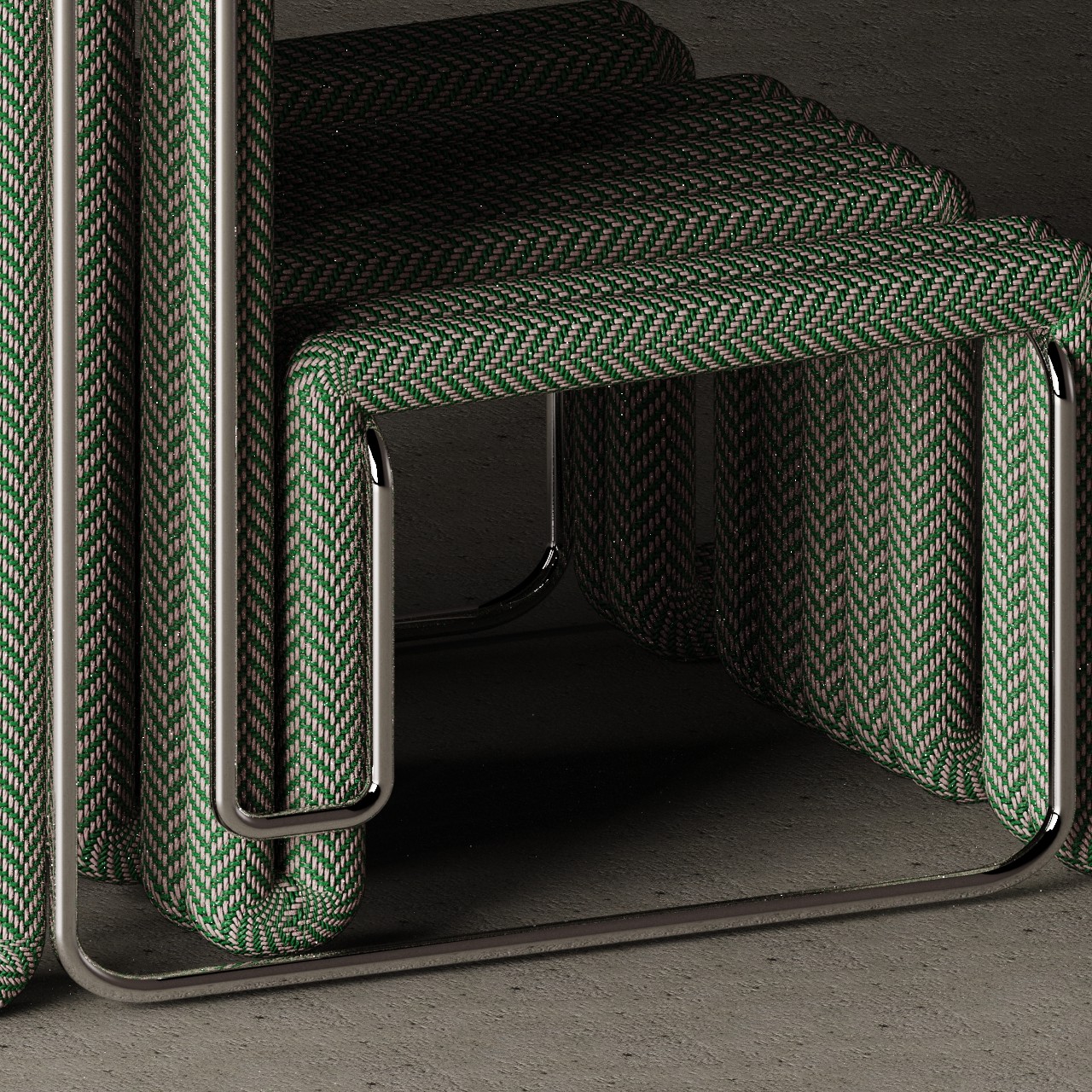
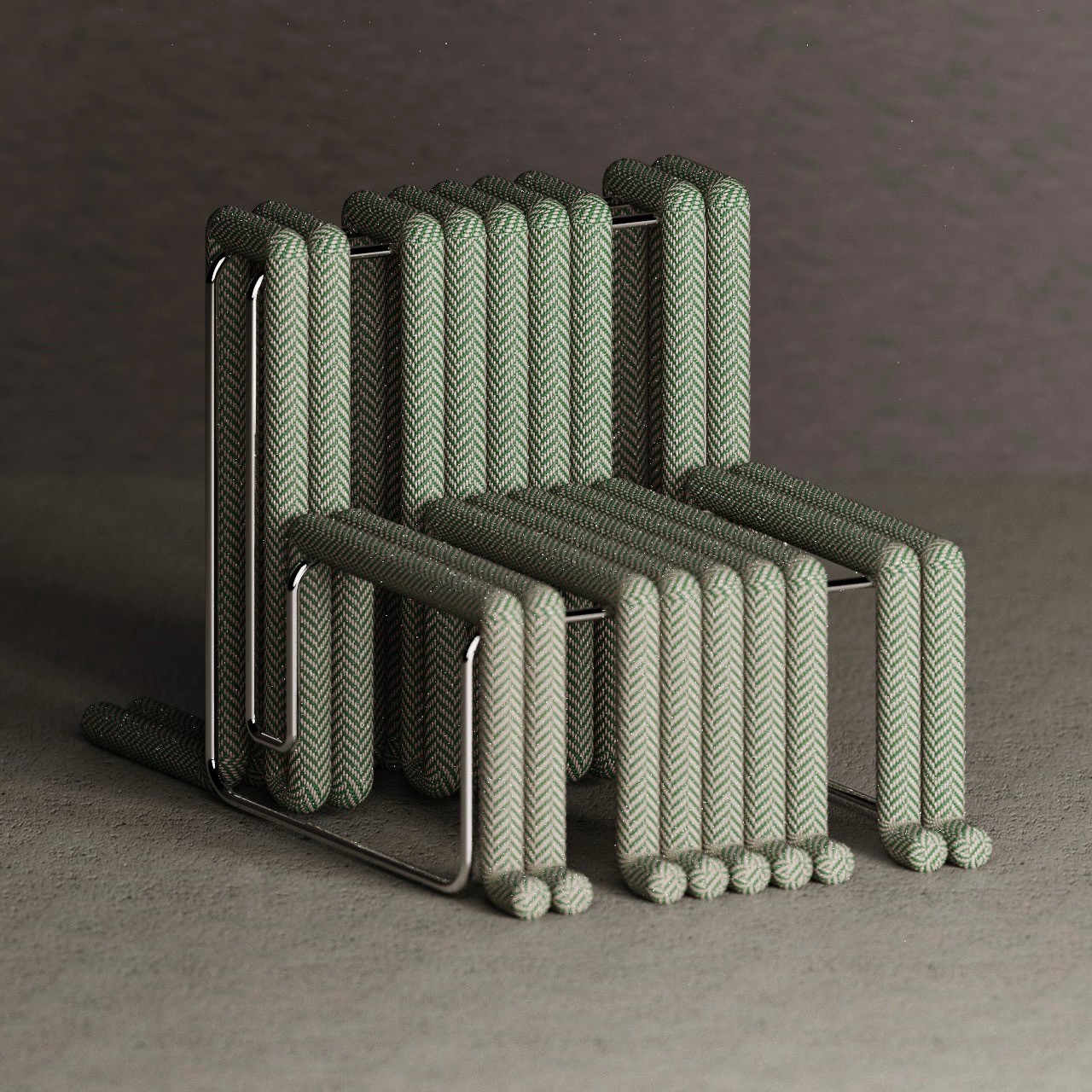
At first glance, the lounge already looks unconventional, like someone laid a series of fabric tubes across a metal frame. These “ropes,” as they are called, are indeed soft and cushy, filled with sponge material to give them both volume and softness at the same time. After all, who would want to lounge on a very hard surface, especially for a long period of time?

The entire piece, however, is supposed to resemble a caterpillar entering its cocoon phase, with each rope representing a segment of the insect’s body. It’s definitely an odd association, especially considering how some people might feel uncomfortable with such crawling critters. Then again, they don’t really have to know the details of the design’s inspiration. As it turns out, the way the sponge-filled tubes go over the frame and extends to the back also makes them look like a row of snakes draped over the chair, also not a comforting image for some people.

The lounge’s design is also unusual in that it doesn’t hide the skeletal frame of the chair. In fact, it’s meant to showcase the shiny metal chrome which contrasts and complements the soft fabric of the rest of the chair. At the same time, however, the image induces a sense of discomfort and uncertainty, especially with the gaps on both sides of the chair. Despite the lounge’s width, it’s a seat made for one, and this peculiar design tries to send that message across in a very striking manner.

The post Unusual lounge chair uses sponge-filled ropes to mimic a certain insect first appeared on Yanko Design.
This aluminum lounge chair is built for easy repairs, not so much for comfort

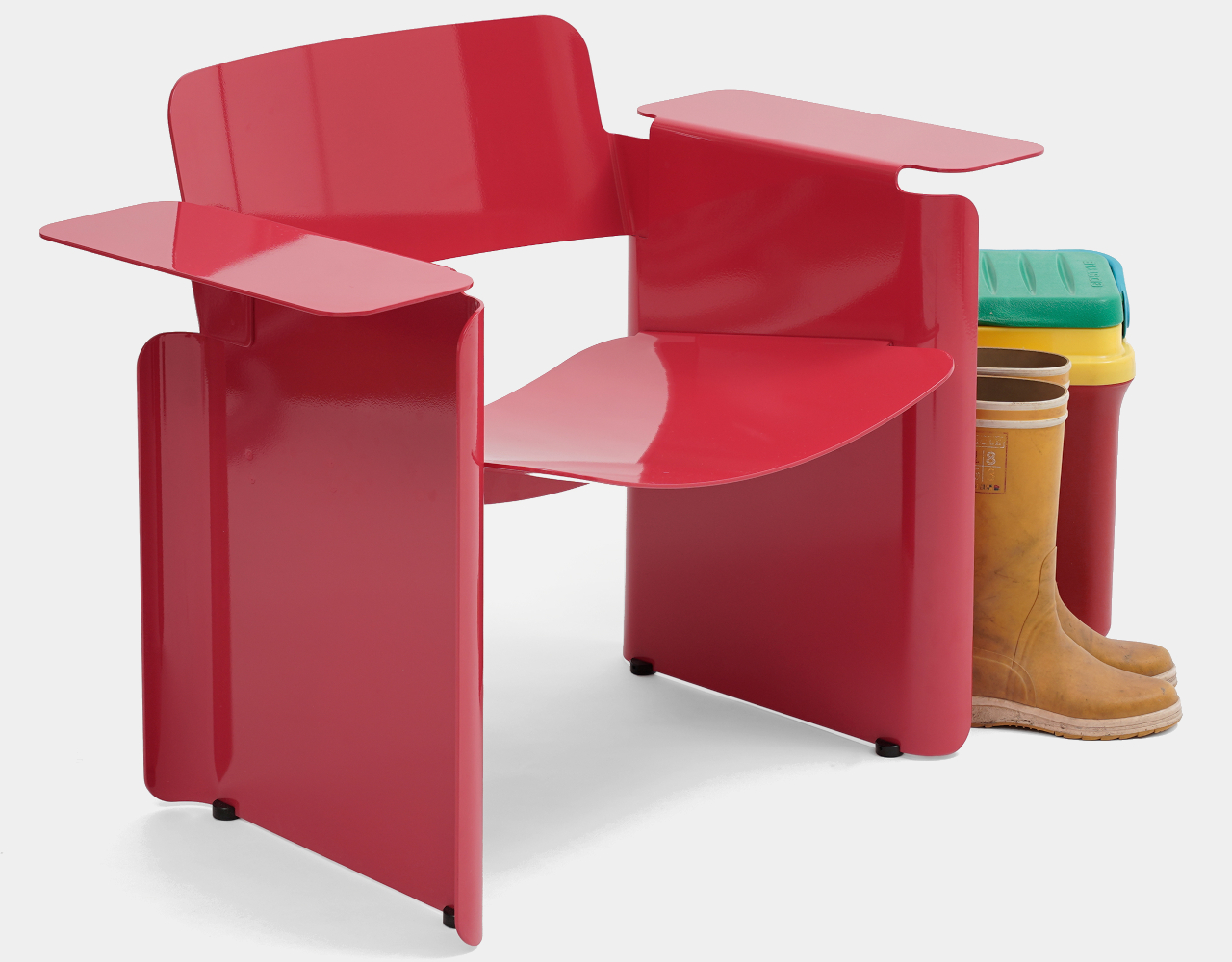
Chairs are designed to be comfortable to sit on unless they’re meant to be art or statement pieces rather than usable furniture. Of course, not all designs hit the mark, and some tend to value other traits like aesthetics or features over comfort. That isn’t always intentional, though, especially for chairs that are meant to be sold commercially. This lounge chair, for example, seems to check off boxes like minimalism, repairability, and sustainability, but its rather imposing industrial aesthetic might make some think twice about parking their bodies on its thin body, even if there’s a comfy cushion on the seat.

Designer: Haus Otto

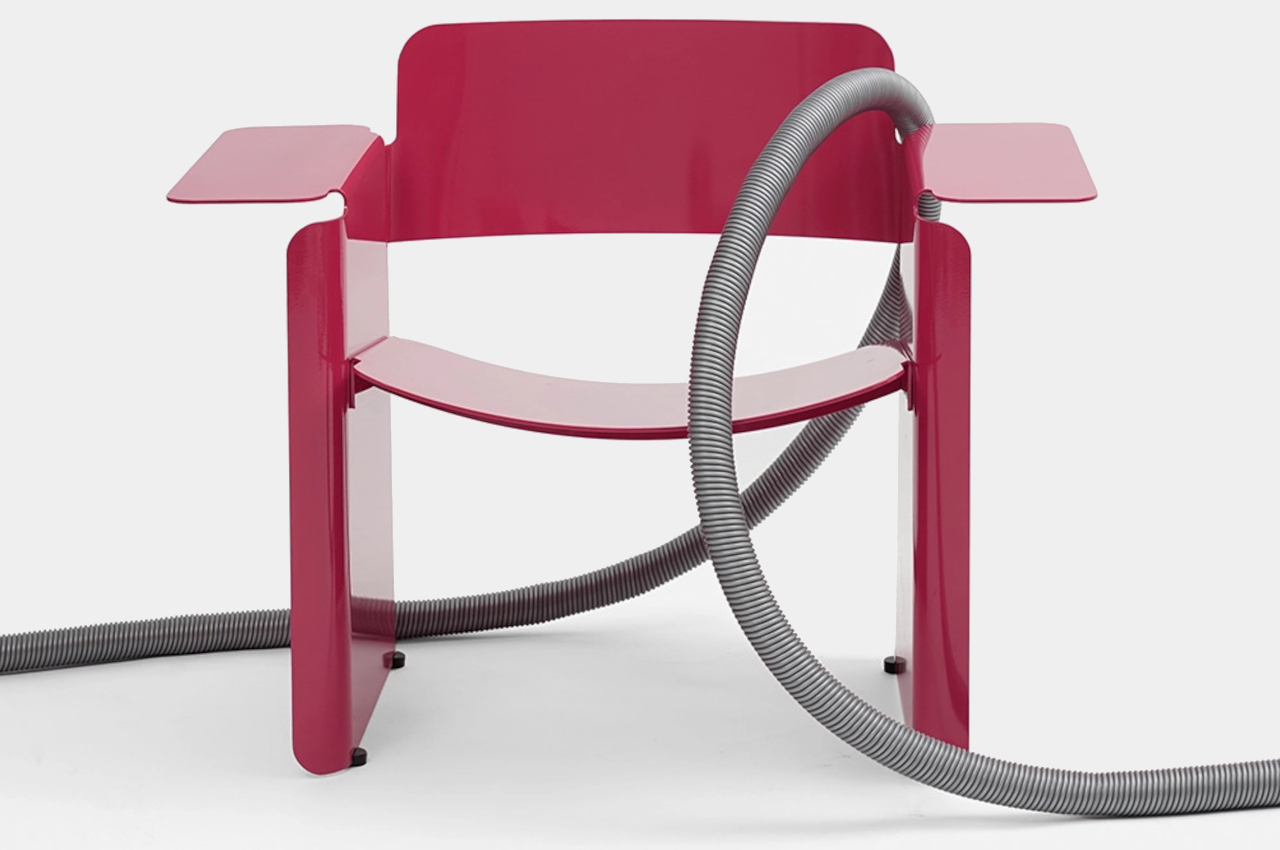
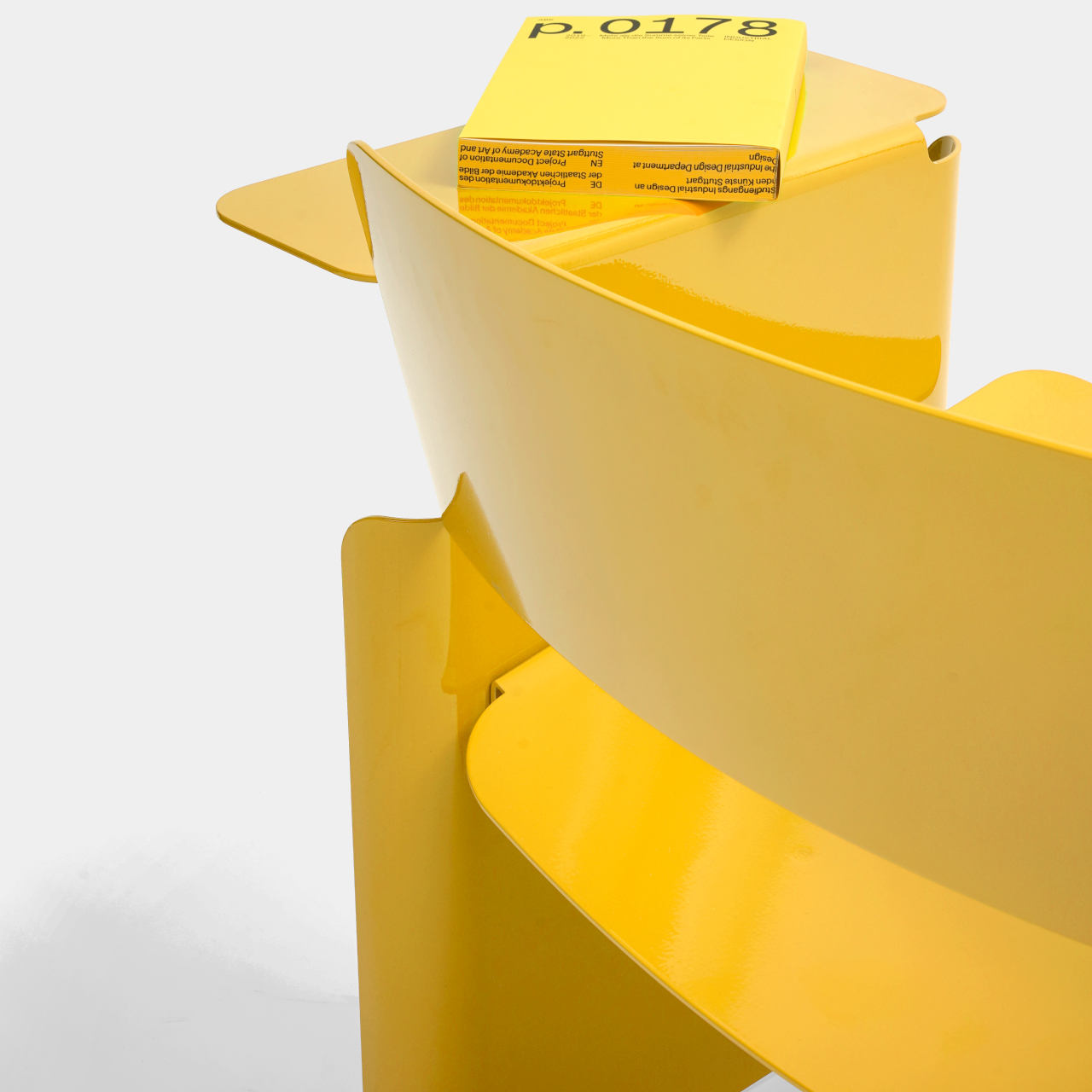
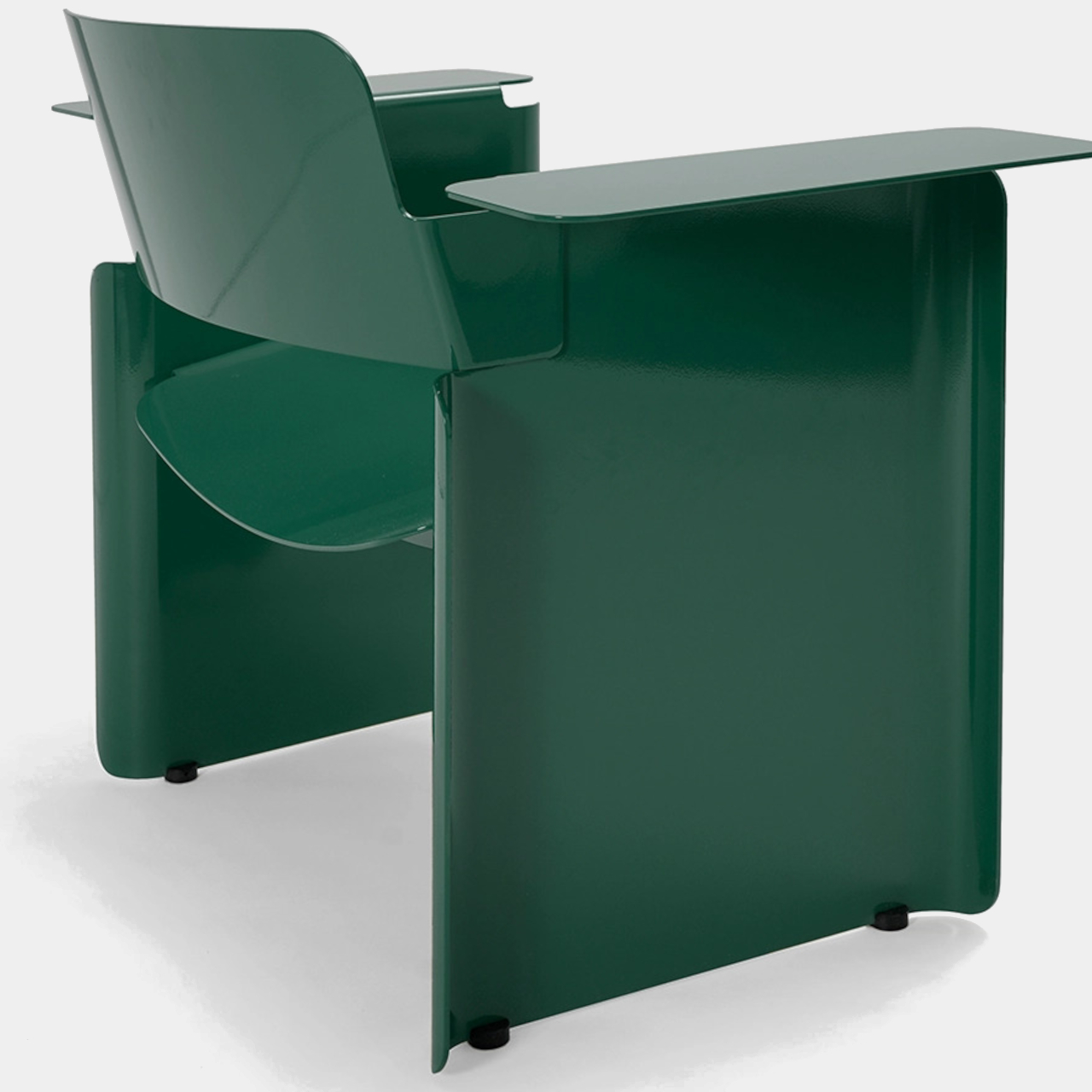
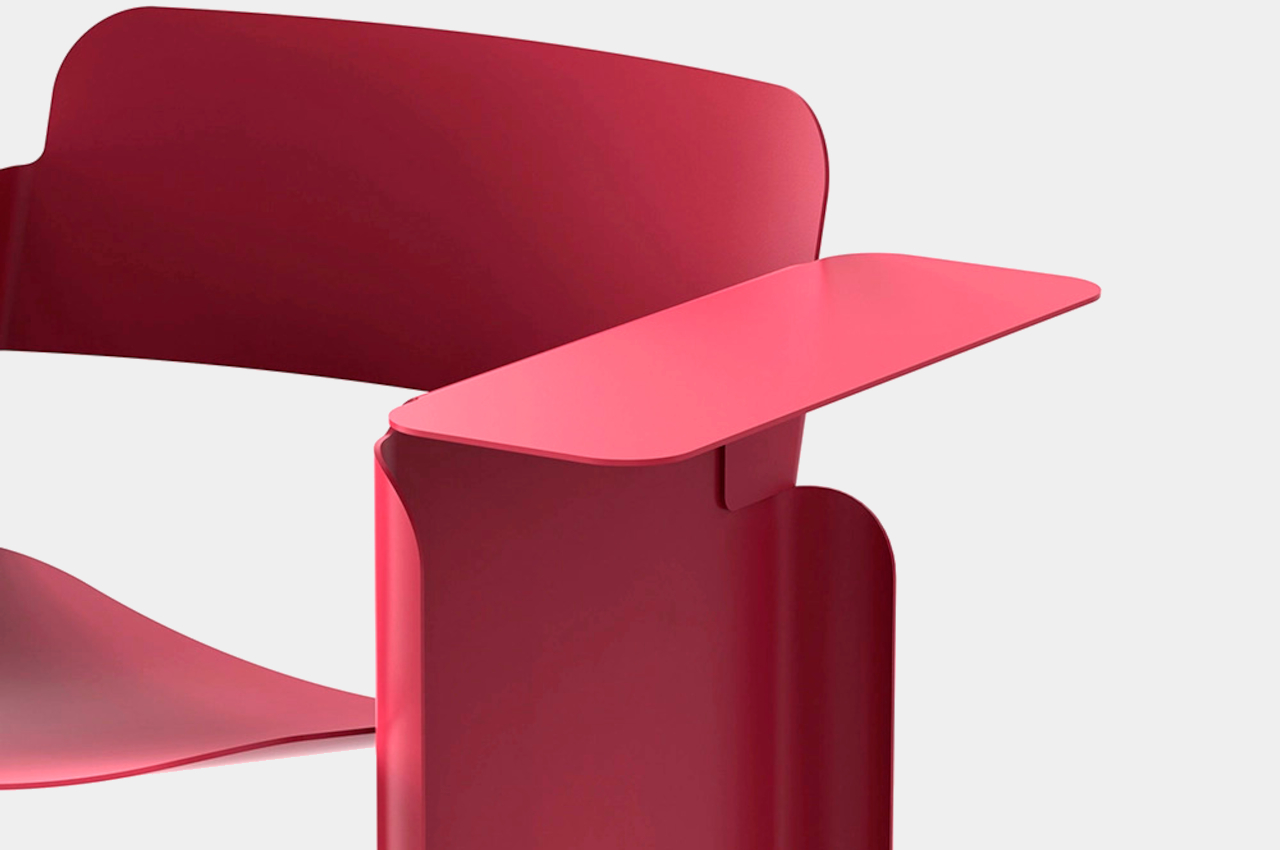
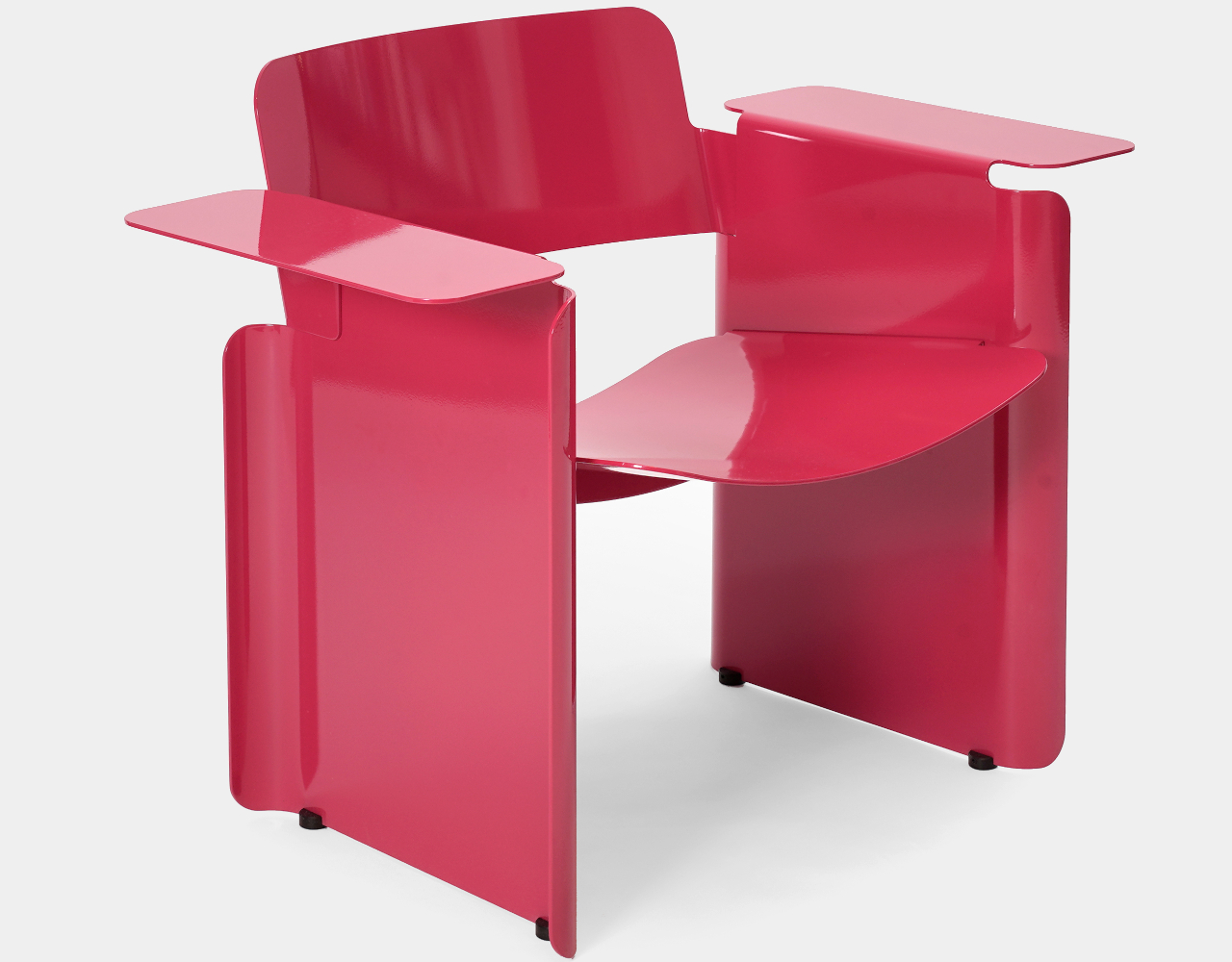
Truth be told, the AL13 lounge chair doesn’t inspire much confidence because of its super thin construction. Each component is made from laser-cut aluminum sheets that seem to be too thin to support heavy objects, like your body for example. Of course, looks can be deceiving, and this chair was designed to be really stable and safe, at least enough to be sold and used both for indoor as well as outdoor use.
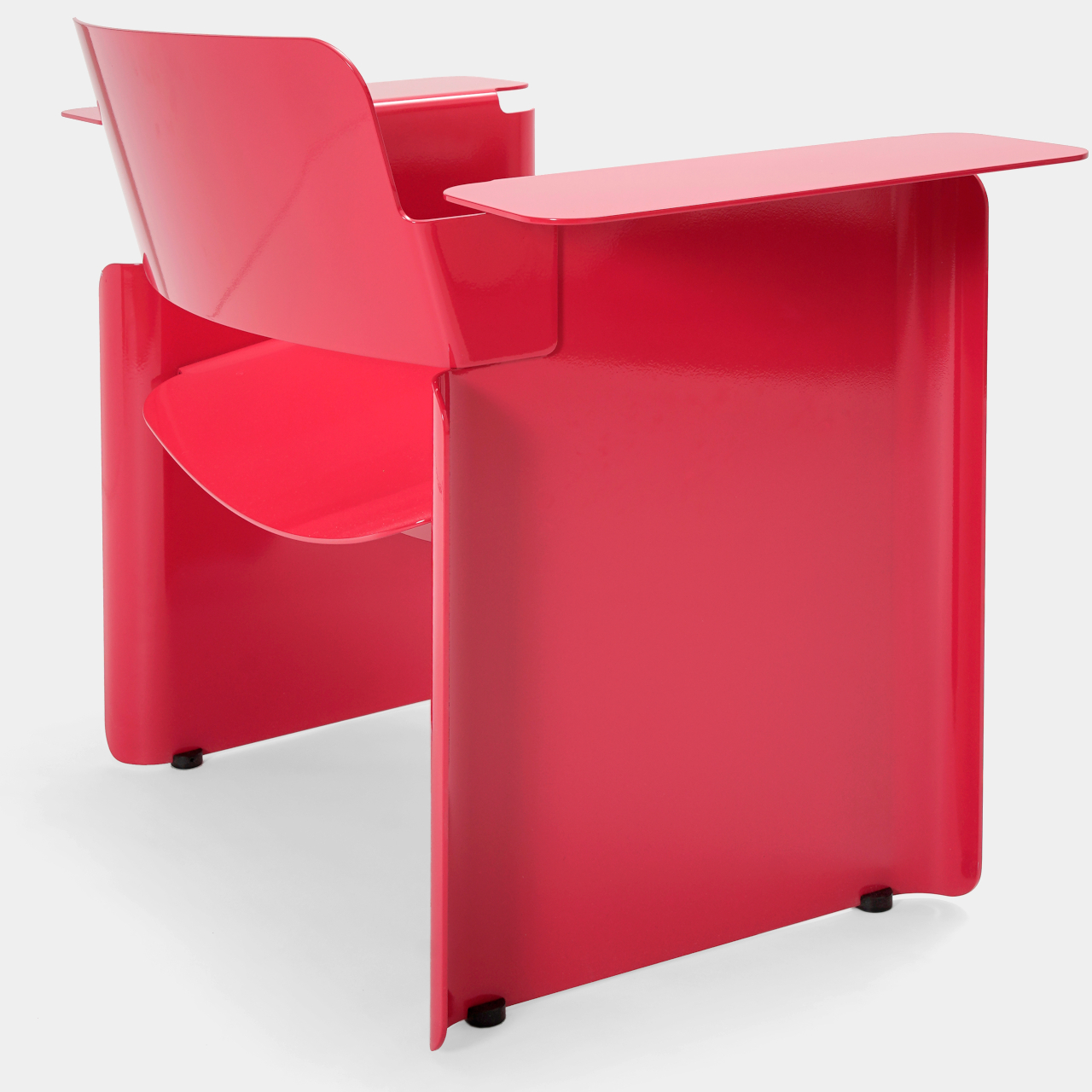
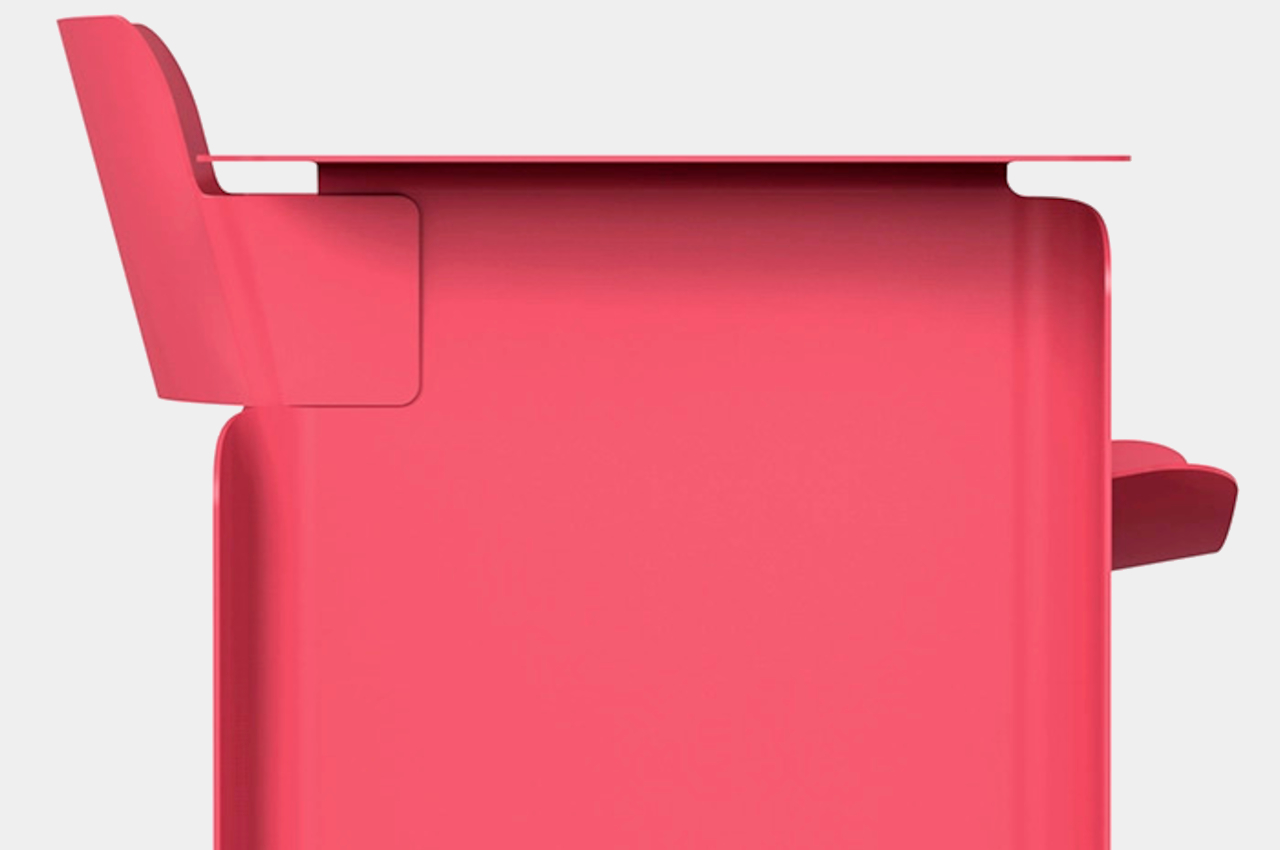
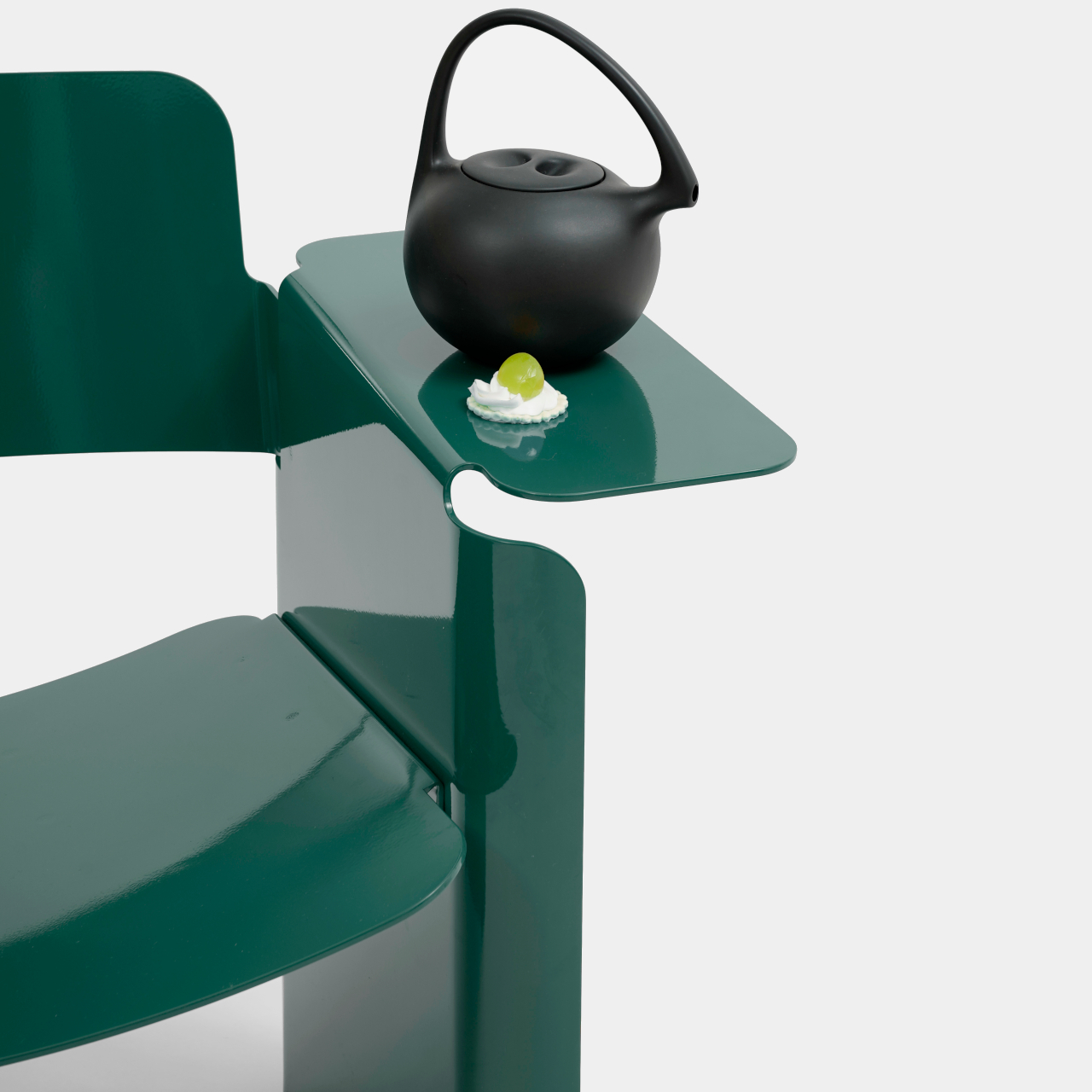
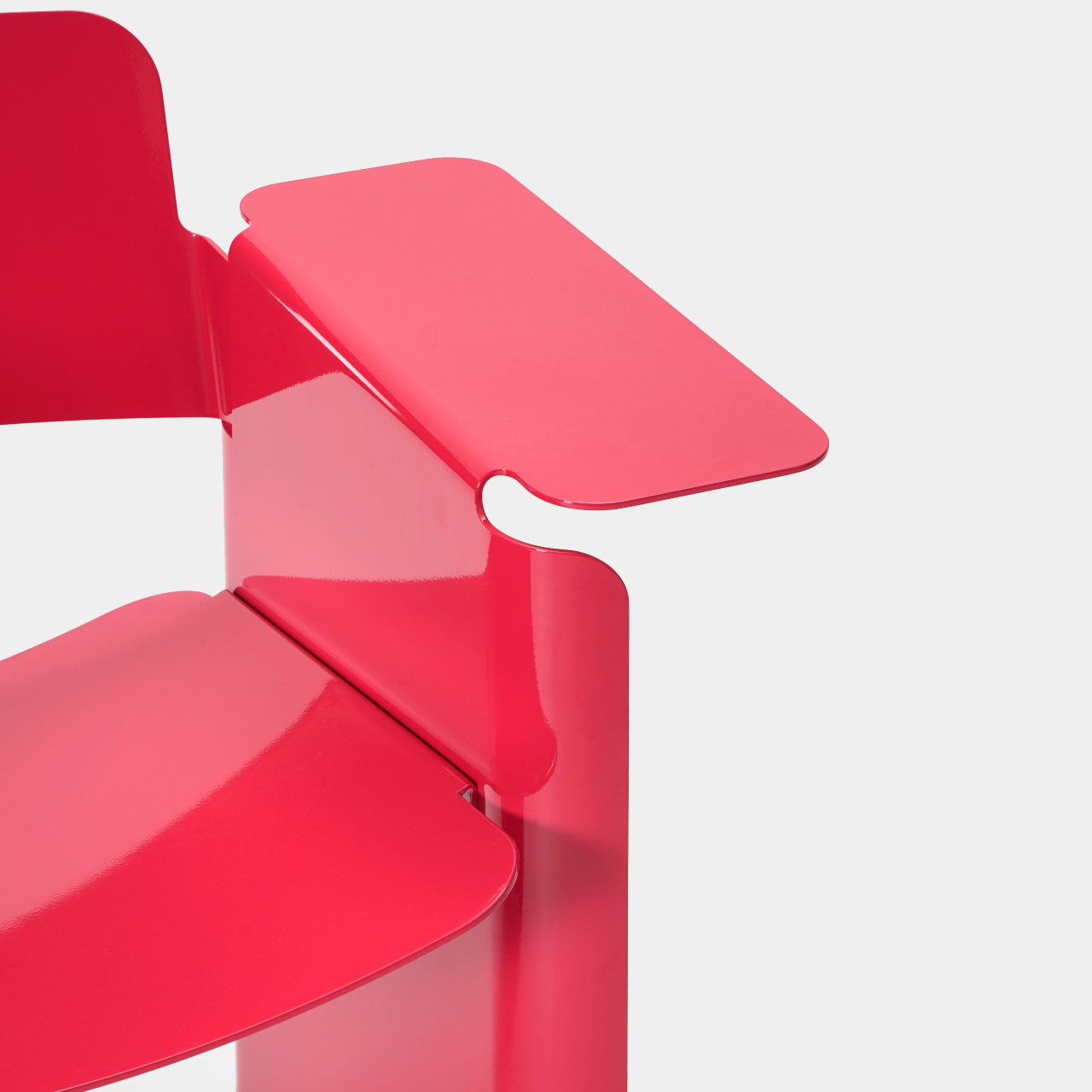
The chair’s extra-wide seat is flanked by extra-wide armrests that might seem too high for actually placing your arms on them. Instead, they function better as small side tables to hold your phone, book, or drink, though you have to be careful with the latter that you don’t accidentally knock it over with your arm. It can also hold your laptop, but it might not be comfortable much less ergonomic to use it in that position.

Perhaps the more interesting aspect of the AL13 lounge chair is its somewhat modular construction so that parts can be easily disassembled. This makes it easy to repair, replace, or recycle parts, which are just bent sheets of aluminum. Its distinctive shape and the added function of the armrests make the chair suitable for any spatial environment, whether indoors or outdoors.

That said, the rather hard and cold appearance of the chair might feel a little intimidating, especially if you’re a fan of softer and cozier chairs. There’s an option for upholstered seat cushions, but that still leaves out the back and armrests, not to mention making it unsuitable for outdoor use. It’s still an interesting brutalist design, though, and could be an inspiration for other variations that add a bit more comfort to the equation.

The post This aluminum lounge chair is built for easy repairs, not so much for comfort first appeared on Yanko Design.