These Lightweight Foam Chairs Could Finally Fix Public Seating

You know that feeling when you’re at an outdoor concert and your back is screaming after 30 minutes on those unforgiving metal benches? Or when you’re at a community event, desperately wishing you could just shift that heavy concrete seating a few feet over? Yeah, BKID Co clearly knows that feeling too, and they’ve designed a concept that could potentially solve it.

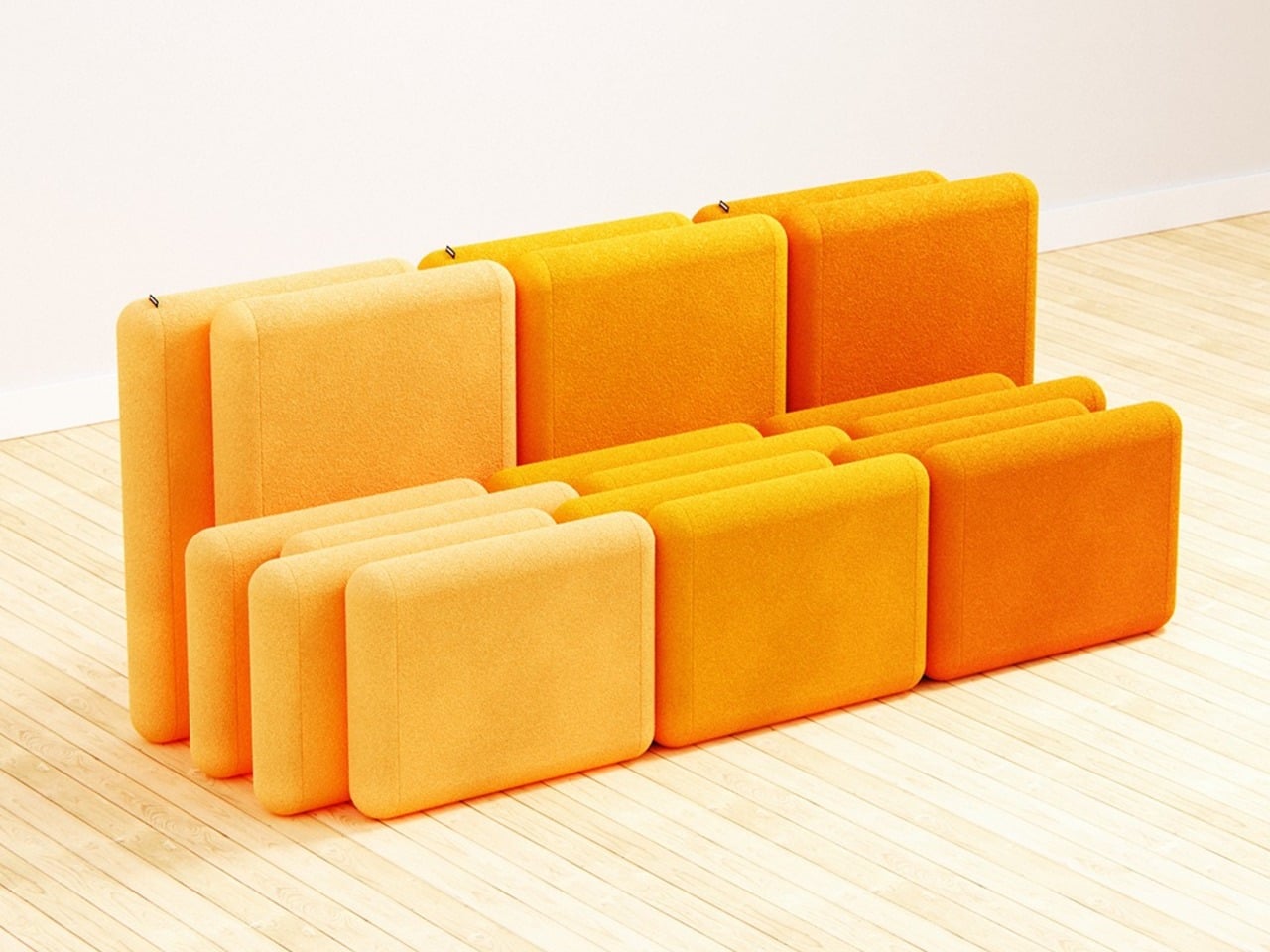
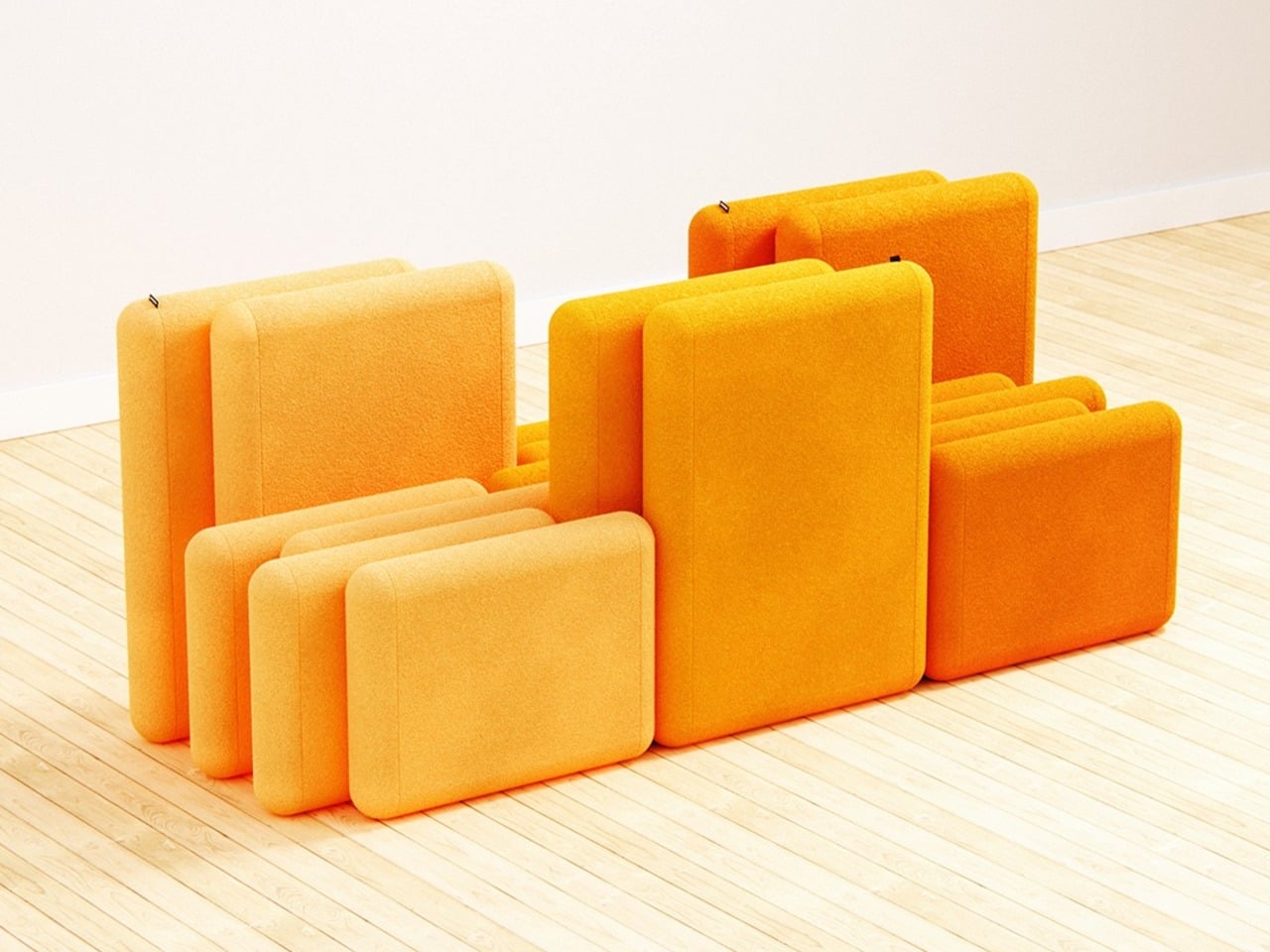
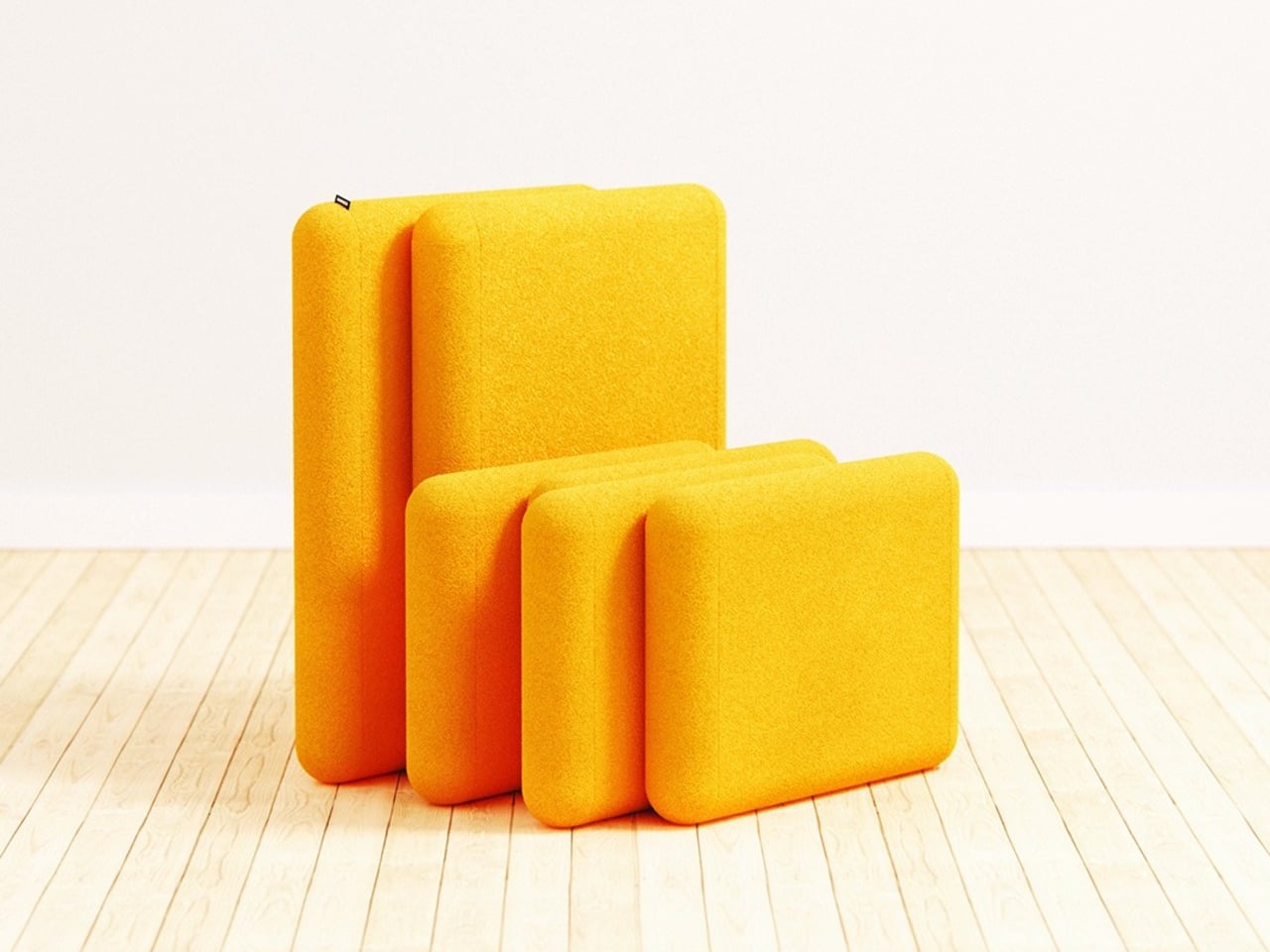
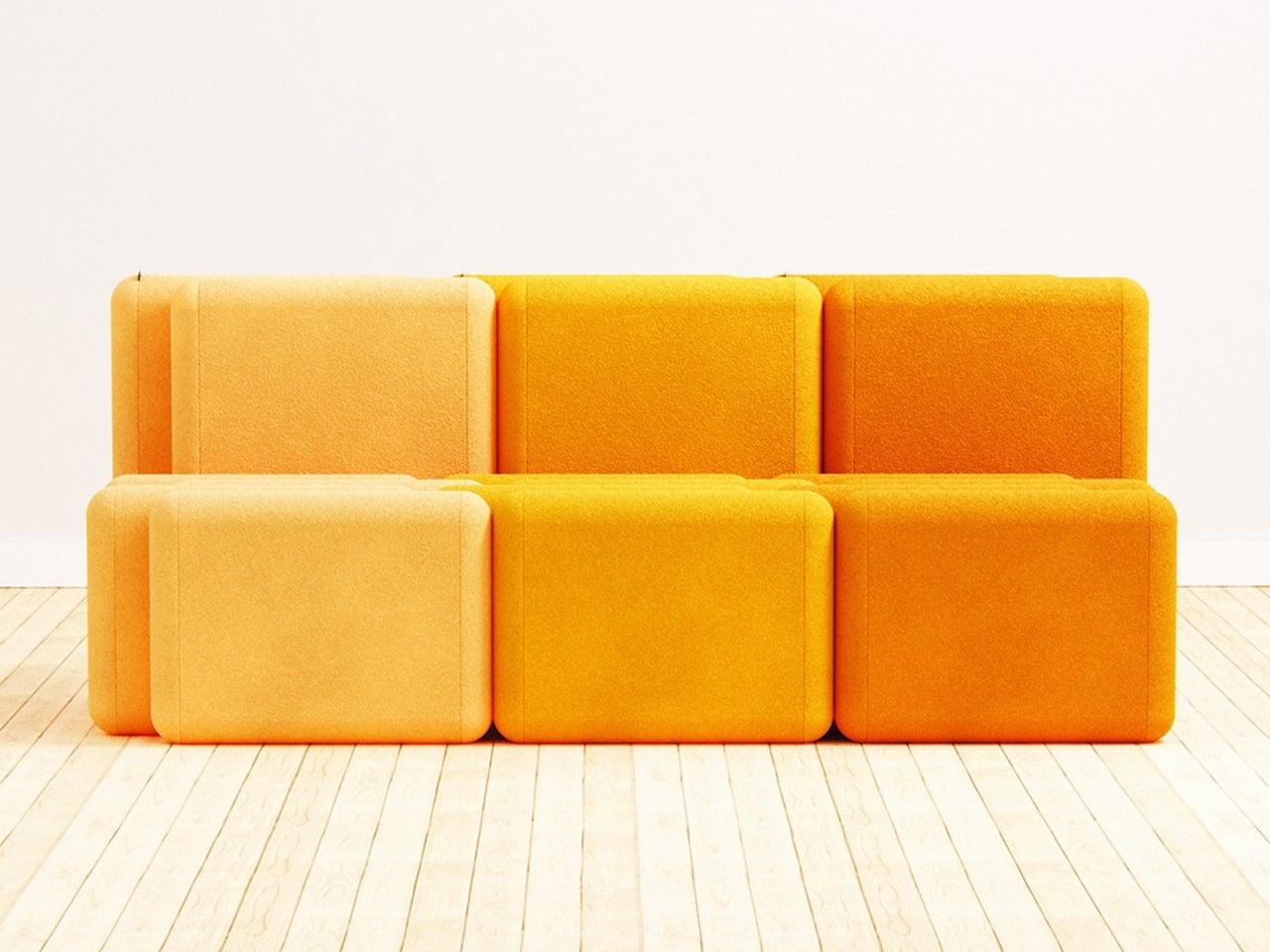
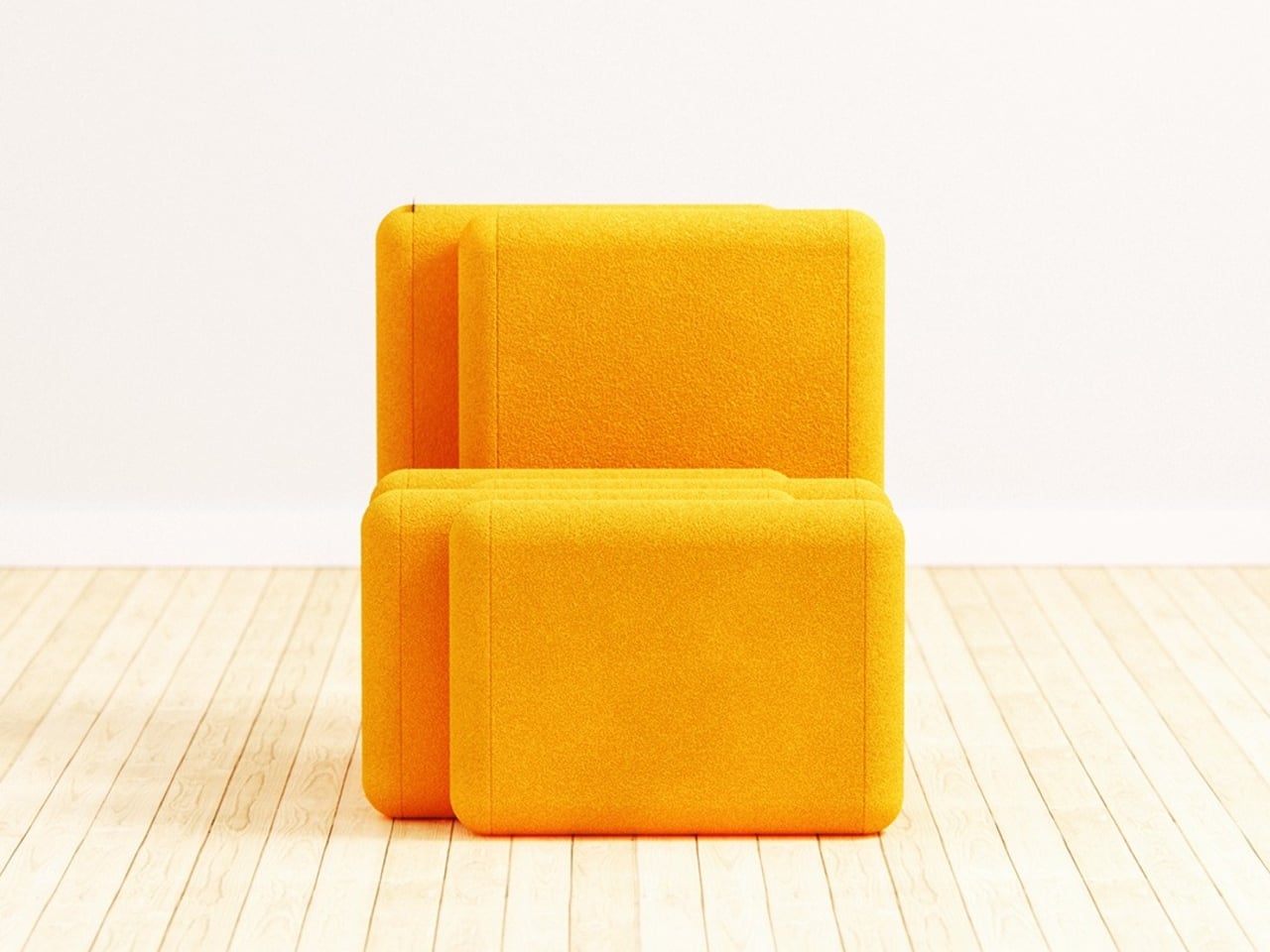
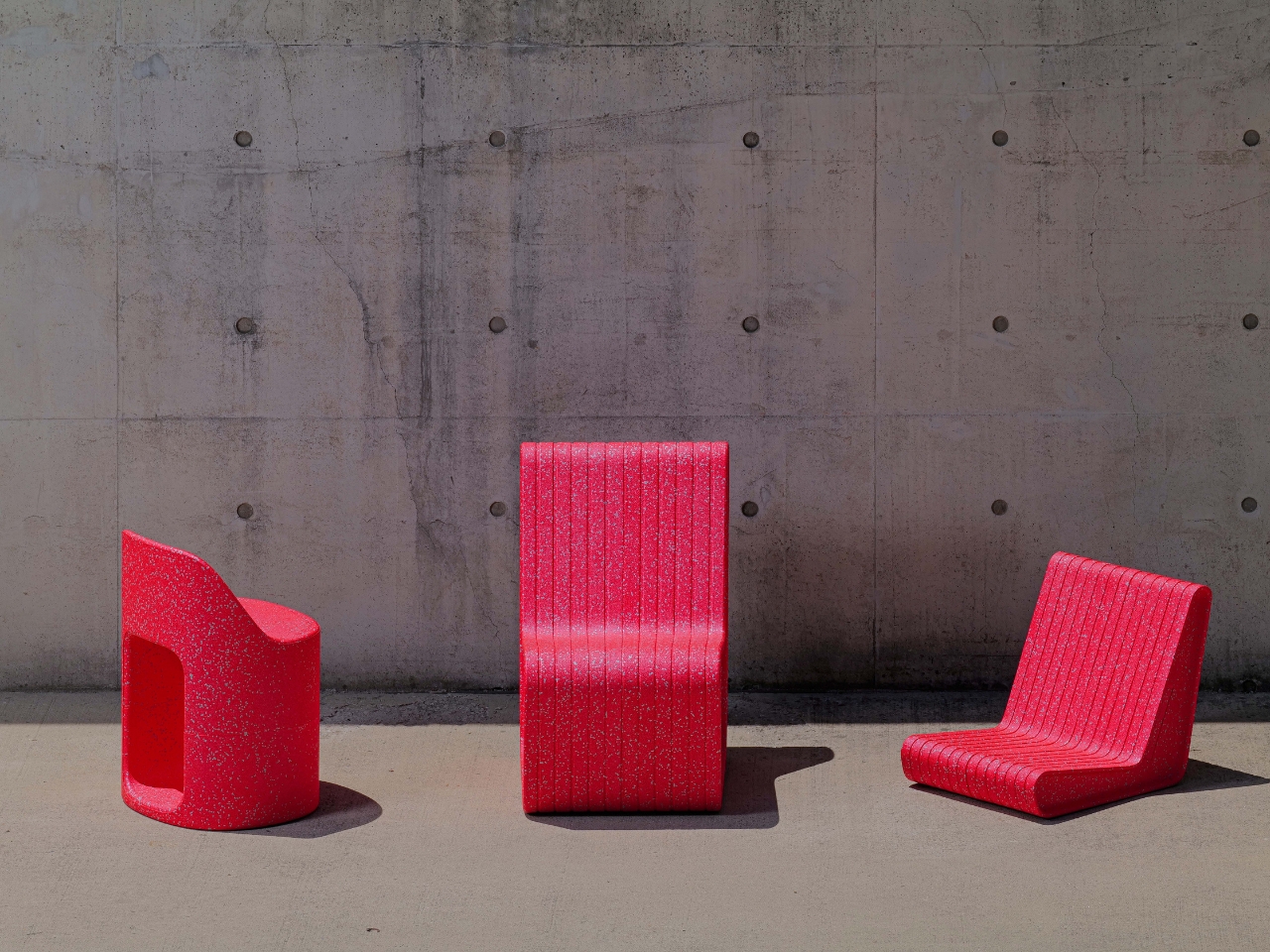
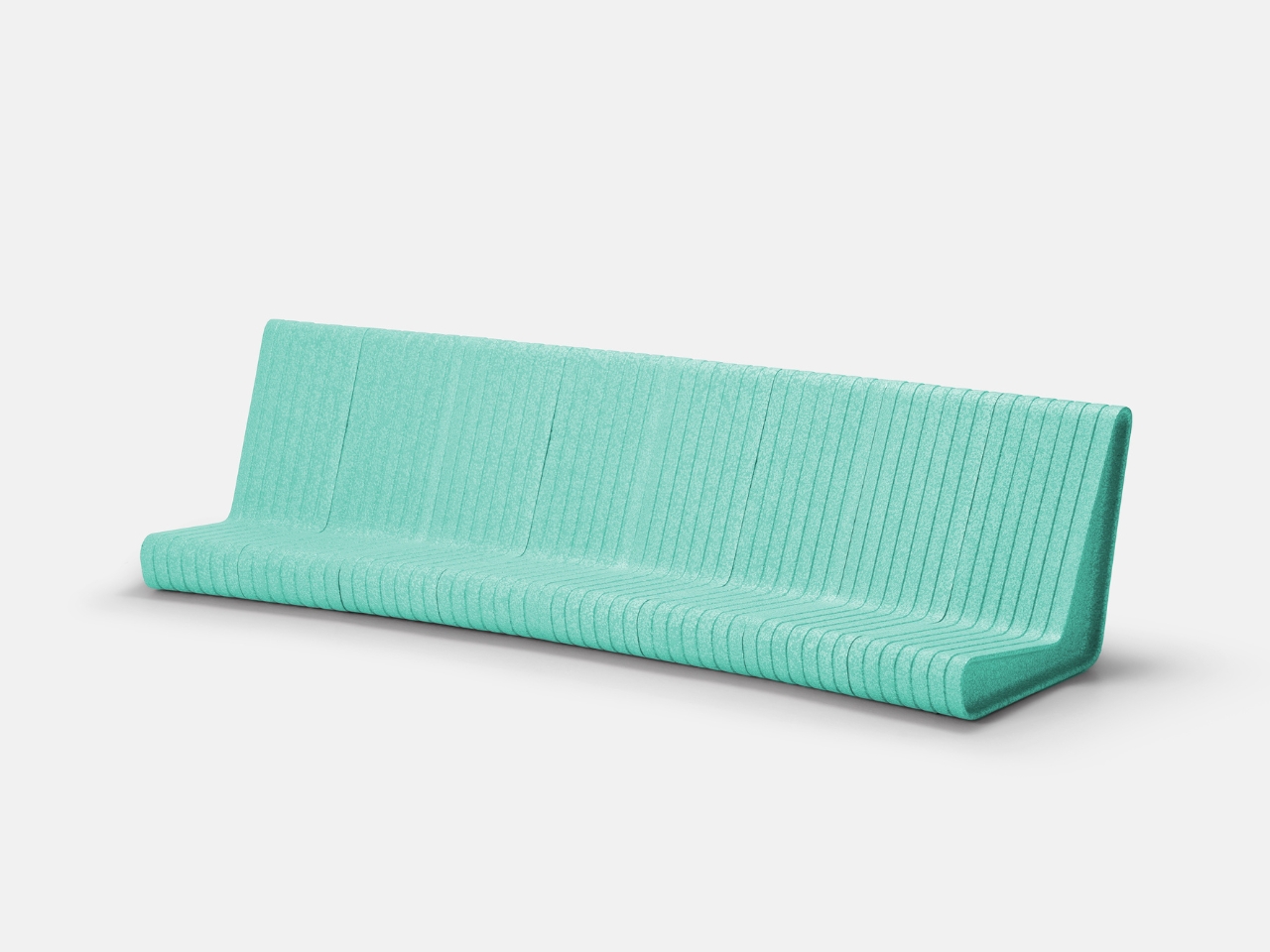
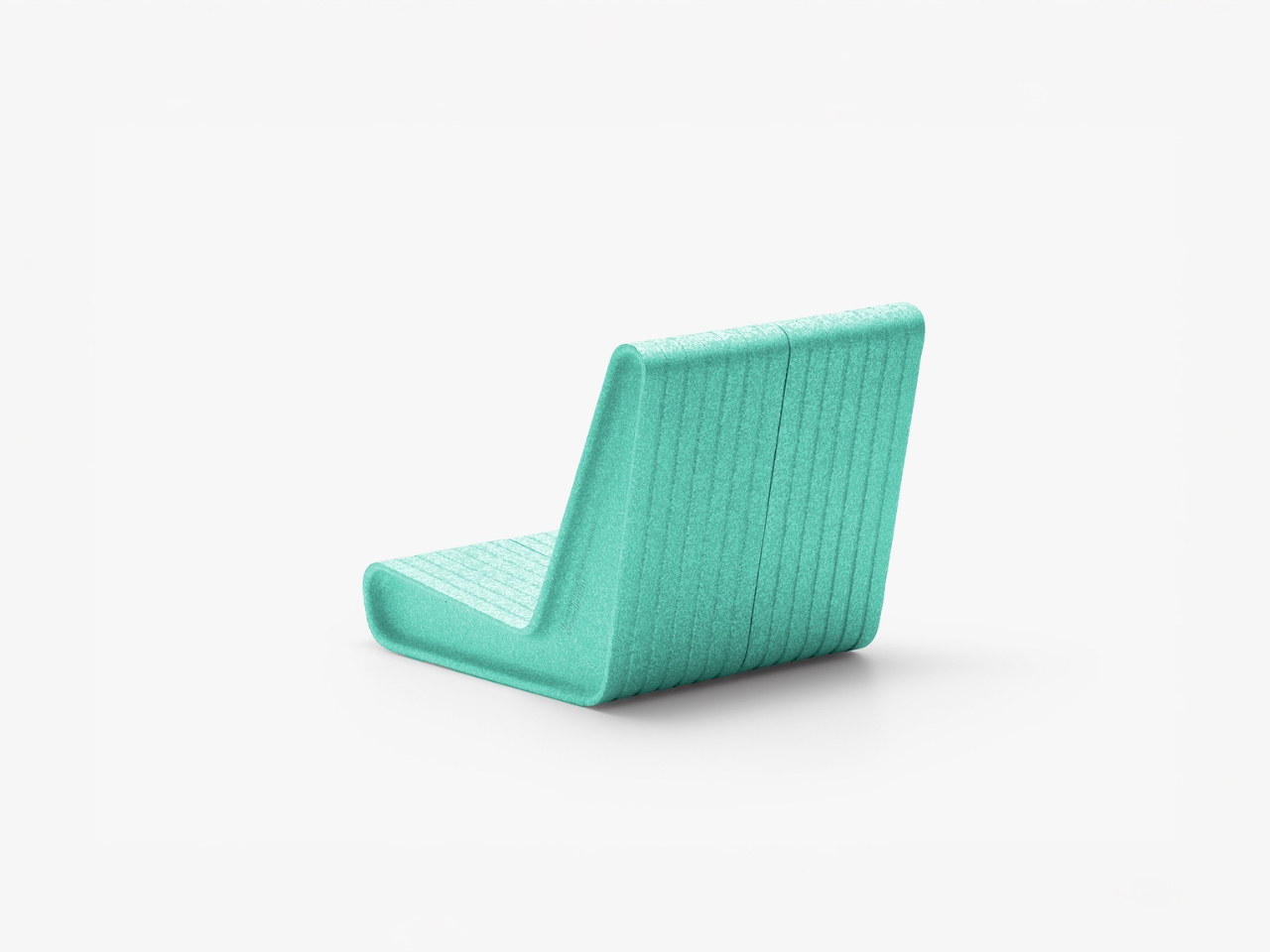
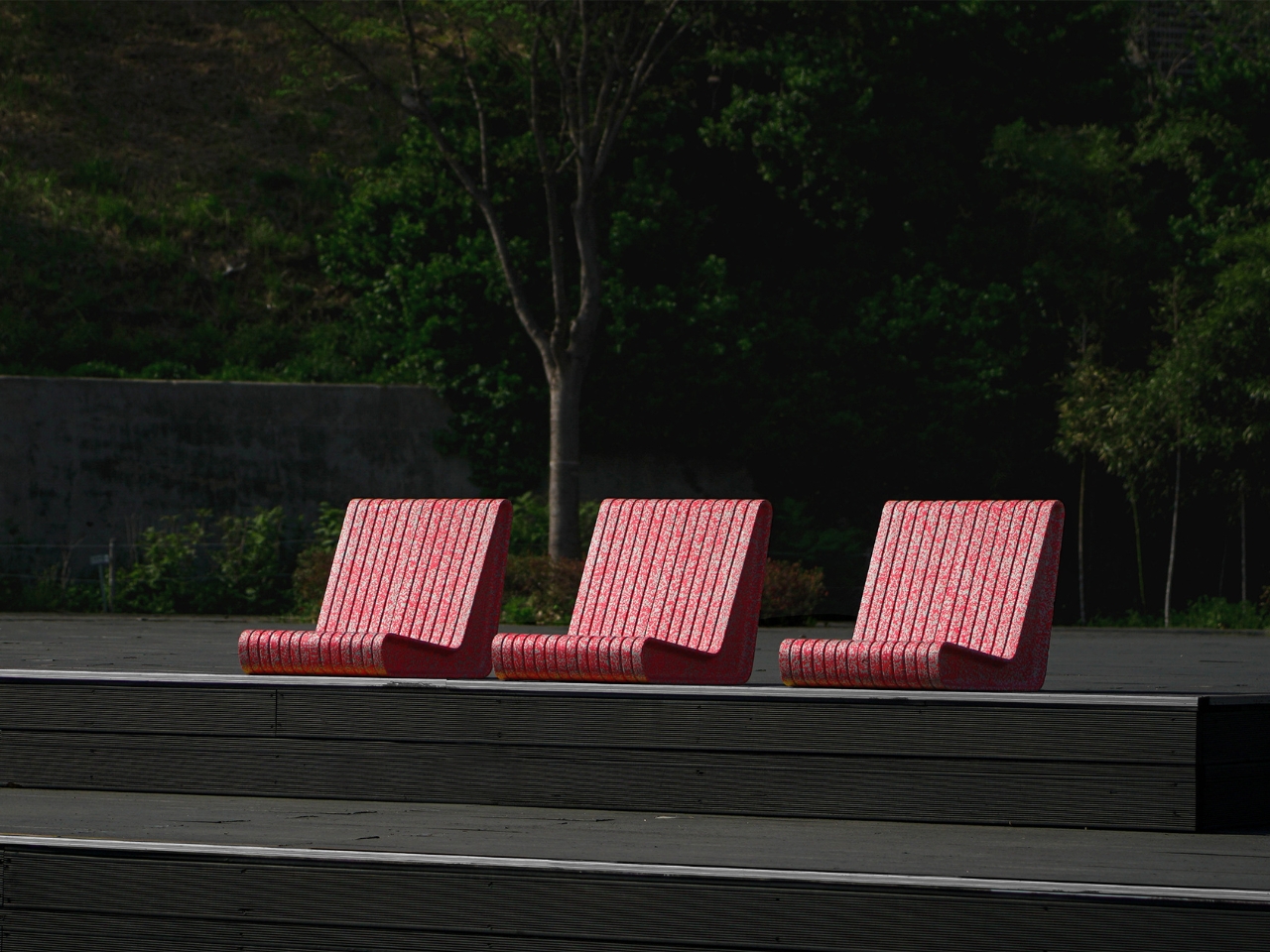
Meet Form&Foam, a conceptual modular seating system that’s basically the opposite of everything we’ve come to expect from public furniture. Instead of being rigid, heavy, and impossible to move without a forklift, these proposed chairs would be soft, lightweight, and surprisingly adaptable. The secret ingredient? EPP material, which stands for expanded polypropylene if you want to get technical about it.

Designer: BKID Co

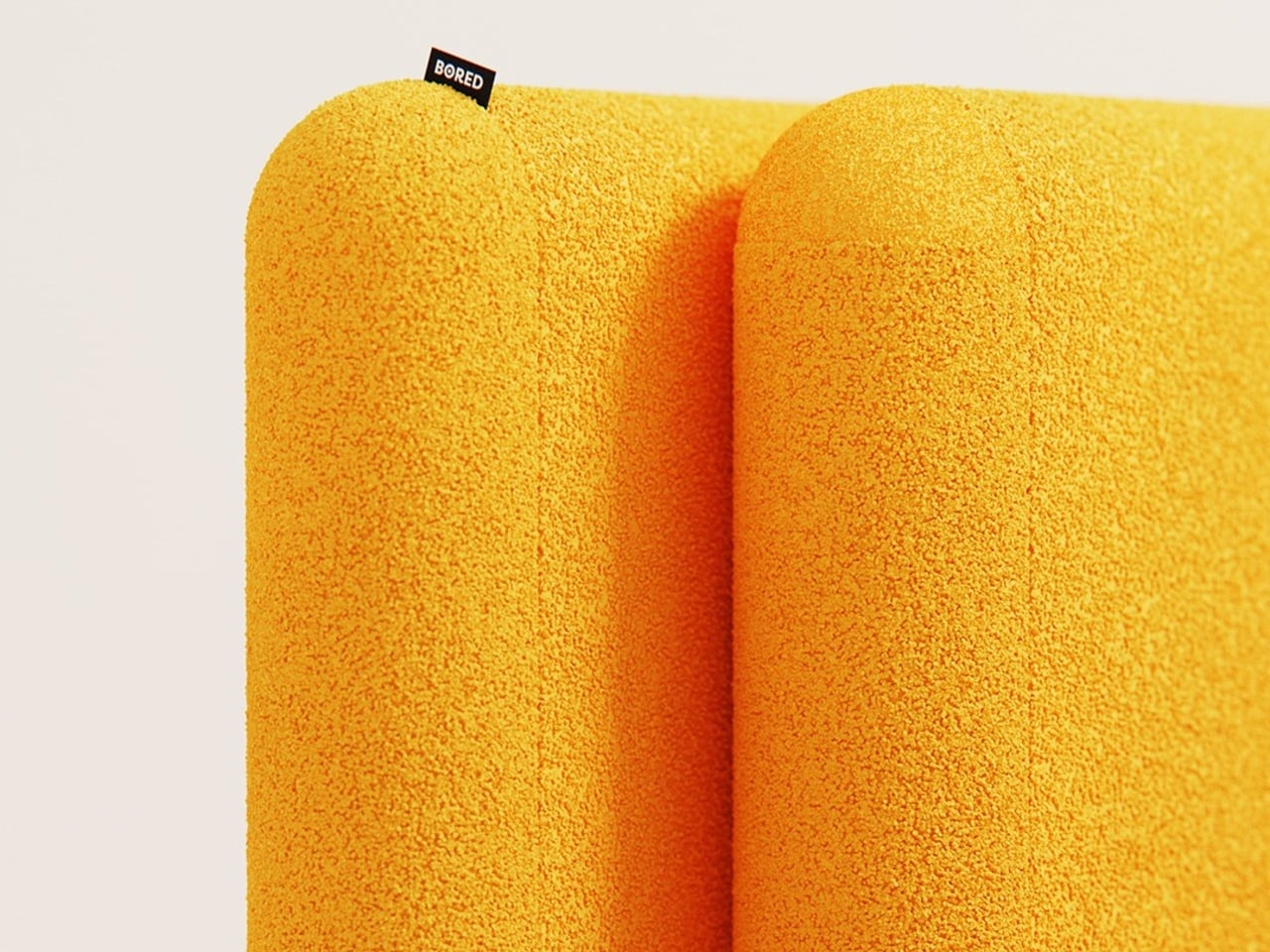
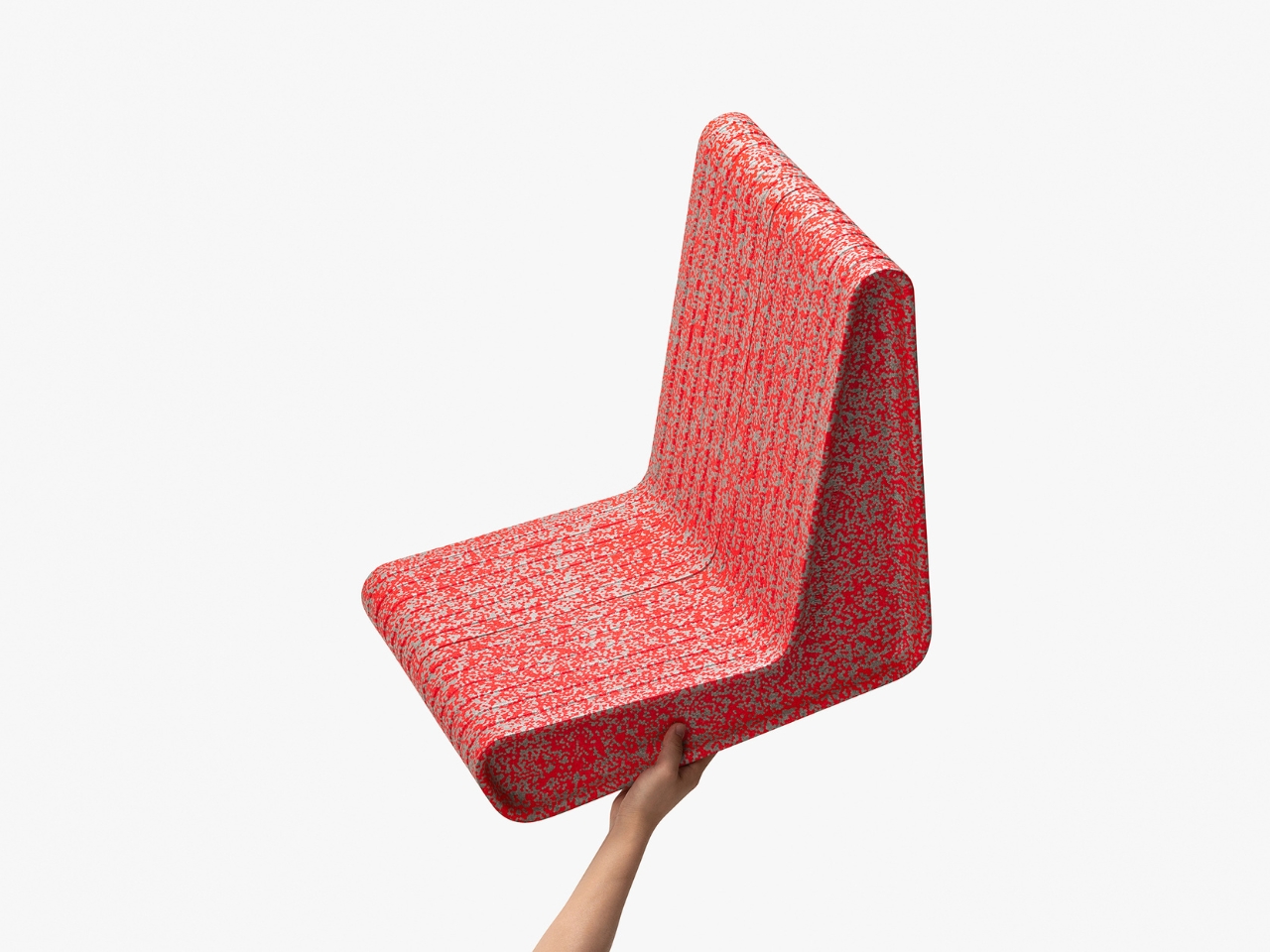
What makes EPP so special is its trifecta of practical benefits. It’s shock-resistant (meaning it can take a beating and bounce right back), it’s genuinely soft to sit on, and it weighs next to nothing. That last part is crucial because it would transform these chairs from static objects into something more like building blocks for public spaces. Anyone could pick one up and rearrange the seating configuration on the fly.

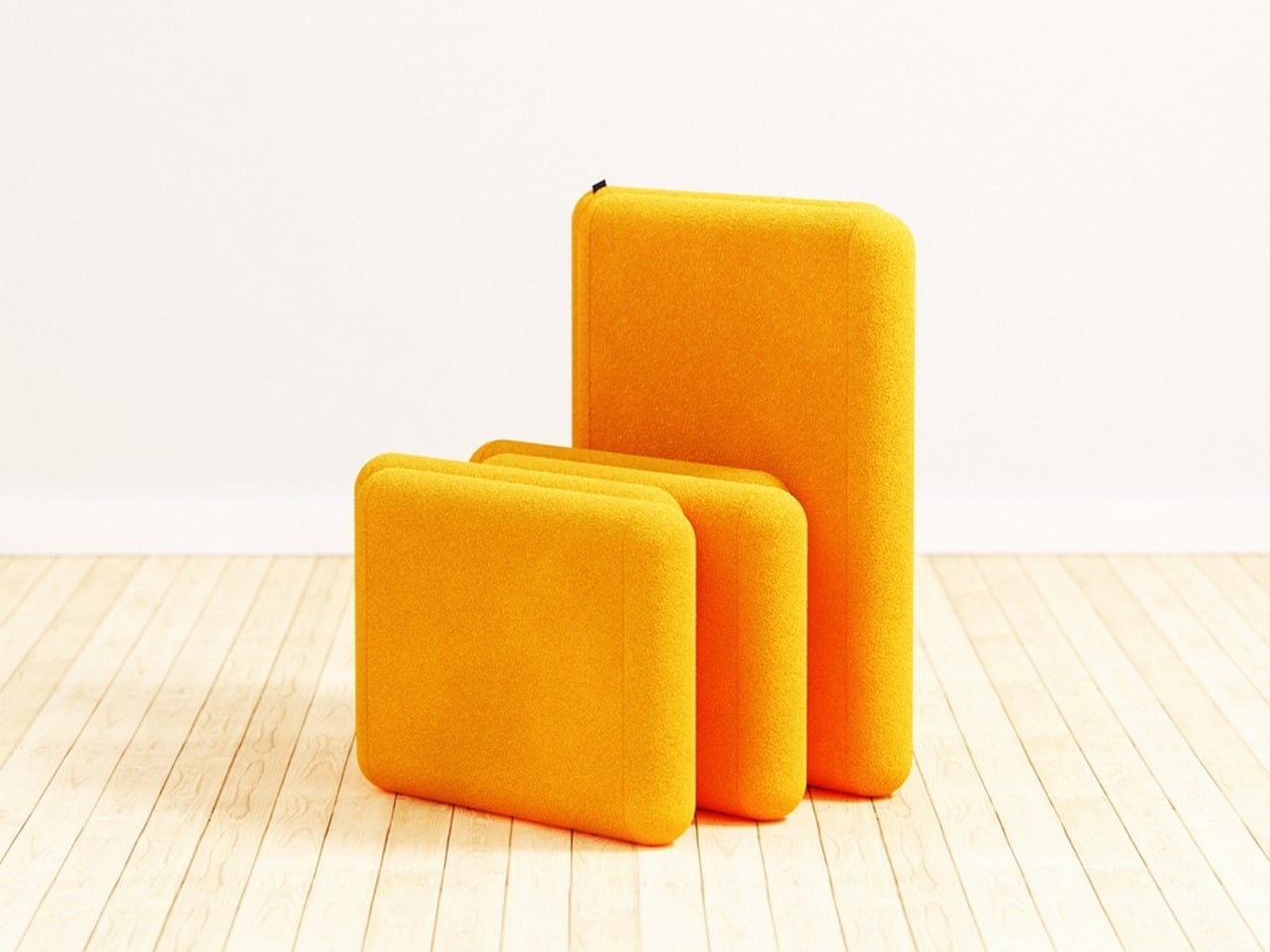
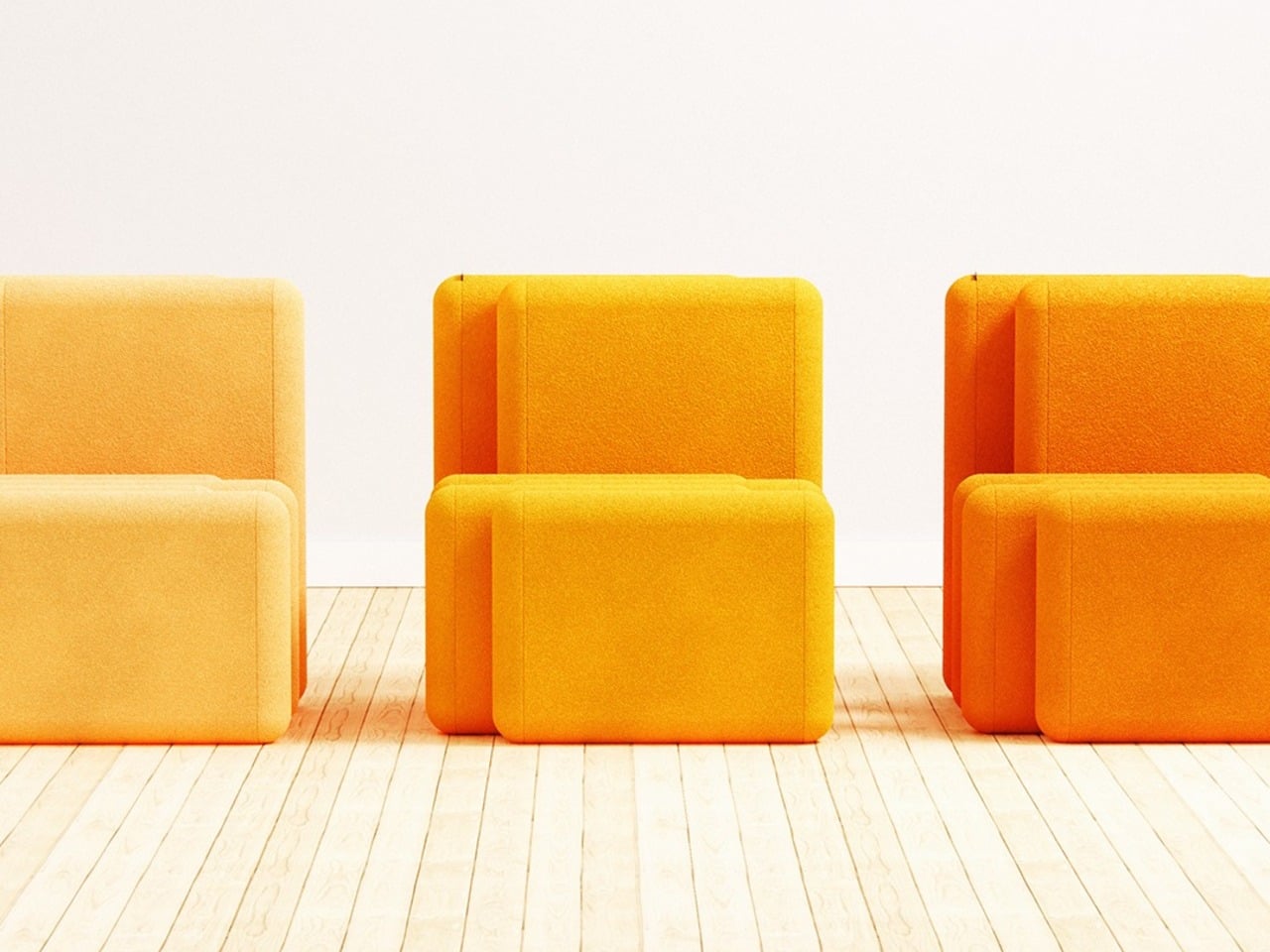
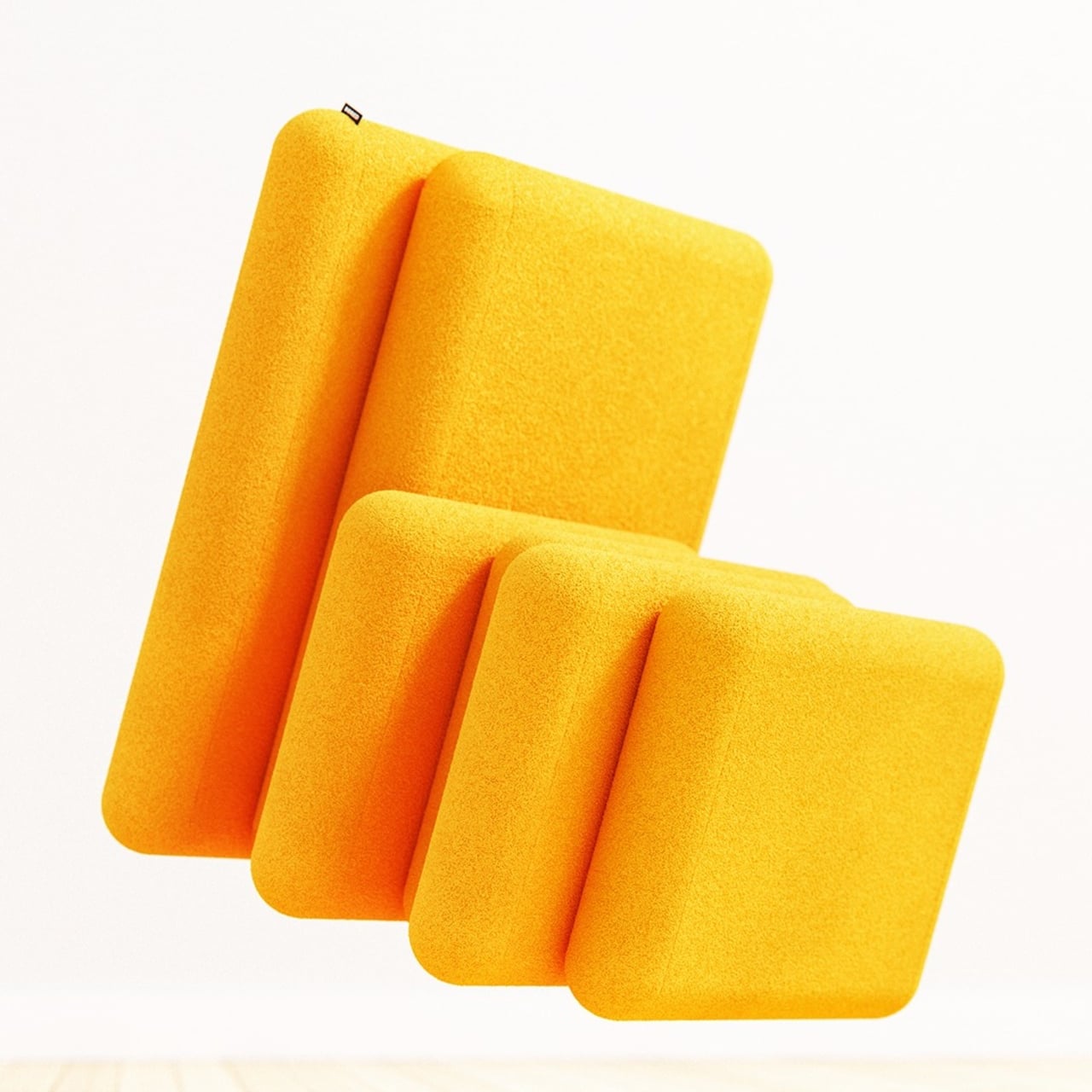
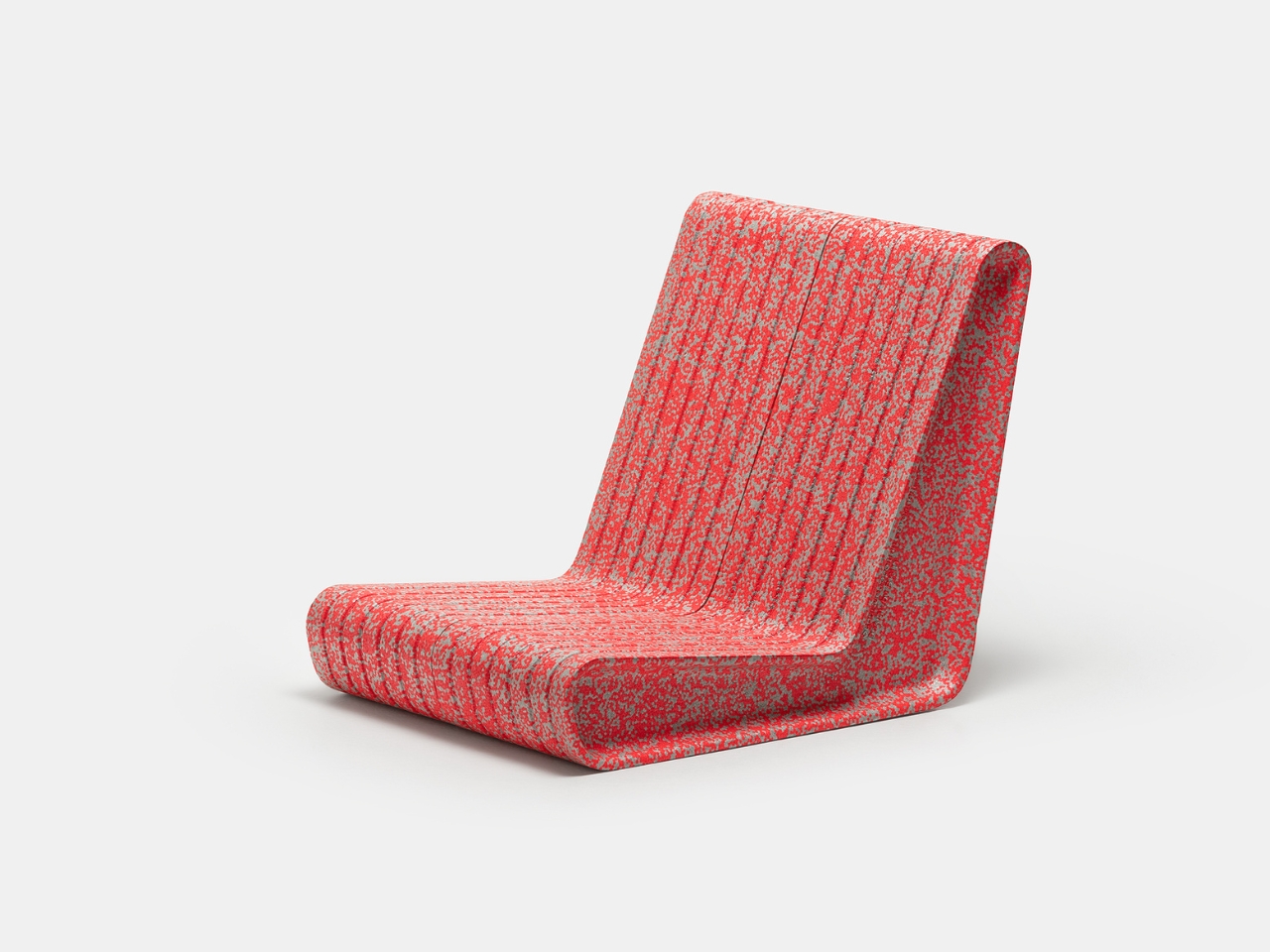
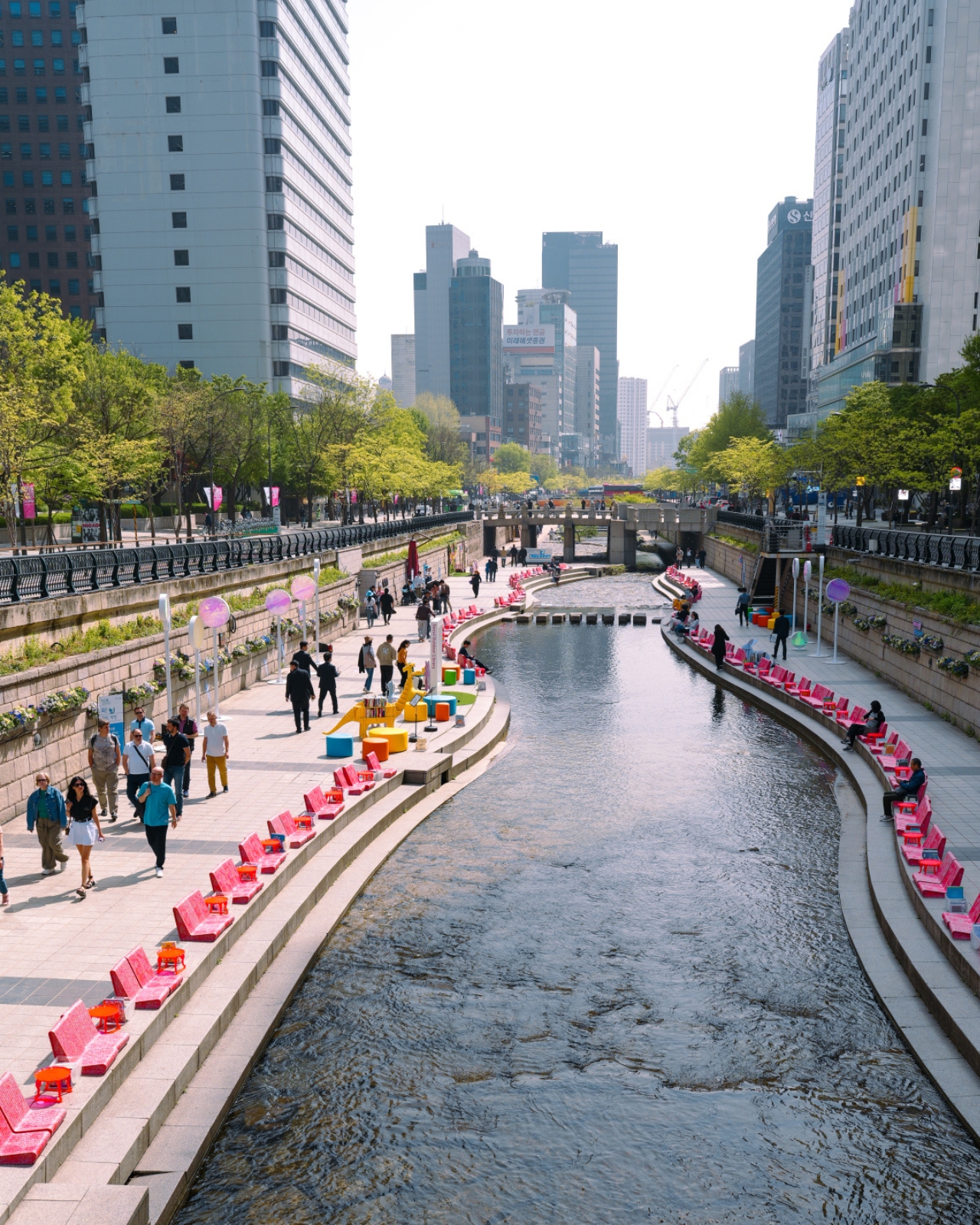
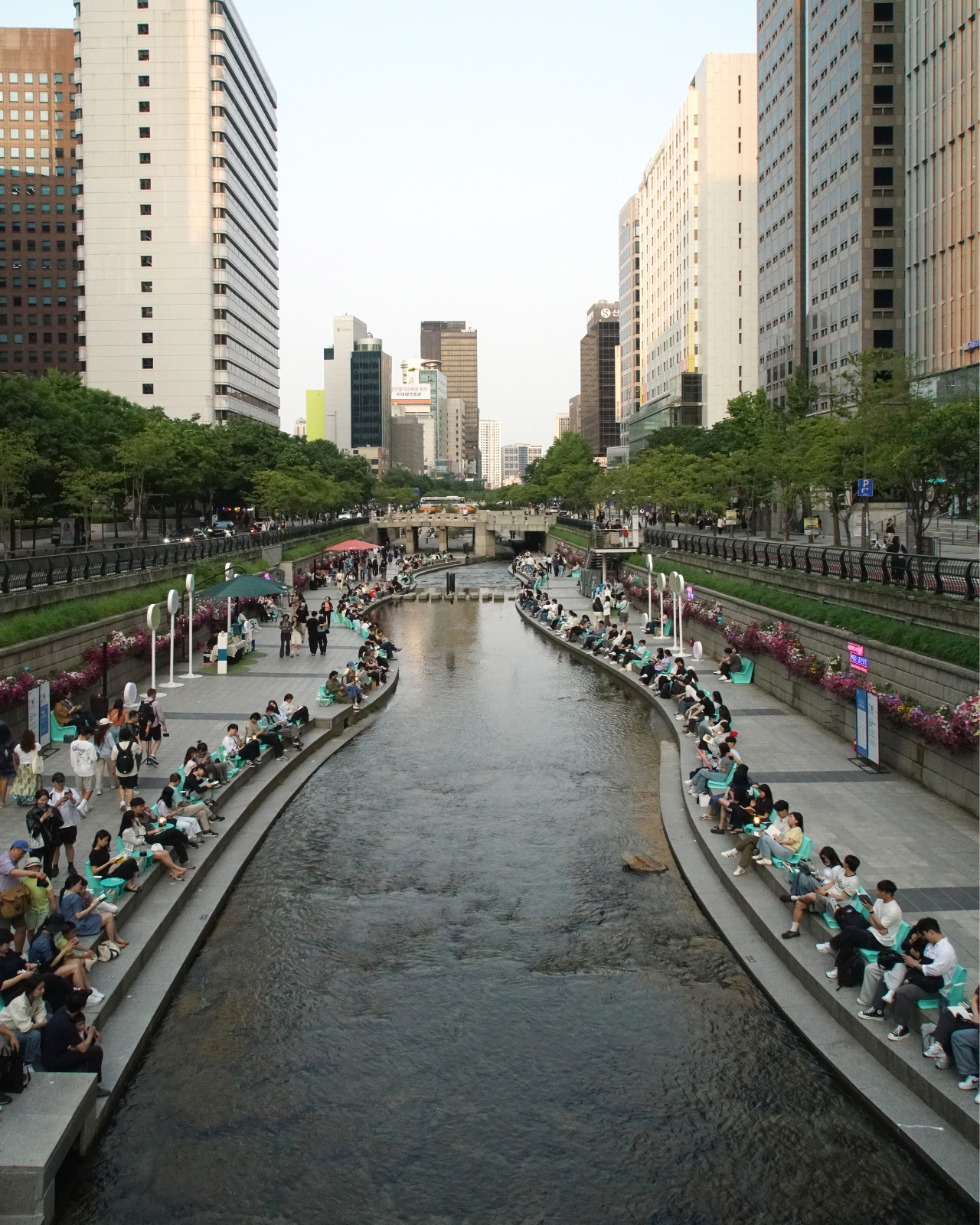
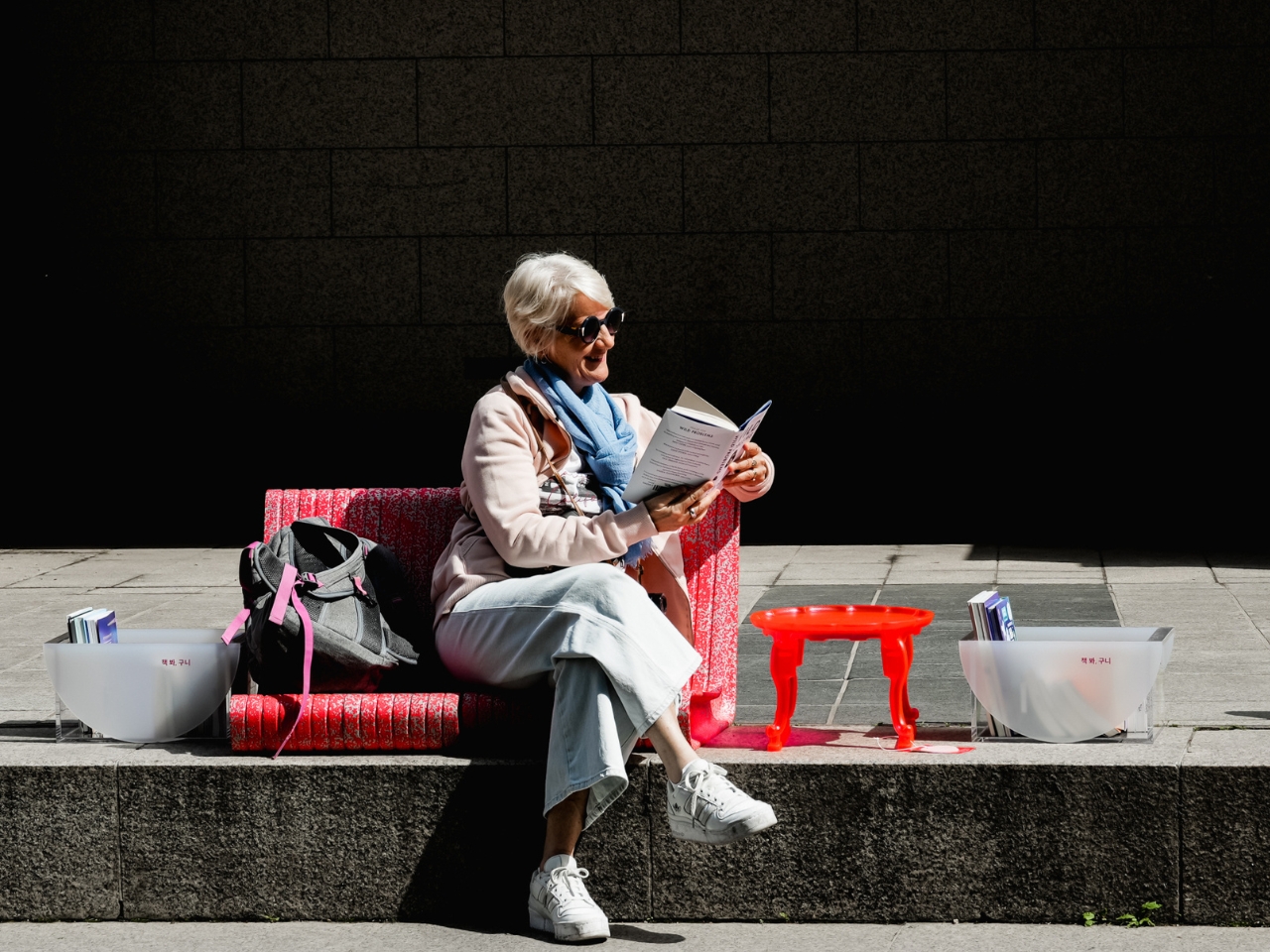
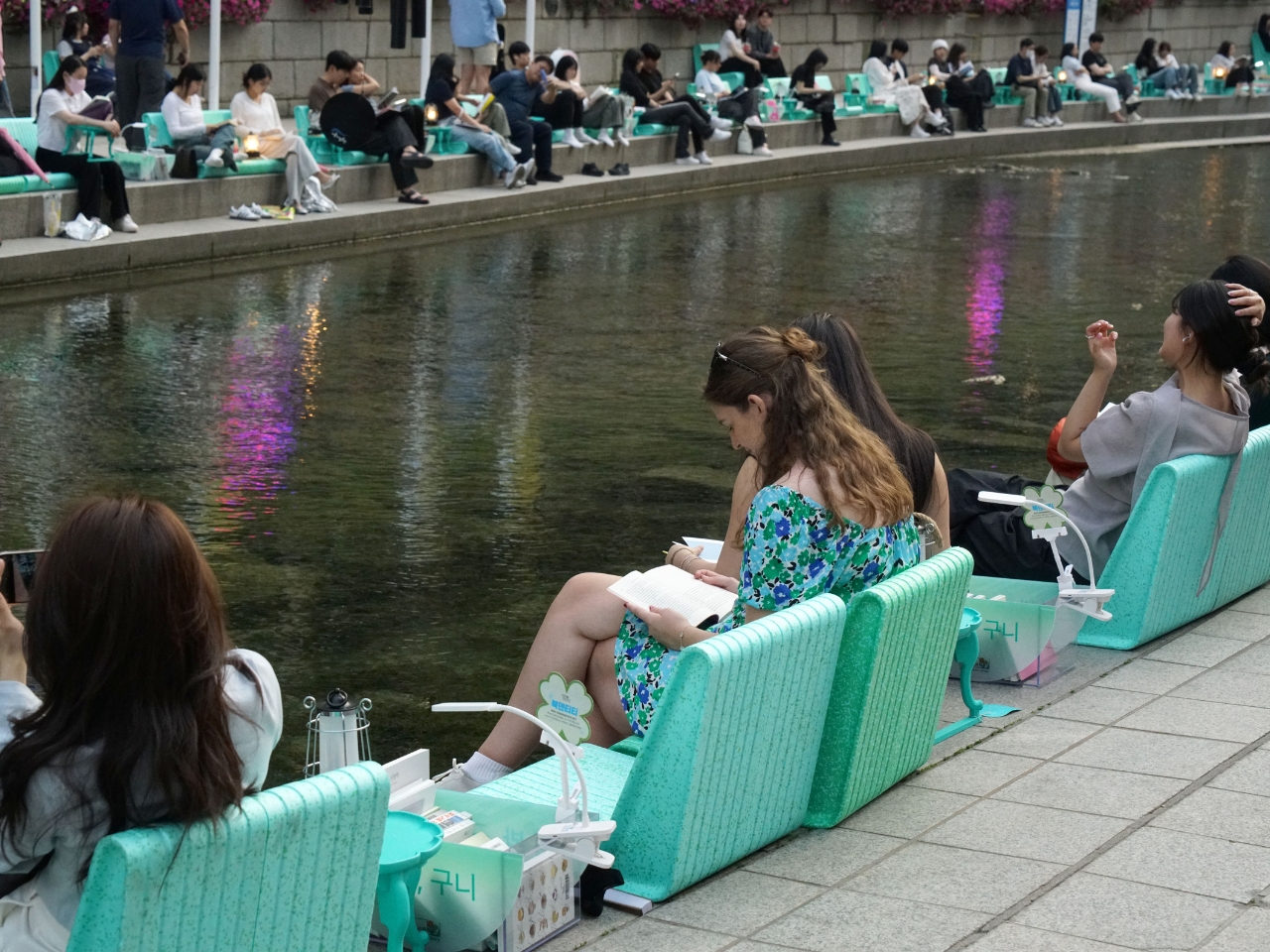
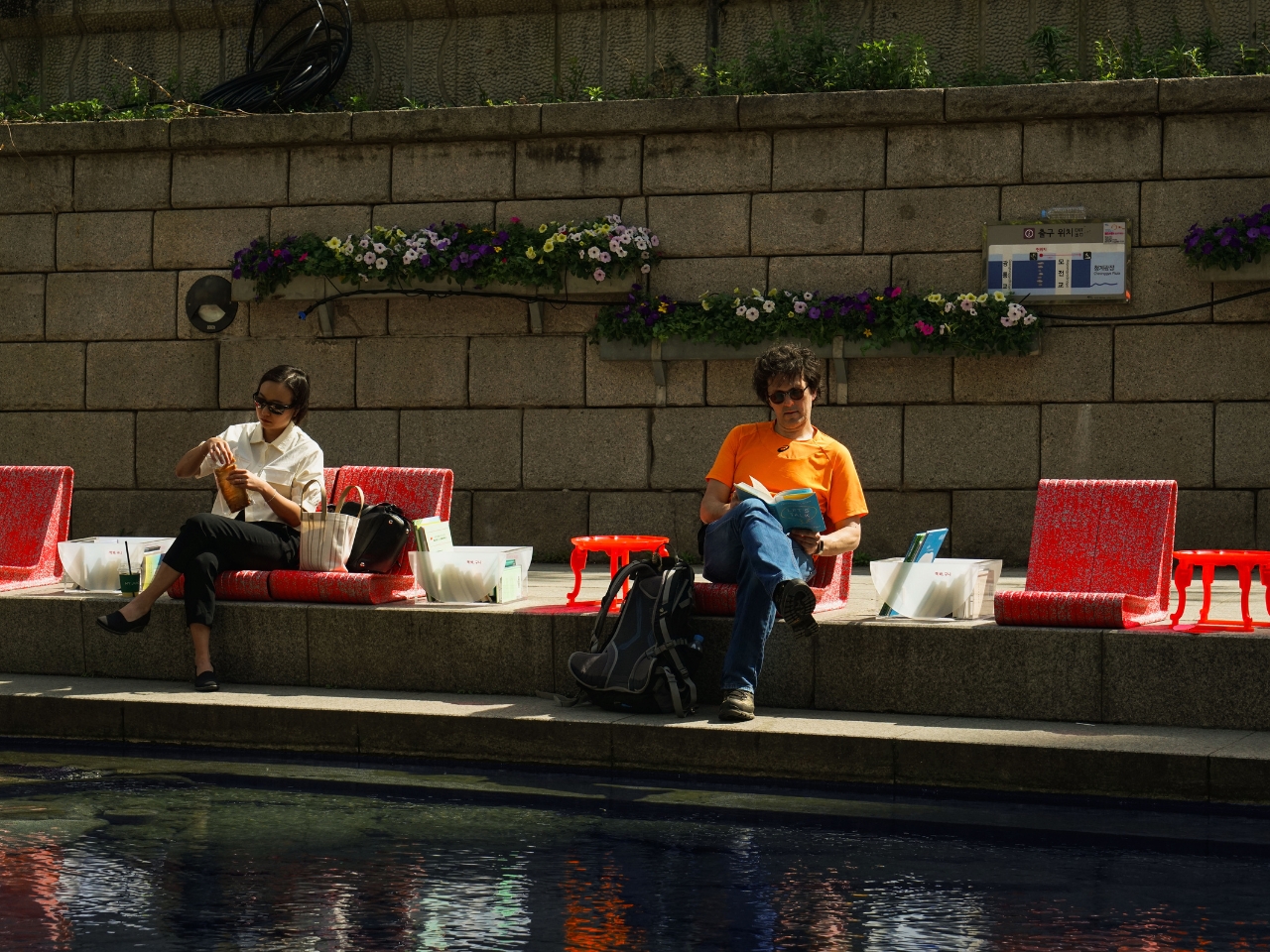
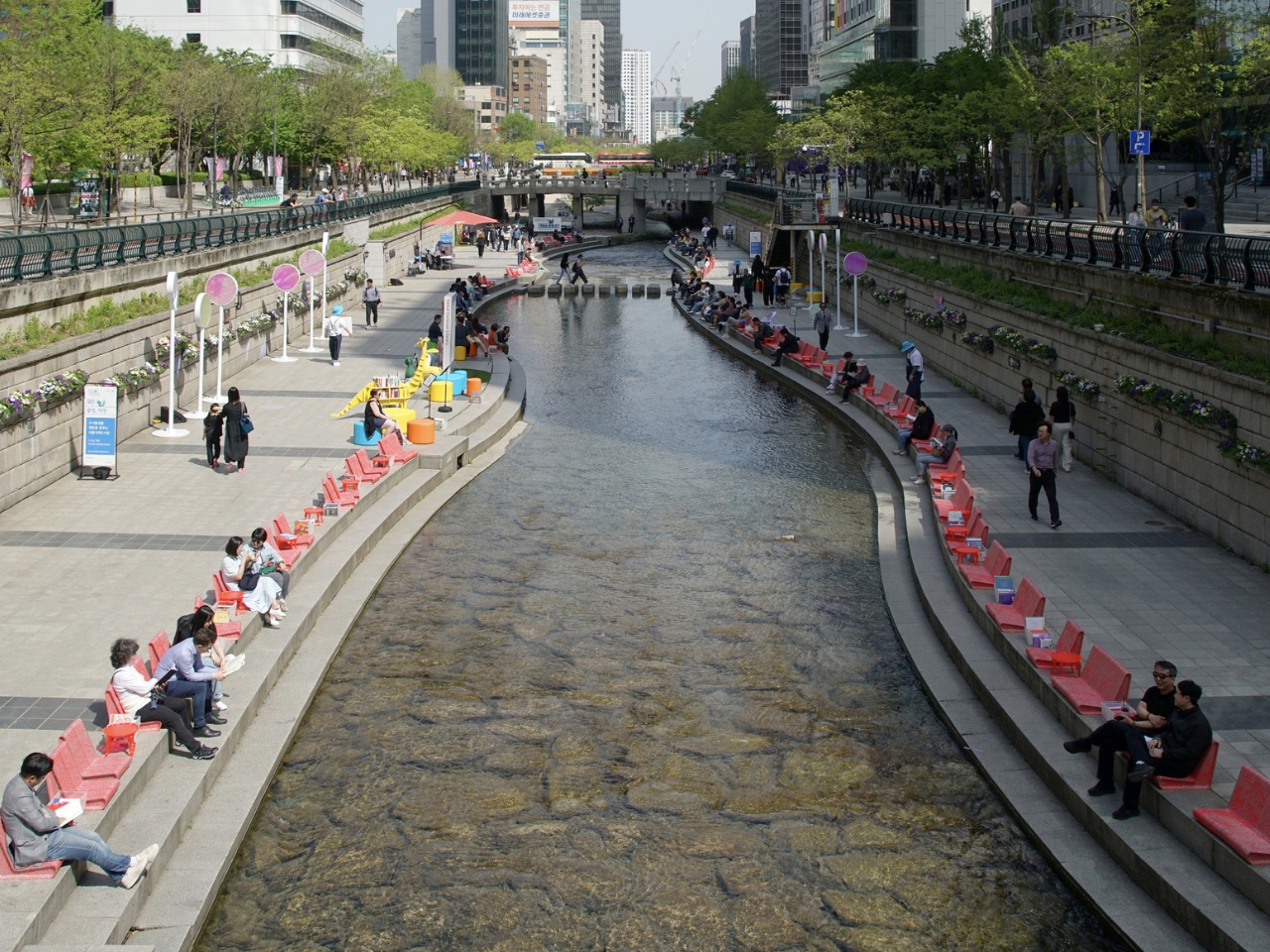
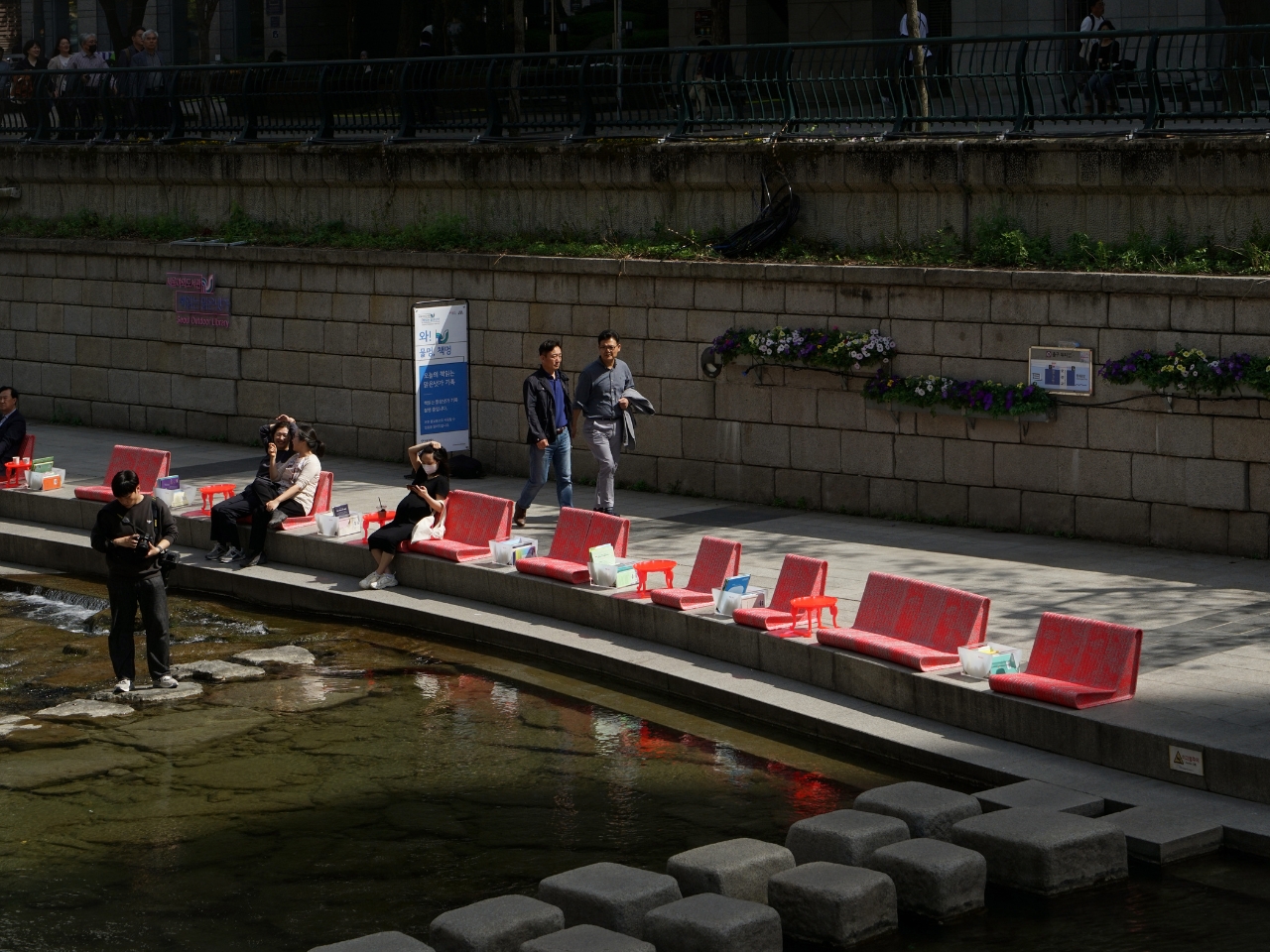
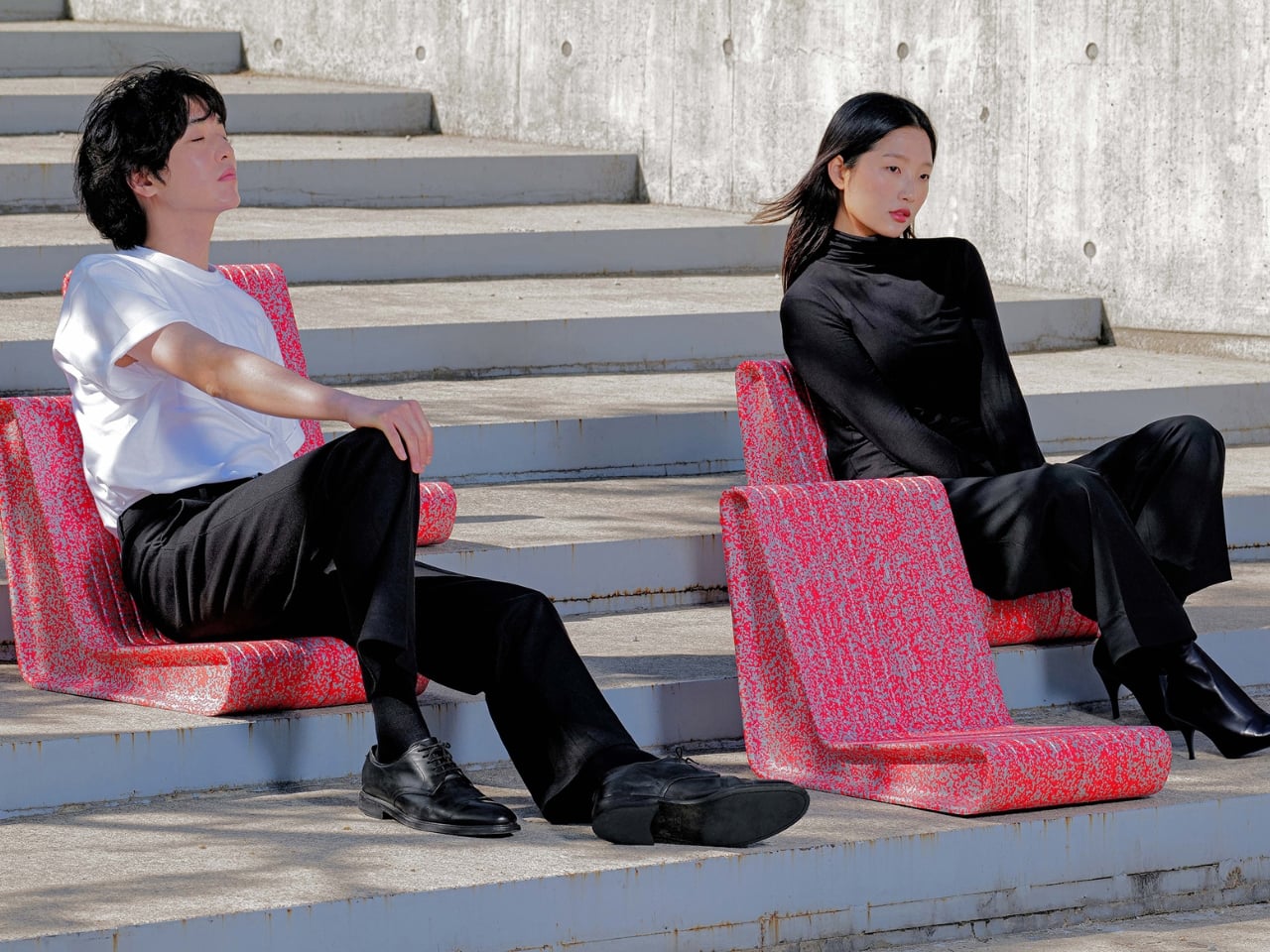
The design comes in multiple variations, but the star of the show is the “Lean” model, which has this wonderfully relaxed recline to it. Looking at the concept images, you can immediately tell this isn’t your grandma’s folding chair. The textured surface has this almost fuzzy, pixelated appearance in vibrant colors (that speckled red is particularly eye-catching), and the form itself curves in ways that actually seem to understand how human bodies work.

Here’s where the concept gets really interesting. BKID Co isn’t just proposing another chair design. They’re imagining an entire philosophy about how public seating should work. The idea is that different events call for different postures and different social dynamics. Their “Sit” chair would encourage upright, formal posture, perfect for city council meetings or lecture-style events. Meanwhile, the “Lean” version invites you to kick back a bit, ideal for casual concerts or relaxed community gatherings.

This isn’t just aesthetic flexibility; it’s behavioral design in action. The furniture would literally shape how people interact with spaces and with each other. Want to create a more formal atmosphere? Bring out the upright chairs. Hosting a laid-back music festival? Break out the lean-back models. It’s public space planning that actually thinks about the humans using the space.

The practical benefits extend beyond just comfort and flexibility. Traditional public furniture has some serious maintenance issues. Wooden benches rot, metal rusts, and concrete cracks. All of that means constant repairs and replacements, which drain municipal budgets. EPP foam, on the other hand, is incredibly durable and weather-resistant. It won’t rust, rot, or splinter. And because it’s shock-absorbent, it’s actually pretty difficult to damage in the first place.

There’s also something refreshingly playful about the design concept. Public furniture tends to be brutalist and unwelcoming, partly by design (hello, hostile architecture). But Form&Foam takes the opposite approach. The soft, tactile quality and bright colors make these pieces feel approachable and friendly. They look like something you’d actually want to sit on, not something designed to make you uncomfortable after 15 minutes.

The modularity factor shouldn’t be underestimated either. These chairs could be arranged and rearranged to create different seating configurations. Line them up in rows for a presentation, cluster them in circles for discussions, scatter them casually for an open-space vibe. The lightness of the material means event organizers (or even attendees) could reshape the space as needs change throughout the day.

What BKID Co has envisioned here feels like a small but significant rethinking of how we do public spaces. It asks why public furniture needs to be permanent, heavy, and uncomfortable when it could be adaptable, accessible, and actually pleasant to use. In a world where urban designers are increasingly thinking about how to make cities more livable and human-centered, concept proposals like Form&Foam feel like a step in exactly the right direction.

Whether this concept makes the leap from design portfolio to actual parks and plazas remains to be seen. But sometimes the most innovative design isn’t about reinventing everything from scratch. It’s about taking something we all use and asking, “But what if it didn’t suck?” Form&Foam asked that question about public seating, and the answer turns out to be pretty compelling.

The post These Lightweight Foam Chairs Could Finally Fix Public Seating first appeared on Yanko Design.
A Floating Entertainment Hub That Travels Across The World

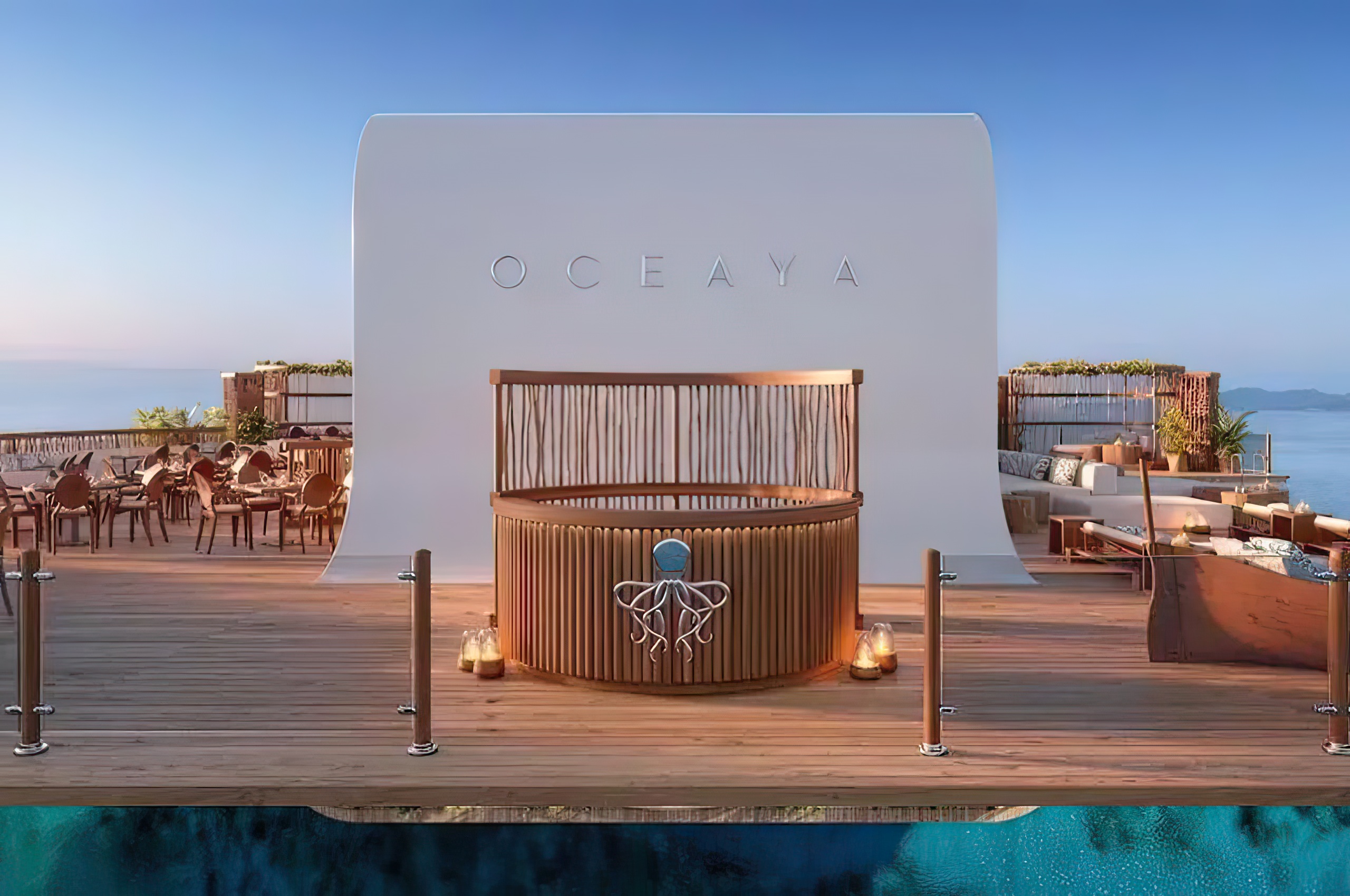
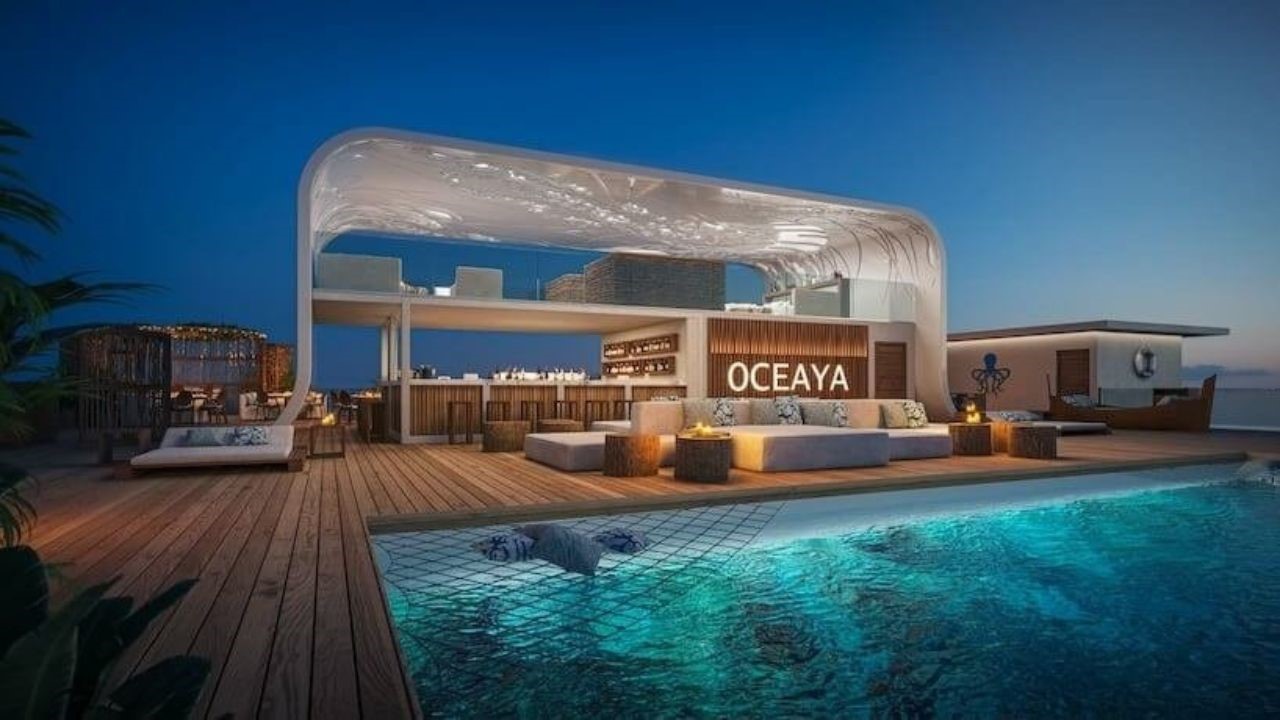
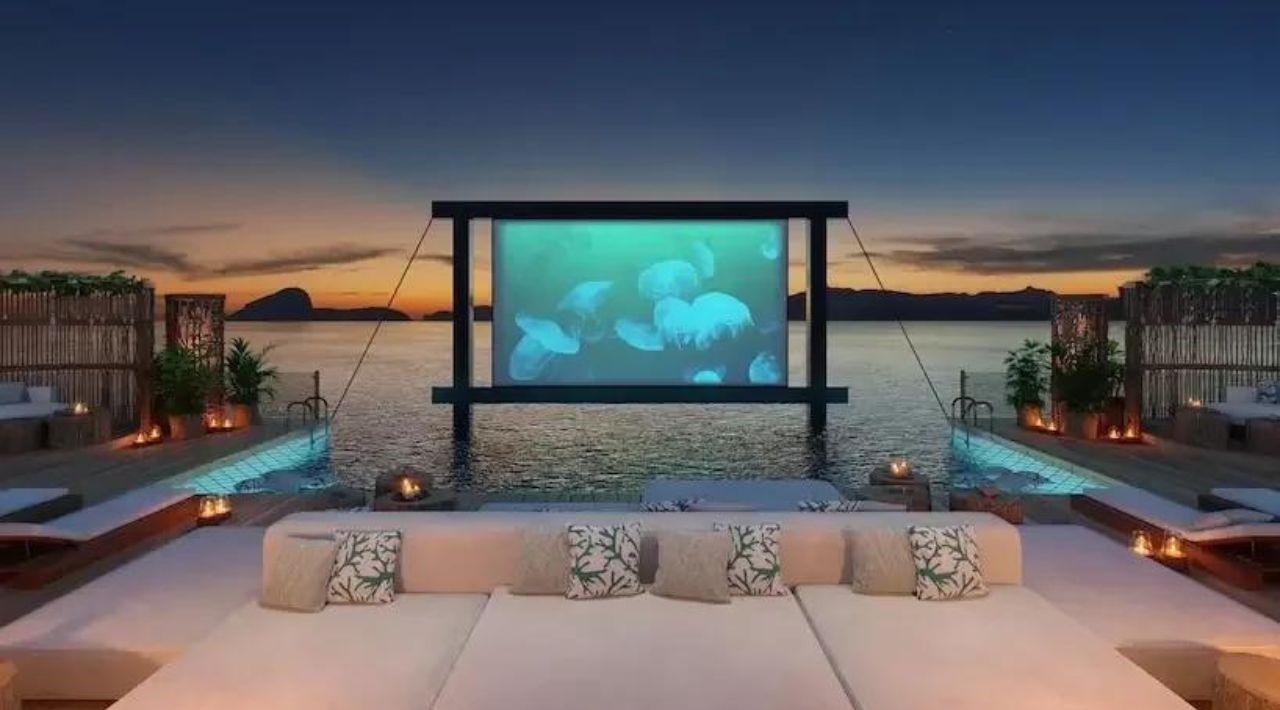
Welcome to Oceaya, where the magic of entertainment melds seamlessly with the serenity of the sea, creating an otherworldly experience that will leave you spellbound. This is not your typical venue; it’s a floating paradise meticulously crafted to redefine the way we indulge in leisure. Conceived by visionary minds and brought to life by the expertise of MEYER Floating Solutions, Oceaya is poised to revolutionize the scene in 2025 with its blend of opulence and eco-conscious design.

Designers: Waterstudio.NL and Prospect Design International

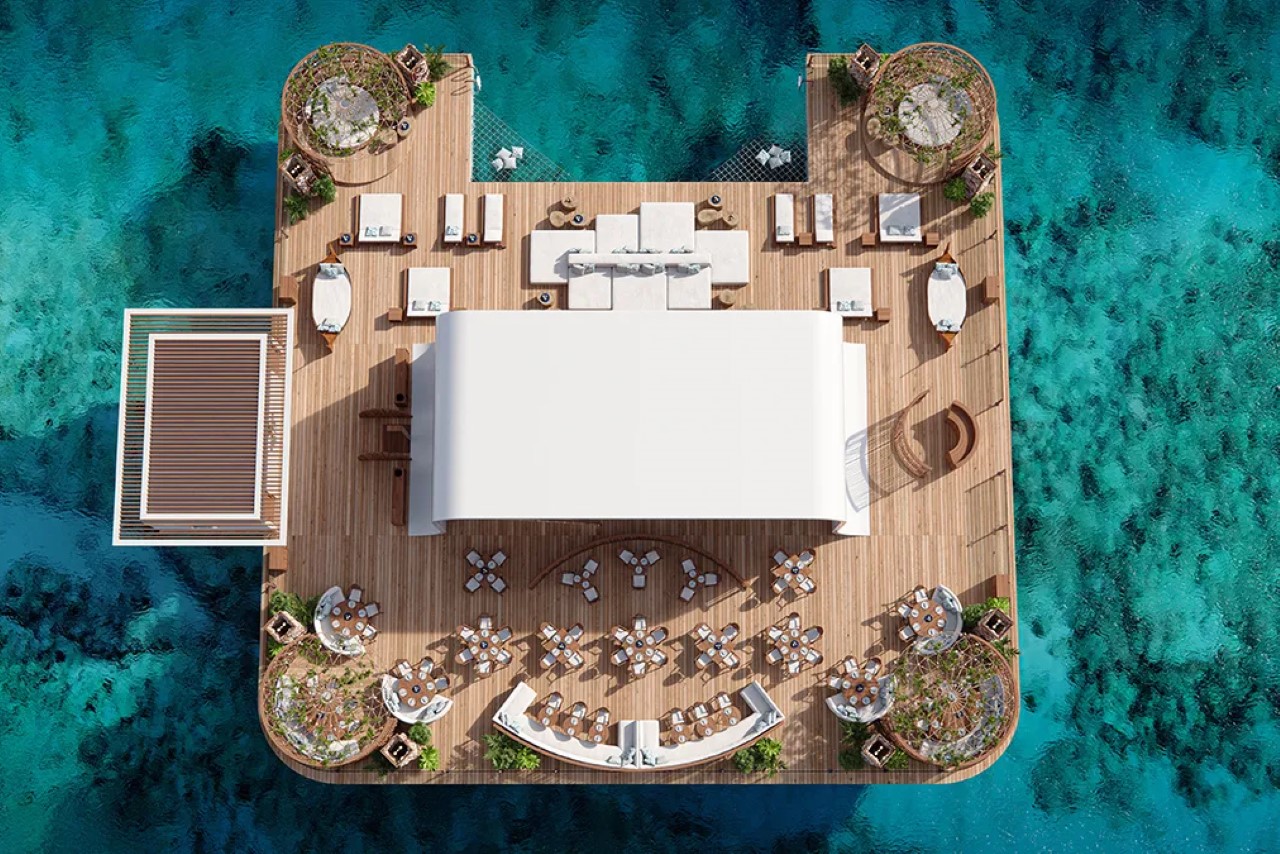
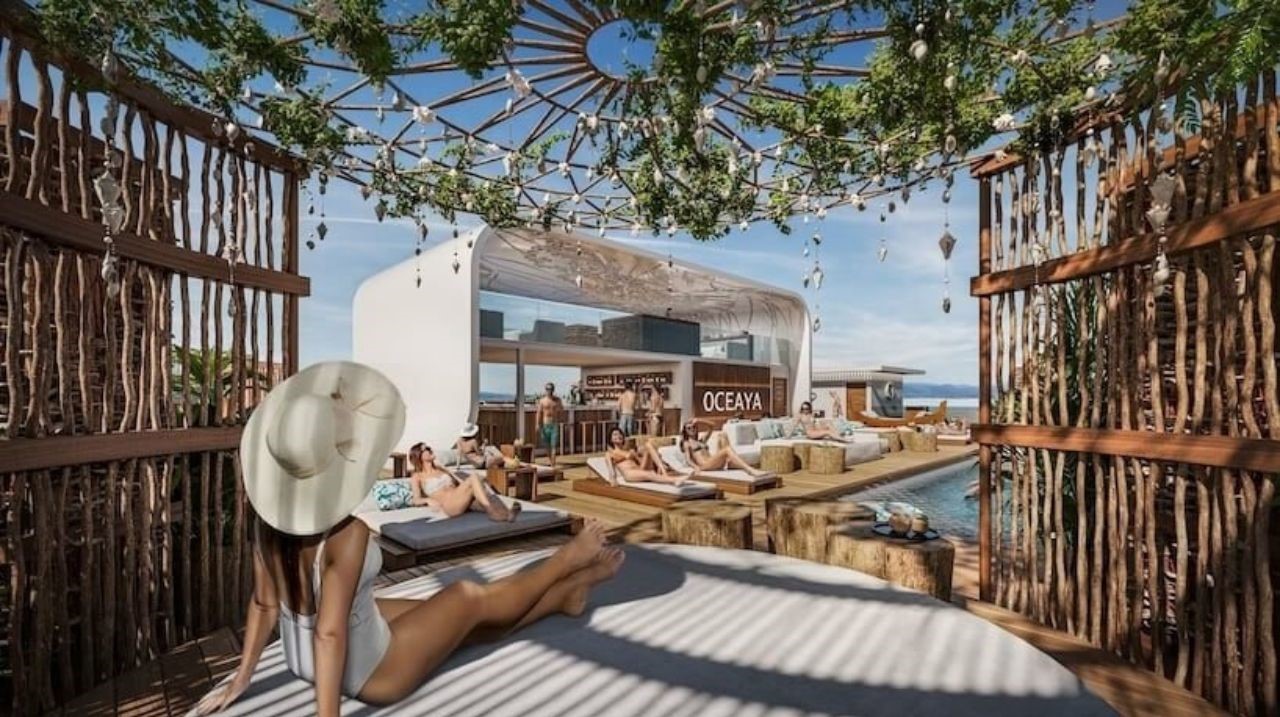
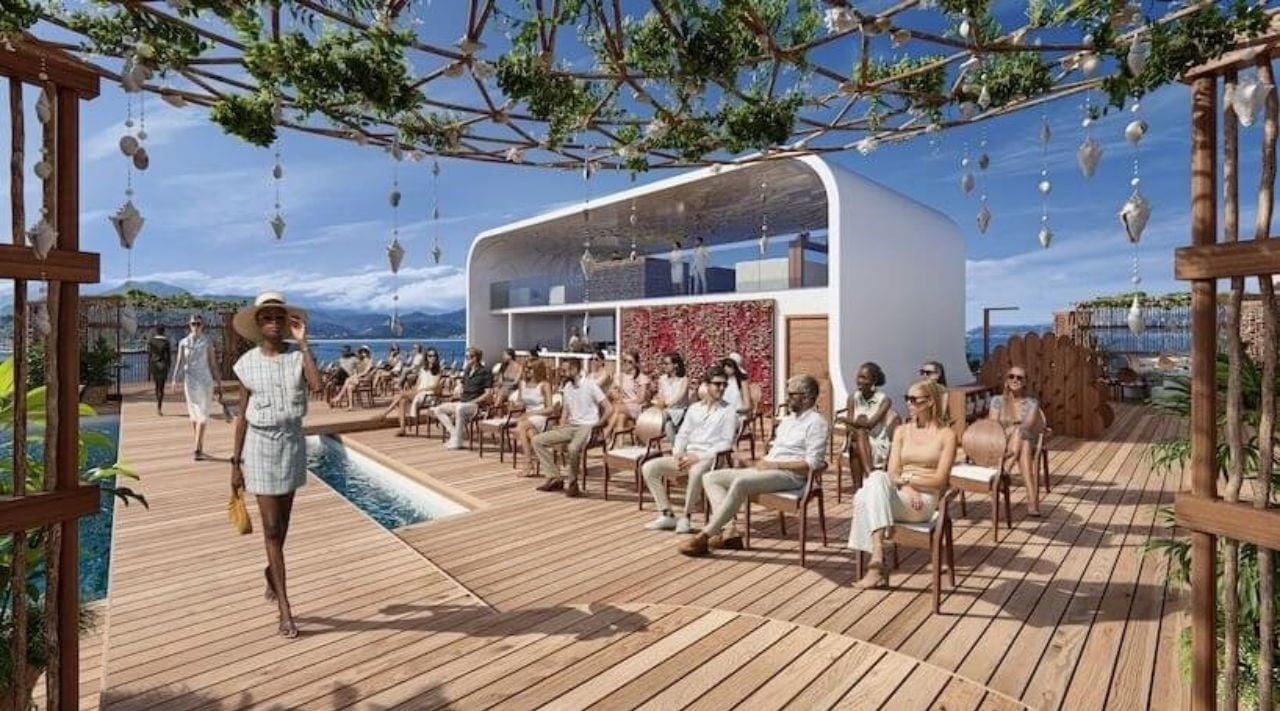
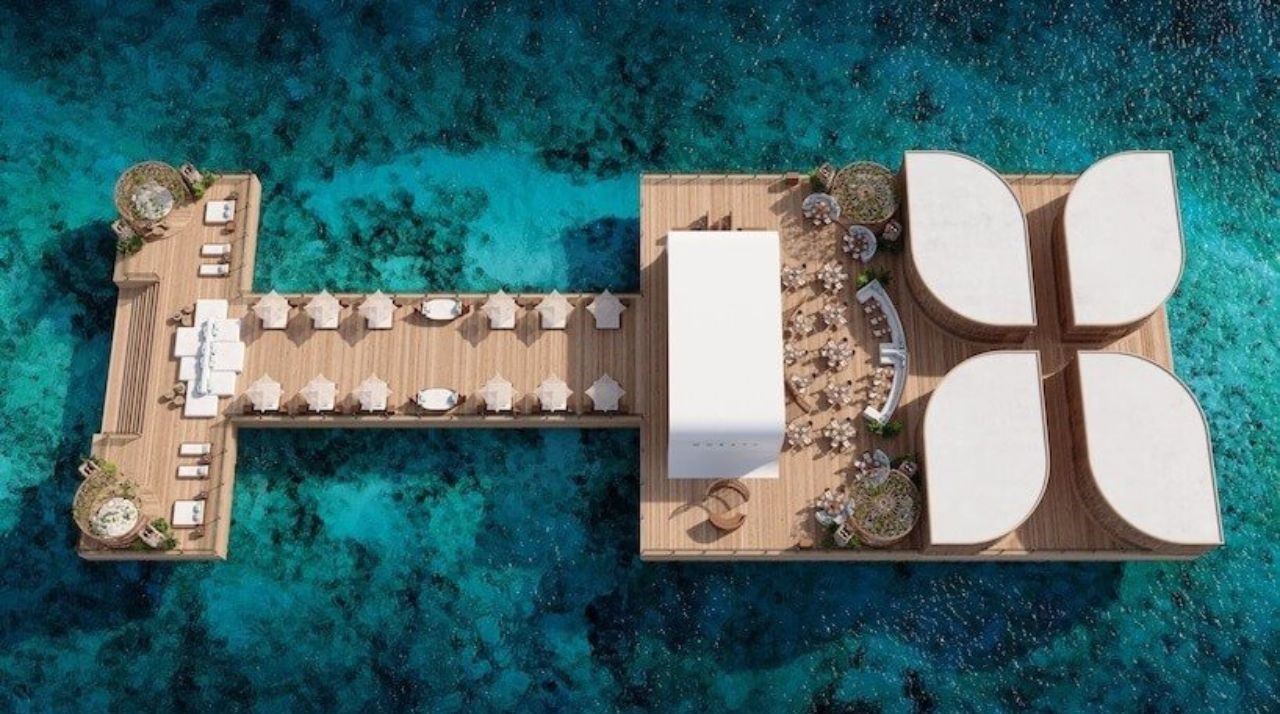
Inspired by the rhythmic symphony of ocean waves, Oceaya invites guests on a journey through a harmonious blend of design and experience. This floating marvel, designed to expand and contract with infinite fluidity, mirrors the very essence of the rolling tide. Crafted as a modular, multi-purpose structure, Oceaya promises dynamic experiences for its guests, seamlessly traveling across various global destinations during peak seasons.

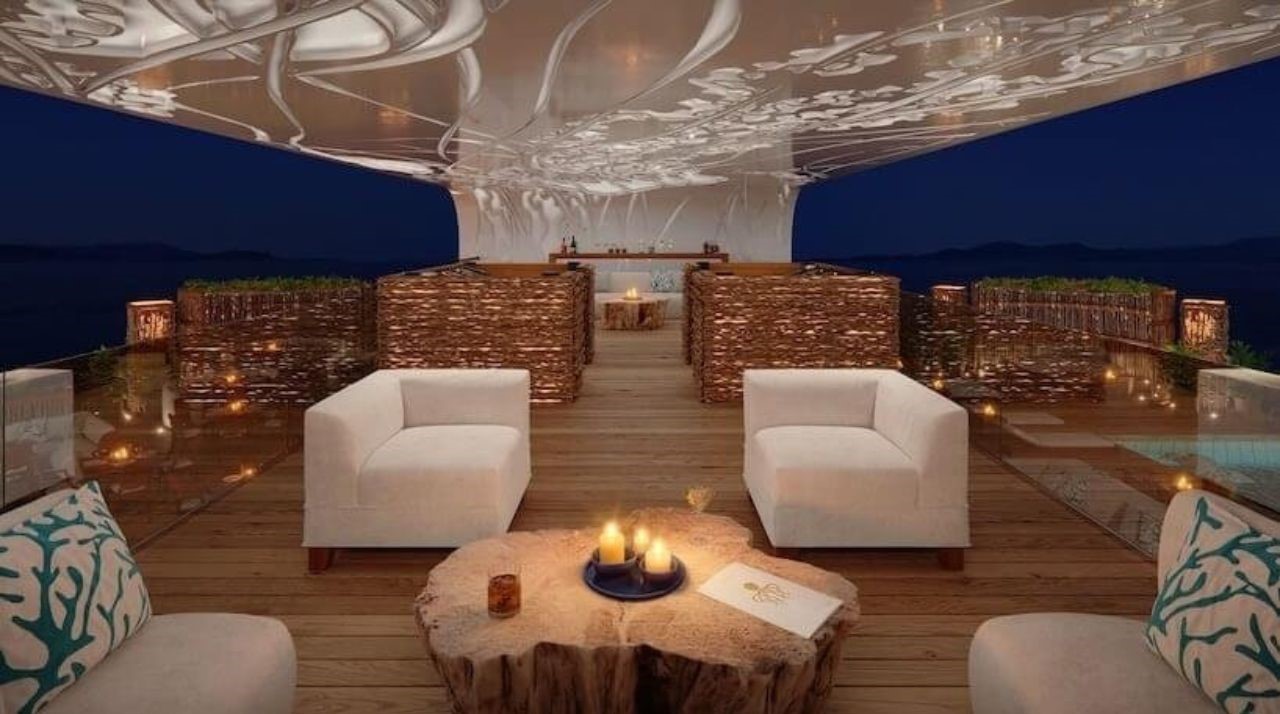
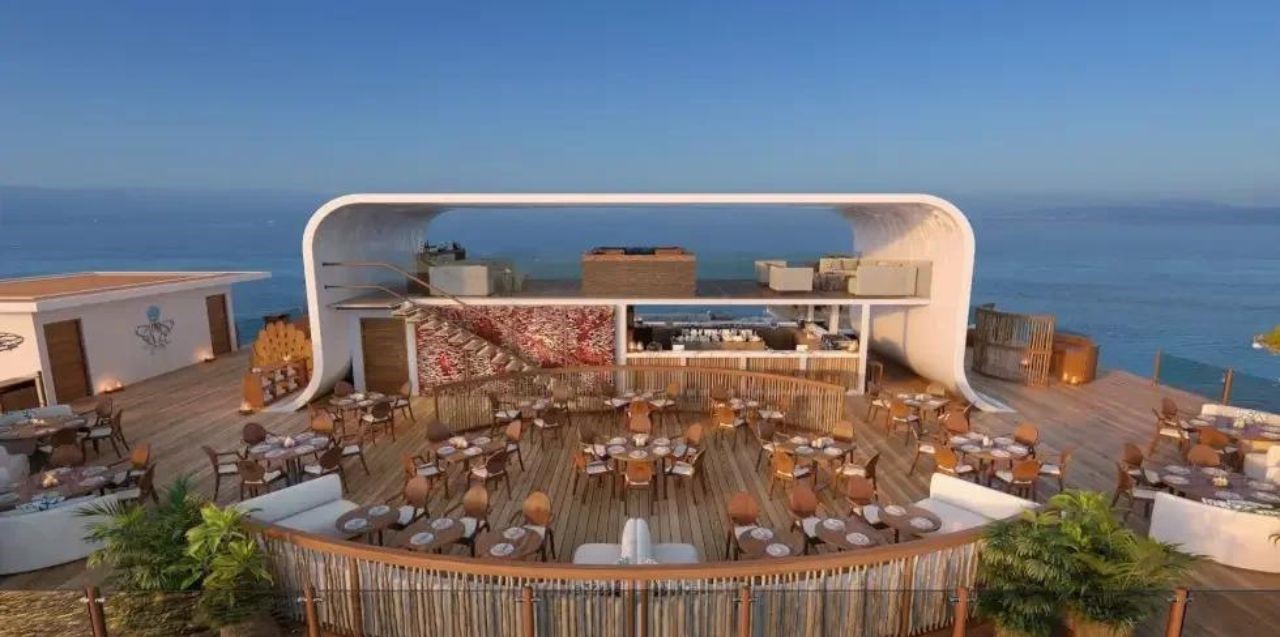
Drifting along the brink of the horizon, Oceaya’s design embraces organic symmetry, blending seamlessly with the natural world. Constructed using sustainable and organic materials, its soft exterior lines exude calmness, completeness, and an unparalleled sense of luxury. With a sophisticated open-air layout offering panoramic views of the surrounding seascape, guests are immersed in a world where serenity meets architectural wonder.

Spanning from 4,000 to over 12,000 square feet, Oceaya embodies the vision of its founder, Daniels Ikajevs, who sees it as a testament to limitless design and entertainment possibilities. As the structure seamlessly integrates aquatic elements, guests are cocooned in holistic comfort, surrounded by architectural complexity and the soothing embrace of the ocean.

Beyond its entertainment allure, Oceaya stands as a beacon of sustainability and environmental stewardship. By aiding access for researchers and funding projects combating climate change, sea-level rise, and the preservation of marine life, Oceaya embodies a commitment to safeguarding our planet’s future.

As night falls, Oceaya unveils its mystical allure. From the depths of the ocean emerges a creature of legend, transforming into a divine human form that captivates all who behold her. With nightly rituals that enchant the senses, guests are invited to embrace the ethereal beauty of Oceaya and immerse themselves in an experience unlike any other.

Founder Daniels Ikajevs hints at future venues that promise even more unimaginable and immersive experiences across continents. From Asia to the Middle East, the Americas, and Europe, Oceaya’s journey is just beginning, offering a glimpse into a future where entertainment knows no bounds.

The post A Floating Entertainment Hub That Travels Across The World first appeared on Yanko Design.
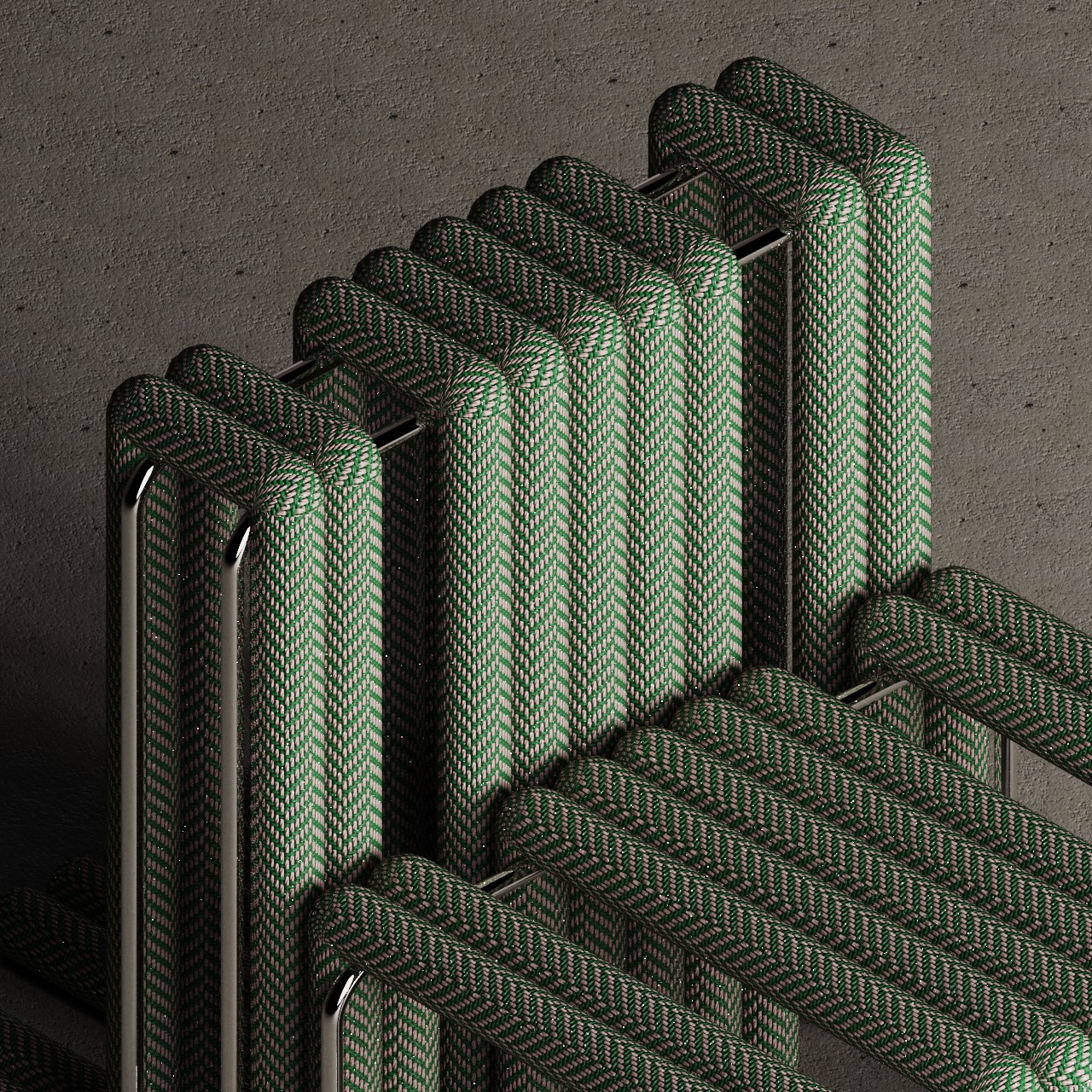
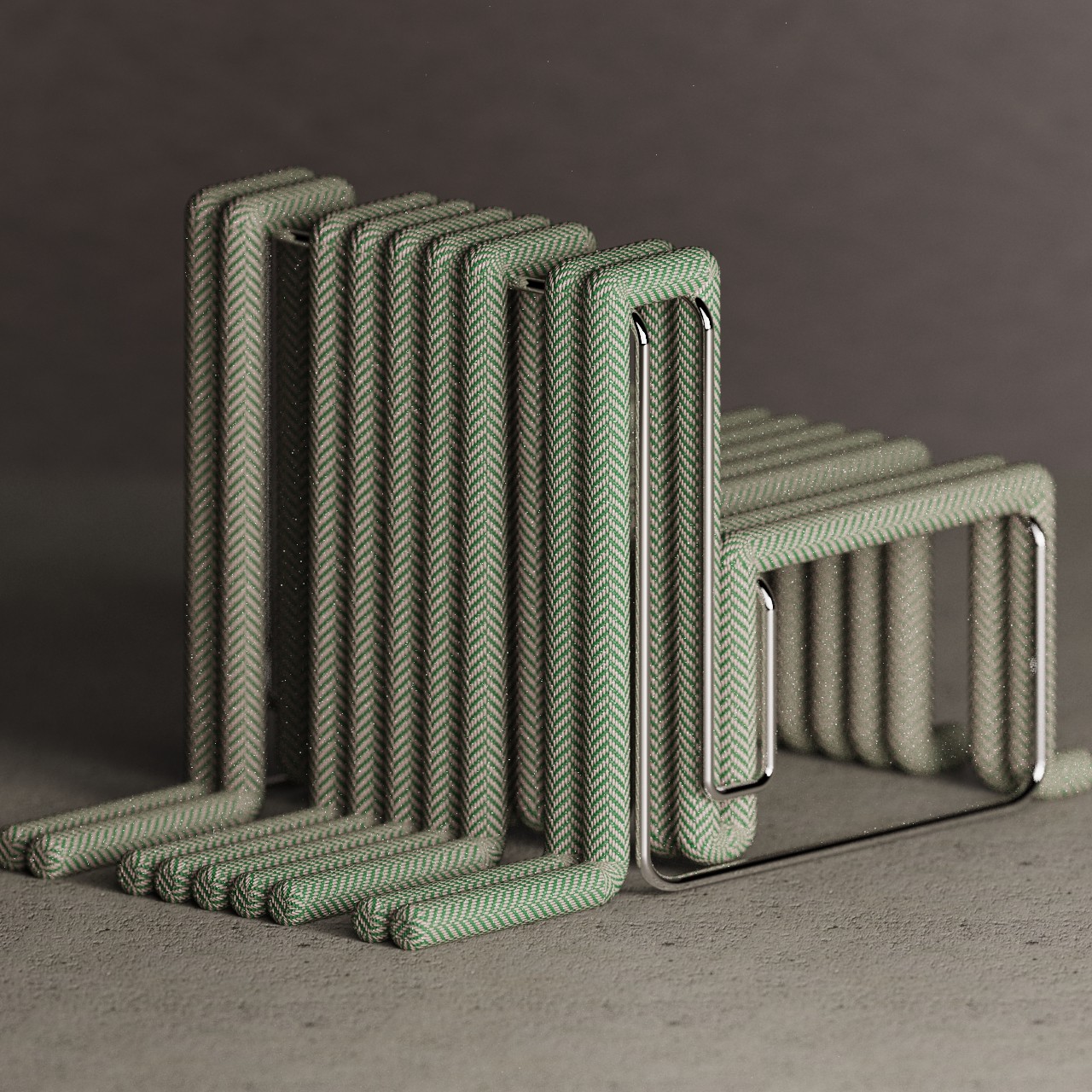
Unusual lounge chair uses sponge-filled ropes to mimic a certain insect

The human mind is such an incredible thing, capable of creating wonderful designs and life-changing products. Of course, it is really no match against the unfathomable “mind” of nature, as seen in the sometimes awe-inspiring, sometimes bewildering things we can find in the world, both living and non-living. The complexity of nature’s design has been an inspiration for many of mankind’s creations and inventions, great and small, either just in terms of the basic form or including their function. There are times, however, when such an inspiration takes an odd turn, like this lounge chair that half looks comfy and half unsettling, especially after you learn what the peculiar piece of furniture is inspired by.
Designers: Miray Ozlem ER

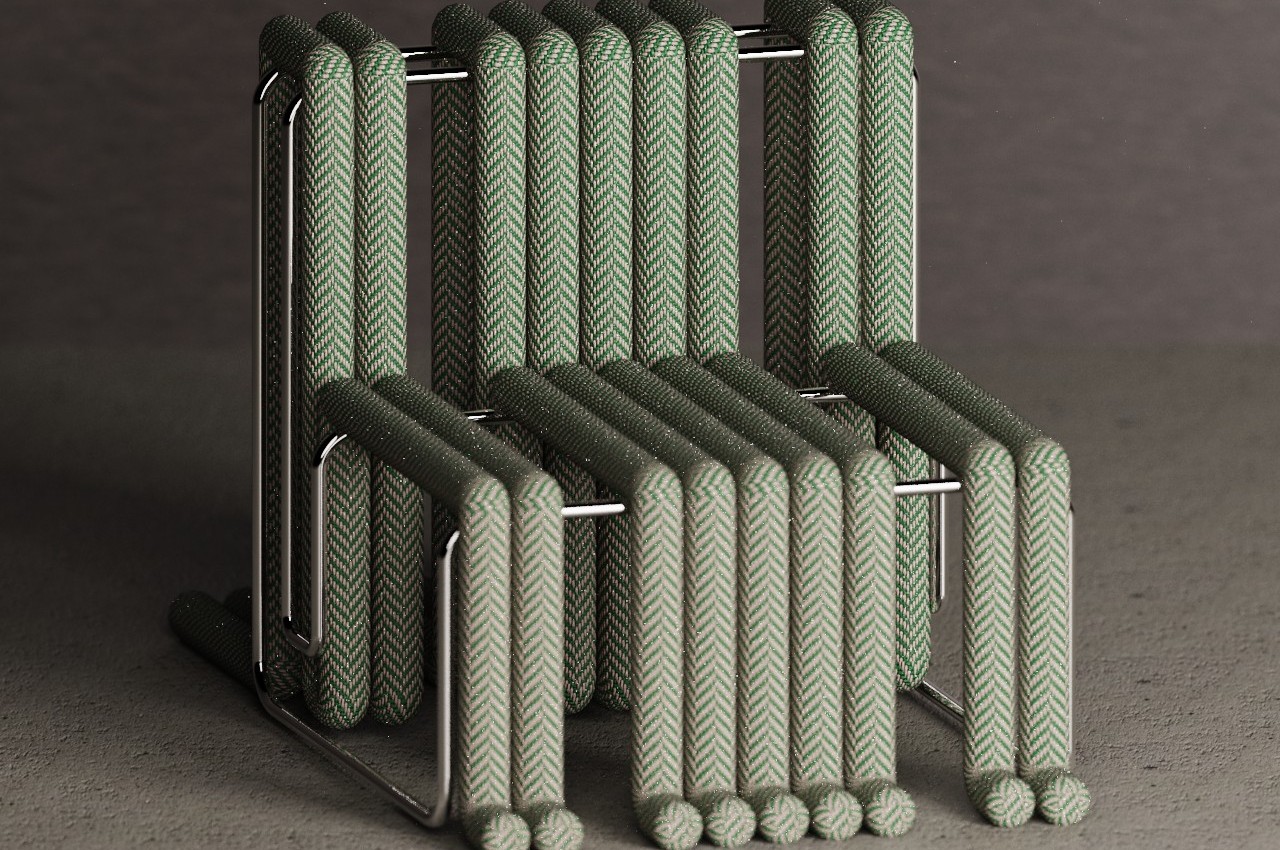
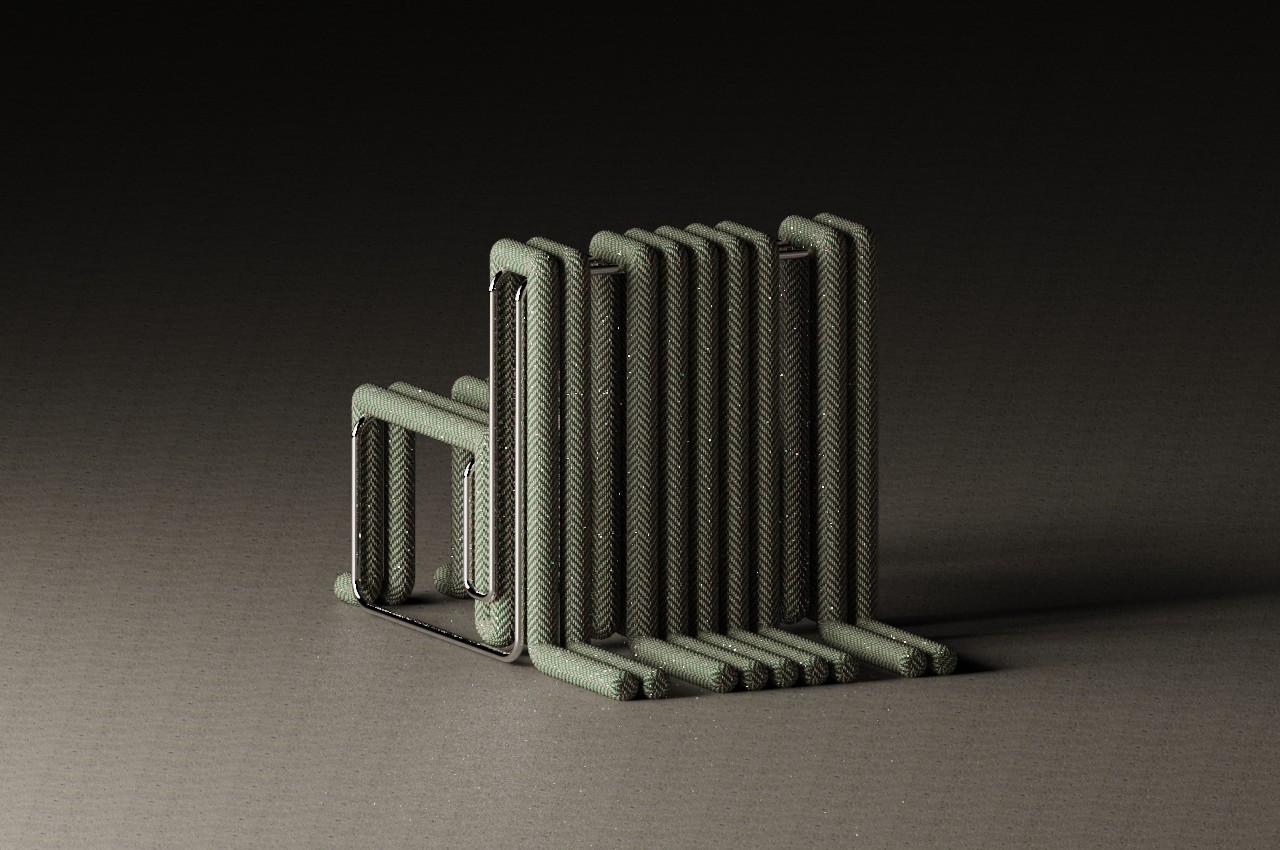
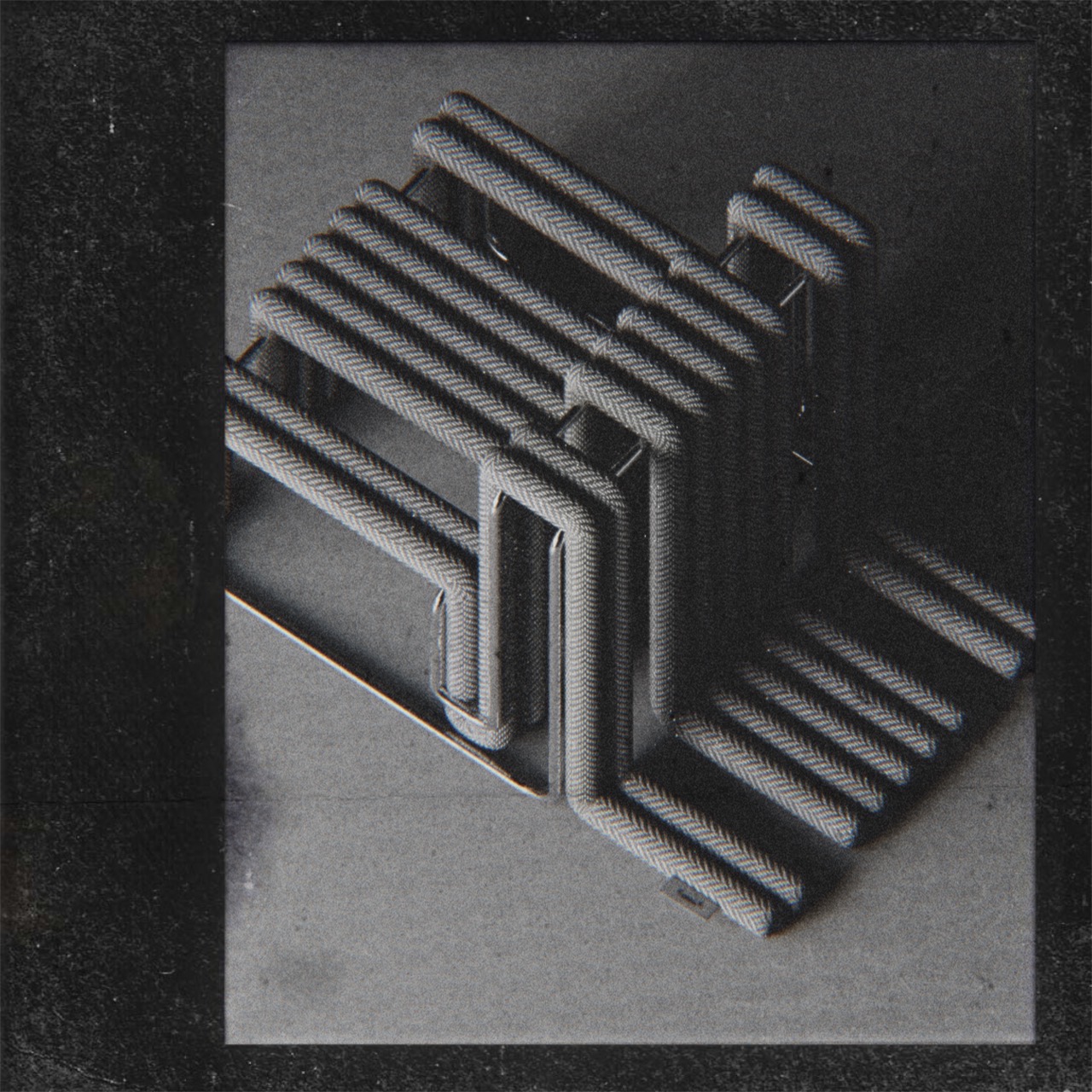
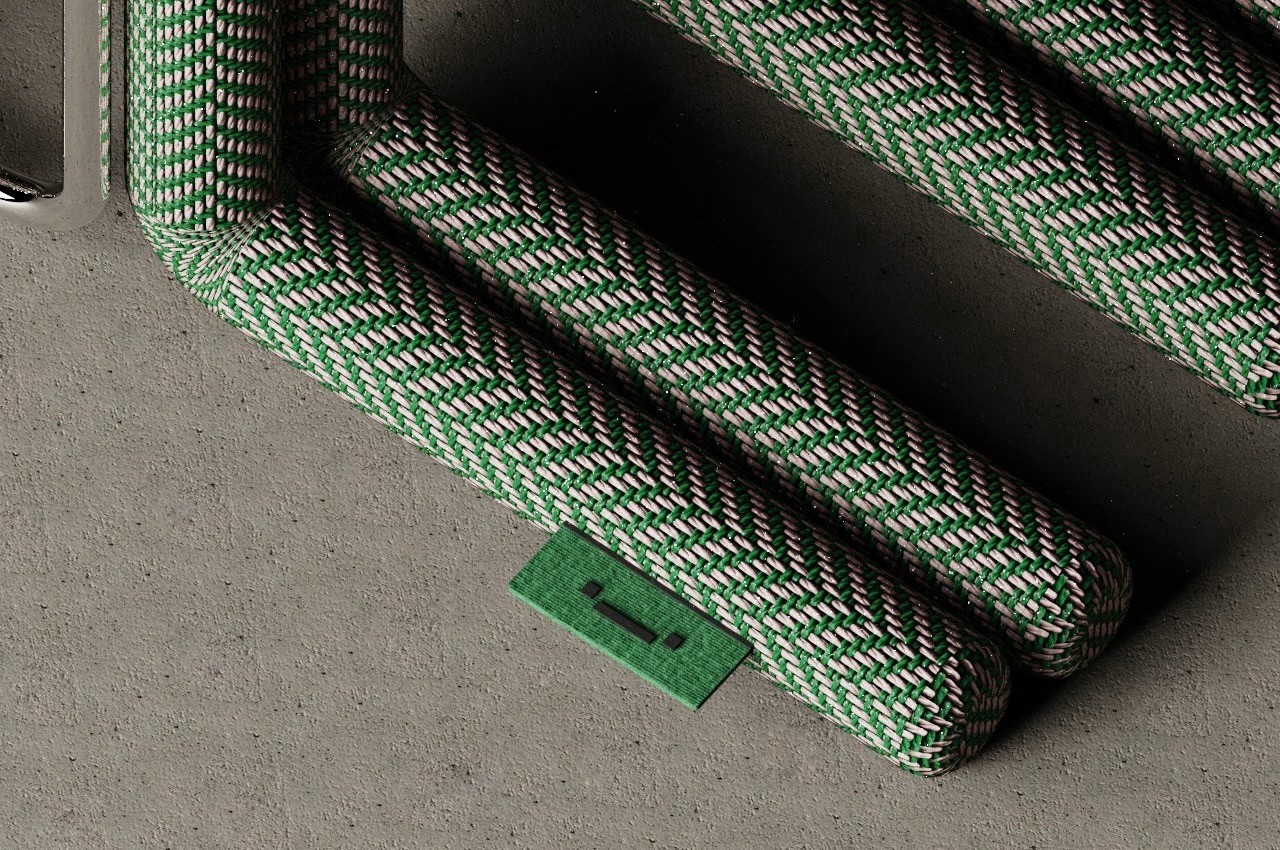
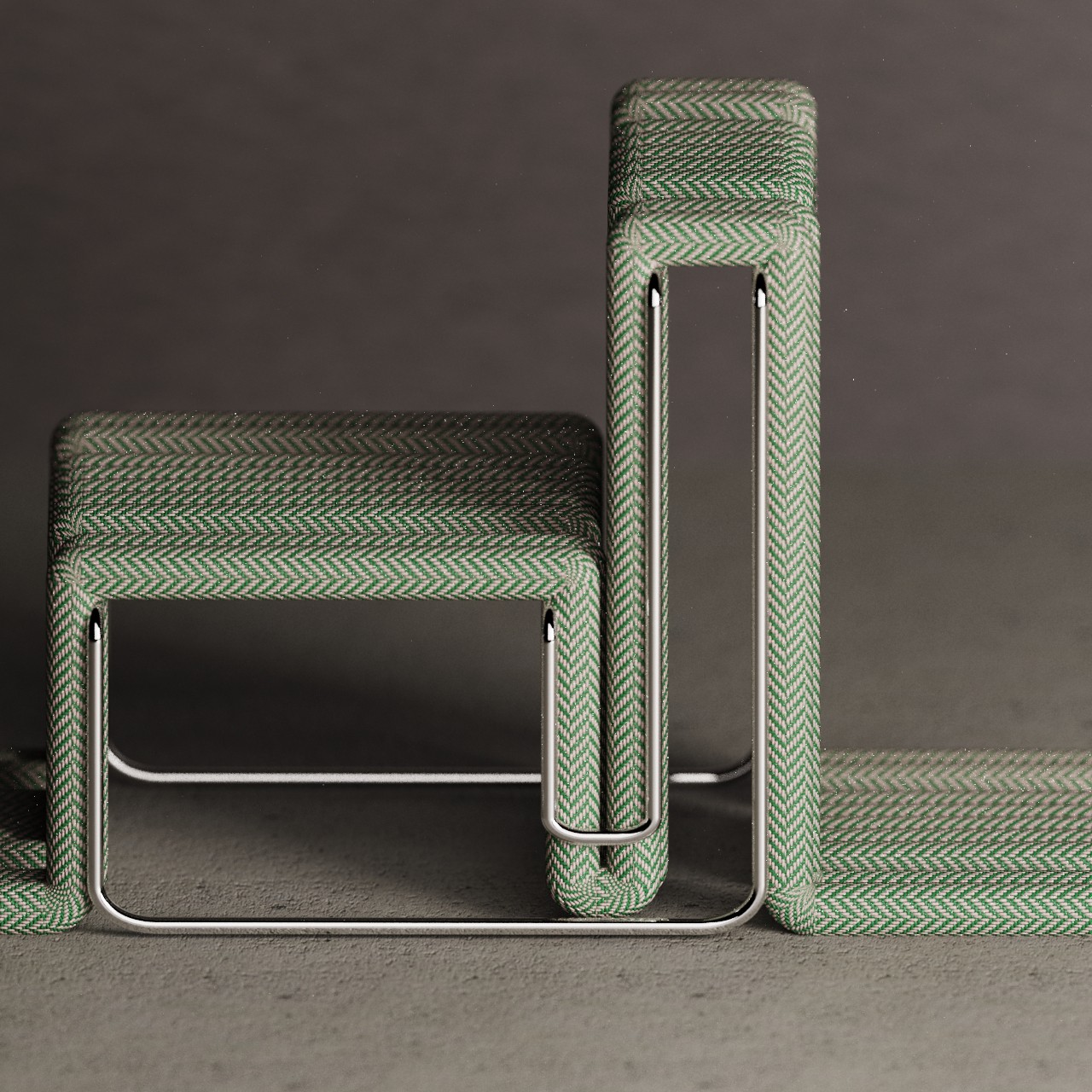
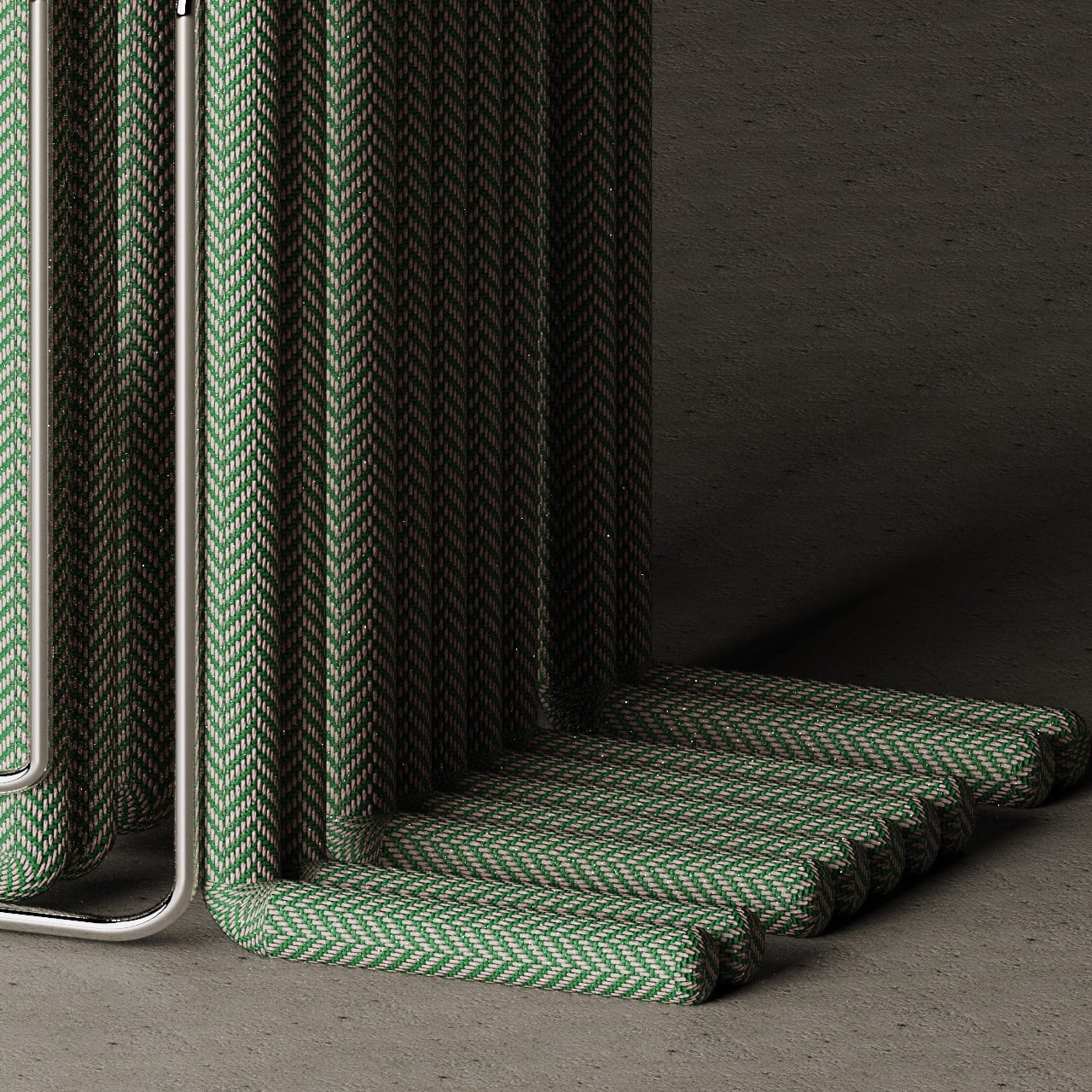
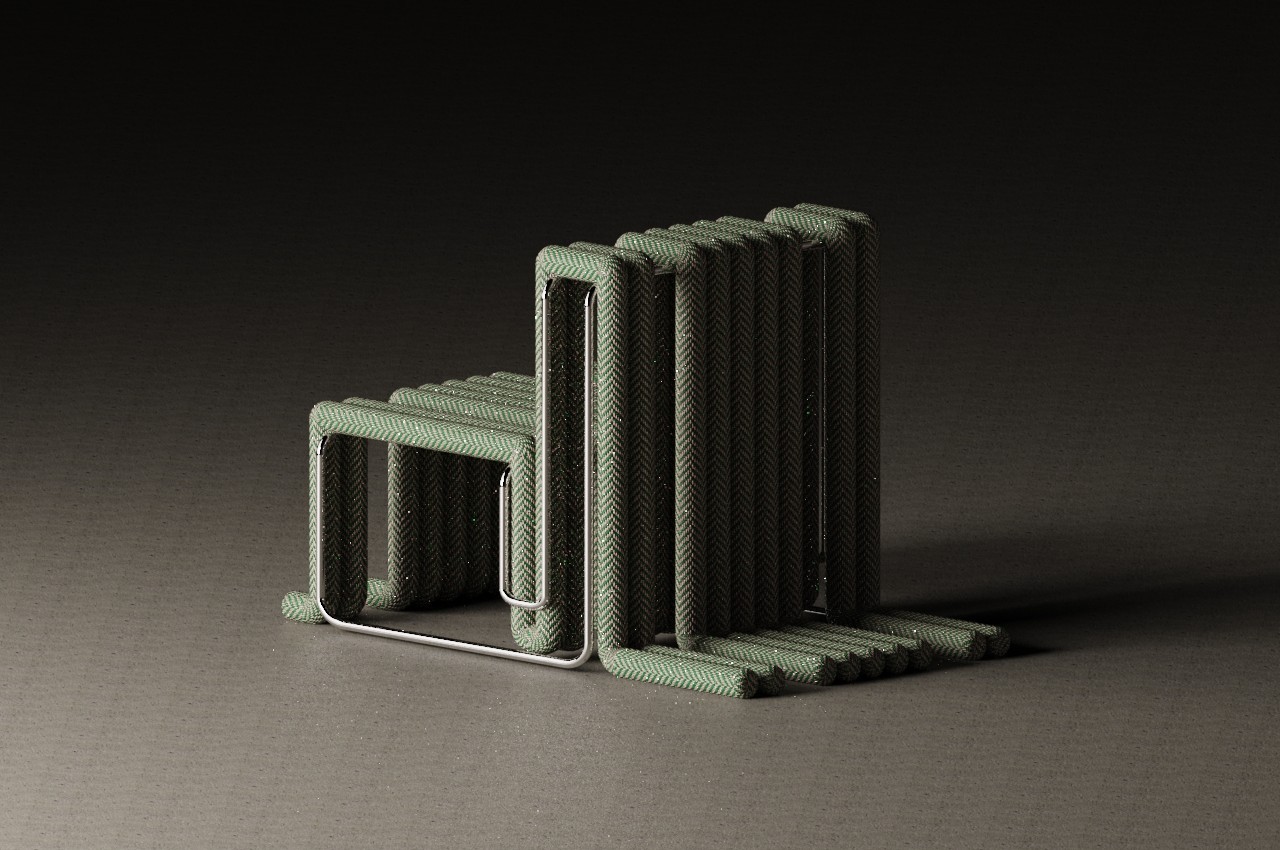
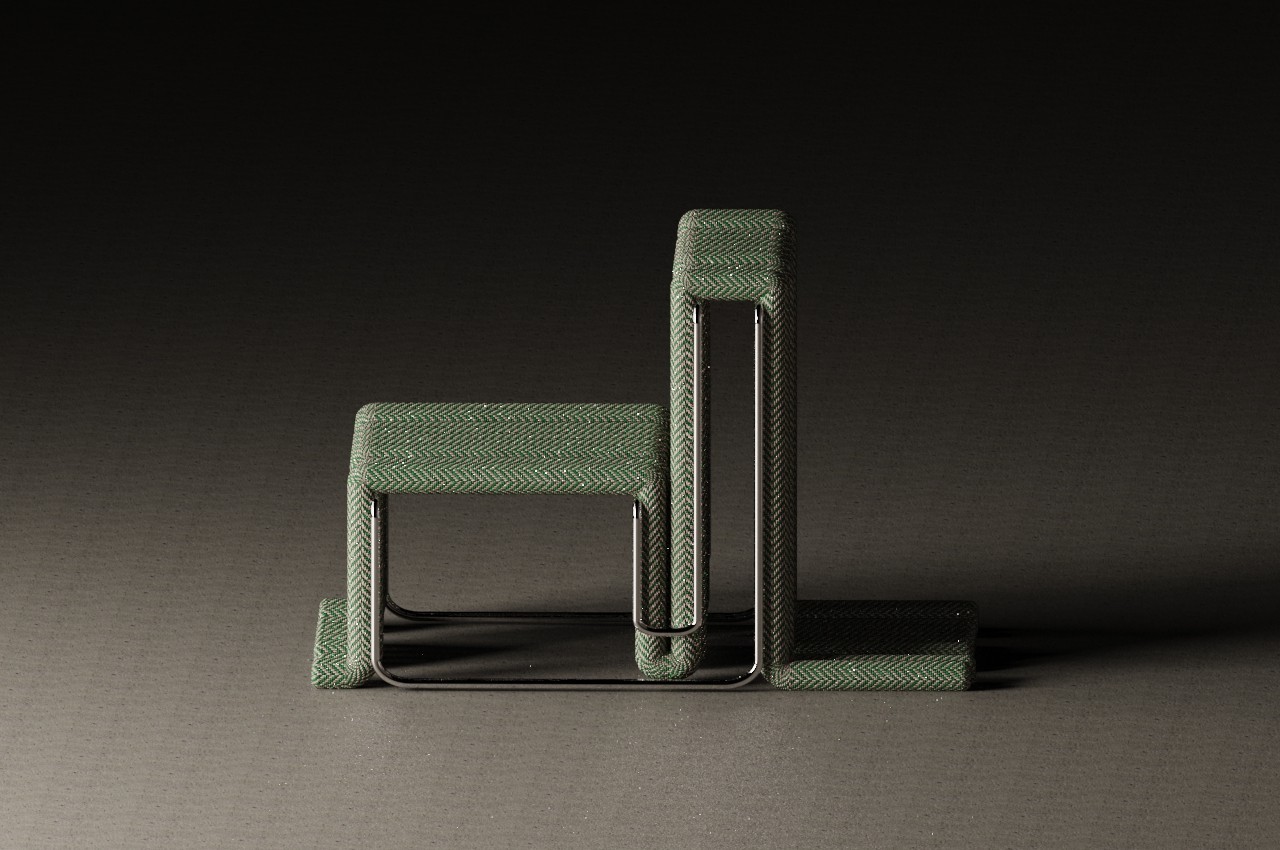
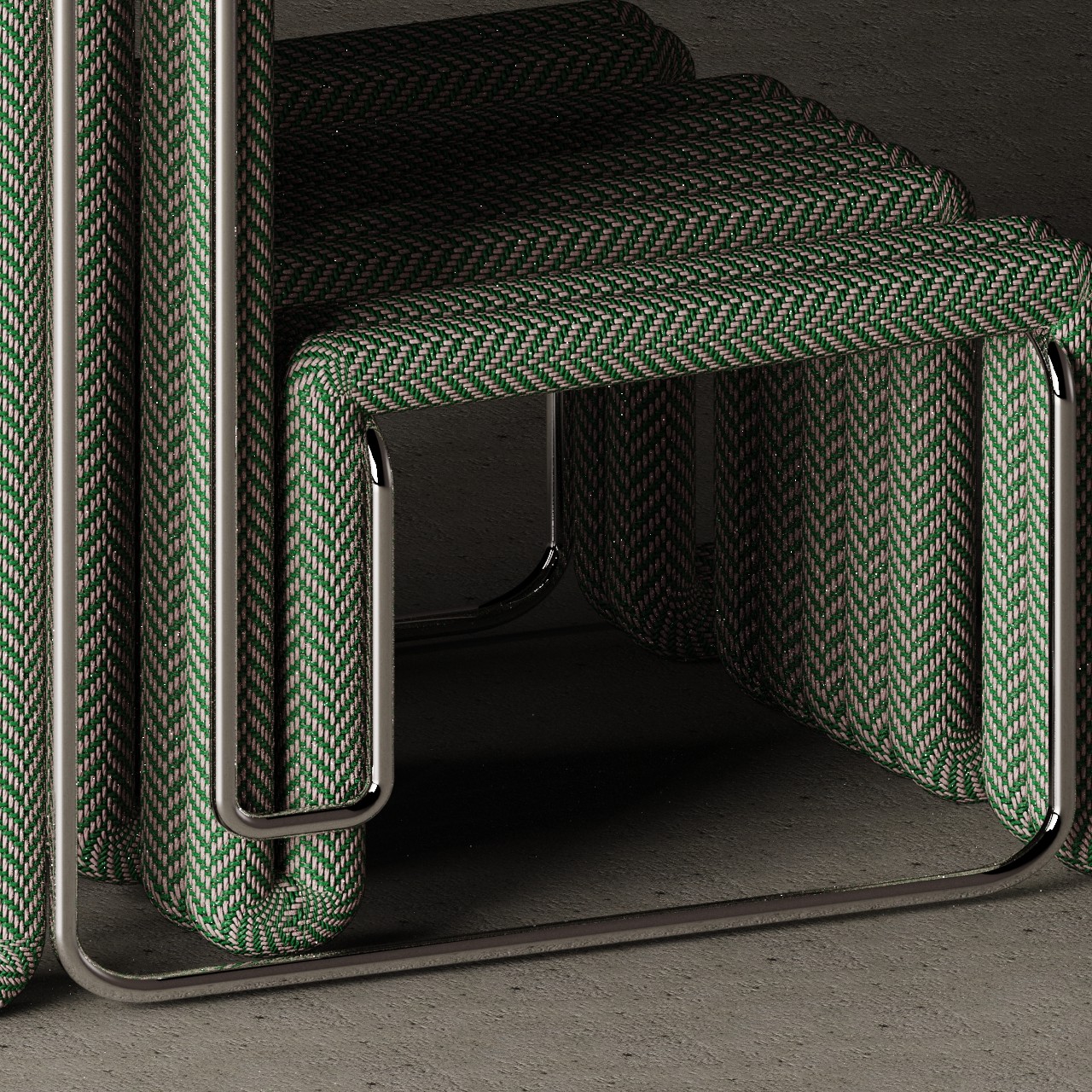
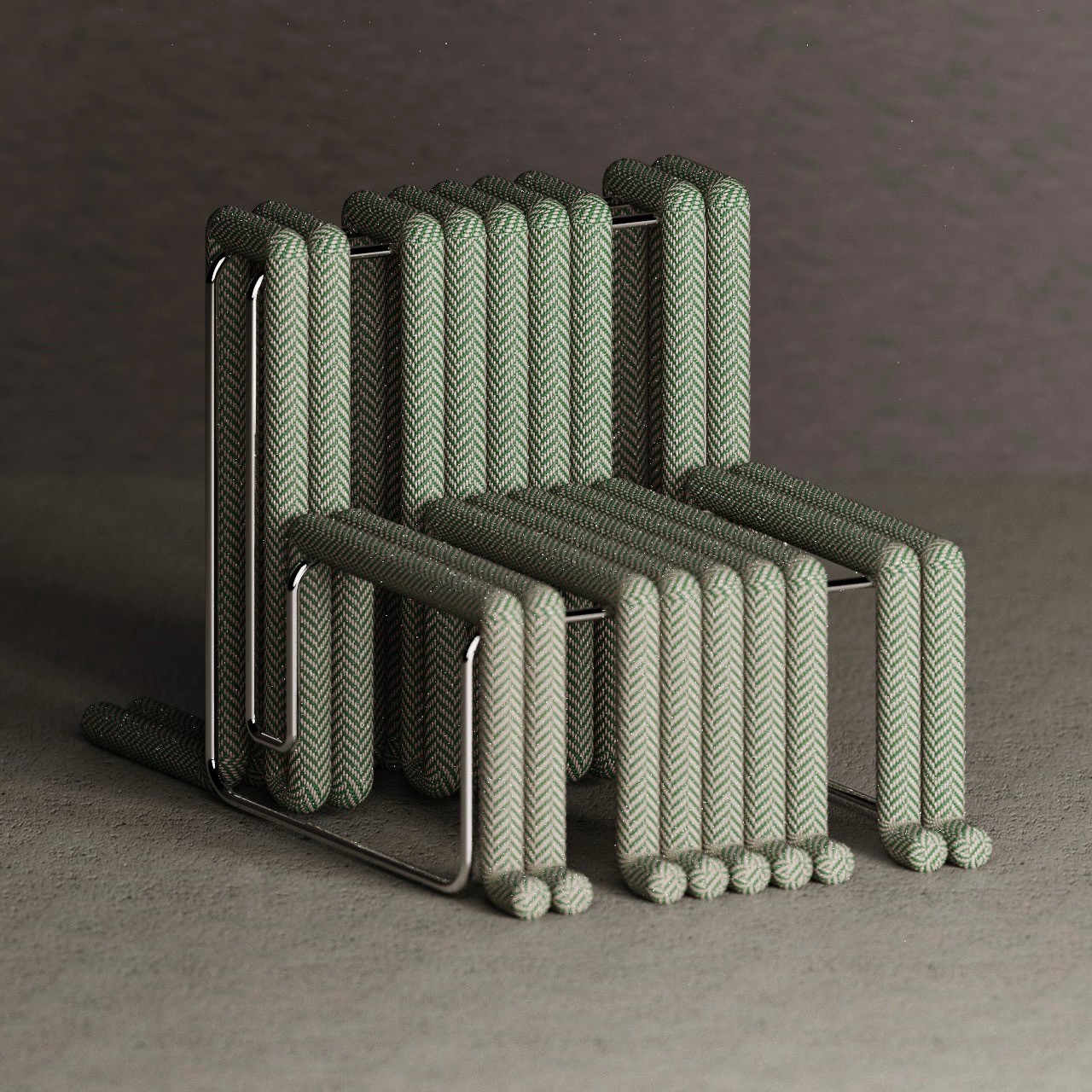
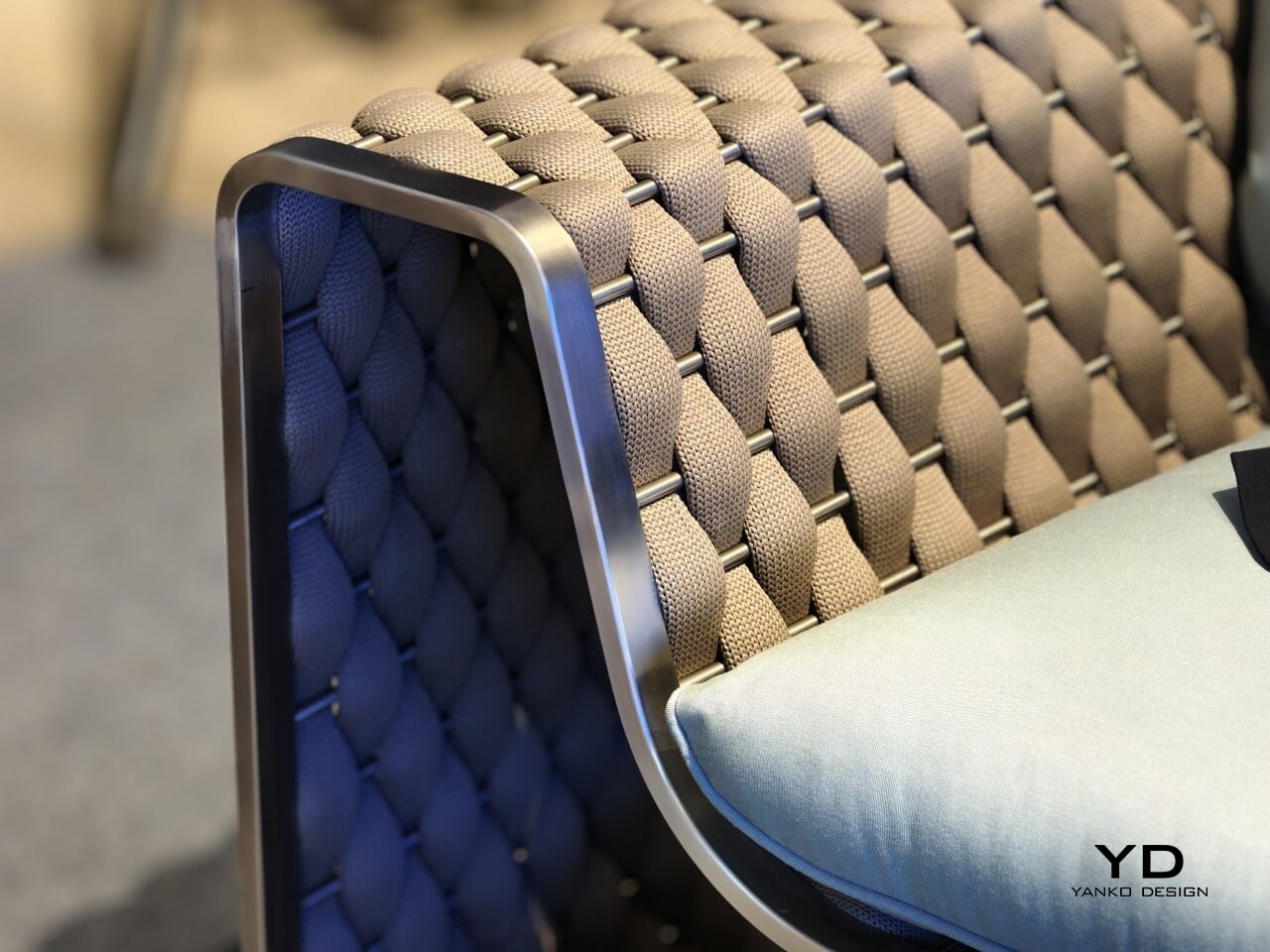
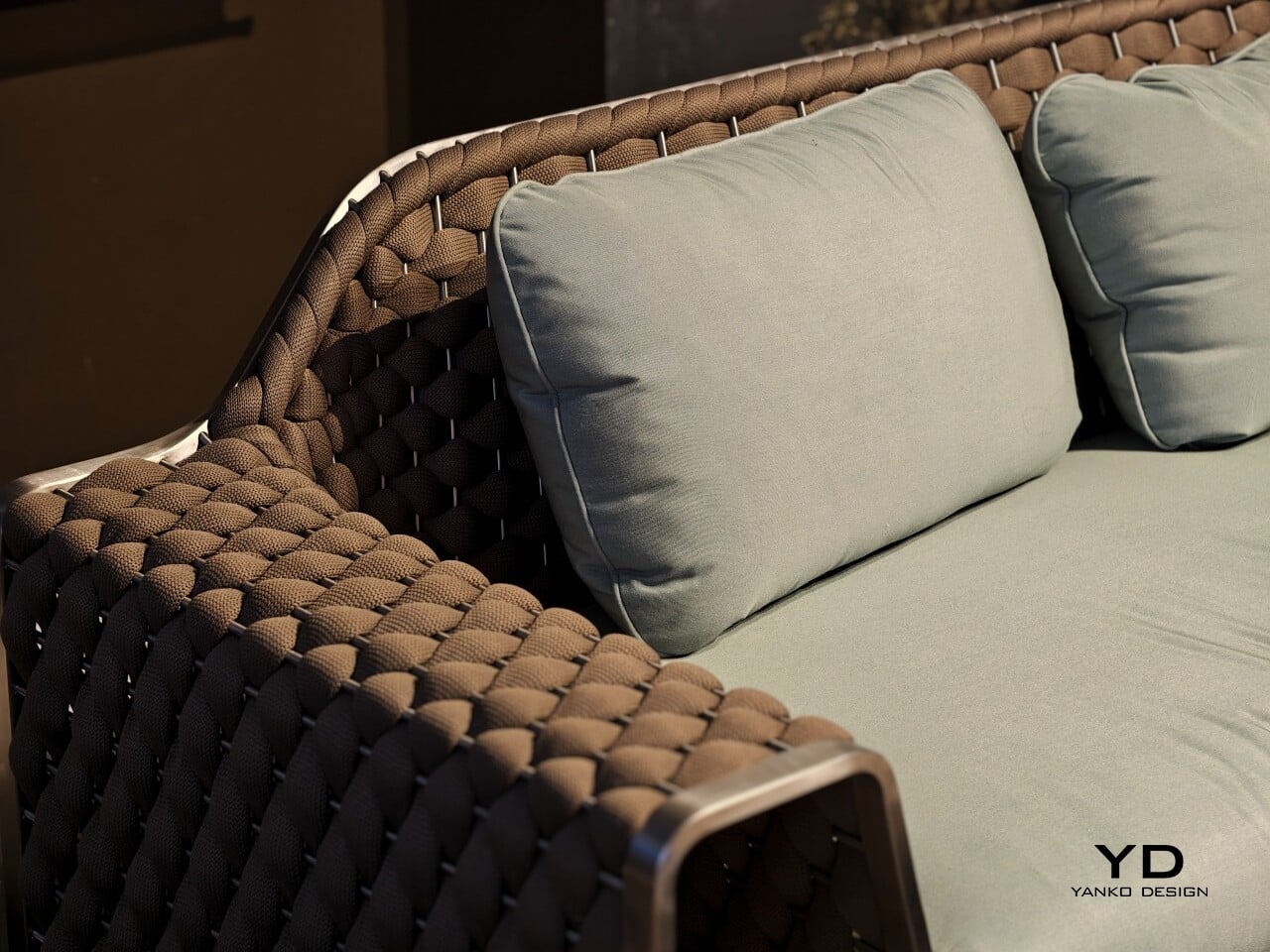
At first glance, the lounge already looks unconventional, like someone laid a series of fabric tubes across a metal frame. These “ropes,” as they are called, are indeed soft and cushy, filled with sponge material to give them both volume and softness at the same time. After all, who would want to lounge on a very hard surface, especially for a long period of time?

The entire piece, however, is supposed to resemble a caterpillar entering its cocoon phase, with each rope representing a segment of the insect’s body. It’s definitely an odd association, especially considering how some people might feel uncomfortable with such crawling critters. Then again, they don’t really have to know the details of the design’s inspiration. As it turns out, the way the sponge-filled tubes go over the frame and extends to the back also makes them look like a row of snakes draped over the chair, also not a comforting image for some people.

The lounge’s design is also unusual in that it doesn’t hide the skeletal frame of the chair. In fact, it’s meant to showcase the shiny metal chrome which contrasts and complements the soft fabric of the rest of the chair. At the same time, however, the image induces a sense of discomfort and uncertainty, especially with the gaps on both sides of the chair. Despite the lounge’s width, it’s a seat made for one, and this peculiar design tries to send that message across in a very striking manner.

The post Unusual lounge chair uses sponge-filled ropes to mimic a certain insect first appeared on Yanko Design.