Barbie’s Autistic Doll Is a Design Masterclass in Inclusion

Sometimes the smallest design details can make the biggest statement. Mattel just dropped its first autistic Barbie, and honestly? It’s one of those moments that makes you realize how much power thoughtful design really has. This isn’t just about adding another doll to the lineup. It’s about fundamentally rethinking what representation looks like in the toy aisle and getting every tiny detail right.

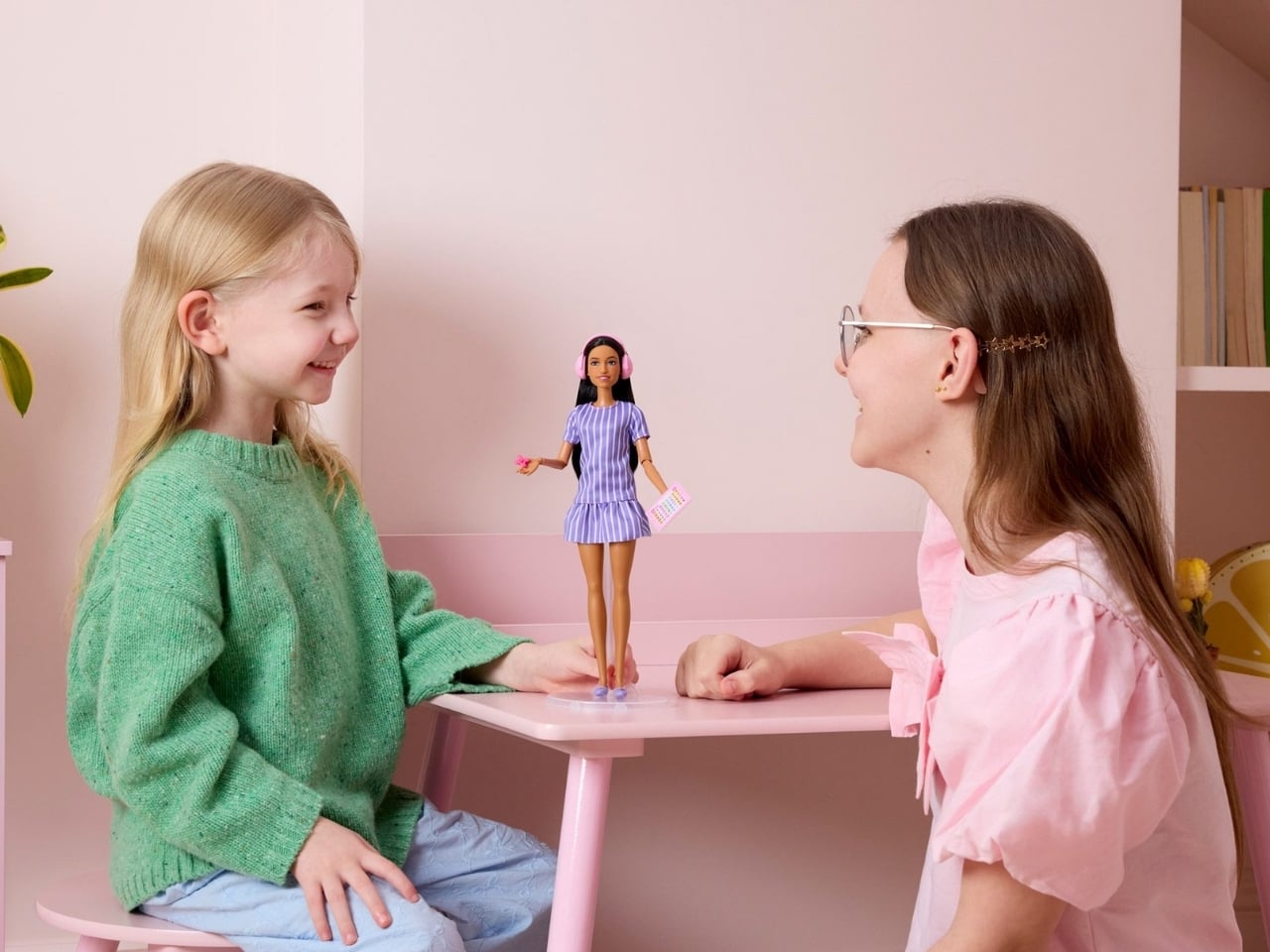
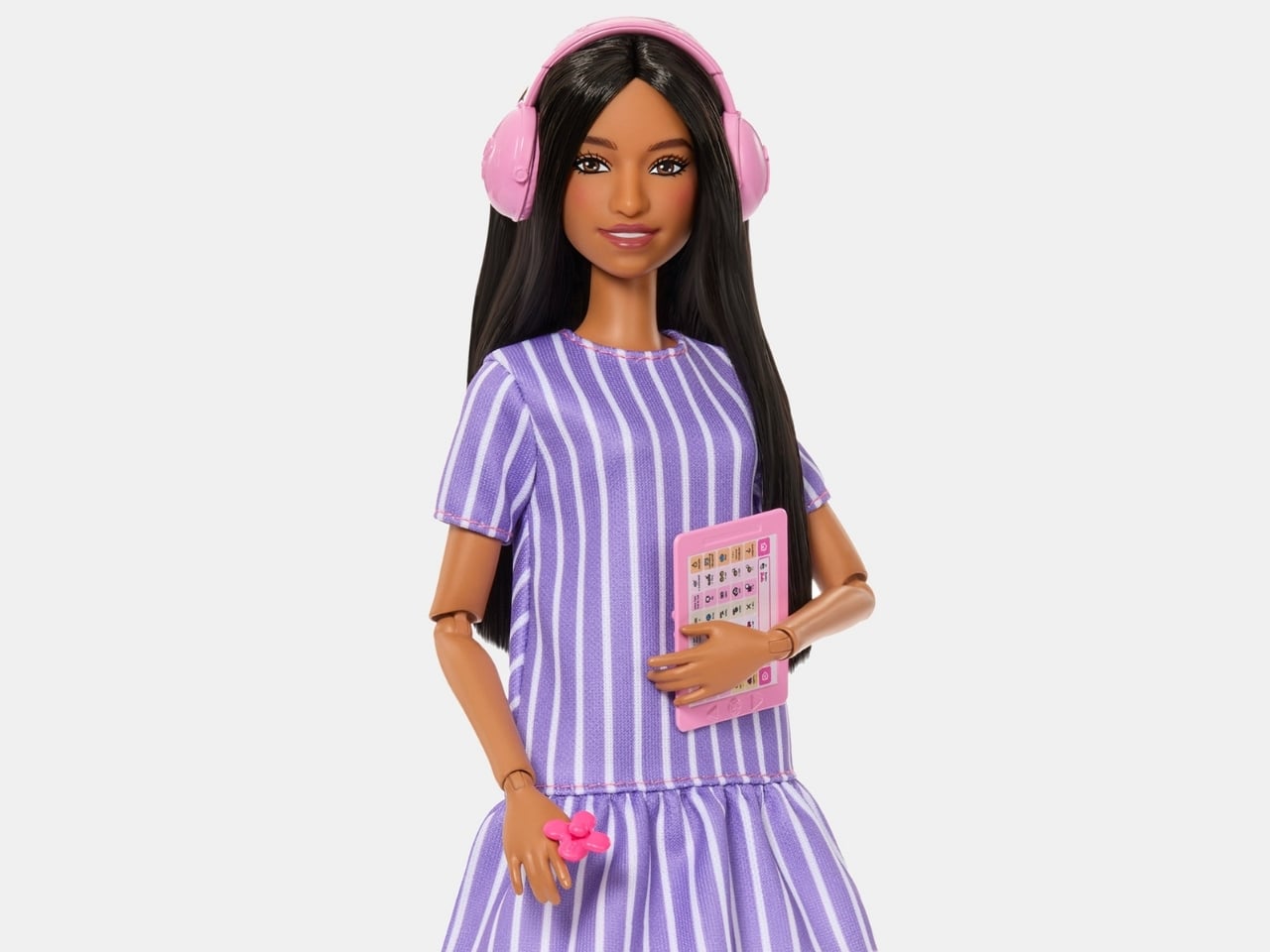
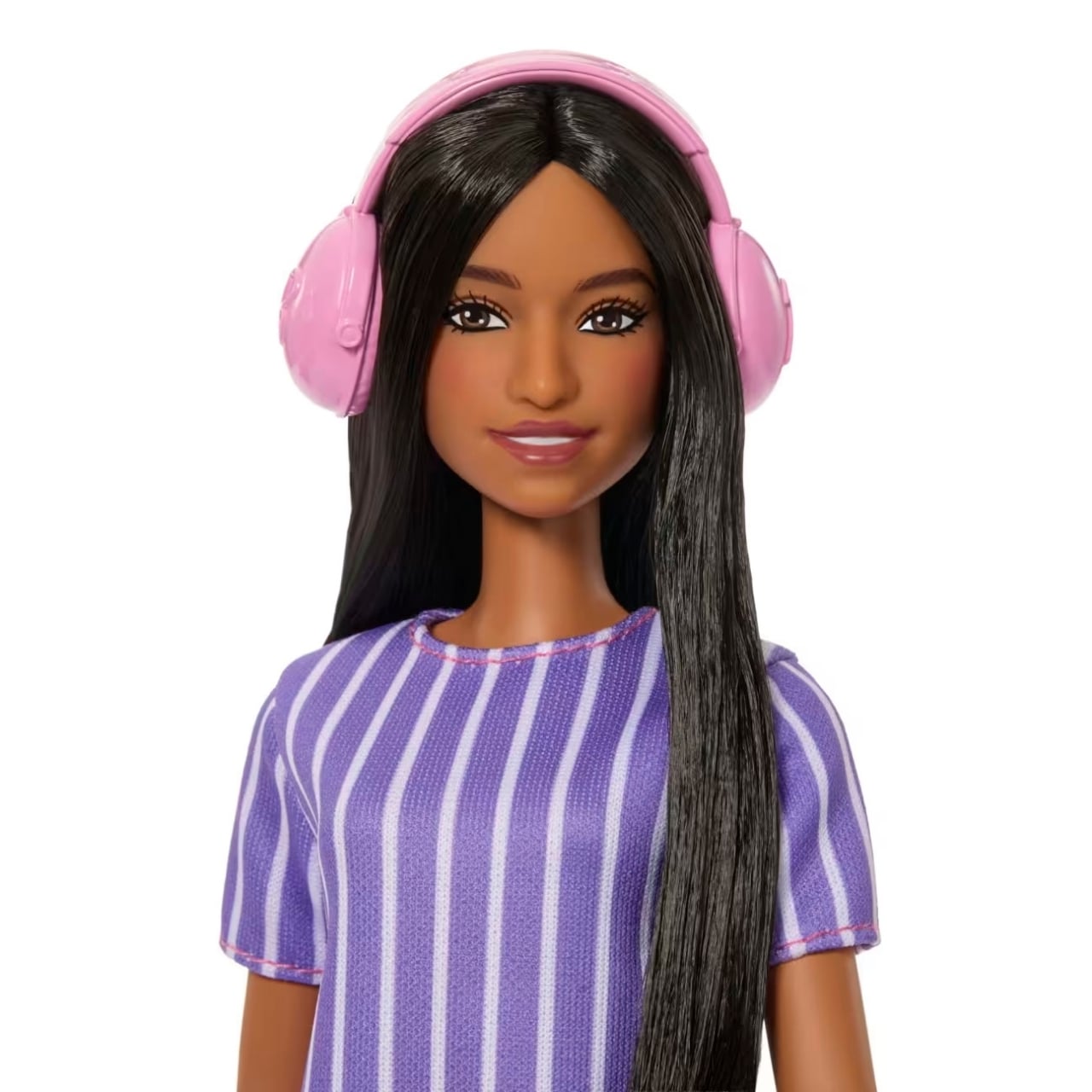
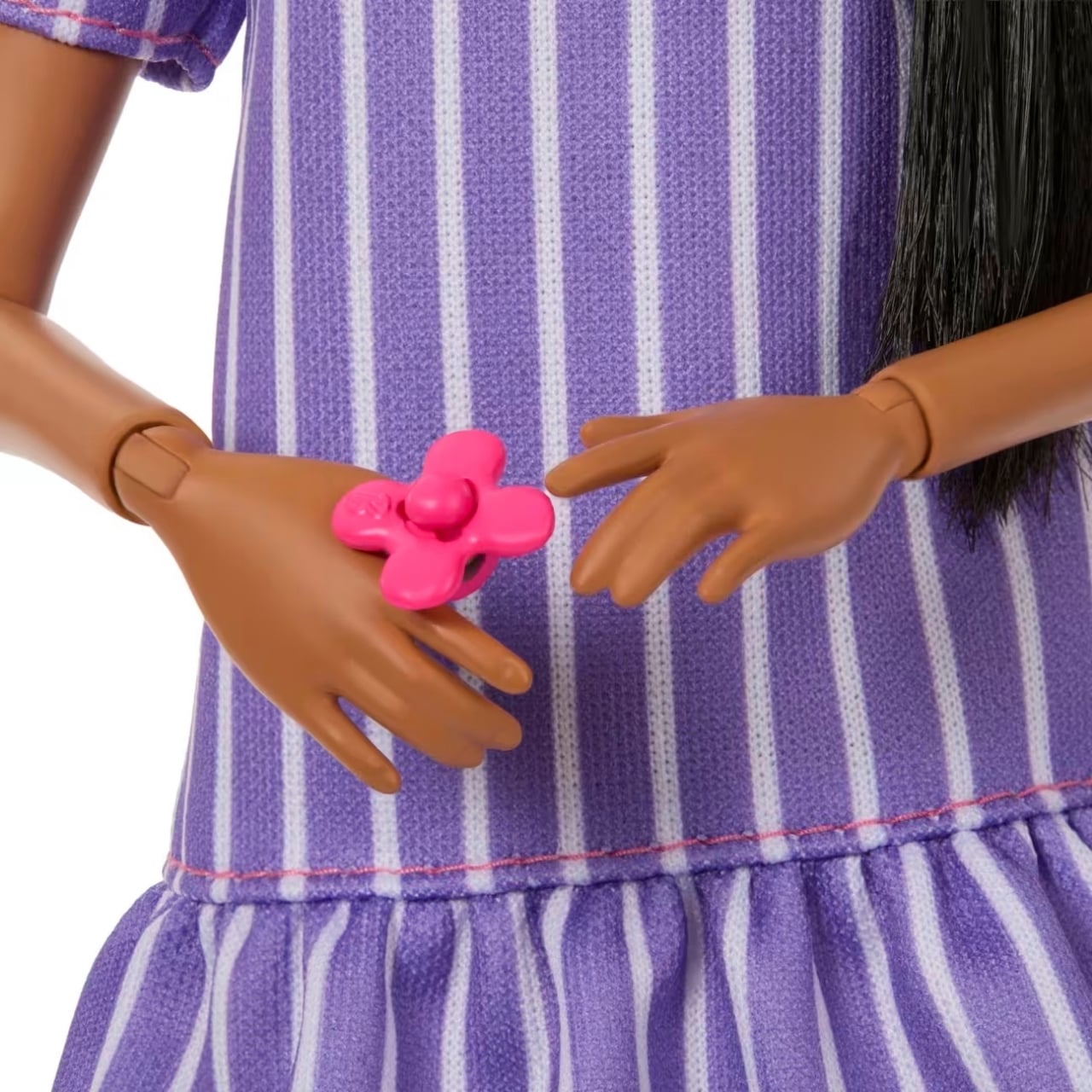
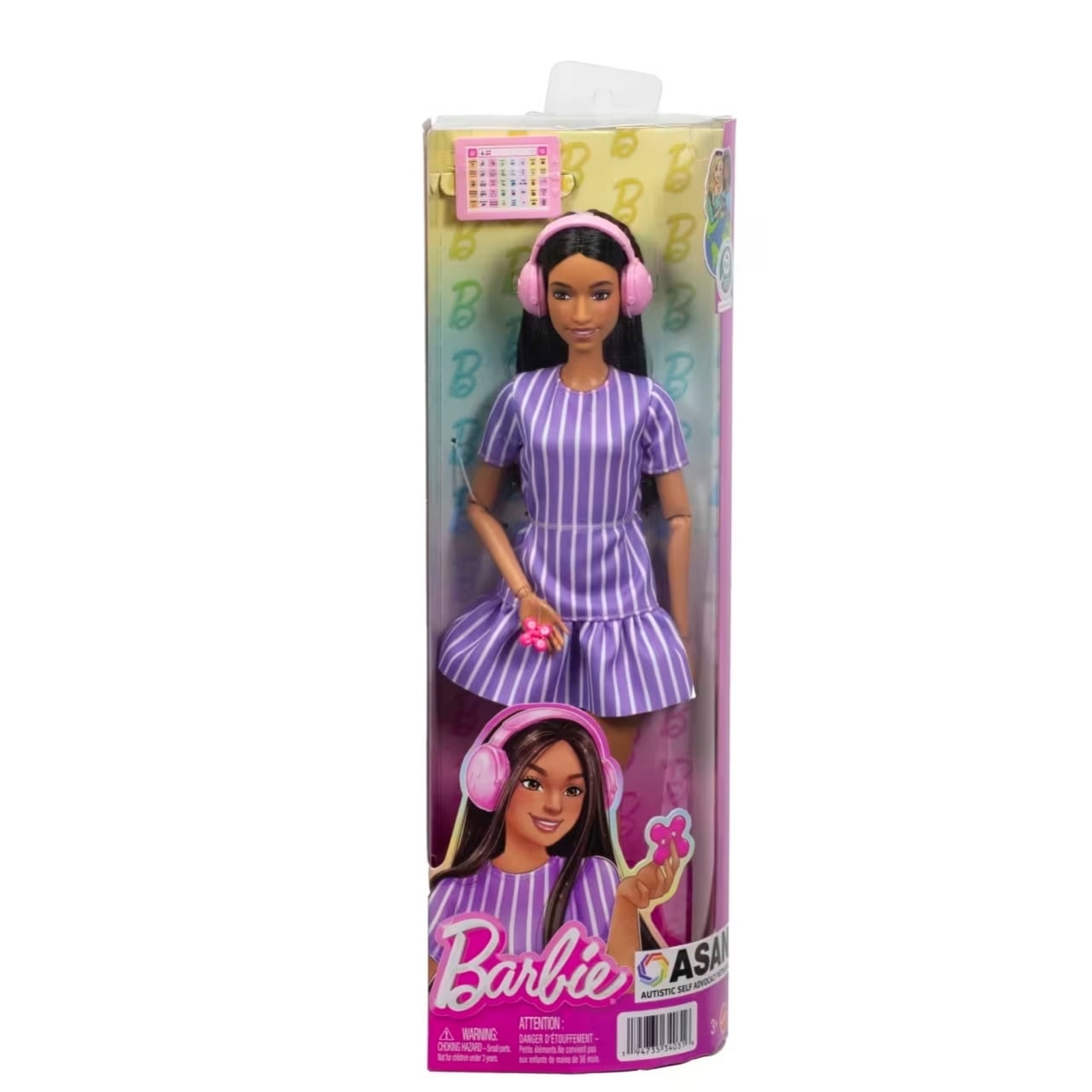
The doll, which joins Barbie’s Fashionistas collection, took over 18 months to develop in partnership with the Autistic Self Advocacy Network, and you can tell. Every single design choice was intentional, from the way the doll’s eyes gaze slightly to the side (reflecting how some autistic people may avoid direct eye contact) to the articulated elbows and wrists that allow for stimming, hand flapping, and other movements that help some autistic individuals process sensory information or express excitement.

Designer: Mattel

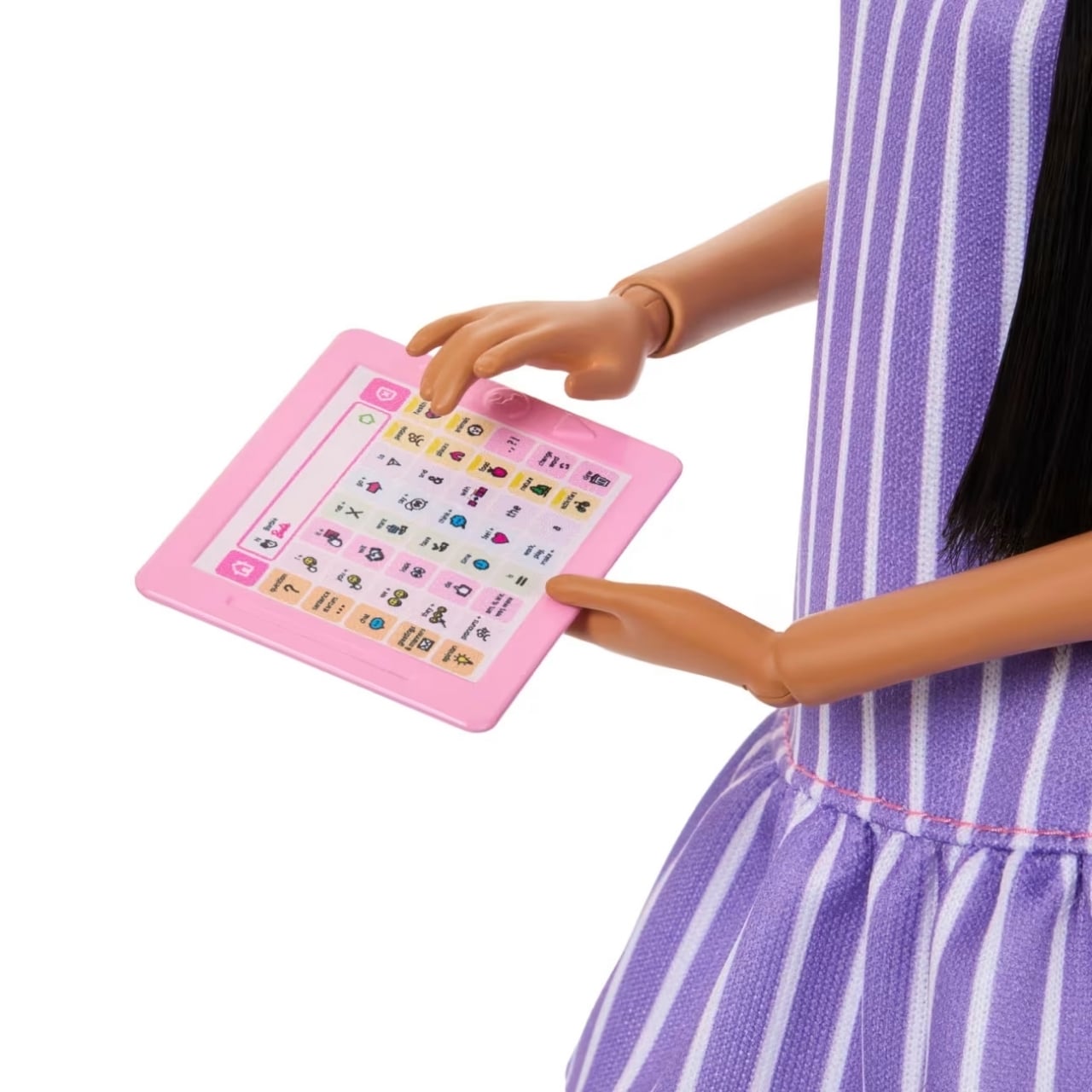
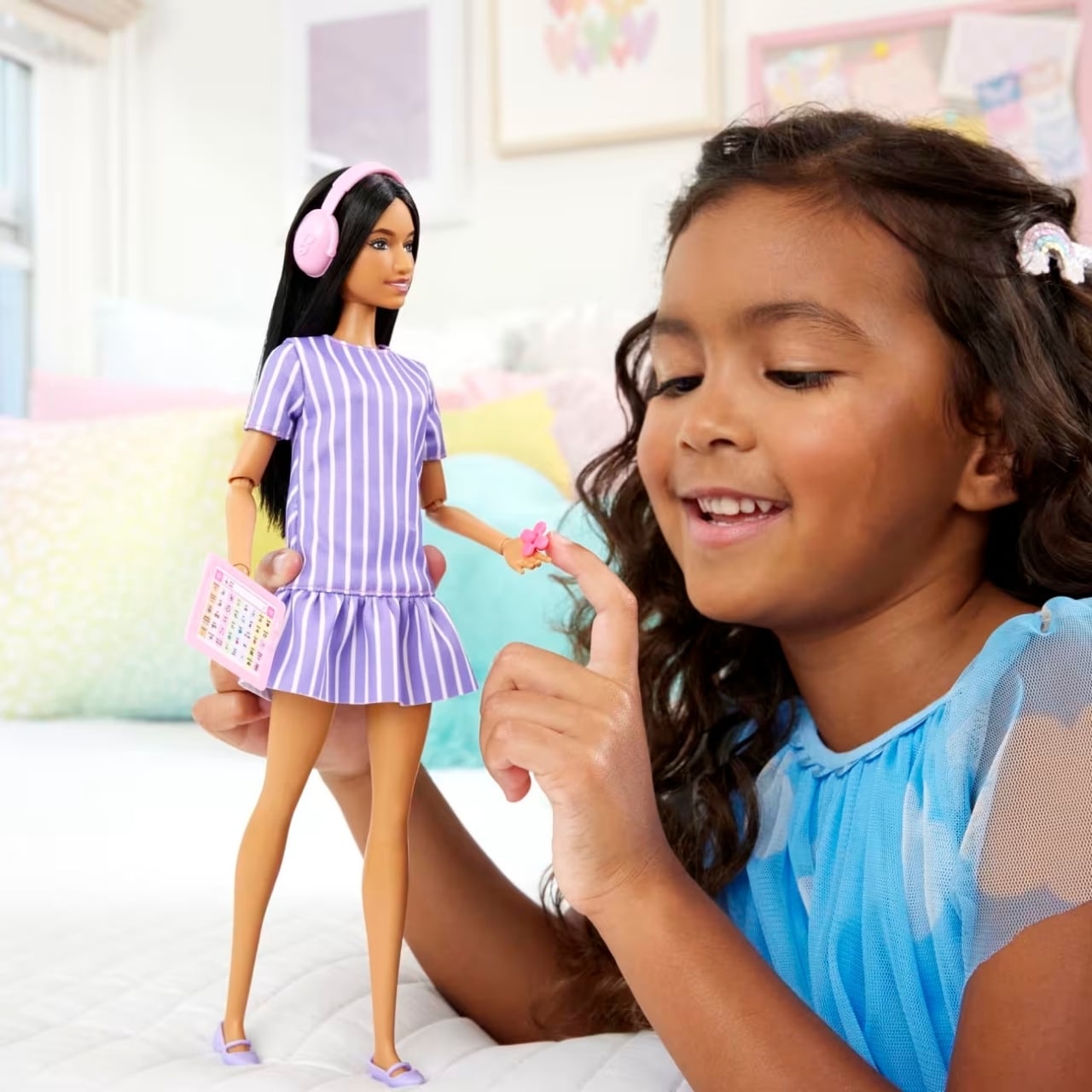
Let’s talk about those accessories, because this is where Mattel really showed up. The doll comes with noise-canceling headphones in bright pink, a finger clip fidget spinner that actually spins, and a tablet displaying augmentative and alternative communication apps. These aren’t random props thrown in for fun. They’re tools that many autistic people rely on every day to navigate a world that isn’t always designed with their sensory needs in mind.
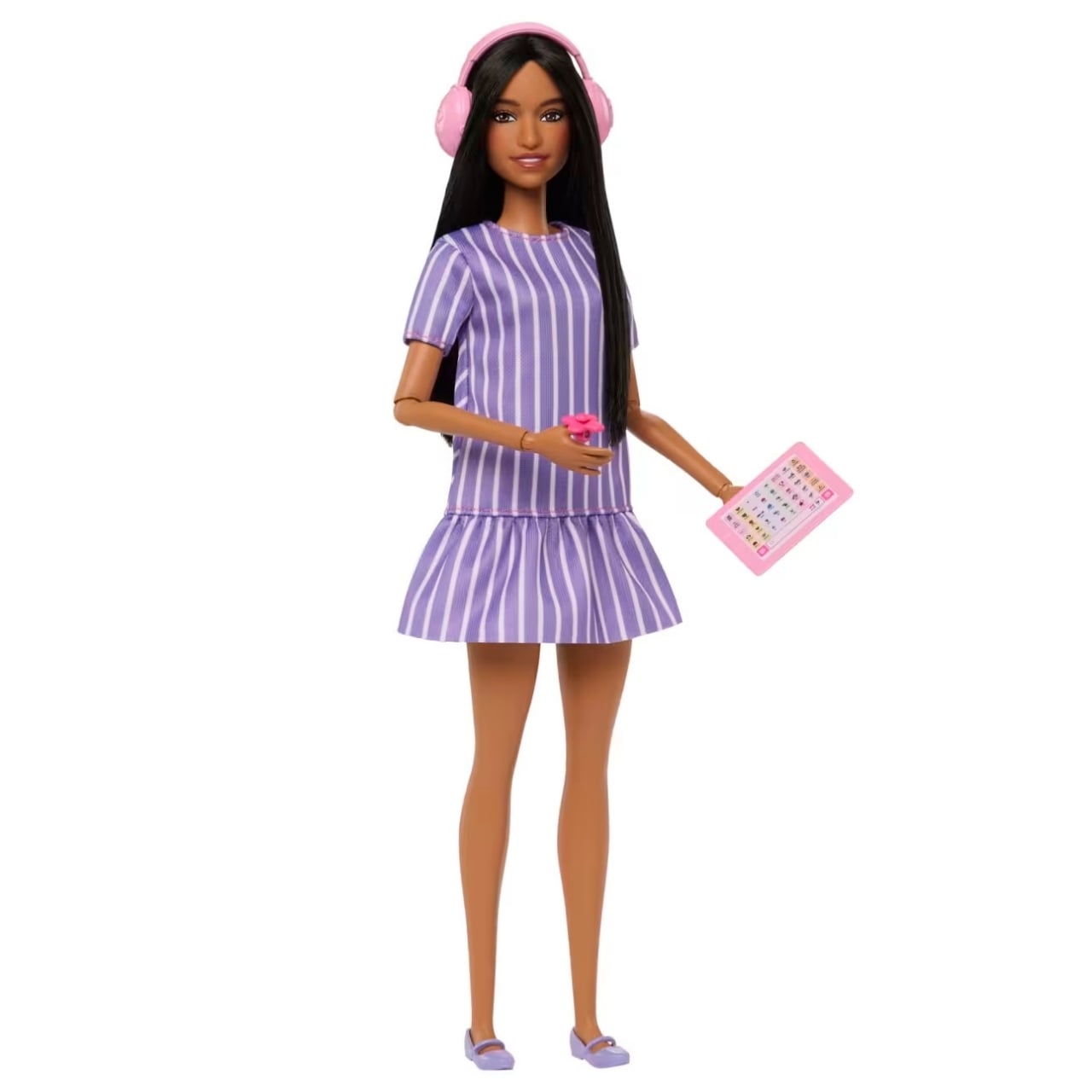
Even the clothing got the thoughtful treatment. The doll wears a loose-fitting purple pinstripe dress with short sleeves and a carefully designed skirt that reduces fabric-to-skin contact, paired with flat purple shoes. For anyone who’s experienced sensory sensitivities, this detail hits differently. It’s a recognition that comfort isn’t one-size-fits-all, and that design should accommodate different ways of experiencing the world.
Jamie Cygielman, Mattel’s Global Head of Dolls, explained that Barbie has always tried to reflect the world kids see and the possibilities they imagine. Working with the Autistic Self Advocacy Network helped expand what inclusion actually looks like beyond the usual box-checking exercise. This wasn’t about designing for autistic kids. It was about designing with the autistic community, and that distinction matters enormously.
What makes this launch even more significant is that it joins other inclusive Barbie dolls representing people with Type 1 diabetes, Down syndrome, and blindness. The Fashionistas collection now spans more than 175 diverse looks, body types, and representations of various medical conditions, proving that Mattel is committed to this beyond a one-off PR moment.
The response from the autistic community has been powerful. The executive director of the Autistic Self Advocacy Network emphasized how important it is for young autistic people to see authentic, joyful representations of themselves, and that’s exactly what this doll delivers. It’s not about making autism look cute or palatable. It’s about validation and visibility. Of course, there’s been some pushback along with the support, because internet, but the overwhelming sentiment seems to be one of appreciation for getting these details right. Research shows that representation in toys genuinely matters for how kids develop their sense of self and understand the world around them. When a child sees themselves reflected in their playthings, it sends a message that they belong, that their experience is valid, that they’re part of the story too.
Mattel is also donating more than 1,000 autistic Barbie dolls to pediatric hospitals that provide specialized services for children on the autism spectrum, which extends the impact beyond retail shelves and into spaces where kids might need that representation most. What strikes me about this whole launch is how it demonstrates that inclusive design doesn’t have to mean bland or boring. This doll is stylish, colorful, and fun while still being authentic. The pink accessories, the purple dress, the overall aesthetic is pure Barbie while the functionality and thoughtfulness honor the autistic experience. That balance is hard to achieve, but Mattel and ASAN nailed it.
The autistic Barbie is available now on Mattel Shop and at major retailers. Whether you’re a collector, a parent, or someone who appreciates good design that pushes culture forward, this one’s worth paying attention to. It’s proof that when brands take the time to listen, collaborate with communities, and sweat the details, they can create something that’s both culturally significant and genuinely delightful. And in a world that still has so much work to do around accessibility and inclusion, that feels like the kind of progress worth celebrating.
The post Barbie’s Autistic Doll Is a Design Masterclass in Inclusion first appeared on Yanko Design.
Barbie x Kodak collab gives instant photo printing a splash of pink

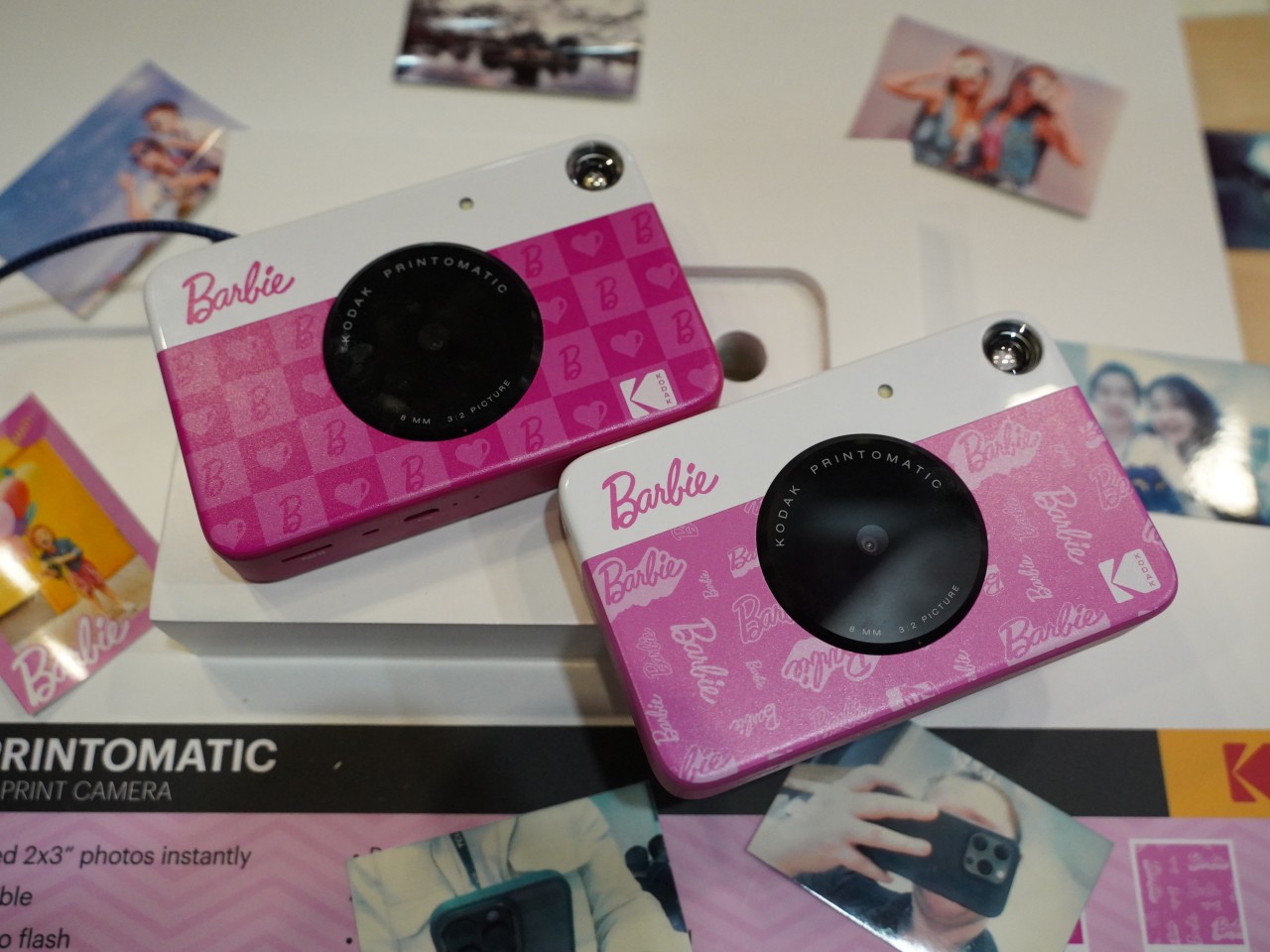
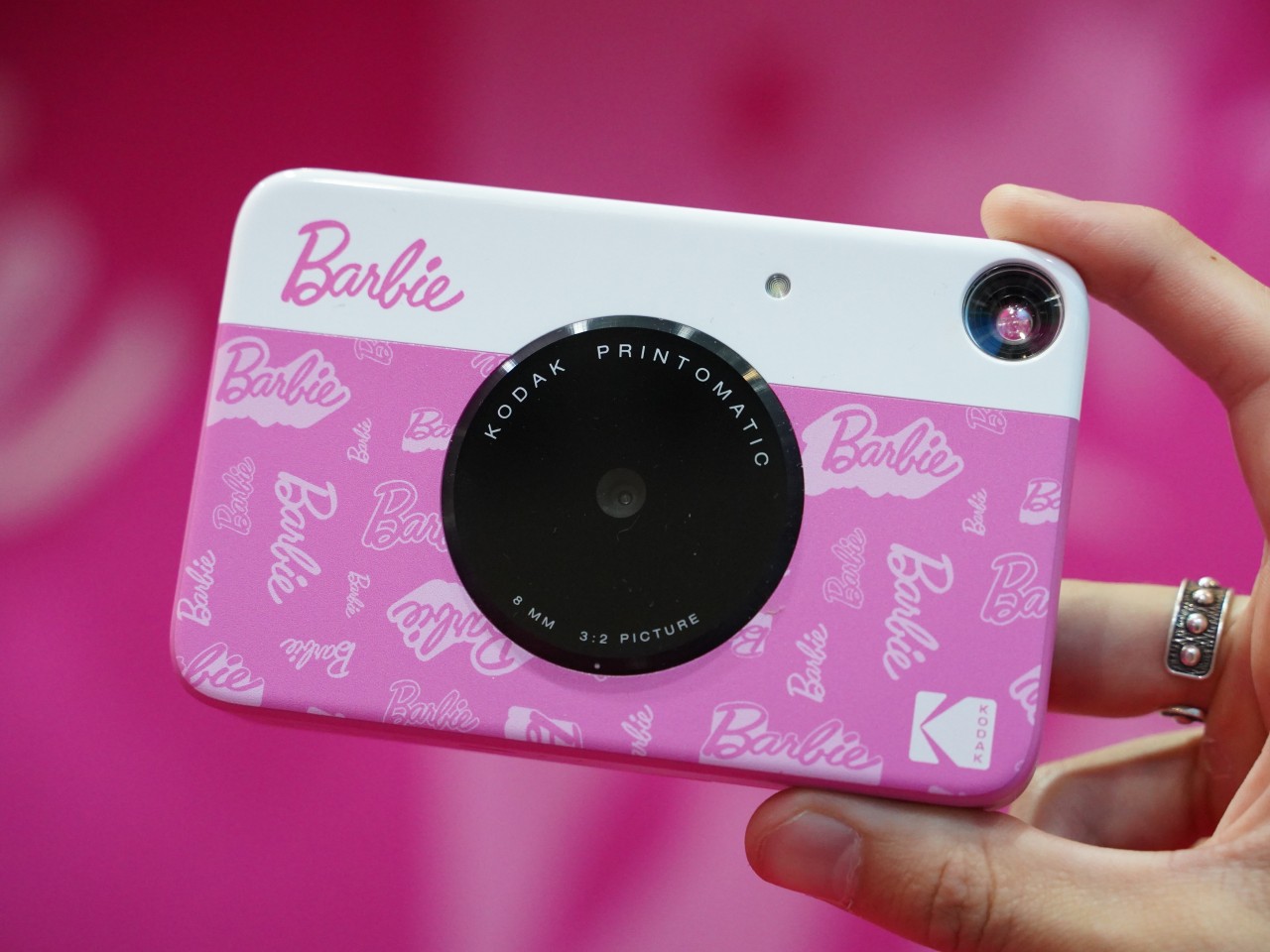
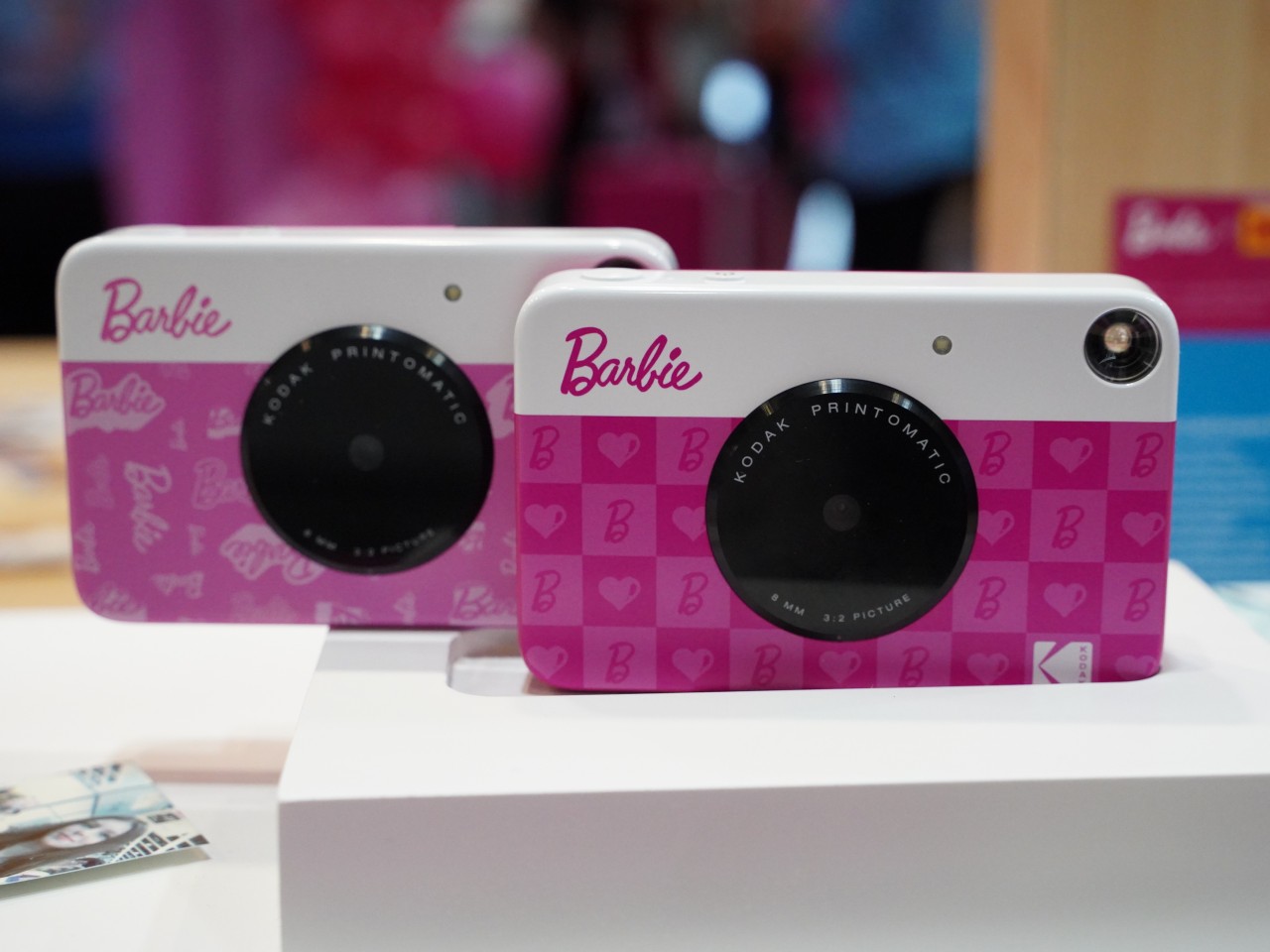
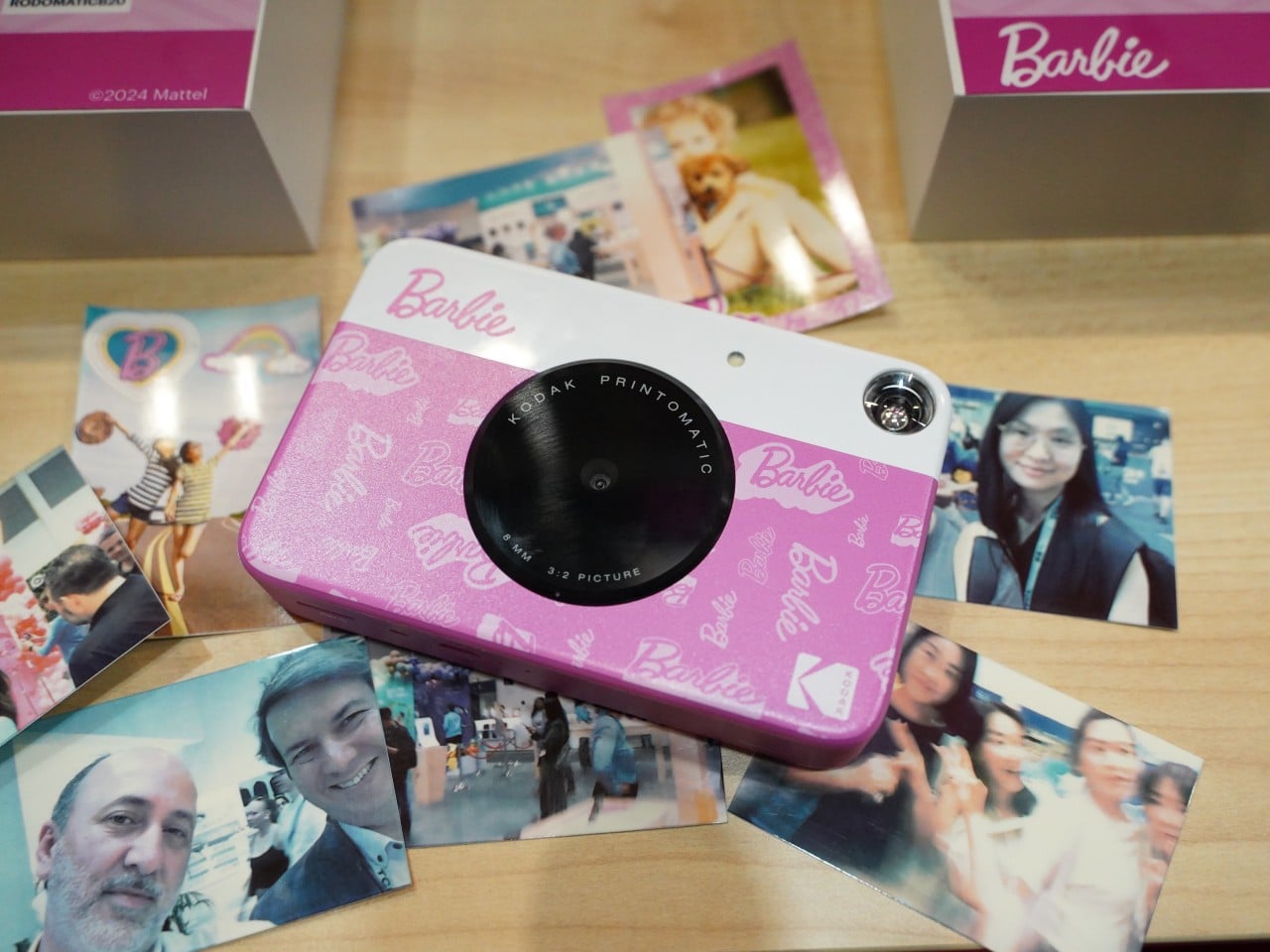
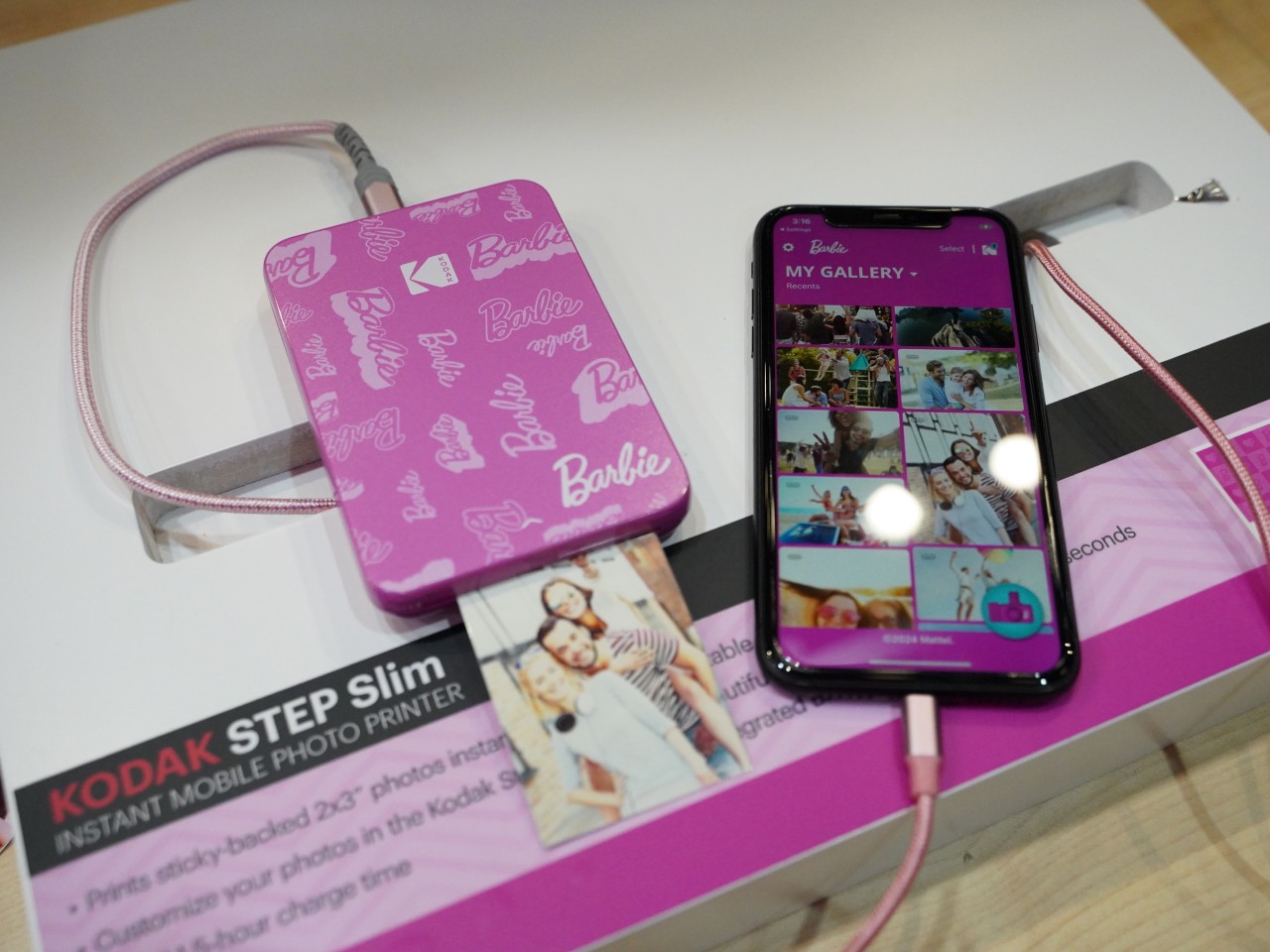
Although it was never really gone, the Barbie franchise recently got a resurgence of popularity thanks to a fun yet odd live-action film. The toy has changed dramatically over the decades, but what has always stayed the same is its spirit of fun, whimsy, and connecting with loved ones. Oh, and the overabundance of the hot pink color. Just in time for the Barbielicious renaissance, Kodak and Mattel have joined hands to create a special limited edition instant camera and photo printer that embody those qualities, encouraging people of all ages and genders to shoot and share those special moments with big smiles and very pink accessories.

Designers: Kodak x Mattel

Instant cameras in the vein of the iconic Polaroid have very limited uses and printouts, but it’s that scarcity and rarity that have actually endeared these products to people, including the younger generation who may be hearing about the idea for the first time. There’s just something exciting about the thought of pressing a shutter button and instantly printing out a photo that you can share or treasure, knowing that that exact moment and that exact photo will never happen again. There’s a huge market for this retro camera design, and what can be more retro and more fun at the same time than Barbie?

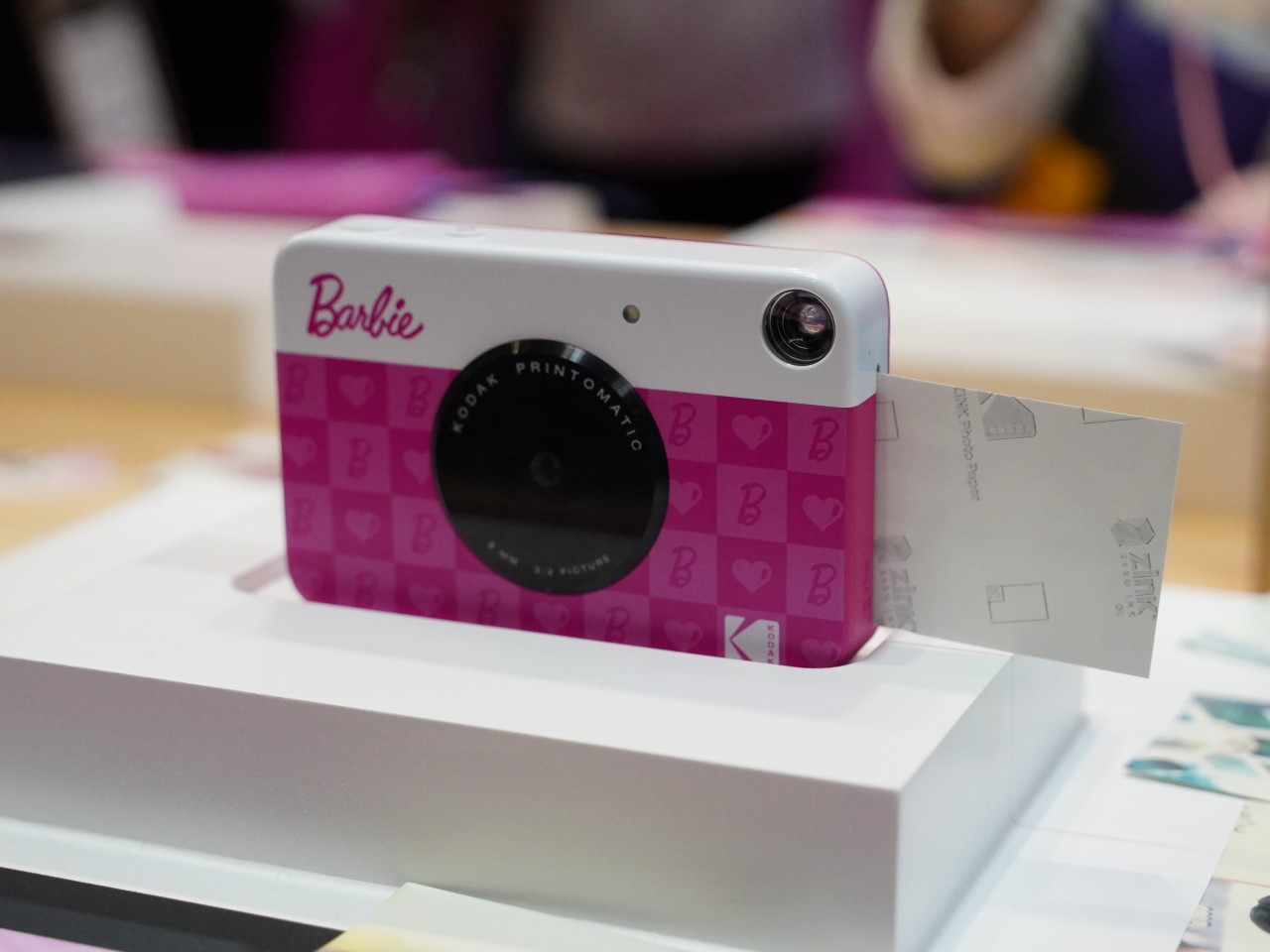
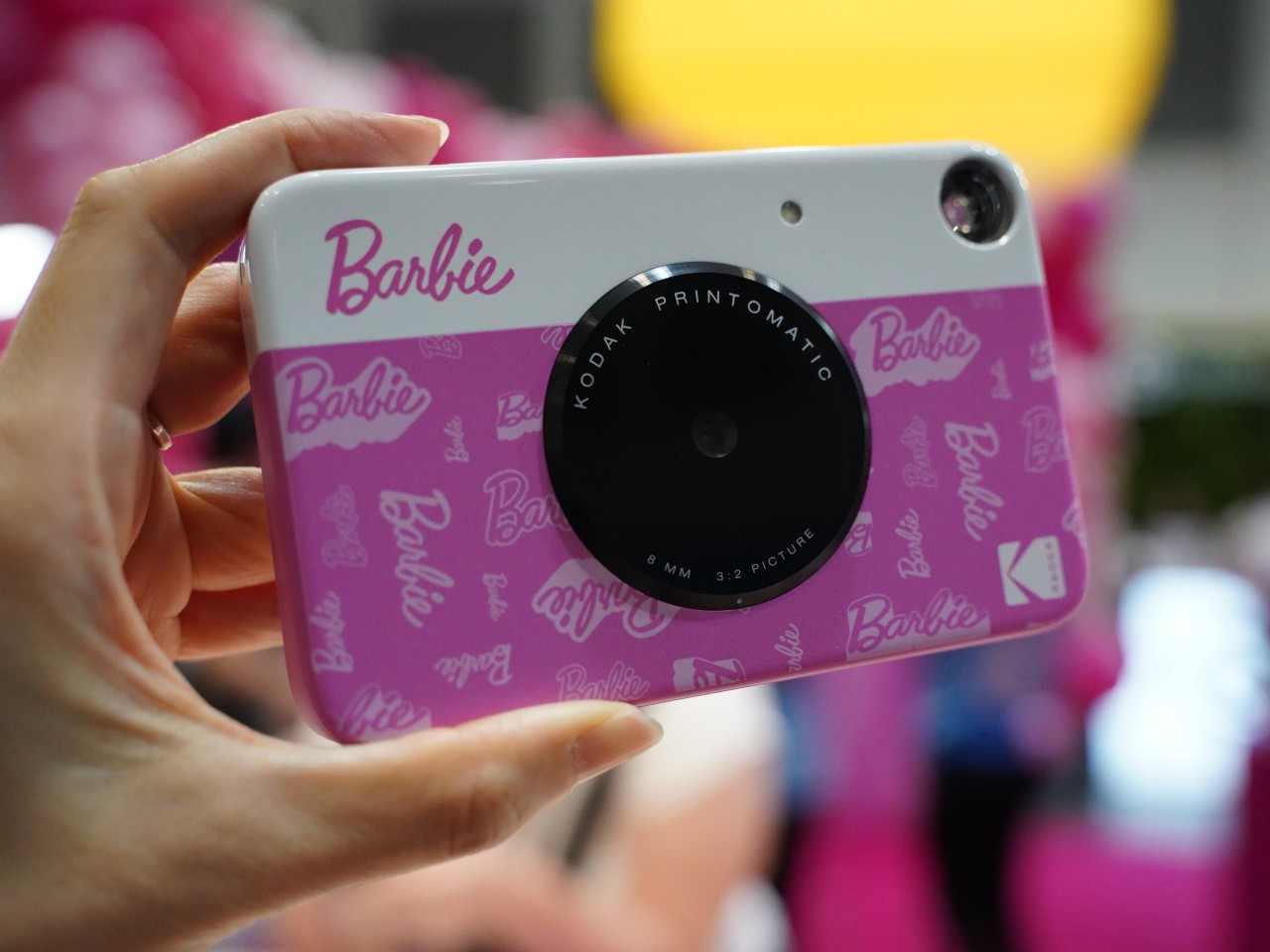
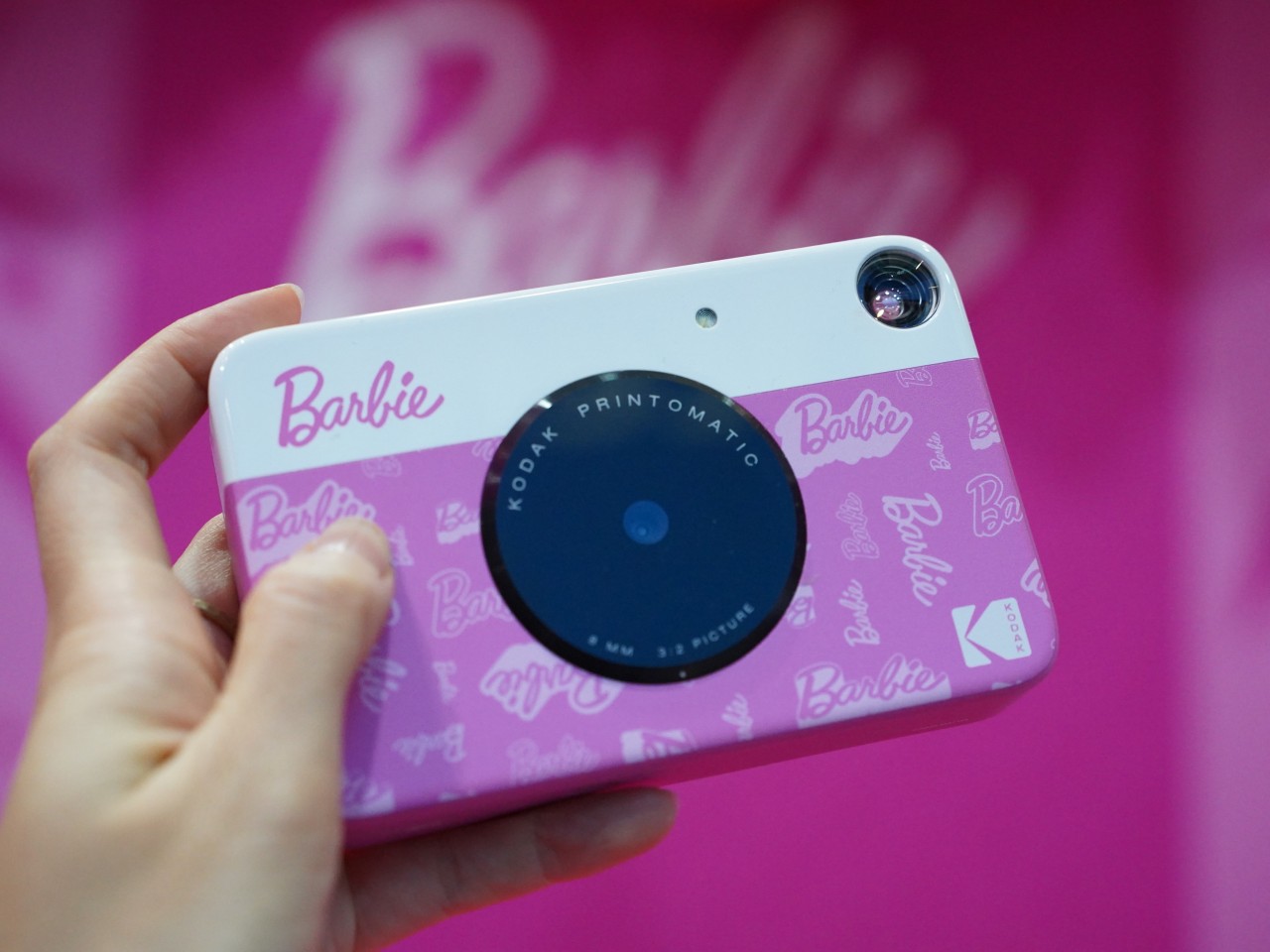
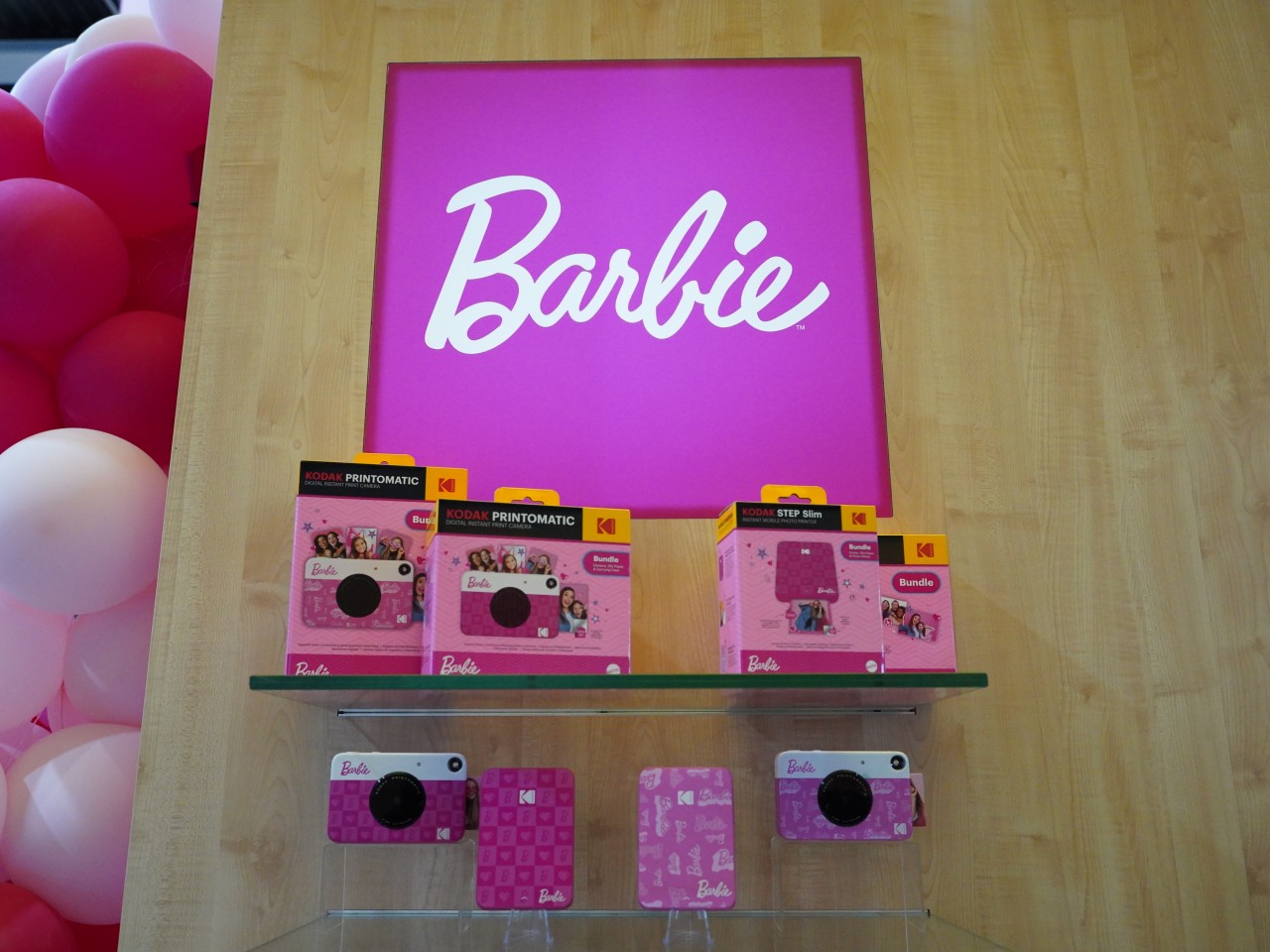
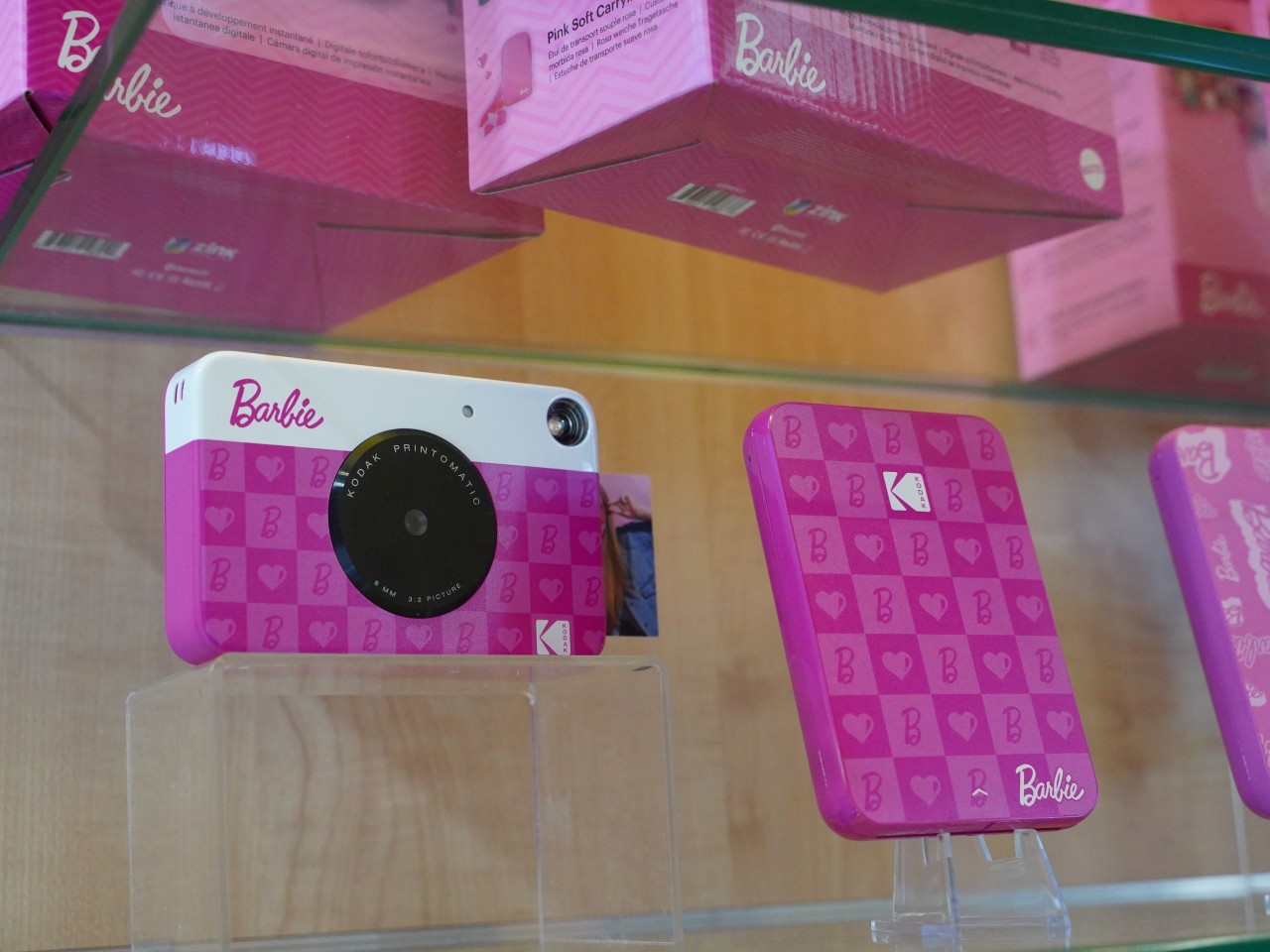
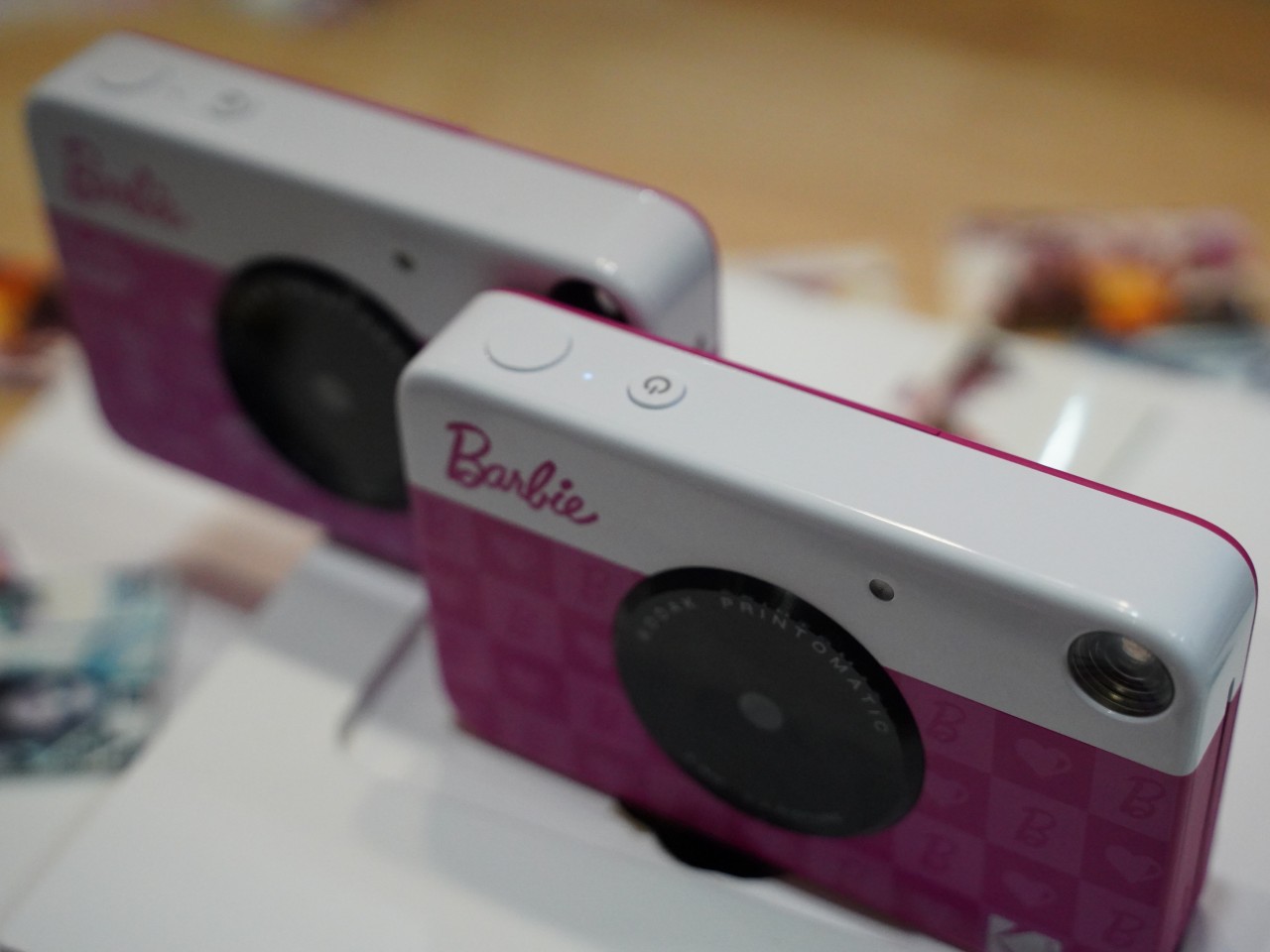
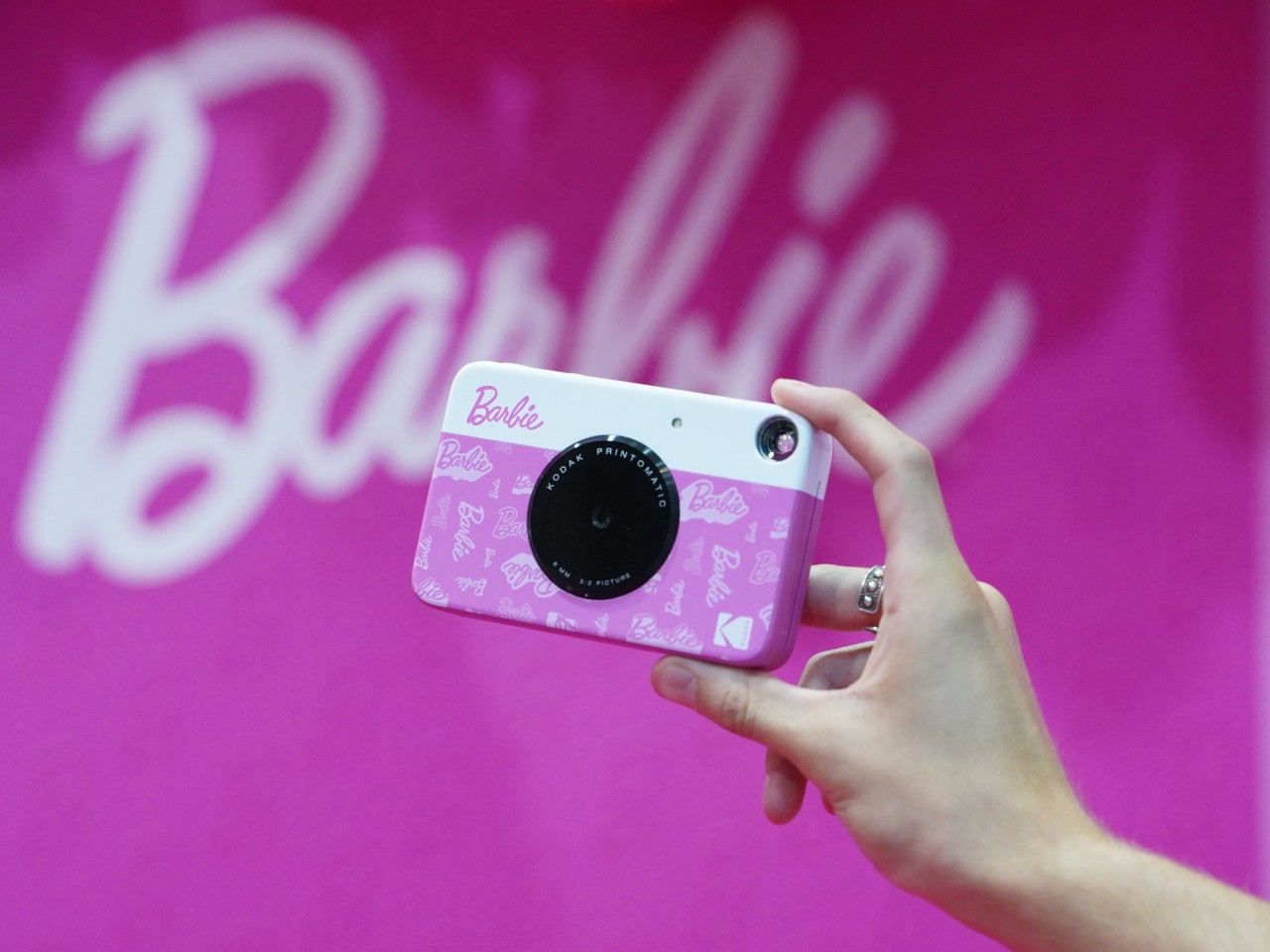
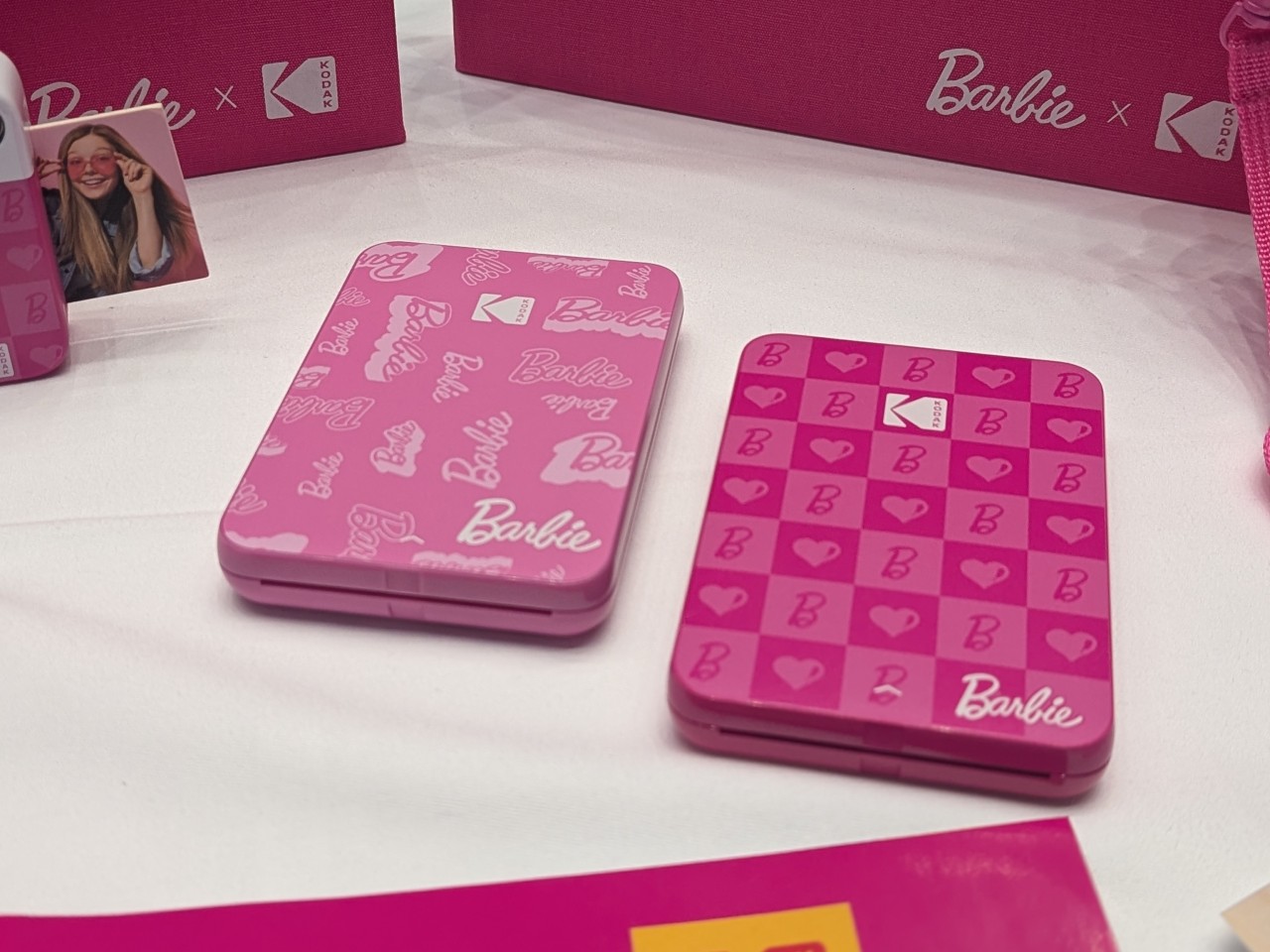
The KODAK Printomatic Barbie Edition pours a splash of pink on the instant camera and scribbles the iconic toy line’s name all over the surface. The instant camera uses ZINK technology to print out those lively colors without the dangers of spilling ink in your bag or even your pocket. The 5MP sensor, while sounding like a bummer, lets you also have a retro-quality photo that you can save on a microSD card for future viewing or, better yet, reprinting.

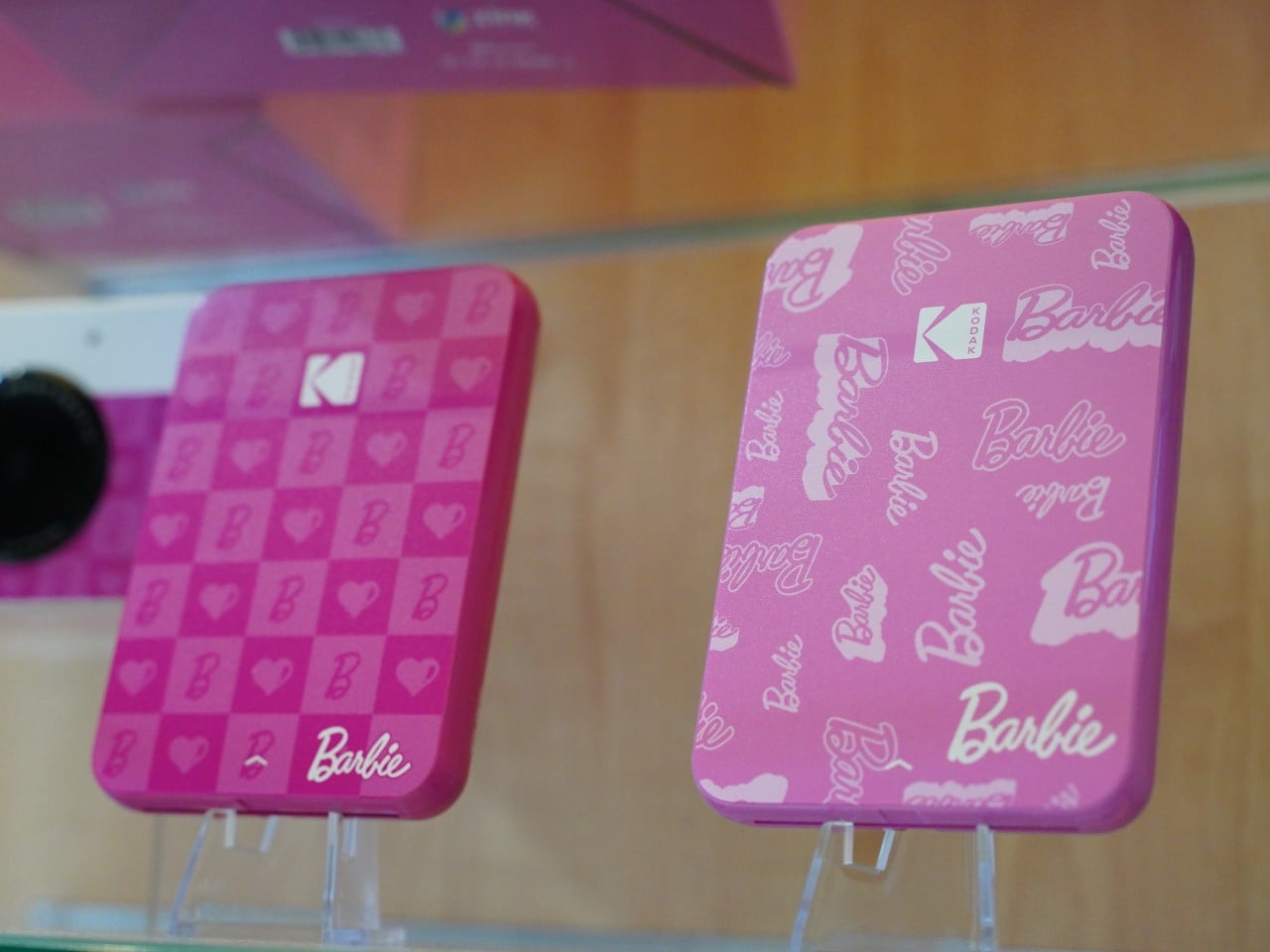
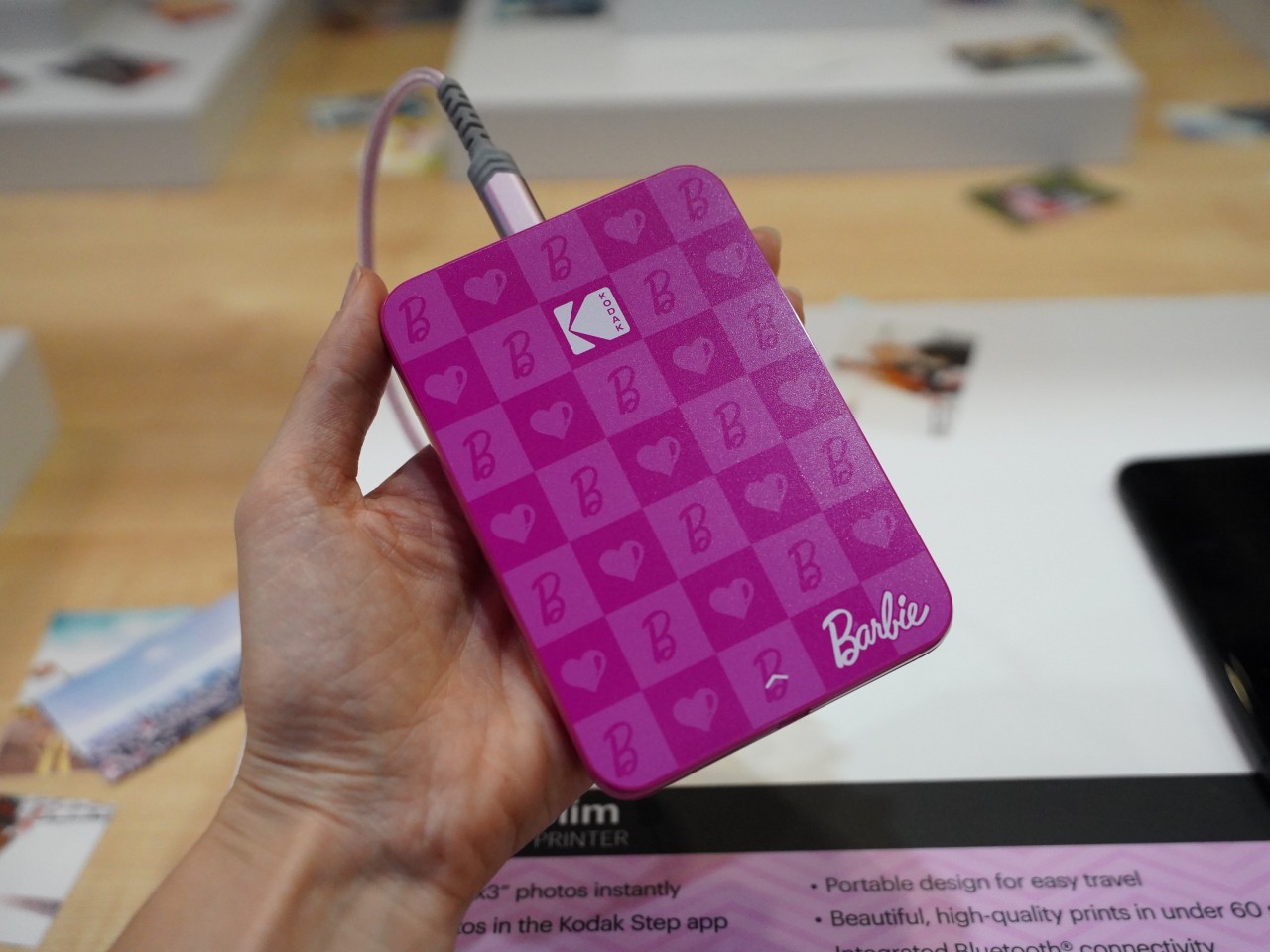
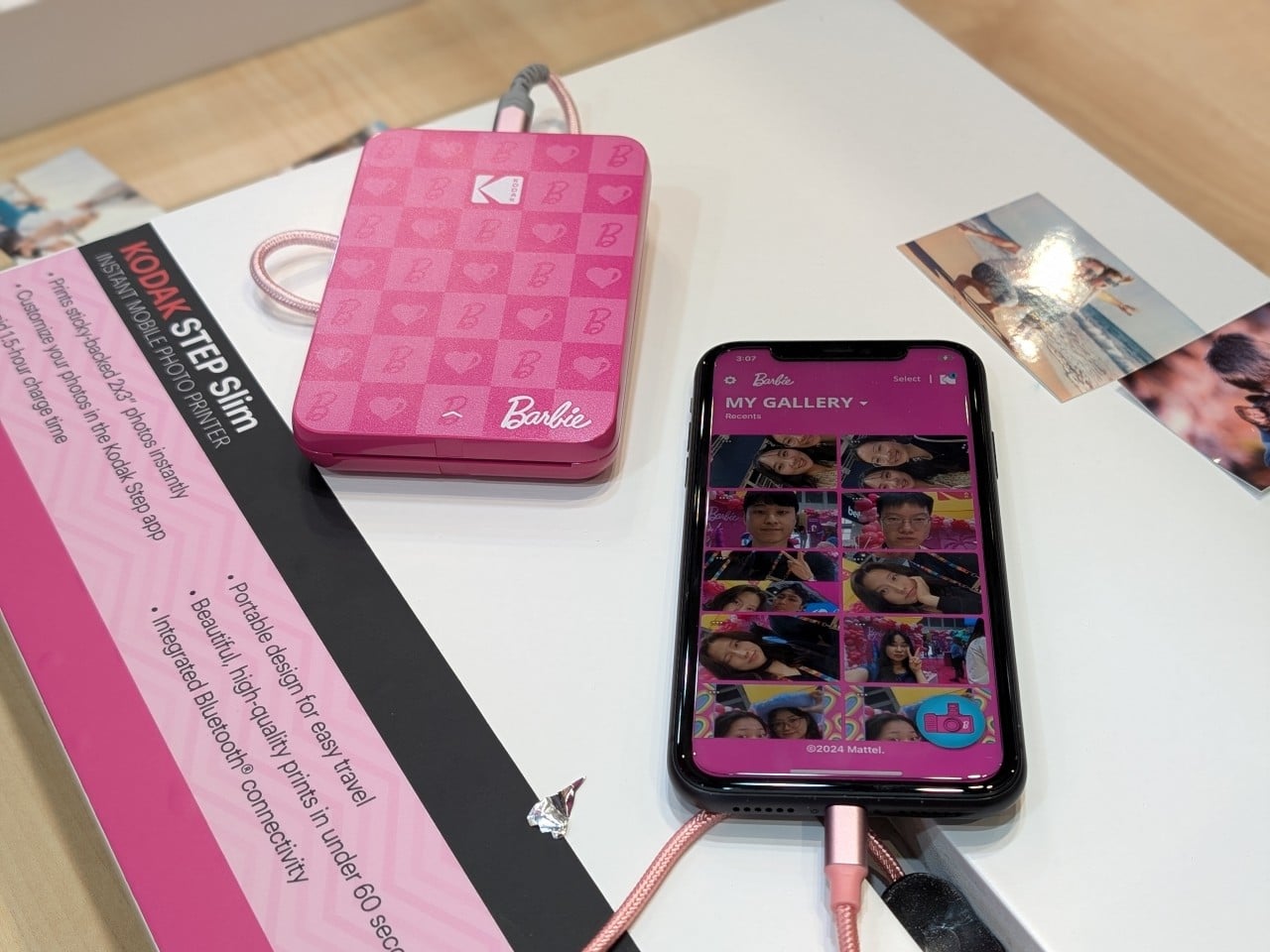
Yes, it might feel like a bit of a cop-out, but you don’t have to sacrifice versatility just to get that nostalgic photography experience, at least not if you also grab the Barbie-themed KODAK STEP Slim Instant Photo Printer. Connected to a smartphone, you can easily print images on that same 2×3 inch instant photo paper format, from the photos you took using your smartphone, to photos you save from the Kodak Printomatic Barbie Edition camera as well. It’s the best of all worlds, allowing you to experience the instant joy of printing photos while still leaving the option to share that over and over again.

The Kodak x Mattel collab is a fun nod to the iconic Barbie brand and could give fans and collectors alike something to vie for when the products do launch. Unfortunately, availability details have yet to be disclosed, but the windows of opportunity to launch Barbie-themed products, like the HMD Barbie phone, are getting smaller.

The post Barbie x Kodak collab gives instant photo printing a splash of pink first appeared on Yanko Design.
HMD Barbie Phone is Real and Really Pink

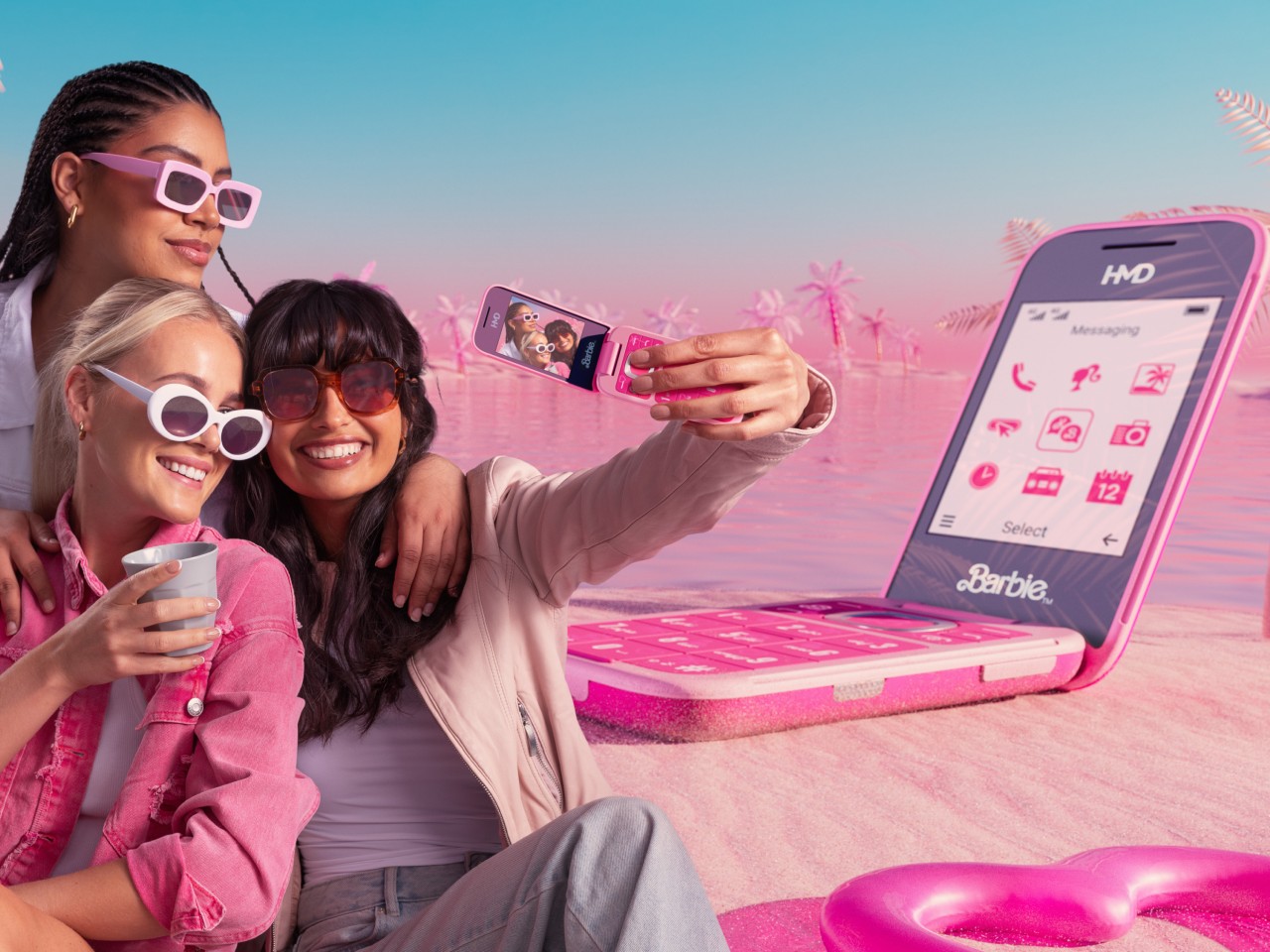
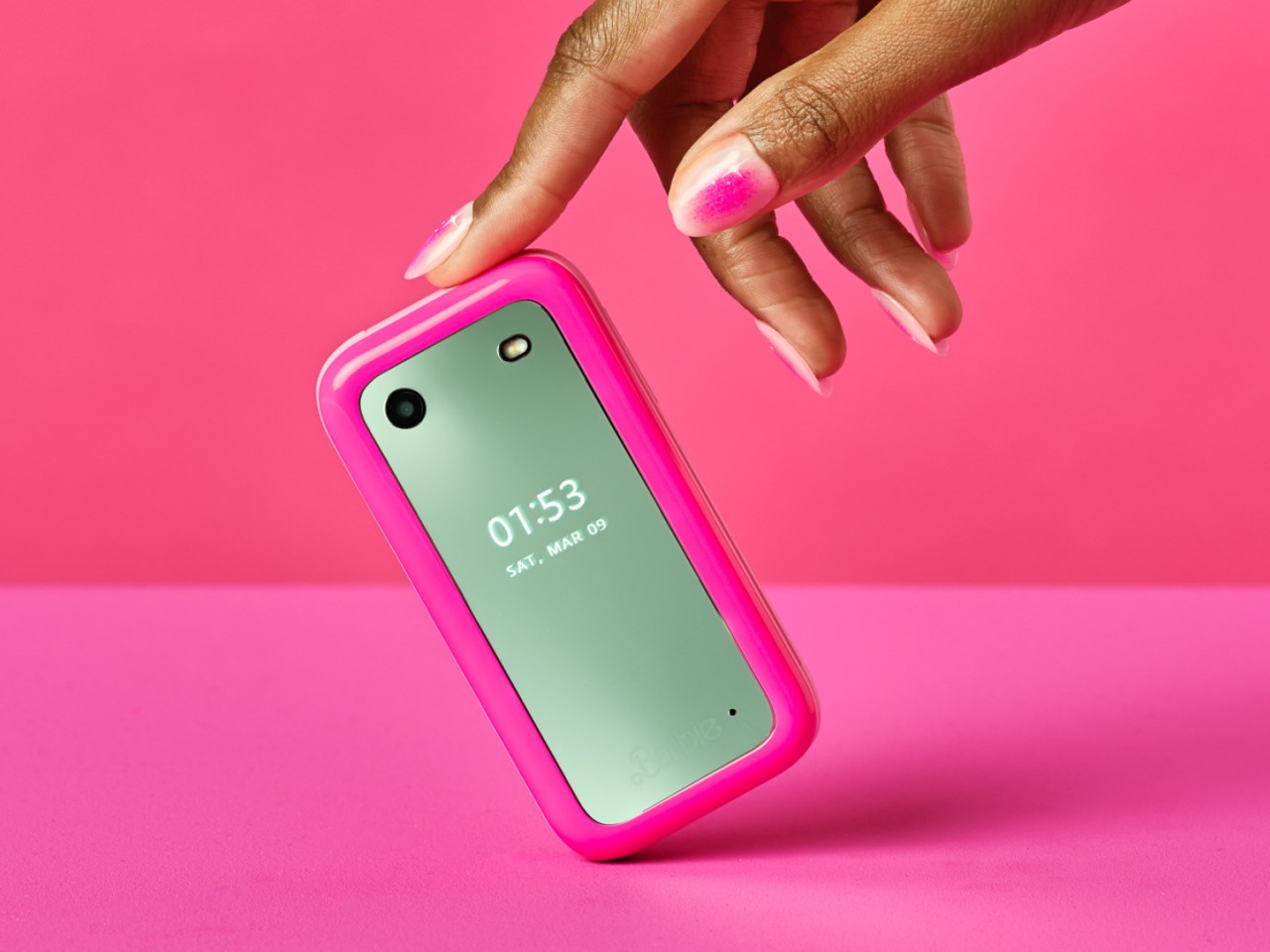
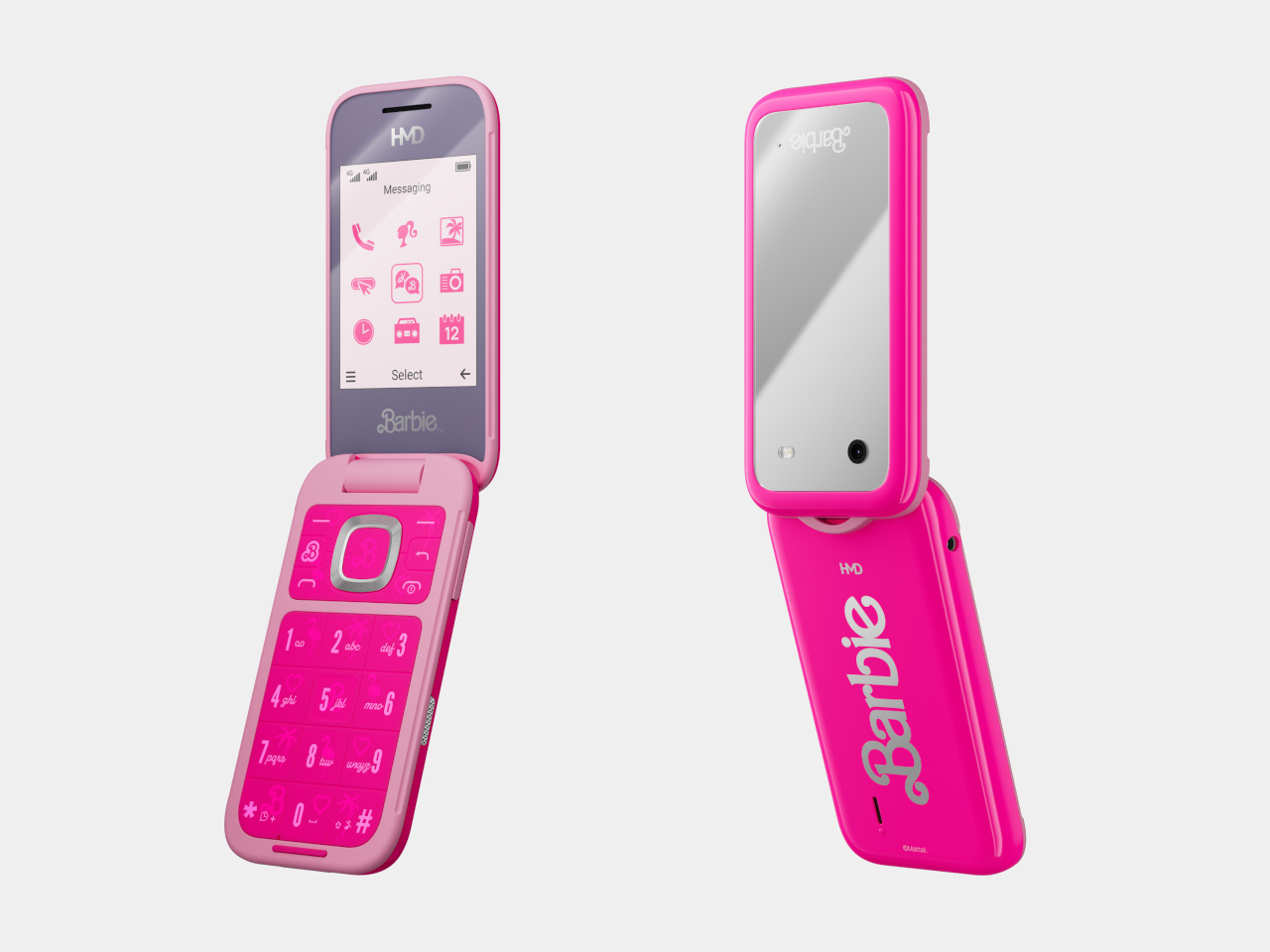
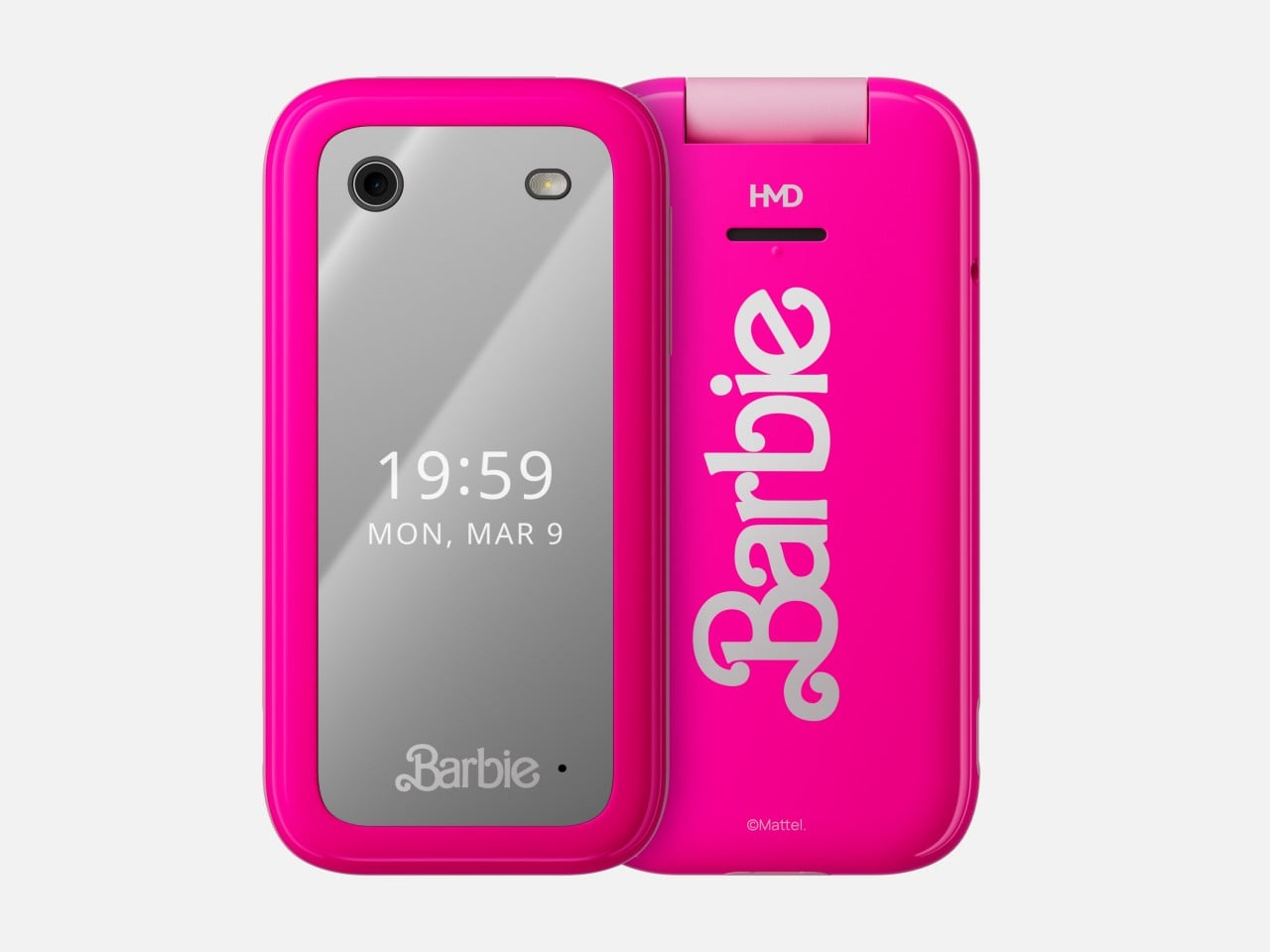
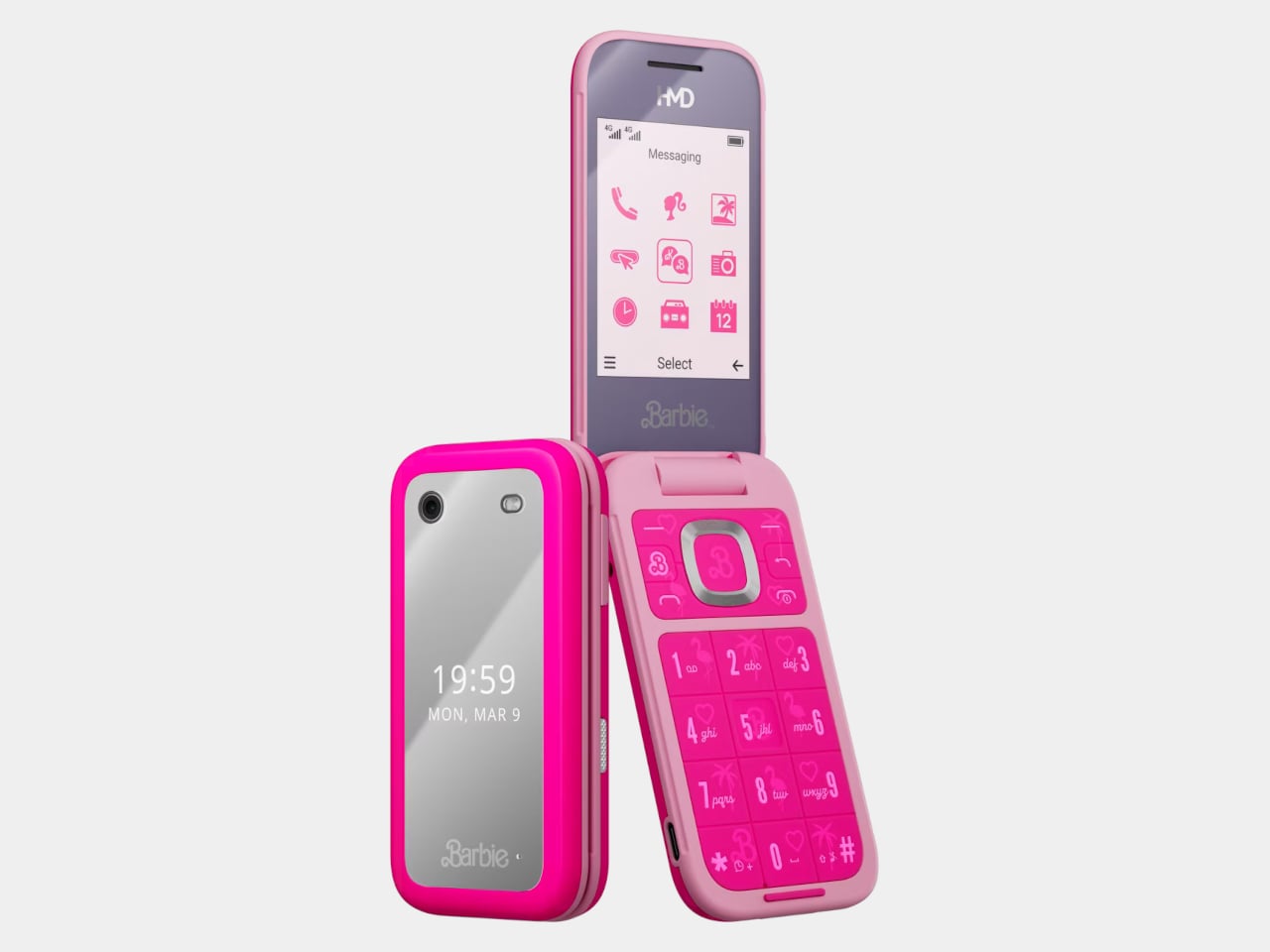
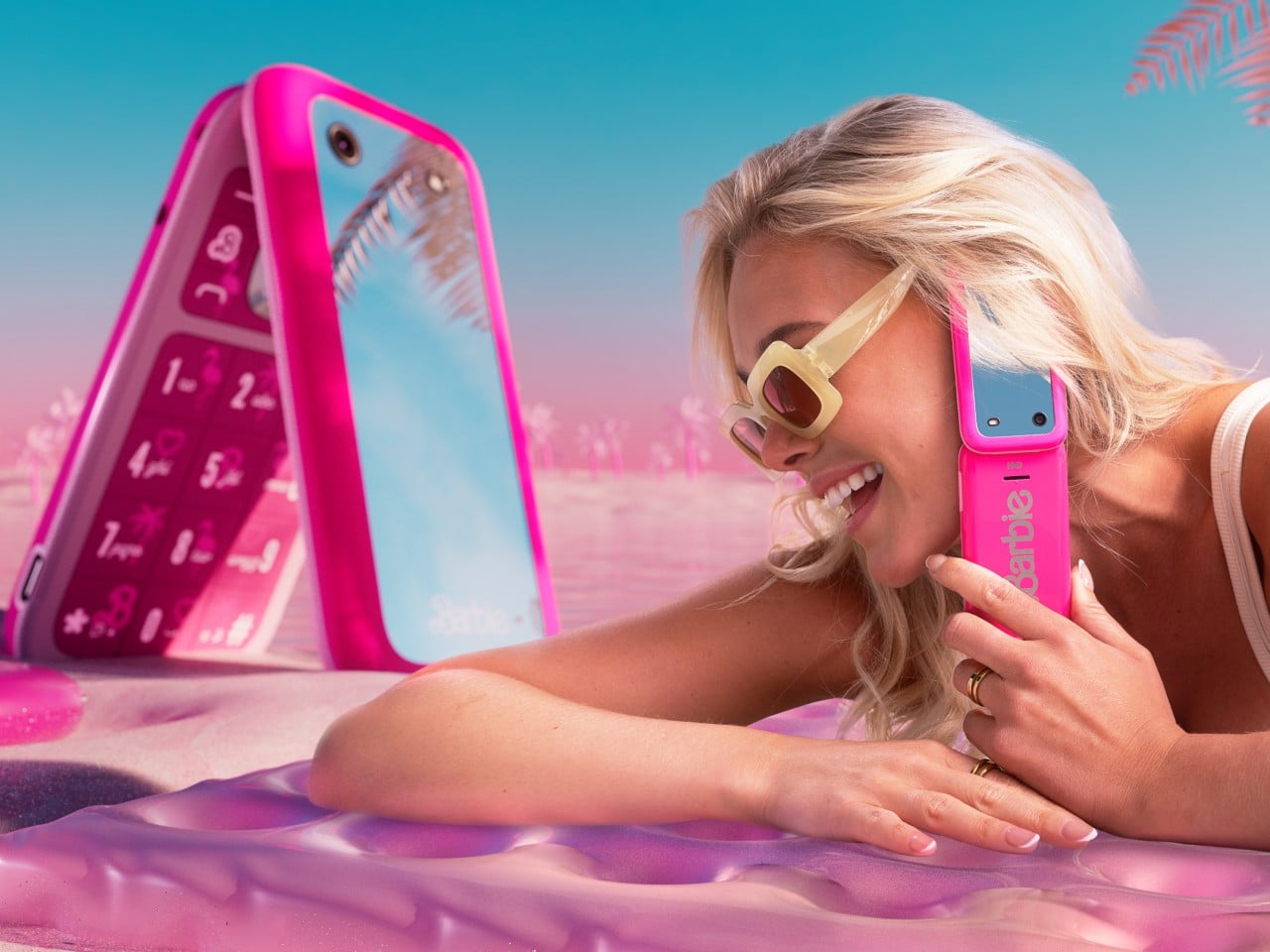
A few months back, HMD Global, which now brands itself as “Human Mobile Devices,” teased the existence of a Barbie-branded flip phone. Since it has Mattel’s name riding it, was surely not some simple marketing ploy or early April Fools, but an actual product that was just biding its time. That time has finally come and the official and functional Barbie Phone is finally here, or at least for some markets. The retro-chic flip phone is unabashedly pink and, well, totally Barbie, and just like the era that it pays homage to, the phone goes back to a time when mobile phones were really just mobile phones. Perfect for a GenZ vacay, or so HMD says.

Designer: HMD x Mattel

Although the recent live-action film put the iconic doll in a very different perspective, generations will always remember Barbie and her friends as fun-loving teens. Of course, the franchise has a rich history with many twists and turns, but the spirit of the product has always revolved around the joy of the moment and spending it with friends. That’s the kind of almost Zen-like message that the HMD Barbie Phone is trying to send, telling the GenZ crowd to give their phones a vacay and enjoy their own vacay the old-fashioned way.

In terms of technology, the Barbie Phone is pretty much just a specially-branded feature phone with a classic clamshell design. It opens up to reveal a small 2.8-inch “QVGA” (that means 320×240 pixels) screen above a conventional T9 keypad. It runs the old Nokia S30+ platform, which means it barely does anything other than make calls, handles text messages, and a few specialized utilities and light games. Even the 0.3-megapixel camera is terribly old-school, and not because HMD is trying to be cheap. Every facet and feature of the Barbie Phone is designed to deliver a retro phone experience for a reason.

In addition to decades-old aesthetics, the HMD Barbie Phone tries to embody the “digital detox” lifestyle that some GenZers are embracing, at least during vacations and breaks. The phone focuses on features that immediately connect friends on a more personal level compared to just tapping hearts and giving likes. You can still take photos, of course, but even that will be in the style of classic, old-school photos where everyone has to squeeze together to fit.

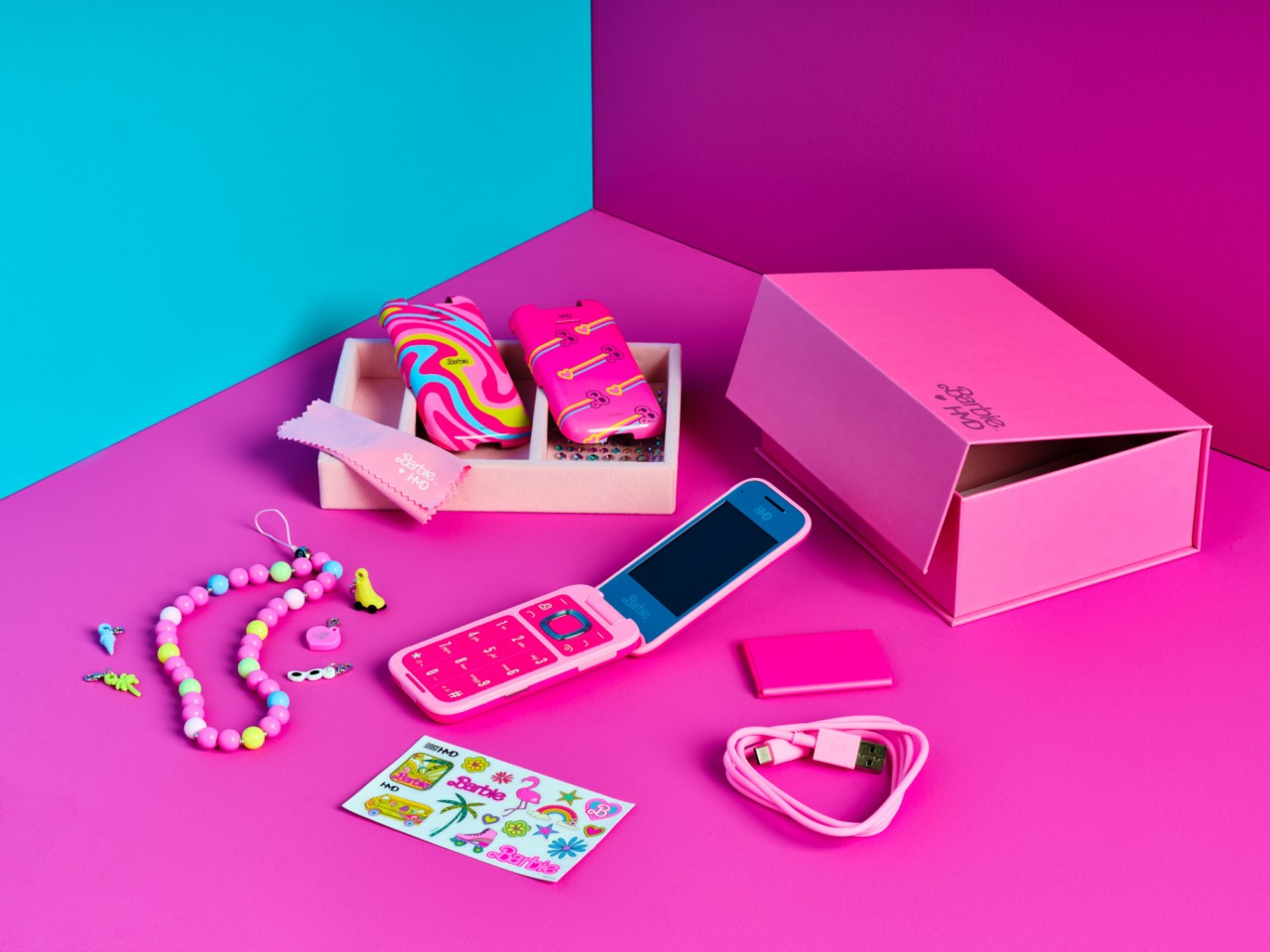
That’s not to say HMD is using it as an excuse to skimp on details. In fact, the HMD Barbie Phone is quite overloaded with knick-knacks and accessories that will make any Barbie fan gush. Two interchangeable colors add some pizzazz to that hot pink motif, while stickers, a beaded lanyard, and charms offer plenty of room for personalization. On the software side, you have a special watermelon-theme Snake game variant, themes and sounds from the franchise, as well as apps that guide you to be Zen in the middle of a summer beach vacation. The HMD Barbie Phone is going for 99 GBP, around $130, but it won’t launch in the US until sometime in October.

The post HMD Barbie Phone is Real and Really Pink first appeared on Yanko Design.
BMW is bringing a dedicated UNO Gaming App to over 500,000 existing car infotainment systems

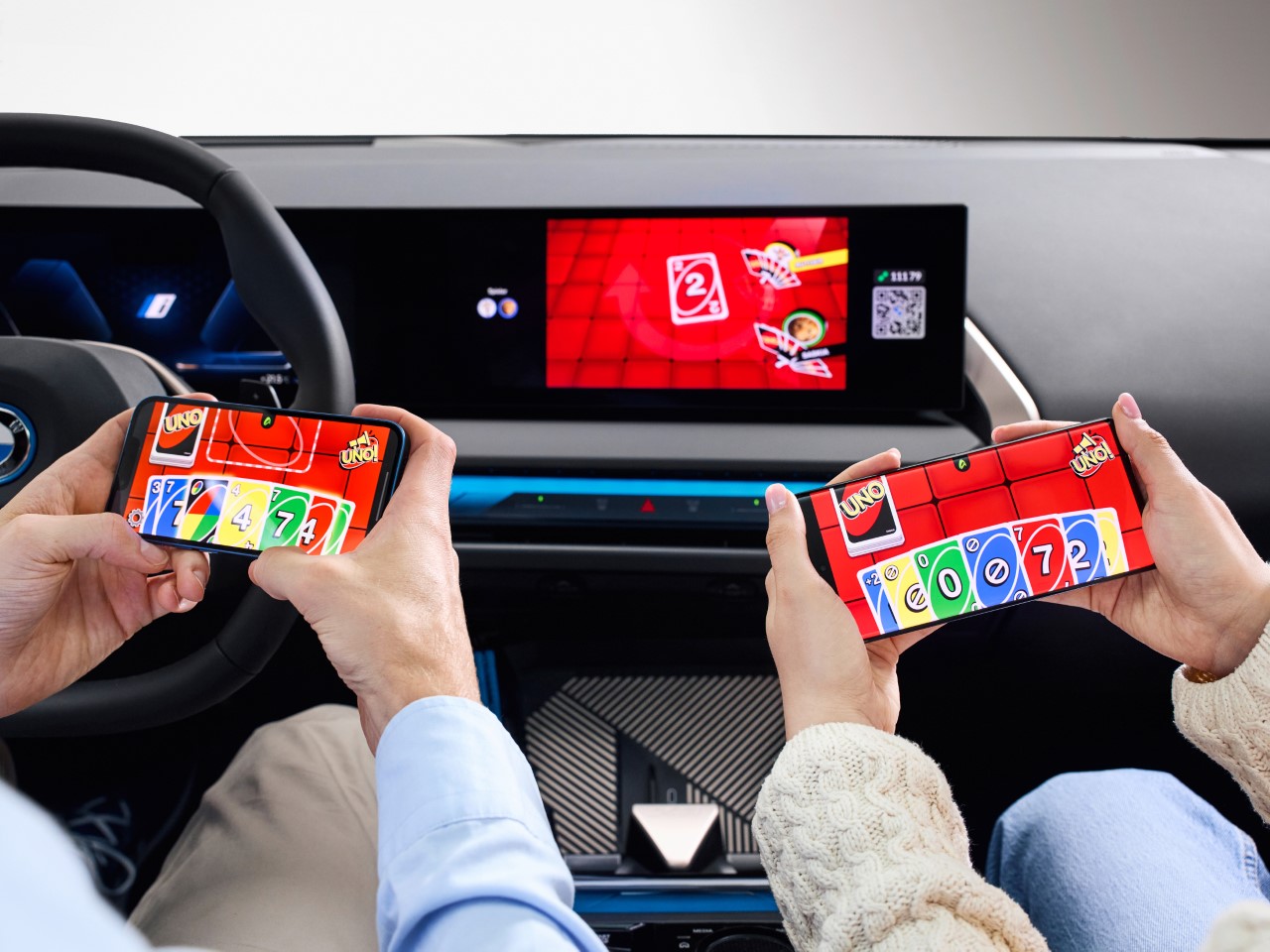
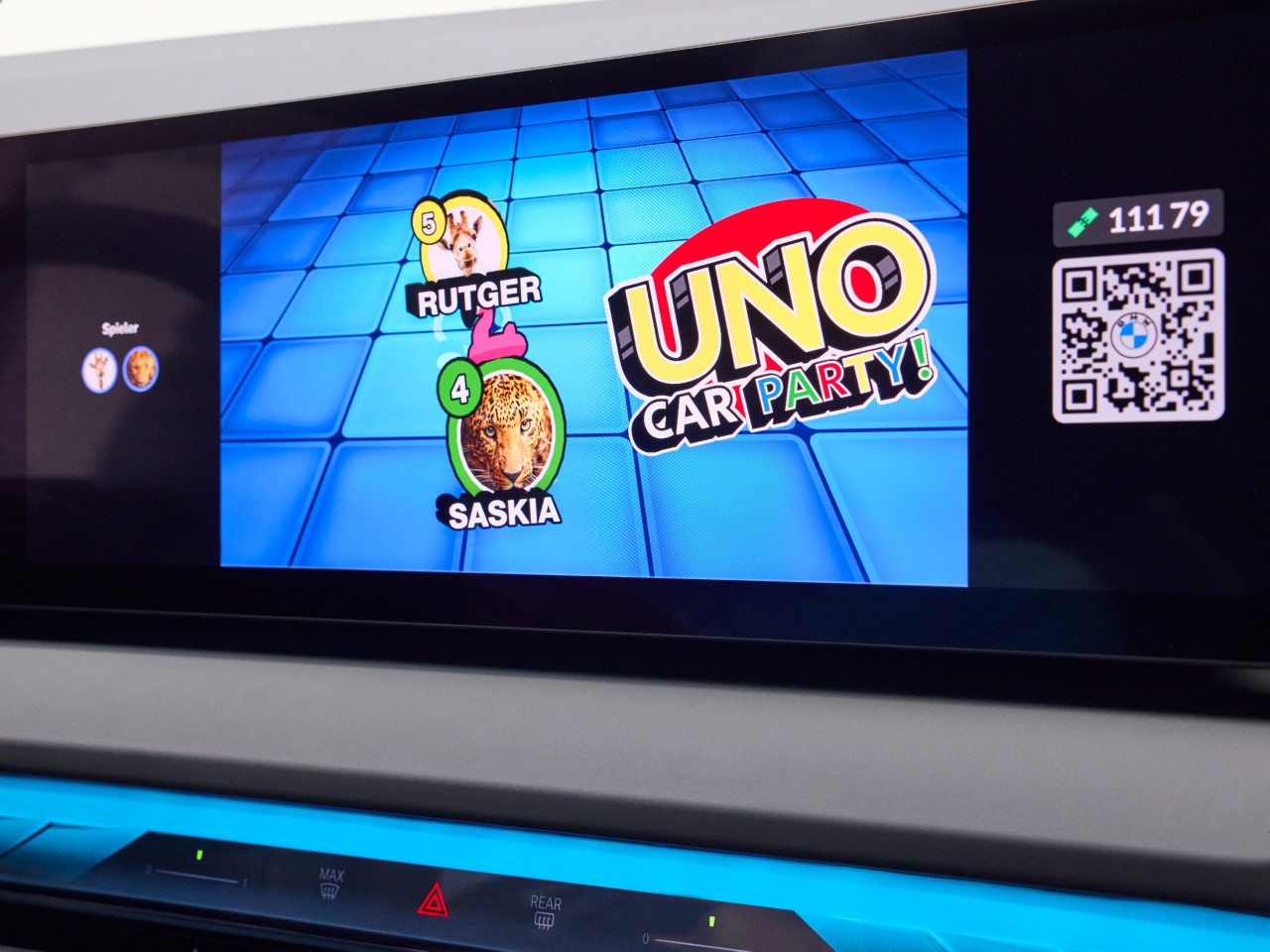
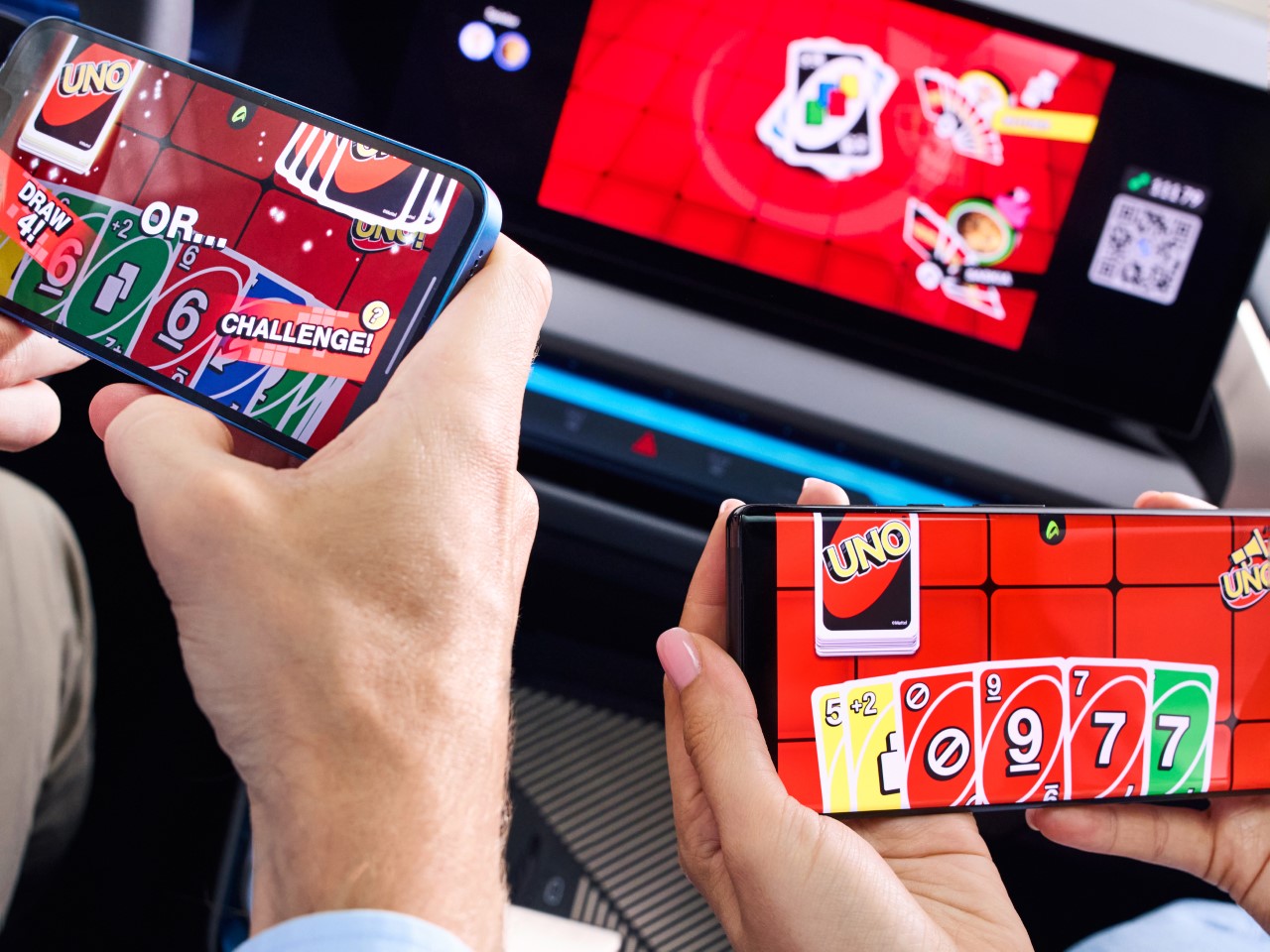
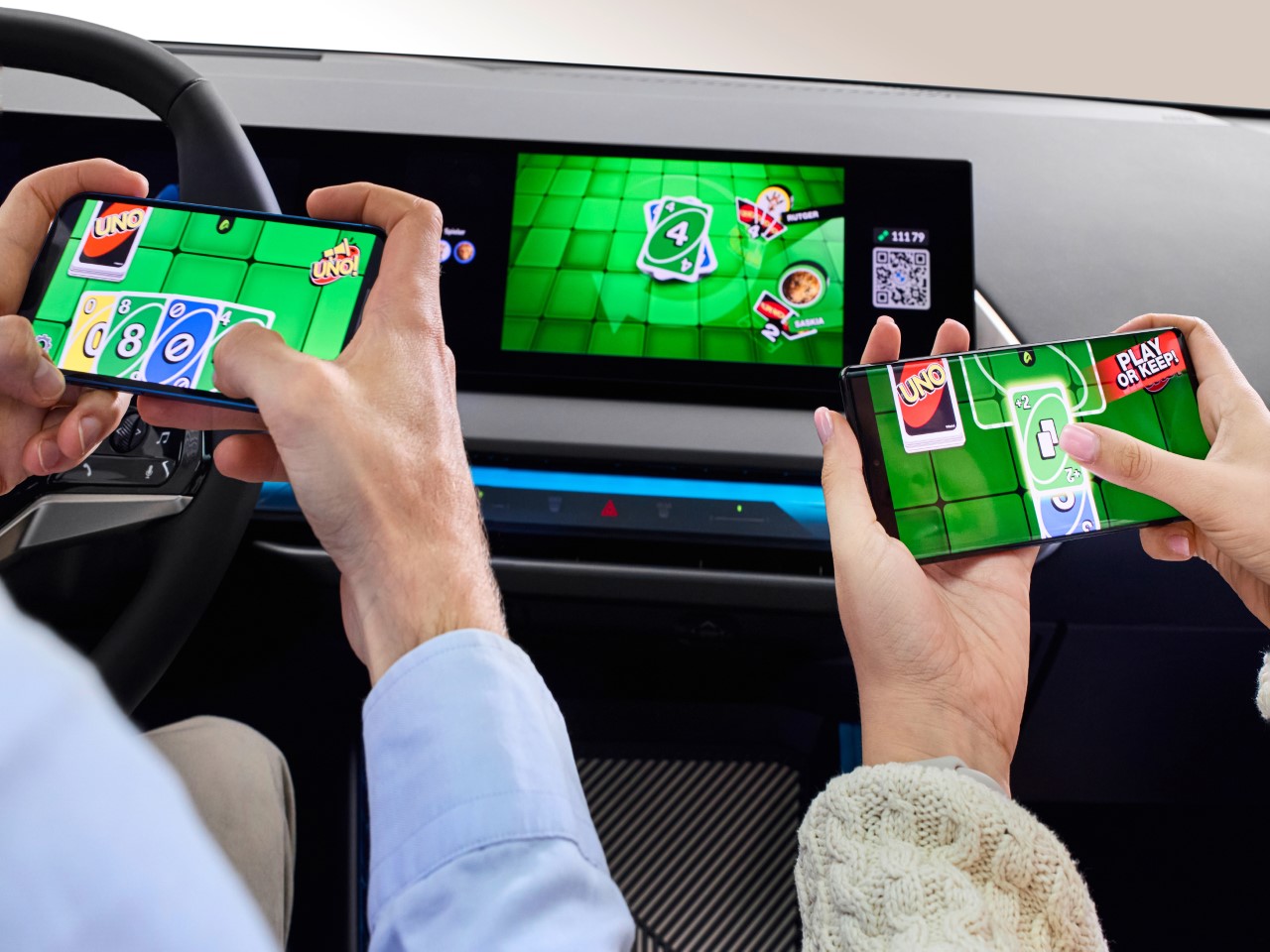
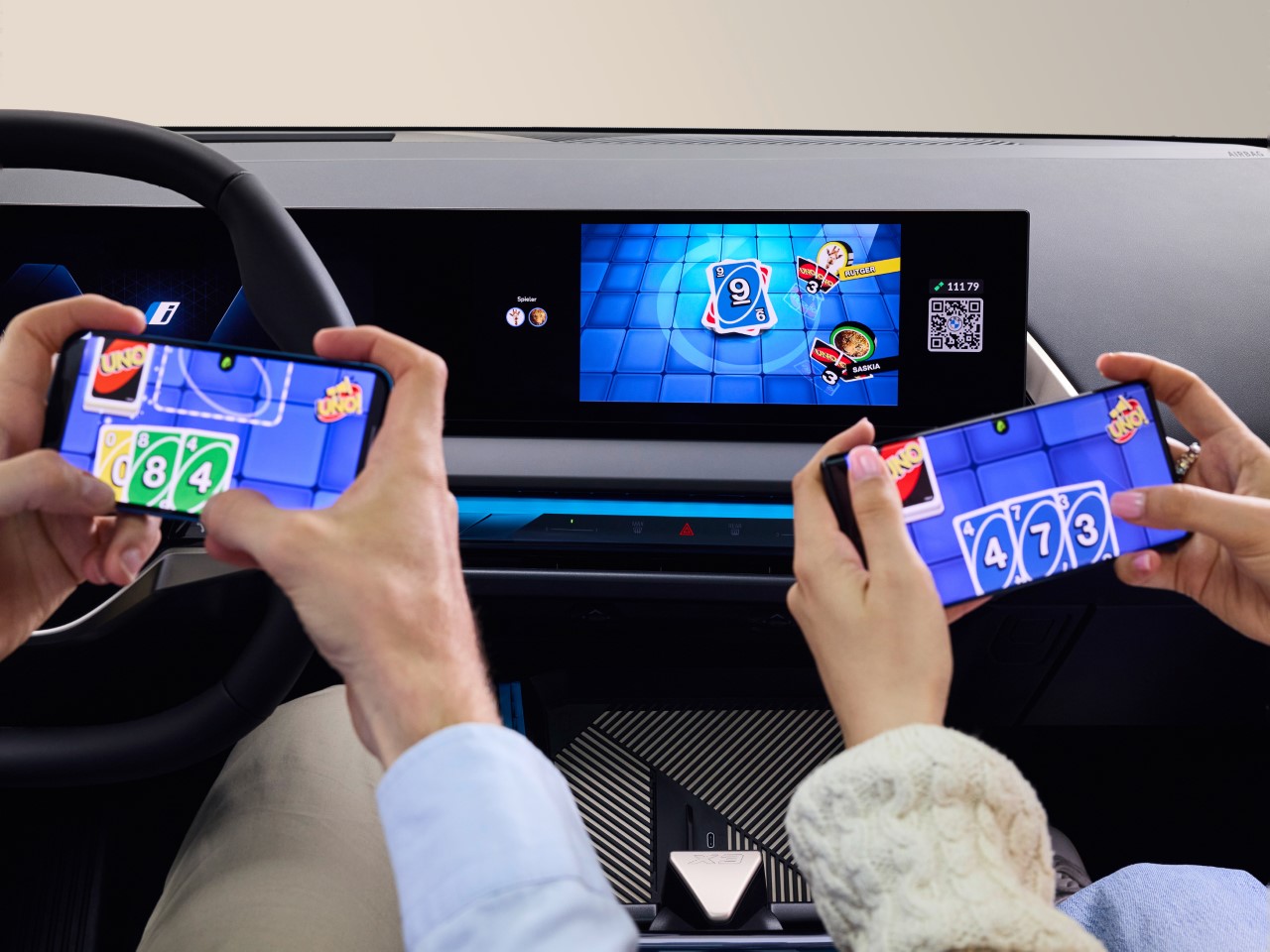
With an announcement from BMW dropping shortly after the Concours d’Elegance event at Pebble Beach, you’d probably think we’ve got some interesting car news or some automotive updates, but you’d be wrong. Instead, BMW threw quite the curveball by announcing a dedicated version of the hit card game UNO, designed specifically for in-car gaming. Dubbed the “UNO Car Party!”, this collaboration between BMW, Mattel, and AirConsole rolled out at Gamescom 2024, where it was introduced as the next evolution of in-car entertainment. With over 500,000 BMW and MINI vehicles set to feature this, you can now settle all your family’s backseat rivalries with a virtual card match that no one saw coming.

Designers: BMW & Mattel

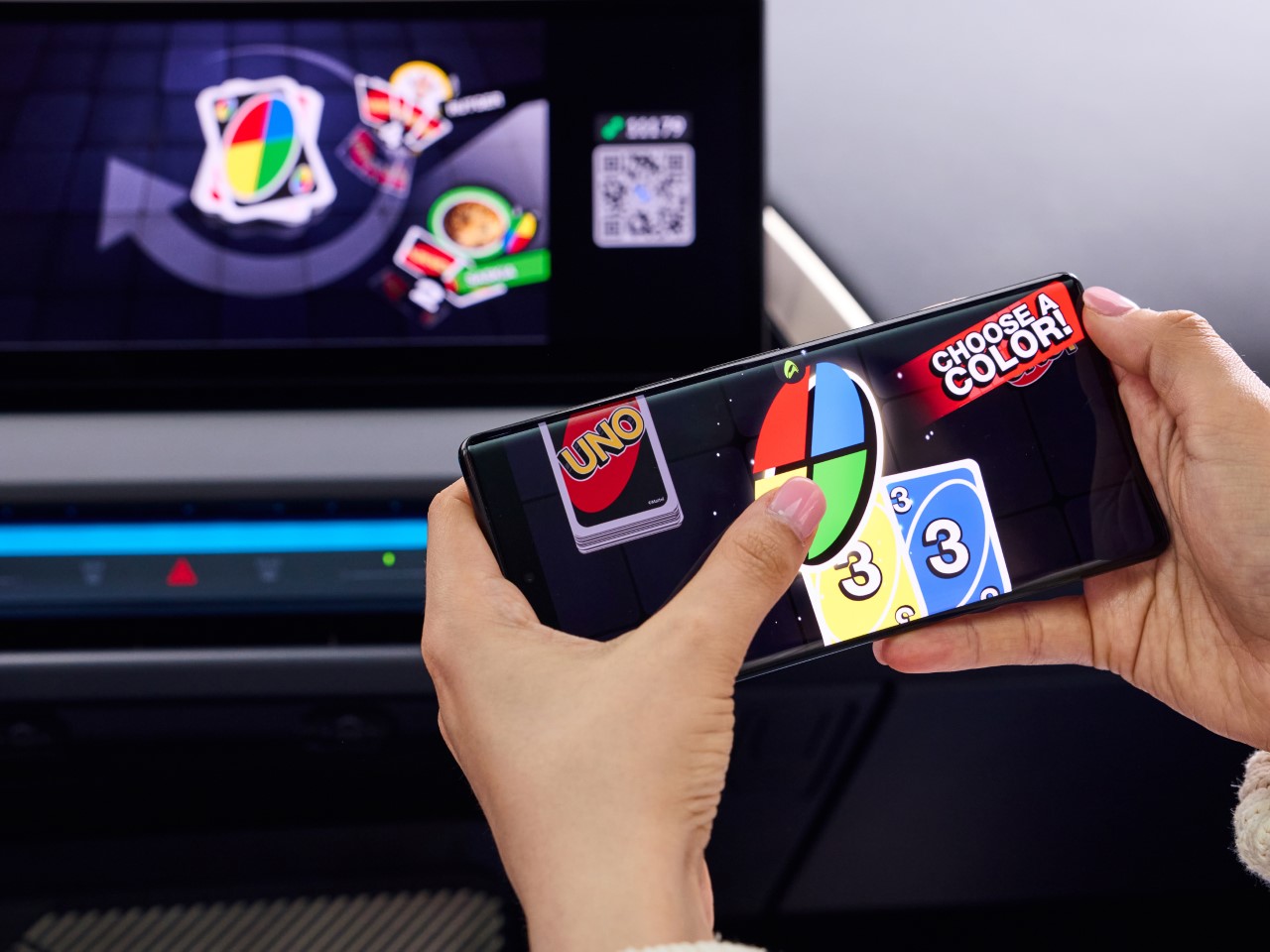
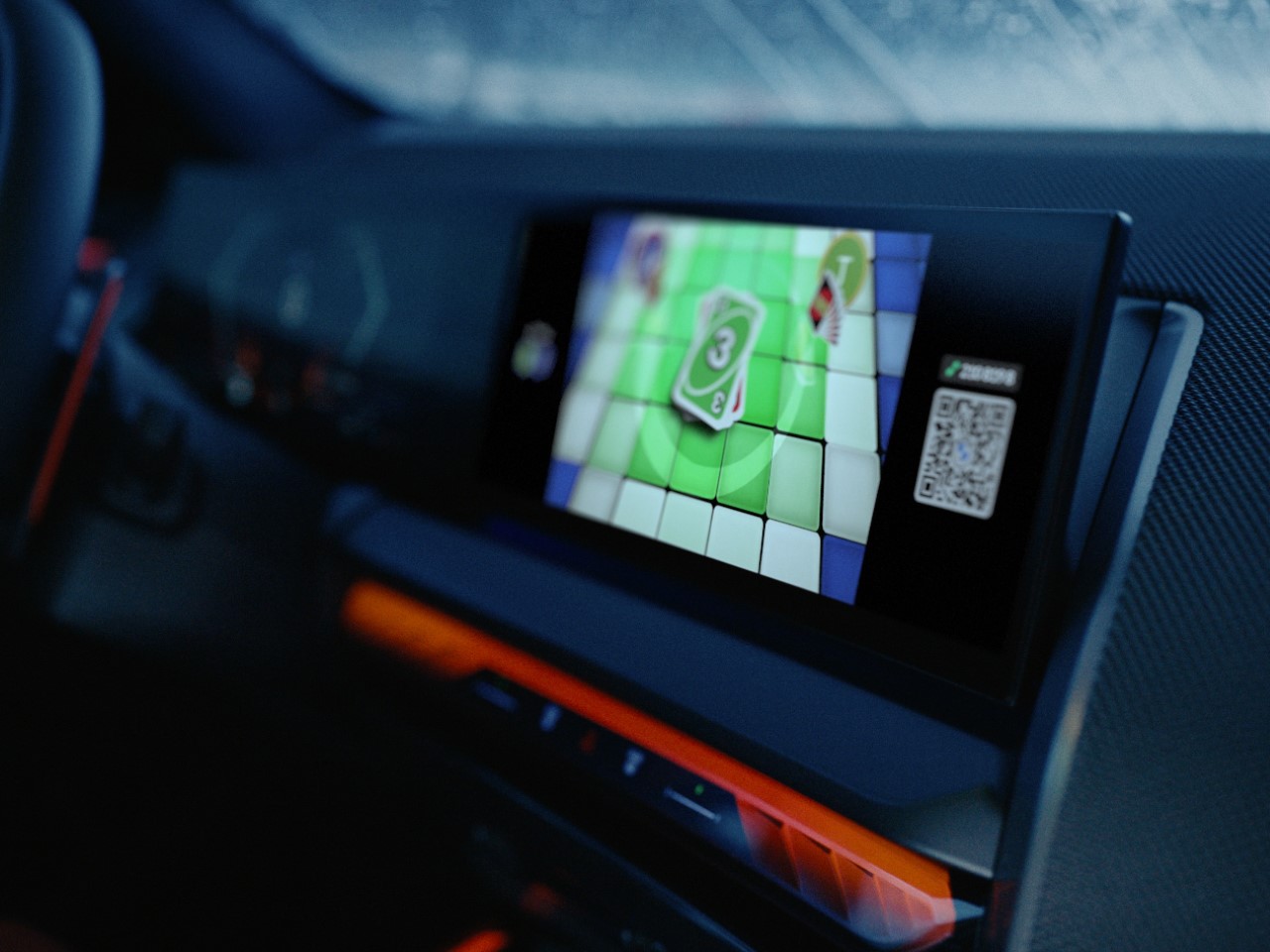
The setup is surprisingly slick for a car game. AirConsole’s tech lets up to four players use their phones as controllers—no shuffling required, just a quick QR code scan on the car’s display. Each player’s hand remains secret on their phone while the main screen shows the game’s progress, meaning you can still side-eye your opponents and snoop on their hand. Given how hands-on and intense UNO can be, the game is only playable when the vehicle is in park mode. That’s BMW’s subtle way of saying, “Hey, safety first.” But once the car’s stationary, it’s game on, transforming your car into a temporary game room that’s perfect for killing time while charging your EV or waiting for that friend who’s always late.

In terms of gameplay, it’s pretty much the UNO you know and love (or dread). Same rules, same chance to ruin friendships, but now with digital flair—automated scoring, snazzy graphics, and a setup that doesn’t involve losing cards under the seat. It’s straightforward, easy to get into, and definitely beats staring out the window. The concept is clever in its simplicity, merging retro card game vibes with modern tech. Plus, it’s a nice break from doomscrolling or listening to the same playlist on repeat.

This move from BMW is part of a bigger trend where cars are becoming more than just vehicles—they’re turning into mobile entertainment hubs. And while “UNO Car Party!” might not be a game-changer (pun intended), it’s a fun little feature that adds personality to your car. Sure, it’s no substitute for a full-fledged console, but it’s a step toward making your vehicle a bit more interesting when you’re not actually driving it. Whether it’s a quick match during a pit stop or a way to pass the time while you’re stuck waiting for someone, it’s clear that BMW is leaning into the idea that cars can be places for more than just commuting.

So, if you’ve ever found yourself thinking, “I wish I could play UNO in my car,” your oddly specific wish has just come true. Whether you’re ready to embrace it or just find it amusing, BMW’s latest innovation proves that even the most unexpected ideas can have a place in the future of driving—or at least parking.

The post BMW is bringing a dedicated UNO Gaming App to over 500,000 existing car infotainment systems first appeared on Yanko Design.
80% of Mattel Games will be made Color-Blind Accessible by the end of 2024

For generations, classic games like Uno have brought people together for friendly competition. But for the estimated 300 million people worldwide with color blindness, these games haven’t always been accessible. Mattel, the iconic toymaker behind these beloved games, is making a significant stride towards inclusivity. They recently announced that by the end of 2024, 80% of their global games portfolio will be colorblind accessible, with that number rising to 90% by the end of 2025.

Designer: Mattel

This update isn’t a radical overhaul. Instead, it involves subtle design tweaks that ensure gameplay isn’t hindered by color vision deficiency. For instance, Uno will now feature symbols alongside the traditional colors and numbers. A square represents blue, a circle red, a diamond yellow, and a triangle green. This way, players can identify cards based on the symbol without relying solely on color. Similarly, Blokus, a strategic board game, will incorporate patterns on its colored game pieces for better differentiation. These changes extend to other popular Mattel games like Dos, Phase 10, Skip-Bo, and Ker Plunk.

Partnering with ColorADD, a group specializing in colorblind-friendly design solutions, Mattel demonstrates a commitment to thoughtful implementation. This isn’t just about adding symbols; it’s about collaborating with experts to ensure the updates are effective for players with color blindness. The new features go beyond the games themselves. Updated instruction sheets will include dedicated sections for colorblind players, and the packaging will sport a special badge featuring a multicolored eye icon for easy identification.

The post 80% of Mattel Games will be made Color-Blind Accessible by the end of 2024 first appeared on Yanko Design.
Kartell Reimagines Iconic Chairs In Barbie Pink At 2024 Milan Design Week

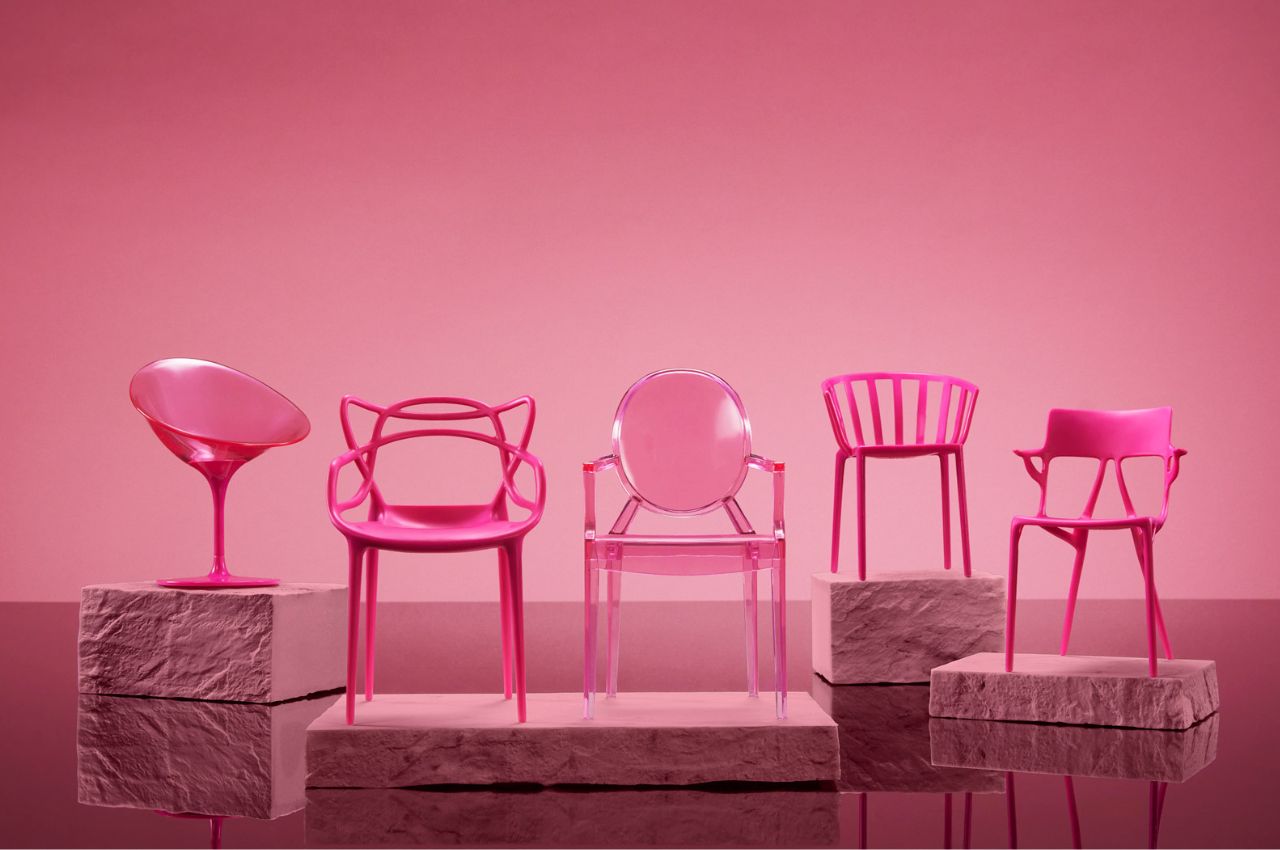
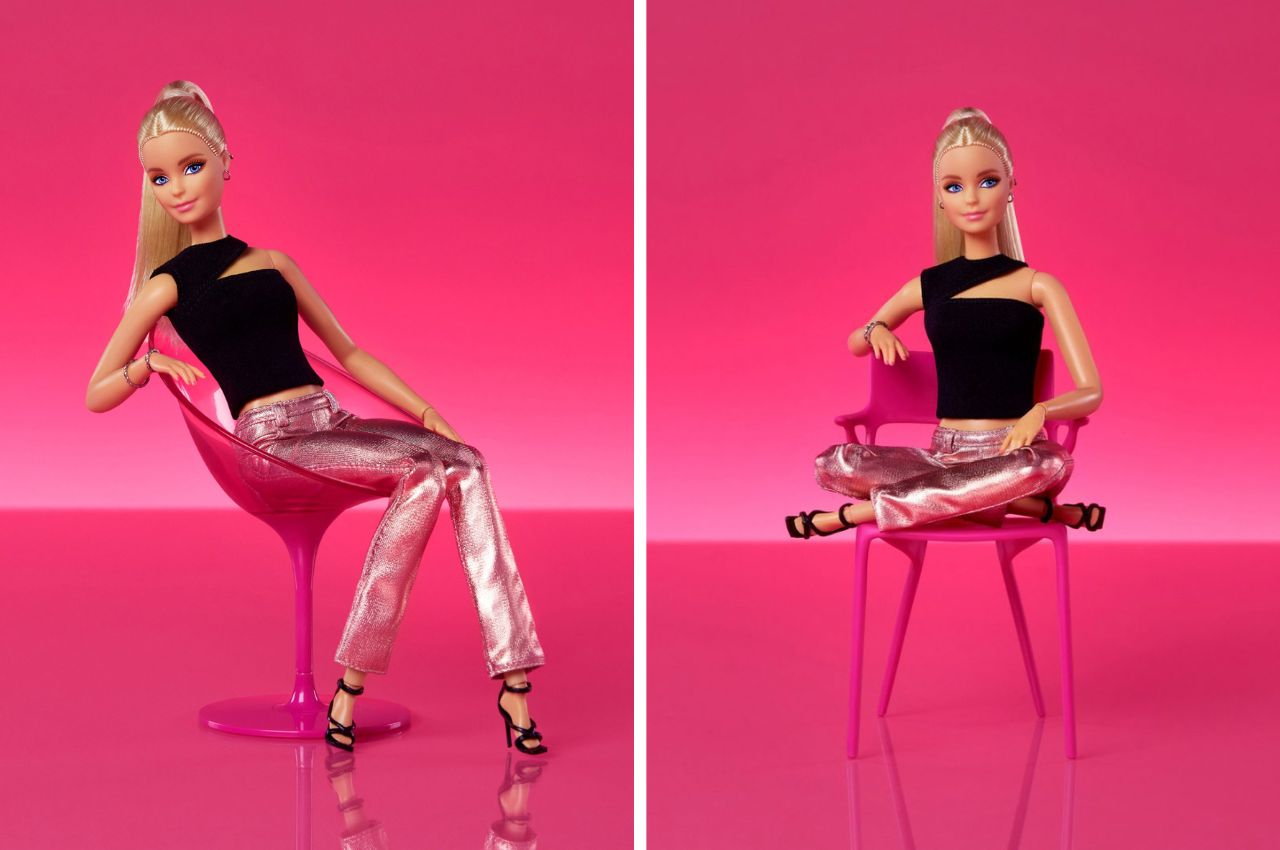
The recent collaboration between Kartell, the distinguished Italian furniture brand, and Mattel, the creative force behind Barbie, has resulted in an extraordinary collection of chairs that blurs the boundaries between furniture and art. Unveiled at Milan Design Week 2024, this partnership represents a significant milestone in design history, as it merges Kartell’s Philippe Starck-designed chairs with the timeless charm of Barbie.

Designer: Philippe Starck

Barbie’s enduring influence as a cultural icon cannot be overstated. From her origins as a children’s toy in 1959 to her recent portrayal in a live-action film, Barbie has continually evolved, captivating audiences worldwide and transcending her toy origins to become a symbol of empowerment and aspiration. Last year’s release of the Barbie movie further underscored her cultural significance, reshaping perceptions and highlighting her relevance across different age groups.

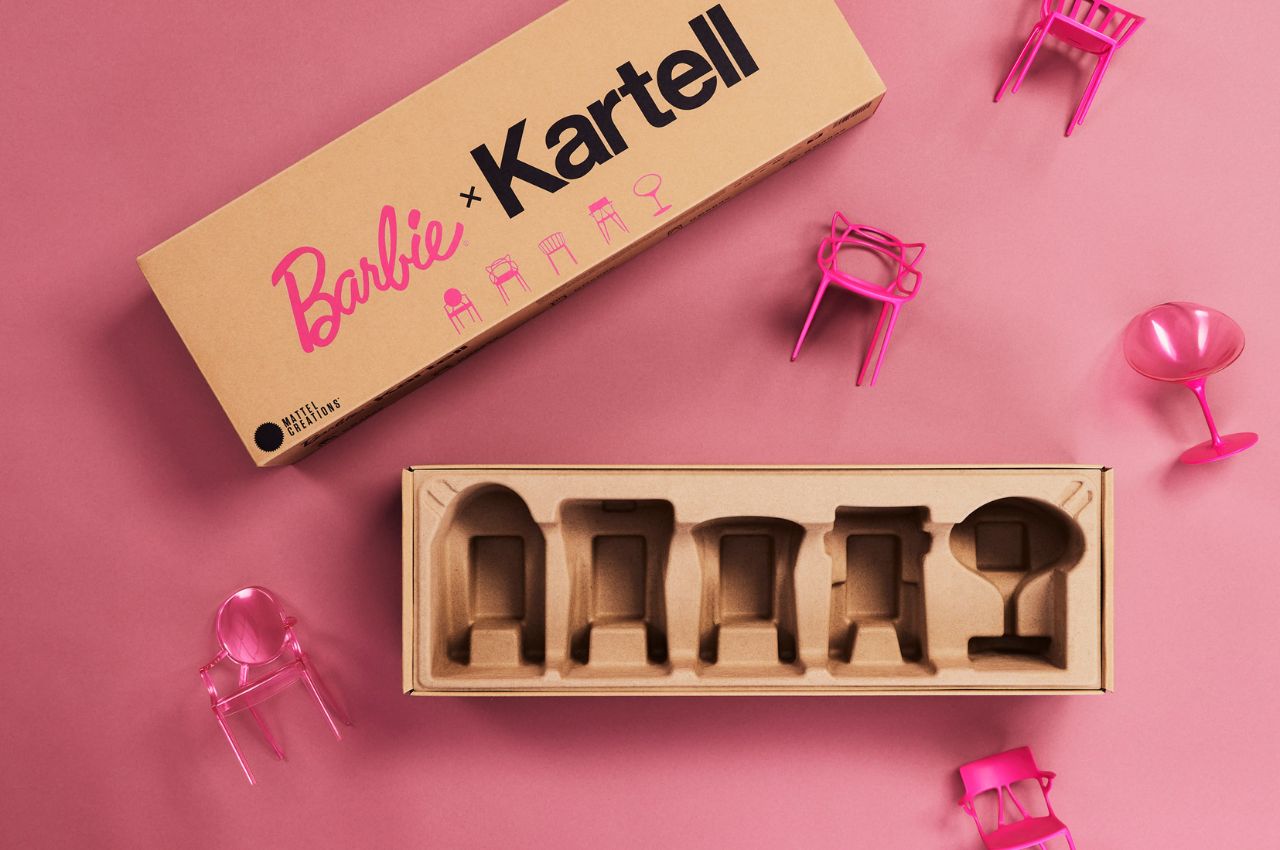
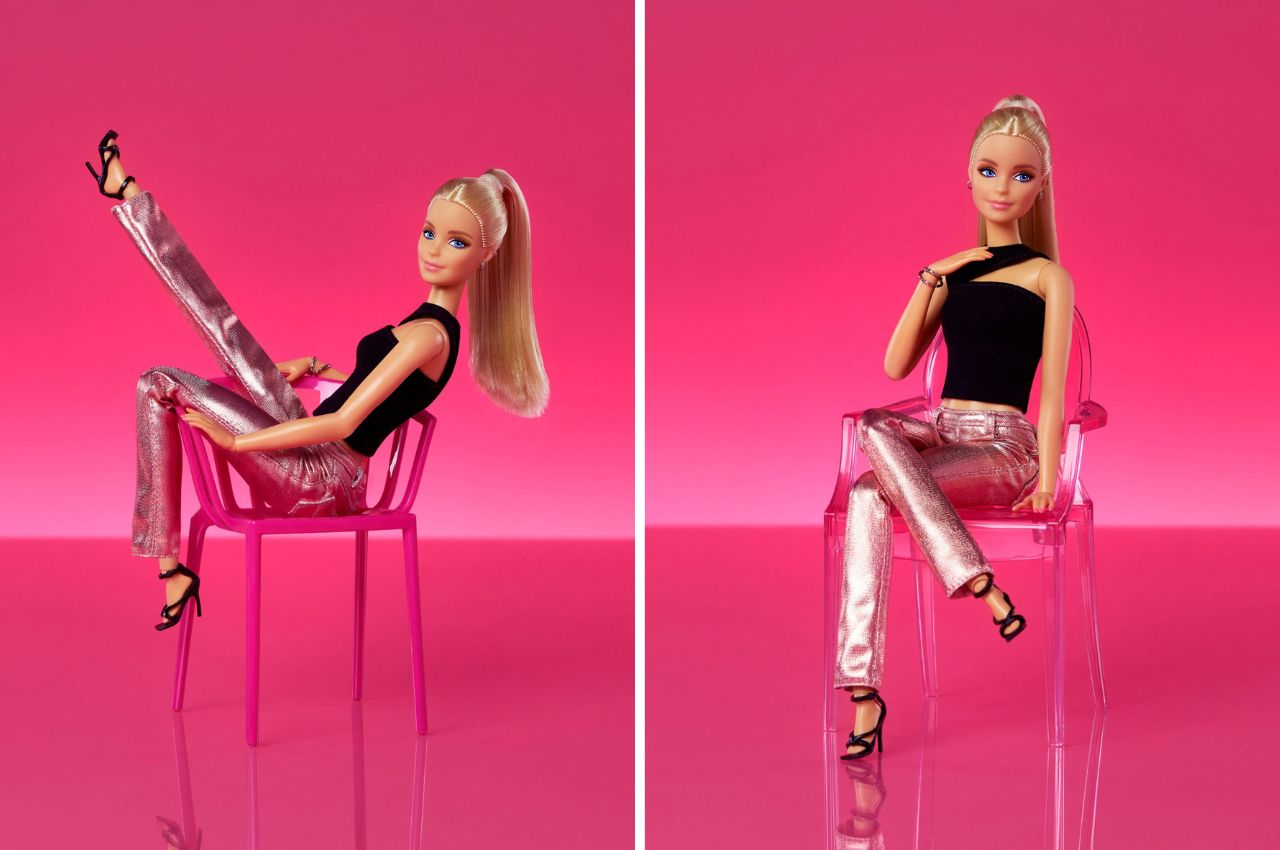
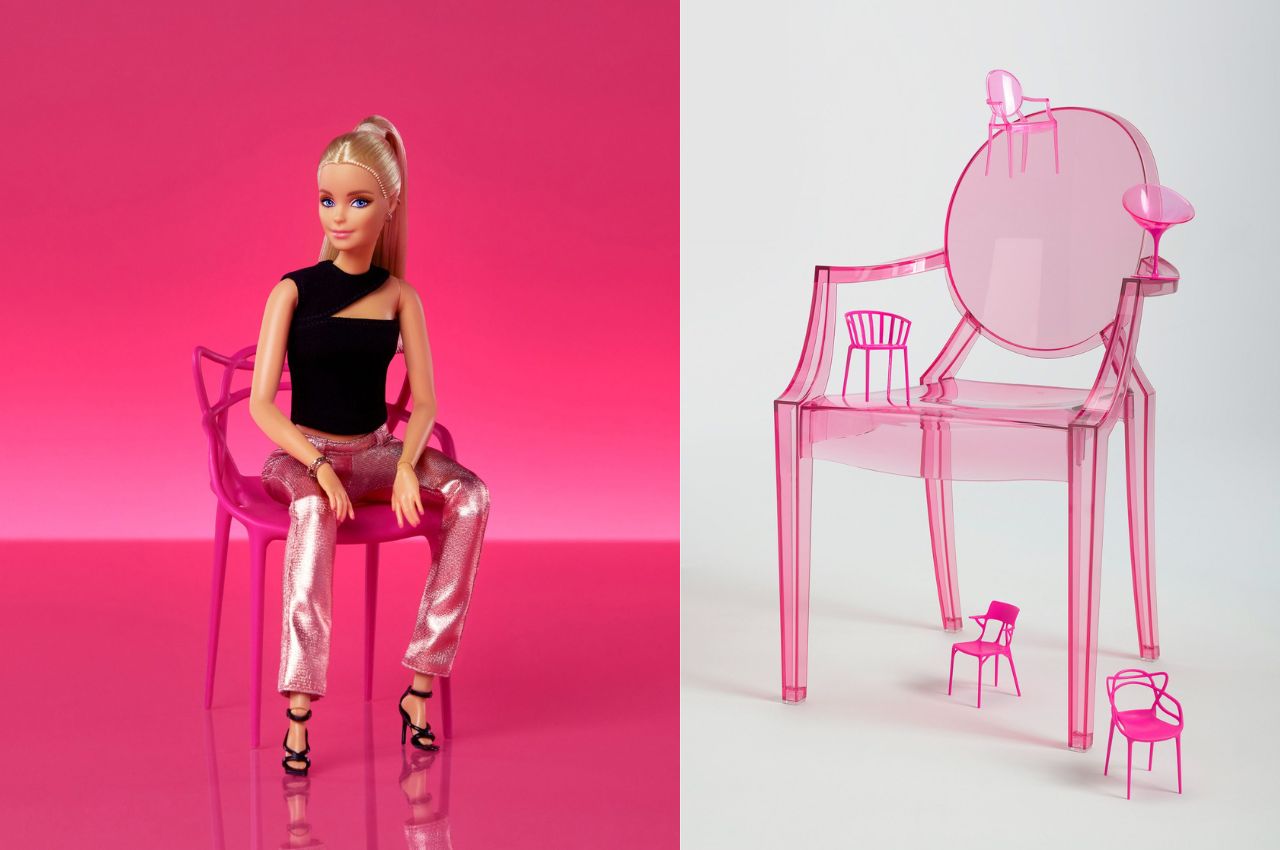
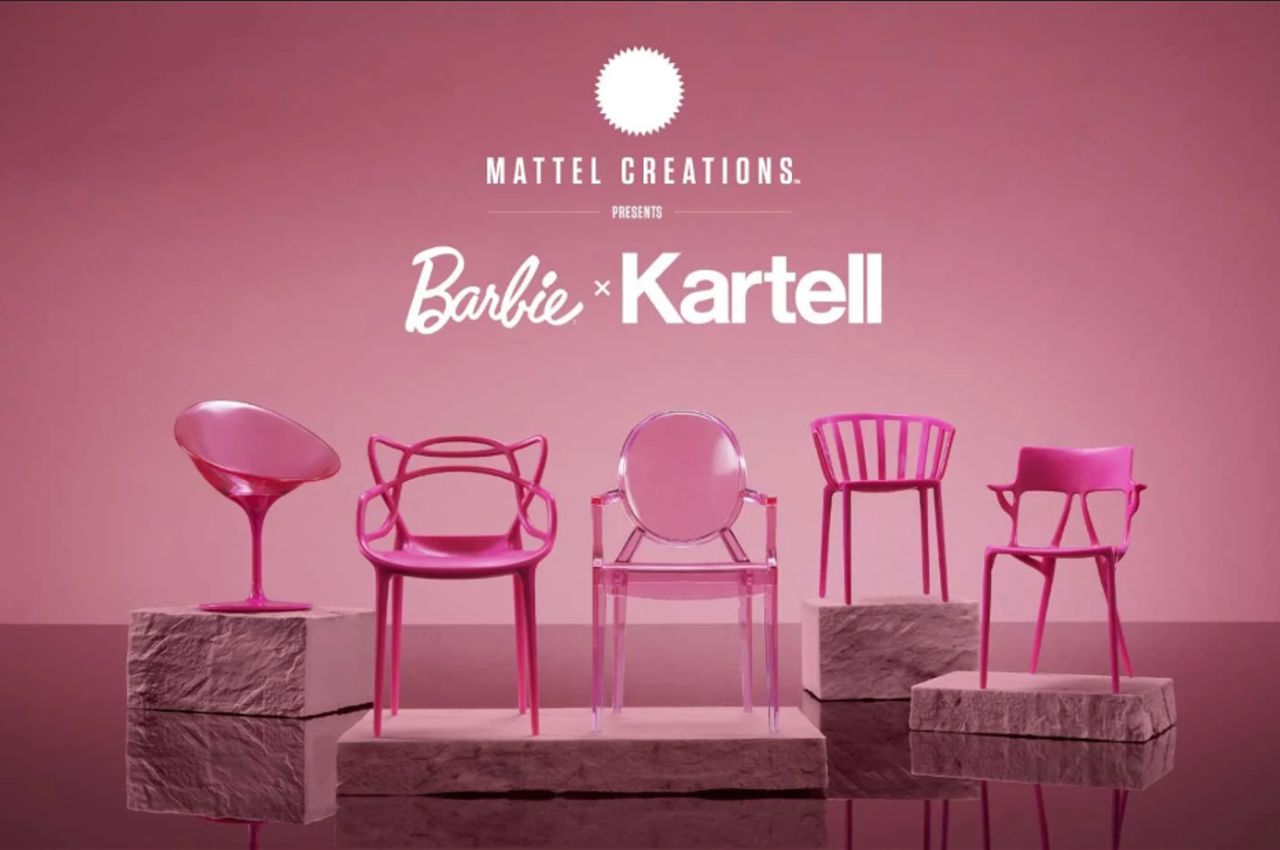
In response to Barbie’s multifaceted influence, Kartell and Mattel Creations embarked on an innovative partnership. Reimagining five of Kartell’s iconic chairs through a Barbie-inspired lens, the collection breathes new life into Philippe Starck’s designs, infusing them with Barbie’s signature style and charm.

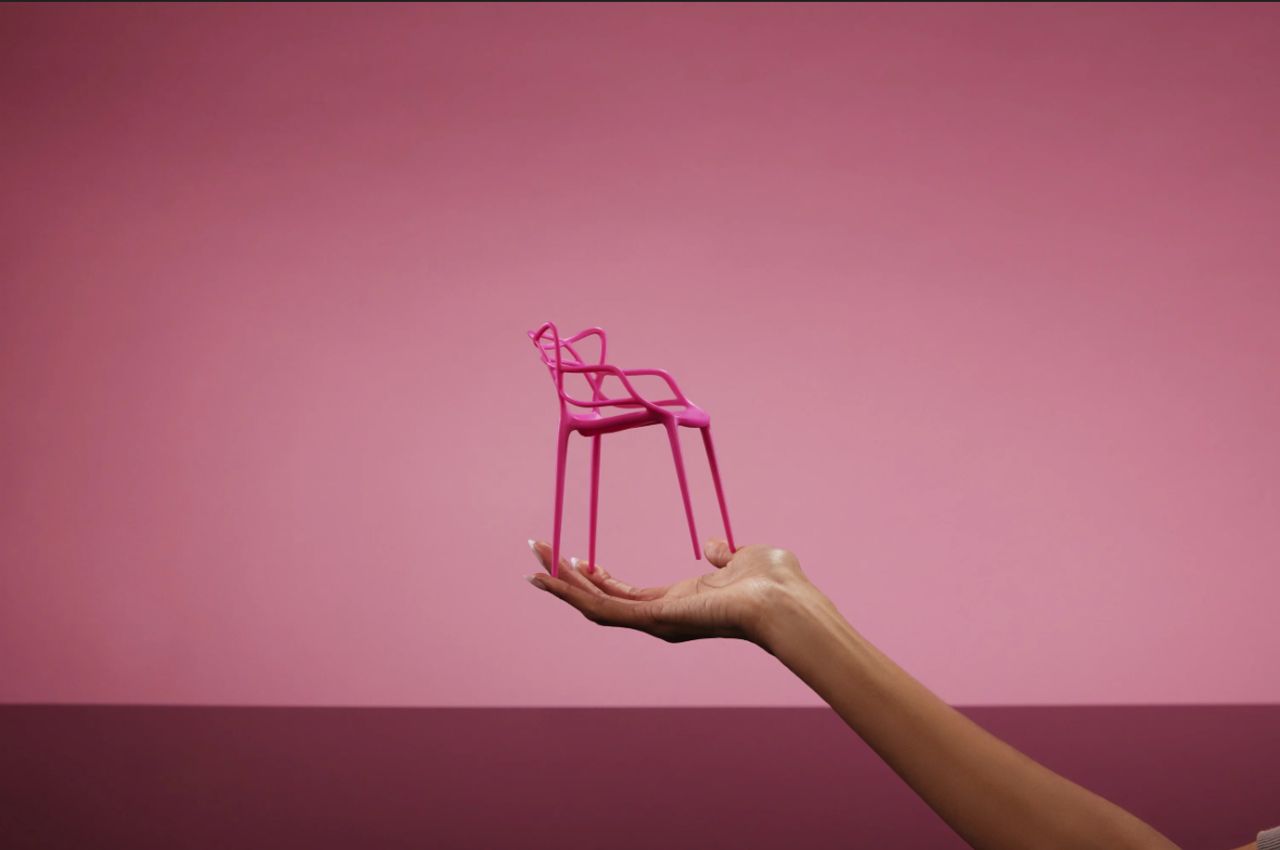
The chairs, including the ‘Venice’, ‘Louis Ghost’, ‘Masters’, ‘Ero|S|’, and ‘AI’, have been meticulously recreated in both human and doll sizes, symbolizing Barbie’s 65-year legacy of inspiring imagination and creativity. Each chair, bathed in Pantone 219 C – the iconic Barbie Pink hue – is crafted from recycled plastic, highlighting the brand’s commitment to sustainability.

The genesis of this collaboration lies in Barbie’s ability to reinvent herself and resonate with audiences across generations. By transforming Kartell’s chairs into vibrant pink masterpieces, the collection pays homage to Barbie’s legacy of creativity and imagination. Crafted from recycled plastic and incorporating innovative materials such as bamboo, each chair embodies Barbie’s Dreamhouse aesthetic while also prioritizing sustainability—a testament to both brands’ commitment to environmental responsibility.

The debut of this remarkable collection at Milan Design Week captivated attendees, transporting them into a world where toys seamlessly merge with art. Displayed against the backdrop of Condé Nast’s Vogue Closet exhibition, the chairs became more than just functional pieces—they became cultural artifacts, inviting viewers to reconsider the boundaries between fantasy and reality.

In the words of Kartell, this collaboration represents a fusion “where toys become art, and art becomes toys.” By marrying Starck’s timeless designs with Barbie’s enduring allure, the Kartell x Barbie collection not only celebrates nostalgia but also invites us to embrace the power of creativity and imagination—a testament to the transformative potential of collaboration in the world of design.

The post Kartell Reimagines Iconic Chairs In Barbie Pink At 2024 Milan Design Week first appeared on Yanko Design.