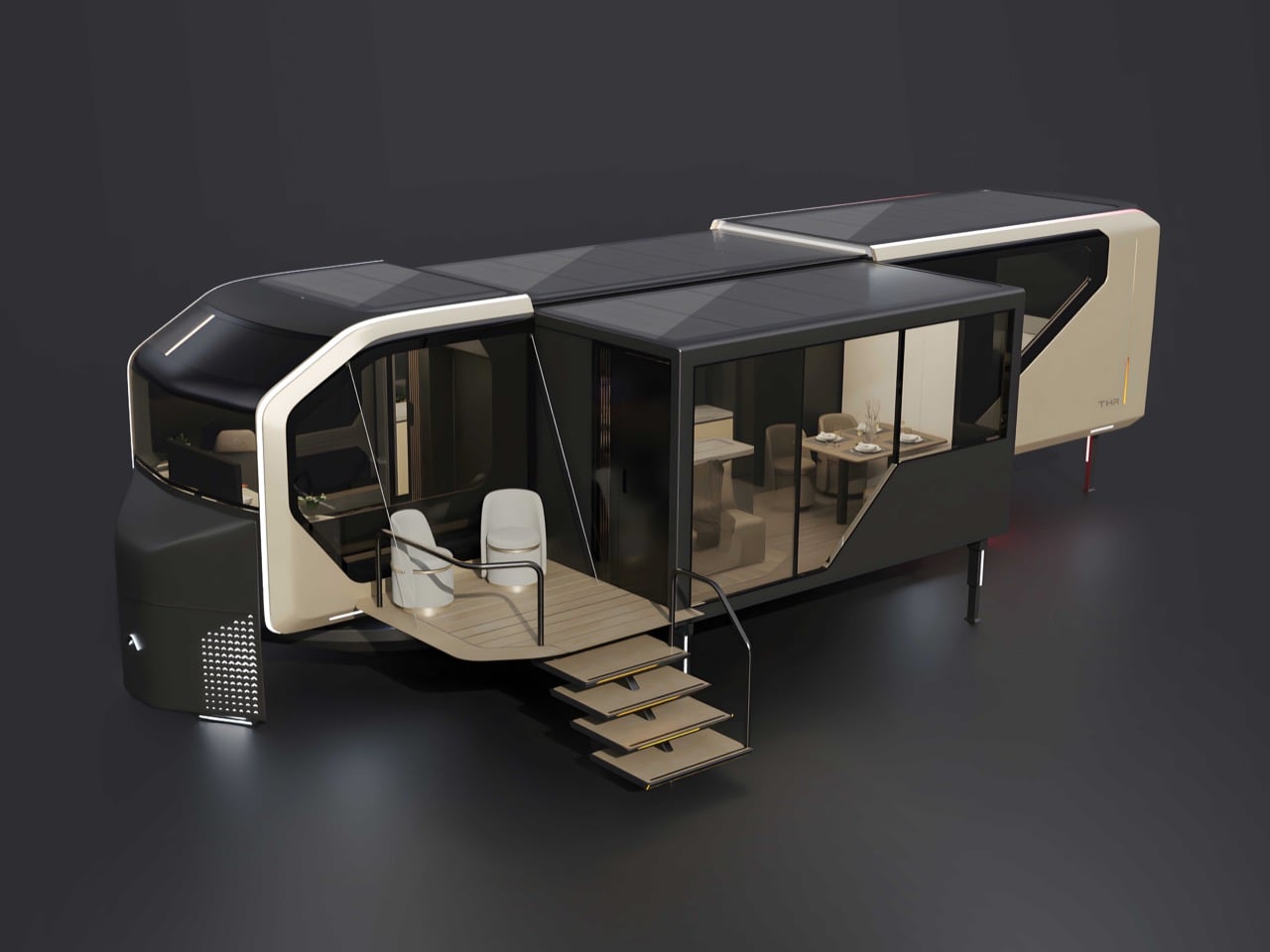
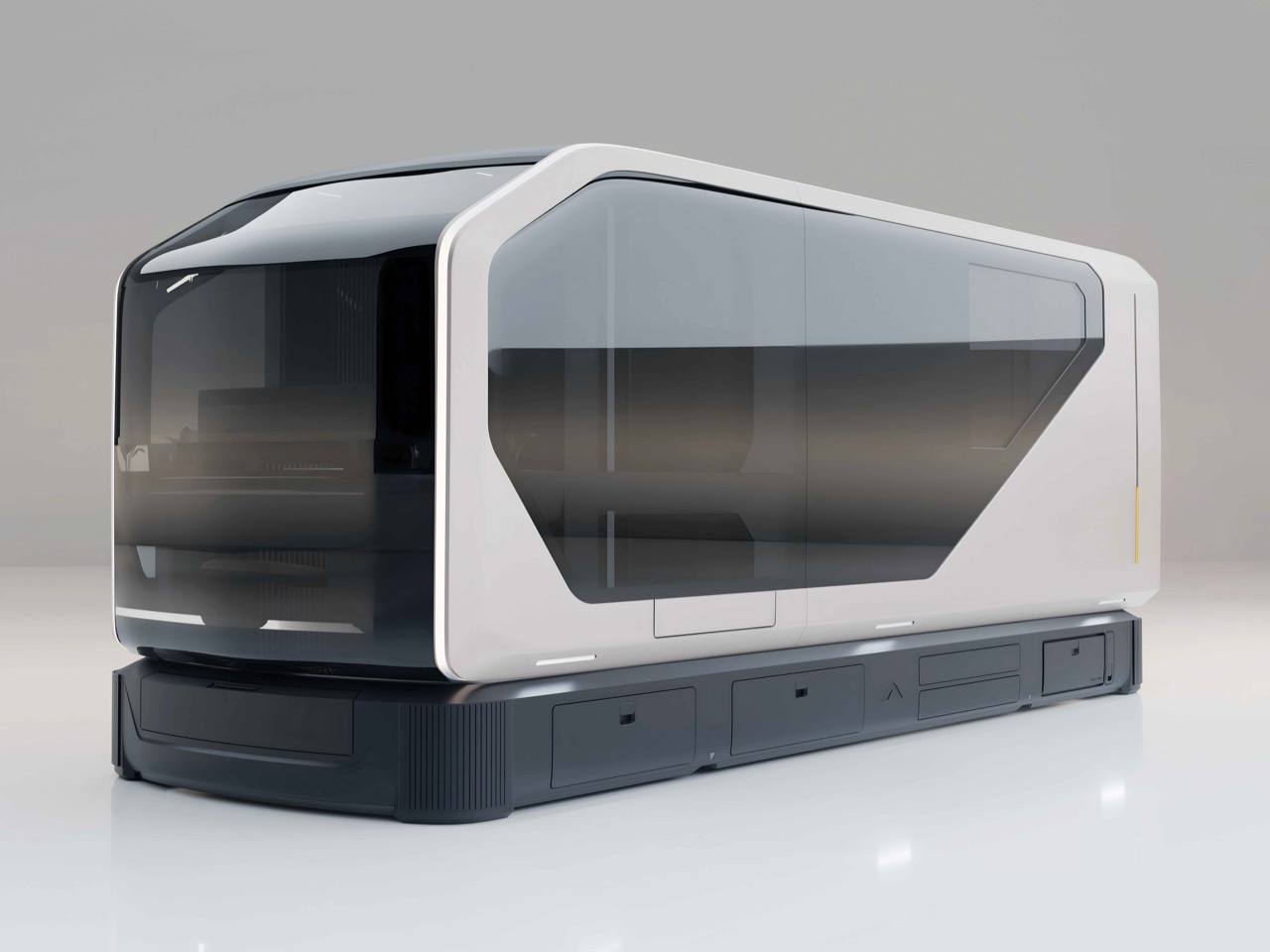
Pininfarina’s design legacy spans eight decades of automotive excellence, but the firm has increasingly turned its attention to spaces people inhabit rather than just vehicles they drive. The AI Transformer Home series marks the studio’s most ambitious exploration of that territory yet: modular, expandable dwellings that treat mobility as a core feature instead of an afterthought. Working with AC Future, Pininfarina applied its signature approach to proportion, surface treatment, and user experience, creating homes that look equally compelling whether compressed for travel or expanded for living.
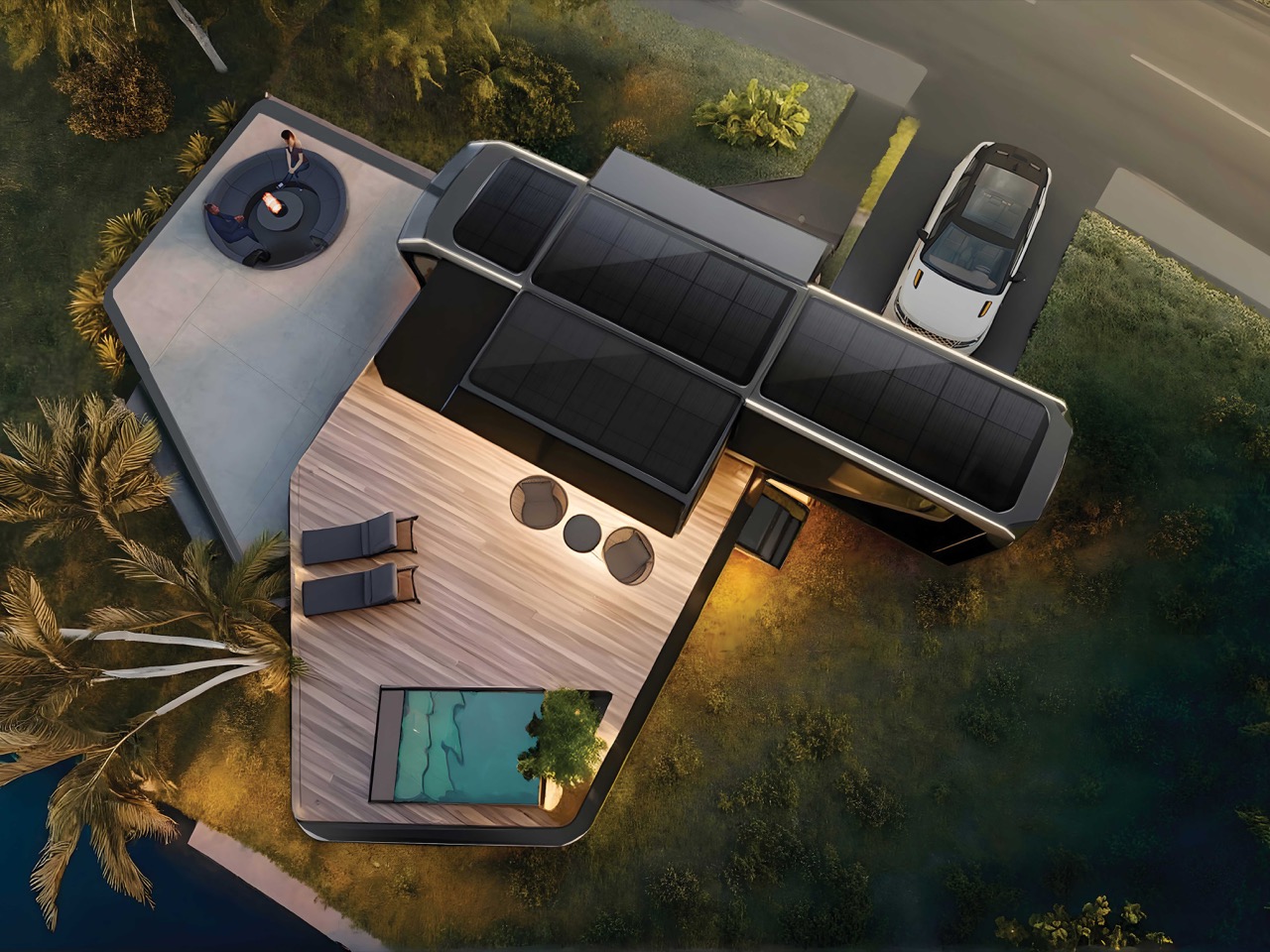
The three models share a flexible platform but serve distinct use cases. The AI-THu functions as a 400-square-foot smart ADU, ideal for backyard installations or temporary deployments. The AI-THt eliminates the driving cabin entirely, relying on patented expansion technology to maximize interior volume when towed to a destination. The AI-THd combines both worlds, offering self-contained mobility with EV or diesel power and three-sided expansion that converts a compact motorhome into a surprisingly spacious residence. All three earned the 2025 Red Dot Design Concept Award, validating their blend of engineering innovation and aesthetic refinement.
Designer: Pininfarina for AC Future
That drivable AI-THd is the one that really grabs your attention, because it’s a direct shot across the bow of the entire luxury RV market. The specs are wild. It expands on three sides to create a 400-square-foot living space from a vehicle that starts at 26 feet long. AC Future is quoting a starting price of $328,000, which puts it in direct competition with high-end Class A motorhomes and premium Airstream trailers. The key difference is that a traditional RV’s slide-outs give you a few extra feet of width, while this thing nearly doubles its physical footprint. Its cockpit even converts into a separate room, a clever use of space that most motorhomes completely waste once parked.
This whole concept hinges on the expansion mechanism, which is far more sophisticated than a simple slide-out. The AI-THt trailer, without a cab to worry about, is the purest expression of this technology. It’s a 24-foot towable box that unfolds into a legitimate small apartment. You are seeing a level of mechanical articulation that feels more like something from a sci-fi movie than a product you can actually reserve. The engineering challenge is immense: you have to manage plumbing, electrical, and structural integrity across moving walls and floors. AC Future’s patented system seems to have solved this, creating a rigid and fully insulated living space that deploys in minutes.
Beyond the mechanical wizardry, the off-grid capability is what pushes this into a new category. The homes are equipped with solar awnings that deploy during expansion and an atmospheric water generation system that literally pulls drinking water from the air. An onboard AI manages these resources, learning your habits to predict power and water needs, so you aren’t constantly checking gauges. This is true self-sufficiency, allowing for extended periods off-grid without sacrificing the comforts of a modern home, like a full-size kitchen and dual-zone climate control. It’s a closed-loop living system on wheels.
So who is actually buying this? The price tag puts it out of reach for the average van-lifer, and its high-tech complexity might intimidate the traditional RV crowd. AC Future is likely targeting a niche market of affluent digital nomads, tech entrepreneurs, and design aficionados who want a mobile base of operations that reflects their aesthetic and technological values. This is less a vehicle for visiting national parks and more a statement piece for living and working wherever you want. It’s a halo product, designed to showcase what’s possible when you fuse automotive design with smart architecture, pushing the entire industry to think beyond the beige fiberglass box.
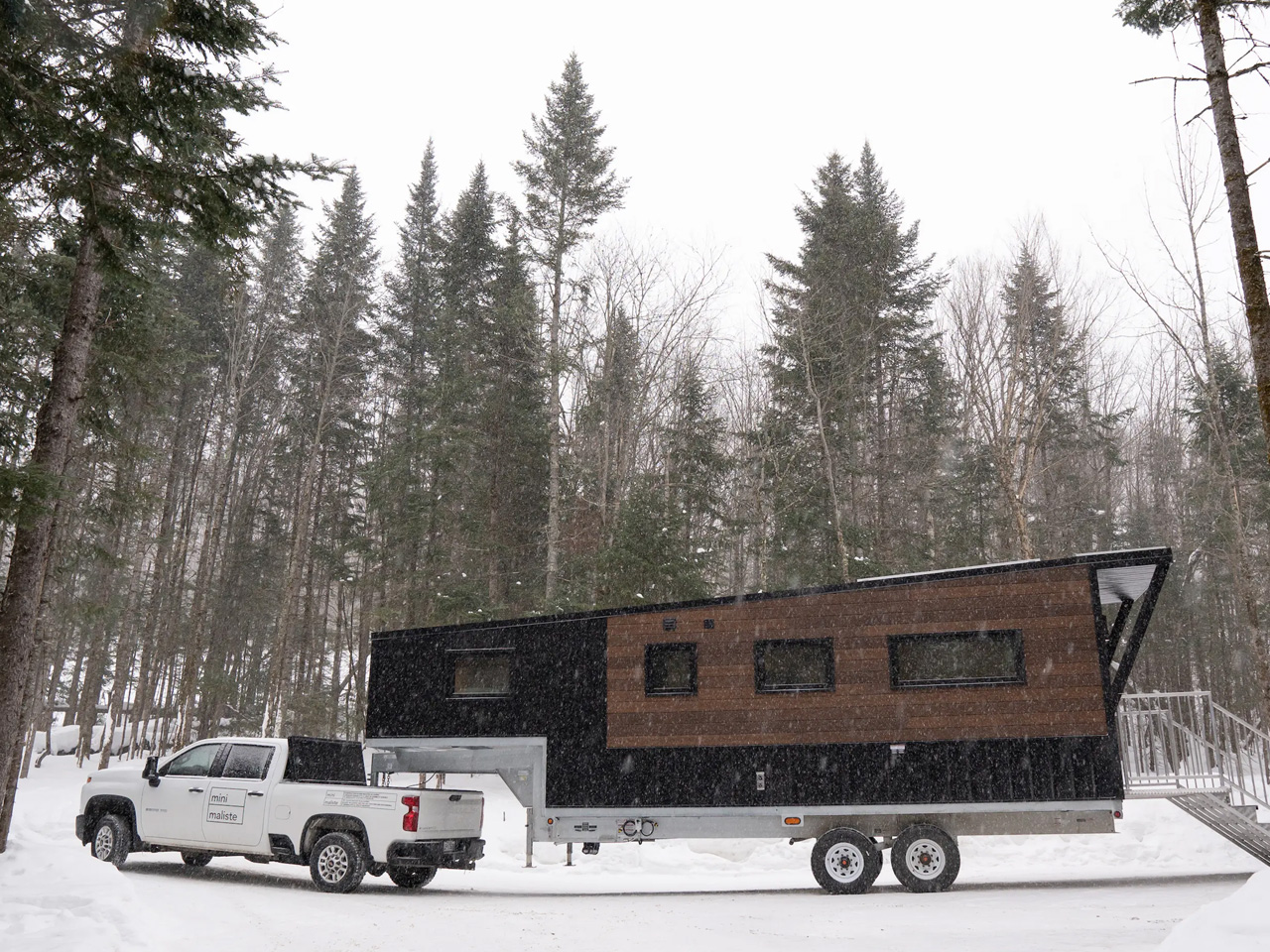
A couple of years ago Minimaliste unveiled the Nomad – a tiny house that is perfect for off-grid travel in all kinds of weather. The firm then rejuvenated the home with a larger design but still retained the basic essence. The improved Nomad 5th Wheel features a more spacious interior and can sleep up to five people.
It is finished in vertical steel sheets and faux wood steel. It features a length of 30.5 feet, a width of 8.5 feet, and a height of 12.5 feet. It weighs around 14,000 lb and is based on a double-axle gooseneck trailer. Let’s dive in more!
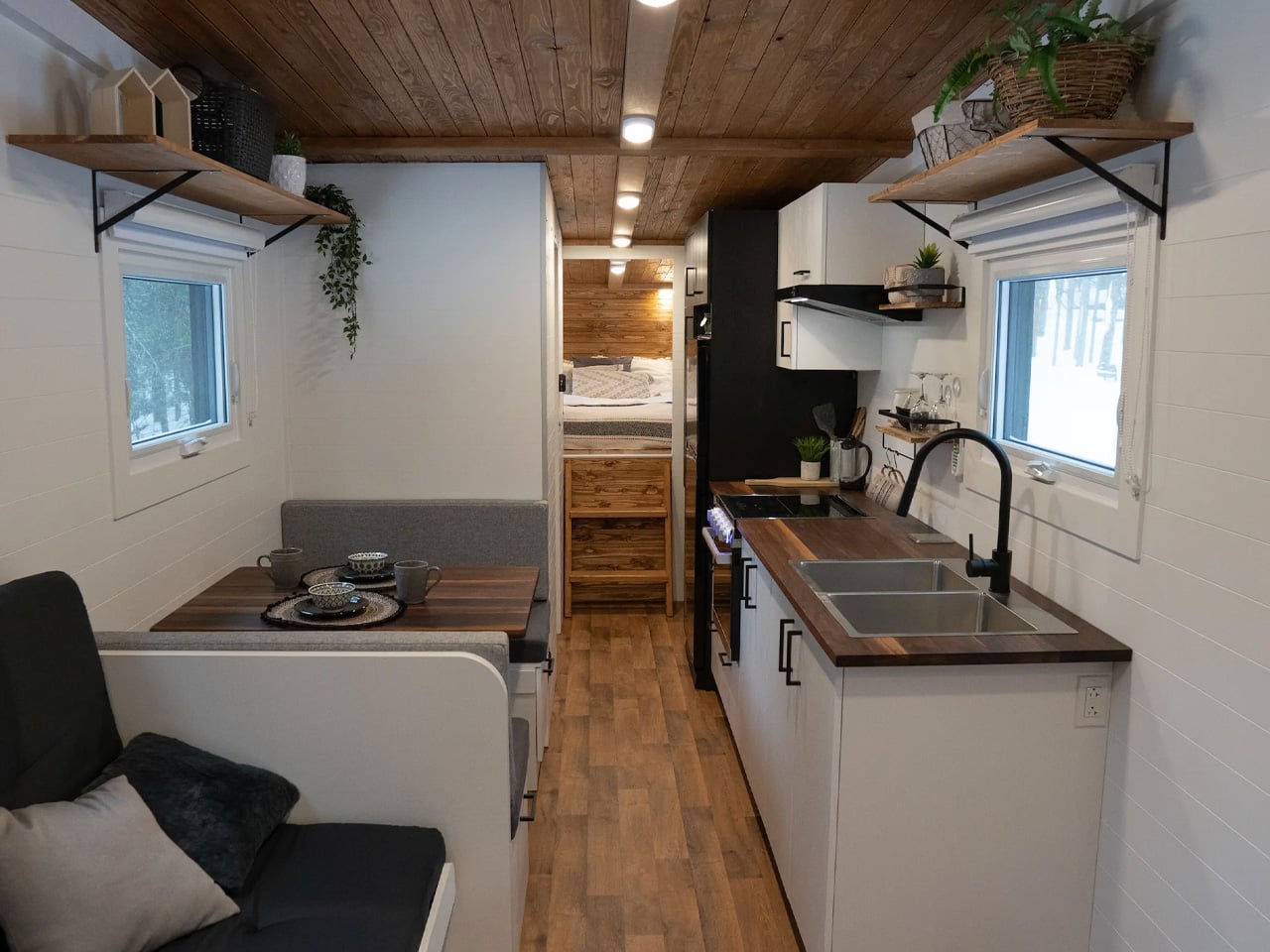
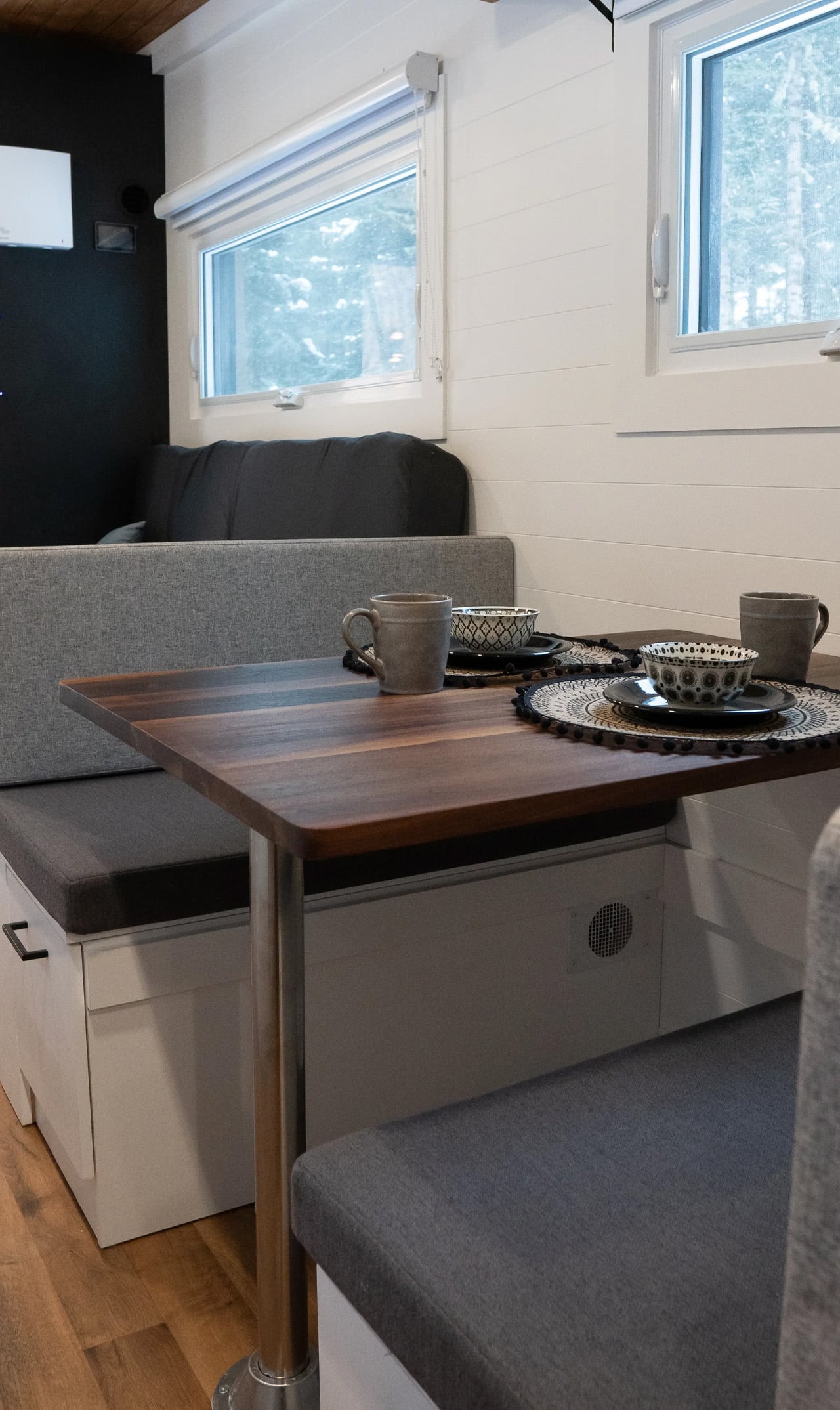
You can enter the home via a motorized folding deck and French doors. It has more floor space than the original Nomad, which makes quite a difference, creating a more spacious and comfortable living environment. The living room is equipped with a sofa bed and a pretty big closet. The home also includes anchor points, since the owner will be traveling with a motorbike within the home. A small dining area is placed next to the living room, and it can seat four people. The dining area can be converted into a single bed, which is quite nifty.
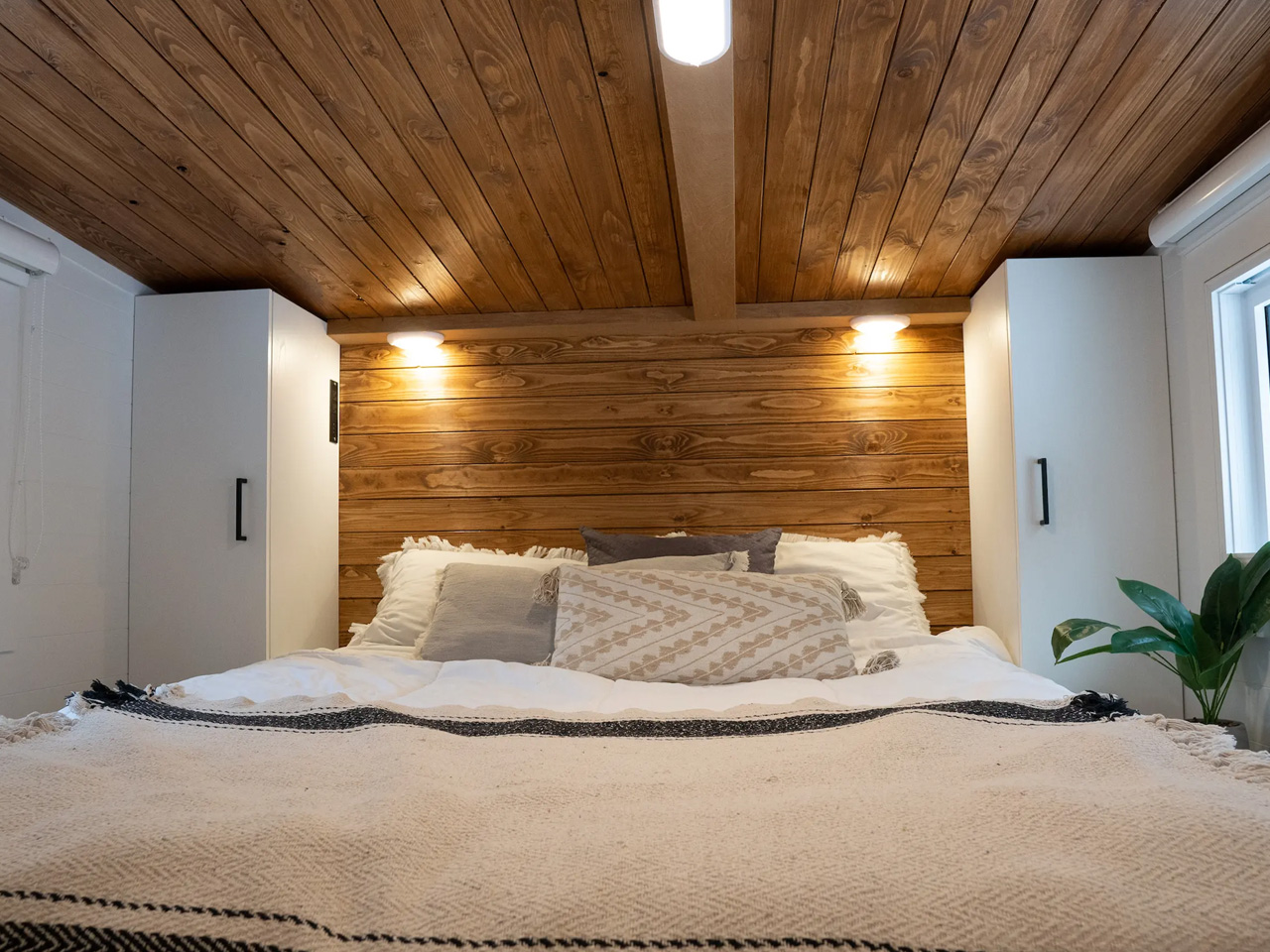
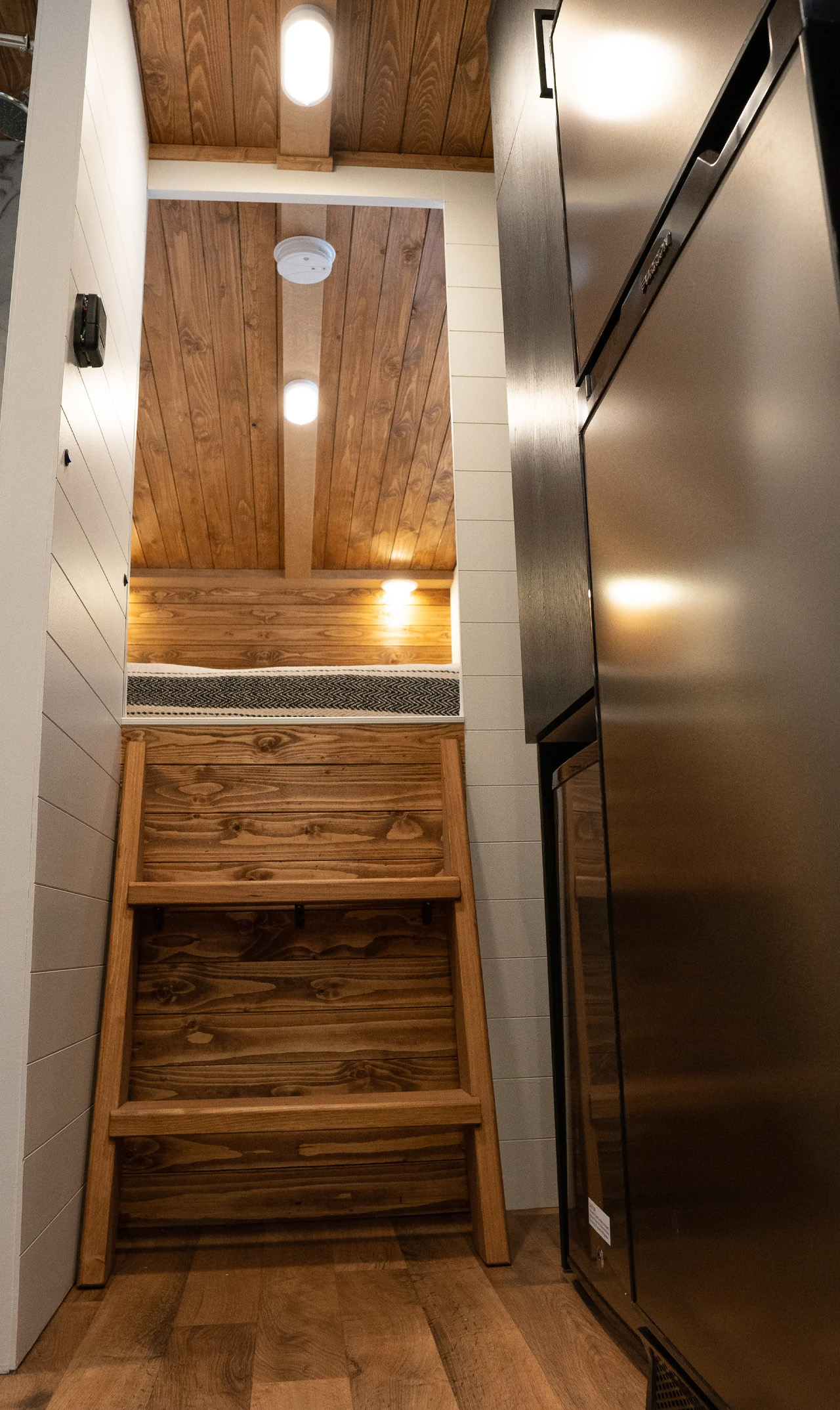
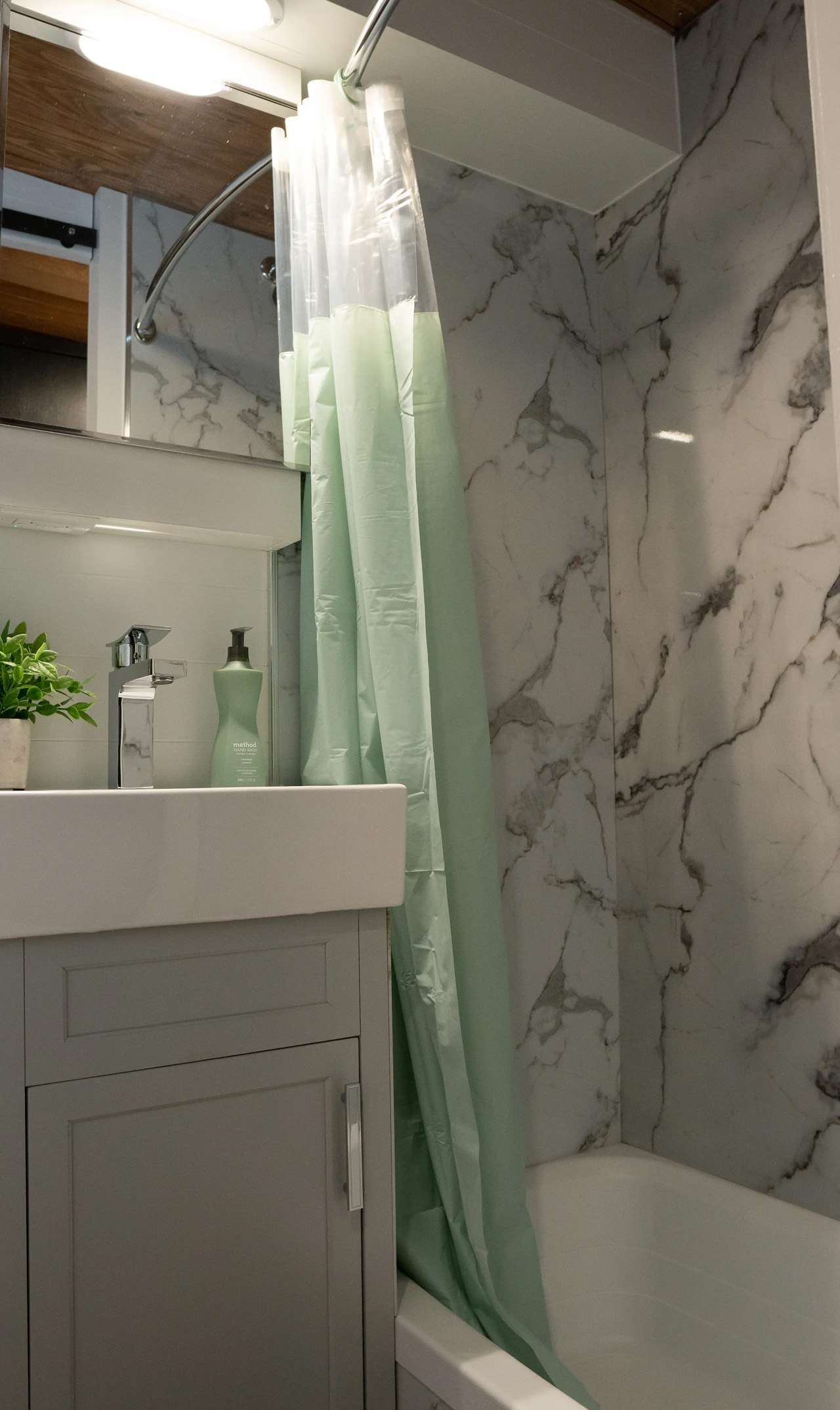
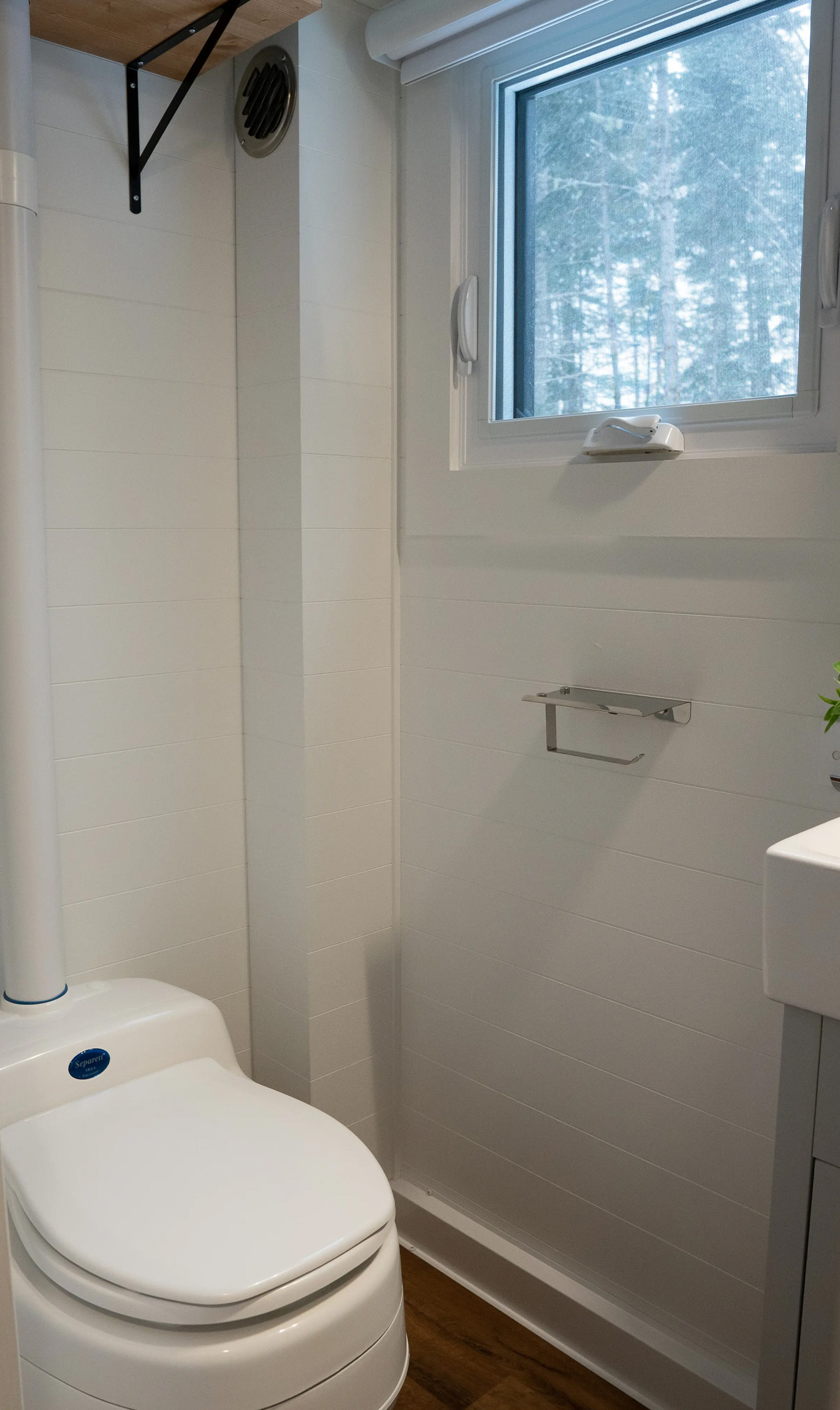
The kitchen is well designed and equipped, featuring a twin stainless steel sink, propane-powered three-burner stove, fridge, freezer, oven, cabinetry, and pantry-style storage space, as well as a gun cabinet for the owner’s hunting rifle. A small bathroom is located near the kitchen, and it contains a small bath/shower, sink, and a composting toilet. The Nomad 5th Wheel only includes one bedroom which is placed in the raised section (gooseneck) of the trailer. You can enter this room through wooden steps, and it is like most bedrooms found in tiny homes. It has a loft style with a low ceiling, a double bed, and a few closets.
The tiny home is powered by a standard RV-style hookup, or it can be outfitted with a full-off-the-grid setup including solar panels and batteries. The house is designed to handle a North American winter, and it is equipped with premium-level airtightness and great insulation to help it adapt to the heat and the cold. It is priced at around US$97,500, but it could increase if you select more options.
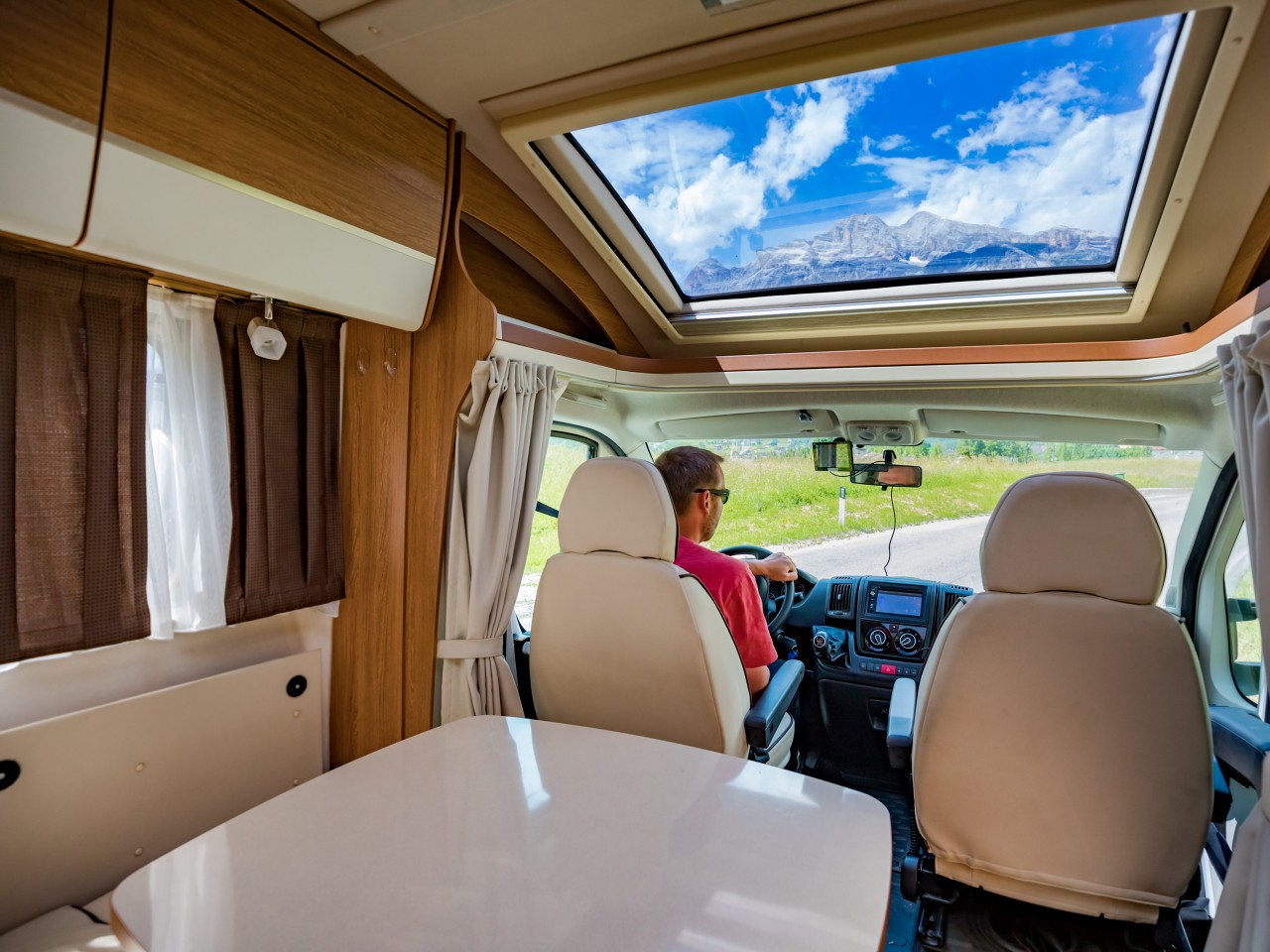
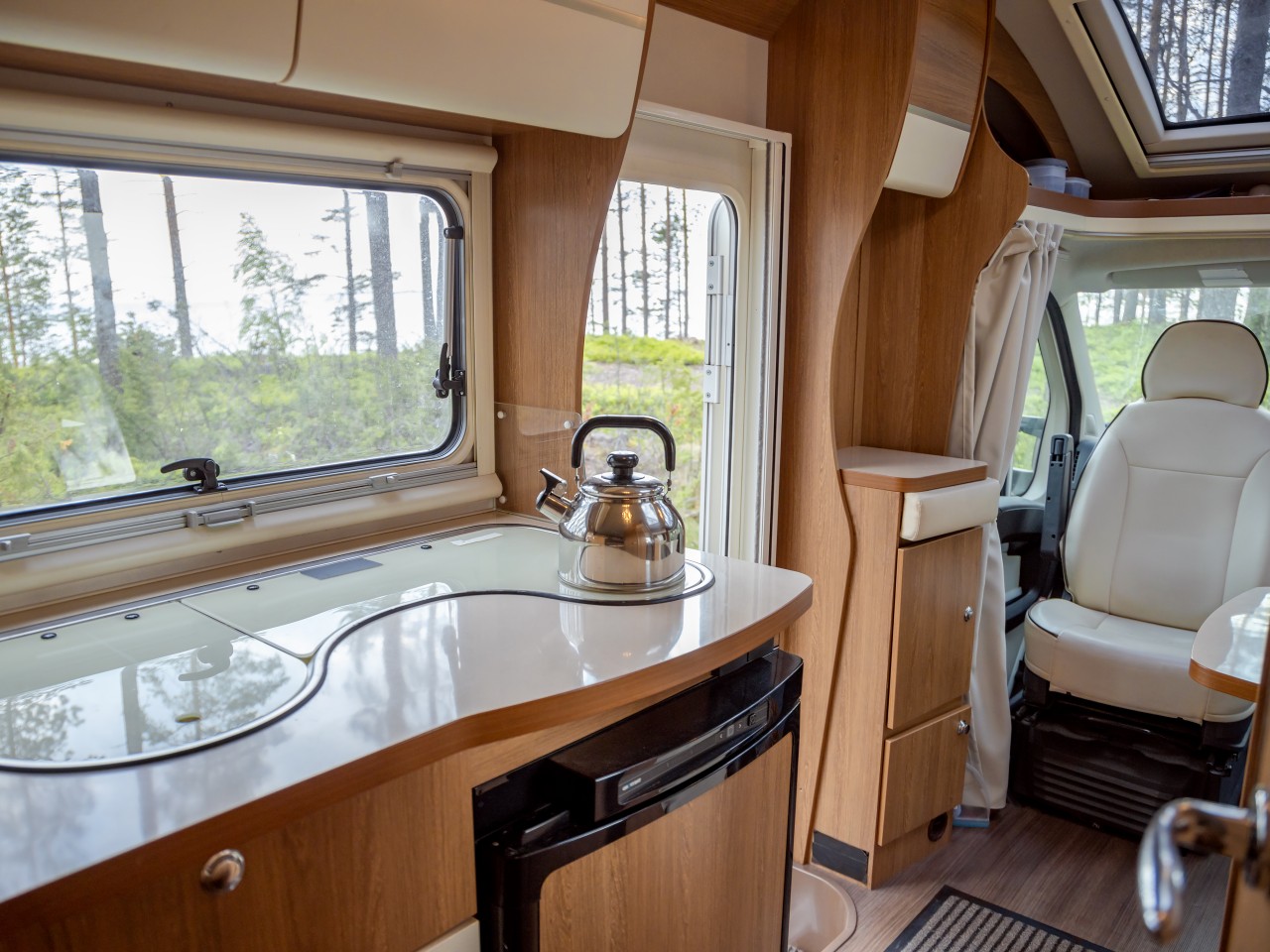
Caravans, also termed travel trailers or RVs, are increasingly popular for their blend of comfort and style while exploring the world. These compact mobile homes offer the comforts of home while journeying to various destinations. A notable feature of owning a caravan is the ability to personalize the interior to match individual preferences and needs. Simple changes in decor ideas can help achieve your desired look by adjusting or adding elements like upholstery, window treatments, carpets, rugs, shower curtains, bedding, planters, foliage, art, buntings, and other decorative items.
When choosing interior color schemes for your caravan, prioritize hues that create a sense of spaciousness and maintain longevity. Begin with a neutral base palette, allowing room for color accents through bedding, upholstery, and accessories. Consider earthy tones like blues, greys, greens, and whites, alongside pastel shades, with beige, cream, or your preferred neutrals seamlessly complementing wood paneling and visually expanding your space. Whether renovating an older caravan or adding personalized touches to a new one, here are some ideas to kickstart your design journey.
Since a caravan comes with limited square footage, it’s important to make the most of every available inch. Therefore, it is important to opt for furniture items that serve multiple functions like a sofa bed can serve as seating during the day and easily convert into a bed at night. This not only optimizes space but also fosters a feeling of openness within the caravan, especially during daytime travel. Opting for a foldable table offers the flexibility of tucking it away when not needed, thereby liberating precious floor space. Consider seeking a table that can be mounted on the wall or ceiling for additional space-saving benefits. Modular furniture provides versatility to rearrange according to your requirements. Look for pieces that can be stacked or nested when not in use, enabling efficient space utilization and ensuring ample room for movement.
Storage is often a challenge when embarking on caravan trips, particularly during long journeys or in winter. With so many essentials to carry, space is always at a premium. In smaller caravans, it’s essential to invest in ingenious storage solutions. Consider utilizing under-bed storage boxes, over-door organizers, furniture with ample drawers, and hanging shelves. Make the most of every nook and cranny, including the space beneath seats and in the corners of the caravan.
3. Add Texture
Adding textured accents such as cushions, throws, and rugs is a simple yet effective method to elevate the appearance of a small caravan. These elements contribute warmth and personality to the interior. Furthermore, incorporating wall art can further enhance the aesthetic appeal of the space.
4. Coastal Influences
For coastal and beach enthusiasts, choose a caravan with nautical-inspired interiors and color schemes. Utilize white as the main color to keep the space fresh and airy, essential in small areas. Incorporate various shades of blue for a relaxing coastal feel, and opt for natural materials like wood furniture, decor accessories, and rattan baskets to maintain this style. Consider adding blue and white stripes, reminiscent of classic ship decor, to enhance the nautical theme.
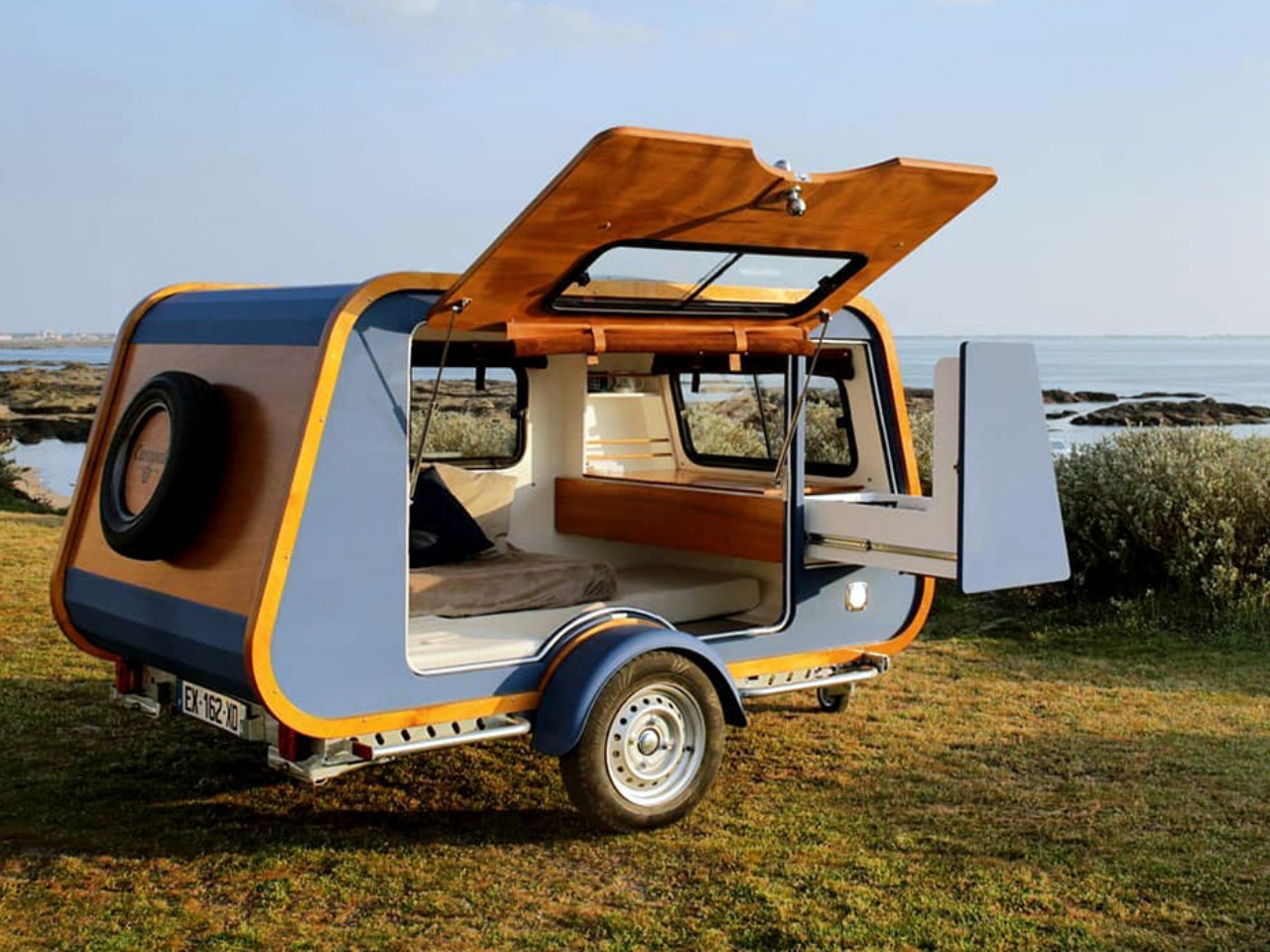
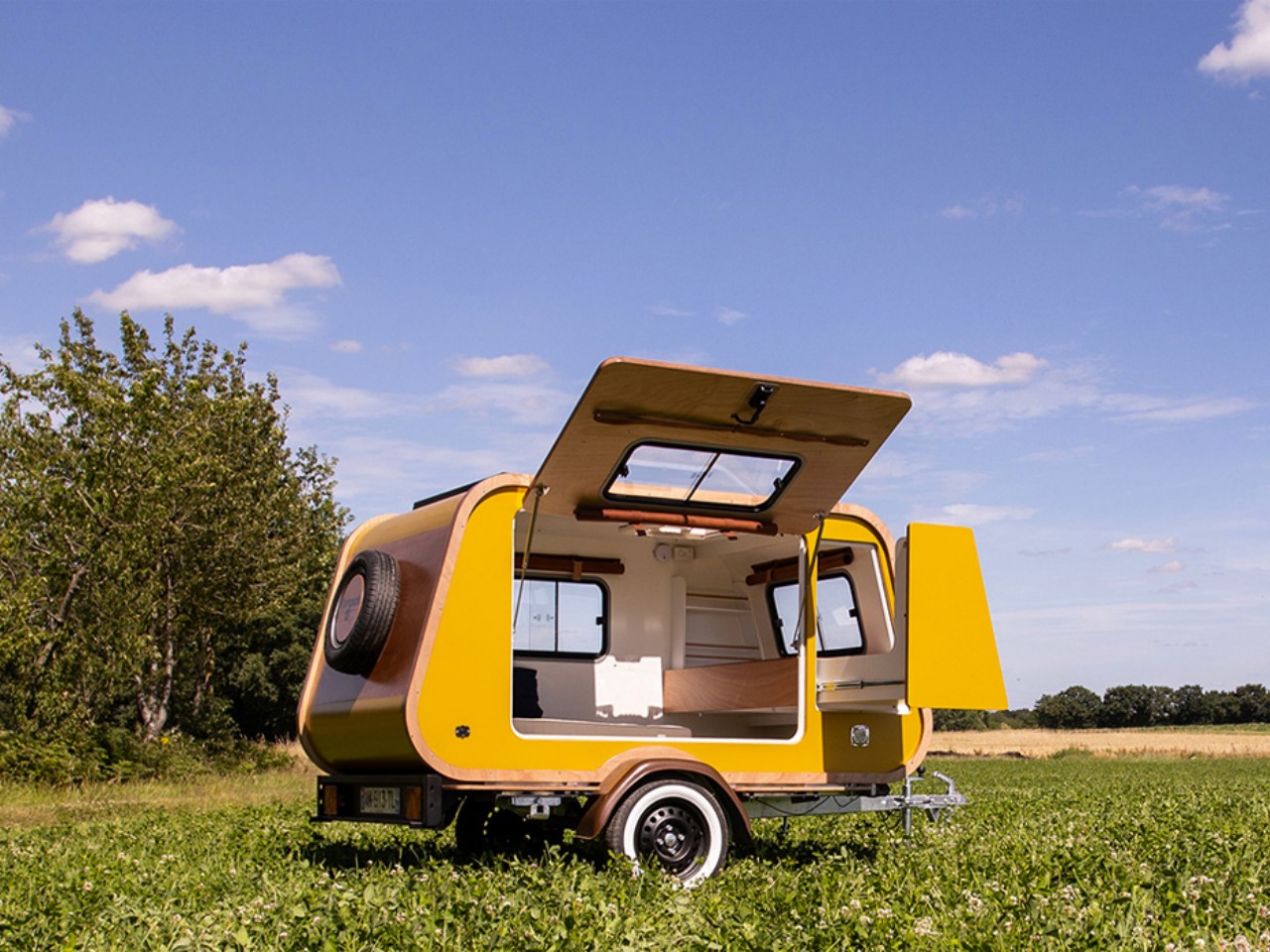
As luxury camping vehicles like teardrop caravans become increasingly popular, La Carapate from French manufacturer Carapate distinguishes itself with its innovative design. Sporting a trapezoidal shape and a unique flap door for shade and convenient access, it stands out in the market. Drawing inspiration from nautical themes, its blue and yellow color scheme captures the essence of maritime adventure. With eco-friendly features like a solar panel, La Carapate embodies sustainability and responsible travel. Its panoramic views and compact living space make it an appealing choice for camping enthusiasts seeking a connection with nature and alternative accommodation. Explore its hidden features, such as skylights and USB ports, for an unforgettable camping experience.
5. Rustic Vibes
Achieve a transitional style in your compact caravan by blending modern and rustic elements for a relaxed yet stylish interior. Opt for neutral tones like white or cream for the internal walls, and incorporate cream blinds for added texture. Keep decor accessories predominantly neutral, and integrate natural materials such as rattan lights, baskets, trays, and wooden furniture pieces for an organic touch.
Considering that the caravan will be utilized for exploring natural environments, why not incorporate natural materials into the interior decor? Embracing these materials, such as wood, rustic basins, wood flooring, and breathable fabrics, can enhance the renovation, creating a connection to the surrounding natural landscapes.
7. Bohemian Vibes
The Bohemian style complements the freedom and flexibility of small caravan living. With its adaptable nature, it easily suits most caravan spaces, focusing on a neutral color scheme with hints of green from foliage and natural browns from materials like seagrass and rattan. This achievable and timeless interior design starts with updating the cushions in the dining area, setting the tone for the entire caravan space.
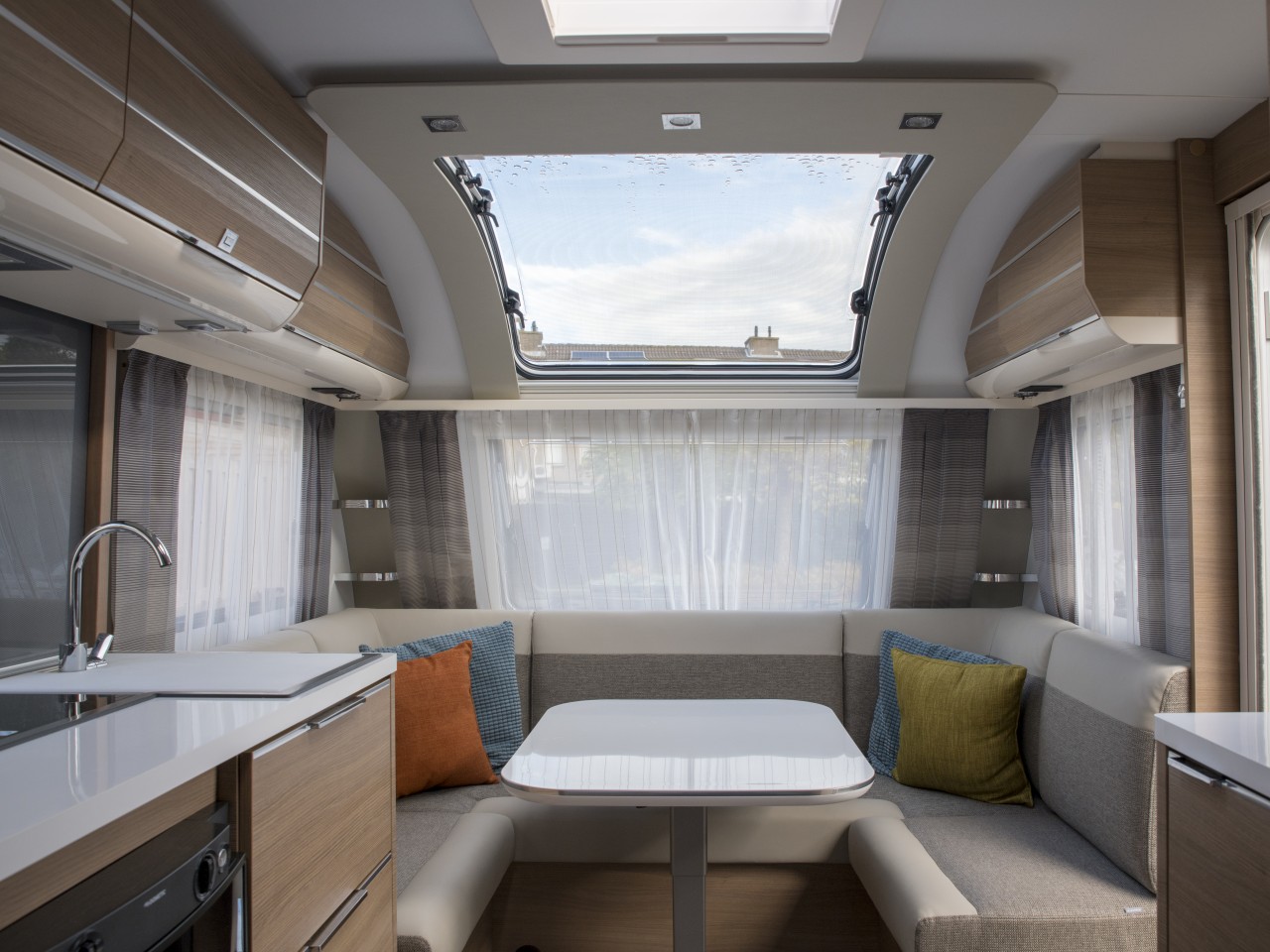
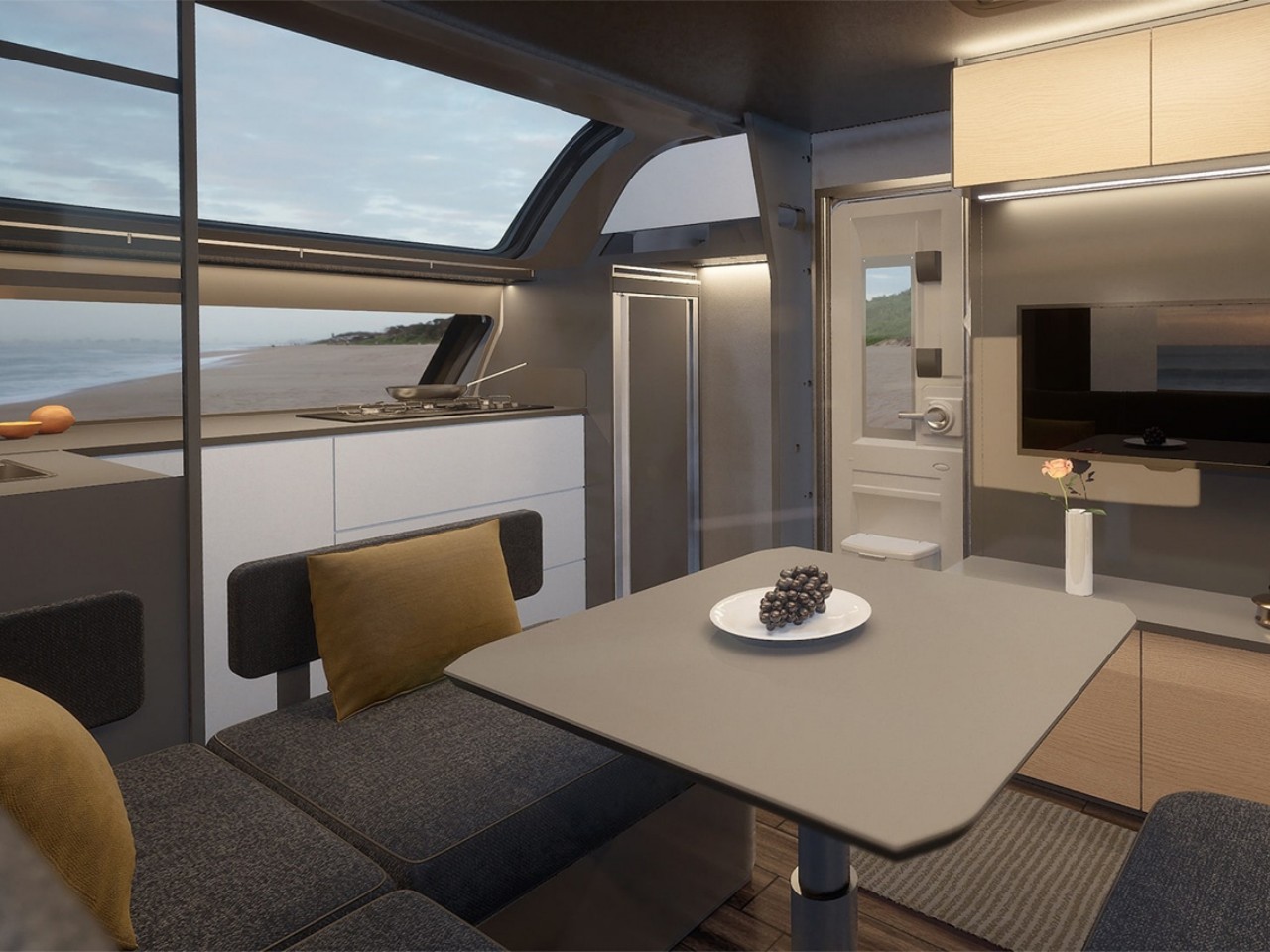
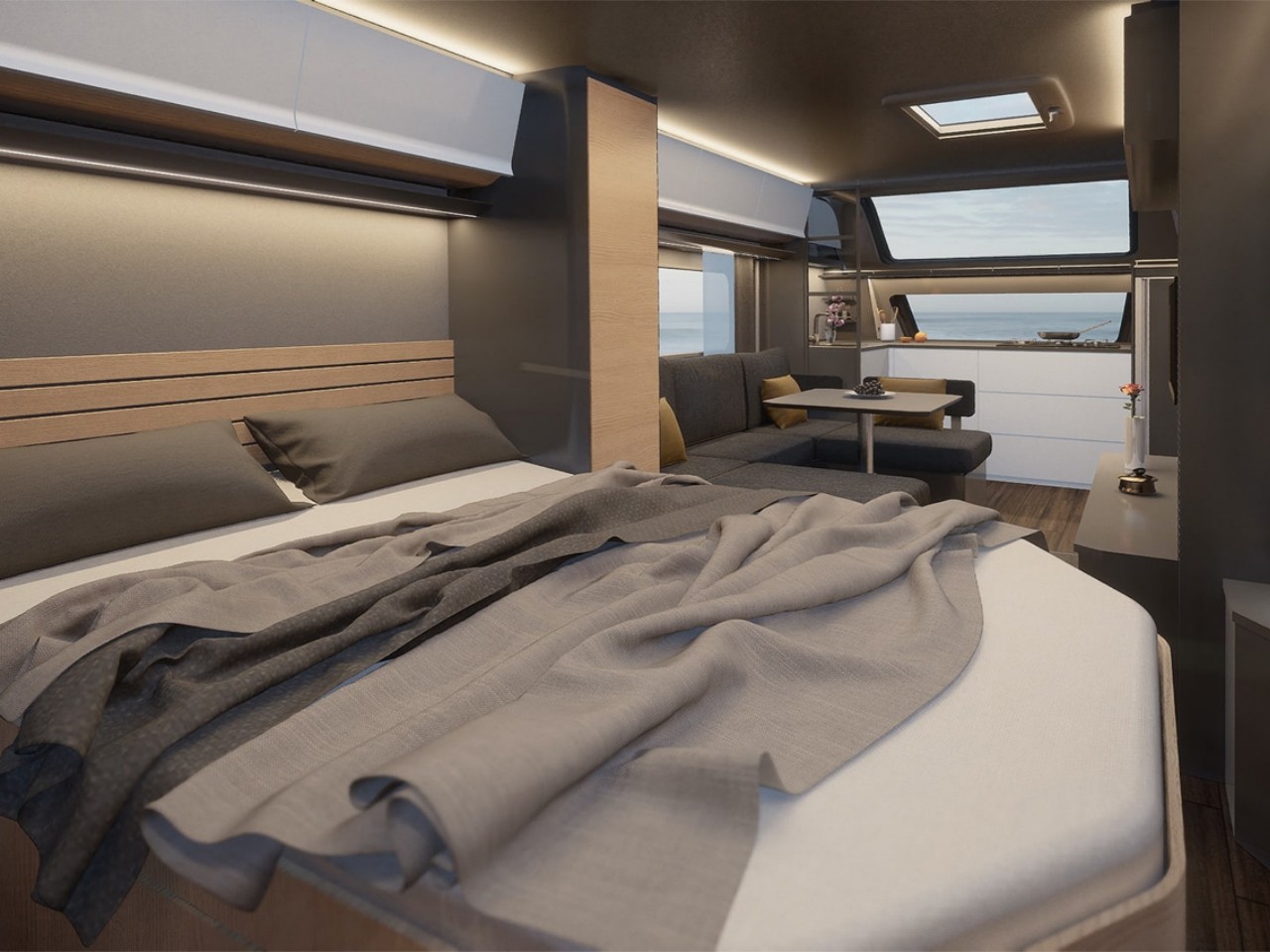
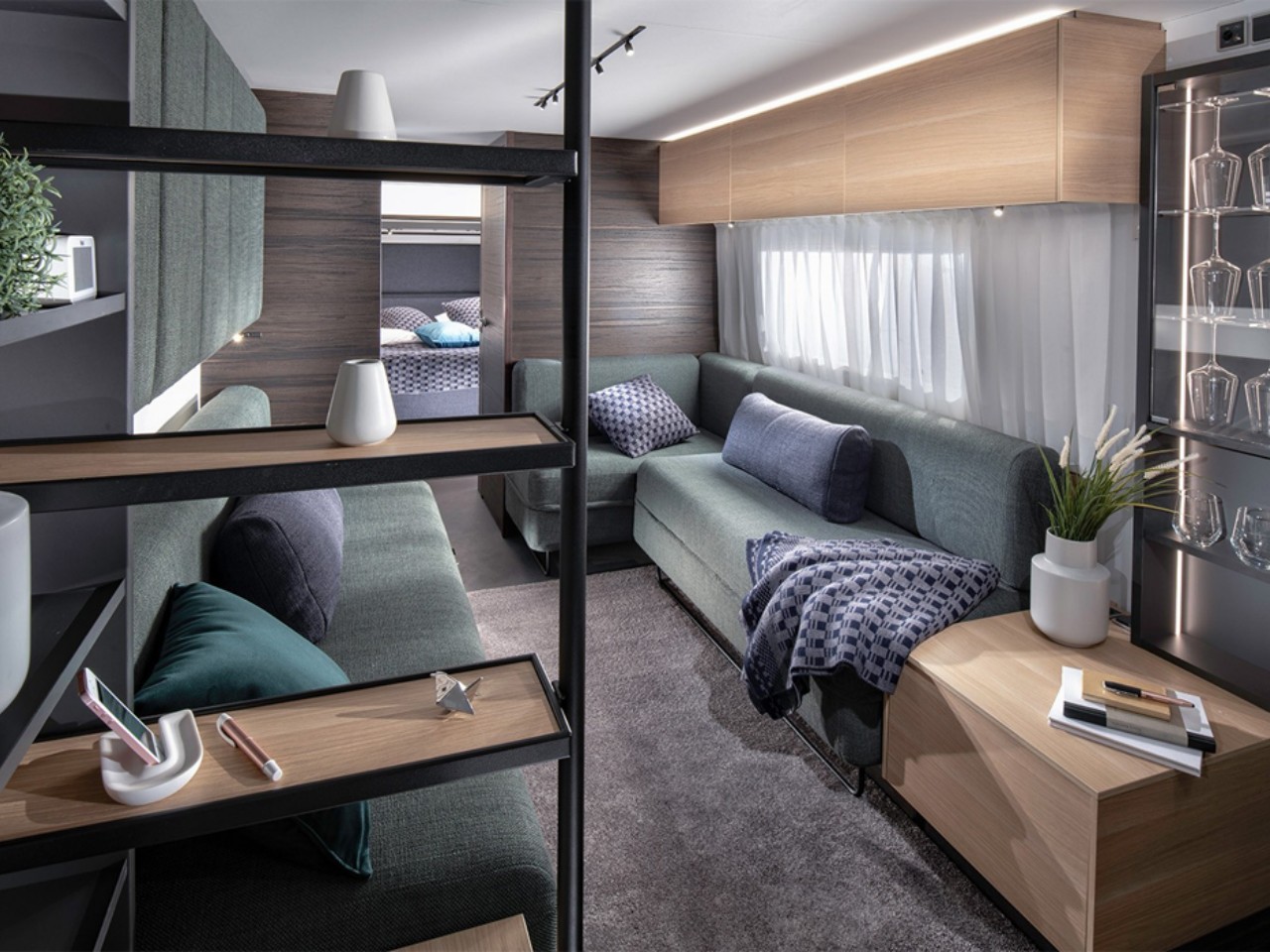
Hobby’s Maxia caravan blends Scandinavian design with hygge living, offering a luxurious city apartment on wheels. Its exterior retains a traditional look with rounded edges and panoramic windows for expansive views. Inside, a focus on simplicity and comfort characterizes the layout, with an L-shaped kitchen featuring modern amenities and a versatile U-shaped sofa doubling as a dining area and bed. The open floor plan ensures ample living space, with a private sleeping area towards the back and smart appliances like Truma Combi heater/water heater and Hobby Connect touchscreen controls enhancing the experience. It’s a stylish and functional retreat for on-the-go travelers.
9. Introduce a Home Office
In the post-pandemic era, there’s a notable rise in camper and trailer demand, offering enhanced adventure experiences and cozy sleeping quarters. These vehicles not only provide ample space for gear but also feature full kitchens, bringing the comforts of home to natural settings. For professionals craving personal space amidst scenic landscapes, these mobile accommodations offer an escape from monotony, making work-life balance more attainable.
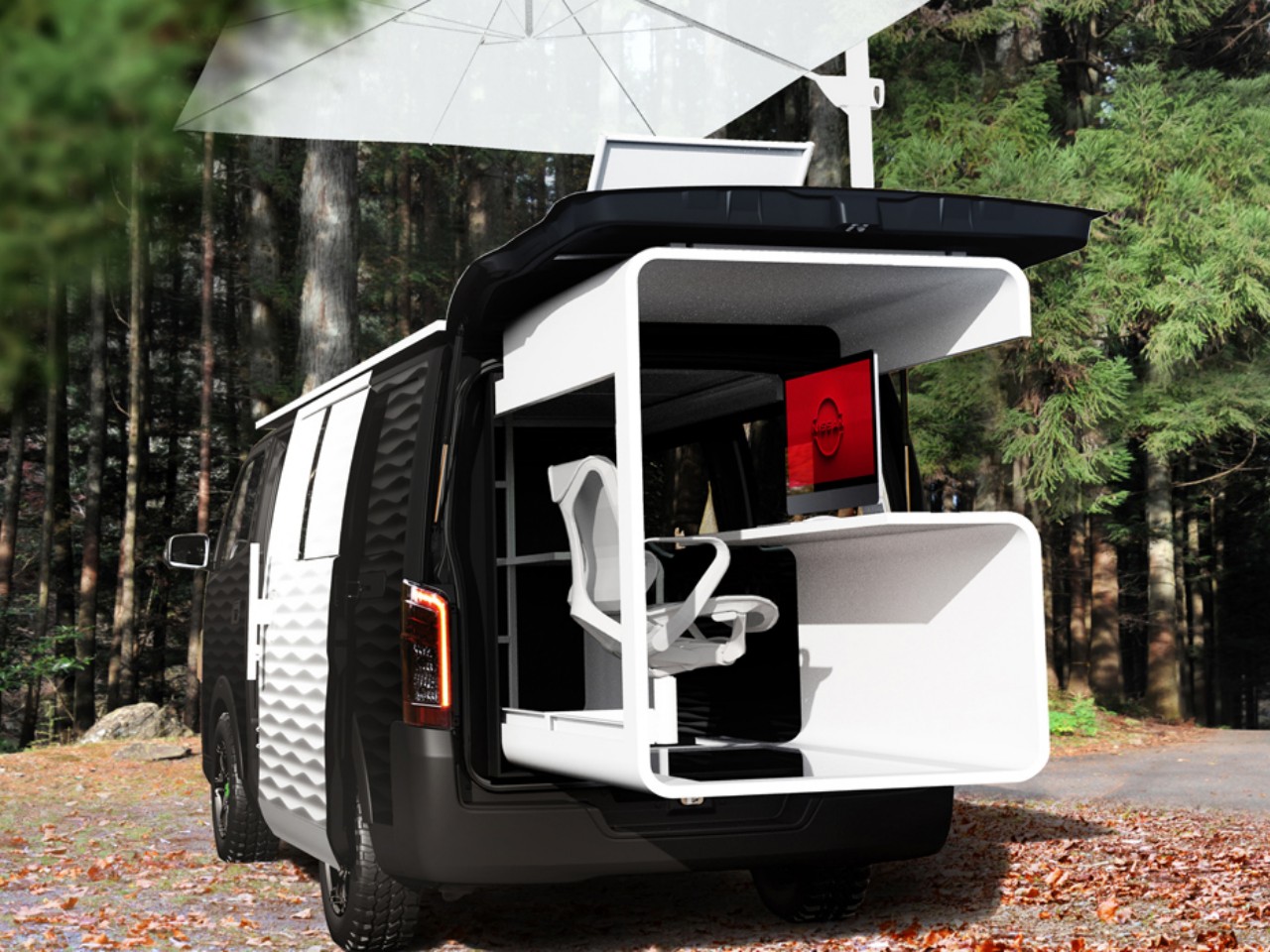
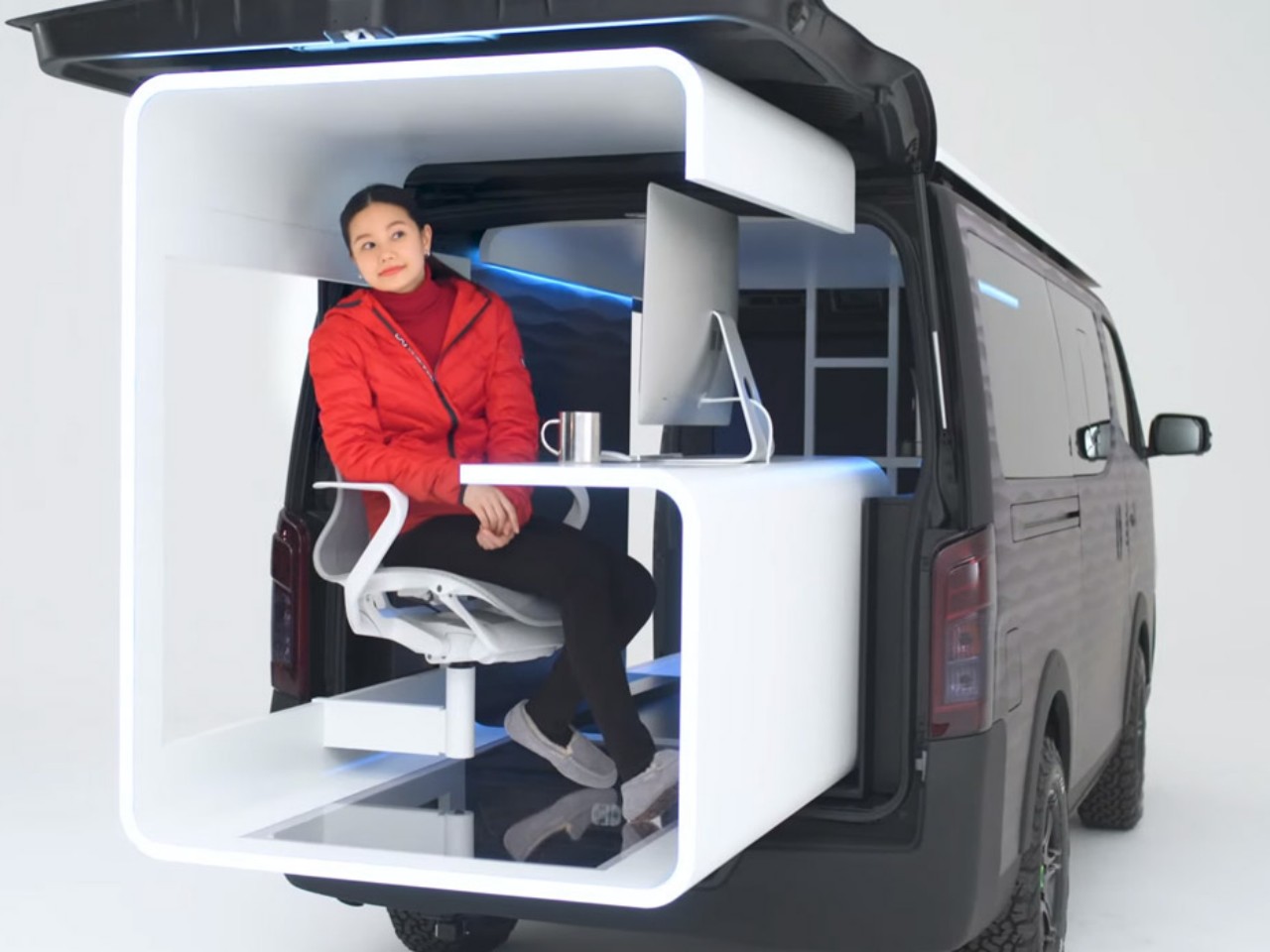
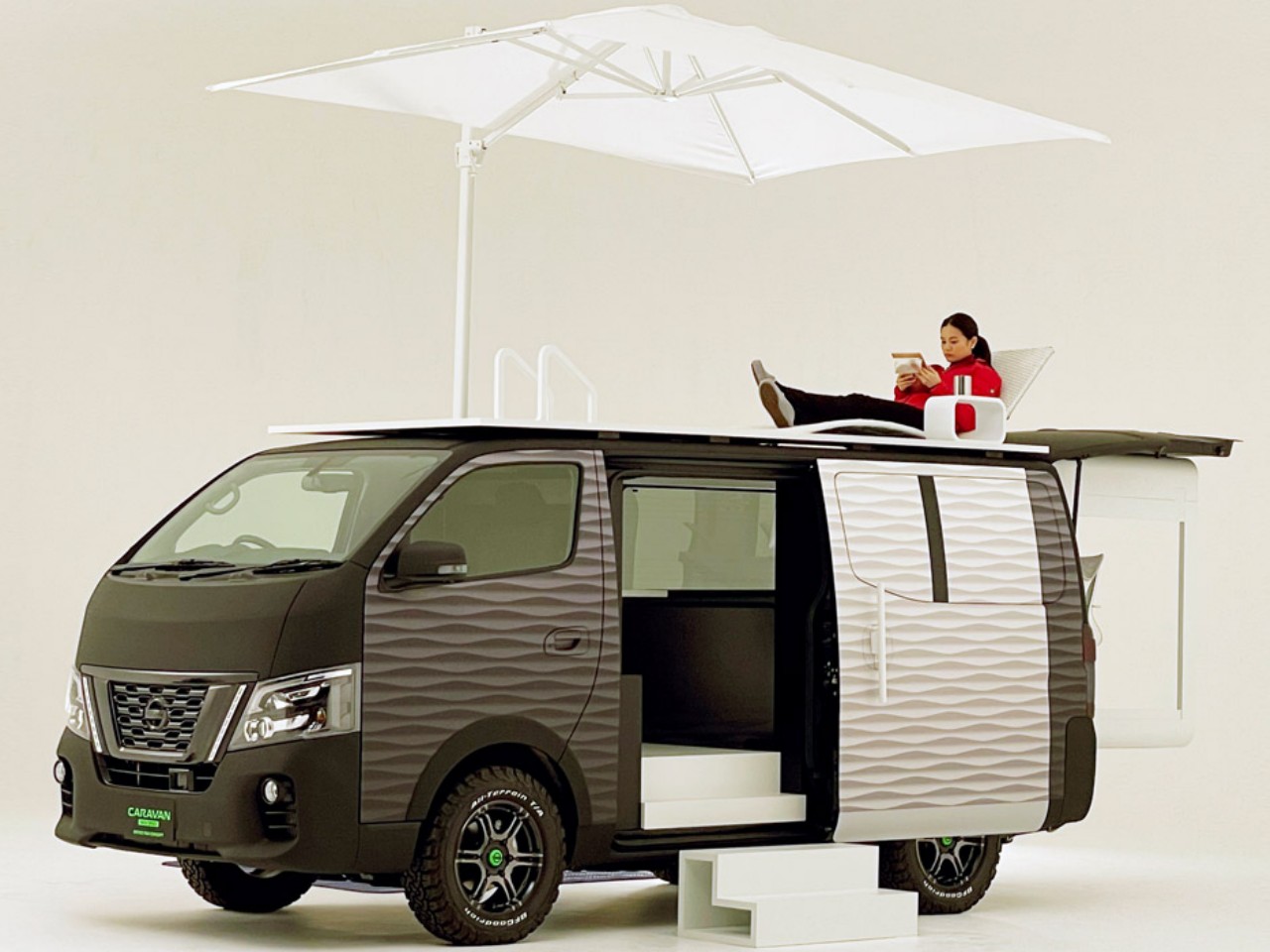
The Nissan NV350 Caravan Office Pod Concept revolutionizes remote work by offering a mobile office in scenic locales. Controlled via smartphone, it extends outdoors with one-touch retractable motion, electric shades, and UV antibacterial lighting for hygiene. Featuring a Herman Miller Cosm chair on a polycarbonate floor and adjustable ambient lighting, it prioritizes ergonomic comfort. A rooftop deck provides a luxurious retreat, accessible from inside the vehicle for personal solitude. Unveiled at the Virtual Auto Salon 2021, this caravan exemplifies the future of electric vehicles, offering innovative opportunities for remote work while inspiring creativity in nature.
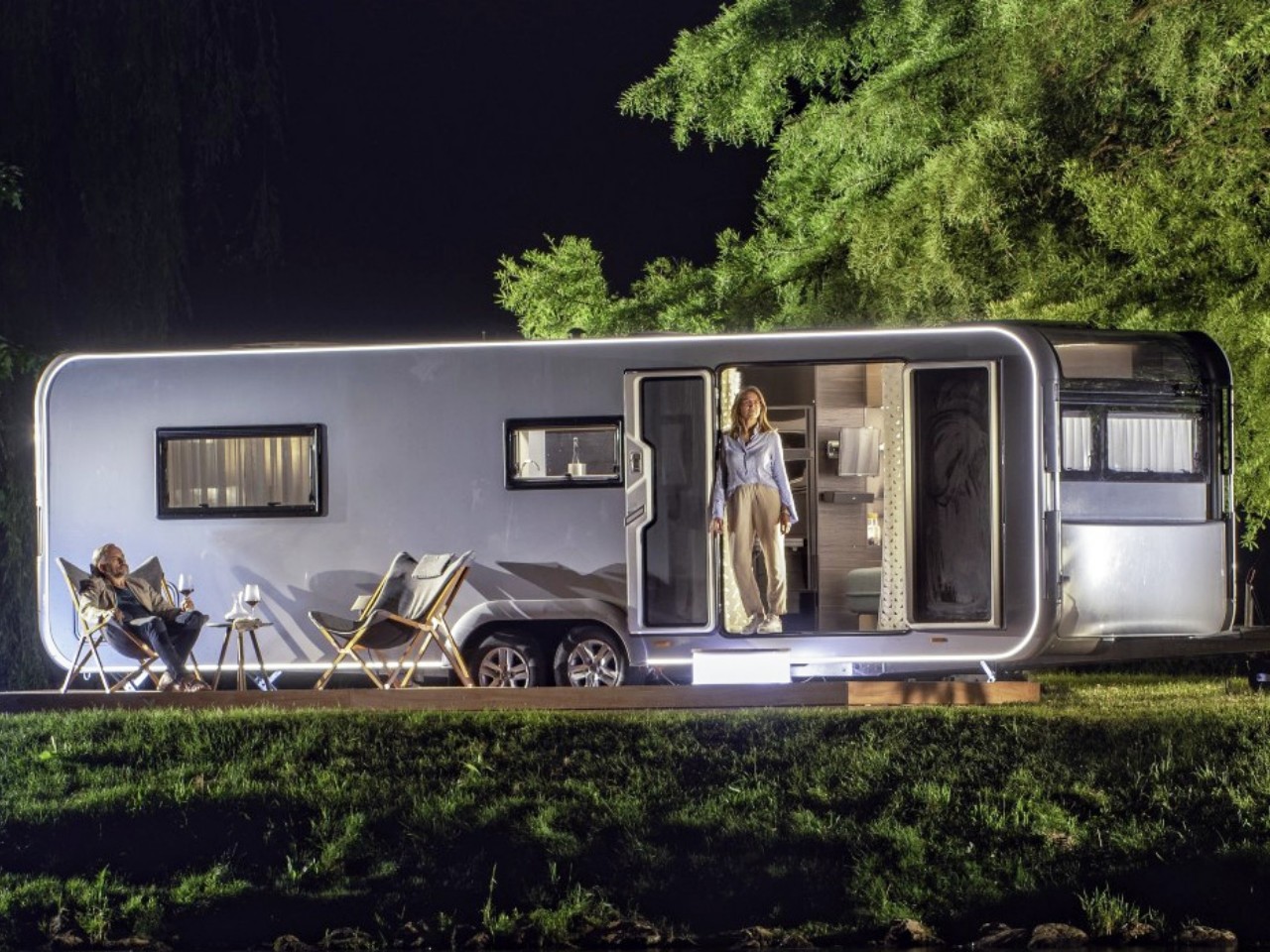
Adria’s new Astella caravan epitomizes luxury mobile living reminiscent of 1950s airline opulence, akin to Pan Am, catering to travelers in pursuit of ever-changing dream vacations. Crafted as an inspired, deluxe rendition of the traditional holiday home on wheels, Astella embodies luxury through simplicity. Its open floor layout exudes sophistication with clean lines, amplifying the spacious interior housing living, kitchen, bathroom, and bedroom spaces. Astella seamlessly integrates indoor and outdoor living with panoramic glass doors, while its aerospace-grade exterior boasts a sleek glazed steel finish for efficient airflow during towing, promising a luxurious yet functional travel experience.